
You know that feeling when you finally find the desert landscape idea that looks exactly right for your space, but turning that pin into a plan feels impossible? We get it. After filtering through hundreds of options across local nurseries, architectural suppliers, and specialty online retailers, we narrowed it down to 28 ideas that actually deliver. We’ve considered every price point, from a simple $500 gravel bed refresh to a stunning $75,000+ poolside oasis. Inside, you’ll find 28 curated ideas showcasing today’s most inspiring modern, rustic, and oasis-style desert gardens. In 2026, it’s all about creating beautiful, water-wise outdoor rooms that feel like a natural extension of your home, and these looks nail that vibe. And stay until the end—we break down the most common mistakes that can ruin these looks. 📌 Save this to Pinterest for later—you’ll want to revisit these ideas.
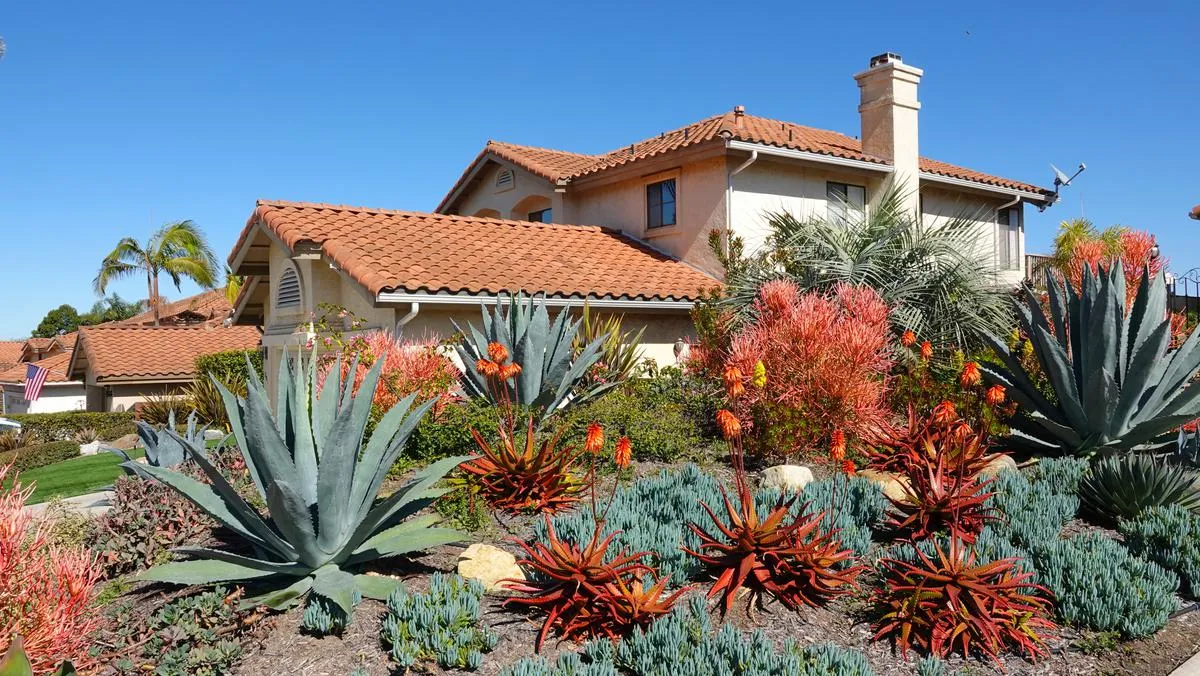
1. Vibrant Xeriscape Garden with Agaves and Colorful Succulents
This garden is so compelling because of its masterful use of color and texture. The cool, blue-green of the large agaves acts as a backdrop that makes the fiery red and orange succulents pop. This is a classic color theory trick using complementary colors (blue and orange) to create high contrast and visual excitement. The design also layers textures—from the smooth, broad leaves of the agave to the spiky, fine texture of the red succulents and the finger-like shape of the blue-grey plants. This variety keeps the eye moving and engaged.
|
📋 Copy HEX 🔗 Share |
When planting a dense succulent garden like this, the trick is to plant closer than you think. Aim for spacing that is about 75% of the plant’s mature width. This encourages the plants to grow into a dense, interlocking tapestry rather than looking like separate polka dots in a field of mulch. For the first year, this might look a little sparse, but by year two, you’ll have a full, lush carpet of color and texture that effectively suppresses weeds and creates that professional, overflowing look.
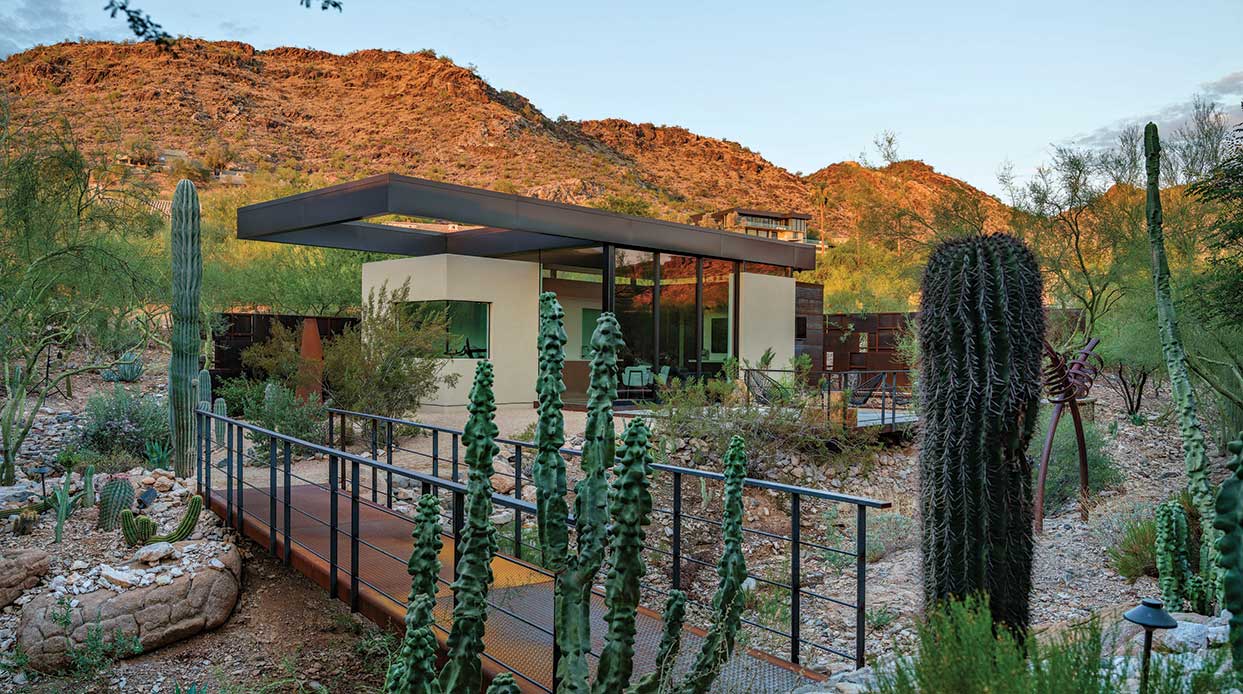
2. Modern Architecture Integrated with a Rugged Cactus Landscape
A design this bold needs room to breathe. This concept is best suited for properties of at least half an acre, where the architecture doesn’t feel cramped by its surroundings. The goal is to make the building look like it was placed within the landscape, not on top of it. You need enough surrounding natural terrain to frame the modern structure, allowing the cacti and shrubs to create a natural, rugged foreground that contrasts with the clean lines of the building. A smaller lot would make the home feel overwhelming, and the landscape would look forced.
|
📋 Copy HEX 🔗 Share |
Take away the rustic metal bridge, and you lose the entire story. It’s the single element that thoughtfully connects the man-made structure to the untamed natural environment. Its rusty patina mimics the earthy tones of the mountains, and its simple, strong lines echo the modern architecture. It’s not just a way to get to the door; it’s a deliberate transition from the wildness of the desert to the refuge of the home. Without it, the house would feel disconnected and simply placed in the desert, rather than truly integrated with it.
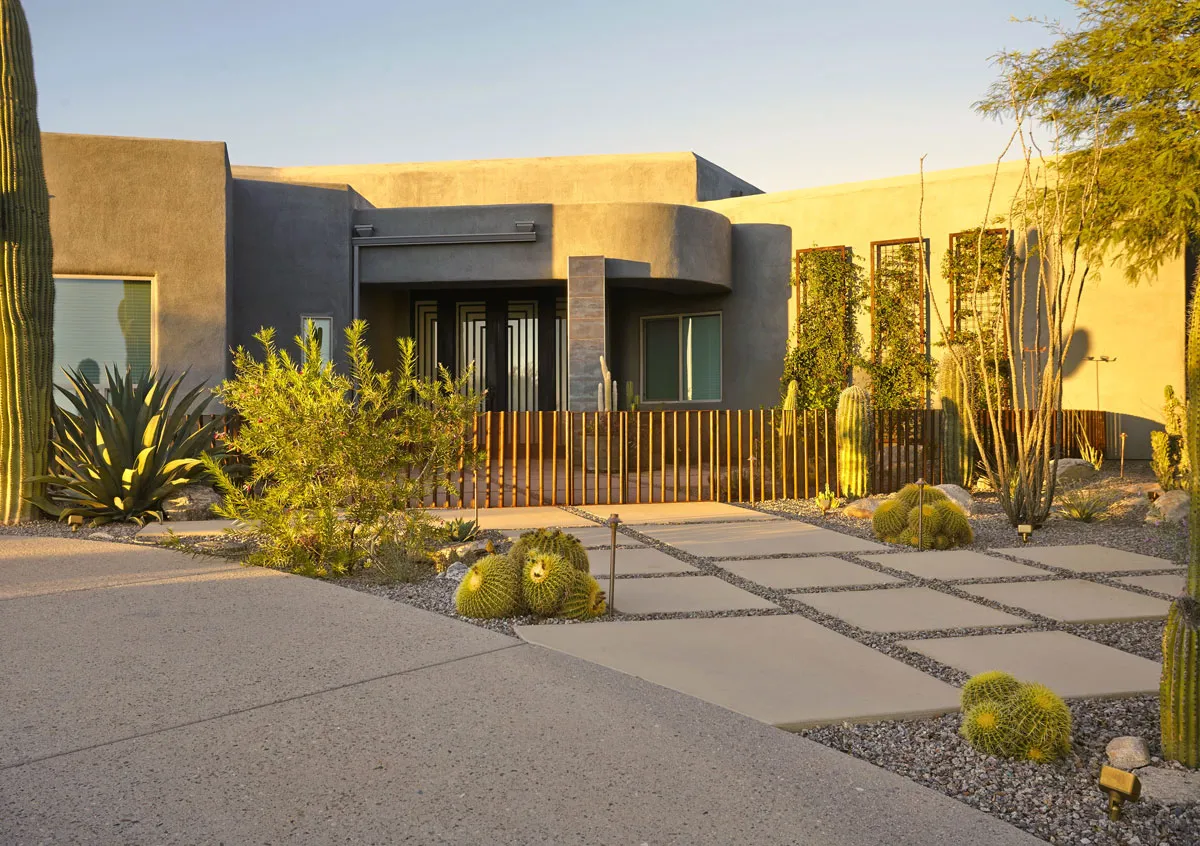
3. Modern Home with Curved Stucco Walls and Native Plantings
- Custom Architectural Stucco Work: $15,000 – $30,000+
- Concrete Pavers & Gravel Installation (200 sq ft): $3,000 – $6,000
- Mature Desert Plants (Cacti, Agaves): $2,000 – $5,000
- Slatted Wood Fence & Trellises: $4,000 – $8,000
- TOTAL: $24,000 – $49,000
- Budget Alternative: Use standard rectangular forms for the house, swap concrete pavers for decomposed granite, and use younger, smaller plants that will grow over time. This can bring the cost down by 50-60%.
|
📋 Copy HEX 🔗 Share |
Let’s be honest about those gorgeous curved walls. They are a signature architectural statement, but they come at a premium. Creating smooth, perfect curves with stucco requires highly skilled labor and specialized framing. It’s significantly more time-consuming and expensive than building standard flat walls. If you love the look but not the price tag, consider introducing curves in a less permanent, more affordable way—like through a curved retaining wall for a planter bed or a winding gravel path. You’ll get the organic feel without the structural cost.
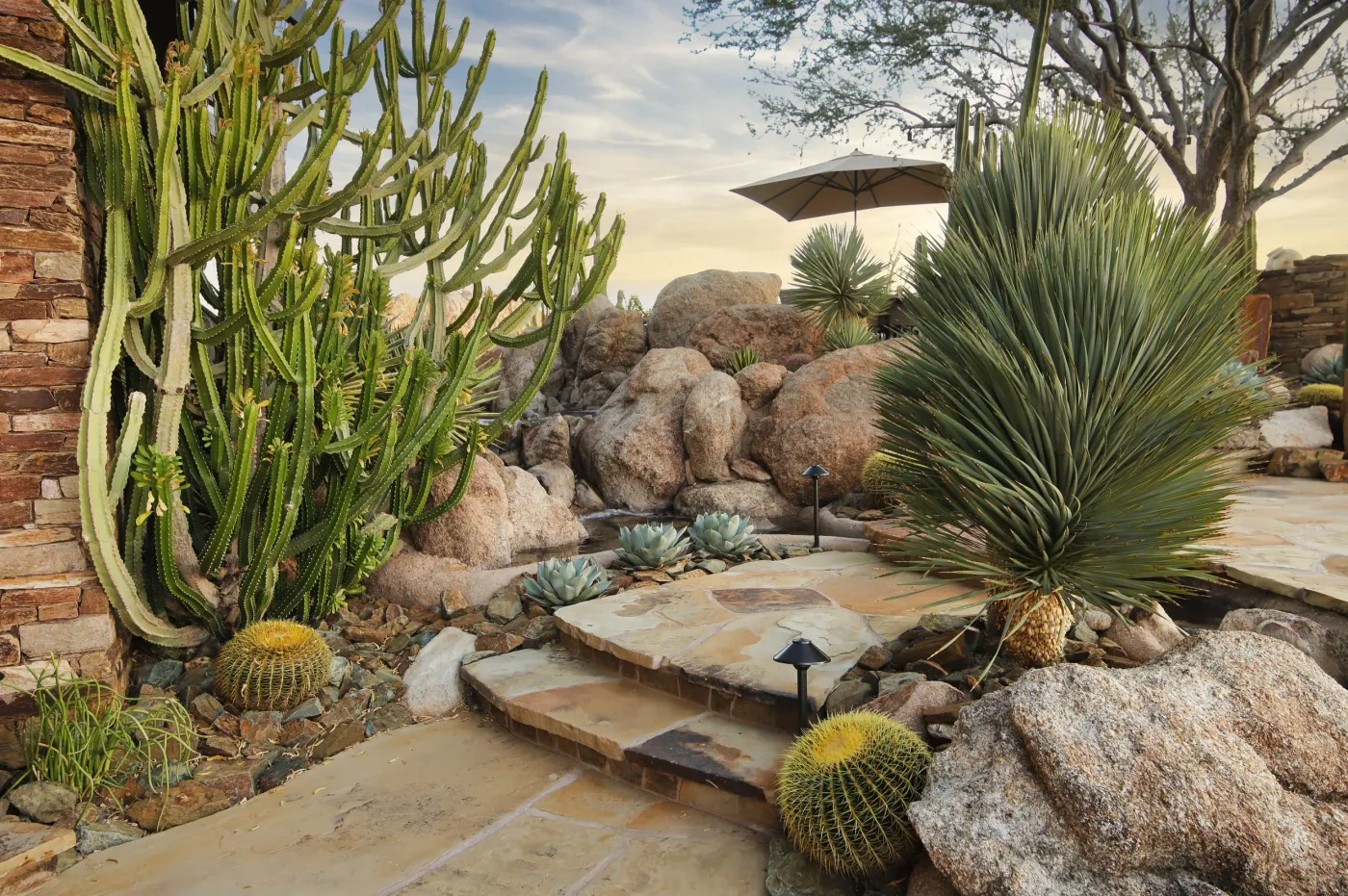
4. Layered Desert Garden with a Winding Flagstone Path
The magic here is in the journey. The winding flagstone path doesn’t just get you from A to B; it slows you down and encourages you to experience the garden. It creates a sense of discovery as new plant groupings are revealed around each bend. The placement of the large boulders and the tall, branching cactus also follows a key design principle: creating a balanced, asymmetrical composition. They provide vertical height and visual weight that anchor the lower-growing plants, preventing the scene from feeling flat.
|
📋 Copy HEX 🔗 Share |
That serene little water feature is beautiful, but it’s not a set-it-and-forget-it element. In a hot, sunny desert climate, water evaporates quickly, so it will need to be topped off frequently. More importantly, still water is a magnet for algae. Expect to give it a thorough cleaning every 1-2 weeks during the warm season to keep it from turning green and murky. You’ll also need to ensure it has proper circulation via a small pump to deter mosquitos. It’s a lovely touch, but it adds a regular chore to your garden routine.
5. Tiered Cacti Garden for a Modern, Dark-Tiled Home
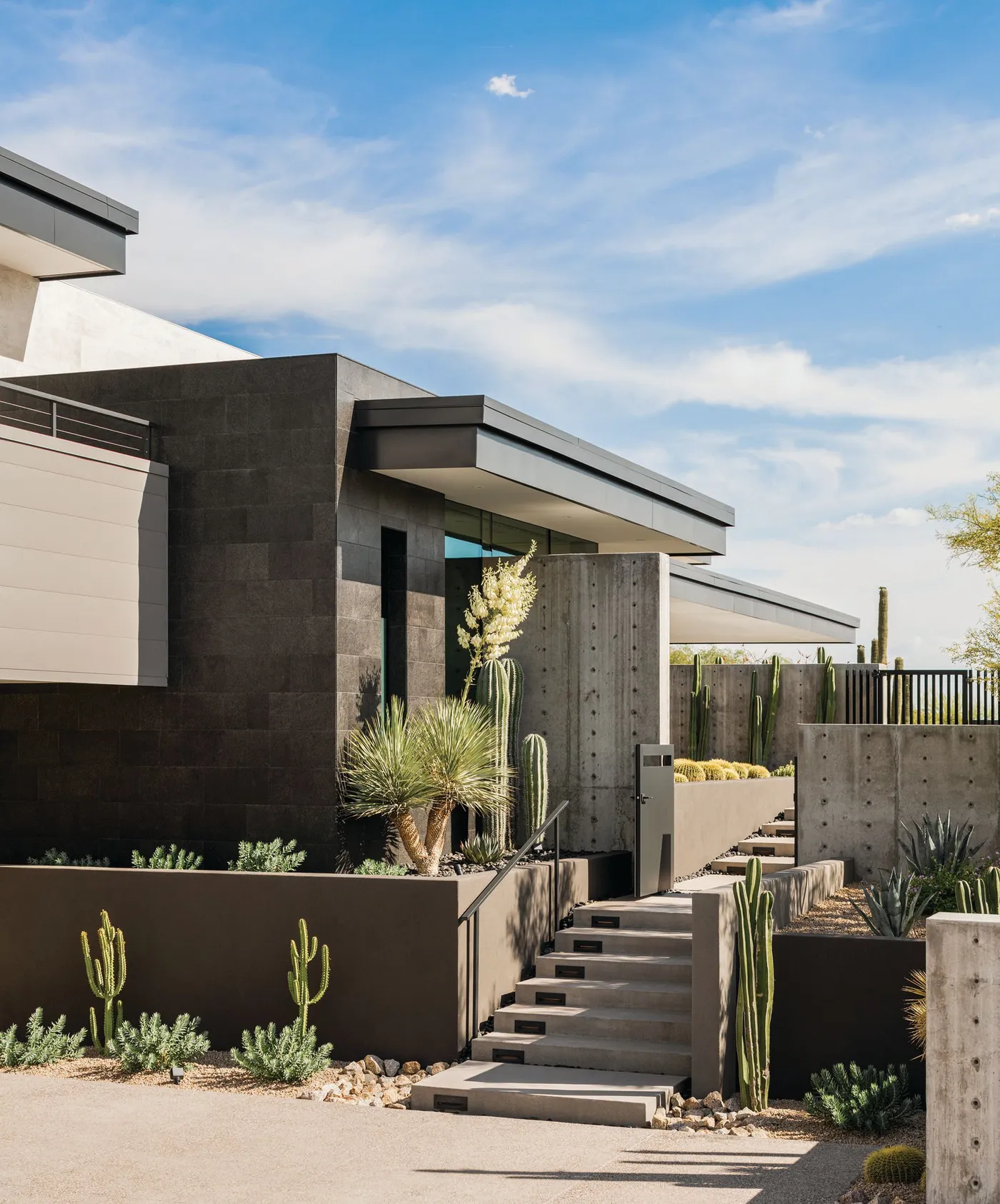
This look follows a powerful formula: 50% bold hardscape + 40% diverse plantings + 10% strategic lighting. The hardscape, with its dark grey tiles and raw concrete walls, creates a strong, geometric foundation. The plants, a mix of spiky agaves, columnar cacti, and softer yuccas, fill this structure with organic texture. The final 10% is the integrated step lighting, which transforms the space at night and highlights the architectural form. You could swap the dark tiles for warm wood or the concrete for dark steel, and as long as you keep the proportions, the modern, structured feel will remain.
|
📋 Copy HEX 🔗 Share |
When choosing gravel, don’t just grab the cheapest bag. The color and size are critical. Here, the light tan gravel provides a soft, warm contrast to the dark charcoal and raw grey of the house. A dark gravel would have made the space feel heavy and somber. For a modern look, stick to a single, consistent gravel color and choose a size between 3/8″ and 3/4″. This is large enough to stay in place but small enough to create a smooth, uniform surface that reads as a clean, modern ground plane.
6. Contemporary Desert Home with an Illuminated Terraced Landscape
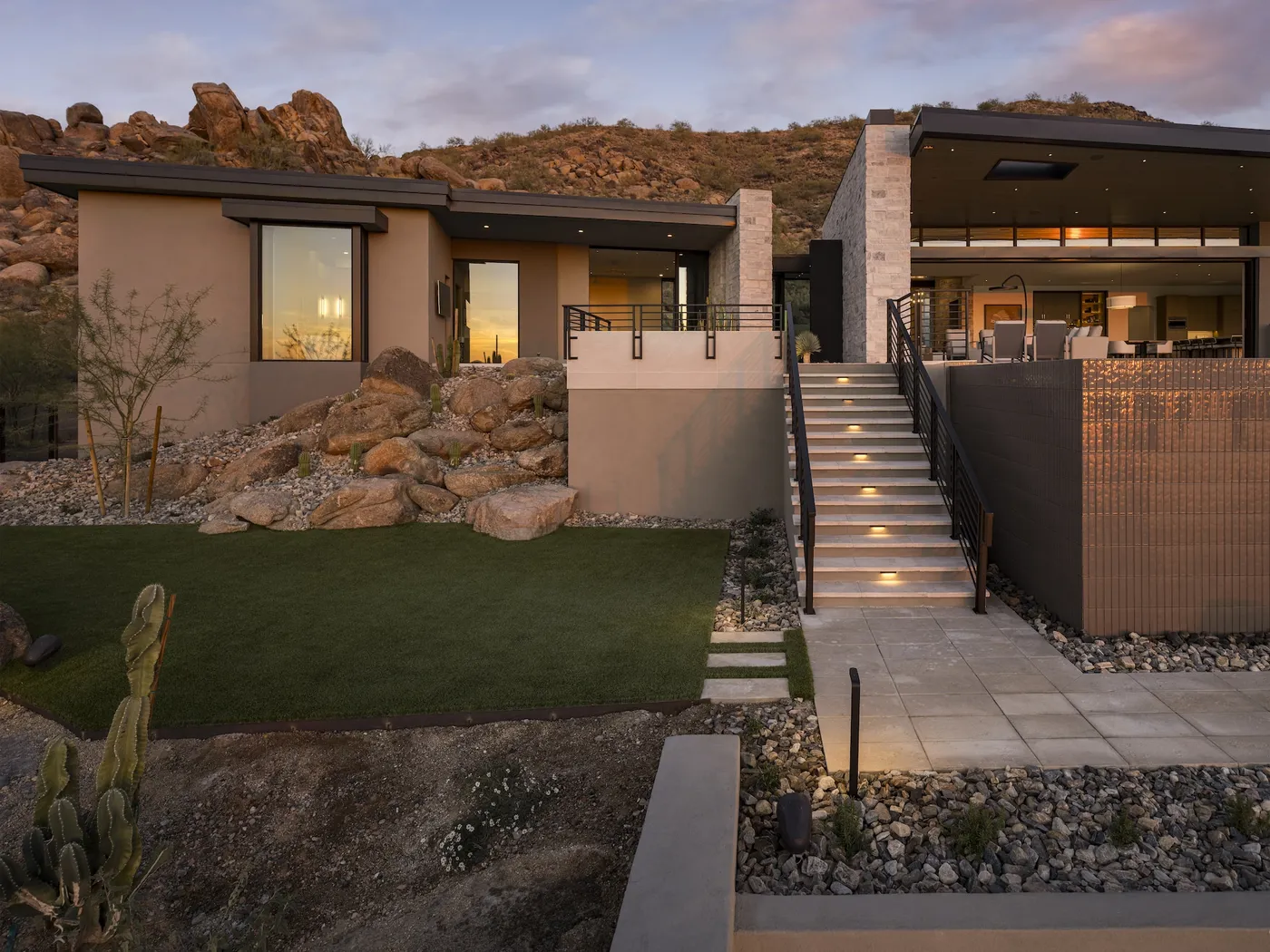
Installing step lighting on concrete stairs can elevate your entry. Here’s a quick guide:
- Plan Ahead: Before the concrete is poured, decide on fixture placement. You’ll need to run low-voltage wiring to each location.
- Use Junction Boxes: Have your electrician install weatherproof junction boxes flush with the planned riser surface.
- Run Conduit: Run PVC conduit inside the stair forms from the power source to each junction box.
- Pour Concrete: Carefully pour the concrete around the forms and boxes.
- Install Fixtures: Once the concrete is cured, connect the low-voltage lights to the wiring in the boxes and mount them.
This is a job best planned with your concrete contractor and electrician. Time: 2 days. Cost: $100-$300 per light, installed.
|
📋 Copy HEX 🔗 Share |
This entire look speaks to the growing trend of designing outdoor spaces with the same level of detail as interiors. We’re moving beyond a simple patch of grass. The use of artificial turf, especially in arid regions, is a pragmatic response to water shortages, but here it’s also a design choice. It’s used like an outdoor area rug, providing a patch of lush green that contrasts with the stone and gravel, defining a specific ‘living’ zone. It’s about creating a functional, resort-style backyard that feels luxurious and polished, 24/7.
7. Lush Desert Oasis with Rock Waterfall Pool and Fire Pit
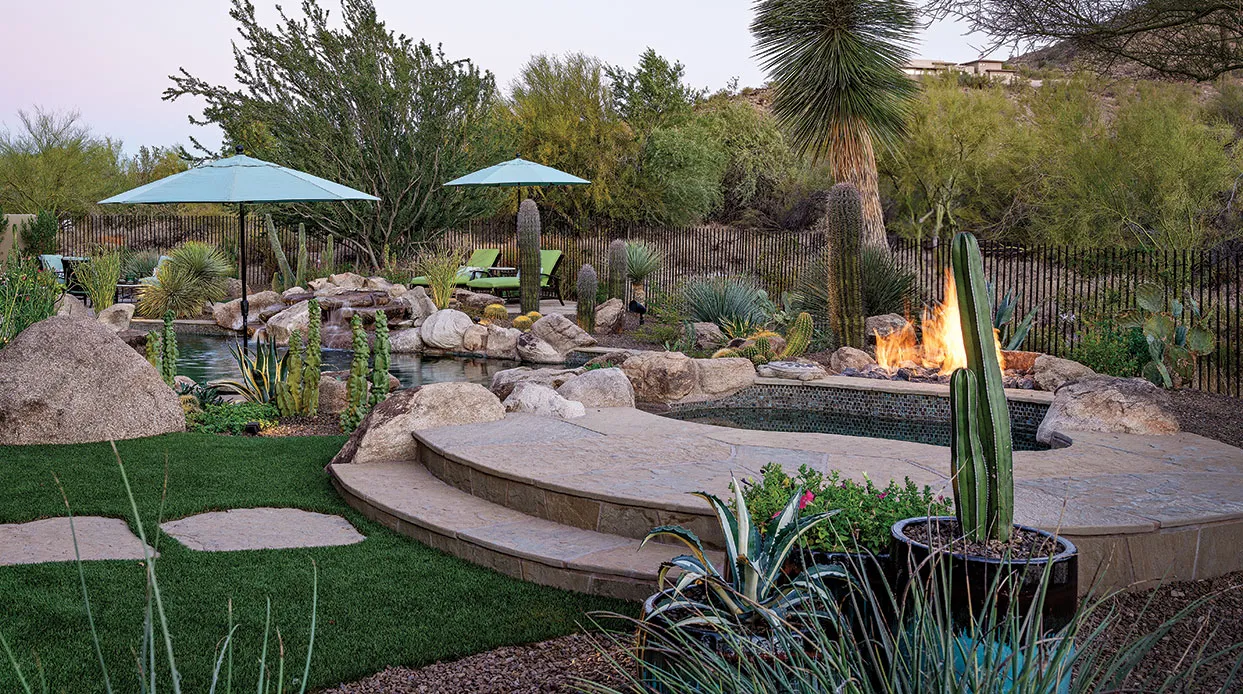
You don’t need a custom $80,000 pool to get this oasis vibe. A galvanized steel stock tank pool can give you a place to cool off for under $1,000, including the pump and filter system. Surround it with gravel and a few large, locally sourced boulders. Instead of a built-in fire pit, opt for a stylish and portable solo stove or a simple metal fire bowl from Target for around $150. Fill in with smaller, immature cacti and succulents from Home Depot—they’ll grow. You can capture the entire feeling of this space for less than $3,000 if you’re willing to DIY. It’s a more rustic version of the look in Idea #26.
|
📋 Copy HEX 🔗 Share |
Let’s have a real conversation about that perfect green turf. In a desert climate with intense sun, artificial turf can get incredibly hot to the touch—hot enough to be uncomfortable on bare feet and a potential hazard for pets. While it saves water, its surface temperature can be 40-60 degrees hotter than natural grass. If you’re considering it, choose a location that gets some afternoon shade or have a plan to spray it down with water before use on scorching days. The light color and infill material can also make a difference, so research heat-resistant options.
8. Minimalist White Stucco Home with a Poolside Desert Retreat
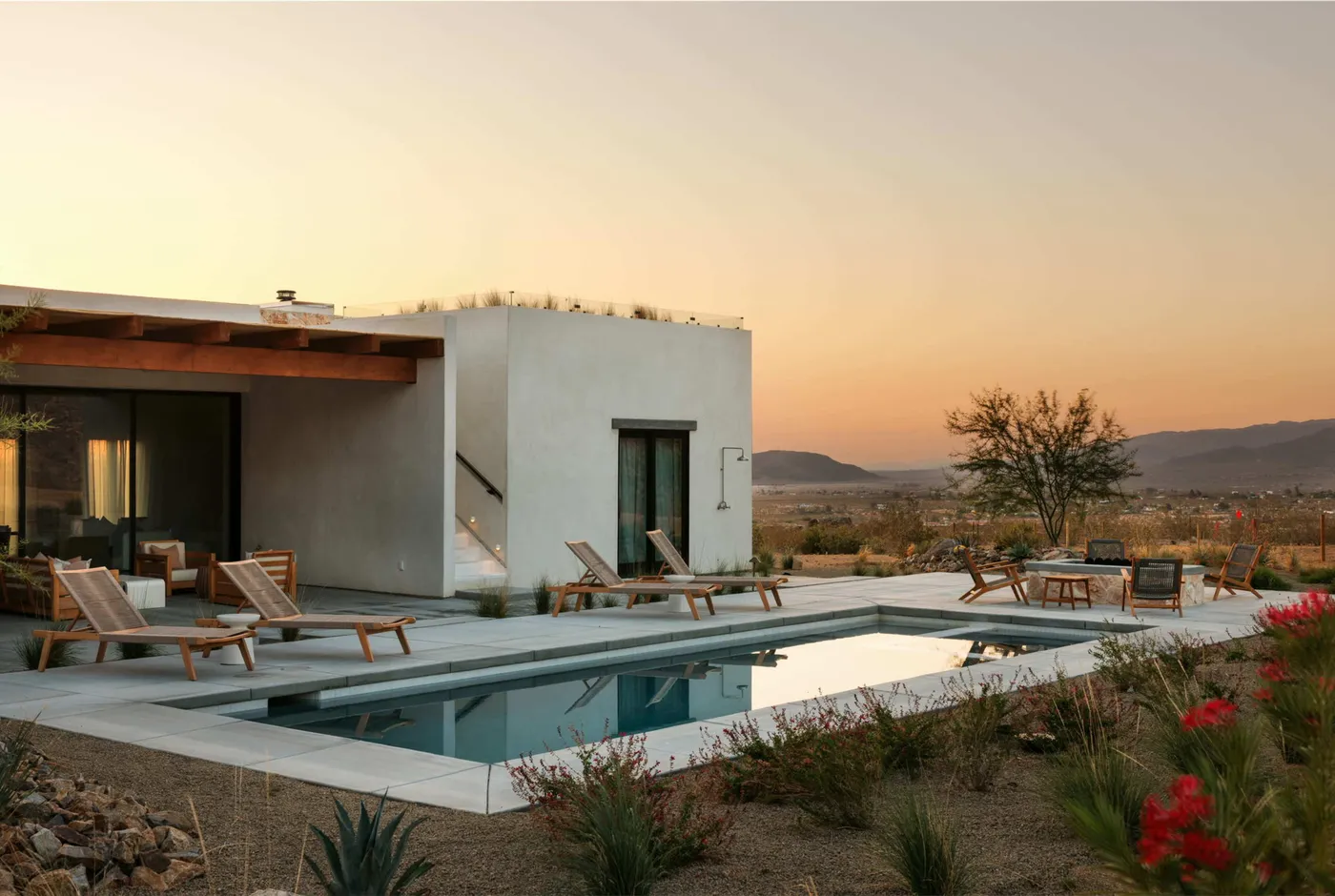
The single most important element here is the seamless transition from the smooth, light grey concrete deck to the sandy brown gravel landscape. There’s no raised edge, no border, no formal separation. This intentional blurring of lines makes the curated patio feel like it’s just a part of the wider desert. It erases the boundary between the ‘home’ space and the ‘natural’ space, creating an immense feeling of openness. Removing that clean edge would instantly shrink the perceived size of the patio and break the spell.
|
📋 Copy HEX 🔗 Share |
This design is a masterclass in using negative space. The landscape isn’t jam-packed with features. Instead, the wide-open expanse of gravel and the distant mountain view are treated as primary design elements. The minimalism of the white stucco house and the simple pool shape serve to frame and emphasize the beauty of the surrounding environment, rather than compete with it. By keeping the man-made elements clean and quiet, the texture, color, and scale of the natural desert become the main attraction. It’s confident, not empty.
9. Modern Garden with Colorful Succulents and Pebble Ground Cover
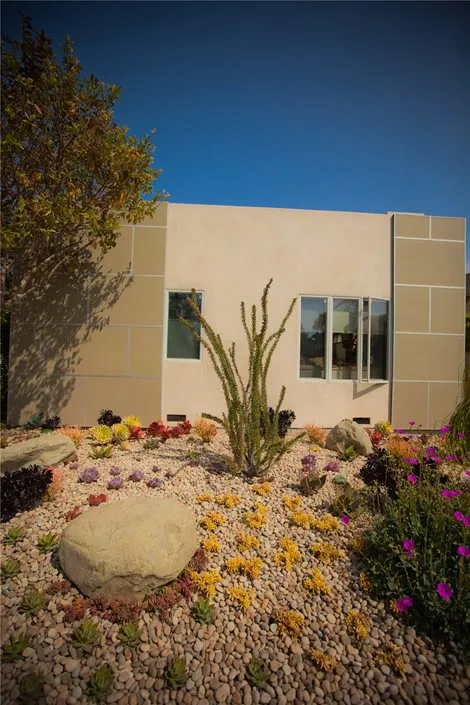
This clean, modern look is all about proportion. Think of it as: 60% neutral ground cover + 30% colorful plants + 10% statement rocks. The light-colored pebbles create a bright, uniform canvas that makes up the majority of the view. This allows the vibrant greens, yellows, and pinks of the assorted succulents to really stand out. The large tan rocks are used sparingly as sculptural accents, providing scale and a touch of rugged texture. You could change the pebble color to grey or the succulents to all-green, but keeping this 60/30/10 ratio will maintain the balanced, contemporary feel.
|
📋 Copy HEX 🔗 Share |
Before you order a truckload of pebbles, run through this quick checklist:
- Soil Drainage: Is your soil ready? Most desert plants need excellent drainage. You may need to amend your soil with sand or pumice before adding the top layer of pebbles.
- Sun Mapping: Track the sun’s path across the area for a full day. Where are the hot spots? Where is the shade? Place your plants accordingly. Sun-loving succulents in full sun, more tender ones in afternoon shade.
- Weed Barrier: Will you use landscape fabric? It helps suppress weeds but can make it harder for some succulents to spread and can break down over time. Decide on your strategy beforehand.
10. Xeriscape with a Dry River Bed and a Patio Fire Pit
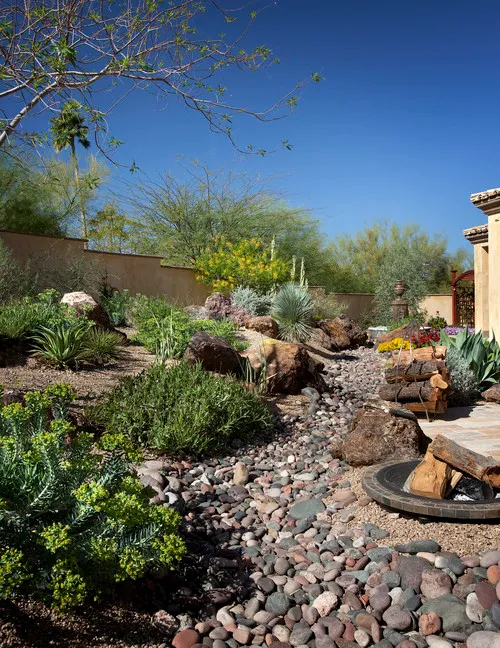
To make a dry river bed look authentic, you need to mimic nature. Never use just one size of rock. Start by placing a few large, angular boulders along the ‘banks’ to define the shape and create interest. Then, fill the main channel with a mix of medium-sized river rocks (4-8 inches). Finally, fill the gaps and smaller tributaries with smaller pebbles (1-3 inches). This variation in scale is what sells the illusion of a path carved by water over time. A single, uniform rock size will always look artificial and flat.
|
📋 Copy HEX 🔗 Share |
Creating a dry creek bed is more accessible than you might think. Here’s a potential cost breakdown for a 50-foot-long feature:
- Large Boulders (2-3): $300 – $800 (including delivery)
- River Rock (2 tons): $200 – $500
- Pebbles (1 ton): $100 – $250
- Assorted Desert Plants (3 gallon size): $500 – $1,200
- Circular Metal Fire Pit Kit: $300 – $700
- TOTAL: $1,400 – $3,500
- Budget Alternative: Source free or cheap rocks from local classifieds (Facebook Marketplace), use smaller plants, and build a simple DIY fire pit ring with concrete blocks for about $60.
11. Modern Stucco Home Opening to a Wild Grass Landscape
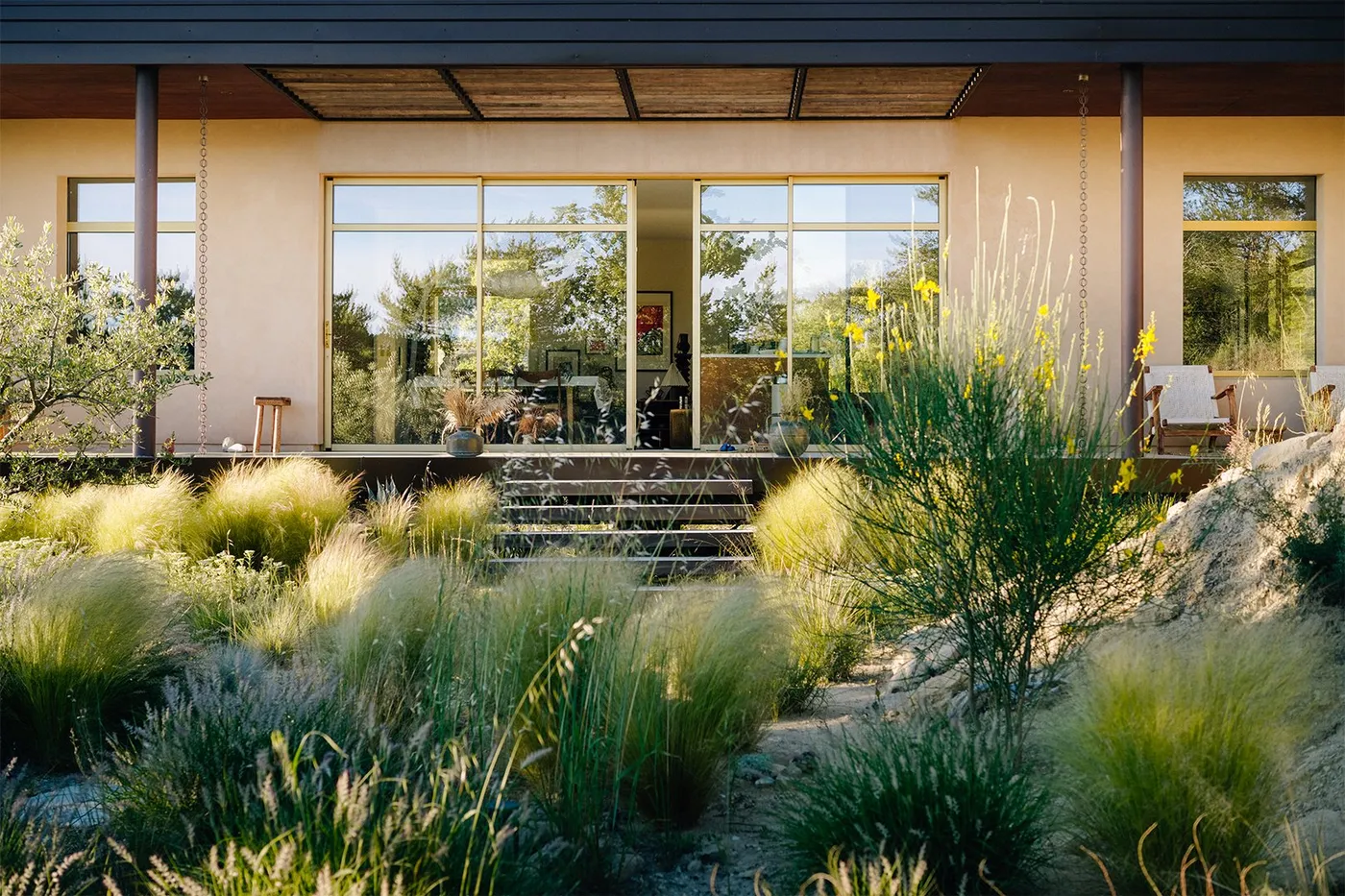
The power of this design lies in its dramatic contrast. The house is all about clean, sharp, rigid lines—the dark roof overhang, the precise window frames, the smooth stucco. This architectural severity is then placed directly against a landscape that is the complete opposite: soft, wild, flowing, and untamed. The golden, wispy grasses move with the wind, creating a painterly effect that softens the entire scene. It’s the tension between the man-made and the natural, the hard and the soft, that makes it so visually captivating. A more manicured lawn would completely lose this poetic quality.
|
📋 Copy HEX 🔗 Share |
Those beautiful, wispy desert grasses can be a double-edged sword. In many dry, fire-prone regions, having dense, dry grasses close to a structure is a significant fire hazard. You must follow local fire-scaping regulations, which often require a ‘defensible space’ of cleared or low-growing, irrigated vegetation within a certain radius of your home (often 30 feet). While beautiful, this specific look might need to be adapted with more fire-resistant plants or larger gravel clearings to be safe and insurable in some areas.
12. Bringing the Outdoors In with Desert-Hued Artwork
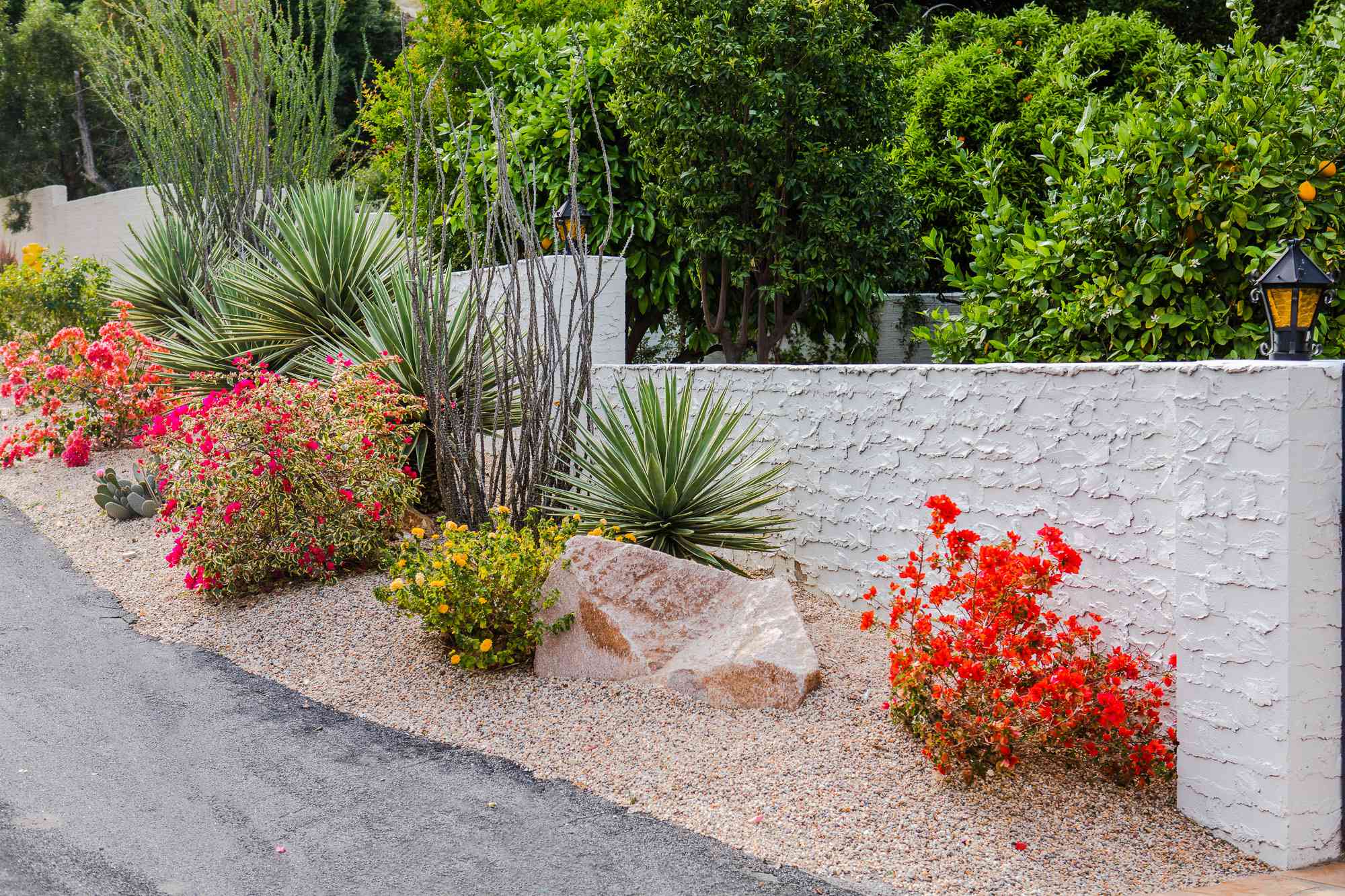
When your landscape is the view out the window, your interior should echo it, not replicate it. This artwork is a perfect example. Instead of a literal photograph of a desert scene, it captures the feeling of the desert through color and form. The rust, brown, and black tones are pulled directly from the arid landscape outside. When choosing art to complement a view, look for abstract pieces that share the same color palette. It feels more sophisticated and creates a conversation between the indoor and outdoor spaces, rather than just putting a smaller version of the window on the wall.
|
📋 Copy HEX 🔗 Share |
A large-scale abstract painting like this can cost thousands from a gallery, but you can get this exact vibe for much less. Check out sites like Etsy or Society6, where independent artists sell high-quality prints for $50-$200. You can have it framed locally or even get a ready-to-hang canvas. Feeling creative? Buy a large blank canvas from a craft store for $40, pick up a few sample pots of paint in desert hues, and create your own non-representational, textured piece. The goal is to capture a mood, not to create a masterpiece.
13. Coastal Meets Desert with a Boulder and Succulent Garden
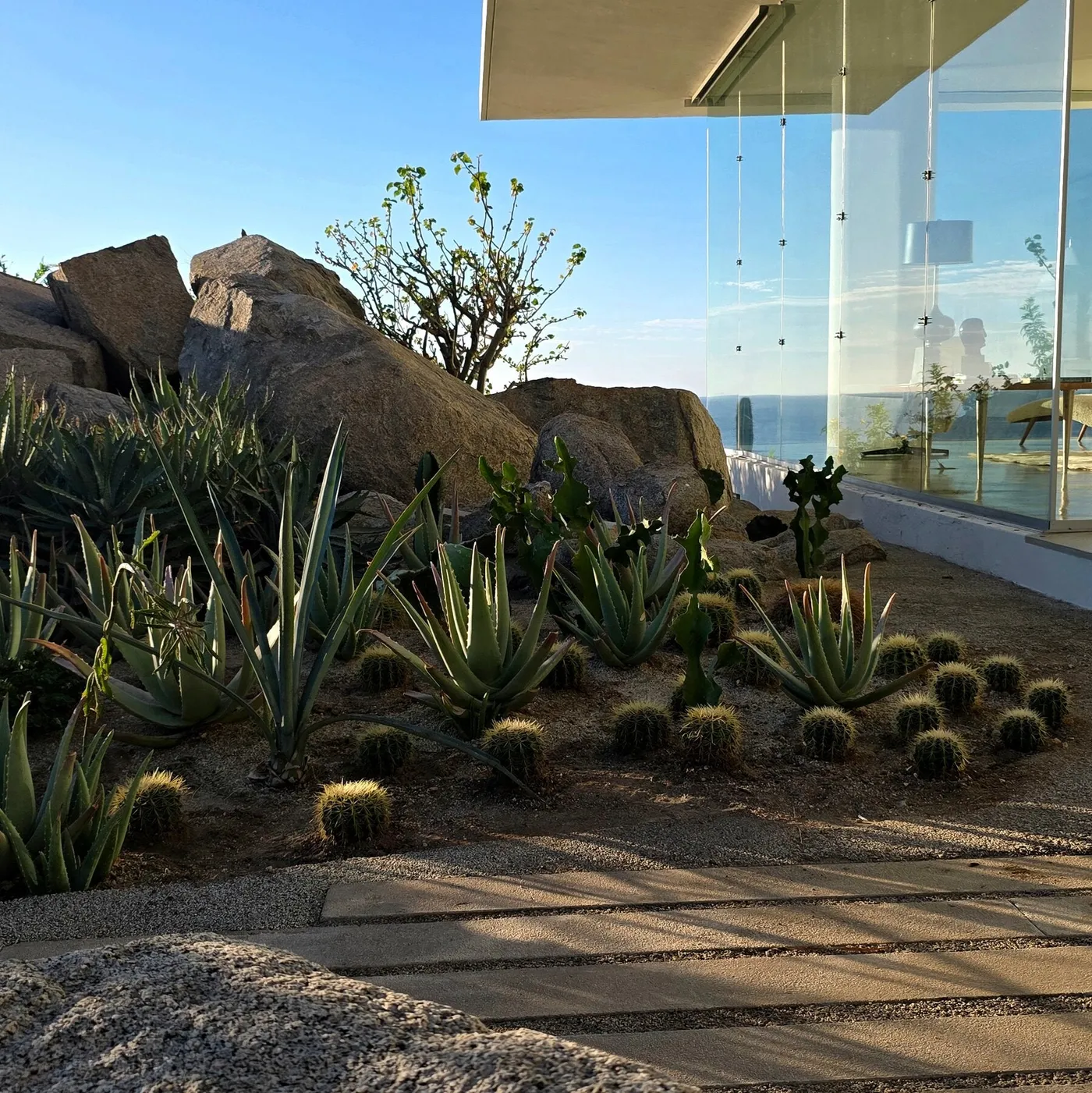
This is a look for an expansive setting. To achieve this blend of rugged desert texture and open coastal airiness, you need a generous amount of space—ideally a property with at least 50-75 feet of frontage. The scale of the large boulders requires a wide visual field to look natural rather than crowded. The design leverages the distant ocean view as its ‘borrowed landscape,’ so it’s most effective on a sloping lot or cliffside property where the garden acts as a textured foreground to an open vista. On a small, flat lot, the boulders would feel out of place and obstructive.
|
📋 Copy HEX 🔗 Share |
It’s all about the boulders. They are the soul of this landscape. Without them, you’d have a perfectly nice succulent garden on gravel. But with them, you have drama, history, and scale. These massive, weathered stones provide a powerful sense of permanence and an anchor for the entire design. They create natural planting pockets and variations in height, making the garden feel like it was carved out of a natural rocky outcrop. They are the element that bridges the gap between a manicured garden and the wildness of the coast.
14. Classic Adobe Home with Joshua Trees and Native Brush
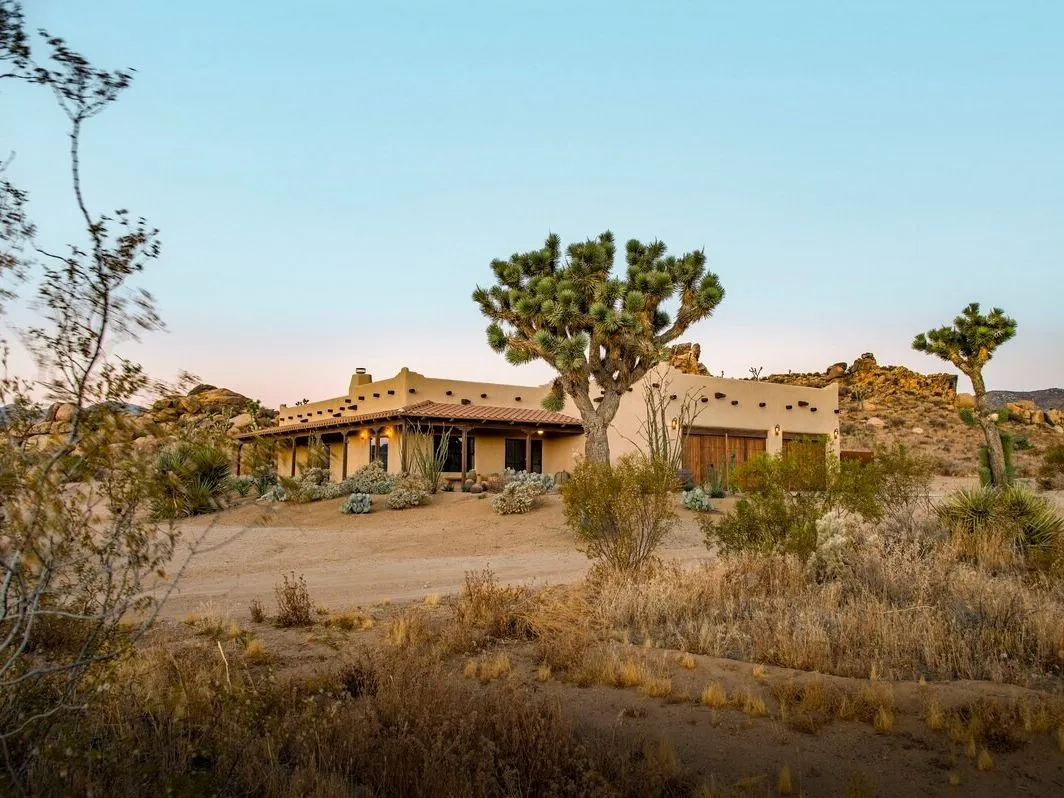
This isn’t a fleeting trend; it’s a return to authenticity. There’s a growing movement in design, sometimes called New Rustic or Regional Modernism, that celebrates architecture and landscapes that are deeply connected to their specific location. Instead of imposing a generic style, this approach embraces local materials (adobe), traditional forms (the flat roof and porch), and native plants (Joshua trees, cacti). It feels right because it belongs there. It’s a quiet rejection of the one-size-fits-all aesthetic in favor of something with history and a sense of place.
|
📋 Copy HEX 🔗 Share |
Living with this authentic desert look means working with its materials. Adobe-style stucco needs regular inspection for cracks, which should be sealed to prevent water intrusion. The exposed dark wooden beams will need to be re-sealed every 3-5 years to protect them from intense UV damage and drying out. And those iconic Joshua trees? They are a protected species in many areas. You can’t just trim or remove them. Maintenance here is less about mowing and more about respectful co-existence with a protected, and beautiful, natural environment.
15. Faded Teal Siding Against a Red Rock Desert Backdrop
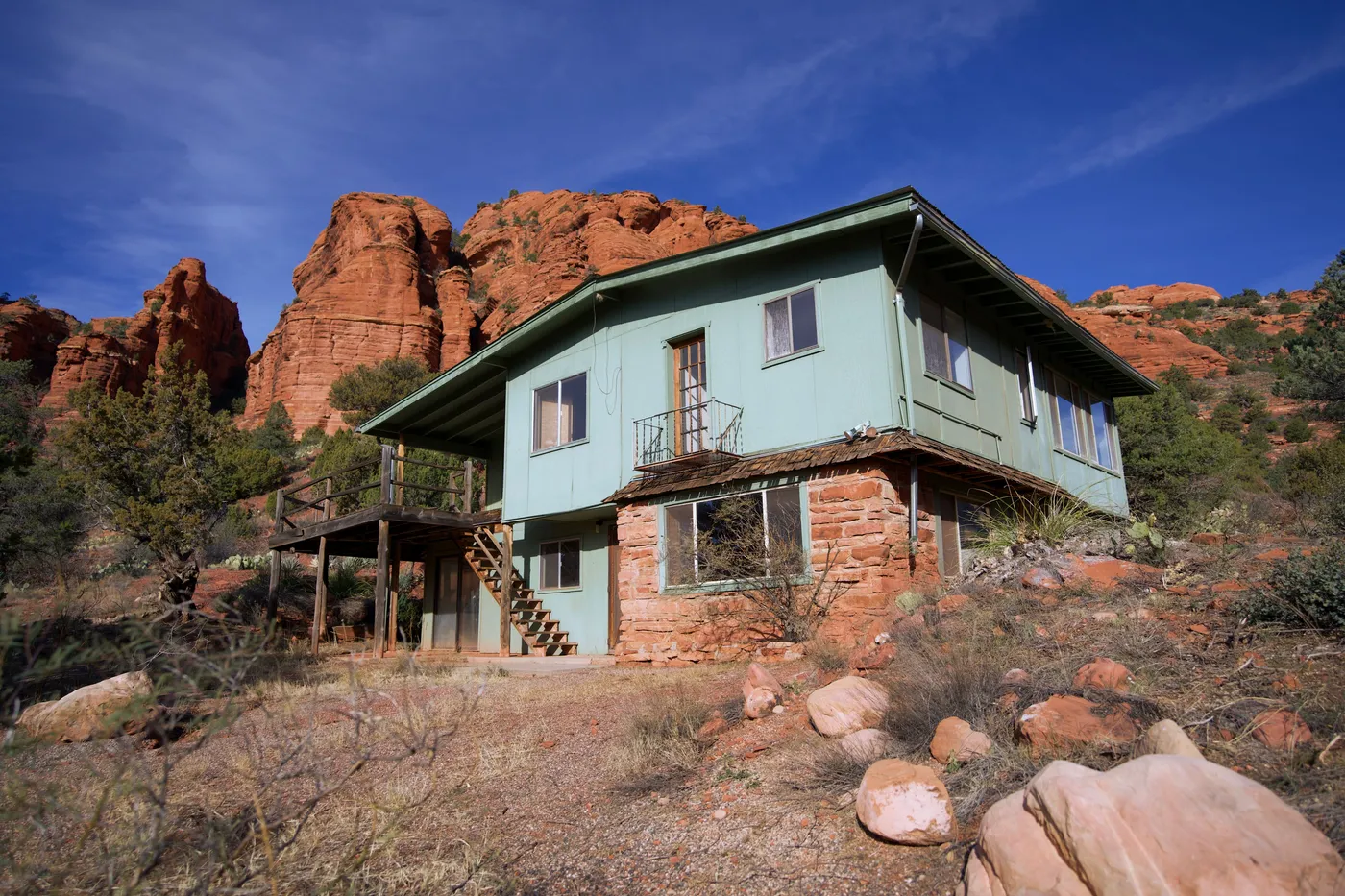
This house is a perfect lesson in using complementary colors to make a statement. The faded teal (a shade of blue-green) sits directly opposite the deep red-orange of the rocks on the color wheel. Placing them next to each other creates the strongest possible contrast, making both colors appear more vibrant and intense. The house doesn’t try to blend in; it purposefully stands out, turning the entire scene into a stunning, real-life painting. The choice of a faded teal is key—it keeps the look from being cartoonishly bright, adding a layer of rustic, weathered charm.
|
📋 Copy HEX 🔗 Share |
You don’t need to own a cliff in Utah to borrow this stunning color trick. It’s all about creating that red-teal contrast on a smaller scale. Think about painting a backyard shed, a garden gate, or even just a set of outdoor chairs in a soft, dusty teal. Then, use terracotta-colored gravel, a cluster of reddish-brown pots, or a small retaining wall made of red-toned stone to create the backdrop. You get all the color theory magic of this scene, just applied to your own space. Compare this idea with the more subtle river bed in Idea #9.
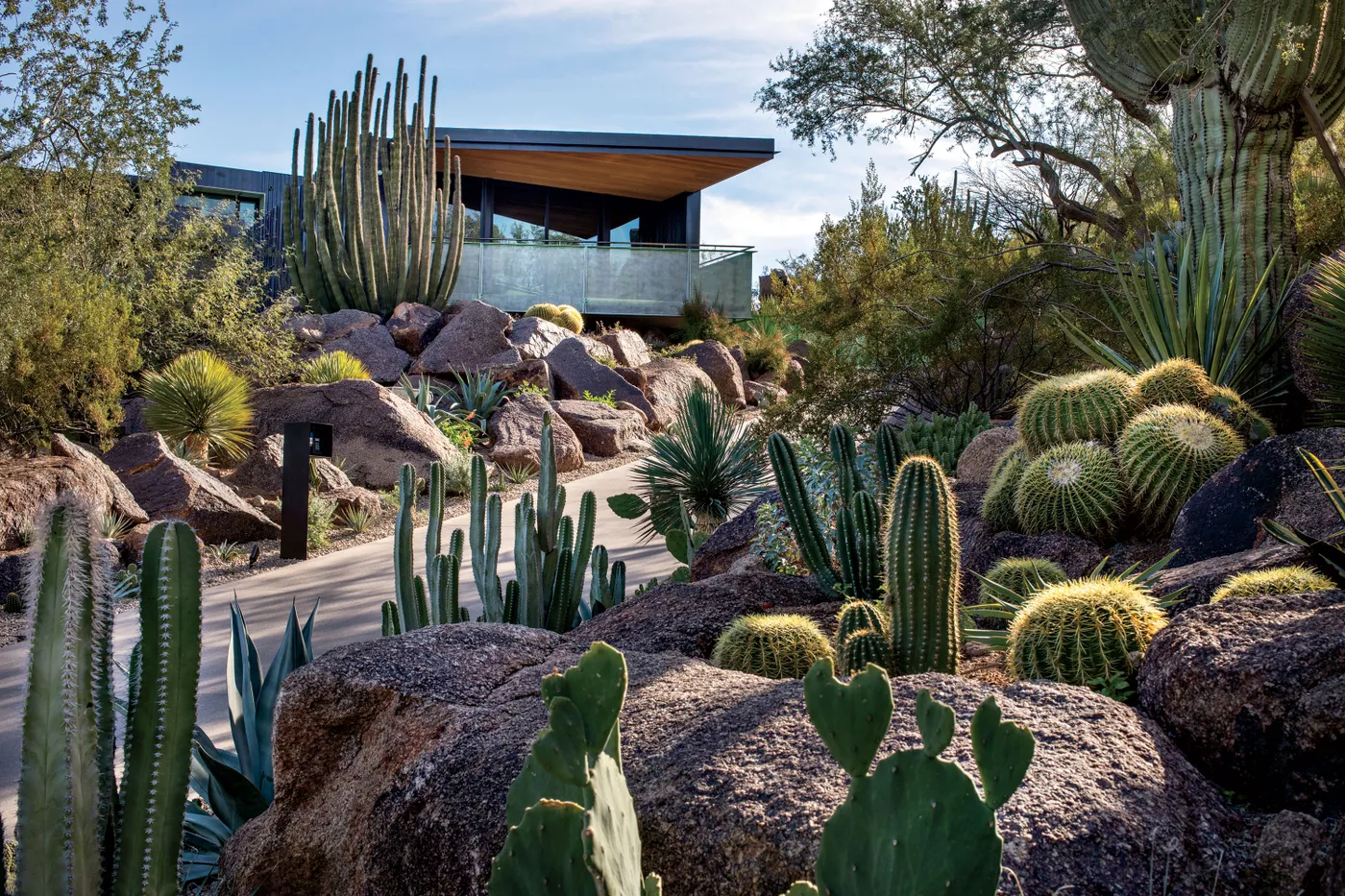
16. Modern Dark-Clad Home in a Natural Desert Rock Garden
This design brilliantly inverts the typical architectural approach. The formula is roughly 70% untamed landscape + 30% recessive structure. Instead of the house being the hero, the rugged landscape of reddish-brown boulders and diverse cacti takes center stage. The house, clad in dark, non-reflective material, is designed to retreat into the shadows and act as a quiet, modern frame for viewing the natural beauty around it. The extensive glass reinforces this, dissolving the walls and pulling the landscape inside. The house serves the landscape, not the other way around.
|
📋 Copy HEX 🔗 Share |
If you’re using dark cladding on a house in a sunny climate, you must balance it with warmth to keep it from looking like a black hole. Here, the warm wood-paneled ceiling on the overhang is crucial. It reflects a soft, golden light onto the patio and into the house, preventing the dark facade from feeling cold or oppressive. Always pair large expanses of dark grey or black with a natural, warm material like cedar, redwood, or thermally modified pine. This touch of warmth makes the modern aesthetic feel inviting and liveable.
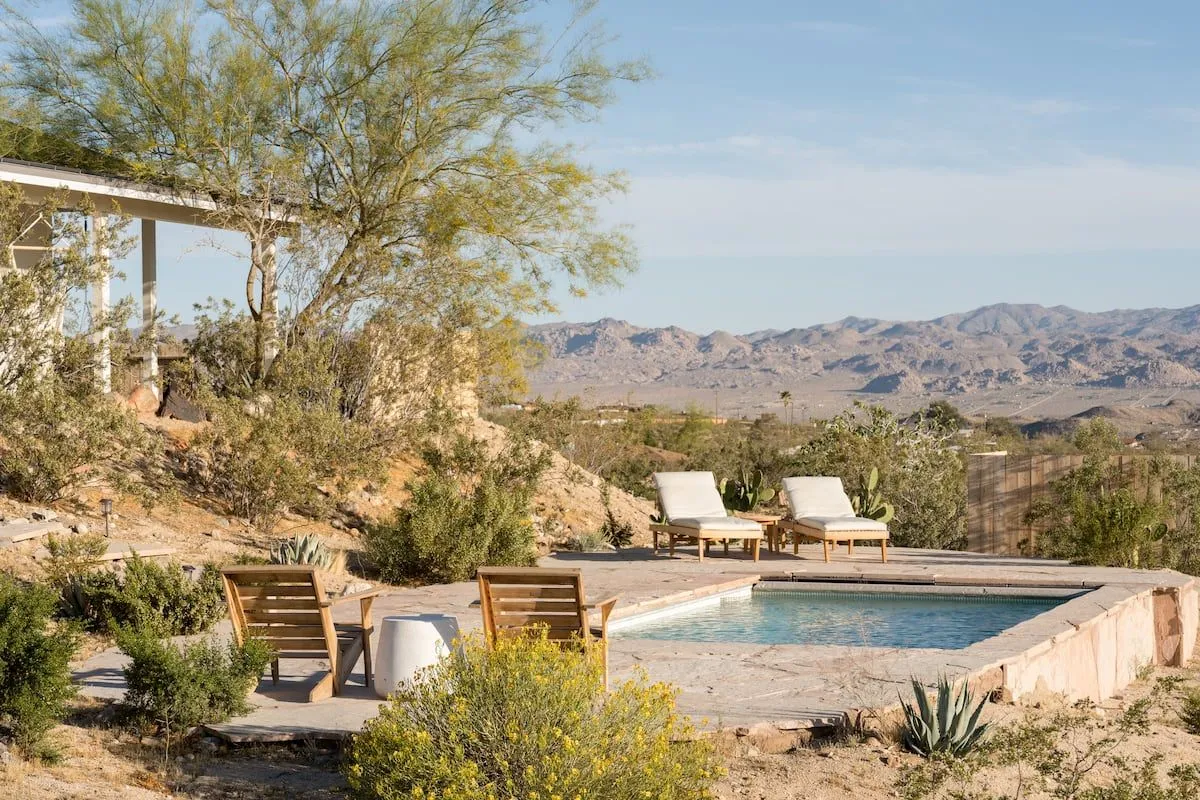
17. Relaxing Poolside Stone Patio with Mountain Views
- Flagstone Patio (400 sq ft): $8,000 – $16,000
- Swimming Pool: $50,000 – $100,000+
- Wooden Lounge Chairs (2): $800 – $2,500
- Wooden Adirondack Chairs (2): $400 – $1,200
- Desert Landscaping (Plants & Installation): $3,000 – $7,000
- TOTAL: $62,200 – $126,700+
- Budget Alternative: Swap the in-ground pool for a stock tank, use decomposed granite instead of flagstone, and look for secondhand wooden furniture on Facebook Marketplace. You can get a similar rustic, relaxed vibe for under $10,000.
|
📋 Copy HEX 🔗 Share |
That beautiful, natural flagstone patio looks incredible, but be prepared for the reality of stone in a desert climate: it gets hot. On a sunny afternoon, the surface temperature of that stone can easily exceed 130°F, making it impossible to walk on with bare feet. If you’re designing a poolside patio with natural stone, you absolutely must plan for shaded areas—either with umbrellas, a pergola, or shade sails—over the main walking paths. Or, consider placing a few attractive, heat-resistant outdoor rugs in key zones.
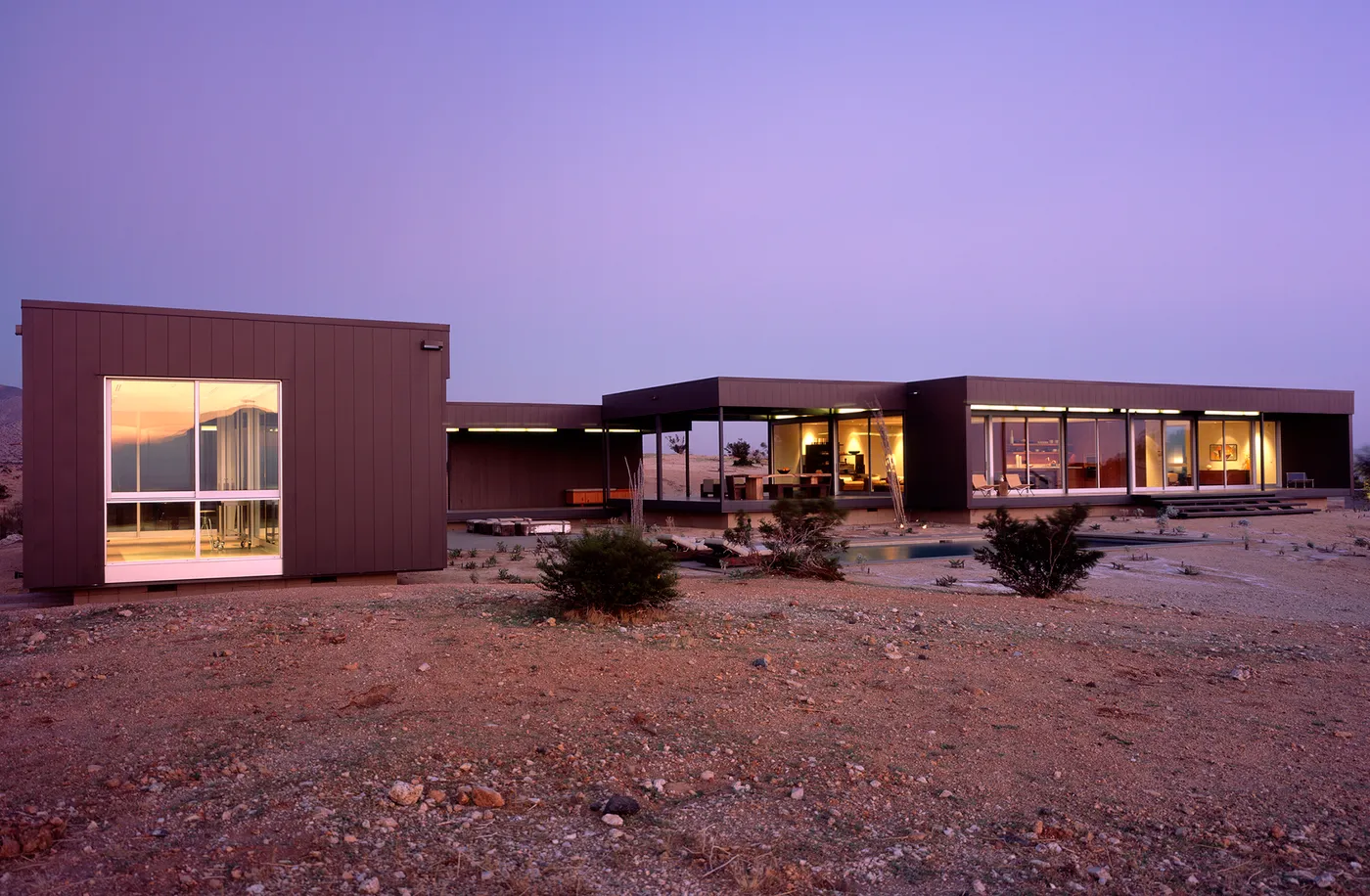
18. Low-Profile Dark Modern Home Under a Twilight Sky
A long, low-profile design like this demands a flat, expansive lot to be truly effective. It’s an architectural style that works with the horizon line, not against it. This idea is perfect for larger parcels of an acre or more, where the building’s strong horizontal form can be a grounding element in a vast landscape. On a narrow or steeply sloped lot, this design would lose its power and feel disconnected from its surroundings. The goal is to create a sense of serene, grounded horizontality that mirrors the endless desert floor and sky.
|
📋 Copy HEX 🔗 Share |
This is called the jewel box effect, and it’s a powerful tool in modern design. Here’s what makes it work:
- Exterior Subtraction: During the day, the dark, minimalist exterior is prominent. But as dusk falls, the dark facade visually recedes and almost disappears into the twilight.
- Interior Illumination: As the exterior vanishes, the warm interior lighting takes over, making the inside of the home glow. The house transforms from a solid object into a collection of illuminated spaces.
- Role Reversal: The home’s presence is completely inverted. It goes from being a dark shape in a bright landscape to a bright beacon in a dark one.
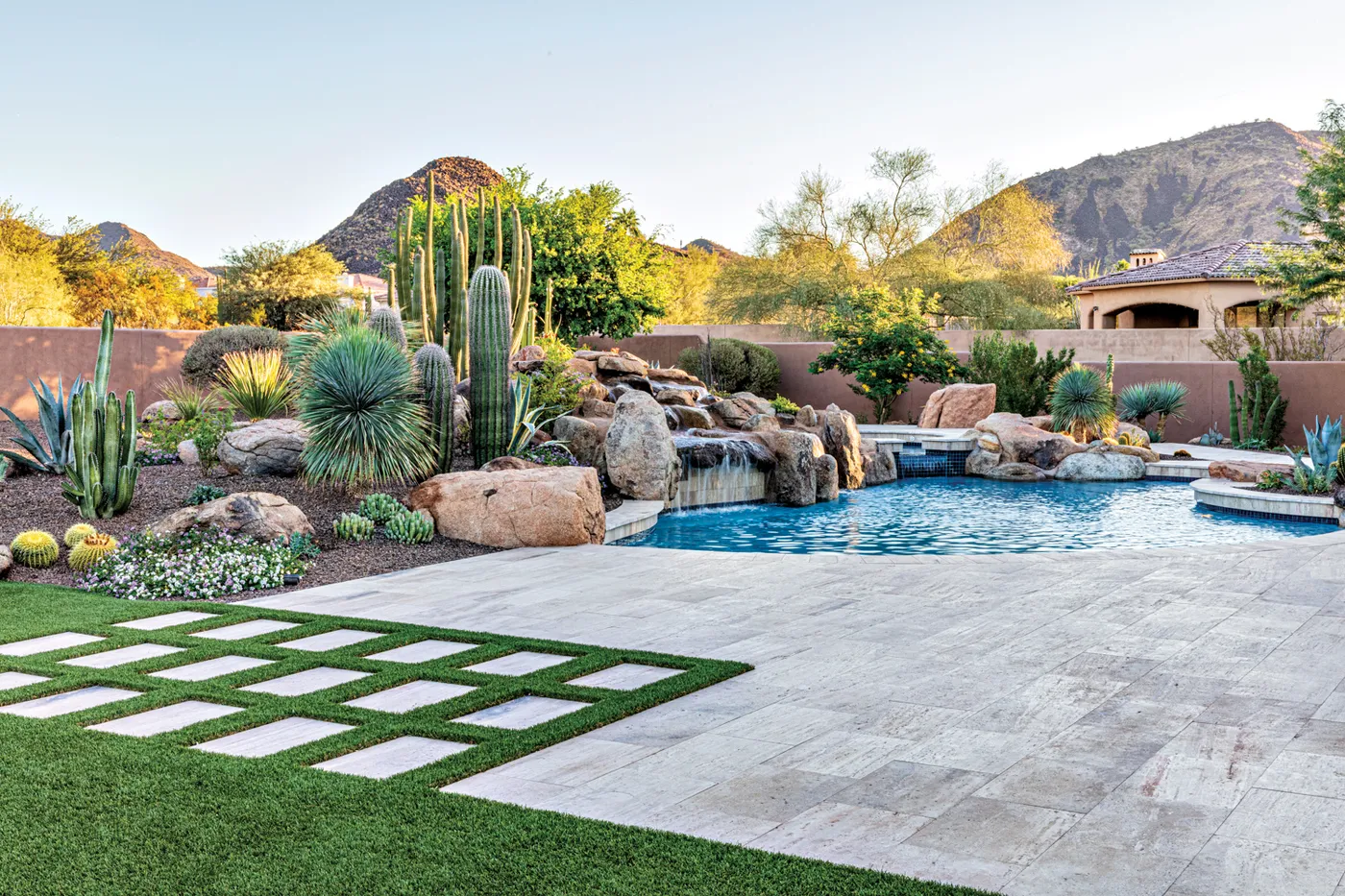
19. Desert Oasis Pool with a Tiered Rock Waterfall
Planning a natural rock waterfall seems daunting, but it boils down to a few key steps.
- Pick the Right Pump: Your pump’s GPH (gallons per hour) rating should be at least 100 GPH for every inch of waterfall width for a good flow.
- Create a Solid Foundation: Build a tiered base using concrete blocks or packed earth for your rocks to sit on.
- Lay the Liner: Use a flexible 45-mil EPDM pond liner, ensuring it runs from the pool, up the entire waterfall structure, with plenty of overlap.
- Place the Rocks: Start with the largest spillway rocks at the top and work your way down, using smaller rocks to hide the liner and direct the water flow. Use waterfall foam sealant to fill gaps and channel water over the front of the rocks.
Time: 2-4 days. Cost: $1,000 – $5,000 for materials.
|
📋 Copy HEX 🔗 Share |
The single element that transforms this from a nice pool into a true oasis is sound. A standard swimming pool is visually refreshing but silent. By adding a multi-tiered rock waterfall, you introduce the gentle, constant sound of moving water. This sound has a powerful psychological effect, creating a sense of tranquility, masking unwanted neighborhood noise, and making the entire space feel cooler and more alive. It engages another sense, elevating the experience from just seeing the desert to feeling, and hearing, an oasis within it.
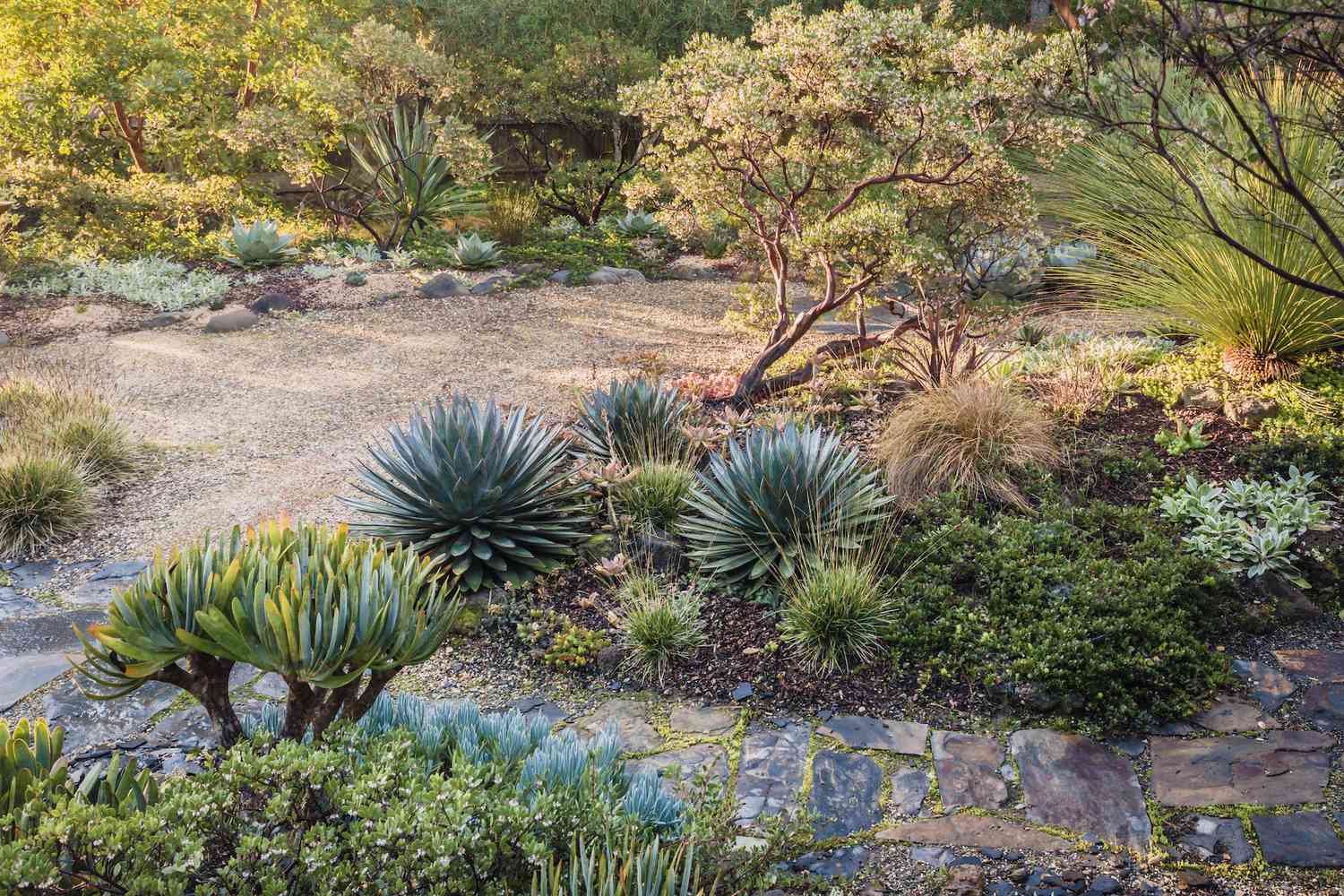
20. Earthy Outdoor Dining Patio with Adobe Walls
For hanging string lights over a patio, the secret to a professional look is a guide wire. It prevents the lights from sagging over time and creating an unprofessional scalloped look. Run a thin, galvanized or stainless steel wire rope from one anchor point to the other, pulling it taut with a turnbuckle. Then, attach your string lights to the guide wire every 18-24 inches using zip ties or clips. This ensures your lights stay in a perfectly straight, crisp line and also takes the tension off the light cord itself, extending its life.
|
📋 Copy HEX 🔗 Share |
Before you build your dream outdoor dining room, map out the practicalities. Does the space get blasted by the intense afternoon sun, or is it shaded? You won’t use a space that’s uncomfortable. How far is it from your indoor kitchen? A long trek with plates and food gets old fast. Also, check for access to an outdoor-rated electrical outlet for lighting or music. Thinking through the function and comfort of the space is just as important as how it looks. An uncomfortable but beautiful patio is one you’ll only admire from inside.
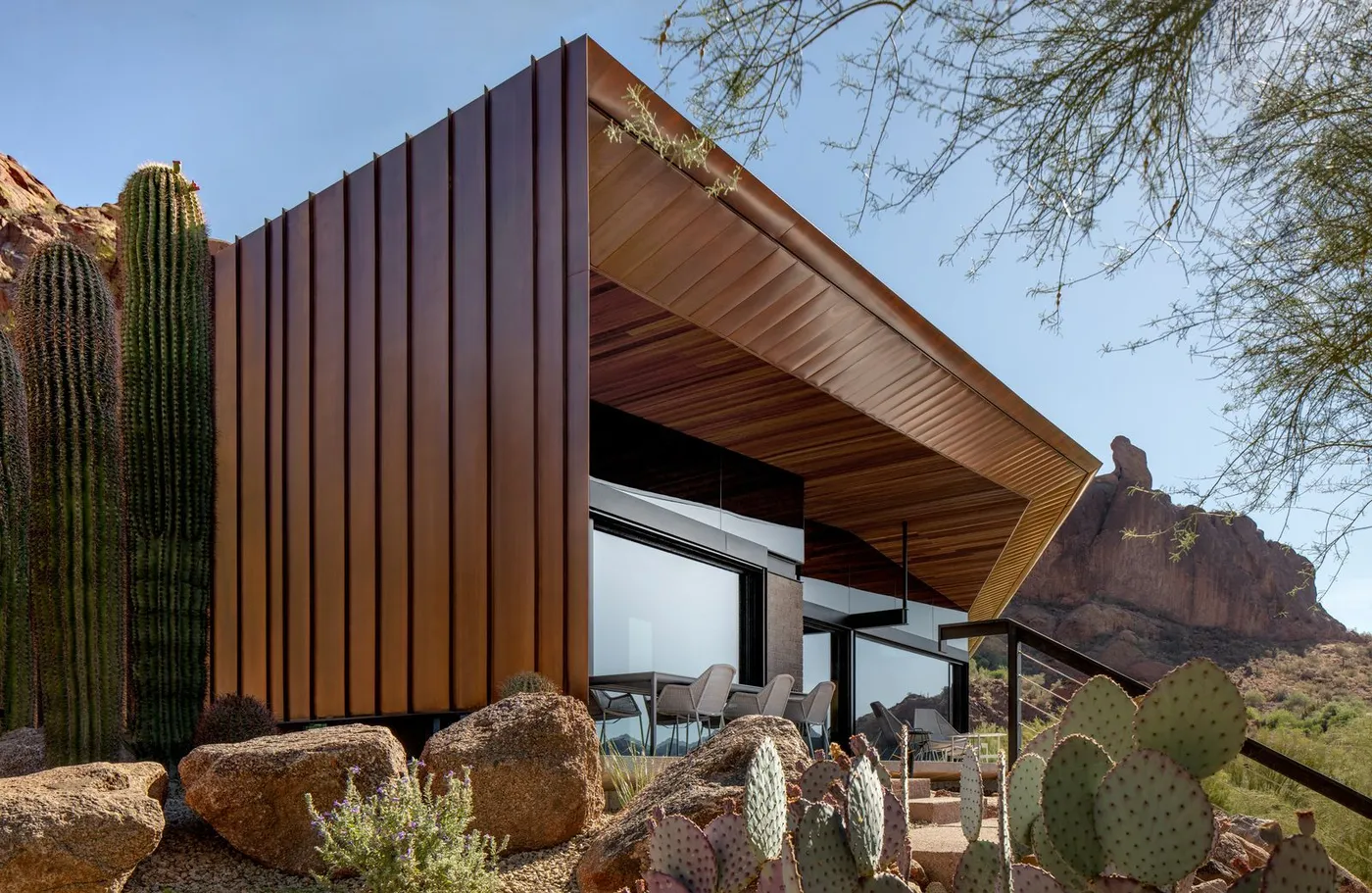
21. Angular Desert Home with Rust-Toned Metal Panels
This design succeeds through brilliant material harmony. The facade isn’t just a random color; the vertical, rust-brown metal panels are an architectural interpretation of the desert itself. The specific reddish-brown patina of the Corten steel (or similar) directly echoes the tones found in the surrounding desert boulders and soil. This creates a powerful connection between the sharp, modern building and its rugged, natural environment. The house feels like it grew out of the landscape because it shares the same essential color palette, just in a refined, geometric form.
|
📋 Copy HEX 🔗 Share |
The visual recipe for this striking look is a balanced mix of statement, connection, and icon. It’s 40% architectural statement, with the rust-toned metal panels providing texture and color. Then, 30% is dedicated to connection, achieved through the massive glass doors that dissolve the barrier between inside and out. The final 30% is pure desert icon, using prominent, sculptural plants like saguaro and prickly pear cacti to firmly root the modern structure in its specific, iconic landscape. Remove any one of these elements, and the design loses its power.
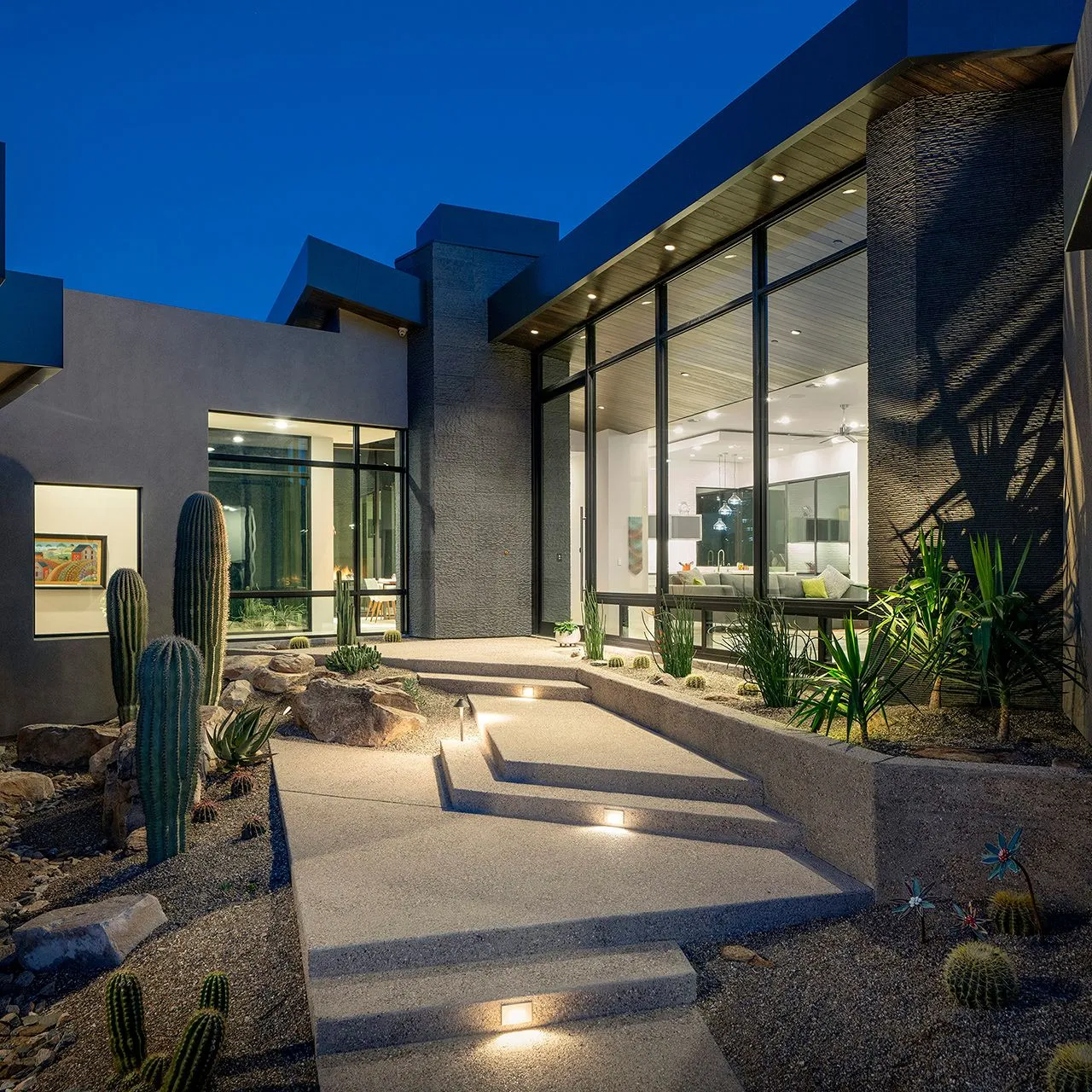
22. Modern Entryway with Illuminated Xeriscape at Dusk
- Low-Voltage Transformer (150W): $100 – $200
- Recessed Path Lights (per fixture): $50 – $150
- Uplights for Cacti (per fixture): $40 – $120
- Low-Voltage Wire (100 ft): $50 – $80
- Professional Installation: $1,500 – $4,000+
- DIY TOTAL: $500 – $1,500
- PRO-INSTALL TOTAL: $2,000 – $5,500+
- Budget Alternative: Skip the recessed concrete lights and use simple, stake-mounted spotlights from a big-box store. A complete DIY kit with a transformer and 6-8 lights can be had for under $300.
|
📋 Copy HEX 🔗 Share |
We’re seeing a major shift in how people think about landscape lighting. For years, it was purely functional—a floodlight for security or a pathlight so you didn’t trip. Now, as seen here, lighting is a primary design tool. It’s about painting with light to create mood, drama, and dimension after the sun goes down. Uplighting a saguaro turns it into a living sculpture. Grazing a textured wall with light highlights its surface. The goal is to curate a nighttime experience, extending the enjoyment of the landscape long after dark.
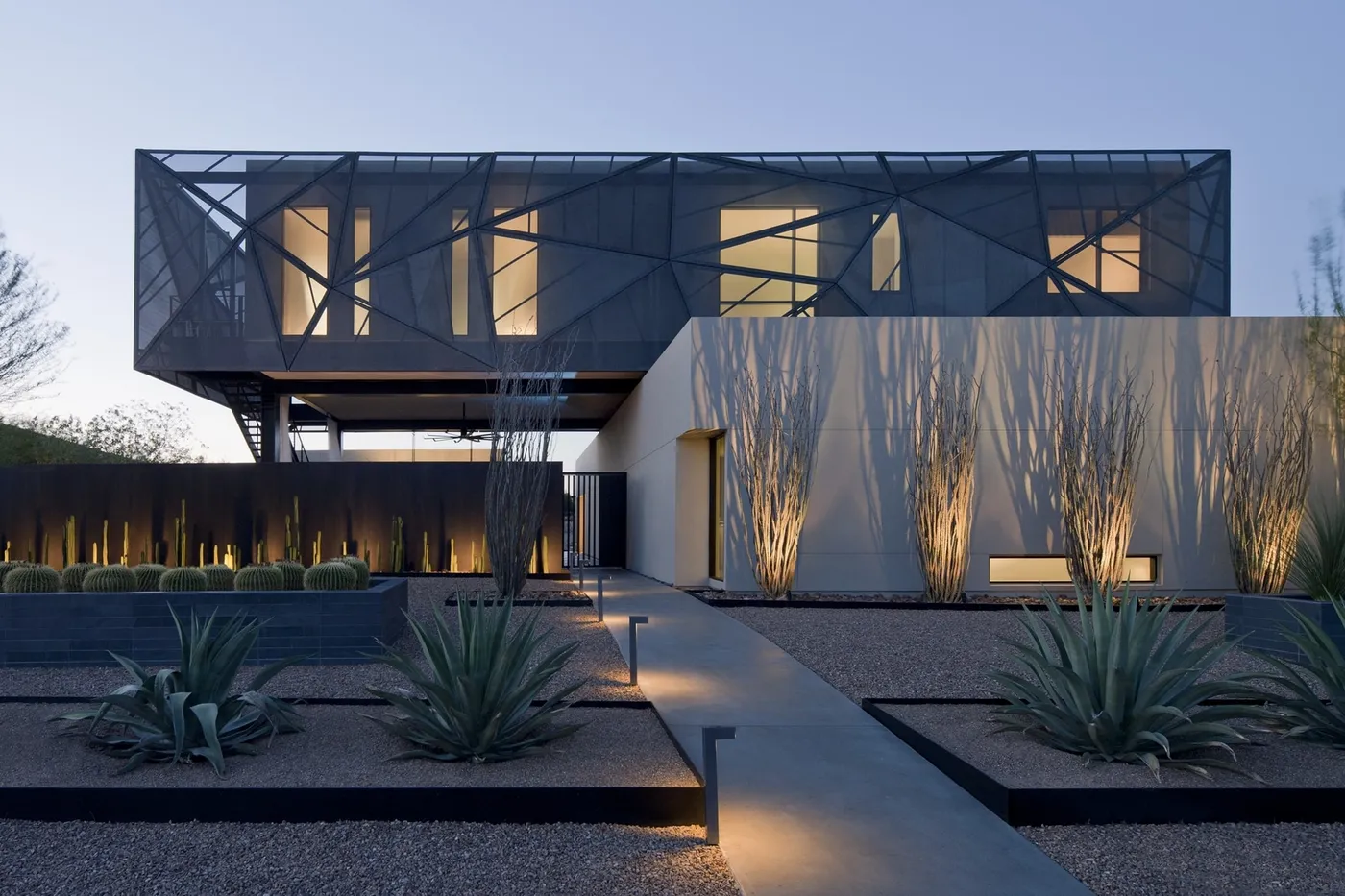
23. Architectural Home with a Geometric Mesh Facade
That geometric mesh screen is undeniably cool and architectural. But let’s talk about what it’s like to live with. It’s a magnet for dust, pollen, and spiderwebs. Unlike a solid wall, you can’t just wipe it down. Keeping it looking clean and sharp will require regular, diligent maintenance with a pressure washer on a low setting or a very long-handled brush. Before committing to a feature like this, have an honest conversation with yourself about whether you’re willing to put in the cleaning effort it will inevitably demand to look its best.
|
📋 Copy HEX 🔗 Share |
The success of the lighting in this design comes from its direction. Notice how the tall plants are uplighted from their base. The key is to place the fixture a foot or two away from the plant’s trunk and aim it upwards, slightly grazing the subject. This technique creates dramatic shadows and highlights the plant’s texture without creating a hot spot of glare. For walls, a similar technique called grazing—placing the light very close to the wall and aiming it straight up—will pull out all the rich texture of the stucco or stone.
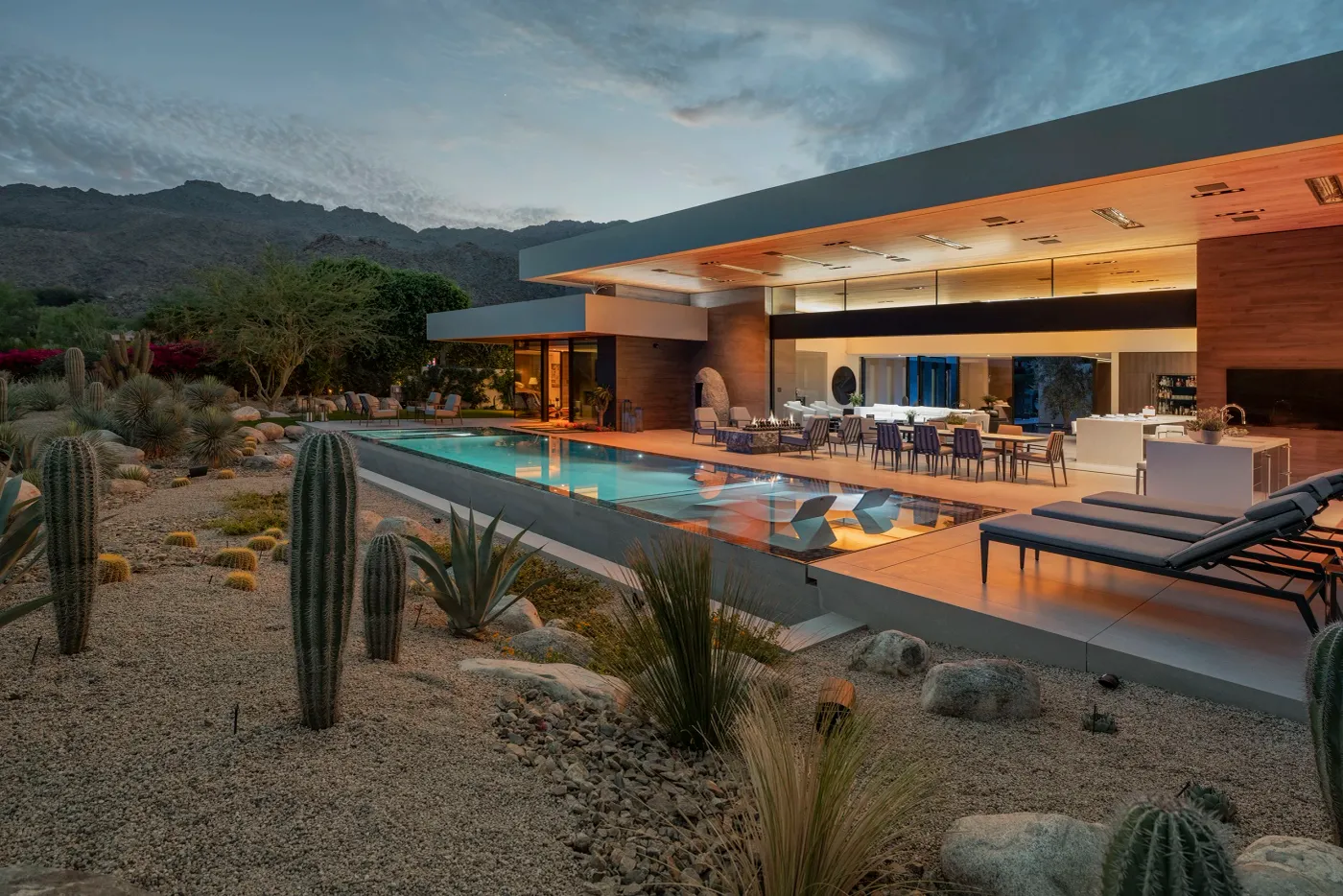
24. Modern Desert Home with Infinity Pool and Evening Lighting
To get this professional, layered lighting look, think in zones. Don’t try to light everything with one type of fixture.
- Ambient Light: This is your base layer. Here, it’s the warm light from the wood-paneled ceilings and the glow from within the pool. It provides soft, overall illumination.
- Task Light: This is focused light for specific activities. You’d have this over the outdoor dining table or a reading chair (not all visible here, but part of the plan).
- Accent Light: This is the drama. Use spotlights to uplight key features like the tall saguaro cacti, turning them into sculptures against the night sky.
Controlling these zones independently gives you ultimate flexibility.
|
📋 Copy HEX 🔗 Share |
If you have to pick one feature that defines this entire scene, it’s the infinity edge of the pool. It’s more than just a design trend; it’s a powerful visual device. By letting the water spill over a hidden edge, it creates an unbroken line between the pool’s surface and the distant mountain horizon. This trick of the eye completely dissolves the boundary between the backyard and the vast landscape beyond, creating a profound sense of luxury and limitless space. Without it, it would just be a nice pool with a view. With it, you feel like you’re swimming in the view itself.
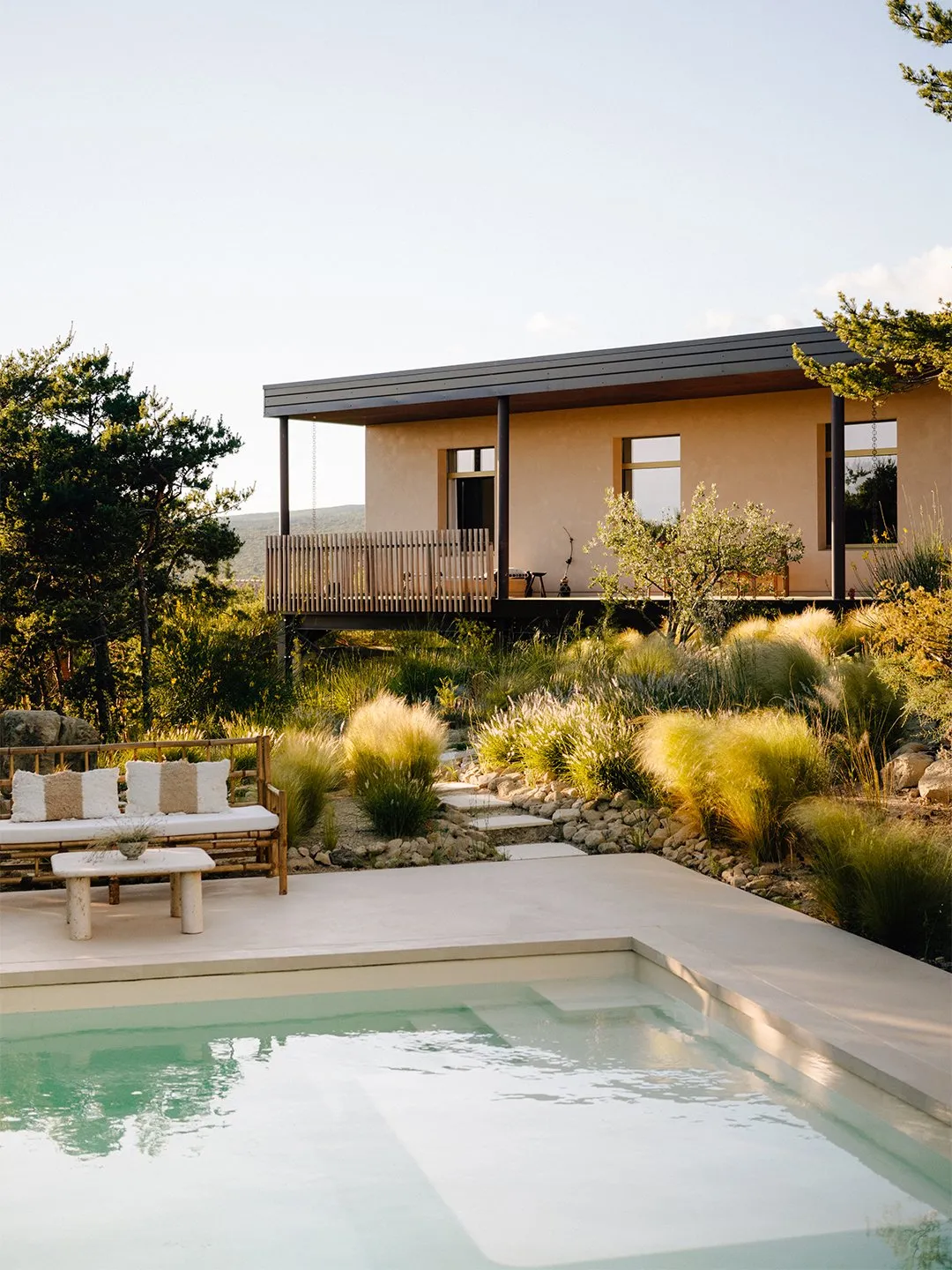
25. Serene Desert Home with a Pool and Native Grasses
This balanced, serene aesthetic is perfectly suited for the common suburban lot, from a quarter-acre to a half-acre. The scale is manageable and doesn’t require a vast, borrowed landscape to feel complete. The low-profile house, rectangular pool, and defined beds of ornamental grasses and rock create a self-contained composition. It’s a design that brings a sense of calm and order without feeling overly formal or demanding immense space. It’s a realistic and achievable version of modern desert living for a typical family home.
|
📋 Copy HEX 🔗 Share |
Love this peaceful, modern vibe but don’t have a pool budget? You can capture the essence of this look for a fraction of the cost. The key elements are the ornamental grasses and the clean-lined patio. Install a simple concrete paver or decomposed granite patio. Then, create large beds filled with a variety of ornamental grasses like Muhly grass or Little Bluestem. For a water element, consider the chic and affordable stock tank pool seen in Idea #26. The combination of modern patio, soft grasses, and a simple water feature will deliver the same serene energy.
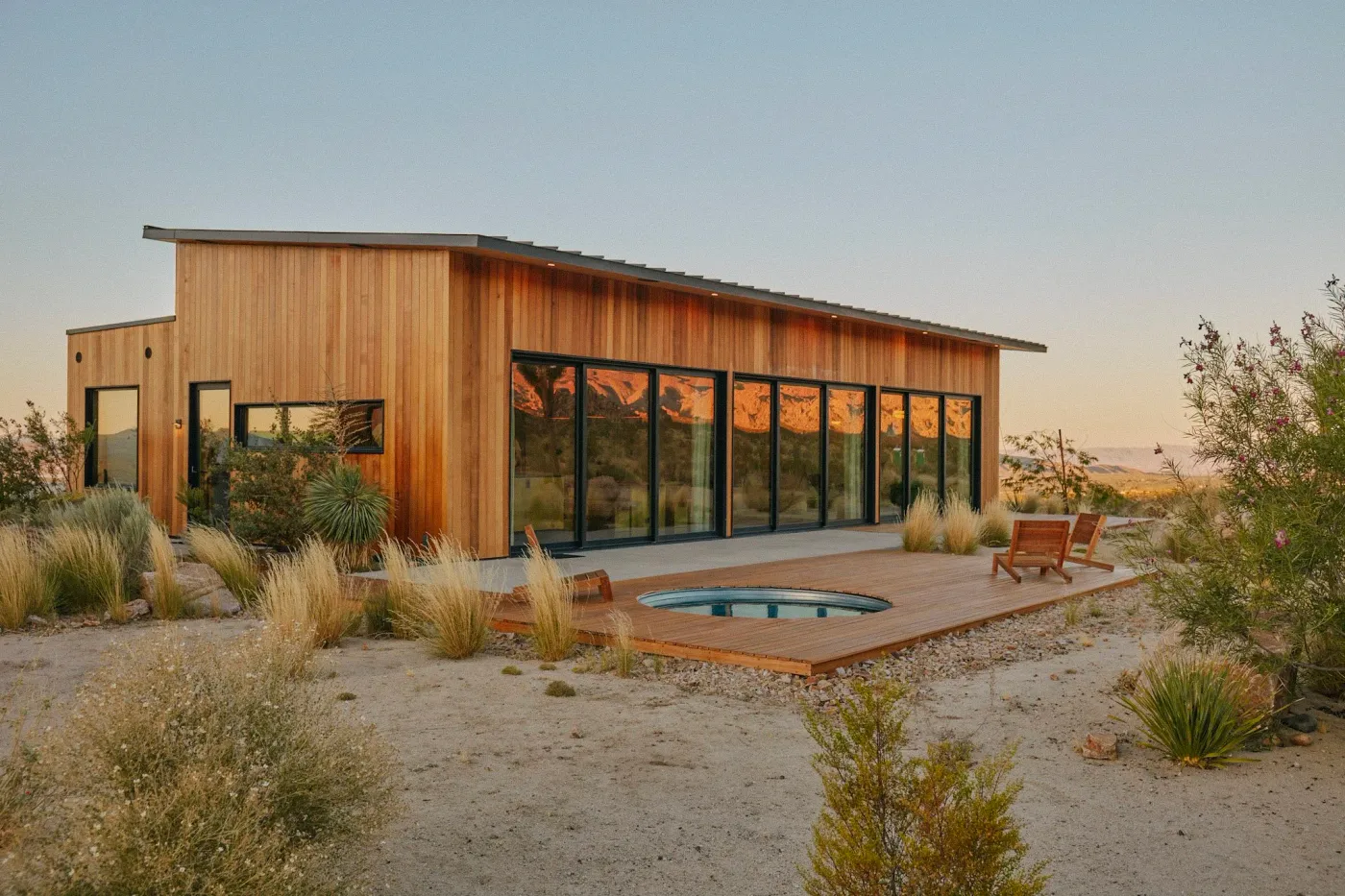
26. Modern Wooden Desert Cabin with a Stock Tank Pool
Natural wood siding looks incredible in a desert setting, but the sun is brutal. To keep this cabin from turning into a cracked, gray mess, that cedar requires a serious commitment.
-
- Annual Cleaning: A gentle wash is needed each year to remove dust and pollen that can encourage mildew.
- UV-Protectant Sealant: It must be re-sealed every 2-3 years with a high-quality UV-blocking finish. This isn’t a suggestion; it’s a requirement to prevent the wood from drying out, cracking, and warping in the intense heat and sun.
- Pest Inspection: Regular checks for termites and carpenter bees are also a must.
It’s a beautiful choice, but it is not a low-maintenance one.
This design is so charming because it perfectly balances high and low. The cabin itself is architecturally sophisticated, with its clean vertical lines, minimal black trim, and expansive glass doors. It’s a very ‘high-design’ object. But then, it’s paired with a humble, utilitarian stock tank pool—a classic ‘low-design’ item. This high/low mix is what makes the space feel so clever, approachable, and fun. It subverts expectations and communicates that a stylish space doesn’t have to be pretentious or expensive. It has personality.
|
📋 Copy HEX 🔗 Share |
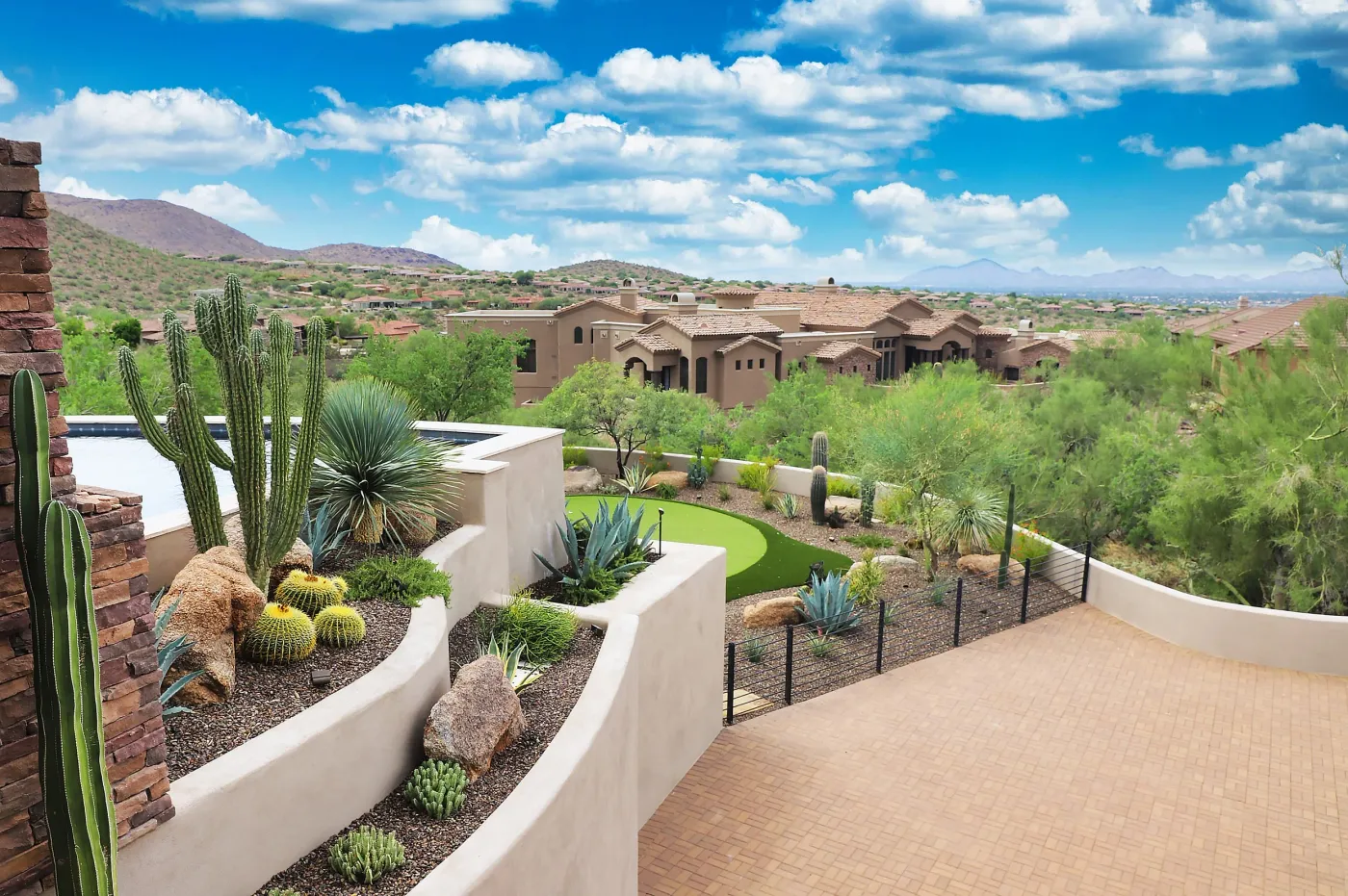
27. Terraced Xeriscape with Stucco Planters and Cactus
You can build a handsome curved stucco planter wall yourself.
- Lay the Foundation: Dig a shallow trench (about 6″ deep) and fill it with compacted gravel to create a stable, level base.
- Build the Wall: Lay courses of standard concrete blocks (CMUs) in a curved shape, using mortar between joints. Use a level constantly.
- Apply Scratch Coat: Mix and apply a 3/8-inch layer of stucco (the scratch coat). Before it dries completely, score it with a metal rake to create grooves for the next coat to grip. Let it cure.
- Apply Finish Coat: Apply a final, smoother 1/4-inch layer of pre-colored stucco mix for a finished look.
Time: 3-4 days (allowing for curing). Cost: $15-$30 per linear foot in materials.
|
📋 Copy HEX 🔗 Share |
When planting a terraced or sloped garden, always think from back to front. Place your tallest, most structural plants—like columnar cacti or large agaves—on the highest tier or at the back of the bed. Then, work your way down, using medium-sized, mounding plants in the middle, and low-growing, spilling plants at the very front edge. This simple ‘tall in back, short in front’ rule creates a sense of depth and order, ensuring that all your beautiful plants are visible and that nothing is blocking the view of something else behind it.
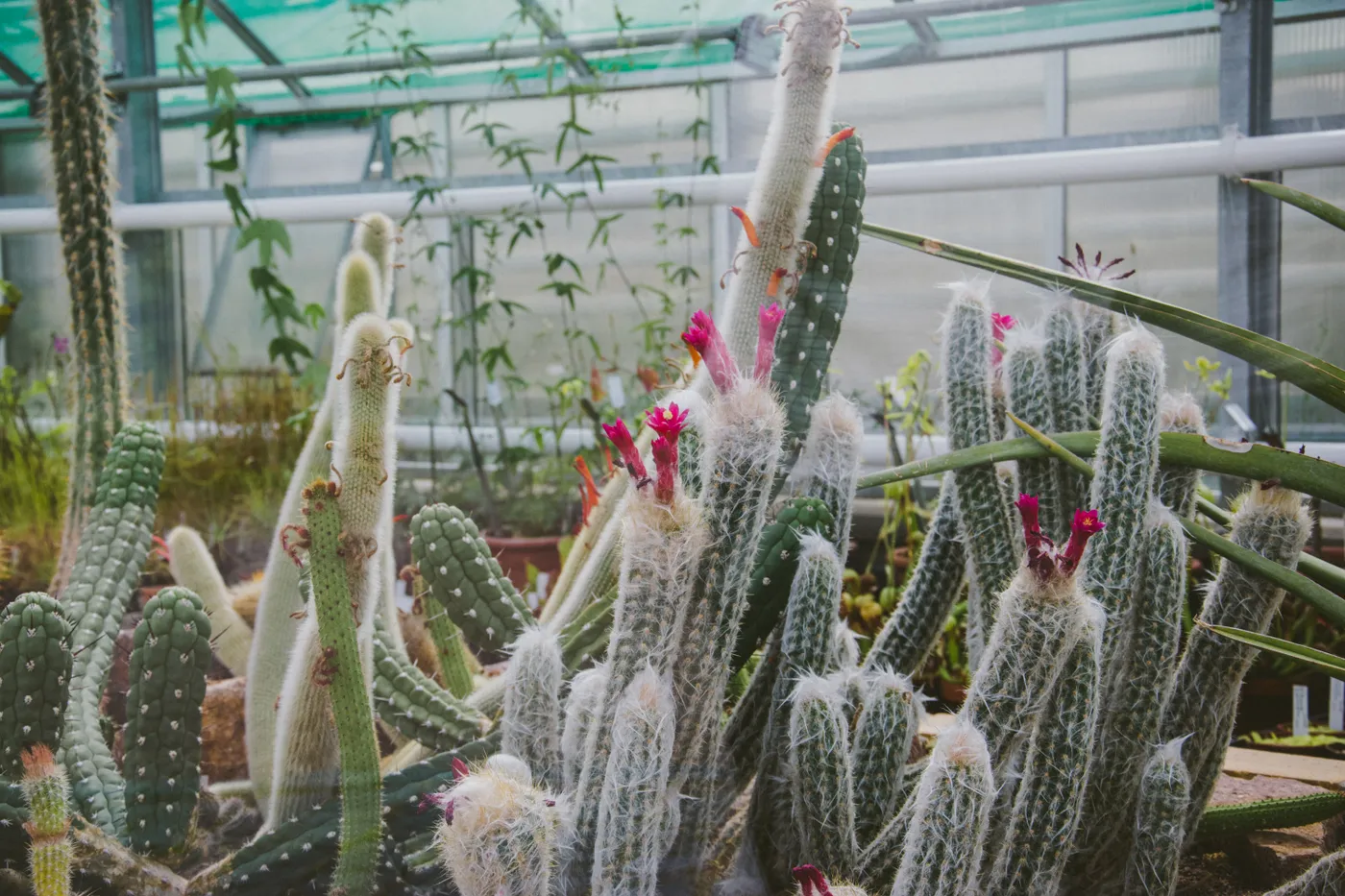
28. Indoor Oasis: A Greenhouse Collection of Potted Cacti
Want to create a desert vibe without a yard? An indoor cactus collection is perfect, but you need the right setup. First, assess your light. You need a spot that gets at least 6-8 hours of direct, bright sunlight per day, like an unobstructed south-facing window. Second, prioritize drainage. Every single pot must have a drainage hole, no exceptions. Cacti hate wet feet. Finally, get the right soil. Don’t use standard potting soil; buy or mix a special cactus/succulent soil that incorporates sand, perlite, or pumice for fast drainage.
|
📋 Copy HEX 🔗 Share |
It’s easy to think all cacti are the same: spiky, green, and lovers of neglect. That’s a myth. The fuzzy white one might come from a high-altitude desert and need a cool, dry winter to thrive, while the one next to it from a coastal desert might tolerate more humidity. Many cacti require this period of winter dormancy (cooler temperatures and almost no water) to set buds and produce those beautiful pink flowers you see. Lumping them all together with the same care routine is a recipe for failure. Research each specific plant’s needs to keep your collection happy.
Your Desert Landscape Awaits
Don’t just dream about a stunning, water-wise yard—start planning it. Pick one element from an idea you love, whether it’s a plant combination like in Idea #1 or a material like the flagstone in Idea #4, and begin there. Your perfect desert escape is closer than you think. Now, head over to Pinterest and start a board for your project!