
Still scrolling through DIY insulated cat house photos without knowing where to start? It’s easy to get lost in a sea of projects that are either too simple to be effective or too complex for a weekend build. We spent serious time filtering through hundreds of real-world examples to bring you only what’s worth your attention this year. Inside this guide, you’ll find 27 curated ideas, covering everything from rustic log cabins to modern plywood designs. For 2026, the focus is squarely on creating safe, durable, and surprisingly stylish shelters for community cats or your own adventurous pet, reflecting a growing desire for practical, humane solutions. 📌 Save this to Pinterest for later—you’ll want to revisit these ideas.
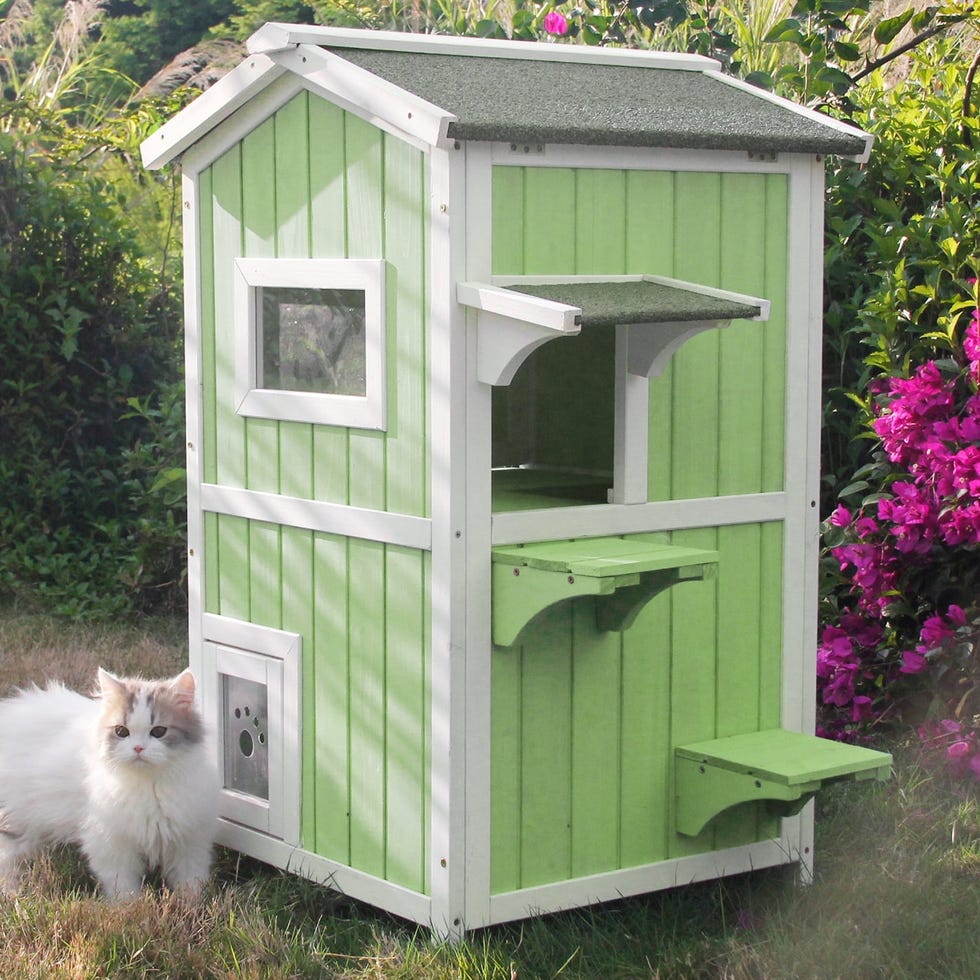
1. Multi-Level Green Wooden Cat House with Climbing Ledges
This design is so successful because it thinks vertically. By providing multiple levels and climbing ledges, it satisfies a cat’s natural instinct to survey their territory from a high vantage point. The combination of the playful lime green with the crisp white trim gives it a charming, almost dollhouse-like quality that feels intentional and cared for, rather than just being a box in the yard. It’s a piece of garden architecture, not just a utility item, blending seamlessly with a green, leafy environment.
|
📋 Copy HEX 🔗 Share |
When painting a wooden outdoor structure like this, don’t skip the primer. Use an exterior-grade, mold-resistant primer specifically designed for wood. This extra step prevents the paint from peeling and protects the wood from moisture damage. For the top coat, choose a high-quality exterior latex or acrylic paint in a satin or semi-gloss finish. This will make it much easier to wipe clean and will stand up to the elements far better than a matte finish. This ensures your hard work lasts for years.
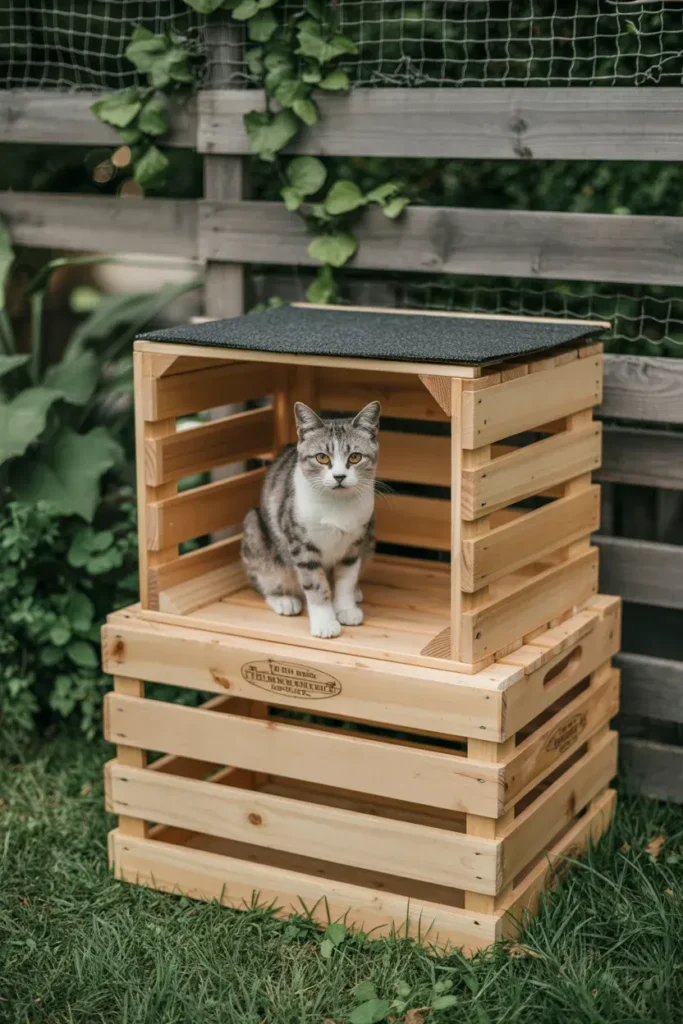
2. Simple Rustic Shelter from Stacked Wooden Crates
What makes this project brilliant is its sheer simplicity and resourcefulness. It’s the epitome of upcycling. By stacking two common wooden crates, the design cleverly creates a sheltered upper bunk, lifting the cat off the cold, damp ground without needing to build complex legs or a separate platform. The bottom crate acts as a sturdy, stabilizing base. This is proof that you don’t need a full workshop or advanced carpentry skills to create a functional, cozy, and aesthetically pleasing rustic shelter for a cat.
|
📋 Copy HEX 🔗 Share |
You can find wooden crates for next to nothing. Check Facebook Marketplace, liquor stores, or grocery stores, which often give them away for free. A small sample pot of exterior paint or stain is usually under $10. For the roof, instead of buying new material, look for scrap pieces of roofing felt or even a sturdy plastic storage bin lid from a thrift store, which can be cut to size and secured with construction adhesive. The entire project can easily be completed for under $20.
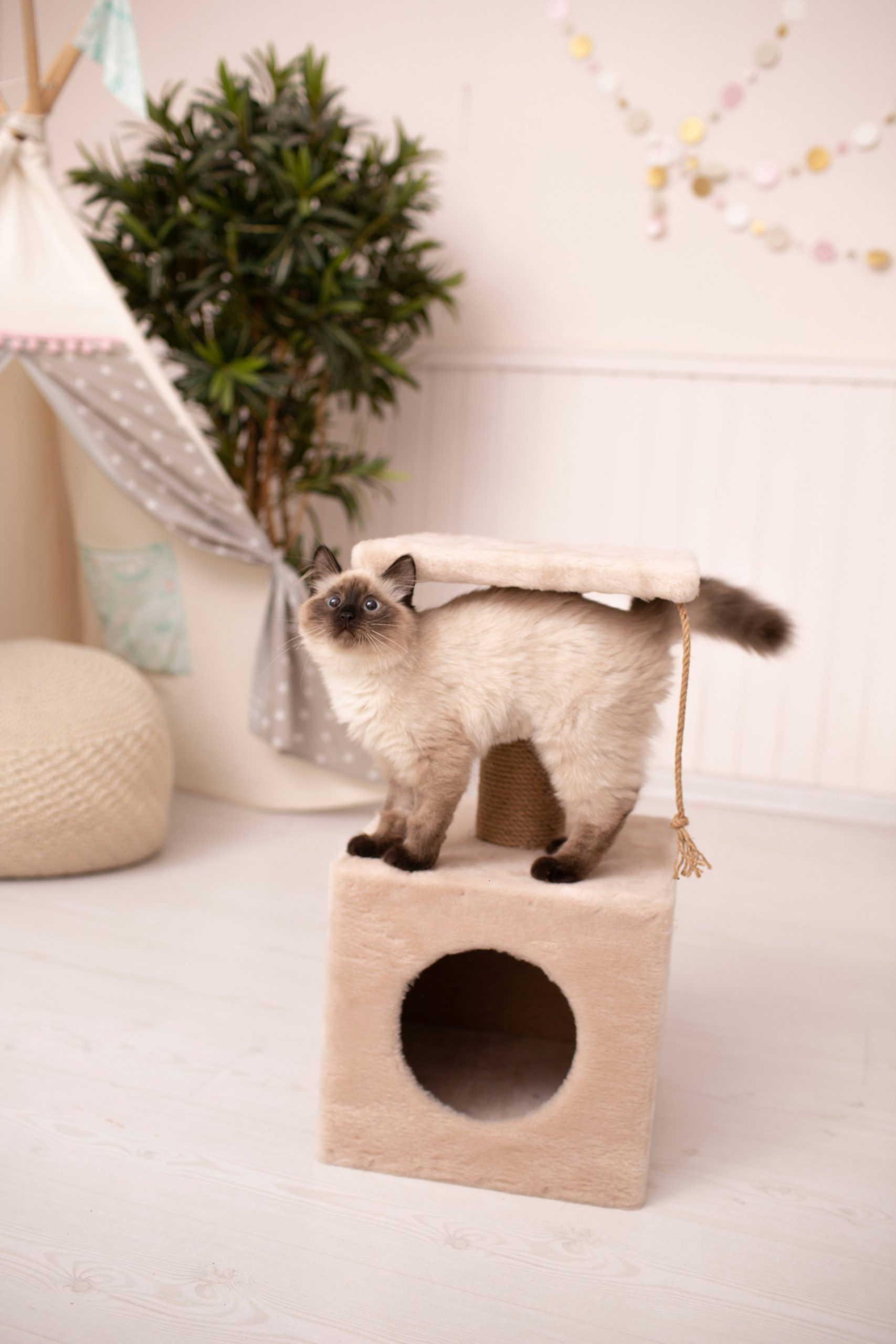
3. Cozy Two-Tiered Fuzzy Cat Tree for Indoor Comfort
The formula here is all about tactile comfort and playful engagement. It’s roughly 70% soft, fuzzy texture + 20% natural wood tones + 10% interactive elements. The overwhelming plushness of the beige fabric creates an irresistible spot for napping, while the light wood-grain floor keeps the scene feeling bright and clean. The dangling rope toy is that crucial 10% that turns a simple bed into a stimulating piece of furniture. You could swap the beige for a soft gray, and it would work just as well, as long as you maintain that high ratio of softness.
|
📋 Copy HEX 🔗 Share |
While this fuzzy cat tree looks incredibly soft and inviting, be prepared for a maintenance commitment. Light-colored, high-pile fabrics like this are magnets for dirt, dander, and cat hair. You’ll need to vacuum it at least weekly with an upholstery attachment to keep it looking fresh. It’s also not the most durable option for a cat that loves to scratch everything; the fuzzy material can be shredded more easily than traditional sisal rope posts. It’s a better fit for a cat who is more of a lounger than a destroyer.
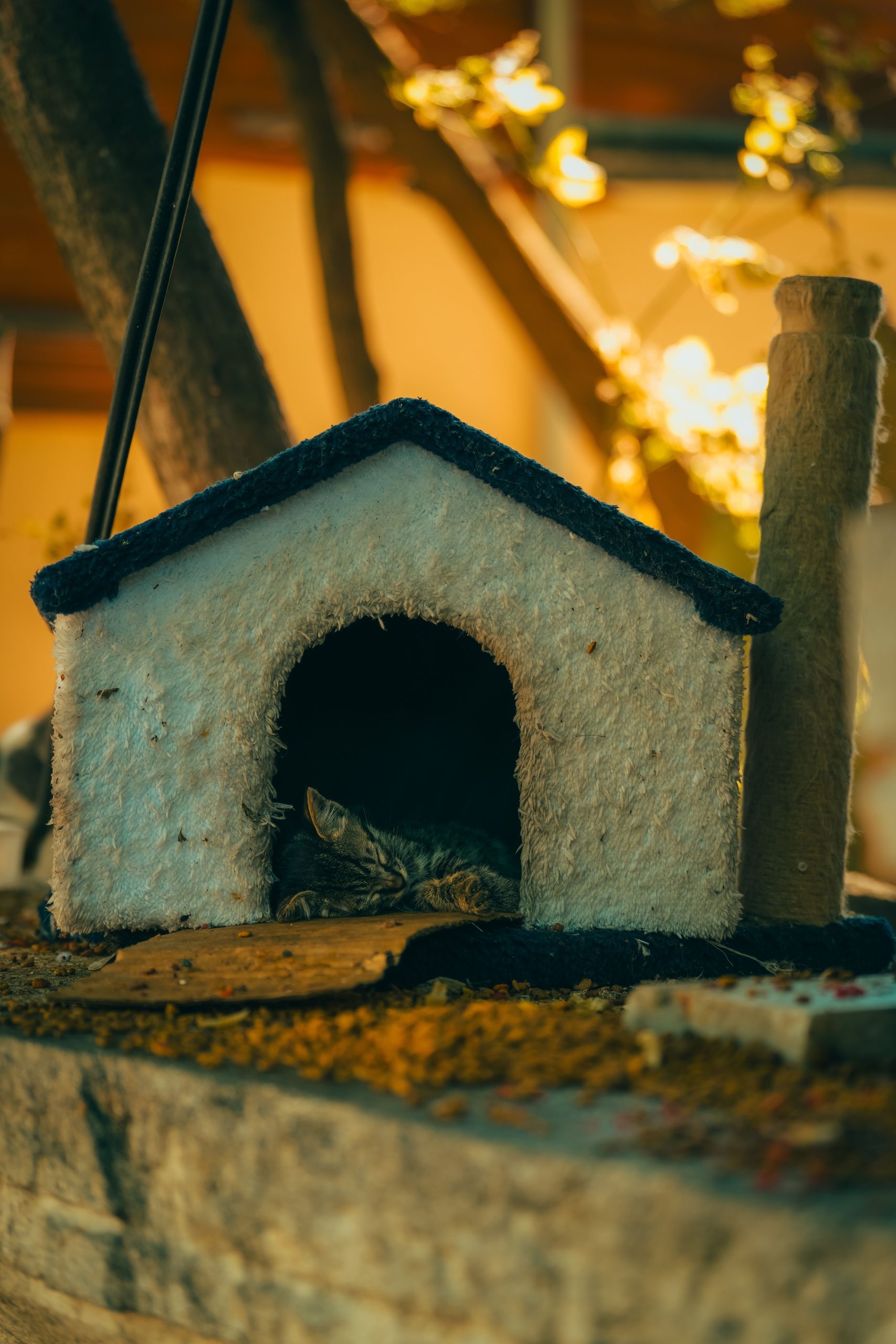
4. Furry Cat House with a Matching Scratching Post
This setup works so well because it pairs a secure sleeping space with an essential feline activity: scratching. Placing the scratching post directly next to the house encourages the cat to stretch and mark their territory right as they wake up, a common instinct. The cohesive, fuzzy texture on both items creates a visually linked “suite” for the cat, clearly defining their personal zone. The dark blue trim adds a nice, sharp contrast that frames the cream-colored fur and gives it a more finished, intentional look than a simple beige box would have.
|
📋 Copy HEX 🔗 Share |
The fuzzy, cream-colored material on this house will show dirt and stains quite easily. To keep it looking its best, spot-cleaning with a pet-safe upholstery cleaner is a must. For a deeper clean, a handheld steam cleaner can work wonders, but always test it on an inconspicuous area first. The scratching post portion will naturally wear out over time. Expect to see shedding and fraying, especially if your cat is an avid scratcher. This isn’t a flaw; it’s a sign it’s being used and loved, but it means this piece has a finite lifespan.
5. Weathered Yellow Cat House with a Built-in Feeding Platform
The absolute game-changer here is the integrated feeding platform. It’s not just a house; it’s a full-service feline apartment. By elevating the food bowls, it keeps them cleaner and away from ground-level pests. This simple addition transforms the structure from a mere shelter into a dedicated care station. It shows a deep understanding of a cat’s needs, providing a safe space to both rest and eat. Without that platform, it would still be a cute house, but it wouldn’t be nearly as clever or practical. Compare this with the similar integrated feeder in Idea #7.
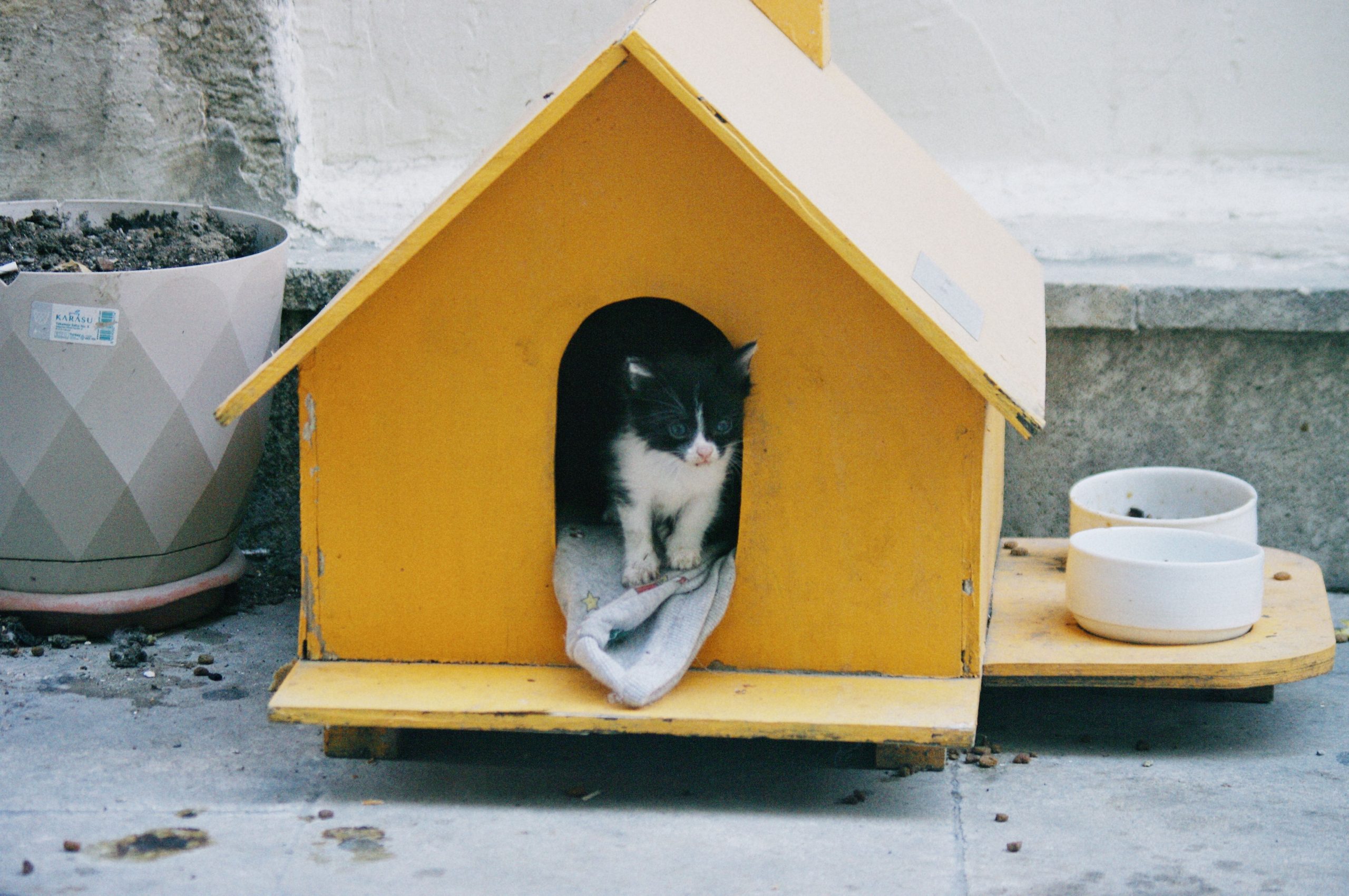
|
📋 Copy HEX 🔗 Share |
When creating a feeding station that’s attached to a wooden house, always use ceramic or stainless steel bowls. Plastic bowls can develop tiny scratches that harbor bacteria, leading to feline acne (yes, that’s a real thing!). To make cleaning even easier, trace the base of the bowls onto the platform and use a router to create slight indentations. This will keep the bowls from sliding around or getting knocked over by an enthusiastic eater, saving you from constantly cleaning up spills.
6. Simple Plywood Cat Perch with a Circular Cutout
This compact, wall-mounted design is perfect for smaller spaces where a floor-standing cat tree would feel overwhelming. It requires a minimum of about 24 inches of clear vertical wall space. The beauty of this idea is its modularity; you can stack several of these boxes vertically or horizontally to create a custom climbing wall for your cat. This specific box appears to be about 16 inches wide by 12 inches high, making it a great fit for apartments or narrow hallways where you want to provide enrichment without sacrificing floor space.
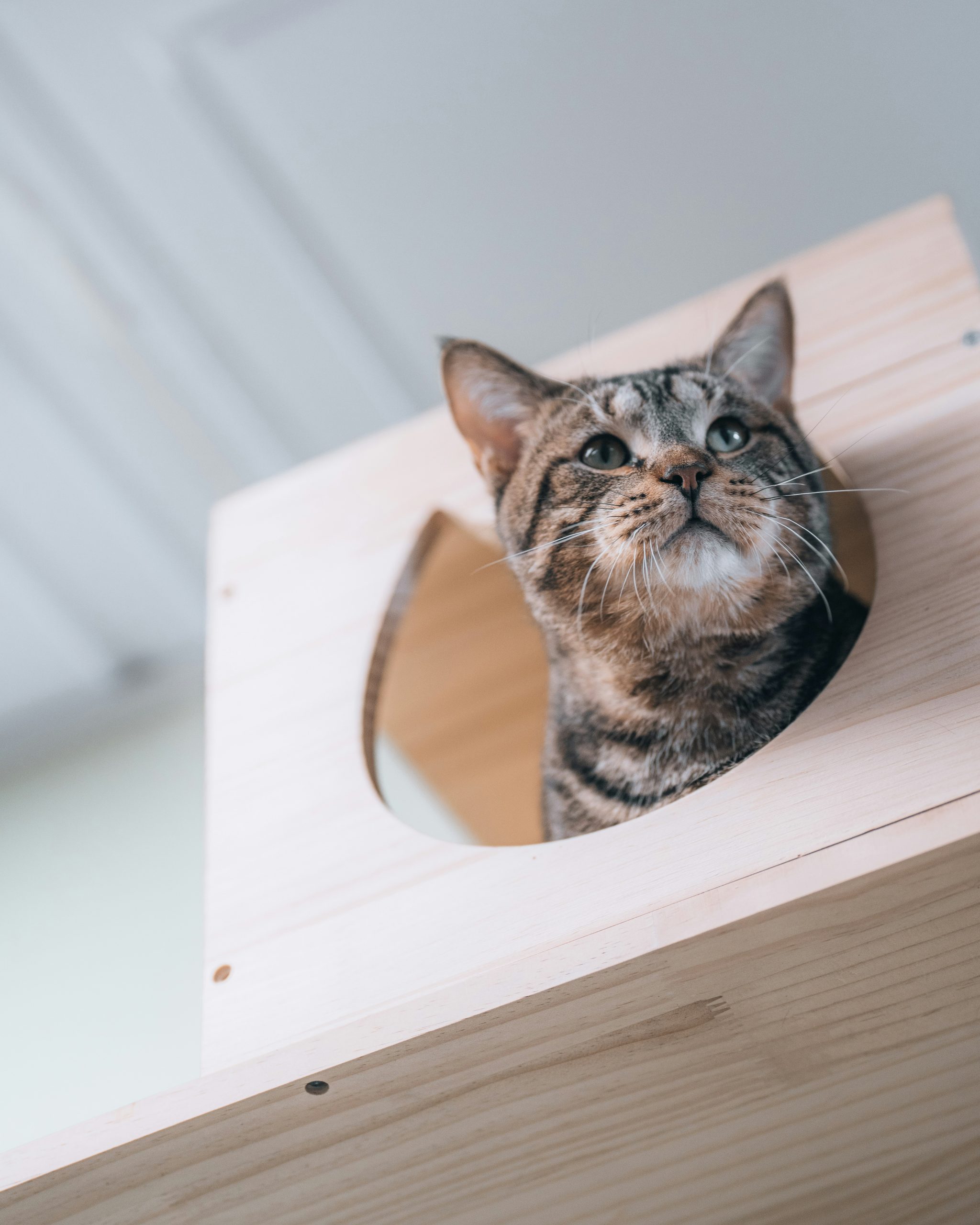
|
📋 Copy HEX 🔗 Share |
This is a fantastic beginner-level woodworking project that you can complete in a few hours. Material cost is minimal.
- Start with a single piece of 3/4″ plywood, cut into four equal 14″x14″ squares.
- On one square, trace a large circle (about 8-10″ in diameter) for the entrance and use a jigsaw to cut it out.
- Assemble the four pieces into a box using wood glue and 1.5″ wood screws. Ensure the cutout piece is on the front.
- Sand all surfaces and edges thoroughly to prevent splinters. Pay special attention to the inside of the circular opening.
- You can leave the natural wood finish or apply a non-toxic, pet-safe paint or sealer.
7. Outdoor Cat Shelter with an Integrated Automatic Feeder
The genius of this design lies in its practicality, especially for those caring for community or feral cats. By integrating an automatic feeder directly into the sheltered structure, it protects the food from rain and weather, preventing it from spoiling. This ensures a reliable food source is always available. The cat-head-shaped sign adds a touch of charm and clearly signals the structure’s purpose. It’s a thoughtful, all-in-one solution that addresses two critical needs—shelter and sustenance—in a single, compact unit.
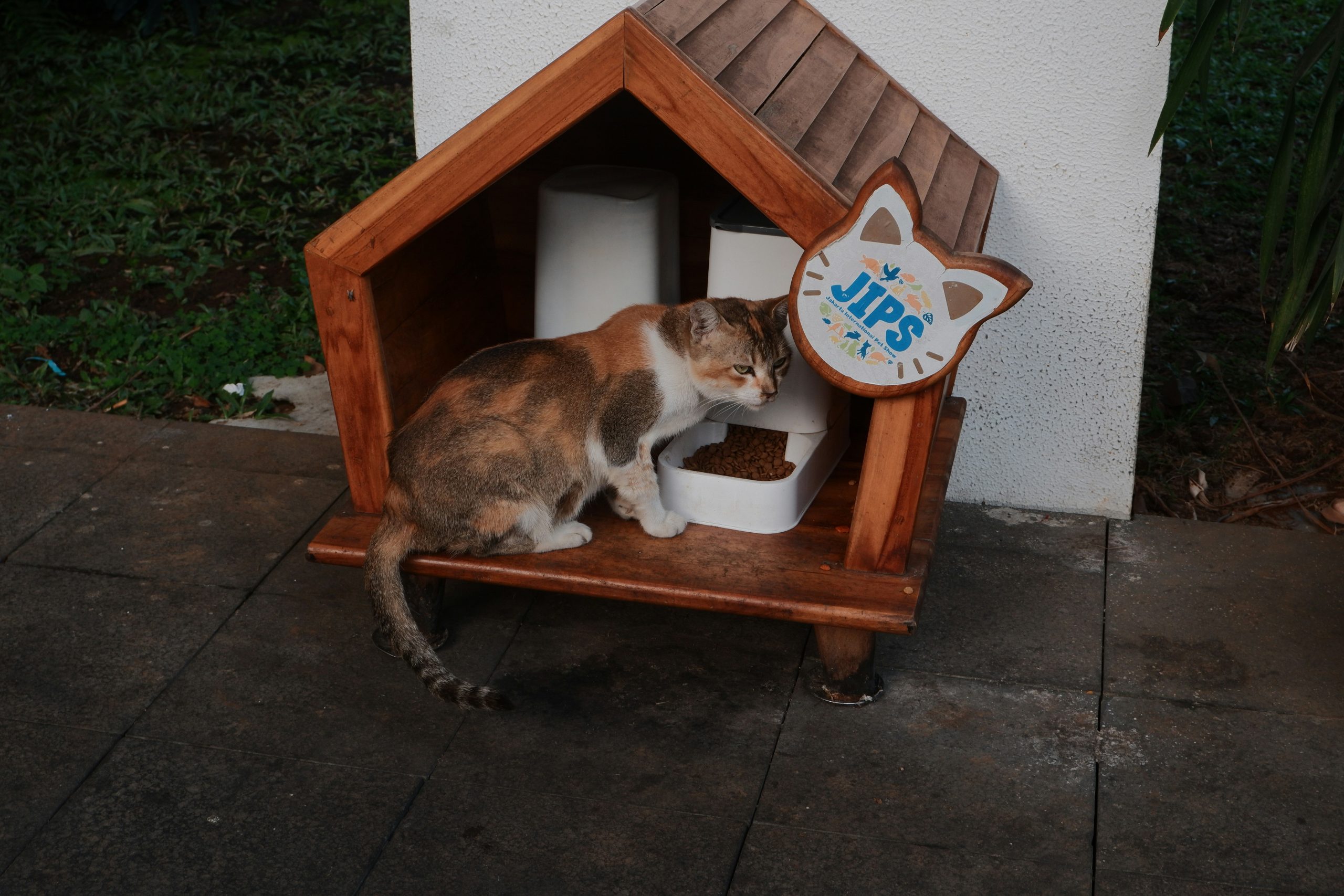
|
📋 Copy HEX 🔗 Share |
An automatic feeder is incredibly convenient, but it’s not a ‘set it and forget it’ solution, especially outdoors. You need to be diligent about checking for pests like ants or slugs that might be attracted to the food. Placing the shelter’s legs in small dishes of water can create a ‘moat’ to deter crawling insects. Also, be aware that this setup can attract other wildlife like raccoons or squirrels, which may be strong enough to damage the feeder or the wooden structure to get to the food.
8. Rustic Wooden Cat House with a Decorative Arched Entry
The single element that gives this cat house its unique personality is the engraved decorative detailing. The carved archway and column-like features elevate it from a simple box to a piece of folk art. It suggests a story and a sense of history, as if it were a miniature architectural fragment. This ornamentation, combined with the naturally weathered wood, creates a feeling of a timeless, rustic retreat. Without these charming details, it would be a functional but far less memorable shelter. The character is entirely in the carving.
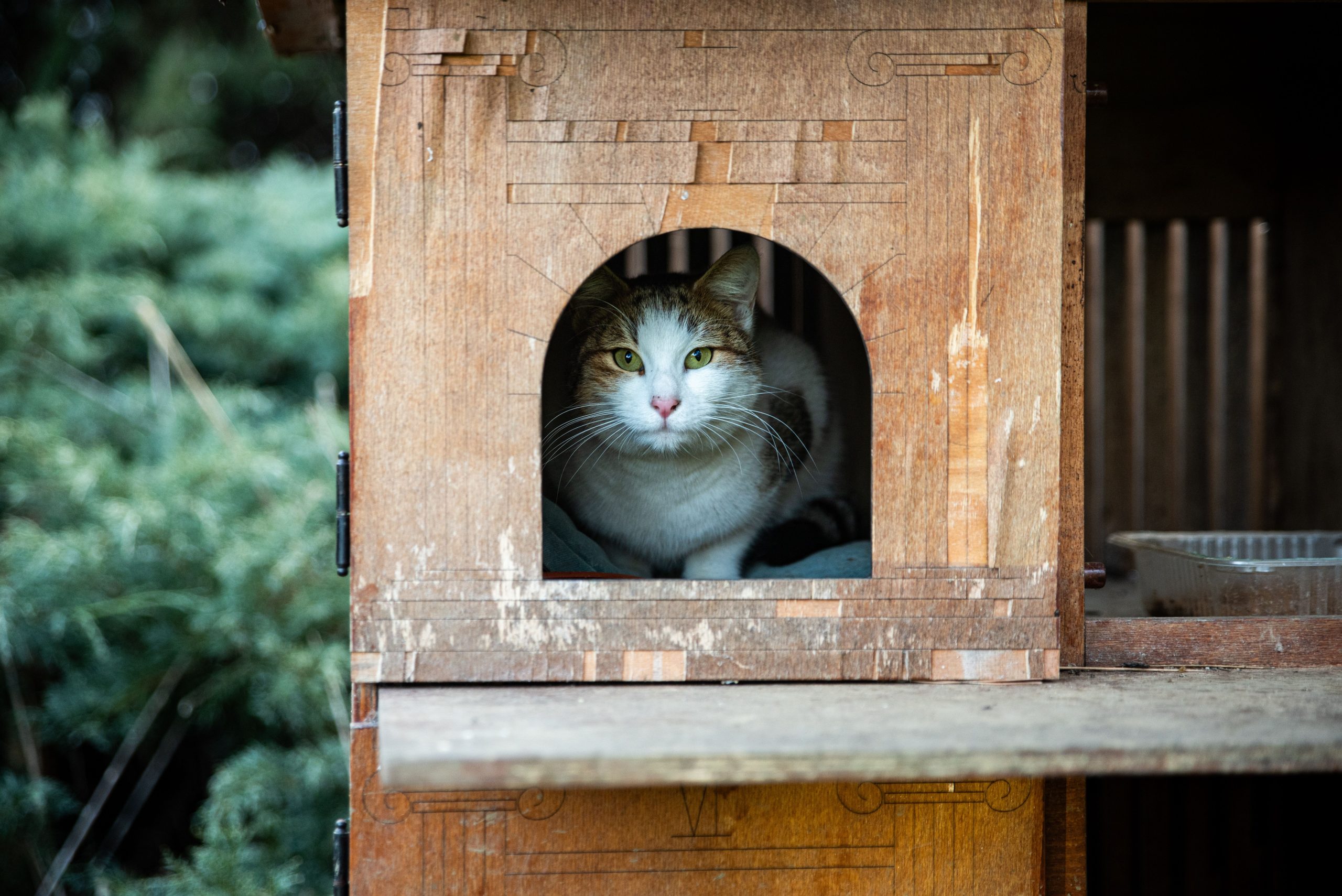
|
📋 Copy HEX 🔗 Share |
There’s a growing movement in design towards embracing imperfection and age, often called ‘wabi-sabi’ or rustic chic. People are tired of mass-produced, sterile items and are drawn to things with character and a story. This cat house fits perfectly into that trend. It feels handcrafted and has a history written in its weathered grain. On Pinterest, you’re seeing a huge surge in ‘found object’ and ‘natural materials’ aesthetics, and this beautiful, slightly worn-in look is exactly what people are pinning in 2026.
9. Sturdy Outdoor Cat House with a Pitched Bitumen Roof
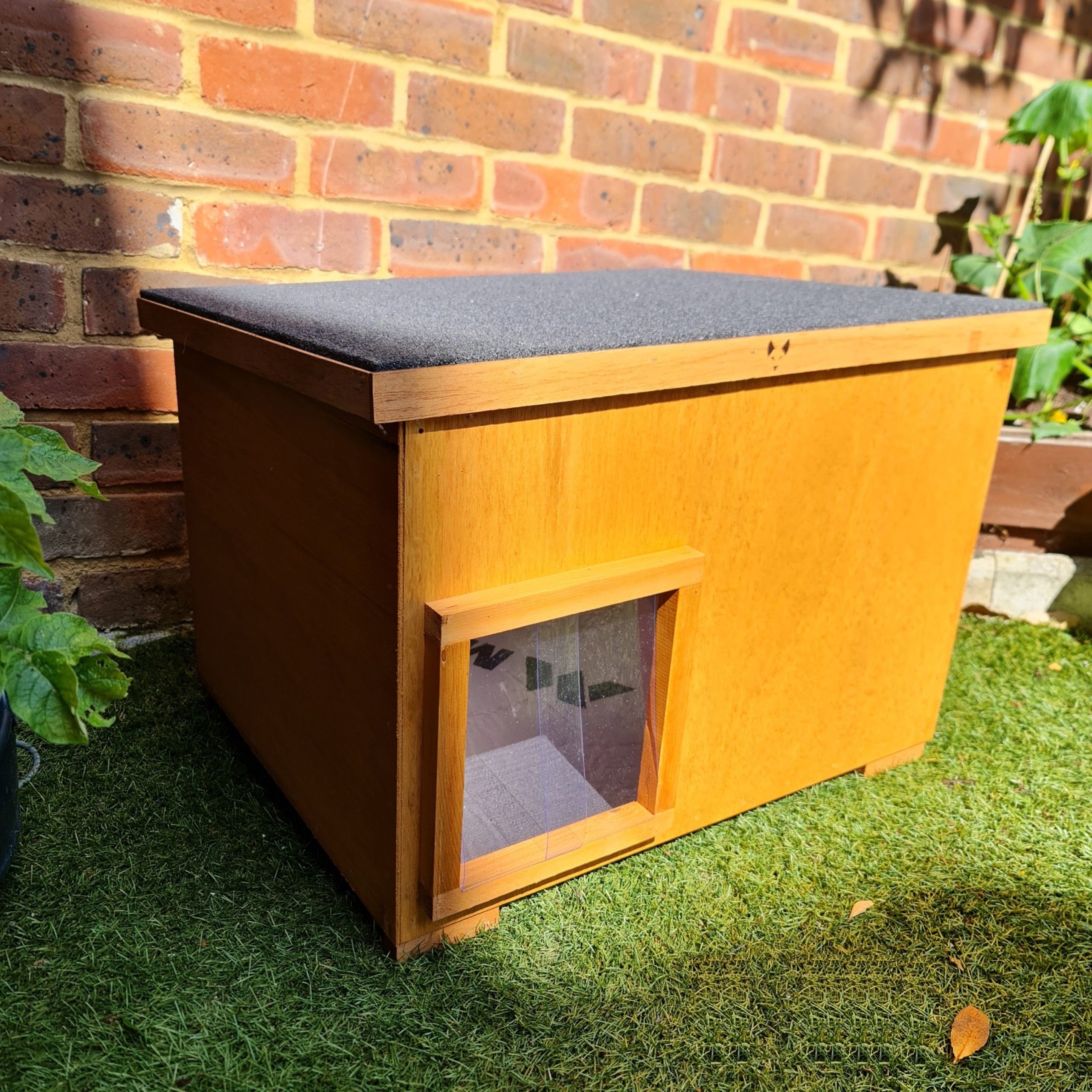
This house is a fortress, and its effectiveness comes from using real construction materials. The sloped, black bitumen roof is the key—it’s the same material used on residential homes, so you know it’s going to be completely waterproof and durable. The clear plastic flaps on the entry are another pro feature, blocking wind and rain while still allowing the cat to see outside. These two elements, combined with the solid wood construction, create a shelter that is built to withstand the elements, not just look cute in the garden.
|
📋 Copy HEX 🔗 Share |
Before you commit to a sturdy build like this, run through this quick checklist:
- Measure Your Space: This house has a solid, rectangular footprint. Ensure you have a level spot in your yard, preferably against a wall or fence for extra stability and wind protection.
- Check Sun Exposure: Will this spot get baked by the afternoon sun in summer? If so, the bitumen roof could get very hot. Consider placing it where it will get morning sun and afternoon shade.
- Confirm Your Budget: While wood is affordable, a roll of bitumen roofing and the proper adhesive can add $40-$60 to your material cost. Price it out first.
10. Modern Plywood Cat House with a Dark-Stained Base
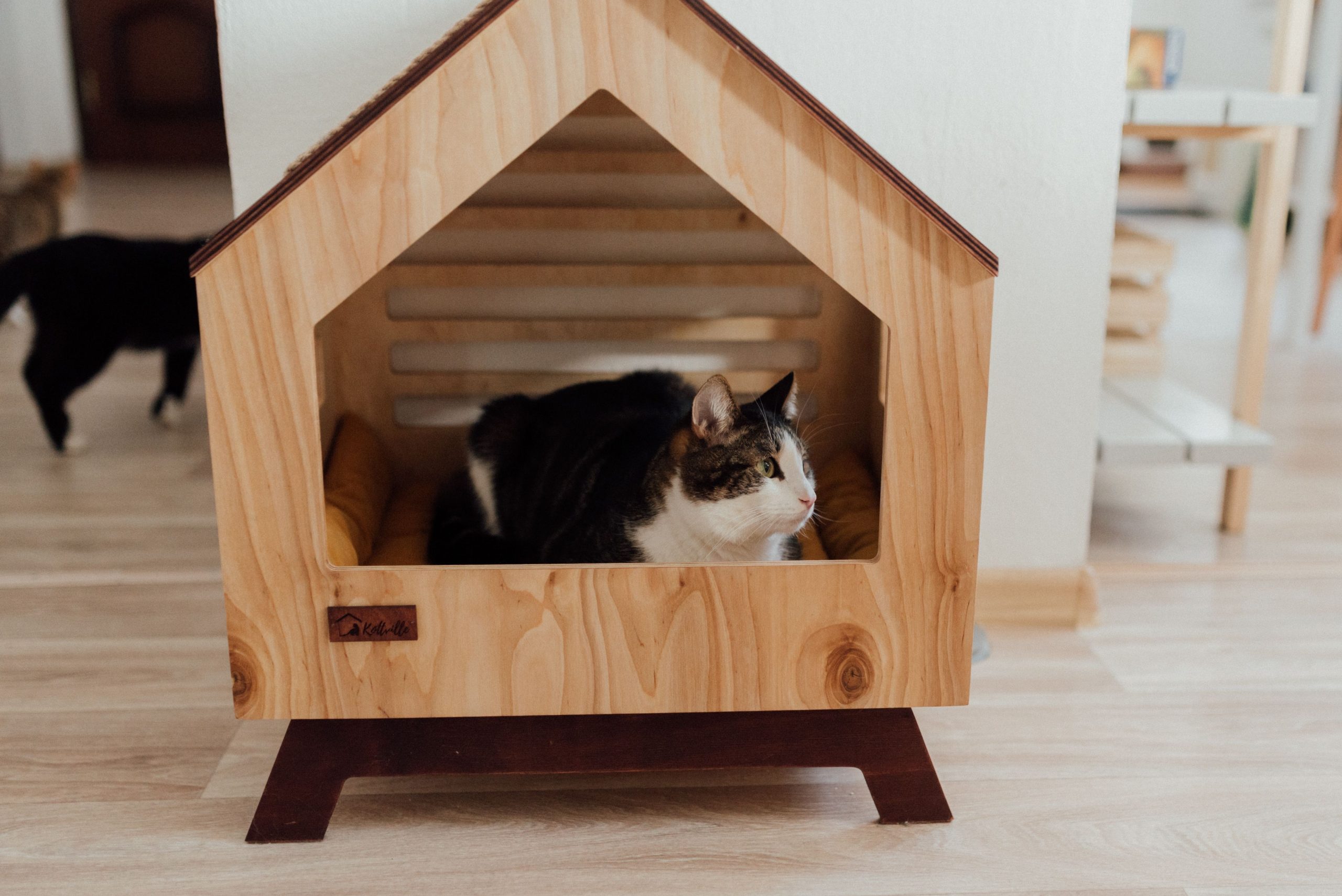
This design’s success comes from a clean, modern formula: 60% light, natural plywood + 30% dark, contrasting base + 10% pop of color. The light plywood keeps it feeling airy and Scandinavian-inspired, while the dark stained base grounds the piece and gives it visual weight. The pop of color from the yellow cushion adds warmth and personality, preventing the minimalist design from feeling cold. You could easily swap the yellow for a dusty blue or olive green cushion, and the formula would still hold perfectly.
|
📋 Copy HEX 🔗 Share |
The dark-stained base is the detail that truly elevates this piece. It’s a simple touch, but it makes the cat house look like a deliberate piece of furniture rather than a simple plywood box. This visual separation between the ‘house’ and the ‘floor’ is a sophisticated design choice that adds depth and contrast. It also has a practical benefit: the stained base will be more durable and resistant to scuffs and dirt than the raw plywood, making it a smart choice for the part of the structure that interacts with the floor.
11. Beige and Brown Outdoor Cat Shelter with a Window
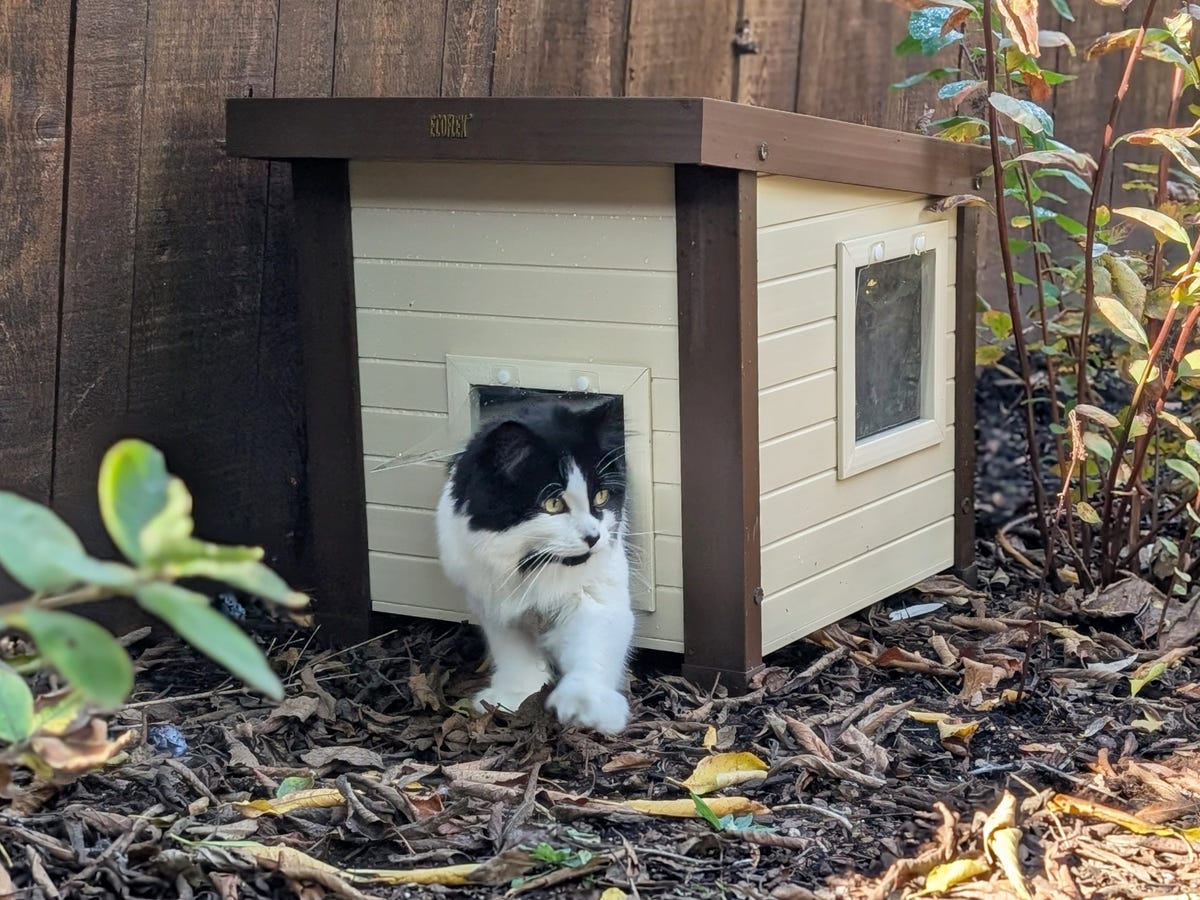
A small window on a cat house is a charming feature, but let’s be real about its function. It provides a bit of light, but it’s more for the human’s aesthetic pleasure than the cat’s benefit. From a cat’s perspective, a tiny, fixed window doesn’t offer a viable escape route or a significant lookout point. They’ll almost always prefer the main entrance for watching the world. So, enjoy the cute look, but don’t assume the window is a major functional upgrade for your feline friend. The main entrance flap is doing all the heavy lifting here.
|
📋 Copy HEX 🔗 Share |
This is a compact, single-cat shelter designed for smaller yards or patios. Based on the cat partially exiting, the interior dimensions are likely around 18 inches wide by 15 inches deep. This size is ideal because a cat’s own body heat can warm the smaller space more effectively in winter. It’s a great choice if you have limited square footage. For those with more space or multiple cats, consider a larger design like the multi-level structure in Idea #1 or the two-story house in Idea #21.
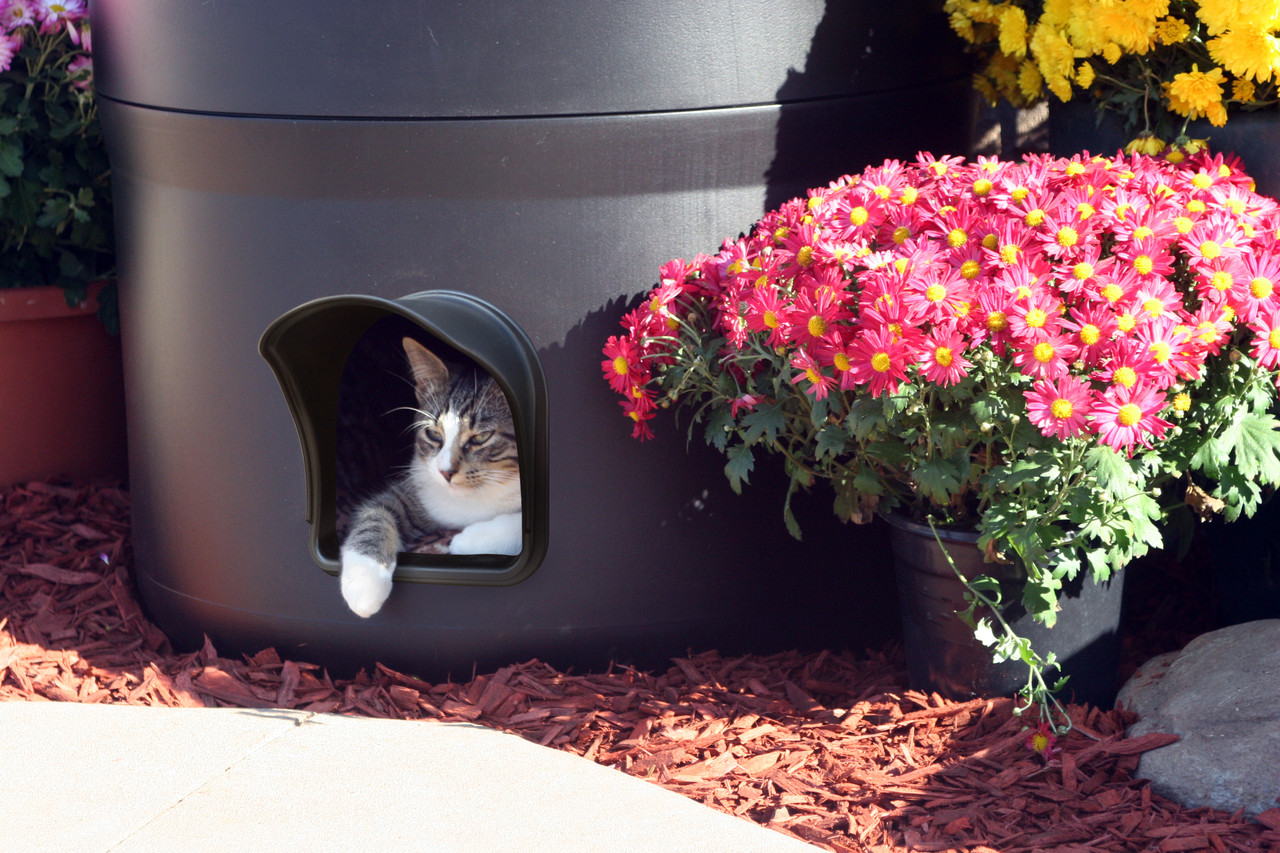
12. Insulated Dark Cat Dome Surrounded by Garden Flowers
This works because of the beautiful contrast between the dark, sleek form of the cat house and the vibrant, textured nature surrounding it. The simple, almost minimalist, arched entrance of the dome feels very modern, while the explosion of pink and yellow chrysanthemums is wild and organic. This juxtaposition makes both elements pop. The cat, peeking out from the dark interior, becomes the focal point—a little creature in its cozy, safe cave, observing the colorful world outside. It’s a masterful pairing of form and environment.
|
📋 Copy HEX 🔗 Share |
When placing a dark-colored cat house outdoors, be mindful of its location. In the summer, a black or dark grey house can absorb a significant amount of heat from direct sunlight, potentially becoming too hot inside. Position it in a spot that gets plenty of shade, especially during the afternoon. Under a large shrub, on the north side of your house, or beneath a porch are all excellent choices to ensure the shelter remains a cool retreat in the summer and a warm haven in the winter.
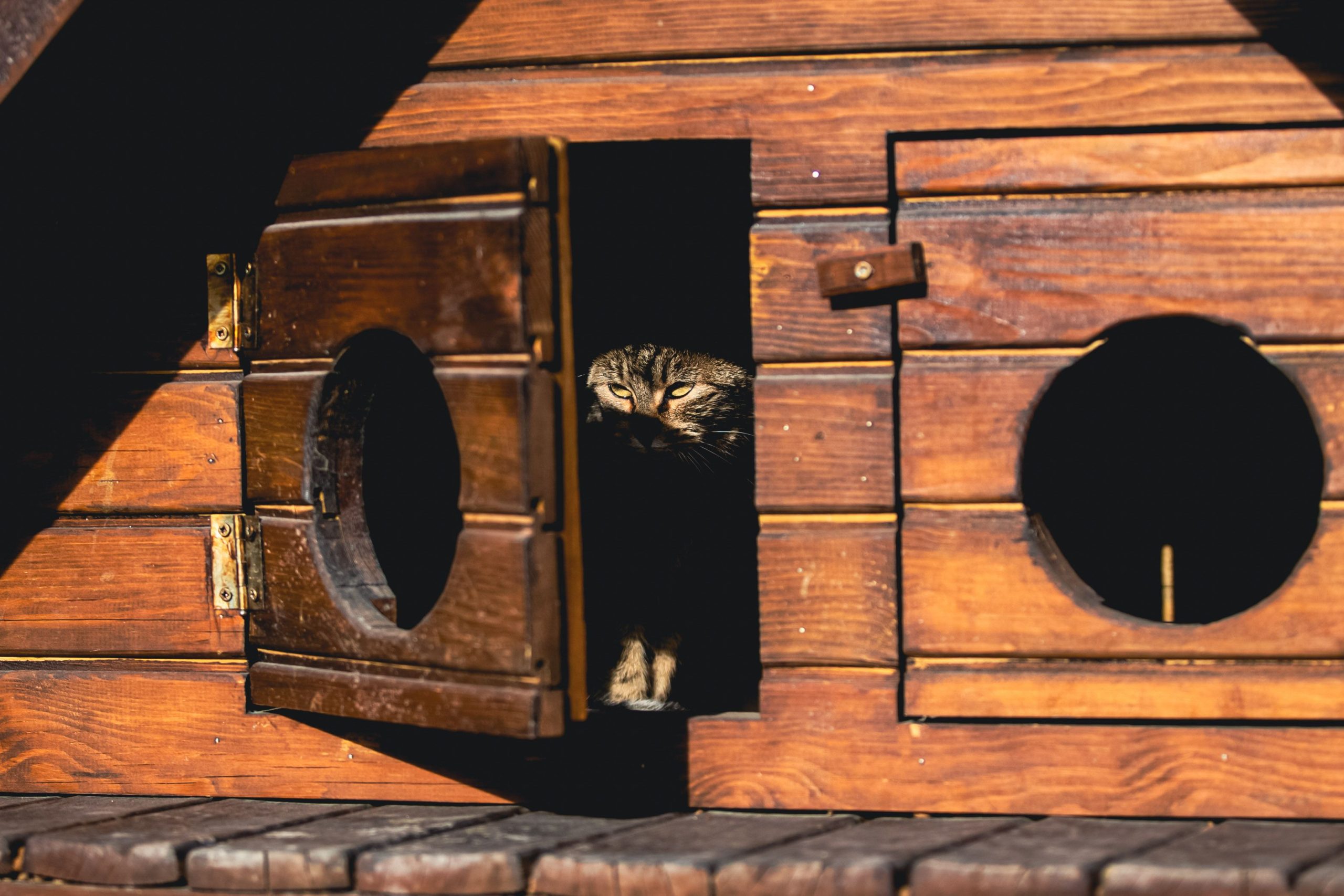
13. Rustic Wooden Cat House with Circular Peek-a-Boo Cutouts
The circular cutouts are the defining feature that makes this wooden box feel like a playful, interactive space. While one serves as part of the door, the second one on the side panel is purely for fun. It offers another vantage point for the cat inside to peek out and for you to peek in. This small addition adds a layer of curiosity and engagement, turning a simple shelter into a fort. It’s a simple way to add a custom, thoughtful detail that acknowledges a cat’s inquisitive nature.
|
📋 Copy HEX 🔗 Share |
Creating this rustic look is very affordable. The cost is mainly in the wood and hardware.
- Wood Panels (Pine or Cedar Planks): $30 – $60
- Hardware (brass hinges, latch): $15 – $25
- Wood Stain/Sealer: $10 – $20
- Screws/Nails: $5
- TOTAL: $60 – $110
Budget alternative: Use wood from discarded pallets (ensure they are HT stamped, not MB) and inexpensive zinc-plated hardware to get this look for around $30.
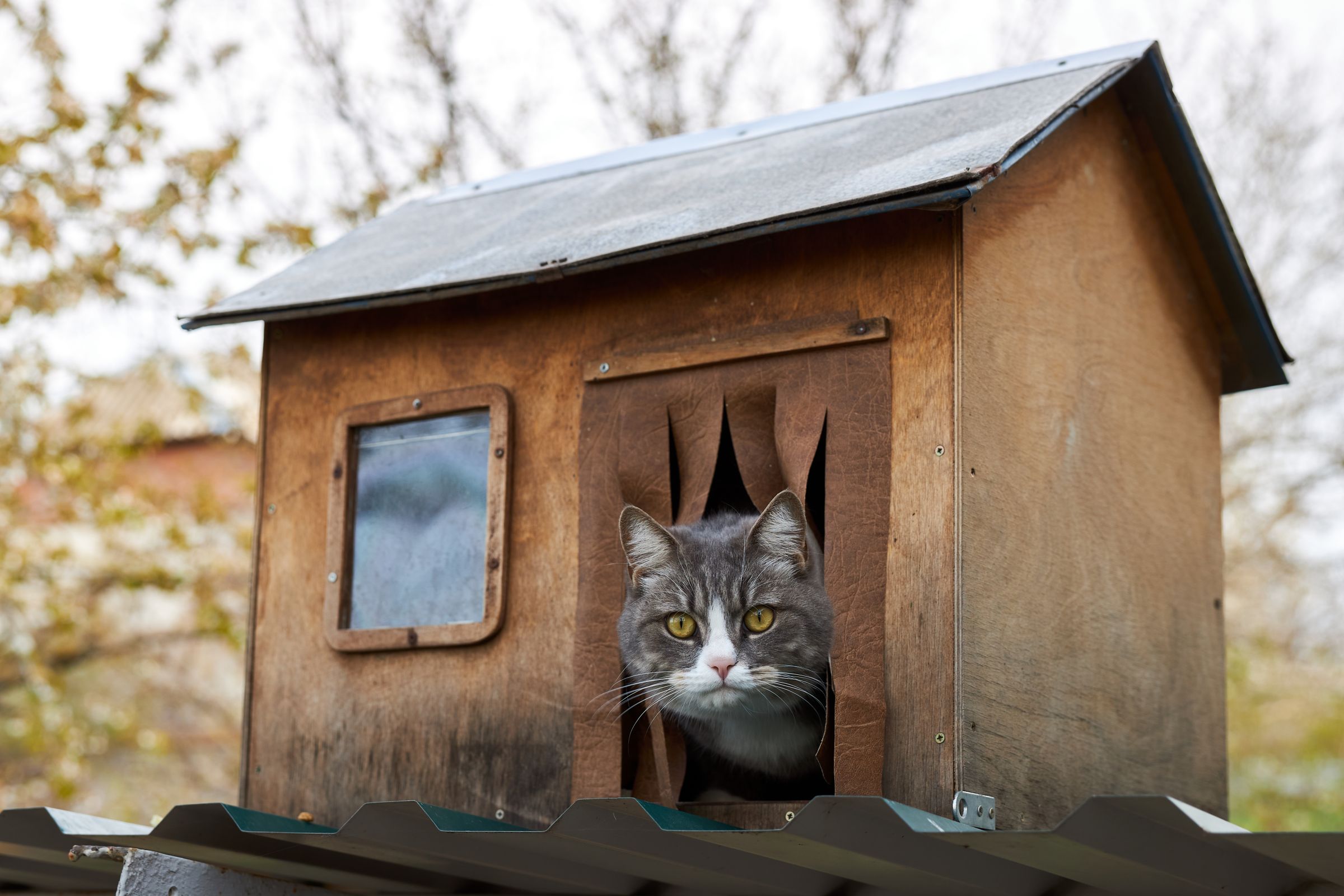
14. Classic Wooden Cat House with a Clear Window Panel
That little window is adorable, but let’s have some real talk about its practicality in an insulated house. A single pane of glass or plexiglass is a major point of heat loss. While it lets in light, it offers almost zero insulation value, creating a cold spot right next to where the cat might be sleeping. If you’re building a shelter specifically for warmth in a cold climate, you might be better off skipping the window or investing in a small, double-paned insulated glass unit, which can be pricey. It’s a trade-off between aesthetics and thermal performance.
|
📋 Copy HEX 🔗 Share |
The visual appeal here is a study in classic, rustic balance. The formula is 80% natural wood texture + 15% functional roofing material + 5% transparent element. The warm, medium-brown wood is the undeniable star, creating a cozy and natural vibe. The grey pitched roof adds a layer of practicality and visual contrast, while the small, clear window provides a tiny glimpse inside, adding a touch of domesticity. Keeping the wood as the dominant element is key to maintaining the charming, cabin-like feel.
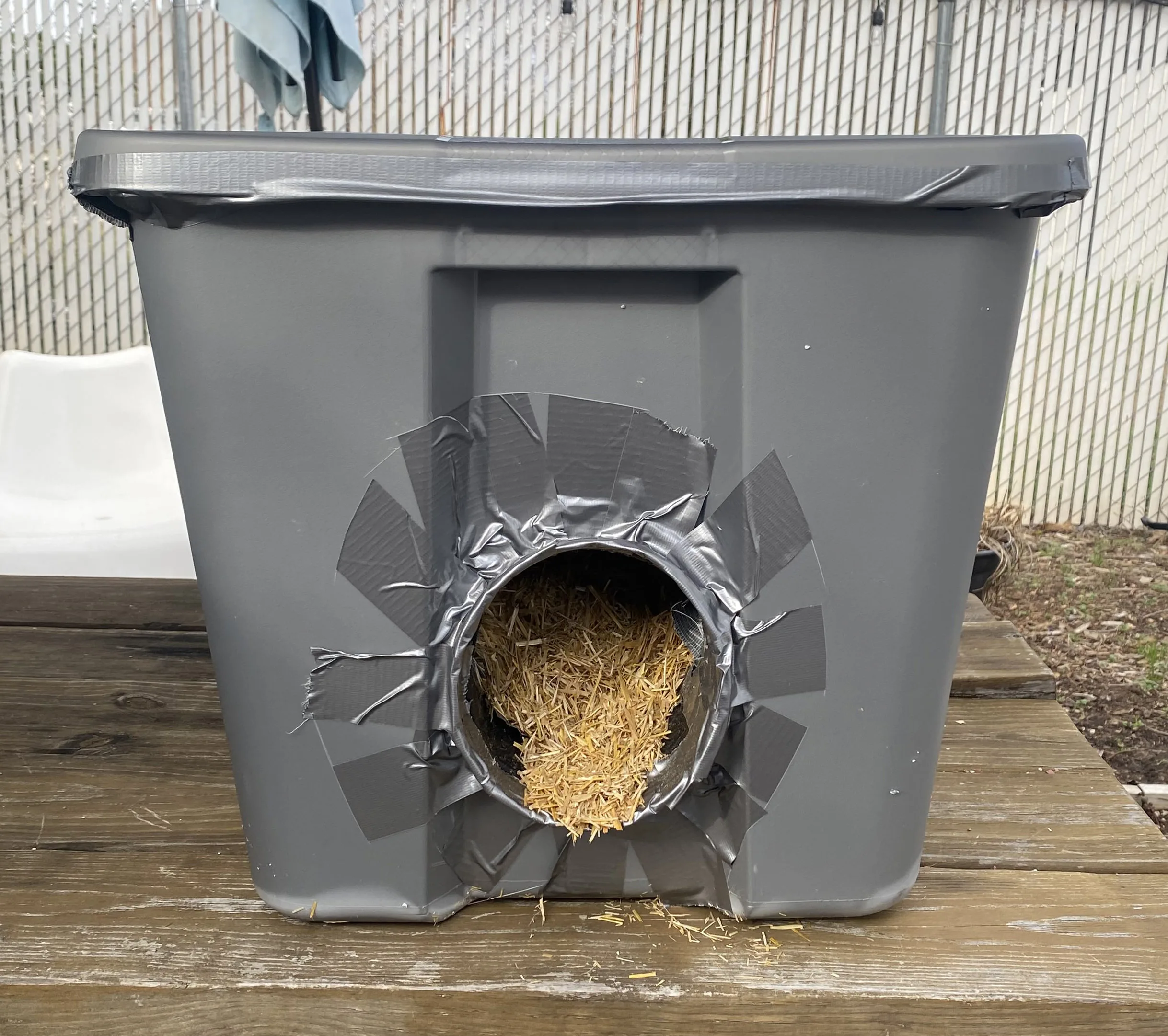
15. The Ultimate DIY Insulated Shelter from a Storage Bin
This is the quickest and most accessible insulated shelter you can make, and it’s a lifesaver for community cats in a cold snap. Total time is about 30 minutes with a material cost under $30.
- Trace a 6-inch circle on the side of a large plastic storage bin, a few inches up from the bottom to prevent flooding.
- Carefully cut out the circle using a jigsaw or a sharp utility knife.
- Line the sharp edge of the cutout with several layers of duct tape to protect the cats from any rough plastic.
- Drill a few small drainage holes in the bottom of the bin in case any moisture gets in.
- Fill the bin loosely with insulating straw (not hay, which can get moldy).
- Place the lid on top and position it in a safe, sheltered location.
|
📋 Copy HEX 🔗 Share |
This entire project is the definition of ‘get this look for less,’ but you can make it even cheaper. Instead of buying a new storage bin from a big-box store (around $20-25), look for used ones at thrift stores or on Facebook Marketplace for $5-10. Ask local farmers or garden centers if they have any broken bales of straw they’re willing to give away for free. The duct tape is the only thing you might need to buy new, but a roll is only a few dollars. This whole life-saving shelter can realistically be made for under $10.
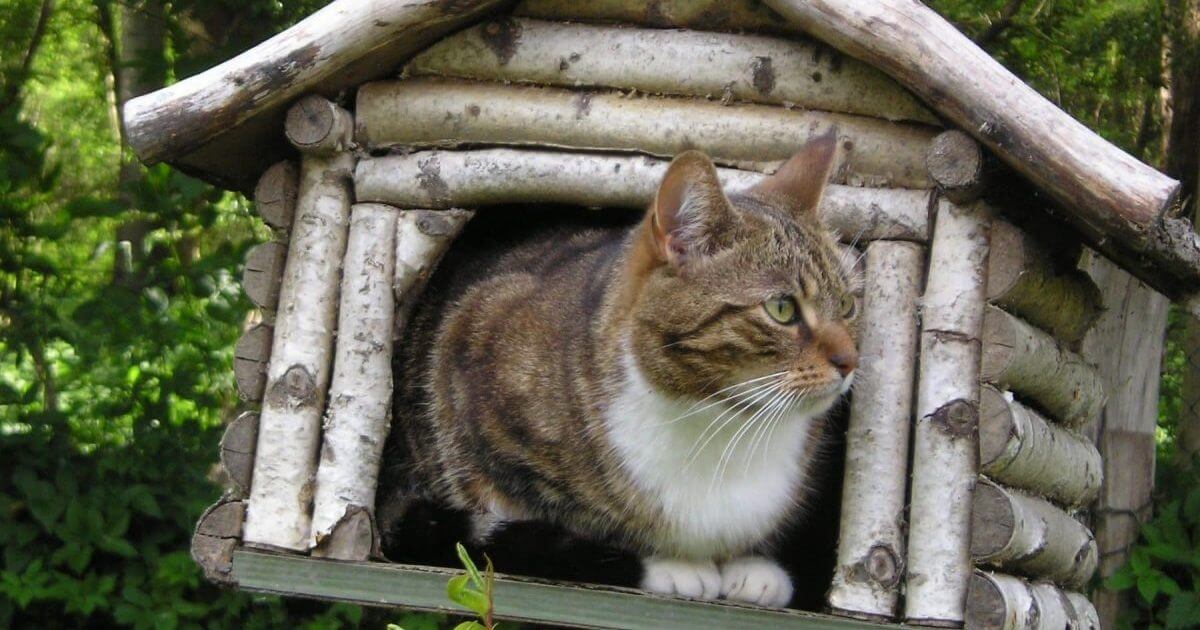
16. Rustic Log Cabin Cat House Made from Birch Branches
The undeniable magic of this shelter is its authentic log cabin construction. Using real branches, especially light-colored birch, gives it an unparalleled rustic charm that you simply can’t get from standard lumber. It feels like it grew right out of the forest floor. This commitment to a single, natural material creates a powerful, cohesive aesthetic that is both whimsical and rugged. It’s a perfect retreat for a cat in a woodland or garden setting, blending in beautifully with its surroundings.
|
📋 Copy HEX 🔗 Share |
A house made of natural, unfinished branches will have a limited lifespan and requires some specific care. The logs will be susceptible to rot and insects over time, especially where they are in contact with the ground. To prolong its life, build it on a base of gravel or bricks to allow for drainage and air circulation. Each year, you should inspect for and replace any logs that have become soft or started to decay. This isn’t a ‘build it and forget it’ project; it’s a piece of garden art that will evolve with the seasons.
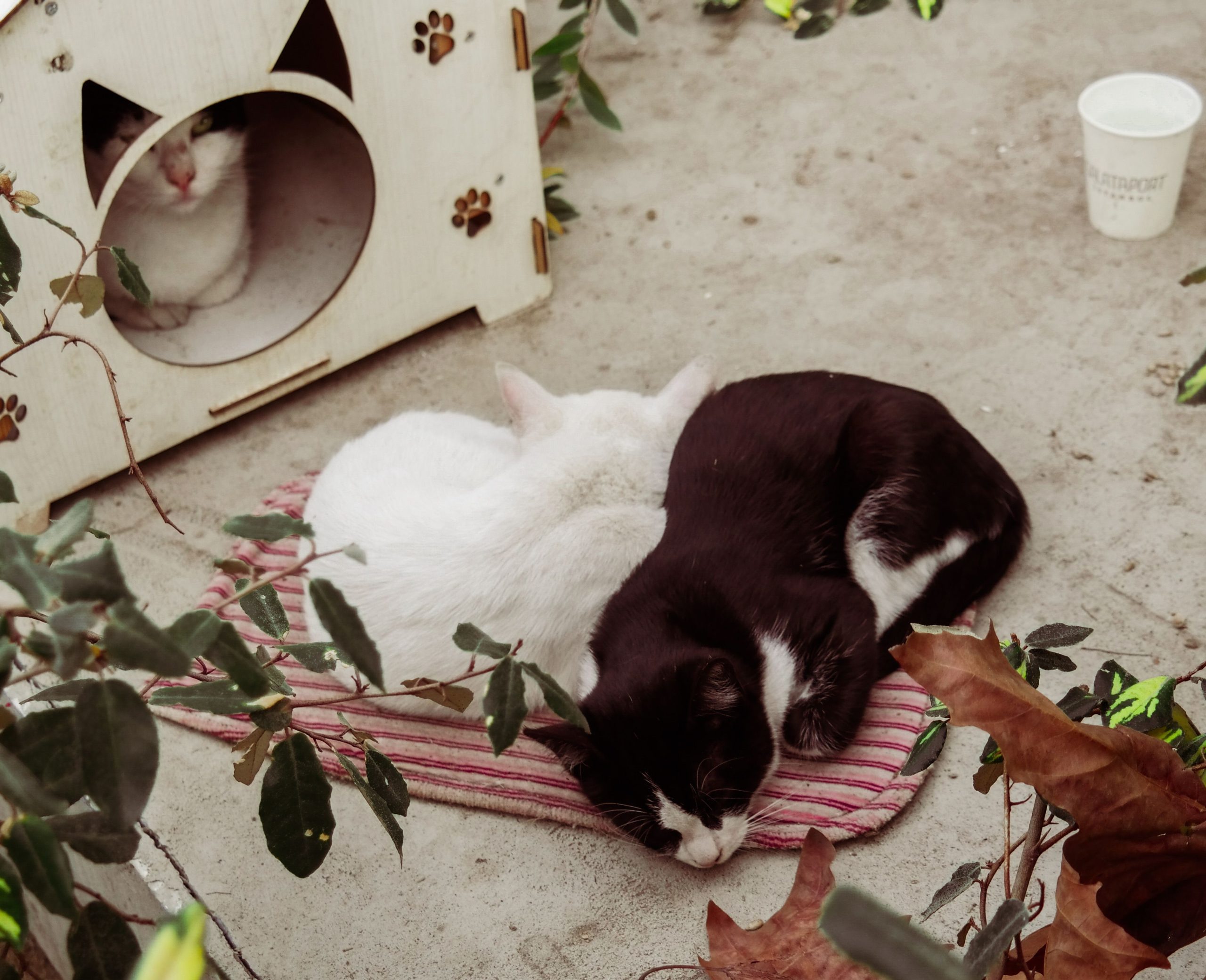
17. Playful Cat House with Ears and Paw Print Cutouts
This design is pure charm, and it works because it leans into a playful, whimsical theme without being overly complicated. The cat ear silhouette and paw print cutouts are simple, universally understood symbols that immediately communicate the house’s purpose in a delightful way. The use of light, raw wood keeps it feeling modern and clean, not kitschy. It’s a perfect example of how a few simple, well-placed decorative cuts can transform a basic box into something with immense personality. This design is similar in spirit to the peek-a-boo cutouts in Idea #13.
|
📋 Copy HEX 🔗 Share |
When you have decorative cutouts like the paw prints on this house, they can become weak points for weather to get in. To add a layer of protection without ruining the look, get a small sheet of clear plexiglass and mount it to the inside of the wall. This blocks wind and rain from coming through the cutouts but preserves the cute paw print design on the exterior. It’s a simple trick to add practical weatherproofing to a decorative feature.
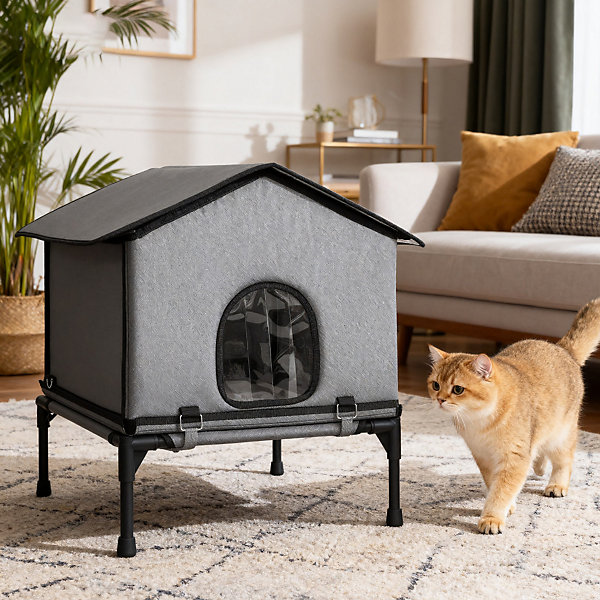
18. Elevated Modern Gray Fabric Cat House with a Window
This is a fantastic solution for small indoor spaces. Its footprint is minimal, likely no more than 18×18 inches, but by elevating the bed, it creates a sense of territory and security for a cat without taking up bulky floor space. The slim metal legs give it a light, airy feel, allowing you to see the floor underneath, which makes a room feel larger. It’s perfectly suited for an apartment living room or a bedroom where you want to provide a cozy spot for your pet without adding visual clutter. Compare its small footprint to the larger outdoor structure in Idea #25.
|
📋 Copy HEX 🔗 Share |
This design is super stylish, but it’s not built for warmth in an outdoor setting. The fabric walls offer minimal insulation, and the elevated design, which is great for style indoors, would allow cold air to circulate underneath, chilling the occupant. The round plastic window is also a point of heat loss. Think of this as a chic indoor den or a sheltered spot for a covered, temperate patio, but it is absolutely not a substitute for a properly insulated house designed for cold weather, like the bin shelter in Idea #15.
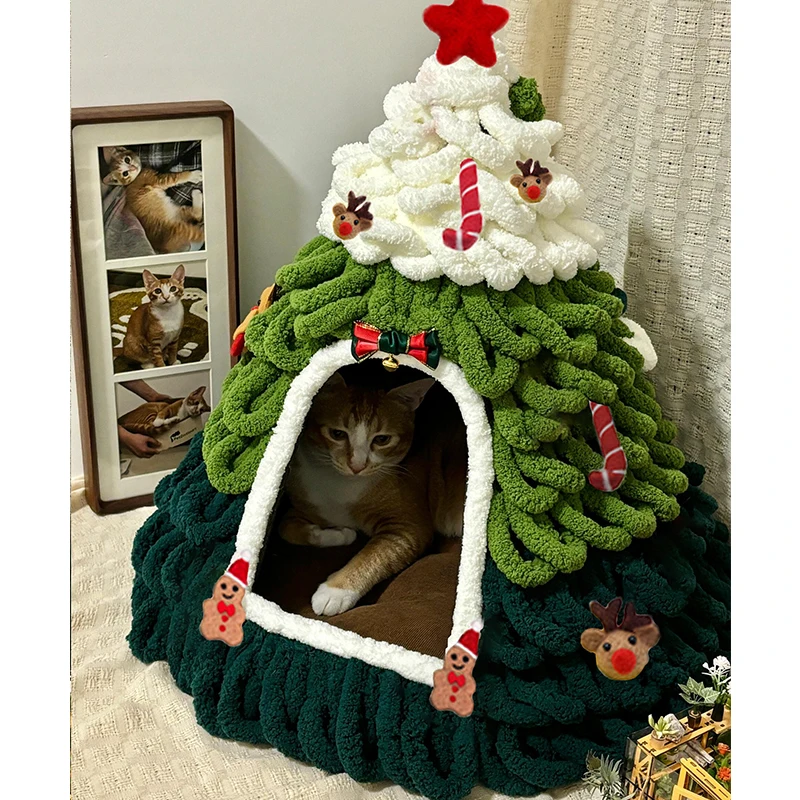
19. Festive Chunky Knit Christmas Tree Cat House
What makes this so special is its incredible texture and handcrafted feel. The use of super chunky yarn gives it a soft, exaggerated coziness that you just want to reach out and touch. Shaping it like a Christmas tree is already fun, but it’s the sheer tactile quality of the chunky knit that makes it feel so inviting and luxurious. It’s a decorative object and a cat bed all in one, radiating a unique, handmade charm that a store-bought felt or fabric house could never replicate.
|
📋 Copy HEX 🔗 Share |
Let’s be honest, a chunky knit cat house, especially one with white yarn, is a high-maintenance piece. It’s not designed for durability or easy cleaning. Cat claws can easily snag and pull the loops of yarn, so it’s best for a gentle cat that doesn’t scratch furniture. Cleaning is also tricky; you can’t just toss it in the wash. It will require careful spot cleaning and deodorizing. Think of this as a seasonal, decorative piece rather than a year-round, heavy-duty pet bed. It’s absolutely adorable, but it prioritizes form over function.
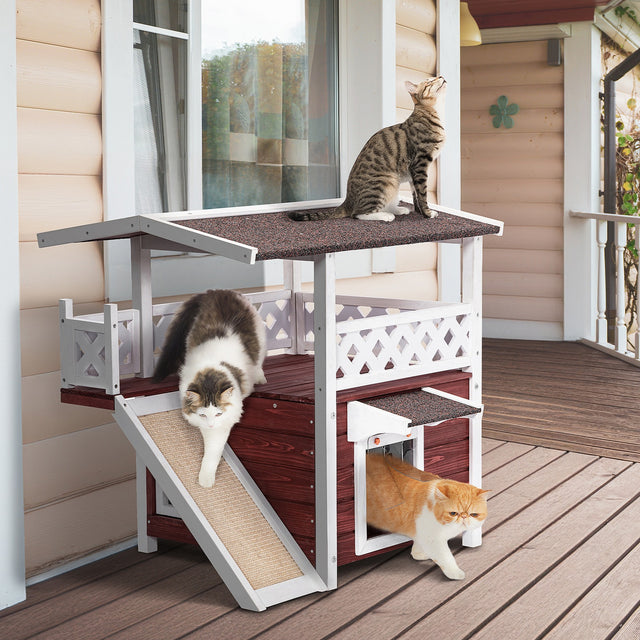
20. Two-Story Outdoor Cat House with an Access Ramp
That textured ramp is a brilliant accessibility feature. For older cats with arthritis or kittens still developing their coordination, a steep jump can be a barrier. By providing a gently sloped ramp with a high-traction surface, this design ensures easy access for cats of all ages and mobilities. When building your own, use a remnant of outdoor carpeting or roofing shingles glued and stapled to the ramp. This provides excellent grip, even when wet, making the journey into the house safe and effortless.
|
📋 Copy HEX 🔗 Share |
This multi-level structure offers a lot of bang for your buck but requires more materials.
- Lumber (Frame, Posts, Railings): $70 – $120
- Plywood/Siding (Floors, Walls): $40 – $60
- Roofing Material (Asphalt shingles or felt): $25 – $40
- Paint/Stain: $20 – $35
- Hardware (screws, nails): $10
- TOTAL: $165 – $265
Budget alternative: Look for reclaimed lumber from construction sites (with permission!) and use leftover house paint to achieve a similar result for 50-60% less.
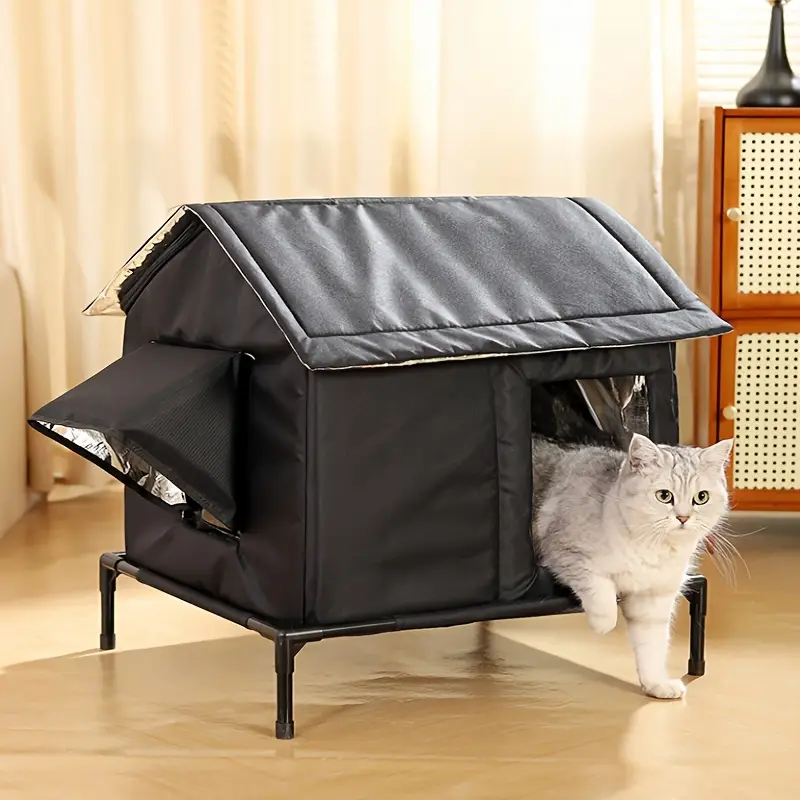
21. Modern Black House-Shaped Shelter on an Elevated Frame
The single most important functional detail here is the reflective interior lining. While the black house shape is stylish, it’s the silvery material inside that’s doing the real work. This foil-like insulation reflects the cat’s own body heat back onto them, creating a self-warming environment that is incredibly effective at keeping them warm in cold weather without electricity. It’s a technology borrowed from survival blankets, and it’s what elevates this from a simple box to a true insulated cold-weather shelter.
|
📋 Copy HEX 🔗 Share |
While this design is sharp and effective, a black exterior can be a double-edged sword. In the winter, the dark color will absorb sunlight and help warm the house, which is a definite plus. However, in the summer, it can turn the shelter into an oven if placed in direct sun. This type of house is for cold-weather use only. If you need a year-round shelter, consider a lighter color or ensure it’s placed in a location that is permanently shaded from the hot summer sun to prevent dangerous overheating.
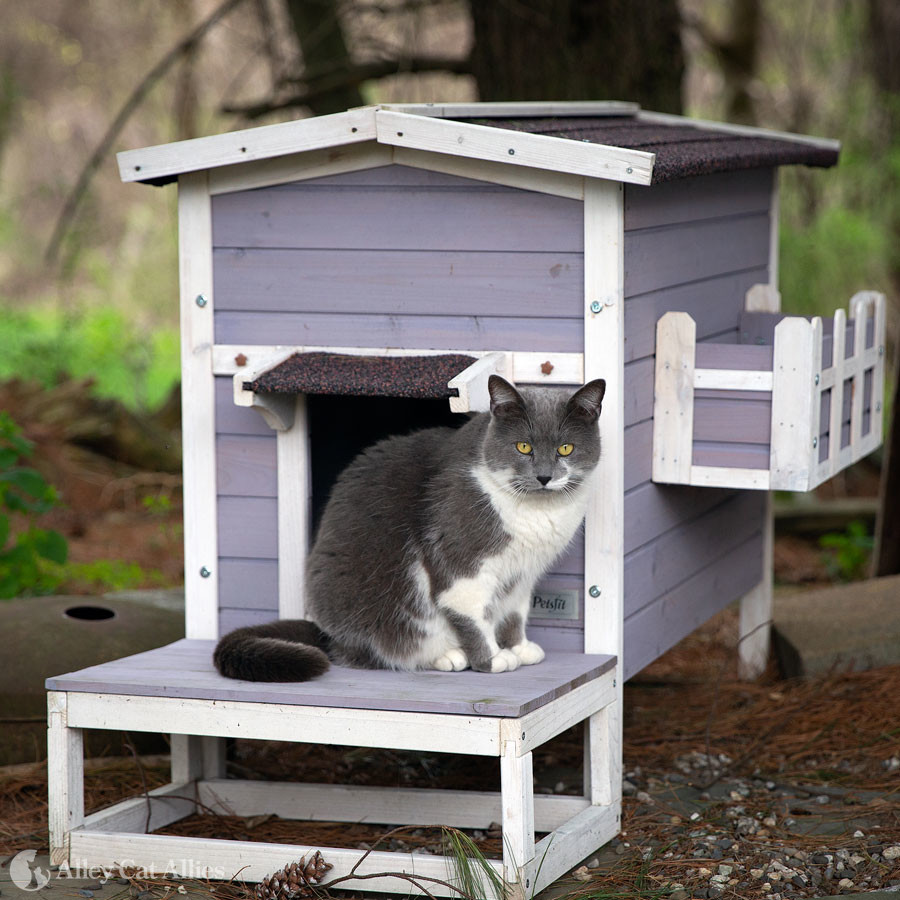
22. Pastel Lavender Wooden Cat House with a Balcony
The charm of this house lies in its delightful miniaturization of human architecture. It’s not just a box; it’s a tiny house with a shingled roof, a sitting porch, and an upper balcony. This anthropomorphic design creates an immediate emotional connection. The unexpected pastel lavender color, paired with crisp white trim, makes it a whimsical focal point in a garden. It works because it’s a fantasy playhouse for a pet, appealing to our desire to pamper them with a special, designated space that feels like a home.
|
📋 Copy HEX 🔗 Share |
A multi-level, detailed build like this requires some planning. Make sure to check these things first:
- Skill Level Check: Be honest about your DIY skills. This involves multiple angled cuts for the roof and constructing railings. If you’re a beginner, a simpler design like Idea #5 might be a better starting point.
- Material Sourcing: You’ll need shingles, multiple paint colors, and various lumber sizes. Make a detailed shopping list and price it out before you begin.
- Placement: This house is a statement piece. Decide where it will live in your yard. It needs a firm, level base to prevent it from tipping.
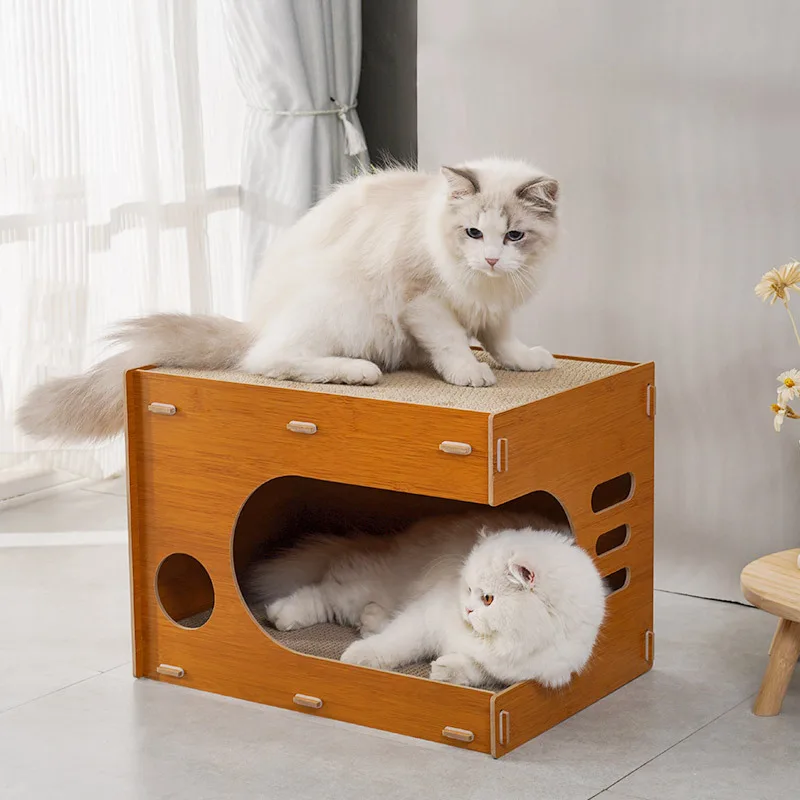
23. Modular Plywood Cat House with Scratching Surfaces
The integrated scratching surfaces are the game-changing element here. By building scratching pads directly into the structure’s floor and upper platform, the design cleverly merges rest and play. It recognizes that a cat’s environment is not just for sleeping but also for instinctual behaviors like scratching and scent-marking. This dual-purpose feature makes the house intensely more attractive to a cat and saves you from needing a separate scratching post. It’s an incredibly efficient use of space and materials.
|
📋 Copy HEX 🔗 Share |
To make the scratching surfaces replaceable, don’t glue them down permanently. Instead, buy commercial scratcher refills or cut corrugated cardboard to size and create a recessed frame for them to sit in. You can also attach them with heavy-duty, double-sided Velcro tape. This allows you to easily pop out the shredded, used scratch pad and replace it with a fresh one in seconds, dramatically extending the life and appeal of the furniture for your cat.
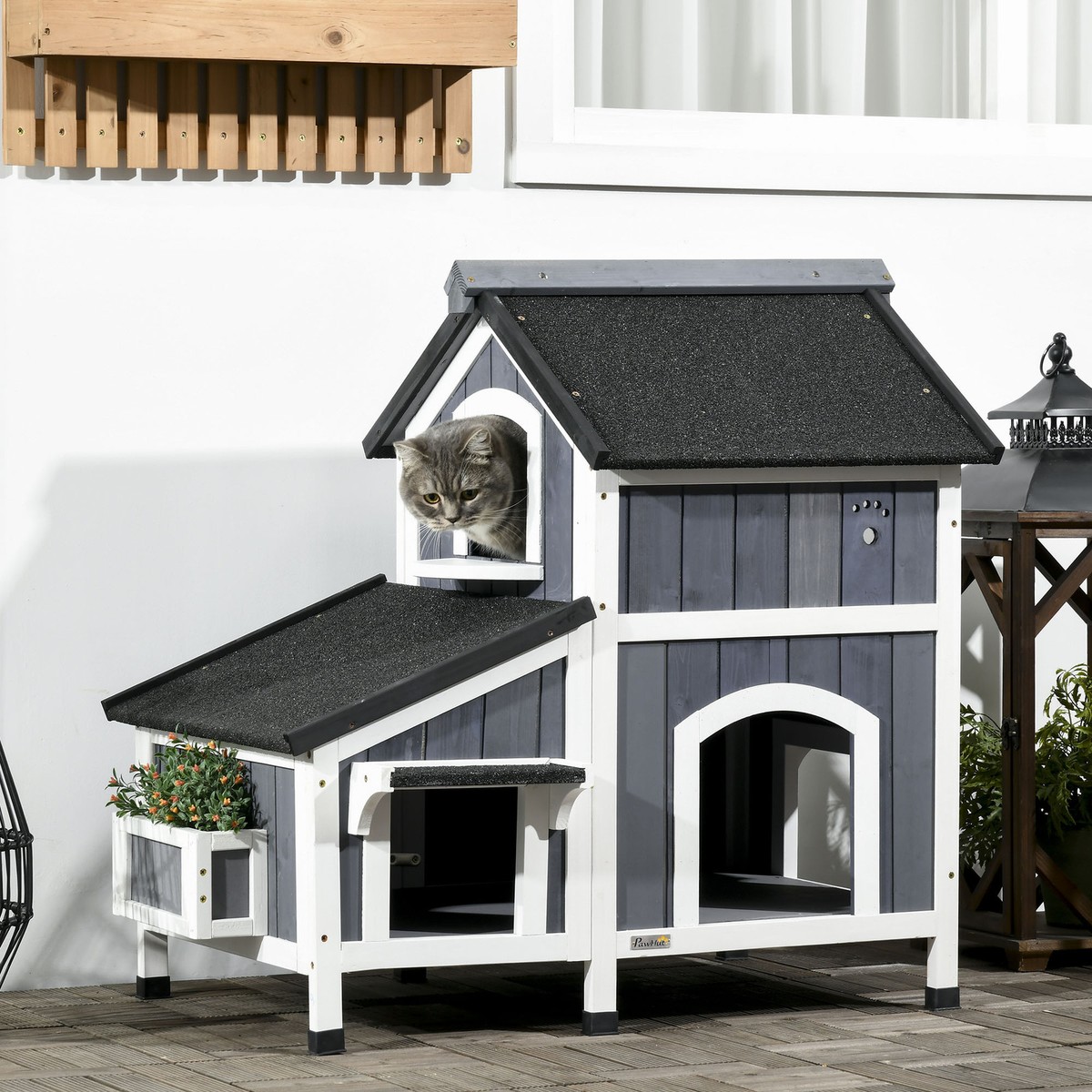
24. Grey and White Multi-Level Cat House with a Planter Box
This design succeeds by seamlessly blending into a stylish, modern backyard. The choice of charcoal grey and white paint is a classic combination that feels contemporary and sophisticated, mirroring popular exterior house colors. The integrated planter box is a stroke of genius, allowing the structure to merge with the garden. By planting cat-safe plants like catnip or cat grass, it becomes a functional and enriching part of the cat’s world. It’s designed to be a beautiful garden feature that also happens to be a cat house.
|
📋 Copy HEX 🔗 Share |
There’s a huge trend right now in ‘pet-centric design,’ where homeowners are integrating their pets’ needs directly into their decor and architecture, rather than just adding a random pet bed in the corner. This cat house is a perfect example. It’s not an afterthought; it’s a thoughtfully designed piece of outdoor furniture that considers both the pet’s well-being and the owner’s aesthetic sensibilities. On Pinterest and Instagram, you’re seeing more and more of these beautiful, integrated solutions that treat pets as true members of the family.
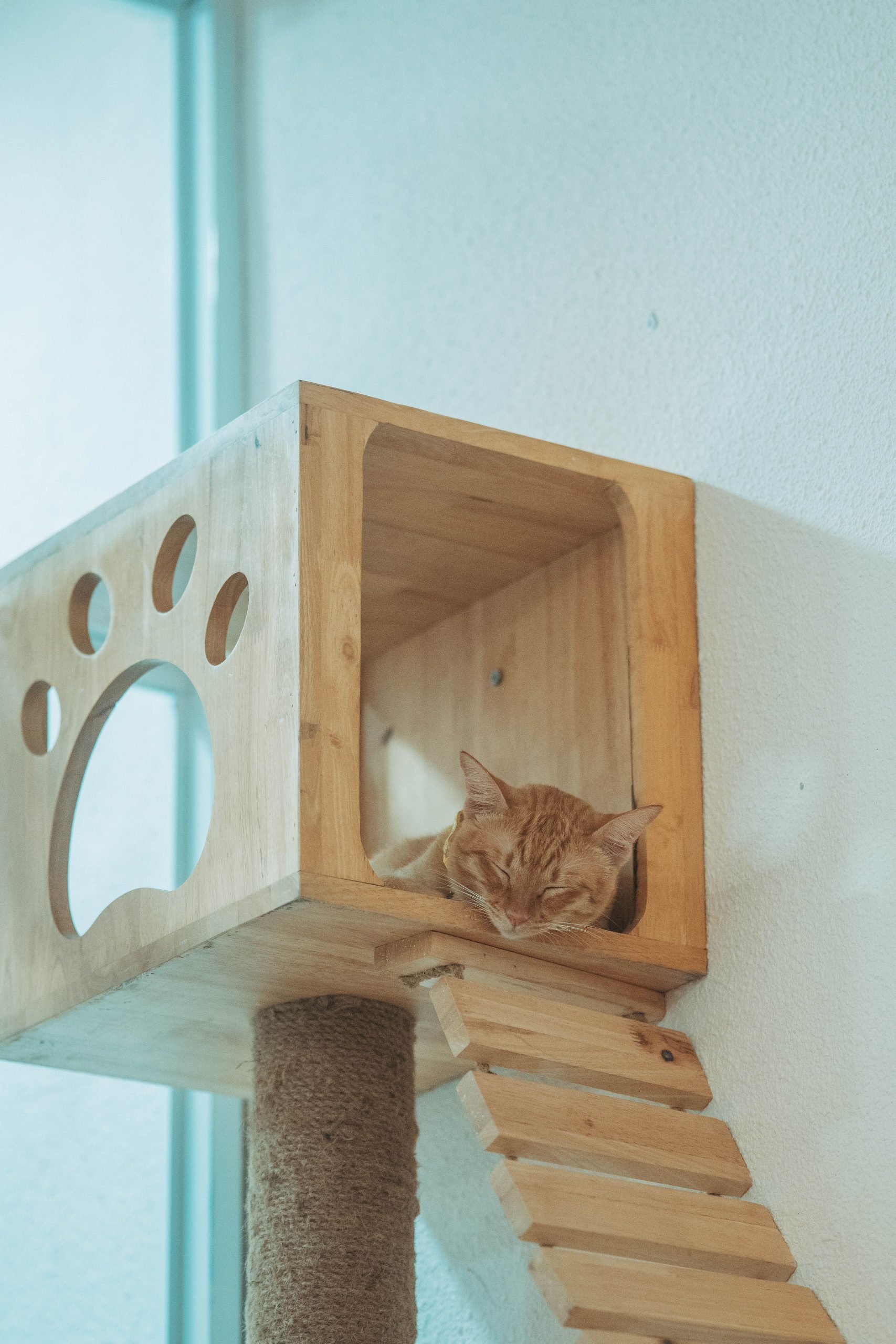
25. Wall-Mounted Cat Nook with a Paw Print Cutout
What makes this design so appealing is its space-saving, elevated nature. By mounting the sleeping nook directly on the wall, it frees up valuable floor space while giving the cat the height and vantage point they instinctively crave. It transforms a flat, boring wall into a dynamic, vertical territory. This is far more engaging for a cat than a bed on the floor and is a brilliant solution for smaller homes or apartments. The paw print cutout is a cute touch, but the wall-mounted concept is the real genius here.
|
📋 Copy HEX 🔗 Share |
This idea is all about vertical space. It’s ideal for rooms of any square footage, as long as you have a clear stretch of wall. The box itself is compact, perhaps 16-18 inches wide, but its power comes from placement. For maximum cat enjoyment, mount it at least 3 to 4 feet off the ground, ensuring there’s a ‘path’ for them to get there, like the included ladder or a nearby piece of furniture. You could create an entire cat ‘superhighway’ by linking several of these nooks, like the one in Idea #6, along a wall.
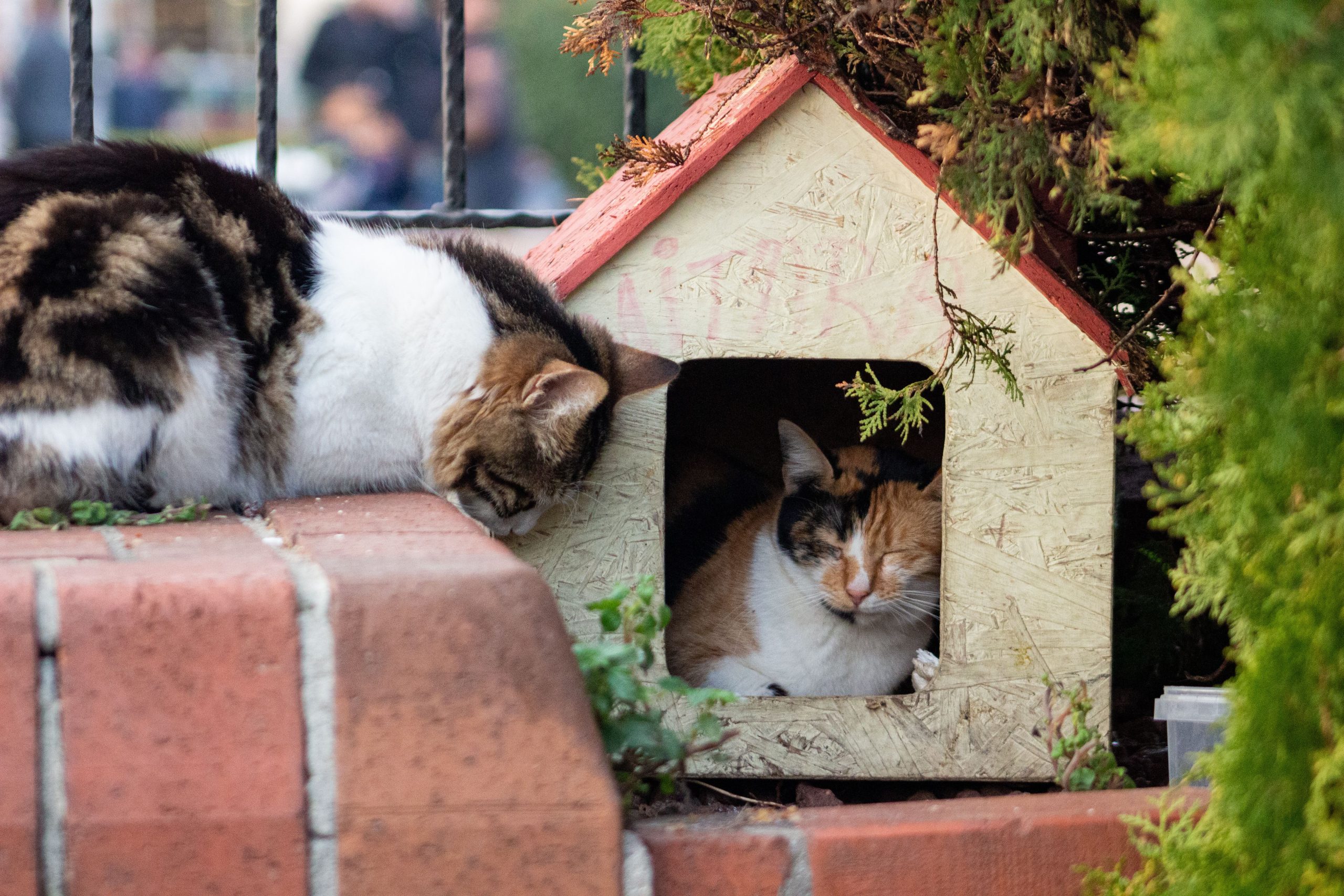
26. Plywood Cat House with Red Trim on a Brick Ledge
This setup works beautifully because it utilizes an existing landscape feature—the brick ledge—as its foundation. Placing the simple plywood house here instantly gives it substance and a sense of permanence. The pop of red trim is a clever design choice; it visually connects the house to the red tones of the brick, making the whole vignette feel cohesive. The surrounding green foliage provides natural camouflage and a feeling of a secret, protected hideaway. It’s a great example of smart placement and using a small amount of color to tie everything together.
|
📋 Copy HEX 🔗 Share |
This is a super affordable project. A small sheet of plywood might cost $20-30. The red trim can be done with a $5 sample pot of exterior paint. If you don’t have a brick ledge, you can get a similar elevated effect for cheap. Look for free cinder blocks on Craigslist or Facebook Marketplace to create a sturdy, raised base. This not only lifts the house off the damp ground but also adds to the rustic, utilitarian aesthetic. The entire project could easily be done for under $40.
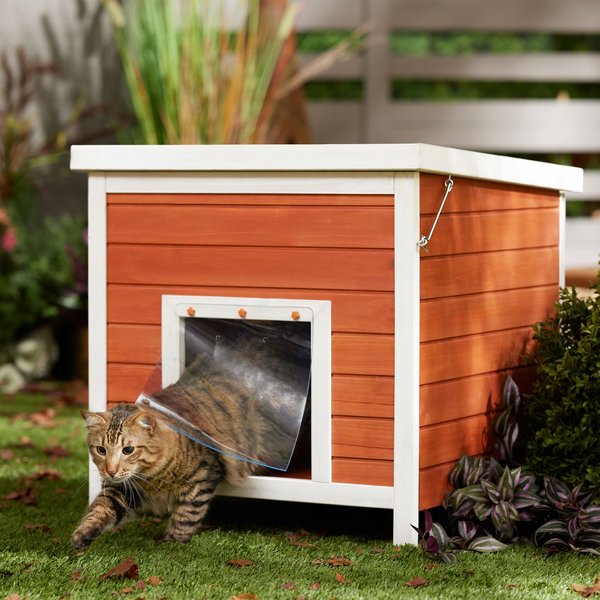
27. Red-Brown and White Wooden Cat House with Clear Door Flap
The hook-and-eye latch on the roof is a small but crucial detail for any outdoor cat house. It allows you to easily open the roof for cleaning and to replace the straw bedding, but it also ensures that a strong gust of wind or a curious raccoon can’t flip the lid open, exposing the cat inside to the elements. When installing one, make sure to use exterior-grade hardware that won’t rust. It’s a simple, inexpensive addition that adds a huge amount of security and convenience.
|
📋 Copy HEX 🔗 Share |
building, it’s worth checking if your cat will actually use a door flap. Some cats are hesitant to push through them. You can test this by temporarily taping a piece of heavy fabric or plastic over the opening of a cardboard box. If your cat is still too shy, you can simply remove the flap and create a small awning or overhang above the entrance to provide some protection from rain, similar to the design in Idea #23. This avoids you installing a feature that your cat won’t use.
Ready, Set, Build Some Comfort
Whether you’re building a simple haven from a storage bin or a multi-level palace, the goal is the same: providing warmth and safety. Each of these 27 projects is a starting point for your own creativity, a blueprint you can adapt to your skills and materials. Now go make something wonderful for a deserving feline friend!
Don’t forget to save your favorites to your Pinterest board to keep all your DIY inspiration in one place.