
You know that feeling when you finally find the staircase design that looks exactly right for your space? That little “aha!” moment after hours of scrolling through Pinterest is what this guide is all about. We’ve waded through hundreds of concepts to bring you the 31 most inspiring staircase ideas that are defining home design in 2026. From minimalist floating stairs to grand traditional designs, we cover a huge range of styles. And stay until the end — we break down the most common mistakes that can ruin these looks. 📌 Save this to Pinterest for later—you’ll want to revisit these ideas.
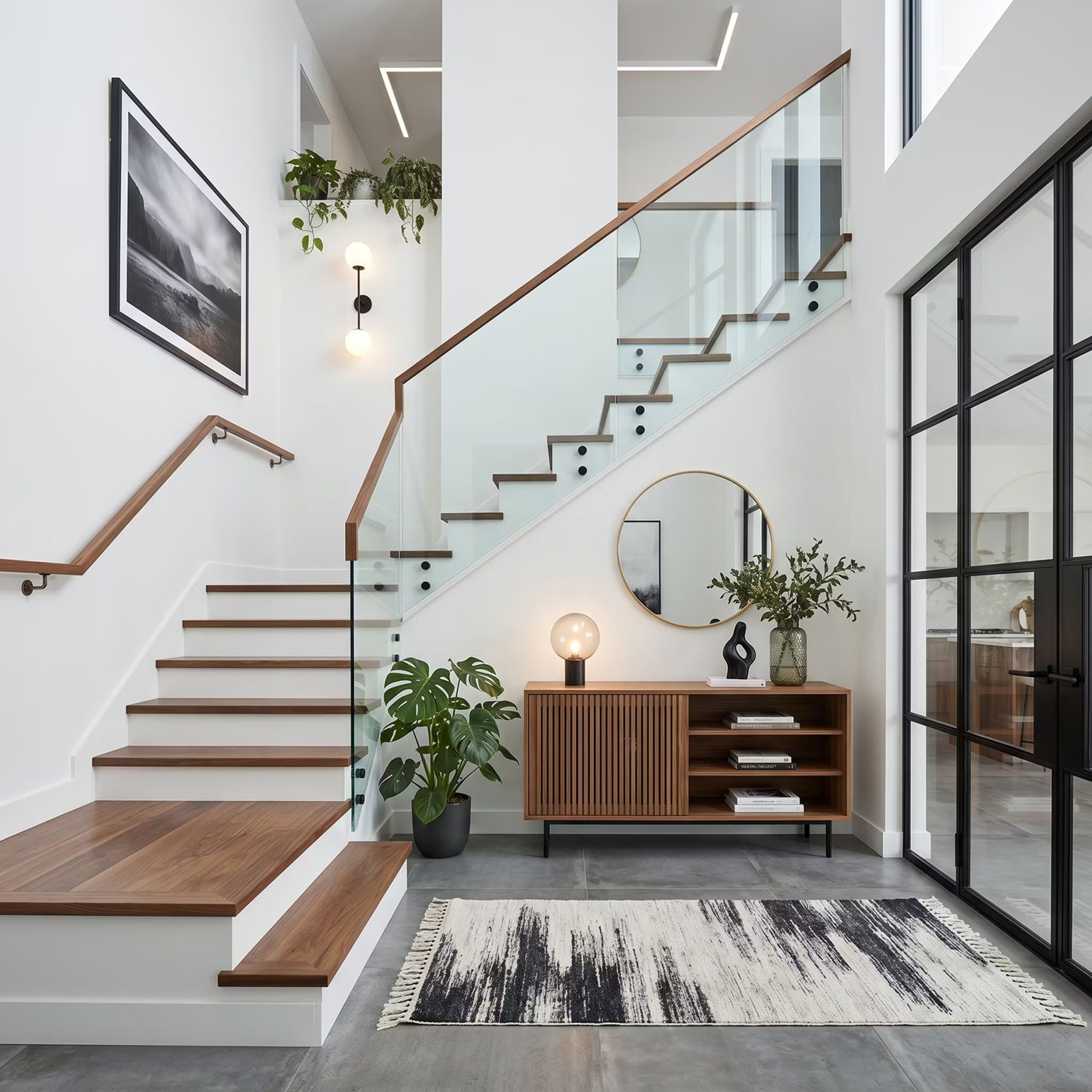
1. Modern Floating Wood Staircase with Glass and Subtle Lighting
This design is a masterclass in balancing materials. The warmth of the light wood treads prevents the space from feeling cold, while the clear glass railing ensures an unobstructed view, making the entire area feel larger and more open. The continuous line of the wall-mounted handrail and the recessed lighting guide the eye upward, creating a clean, seamless visual journey. It’s the tension between the solid, earthy wood and the barely-there glass that gives this staircase its sophisticated, lightweight feel.
|
📋 Copy HEX 🔗 Share |
While stunning, glass railings are a commitment. They show every fingerprint, smudge, and bit of dust, so regular cleaning with a microfiber cloth and glass cleaner is a must—at least weekly in a busy household. Similarly, the matte finish on the light wood treads is beautiful but can be susceptible to scuffs from hard-soled shoes. Use gentle, pH-neutral wood cleaners and consider a “no shoes upstairs” rule to keep them pristine. Annual inspection of the railing hardware is also a good idea to ensure everything remains secure.
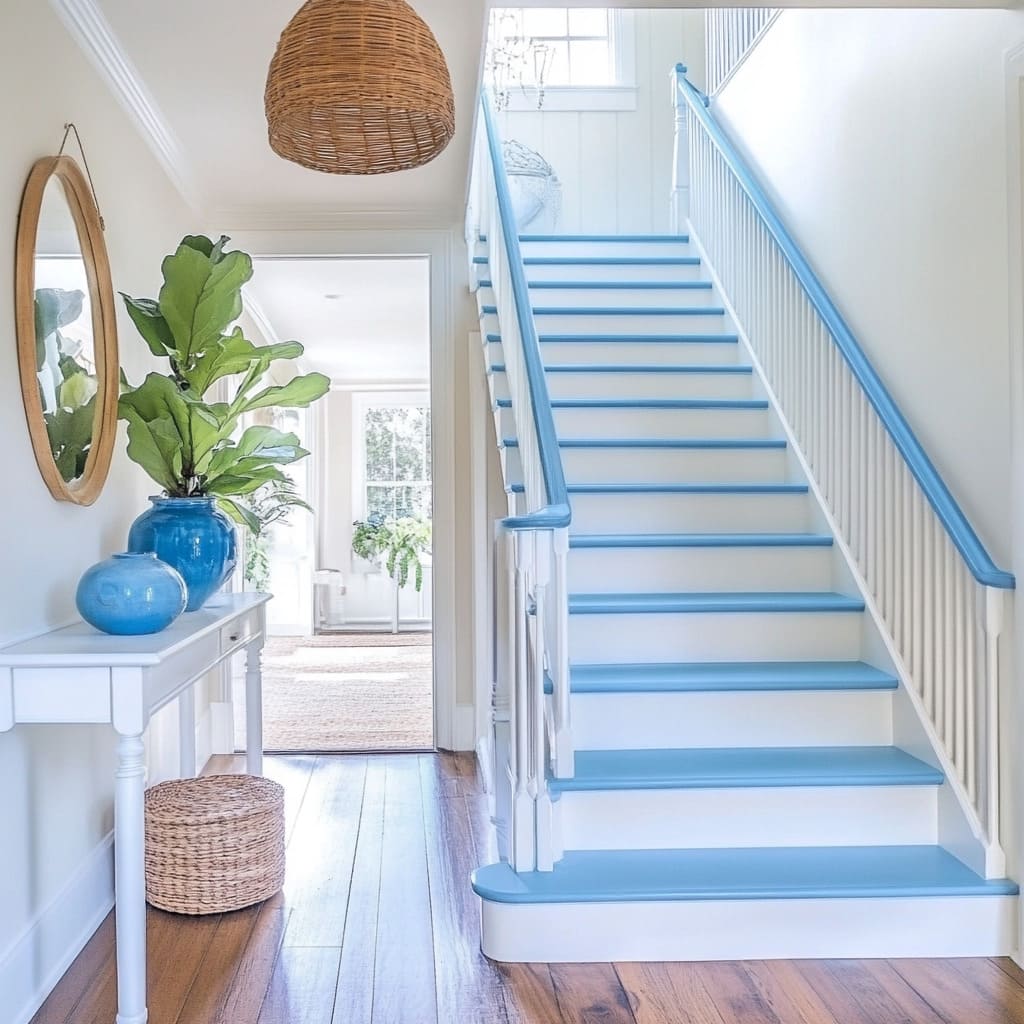
2. Coastal Charm with Light Blue Stair Treads
This look follows a simple, breezy formula: 60% crisp white + 30% soft accent color + 10% natural texture. The white risers, spindles, and walls create a bright, clean canvas. The light blue treads and handrail provide a gentle, coastal-inspired pop of color without being overwhelming. Finally, the dark wood floor and wicker light wickerwork add that essential 10% of earthy, natural warmth that keeps the design feeling grounded and inviting. You could easily swap the light blue for a soft sage green or even a sunny yellow to match your own style.
|
📋 Copy HEX 🔗 Share |
When painting stair treads, durability is everything. Don’t just use leftover wall paint. You need a dedicated porch and floor paint, which is specifically formulated to withstand heavy foot traffic. For the best results, choose a satin or semi-gloss finish, as these are easier to clean than matte. Furthermore, be sure to add a non-slip additive to your final coat of paint or sealer. This creates a slightly gritty texture that provides crucial grip and can prevent dangerous falls.
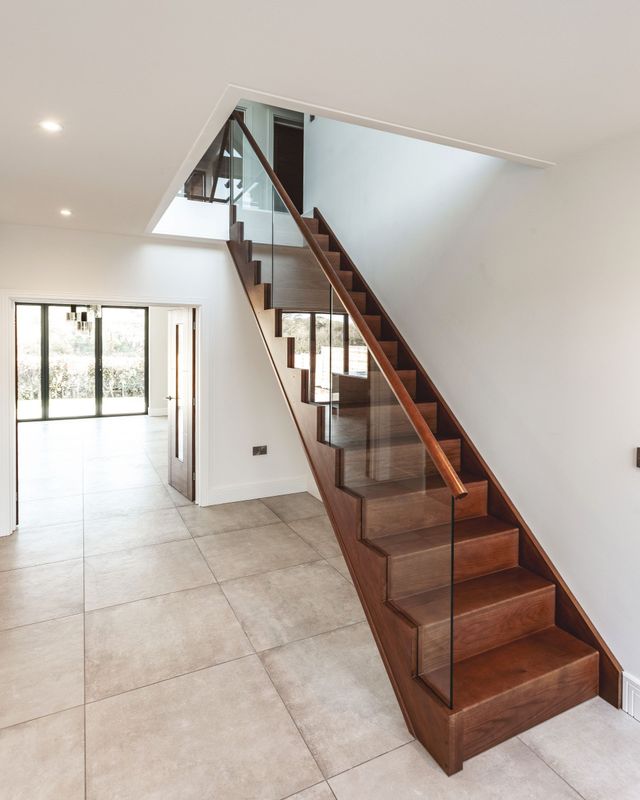
3. Warm Wood Treads Framed by a Glass Balustrade
This type of open, minimalist staircase is ideal for open-concept homes or spaces with generous two-story foyers. To work effectively, you need a minimum clear width of about 36 to 42 inches for the staircase itself. The key is having enough surrounding visual space so the design can “breathe.” It thrives in rooms with high ceilings (9 feet or more) and plenty of natural light, which allows the glass to do its job of keeping things bright and airy. Compare this with the slightly more contained feel of Idea #1, which uses a solid wall on one side.
|
📋 Copy HEX 🔗 Share |
Let’s be honest: living with this much glass requires a certain lifestyle. If you have small children or pets, you will be constantly wiping fingerprints and nose prints off these panelsWhile beautiful, the open treads can also be a little nerve-wracking for those with a fear of heights. Furthermore, sound travels much more easily in a space this open, so if acoustic separation is important to you, a more enclosed staircase design might be a better long-term choice for your home.
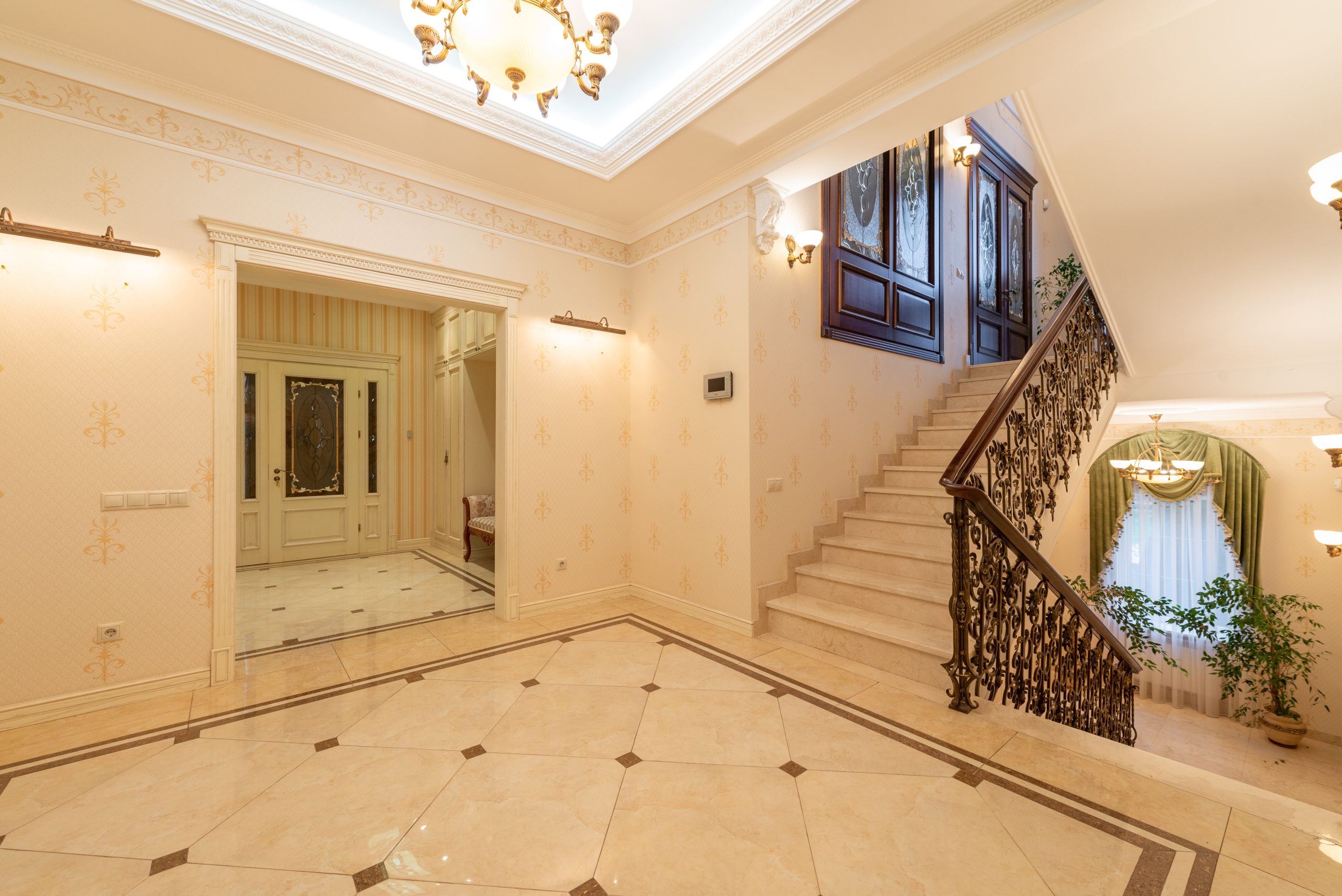
4. Grandeur in Cream Marble and Ornate Wrought Iron
Recreating this level of opulence is a significant investment. The custom wrought iron and marble are the biggest expenses.
|
📋 Copy HEX 🔗 Share |
- Custom Wrought Iron Railing: $15,000 – $30,000+
- Cream Marble Steps & Risers: $10,000 – $25,000
- Patterned Wallpaper & Installation: $3,000 – $8,000
- Ornate Molding & Trim: $2,000 – $5,000
- TOTAL: $30,000 – $68,000+
- Budget Alternative: Use stock decorative iron balusters, a high-quality marble-effect porcelain tile, and paint with a damask stencil to achieve a similar spirit for around $8,000 – $15,000.
The single element that defines this entire space is the ornate wrought iron railing. Without it, you would still have a lovely, classic staircase. But with it, you have a piece of functional art. The intricate scrolls and dark, heavy presence provide a powerful visual counterpoint to the creamy lightness of the marble and wallpaper. It adds history, drama, and a sense of permanence that makes the staircase feel less like a simple utility and more like a centerpiece of the home’s architecture.
5. Sharp Contrast: A White Staircase with Slim Black Spindles
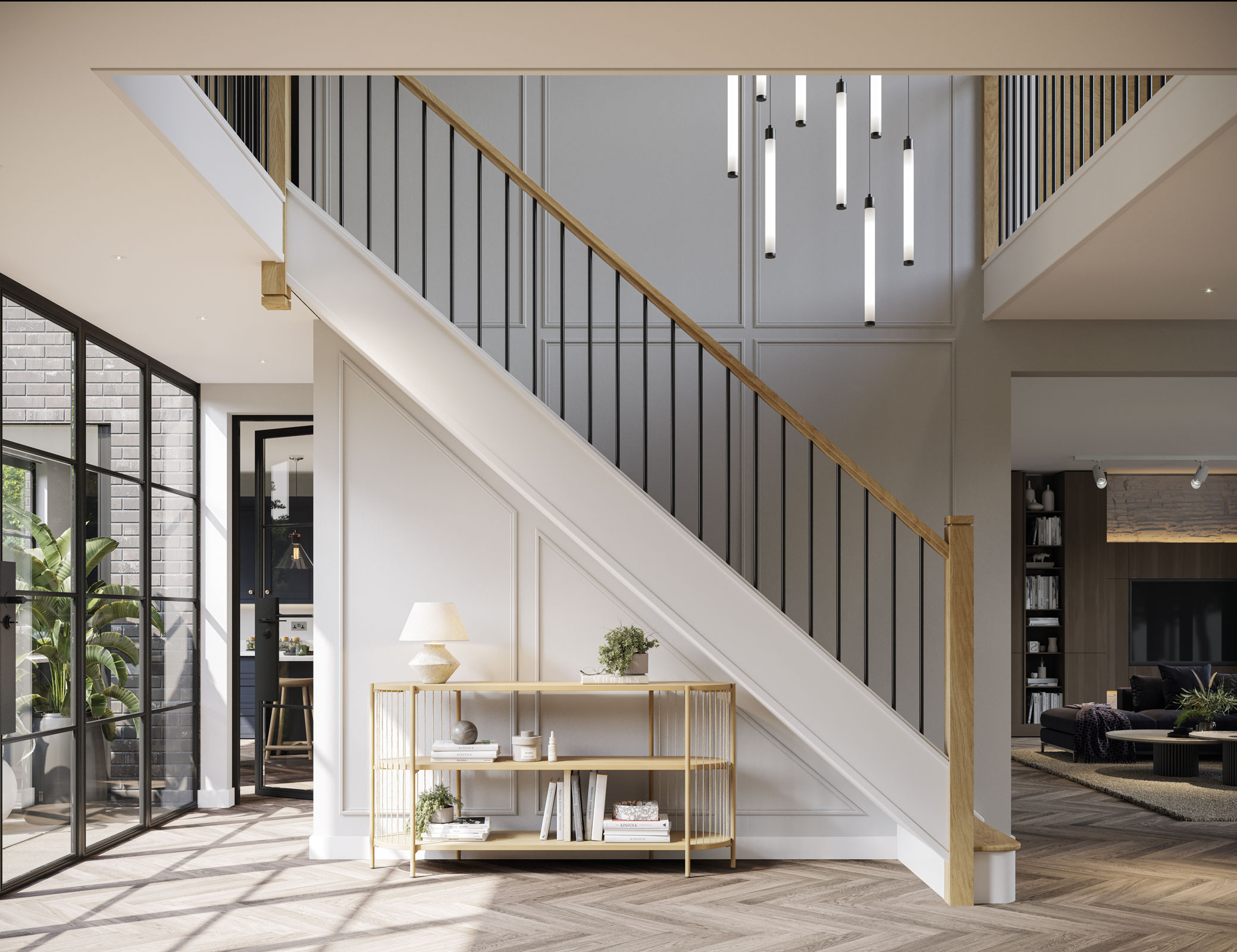
This design’s power comes from its high-contrast, graphic quality. The crisp white of the stringers and risers acts as a clean background for the sharp, rhythmic pattern of the slim black spindles. This repetition of strong vertical lines creates a sense of order and height, drawing the eye upward. The warmth of the light wood handrail prevents the black-and-white scheme from feeling too stark, adding a necessary touch of organic texture. It’s a perfect example of how a limited color palette can create a huge visual impact.
|
📋 Copy HEX 🔗 Share |
You don’t need a custom fabrication budget to get this sophisticated look. You can find simple, slim metal balusters at most big-box hardware stores for $5-$15 per spindle. With a quality primer and a can of matte black spray paint, you can transform basic stock parts. Pair them with a simple, pre-molded wooden handrail and standard lumber for the risers and stringers, painted a crisp white. This entire look is achievable with off-the-shelf materials, making it a fantastic high-impact, low-cost renovation project.
6. Bring Nature In with a Staircase Planter Bed
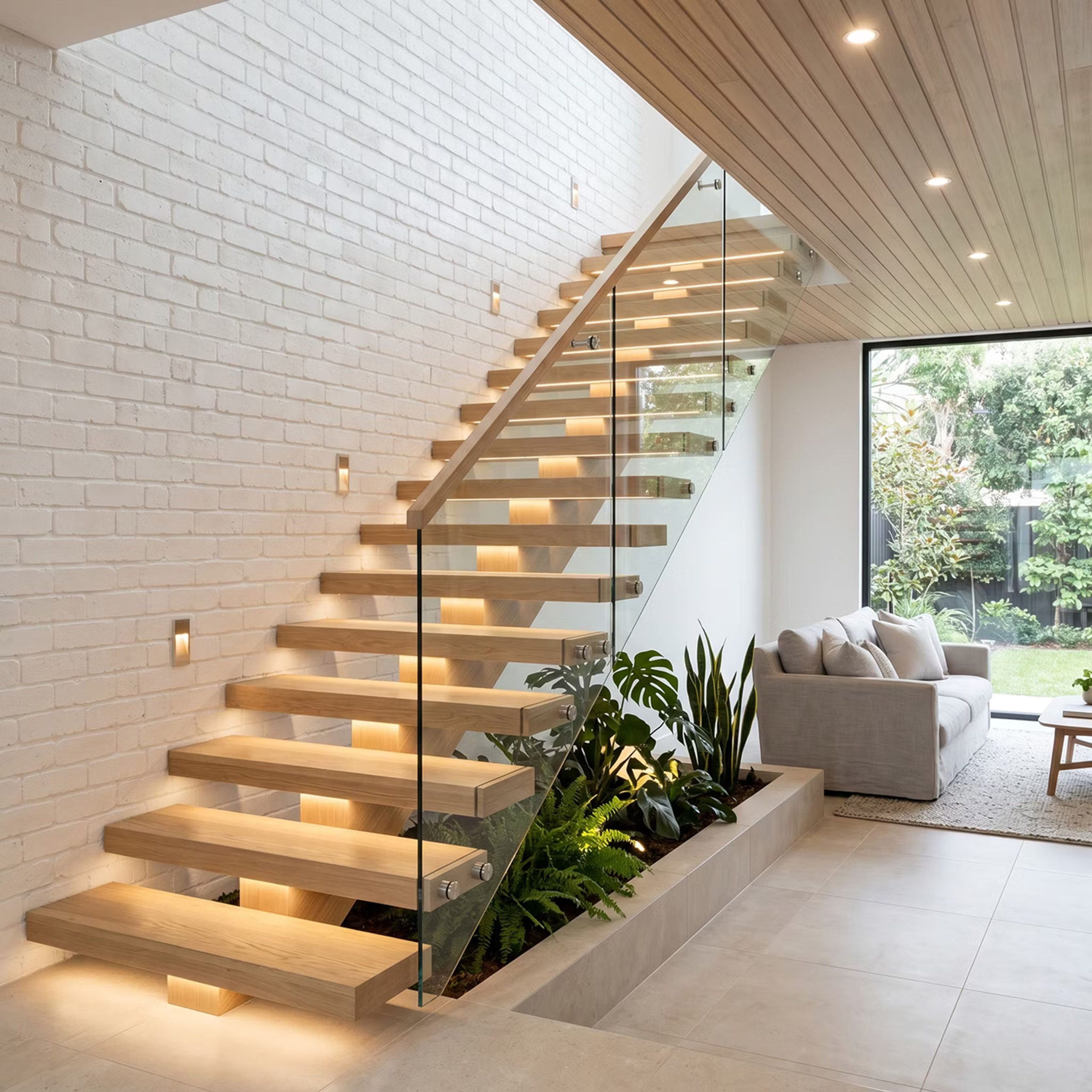
This isn’t just a staircase; it’s a statement about modern living. The trend of biophilic design—integrating nature into our built environment—is more than just a passing fad. It’s a response to our increasingly digital lives, a way to create a calming, life-affirming atmosphere at home. This staircase, with its integrated planter, epitomizes the movement by literally weaving plant life into the fabric of the house. It signals a shift towards homes that are not just shelters, but ecosystems that nurture our well-being.
|
📋 Copy HEX 🔗 Share |
Before you commit to a green-filled staircase, a few checks are essential:
- Structural Support: Floating stairs and the weight of a planter (soil, water, plants) require significant structural reinforcement in the wall. Consult a structural engineer.
- Waterproofing & Drainage: The built-in planter must be professionally waterproofed with a proper drainage system to prevent leaks and damage to your home’s structure.
- Light Source: Do you have enough natural or supplemental grow light to sustain the plants you want? Assess the light your chosen spot receives throughout the day.
- Accessibility: How will you access the planter for watering, pruning, and general maintenance? Plan for easy reach.
7. Opulent Drama: A Historic Staircase with a Red Carpet Runner
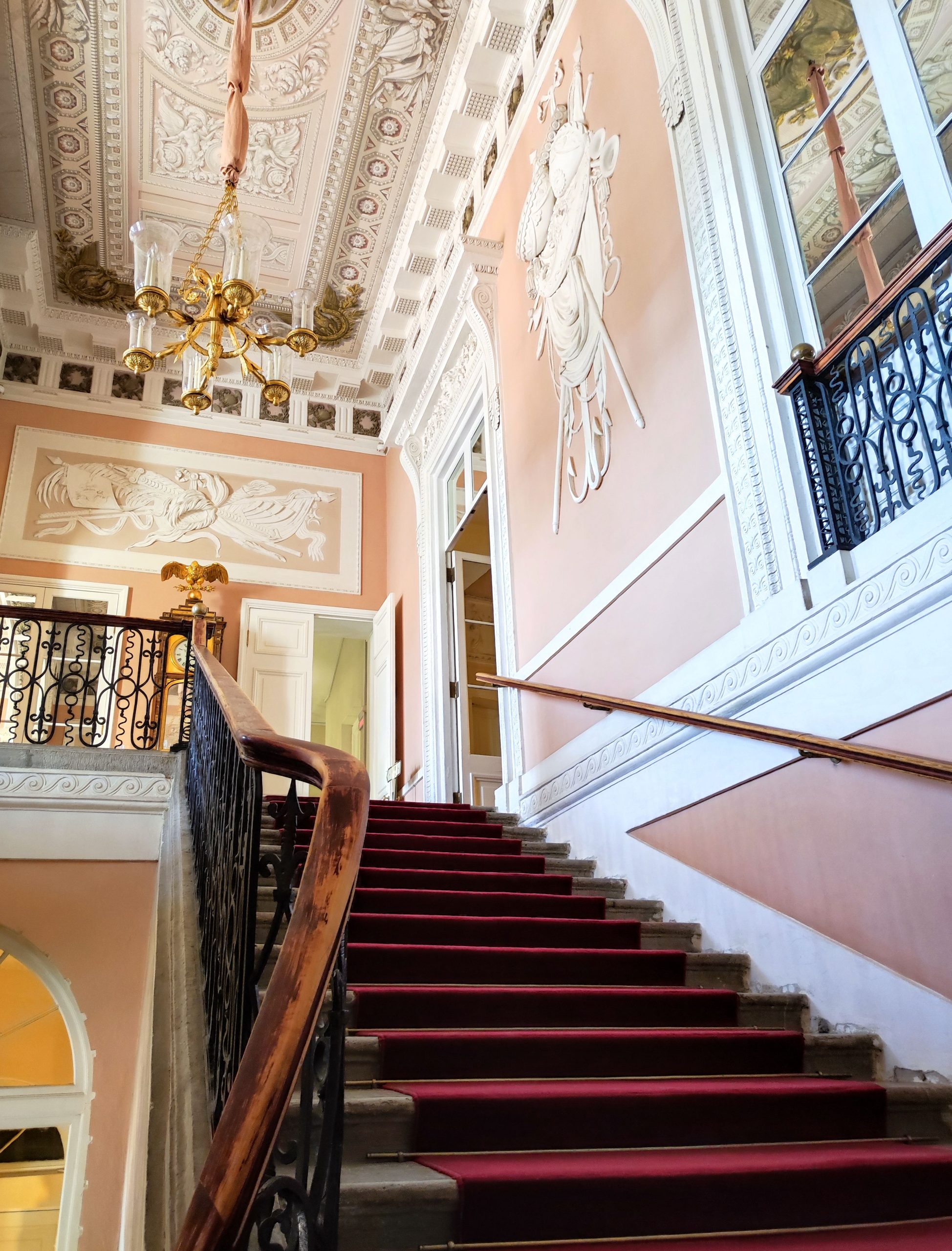
A look this grand comes with grand maintenance. The red carpet runner, while stunning, will show wear in high-traffic areas and requires professional cleaning at least once a year to maintain its color and texture, costing $100-$300. The intricate plasterwork is a dust magnet and necessitates careful dusting with a soft brush every few weeks. The brass stair rods holding the runner in place must be polished regularly to prevent tarnishing. This isn’t a low-maintenance look; it’s a commitment to preserving a specific type of historic beauty.
|
📋 Copy HEX 🔗 Share |
This style of staircase is not for the average home. It demands soaring ceilings—we’re talking 12 feet at a minimum, but ideally 15 feet or more—and a truly expansive foyer to feel appropriate. In a smaller space, it would look overwhelming and theatrical. This design is best suited for historic homes, grand estates, or new builds specifically designed with classical proportions in mind. For a more accessible take on a dramatic staircase, see the modern contrast in Idea #5.
8. The Ultimate Play-Zone Staircase with a Climbing Wall and Nook
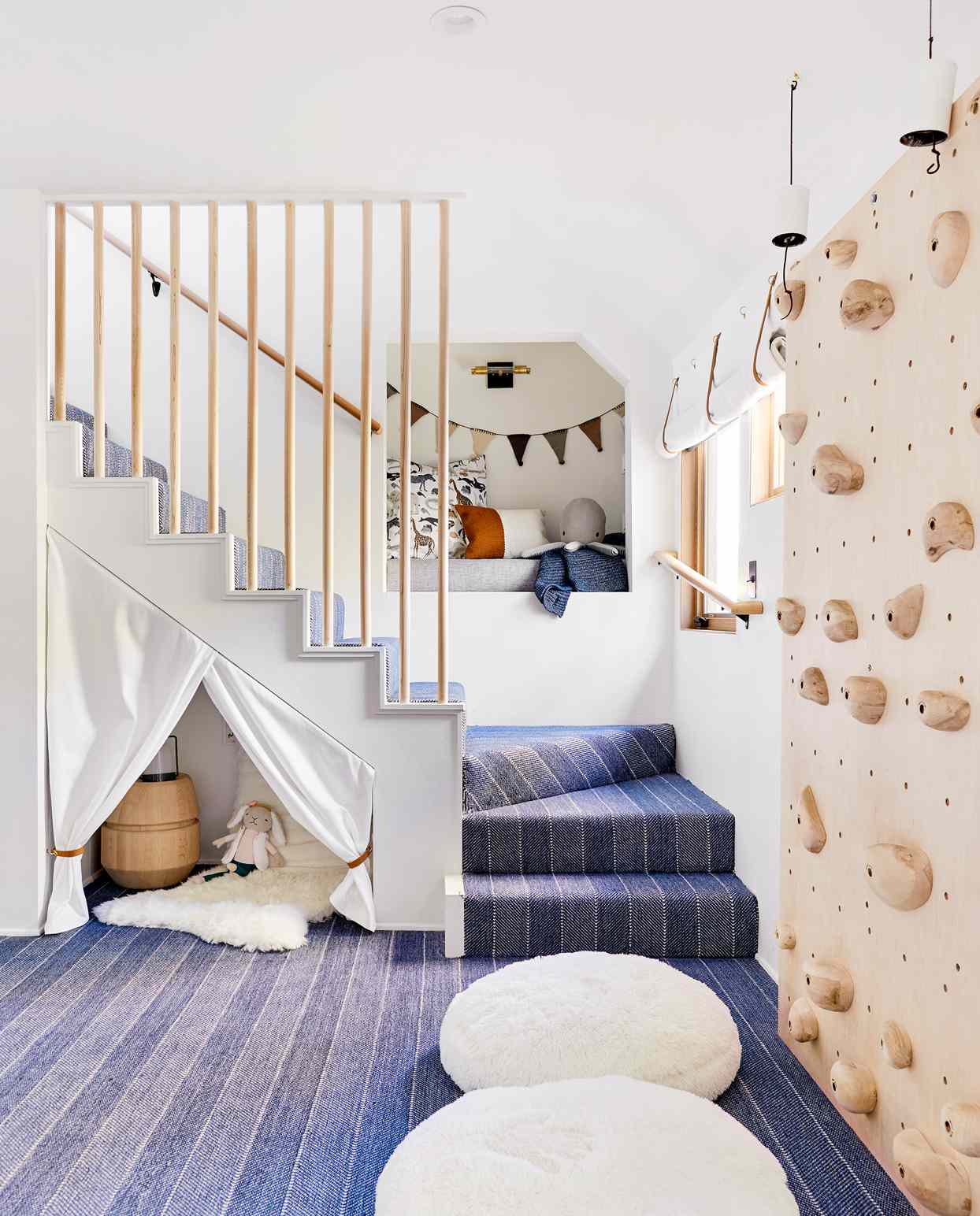
When installing a home climbing wall for kids, safety is paramount. Use panels made from high-quality 3/4-inch plywood. Ensure it’s securely bolted into wall studs at regular intervals—not just drywall. The climbing holds themselves should be professionally made and rated for climbing, with bolts that are countersunk to avoid snags. Crucially, the floor beneath the climbing area must have proper impact-attenuating surfacing, like 4-inch thick gymnastics mats. Don’t just place it on a rug or bare floor.
|
📋 Copy HEX 🔗 Share |
This layout is a dream for a family with young children, but it’s important to think about the long term. Kids grow up, and a climbing wall and tented nook might not be as appealing to a teenager. While wonderful for a specific phase of family life, this highly customized feature could impact resale value down the line. A potential buyer might see a fun play area, while another might see a complicated removal and drywall repair project. It’s a wonderful “for now” investment, but be prepared to potentially neutralize the space later.
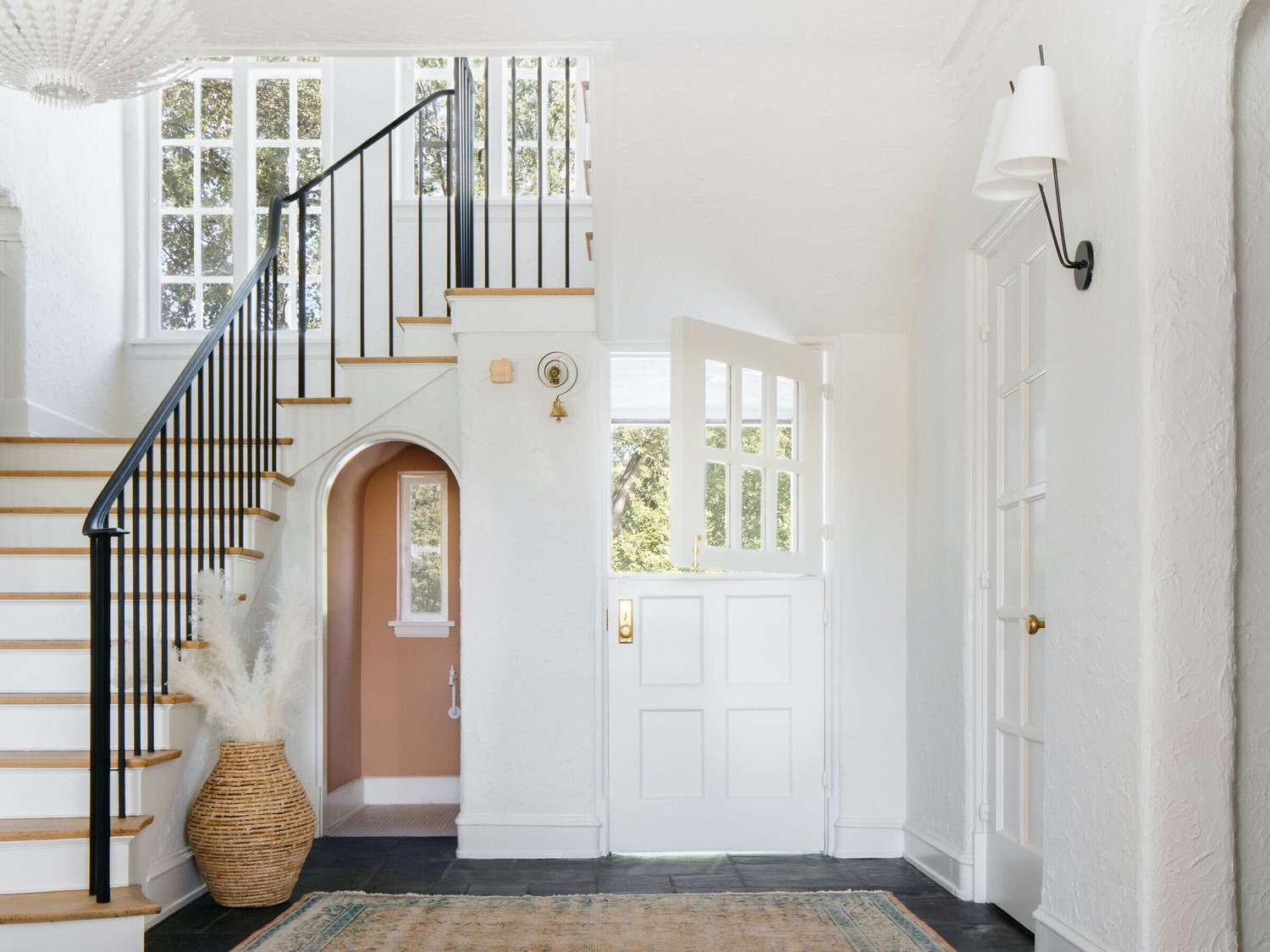
9. An Arched Nook Adds Character to a Classic Black and White Staircase
The arched passageway and its surprising salmon-colored interior are the standout features of this space. The staircase itself is classic and beautiful, but the arch and the pop of color transform the entire entryway from merely elegant to truly memorable. It creates depth, frames a view, and adds a touch of architectural intrigue that feels both custom and personal. Removing it would leave a perfectly nice but far more conventional space. It’s a reminder that sometimes the most impactful feature is the one right next to the main event.
|
📋 Copy HEX 🔗 Share |
The visual recipe here is all about balance: 70% Neutral Foundation + 20% Graphic Contrast + 10% Unexpected Color. The textured white walls and light wood treads form the neutral base. The stark black iron railing, dark floor tiles, and door frame provide the strong graphic element. Then, that 10% of salmon in the arched nook injects personality and warmth, keeping the whole look from feeling too predictable. It’s a small percentage, but it has 100% of the impact.
10. Illuminate Your Steps: A Floating Staircase with Integrated Lighting
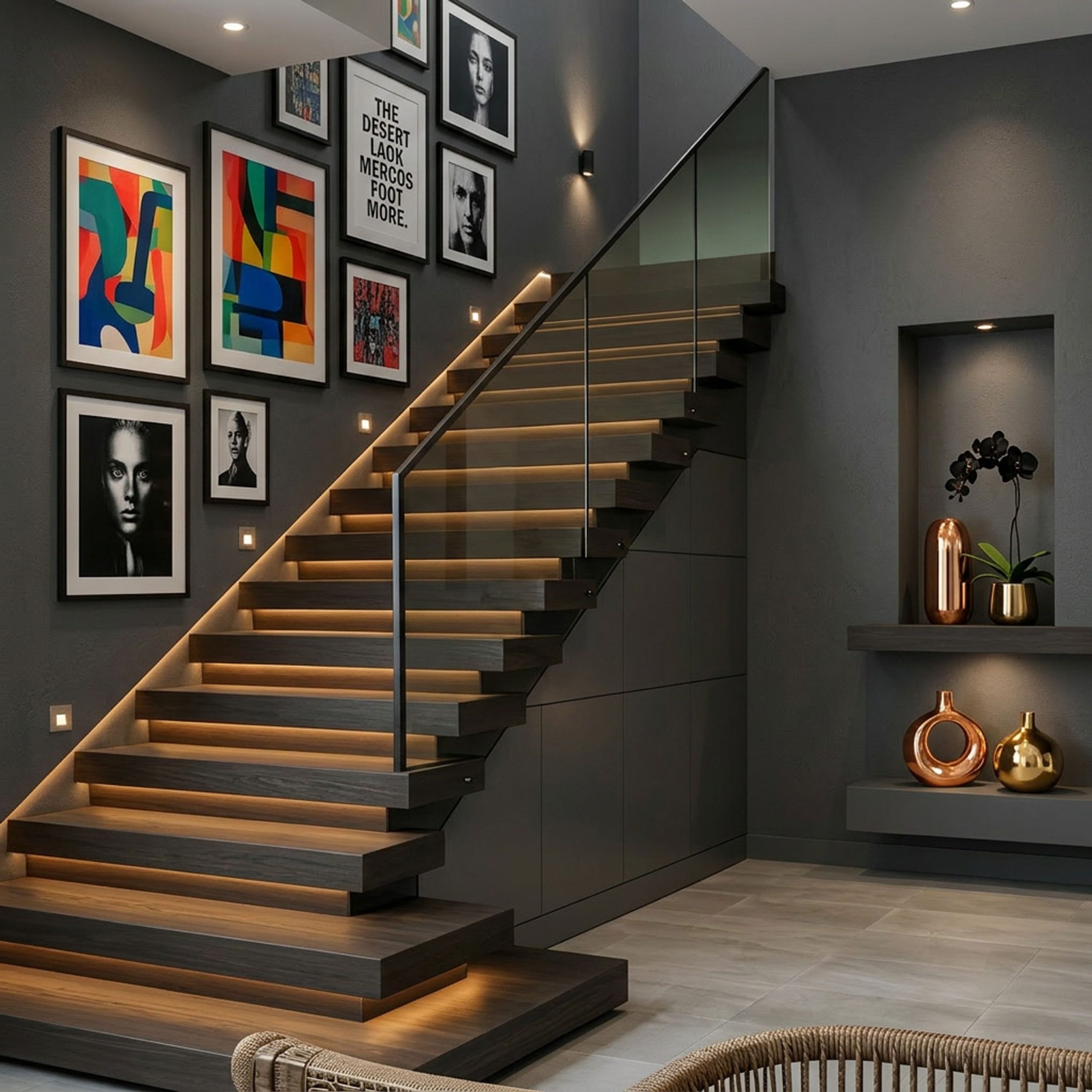
A gallery wall that ascends with your staircase can be tricky. Here’s a quick guide:
|
📋 Copy HEX 🔗 Share |
- Establish a Centerline: Measure 60 inches up from the tread of every third or fourth step and mark the wall lightly with a pencil. Connect these dots to create a diagonal line that follows the angle of your stairs. This is your gallery’s visual centerline.
- Anchor Piece: Place your largest piece of art first, with its center on or near this line.
- Build Outwards: Begin adding smaller frames around the anchor piece, maintaining a consistent spacing of 2-3 inches between each frame.
- Mix & Match: Vary the orientation (horizontal, vertical) and size of your frames to create visual interest.
- Paper Templates: Before hammering any nails, trace your frames onto paper, cut them out, and tape them to the wall to perfect your layout. This takes about 2 hours and saves a lot of mistaken holes.
The success of this design lies in the dynamic interplay between light, art, and architecture. The warm, recessed lighting under each tread does more than just ensure safety; it turns the staircase into a sculptural element, highlighting the cantilevered design. The glass and the gold frames of the artwork then reflect this warm light, creating a cohesive glow. The dark gray wall provides the perfect moody backdrop, making both the warm wood treads and the colorful art pop. It’s a space that feels curated, personal, and atmospheric.
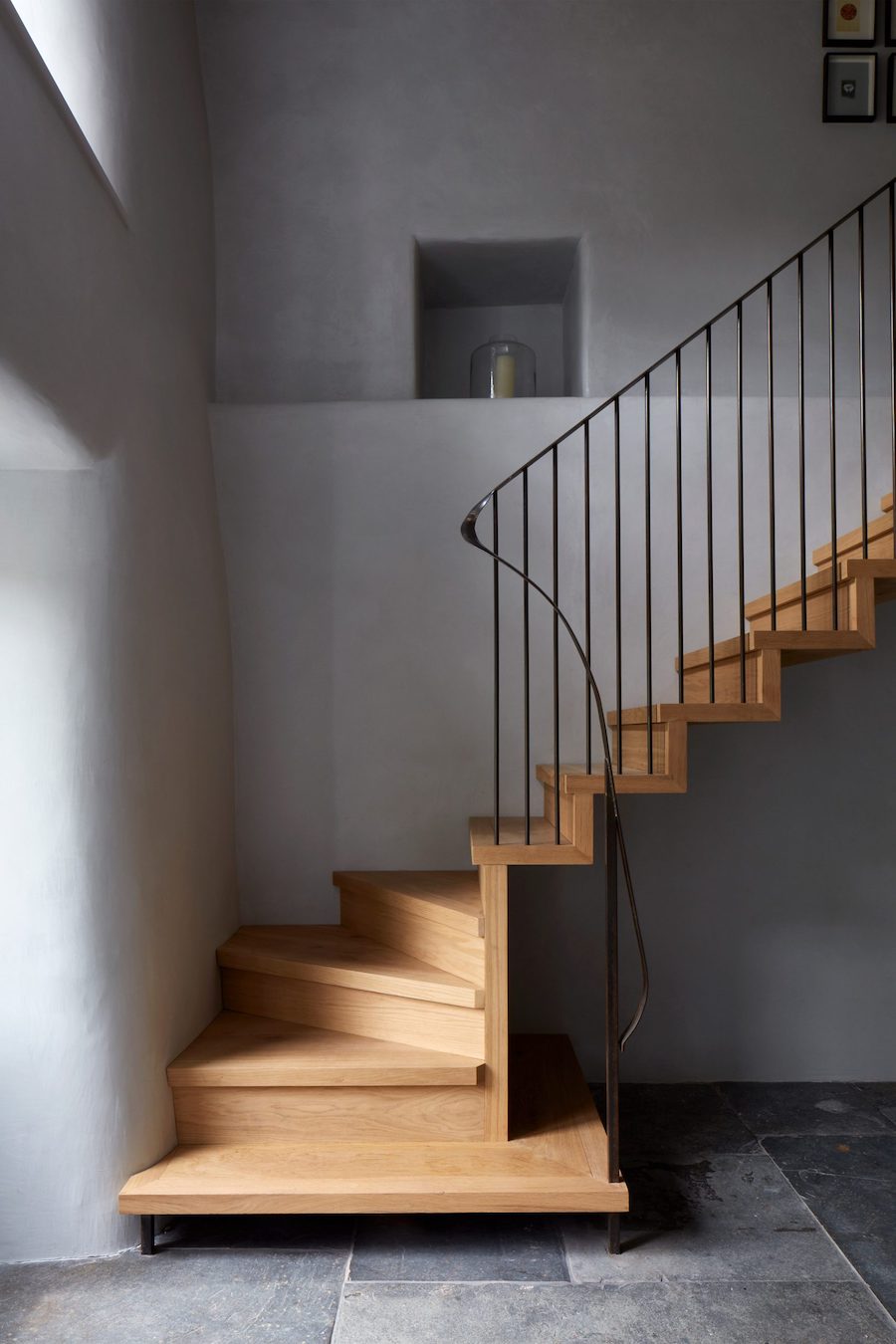
11. Minimalist Serenity: Floating Timber Steps and a Dark Iron Rail
To achieve this serene, gallery-like feel, the wall texture is key. This isn’t flat drywall; it’s a hand-troweled plaster or a limewash finish. The subtle variations in texture catch the light beautifully, adding depth and a soft, organic quality that you can’t get from paint alone. When talking to a contractor, ask for a “Level 5 smooth finish with a lime wash” or “hand-applied Venetian plaster.” The application is an art form, so be sure to review your artisan’s portfolio to ensure they can achieve this specific soft, cloud-like effect.
|
📋 Copy HEX 🔗 Share |
This ultra-minimalist floating design is a fantastic solution for promoting an open feel, even in tighter quarters. It works especially well in long, narrow townhouses or homes where the staircase is a central feature. By keeping the risers open and the balustrade visually light, it allows light and sightlines to pass through, preventing the staircase from feeling like a heavy, space-dividing block. It’s more visually lightweight than the slat design in Idea #30, making it perfect for smaller floor plans.
12. Modern Contrast with a Wood Slat Railing
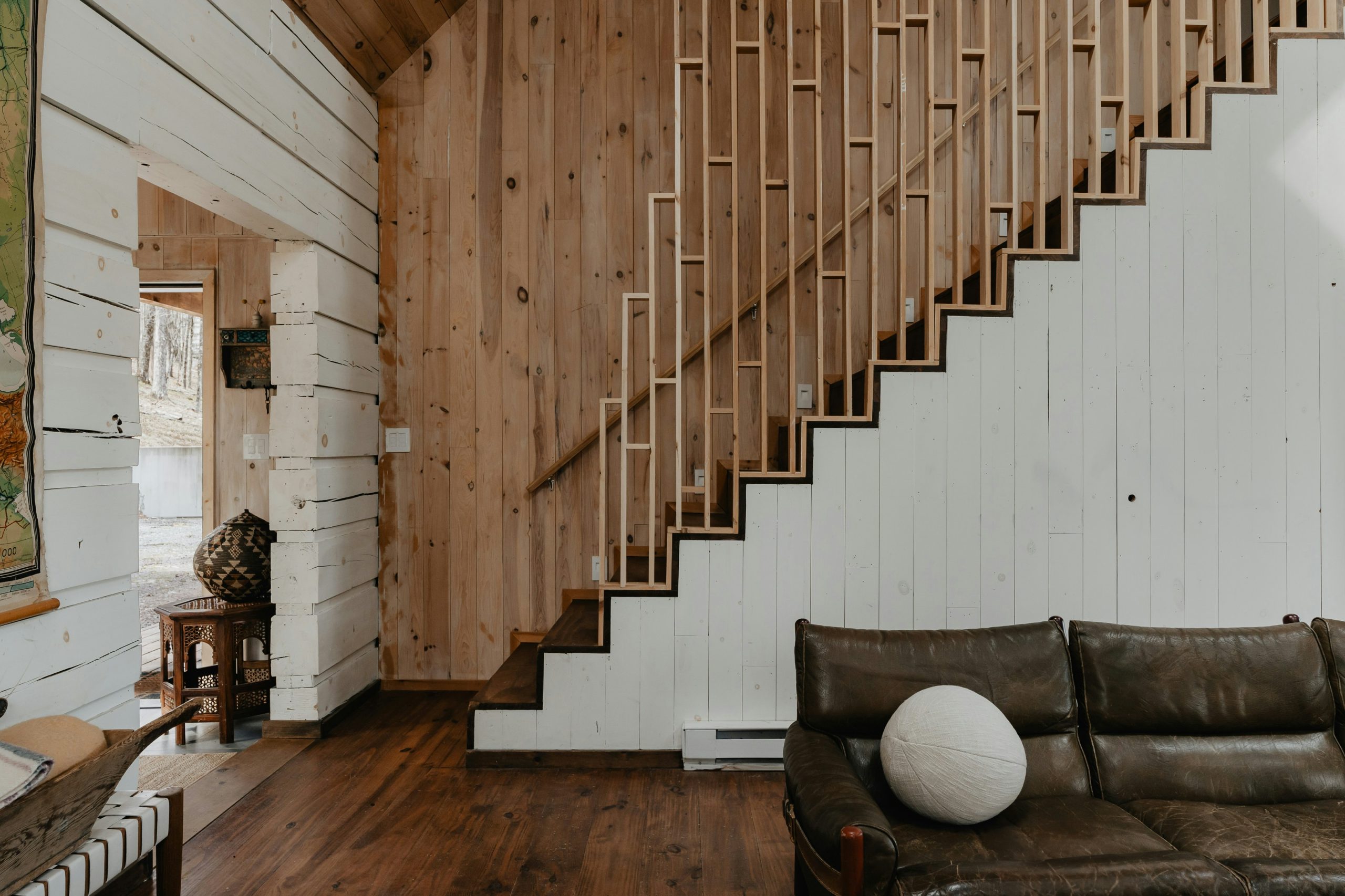
This design is all about the power of contrasting materials and lines. You have the strong vertical lines of the light wood slat railing playing against the horizontal lines of the dark wood treads and white planked wall. This creates a pleasing geometric tension. The material contrast is just as important: the smooth, dark leather of the sofa, the rougher texture of the wood slat wall, and the crisp white paint all work together to create a space that is rich in texture and visual interest, even with a relatively simple color palette.
|
📋 Copy HEX 🔗 Share |
While wood slat railings are gorgeous and very on-trend, they can be a serious dust trap. Each one of those slats, both front and back, will need to be dusted regularly to keep it looking clean. A lambswool duster or the brush attachment on your vacuum will be your best friend. Also, if you have small children, be aware that the spacing between the slats needs to be narrow enough (less than 4 inches) to prevent any heads from getting stuck—a crucial safety and building code requirement.
13. Modern Floating Staircase with Light Wood Treads and Cable Rail
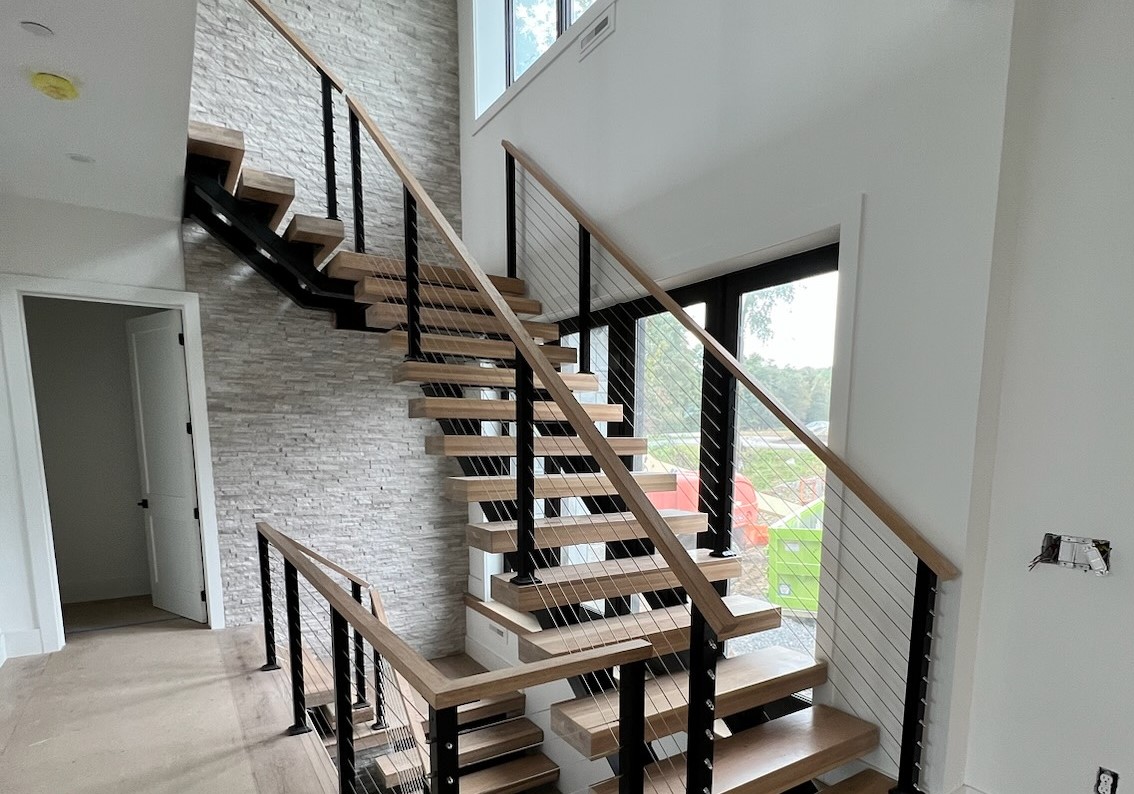
This look is a study in modern material harmony. It breaks down to roughly 40% Natural Wood + 30% Industrial Metal + 30% Textural Stone. The floating wood treads bring warmth and an organic feel. The black metal stringers, posts, and silver cable railing provide a sleek, industrial edge. Finally, the textured stone accent wall introduces a rugged, natural element that balances the other two. The formula works because it blends warm, cool, smooth, and rough textures into one cohesive design.
|
📋 Copy HEX 🔗 Share |
Cable railings look sleek and low-maintenance, but they have a specific upkeep need: tension. Over time, and with changes in temperature, the cables can sag slightly. Most systems have built-in tensioning hardware at the posts. About once a year, you’ll need to go through and tighten the cables with a wrench to keep them taut and safe. It’s a simple 30-minute job, but it’s critical for maintaining the railing’s integrity and clean look. The cables themselves just need a quick wipe-down, but always check for sag.
14. An Artistic Statement with an Integrated Planter and Textured Wall
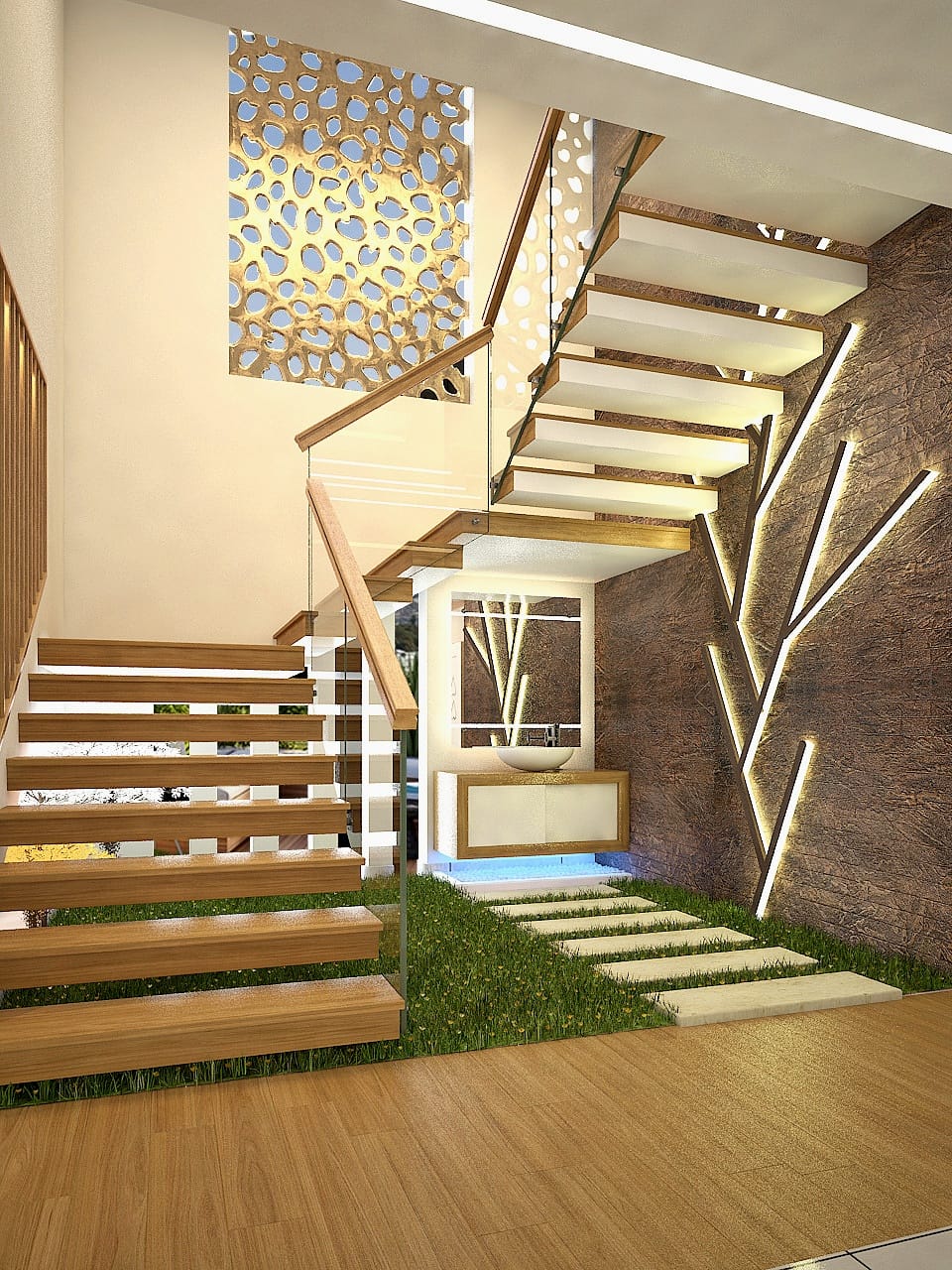
While the floating stairs and planter are beautiful, the undeniable focal point here is the textured dark accent wall with its integrated, tree-like lighting. It elevates the entire space from a simple passage to a true art installation. It’s a bold, sculptural move that merges lighting, texture, and form. Without this wall, the staircase would be modern and pleasant. With it, the staircase becomes part of a larger, more dramatic, and immersive experience that feels completely custom and unique.
|
📋 Copy HEX 🔗 Share |
We are moving away from the era of the simple, painted accent wall. Instead, designers and homeowners are craving “feature walls” that have depth, texture, and integrated function. This example, with its plaster or concrete finish and built-in lighting, is at the forefront of this trend. It reflects a desire for our homes to be more than just decorated boxes; we want them to contain unique, handcrafted elements and moments of architectural surprise that you can’t buy off a shelf.
15. Opulent Carved Wood Spiral Staircase
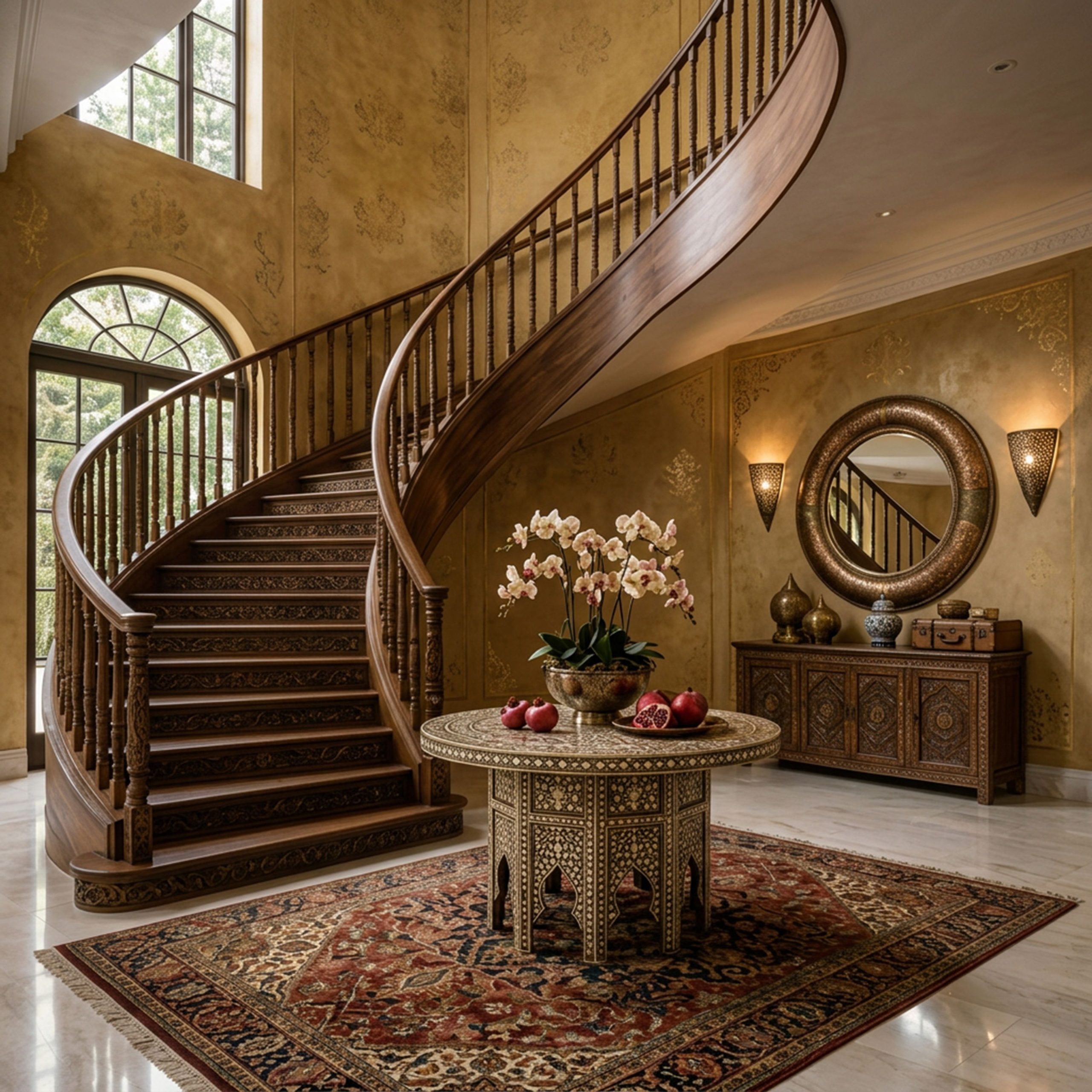
The design succeeds through a masterful use of repetition and rhythm. The intricate carvings aren’t random; they are repeated on each riser, creating a beautiful, flowing pattern as the staircase curves upwards. Similarly, the shape of the balusters is repeated, establishing a strong, stately rhythm. The eye is drawn to these repeating patterns, which provide the grand scale of the staircase a sense of order and grace. The circular motifs in the rug, table, and mirror all echo the curve of the stairs, unifying the entire space.
|
📋 Copy HEX 🔗 Share |
A true spiral or curved staircase like this one requires a significant footprint. Don’t be fooled by its circular shape; a grand spiral often takes up more floor area than a straight-run or L-shaped stair. For a design of this scale and grandeur, you need a dedicated two-story foyer with a minimum diameter of 10-12 feet to allow for comfortable passage and to let the design feel properly proportioned, not cramped. This is a choice for a home with generous, dedicated circulation space. Compare it to the space-saving spiral in Idea #23.
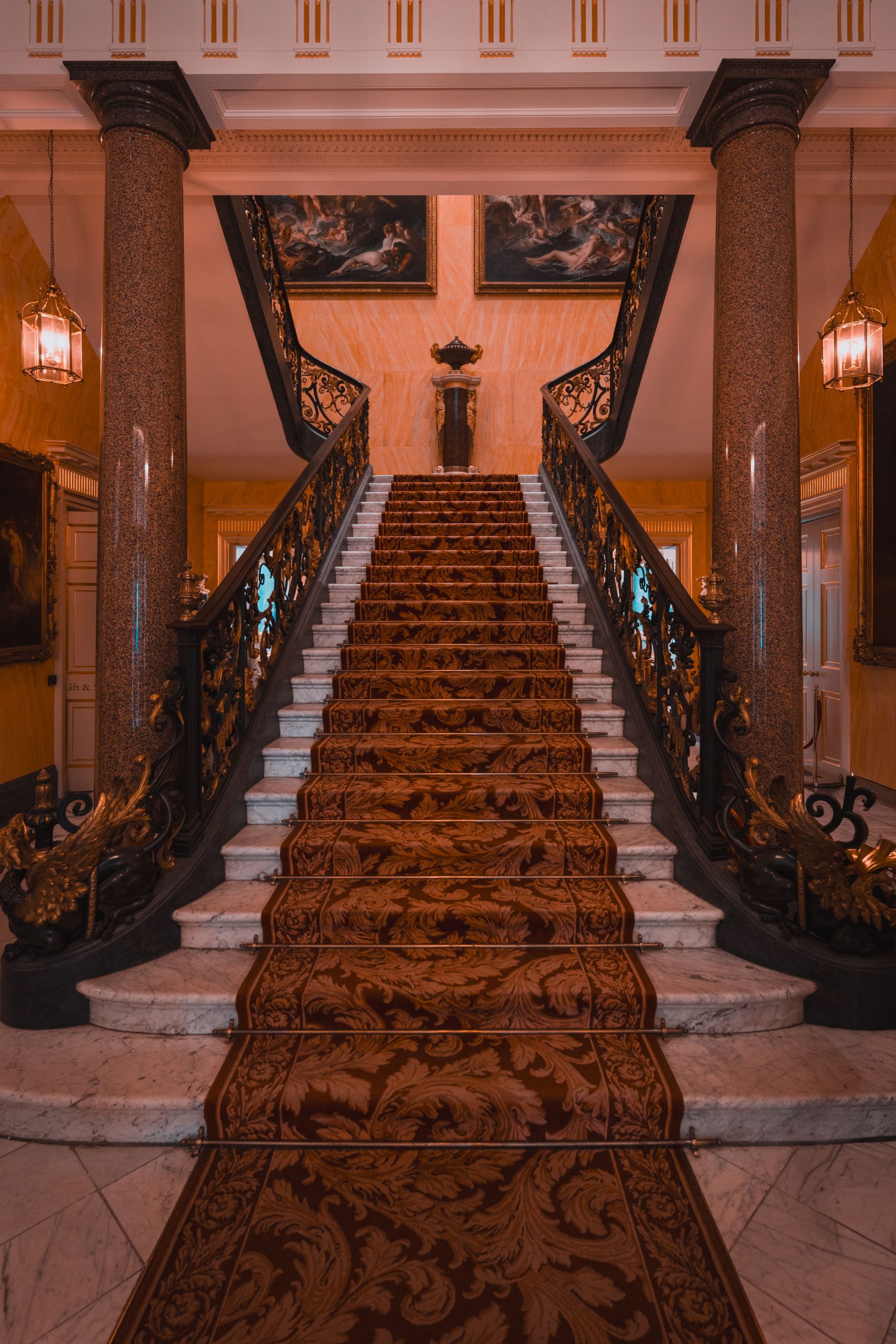
16. A Double Staircase in Marble with Ornate Gold Balustrades
This design is the pinnacle of staircase luxury, and the budget reflects that. This is a project for a custom new-build or a massive renovation.
|
📋 Copy HEX 🔗 Share |
- Dual Marble Staircases: $40,000 – $100,000+
- Custom Dark Metal & Gold-Detailed Balustrades: $50,000 – $120,000+
- Patterned Runner & Installation: $5,000 – $15,000
- Large Granite Support Pillars: $10,000 – $25,000
- TOTAL: $105,000 – $260,000+
- Budget Alternative: This look is nearly impossible to replicate on a small budget, but one could evoke the feeling with a single curved staircase using porcelain tile, stock decorative balusters painted black and gold, and a patterned runner for under $20,000.
A double staircase is the definition of a grand entrance. However, from a practical standpoint, it consumes an enormous amount of square footage on both the lower and upper floors. That space could often be used for an additional room, a larger living area, or closets. While undeniably impressive, consider if sacrificing that much functional living space for a purely aesthetic statement on circulation aligns with how your family actually lives. It’s a feature designed for making an entrance, not necessarily for everyday practicality.
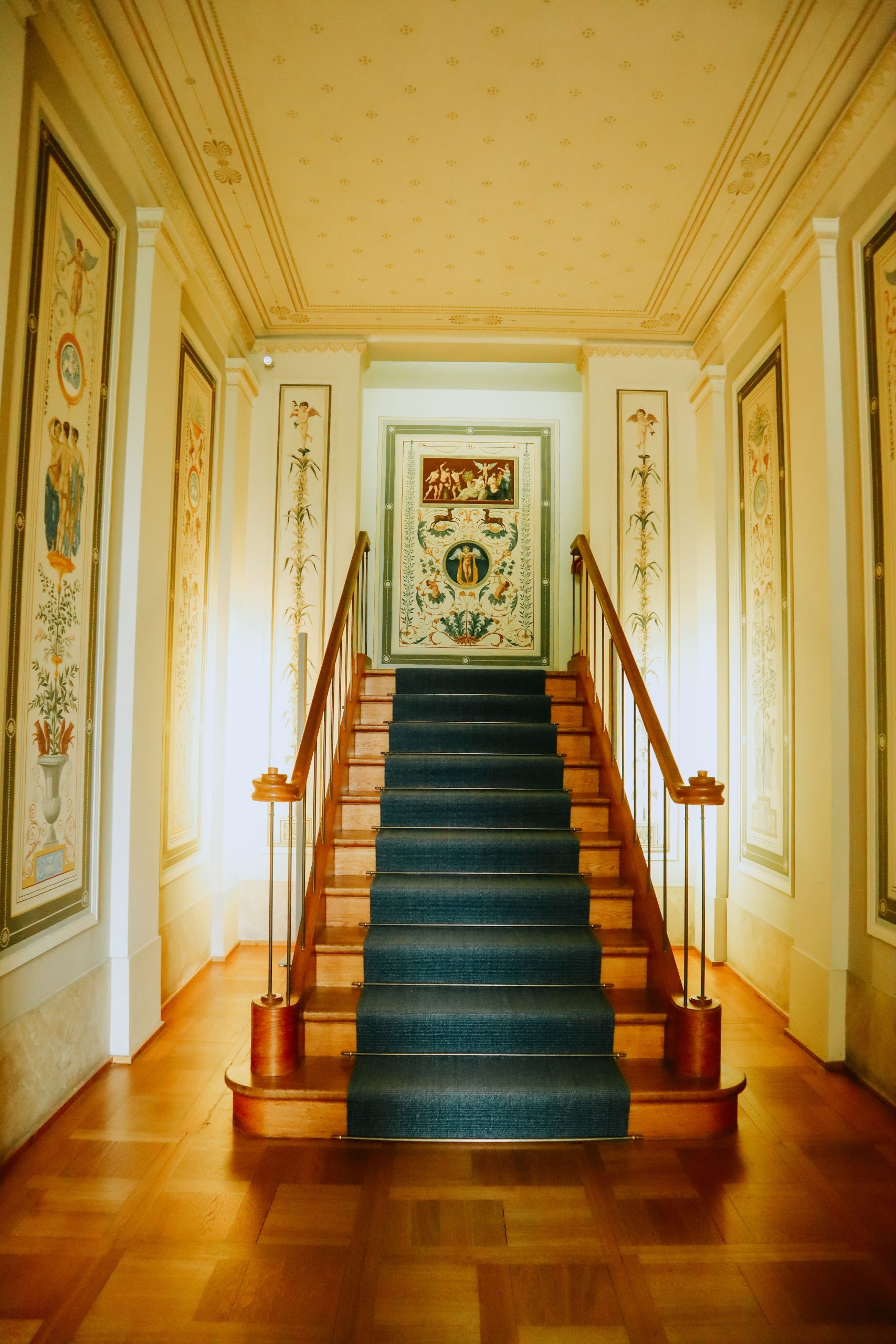
17. Classical Elegance with a Muraled Stairwell and Teal Runner
When using a dark, saturated carpet runner like this deep teal, the choice of stair rods is crucial. Polished brass is the perfect selection here. The warm, reflective quality of the brass provides a necessary point of light and luxury against the deep-colored carpet and the mid-toned wood. Using a less reflective metal like brushed nickel or matte black would have lost that touch of classical sparkle. For a high-end look, always match your stair rods to other metallic elements in the space, like the handrail supports or chandelier.
|
📋 Copy HEX 🔗 Share |
It has to be the murals. The staircase is beautiful on its own, but the extensive classical mural panels transform the stairwell from a simple hallway into a destination. They tell a story and create an immersive, almost museum-like experience as you ascend. It’s an incredibly bold and specific choice that sets a tone of timeless artistry for the entire home. Without the murals, the effect would be traditional and pleasant; with them, it’s unforgettable and completely unique.
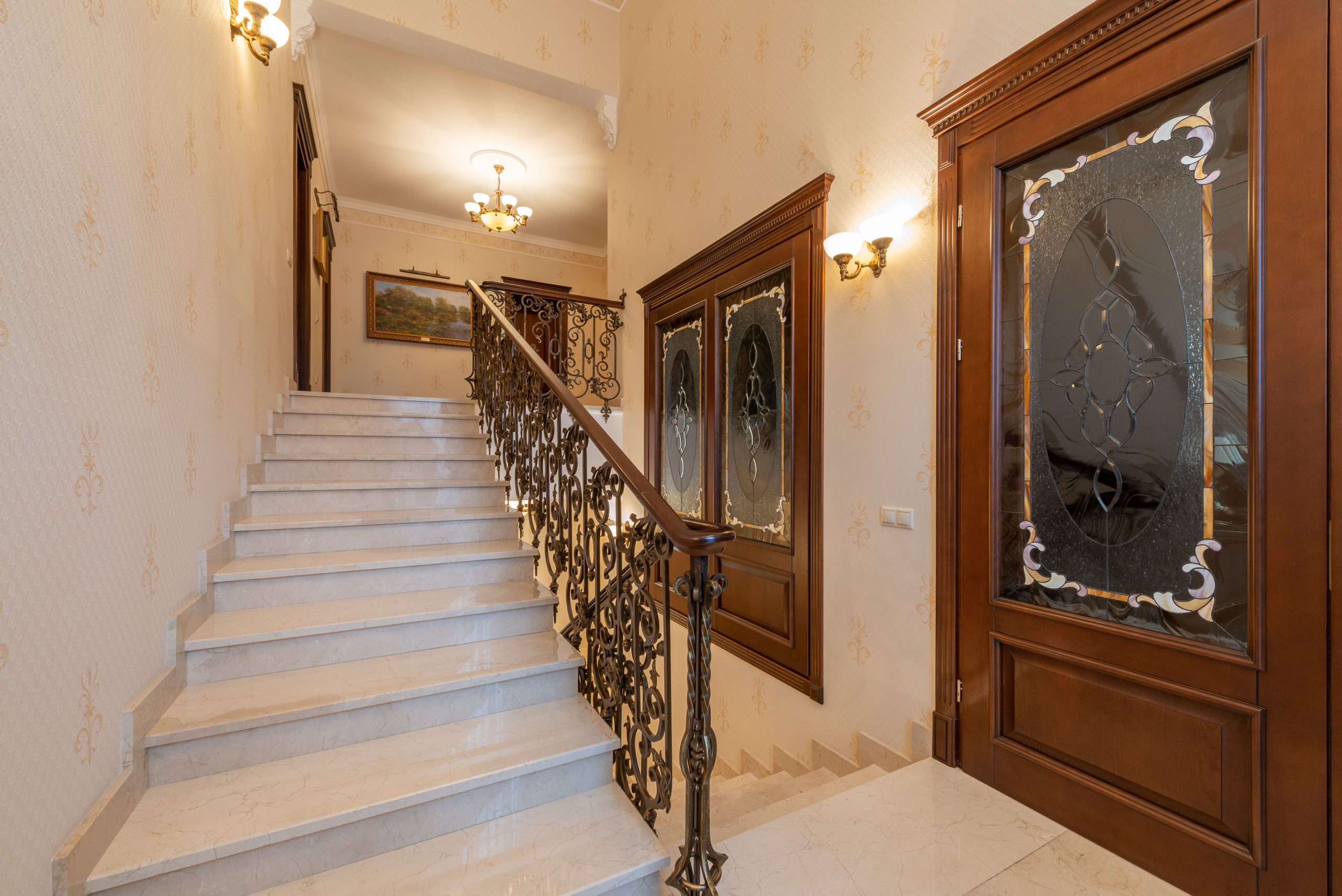
18. Grand Marble Staircase with an Ornate Bronze Railing
Living with this much polished marble and ornate metalwork requires a dedicated cleaning routine. Polished marble is relatively soft and can be scratched by grit or etched by acidic spills (like wine or juice). It should be cleaned only with a pH-neutral stone cleaner. The bronze railing, with its hundreds of nooks and crannies, is a dust collector. It will need a thorough dusting with a soft brush every week or two. The leaded glass in the doors also requires careful cleaning to avoid damaging the delicate joints.
|
📋 Copy HEX 🔗 Share |
This design achieves its grandeur through a sophisticated blend of texture and pattern. The smooth, cool surface of the light marble steps provides a clean base. Against this backdrop, you have the intricate, dark, and visually complex pattern of the bronze railing. Then, the beige wallpaper with its tone-on-tone gold pattern adds a third layer of subtle texture. his layering of smooth, complex, and subtle patterns creates a space that feels rich, detailed, and visually deep without being chaotic.
19. A Bright and Traditional Entryway Staircase
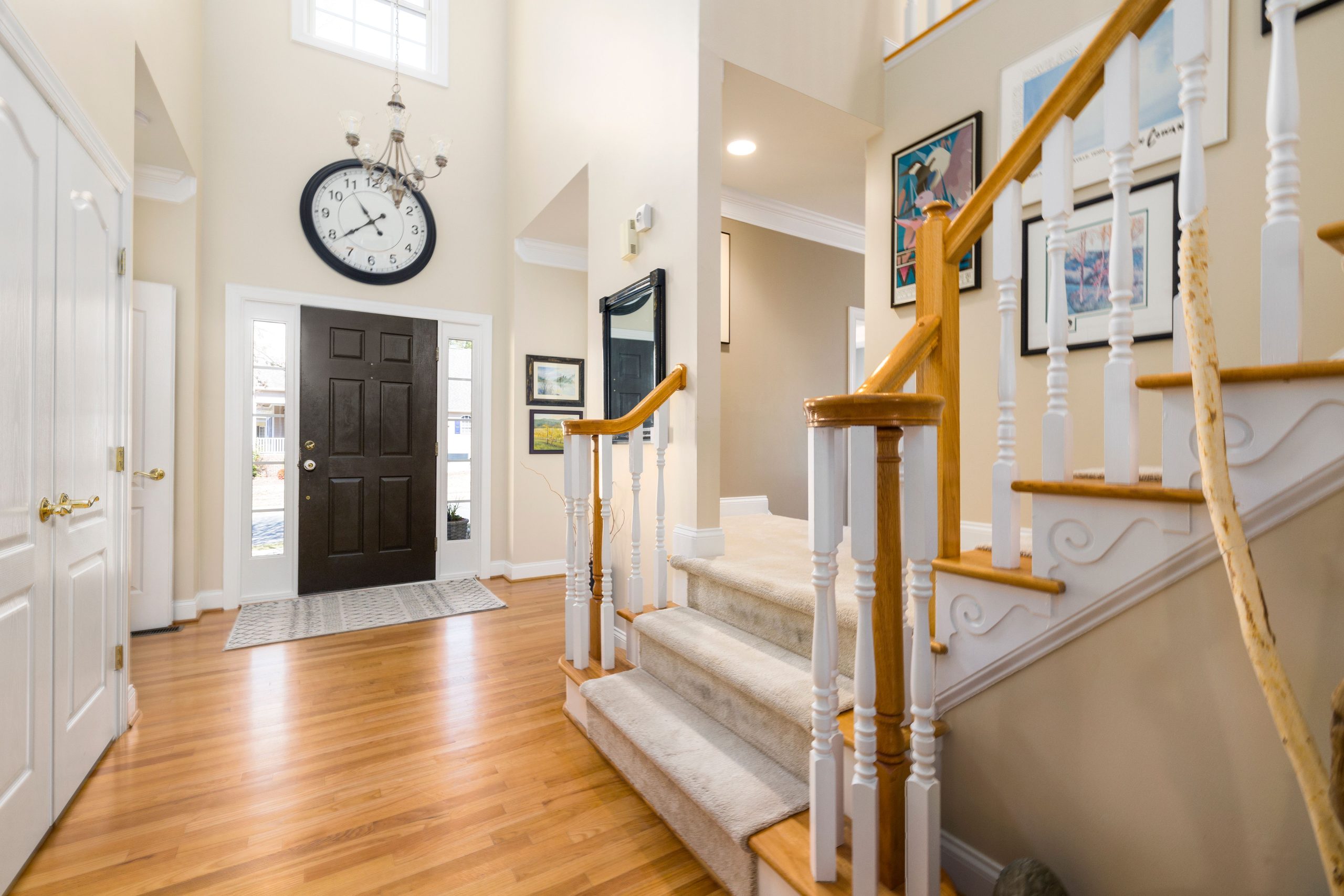
This welcoming, traditional look is all about a warm and balanced palette. The formula is approximately 60% Light Neutrals (light beige walls, white spindles and trim) + 30% Warm Wood Tones (handrails, hardwood floor) + 10% Dark Accents (front door, clock frame). This ratio ensures the space feels bright and airy, thanks to the dominance of light neutrals, while the significant presence of wood adds warmth and a sense of quality. The small, dark accents provide just enough contrast to keep the look defined and interesting.
|
📋 Copy HEX 🔗 Share |
A light beige carpet on a staircase is a classic look, but it’s not for every household. In a home with heavy foot traffic, pets, or young children, a light-colored carpet can be a constant source of stress. It will show dirt and stains much more readily than a darker or patterned option. If you love the bright look but worry about upkeep, consider a durable, stain-resistant carpet brand or opt for a darker beige or a subtle pattern that can help camouflage everyday wear and tear. See the patterned runner in Idea #25 for a more forgiving option.
20. A Cozy Library Nook Tucked Under a Dark Wood Staircase
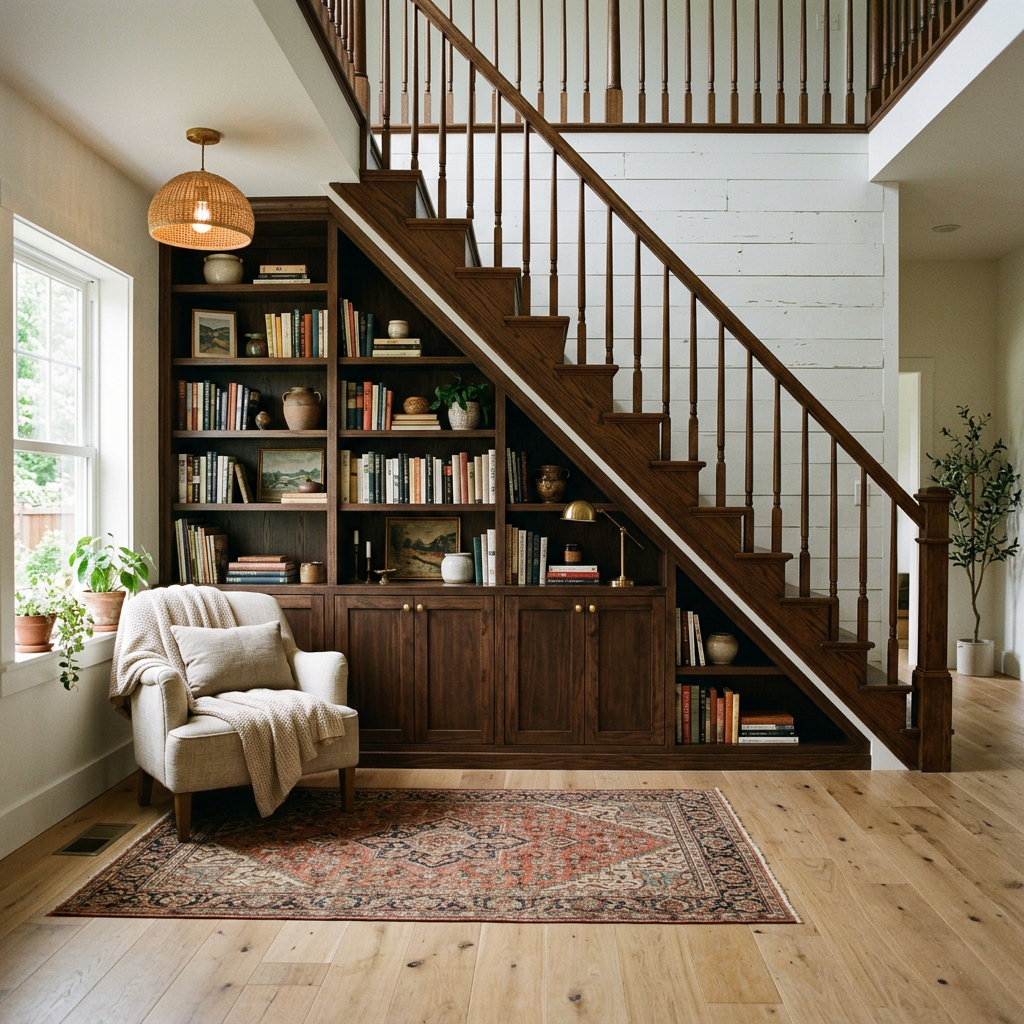
Transforming the dead space under your stairs is a brilliant storage solution. Here’s a quick plan:
|
📋 Copy HEX 🔗 Share |
- Measure Everything: Get precise measurements of the height, width, and depth of the under-stair space, paying close attention to the angle of the slope.
- Choose Your System: You can opt for custom-built shelves for a seamless look or use modular shelving units (like IKEA’s BILLY series) for a more budget-friendly approach.
- Plan the Layout: Use painter’s tape on the wall to map out where your shelves and cabinets will go. Plan for taller shelves for books and lower cabinets for hidden storage.
- Assemble & Secure: Assemble your units and, most importantly, anchor them securely to the wall studs to prevent any chance of tipping. For a built-in look, add trim and paint to match. This can be a weekend project for about $300-$800 in materials.
The magic here is the complete transformation of a typically wasted space into a highly functional and cozy destination. It’s not just a staircase; it’s a library. The built-in bookshelf that seamlessly integrates with the staircase structure is the key element. It tells you that this is a home that values books, comfort, and clever design. The armchair and reading light complete the story, but the integrated shelving is what makes it all possible.
21. Minimalist Floating Treads with a Clear Glass Railing
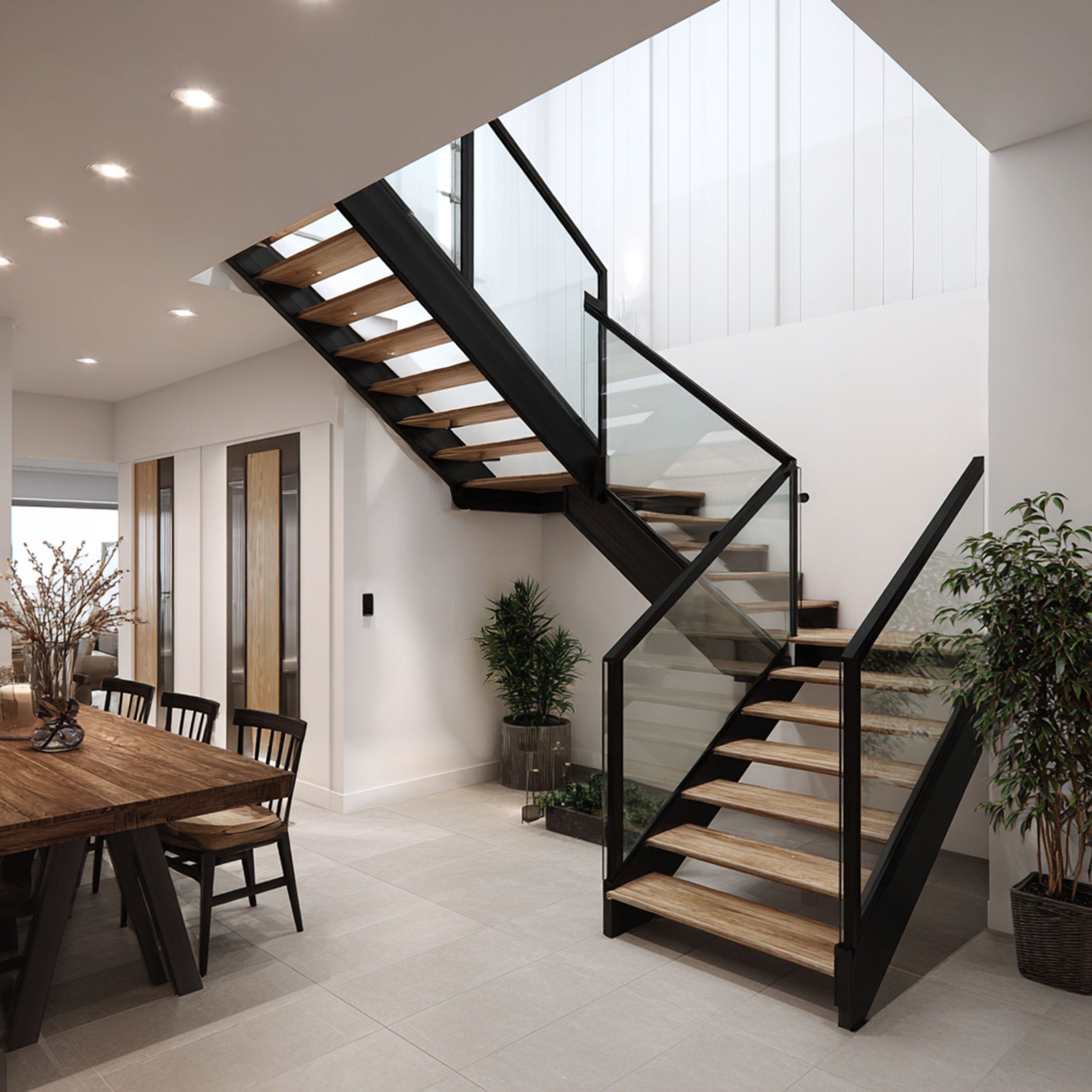
This design’s success hinges on visual lightness. The cantilevered treads appear to float in mid-air, creating a feeling of spaciousness. The clear glass panels act as a “non-railing railing,” providing essential safety without creating any visual barrier. This allows light and sightlines to flow completely uninterrupted from the high windows to the rest of the space. The dark metal stringer acts as a slim, graphic spine, providing structure without adding bulk. It is an exercise in achieving maximum function with minimum visual weight, as seen in Idea #1 as well.
|
📋 Copy HEX 🔗 Share |
Floating staircases like this one are perfect for modern, open-plan homes where maintaining a sense of space is paramount. They work best alongside large windows or in double-height spaces, where other architectural elements won’t crowd themYou need at least a 9-foot ceiling for the floating effect to truly register. In a home with lower ceilings or smaller, more enclosed rooms, this design can lose its impact and feel out of place.
22. Sleek and Modern Staircase Design
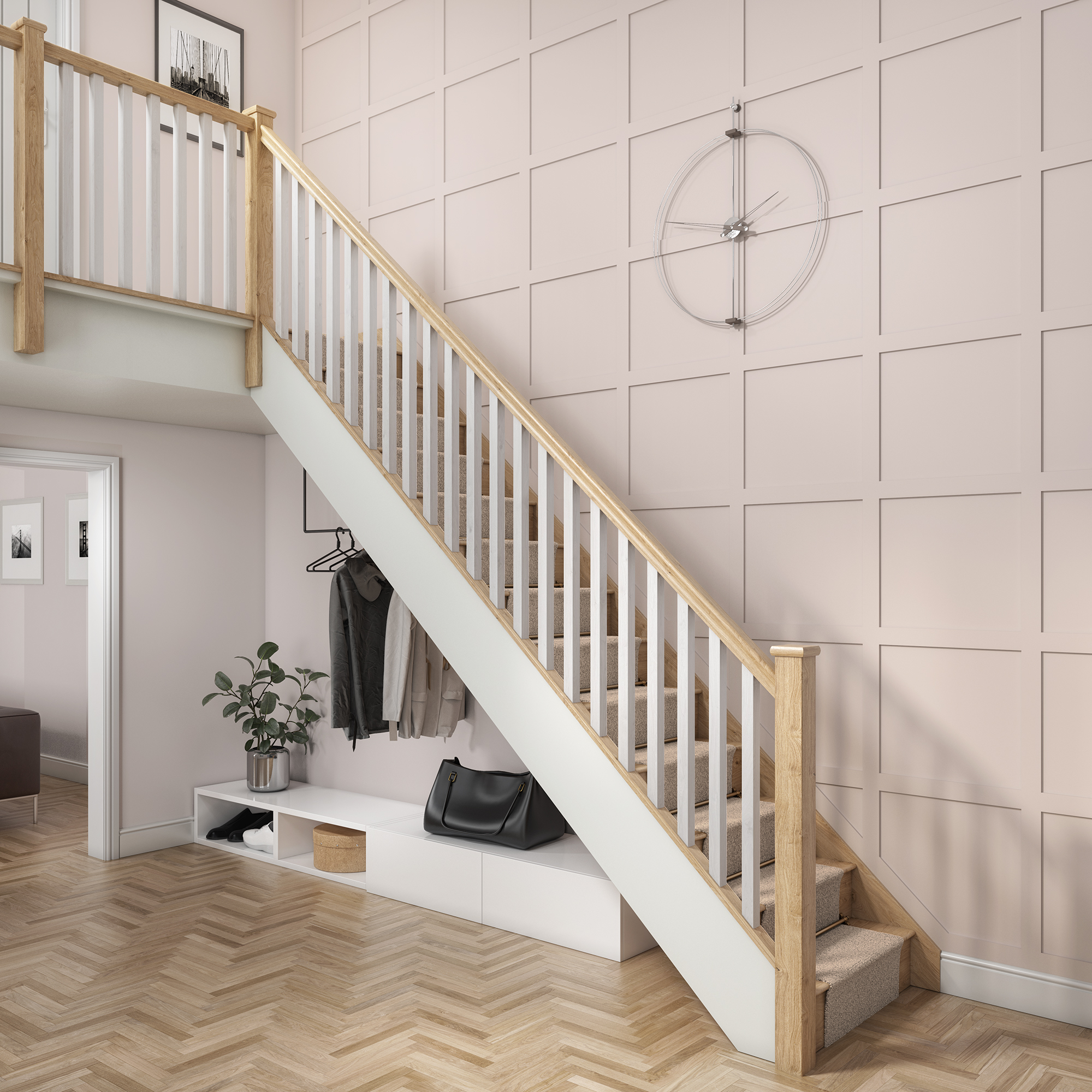
When aiming for a sleek, modern staircase, the details are crucial. Pay close attention to the “stringer,” the support beam on which the treads rest. For a truly minimalist look, consider a single, central steel stringer painted to match the walls, or two very slim stringers on the sides. This creates a much cleaner, more lightweight appearance than a traditional bulky wooden stringer. Also, ensure the connection points between treads and stringer are as clean and invisible as possible for that high-end, seamless finish.
|
📋 Copy HEX 🔗 Share |
A “modern” design can sometimes feel cold or sterile if not balanced with other elements. A staircase made entirely of metal and glass, for example, might look fantastic in a design magazine but can feel unwelcoming in a real family home. It’s important to incorporate warmth through materials like wood for the treads or handrail or to soften the surrounding space with textiles like rugs and comfortable furniture. A purely architectural statement can sometimes come at the cost of day-to-day comfort.
23. Traditional Charm with Wrought Iron and Decorative Risers
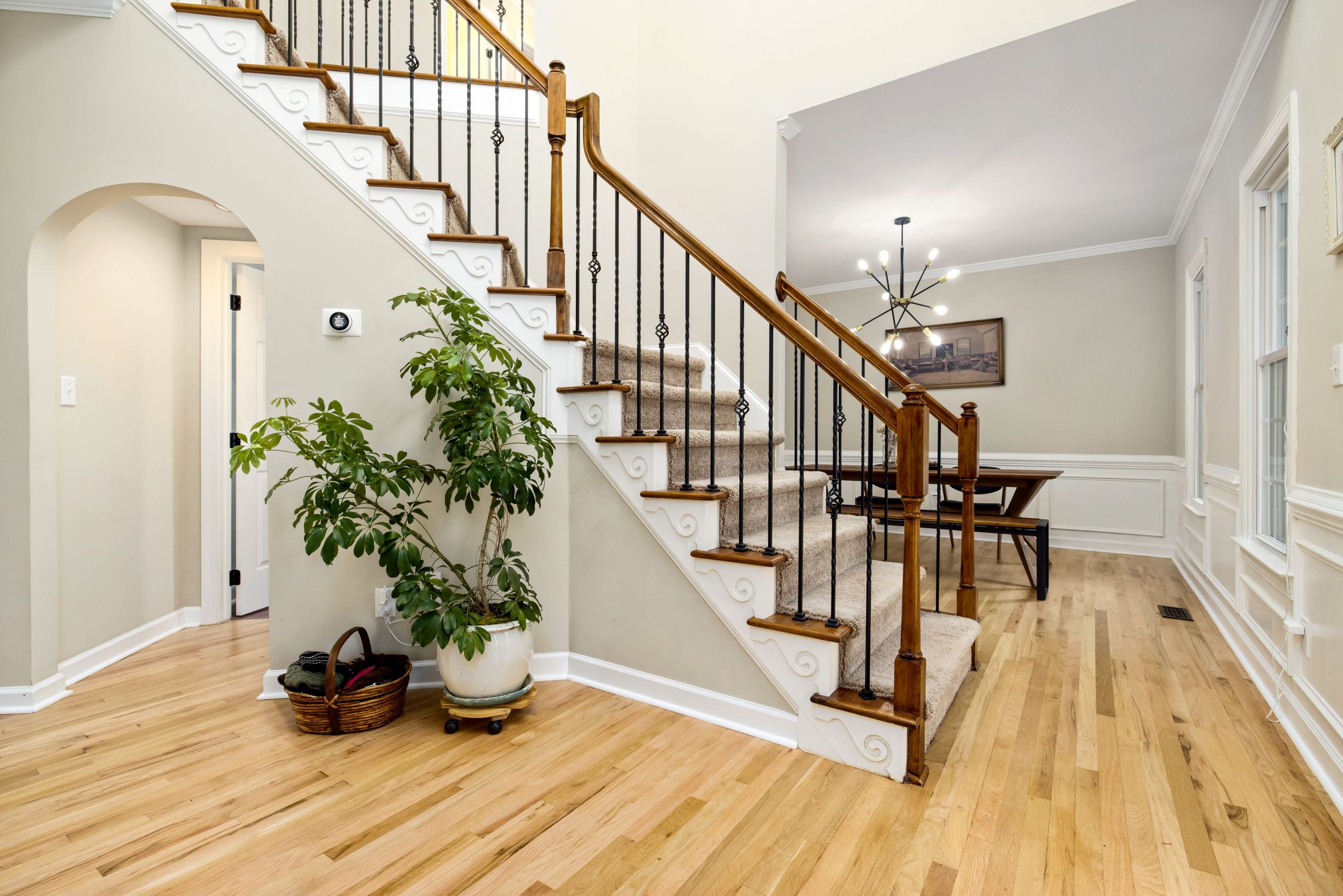
The small detail that elevates this staircase from standard traditional to something special is the decorative scrollwork on the white risers. It’s a subtle touch, but it adds a layer of custom-looking detail and ornamentation. While the wrought iron balusters are beautiful, they are a common feature. The riser detail, however, is less common and shows a higher level of design consideration. It echoes the curves in the ironwork, tying the whole design together in a quiet, elegant way.
|
📋 Copy HEX 🔗 Share |
This look feels custom, but it can be achieved on a budget. The key is using stock parts creatively. You can buy pre-made decorative riser decals or thin, laser-cut PVC appliques online or at specialty woodcraft stores. These can be easily applied to standard white-painted risers. Pair them with affordable stock wrought iron balusters (mixing one or two “twist” or “basket” balusters per step with simpler straight ones) to get that custom pattern look for a fraction of the price of a fully custom job.
24. Vintage Opulence with Ornate Iron and Patterned Carpet
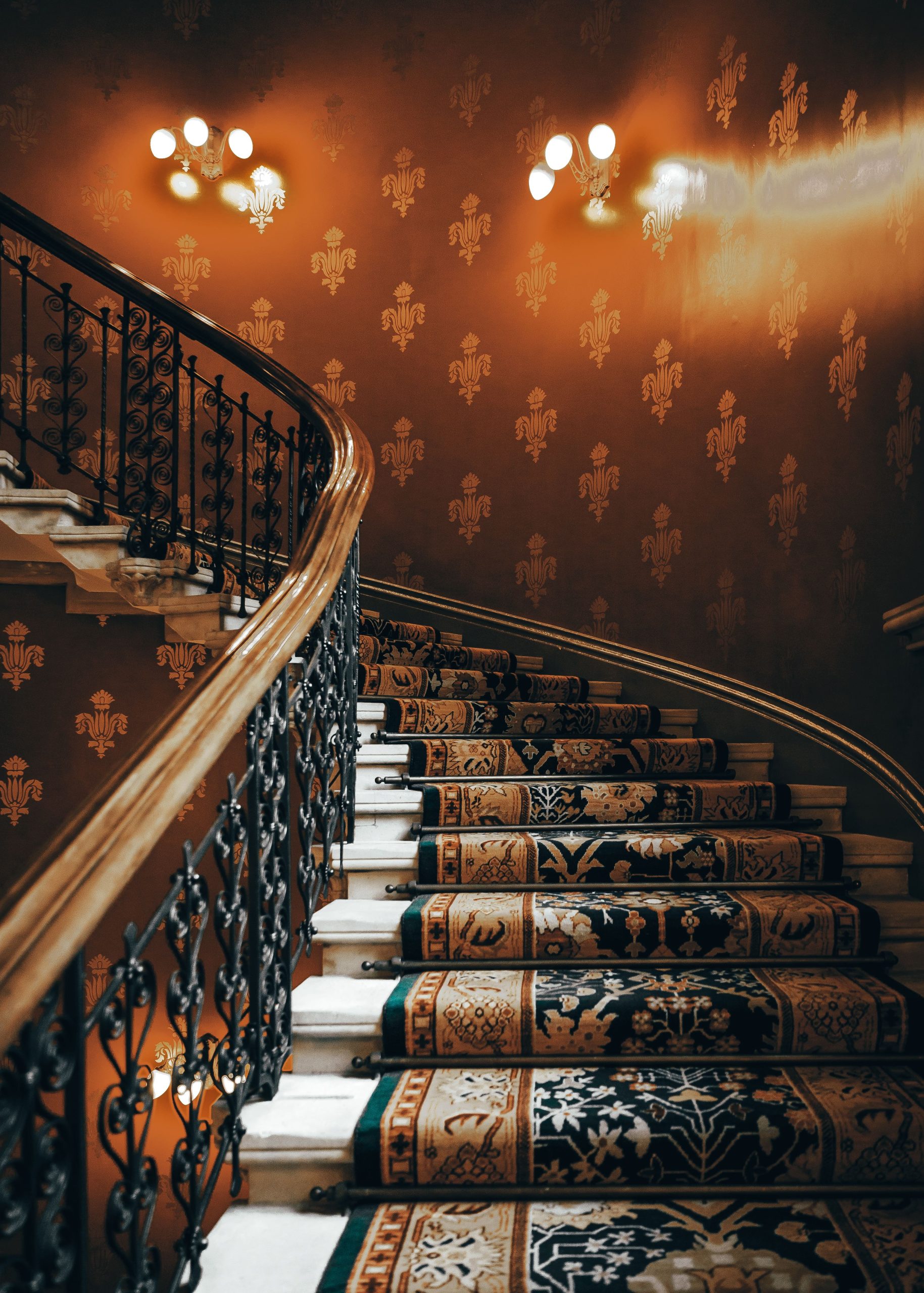
This design is a masterclass in controlled maximalism. It works because it commits fully to its ornate, vintage aesthetic. The key is the consistency of the visual language: the intricate scrollwork in the iron handrail is echoed in the complex patterns of the carpet runner. The richness of the dark wood complements the deep tones in the carpet. Nothing is held back. By layering pattern on pattern and embracing decorative complexity, the design achieves a cohesive and immersive sense of historical grandeur. It’s a go-big-or-go-home approach that succeeds because of its confidence.
|
📋 Copy HEX 🔗 Share |
A deeply patterned, plush carpet runner like this is excellent at hiding dirt and minor stains compared to a solid, light-colored one. However, the intricate patterns can make it difficult to spot smaller issues or damage. Furthermore, the deep pile of the carpet requires a vacuum with strong suction and a reliable beater bar to truly get clean. You should also have it professionally steam cleaned annually ($150-$300) to restore the pile and refresh the colors, especially in a high-traffic area like a main staircase.
25. Classic Curves with a Wainscoting Wall
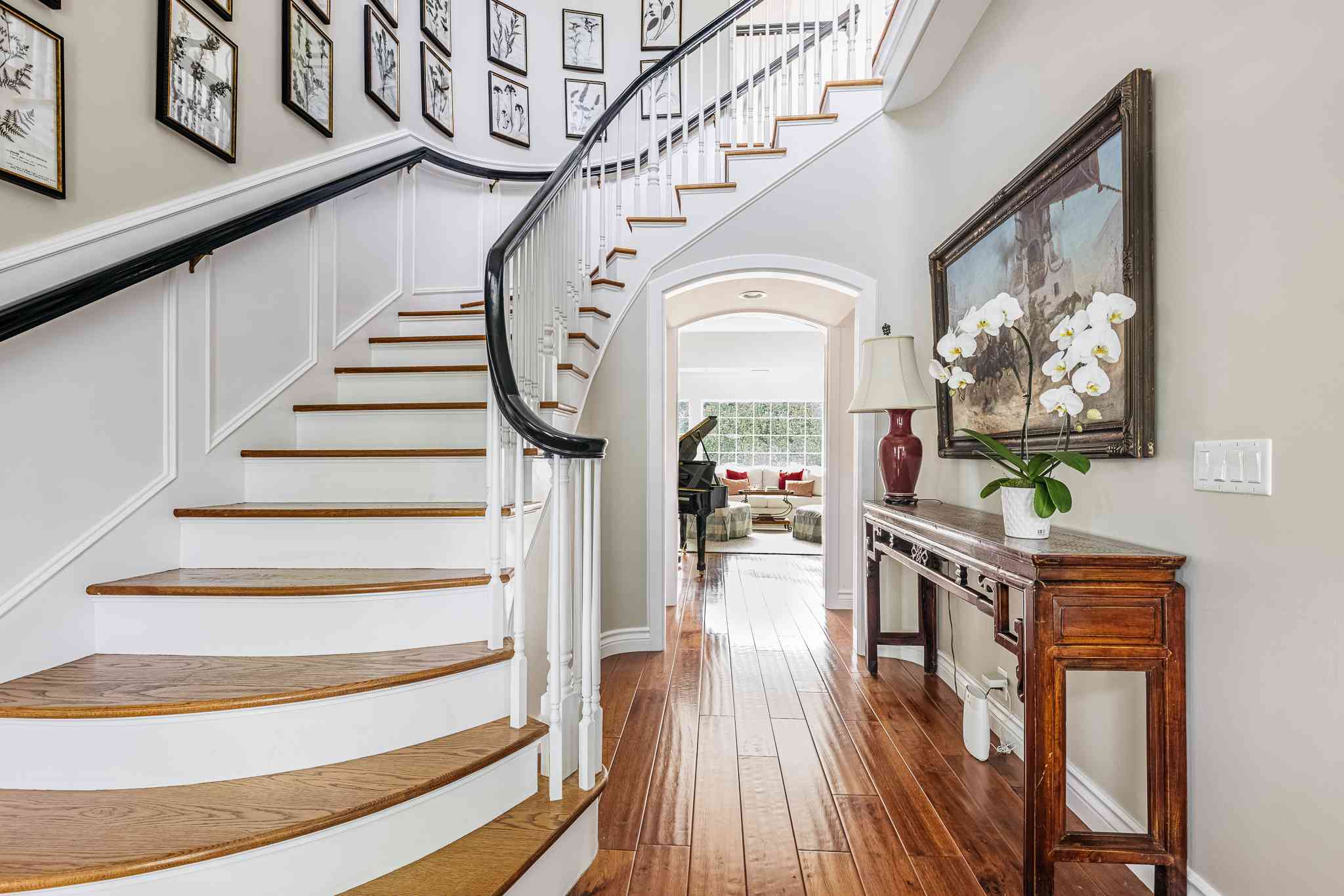
When hanging a gallery wall along a paneled or wainscoted wall, don’t fight the architecture—work with it. Use the panels as natural frames for your artwork. Center smaller pieces within individual panels. For larger pieces, align the top or bottom of the frame with a horizontal rail of the wainscoting. This creates a sense of order and makes the art feel integrated with the wall, rather than just placed on top of it. This approach gives the gallery wall a much more intentional and high-end look.
|
📋 Copy HEX 🔗 Share |
This elegant, classic look adheres to a time-tested formula: 50% Architectural Detail + 40% Natural Wood Tones + 10% Curated Decor. The paneled wainscoting and the classic staircase form (white spindles, dark handrail) provide the strong architectural foundation. The polished wood floors and matching stair treads bring essential warmth and richness. The final 10%—the gallery wall, the slim console table, and the orchid—are the personal touches that bring the space to life and prevent it from feeling like a historical replica.
26. An Asymmetrical Mix of Wood, Metal, and Concrete
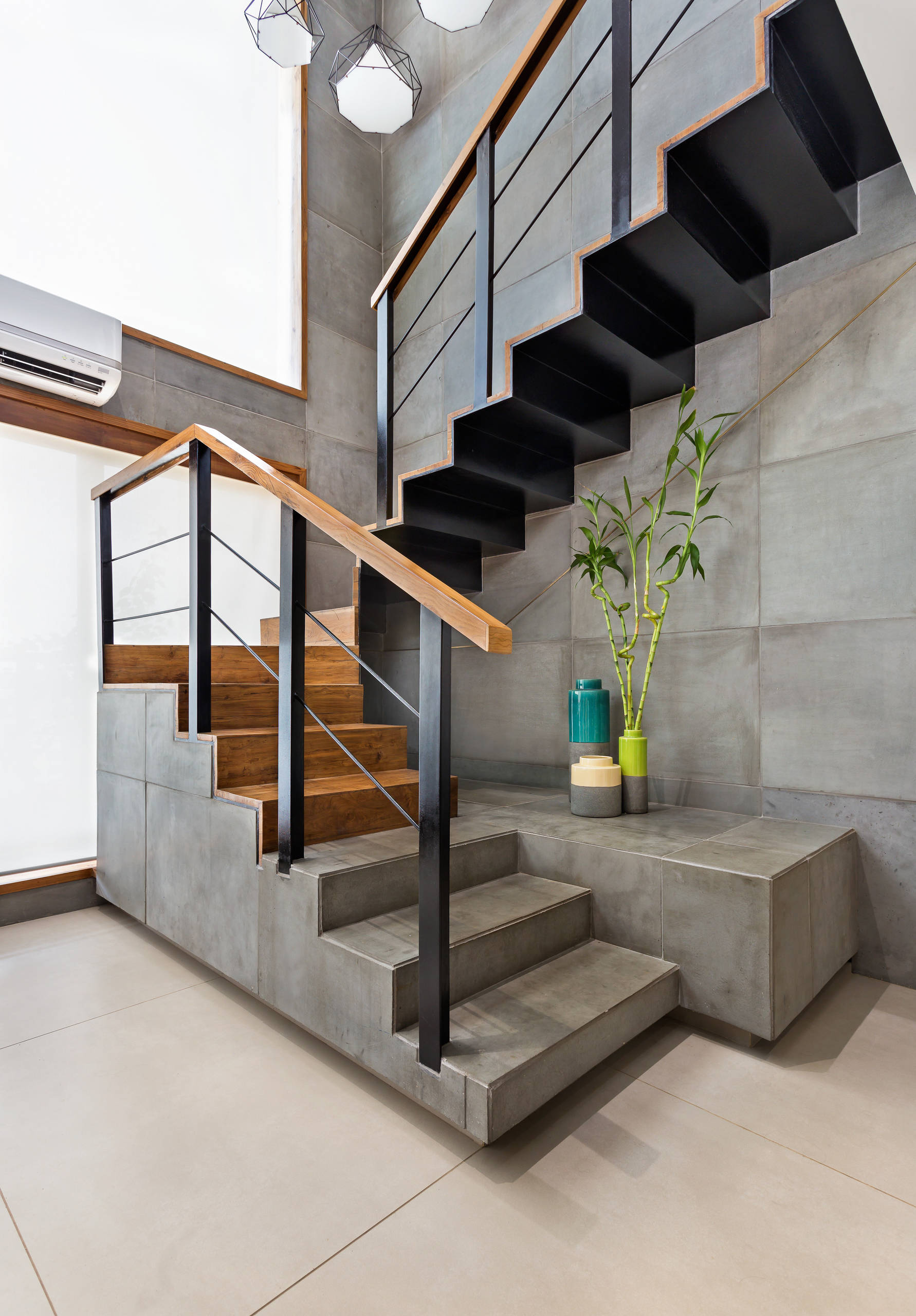
The genius of this design lies in its bold asymmetry and material honesty. The staircase isn’t trying to be a single, uniform object. Instead, it celebrates the different components: the concrete base feels solid and grounded, the wooden treads seem to float above, and the black metal handrail provides a sharp, graphic line. The design intentionally exposes how it’s put together, and this “truth in materials” approach is a hallmark of sophisticated modern and industrial design. It’s interesting from every angle because of its unexpected composition.
|
📋 Copy HEX 🔗 Share |
A staircase this architecturally specific requires careful planning. Here are some things to confirm before you begin:
- Engineering: A design with mixed materials and asymmetrical supports needs a structural engineer to sign off on the plans to ensure it is safe and can bear the necessary loads.
- Material Finishes: Confirm the exact finish for each material. How will the concrete be sealed? What type of varnish will be on the wood? What is the powder-coat finish on the metal? These details are critical to the final look.
- Lighting Plan: With dark walls and materials, a lighting plan is essential. Where will the pendant lights be centered? Will you add recessed lighting to illuminate the treads? Plan this before any electrical work begins.
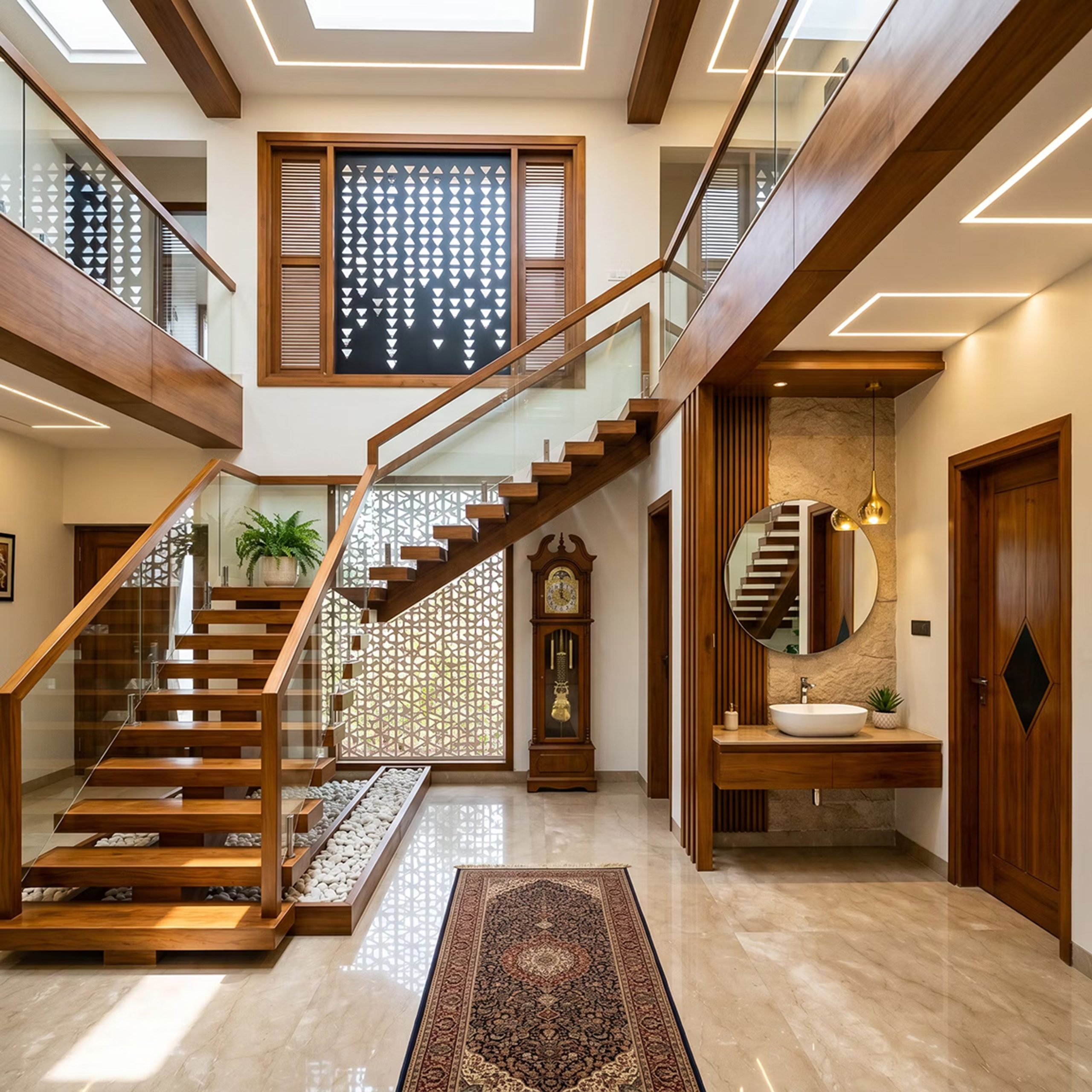
27. Warm Modernism: A Central Floating Staircase with Integrated Lighting
A central floating staircase like this one is a major architectural statement and works best in a home with an expansive, open floor plan. To avoid feeling cramped, the area around the base of the staircase should be at least 8-10 feet wide, allowing for comfortable traffic flow on all sides. This design is particularly effective in spaces that are multiple stories high, as it creates a dramatic vertical element that connects the levels visually. It is less suited for smaller homes where preserving every square foot of floor space is the top priority.
|
📋 Copy HEX 🔗 Share |
When you have a grand, multi-story space like this, lighting is what makes a good design greatDon’t just rely on general overhead lights. This design cleverly incorporates multiple layers. You have the recessed linear lighting in the ceiling that washes down the wall, integrated lighting under the stair treads to guide the way, and accent lighting on the grandfather clock. This “layering” of ambient, task, and accent lighting creates depth, drama, and function. Always plan for at least three types of lighting around a major staircase.
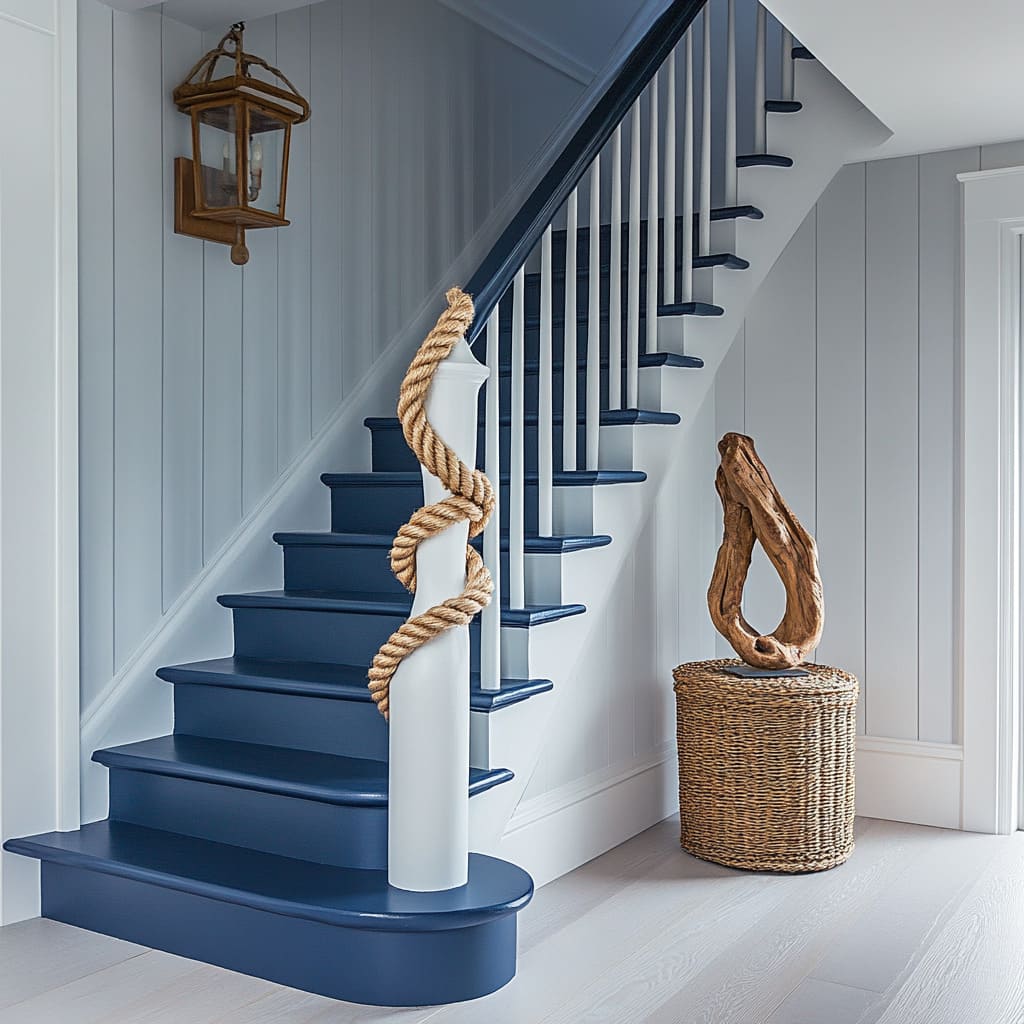
28. A Nautical Navy Blue Staircase with Rope Details
Giving your newel post a nautical wrap is a quick, high-impact DIY. Time: 1 hour. Cost: $20-$40.
|
📋 Copy HEX 🔗 Share |
- Choose Your Rope: Select a natural fiber rope, like jute or manila, about 3/4 to 1 inch in diameter. Measure the height of your newel post and buy about 3-4 times that length to be safe.
- Start at the Top: Secure the end of the rope just under the newel cap with a hot glue gun or a small, discreet pin or nail.
- Wrap Tightly: Begin wrapping the rope downwards, keeping the coils extremely tight and pushing them up against each other so no wood shows through. Add a dab of hot glue every few wraps on the backside to keep it secure.
- Finish It Off: Once you reach the bottom, cut the rope and secure the end firmly with a generous amount of hot glue tucked away on the least visible side.
You can get this charming coastal vibe for less. Painting a staircase is a very budget-friendly project. A quart of high-quality navy porch paint is around $30. Instead of replacing balusters, simply give your existing ones a fresh coat of white paint. The real savings come from the decor. A thick rope from a hardware store is inexpensive, and you can find wicker baskets, driftwood, and lantern-style lighting at thrift stores, Target, or on Facebook Marketplace to complete the look without a high-end budget.
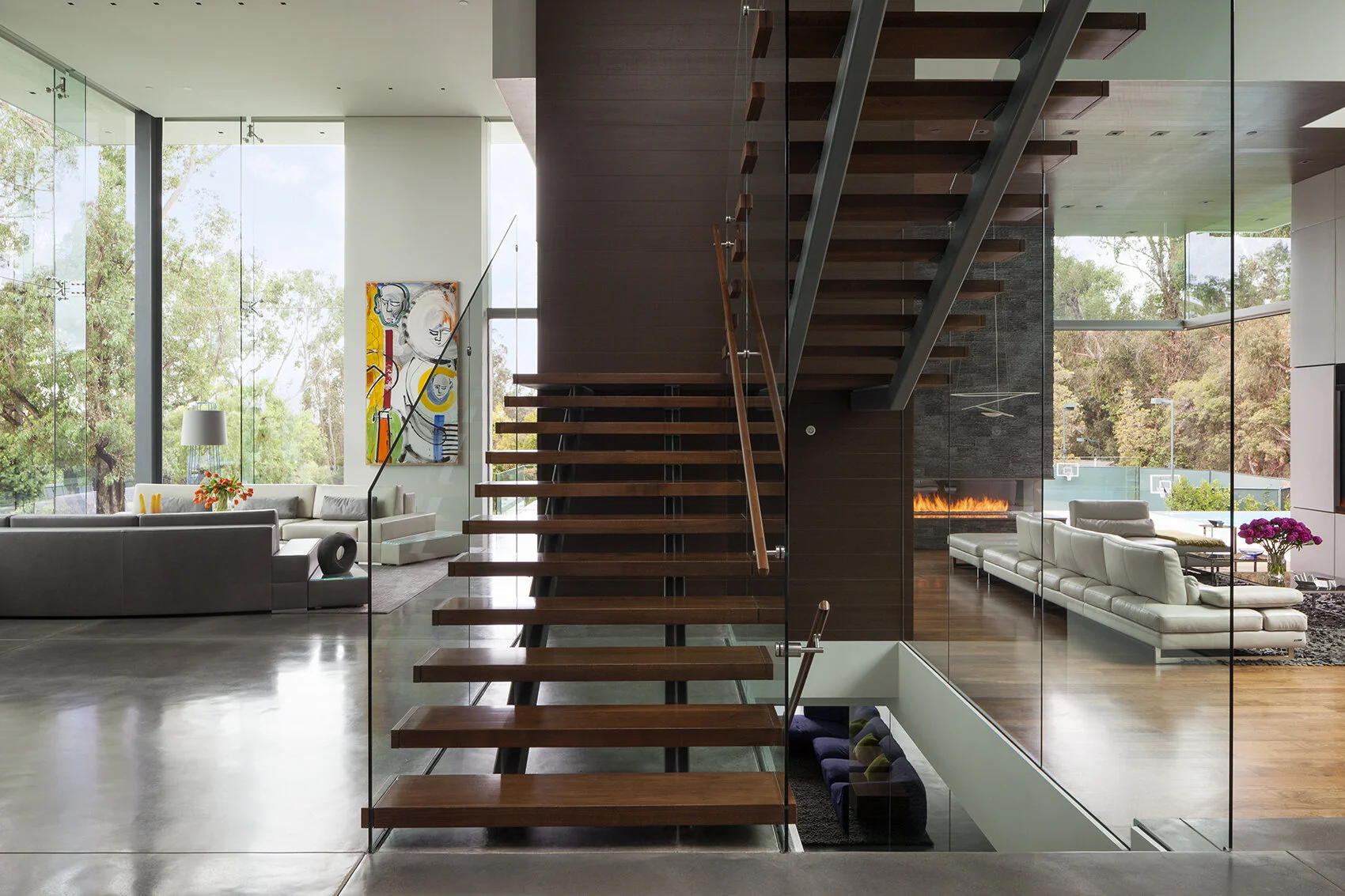
29. Multi-Level Living with a Floating Wood and Glass Staircase
This staircase serves as a brilliant connector in a multi-level open-concept home. Consistent materials—dark wood treads and clear glass railings—create a unified visual language that ties the different floors together across all flights. The transparent glass ensures that even though the staircase is a large structure, it doesn’t block views or light, maintaining the home’s open and airy feel. The horizontal wood paneling on the accent wall adds another layer of linear continuity, guiding the eye smoothly from one level to the next. The similar design in Idea #21 shows how this can work in a smaller space.
|
📋 Copy HEX 🔗 Share |
An open, multi-story design like this is stunning, but it has practical implications. Sound will travel with almost no interruption between floors. A loud movie in the basement living room will be audible in the top-floor bedroom. Similarly, cooking smells will waft throughout the entire house. It also makes heating and cooling less efficient, as the air is constantly mixing between levels. It’s a trade-off: you get incredible visual connection and openness, but you sacrifice acoustic and atmospheric privacy.
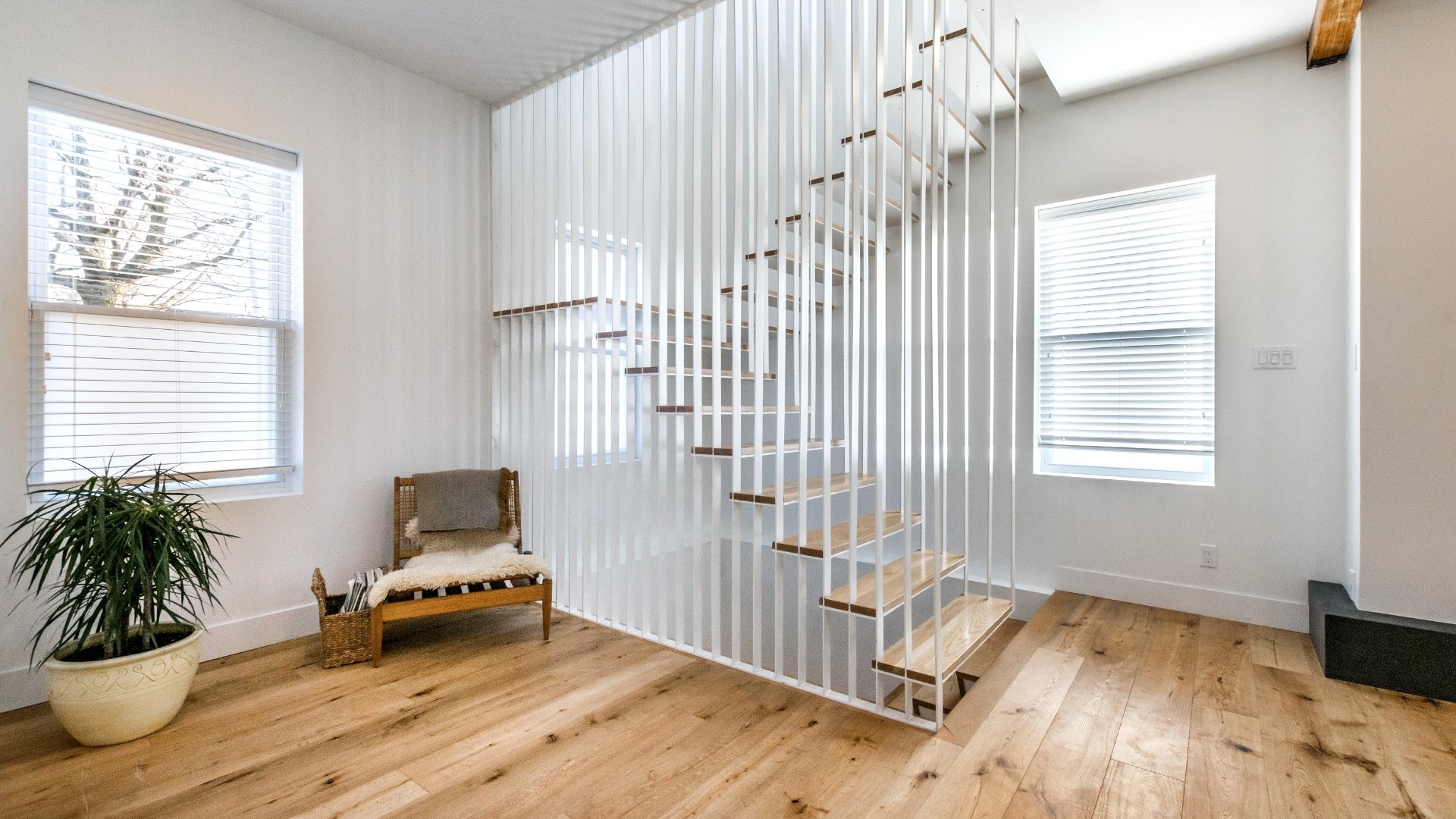
30. Floating Treads Screened by Vertical White Slats
The spacing of the vertical slats is the most critical design decision here. For a light, airy, and modern look, the gap between the slats should be wider than the slats themselves. A 1.5:1 ratio works well here. For example, if you use 2-inch wide slats, a 3-inch gap between them will feel open and spacious. If you make the gaps too narrow, the screen can start to feel heavy and cage-like. As always, ensure the gaps are less than 4 inches to meet safety codes for children.
|
📋 Copy HEX 🔗 Share |
The floor-to-ceiling vertical white slats are, without a doubt, the element that makes this staircase design special. They serve multiple functions at once: they are the safety balustrade, the structural support for the floating treads, and a semi-transparent screen that defines the space without closing it off. They create a beautiful play of light and shadow and a strong sense of rhythm and order. Removing them would leave you with a simple set of floating stairs; with them, you have a piece of functional sculpture.
31. Modern Curves: A Black Metal Balustrade and a Chic Carpet Runner
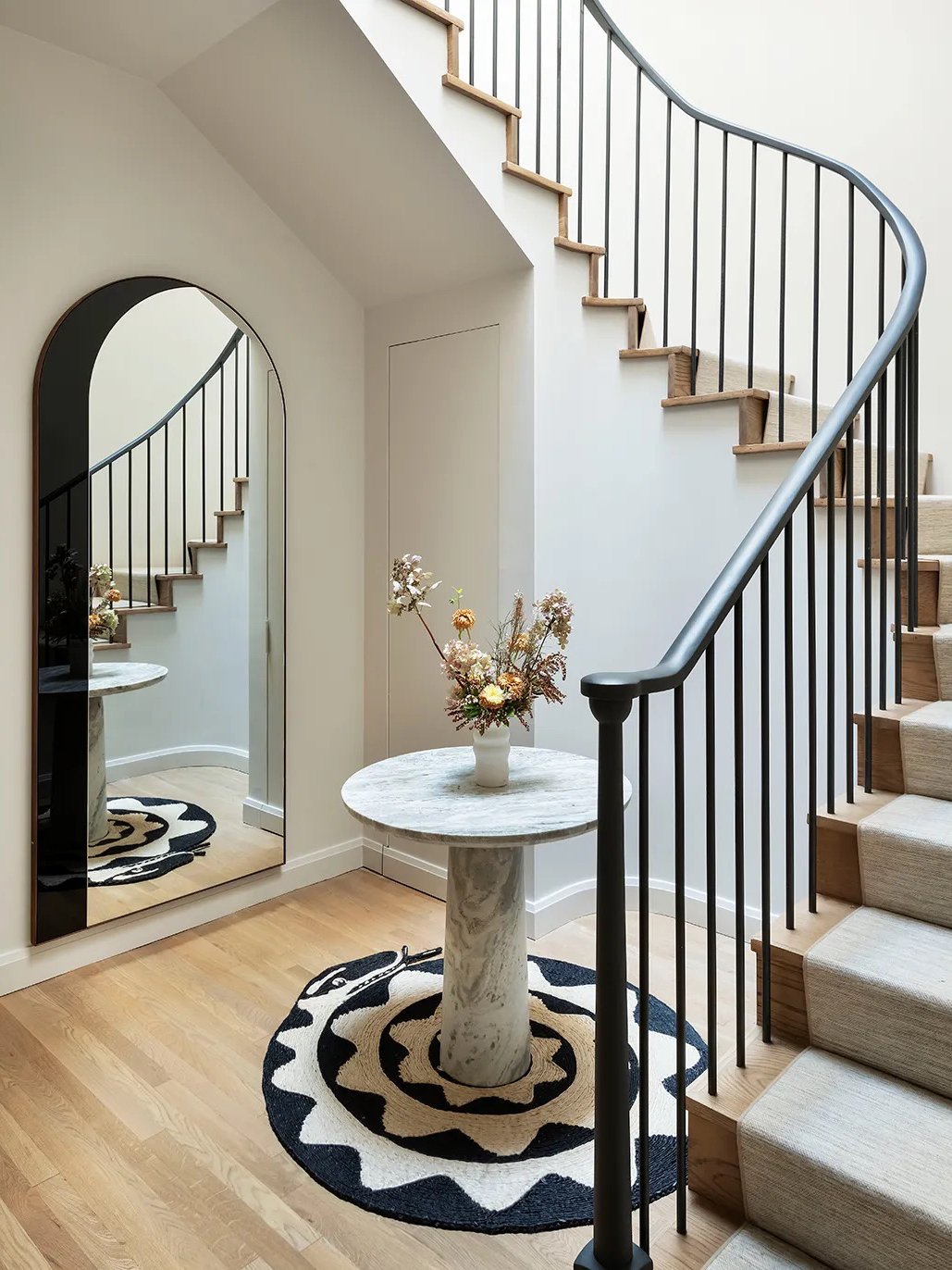
This welcoming modern look is a blend of clean lines and soft textures. The formula is roughly 50% Warm Neutrals (light wood floors, beige carpet runner, white walls) + 30% Graphic Black (balustrade, rug pattern) + 20% Sculptural Shapes (curved staircase, arched mirror, round table). The neutral base keeps it bright and inviting, while the black elements add a necessary dose of modern contrast and definition. The final 20% is all about form—the curves of the staircase and mirror soften the design and make it feel elegant and considered.
|
📋 Copy HEX 🔗 Share |
The design succeeds because it expertly balances curves and straight lines. The gentle curve of the staircase itself softens the strong, rigid black lines of the balustrade. his dialogue is repeated in the decor at the base: the severe arch of the mirror is answered by the soft, round shape of the pedestal table. This repetition of contrasting yet complementary shapes creates a space that feels balanced, dynamic, and visually satisfying. Even the circular rug with its linear pattern plays into this theme.
Conclusion
We hope these 31 ideas have sparked some serious inspiration for your staircase project. Whether you’re planning a full renovation or a simple cosmetic update like painting or adding a runner, the right design can entirely change the flow and feel of your home. Now, head over to your Pinterest board and start creating the staircase of your dreams!