
You know that feeling when you finally find the exterior house color that looks exactly right? It can feel like searching for a needle in a haystack. We’ve been there, endlessly scrolling through inspiration that all starts to look the same. After filtering through hundreds of options from paint giants like Sherwin-Williams and Benjamin Moore, we narrowed it down to 32 ideas that actually deliver a standout look. This isn’t just a list; it’s a curated guide to the best modern farmhouse, classic traditional, and bold contemporary palettes we’re seeing for 2027. And stay until the end—we break down the most common mistakes that can ruin these looks. 📌 Save this to Pinterest for later—you’ll want to revisit these ideas.
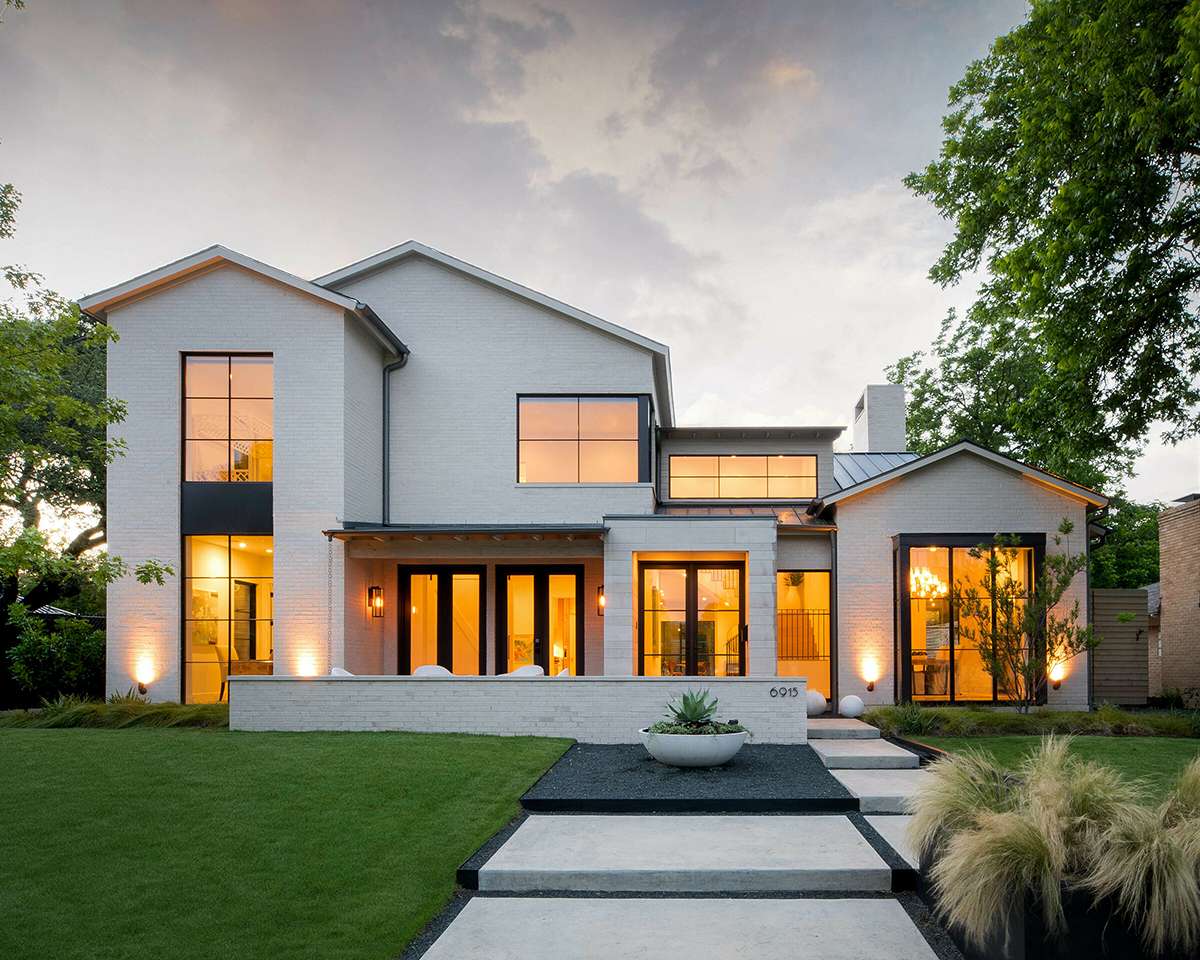
1. Modern White Brick with a Dark Gray Metal Roof
This look is all about clean lines and sharp contrast. The light gray-white brick provides a textured, luminous base that feels both modern and substantial. By pairing it with a dark gray standing seam metal roof and black-framed windows, the architecture gets a graphic, almost illustrative quality. The geometric precision of the window panes and rooflines is softened by the organic shapes of the low succulents and grasses in the landscaping, preventing the design from feeling too sterile.
|
📋 Copy HEX 🔗 Share |
When selecting exterior lighting, think in layers just like you do for interiors. This home uses both uplighting to highlight the texture of the brick at night and focused wall sconces to illuminate pathways. For a cohesive look, ensure all your exterior fixtures are from the same collection or share a finish (like the matte black seen here). Place uplights approximately 12-18 inches from the base of the wall to create dramatic grazing shadows that emphasize texture.
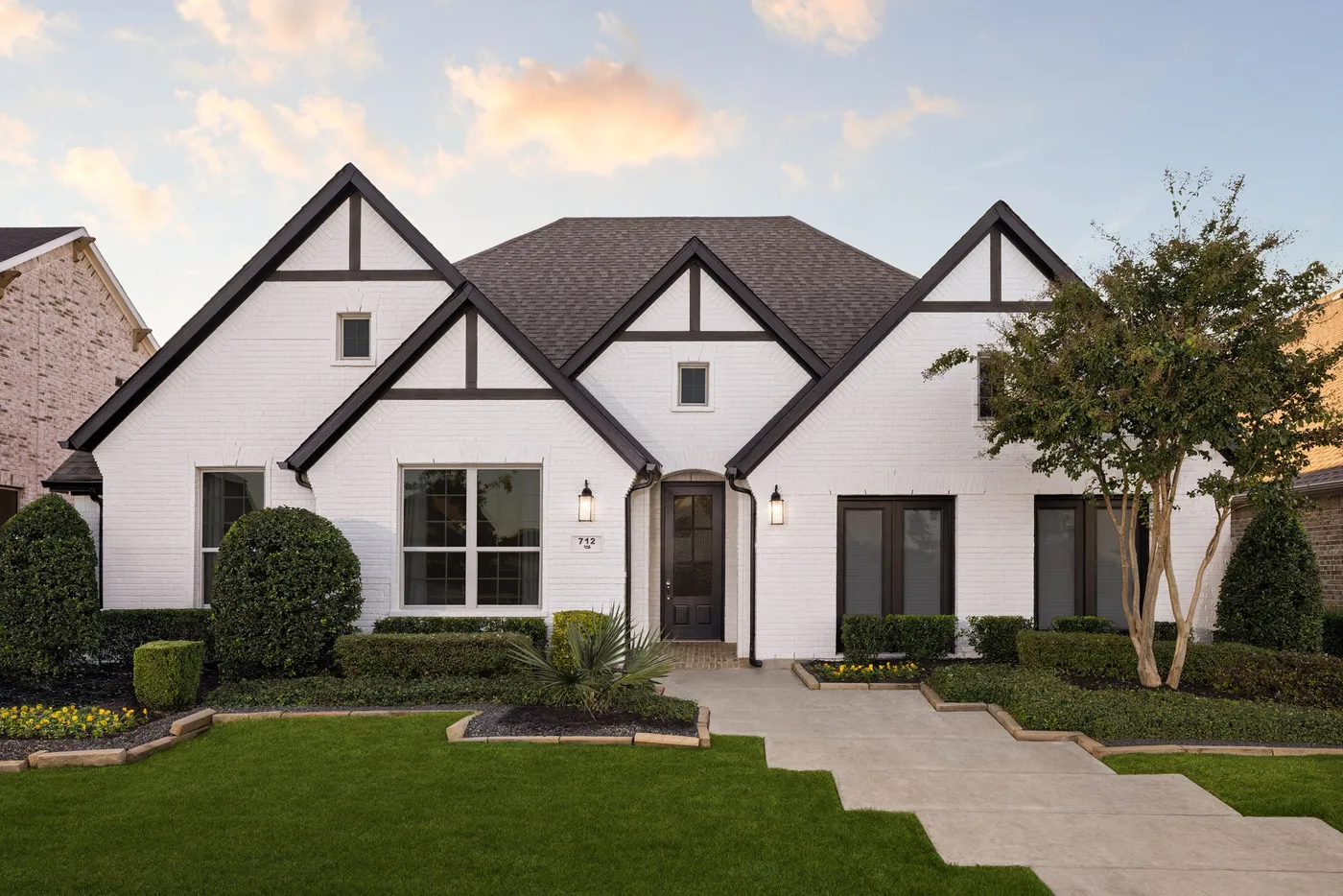
2. Crisp White Brick with High-Contrast Gable Trim
The formula here is simple but incredibly effective: 70% classic base + 30% modern contrast. The white painted brick and traditional roof shape make up the classic majority. The bold, dark brown or black trim, applied to the gables and roofline, injects that crucial 30% of modernity. This high-contrast approach is what gives the modern farmhouse aesthetic its signature punch. You could swap the white brick for a light gray siding and the black trim for a deep navy and still achieve the same balanced, eye-catching effect.
|
📋 Copy HEX 🔗 Share |
Painting brick is a major commitment. While the clean white look is stunning, it’s not a simple DIY job and requires specific preparation and paint (typically a mineral-based or silicate paint) to allow the brick to breathe. If not done correctly, moisture can get trapped, leading to paint failure and potential damage to the brick and mortar. Also, once painted, you can’t easily go back to natural brick. Expect to repaint every 7-10 years to keep it looking fresh.
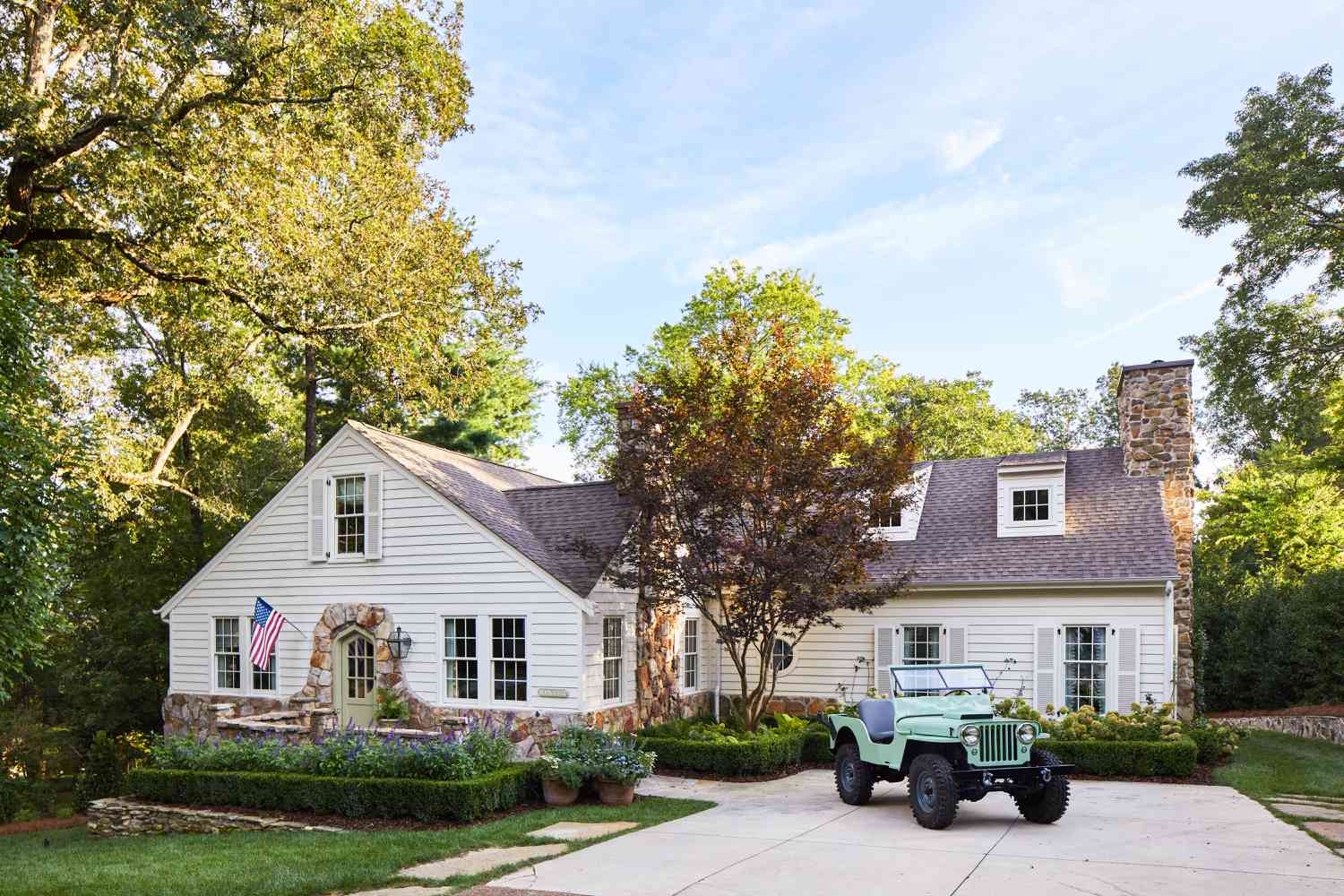
3. Timeless White Siding Paired with a Natural Stone Facade
The single element holding this entire design together is the multi-toned natural stone. Without it, you’d have a pleasant but fairly standard white house. The stone facade grounds the home, adding texture, history, and a crucial link to the natural landscape. It provides the visual weight at the base, allowing the crisp white siding on the upper level to feel light and airy. The stone’s varied colors also provide a perfect palette for the other accents, like the light gray shutters and dark gray roof.
|
📋 Copy HEX 🔗 Share |
Natural stone veneer is a significant investment. For a similar feel on a tighter budget, look into high-quality manufactured stone veneer, which can cost 30-50% less. You can find surprisingly realistic options at big box stores like Home Depot. Another strategy is to limit the stone to a single, high-impact area, like just the foundation line or the columns of a front porch, and use siding elsewhere. This gives you the textural benefit without the full-facade price tag.
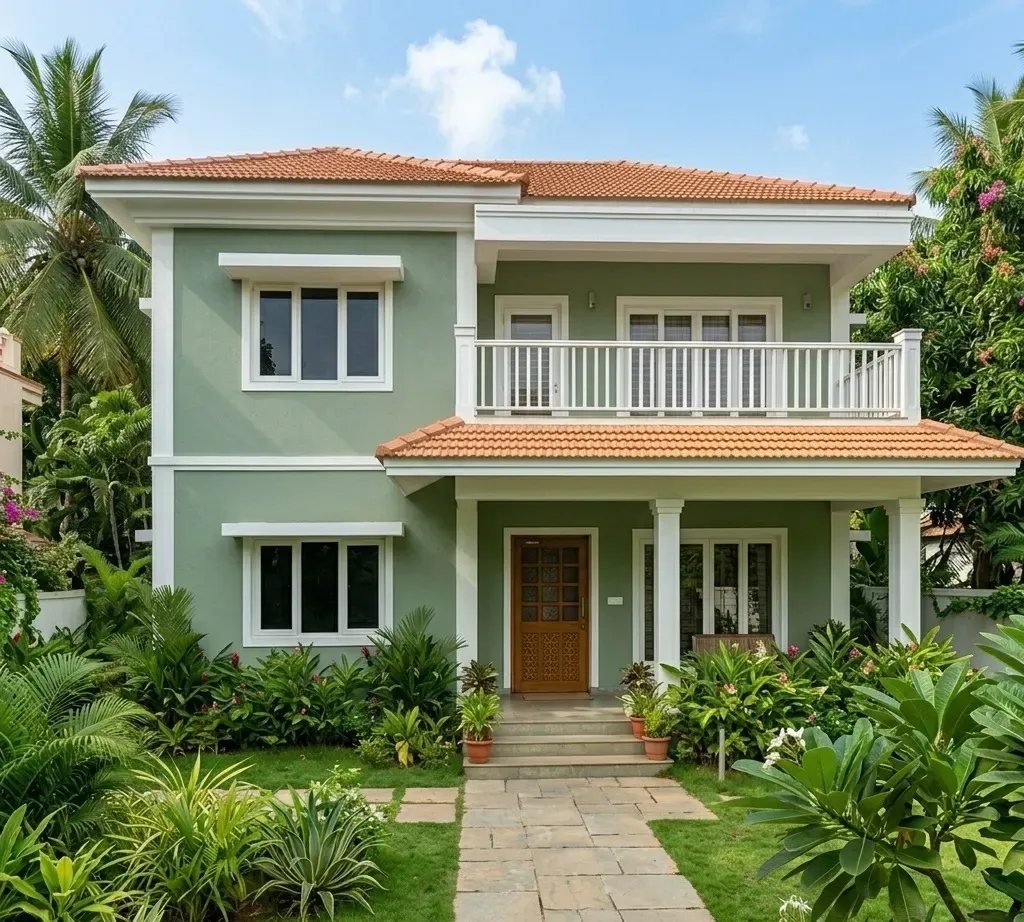
4. Serene Sage Green Siding with a Terracotta Tile Roof
Earthy, nature-inspired palettes are a huge trend, and this combination is a perfect example of why. Sage green has become a go-to neutral for homeowners tired of gray and beige. It feels calming and connects the home to its surrounding landscape. Paired with the warmth of terracotta roof tiles, the look is both fresh and timeless, leaning into a Mediterranean or Tuscan vibe that feels effortlessly chic. It’s a color scheme that works with its environment rather than competing against it.
|
📋 Copy HEX 🔗 Share |
When choosing a green for your exterior, always test a large sample swatch on the wall. A green that looks perfect and subtle on a small paint chip can become shockingly bright when viewed in full sun across a large surface. Buy a quart of your top two choices and paint a 4×4 foot square on a side of the house that gets direct sun and another on a side that’s mostly in shade. Live with it for a few days before making a final decision.
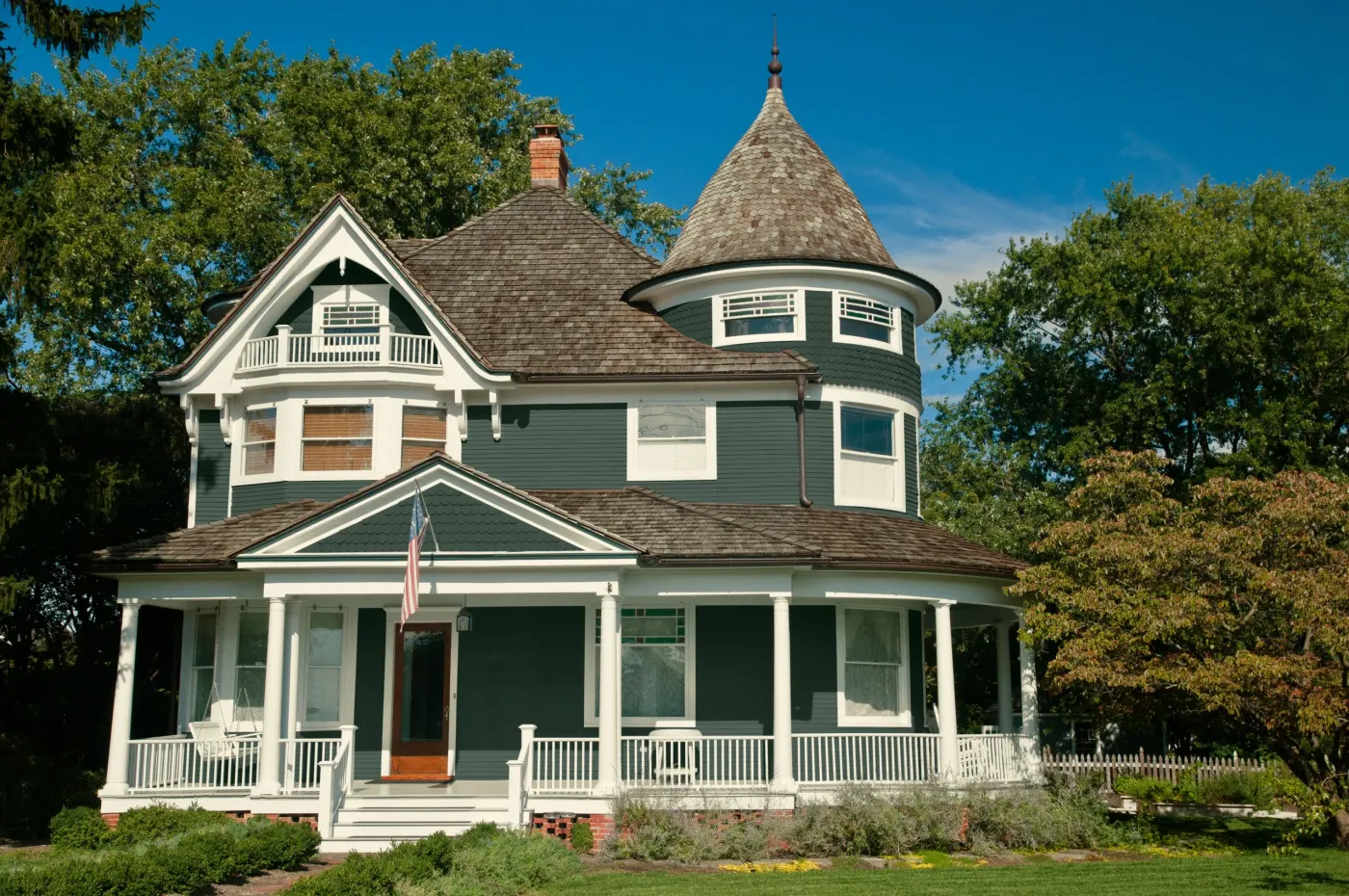
5. Deep Green Victorian with Scalloped Shingles and White Trim
This home is a masterclass in using texture to create interest. The combination of horizontal siding on the main body and scalloped shingles in the gables and on the turret adds incredible depth and character. This textural variety is a hallmark of Victorian design, and it’s what keeps the single color (deep green) from feeling flat. The crisp white trim acts like an outline, highlighting the home’s intricate architectural details—the bay windows, porch columns, and decorative railings—so nothing gets lost.
|
📋 Copy HEX 🔗 Share |
A home with this much intricate detail requires serious upkeep. The wood siding, scalloped shingles, and decorative trim all have seams, edges, and surfaces that need regular inspection for peeling paint, rot, or insect damage. Expect a significantly higher cost for repainting compared to a simple modern home, as the detailed prep work and cutting-in around all that white trim are labor-intensive. A full professional repaint on a house this size could run well over $15,000.
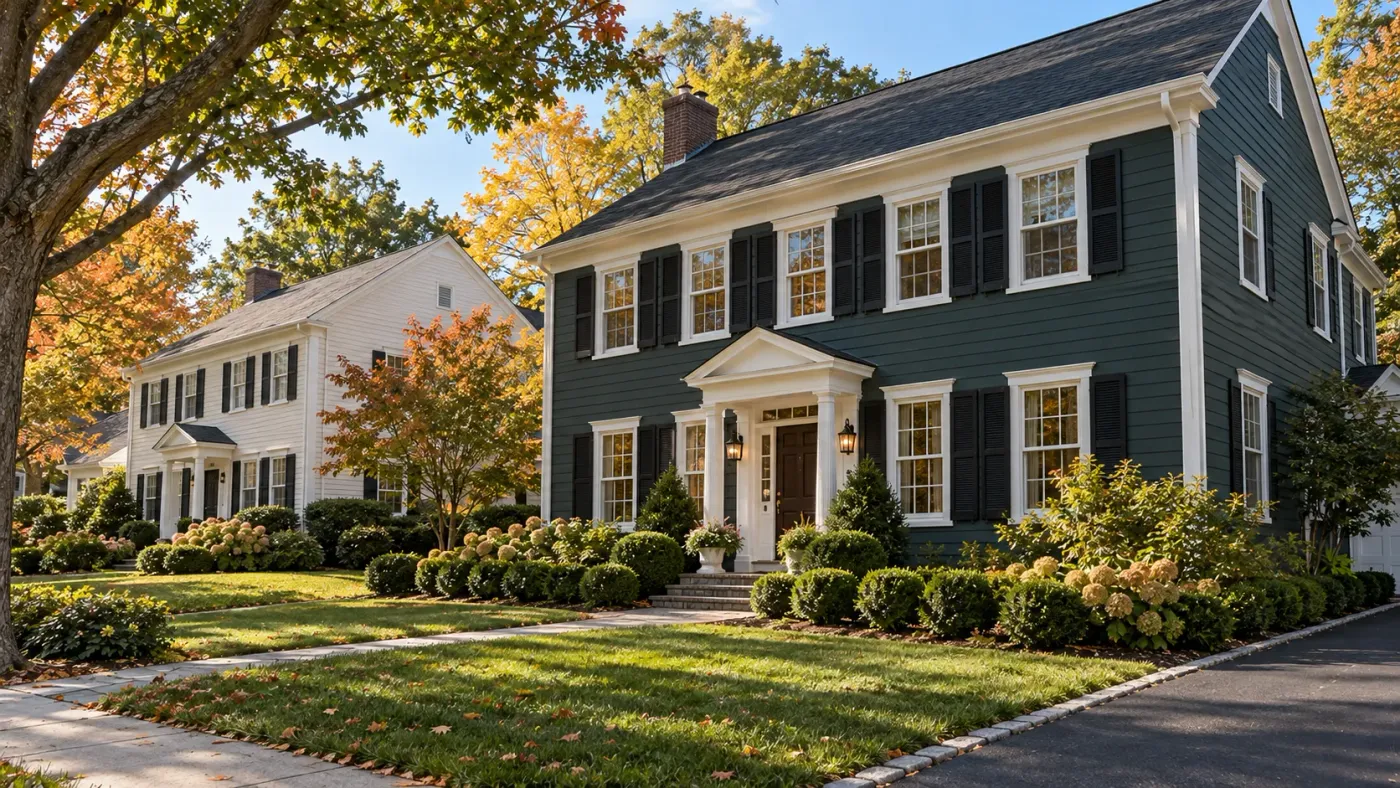
6. Classic Colonial in Dark Teal with Black Shutters
The color recipe for this timeless look is a study in balance: 60% sophisticated main color (dark teal siding), 30% crisp neutral (white trim and portico), and 10% grounding accent (black shutters). This formula ensures the house feels classic and stately, not trendy or overwhelming. The dark wood door and brass lanterns fall into that 10% accent category, adding warmth and a touch of elegance. You could easily swap the teal for a deep navy or charcoal and maintain the same powerful, balanced aesthetic.
|
📋 Copy HEX 🔗 Share |
The white portico is the undeniable star here. It does more than just frame the front door; it gives the entire facade a sense of grandeur and historical significance. Without this strong architectural element, the house would be a simple, pleasant colonial. With it, the entry becomes a formal, welcoming focal point that elevates the home’s entire presence from the street. The columns add a classical rhythm and a sense of permanence that anchors the design.
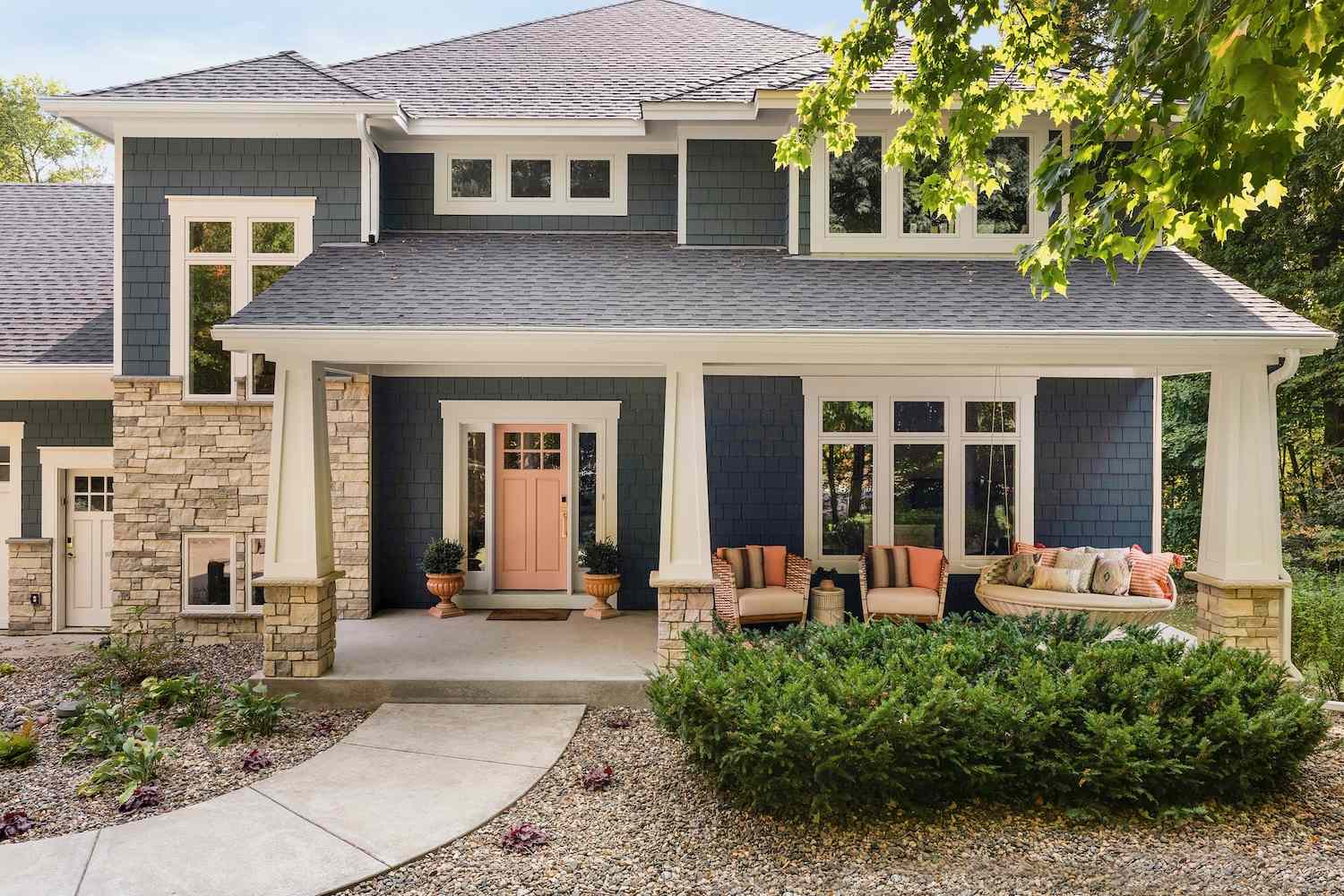
7. Dark Blue Shingles Paired with a Salmon Pink Front Door
What makes this color scheme so successful is the masterful use of complementary colors and texture. The dark blue siding and the salmon pink door sit on opposite sides of the color wheel, creating a vibrant, energetic pop that immediately draws your eye. The texture of the shingle siding adds a layer of shadow and depth that a flat siding wouldn’t have, while the light-colored stone facade provides a neutral, earthy buffer between the bold siding and the ground, keeping the whole look balanced.
|
📋 Copy HEX 🔗 Share |
A bold front door color is fantastic, but be prepared for it to fade, especially if it gets direct afternoon sun. Vibrant colors like pinks, reds, and yellows are more susceptible to UV degradation than more muted tones. To keep it looking fresh, you may need to apply a fresh coat of paint every 2-3 years. Using a high-quality exterior paint with UV inhibitors is absolutely essential. Consider it a small bit of maintenance for a whole lot of personality.
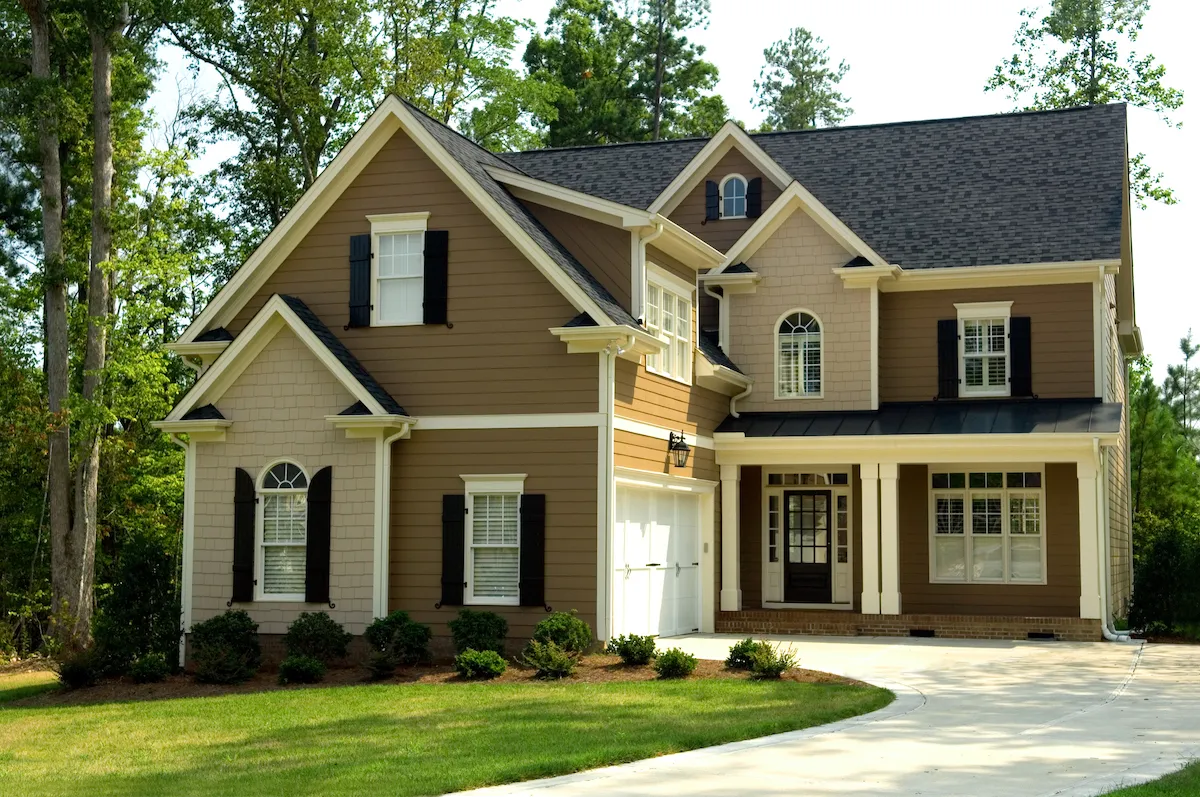
8. Two-Story Traditional with Warm Brown and Beige Siding
When combining two different siding styles or colors on one house, the key is to follow the architecture. Here, the light beige shingle siding is used on the gabled, projecting sections of the house, while the warm brown horizontal siding covers the main body. This technique adds dimension and highlights the home’s structural form. A good rule of thumb is to use the lighter color or more detailed texture (like shingles) on the parts of the facade you want to bring forward visually.
|
📋 Copy HEX 🔗 Share |
The cost of siding can vary dramatically. To get this look for less, consider using vinyl siding, which is significantly more affordable than fiber cement or wood. You can find options that mimic both horizontal planks and shingle textures. Focus the budget on a high-quality front door and new, modern house numbers. These small, high-impact details can make the whole exterior feel more expensive and intentional, even if the primary material is budget-friendly.
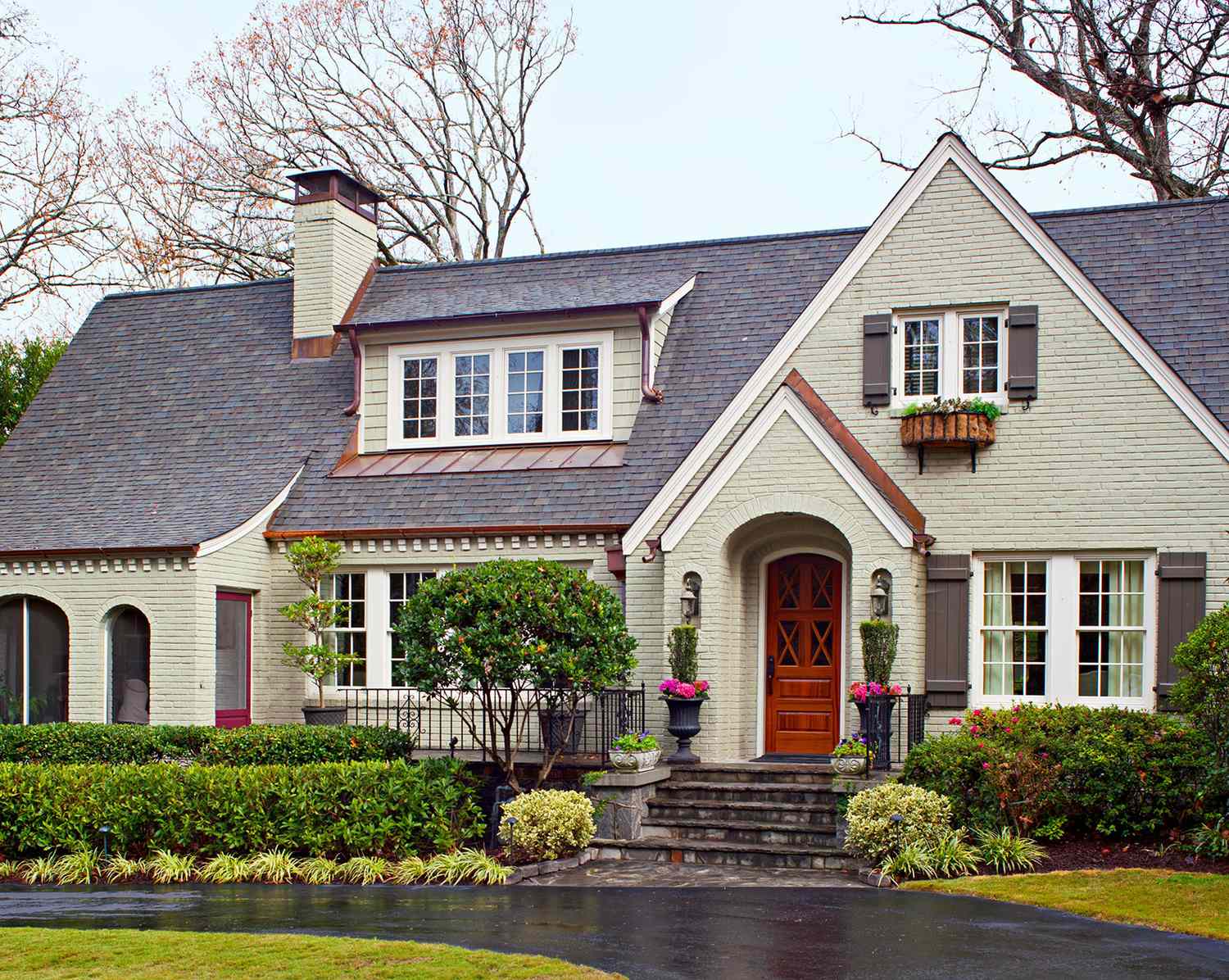
9. Sage Green Brick Traditional with a Rich Brown Door
The copper gutters are the secret ingredient that makes this entire color palette sing. While the sage brick, dark roof, and brown door are lovely on their own, the warm, metallic glint of copper adds a layer of luxury and refinement that nothing else could. It picks up the warm tones in the brown wooden door and contrasts beautifully with the cool sage green brick. Over time, the copper will develop a beautiful green patina, further connecting it to the main house color.
|
📋 Copy HEX 🔗 Share |
Copper gutters are stunning, but they come with a high price tag and some specific considerations. They are significantly more expensive than aluminum or vinyl—often 3 to 4 times the cost. They also require specialized installation. While durable, they can be a target for theft in some areas due to the value of the metal. If you love the look but not the price, consider using copper on a small, highly visible section, like over the front entryway, and a more standard material elsewhere.
10. White Stucco and Natural Stone with an Arched Wood Door
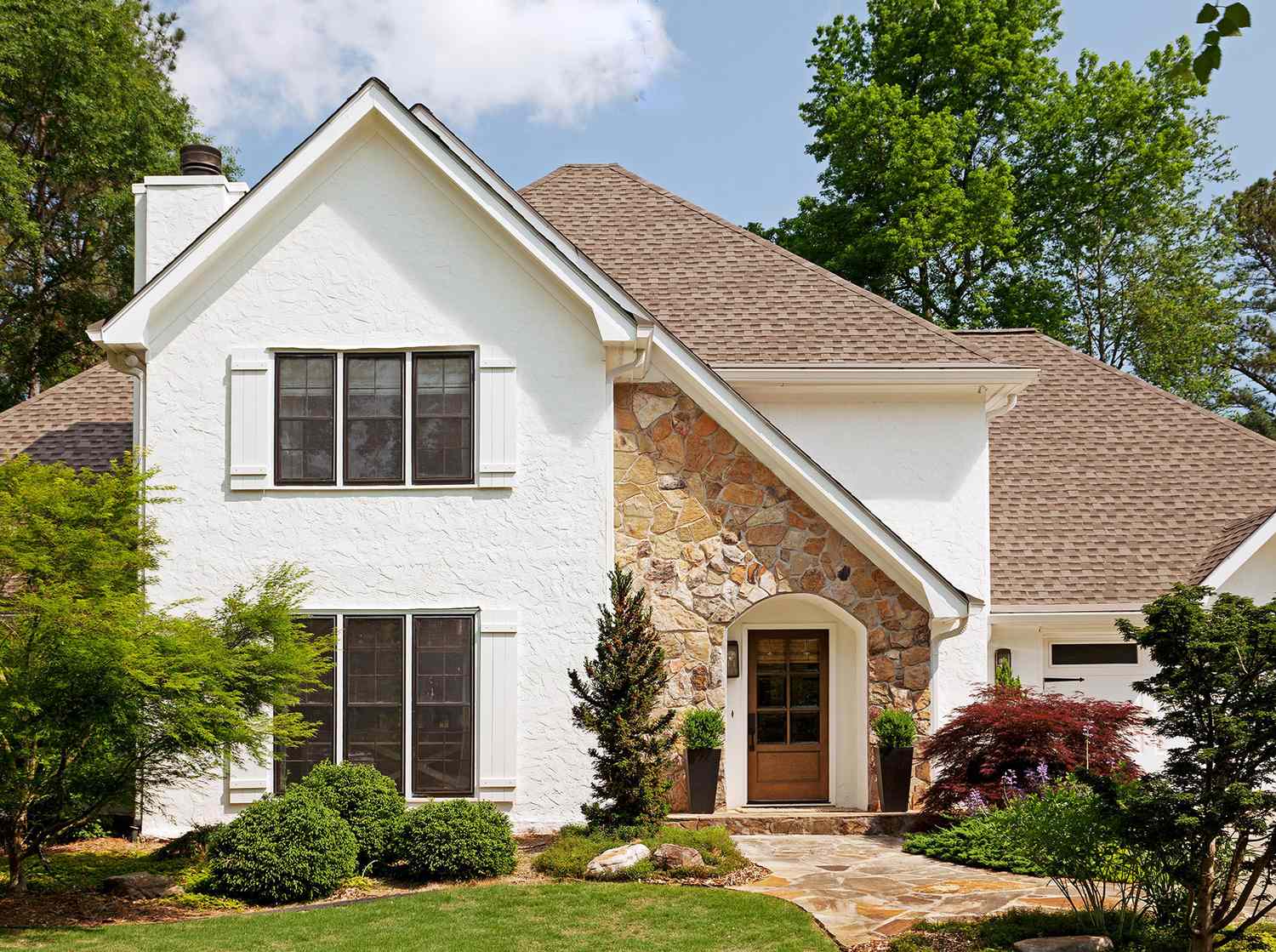
This exterior design works because of its confident blend of textures. The smooth, bright white stucco provides a clean canvas, which makes the rugged, irregular stone facade feel even more impactful and organic. The arched wooden door softens the geometry of the roofline and windows, adding a welcoming, traditional touch. This balance—smooth vs. rough, light vs. dark, straight vs. curved—creates a dynamic and visually interesting exterior that feels both classic and fresh. For a similar feel, check out the stone and siding mix in Idea #3.
|
📋 Copy HEX 🔗 Share |
A multi-material facade like this thrives on a larger home. This approach is best suited for houses that are at least 2,500 square feet with a two-story elevation. On a smaller, single-story home, the combination of stucco, stone, and a prominent arched door can feel too busy and visually overwhelming. You need enough surface area for each material to have its own space to breathe and make a statement without crowding the others.
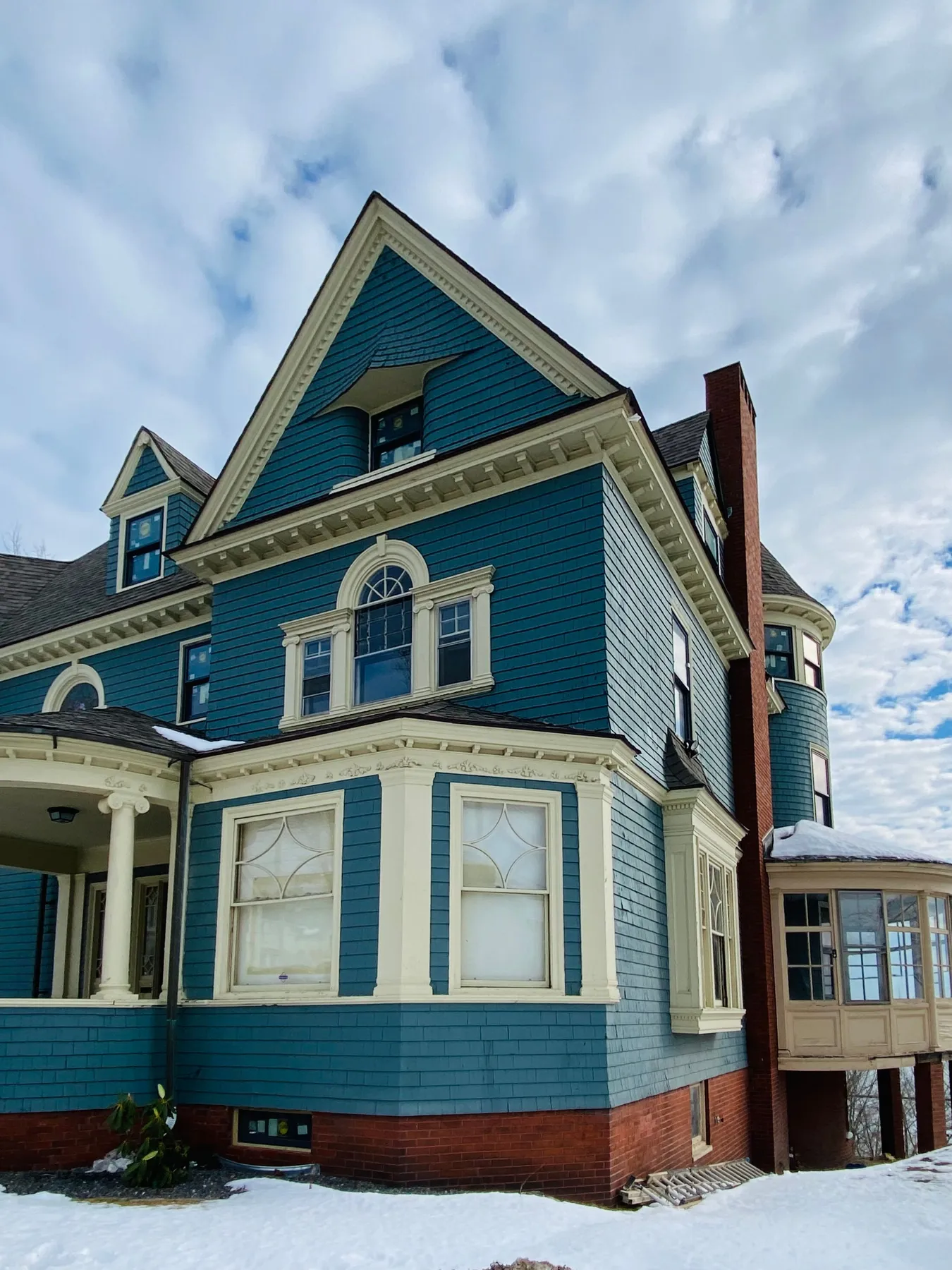
11. Teal Blue Victorian with a Classic Red Brick Foundation
We’re seeing a major resurgence of bold, historical color palettes, moving away from the all-gray-everything trend of the 2010s. Homeowners are embracing color that tells a story, and this teal and red brick combination is a perfect example. It’s a nod to authentic Victorian color schemes, which were anything but shy. This look feels current because it’s confident and unique, standing out in a sea of safe neutrals. It shows a commitment to preserving and celebrating architectural character.
|
📋 Copy HEX 🔗 Share |
Choosing a vibrant color like this beautiful teal is exciting, but it can be a polarizing choice if you’re thinking about resale value in the near future. While unique homes often find buyers who love them, a bold color can narrow the potential buyer pool compared to a more neutral option like white, gray, or a muted green. If you plan to stay in the home for many years, choose what you love! If you might sell in the next 3-5 years, it’s something to consider.
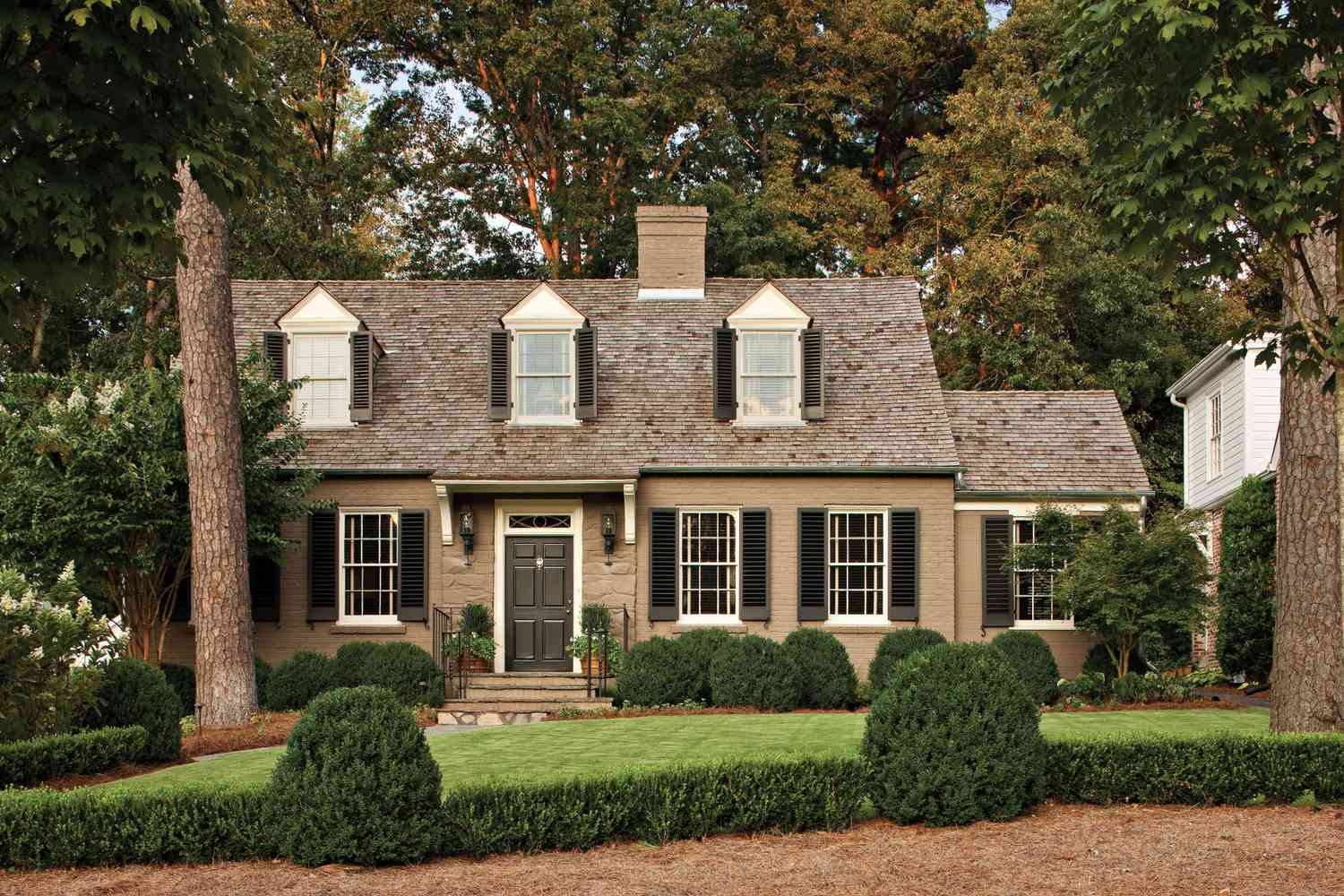
12. Traditional Taupe Brick with a Natural Wood Shingle Roof
The natural wood shingle roof is the defining feature of this home. In an age of asphalt and metal, a genuine wood roof has an unmatched texture and warmth. It connects the stately brick house to the natural world, giving it an organic, established quality. The subtle variations in the wood’s color—from warm browns to weathered grays—add a layer of complexity that complements the simple taupe brick and dark gray shutters perfectly. It’s a choice that signals craftsmanship and a commitment to timeless materials.
|
📋 Copy HEX 🔗 Share |
A natural wood shingle roof is one of the most expensive and high-maintenance roofing options available. It requires regular treatments to prevent moss, mildew, and rot, and it has a higher fire risk than other materials (though treatments can mitigate this). Depending on the climate and type of wood (cedar is common), you can expect a lifespan of 20-30 years, but it requires diligent upkeep. For a similar look with less maintenance, consider high-end composite shingles designed to mimic weathered wood.
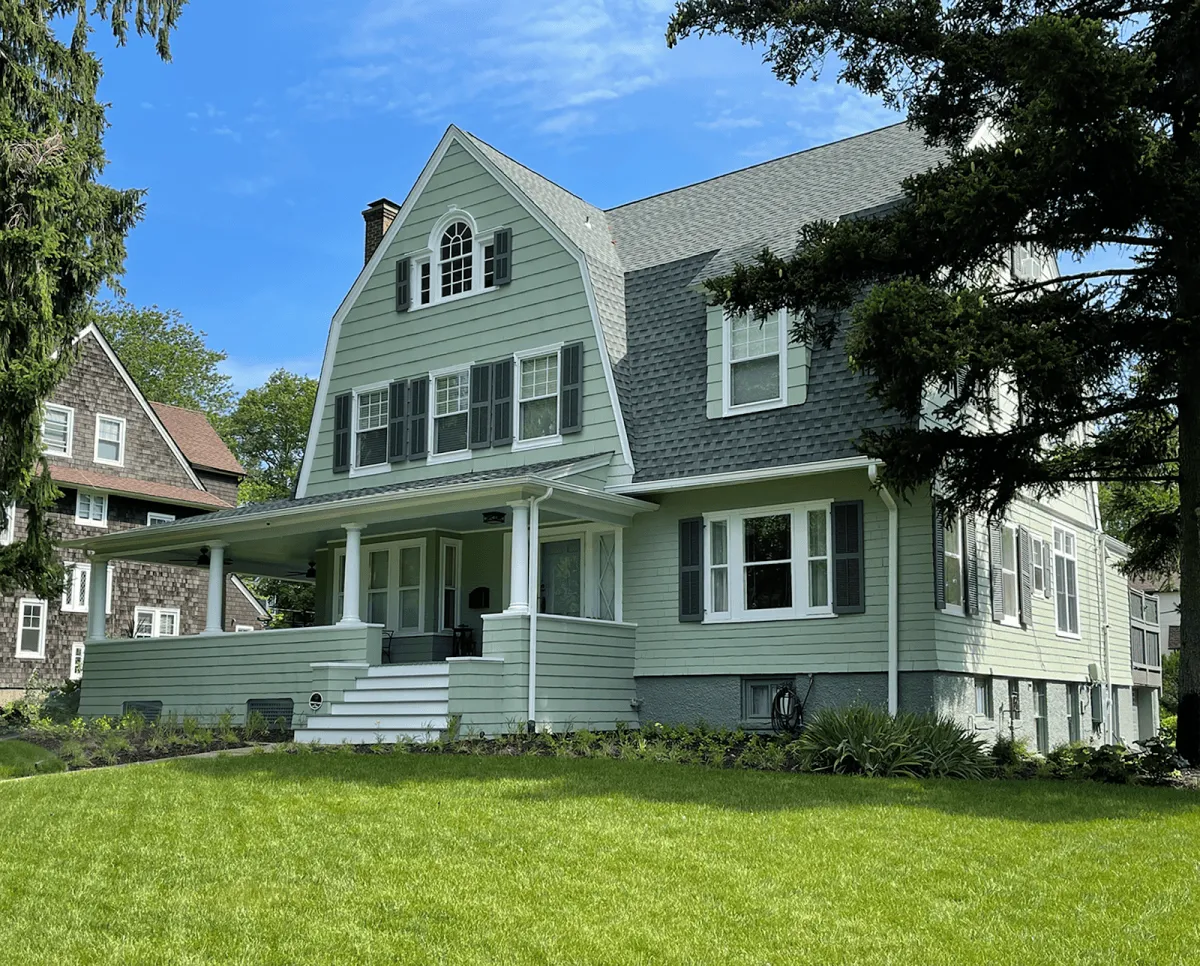
13. Sage Green Mansard-Roof Home with Charcoal Shutters
This home’s elegant palette is built on a 50/50 split of light and dark tones. The light sage green siding and crisp white trim create a fresh, airy base (the first 50%). The dark gray mansard roof and matching charcoal shutters provide the grounding, dramatic counterpoint (the other 50%). This creates a perfectly balanced visual weight. It’s a sophisticated composition where neither the light nor the dark elements overpower the other, resulting in a look that feels both stately and serene. This palette is a softer version of the high-contrast look in Idea #2.
|
📋 Copy HEX 🔗 Share |
Shutters should always look functional, even if they’re purely decorative. This means they should be sized to match the window they’re flanking. Each shutter should be half the width of the window opening, so that if they were to close, they would cover it perfectly. Shutters that are obviously too skinny for the window are a common design mistake that can make an otherwise beautiful exterior feel cheap and poorly planned.
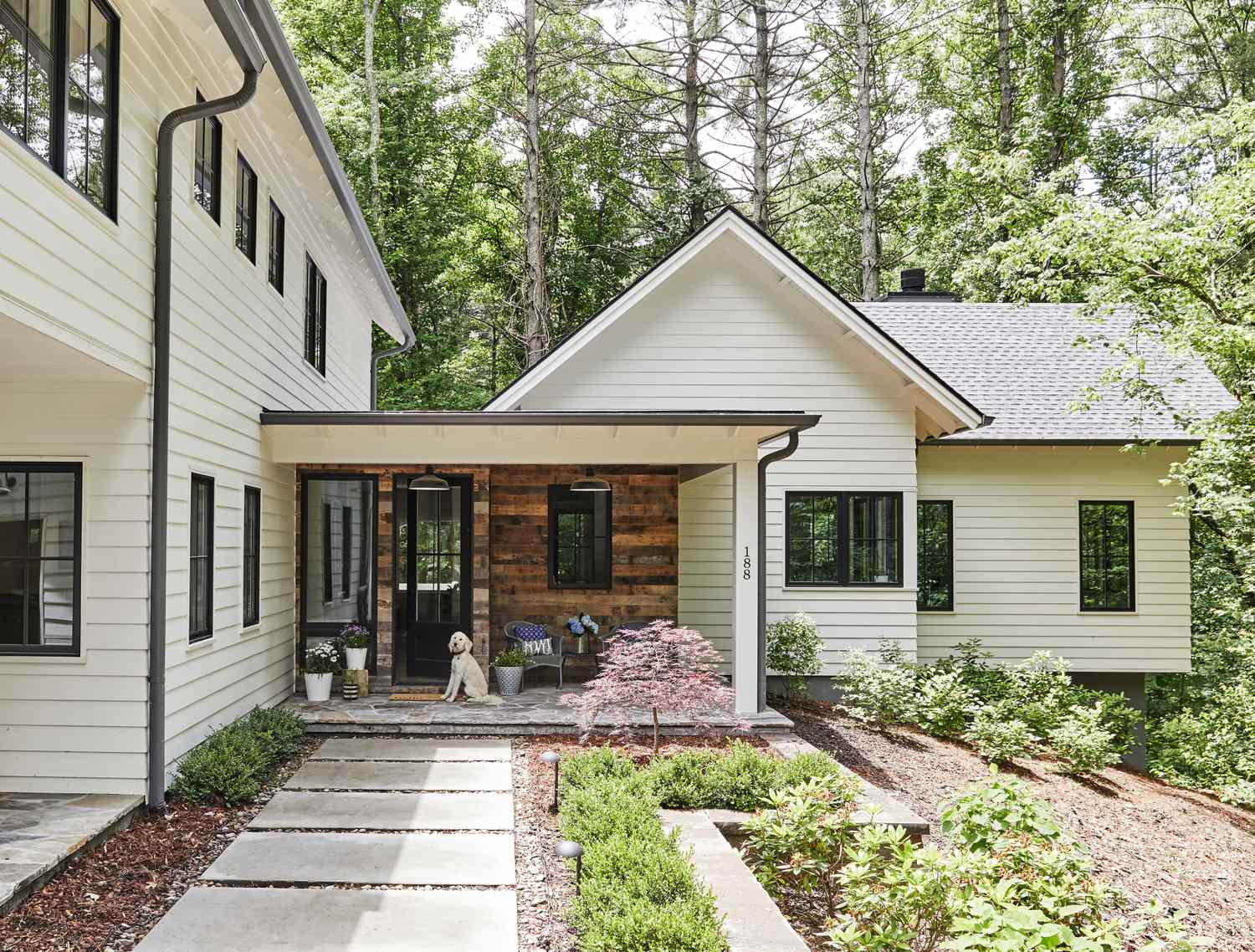
14. Modern Farmhouse with Cream Siding and a Wood Plank Entry
The warm wood plank accent wall at the entryway is what gives this modern farmhouse its soul. While the light siding and black windows are classic elements of the style, they can sometimes feel a bit cold or formulaic. The introduction of this rich, organic wood texture completely changes the home’s personality. It creates a welcoming, tactile focal point that draws you in and provides a beautiful, natural contrast to the clean lines and neutral colors of the rest of the facade.
|
📋 Copy HEX 🔗 Share |
You can create a similar wood accent wall in a weekend. Here’s a quick guide:
- Measure your accent area and purchase exterior-grade tongue-and-groove cedar or redwood planks, allowing for 10% extra for cuts. Cost: $300-$700.
- Apply a waterproof membrane to the wall where the wood will be installed.
- Install a furring strip grid (1×3 boards) horizontally across the wall, spaced 16 inches apart, to create an air gap.
- Cut your planks to size and stain/seal all sides before installation to protect against moisture.
- Starting from the bottom, attach the planks to the furring strips using stainless steel finish nails.
- Finish the edges with trim pieces for a clean look.
Time estimate: 1-2 days.
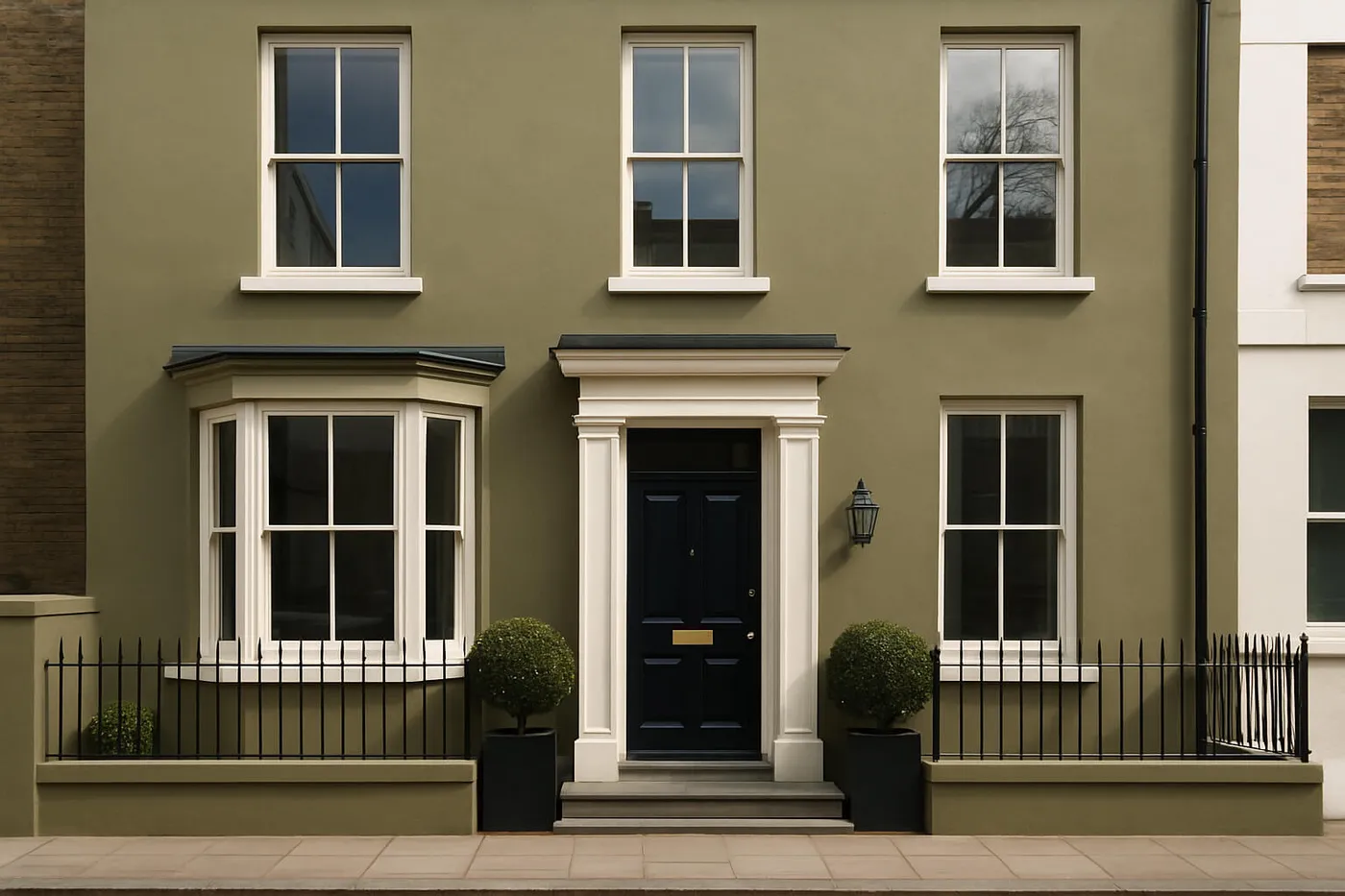
15. Elegant Olive Green Facade with a Deep Blue Front Door
This sophisticated color combination works because it relies on analogous colors—colors that sit next to each other on the color wheel (green and blue). This creates a harmonious, pleasing palette that feels rich and intentional, not jarring. The crisp white trim acts as a clean separator, allowing both the olive and the blue to have their own moment without competing. The symmetry of the topiaries, planters, and door surround reinforces the classic, elegant feel of the color scheme.
|
📋 Copy HEX 🔗 Share |
Before committing to a dark, saturated color scheme like this, it’s crucial to assess a few things. Here’s a quick checklist:
- HOA Rules: Does your neighborhood have restrictions on exterior paint colors? Get approval in writing before you buy a single can of paint.
- Sunlight: How much direct sun does your house get? Dark colors absorb more heat, which can impact cooling costs. They also tend to fade faster than lighter colors.
- Architectural Style: Does this formal, classic palette suit your home’s architecture? It’s stunning on a townhouse or colonial but might look out of place on a mid-century ranch.
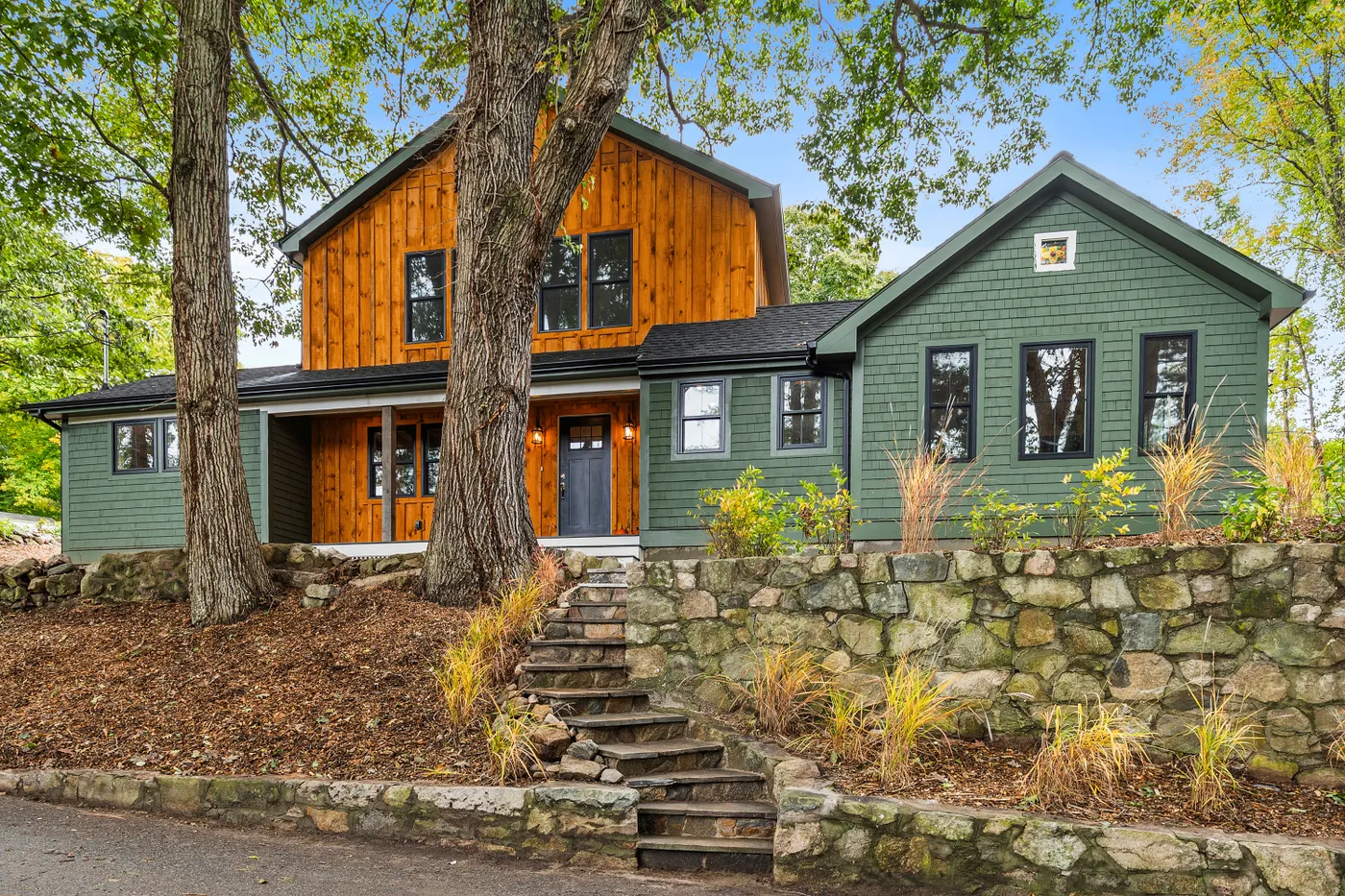
16. Monolithic Black Brick Exterior for a Modern Look
A full black-on-black exterior is a bold, dramatic choice that makes a powerful modern statement. However, it’s not for the faint of heart or for every climate. Black exteriors absorb a significant amount of solar heat, which can lead to higher air conditioning bills in warm, sunny climates. In very cold climates, this can be a slight advantage in winter, but the summer heat gain is a more significant factor for most. Also, dust, pollen, and hard water stains from sprinklers can be much more visible on a dark surface.
|
📋 Copy HEX 🔗 Share |
The move toward dark, moody exteriors—charcoal, black, and deep navy—is a direct reaction to the years of light-and-bright modern farmhouses. It’s a trend that speaks to a desire for coziness, drama, and a bit of sophisticated rebellion. A black brick house feels solid, grounded, and undeniably chic. While it might not be a mainstream choice, it has staying power for those looking to make a confident architectural statement. It signals a departure from safe choices and an embrace of bold identity.
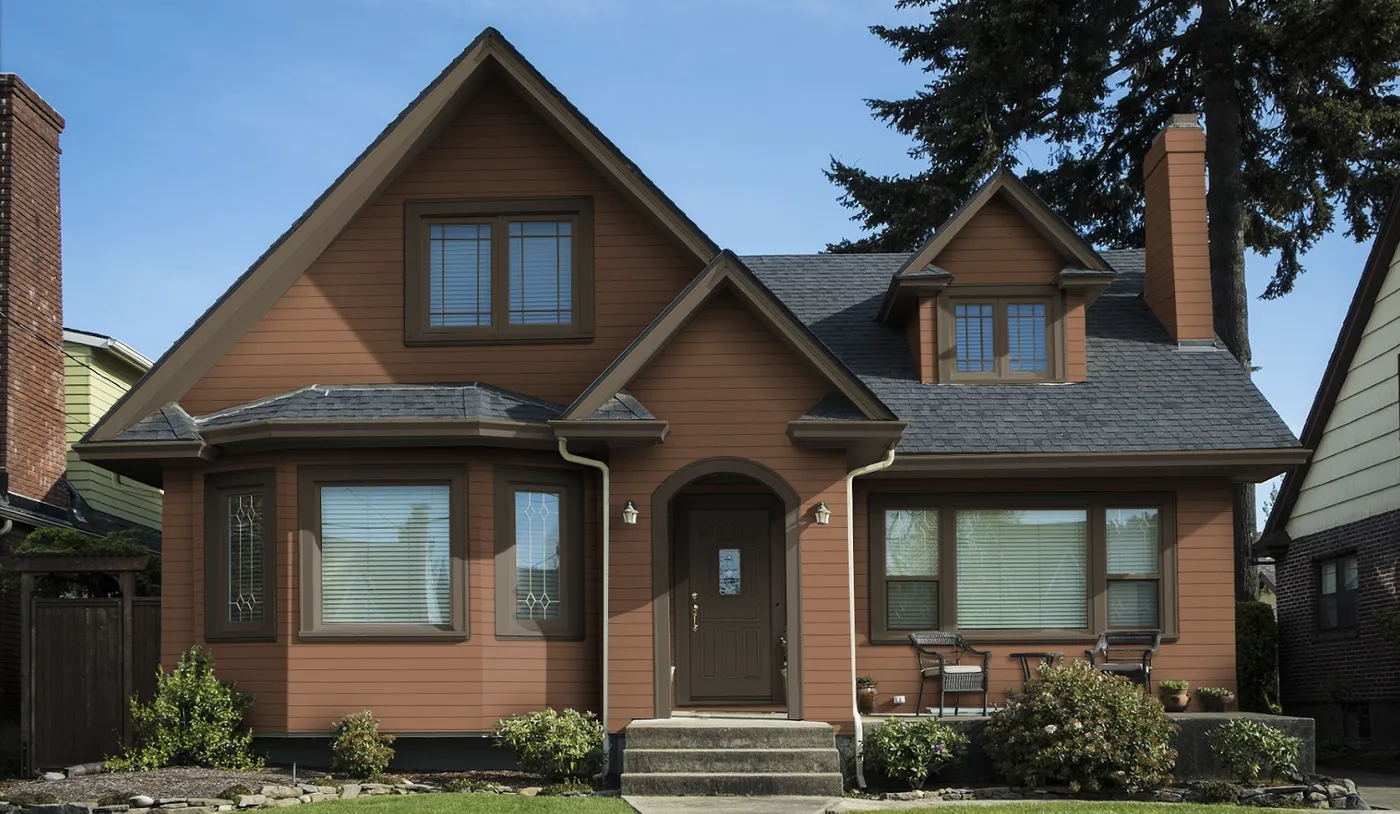
17. Earthy Two-Tone Brown Siding with a Dark Grey Roof
This is a classic monochromatic-adjacent color scheme. The formula is: 60% primary color (reddish-brown siding) + 30% darker shade of the same color family (dark brown trim) + 10% neutral anchor (dark grey roof). This creates a cohesive, earthy look that is easy on the eyes. The key is that the two browns share a similar undertone, which keeps the palette harmonious. The white gutters provide just enough of a crisp edge to keep the look defined without disrupting the warm, grounded feel.
|
📋 Copy HEX 🔗 Share |
When using a two-tone scheme with similar colors, pay close attention to the Light Reflectance Value (LRV) of each paint. To ensure you get noticeable but subtle contrast, choose two colors that have an LRV difference of at least 15-20 points. Any less, and the two colors might blend together and look like a mistake in certain light. Any more, and you lose the subtle, layered effect and move into high-contrast territory. You can find the LRV on the back of most paint chips.
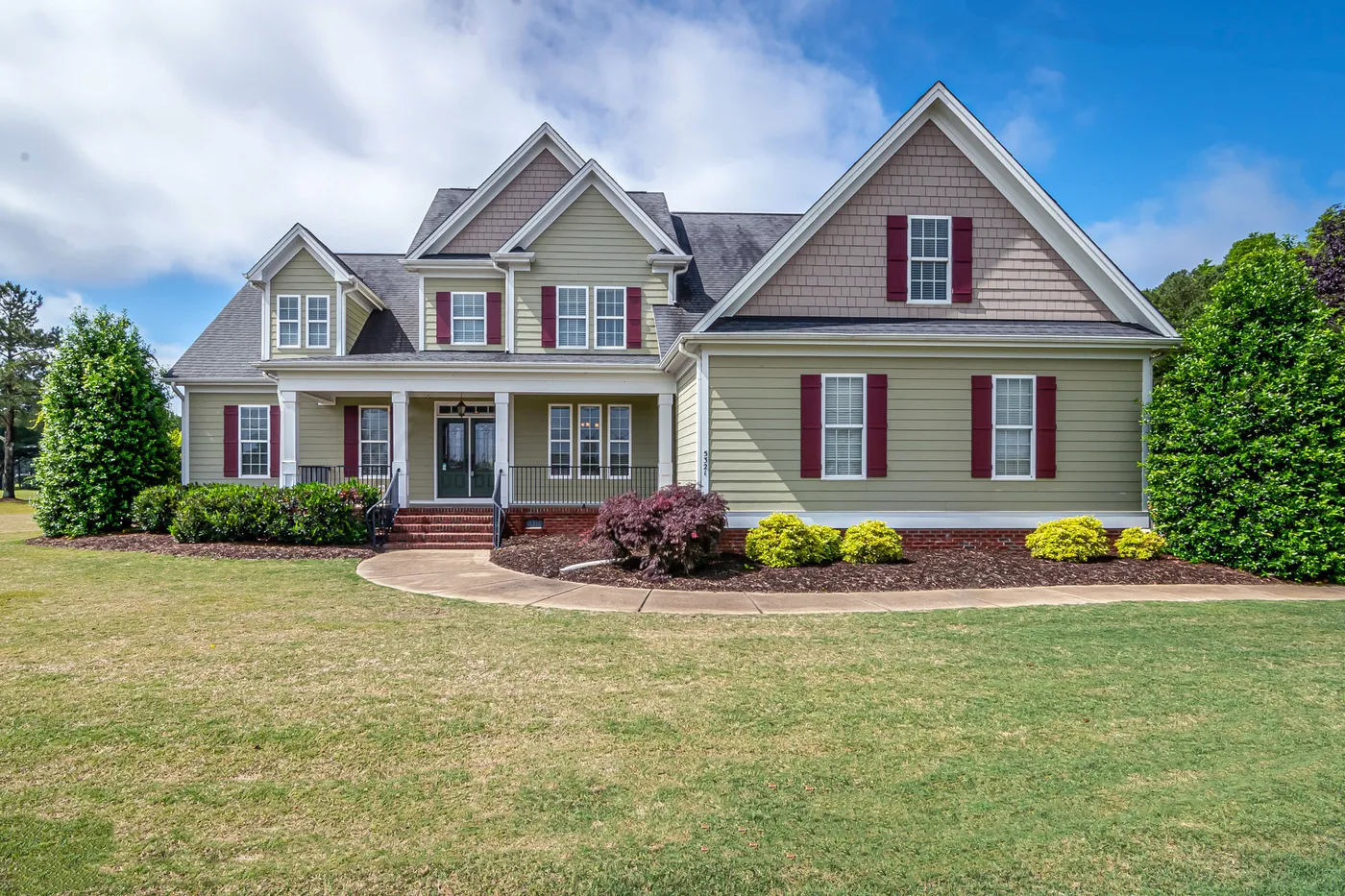
18. Light Green Siding Accented with Maroon Shutters
This palette succeeds by using complementary colors in a sophisticated way. The light green siding and the maroon shutters are opposites on the color wheel (red and green), which creates a natural, eye-catching vibrancy. However, by using a muted, earthy version of each—a soft sagey green and a deep, wine-colored maroon—the combination feels classic and grounded rather than like a Christmas decoration. The white trim acts as a necessary buffer, giving the eye a place to rest and making both colors pop.
|
📋 Copy HEX 🔗 Share |
A multi-color scheme with contrasting shutters and multiple siding textures works best on a large, traditional home with complex rooflines and numerous windows, typically 3,000 square feet or more. The size and architectural detail provide a canvas that can handle the visual information. On a smaller, simpler house, this many colors and textures could feel chaotic and make the home appear smaller. For a more compact home, consider the simpler sage and dark gray scheme in Idea #13.
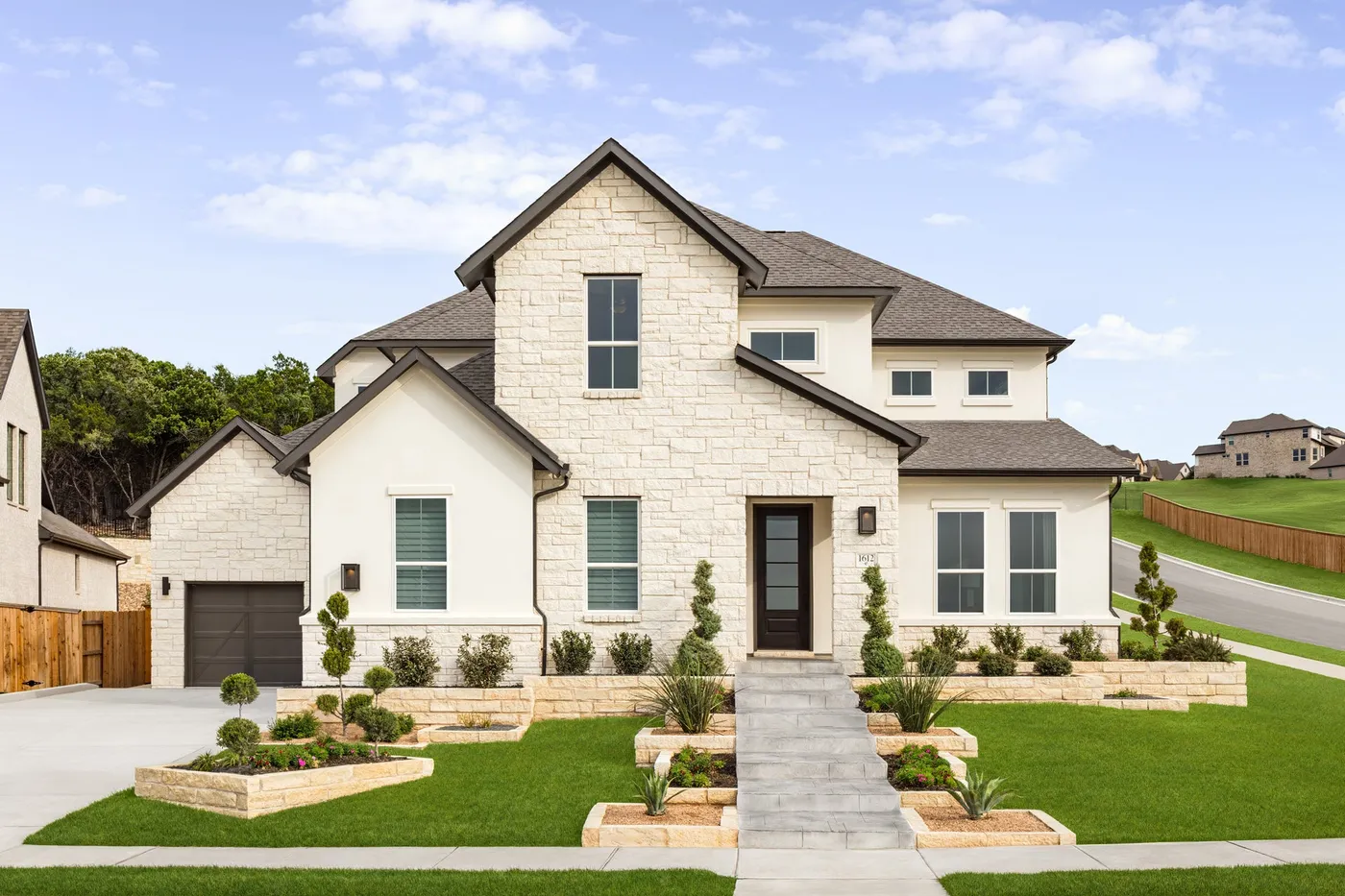
19. Modern Home with Light Stone Veneer and White Stucco
This luxurious, high-texture look balances natural materials with clean, modern finishes. Getting this combination of stone, stucco, and high-end windows isn’t a small investment, but the curb appeal is undeniable. Here’s a general cost estimate for a similar project:
- Stone Veneer: $15,000 – $30,000 (installed)
- Stucco Siding: $10,000 – $18,000
- Roofing (Asphalt Shingles): $8,000 – $15,000
- Windows & Doors: $12,000 – $25,000+
- Landscaping & Hardscaping: $7,000 – $20,000
- TOTAL: $52,000 – $108,000
Budget alternative: Use manufactured stone veneer on just the entryway and fiber cement siding painted white instead of stucco to save 40-50%.
|
📋 Copy HEX 🔗 Share |
White stucco looks incredibly crisp and clean… when it’s new. In reality, it can be prone to showing dirt, mildew, and tear stains under windows and corners where water runs down the facade. Regular pressure washing (on a low setting) is often necessary, especially in humid or dusty climates. When choosing a stucco finish, a slightly rougher texture can help hide minor imperfections better than a perfectly smooth one. Also, ensure your window sills and roof overhangs are designed to direct water away from the walls.
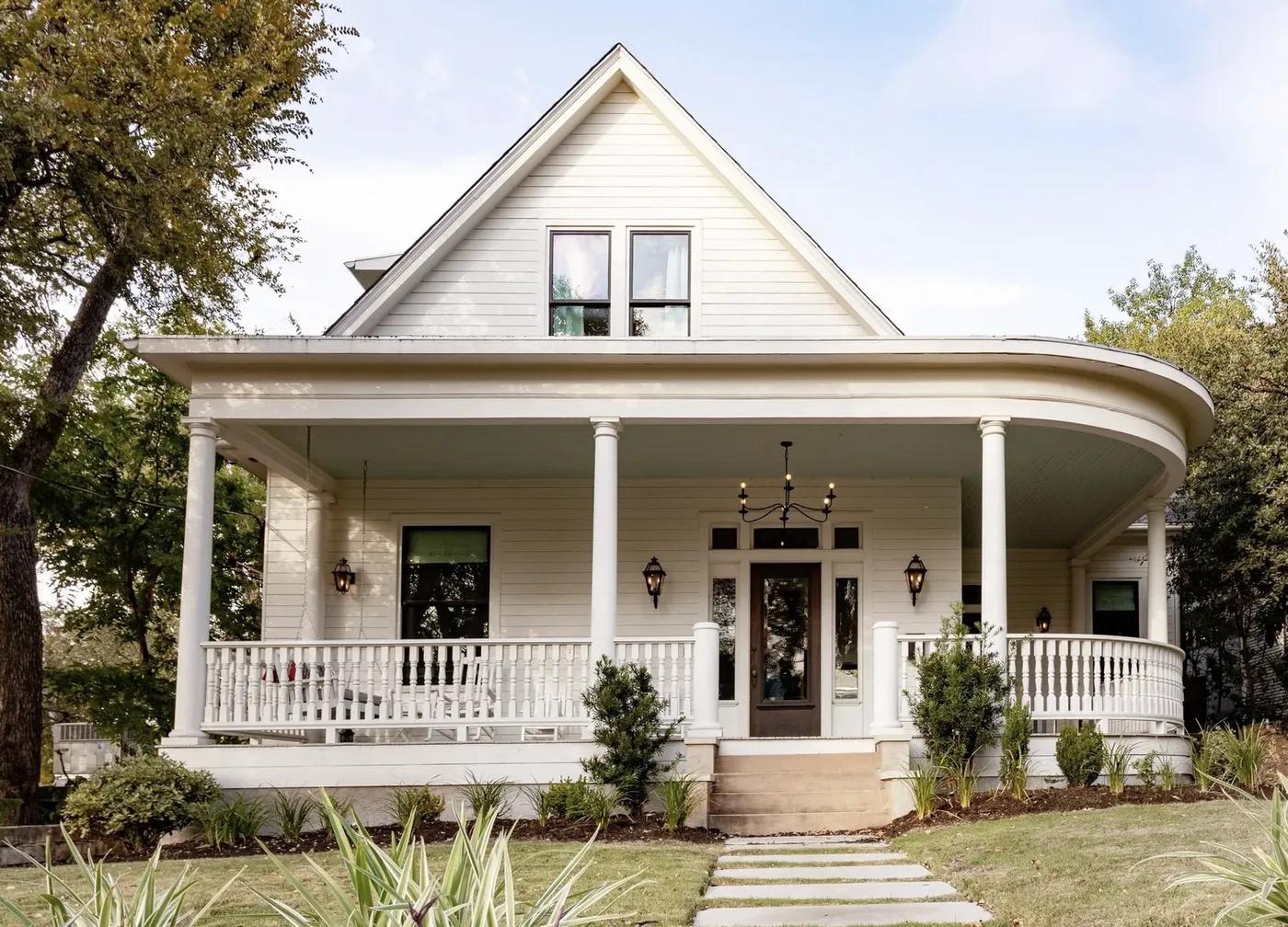
20. Cream Victorian with a Traditional Light Blue Porch Ceiling
Painting a porch ceiling light blue—often called Haint Blue—is a tradition rooted in the American South. The color was believed to ward off spirits (haints) and also discourage insects from building nests, as they supposedly mistake the blue for the sky. Today, this tradition is seeing a huge revival across the country. It’s a subtle but powerful way to add a touch of color, personality, and historical charm to an otherwise neutral exterior. It creates a serene, sky-like feeling when you’re relaxing on the porch.
|
📋 Copy HEX 🔗 Share |
Painting your porch ceiling is an easy and affordable update that makes a huge difference.
- Prep is key. Scrape any peeling paint and clean the ceiling thoroughly with a TSP solution to remove dirt and mildew. Let it dry completely.
- Prime it. Apply a coat of high-quality exterior primer. This is crucial for adhesion and to block any stains.
- Choose your blue. Pick a light, airy blue paint in an exterior-grade matte or satin finish. Popular choices are Sherwin-Williams ‘Atmospheric’ or Benjamin Moore ‘Palladian Blue’.
- Cut in and roll. Use a brush to paint the edges and then use a roller with an extension pole for the main surface. Apply two coats for best coverage.
Cost: Under $100. Time: One afternoon.
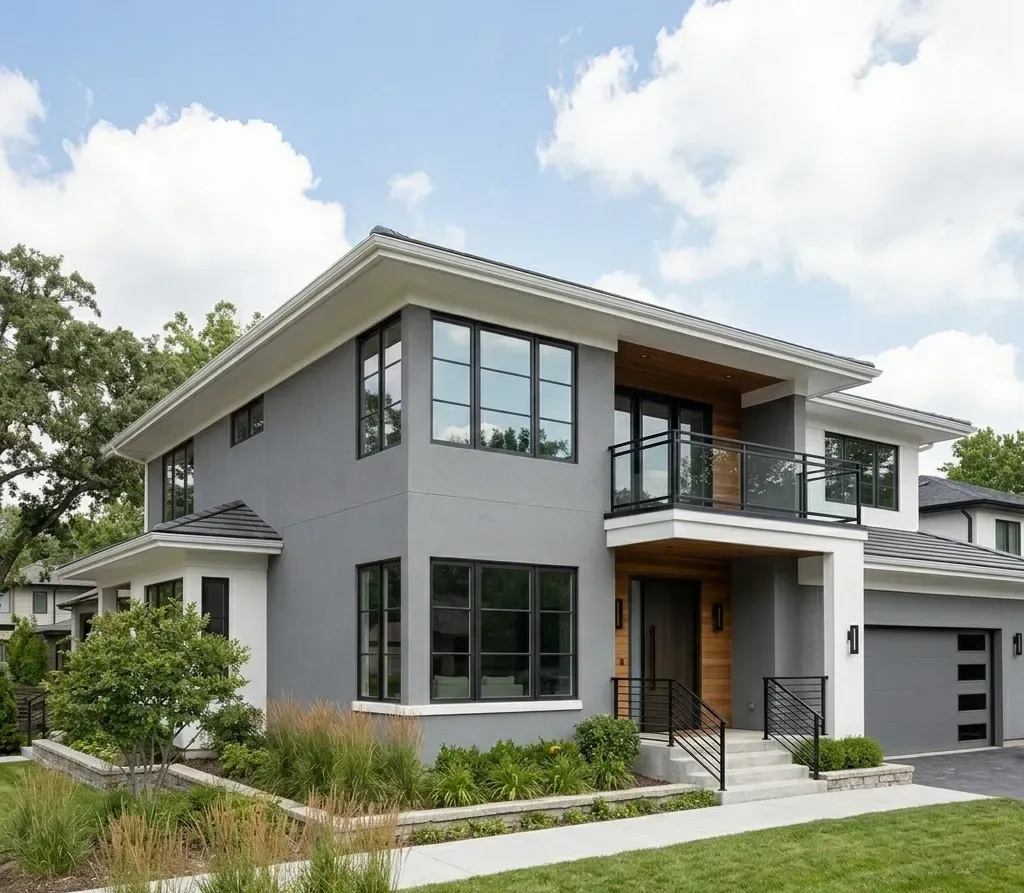
21. Modern Light Gray Stucco with Natural Wood Accents
This design is a textbook example of balancing cool and warm tones. The light gray stucco, black-framed windows, and black metal railings create a sleek, cool, and minimalist foundation. Without the natural wood accents, the home might feel impersonal or stark. But the addition of warm wood on the balcony ceiling and around the entrance acts as a crucial counterpoint, injecting warmth, organic texture, and a human touch. This interplay between cool industrial elements and warm natural ones is the heart of contemporary residential design.
|
📋 Copy HEX 🔗 Share |
When incorporating wood siding or accents on a modern exterior, the direction of the planks matters. On this home, the wood is installed horizontally. This emphasizes the home’s width and creates a sense of stability and calm. If the wood were installed vertically, it would draw the eye upward, making the house feel taller and more dynamic. Neither is right or wrong, but it’s a conscious design choice that can subtly alter the home’s perceived proportions. The wood paneling on Idea #14 also uses this horizontal technique for a welcoming effect.
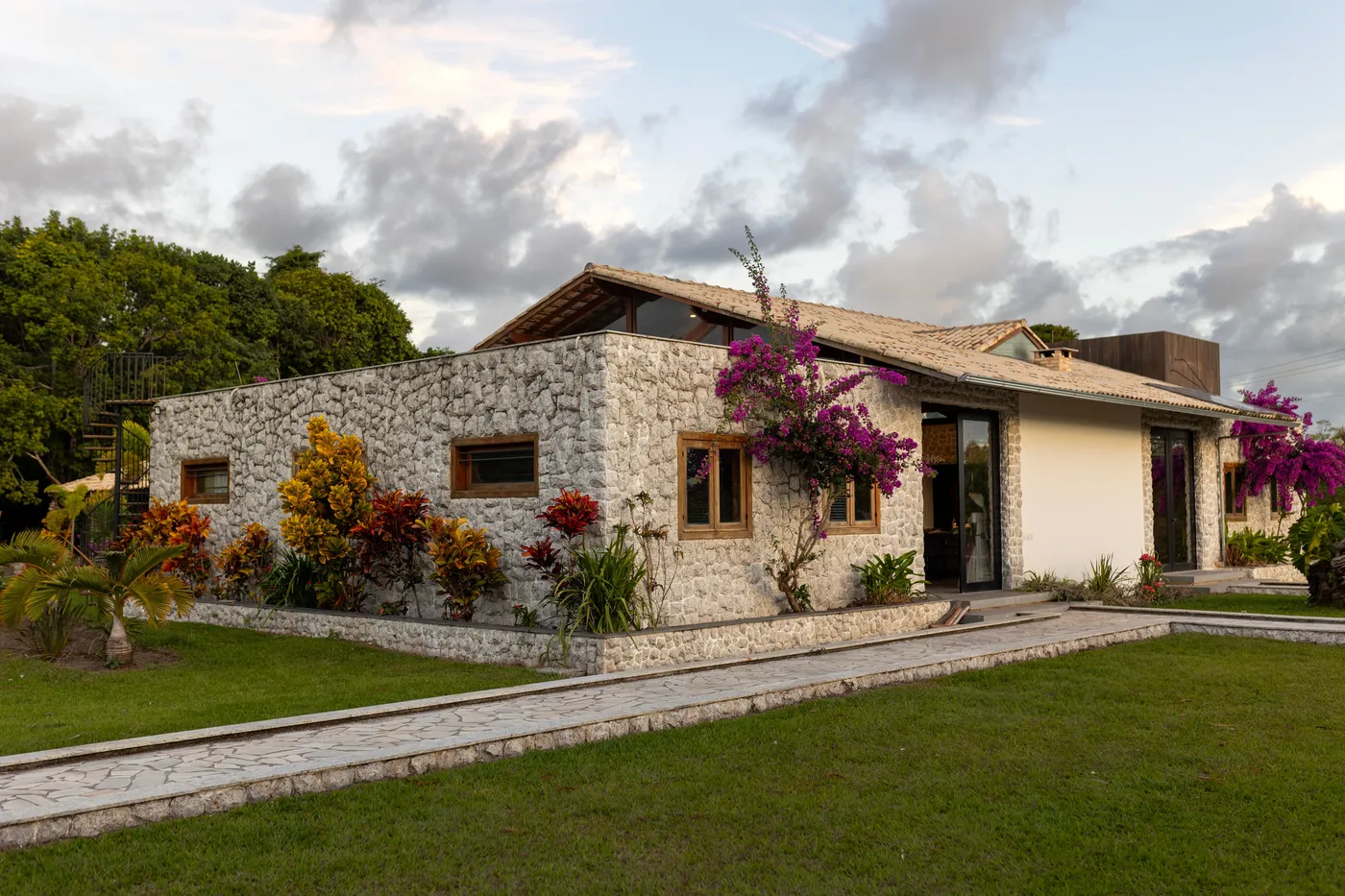
22. Textured Stone Wall Home with a Terracotta Roof
The vibrant purple bougainvillea is, without a doubt, the element that brings this entire scene to life. The combination of gray stone, terracotta roof, and wood windows is beautiful and classic on its own, creating an earthy, Mediterranean palette. But the explosion of cascading purple flowers is what injects passion, energy, and romance. It’s a living, breathing piece of the design that contrasts spectacularly against the neutral stone, turning a beautiful house into a breathtaking one.
|
📋 Copy HEX 🔗 Share |
A stunning bougainvillea like this doesn’t happen by accident, and it’s not a low-maintenance feature. These plants thrive in hot, sunny climates (think California, Florida, or the Mediterranean). In colder regions, they won’t survive the winter outdoors. They also require sturdy support to climb on, regular pruning to encourage blooming and maintain shape, and can be quite messy, dropping a lot of colorful bracts (the flowers) that will need to be swept up regularly.
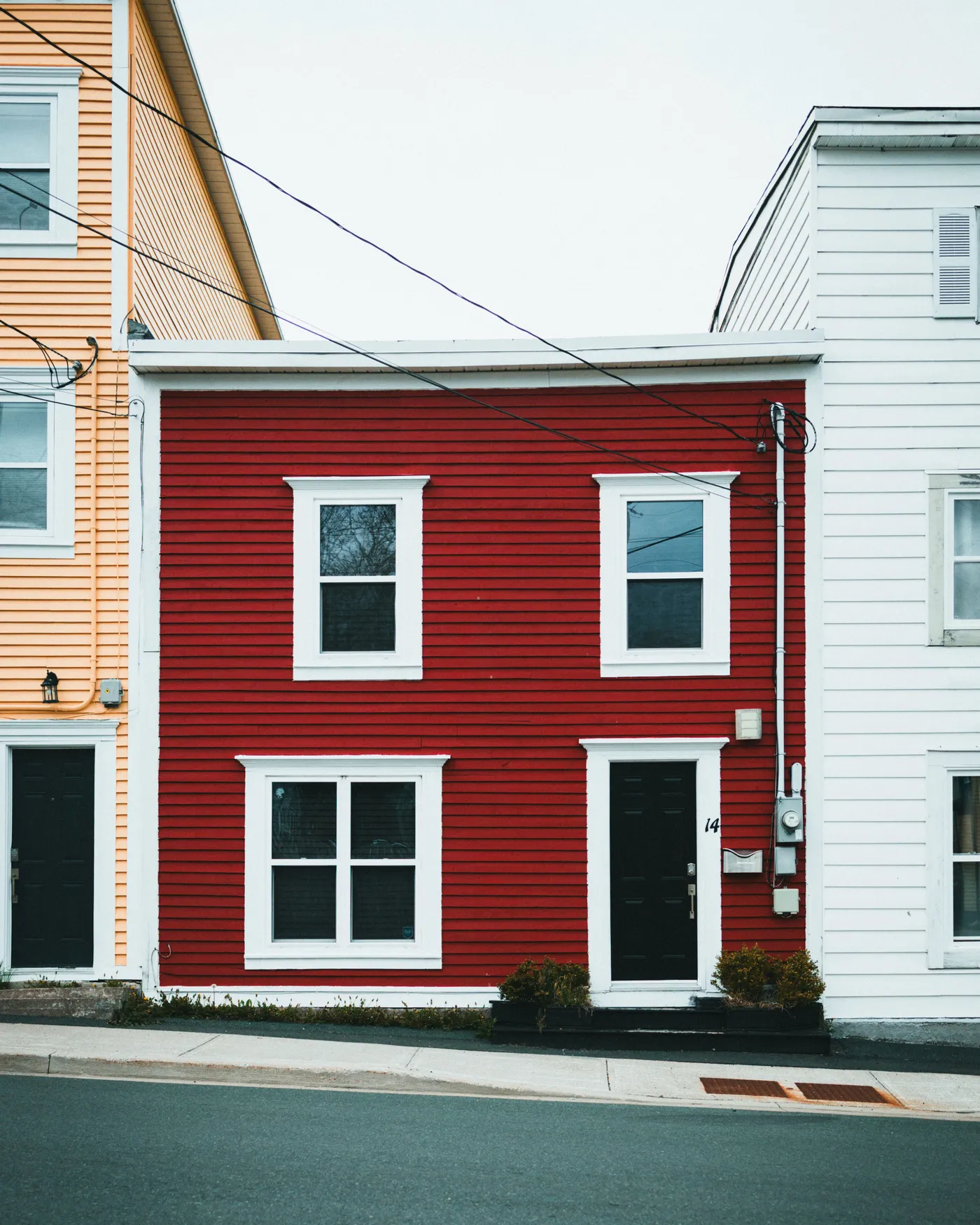
23. Bold Red Siding Balanced by Crisp White Trim
The success of this bold look lies in its simple, powerful ratio: 80% dominant color (vibrant red) and 20% clean neutral (white trim). By keeping the accent color to a minimum and using it only to outline the home’s architectural features—the windows, door, and roofline—the design feels intentional and classic, not overwhelming. The dark door provides a single, grounded focal point. Any more complexity, like adding shutters or a third color, would risk undermining the clean, graphic power of the red and white.
|
📋 Copy HEX 🔗 Share |
You don’t need expensive siding to make a bold color statement. This high-impact look can be achieved very affordably with standard vinyl siding, which comes in a wide range of colors including vibrant reds. Pair it with simple PVC trim boards for a low-maintenance, budget-friendly exterior. You can also get a similar effect by painting existing wood or fiber cement siding. A gallon of high-quality exterior paint from a store like Lowe’s costs around $50-$70 and can transform a tired facade.
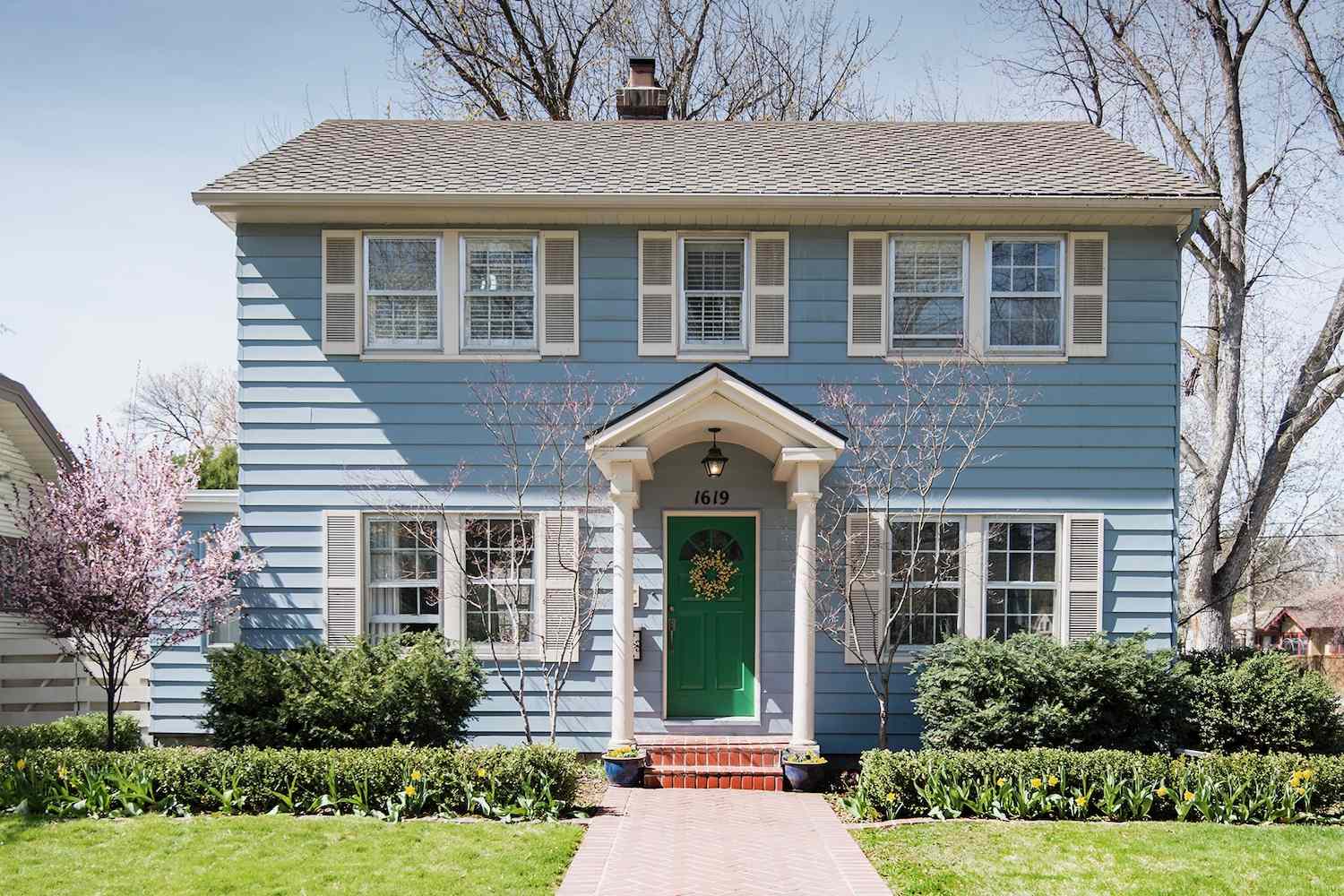
24. Light Blue Clapboard with a Welcoming Green Front Door
This color palette feels so welcoming because it draws directly from nature. The light blue siding mimics a clear sky, the green door reflects the lawn and hedges, and the light beige shutters have a sandy, earthy quality. It’s a harmonious combination that feels serene and classic. The white of the portico and trim acts like a fluffy cloud, providing a clean break between the colors and adding a touch of formal structure that elevates the whole scheme from beach cottage to classic home.
|
📋 Copy HEX 🔗 Share |
Before you settle on a pastel exterior, make sure it’s the right fit for your home and neighborhood.
- Consider Your Neighbors: Does the color fit with the general aesthetic of your street? While you don’t have to match, a color that’s wildly different can sometimes feel out of place.
- Landscaping Matters: A light blue house looks best surrounded by lush greenery. If your landscaping is sparse, the color might not feel as grounded.
- Test, Test, Test: Light blues and greens can look much brighter and more childlike in full sun than they do on a paint chip. Always paint a large test swatch first.
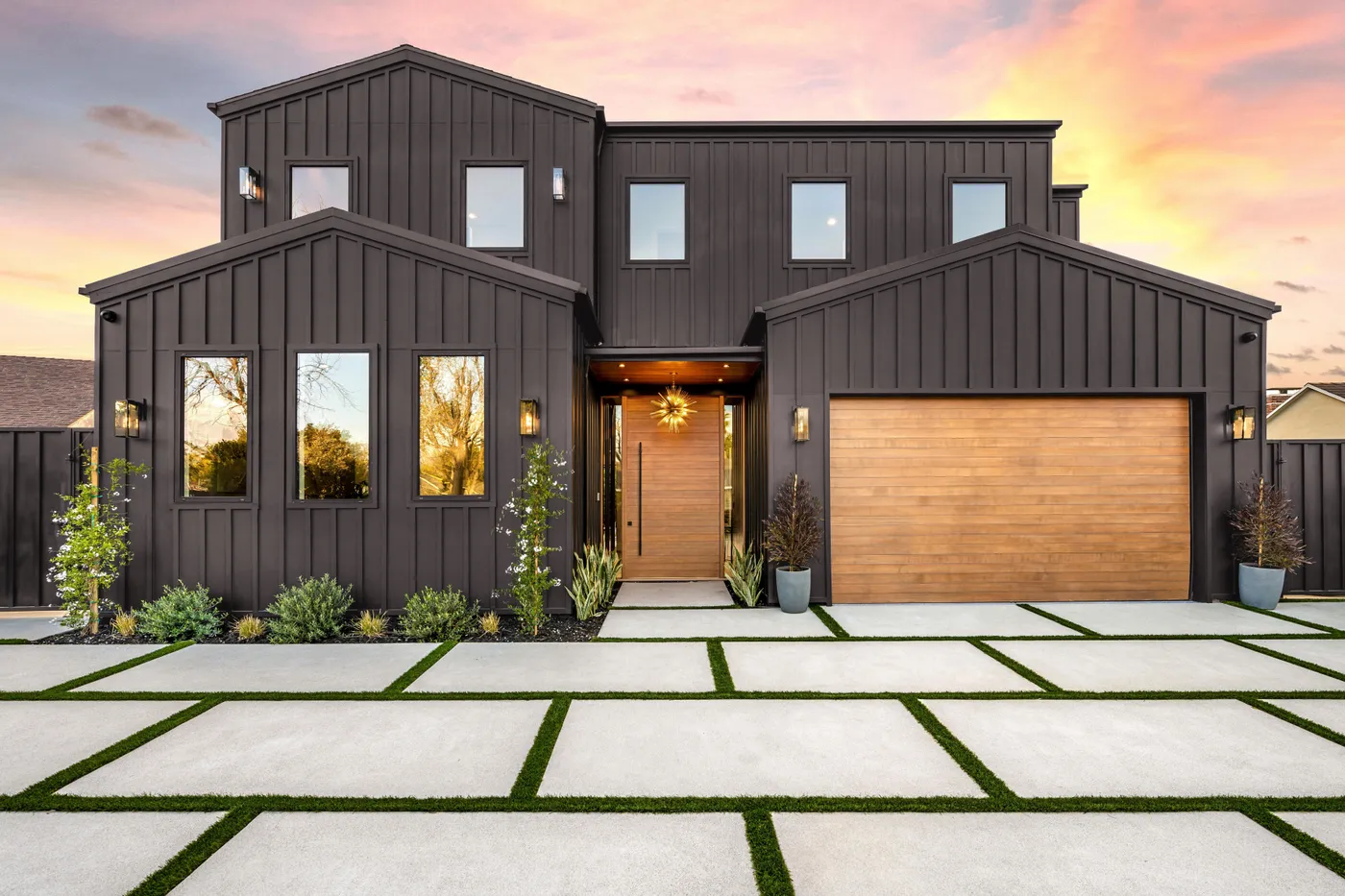
25. Modern Dark Gray Siding with a Natural Wood Garage Door
The natural wood garage and front door are the critical elements that prevent this home from looking like a dark, uniform box. In modern design, where siding and trim are often the same color, you need to introduce texture and warmth in other ways. These large planes of beautiful, light-toned wood break up the dark gray facade, create a clear and welcoming entry point, and add a much-needed organic touch that balances the sleek, geometric lines of the house and driveway.
|
📋 Copy HEX 🔗 Share |
Modern exterior lighting is a key component of this look. Notice the use of linear wall sconces that cast light both up and down, creating a graphic pattern on the dark siding at night. To replicate this, look for fixtures rated for outdoor use with a dark sky compliance, meaning they direct light downwards to reduce light pollution. For maximum impact, use multiple fixtures to create a rhythm along a facade, spacing them equally between architectural elements like windows or doors.
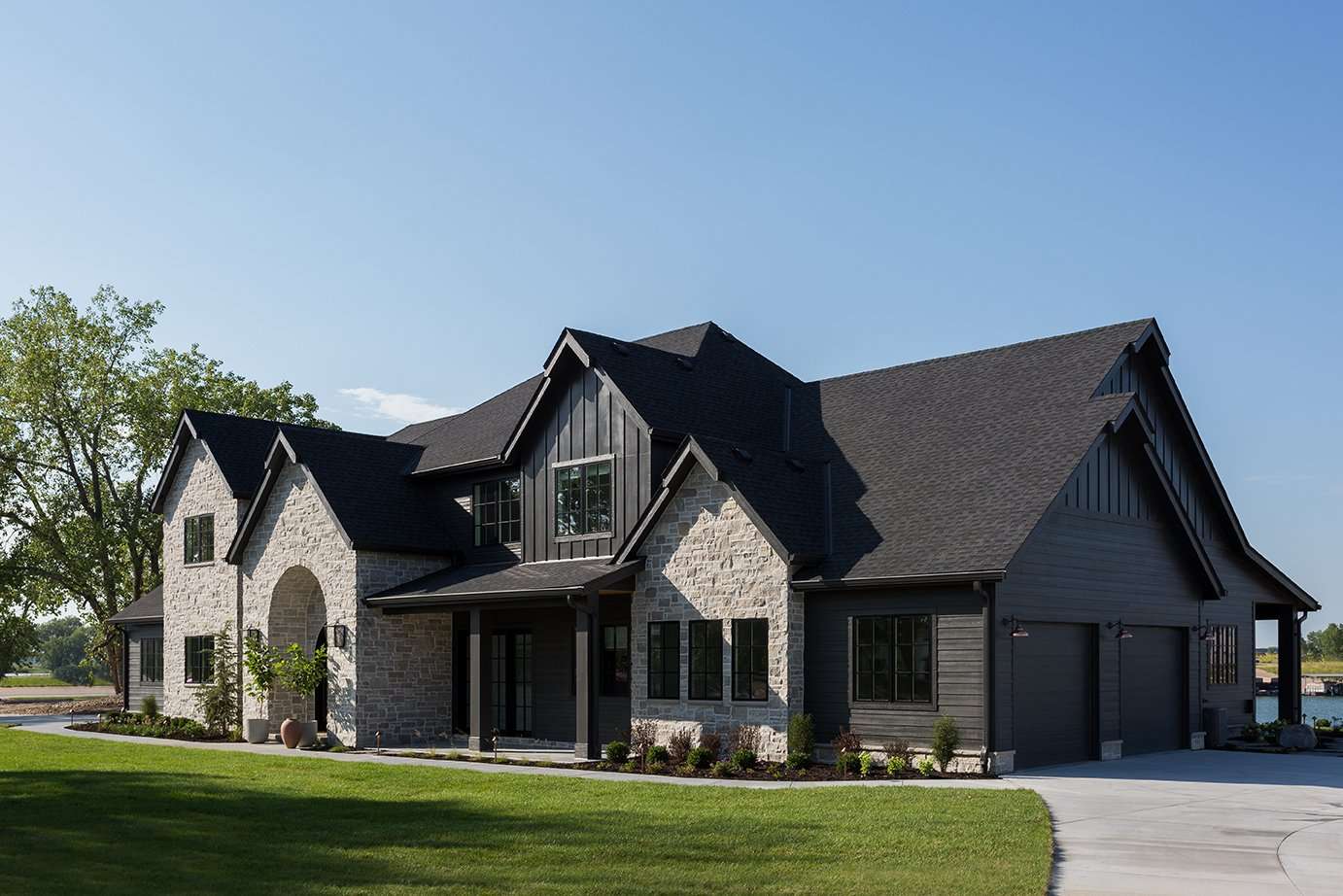
26. Modern Farmhouse Combining Light Stone and Charcoal Siding
This design is all about balancing visual weight. The heavy, textured light gray stone anchors the base of the house, giving it a solid, permanent feel. The smooth, dark charcoal siding on the upper portions and gables provides a sleek, modern contrast that feels lighter. This push-and-pull between heavy and light, textured and smooth, traditional and modern is what makes the home so visually compelling. The dark roof and window frames tie the two materials together into a single cohesive statement.
|
📋 Copy HEX 🔗 Share |
A dual-material exterior like this is designed for a large, sprawling home, usually 3,500 square feet or more, with multiple gables and varied rooflines. The complexity of the architecture provides the perfect canvas for switching between materials. Trying to apply both heavy stone and dark siding to a small, simple box-shaped house would likely feel forced and make the structure seem chopped up and even smaller. You need scale for this look to truly shine.
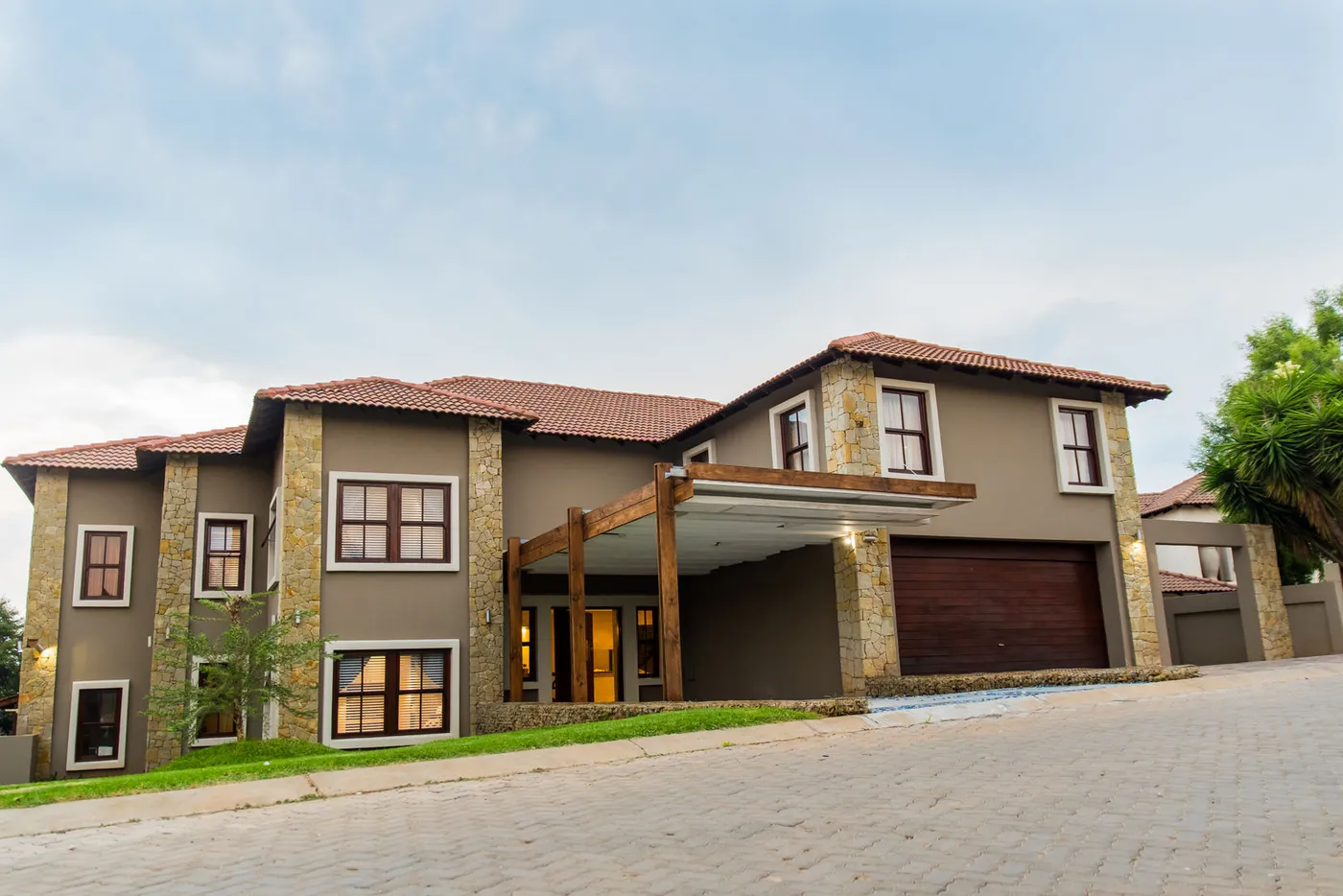
27. Modern Mediterranean Home with a Clay Tile Roof
The formula for this warm, modern look is rooted in earthy tones: 50% warm neutral siding (the taupe-brown), 30% natural texture (the light stone and wood pergola), and 20% traditional accent (the red-brown clay tile roof). The dark wood of the window frames and garage door acts as the unifying element that ties everything together. This recipe ensures the home feels connected to its environment, drawing from a palette of sun-baked earth, stone, and wood for a cohesive and inviting feel.
|
📋 Copy HEX 🔗 Share |
Clay tile roofs are incredibly durable, often lasting 100 years or more, and are resistant to fire, rot, and insects. However, the tiles themselves can be brittle. Walking on the roof for maintenance (like cleaning gutters or servicing an satellite dish) must be done with extreme care to avoid cracking tiles. Replacing a broken tile isn’t difficult for a professional, but it’s a specialized skill. Annual inspections are recommended to check for and replace any cracked or slipped tiles to prevent leaks.
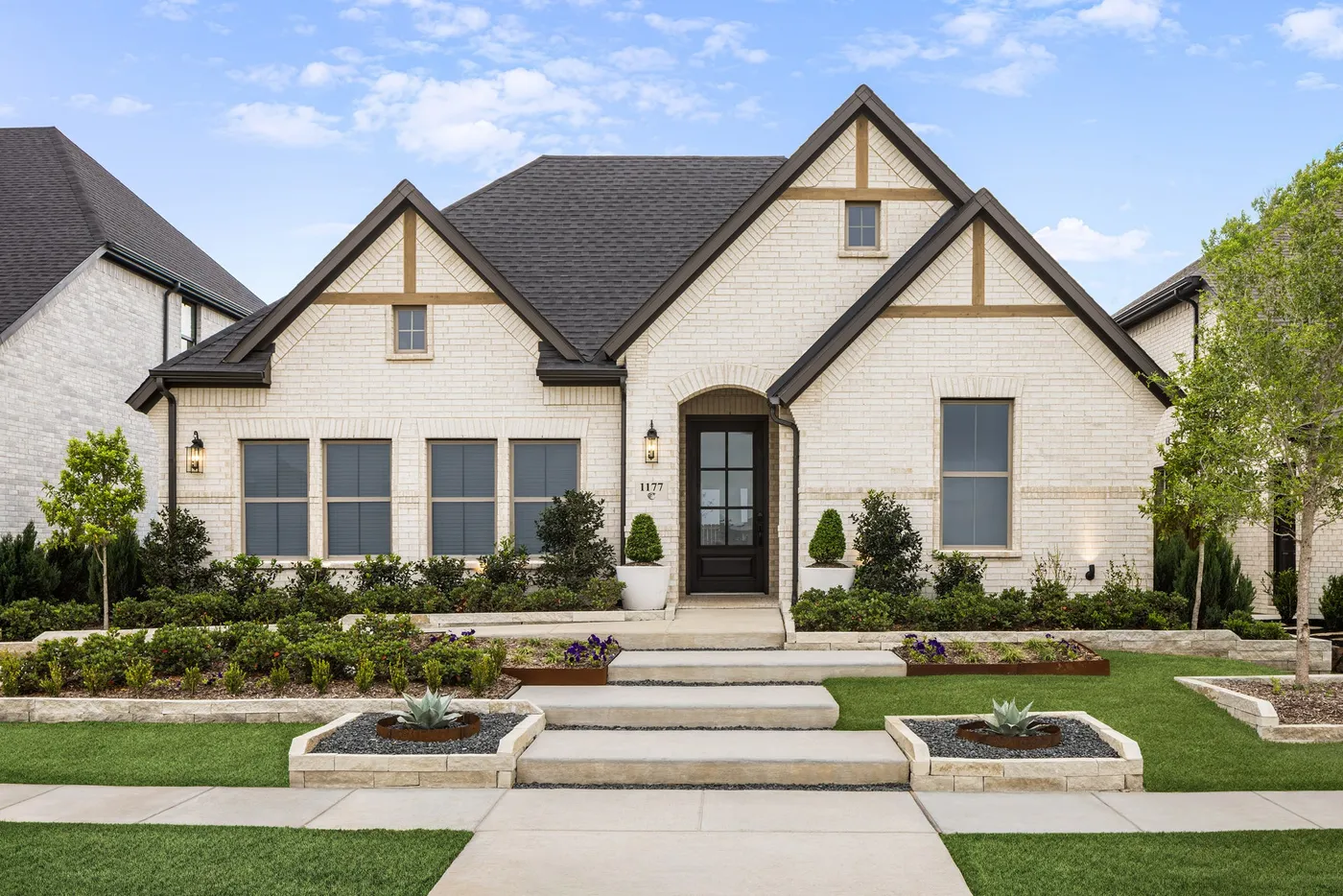
28. Light Brick Modern Farmhouse with Wood-Toned Gables
This home achieves a perfect modern farmhouse look by blending textures while maintaining a tight color palette. The light cream brick, dark gray roof, and black frames create a high-contrast, neutral base. The genius is in the details: the wood-toned gable accents. This touch of warmth prevents the palette from being too stark and directly references the rustic ‘barn’ heritage of the farmhouse style. The clean lines of the tiered concrete steps reinforce the modern side of the equation. It’s a beautifully balanced fusion.
|
📋 Copy HEX 🔗 Share |
Achieving this popular look involves coordinating several key trades, from masons to roofers to landscapers.
- Brick & Mortar: $18,000 – $35,000
- Roofing (Architectural Shingles): $9,000 – $16,000
- Windows & Doors (Black): $15,000 – $30,000
- Soffit, Fascia, Gutters (Dark): $4,000 – $8,000
- Concrete Walkway/Steps: $5,000 – $12,000
- TOTAL: $51,000 – $101,000
Budget alternative: Use a light-colored siding instead of brick, and focus the budget on a high-quality black front door and black-framed windows in the front facade only.
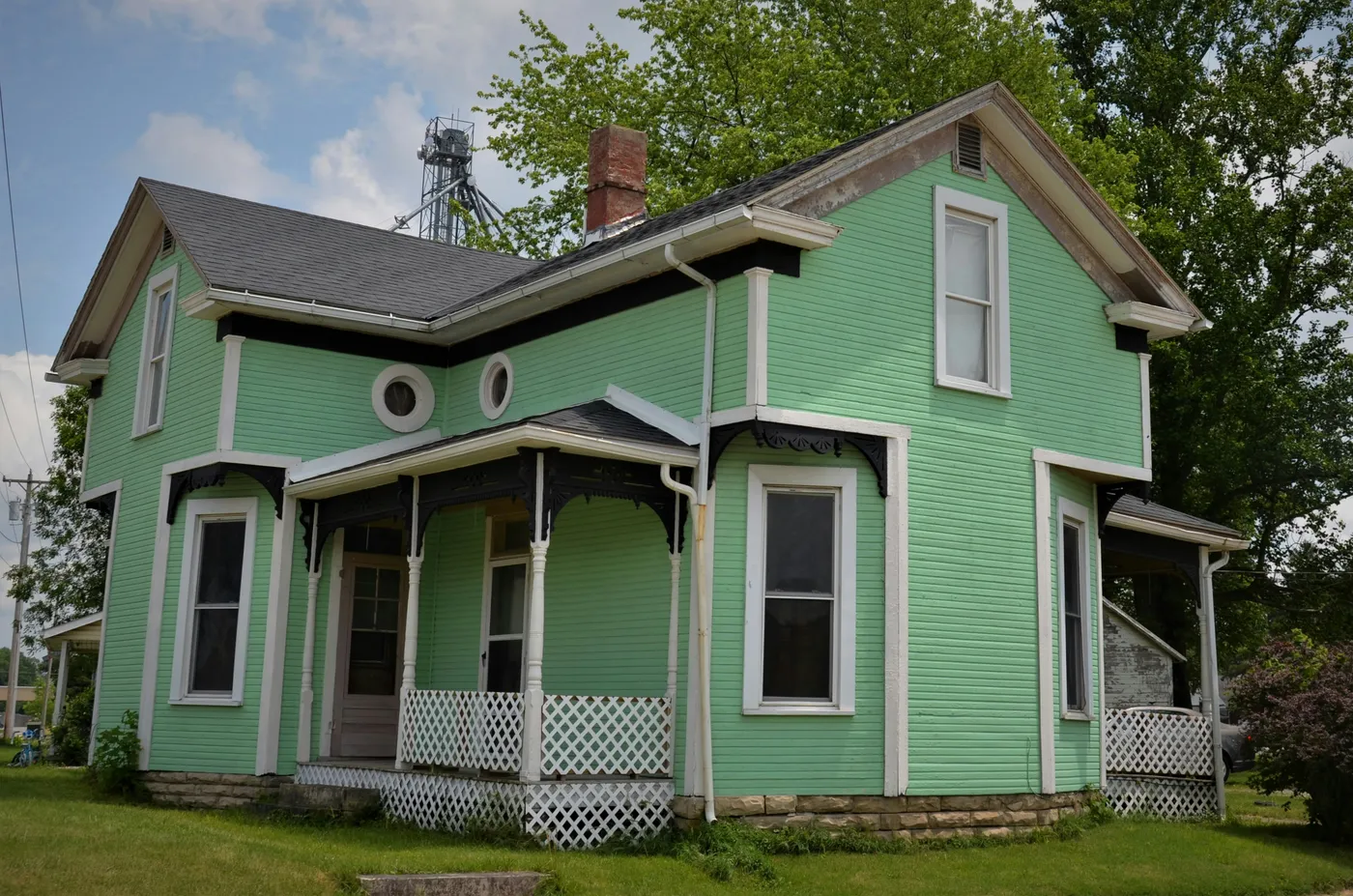
29. Mint Green House with Contrasting Black Brackets
The black decorative brackets under the eaves are the detail that gives this house its specific quaint, traditional character. Without them, it would be a simple mint green house with white trim. With them, the design gains a layer of architectural detail and contrast that elevates the entire look. They break up the straight lines of the roof and add a touch of handcrafted charm, while the black color provides a strong graphic punch against the soft mint and white, keeping the palette from becoming overly sweet.
|
📋 Copy HEX 🔗 Share |
This particular shade of mint green, combined with the detailed brackets and lattice, can easily feel dated if not styled carefully. It leans heavily into a country or quaint aesthetic that might not have the broad appeal of more contemporary colors like sage green. If you’re considering a similar color, think about simplifying other elements. For example, using simple, modern house numbers and lighting can keep a pastel color from feeling too nostalgic or old-fashioned.
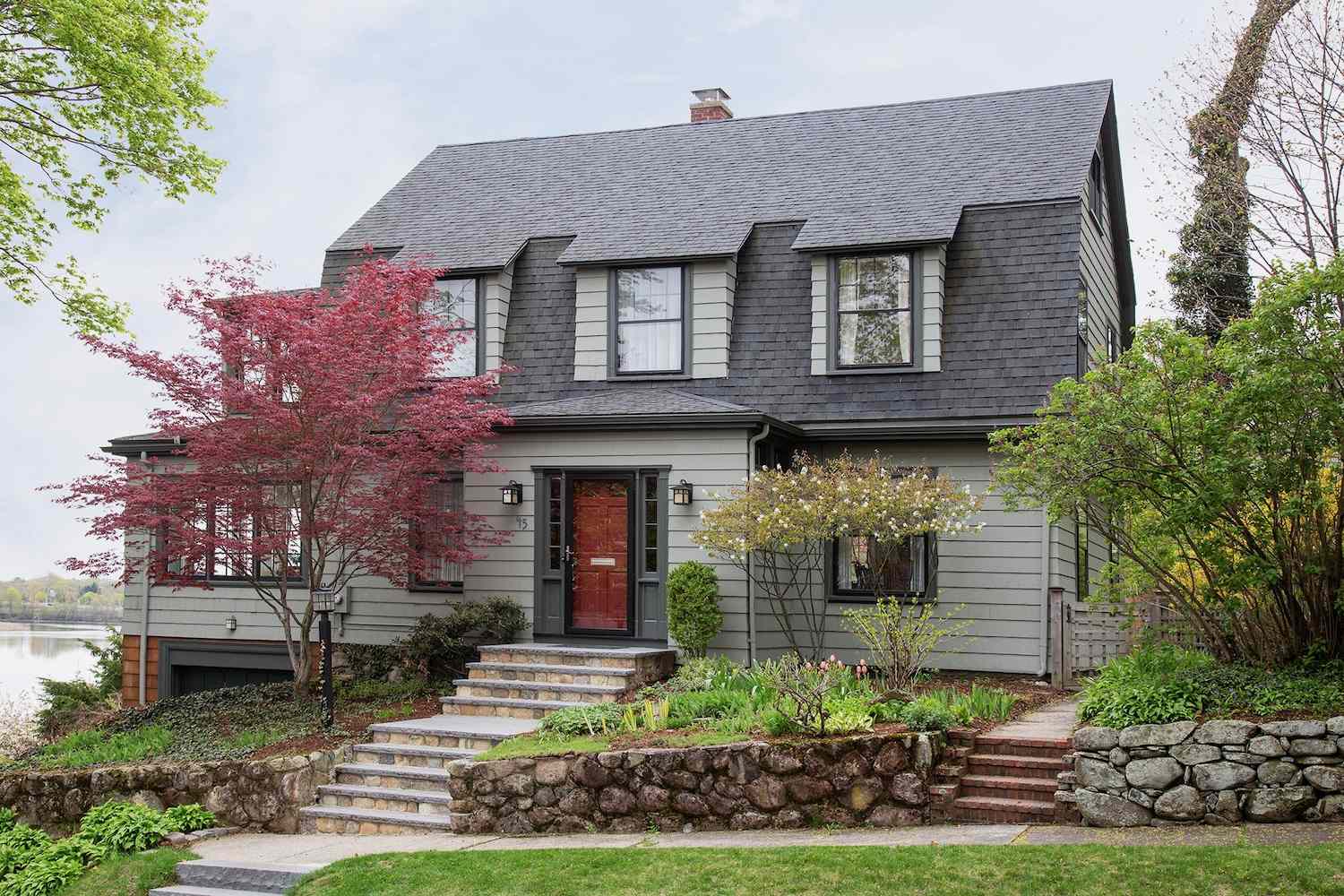
30. Sage Green Siding with a Striking Dark Red Door
This is another fantastic example of using complementary colors (red and green) in a sophisticated, grown-up way. The sage green siding is muted and earthy, providing a calm backdrop. The dark red door is deep and rich, not primary-color bright. This maturity in the tones is what makes the combination work so well. The dark gray roof and window frames act as a neutral anchor, grounding the colors and giving the whole scheme a cohesive, handsome look. Compare this to the brighter red in Idea #23 to see the difference in mood.
|
📋 Copy HEX 🔗 Share |
When you have a standout front door, the hardware and lighting around it become even more important. Notice how the dark gray trim, the simple metal of the door handle, and the classic design of the wall sconces all support the door without competing with it. When selecting these elements, choose a single metal finish and a style that complements your home’s architecture. The goal is to create a beautiful, cohesive vignette that welcomes guests in style.
31. White Stucco and Red Paneled House with a Dark Roof
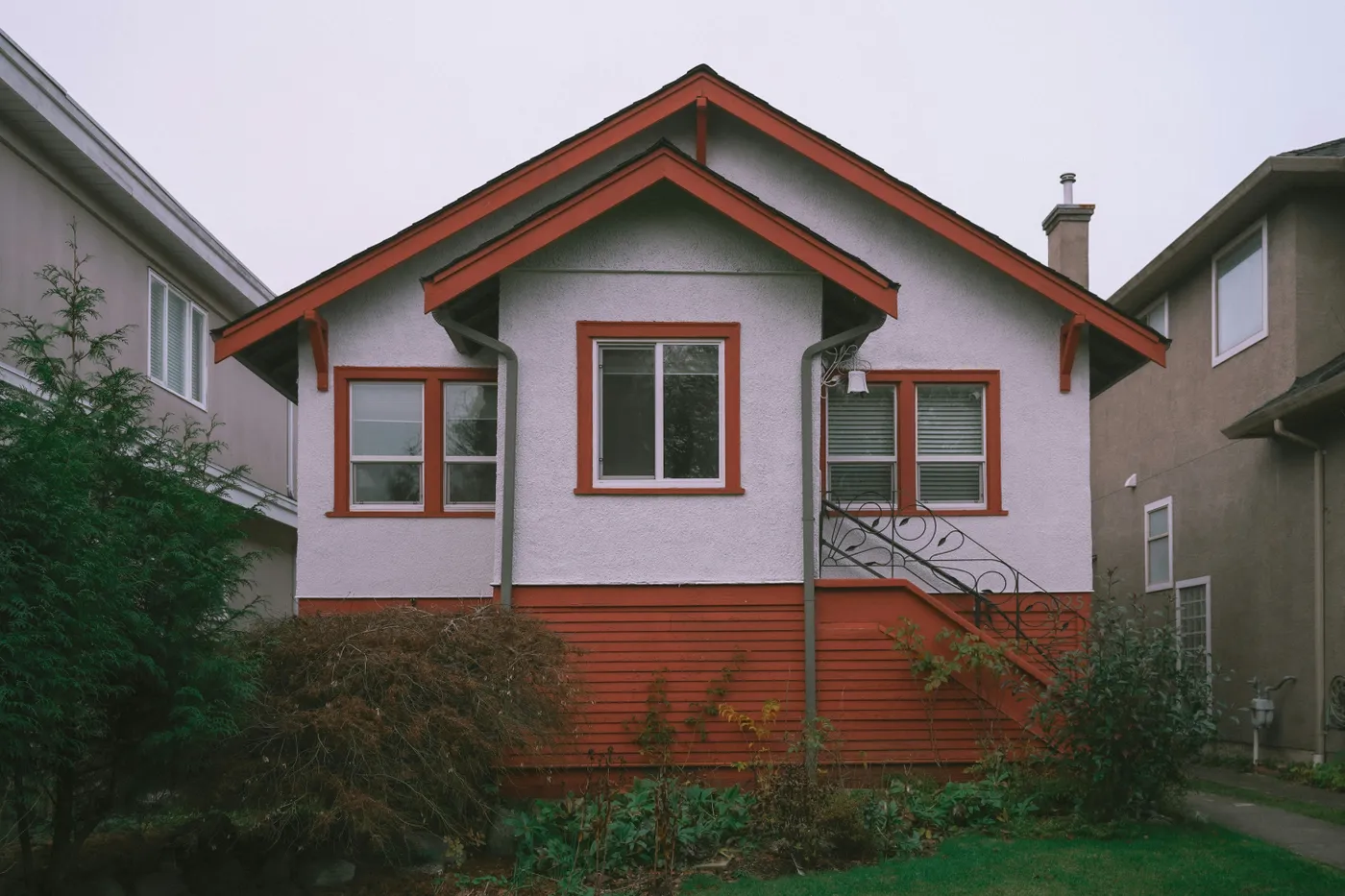
The visual formula here is a bold play on the rule of thirds. Roughly two-thirds of the facade is bright white stucco, which keeps the home from feeling too heavy. The bottom third is grounded by the deep red horizontal paneling. This 2:1 ratio of light to heavy color is classic and pleasing to the eye. The red trim on the roofline and windows then acts as an outline, tying the top and bottom sections together into one cohesive design. The dark roof provides a neutral cap on the whole composition.
|
📋 Copy HEX 🔗 Share |
This two-tone, horizontally divided color scheme works especially well on smaller, two-story homes with a simple, rectangular shape. The strong horizontal line of the red paneling can make a narrow house appear wider and more substantial. On a very large or architecturally complex home, this kind of color-blocking could fight with the existing lines and feel a bit chaotic. It’s a great strategy for adding character to a simple structure.
32. Vibrant Orange Siding with Crisp White Balcony Railings
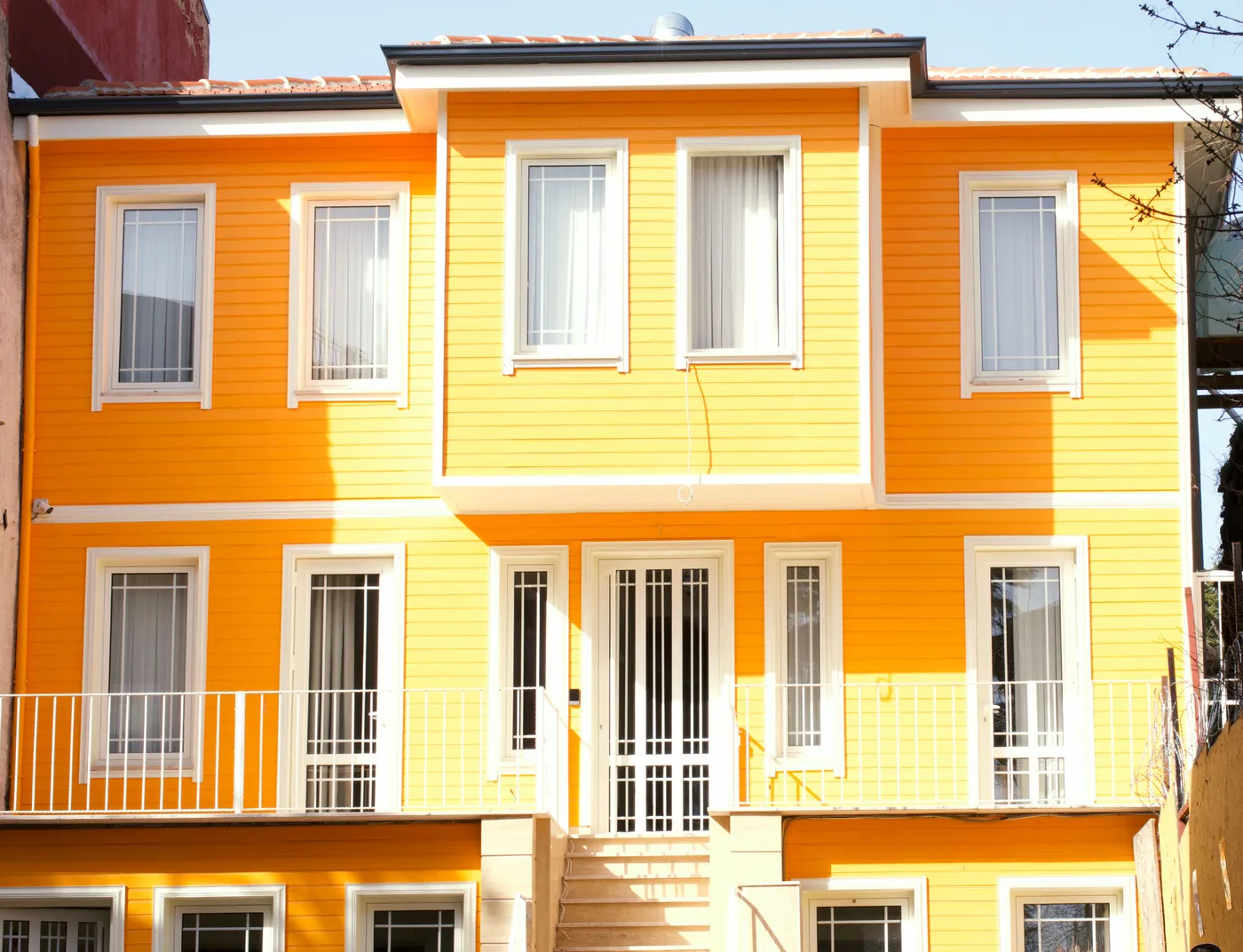
After years of muted, earthy tones dominating exterior design, we’re seeing a joyful return to unapologetic, vibrant color. This bright orange is part of a larger dopamine decor trend, where homeowners are choosing colors that make them feel happy and energized. It’s a confident, optimistic choice that’s particularly popular in sunny climates where bold colors feel right at home against bright blue skies. This isn’t about resale value; it’s about personal expression and creating a home that radiates positive energy.
|
📋 Copy HEX 🔗 Share |
A color this bold and saturated is a commitment. It will absolutely be the most talked-about house on the block—for better or for worse. Before you go this route, make sure you truly love it. Also, high-saturation colors, especially in the orange/red/yellow family, are more prone to fading from UV exposure over time. Using the absolute highest quality, UV-resistant paint or siding material is not optional here—it’s essential to prevent it from looking chalky and faded in a few years.
Your Home’s New First Impression Awaits
Choosing an exterior color is about more than just paint; it’s about crafting the story your home tells the world. Whether you’re drawn to a timeless neutral or a bold, expressive hue, the right palette can completely transform your home’s presence. We hope these 32 ideas have sparked your imagination for what’s possible. Now, get to pinning your favorites and start dreaming up your perfect curb appeal!