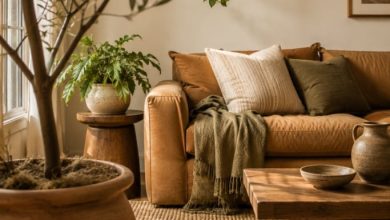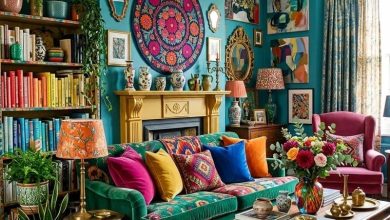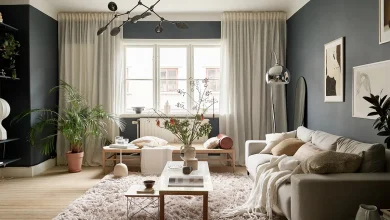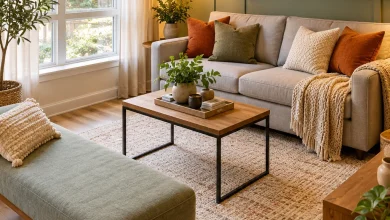

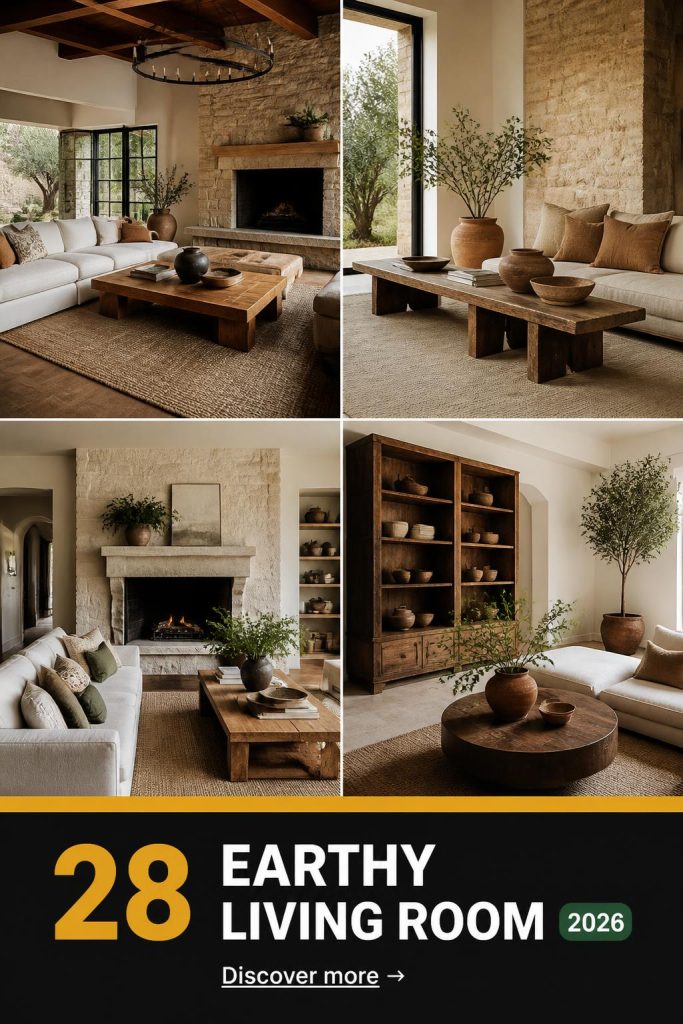
You know that feeling when you finally find the earthy living room that looks exactly right for your space? It feels like coming home. But getting from that saved pin to a real, livable room can feel like a huge leap. We get it. After filtering through hundreds of options across Crate & Barrel, Article, and West Elm, we narrowed it down to 28 ideas that actually deliver. In this guide, you’ll find everything from rustic cabin styles to modern boho looks, with actionable tips for every single one. These looks are trending for a reason in 2026: we’re all craving spaces that feel grounding and connected to nature. And stay until the end—we break down the most common mistakes that can ruin these looks. 📌 Save this to Pinterest for later—you’ll want to revisit these ideas.
1. Frame Your View with a Dark Stained Arched Door
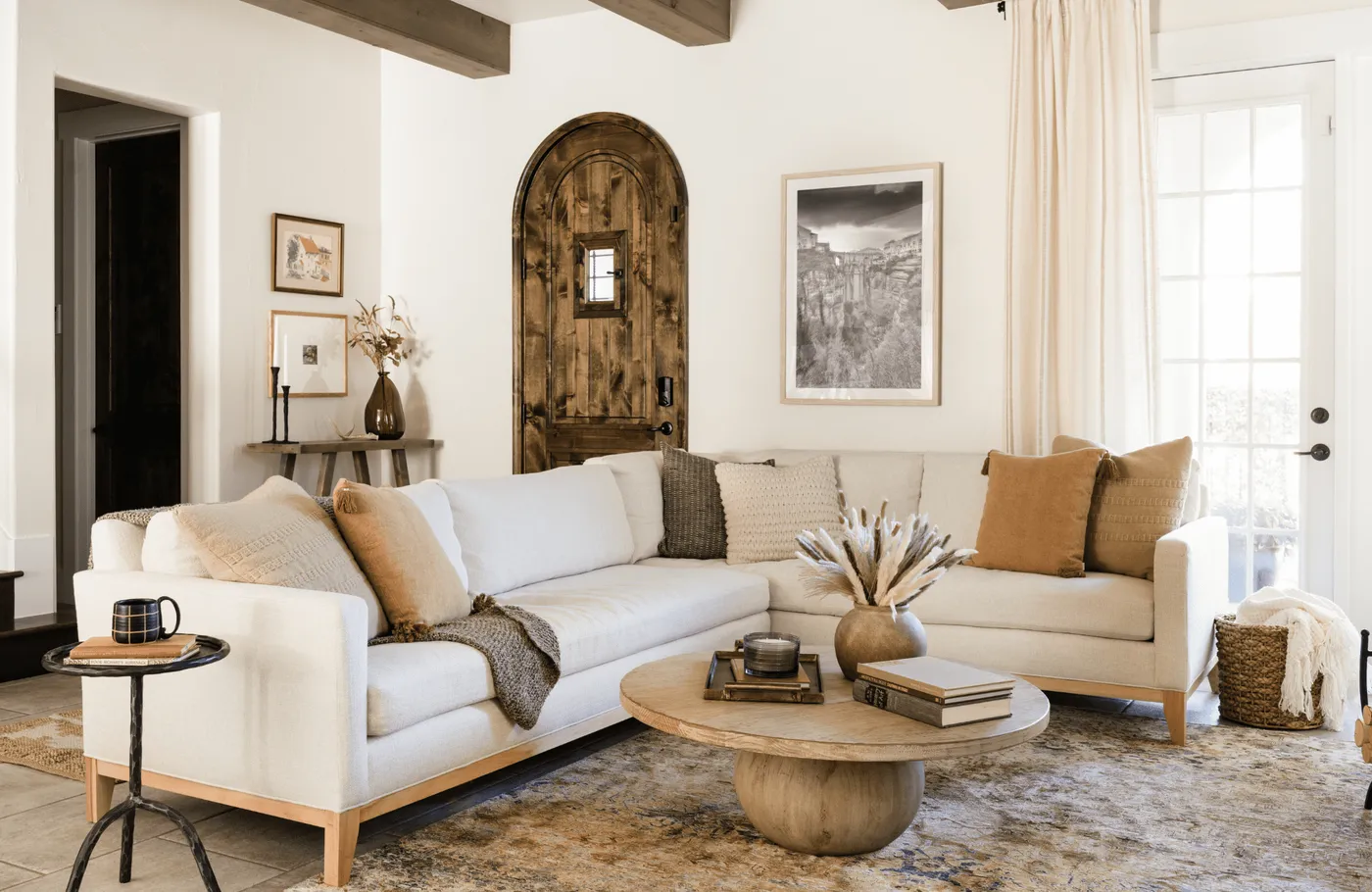
The magic here is all about contrast and shape. The strong, dark arch of the wooden door acts as a beautiful frame, drawing your eye through the space and adding architectural interest where there might otherwise be a plain rectangle. It contrasts beautifully with the soft, off-white sectional and light wood ceiling beams. This single element introduces a sense of history and craftsmanship, making the whole room feel more curated and less like it was assembled overnight from a catalog. The curve of the arch also softens the straight lines of the sofa and beams, creating a more dynamic visual flow.
|
📋 Copy HEX 🔗 Share |
When you’re installing a statement door, think about the hardware. A common mistake is to use standard, off-the-shelf knobs and hinges. For a door this substantial, you need hardware to match. Look for oversized, hand-forged iron or dark bronze hardware. A long pull handle or a classic lever set will feel much more appropriate and luxurious than a simple round knob. Ensure the finish complements other dark accents in the room, like the ceiling beams or window frames, to create a cohesive look. Spend at least $150-$300 on quality hardware; it’s the finishing touch that makes the whole installation look intentional and high-end.
2. Embrace Mediterranean Calm with a Curved Boucle Sofa
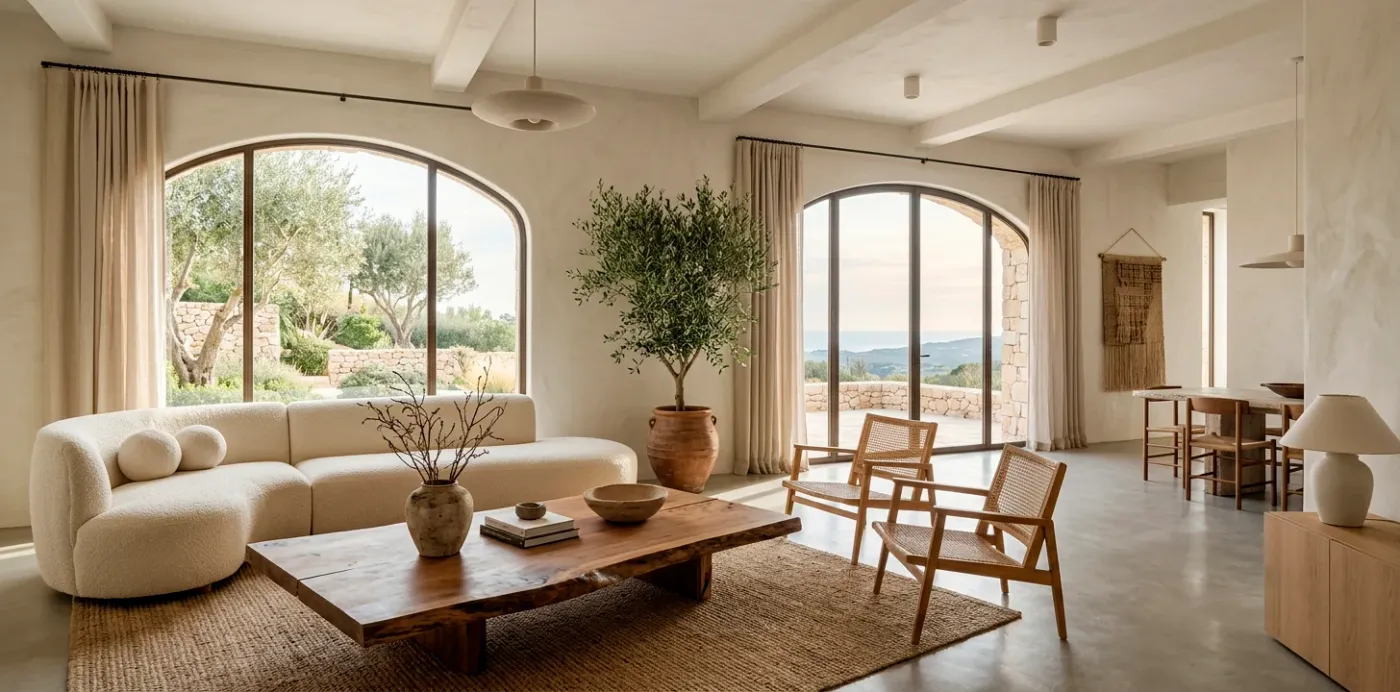
It’s the curved boucle sofa, without a doubt. Take it away, and you have a lovely, rustic room. But with it, the space transforms into something softer, more current, and infinitely more inviting. The gentle curve breaks up the hard lines of the arched windows and invites conversation, creating a natural gathering spot. The nubby boucle texture adds a layer of cozy tactility that begs you to sit down, contrasting perfectly with the raw, live-edge wood coffee table and the smooth plaster walls. This single piece of furniture sets the entire tone: relaxed, sophisticated, and deeply comfortable.
|
📋 Copy HEX 🔗 Share |
We’re seeing a massive shift towards what’s being called Modern Mediterranean—it’s less about kitschy coastal decor and more about the intrinsic vibe of places like Ibiza or Puglia. Think natural materials, sculptural forms, and a deep connection to the outdoors. The curved sofa is a hallmark of this trend, moving away from the rigid sectionals of the past towards more organic, flowing shapes. It’s a response to our collective desire for homes that feel like a serene escape, blending indoor comfort with the raw beauty of the natural world.
3. Balance Light Wood Beams and a Dark Arched Doorway
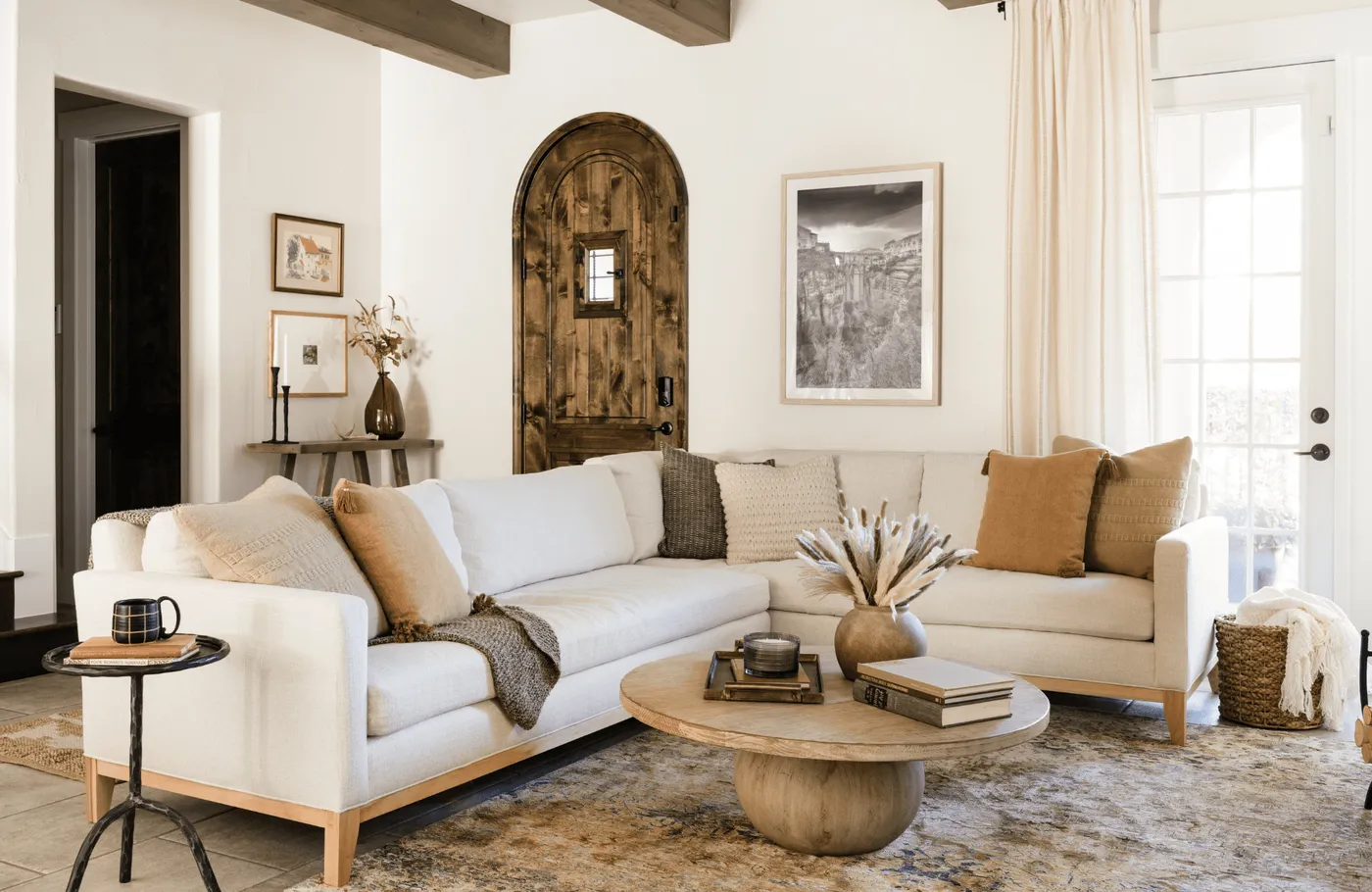
This room’s formula is a masterclass in balance. Think of it as: 60% warm neutrals (the off-white sectional, the rug) + 20% light wood (ceiling beams, coffee table) + 10% dark wood (the arched door) + 10% textural accents (pillows, blankets). The key is the intentional play between the light and dark wood tones. The light beams lift the ceiling and keep the space airy, while the dark door grounds the room and adds a touch of drama. Without this balance, the room could feel either washed out or too heavy. You can swap the woods, but keep the ratio: a dark wood ceiling would need a lighter-toned statement door to maintain equilibrium.
|
📋 Copy HEX 🔗 Share |
Adding exposed ceiling beams is a fantastic way to get this look, but it’s not a weekend DIY project. Unless your home already has structural beams you can expose, you’ll be installing faux beams. Faux beams can look incredible, but cheap, hollow-looking ones are a dead giveaway. You’ll need to budget for high-quality, realistic-looking beams made from lightweight polyurethane or solid (but non-structural) wood. Professional installation is highly recommended to ensure they are securely mounted and scribed to the ceiling perfectly. It’s a dusty, disruptive job, so be prepared for a bit of construction chaos.
4. Ground Your Space with a Chunky Rustic Wood Coffee Table
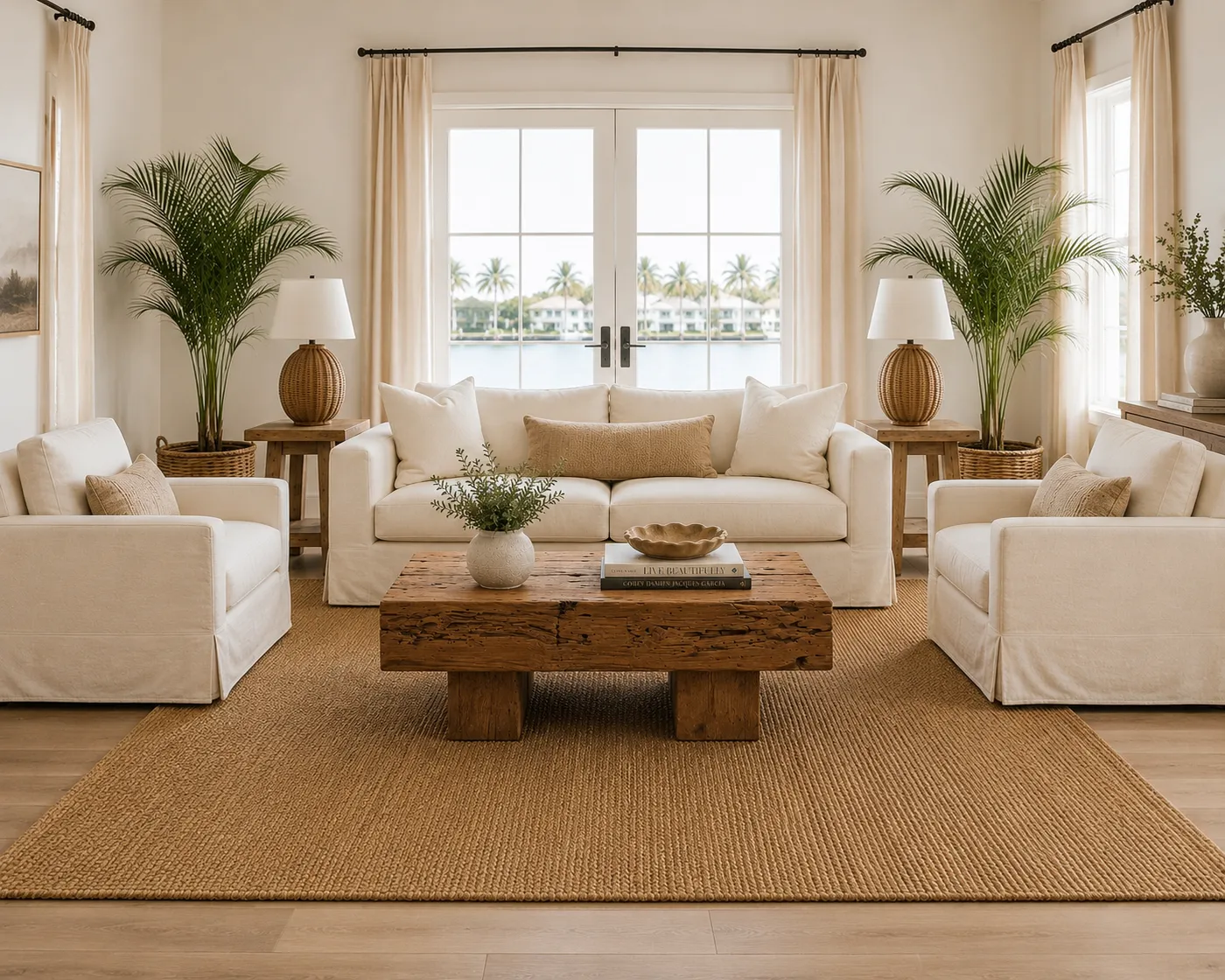
That substantial, rustic coffee table is a showstopper, but you don’t need a four-figure budget to get a similar effect. The goal is a piece with visual weight and natural texture. Your first stop should be Facebook Marketplace. Search for a solid wood coffee table, reclaimed wood table, or rustic bench. You can often find a heavy, character-filled piece for $100-$300 that just needs a light sanding and a coat of wax. Alternatively, look at World Market or even the outdoor section of stores like Target for chunky wooden benches that can double as coffee tables. The key is to look for solid, imperfect wood, not a perfect veneer.
|
📋 Copy HEX 🔗 Share |
A rustic wood coffee table with a natural, unsealed finish is beautiful but requires a little mindfulness. It’s not the place for sweaty glasses of iced tea without a coaster. Water rings will happen, and they will be part of the wood’s story—which is a nice way of saying they’re permanent. To maintain it, avoid harsh chemical cleaners. A simple wipe-down with a damp cloth is usually enough. Every 6-12 months, you might want to apply a furniture wax or oil to nourish the wood and give it some protection. If you’re a perfectionist, this is not the coffee table for you. But if you love a piece that shows its history, it’s perfect.
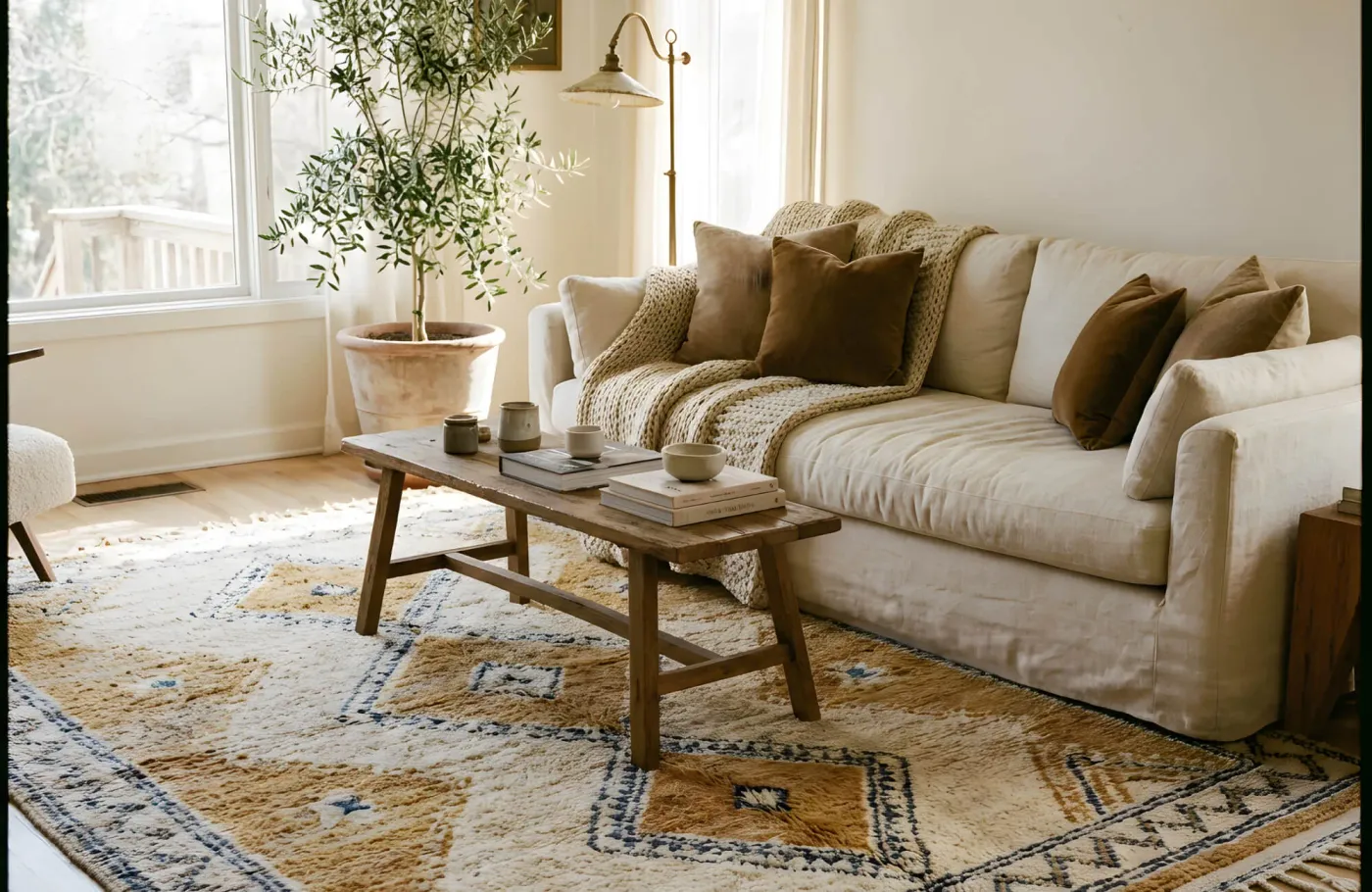
5. Layer Textures with a Geometric Shag Rug and Velvet Pillows
When mixing multiple textures in a neutral palette, the key is to vary the scale of the texture itself. Here, you have the large, nubby loops of the chunky knit throw, the medium-plush pile of the shag rug, the fine, dense pile of the velvet pillows, and the smooth, flat weave of the slipcovered sofa. The result feels rich and layered, not chaotic. A pro tip is to follow the three-texture rule for a sofa: start with your base fabric (the slipcover), add a smooth/plush texture (velvet pillows), and finish with a rough/chunky texture (the knit throw). This simple formula always creates a visually interesting and inviting arrangement.
|
📋 Copy HEX 🔗 Share |
This look succeeds because it engages the sense of touch just as much as the sense of sight. The combination of textures—plush shag rug, smooth velvet, chunky knit, distressed wood—makes you want to reach out and touch everything. This sensory layering is what creates a deep feeling of coziness. Furthermore, the geometric pattern on the rug adds just enough visual structure to keep the sea of neutral textiles from feeling shapeless. The deep blue in the pattern provides a necessary color anchor that stops the cream and brown palette from becoming monotonous.
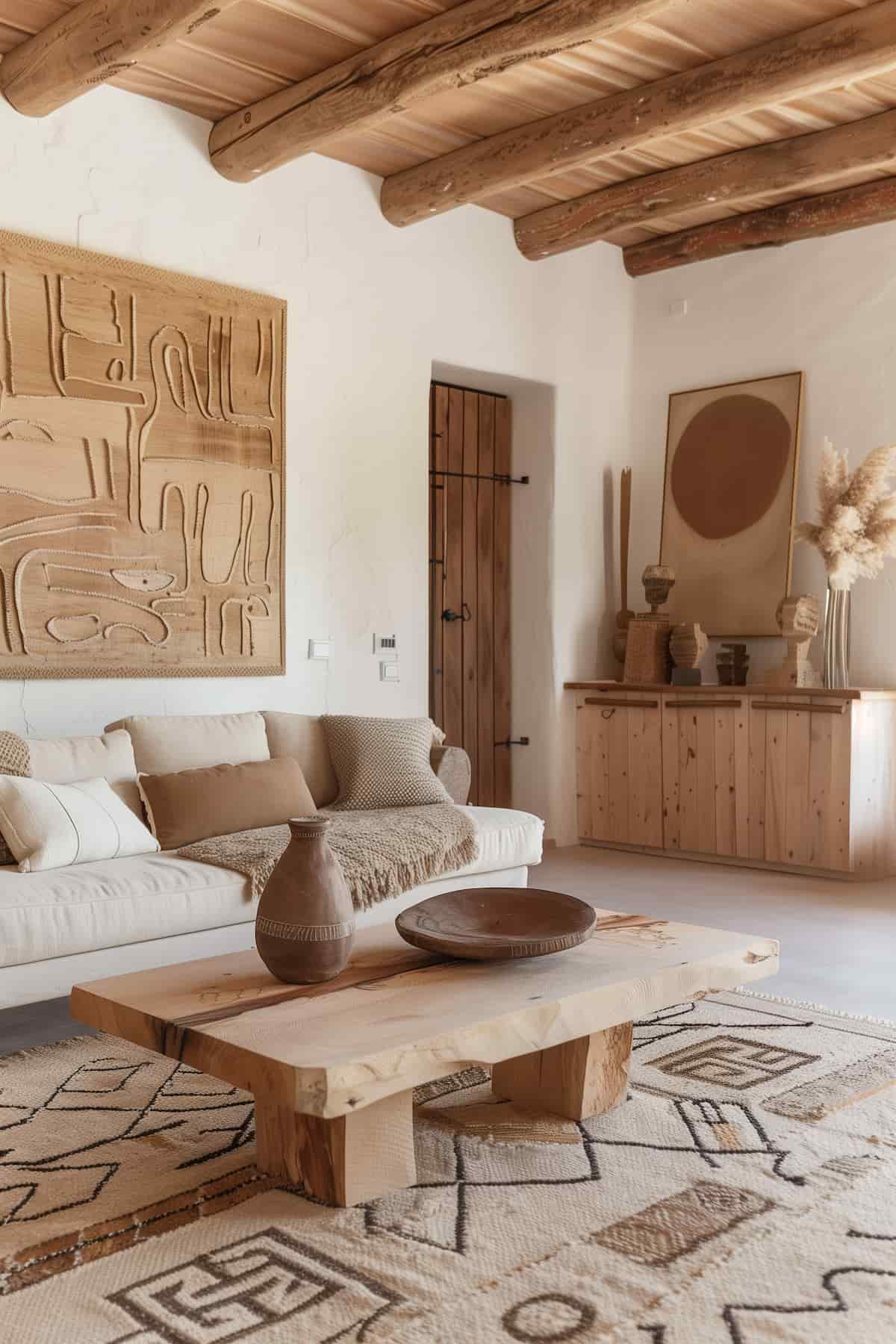
6. Go Full Rustic with a Raw Wood Slab Coffee Table
The raw wood slab coffee table is the undeniable heart of this room. It’s more than furniture; it’s a piece of natural sculpture. Its organic shape, raw edges, and visible grain tell a story that no mass-produced item ever could. If you replaced it with a standard rectangular table, the room would lose its rustic soul. This single element dictates the entire aesthetic, calling for the other natural textures like the patterned rug, the carved wood art, and the exposed beams to complement its rugged authenticity. It’s the anchor that gives every other piece in the room its purpose. Compare it with the more refined table in Idea #20.
|
📋 Copy HEX 🔗 Share |
A coffee table with this much visual weight needs room to breathe. This idea is best suited for living rooms that are at least 15 feet by 20 feet with standard 8- or 9-foot ceilings. In a smaller space, a table this large and dark will feel overwhelming and consume all the visual real estate, making the room feel cramped. You need at least 18-24 inches of clearance on all sides for comfortable traffic flow. For smaller living rooms, consider the lighter look in Idea #3, which uses a round, lighter-wood table to achieve a similar earthy feel without the bulk.
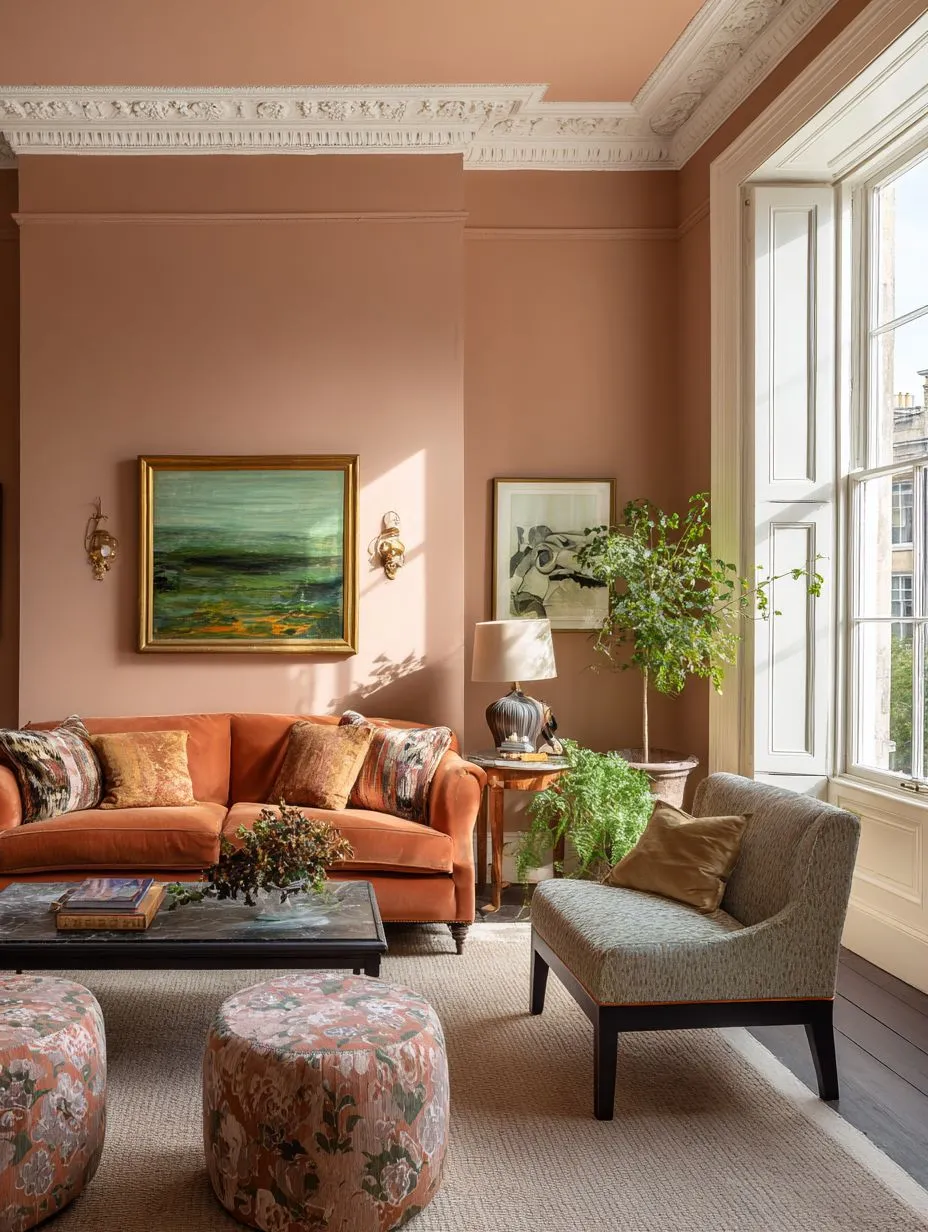
7. Infuse Warmth with Salmon-Pink Walls and an Orange Velvet Sofa
A word of caution with warm, saturated wall colors like salmon or terracotta: they are extremely sensitive to light. In a room with warm, south-facing light, this color will feel vibrant and glowing. But in a north-facing room with cool, indirect light, it can look muddy or even a bit drab. Before you commit to painting the entire room (and ceiling!), get a large sample pot and paint a big poster board. Move the board around to different walls at different times of the day to see how the color truly behaves in your specific lighting conditions. This is not a color to choose from a tiny paint chip under fluorescent store lights.
|
📋 Copy HEX 🔗 Share |
This room’s vibrant energy comes from a daring color formula: 50% warm envelope (the salmon walls and ceiling) + 30% statement color (the orange velvet sofa) + 10% grounding neutrals (the light rug, white shutters) + 10% cool accents (the green plants, touches of blue in the art). The key is that the statement sofa is a close cousin to the wall color—they’re in the same family, which creates a rich, layered, monochromatic effect rather than a jarring clash. The small doses of green and blue act as complementary colors, making the warm tones pop even more.
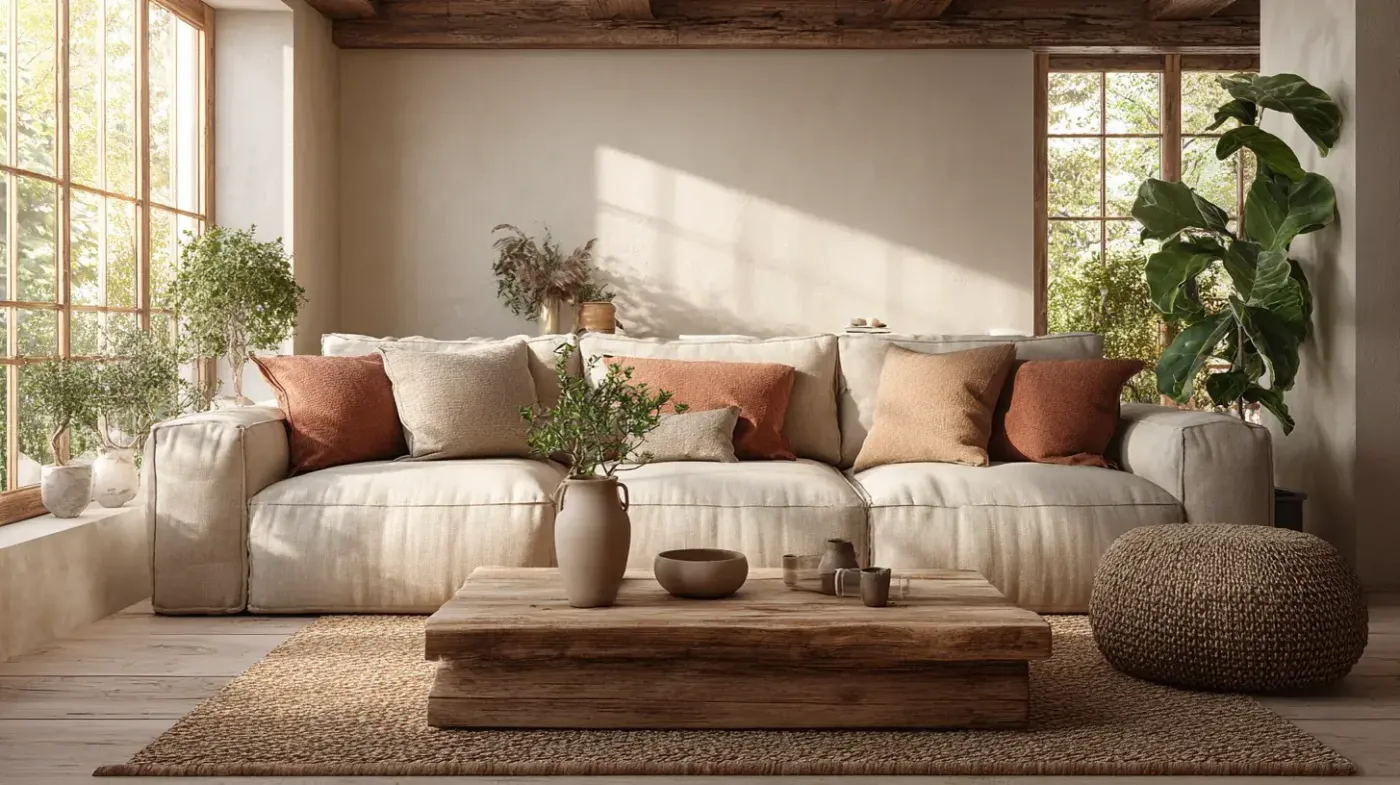
8. Create a Relaxed, Organic Vibe with a Raw-Hewn Coffee Table
Here’s what it might cost to get this relaxed, natural look. Remember, these are ranges—thrifting and DIY can save you a ton.
|
📋 Copy HEX 🔗 Share |
- Main Furniture (Sectional Sofa): $2,500 – $6,000
- Coffee Table (Raw Wood): $800 – $2,500
- Textiles (Rug, Pillows, Pouf): $500 – $1,500
- Lighting & Decor: $300 – $800
- Plants & Planters: $200 – $600
- TOTAL: $4,300 – $11,400
Budget alternative: Find a large sectional on Facebook Marketplace ($500-$1,200), a DIY live-edge coffee table kit ($300), and source textiles from Target and HomeGoods ($400). Total cost: ~$1,500.
Before you dive into this breezy, organic style, take a moment to check a few key things. This look relies heavily on natural light to feel airy and not just… brown.
- Check your light: Does your room get at least 4-6 hours of bright, indirect light per day? If not, you’ll need to add more layers of artificial lighting to keep it from feeling gloomy.
- Measure for the sectional: A large, light-colored sectional is great, but it’s a beast. Tape out the dimensions on your floor to ensure you have enough walking space around it.
- Assess your lifestyle: Light-colored upholstery and natural fiber rugs can be less forgiving with pets and kids. Are you prepared for the maintenance?
9. Anchor Your Cozy Living Room with a Grand Stone Fireplace
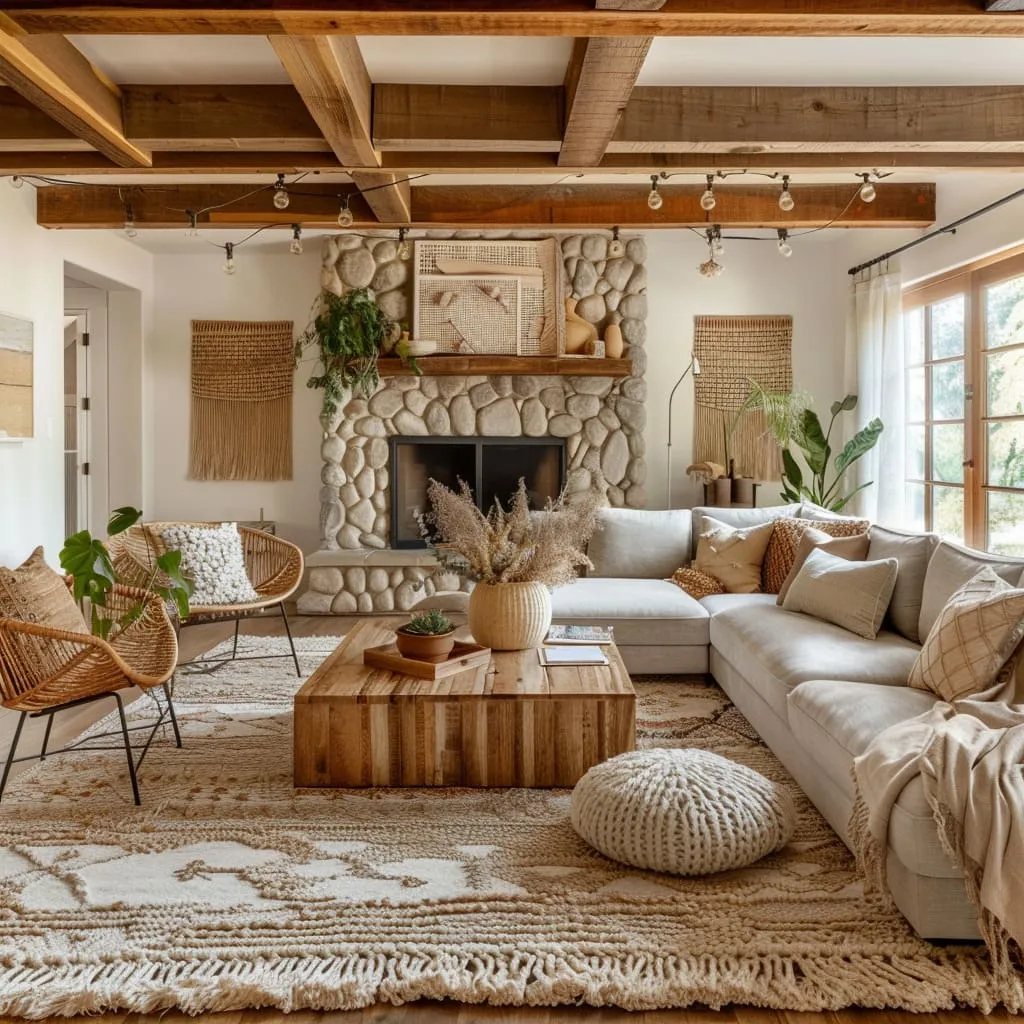
The stone fireplace works so well here because it provides a powerful focal point and introduces a massive dose of natural, rugged texture. It’s an architectural anchor. The varied sizes, shapes, and colors of the stacked stones create a rustic, organic pattern that contrasts beautifully with the smooth lines of the sectional sofa. The exposed wood beams and rattan chairs echo the fireplace’s natural materiality, creating a harmonious and cohesive design language throughout the space. Without the fireplace, the room would be pleasant, but it would lack this strong, grounding central feature.
|
📋 Copy HEX 🔗 Share |
A stacked stone fireplace looks incredible, but it’s a dust magnet. The uneven surfaces and deep grout lines are prime spots for dust and cobwebs to accumulate. You’ll want to give it a good vacuuming with a brush attachment at least once a month. For a deeper clean, especially to remove any soot stains near the firebox, you’ll need a stiff brush and a dedicated stone cleaner. Avoid acidic or abrasive cleaners, which can damage the stone and mortar. It’s not a high-maintenance feature on a day-to-day basis, but it does require a bit more effort than a simple painted wall.
10. Channel Bohemian Style with Macrame Wall Hangings and Greenery
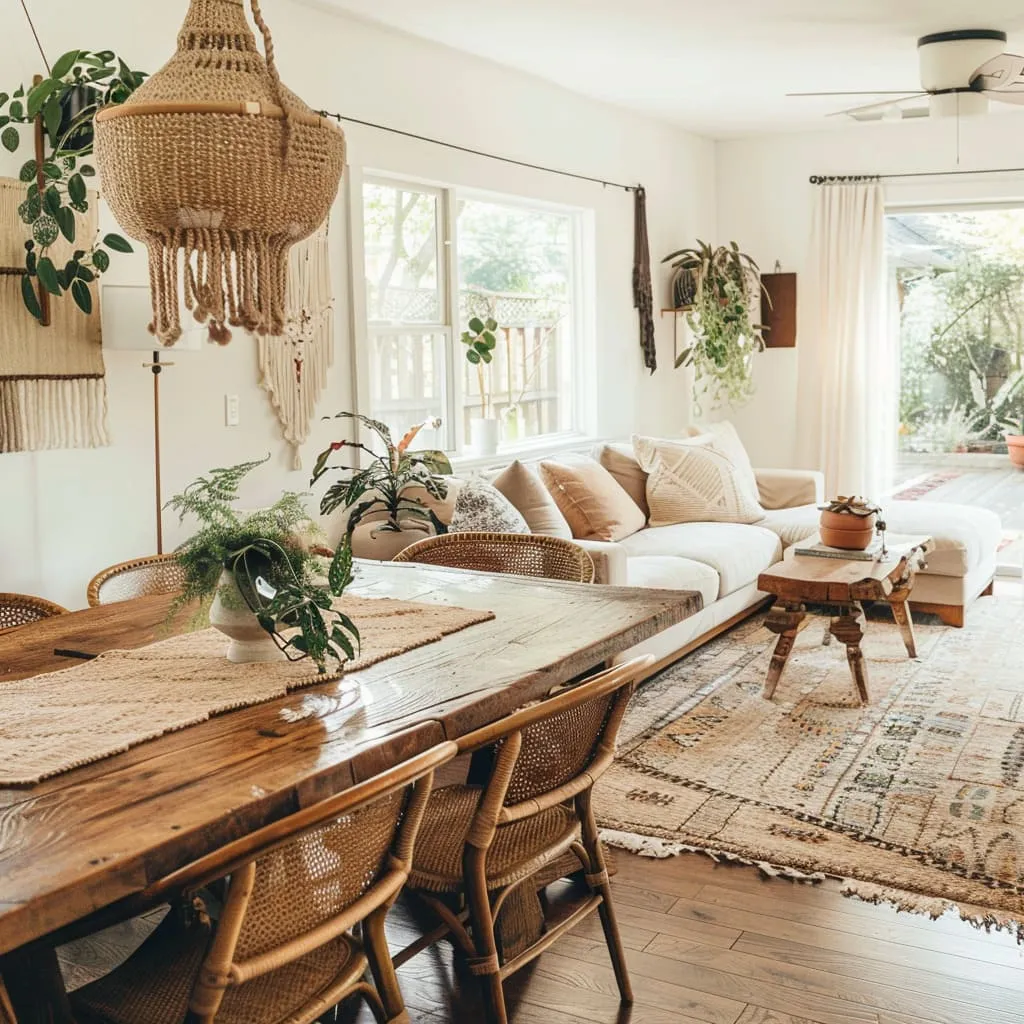
This vibrant, plant-filled boho look feels luxurious, but it’s one of the most budget-friendly styles to achieve. The key pieces—plants, macrame, and woven textures—can be found affordably. Start by propagating plants from friends or buying smaller ones and letting them grow. Check out Etsy or local craft fairs for handmade macrame wall hangings, which are often cheaper and more unique than mass-produced versions. For furniture, a slipcovered IKEA sofa like the Uppland or a secondhand find can provide the neutral base, while thrift stores and World Market are goldmines for patterned rugs and rattan accessories.
|
📋 Copy HEX 🔗 Share |
When styling with many plants, think in layers and create plant families. Instead of dotting them around the room one by one, group them together in clusters of 3 or 5. Vary the height, leaf shape, and pot texture within each grouping. For example, place a tall fiddle leaf fig next to a medium-sized snake plant and a trailing pothos in a hanging planter. This creates a lush, jungle-like effect that looks intentional and dynamic, rather than cluttered. Also, ensure you’re placing plants according to their light needs, not just your aesthetic desires!
11. Wrap Your Room in Warmth with Natural Wood Paneling
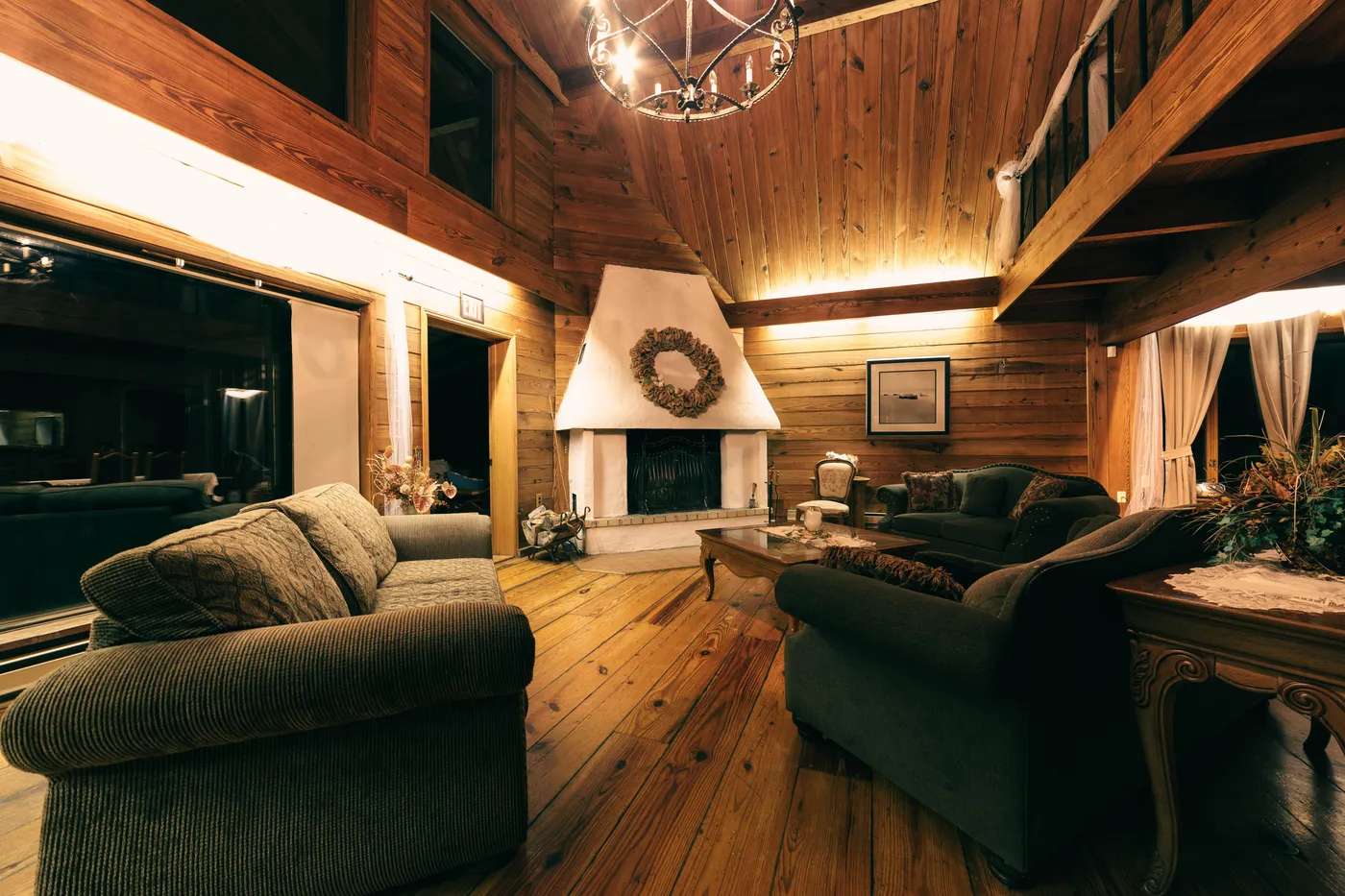
After years of all-white-everything, there’s a collective yearning for warmth, texture, and character—and ’70s-inspired wood paneling is back to deliver just that. But this isn’t your grandma’s dark, gloomy basement. The 2026 version is all about using light-toned woods like white oak, ash, or pine, often installed as vertical slats or clean, flat panels. It’s part of the larger Japandi and Organic Modern movements, which prioritize natural materials and create a sense of sanctuary. It’s a way to add immense warmth and architectural detail to a room without relying on paint or wallpaper.
|
📋 Copy HEX 🔗 Share |
Wood-paneled walls, even in a light tone, will absorb a lot of light. If you’re considering this for a room that doesn’t get a ton of natural sunlight, you need a solid lighting plan. You’ll likely need to double down on ambient, task, and accent lighting. Think recessed ceiling lights, multiple floor lamps, and table lamps to keep the room from feeling like a dark cabin. Also, if you ever decide you’re over the look, removing wood paneling can be a major undertaking that often requires significant drywall repair afterward. It’s a bigger commitment than a coat of paint.
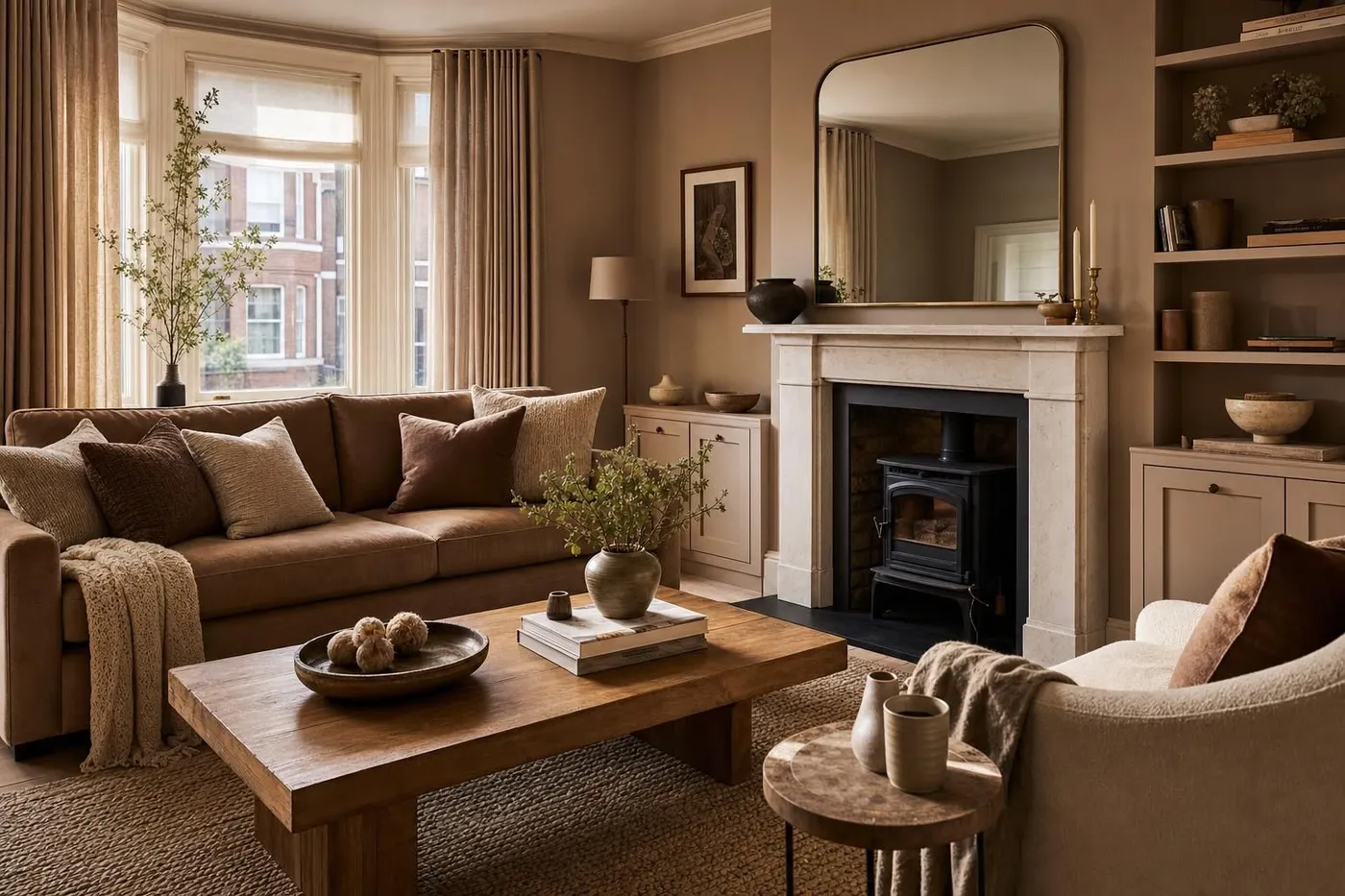
12. Get Cozy with a Brown Suede Sofa and a Classic Fireplace
The feeling of cozy in this room comes directly from the rich, warm brown of the sofa. It’s the visual equivalent of a warm hug. While the fireplace and wood tones contribute, the sofa is the heart of the warmth. A gray or cream sofa in the same spot would create a completely different, more reserved mood. The deep brown has an earthy, grounding quality that makes you want to curl up with a book and a blanket. It anchors the entire color palette and gives the lighter, neutral elements like the rug and walls something substantial to play against.
|
📋 Copy HEX 🔗 Share |
Perfectly styling the built-in shelves next to a fireplace can be tricky. Here’s a quick guide to get it right:
- Start with a clean slate: Empty the shelves completely. Give them a good wipe-down.
- Anchor with large items: Place your largest items first—big vases, stacks of art books, or decorative boxes. Stagger them on different shelves to create balance.
- Layer in books: Add your books. Some can stand vertically, others can be stacked horizontally to create platforms for smaller objects. Vary the orientation.
- Add personal objects: Now, add your smaller decor—framed photos, small sculptures, candles. Place them in the gaps and on top of your stacked books. Work in triangles to create visual flow.
- Bring in life: Finish with a small plant or two, like a trailing pothos or a succulent, to add a touch of green.
This whole process should take about an hour and costs nothing but your time!
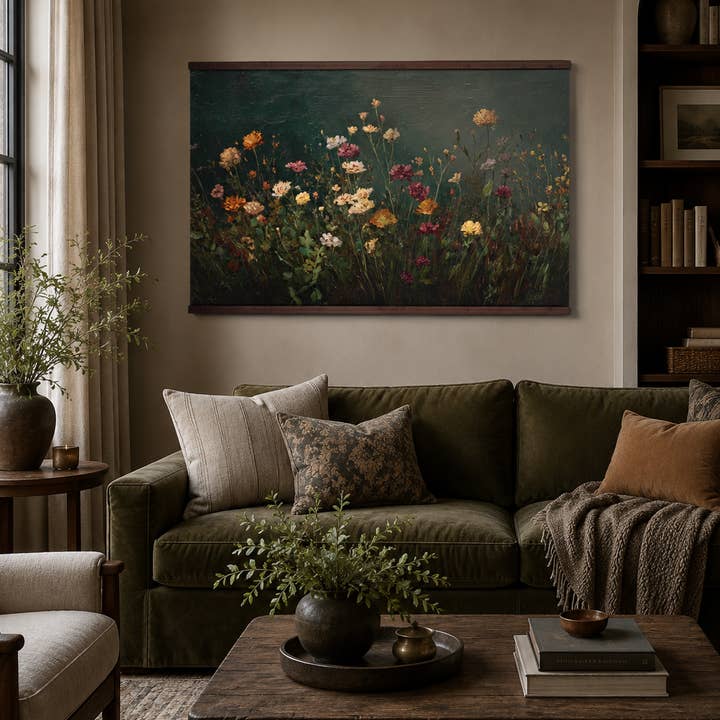
13. Set a Sophisticated Mood with a Dark Green Velvet Sofa
The formula for this moody-yet-inviting space is simple but effective: 40% deep, saturated color (the green velvet sofa) + 30% warm neutrals (the beige curtains and walls) + 20% dark wood tones (coffee table, bookshelf) + 10% accent color (the rust and cream in the pillows and art). The key is allowing the deep green to be the undisputed star while supporting it with plenty of warmth. Without the beige and rust tones, the combination of dark green and dark wood could feel too heavy and somber. The warm accents provide essential balance and light.
|
📋 Copy HEX 🔗 Share |
This design works because it masterfully balances color, texture, and theme. The green of the sofa and the subject matter of the botanical art create a clear, cohesive nature-inspired theme. The luxurious texture of velvet plays against the rustic, matte texture of the wood furniture and the soft weave of the curtains. This textural variety keeps the eye moving and adds depth. Finally, the large-scale artwork is perfectly proportioned to the sofa, creating a unified and impactful focal point on the main wall.
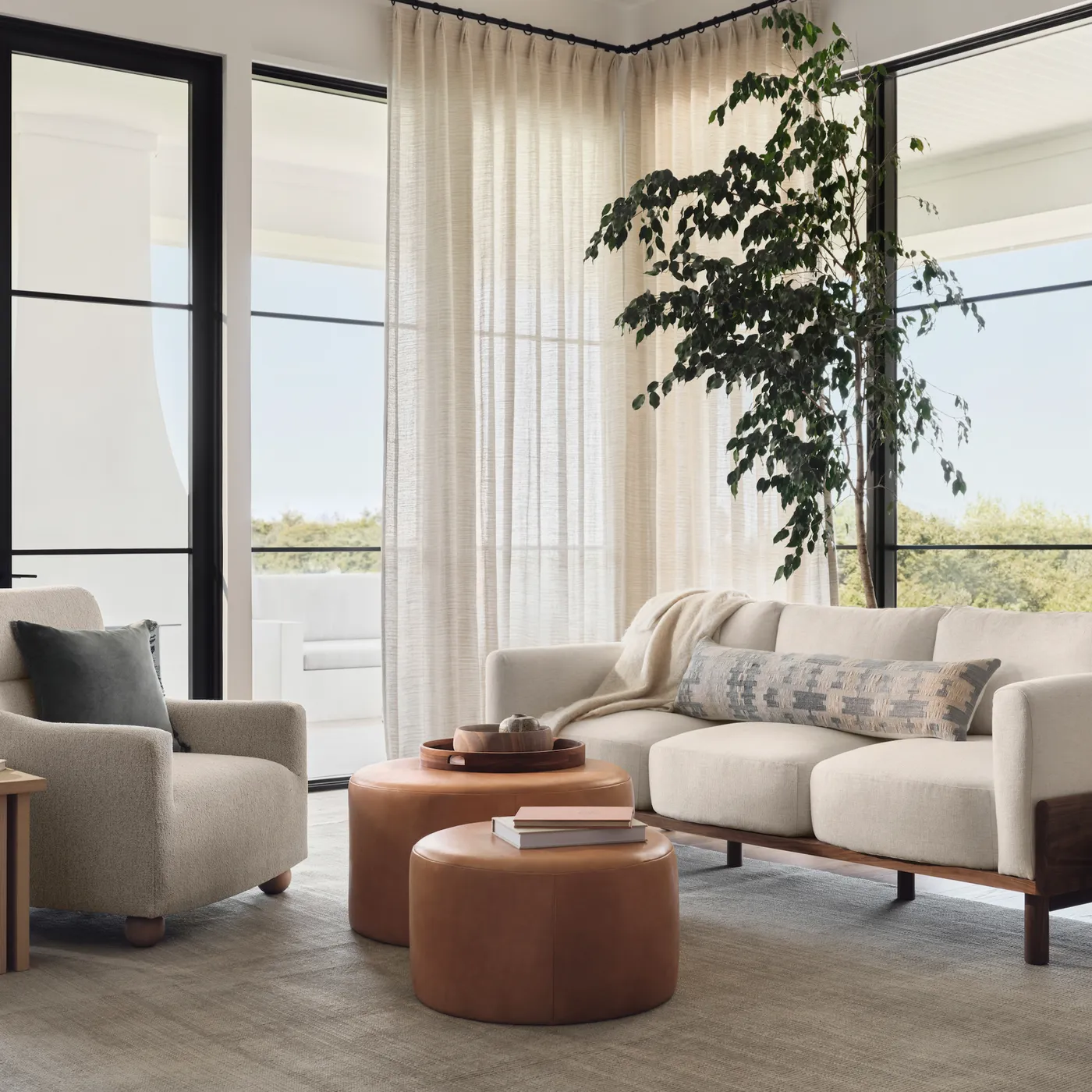
14. Achieve a Modern, Airy Look with Round Tan Leather Ottomans
Using two smaller ottomans instead of one large coffee table is a brilliant move for flexibility. They can be pushed together to function as a single surface, pulled apart to serve individual chairs, or used as extra seating in a pinch. For this to work, the ottomans must be the right height—no more than 1-2 inches lower than your sofa’s seat height. Also, always place a large tray on at least one of them. This provides a stable, flat surface for drinks or decorative objects, giving you the function of a coffee table without sacrificing the soft, upholstered look.
|
📋 Copy HEX 🔗 Share |
This airy, modern aesthetic is incredibly versatile and works well in a variety of room sizes, but it truly shines in small to medium-sized living rooms (around 12×15 feet). The leggy furniture—sofa, armchair, and side tables with visible legs—creates a sense of openness by allowing you to see the floor underneath, which tricks the eye into perceiving more space. The round ottomans have a smaller footprint than a rectangular coffee table and soften the room’s geometry. In a very large room, the furniture might feel a bit lost; you’d need to anchor it with a much larger rug to define the zone.
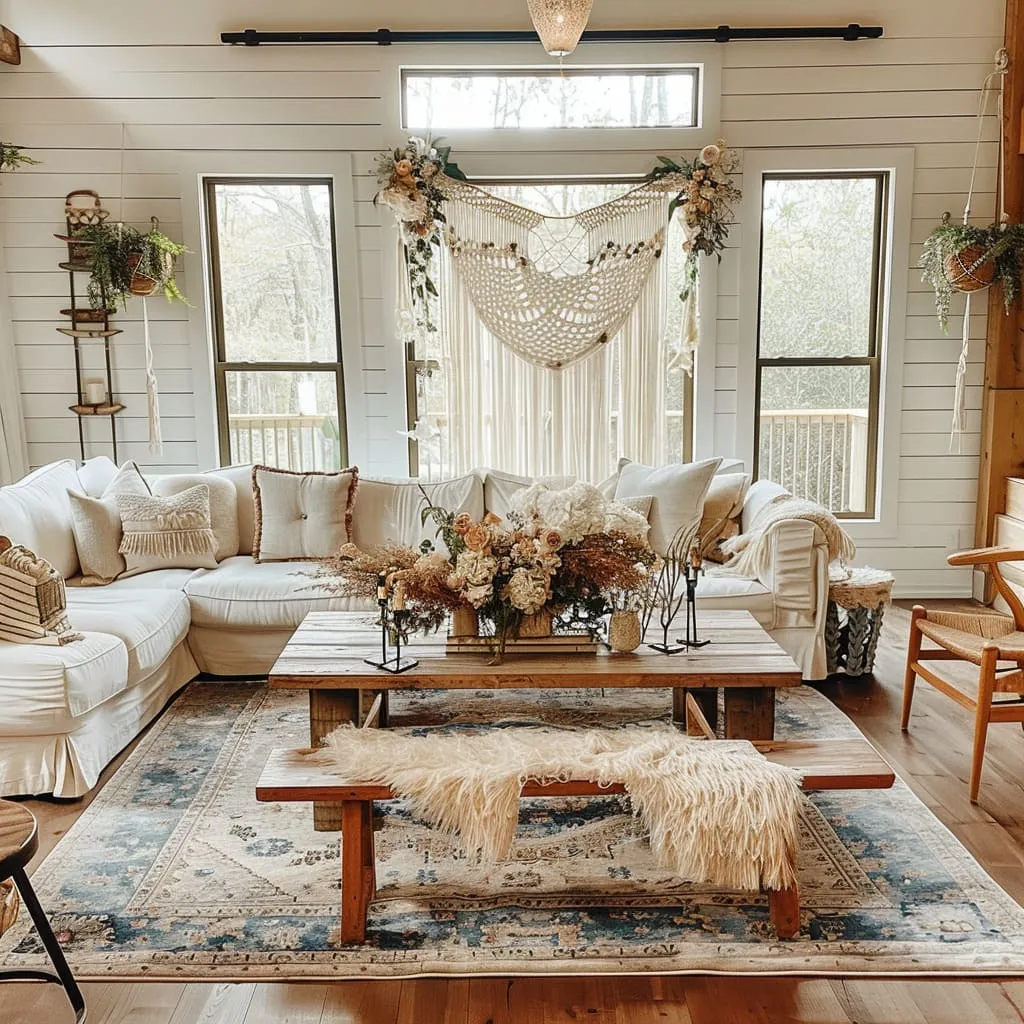
15. Soften Shiplap Walls with Macrame and Dried Floral Garlands
This cozy, layered look is wonderfully achievable on a small budget. The off-white slipcovered sectional could be an affordable IKEA find or a Facebook Marketplace score. The star accessories—the macrame hanging and floral garlands—are prime DIY projects. You can find macrame cord and tutorials online for under $30. For the garlands, forage for interesting branches and leaves (legally, of course!) or buy inexpensive bundles of eucalyptus and dried flowers from Trader Joe’s or a local craft store. The rustic coffee table is another piece that’s often found for a steal secondhand. It’s about curating texture, not spending a fortune. This is a much softer version of the bohemian look in Idea #10.
|
📋 Copy HEX 🔗 Share |
Creating a beautiful dried floral garland is easier than it looks. Here’s how:
- Gather your materials: You’ll need a base branch (like eucalyptus or olive branches), smaller dried elements (like lavender, bunny tails, baby’s breath), floral wire, and scissors. Cost: ~$20-40.
- Create mini-bundles: Take a few of your smaller dried elements and create a tiny bouquet. Wrap the stems tightly with a 3-inch piece of floral wire. Make 10-15 of these bundles.
- Attach bundles to the base: Starting at one end of your main branch, lay a mini-bundle on top, with the flowers facing the tip of the branch. Securely wrap it to the branch with more floral wire.
- Layer and conceal: Place your next mini-bundle slightly overlapping the first one, hiding the wire from the previous step. Continue this process, layering bundles down the length of the branch.
- Finish it off: Once you reach the end, you can add a final bundle facing the opposite direction for a finished look. Hang with clear hooks or drape over a window frame.
16. Add Sculptural Interest with a Live-Edge Coffee Table
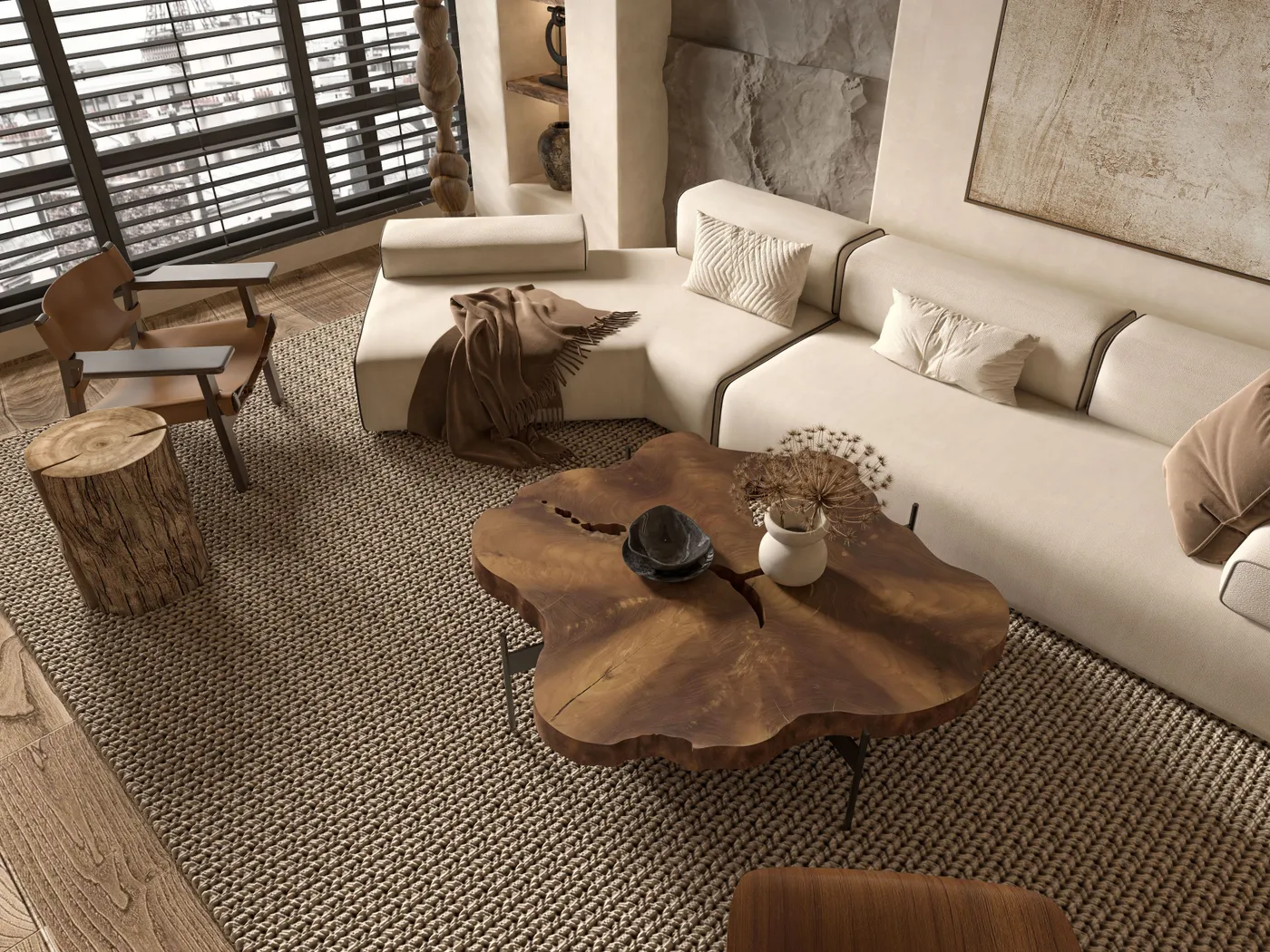
The live-edge coffee table is the soul of this room. It’s not just a surface; it’s a piece of natural art that introduces organic curves and raw texture into an otherwise clean-lined space. The contrast between its rustic, untamed shape and the tailored, piped cushions of the sectional sofa is what creates the design tension and visual interest. Swapping this for a standard rectangular table would make the room feel instantly more generic and less connected to nature. It’s the element that embodies the ‘earthy’ theme in its most literal and beautiful form. It’s a more refined take than the rugged slab in Idea #6.
|
📋 Copy HEX 🔗 Share |
A live-edge wood table, especially one with a smooth, sealed finish, is surprisingly easy to care for but not indestructible. The finish protects it from most spills, which should be wiped up promptly with a soft, damp cloth. Avoid abrasive scrubbers or harsh chemical cleaners. The biggest enemy of a slab table is drastic changes in humidity, which can cause the wood to expand or contract, potentially leading to cracks over time. Also, the uneven surface can be a bit tricky for balancing narrow-based wine glasses. Coasters are still your friend!
17. Fill Your Corners and Floors with Woven Baskets and Greenery
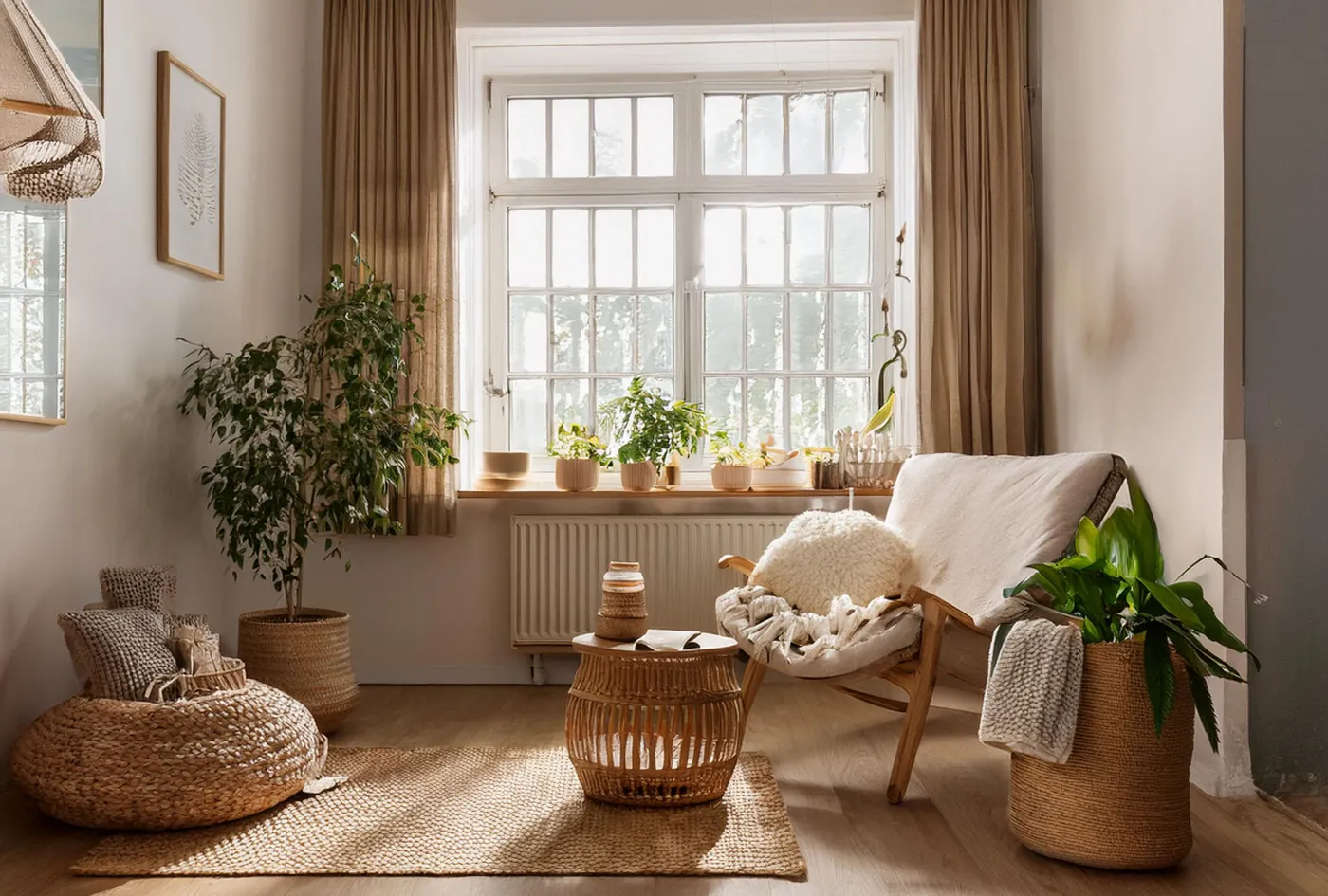
This space feels so lush and complete because it uses repetition of both texture and form. The woven texture of the jute rug is echoed in the numerous seagrass and rattan baskets used for planters and storage. This repetition creates a cohesive, rhythmic feel throughout the room. Similarly, the organic forms of the various plants are repeated, filling the space with life and natural shapes. This strategy of taking a few key elements—in this case, woven fibers and green leaves—and using them generously is what gives the room its strong, unified, and effortlessly natural character.
|
📋 Copy HEX 🔗 Share |
This is a look you can build over time on a shoestring budget. Woven baskets are plentiful and cheap at thrift stores, HomeGoods, and IKEA. Don’t worry about them matching perfectly; a varied collection adds more texture and interest. For plants, start with inexpensive and hard-to-kill varieties like snake plants, ZZ plants, and pothos from a local hardware store or nursery. You can often get free cuttings from friends or local plant-swap groups to grow your collection. The light wood armchair has direct dupes at Target and Walmart’s home sections for under $300.
18. Layer Blush Pinks and Coppers for a Glam Earthy Look
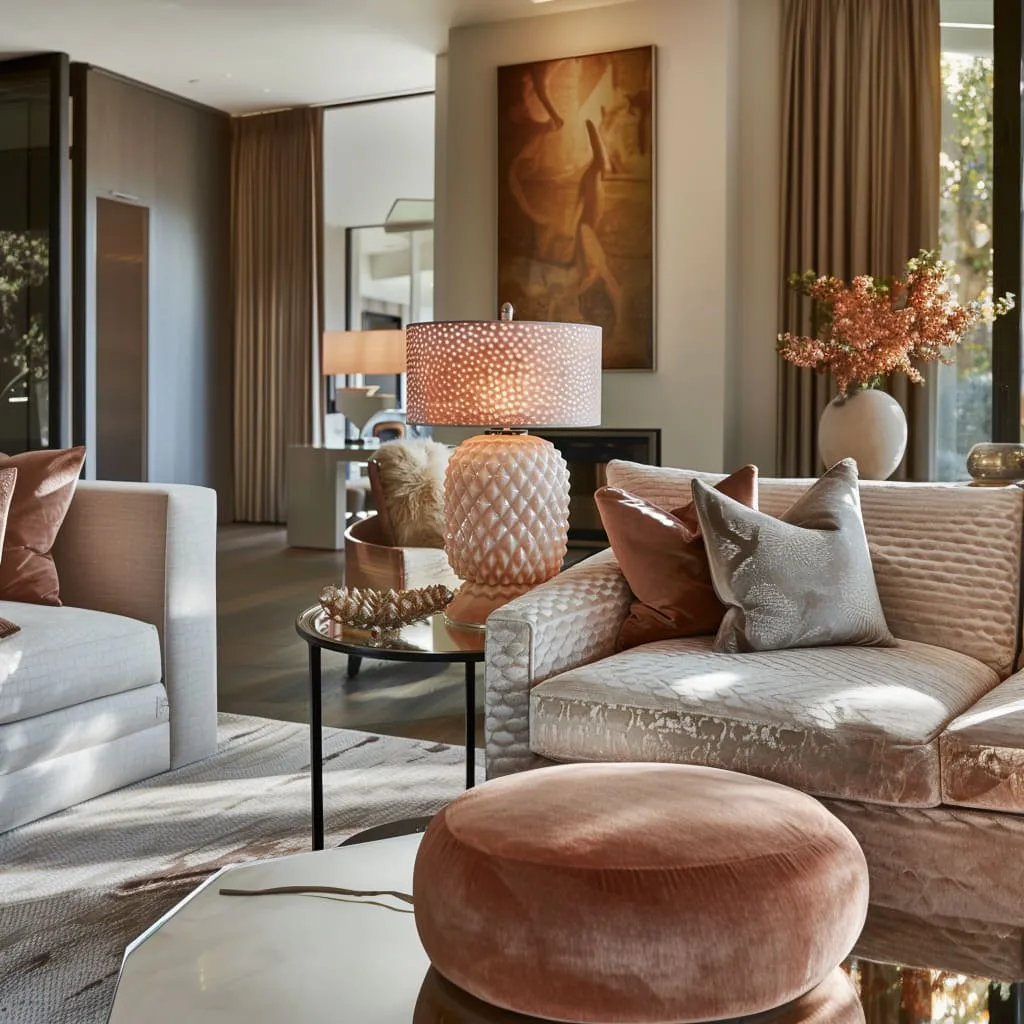
Mirrored and metallic furniture looks stunningly glamorous, but be prepared for a reality check: it shows every single fingerprint, speck of dust, and smudge. If you have kids, pets, or just a low tolerance for constant cleaning, this might not be the best choice for high-traffic surfaces like a coffee table. To keep them looking pristine, you’ll need to wipe them down daily with a microfiber cloth. It’s a trade-off: you get a ton of light-reflecting brightness and a hit of glam, but it comes at the cost of being a bit high-maintenance. Consider a mirrored side table instead of a coffee table for a lower-commitment touch of sparkle.
|
📋 Copy HEX 🔗 Share |
For a while, earthy was synonymous with beige, brown, and green. But we’re now seeing a more sophisticated evolution of the trend that incorporates mineral and gem-inspired tones. Blush pinks, dusty rose, copper, and bronze are being re-contextualized as earth tones, reminiscent of Himalayan salt, rose quartz, and copper ore. This palette feels both grounding and luxurious, tapping into our desire for spaces that are calming but also have a touch of warmth and personality. The sculptural, perforated lamp is a perfect example of this new wave—organic in form but elevated in material and color.
19. Make a Statement with Floor-to-Ceiling Rust-Orange Curtains
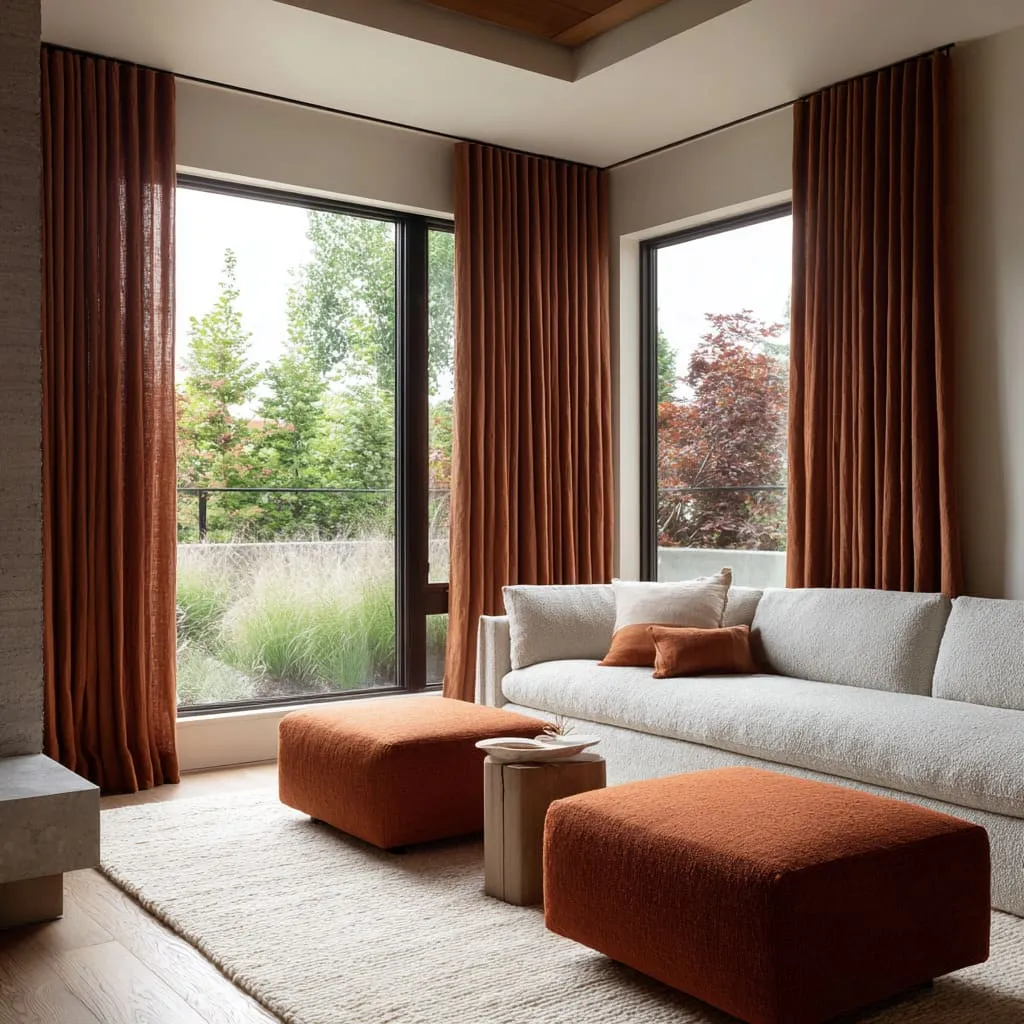
The rust-orange curtains are everything in this room. They are the single element that injects warmth, color, and drama into an otherwise simple, neutral space. Without them, the room is a pleasant but forgettable sea of beige. With them, it has a clear point of view and a cozy, sun-drenched feeling, even on a cloudy day. The choice to use a bold color for the window treatments is a clever way to add a huge dose of personality without the commitment of painting a wall. They frame the view and the light, literally tinting the entire room with warmth.
|
📋 Copy HEX 🔗 Share |
When hanging curtains to make a statement, always go higher and wider than the actual window frame. Mount the curtain rod at least 4-6 inches above the top of the window trim, and extend it 6-10 inches on either side. This does two things: it creates the illusion of a much larger, grander window, and it allows the curtain panels to be pulled completely clear of the glass when open, maximizing natural light. For this floor-to-ceiling look, you’ll want the curtains to just kiss the floor or puddle slightly for a more dramatic effect.
20. Contrast a Sculptural Live-Edge Table with a Light Linen Sofa
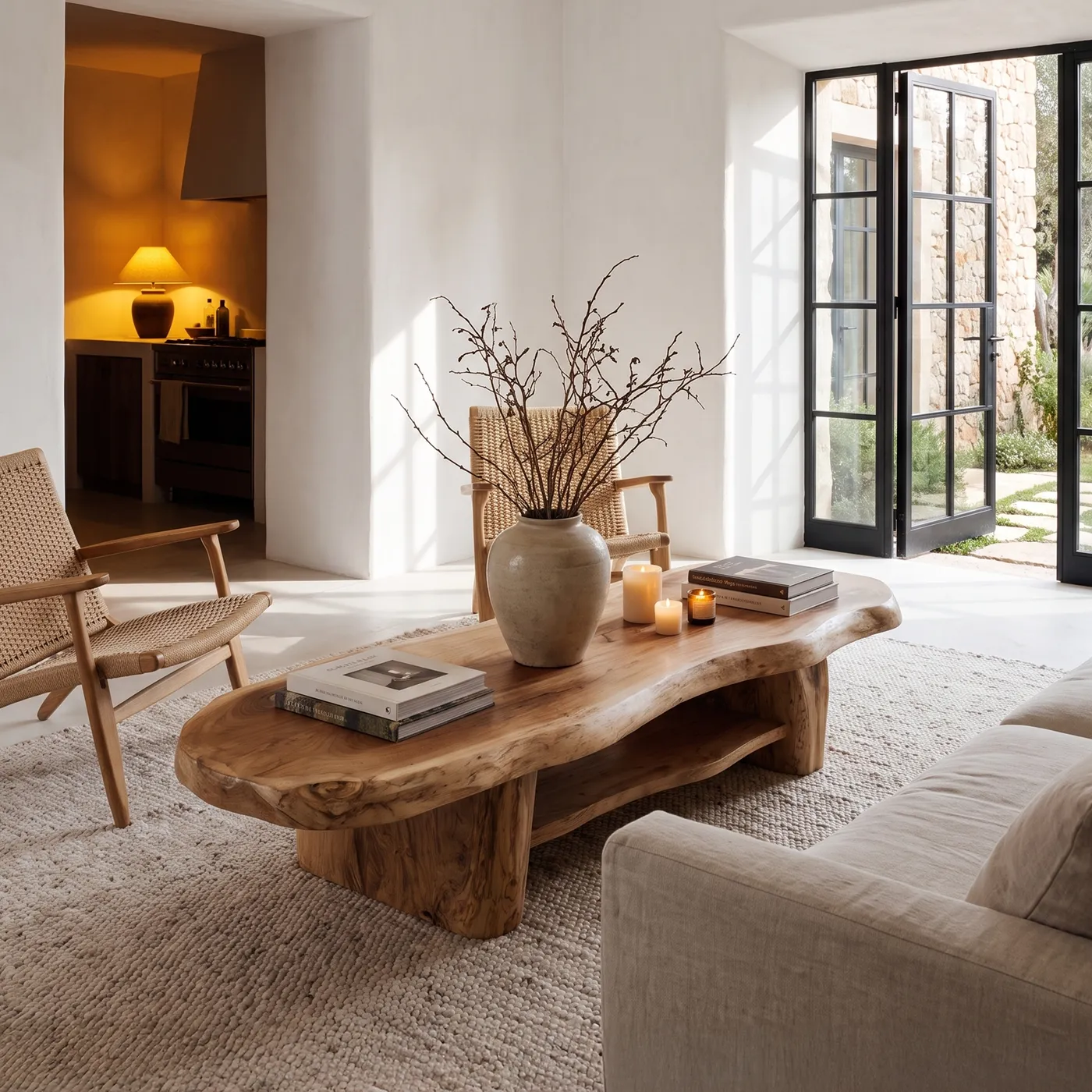
The visual formula here is a beautiful exercise in contrast: 70% soft and light (the linen sofa, light rug, creamy walls) + 30% hard and natural (the live-edge table, woven chairs, wood frames). This high-contrast recipe is what creates the calm but interesting atmosphere. The softness of the linen and the natural rug fibers provide a gentle backdrop that allows the sculptural, solid form of the coffee table to stand out as the hero piece. If the sofa were a dark leather, for example, the table would lose its impact and the room would feel much heavier.
|
📋 Copy HEX 🔗 Share |
This minimalist, high-contrast look works best in a space with good architectural bones and plenty of natural light, ideally 150 sq ft or more. The black-framed French doors are a key element, and this look thrives with strong vertical and horizontal lines. The ceiling height should be at least 9 feet to prevent the dark frames from feeling too heavy. Because the decor is so minimal, the room itself—the floors, the windows, the view—becomes part of the design. It’s less effective in a small, boxy room with limited light, where the minimalism might just feel empty.
21. Bring in a Pop of Joy with Mustard Yellow Seating
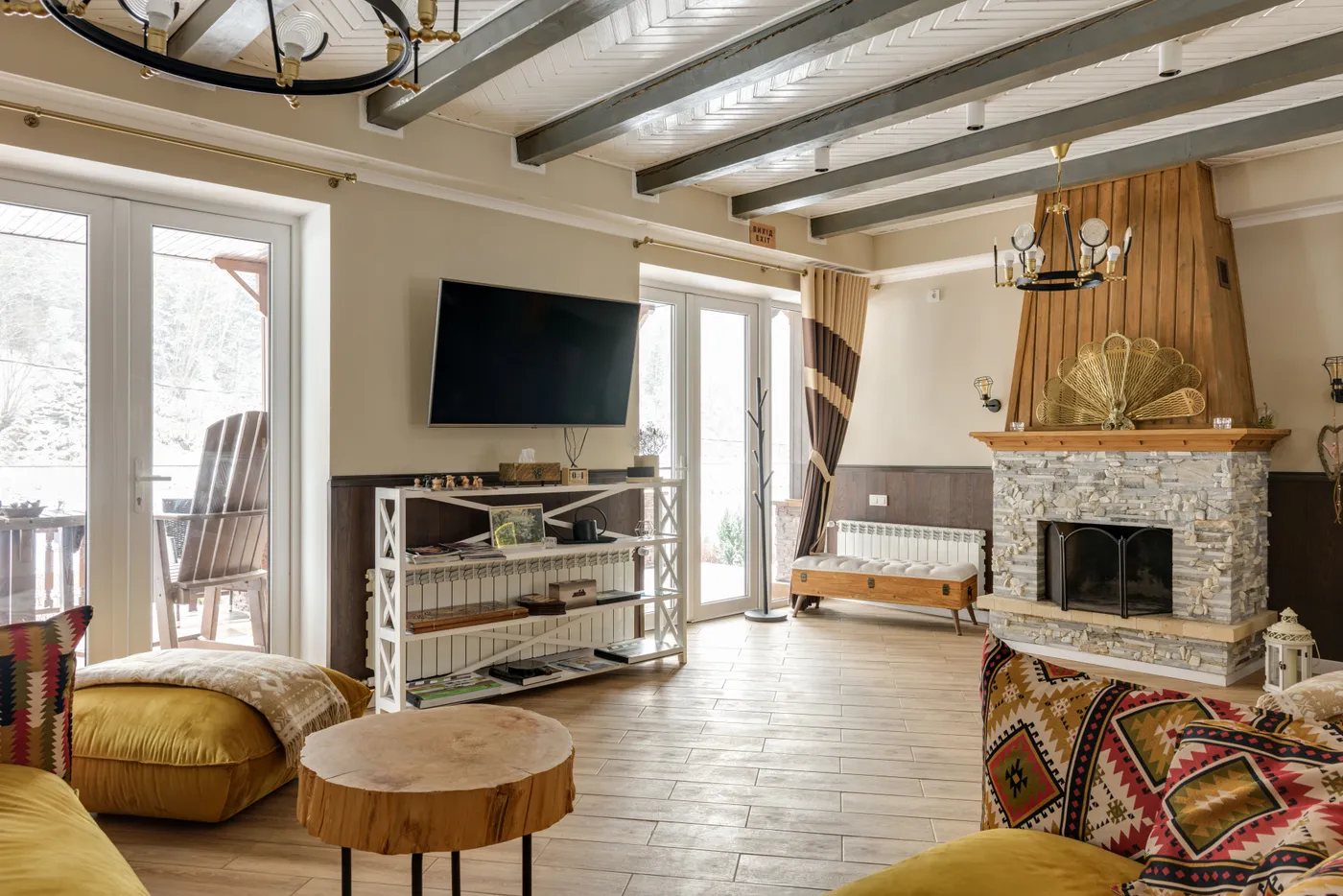
This room proves that an earthy palette doesn’t have to be limited to browns and greens. The mustard yellow works so well because it’s an earth tone itself—think goldenrod, ochre, or dry autumn leaves. It harmonizes beautifully with the stone and wood textures because it shares their natural origins. The yellow provides a necessary point of warmth and vibrancy, preventing the gray stone and white ceiling from feeling too cold, especially with the snowy scene outside. It’s a confident, cheerful accent that feels both bold and completely at home in the rustic setting.
|
📋 Copy HEX 🔗 Share |
Recreating this cozy, architectural look involves some big-ticket items. The fireplace and beams are the main event.
- Architectural Elements (Stone Veneer Fireplace, Faux Beams): $5,000 – $15,000
- Main Furniture (Sofa/Chairs with custom cushions): $3,000 – $7,000
- Flooring (Wood-look tile): $2,000 – $5,000
- Coffee Table (Live-edge): $1,000 – $2,500
- Textiles & Decor (Pillows, Rug): $400 – $1,200
- TOTAL: $11,400 – $30,700
Budget alternative: Paint a focal wall a warm color, find a secondhand sofa and have mustard velvet cushions made on Etsy, and use a chunky wood coffee table from a budget retailer. Total cost: ~$2,500.
22. Create a Serene Gallery Wall with Abstract Botanical Prints
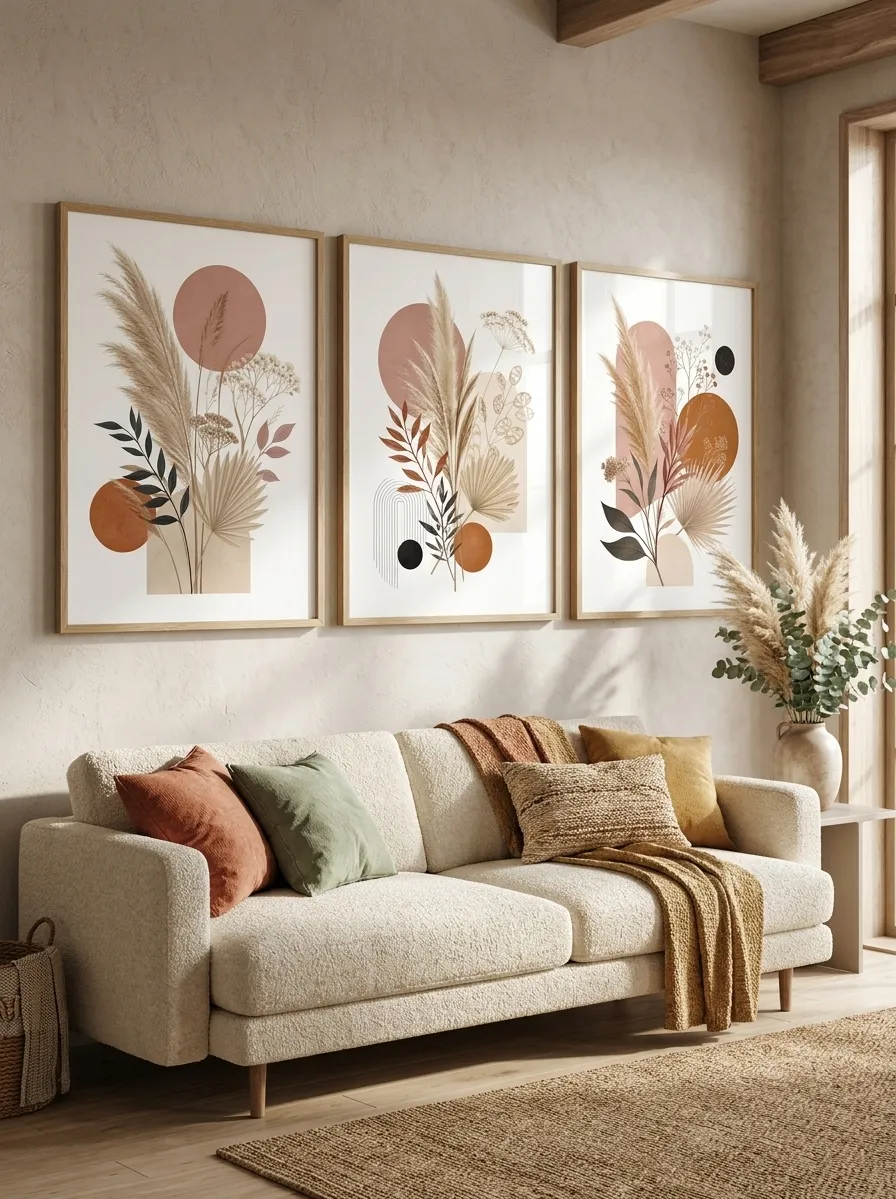
Hanging a perfectly spaced triptych (a series of three art pieces) can be intimidating. Here’s the foolproof method:
- Materials: Art, measuring tape, pencil, level, painter’s tape, hammer, and nails/hooks. Total time: 30 minutes.
- Find the center: Measure the width of your sofa and mark the center point on the wall, about 6-8 inches above the back of the sofa. This will be the center of your entire arrangement.
- Place the middle piece: Hang the center piece of art so its middle aligns with your mark.
- Calculate the spacing: A good rule of thumb is to have 2-4 inches of space between each frame. Decide on your spacing (e.g., 3 inches).
- Hang the side pieces: Measure from the edge of the center frame out to your desired spacing (3 inches) and make a mark. This is where the inside edge of your next frame will go. Use your level to hang the remaining two pieces. Easy!
|
📋 Copy HEX 🔗 Share |
You absolutely do not need to spend hundreds of dollars on framed art to get this serene look. There are incredible resources for affordable and even free prints. Check out Etsy for digital downloads of abstract botanical art—you can often buy a set of 3 for under $10 and have them printed at a local print shop or an online service. For frames, IKEA’s RIBBA or HOVSTA series are classic, affordable options. You can also thrift for old frames and give them a new life with a coat of spray paint. This entire three-piece gallery wall can easily be done for under $100.
23. Envelope Your Room in a Matte Clay-Pigment Finish
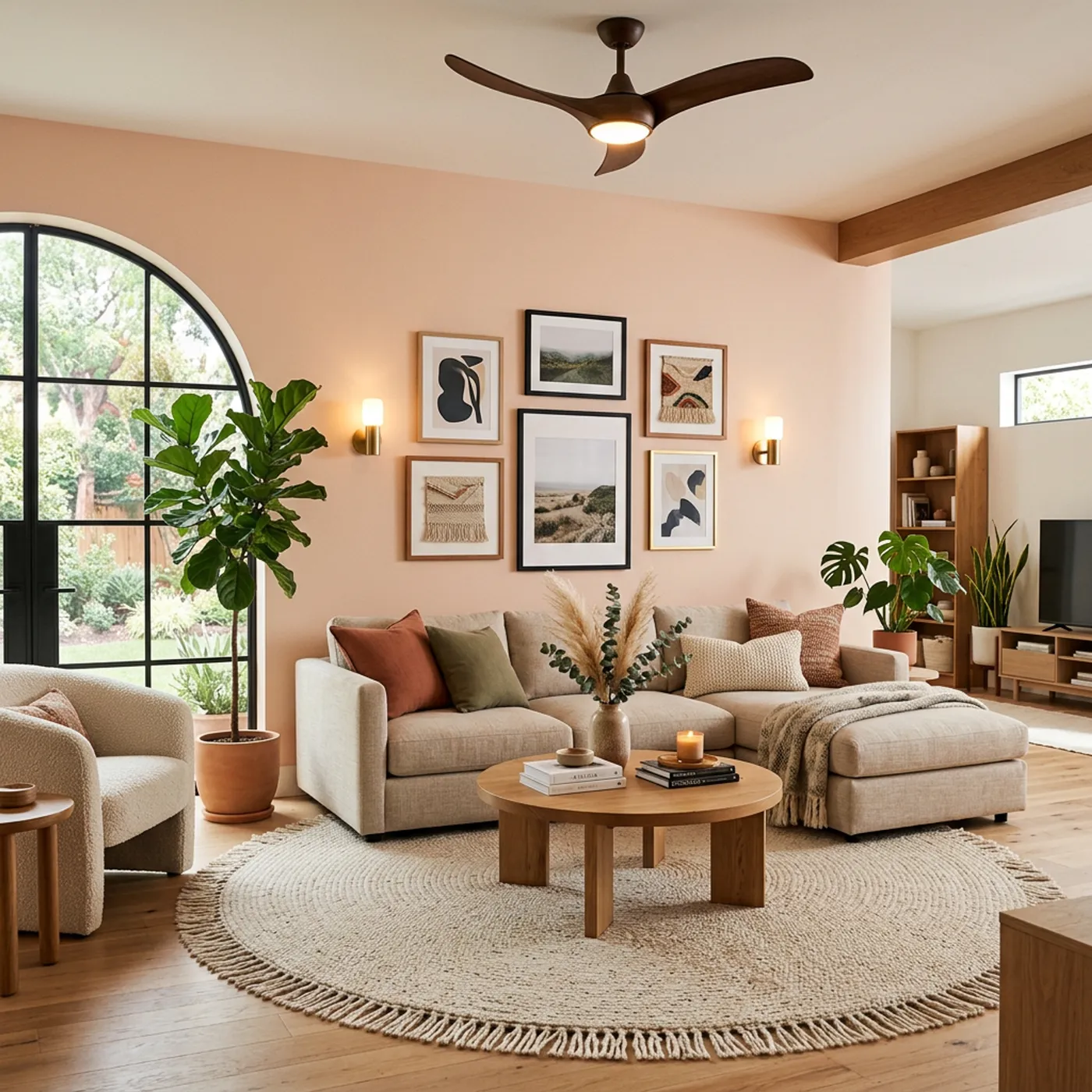
Specialty paints like limewash, clay, or Roman clay give you that gorgeous, chalky, soft-focus effect, but they don’t behave like regular latex paint. They are often not wipeable. Scrubbing a scuff mark can lift the pigment and leave a noticeable patch. Minor marks are often considered part of the patina, but if you have kids or pets or are just prone to messes, this might not be the best choice for a high-traffic area. Touch-ups are also more involved, often requiring you to re-blend a whole section of the wall rather than just dabbing on a bit of paint. Be honest with yourself about your tolerance for imperfection before committing.
|
📋 Copy HEX 🔗 Share |
The move towards limewash and clay-based paints is a direct rejection of the flat, sterile perfection of standard drywall. This trend is all about embracing texture, imperfection, and materials that feel ancient and elemental. It taps into design movements like Wabi-Sabi, which finds beauty in imperfection, and the desire for non-toxic, natural materials in the home. The subtle variations in color and texture create a wall with depth and movement, making a room feel instantly calmer and more soulful. It’s a way to add character that feels earned and organic, not manufactured.
24. Integrate a Modern Fireplace with a Stacked Firewood Niche
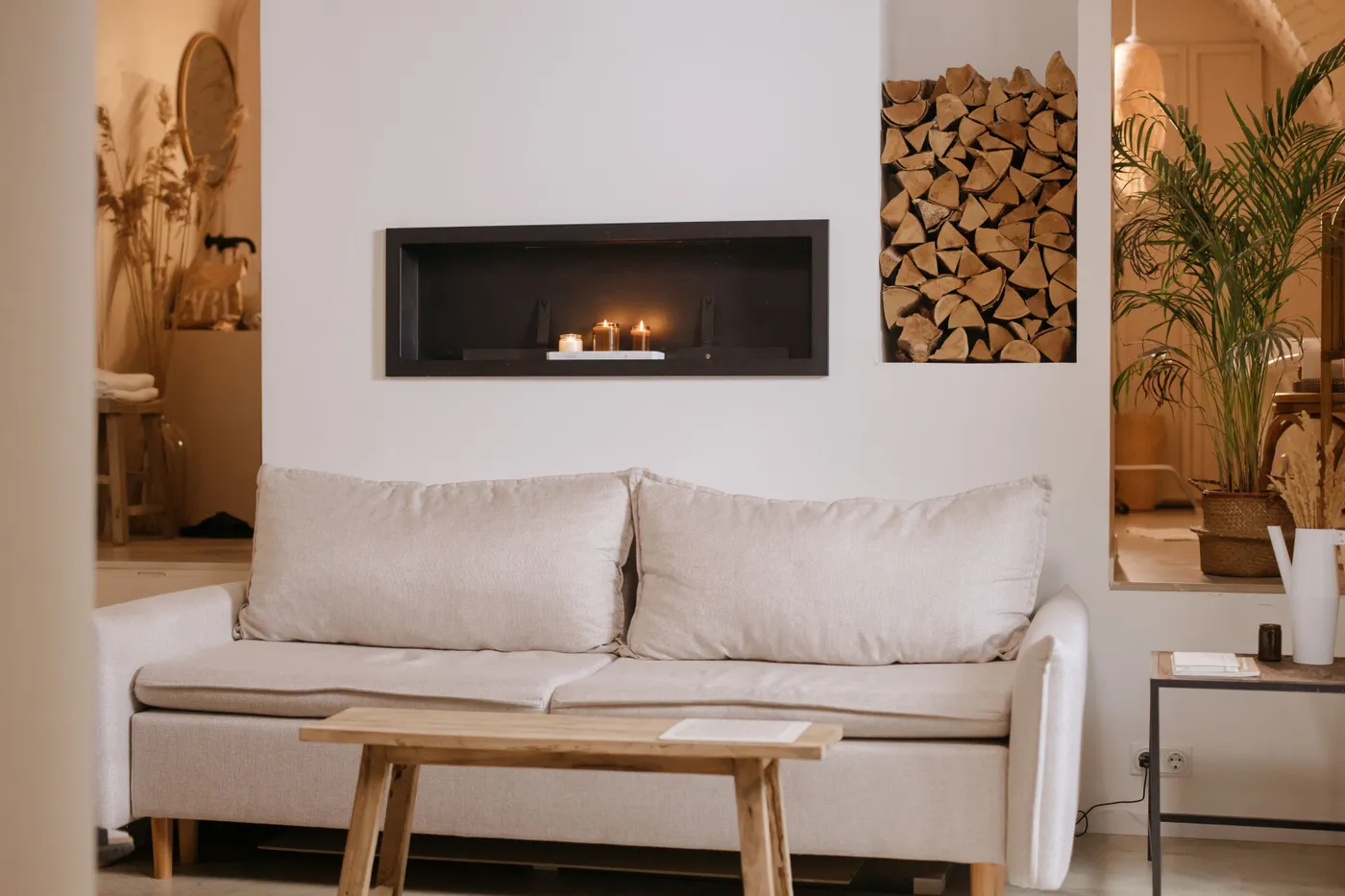
When designing a firewood niche, the type of wood and how you stack it matters just as much as the niche itself. For a clean, modern look like this, use logs that are all cut to the same length and have a similar diameter. Birch logs are a popular choice for their beautiful, light-colored bark. Stack them tightly and neatly with the cut ends facing out to create a graphic, textured pattern. For a more rustic look, you could use a mix of woods and stack them more loosely. Just remember that this is a permanent decorative feature, so the wood needs to be dry and clean—no bringing in creepy crawlies from the backyard woodpile!
|
📋 Copy HEX 🔗 Share |
This design is successful because it turns a practical element—firewood storage—into a stunning decorative feature. The firewood niche adds a powerful dose of natural texture and rustic charm that balances the sleek, black minimalism of the modern fireplace. It’s a perfect example of form meeting function. The warm, organic quality of the wood provides a necessary contrast to the cool, smooth planes of the surrounding walls, creating a focal point that feels both modern and deeply connected to nature.
25. Display Decor in Organic, Rounded Wall Niches
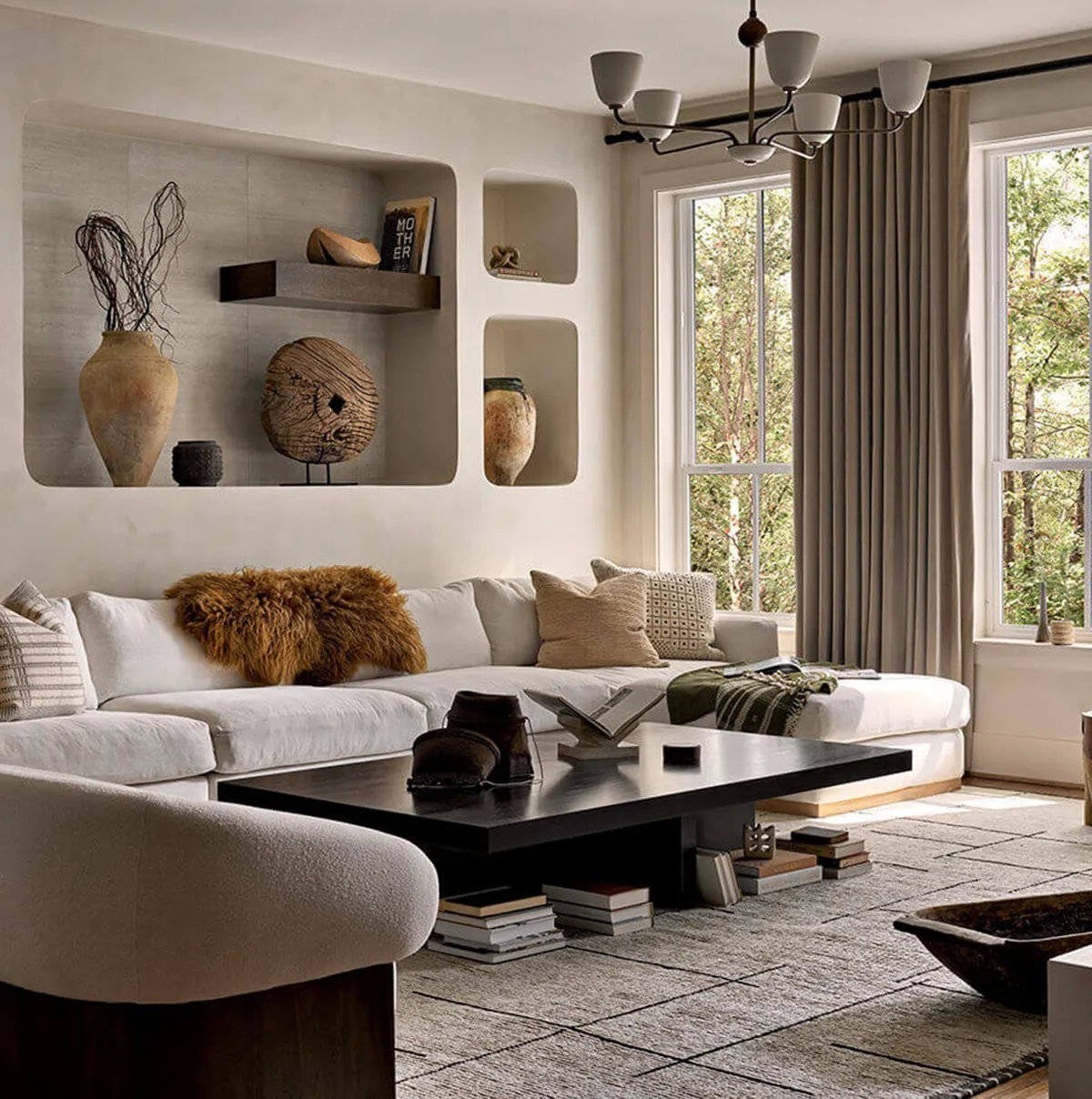
Creating arched or rounded wall niches is a beautiful way to add custom architectural character, but let’s be honest about the process. This isn’t a simple weekend project. It involves cutting into your drywall, framing out the new shape, installing new curved drywall (which is tricky), and then plastering, mudding, and sanding until it’s perfectly smooth. The dust will be epic. It will get everywhere. Unless you are a very experienced and patient DIYer, this is a job best left to a professional contractor or drywall specialist. It’s a significant commitment in both time and money, so be sure you love the look before you start cutting holes in your walls.
|
📋 Copy HEX 🔗 Share |
This is a major architectural change, not just a style choice. Before you even get a quote, do this homework:
- Check for plumbing and electrical: Use a stud finder that can also detect pipes and wiring to ensure the wall you’ve chosen is clear of any essential services. You can’t just cut anywhere.
- Confirm wall type: Is this a standard drywall interior wall or a structural or exterior wall? Building niches into load-bearing walls is a much more complex and expensive job.
- Plan your lighting: Do you want to add integrated lighting inside the niches? This needs to be planned with an electrician before any construction begins.
- Finalize the shapes: Cut out full-size templates of your desired niche shapes from cardboard and tape them to the wall to confirm the scale and placement before making any cuts.
26. Embrace Serene Minimalism with a Woven Strap Bench
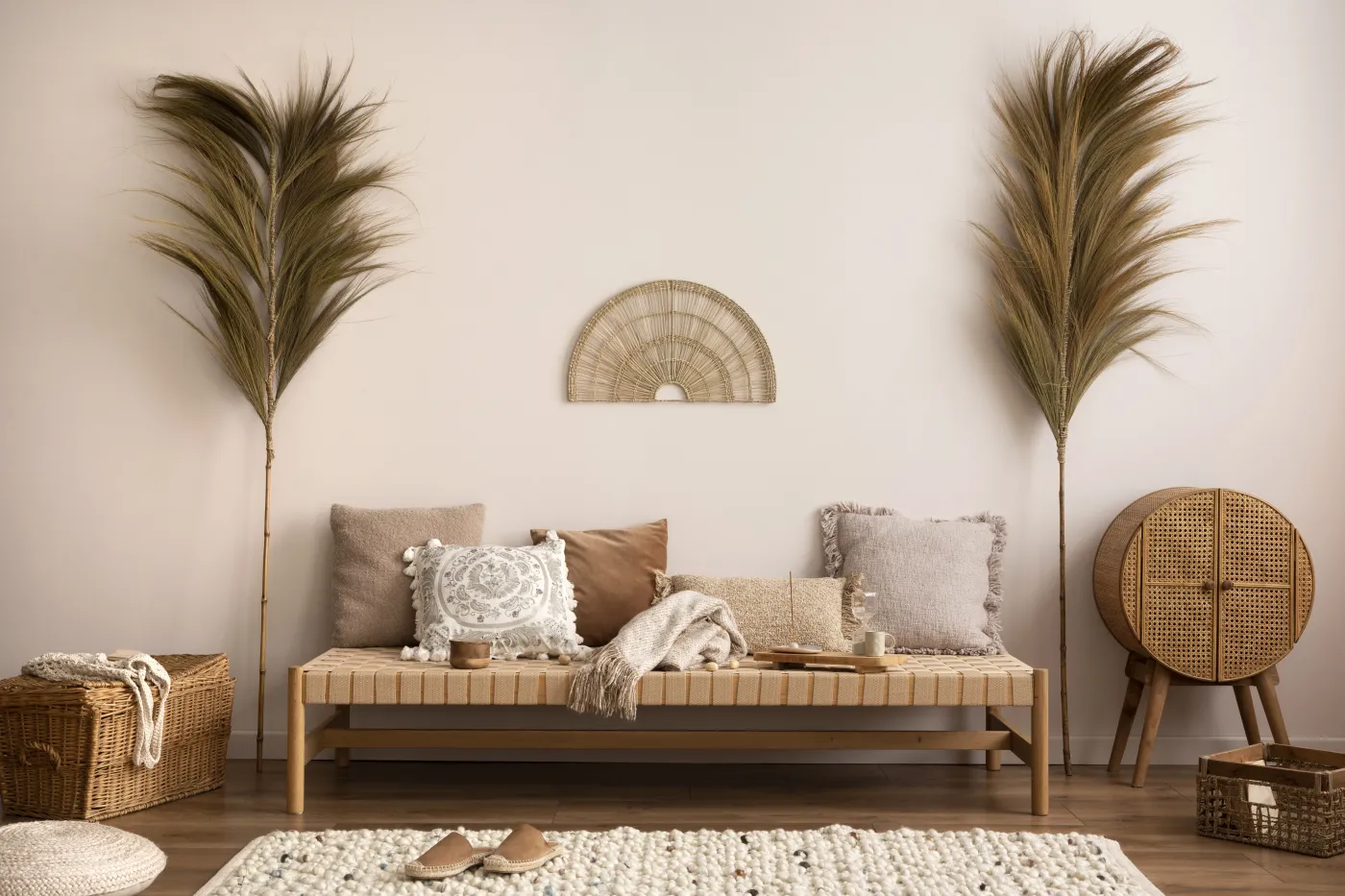
The single element making this entire look work is restraint. Specifically, it’s the large amount of negative space—the empty, light-colored wall. In this minimalist context, each item is given the visual space to be appreciated as a distinct object: the texture of the bench, the sculptural form of the dried botanicals, the weave of the cabinet. If this wall were cluttered with more art or furniture, the serene, zen-like quality would be completely lost. The one thing here isn’t an object at all, but the intentional decision to leave space empty, which allows the few chosen items to shine.
|
📋 Copy HEX 🔗 Share |
This minimalist, bench-focused idea is not intended for a primary family living room that needs a big, comfy sofa. It’s perfectly suited for secondary spaces like a wide entryway, a sunroom, a formal sitting area, or a spacious landing at the top of the stairs. The ideal footprint is long and relatively narrow, perhaps 6 feet by 12 feet. It requires you to have another, more practical living area in the house. Trying to force this aesthetic into a small, primary living room will likely just feel sparse and uncomfortable rather than serene and intentional. Compare with the plush comfort of Idea #1.
27. Mix Industrial and Natural with a Tufted Brown Leather Sofa
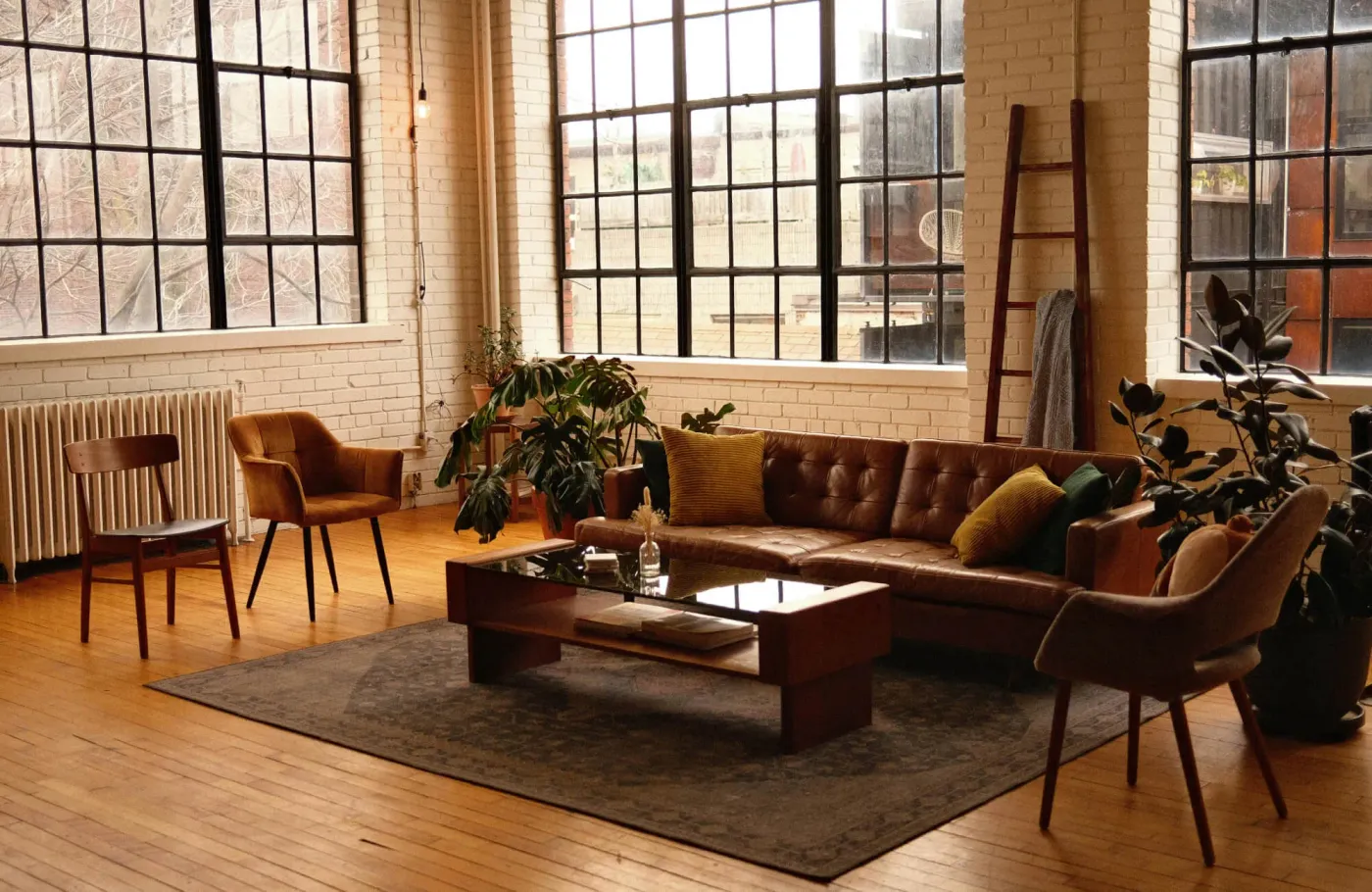
The Earthy Industrial formula is all about a specific blend of hard and soft. Here’s the math: 40% raw architectural elements (the exposed brick, large metal-grid windows) + 30% classic, comfortable furniture (the tufted leather sofa) + 20% natural, organic elements (the abundance of green plants) + 10% soft textiles (the patterned rug, pillows). The plants are crucial; they are the earthy bridge that connects the hard industrial shell of the room to the comfortable, lived-in furniture. Remove the plants, and the room would feel much colder and less inviting.
|
📋 Copy HEX 🔗 Share |
This combination works because it creates a story of contrasts. The rough, light-colored texture of the exposed brick is a perfect foil for the smooth, rich brown of the leather sofa. The rigid, black grid of the industrial windows is softened by the wild, organic shapes of the many plants placed in front of them. The design feels balanced because every hard or cold element is intentionally paired with a soft or warm counterpart. This constant push-and-pull between industrial and natural creates a dynamic, visually interesting space that feels both cool and comfortable.
28. Create a Focal Point with a Bold Terracotta Accent Wall
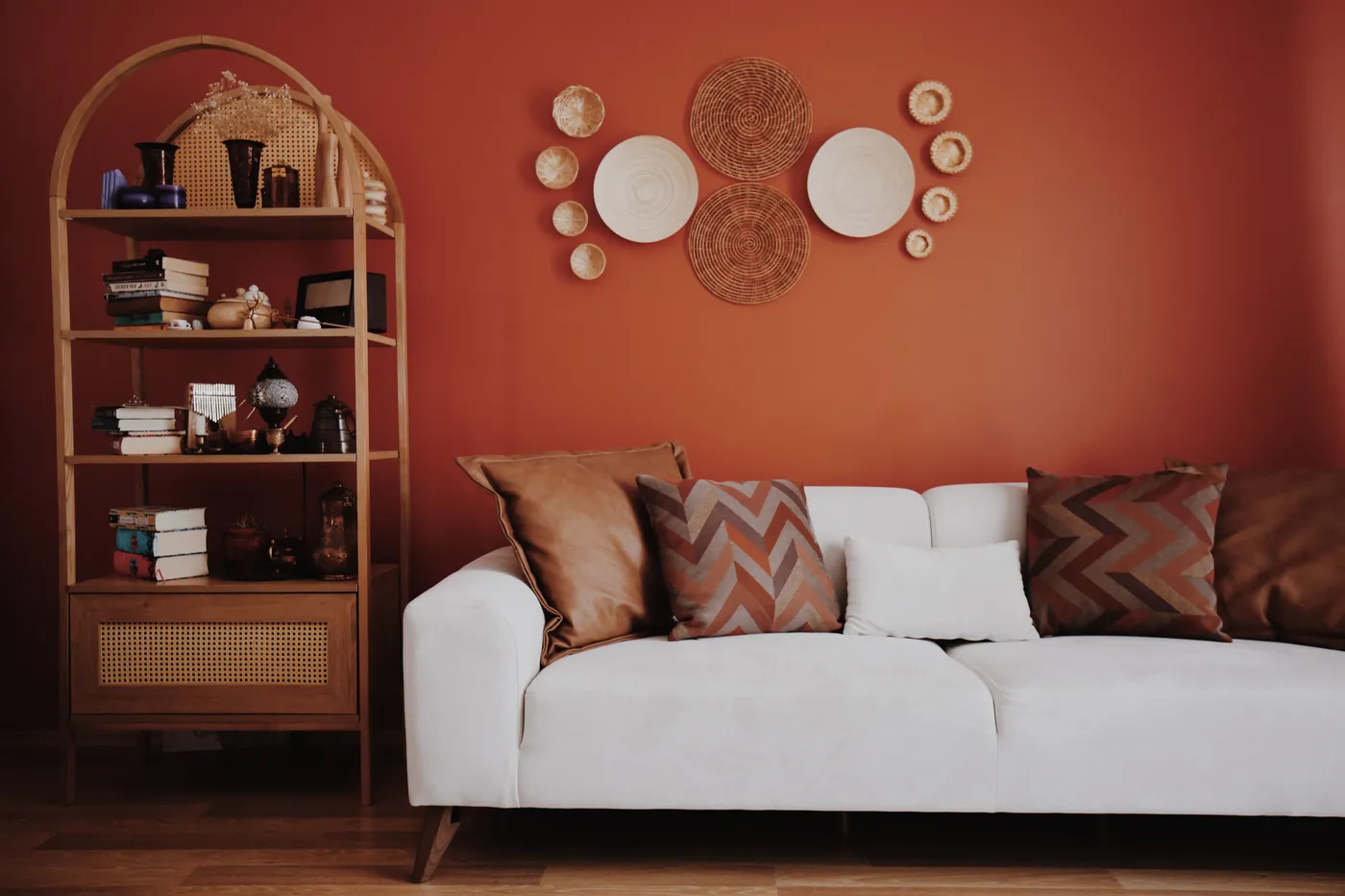
Choosing the right terracotta is crucial. Many shades can lean too orange, too pink, or too brown. To get a sophisticated, earthy terracotta, look for one with a hint of brown or gray in its undertone. This mutes the color just enough to keep it from feeling like a child’s art project. Look for paint names that include words like clay, baked, rust, or earthen. Always buy a sample pot and paint a large swatch on your chosen wall. A color that looks perfect on a small chip can be overwhelmingly bright when it covers a whole wall. Seeing it in your home’s unique light is non-negotiable.
|
📋 Copy HEX 🔗 Share |
A bold accent wall requires meticulous prep for a professional-looking finish. Here’s a quick guide:
- Clean the wall: Wipe down the entire wall with a damp cloth or a mixture of water and a little soap to remove any dust or grime. Let it dry completely. Cost: $0. Time: 15 mins.
- Patch and sand: Fill any nail holes or imperfections with spackle. Once dry, lightly sand the patches until they are smooth and flush with the wall.
- Tape the edges: Use high-quality painter’s tape (like FrogTape) to carefully tape off the ceiling, baseboards, and any adjacent walls. Press the edge down firmly to prevent bleeding.
- Prime if necessary: If you are painting over a dark color or a glossy finish, you’ll need to apply a coat of primer first to ensure the true terracotta color comes through.
- Cut in and roll: Use a 2-inch angled brush to cut in the paint around the edges. Then, use a roller to fill in the main part of the wall, working in a W pattern for even coverage. Apply two coats for the richest color.
Time to Dig In and Create Your Earthy Retreat
You’ve seen the inspiration, you’ve learned the principles, and now you have a real roadmap to creating a living room that feels like a deep, calming breath. Don’t be afraid to mix and match ideas to create a space that feels authentically you. The goal is a home that grounds and restores you every time you walk in the door. Ready to get started? Pin your favorite ideas from this article to your board, and let your earthy living room story begin.