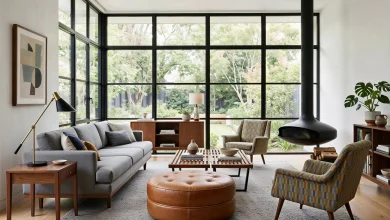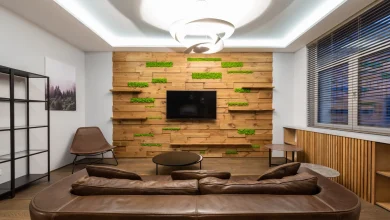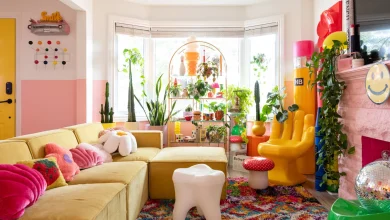

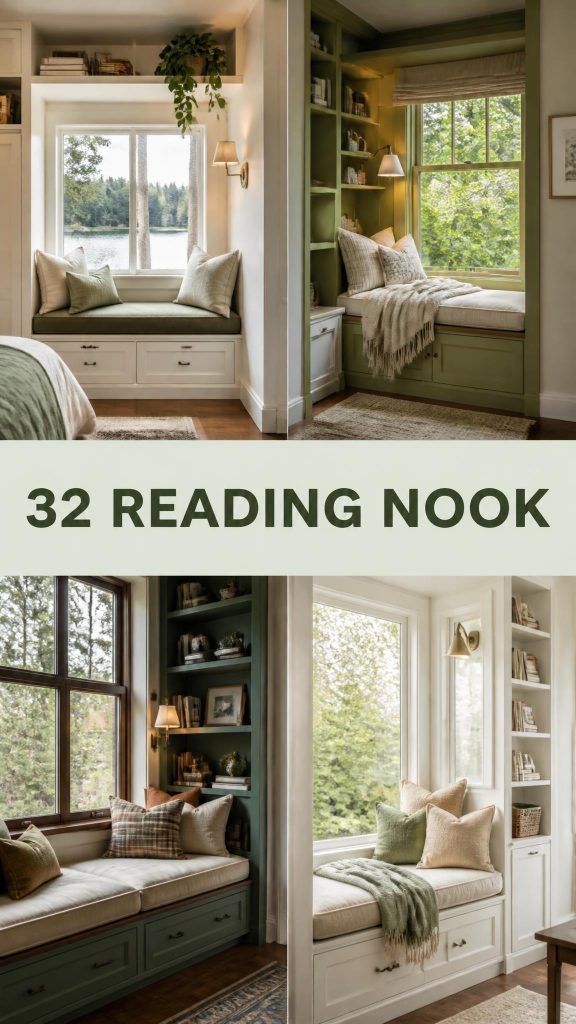
You know that feeling when you finally scroll past the hundredth pin and find the one? The reading nook that looks like it was made just for you and that awkward corner in your house? We’re here to make that happen. We’ve filtered through hundreds of real-home examples to bring you the 32 most inspiring, achievable reading nook ideas out there. We’re showing you everything from cozy under-stair hideaways to serene attic escapes and moody, dark academia libraries. And stay until the end—we break down the most common mistakes that can ruin these looks. 📌 Save this to Pinterest for later—you’ll want to revisit these ideas.
1. Create a Secret Reading Nook Under the Stairs
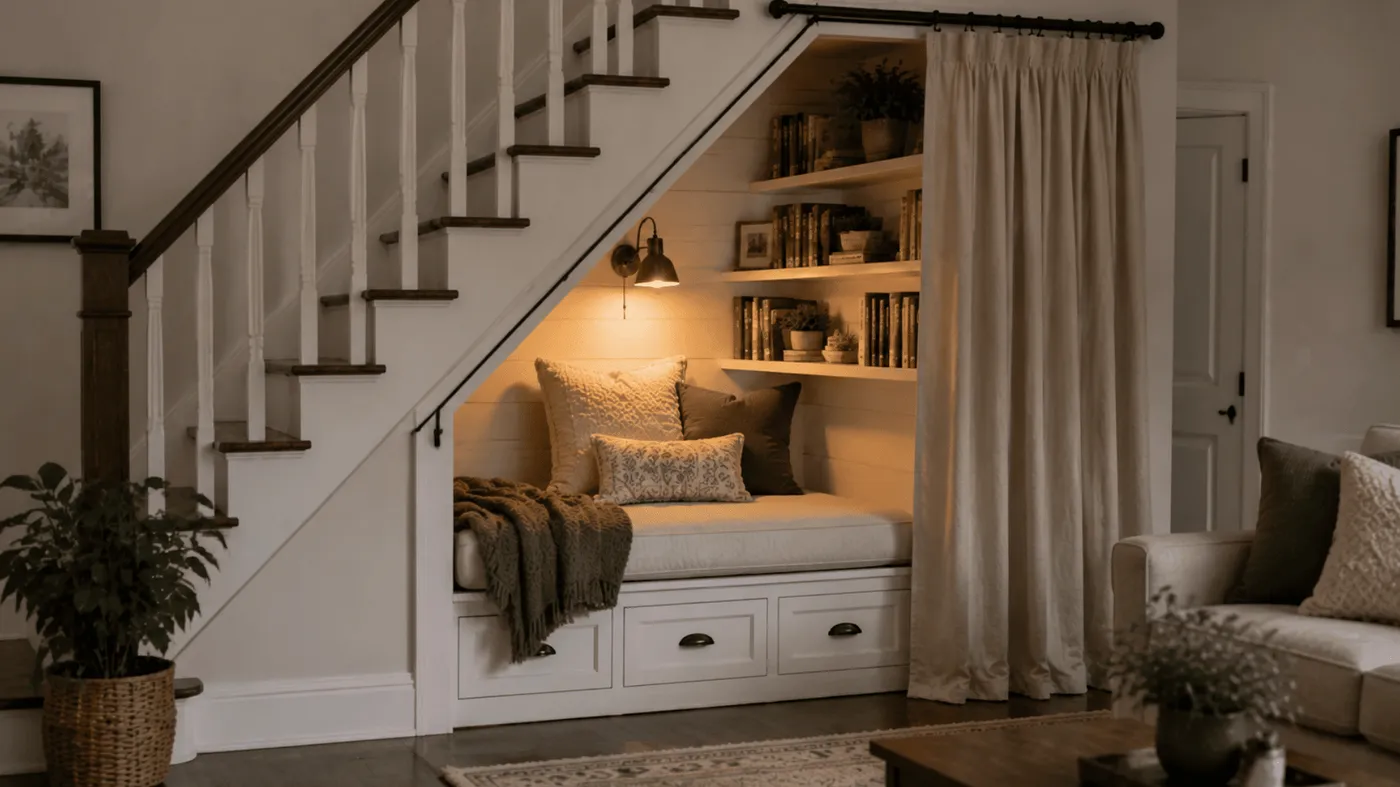
This little corner is a masterclass in using dead space. Tucking a reading bench under the stairs transforms an awkward architectural feature into a destination. The magic is in the layering: the white shiplap walls provide a bright, textured backdrop, while the dark wood of the stairs and floor grounds the space. The mix of a soft cushion, textured pillows, and a simple curtain adds layers of comfort that practically beg you to curl up with a book.
|
📋 Copy HEX 🔗 Share |
The curtain isn’t just for show—it’s a functional element that creates a sense of separation and privacy, making this feel like a tiny room of its own. It softens the hard lines of the staircase and built-ins, adding a touch of romance. When closed, it hides the nook away, keeping the main space feeling tidy. It’s a simple addition that dramatically changes the feel of the nook from an open bench to a private escape.
2. Build a Serene Window Seat with Chunky Knit Throws
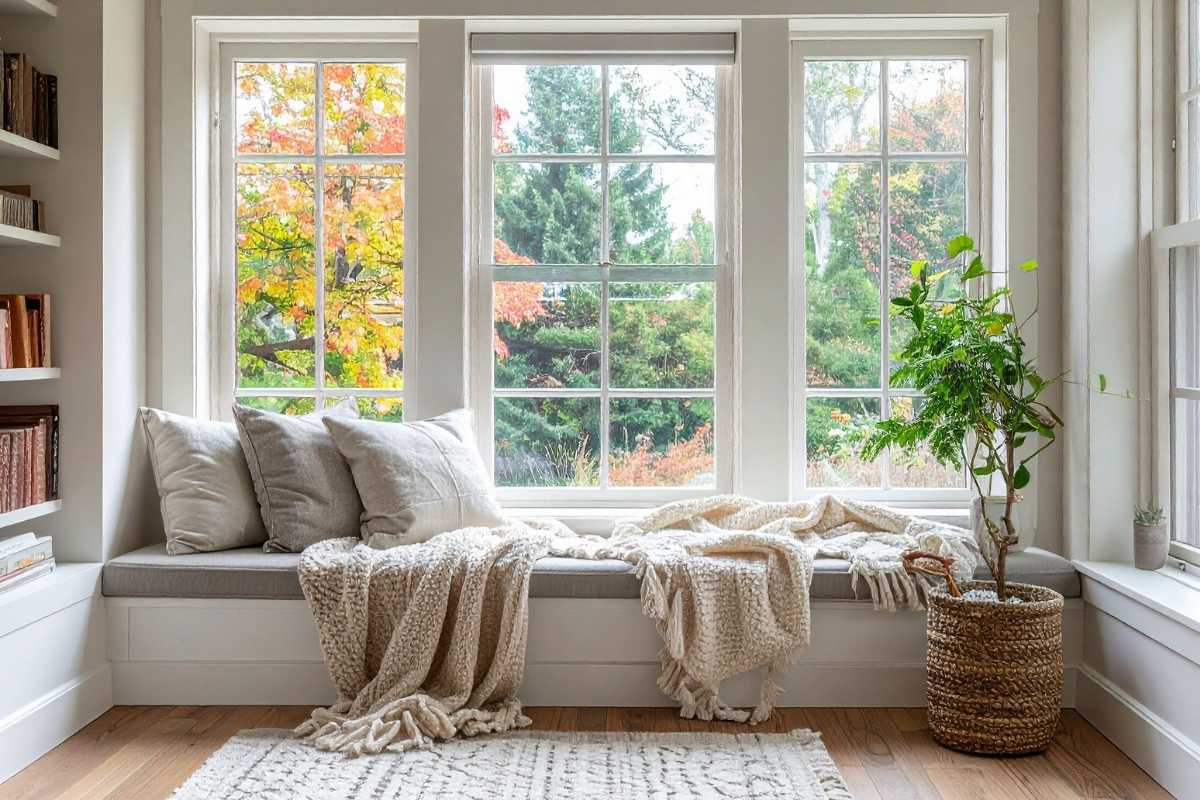
That truly makes this space sing is the trio of large, multi-pane windows. They do more than just let in light; they act as living art, framing the view of the autumn foliage and evergreens outside. Without them, this would just be a nice bench. With them, it’s an immersive experience that connects you to the outdoors. The entire design—from the neutral color palette of the cushions to the simple white built-ins—is intentionally quiet to let that stunning view take center stage.
|
📋 Copy HEX 🔗 Share |
When designing a built-in window seat for serious reading, aim for a seat depth of at least 20-22 inches. This gives you enough room to comfortably tuck your feet up or sit cross-legged without feeling perched on a narrow ledge. For the cushion, don’t skimp. A 4-inch-thick high-density foam cushion is the minimum for preventing you from feeling the wood base after an hour. Wrap it in batting for a softer, more crowned look.
3. The Foundational Power of Custom Built-In Book Storage
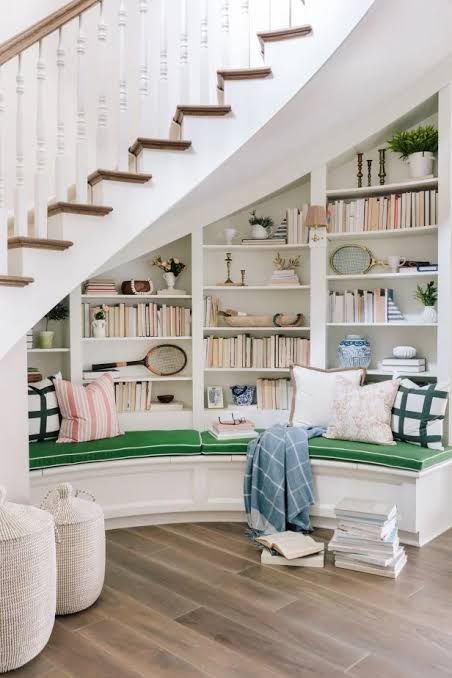
Let’s be honest about custom built-ins: they are a commitment. While they offer a seamless, high-end look that freestanding furniture can rarely match, they require precise measurements, a skilled carpenter, and a budget that reflects the custom work. Before you fall in love with the integrated look, get multiple quotes and have a frank discussion about materials (MDF vs. plywood vs. solid wood) and timelines. Remember that once they’re in, they’re in for good, so be absolutely sure about the design and placement.
|
📋 Copy HEX 🔗 Share |
Achieving a balanced, shelfie-worthy look is all about a simple formula. Think of it as 60% books + 30% decorative objects + 10% empty space. Arrange some books vertically and some horizontally to create visual rhythm. Your decorative objects (vases, small sculptures, framed photos) should vary in height and texture. The 10% negative space is crucial; it gives your items breathing room and prevents the shelves from looking cluttered and chaotic.
4. Frame a Window with Floor-to-Ceiling Bookshelves
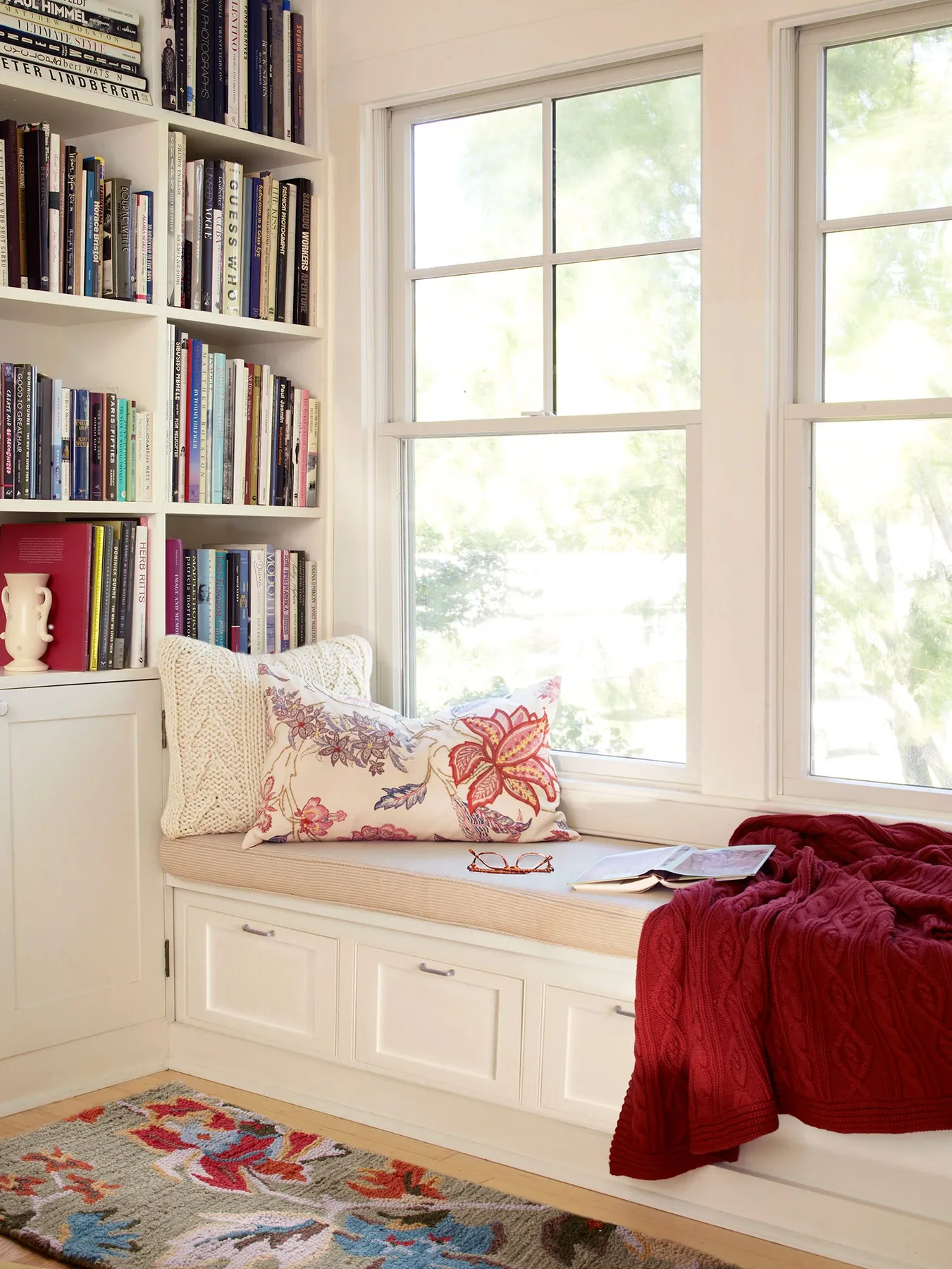
This design works so well because of its perfect symmetry. Flanking the window with identical, floor-to-ceiling bookshelves creates a strong focal point and a sense of intentionality and order. It makes the window feel more important and the nook feel like a custom-designed library. The pop of the deep red cable knit throw against the neutral striped cushion is a classic designer trick—it injects warmth and personality without overwhelming the calm, bookish atmosphere. It draws your eye right to the coziest spot.
|
📋 Copy HEX 🔗 Share |
You don’t need a custom millworker to get this look. You can achieve a very similar effect for a fraction of the price using stock bookcases, like IKEA’s famous Billy series. Buy two tall, narrow bookcases and place them on either side of your window. To get that built-in look, add MDF trim or simple crown molding along the top and base, and caulk the seams where the bookcases meet the wall. Paint the shelves, trim, and wall the same color for a seamless finish.
5. Surround a Plush Armchair with White Cube Bookcases
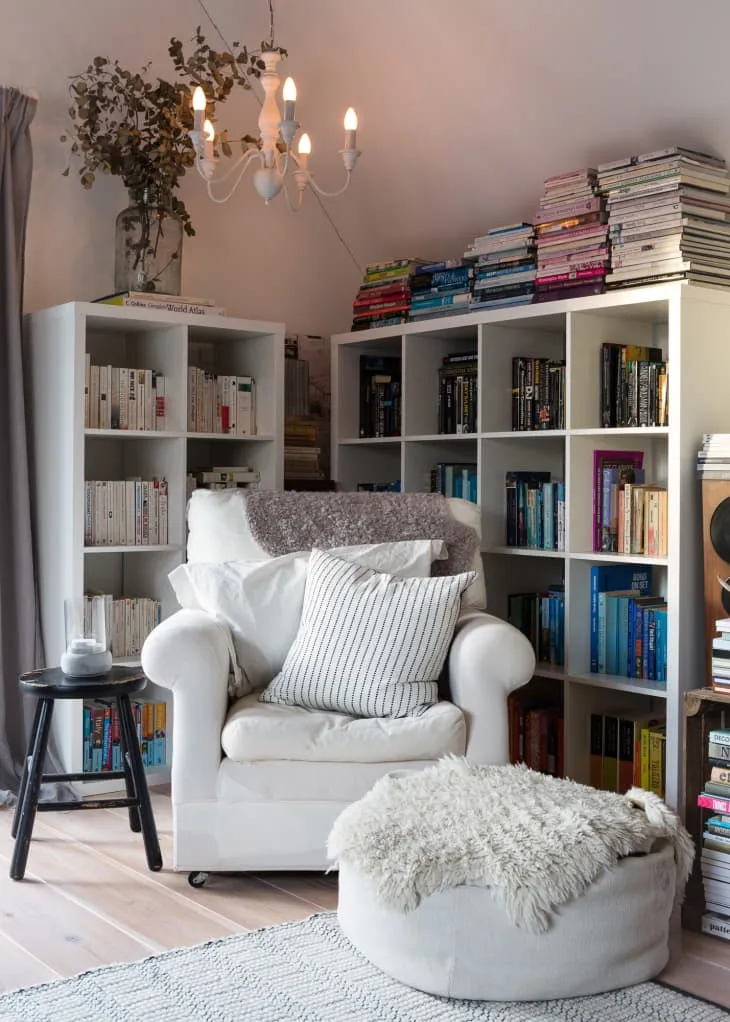
This cozy, enveloping look works best if you have a wall at least 8-10 feet wide. You need enough space for the armchair (typically 35-40 inches wide) plus at least two cube bookcase units on each side (each about 30 inches wide). This arrangement is fantastic for a dedicated corner in a larger living room or a small den. For ceiling height, anything 8 feet or taller works, as the bookcases are relatively low. Compare this to the vertical storage in Idea #4, which is better for narrower spaces with high ceilings.
|
📋 Copy HEX 🔗 Share |
A white armchair and faux fur accents create an incredibly inviting, cloud-like vibe, but they require a bit of upkeep. White upholstery is a magnet for spills, denim dye transfer, and pet hair. Invest in a good upholstery protector spray from the start and have a spot cleaner on hand. The faux fur throw and pouf cover will likely need to be machine washed on a delicate cycle (or dry-cleaned) every few months to keep them from looking matted and dingy.
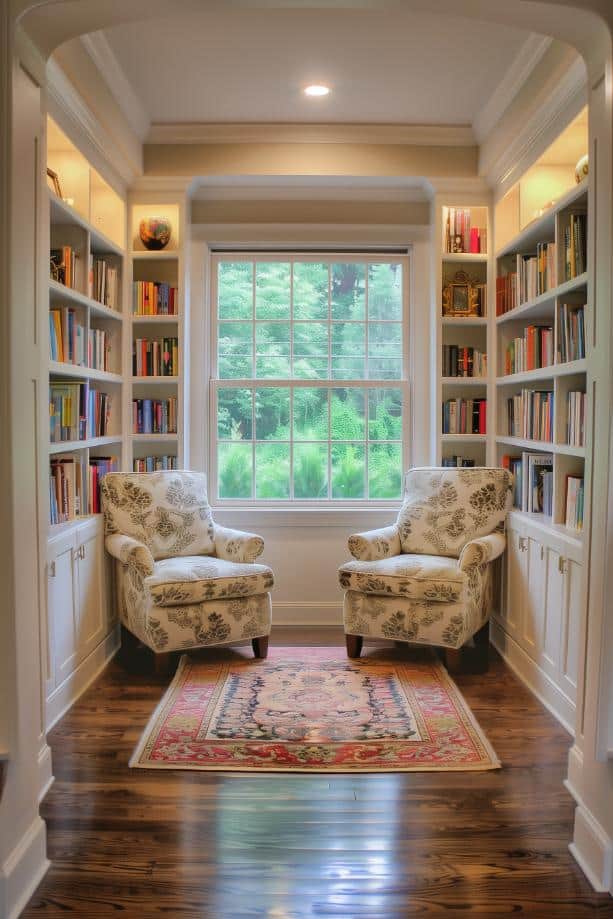
6. A Symmetrical Reading Spot for Two by a Bright Window
When creating a seating arrangement for two, the distance between the chairs is key. For a comfortable conversation without shouting, place the front corners of the armchairs no more than 8 feet apart. A small table or ottoman between them, like the patterned rug here does visually, helps bridge the gap and defines the space as a single, cohesive zone. Ensure there’s at least 18 inches of clearance between the chairs and any central element to allow for legroom and easy movement.
|
📋 Copy HEX 🔗 Share |
This look achieves a classic, traditional feel by balancing patterns and solids. The formula is roughly: 40% large-scale pattern (the floral armchairs) + 30% solid color (the white built-ins and window trim) + 20% texture (the dark wood grain floor) + 10% small-scale pattern (the intricate area rug). This hierarchy of patterns prevents the space from feeling too busy. The chairs are the star, the rug is the supporting act, and the solids provide a calming backdrop.
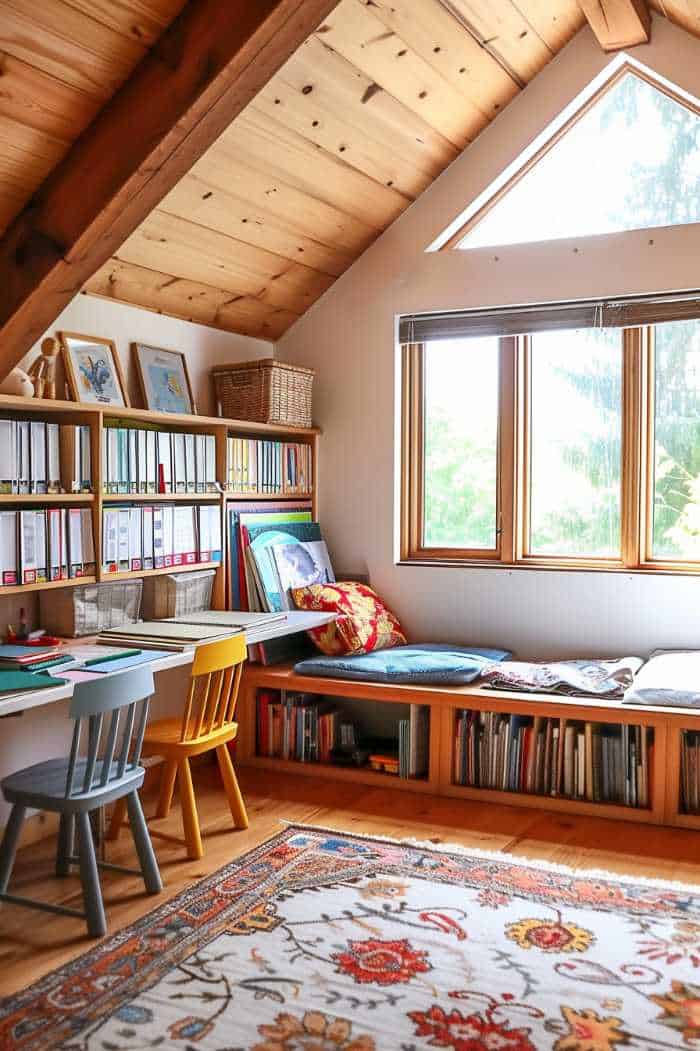
7. An Attic Escape with a Sloped Wooden Plank Ceiling
Without a doubt, the sloped wooden plank ceiling is the element that makes this attic nook extraordinary. It dictates the entire shape and feel of the room, turning a potentially awkward space into a cozy, cabin-like retreat. The natural wood adds immense warmth and texture, and the exposed beams provide architectural interest. Every other choice, from the window seat built into the eaves to the low-profile furniture, is designed to complement and celebrate this stunning feature.
|
📋 Copy HEX 🔗 Share |
Attic spaces can be tricky when it comes to temperature control. They are often the hottest part of the house in the summer and the coldest in the winter. Before investing in finishing an attic nook, assess your insulation. You may need to add or upgrade the insulation in the roof and walls to make the space comfortable year-round. Also, consider a dedicated heating/cooling solution, like a mini-split system, for consistent climate control.
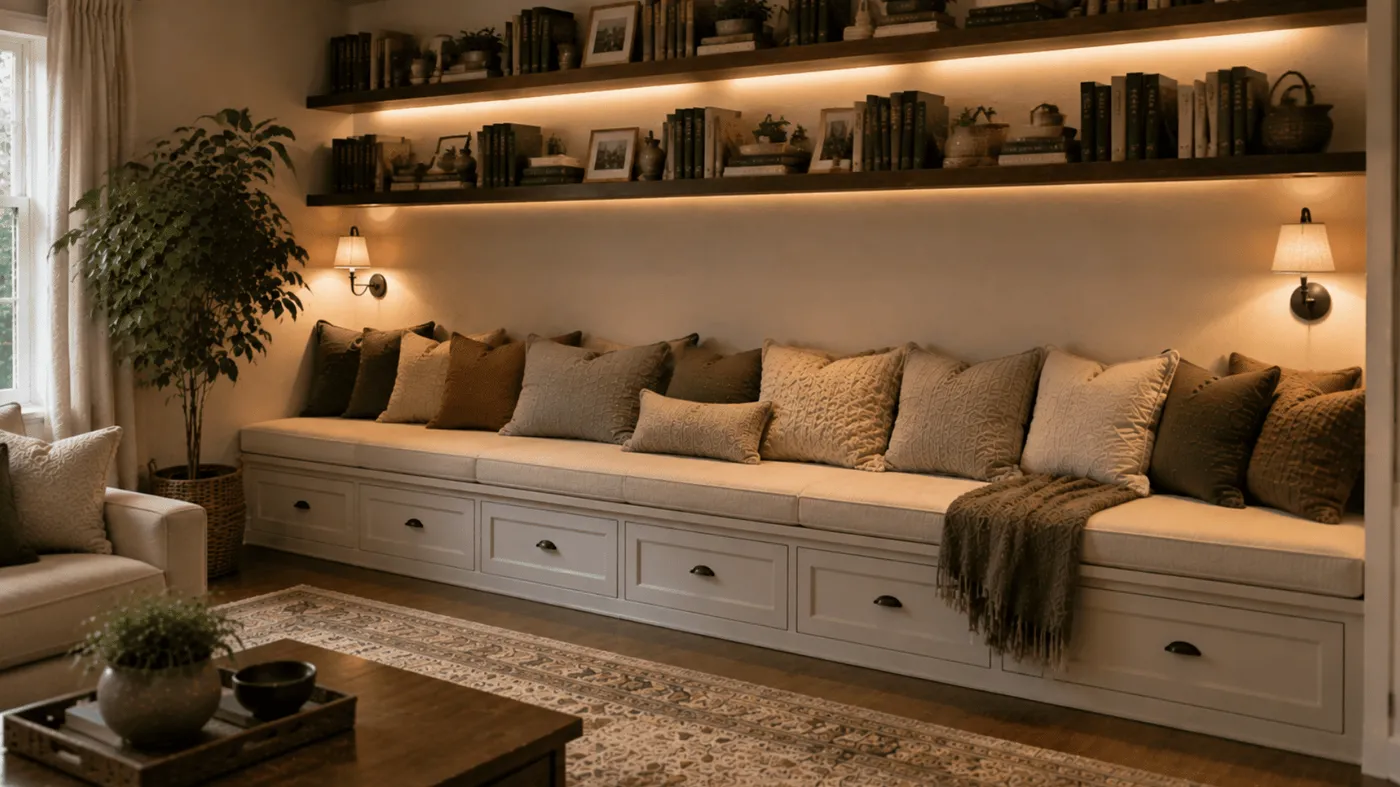
8. Add Ambiance with Illuminated Floating Wood Shelves
The soft glow from under the floating shelves is what gives this nook its warm, inviting ambiance. It provides perfect mood lighting that’s less direct than the sconces, highlighting the decor and books. This kind of layered lighting is a professional design secret that makes any space feel more luxurious and considered. Here’s a quick guide to adding it yourself:
|
📋 Copy HEX 🔗 Share |
- Measure the underside length of your shelf.
- Purchase a peel-and-stick LED light strip kit that is slightly longer than your measurement (you can usually trim them to size). Opt for a warm white color temperature (2700K-3000K).
- Clean the underside of the shelf thoroughly to ensure the adhesive will stick.
- Peel the backing and press the light strip firmly into place, setting it back about an inch from the front edge so the strip itself isn’t visible.
- Run the power cord down the wall, securing it with cord clips. If possible, plan to have an outlet installed behind the bench or a nearby plant to hide the plug.
Recreating this cozy, well-lit nook has a wide price range, depending heavily on whether the bench and shelves are custom-built or DIY.
- Main Furniture (Bench, Shelves): $800 – $4,500
- Lighting (Sconces, LED strips): $250 – $900
- Textiles (Cushion, Pillows, Rug): $400 – $1,200
- Decor/Accessories (Plant, Basket, Objects): $150 – $500
- TOTAL: $1,600 – $7,100
Budget alternative: Use two pre-made storage benches and wall-mounted bracket shelves. Total cost could be reduced to $700 – $2,000.
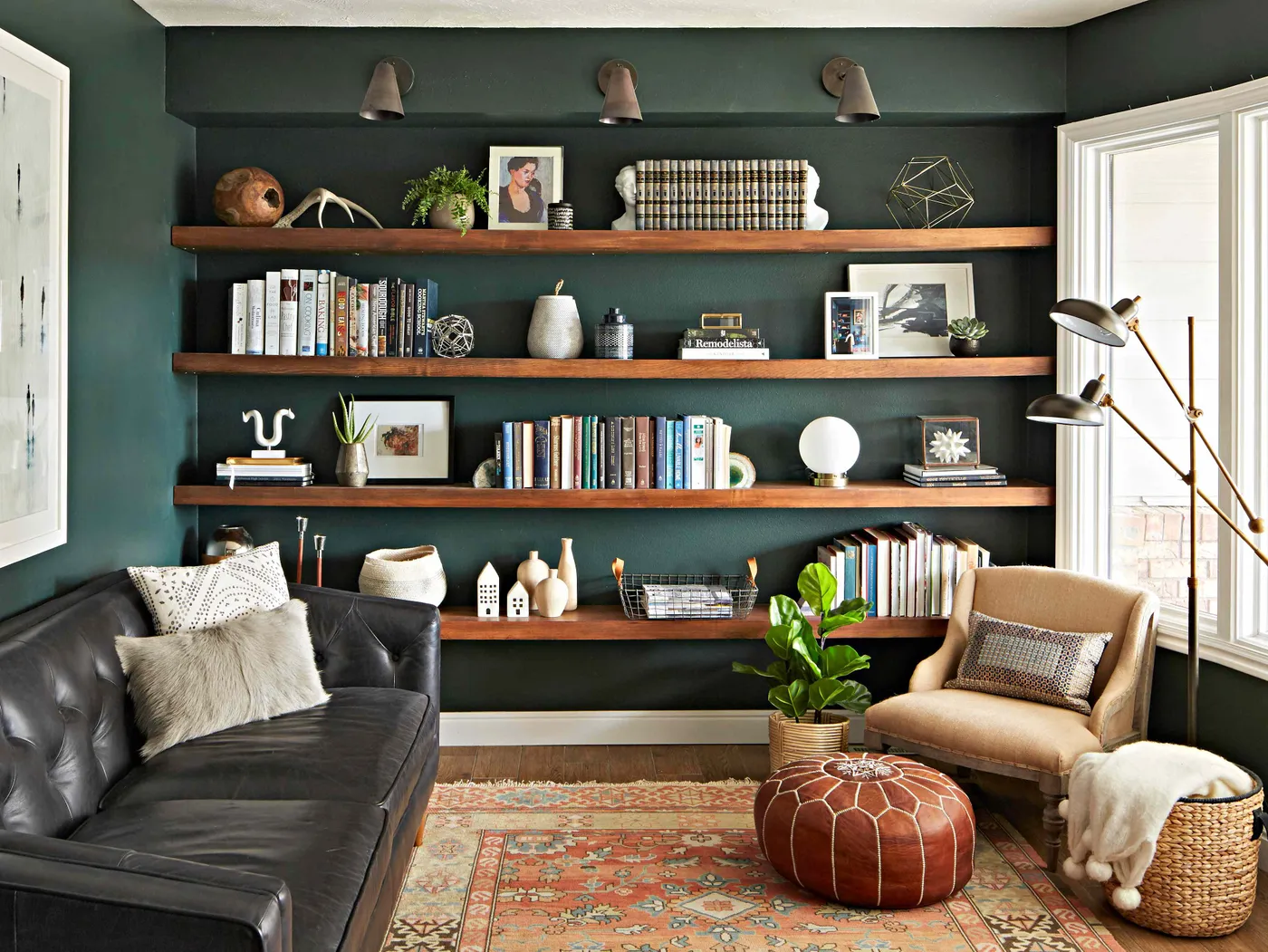
9. Go Moody with a Deep Green Wall and Leather Seating
This look is a perfect example of the dark academia aesthetic that has been gaining huge traction on Pinterest and TikTok. It’s all about creating a cozy, intellectual, slightly moody space that feels like a personal library in an old university. The deep forest green walls, natural wood, leather, and brass accents are hallmarks of the style. It’s a reaction against years of all-white minimalism, embracing color, texture, and personal collections to create spaces with soul and history.
|
📋 Copy HEX 🔗 Share |
Thinking of painting a room a dark, saturated color like this forest green? It can be stunning, but it’s not a decision to take lightly. Here are a few things to check off your list first:
- Does the room get enough natural light? Dark colors absorb light, so a room with small windows can feel like a cave.
- Have you tested the swatch? Paint a large poster board and move it around the room at different times of day to see how the color changes.
- Are you prepared to prime? Going from a light color to a dark one will require a tinted primer and likely 2-3 coats of paint for even coverage.
- Does your lighting plan work? You’ll need more ambient and task lighting (like the sconces and floor lamp here) to compensate for the dark walls.
10. Pair a Blue Velvet Chair with Warm Wood Bookshelves
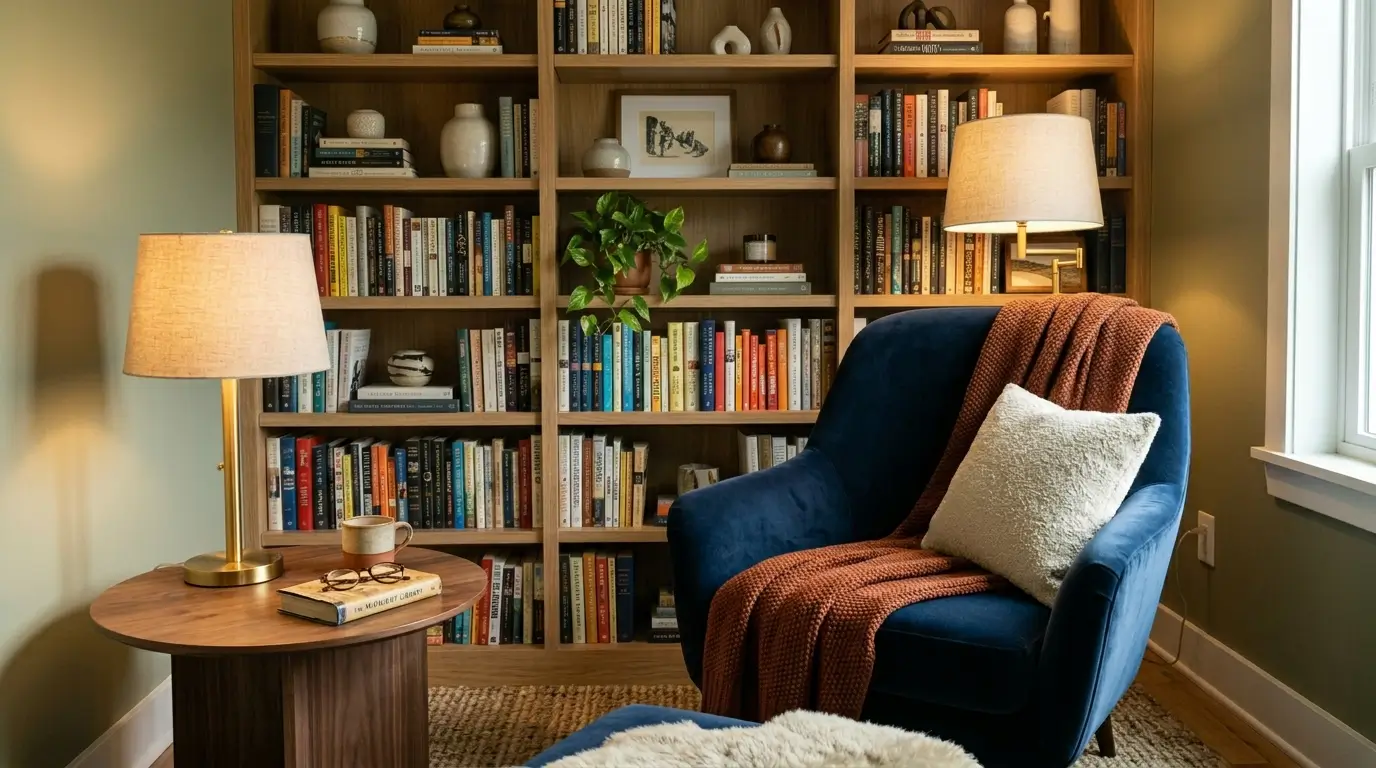
This nook is a beautiful study in color theory. The deep blue of the velvet armchair is a cool color, which naturally recedes. It’s balanced by the warm, earthy tones of the rust-colored throw, the olive green walls, and the light wood bookshelves. This mix of warm and cool temperatures creates a dynamic yet harmonious palette that feels both calming and visually interesting. The brass of the lamp adds a necessary touch of metallic shine, preventing the textures and colors from feeling flat.
|
📋 Copy HEX 🔗 Share |
A common mistake is choosing a reading lamp that’s all style and no substance. For comfortable reading, the bottom of the lampshade should be at roughly your eye level when you’re seated. This directs the light onto your book without causing glare in your eyes. Look for a lamp with an adjustable arm or head for maximum flexibility. A fabric shade, like the linen one here, diffuses light softly, which is much easier on the eyes than a bare bulb or a metal shade.
11. Nestle a Nook with Wood Paneling Under the Stairs
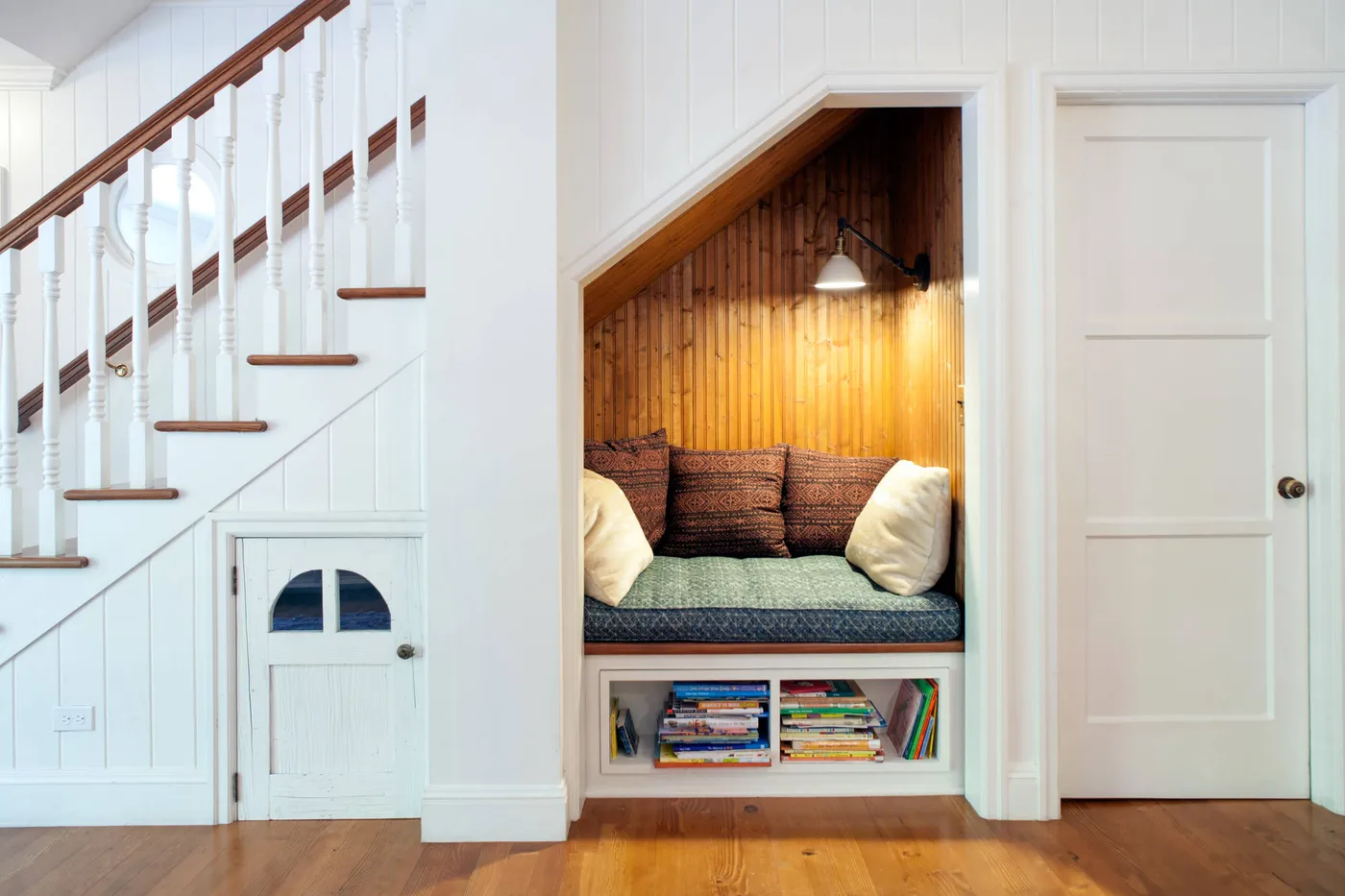
The single element that gives this under-stair nook its incredible warmth and rustic charm is the wood paneling on the interior walls. While the rest of the area is painted a crisp white, the nook is lined with a warm, medium-toned wood. This material choice visually separates the nook from the larger space, creating a cozy, room-within-a-room feeling. It’s like stepping into a tiny, wood-lined cabin. The adjustable sconce adds to this effect, providing a focused pool of light perfect for reading.
|
📋 Copy HEX 🔗 Share |
An under-stair nook like this is a brilliant space-saver, but it has specific dimensional needs. You’ll need a minimum depth of about 30 inches to fit a comfortable bench and have some legroom. The length can vary, but even a 4-foot stretch can be effective. The most critical measurement is the sloped height. You want at least 40-45 inches of clearance at the point where your head will be when seated to avoid feeling cramped or constantly ducking.
12. Tuck a Tiny Nook with an Orange Cushion Under a Staircase
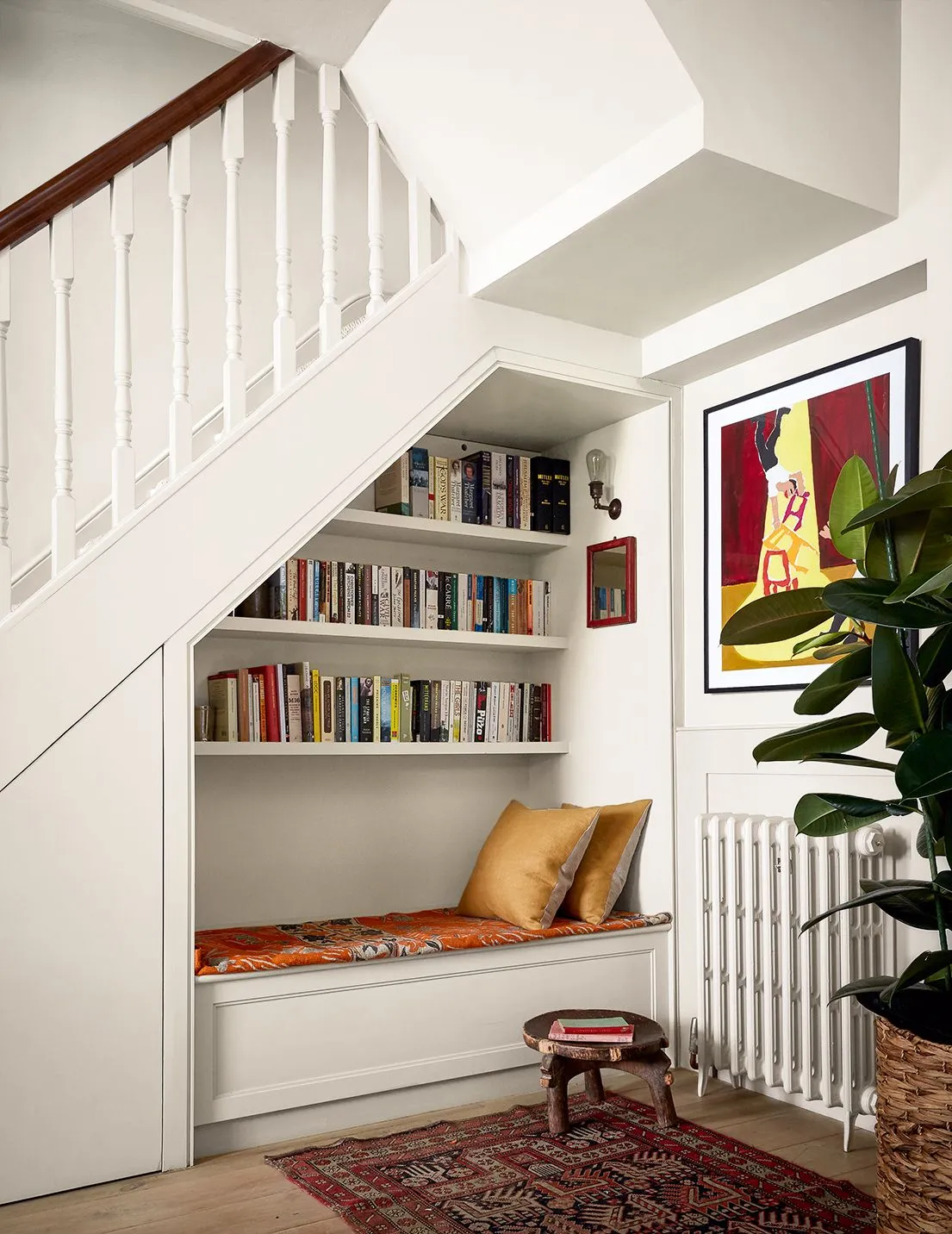
This small but mighty nook proves that you don’t need a lot of space to make a big impact. The design formula is simple and effective: 70% neutral base (the off-white walls and staircase) + 20% bold accent color (the warm orange cushion and red in the rug) + 10% rich texture (the gold pillows, dark wood stool, and stair rail). This balance allows the vibrant colors to pop without overwhelming the tiny footprint, creating a cheerful and inviting spot.
|
📋 Copy HEX 🔗 Share |
Love this look but don’t have a staircase to build it under? You can create a similar vibe in any small corner. Find a narrow bench with storage (IKEA’s Perjohan or a similar style from Target would work). Get a custom cushion made on Etsy for around $100-$150 in a bold, patterned fabric. Add a couple of velvet pillow covers from Amazon, a small floating shelf for books, and a plug-in wall sconce. You can mimic this entire setup for under $400.
13. A Calm, Blue Built-In Nook with Beadboard and Brass Rails
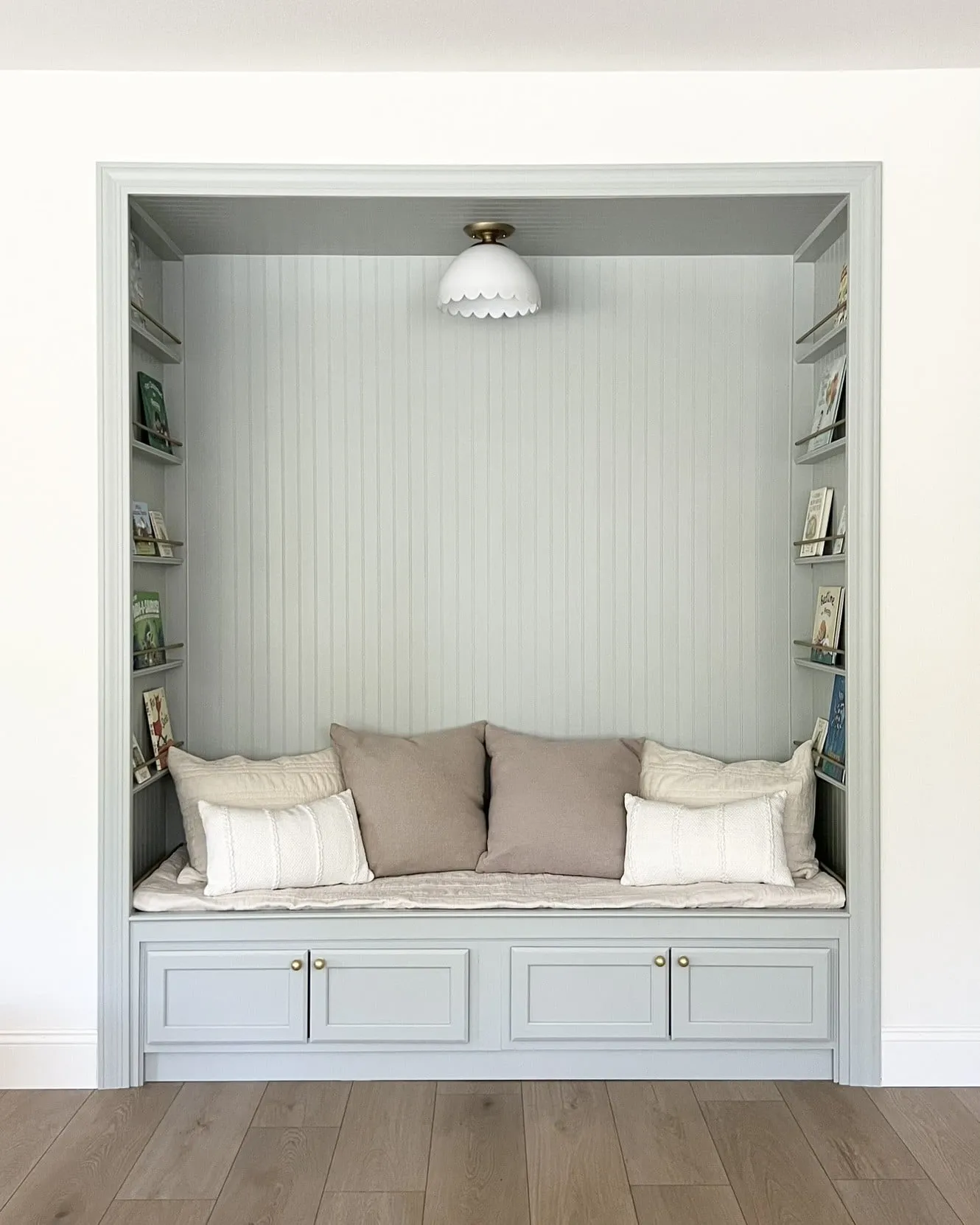
The success of this nook lies in its thoughtful details. The beadboard paneling on the back wall adds subtle texture and a touch of cottage charm, preventing the solid blue color from feeling flat. The genius move, however, is the narrow picture ledge shelves with brass rails. They provide the perfect spot for displaying favorite book covers face-out, turning them into art. The brass rails add a hint of warmth and shine, beautifully complementing the cool blue-grey paint and elevating the entire design.
|
📋 Copy HEX 🔗 Share |
Those gorgeous picture ledge shelves are perfect for showcasing beautiful book covers, but they aren’t practical for mass book storage. You can only fit a handful of books on them, and they must be relatively thin. If you’re a voracious reader with a large collection, you’ll need a different storage solution. This setup is ideal for displaying a curated, rotating collection of current reads or special editions, not for housing your entire library.
14. An Attic Reading Corner with a Tufted Sofa and Autumn Views
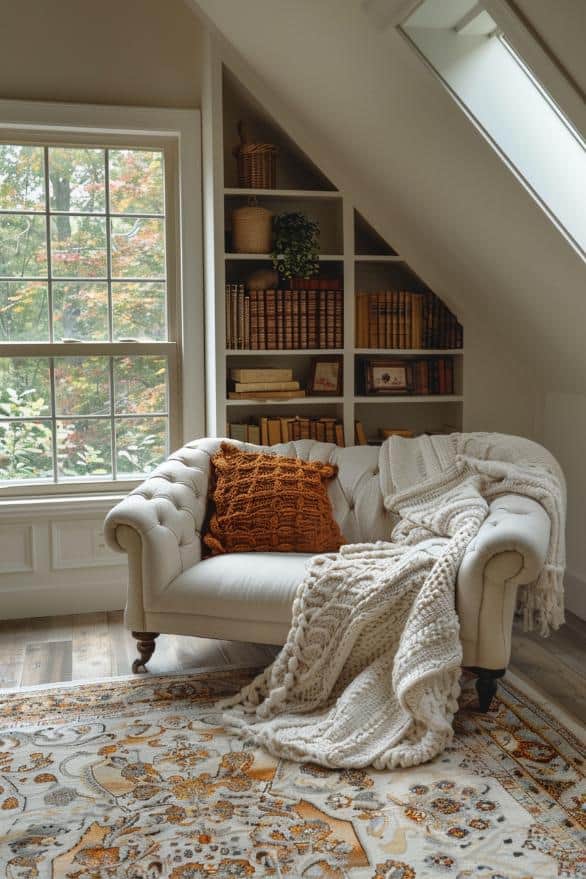
The tufted cream sofa is the undeniable heart of this attic space. While a built-in bench could have worked, opting for a standalone piece of furniture brings a level of plush comfort and sophisticated style that elevates the nook. Its light color keeps the area feeling bright and airy despite the sloped ceiling, and the tufting adds a classic textural detail. The chunky knit throw and orange pillow make it look irresistibly comfortable, turning it from just a seating area into a true destination for relaxation.
|
📋 Copy HEX 🔗 Share |
A light-colored sofa, especially one placed directly under a large window, requires some care. The cream fabric is susceptible to stains and will show dirt more easily than a darker color. More importantly, the direct sunlight from that beautiful grid-pane window can cause the fabric to fade over time. To prolong its life, consider applying a UV-protectant fabric spray and be sure to rotate the cushions regularly to ensure any fading is even.
15. A Neutral Reading Nook Warmed by Rust and Blue Accents
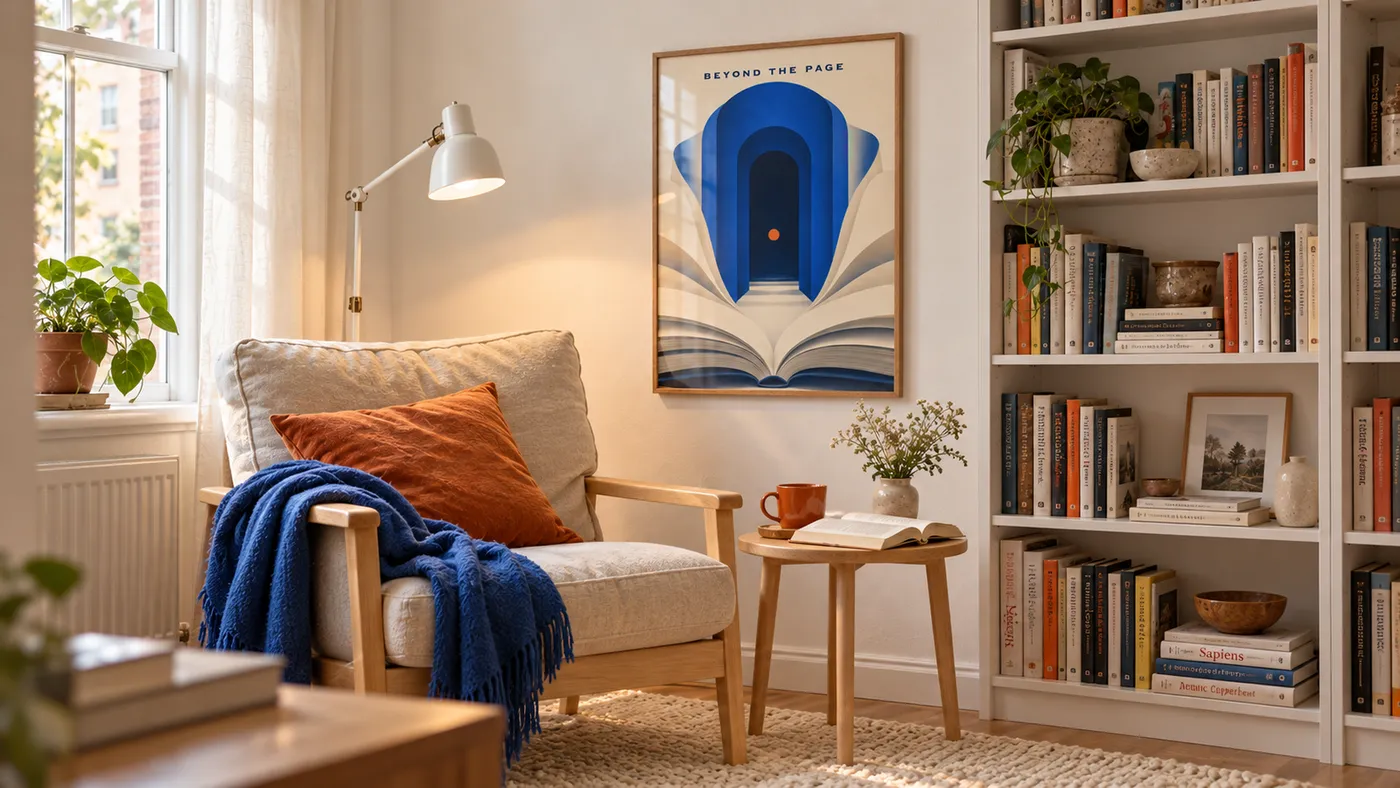
This space is a perfect example of the 60-30-10 rule in action. The formula is: 60% dominant neutral (the cream armchair, white bookshelf, and walls) + 30% secondary color (the light wood tones of the chair legs and side table) + 10% accent color (the pops of rust orange and deep blue). This classic ratio ensures a balanced and harmonious look. The neutrals provide a calm foundation, the wood adds warmth, and the accents bring in personality and visual interest.
|
📋 Copy HEX 🔗 Share |
When styling a bookshelf, always mix in items that aren’t books. Incorporating plants, as seen here, adds life, organic shape, and a touch of color that breaks up the hard lines of book spines. Small sculptures, framed art leaning against the back, and decorative boxes also add personality and depth. As a rule of thumb, for every two groups of books, add one non-book object to keep the shelves from looking like a monotonous library wall.
16. A Modern Window Nook with a Textured Orange Floor Chair
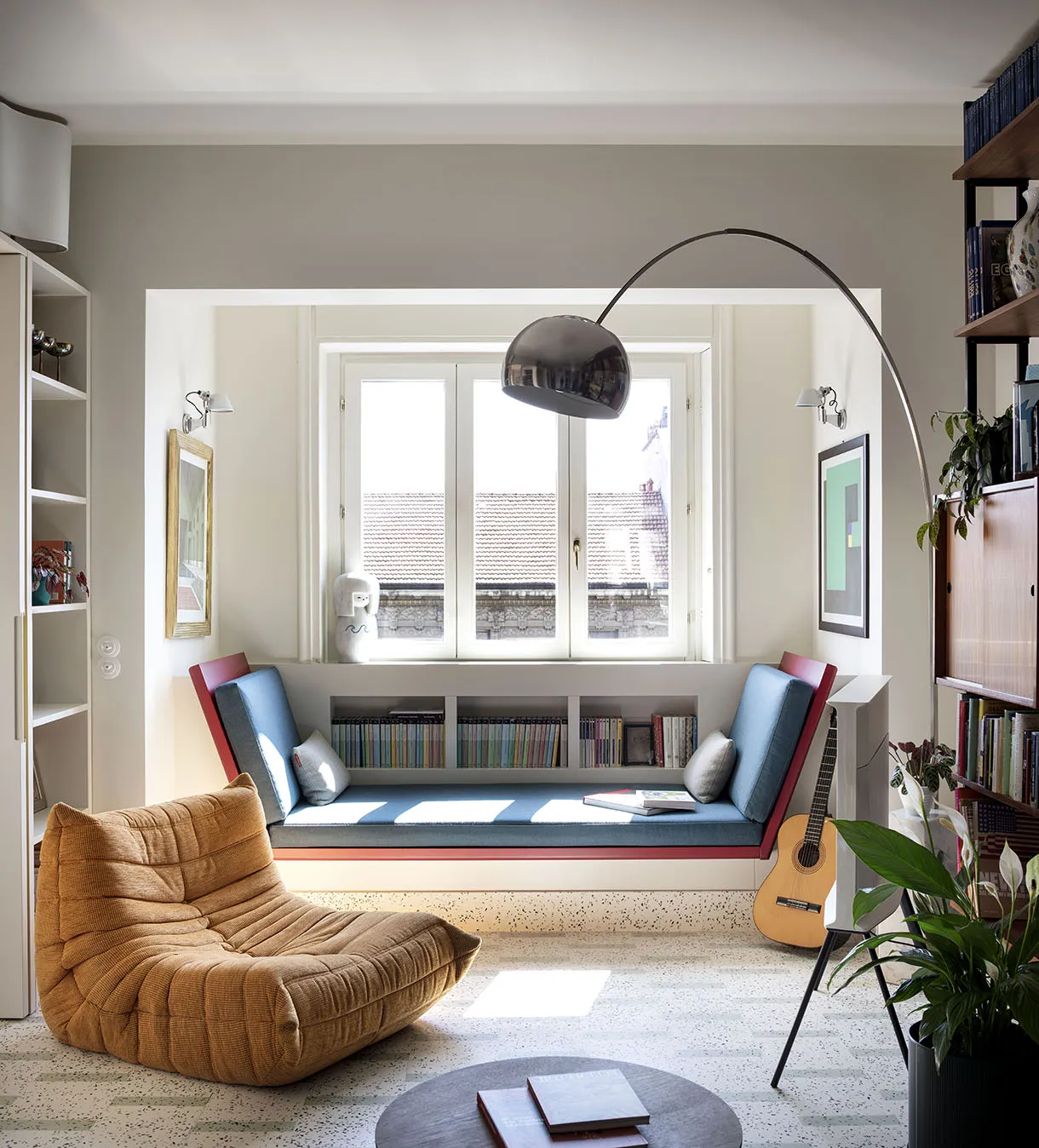
This reading nook’s use of a low-slung, textured floor chair is very much in line with the current trend towards more casual, flexible, and comfortable living spaces. After years of formal, structured furniture, there’s a collective desire for pieces that encourage lounging and relaxing. This informal seating, paired with the bright colors and modern arc lamp, creates a youthful and playful vibe. It feels less like a stuffy library and more like a creative corner for unwinding.
|
📋 Copy HEX 🔗 Share |
This layout is brilliant for rooms with lower windows or for spaces where you want to maintain an unobstructed view. The entire setup—window bench, floor chair, and coffee table—is low-profile, keeping the visual weight of the room down. This makes the space feel larger and more open. It’s an ideal solution for a room with standard 8-foot ceilings. The arc lamp is key, as it provides overhead light without requiring a ceiling fixture, making it perfect for renters or rooms with concrete ceilings.
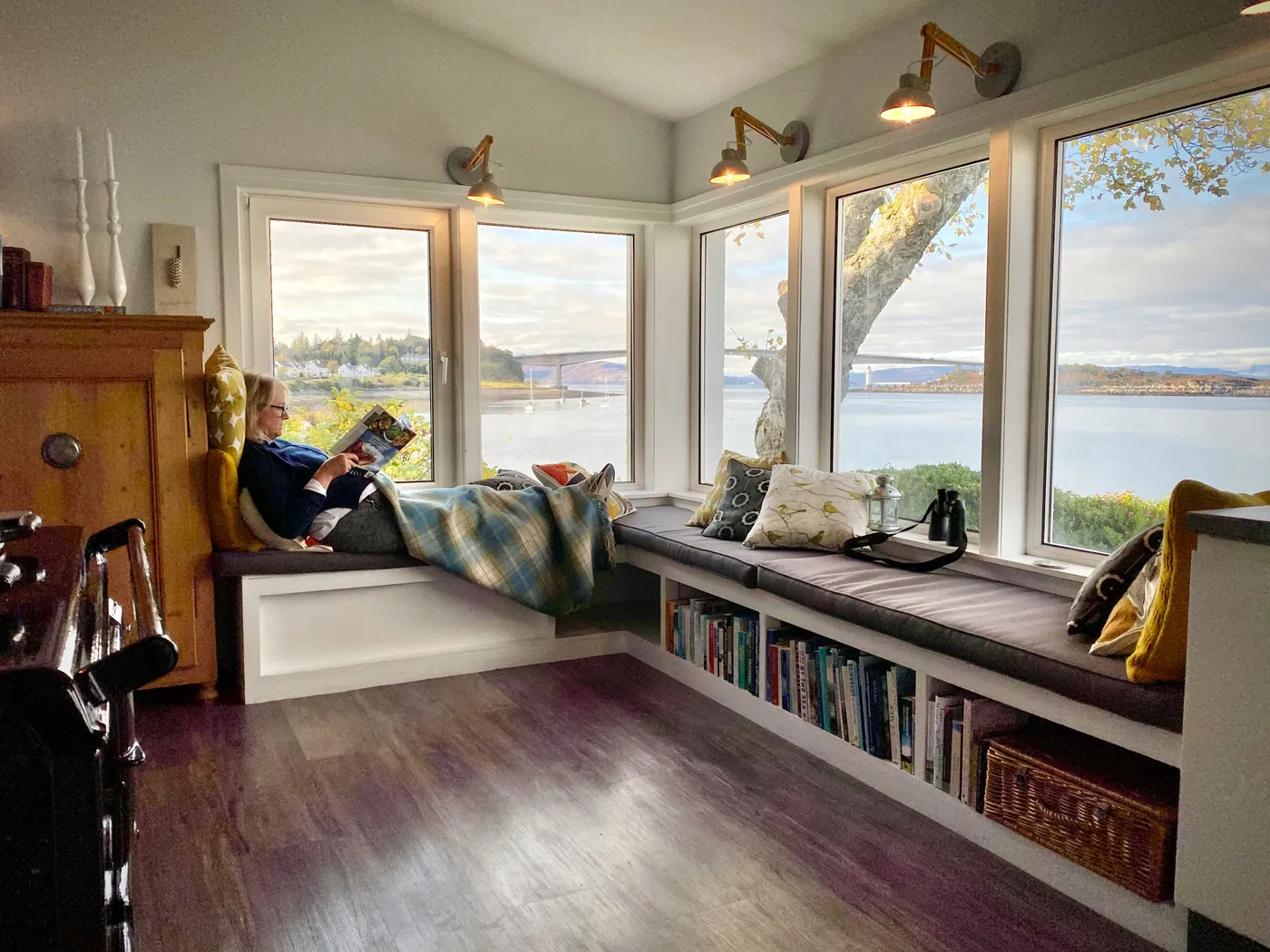
17. A Window Seat Nook with Expansive Water Views and Adjustable Sconces
This space expertly balances a panoramic view with cozy functionality. The dark gray cushions are a smart choice; they ground the long bench without competing with the blue and green tones of the water and landscape outside. The pops of mustard yellow in the pillows and plaid blanket add a cheerful, warm contrast to the cool tones of the view. Finally, the adjustable wall sconces are a practical masterstroke, providing focused task lighting for reading at night when the stunning view is no longer the main light source.
|
📋 Copy HEX 🔗 Share |
A custom-built window seat of this length can be costly. To get a similar feel on a budget, line up a series of low, backless storage benches (like those from Target’s Brightroom line or IKEA’s Kallax on its side). Then, order custom-made box cushions from an online seller to fit the total length. This modular approach gives you the look of a continuous bench and ample storage for a significantly lower price point, probably around $600-$900 for a 10-foot span.
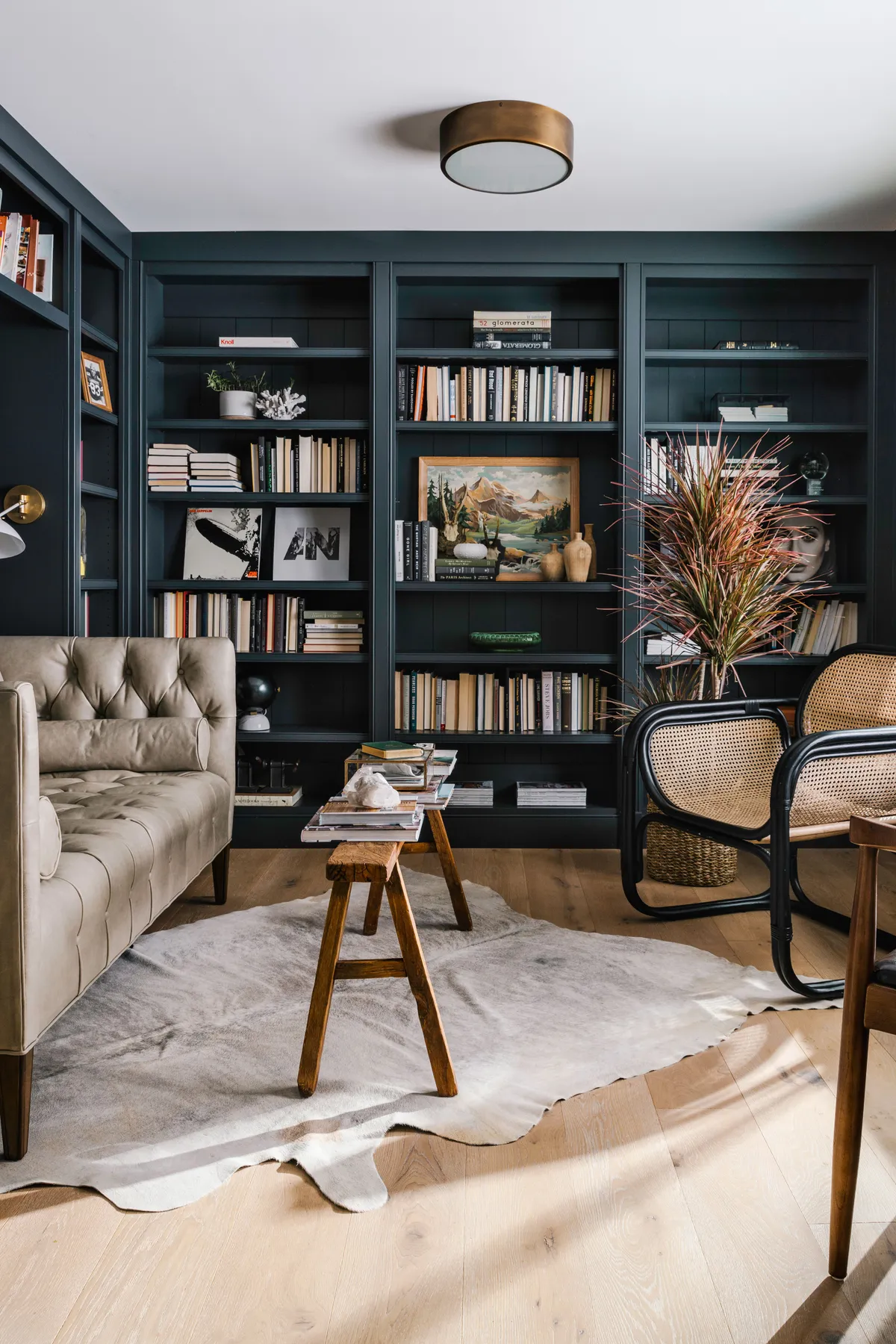
18. A Moody Teal Library with Rattan Chairs and a Tufted Sofa
This room’s success comes from a bold color choice balanced with natural textures. The formula: 50% deep, saturated color (the teal built-ins) + 30% soft neutral (the beige sofa and cowhide rug) + 20% natural materials (the rattan chairs and light wood floors). The dark teal creates a cozy, enveloping feel, while the light neutrals and natural textures prevent the room from feeling too dark or heavy. The brass ceiling light acts as the jewelry, adding a final touch of warmth and sophistication.
|
📋 Copy HEX 🔗 Share |
A wall of built-in bookshelves is a dream, but it’s not a weekend project. Properly building and installing shelves of this scale to be perfectly level and capable of holding the immense weight of hundreds of books is a job for a professional carpenter. Don’t underestimate the complexity. Trying to DIY this without the right tools and experience can lead to sagging shelves, uneven gaps, and a finish that looks amateurish, ultimately devaluing your space.
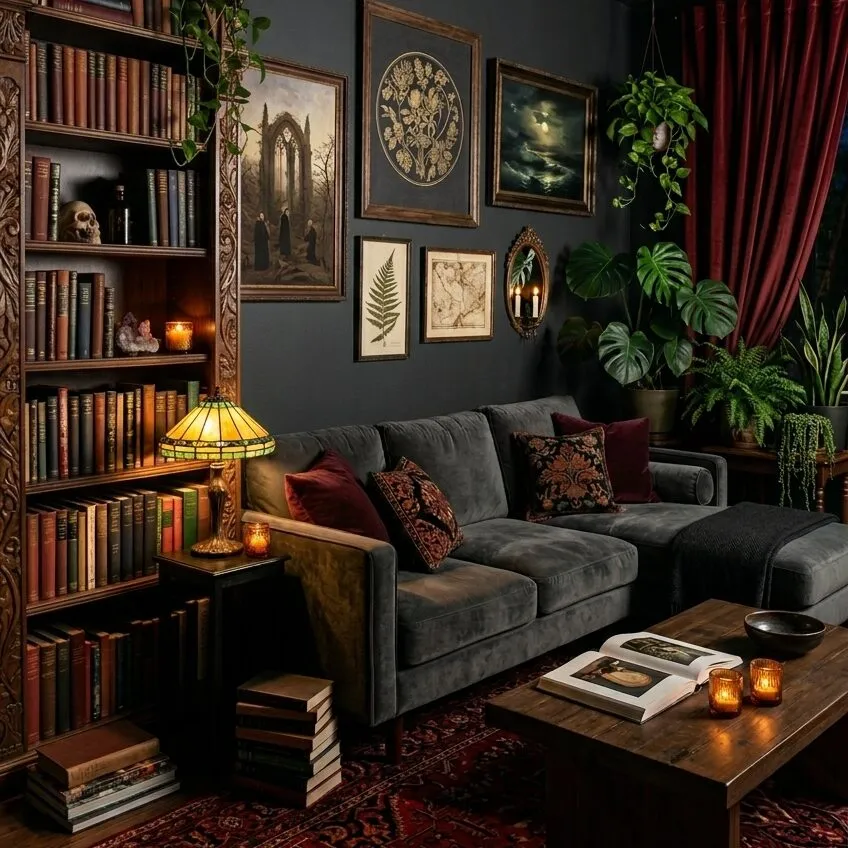
19. A Dark Academia Nook with a Velvet Sofa and Botanical Art
The gallery wall is the single element that elevates this nook from simply cozy to curated and intellectual. It’s the soul of the dark academia aesthetic. The mix of framed botanical prints, gothic art, and the small mirror with candle sconces tells a story and adds layers of history and personality. Removing it would leave a dark, plain wall; with it, the space feels like a collector’s personal study, filled with intrigue and character. The deep red curtains and rug echo the colors in the art, tying the whole scheme together.
|
📋 Copy HEX 🔗 Share |
Creating a collected-over-time gallery wall takes a bit of planning. Here’s a quick guide:
- Gather your art. Mix prints, photos, and even small mirrors or sconces. For this look, aim for vintage-style frames in dark wood and ornate gold.
- Trace each frame onto paper and cut out the shapes.
- Using painter’s tape, arrange the paper templates on your wall, playing with the composition until you’re happy. Aim for about 2-3 inches between each frame.
- Once you’ve finalized the layout, install your picture hooks right through the paper templates.
- Tear away the paper and hang your art.
This method ensures perfect placement with no surprise nail holes.
20. A Traditional Reading Corner with a Green Velvet Armchair and Plaid
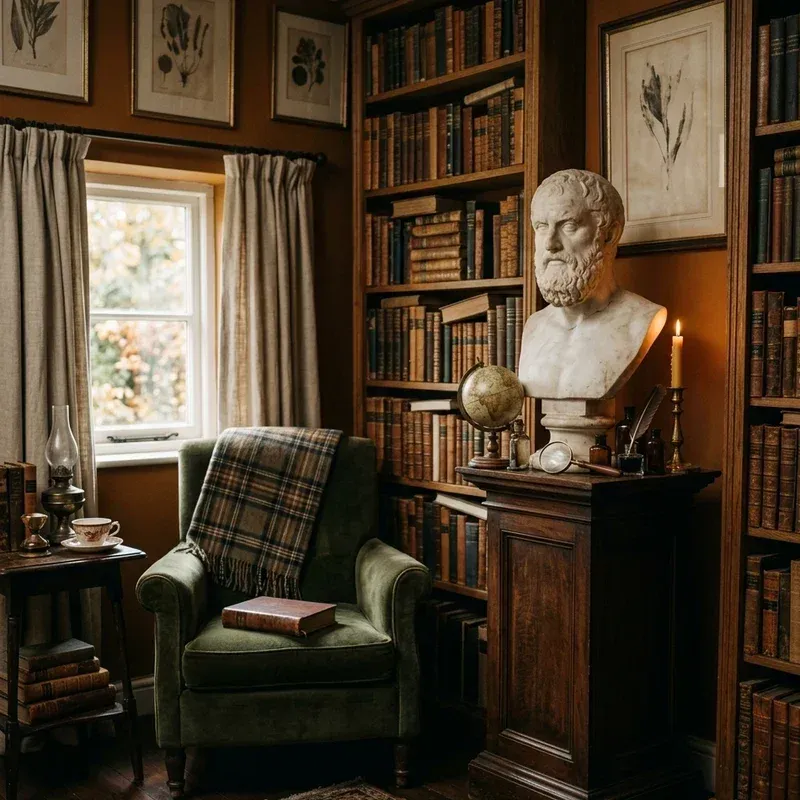
This nook feels so scholarly and established because of its masterful use of classic materials and a warm, analogous color scheme. The deep green velvet, dark brown wood, and warm ocher on the walls are all neighbors on the color wheel, creating a rich, cohesive, and enveloping atmosphere. The plaid throw introduces a subtle pattern without disrupting the harmony. The classical bust is the final touch, adding a sense of history and intellect that solidifies the traditional, library-like feel.
|
📋 Copy HEX 🔗 Share |
When hanging a gallery wall of similarly sized frames, like the botanical prints here, precision is everything. Use a laser level to establish a perfectly straight horizontal line for either the tops or bottoms of the frames to align to. Then, measure the distance between each frame meticulously. A consistent spacing of 2 to 3 inches is standard. This grid-like arrangement creates a sense of order and sophistication that a more random layout would lack.
21. A Minimalist Nook with a Black Chaise and Muted Green Wall
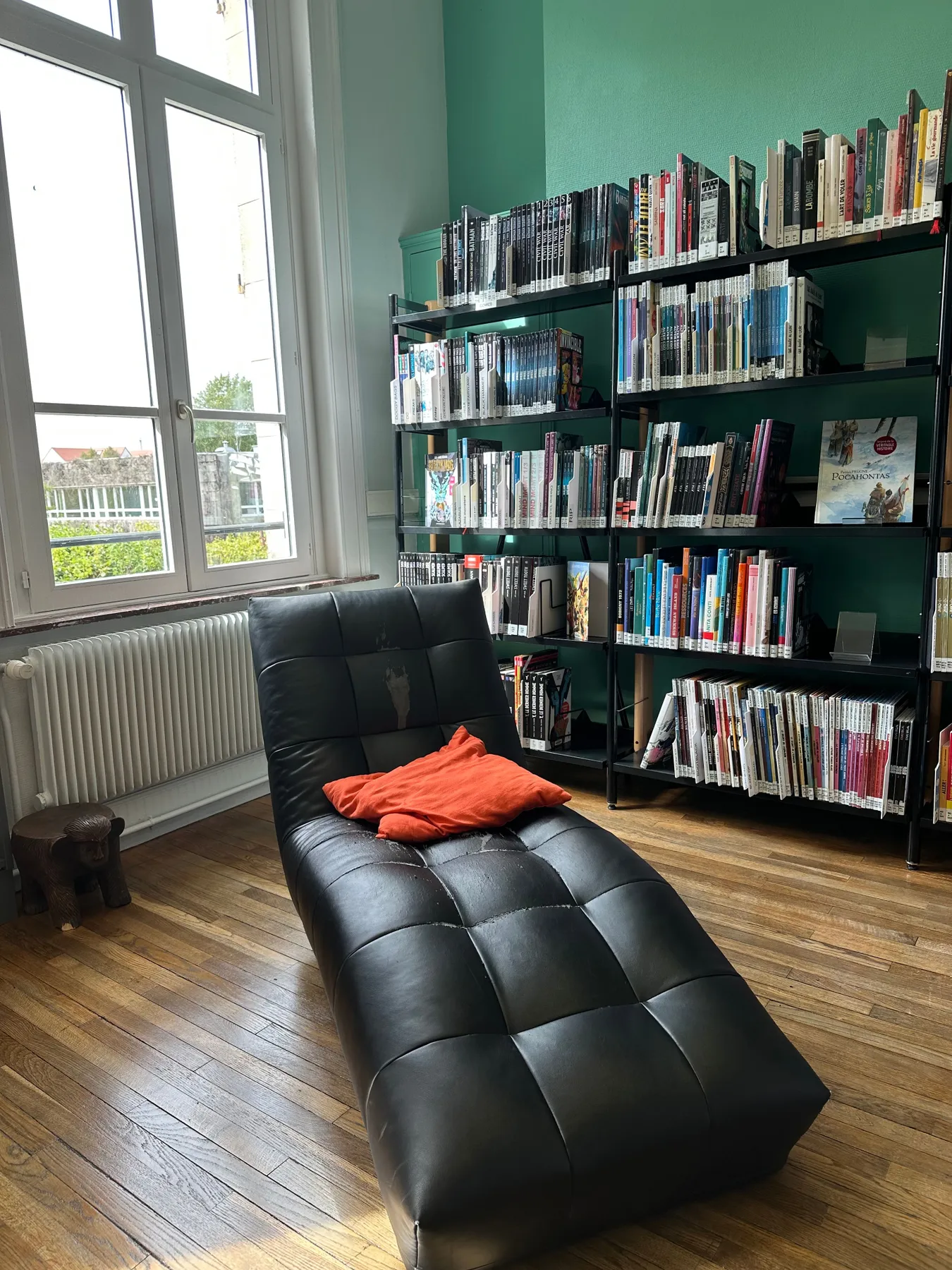
This clean, modern look is perfect for smaller spaces or long, narrow rooms. The key is the use of visually lightweight furniture. The black metal bookshelves have a thin profile that doesn’t eat up visual space, and the chaise lounge, while long, is low to the ground. This layout would work well in a room that’s at least 10 feet long but could be as narrow as 7 feet wide. It’s a great solution for a home office, a wide hallway, or a small apartment living room. A similar setup is shown in Idea #24, but with more integrated, custom furniture.
|
📋 Copy HEX 🔗 Share |
You can get this look for less with a few smart swaps. Instead of a designer chaise, look for a simple, armless daybed or bench from IKEA or Wayfair and top it with a black cushion. The Vittsjö shelving unit from IKEA offers a nearly identical black metal and wood look for the bookshelves. The pop of color can come from a simple cushion cover found on Amazon or at H&M Home. The entire look could be recreated for under $500.
22. An Eclectic Nook Against an Exposed Red Brick Wall
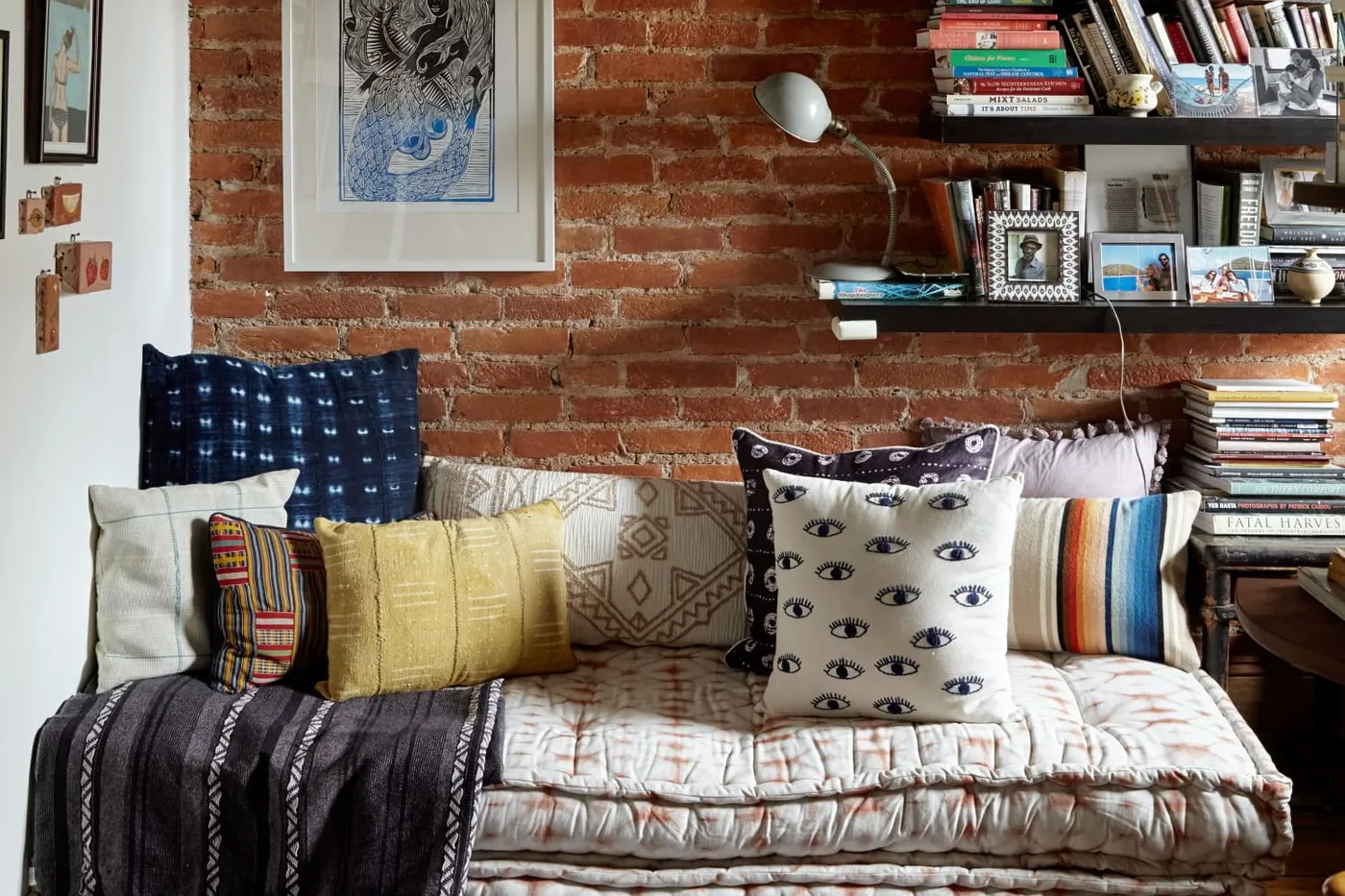
The exposed red brick wall is the hero of this reading nook. It provides a raw, industrial texture and a rich, warm color that serves as the perfect backdrop for the eclectic mix of textiles. The deep indigo, mustard yellow, and cream pillows pop against the ruddy tones of the brick. Without this feature, the stacked mattress base and floating shelves might look temporary or unfinished. Against the brick, they look intentional, bohemian, and incredibly cool.
|
📋 Copy HEX 🔗 Share |
While an exposed brick wall is full of character, it can also be a source of dust and drafts. Old brick and mortar can crumble, creating a fine red dust that settles on everything. Sealing the brick with a clear, matte sealant can help mitigate this. Also, exterior brick walls are often less insulated than standard walls, so you might feel a chill in the winter. That’s why piling on cozy textiles, like the layers of blankets and pillows seen here, is not just for looks—it’s for practical comfort!
23. A Built-In Window Seat in Dark Blue with Record Storage
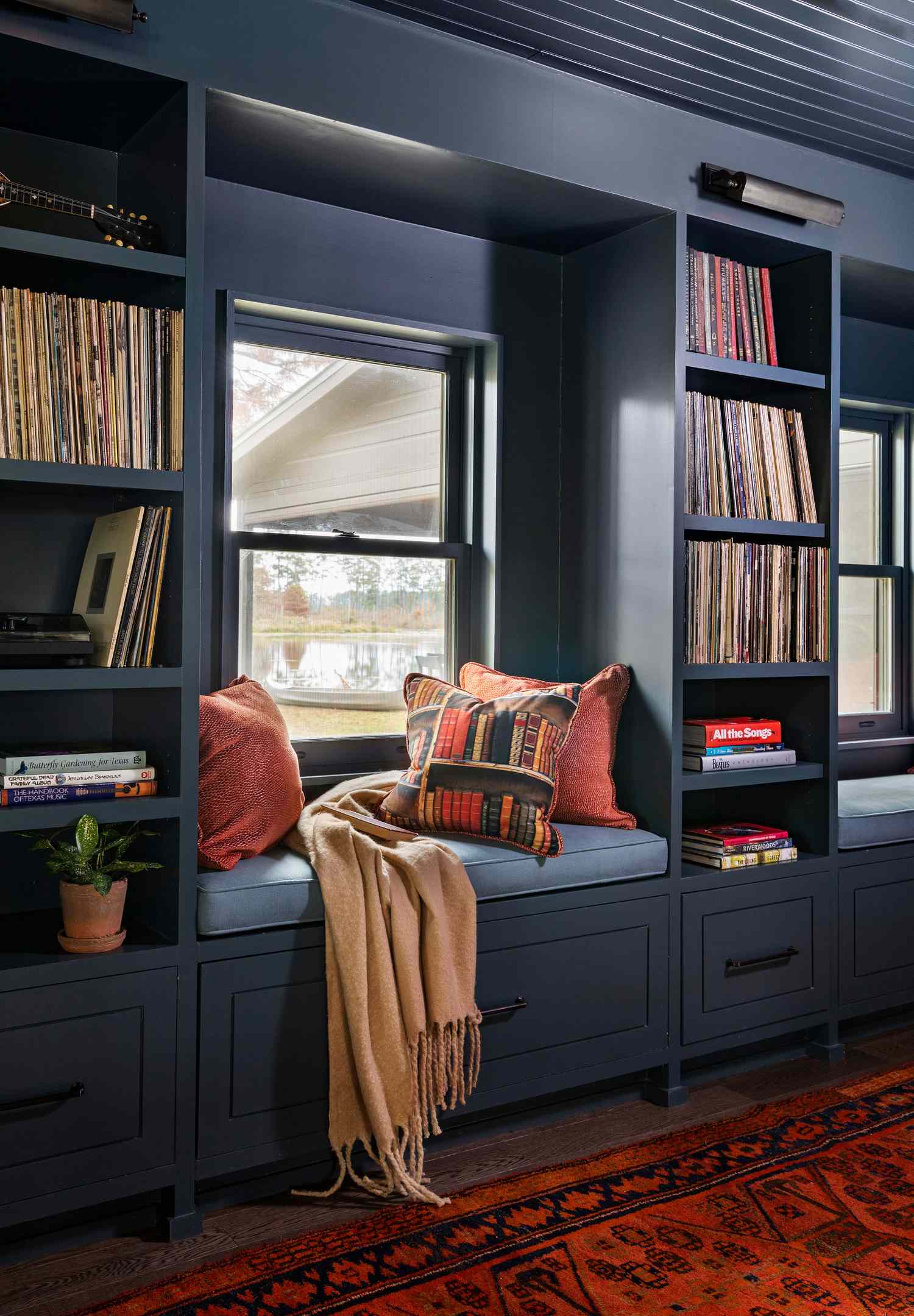
This design is so successful because it commits fully to the dark blue color. Painting the bookshelves, window seat, and window trim all in the same shade creates a seamless, cohesive, and immersive experience. This monochrome approach makes the built-ins feel like a single, impressive piece of custom architecture. The choice of a lighter blue for the cushion and the pops of contrasting rust orange prevent the dark color from feeling overwhelming and add a vibrant, modern energy to the space.
|
📋 Copy HEX 🔗 Share |
Dark, matte paint finishes like this beautiful blue look incredibly sophisticated, but they are notoriously tricky to maintain. They tend to show fingerprints, smudges, and scuffs much more easily than lighter colors with more sheen. When cleaning is necessary, you have to be gentle; vigorous scrubbing can burnish the paint, creating shiny spots that are impossible to remove. Use a soft, damp cloth and dab gently. For a high-traffic area like a bench, consider using a more durable satin or eggshell finish instead.
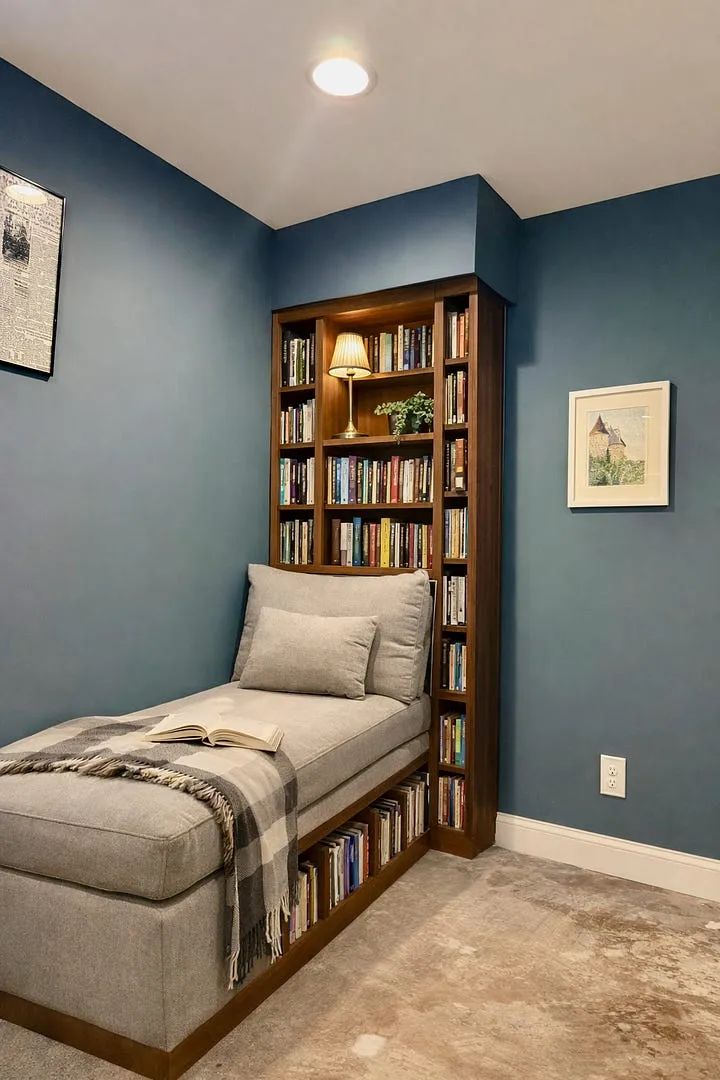
24. A Custom Chaise Lounge with Integrated Book Storage
For a truly seamless look in a custom piece like this, have the upholstery and the built-ins meet perfectly. This means planning the cushion size and thickness before the carpentry is finalized. A common mistake is building the furniture and then trying to find a cushion to fit. Instead, specify a 4- to 5-inch thick high-density foam cushion and have the carpenter build the base to a height that, with the cushion on top, reaches a comfortable seat height of 17-18 inches from the floor.
|
📋 Copy HEX 🔗 Share |
The single most brilliant feature here is the integrated book storage within the chaise lounge itself. It’s a clever, space-saving solution that keeps favorite books within arm’s reach without needing a separate side table or shelf. This custom detail transforms the chaise from a simple piece of furniture into a highly functional, all-in-one reading station. It maximizes utility in a compact footprint, making it perfect for smaller rooms or apartments where every inch counts.
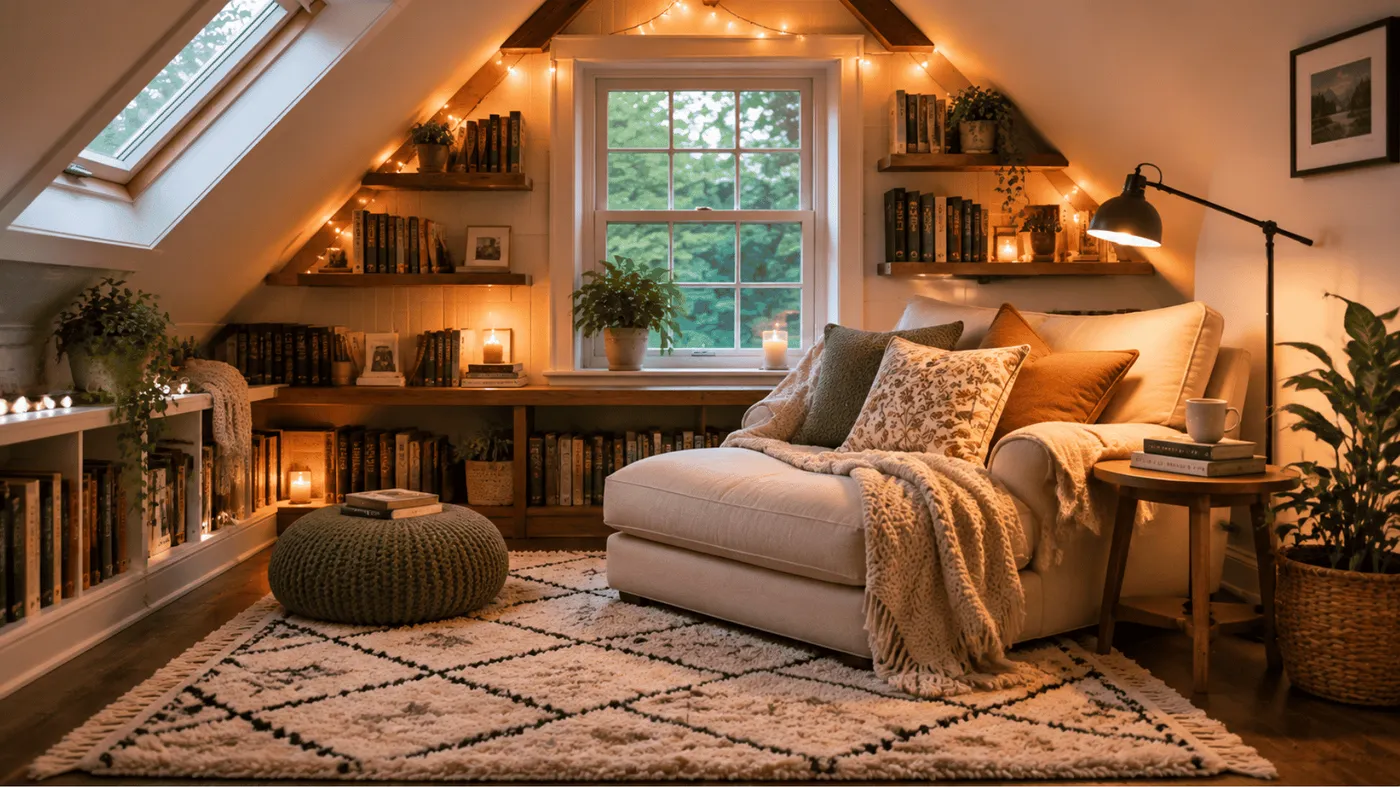
25. An Attic Hideaway Illuminated by String Lights
This image perfectly captures the Cozy Core or Book Nook aesthetic that is wildly popular on social media. It’s less about formal interior design rules and more about creating a feeling of ultimate comfort, safety, and personal escape. The key ingredients are warm, layered lighting (hello, string lights and candles), an abundance of soft textiles (plush rugs, blankets, pillows), and surrounding yourself with things you love (books, plants). It’s a design trend focused on creating a personal sanctuary for decompression.
|
📋 Copy HEX 🔗 Share |
A room filled with books, textiles, and candles looks incredibly romantic, but it’s a combination that requires serious fire safety awareness. Never leave burning candles unattended, especially when they are near flammable materials like books, blankets, and rugs. Consider using high-quality LED or battery-operated candles to get the same warm glow without the risk. Similarly, ensure your string lights are rated for indoor use and don’t overload your outlets. Cozy should never come at the expense of safety.
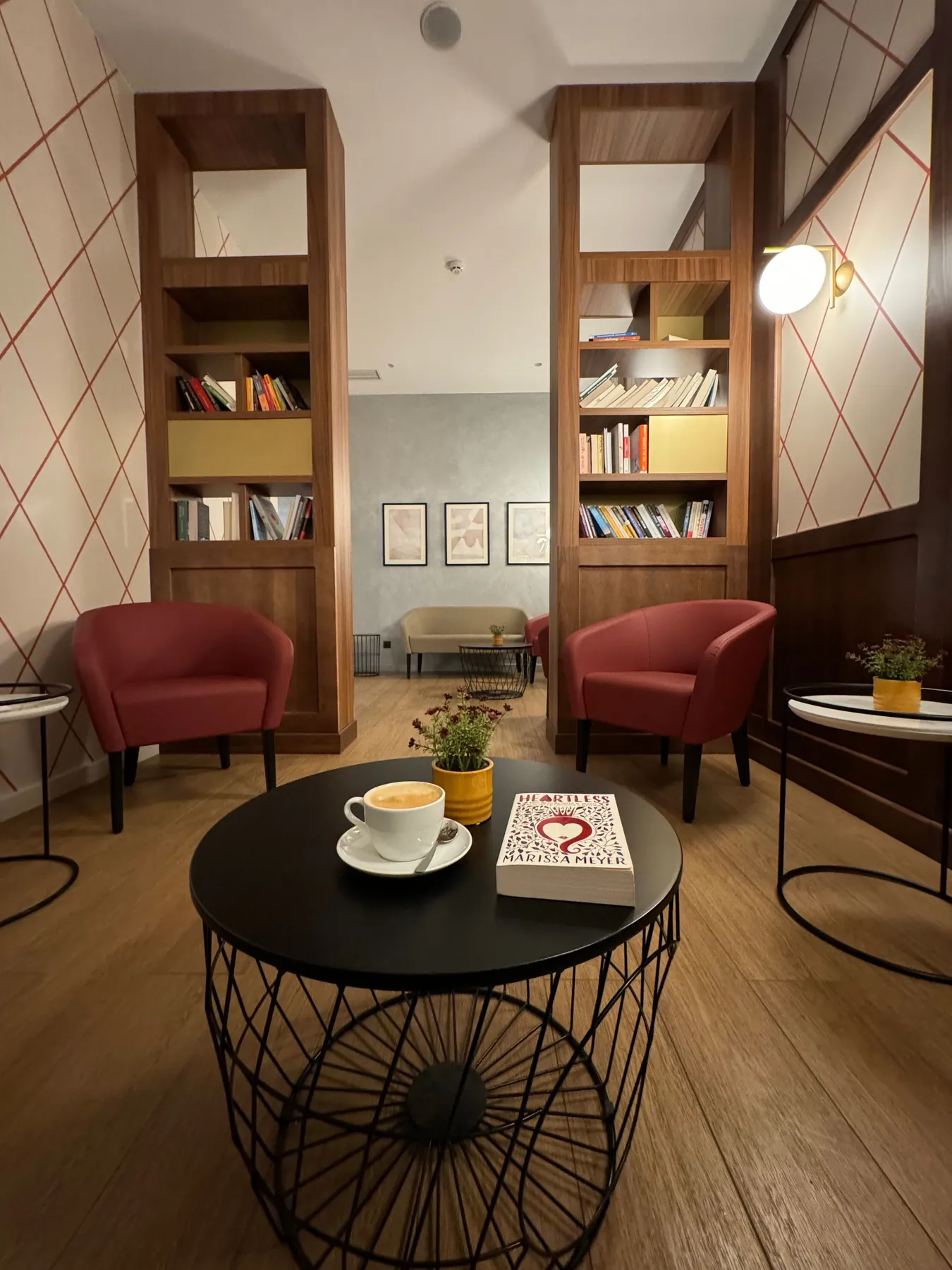
26. A Modern Nook with Red Chairs and Geometric Walls
This nook is a great example of using repetition to create a cohesive design. The bold red of the armchairs is repeated in the geometric crosshatch pattern on the wall. This simple trick ties the furniture and the architecture together, making the design feel intentional and complete. The light wood of the bookshelves and floor, along with the white walls, provides a neutral canvas that allows the red accents and the books themselves to be the stars of the show.
|
📋 Copy HEX 🔗 Share |
Want to create this graphic and cozy spot? The cost is mainly in the seating and the custom feel of the wall pattern.
- Main Furniture (2 Armchairs, Coffee Table): $700 – $3,000
- Bookcases (if not existing): $500 – $2,500 (for built-in look)
- Lighting (Sconce): $100 – $400
- Wall Treatment (Paint & labor for pattern): $150 – $600
- TOTAL: $1,450 – $6,500
Budget alternative: Use a wall stencil or peel-and-stick wallpaper for the geometric pattern. Find similar armchairs on Facebook Marketplace and have them reupholstered. Total cost could be under $1,000.
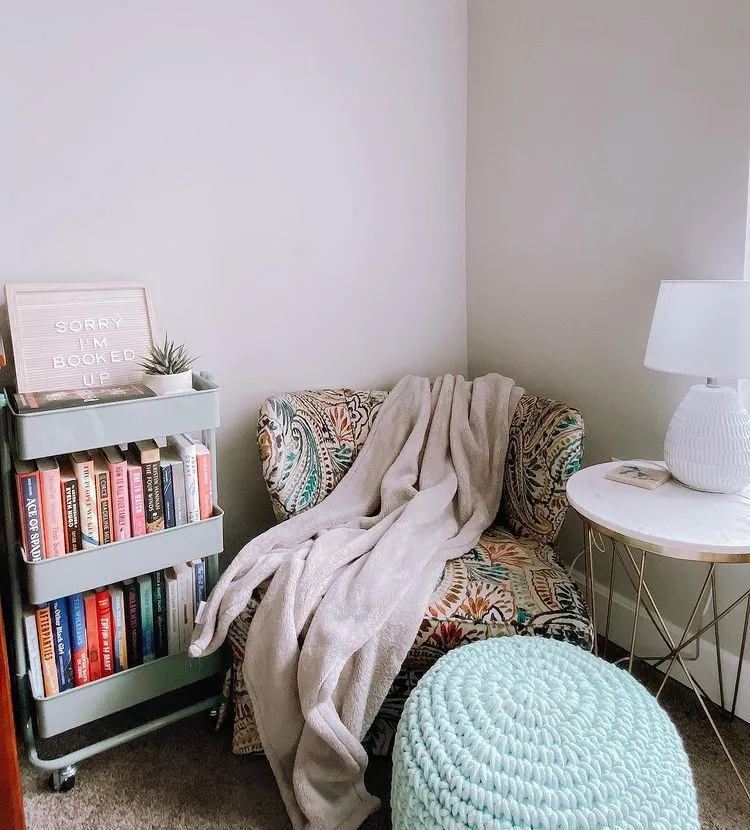
27. A Cheerful Corner Nook with a Teal Book Cart
The teal rolling book cart is the element that injects this reading nook with so much personality and fun. It’s a playful, practical piece that adds a much-needed pop of vibrant color to the otherwise soft and neutral palette. It’s also incredibly functional, offering mobile storage for a to-be-read pile that can be moved around as needed. The Sorry I’m Booked Up letter board on top doubles down on the theme, making it clear this is a space dedicated to literary escape.
|
📋 Copy HEX 🔗 Share |
This entire adorable nook can be put together on a surprisingly small budget. The key is to find affordable, high-impact pieces. Look for a patterned armchair from a store like World Market or HomeGoods ($300-$500). The famous ‘Råskog’ utility cart from IKEA is a dead ringer for the book cart here and costs around $40. A marble-topped side table can be found at Target for under $100. Add a pouf from Wayfair and a lamp from Amazon, and you’ve got the whole vibe for around $600.
28. A Minimalist Window Nook with Fluffy Textures and an Autumn View
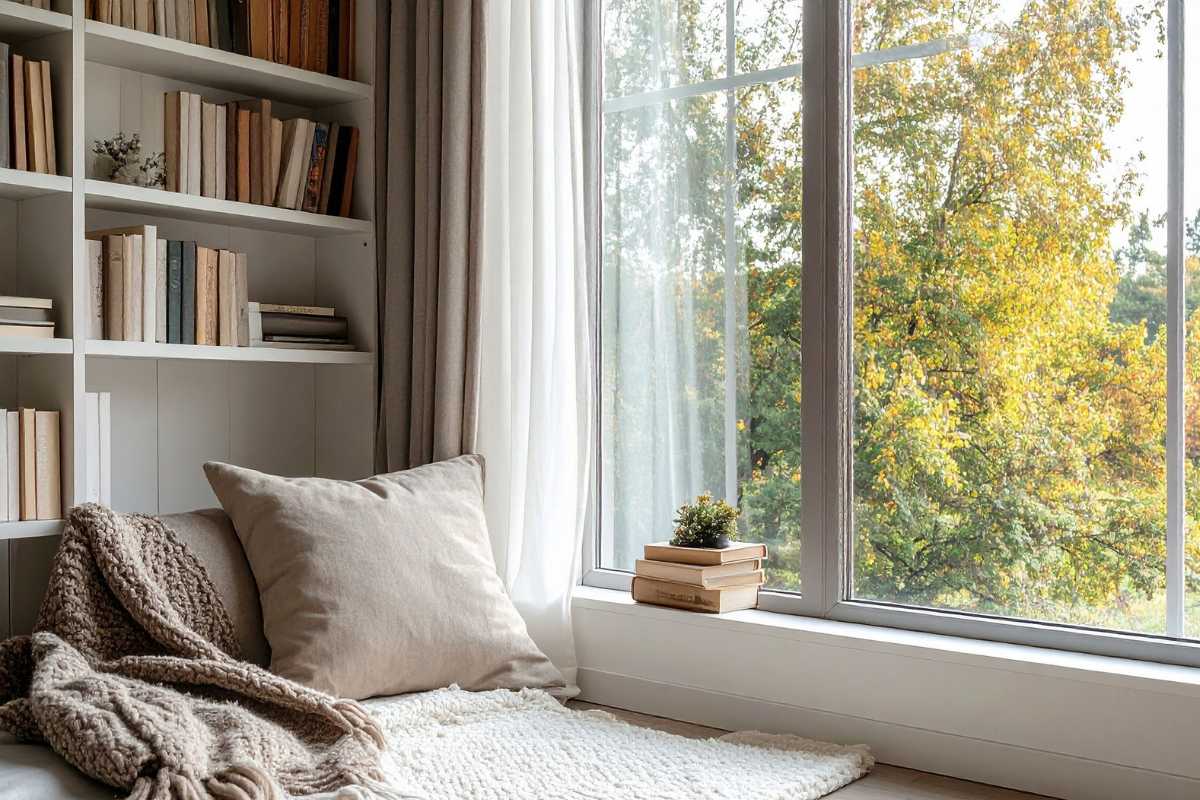
This nook proves that you don’t need color to create coziness. The magic here is the heavy reliance on texture within a tight, neutral palette. You have the smooth surface of the white shelves, the roughness of the book spines, the plushness of the fluffy white rug, the softness of the large beige pillow, and the nubby weave of the chunky knit blanket. This textural variety creates a rich sensory experience that feels warm and inviting, even without a single bright hue. This is a quieter version of the cozy window seat seen in Idea #2.
|
📋 Copy HEX 🔗 Share |
When styling with a monochromatic or neutral palette, vary the shades and tones to create depth. Notice how this space isn’t all pure white. There’s the creamy white of the shelves, the warm beige of the pillow and blanket, and the natural brown of the book pages. These subtle shifts in the neutral family prevent the design from feeling flat, sterile, or one-dimensional. It’s a sophisticated way to create a calm and layered space.
29. A Bright Attic Nook with a Skylight and Striped Ottoman
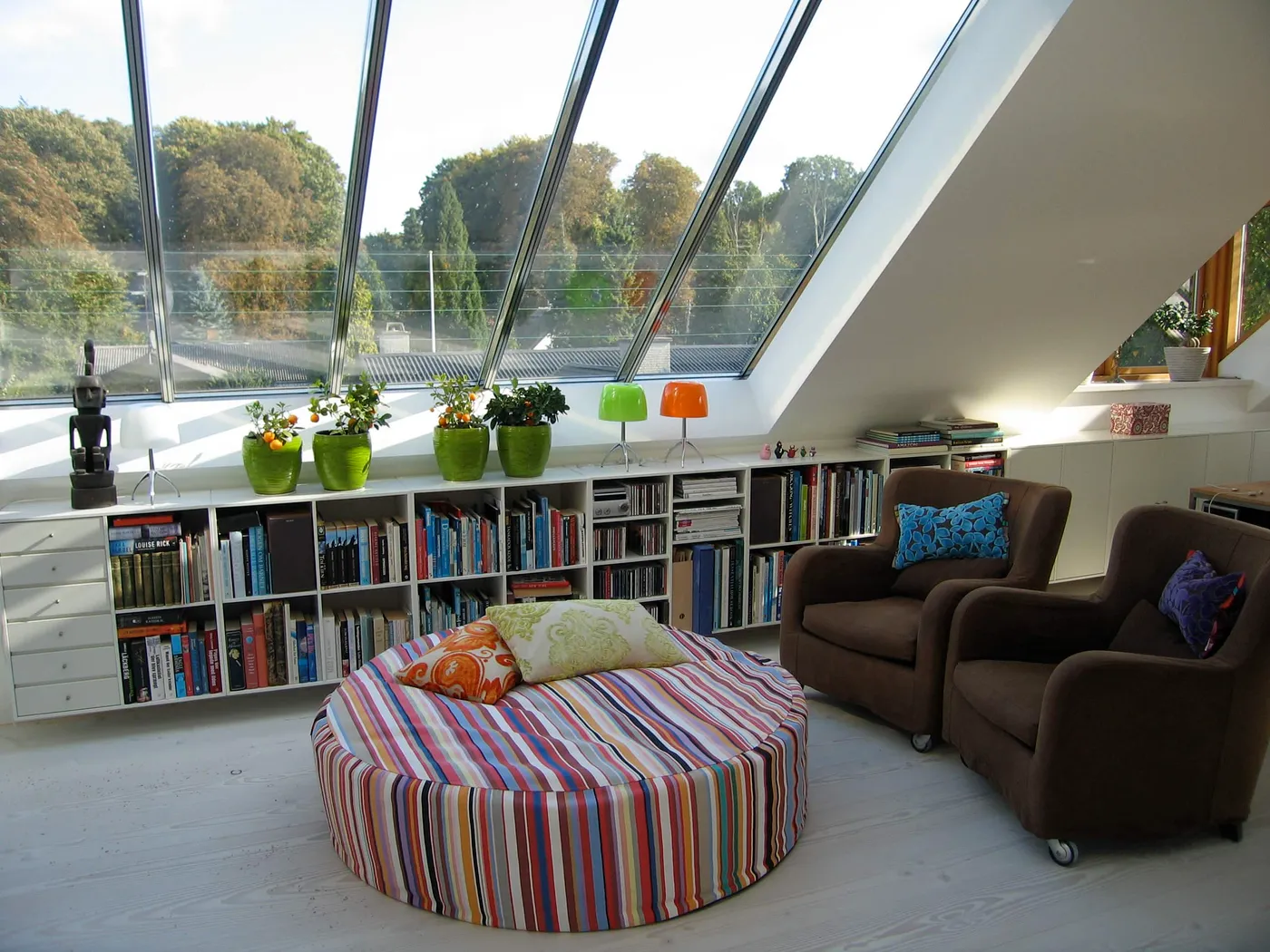
This generous attic layout is ideal for a larger, multi-functional reading and lounging area. To accommodate two armchairs and a large central ottoman, you’ll want a floor space of at least 10×12 feet. The key is the ceiling height; the large skylight makes the sloped ceilings feel less confining. This setup would be less successful in a dark attic with low ceilings. It’s a great example of how to turn a large, open attic into a defined and usable zone. Compare this to the smaller, more enclosed attic nook in Idea #7.
|
📋 Copy HEX 🔗 Share |
The massive angled skylight is the undeniable star of this attic reading nook. It floods the space with natural light, making it feel bright, open, and connected to the outdoors—a rare feat for an attic. It turns what could be a dark, forgotten corner of the house into a prime destination. The entire furniture arrangement is oriented to take advantage of the light and the view of the sky and trees, reinforcing the skylight as the central, defining feature of the room.
30. A Modern Nook Tucked Under Floating Wooden Stairs
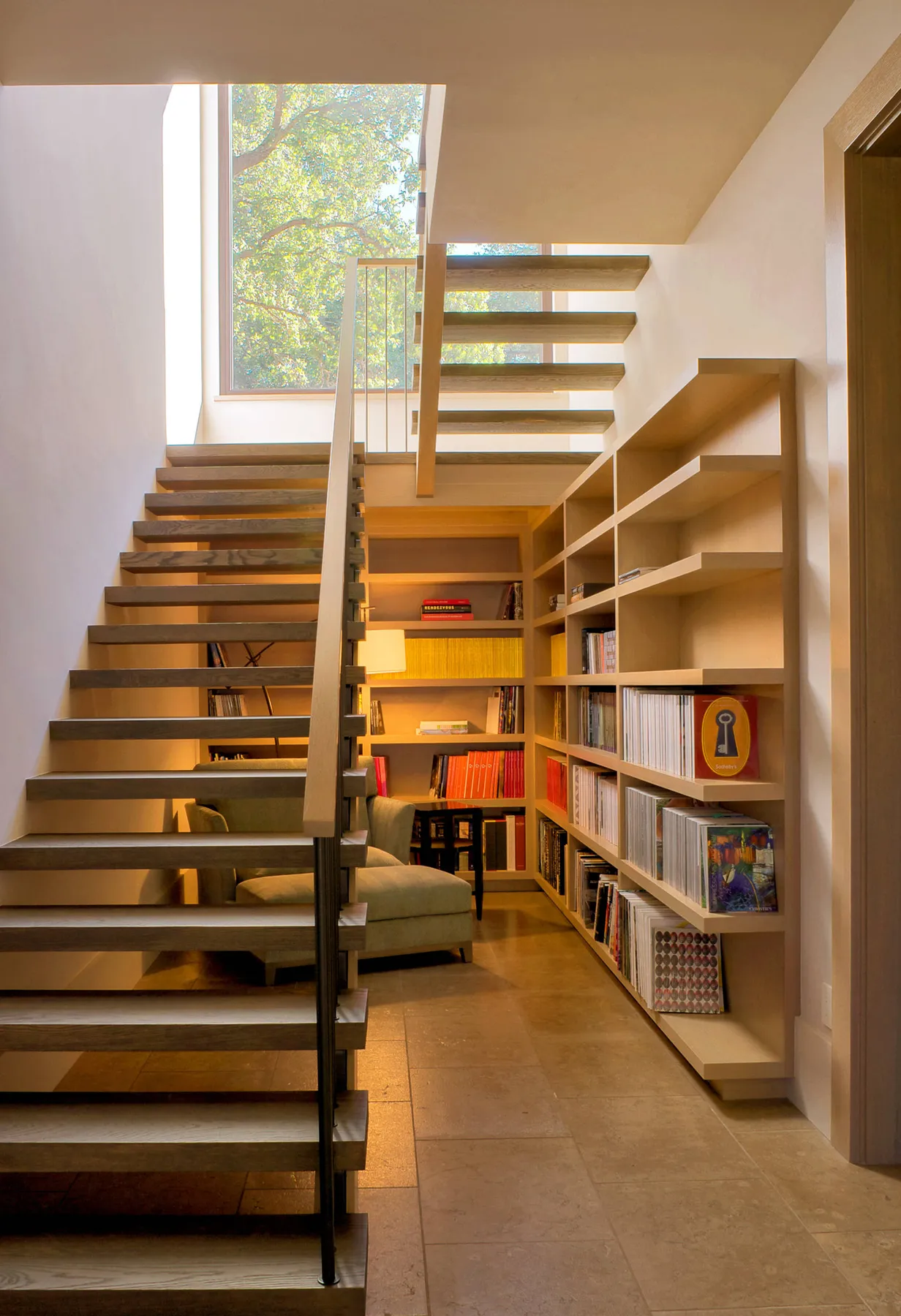
This reading nook feels so airy and modern due to the floating staircase design. The open risers allow light from the large window to pass through, preventing the nook from feeling dark or cave-like, which is a common issue for under-stair spaces (see the cozier, enclosed version in Idea #1). The use of light-colored materials like the blonde wood bookshelves, light green chaise, and cream walls further enhances the bright and serene atmosphere. It’s a beautiful integration of architecture and furniture.
|
📋 Copy HEX 🔗 Share |
A floating staircase is a stunning architectural statement, but it comes with practical considerations. The open risers, while beautiful, may not be suitable for homes with young children or pets due to safety concerns. Building codes in many areas have specific requirements for open-riser stairs to prevent fall-through accidents. They are also a significantly more expensive and structurally complex option than a standard staircase, requiring specialized engineering and installation.
31. A Traditional Reading Nook with Plaid, Leather, and Pine
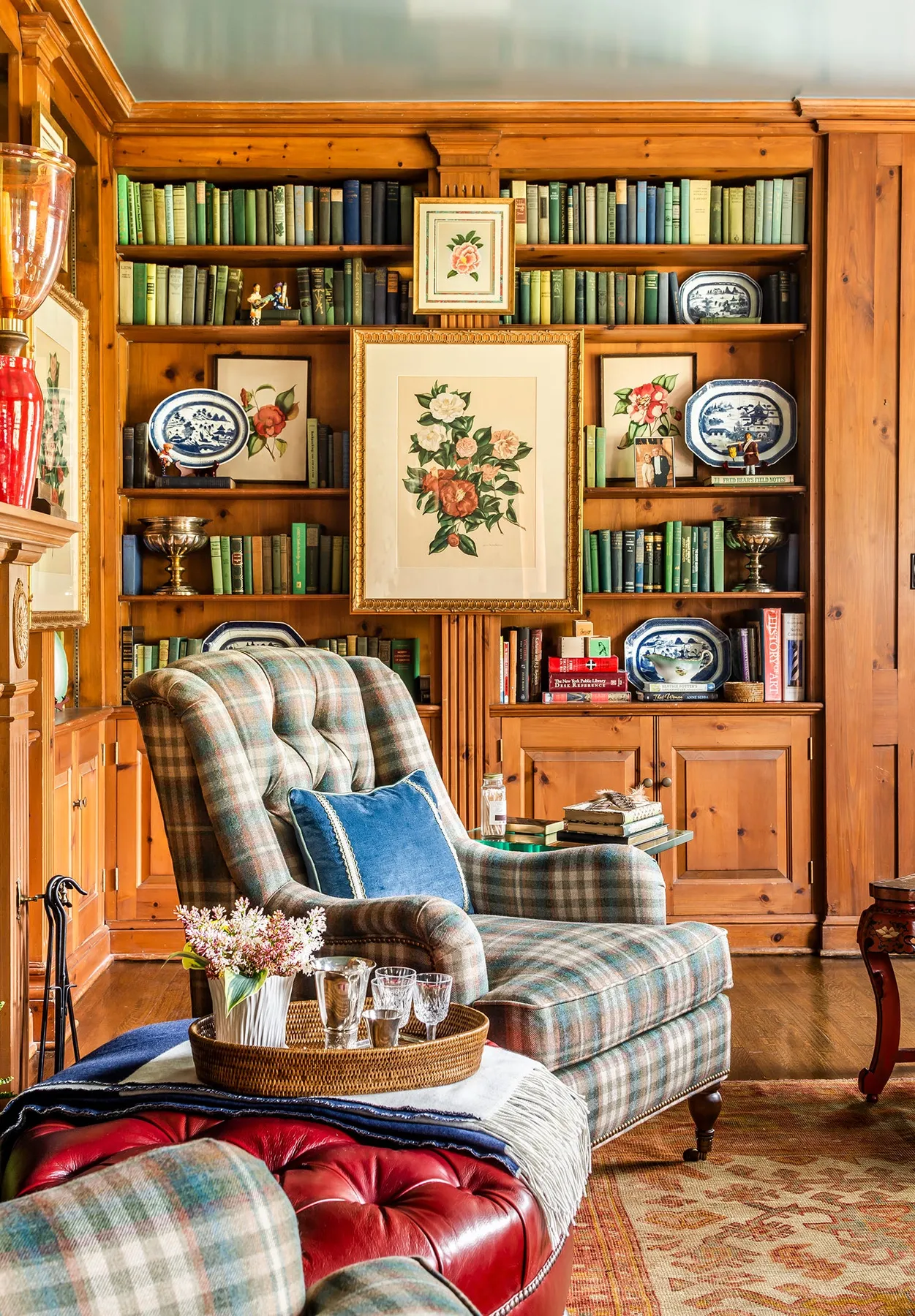
This classic, clubby look is achieved through a rich mix of textures and patterns. The formula is: 40% warm wood (the pine bookshelves) + 20% patterned fabric (the plaid armchair) + 20% smooth leather (the red ottoman) + 10% curated decor (the plates and art) + 10% intricate pattern (the rug). The combination of plaid, leather, and pine is a timeless trio that instantly evokes the feeling of a cozy, traditional library or study. It’s a masterclass in layering classic elements for a warm, lived-in feel.
|
📋 Copy HEX 🔗 Share |
Don’t be afraid to display more than just books on your bookshelves. Here, the blue and white decorative plates add a welcome circular shape, a contrasting color, and a touch of personality. Leaning framed artwork, like the botanical prints, against the back of a shelf is another great way to break up the monotony of book spines. This adds depth and a curated, collected feel to your library, making it feel much more personal.
32. A Bright Window Seat with Integrated Storage and Shelving
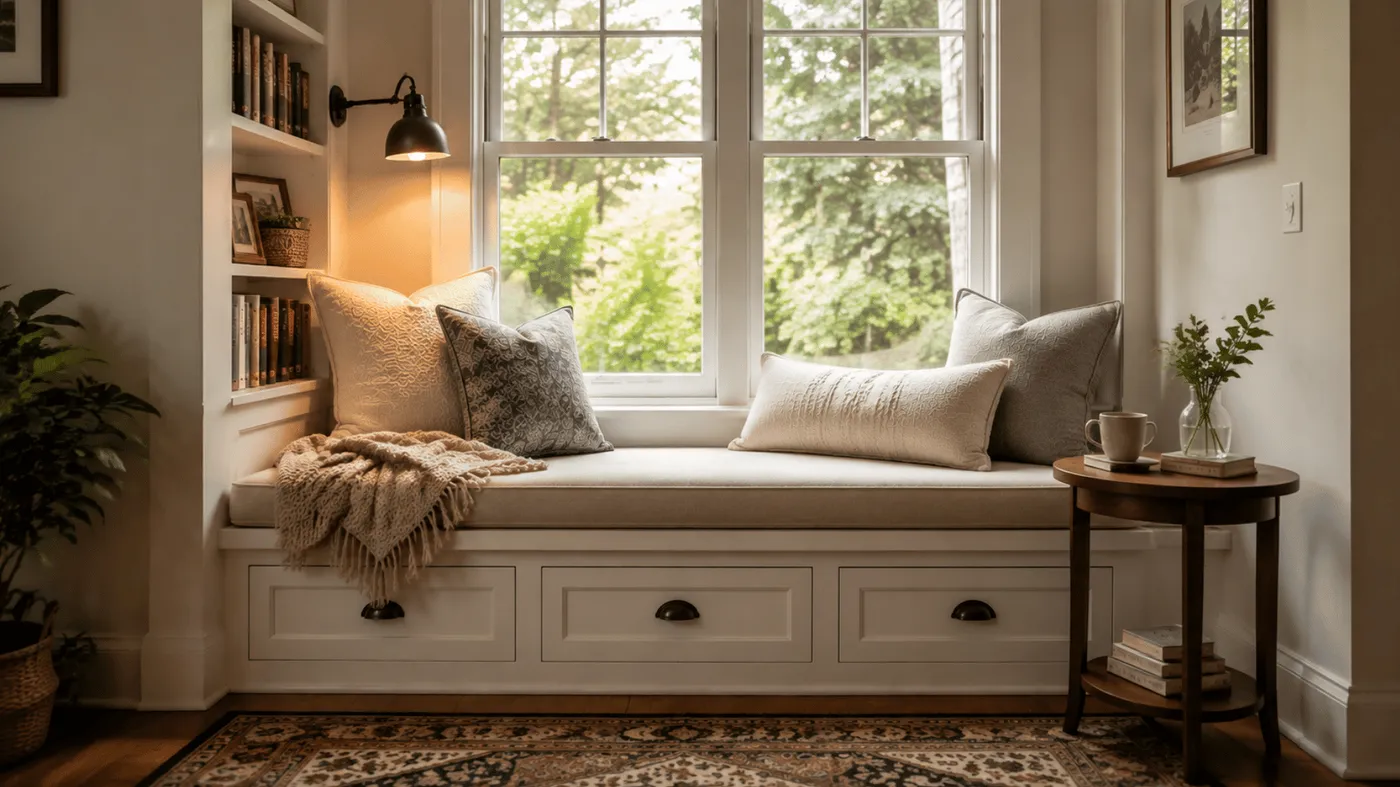
This built-in window seat is a perfect blend of form and function. The design works because it combines three essential elements into one cohesive unit: comfortable seating, accessible storage (the drawers), and open display (the shelves). The consistent creamy white paint across all components makes it feel like a single, intentional piece of architecture. The dark cup pulls on the drawers and the dark metal of the sconce provide just enough contrast to keep the neutral palette interesting and grounded.
|
📋 Copy HEX 🔗 Share |
A built-in project like this requires some careful prep work. Before you start building, run through this quick checklist:
- Measure everything three times. Check the width, depth, and height of the space, and note the location of any outlets or vents you’ll need to work around.
- Confirm your seat height. A standard dining chair height (around 18 inches, including the cushion) is a good target for comfort.
- Decide on storage. Do you need drawers for hidden storage like this, or would open cubbies for baskets be more practical for your needs?
- Plan your lighting. Will you need to hire an electrician to hardwire a sconce, or will a nearby outlet for a plug-in version suffice?
Your Next Chapter Starts Here
Carving out a space just for you and a good book is one of the best gifts you can give yourself. We hope these 32 ideas have sparked some inspiration for your own little escape. Whether you’re building from scratch or just fluffing a few pillows, creating your perfect reading nook is a story worth writing. Now go find your favorite idea and save it to your Pinterest board—your cozy corner awaits.