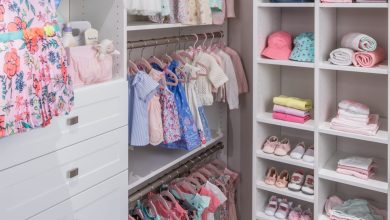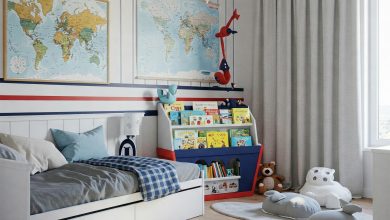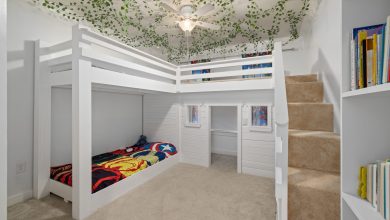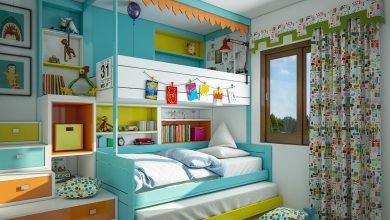

Still scrolling through basement playroom photos without a clue where to start? It’s a common rabbit hole, especially when you want to create a space that’s both fun for the kids and not a total eyesore for the adults. We’ve been there, and we’ve done the legwork for you. After filtering through hundreds of options, we narrowed it down to 30 incredible ideas that actually deliver on style and function.
This isn’t just another dump of pretty pictures. We’re breaking down what makes each space work, from modern minimalist setups with clever storage to full-blown active zones with climbing walls. In 2026, the trend is all about creating multi-functional play areas that grow with your family, blending seamlessly with the rest of your home’s style. We’ll show you how it’s done. And stay until the end—we break down the most common mistakes that can ruin these looks. 📌 Save this to Pinterest for later — you’ll want to revisit these ideas.
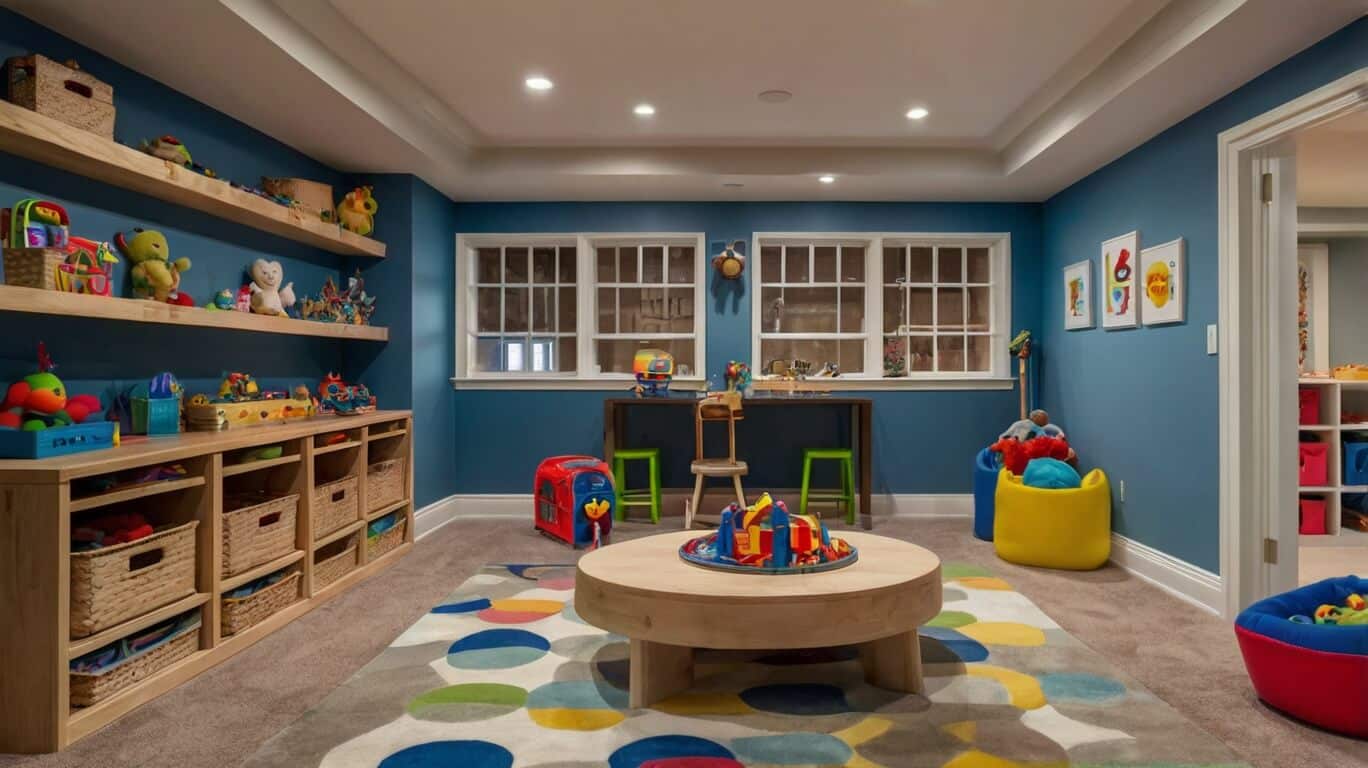
1. Modern Playroom with Deep Teal Walls and Built-in Storage
The magic here is in the high-contrast pairing of deep, sophisticated teal walls with the clean lines of light wood built-ins. The serious color says ‘finished part of the house,’ while the open shelving and playful polka dot rug keep it from feeling stuffy. It strikes a perfect balance between a space kids love and a room adults can appreciate. The use of recessed lighting instead of a central fixture keeps the ceiling feeling high and the room feeling open and bright, despite the bold wall color.
|
📋 Copy HEX 🔗 Share |
When designing built-in storage, think in modules. A standard-sized wicker or fabric basket is typically 13x13x13 inches. Design your cubbies to be 13.5 x 13.5 inches to ensure a snug but easy-to-slide fit. For open shelving meant to display books, a height of 12 inches is perfect for most children’s books, while 8-10 inches works for smaller board books. This pre-planning prevents the frustration of finding out your favorite storage bins don’t fit.
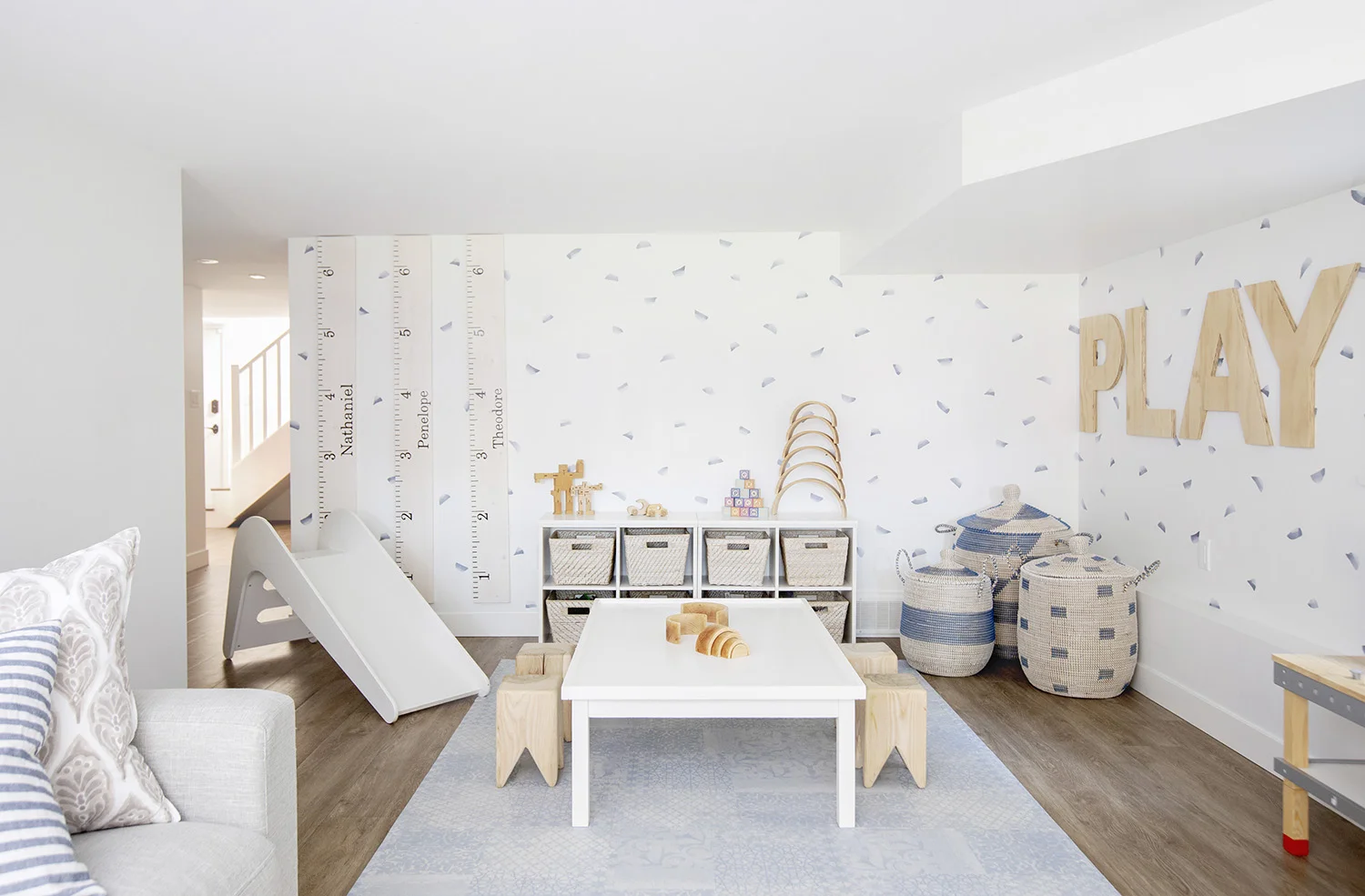
2. Neutral Playroom with Personalized Wooden Growth Charts
The single element that elevates this room from just another cute playroom is the set of personalized wooden growth charts. It turns a simple wall into a story of the family that lives here. While the ‘PLAY’ letters are fun and the storage is practical, the growth charts add a layer of heart and history that can’t be bought off a shelf. They’re a visual reminder that the room is evolving right alongside the children, making the space deeply personal and meaningful.
|
📋 Copy HEX 🔗 Share |
This look follows a simple, calming formula: 70% Neutral Base + 20% Natural Wood + 10% Soft Color. The 70% is the white walls, white furniture, and light flooring. The 20% comes from the wood on the stools, growth charts, and ‘PLAY’ letters, adding essential warmth. The final 10% is the touch of light blue in the rug and wall decals. You could easily swap the blue for a soft pink, sage green, or pale yellow to match your own style without losing the room’s serene and airy feel.
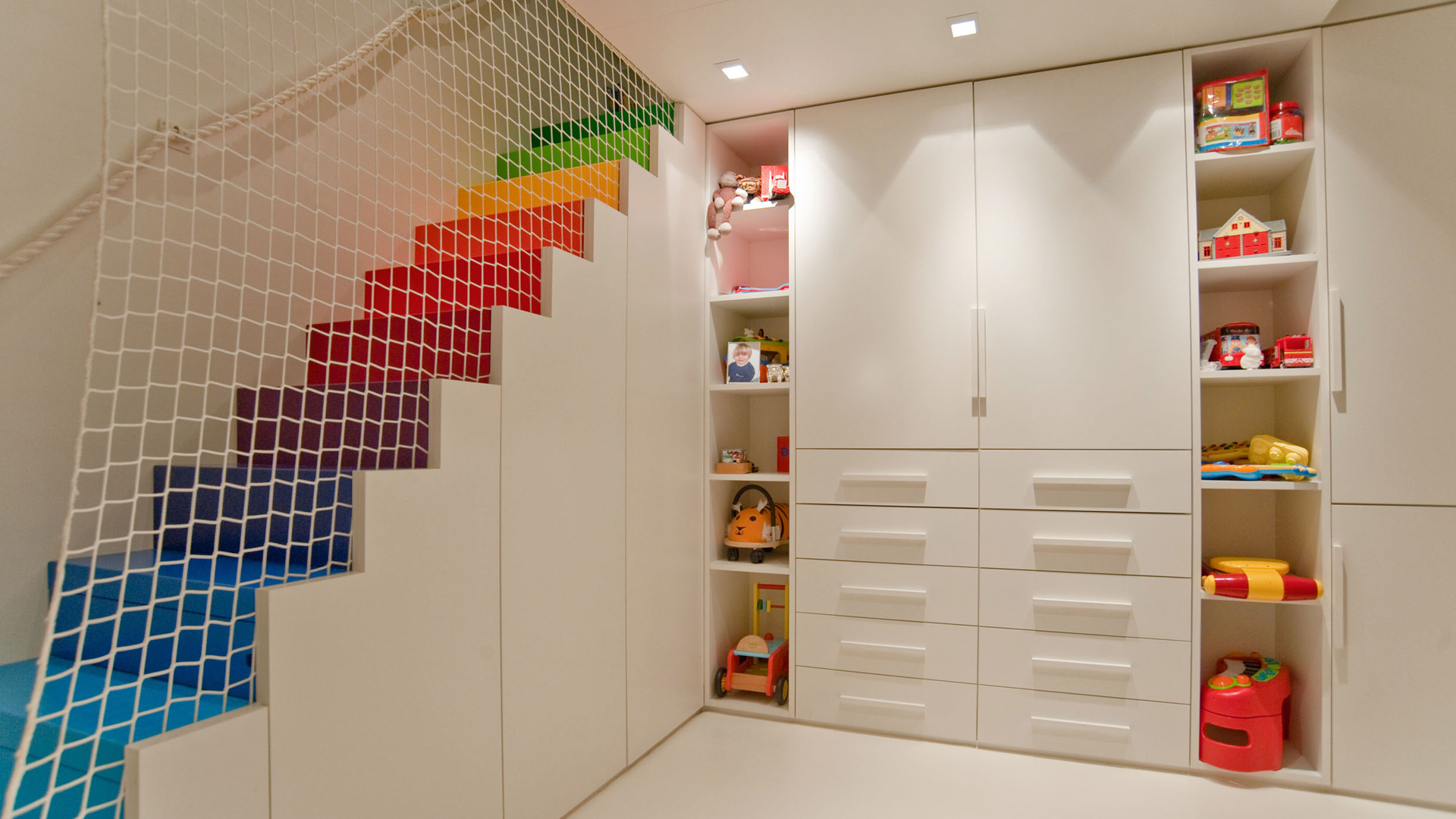
3. Integrated Fun with Rainbow Play Stairs and Safety Netting
That incredible safety netting looks amazing and feels like a circus-tent dream, but it’s not a DIY project. Proper installation is critical for safety and requires professional-grade materials and anchoring techniques. The tension needs to be just right—too loose and it’s a hazard, too tight and it puts stress on your home’s structure. Also, consider that little hands might be tempted to climb it, so it needs to be rated to hold significant weight and checked regularly for any signs of wear or loosening.
|
📋 Copy HEX 🔗 Share |
Love the rainbow-hued steps but don’t have the budget for a custom staircase? You can get a similar effect for a tiny fraction of the cost. A set of high-quality, removable vinyl wall decals in a rainbow stripe pattern can be applied to the risers of an existing staircase for about $50-$80. Alternatively, you can achieve the look with sample pots of paint. It’s a weekend project that delivers huge visual impact without major construction. Compare this vibrant look with the softer pastels in Idea #23.
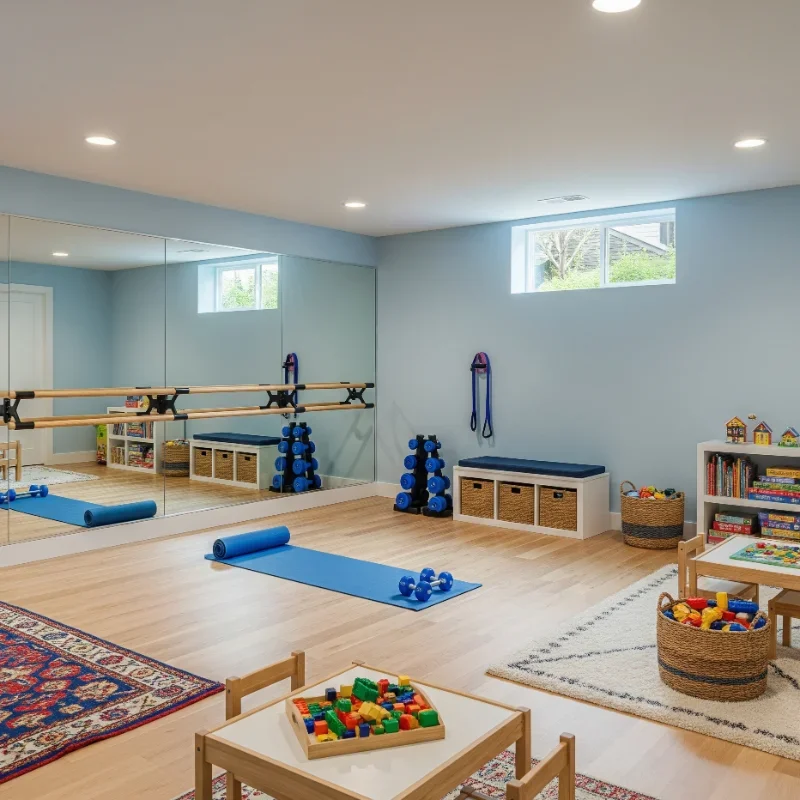
4. Combination Fitness and Play Zone for the Whole Family
This kind of multi-zone room works best in a long, rectangular basement, ideally with at least 250-300 square feet. You need about 8-10 feet of uninterrupted wall space for the mirrors and ballet barres to be functional. The ceiling should be a standard 8 feet or higher to allow for comfortable movement without feeling cramped. Dedicate one end of the room to fitness and the other to play to create clear zones and prevent toys from becoming tripping hazards during a workout.
|
📋 Copy HEX 🔗 Share |
Why is this ‘we-space’ so popular right now? The pandemic accelerated the trend of at-home fitness, and families are looking for ways to spend quality time together, even when pursuing different activities. This design acknowledges that a basement can be more than just a playroom; it can be a hub for the whole family’s wellness and recreation. It’s a smart, efficient use of square footage that reflects a shift towards more integrated and flexible home life in 2026.
5. Build an Engaging DIY Sensory Wall
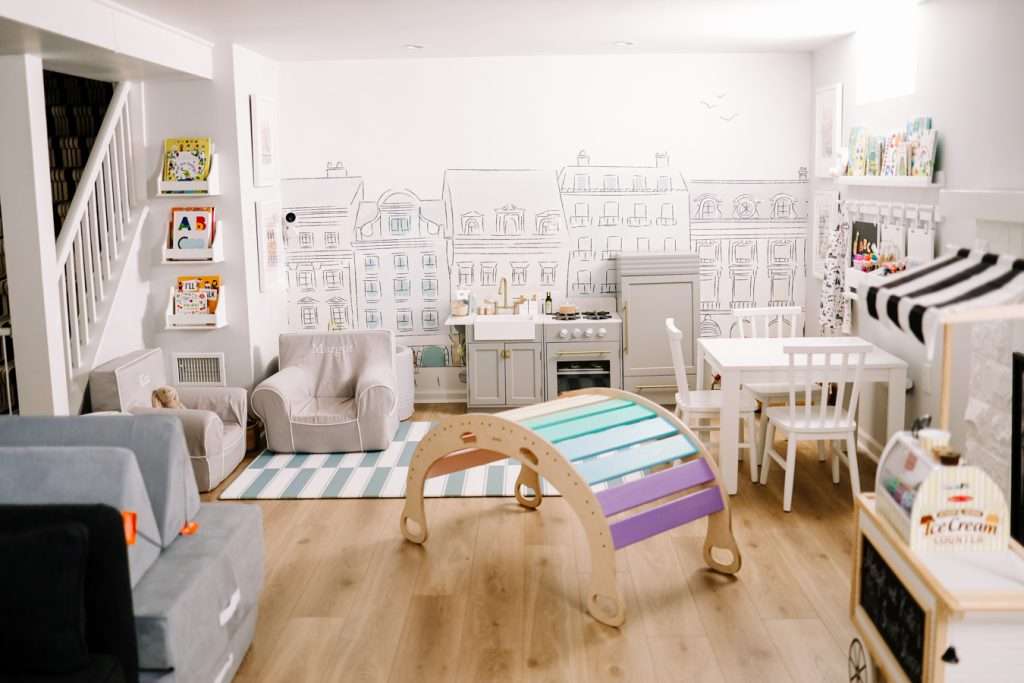
A sensory wall doesn’t have to be a massive, complicated installation. You can create a smaller, engaging sensory board that offers a ton of tactile fun. It’s a fantastic way to encourage exploration and fine motor skills. Here’s a quick guide to making your own.
|
📋 Copy HEX 🔗 Share |
- Choose Your Base: Start with a 2×3-foot plywood board. Sand the edges until they’re completely smooth. Time: 30 mins.
- Collect Your Items: Gather a variety of hardware and objects with different textures: a light switch, a chain lock, a textured paint roller, a caster wheel, a patch of faux turf, and a string of large wooden beads. Cost: $40-$60.
- Plan the Layout: Arrange the items on the board, making sure there’s enough space around each one for little hands to explore.
- Secure Everything: Use strong screws and construction-grade adhesive to firmly attach each element. Double-check that nothing is loose or has sharp edges.
- Mount Securely: Fasten the board to the wall studs at a kid-friendly height. Do not rely on drywall anchors alone. Time: 1 hour.
A sensory wall is a magnet for little hands, which means it’s also a magnet for germs and grime. The variety of materials can make cleaning tricky. Hard, non-porous surfaces like plastic and metal can be wiped down with a disinfectant wipe. Fabric or faux fur sections will need to be spot-cleaned or vacuumed with a brush attachment. Be mindful that some items, like unsealed wood or certain types of rope, can absorb moisture and be harder to clean. Regular weekly wipedowns are a must.
6. Spark Curiosity in a Science-Themed Workspace
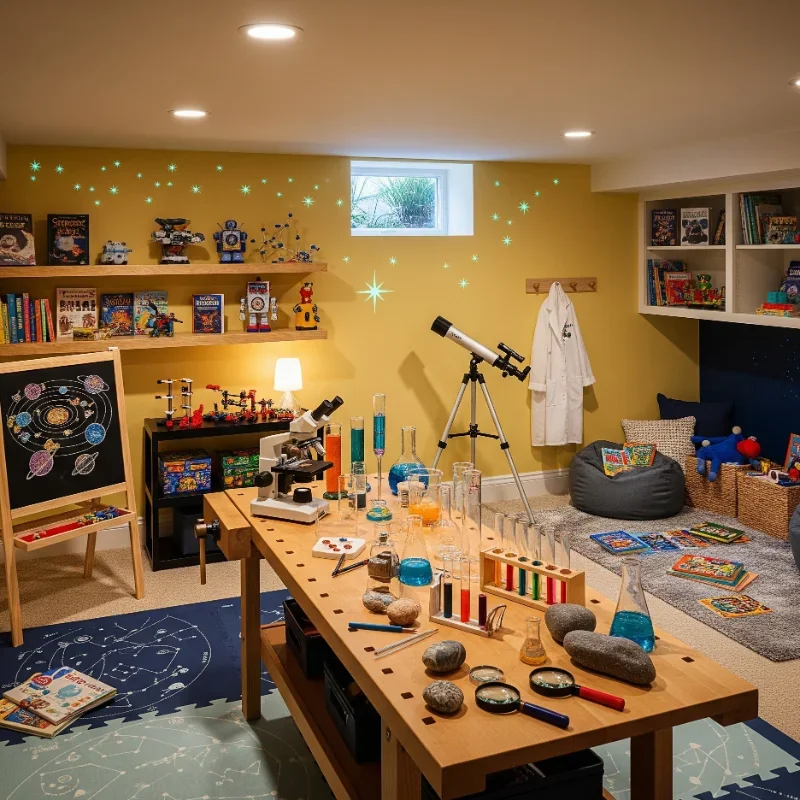
This room succeeds by treating a child’s interest with genuine respect. It isn’t just ‘science-decorated’; it’s a functional workspace. The workbench is at the right height, the tools are real (or realistic), and the storage is organized. The theme is carried through in multiple ways, from the glow-in-the-dark stars to the cozy reading nook with a telescope nearby. This layered approach creates an immersive environment that truly encourages imagination and hands-on learning, making education feel like pure play.
|
📋 Copy HEX 🔗 Share |
When you have a multi-zone room like this (workbench area and reading nook), use lighting to define the spaces. Use bright, focused task lighting, like an adjustable desk lamp or under-cabinet LEDs, directly over the workbench to make detailed projects easier and safer. For the reading nook, use a softer, warmer light from a floor lamp or a cozy sconce to create a relaxing atmosphere that invites settling in with a good book. This helps signal the different ‘moods’ within the same room.
7. Modern Playroom with a Light Wood Climbing Structure
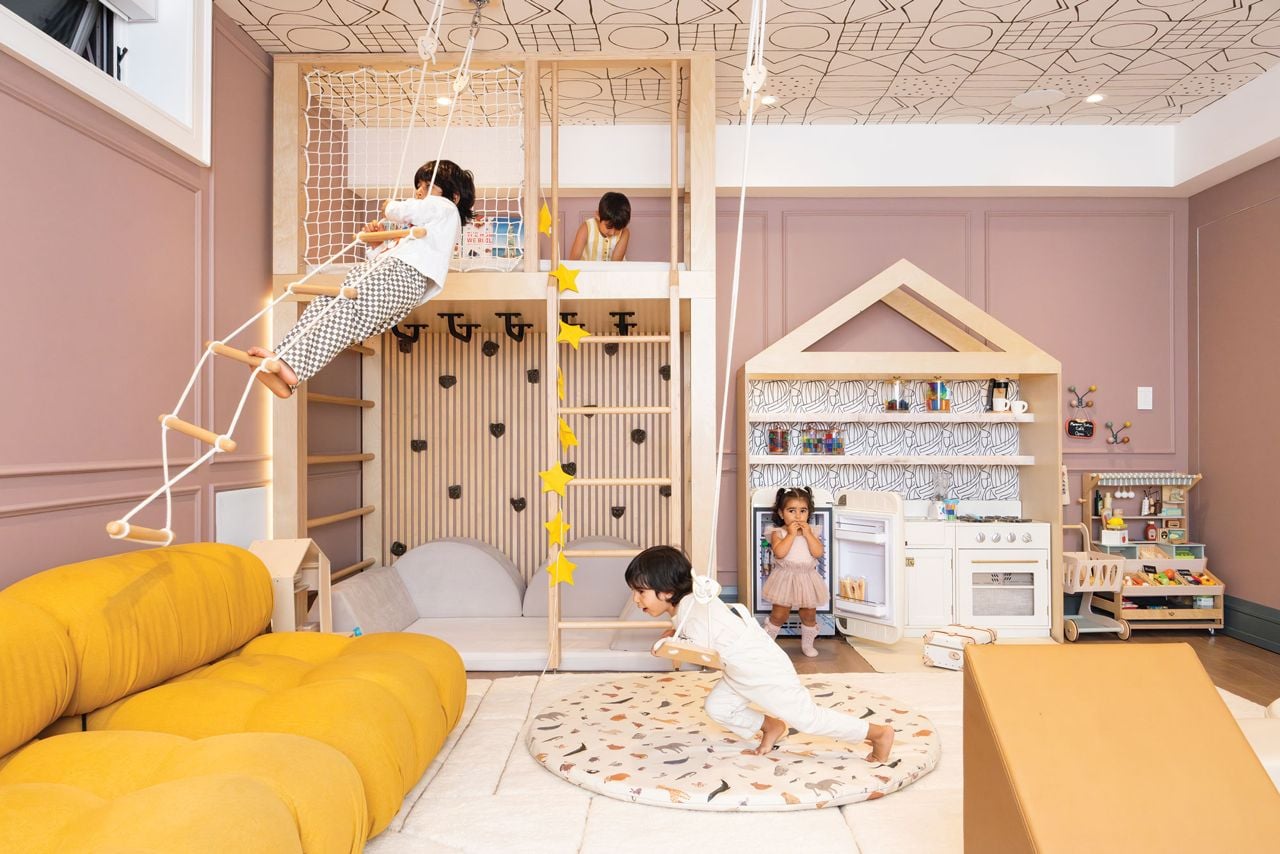
The entire room revolves around the stunning light wood climbing structure. It’s more than just a toy; it’s a piece of functional architecture that defines the entire space. It provides an outlet for physical energy, a nook for quiet time, and an imaginative launchpad for countless games. Without it, you’d have a stylish room with a mustard sofa, but with it, you have an unforgettable playspace that actively engages a child’s body and mind. It’s the element that makes this room a destination. For other active ideas, see Idea #25 and Idea #28.
|
📋 Copy HEX 🔗 Share |
A large indoor play structure is a major commitment in space and safety. Ensure you have adequate ‘fall zones’ around it—at least 3-4 feet of clear, soft-matted space on all sides. Check the manufacturer’s ceiling height requirements; many of these structures need at least 8.5 or 9-foot ceilings to be used safely. Also, be prepared for this to be the most dominant feature in the room. It will dictate your furniture layout and the overall flow of the space, so plan accordingly before you purchase.
8. Cozy Up in a Rattan Swing with a Painted Ceiling
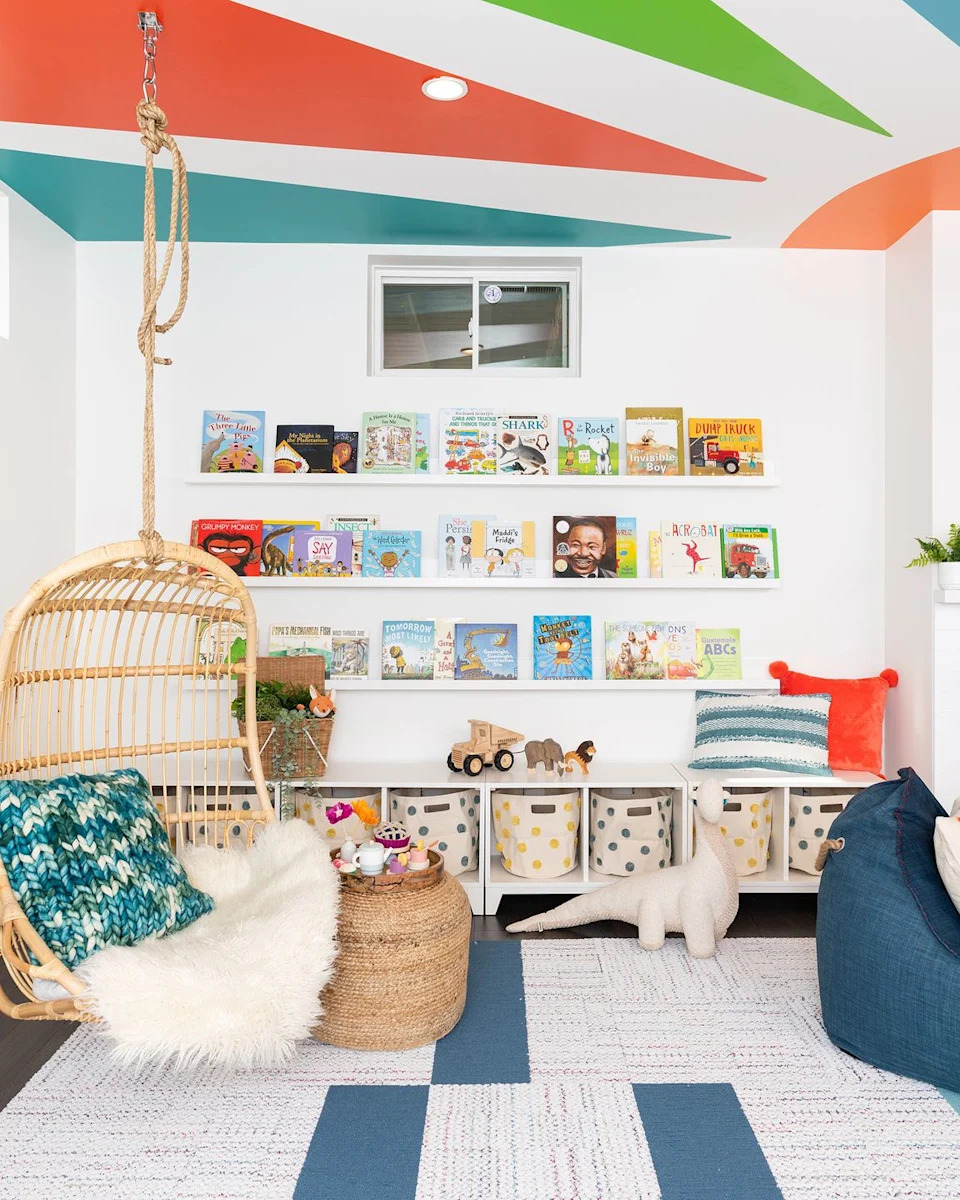
This corner is a masterclass in using vertical space. The eye is drawn upward by two key elements: the abstract painted shapes on the ceiling and the long, linear book displays. This makes the room feel taller and more dynamic. The hanging chair contributes by creating a focal point that floats above the floor, adding to the sense of lightness and fun. The design works because it doesn’t just decorate the walls; it considers the ‘fifth wall’—the ceiling—as a major design opportunity.
|
📋 Copy HEX 🔗 Share |
The room’s energetic vibe comes from a balanced formula: 60% White + 30% Bold Color + 10% Natural Texture. The white (walls and storage units) provides a clean canvas. The bold colors on the ceiling (orange, teal, and lime green) inject a huge dose of personality. The final 10% of natural texture from the rattan swing and jute side table keeps the look grounded and warm. You could swap the brights for pastels or the rattan for a metal chair, but keeping that 60/30/10 ratio will maintain the room’s successful balance.
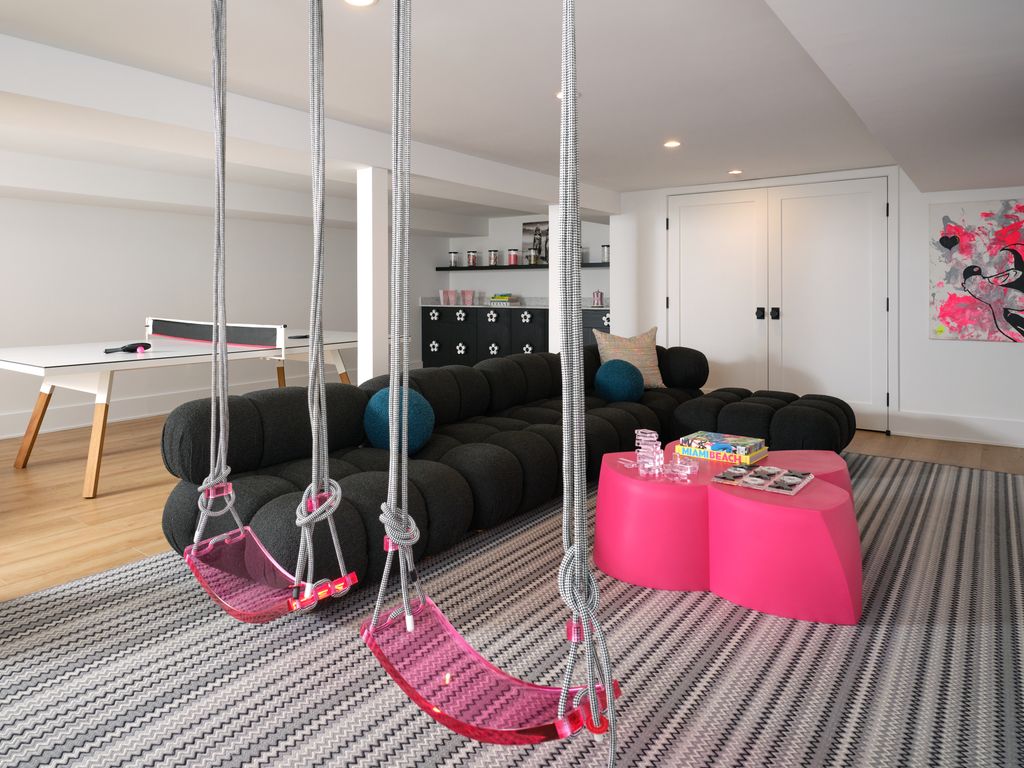
9. High-Contrast Playroom with Hot Pink Hanging Swings
Take away the two pink acrylic swings, and you have a perfectly nice, modern family room. But with them, the space is instantly transformed into something playful, daring, and unforgettable. They are the single element that screams ‘playroom’ in the most stylish way possible. They break up the sophisticated grayscale palette with a jolt of pure, unapologetic fun and serve as a sculptural focal point that is both art and activity. Compare this vibrant look to the more eclectic feel of Idea #21.
|
📋 Copy HEX 🔗 Share |
Hanging chairs, especially acrylic ones, require serious thought about installation. You can’t just screw a hook into a drywall ceiling. The anchor point MUST be drilled directly into a ceiling joist. For two swings, you may need to have a professional install blocking between joists to ensure they are spaced correctly and can handle the dynamic load of swinging. Always check the weight limit of both the chair and the mounting hardware, and factor in the weight of a growing child (or even a curious adult!).
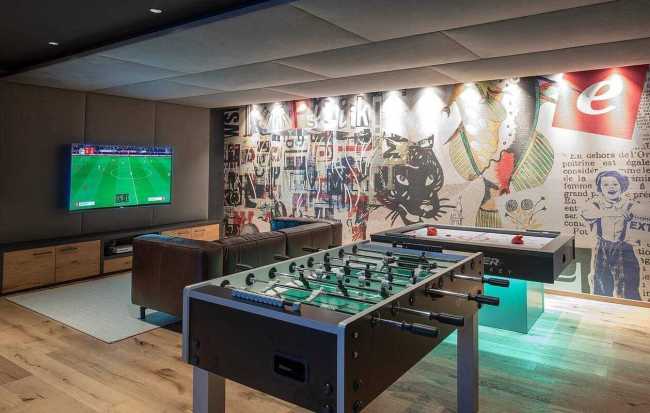
10. Teen Game Room with an Urban Graffiti Mural
What makes this room work for a teen or tween audience is the commitment to a sophisticated, edgy aesthetic. The dark gray padded walls give it a cool, sound-dampening, club-like vibe, which is a perfect backdrop for gaming and hanging out. The graffiti mural provides a huge splash of color and personality without feeling childish. It balances the ‘fun’ of the game tables with a ‘cool’ backdrop that feels more grown-up than a typical playroom.
|
📋 Copy HEX 🔗 Share |
Upholstered wall panels, while looking incredibly cool and providing great acoustics, are not the most low-maintenance choice. They can be dust magnets and require regular vacuuming with a brush attachment. Spills or smudges from sticky hands will require immediate spot cleaning with an upholstery cleaner. Lighter-colored fabrics will show dirt more readily. If you love the look but fear the upkeep, consider using the panels on just one accent wall that’s less likely to be touched.
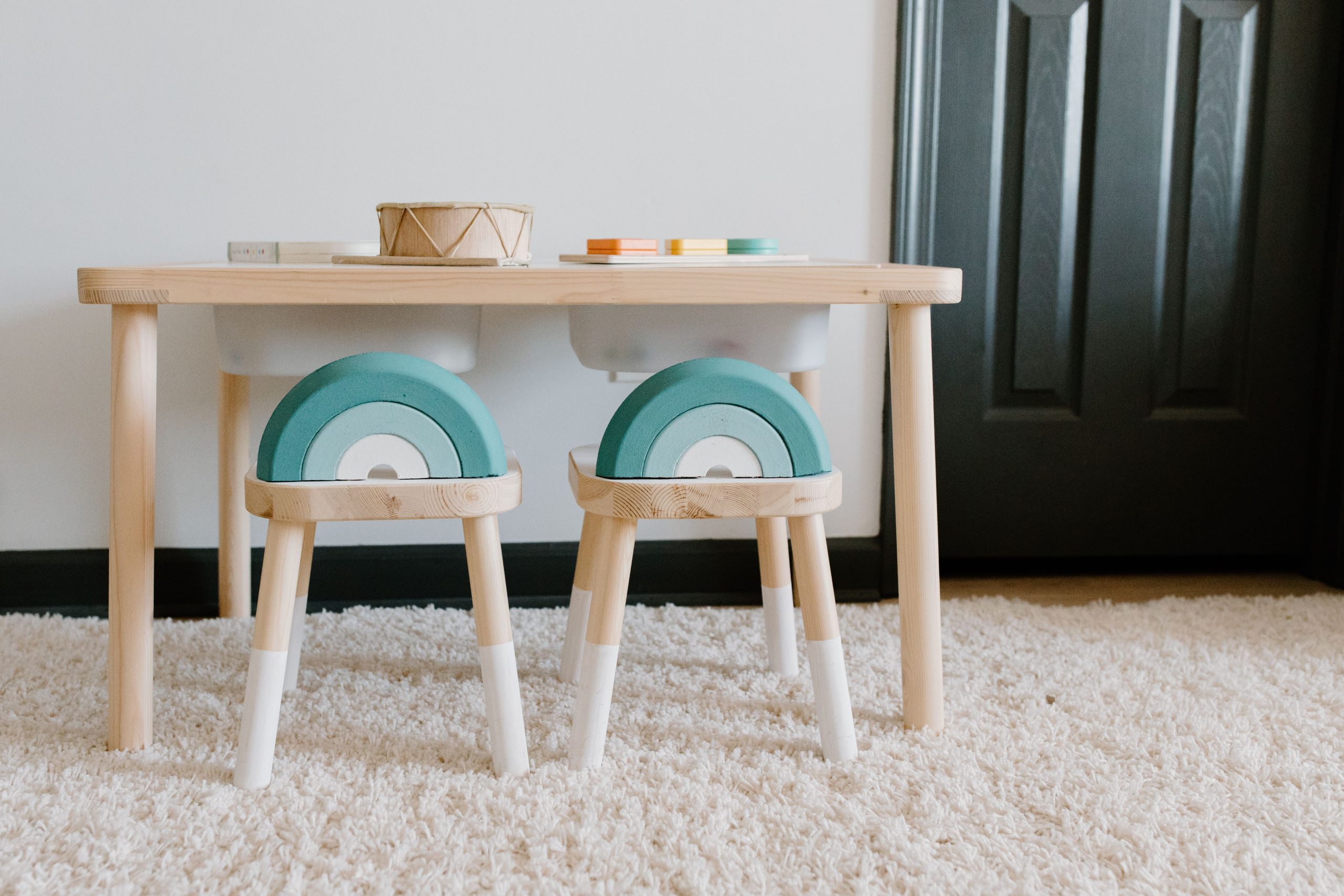
11. Sustainable Learning with Modern Wooden Toys
There’s a major trend in 2026 away from disposable plastic toys and toward sustainable, open-ended wooden toys. Parents are increasingly looking for toys that are not only better for the environment but also encourage more imaginative play. This clean, modern playroom aesthetic, with its focus on natural materials and educational items, speaks directly to that cultural shift. It’s about conscious consumerism meeting beautiful design—a playroom that reflects a family’s values.
|
📋 Copy HEX 🔗 Share |
High-quality wooden toys can be an investment. To get this look for less, focus on a few key pieces from brands like Hape or Melissa & Doug, and then supplement with finds from Facebook Marketplace and local parenting groups. You can often find large wooden play sets, like kitchens or climbing triangles, for 50-70% off the retail price. Stores like IKEA also offer a great selection of affordable and simple wooden toys that fit this aesthetic perfectly, like their classic train set or stacking rings.
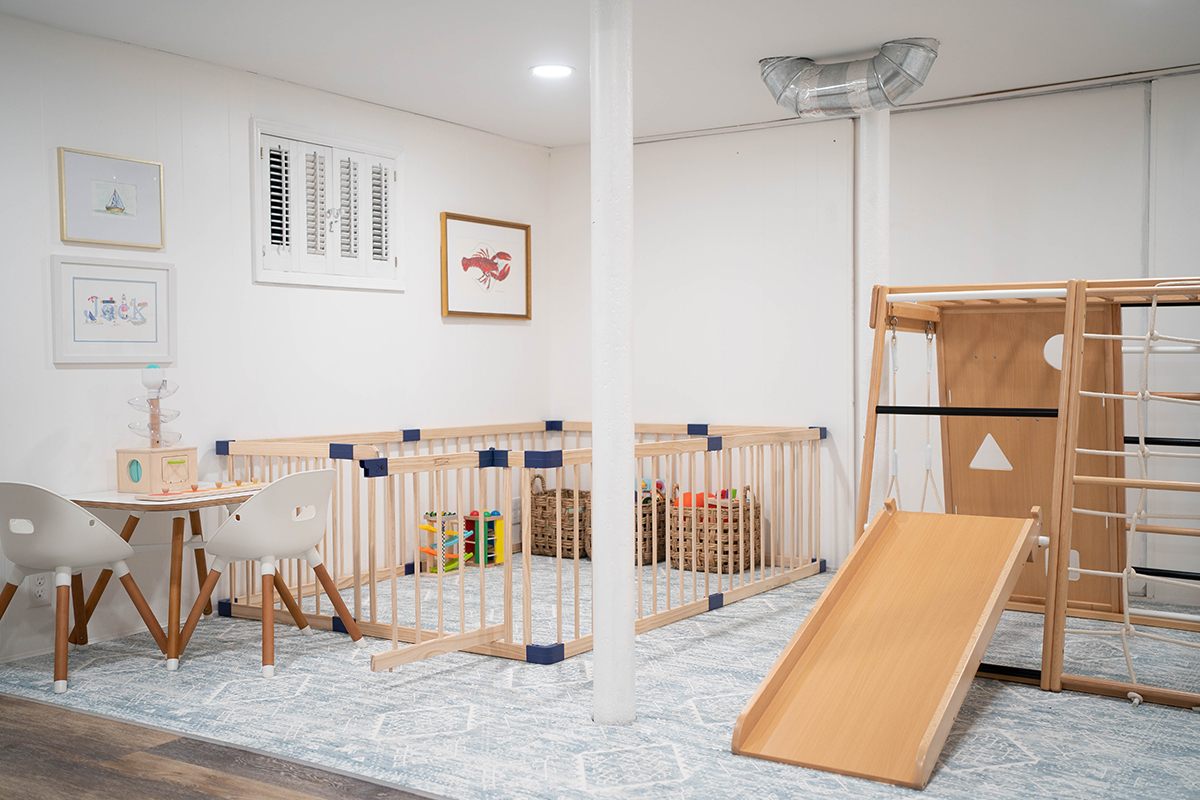
12. Minimalist Basement Playroom with Exposed Ductwork
This space proves you don’t need to hide every utility element to have a beautiful room. Instead of spending a fortune to box in the large metal ductwork, the designer embraced it. By painting the surrounding ceiling, walls, and trim a crisp white, the metallic duct becomes a deliberate, industrial-chic feature. This ’embrace the flaw’ approach saves money and adds a layer of character that feels authentic to a basement setting. The minimalist furniture complements this, keeping the focus on function and form. For a different take on minimalism, see Idea #15.
|
📋 Copy HEX 🔗 Share |
If you have exposed ductwork or pipes in your basement, don’t ignore them—paint them! For a clean, modern look, paint them the same color as the ceiling. This helps them recede visually and makes the ceiling feel higher. For a bold, industrial statement, paint them a contrasting color like matte black or a bright primary color. Just be sure to use the correct type of paint; you’ll need a primer and paint specifically formulated for metal to prevent rust and ensure good adhesion.
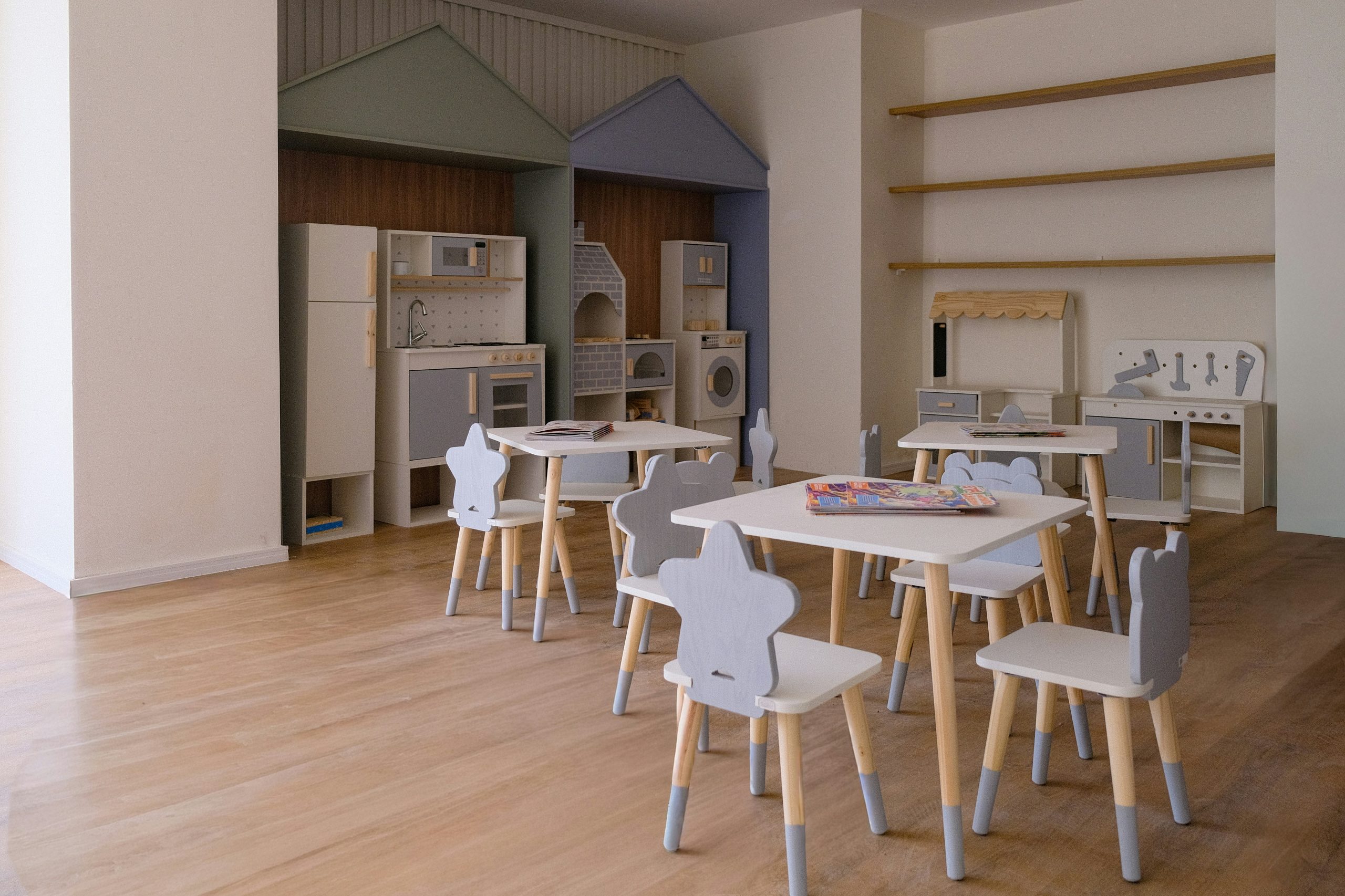
13. House-Shaped Play Zones in a Pale, Neutral Palette
The defining feature here is the use of simple, house-shaped peaks above the recessed play cubbies. This single, clever design choice transforms standard shelving into a whimsical little ‘village.’ It provides a clear visual cue for imaginative play—this is the kitchen, and this is the laundry—without being overly prescriptive. It’s a genius way to add architectural interest and a playful theme to what could have been a very plain wall, demonstrating that you don’t need loud colors to be playful.
|
📋 Copy HEX 🔗 Share |
This room’s serene and airy feel is crafted with a precise color formula: 80% Pale Neutrals + 15% Natural Wood + 5% Muted Accent Colors. The majority of the room—walls, tables, and some play kitchens—is off-white and pale grey. The warmth and texture of the light wood flooring and chair legs make up the next critical layer. The final, subtle touch comes from the pale green and blue house peaks. This restrained use of color keeps the space from feeling cluttered or overwhelming, which is perfect for a room full of colorful toys.
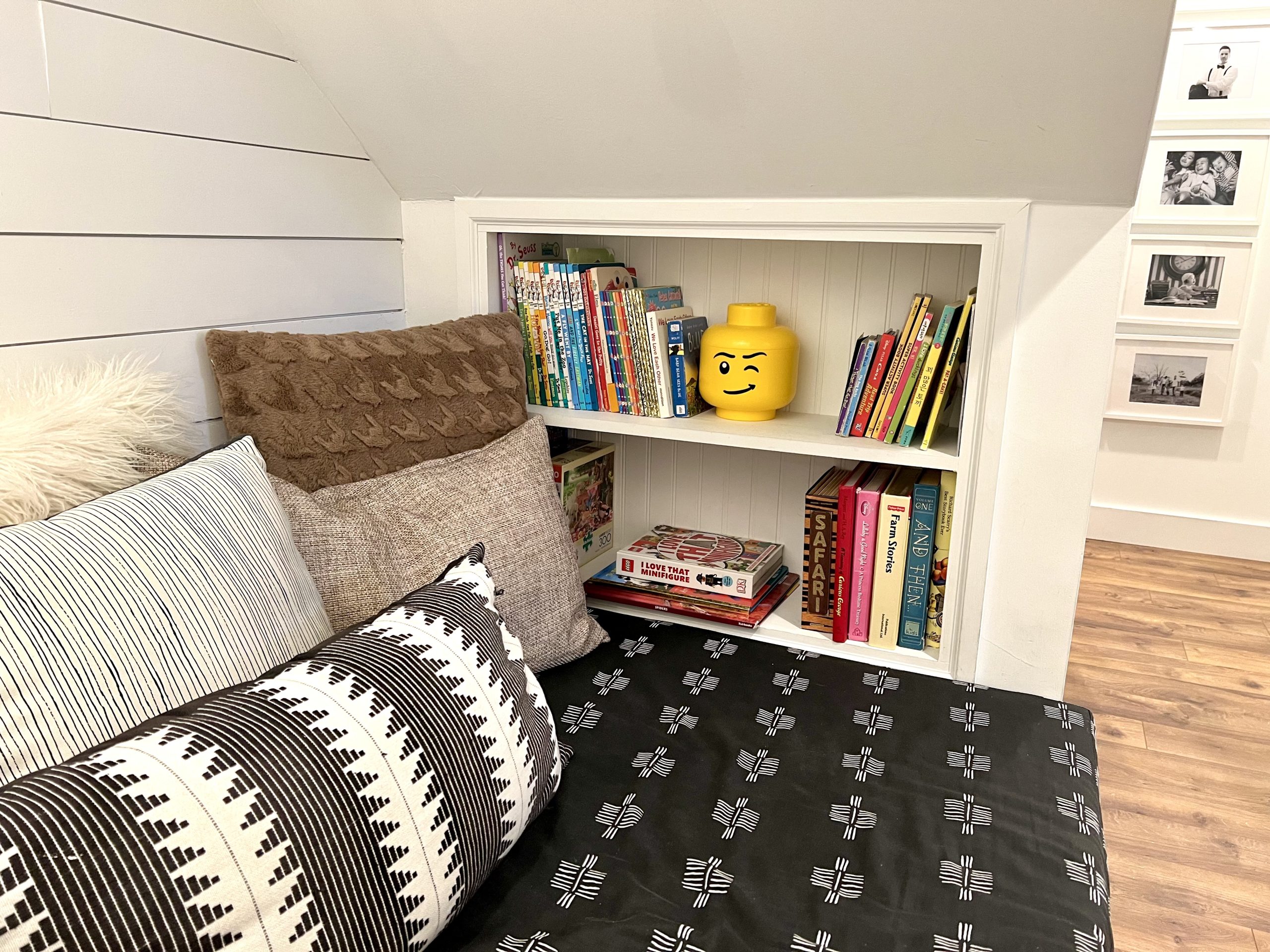
14. Cozy Shiplap Reading Nook with a Built-in Bookshelf
A reading nook is a fantastic addition, but make sure you have the right spot for it. Before you commit, run through this quick checklist to ensure it will be a cozy success.
|
📋 Copy HEX 🔗 Share |
- Measure Your Alcove: Do you have at least 30 inches of depth? This is the minimum needed to comfortably sit. A standard twin mattress is 38 inches wide, so check if your nook can accommodate that for maximum comfort.
- Check the Lighting: Is there a nearby outlet for a reading lamp, or can you easily have one installed? A nook without good light won’t get used.
- Assess Sound: Is the nook in a quiet part of the basement, away from the TV or active play areas? A little bit of acoustic separation makes it feel more like a retreat.
- Plan for Storage: Can you build in a bookshelf like the one shown, or is there space right next to the nook for a small bookcase? Easy access to books is key!
This works because it’s a multi-sensory retreat. The visual texture of the white shiplap walls makes it feel like a little cottage. The soft, plush mattress and pillows provide physical comfort. And the built-in bookshelf creates an immediate connection to the stories and adventures waiting inside the books. It’s a space that’s physically separated from the rest of the room, signaling a shift from active play to quiet time, which is a brilliant way to structure a playroom.
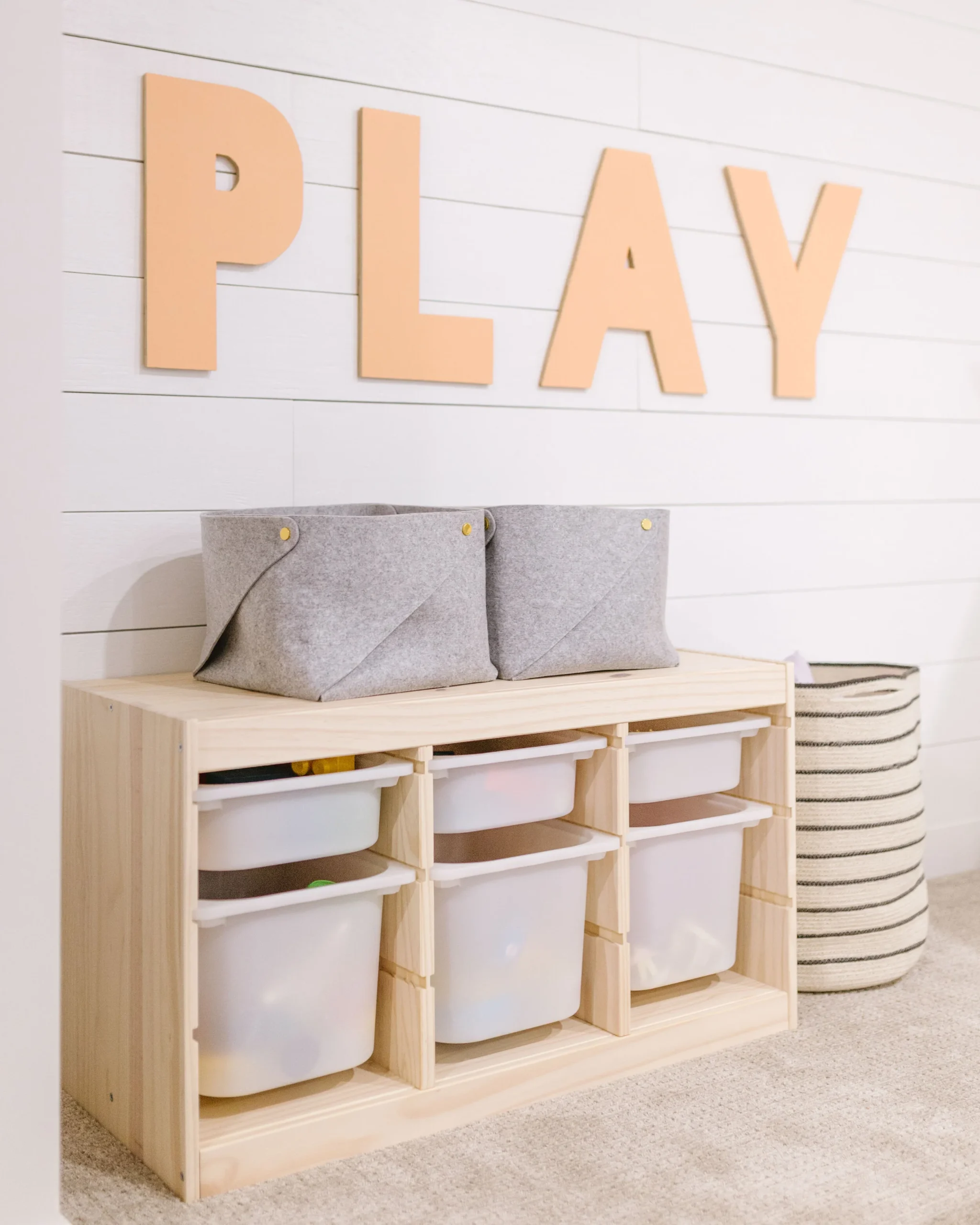
15. Clean & Playful with a White Shiplap Wall
This look achieves its fresh, modern feel with a simple ratio: 70% White + 20% Light Wood + 10% Bright Accent Color. The white shiplap walls and plastic bins create a bright, clean foundation. The light wood of the storage unit adds warmth and a touch of Scandinavian style. Finally, the pop of orange in the ‘PLAY’ letters provides a cheerful, energetic focal point. You could easily swap the orange for navy blue, kelly green, or hot pink to customize the look while keeping the same balanced feel.
|
📋 Copy HEX 🔗 Share |
A full shiplap wall can be a bit of an investment in time and money. For a super convincing and affordable alternative, look for ‘shiplap’ or ‘peel-and-stick wood plank’ wallpaper. A high-quality roll can be had for $40-$60, and it creates a nearly identical look with a fraction of the effort. For the storage, IKEA’s KALLAX unit is a dead ringer for the one shown and is a budget-friendly staple for a reason. You can find similar large wall letters at craft stores like Hobby Lobby or Michaels.
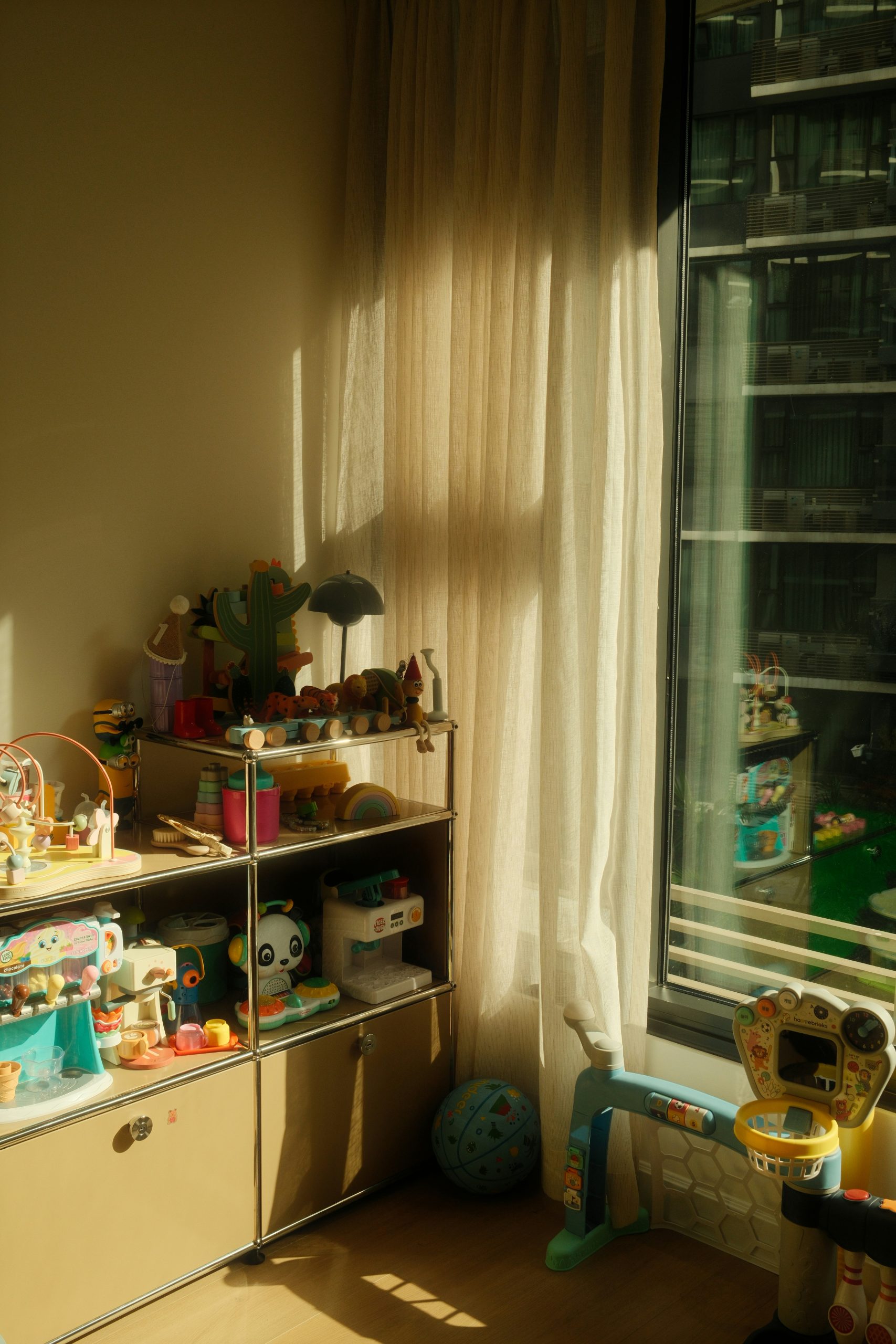
16. Sun-Drenched Play Nook with Beige Modular Storage
The success of this simple corner lies in its embrace of a warm, monochromatic palette. The beige storage unit, sheer beige curtains, and light wood floor all blend together to create a calm and cohesive backdrop. This allows the bright, varied colors of the toys to pop without creating visual chaos. The sunlight streaming through the sheer curtains enhances the warmth and makes the space feel happy and inviting. It proves that ‘neutral’ doesn’t have to mean ‘boring.’
|
📋 Copy HEX 🔗 Share |
When you have a playroom with a large window, lean into the natural light. Use sheer curtains, like the ones shown here, instead of heavy, opaque drapes. They provide a bit of privacy and soften the light without blocking it completely. This helps reduce the need for artificial lighting during the day and connects the indoor play space with the outdoors, making the room feel larger and more airy. Position a storage unit or play table near the window to make it a prime play spot.
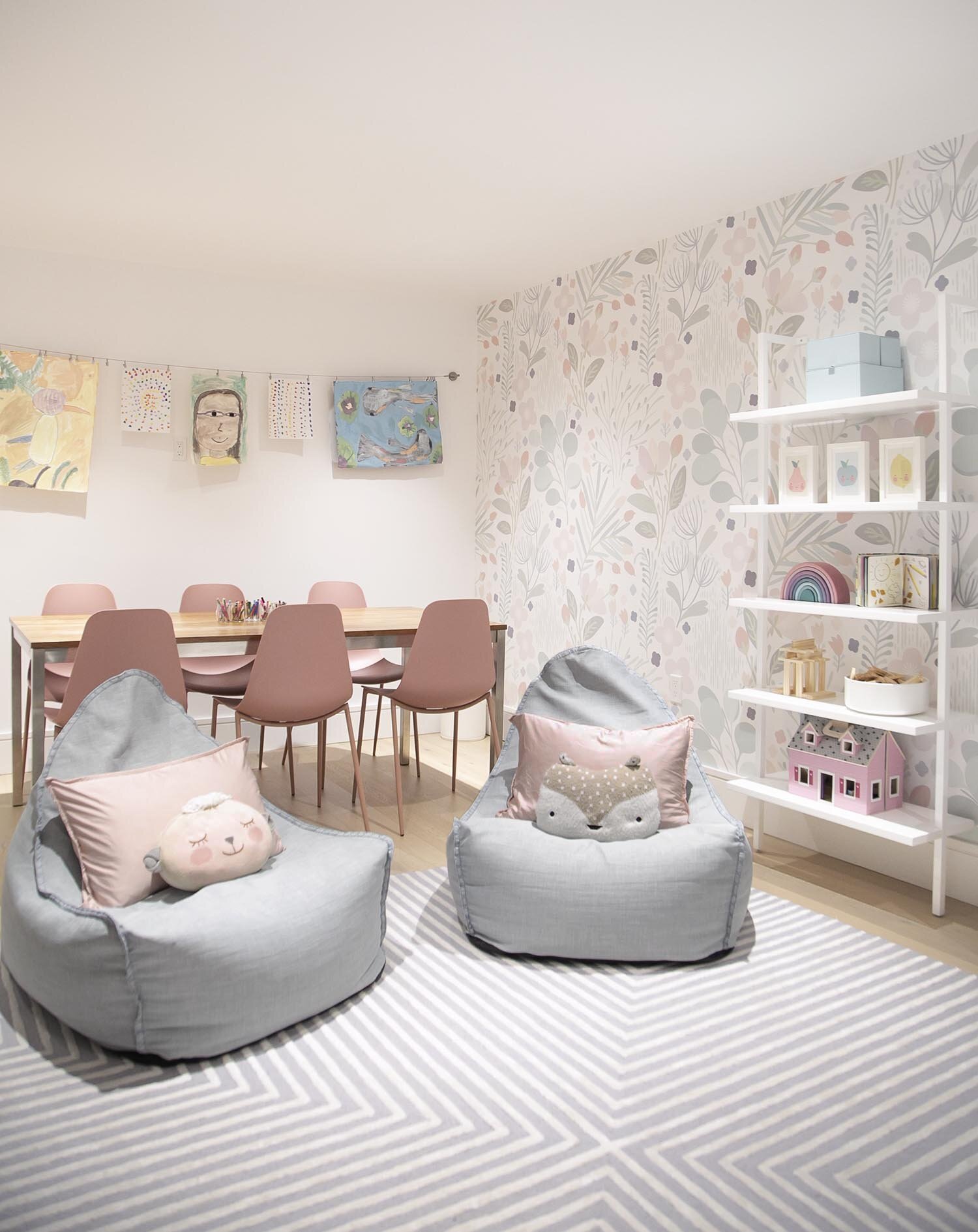
17. Soft Pastel Playroom with a Children’s Art Gallery
The single most charming element in this room is the simple string-and-clothespin line displaying the children’s own artwork. It instantly injects personality and creativity into the space, celebrating the little artists who use it. While the floral wallpaper and pastel furniture are lovely, the art display makes the room feel alive and loved. It’s an ever-changing gallery that reflects what’s happening in their lives and imaginations right now. It’s what makes the room theirs. Check out the similar wallpaper in Idea #18 for a different take.
|
📋 Copy HEX 🔗 Share |
Creating your own ‘art gallery’ wall is one of the easiest and most impactful DIYs you can do. It takes less than an hour and costs next to nothing.
- Gather Materials: You’ll need twine or wire, two small eyehooks, and a handful of mini clothespins. Total cost: around $15.
- Install Hooks: Screw the eyehooks into the wall at your desired height and width. Use drywall anchors if you aren’t drilling into studs.
- String the Line: Tie the twine securely to one hook, pull it taut, and tie it to the other hook. Trim any excess.
- Curate the Show: Use the mini clothespins to hang up the latest masterpieces.
- Rotate Often: The best part of this system is how easy it is to swap out the art to keep it fresh and exciting.
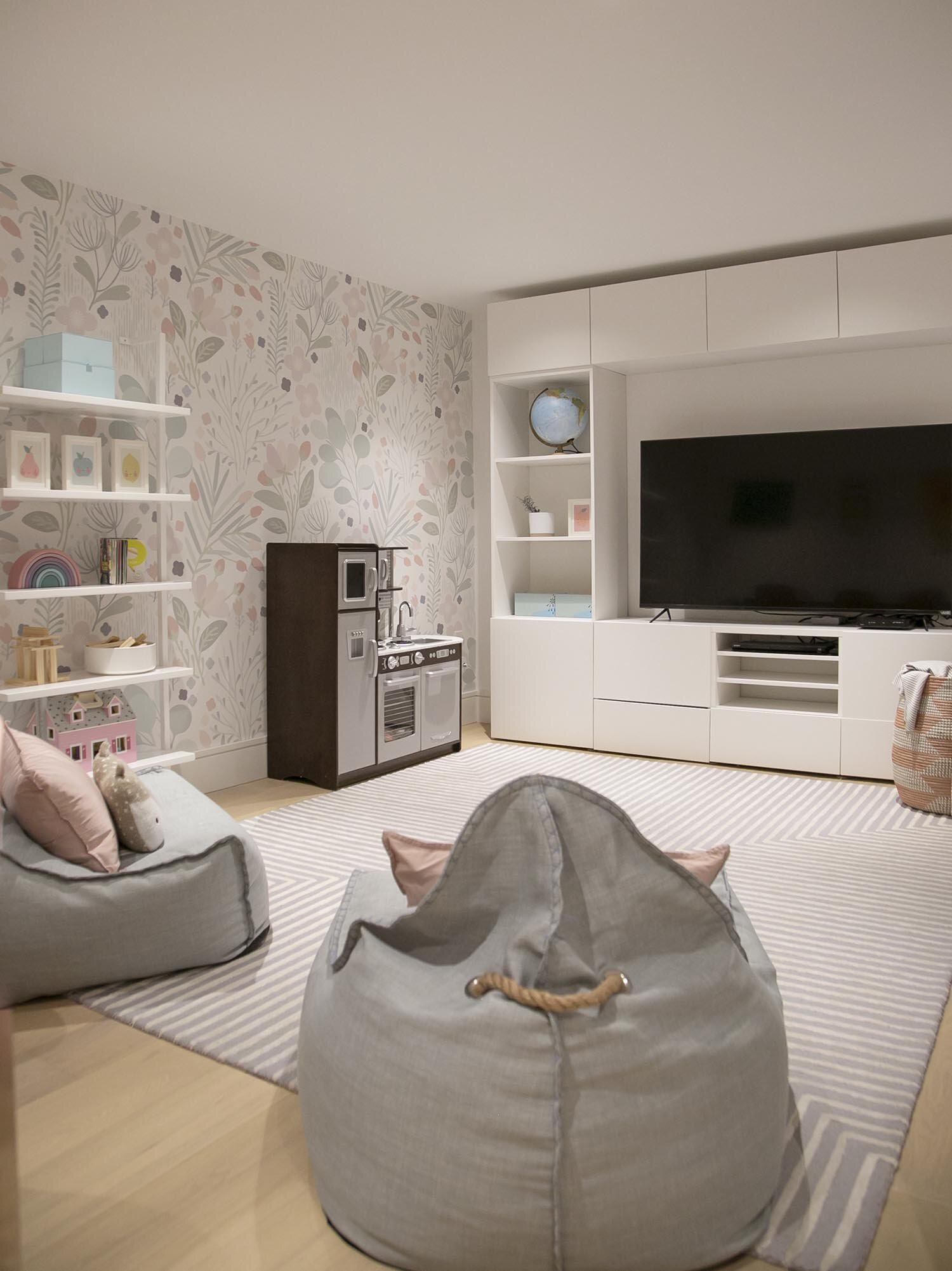
18. Whimsical Floral Wallpaper in a Neutral Playroom
When using a large-scale, whimsical wallpaper like this, treat it as the main work of art in the room. This means keeping the other major elements relatively simple and neutral. Notice how the built-in media unit is plain white, the rug is a simple stripe, and the bean bags are a solid, muted gray. This allows the wallpaper to be the star of the show without competing with other patterns or colors, which would quickly make the room feel chaotic and overwhelming.
|
📋 Copy HEX 🔗 Share |
That beautiful wallpaper might look serene, but it could be a challenge in a playroom setting. Be honest about your kids. If they are still in the phase of drawing on walls, a large expanse of expensive wallpaper might be a source of constant stress for you. Consider installing a chair rail and putting the wallpaper only on the top half of the wall. This keeps it out of the immediate reach of most crayons and markers while still giving you that beautiful pattern and color.
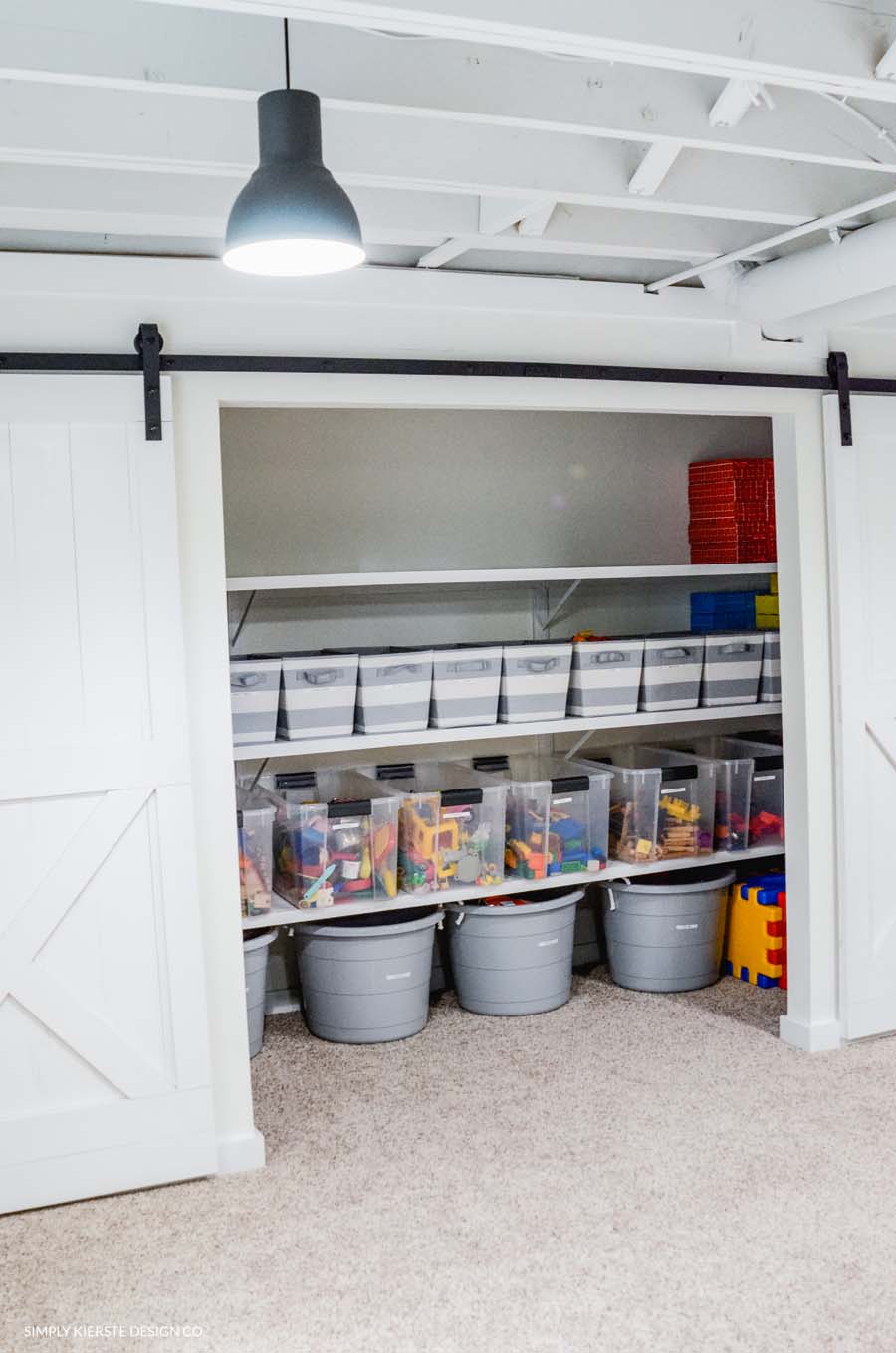
19. Genius Toy Storage Using Sliding Barn Doors
This storage solution is brilliant because it perfectly balances accessibility and concealment. When the barn doors are open, the low, open shelves and large floor bins make it incredibly easy for kids to see and grab their own toys, which encourages independent play and cleanup. When playtime is over, the doors slide shut, and all the colorful chaos instantly disappears behind a clean, white facade. It’s the ultimate ‘now you see it, now you don’t’ trick for a tidy playroom.
|
📋 Copy HEX 🔗 Share |
A barn door system for a closet needs adequate wall space. For a double-door setup like this, you need a clear, unobstructed section of wall on either side of the closet opening that is at least as wide as one of the doors. If your closet opening is 6 feet wide, you’ll have two 3-foot doors, meaning you need 3 feet of clear wall space on both the left and right sides for the doors to fully open. Always measure your ‘run-off’ space before you buy the hardware.
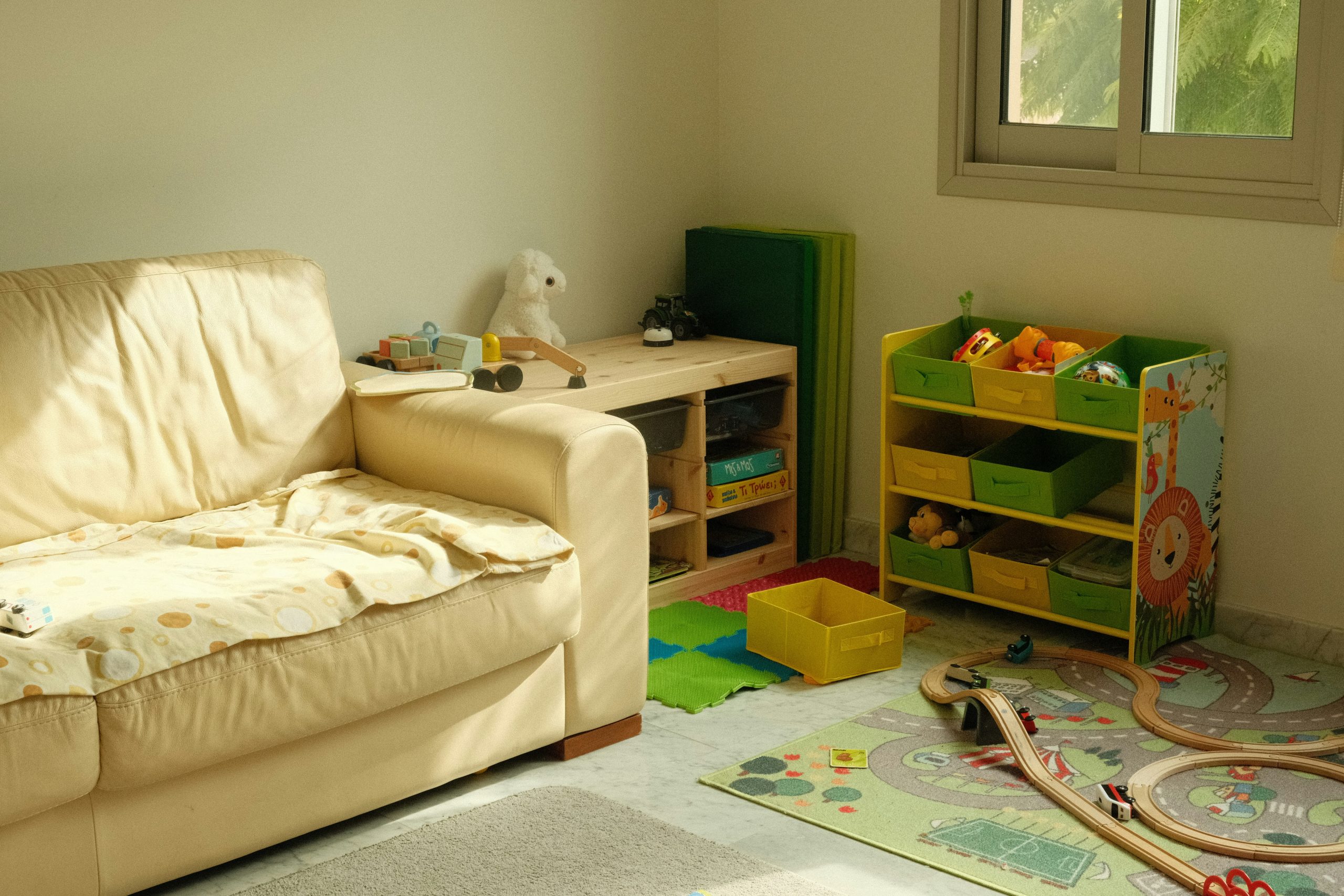
20. Cozy Sofa Corner with Smart Toy Organization
The key to making a playroom feel cozy and not just like a storage room is to zone it properly. Anchor the ‘lounge’ area with a comfortable piece of furniture, like the cream-colored sofa here, and a soft rug. Then, designate a separate area for the hard plastic toys and storage units. This separation of ‘soft’ and ‘hard’ zones creates a more relaxing environment. The sofa corner becomes a spot for reading and quieter activities, while the tiled area is clearly for more boisterous, on-the-floor play.
|
📋 Copy HEX 🔗 Share |
You don’t need expensive, custom built-ins to get this organized look. The light wood shelving unit is a simple, open-back design you can find at stores like Target or Walmart for under $100. The key is the yellow and green toy organizer with tilted bins—it’s designed to make it easy for toddlers to see and access what’s inside. You can find similar organizers at Amazon or Wayfair for $50-$70. The road-themed rug is another budget-friendly staple that adds a huge amount of play value.
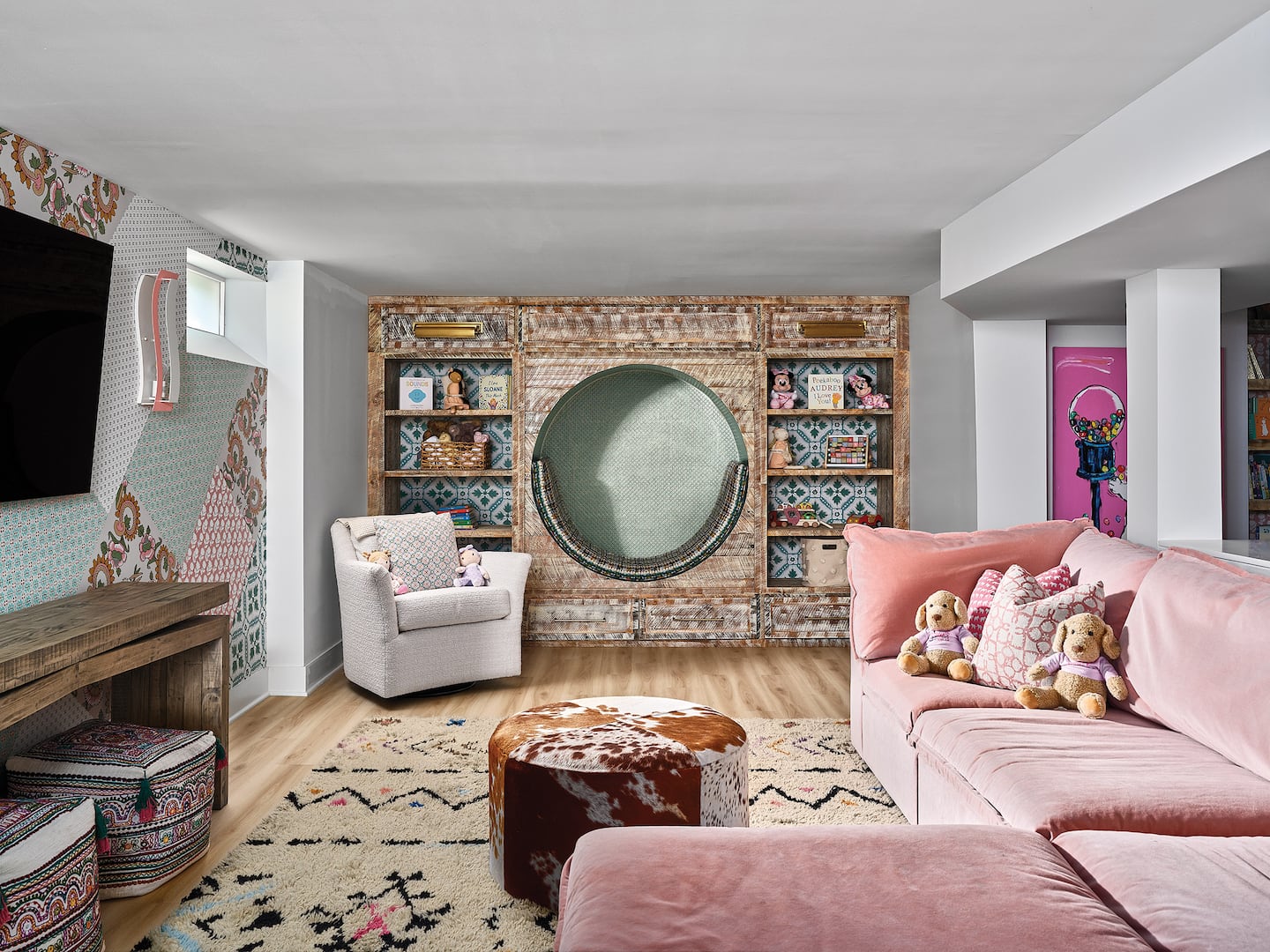
21. Eclectic Basement Lounge with a Plush Pink Sofa
The single element that defines this room’s wonderfully eclectic spirit is the patchwork wallpaper accent wall. It’s a bold, unconventional choice that throws the design rulebook out the window in the best way possible. It combines floral, geometric, and abstract patterns in a way that feels curated and personal. Removing it would leave a cozy room, but adding it infuses the space with a unique, artistic, and deeply playful energy that makes it truly special.
|
📋 Copy HEX 🔗 Share |
This design succeeds by masterfully mixing textures and styles. The plush, luxurious pink velvet of the sectional sofa contrasts beautifully with the rustic, raw finish of the wooden built-in unit. The sleek lines of the modern armchair play against the organic, irregular shape of the cowhide ottoman. This confident blend of rustic, modern, and glam elements creates a room that feels collected and full of personality, rather than something designed all at once from a single catalog.
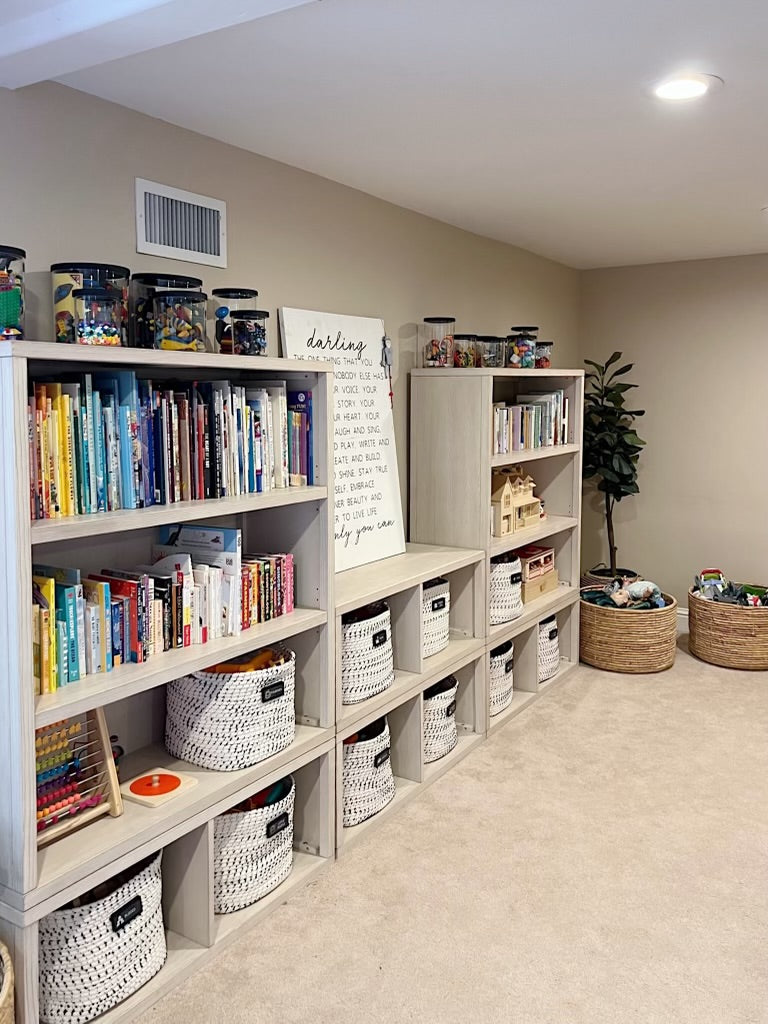
22. Wall-to-Wall Cube Storage for a Serene, Organized Look
An expanse of open-cube shelving is an organizational dream, but it can also be a major dust collector. The tops of the units and each individual shelf will need weekly dusting to keep them looking fresh. Be mindful of what you store in open baskets; small items can collect dust, and fabric baskets themselves will need to be vacuumed or lint-rolled occasionally. Clear glass jars look fantastic but will show fingerprints and smudges, so they’ll need regular wiping down, especially if they are within reach of little hands.
|
📋 Copy HEX 🔗 Share |
This room’s incredible sense of calm comes from a strict formula: 90% Monochromatic Neutrals + 10% Textural Variety. The walls, carpet, and shelving are all variations of the same light beige/greige color. This creates a seamless, uninterrupted backdrop. The interest comes from the final 10%: the texture of the woven baskets, the smoothness of the glass jars, the softness of the carpet, and the printed words on the signs. This subtle variation in texture is what keeps the monochromatic scheme from feeling flat and boring. Compare it with the more minimalist storage in Idea #15.
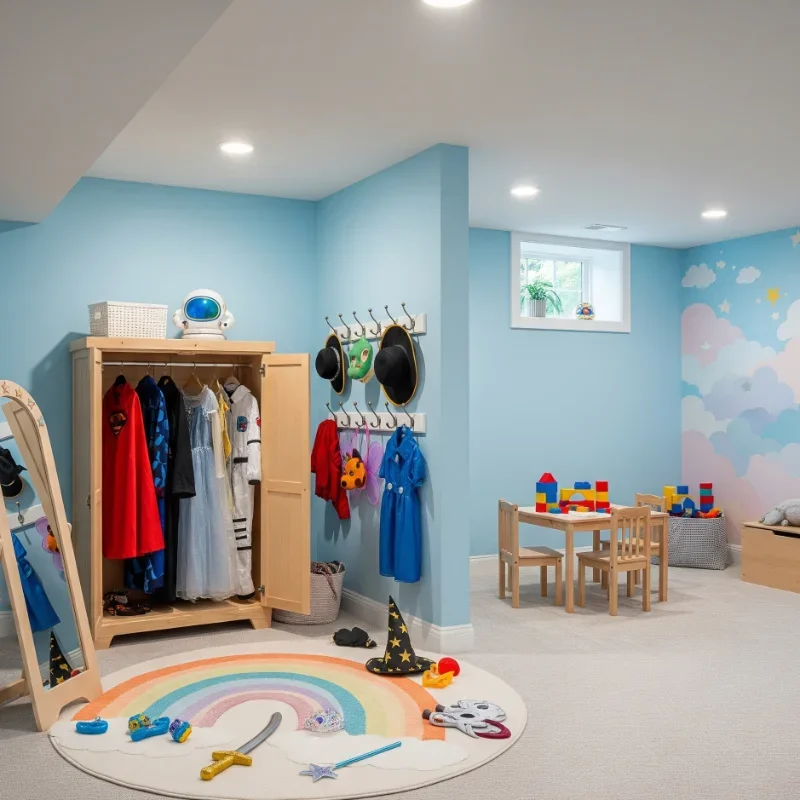
23. Whimsical Dress-Up Nook with a Cloud Mural
This space is successful because it carves out a specific, themed ‘world’ within the larger playroom. The combination of the sky-blue walls, the pastel cloud mural, the rainbow rug, and the wardrobe of costumes all work together to create an immersive ‘dress-up zone.’ It’s a clear invitation for imaginative play. By dedicating a corner to a single activity and going all-in on the theme, the design helps focus a child’s creativity and makes the experience feel more special.
|
📋 Copy HEX 🔗 Share |
A hand-painted mural is beautiful but can be costly. To get this look for less, use cloud-shaped wall decals. You can buy a pack of 20-30 vinyl cloud decals online for about $25. They are easy to apply, repositionable, and removable, which is perfect for a theme that a child might outgrow. The light wood wardrobe can be swapped for an affordable pine clothing rack from IKEA or Amazon for around $40-$60, and a small, full-length acrylic mirror from Target costs about $15.
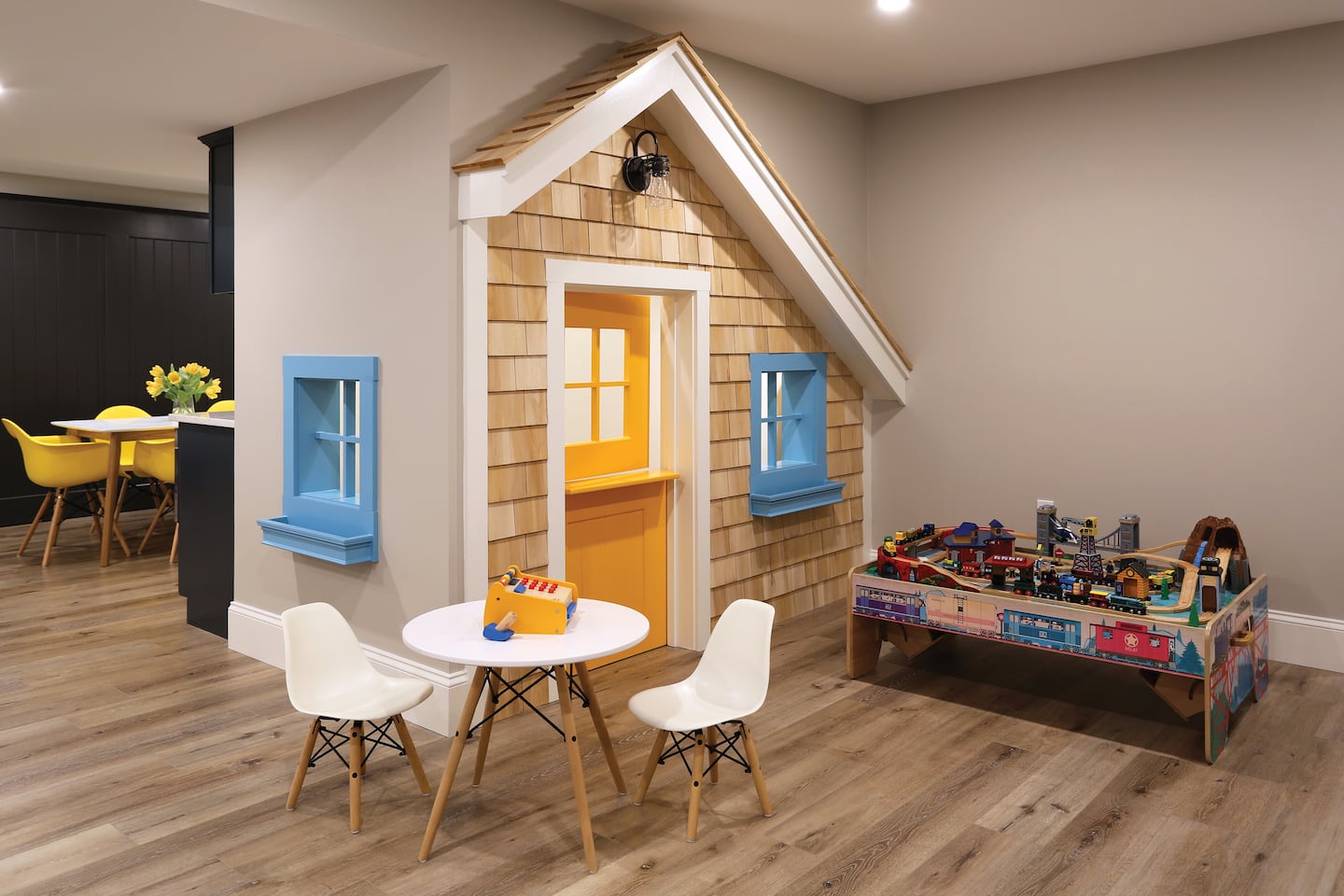
24. Indoor Playhouse with Cedar Shingles and a Dutch Door
The built-in playhouse structure is, without a doubt, the heart of this room. It’s not just a toy; it’s a piece of architecture that provides a destination and a backdrop for endless imaginative scenarios. The use of real cedar shakes and a functional Dutch door makes it feel like a miniature, authentic house, which is far more engaging than a plastic alternative. It elevates the entire concept of a ‘playroom’ into something truly magical and built to last.
|
📋 Copy HEX 🔗 Share |
A built-in structure of this scale is a semi-permanent feature of your home, so think about the long-term. While it’s a dream for a toddler or young child, a ten-year-old might not use it in the same way. Consider designing it with future flexibility in mind. Could it eventually become a cool homework nook, a reading den for a teen, or even a unique storage closet? Planning for its ‘next life’ from the beginning makes it a smarter, more sustainable investment in your home.
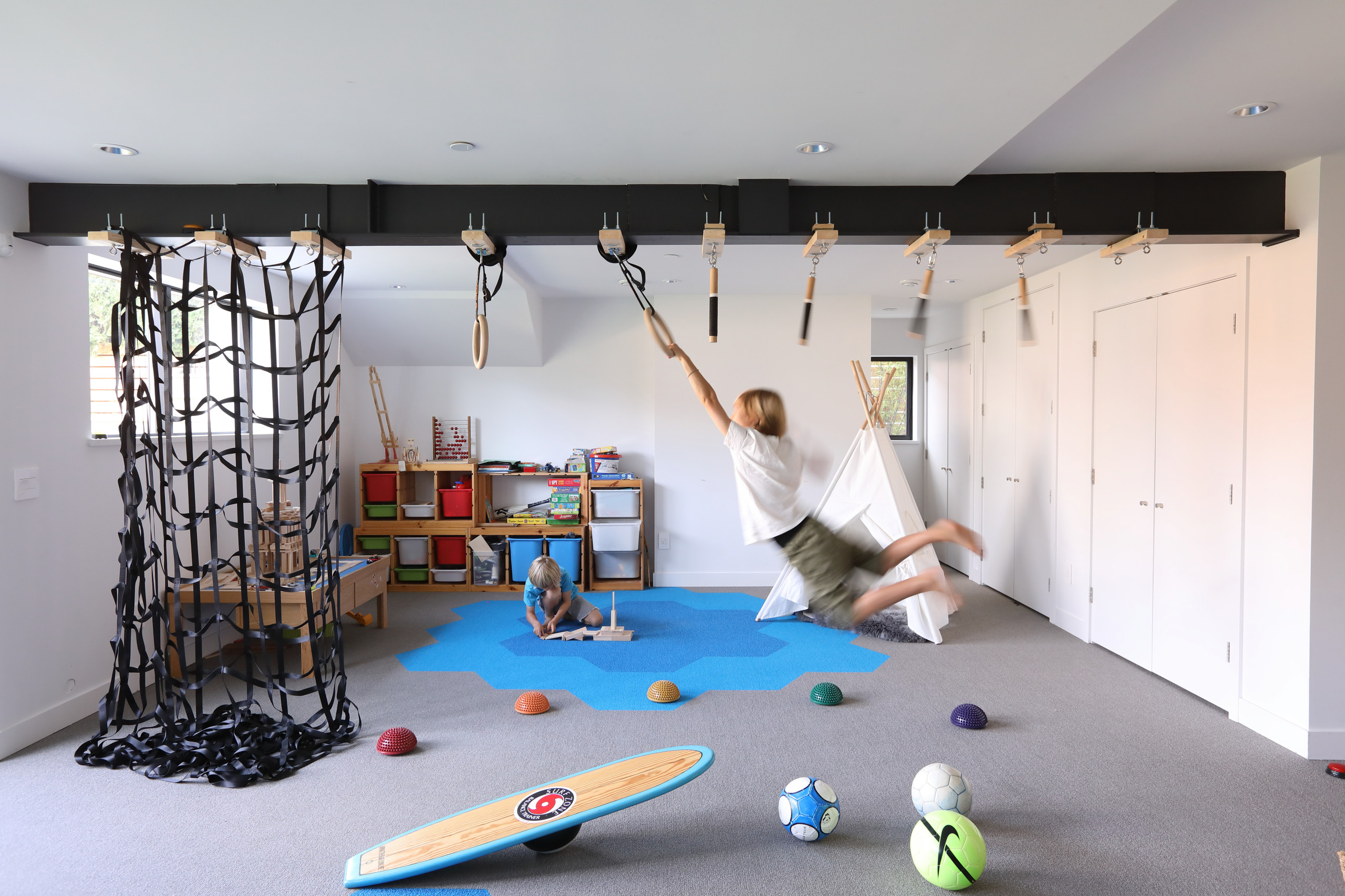
25. Active Playroom with Overhead Monkey Bars
To safely install an overhead gym structure like this, you need a minimum ceiling height of 8 feet, but 9 feet is even better to allow for full range of motion without feet dragging. The main support beam needs to be securely anchored into multiple ceiling joists. For the play area itself, you need a clear floor space of at least 10×12 feet to provide a safe ‘fall zone’ around the swinging elements. This is definitely a concept for a medium-to-large basement, not a small, tight corner.
|
📋 Copy HEX 🔗 Share |
This room is a masterclass in ‘zoning’ for safety and function. The high-energy, high-impact activities are confined to the area with the soft, interlocking floor mats. The quieter, cozier activities have a dedicated space in the fabric teepee. And all the toy storage is kept to the perimeter on the low-profile wood shelves, well out of the way of the main play-mat area. This clear separation of zones makes the room safer, more organized, and easier for kids to navigate.
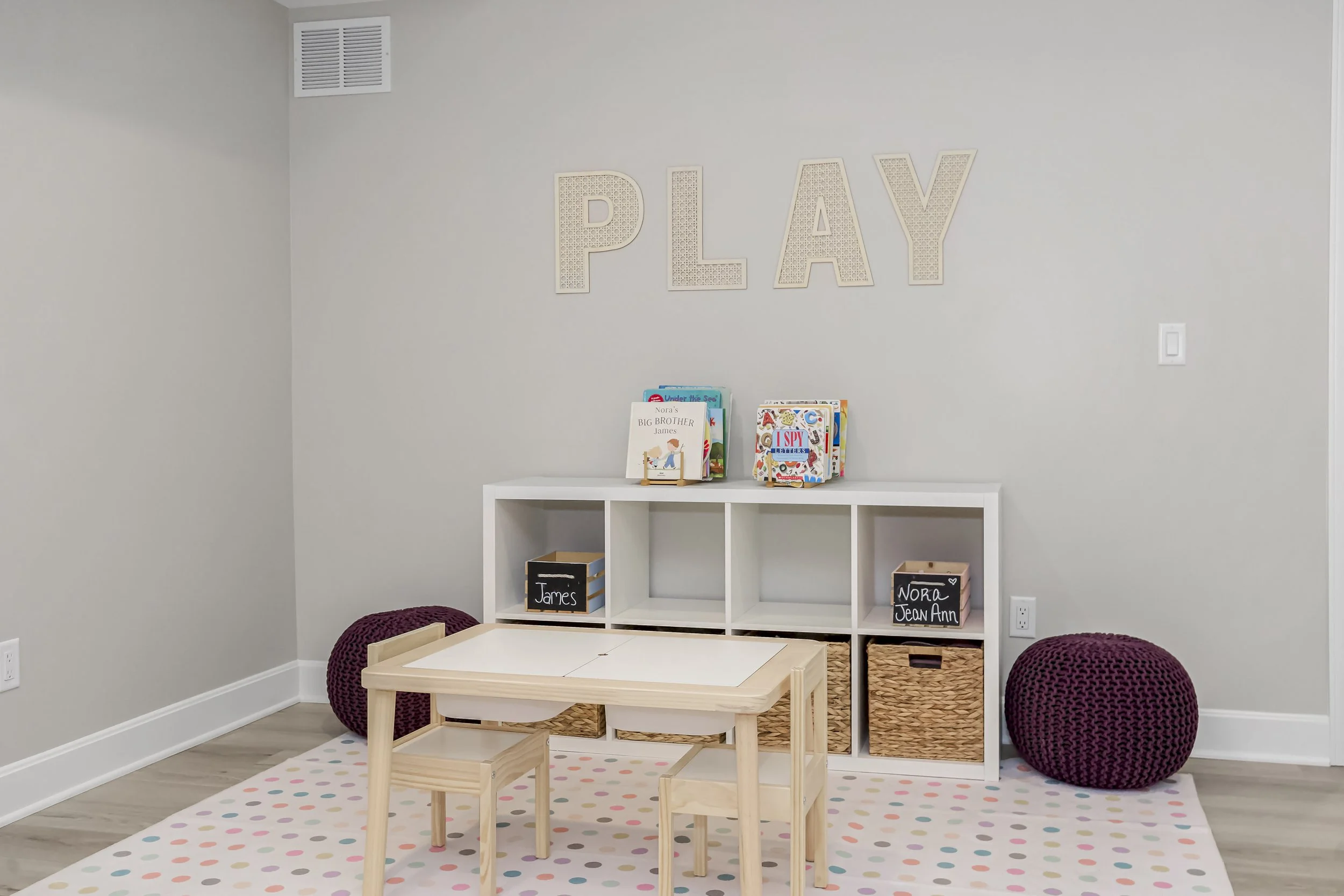
26. Light and Bright Playspace with Woven Wall Decor
Recreating this bright and organized corner is surprisingly affordable. The key is using stock furniture and adding personal touches.
|
📋 Copy HEX 🔗 Share |
- Main Furniture: IKEA KALLAX 8-cube unit ($99), small light wood table & chair set ($80-$120).
- Seating: Deep purple knitted poufs ($60-$90 each).
- Textiles: White rug with colorful polka dots ($70-$120).
- Decor/Accessories: Woven ‘PLAY’ letters ($50), woven storage baskets ($15-$25 each), and personalized wooden crates ($30 each).
- Paint: One gallon of light grey paint ($40).
- TOTAL: $550 – $780
- Budget Alternative: Find a used cube storage unit on Facebook Marketplace ($40), use floor cushions instead of poufs ($50), and make your own wall letters with yarn and cardboard ($15) for a total look under $300.
The element that gives this room its unique, handcrafted charm is the set of large, woven ‘PLAY’ letters on the wall. While the cube storage is practical and the furniture is cute, these letters add a layer of texture and softness that you don’t often see in playroom decor. They elevate the space from feeling purely functional to feeling thoughtfully designed and styled. It’s a simple touch that makes a huge impact.
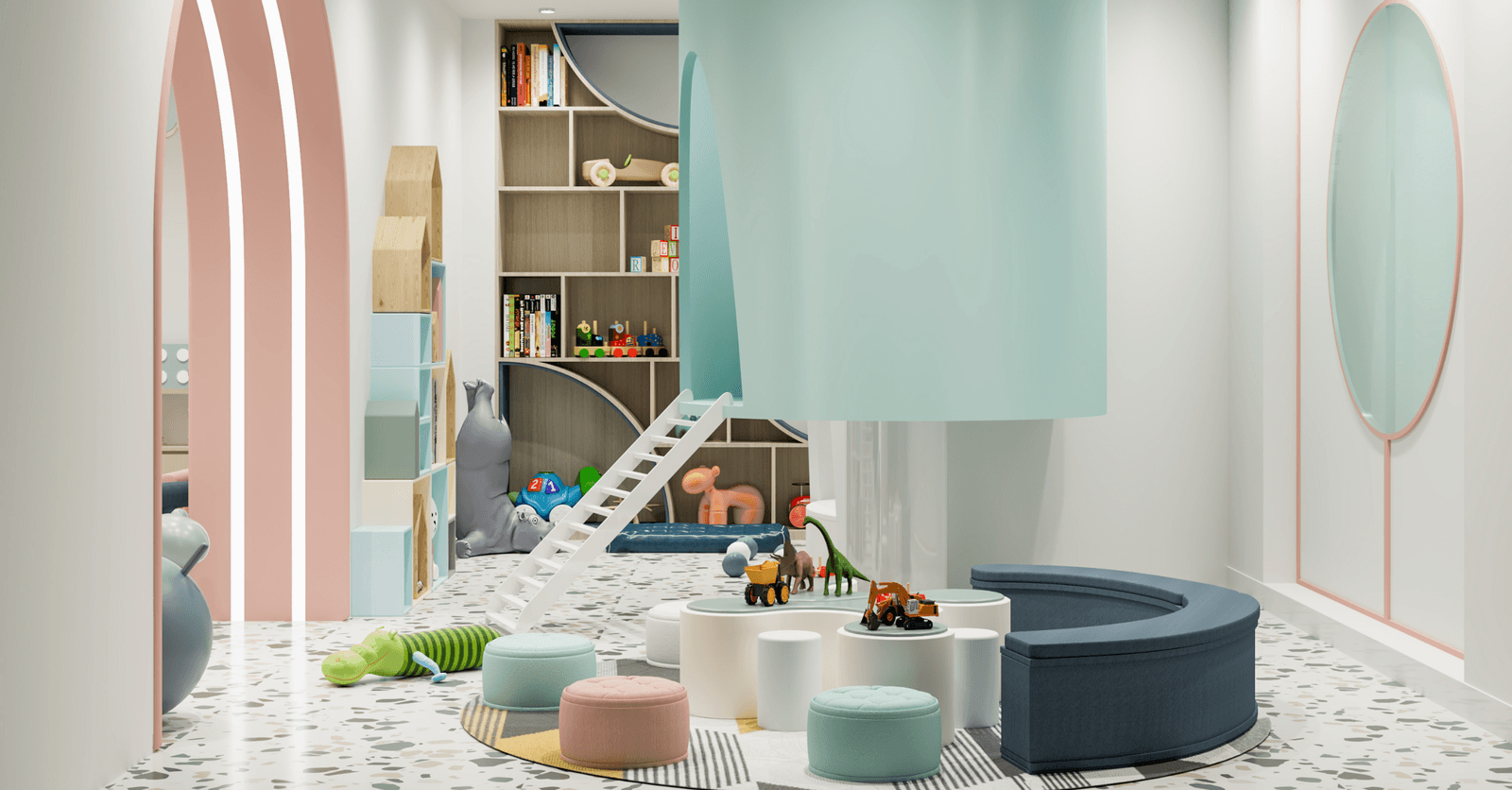
27. Contemporary Playroom with a Lofted Nook and Curved Seating
This room feels so dynamic because it plays with height and shape. The small ladder leading to the elevated light blue play area creates an exciting sense of discovery and a different vantage point. Down below, the gentle curves of the navy seating, circular rug, and rounded ottomans soften the room’s geometry. This contrast between the linear bookshelf, the verticality of the loft, and the soft, rounded seating area makes the space architecturally interesting and visually engaging from every angle.
|
📋 Copy HEX 🔗 Share |
A design with this much custom detail—the built-in bookshelf, the lofted play area, the arched doorways—is a significant investment and not easily changed. While stunning, it’s a look that the family needs to be committed to for many years. The pastel pink and light blue palette is sweet for younger kids, but a teenager might not feel the same way. Before committing to permanent, stylized architectural features, consider whether they will still fit your family’s needs and tastes in five or ten years.
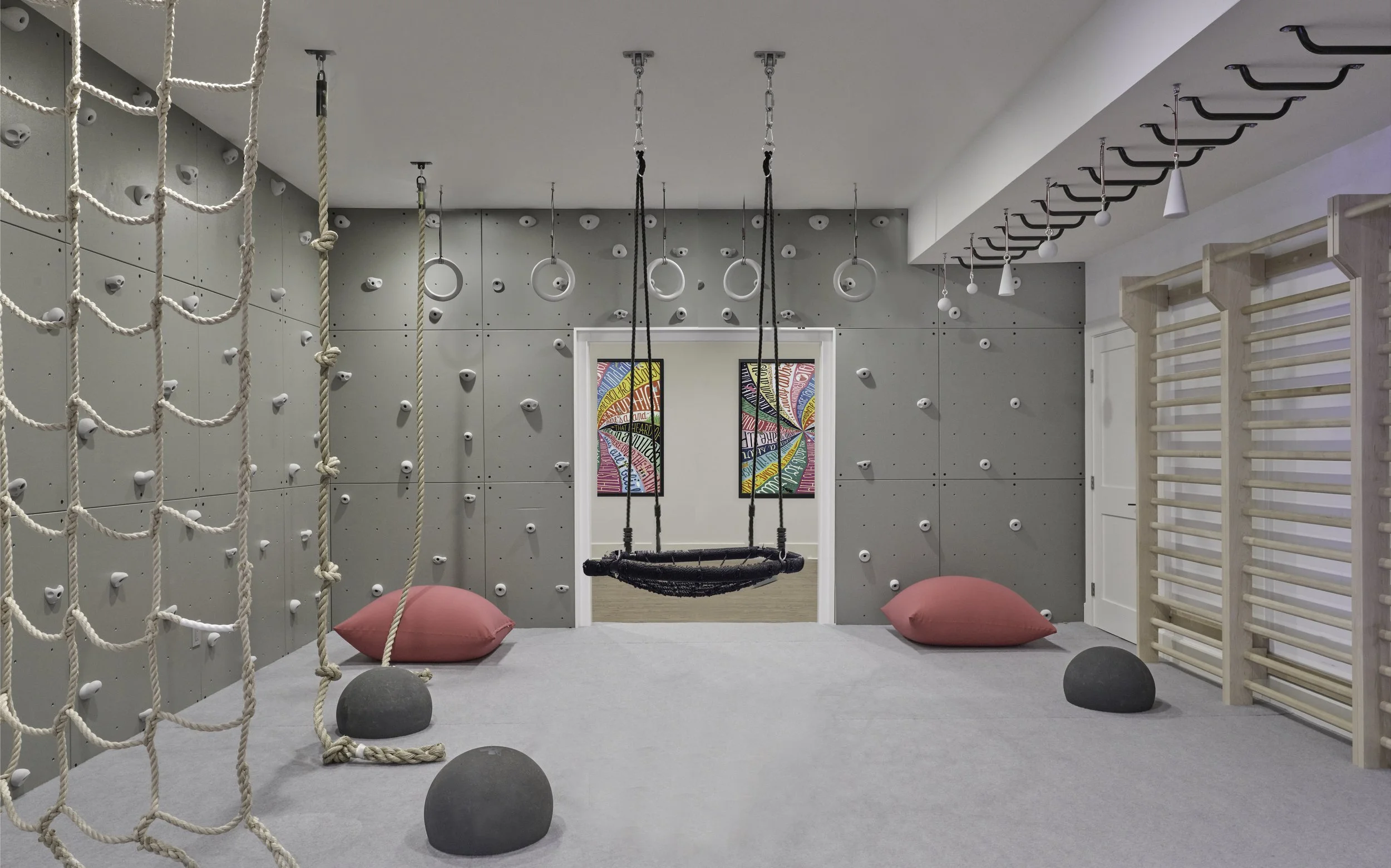
28. Active Playroom with a Gray Climbing Wall
The gray rock climbing wall is the undeniable hero of this space. It’s not just an activity; it’s a massive, textured, sculptural element that sets an adventurous tone for the entire room. It provides a powerful vertical element that draws the eye up and makes the room feel larger. Everything else—the rings, the swing, the Swedish ladder—is a great supporting act, but the climbing wall is the main event that provides the biggest ‘wow’ factor and physical challenge.
|
📋 Copy HEX 🔗 Share |
An at-home climbing wall and gymnastics setup requires regular safety checks. Once a month, you should go through and hand-tighten every single climbing hold, as they can loosen with use. Visually inspect all ropes, nets, and swings for any signs of fraying or wear, especially at connection points. The ceiling anchor points for the rings and swings are under a lot of stress; check them every few months to ensure they are still completely secure and show no signs of pulling away from the ceiling.
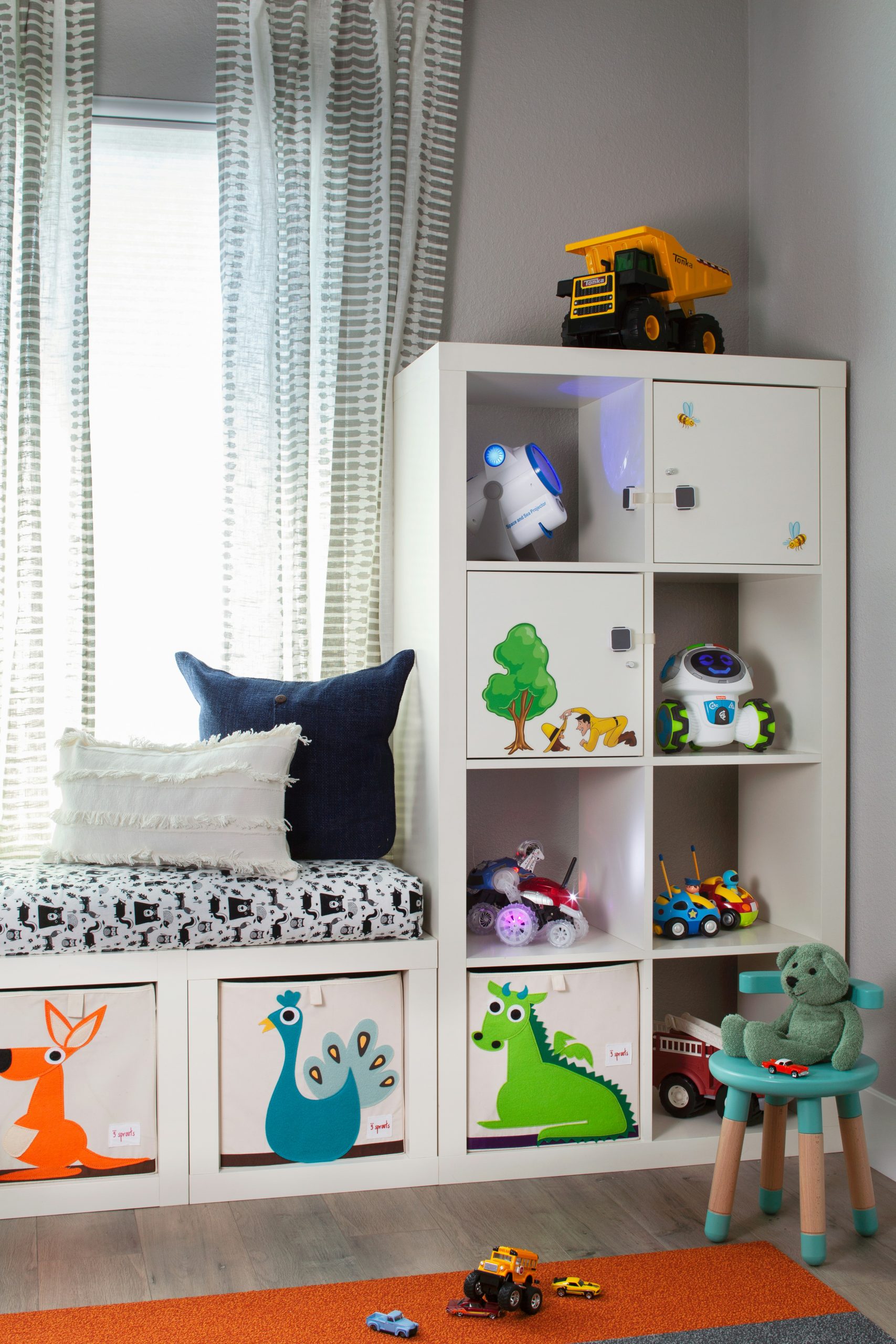
29. Multi-functional Window Seat and Cube Storage
This design is incredibly smart because it combines three essential playroom functions into one footprint: toy storage, display shelving, and seating. The cube unit is a workhorse for organization; the top surface becomes a cozy window seat with the addition of a cushion, and the upper cubes are perfect for showing off favorite toys. This multi-tasking approach is perfect for smaller basements where you need every square foot to count. It keeps the floor clear for play while maximizing wall space.
|
📋 Copy HEX 🔗 Share |
To make a standard cube storage unit look more ‘built-in’ and a part of the room, add a piece of baseboard trim along the bottom front edge. Choose a trim style that matches the rest of the room’s trim, paint it the same color (in this case, white), and attach it to the front of the unit’s base. This simple, inexpensive trick covers the gap underneath and makes the shelf look like a custom piece of cabinetry. It’s a high-impact detail that costs less than $20.
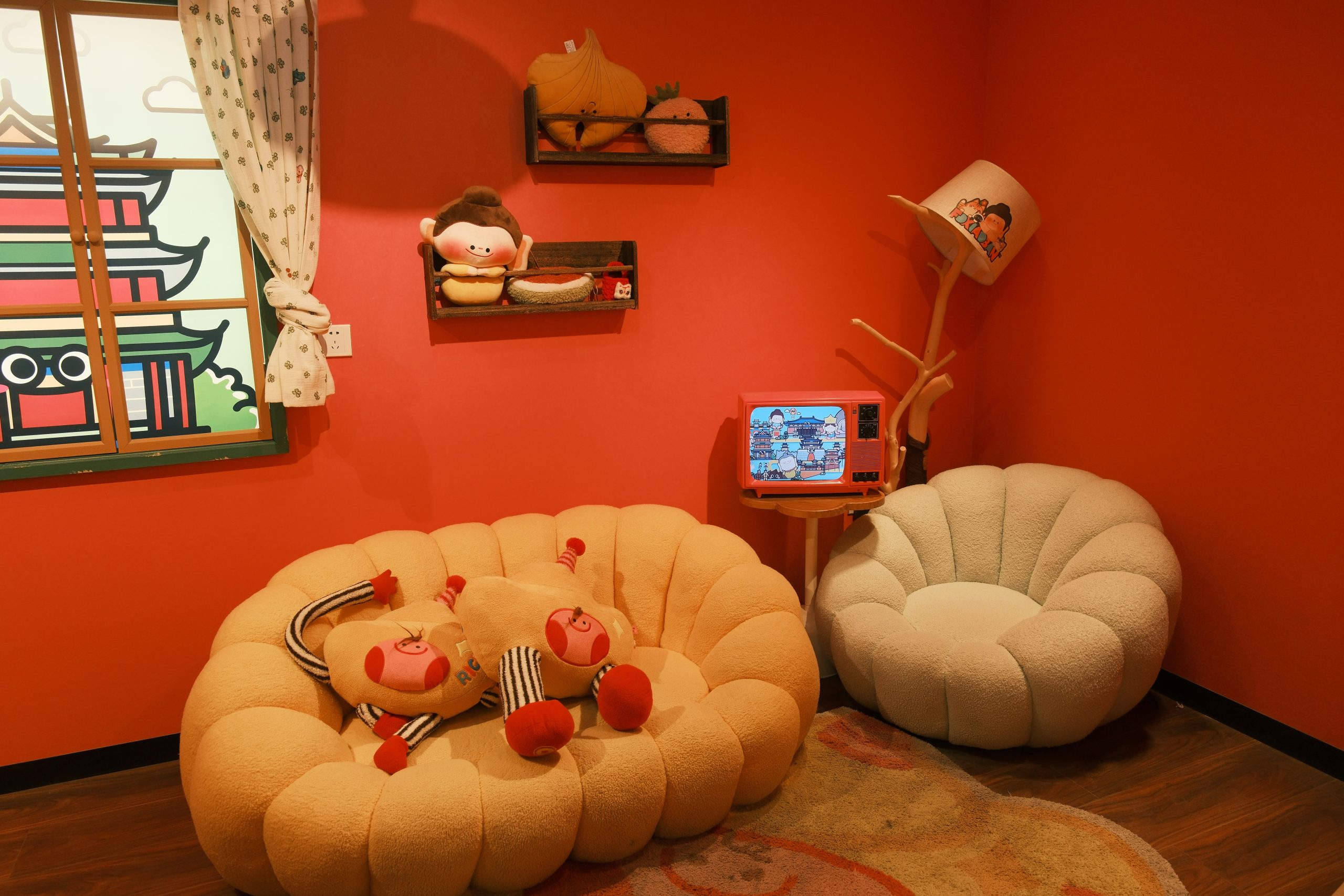
30. Cartoon-Inspired Lounge with Scalloped Chairs
The single element that transports this room into a whimsical, cartoon world is the faux window mural. It’s a stroke of genius that adds depth, humor, and a quirky narrative to the space. It looks like a scene straight out of a classic cartoon, creating a playful and imaginative backdrop that the plush chairs and retro TV perfectly complement. Without it, you’d have a colorful room, but the mural is what gives the space its unique story and sense of wonder.
|
📋 Copy HEX 🔗 Share |
This room’s vibrant, playful energy comes from a bold formula: 50% Dominant Color + 30% Contrasting Colors + 20% Dark Grounding Element. The vibrant red on the walls is the dominant force. The peach and light blue scallop chairs provide a soft, contrasting coolness. The dark wood flooring, shelves, and TV console ground the entire space and keep the bright colors from feeling like they’re floating. This balance of a bold primary, soft pastels, and a dark neutral is what makes the composition feel complete and intentional.
Conclusion
That unfinished basement staring back at you has so much potential, and now you have a library of real, achievable ideas to get started. Whether you’re building a full-on activity zone or a cozy reading nook, the key is to create a space that feels like a true extension of your home. Pick an idea that sparks joy, start planning, and get ready to transform that forgotten floor into the most-loved room in the house. Happy decorating, and don’t forget to save your favorites to Pinterest!