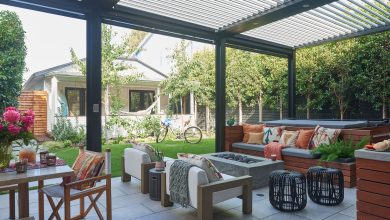

Selecting the ideal patio door for your property deserves as much consideration as choosing your main entrance. A thoughtfully selected patio door serves as a striking focal point whilst simultaneously enhancing your home’s functionality, energy efficiency, and overall aesthetic appeal. Whether you’re building a new residence or replacing outdated doors, understanding the available options will help you make an informed decision that complements both your interior and exterior spaces.
Patio doors create a seamless transition between indoor living areas and outdoor environments, allowing natural light to flood your home whilst providing convenient access to gardens, terraces, or balconies. The right selection can dramatically transform your living space, creating an atmosphere of openness and a sense of connection to nature. Our comprehensive guide will walk you through the essential considerations to help you select patio doors that perfectly balance style, functionality, and performance.
Understanding Patio Door Types
When exploring UK made patio doors, you’ll encounter several distinct varieties, each offering unique benefits suited to different architectural styles and spatial requirements. Understanding these fundamental types will help narrow your selection process considerably.
Sliding Patio Doors
Sliding patio doors, sometimes referred to as gliding doors, operate along horizontal tracks, with one fixed panel and one mobile panel that slides parallel to the wall. These doors excel in situations where space is at a premium, such as flats, compact homes, or areas with limited clearance around the doorway. The space-saving design means furniture placement isn’t restricted by door swing, allowing you to maximise your interior layout options.
Modern sliding doors feature weather-tight seals capable of withstanding challenging conditions, making them suitable for various climates. They typically incorporate large glass panels that maximise natural light transmission and provide unobstructed views of outdoor spaces. Many contemporary designs include screen options for ventilation without unwanted insect intrusion.
 Hinged French Patio Doors
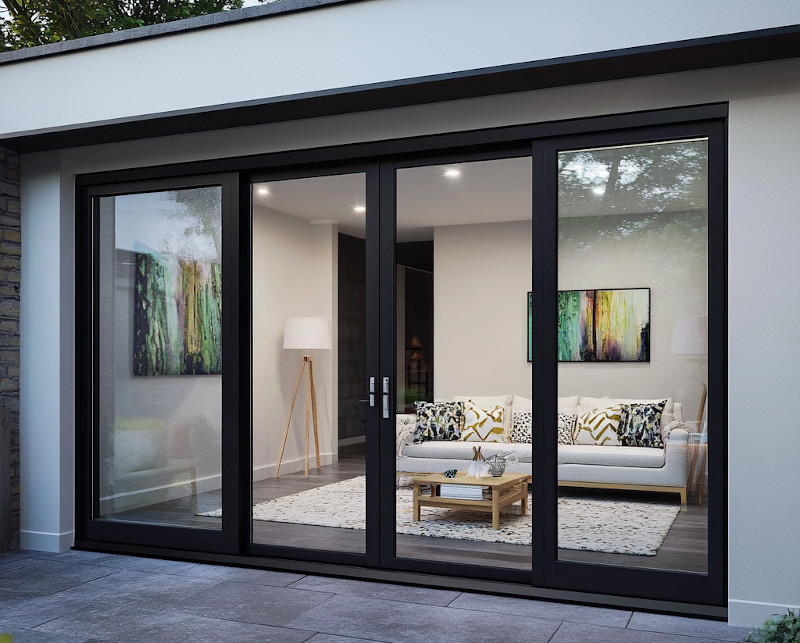
French patio doors represent a timeless, elegant option that adds architectural interest and character to your home. These doors operate on hinges, swinging either inward or outward, and typically feature two door panels that meet in the middle when closed. The classic design complements traditional home styles particularly well, though modern interpretations can suit contemporary aesthetics too.
One significant advantage of French doors is their versatility in design customisation. They readily accommodate decorative glass options, grille patterns, and various hardware finishes to match your interior décor. When both doors are opened, they create a generous passageway between indoor and outdoor spaces, perfect for entertaining or creating a sense of expanded living area during pleasant weather.
Bi-Folding Patio Doors
Bi-folding doors represent an innovative solution that combines elements of both sliding and hinged door systems. These doors consist of multiple panels that fold and stack against each other when opened, creating an exceptionally wide aperture that virtually eliminates the barrier between interior and exterior spaces.
This door type has gained tremendous popularity for properties with impressive views or those designed for indoor-outdoor living. The concertina-style operation allows for maximum opening width whilst requiring minimal space for the folded panels. For homeowners seeking to create a dramatic impact and an unparalleled connection to outdoor environments, bi-folding doors offer an outstanding solution, though they typically represent a higher investment than other options.
Material Considerations for Patio Doors
The material you select for your patio doors significantly impacts their appearance, durability, maintenance requirements, and thermal performance. Each material option presents distinct advantages worth evaluating against your specific needs and preferences.
Aluminium Patio Doors
Aluminium frames offer exceptional strength and slim profiles, maximising glass area and views whilst maintaining structural integrity. These doors resist corrosion, require minimal maintenance, and won’t warp or rot, making them ideal for coastal areas or regions with variable weather conditions.
Modern aluminium doors feature thermal break technology that addresses historical concerns about heat transfer, significantly improving energy efficiency. Available in numerous powder-coated finishes, these doors can complement virtually any architectural style from ultra-modern to traditional. Their lightweight nature also reduces stress on hinges and operating mechanisms, potentially extending operational lifespan.
Vinyl Patio Doors
Vinyl represents perhaps the most maintenance-free option available, requiring only occasional cleaning to maintain appearance. These doors never need painting or refinishing, making them particularly appealing for busy homeowners seeking hassle-free solutions.
The material offers excellent thermal efficiency with multi-chambered profiles that reduce heat transfer. Vinyl doors are typically a more budget-friendly option without compromising performance or durability. While early vinyl products offered limited aesthetic options, contemporary versions come in various colours and finishes, including woodgrain textures that convincingly mimic the appearance of timber.
Timber Patio Doors
Timber patio doors deliver unmatched natural beauty and warmth that synthetic materials simply cannot replicate. Available in numerous wood species including oak, pine, and mahogany, these doors can be stained or painted to achieve virtually any desired appearance.
Wood offers excellent natural insulation properties, contributing to energy efficiency when properly maintained. However, timber requires regular maintenance including periodic refinishing to protect against moisture, UV damage, and potential warping. For those willing to invest the care, timber doors reward with distinctive character that often appreciates aesthetically with age.
Composite and Clad Options
Composite doors combine materials to leverage the advantages of each whilst minimising drawbacks. A popular option features timber interiors for warmth and beauty with aluminium exterior cladding for weather resistance and reduced maintenance.
These hybrid solutions offer exceptional performance and durability while reducing the maintenance demands of pure timber options. Though typically priced at a premium, the long-term benefits often justify the investment for discerning homeowners seeking optimal performance without compromise.
Energy Efficiency Considerations
In today’s environmentally conscious, energy-cost-sensitive market, the thermal performance of patio doors is a crucial consideration. Understanding key efficiency metrics helps ensure your selection contributes positively to your home’s overall energy profile.
Understanding Glass Performance Ratings
Glass constitutes the majority of patio door surface area, making its performance characteristics particularly significant. Look for doors with double- or triple-glazing that incorporate low-emissivity (Low-E) coatings, which reflect infrared light to keep heat inside during winter and out during summer.
Pay attention to the U-factor, which measures heat transfer resistance—lower values indicate better insulation properties. Similarly, the Solar Heat Gain Coefficient (SHGC) indicates how effectively the glass blocks heat from sunlight, with lower values preferable in warm climates and higher values potentially beneficial in cooler regions.
Frame Insulation Properties
Different frame materials offer varying levels of insulation. Vinyl and timber naturally provide better thermal resistance than aluminium, though modern aluminium frames with thermal breaks significantly reduce heat transfer compared to older designs.
Multi-chambered profiles in vinyl and composite frames create additional insulation barriers, enhancing overall thermal performance. When evaluating options, consider the frame’s contribution to the door’s overall U-factor rather than focusing exclusively on glass specifications.
Design and Customisation Options
Beyond fundamental type and material choices, numerous design elements allow you to personalise patio doors to complement your home’s architectural character and reflect your personal style preferences.
Grille and Divided Light Options
Grilles create visual interest and architectural detail by dividing glass into smaller sections. Options include removable grilles, grilles between glass (requiring no cleaning), and simulated divided lites that authentically recreate the appearance of traditional multi-paned doors.
Different grille patterns—colonial, prairie, diamond, or custom configurations—can dramatically alter the door’s appearance and compatibility with various architectural styles. Consider how these elements will harmonise with existing windows and overall home design.
Hardware Finishes and Styles
Door handles, locks, and other hardware components significantly impact both aesthetics and functionality. Options range from sleek contemporary designs in brushed nickel or matte black to ornate traditional styles in antique brass or oil-rubbed bronze.
Quality hardware not only enhances appearance but also contributes to security and ease of operation. Consider lever handles for accessibility, multi-point locking systems for enhanced security, and finish durability appropriate for your climate conditions.
Installation Considerations
Proper installation proves essential for optimal patio door performance, regardless of quality or specifications. Understanding key installation factors helps ensure satisfactory results and longevity.
Professional vs DIY Installation
While replacing existing patio doors of identical dimensions might tempt experienced DIYers, most installations benefit from professional expertise. Professionals ensure proper structural support, precise alignment, appropriate flashing and weatherproofing, and correct operation.
Installation errors can lead to air and water infiltration, operational difficulties, and premature wear. Consider the complexity of your specific situation, including any structural modifications required, when deciding between professional installation and self-installation.
Preparation and Timeline Planning
Proper preparation facilitates smooth installation. Accurate measurements, understanding of existing conditions, and clear communication with suppliers or installers helps avoid delays and complications.
Typical professional installations require one day for standard replacements, though complex situations involving structural modifications may require additional time. Plan accordingly, particularly if the installation affects primary access points or security considerations.
Conclusion
Selecting the perfect patio doors involves balancing aesthetic preferences, practical considerations, performance requirements, and budget constraints. By understanding the various options available and evaluating them against your specific needs, you can make an informed decision that enhances your home’s beauty, functionality, and value for years to come.