

The toughest part of a relocation, in most cases, is moving the furniture – especially when this relocation involves a renovation of space. Perhaps one is moving to a brand-new home, rearranging an office space, or simply reevaluating an existing room with regard to how it can be used.
Step 1: Define the Purpose of the Move
Before any furniture is lifted, it’s important to understand why it’s being moved. Furniture transportation looks very different depending on the goal.
Common reasons include:
- Moving to a new home or apartment
- Redesigning an existing space
- Downsizing or upsizing
- Reorganizing rooms for better functionality
- Renovation or temporary storage needs
Clearly defining the purpose helps determine what furniture stays, what moves, and what may no longer be needed.
Step 2: Create a Furniture Inventory
One of the most overlooked steps is creating a detailed furniture list. This makes planning far more efficient.
A proper inventory should include:
- Item name and type (sofa, bed frame, table, cabinet)
- Measurements (height, width, depth)
- Weight or material (solid wood, glass, metal)
- Condition (fragile, antique, standard)
- Destination room
This list helps prevent surprises on moving day and makes it easier to plan transportation and placement.
Step 3: Decide What Moves and What Doesn’t
A move or a renovation project might not involve relocating everything. Some items might not fit in the new space, or they might not have any particular function anymore.
A simple sorting system is most effective:
- Keep and move – essential furniture for a new configuration
- Store temporarily – items which can be used again in the future
- Donate/sell – furniture that does not fit into the plans
- Reducing the amount of furniture being moved saves time, effort, and cost
 Step 4: Preparing Furniture for Transportation
Furniture ought never to be moved in a state as is, especially in renovation projects, where a piece of furniture may be moved several times.
Preparation involves:
- Removal of pillows, shelves, and disassembly
- Dismantling bulky items such as beds and wardrobes
- Securing screws and hardware in labeled bags
- Covering furniture with moving blankets or stretch wrap
- Protecting corners and fragile surfaces
One way this is achieved is by proper preparation to avoid damage.
Step 5: Plan the Transportation Route
Whether furniture is being moved within the same building or across the city, planning the route is essential.
Important factors to check in advance:
- Doorway and hallway widths
- Staircases and elevators
- Floor protection requirements
- Parking availability for moving vehicles
- Building rules or time restrictions
Step 6: Decide Who Will Handle the Move
At this stage, it’s important to decide whether the move will be handled independently or with professional assistance.
Many people seek help with moving furniture when dealing with:
- Heavy or oversized items
- Tight spaces and narrow staircases
- Expensive or fragile furniture
- Time-sensitive redesign projects
- Physical limitations or safety concerns
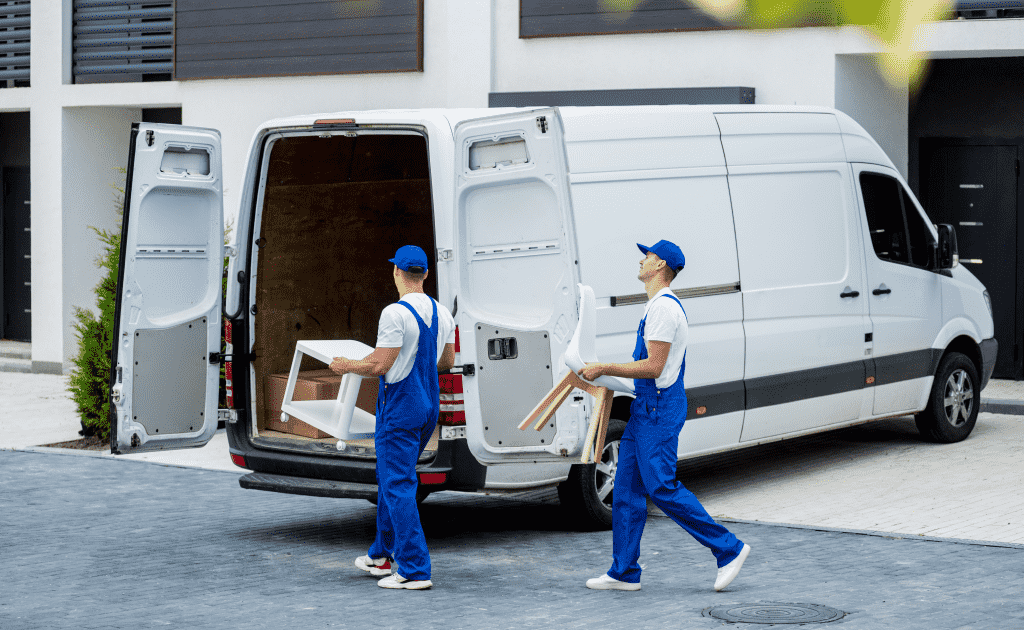
Professional movers bring the right tools, experience, and manpower to move furniture safely and efficiently, especially during complex redesigns.
Step 7: Coordinate Furniture Placement in Advance
When redesigning a space, furniture should not just be moved, it should be placed intentionally.
Helpful preparation steps include:
- Creating a basic floor plan
- Labeling furniture by destination room
- Marking preferred wall placements
- Measuring clearances for doors and walkways
- Planning lighting and power outlet access
Clear placement instructions prevent unnecessary removal and help the space come together faster.
Step 8: Protect Floors, Walls, and Door Frames
Furniture transportation often causes accidental damage, especially during redesigns where items are repositioned multiple times.
To protect the space:
- Use floor runners or cardboard paths
- Cover door frames and corners
- Remove rugs that could slip
- Keep pets and children away from active areas
These small precautions can prevent costly repairs later.
Step 9: Unloading, Reassembly, and Final Adjustments
Once furniture arrives at its destination, the job isn’t over.
Final steps include:
- Reassembling furniture
- Checking stability and alignment
- Cleaning surfaces after transport
- Making small layout adjustments
- Removing packing materials
Taking time at this stage ensures the redesigned space feels complete and functional.
Why Professional Help Makes a Difference
Transportation of furnishings during a relocation or design project is less about being strong and more about planning, accuracy, and space awareness.
Professional moving teams dealing with moving furniture know how to:
- Handling heavy furniture pieces safely
- Dismantle and reassemble furniture properly
- Floors & Walls Protection
- Comply with the building
- Implement actions smoothly without interruptions
For most people, professional assistance is an important part of making this stressful transition a smooth one.
