53 Baby Nursery Ideas 2026: From Neutral & Pink to Whimsical & Vintage-Inspired Designs

As we move into 2026, nursery design continues to evolve with fresh color palettes, sustainable materials, and flexible layouts that grow with your child. American parents are turning to Pinterest more than ever for visual inspiration—searching for spaces that balance style, function, and personality. Whether you’re preparing for your first baby or redesigning a room for twins, this year’s trends embrace everything from neutral minimalism to colorful maximalism and vintage charm to whimsical wonder. In this guide, we’ve gathered nursery ideas that reflect the diversity of modern parenting, offering something for every taste, budget, and home layout. Let’s explore the spaces that will welcome the newest members of your family.
1. Soft Neutral Pastel Haven
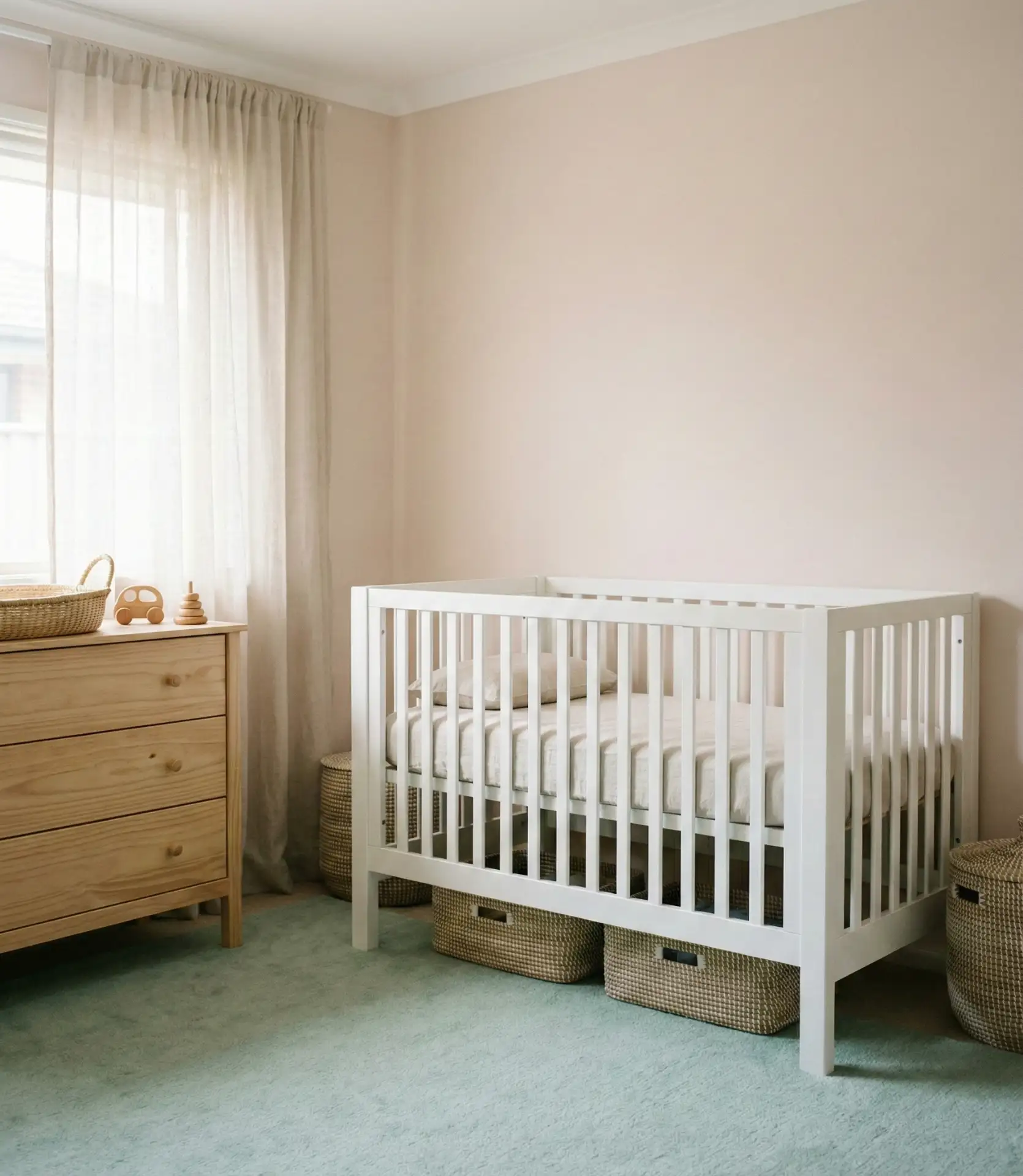
This nursery idea leans into the calming power of neutral pastel tones—think blush, mint, and cream layered together without overwhelming the senses. It’s a unisex approach that works beautifully in small room settings, where lighter hues help open up tight quarters. The look centers on a white crib, a low-profile dresser in natural oak, and soft textiles in muted rose and sage. The versatility and timeless appeal of this style attract parents across the Midwest and Pacific Northwest.
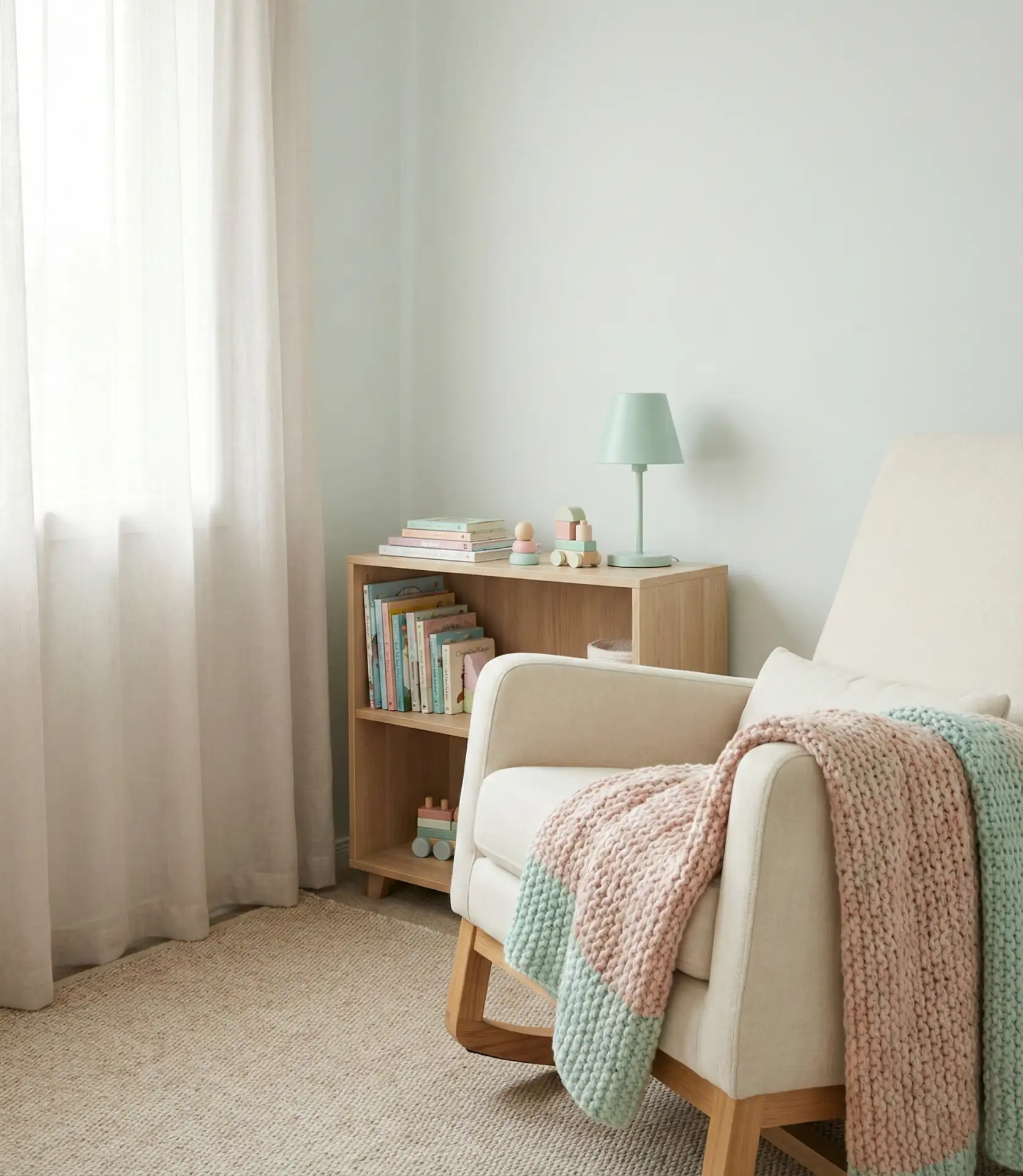
One practical insight: pastel palettes offer flexibility for future redecorating. As your child grows, you can swap out a few accent pieces—pillows, wall art, or curtains—without needing to repaint or replace major furniture. This approach saves money and reduces waste, aligning with the growing interest in sustainable parenting. It’s also ideal for families in rental homes where bold paint changes aren’t an option.
2. Sage Green Botanical Retreat
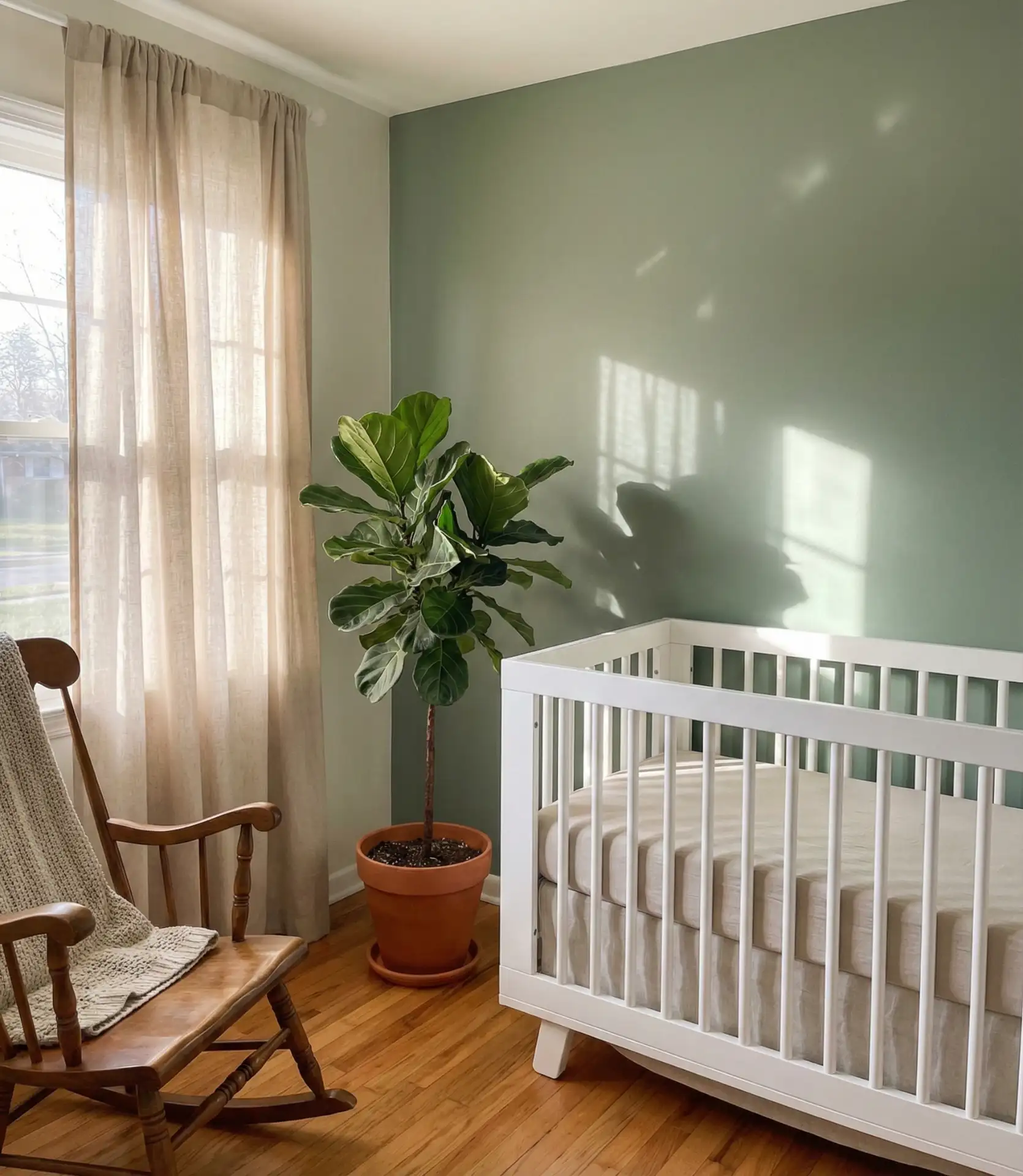
If you’re searching for a nature-inspired nursery that feels grounded and fresh, sage green is your anchor. This color has surged in popularity on Pinterest for its ability to pair well with natural wood, white accents, and botanical prints. The room often includes a focal wall in muted green, complemented by indoor plants, macramé wall hangings, and linen textiles. It’s a gender-neutral choice that appeals to parents who want to avoid traditional pastels while still keeping things soft and serene.
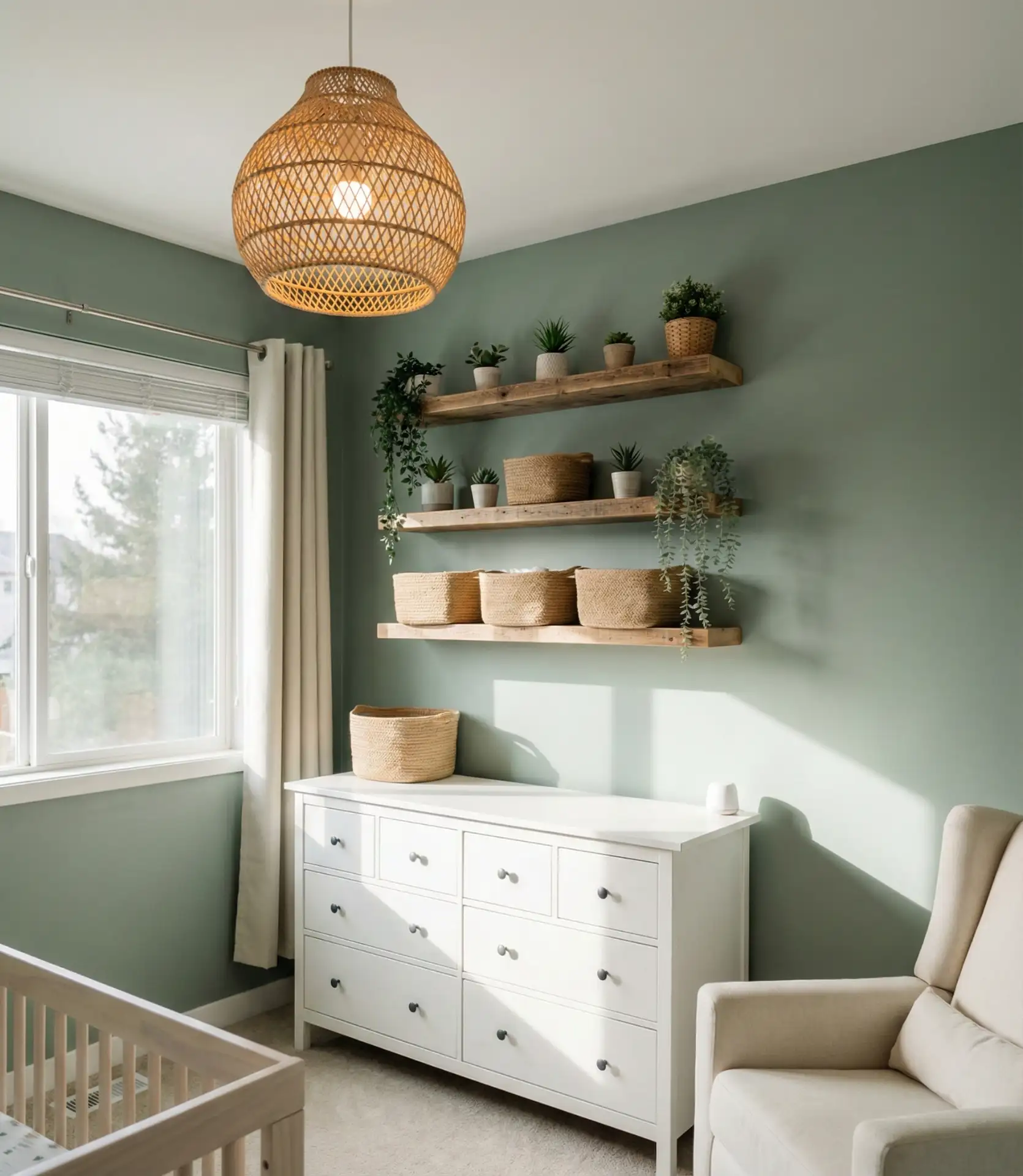
This style works best in homes with ample natural light—think large windows or southern exposure—where the green tones can shift beautifully throughout the day. In Texas and California, homeowners are pairing sage walls with terracotta pots and jute rugs for a desert-meets-coastal vibe. One common mistake is overloading the space with too many plants; stick to two or three larger specimens rather than cluttering surfaces with tiny pots.
3. Pink Cloud Dreamscape
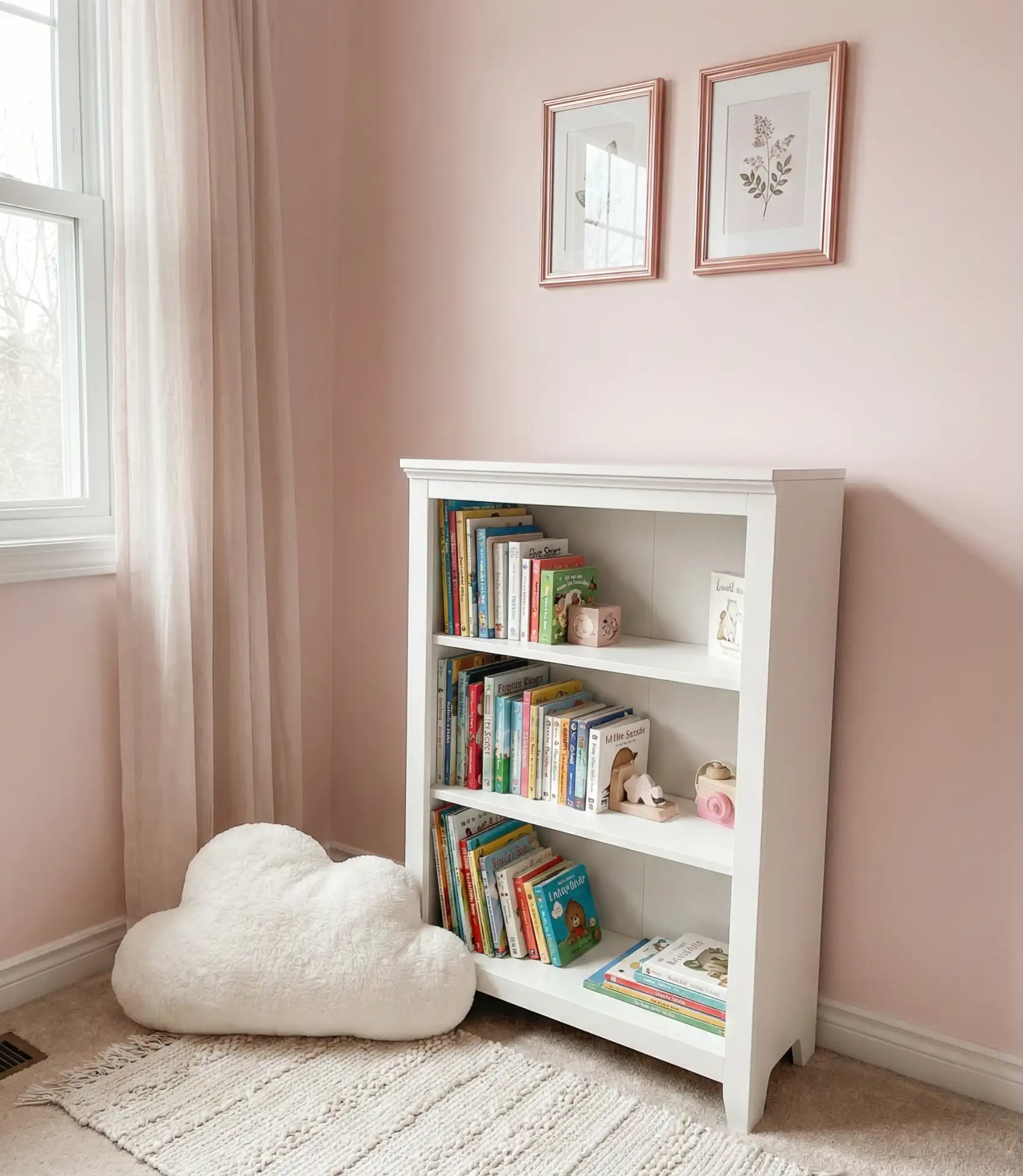
For families designing a nursery for a girl, this pink cloud-themed room offers a modern twist on classic femininity. Instead of bubblegum or hot pink, the palette leans into dusty rose, mauve, and cream with cloud decals or a hand-painted mural above the crib. Soft lighting—think a dimmable cloud-shaped lamp—adds to the dreamy atmosphere. The look is adorable without veering into saccharine, making it a favorite among millennial and Gen Z parents.
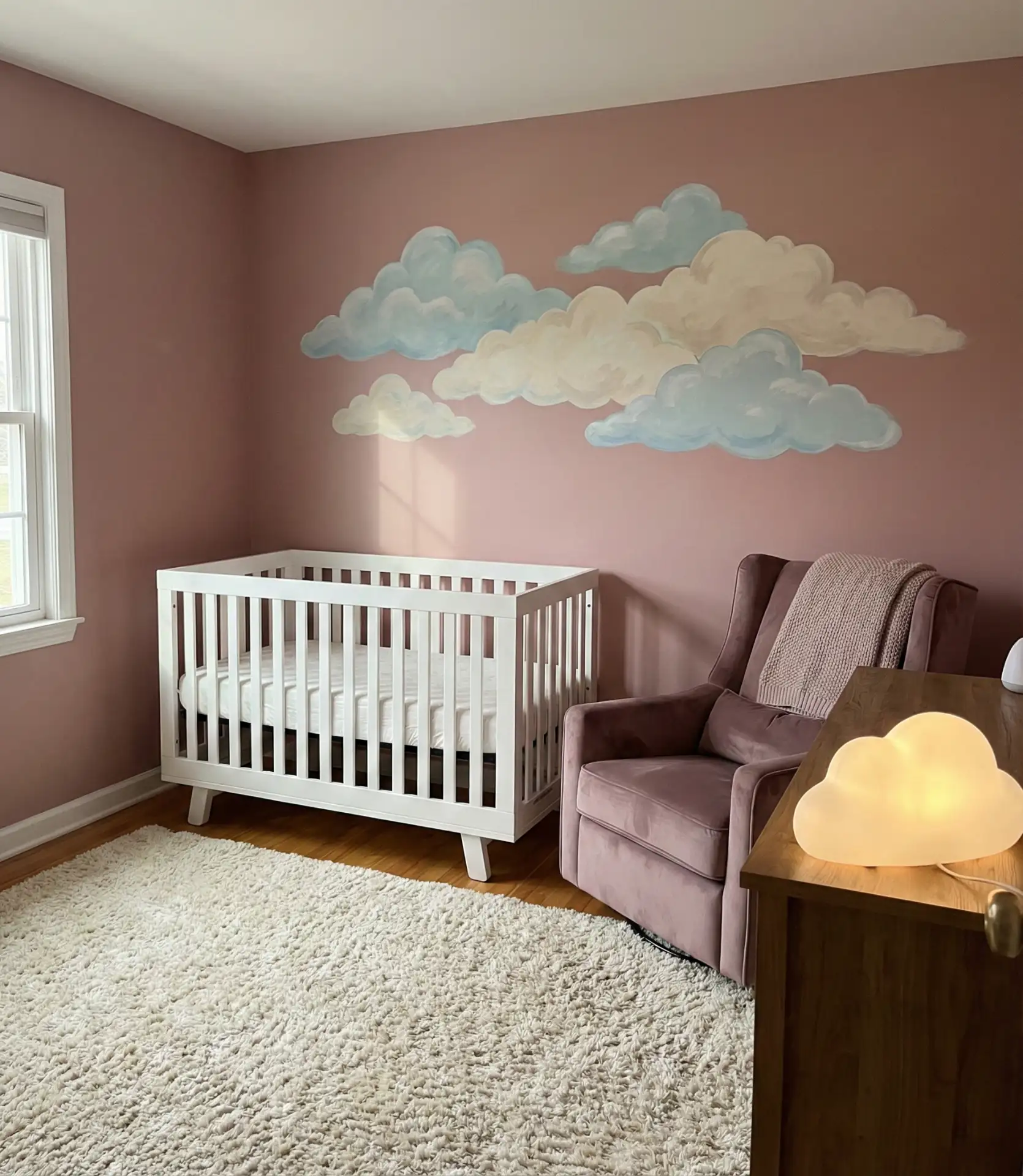
Real homeowner behavior shows that many parents start with a bold cloud mural but later regret the commitment when tastes change. A smart alternative is removable cloud decals or a painted accent stripe—easier to update as your daughter’s interests evolve. Budget-wise, a gallon of quality dusty rose paint and a pack of decals can cost under $100, making this a wallet-friendly option for young families.
4. Whimsical Woodland Adventure
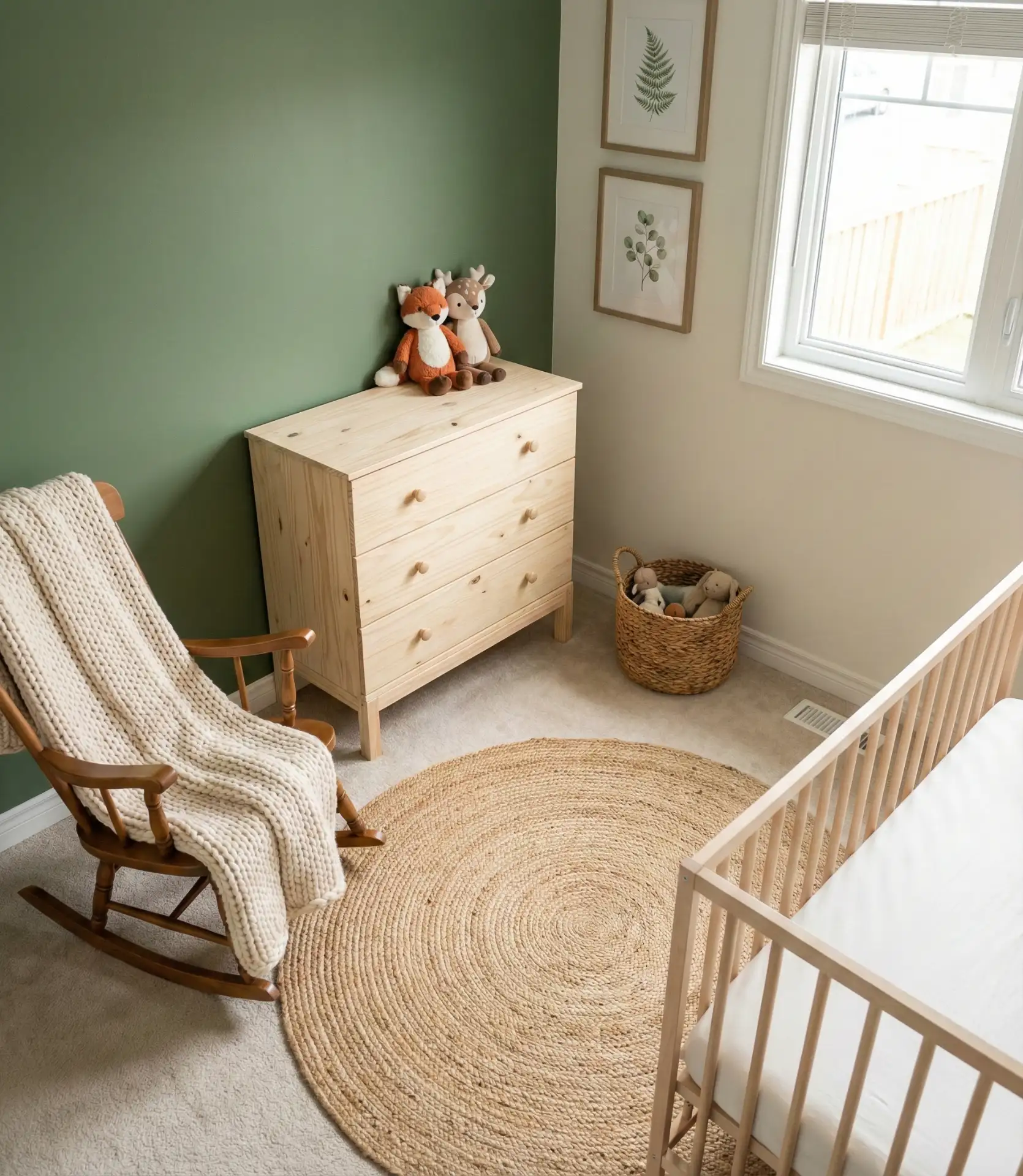
This whimsical nursery draws inspiration from forest creatures, mossy greens, and tree branch motifs. It’s a nature-inspired theme that works especially well for boys or as a unisex, gender-neutral space. Think woodland animal prints, a tree decal climbing one wall, and organic cotton bedding in earthy tones. This aesthetic particularly appeals to parents in the Pacific Northwest and New England, reflecting their love for outdoor landscapes.
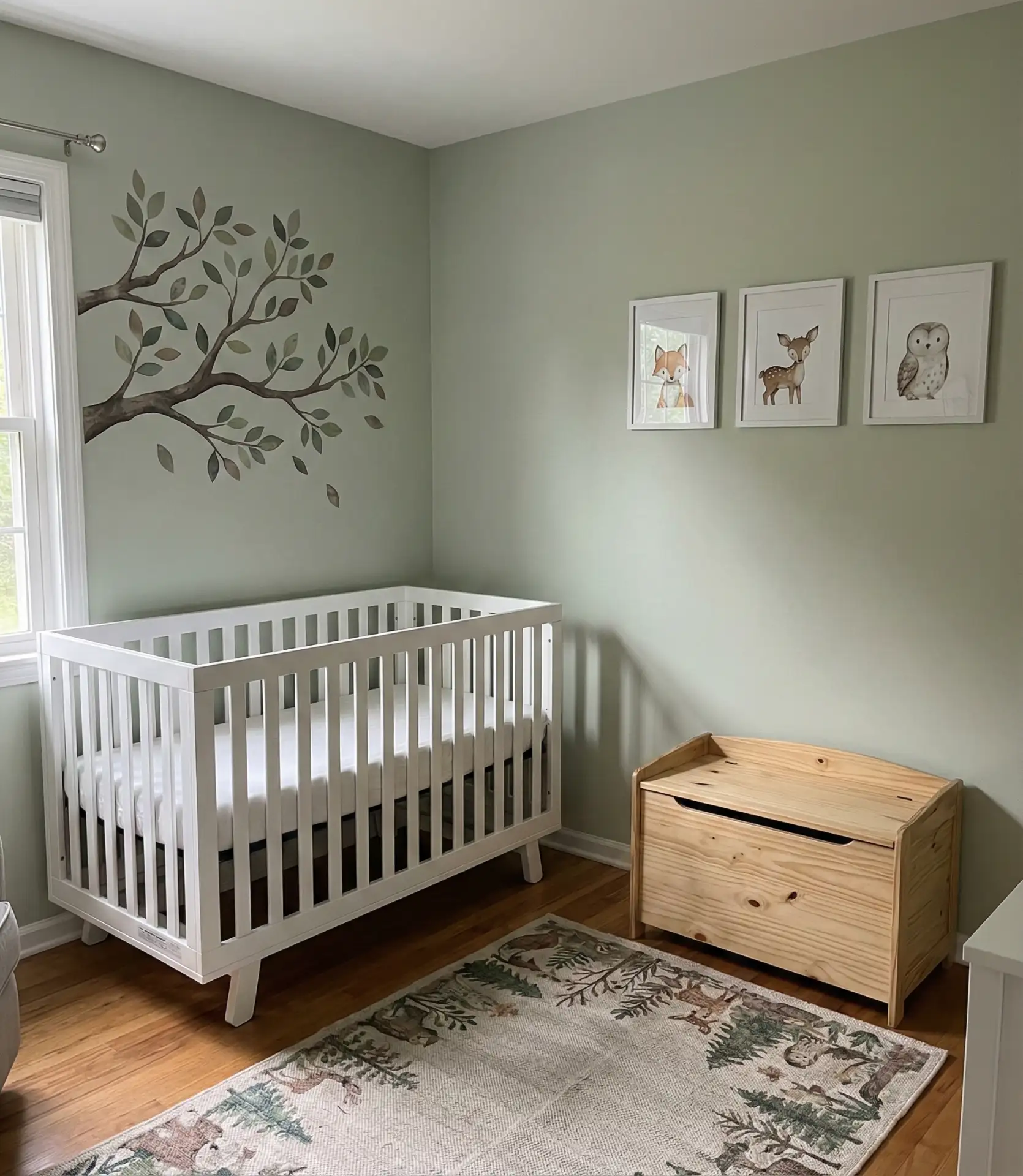
One micro anecdote: a Seattle mom shared that her son’s woodland nursery became a conversation starter during virtual playdates, with other parents asking where she sourced the hand-carved wooden mobile. It’s a reminder that details matter—swapping generic decor for artisan pieces can elevate the entire room. Just be mindful of clutter; too many animal figurines can make the space feel chaotic rather than calming.
5. Vintage-Inspired Heirloom Nursery
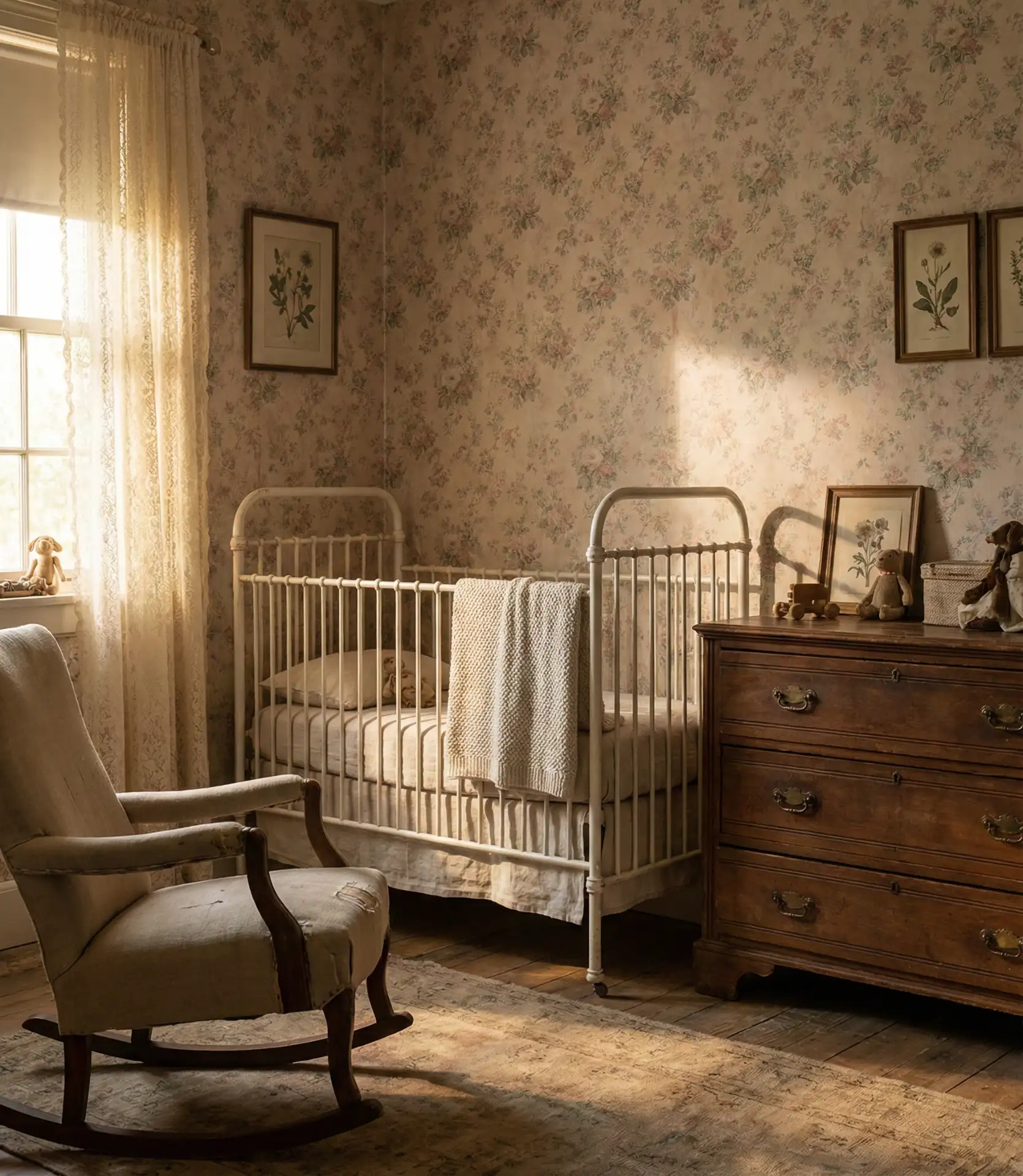
For parents who treasure vintage charm, this nursery idea blends antique furniture, soft florals, and muted color palettes. A vintage-inspired crib in distressed white or natural wood becomes the focal point, paired with a thrifted rocking chair reupholstered in linen. The walls might feature delicate floral wallpaper or a hand-me-down quilt framed as art. This approach is particularly popular in the South and Midwest, where the cultural fabric deeply incorporates family heirlooms and estate sales.
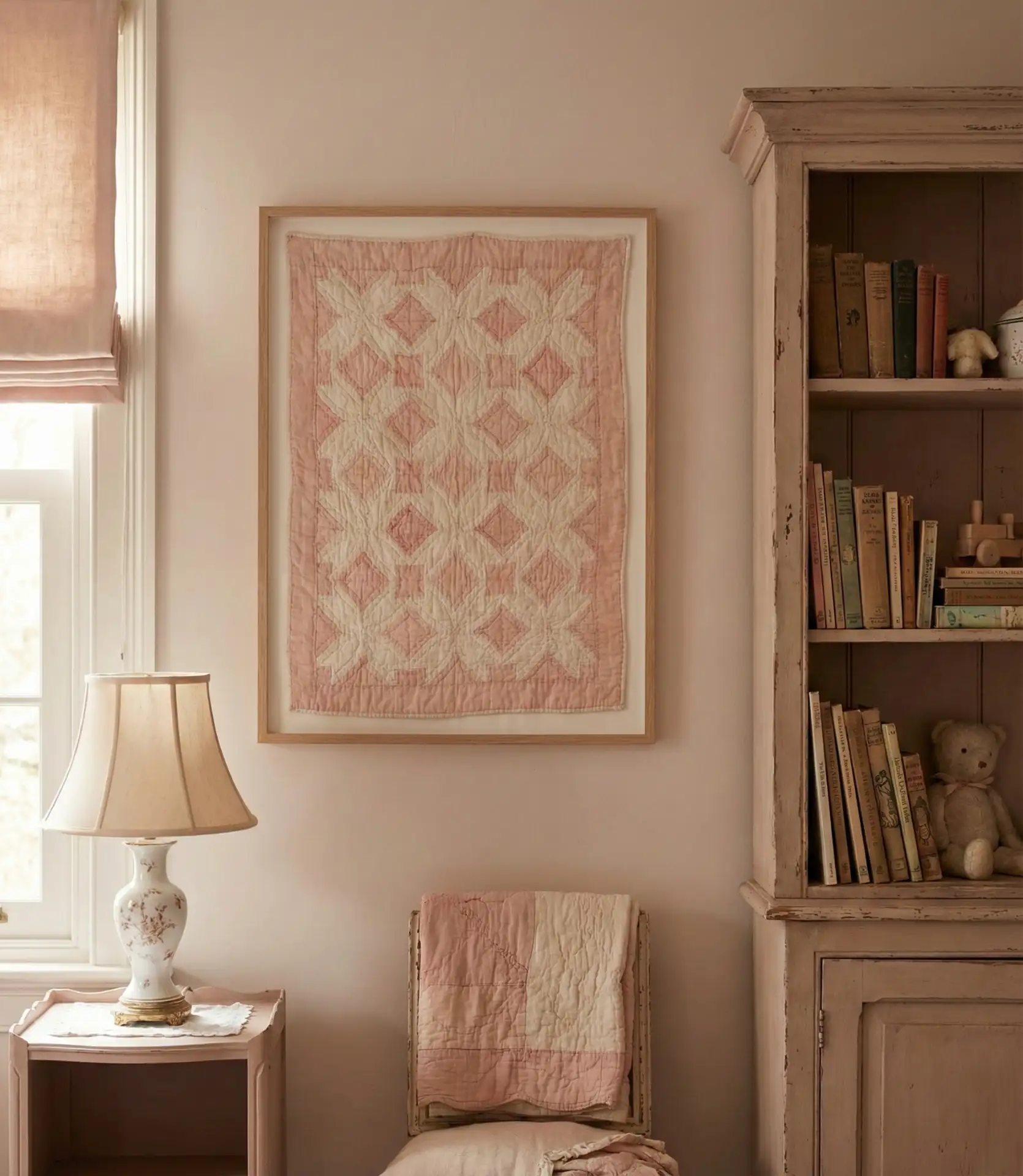
It works best in homes with interesting architecture, like Victorian details, crown molding, or original hardwood floors. Older houses, where new furniture might seem out of place, are ideal for the vintage aesthetic. In modern builds, balance vintage pieces with contemporary accents to avoid a museum-like feel. Thrift stores and online marketplaces can yield incredible finds for under $200, making this a budget-friendly route for resourceful parents.
6. Bold Colorful Maximalism
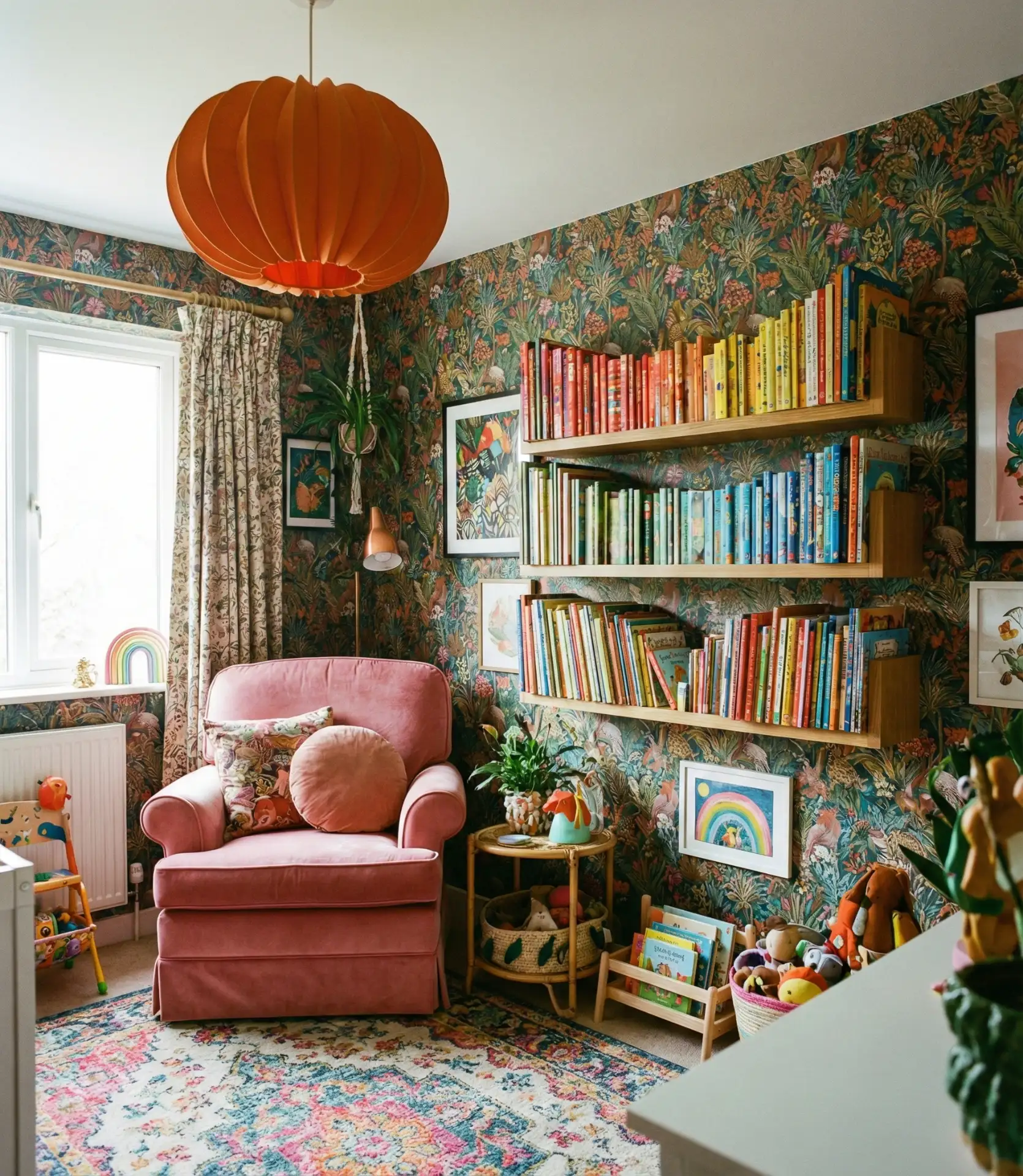
If simple and minimal aren’t your style, embrace a colorful nursery that celebrates pattern, texture, and visual energy. This idea layers bright textiles—think striped rugs, geometric wall art, and patterned curtains—without worrying about a single dominant hue. It’s a joyful, unique approach that defies the all-white nursery trend. Urban areas such as Brooklyn, Austin, and Portland are leading this trend, where parents often combine vintage toys with contemporary furniture to create an eclectic vibe.
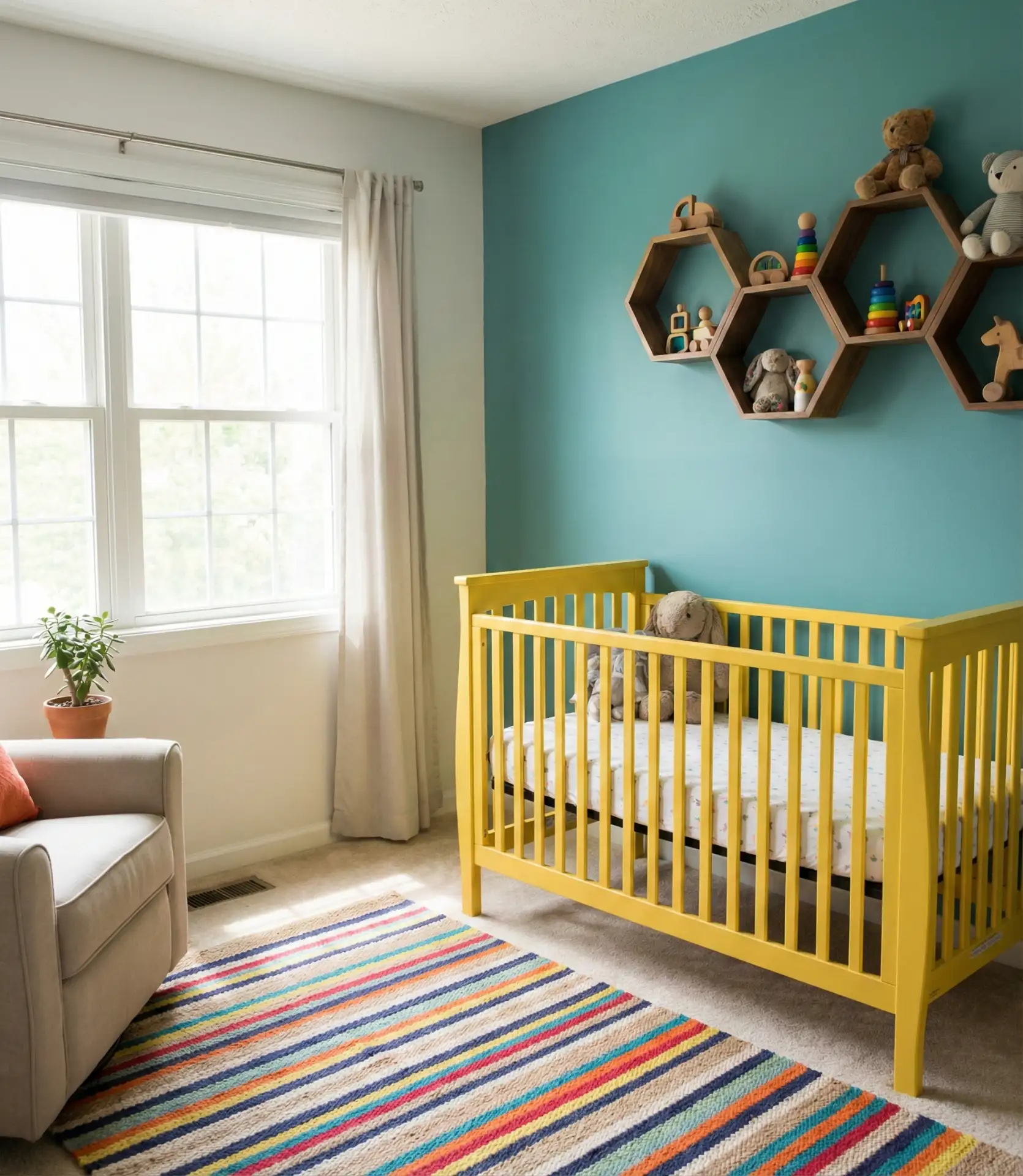
Expert-style commentary: designers suggest anchoring a maximalist nursery with one or two neutral elements—like a white crib or natural wood floor—to prevent sensory overload. This gives the eye a place to rest and ensures the room feels playful rather than chaotic. It’s also easier to scale back later by swapping out textiles rather than repainting walls or replacing large furniture pieces.
7. Unisex Scandinavian Simplicity
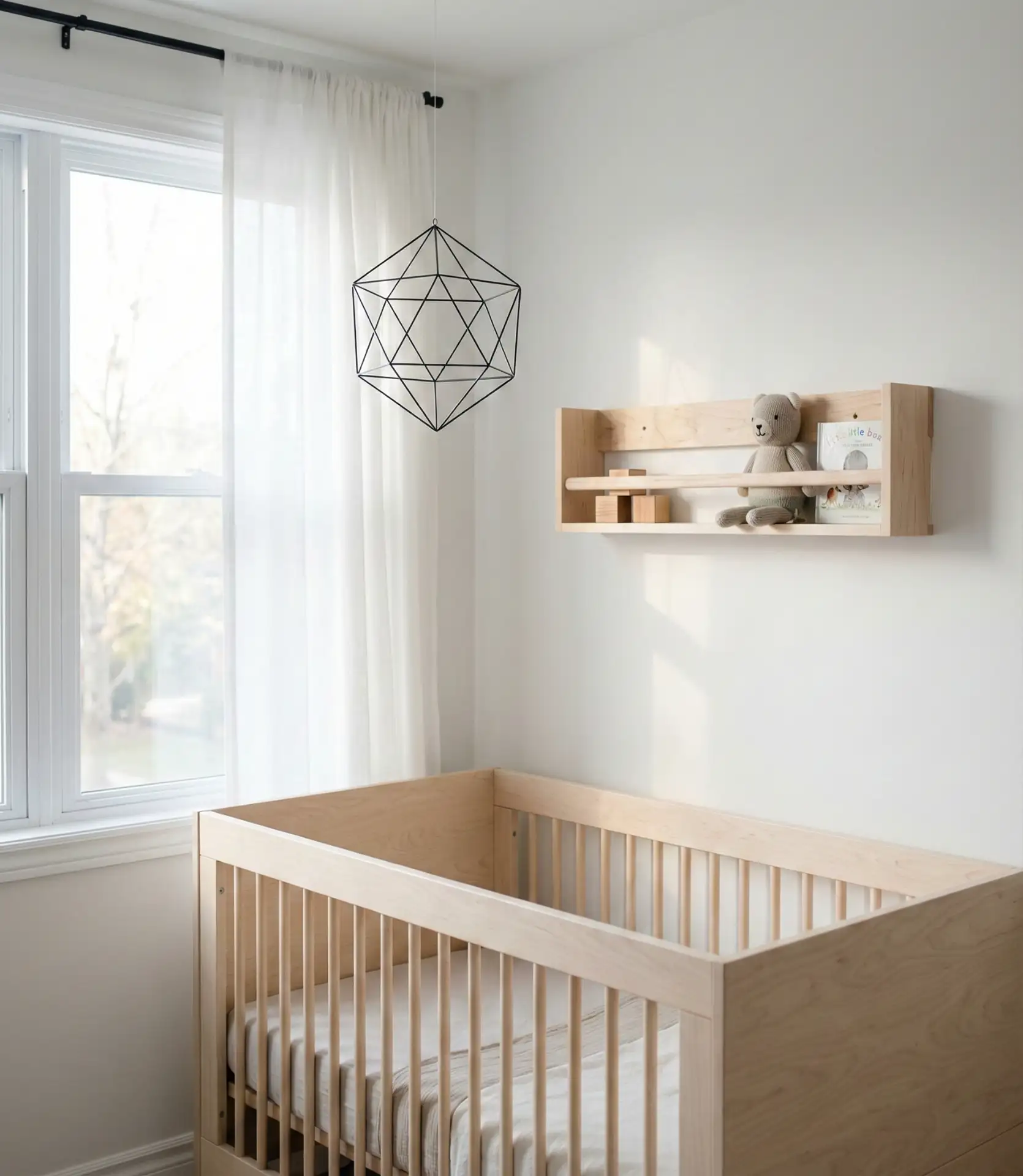
The Scandinavian approach to nursery design emphasizes clean lines, natural materials, and a neutral color palette—ideal for a unisex space. White walls, light wood furniture, and pops of black or charcoal create a calming environment that’s easy to maintain. This style is especially practical for small room layouts, where clutter-free design helps the space feel larger. It’s a favorite among minimalist parents who value function over fuss.
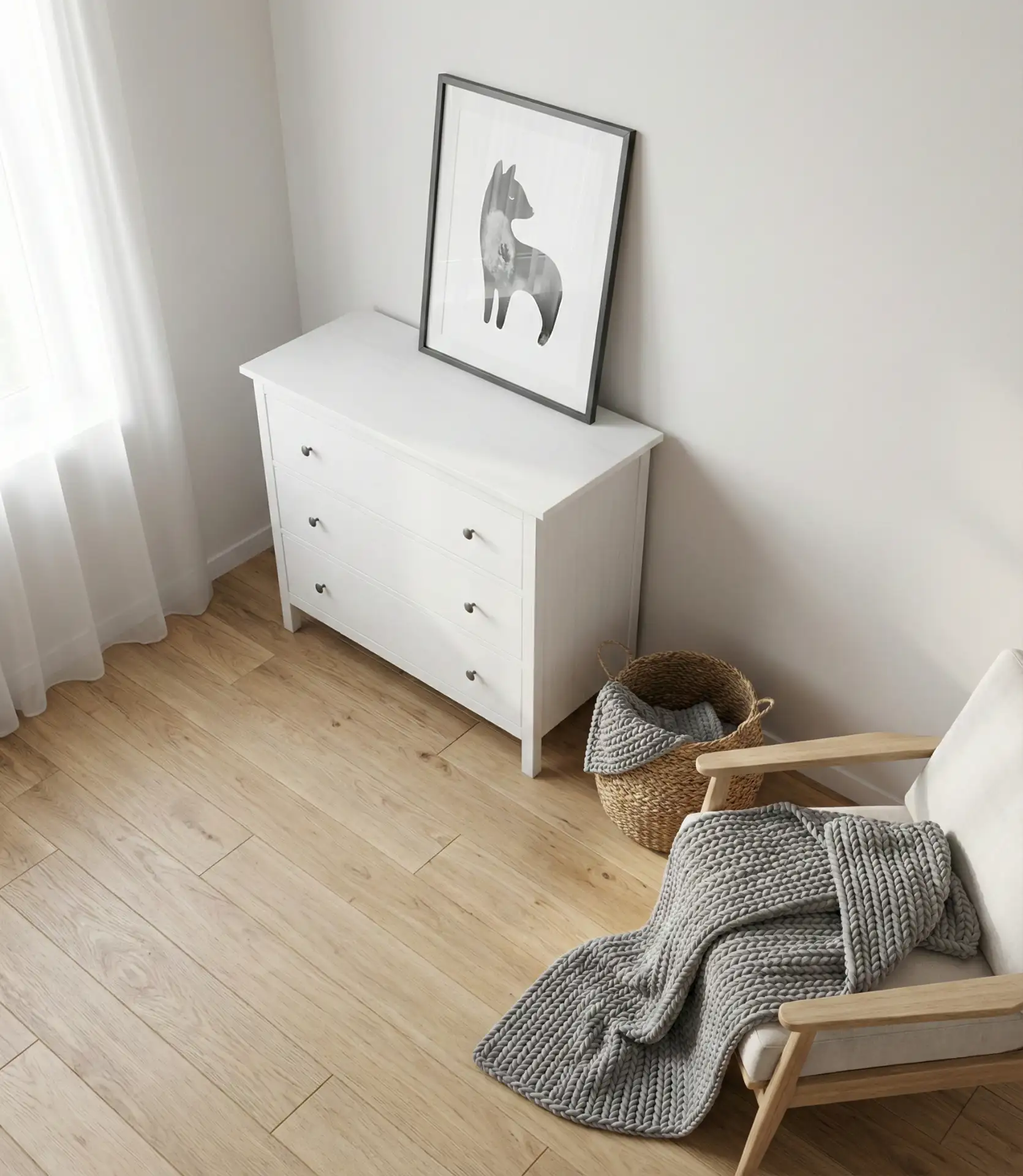
Common mistakes include going too stark—an all-white nursery can feel cold rather than cozy. Balance is key: add warmth with wool rugs, linen curtains, and a few wooden toys displayed on open shelves. Budget-conscious parents can source affordable Scandinavian-style furniture from major retailers, often spending $500–$800 total for a crib, dresser, and rocker that will last for years.
8. Twin Nursery with Dual Cribs
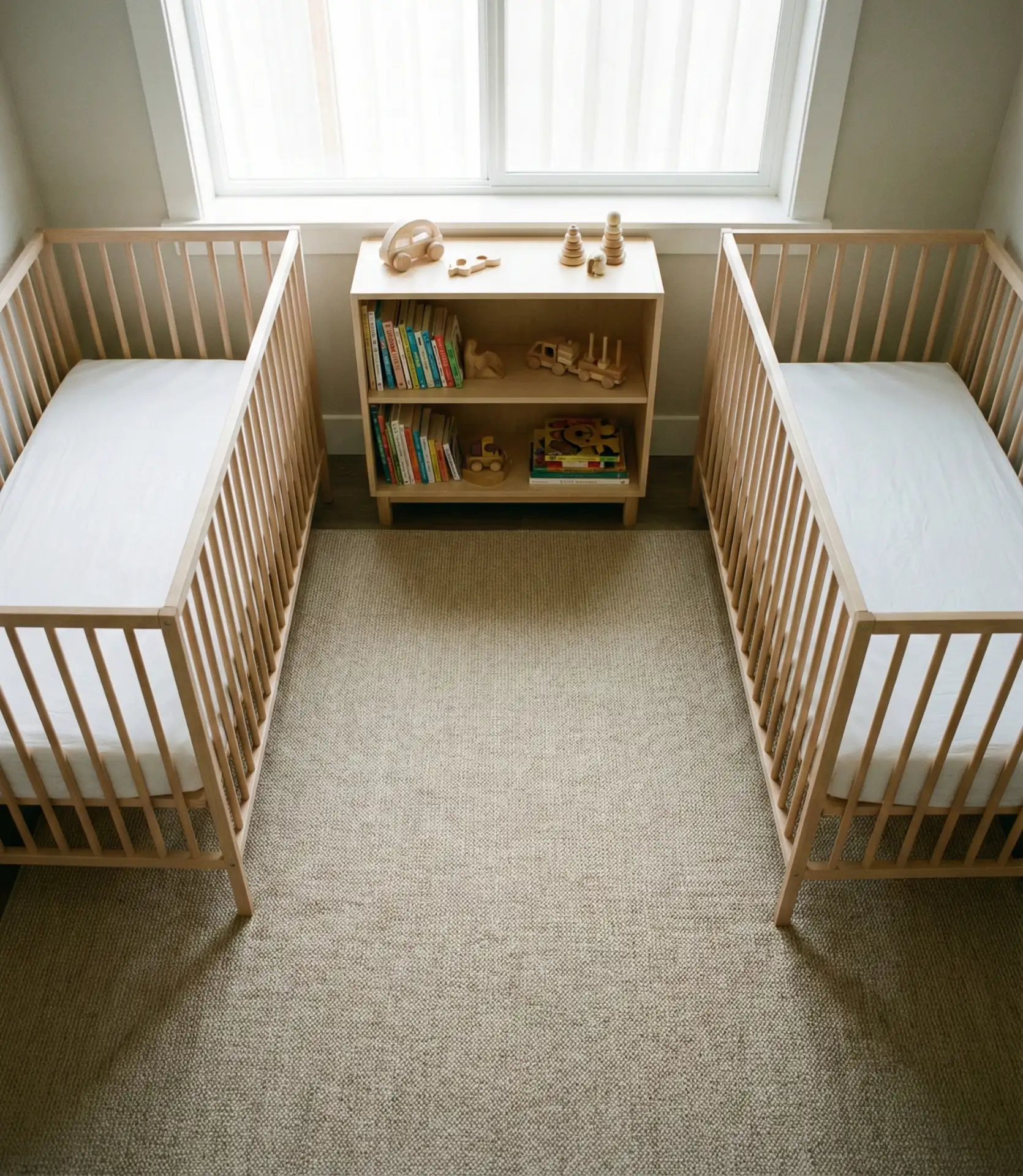
Designing a nursery for twin babies requires thoughtful space planning and symmetry. This idea features two matching cribs positioned on either side of a central dresser or changing table, creating a balanced, organized layout. The color scheme is typically neutral to keep the room from feeling visually busy, with subtle personalization through bedding or name plaques. Parents expecting twins often prioritize efficiency, so built-in storage and multifunctional furniture are essential.
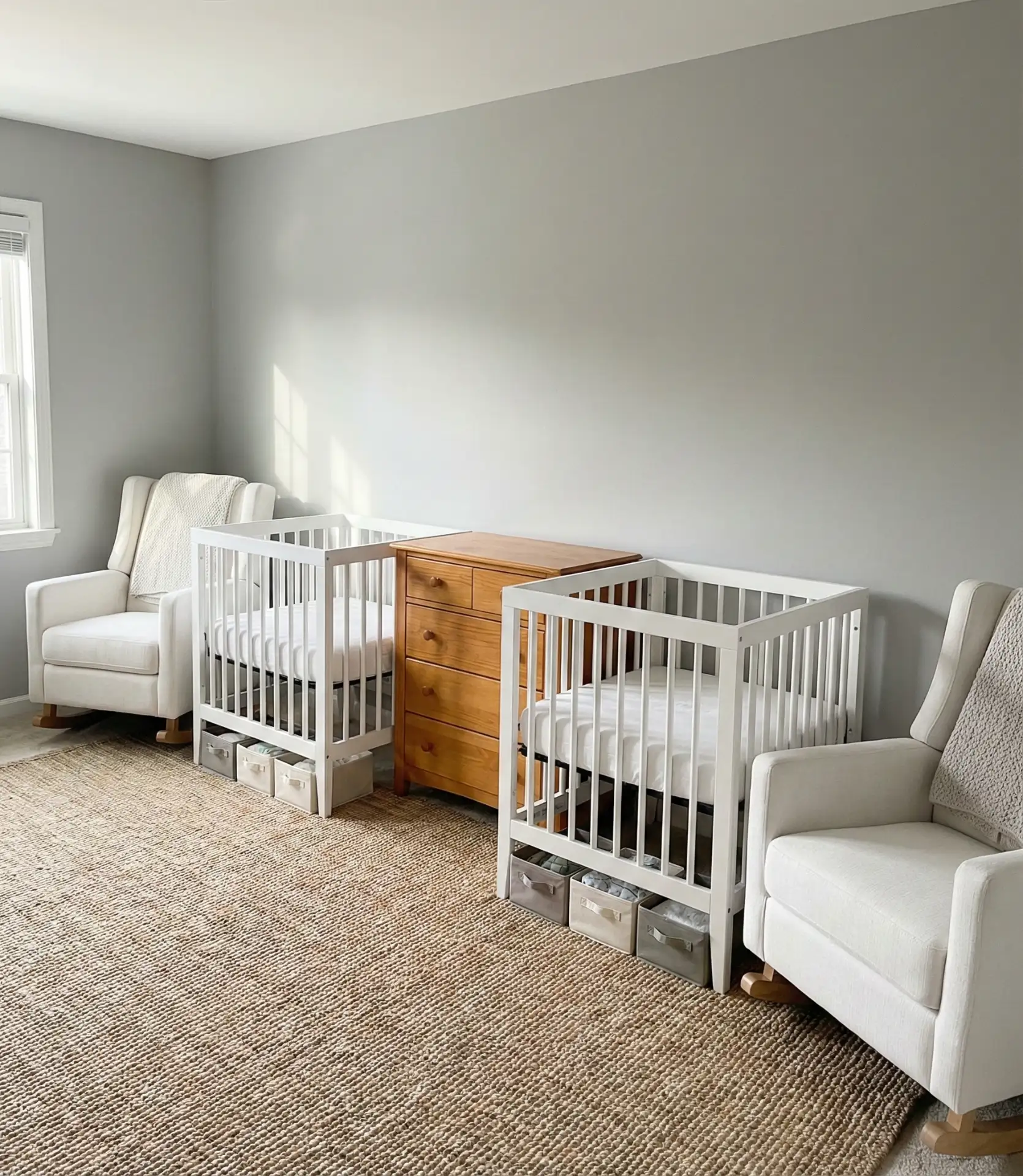
Real homeowner behavior shows that many twin parents initially buy two of everything, only to realize they can share certain items like a changing station or diaper caddy. This saves money and frees up valuable floor space. Consider cribs with built-in storage drawers underneath in smaller homes or apartments—this simple upgrade can eliminate the need for a separate dresser, a significant improvement in cramped spaces.
9. Western-Inspired Ranch Nursery
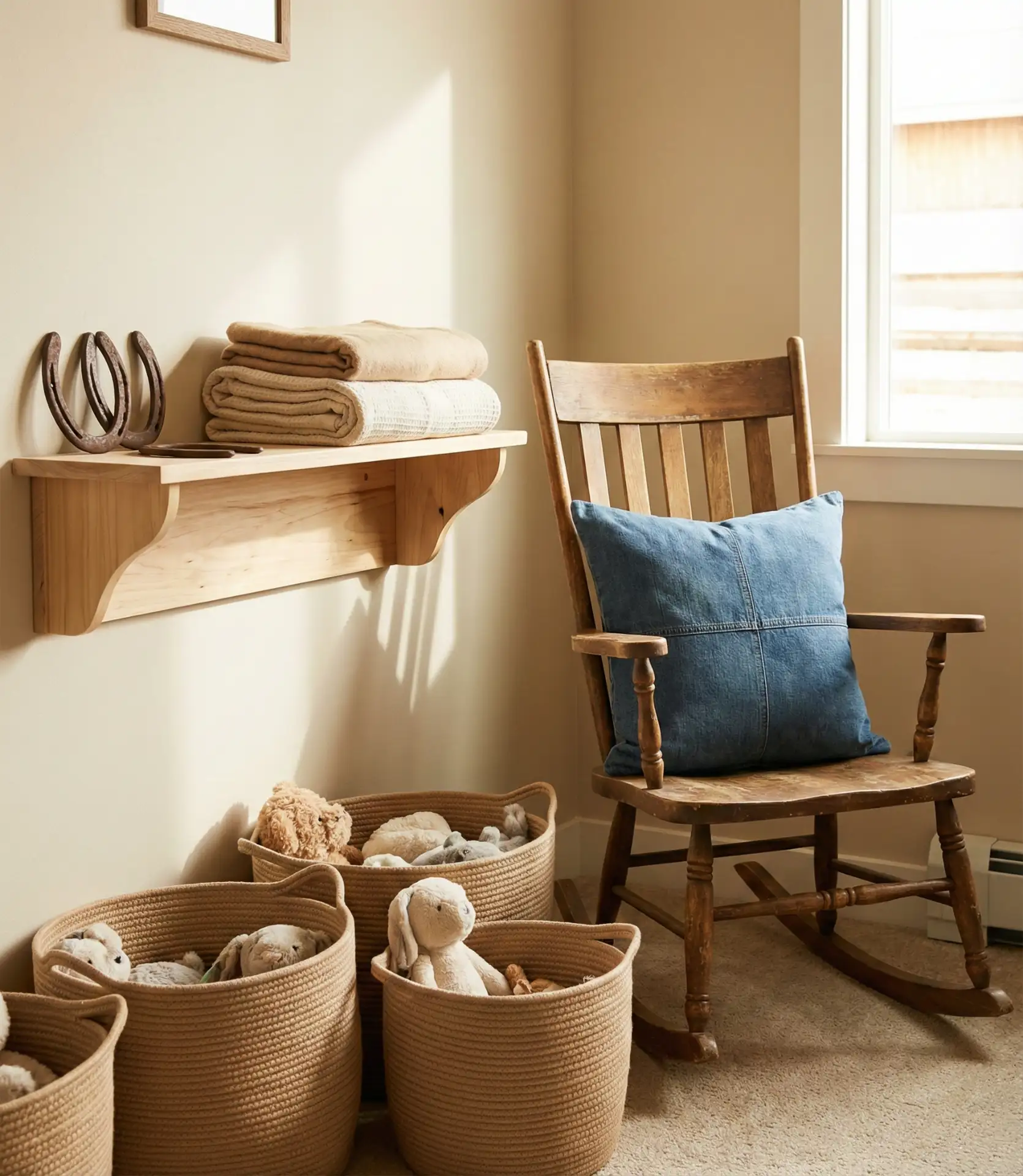
This Western- or country-themed nursery taps into rustic Americana with leather accents, cowhide rugs, and wood plank walls. It’s a unique choice for families in Texas, Montana, or other ranch-friendly states, though urban parents are also embracing the aesthetic for its warmth and character. The room might include a weathered wood crib, a vintage saddle displayed as decor, and prints of horses or desert landscapes. It’s a nod to heritage and wide-open spaces, even if you’re raising your baby in a city apartment.
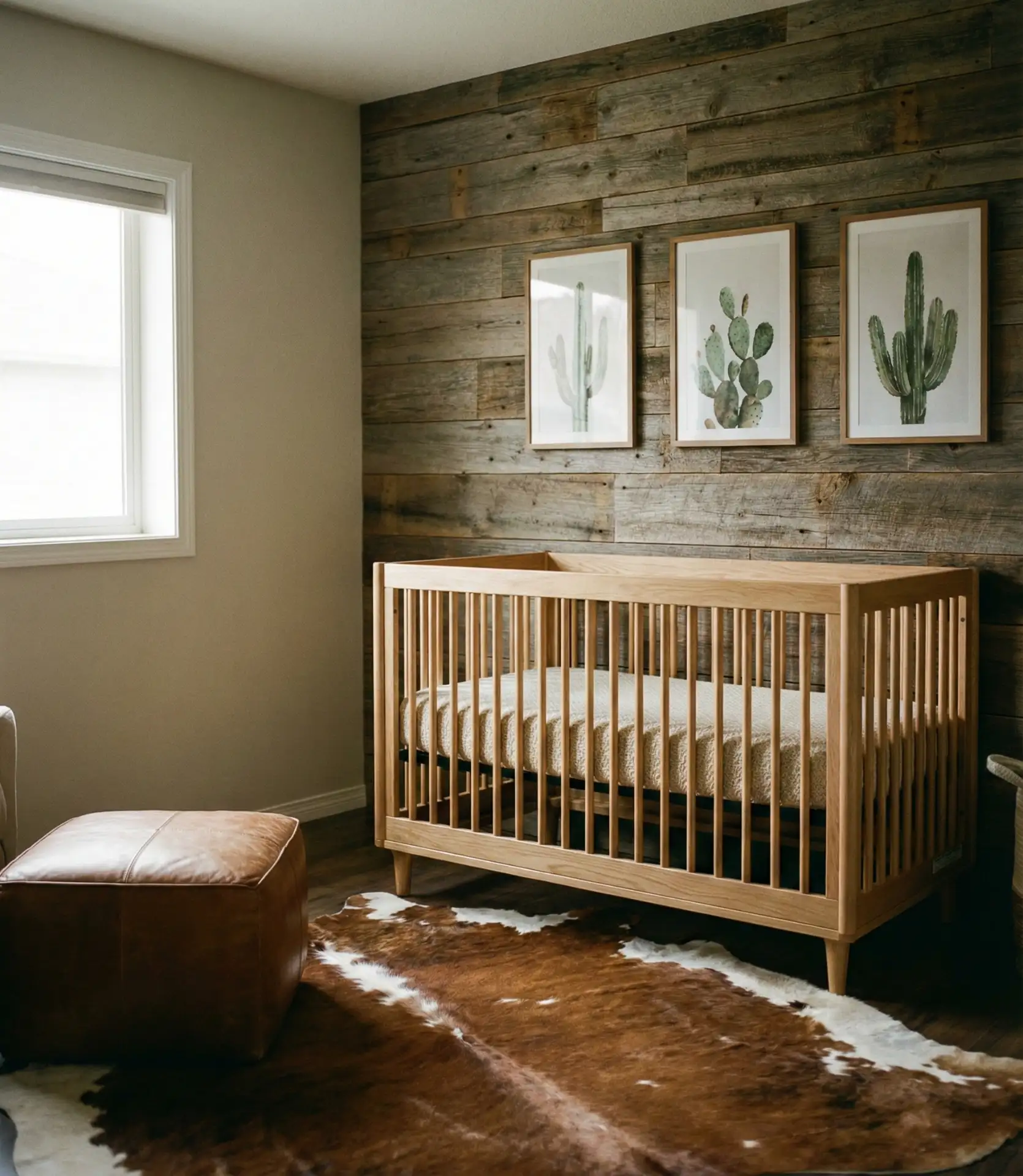
Where it works best: in homes with vaulted ceilings or exposed beams, where the rustic elements fit in with the architecture. In standard suburban rooms, balance heavy wood with lighter textiles—think linen curtains and cream bedding—to prevent the space from feeling too dark. A common pitfall is overdoing the theme with kitschy decor; stick to authentic materials and understated design for a more sophisticated result.
10. Disney-Inspired Magic
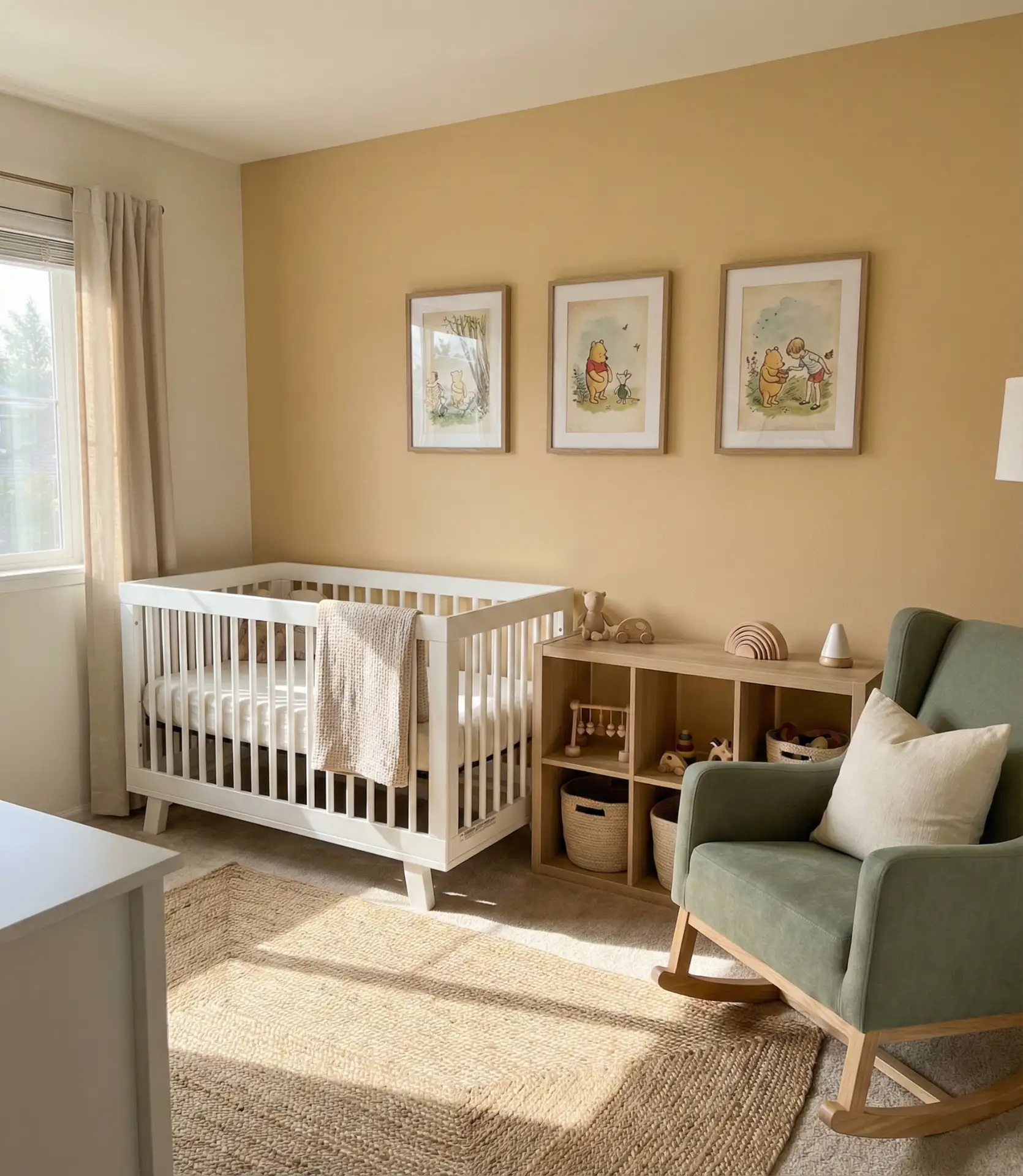
For families who grew up loving Disney classics, a character-themed nursery offers nostalgia and whimsy. This could mean a Winnie the Pooh mural in soft honey and sage tones or subtle Mickey Mouse silhouettes in a neutral gray-and-white palette. The key is restraint—modern Disney nurseries avoid overwhelming graphics in favor of tasteful nods to beloved characters. Parents are gravitating toward vintage-inspired Pooh illustrations rather than bright cartoon styles, creating a room that feels timeless rather than dated.
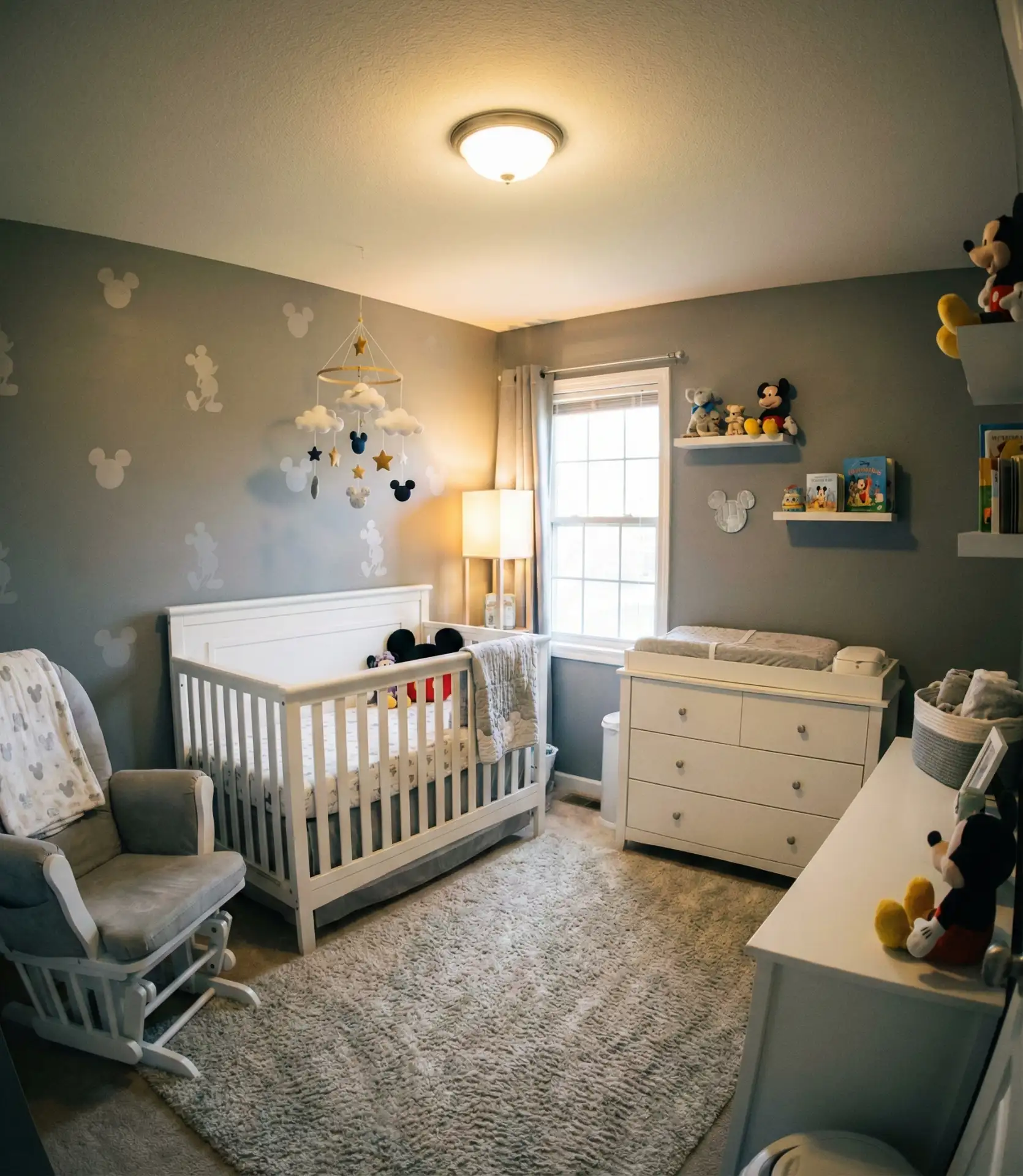
One practical insight: licensed Disney decor can be expensive, but you can achieve the look for less by printing vintage Pooh illustrations (which are often in the public domain) and framing them yourself. This DIY approach costs a fraction of branded wall art and gives you control over the aesthetic. It’s also easier to transition the room as your child ages—simply swap out the prints without needing to repaint or re-theme the entire space.
11. Gothic Romance in Charcoal and Plum
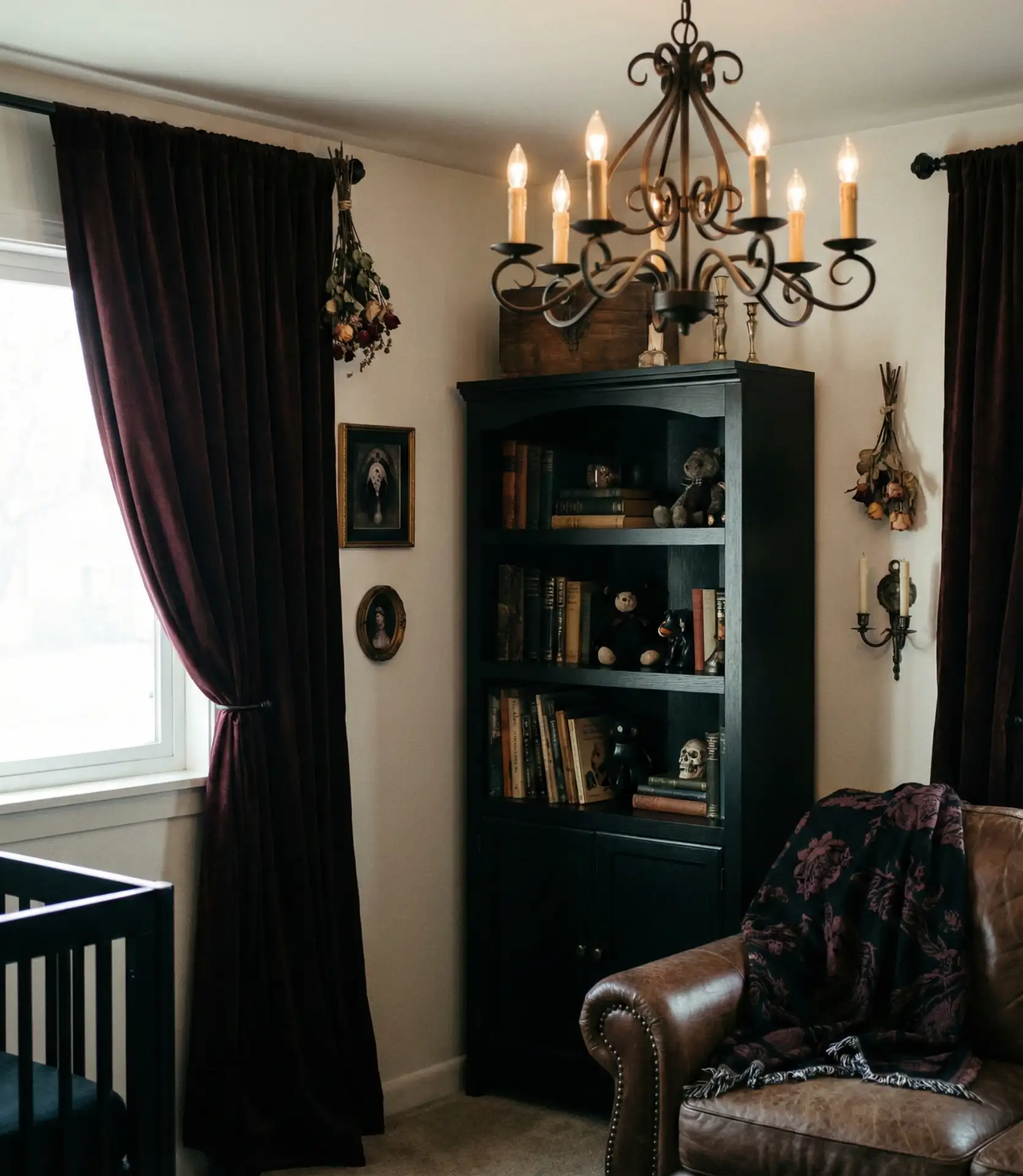
A goth-inspired nursery might sound unconventional, but it’s gaining traction among parents who favor moody, dramatic interiors. Think charcoal walls, plum or burgundy accents, and antique-style furniture with ornate details. This theme isn’t about skulls or spooky decor—it’s about rich textures, velvet upholstery, and a sophisticated color palette. It’s a unique choice that works especially well in homes with dark hardwood floors or Victorian architecture, where the aesthetic feels cohesive rather than jarring.
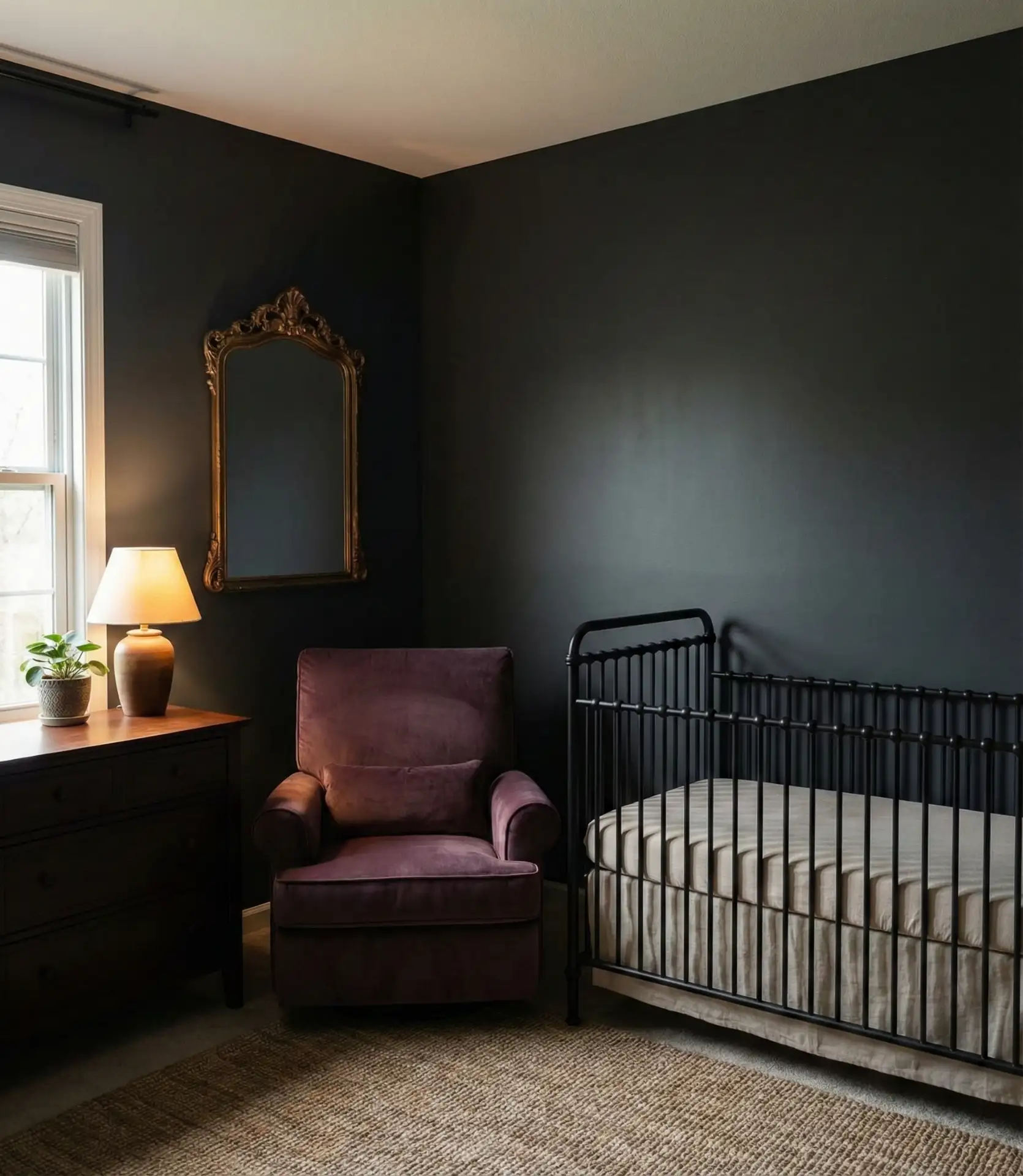
Budget angle: dark paint colors can actually hide imperfections better than light walls, meaning less prep work and potentially lower labor costs if you’re hiring a painter. Velvet fabric, while luxurious, is often available at discount home stores for under $30 per yard—enough to reupholster a small rocker. This style demonstrates that making bold design choices doesn’t have to be financially burdensome.
12. Floral Garden Sanctuary
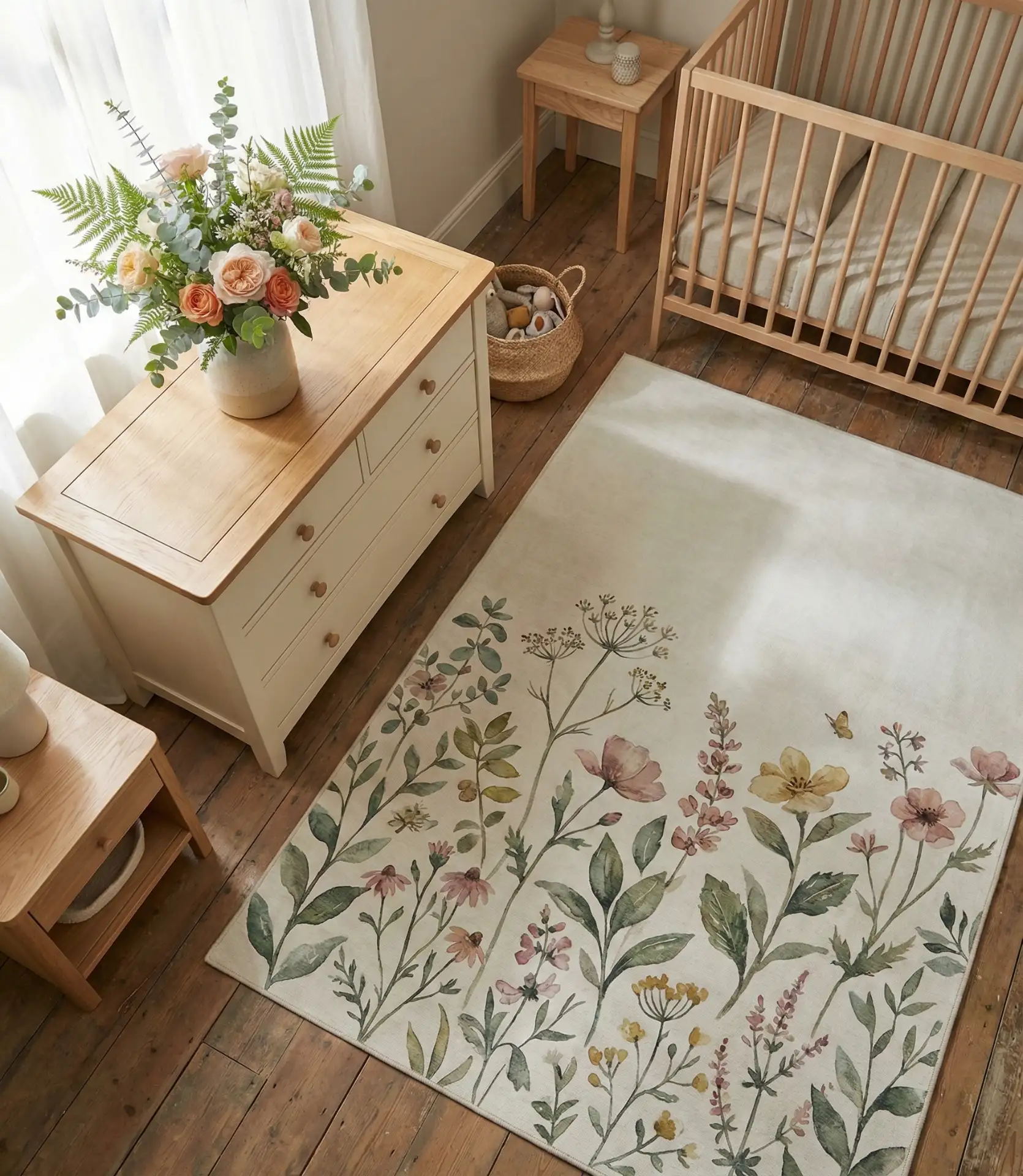
This floral-focused nursery brings the garden indoors with delicate wallpaper, pressed flower art, and botanical prints. It’s a nature-inspired take that appeals to parents who love vintage femininity but want something lighter than full-on Victorian style. Soft pinks, greens, and creams dominate the palette, with real or faux florals adding organic texture. The room feels like a perpetual spring morning—calming, fresh, and full of life.
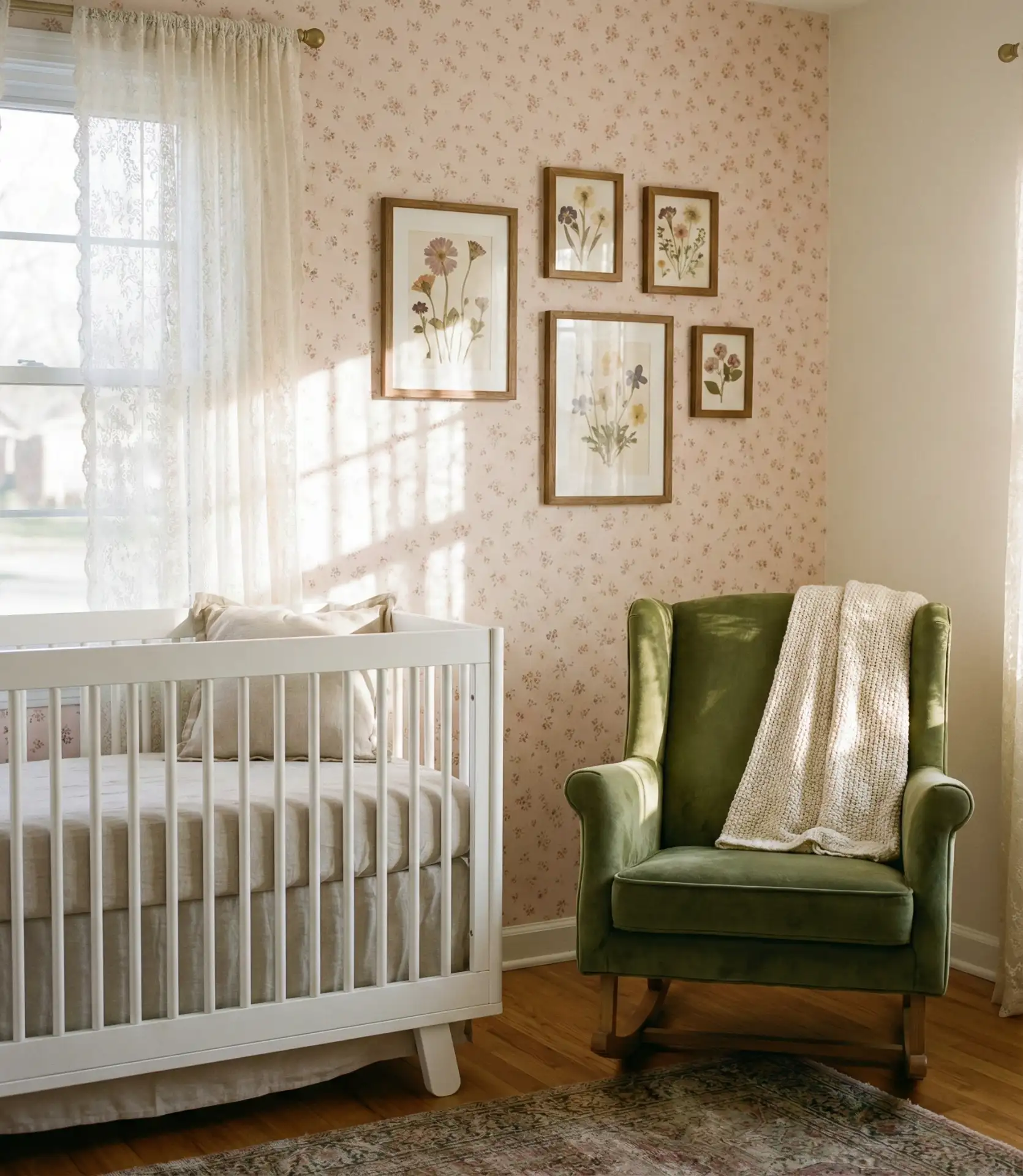
Expert-style commentary: Floral wallpaper can be overwhelming if used on all four walls. Designers recommend a single accent wall behind the crib, paired with solid-colored paint elsewhere. This creates a focal point without visual fatigue. Peel-and-stick floral wallpapers have improved dramatically in quality and now range from $30 to $80 per roll, making them a renter-friendly option that’s simple to remove when it’s time to move.
13. Rainbow Bright Playroom-Nursery Hybrid
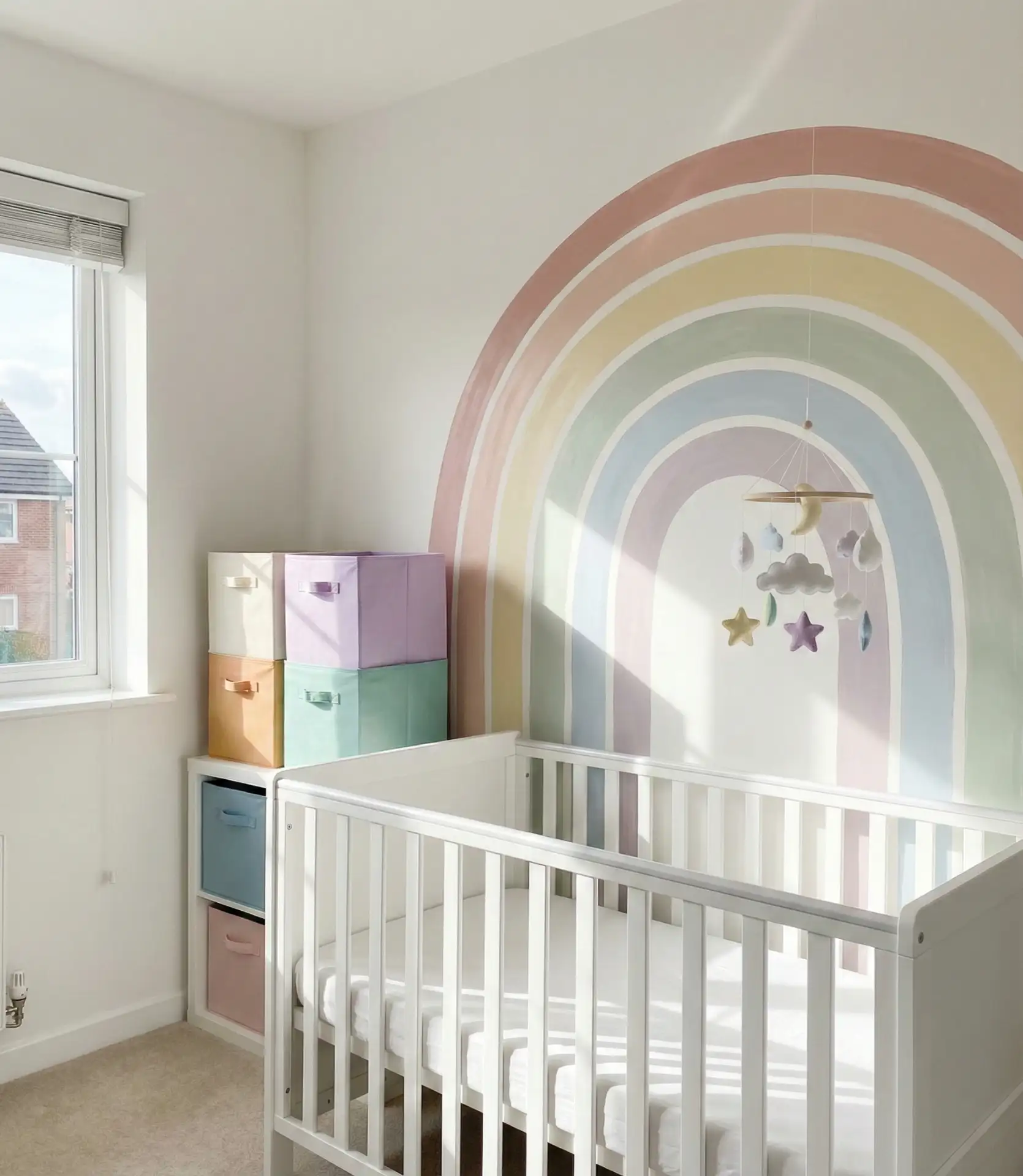
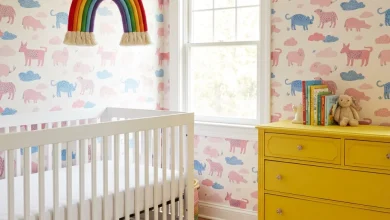
A rainbow-themed nursery celebrates color in its purest form, with spectrum-inspired decor ranging from wall art to rugs to storage bins. This colorful and whimsical approach works for gender-neutral spaces and appeals to parents who see the nursery as a space for joy and creativity. The palette might include soft pastels or saturated primaries, depending on your taste. It’s a look that photographs beautifully—hence its popularity on Pinterest—and creates a cheerful backdrop for all those early milestones.
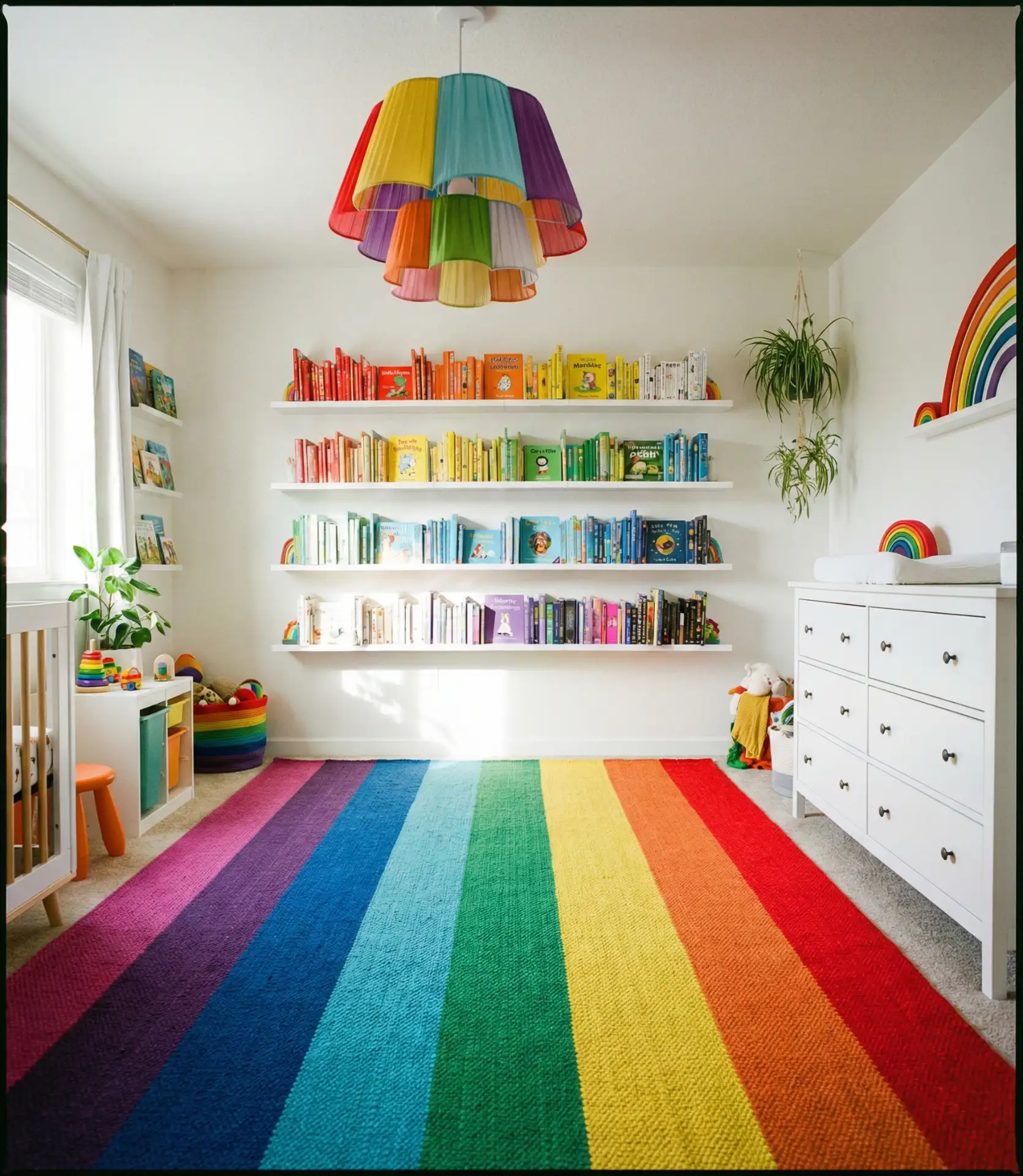
Real homeowner behavior shows that rainbow nurseries often double as playrooms as the child grows, making them a smart long-term investment. Parents report that the vibrant colors keep toddlers engaged during tummy time and floor play. One tip: use removable rainbow decals rather than painting a mural, so you can easily update the space as trends and preferences evolve.
14. Christian-Inspired Serenity
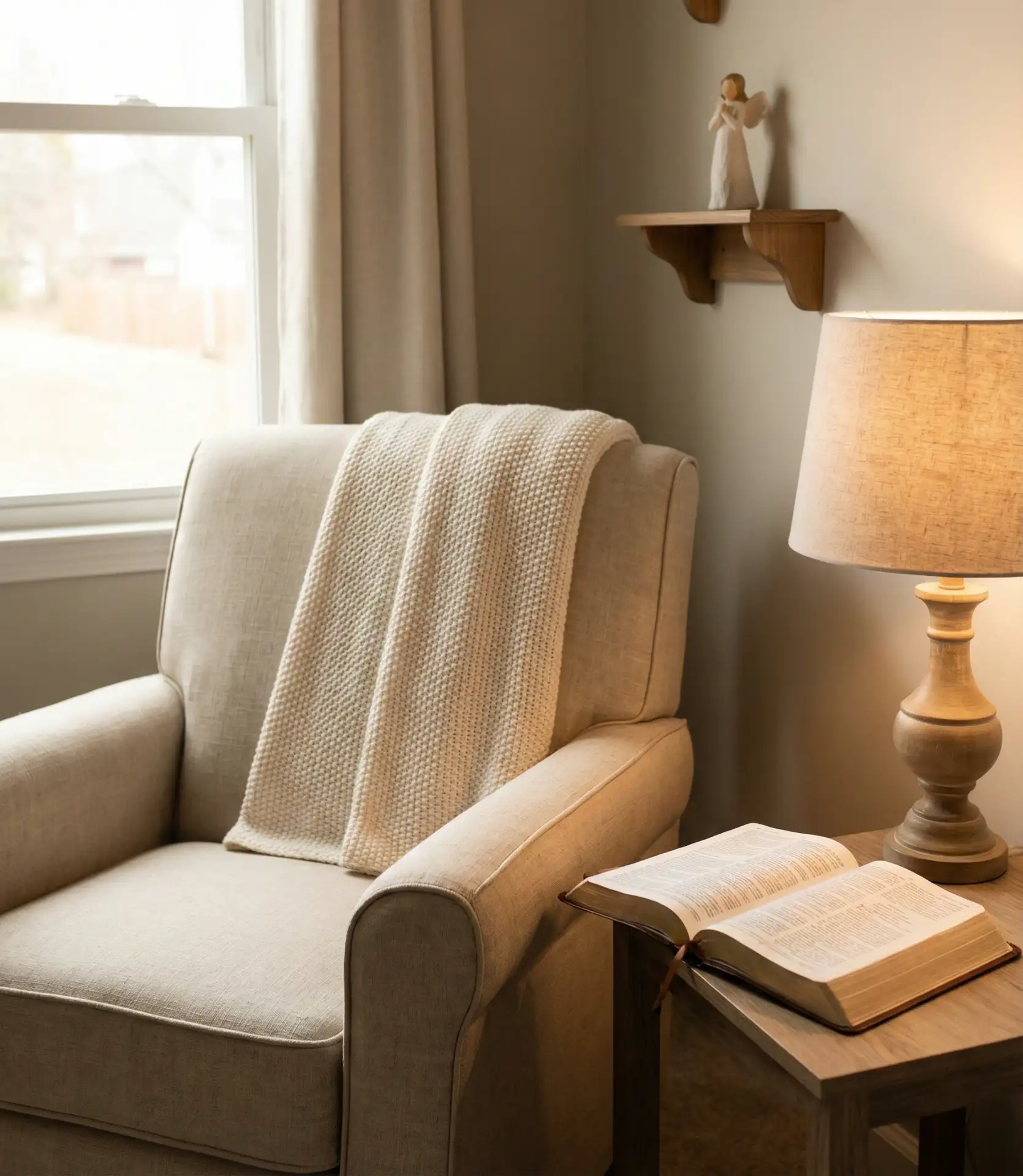
For families looking to incorporate faith into the nursery, a Christian-themed design might include scripture art, cross motifs, and angel imagery in a simple, reverent style. This isn’t about overly literal decor—it’s about creating a peaceful environment that reflects spiritual values. Soft neutrals, natural wood, and gentle lighting set the tone, with framed Bible verses or a small wooden cross as the focal point. It’s a neutral-themes approach that can work for boys or girls.
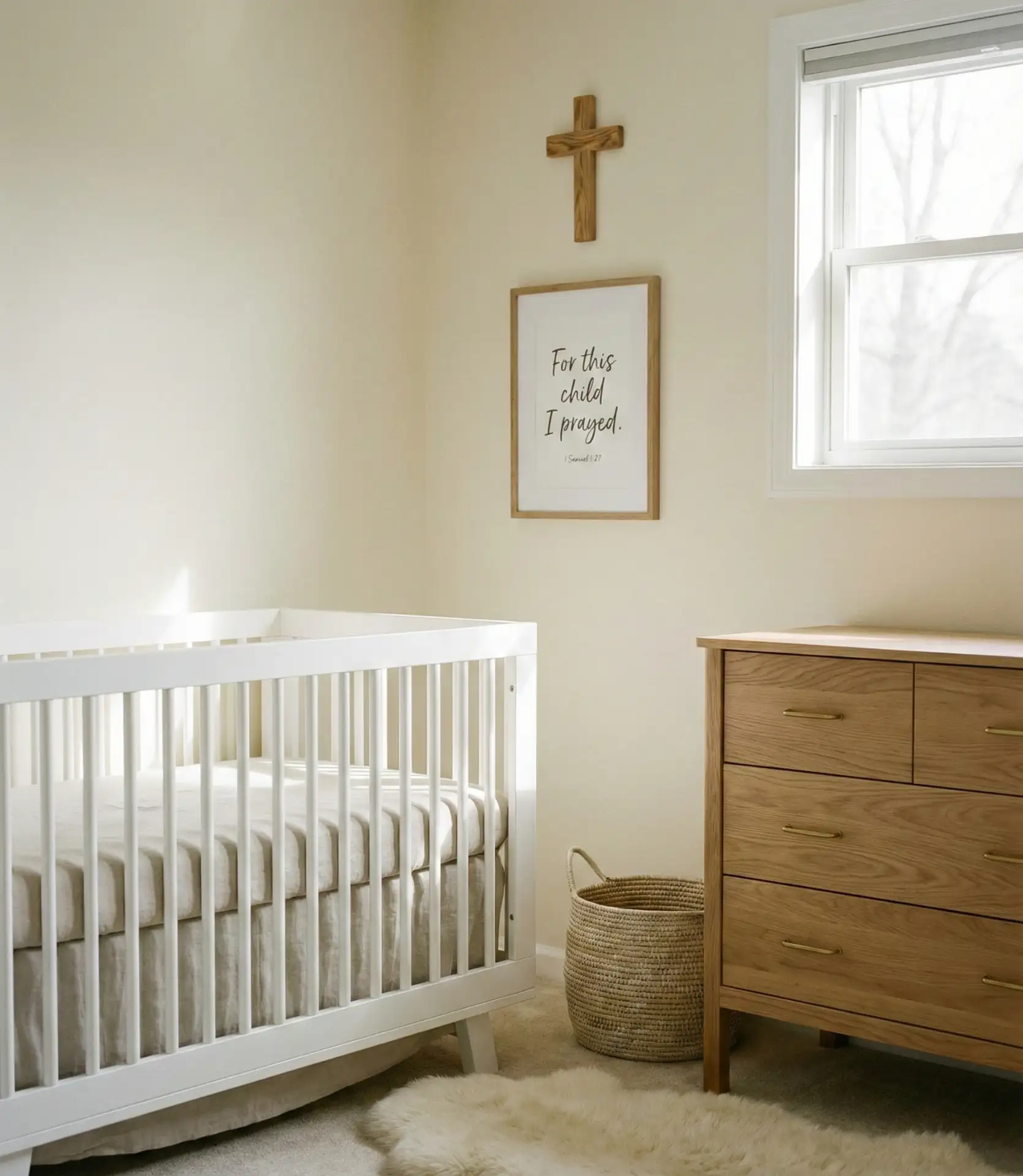
Where it works best: in homes where faith is central to family life, this design reinforces values in a gentle, non-intrusive way. Many parents appreciate that Christian decor can be subtle and tasteful—no need for bright cartoon angels or kitschy signage. Custom Etsy prints of favorite verses can cost as little as $15–$25, making these designs an affordable way to personalize the space with meaning.
15. Minimalist Nursery for a Small Room
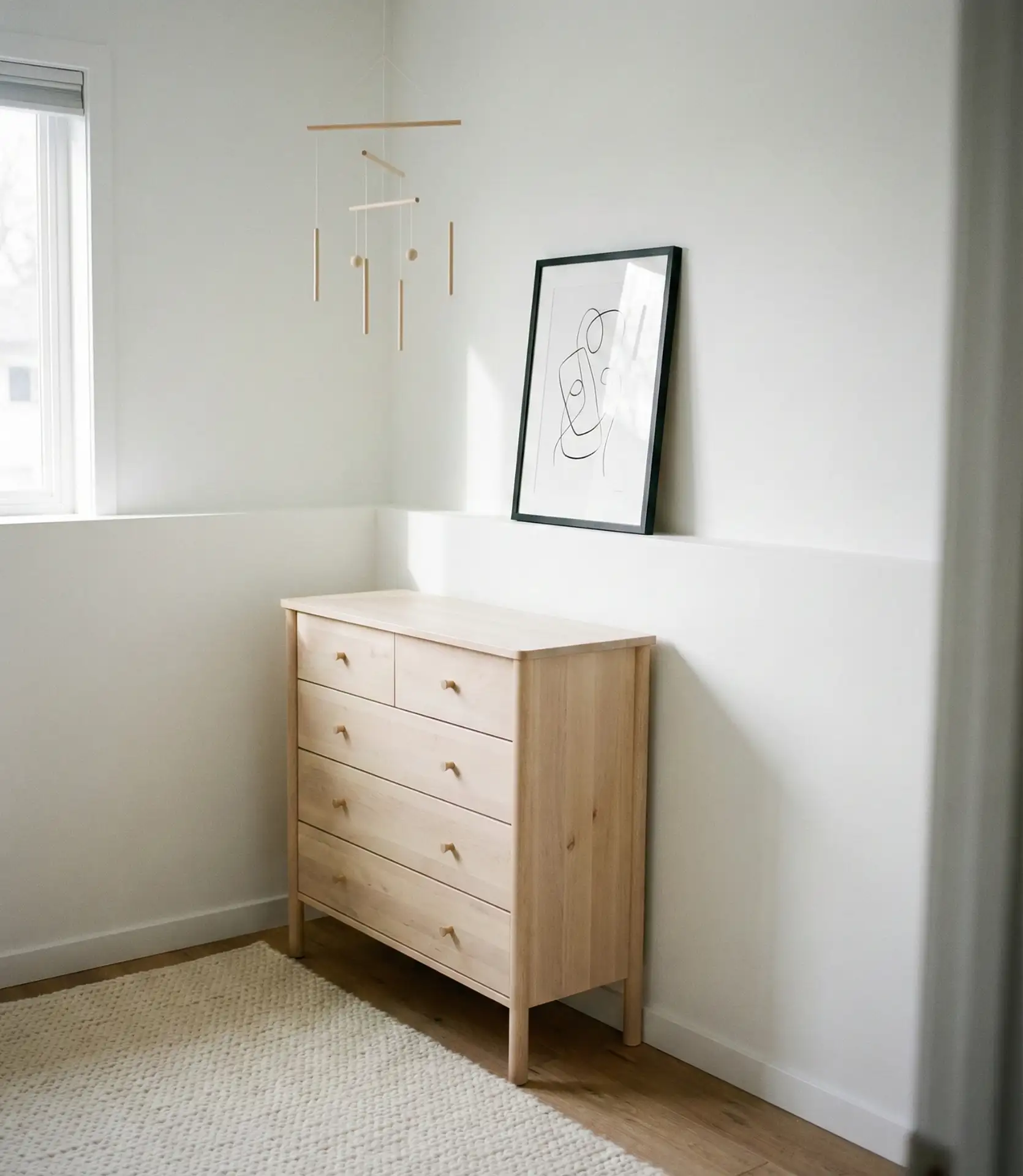
A simple minimalist design is your best ally when dealing with limited square footage. This idea focuses on multifunctional furniture—like a crib with built-in drawers or a changing table that doubles as a dresser—and a neutral color scheme that makes the room feel open. Wall-mounted shelves replace bulky bookcases, and a single statement piece (like a modern rocker) anchors the space. This approach is practical for urban apartments and smaller homes, where every available space is crucial.
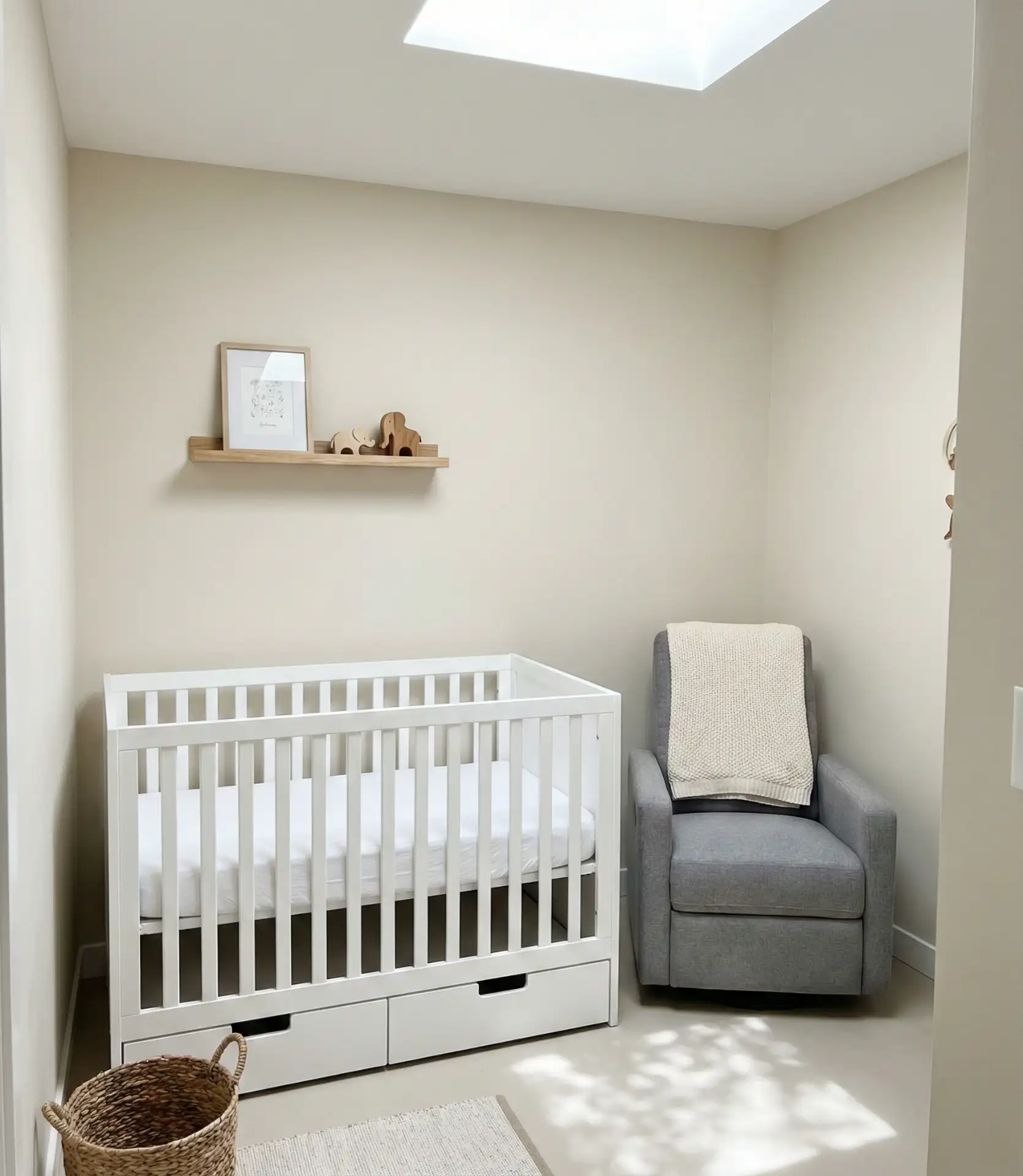
Common mistakes include cramming too much into a small space—resist the urge to add extra furniture “just in case.” Stick to essentials: a crib, a changing surface, storage, and a comfortable seat for feeding. Many parents in cities like San Francisco and New York have mastered this approach, using vertical storage and clever organizers to maximize function without sacrificing style. Budget tip: skip the nursery-specific furniture and opt for convertible pieces that work in other rooms later.
16. Unisex Green and Gray Harmony
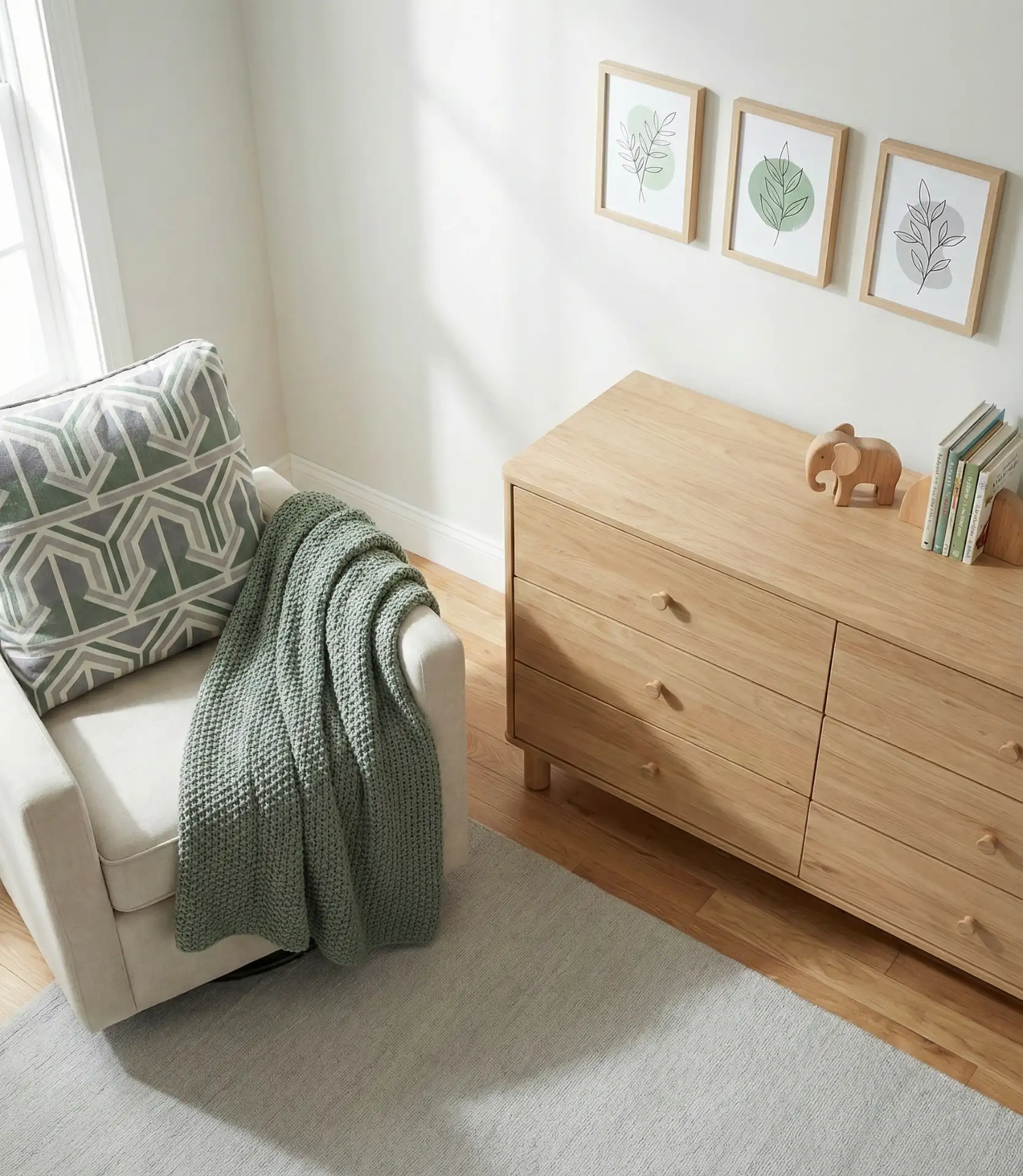
This green and gray color pairing has become a go-to for unisex, gender-neutral nurseries, offering a sophisticated alternative to beige or white. The combination feels fresh and modern, with sage green accents playing beautifully against charcoal or dove gray walls. It’s a versatile palette that adapts well to different styles—Scandinavian, mid-century, or even industrial. Parents appreciate its longevity; the room can easily transition from nursery to toddler space without needing a major overhaul.
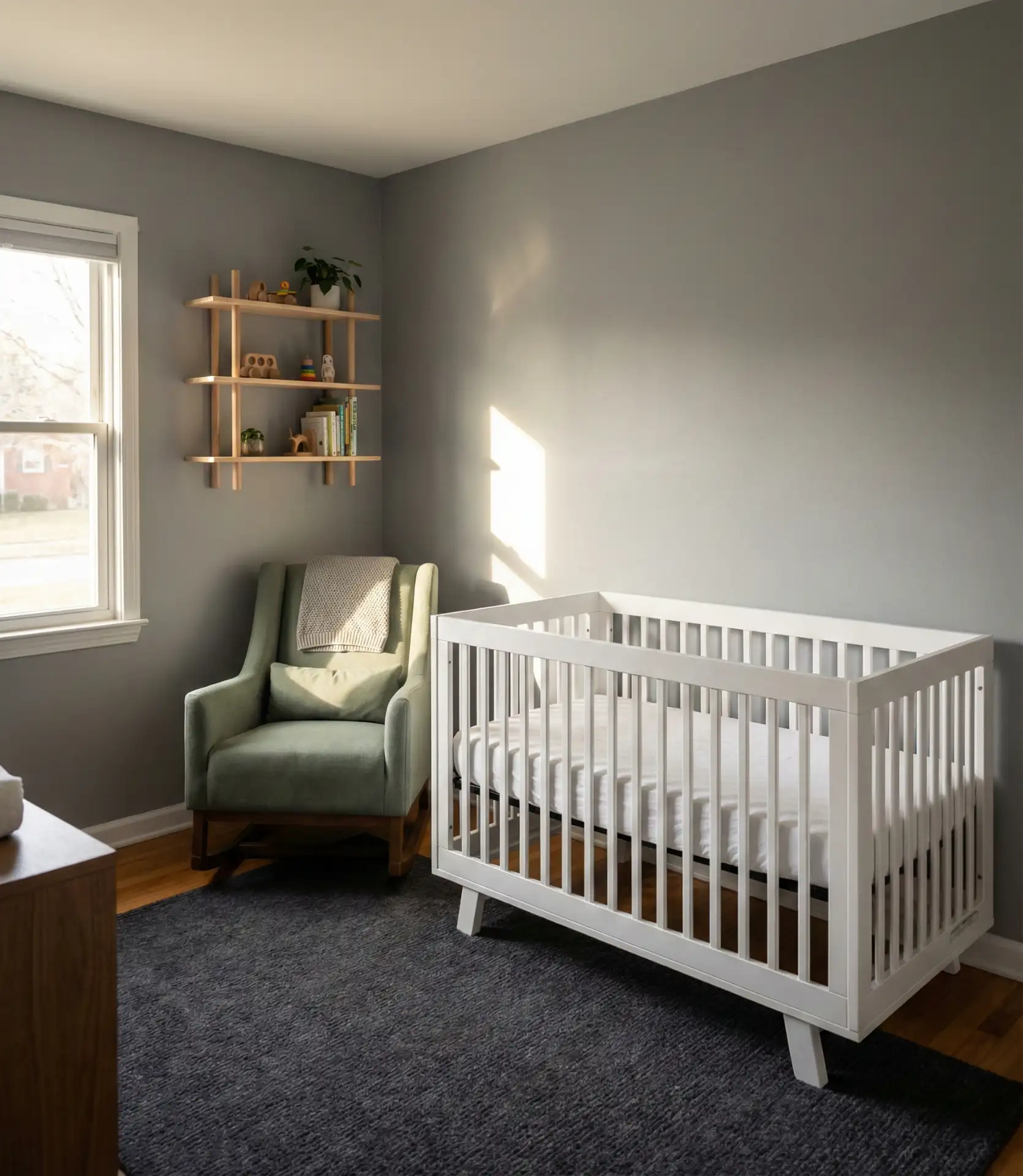
One micro anecdote: a Chicago couple chose this palette for their first child’s nursery and kept it unchanged for their second, simply swapping out a few accent pillows. They saved both time and money while maintaining a cohesive, stylish space. It’s a testament to the timelessness of this color combination and its ability to grow with your family.
17. Coastal Nautical Calm
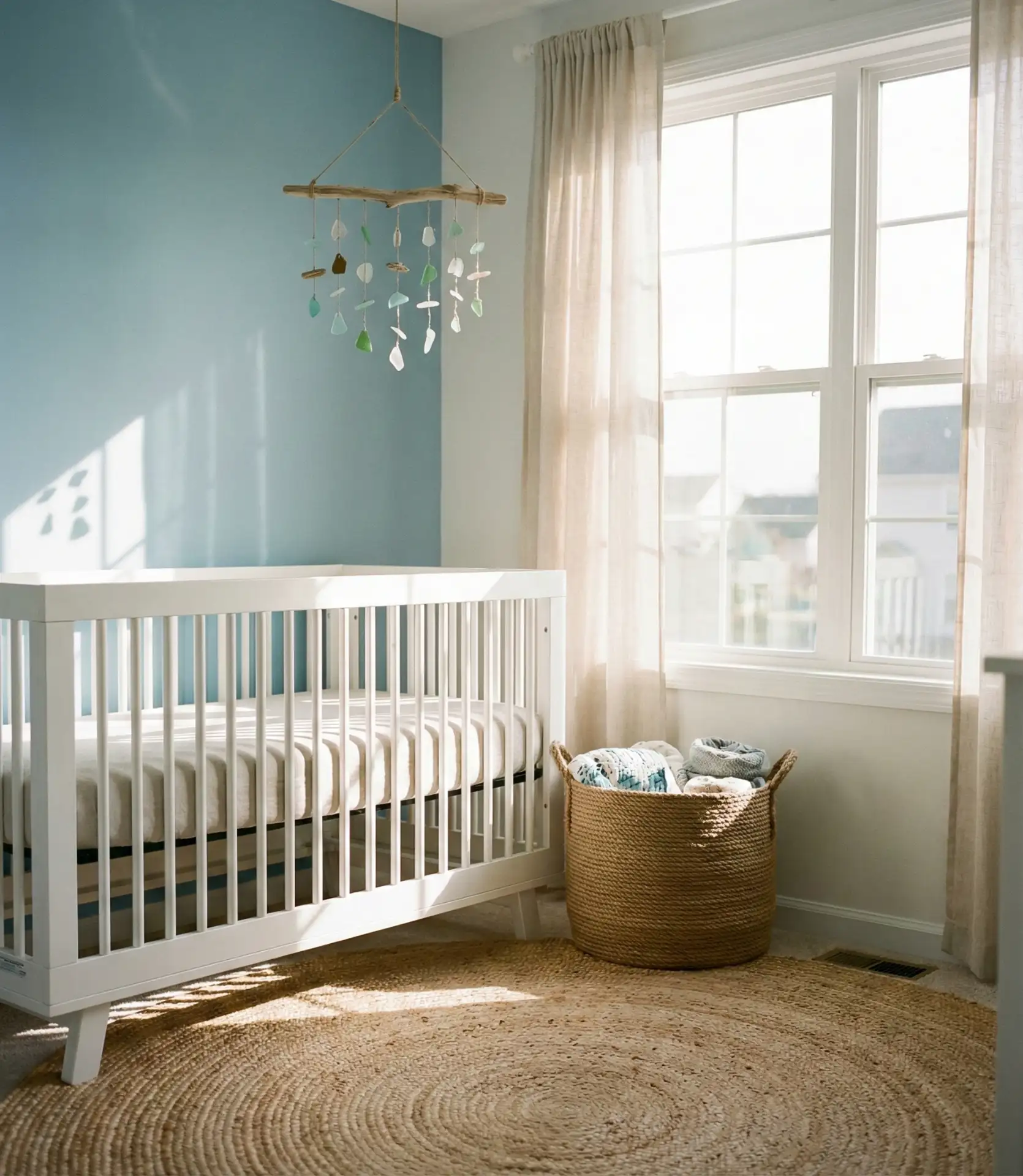
For families near the ocean or simply drawn to coastal aesthetics, a nautical nursery offers breezy charm. Think soft blues, sandy neutrals, and rope accents—without veering into over-the-top sailboat graphics. This neutral theme pairs well with white furniture and natural textures, such as jute rugs and driftwood decor. It’s a calming environment that evokes seaside tranquility, making it ideal for a boy or as a unisex option.
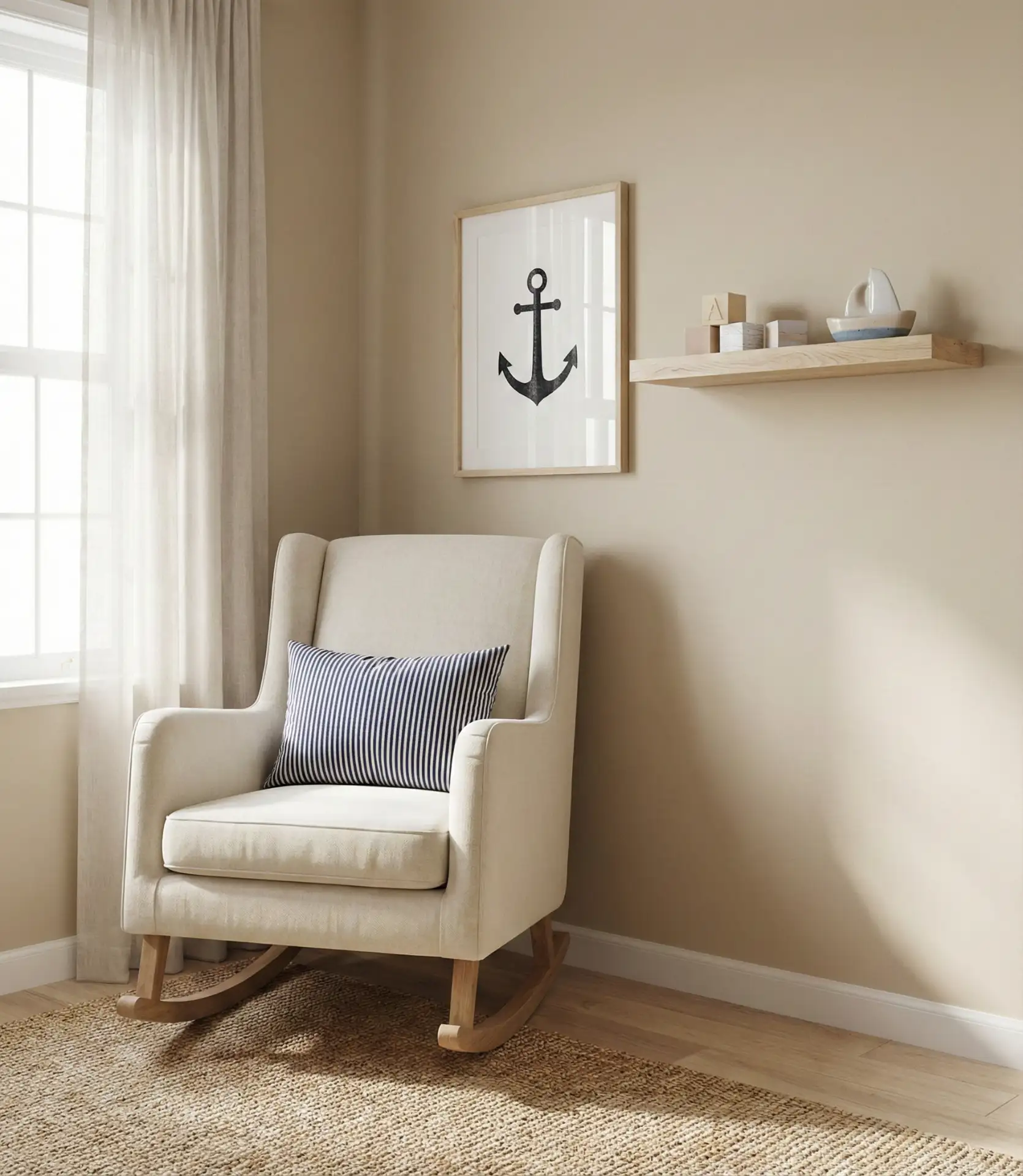
Practical insight: Nautical themes can feel dated if you rely too heavily on red-and-white stripes or anchor motifs. Instead, focus on the color palette and natural materials—linen, cotton, weathered wood—to achieve a more timeless coastal vibe. This approach guarantees the room’s longevity and prevents it from resembling a “baby nursery” as your child grows older.
18. Modern Farmhouse Nursery
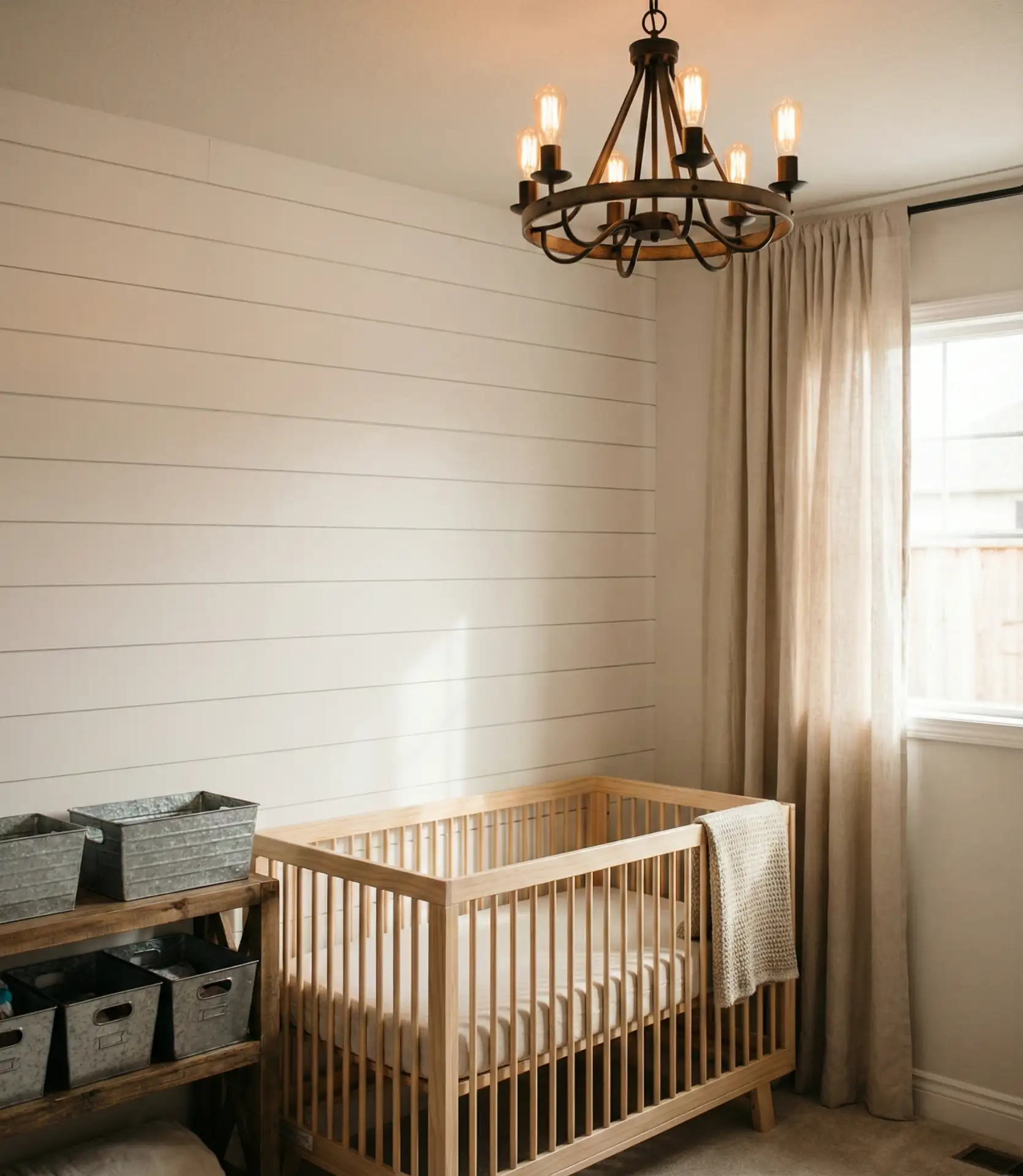
The modern farmhouse aesthetic blends rustic charm with clean, contemporary lines. Shiplap accent walls, barn doors, and galvanized metal accents meet simple white furniture and soft, neutral textiles. It’s a look that’s wildly popular in suburban America, especially in the South and Midwest, where farmhouse style has become a cultural touchstone. This nursery feels warm and inviting without being overly cutesy, making it a solid choice for boys, girls, or gender-neutral spaces.
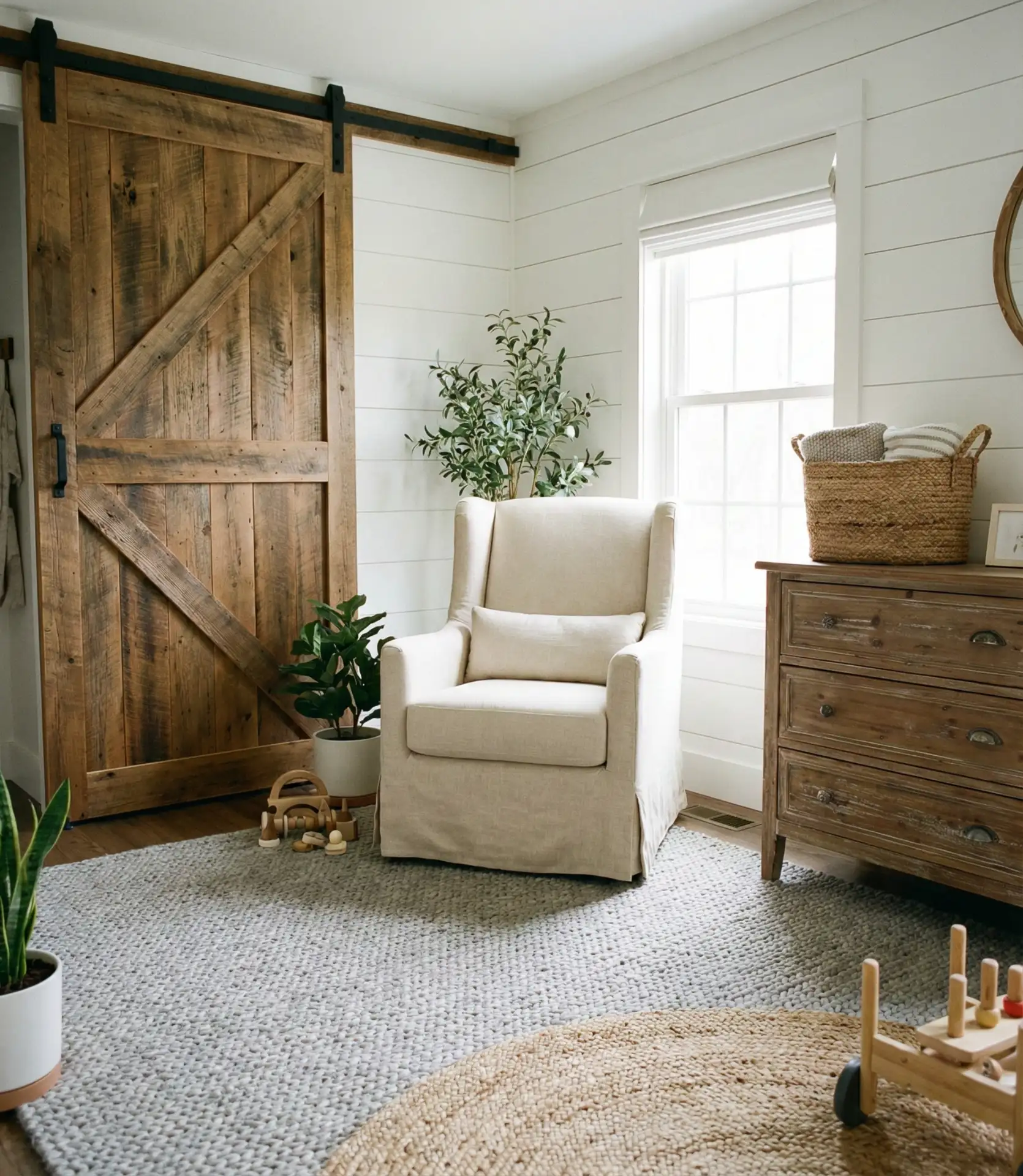
In the context of American life, the farmhouse trend plays on people’s memories of simpler times and living in the country, even for people who live in cities. It’s about creating a sense of rootedness and home, which resonates deeply during the nesting phase of pregnancy. Many parents report that the cozy, unpretentious vibe makes nighttime feedings feel less isolating—a small but meaningful detail in the early weeks of parenthood.
19. Monochrome Black and White Elegance
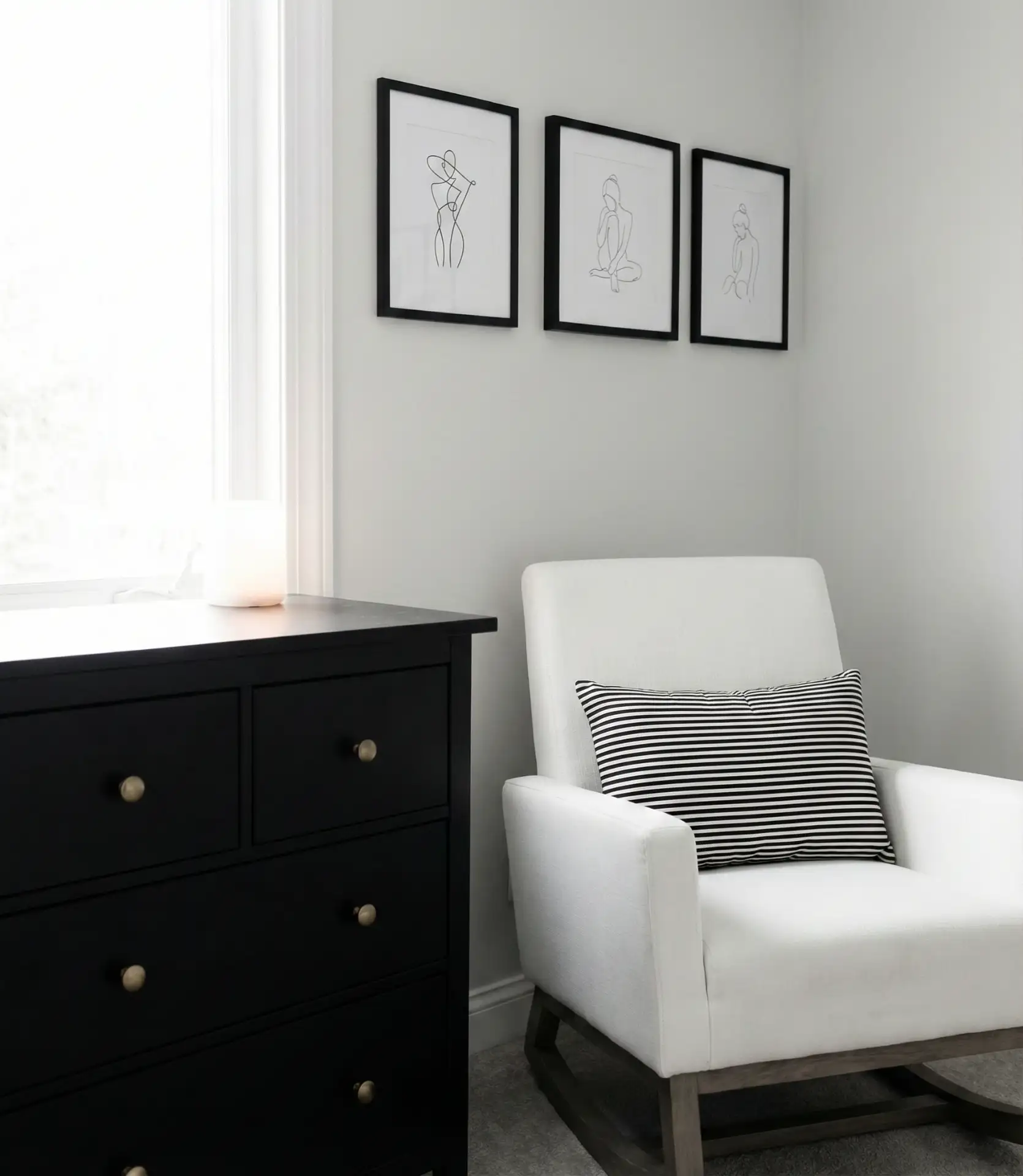
A black-and-white nursery is the epitome of simple, unisex sophistication. High-contrast graphics, geometric prints, and clean lines create a visually stimulating environment that’s also incredibly chic. This palette is backed by research suggesting that newborns are drawn to stark contrasts, making it both stylish and developmentally supportive. It’s a bold choice that stands out on Pinterest and in person, especially when paired with natural wood accents to warm up the space.
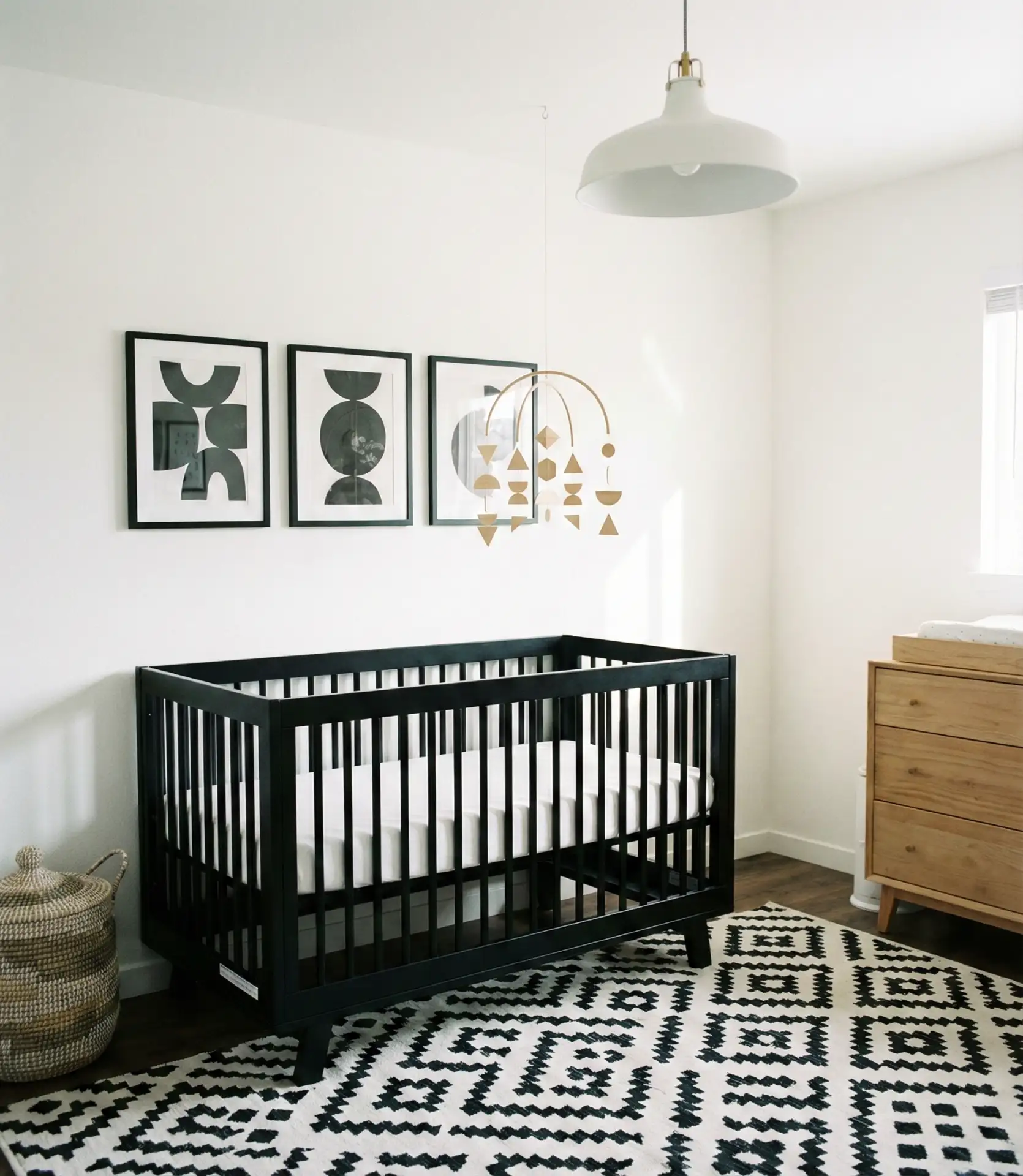
Where it works best: in modern or minimalist homes where the stark palette aligns with the overall design language. In traditional or cozy spaces, the monochrome look can feel too cold—balance with plush textiles and warm lighting. Budget-wise, black and white decor is widely available and often less expensive than colored alternatives, making the palette a surprisingly affordable route to high-impact design.
20. Tropical Paradise with Palm Prints
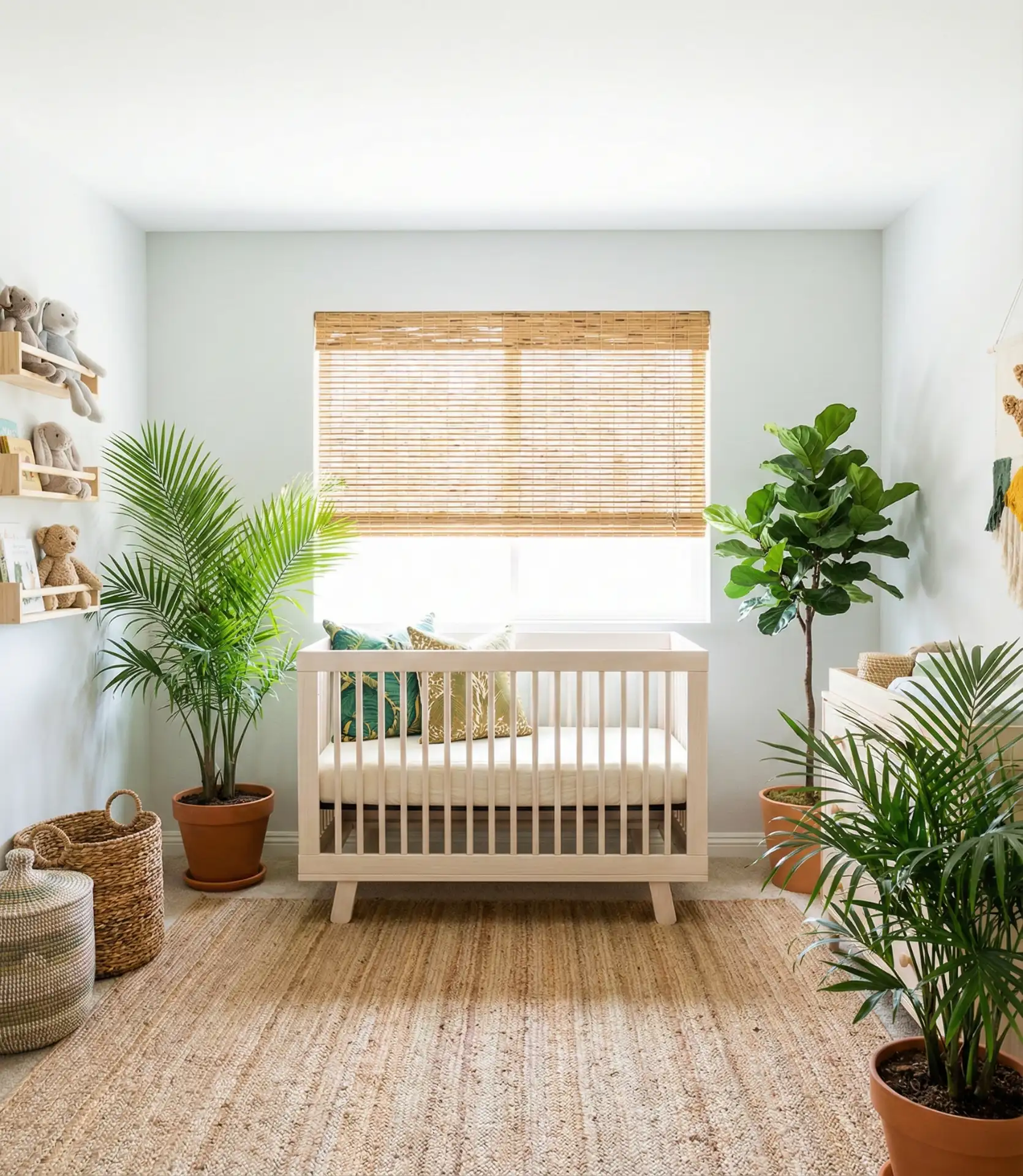
Bring the lushness of the tropics into your nursery with palm leaf prints, rattan furniture, and a green and gold color scheme. This nature-inspired design feels fresh and exotic, perfect for families in warm climates or those dreaming of sunny escapes. White or cream walls complement the look well, allowing the botanical prints to stand out. It’s a unique take on the traditional nursery that feels vacation-ready year-round.
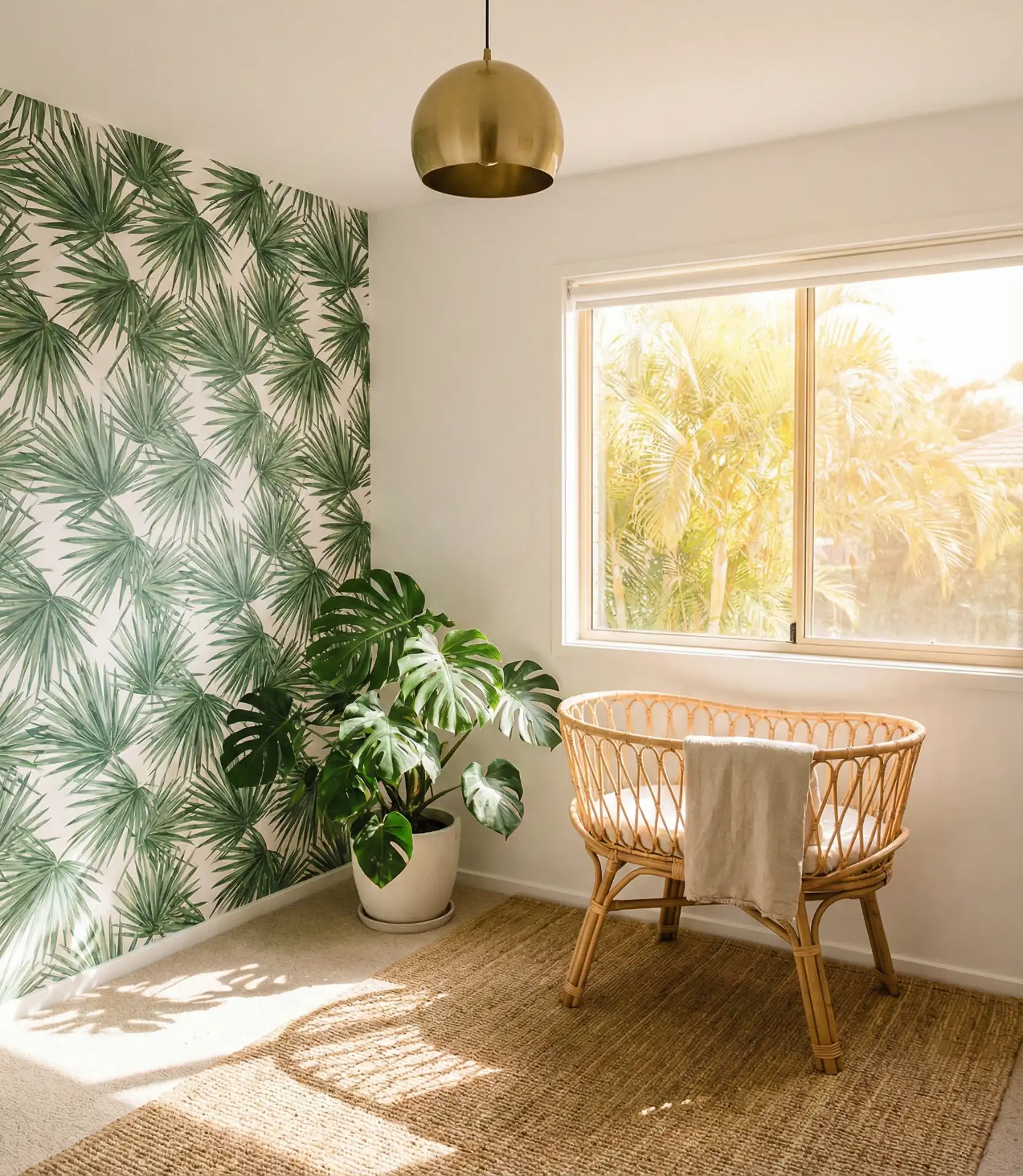
Common mistakes include overdoing the theme with too many patterns or clashing greens. Stick to one or two statement pieces—like a palm print rug or wallpaper—and keep the rest of the decor simple. This prevents the space from feeling like a jungle and maintains a calming atmosphere. Real parents in Florida and Hawaii have nailed this balance, creating rooms that feel like a gentle nod to their surroundings rather than a theme park.
21. Mid-Century Modern Nursery
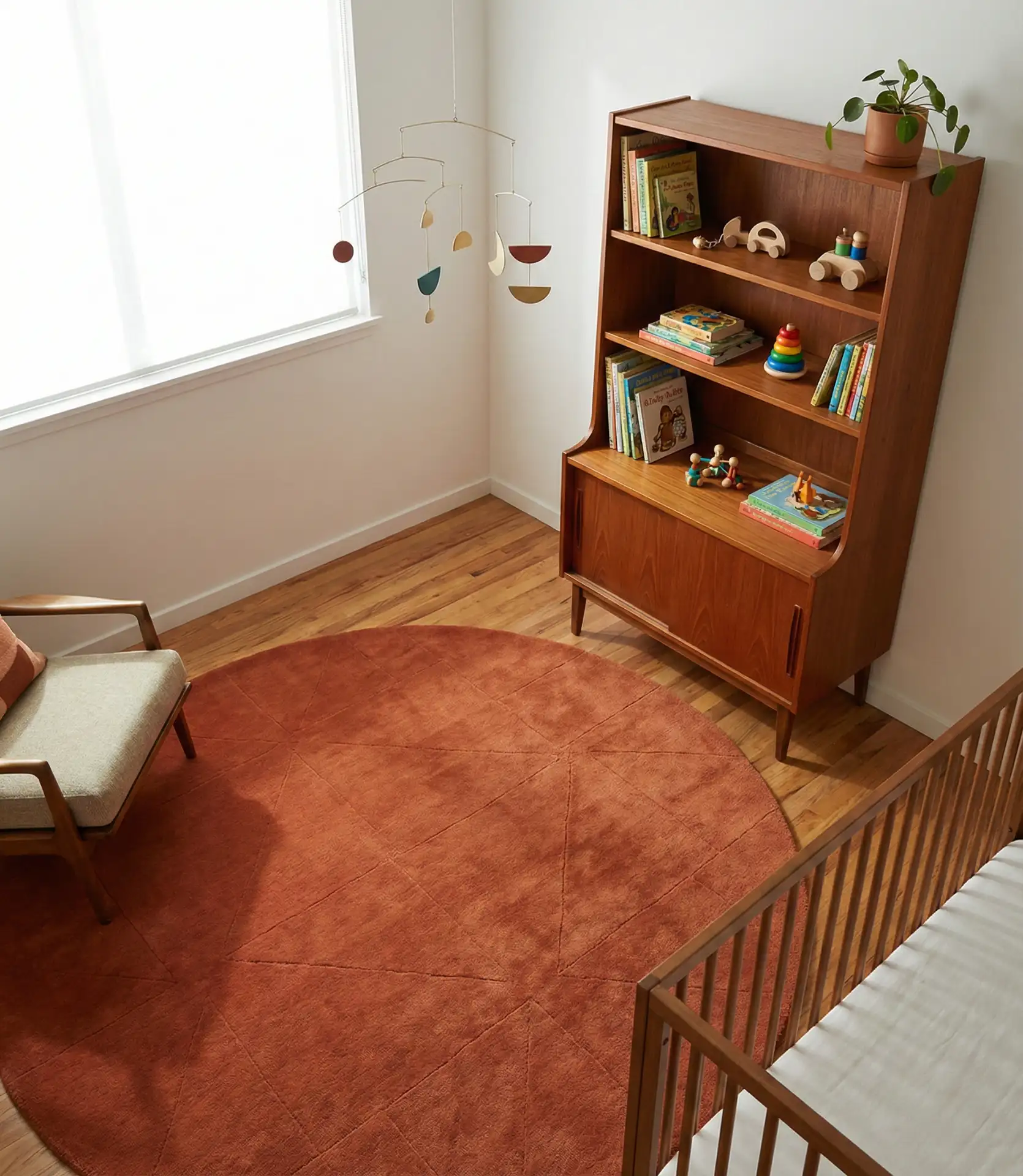
The mid-century modern aesthetic brings sleek lines, tapered furniture legs, and warm wood tones into the nursery. This simple yet unique style is a favorite among design-savvy parents who appreciate vintage appeal without sacrificing function. A teak or walnut crib, an Eames-style rocker, and geometric wall art define the look. The palette typically includes mustard, burnt orange, and teal—colors that feel retro but still fresh. It’s a unisex approach that works beautifully in both small and large rooms.
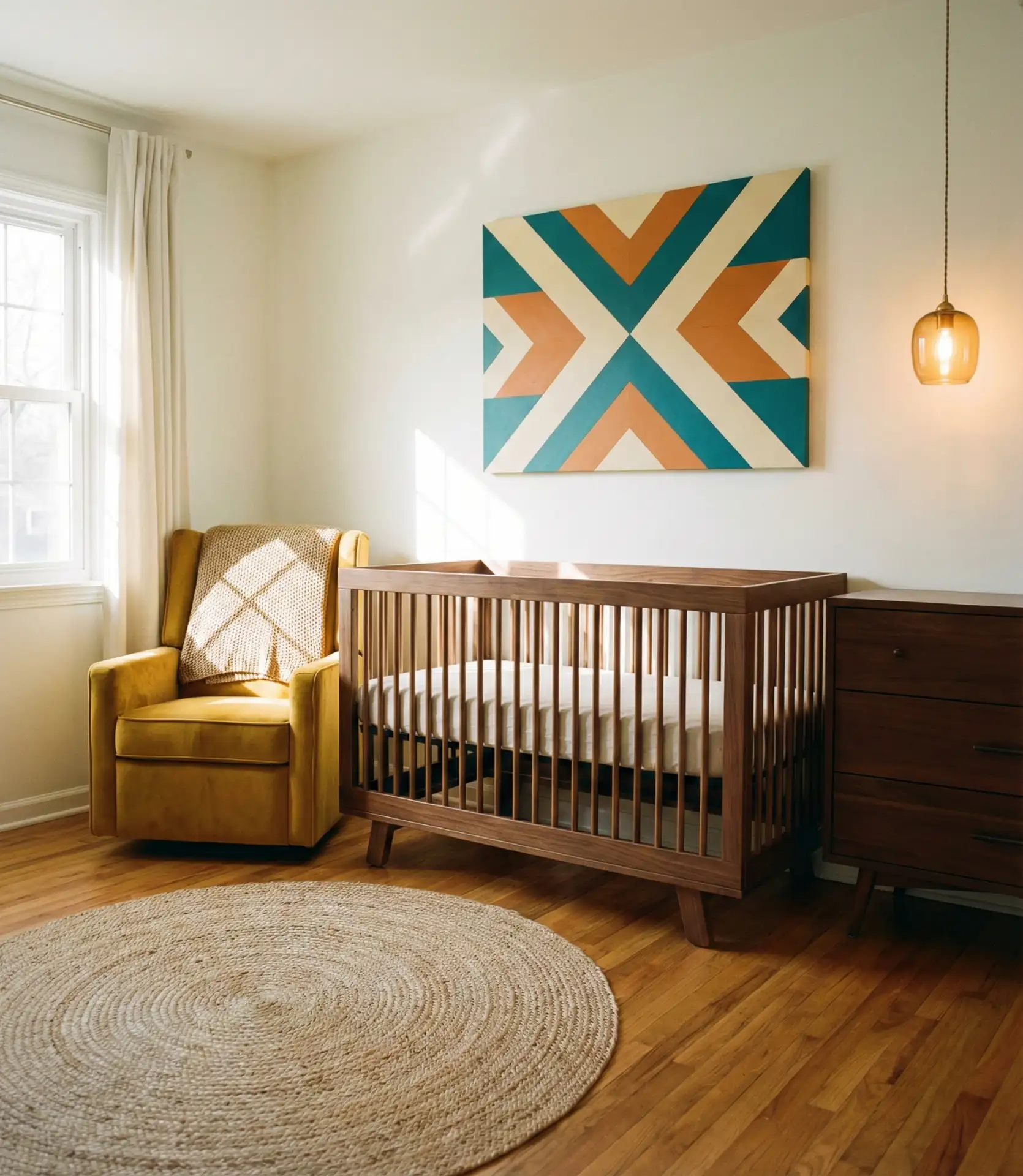
Expert-style commentary: Mid-century furniture is an investment, but it holds resale value well. Many parents choose vintage pieces from estate sales or online marketplaces, scoring authentic designs for less than modern reproductions. This approach not only saves money but also gives the room character and authenticity. Just ensure any vintage crib meets current safety standards before use.
22. Bohemian Eclectic Mix
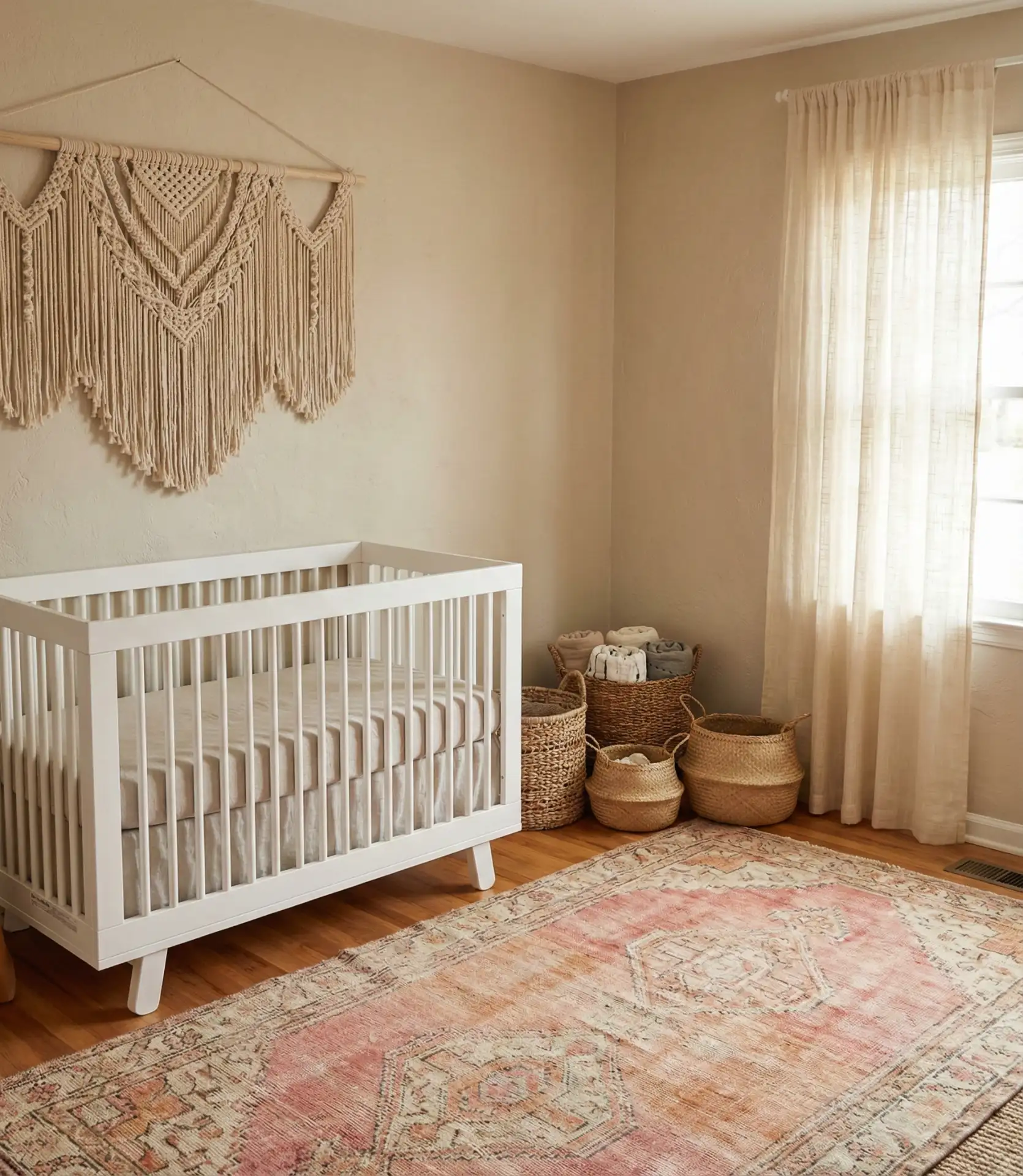
A bohemian nursery celebrates global influences, layered textiles, and a relaxed, lived-in vibe. Think macramé wall hangings, Moroccan rugs, and a mix of colorful patterns that somehow all work together. This whimsical style appeals to parents who travel or appreciate handmade, artisan goods. It’s inherently unique—no two boho nurseries look exactly alike—and it’s forgiving of clutter, making it ideal for families who accumulate treasures over time.
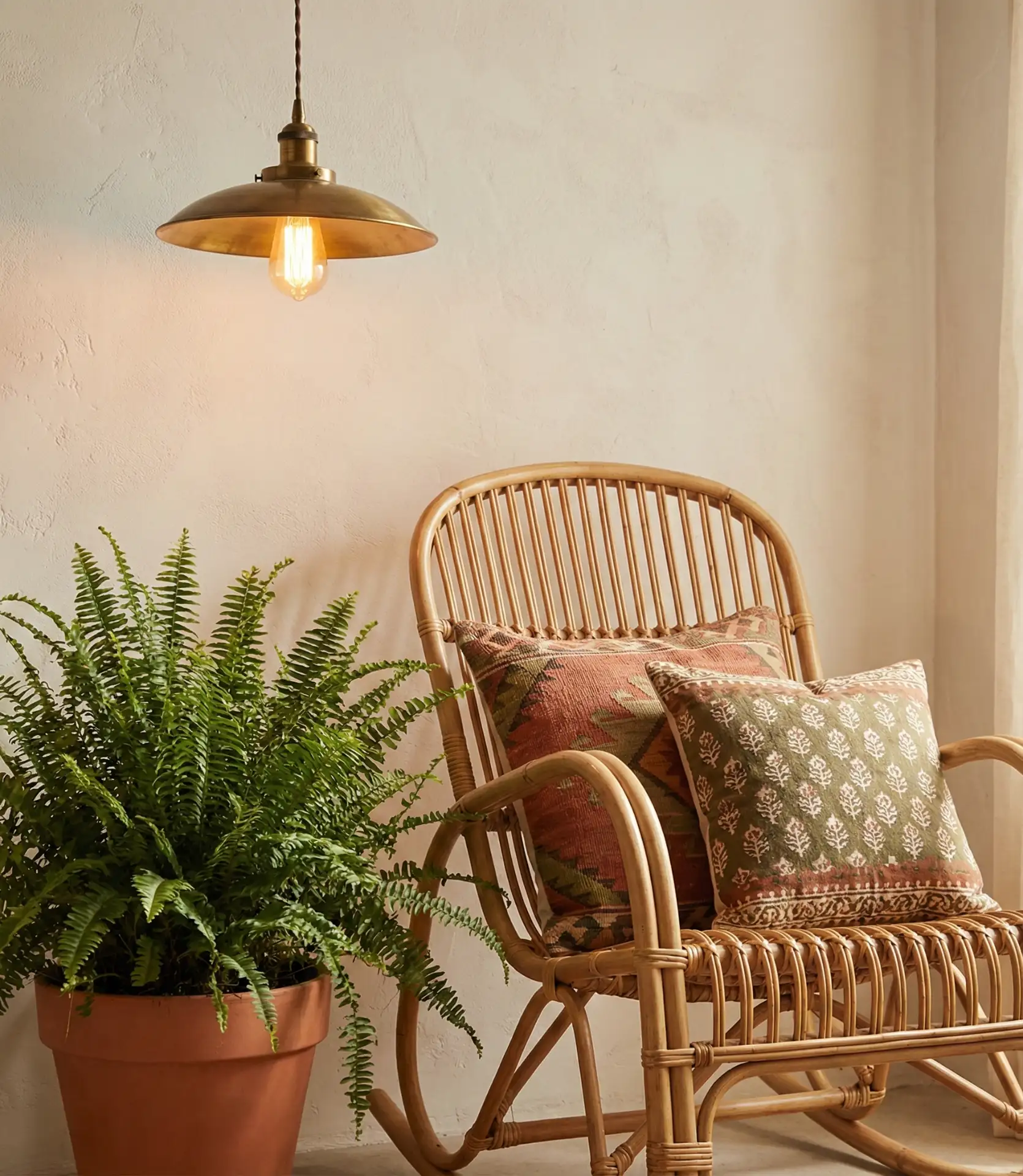
Budget angle: Bohemian style thrives on thrift store finds and handmade items, making it one of the most budget-friendly nursery approaches. A vintage rug might cost $40, a macramé hanging can be DIYed for under $20, and mixed-pattern textiles are often on clearance. The key is curation—choose items you genuinely love rather than buying just to fill space, and the room will feel intentional rather than chaotic.
23. Lavender and Gold Luxury
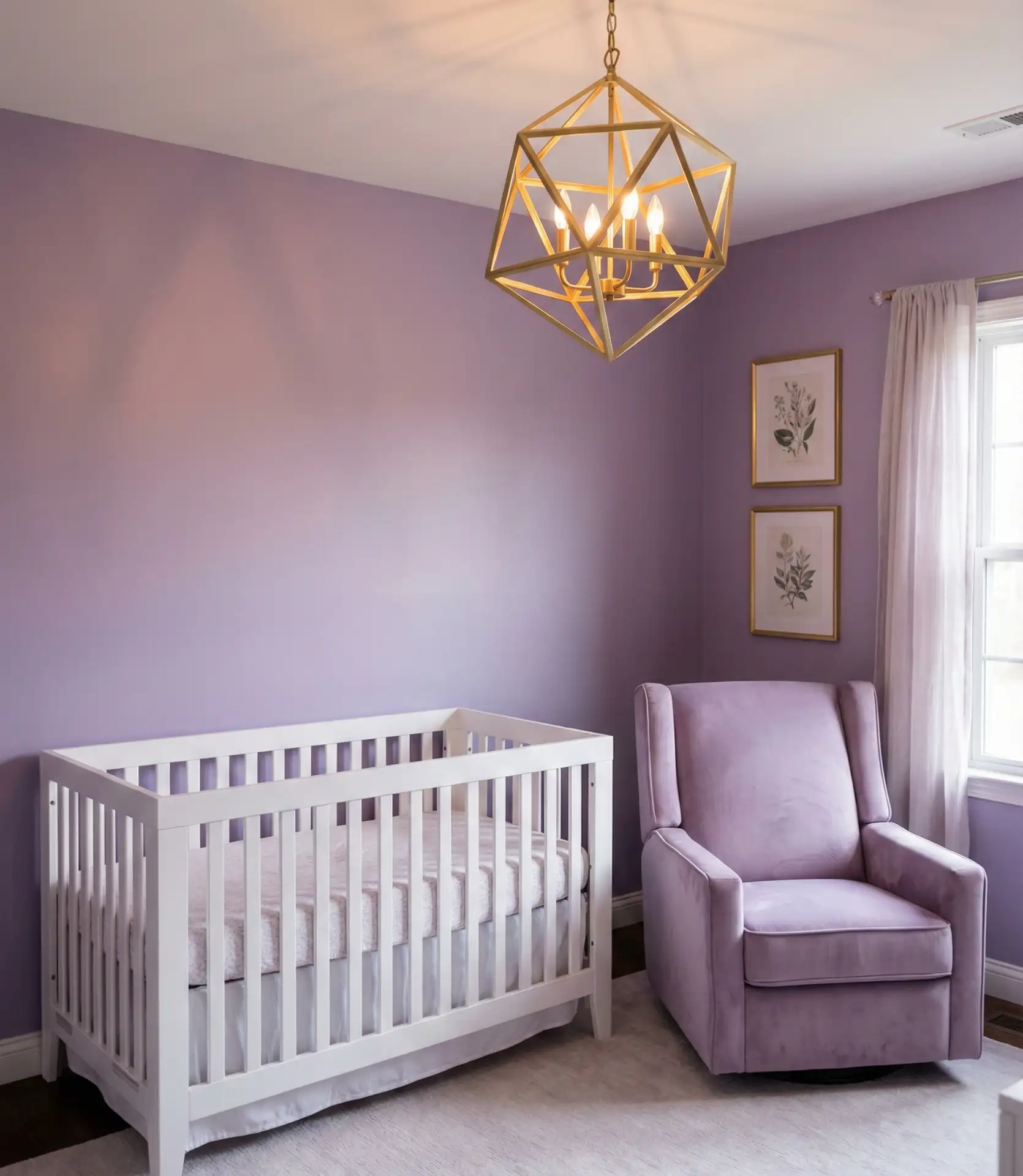
For a nursery that feels regal and refined, pair soft lavender walls with gold or brass accents. This adorable yet sophisticated palette works beautifully for girl nurseries, offering a fresh alternative to traditional pink. The look includes velvet upholstery, a crystal chandelier or pendant, and gold-framed mirrors or art. It’s a unique choice that photographs like a dream and creates a serene, luxurious environment without being overly formal.
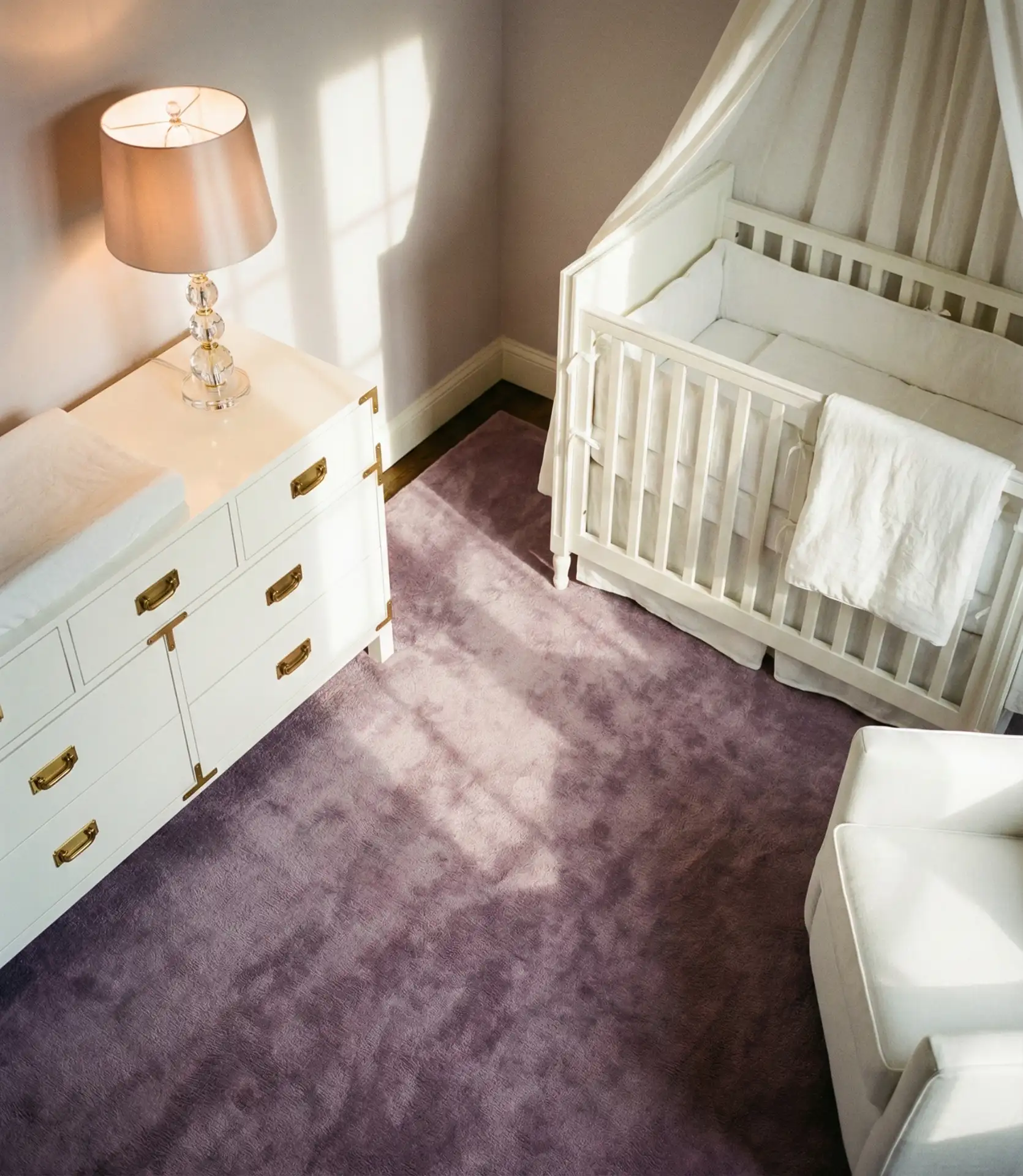
Real homeowner behavior shows that many parents initially worry lavender will feel too feminine, but when balanced with gold metallics and clean white furniture, it reads as elegant rather than overly gendered. The color also has calming properties, which can support better sleep for both baby and parents. Lighting is crucial here—dimmable fixtures allow you to adjust the ambiance for nighttime feedings or naptime.
24. Safari Adventure for Boys
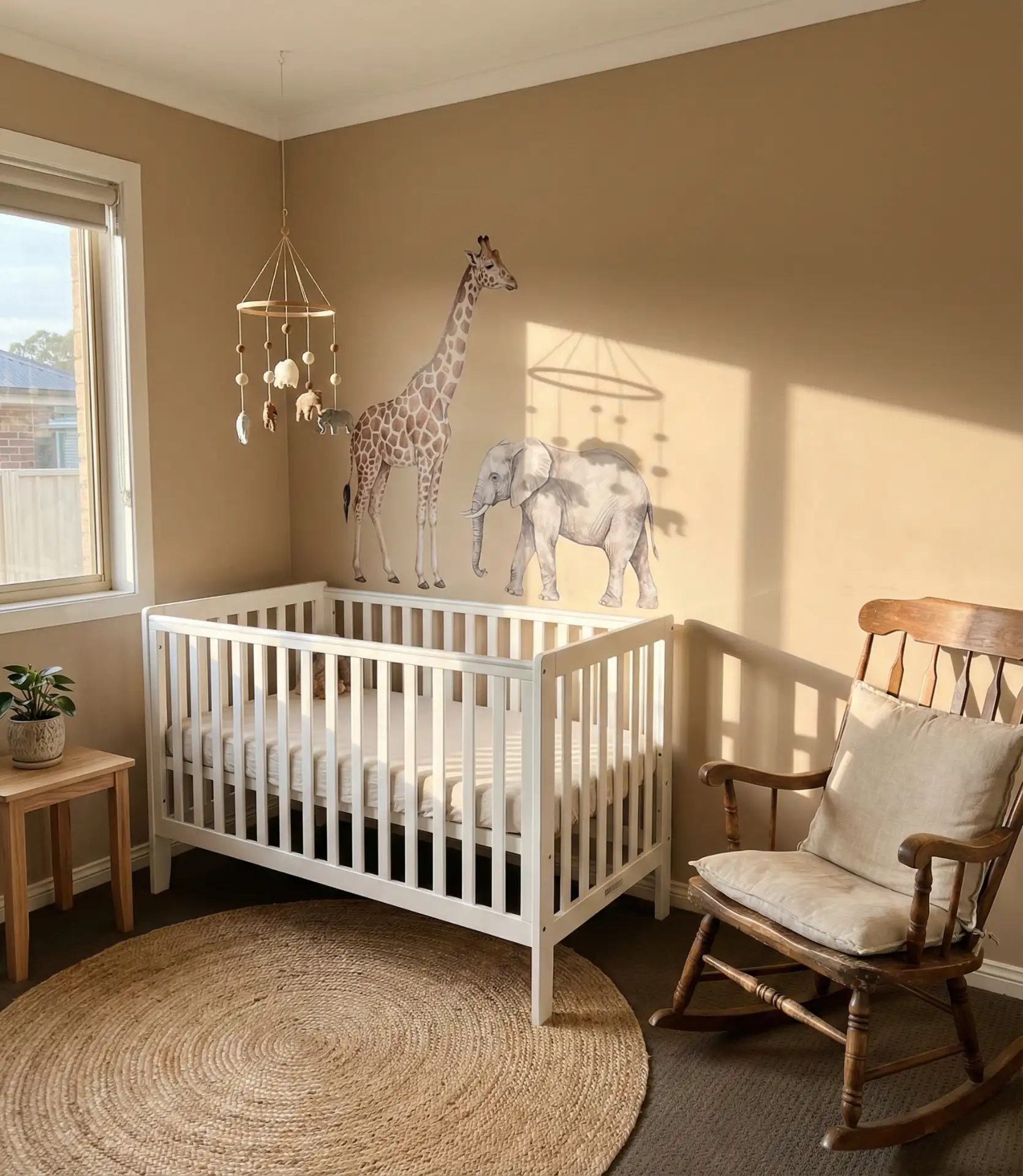
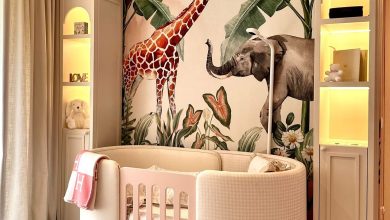
A safari-themed nursery brings the wild beauty of Africa into your home, making it a classic choice for boy rooms. Neutral tans, greens, and browns dominate, with animal prints—elephants, giraffes, and lions—featured in wall art or bedding. This nature-inspired theme pairs well with natural materials like bamboo, jute, and reclaimed wood. It’s adventurous without being cartoonish, striking a balance between adorable and sophisticated.
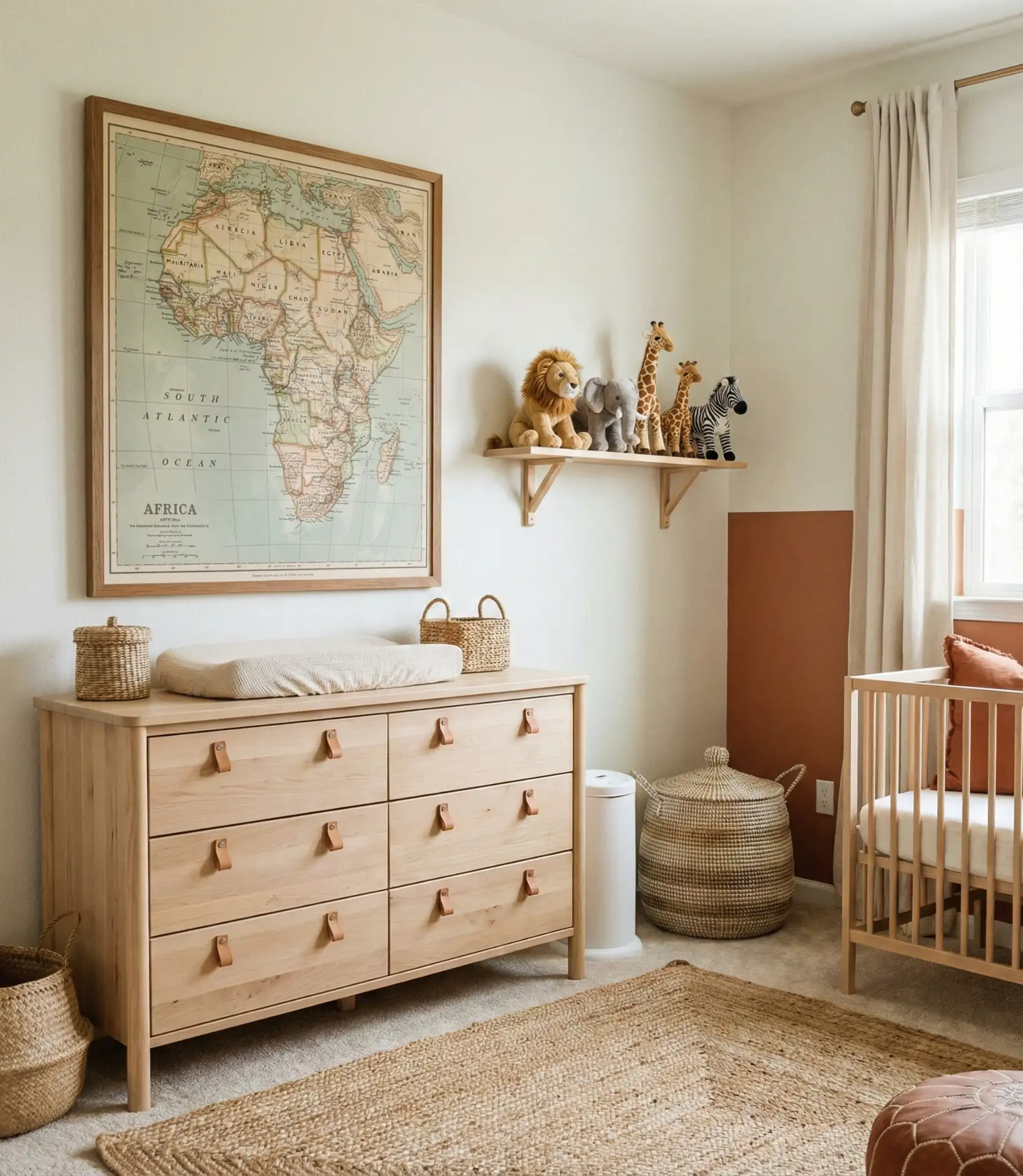
Practical insight: safari themes are easy to scale back as your child ages. Simply remove the animal decals and replace them with more mature art, and the neutral palette remains functional for a toddler’s or even a tween’s room. This longevity makes it a smart investment for families planning to stay at home for years. Avoid overly juvenile graphics in favor of realistic or artistic animal portraits for a timeless look.
25. Rustic Mountain Lodge
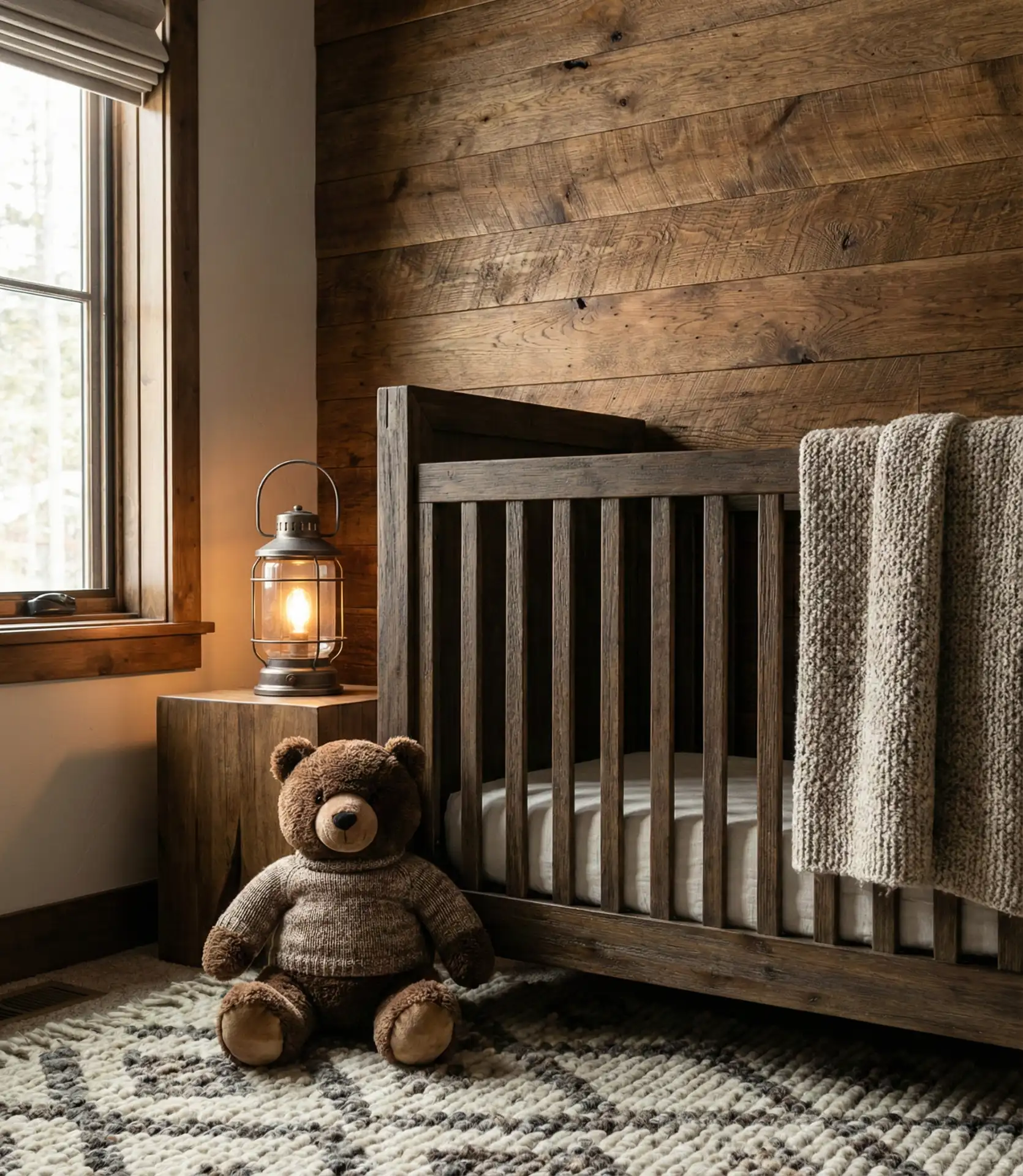
Inspired by mountain retreats, this nursery features plaid textiles, antler decor (faux, of course), and a country or Western aesthetic. Deep forest green, charcoal, and warm wood tones create a cozy, cabin-like feel. It’s a unique choice for families in Colorado, Montana, or the Pacific Northwest, where the design mirrors the natural landscape. This theme gives off a sense of rugged warmth and adventure, even in cities.
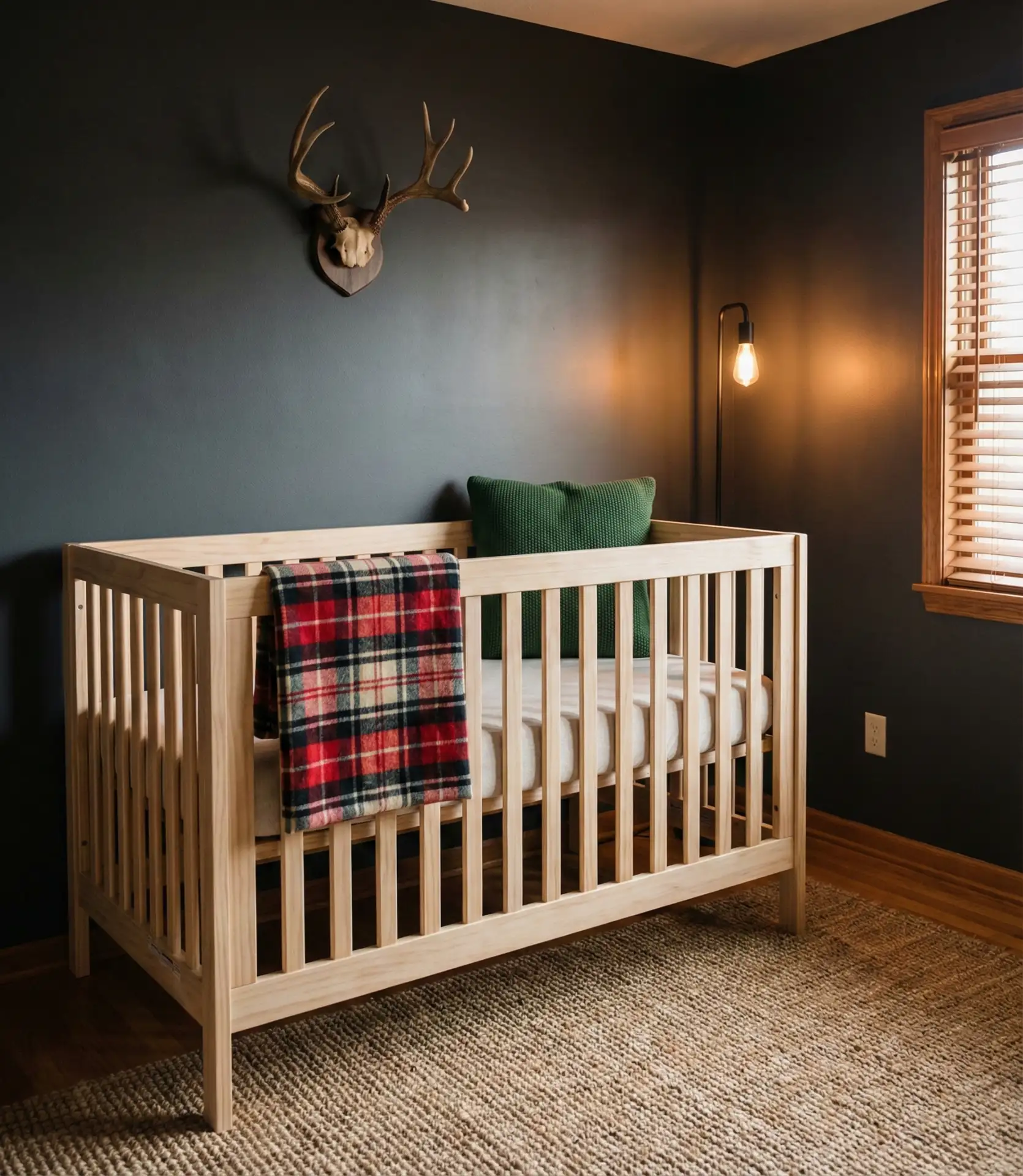
Where it works best: homes with exposed wood beams, stone fireplaces, or cabin-style architecture. In modern or minimalist homes, the rustic aesthetic can feel out of place unless balanced with contemporary elements like sleek lighting or clean-lined furniture. One common pitfall is making the room too dark—ensure ample lighting and consider lighter wood tones to keep the space from feeling cave-like.
26. Peach and Mint Serenity
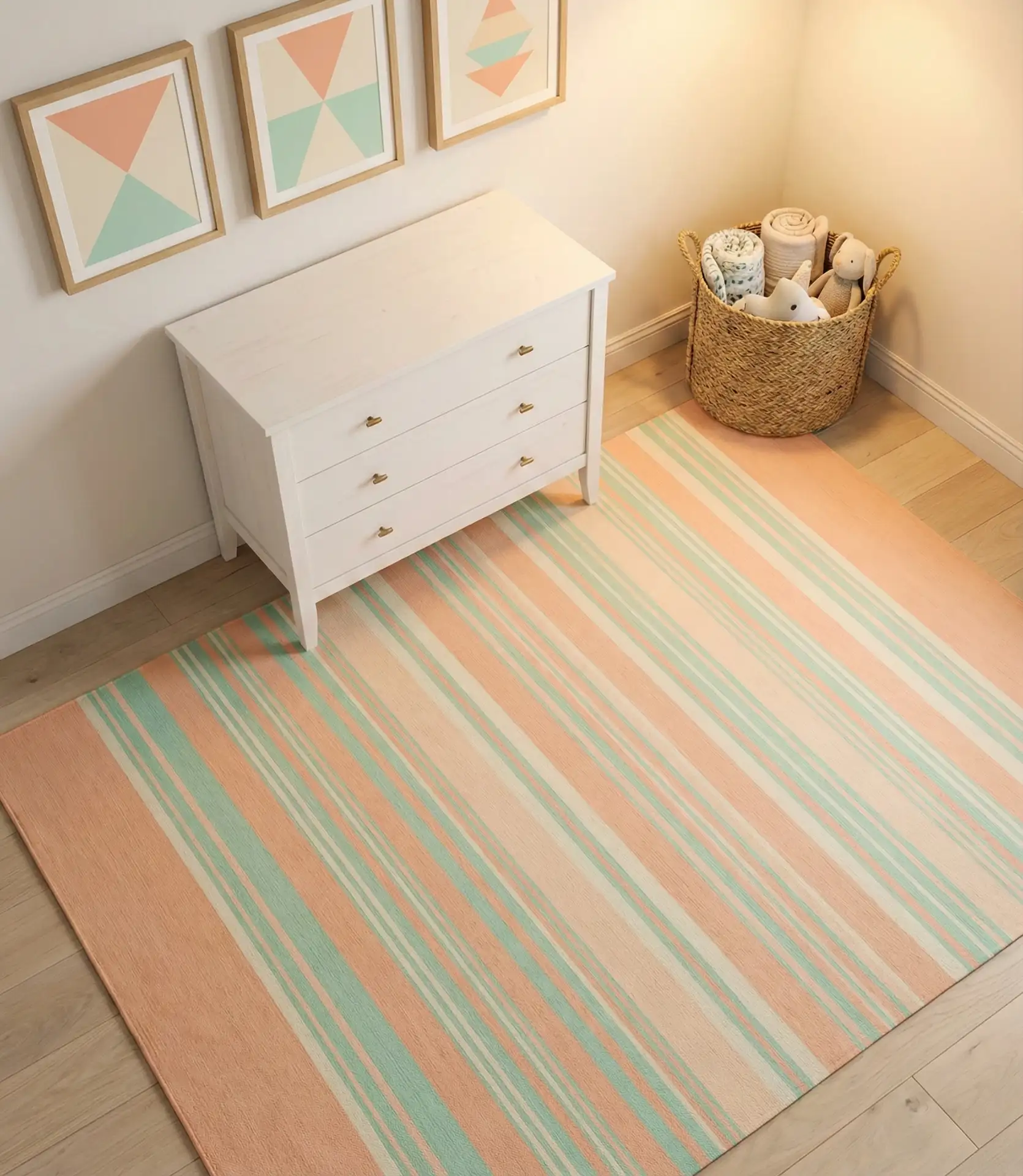 This color pairing offers a softer, more unexpected take on traditional nursery palettes. Peach and mint together feel fresh and whimsical, with just enough colorful energy to keep the space captivating. It’s a unisex option that works equally well for boys or girls, and it photographs beautifully for social media. The combination pairs well with white furniture and natural textures, creating a room that feels both playful and calming.
One micro anecdote: a Portland mom chose this palette after seeing it on Pinterest and reported that visitors consistently complimented the “happy vibe” of the room. The colors seem to lift moods and create a sense of optimism—valuable during those exhausting early months. Plus, peach and mint are simple to find in mainstream stores, so sourcing decor and textiles is straightforward and affordable.
27. Industrial Chic Loft Nursery
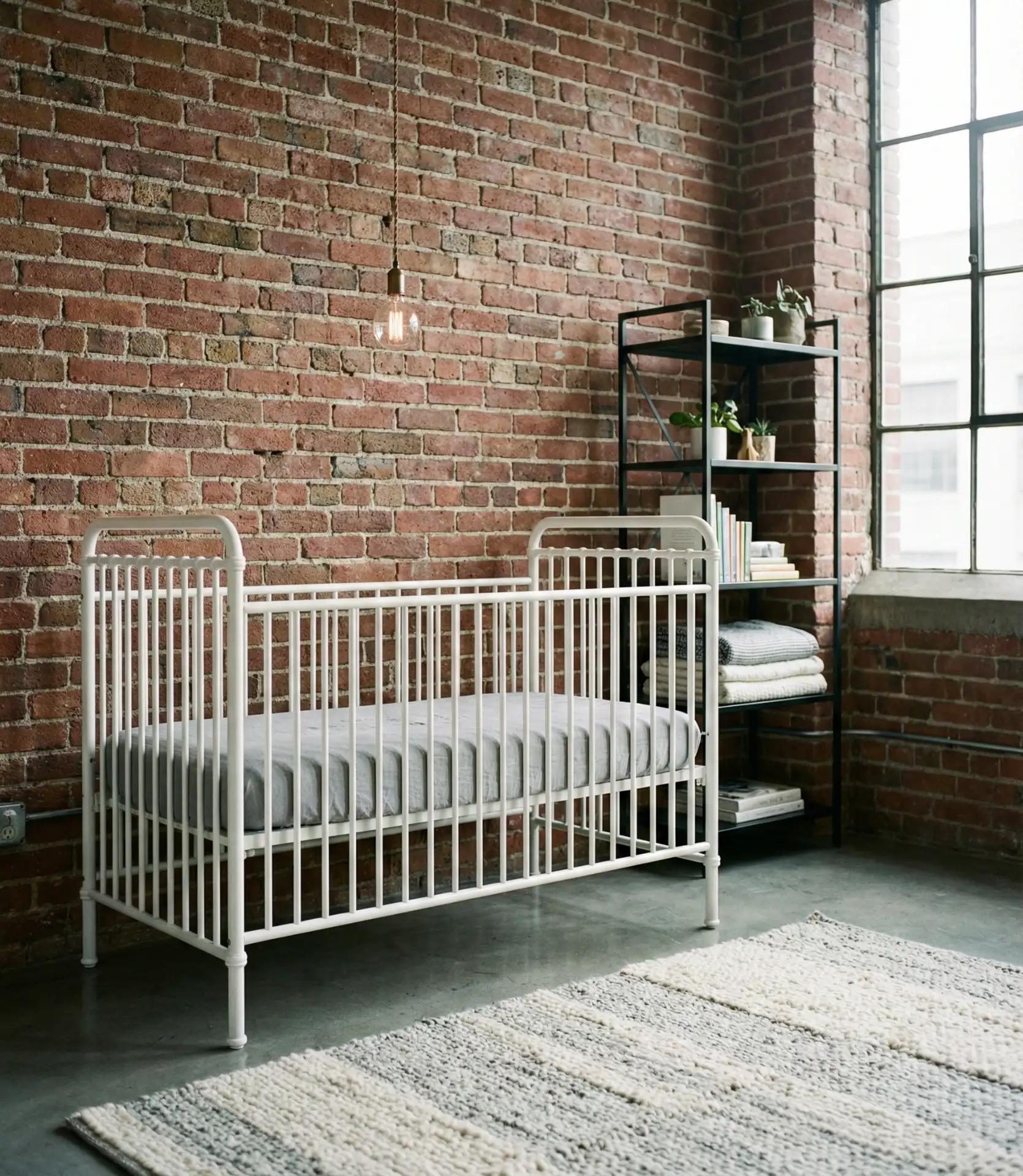
For families living in converted lofts or urban spaces with exposed brick and ductwork, an industrial nursery leans into the existing architecture. This simple, unique style features metal accents, Edison bulb lighting, and a neutral palette of grays, whites, and blacks. A reclaimed wood crib or metal-framed rocker adds edge, while soft textiles prevent the space from feeling too stark. It’s a bold, modern approach that appeals to city dwellers who value authenticity and character.
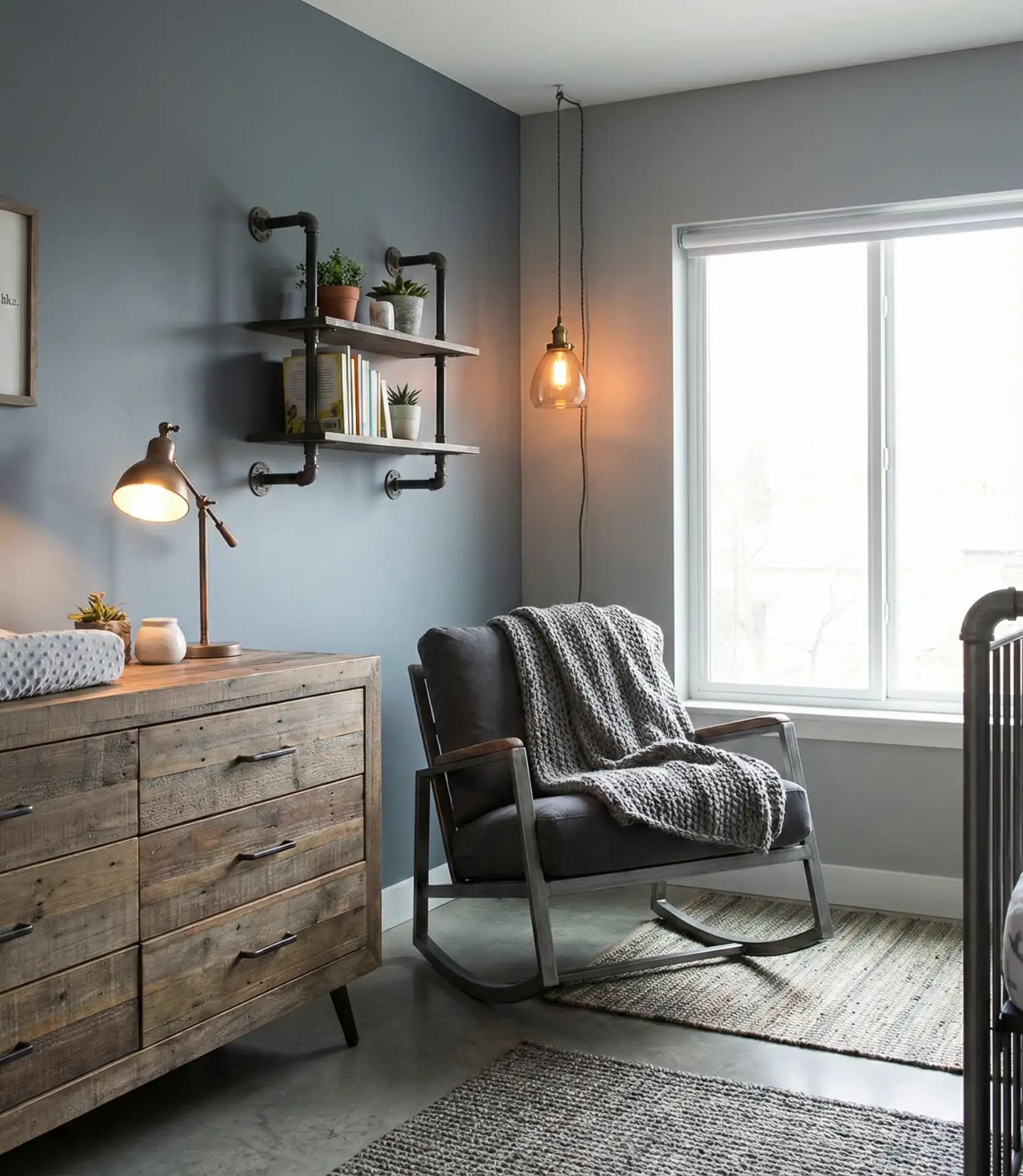
Expert-style commentary: Industrial design can be softened with plenty of textiles—think wool rugs, linen curtains, and cotton bedding—to balance the rigid surfaces. This prevents the room from feeling cold or institutional. Parents in cities like New York, Chicago, and Seattle have mastered this balance, creating nurseries that honor their architectural context while still feeling warm and welcoming for a newborn.
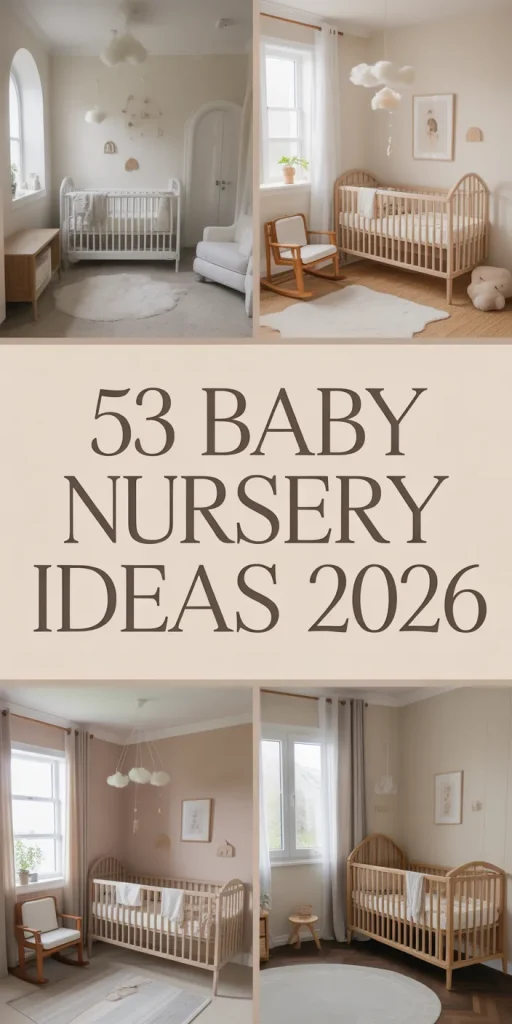
From soft pastels to bold maximalism, from rustic charm to industrial edge, these nursery ideas for 2026 offer something for every family, budget, and aesthetic preference. Whether you’re designing for one baby or twins, working with a small room or a spacious loft, the key is to choose a style that resonates with you and supports the function you need. Don’t be afraid to mix inspiration from multiple ideas—your nursery should be as unique as your growing family. Share your favorite ideas or your nursery journey in the comments below!