
With summer just around the corner, many Americans are beginning to look at their outdoor spaces and the design potential their pool decks have to offer. Families are convenient, resort-style, and aesthetically pleasing outdoor functions at home, and Pinterest has seen an increase in searches for inspiration to achieve the look. Whether you have an above-ground setup, a classic concrete in-ground design, or a unique stock tank conversion, this guide is to help you get ideas for your pool area. From budget-friendly DIY ideas to lavish stamped concrete solutions, this guide is to help you create your own outdoor spa.
1. Natural Stone Perimeter for Inground Pools
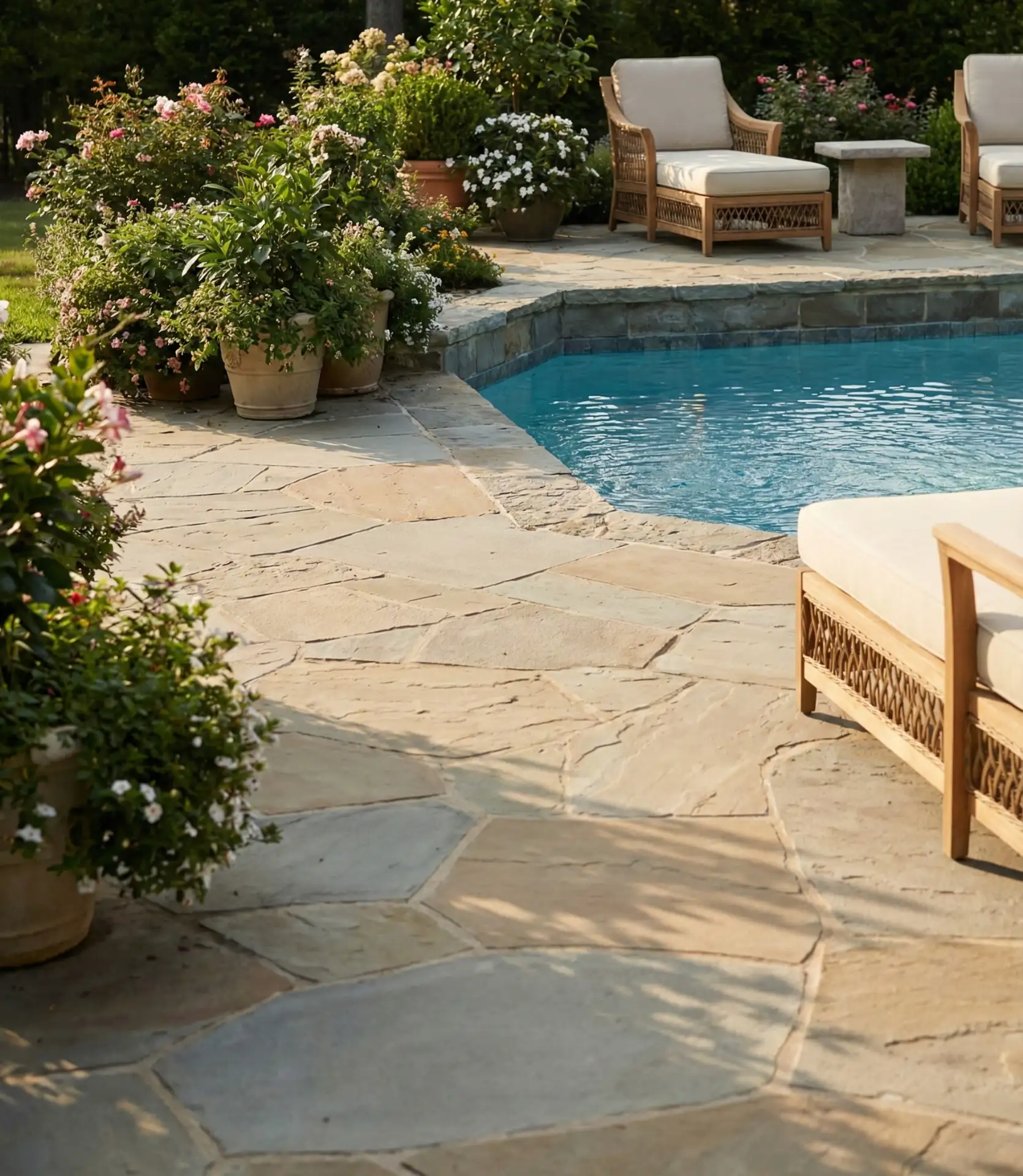
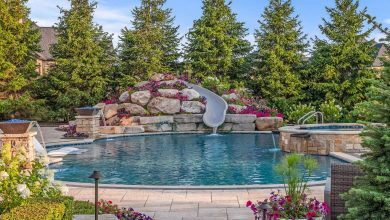
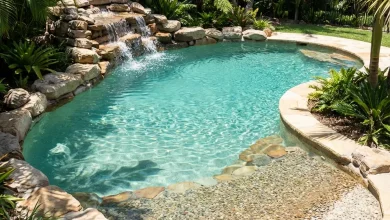
Surrounding an inground pool with natural stone creates an organic, high-end look that gets better over time. There are even paid options for stone materials that provide a comfortable feel underfoot and an attractive appearance that blends well with nature and other pool materials. The stone can also complement other materials, like a concrete or steel pool, and it can complement older stone pavers or even wood decks. Overall, the stone goes great with all kinds of home styles—old-looking country homes and even newer country homes. 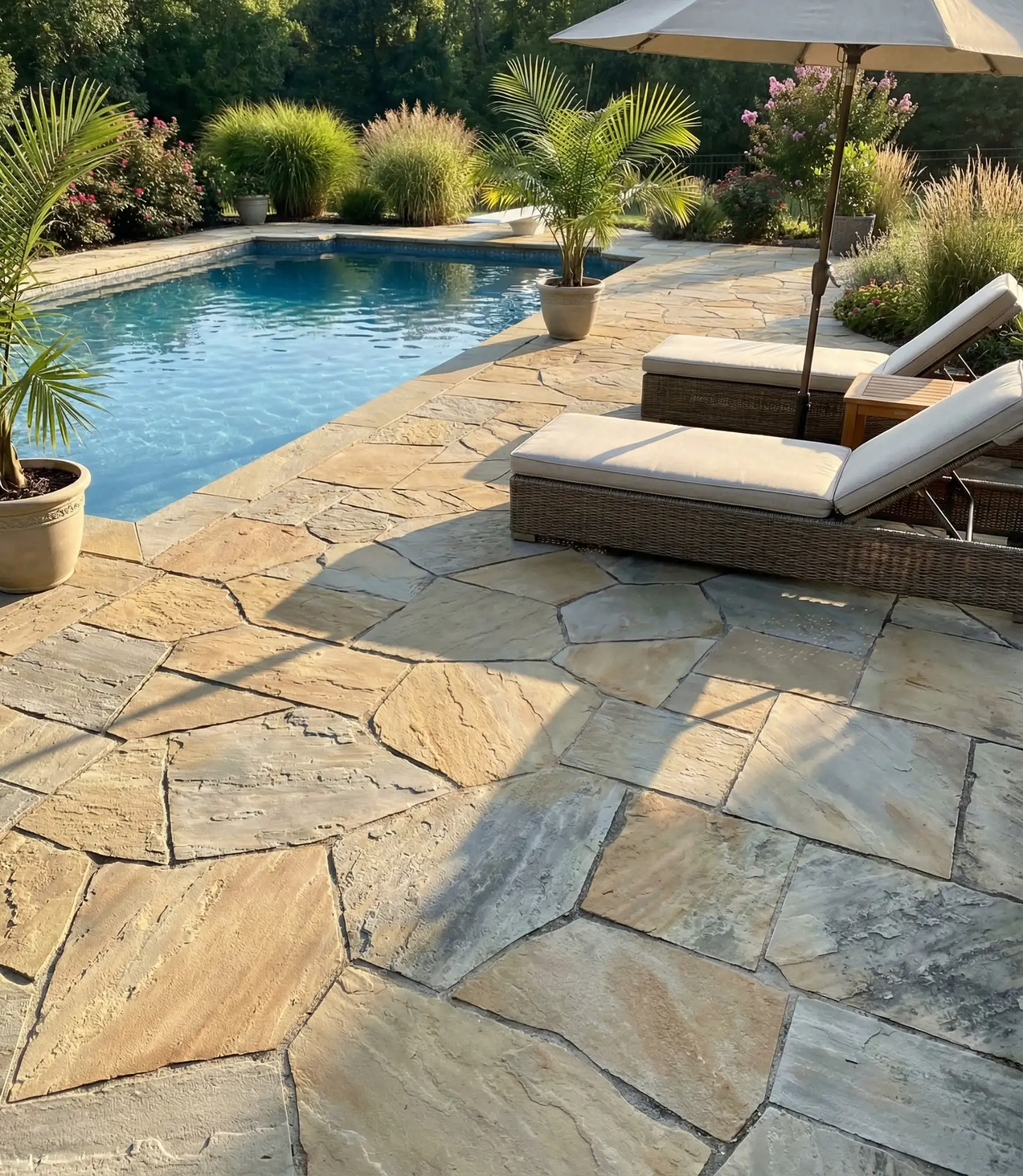
Natural stone installations typically range from $15 to $30 per square foot installed, making them a mid-to-premium investment. The longevity justifies the cost—properly sealed stone can last decades with minimal maintenance beyond occasional resealing every few years. Many homeowners in the Southwest and Mediterranean-style regions favor this option because it naturally complements stucco exteriors and drought-tolerant landscaping.
2. Elevated Wood Platform for Above-Ground Pools
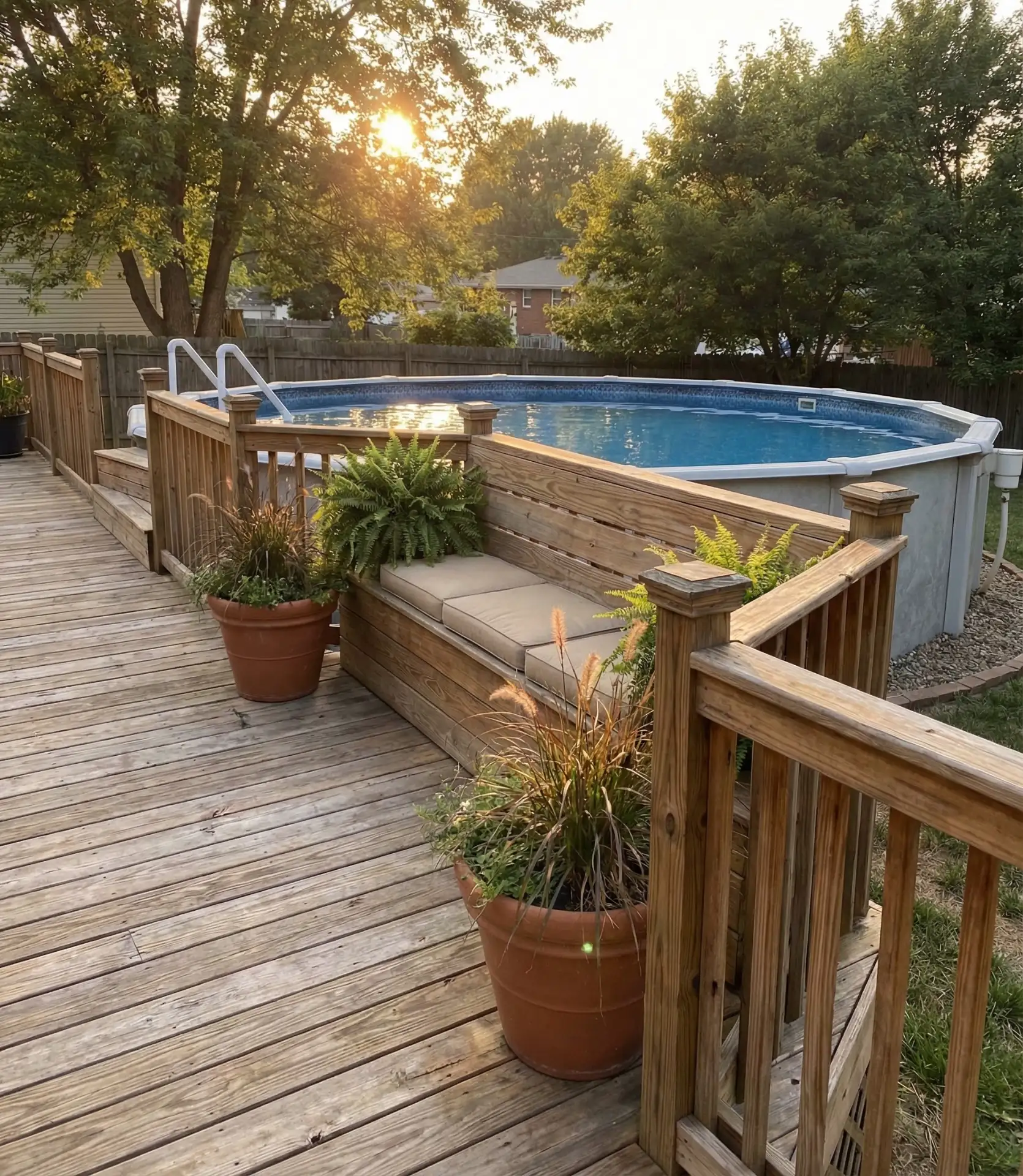
Building a wooden platform around an above-ground pool instantly transforms the pool into a luxurious-looking feature, rather than just an above-ground pool. Using pressure-treated pine, cedar, or composite decking, the platform makes a seamless transition from yard to water and even removes the need for ladders. This solution is ideal for pools with round or oval walls, as it helps to minimize the look of the dominating metal walls. 
Especially in the Midwest and Northeast, where above-ground pools are extremely common, these wooden decks are very versatile, as they can be used to entertain guests. Some families integrate built-in benches, planters, or even outdoor speakers right into the deck. One of the most common mistakes is to not include proper ventilation under the deck—this can cause moisture to become trapped, leading to rot. Make sure to include adequate airflow gaps during construction.
3. Stamped concrete with a tile pattern
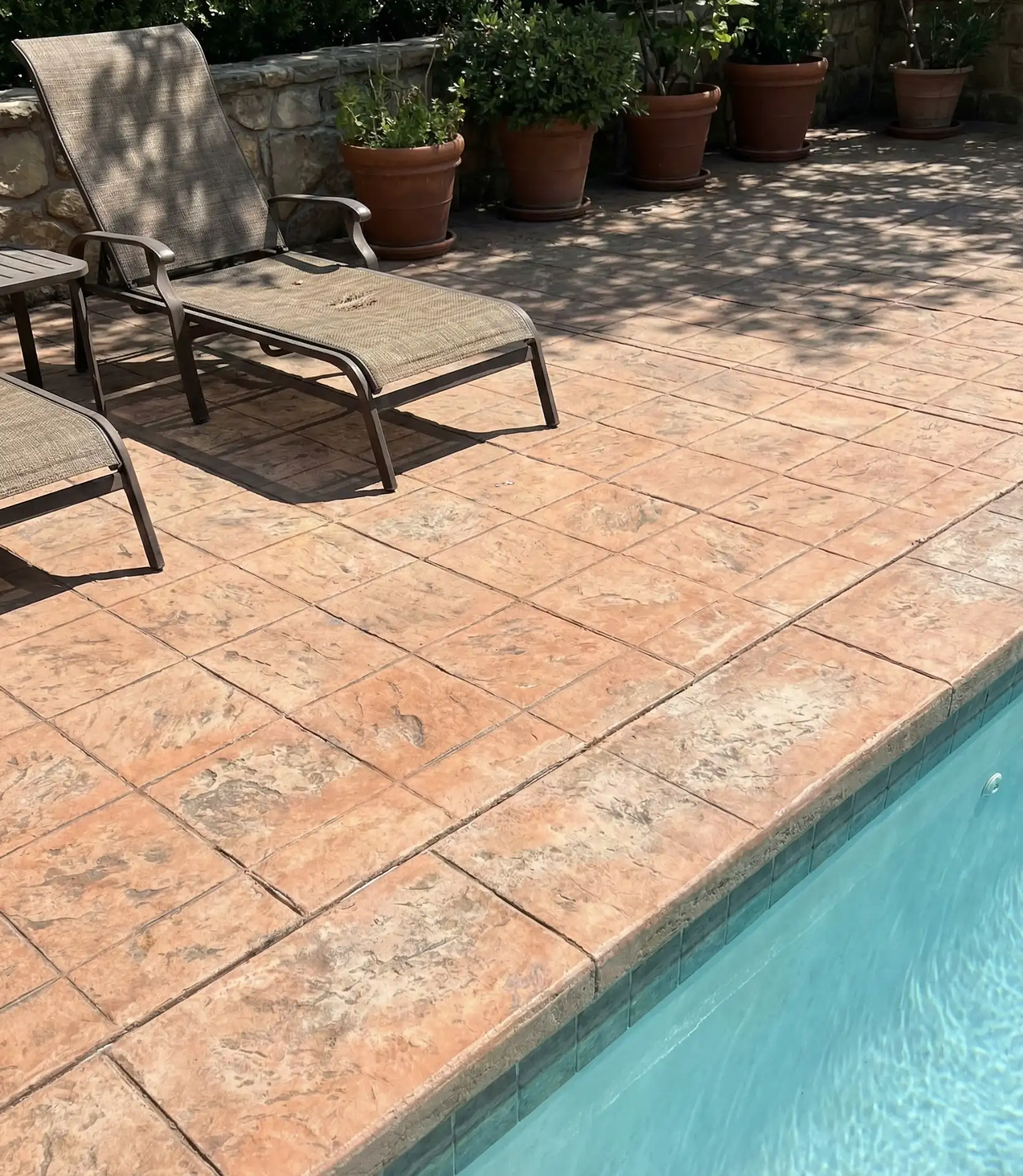
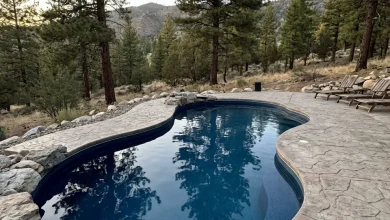
Stamped concrete can mimic elegant Mediterranean tile or stone for a significantly lower cost. Modern concrete stamping can replicate intricate patterns with impressive realism. It creates a cohesive aesthetic for in-ground concrete pools and the surrounding deck. It also means no tripping hazards from uneven pavers, making it safer for families with young children. 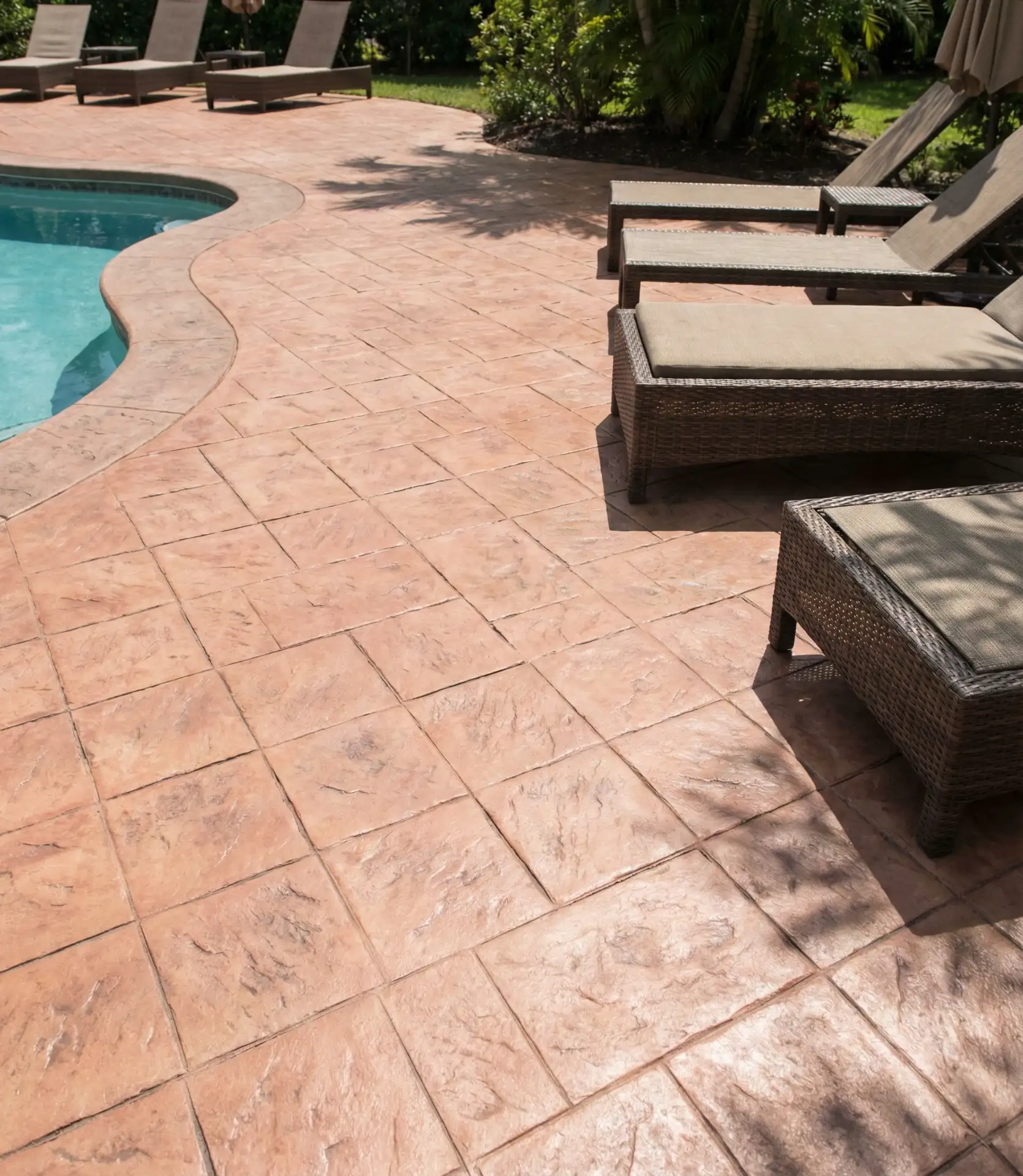
Between $8 and $15 is the standard for stamped concrete. One Arizona homeowner stated her contractor finished a 600-foot deck in just 3 days, which was excellent for avoiding disruption during the summer swim season. Every 2-3 years the surface should be resealed to maintain the color and prevent cracking from thawing and freezing climates.
4. A minimalist concrete slab for modern pools
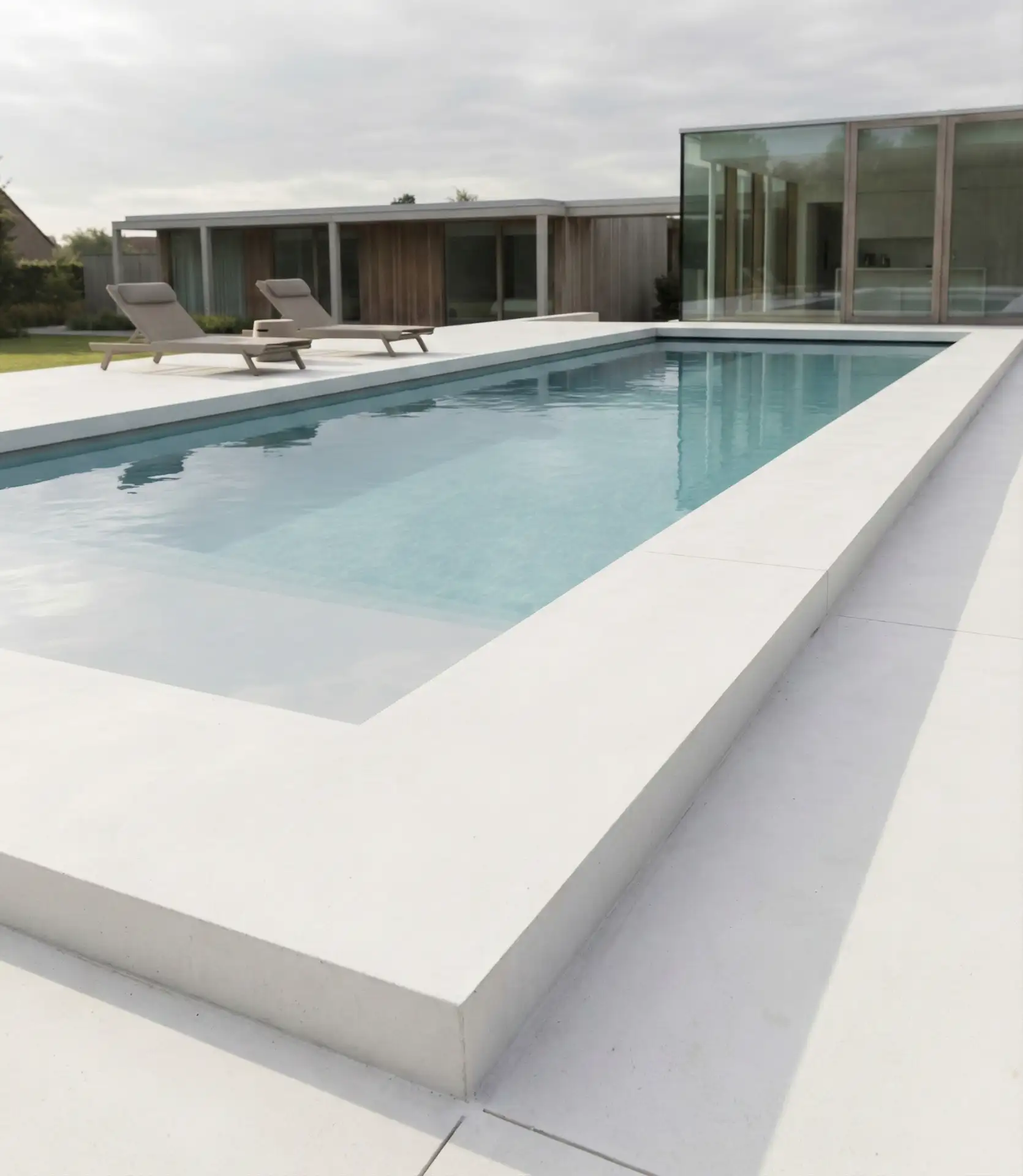
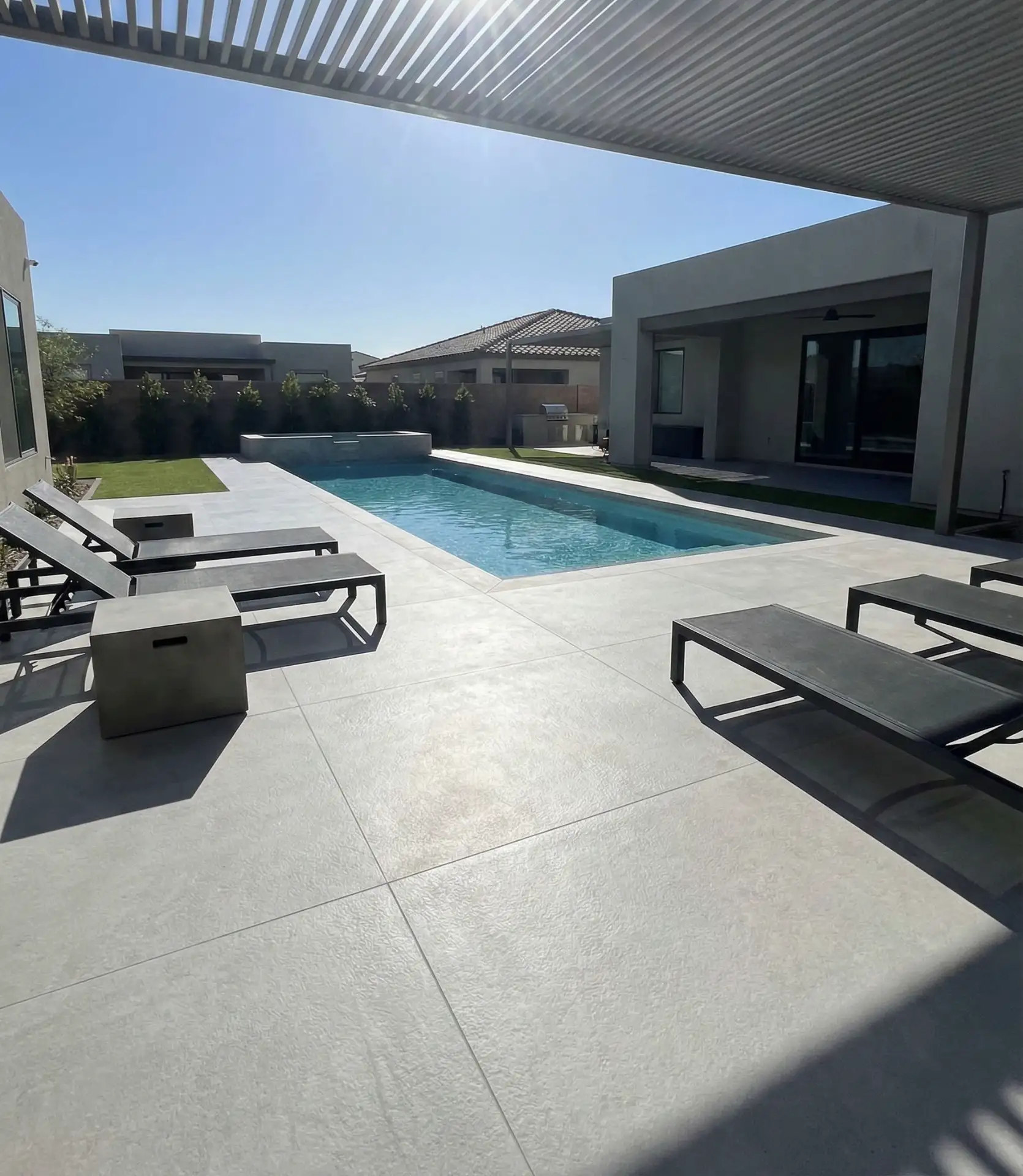
Very light gray or white smooth concrete can be a contemporary deck for your pool. It emphasizes clean lines and lets the water itself become the focal point. This type of concrete is simply perfect for rectangular above-ground pools or sleek in-ground designs. 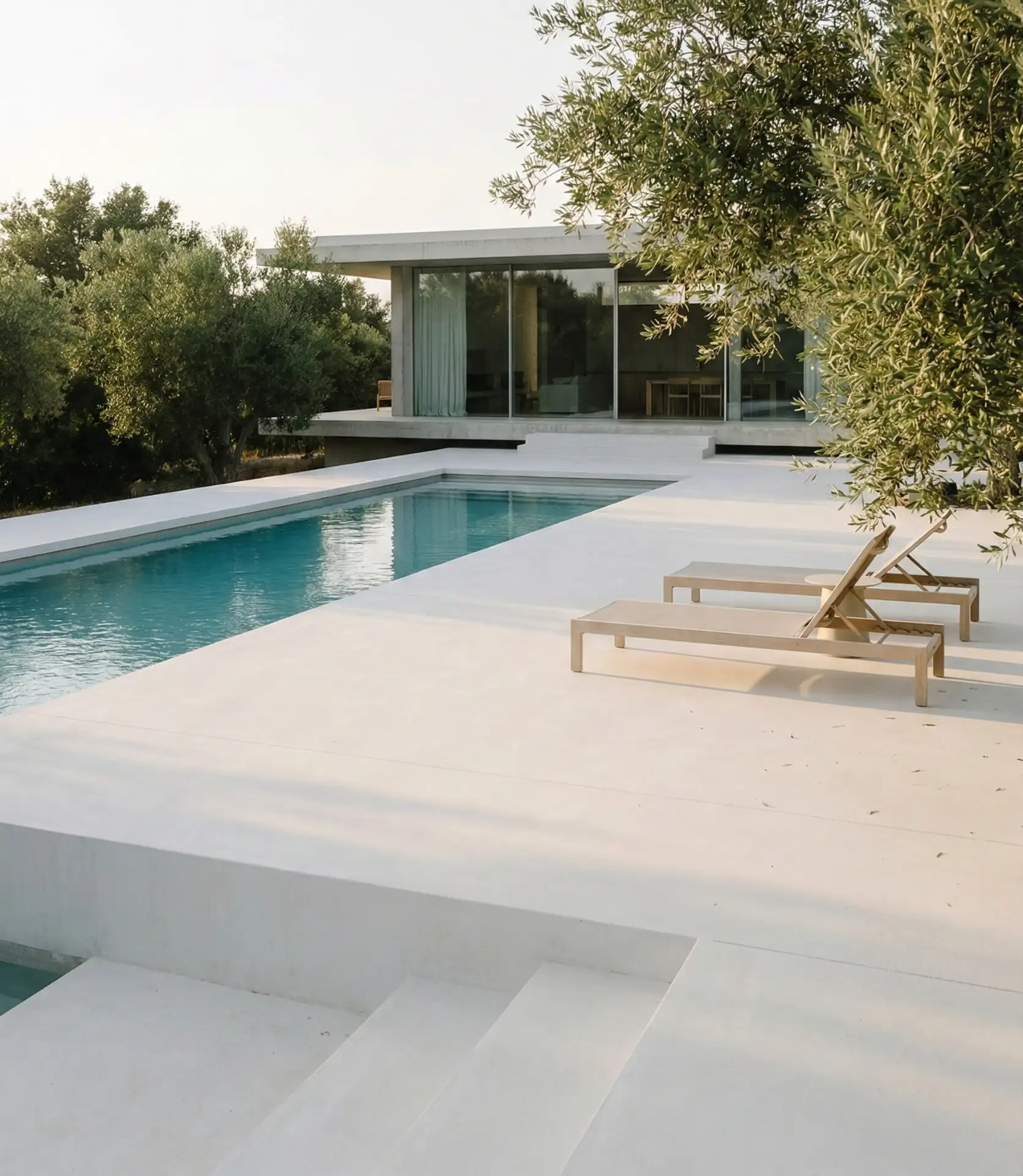
Minimalist style is ideal for places like Southern California, Texas, and Florida, especially because the extreme heat won’t show stains. Concrete can reflect heat, so many designers add shade structures. With this style, clutter like towels and pool maintenance equipment is very noticeable, and built-in storage is required.
5. Composite Decking Around Oval Pools
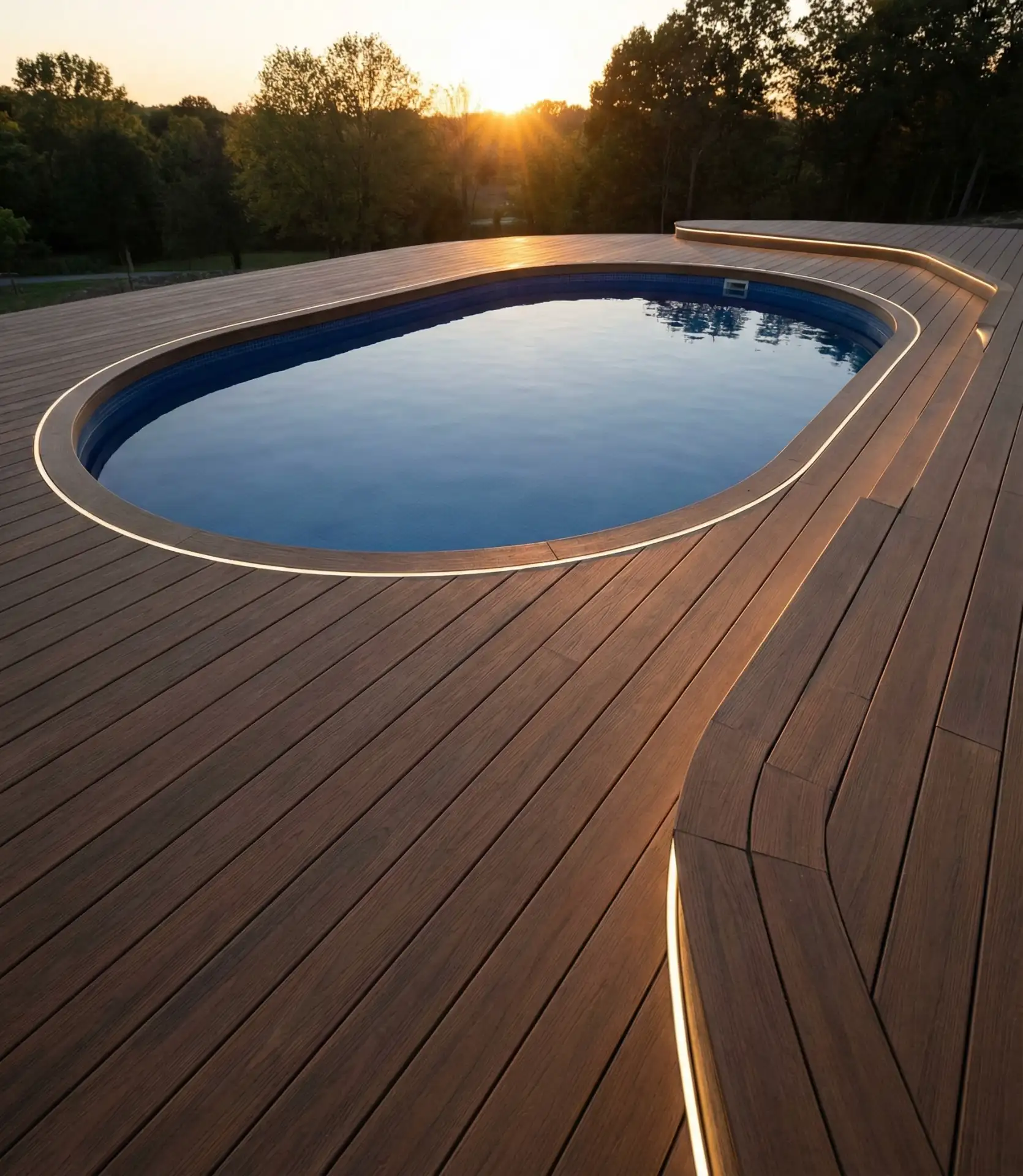
Materials like Trex solve the classic issue of wood decks. For oval pools, the composite boards can be cut and arranged to follow the curved perimeter. They won’t get damaged by chlorine and are mold resistant. Any parent will love this low-maintenance option for their outdoor space. 
Composite decking costs $25 to $40 per square foot installed, positioning it as a premium option. However, when you factor in zero maintenance over 25+ years—no staining, sealing, or board replacement—the lifetime cost often beats natural wood. Many manufacturers now offer slip-resistant finishes specifically engineered for pool environments, addressing the one concern some homeowners had about composite’s smoothness when wet.
6. Paver mosaics for Small Backyard Pools
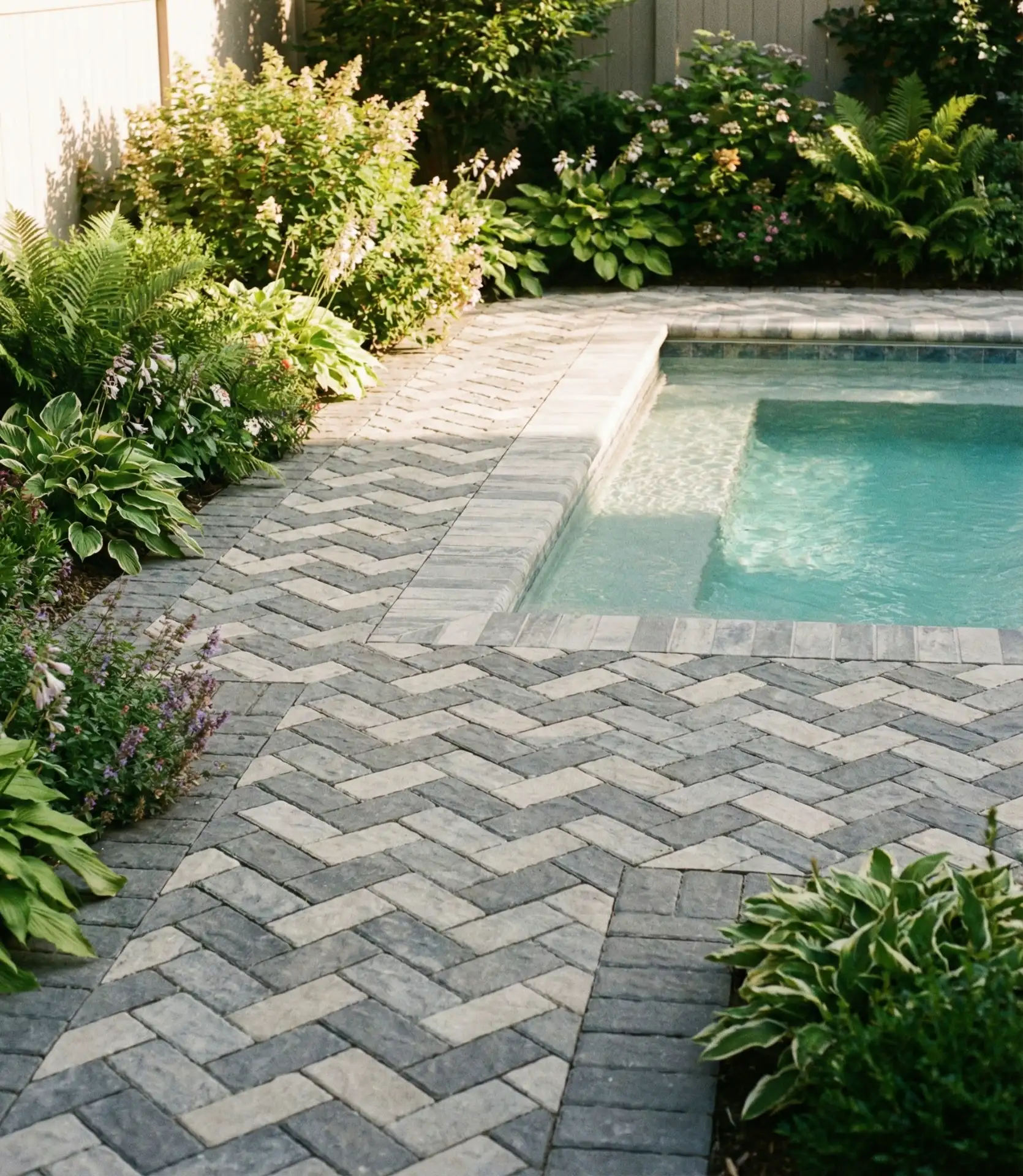
Smaller backyards can use basic paver mosaics as interest features that are not too busy. A combination of paver colors or border designs can encourage patrons’ and users’ eyes to travel around the total pool enclosure, increase the perceived spaciousness, and provide a design focus to the enclosure. Concrete pavers, bricks, or porcelain tiles can be arranged in any of the various styles on the market—herringbone, basket weave, and circular, to name a few. 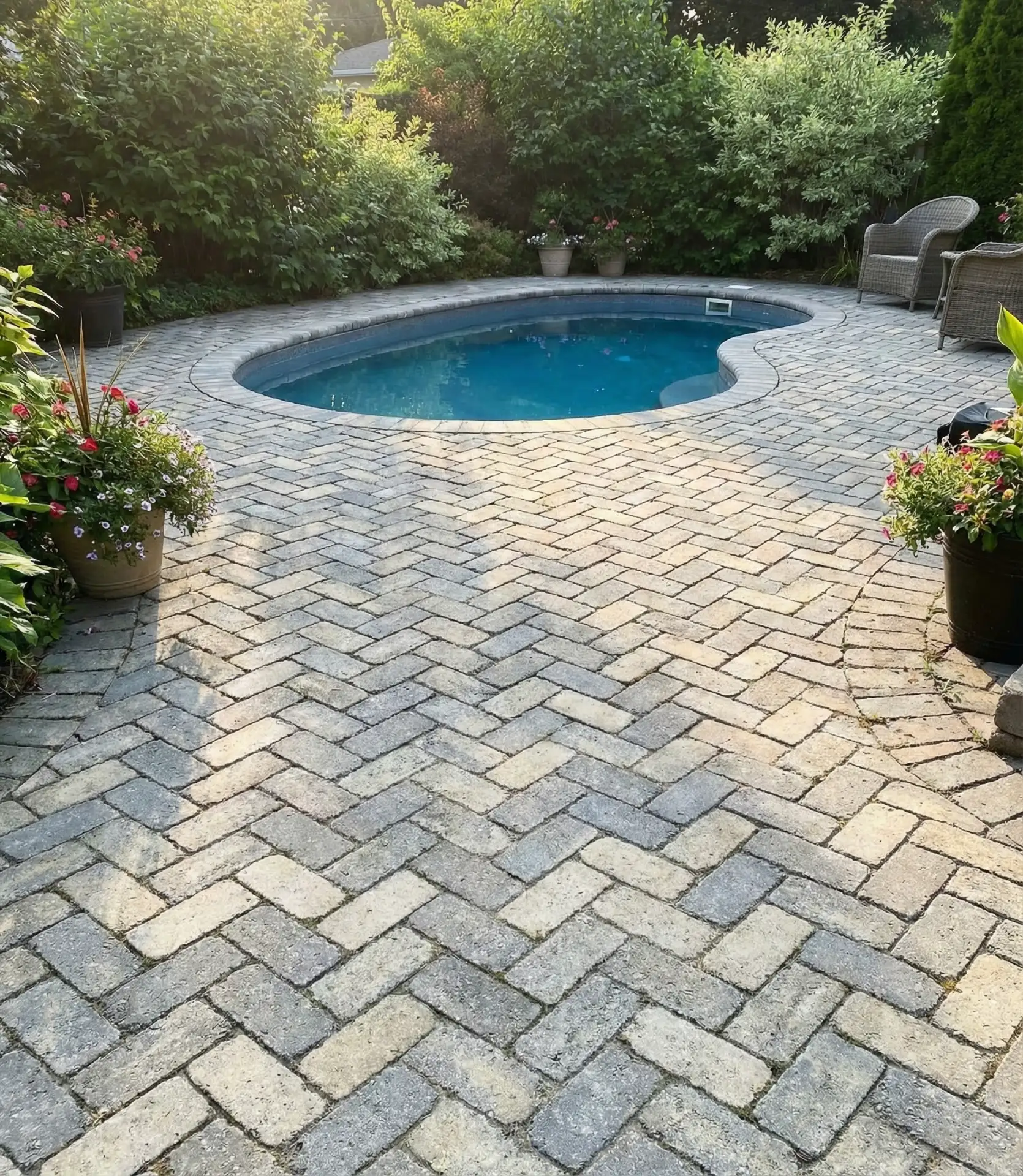
Practical insight: pavers offer flexibility that poured concrete doesn’t—if a section settles or a utility line needs access, you can lift and replace individual pavers without demolishing the entire surface. This feature feature makes them particularly smart for properties with mature tree roots or clay soil that shifts seasonally. Installation costs run $10 to $20 per square foot depending on paver quality and pattern complexity.
7. Budget-Friendly Gravel Surround
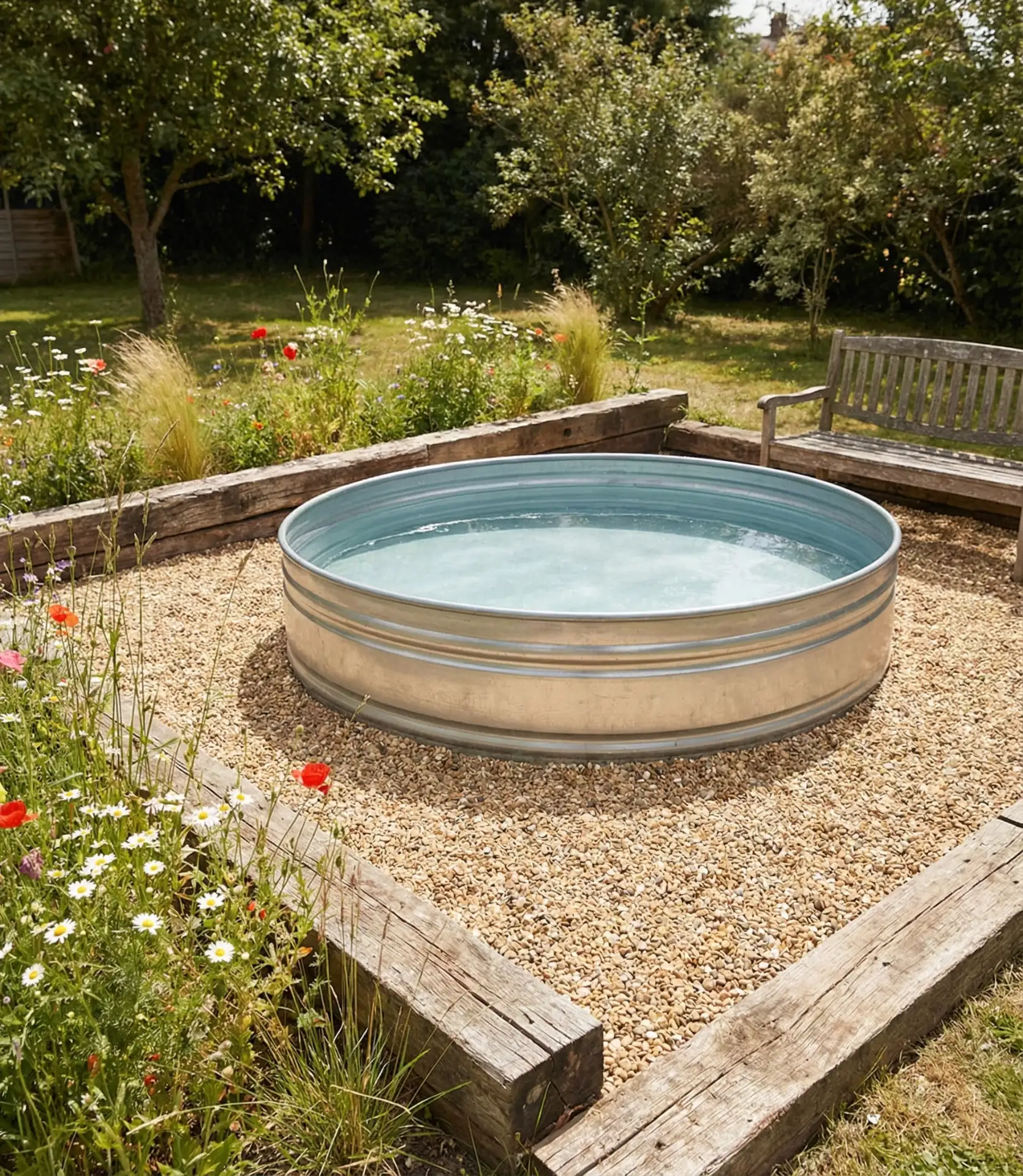
For homeowners working on a budget, crushed stone or pea gravel provides an attractive, permeable pool deck solution at minimal cost. This approach is especially popular for stock tank pools and Intex setups where a permanent deck might not make sense. The gravel naturally drains water, prevents mud, and can be refreshed annually with new material for under $100 in most yards. 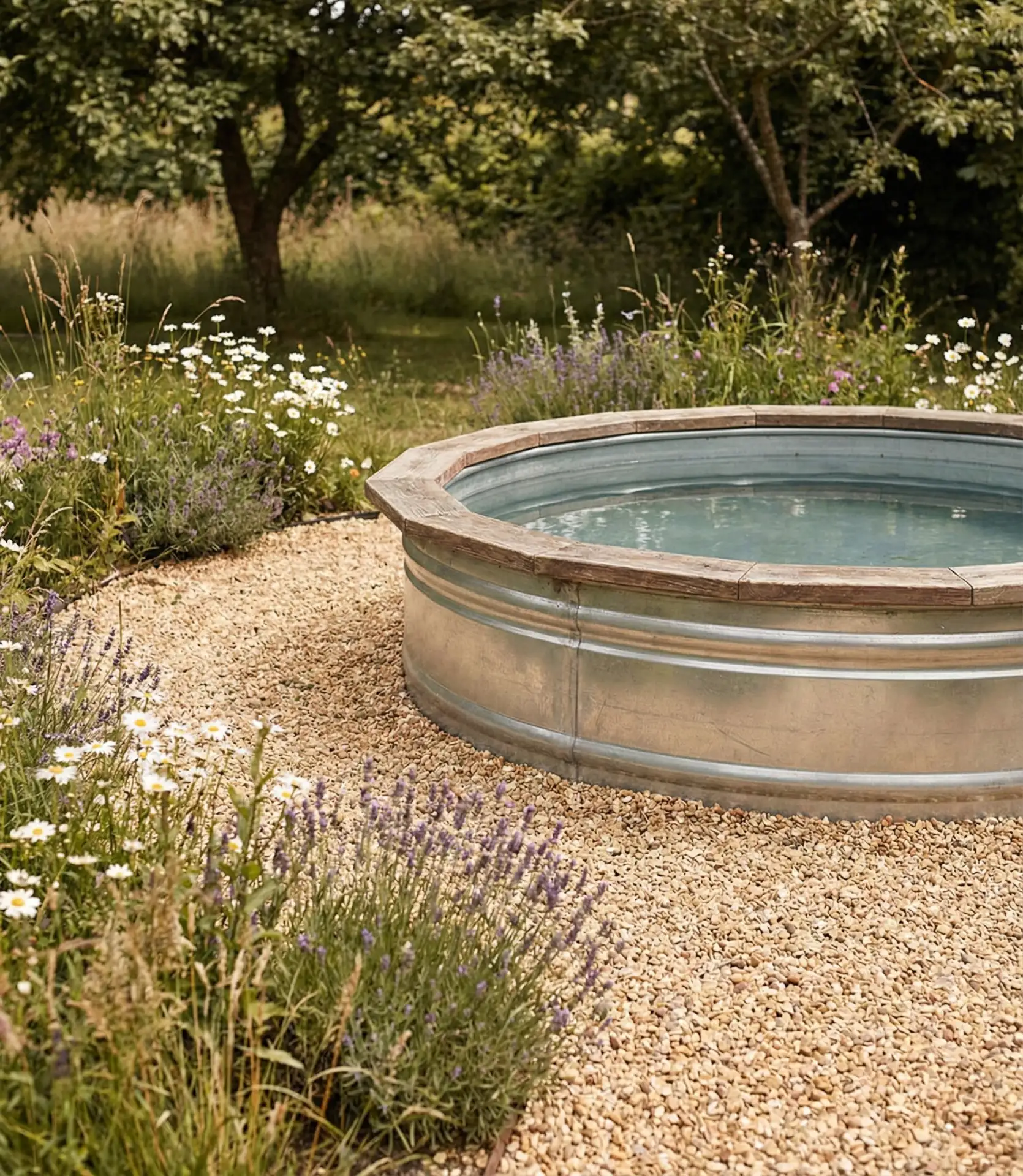
One major error is not adding a layer of landscaping fabric under the gravel. This is because, without the landscaping fabric, the soil becomes overrun with weeds and the gravel will settle into the soil. The right way to install is by digging out 3 to 4 inches, laying down the fabric, putting in the gravel, and bordering it with treated wood or metal. It costs about $2 to $4 for material for every square foot, which makes it the cheapest option by far for pool decking that is both functional and inexpensive.
8. Travertine Pavers for Mediterranean Style
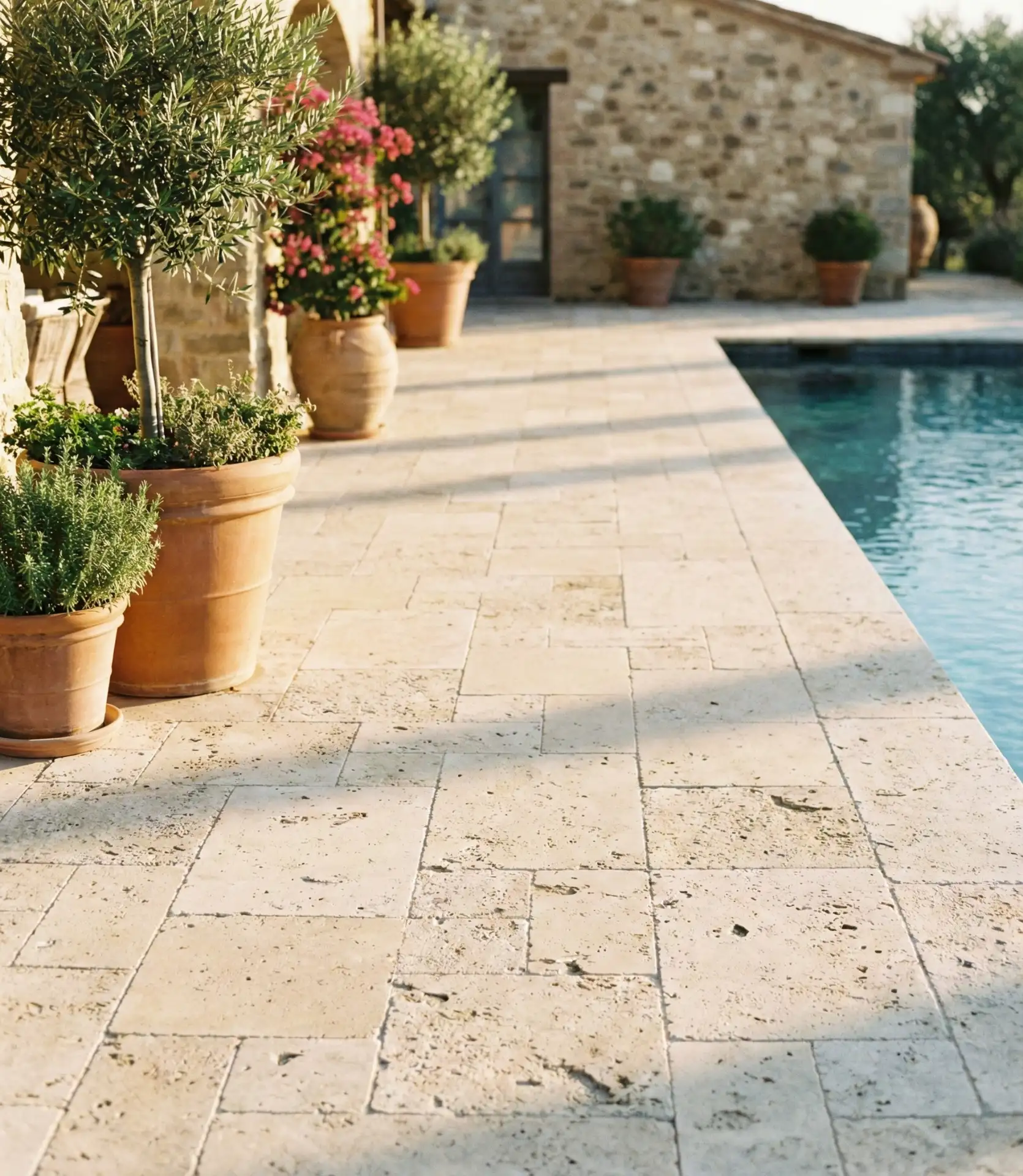
Travertine stone pavers infuse pool decking with an old-world charm. They feature a signature pitted texture and come in a creamy to warm golden shade with a brown tint. This natural stone is a hot climate favorite and ideal for in-ground pools because it stays cool even when under direct sunlight. The tumbled or honed finish provides natural slip resistance. Plus, because of the stone’s porous nature, it quickly absorbs water, which helps to eliminate puddles around the pool’s edge. 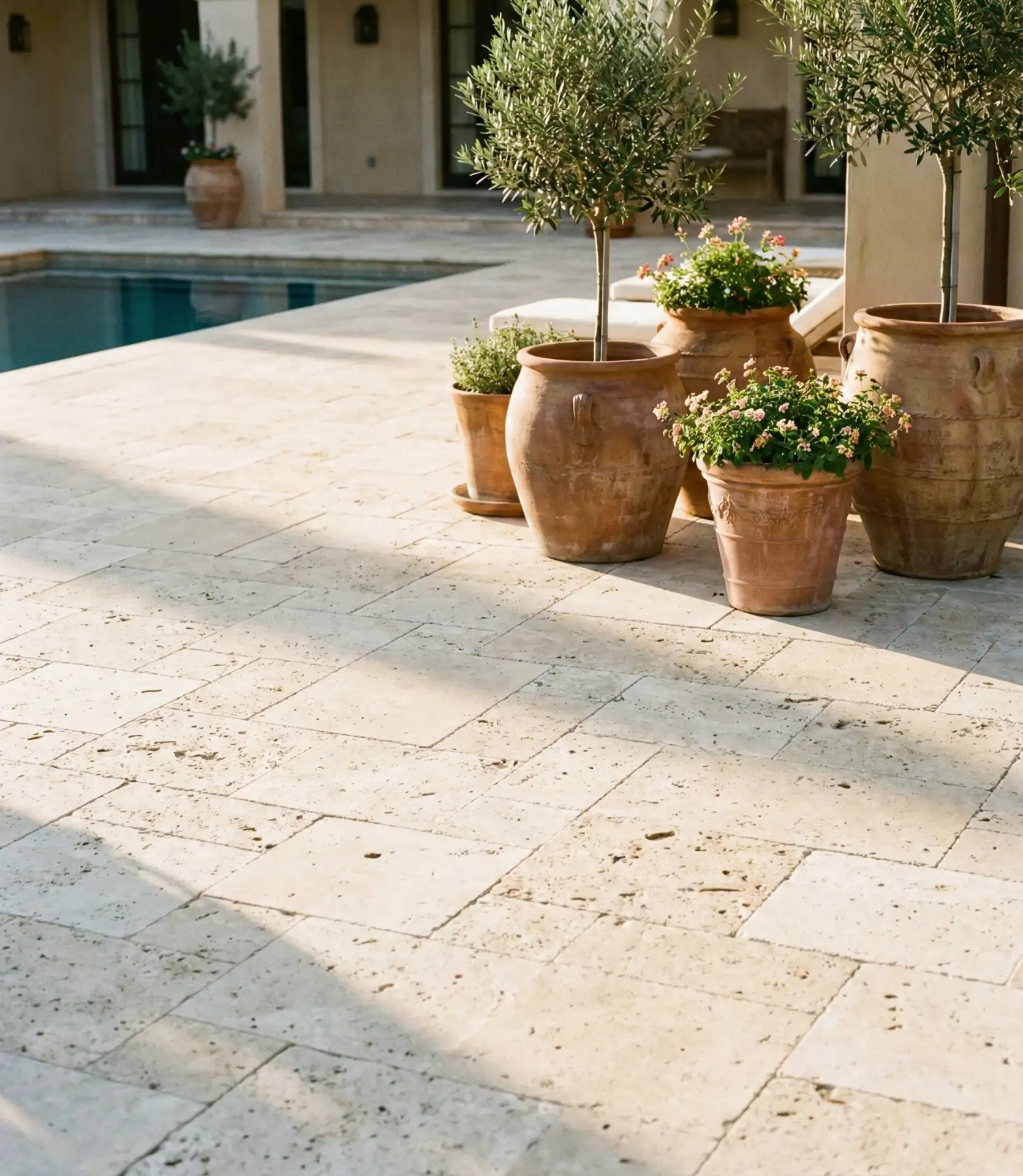
Best used in warm climates such as Florida, Arizona, or Southern California, as the stone’s natural cooling properties are effective. Travertine is $12–$25 per square foot, depending on the finish and grade. Furthermore, it is expensive when it comes to installation.
Stone stains may occur from oils and acids, requiring periodic sealing. Many homeowners, however, appreciate the natural patina developing over time. For freeze-thaw regions, only filled and sealed travertine rated for exterior use is recommended to avoid synthesis from ice expansion.
9. Tropical Hardwood for Resort Vibes
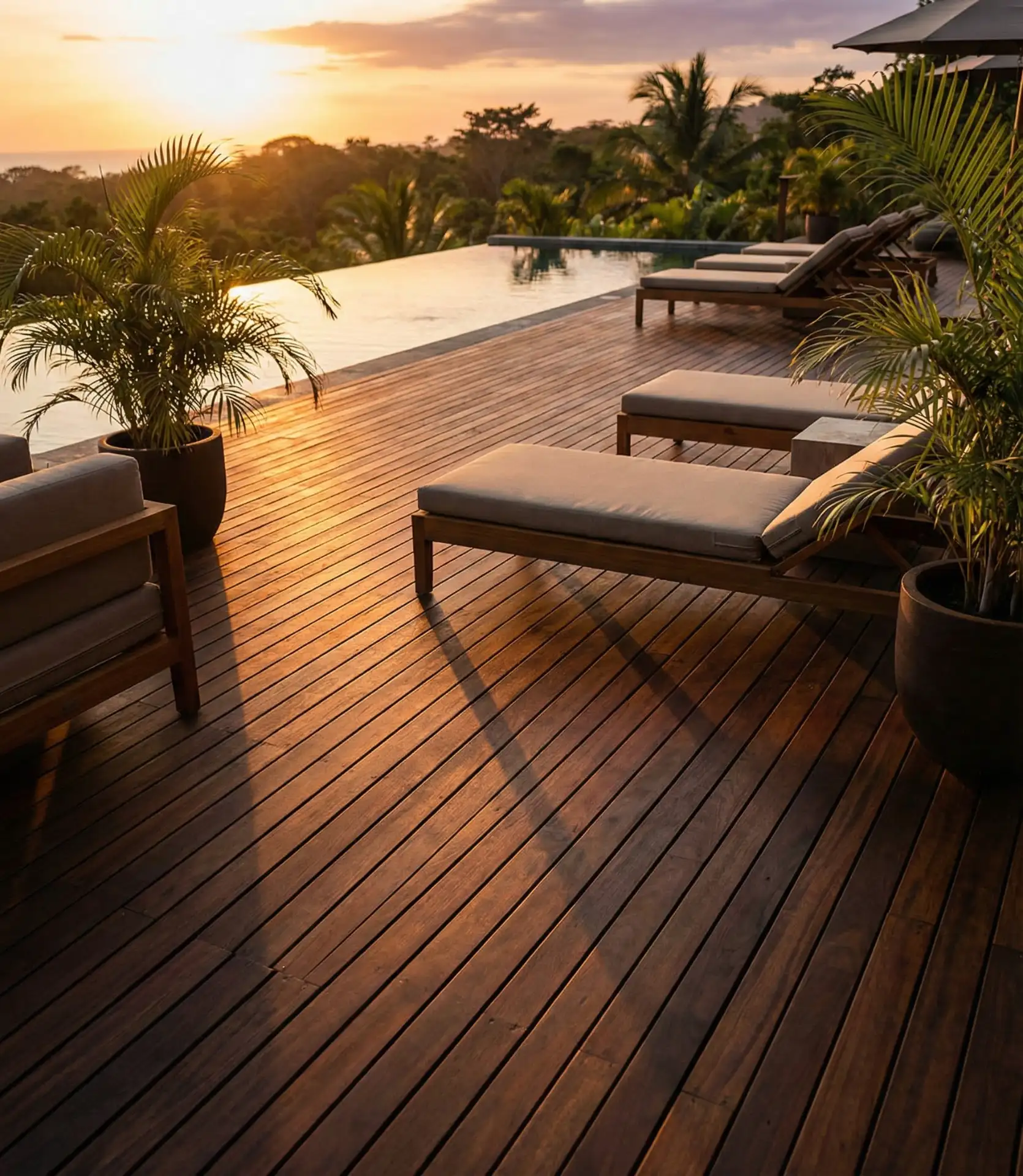
For patios by pools, exotic hardwoods such as ipe, cumaru, talcum, or tigerwood provide the luxury design feel of a warm, tropical resort. These dense tropical hardwoods are naturally resistant to rotting, insect damage, and UV exposure without the need for a chemical treatment, which makes them suitable for these wet environments. They provide a rich amber to dark brown color, aesthetically contrasting with the blue pool water. The wood develops a distinguished, patinaed, silver, and gray color over time if left unsealed. 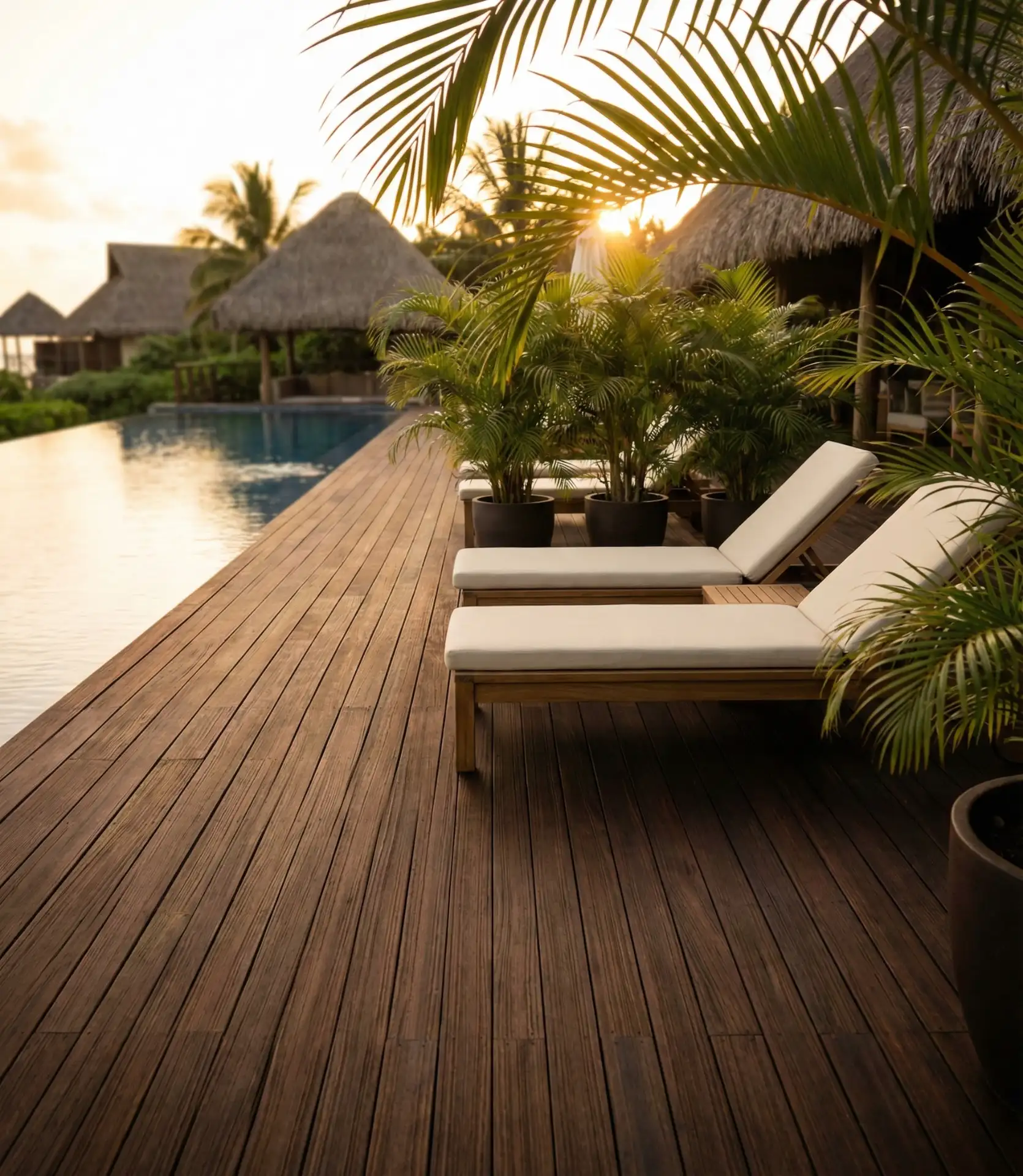
Their ideal location is coastal properties and high-end installations. Woods such as these are premium but sustainably harvested. The investment ($30 to $50 per square foot) is worth it when considering the overall home value. However, a properly installed ipe deck can last over 50 years with minor maintenance. The surface is cool underfoot, which is a favorable prospect for southern states such as Florida, Hawaii, and Southern California.

10. DIY Pallet decks for Temporary Pools

Small above-ground pools that are not permanent can use reclaimed shipping pallets as decks. All it takes is a bit of carpentry. Homeowners can take a few shipping pallets apart, sand them, and put them back together as a deck. The project is ideal for renters or those considering pool ownership, as it costs under $100 if the pallets are free.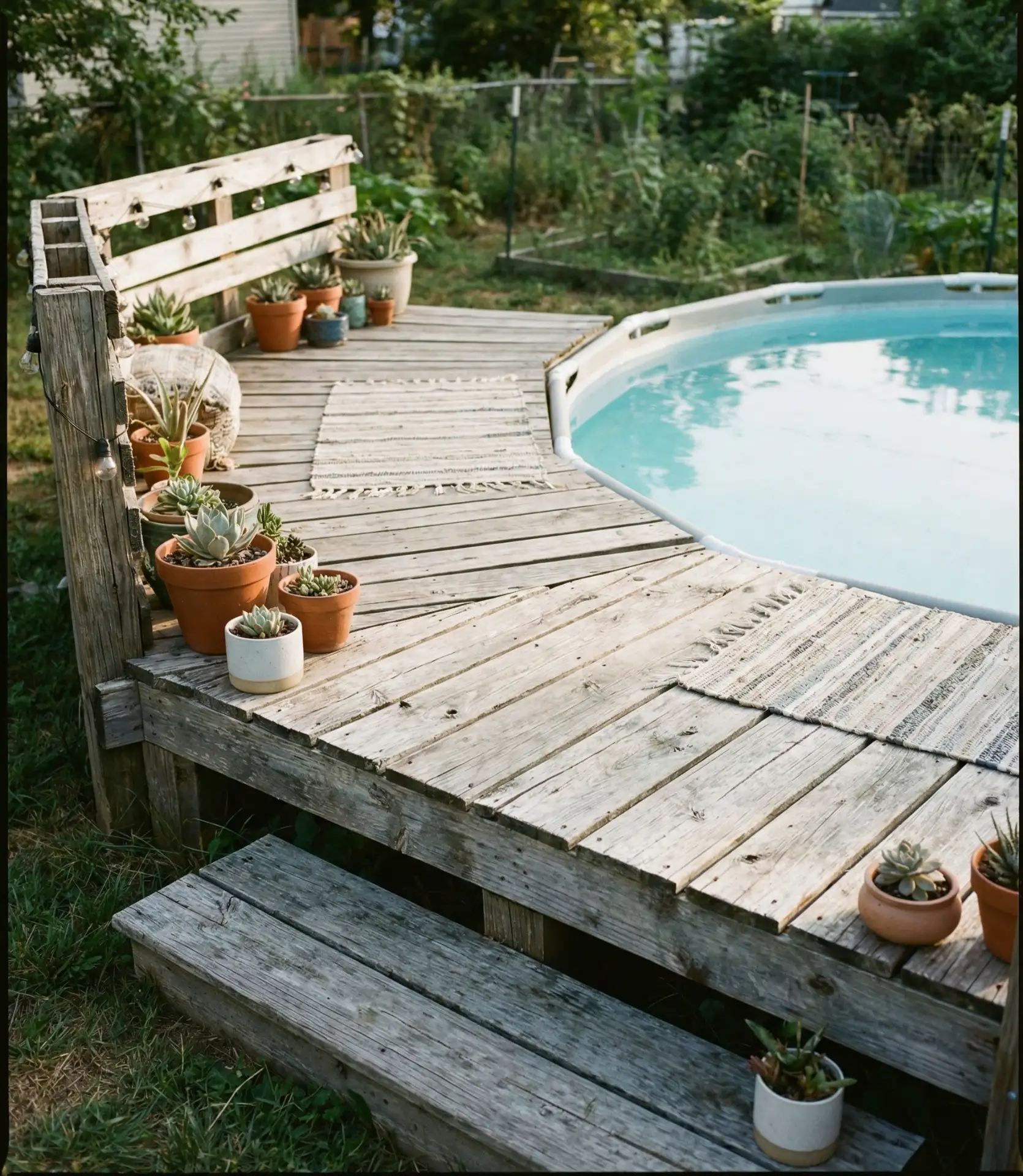
Many people who start with pallet decks and who have them for 2 to 3 years typically reach the point where they realize how much they use the pool and then make that investment in a permanent deck. The wood is not going to last a long time, but it is a low-risk way to invest in improving pool access and aesthetics. Use wooden HT pallets instead of processed wood MB pallets that may leach chemicals around the pool area.
11. Integrated pool bar and seating.
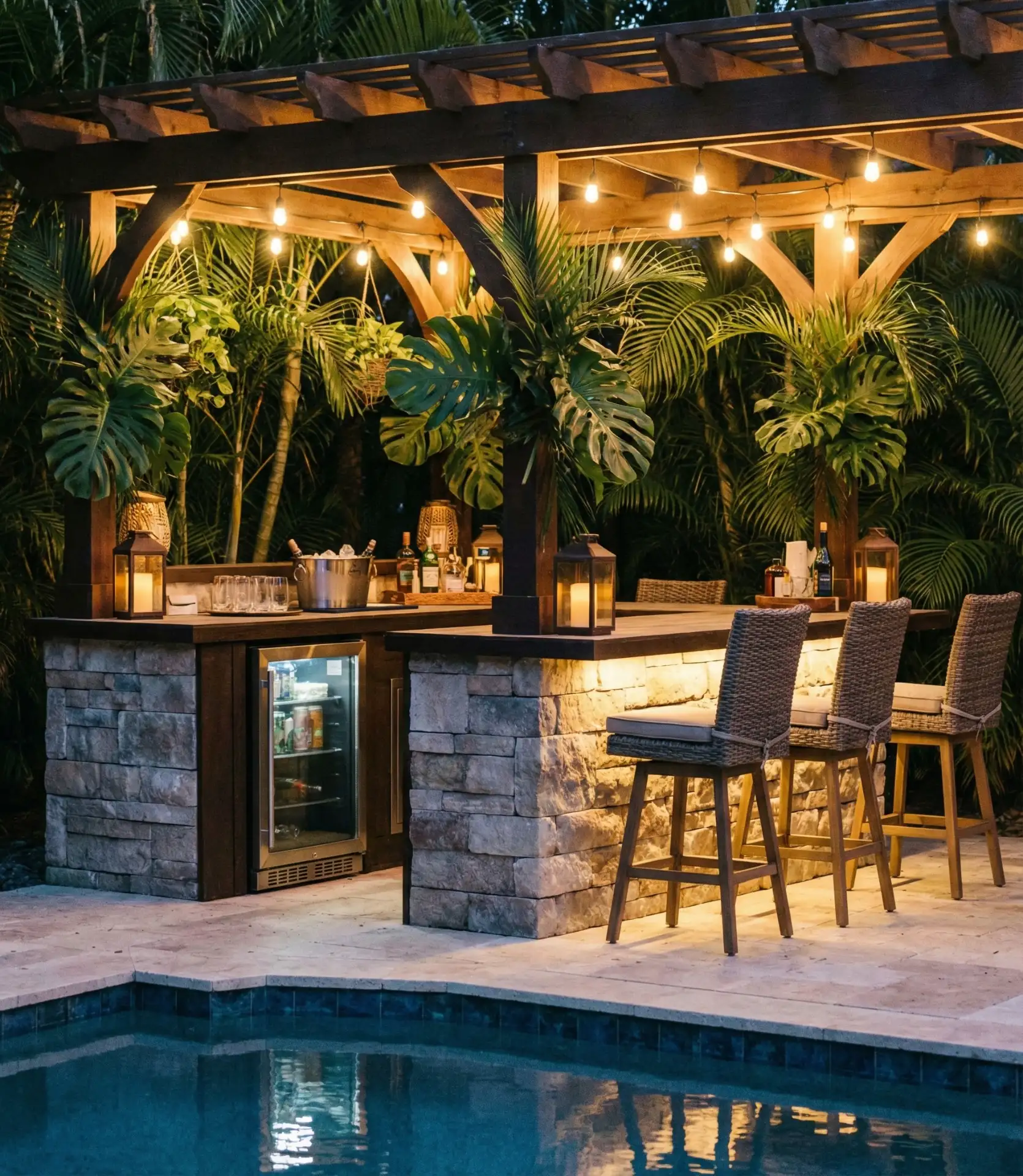
A built-in bar, one of the most enjoyable features of a deck, transforms the deck into a real entertainment space. The deck can be extended with a surface that includes a built-in cooler and bar-height chairs to accommodate a serving counter. The configuration performs especially well with rectangle-sized pools where one of the longer edges has no swim interference and can house the bar. Most designs come with over-bar pergolas or shade sails to keep the bartenders and patrons comfortable. 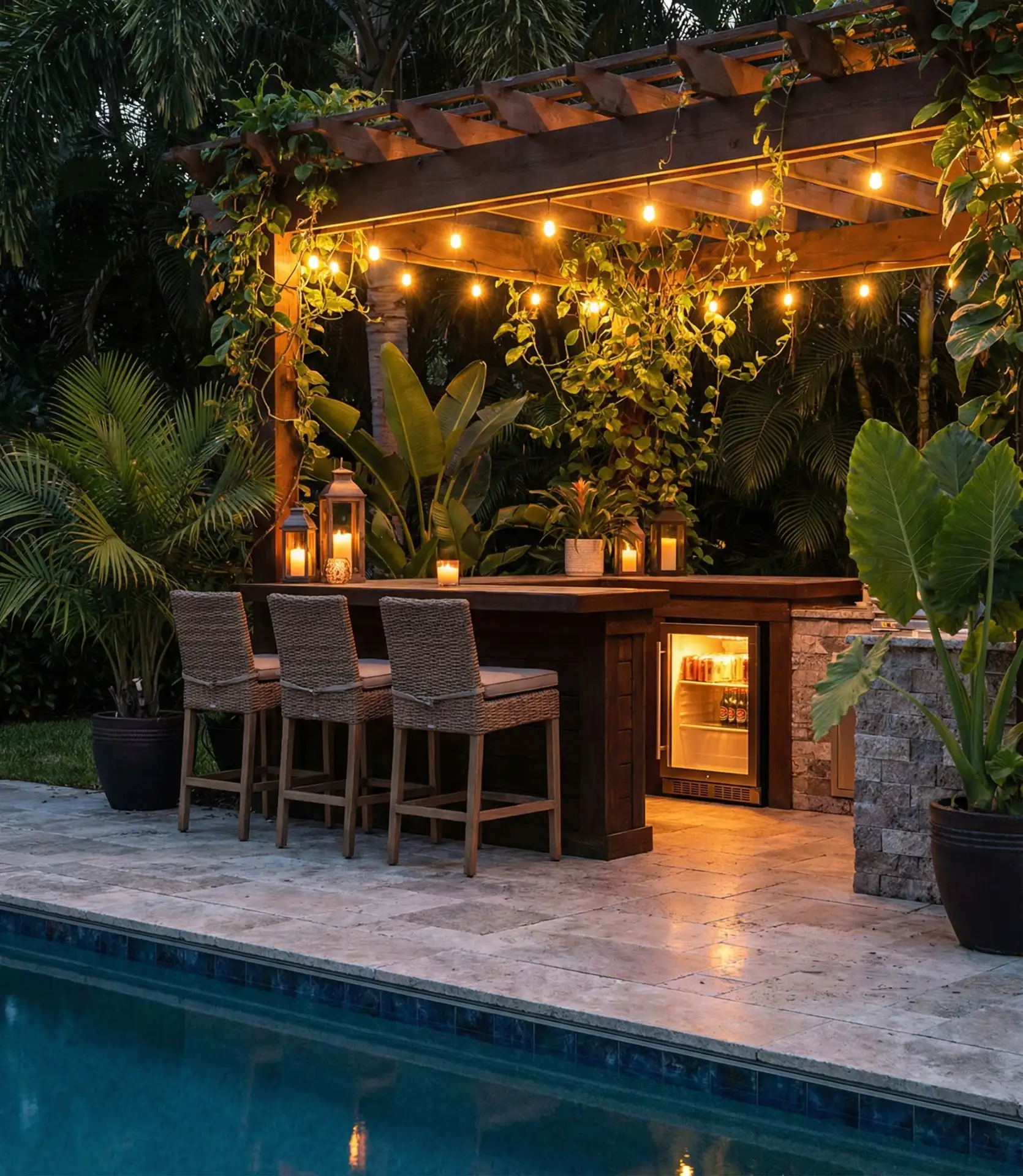
Expert-style comments: designers suggest the bar be placed on the side of the pool that is closest to the house to lessen the number of trips to restock supplies for plumbing. A mini bar sink and refrigerator can tie into the same water and electrical lines that service the pool equipment. This feature increases the cost by $2,000–$5,000 on a deck project, but in states like Texas, Arizona, and California, where outdoor entertainment is year-round, it increases outdoor space usage exponentially.
12. Classic Red Brick Surround

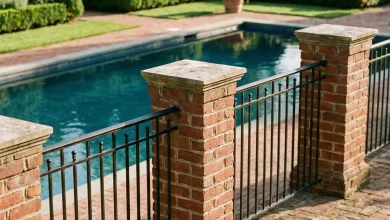
The individual units add natural texture and slip resistance even when wet. Brick works great around pools, and the modular nature means repairs are easy and gives traditional red brick a timeless look that complements colonial, craftsman, and traditional architecture. The individual units provide natural texture and slip resistance even when wet. Brick works beautifully around both inground and aboveground pools, and the modular nature means repairs are straightforward—simply pop out damaged bricks and replace them rather than patching large sections like with poured concrete. 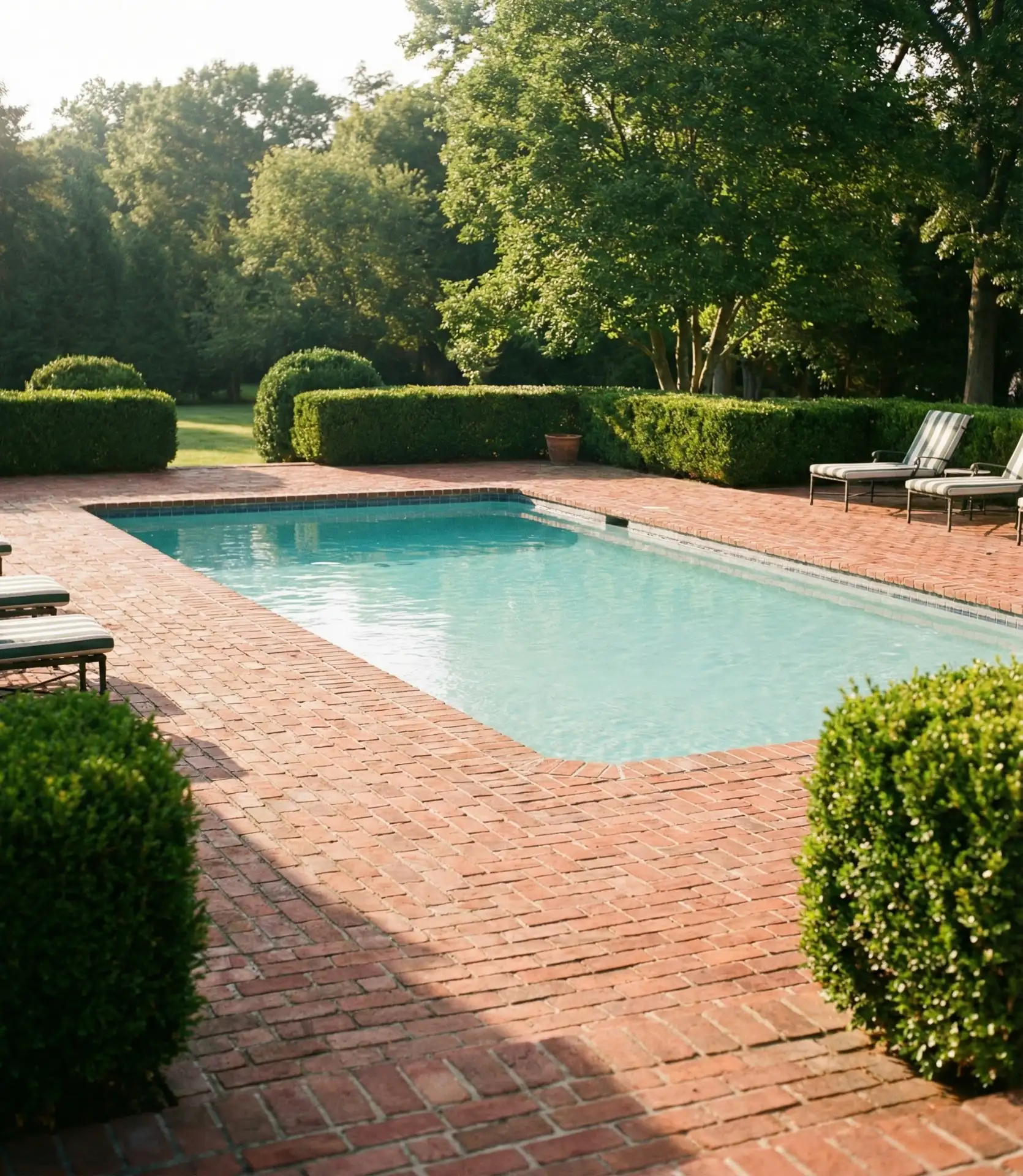
Brick is a popular material for homes in the Mid-Atlantic and Southern states, so extending it to the pool is beneficial for cohesion. It is $10–$18 per square foot, making it midrange for budgets. It develops an attractive patina over time and doesn’t crack like concrete. A common mistake is using wall bricks instead of paver bricks; only paver bricks withstand the freeze-thaw cycle and foot traffic.
13. Grassy Lawn Edges for Natural Pools
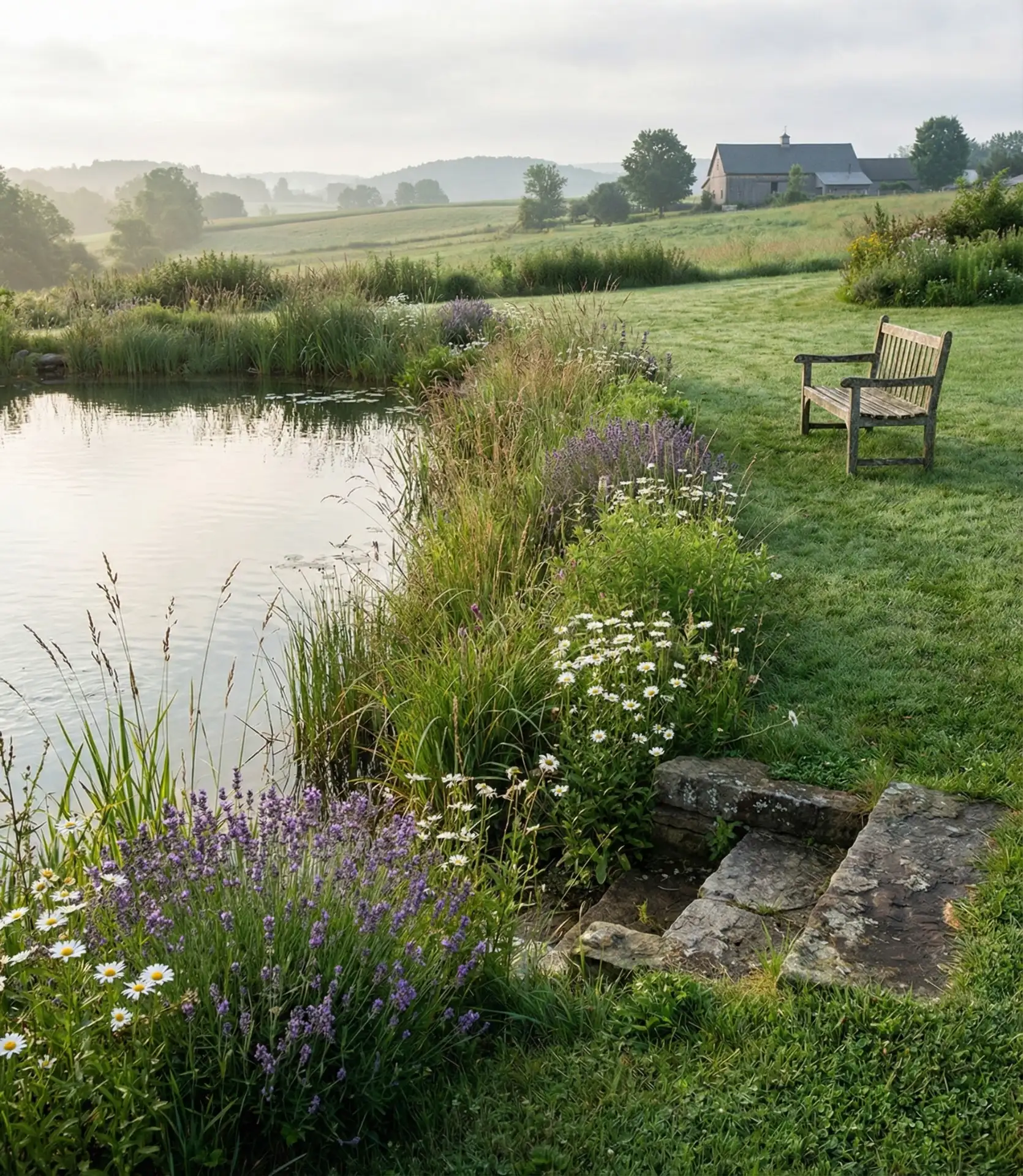
A lawn right up to the pool edge creates a popular seamless aesthetic found in European designs and cowboy pool settings. This approach skips traditional concrete decking, using instead reinforced grass that can handle moderate foot traffic. The green buffer makes pools feel like natural ponds and reduces hardscape heat. This approach is particularly striking when applied to semi-inground pools that seamlessly blend into the surrounding landscape. 
This style works in the Pacific Northwest, New England, and upper Midwest, where grass naturally thrives with minimal irrigation.
The grass does require more maintenance than concrete surfaces—regular mowing, edging, and occasional overseeding. Most homeowners still include a small paved area at one entry point for pool equipment and a clean transition. Material costs are minimal, but ongoing lawn care time is the real investment here.
14. Wide Coping with Built-In Planters
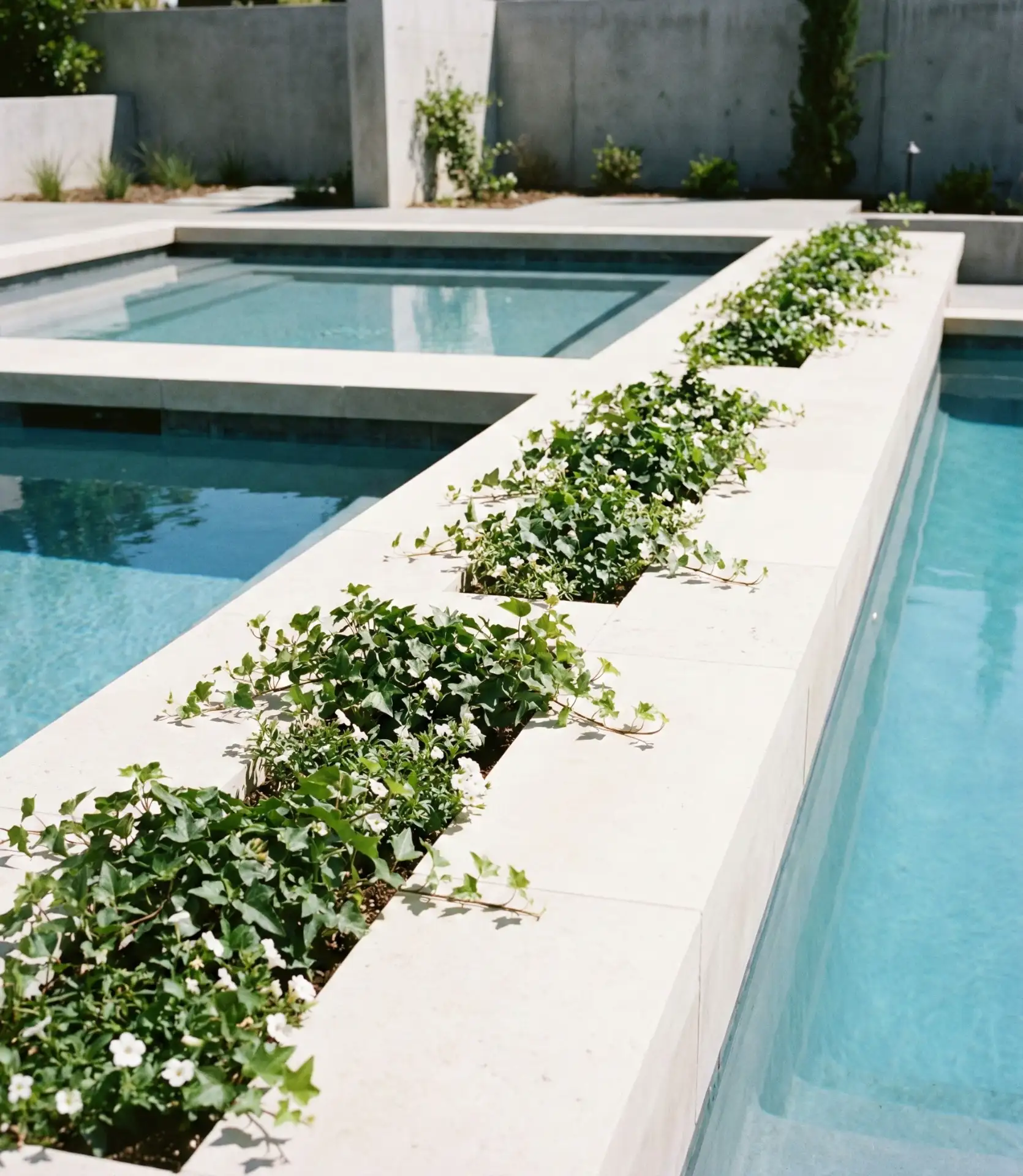
Expanding the coping—the edge material directly around the pool—to 18-24 inches creates natural spots for built-in planters or sitting. This design is particularly effective for decorating smaller pools where a full deck isn’t possible but you still want visual softness. The wider ledge provides a place to set drinks, towels, or decorative elements, while the integrated planters add greenery without cluttering the space with movable pots. 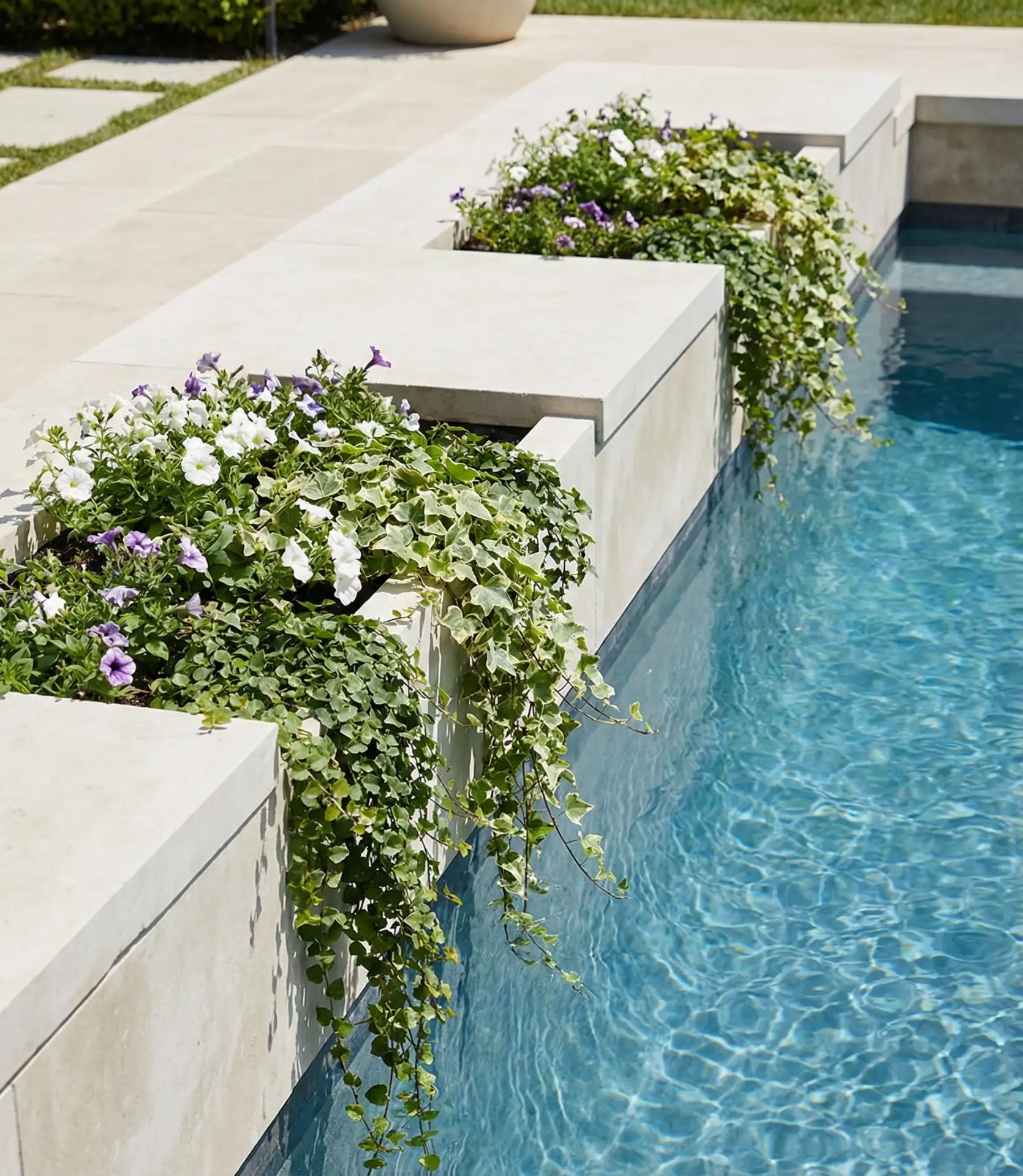
American lifestyle context: in urban backyards where every square foot counts, this solution maximizes the usable area around the pool without requiring extensive deck construction. The planters soften the transition between water and yard while maintaining clear sight lines. Choose drought-tolerant or tropical plants that can handle splashing chlorinated water—ornamental grasses, agave, bird of paradise, and certain palms perform well in these conditions.
15. Textured Concrete for Slip Resistance

Standard smooth concrete when wet can be very slippery; however, concrete finishes can solve this problem by providing a more economical solution. Concrete decking can be broom finished, salt finished, or aggregate exposed to offer a seamless, safe solution for $1–2 per square foot more than standard concrete. Run dry to wet pools; this treatment would dramatically improve safety. 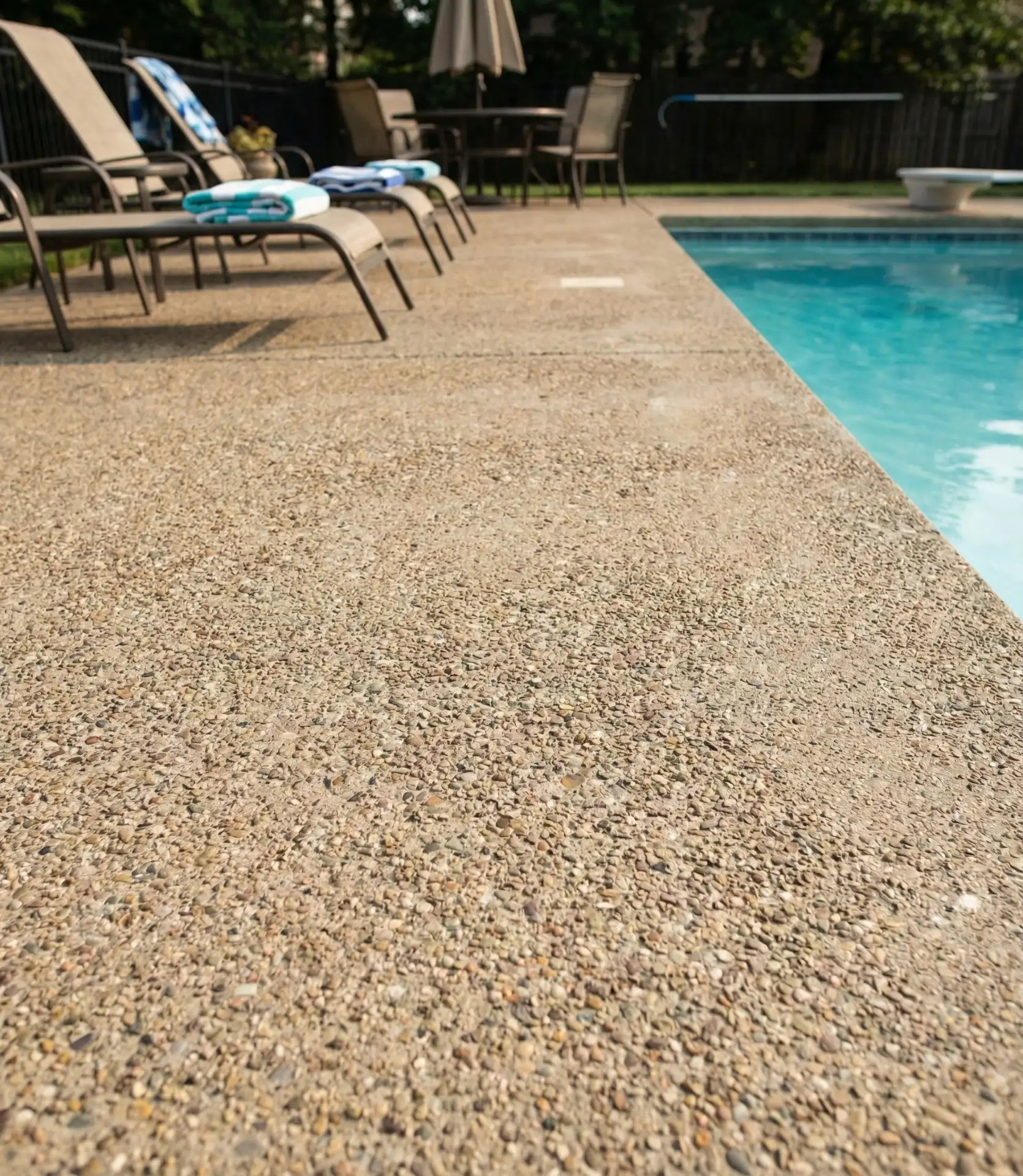
Practical insight: among other things, exposed aggregate concrete is visually intriguing. It washes away the top layer of cement to visually reveal aggregate stones, leaving the concrete surface to be rough and stain resistant. It is important to use concrete pools in hard water areas or high iron content areas where water can stain swimming pools. The faux decor stones can be of various sizes and types, including quartz, river rock, and other stones. The faux decor aggregate can be white quartz for brightness, and river rock in dark earth tones can provide, among other things, a more earth-toned color.
16. Wraparound Deck for 24-Foot Round Pools

One of the best-known sizes for above-ground pools is the 24-foot round pool. It’s summer. A full wrap-around deck converts it from a temporary summertime fixture into a permanent landscape element.
The circular deck has the option of extending 4-8 feet beyond the pool wall, allowing for lounging space while visually grounding the large circular shape. The built-in benches along the outer edge of the deck allow for seating without loose furniture cluttering the deck. 
When financing, a deck that wraps around a 24’ pool will run anywhere from $8,000 to $15,000. This is a large amount to pay, but in return, the homeowners get over 400 square feet added to their home. The deck will protect the pool liner from ground punctures, and it eliminates the need for ladders that pose a safety concern from unmonitored access. Financing the deck is common along with the purchase of the pool, spreading the cost over a few years.
17. Porcelain Tile for Luxury Finish
Large-format porcelain tiles in stone or concrete look like they bring high-end interior style to outdoor pools. Modern porcelain is frost-proof, slip-resistant when textured, and impervious to chlorine staining. The minimal grout lines create a clean, contemporary aesthetic perfect for modern inground designs. Tiles come in lengths up to 48 inches, allowing installers to cover significant areas with few seams. 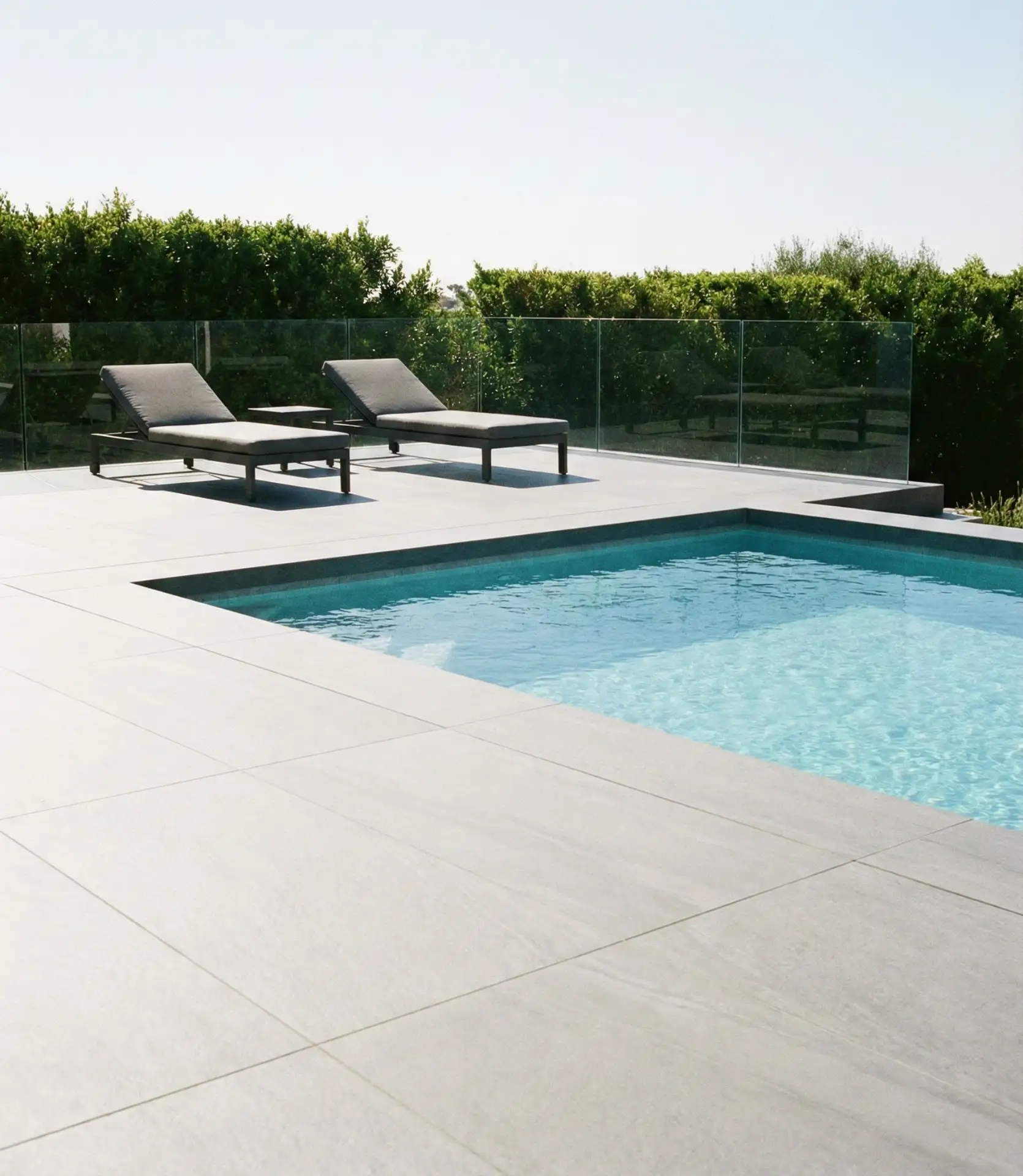
Where it works best: warm climates with minimal freeze-thaw cycles, though modern porcelain formulations are increasingly cold-hardy. The material costs $15–$25 per square foot installed, positioning it as a premium choice. Homeowners in luxury markets like coastal California, South Florida, and Scottsdale favor porcelain for its ability to mimic expensive materials like marble or limestone without the maintenance headaches. The non-porous surface never needs sealing and cleans with simple soap and water.
18. Mixed Material Zones
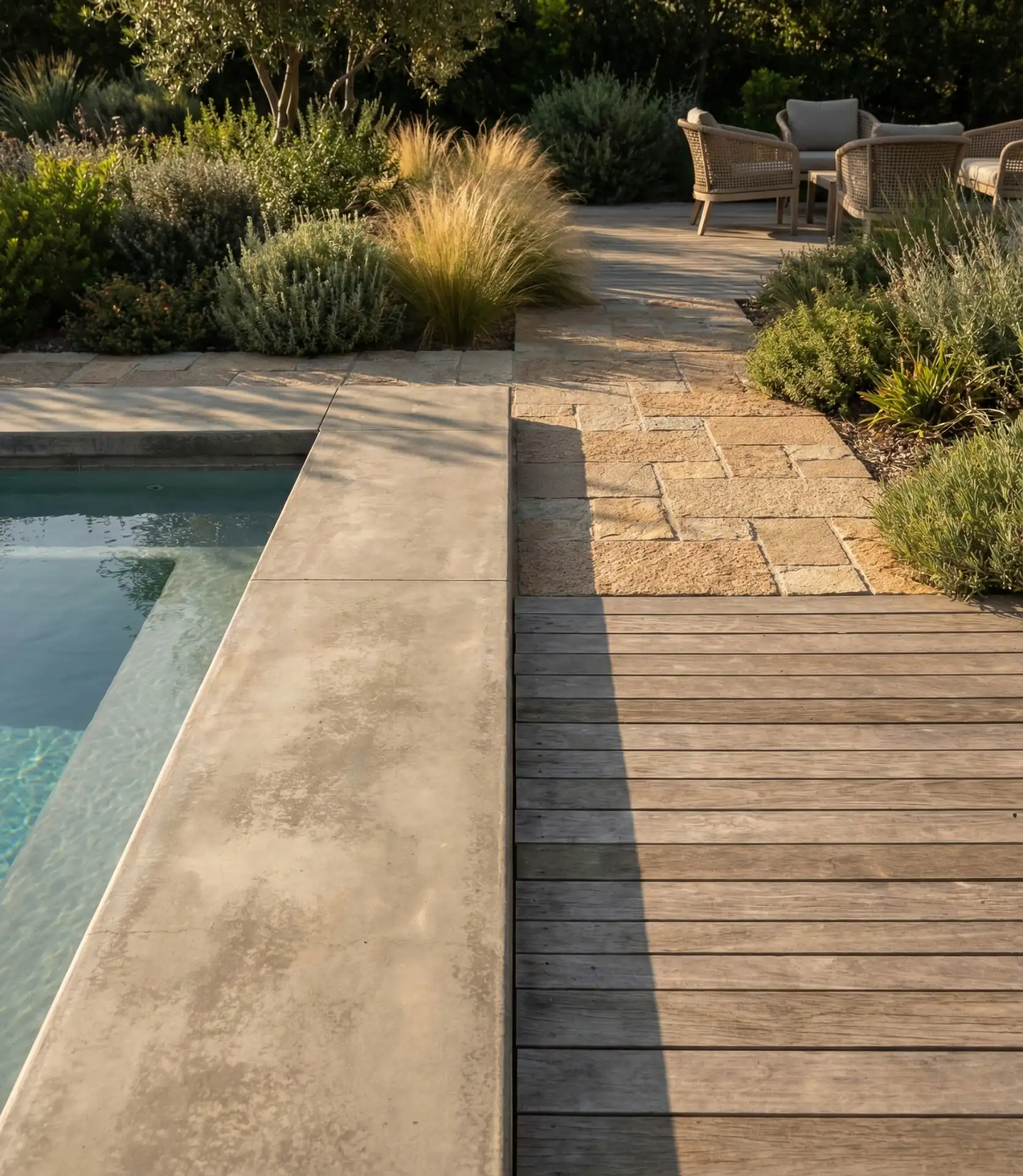
Combining different decking materials creates distinct functional zones around the pool. You might use concrete for the immediate pool surround where durability matters most, transition to wood decking for the lounging area, and incorporate pavers for walking paths. This approach allows you to allocate budget strategically—spending more on high-traffic zones while using affordable materials where appropriate. 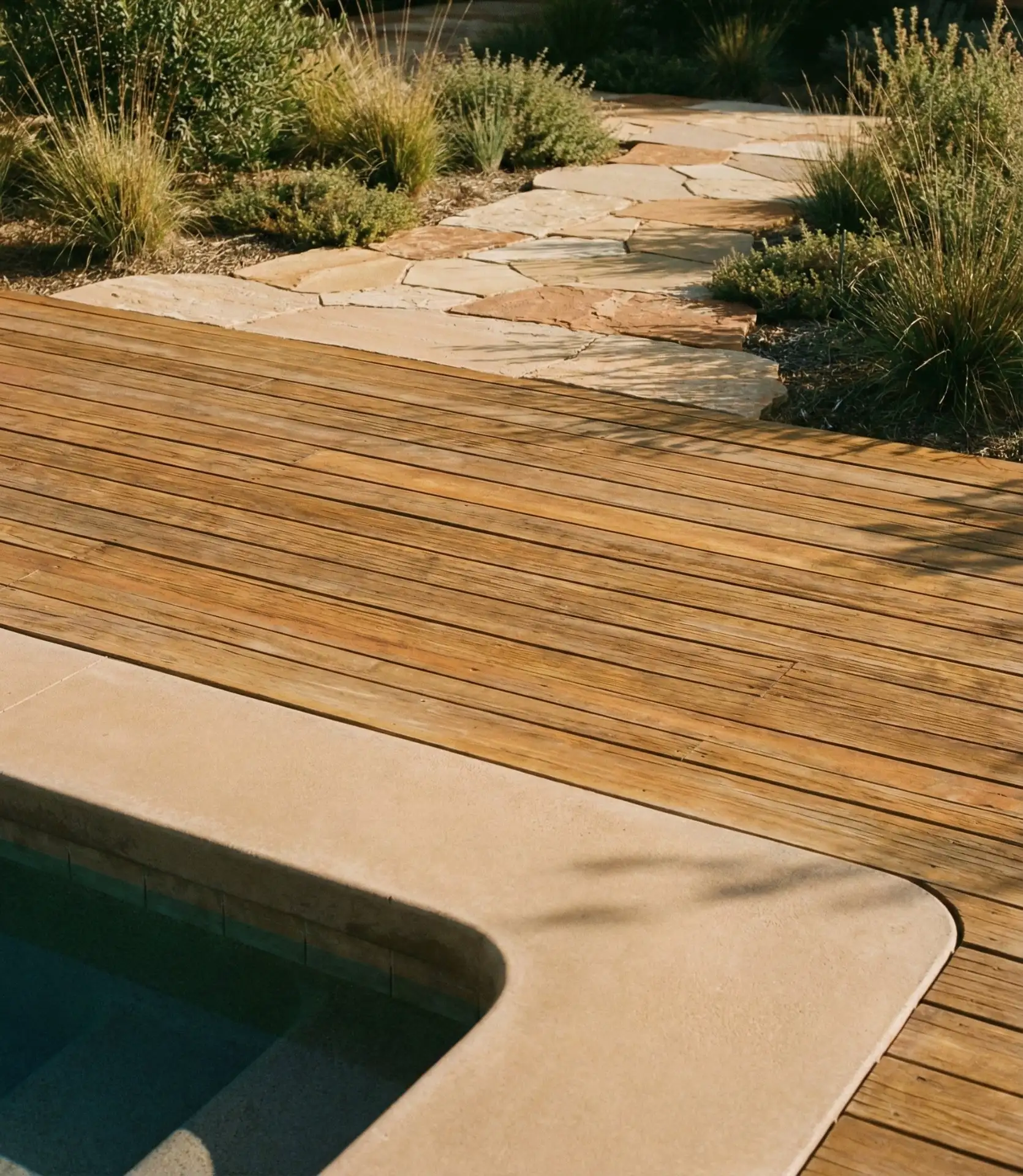
Expert-style commentary: The secret to successful mixed-material design is the cohesive use of color. For example, weathered gray composite decking, gray concrete, and blue-gray stones all look stunning together. Material changes should happen at logical demarcations/boundaries—where the deck steps down, where covered space begins, or where different activities happen.
This technique lets each zone’s specific requirements dictate materials without having to worry about the look being scattered.
19. Stained Concrete in Custom Colors

Water or acid stains are used to paint an impressionistic picture on surfaces. They also come in terracotta, warm browns, cool blues, and greens and can help create an integrated look with the architecture or landscape. Because the stain reacts with the concrete, it creates an organic look to the variegated finish. This technique gives the concrete an elevated look without having to use premium materials. 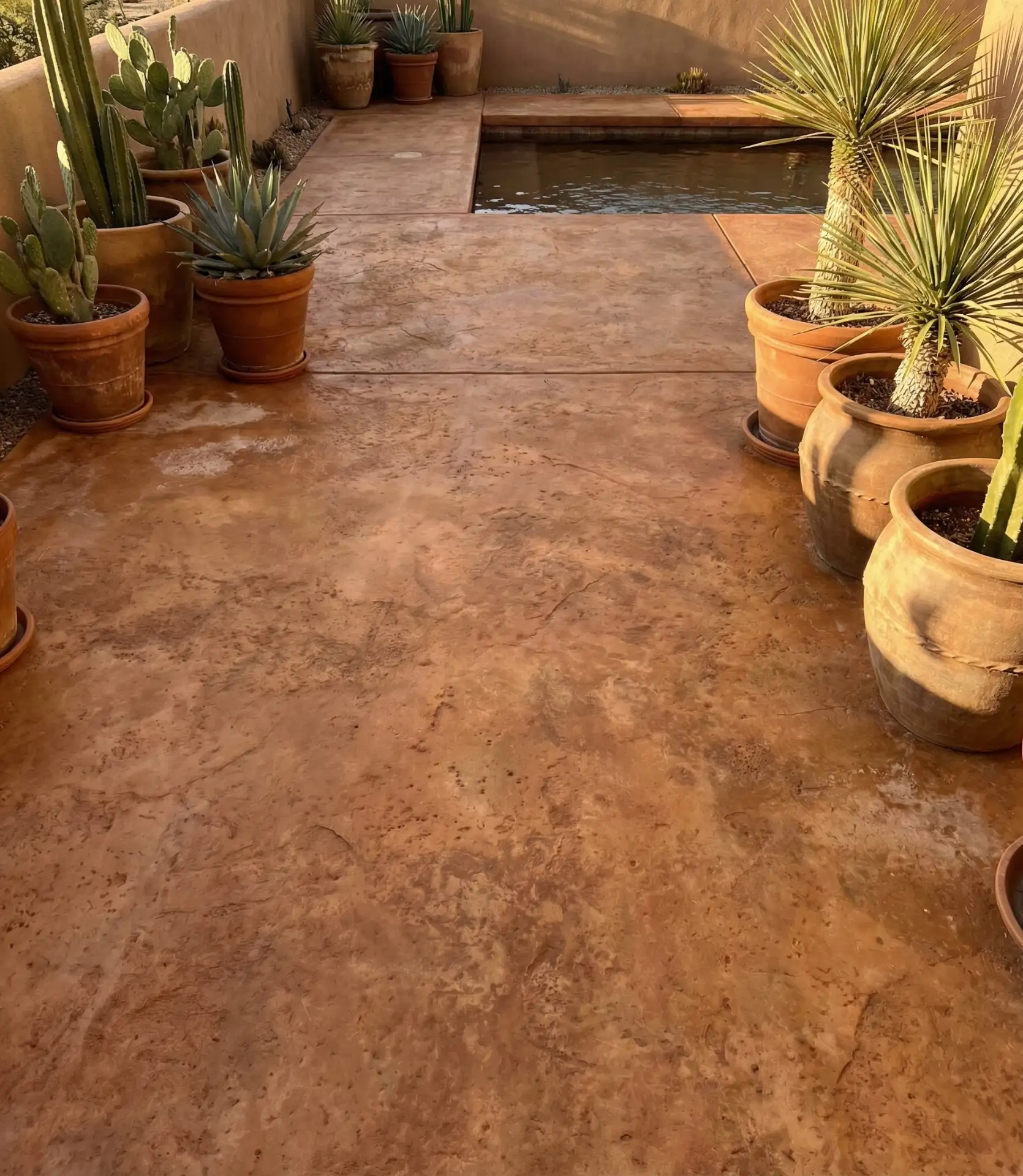
Concrete decks use stains not only for aesthetic upgrades but also to conceal dated or worn concrete. It can transform dated concrete for a very reasonable $2 to $4 per square foot. Because stain is a penetrating finish, it won’t chip or peel like paint, and the finish will not need to be stripped off. It will need to be resealed every few years, however. In addition to maintaining the look, they can even be restained in different colors.
20. Pergola-Covered Lounge Section
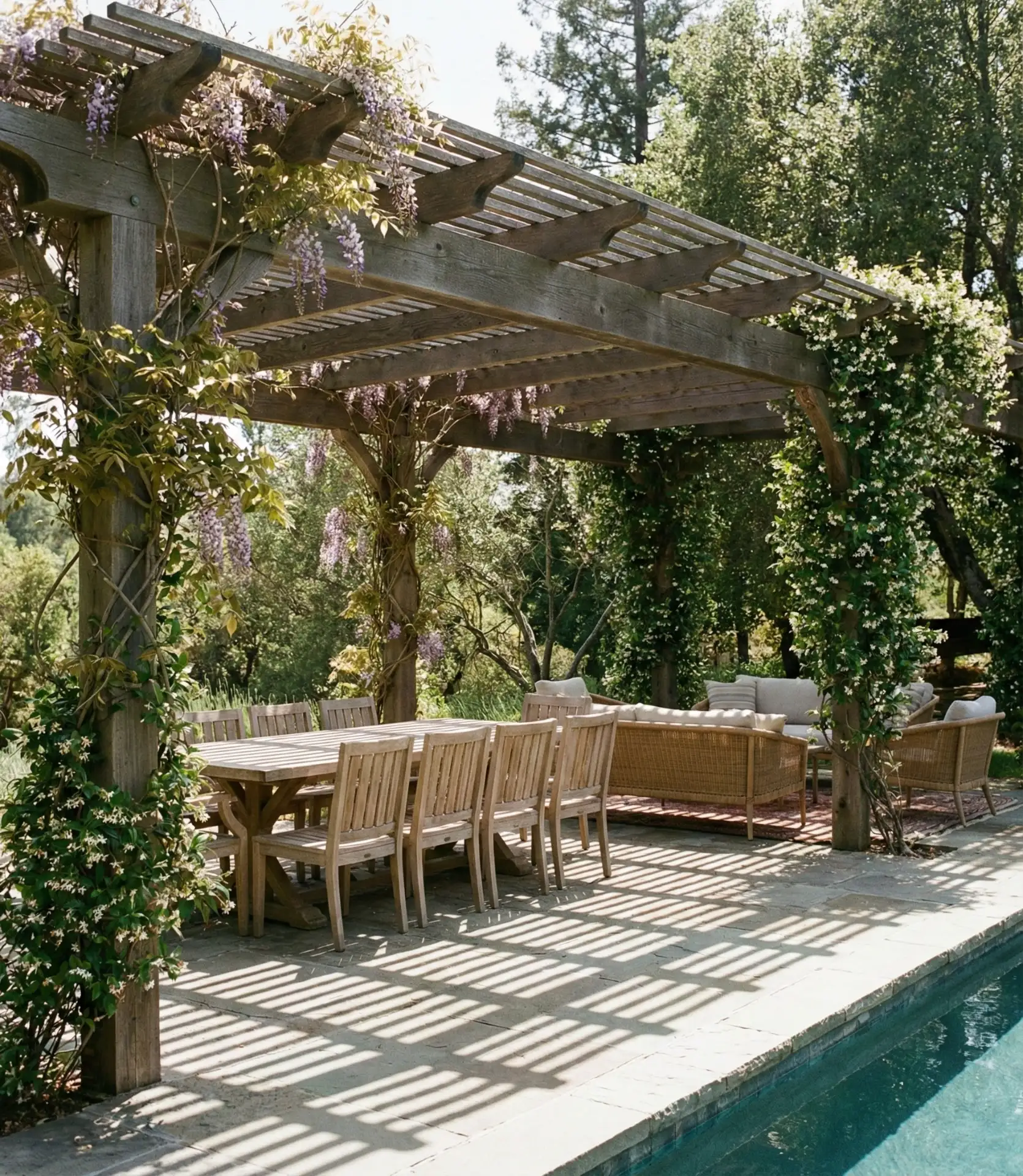
A pergola over part of the deck provides shade for those who want to be near the pool but not in the sun. It is ideal for dining tables, outdoor sofas, or a bar. Cedar or pressure-treated lumber pergolas range from $3,000 to $8,000 depending on size and upgrades. Slightly pricier but maintenance-free, aluminum powder-coated pergolas are available. 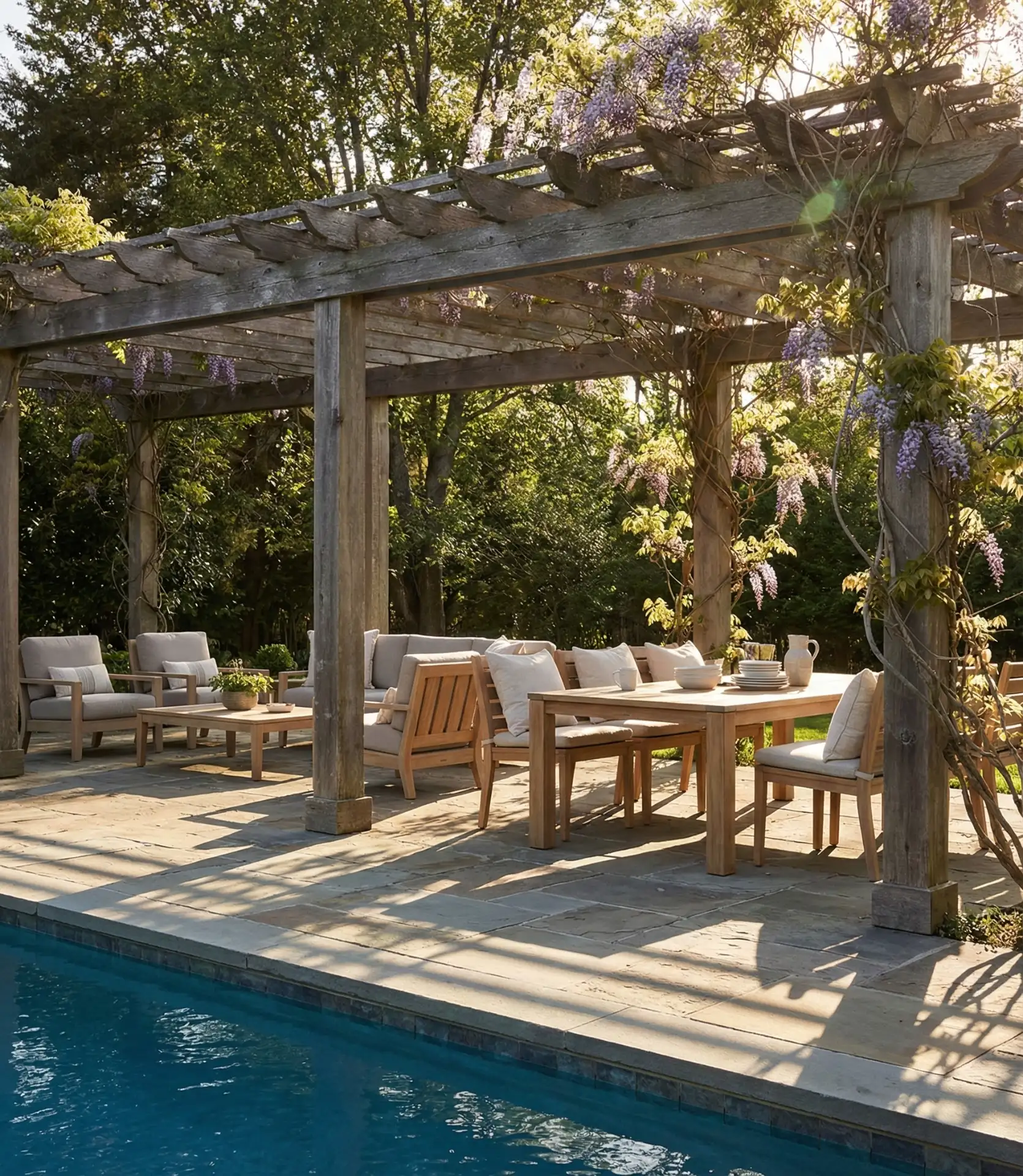
Avoid building too-small pergolas. 10×12 feet is the absolute minimum for being able to arrange furniture comfortably. Furthermore, many homeowners almost always forget about electrical and end up wishing they had run power for a ceiling fan, string lights, or outdoor speakers. Vinyl or cloth shade panels can be added between the slats for adjustable coverage, and some designs incorporate retractable canopy systems for complete weather protection.
21. Infinity Edge Visual Effect
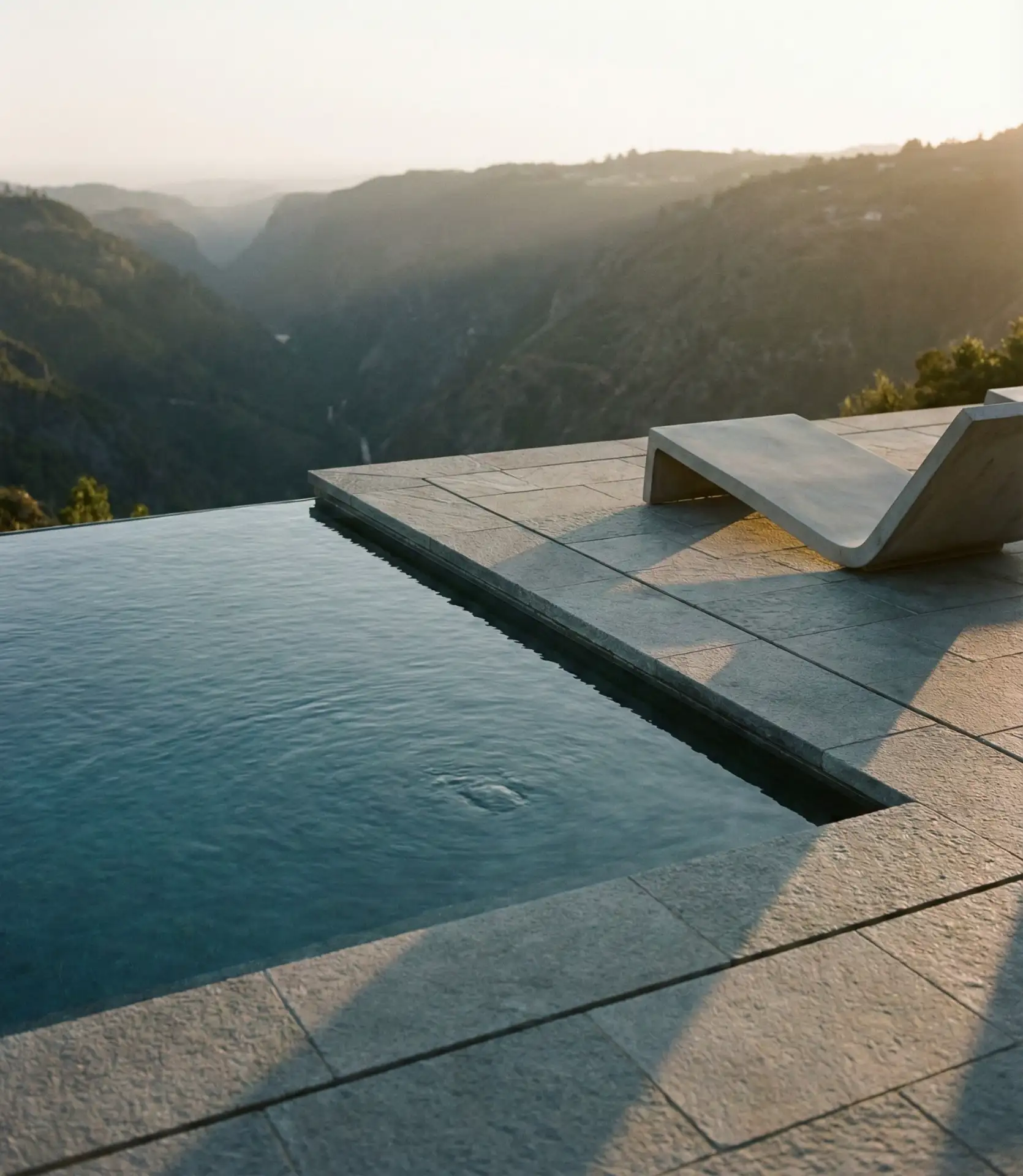
While truly infinite pools take a lot of engineering, you can create a similar visual effect by keeping the deck level extremely close to the waterline on one side. This is particularly effective on sloped properties, where the pool is level with the yard on one side but “floats” above the landscape on the downhill side.
The mirage provides even small backyard pools the look of being high-end. 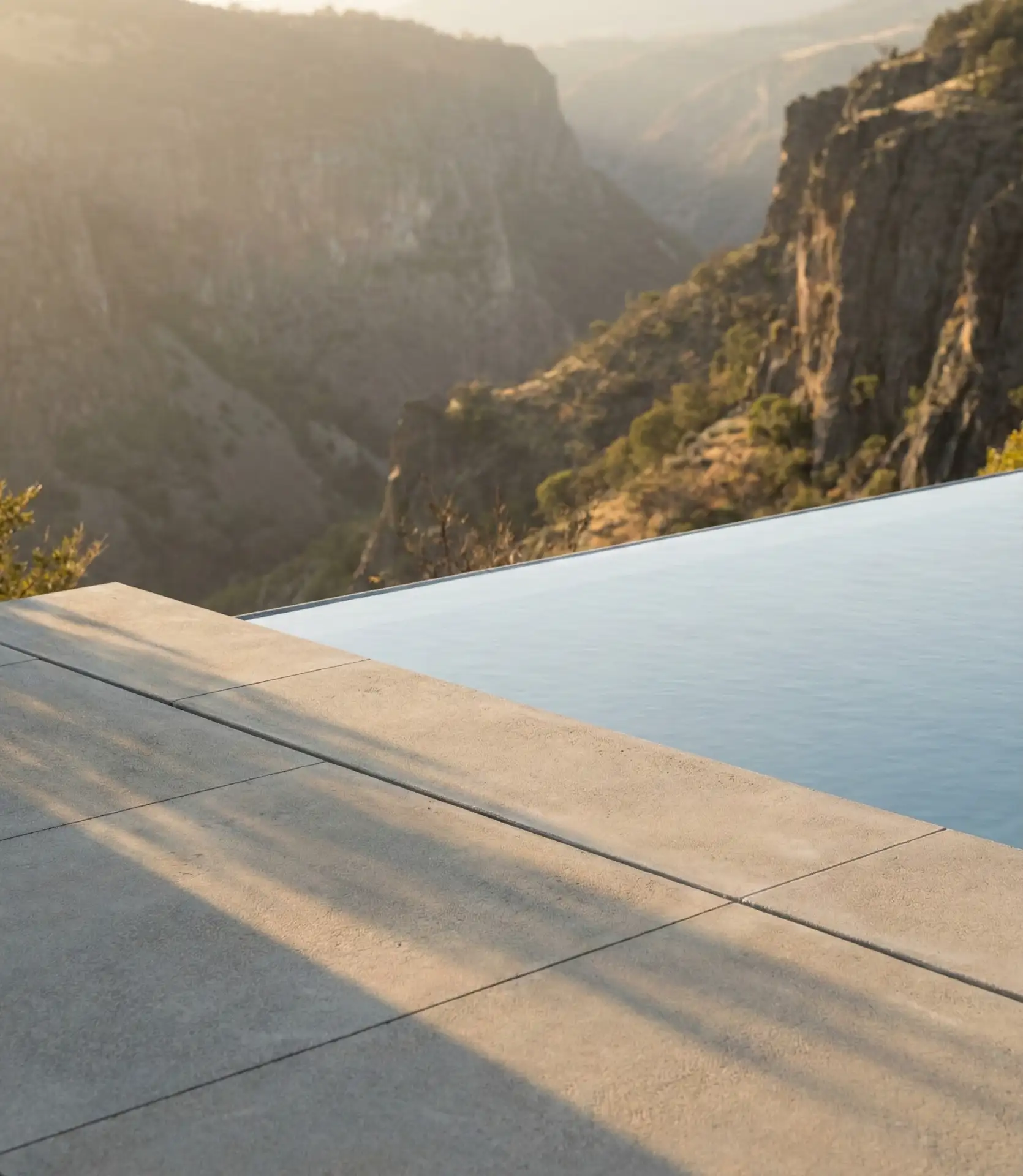
Regional context: Properties that are in the mountains or near the coast, especially where there are natural drop-offs, like parts of California, the Carolinas, and Tennessee, are the best fit. The illusion requires precise surface leveling so that the water appears to flow toward the view side, while in reality, the drainage and circulation work in the standard way. Many landscape architects can modify existing pools by changing the deck heights and adjusting the sight lines, though new constructions allow for more striking effects. Without necessitating alteration to the square footage of the pool, the psychological effect of the infinity edge provides the illusion that the pool is so much more luxurious.
22. Rustic Railroad Ties Border
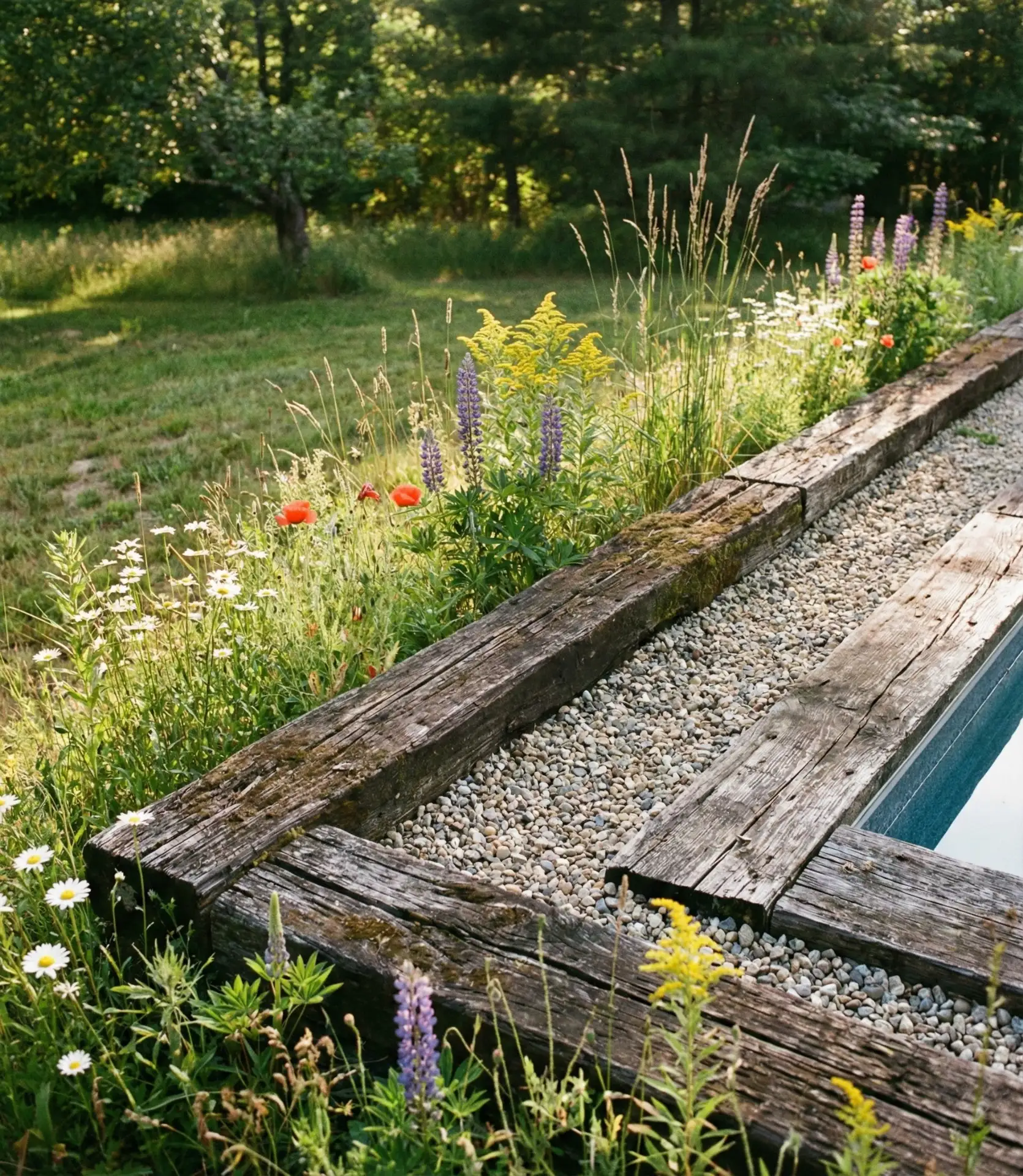
Used railroad ties make a beautiful, rugged border for stock tank pools or other more casual cowboy pool setups. The large, weathered timber beams can be used for terracing or raised planting beds, and their rugged look gives a more rustic finish. This very affordable option is $5 to $15 per tie and takes very little skill to install—just leveling the ground and laying in place. 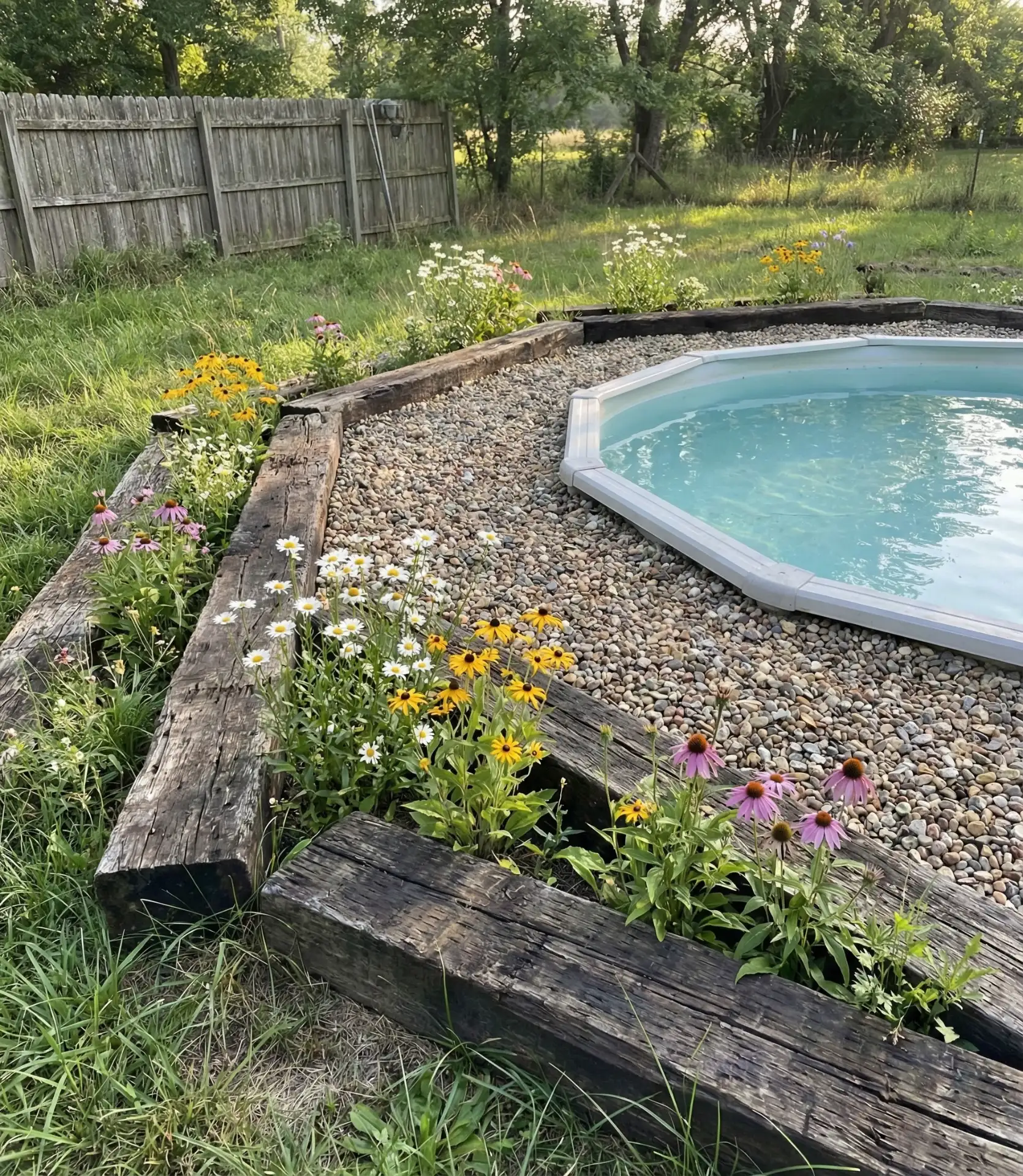
Only untreated or properly aged railroad ties should be used. Older ties have been treated with creosote, which is a toxic preservative that can leach into soil and water.
If you want to get some new ties before using them around water features, look for ties made of newer, more water-safe materials, or let some of the old ties you already own get some weathering for a few years. The heavyweight timbers excel at preventing soil erosion on sloped sites and can double as casual seating surfaces when laid flat. Many homeowners in rural areas get these for free or cheap from railroad maintenance yards.
23. Glass Fence Integration
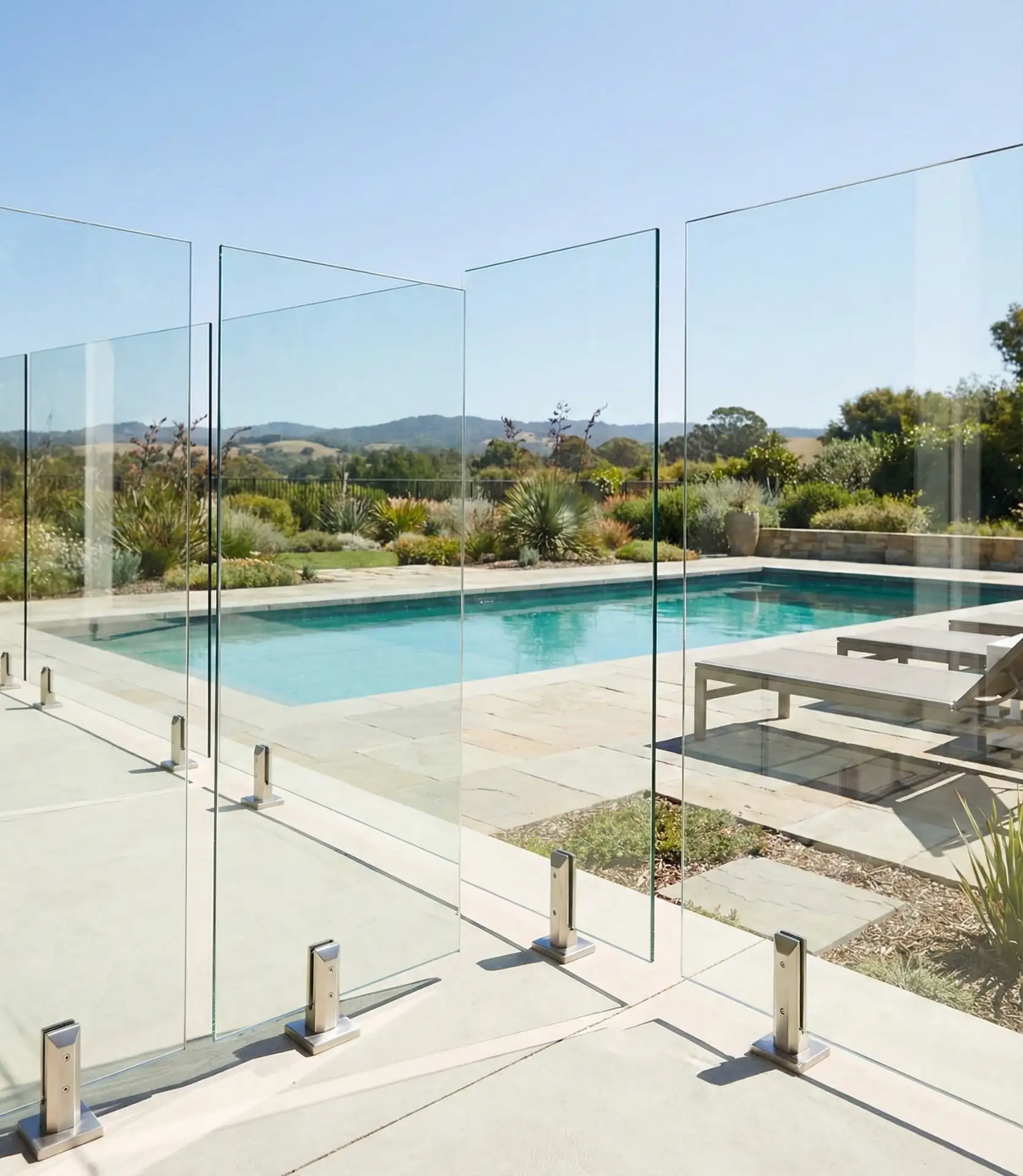
Frameless glass fencing has become increasingly popular for pool safety barriers that don’t obstruct views. When the deck design incorporates the fence posts and base channels seamlessly, the glass appears to float at the pool’s edge. This sleek solution maintains sightlines across the yard while meeting safety codes, perfect for properties where decorating and design are priorities alongside safety. 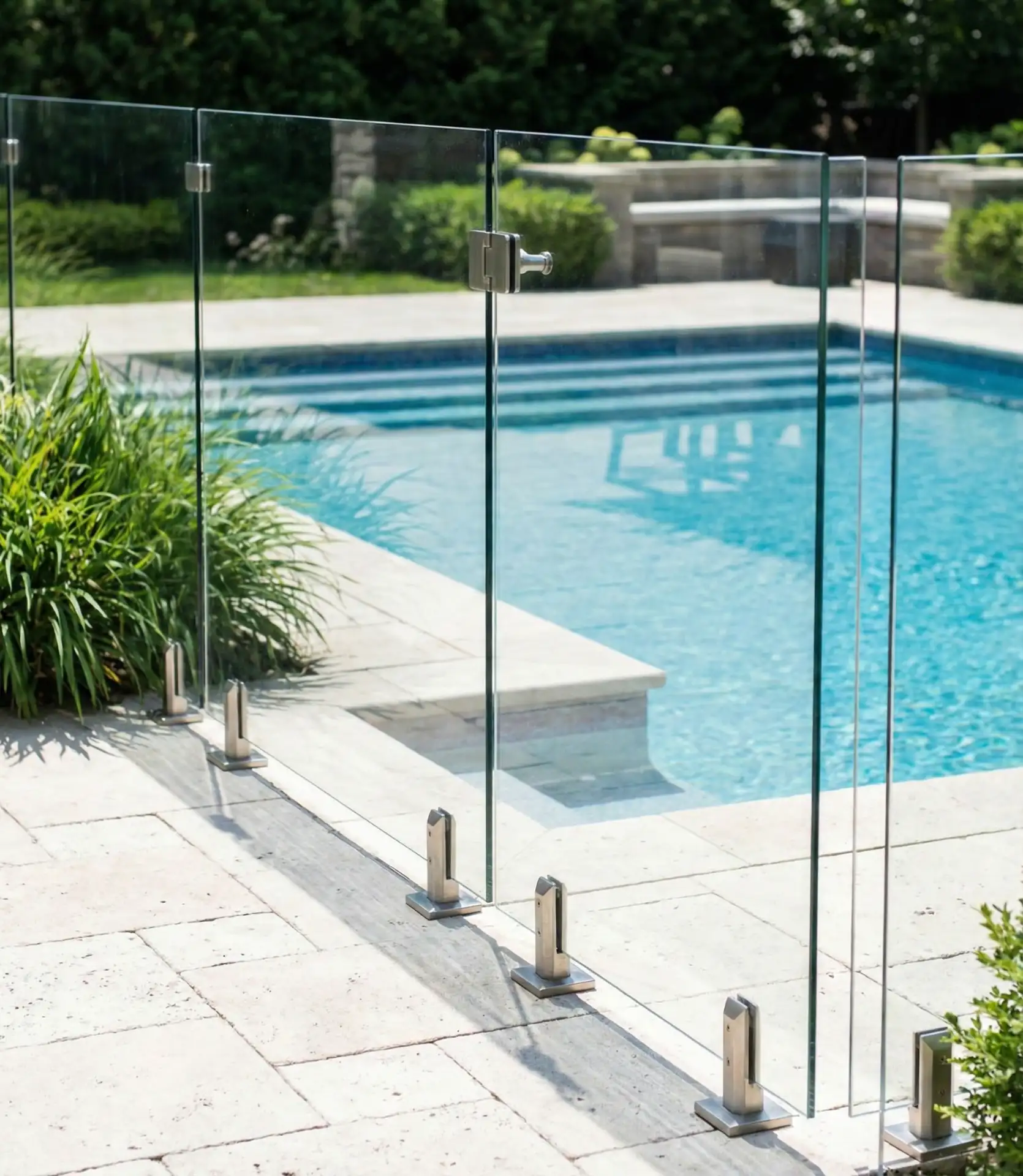
Budget angle: Glass fencing costs $200-$600 per linear foot installed, making it one of the priciest pool deck features. However, in high-end neighborhoods or homes with spectacular views, the investment preserves property value by maintaining the visual connection to the landscape. The tempered glass requires minimal maintenance—just occasional washing to remove water spots—and unlike metal or wood fencing, never needs repainting or refinishing.
Most codes require a 48-inch-tall barrier, and the glass must meet certain levels of impact resistance.
24. Saltillo Tile for Southwestern Style
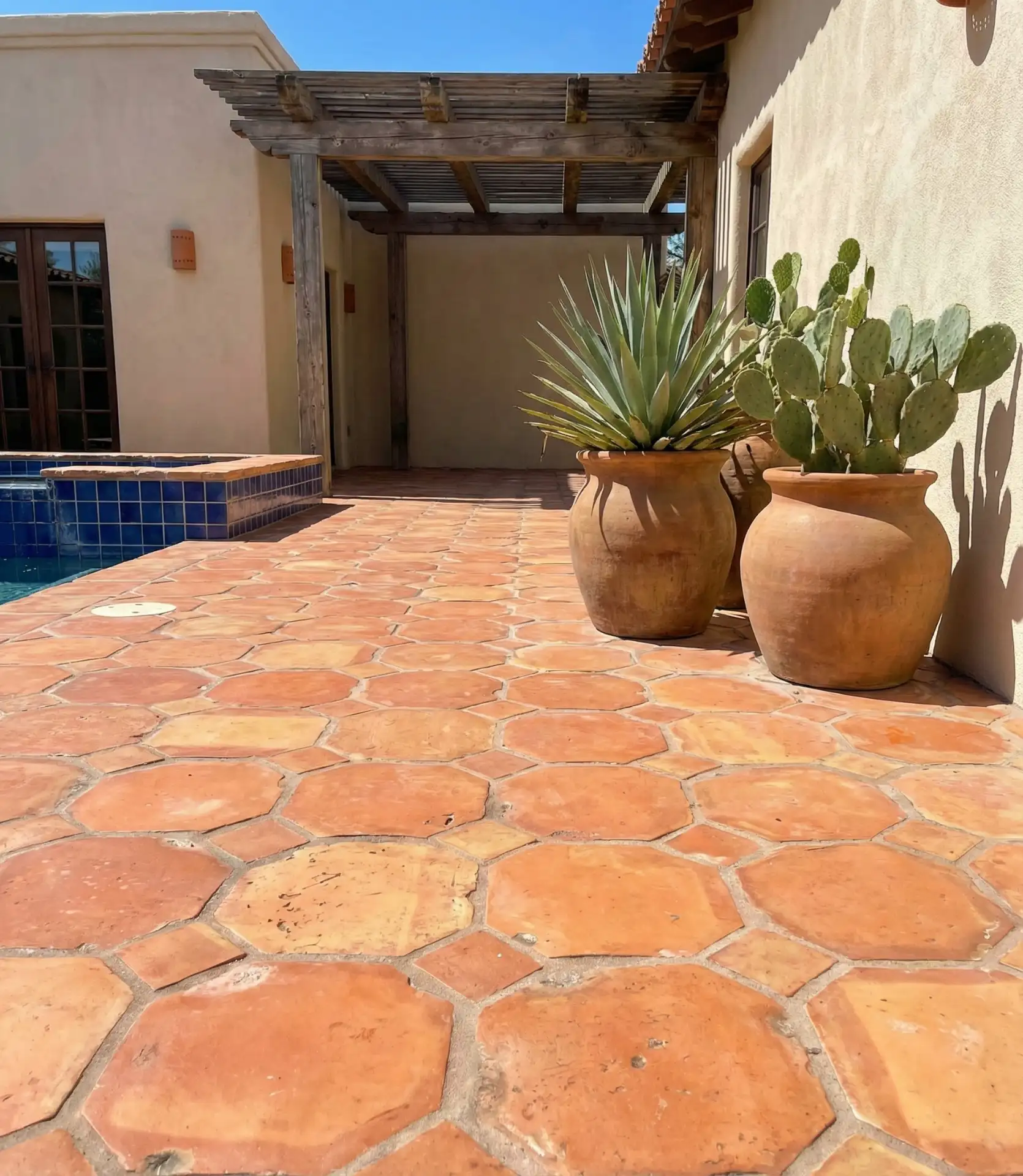
Authentic southwestern tiles made of Saltillo with the warm terracotta color bring a cozy feeling around the pools. The uneven hand-formed tiles highlight the artisanal quality that most materials lack in manufacturing. The deck has color variation that ranges from light peach to deep rust, with different color ranges found in each individual tile. This deck pairs with stucco houses, desert landscaping, and the regional architecture found in Arizona, New Mexico, and Southern California. 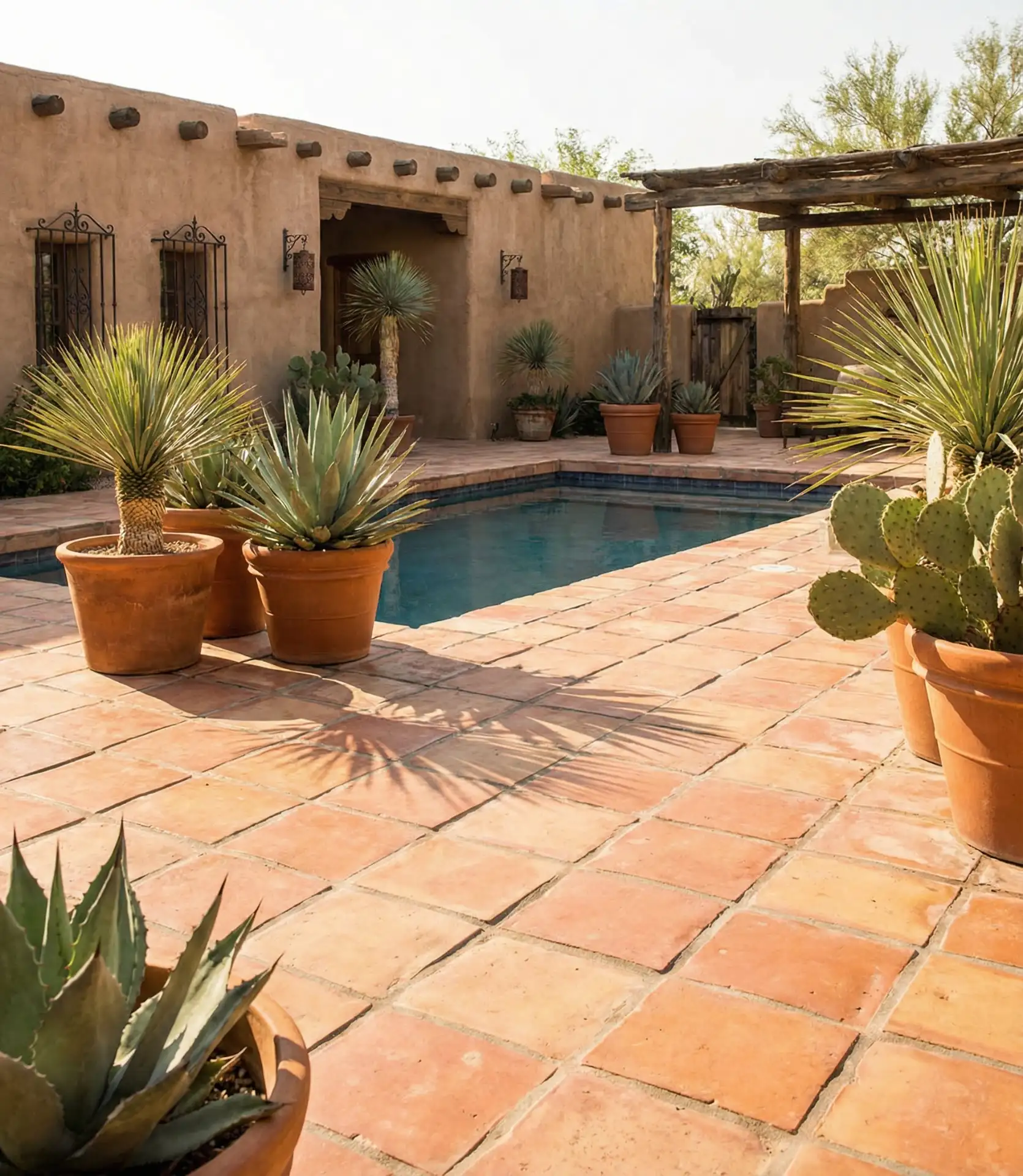
Practical insight: to avoid irreversible damage, unsealed Saltillo can easily stain and is porous. A pool environment requires this. Most installers apply a coat of penetrating sealer, followed by a coat of topical sealer for water resistance. With the quality of Saltillo craftsmanship, the tiles are considered to be reasonably priced at $8-15 per square foot installed. With the sealer wearing in high traffic areas, a rich patina develops over time that many consider a charming characteristic of this material aging process rather than a defect.
25. Modular Deck Tiles for Renters

Composite deck tiles with an interlocking design provide a solution for renters with temporary pools, such as an Intex, who don’t want a large commitment.
These removable tiles give you the ability to create a deck surface over grass, dirt, or concrete. The tiles come in 12×12 or 24×24 inch sizes; you simply click them together. When you are ready to move or take down the pool, the tiles can be unclipped and taken with you. The tiles go for $3–$8 per square foot, depending on the material. 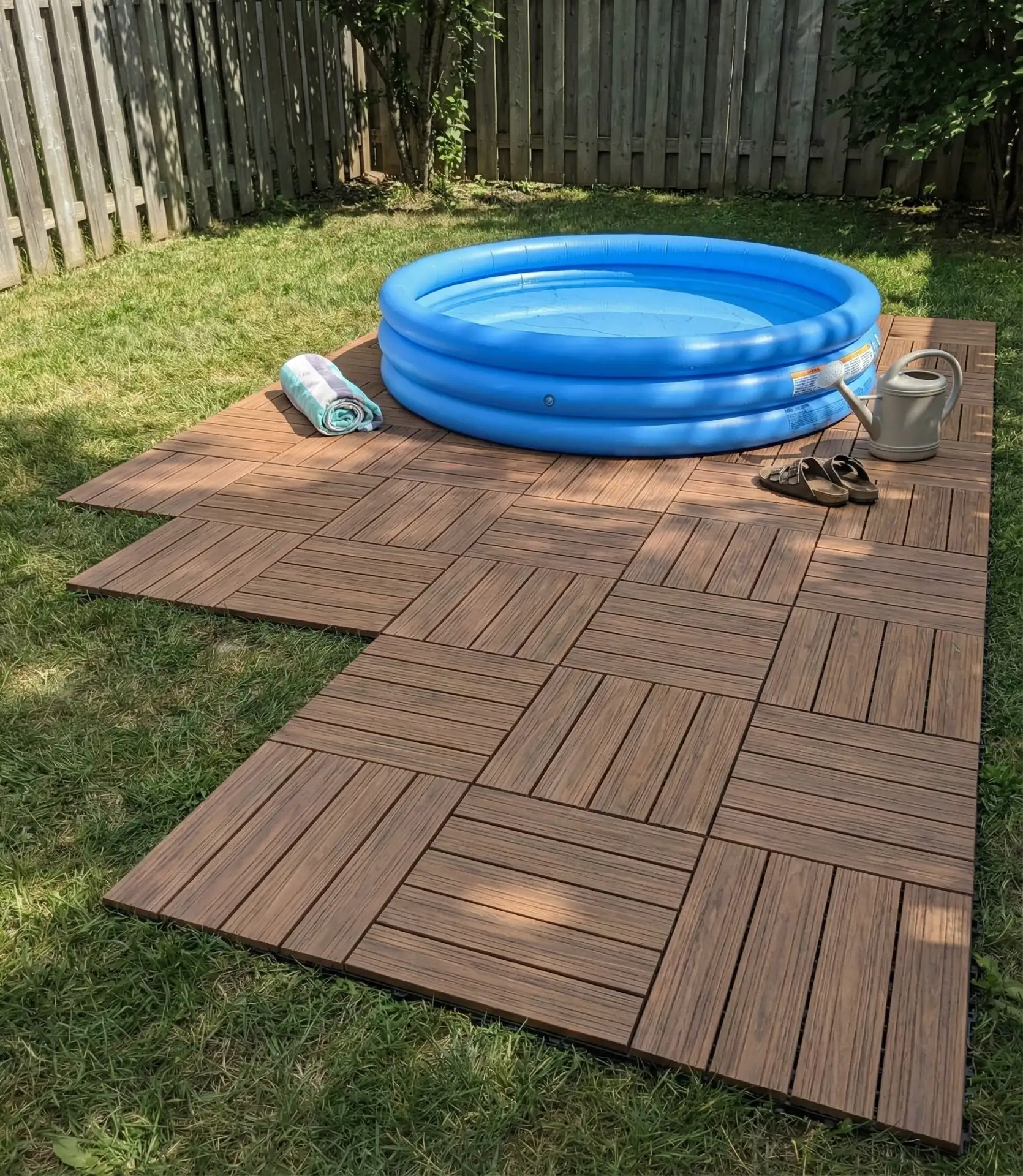
Homeowner behaviors show that many people start out with above-ground pools and then get more permanent decking when they are sure the pool will stay for a long time. The tiles are effective. They are drained between the slats so they do not trap water, and they can be pressure washed to clean. They work best on level surfaces. Using them on sloped or rough areas creates a very uneven deck that shifts when you walk on it.
The decking around your pool will influence how the rest of your outdoor area feels and looks, as well as how functional and aesthetically pleasing it can be for your family and your needs. Whatever your choice of deck material style is (be it natural stone for the timeless look, composite materials for a touch of modern luxury, or do-it-yourself materials for budget-friendly practicality), it will, when designed right, make your pool area more attractive and more functional. Tell us which of these ideas fits your pool area design the best and what problems your current pool area brings you. We can’t wait to hear your thoughts.