
Garden fences have evolved far beyond simple boundary markers—they’re now essential design elements that define outdoor living spaces, protect plantings, and express personal style. As we move into 2026, American homeowners are searching Pinterest for fence ideas that blend functionality with visual appeal, whether they’re containing vegetable gardens, deterring wildlife, or simply adding charm to their yards. This guide presents inspiring approaches that address real needs, from budget-friendly DIY projects to sophisticated modern installations, each chosen to help you create the perfect outdoor sanctuary.
1. Deer-Resistant Vertical Slat Fence
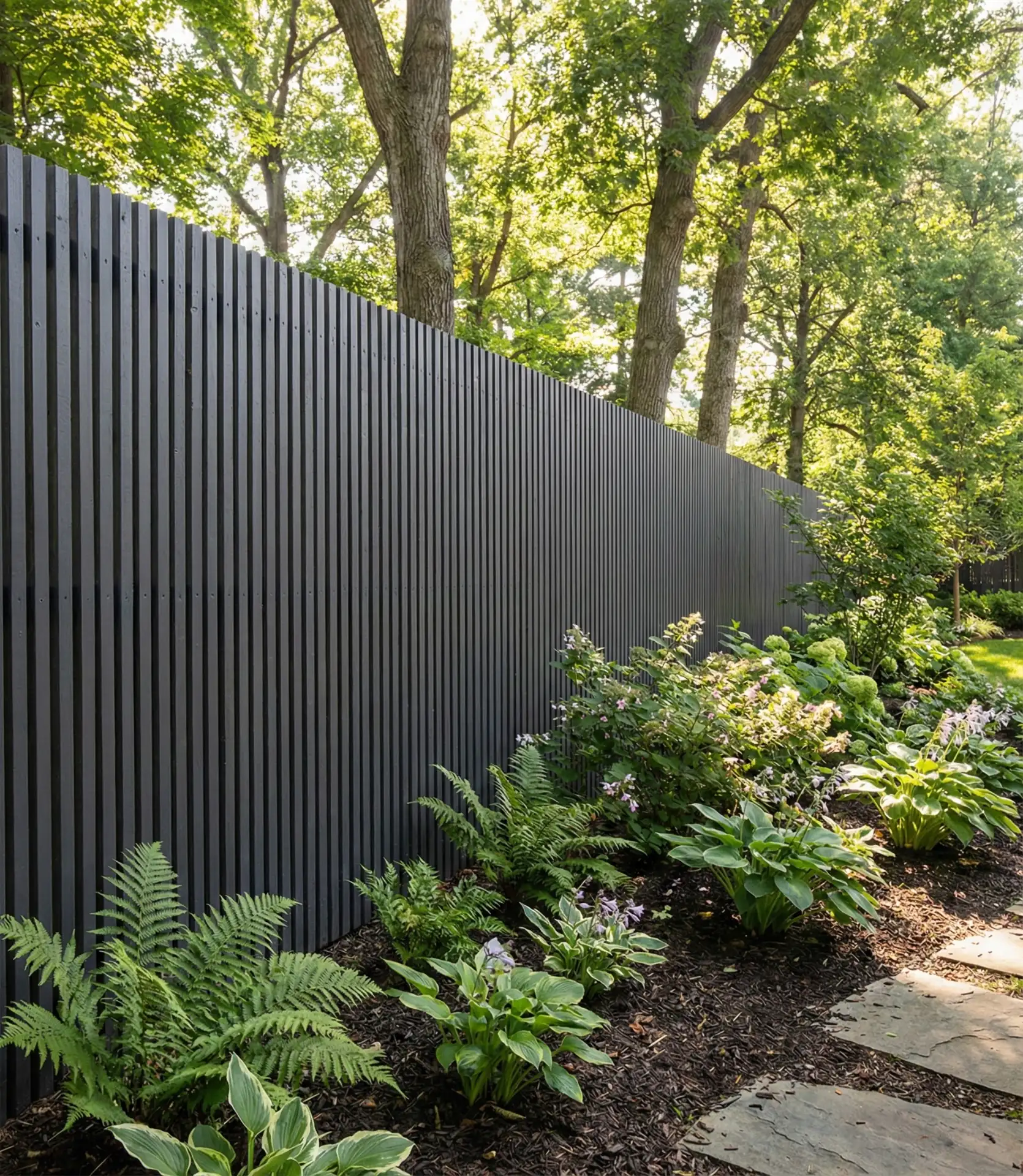
When deer become frequent garden visitors, a tall vertical fence offers both protection and contemporary style. This design typically stands 7-8 feet high with closely spaced slats that create a psychological barrier; animals won’t attempt to jump. The clean lines work beautifully in suburban settings where wildlife pressure meets design-conscious homeowners who refuse to compromise aesthetics for function. 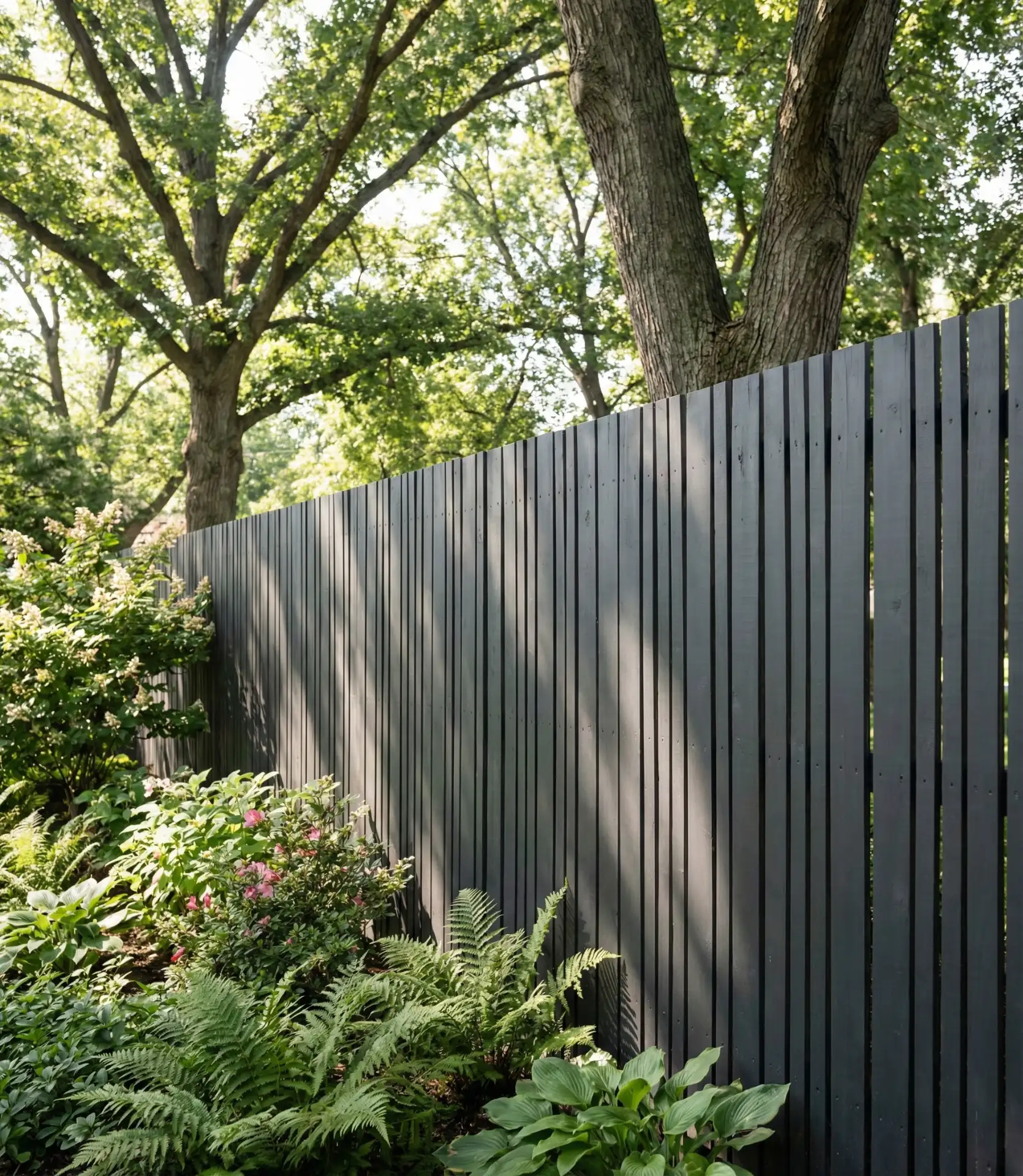
In regions like the Northeast and Pacific Northwest, where deer populations thrive near residential areas, homeowners report this height prevents 90% of intrusions. The vertical orientation also sheds rain quickly, preventing the rot issues that plague horizontal designs. Paint it in deep charcoal or leave the natural cedar to weather gracefully—either choice maintains the sophisticated profile that keeps your garden both protected and Instagram-worthy.
2. Budget-Friendly Pallet Garden Border
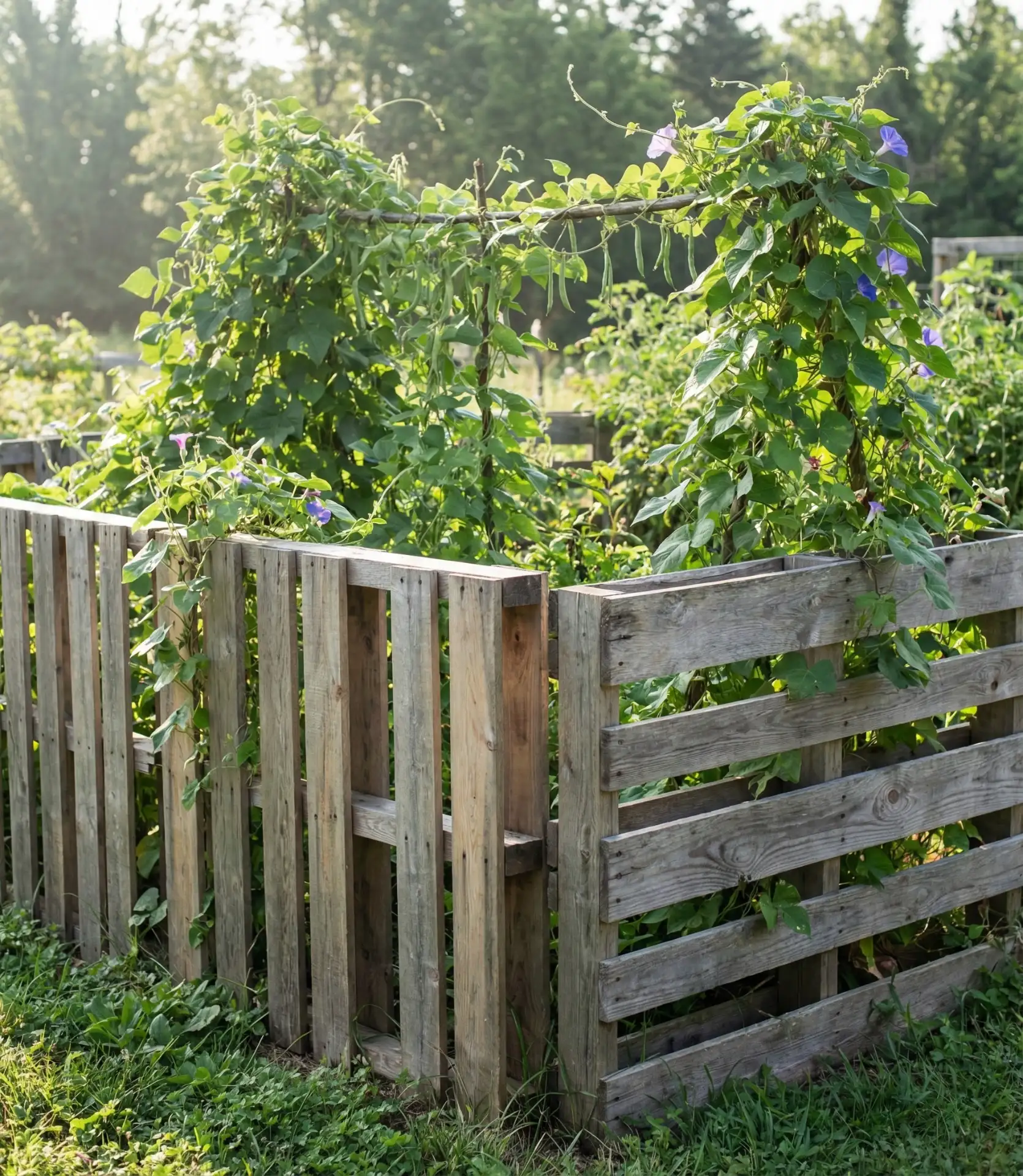
Transforming salvaged pallets into garden fencing represents the ultimate cheap budget solution for creative homeowners. This DIY approach involves disassembling free or low-cost pallets, treating the wood with weatherproofing stain, and reassembling them into custom fence sections. The rustic texture and weathered appearance bring instant character to cottage gardens and casual outdoor spaces. 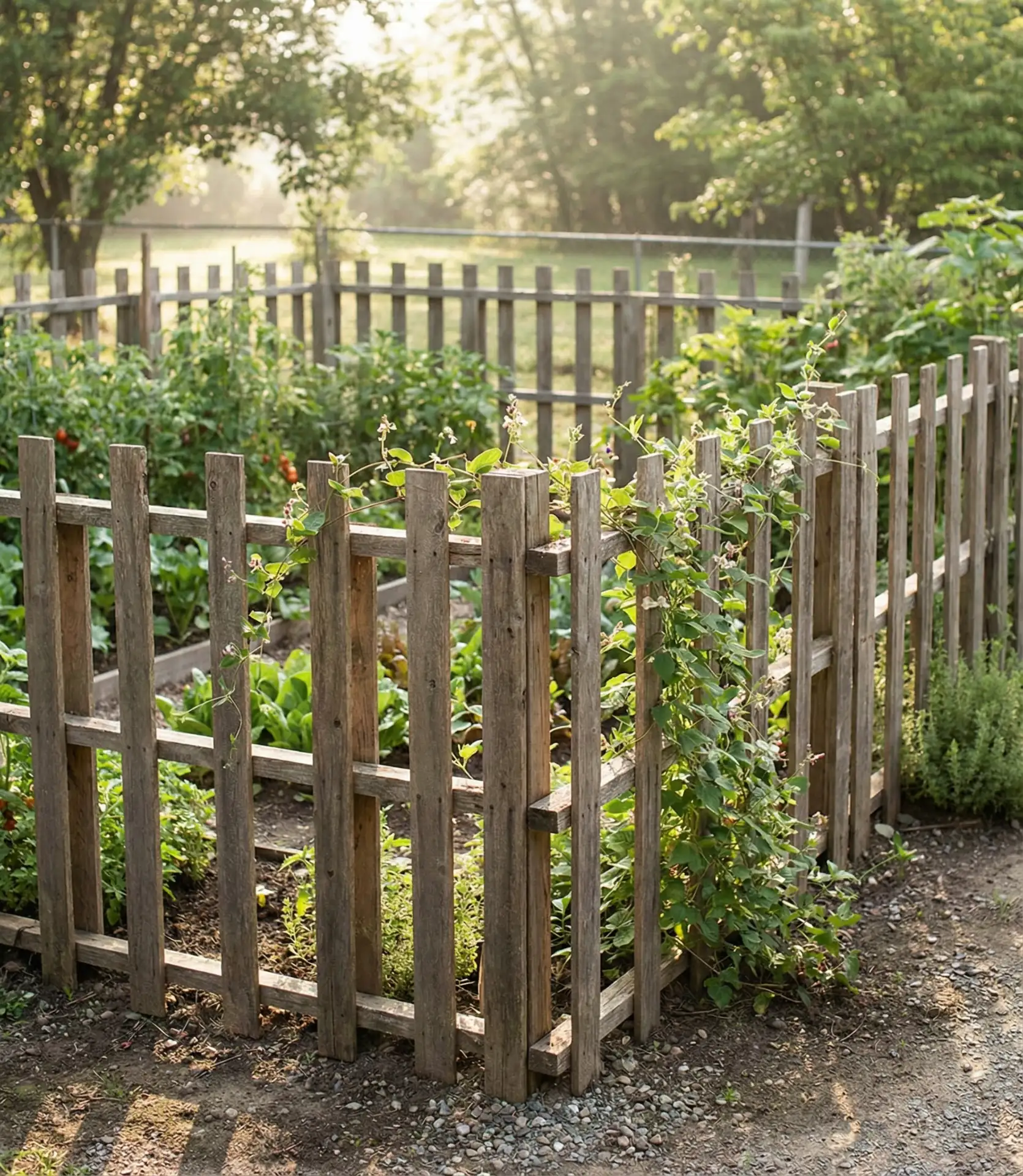
A common mistake with pallet fencing is using untreated pallets near ground contact, which leads to rapid deterioration. Instead, elevate your fence sections on small concrete blocks and apply exterior-grade sealant to all surfaces. For under $50 in materials, you can fence a 20-foot garden section—compare that to $200-300 for traditional picket fencing. The imperfect spacing actually benefits vegetable gardens by improving air circulation.
3. Classic White Picket Front Yard Fence
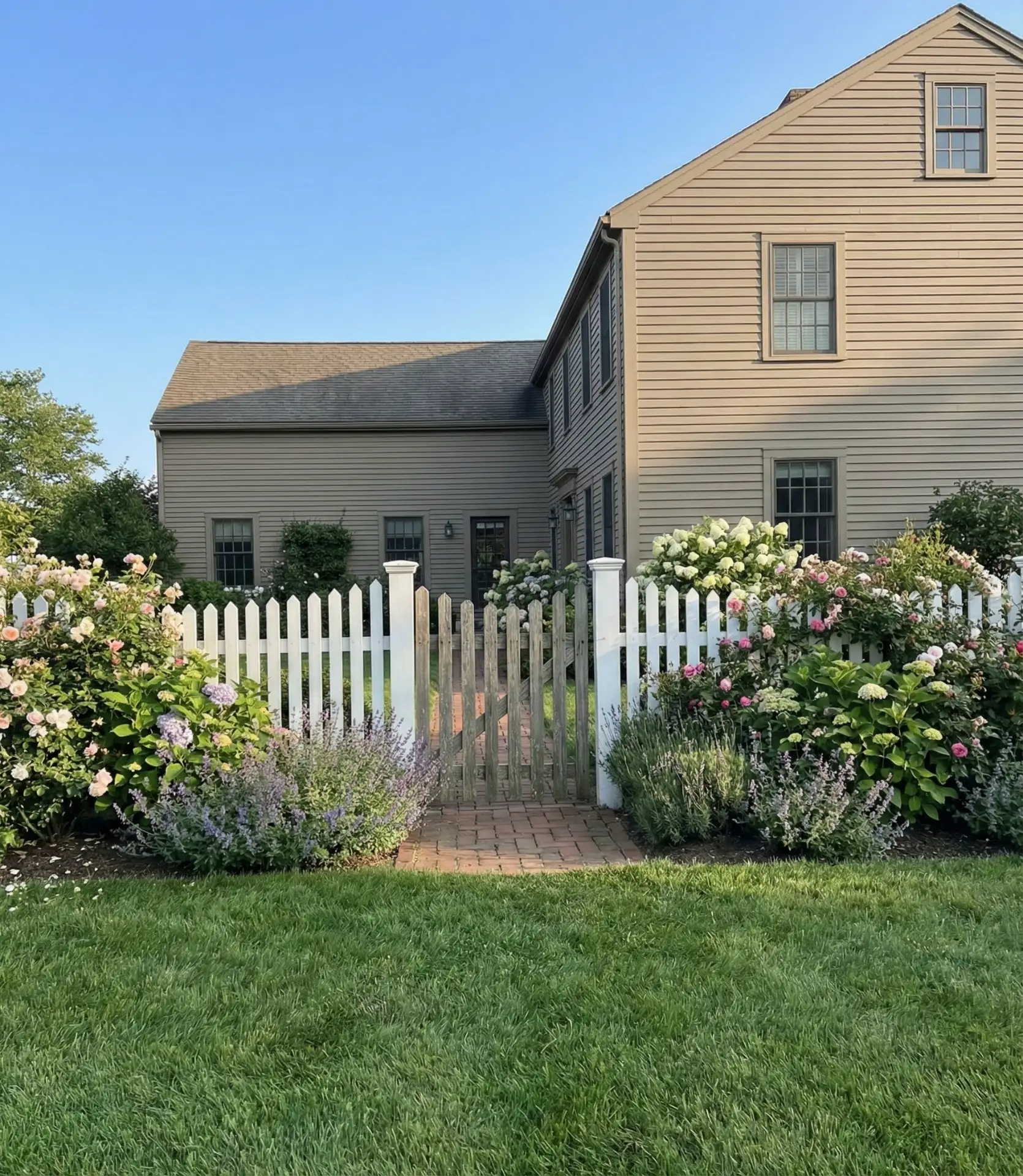
Nothing captures American cottage charm quite like a crisp white picket fence defining your front yard. This timeless design typically stands 3-4 feet tall with evenly spaced pointed or rounded pickets, creating an inviting boundary that says “welcome” rather than “keep out.” Modern vinyl versions eliminate the maintenance headaches while preserving the aesthetic that’s graced American homes for generations. 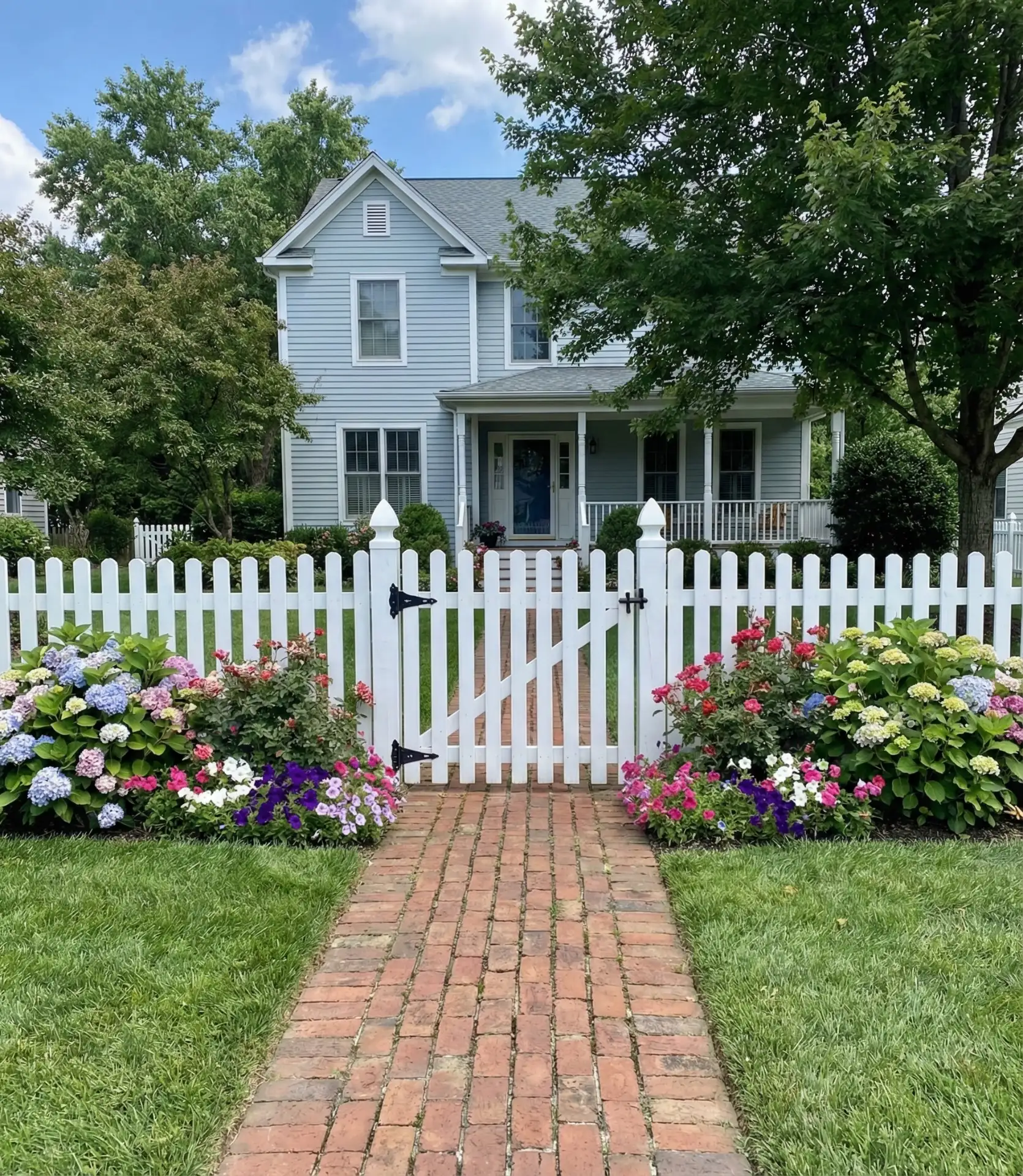
Throughout the Midwest and New England, this fencing style remains the gold standard for curb appeal, often adding 2–5% to property values in established neighborhoods. Homeowners appreciate how the low height maintains sight lines to the home while psychologically defining property boundaries. Paint quality matters tremendously—opt for exterior acrylic latex with UV inhibitors to avoid the yellowing that plagues cheaper alternatives after just one season.
4. Wire-mesh vegetable garden enclosure
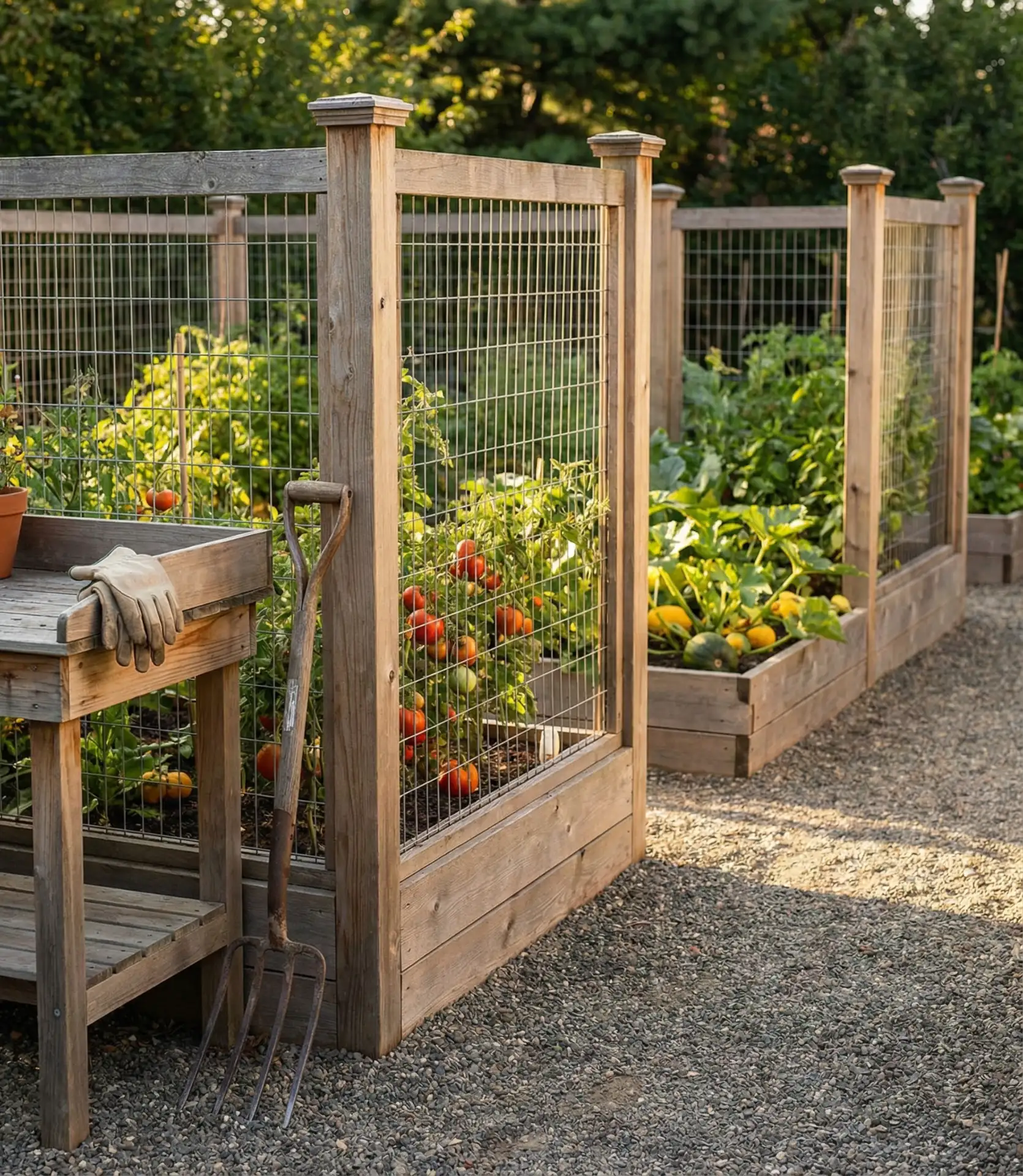
For serious vegetable gardeners who need to keep animals out without blocking sunlight, a wood and wire fence delivers practical perfection. This design combines sturdy wooden posts with galvanized wire mesh panels, creating a barrier that rabbits and groundhogs can’t penetrate while allowing maximum light penetration for your tomatoes and squash. 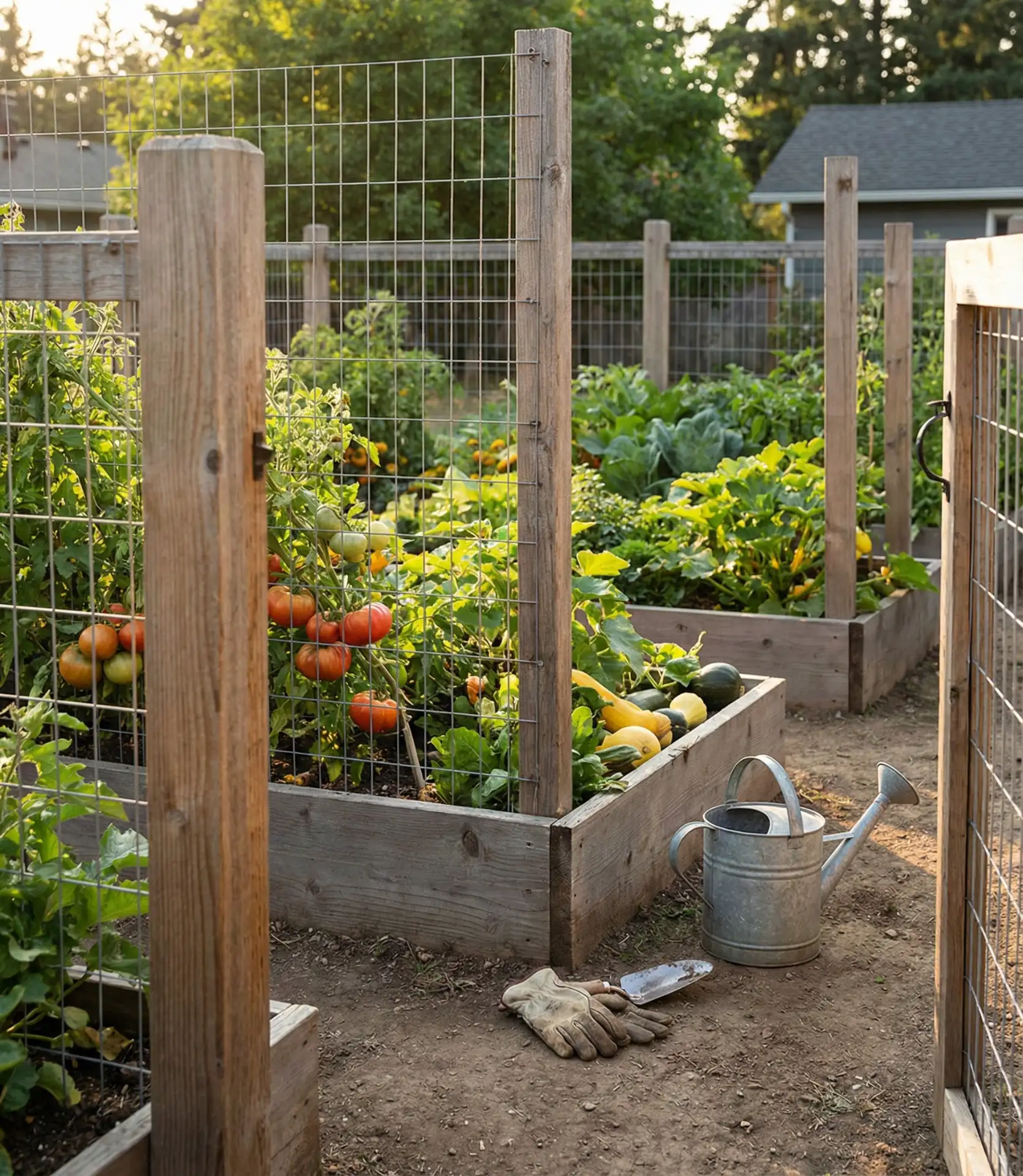
My neighbor installed this system around her raised beds last spring and harvested three times more lettuce than in previous years—the wire kept out the rabbits that had been her nemesis. The key is burying the mesh 6-8 inches underground to prevent burrowing critters from tunneling beneath. Hardware cloth with 1/2-inch openings works better than chicken wire, which rabbits can chew through over time.
5. Sleek Black Aluminum Privacy Screen
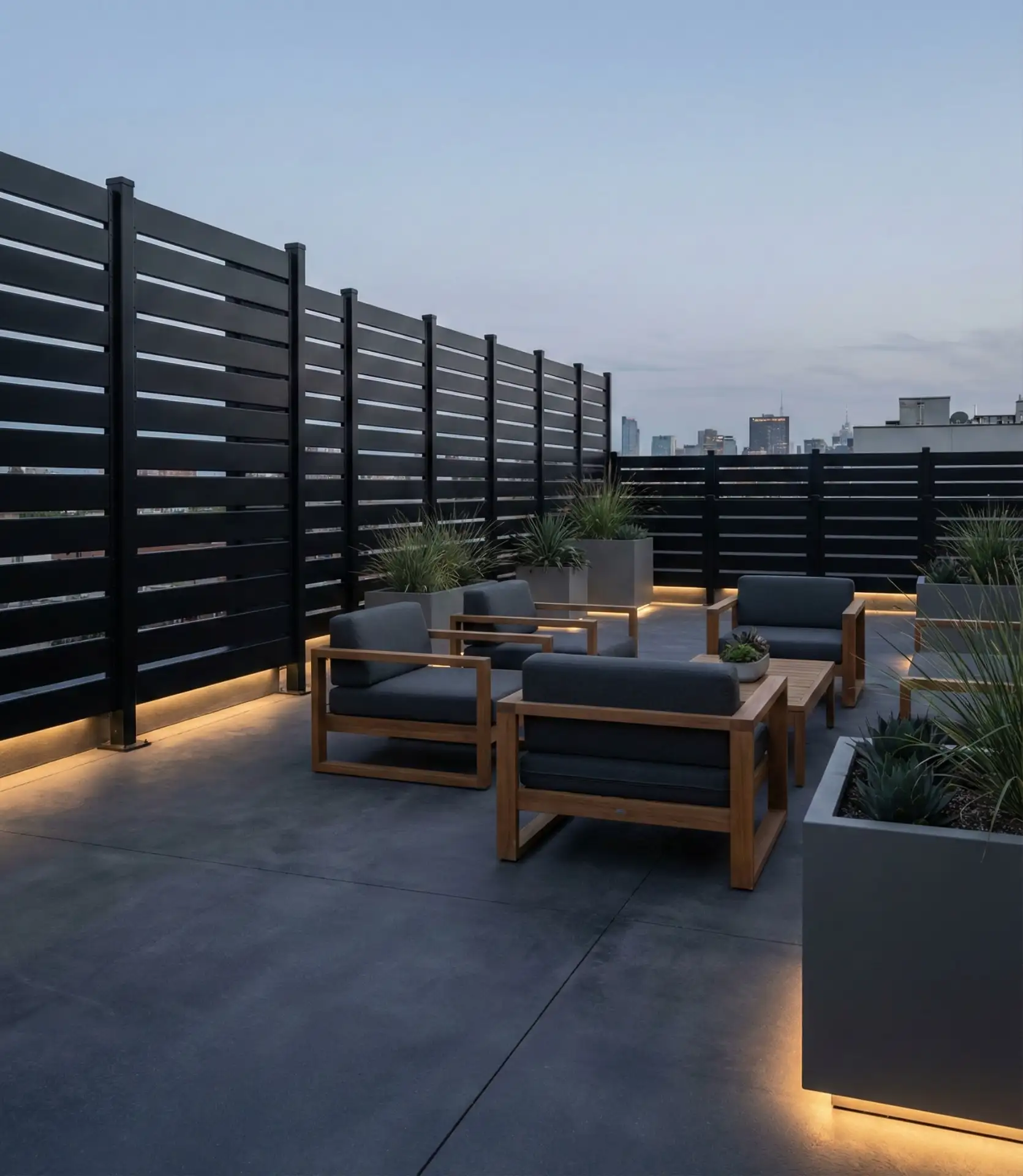
Contemporary homes demand contemporary fencing, and nothing delivers modern sophistication like powder-coated black aluminum panels. These prefabricated sections install quickly, require zero maintenance, and create dramatic visual impact against both architecture and landscaping. The matte black finish recedes visually while providing complete privacy, making small urban yards feel like secluded retreats. 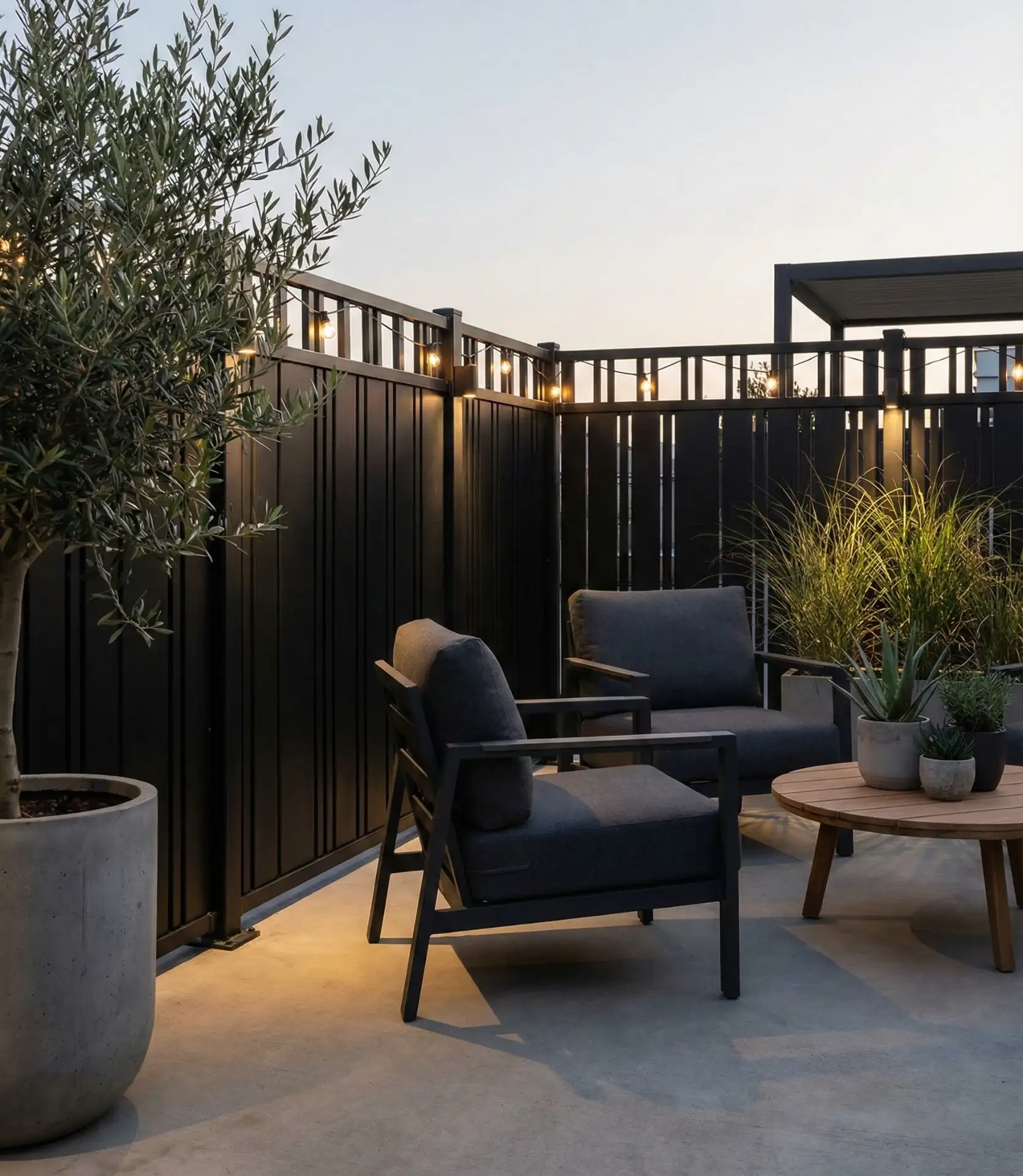
This fence style works best in urban and suburban settings where architectural consistency matters—it pairs beautifully with contemporary homes featuring clean lines and neutral color palettes. Unlike wood fencing that warps and fades, aluminum maintains its appearance for decades with only occasional hosing down. Expect to invest $75-120 per linear foot installed, roughly double the cost of basic wood privacy fencing, but the longevity often makes it more economical over a 20-year period.
6. Decorative Wrought Iron Garden Accent
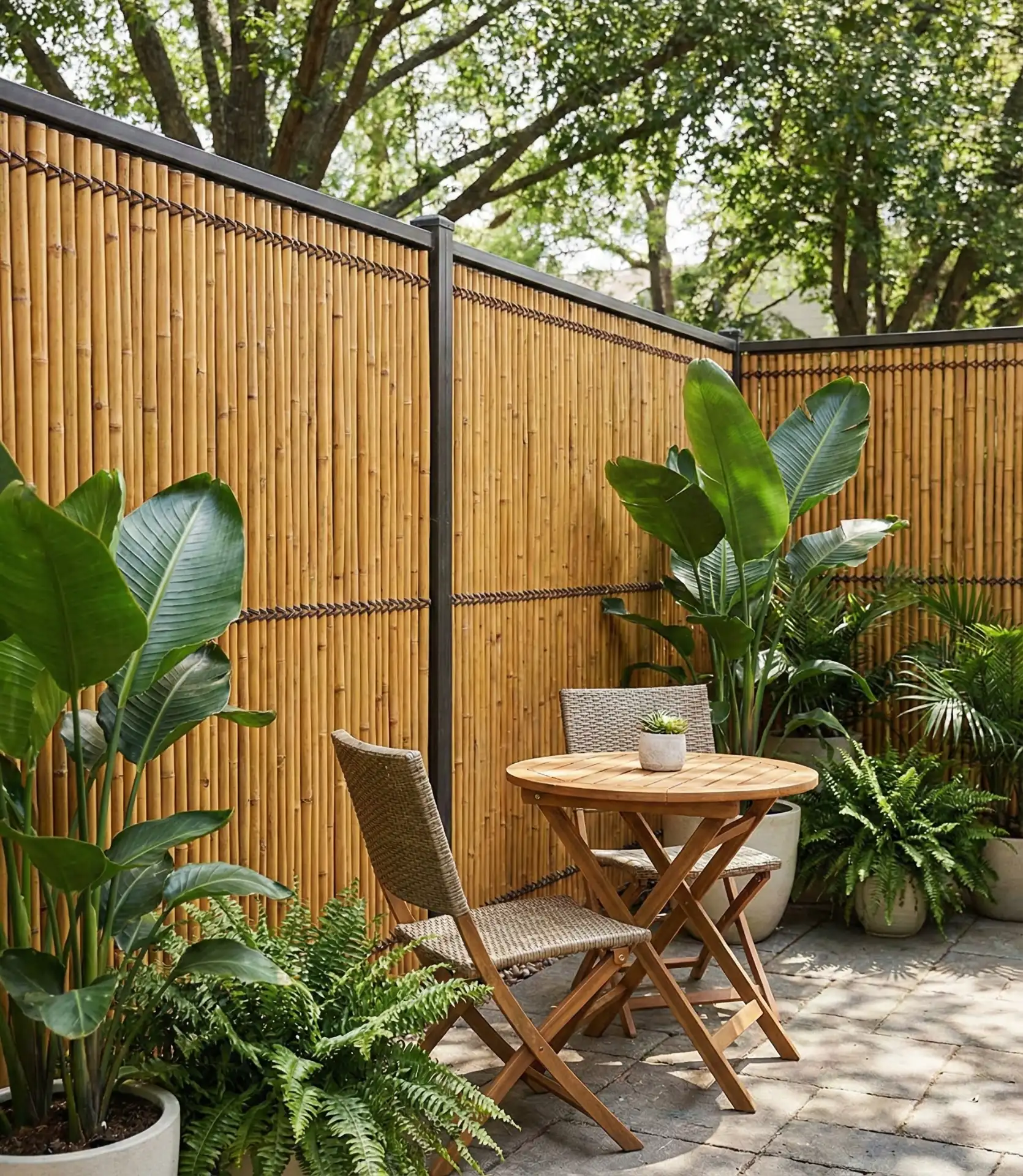
When your goal is visual interest rather than security, decorative wrought iron fencing adds old-world elegance to flower gardens and formal landscapes. These ornamental designs feature scrollwork, finials, and artistic details that function more as garden jewelry than practical barriers. The open construction showcases plantings rather than hiding them, perfect for rose gardens and perennial borders you want passersby to admire. 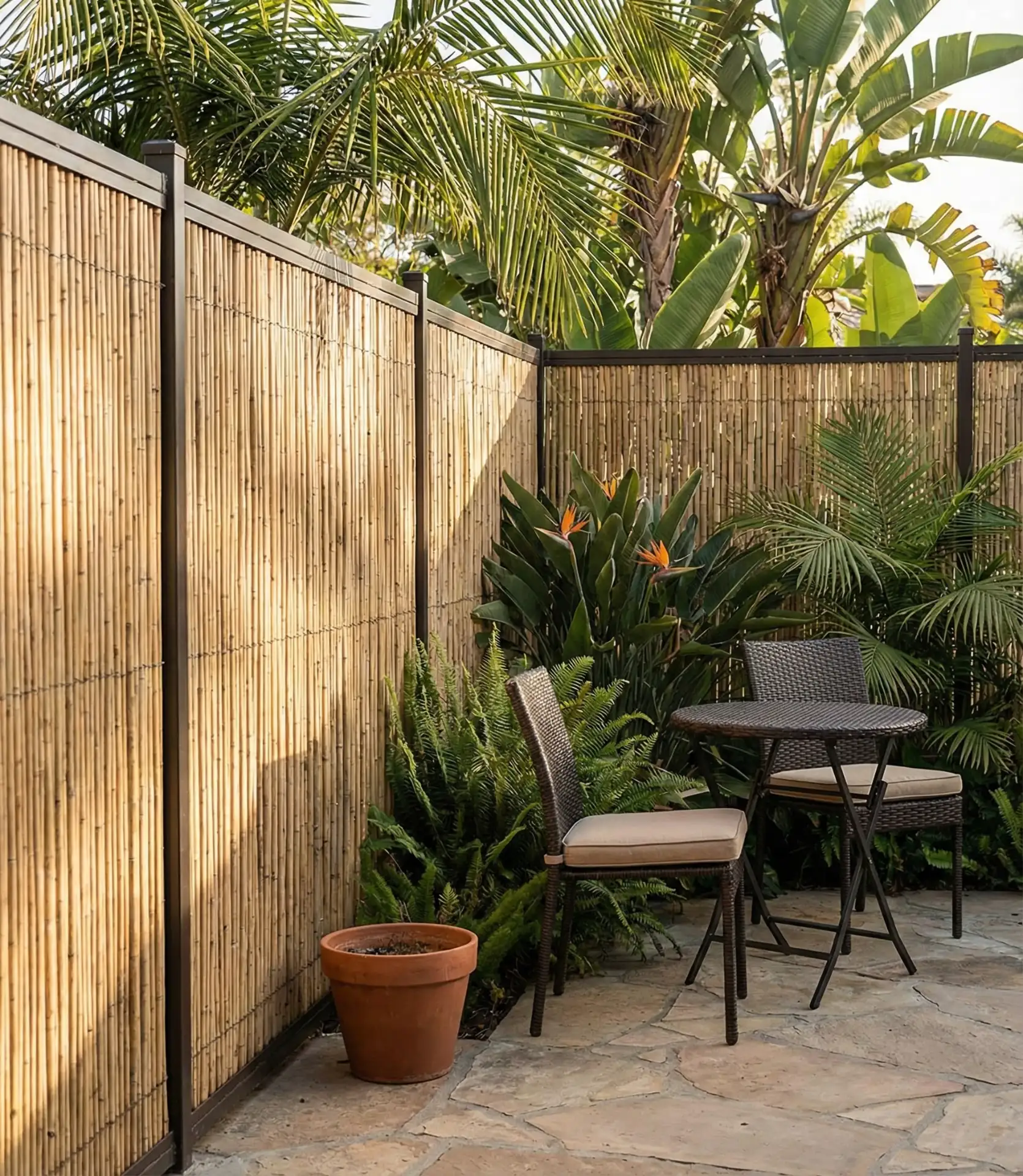
Throughout Southern states where formal gardens remain popular, homeowners use these fences to define spaces without creating visual barriers. The transparency maintains sight lines while establishing gentle boundaries between lawn areas and cultivated beds. Real wrought iron requires periodic rust treatment and repainting, but modern aluminum alternatives replicate the look while eliminating maintenance—just verify the powder coat includes UV protection to prevent fading in intense sun exposure.
7. Simple Split-Rail Rustic Boundary
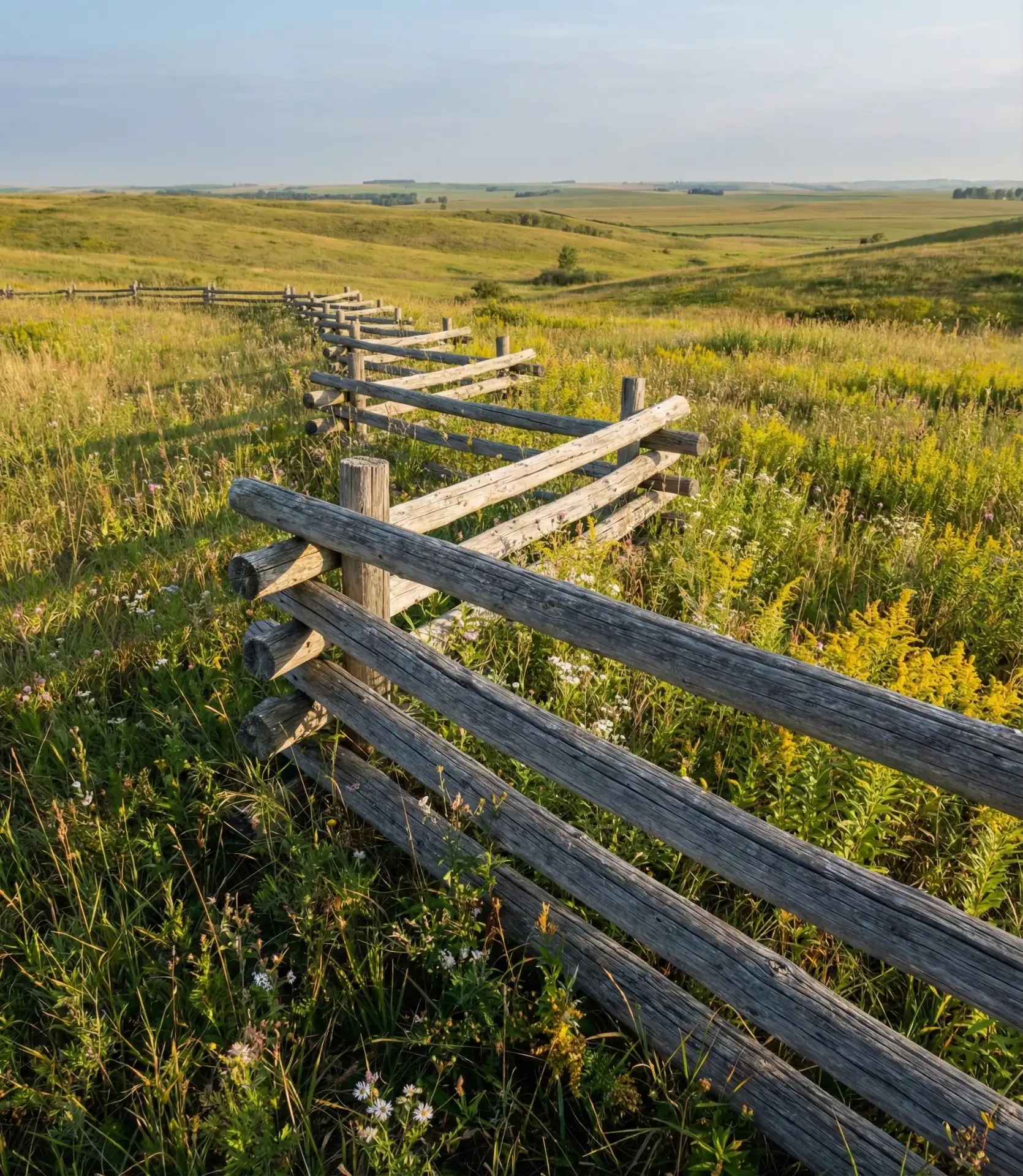
Few fence styles communicate rustic charm as effortlessly as split-rail construction, where wooden rails rest in notched posts without nails or hardware. This simple design works beautifully for large properties where defining boundaries matters more than containing pets or providing privacy. The natural wood weathers to silvery gray, blending seamlessly with rural and semi-rural landscapes. 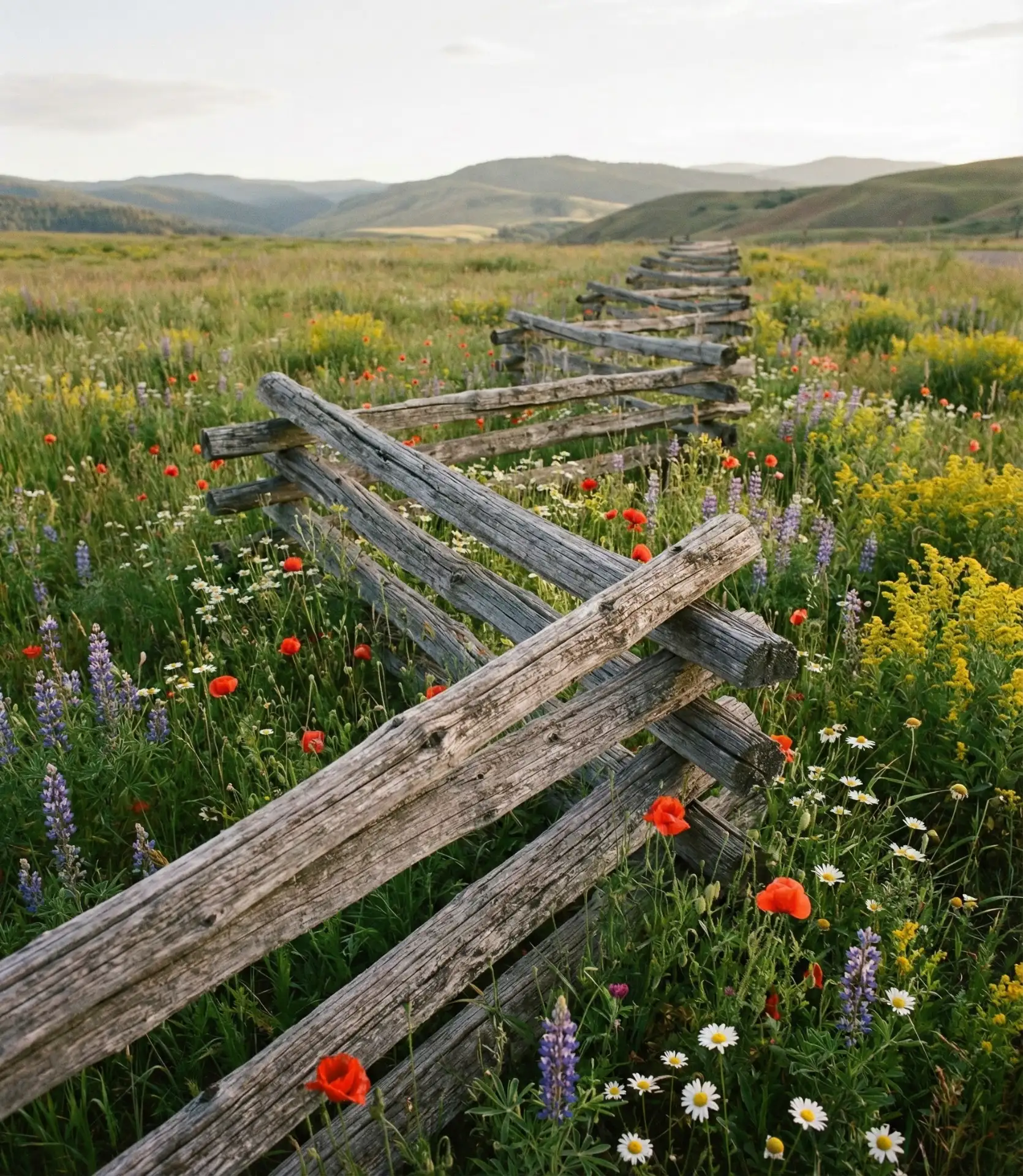
Real homeowner behavior reveals an intriguing trend: split-rail fencing is increasingly chosen by suburban dwellers with larger lots who want to soften property lines without the fortress mentality of privacy fencing. It also offers the added benefit of being one of the more economical options for covering long stretches, costing about $10-15 per linear foot for materials and running about $10-15 per linear foot for materials. Your best wood choices are cedar and locust, as both naturally resist rot without chemical treatment.
8. Raised Bed Integrated Short Fence

Smart gardeners combine raised bed construction with the short fencing to create multi-functional growing spaces that maximize vertical and horizontal dimensions. This integrated approach creates cohesive design. This design also enhances accessibility for individuals with limited mobility by constructing 18- to 24-inch- tall beds using the same materials as the surrounding fence. 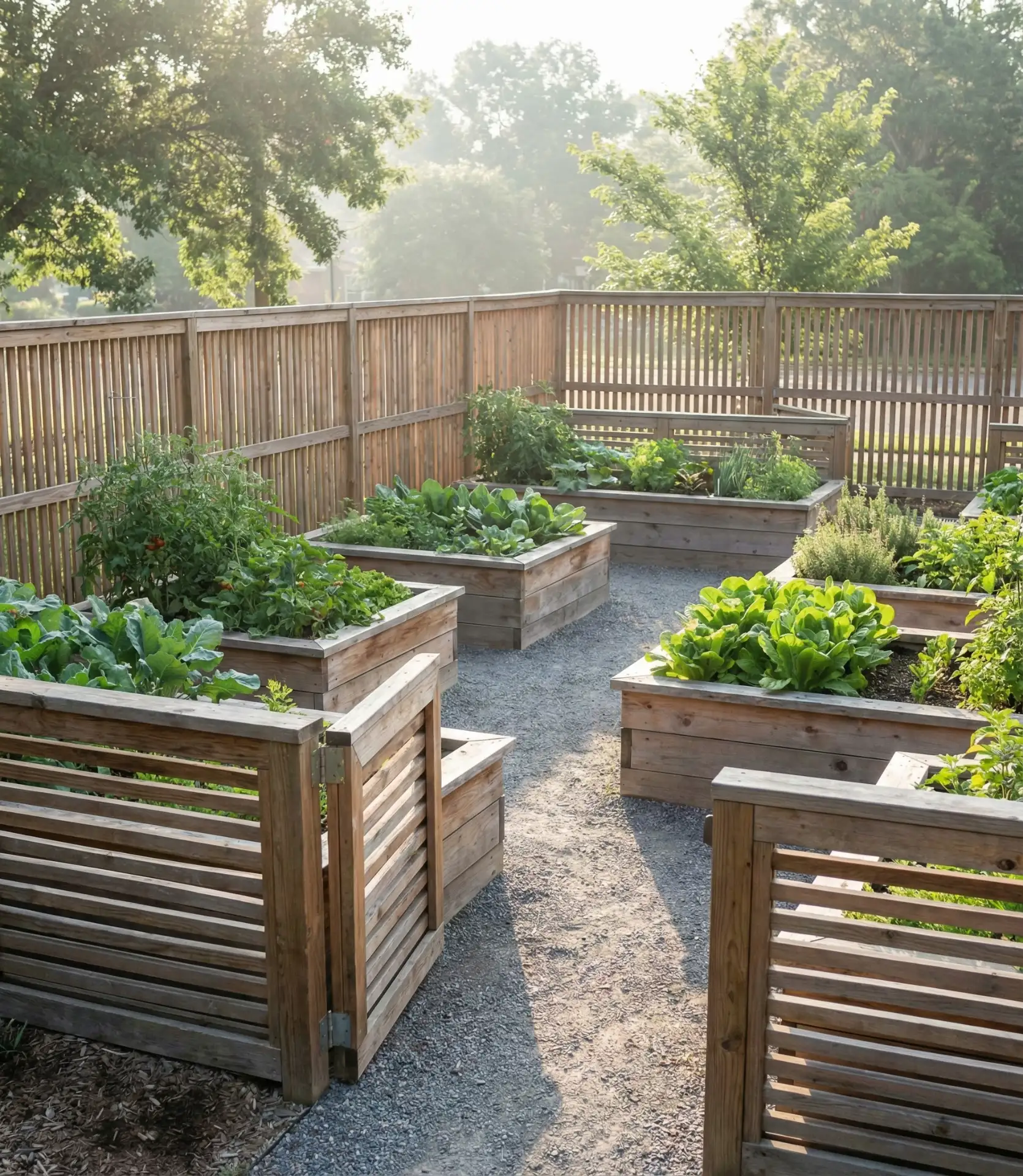
Where this design truly shines is in sloped yards where level growing space is precious.
Constructing terraced gardens with raised beds and erosion-controlling fences is a wonderful way to make an attractive, rabbit-proof, and back-friendly garden. The rot-resistant structural materials can lead to disappointment during peak season. Use cedar or composite materials for the bed walls.
9. Privacy Horizontal Board Backyard Screen
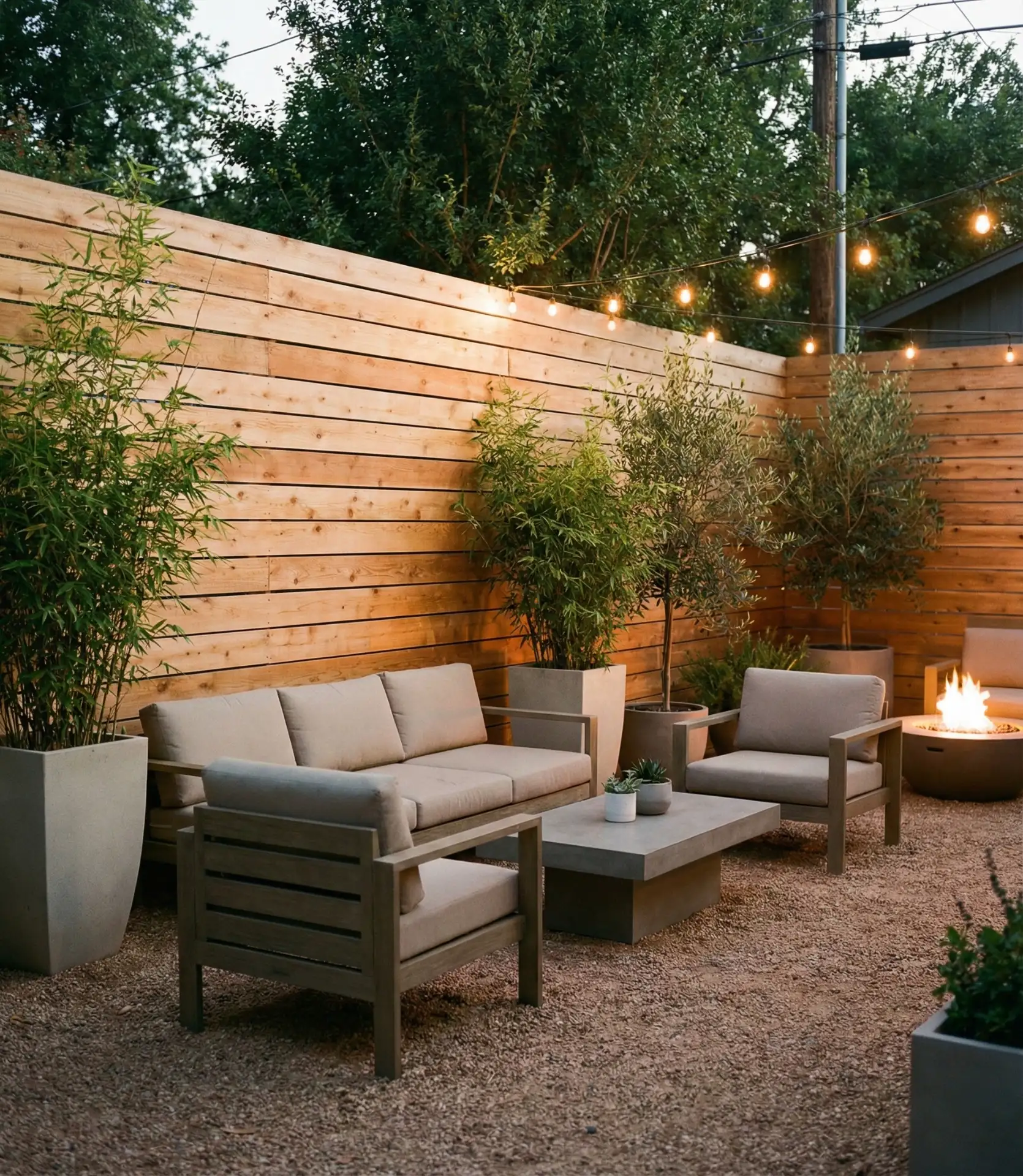
With modern living comes the need for a private yard. With a contemporary look, horizontal board fencing instantly creates a secluded outdoor living space. The boards are architecturally appealing and eliminate line of sight, while vertical fencing allows for sight. Shadow-gap installs are visually private while leaving space for board ventilation. 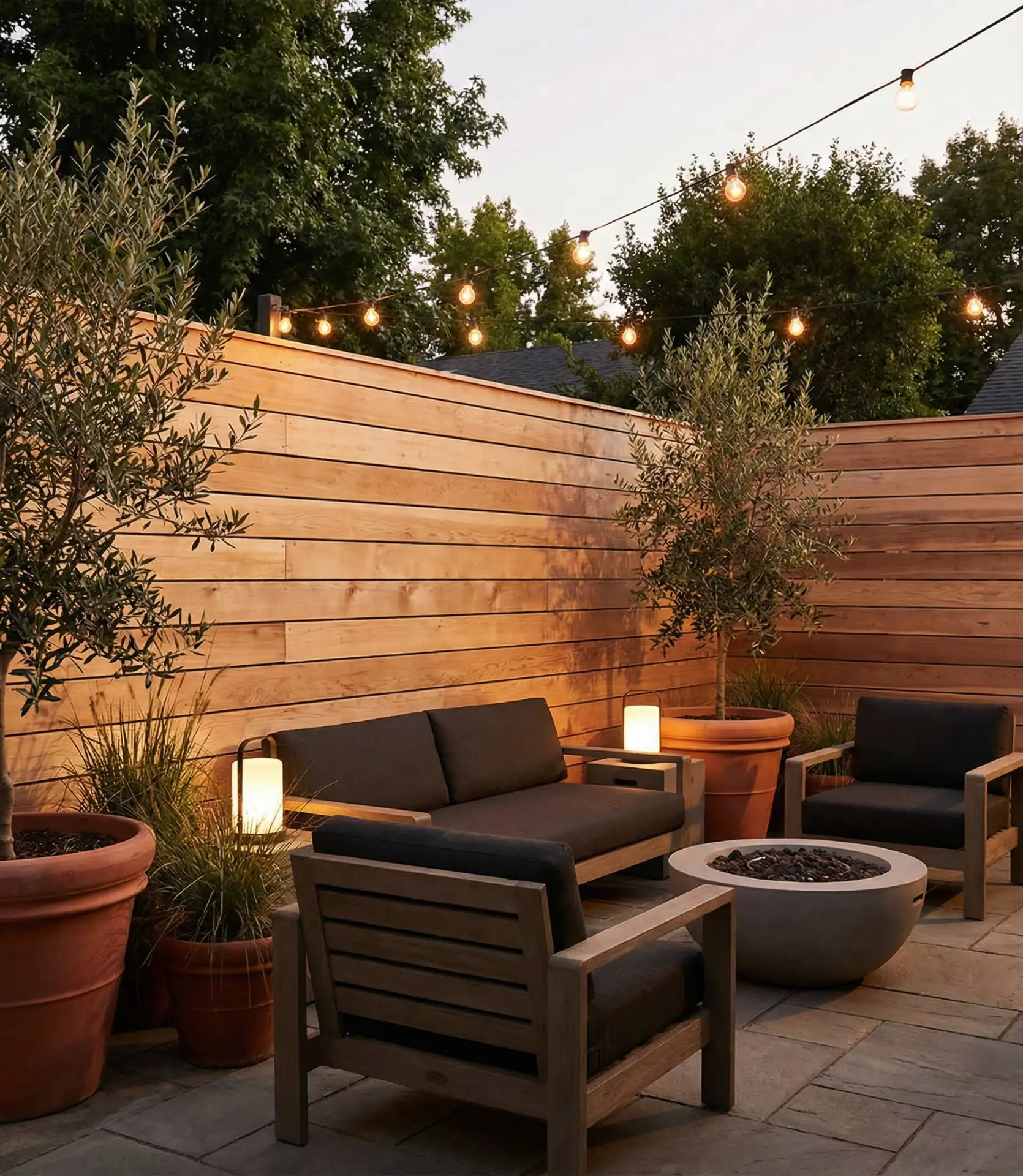
Modern constructions in California and the Southwest feature this style, as it’s pleasing to the eye while offering privacy for socializing outdoors. A helpful, inexpensive tip is to use pressure-treated lumber for the frame and cedar or redwood for the face boards. This method gives a 30% cost reduction without losing quality.
The horizontal designs do trap more water than vertical designs, so sealing becomes critical in humid areas.
10. Bamboo Roll Screen for Quick Privacy
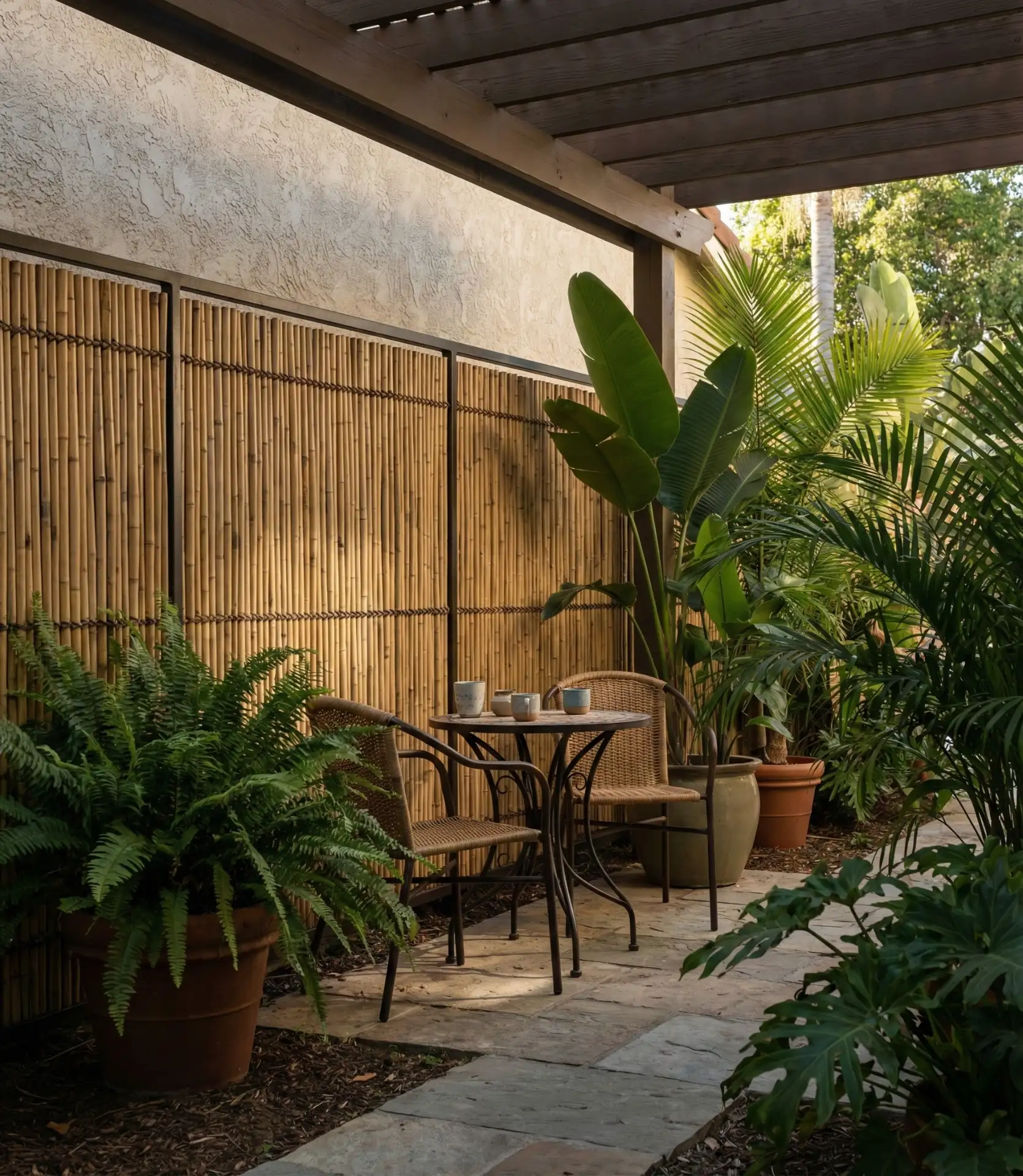
For additional privacy screening, rolled bamboo screening can be attached to existing chain-link or wire fencing. This provides an immediate DIY option without the need for permanent construction. The bamboo product is decorative and nature-friendly and is similar to a carpet product, which you can roll out and secure to the wire fencing with zip ties. The fencing serves a functional purpose, and the bamboo fencing will give it a more tropical look. The bamboo is dense and will block the view. The outdoor space will be more inviting with the golden-brown color. 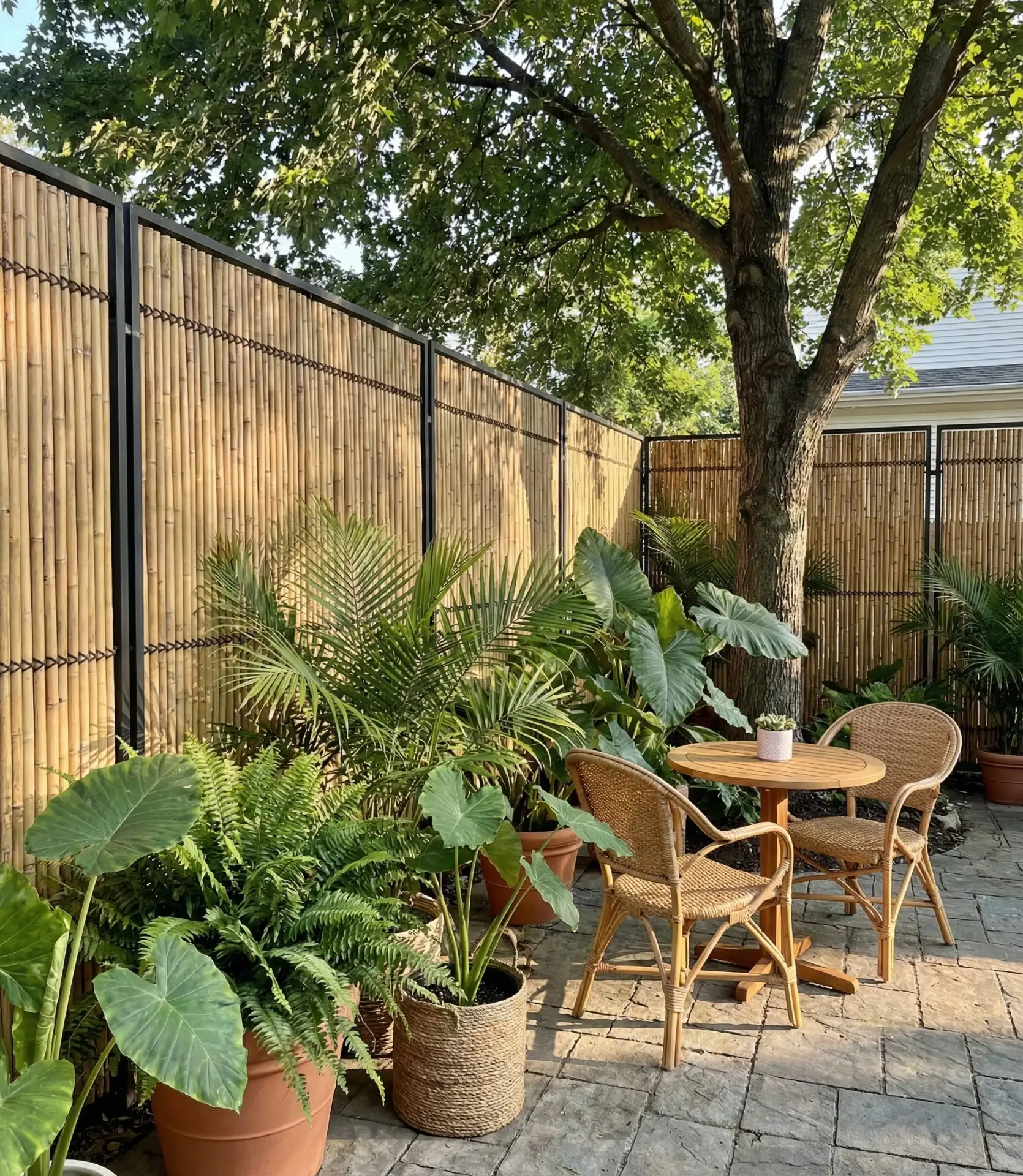
DIYers can make their screening last longer; bamboo screening does not last long when exposed to the weather and will last around 2–3 years. Bamboo screening can be built for $40 to $80 around an 8-foot roll, which is handy for homes or rentals when people want to rearrange things without permanent fencing. The bamboo will provide a lot of privacy while giving ventilation, which is something solid wood fencing will not do.
11. Corrugated Metal Industrial Accent Fence
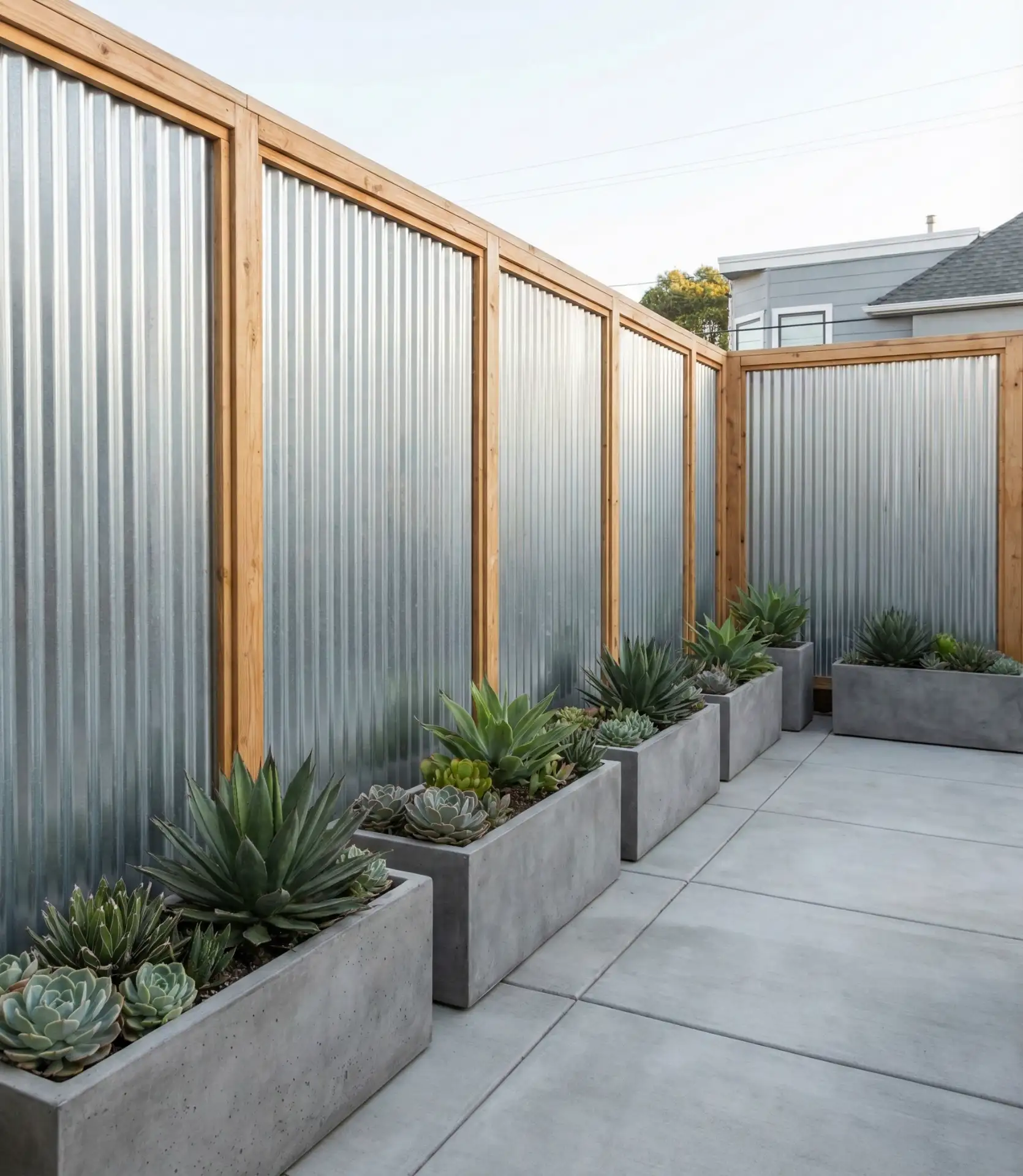
Industrial aesthetics have migrated from lofts to backyards, making galvanized corrugated metal an unexpectedly stylish modern fencing material. These panels deliver complete privacy, reflect heat in sunny climates, and require virtually zero maintenance. The ribbed texture catches light dramatically throughout the day, creating visual interest from an otherwise simple material. 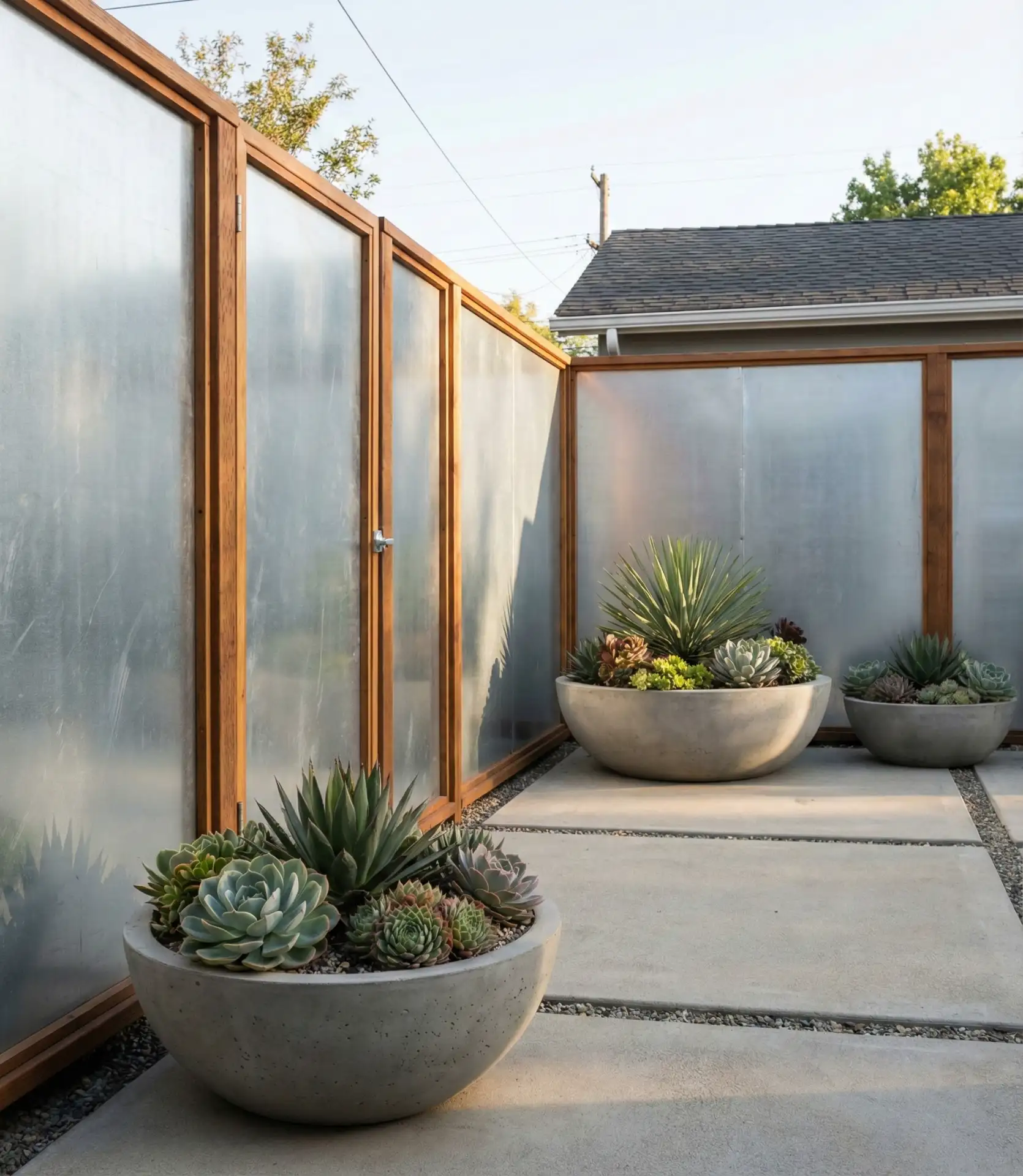
The corrugated metal panels are perfect for the western states because of the heat-reflective properties. The metal also works for modern farmhouse designs where they mix the refined and the rustic. Budget around $25—$40 per linear foot for installation. This price tag is comparable to mid-range wood privacy fencing and will last for decades longer. One frequent mistake is not sealing the edges of the cuts, which will invite rust.
12. Formal Box-Frame Veggie Garden Fence
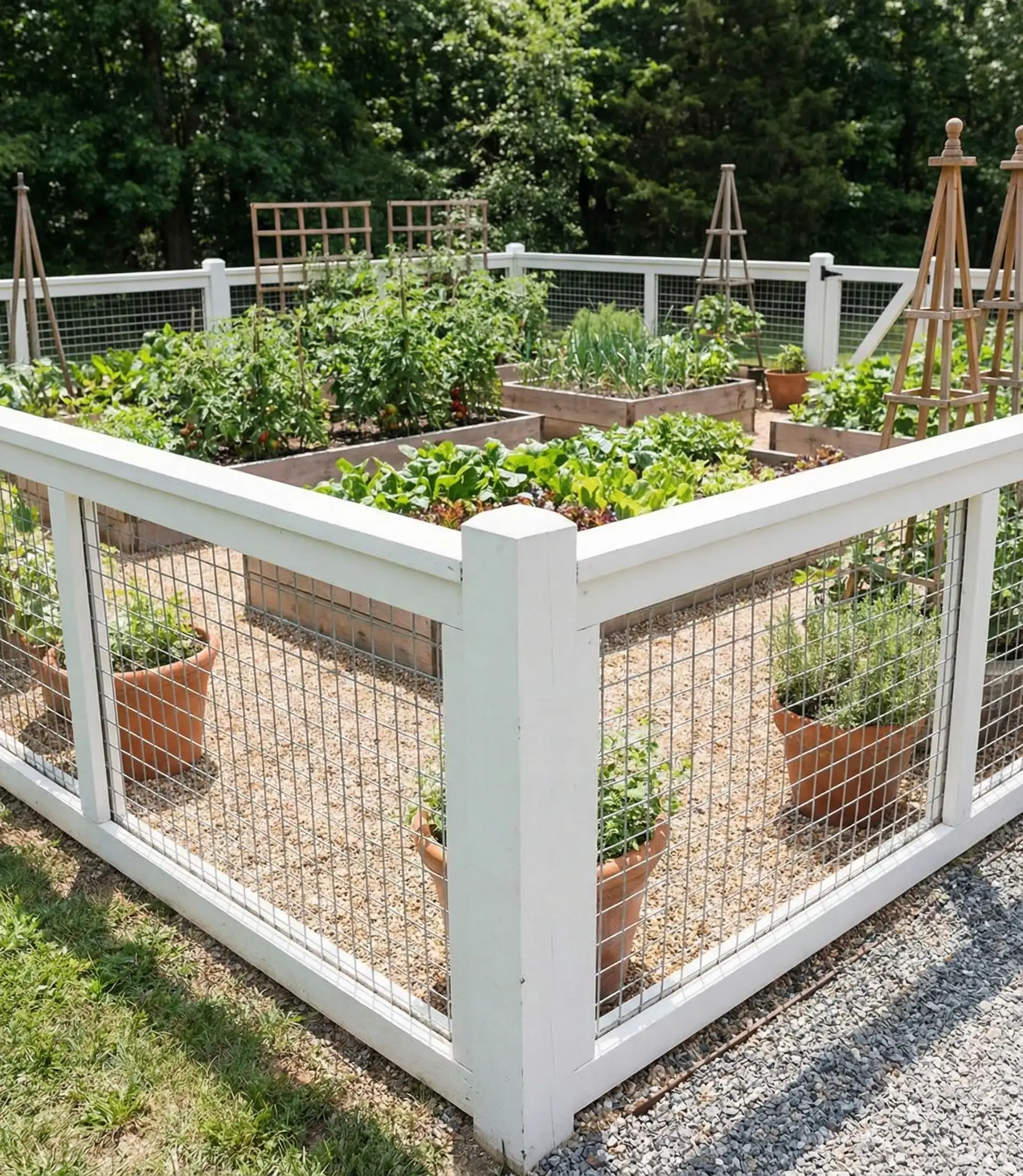
The standard veggie garden gets an upgrade with fencing that features wooden box frames and wire mesh, or lattice, that is fully integrated. This design reflects the characteristics of an English garden, where functionality and formal aesthetics are combined. The square and rectangle panels add to the architectural interest while protecting the plants from animals and defining the growing space. 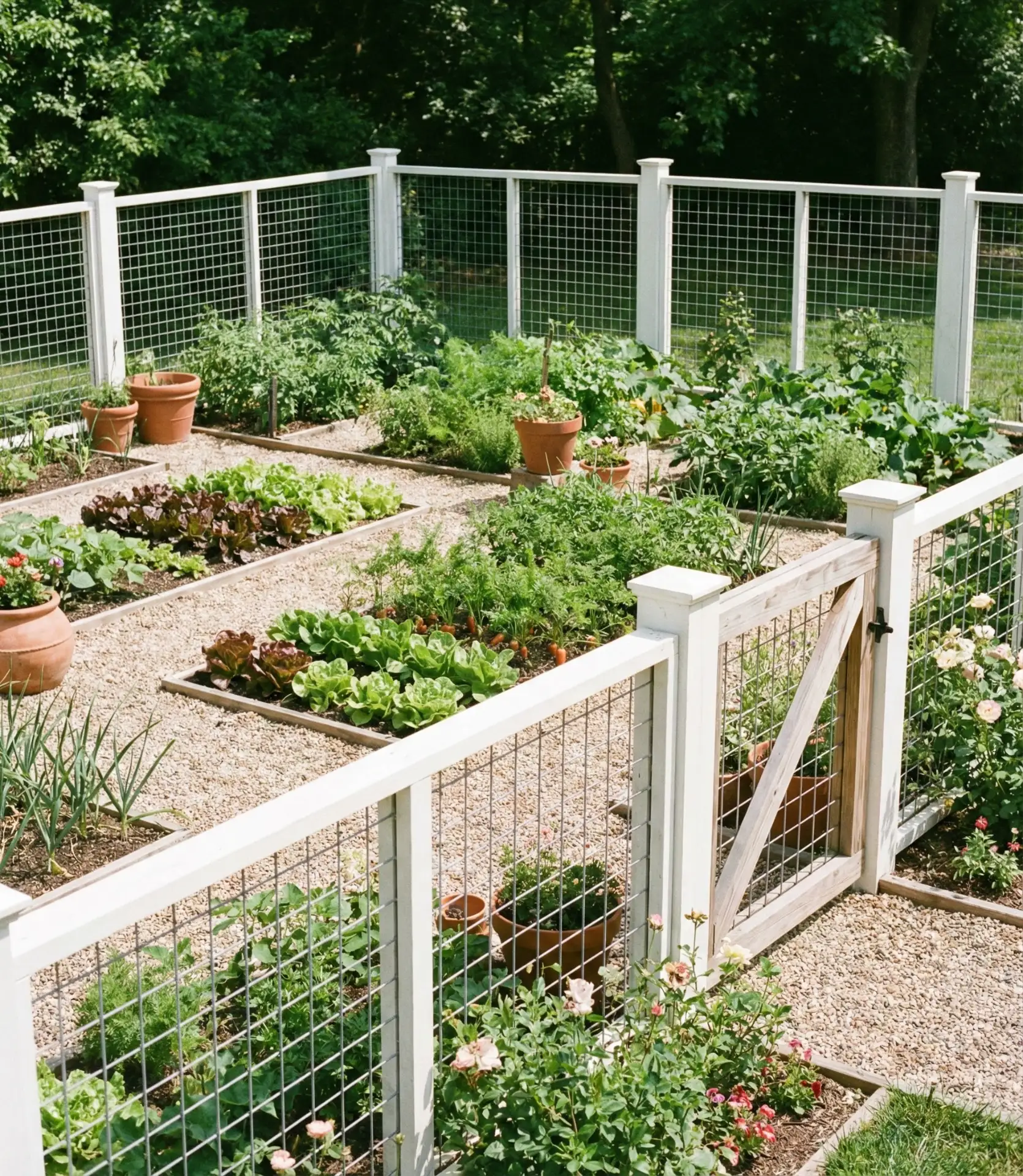
American homeowners are discovering what European gardeners have known for centuries: beautiful vegetable gardens deserve beautiful boundaries. The framed construction allows you to paint or stain for personality—classic white creates cottage charm, while sage green or charcoal adds contemporary sophistication. At $30-50 per linear foot DIY or $80-120 professionally installed, it occupies the middle ground between basic chicken wire and premium solid fencing. The elevated aesthetic often inspires better garden maintenance—beauty begets care.
13. Low Picket Border for Flower Beds
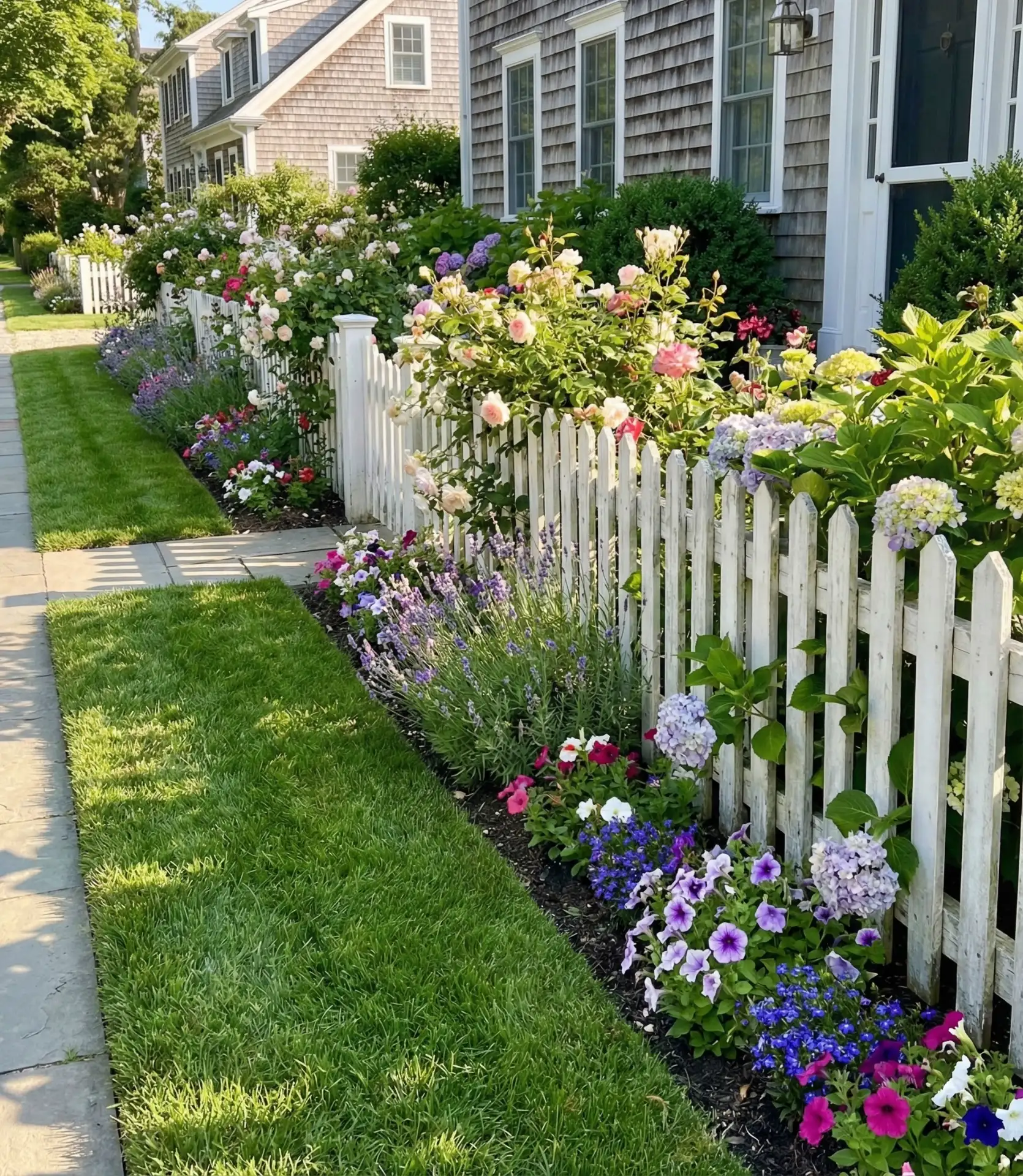
Some choose to use picket fencing that is 12–18 inches tall to gently frame the flower beds. This height also ensures that the blooms’ views remain unobstructed. With this height, the picket fencing is also creating a psychological barrier to foot traffic, but your cottage decor does not need to lose that welcoming feeling. The scaled-down design is also much more affordable. We consider this design to be a picket fence at a fraction of the cost and installation effort. 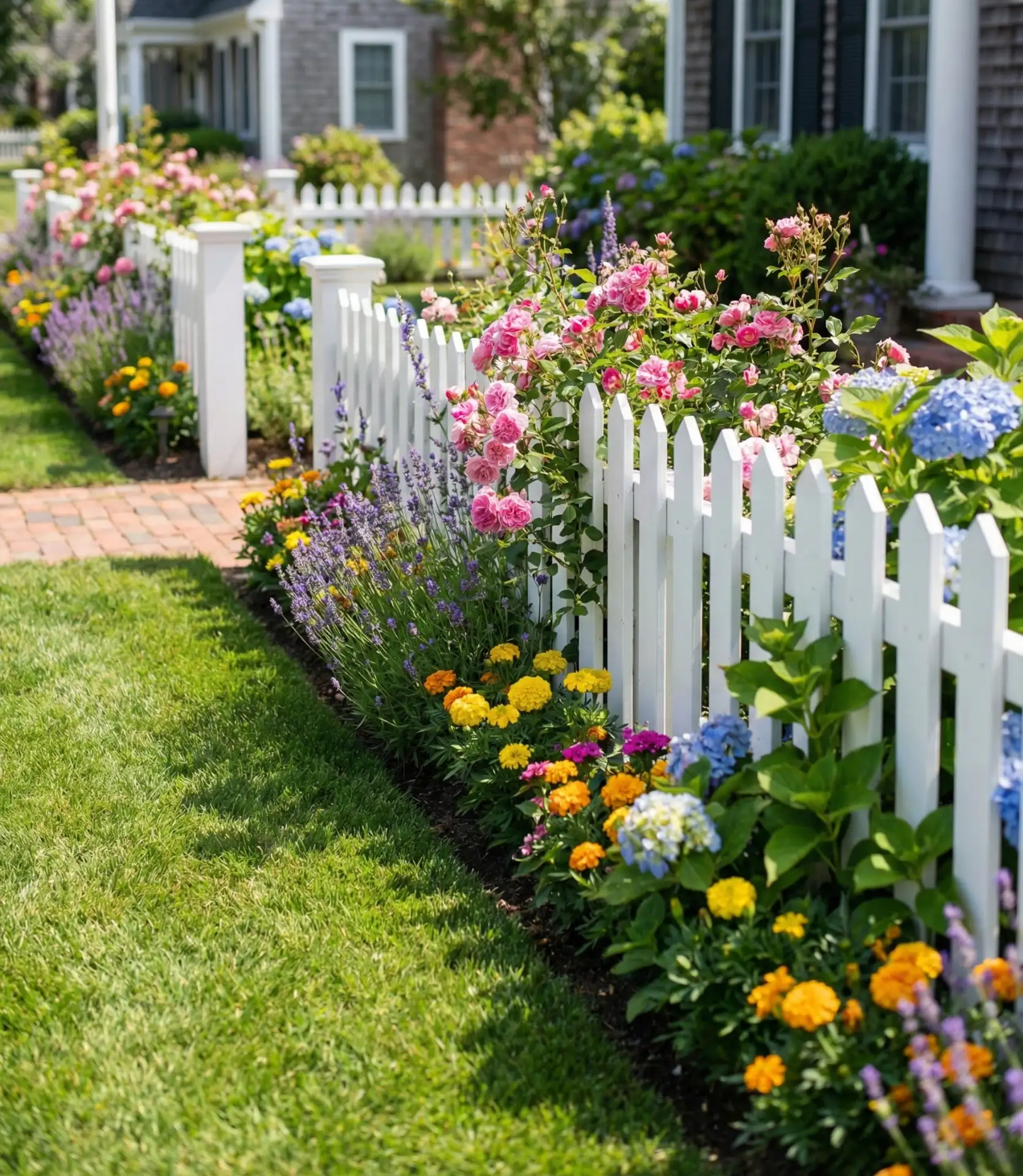
In suburban neighborhoods, this small fencing is a staple design element for homeowners that want to create garden rooms without walls. This mini fencing is also excellent for bordering sidewalks and driveways; when there is mini fencing, it makes the space feel more open than if there were walls or design elements that were more massive. Many people use garden decoration without first prepping the ground. Also a common mistake is to not sink posts in concrete for even short fencing. This action is to avoid the appearance of neglect that frost can create over one winter season.
14. Living Fedge (Fence-Hedge) Solution
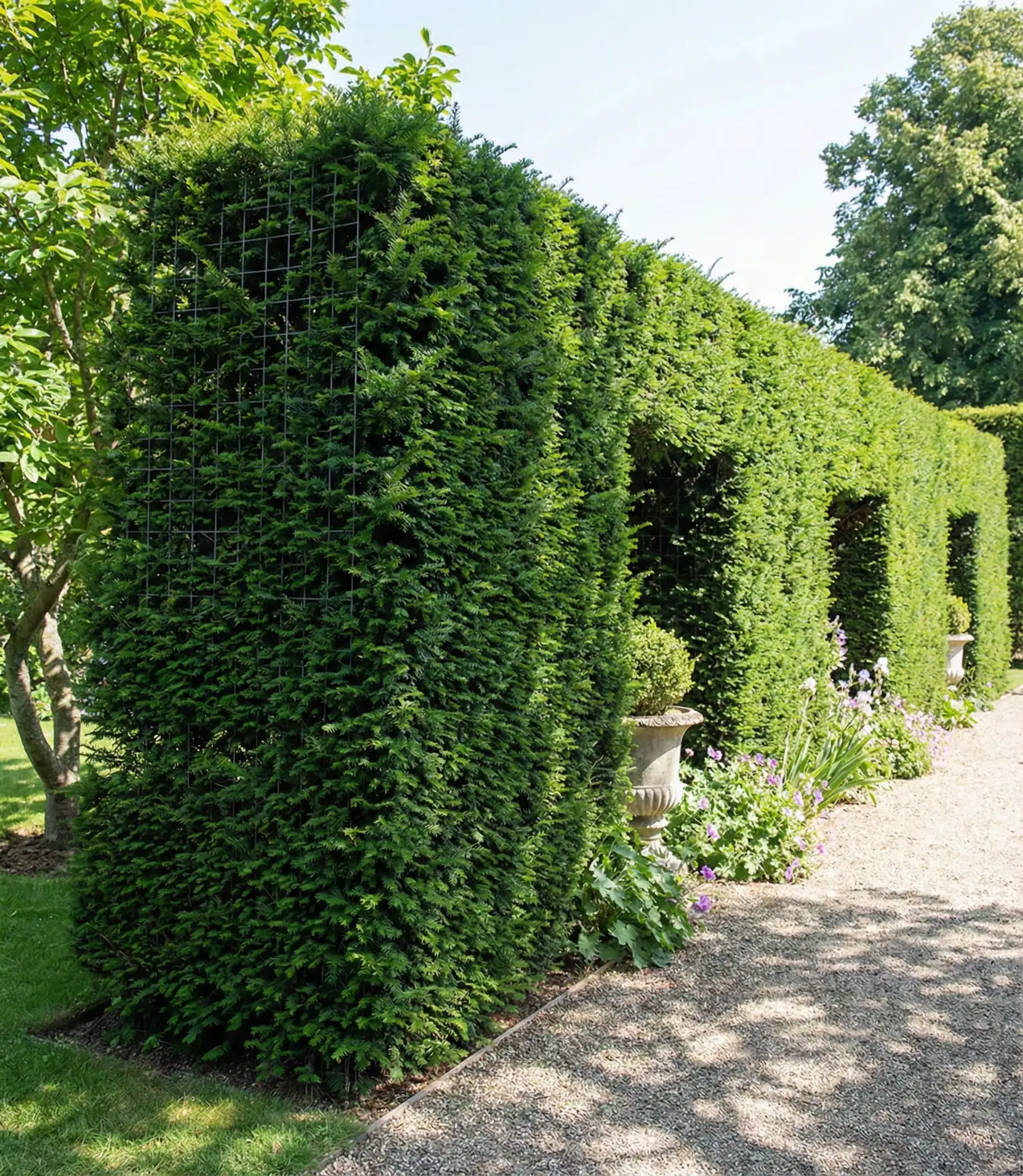
The emerging fedge concept combines spacial wire fencing structures with dense hedge fedge plantings to create LP living fence walls. These hedge walls provide privacy, security, and seasonal interest, while also creating habitat for wildlife. The hybrid approach uses trained boxwoods, privets, and hornbeams along wire hedge frameworks for precisely shaped hedge barriers that stay green and continue to grow. This hybrid hedge approach provides the immediate structure of fencing while also incorporating the beneficial and distinct environmental features of hedging. 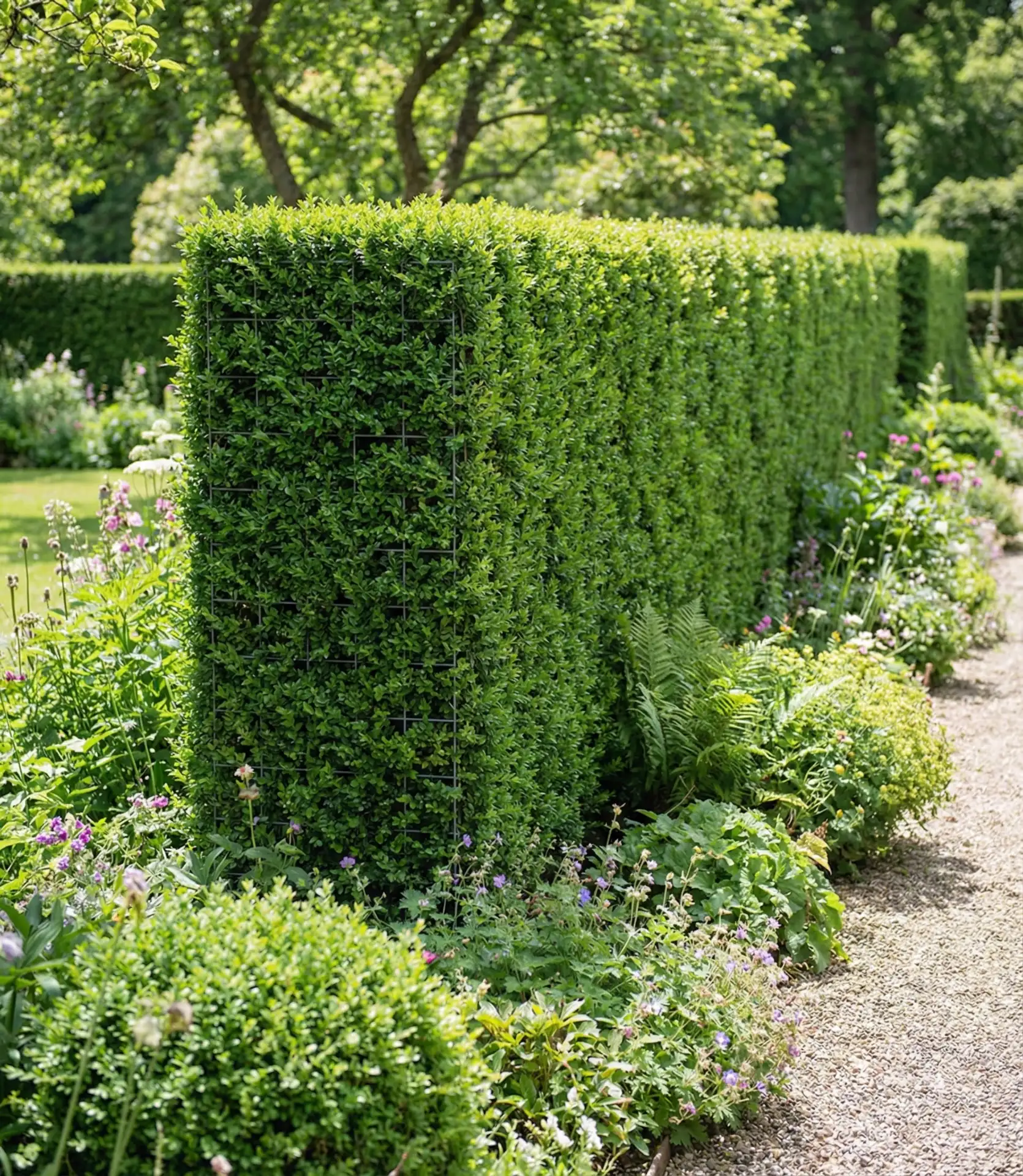
In terms of regional application, hedge walls perform exceptionally in temperate hedge regions from the Mid-Atlantic to the Pacific Northwest, where broadleaf evergreens flourish. Living hedge systems require patience. Living hedge systems take about three to five years to establish full coverage of the fence and frame. This fence barrier, unlike other fencing barriers, improves with age, rather than deteriorating. Living hedge systems have a relatively high initial investment of about 50 to 100 dollars per linear foot for plants and hedge wire systems. Living hedge systems provide tremendous value because they eliminate the replacement cycle that plagues traditional fencing every 15-20 years.
15. Reclaimed Door Panel Art Fence
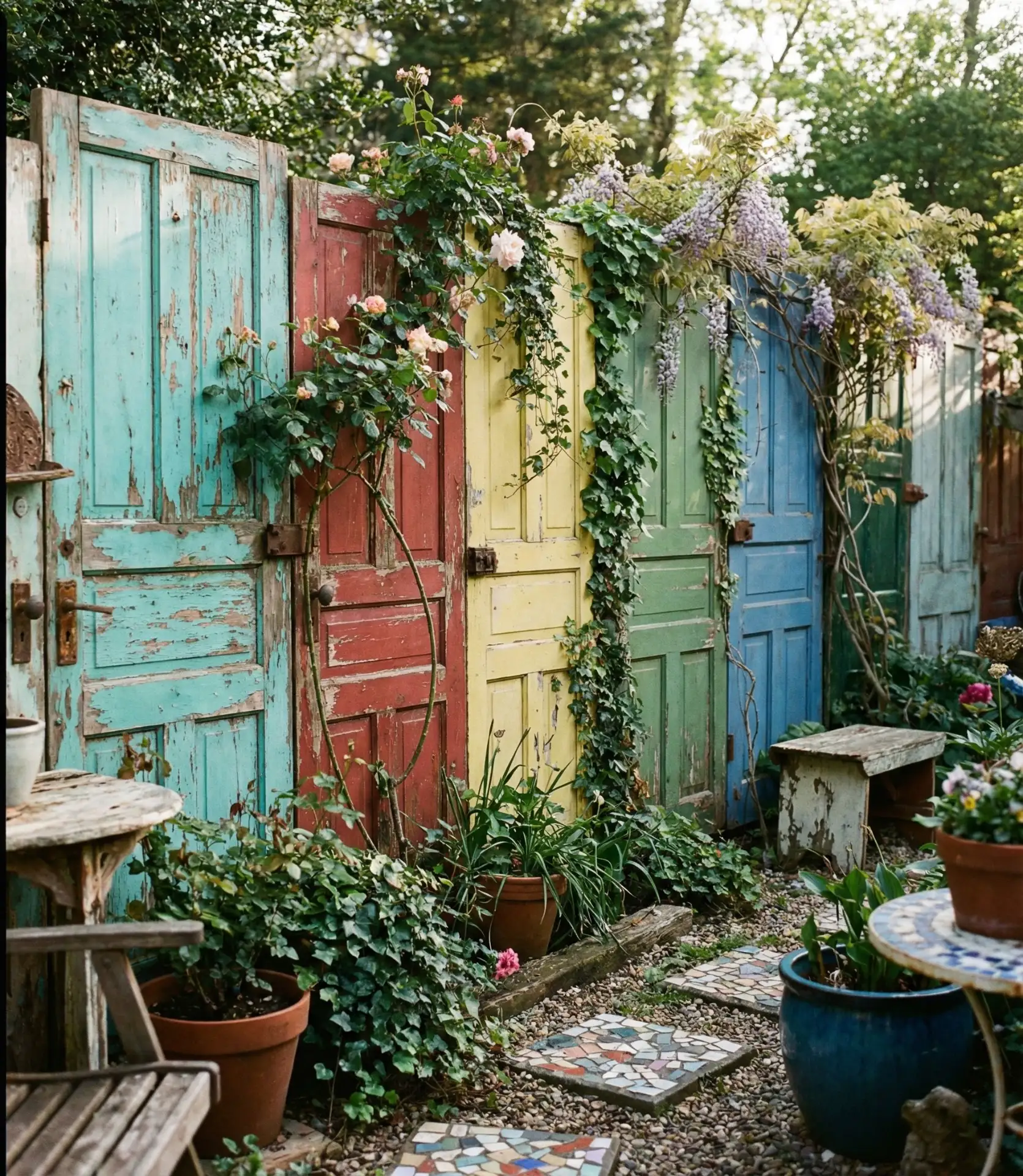
Creative DIY enthusiasts are transforming vintage doors from salvage yards into spectacular, one-of-a-kind, unique garden fencing. This decorative approach adds doors of differing styles, colors, and eras to create whimsical boundaries bursting with personality.
Different panel designs, inserts, and architectural features turn functional fencing into outdoor art pieces, adding points of interest and conversation. 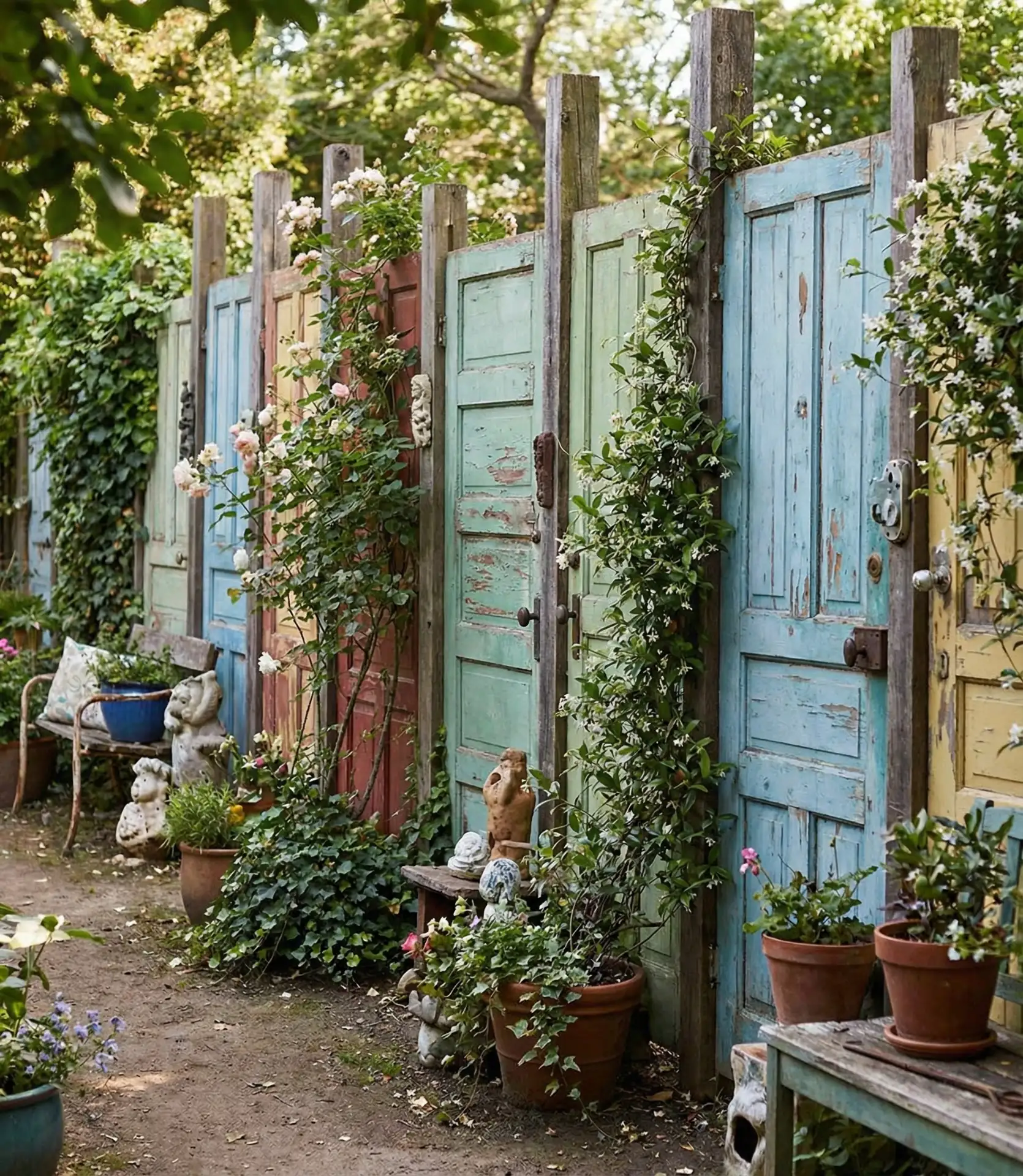
My sister built this kind of fence last year around her urban garden, using eight doors from different decades, some of which she painted and others of which she left distressed. She spent under $200, and she gets compliments from every visitor. She found doors at architectural salvage stores for $15-30 each. The trick is to secure them well to sturdy posts since doors were never meant to serve as outdoor structural elements. Use construction adhesive and heavy-duty screws, and make sure to seal all surfaces and edges to keep water out.
16. Livestock Panel Garden Grid
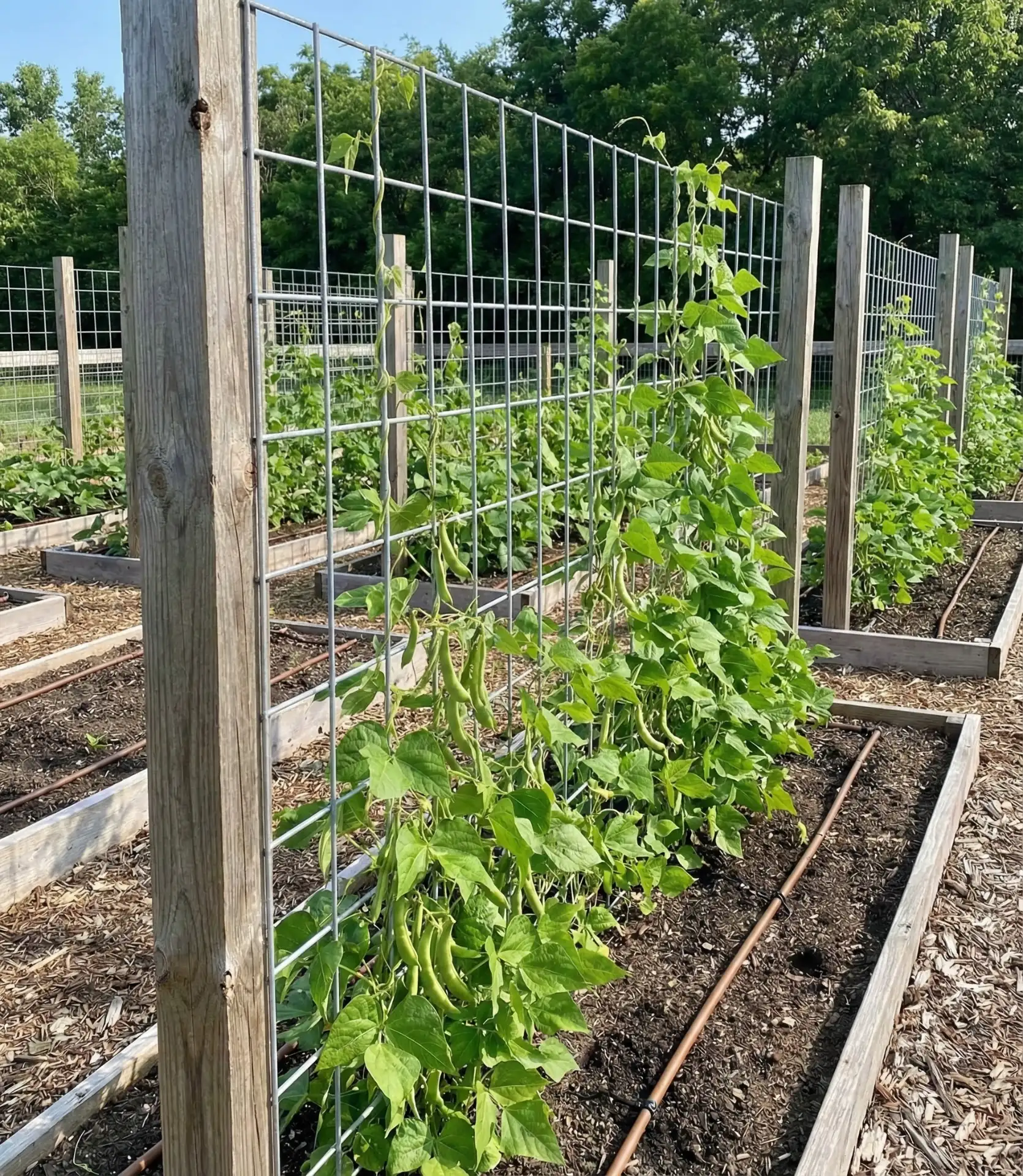
Galvanized livestock panels—those heavy-duty wire grids typically used for animal pens—make surprisingly effective and economical vegetable garden fencing. These 16-foot panels feature 4-inch square openings that keep animals out while supporting climbing plants like beans and cucumbers. The industrial strength means they’ll outlast most homeowners, making them legitimate buy-it-for-life garden infrastructure. 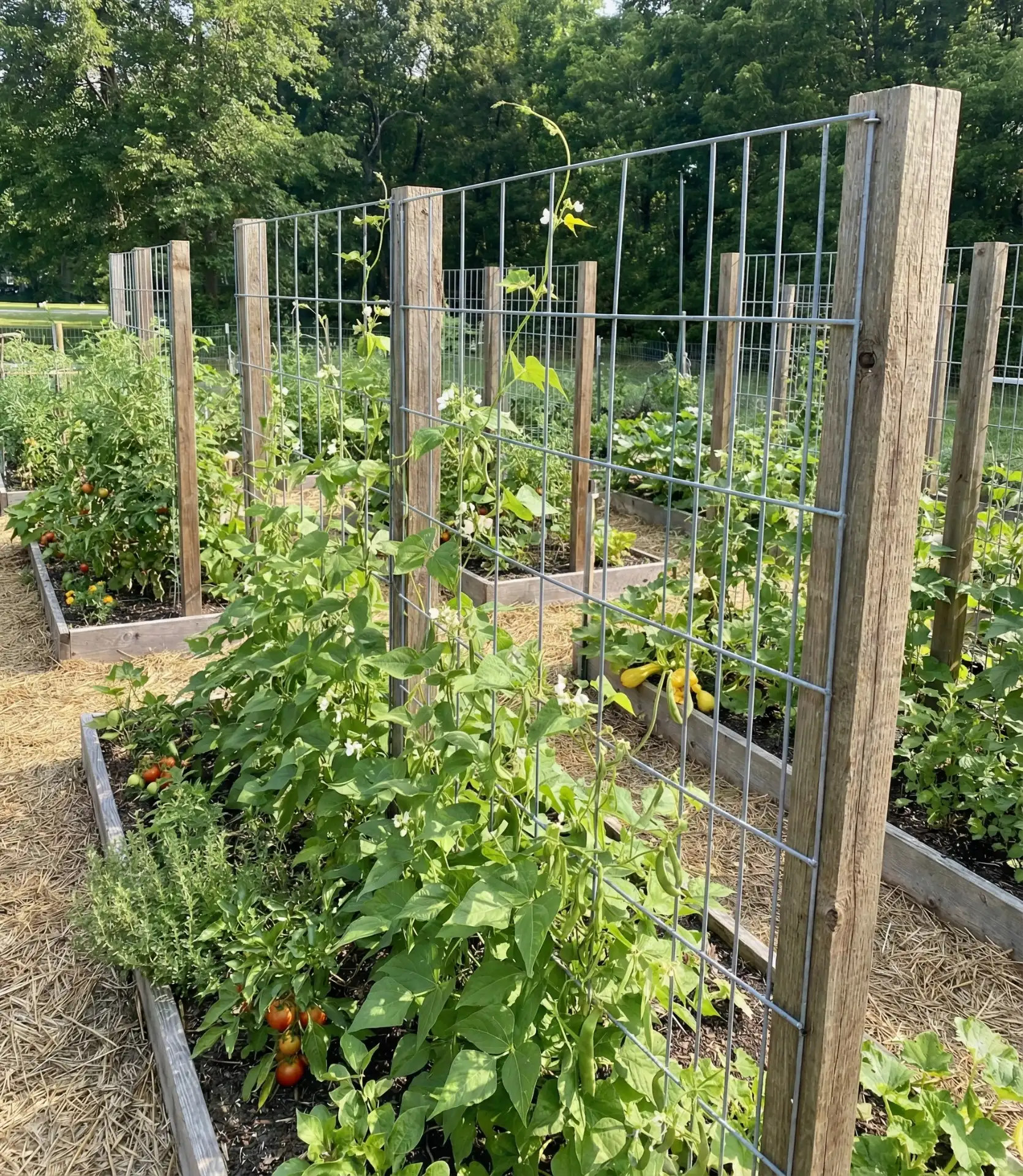
Where this fencing solution truly excels is on hobby farms and rural properties where functionality trumps aesthetics. Each panel costs $30-50 at farm supply stores—compare that to hundreds for decorative fencing covering the same linear footage. The minimal visual obstruction maximizes sunlight penetration for productive growing. One consideration: the utilitarian appearance may not satisfy neighbors in manicured suburban settings, so reserve this solution for side or back yards where practicality reigns.
17. Minecraft-Inspired Blocky Garden Border
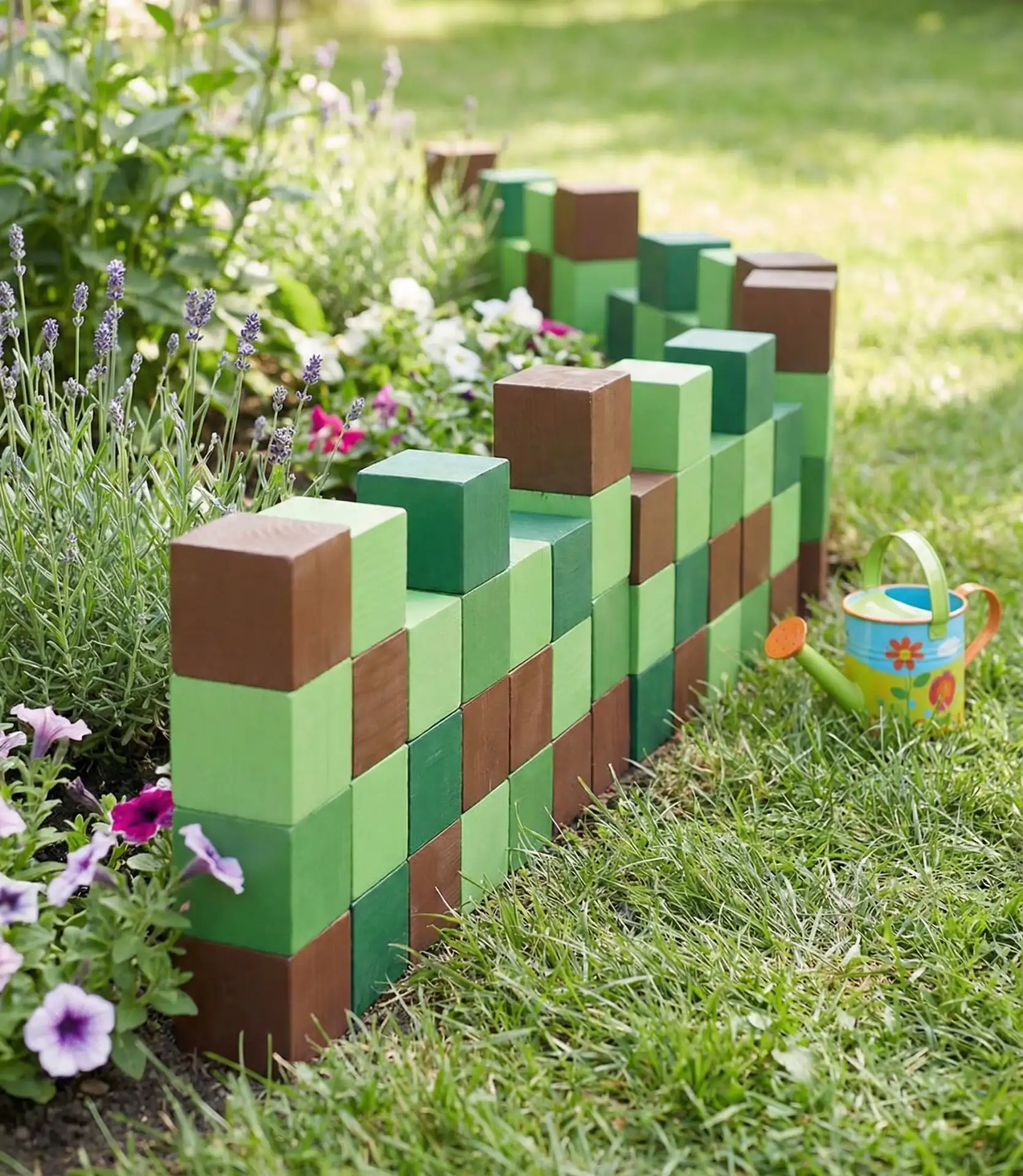
The Minecraft generation has inspired a playful fencing trend featuring deliberate blocky, pixelated designs that reference the game’s aesthetic. Built from painted wooden cubes or rectangular blocks in varied earth tones, these fences bring gaming culture into physical garden spaces. Kids and adults alike appreciate the nostalgic reference, while the modular construction allows for creative pattern-making. 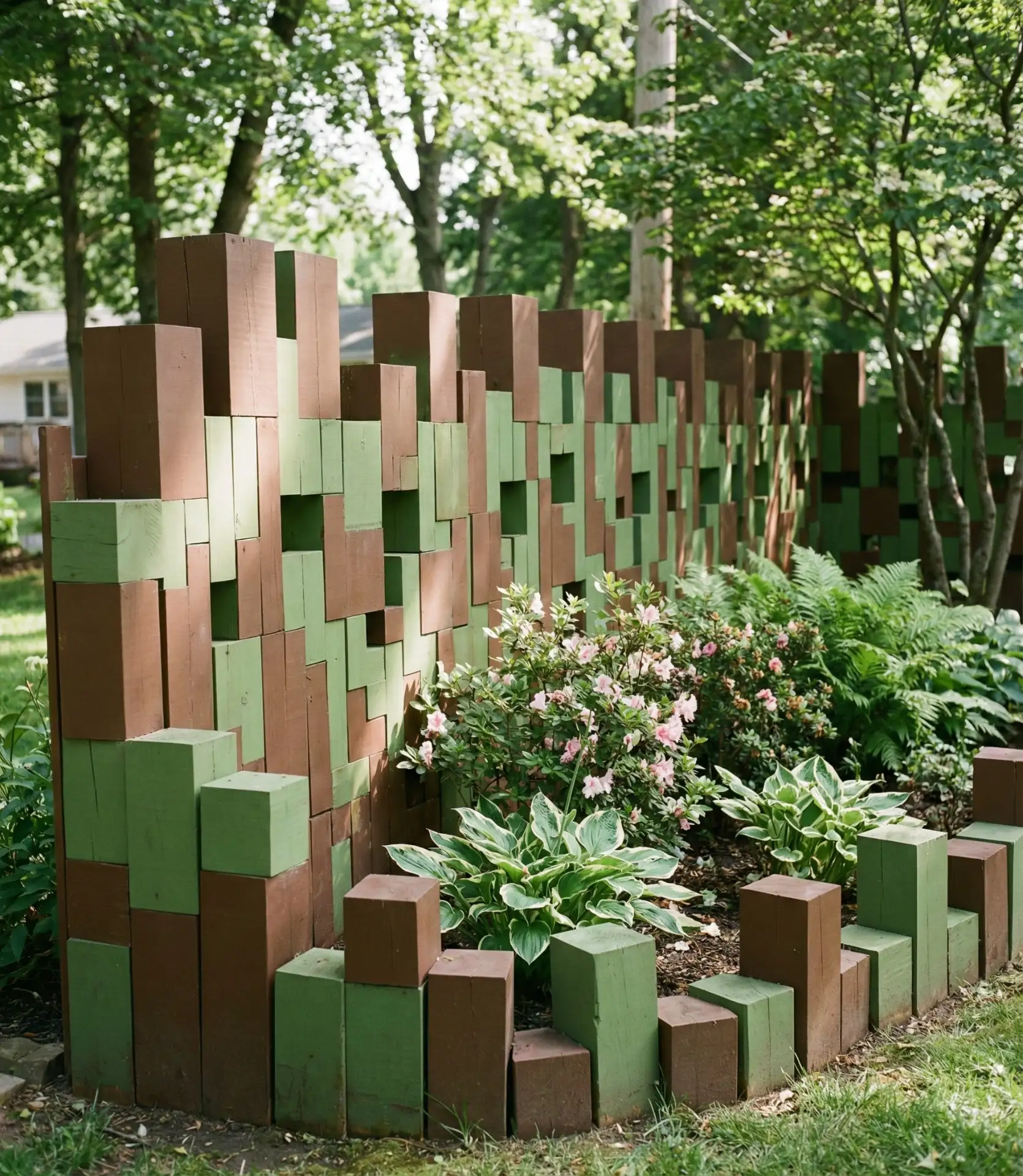
Real homeowner behavior shows this fence style is particularly popular among parents creating dedicated play spaces or teaching kids about gardening. The construction offers excellent DIY opportunities—simple cuts, straightforward assembly, and a forgiving design that makes slight imperfections look intentional. Material costs stay low at $15-25 per linear foot since you’re essentially building with dimensional lumber cut into blocks. The greatest challenge is maintaining color consistency if painting multiple blocks—buy all paint at once and mix thoroughly.
18. Stacked Stone Wall with Wood Top Rail
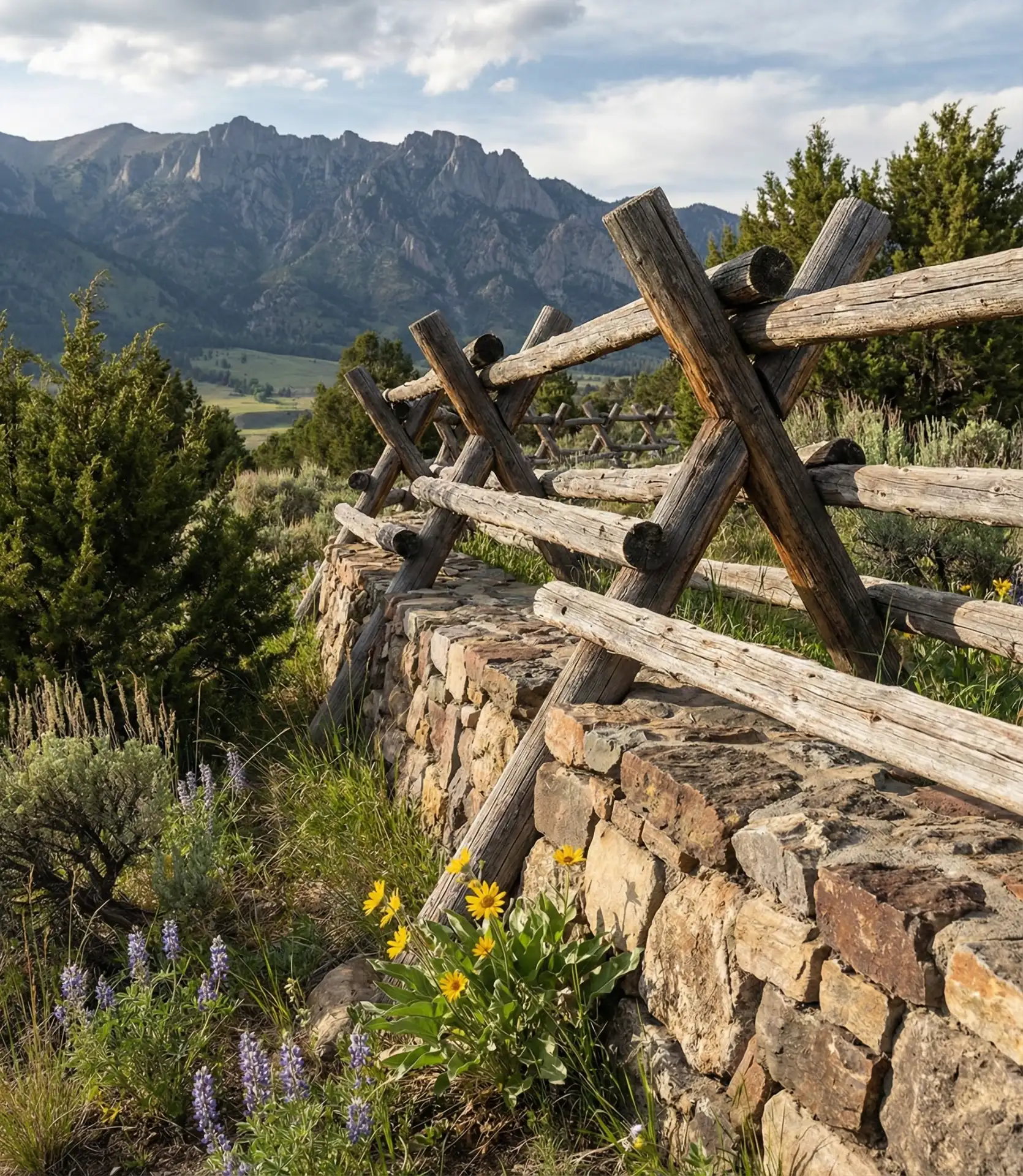
Combining dry-stacked stone bases with wooden top rails creates hybrid fencing that brings both permanence and warmth to property boundaries. The stone foundation—typically 2-3 feet tall—provides substantial visual weight and durability, while the wood rail adds height and softness. This design works magnificently in rustic settings and mountain properties where blending with natural landscapes matters. 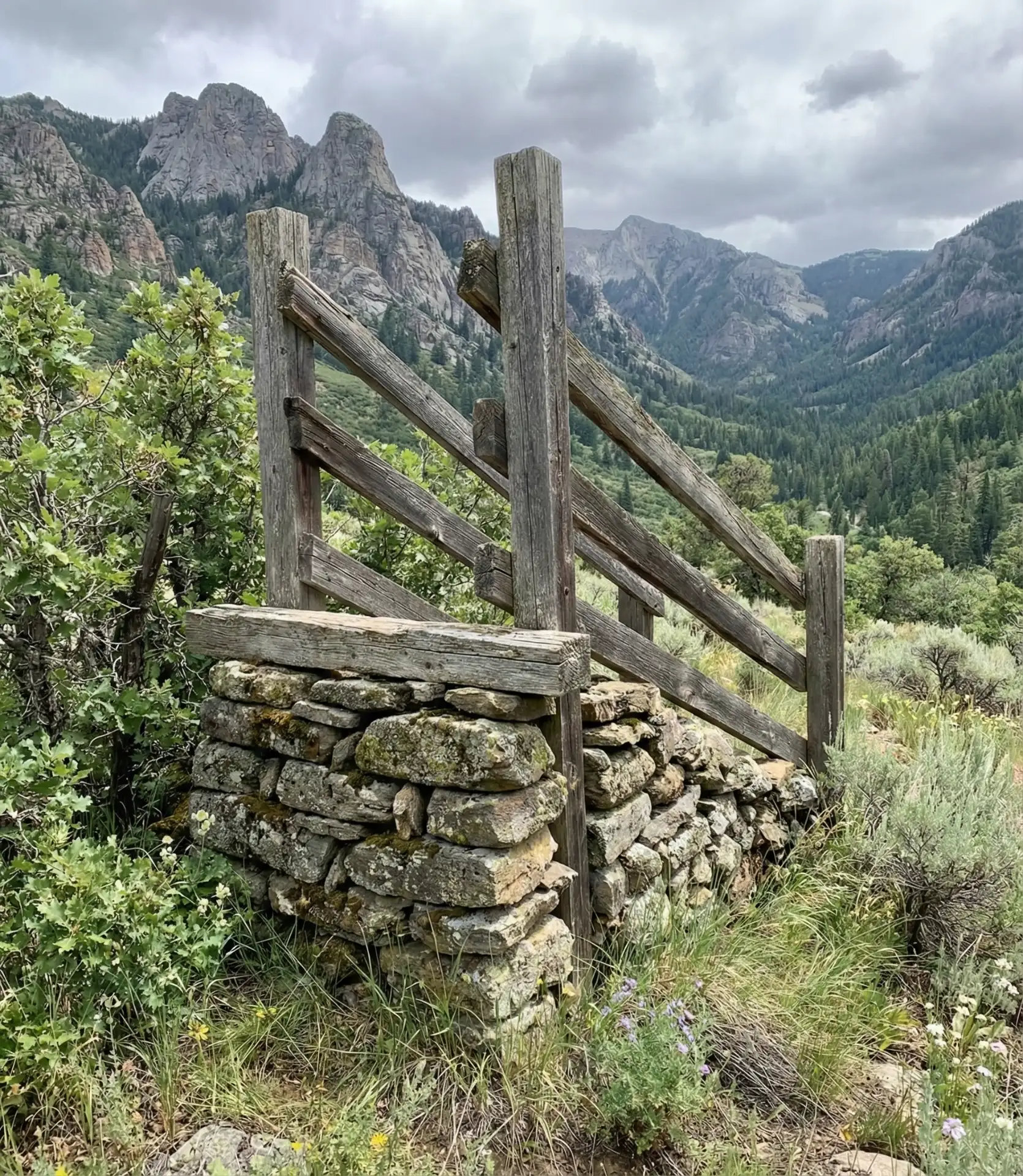
Budget considerations place this fence style in the premium category—expect $100-200 per linear foot professionally installed depending on stone availability and wall height. The investment pays dividends through decades of maintenance-free stone performance and the unmistakable character that only natural materials provide. DIYers with patience and strong backs can tackle the task themselves, but proper foundation and drainage are critical. In freeze-thaw climates, inadequate base preparation leads to shifting and collapse within years.
19. Vertical Planter Wall Combo
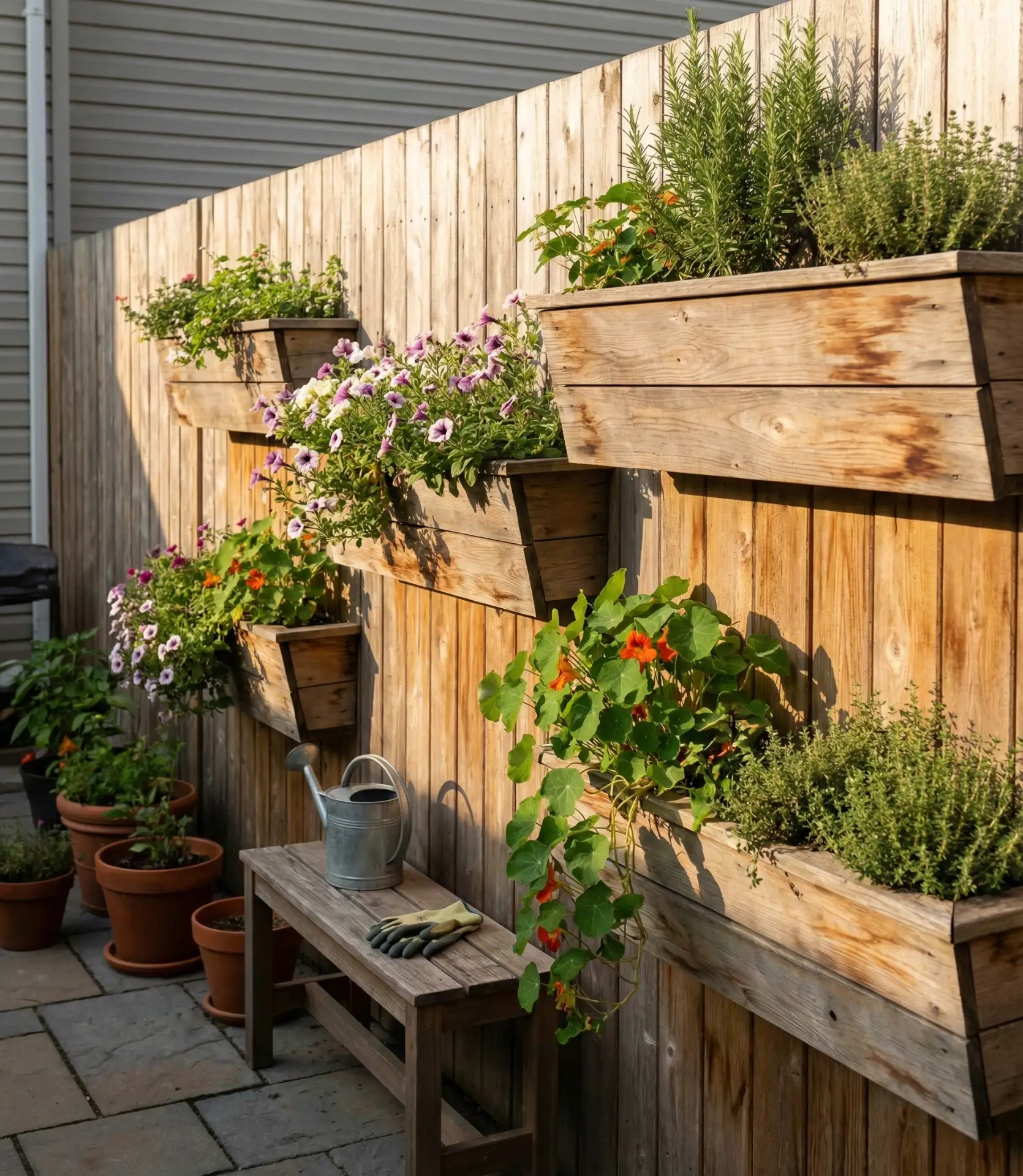
Innovative gardeners of the future will build vertical fences that can grow plants and include integrated planter pockets, shelves, and trellis systems. By growing vertically instead of horizontally, this space-saving design allows you to make the most of a small backyard. The integrated design offers a thick green wall that allows for privacy with plants instead of a solid barrier. 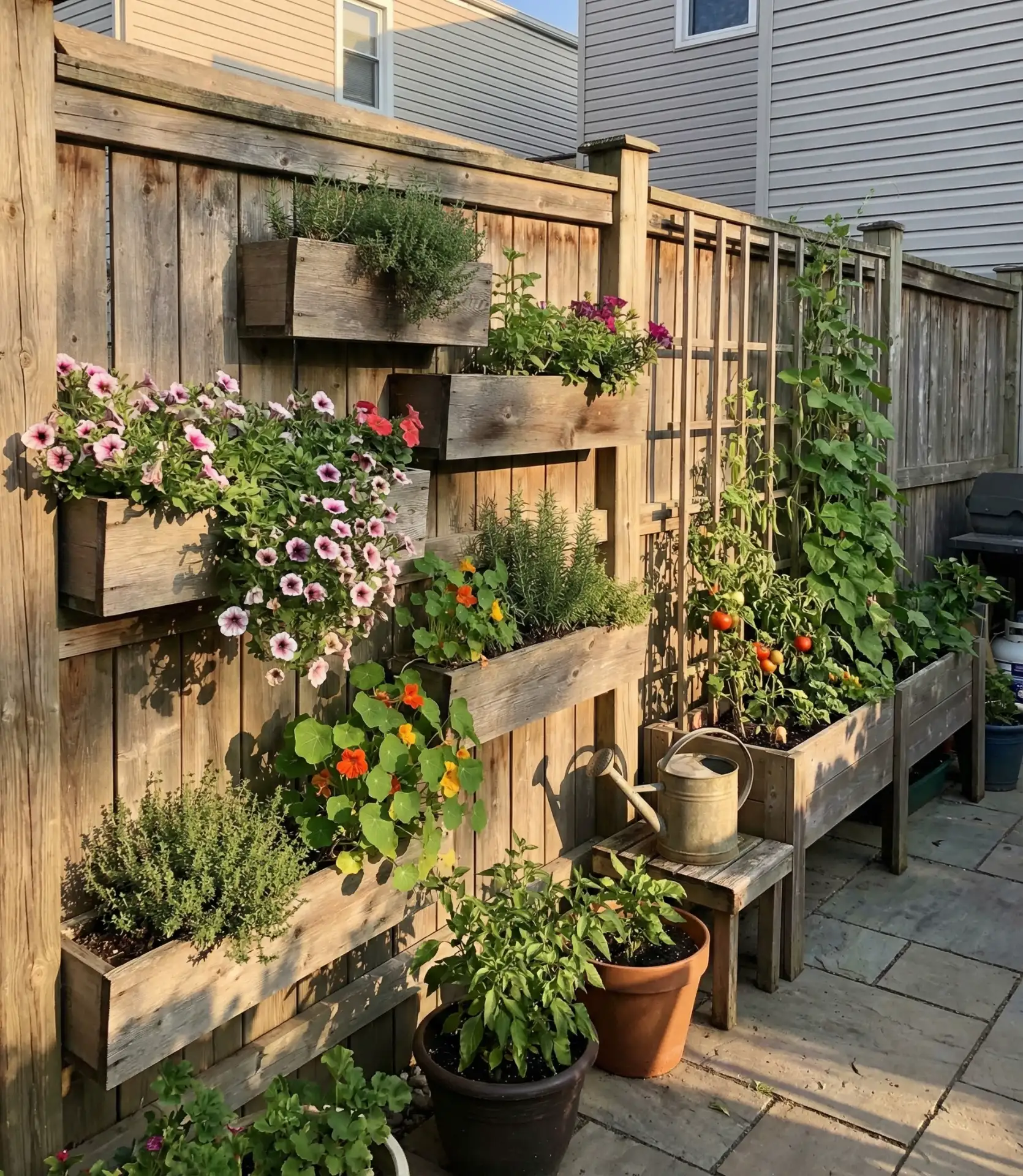
With lot sizes in urban settings getting down to 2,000–3,000 square feet, this dual-function fencing gives boundaries and ample plantings. Constructing these requires careful consideration of drainage and weight distribution—every planter box can weigh 50-100 pounds once filled with wet soil. It is best to use marine-grade plywood or composite materials that are resistant to moisture. Expert gardeners recommend that drip irrigation systems be integrated during construction instead of having to hand water vertical gardens. Maintaining vertical gardens can turn into tedious tasks rapidly.
20. Classic Chain Link with Privacy Slats

When budget absolutely dictates decisions, standard chain-link fencing transformed with woven privacy slats delivers functionality at rock-bottom prices. This practical upgrade to basic chain link weaves colored vinyl slats through the mesh, blocking views while maintaining airflow. Available in earth tones or vibrant colors, the slats turn utilitarian fencing into respectable property boundaries for a fraction of solid fence costs. 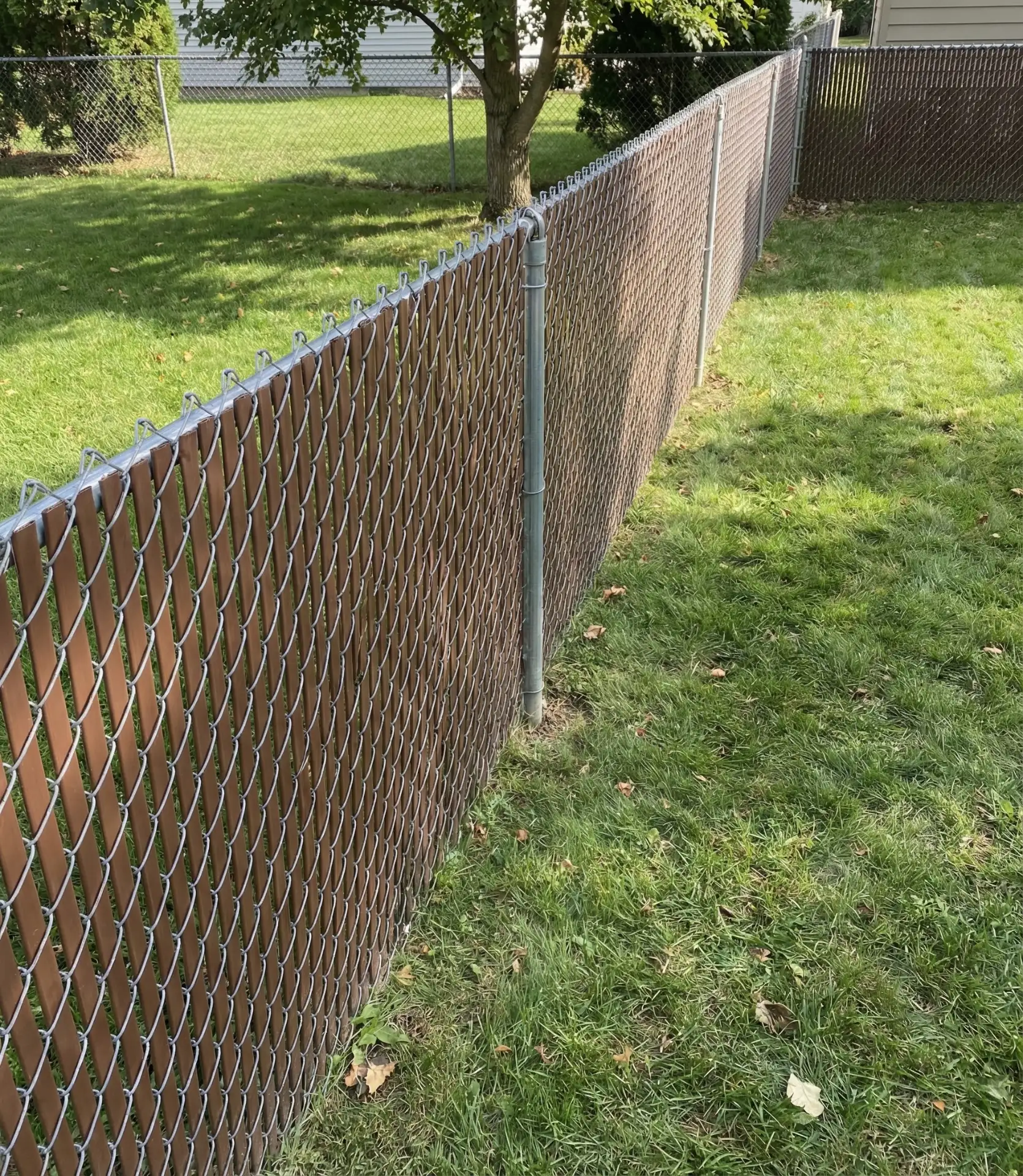
American homeowner data reveals this fencing type dominates starter homes and rental properties where functionality matters more than aesthetics. A complete installation runs $15-30 per linear foot, including slats—roughly half the cost of basic wood privacy fencing. The system works best where HOA restrictions are minimal and neighbors share similar pragmatic approaches to property boundaries. The common mistake here is choosing the cheapest slats, which fade into washed-out pastels within 2–3 years. Spend 20% more for UV-stabilized slats that maintain color dignity through seasons.
21. Gabion Rock-Filled Wire Baskets
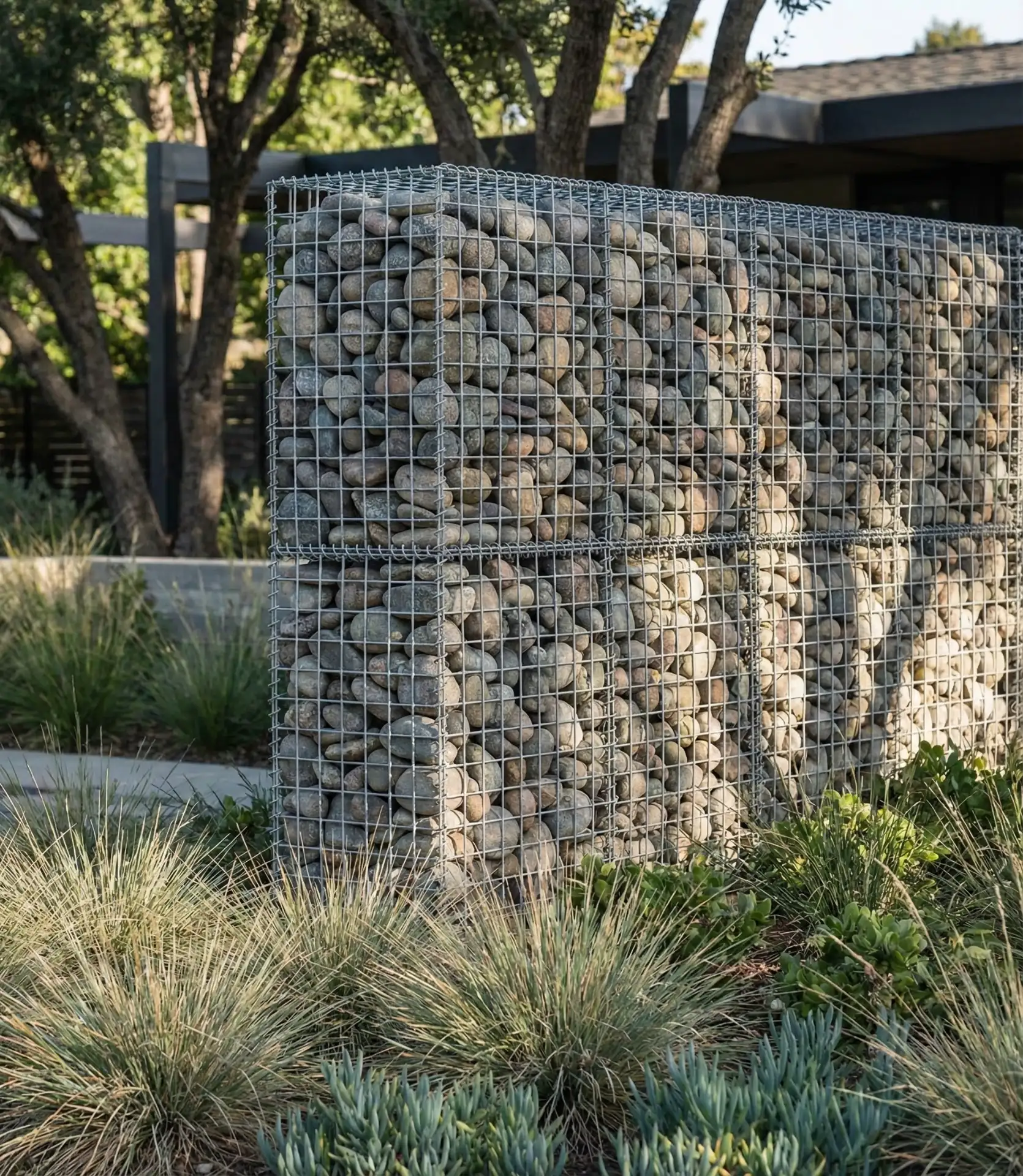
Industrial-chic gabion fencing—wire cages filled with rocks—brings contemporary European design to American gardens. These modular baskets stack to create substantial barriers that require zero maintenance once installed. The stones inside help keep temperatures steady, and the open design allows water to drain easily, making gabions perfect for sloped areas that might wash away.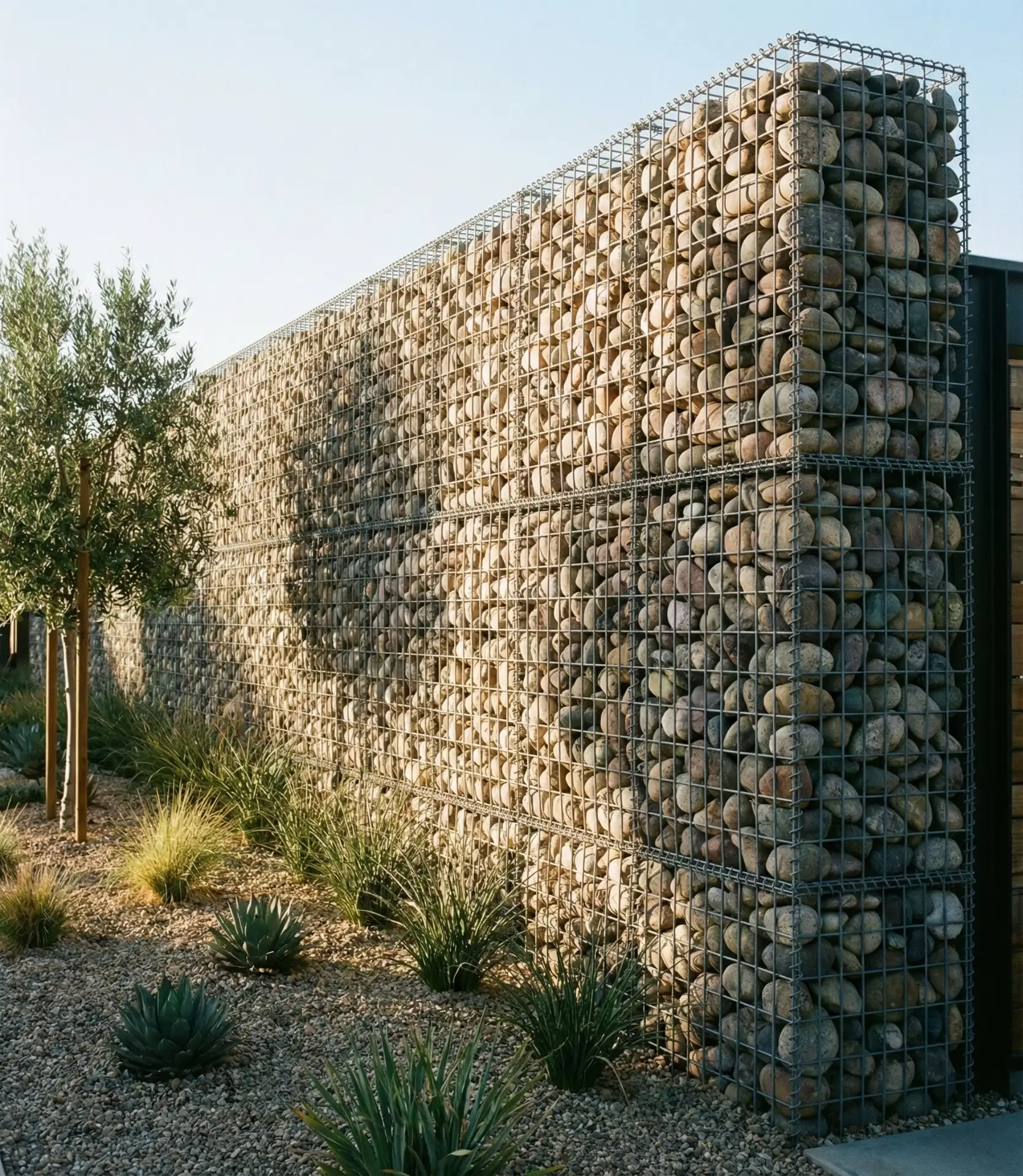
Where gabion walls work best is in modern landscapes where their bold architectural presence complements rather than competes with clean-lined architecture. The material costs vary wildly depending on rock availability—$40-80 per linear foot where rock is plentiful, but double that in areas requiring stone transportation. DIY installation is definitely feasible, though physically demanding. One insider tip: fill baskets with larger rocks around the perimeter for visual impact, then use cheaper, smaller aggregate in the center where it’s invisible.
22. Painted Zig-Zag Chevron Pattern
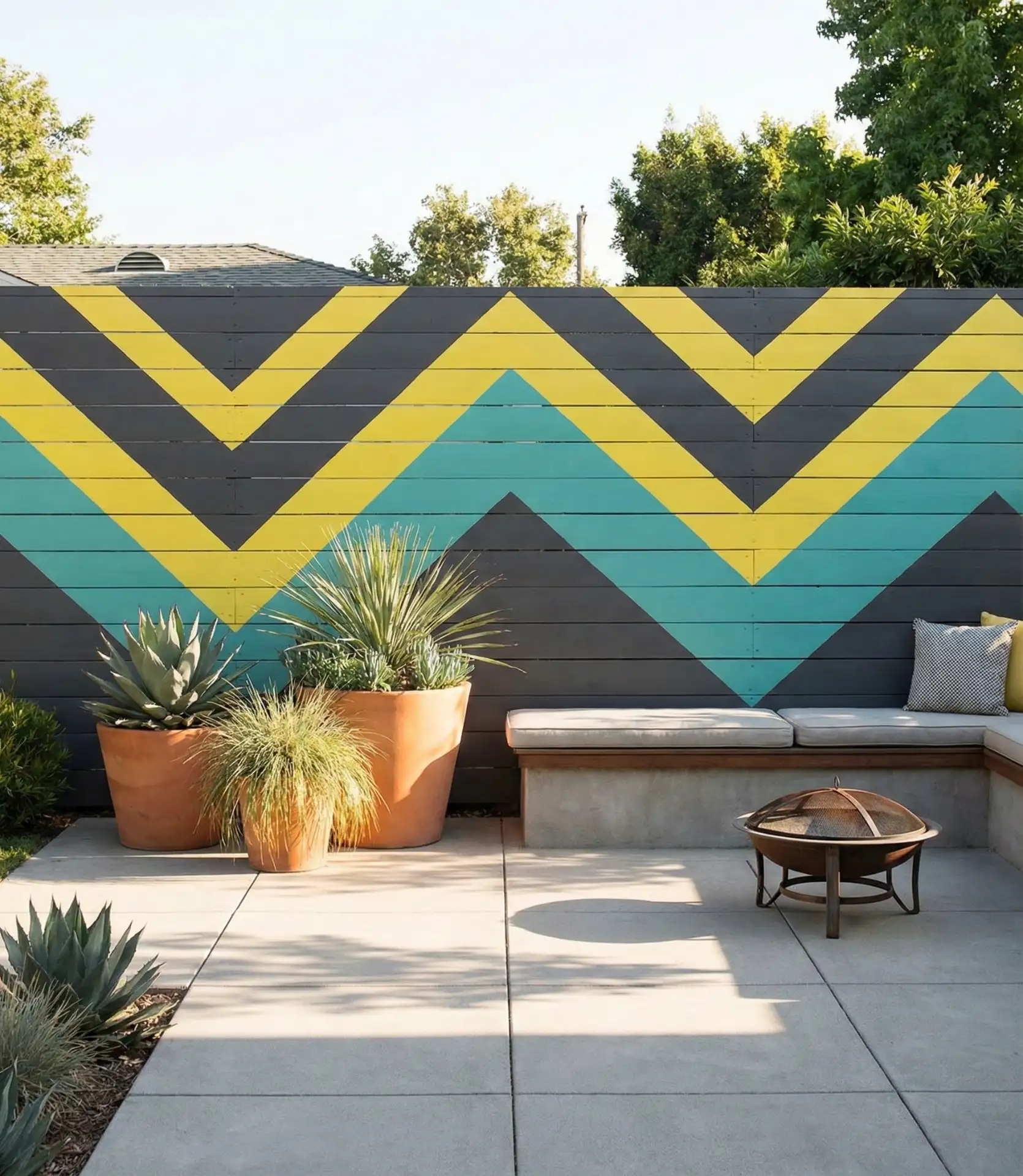
Transform basic board fencing into eye-catching features with bold painted chevron or zig-zag patterns that turn boundaries into outdoor art. This decorative treatment costs nothing more than paint and masking tape but delivers dramatic visual impact. The geometric patterns create optical interest and contemporary flair, particularly effective in simple yards that need personality without structural changes. 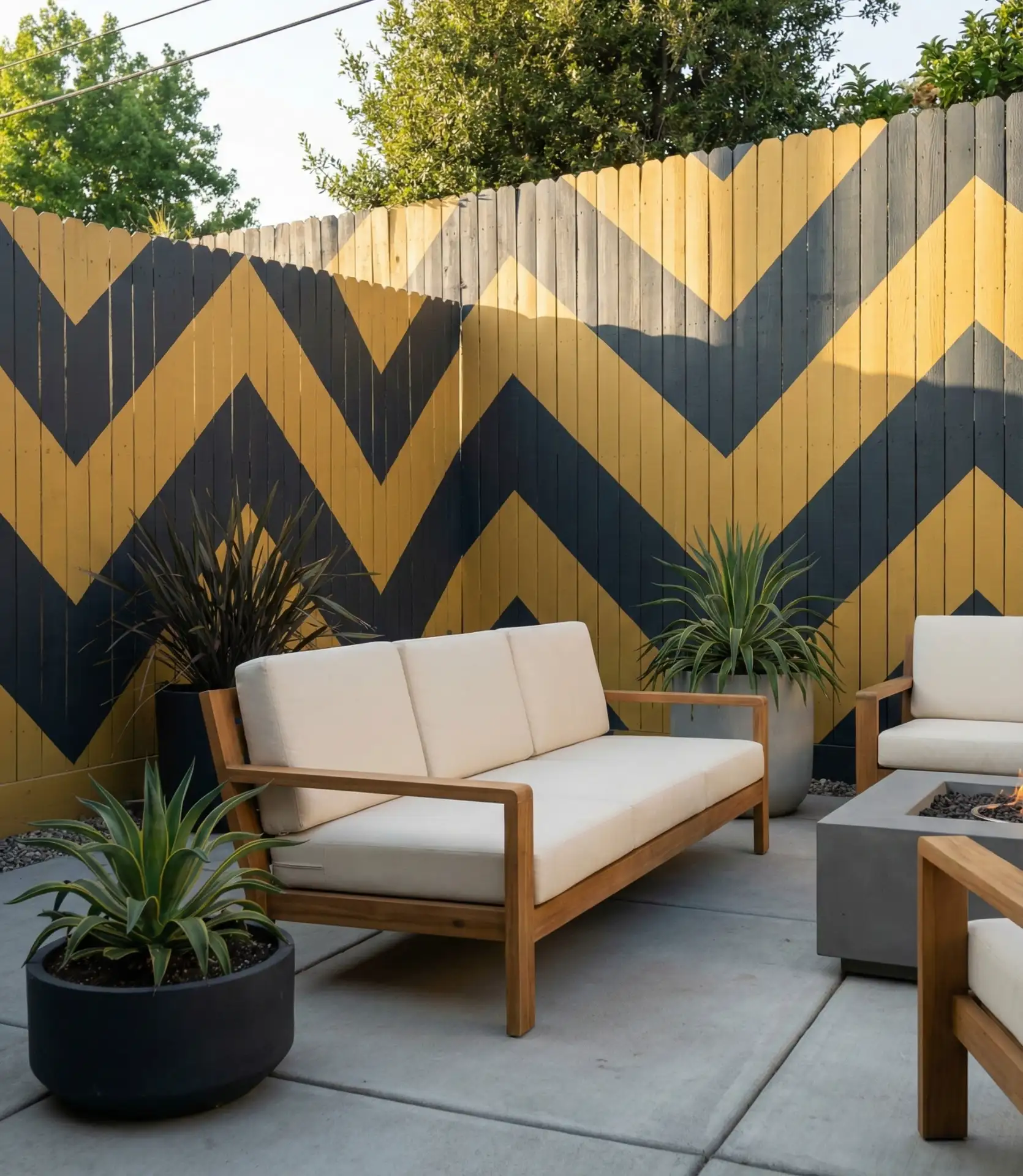
A common mistake with painted pattern fencing is choosing colors that compete with your home’s exterior or look garish within months. Instead, select one neutral tone paired with one accent color that appears elsewhere in your landscape—perhaps echoing your front door or planter colors. The paint job requires precision: use quality exterior paint, invest time in proper prep and priming, and apply crisp masking tape for clean lines. Estimate 2 to 3 days of work for a 50-foot section of the fence, in addition to the drying time required between coats.
23. Copper Pipe Modern Minimalist Railing
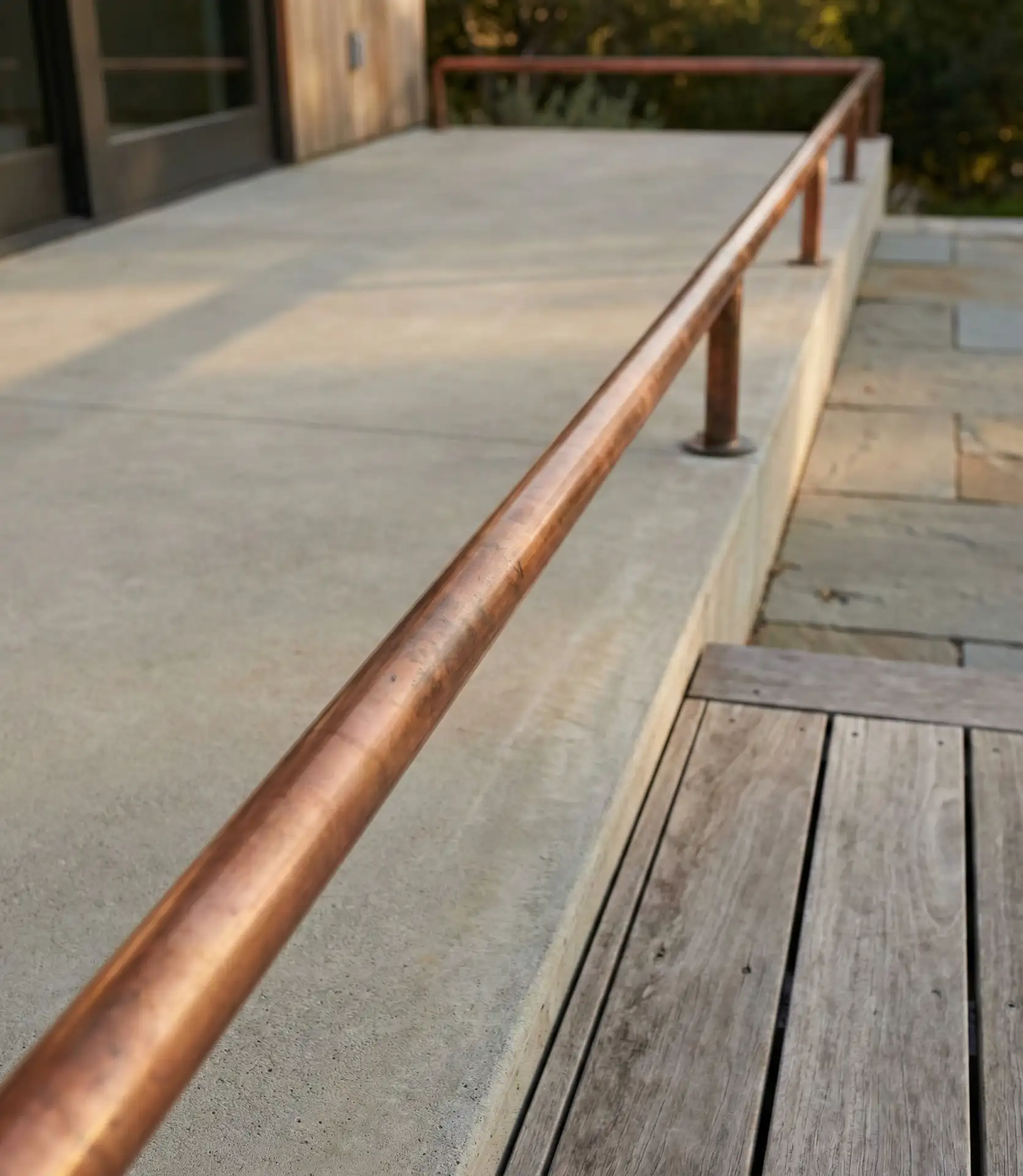
Unexpectedly, contemporary architectural styles have incorporated copper piping into fencing materials, specifically low decorative pipe railings. The warm metallic tones of the piping create a rich patina over time, and the slim pipes create a light visual quality. This elegant and sophisticated fit is ideal for subtle and sophisticated definition, without blocking the sight or creating visual heaviness. 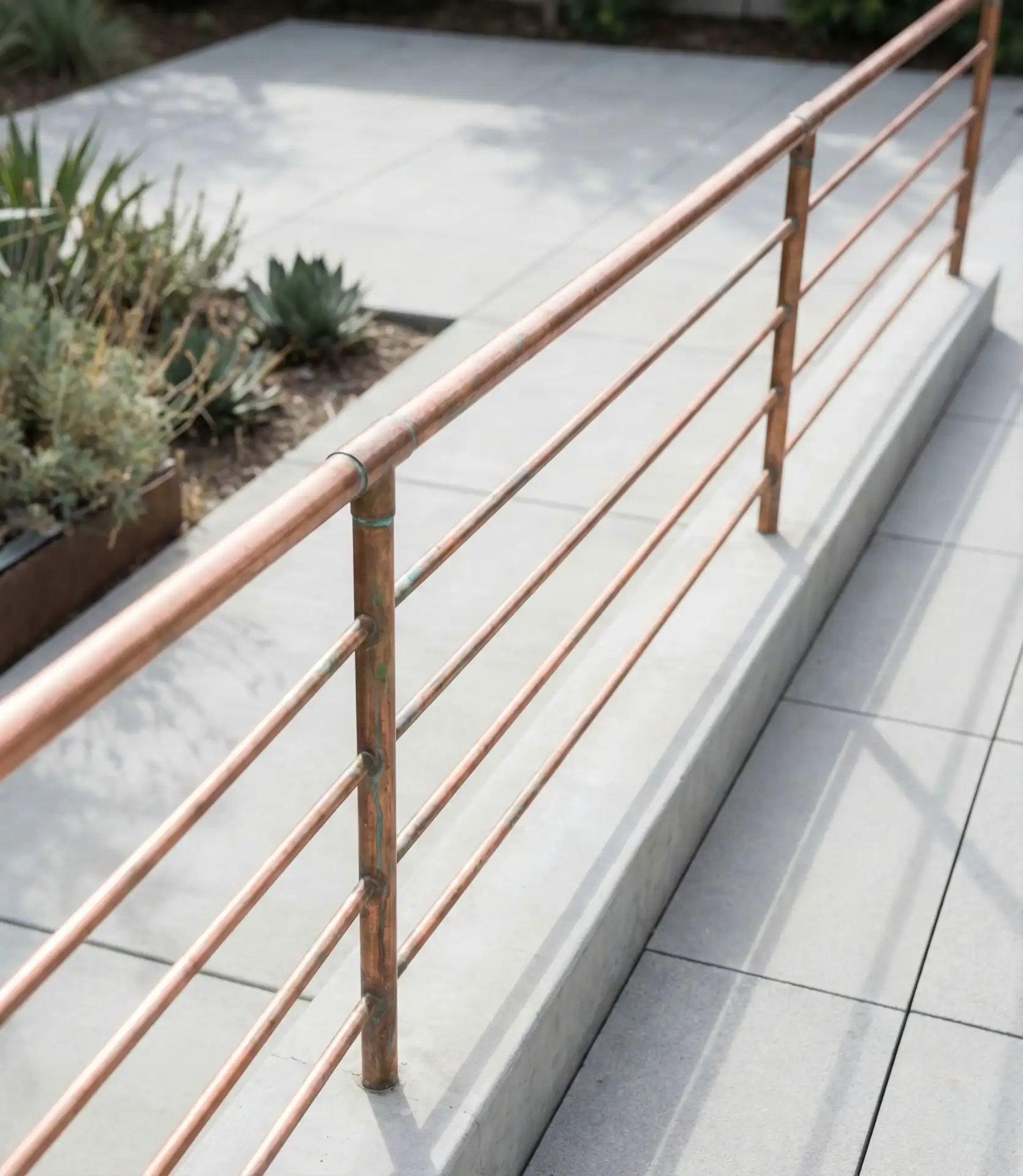
Throughout coastal regions and design-forward neighborhoods, copper pipe fencing has become a signature detail in high-end landscape renovations. The material costs range from $40-70 per linear foot for DIY builds using standard plumbing components, or $100-150+ professionally installed with custom fabrication. The copper develops a verdigris patina naturally—embrace this trait or seal it to maintain the bright metallic sheen. Homeowners appreciate that unlike wood or vinyl, copper improves aesthetically with age rather than deteriorating.
24. Mixed-Material Eclectic Statement Fence

The most adventurous fence trend of 2026 combines multiple materials—wood, metal, black accents, and even glass or acrylic panels—into unified designs that make bold artistic statements. This eclectic approach allows DIY builders to use salvaged and reclaimed materials creatively while creating completely unique boundaries. The mixed textures and finishes transform fencing from an afterthought to a focal point. 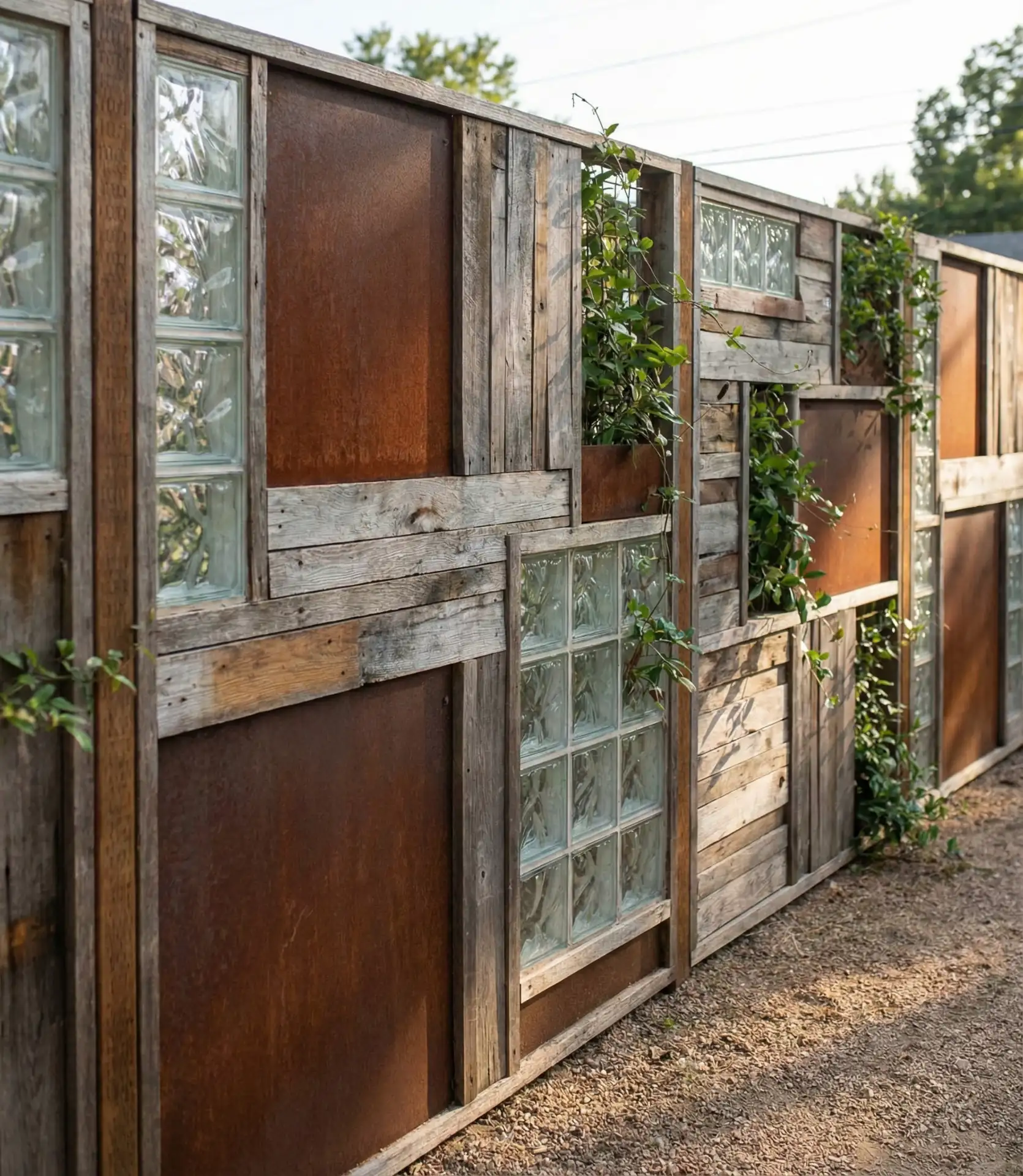
Real homeowner behavior with mixed-material fencing reveals intriguing patterns: these projects almost always start with leftover or salvaged materials that inspire creative combinations. What might seem like budget-driven improvisation actually produces custom results that would cost thousands if commissioned from designers. The key to success lies in maintaining consistent proportions and repeating patterns—randomness becomes chaos without underlying structure. Use one material for the framework, then vary the infill panels for controlled visual interest that reads as intentional rather than accidental.
25. Wattle Woven Branch Garden Screen
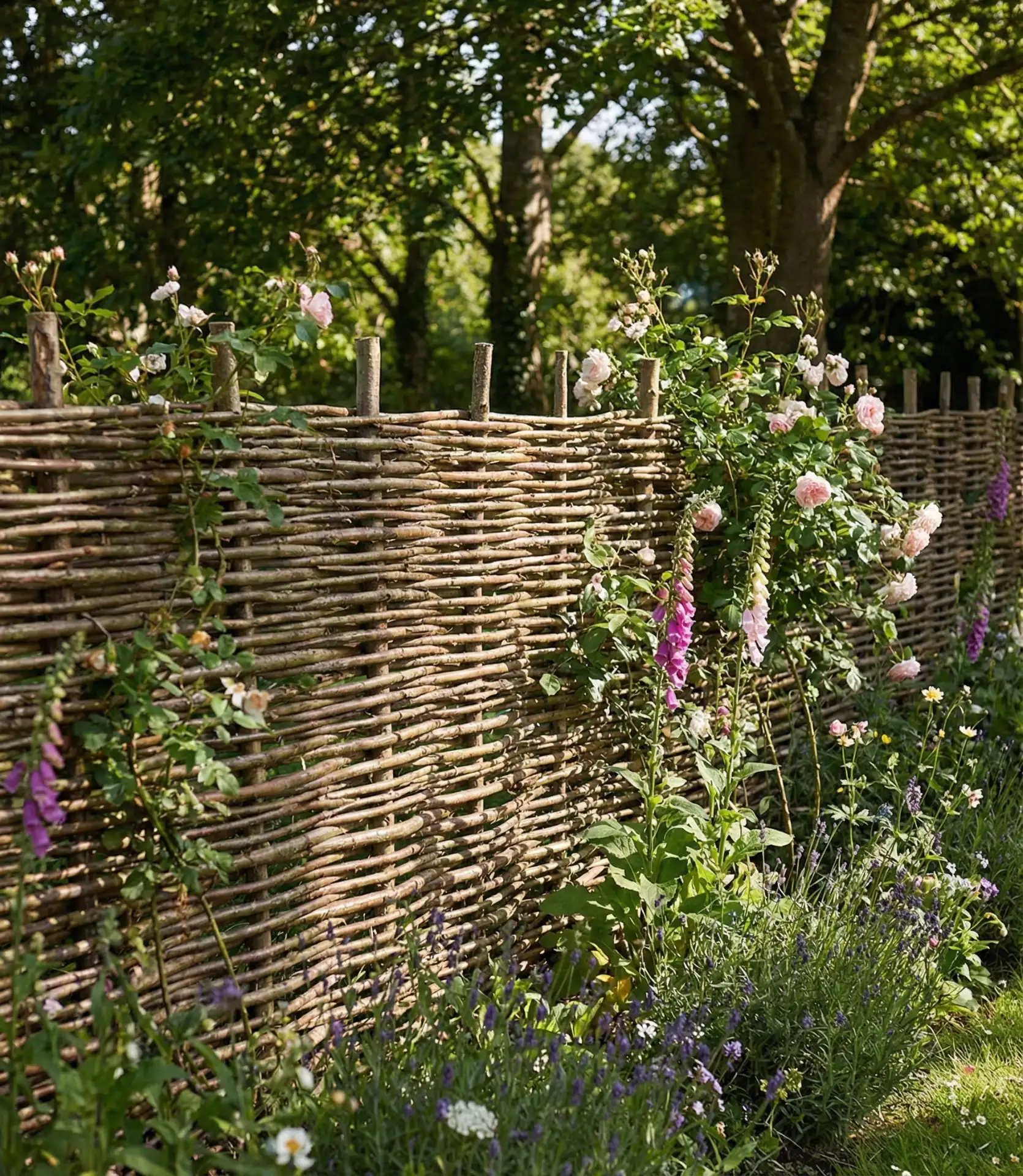
The ancient wattle fencing technique weaves flexible branches between upright stakes to create rustic screens with deep historical roots. This cheap and sustainable method uses pruned branches from your property—hazel, willow, or dogwood work beautifully—woven horizontally to form dense, textured panels. The cottage aesthetic fits naturally into informal gardens while providing windbreaks and partial privacy. 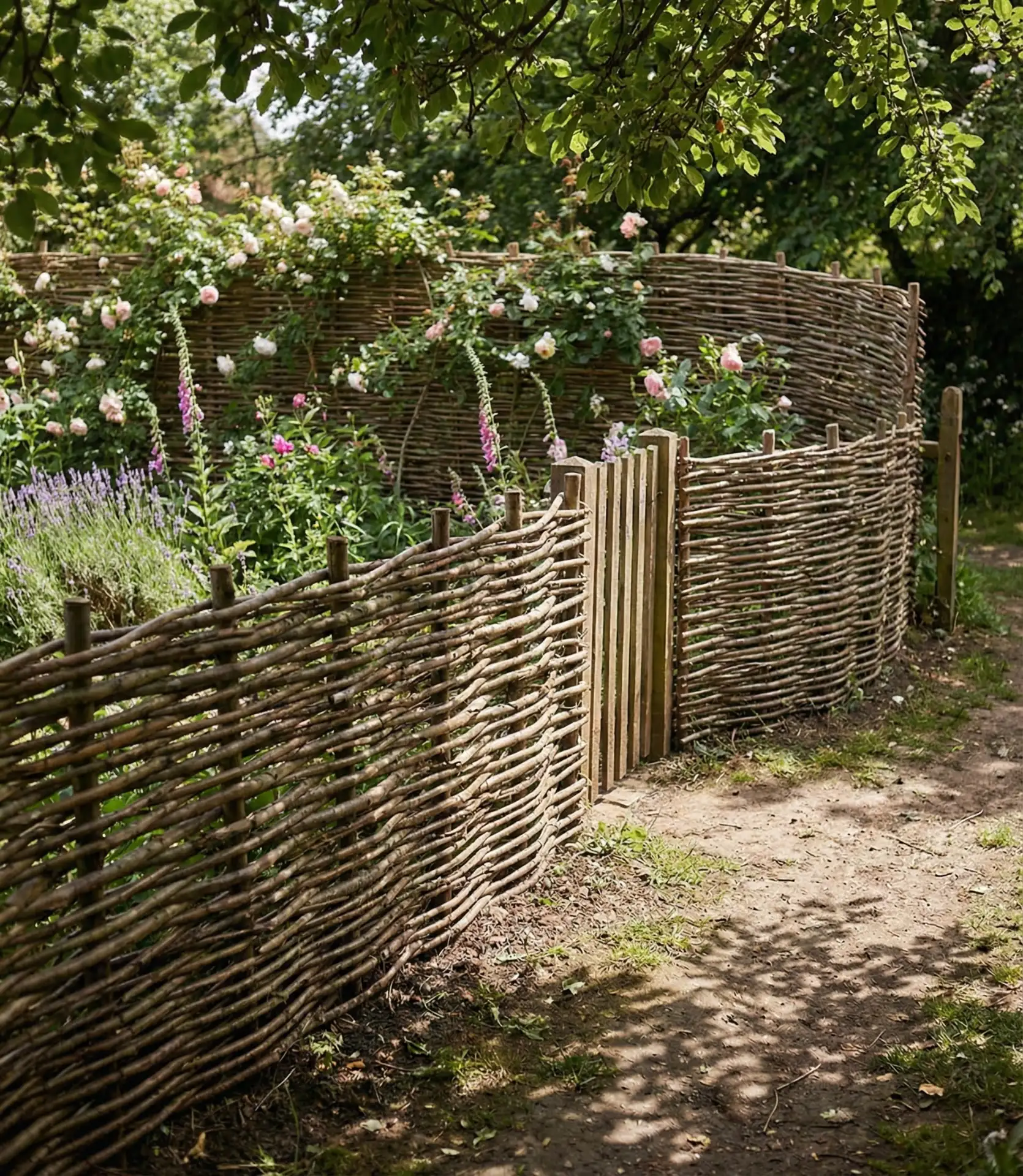
Where wattle fencing excels is in temporary or decorative applications where longevity isn’t the primary concern. The materials cost essentially nothing if you harvest from your own prunings, making the technique the ultimate budget solution. Expect the fence to last 3-5 years before natural decomposition requires rebuilding—some gardeners embrace this cycle as an excuse to refresh designs regularly. The weaving process requires patience but no special tools, making it accessible to anyone willing to invest a weekend. This method is best suited for defining garden rooms, protecting young plants, or adding artisanal texture to naturalistic landscapes.
Whether you’re protecting vegetables from deer, creating privacy screens for modern outdoor living, or adding cottage charm to your front yard, the right garden fence transforms functional boundaries into design opportunities. These ideas demonstrate how thoughtful material choices, creative techniques, and attention to both aesthetics and practicality can address real needs while enhancing your outdoor spaces. We’d love to hear which designs resonated with you—share your favorite ideas or your fence projects in the comments below.