
Redesigning a teenage boy’s bedroom has never felt more exciting—or more personal. In 2026, a growing number of parents and teens are utilizing Pinterest to create spaces that truly embody their child’s personality, rather than merely following the latest trends. Whether your son is obsessed with gaming setups, loves a clean minimalist vibe, or wants his walls to scream his favorite universe, there’s a genuinely beautiful solution for every style and budget. This article walks you through bedroom ideas that balance real-world practicality with serious design inspiration, so you can walk away with a plan that actually works.
1. Dark Moody Walls with Accent Lighting
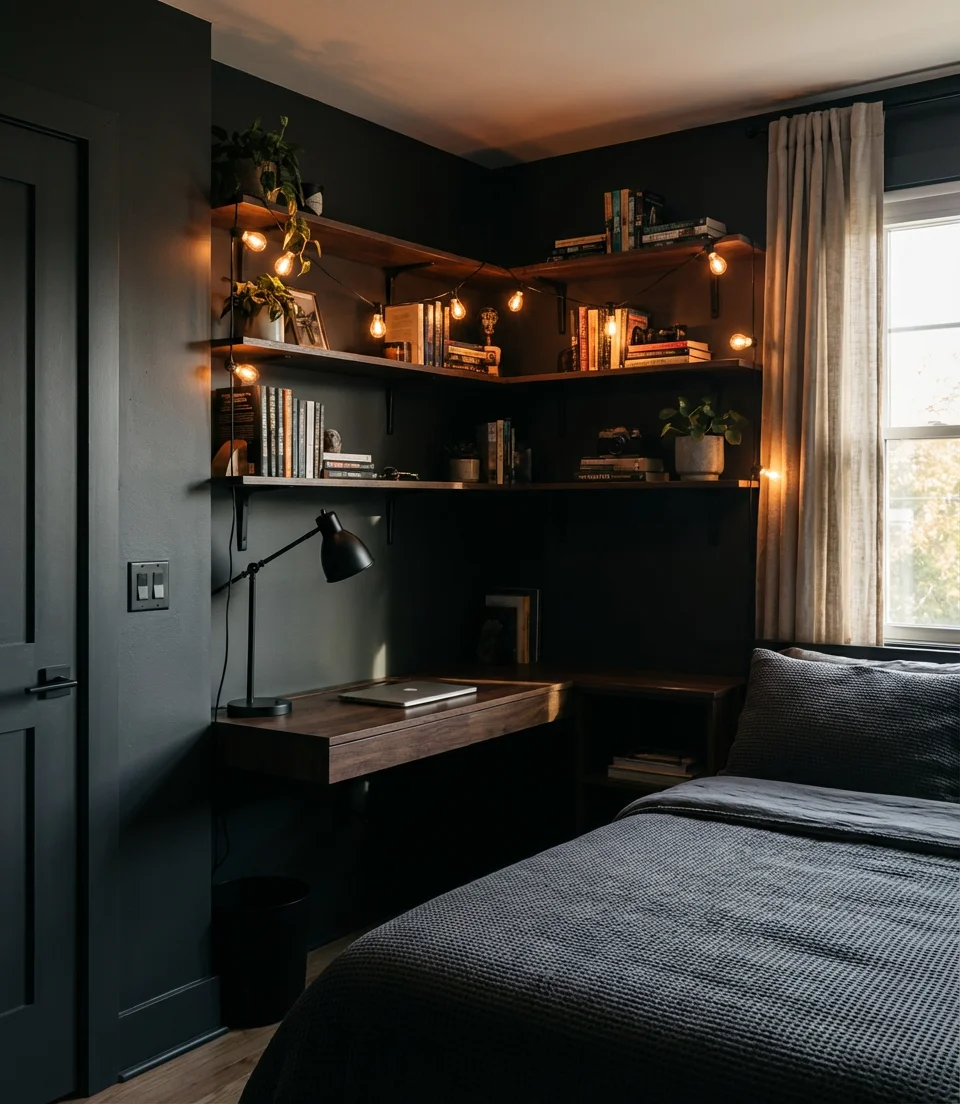
Deep charcoal, forest green, and inky navy have officially replaced the beige-everything era of kids’ rooms. This design direction is hugely popular among teens right now because it creates an atmosphere that feels genuinely grown-up. Think dramatic walls paired with warm Edison-style shelf lighting, a floating desk, and textured bedding in contrasting neutrals. It reads sophisticated without trying too hard—which is exactly the sweet spot for ideas teenagers actually want to live in.
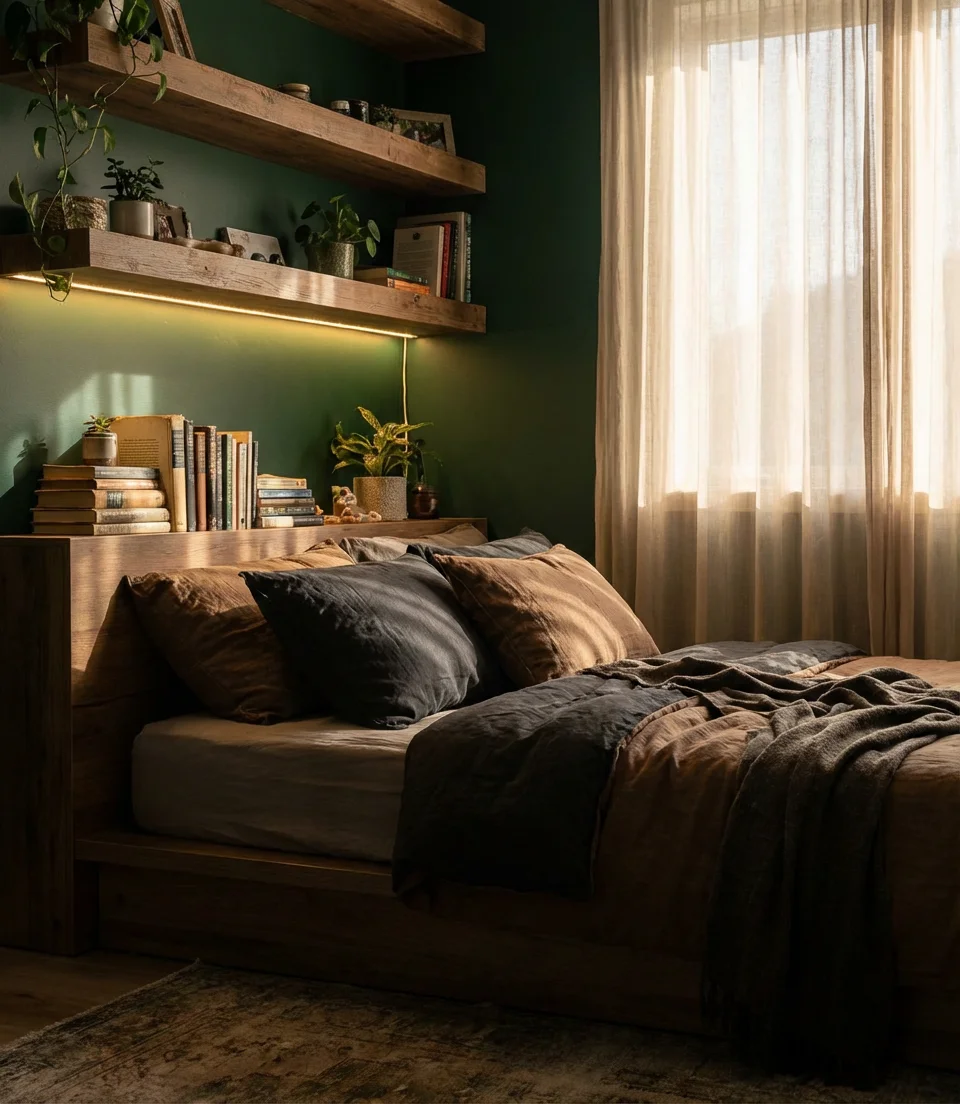
The practical beauty of dark walls is that they hide scuffs and fingerprints far better than white—a real win for high-traffic teen spaces. Use a matte finish paint to keep the look intentional rather than dingy, and layer in warm light sources at multiple heights so the room never feels like a cave. Budget-wise, a single accent wall runs about $40–$70 in paint, making this one of the most affordable transformations on this list.
2. Space-Themed Outer Space Bedroom
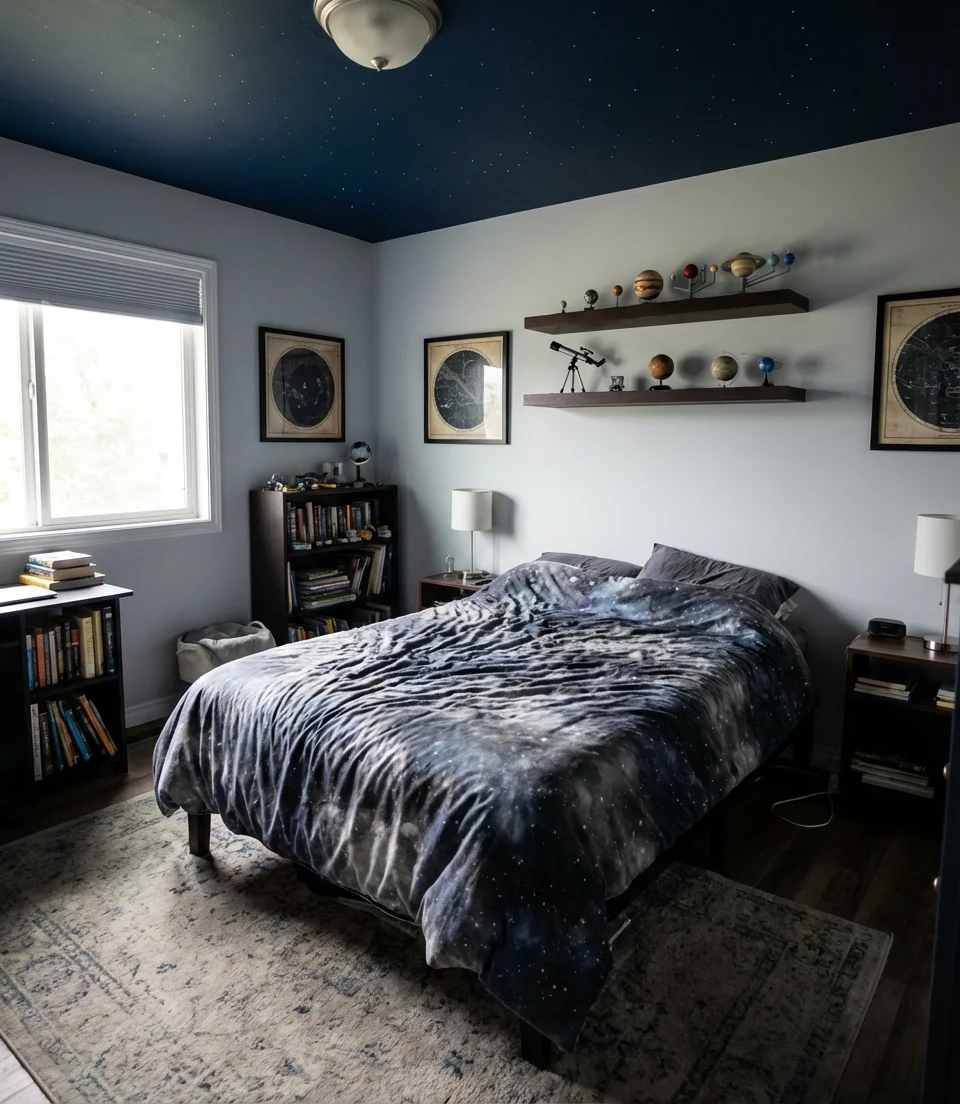
An outer space bedroom remains timeless, only becoming more stylish with each passing generation. For 2026, the look has evolved well beyond stick-on glow stars. We’re referring to deep midnight blue ceilings enhanced by fiber optic lighting, muted tones of galaxy-print duvet covers, and framed NASA photography prints that serve as genuine art pieces. This theme works beautifully for boys between 8 and 15 who are curious about science and astronomy, giving the inspiration to keep learning right there on the walls.
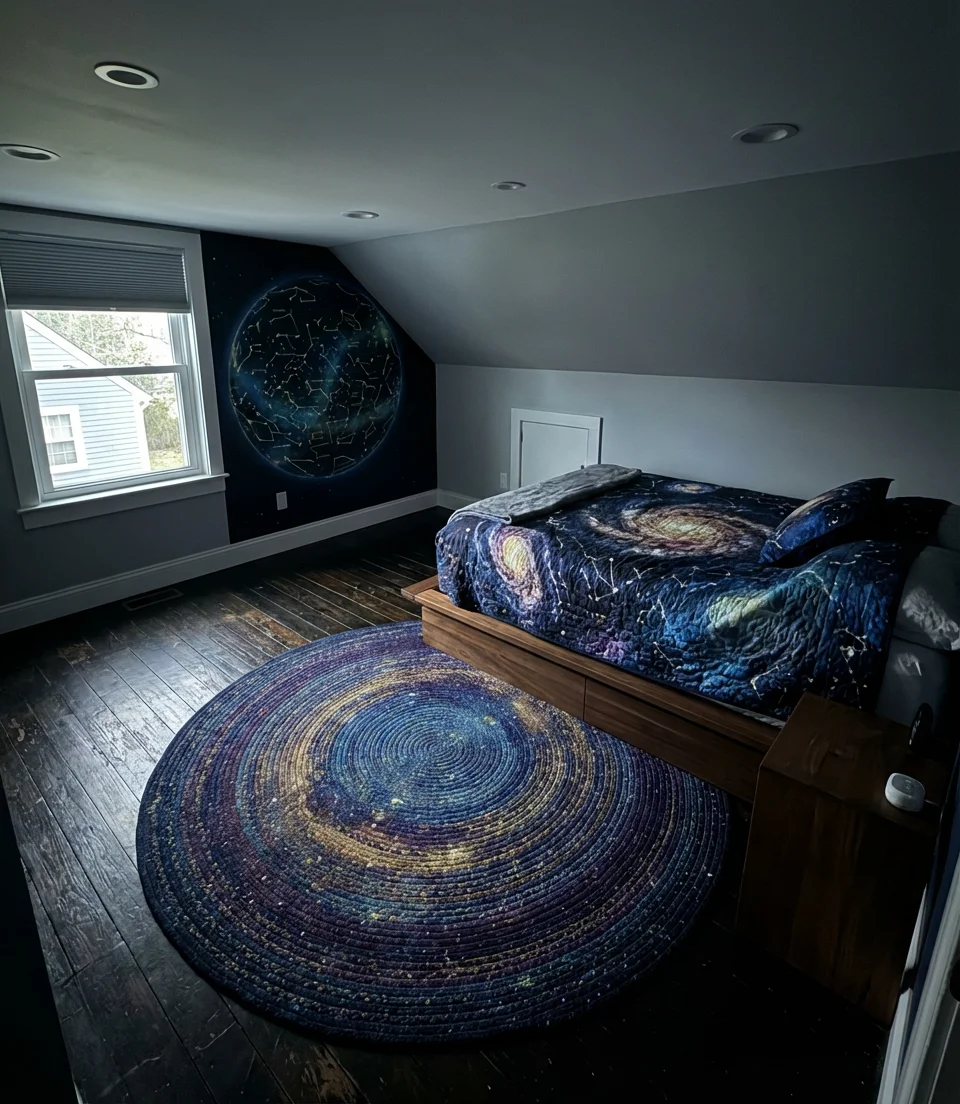
Where this theme works best: rooms with higher ceilings that can really play up that deep-sky effect. A fiber optic ceiling kit runs $80–$150 online, and the payoff is enormous—it turns bedtime into a planetarium experience. One tip designers often share: anchor the room with a single bold color (midnight blue or near-black) rather than layering every space motif at once. Restraint is what separates a polished space from a cluttered one.
3. Marvel Superhero Command Center
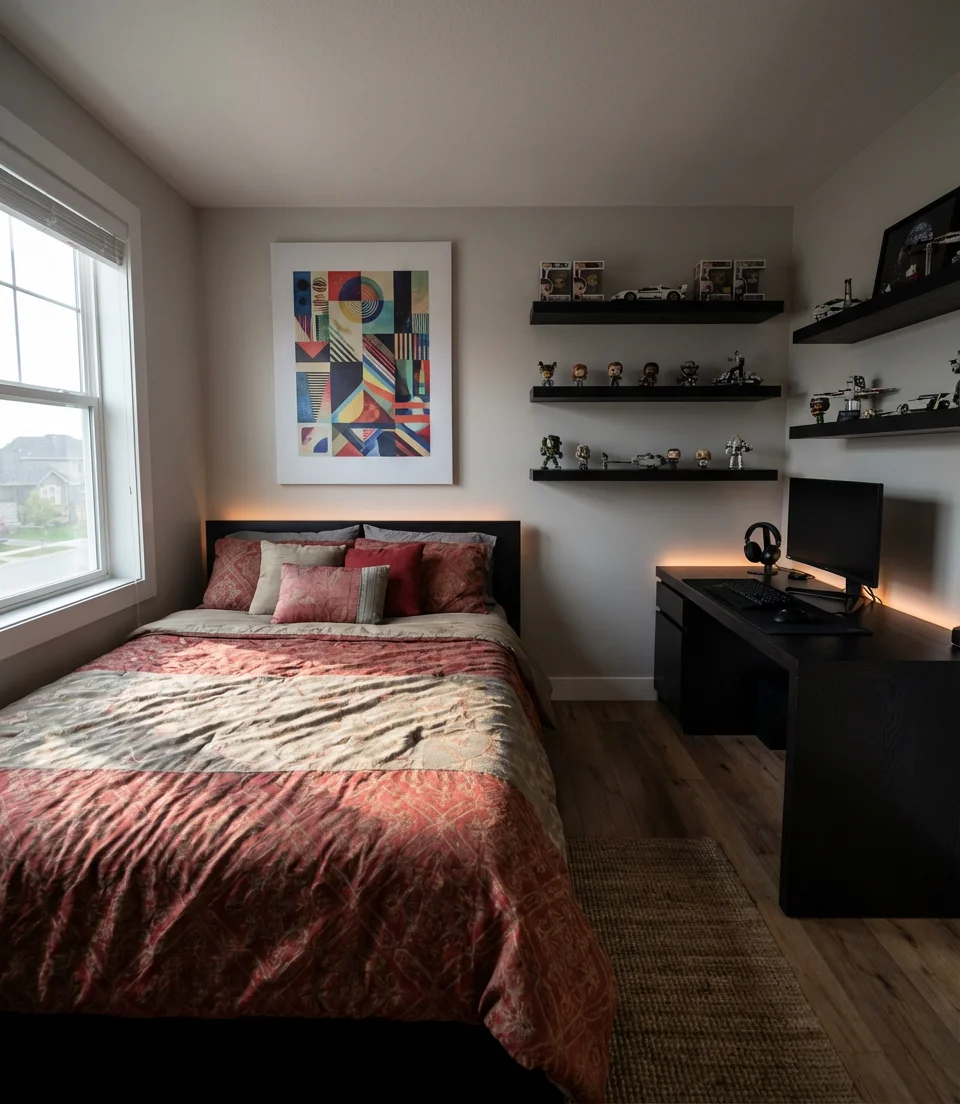
A Marvel bedroom in 2026 doesn’t have to mean plastering everything with logos. The smartest approach is to let one or two hero moments anchor the space while keeping the rest of the room design-forward. Consider a large-format canvas print of your son’s favorite character in a graphic art style, paired with red and gold bedding, matte black shelving, and a slick gaming desk setup. This keeps the superhero energy alive without turning the room into a merchandise store.
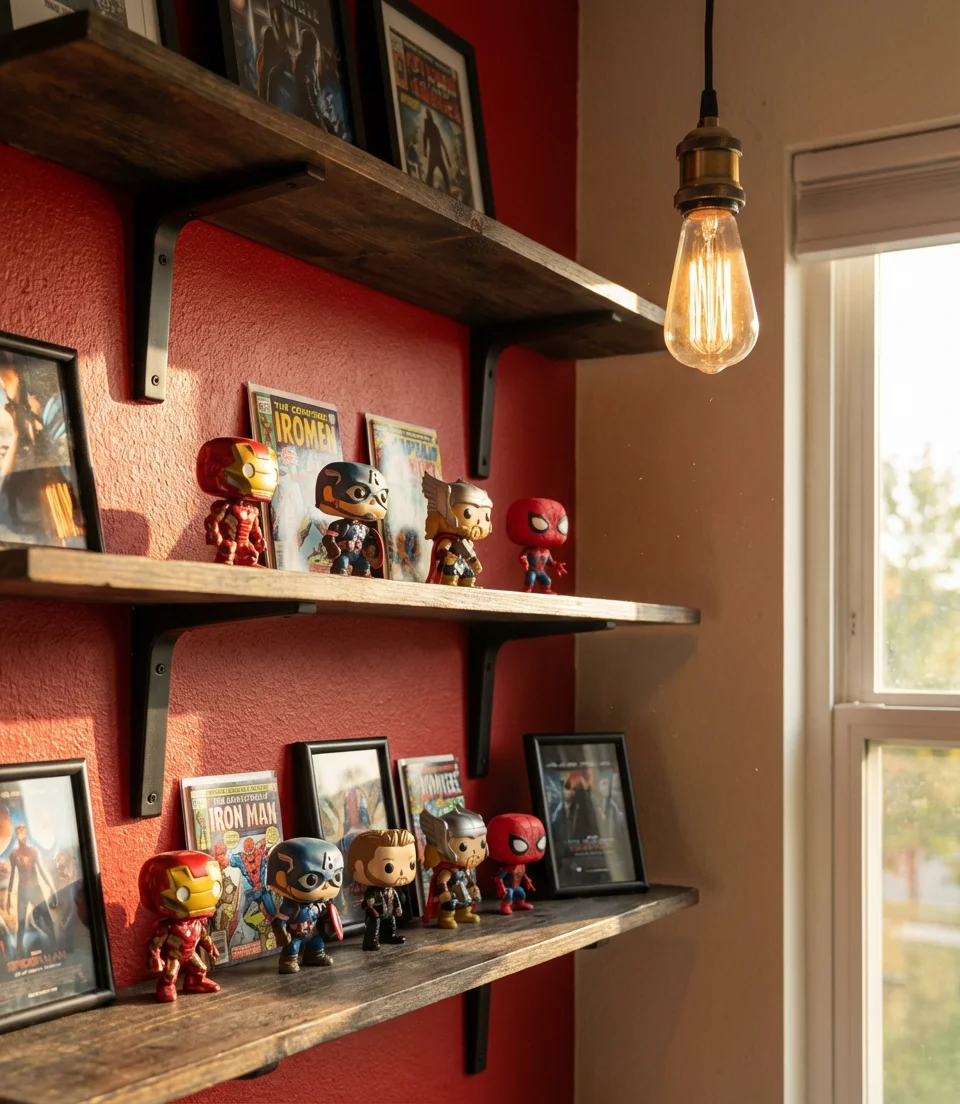
Parents often make the mistake of overspending on merchandise, bedding, and wall decals for character-themed rooms, which can quickly become outdated within two years. Instead, invest in quality art prints and modular shelving that can be easily restyled as your teen’s tastes evolve. The room grows with them, and you don’t have to redo everything the second they decide Iron Man is “for kids.”
4. Star Wars Collector’s Room
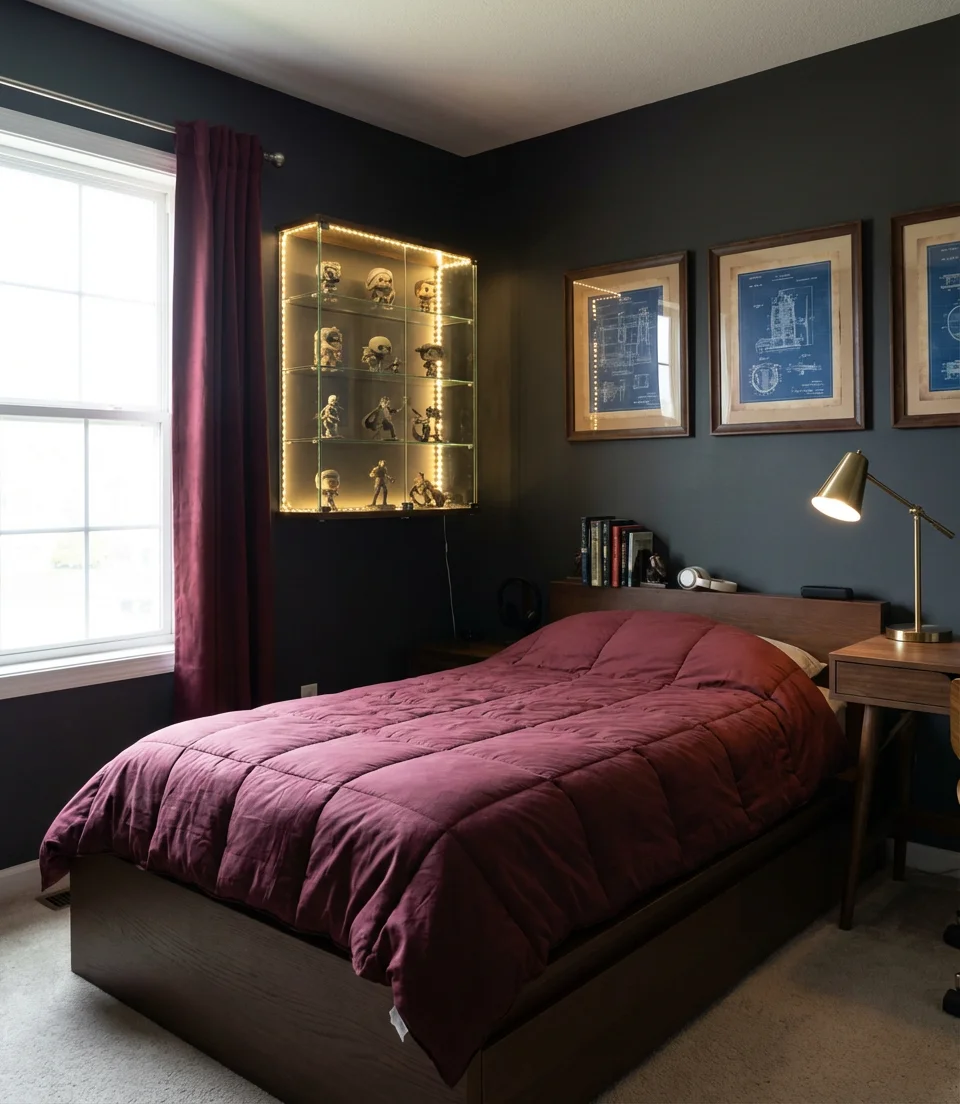
A room dedicated to collecting Star Wars items is an absolute dream for the teen who has grown up surrounded by lightsabers and lore. The 2026 take on this is refined: think dark side color palette (deep charcoal, burgundy, and warm gold), wall-mounted display cases for figures and helmets, and subtle nods to the galaxy far, incredibly away through framed blueprint prints and topographic star maps. The consequence is a room that feels more like a curated collection than a themed space, which any teen will appreciate as they get older.
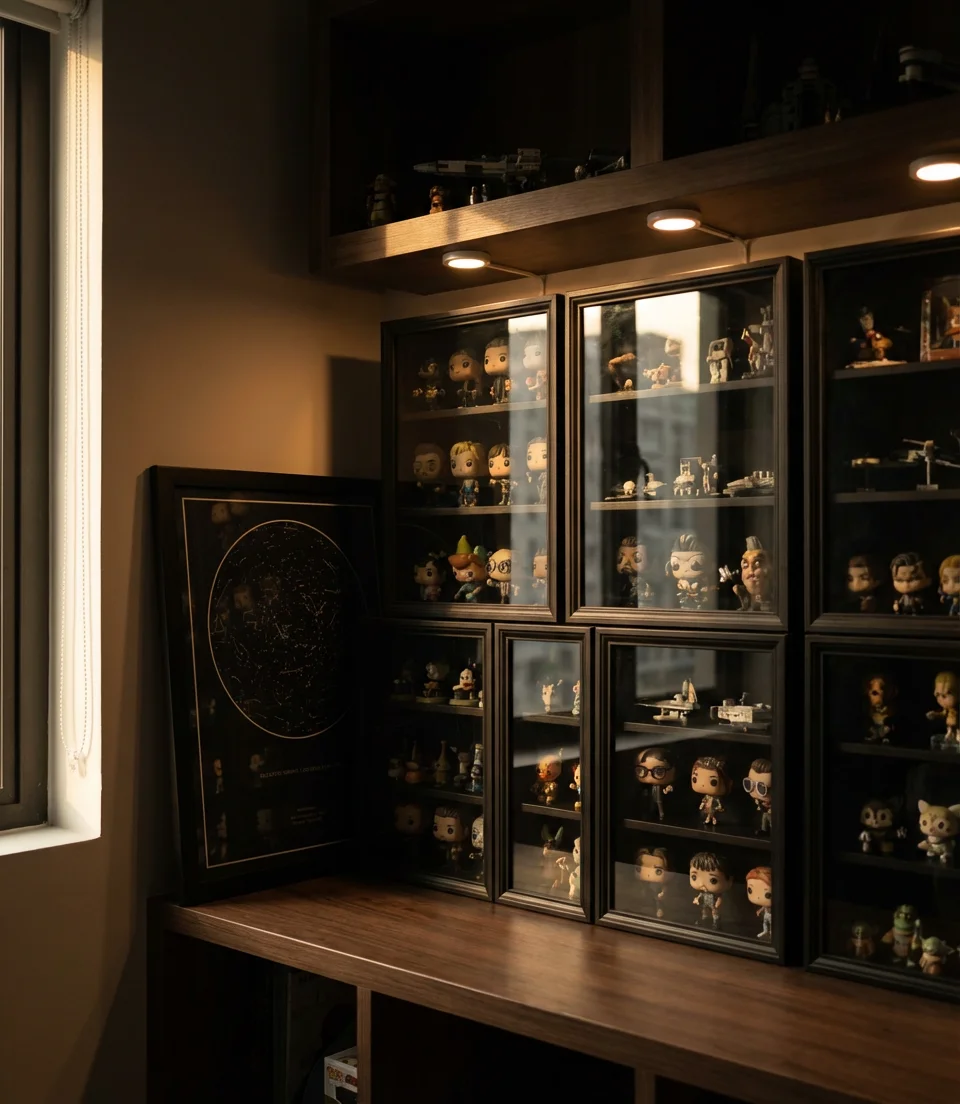
This theme works best when there’s a dedicated display area—even a 3-foot stretch of wall can become a serious focal point with the right floating shelves and lighting. One homeowner in Austin shared that her 16-year-old helped design the layout himself, which meant he genuinely took pride in keeping it tidy. Giving teens ownership over their space is one of the best design decisions a parent can make.
5. Spiderman Red and Blue Pop Room
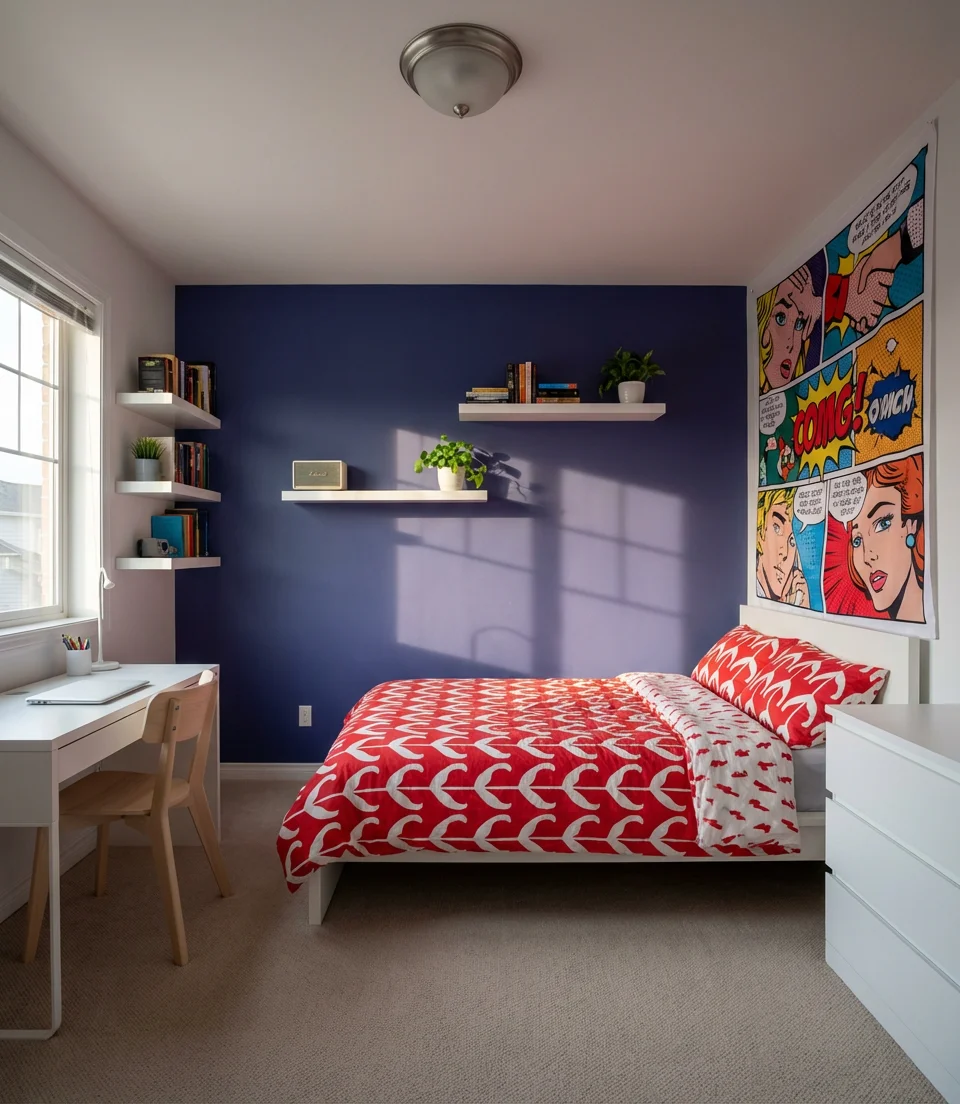
When you handle the palette with intention, a Spiderman bedroom for older kids and young teens can look incredibly cool. Rather than saturated primary colors on every surface, try a deep navy blue wall behind the bed, a red and white geometric duvet, and a single large pop-art-style mural or tapestry as the hero moment. The decor ideas that work here lean into graphic design language—bold contrast, clean lines, and typography-free prints that feel more like gallery art than bedroom accessories.
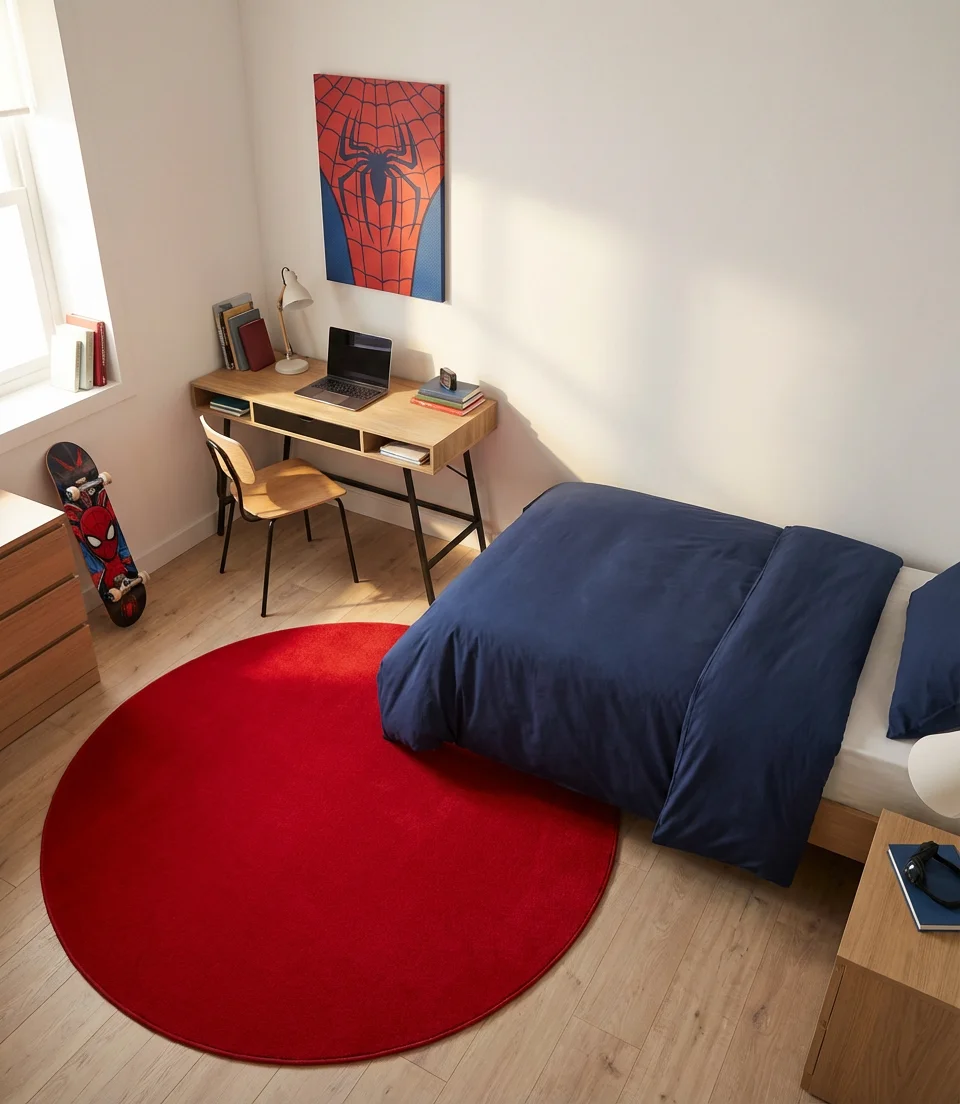
Expert tip: balance the high-saturation elements with plenty of white or light grey surfaces so the room breathes. A room that is entirely red and blue may appear overpowering; consider it as a form of seasoning, where a small amount of each color contributes significantly and the restraint enhances the impact of each bold element. White built-in shelves and a light wood desk are your best neutral anchors here.
6. Lego Workshop and Display Space
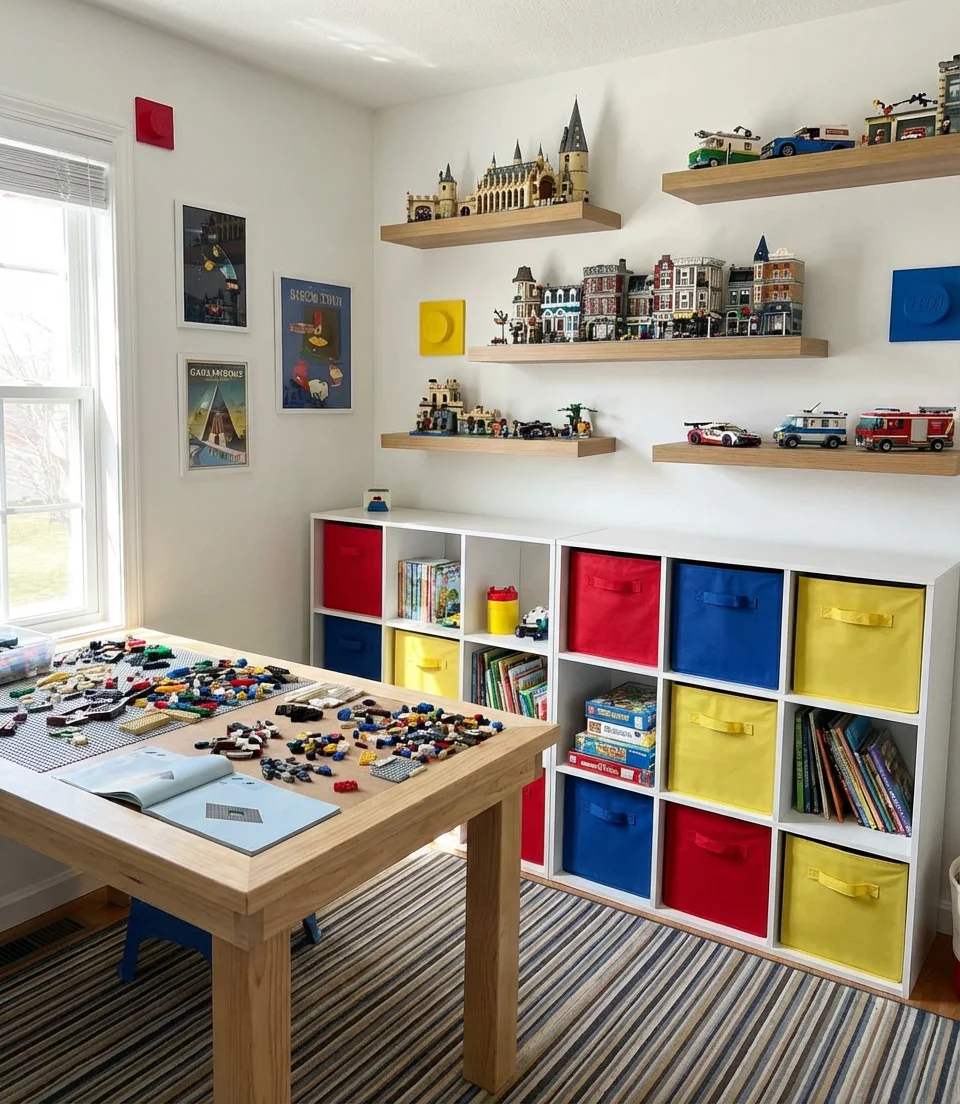
If your son has a serious Lego obsession, leaning into it with intentional storage and display design is one of the smartest things you can do. Think wide-top tables at the right height for building, open cube shelving painted in bright primary accents, and dedicated display ledges for completed sets. The 5-10 simple approach is a perfect fit here—a few well-organized zones outweigh a mountain of loose bricks, and the tidiness actually enhances the enjoyment of building.
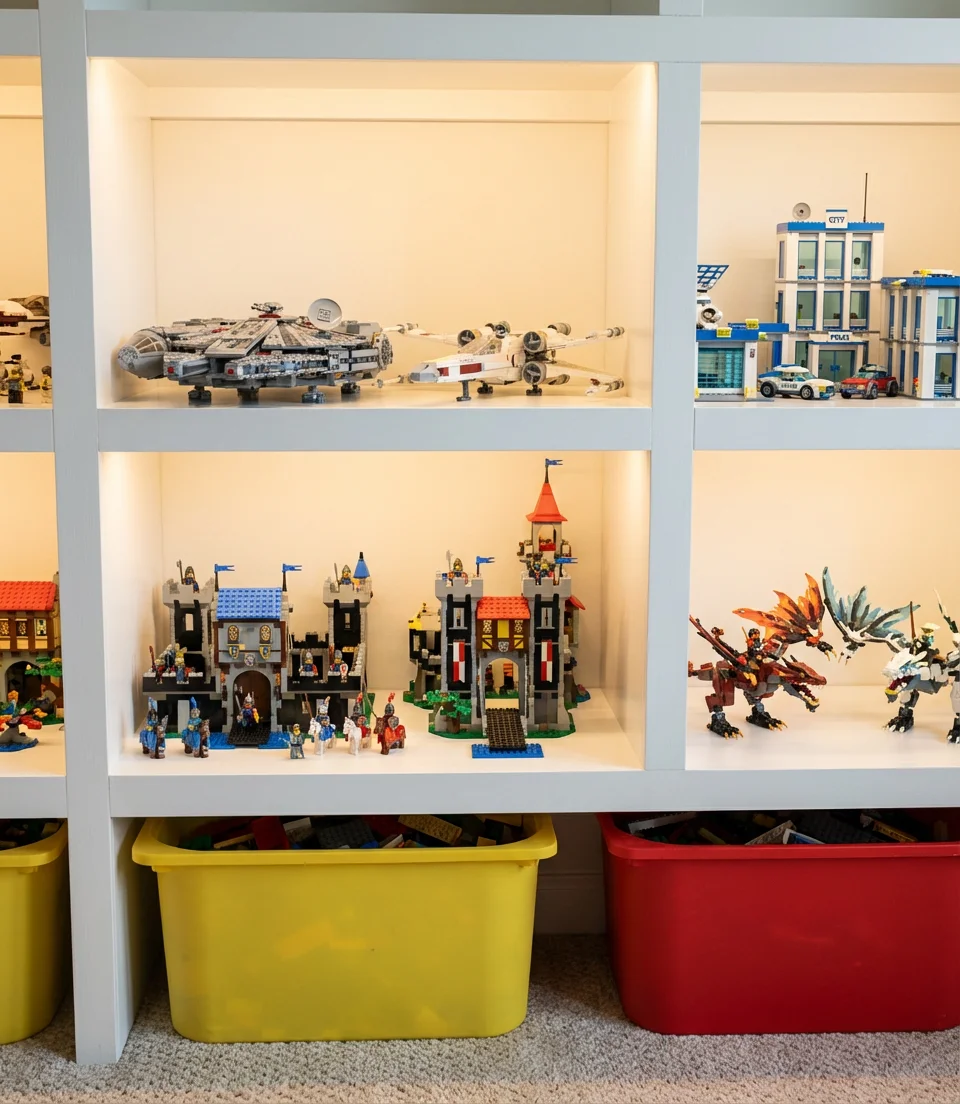
The real win of a dedicated Lego zone is practical: it keeps the hobby contained. IKEA designed their KALLAX shelves and TROFAST storage systems specifically for this purpose, with a complete wall setup typically costing between $150 and $300. Many parents report that once the storage system is in place, their kids actually clean up after themselves—because there’s a logical, satisfying system for everything.
7. Japandi-Inspired Calm Teen Bedroom
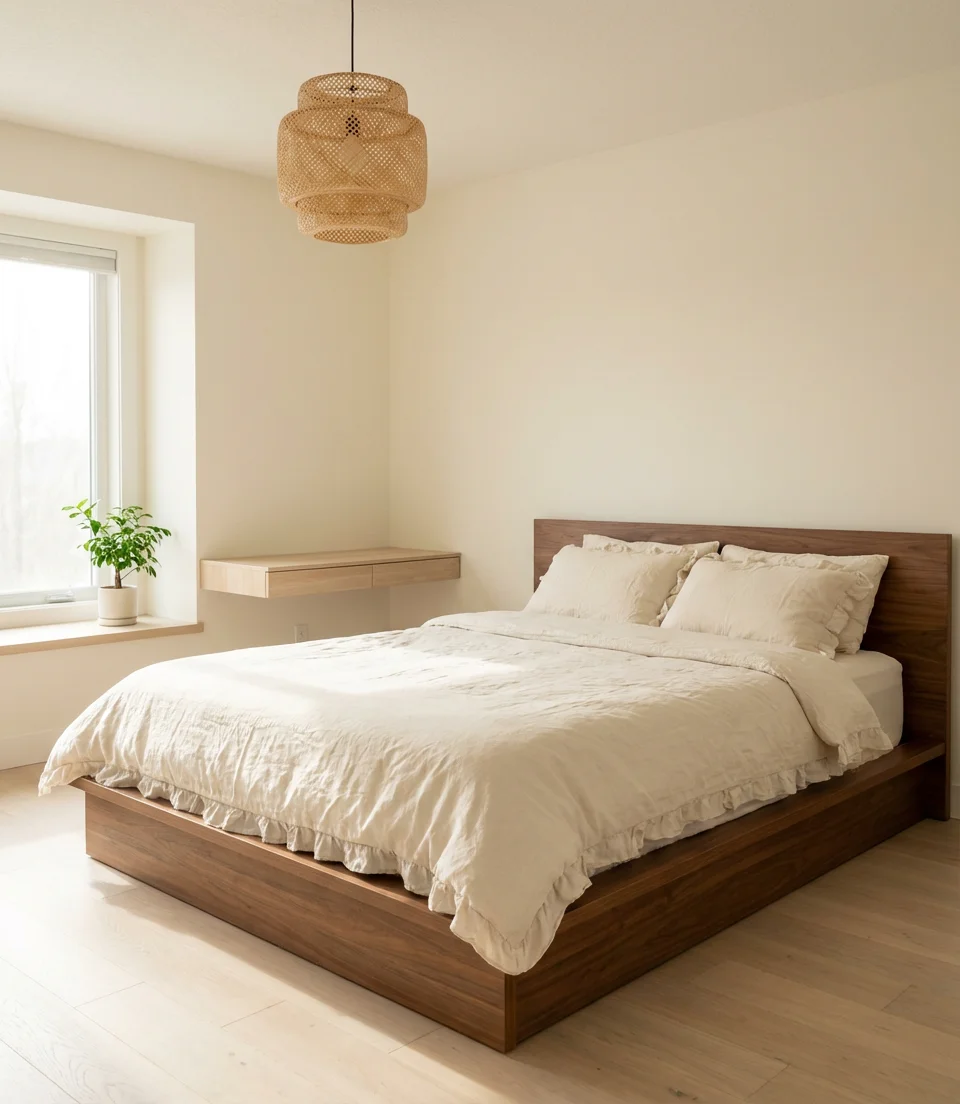
Japandi—the Japanese-Scandinavian design hybrid—has taken over adult interiors, and it translates beautifully into a teen’s space. Picture low-profile platform beds in warm walnut, cream and sand linen bedding, bamboo pendant lighting, and a clean desk setup with zero visual clutter. The design philosophy here is minimalism with warmth, which creates the rare teen bedroom that actually promotes calm and focus. It’s also remarkably easy to keep looking good.
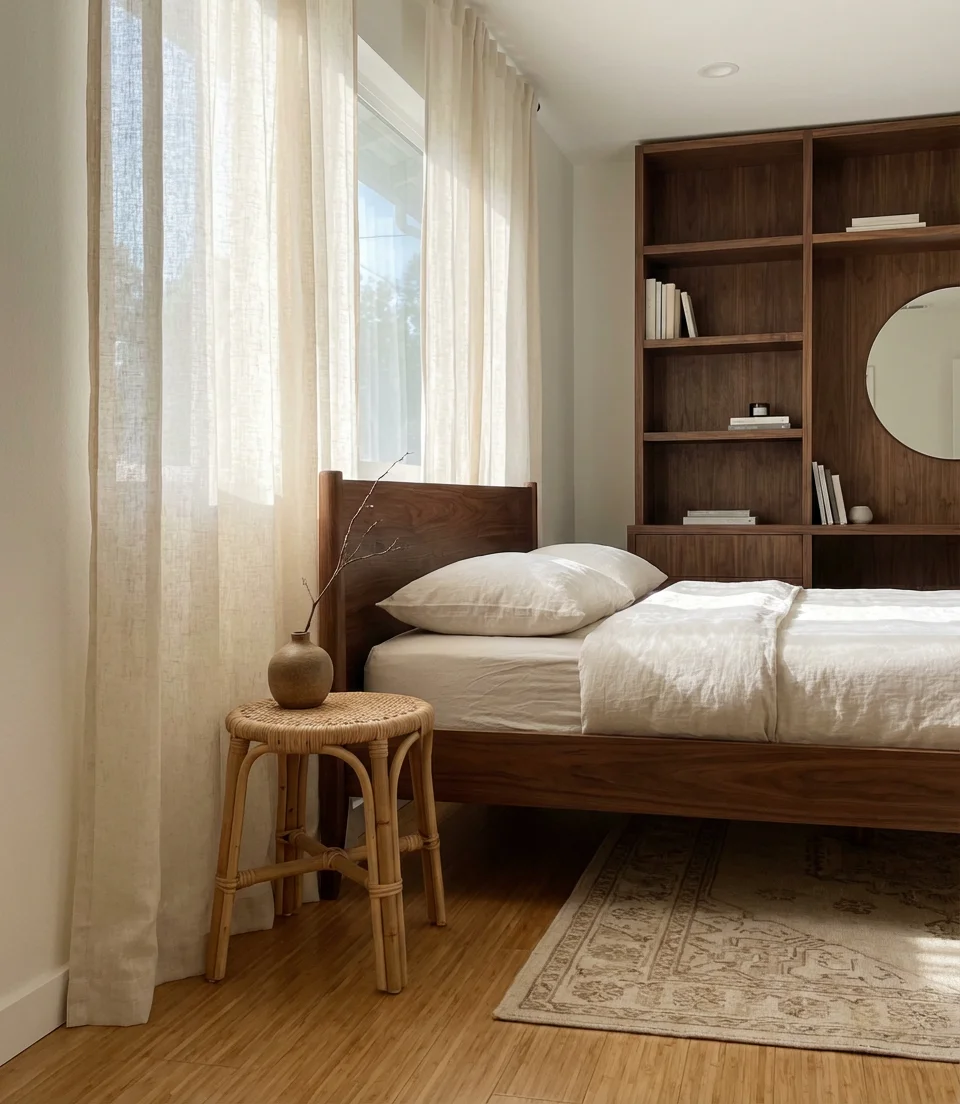
This aesthetic works especially well for teens who struggle with anxiety or attention challenges—several child psychologists note that visual simplicity in a bedroom genuinely supports better sleep and study focus. The investment can be modest if you shop secondhand for the walnut-toned furniture pieces and complement them with affordable linen bedding from Target or H&M Home. The key is consistency of tone: every element should feel quiet and deliberate.
8. Monster Truck and Off-Road Adventure Room
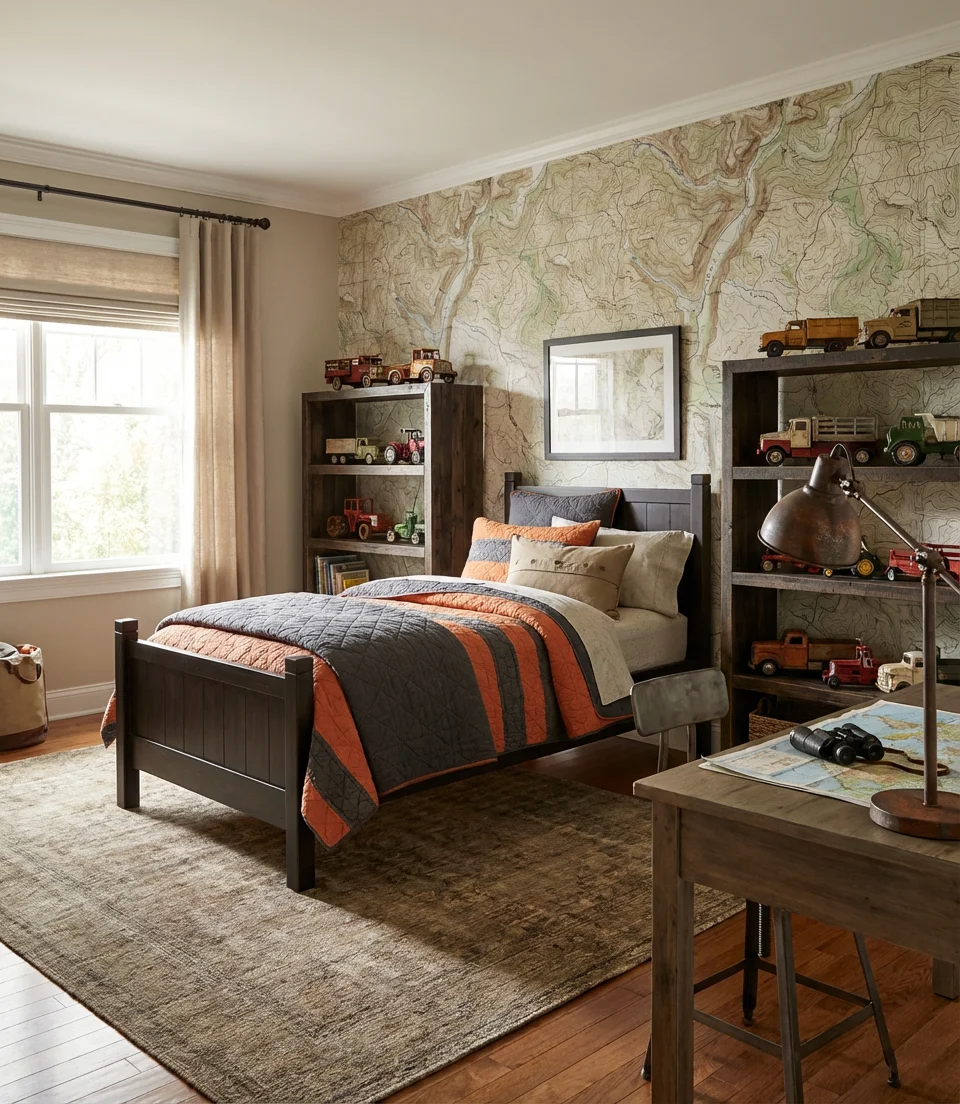
A monster truck bedroom can be pulled off with real style for a boy who loves big wheels and off-road action. The key is to design the room with an adventure theme instead of focusing solely on merchandise. This style can be achieved by incorporating topographic map wallpaper on one wall, muddy-terrain area rugs in earth tones, bold orange and charcoal bedding, and shelves filled with die-cast truck models displayed like collectibles. This approach speaks to the same energy as ideas for teenagers who love the outdoors and motorsports, without feeling like a party store has exploded.
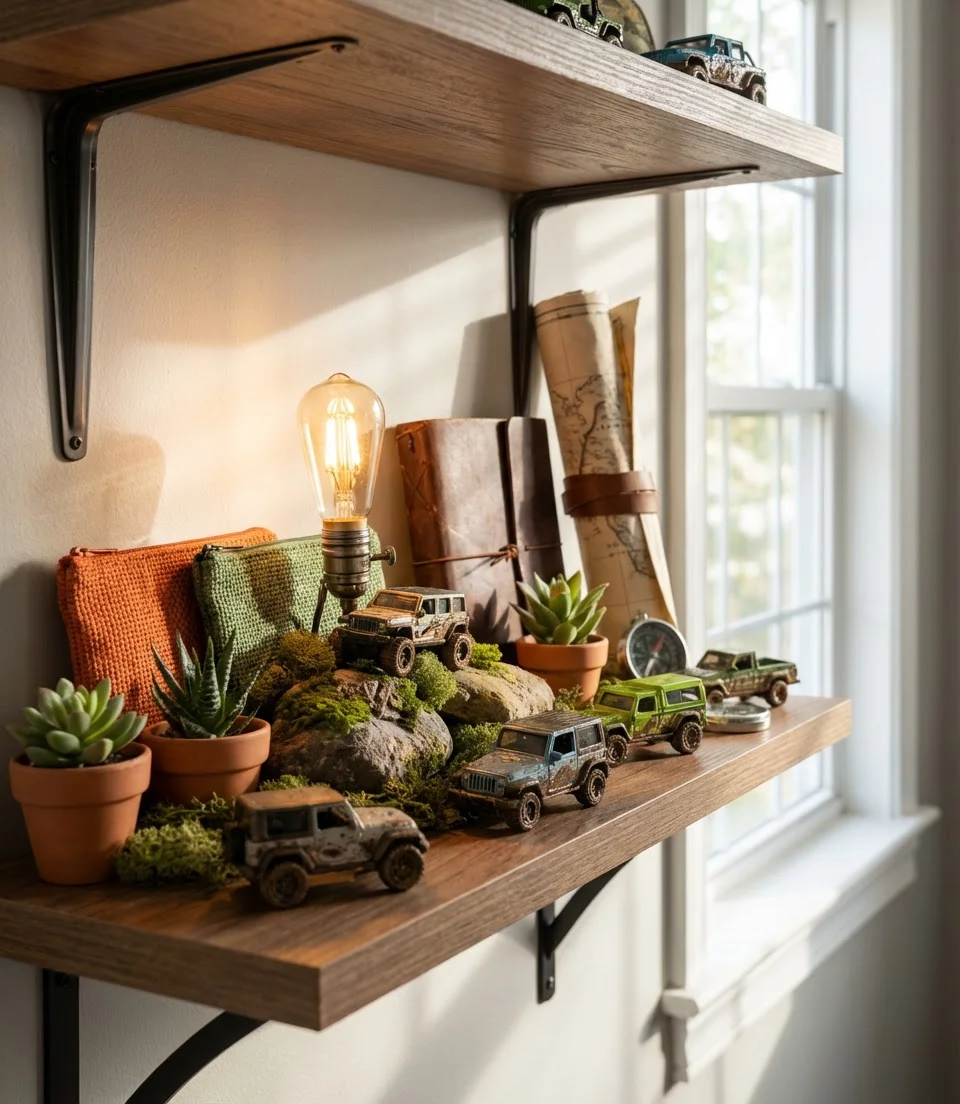
Where this approach approach works best: larger rooms where you have space to do a real activity zone—a low table for model building or a rug-defined play area keeps the theme active rather than just decorative. American families in suburban and rural areas especially love this look because it mirrors the outdoor lifestyle they actually live. When executed properly, this look can be rugged, purposeful, and surprisingly elegant.
9. Lightning McQueen Racing Bedroom
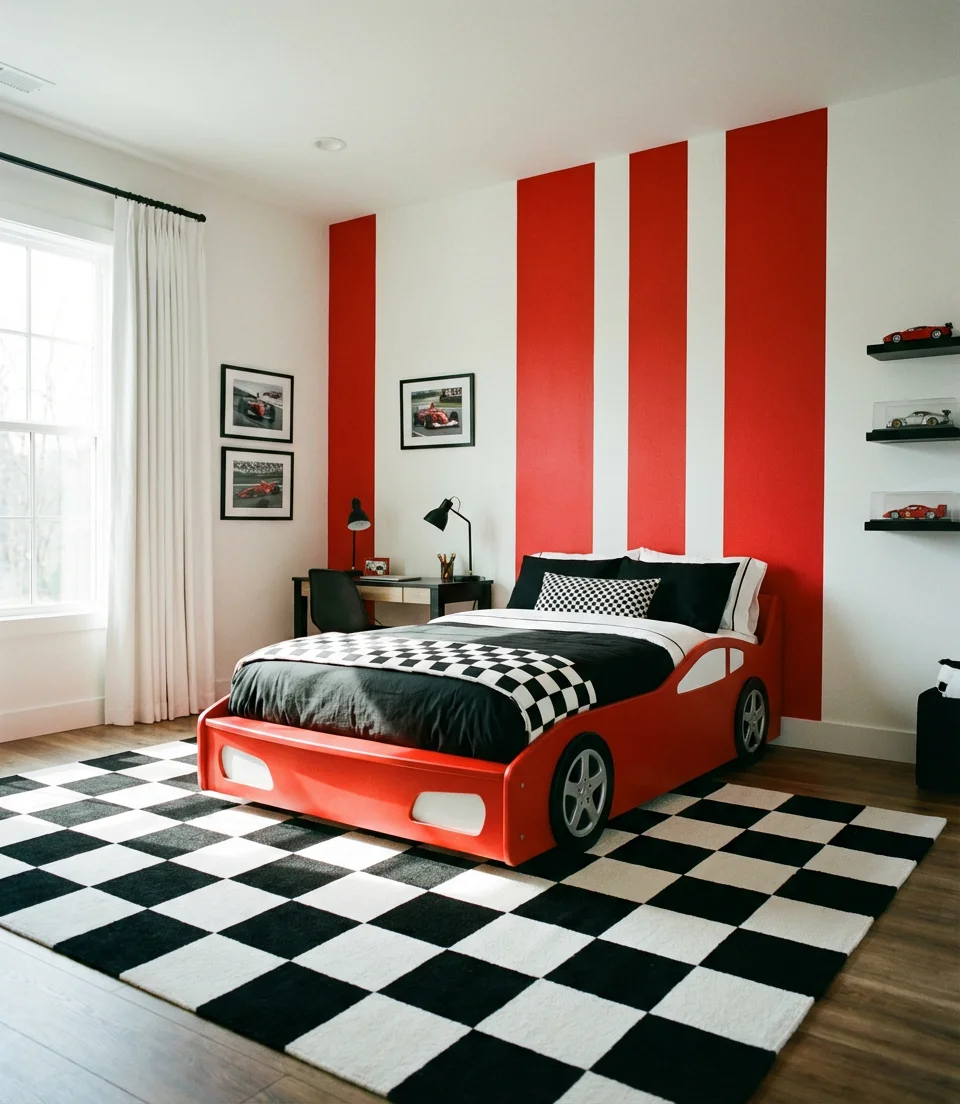
The iconic red racer is still a powerhouse bedroom theme, especially for boys in the 4–10 age range. A Lightning McQueen room in 2026 gets its upgrade from smart design choices: a racing-stripe wall treatment using painter’s tape and bold red and white paint (DIY-friendly and under $50), a checkered flag area rug, and a platform bed styled like a race car silhouette. Use black, white, and red as your anchor palette to keep things sharp rather than chaotic.
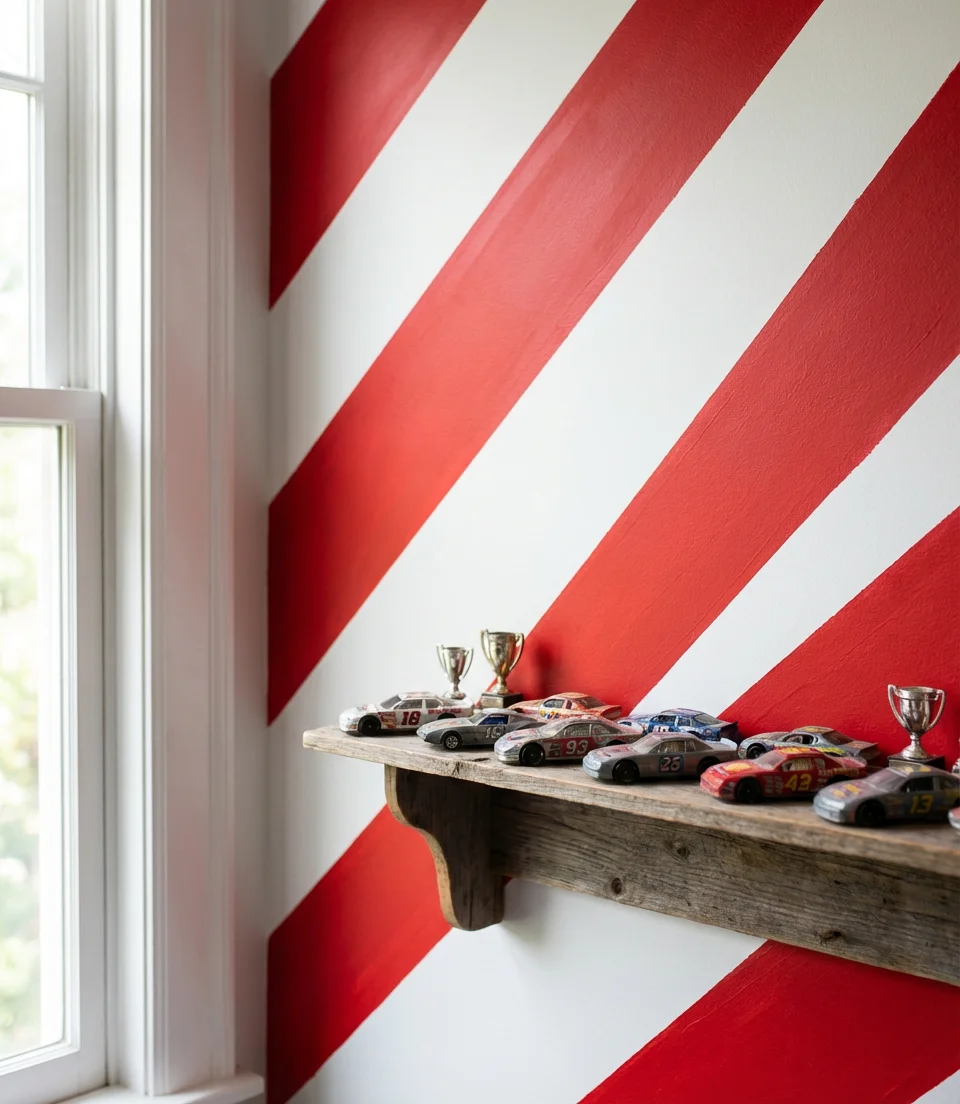
One real homeowner’s move that works brilliantly here: use peel-and-stick racing stripe wall decals instead of paint if you’re renting. They’re removable, clean, and cost about $30–$60 for a full wall treatment. Pair with white IKEA furniture to keep the focus on the accents, and the room feels intentional without requiring a contractor or a major commitment.
10. Soft Cozy Bedroom for Sensitive Boys
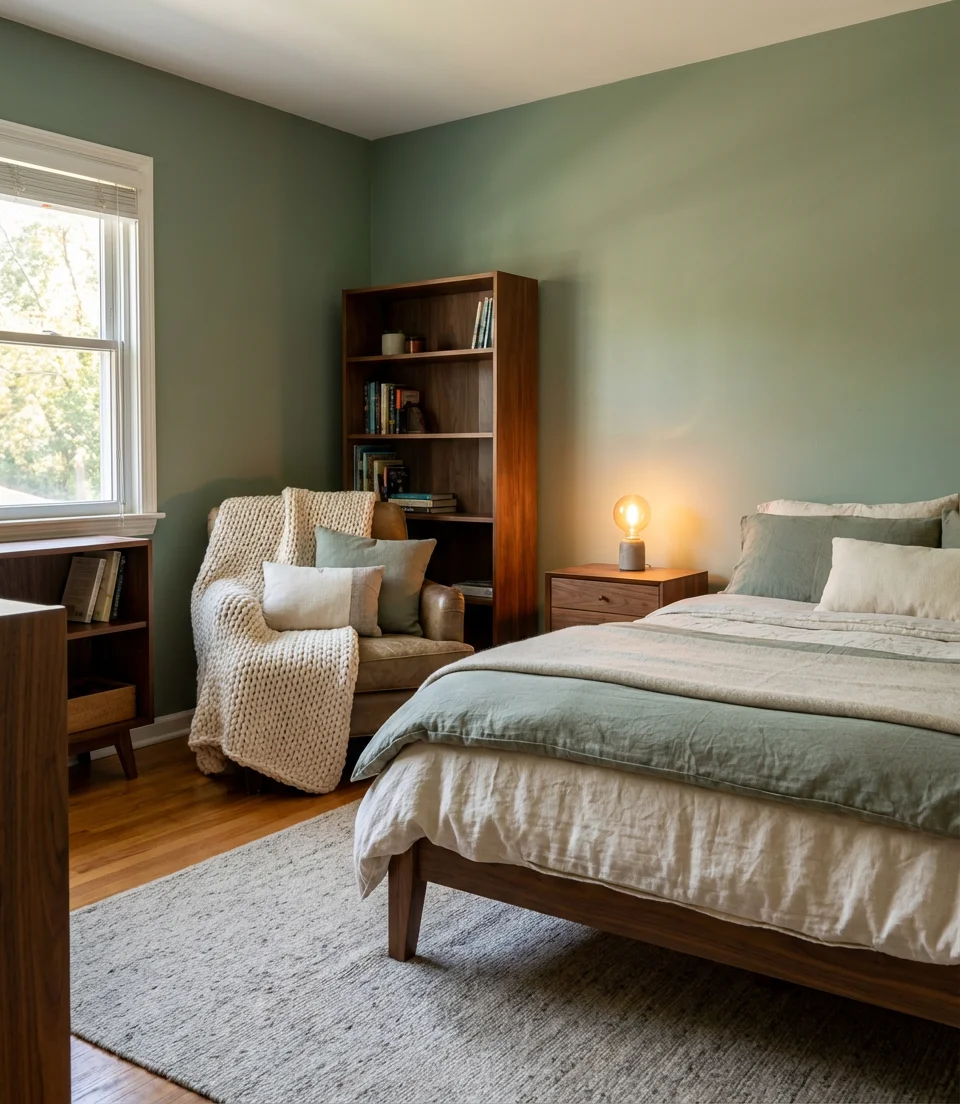
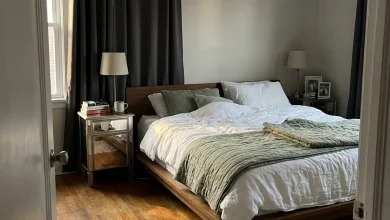
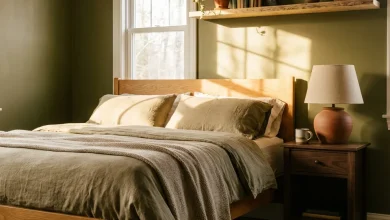
Not every boy wants a high-octane space—and that’s completely worth celebrating. A soft bedroom aesthetic built around comfort, warmth, and quiet color is increasingly popular and, honestly, deeply practical. Think sage green walls, chunky knit throws, warm wood furniture, and plenty of plush pillows. The layered textile approach draws from Studio McGee’s signature warm-neutral style, translated into a teen space that feels collected rather than juvenile.
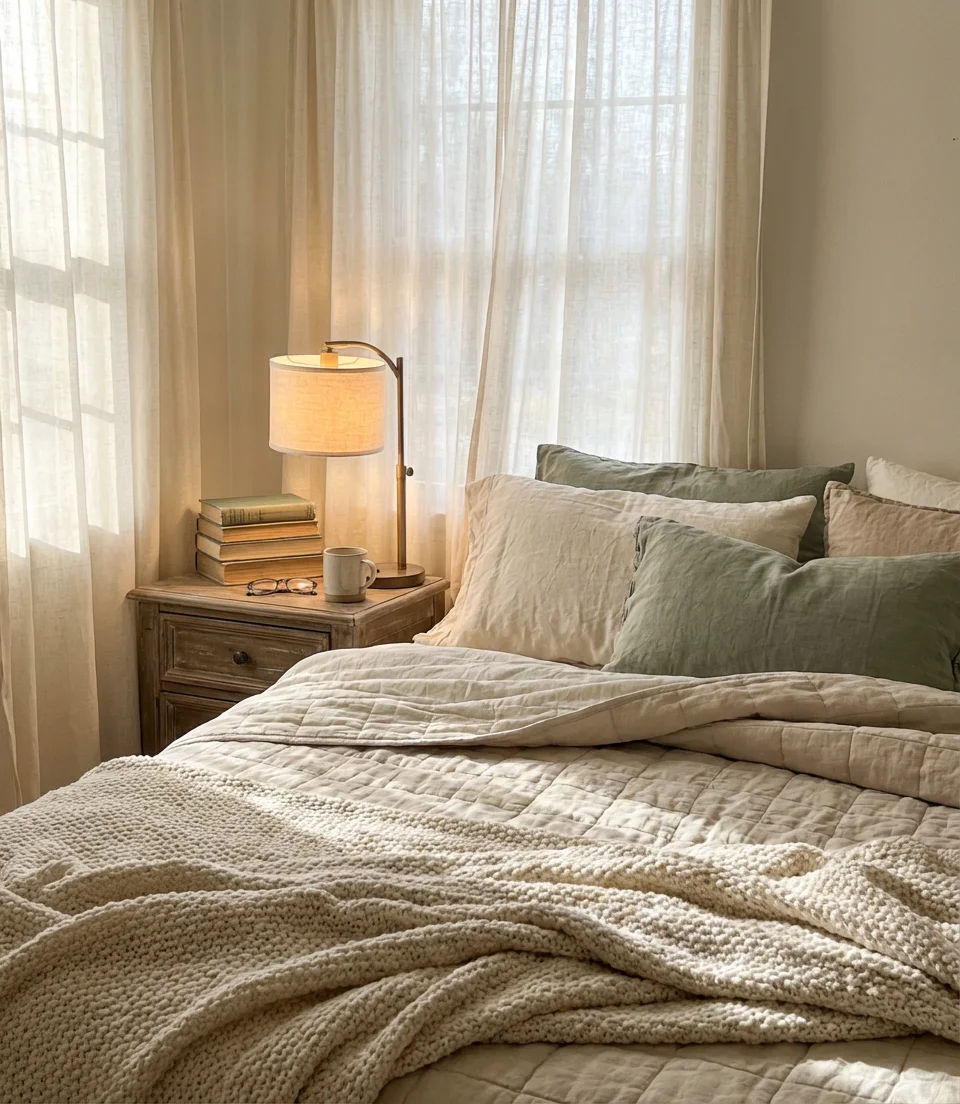
The misconception here is that “soft” means feminine. It doesn’t. A well-styled cozy room is gender-neutral by nature and tends to be the most sleep-positive space of all the options. Design experts consistently point out that teens—especially those dealing with academic pressure or social anxiety—sleep and perform better in bedrooms that feel like a genuine refuge rather than a stimulating environment.
11. Nautical Coastal Boys Room
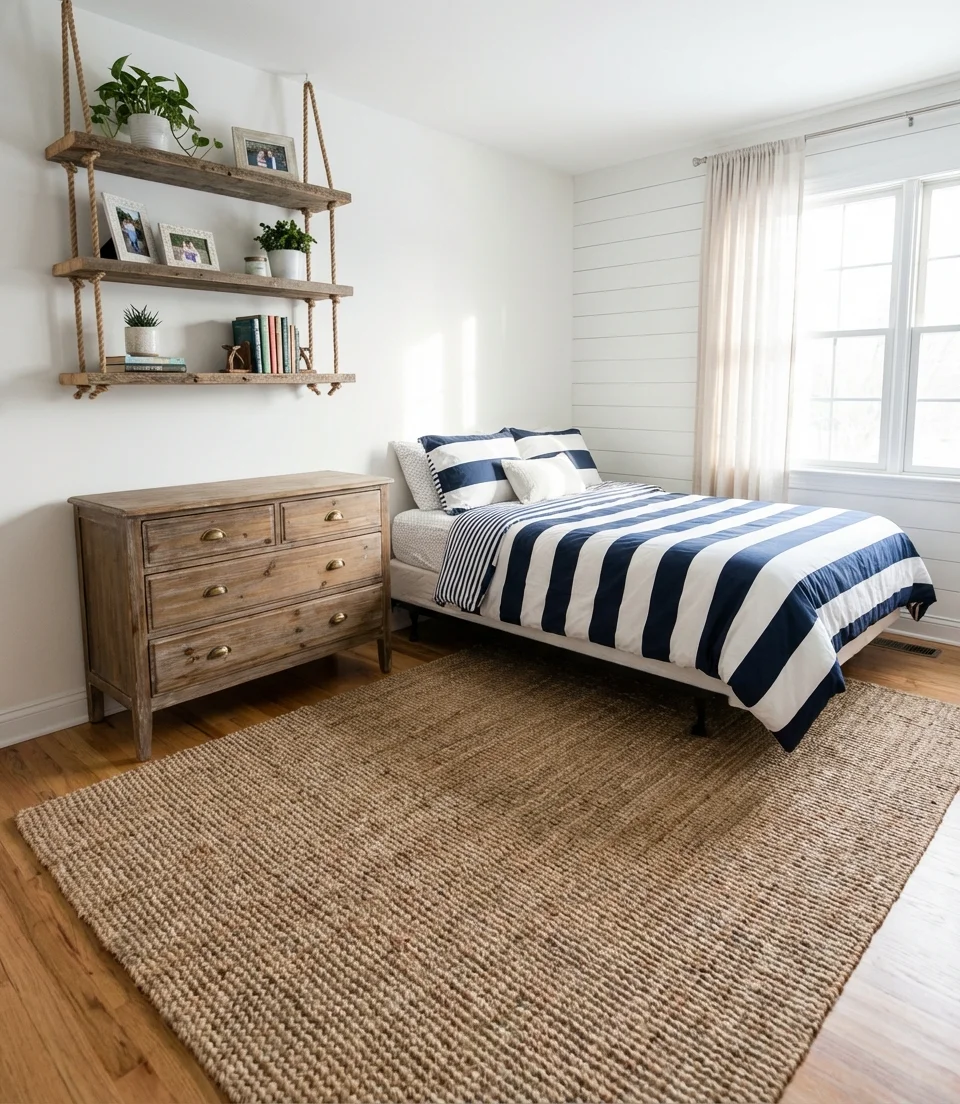
A nautical bedroom taps into that endless American love of the coast without leaning on kitschy anchors and seashell overload. The modern take is crisp navy and white stripes, natural rope accents, reclaimed wood shelves, and maritime brass hardware. A woven jute rug grounds the space, while shiplap wallpaper or a board-and-batten wall treatment adds architectural interest. The outcome is a room that feels like a seaside escape—cool, calm, and distinctly well-traveled in its inspiration.
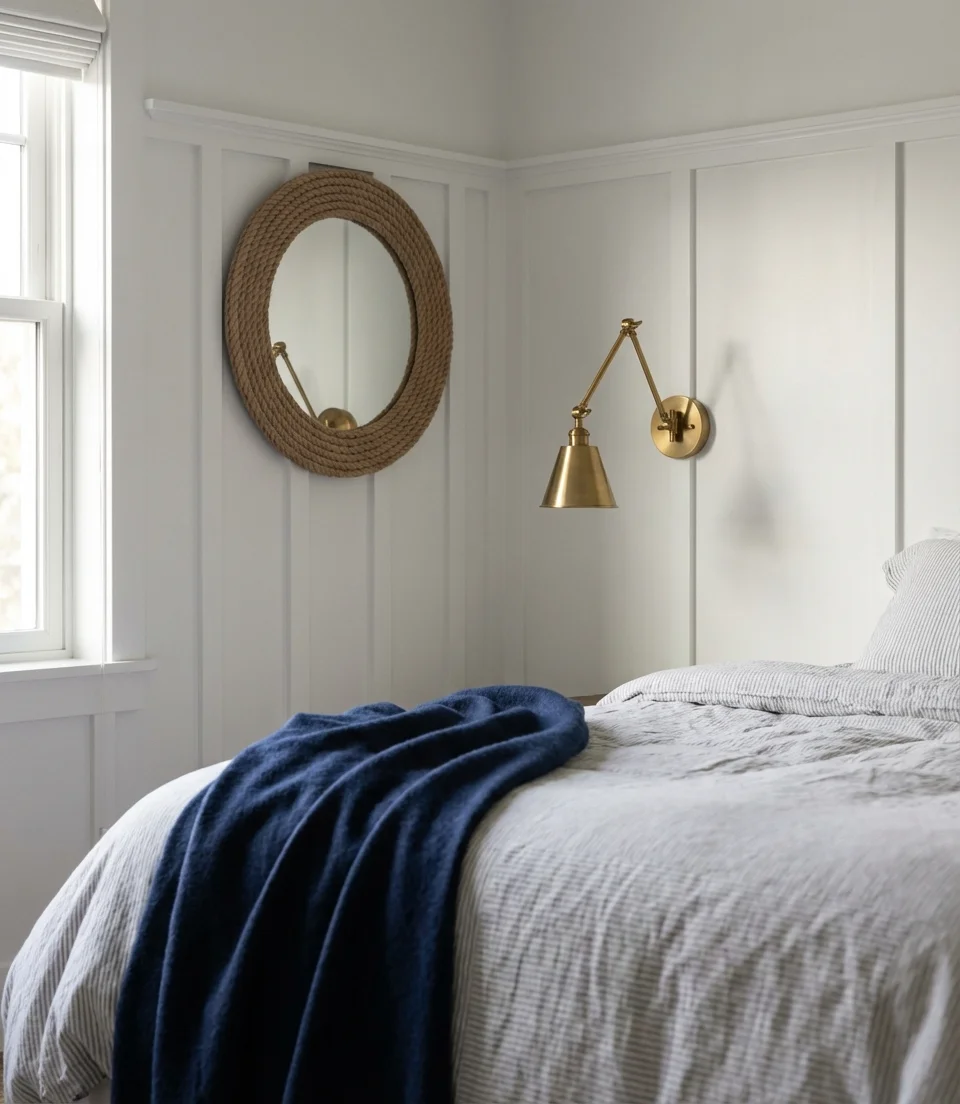
This theme works best in rooms with natural light—ideally a window facing east or south that floods the space with the kind of bright, breezy daylight that makes navy and white sing. In coastal states like Florida, California, and the Carolinas, this is a perennial favorite. But even in a landlocked Midwest bedroom, the color palette and materials create a genuinely restful, vacation-like atmosphere year-round.
12. Gaming and Streaming Setup Room
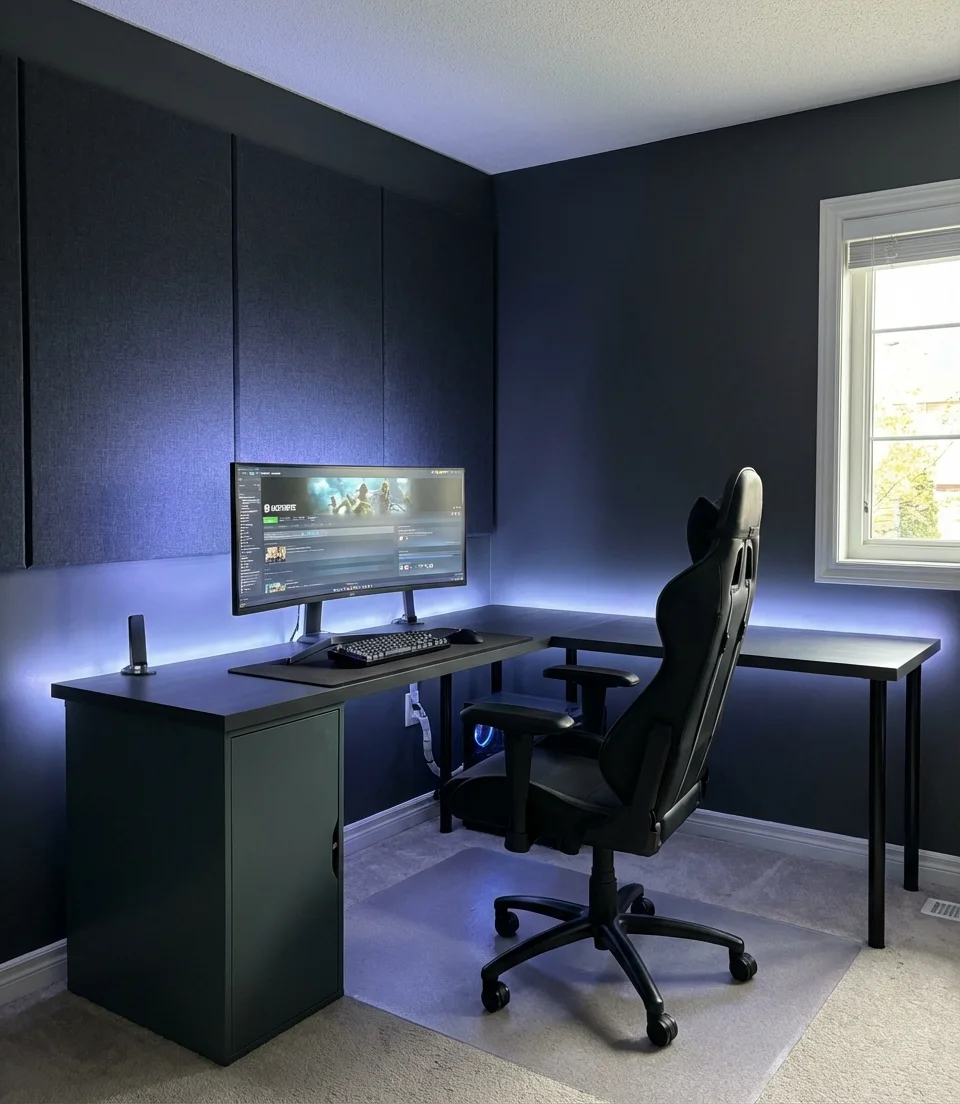
The bedroom gaming setup has transformed from a jumble of cables on a desk into a distinct design category. In 2026, a well-done gaming room features an L-shaped or corner desk, a proper ergonomic chair, dual monitors or an ultrawide, and RGB lighting that’s actually coordinated rather than chaotic. The walls behind the setup matter enormously—an acoustic foam panel arrangement, a gradient LED wall, or a simple dark-painted alcove transforms the backdrop. The makeover potential here is huge even on a modest budget.
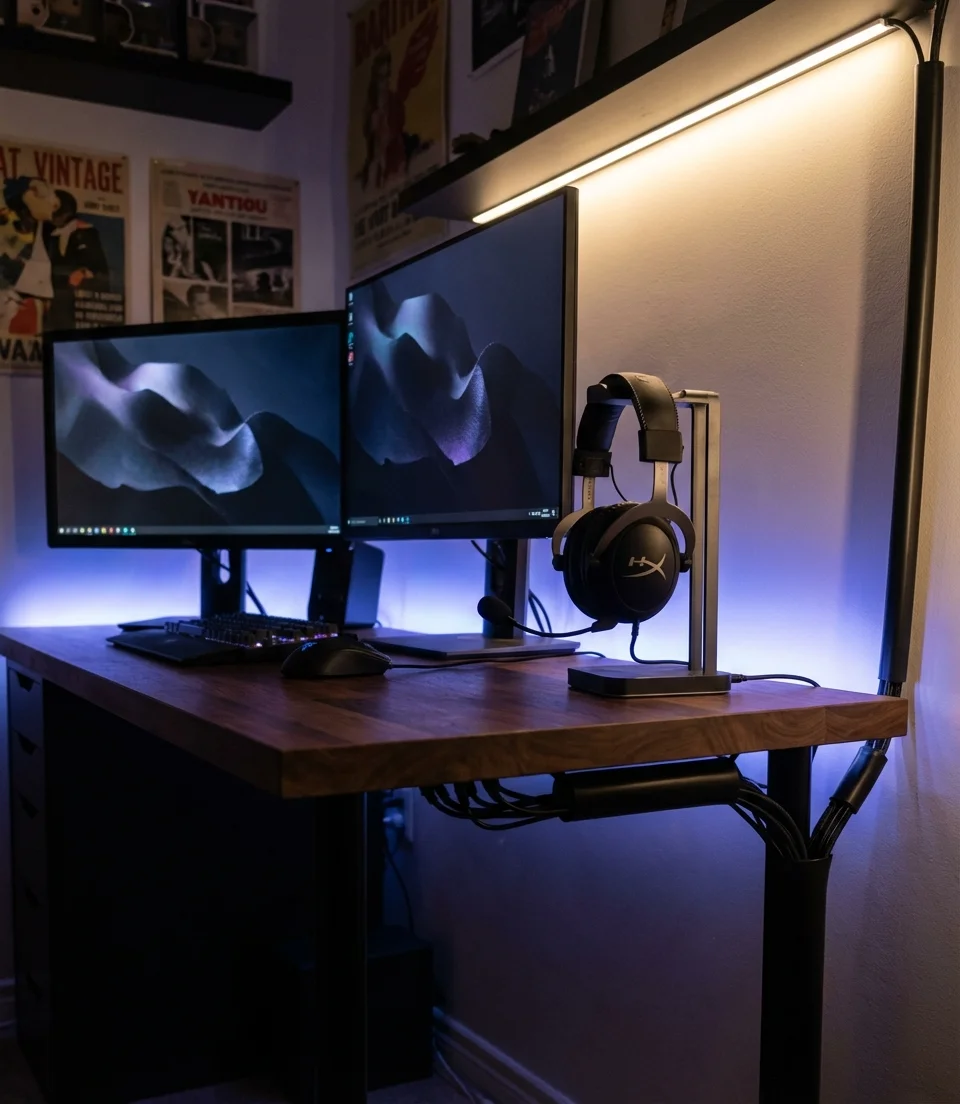
Budget angle: a clean, impressive gaming room doesn’t require a $2,000 PC. The desk and chair—easily the most impactful visual elements—can be sourced from IKEA and Amazon for under $300 combined. Spend the real money on cable management accessories and a bias lighting kit behind the monitors, because those small touches are what make a gaming setup look genuinely professional in photos and in person.
13. Emo Alt-Aesthetic Dark Room
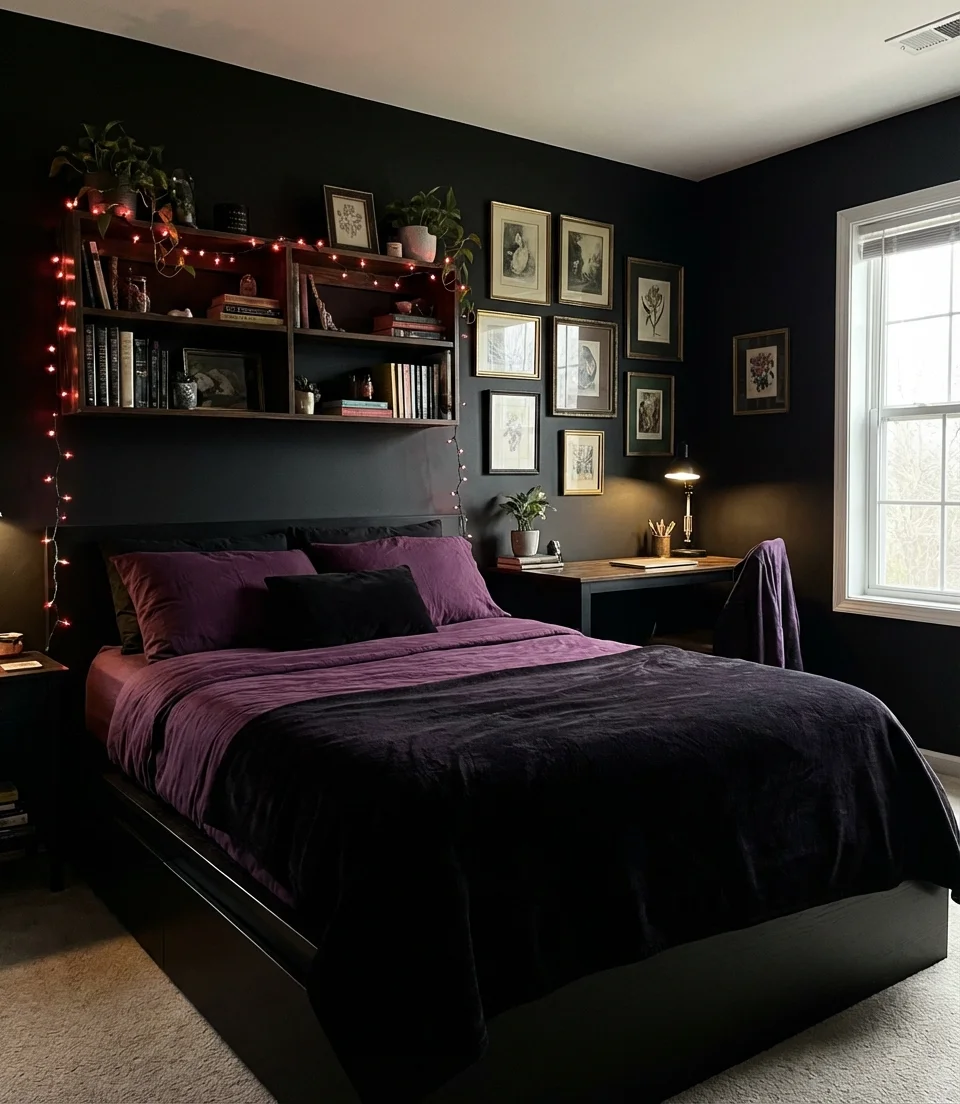
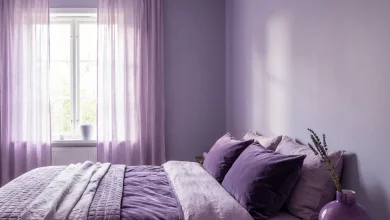
For teens exploring alternative and darker aesthetics, an emo-inspired bedroom is a genuine form of self-expression that deserves real design thought. We’re not talking about taping band posters crookedly on white walls. Think: matte black walls, purple and black layered bedding, vintage band art in matching frames, fairy lights in deep red or purple tones, and a curated gallery wall of album covers treated as actual artwork. The snap of a well-styled dark bedroom on social media is undeniable, and teens know it.
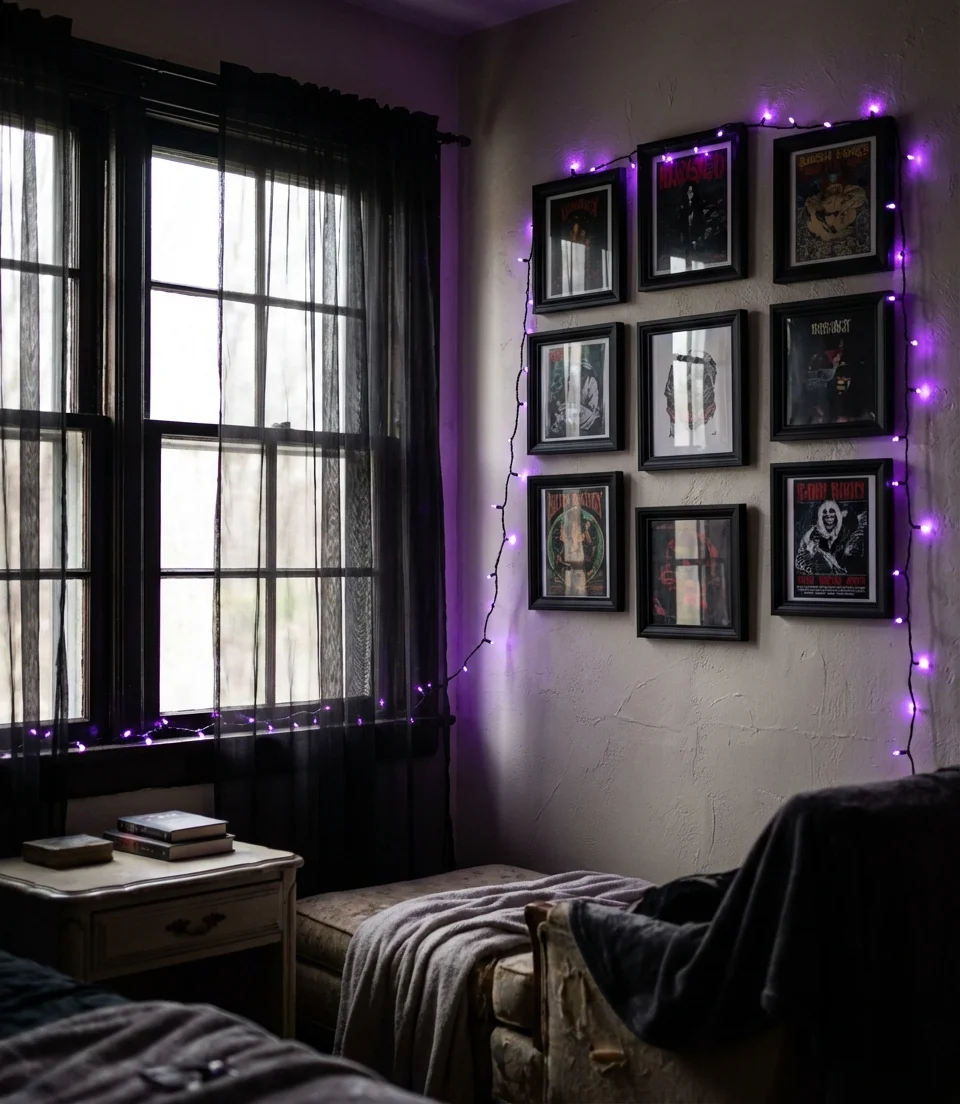
A common mistake: going all-black on floors, furniture, and walls simultaneously—the room ends up feeling like a waiting room, not a bedroom. The fix is contrast: keep the floor light (pale wood, cream rug) so the dark walls read as a dramatic design choice rather than a sensory void. Keep everything framed, curate the gallery wall, and let the lighting carry the emotional impact.
14. Timeless Classic Blue and White Bedroom
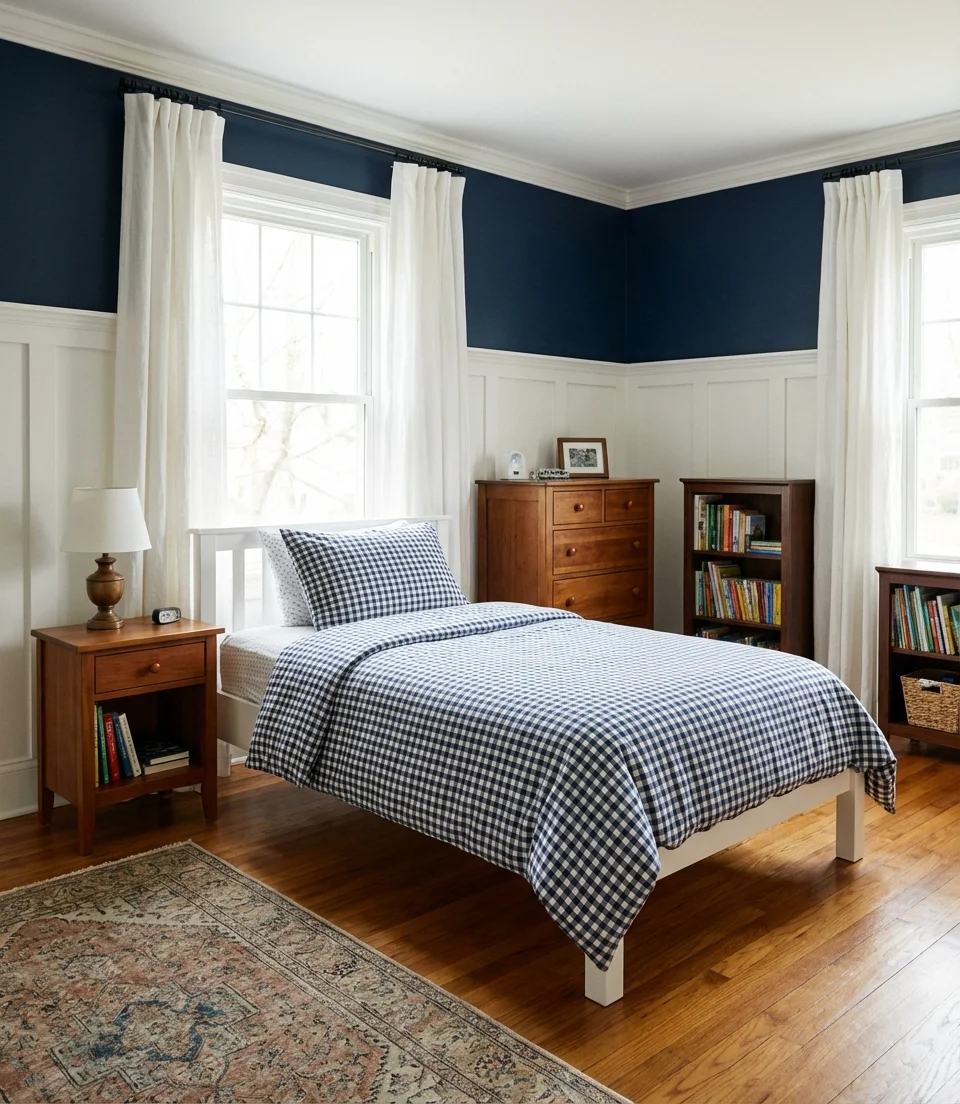
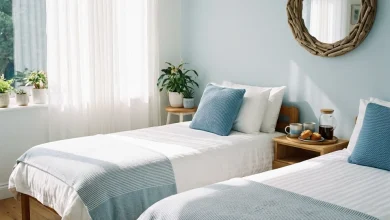
When you want something that will look great at 8 and still work at 17, a timeless blue and white bedroom is essentially fail-proof. This room, with its classic French navy, crisp white millwork, gingham or stripe accents, and clean-lined furniture that doesn’t scream any particular era, looks equally at home in both a New England colonial and a Texas ranch house. The cottage influence here is subtle: linen textures, warm wood tones, and just enough pattern to feel alive without competing for attention.
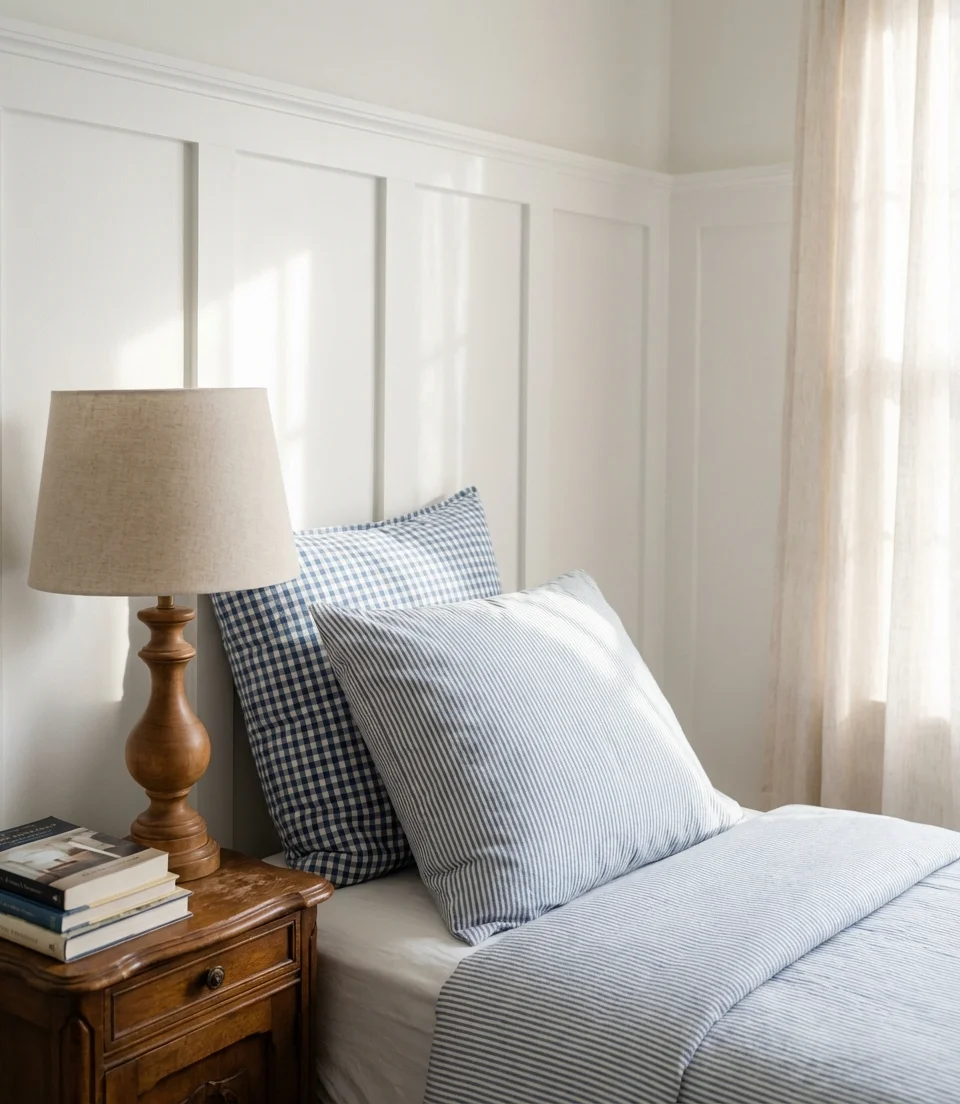
This bedroom is the room parents often choose when they’re designing for a younger child but want the investment to stretch through adolescence. Invest in furniture that has strong foundations, such as real wood and classic silhouettes, and allow the accessories to express the child’s age-appropriate personality. Swap out the gingham for a solid navy linen duvet when your son hits 13, and the room feels completely different without spending a dollar on new furniture.
15. Cottage Farmhouse Teen Room
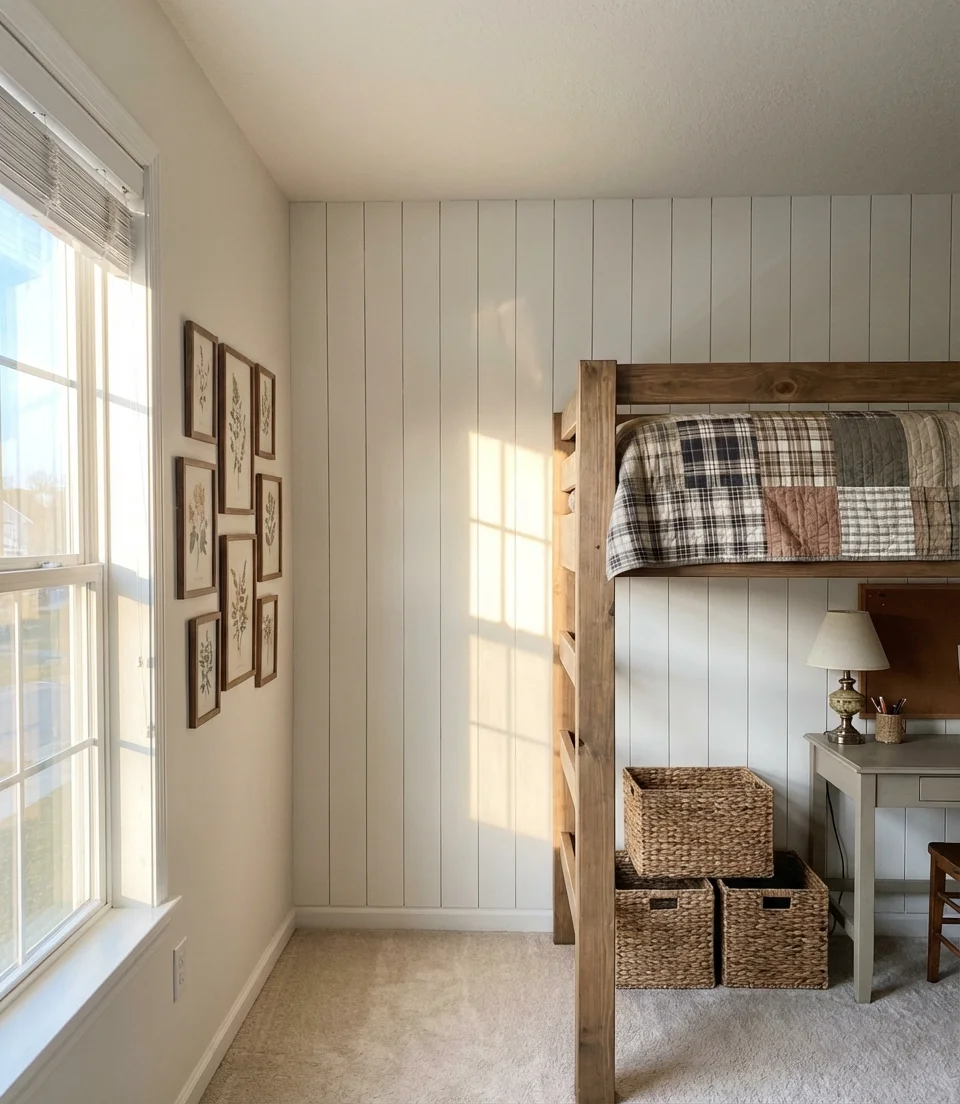
The cottage aesthetic has exploded in popularity across all age groups, and it translates surprisingly well into a teen’s bedroom when the right elements are chosen. Shiplap walls or vertical paneling in soft white, a wooden bunk or loft bed, woven baskets for storage, plaid and check textiles in earthy tones, and botanical prints on the walls—this room feels grounded, warm, and completely livable. It’s the Studio McGee influence distilled into a space that still feels kid-friendly and personal.
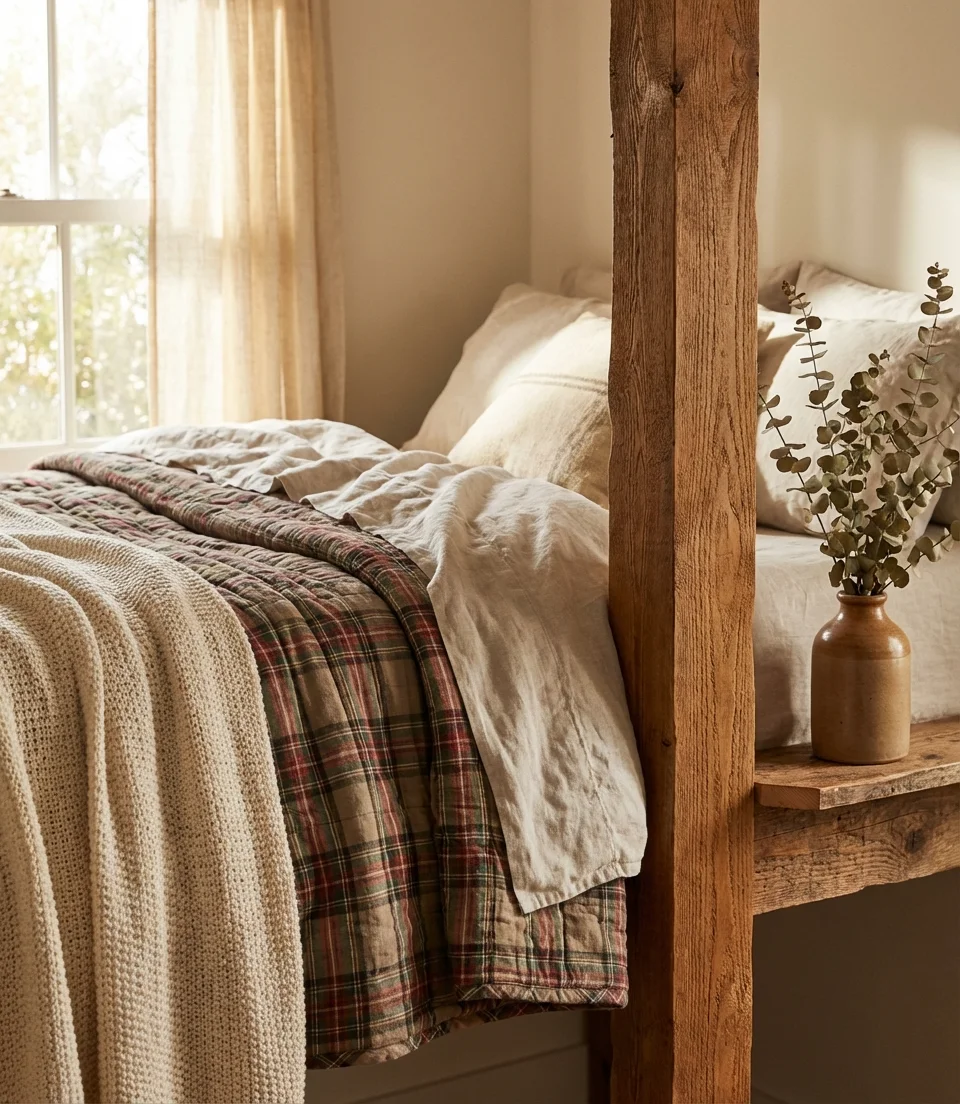
Real homeowner insight: the farmhouse look photographs beautifully for Instagram and Pinterest, which means teens who care about their aesthetic actually enjoy maintaining this kind of room. Several parents have noted that their sons started tidying up voluntarily once the room looked truly styled—because suddenly keeping it nice felt worth the effort. This psychological shift is crucial for success.
16. Sonic the Hedgehog Speed Room
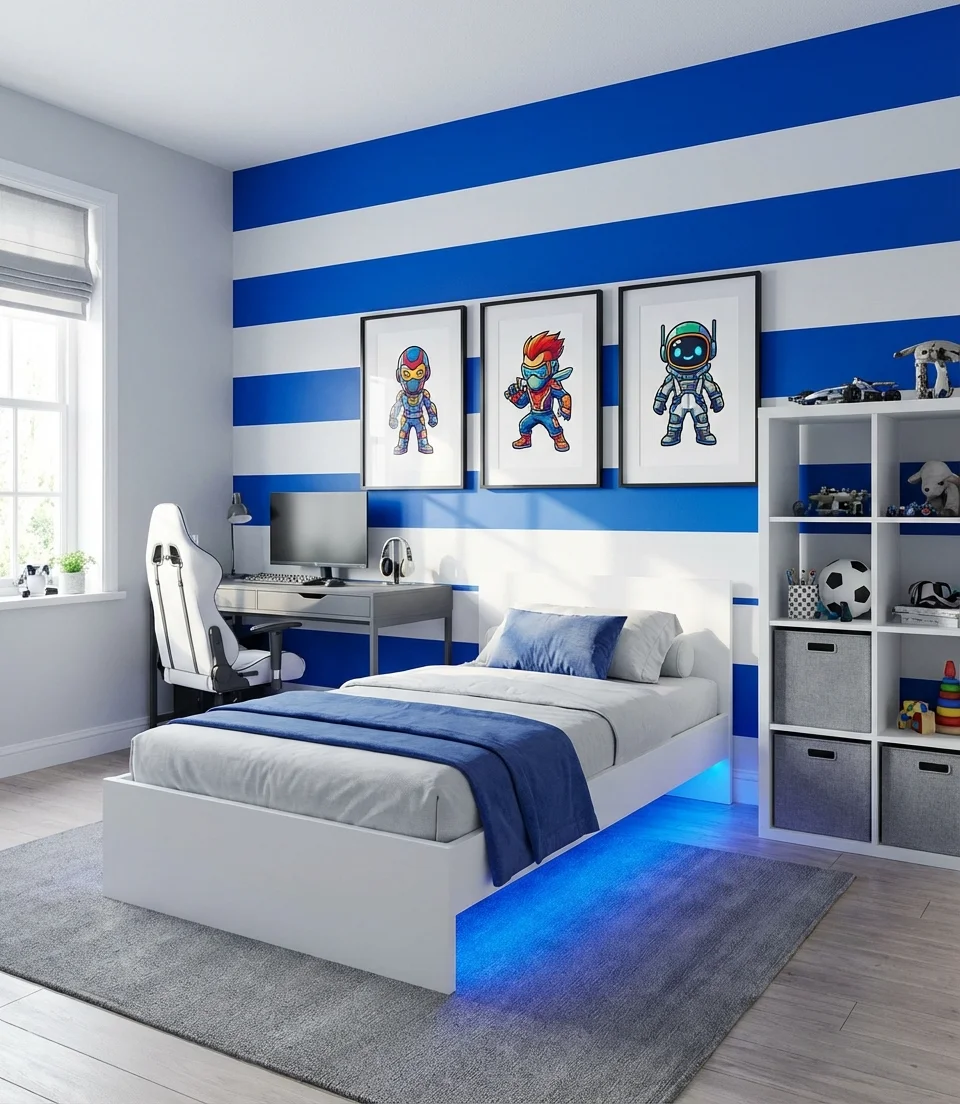
A Sonic bedroom done right is all about capturing energy and speed without turning the room into a fast food play area. The smart palette: electric blue, white, and gold, used in bold geometric patterns. A speed-stripe wall treatment using blue and white horizontal bands gives the room incredible visual momentum. Add framed game art in matching frames, a blue LED strip under the bed, and white or light grey furniture to keep things feeling fresh. This room effectively incorporates decor ideas that both excite younger boys and respect the space as a traditional bedroom.
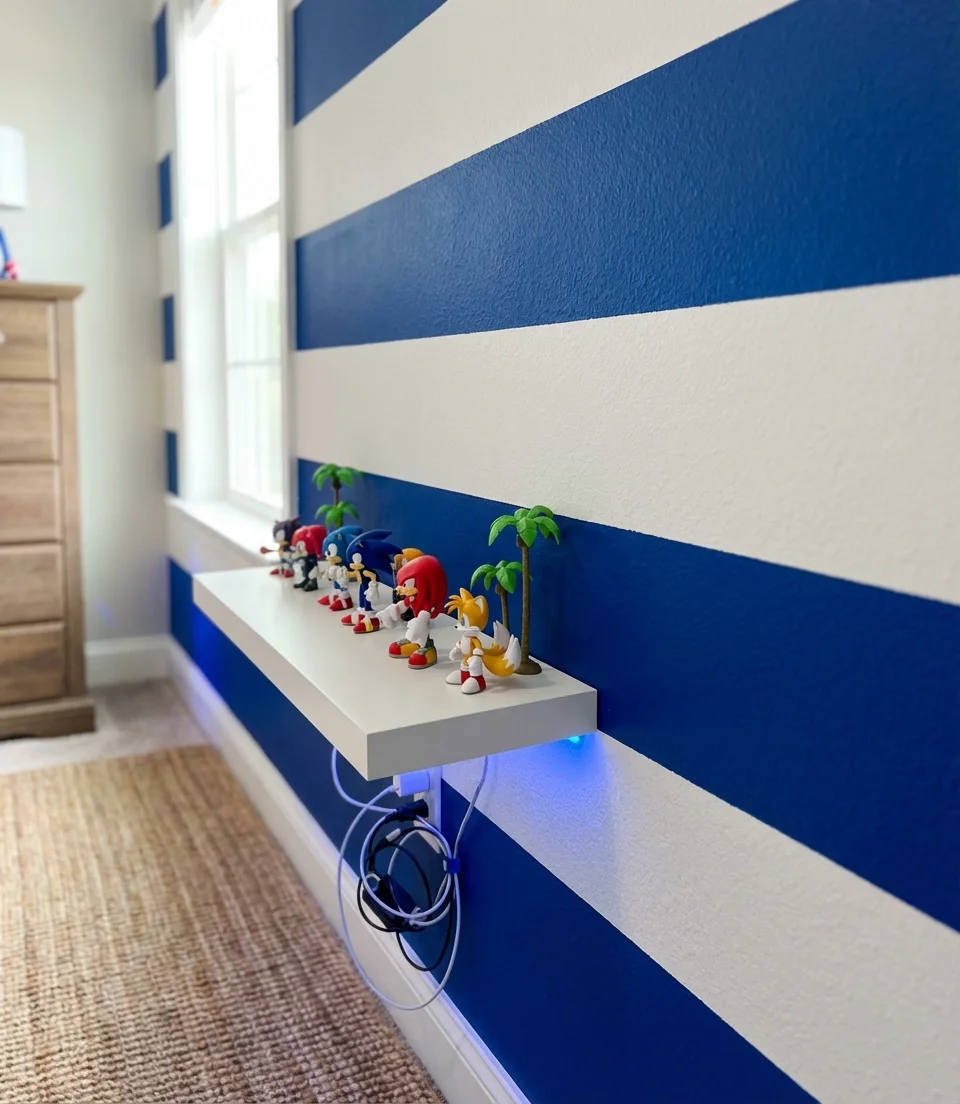
This theme works beautifully for boys aged 6–12, and the DIY wall treatment can be achieved over a weekend with painter’s tape, two paint colors, and a steady hand. Total paint cost: under $60. The electric blue color family also pairs wonderfully with standard IKEA white furniture, meaning you don’t need to source anything special to complete the look affordably.
17. Roblox-Inspired Creative Room
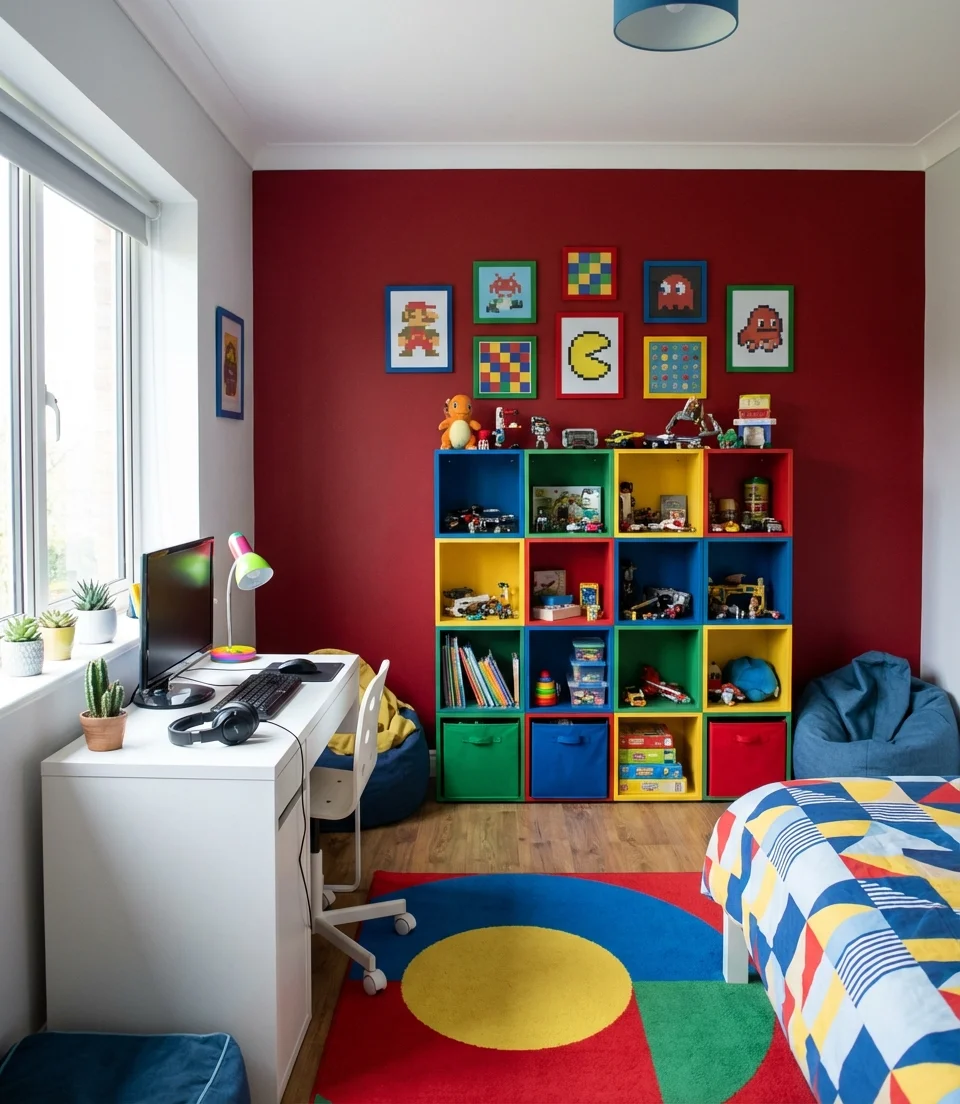
For kids who are deeply immersed in the Club Roblox image ID codes, a Roblox-inspired bedroom serves as a natural extension of their creative world. But rather than slapping the game’s red-and-white logo everywhere, take the cue from the game’s fundamental character: bright, blocky, and endlessly customizable. Primary-colored cube shelves, pixel art wall panels (available as prints or DIY graph-paper projects), a bold red accent wall, and a dedicated computer desk setup create a space that captures the spirit without depending on licensed merchandise that ages out quickly.
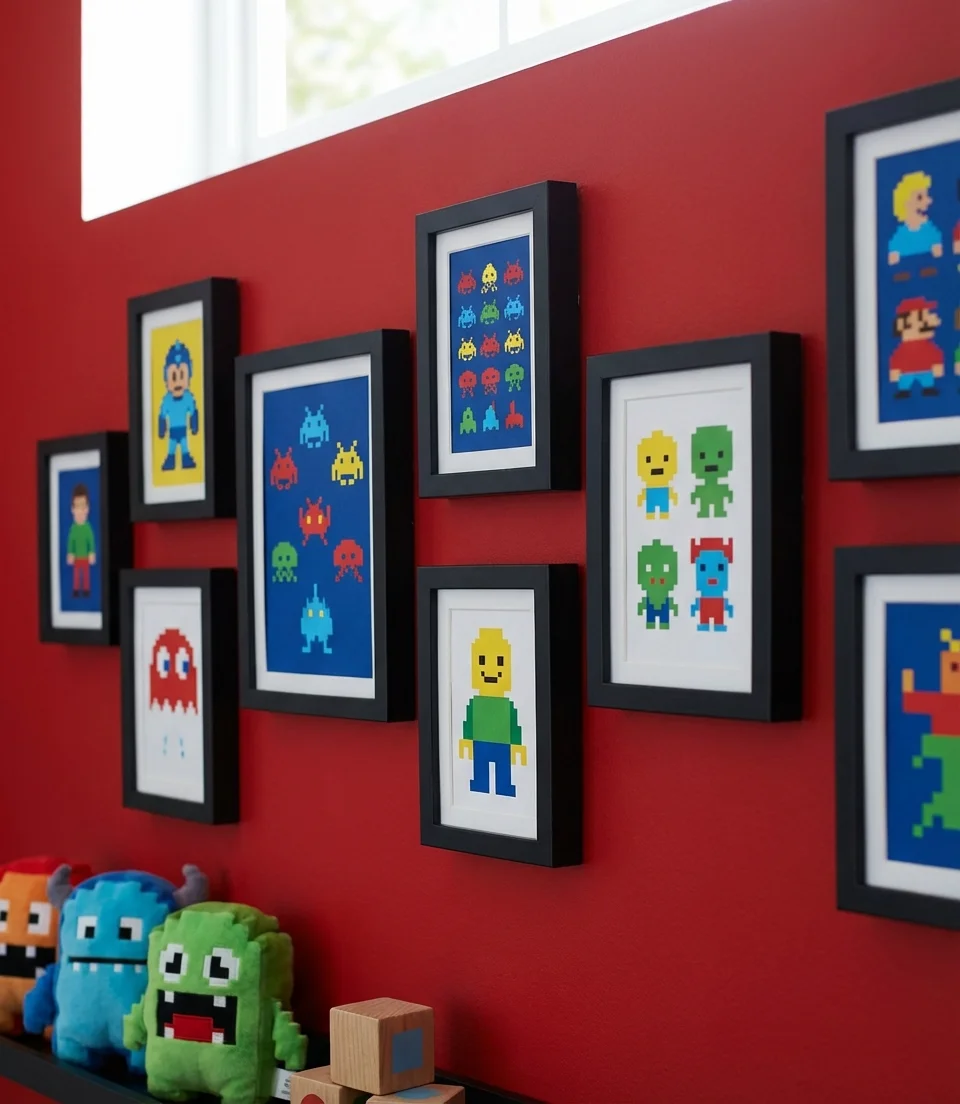
This layout is a smart pick for parents who want to support their child’s passions without the room looking outdated in two years. The pixel art element is where this gets genuinely fun—many kids love creating their own pixel art designs to print and frame, which means the room becomes a living showcase of their creativity. That level of personalization is worth more than any licensed product on the shelf.
18. Toca Boca Colorful Playful Room
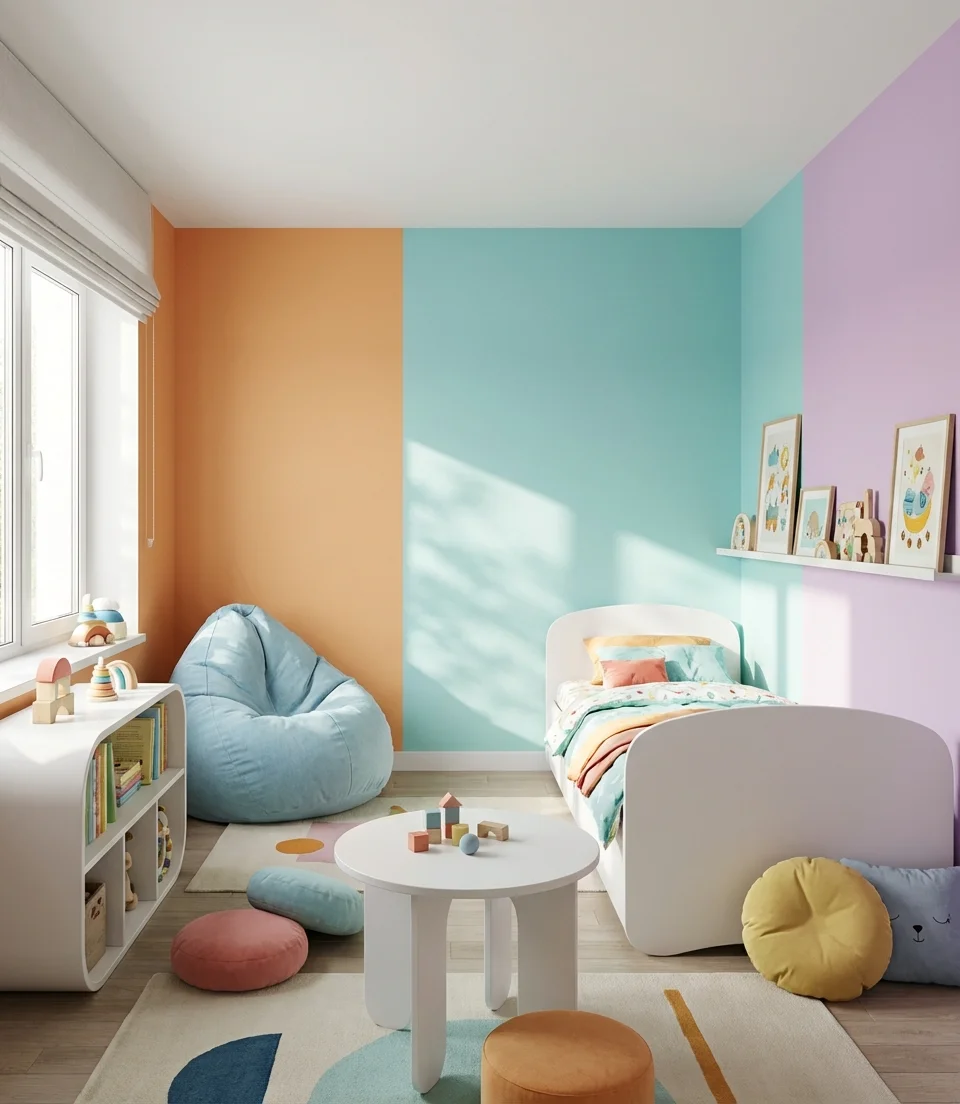
Toca Boca has one of the most distinctive and genuinely joyful visual languages in kids’ media—bubbly, color-saturated, friendly, and free-form. A bedroom inspired by this aesthetic leans into vivid tones: tangerine, turquoise, chartreuse, and lavender are used in large color-block sections rather than all-over patterns. The ideas of toddler energy here can be dialed up or down depending on age—younger kids get the full rainbow; older ones appreciate a more curated version with two or three key accent tones.
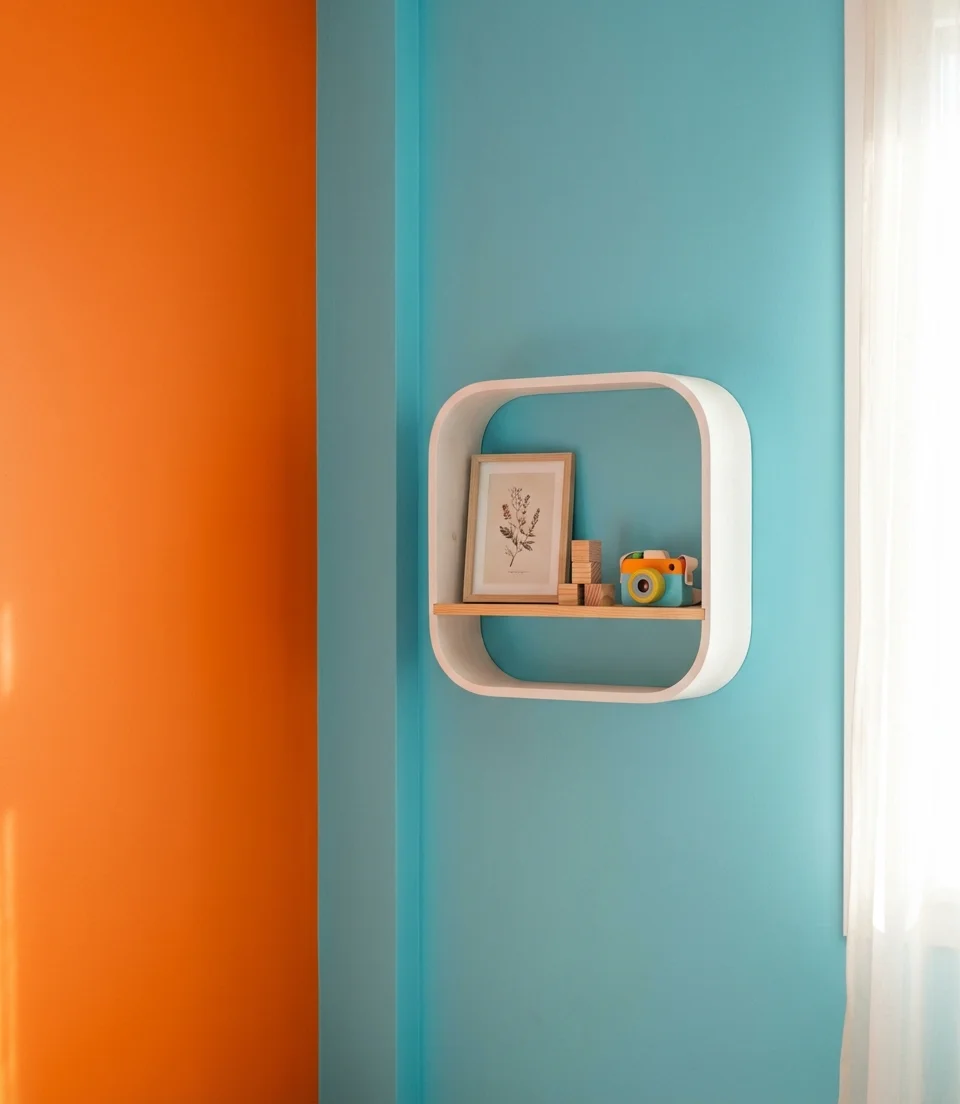
The color-block technique—painting large, clean sections of adjacent walls in different bold colors—is one of the most impactful and inexpensive room transformations available. Two or three quarts of paint and a roll of painter’s tape are all you need. The effect photographs beautifully for Pinterest, holds up over several years, and can be refreshed with a single coat when preferences change.
19. Simple Minimalist Teen Room Makeover
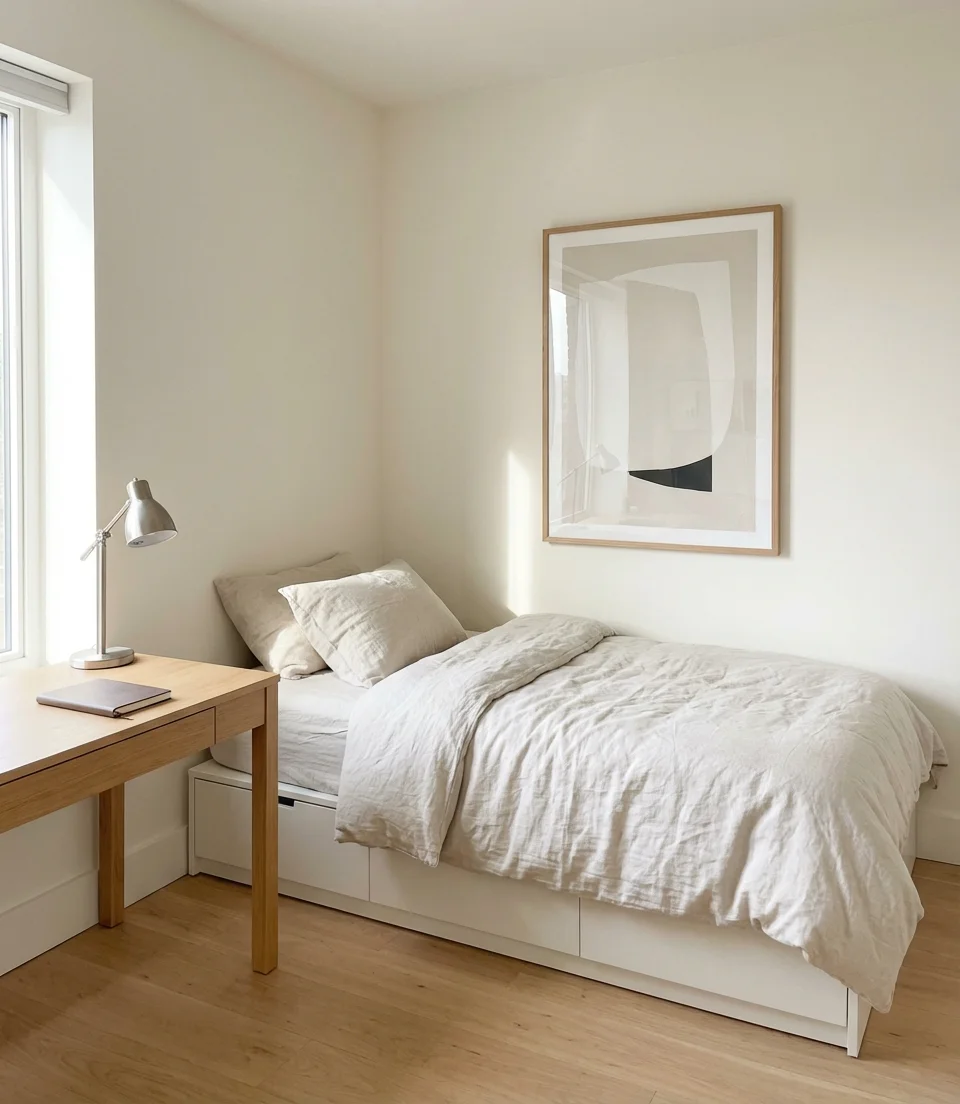
Sometimes the most powerful makeover is subtraction, not addition. A simple, intentionally minimal teen bedroom focuses on quality over quantity: one excellent bed, one solid desk, one well-placed lamp, and walls that are curated rather than covered. The ideas of 5-10 simple philosophies apply here literally—five or fewer decorative elements, each chosen for its impact. The room features white or warm greige walls, natural light, clean lines, and smart storage that is integrated into the furniture instead of placed on top.
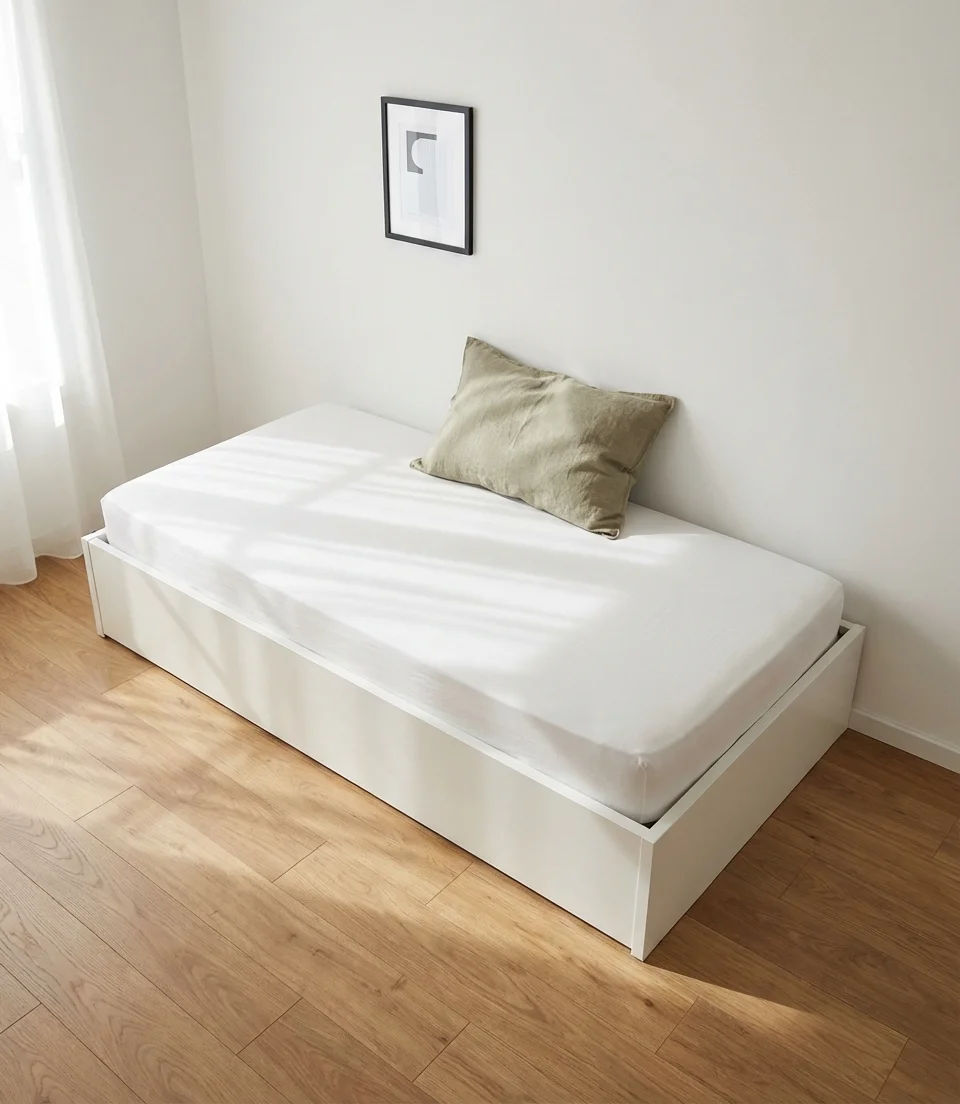
American families who have shifted toward minimalist teen rooms consistently report the same outcome: their teens actually keep the room cleaner. When there are fewer objects to organize, the maintenance barrier drops to nearly zero. It’s also the most budget-friendly approach of all—a minimalist room upgrade often means removing things rather than buying them, which costs nothing at all.
20. Sims 4 Teen Aesthetic Digital Room
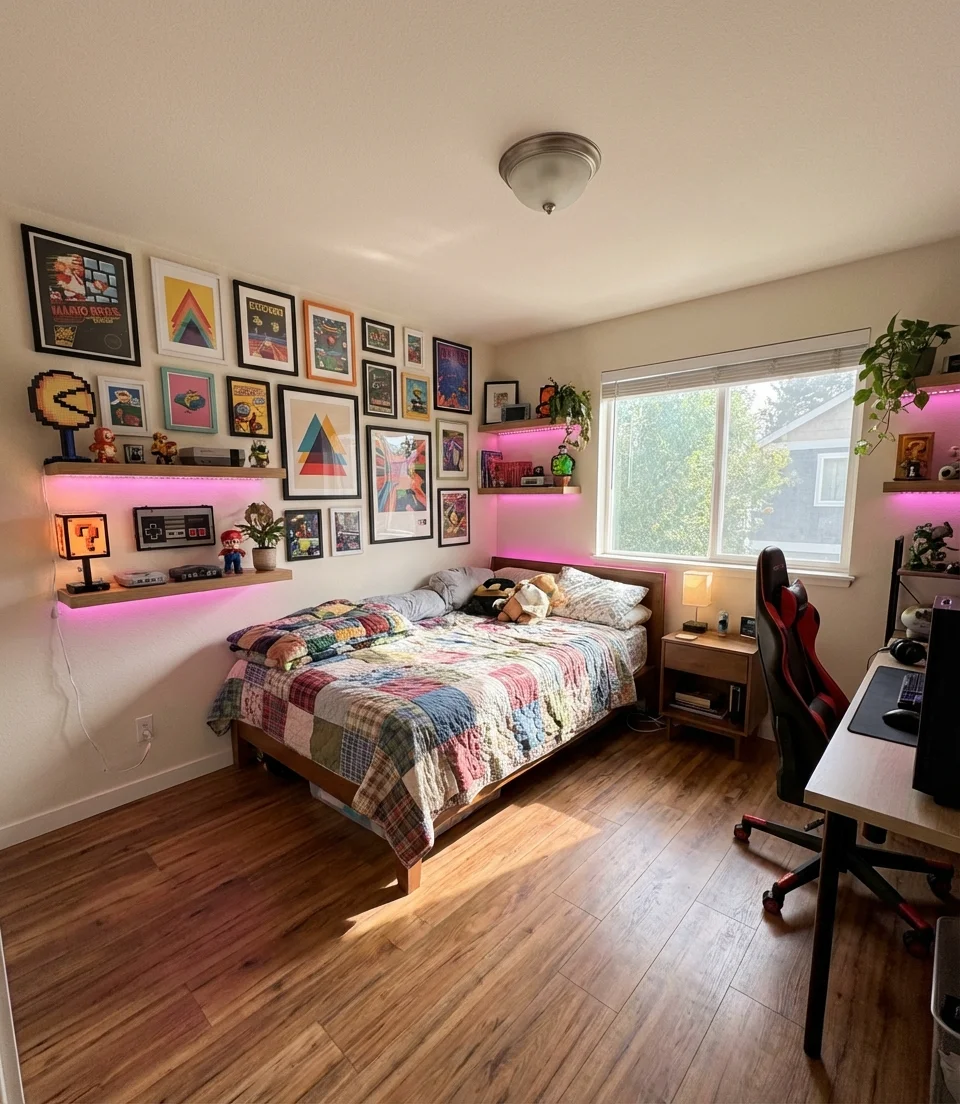
If your teen spends hours designing dream bedrooms in Sims 4 teen mode, use that as direct design research. The in-game aesthetic that teens gravitate toward—warm wood floors, colorful gallery walls, LED lighting, maximalist but organized shelving, and personality-rich accessories—is entirely achievable in real life. The snap-worthy quality of these spaces is the goal: a room that your teen genuinely wants to show off online and in person, built from their own creative vision.
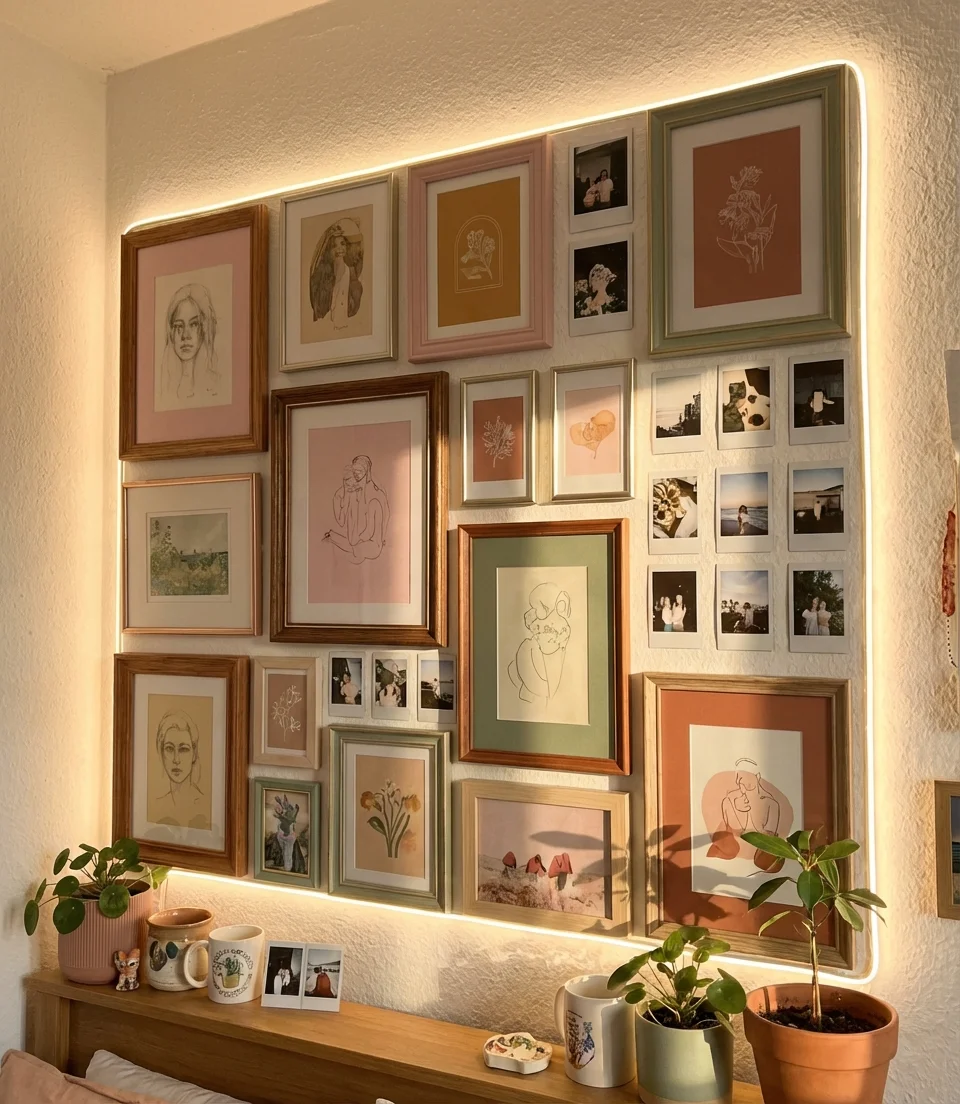
The Sims-to-real-life translation process is actually a fantastic collaborative design exercise to do with your teen. Have them screenshot their favorite in-game room designs, then work together to identify real-world equivalents for the pieces they love. It teaches them to think about proportion, color, and function—skills that serve them well beyond the bedroom.
21. Bedroom Makeover for Small Spaces
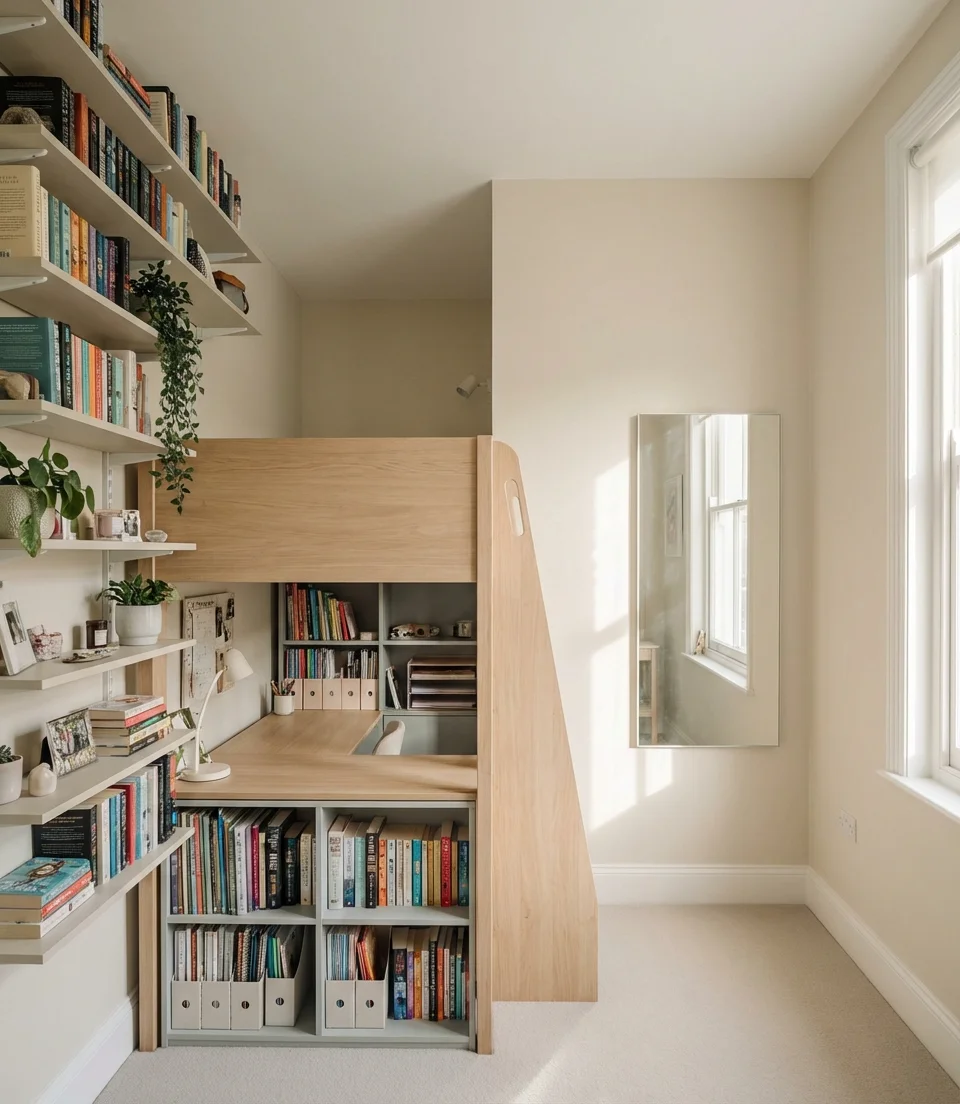
Small bedrooms are a common design issue for American families, but they’re also one of the most solved. A smart small-room makeover for a teen boy uses vertical space aggressively: loft beds free up the entire floor area for a desk and seating, wall-mounted shelves replace floor-standing bookcases, and mirrors expand the perceived room size significantly. The design goal is to make every square foot pull double duty, without the room ever feeling cramped or tactical.
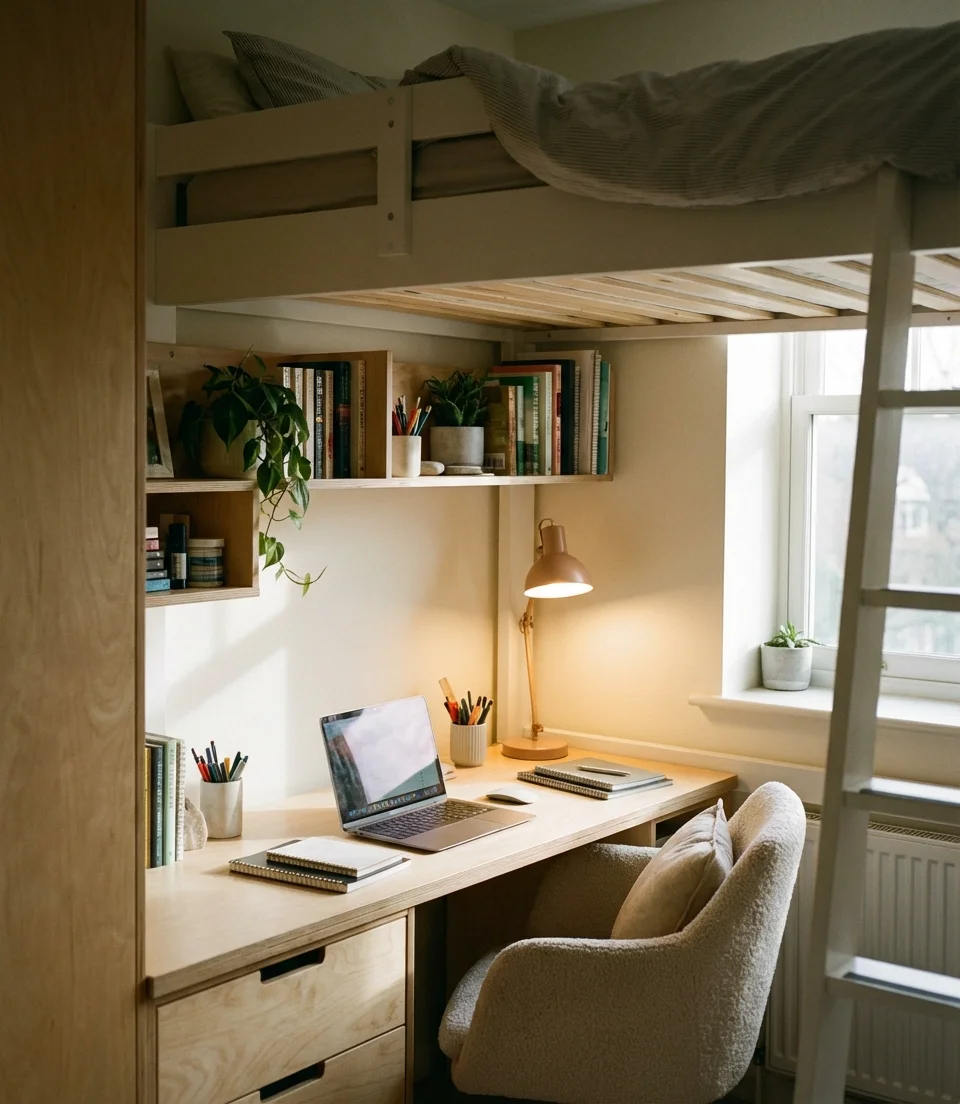
The loft bed is the single most transformative piece of furniture for a small teen room. IKEA’s STUVA and KURA systems are perennial favorites, running $250–$500 and providing a loft platform plus built-in desk and storage in the footprint of a single twin bed. This solution alone can transform a room under 100 square feet from feeling like a cramped cell into a cool, purposeful studio.
22. Toddler-to-Boy Transition Room
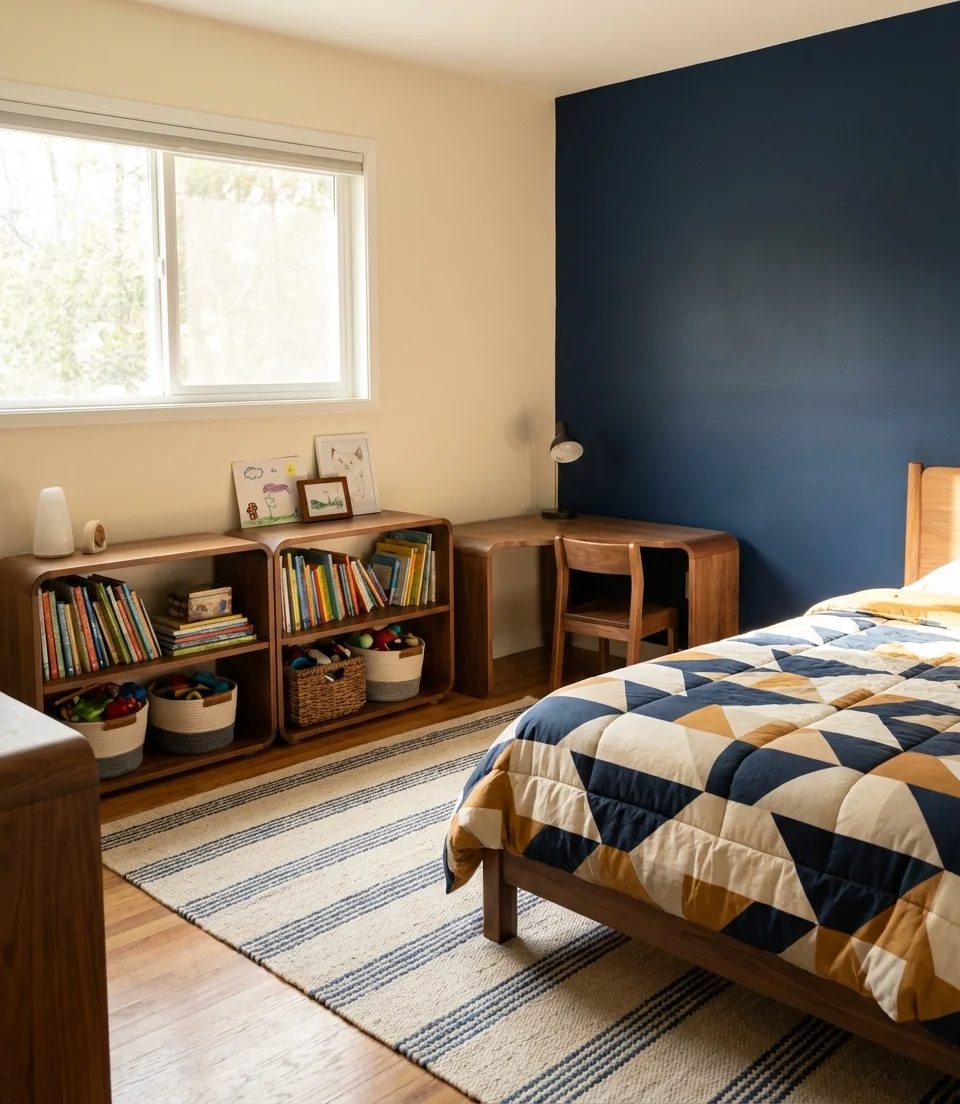
The toddler-to-kid transition is one of the most emotionally loaded redesigns a parent faces—letting go of the nursery while building something their growing boy will genuinely love. The bridge design keeps the warmth and security of the early years (soft textiles, low shelving at kid height, rounded furniture edges) while introducing age-appropriate elements: a real desk instead of a toy table, a twin bed instead of a toddler frame, and decor ideas that feel more adventurous and personality-driven.
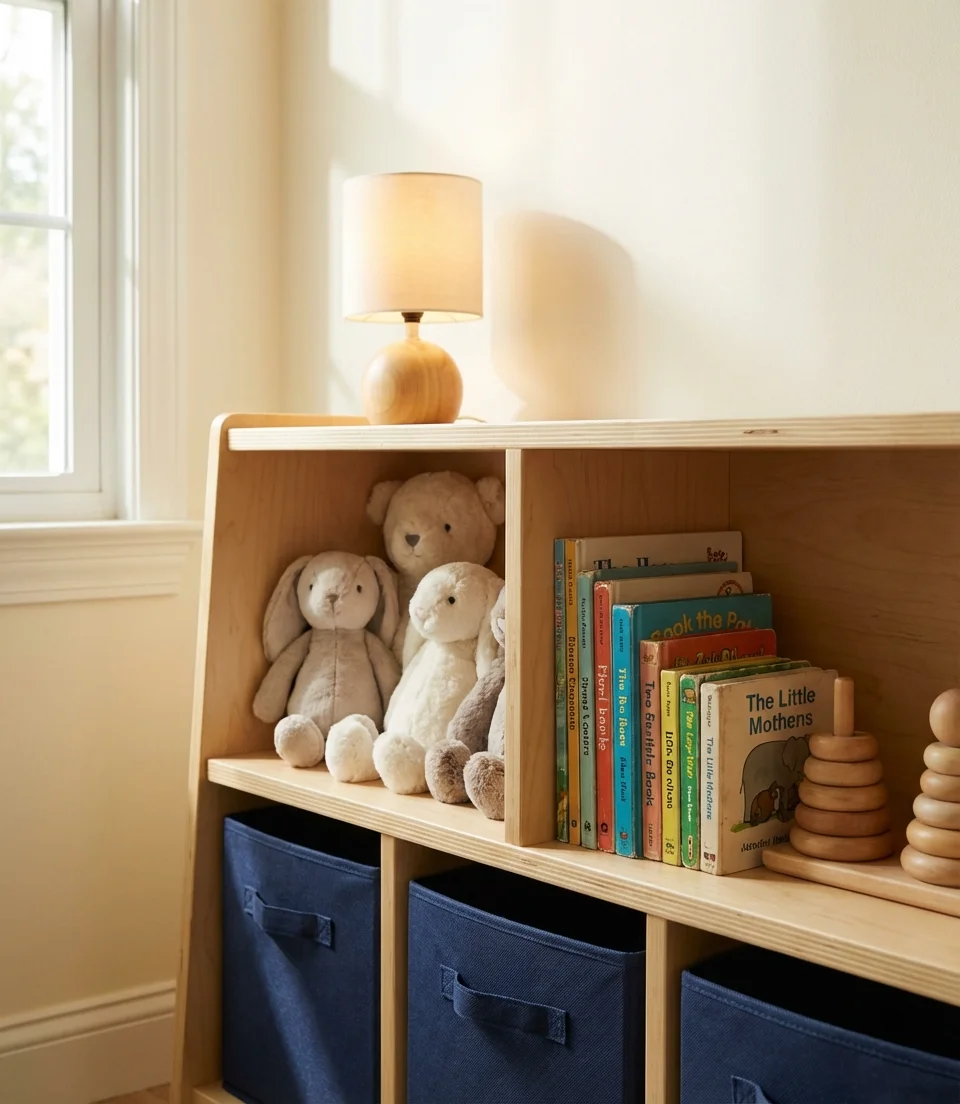
The biggest mistake parents make during the toddler transition: doing it all at once. The most successful approach is a phased swap—start with the bed, then the desk, then the art and accessories over six to twelve months. Kids process the change better when it’s gradual, and it gives you time to see what your child is genuinely drawn to before committing to a full color or theme direction.
23. Industrial Loft-Style Teen Bedroom
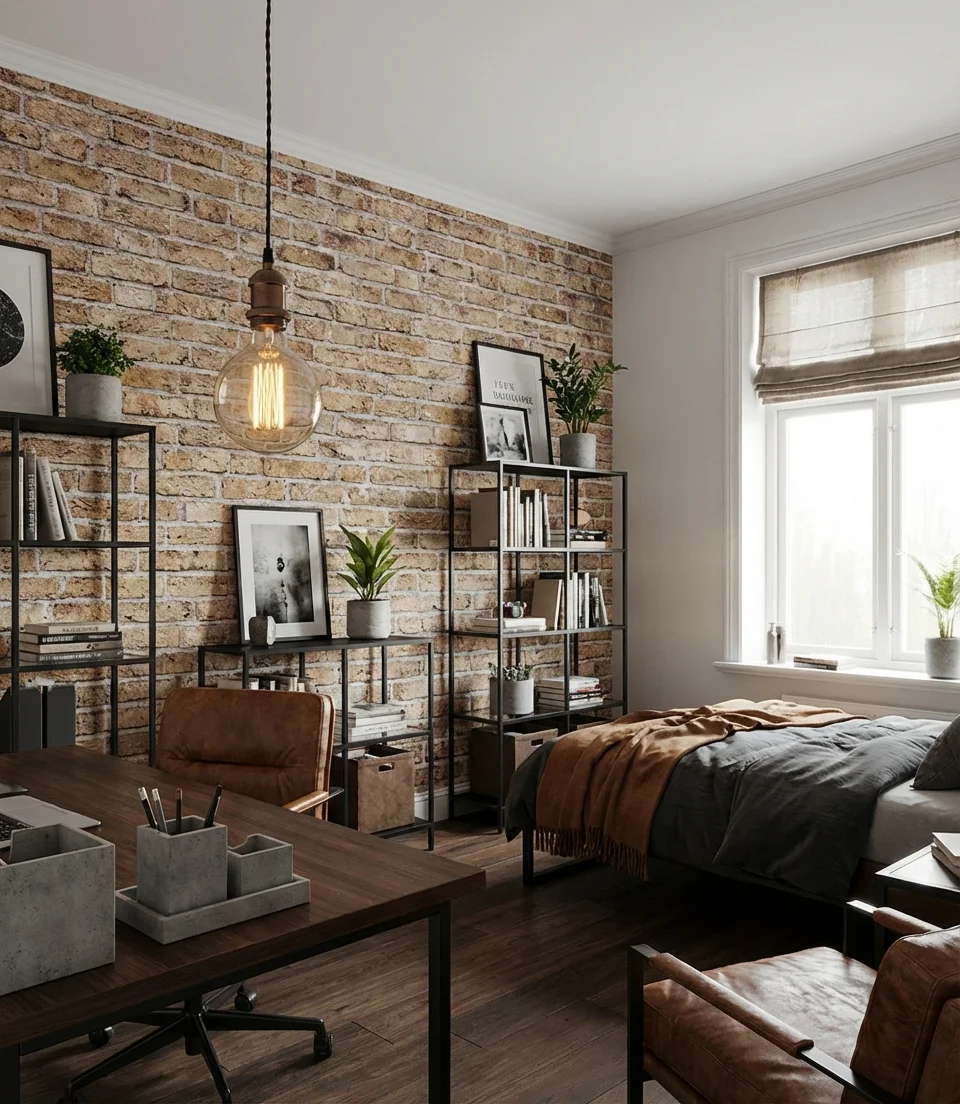
The industrial look—exposed brick effect wallpaper, matte black metal shelving, concrete-finish accessories, Edison bulb lighting—has serious teen boy appeal because it reads as genuinely cool and mature without trying too hard. The design direction has grown alongside the Japandi trend, incorporating a harder, more urban edge. Think raw textures, matte finishes, warm incandescent light sources, and a palette that lives in the dark grey, warm brown, and aged metal spectrum.
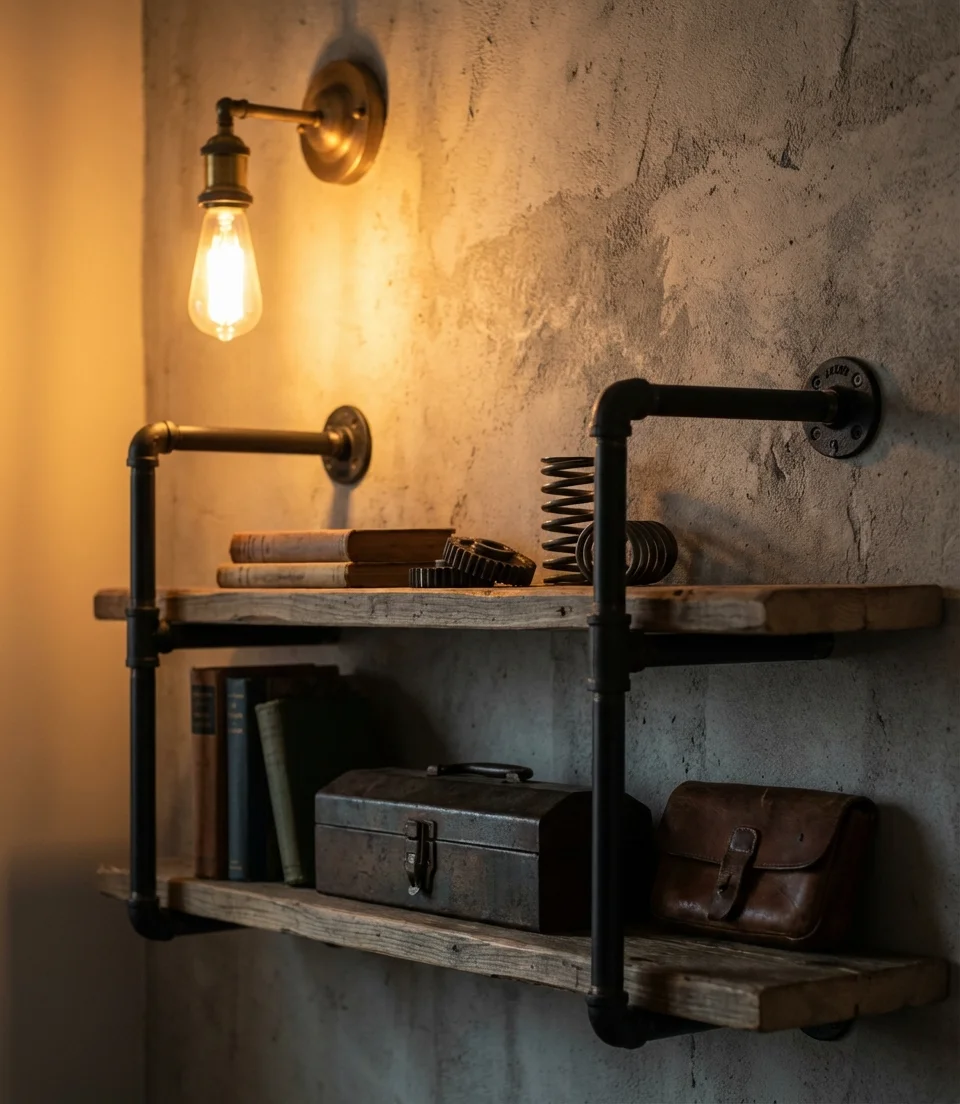
American teenage boys ages 14–18 gravitate toward this aesthetic in particular because it mirrors the visual language of spaces they aspire to—downtown apartments, creative studios, and coffee shops. Giving a teen a room that feels like a destination rather than just a place to sleep genuinely shifts their relationship with the space. It becomes somewhere they want to bring friends, work on projects, and spend time.
24. Personalized Gallery Wall Statement Room
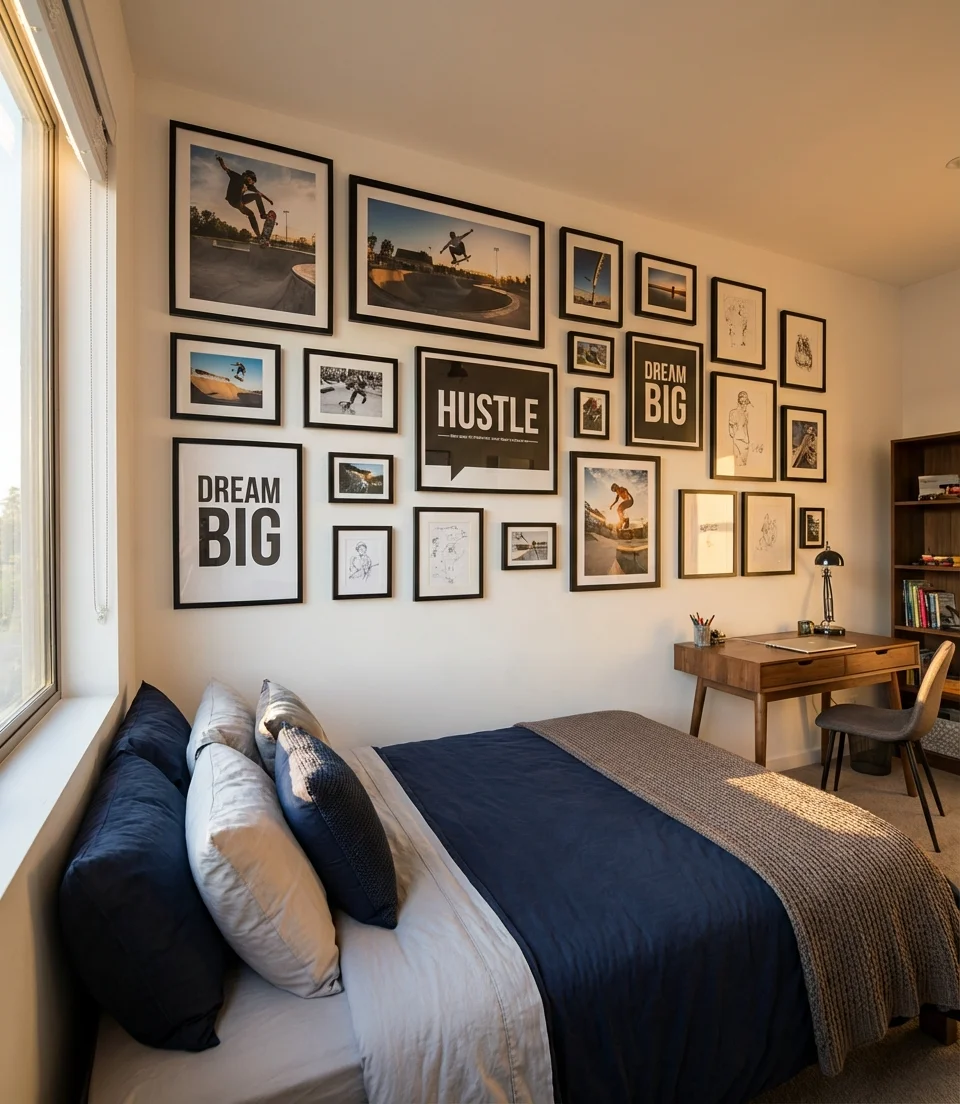
A thoughtfully curated gallery wall is arguably the most powerful design move available in a teen’s bedroom because it turns the room into a portrait of who he actually is. Mix framed inspirational quotes (formatted as clean typography prints, not motivational poster clichés), sports photography, personal photos, his favorite movie posters in matching frames, and even his artwork. The timeless quality of this approach is that it grows organically—you add a frame when something matters, and the wall tells a story over years rather than just a moment.
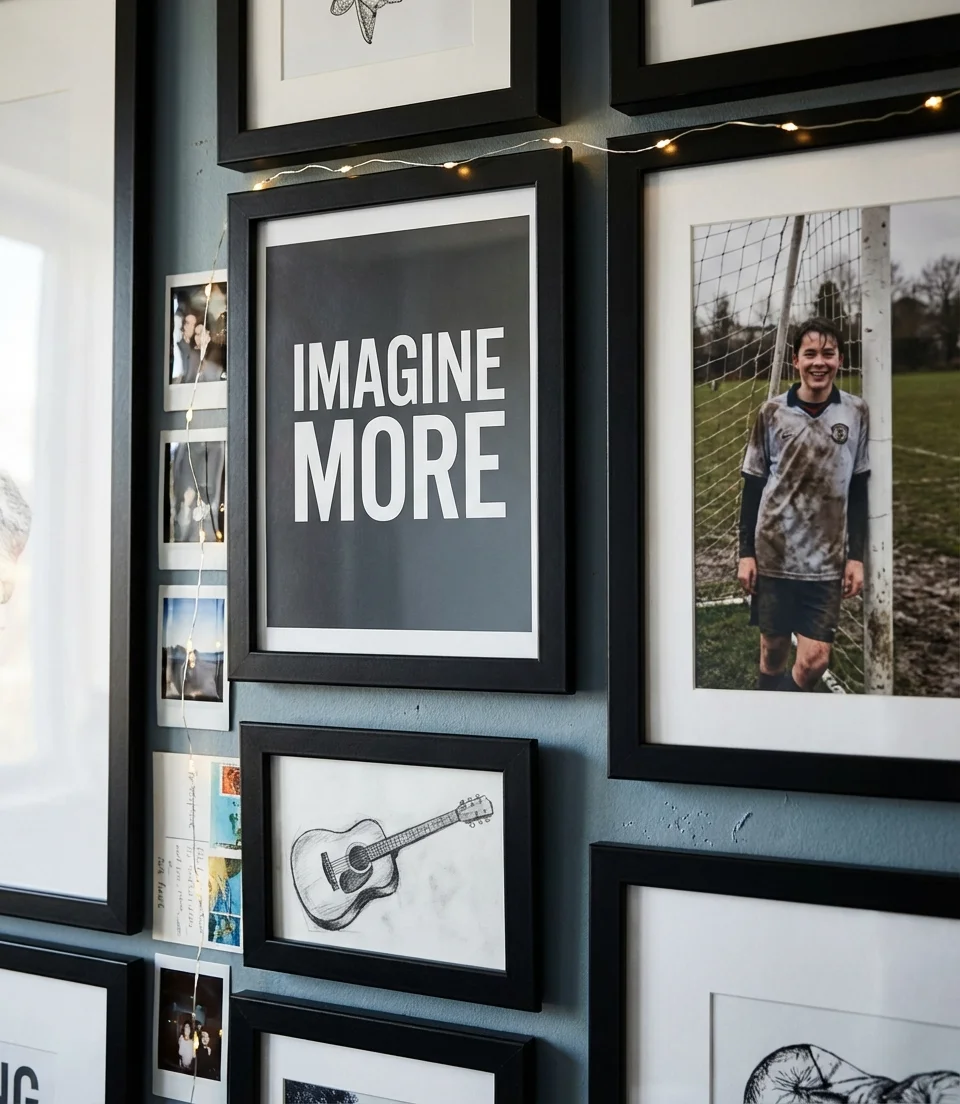
The frame uniformity rule is what separates a gallery wall that looks intentional from one that looks accidental: choose one or two frame finishes (black and natural wood work together beautifully) and stick with them across all prints, regardless of how different the content is. This trick alone can make a $40 collection of prints from Amazon look like a designer-level installation. It’s one of the most commonly shared tips in interior design for a reason—it always works.
We’d love to know which of these ideas resonates with you—or better yet, which one your son has saved on his phone. Please feel free to share your questions and photos in the comments below. Whether you’re working with a tiny room and a tight budget or starting completely from scratch, there’s a version of every one of these ideas that can work for your family, and the community here always has brilliant suggestions to share.