
Bungalow exteriors will make a giant comeback in 2026, combining historic architectural character with modern-day design. Americans nationwide are discovering these low-slung, open-plan homes anew—whether by restoring a century-old beauty or building afresh with the same timeless proportions. On Pinterest boards and in the real-life renovations they inspire, an appetite for bungalow inspiration has been on the rise as homeowners hunt out that sweet spot of curb appeal, livability, and character. This article discusses various bungalow exteriors that provide new options for paint, materials, landscaping, and architectural details that respect tradition but appreciate the way we live now.
1. Classic Craftsman Revival with Tapered Columns
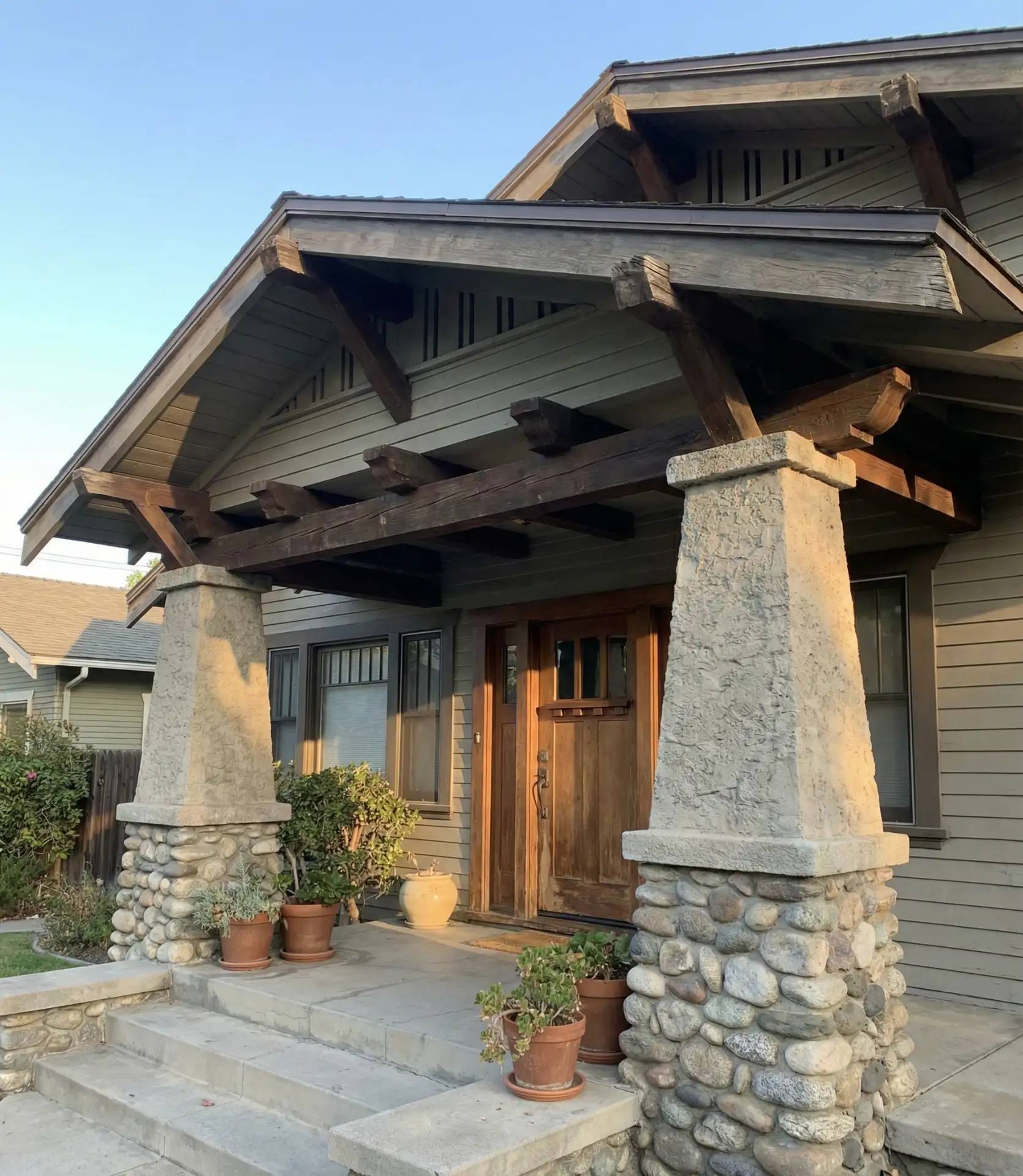
The soul of Craftsman style can be found in its honest materials and hand-hewn details, and few places express these characteristics better than generous front porches supported by signature tapered columns. These columns, made from river rock or stacked stone at the base and wood posts above, form an appealing threshold reminiscent of the 1920s, when bungalows were once the homes that lined neighborhood streets in America. Combine that with exposed rafter tails beneath deep eaves, and you have the spirit of what people love about 1920s craftsman homes. The look is stunning, whether your home is a one-story house on a tree-lined street in Portland or perched on a hillside lot in Pasadena. 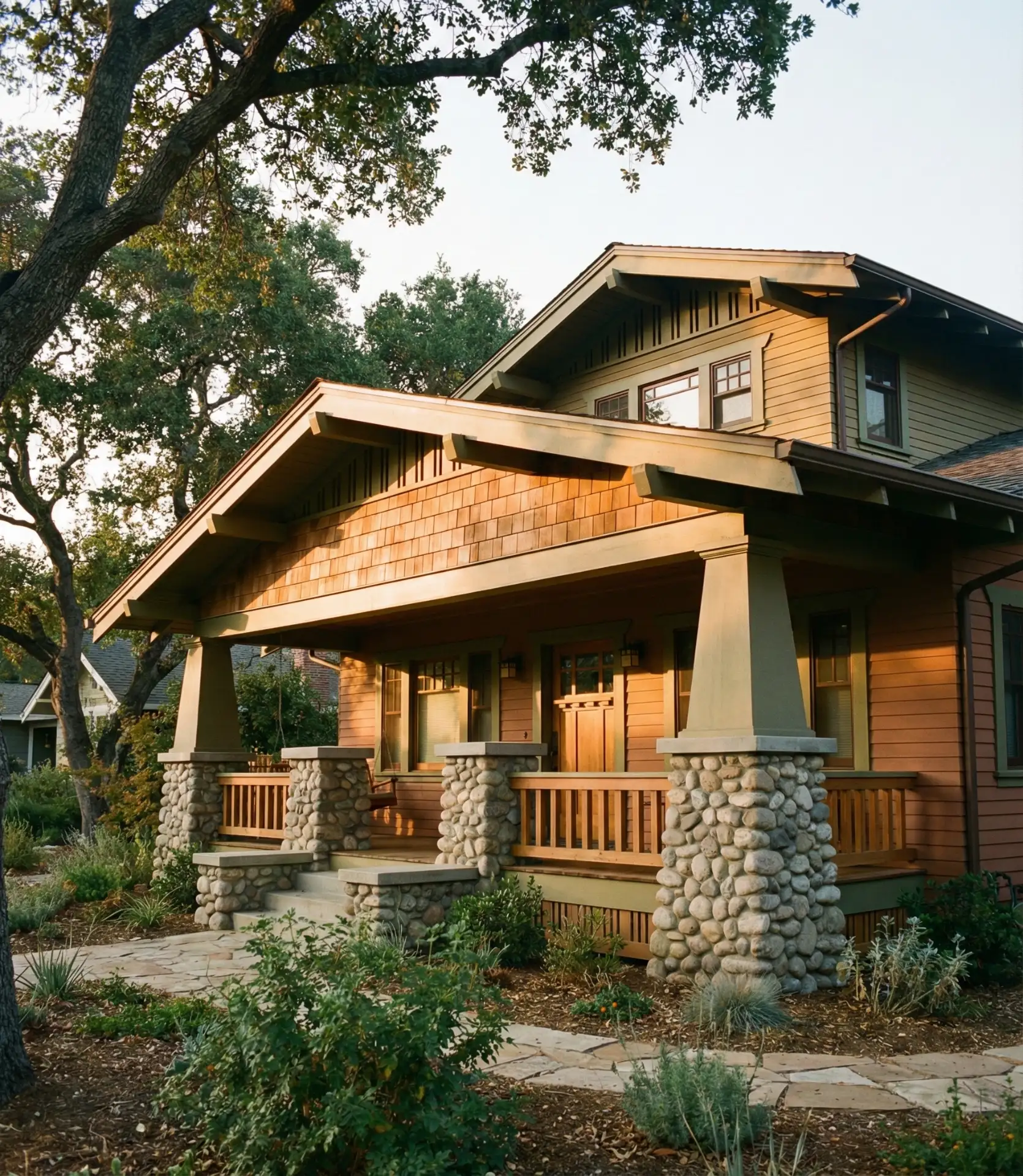
Context by region matters enormously here. In California, those houses frequently come with stucco accents and drought-tolerant native plantings; in the Midwest, they might be more closely associated with brick or clapboard and lush foundation beds. Ditto, the front porch: its purpose is true living space, not ornamentation, which is why there’s value in making it large. Budget approximately $15,000 to $25,000 for the restoration or recreation of a real column, which involves masonry work and structural support. However, DIY-friendly faux stone veneers can significantly reduce costs while enhancing the visual appeal.
2. Painted Brick Bungalow in Modern Neutrals
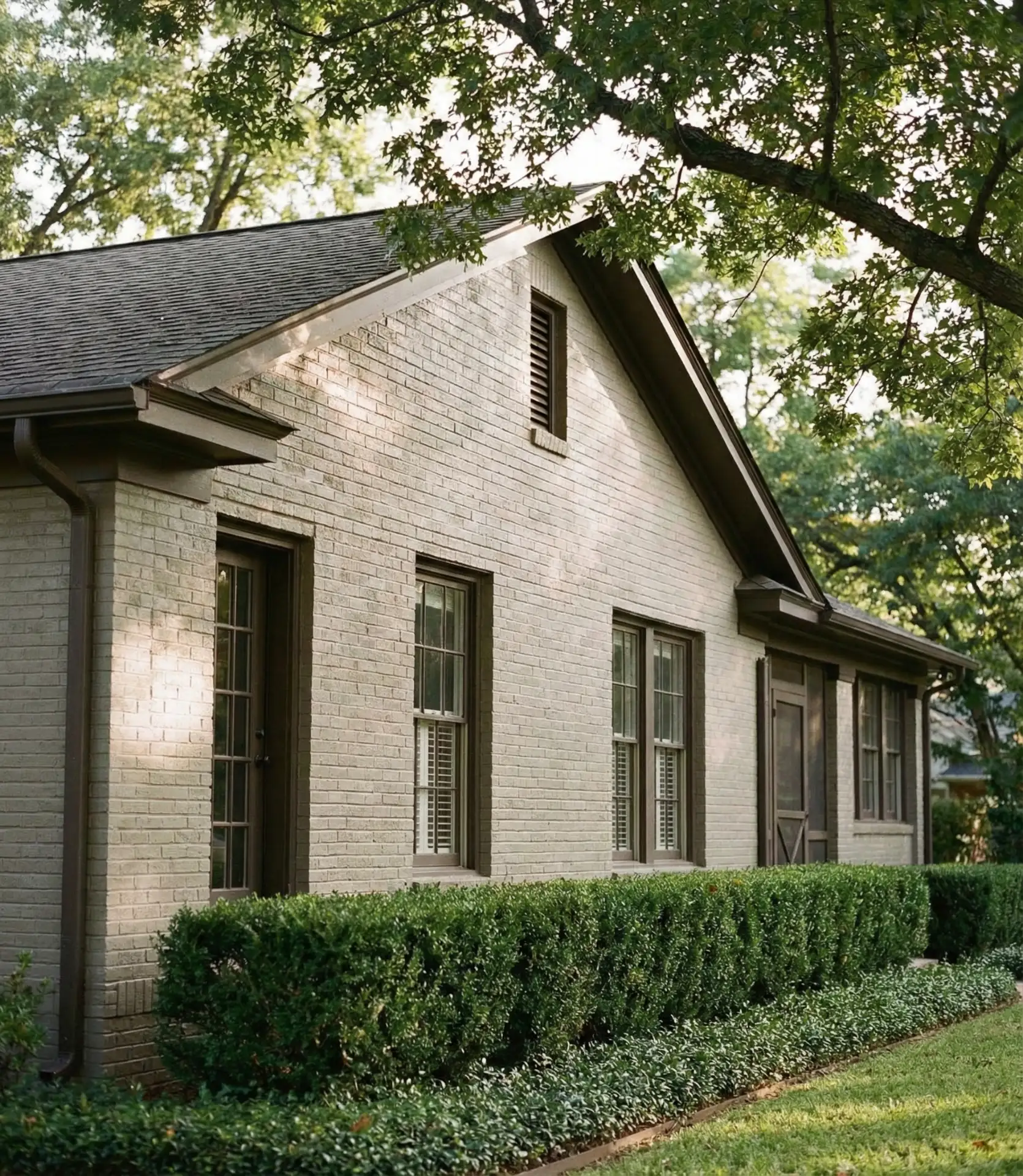
Original red brick bungalows carry undeniable charm, but many homeowners are embracing painted brick to refresh dated exteriors and create a cleaner, more contemporary aesthetic. A soft white, warm greige, or even muted sage green can transform a heavy-looking facade into something light and approachable without sacrificing the texture and solidity brick provides. This approach has gained particular traction in urban neighborhoods where modern sensibilities meet historic preservation guidelines—painting brick often requires less approval than major structural changes. 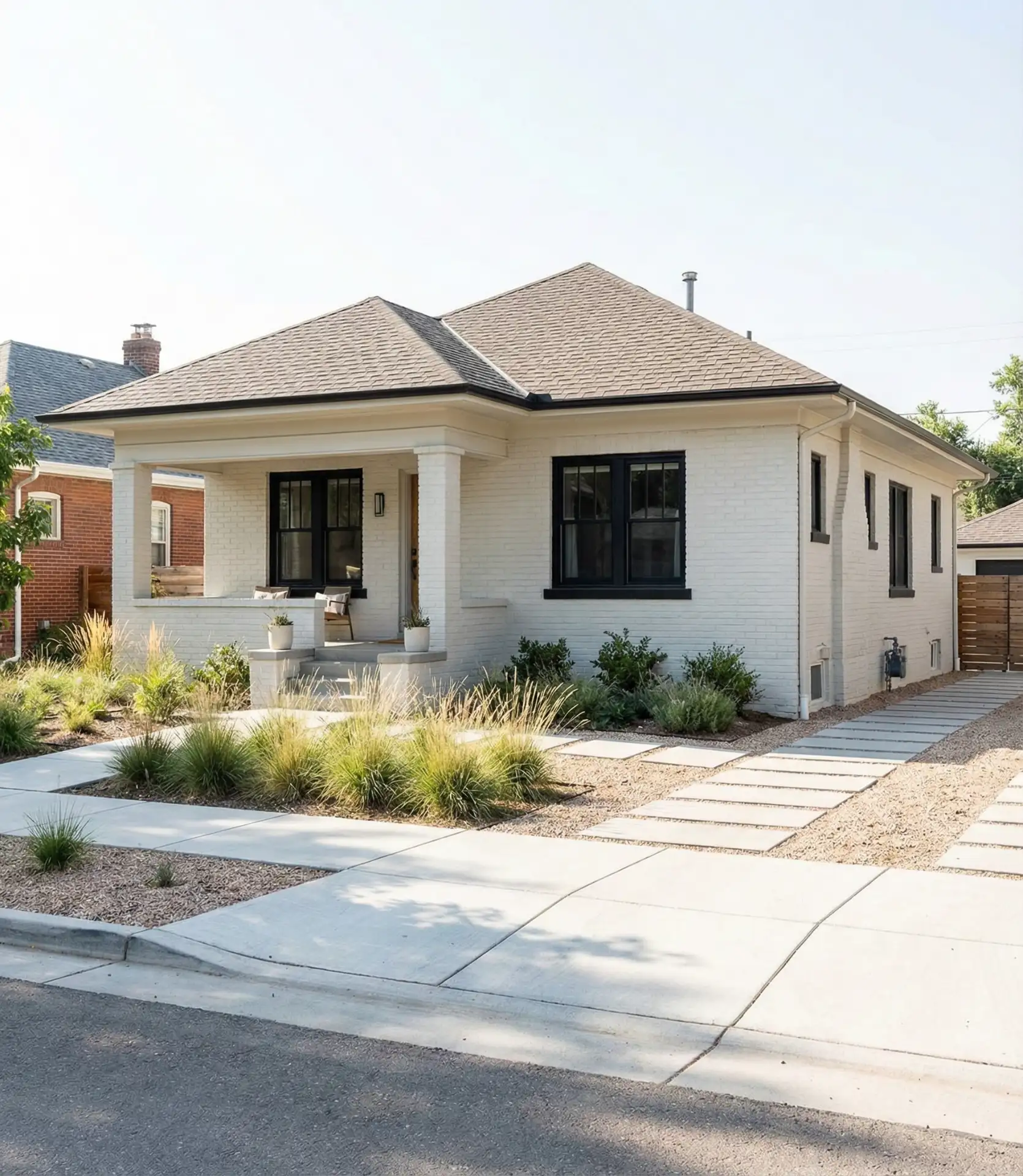
The mistake people make is to apply ordinary exterior latex paint directly on old (and often degraded) brick, which effectively seals the surface and prevents moisture from escaping over time, resulting in spalling. [#ID9 Instead, opt for breathable masonry paint designed with brick surfaces in mind; brands like Sherwin-Williams and Benjamin Moore make them. Painting: Basic surface prep like pressure washing and some repointing usually costs between $2,000 and $4,000 for an average bungalow; paint and labor will bring that up to $4,000 to $8,000 based on square footage and trim complexity.
3. California Beach Bungalow with Relaxed Coastal Vibes
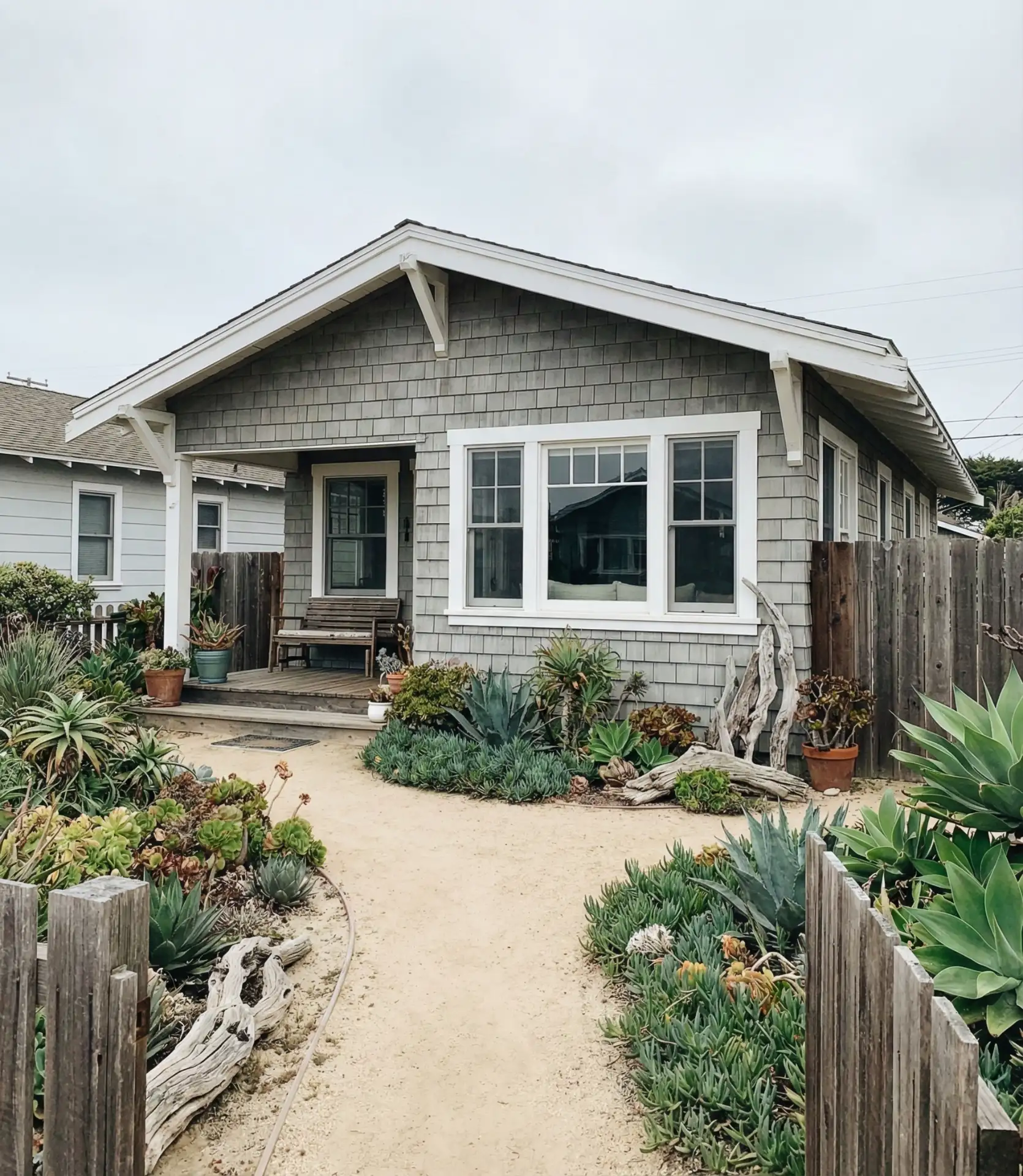
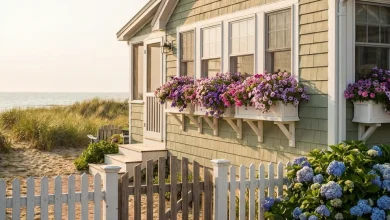
On the West Coast, California beach bungalows have a kick-back look that’s effortless and easy to replicate. As in those homes, the exterior will have a beachy feel: weathered wood siding in pale grays or bleached whites, horizontal lines that recall the horizon of an infinite ocean, and windows sans heavy shutters to allow light (and views) indoors. The surfer bungalow style—even more so than the midcentury look that came into fashion around the same time—plays up simplicity, with little fancy detailing and natural materials that weather well (in addition to landscaping with succulents, ornamental grasses, and salt-tolerant plants angled at the shore’s edge). 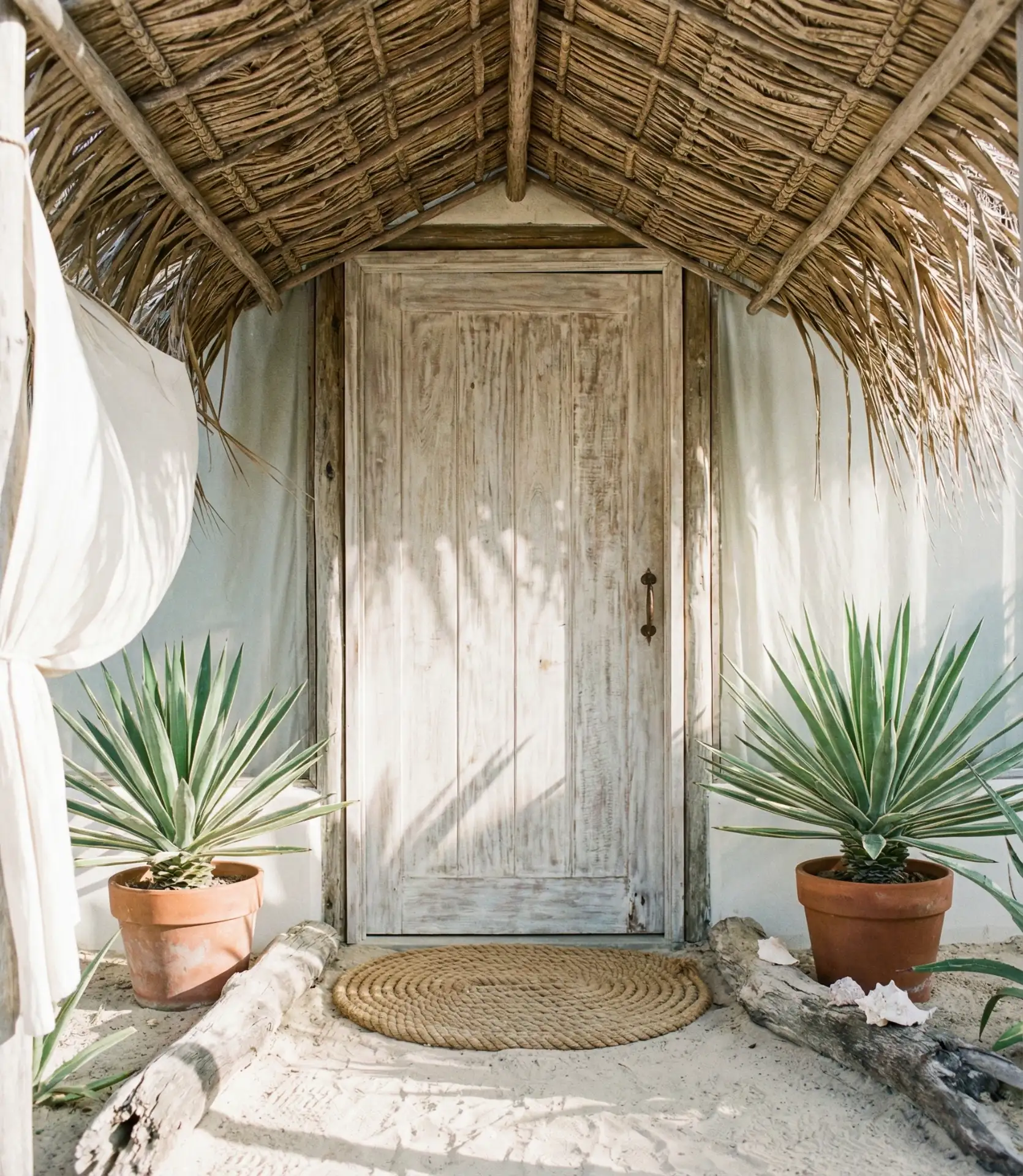
My neighbor in Encinitas last summer scraped decades’ worth of paint from the siding of her 1940s bungalow, unearthing beautiful redwood. But instead of repainting, she coated it in a semi-transparent stain that allowed the grain to show through and also protected against UV damage and moisture. The changeover, carried out over two weekends and a total budget of under $800 in materials—it’s proof that real coastal style doesn’t necessitate an entire blow-out renovation, just the right considerations when designing around your existing elements.
4. Mid-Century Modern Bungalow Fusion
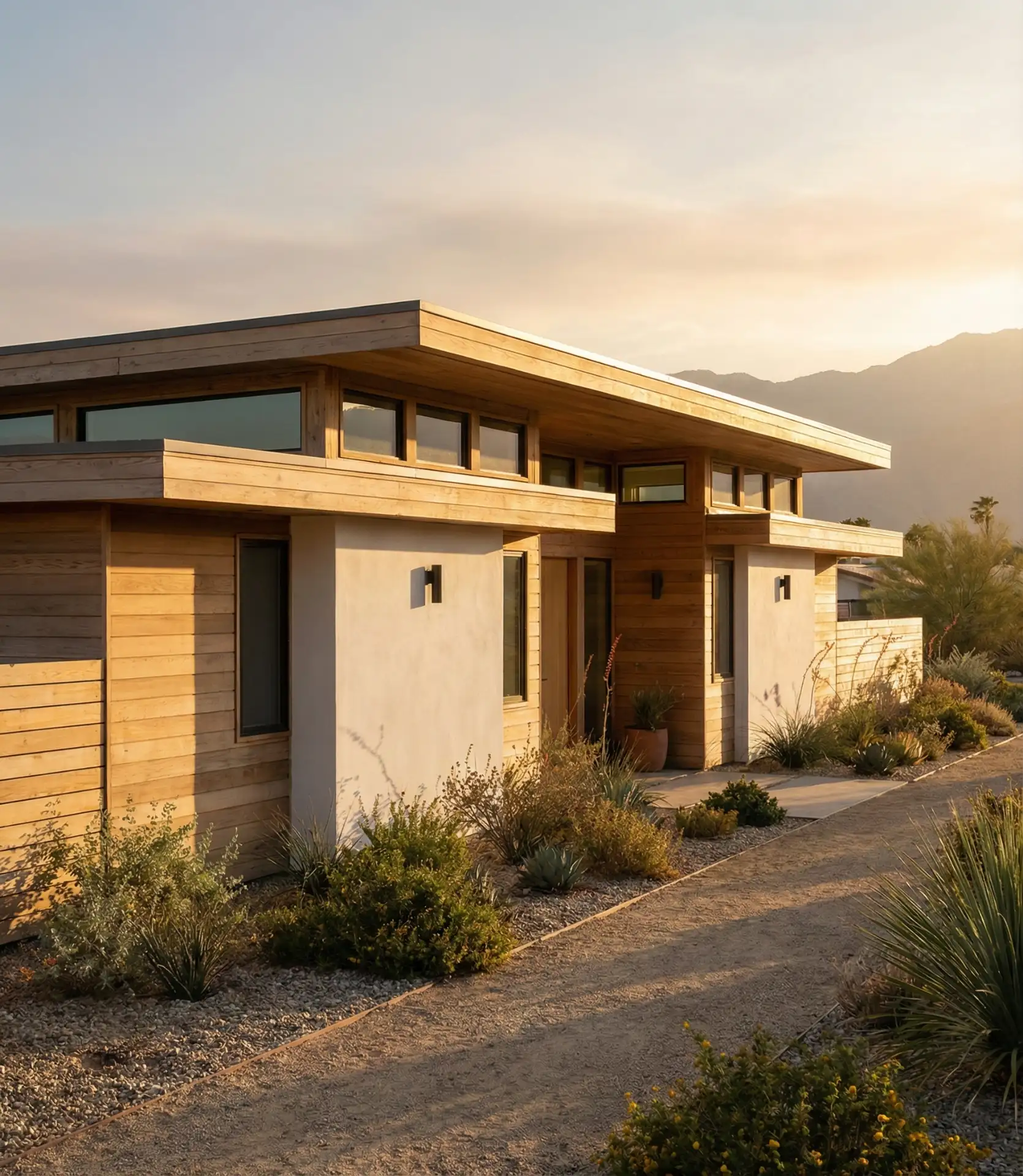
The combination of bungalow history and mid-century modern design creates something new altogether for 2026. Hybridizing elements The hybrid approach keeps the one-story footprint and open feel of traditional bungalows but incorporates clean lines, numerous windows, and a bit of ’50s-level geometry. Steep gables make way for flat or gently pitched rooflines, while natural wood siding—in vertical boards or board-and-batten styles—adds texture, and stone or brick provides a grounding counterpoint. The effect is simultaneously retro and as modern as, well, tomorrow. 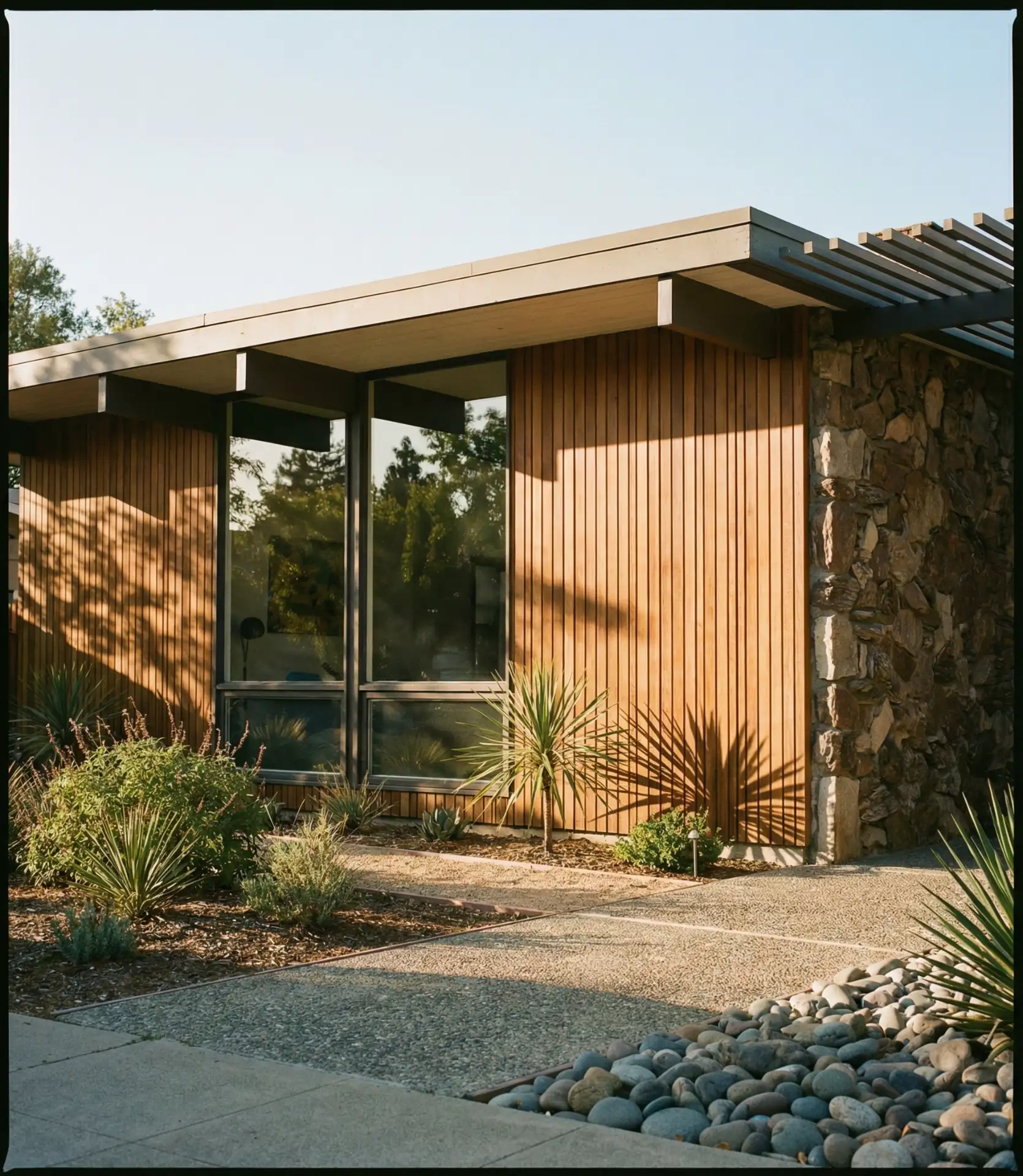
This style is most at home in neighborhoods with mixed architectural periods and no rigid historic guidelines—in other words, transitional suburbs built between the ’40s and ’60s or newer housing communities that are constructed with a mix of home styles. The aesthetic resonates, especially in the Southwest and Pacific Northwest, where modernist traditions run deep and homeowners favor designs that respond to climate with passive solar strategies, natural ventilation, and indoor-outdoor living spaces that stretch out the modest square footage.
5. Bold Color Expression with Designer Paint Palettes
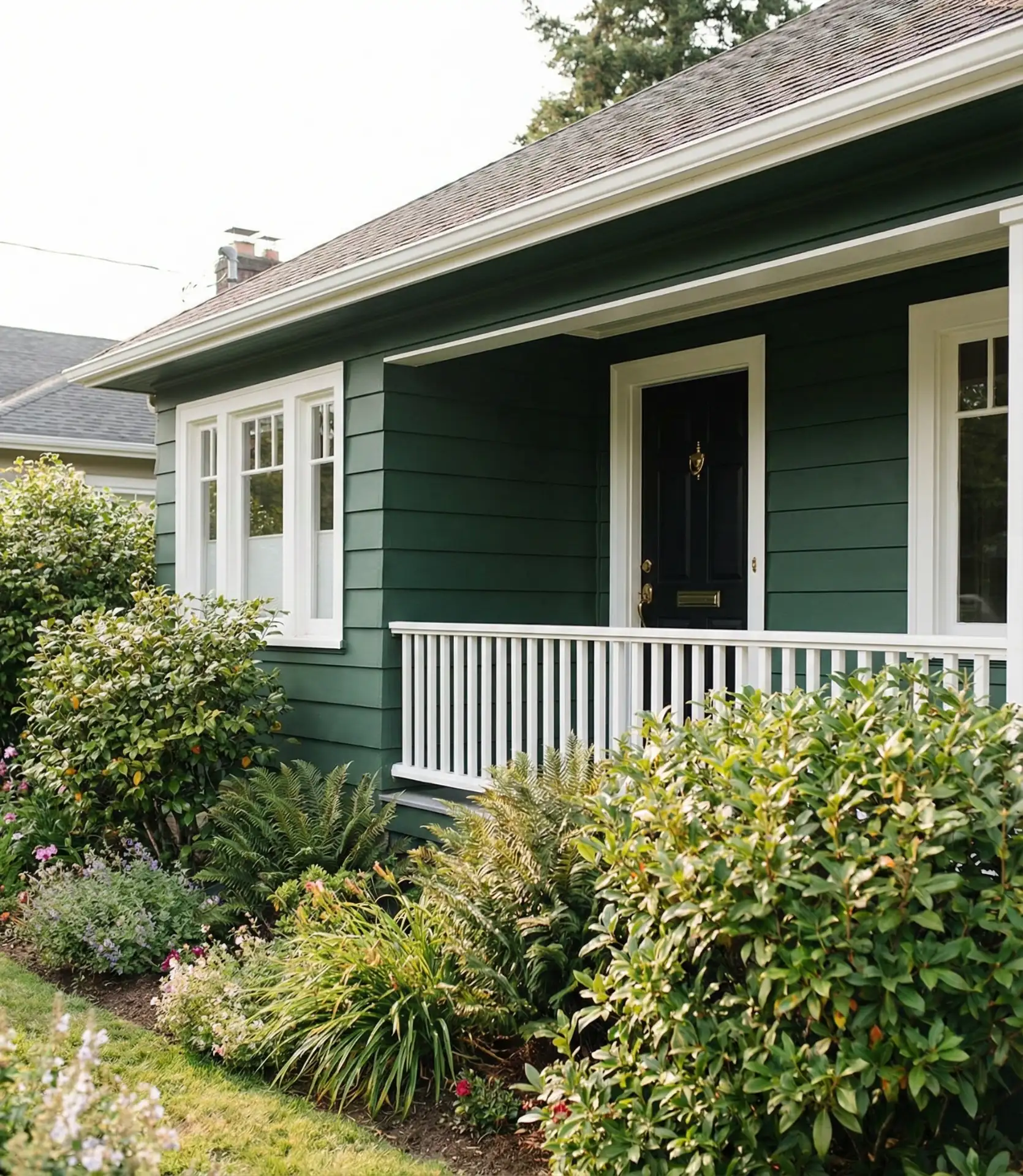
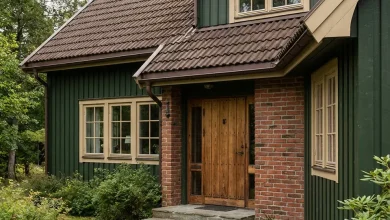
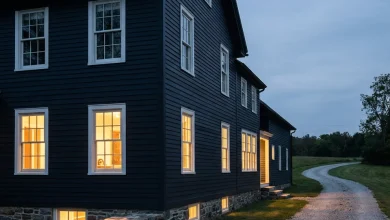
Moving away from safe neutrals, homeowners are embracing paint colors to add unique styles to their bungalows in 2026. Using a rich forest green, navy blue, or charcoal grey for the siding, along with a black or an earthy iron spot color that complements the counters and fixtures, will bring classic appeal to any space. And for smaller bungalows, these saturated colors work particularly well, transforming a bold hue that might look out of scale on larger homes into one that makes the bungalow feel more substantial and architecturally assertive than tiny or apologetic. 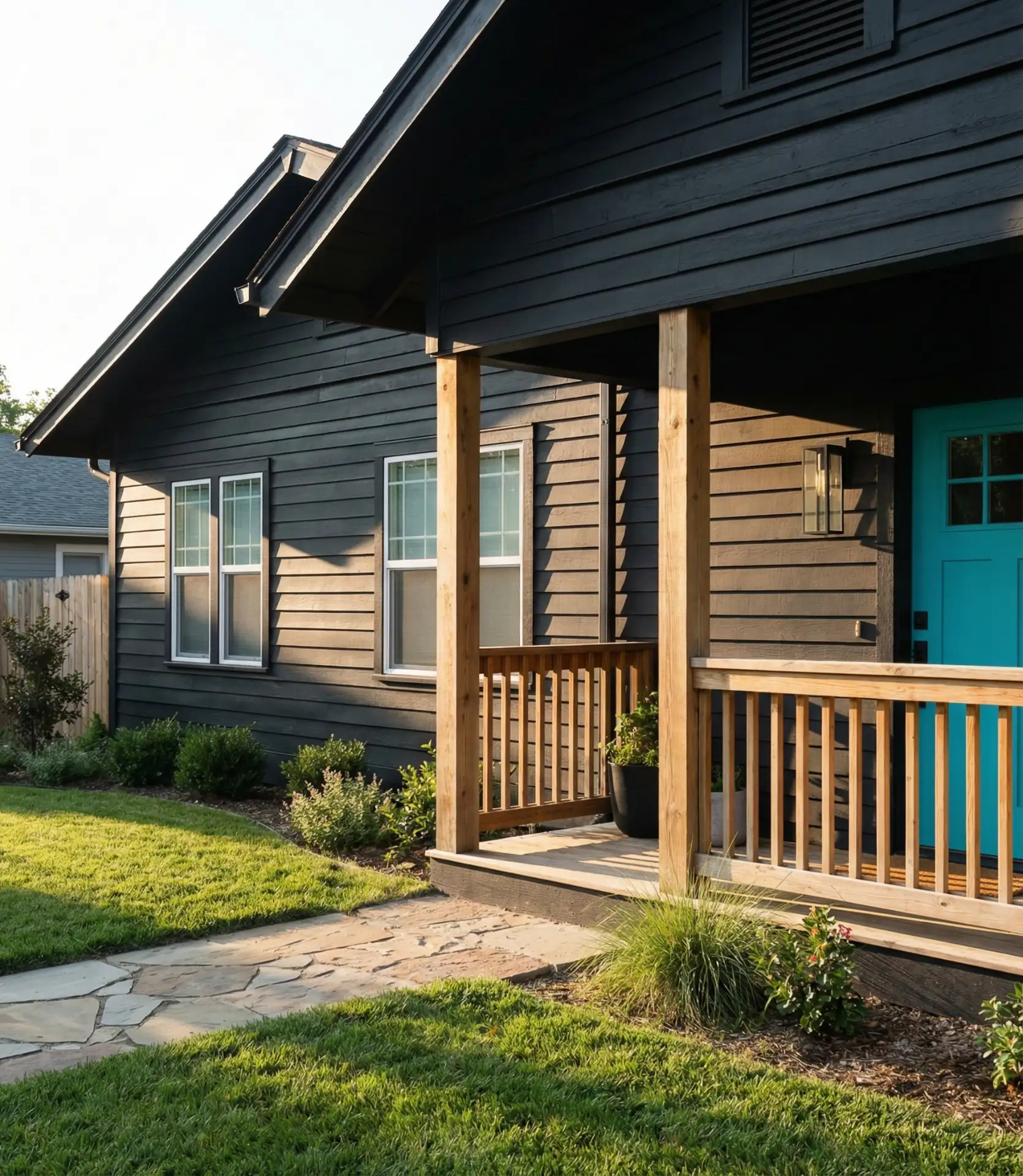
Expert-style commentary from color consultants suggests testing your chosen hue on a 4×4 foot board mounted on the facade, viewing it at different times of day for at least a week before committing. Natural light varies dramatically—what looks sophisticated at dawn might read too dark at noon or shift toward unexpected undertones in evening light. Quality exterior paint in bold colors typically requires two coats over properly primed surfaces, with premium brands like Benjamin Moore Aura or Sherwin-Williams Duration offering superior coverage and longevity worth the $70-85 per gallon investment.
6. Raised Foundation Bungalow with Enhanced Street Presence
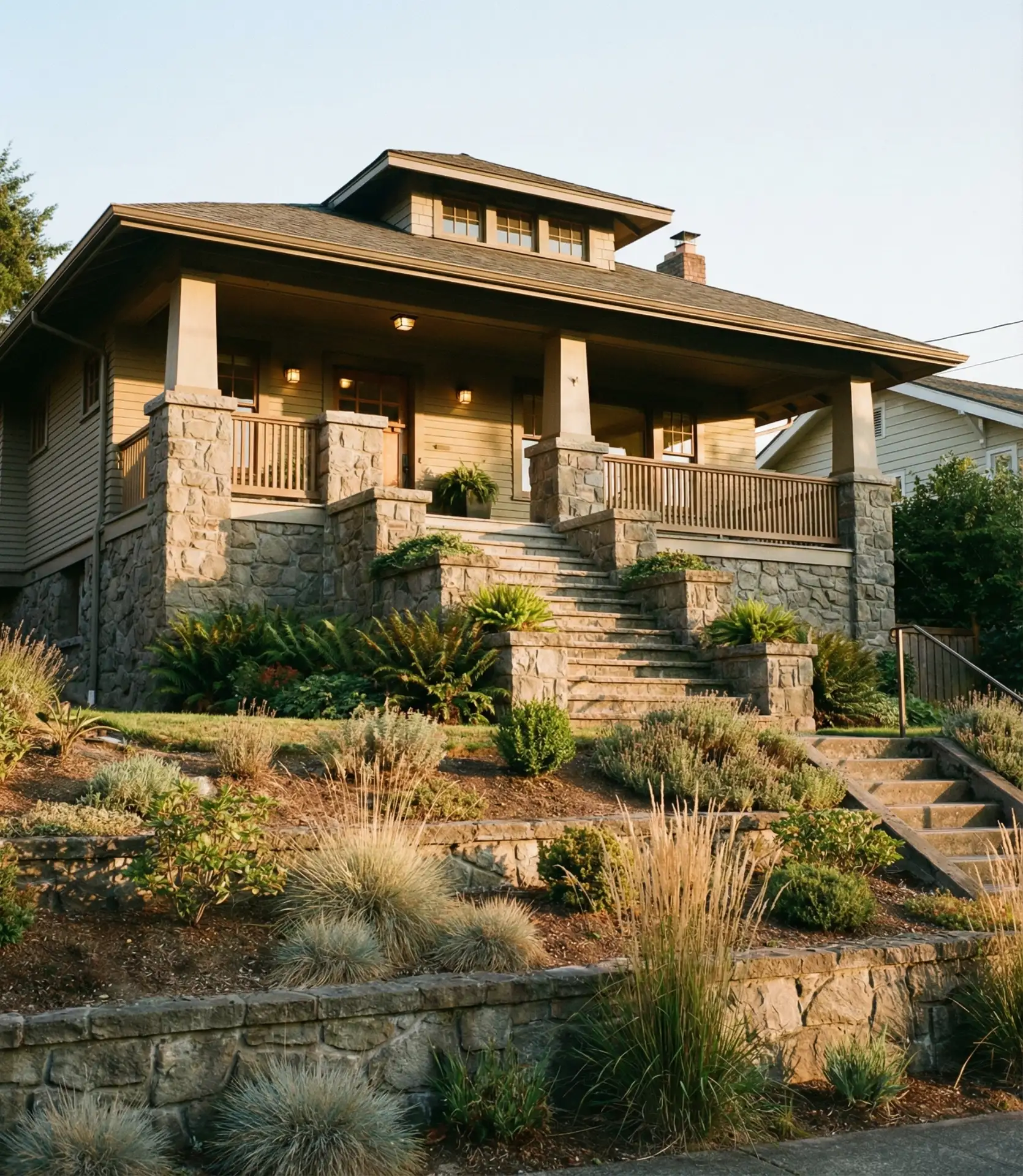
Most classic bungalows are perched on a raised foundation, which not only lifts the house several feet above grade but also allows for underfloor crawl space—super practical in flood-prone areas, on sloping lots, or just to make room for mechanicals and ventilation. Instead of concealing this elevation behind lattice or shrubbery, though, today’s homeowners are drawing attention to it with substantial stone or brick knee walls and wide entry stairs punctuated by planters—and landscaping that provides layers from sidewalk up to porch. When this architectural detail is well detailed, it bestows a weight and opulence on what could feel like a quaint cottage. 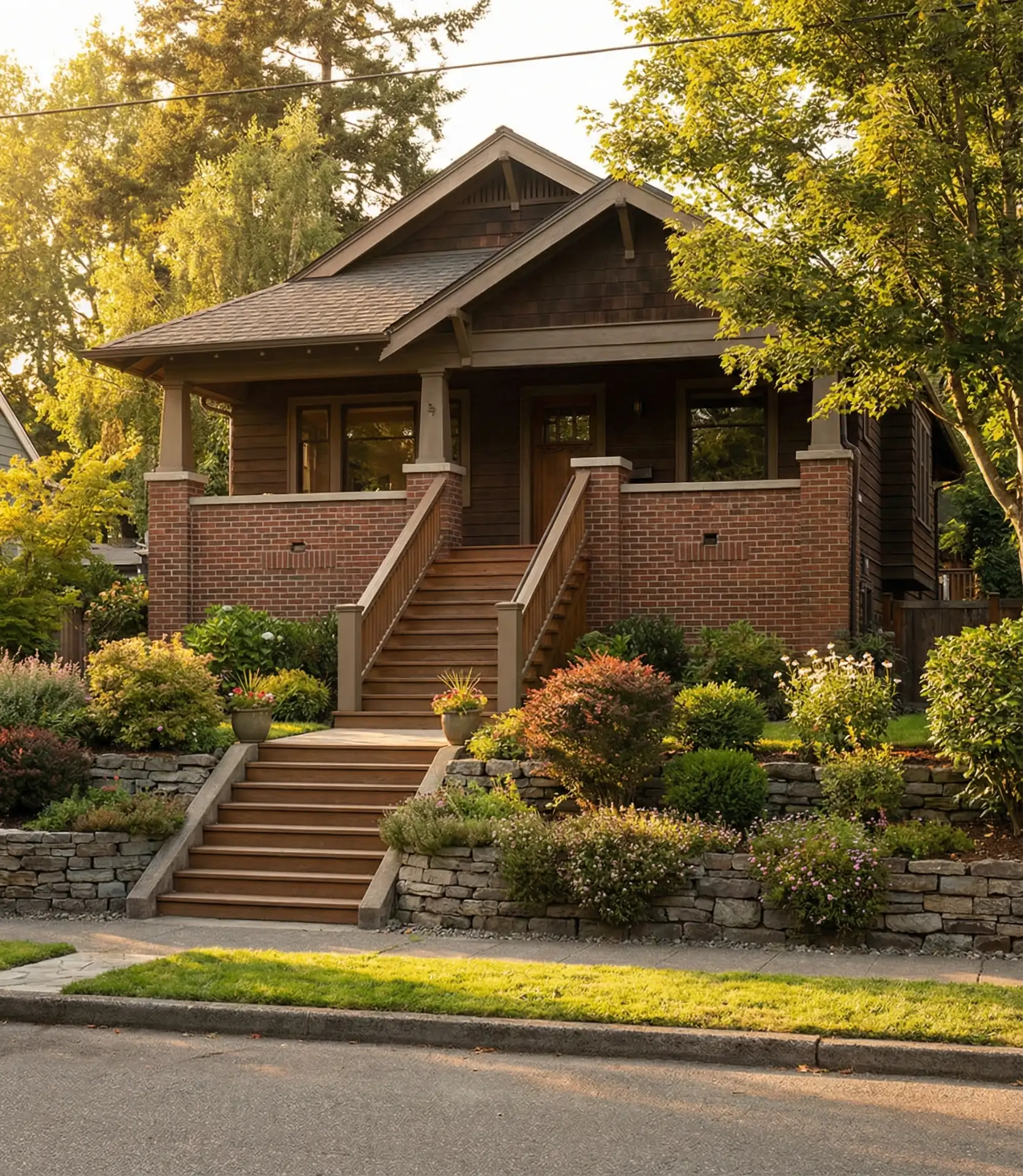
Real homeowner behavior shows that elevated bungalows command 8-12% higher resale values in markets where they’re common, particularly in Southern states where this style predominates. The additional street presence creates psychological benefits—homes feel more established and substantial. However, accessibility becomes a consideration for aging-in-place or multi-generational living. Forward-thinking owners are building pathways and ramps into their landscape designs from the start, using attractive retaining walls and gentle grades that serve dual purposes without looking institutional or added on as an afterthought.
7. Contemporary front-house design with clean lines
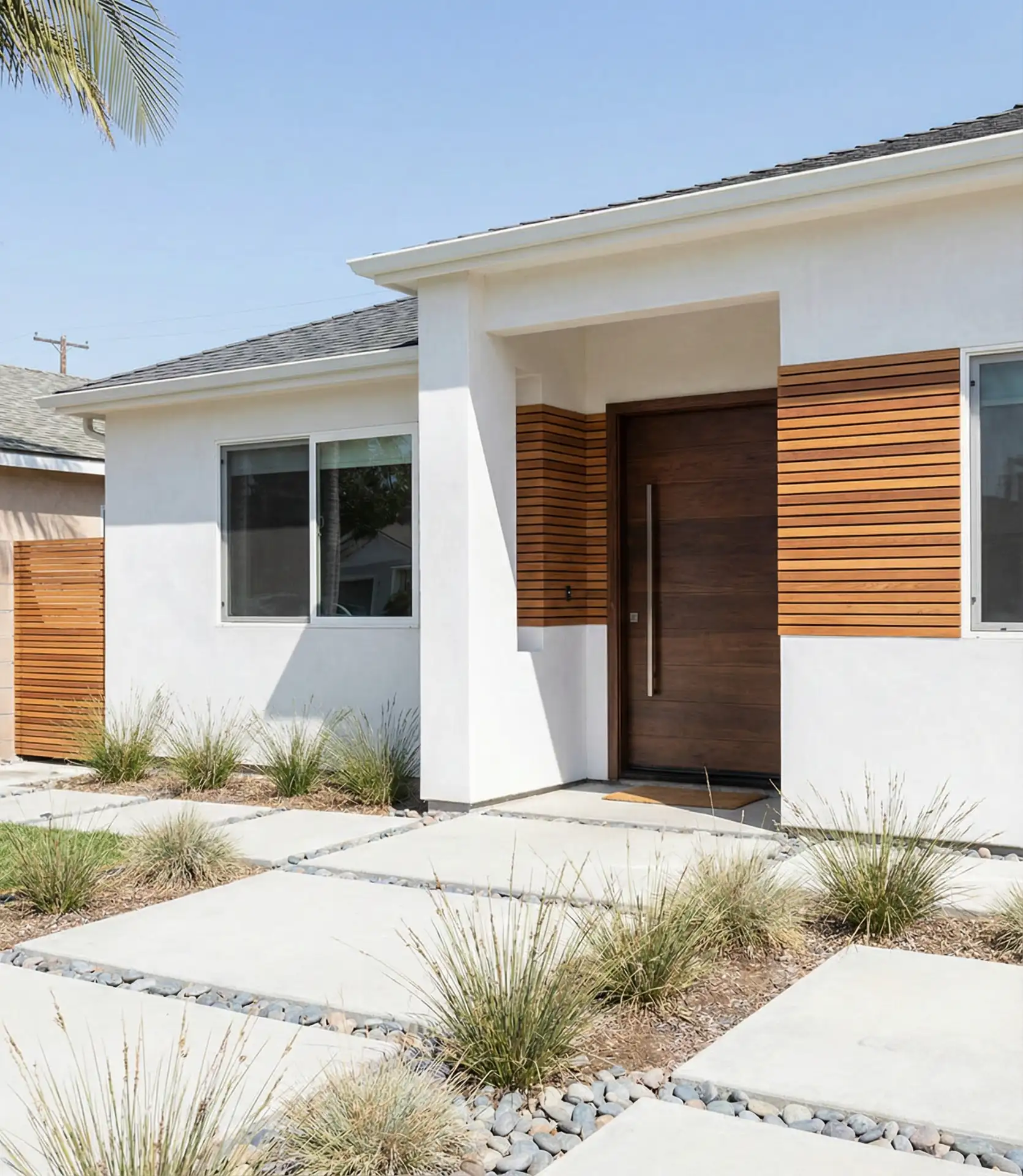
Modern front house design principles offer a compelling direction for homeowners building new bungalows or completely reimagining their street facades. This style removes unnecessary decorations and focuses on simple shapes, horizontal lines, and thoughtfully chosen materials—like smooth stucco with natural cedar or metal siding highlighted by stone. Large windows become architectural statements rather than punched openings, and entries are framed as sculptural moments with overscaled doors, integrated lighting, and minimal but impactful landscaping. The single-story format prevents the contemporary aesthetic from feeling cold or institutional. 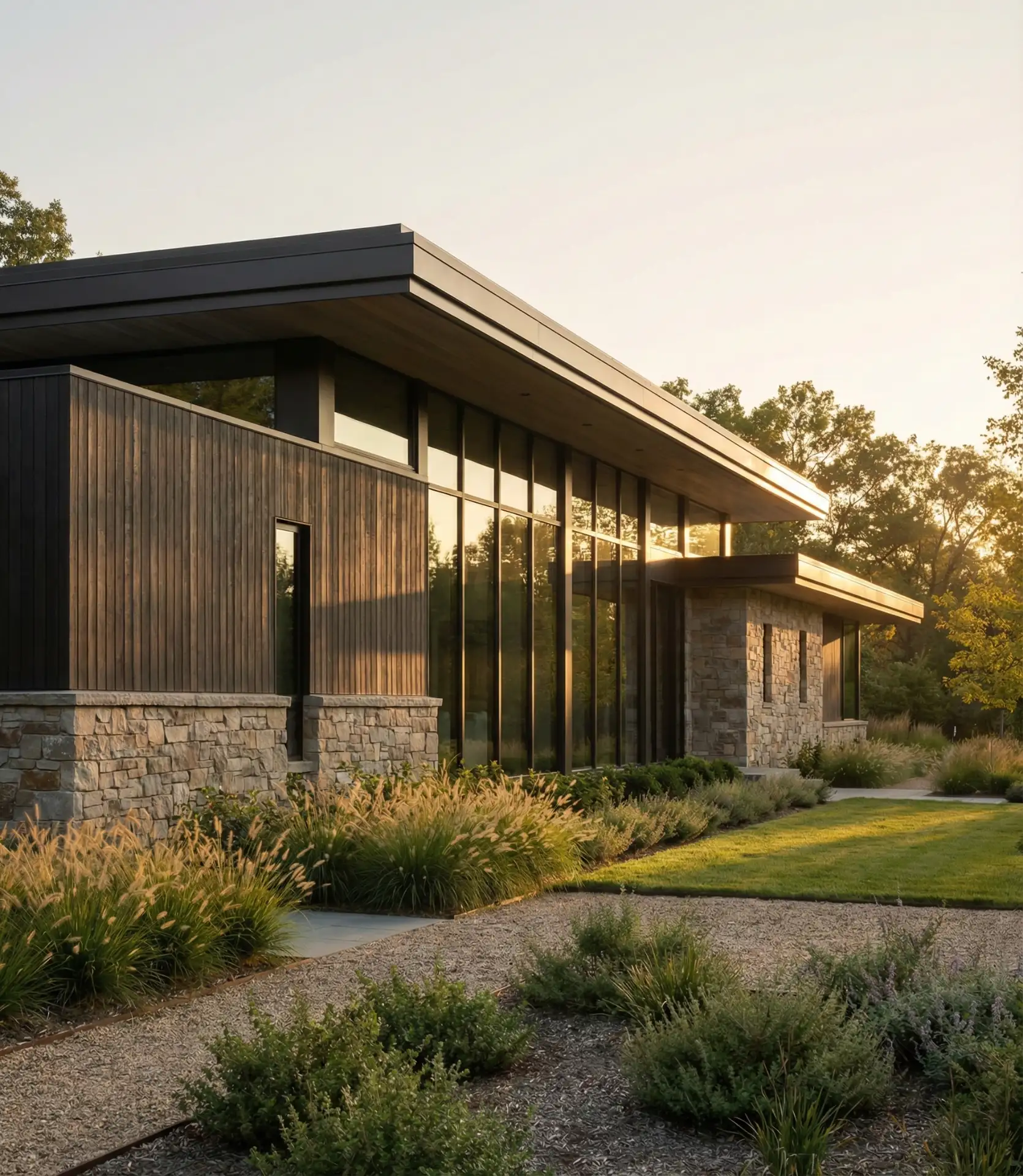
Best used here: new suburban developments, urban infill lots, or sites with no historic character to maintain. The style is particularly popular with homeowners who appreciate indoor-outdoor flow, natural light, and low-maintenance exteriors. Fiber cement panels, standing seam metal roofing, and thermally modified wood are all expensive on a per square foot basis ($200-300/foot when well done) but offer superior durability and aging with savings over the decades and in the end will carry that crisp, design-forward style.
8. 1930s Character Revival with Period-Correct Details
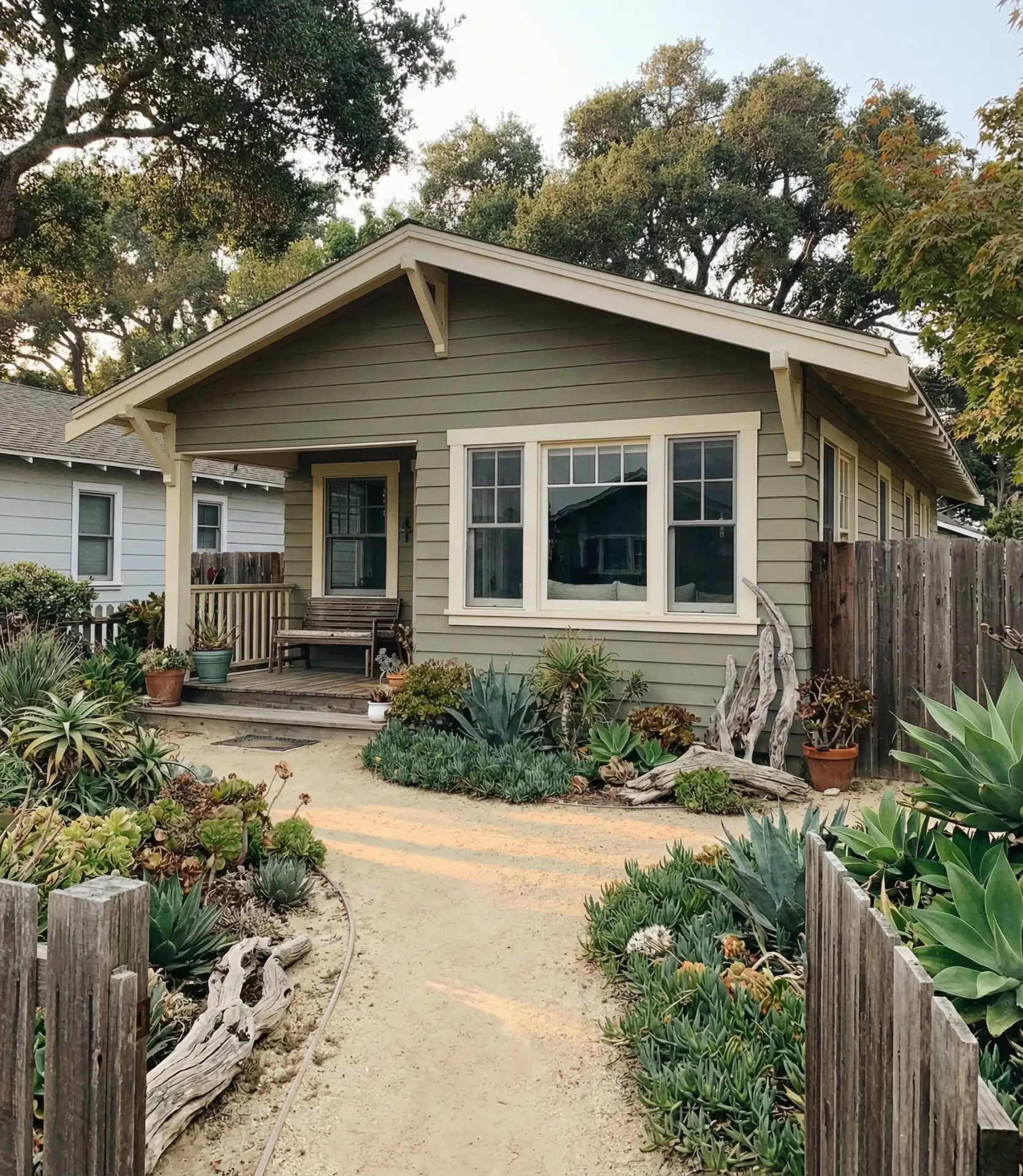
The 1930s Bungalow Period The 1930s saw subtle changes to the bungalow idiom—somewhat simplified details versus ornate Craftsman forebears, a smattering of Tudor and Colonial Revival influence, and practicality born of Depression-era spending power. The revival in these homes today also means paying homage to their simple but appealing charm: windows divided into multiple small panes, utilitarian shed dormers, shallow entry porches propped up by unadorned columns, and color schemes that keep the desirable proportions in the foreground. These bungalows of the era are easy on the eyes and unpretentious, appealing traits for homeowners looking for authenticity versus pretension. 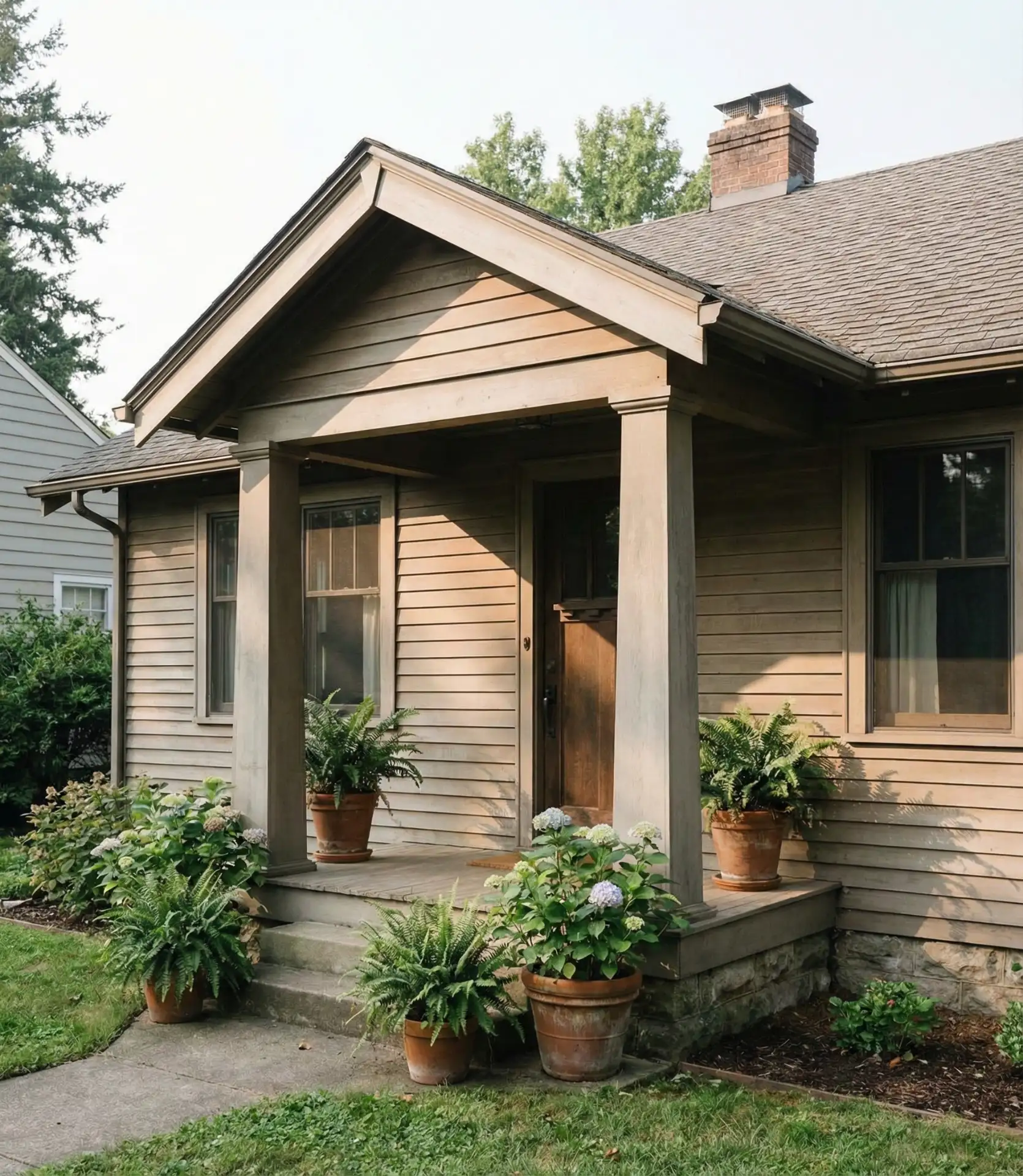
Real-world steer for restoration: Original windows of this era often have rotted sills and sashes but sound frames and excellent glass. Rather than complete replacement, try sash restoration from specialists who rebuild the moving parts but save the original wavy glass and muntins. It costs $300-600 a window, versus $800-1200 for quality replacements, has historical authenticity and warmth, and often has better thermal performance once properly weather-stripped (old-growth wood moves less with humidity than the plywood that almost all windows are made of today).
9. Indian-Inspired Bungalow with Cultural Fusion
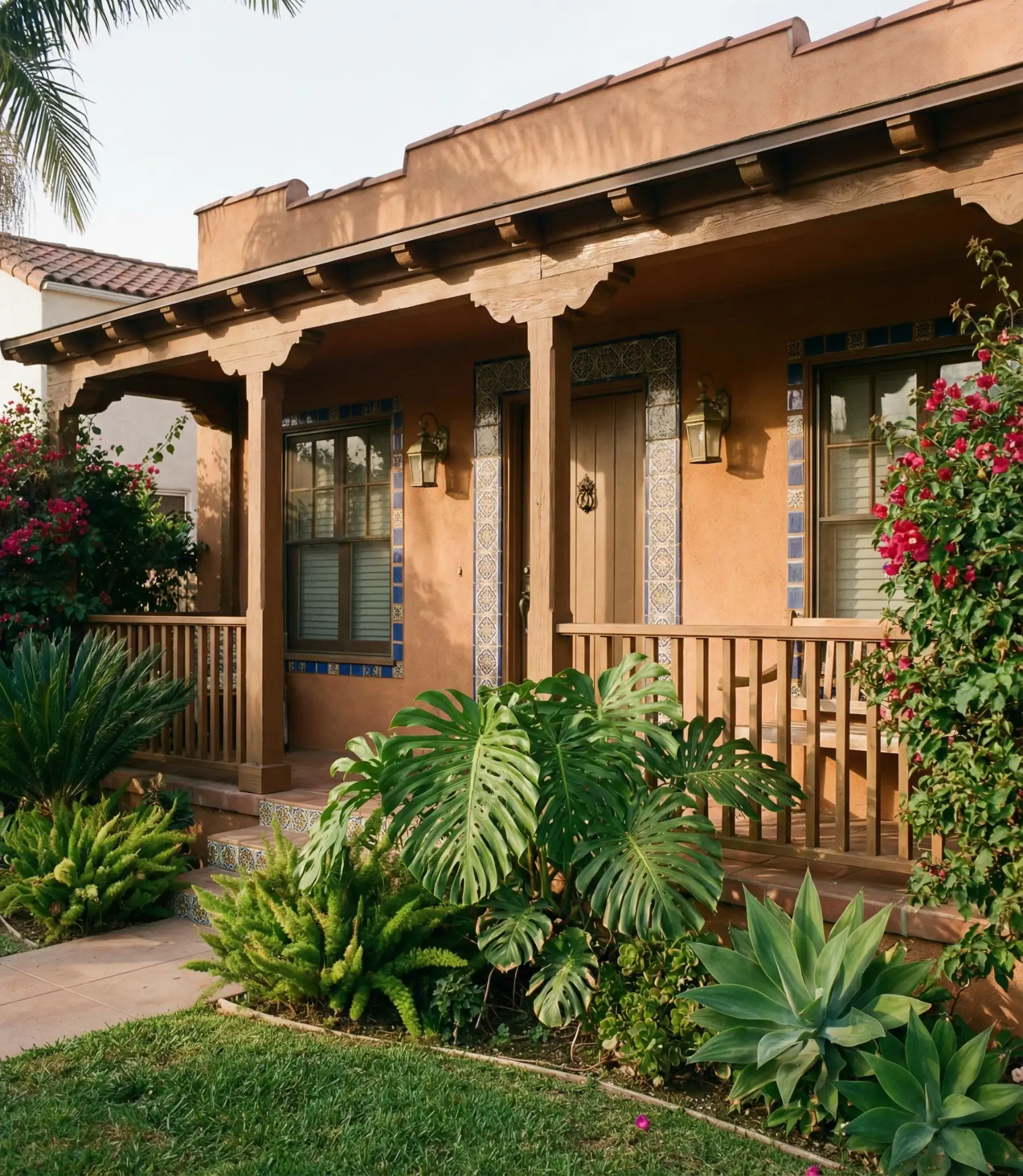
American bungalows can include Indian architectural touches and details to create a house that respects tradition while fitting into their neighborhood environment. This could translate to intricate hand-carved wooden details on porch brackets and railings, paint jobs where rich hues of stucco burn in warm terracotta or saffron, tile work that flanks external doorways, or simply the fact that courtyards in front have been maintained rather than being paved over for parking. The colonial-era bungalows of India, though, actually share DNA with their American counterparts—single-story living, deep verandas, and cross-ventilation were priorities in both countries—which makes this fusion feel organic rather than forced. 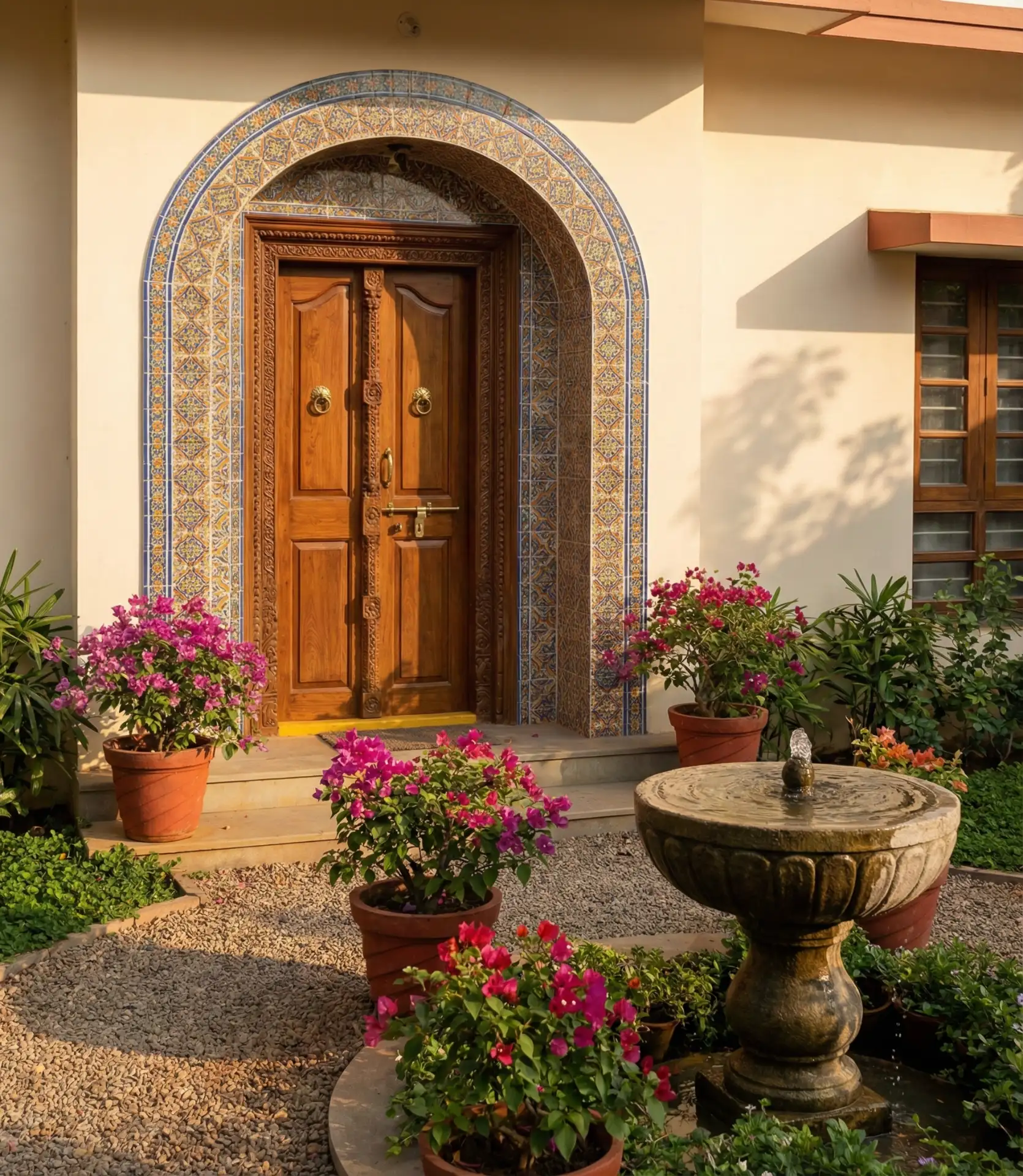
This approach works particularly well in diverse urban neighborhoods or areas with significant South Asian populations where cultural expression feels natural and welcomed. The key is balance—incorporating meaningful elements that represent heritage without creating a theme-park effect. Sourcing becomes part of the journey: carved wooden panels might come from artisans in the homeowner’s region of origin, tiles could be authentic imports, and colors might reference family homes abroad. These aren’t decorator choices but deeply personal expressions that make a house feel truly lived-in and loved.
10. Complete Makeover: Turning an Outdated Bungalow
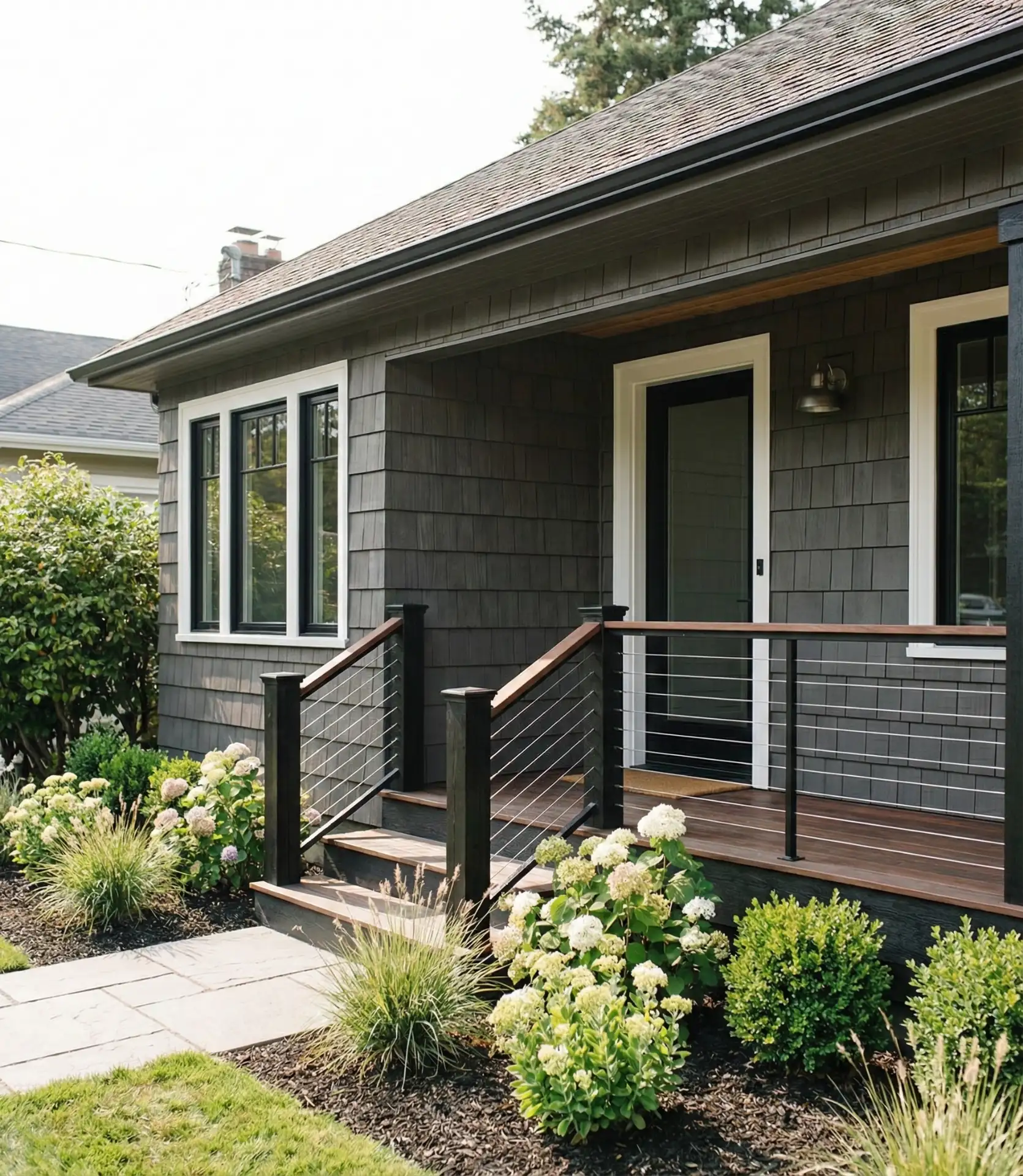
Every once in a while, a bungalow calls for more than just paint: it needs an entirely new look and feel that takes into account decades of inadequate updates, none-too-careful maintenance, and style drift. That means stripping down to the bones and methodically rebuilding the facade with a unified vision: new cladding or restored original, replacement windows that are sensitive to the architecture, rebuilt or reimagined porches, up-to-date roofing, and comprehensive landscaping. The aim is not perfection but transformation—to take what’s there and make it a whole lot better while being respectful of the home’s essential character and neighborhood context. 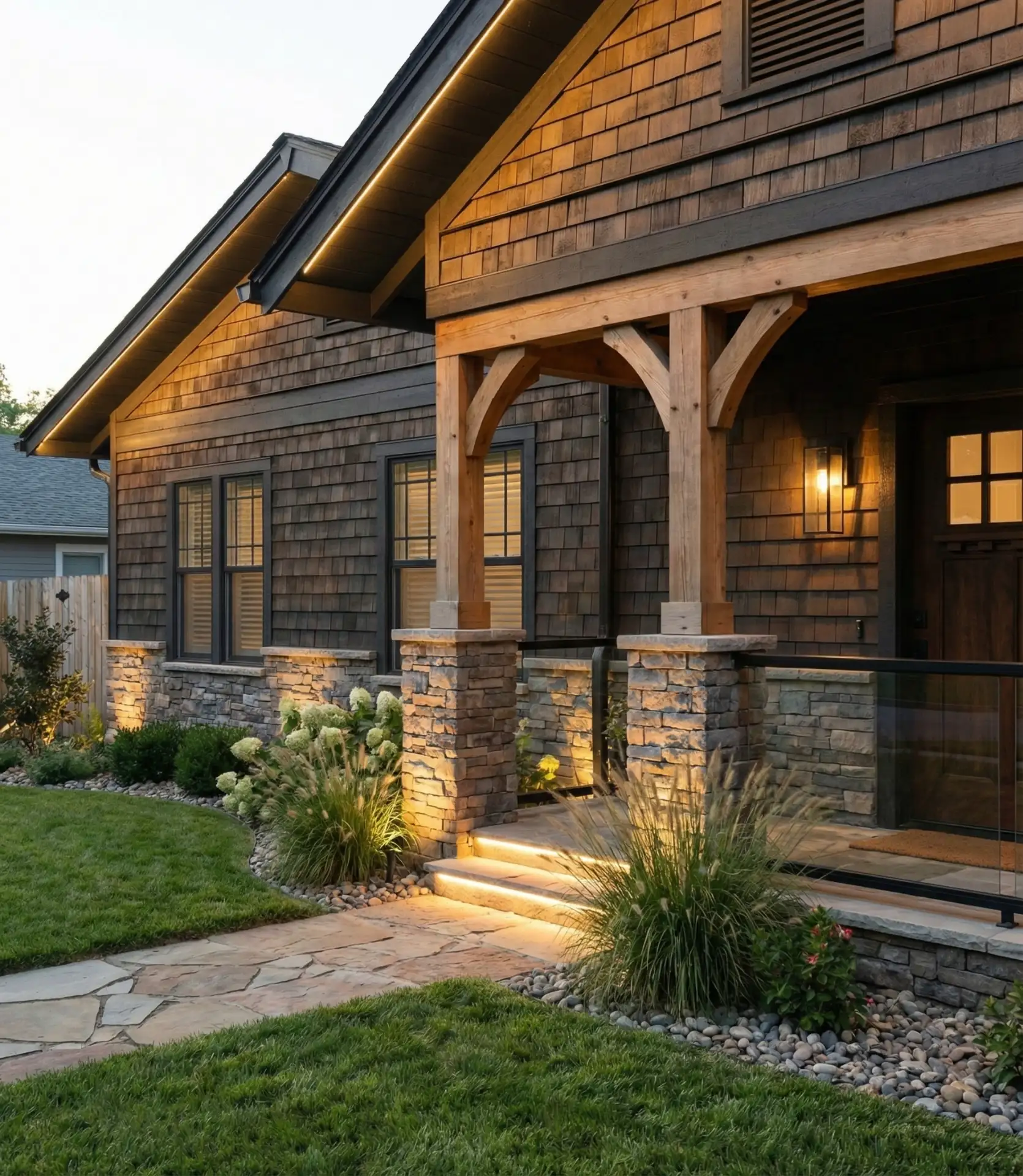
Budget angles are especially important with full makeovers. It costs about $50,000 to $150,000 to do a broad-based exterior renovation depending on scope, materials, and location—a significant expense that can nonetheless be smaller than moving or building new. Here’s why: When you break a project across multiple years, the work becomes more manageable: year one can concentrate on roofing and structural repairs, year two on siding and new windows, and year three on portico rebuilding and landscaping. That spreads costs but also ensures that everything is well-funded and well-executed at each stage, rather than being half-assed while attempting to do it all together.
11. Stone Veneer Accent Walls for Texture and Depth
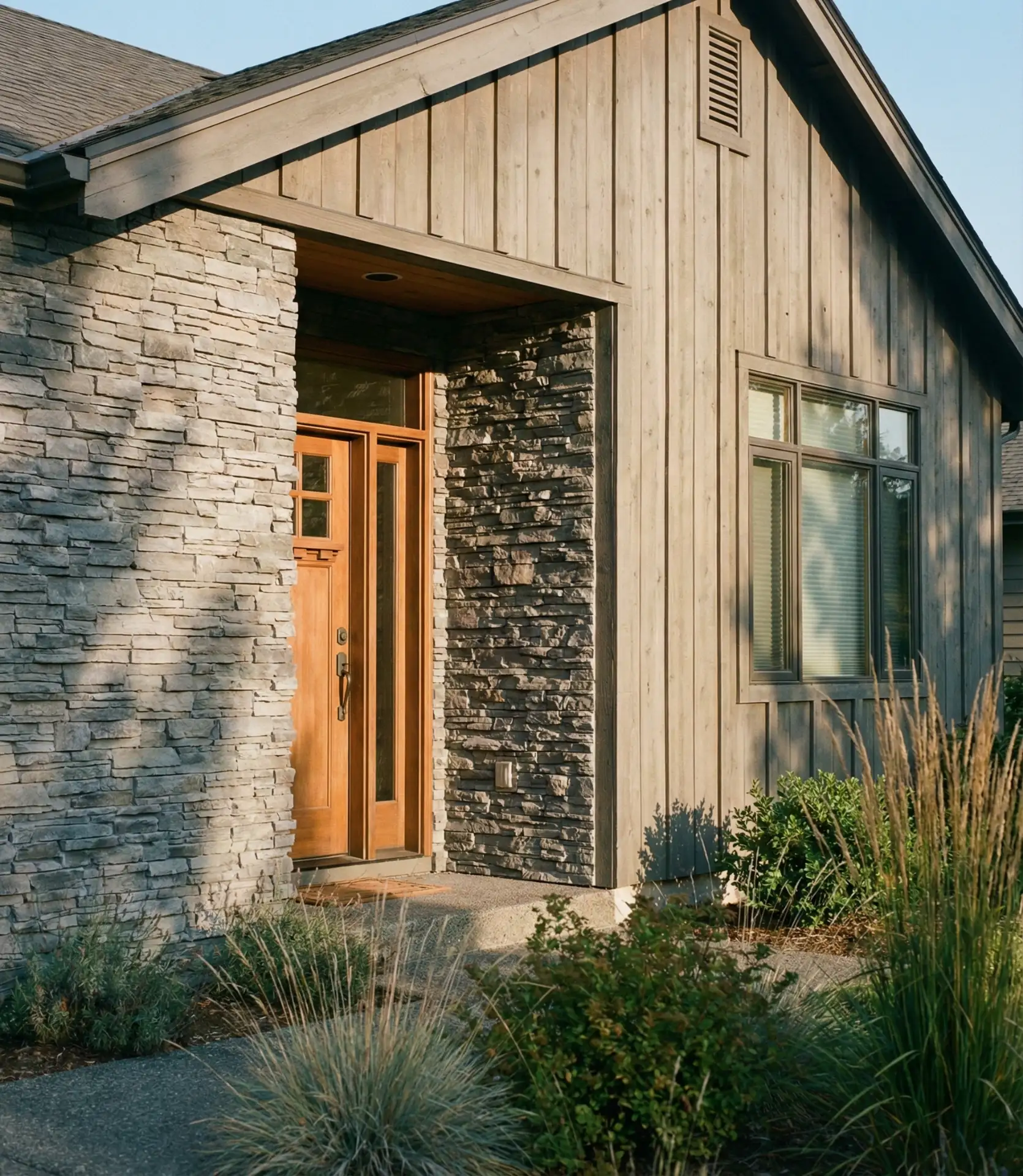
Adding luxury to a bungalow exterior doesn’t always require full-scale renovation—strategic use of stone veneer on accent walls, chimney faces, or foundation areas can dramatically elevate the home’s presence. Modern manufactured stone products look remarkably authentic while weighing a fraction of natural stone, making installation easier and more affordable. These textural elements work beautifully on 1920s craftsman homes where stone originally appeared on porch columns or foundations, extending that material language to create cohesive, high-end curb appeal that feels intentional rather than added-on. 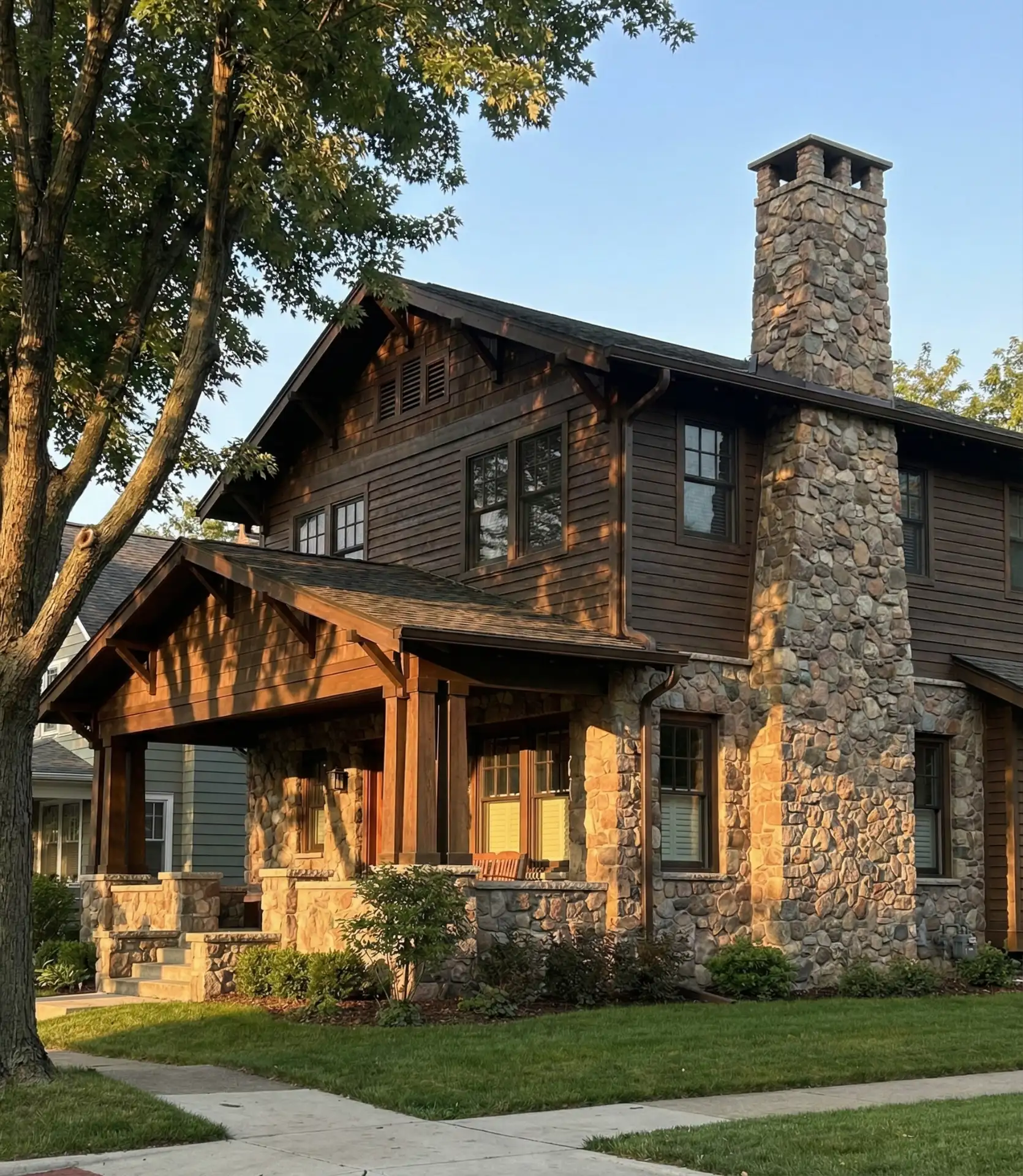
My contractor friend in Denver specializes in stone veneer installations and says the biggest mistake homeowners make is choosing stone that’s too uniform or obviously fake. He recommends mixing stone sizes and selecting products with natural color variation—products like Cultured Stone or Eldorado Stone offer realistic profiles. A typical accent wall runs $15-25 per square foot installed, so a 150-square-foot chimney face costs $2,250-3,750, delivering major visual impact for a relatively modest investment compared to whole-house siding replacement.
12. Pergola-Enhanced Entry for Architectural Drama
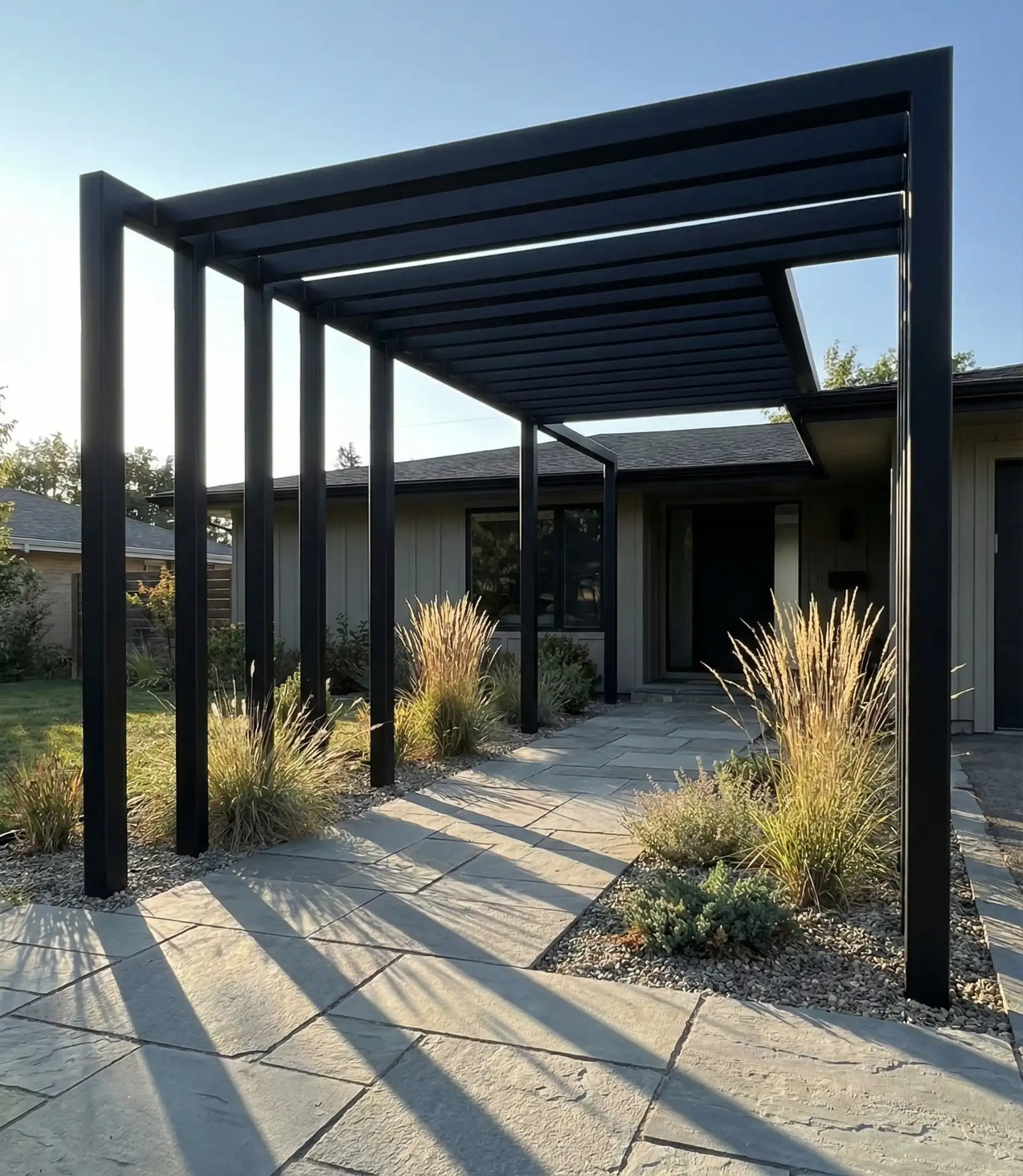
A well-designed pergola over the front walkway or entry creates an extended threshold that adds architectural weight to modest bungalows while providing practical benefits like dappled shade and vertical interest. This design element works across styles—from traditional wooden beams stained to match craftsman trim to sleek powder-coated metal versions that complement contemporary updates. The pergola frames the approach to your home, creating anticipation and ceremony even on a short path from sidewalk to door. Climbing vines like wisteria or roses soften the structure while enhancing privacy and seasonal color. 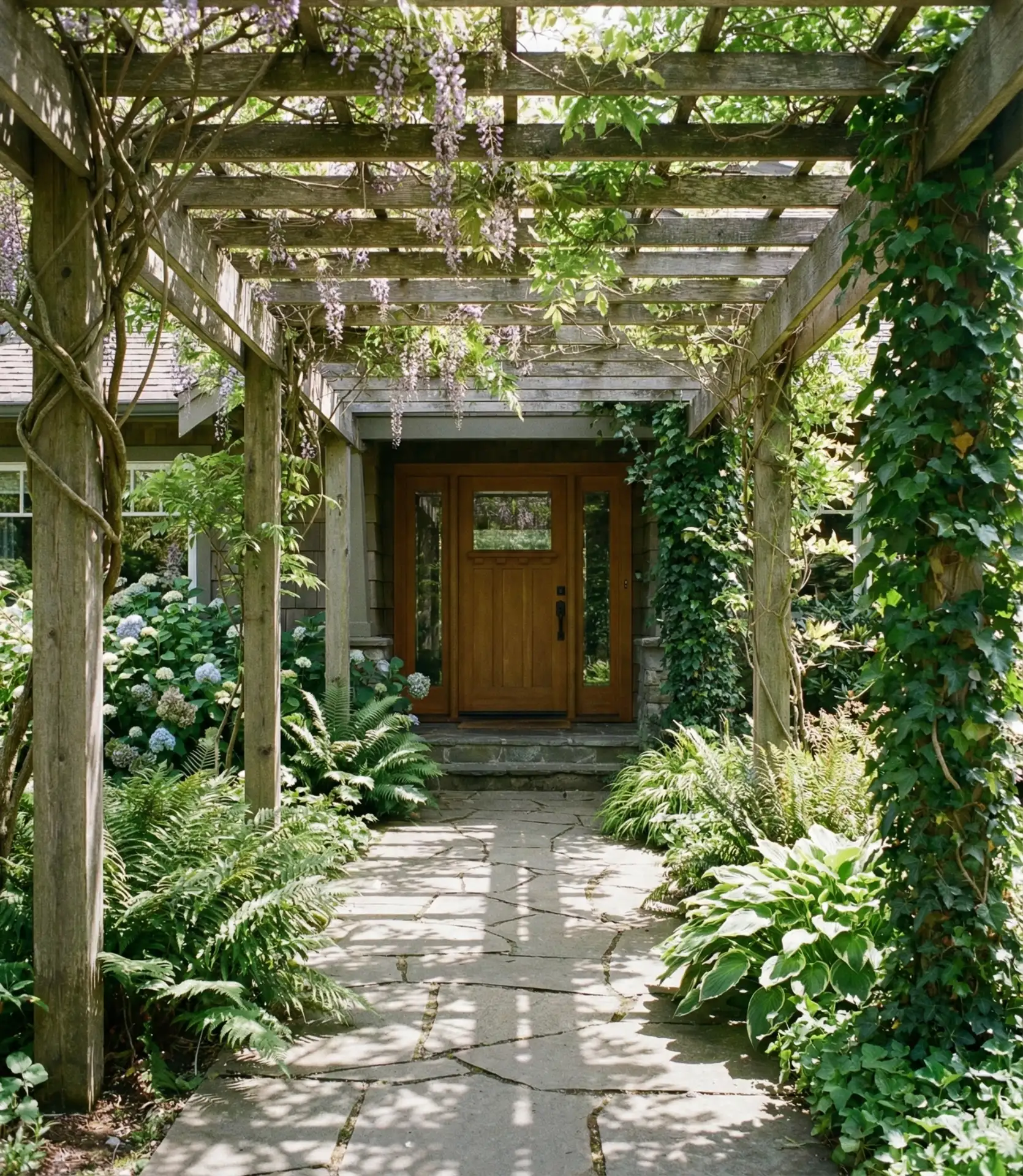
This treatment works best on properties with at least 15–20 feet of front yard depth, allowing the pergola to feel proportional rather than cramped. Corner lots or homes set back from the street are ideal candidates. The structure also solves common bungalow issues—if your porch is undersized or your entry lacks presence, a pergola-covered walkway compensates by creating that transitional space from public to private. Expect costs between $3,000 and $8,000 depending on materials, size, and whether you hire out or DIY the installation.
13. Dutch Colonial Gambrel Roof Variation
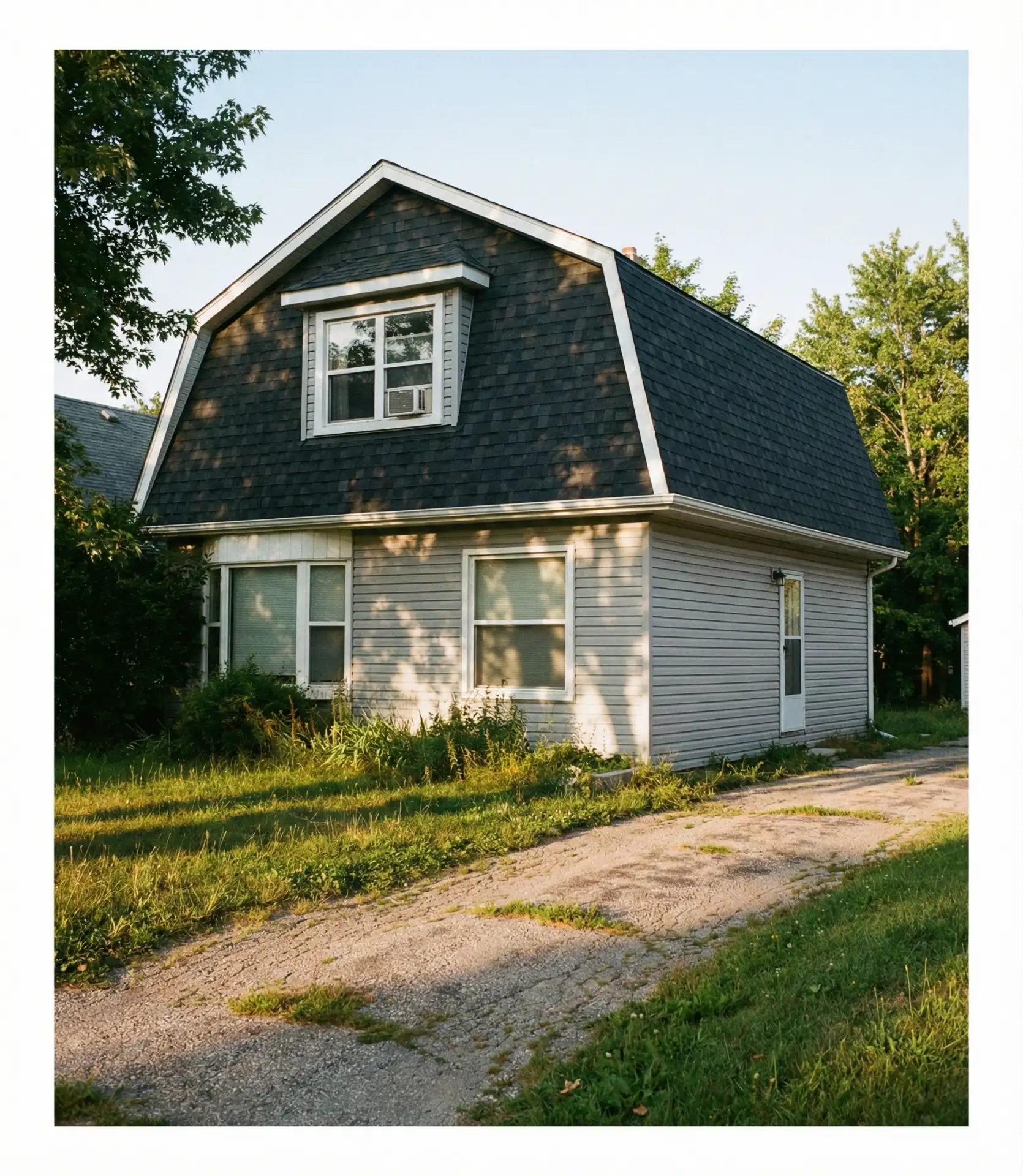
Although traditional bungalows usually have low-pitched gable or hip roofs, some homebuyers are experimenting with gambrel roof profiles that create useable attic space while still living on a single story on the main floor. The Dutch Colonial facade in turn creates a unique profile that distinguishes the home from its neighbors with the abundant standard roof type, even as the double-pitched design opens up interior volume without quite turning into an entire second story. The look contrasts well with craftsman-like details below—wide eaves, exposed rafters, and substantial trimwork counter the curves of the roof with some horizontality. 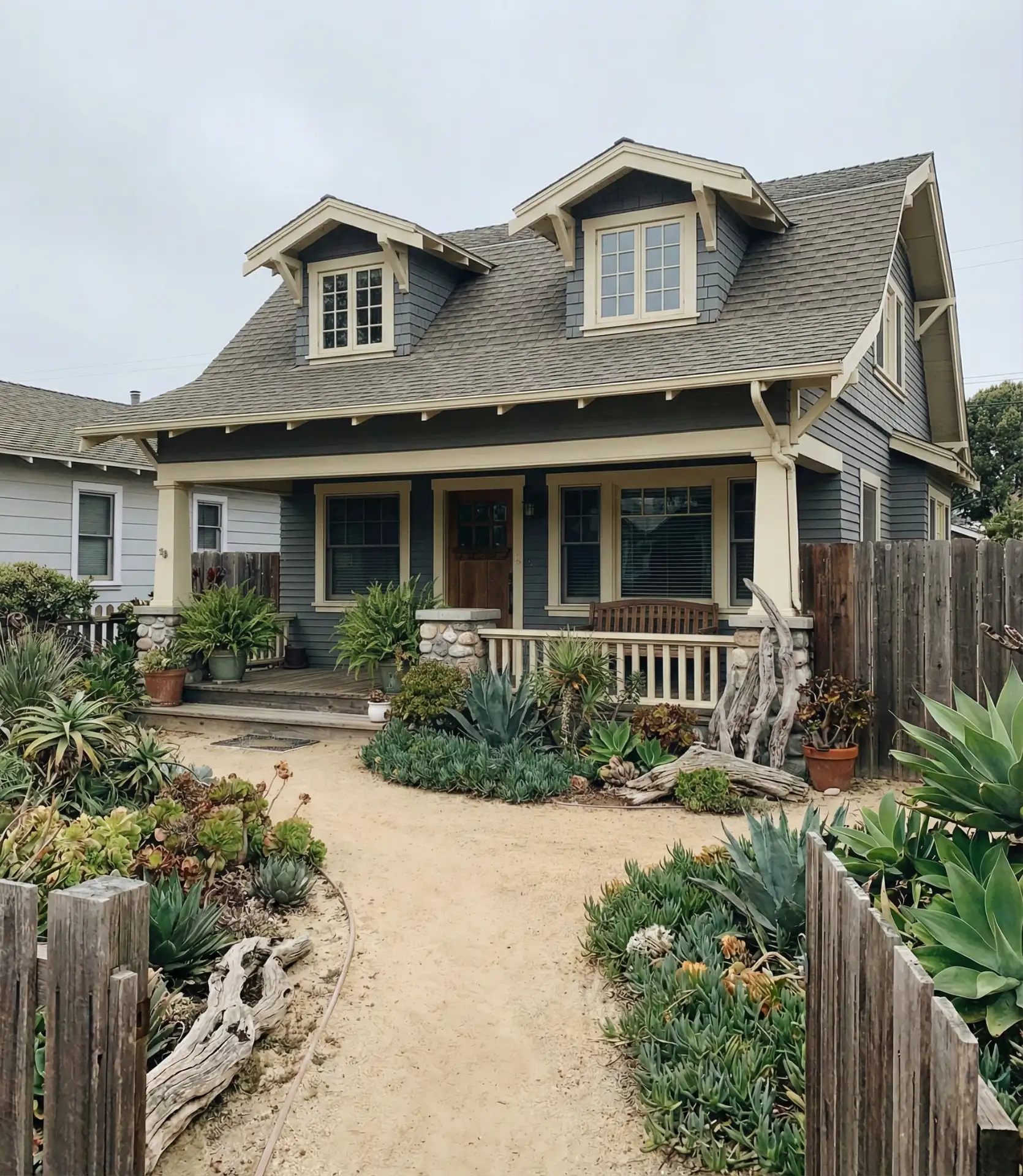
Architects provide expert advice for an addition like this, which clients can use to finish off the attic for home offices, studios, or guest rooms without adding the massing of a traditional two-story addition. The gambrel roof allows for full-height ceilings in the middle of the attic while still maintaining a bungalow scale overall. Re-roofing with a gambrel profile is pricier than straightforward replacement—about $25,000 to $45,000, including structural changes, dormers, and finished interior space—but it provides substantial functional square footage that would be much pricier through horizontal additions.
14. Farmhouse-Inspired 2–1/2 board and batten siding
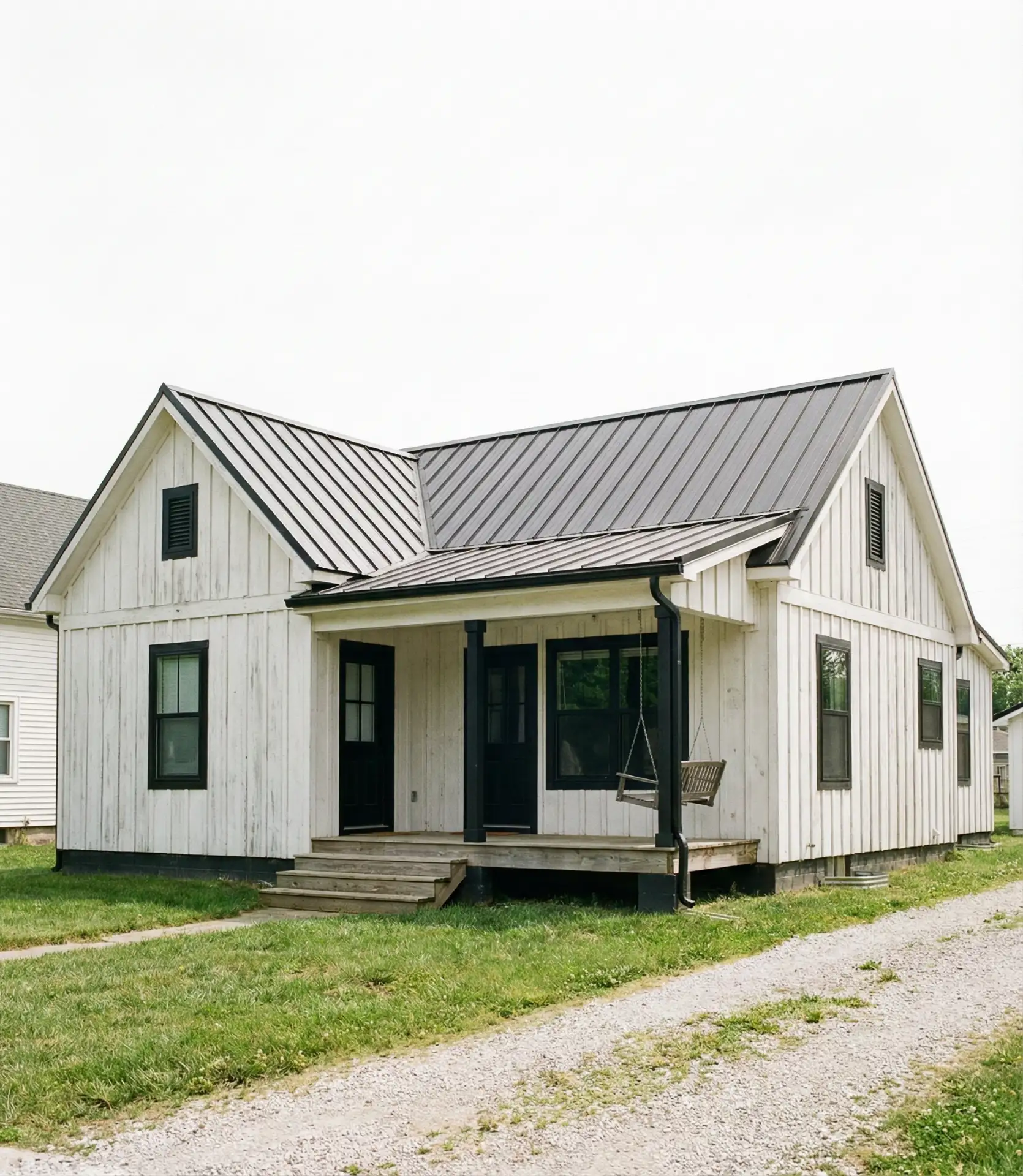
Trading horizontal lap siding for vertical board and batten creates instant farmhouse charm while working beautifully with bungalow proportions. The vertical lines add height perception to low-slung homes, and the shadow lines between boards create texture that reads well from the street. This siding style particularly suits white or light-colored paint schemes where the board-and-batten relief becomes architecturally expressive. The look bridges traditional and modern sensibilities—it’s both historically rooted and currently fashionable, making it a safe choice for homeowners concerned about dated aesthetics down the road. 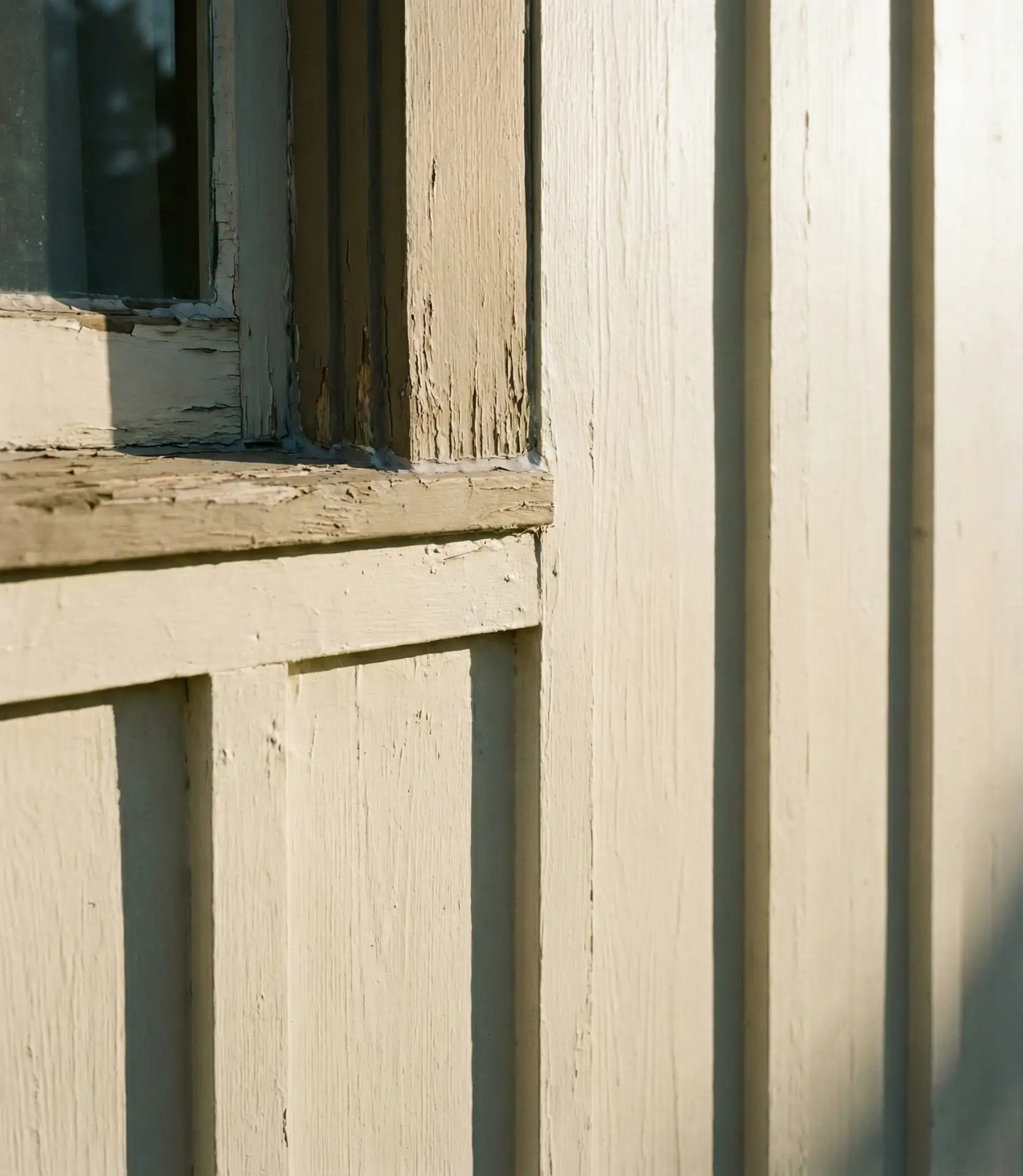
Real homeowner behavior shows that board and batten appeals particularly to younger buyers (ages 28-45) who grew up with HGTV and Pinterest inspiration boards filled with modern farmhouse imagery. The style photographs exceptionally well, which matters in an era where curb appeal significantly impacts online listing performance and social media sharing. Installation costs run $8-15 per square foot for fiber cement board and batten, compared to $6-10 for standard lap siding, but the premium buys distinctive style and superior durability.
15. Japanese-Inspired Minimalist Exterior
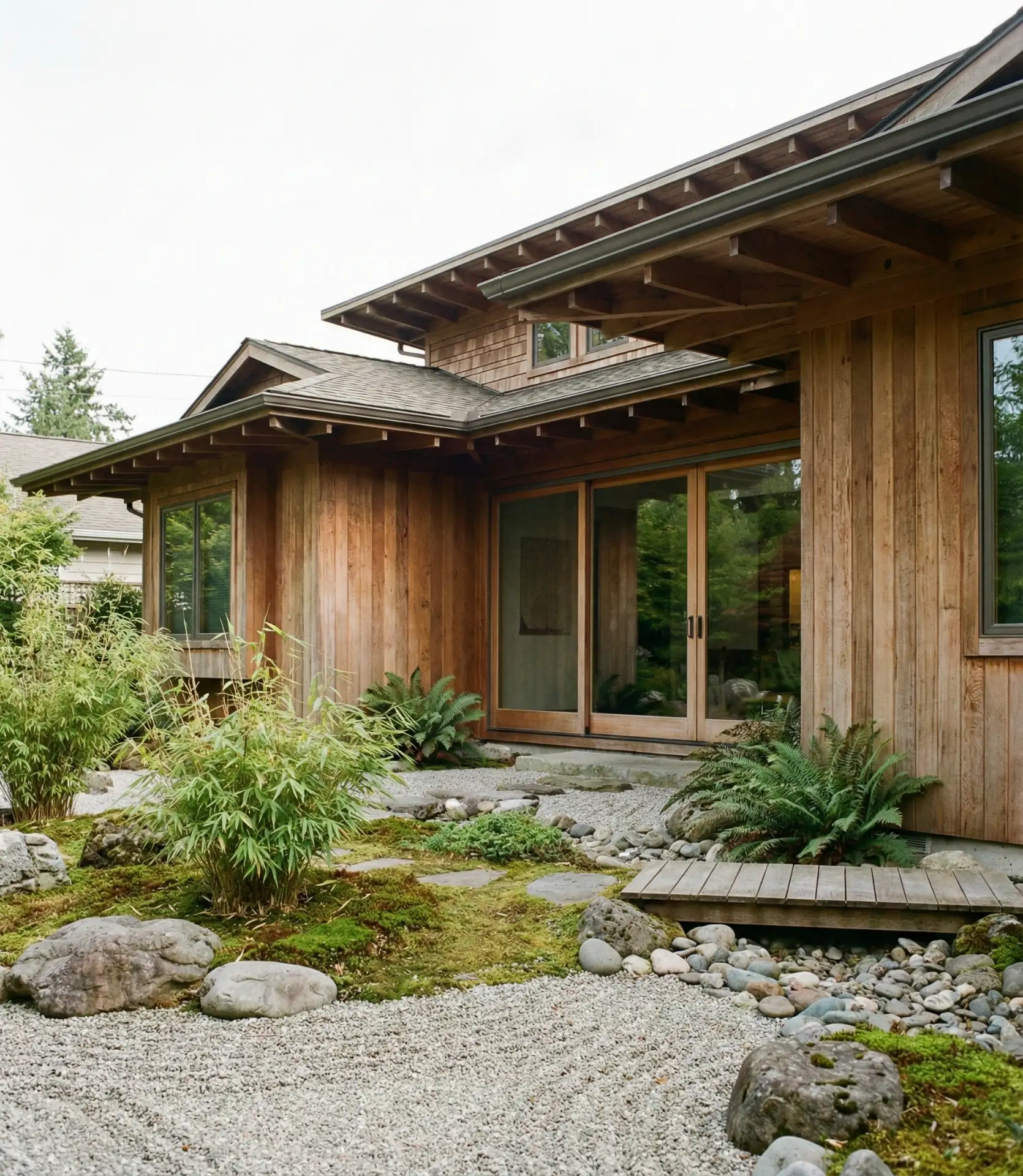
The philosophical alignment between traditional Japanese architecture and bungalow principles—simplicity, natural materials, human scale, indoor-outdoor connection—makes this fusion particularly harmonious. Think clean-lined contemporary forms with natural wood siding, deep overhangs that echo engawa (covered walkways), sliding shoji-inspired screens, and carefully composed gardens with gravel, stepping stones, and sculptural plantings. The palette stays restrained: natural woods, charcoal or black accents, occasional warm gray, and abundant greenery. This approach delivers serene, meditative exteriors that feel both timeless and utterly current. 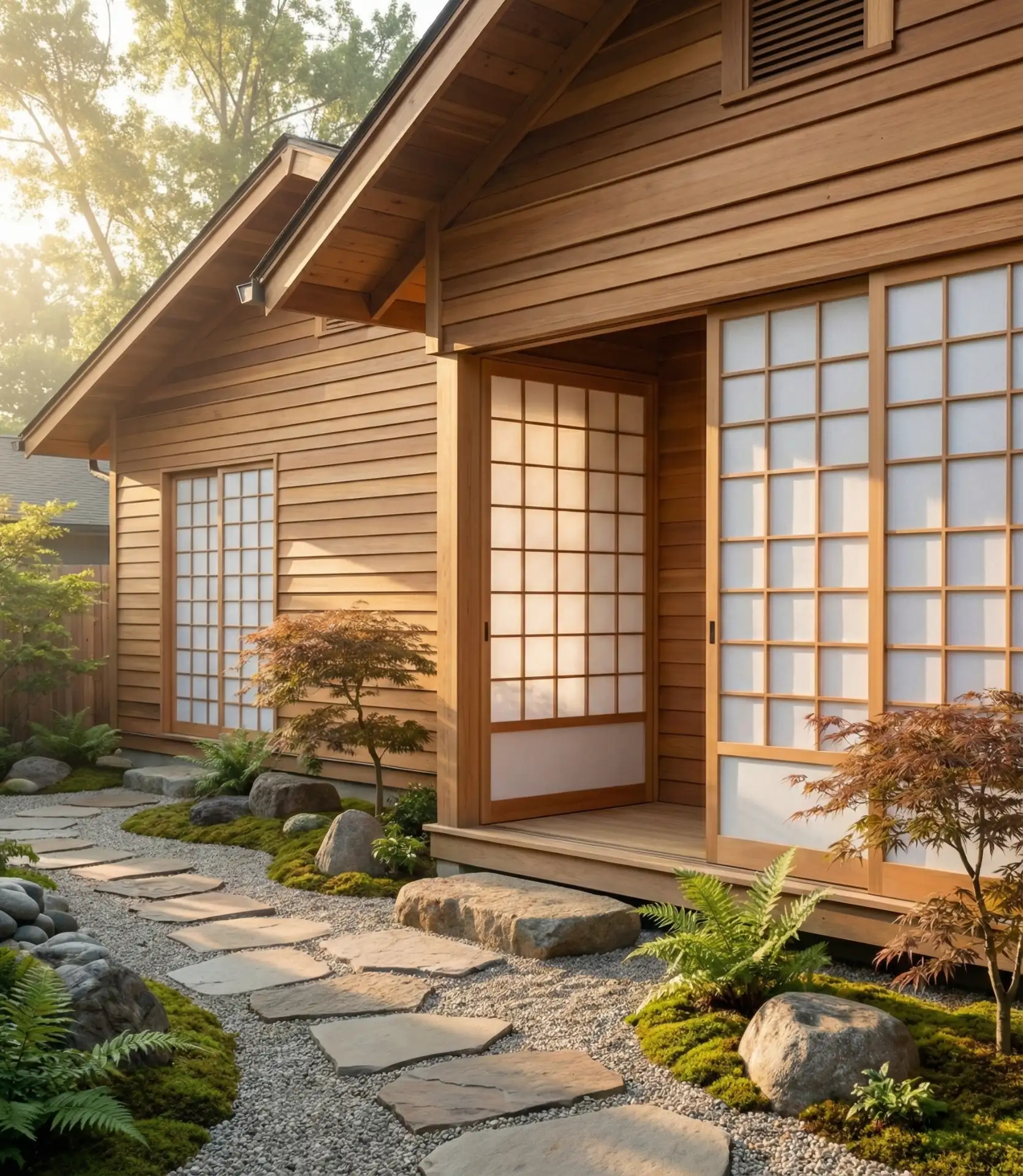
Where this strategy works best: urban settings where small lots benefit from minimalist landscaping that maximizes usable space; temperate West Coast climates where the Japanese aesthetic has historical roots; or any location where homeowners value tranquility over ornament. The style demands restraint—every element must be intentional, and every material must age gracefully. That discipline can be challenging for homeowners accustomed to more-is-more American residential design, but those who commit to the philosophy find profound satisfaction in spaces that breathe rather than shout.
16. Southern-Style Wraparound Porch Adaptation
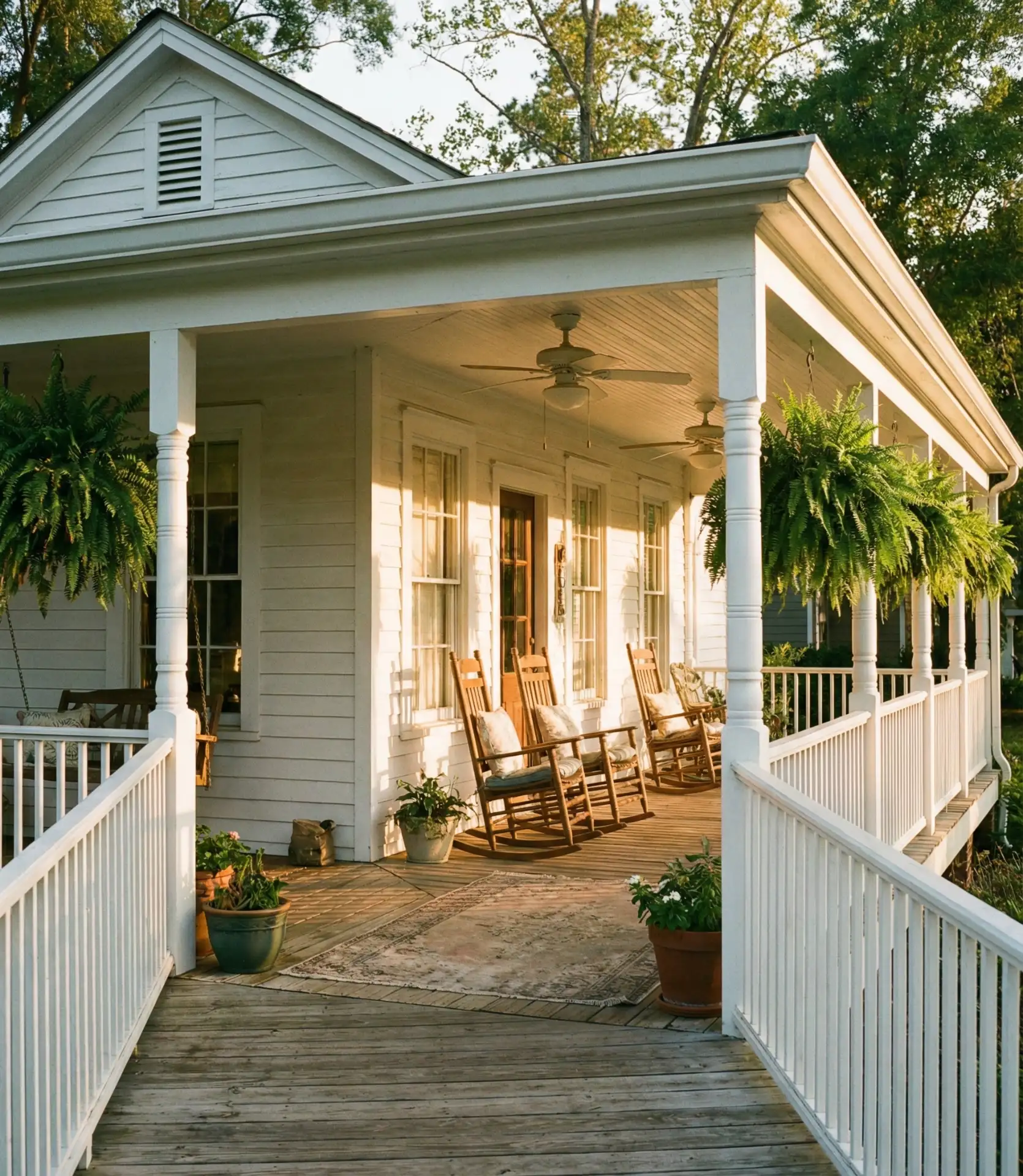
Many bungalows have modest front porches that could extend along one or both sides, creating that coveted wraparound porch that defines Southern hospitality and outdoor living. This addition transforms how the home functions, providing shade on multiple exposures, creating outdoor rooms for different times of day, and dramatically improving curb appeal. The design works whether you’re restoring a 1930s home that originally had this feature or adding it to a simpler bungalow that could benefit from expanded outdoor space. Paint the porch ceiling haint blue for authentic regional character. 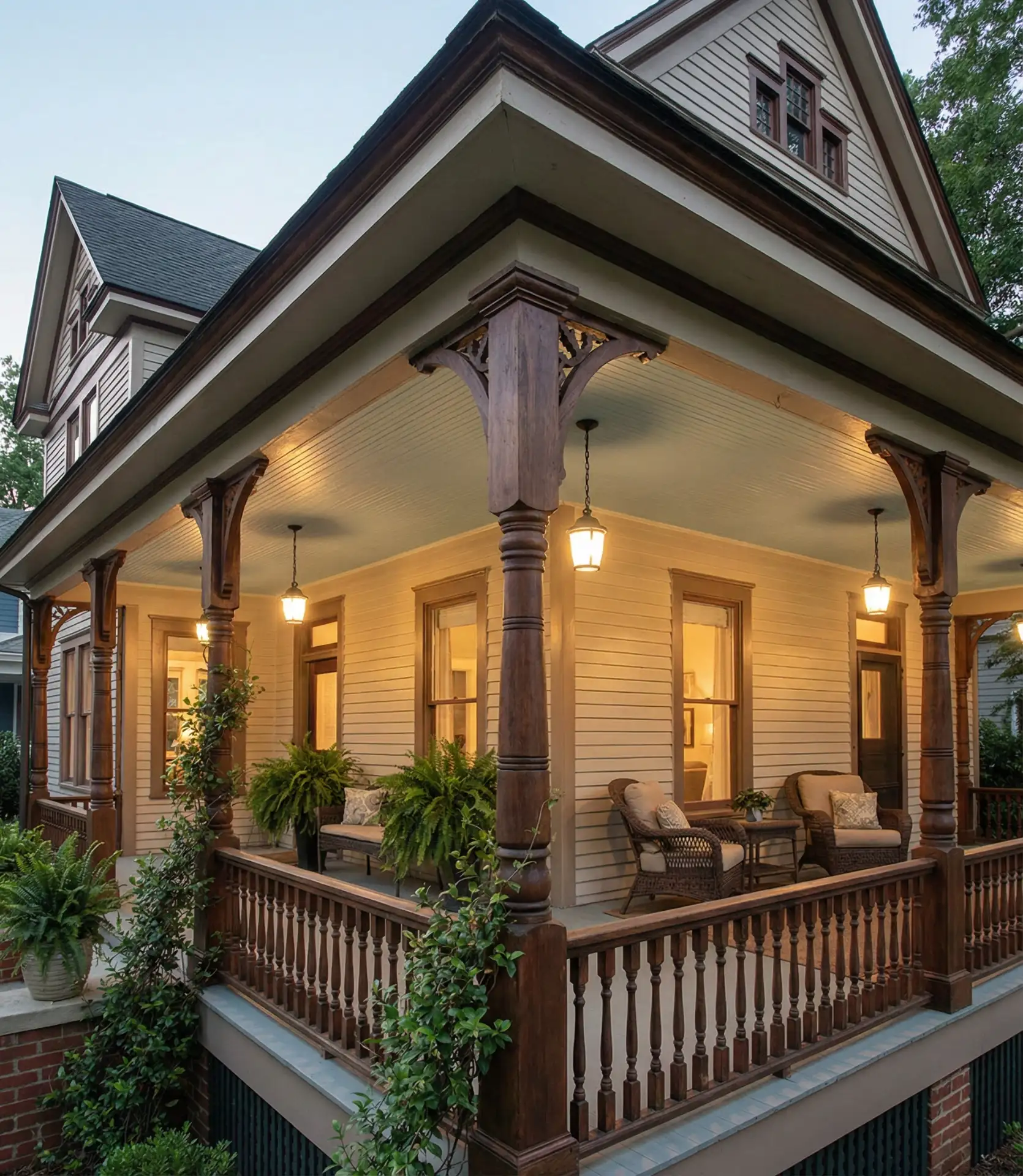
A common mistake is building porches too narrow—8 feet minimum depth is essential for functional furniture placement and circulation. Skimping to 6 feet saves on materials but creates a porch that feels cramped and gets little actual use. Structural considerations matter too: the porch roof must tie properly into the main house, and foundation footings need to extend below the frost line in northern climates. Professional design and engineering fees run $2,000-5,000, with construction costs of $150-250 per linear foot depending on finishes, but the investment transforms the home’s character and livability.
17. Industrial-Modern Metal and Concrete Mashup
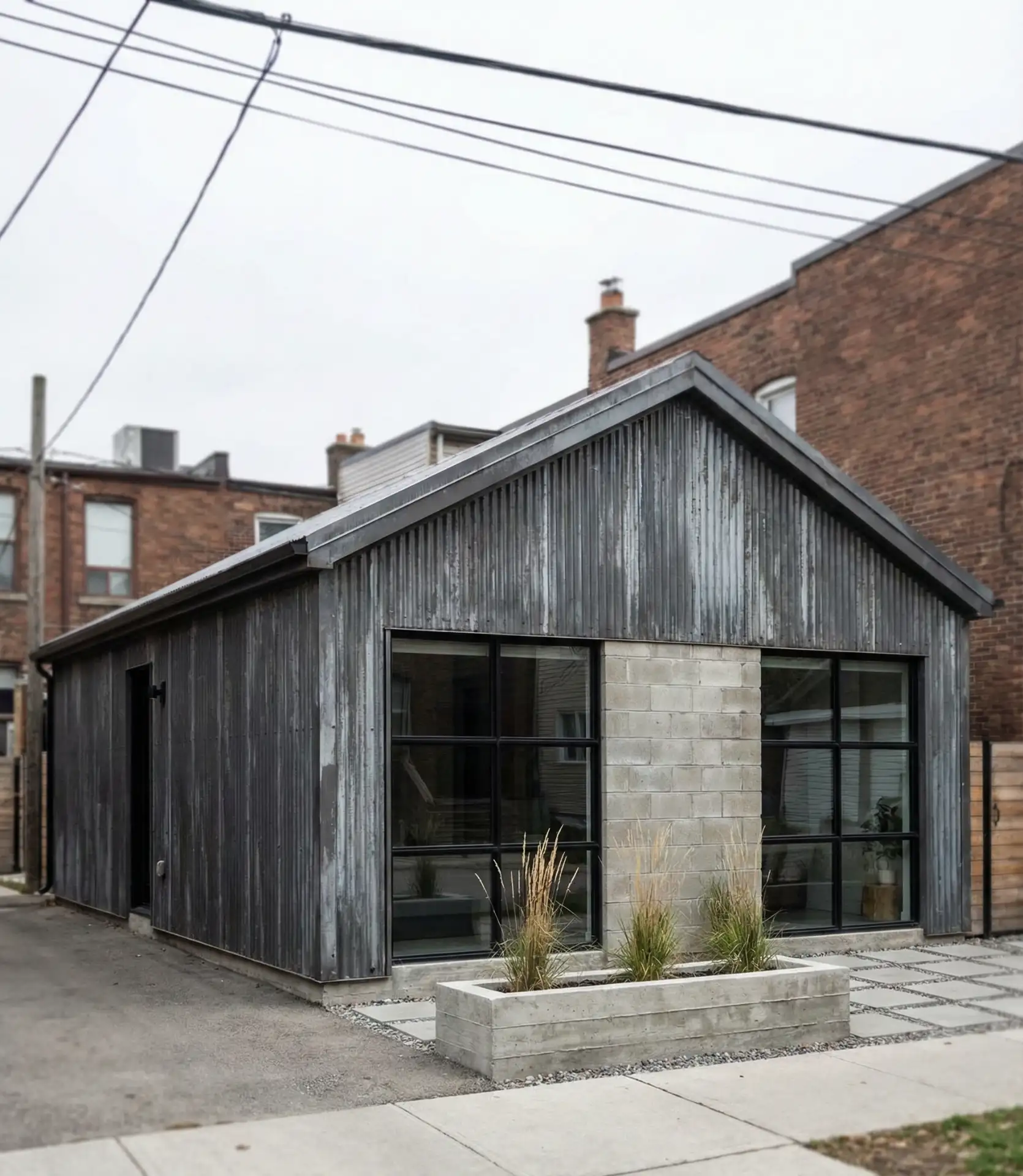
For bungalows in mixed-lot urban neighborhoods, an industrially influenced facade can create a bold impact without ignoring the single-story scale. That means corrugated metal siding or standing-seam panels, poured concrete and concrete block walls, large factory-style windows with black frames, and minimalist detailing. The aesthetic references warehouse conversions and loft culture, leading to contemporary homes that are deliberately raw and honest. Softer elements—wood entry doors, considered landscaping, warm lighting—keep the look from feeling too hard or commercial. 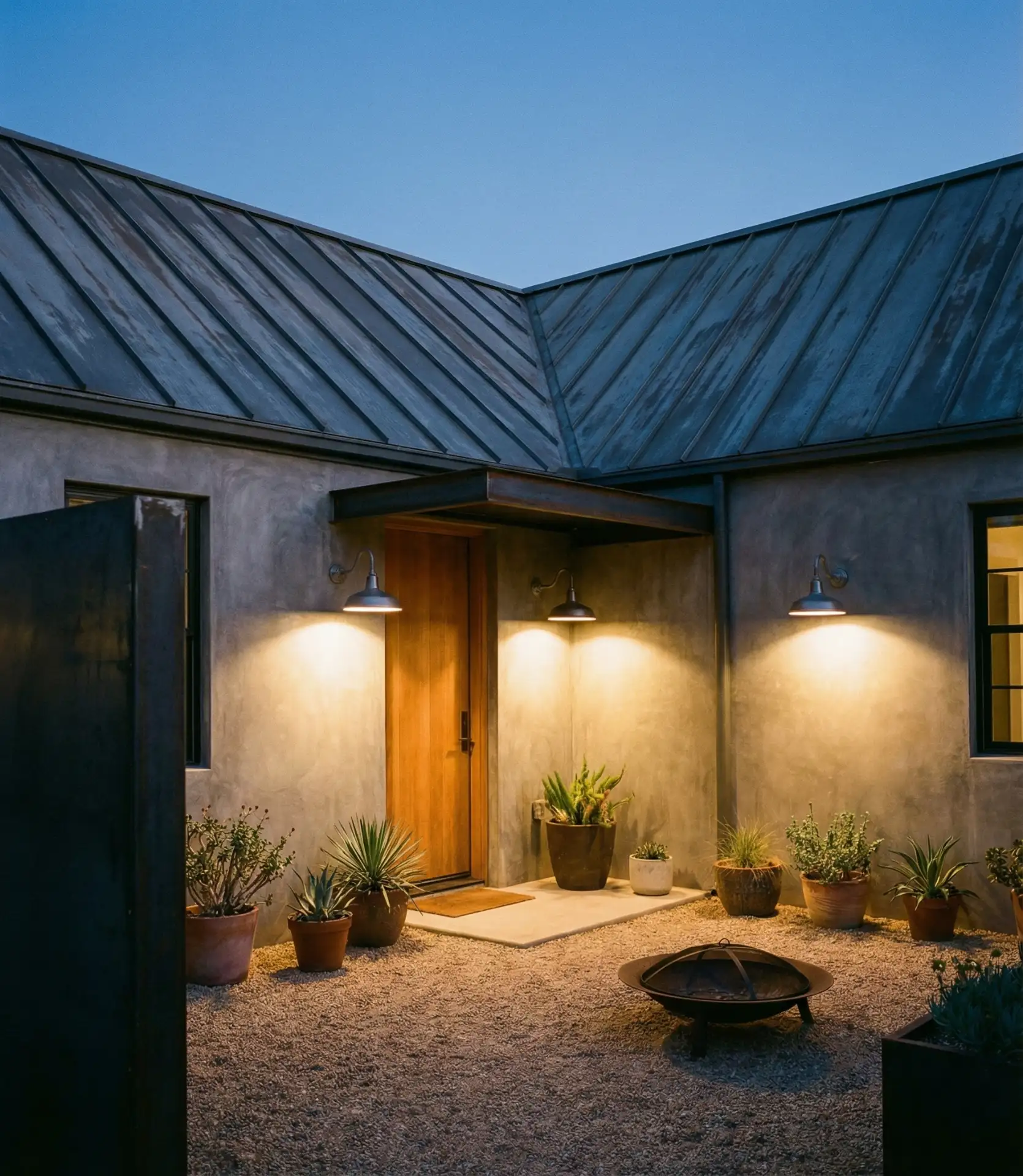
Practical Ideas for Using the Material: The material may look industrial, but quality execution calls for a certain level of refinement, design, and detailing. The proper underlayment and flashing are needed for metal siding to avoid moisture problems. If you want to avoid a builder-grade gray on concrete floors, consider using integral color or staining. And thermal performance demands a good deal of thought—metal and concrete are far too efficient at transmitting temperature, so continuous insulation is essential. Plan to budget between $180 and $280 per square foot for this look done right, which makes it a luxury option ideally suited for design-forward homeowners who are willing to make a serious financial commitment to achieve standout results.
18. Mediterranean Stucco with Tile Roof Accents
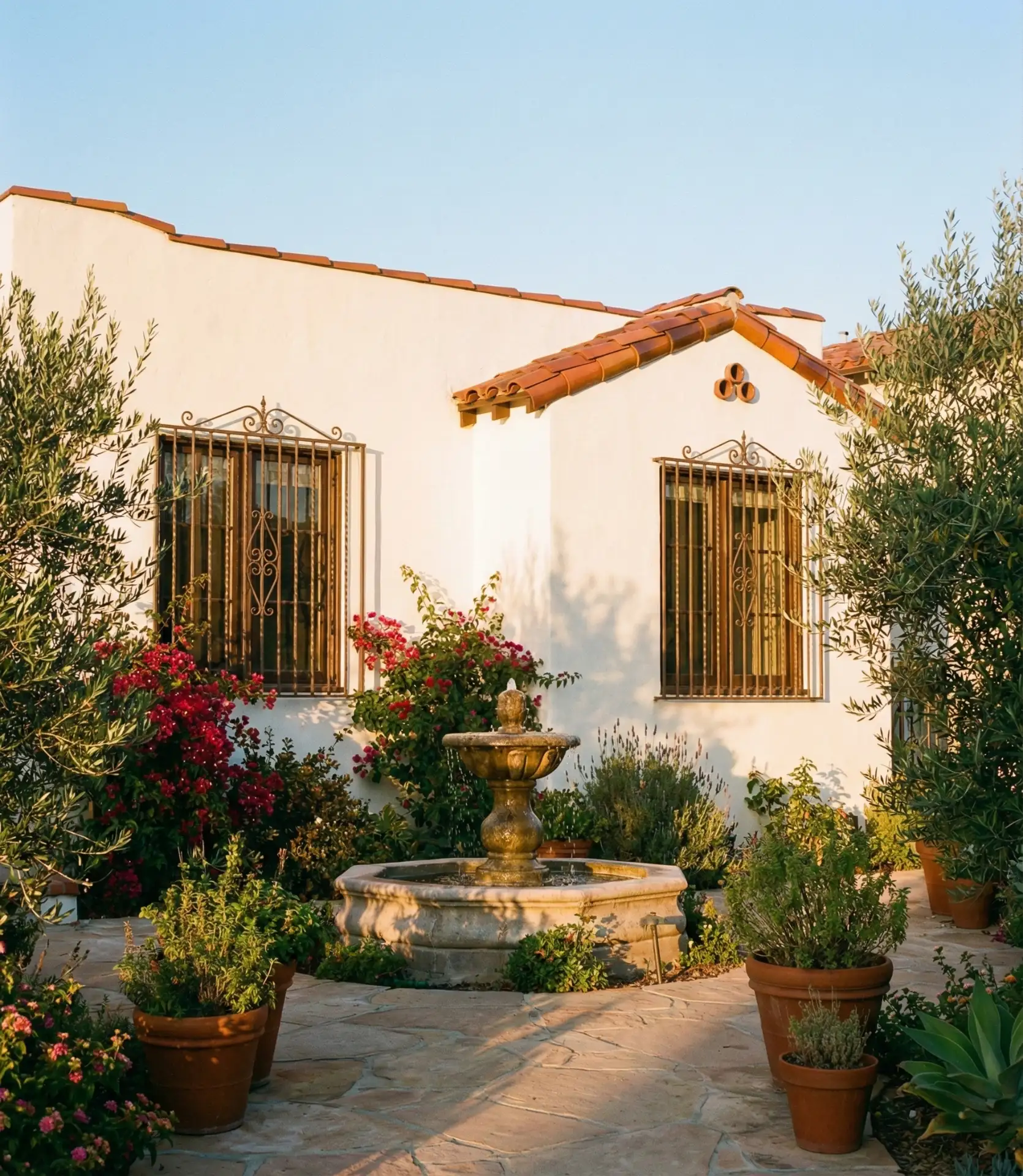
Bungalows in warm climates—particularly California, the Southwest, and coastal regions—can embrace Mediterranean influences that respond beautifully to sun and heat. Smooth stucco in warm earth tones or cool white, clay tile roofing in traditional terracotta or glazed colors, arched openings at entries or windows, and drought-tolerant landscaping with lavender, rosemary, and ornamental grasses create European resort character. The single-story bungalow format aligns perfectly with Mediterranean villa proportions, where horizontal sprawl is more valued than vertical emphasis. 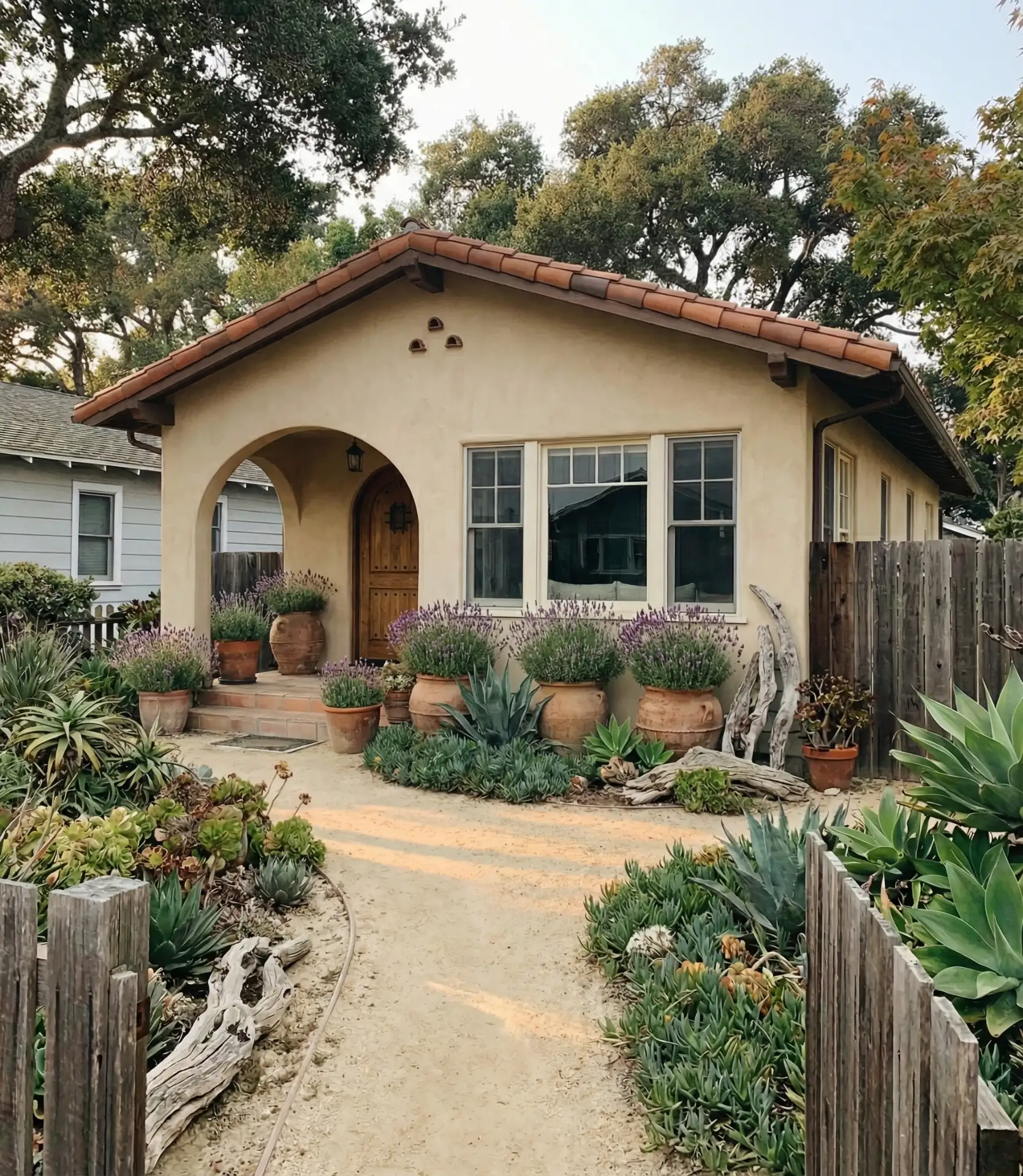
Last spring I visited a renovated 1940s bungalow in San Diego, where the homeowners turned generic beige stucco into a beautiful Mediterranean-style retreat. Other improvements included a new clay tile roof ($18,000), fresh white stucco with hand-troweled texture ($12,000), and reclaimed Spanish doors ($3,500), as well as a complete overhaul of the landscaping with Mediterranean plantings ($8,000). The total investment of around $41,500 boosted their home’s appraised value by $75,000—a tangible return on the handful of months they invested in design conception and quality selections.
19. Scandinavian Simplicity with Light Wood
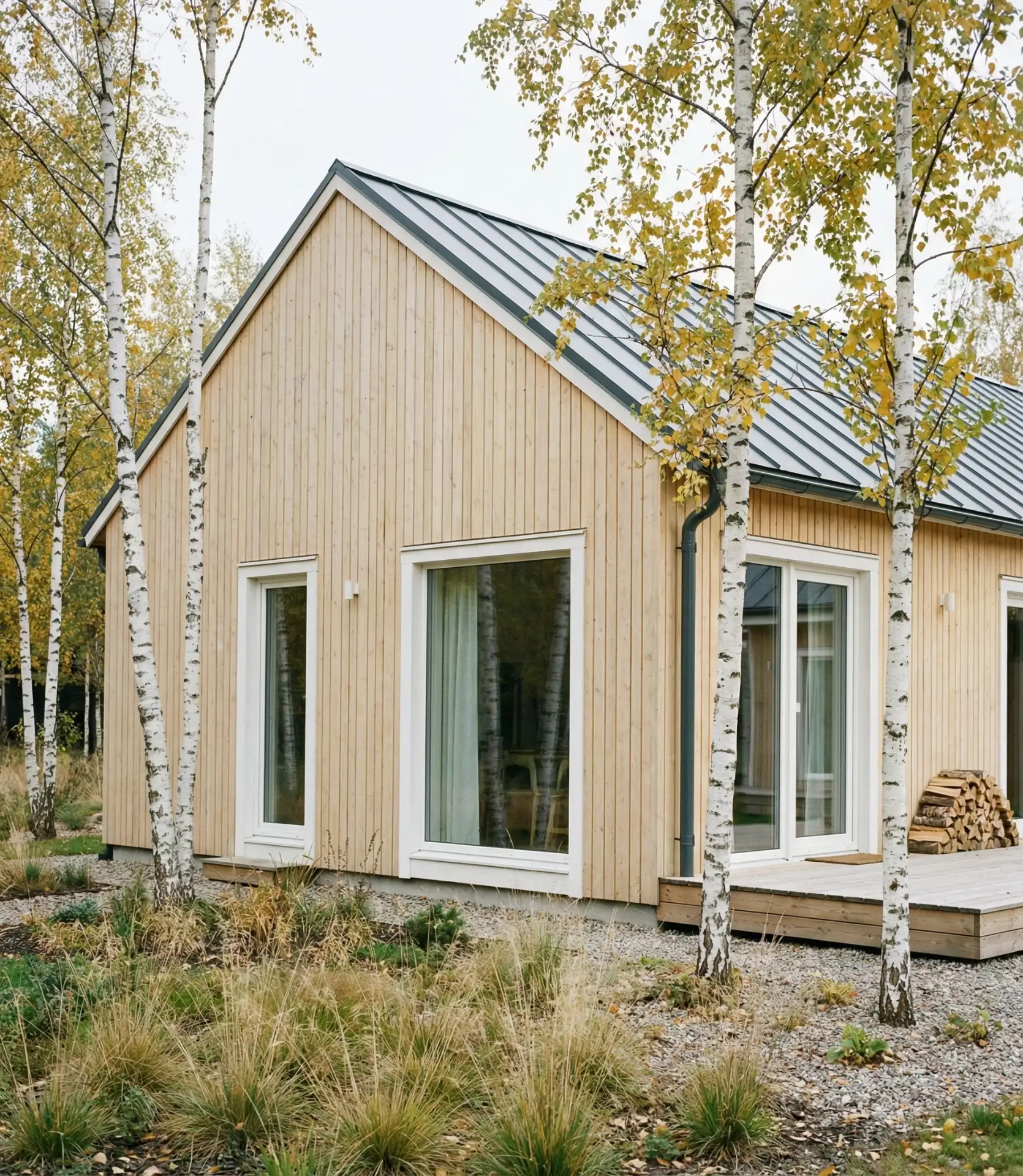
Nordic design principles work beautifully on bungalow exteriors: light wood siding in birch, pine, or ash tones (a low-maintenance, low-VOC option for wood is California redwood—rub the surface with oil occasionally to prevent weathering), clean white trim, minimal ornamentation, and natural light shining through generously sized windows. This is not about austerity but simplicity without bleakness—warm white walls punctuated by blonde wood, simple gabled rooflines, and unpretentious entries marked with thoughtful lighting (Kipp Lotterstein) and seasonally changing greenery. The design principles so far are quality, not quantity, and a few elements done well rather than an overuse of fussy decorative details. 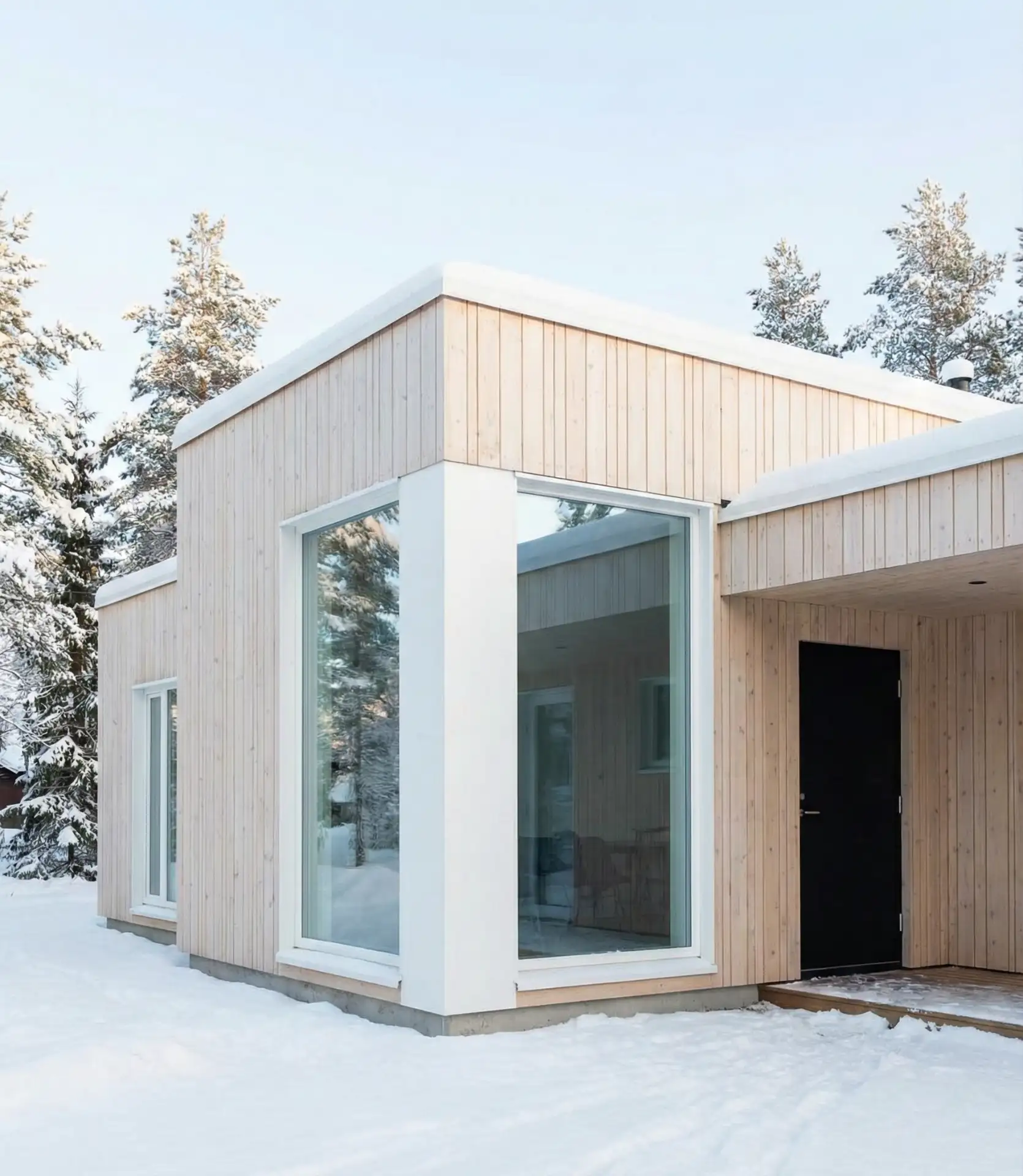
This look works especially well in cooler climates where the aesthetic feels contextual—consider Pacific Northwest and upper Midwest places, or New England’s locales that were historically settled by Scandinavian immigrants. The light wood tones also make homes feel larger and brighter during long winter months when daylight is at a premium. There is maintenance to think about: light wood siding needs to be recoated every 3-5 years with a finish that blocks UV rays, or you can let it weather over time into a deep silver—a true aesthetic option in Scandinavian design culture.
20. English Cottage Charm with Stone and Storybook Details
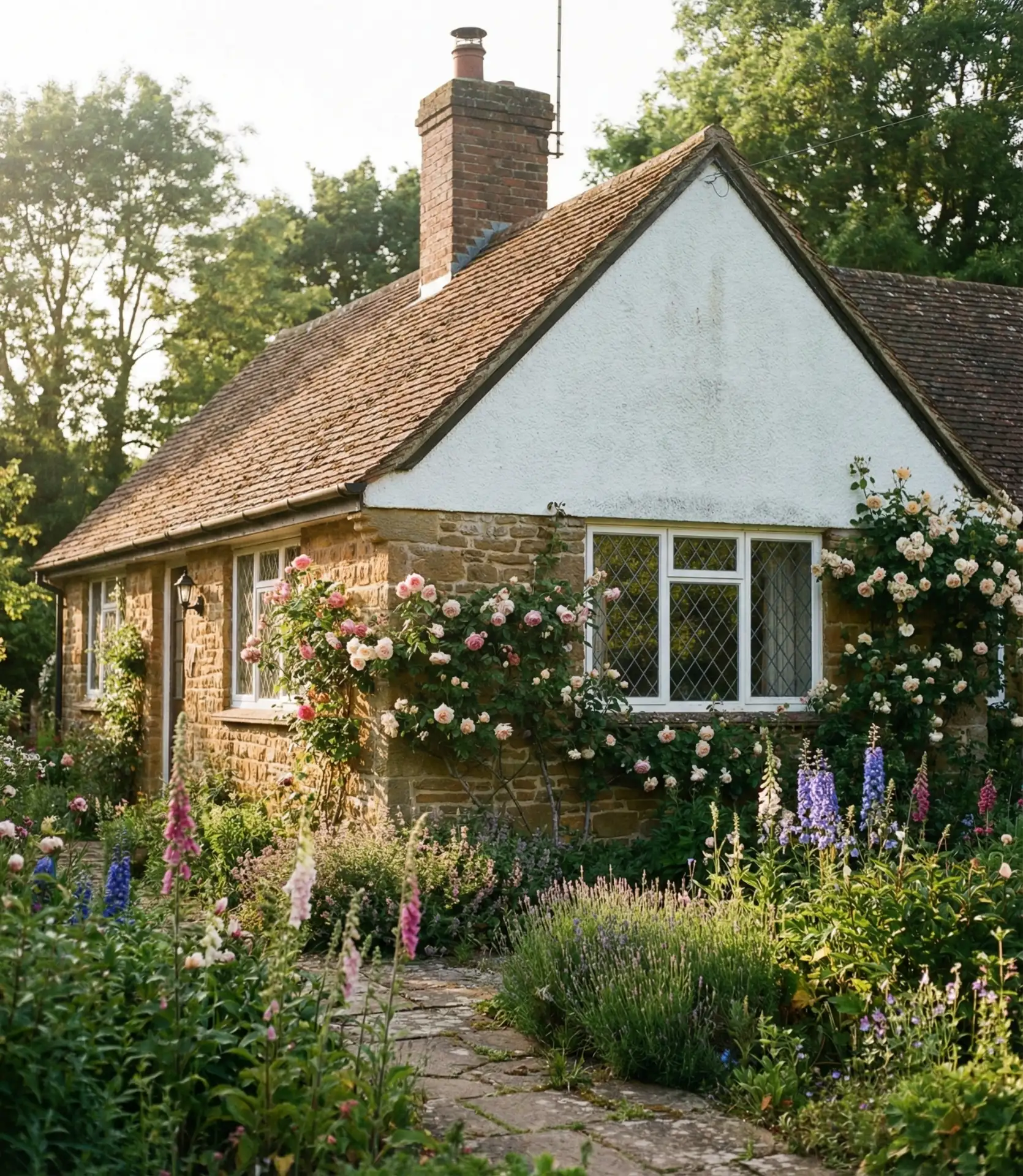
English cottage styling suits bungalows surprisingly well The cozy scale, intimate proportions, and handcrafted character of both architectural types are a natural fit. This one adds textural variety: stone or brick lower walls, stucco or timber framing above, multi-pane casement windows, and deep roof gables with picturesque vergeboard decoration, along with the inevitable flower-filled cottage garden. “Authentic Tudor elements hark back to medieval England, so this storybook style is not inauthentic,” says Kiya Rogliano of Lawson-Rogliano Real Estate Group “American versions of these homes came onto the scene in the 1920s—for period bungalows chasing a luxury character update, you can’t do much better. 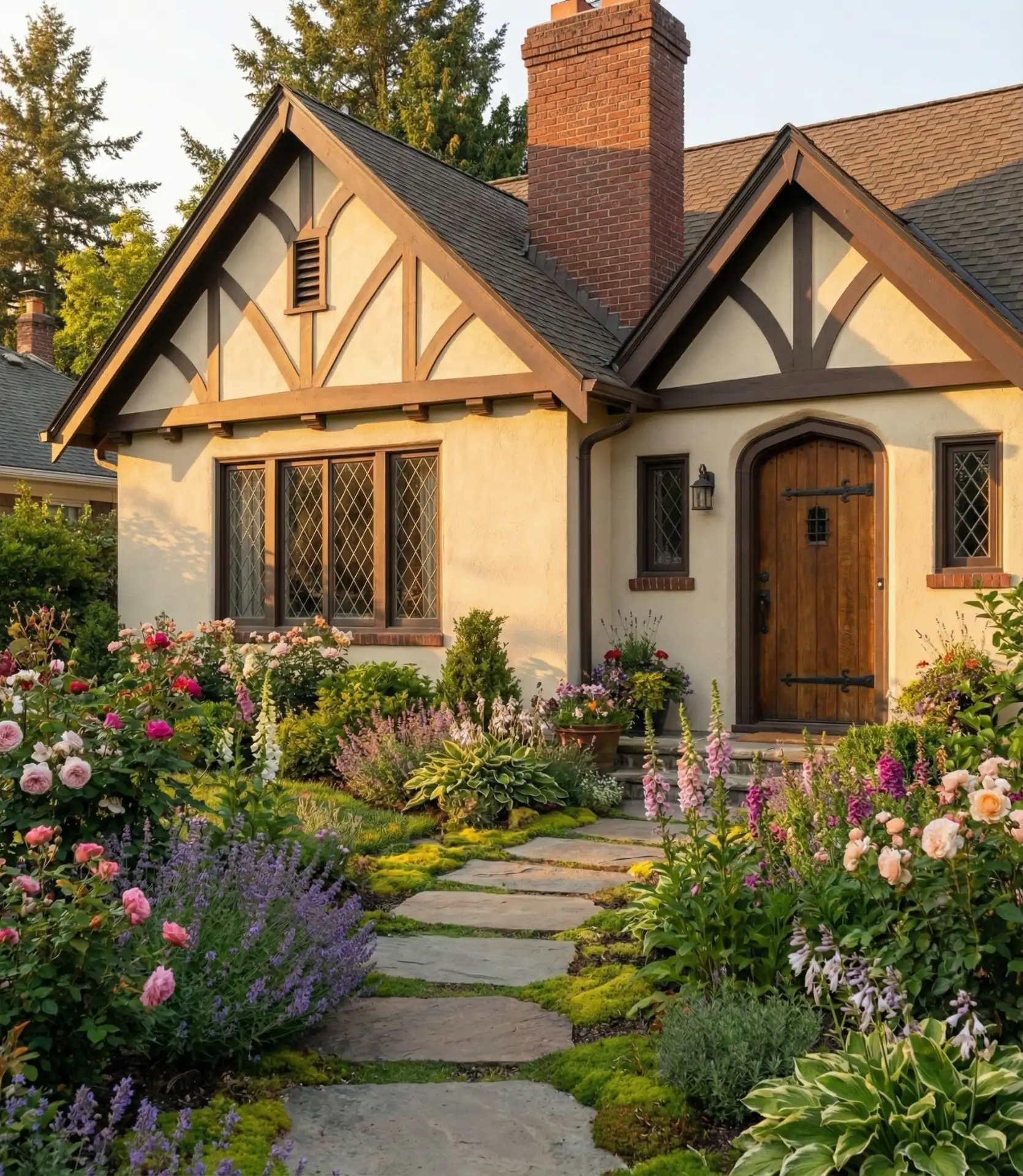
Where this works best: old neighborhoods with massive trees, where the cottage look can nestle into leafiness; homes on oddly shaped lots where asymmetrical bulk reads as charming rather than awkward; and properties where homeowners see gardening as a lifestyle—the cottage exterior needs to have heavy plantings that will frame the picture. The style is particularly popular with empty-nesters and retirees who are drawn to the fairy-tale appeal without leaning on large properties, given that bungalow square footage remains in check while architectural character can dish out maximum coziness.
21. Asymmetrical Modern with Mixed-Height Rooflines
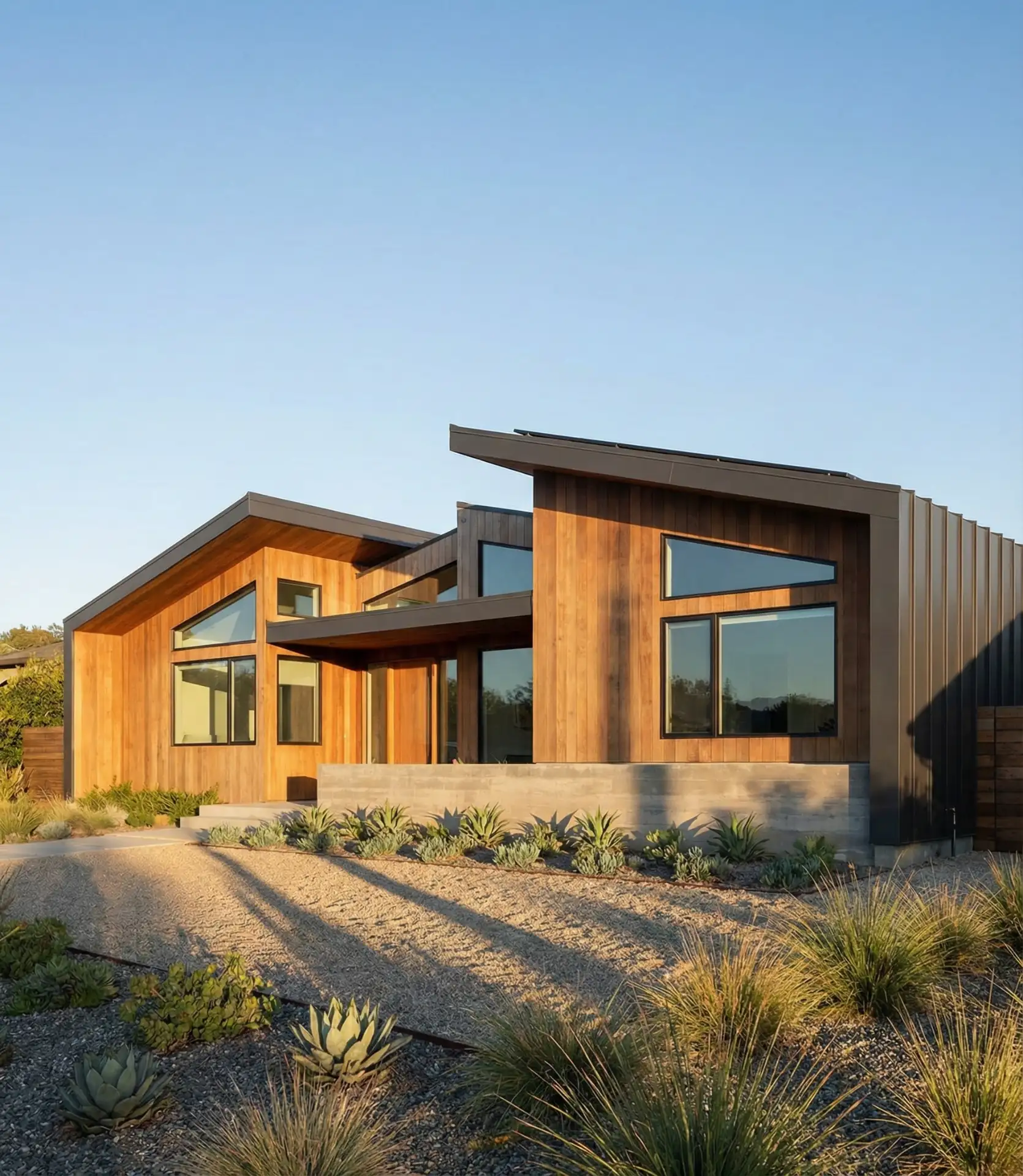
Shifting from the conventional symmetrical bungalow front, modern architects are experimenting in asymmetry, varying roof heights, off-center entries, and dynamic volumes that provide visual interest through form versus ornament. One part might have a flat roof, another with a steep pitch; the entry could be set far back on one side instead of at the center. This contemporary system keeps single-story living even as it delivers homes with sculptural presence that look terrific in photographs and stand out in the context of a traditional neighborhood. 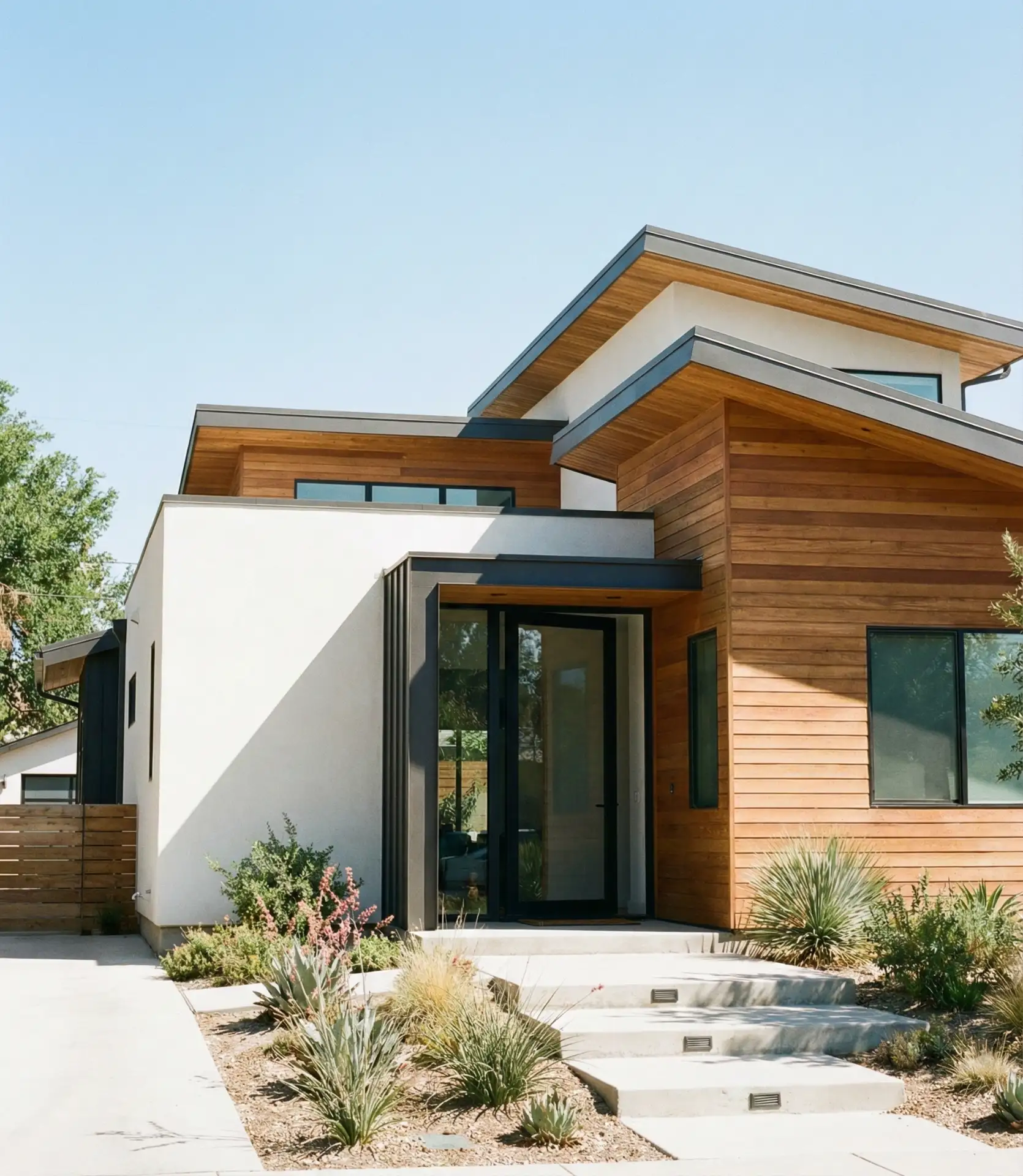
Budget angles show this concept can actually cost less than more traditional symmetrical designs despite its complex appearance. Different pitches can actually minimize total roof foundation square footage as well, compared to single-plane designs across an entire build site. The asymmetry also allows living spaces to be strategically oriented—bedrooms on the same side as less noisy neighborhoods, living spaces facing views and maximizing passive solar gain—dividends symmetrical plans sometimes discard. Expect design fees for custom architectural services in the $8,000-15,000 range, and your home will be one-of-a-kind.
22. Tropical Bungalow with Indoor-Outdoor Living Focus
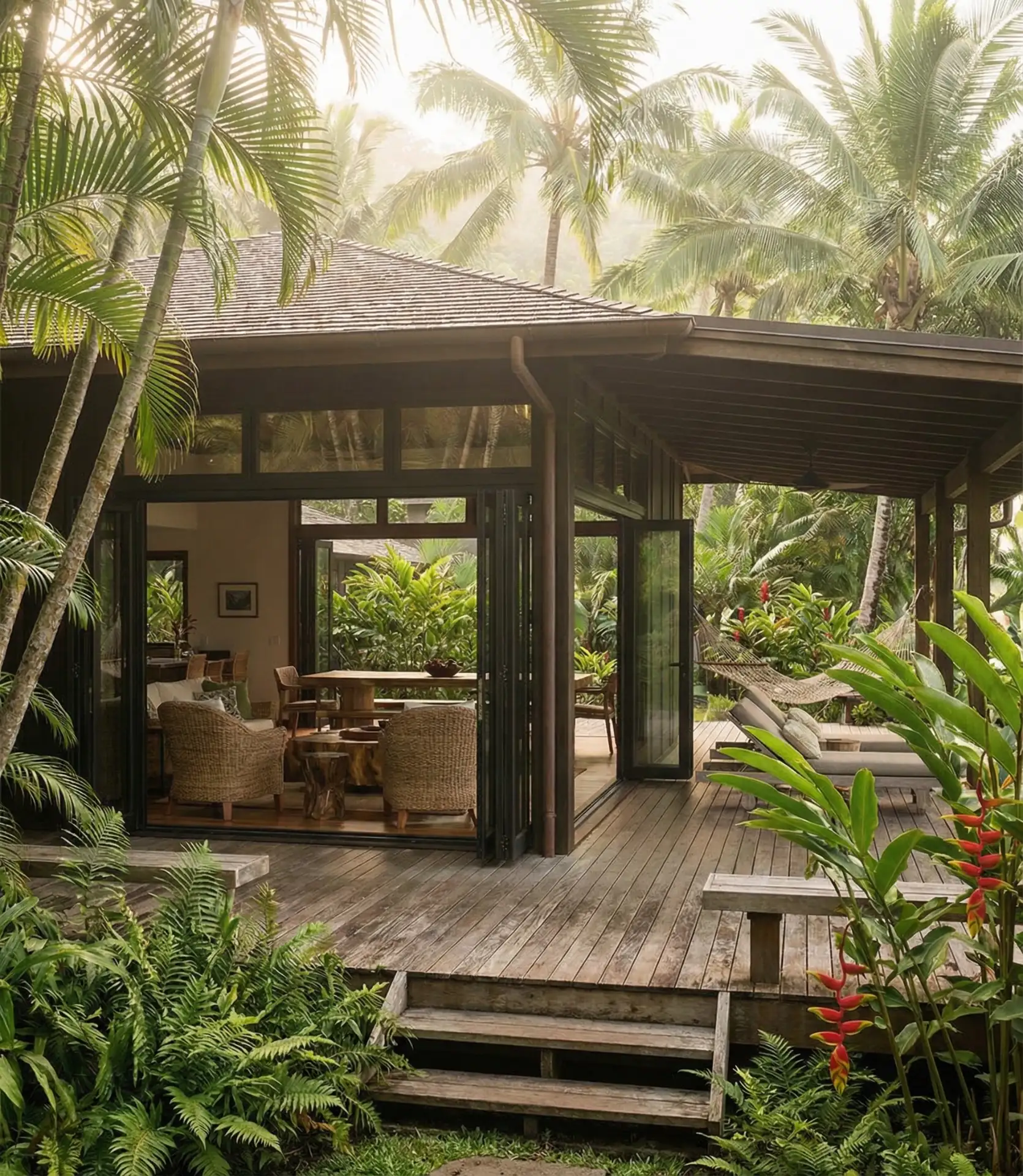
In warm climates—Florida, Hawaii, Southern California, the Gulf Coast—bungalows can maximize indoor-outdoor connection through large sliding or folding glass walls, deep covered lanais or verandas, louvered screens for ventilation and privacy, and tropical landscaping with palms, bromeliads, and bold foliage. The exterior dissolves boundaries between inside and out, with roof overhangs providing essential shade and weather protection. Natural materials like teak, ipe, and stone withstand humidity and temperature swings while aging beautifully in coastal conditions. 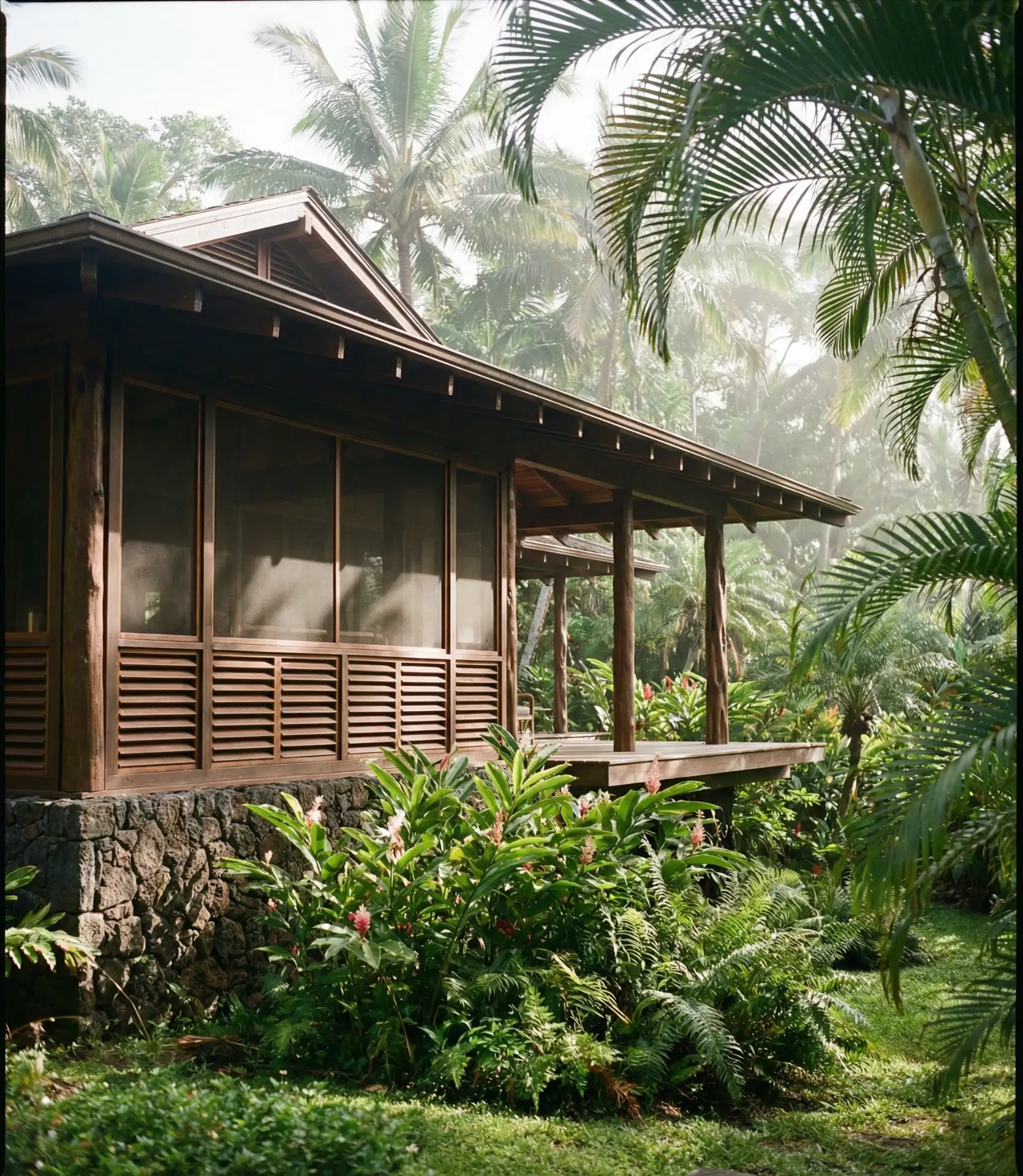
Real homeowner behavior in the tropics: outdoor living is everything up here and outpaces the northern shit—lanai areas can get even more use than formal indoor spaces. This transforms design priorities: rather than maximizing interior square footage, smart bungalow design builds huge outdoor rooms under a generous roof for less cost than conditioned indoor space. A 600-square-foot covered lanai with fans, lights, and weather-resistant finishes costs $30,000-50,000—roughly on par with half that much interior footage but providing even better quality of life when you’re living in year-round warmth.
23. Neo-Traditional with Formal Symmetry and Classical Details
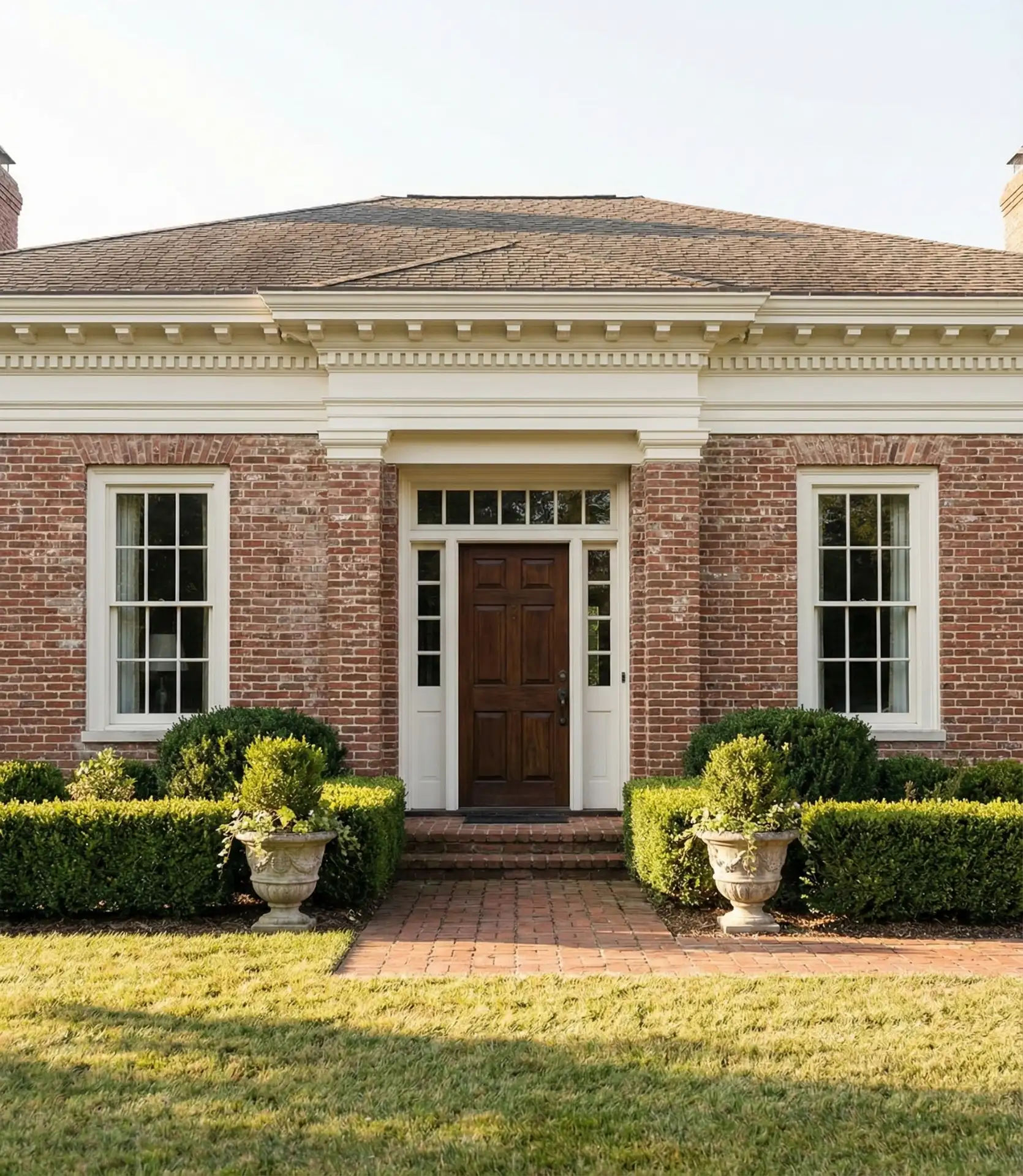
While bungalows traditionally lean informal and rustic, some homeowners are bringing classical architectural principles to the type—perfectly centered entries, balanced window placement, columns or pilasters with proper proportions, and refined trim details that reference Federal or Colonial Revival styles. This neo-traditional approach creates homes that feel established and formal despite their modest scale. The key is proportional correctness: even small classical details must maintain proper relationships between elements, or the formality reads as fake rather than refined. 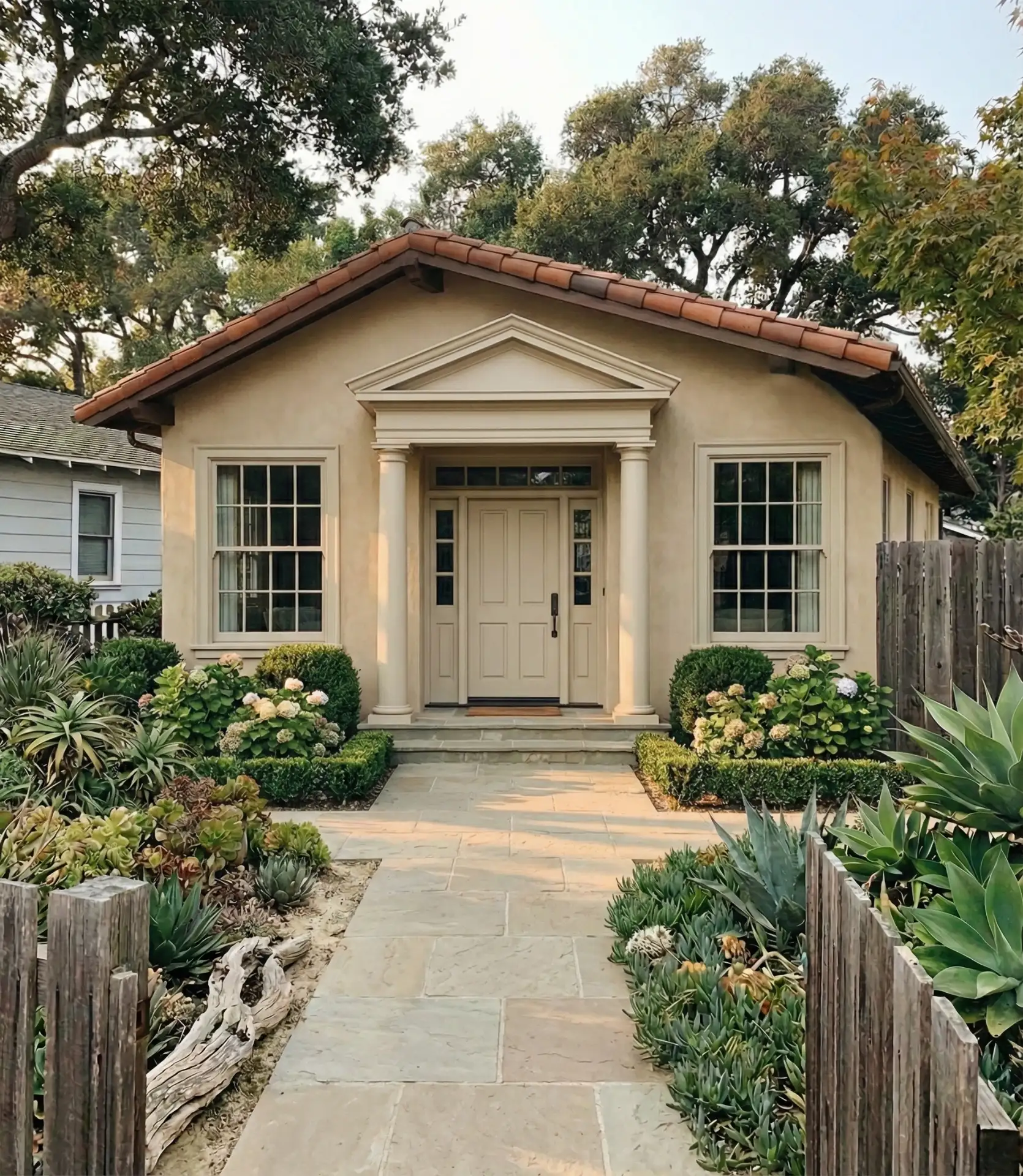
Expert-style commentary from preservation architects underscores the fact that good neo-traditional design requires knowledge of the grammar of classical architecture—column orders, correct relations between entablatures and windows, and proportions of windows to walls—but also a hierarchy of materials. Hiring designers who understand this language helps to avoid common mistakes, like overly skinny columns, inadequately pitched pediments, or trim profiles that don’t register at the residential scale. The look is well suited to conservative neighborhoods with architectural review boards that prioritize traditional aesthetics, opening the way for new construction or renovations that meet formal requirements while offering a fresh point of view for them.
24. Adaptive Reuse Details from Salvaged Materials
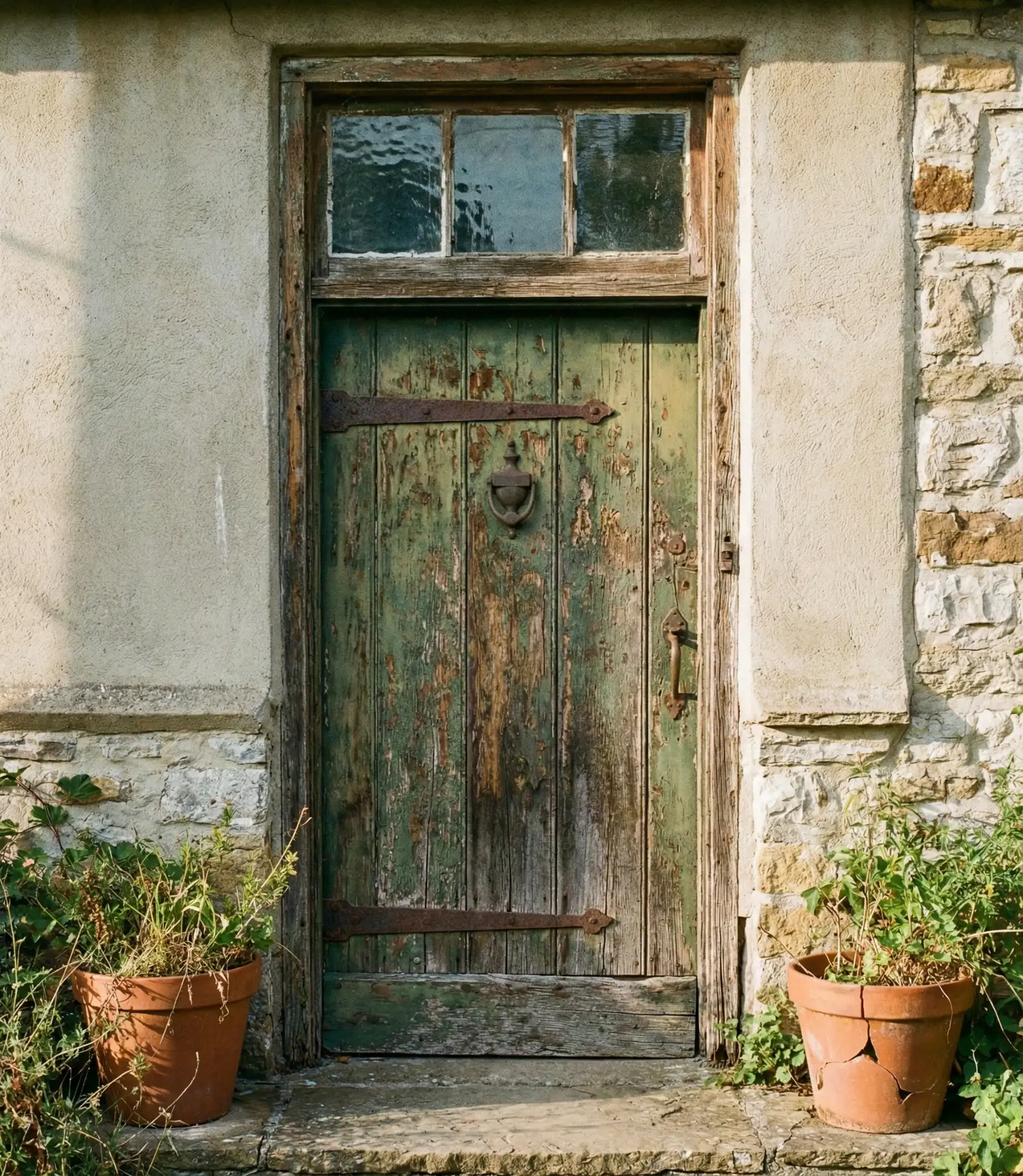
Using architectural salvage and reclaimed materials on bungalow exteriors provides a character that money can’t buy while supporting sustainable building practices. Perhaps some vintage doors from a demolished building, reclaimed barnwood siding, salvaged windows converted into garden elements, antique hardware and light fixtures, or historic brick for walkways and borders? These are elements that tell stories and add authenticity that new construction often has difficulty mustering. The transformation becomes not only visual but also deeply personal, linking your home to regional building traditions and material culture. 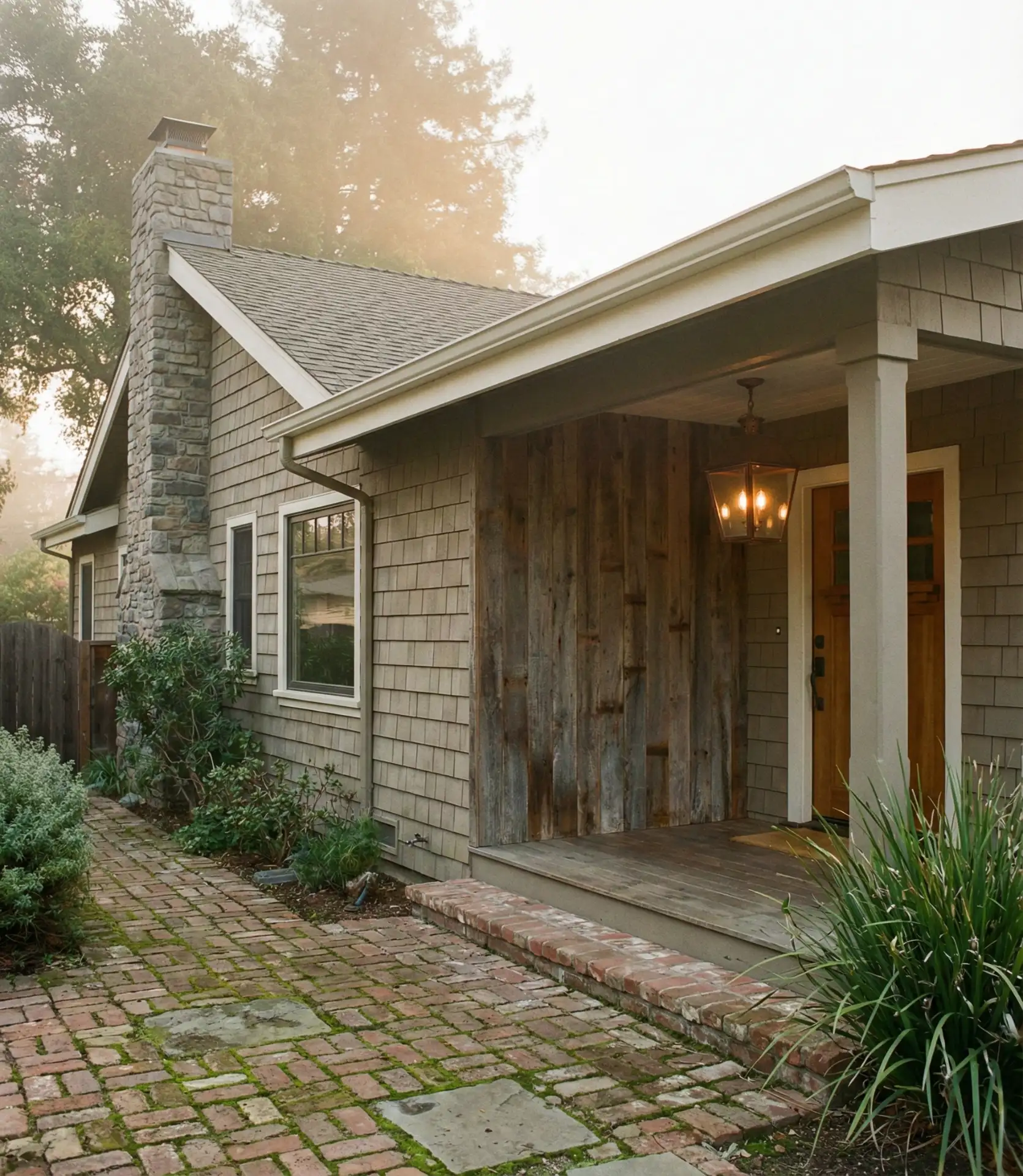
Some of the pitfalls people fall into by mixing too much salvaged material without a cohesive vision are that it becomes visual chaos, not curated character. The smartest playbook is to pair two or three worthy salvage pieces—maybe a jaw-dropping antique door and its period-matching light fixtures—with new materials in harmonious juxtaposition. There’s treasure to be found at architectural salvage yards, on online marketplaces (such as Facebook Marketplace and Craigslist), and at estate sales, but it all takes time. Factor in extra time for cleaning, repairs, and custom fitting since reclaimed materials almost never drop in without a little wiggle room or sawdust.
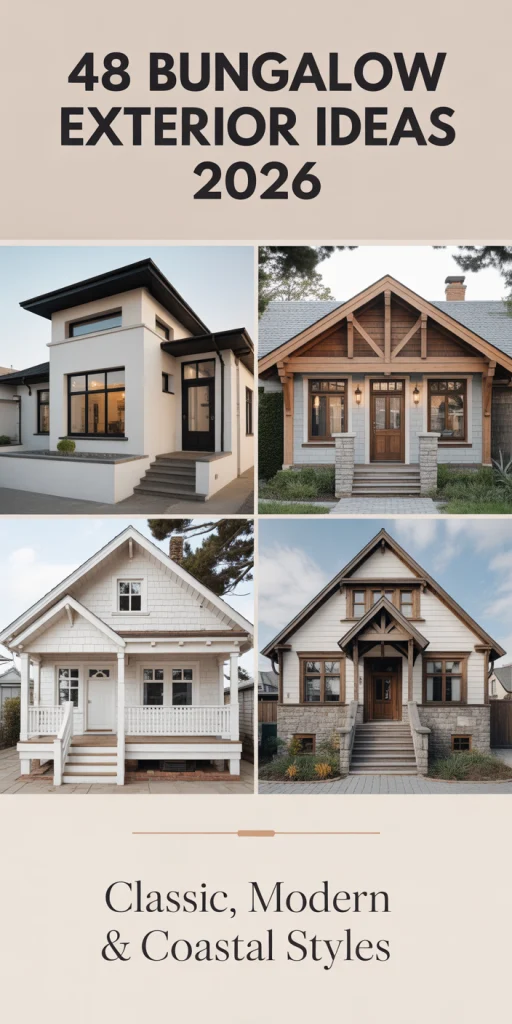
The charm of bungalow exteriors comes from their amazing flexibility—these simple one-story homes can truly show off almost any architectural style while still feeling friendly, manageable, and well-made. Whether you’re restoring a century-old Craftsman gem to its original glory, painting brick in bold contemporary colors, adding Mediterranean warmth through stucco and tile, or creating tropical indoor-outdoor living spaces, the bungalow format provides an incredibly forgiving canvas for personal expression. What exterior approach resonates most with your vision, your climate, and your neighborhood context? Have you tackled any of these updates on your bungalow, or are you planning a transformation for 2026? Share your experiences, challenges, questions, and inspiration in the comments below—this community learns best when we exchange real stories from real projects.