48 Pool Ideas 2026: The Ultimate Backyard Inspiration Guide for Every Budget & Yard Size

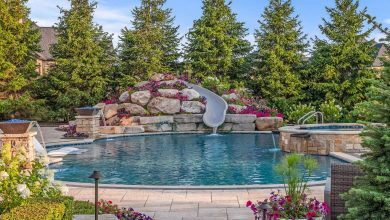
Swimming pools are no longer just luxury status symbols—they’ve become personal retreats, wellness hubs, and backyard focal points for American homeowners seeking practical luxury in 2026. From compact plunge setups in urban yards to sprawling natural pools in suburban estates, today’s pool designs reflect diverse lifestyles, budgets, and spatial realities. Pinterest users are flooding search feeds with everything from stock tank conversions to sleek fiberglass installations, proving that creativity matters more than square footage. This guide walks you through inspiring pool ideas that work for real homes, real climates, and real budgets across the United States.
1. Stock Tank Pool Conversions
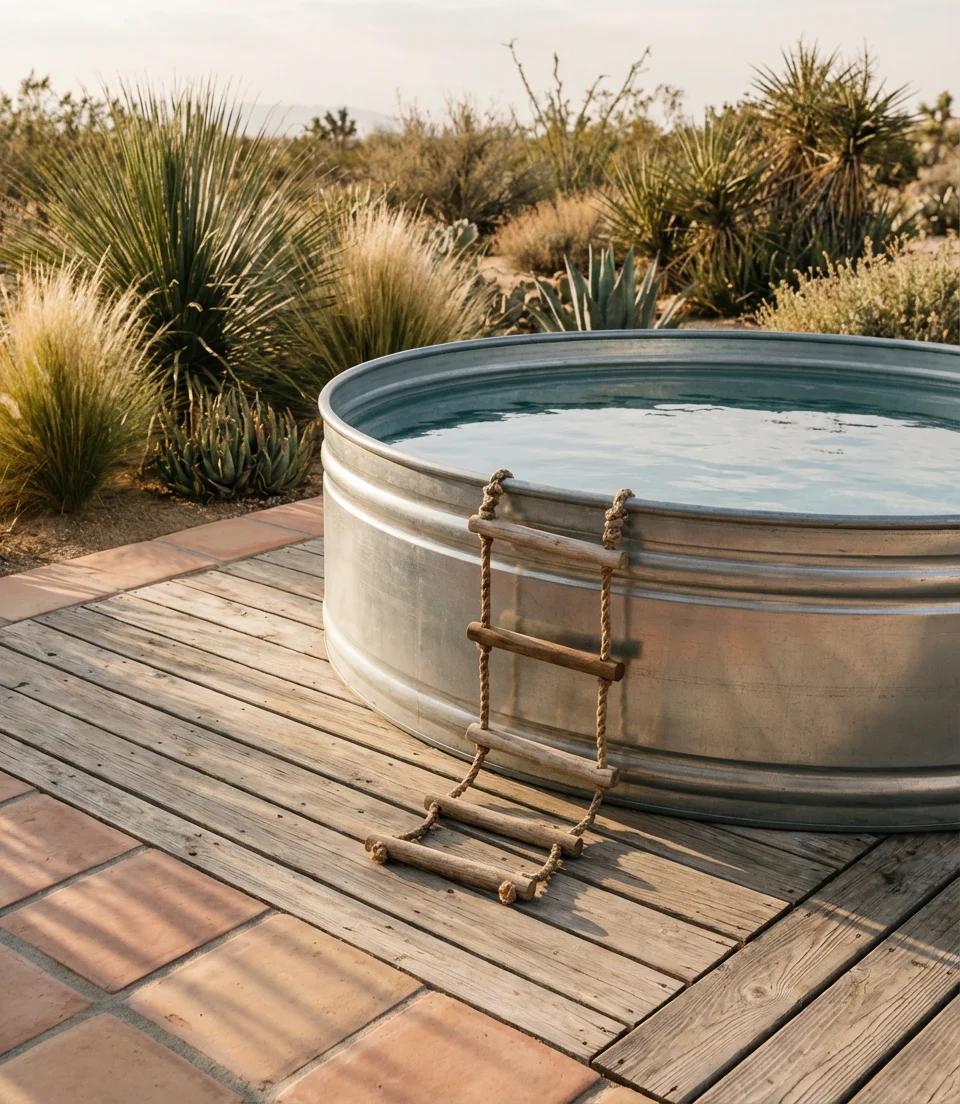
A stock tank pool brings farm-to-backyard charm with minimal investment, ideal for renters or homeowners testing the pool lifestyle before committing to permanent installations. These galvanized steel tubs, originally designed for livestock watering, now appear in urban backyards from Austin to Brooklyn, offering a pool-on-a-budget solution that costs $500–$1,200 fully equipped. The circular or oval shape fits tight corners, patios, or deck platforms, making them perfect pool ideas for small yards where traditional inground options won’t work.
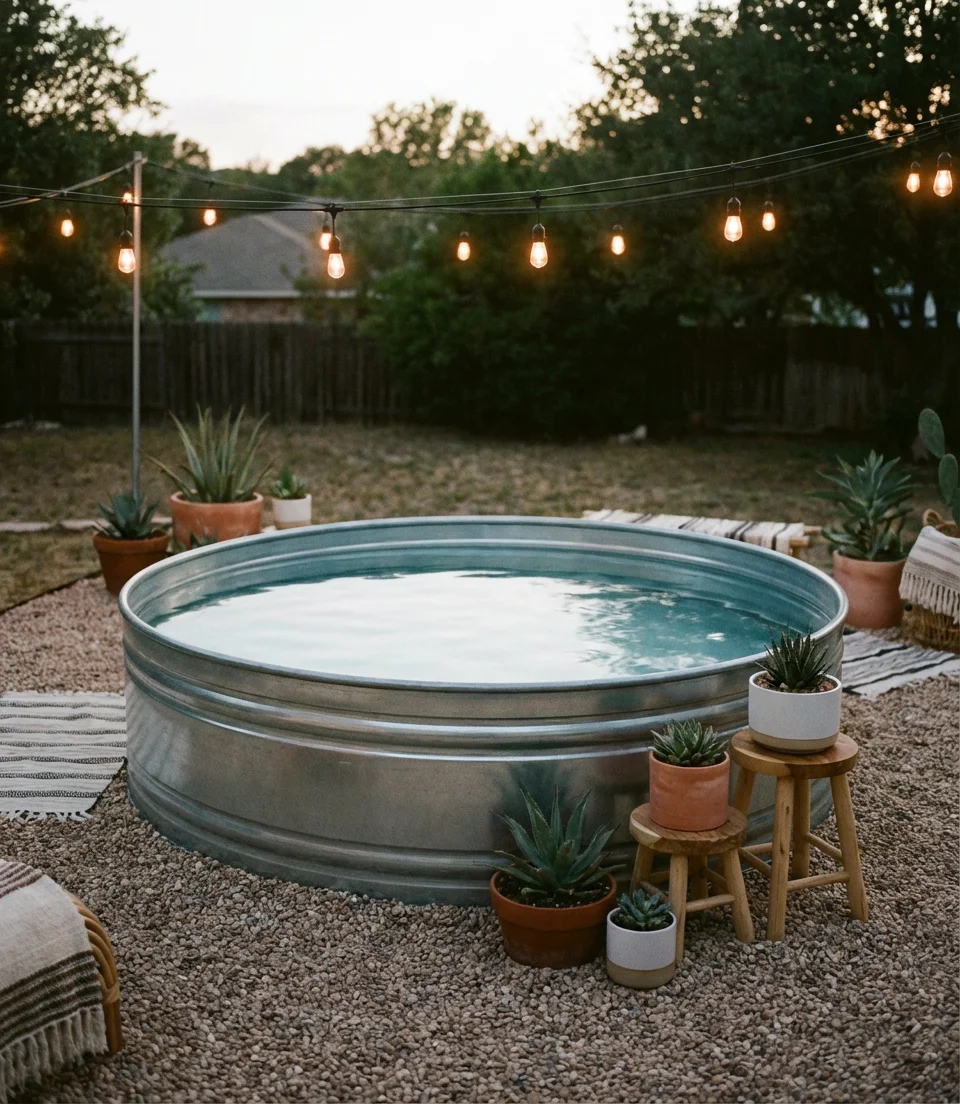
Budget angle: Unlike traditional pools that demand $30,000+ construction costs, stock tank setups require only a filter pump, chlorine maintenance, and optional deck framing. Texas and Arizona homeowners love them for cooling off during triple-digit summers without the multi-year permitting headaches. Expect to spend about $150 yearly on chemicals and electricity—a fraction of inground pool operating costs. The portability means you can relocate it when moving or reposition it seasonally to catch optimal shade patterns.
2. Sunken Above-Ground Pools
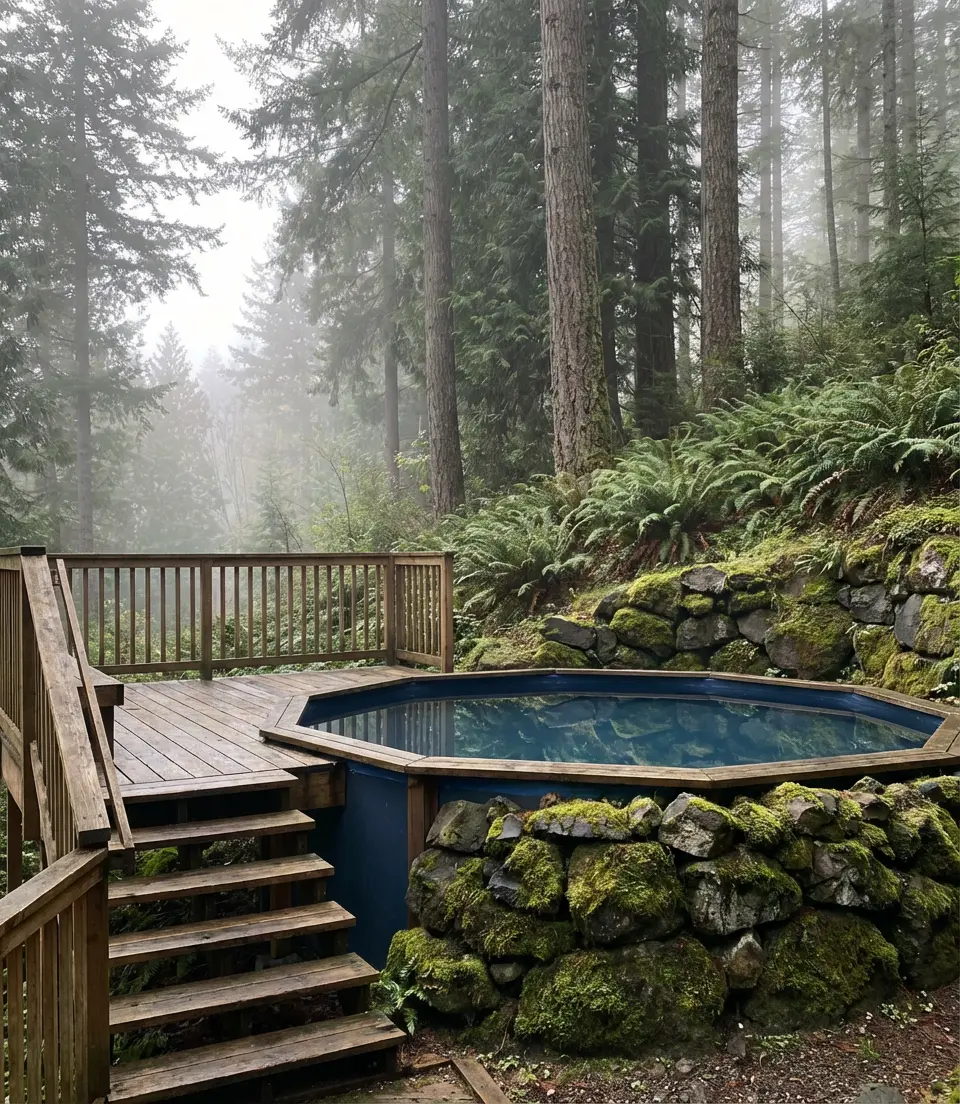
The sunken above-ground pool bridges the gap between budget-conscious planning and luxury aesthetics, offering a semi-recessed look that hides structural walls while avoiding full excavation expenses. Builders partially bury the pool wall—typically 18–36 inches deep—then landscape around the rim with stone, decking, or plantings to create an integrated appearance. This approach works particularly well on sloped properties in the Pacific Northwest and New England, where natural grade changes disguise the transition between pool rim and yard level.
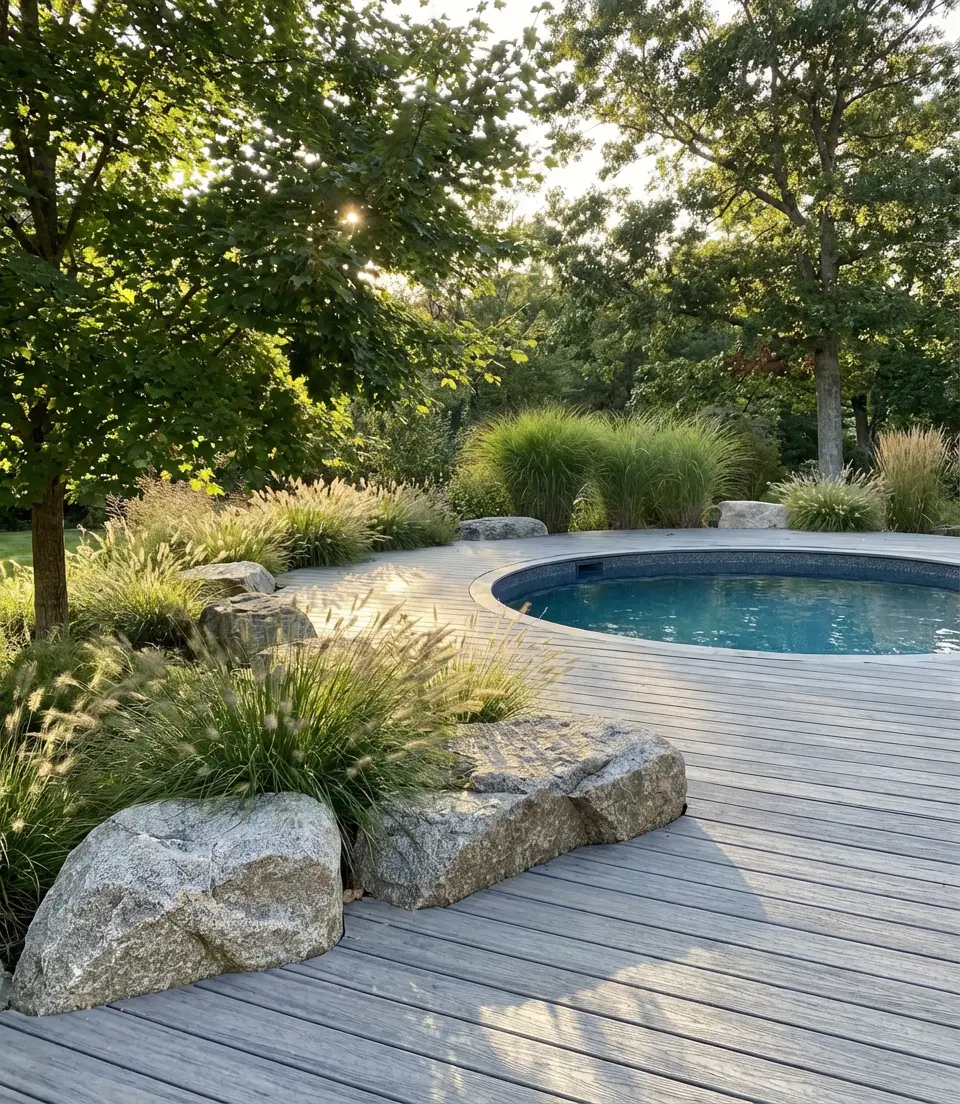
Where it works best: Properties with natural slopes eliminate the need for retaining walls, reducing labor costs by 30–40%. Michigan and Pennsylvania homeowners frequently choose this route to extend the swim season with partial wind protection from the surrounding grade. The buried portion also insulates water temperature, keeping pools 3–5 degrees warmer than fully exposed models. Most installations run $8,000–$15,000 depending on excavation depth and decking materials—still far below typical inground pricing.
3. Natural Swimming Pools
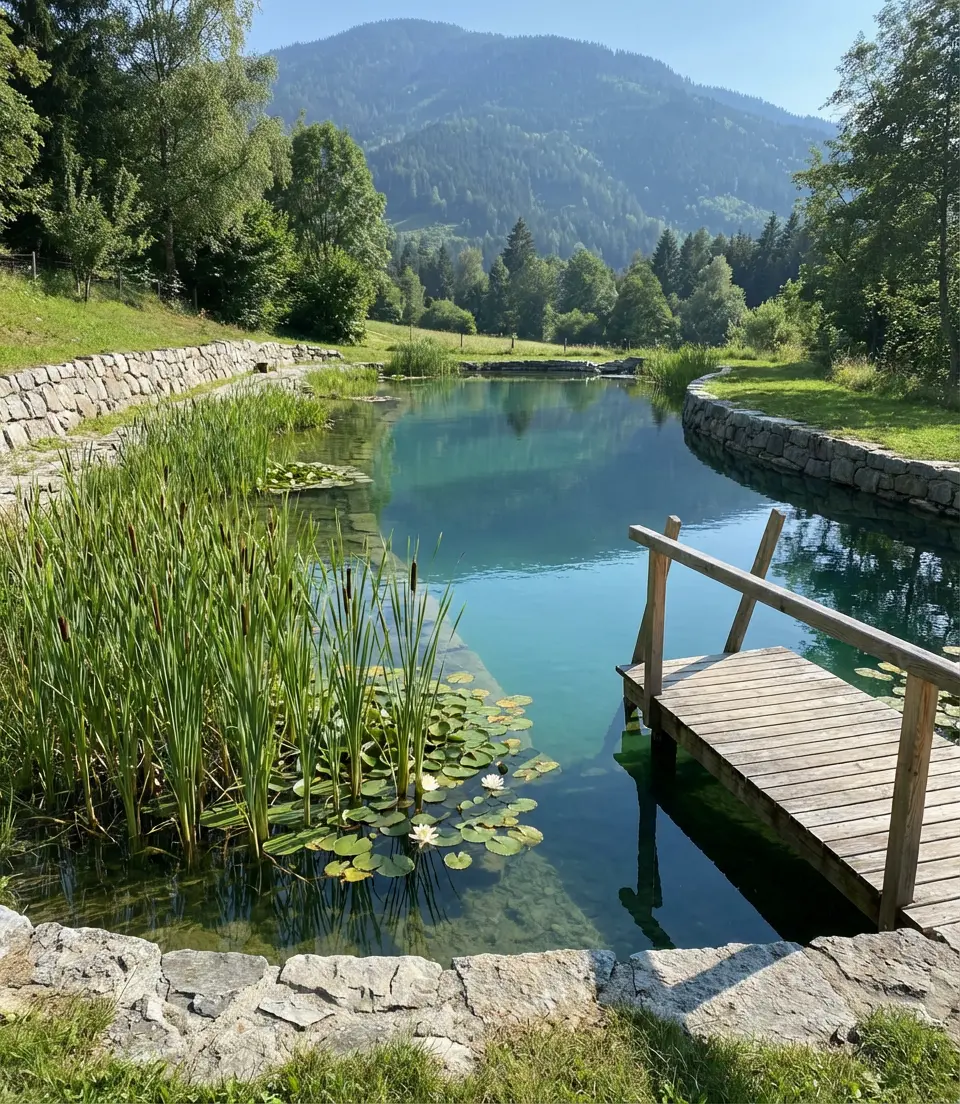
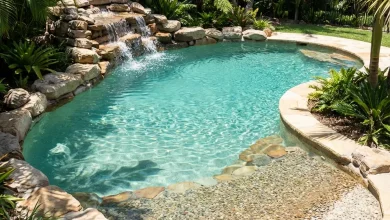
A natural pool eliminates chlorine dependency entirely by using biological filtration zones filled with aquatic plants, gravel beds, and beneficial bacteria to maintain water clarity. The design splits the pool into two sections: a deeper swimming zone and a shallower regeneration area where native rushes, water lilies, and oxygenating plants process organic matter. These backyard ecosystems appeal to environmentally conscious homeowners in Colorado, Oregon, and Vermont who want swimming experiences that blend seamlessly with surrounding landscapes.
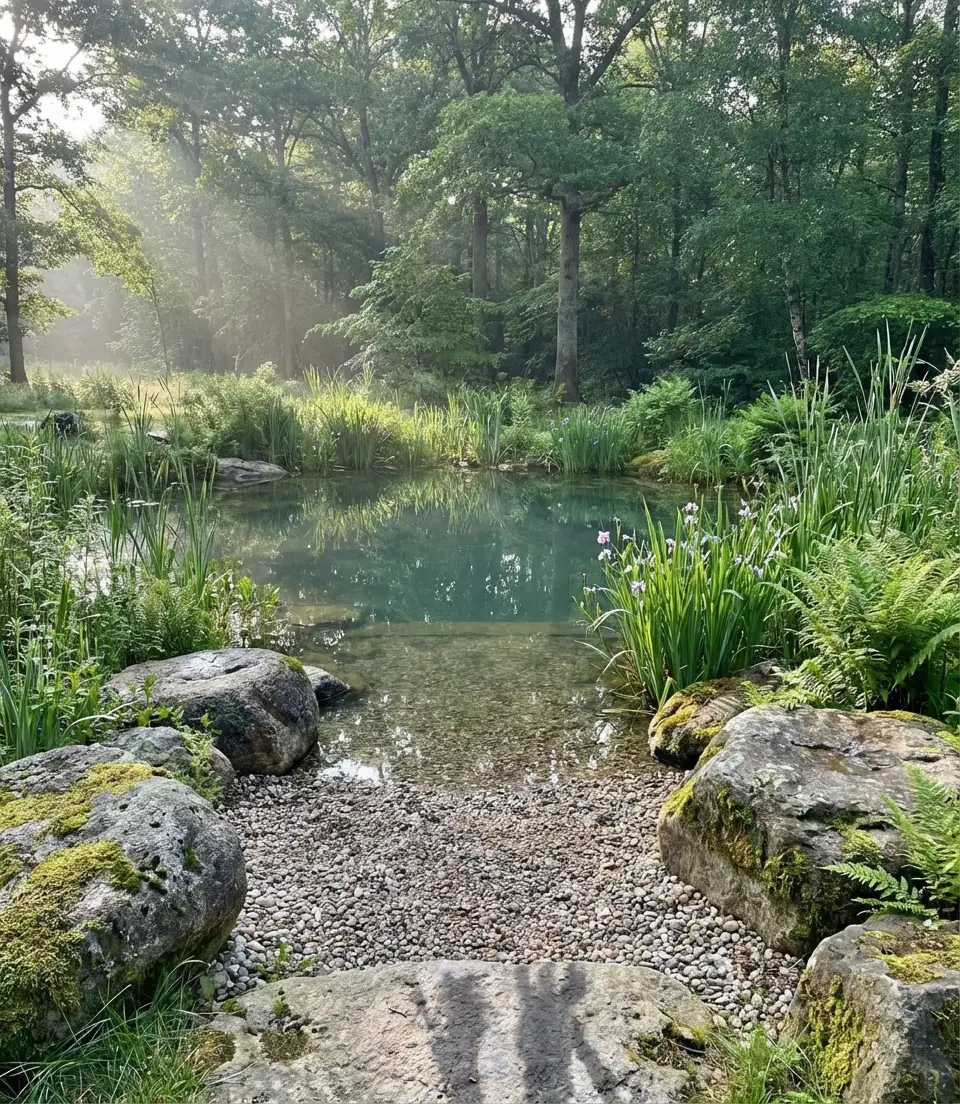
Practical insight: Installation costs range from $50,000 to $100,000 due to specialized filtration engineering, but operating expenses drop to near zero—no chemical purchases, minimal pump usage, and plant maintenance replace traditional cleaning routines. The pools require at least 1,200 square feet to function properly, with regeneration zones occupying 40–60% of total surface area. Water stays swimmable at 68–75°F naturally, and the surrounding plantings attract dragonflies and frogs that help control mosquito populations without pesticides.
4. Plunge Pools for Urban Yards
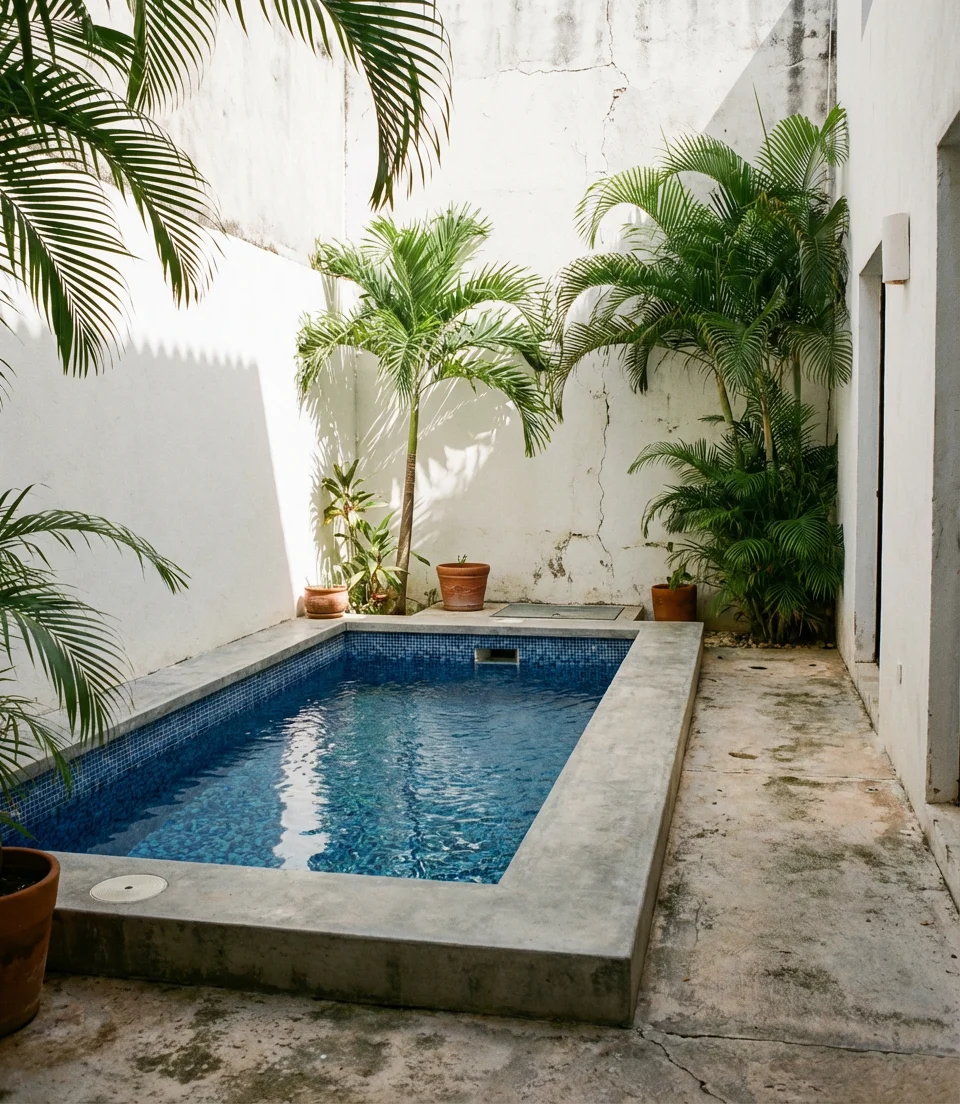
The plunge pool maximizes cooling and hydrotherapy benefits in ultra-compact footprints, typically measuring 8–12 feet long and 6–8 feet wide with depths reaching 5–7 feet for full immersion. These tiny installations work brilliantly in row house backyards, narrow side yards, and rooftop terraces across cities like Philadelphia, San Francisco, and Washington, DC. The vertical depth compensates for limited surface area, allowing cold plunges, aquatic exercise, and lounging in spaces where traditional pools can’t fit.
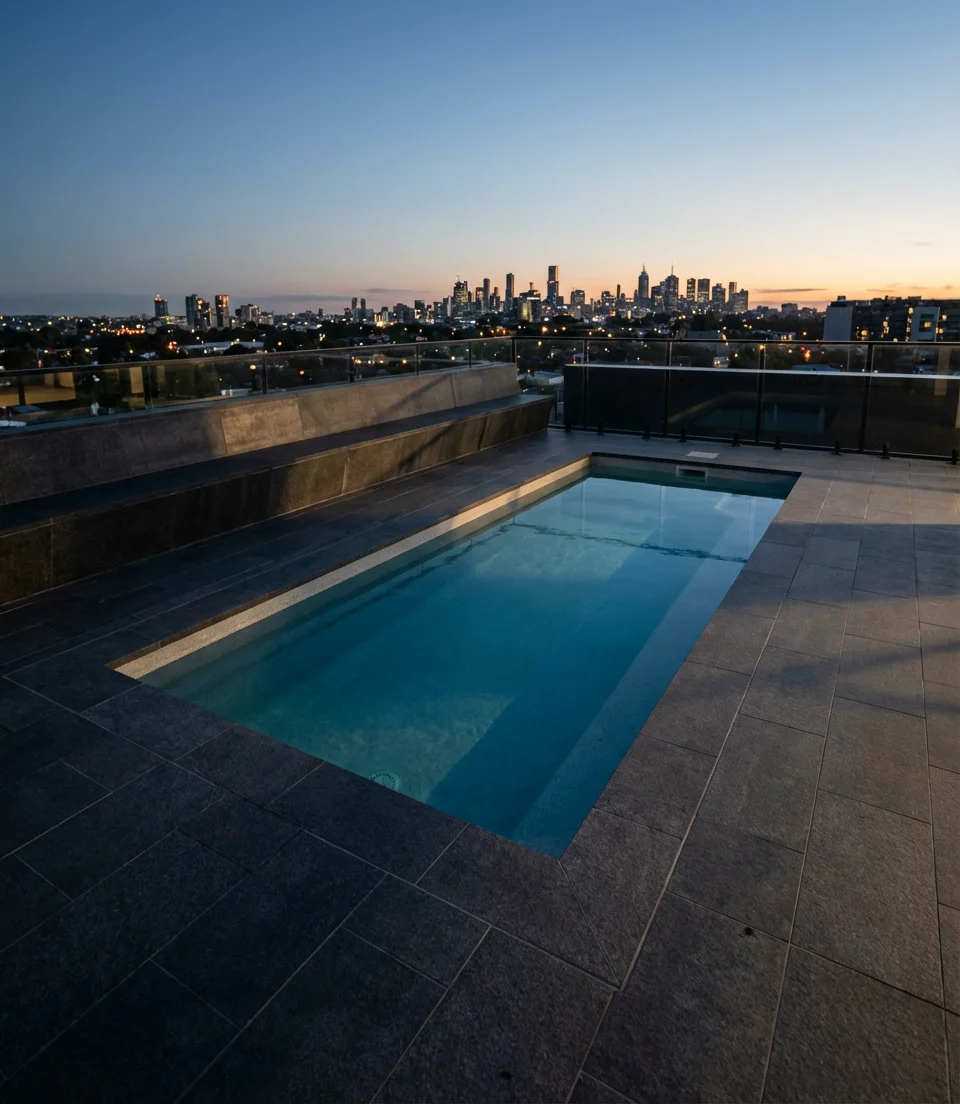
Real homeowner behavior: Many urban dwellers install chiller units ($3,000–$6,000) to keep plunge pools at 45–55°F year-round for recovery therapy, mimicking high-end spa experiences at home. Heating systems run $2,500–$4,500, allowing dual functionality—cold therapy in summer, warm soaking in winter. Concrete or fiberglass construction costs $20,000–$35,000 installed, with ongoing maintenance similar to hot tubs. The small water volume means chemicals cost less than $200 annually, and heating/cooling expenses average $40–$80 monthly depending on climate.
5. Kidney-Shaped Retro Pools
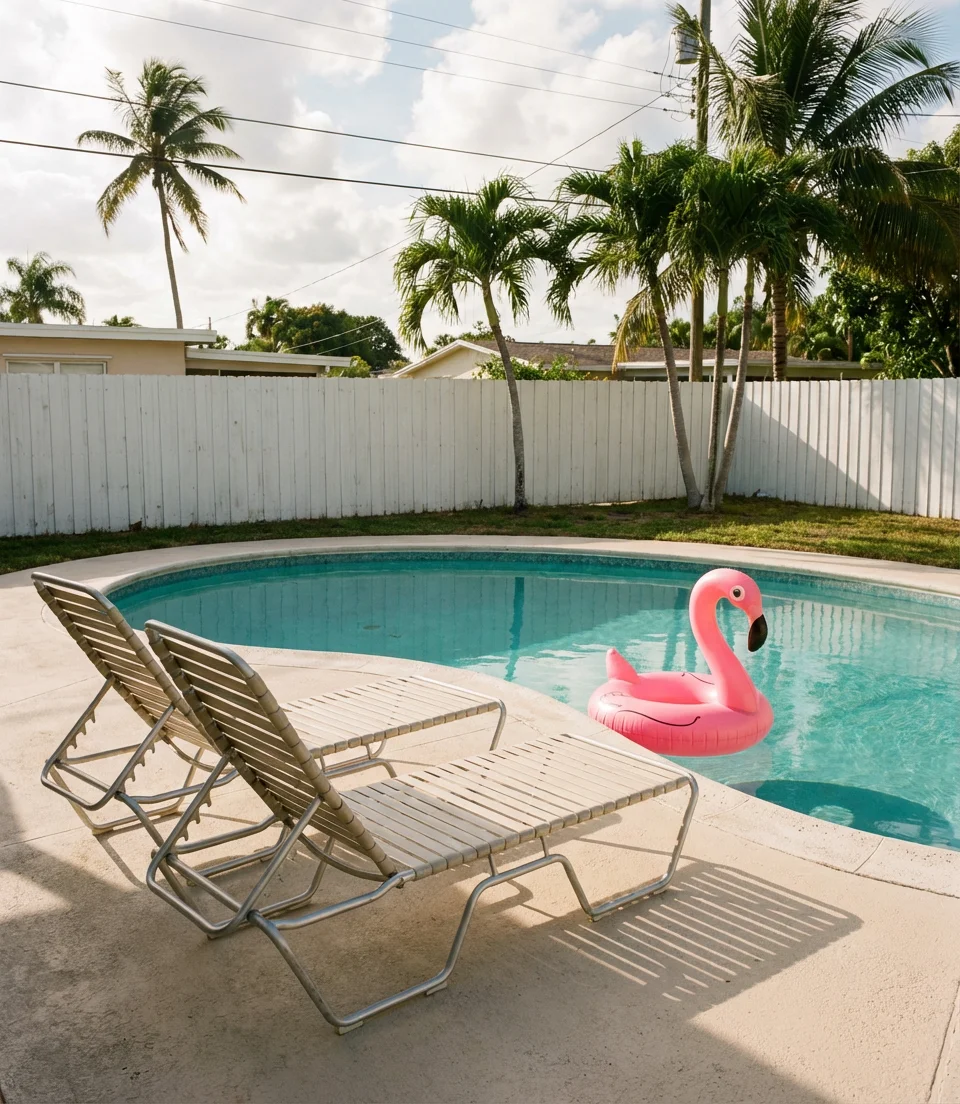
The kidney-shaped pool evokes mid-century modern nostalgia while offering functional advantages that explain its enduring popularity in suburbs from Palm Springs to Long Island. The organic curve creates distinct shallow and deep zones naturally, provides visual interest from multiple viewing angles, and fits irregular lot shapes better than rectangular designs. Homeowners renovating 1950s–1970s properties often restore or replicate this silhouette to maintain architectural cohesion with ranch-style homes and period landscaping.
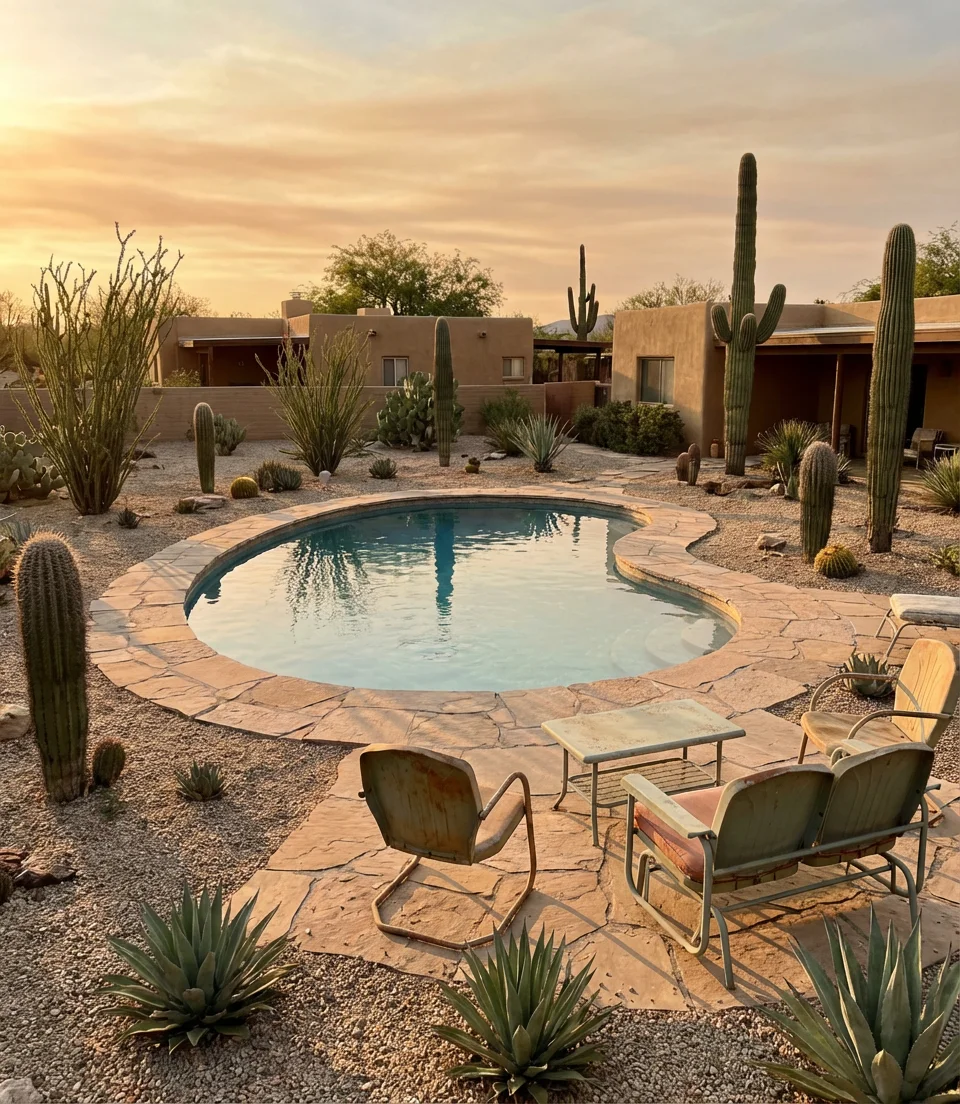
Expert-style commentary: Modern kidney pools incorporate LED lighting and saltwater systems while maintaining classic proportions—typically 16×30 feet with a 3-foot shallow end flowing to 6–8 foot depths. Fiberglass shells cost $25,000–$45,000 installed, while concrete gunite versions run $40,000–$70,000 but allow complete customization of dimensions and finish colors. The curved shape actually reduces coping and tile costs compared to rectangular pools of similar surface area, since perimeter length decreases by 8–12%. Renovation projects often replace dated aqua plaster with modern aggregate finishes like PebbleTec while preserving the original footprint.
6. Fiberglass Shell Installations
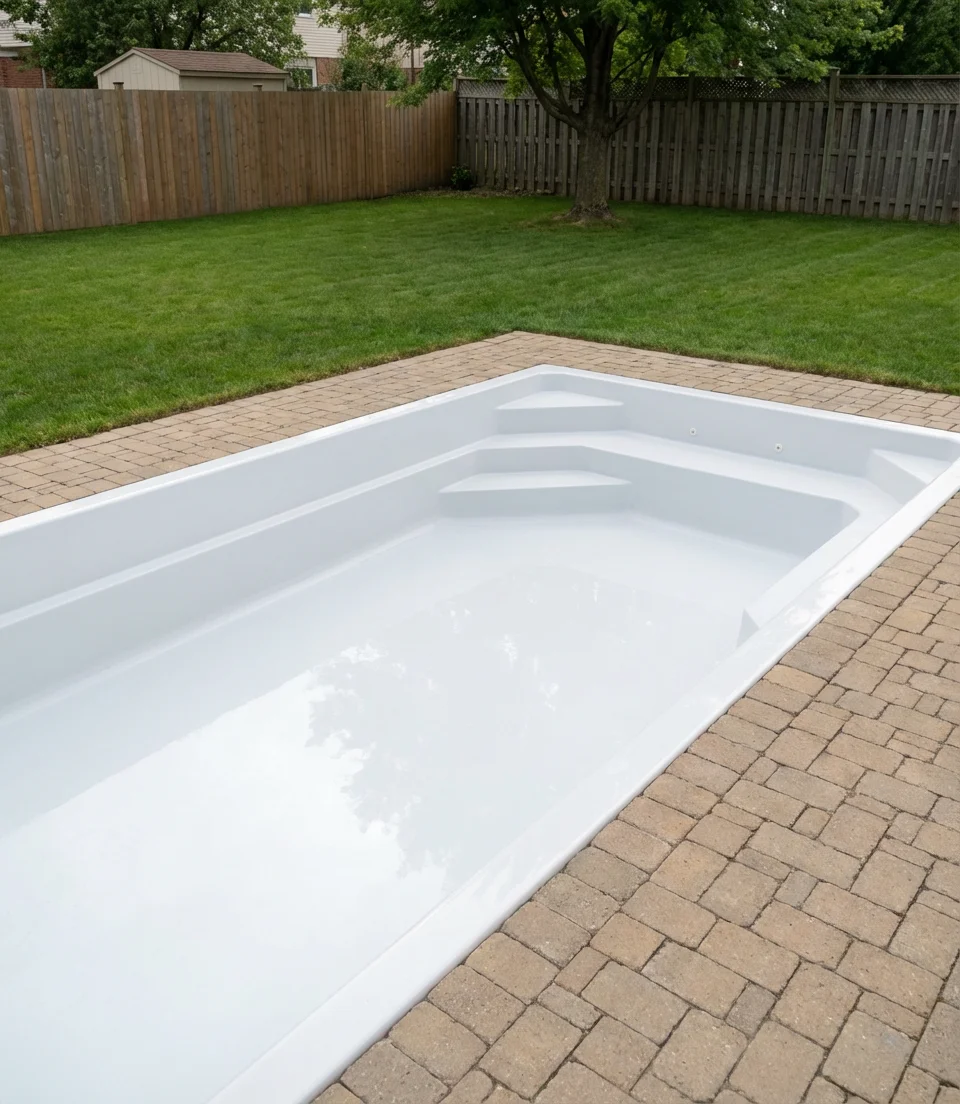
The fiberglass pool arrives as a pre-manufactured one-piece shell that cranes into an excavated hole, offering rapid installation timelines and non-porous surfaces that resist algae growth better than concrete alternatives. These inground pools install in 2–5 days compared to 8–12 weeks for poured concrete, making them popular in climates with short construction seasons across Minnesota, Montana, and upstate New York. The gel coat finish never requires replastering, eliminating the $5,000–$10,000 resurfacing expense that concrete pools demand every 10–15 years.
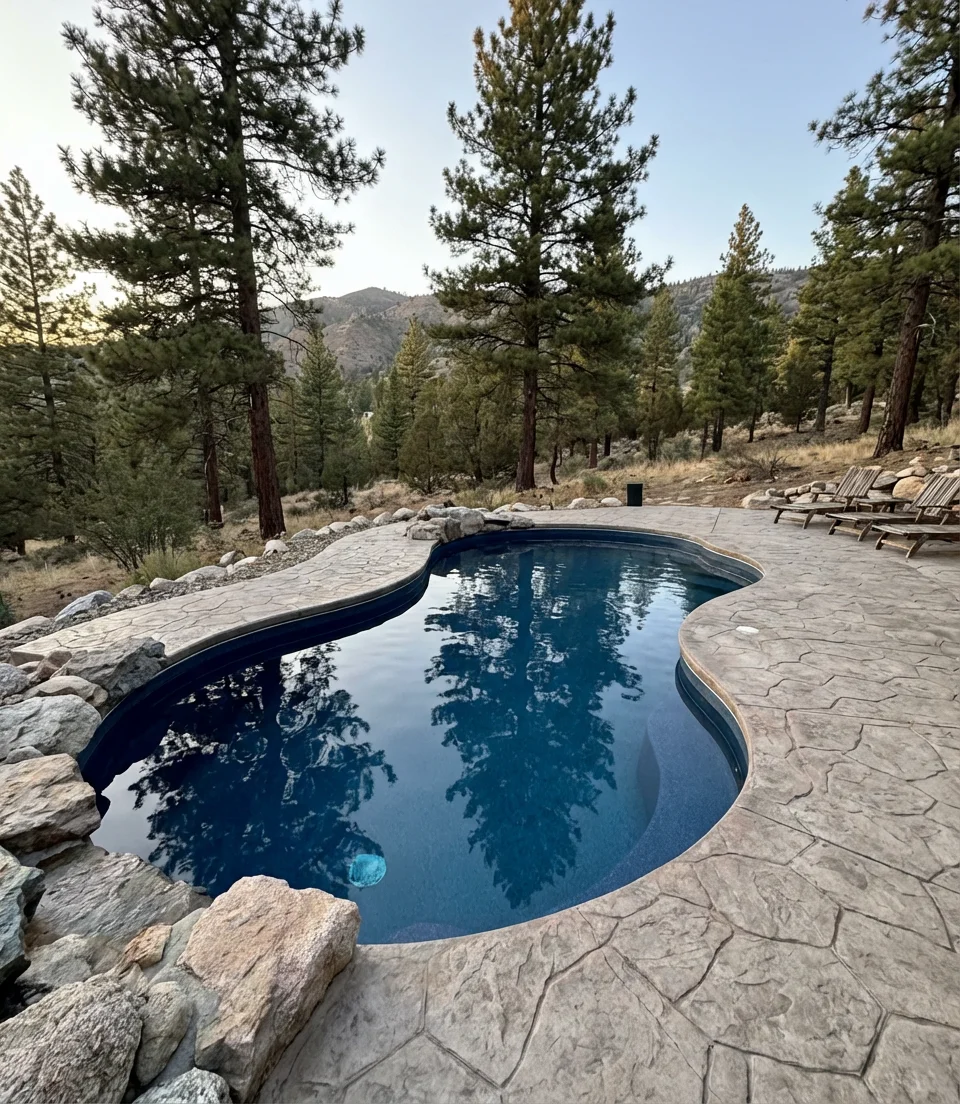
Common mistakes and how to avoid them: Buyers often underestimate excavation complexities—rocky soil, high water tables, or limited crane access can add $5,000–$15,000 to base pricing. Always verify site accessibility before ordering shells, since delivery trucks and cranes need 12–16 feet of clearance width. The smooth surface requires less chlorine than plaster pools, typically 50–60% less chemical usage annually. Choose darker gel coat colors (charcoal, sapphire, or graphite) in northern climates to maximize solar heat absorption, potentially reducing heating costs by 15–20% compared to white finishes.
7. Container Pool Conversions
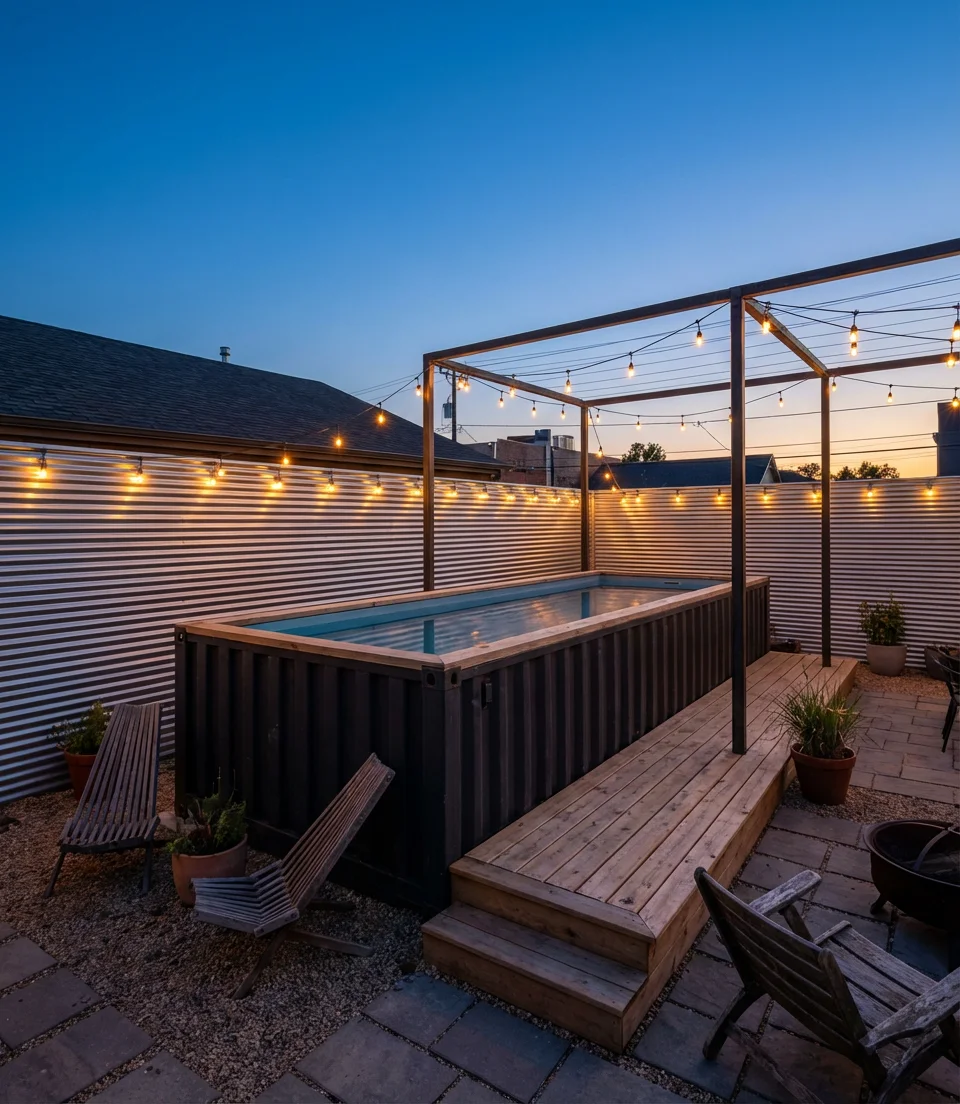
A container pool repurposes 20-foot or 40-foot shipping containers into rectangular swimming vessels, appealing to industrial design enthusiasts and homeowners seeking modular, relocatable water features. These steel boxes get professionally waterproofed with marine-grade epoxy liners, reinforced for hydrostatic pressure, and fitted with circulation systems before placement on concrete pads or gravel bases. The trend thrives in artistic communities across Austin, Portland, and Nashville, where repurposed materials signal environmental consciousness and creative problem-solving.
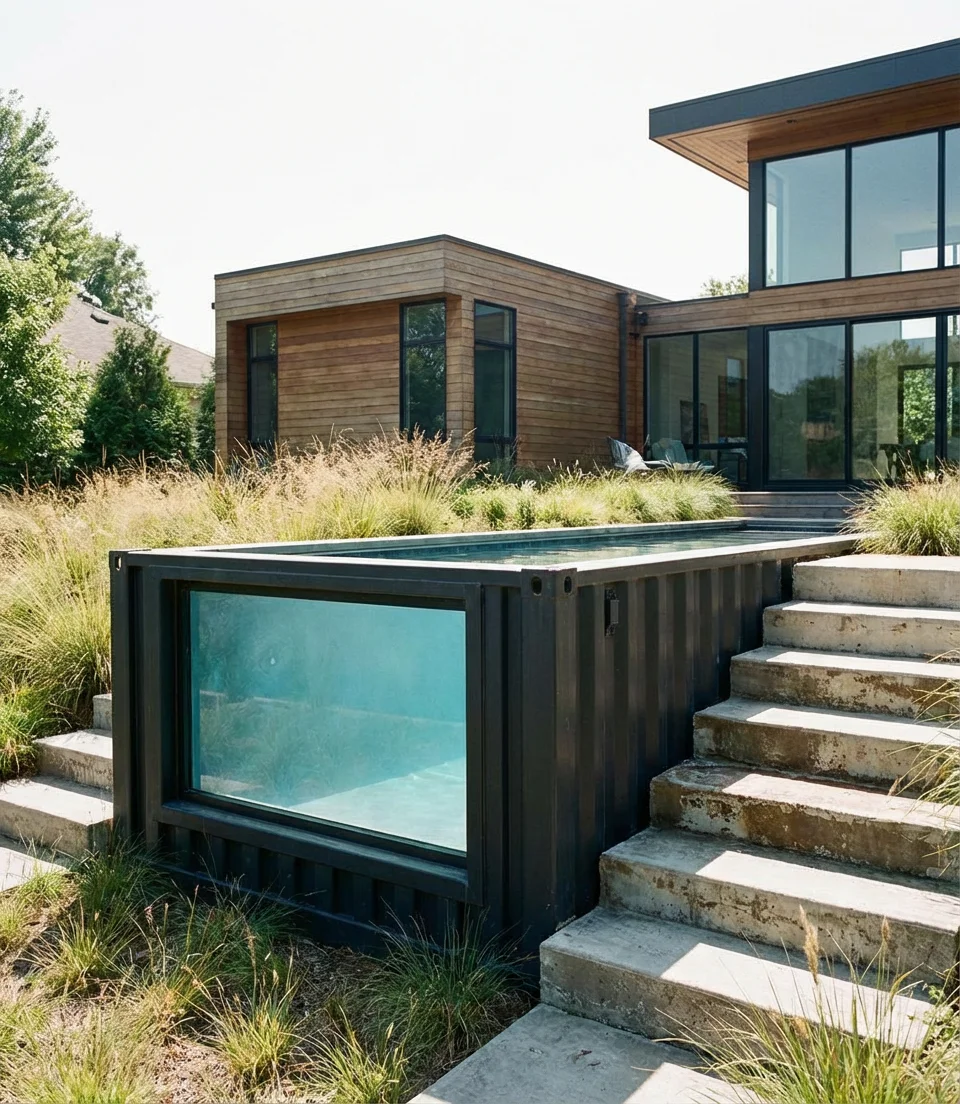
Micro anecdote: A Portland couple installed a 20-foot container pool for $18,000 total—including the container, liner, pump, and basic deck—then relocated it when they moved two years later. Budget-conscious buyers find used containers for $2,000–$4,000, though professional conversion adds $12,000–$20,000 for waterproofing, filtration, and access cutouts. The rectangular shape yields excellent lap swimming in narrow yards, typically offering 8×20 foot swim zones. Insulation panels reduce heating costs by 40% compared to uninsulated metal shells, which is crucial for extending swim seasons in northern climates.
8. Indoor Pool Rooms
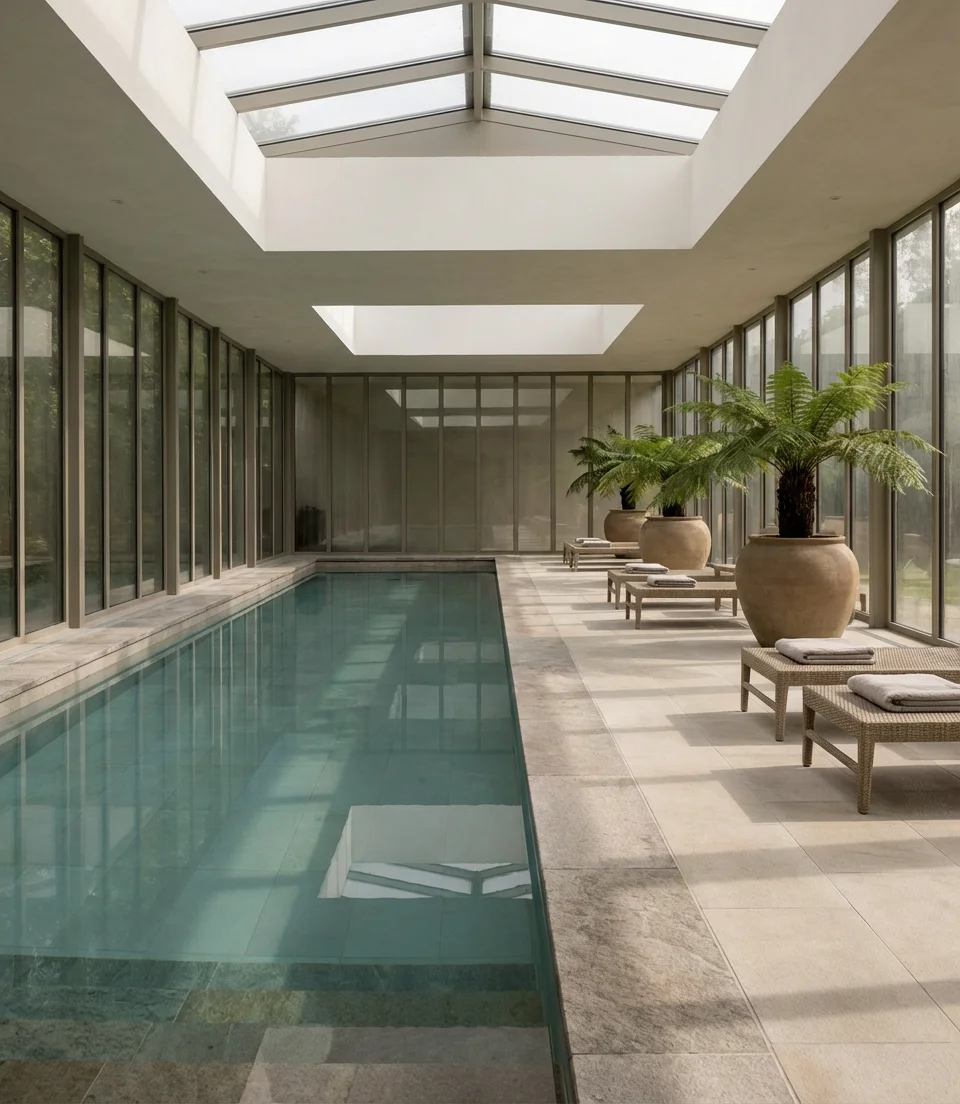
An indoor pool transforms unused basement space or attached structures into year-round aquatic retreats, eliminating seasonal limitations that plague outdoor installations across cold-winter regions. Proper dehumidification systems prevent moisture damage to surrounding building materials, requiring 60–80 air changes per hour with humidity maintained at 50–60% to protect structural integrity. Homeowners in Michigan, Wisconsin, and Maine increasingly choose this route to maximize pool usage despite harsh climates that limit outdoor swimming to 10–14 weeks annually.
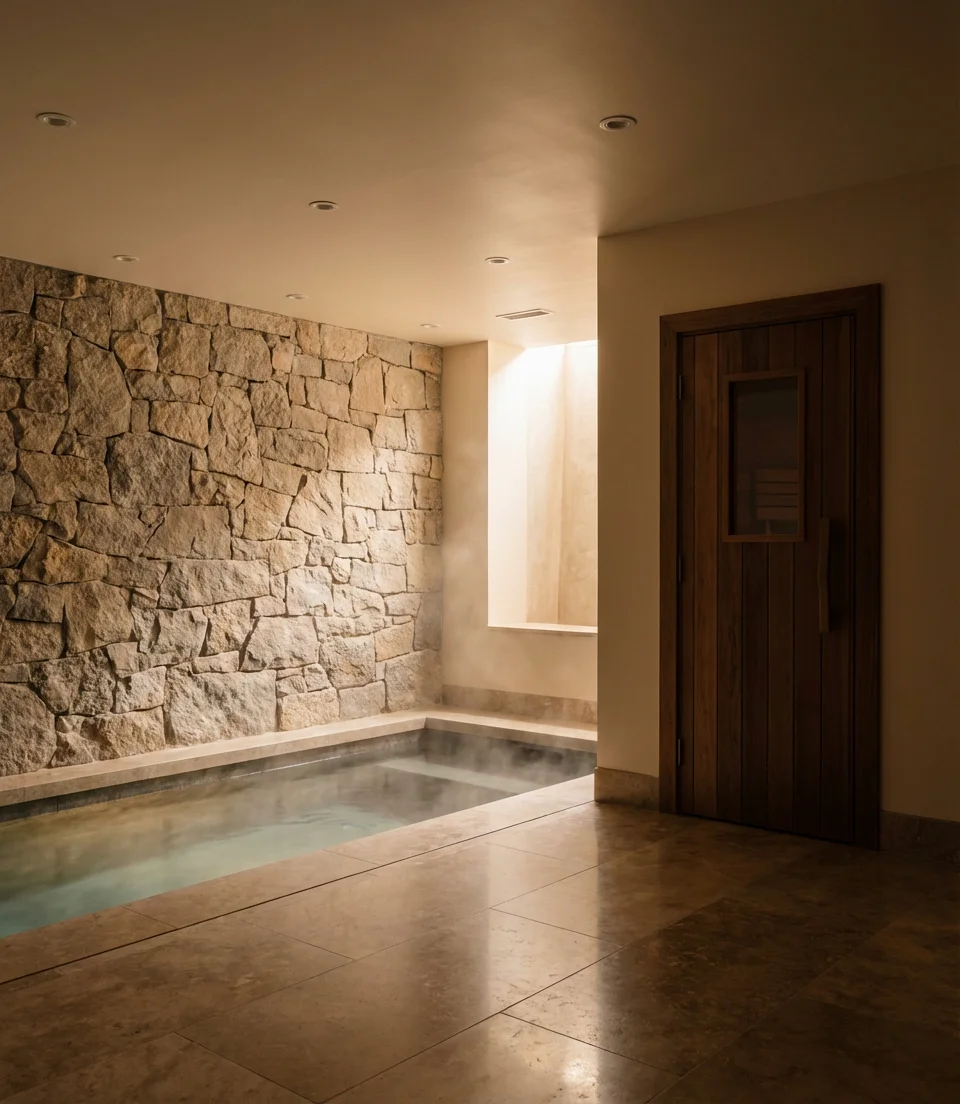
Budget angle: Construction costs range from $100,000 to $300,000 depending on excavation requirements, HVAC systems, and structural modifications needed to support water weight—typically 6,000+ pounds per average pool. Operating expenses include dehumidification ($150–$300 monthly), heating ($200–$400 monthly in winter), and increased homeowners insurance premiums averaging 10–15%. The payoff arrives in 52-week usability, privacy from neighbors, and property value increases that can reach 25–30% in luxury markets where pools remain desirable amenities.
9. Semi-Inground Pool Hybrids
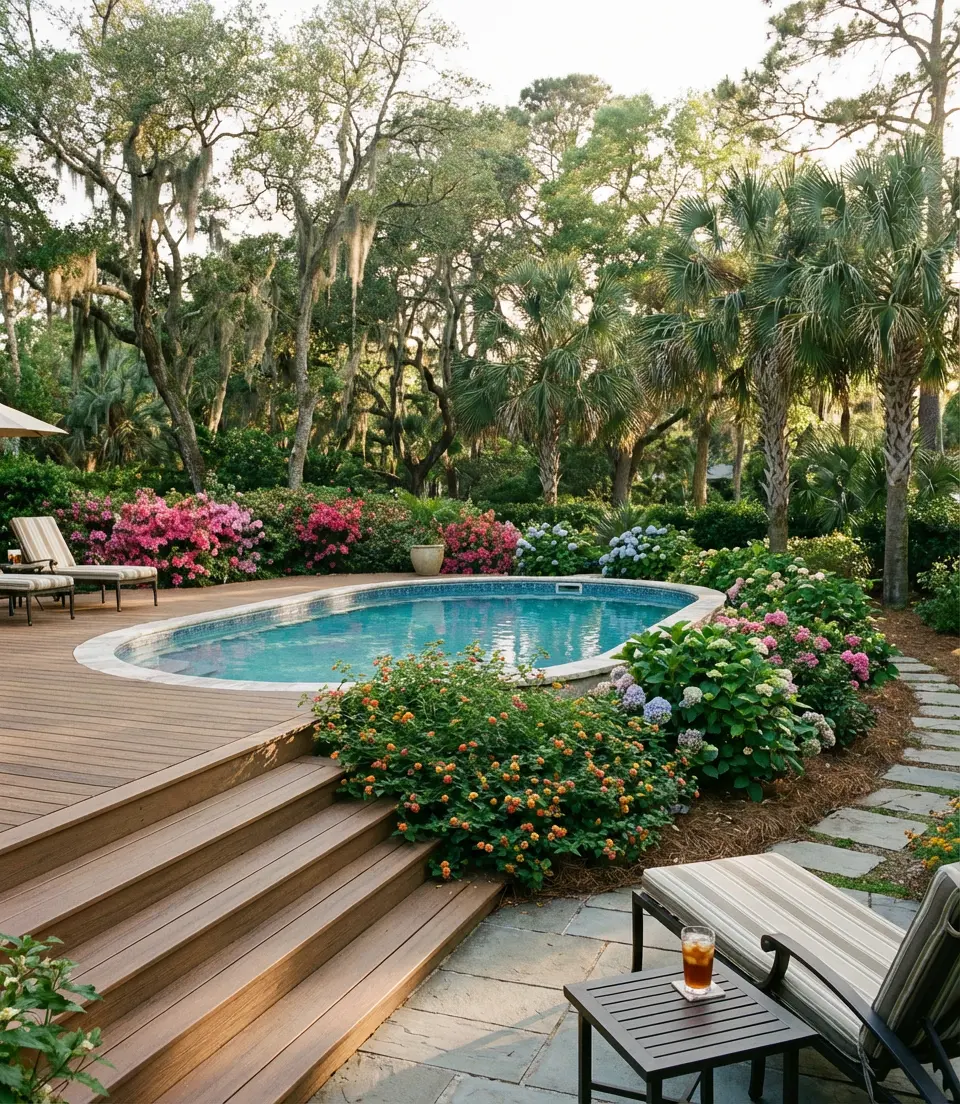
The semi-inground pool positions the structure 2–3 feet above grade while burying the remainder, creating a compromise that reduces excavation costs while improving aesthetics compared to fully elevated designs. This configuration works particularly well on properties with high water tables, shallow bedrock, or expensive digging conditions that make full in-ground installation prohibitively expensive. Coastal areas in Florida, Louisiana, and South Carolina favor this approach where groundwater sits just 4–6 feet below surface level.
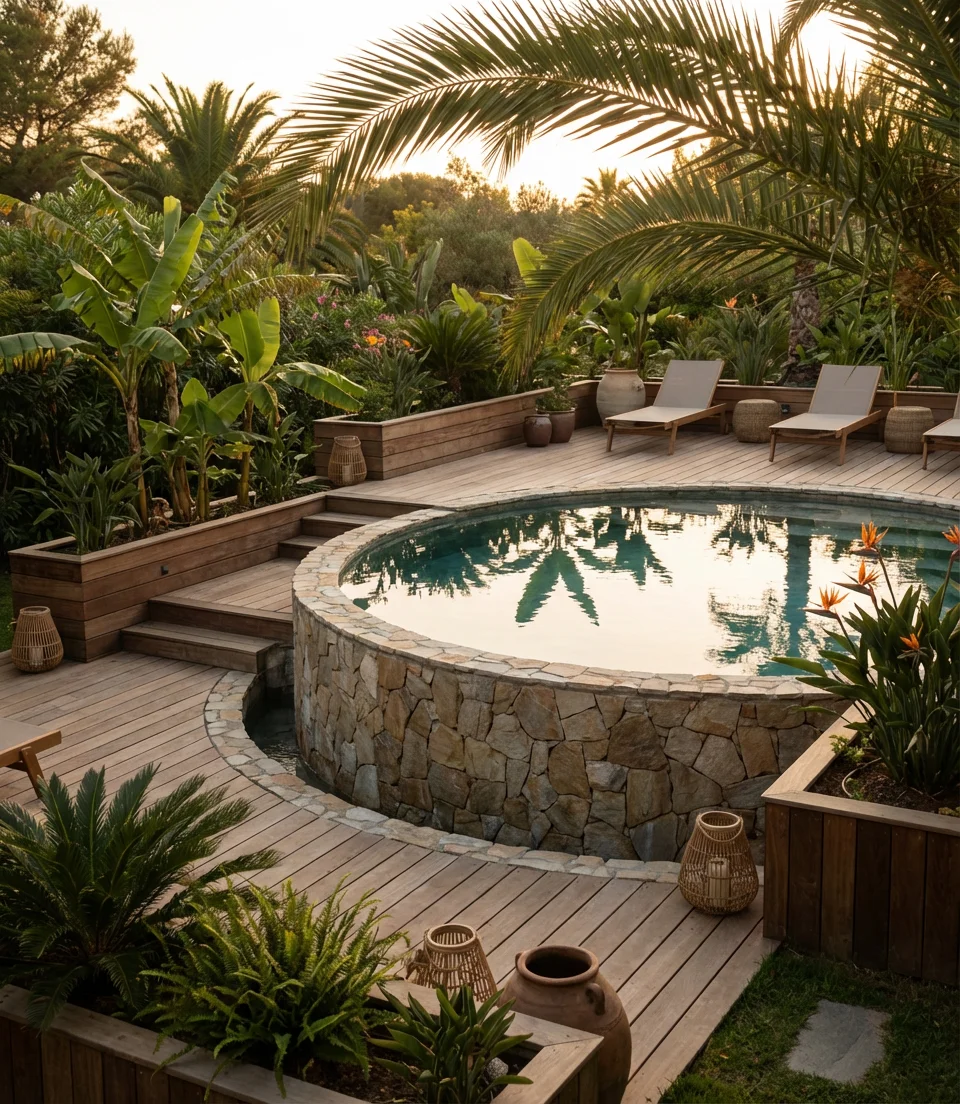
American lifestyle context: Gulf Coast homeowners appreciate how semi-inground pools resist hurricane damage better than above-ground models while avoiding the flooding risks that plague below-grade pools in storm surge zones. The elevated rim doubles as flood protection, keeping pool equipment 24–36 inches above potential water levels. Installation runs $15,000–$30,000 depending on size and decking complexity—roughly 40% less than full inground equivalents. The partial excavation also speeds installation, with most projects completing in 5–7 days versus weeks for conventional pools.
10. Intex Frame Pool Setups
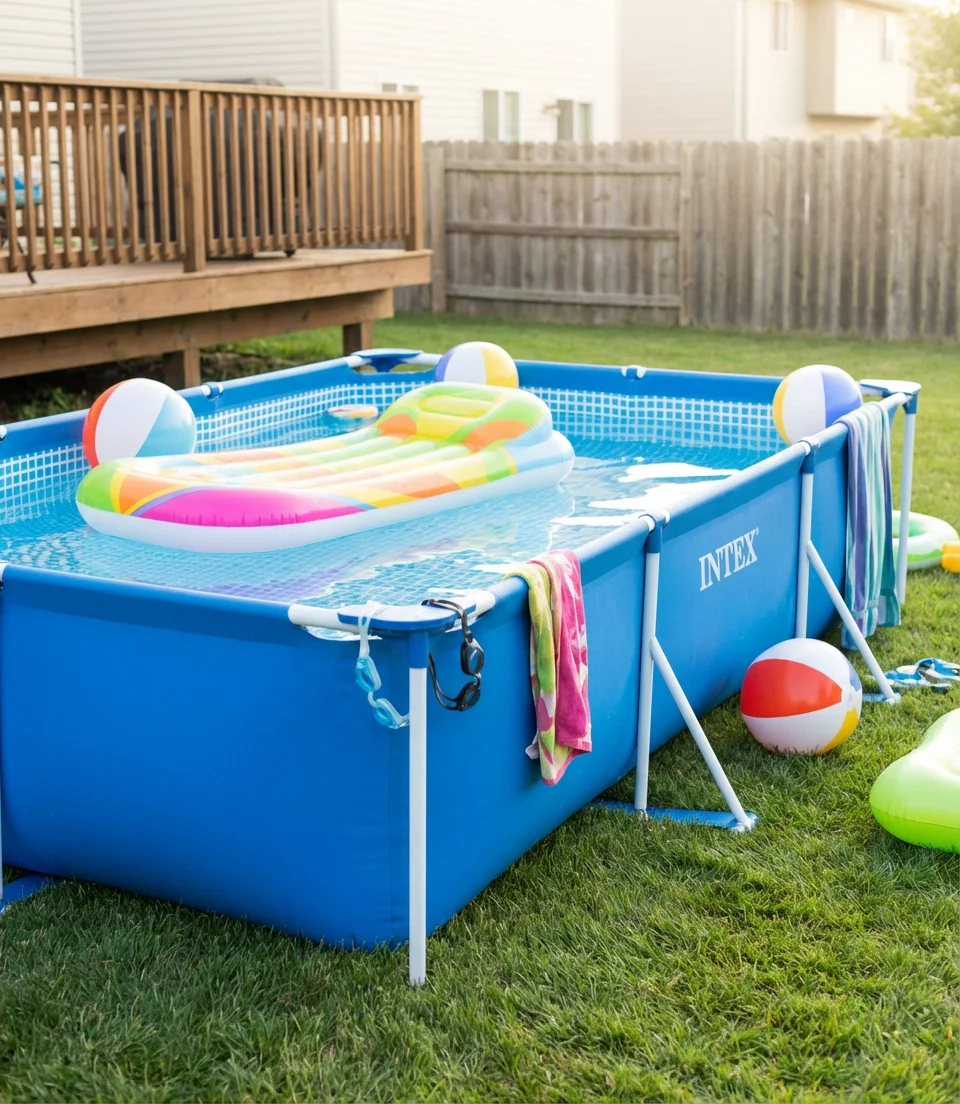
An Intex pool brings temporary or seasonal swimming to households unwilling to commit to permanent structures, with powder-coated steel frames supporting heavy-duty vinyl liners that assemble in 1–3 hours without tools or expertise. These above-ground pools cost $300–$1,500 depending on size (8–24 feet in diameter) and include basic filtration pumps that maintain water clarity through simple cartridge systems. Families in rental homes, military bases, or transitional housing across the country choose Intex for instant gratification swimming at a fraction of permanent pool pricing.
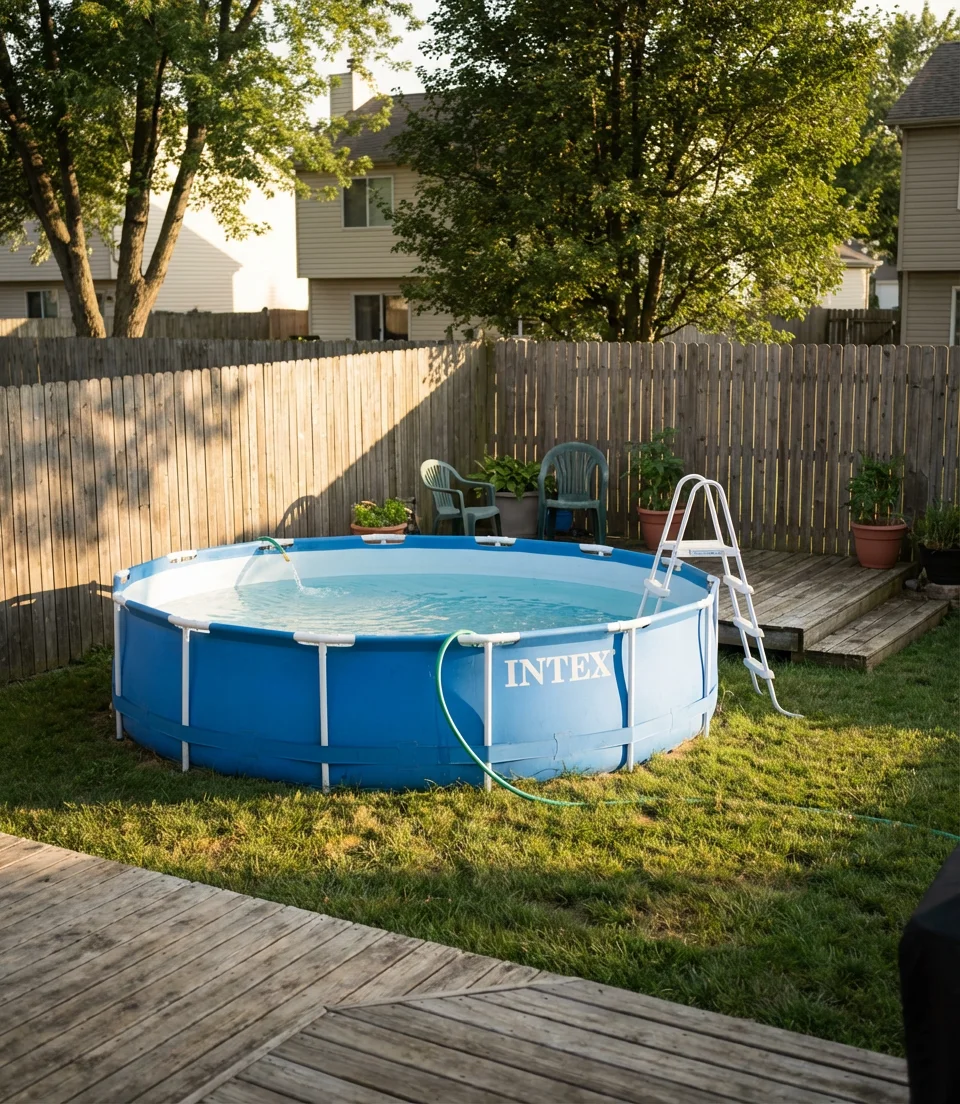
Practical insight: Longevity improves dramatically with proper base preparation—laying 2–3 inches of sand creates smooth surfaces that prevent liner punctures from rocks, roots, or debris. Most owners report 3–5 seasons of use before liner replacement becomes necessary, costing $80–$200 depending on size. Winter storage requires complete draining and careful folding to prevent mold growth, with frames disassembling into manageable pieces that fit garage or basement storage. The biggest operational challenge involves chemical balancing in smaller water volumes, where pH and chlorine fluctuate more rapidly than larger pools.
11. Small Inground Courtyard Pools
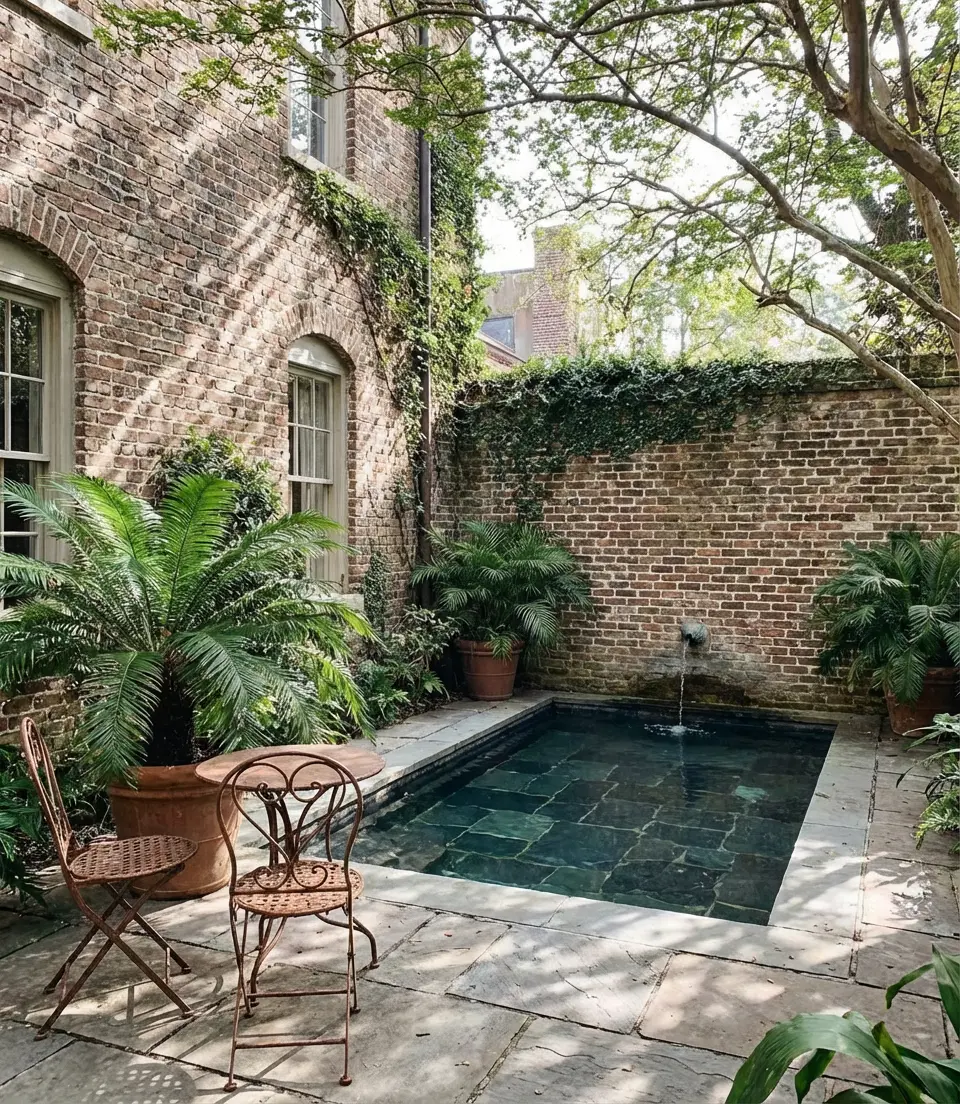
A small inground pool maximizes European-style elegance in limited square footage, typically measuring 10×16 feet or 12×20 feet to fit enclosed courtyards, side yards, or walled gardens common in historic neighborhoods. These scaled-down installations appear frequently in Charleston, Savannah, and New Orleans, where 19th-century architecture includes central courtyards perfect for intimate water features. The compact size allows luxury finishes—mosaic tile, infinity edges, or integrated spas—within $30,000–$50,000 budgets that would barely cover excavation on standard-sized pools.
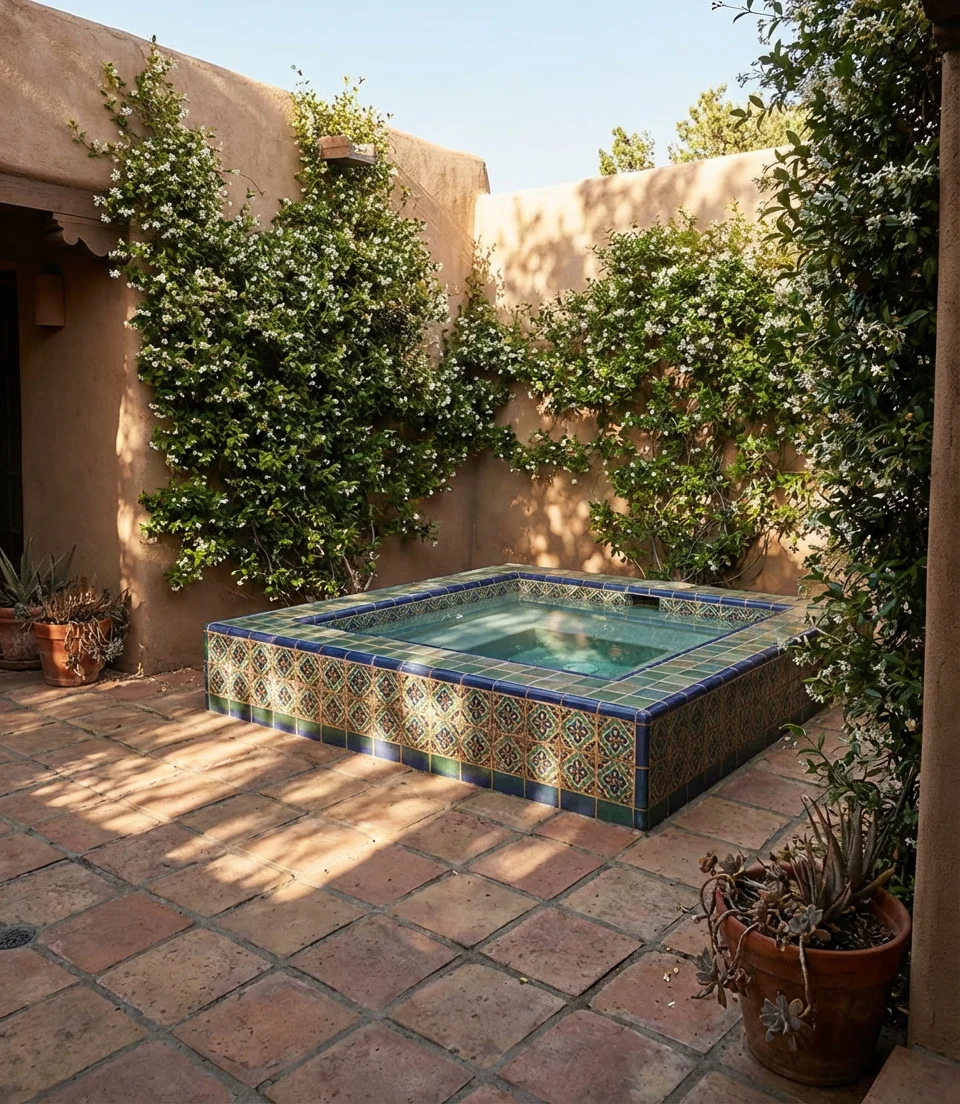
Where it works best: Urban professionals value these pools for cooling off without dominating outdoor living space—they typically occupy less than 15% of small yards, leaving room for dining patios, gardens, and lawns. The reduced water volume (3,000–5,000 gallons versus 15,000–20,000 for conventional pools) cuts heating costs by 60–70%, making year-round heated swimming feasible even in transitional climates. Maintenance demands drop proportionally, with chemical costs averaging $15–25 monthly and weekly cleaning requiring just 20–30 minutes. Many owners heat these pools to 85–90°F to function as oversized hot tubs during cooler months.
12. Small Backyard Lap Pools 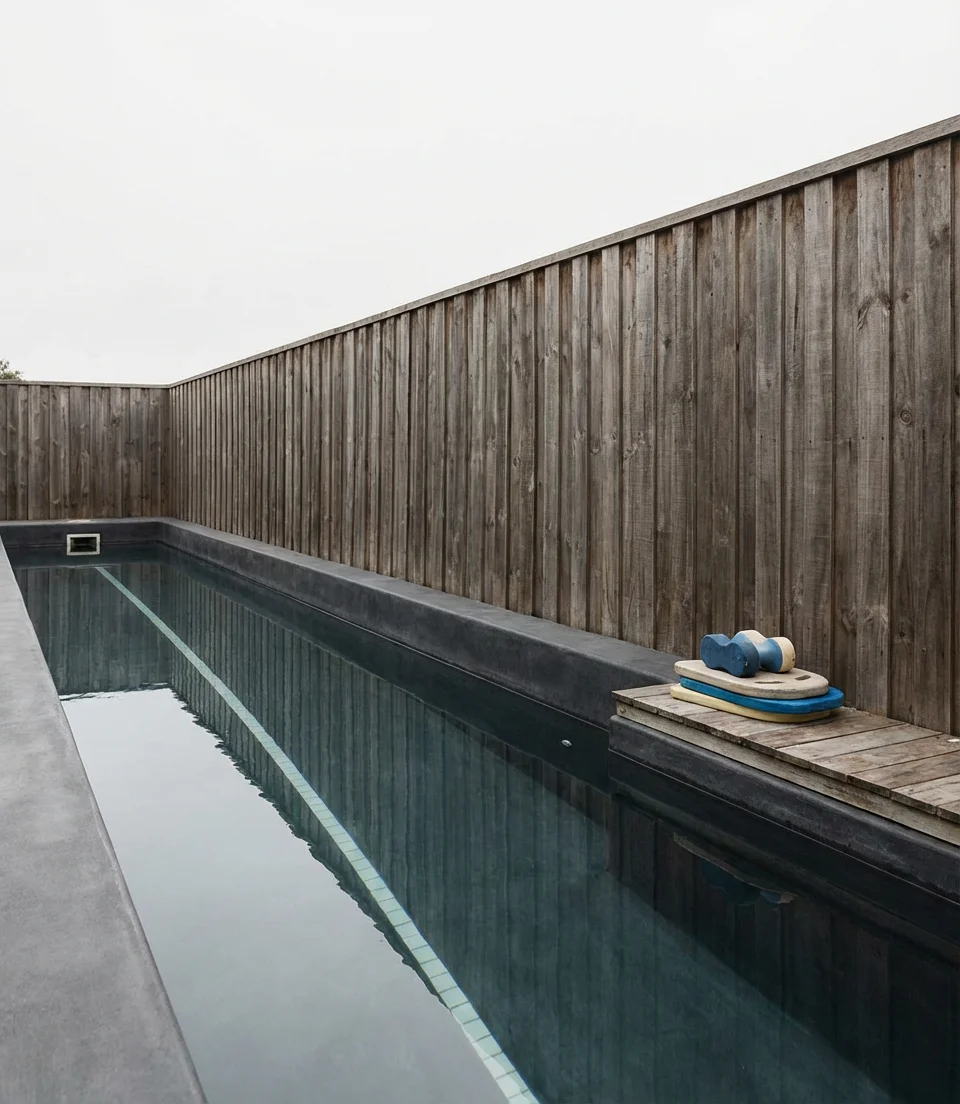
The small backyard lap pool prioritizes fitness over recreation with narrow rectangular designs measuring 8–10 feet wide and 25–40 feet long, delivering serious swimming workouts in pool ideas for small yards where wider pools won’t fit. Swim jet systems installed at one end create adjustable currents that allow endless swimming against resistance in pools as short as 12 feet, effectively providing infinite-length training in a finite space. Health-focused homeowners in Seattle, Boston, and Denver increasingly choose this option over gym memberships, valuing home-based exercise privacy and convenience.
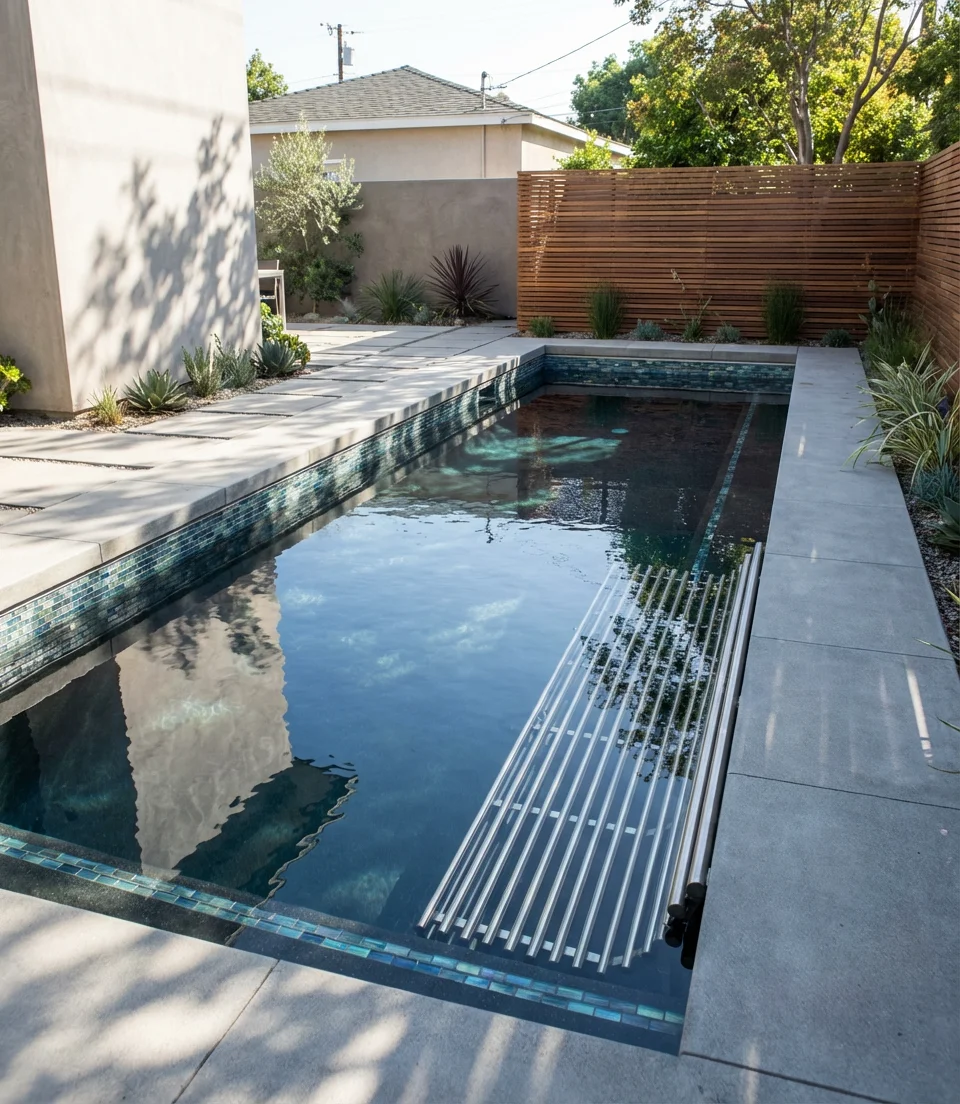
Expert-style commentary: Proper lap pool design requires a 4-foot minimum depth throughout to allow efficient stroke mechanics without scraping fingers on the bottom. Competitive swimmers prefer 5–6 foot consistent depths. Swim jet systems cost $5,000–$15,000 installed but transform a 20-foot pool into a viable training tool—collegiate athletes often train exclusively in jet-equipped pools measuring just 15×8 feet. The narrow footprint means reduced excavation and decking costs, with total projects often completing for $25,000–$45,000. Solar covers prove especially effective on these pools since high surface-area-to-volume ratios normally cause rapid heat loss.
13. Cowboy Pool Stock Tanks
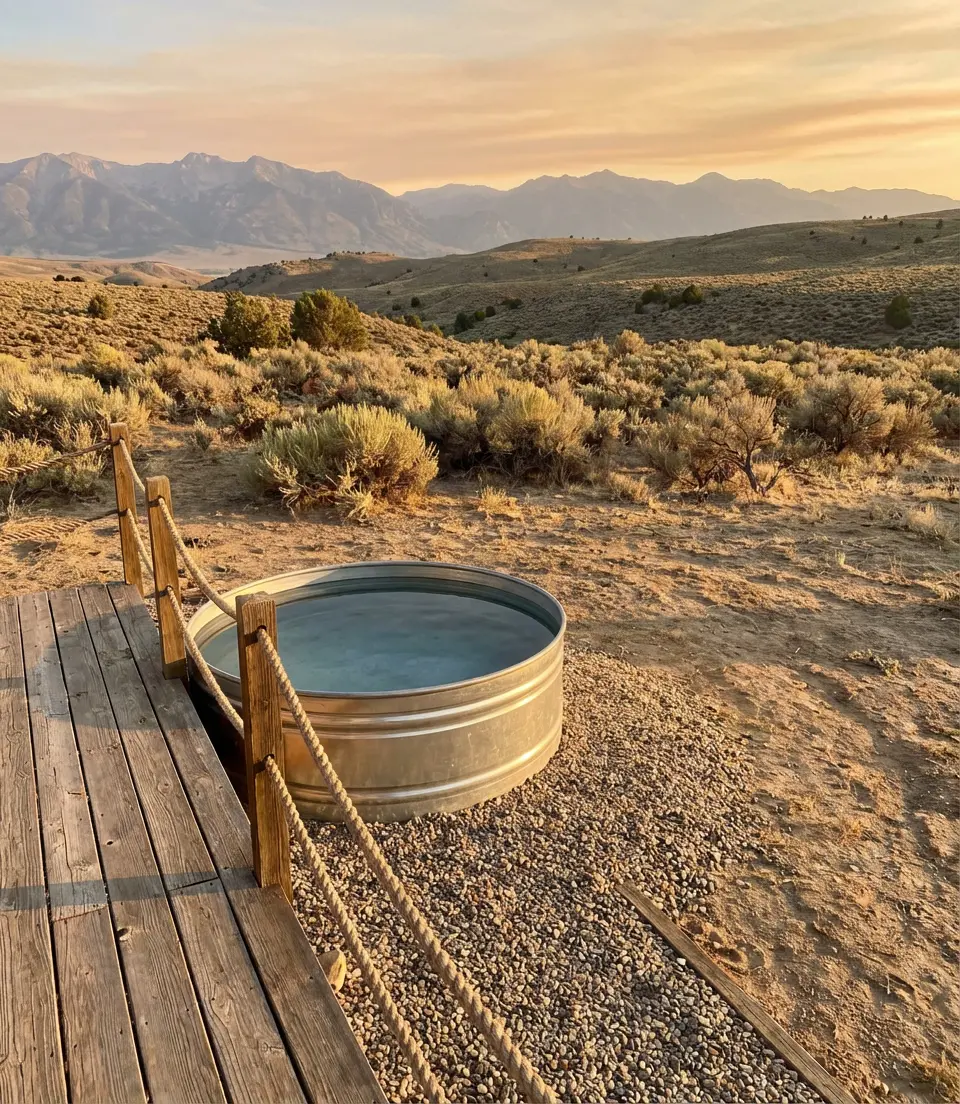
The cowboy pool celebrates Western heritage by embracing the agricultural origins of stock tank conversions, often styled with rustic materials like reclaimed barn wood decking, galvanized metal accents, and native prairie landscaping. These setups thrive in ranch properties across Montana, Wyoming, and rural Texas, where authenticity matters more than polished luxury. The aesthetic pairs naturally with log homes, metal-roofed barns, and wide-open landscapes, creating swimming spots that feel integrated with working land rather than imported from suburban catalogs.
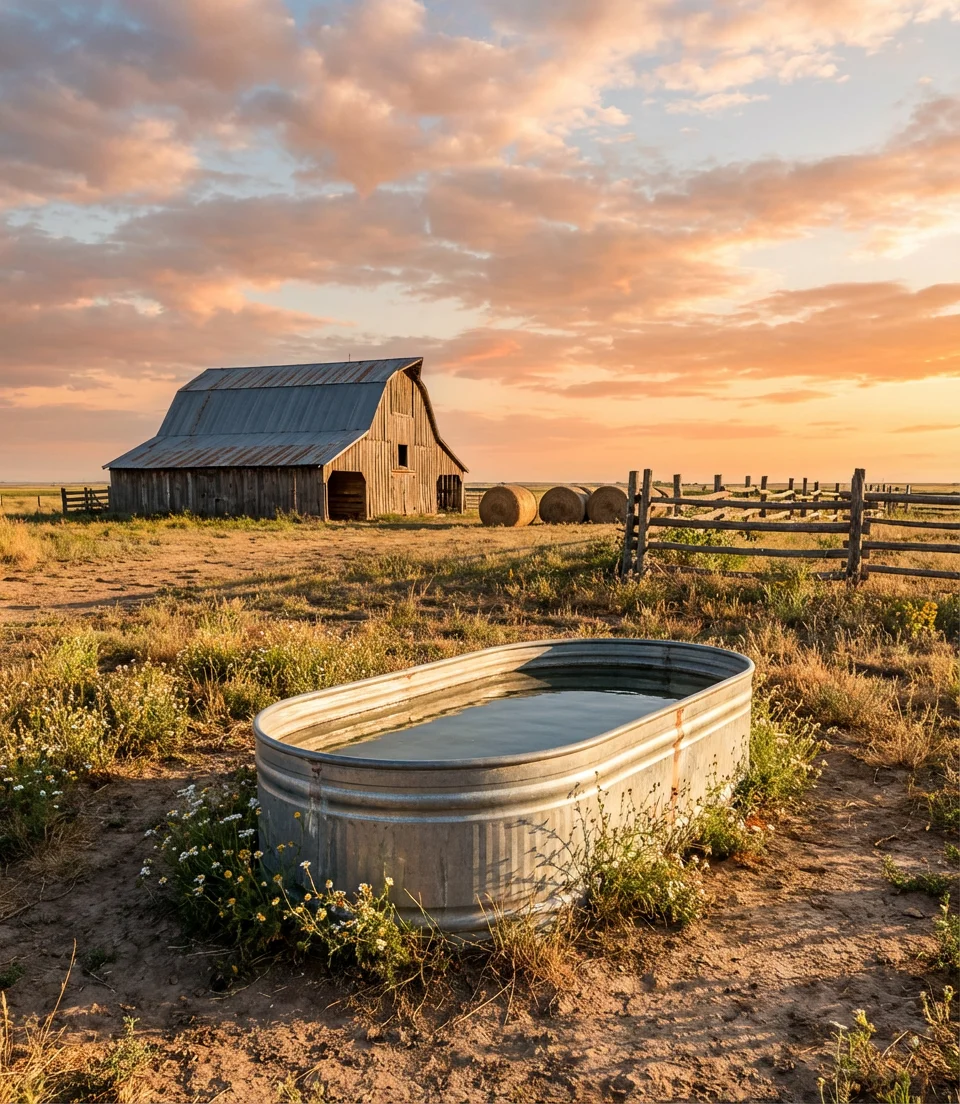
Regional context: High desert and prairie climates benefit from stock tanks’ durability in extreme temperature swings—the thick steel walls withstand -30°F winters and 110°F summers without cracking. Many ranchers simply drain them before the first frost, eliminating winterization hassles. The naturally reflective galvanized finish helps reject solar heat absorption, keeping water 5–8 degrees cooler than dark-colored pools during peak summer heat. This benefit actually becomes a disadvantage in scorching climates where 100°F pool water defeats the cooling purpose. Installation costs rarely exceed $1,500 including the pump and basic filtration.
14. Nice Above-Ground Pool Landscaping
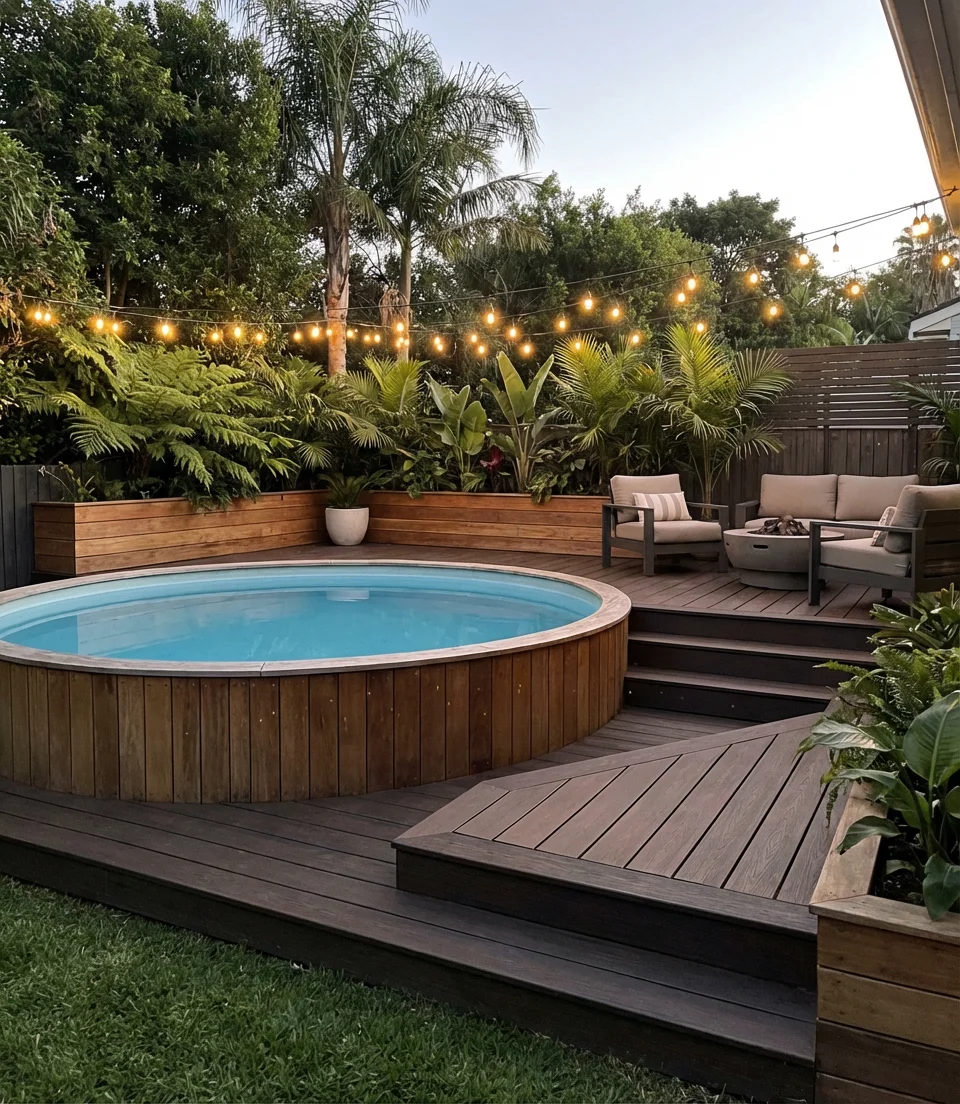
A lovely above-ground pool installation transforms budget-friendly structures into backyard centerpieces through strategic landscaping, quality decking, and thoughtful integration with surrounding outdoor living spaces. Multi-level composite decks camouflage pool walls while creating distinct zones for lounging, dining, and pool access. Ornamental plantings—tall grasses, flowering shrubs, or bamboo screens—soften rigid edges and provide privacy screening that makes above-ground pools feel permanent and intentional rather than temporary or makeshift.
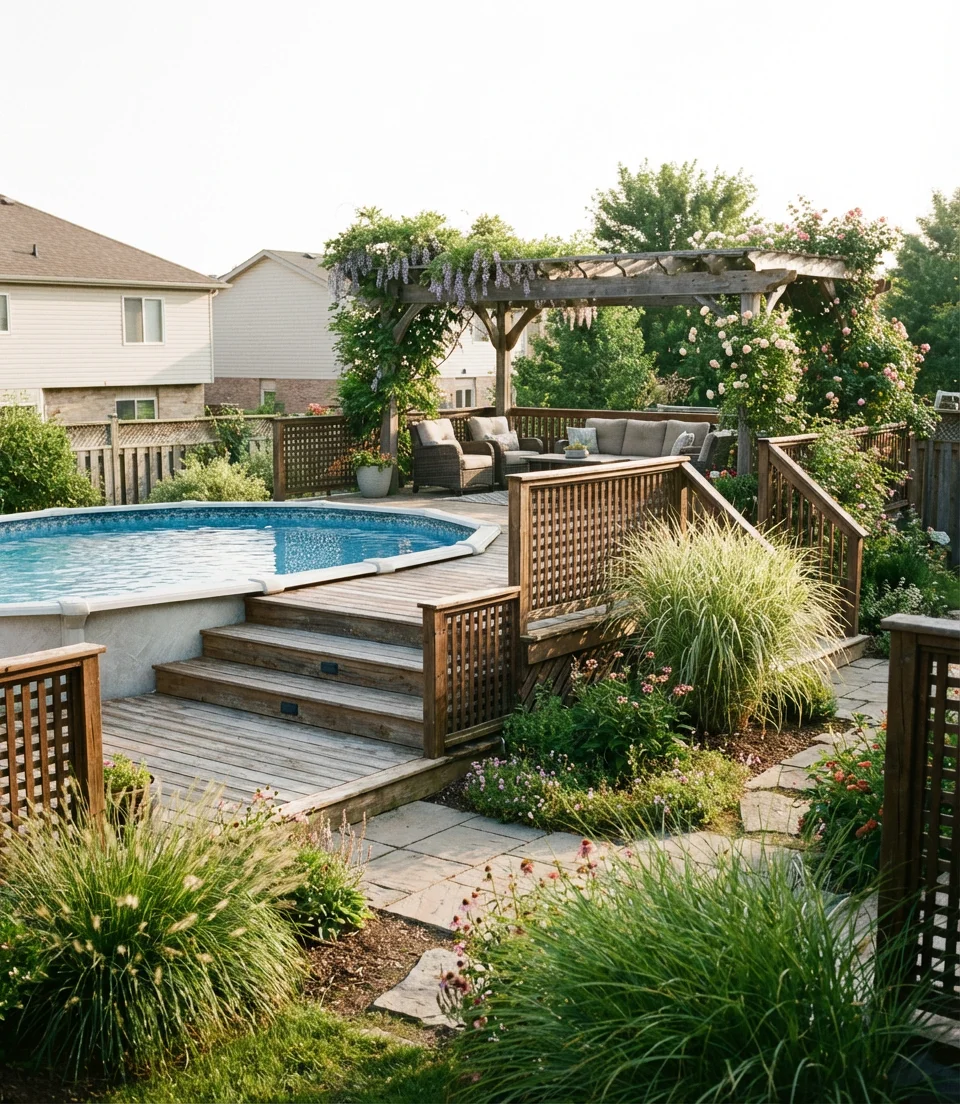
Common mistakes and how to avoid them: The biggest landscaping error involves neglecting drainage around decking—standing water rots wood and creates mosquito breeding grounds. Always slope decking away from pool walls at a 1/4 inch per foot minimum, and install French drains or gravel beds under deck surfaces. Avoid planting large trees within 20 feet since root systems will eventually damage deck foundations and drop excessive debris into water. Choose low-maintenance perennials and grasses that thrive in reflected heat and chlorine spray—sedums, day lilies, and native grasses outperform fussy annuals. Quality landscaping adds $3,000–$8,000 to above-ground pool projects but increases property appeal by 40–50%.
15. Ground-Level Deck Pools
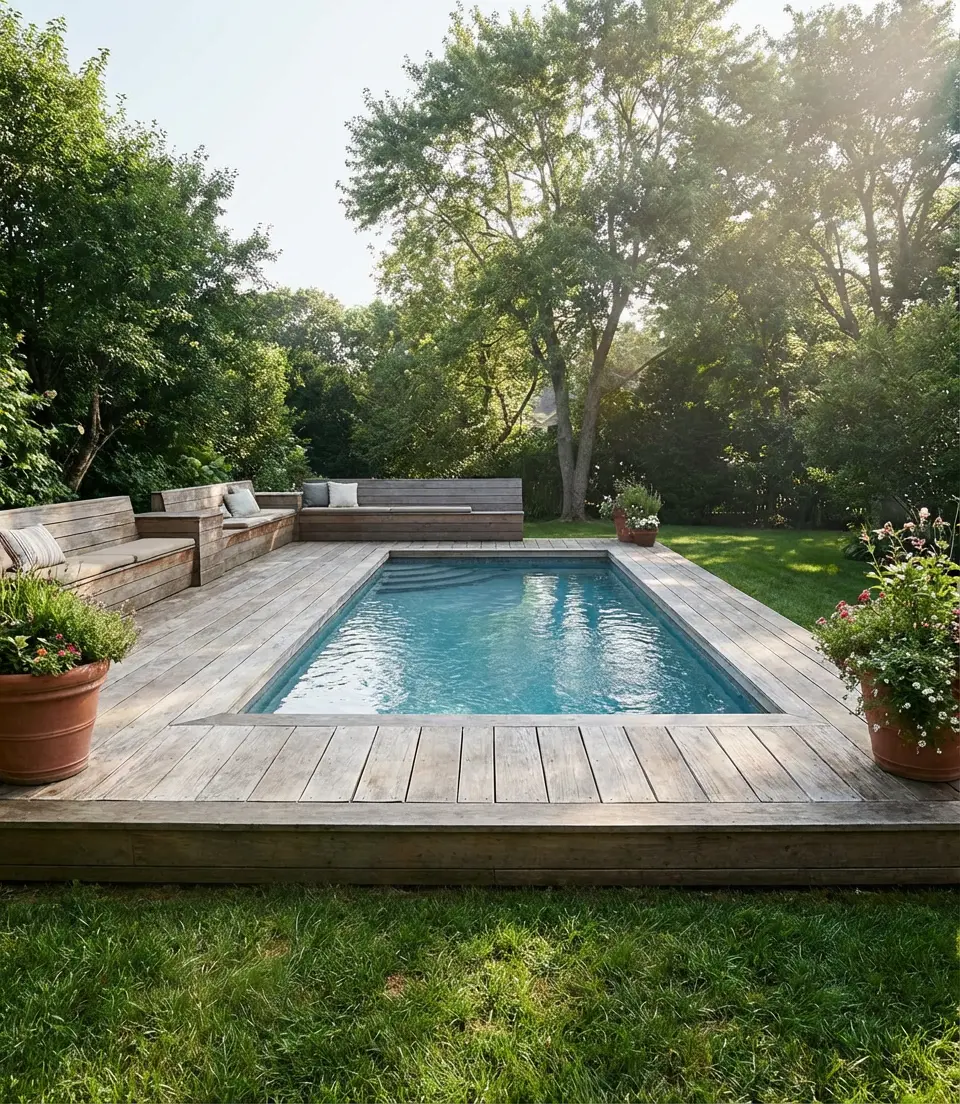
The ground-level deck pool sits flush with surrounding platform surfaces, creating a seamless indoor-outdoor flow that mimics inground aesthetics at above-ground pricing. Builders excavate 12–24 inches of soil to recess the pool partially, then construct framed decking that extends to pool rim height. This approach works brilliantly on flat lots in the Midwest and Mid-Atlantic, where minimal grading allows straightforward leveling without retaining walls or extensive earthwork.
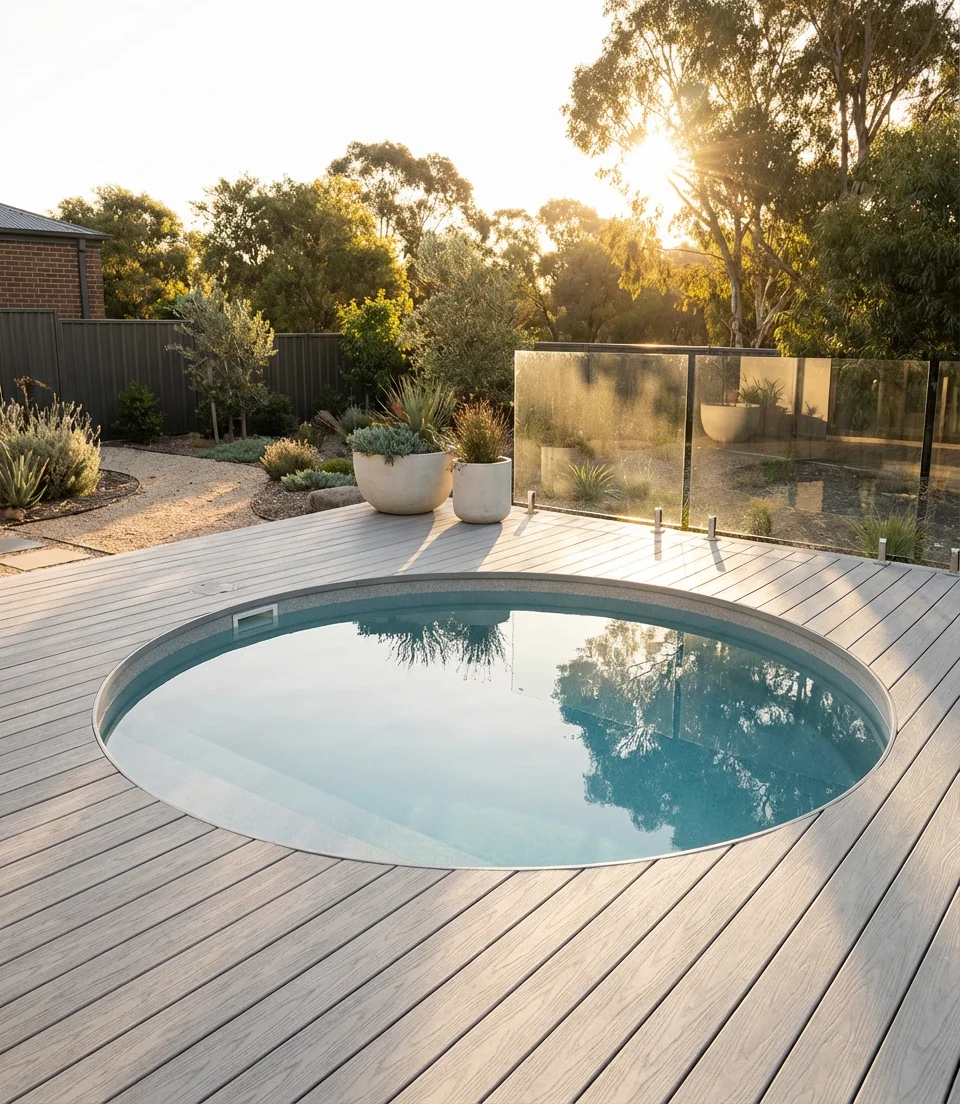
Practical insight: The flush deck eliminates ladder climbing, improving accessibility for elderly family members and young children while creating a resort-like atmosphere. Total project costs range from $12,000 to $25,000 depending on deck size and material choices—pressure-treated lumber runs cheapest at $15–25 per square foot installed, while composite materials cost $30–45 per square foot but require zero maintenance. The recessed positioning also provides slight wind protection, reducing evaporation by 20–30% compared to fully elevated pools. Many owners extend decking to include outdoor kitchens, fire pits, or dining areas, creating comprehensive outdoor living platforms centered around swimming.
16. Backyard Above Ground Pool Privacy
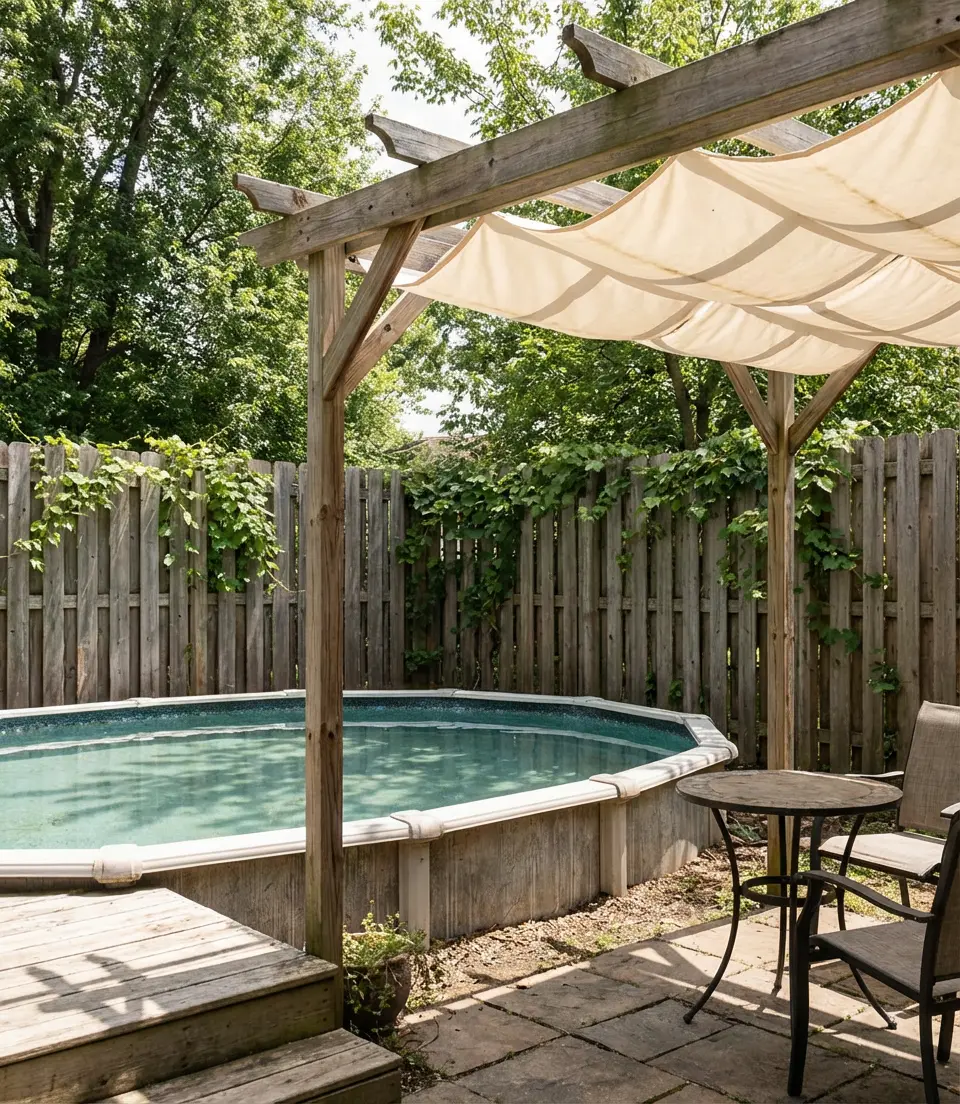
A backyard above-ground pool gains privacy through vertical screening elements—fence panels, planted hedges, pergola roofs, or sail shades—that create intimate swimming zones even in densely packed suburban neighborhoods. Privacy concerns rank as the top complaint among above-ground pool owners in subdivisions where nearby homes overlook pool areas. Strategic screening transforms exposed setups into secluded retreats without requiring permanent structural changes that might violate HOA rules or property line setbacks.
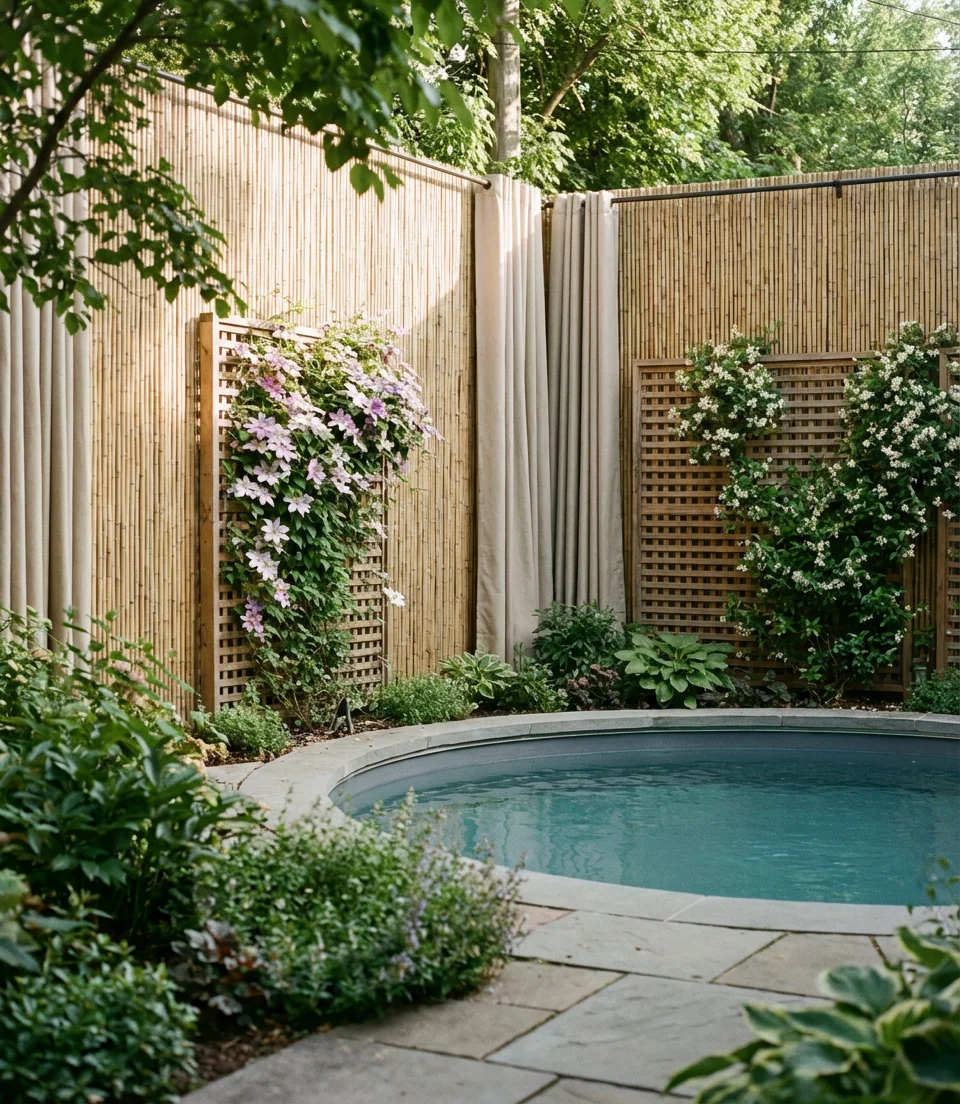
Real homeowner behavior: Most privacy upgrades cost $1,500–$5,000 depending on materials and coverage area—vinyl privacy fencing runs $20–35 per linear foot, while fast-growing evergreen hedges (Leyland cypress, arborvitae) cost $30–60 per plant. Pergola structures with retractable shade systems add $3,000–$8,000 but provide the dual benefits of privacy and sun protection. Many homeowners combine multiple strategies: 6-foot fencing on property lines, tall ornamental grasses (maiden grass, pampas grass) around the pool perimeter, and shade sails overhead. The layered approach blocks sightlines from multiple angles while maintaining air circulation that prevents muggy, stagnant conditions around the pool.
17. Duck Pond Natural Pools
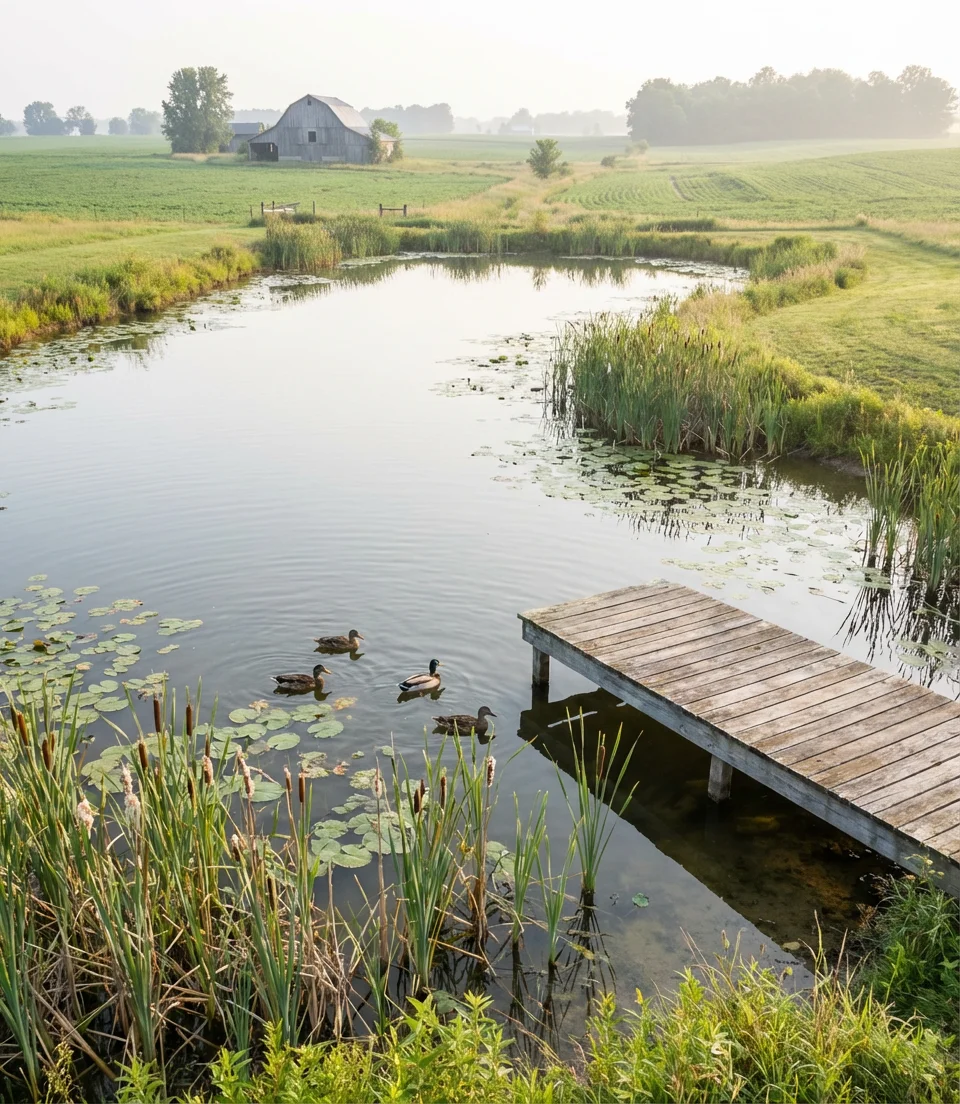
The duck pond pool design embraces wildlife coexistence by creating chemical-free swimming zones that also support aquatic birds, frogs, and beneficial insects through native plant regeneration areas. These installations particularly appeal to rural property owners in Wisconsin, Minnesota, and upstate New York who want swimming features that enhance rather than disrupt local ecosystems. The design typically includes shallow beach entries for wildlife access, deeper central zones for human swimming, and planted perimeter areas that filter water while providing habitat.
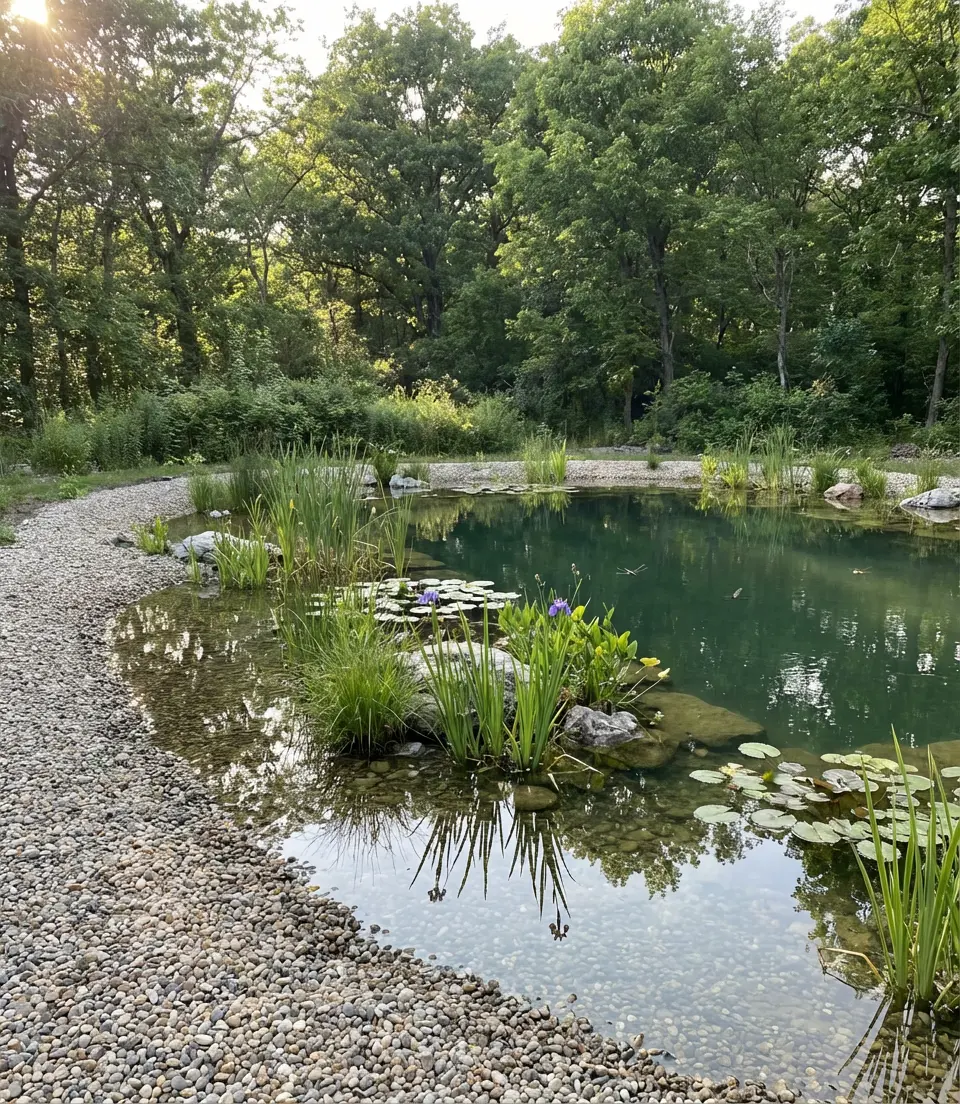
Micro anecdote: A Minnesota family reports sharing their natural pool with a resident wood duck pair that nests nearby each spring, while swimmers enjoy the same water without conflict. The biological filtration handles increased organic matter from visiting wildlife without requiring chemical intervention. Construction costs run higher than conventional pools—$60,000–$120,000 depending on size and ecosystem complexity—but ongoing expenses drop to nearly zero. The pools require seasonal plant maintenance (dividing overgrown specimens, removing dead vegetation) but eliminate weekly chemical testing and adjustment. Water quality often improves over time as biological systems mature and stabilize.
18. Budget-Friendly Pallet Deck Pools
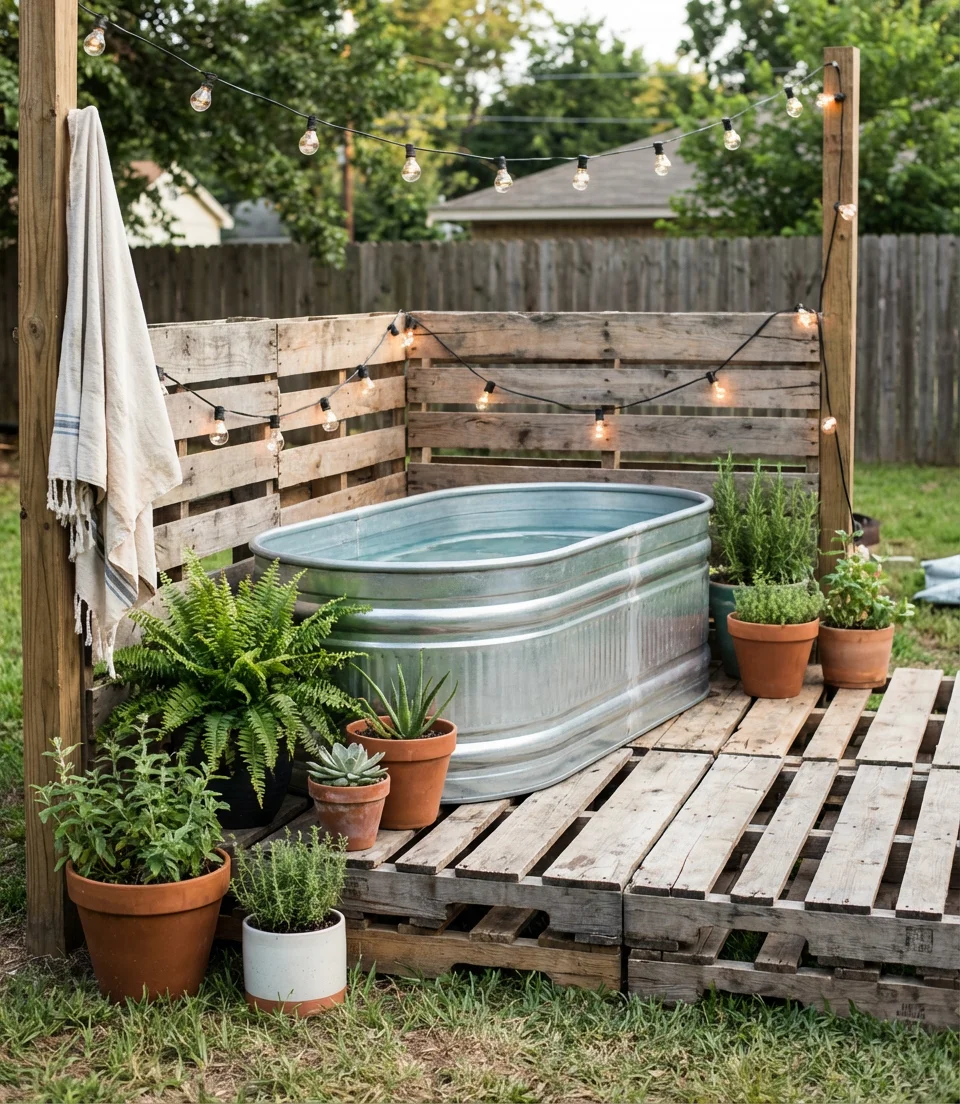
Creative DIY enthusiasts build budget-friendly pool deck surrounds using reclaimed shipping pallets, constructing platforms for stock tanks or Intex pools at material costs under $500. The pallet wood provides ready-made decking modules that require minimal cutting when properly cleaned, sanded, and sealed with exterior stain. This ultra-frugal approach thrives in maker communities across Portland, Austin, and Asheville, where resourcefulness and sustainability intersect with practical problem-solving.
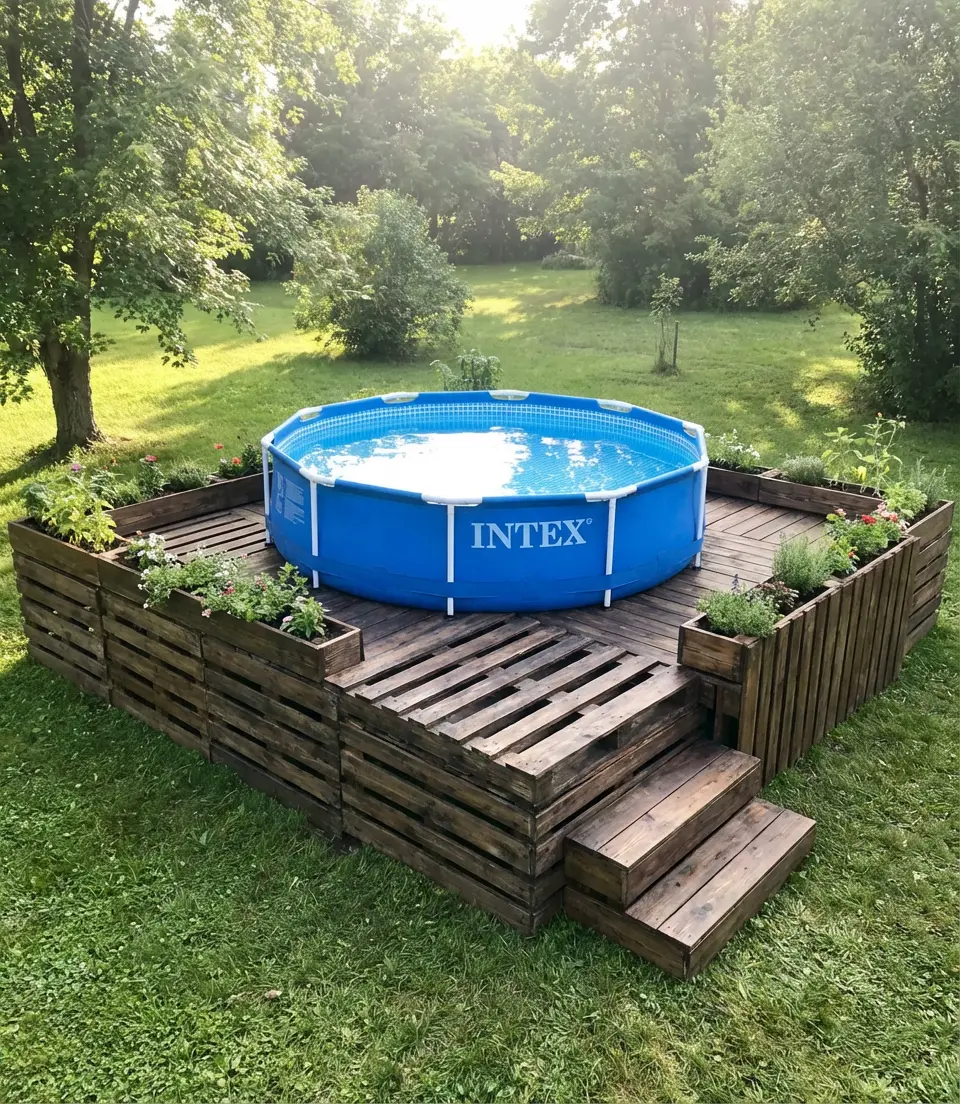
Budget angle: Source free pallets from industrial parks, hardware stores, or online classifieds—avoid chemically treated pallets marked “MB” (methyl bromide). Heat-treated pallets stamped “HT” are safe for outdoor construction. A typical stock tank deck requires 15–20 pallets, $50 in screws and brackets, and $100 in exterior stain. Labor involves disassembly, sanding rough edges, and reassembly into stable platform structures. The finished product costs 70–80% less than contractor-built decks while offering genuine character that prefab materials can’t match. Expect 3–5 years of service before wood replacement becomes necessary in harsh climates.
19. Virtual Pool Design Practice
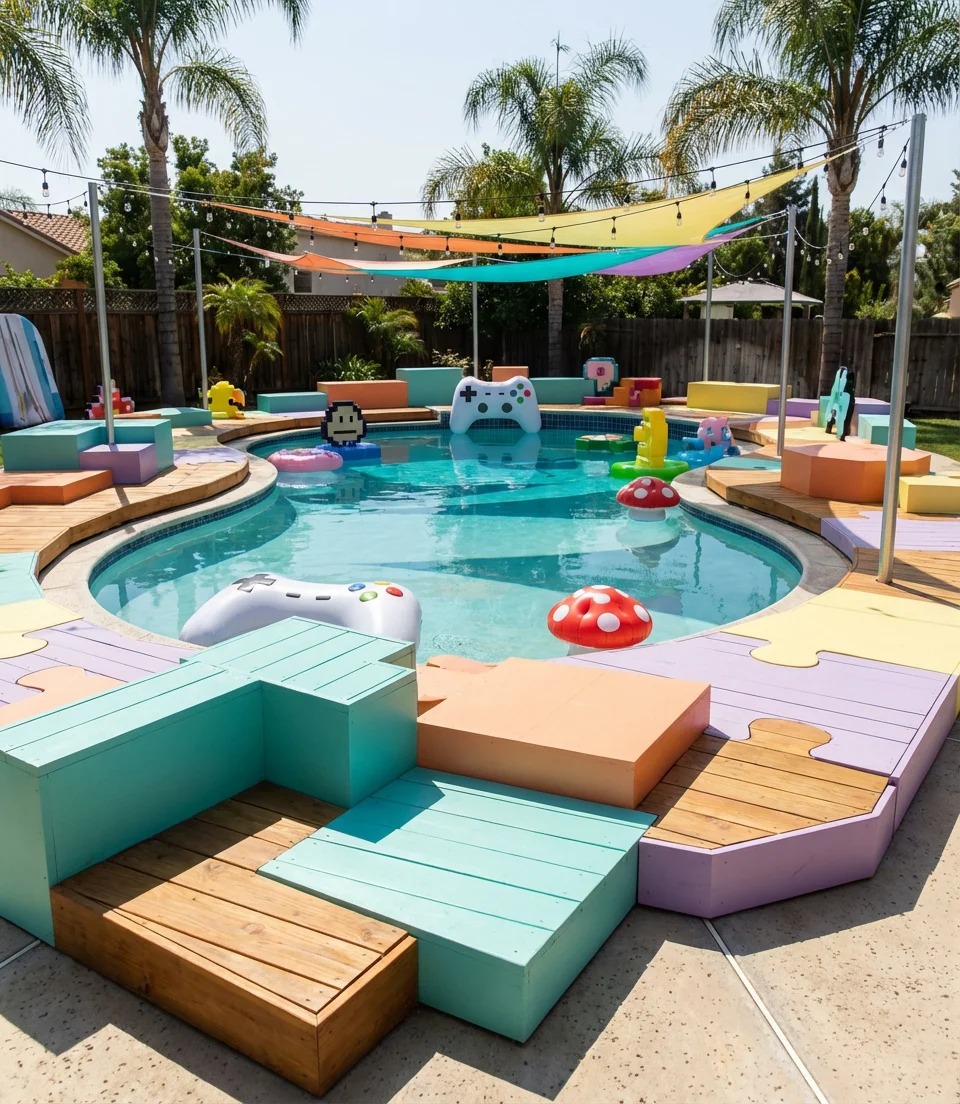
Design enthusiasts practice pool ideas for backyard concepts in virtual environments like Bloxburg, Sims 4, Minecraft, and Toca Boca before committing to real-world installations, experimenting with layouts, landscaping, and aesthetic combinations without financial risk. These gaming platforms allow unlimited iteration—testing kidney shapes versus rectangles, comparing deck materials, or evaluating privacy screening options—all while developing spatial awareness and design instincts. Younger homeowners who grew up building virtual environments often translate those skills into better-planned real projects.
American lifestyle context: Virtual design practice helps homeowners avoid costly mistakes—discovering that a planned 20×40 pool actually overwhelms a small yard or realizing that corner placement creates better flow than centered positioning. The trial-and-error learning curve happens in digital space, where fixes cost nothing instead of requiring $15,000 in construction changes. Many contractors now accept screenshots from Minecraft or Sims builds as starting points for quote development, recognizing that clients who’ve visualized projects have clearer expectations and fewer mid-project change orders that delay completion.
20. Pool Outfit Styling Zones
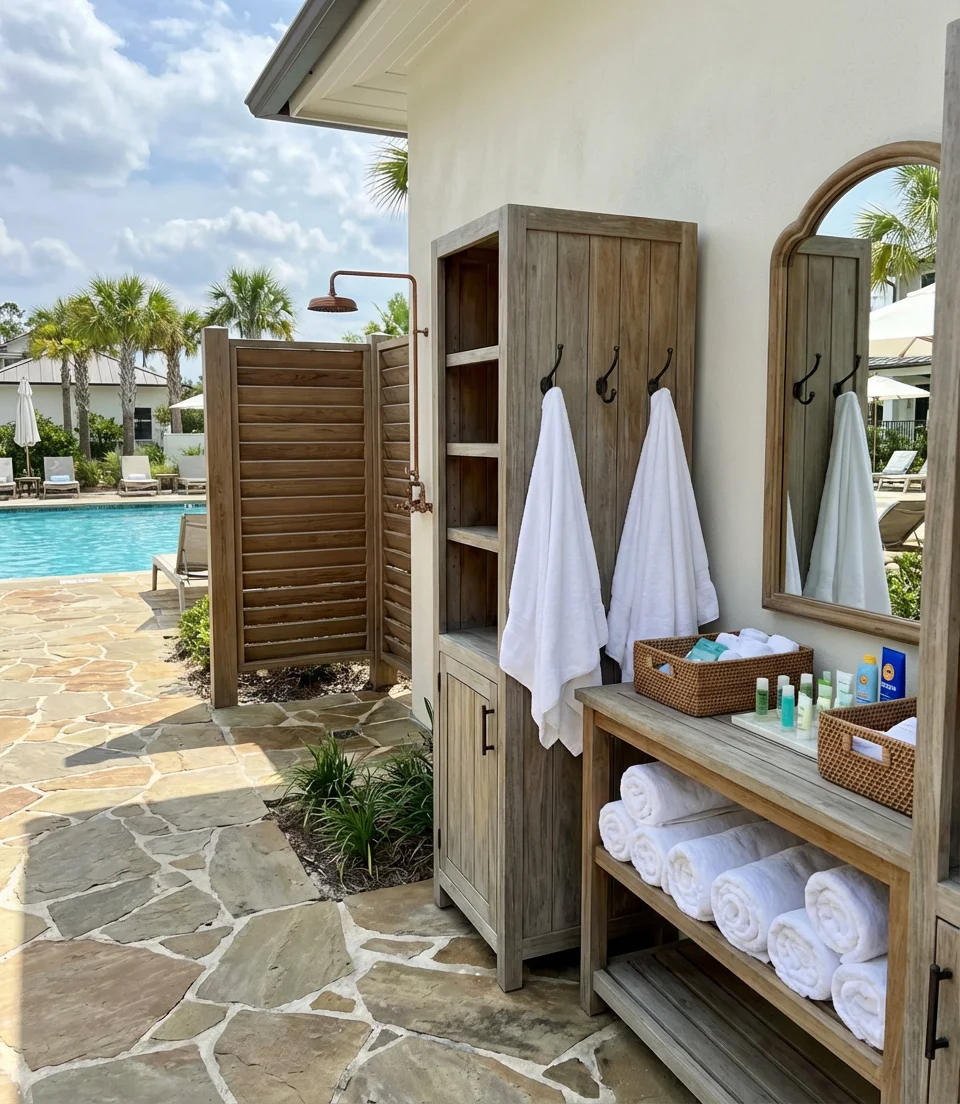
Pinterest users searching for pool outfit ideas often discover that successful poolside entertaining requires dedicated changing, storage, and styling areas near swimming zones. Outdoor shower enclosures, waterproof storage benches for towels and cover-ups, and full-length mirrors mounted on fence lines transform basic pool setups into complete leisure destinations. These functional additions matter most to hosts who regularly entertain, allowing guests to transition comfortably between swimming, lounging, and socializing without tracking water through homes.
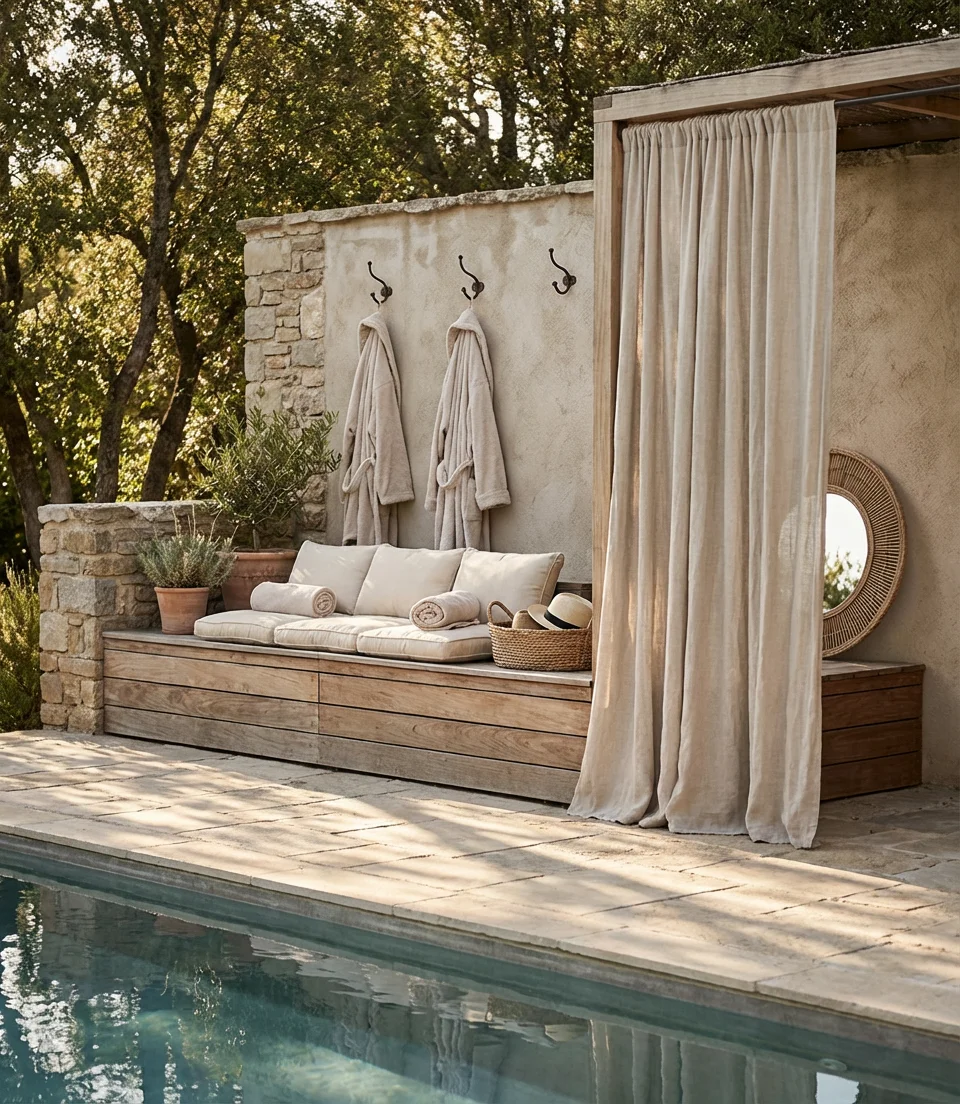
Where it works best: Homeowners in warm climates (Arizona, Texas, Florida, Southern California) particularly benefit since pools function as primary entertainment venues 8–10 months annually. Outdoor showers cost $800–$3,000 depending on plumbing complexity and finish materials. Cedar or teak storage benches with waterproof linings run $300–$800, while simple mirror mounting adds minimal expense. The convenience factor proves especially valuable for families with young children—having swimsuits, sunscreen, and towels stored steps from the pool eliminates the constant trips indoors that disrupt pool supervision and relaxation.
21. Gravel Surround Desert Pools
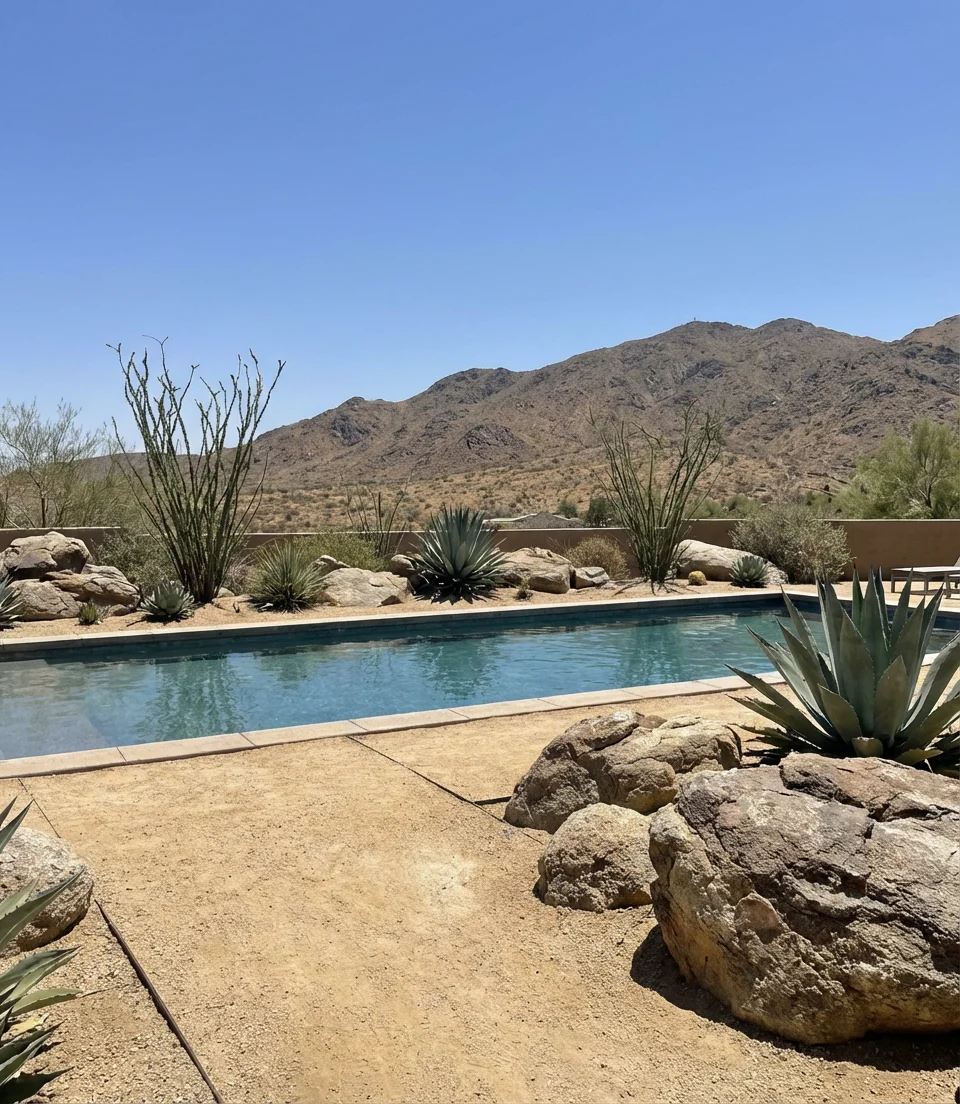
Desert homeowners choose decomposed granite or river rock surrounds for swimming pools instead of traditional concrete decking, creating low-maintenance surfaces that resist heat absorption while complementing xeriscape landscaping. The gravel stays cooler underfoot than pavers during 110°F summer days—a crucial comfort factor in Phoenix, Las Vegas, and Palm Springs, where concrete decks become painfully hot. The permeable surface also eliminates drainage concerns and allows rainwater to infiltrate naturally rather than creating runoff.
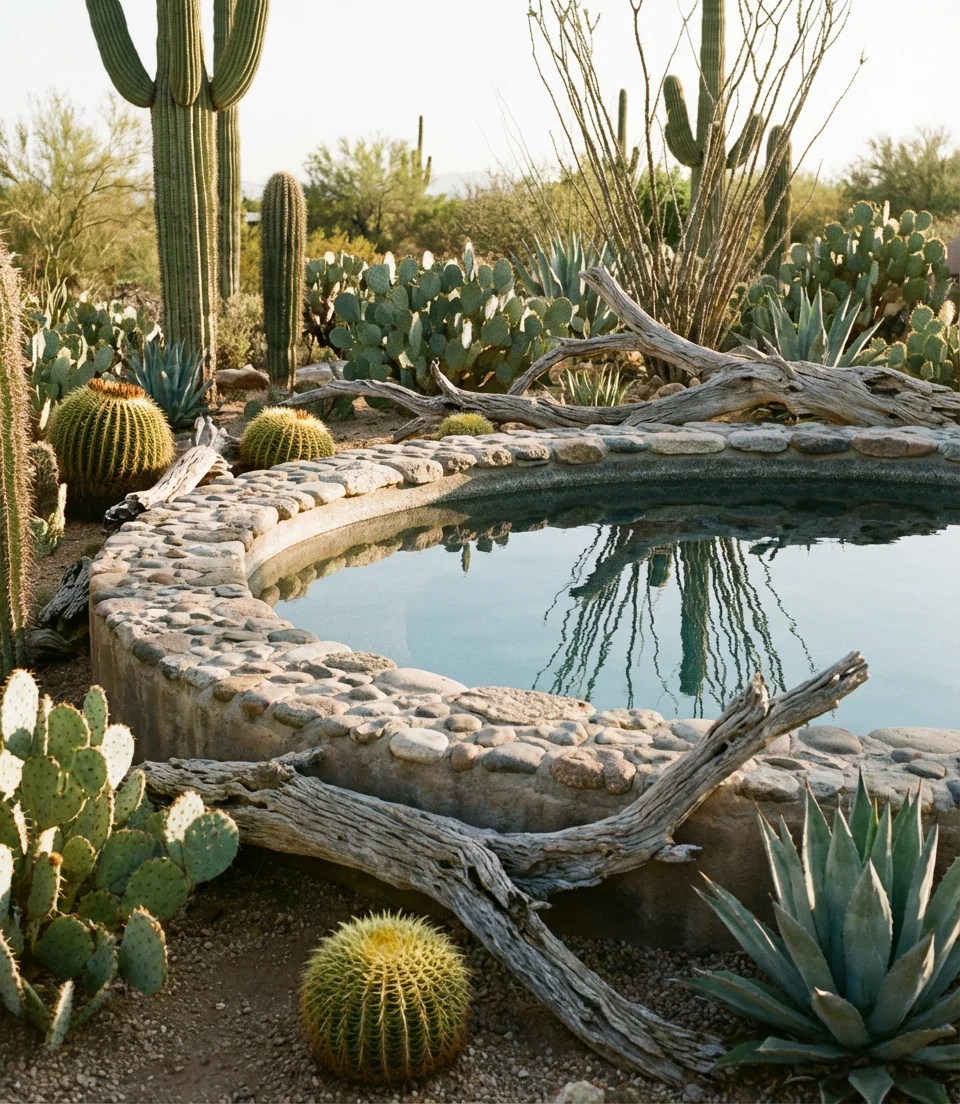
Expert-style commentary: Proper gravel installation requires landscape fabric underneath to prevent weed growth and 3–4 inches of compacted base material to create stable walking surfaces. Total costs run $3–8 per square foot installed compared to $8–15 for concrete pavers—significant savings on large pool decks. The gravel does migrate over time, requiring annual replenishment of 1/2 inch depth at $200–400 for typical residential pools. Choose rounded river rock over sharp crushed stone for comfort on bare feet. The natural color palette blends beautifully with native plantings, creating cohesive Southwestern aesthetics that feel site-specific rather than generic.
22. Basement Indoor Lap Pools
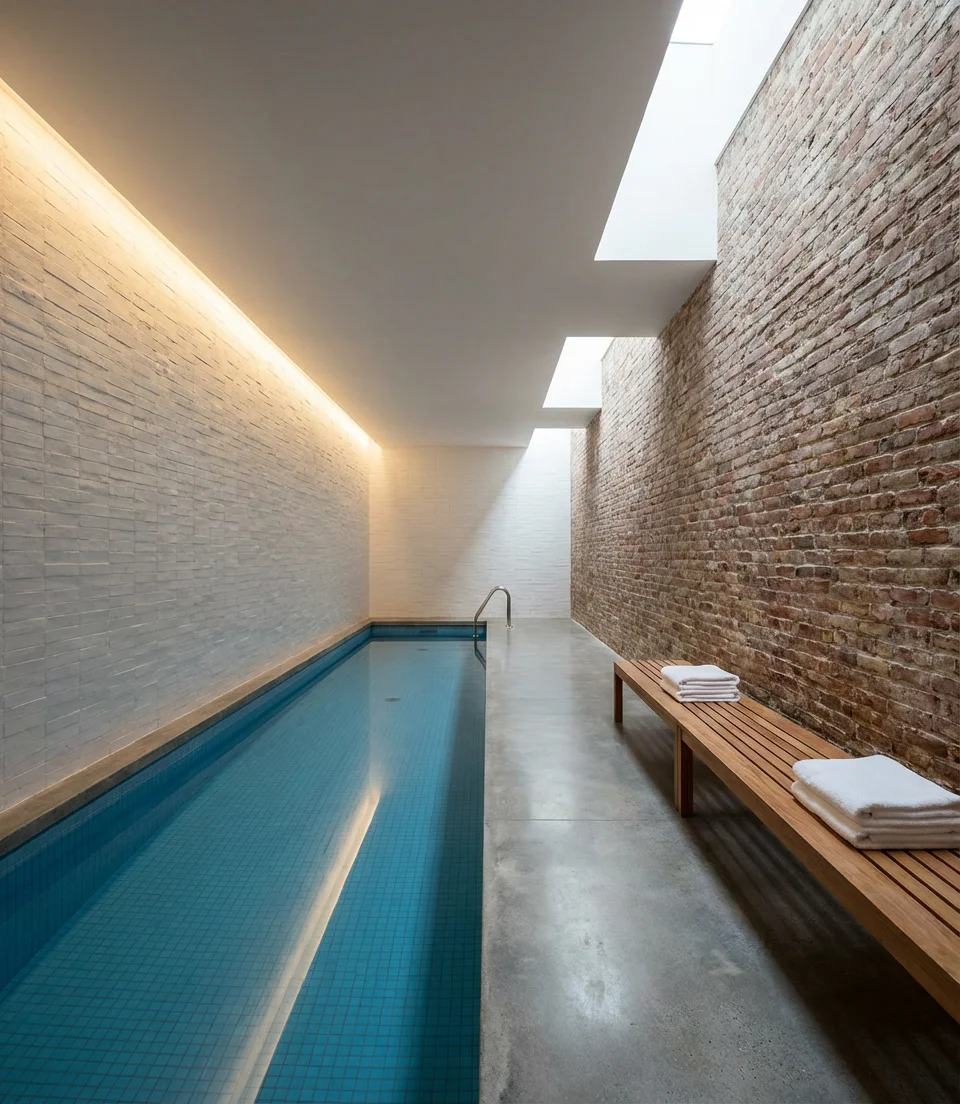
Homeowners with full basements in cold climates increasingly install narrow indoor lap pools along foundation walls, repurposing unused space into year-round fitness facilities that justify the property investment. These installations work particularly well in new construction, where structural planning accommodates 6,000+ pound water loads, but retrofit projects also succeed with proper engineering assessment. The basement location provides natural temperature stability—earth-contact walls keep water 5–8 degrees warmer than above-ground indoor pools, reducing heating costs substantially.
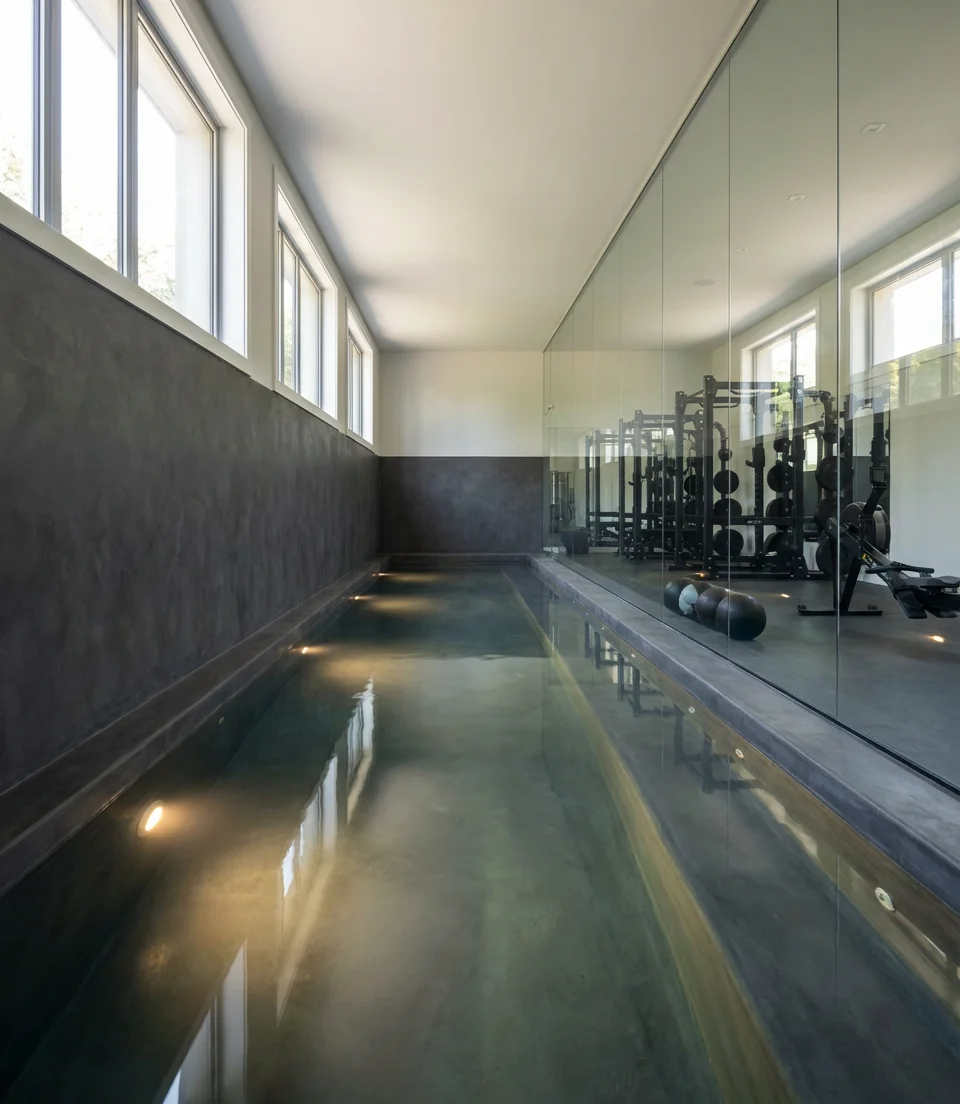
Common mistakes and how to avoid them: The biggest error involves inadequate moisture management—basement pools absolutely require commercial-grade dehumidification systems ($8,000–$15,000) that prevent mold growth in surrounding living spaces. Waterproof membrane installation must be flawless since any leaks can compromise foundation integrity. Most successful installations have separate HVAC zones for pool rooms so that humid air doesn’t move around the house. Concrete slab reinforcement typically requires consultation with structural engineers who specify steel reinforcement patterns that distribute weight safely. Total project costs range from $75,000 to $150,000 but create genuine competitive swimming facilities in private homes.
23. Sloped Yard Infinity Edge Pools
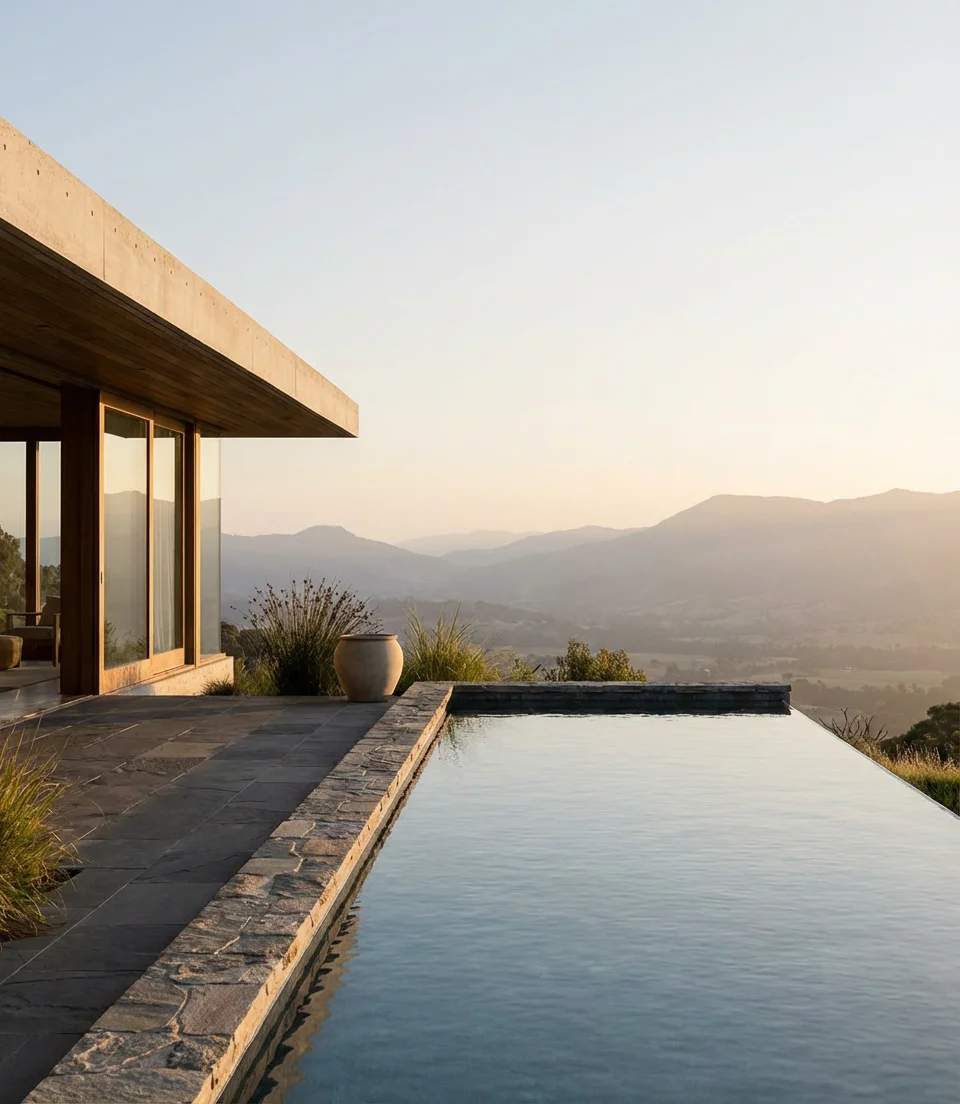
Properties with dramatic elevation changes become prime candidates for infinity edge pools where water appears to spill into distant views, creating spectacular visual effects that leverage natural topography. These designs work brilliantly on hillside lots in California, Colorado, and Tennessee, where 20+ degree slopes provide vantage points overlooking valleys, lakes, or city skylines. The vanishing edge requires a below-grade catch basin and recirculation system, adding $15,000–$30,000 to construction costs, but the architectural impact justifies the premium for view-conscious homeowners.
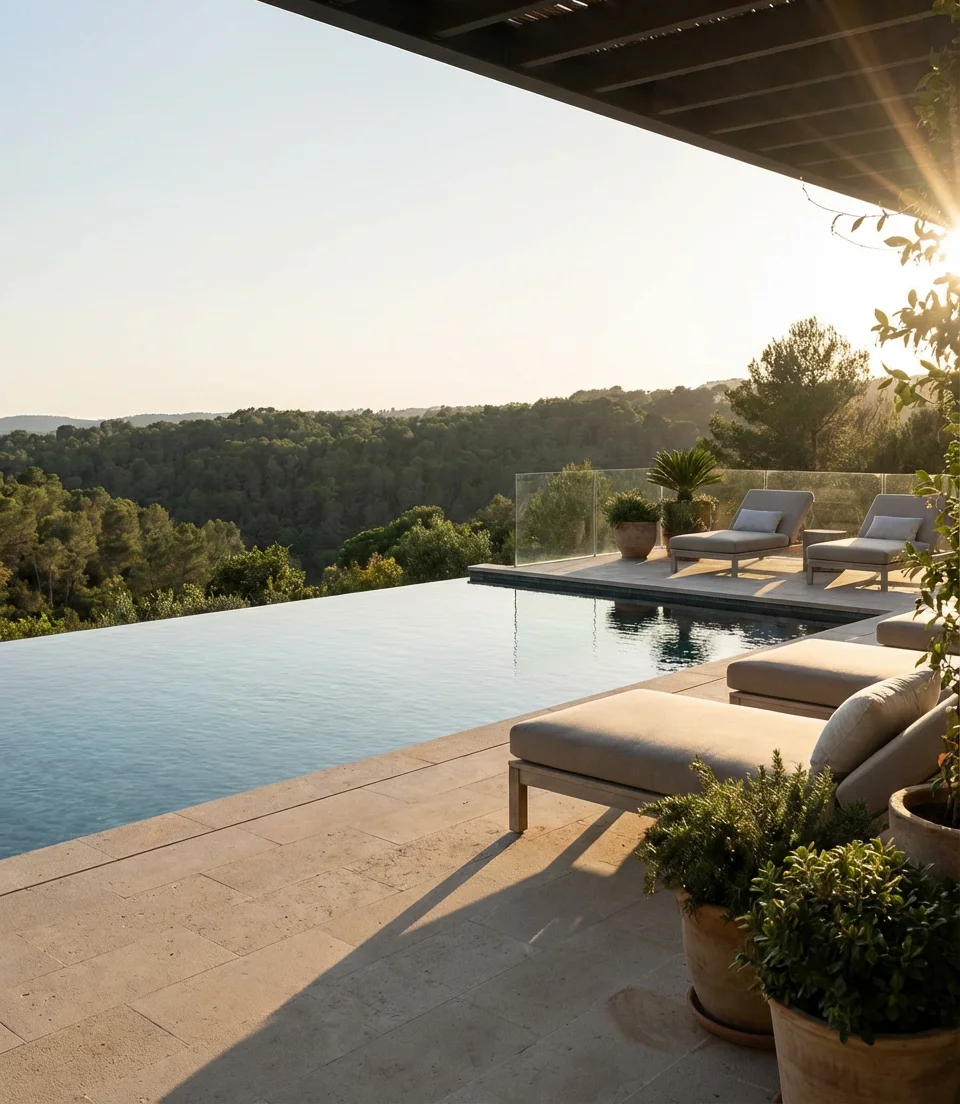
Regional context: California homeowners particularly value infinity pools since strict water conservation regulations make pools controversial—but when the design showcases exceptional views and architectural integration, pools become defensible luxury amenities. The catch basin system allows for rainwater harvesting in water-scarce regions, collecting precipitation for landscape irrigation. Proper orientation places vanishing edges facing prevailing views—westward for sunset vistas, southward for mountain panoramas, or downslope toward city lights. The psychological effect creates a sense of boundless space even in modest lot sizes, making 12×24 foot pools feel far larger.
24. Multi-Function Pool Deck Platforms
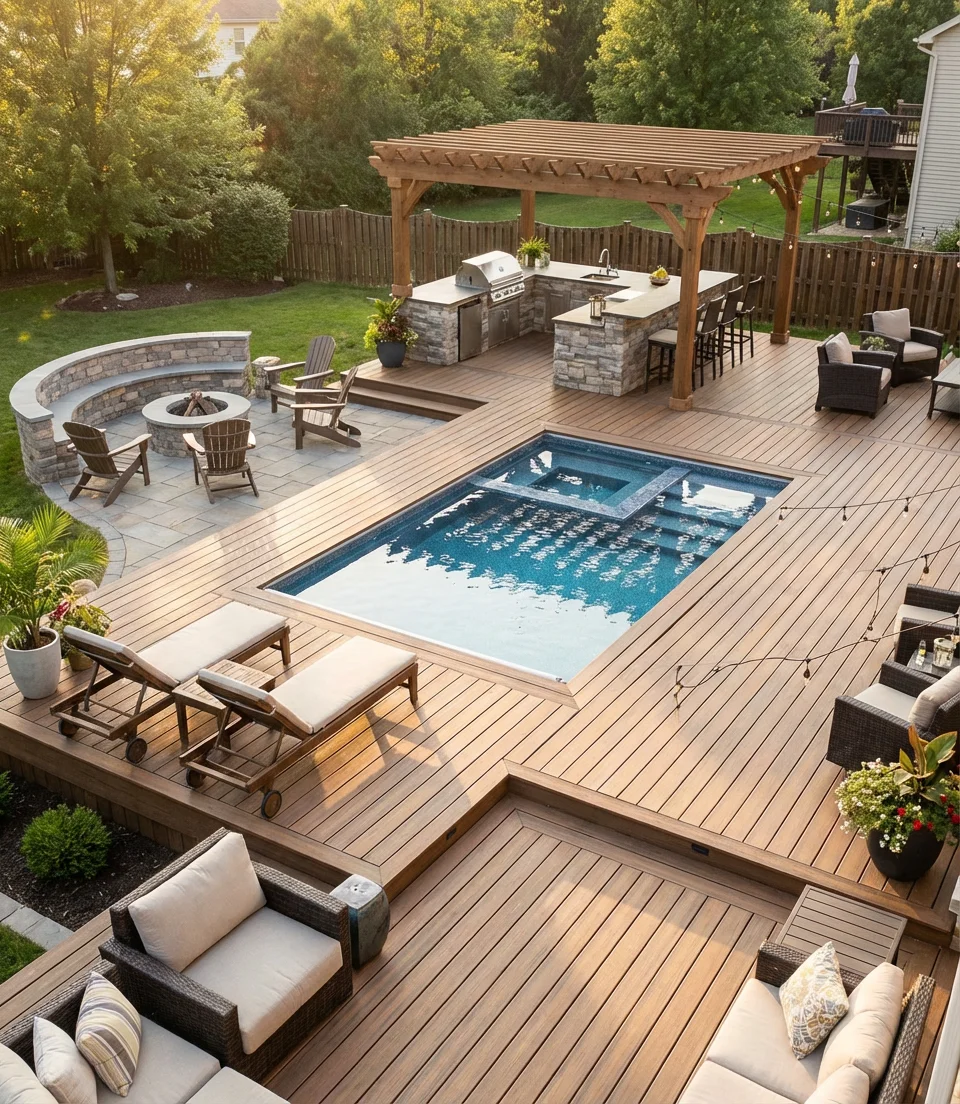
The most successful pool ideas for backyard integration involve expansive deck platforms that serve multiple functions beyond swimming access—outdoor kitchens, fire pit lounges, yoga zones, and dining areas all flow together into comprehensive lifestyle spaces. This approach maximizes return on investment since the pool becomes just one element in complete outdoor living systems that get used daily rather than seasonally. Homeowners in temperate climates from North Carolina to Washington state particularly benefit from this strategy.
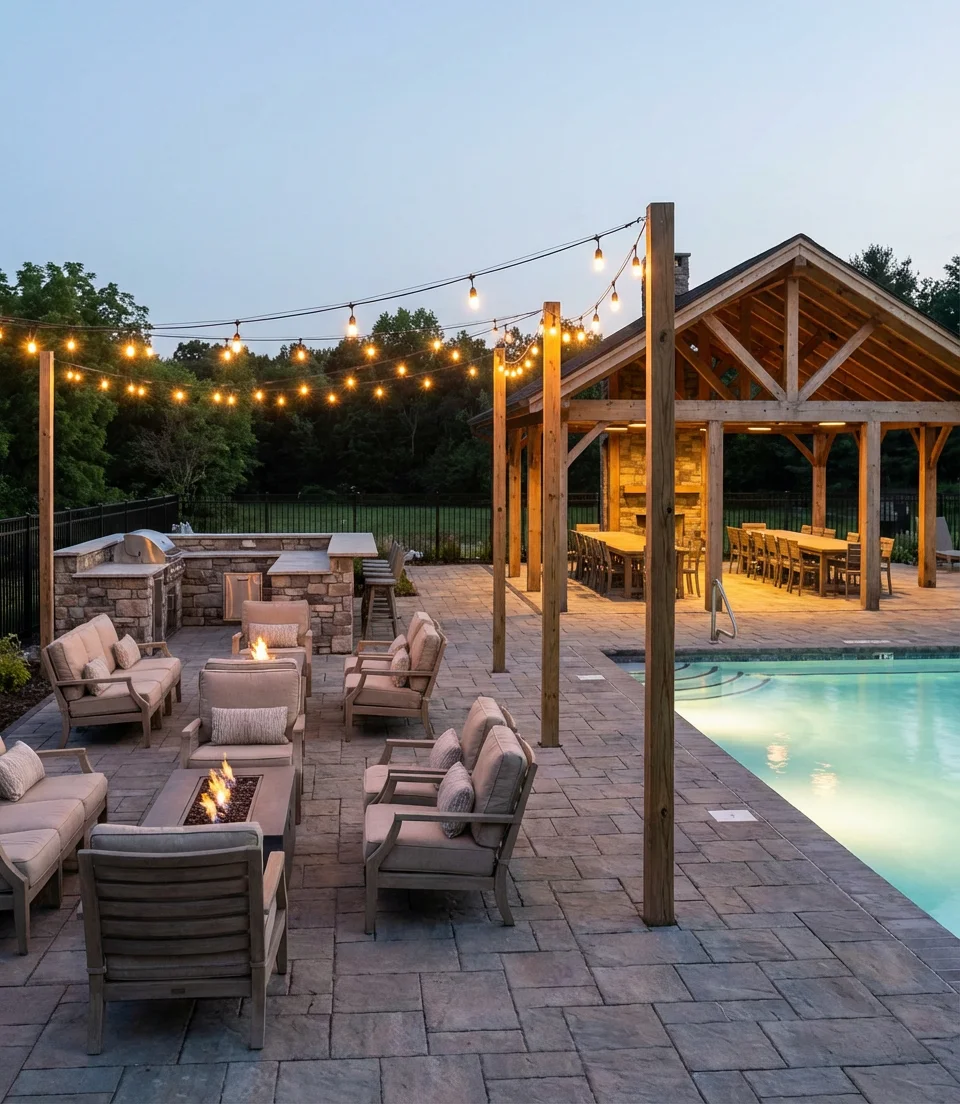
Real homeowner behavior: Comprehensive deck systems cost $15,000–$40,000 depending on size and amenities, but they support year-round usage patterns—winter fire pit gatherings, spring grilling seasons, summer swimming, and fall entertaining all happen in the same thoughtfully designed space. The integrated approach also simplifies permitting since many jurisdictions allow larger deck structures than standalone pools. Successful designs include electrical service for lighting, sound systems, and small appliances; plumbing for outdoor sinks and irrigation connections; and gas lines for grills and fire features. The upfront planning complexity pays dividends through decades of flexible, multi-seasonal use.
These pool ideas prove that American homeowners can find swimming solutions for virtually any property type, budget level, and lifestyle priority. Whether you’re drawn to the rustic simplicity of stock tanks, the architectural drama of infinity edges, or the practical efficiency of lap pools, the right design exists for your space. Which concepts resonated with your situation? Share your favorite approaches or your pool experiences in the comments below—the best backyard transformations often start with inspiration exchanged between real homeowners.