48 Living Room Decor Ideas 2026: Transform Your Space with Style & Comfort

This year seems to be a turning point for the way Americans look at living room design. Pinterest searches for living room inspiration are soaring as homeowners crave spaces that strike a balance between beauty and practicality. Whether you have a tight budget, a sprawling suburban home, or a compact city apartment, 2026 has new ideas that honor both your wallet and your style. From natural textures to statement hues, these are the living room decor ideas that will actually work in homes across the nation.
1. Warm Brown Tones with Natural Textures

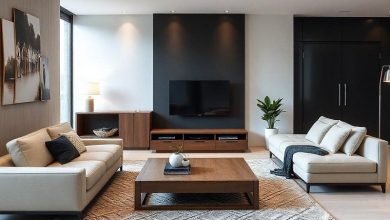
The return of brown in living rooms feels less like a trend and more like a collective exhale. These browns aren’t heavy and old-fashioned like they used to be. Instead, they’re warm, layered, and go well with natural materials like jute, linen, and raw wood. A cozy living room anchored by chocolate leather seating and honey-toned wood shelving creates instant warmth without heavy lifting. The palette works especially well in open-concept homes where the living room flows into the kitchen, maintaining visual continuity while defining separate zones. 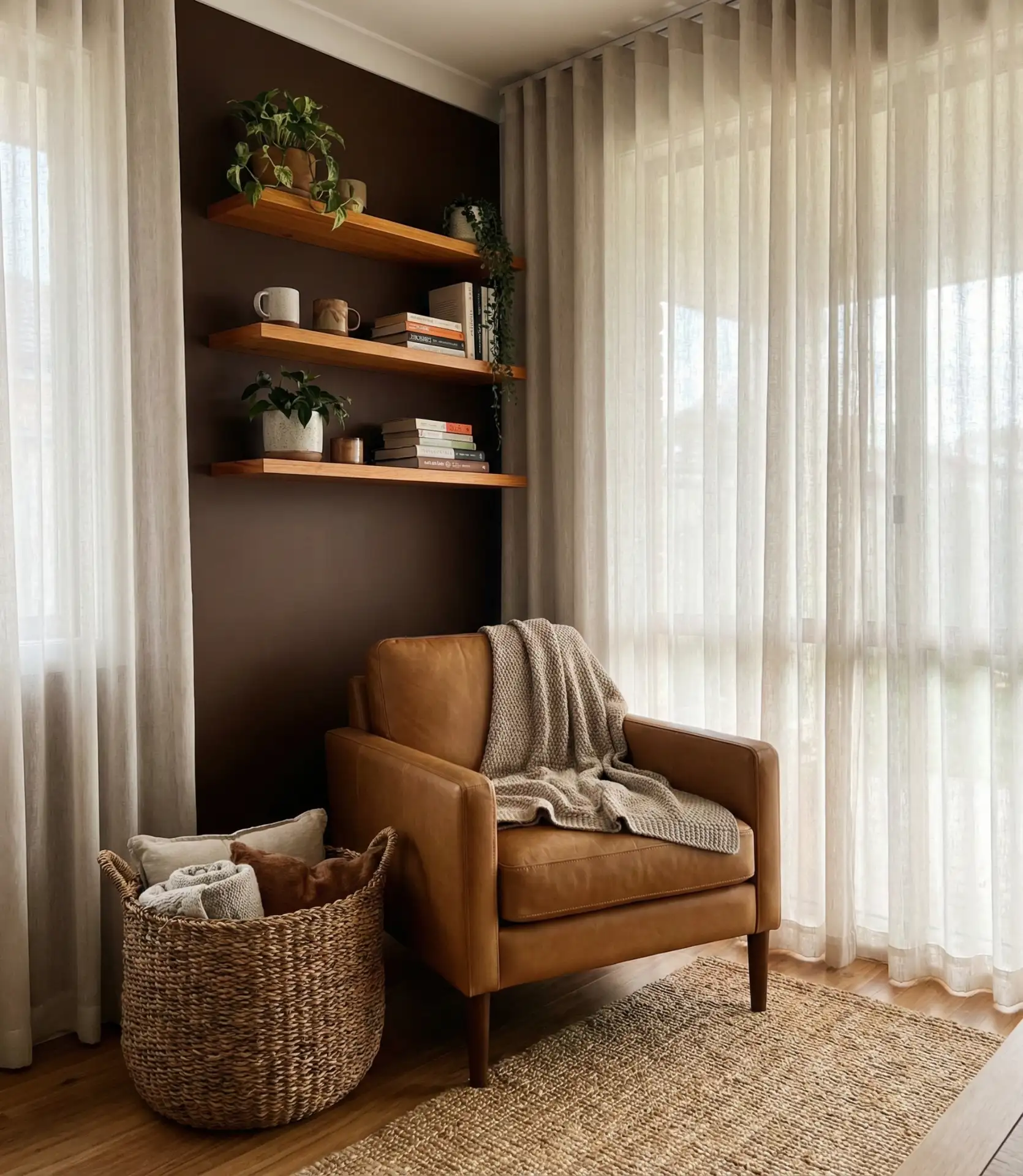
This approach works particularly well in Midwestern and Northeast homes, where the shorter winter days make warmth a priority. The layering of browns—from sandy beige to deep espresso—adds depth without requiring bold pattern mixing. If you’re converting from a cooler gray palette, start with throw pillows and a wool area rug before committing to larger furniture pieces. The key is mixing matte and glossy finishes so the space doesn’t read flat.
2. The black couch is the anchor piece.
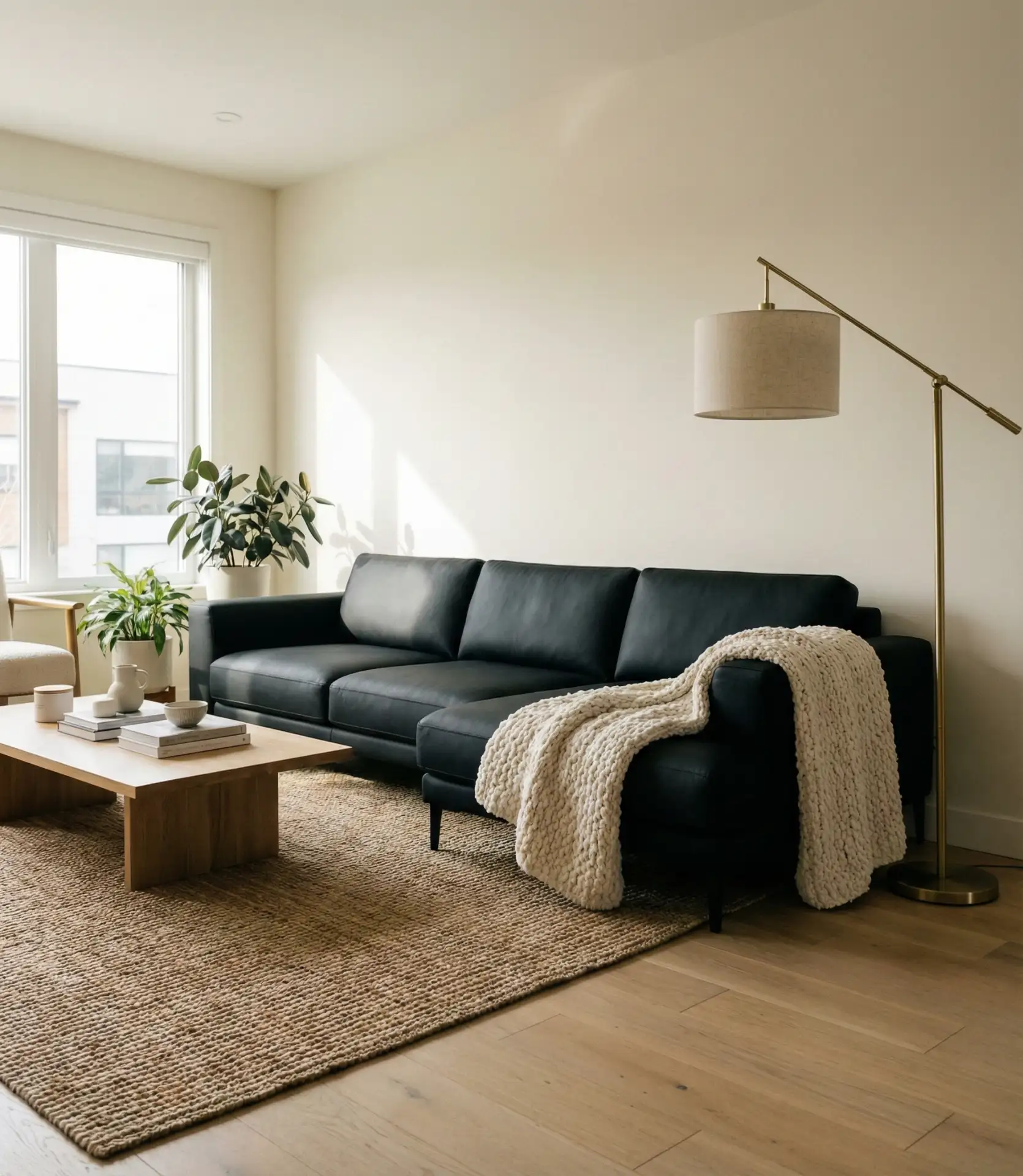
A black couch may sound like an unusual anchor, but it is one that more and more American homeowners are selecting. Unlike the light-colored sofas that display everything from spills to pet hair, a black sofa has practical style, which is closely emphasized by every item surrounding it. Match it with lighter walls and natural wood touches so the room doesn’t feel too heavy. This look is particularly successful in contemporary homes with clean lines and a lack of clutter but adds an unexpected element of sophistication to eclectic spaces too. 
A common mistake is pairing a black sofa with too many dark accessories, which can make the room feel like a cave. Instead, balance it with plenty of texture—think chunky knit throws, natural fiber rugs, and metallic accents in brass or brushed gold. The black becomes a canvas that makes every other element in the room pop, from colorful artwork to vibrant plants.
3. Traditional Elegance Meets Modern Comfort

The departure of traditional design does not equate to your grandmother’s stuffy parlor. Today’s take combines traditional architectural details—crown molding, wainscoting, and built-in bookcases—with comfortable, lived-in furniture. A casual linen sectional might rest under an ornate ceiling medallion and have gilt-framed art on the wall above streamlined console tables. This hybrid model nods to history while taking into account the fact that today’s families do indeed hang out in their living rooms for Netflix binges and homework. 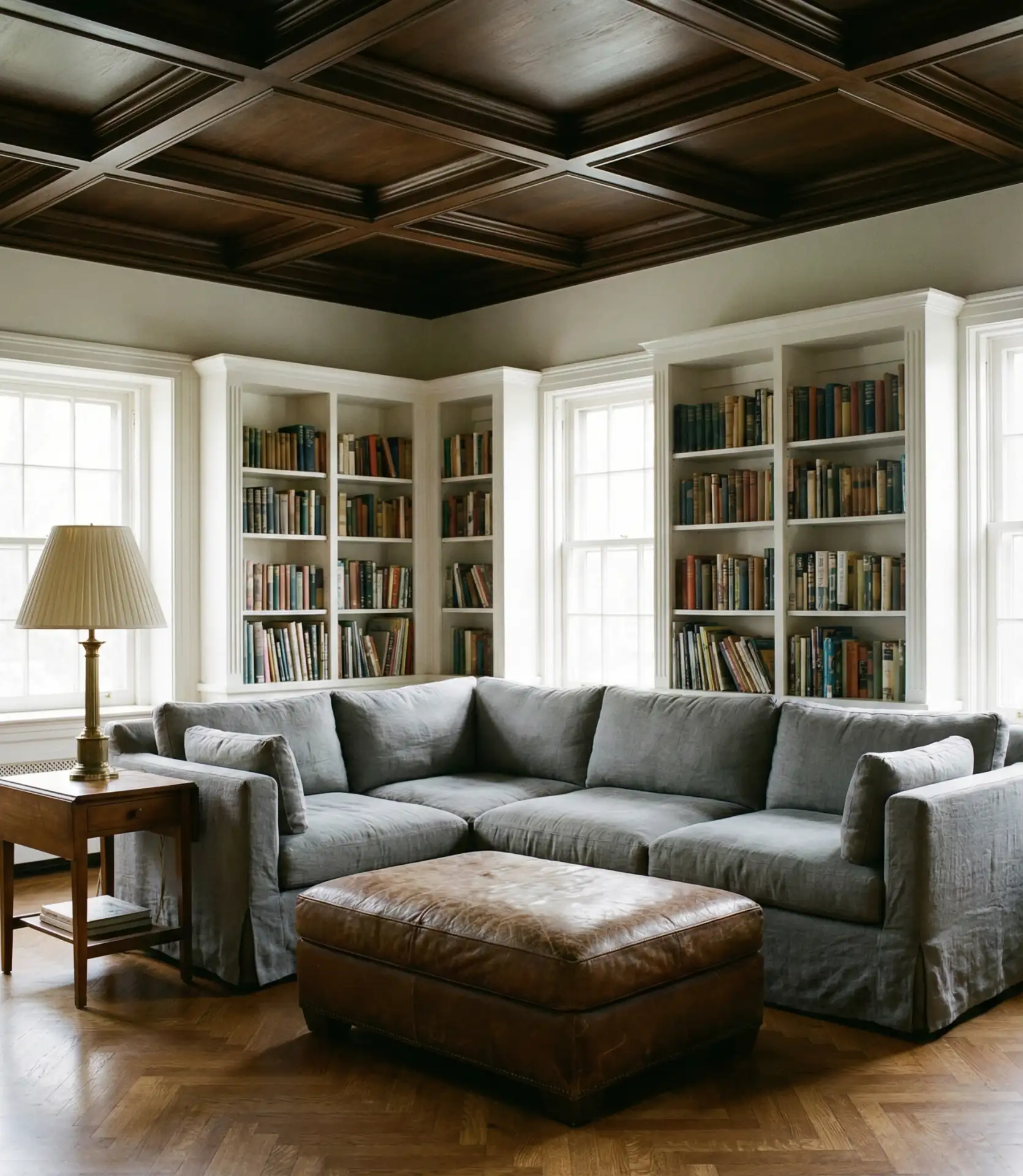
This design is ideal for older houses that you don’t want to strip of character—such as 1920s bungalows or colonial revivals. In more recent construction, you can incorporate traditional touches like picture rail moldings or a decorative fireplace surround without undergoing an extensive renovation project. The furniture should speak comfort: stuffed pillows and cushions, soft fabrics, and furniture scaled for actual relaxation rather than to a room size conducive to formal receiving lines. This style maintains traditional elements while eliminating stuffiness.
4. Organic Modern Living Spaces
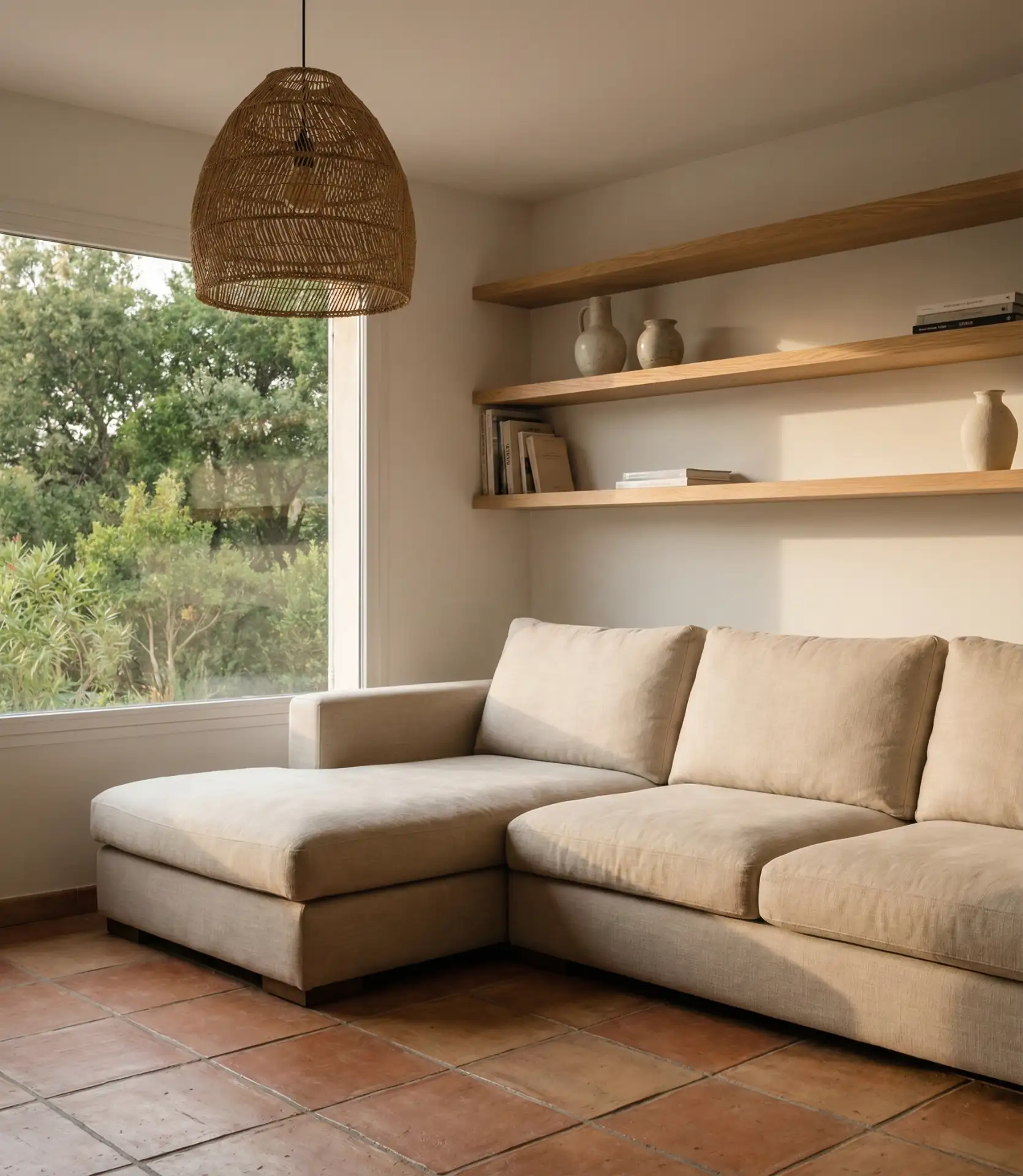
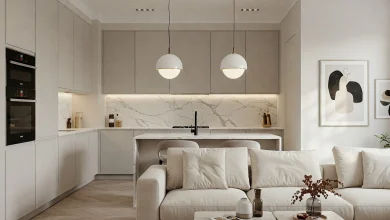
The organic modern movement continues to dominate Pinterest boards, and for good reason—it delivers the clean lines of contemporary design softened by natural materials. Think sculptural lighting paired with raw-edge wood tables or a sleek sofa topped with handwoven textile pillows. The color palette stays neutral but warm, with plenty of cream, sand, and soft gray. This approach particularly resonates with younger homeowners who want their spaces to feel current without being cold or intimidating. 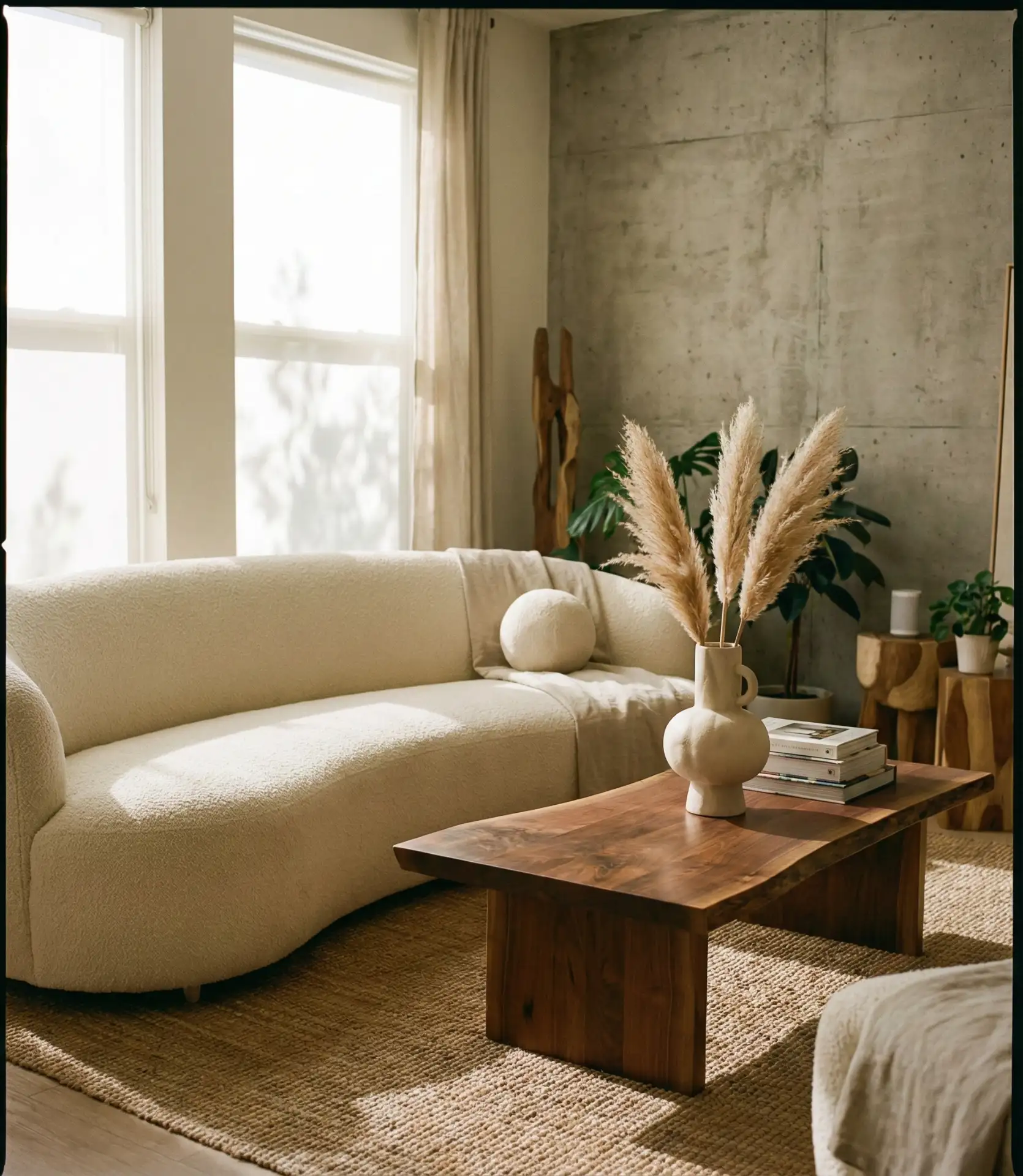
Organic modernity is all about restraint. There’s room for each piece to breathe, so actually this style performs well in smaller living rooms than you might think. A single statement piece—a sculptural chair or handcrafted ceramic lamp—carries more weight than a room filled with furniture. “I think it’s a combination of wanting things to be durable and pragmatic, but also you want your space to feel open, airy, and bright,” she said. West Coast homeowners have enthusiastically embraced this aesthetic, which excels in any room with ample natural light to showcase the textures and materials.
5. Christmas-Ready Living Rooms
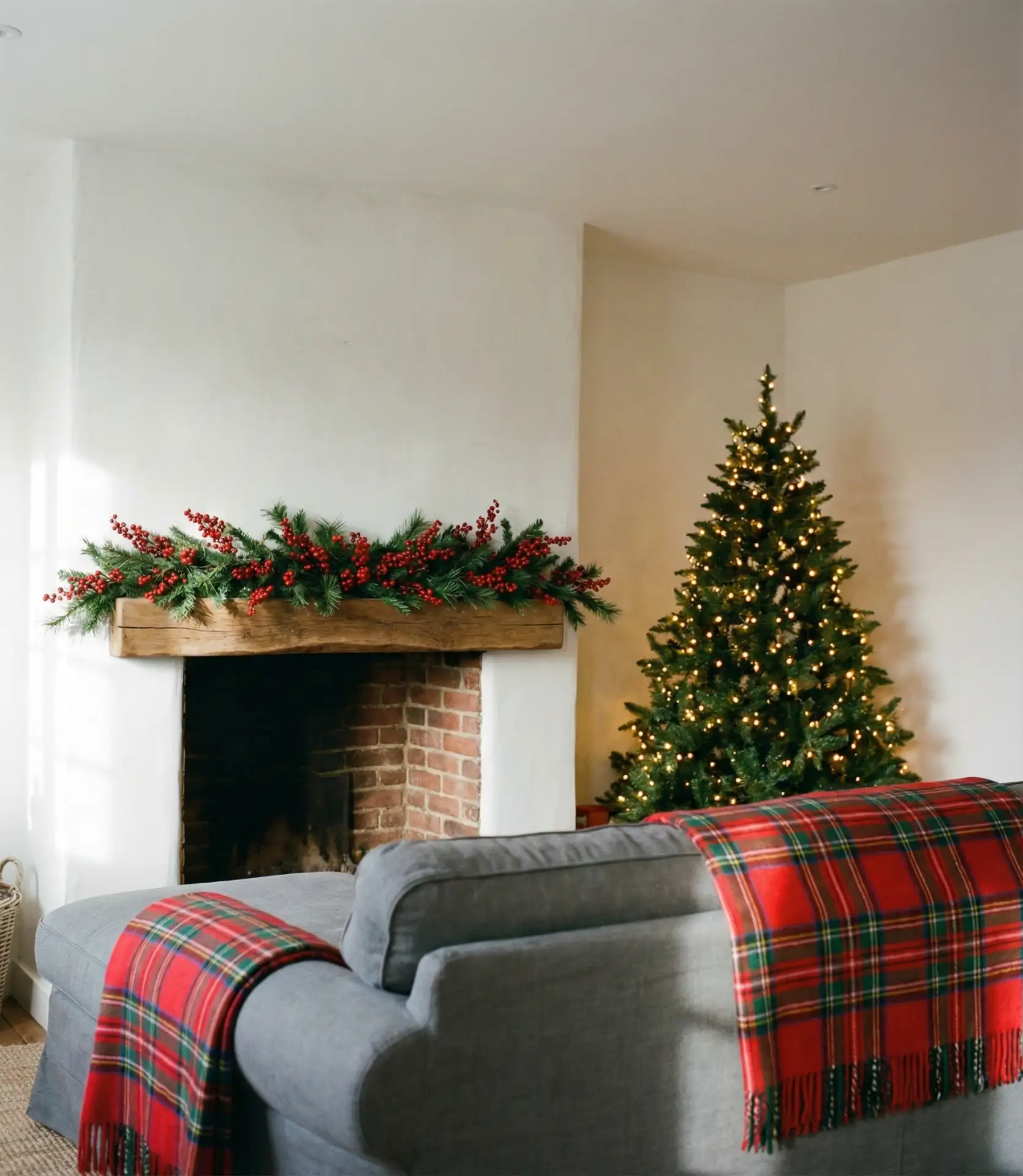
A Christmasy living room doesn’t have to mean holiday clutter all year long. Rather, it means creating a versatile space in which seasonal adornments complement (but don’t overshadow) the existing decor. Before you go adorning the home in tinsel, keep things grounded to limit next year’s emotional baggage (aka hoarding a number of red and green decorations that don’t spark joy). A neutral base keeps your options open. Neutral base colors leave room for adding pops of red or green without repainting, while sturdy furniture can support the weight of garlands and stocking stuffers. The built-in shelving offers a place to display beloved ornaments, while the fireplace takes center stage at holiday time. 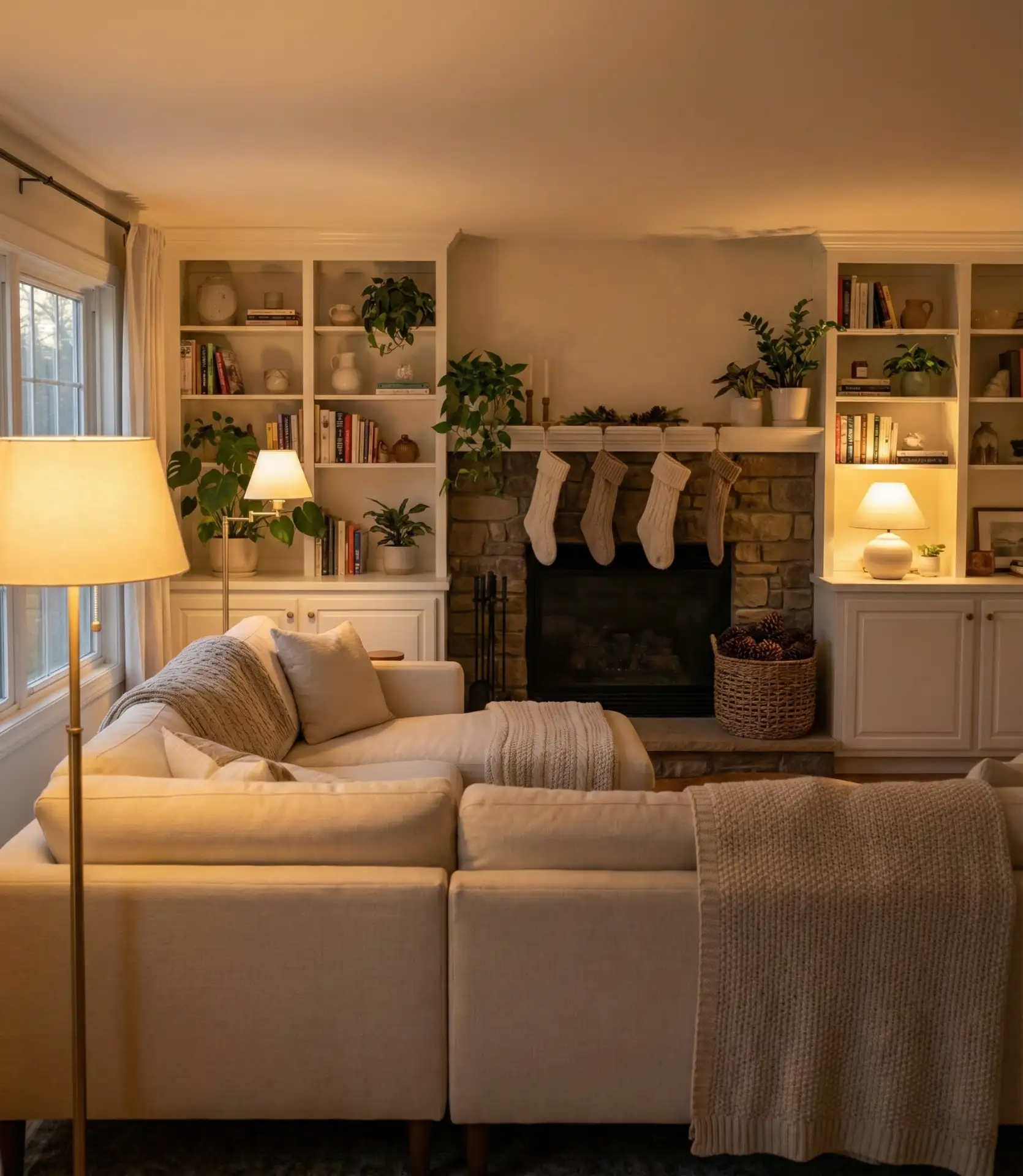
In the warm Southern and Southwestern states, where snow is scarce, homeowners often bypass the traditional winter white palette in favor of bringing natural greenery indoors, like magnolia leaves or citrus garlands. The trick is to create a room that looks finished and intentional even after the decorations are carted off in January. Pick timeless furniture in neutrals, bring the texture with layering textiles, and keep the vibrant holiday colors to easily changed-out pillows and throws.
6. Bold Orange Accent Walls
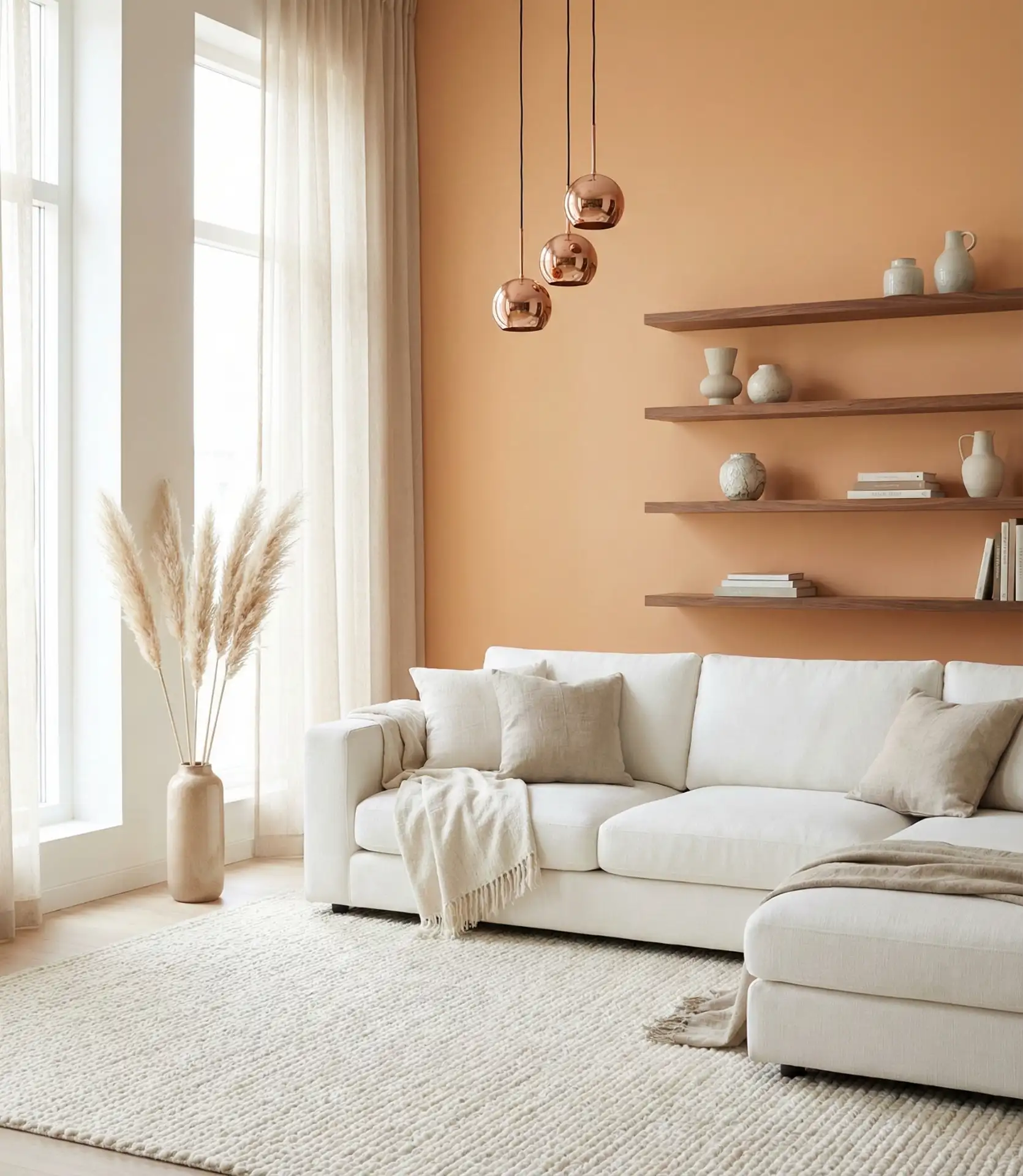
Don’t believe anyone who says orange doesn’t work in a living room. The right color—say, terracotta, burnt sienna, or soft apricot—injects interest and warmth without shouting for it. A bold orange wall adds striking contrast to sleek contemporary furniture in neutrals and works with natural wood tones. This color selection plays especially well in areas that have a fair amount of natural light, as the changing position of the sun also changes its mood. 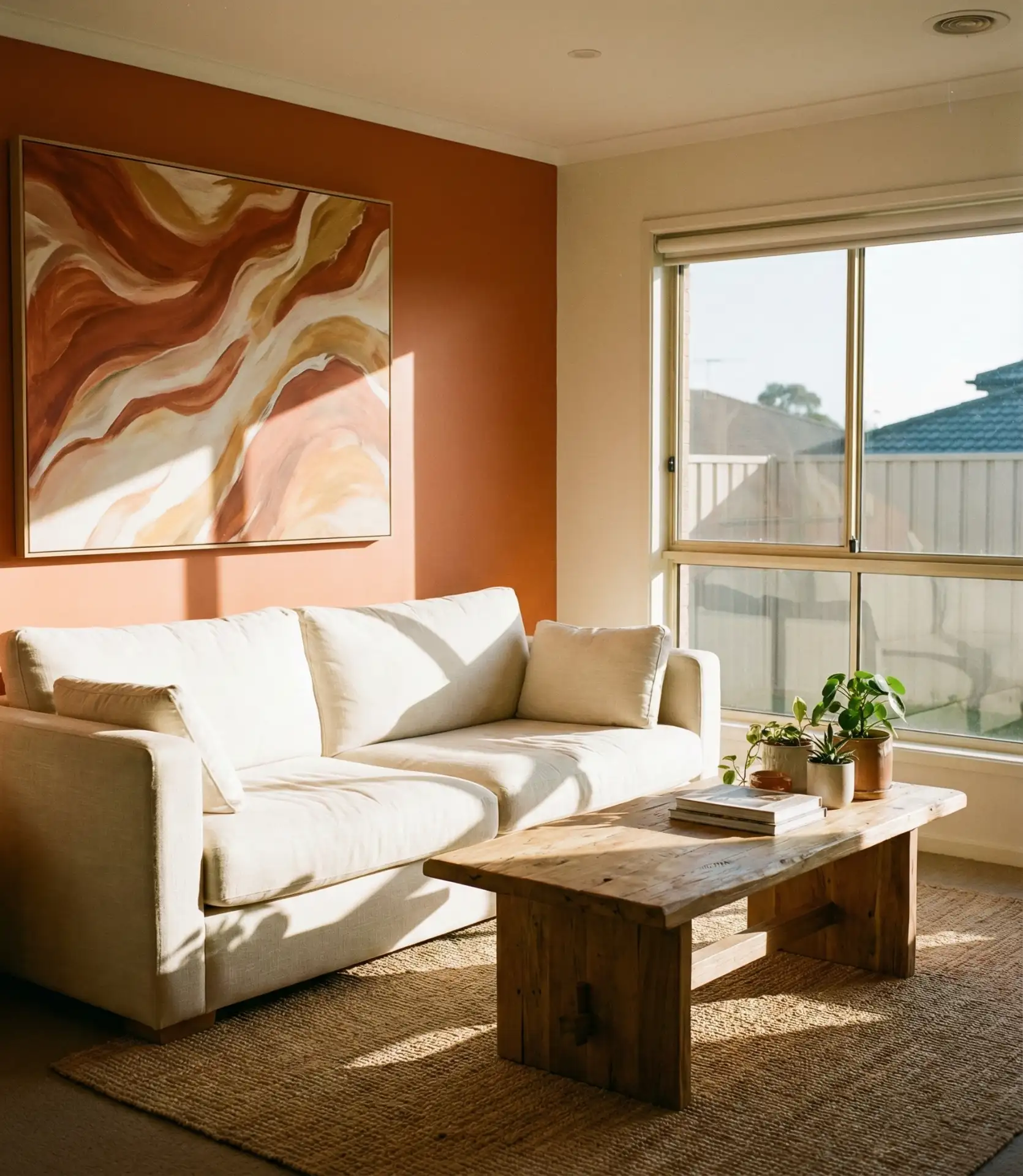
Frugalists rejoice, as this approach is a room-changer for less than $100. Try paint samples at different times of day before making a commitment—orange can change quite dramatically from cool morning light to warm afternoon glow. And don’t forget the greenery and crisp white trim to keep it from feeling dated. Houses in Southwest style may welcome deeper, richer oranges, while coastal homes could possibly showcase peachy coral shades that recall the sunset vistas.
7. Black and Beige Sophistication
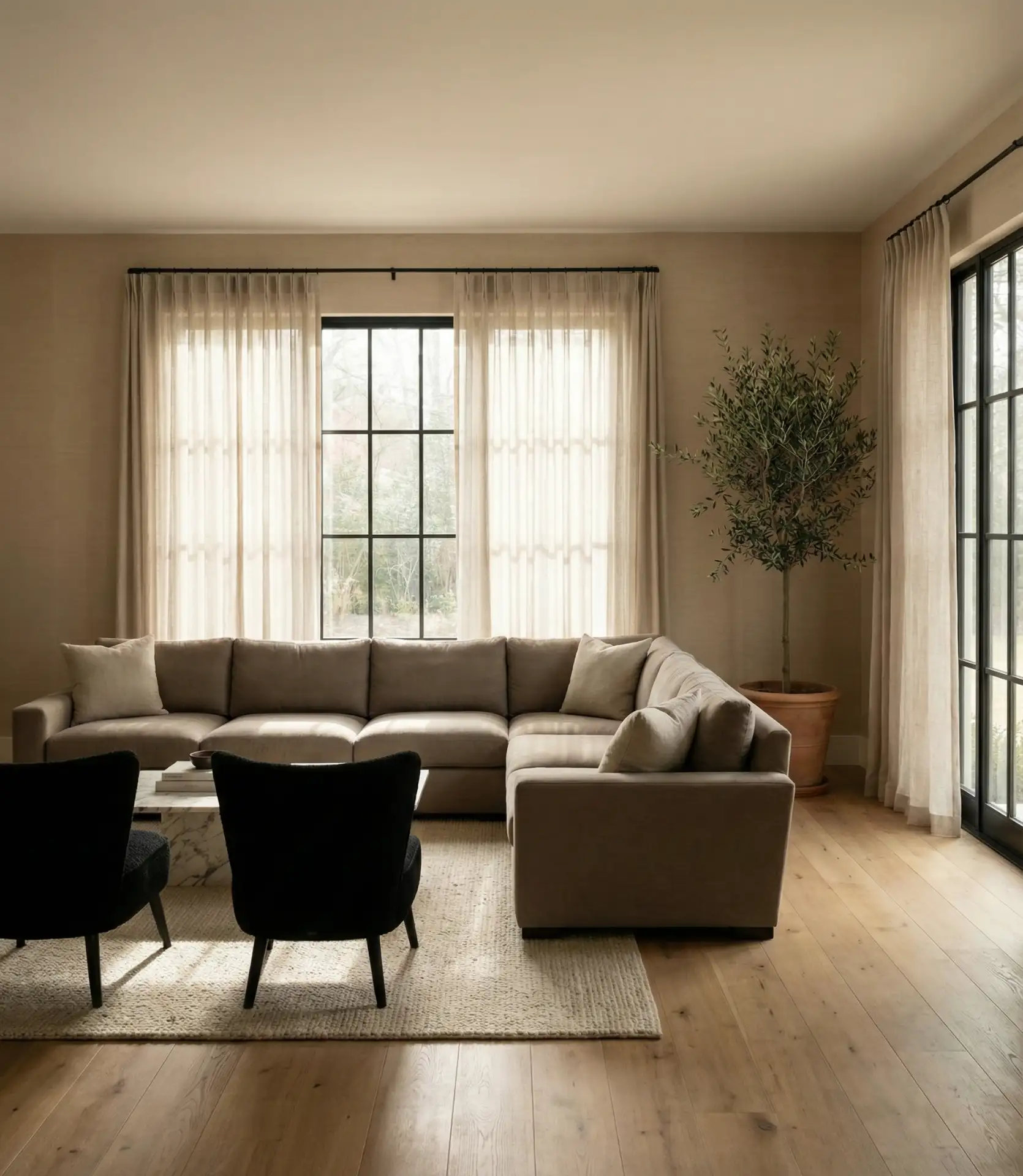
Benefits: The black and beige combination gives you that classic look yet maintains some lightness by not going too monochromic. Think of a beige linen sofa against the backdrop of walls painted soft sand, with black punctuation in metal-framed windows, picture frames, and lighting fixtures. This combination adds visual contrast, yet keeps a soothing and tranquil look. This palette looks excellent in modern minimalist spaces and more traditional ones that need a strong dose of drama but don’t want to go the bold color route. 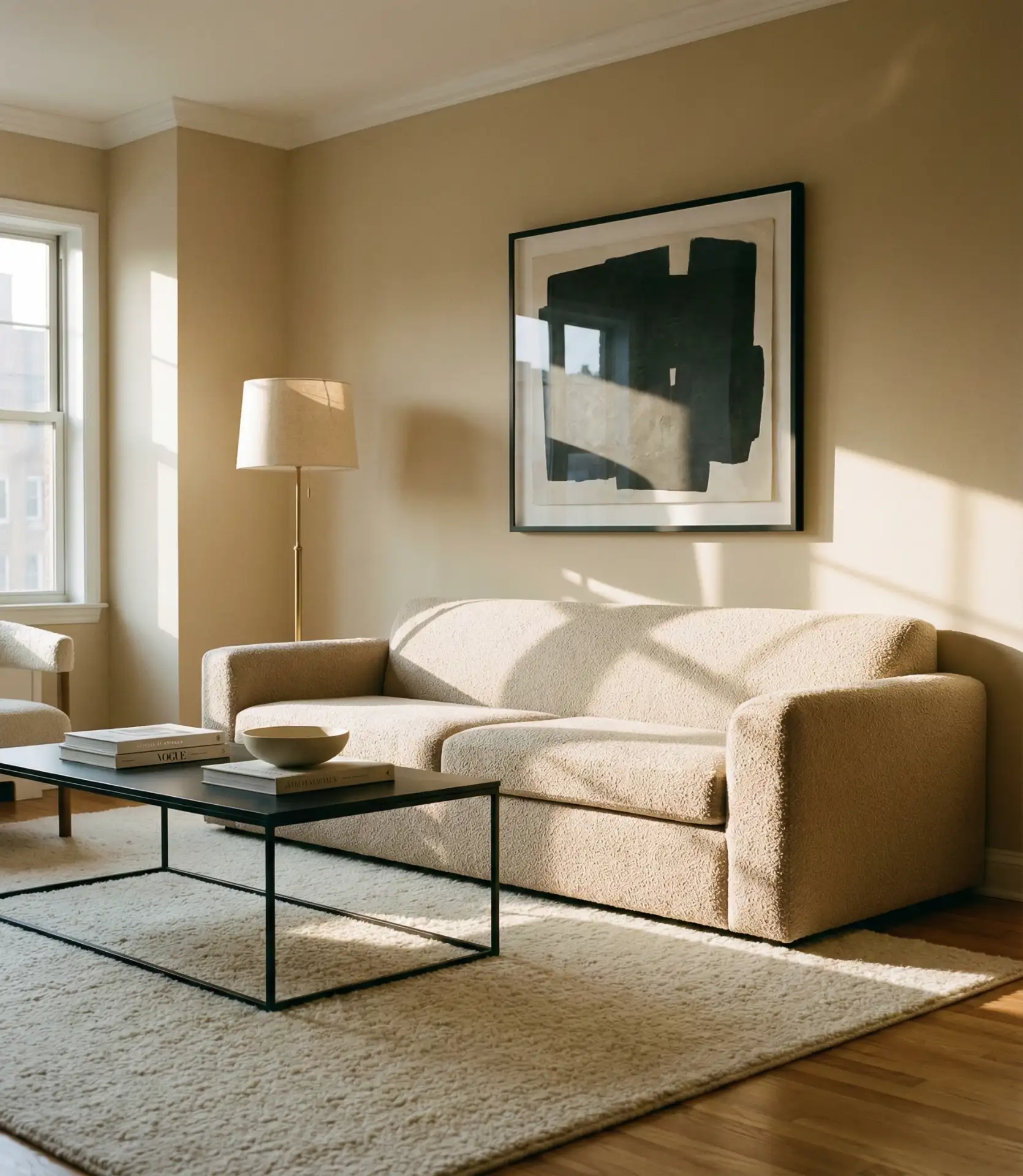
Part of the reason that this color story resonated is because it photographs beautifully—a plus for homeowners who chronicle their minimal interiors on social media. But there’s more to black and beige than good looks, said designers who work in an array of styles. Black and beige hides wear better than all-white interiors while still feeling more grown-up than builder-grade beige. Then bring the warmth by layering on many textures: a chunky knit throw, some velvet pillows, and an area rug in jute. To balance and draw the eye, blacks shouldn’t be concentrated in art or other permanent pieces.
8. French Country Charm
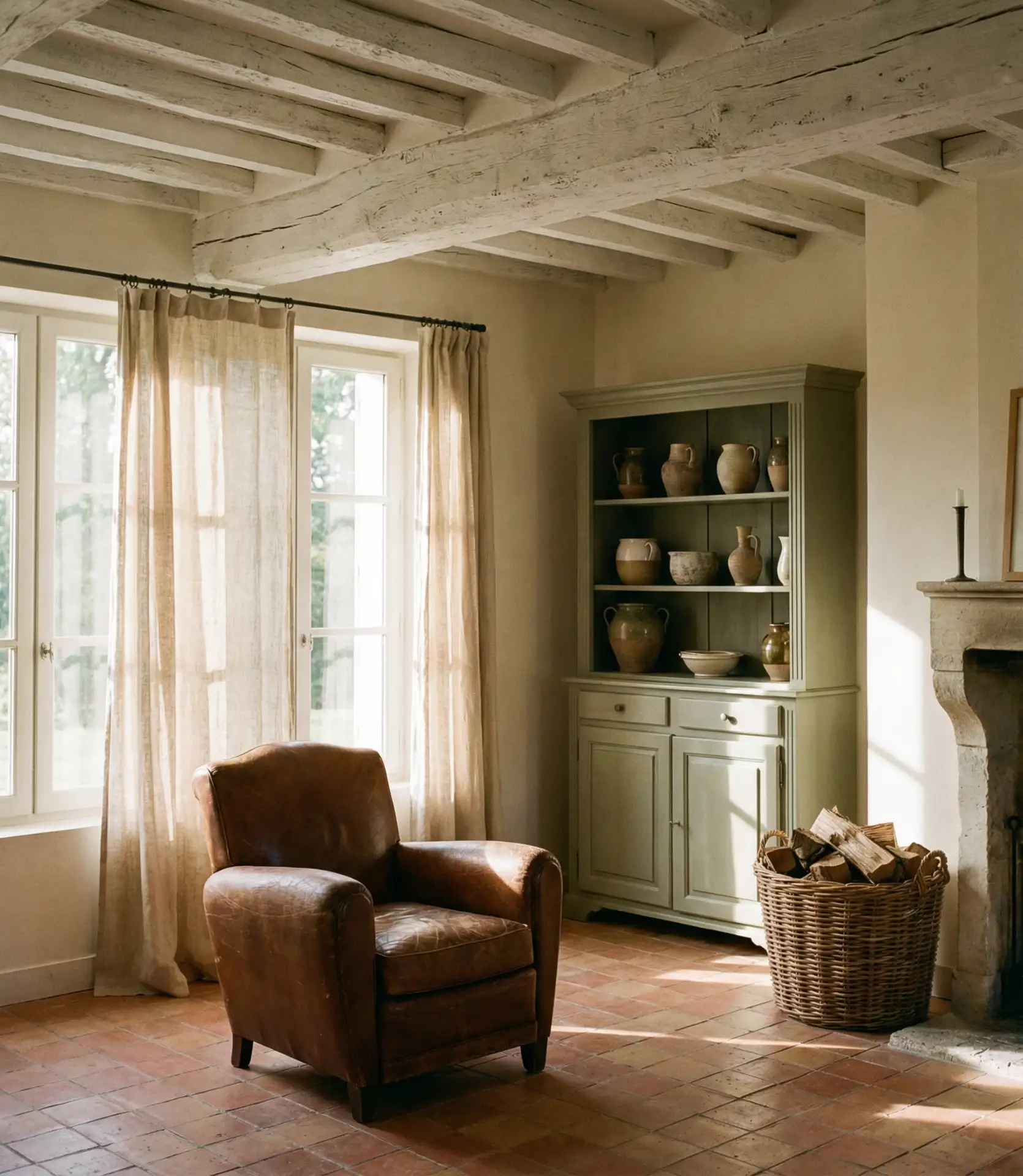
The French country aesthetic brings European elegance to American living rooms without taking a chateau-sized chunk out of the family budget. Imagine soft, muted colors—dusty blues, sage greens, warm creams (the 70s equivalent of “millennial pink”)—with vintage or vintage-inspired furniture. Worn leather armchairs, linen slipcovers, aged wood furniture—that’s the lived-in luxe that makes French interiors so irresistible. This look is especially popular with people who adore flea markets and antique stores, in which the pursuit of one-of-a-kind objects is part of the decorating process. 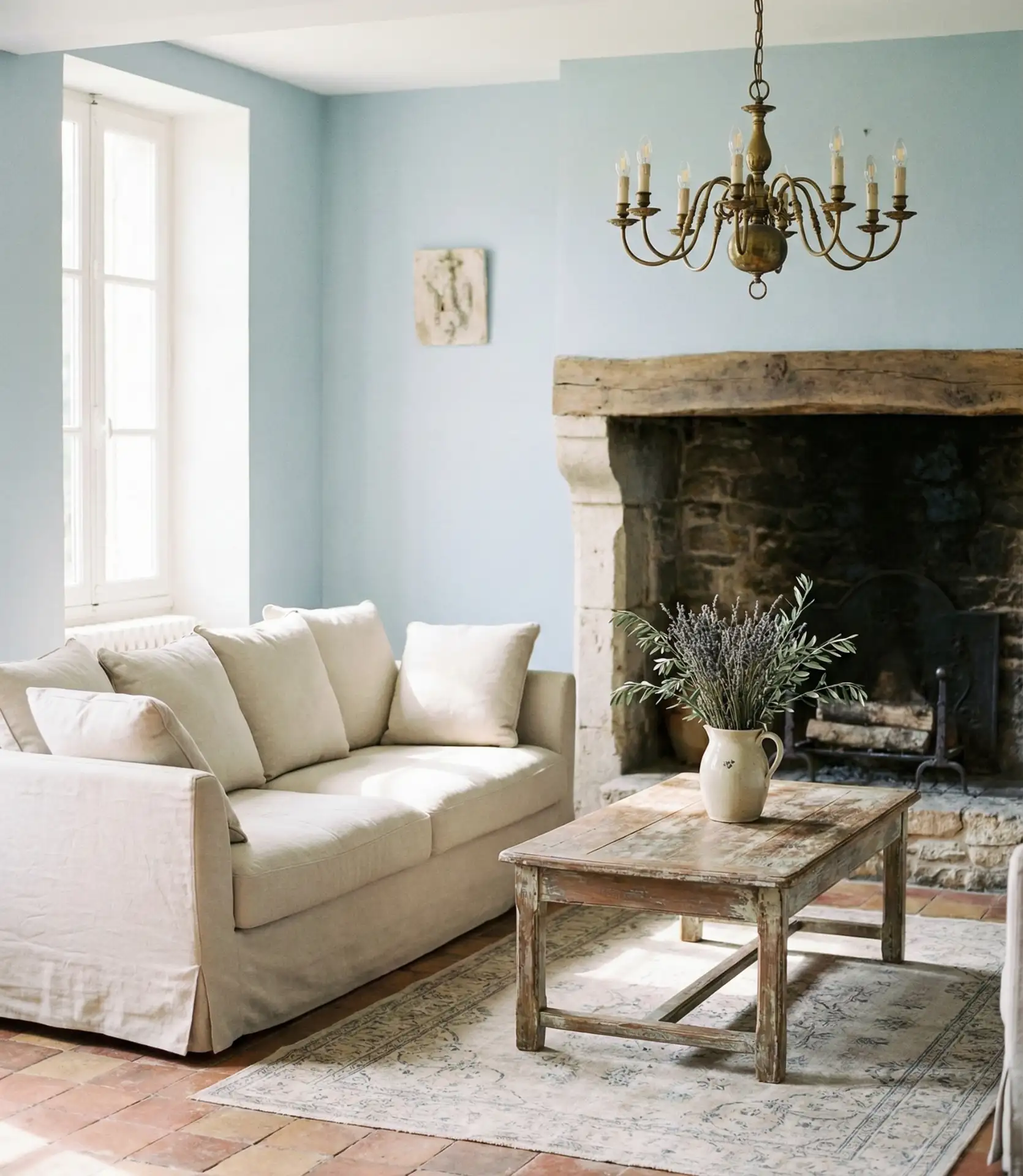
A practical insight: French country works best when you resist the urge to make everything matchy-matchy. The appeal lies in collected-over-time layers rather than purchased-all-at-once perfection. Mix furniture styles and eras freely. A modern sofa can absolutely coexist with an antique armoire if they share a similar color tone or wood finish. This style thrives in homes with architectural character—exposed beams, plaster walls, wide-plank floors—but you can create the feel with the right furniture and accessories even in new construction.
9. Country Living Room Comfort
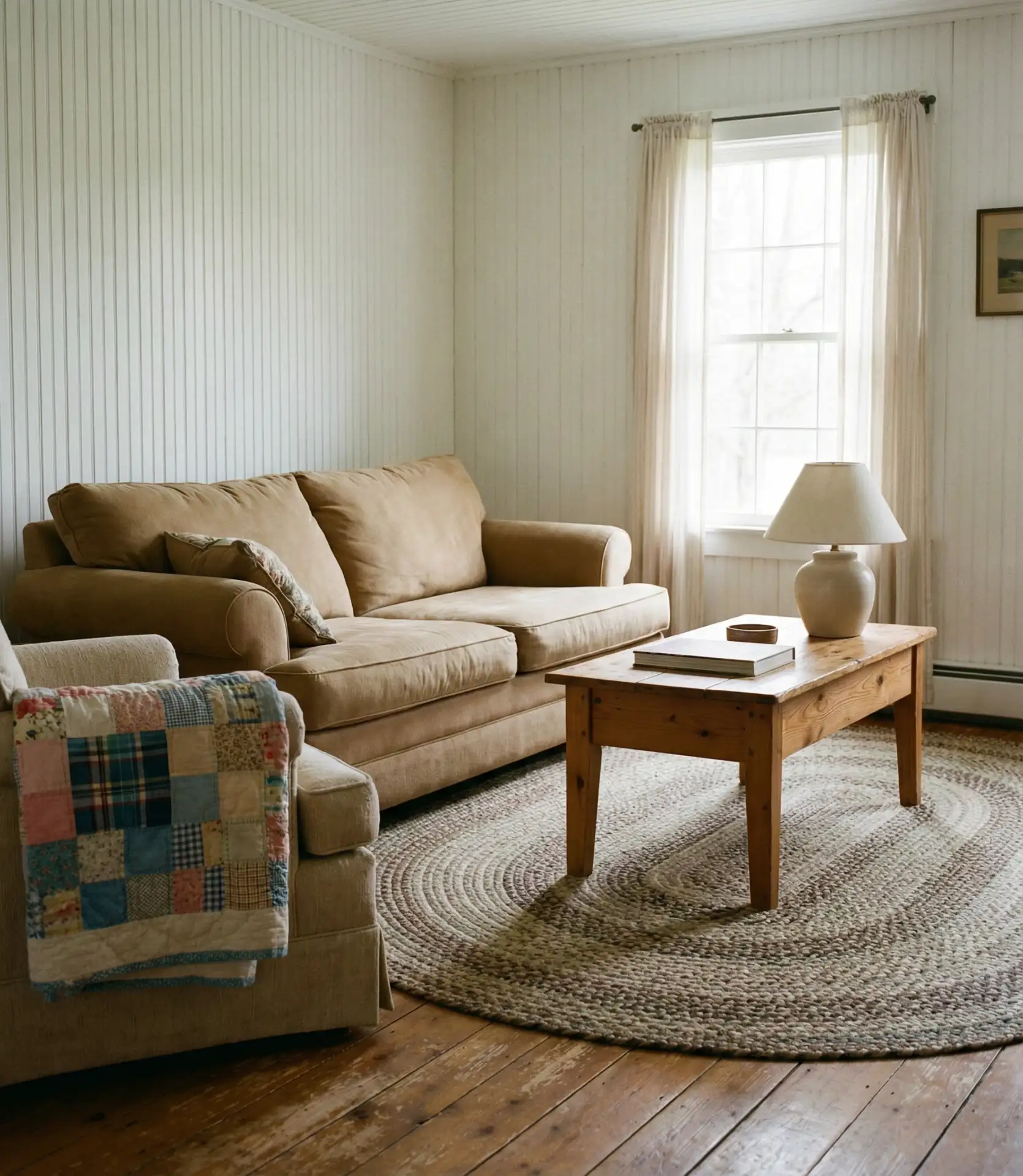
The country living room is all about comfort and familiarity. — overstuffed sofas you can really sink into, lots of wood tones, and a color palette inspired by nature—soft greens, warm tans, and gentle blues. Unlike its more sophisticated French counterpart, American country style is all about durability and maintenance-free living. (This one didn’t make sense to me for people with kids and pets who require furniture that can handle real life.) Quilts tossed over the backs of chairs, baskets tucked beneath tables, and well-trodden rugs all are part of the welcoming, unfussy feel. 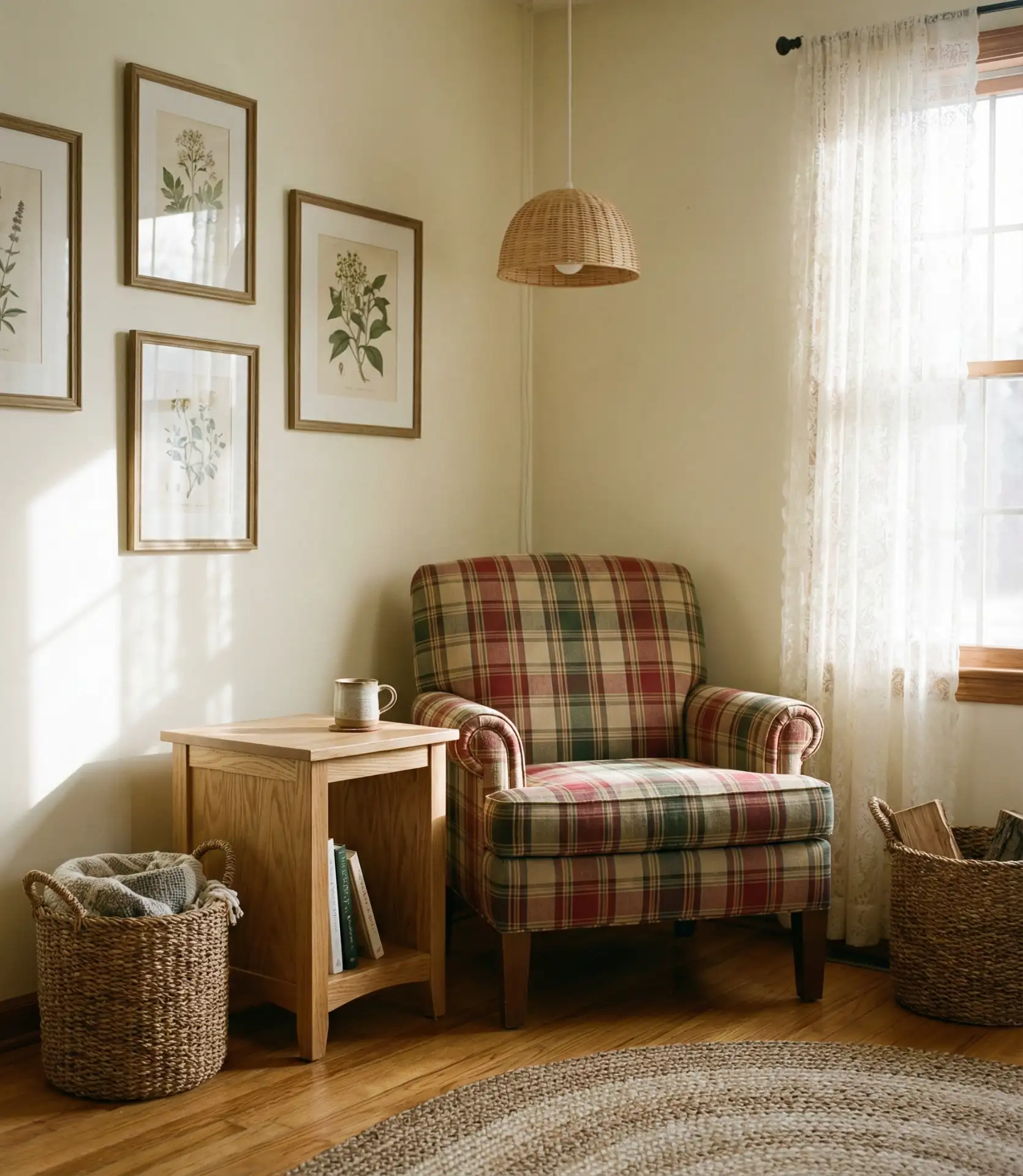
Rural America and the suburbs continue to embrace this look, as homeowners prioritize comfort above all else. There’s beauty in the flawed—country living rooms should look as if someone actually lives there. Books piled on coffee tables, throws thrown across pieces of furniture, and family photos in unassuming frames only add to it. Pass on anything too precious or delicate and instead add pieces that look better with age and wear.
10. Budget-Friendly Living Room Makeovers
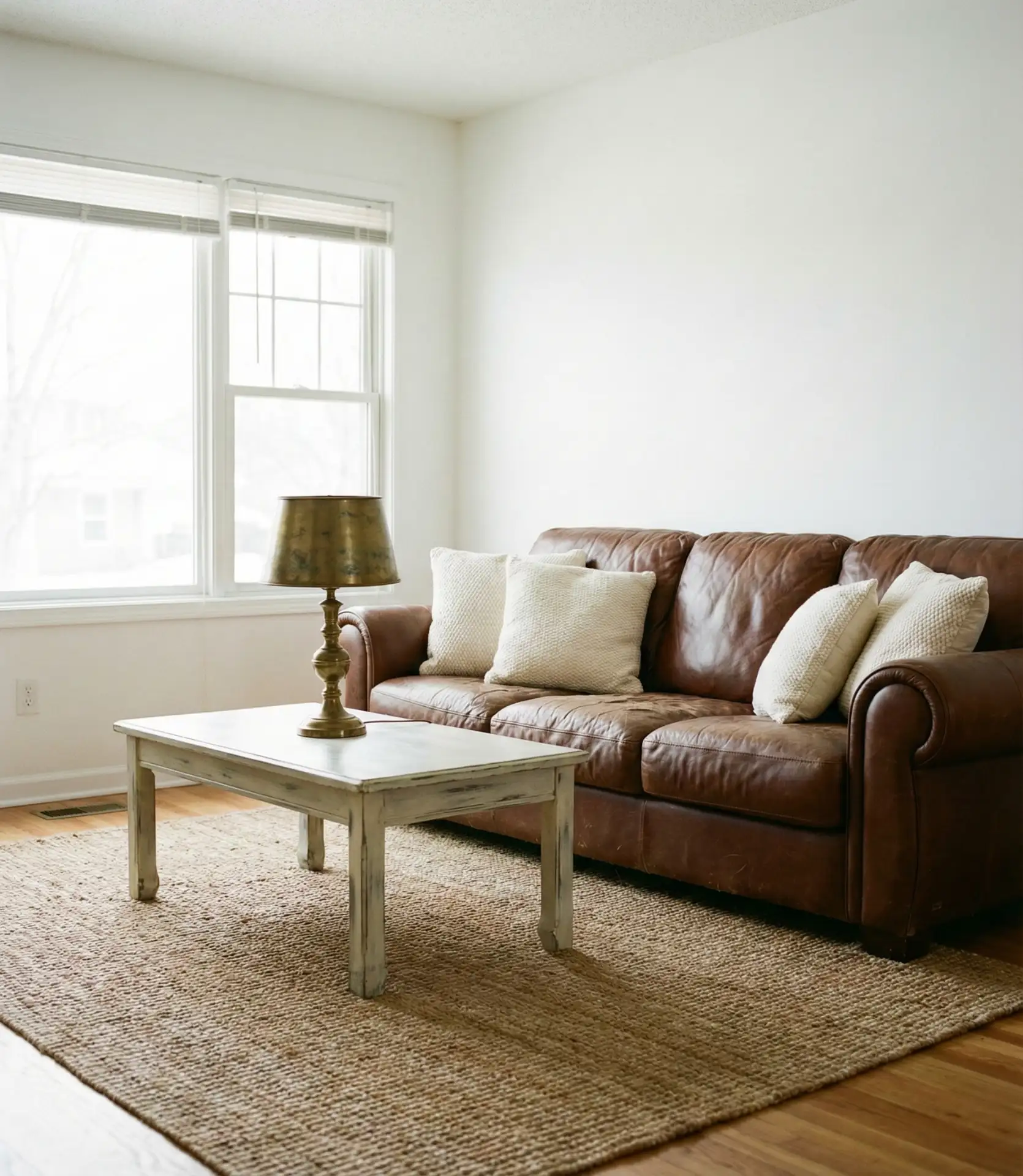
Creating a beautiful living room on the cheap is entirely possible with great budget-friendly ideas. Begin with paint—the biggest bang for your buck. Then think textiles: new throw pillows, curtains, and an area rug can entirely change a room without replacing larger furniture. Buy secondhand for medium to larger sizes and refresh with slipcovers or paint. Budget-friendly doesn’t, though, have to look cheap: it’s about deciding what you invest in and where you save. 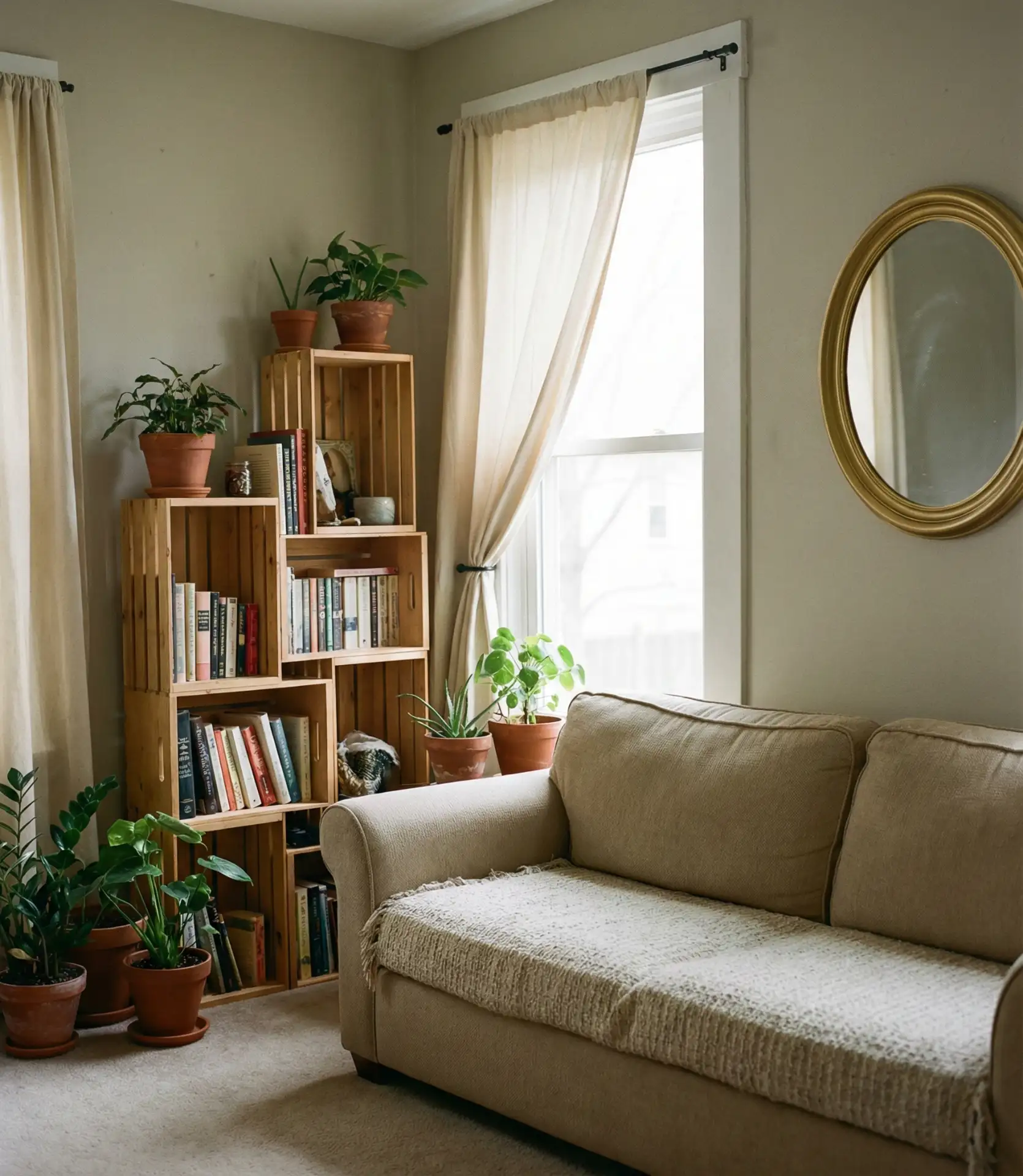
Regular People on a Budget: Many real homeowners opt to tackle projects room by room, embracing the challenges of open walls and brackets and enduring an incomplete space as they save for the next phase. This approach effectively prevents impulsive purchases, which can disrupt both the continuity of your design and your budget. Focus on one element at a time, starting with the seating area, followed by window treatments, and then lighting. Free or almost free strategies include moving around pieces of furniture you already own, redeploying accessories from room to room, and embracing repurposing. Have you noticed the vintage ladder in the garage? It’s now a blanket rack.
11. Rattan and Natural Fiber Accents
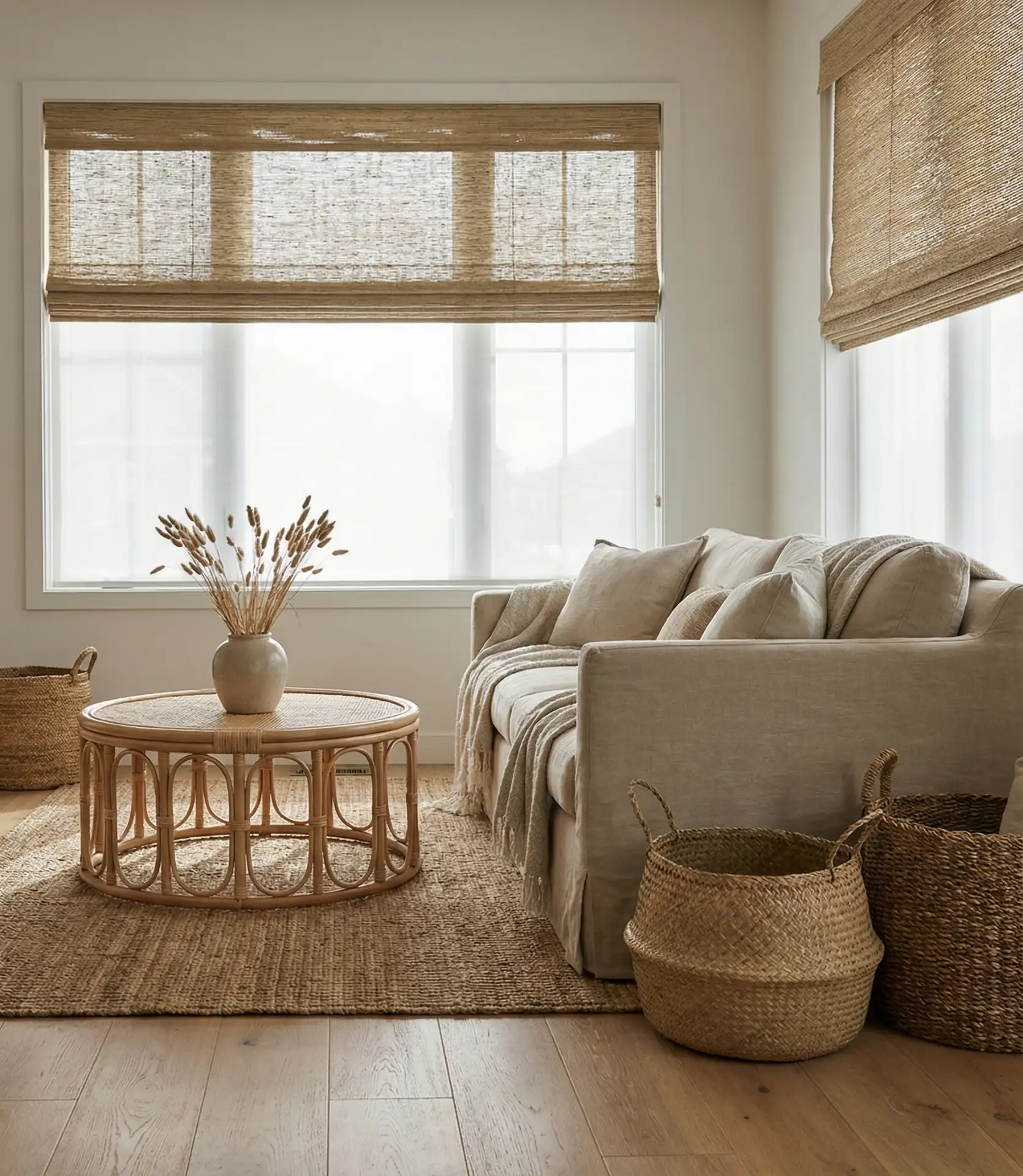
The resurgence of rattan brings texture and warmth to living rooms in a way that feels both fresh and nostalgic. Whether it’s a rattan armchair, a coffee table with woven details, or pendant lighting in woven cane, these natural materials add organic interest without overwhelming the space. The beauty is in the versatility—rattan works in coastal homes, organic modern spaces, and even traditional settings when paired with the right pieces. The material’s light color and open weave keep rooms feeling airy rather than heavy. 
Where it works best: Sunrooms and spaces with abundant natural light showcase rattan beautifully, but it also brightens darker rooms by reflecting available light. The key is balance—too much woven texture can feel busy, so pair rattan pieces with smoother surfaces like painted wood or upholstered furniture. Maintenance is minimal; just vacuum regularly to prevent dust buildup in the weave. For humid climates, ensure excellent air circulation to prevent mildew on natural fibers.
12. Red Statement Pieces
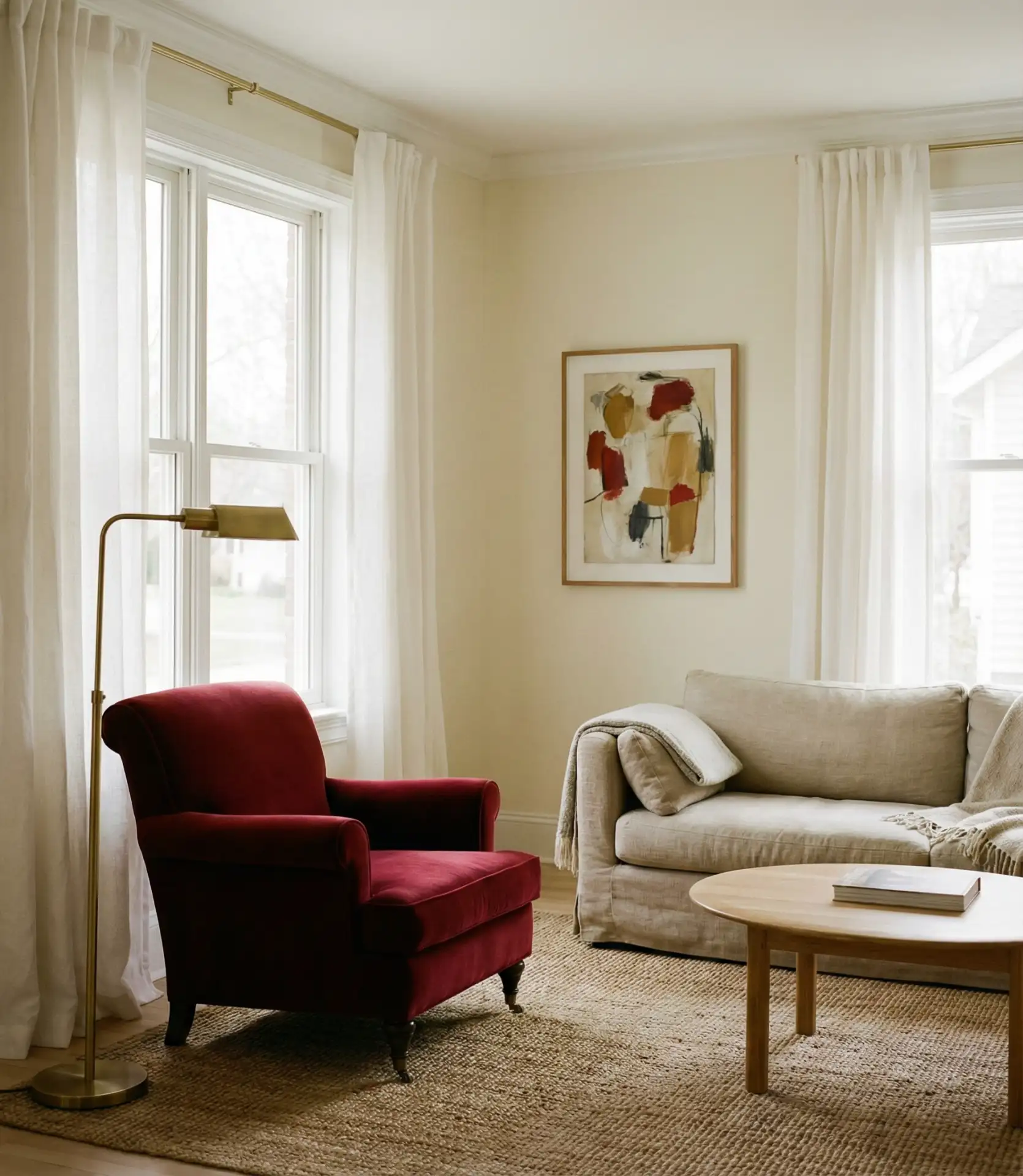
Bringing red into your living room does not necessarily mean you paint everything crimson. A statement piece—a red accent chair, some vibrant red flooring, or even art on the walls with many noticeable pops of red—can bring life to the room. The secret is to think of red as a focus color, not the dominant one. To neutral living rooms that lean toward beige, cream, or gray, red adds a jolt of energy without revving up the chaotic pace. This technique is especially nice in the summer, when you want everything to feel lively and hot, but it translates to other seasons just as well. 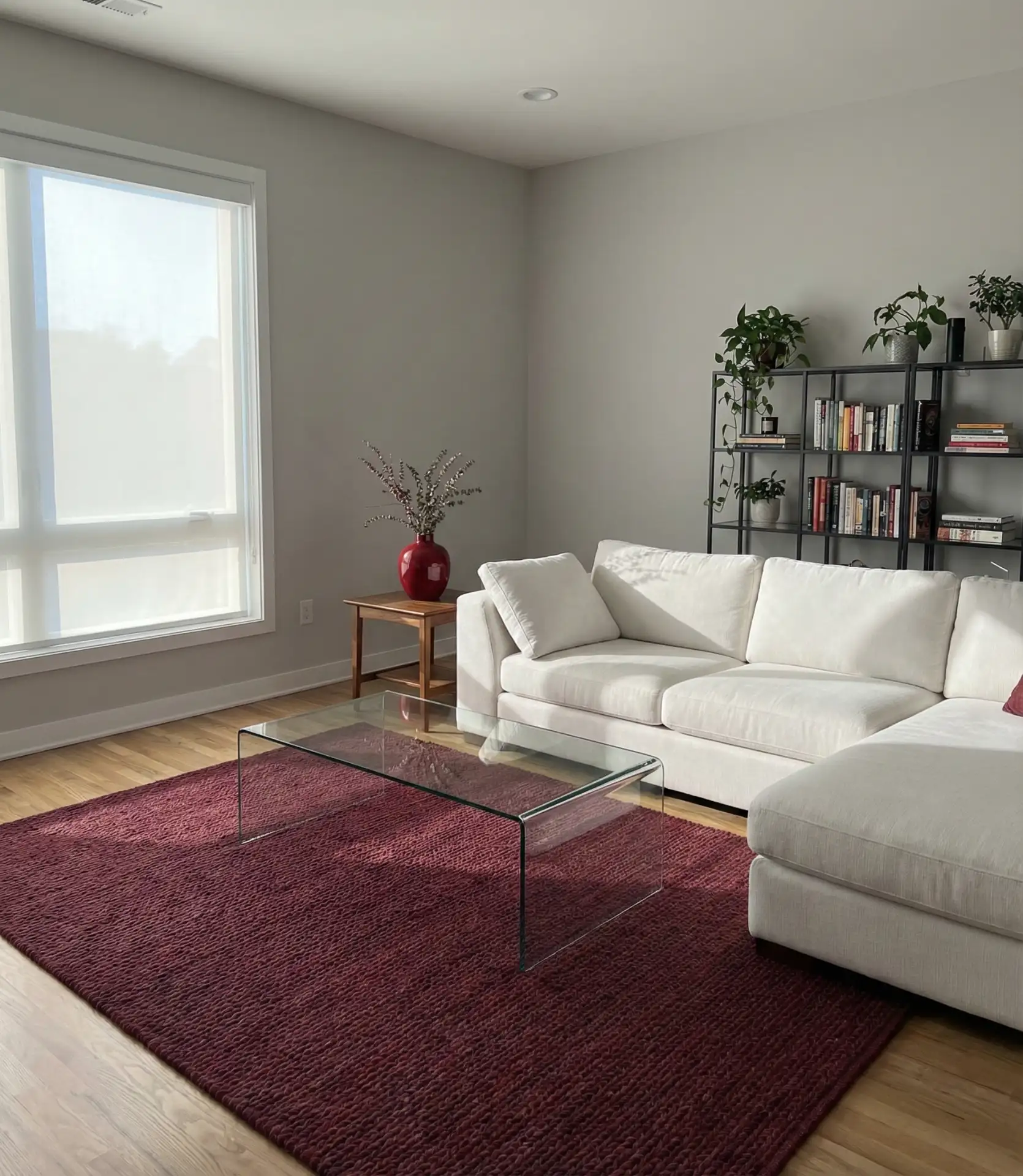
Expert Style Comment: When working with “big’ colors like red, interior designers will often refer to the 60-30-10 rule. 60% of the room remains neutral, 30% introduces a second color (you don’t get to have just white here), and then 10% is in your punch color. Red feels warm and inviting in colder climes, but for hotter areas, terracotta or burnt orange iterations are more fitting than cherry or fire engine red. The depth of your red should correspond to where you place yourself on the commitment scale—dark, rich reds have more impact but tire out the eye more quickly than softer versions.
13. Artsy Gallery Wall Living Rooms
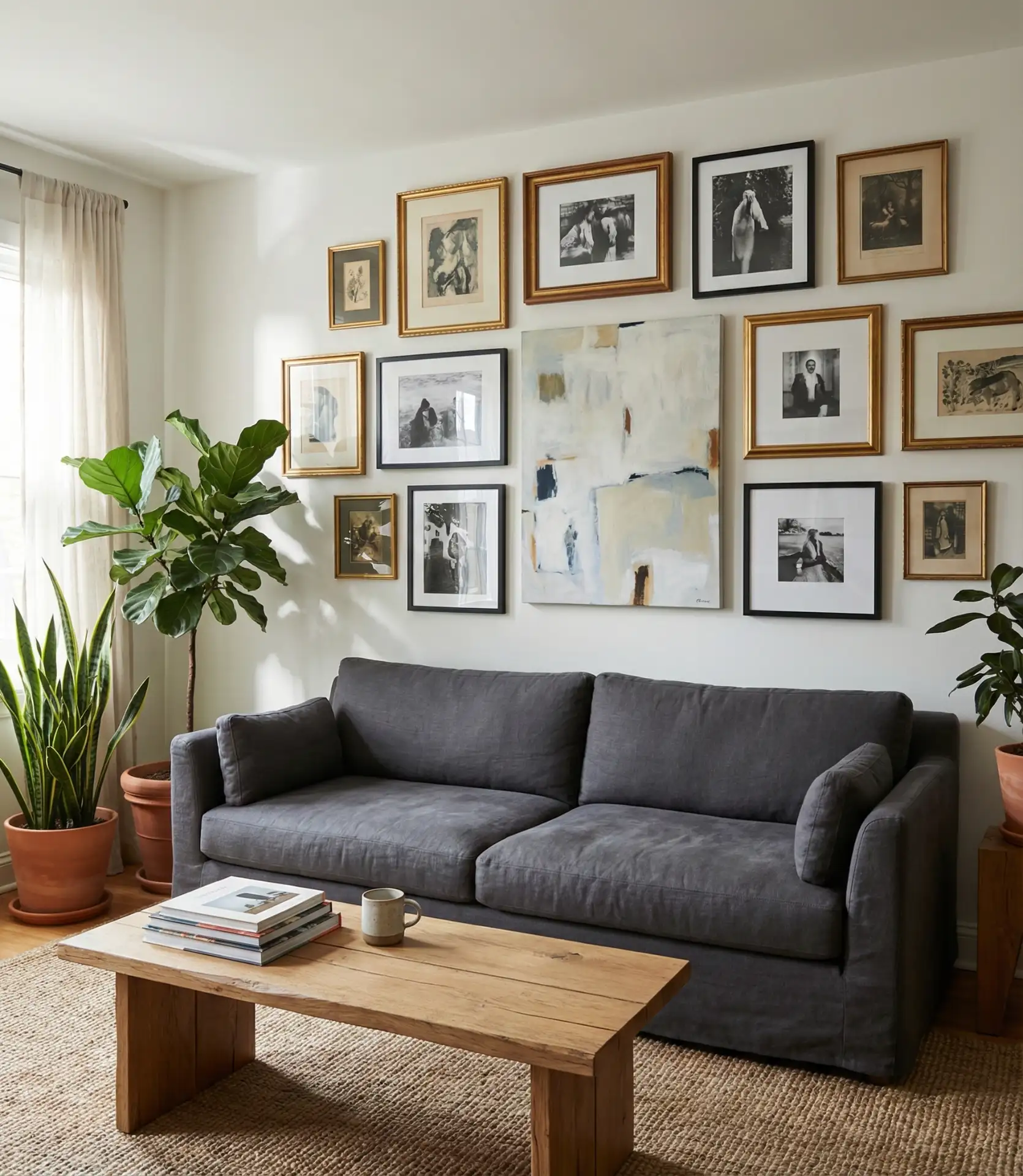
An artsy living room is all about bringing pieces of your personality into the space, so a gallery wall is just that. This isn’t a matching print from your local furniture store—it’s about combining mediums, frame styles, and subjects to make something that is uniquely yours. Paintings, photographs, prints, textile art, and even three-dimensional objects all converse. Wall art becomes the personality of the room; furniture remains relatively unadorned and plain to let the art take center stage.” This is an approach that resonates especially well with urban apartment dwellers and creative people who see their living spaces as an extension of their identity. 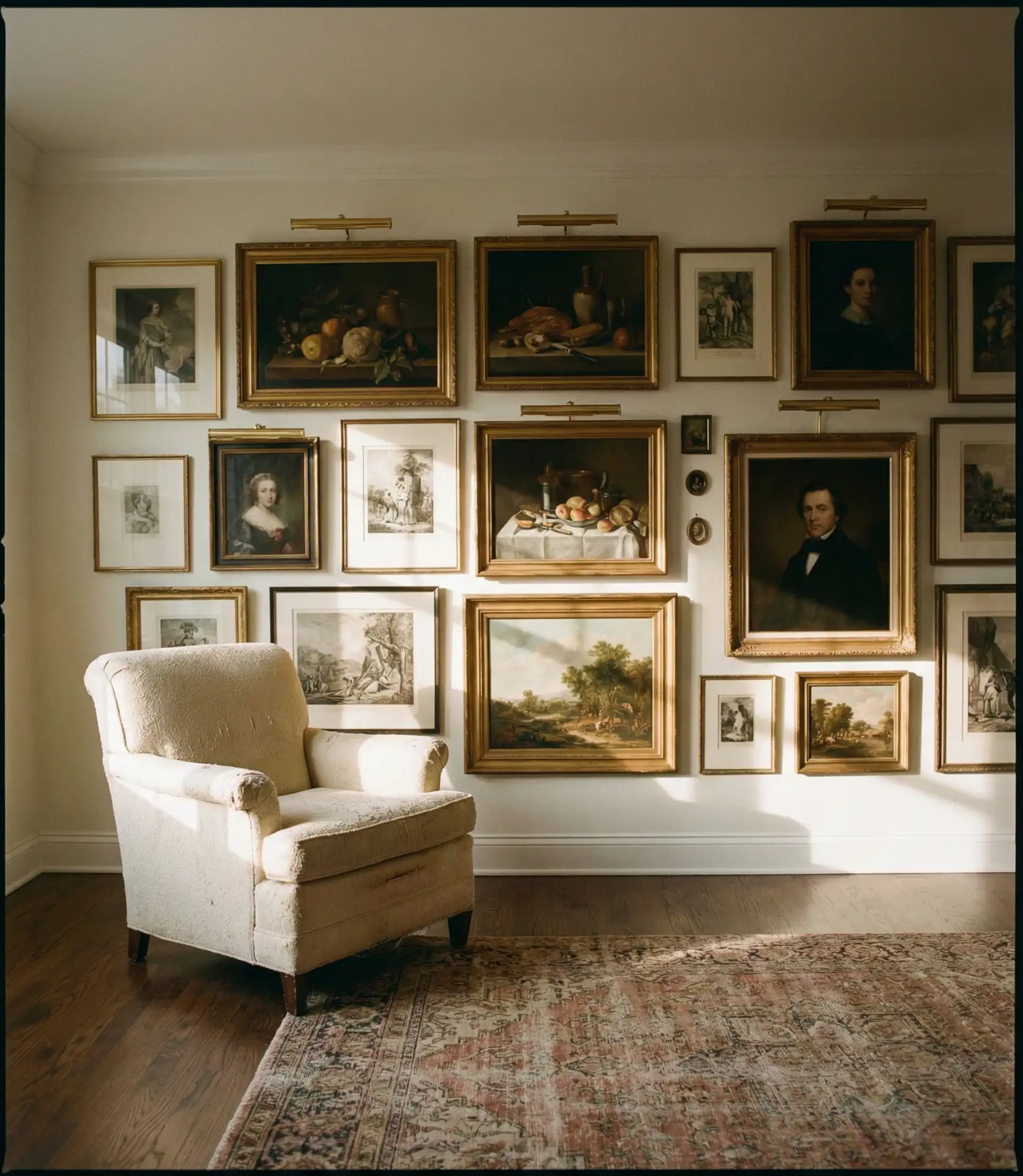
Tiny Brooklyn anecdote: A homeowner spent half a year acquiring art before hanging any, arranging the pieces on the floor to see how they’d look. The patience was worth it—the final gallery wall comes off as both intentional and unfussy. Use your largest piece as an anchor, and build out toward the edges while keeping a fairly even space all around. “Don’t feel like you have to fill every inch of your walls,” Ryan James says, because allowing pieces negative space is important for letting them breathe. Change pieces out as new ones are acquired, or seasonally, to keep the wall feeling fresh.
14. Summer-Ready Light and Bright Spaces
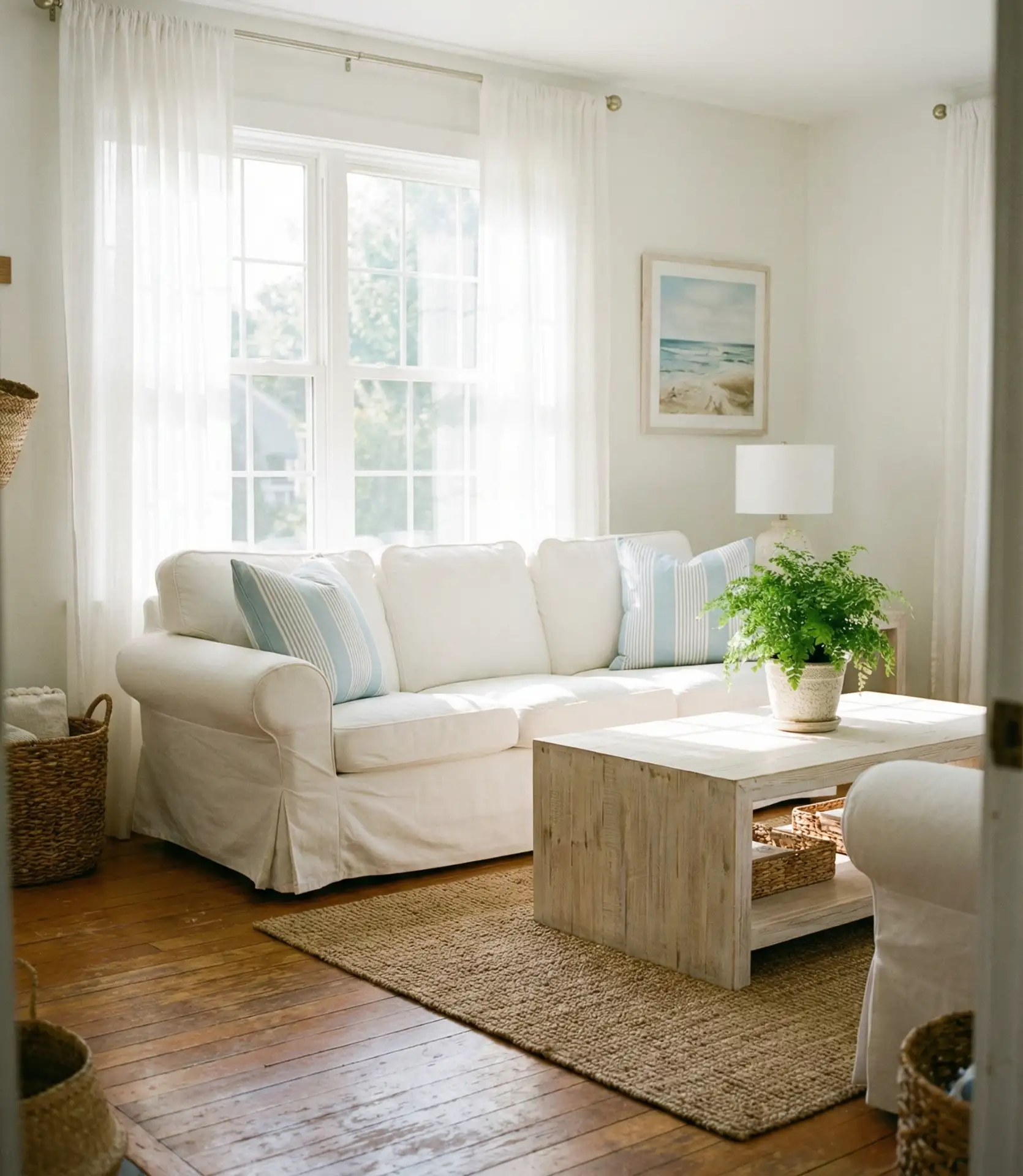
A limber living room designed for summer uses lightness as its tone, color, and material. Think white or light gray walls, furniture in natural linen or cotton, and lots of reflective surfaces to bounce the light around. Put away heavy winter fabrics such as wool throws and velvet pillows in favor of lighter, summer-friendly cottons and lightweight weaves. The aim is for the space to be breezy and airy even on a scorching-hot day.” And this seasonal refresh doesn’t have to involve an expensive overhaul; just swapping out textiles and accessories can completely transform the room’s energy. 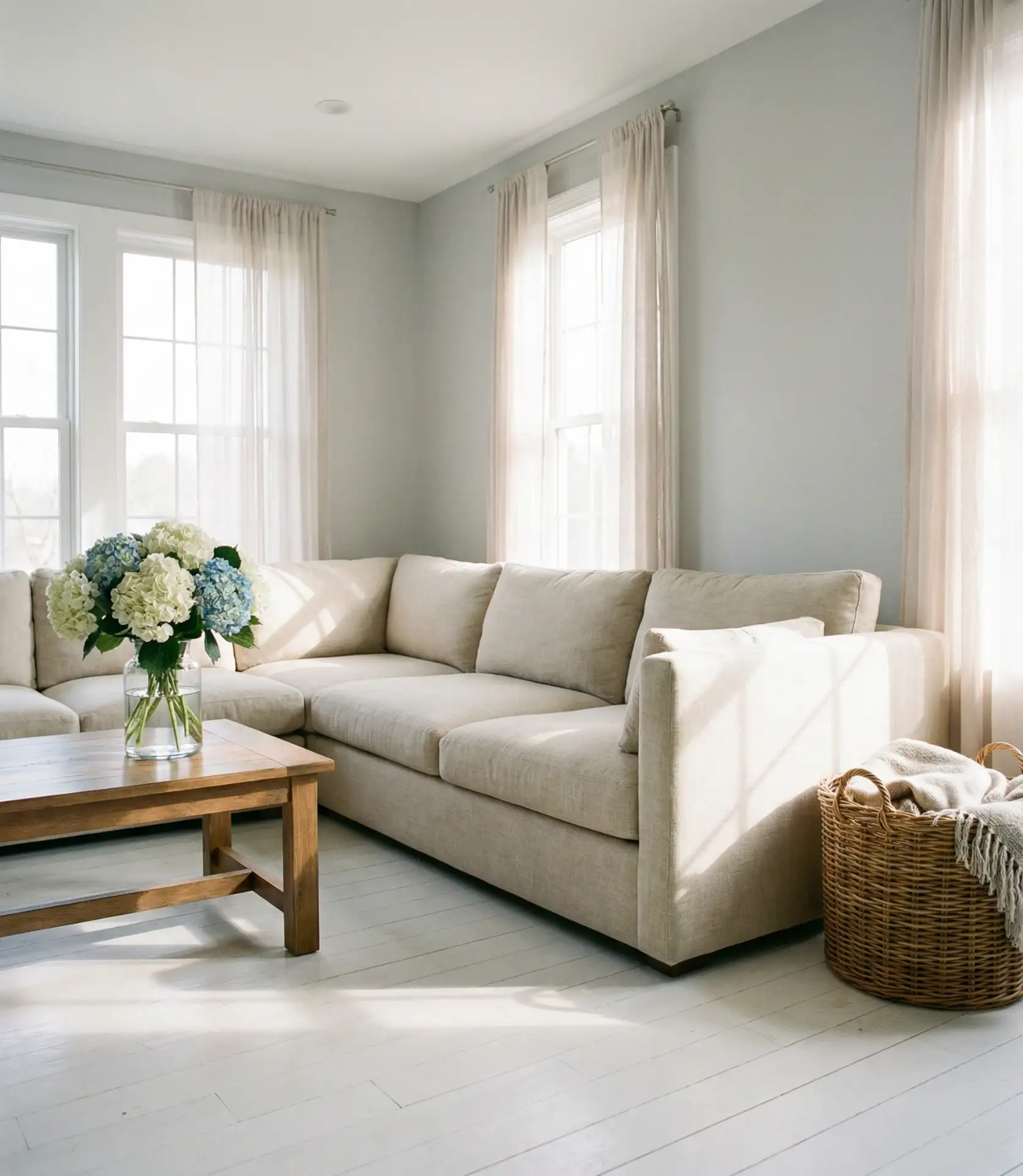
Regional context matters here—Florida living rooms stay summer-ready year-round, while Minnesota homeowners might only lighten things up for a few months. In warmer states, consider slipcovers that can be washed frequently, keeping furniture fresh despite heat and humidity. Coastal areas embrace nautical touches—rope accents, driftwood, and blue and white stripes—while inland regions might lean toward botanical prints and lots of green plants. The through-line is creating relief from outdoor heat through visual coolness and physical comfort.
15. Rustic Farmhouse Warmth
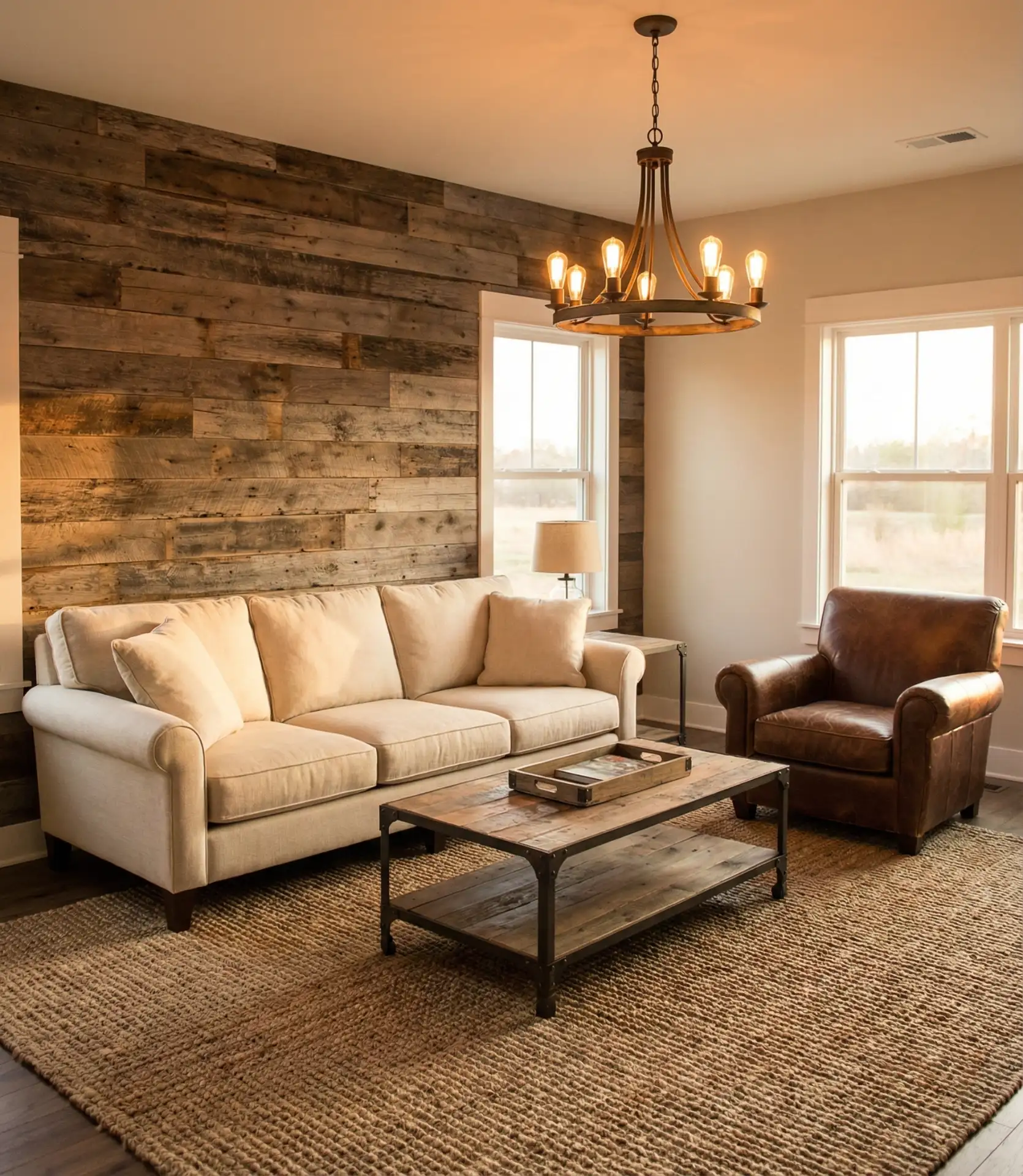
The rustic farmhouse aesthetic continues its strong showing in American homes, particularly in suburban and rural areas. This style combines weathered wood, industrial metal accents, and comfortable upholstered pieces in neutral colors. A reclaimed wood coffee table, metal-framed windows, and a chunky knit throw create that perfect balance of rough and refined. The cozy factor runs high—these are rooms designed for gathering, whether for game night or Sunday morning coffee. Natural materials dominate, keeping the space grounded and authentic. 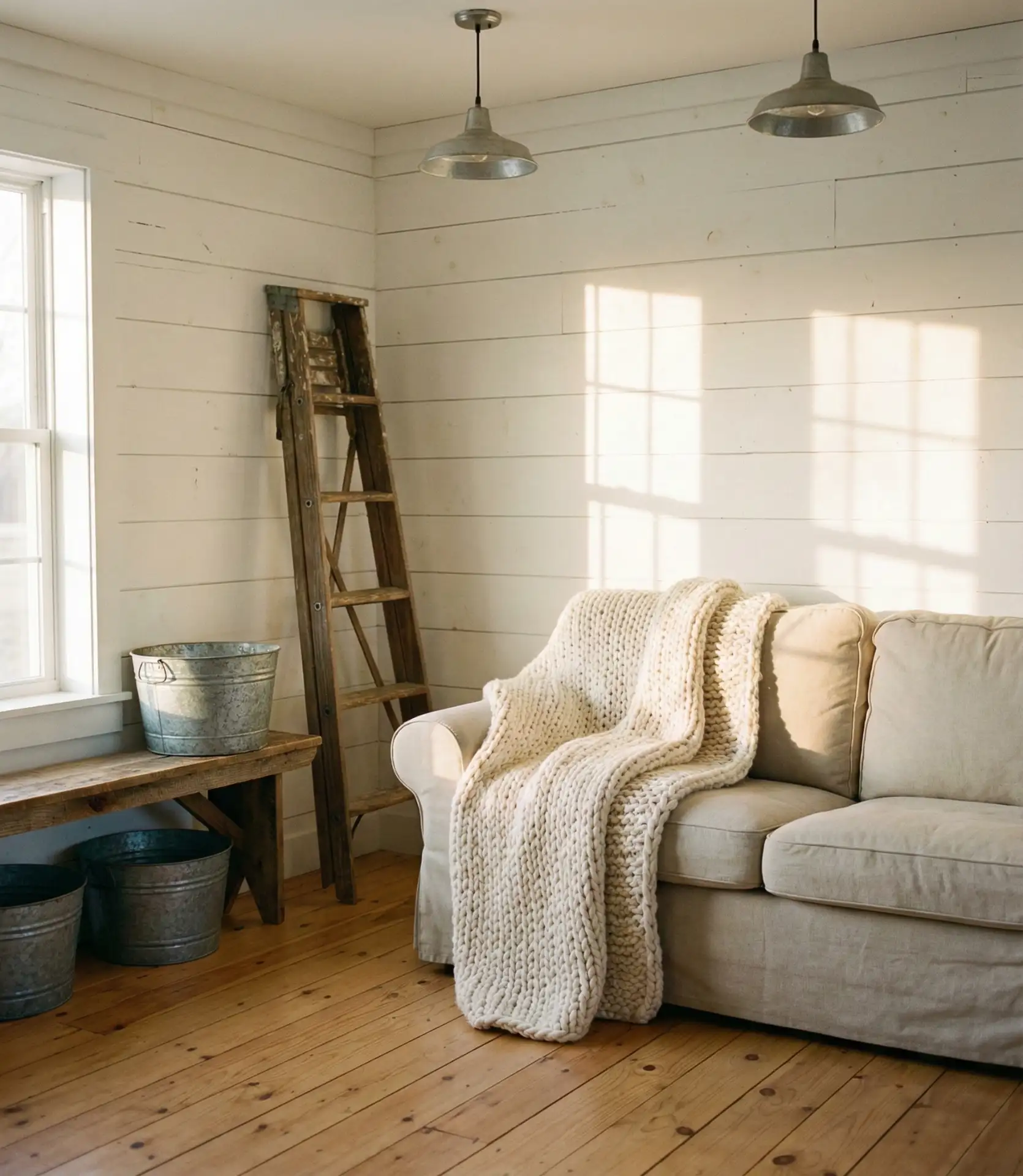
The farmhouse look works best when it feels collected rather than bought all at once from a catalog. Mix genuinely old pieces—a vintage trunk, an inherited quilt—with new furniture in complementary styles. Flea markets and architectural salvage yards are goldmines for authentic elements like old barn doors or industrial lighting. One common mistake is going too heavy on the “farmhouse” decor items—metal roosters, “gather” signs, and distressed everything. Edit ruthlessly; less is definitely more here.
16. Dark Brown Cocoon Spaces
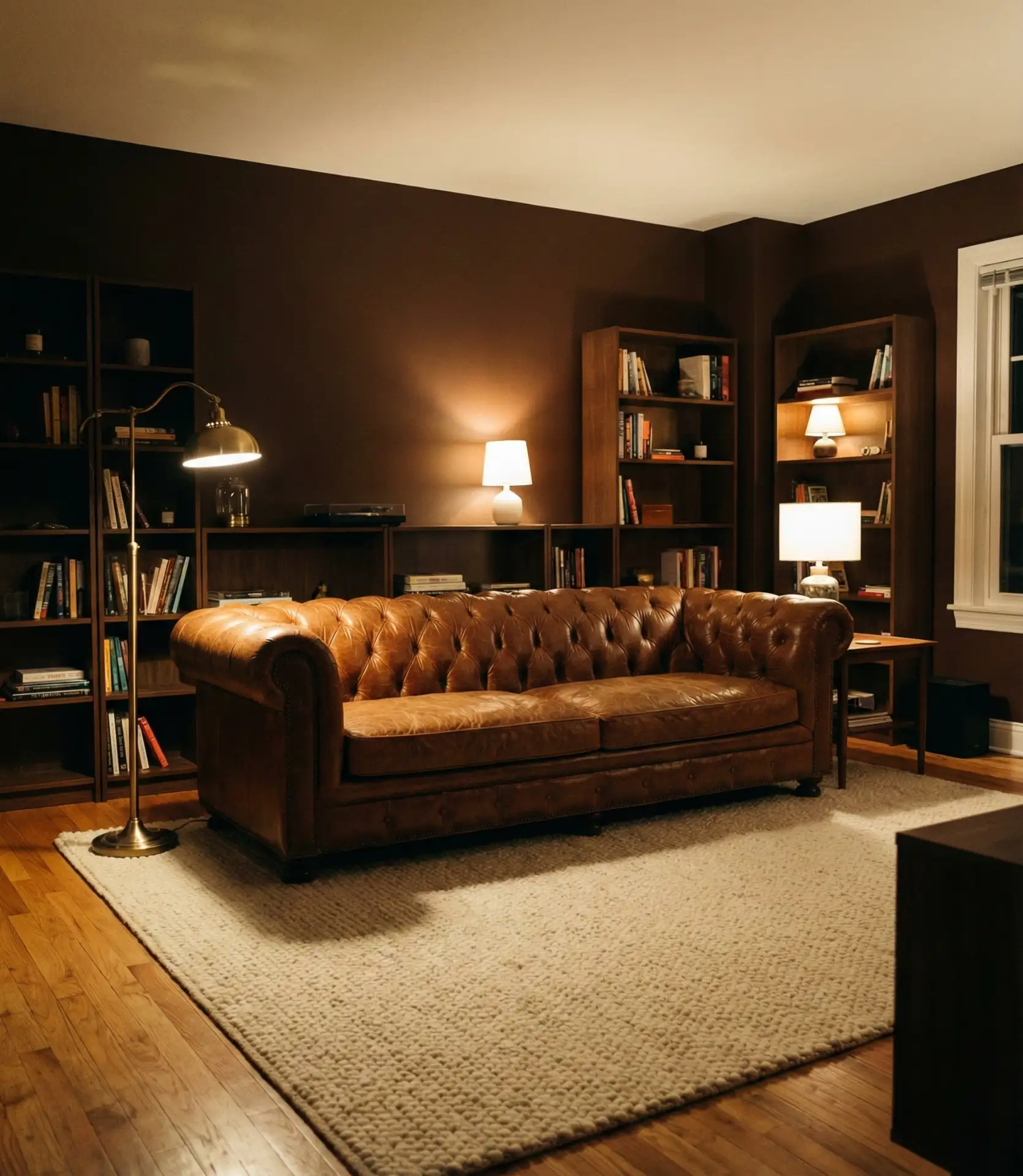
Embracing dark brown in a living room creates an enveloping, intimate atmosphere that’s particularly appealing for spaces used primarily in the evening. Think chocolate brown walls, rich leather furniture, and warm wood tones throughout. This isn’t about making the room feel small—it’s about creating depth and drama. Pair deep browns with plenty of lighting: floor lamps, table lamps, and strategically placed fixtures that create pools of light. The result feels sophisticated and refuge-like, a space designed for unwinding at the end of the day. 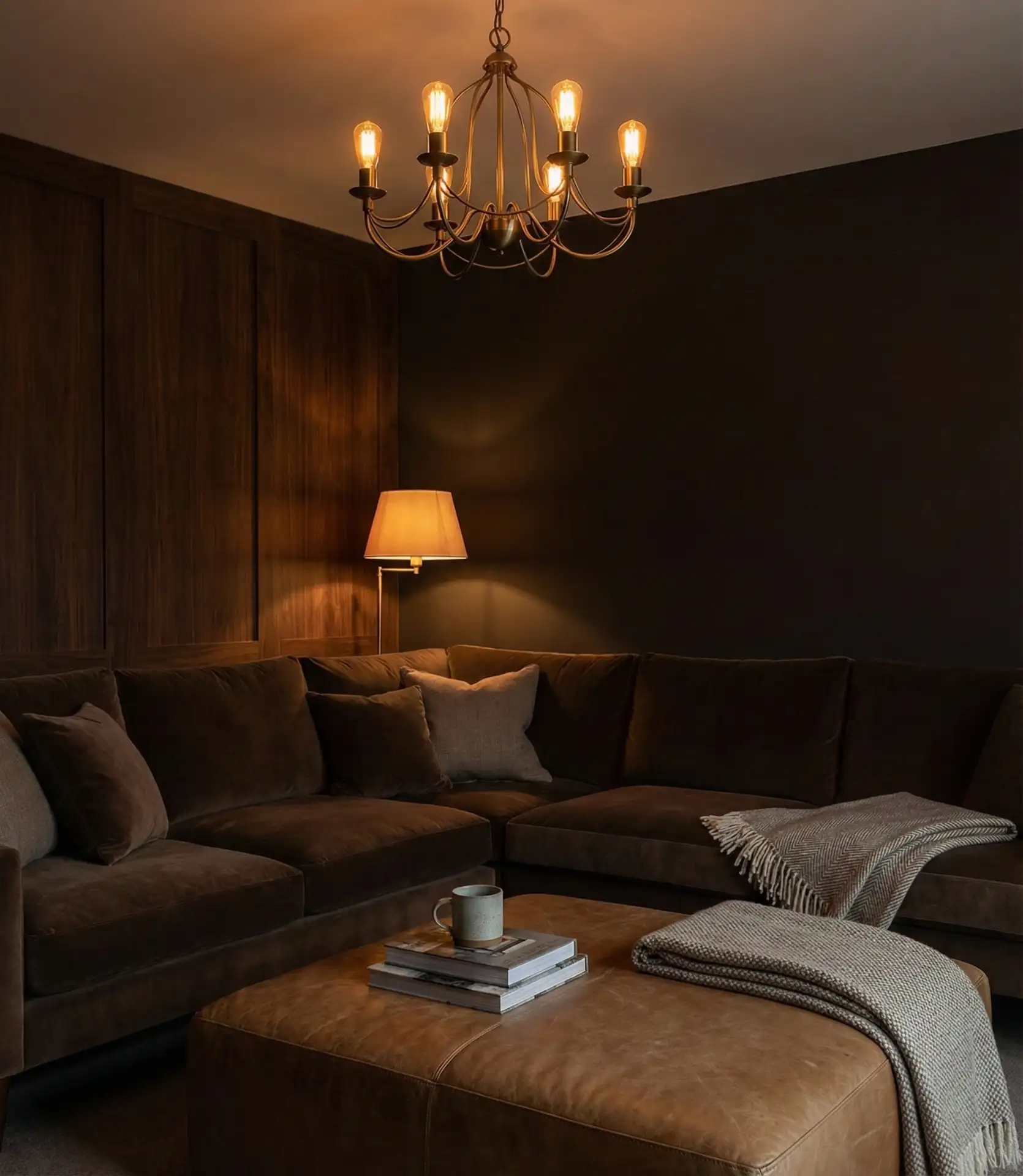
Budget angle: Dark paint actually requires fewer coats than light colors for even coverage, potentially saving money. Plus, dark walls hide scuffs and marks better than white, reducing repainting frequency. The trick is balancing the darkness with enough light sources and lighter elements—a cream rug, pale curtains, or light wood furniture—to prevent the space from feeling cave-like. This palette particularly suits libraries, dens, and living rooms in open-plan homes where you want to define a cozier zone distinct from brighter kitchen or dining areas.
17. Western-Inspired Living Rooms
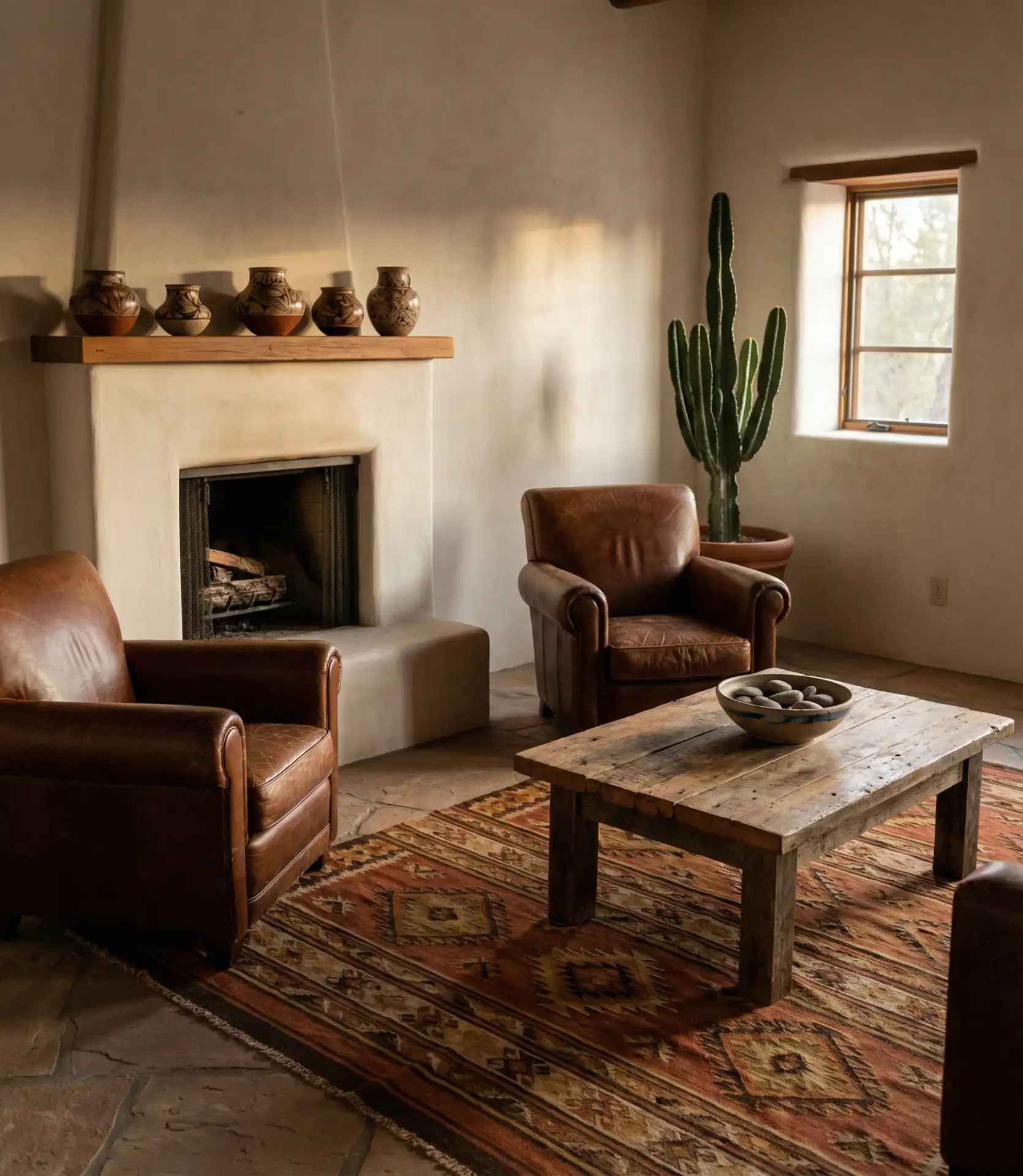
The cowboy style of Western design incorporates elements of desert land and ranch living through the use of leather, stamped details, and a dusty warm color palette. This is not costume design—it’s a high-concept notion of Southwestern style that includes vintage blue willow, cowhide rugs, leather furniture, and Navajo-like textiles but doesn’t smell of theme park. The palette takes from the land: terra cotta, sage, sand, and warm browns. And that style appeals to many readers across Texas, Arizona, and New Mexico, as well as across the nation, who appreciate its gritty masculine vibe. 
Real homeowner behavior: Many Western-style lovers accumulate things over time while traveling or through local artisans rather than buy everything new. A real Navajo rug becomes a family heirloom; an old leather saddle turned into decor wears the patina of a story. The stuff should be weighty and real—actual leather, not vinyl; solid wood, not laminate. Modern interpretations of Western style tone down the rougher elements with clean lines and less obvious cowboy imagery, instead showcasing quality materials and construction.
18. Small Apartment Living Room Solutions
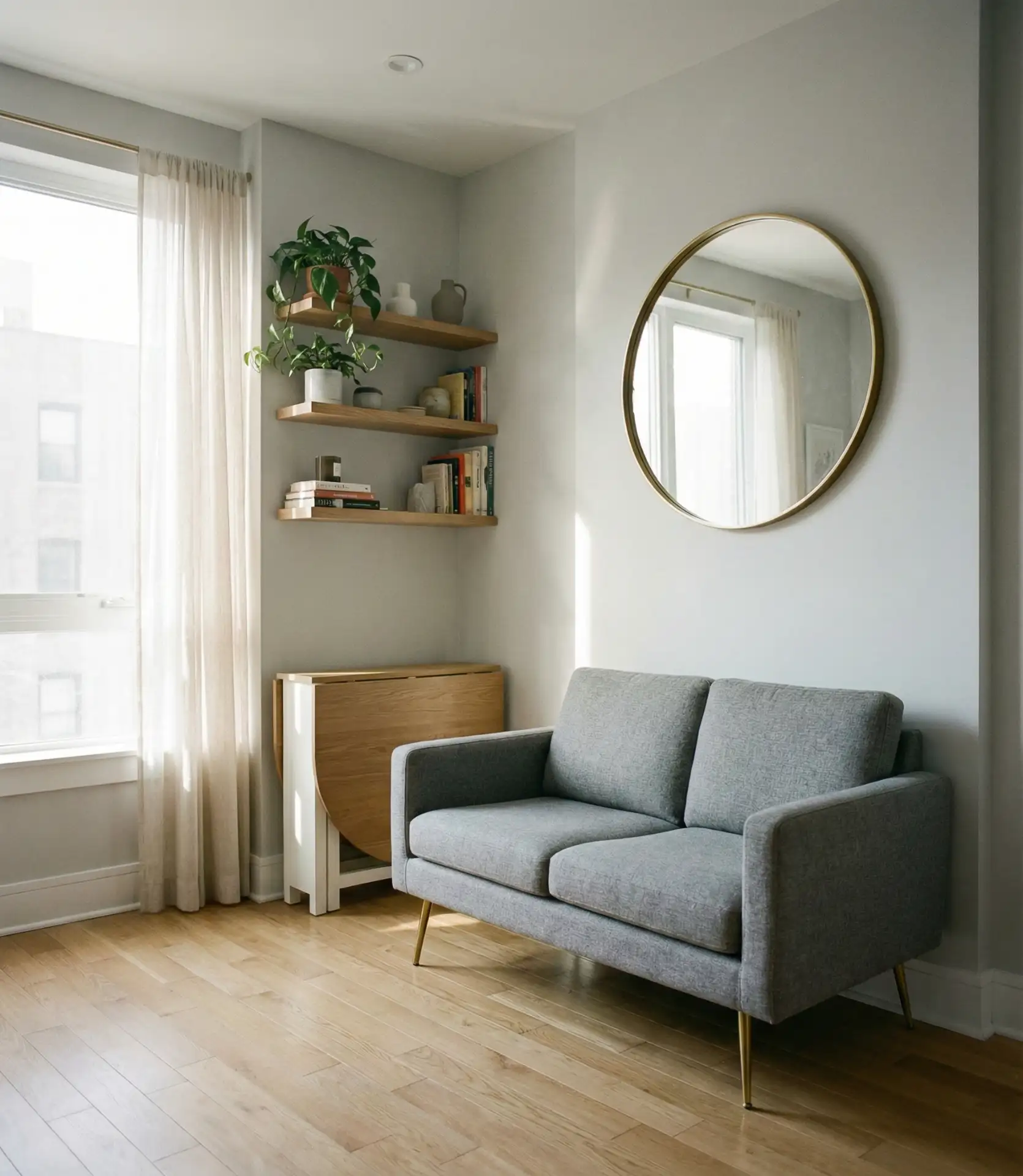
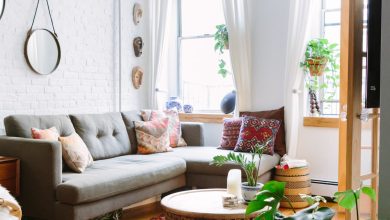
Designing a living room for a small apartment can be challenging and requires strategic thinking about every area. Select furniture with visible legs, which will make a heavier piece seem visually lighter; choose a sofa with a lower back so it doesn’t overwhelm the room; and embrace vertical storage. Mirrors carefully angled to bounce light and views around can make a small room feel double its actual size. The color palette usually remains light to optimize the space-feeling, though they believe that dark accent walls can really work even in small spaces because they add depth rather than envelop. 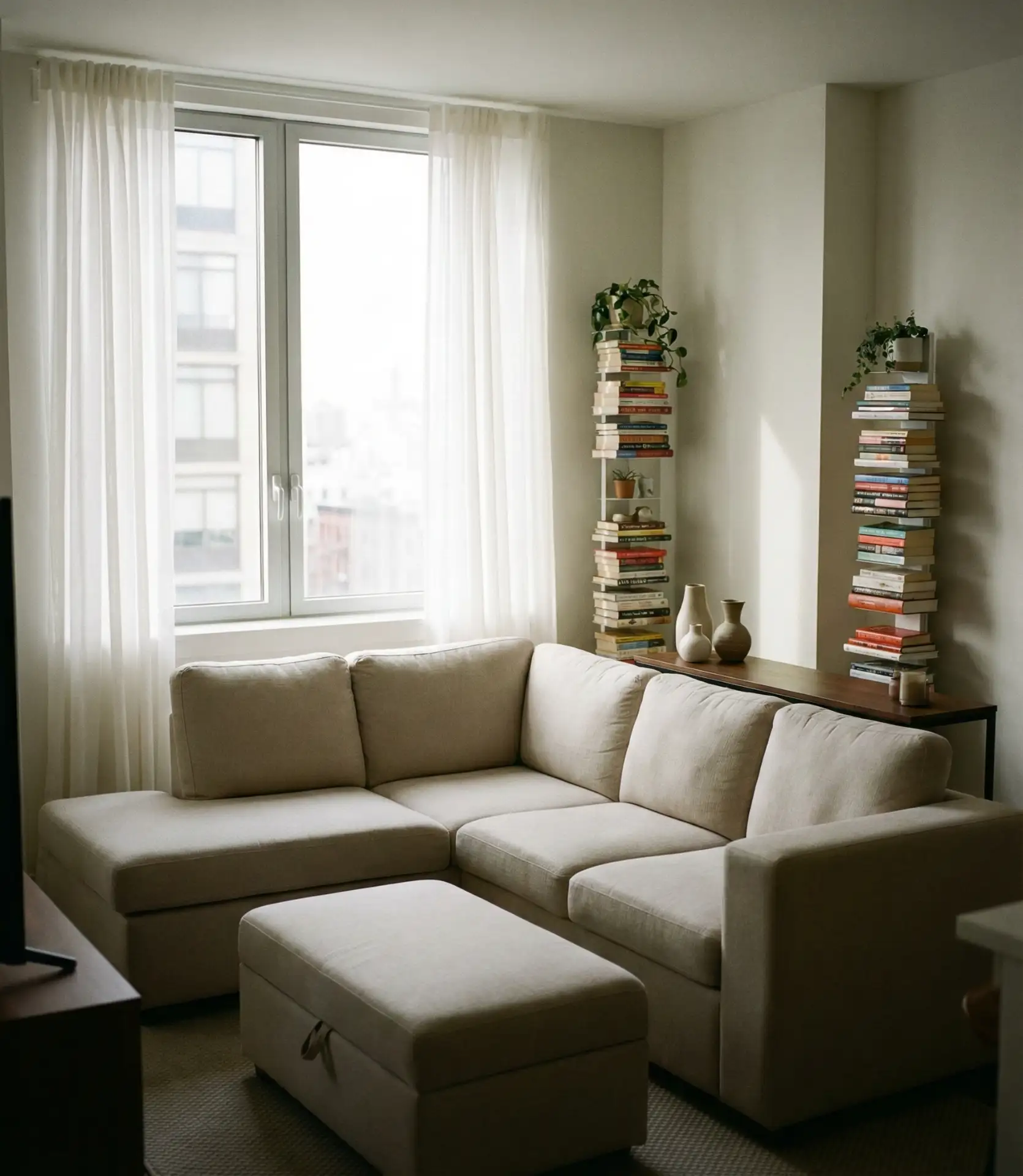
Mistakes and how to avoid them: Don’t push all your furniture against walls—by floating even a sofa six inches from the wall, you create breathing room, and it makes the space feel more intended. Stay away from overscale furniture that swallows the room; better a small, cozy sofa than a sectional you have to shimmy around. Forego the coffee table altogether, or opt for a nesting style that you can put away when hosting. Embrace the vertical with floor-to-ceiling bookshelves and wall-mounted storage to keep the floor open and uncluttered.
19. Grey Couch Versatility
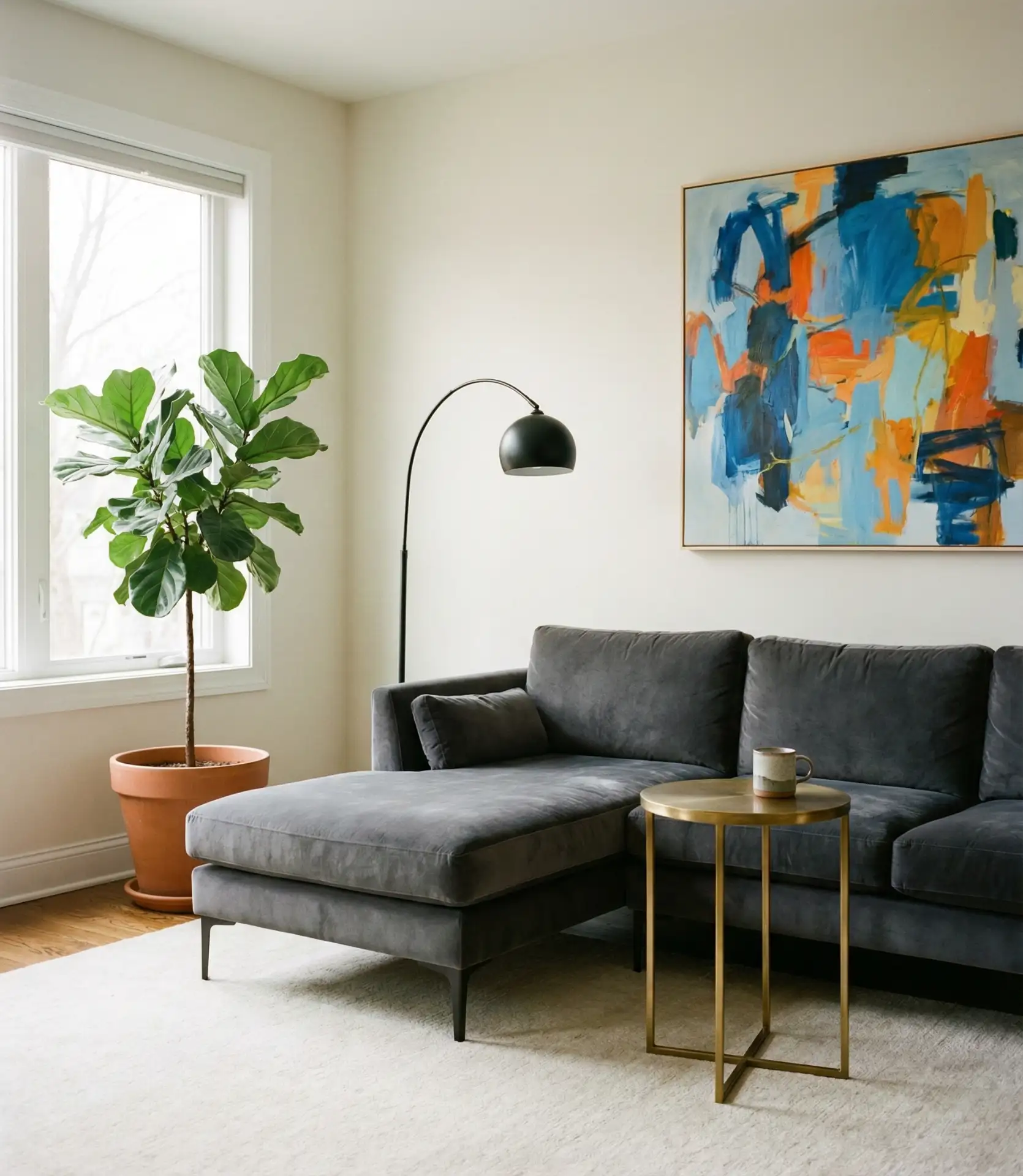
The grey couch is a staple in the American living room, and for good reason—it is one of the most versatile neutrals available. Whether you opt for light gray, charcoal, or something in the middle, this foundation piece is a chameleon that complements just about any color scheme you throw at it. Ready to get bold with some orange accents? Gray handles it. Prefer soft pastels? Still works. Thinking about swapping out some of your seasonal decorations from Halloween to Christmas? Your gray sofa adapts seamlessly. The type of fabric makes a difference too—linen feels relaxed, velvet reads luxe, and performance fabrics work for families with kids. 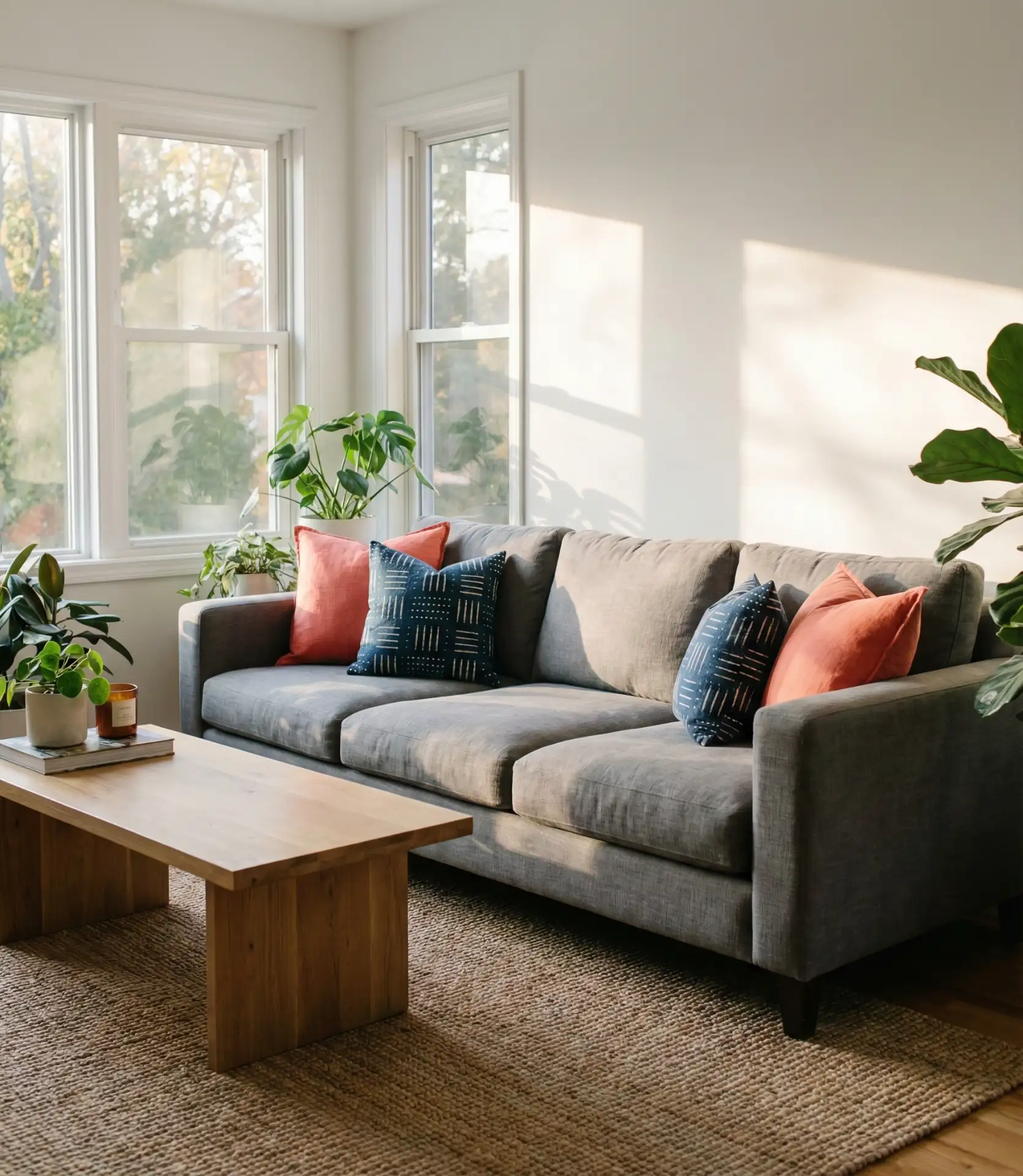
The problem with gray is finding a beige-gray that doesn’t look like builder-grade blah. Opt for grays with undertones—warm family members from subtle hints of brown to taupe; cooler extended families on the blue and green side discharge cool, not hot—rather than a middle-of-the-spectrum gray. This tone should harmonize with other fixed elements in your home, such as flooring and trim. Cool northern light: In spaces with cooler northern light, the warm grays keep the room from feeling cold. In sunny, south-exposure rooms, cooler grays help tone down the warmth of bright sunlight.
20. Modern Luxury Details
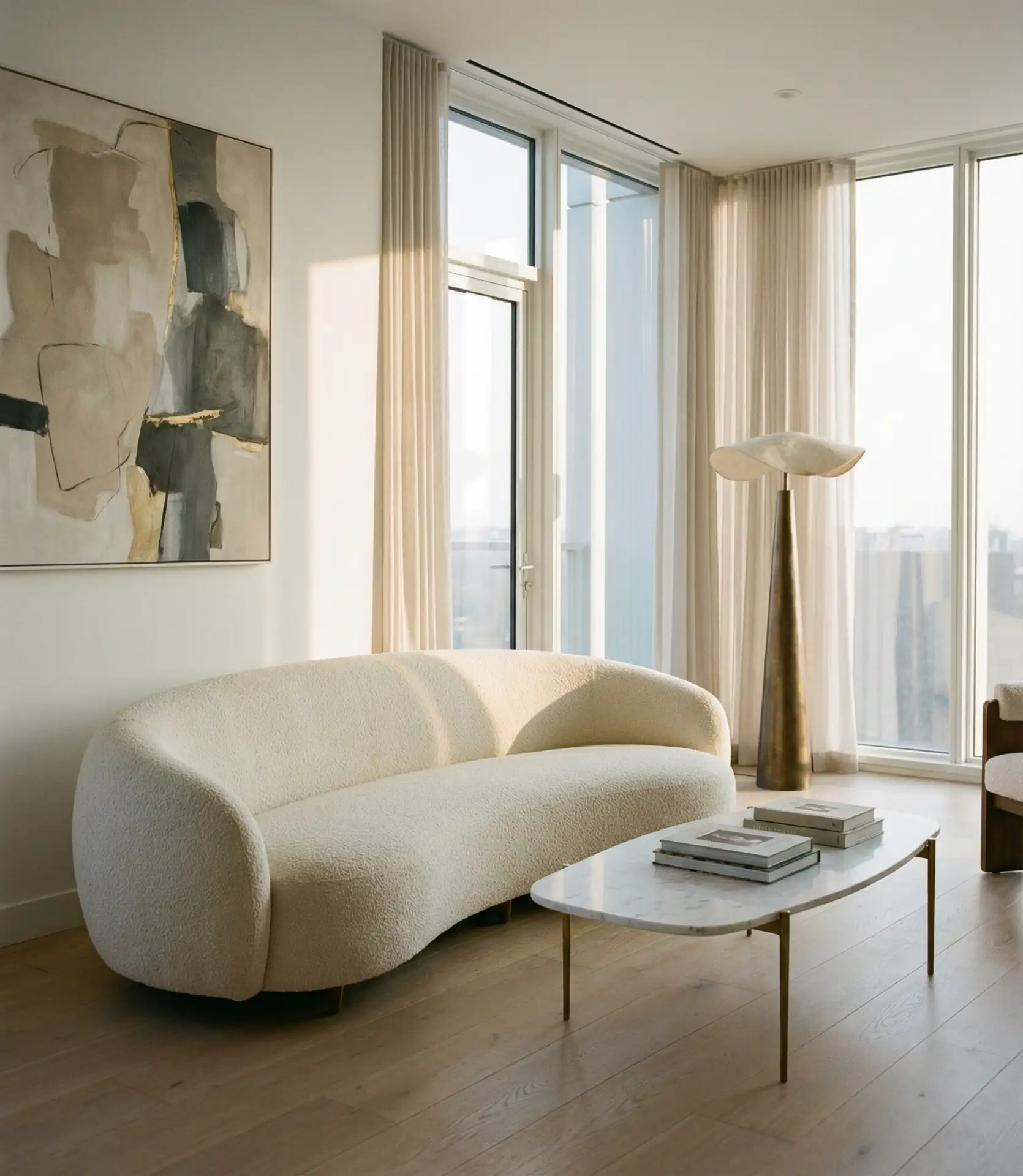
Small touches elevate your living room beyond a basic TV mount, reflecting modern luxury. Invest in three or four statement pieces, such as a well-built sofa, lighting that wows, and one or two exceptional decorative items. The other parts can be simple and unostentatious. Think clean lines, luxurious materials such as marble and brass, and a curated color palette. The idea yields spaces that look lovely in photos and feel serene rather than cluttered, epitomizing the less-is-more ethos of modern luxury. 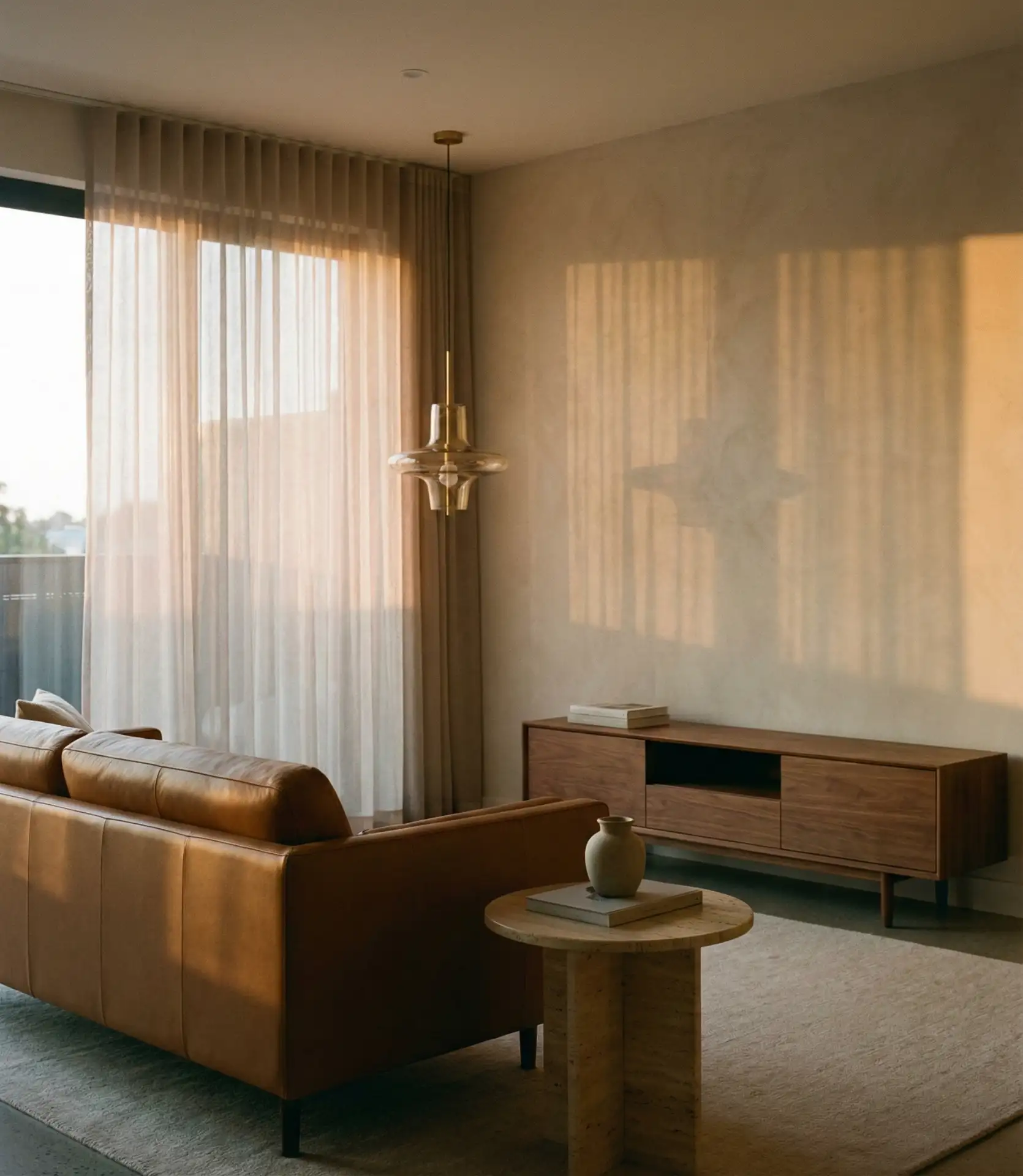
Where it works best: Modern luxury shines in homes with good bones—high ceilings, large windows, and thoughtful architecture. But you can create the feeling in more modest spaces by focusing on quality materials and eliminating visual clutter. Every item should earn its place. That vase on the shelf? Make it a beautiful one rather than three mediocre options. The throw blanket? Choose cashmere or high-quality cotton instead of synthetic fleece. These choices contribute to an overall impression of thoughtful elegance.
21. Living Rooms with Fireplace Focus
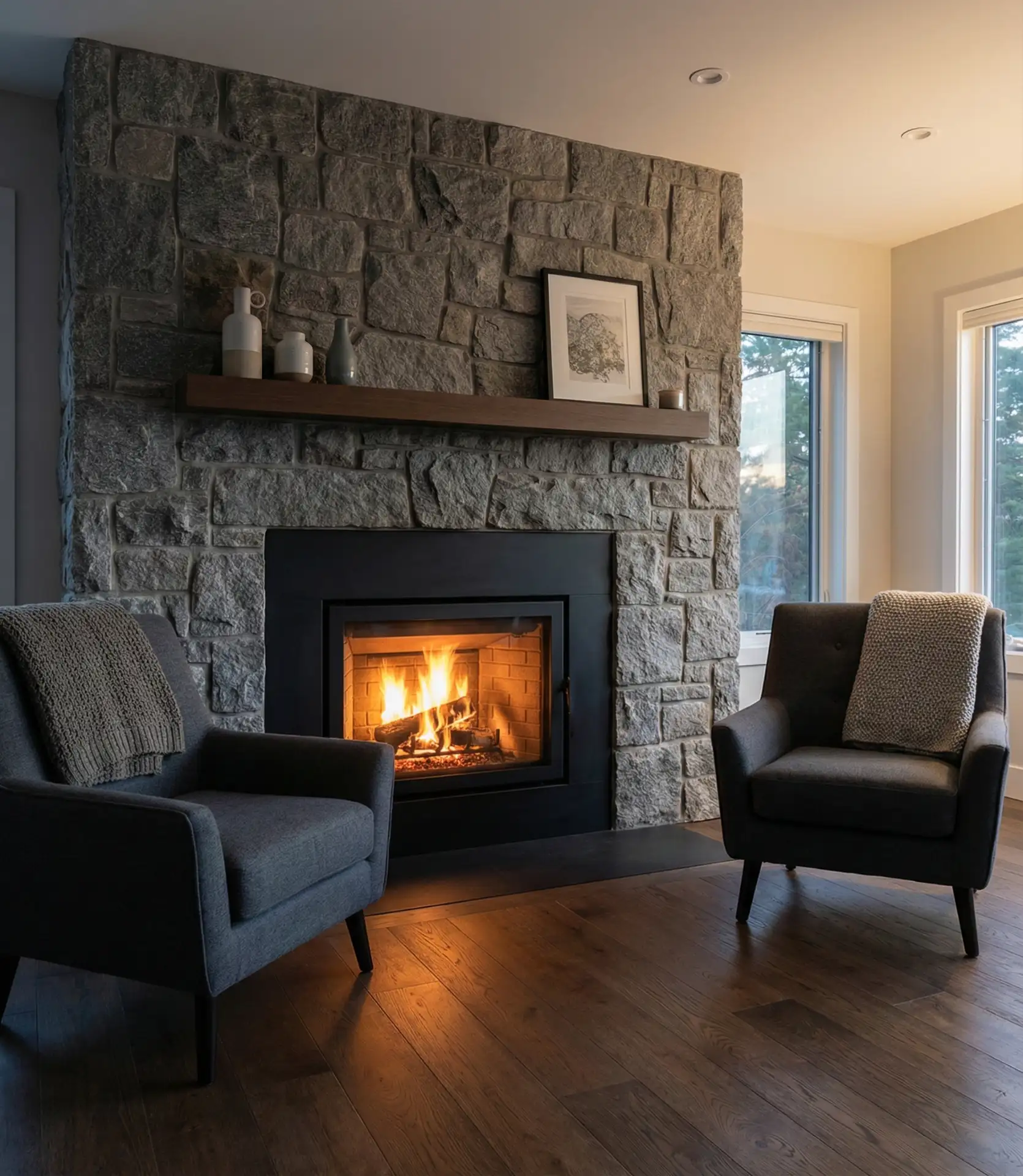
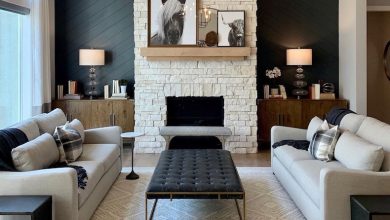
A fireplace inevitably becomes the focal point of any living room fortunate enough to have one. The room’s furniture plan should acknowledge this architectural detail, and the seating should relate to it as we did ours, designed to face the fire instead of battle with it. Whether you have a classic brick hearth, a sophisticated natural gas insert, or an ultra-modern wall-hung unit, the fireplace is due for some well-considered styling. The mantel provides prime real estate for seasonal displays—minimal in summer, luxuriant greenery at Christmas—while the hearth itself may sport a basket of firewood or a sculptural screen when the weather is warm. 
A common mistake is mounting the TV above the fireplace, which forces awkward neck angles and competes with the fireplace for attention. Consider placing the TV on a different wall if possible, letting the fireplace remain the primary focal point. If the TV must go above the mantel, keep the height reasonable and consider a frame that helps it blend when not in use. The fireplace surround and mantel are opportunities to establish the room’s style—keep them consistent with your overall design direction rather than fighting against it.
22. Halloween-Ready Dark Accents
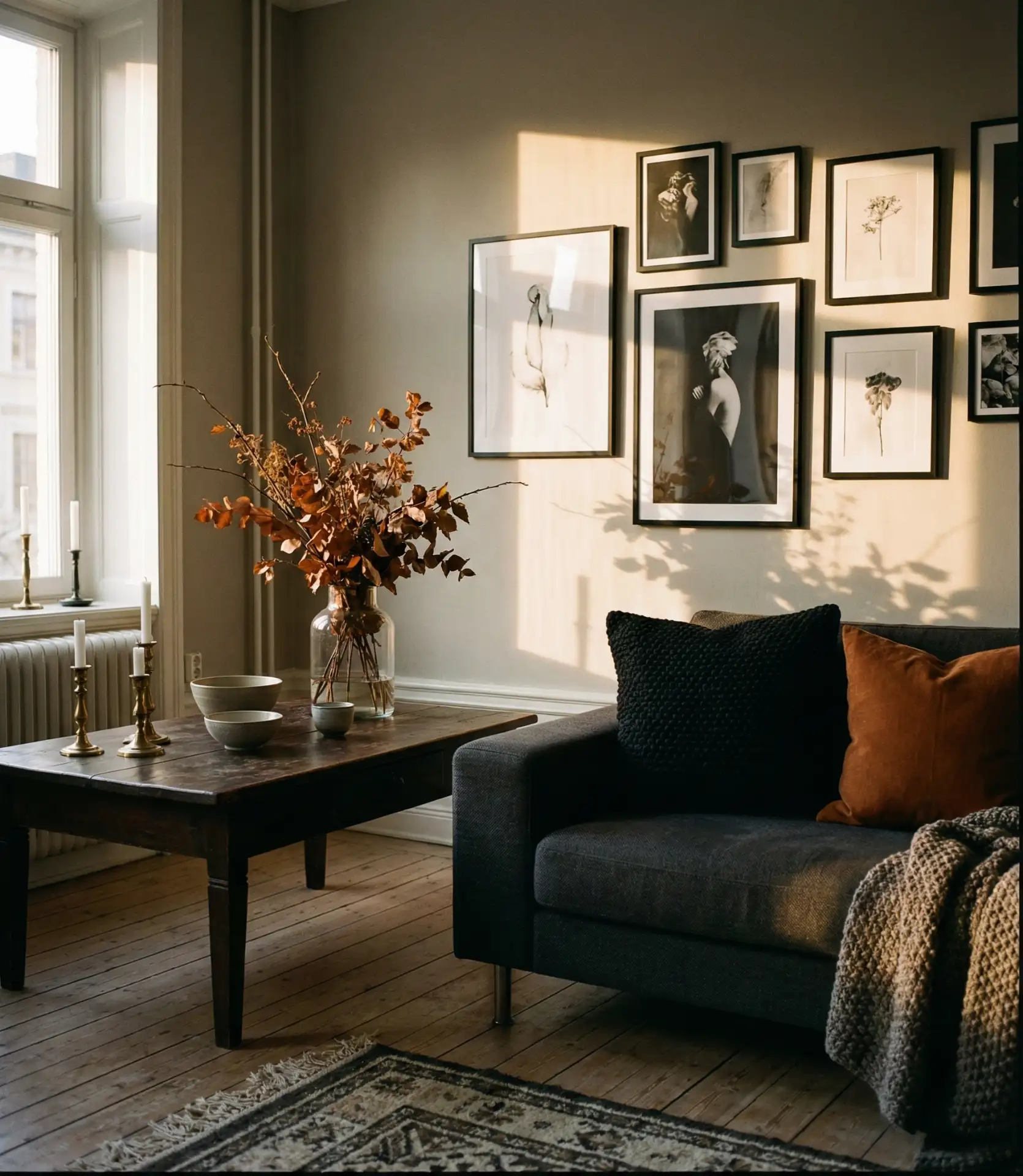
A living room that is ready for Halloween has a canvas that can accommodate dark and moody accents. Think black accents year-round—black picture frames, for example, or dark wood furniture or charcoal textiles—that can be enlivened with seasonal flourishes rather than forced to undergo a full metamorphosis. Just bolt on some deeper, richer shades of the same: plum, forest green, and burnt orange. Swap those bright throw pillows for velvet ones in jewel tones, add candlesticks and deeper florals, and suddenly your everyday living room reads completely autumnal—not like a seasonal pop-up store. 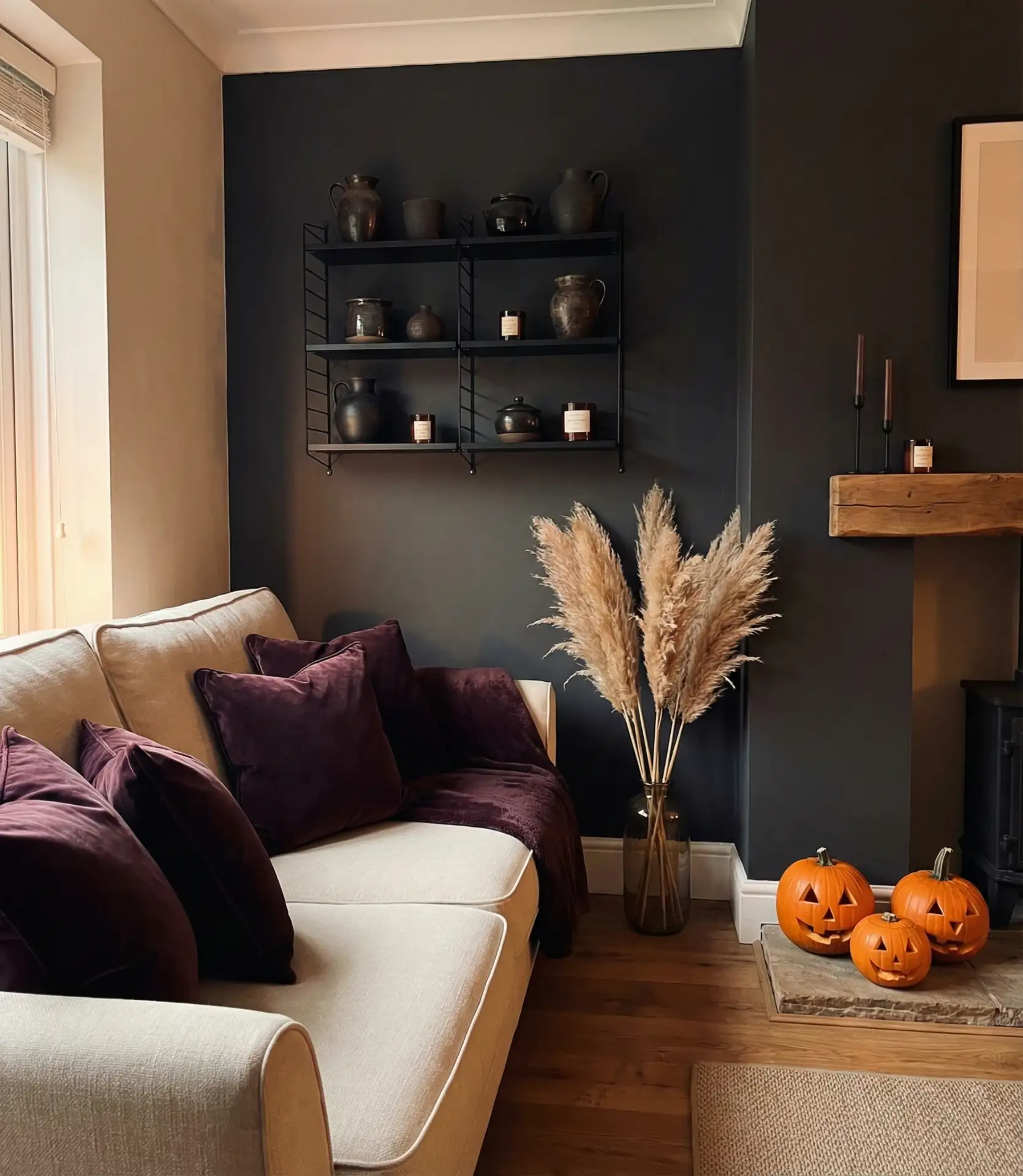
Real homeowner behavior: Many design-conscious people keep a “seasonal storage” approach, swapping textiles and small decor items rather than adding temporary, single-use decorations. This means their Halloween styling feels sophisticated and intentional rather than themed. The base room stays neutral enough to work year-round, with black and dark gray providing the through-line that makes seasonal adjustments feel cohesive rather than jarring. Skip the plastic decorations in favor of natural elements like branches, seasonal flowers, and high-quality candles in dark hues.
23. Home Office Corner Integration
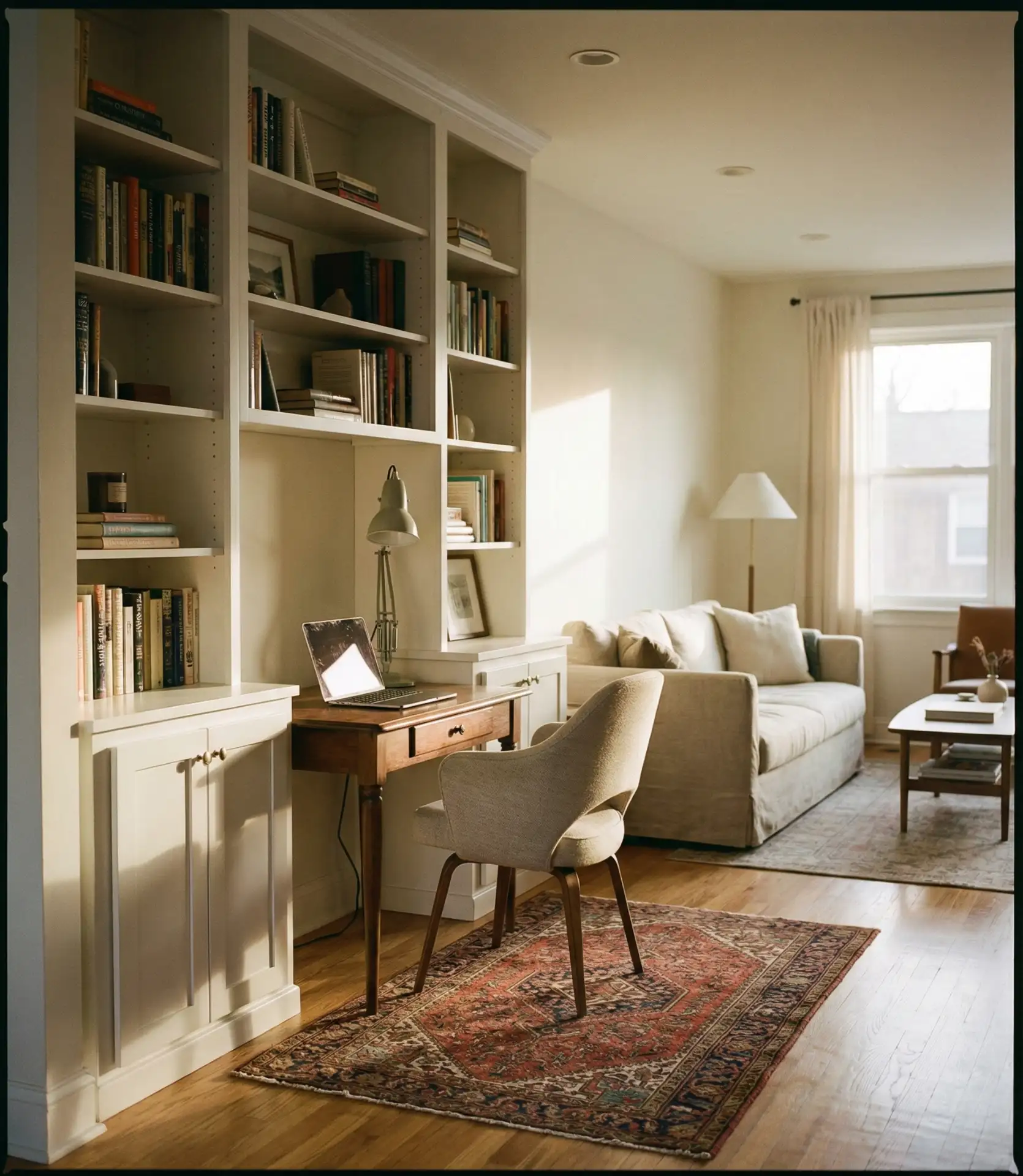
And working from home has meant many living rooms now include workspace areas. The trick is to design a workspace that doesn’t look functional or like it belongs in your living room and take over the entire place. A narrow table that tucks into a wall, floating shelves for clutter, and a chair you’d want to sit in anyway right now also don’t hurt. The trick is to define the workspace visually—with a rug sitting beneath, a contrasting wall color, or strategically placed lighting overhanging above—while still managing to make it feel like part of the larger room and not an afterthought inside your home. 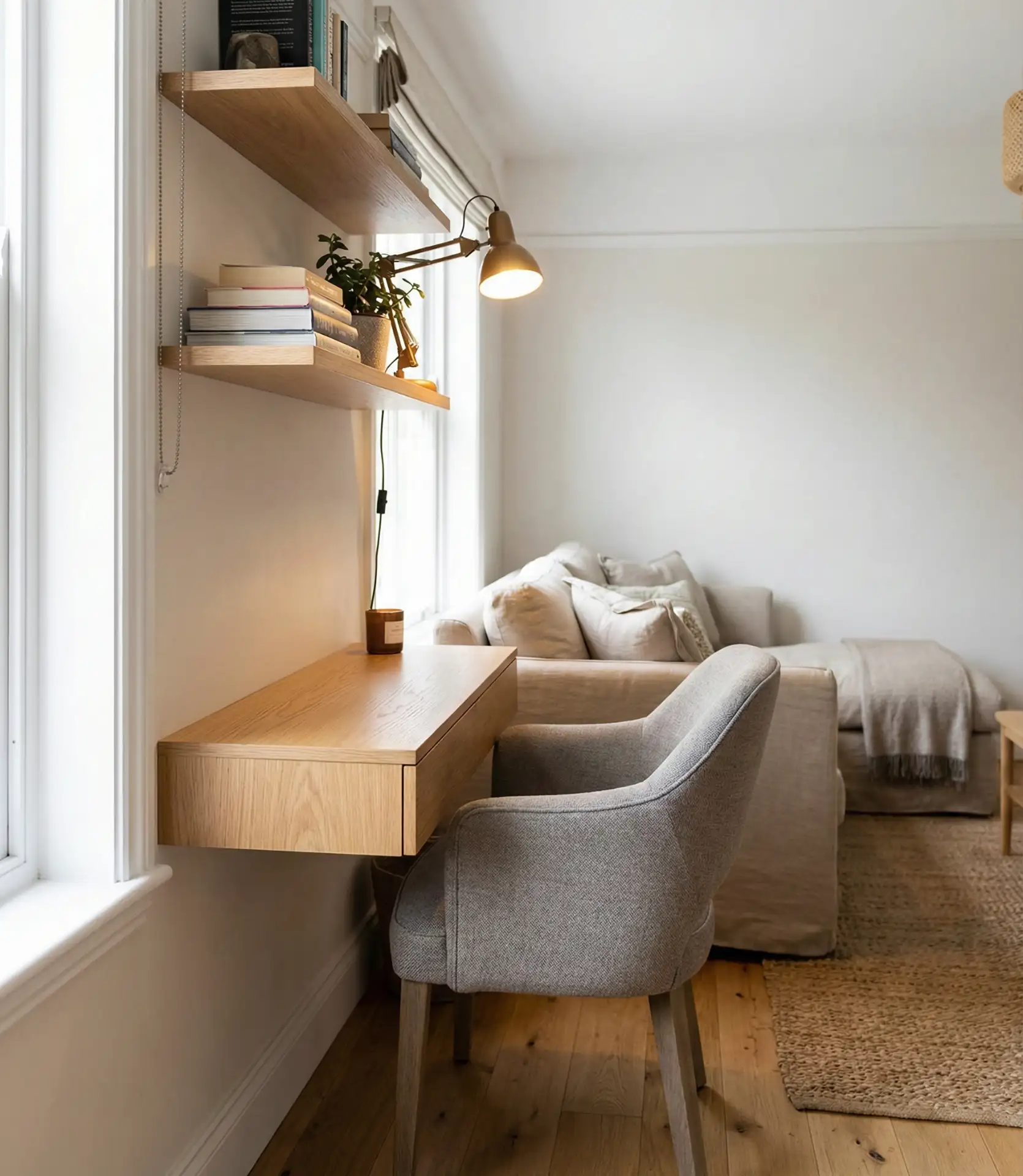
Practical tip: Opt for a desk shape that could double as a console table, so your workspace doesn’t scream “office” when you’re unwinding. Wall-mounted choices or a floating desk reduce the amount of floor space they take up. Cable management is key—you don’t want to see a tangled mass of cords; it’s the one break in that aesthetic we’re all trying to accomplish with our living rooms. Utilize cable clips, desk grommets, or decorative boxes that will contain technology. If available, try to place the desk in a spot where your Zoom background includes an appealing portion of the room (perhaps some art) rather than a bare wall or window.
24. Layered Lighting for Ambiance
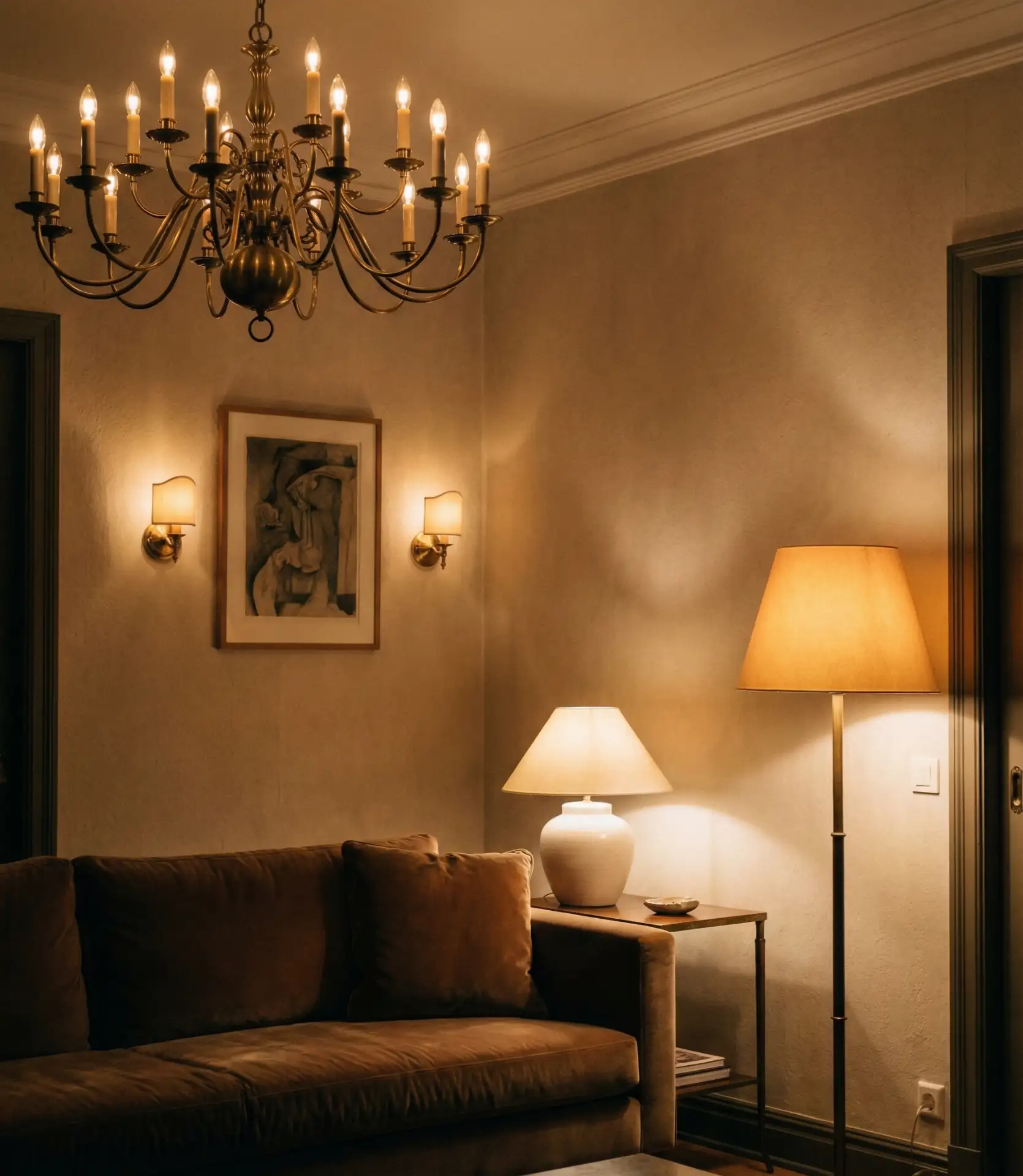
Good living room lighting is not just about having a single source of light overhead; it’s about having multiple light sources at different levels and intensities. Mix overhead lighting (ceiling fixtures or pendants) with task lighting (reading lamps, desk lamps) and ambient lighting (table lamps, sconces, LED strips). This method allows you to set the tone for various kinds of activities: bright and invigorating for morning coffee, soft and cocooning when you stream a movie in the evening. Dimmers are provided on all circuits, offering even more control over atmosphere as you further adjust throughout the day. 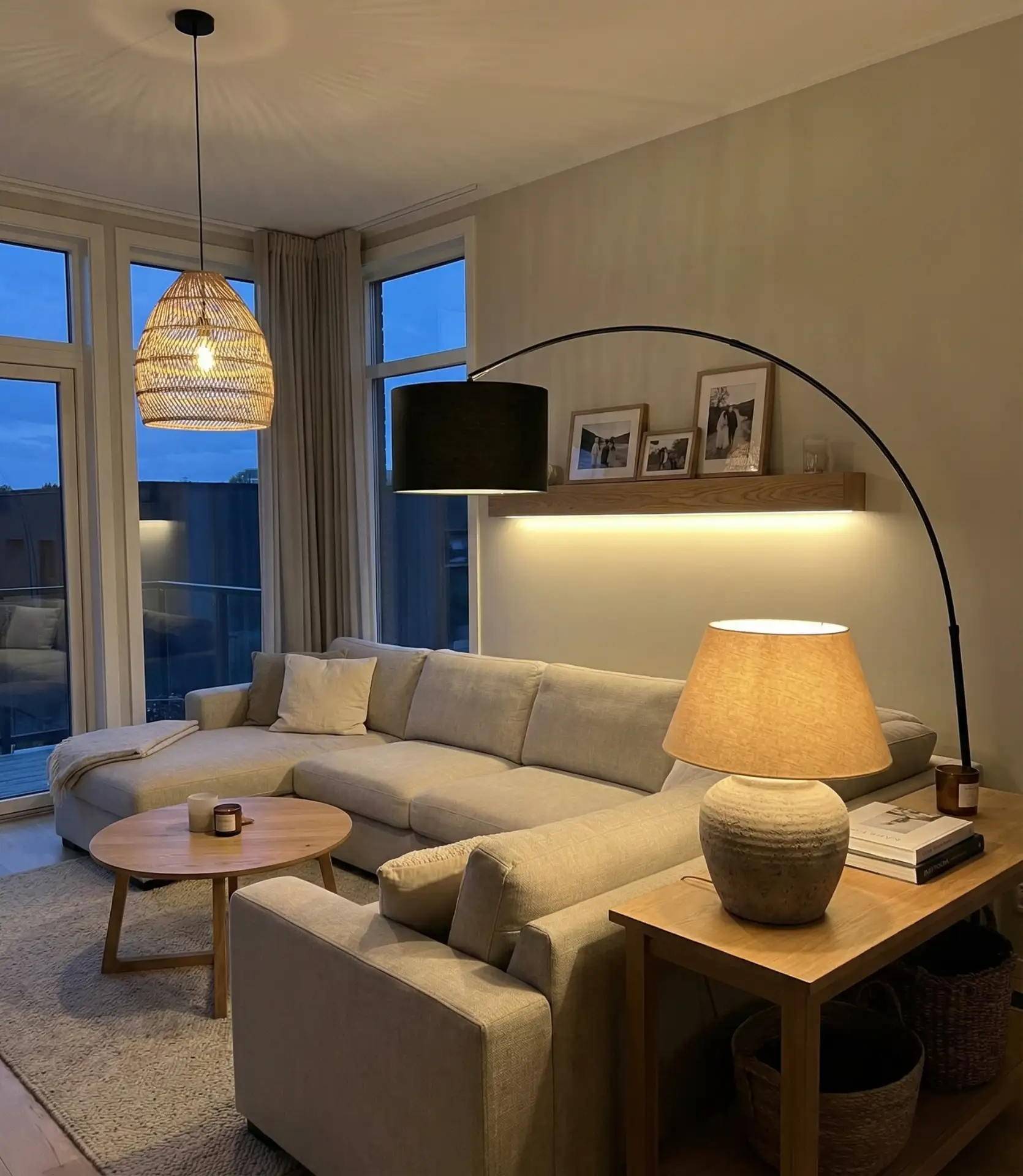
Bashinski found her patterned wallpaper in an old copy of Veranda she had saved. Begin with what you have, and then invest in floor lamps from low-cost retailers—they deliver the most drama for the fewest dollars. Exchange standard bulbs for warm white LED bulbs (2700K is suitable in living areas), which immediately improve light quality. Plug-in wall sconces avoid the necessity for electrical work and introduce some vertical appeal. The idea here is to dodge the single, glaring overhead light source that turns the room flat and delivers unattractive shadows.
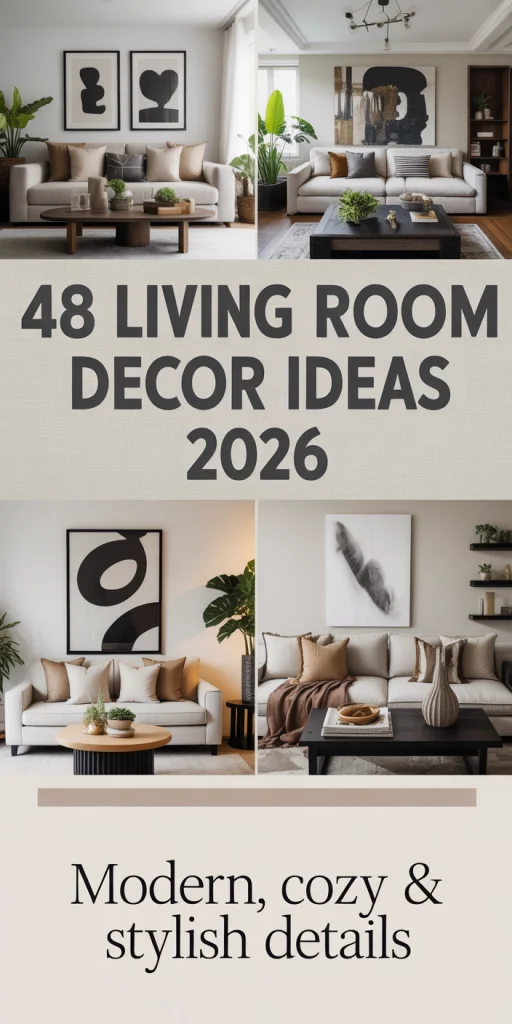
These images prove that outstanding living room design doesn’t require a complete overhaul or soaring budget. So whether you find comfort in these brown-hued chairs or can’t say no to an ever-sleek black sofa or wish your apartment were replete with collected antiques, there’s a take here that suits your space, your style, and the rest of your life. Start with what you like, adapt it to your life, and let it evolve, as the best living rooms change over time as you learn what works for you. What are you trying to do next? Let me know in the comments.