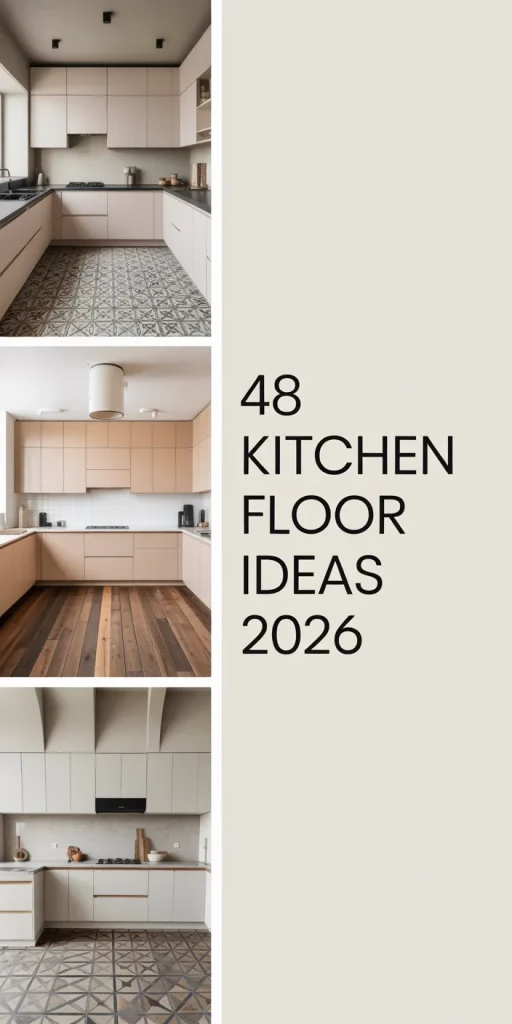
48 Kitchen Floor Ideas 2026: Trending Designs from Checkered to Terrazzo That Transform Your Space

Kitchen floors are having a major moment in 2026, and homeowners across the country are rethinking this often-overlooked foundation of their cooking spaces. Whether you’re renovating a century-old farmhouse or updating a suburban ranch, the floor establishes the overall aesthetic of the room. Pinterest boards are overflowing with bold patterns, natural materials, and unexpected color combinations that prove floors can be just as expressive as backsplashes or cabinetry. From classic checkered designs to modern terrazzo revivals, this year’s trends blend durability with serious visual impact. Here are inspiring kitchen floor ideas that will help you create a space that’s both beautiful and built to last.
1. Classic Checkered Revival
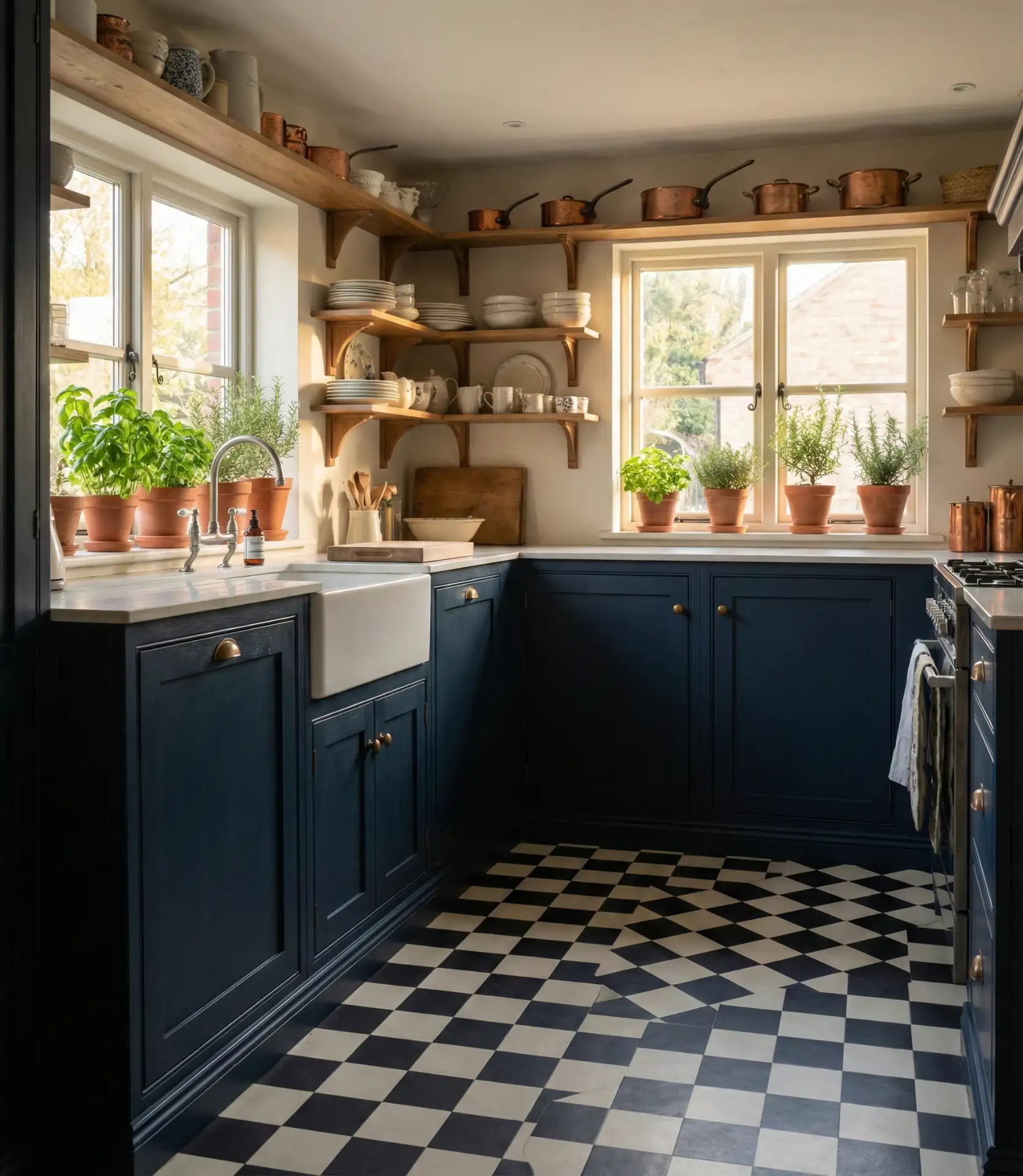
The timeless checkered floor is back with a vengeance, anchoring kitchens from Brooklyn brownstones to Charleston cottages. This black and white pattern brings instant personality without overwhelming the space, especially when paired with simple cabinetry and vintage-inspired fixtures. The high-contrast grid creates visual interest underfoot while remaining neutral enough to work with almost any style, from traditional to transitional. It’s a choice that feels both nostalgic and refreshingly current in 2026’s design landscape.
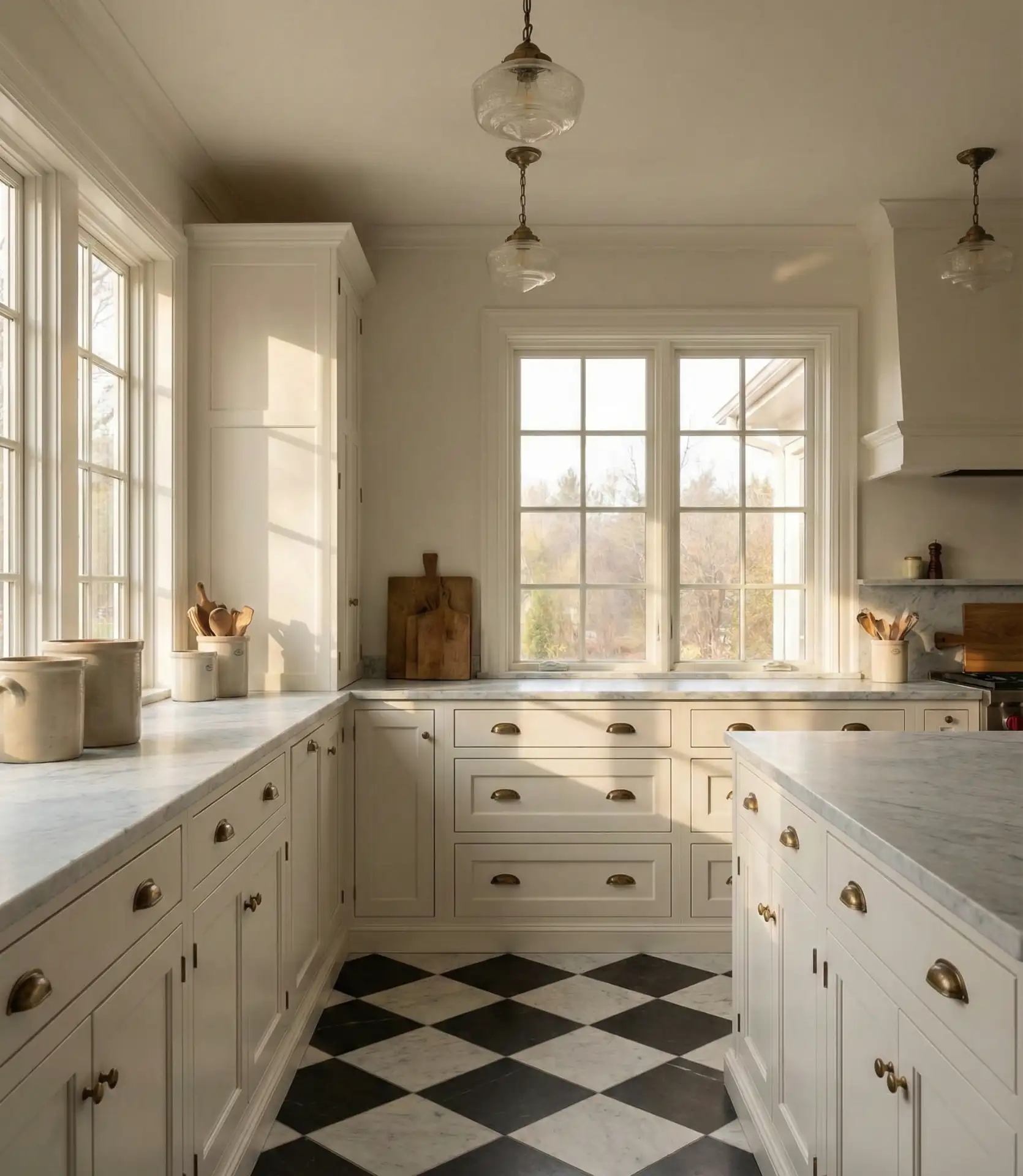
One common mistake is choosing tiles that are too small for larger kitchens, which can make the pattern feel busy and overwhelming. Stick with 12-inch or larger tiles in open-plan spaces to maintain visual calm. In smaller galley kitchens, 9-inch squares strike a balance between charm and practicality. The checkered pattern also hides dirt and wear remarkably well, making it ideal for families who actually cook daily rather than just pose for Instagram shots.
2. Warm Terracotta Tones
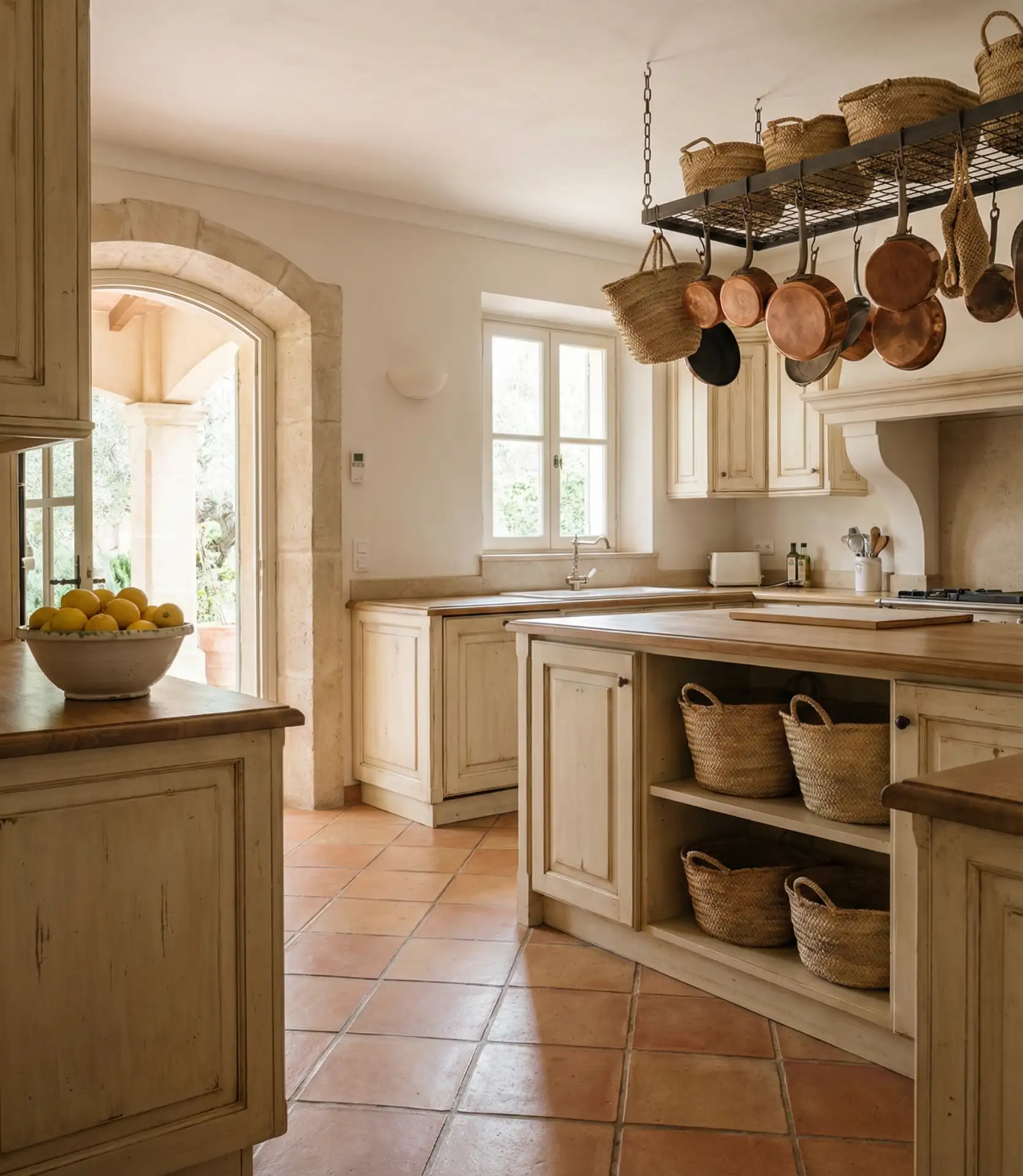
Terracotta floors bring earthy warmth that feels particularly at home in southwestern and Mediterranean-inspired kitchens. The natural clay color varies beautifully from tile to tile, creating organic variation that mass-produced ceramics can’t replicate. These floors age gracefully, developing a patina that actually improves their character over time. In 2026, designers are pairing terracotta with crisp white walls and light wood cabinetry for a look that feels both grounded and airy.
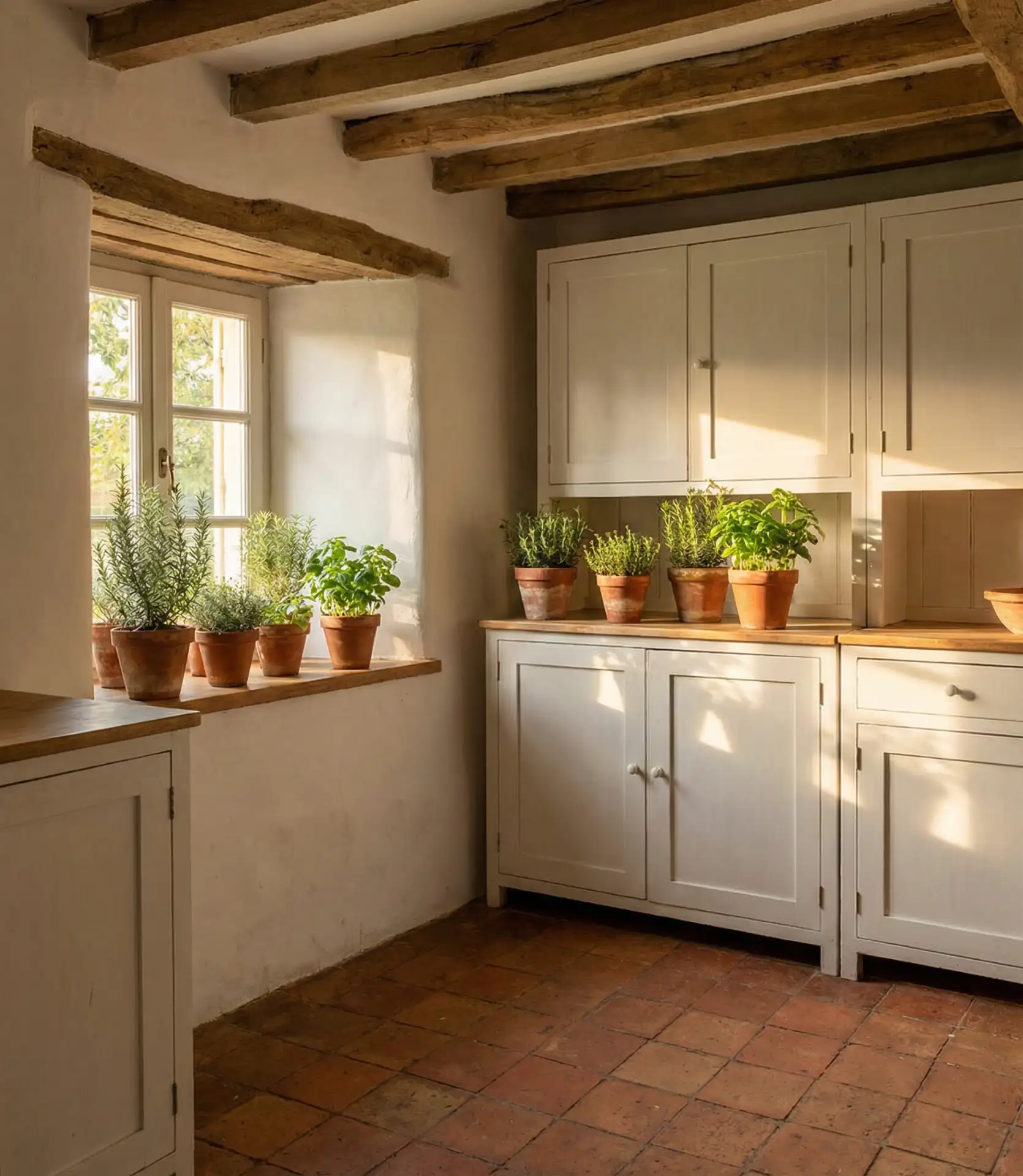
Terracotta works exceptionally well in Arizona, New Mexico, and Southern California homes where the climate and architectural traditions already lean toward these materials. The porous nature of unsealed terracotta means it requires proper sealing and regular maintenance, but many homeowners embrace the lived-in quality this creates. A designer friend in Santa Fe swears that the slight imperfections and natural staining only make her kitchen feel more authentic and welcoming over the years.
3. Bold Checkerboard Statement
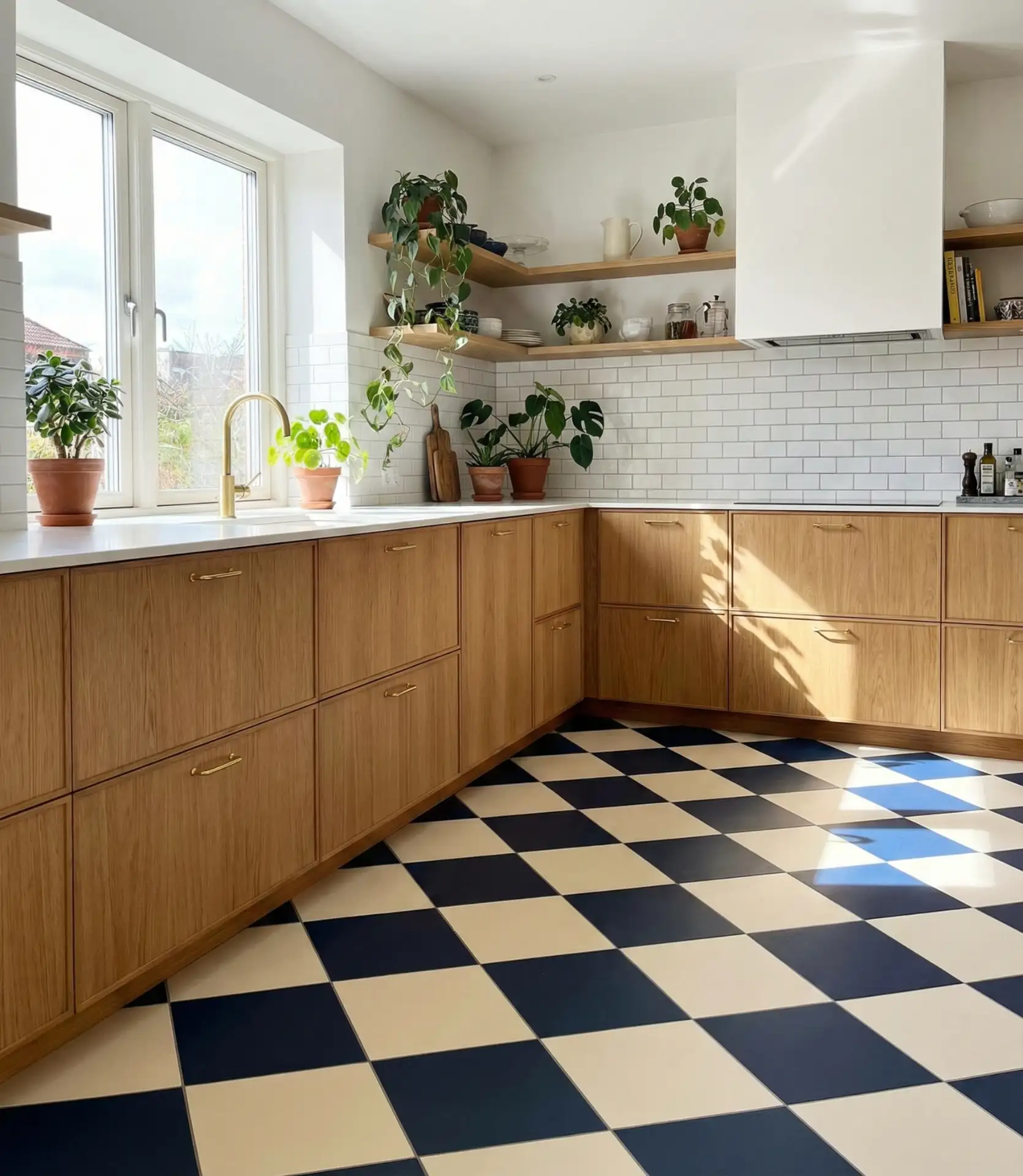
Taking the checkerboard concept beyond traditional black and white opens up exciting possibilities with color. Navy and cream, sage green and terracotta, or even charcoal and beige tile combinations deliver visual drama while maintaining a grounded, livable feel. This approach works particularly well in kitchens with minimal upper cabinetry or open shelving, where the floor becomes the primary pattern in the room. The geometry creates movement and energy without requiring bold wallpaper or decorative backsplashes.
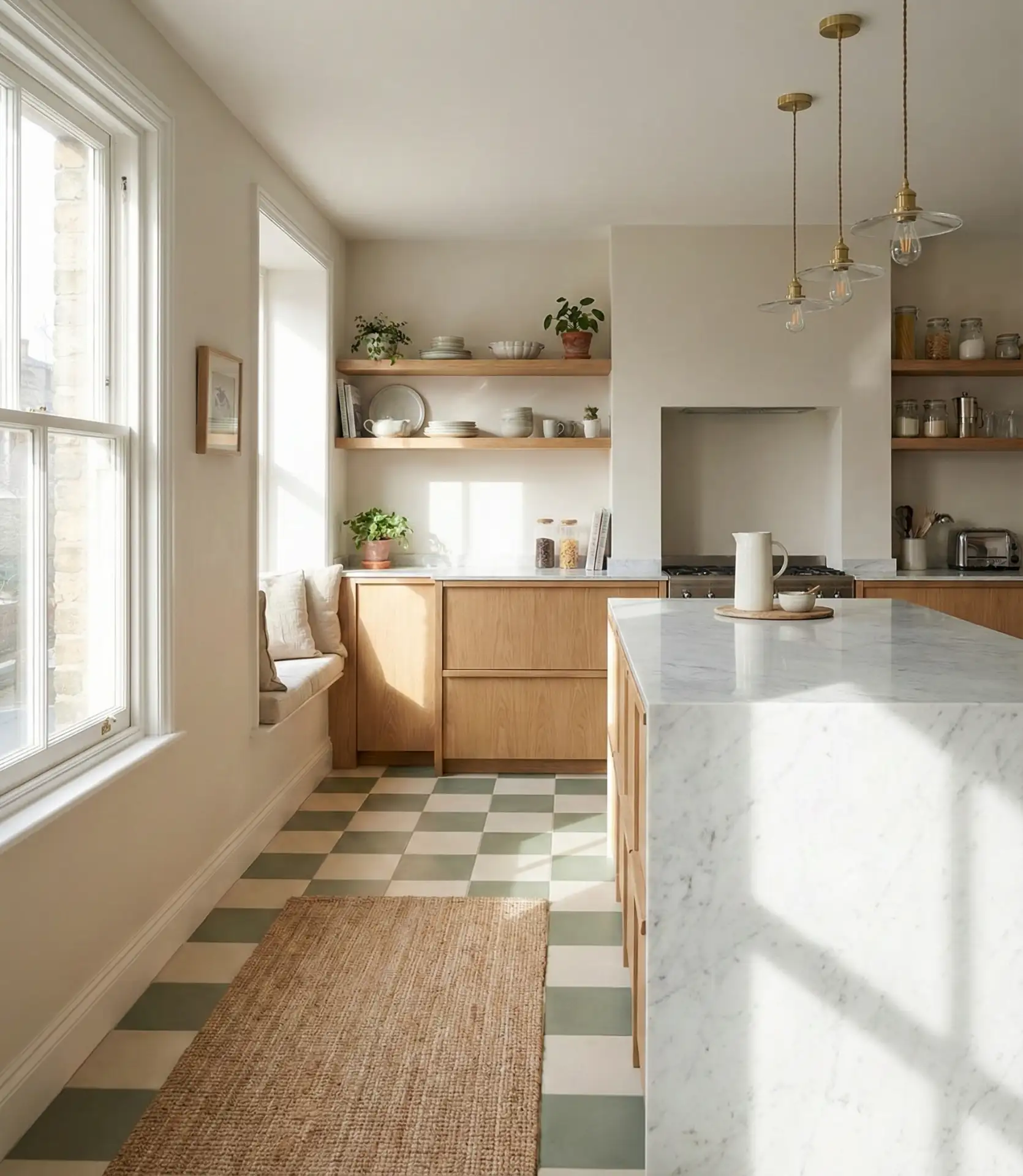
Expect to invest between $8 and $18 per square foot for quality ceramic checkerboard tiles, with installation adding another $5 to $12 depending on your region. Porcelain options run slightly higher but offer superior durability and stain resistance. The upfront cost is balanced by the fact that these floors rarely go out of style and can last decades with basic care, making them a smart long-term investment for resale value and daily enjoyment.
4. Terrazzo Renaissance
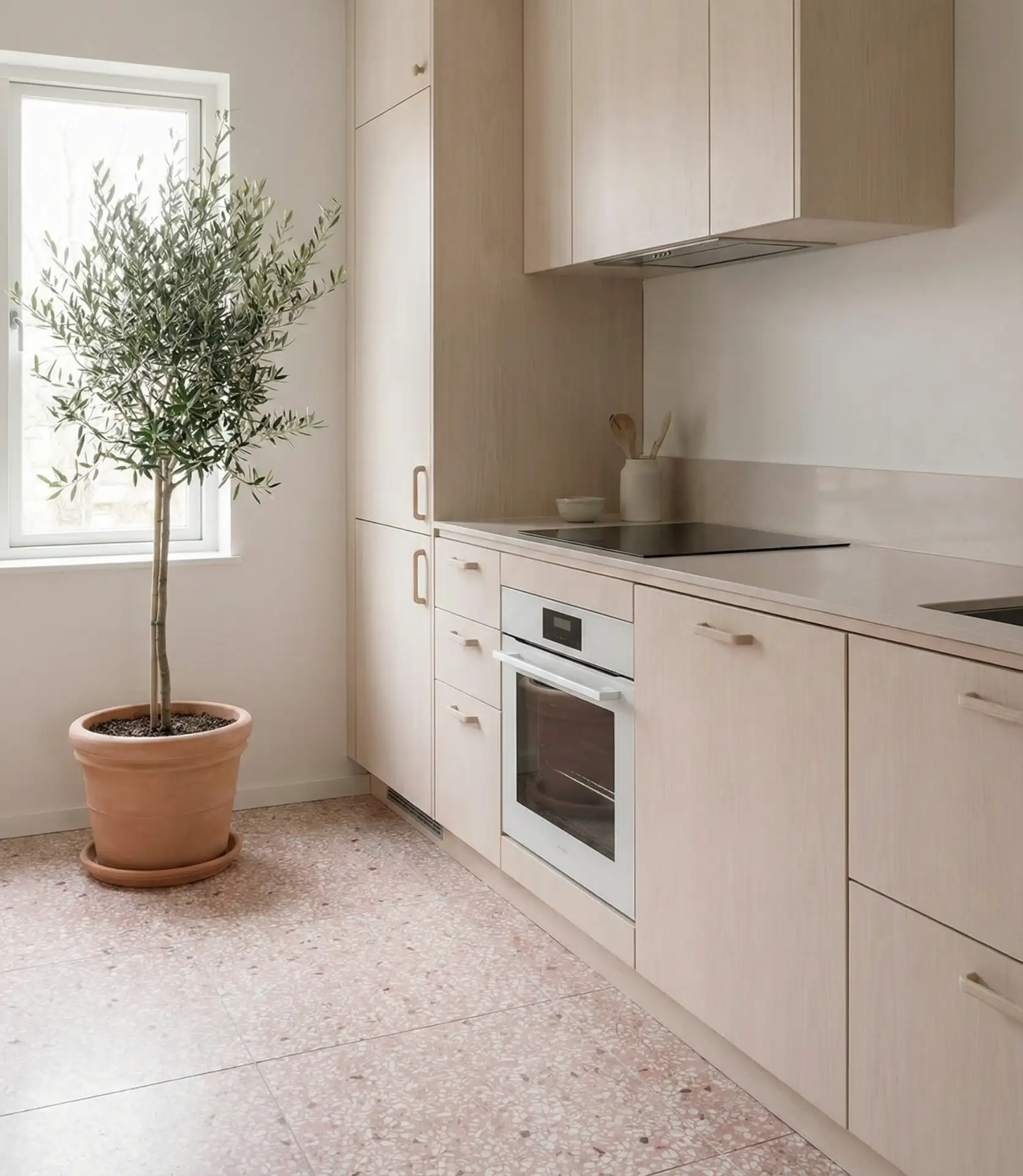
Terrazzo has surged from retro curiosity to design darling, bringing playful speckled patterns to contemporary kitchens. Modern formulations blend marble, quartz, granite, or glass chips into a cement or resin base, creating surfaces that are both durable and visually complex. The random distribution of aggregate means no two sections look identical, giving your kitchen a custom, artisanal quality. In 2026, designers favor softer palettes with white, gray, and blush tones over the bold primaries of mid-century versions.
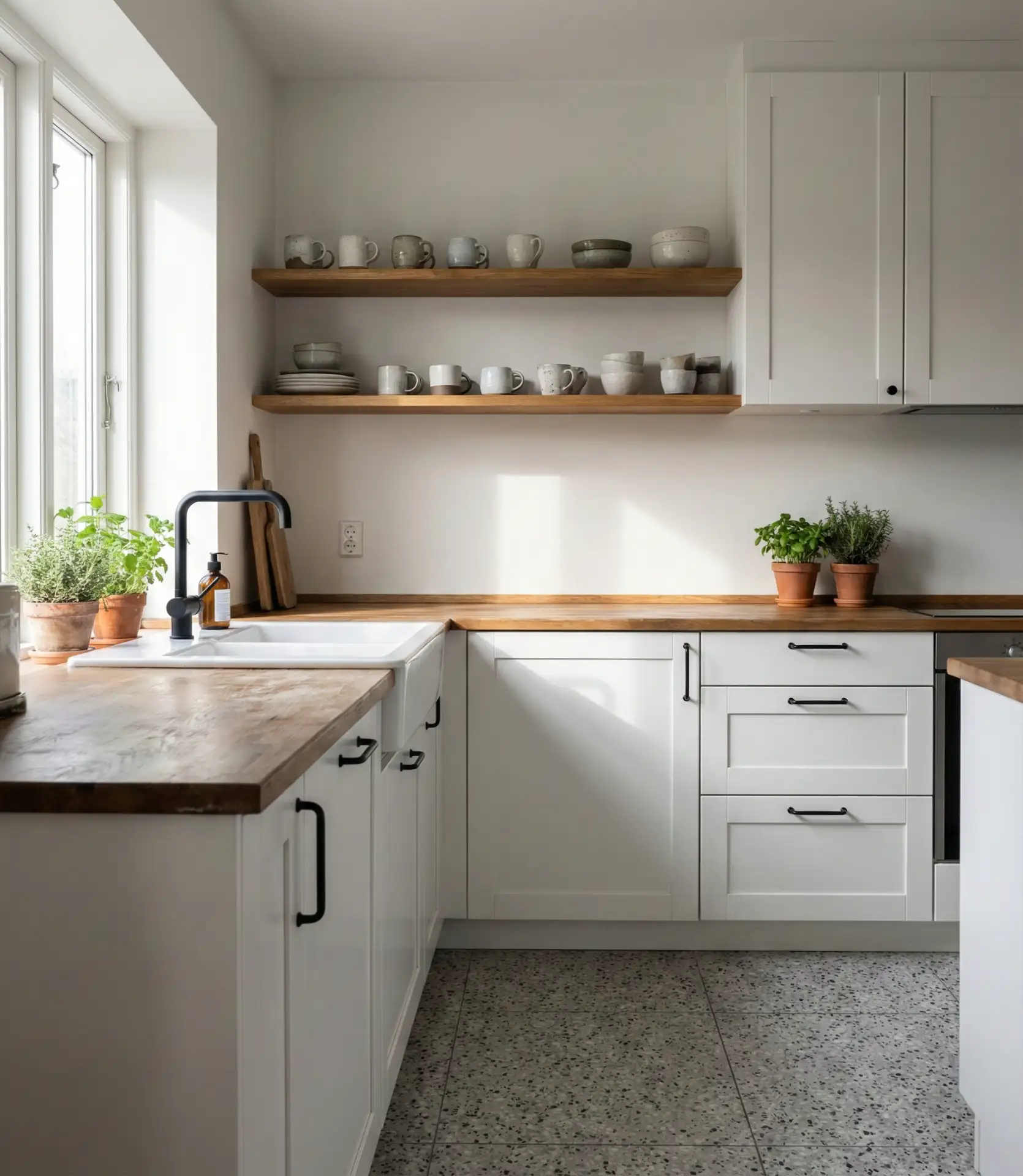
Terrazzo excels in high-traffic households because it’s incredibly hard-wearing and doesn’t show scratches or scuffs the way solid-color tiles can. The busy pattern camouflages crumbs and minor spills between cleanings, which any parent of young children will appreciate. It’s particularly popular in open-concept homes where the kitchen flows into living spaces, providing continuity without the monotony of solid flooring throughout.
5. Natural Slate Character
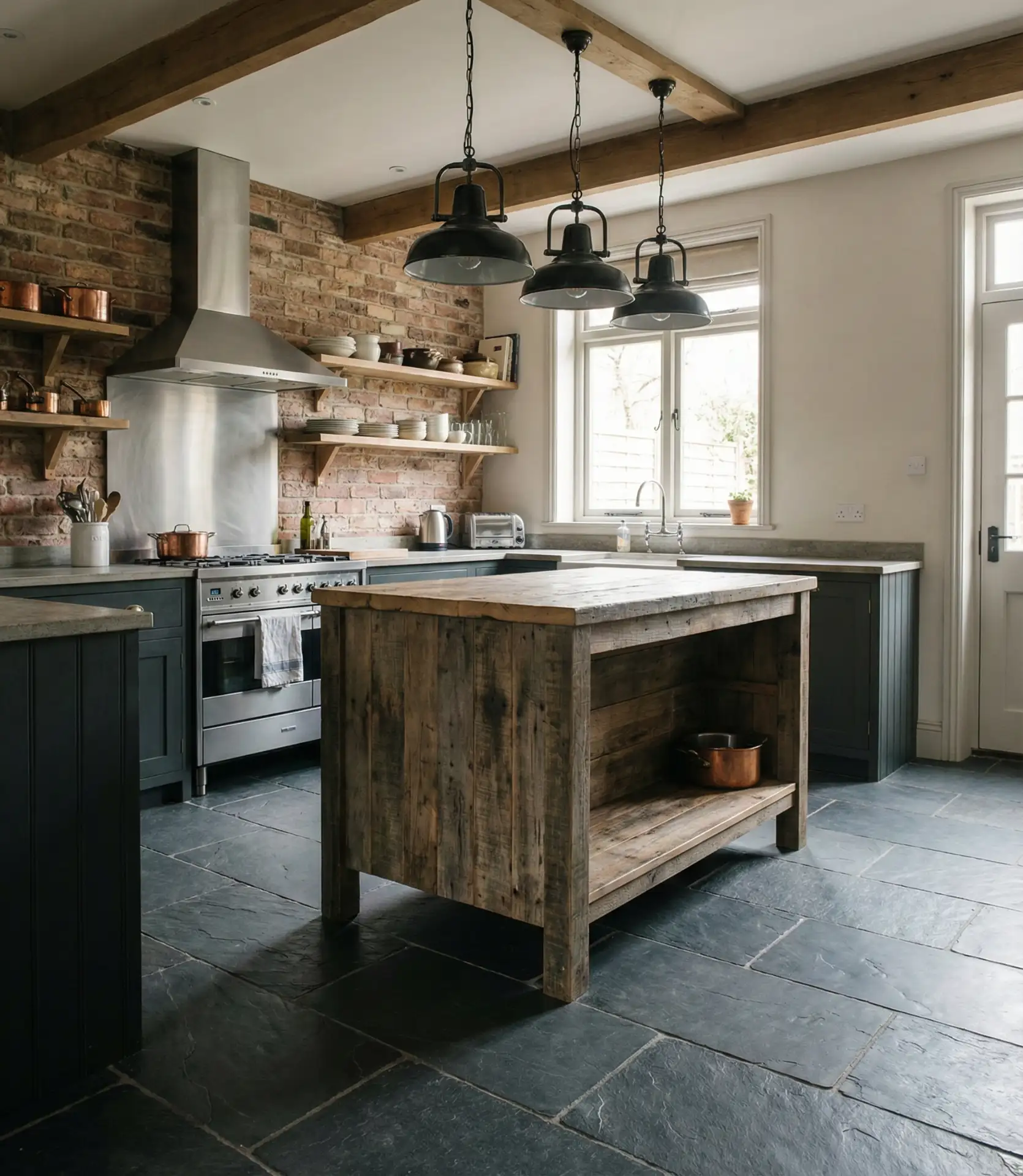
Slate flooring delivers an organic, layered texture that immediately elevates a kitchen’s character. The natural cleft surface and color variation—from charcoal to green to rust—create depth that flat tiles simply can’t match. This stone option works beautifully in both rustic farmhouse settings and sleek modern designs, proving its versatility across styles. The slightly uneven surface adds tactile interest and a handcrafted quality that resonates with homeowners seeking authenticity in their spaces.
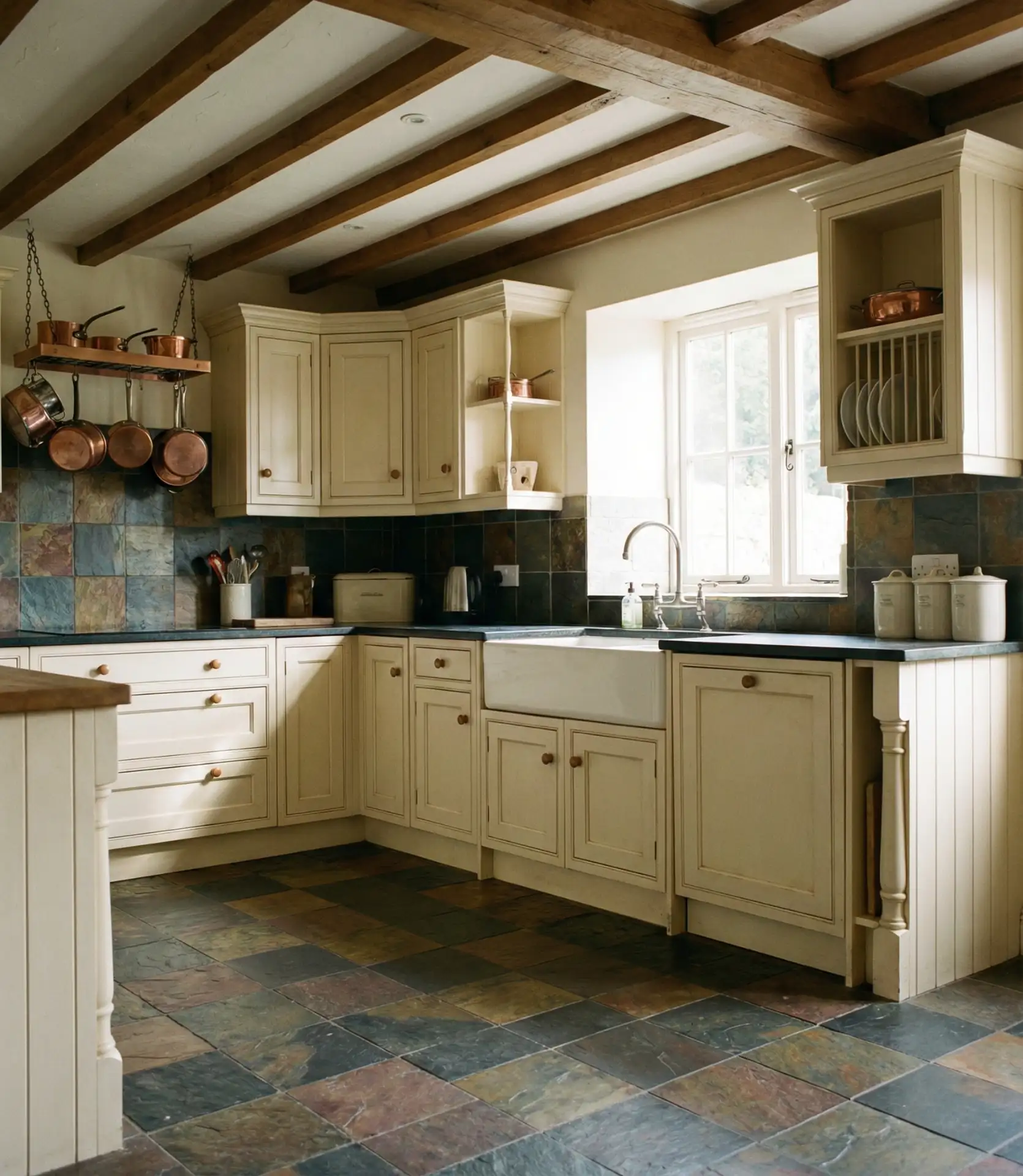
Real homeowners in colder climates particularly appreciate slate because it holds up beautifully to wet boots, road salt, and temperature fluctuations. Many Vermont and Colorado homeowners choose slate for mudrooms that connect to their kitchens, then continue the material throughout for visual flow. The natural slip resistance when properly sealed makes it safer than polished stone or ceramic, though sealing every year or two is essential to prevent staining and moisture absorption.
6. Herringbone Pattern Elegance
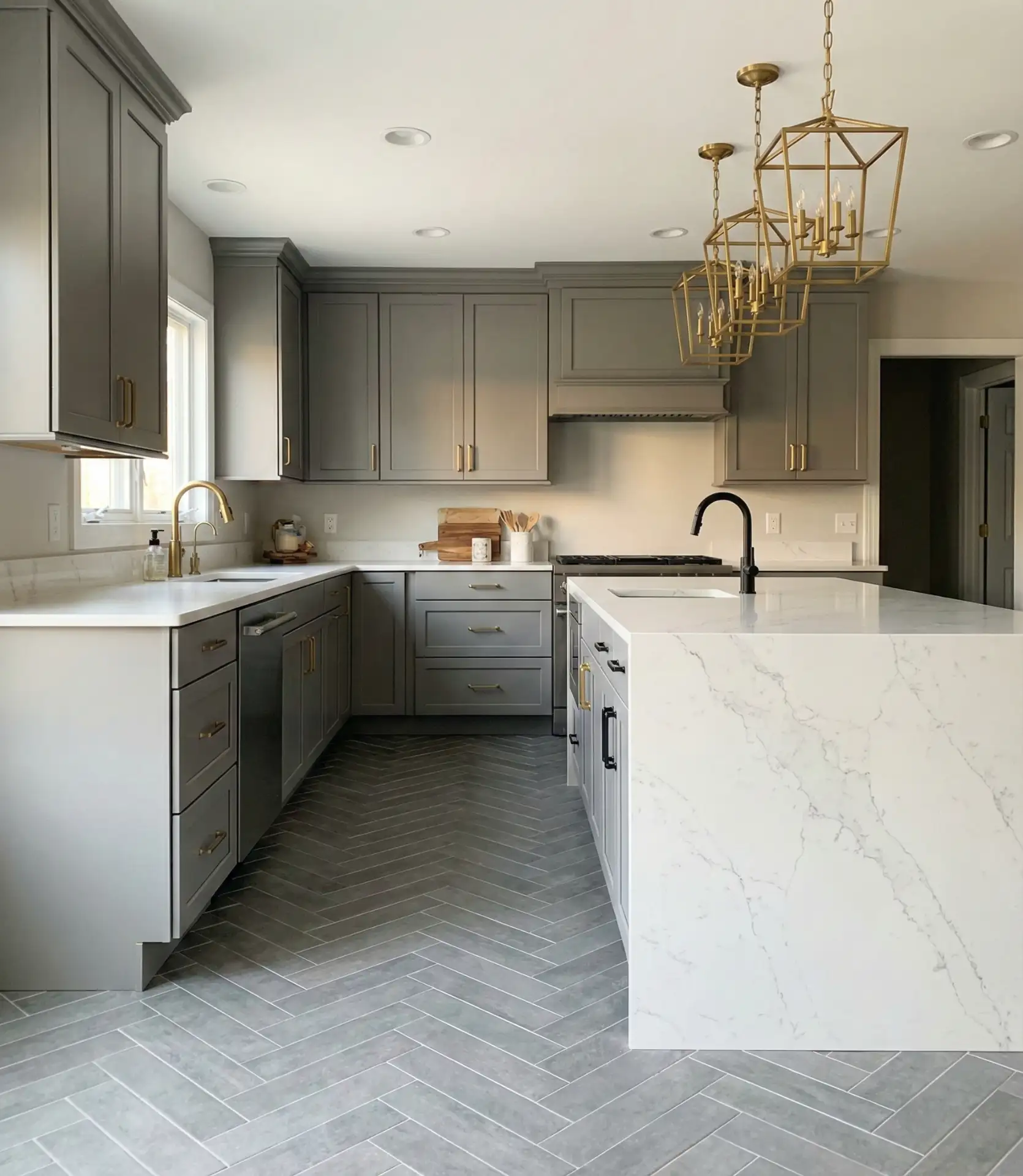
The herringbone layout transforms simple rectangular tiles into something extraordinary through geometry alone. This classic tile pattern works with virtually any material—porcelain, natural stone, or even luxury vinyl—but the angled installation creates visual movement that draws the eye through the space. In 2026, designers are scaling up to larger-format planks for a more contemporary take on this traditional pattern. The result feels both timeless and current, bridging traditional and modern aesthetics effortlessly.
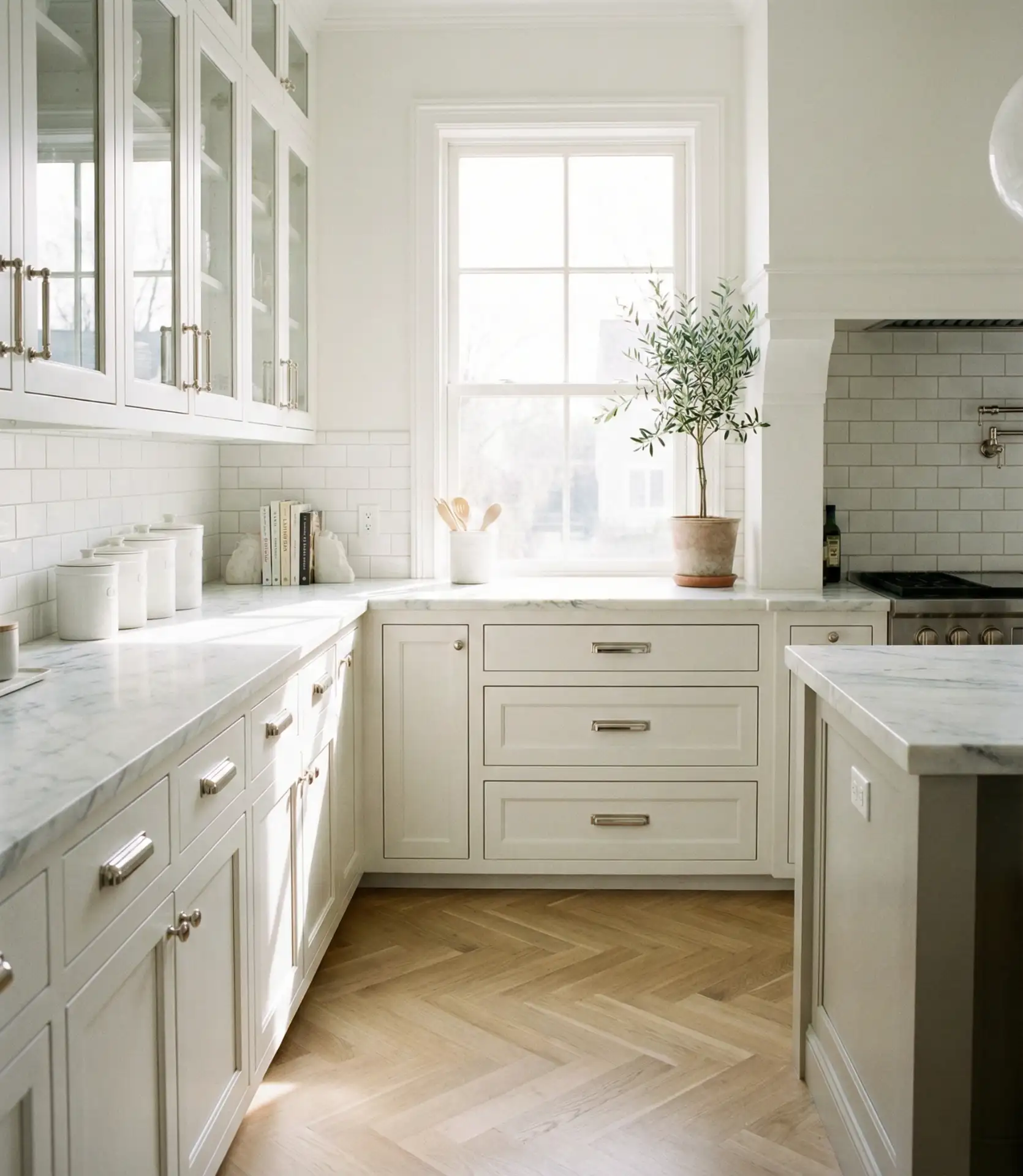
Installation costs for herringbone are about 20–30% higher than straight-lay patterns due to the additional cutting and precision required, but the visual payoff justifies the expense for most homeowners. Many designers note that herringbone makes narrow galley kitchens feel wider by directing the eye across rather than down the length of the room. Choose lighter grout colors to maintain the pattern’s flow, or go dark for a more defined, graphic effect depending on your overall design direction.
7. Sophisticated Black Floors
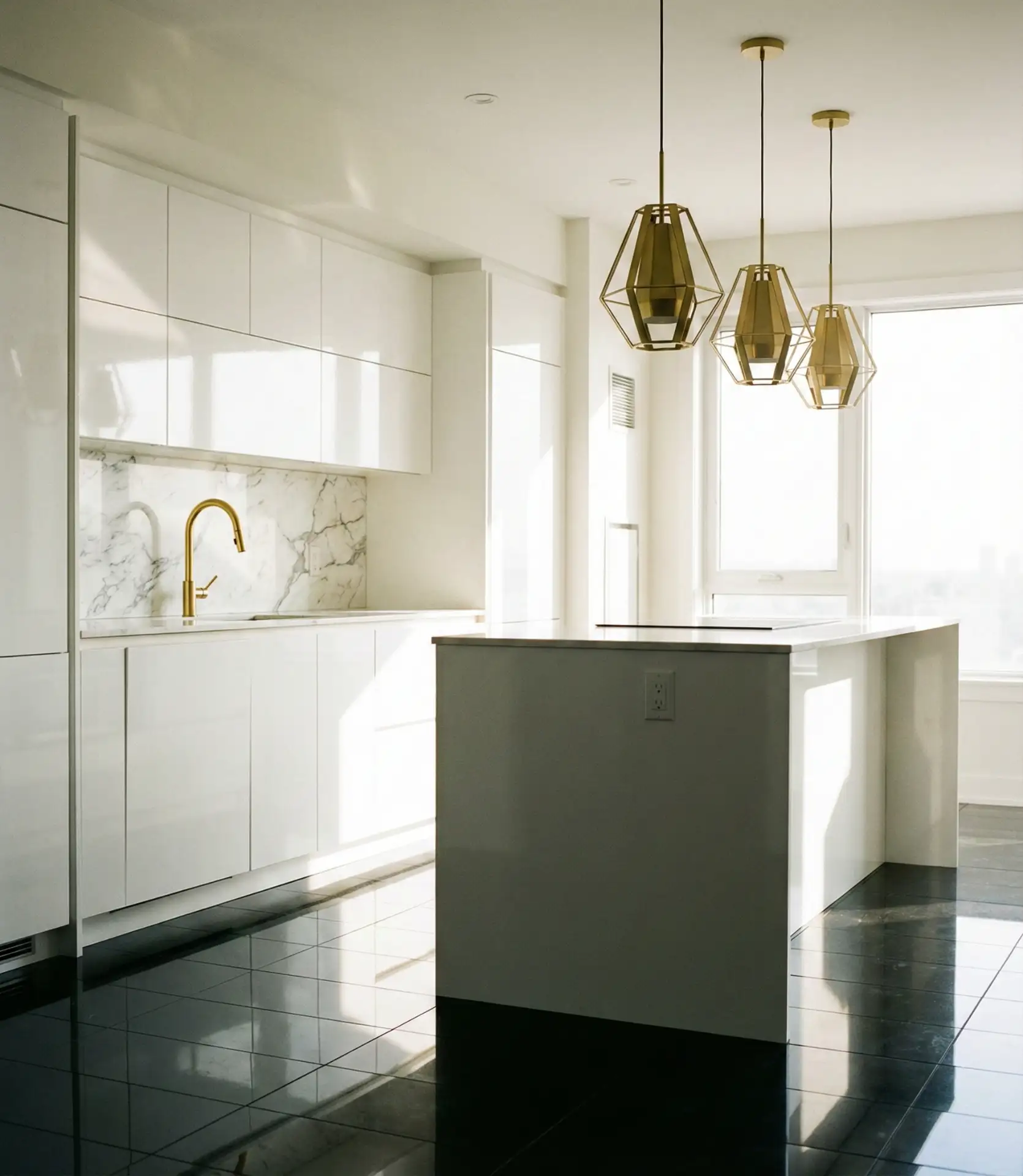
Black tile flooring makes a powerful statement while providing a surprisingly practical foundation for kitchen design. Whether matte or polished, solid black floors anchor the space and allow other elements—cabinetry, countertops, fixtures—to truly shine. This bold choice works especially well in kitchens with abundant natural light or white and light wood cabinetry that prevents the space from feeling too dark. The high contrast creates a gallery-like backdrop that makes everyday objects look more intentional and curated.
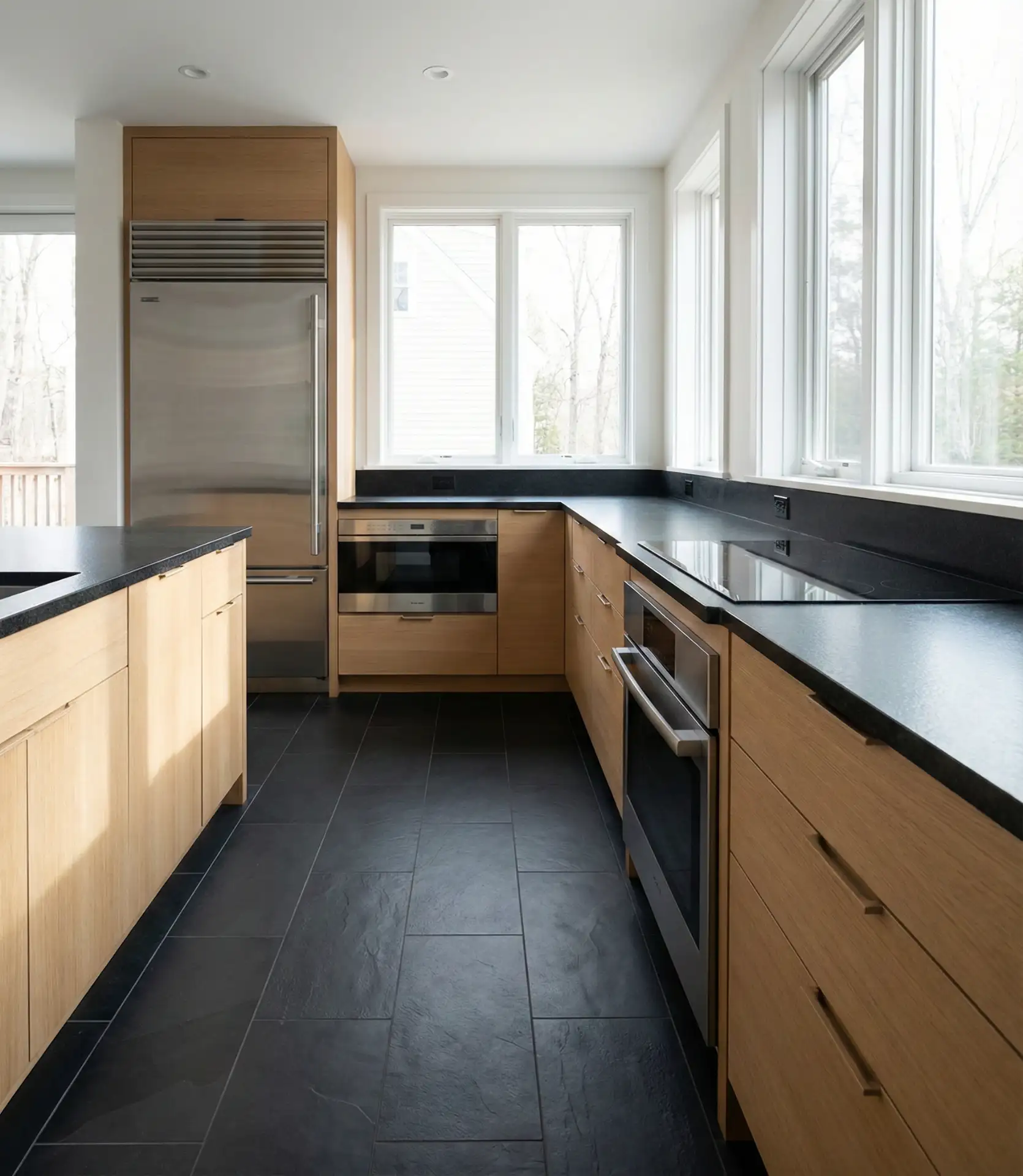
Black floors require honest assessment of your cleaning habits—they show dust, crumbs, and paw prints more readily than lighter options. Many homeowners find that textured or matte finishes disguise debris better than high-gloss surfaces. However, for design-focused homeowners who prefer their kitchens to feel more like intentional living spaces rather than just functional work zones, the dramatic visual impact often outweighs the maintenance trade-off.
8. Timeless Limestone Warmth
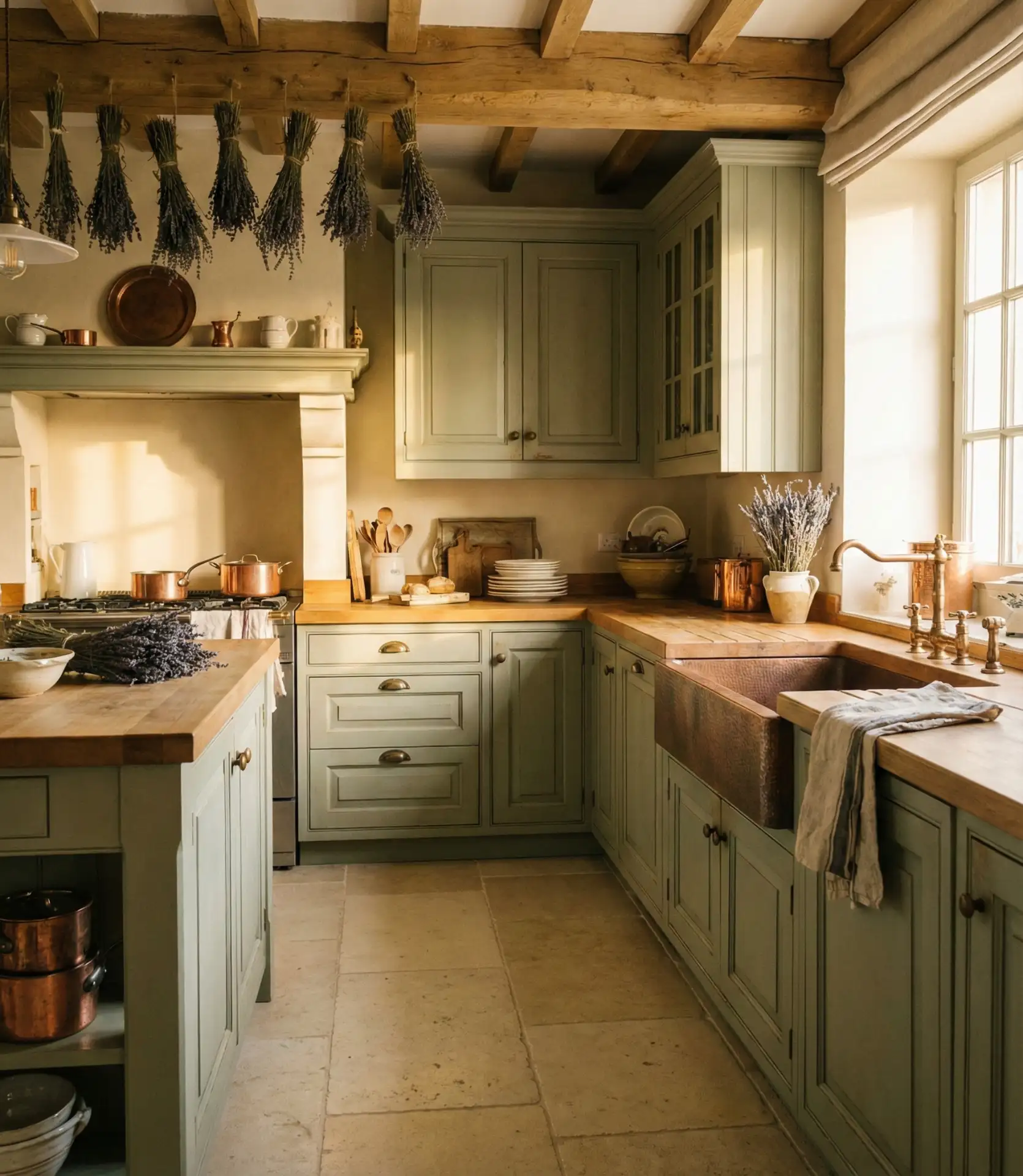
Limestone brings subtle warmth and Old World elegance to kitchens without the visual weight of darker stone options. The soft, creamy tones range from pale ivory to warm beige, with natural fossils and variations that add organic interest. This sedimentary stone has been used in European kitchens for centuries, and its gentle patina only improves with age and use. In American homes, limestone connects particularly well with French country, English cottage, and Mediterranean design styles.
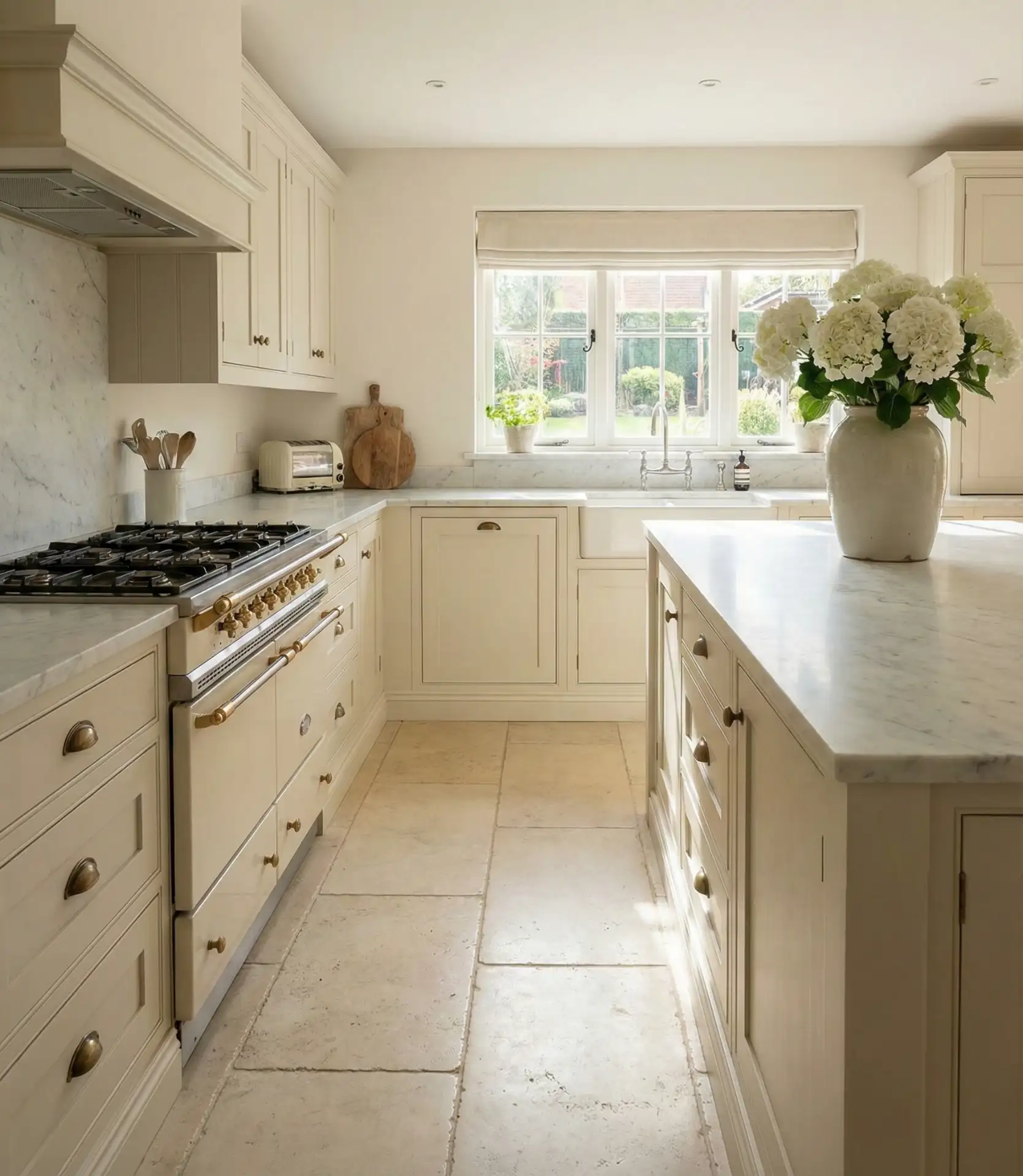
Expert stone specialists recommend honed or tumbled finishes rather than polished limestone for kitchen floors, as these provide better slip resistance and hide wear patterns more gracefully. The stone is softer than granite or marble, making it more prone to scratching, but many homeowners appreciate how these imperfections contribute to an authentic, lived-in quality. Regular sealing protects against stains from acidic foods and makes cleanup easier, though limestone will naturally develop character that reflects your family’s daily life.
9. Practical Vinyl Tile Ideas
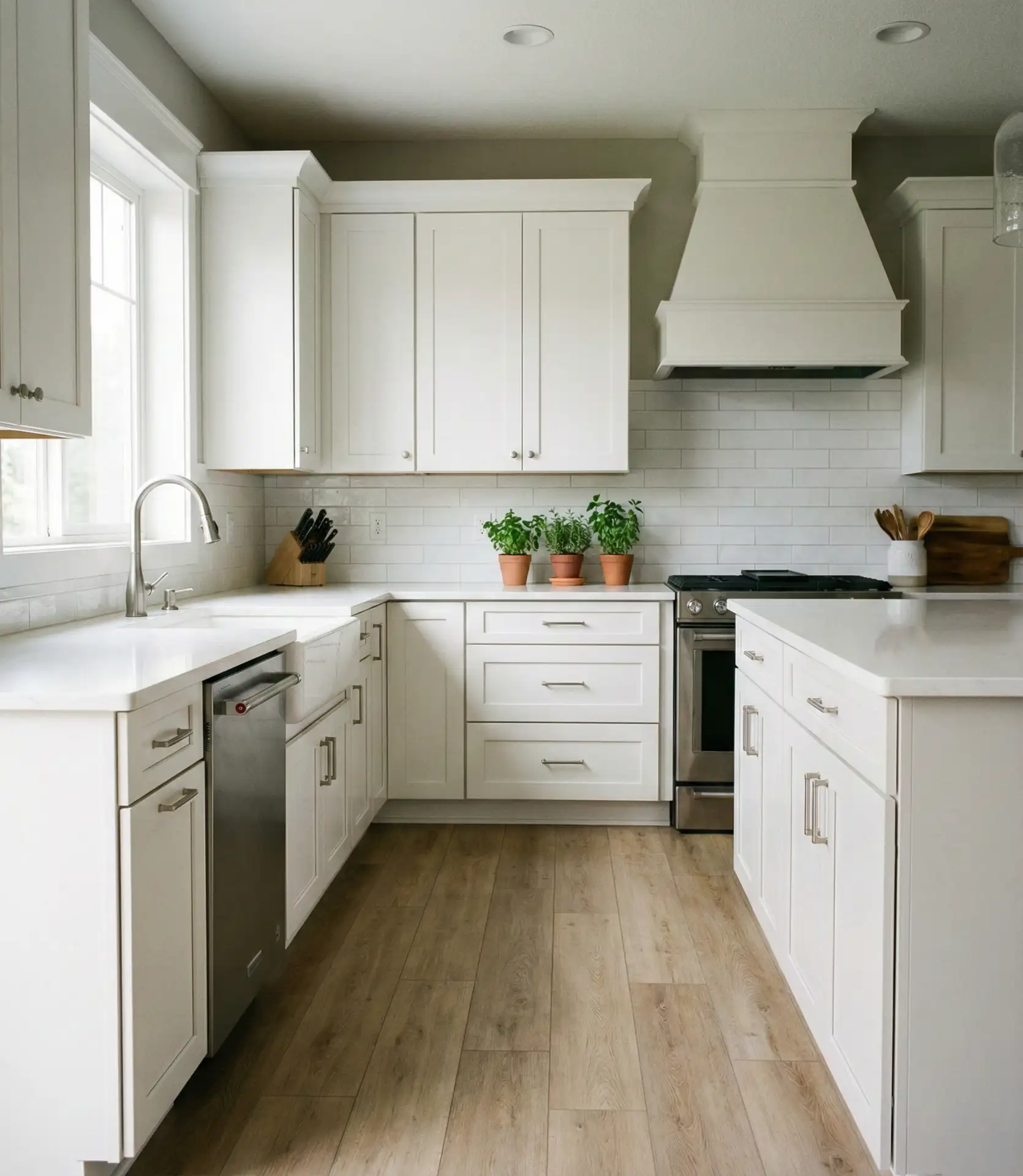
Modern ideas: Vinyl flooring has evolved dramatically, now offering convincing wood and stone looks at a fraction of the cost and with superior water resistance. Luxury vinyl tile (LVT) and luxury vinyl plank (LVP) can withstand kitchen spills, dropped dishes, and heavy foot traffic while remaining comfortable underfoot. The installation process is often DIY-friendly, making the flooring an accessible option for budget-conscious renovators. In 2026, the best products are nearly indistinguishable from the natural materials they emulate, with realistic textures and color variation.
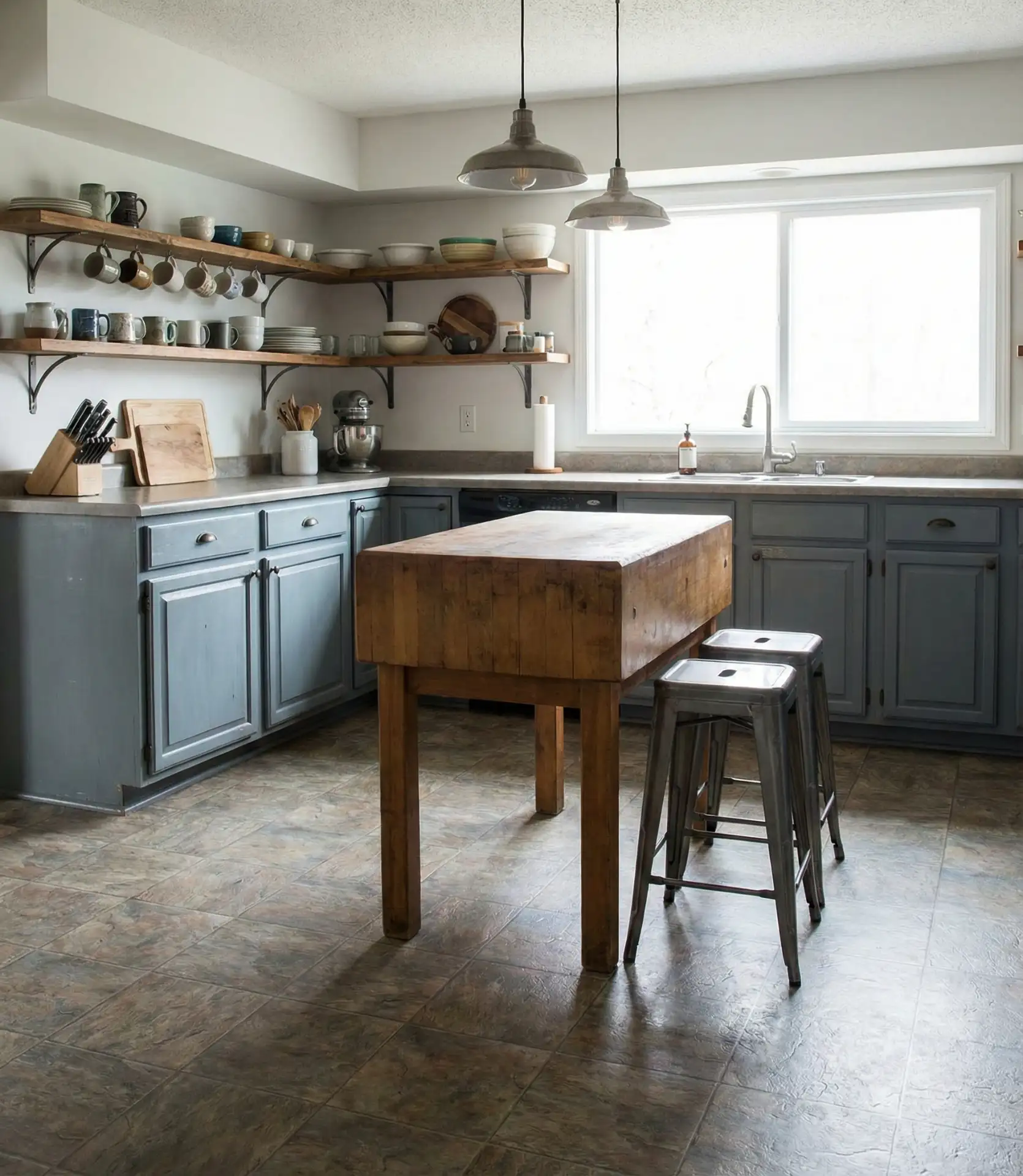
Quality vinyl typically costs between $2 and $8 per square foot, with professional installation adding another $1.50 to $3 per square foot in most markets. This makes it possible to achieve a high-end look for $5 to $11 per square foot installed—significantly less than natural stone or hardwood. The 15- to 20-year lifespan means you’ll likely want to update the floor during a future renovation anyway, making the lower upfront investment particularly appealing for starter homes or rental properties.
10. Trending Dark Tile Designs
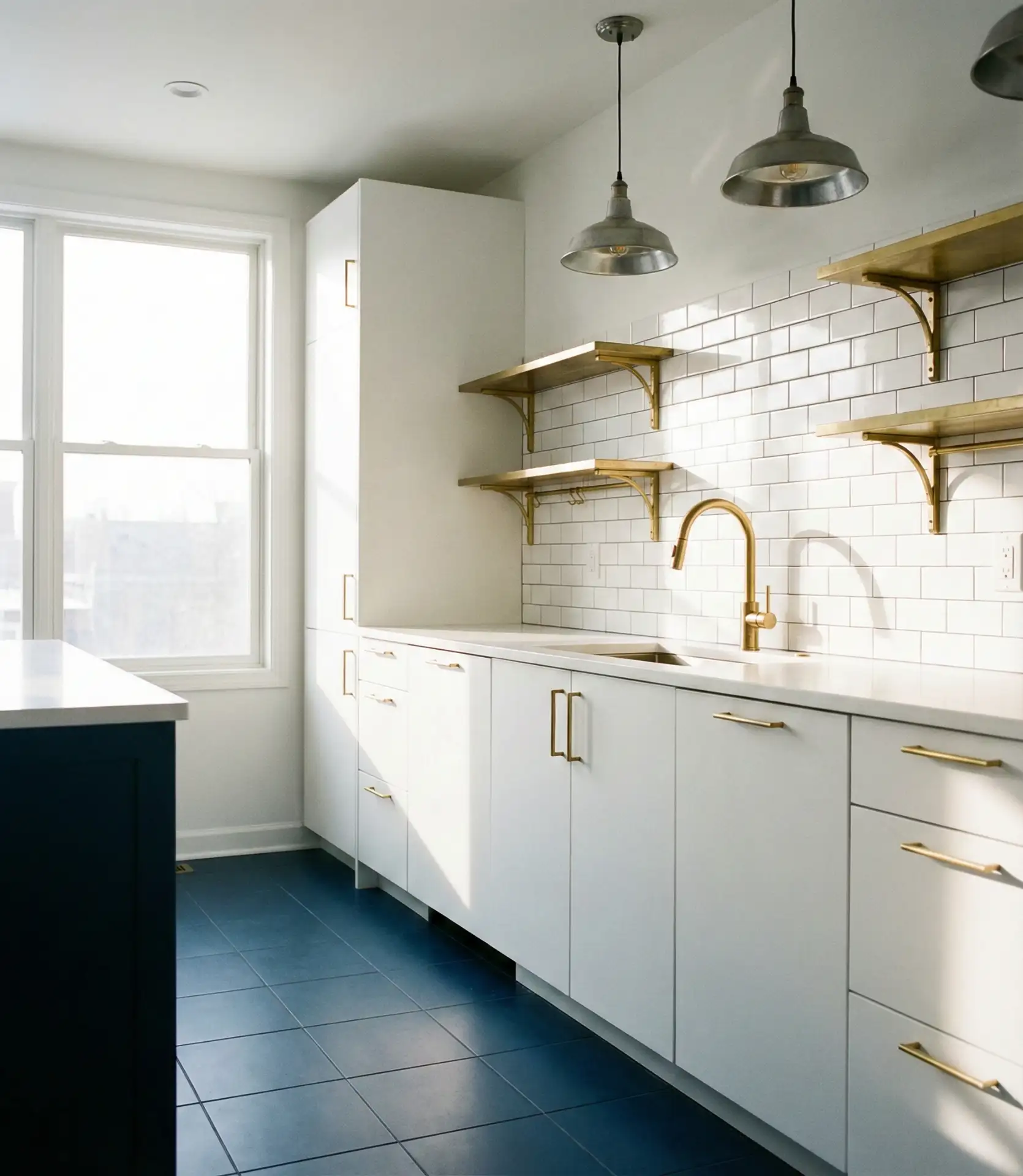
Dark tile flooring in shades of charcoal, navy, or deep brown creates a grounded, sophisticated foundation that’s particularly popular in 2026 trends. These rich tones pair beautifully with both light and dark cabinetry, creating contrast that defines the space without overwhelming it. Dark floors make white or light wood cabinets pop while creating a cohesive, layered look with darker cabinetry. The moody palette works especially well in urban lofts and modern farmhouse kitchens, which seek drama and depth.
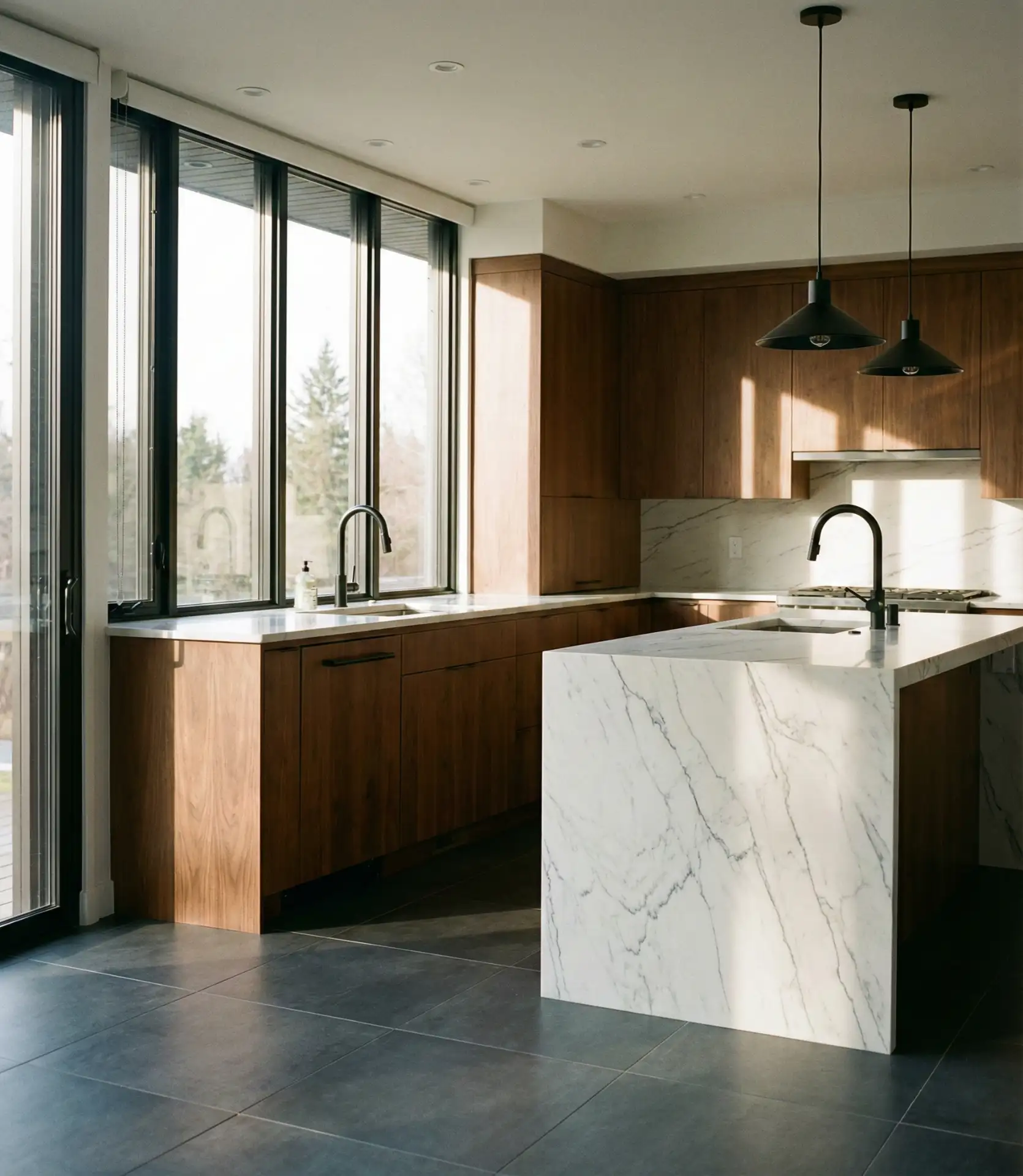
Dark floors work best in kitchens with generous natural light or thoughtful artificial lighting that prevents the space from feeling cave-like. Southern-facing kitchens and open-plan layouts with multiple windows are ideal candidates. One homeowner in Seattle noted that her charcoal tile floor actually makes the kitchen feel cozier during the gray winter months, while the same floor feels cool and sophisticated when summer sun streams through. The key is balancing the dark flooring with enough reflective surfaces and lighter elements to maintain visual brightness.
11. Industrial Concrete Finish
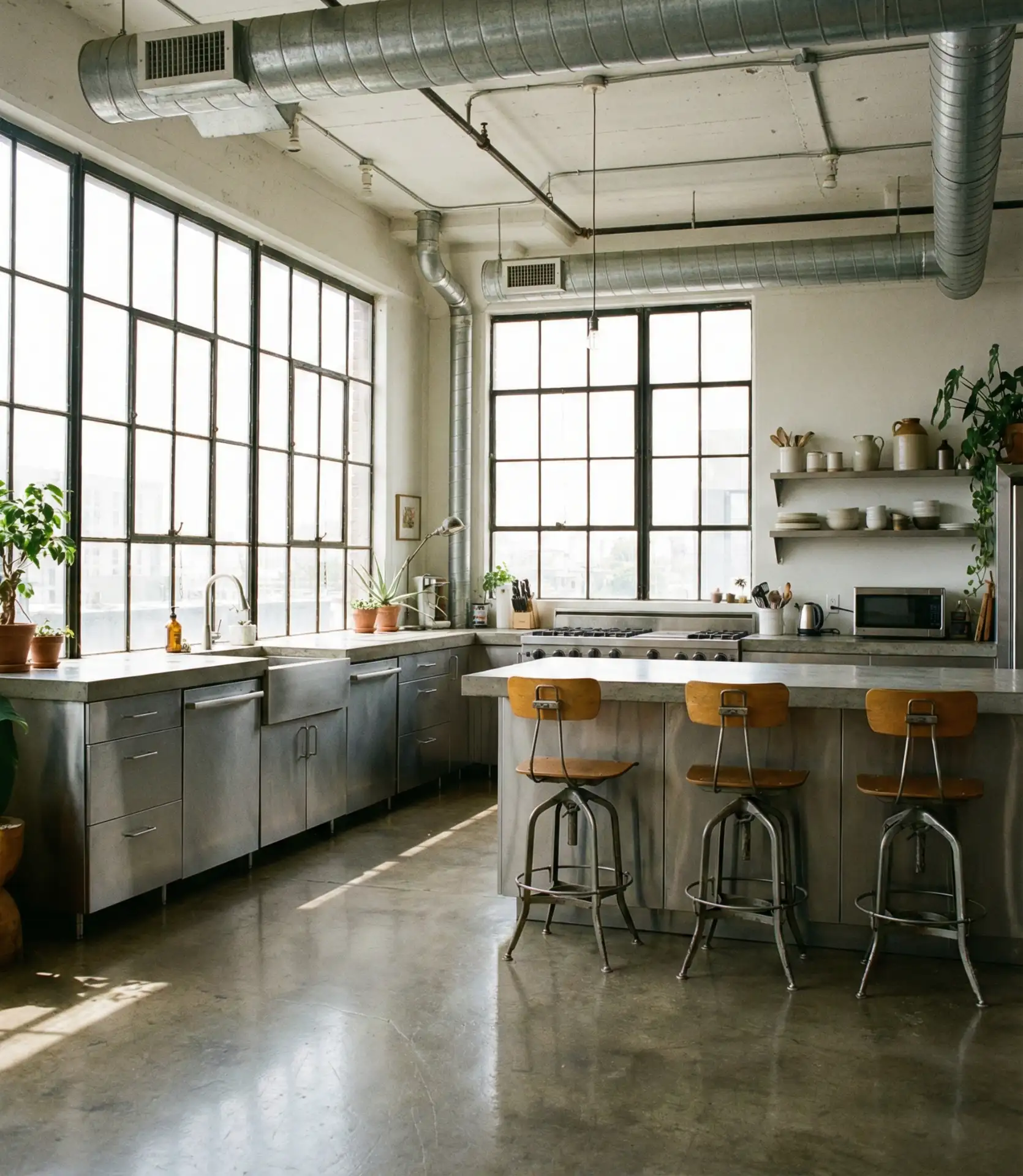
Concrete floors bring raw, industrial character to kitchens while offering exceptional durability and customization options. Polished concrete can be tinted, stained, or left in its natural gray state, and the seamless installation creates visual continuity ideal for open-plan living. This option appeals to minimalists and modernists who appreciate honest materials and unfussy aesthetics. The thermal mass properties also help regulate temperatures, keeping floors cool in the summer and retaining warmth in the winter when paired with radiant heating systems.
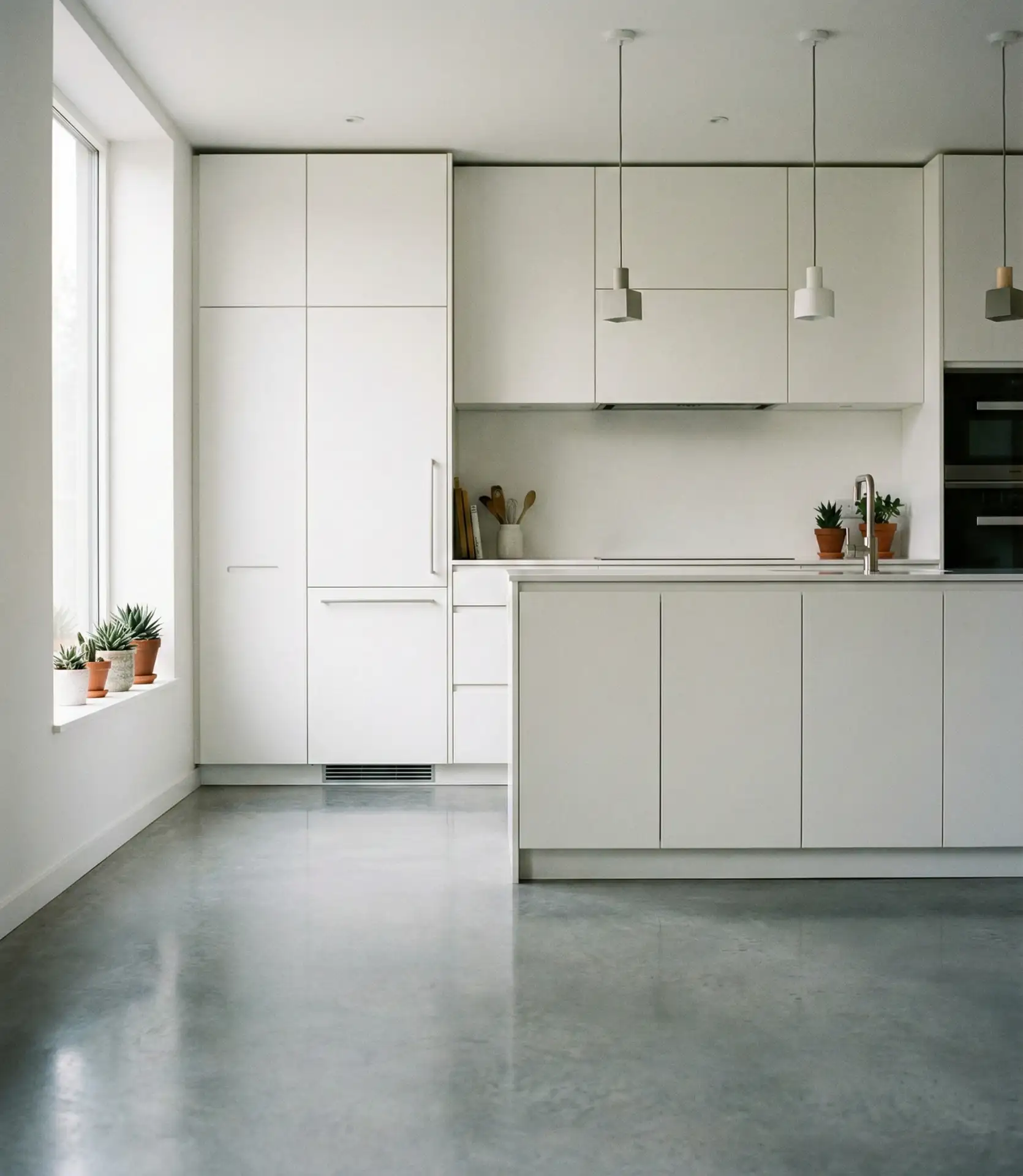
A neighbor who installed polished concrete in her Portland kitchen five years ago reports that it’s held up beautifully despite three kids and two large dogs. She appreciates the ease with which spills wipe up and the gentleness of the smooth surface on dropped dishes—more glasses survive than on her previous tile floor. The main consideration is comfort: concrete is extremely hard, so standing for long cooking sessions requires sturdy mats, and anything dropped will likely break.
12. Clean White Tile Backdrop
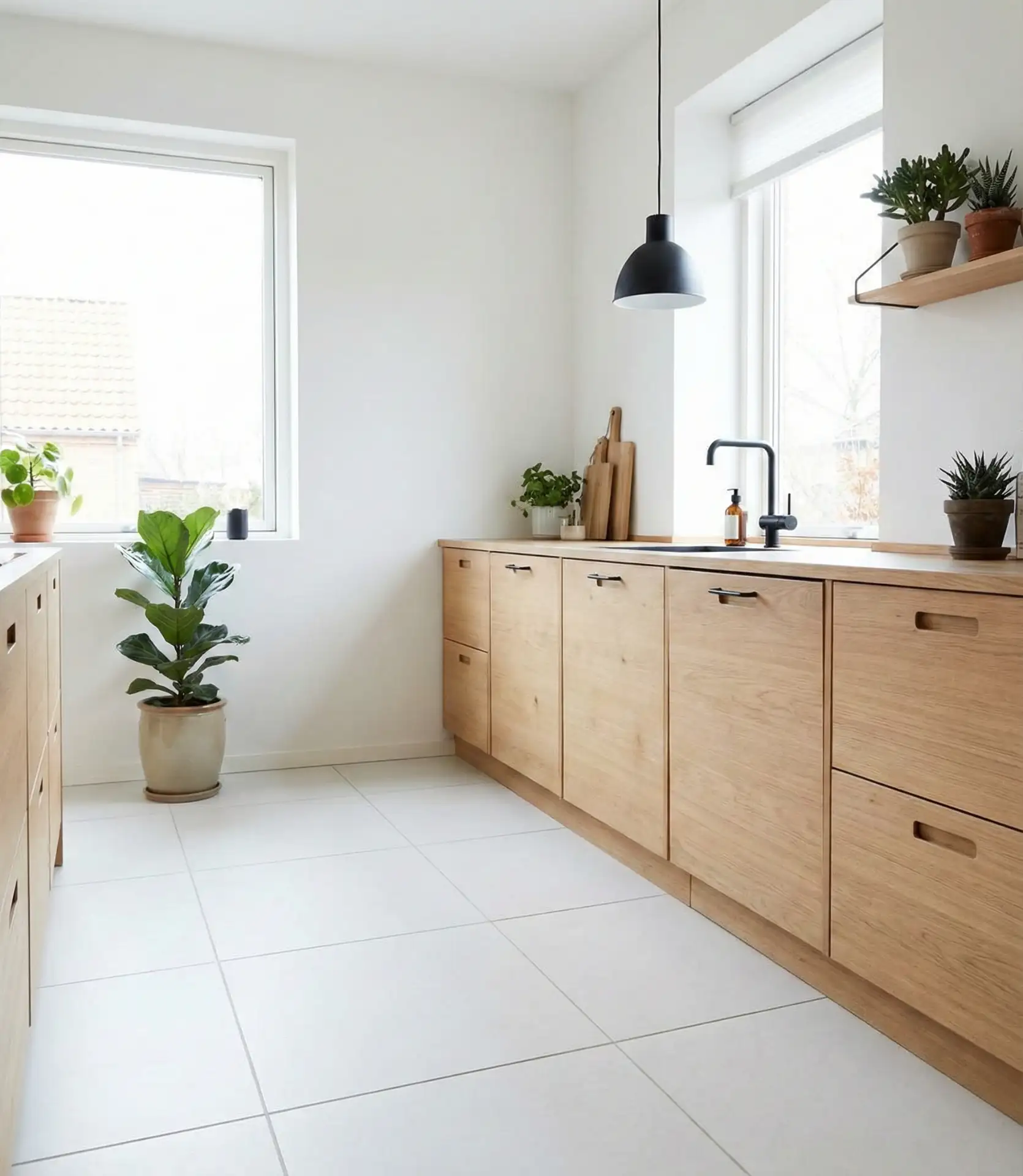
White tile flooring creates a fresh, clean canvas that makes kitchens feel larger and brighter while providing design flexibility for years to come. Whether you choose glossy subway tiles, matte porcelain squares, or textured ceramic, white floors reflect light beautifully and pair effortlessly with any cabinetry color or countertop material. This classic choice works in everything from Scandinavian-minimal spaces to traditional country kitchens. The neutral foundation allows you to change wall colors, accessories, and décor without worrying about clashing with the floor.
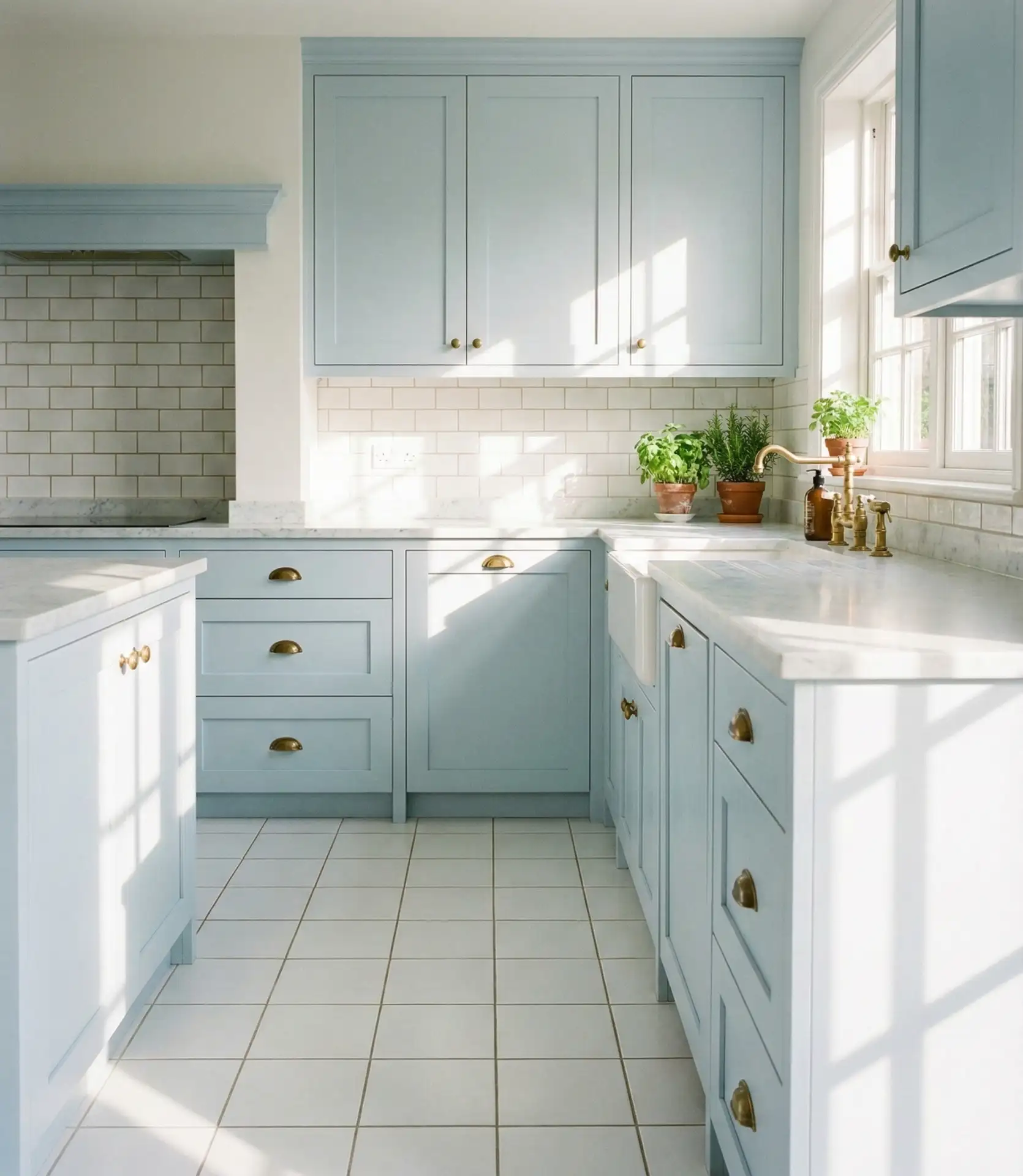
The biggest mistake with white floors is choosing grout that’s too light, which shows every speck of dirt and requires constant cleaning. Medium gray grout provides subtle definition while hiding normal kitchen grime between deeper cleanings. Textured or matte finishes also camouflage wear better than high-gloss options. Despite concerns about maintenance, many homeowners find that white floors actually force them to maintain a cleaner kitchen, and the bright, airy feeling they create outweighs the extra effort required to keep them looking fresh.
13. Dynamic Tile Pattern Play
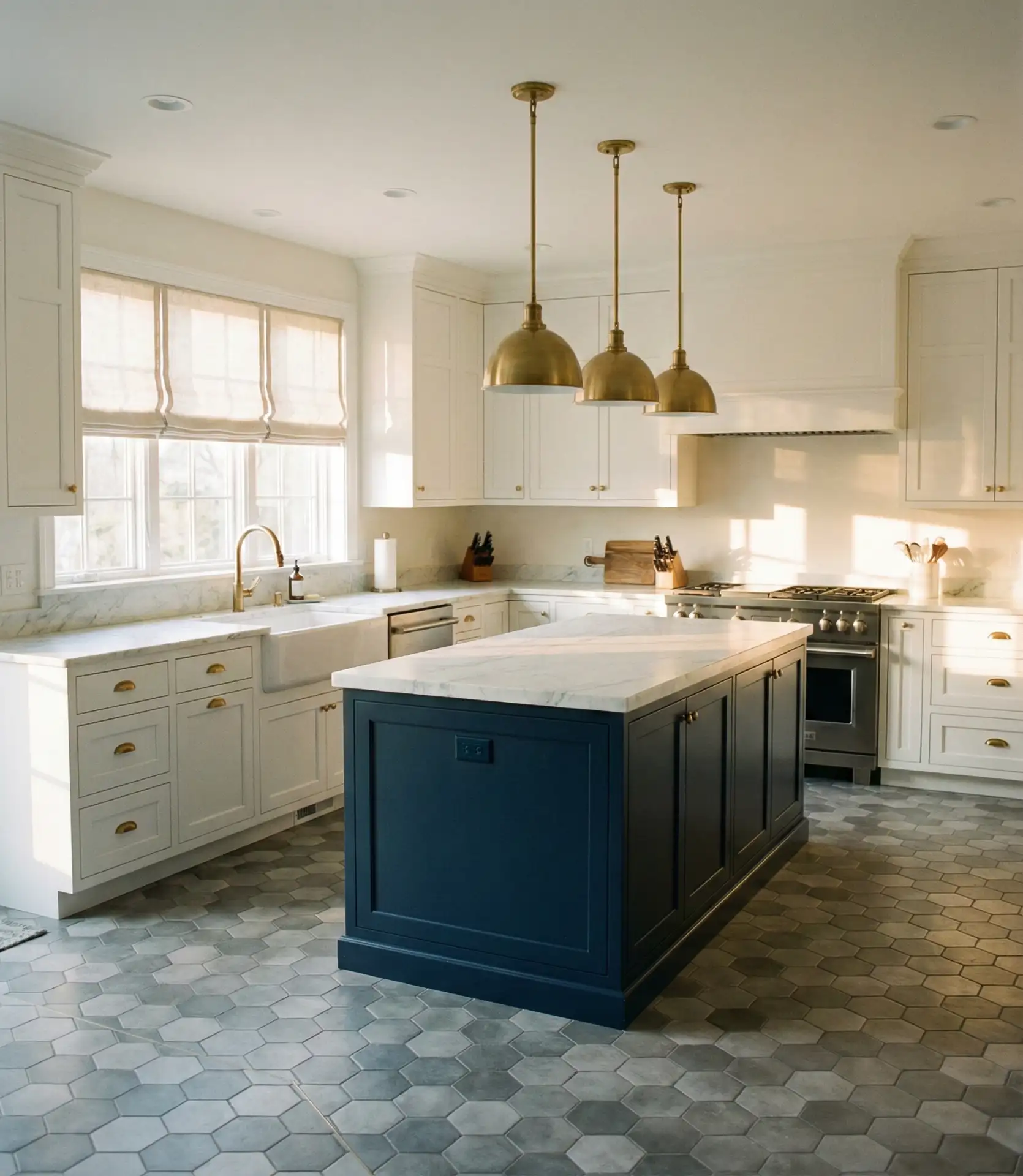
Experimenting with tile patterns transforms standard materials into custom-looking installations that define your kitchen’s character. Beyond herringbone and checkerboard, consider basketweave, hexagons, Moroccan-inspired geometrics, or even mixed patterns that zone different areas. These installations turn the floor into a focal point that can reduce the need for decorative backsplashes or bold cabinetry. In 2026, designers are mixing tile design elements—combining solid colors with patterned cement tiles or creating borders and medallions within larger fields.
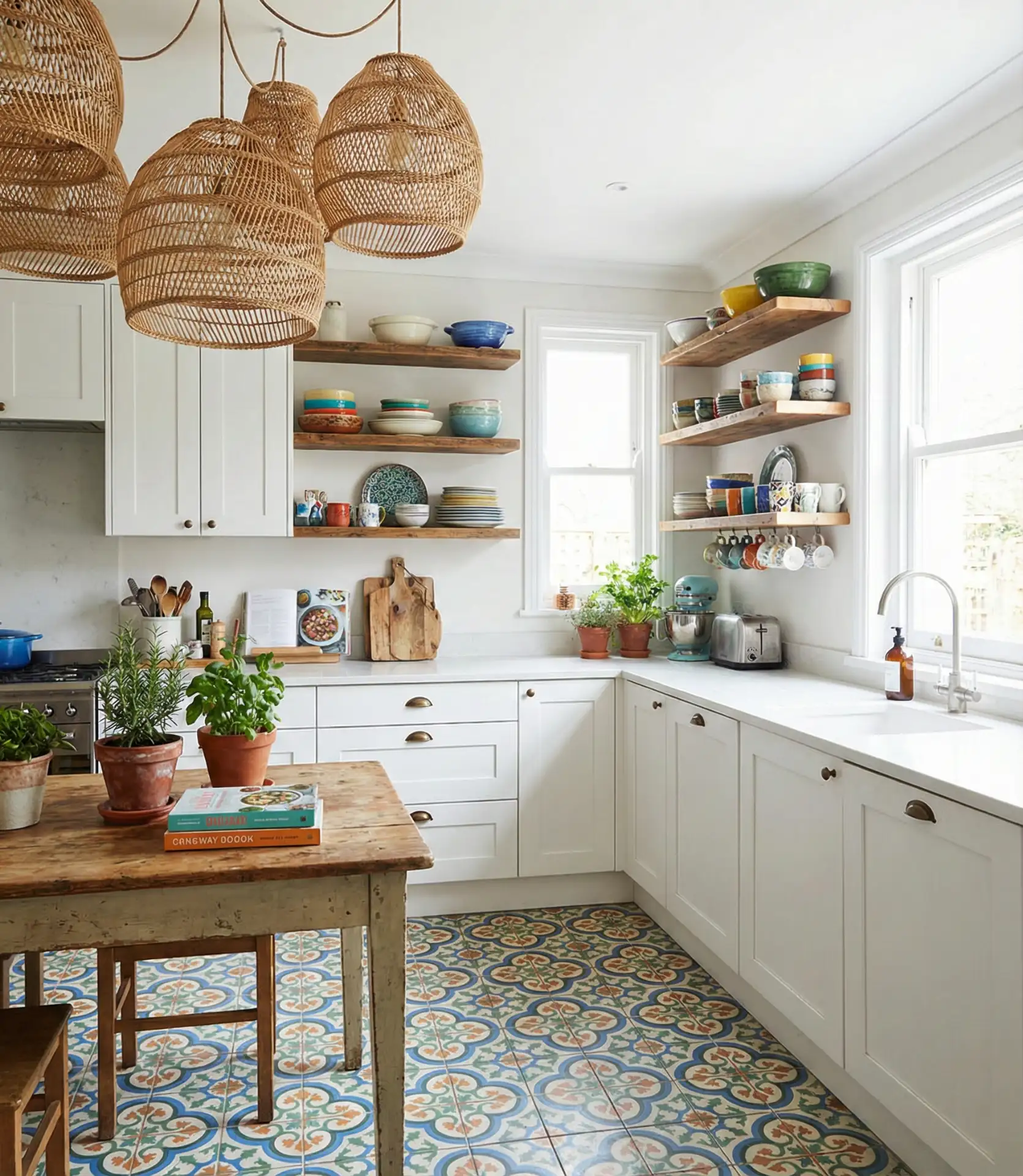
Pattern works best in defined kitchen spaces rather than open-plan areas where it might visually compete with adjacent rooms. Galley kitchens, U-shaped layouts, and kitchens with clear architectural boundaries are ideal candidates for bold floor patterns. A kitchen designer in Austin recommends using patterns in 70% of cases where the kitchen is its own room, but only 30% of the time in open concepts where visual simplicity helps the space flow. When you do commit to a pattern, keep everything else relatively simple to let the floor be the star.
14. Budget-Friendly Peel and Stick
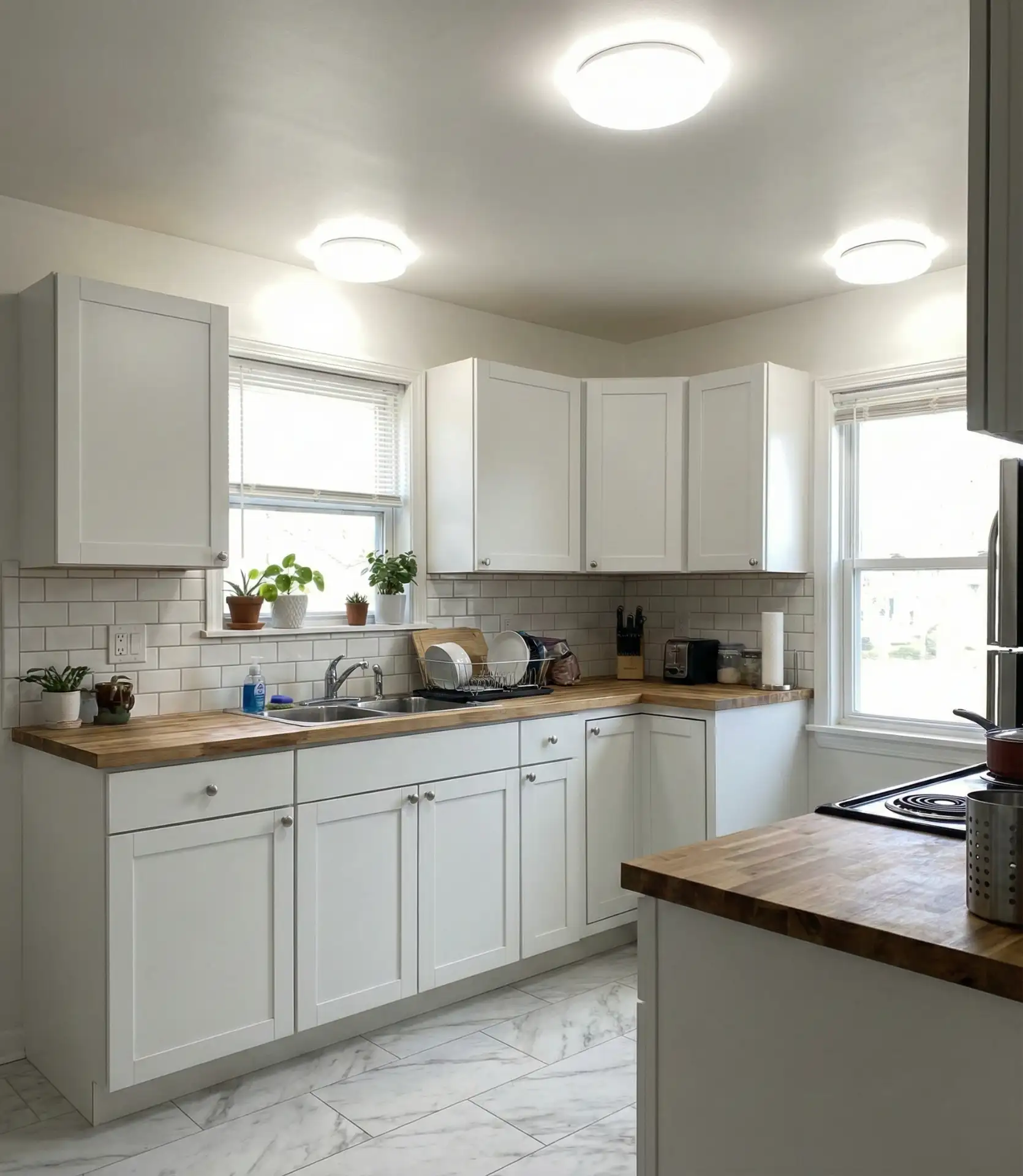
Peel-and-stick vinyl tiles have improved dramatically in quality and appearance, now offering a legitimate renovation solution for renters and budget-conscious homeowners. Modern versions boast realistic stone and wood patterns, improved adhesive that adheres firmly, and a water-resistant construction ideal for kitchen use. Installation requires no special tools or skills—just a clean, smooth surface and patience. The method makes it possible to completely transform a kitchen floor over a weekend for a few hundred dollars rather than a few thousand.
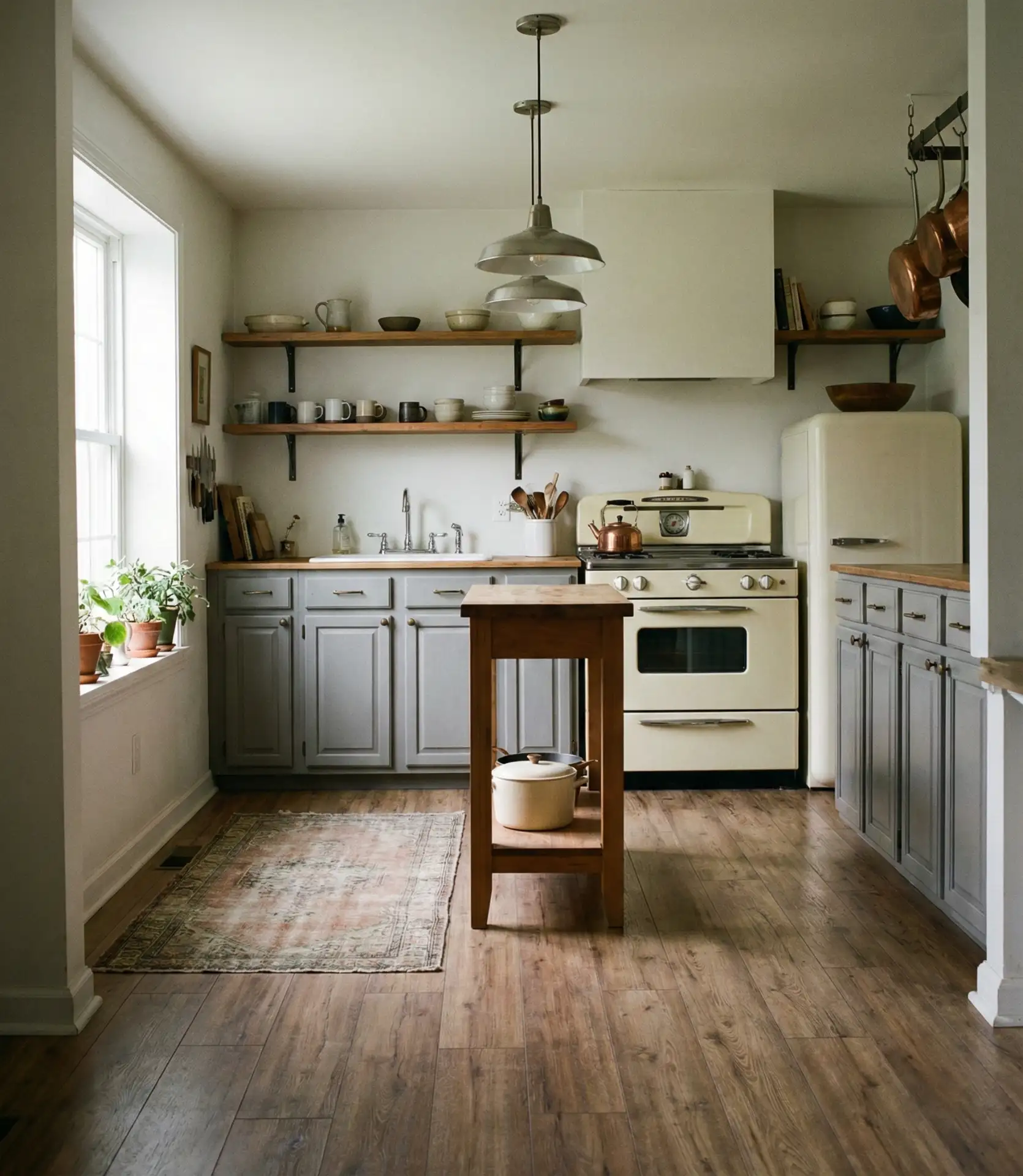
In apartments and rental situations, where permanent modifications are prohibited but you still desire to personalize the space, peel-and-stick flooring excels. Young homeowners also use it as a temporary solution while saving for a more permanent floor installation, or in vacation homes and cottages where budget and ease of replacement matter more than longevity. The tiles typically last 2–5 years with normal usage, and removal is straightforward when you’re ready to move or upgrade.
15. Versatile Grey Tile Foundation
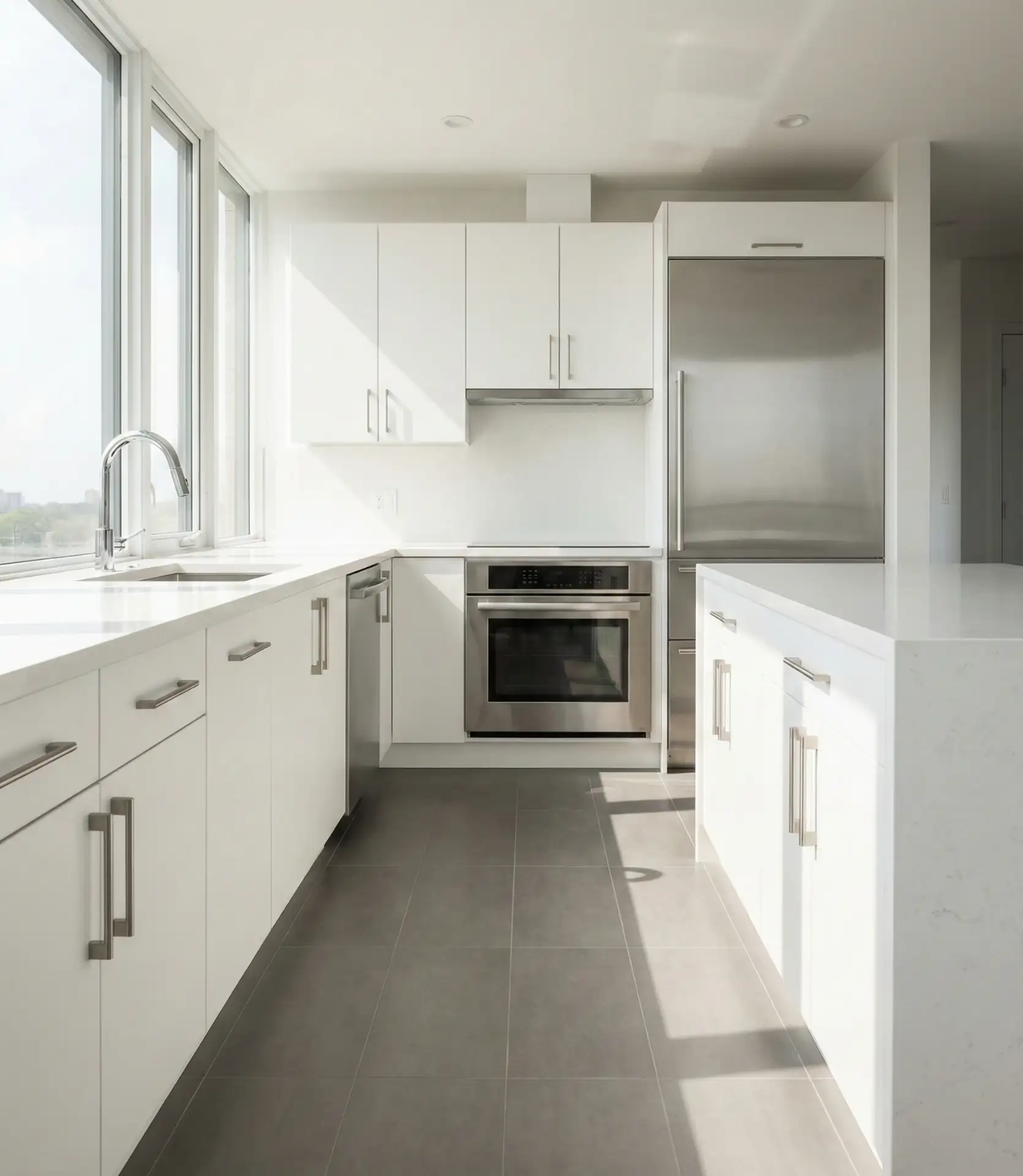
Grey tile floors sit in the perfect middle ground between stark white and dramatic black, offering versatility that works with virtually any design direction. From pale dove gray to deep charcoal, these neutral tones provide a sophisticated backdrop that won’t compete with cabinetry, countertops, or décor choices. Gray complements both warm and cool color schemes, making it ideal for homeowners who like to update their kitchen’s look without changing the floor. The color also hides dirt and wears better than pure white while feeling lighter than darker options.
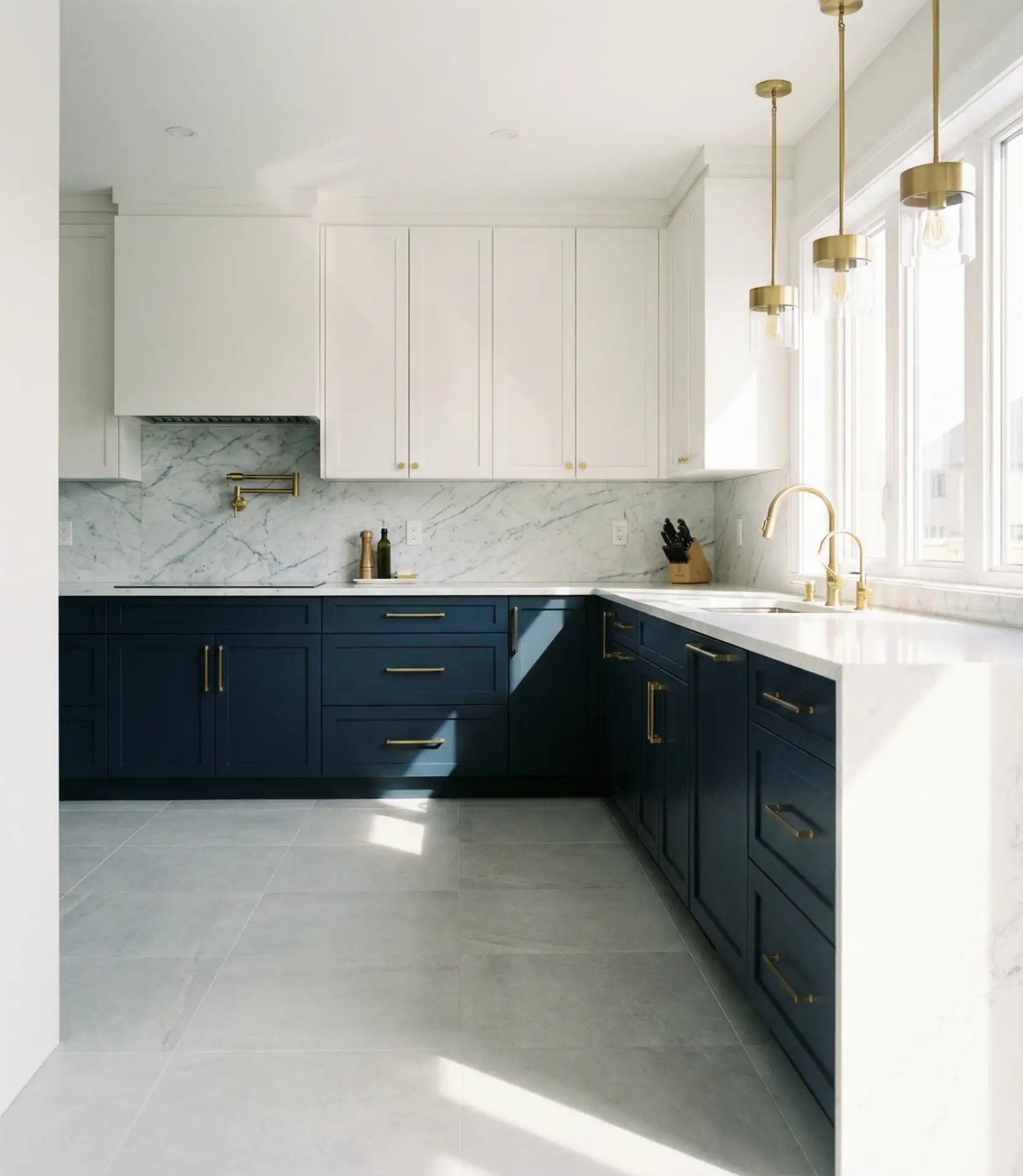
Interior designers consistently recommend gray floors to clients who are uncertain about their long-term style preferences or plan to sell within 5–10 years. The color appeals to a wide variety of buyers and photographs well for use in listing photos. Gray also plays nicely with the current trend toward mixed metals—you can combine brass, chrome, black, and copper fixtures without worrying about color clashes. This flexibility makes gray tile one of the safest yet most stylish choices for kitchen flooring in 2026.
16. Subtle Beige Tile Warmth
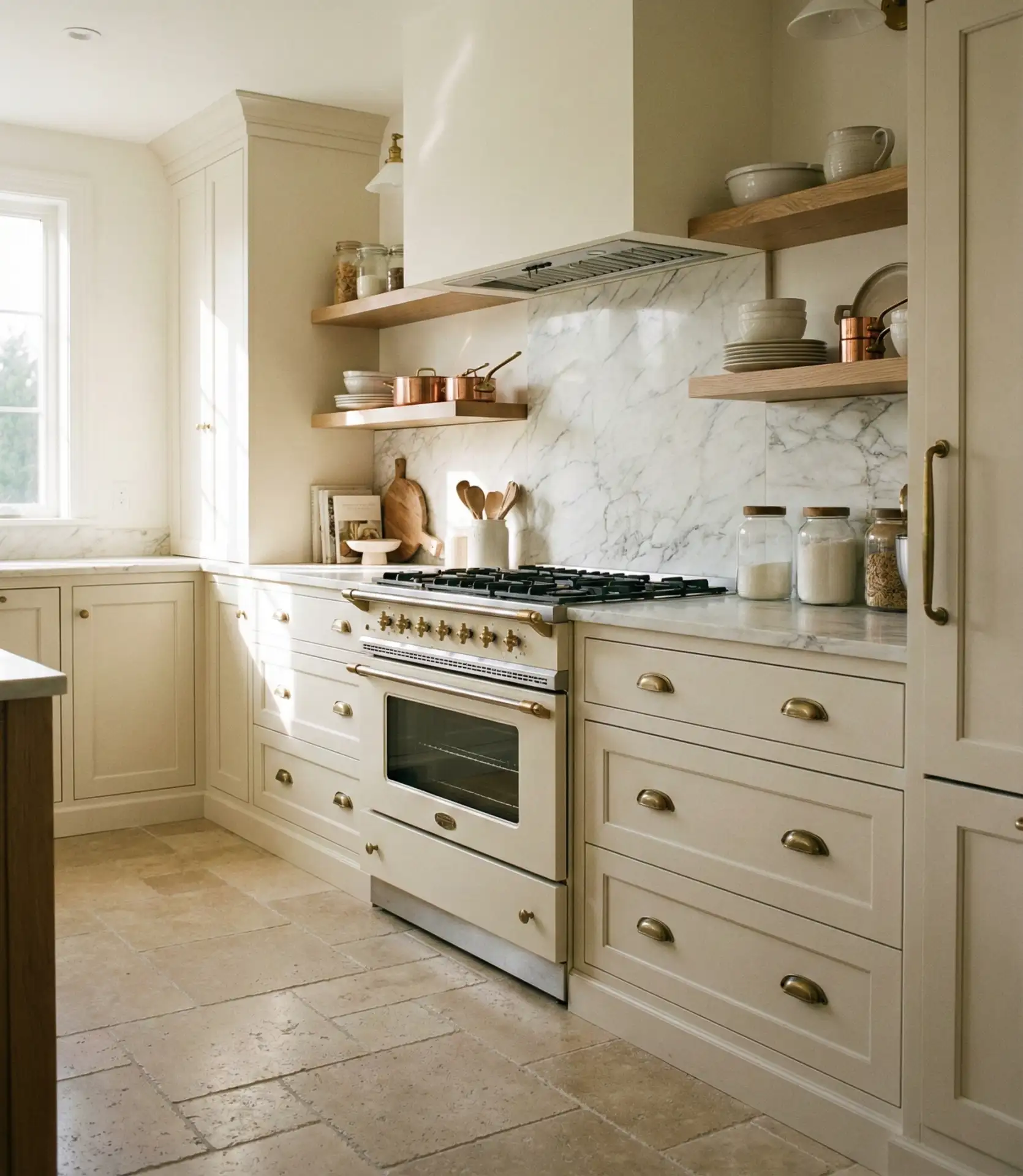
After years of gray dominance, beige tile is experiencing a renaissance as homeowners seek warmer, more inviting kitchen spaces. These soft, sandy tones create a neutral foundation with more warmth than gray or white, connecting particularly well with natural wood elements and brass or gold fixtures. Modern beige tiles avoid the orange-toned builder-grade options of the past, instead offering sophisticated creamy and taupe shades with subtle texture. The color works beautifully in traditional, transitional, and even contemporary kitchens seeking a softer edge.
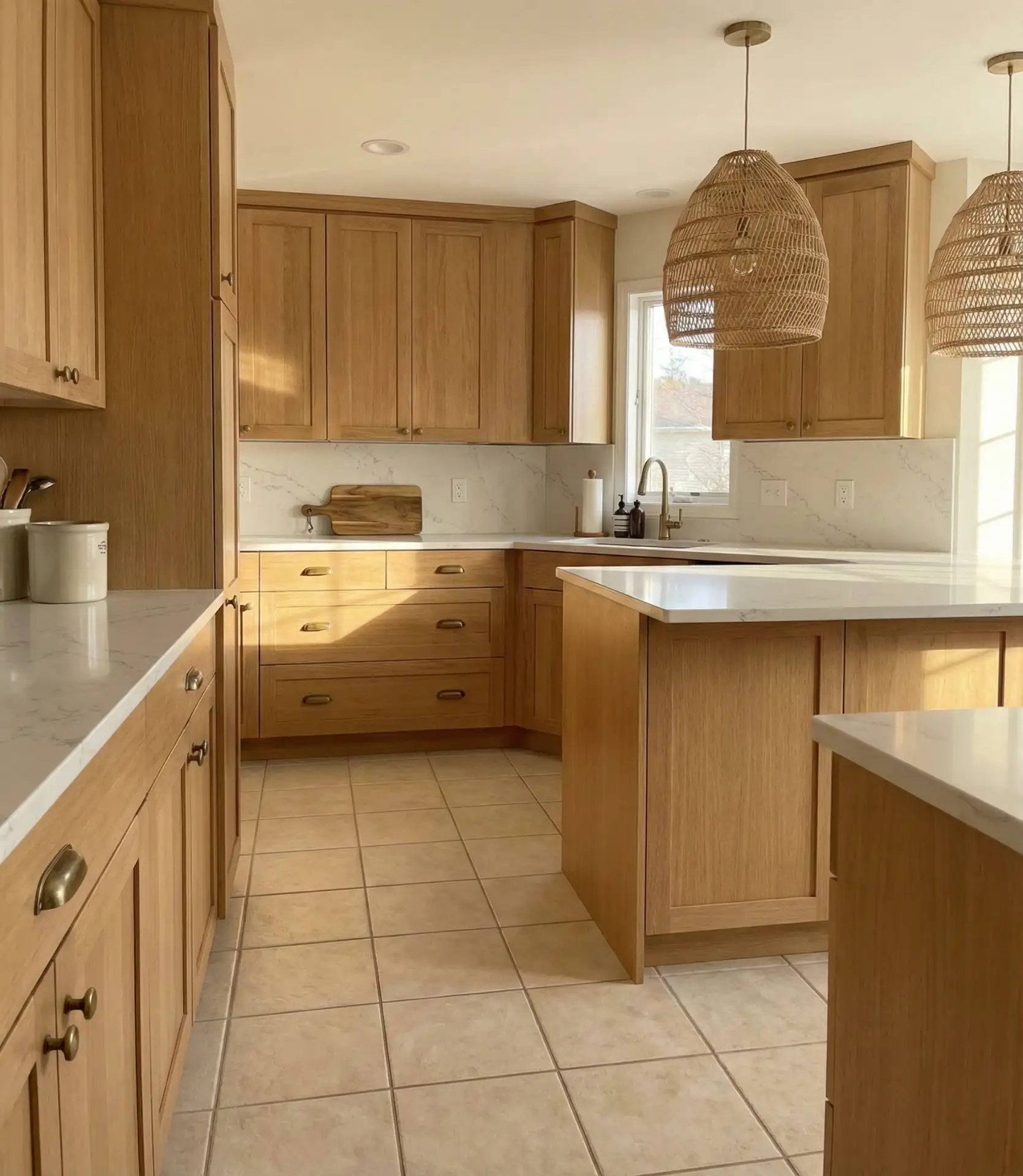
Beige floors particularly shine in north-facing kitchens that receive cooler, bluer natural light throughout the day. The warm undertones counterbalance the light quality, preventing the space from feeling cold or institutional. Many Pacific Northwest homeowners choose beige specifically for this reason, finding it creates a cozier atmosphere during long gray winters. The color also works wonderfully in homes with warm wood tones in adjacent rooms, creating visual flow rather than the abrupt transition that cooler grays can create.
17. Moody Dark Floor Drama
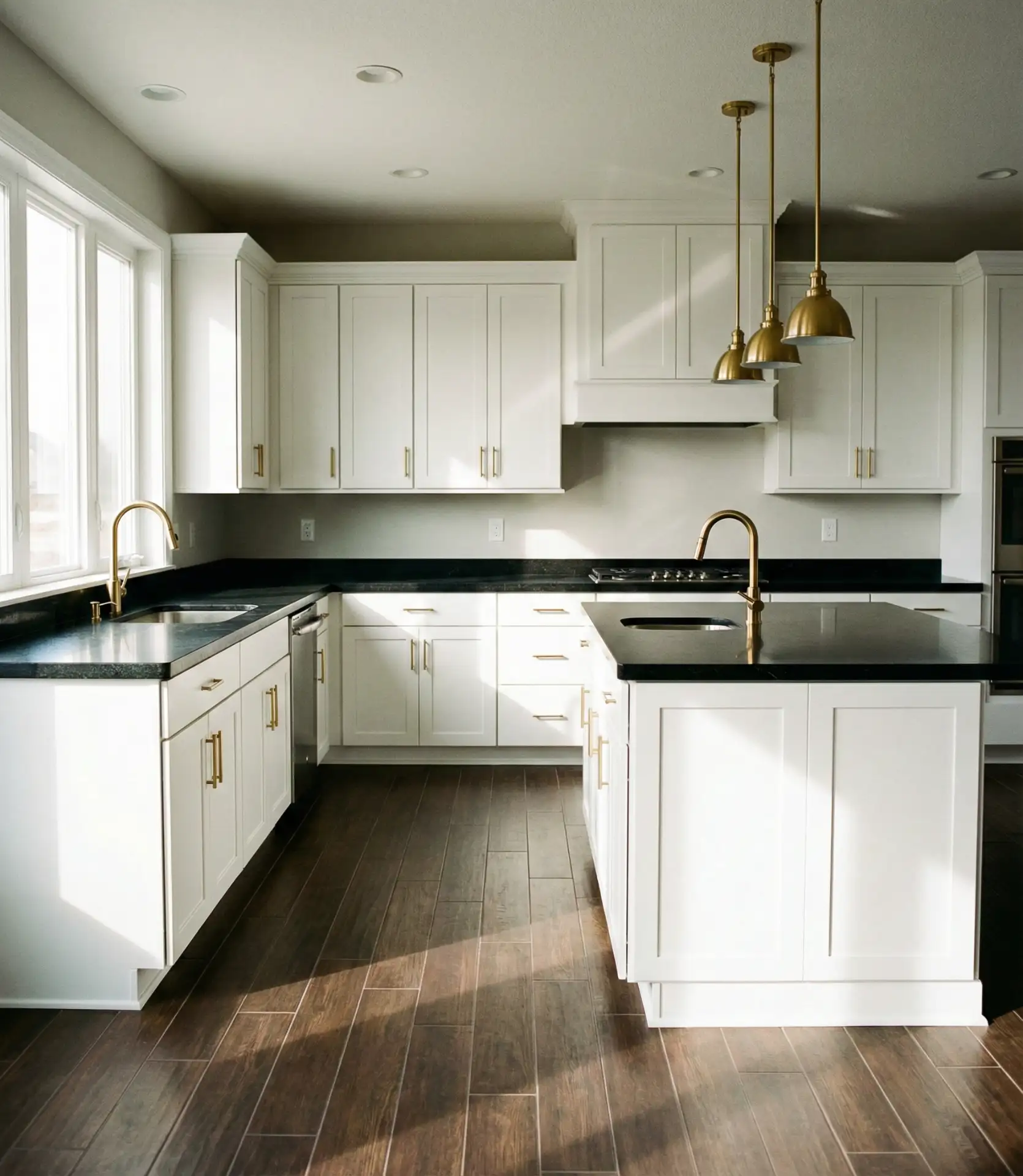
Dark flooring in rich browns, deep grays, or near-black creates instant drama and sophistication in kitchen spaces willing to embrace a moodier aesthetic. These floors ground the room and provide striking contrast against lighter cabinetry and countertops, creating a gallery-like quality that makes every element feel more intentional. The approach works particularly well in larger kitchens with abundant natural light or in evening-focused spaces where ambient lighting creates warmth and intimacy. This choice signals confidence and a willingness to move beyond safe, neutral design.
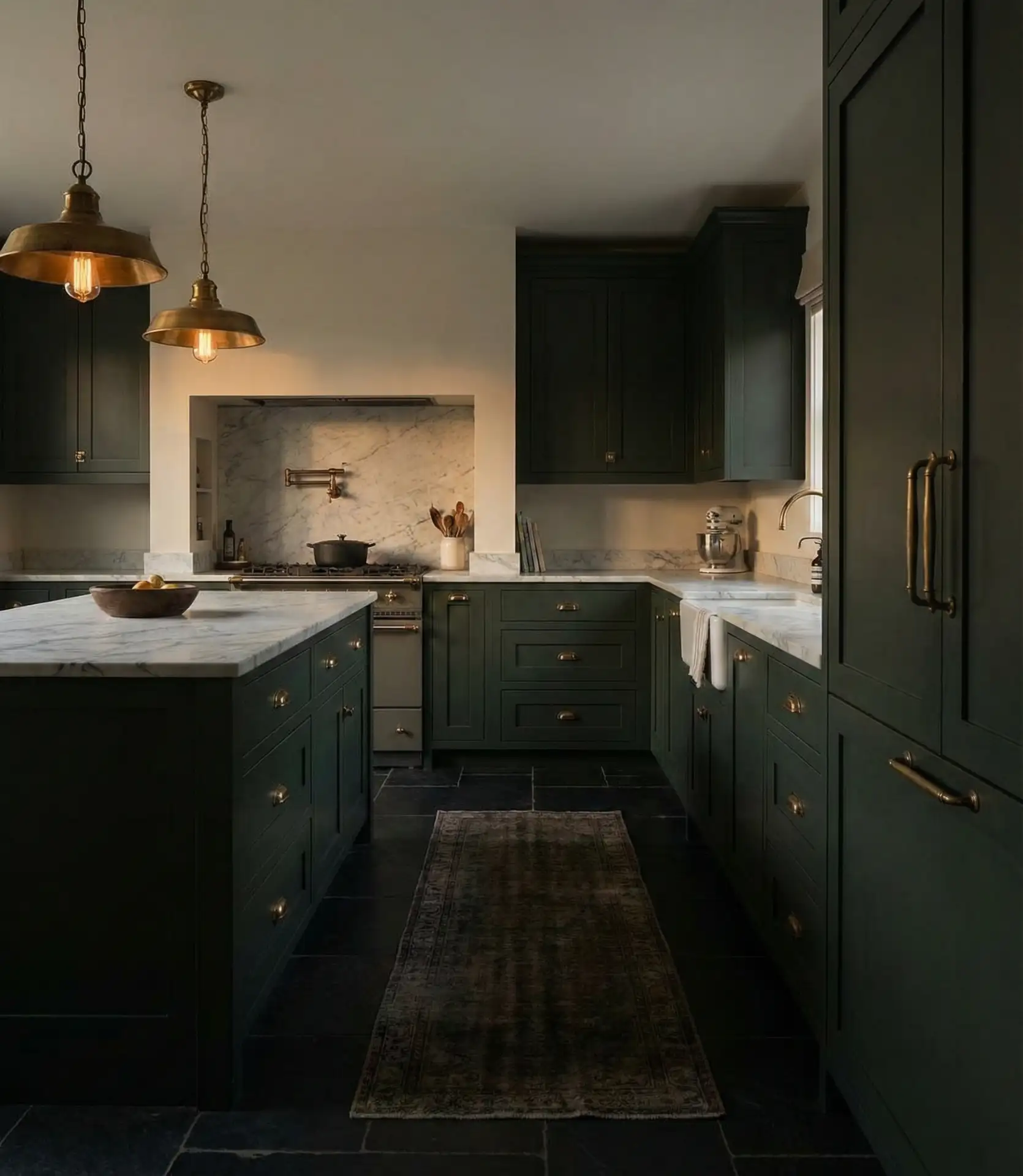
One common concern is that dark floors will show every crumb and dust particle, but the reality depends heavily on the finish you choose. Matte and textured surfaces camouflage debris far better than glossy options, making daily maintenance more manageable. A designer in Chicago notes that her clients with dark matte floors actually report less visible mess than those with medium-toned glossy tiles. The key is being honest about your cleaning frequency and choosing a finish that aligns with your actual lifestyle rather than aspirational Pinterest ideals.
18. Multi-Toned Terrazzo Style
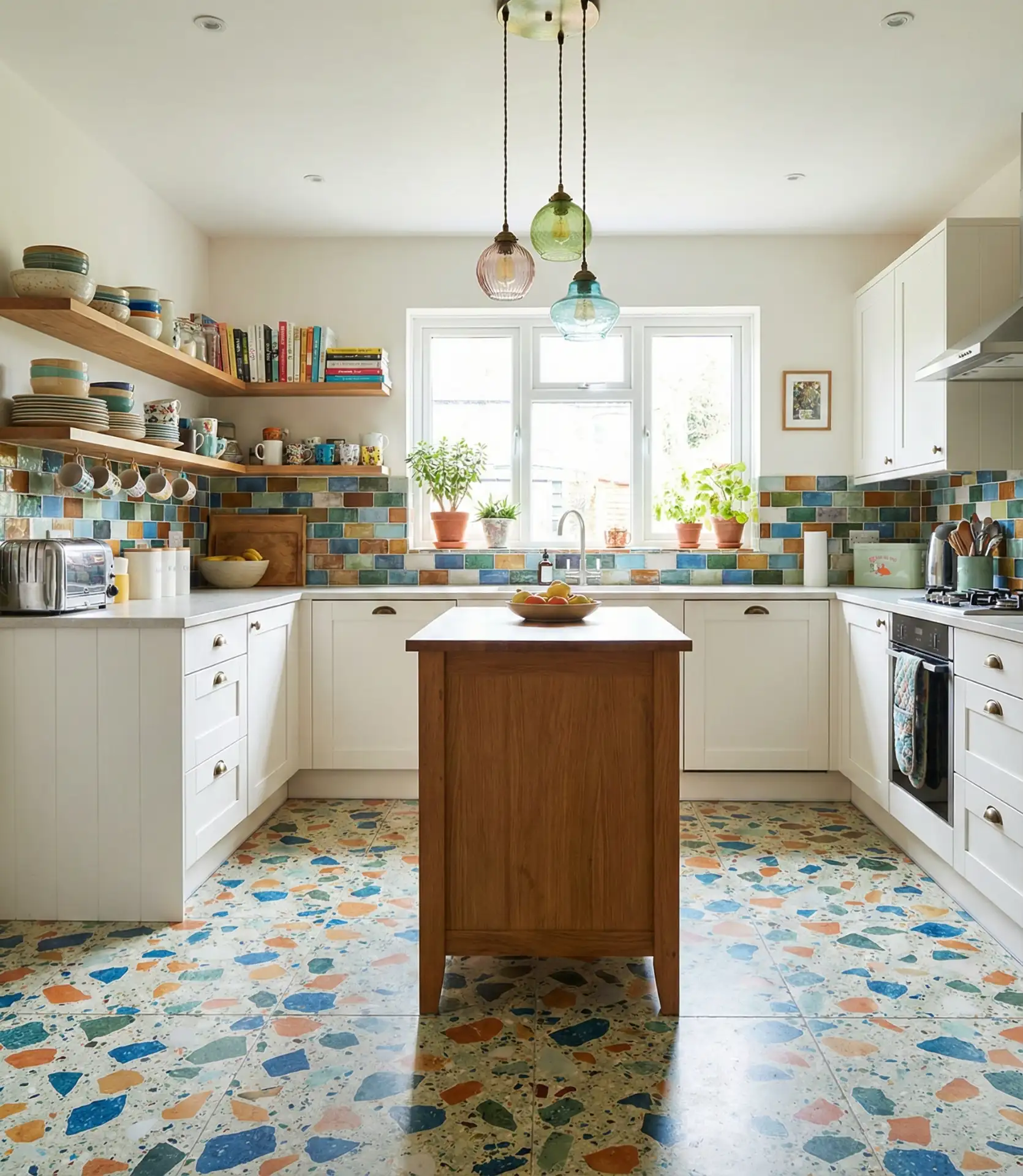
The playful speckled pattern of terrazzo brings vintage charm with a thoroughly modern sensibility when executed in contemporary color palettes. This composite material disperses marble, quartz, or glass chips across a cement or resin base, resulting in unique patterns that never replicate exactly. The busy surface cleverly disguises crumbs, spills, and normal wear, making it exceptionally practical for real-life kitchens. In 2026, the trend leans toward softer color stories with blush, sage, or cream tones rather than the primary brights of retro versions.
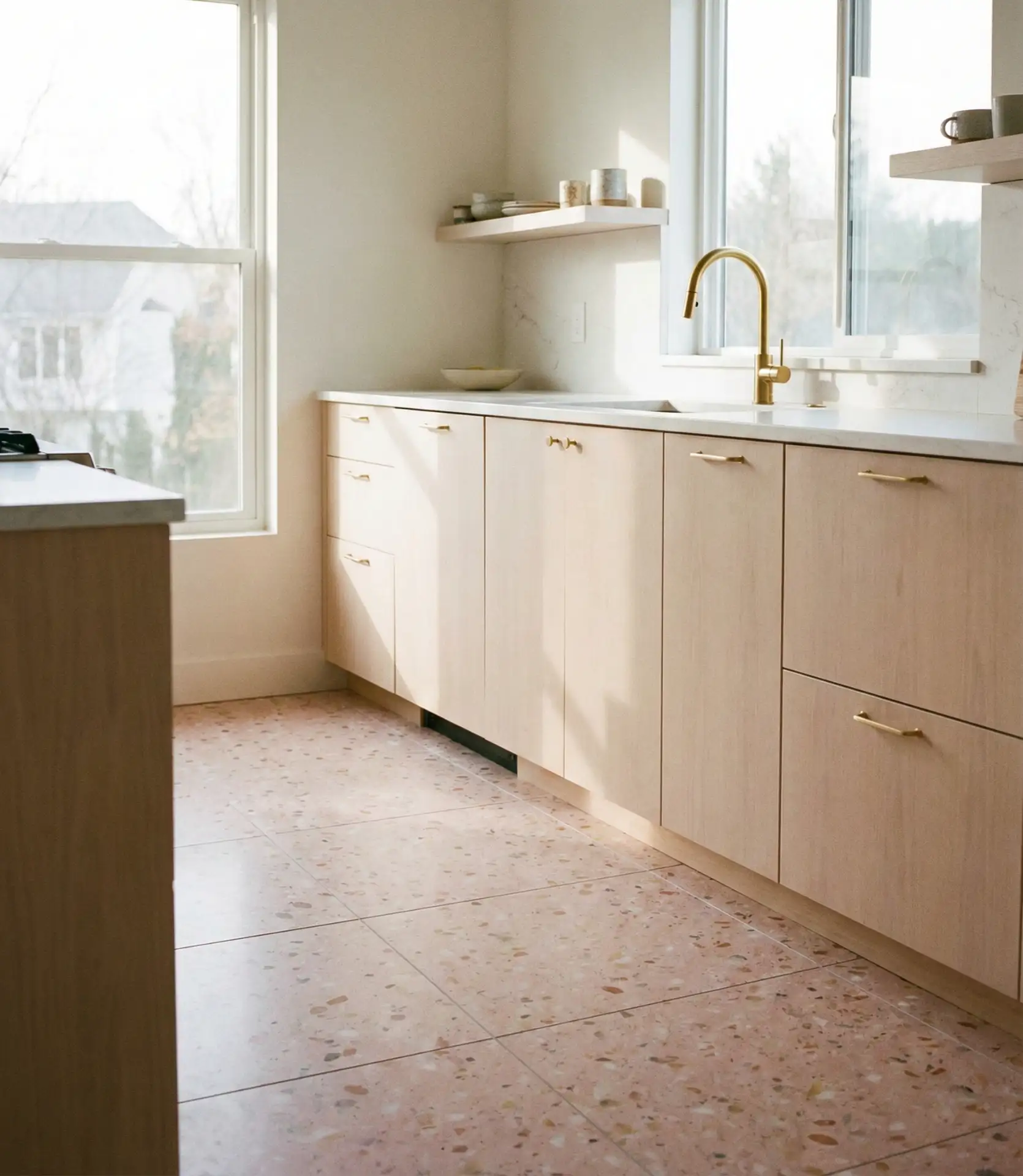
Terrazzo installation requires skilled professionals, especially for traditional poured-in-place versions, which drives up costs to $15-30 per square foot installed. However, terrazzo tile options now offer similar aesthetics for $8–15 per square foot, making the look more accessible. The investment pays off in longevity—properly installed terrazzo can last 40 years or more with minimal maintenance beyond regular sealing. Many mid-century homes still have original terrazzo in excellent condition, proving its remarkable durability and timeless appeal.
19. Natural Stone Textures
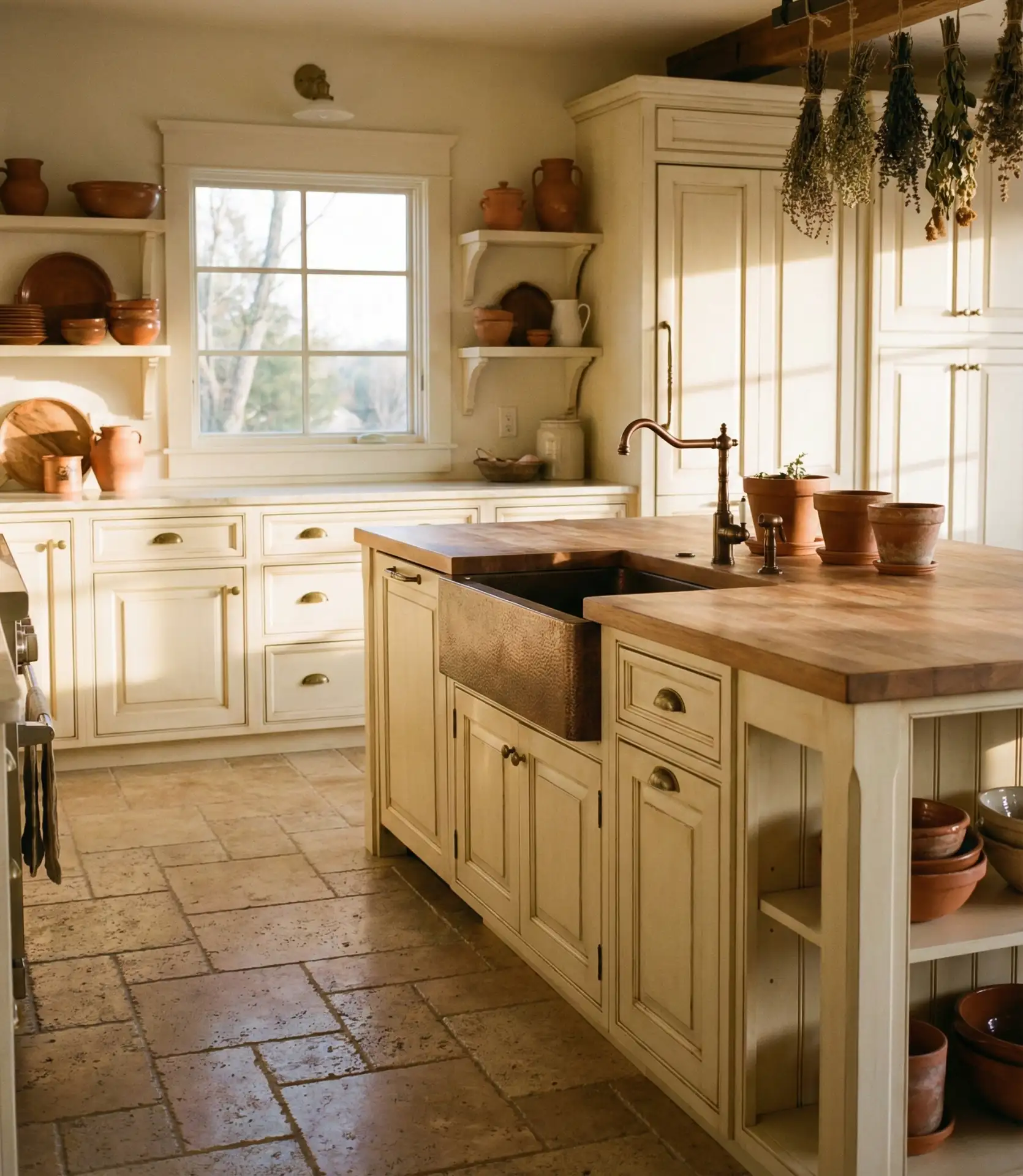
Authentic stone flooring brings the outdoors in with organic color variation and textural depth that manufactured products struggle to replicate. Options range from smooth marble and travertine to rugged slate and sandstone, each offering distinct character and performance qualities. The natural material develops a patina over time that many homeowners cherish as evidence of their family’s daily life. Stone floors also offer excellent thermal mass, staying naturally cool in the summer and pairing beautifully with radiant heating systems in winter climates.
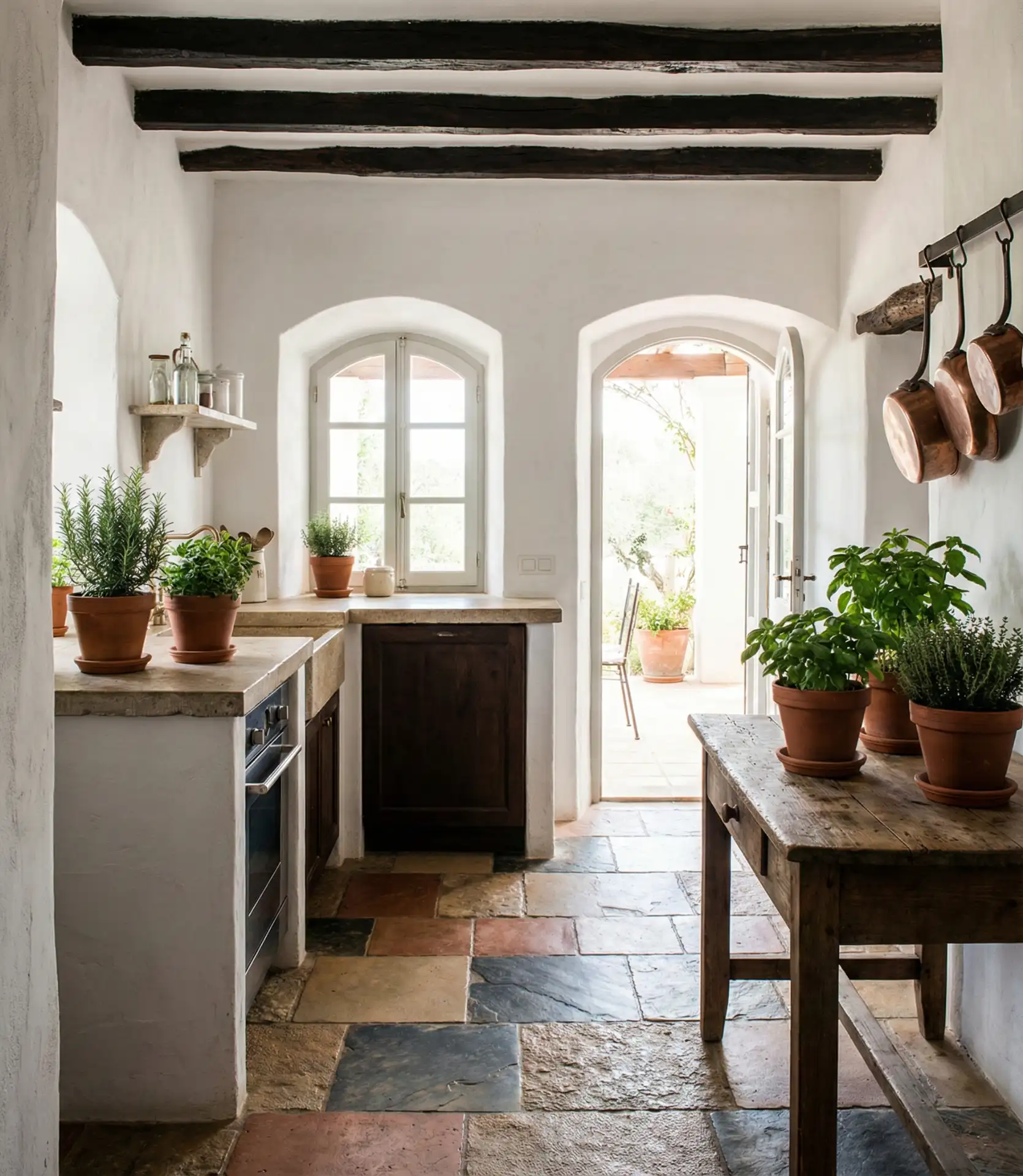
Stone floors work exceptionally well in homes that emphasize natural materials throughout—exposed wood beams, plaster walls, and handcrafted details all complement the organic quality of stone. They’re particularly popular in wine country homes, mountain retreats, and coastal properties where the connection to natural elements feels authentic rather than forced. The maintenance requirements vary by stone type: marble and limestone need regular sealing and careful cleaning, while slate and granite are more forgiving of everyday kitchen use.
20. Geometric Tile Design
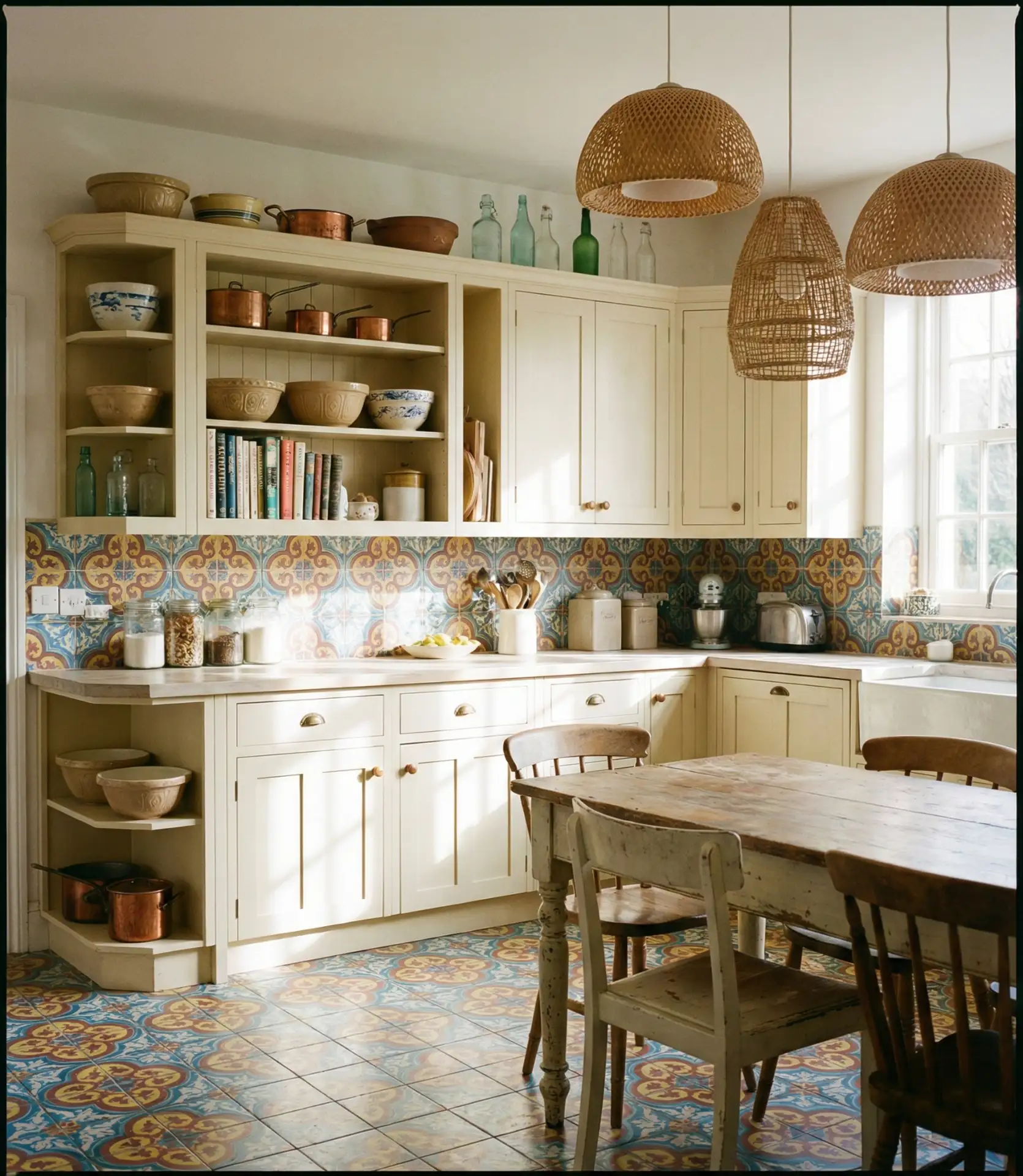
Bold geometric tile design transforms floors into artistic statements that define the entire kitchen’s personality. Hexagons, triangles, diamonds, and complex Moroccan or Spanish patterns create visual interest that reduces the need for decorative elements elsewhere in the space. These installations work best in kitchens where the floor can truly shine as the focal point, paired with simple cabinetry and minimal backsplash treatments. The graphic quality appeals to homeowners who want their kitchen to feel unique and personal rather than following typical design formulas.
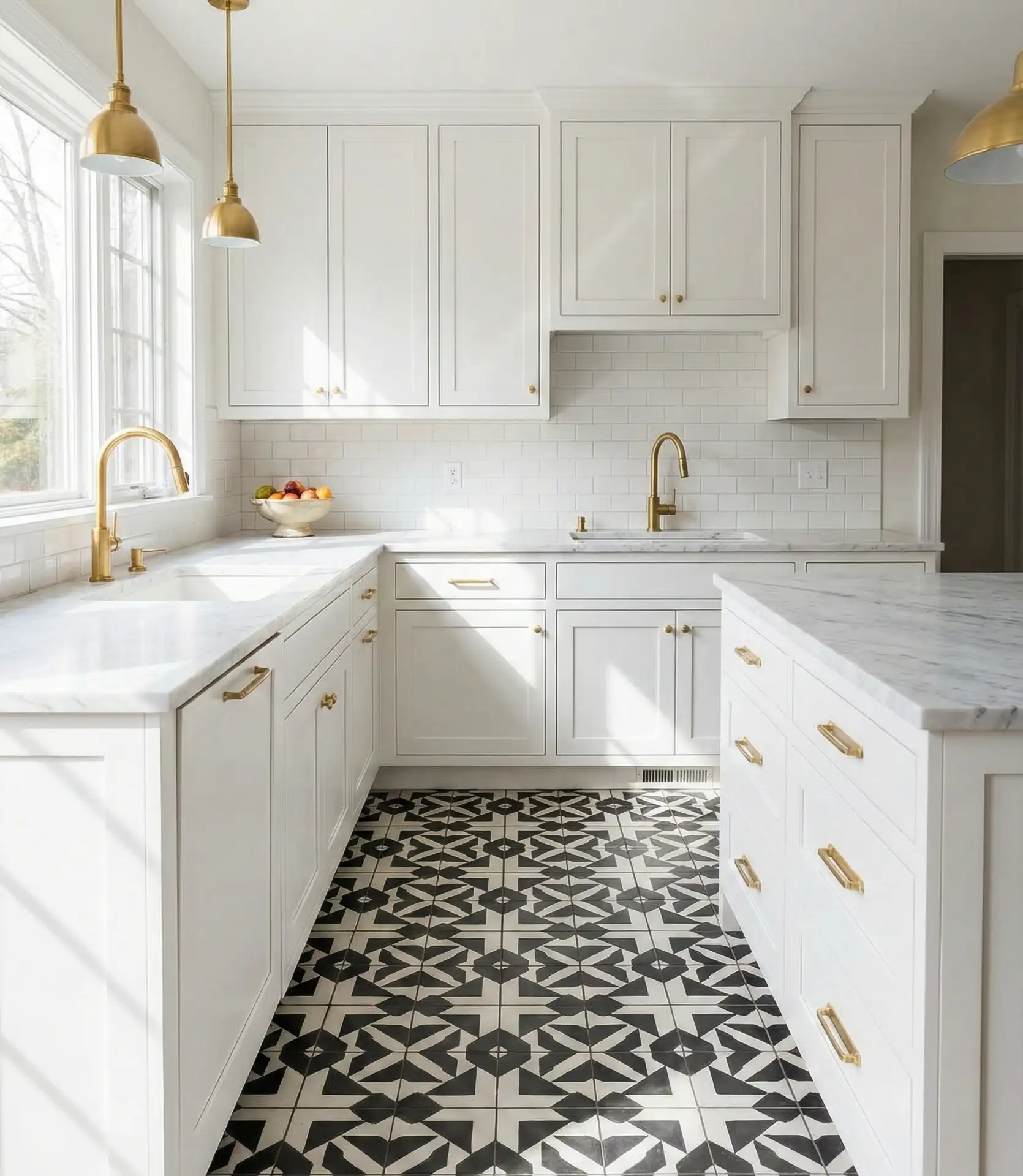
Many homeowners worry that bold floor patterns will feel dated quickly, but evidence from European kitchens suggests otherwise. Homes with original cement tile floors from the 1920s through 1950s remain highly desirable today, with patterns that feel fresh and exciting rather than old-fashioned. The key is choosing patterns you genuinely love rather than following temporary trends. Geometric floors also photograph beautifully, making them Instagram-worthy for homeowners who enjoy sharing their spaces while adding real resale appeal that sets your home apart from cookie-cutter comparables.
21. Refined Marble Elegance
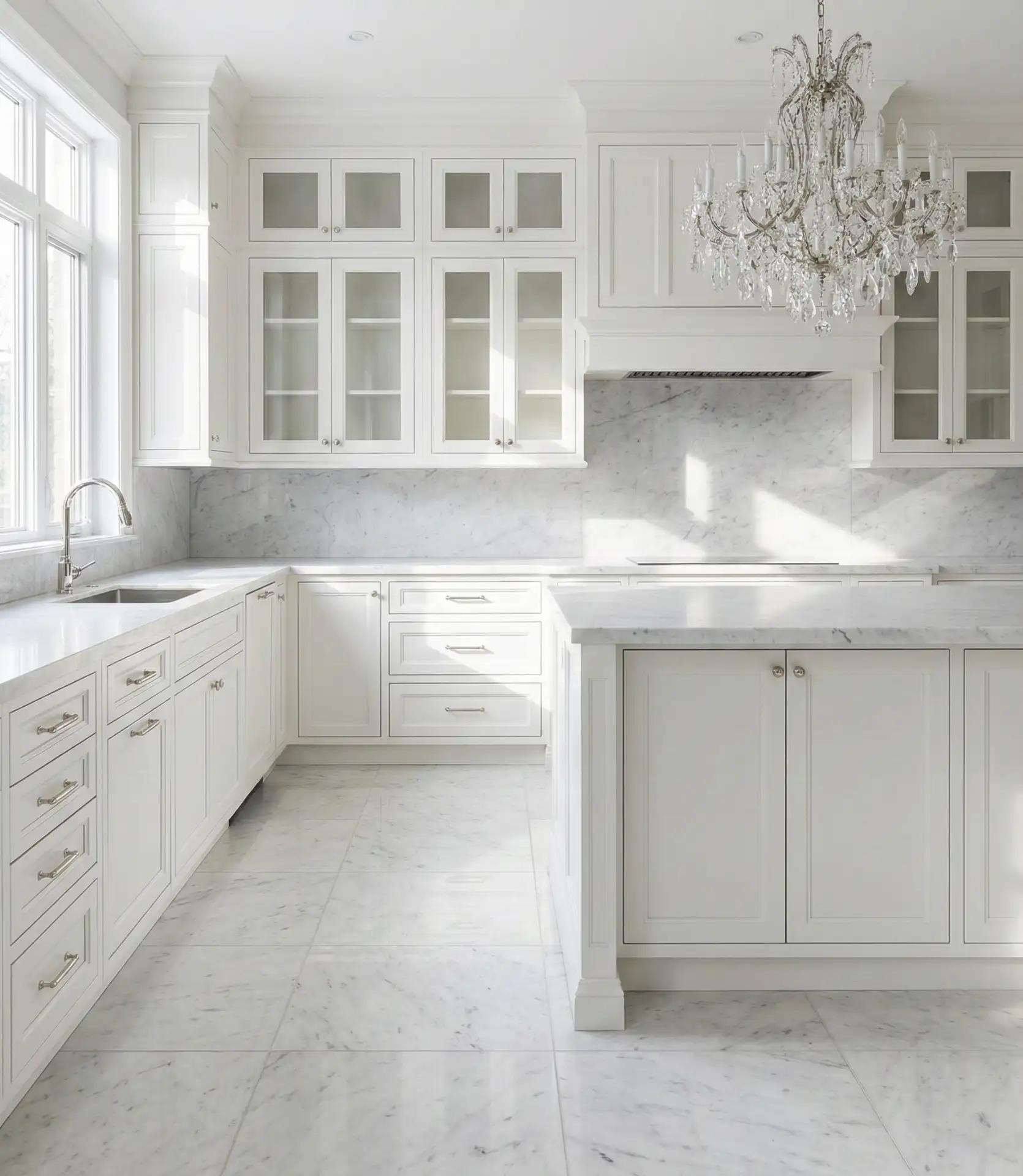
Marble flooring brings timeless luxury and natural beauty to kitchens despite requiring more maintenance than engineered alternatives. The distinctive veining patterns mean no two marble floors look identical, creating a custom, high-end appearance that elevates the entire space. White and gray marbles remain popular, while warmer options like cream or beige marble connect beautifully with the current shift toward warmer neutrals. Polished marble reflects light beautifully, which makes kitchens feel bigger and brighter. However, honed finishes are better for busy homes because they are less likely to slip.
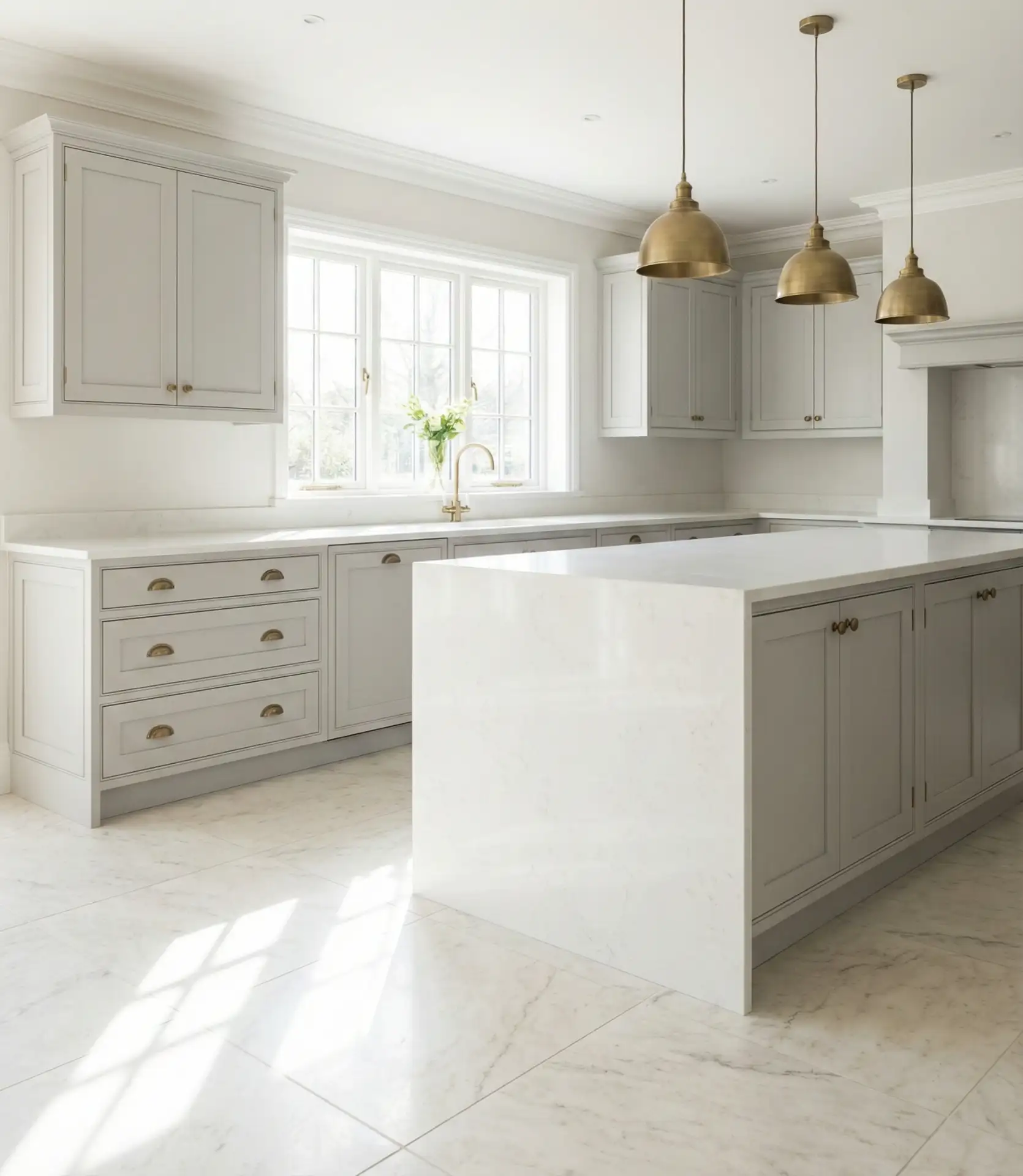
The primary consideration with marble is its porosity and softness compared to granite or porcelain, making it susceptible to etching from acidic foods and staining from spills. Homeowners who choose marble typically embrace its living quality—the patina and minor imperfections that develop reflect the kitchen’s use and history. A family in Charleston has lived with marble floors for fifteen years and wouldn’t choose anything else, noting that the character marks tell the story of countless family meals and celebrations rather than detracting from the floor’s beauty.
22. Textured Ceramic Character
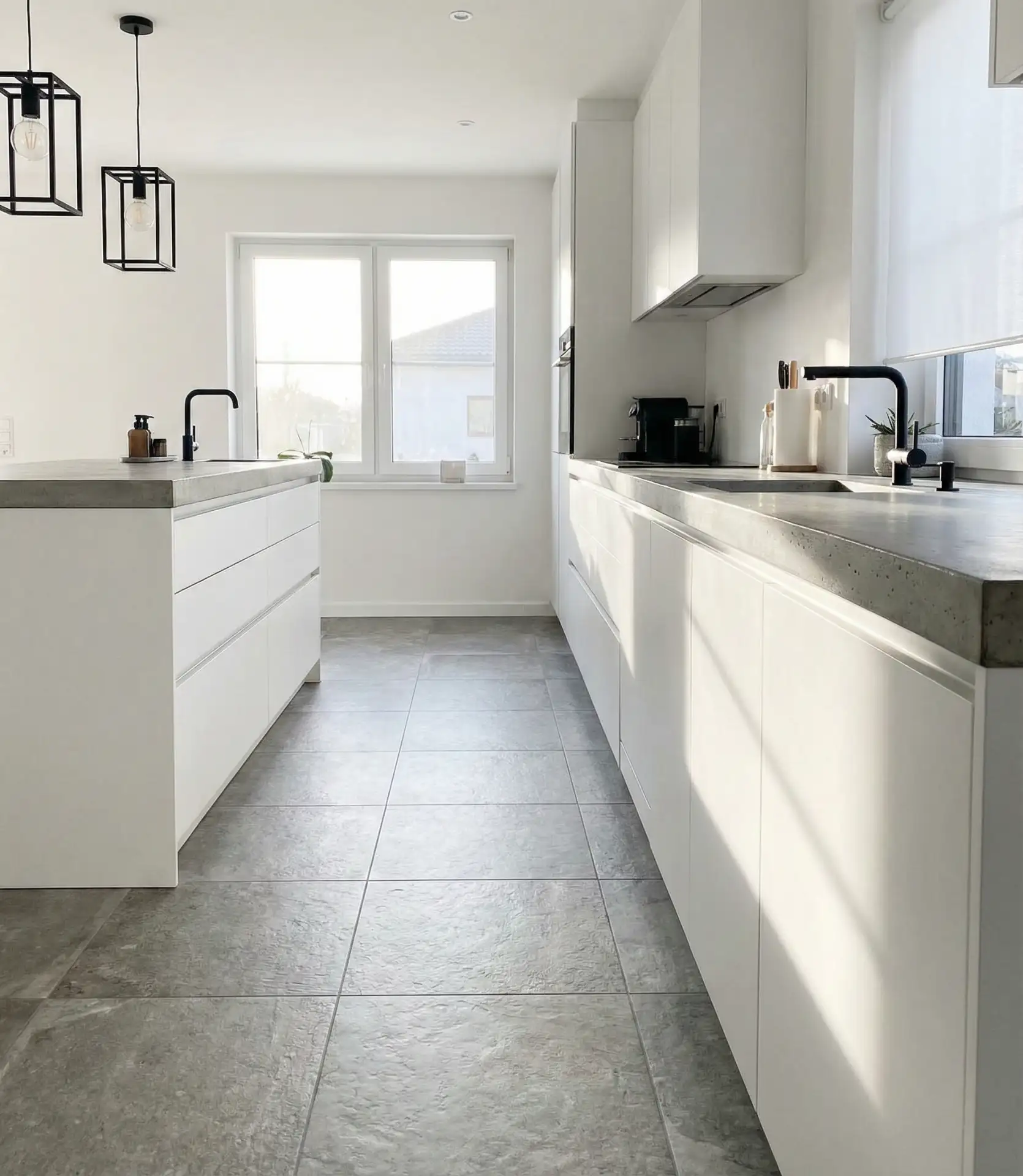
Textured ceramic tiles add tactile dimension and visual interest while offering excellent durability and water resistance for kitchen use. Modern manufacturing techniques create convincing stone, wood, and concrete looks with 3D surface textures that fool the eye and hand. These tiles provide the aesthetic of natural materials with easier maintenance and lower cost, making them ideal for homeowners who want a specific look without the care requirements. The textured surface also offers better slip resistance than smooth tiles, improving safety in a room prone to spills.
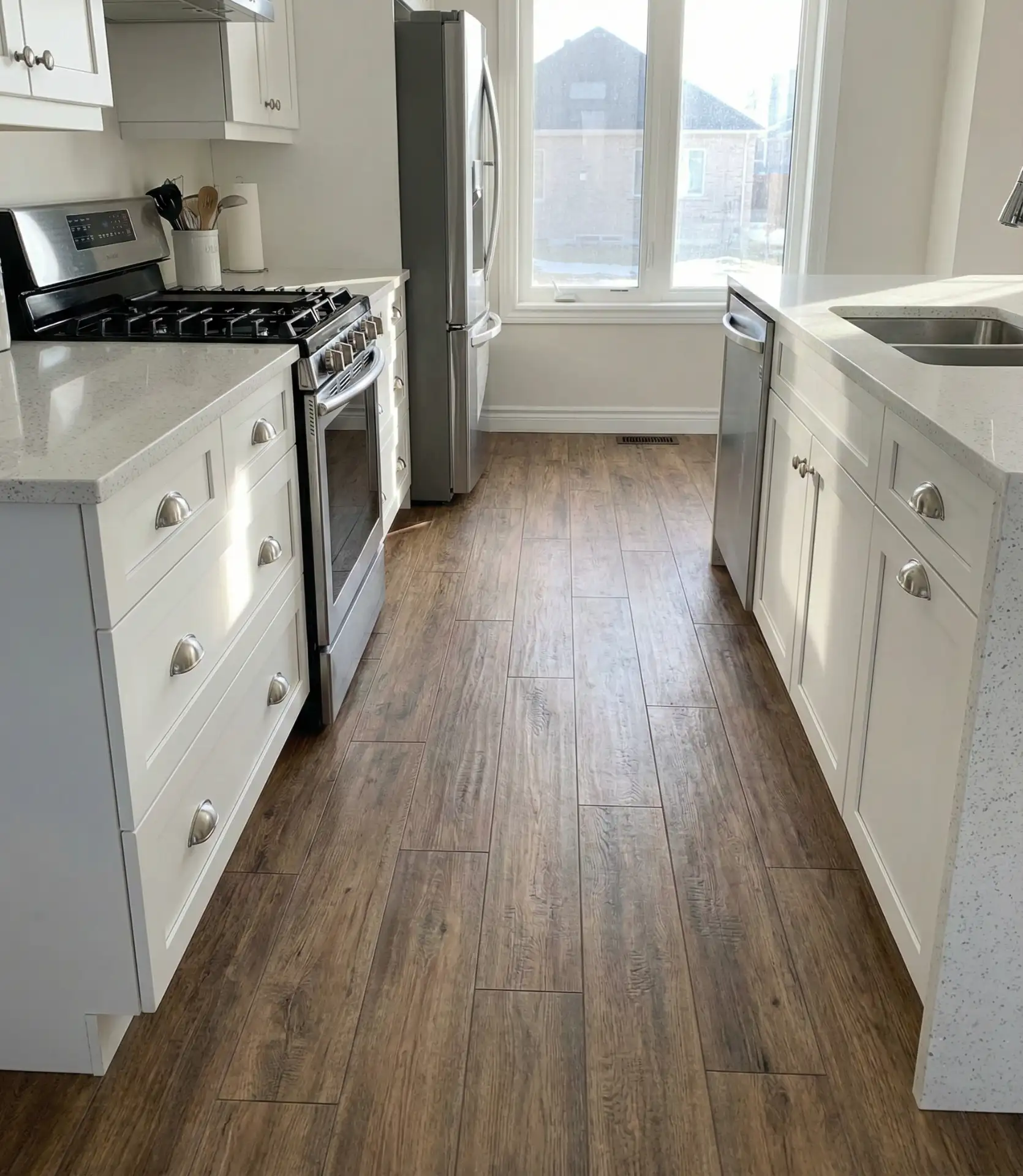
Ceramic tiles excel in wet climates and coastal areas where moisture resistance is essential, remaining unaffected by humidity that can damage wood or warp lower-quality materials. They’re also ideal for homes with large dogs whose claws might scratch softer flooring options. The grout lines require periodic cleaning and resealing, but the tiles themselves need only regular sweeping and occasional mopping with pH-neutral cleaners. With proper care, quality ceramic tiles can easily last 20–30 years, making them a sound long-term investment for active kitchens.
23. Porcelain Durability
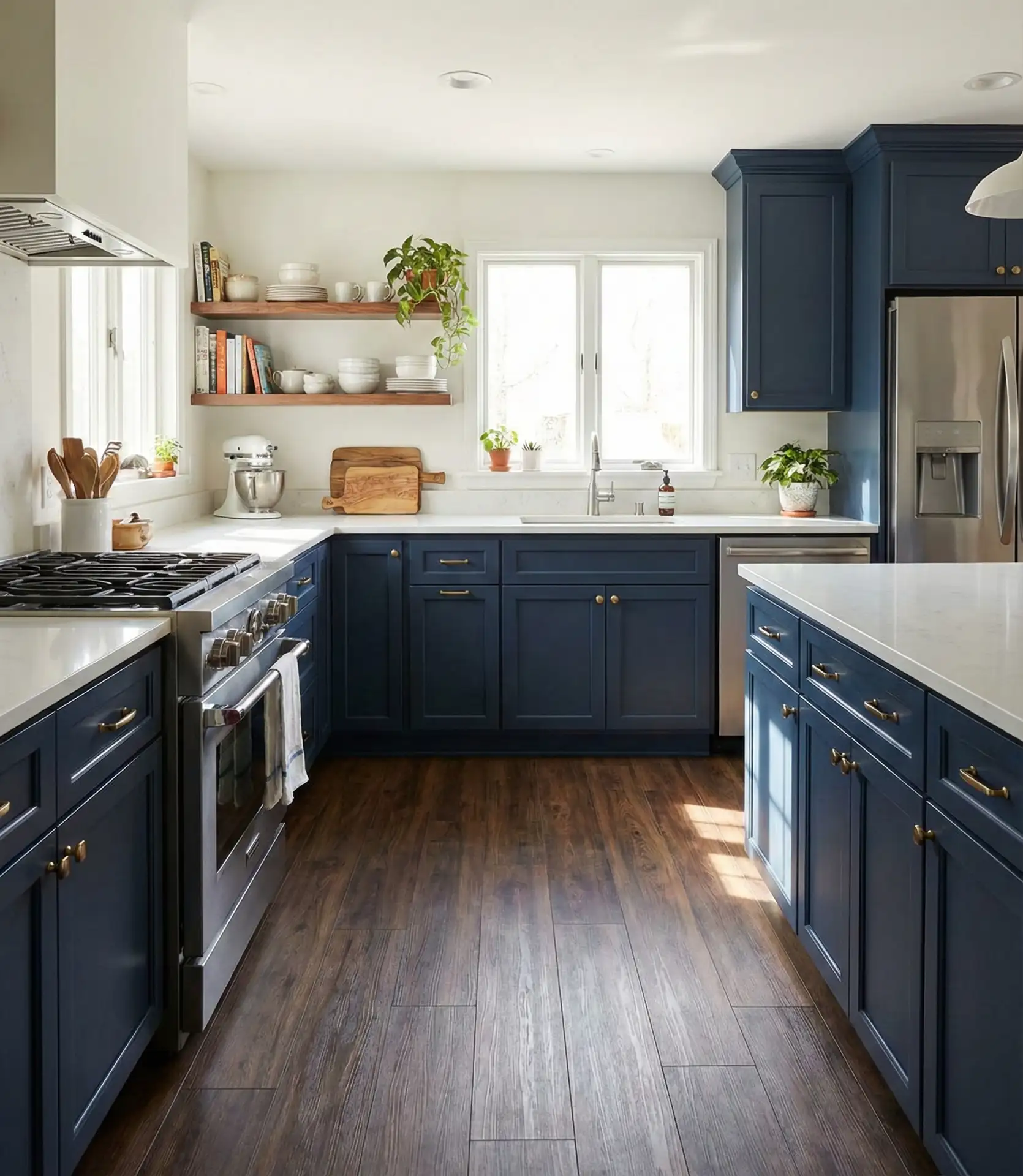
Porcelain tile offers superior hardness and water resistance compared to standard ceramic, making it the top choice for high-traffic kitchens and homes with children or pets. Through-body porcelain features color and pattern throughout the tile thickness rather than just on the surface, so chips and wear remain less visible. Modern digital printing technology creates remarkably realistic stone, wood, and concrete looks that convince even design professionals. The material’s density makes it highly resistant to staining, scratching, and moisture penetration without requiring sealing like natural stone.
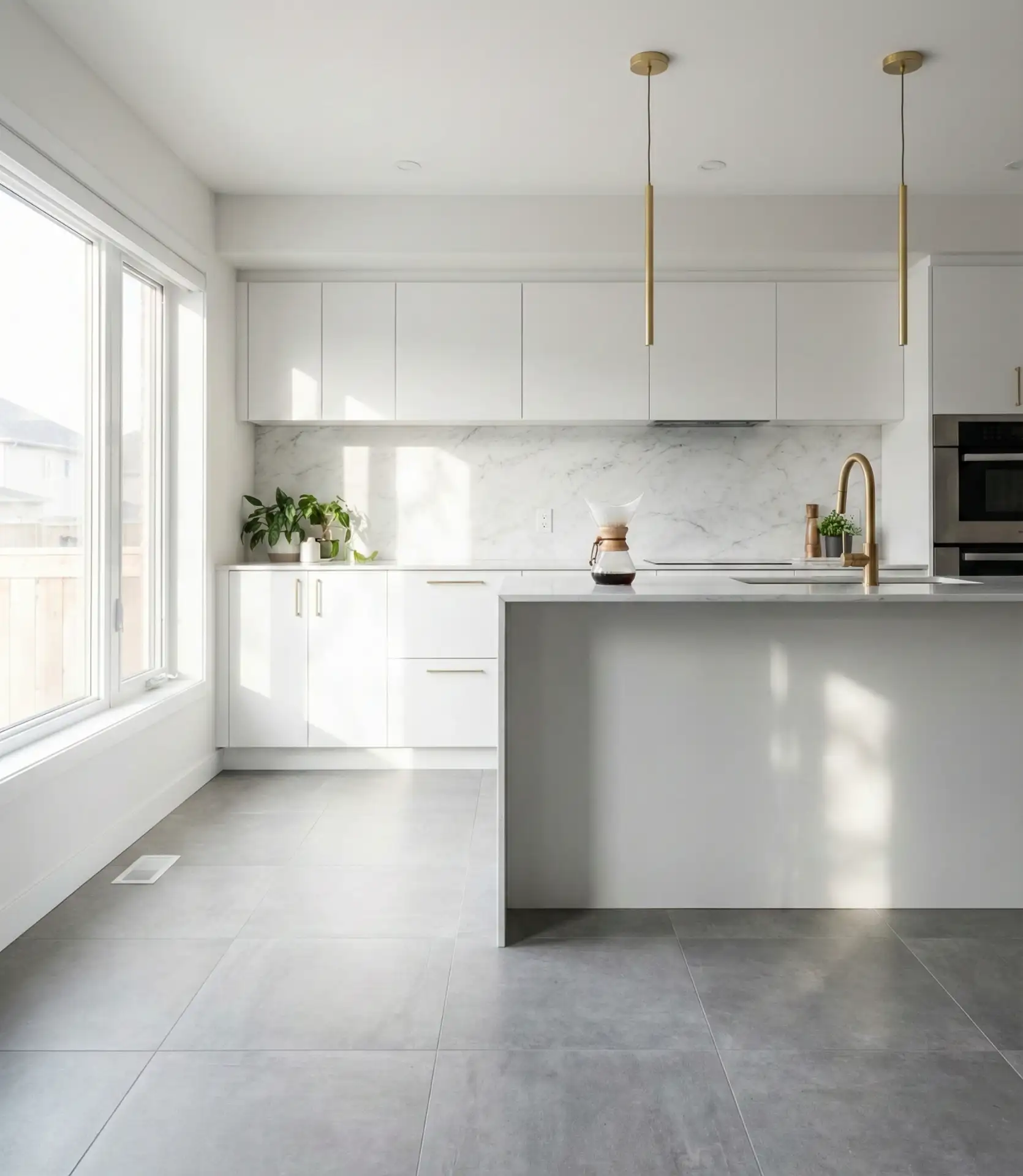
Porcelain typically costs $3 to $12 per square foot for quality residential products, with premium designer lines reaching $15 to $25. Installation adds another $5 to $10 per square foot depending on pattern complexity and regional labor costs. While more expensive than basic ceramic or vinyl, the long lifespan and minimal maintenance requirements make porcelain cost-effective over time. Many tile professionals recommend porcelain as the best all-around choice for kitchen floors, balancing aesthetics, performance, and value better than any other material currently available.
24. Mixed Material Innovation
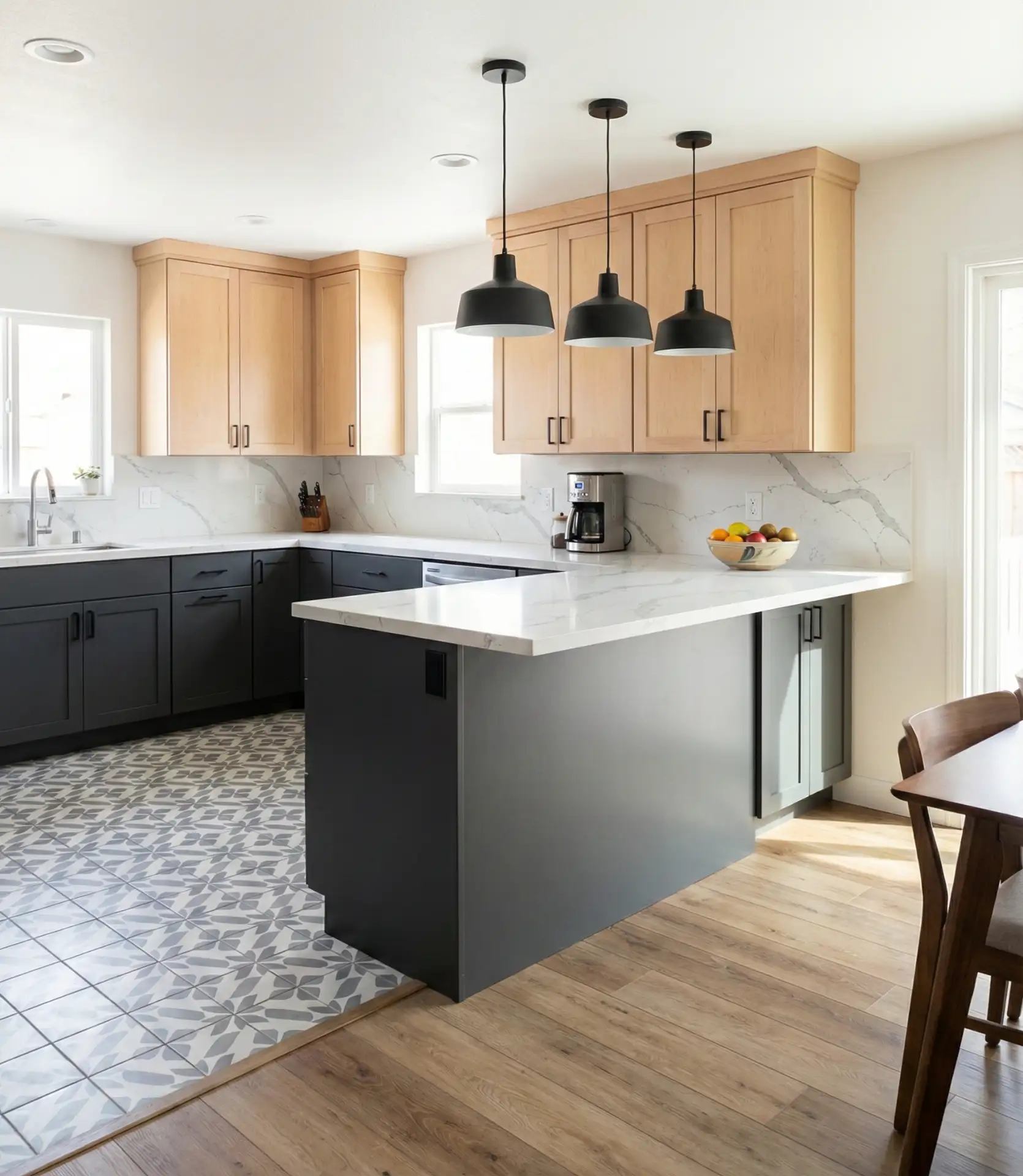
Combining different flooring materials within the kitchen creates visual zones while maintaining an open feel—perhaps ceramic tile in the main work area transitioning to wood or luxury vinyl in a dining zone. This approach defines spaces without walls while allowing each material to perform where it works best. Tile handles the messy cooking area, while warmer wood or softer vinyl provides comfort in dining or casual seating areas. The transition requires thoughtful detailing but creates a sophisticated, layered look that feels custom and intentional rather than dictated by a single-material budget.
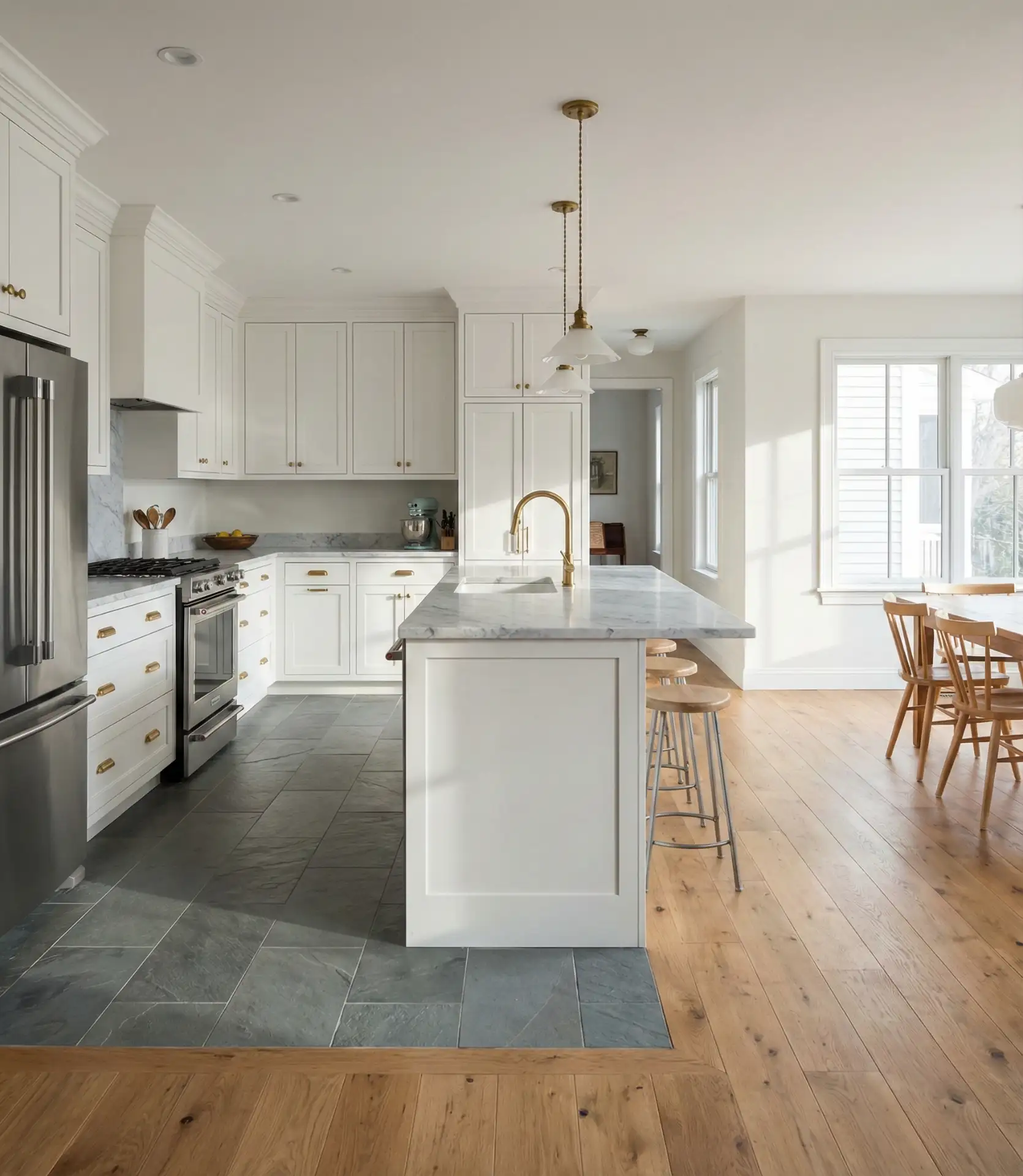
Expert installers recommend using low-profile transition strips or custom metal transitions to connect different flooring materials cleanly without creating trip hazards. The best mixed-material floors feel intentional rather than like a compromise, with clear logic about where each material starts and stops. This approach particularly shines in open-concept homes where the kitchen flows into living spaces, allowing you to maintain visual interest and material appropriateness without awkward stops and starts. The key is choosing materials with similar color tones or complementary aesthetics so the transition feels harmonious rather than jarring.
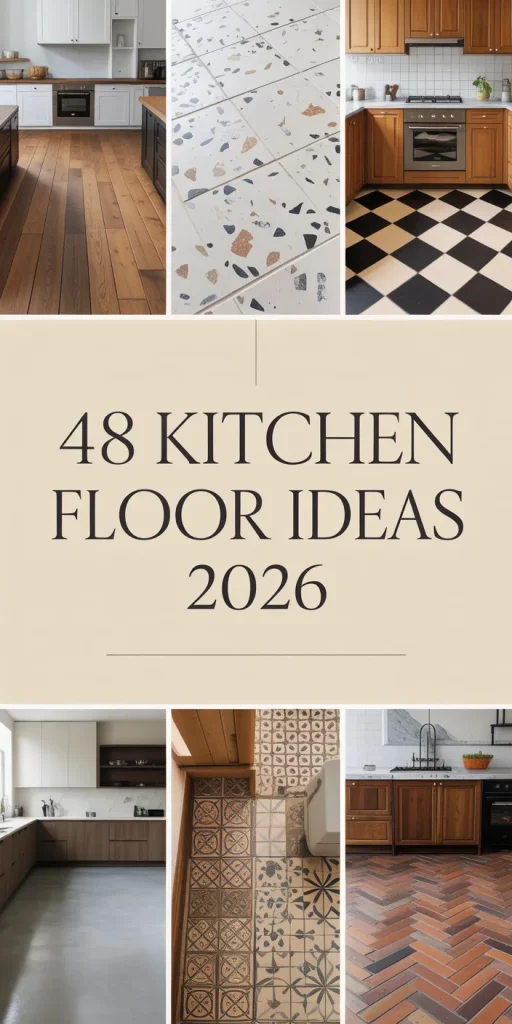
Your kitchen floor sets the foundation for your entire space, influencing everything from daily comfort to long-term design satisfaction. Whether you’re drawn to the classic appeal of checkered patterns, the organic warmth of natural stone, or the practical innovation of modern porcelain, there’s never been a better time to rethink what’s underfoot. Which kitchen floor style from this collection is your favorite? Share your thoughts and your kitchen floor photos in the comments below—we’d love to see how you’re approaching this essential design element in your home.