
If you’ve been refreshing your Pinterest boards lately, you already know that elementary classroom decor is having a serious moment in 2026. Teachers nationwide are reinventing their classroom spaces, replacing outdated bulletin boards with carefully layered environments that evoke the same intentionality as a well-designed home. Whether you’re a first-year teacher building your room from scratch or a veteran educator ready for a fresh start, the ideas circulating right now are genuinely exciting. This article rounds up the most inspiring directions you can take your classroom this year, from calming neutral palettes to cheerful holiday setups and everything in between.
1. Boho Classroom Aesthetic With Warm Neutrals
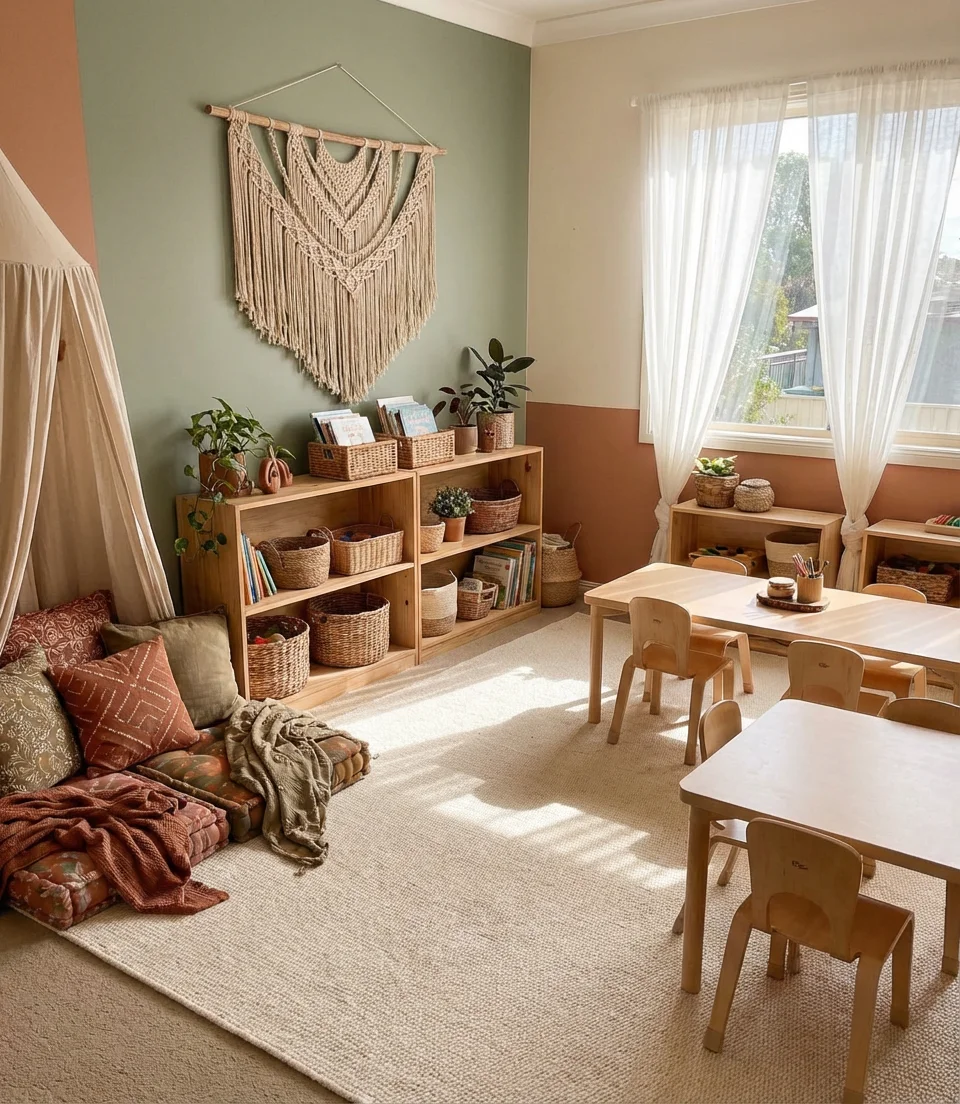
The boho classroom look has fully matured into something that feels less like a trend and more like a design philosophy. Think woven wall hangings, rattan storage baskets, macramé accents near the reading corner, and a color palette anchored in cream, terracotta, and dusty sage. This aesthetic works especially well in lower elementary grades, where creating a cozy, low-stimulation environment helps kids settle into learning. The result is a room that feels warm and intentional—miles away from the fluorescent-lit, laminated-poster classrooms of years past.
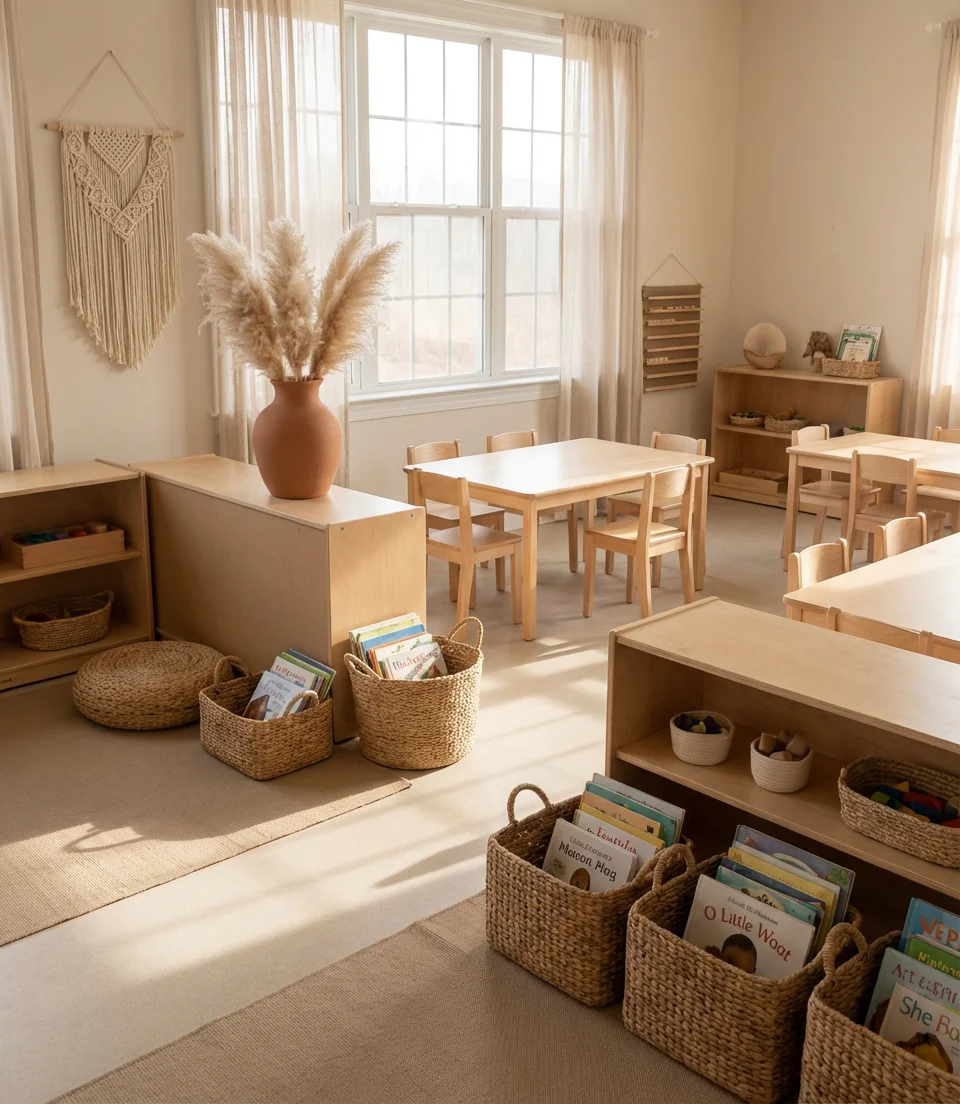
What makes the boho approach so practical is that most of the pieces are affordable and easy to source. Thrift stores, Target’s Studio McGee line, and even Amazon carry everything you need for under $200 total. Teachers in warmer states like Texas and California especially gravitate toward this palette—it mirrors the earthy tones already present in desert or coastal landscapes outside the window. Start with a neutral rug as your anchor piece, then build outward with texture and greenery to bring the whole room to life.
2. Calm Classroom With Soft Blue and Green Tones
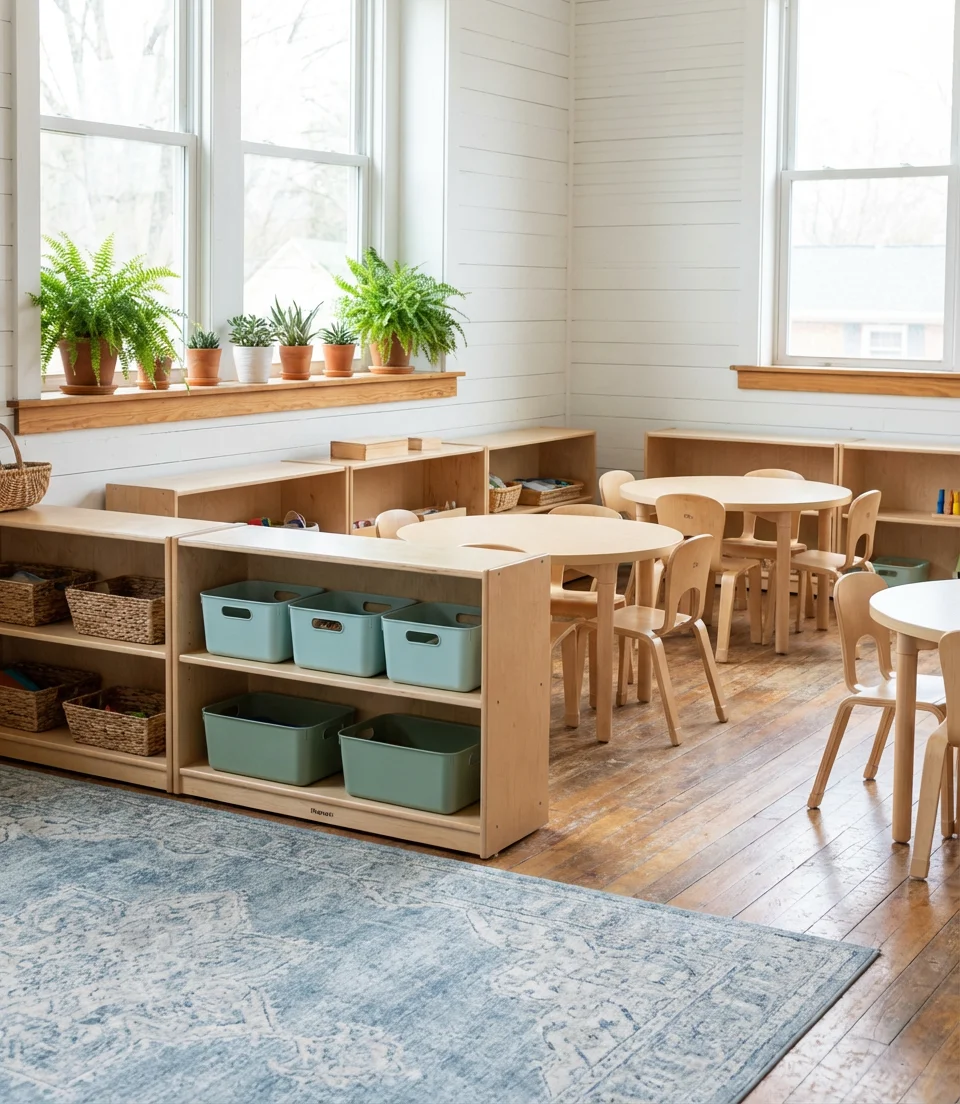
Research consistently backs what many teachers already feel instinctively—a calm environment directly supports focus and emotional regulation in young learners. The 2026 classroom design deliberately incorporates soft blues, muted greens, and gentle aquas, particularly in sensory-friendly setups. This ocean-inspired palette works beautifully alongside natural wood furniture and white or off-white wall displays. The effect is something between a Montessori studio and a cozy Scandinavian reading nook, and kids genuinely respond to it differently than they do in more chaotic, colorful rooms.
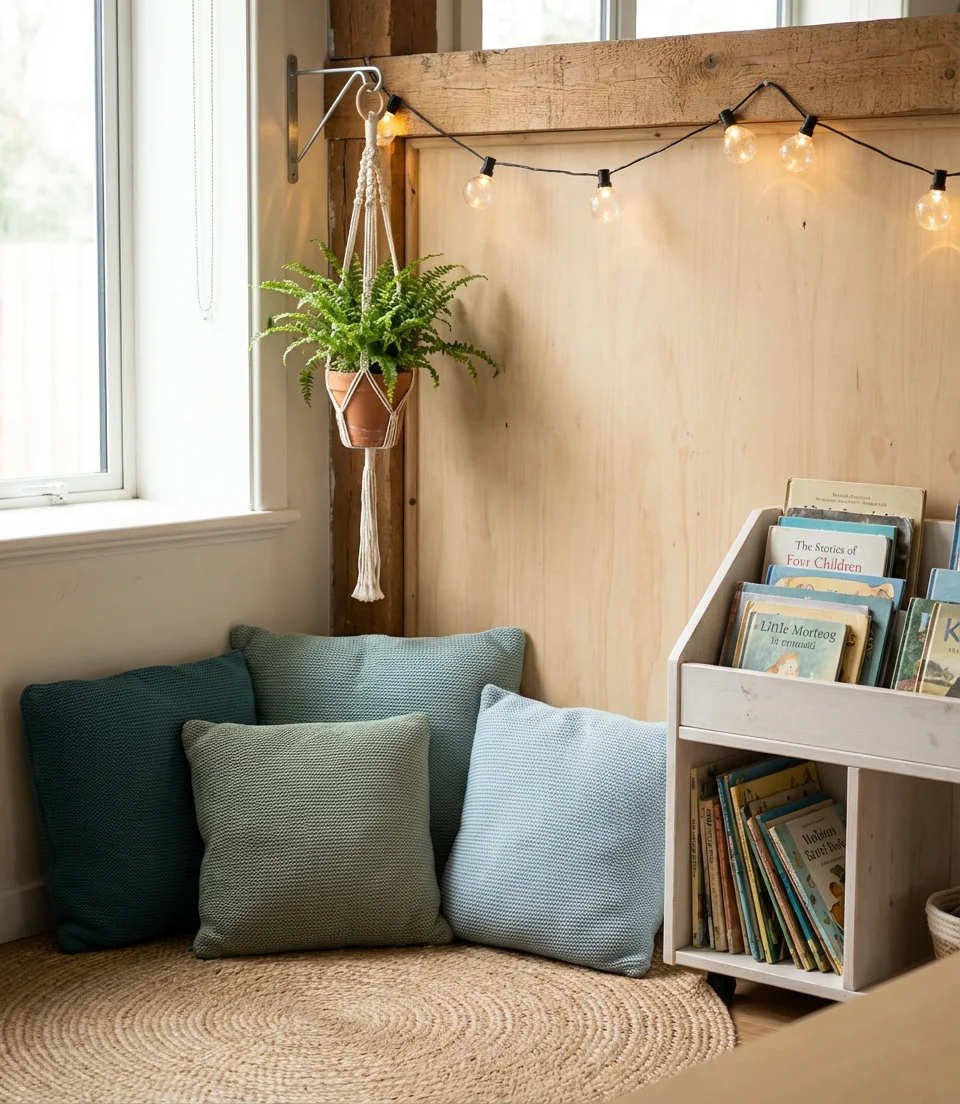
One occupational therapist who consults elementary schools in Minnesota put it this way: when the visual noise in a room drops, children with sensory sensitivities often become more participatory and less dysregulated within the first week. You don’t need to repaint your walls to achieve this—swap out primary-color supply bins for muted alternatives, replace busy borders with simple string lights or greenery, and let the calm build organically from there. Small shifts compound quickly in a classroom setting.
3. Colorful Themes for 3rd Grade Classrooms
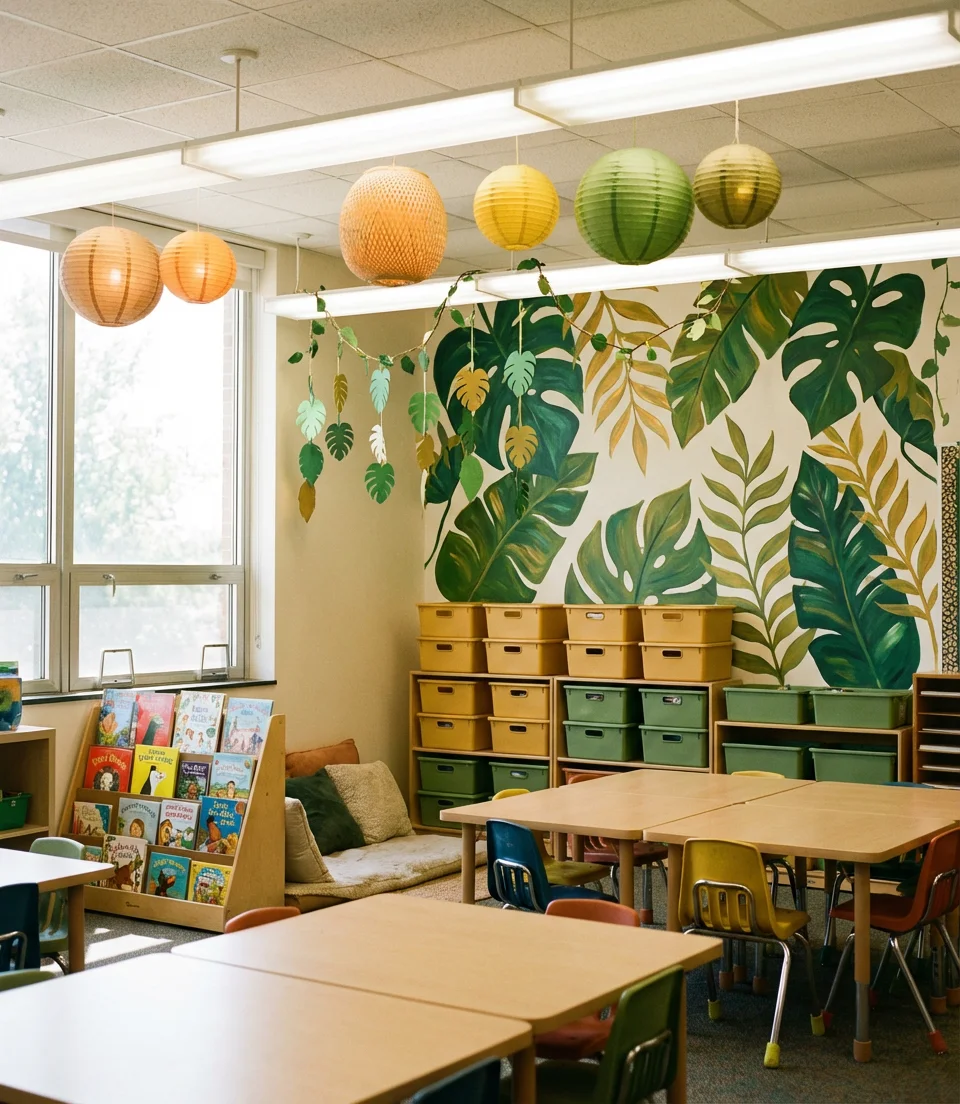
Colorful classrooms are far from dead—they’ve just gotten smarter. In 2026, the most effective themes for 3rd grade spaces incorporate color intentionally, instead of blindly applying every hue. Think of a jungle adventure theme anchored in rich emerald and golden yellow, or a galaxy setup that layers deep navy with bursts of magenta and teal. Third graders are at a perfect developmental stage for themed environments—old enough to engage with narrative-driven spaces, young enough to genuinely delight in them. Done well, a cohesive theme can turn even the most reluctant reader into an explorer.
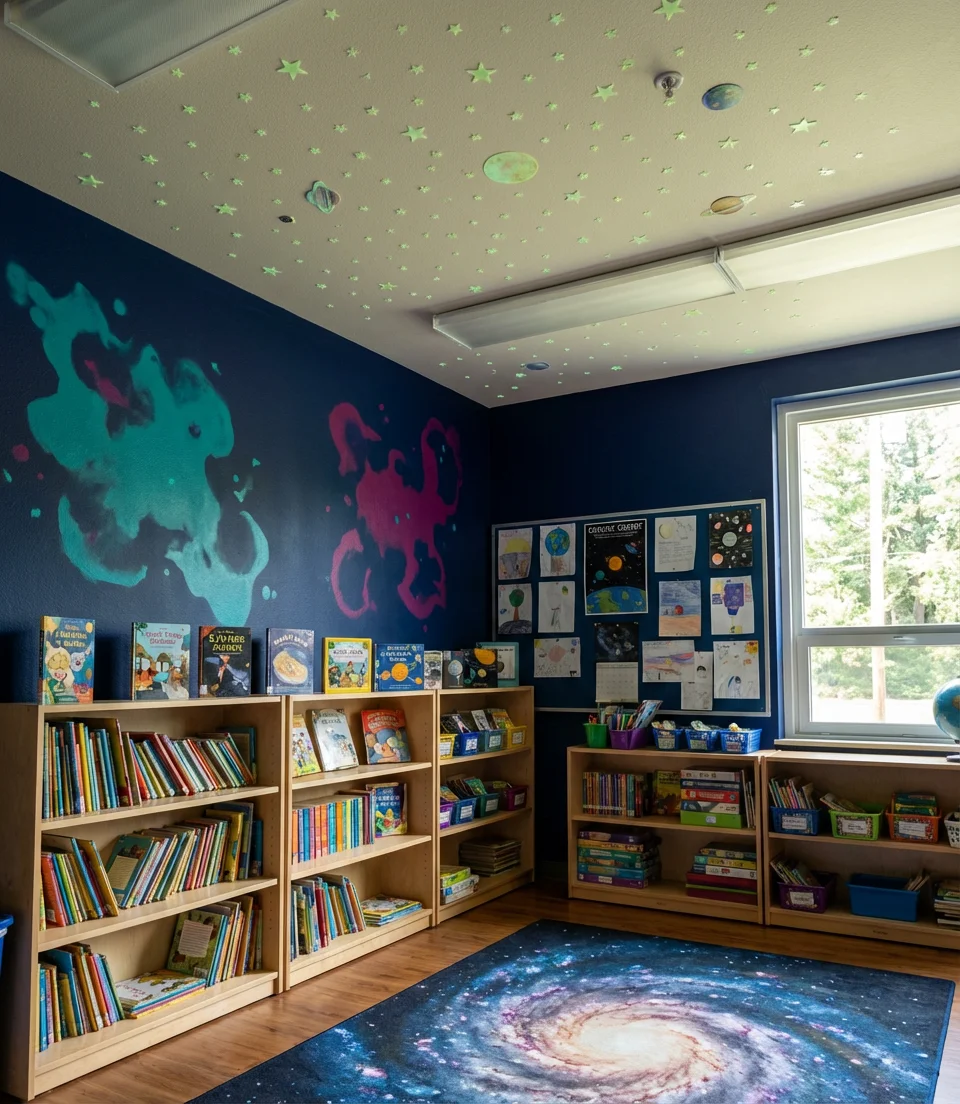
A common mistake teachers make with themed classrooms is buying every matching piece from one supplier—the result can feel more like a party supply store than an actual learning environment. Instead, mix your theme anchor pieces with more neutral supporting elements. Pull in real books, plants, and student artwork to give the room personality that belongs to the kids themselves. That balance between structure and organic warmth is what separates a truly great themed classroom from a Pinterest photo that doesn’t survive contact with real students.
4. Pastel Classroom Decor for a Dreamy Spring Feel
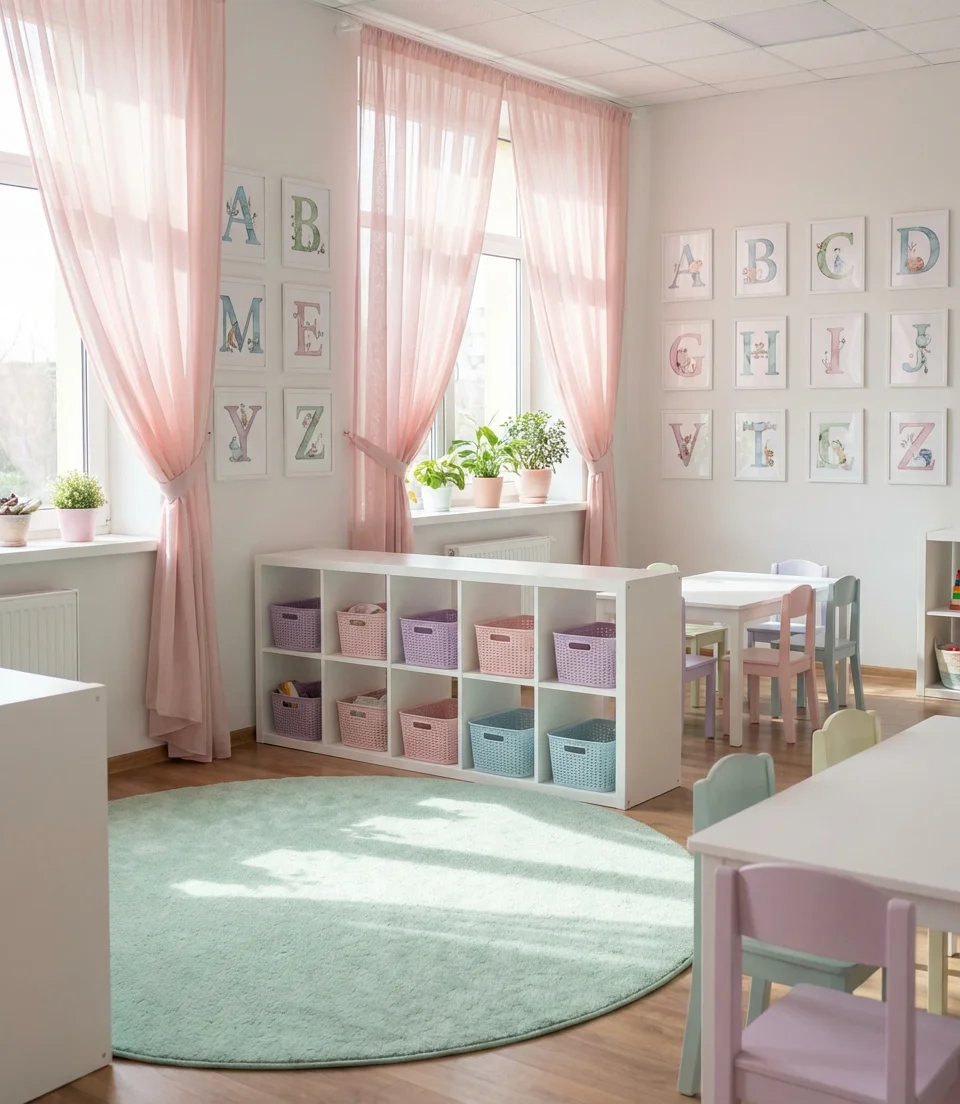
Pastel palettes have moved well beyond Easter decorations—in 2026, they’re a full-season classroom design strategy. Lavender, blush pink, soft yellow, and mint green work together in ways that feel simultaneously playful and restful, making them a strong choice for first-grade spaces where students are still building their comfort with structured learning. The softness of a pastel room tells kids their space is gentle and welcoming, which matters enormously in those early elementary years when school itself is still new. Layer these tones across your bulletin boards, supply organizers, and reading corner pillows for a cohesive, magazine-worthy result.
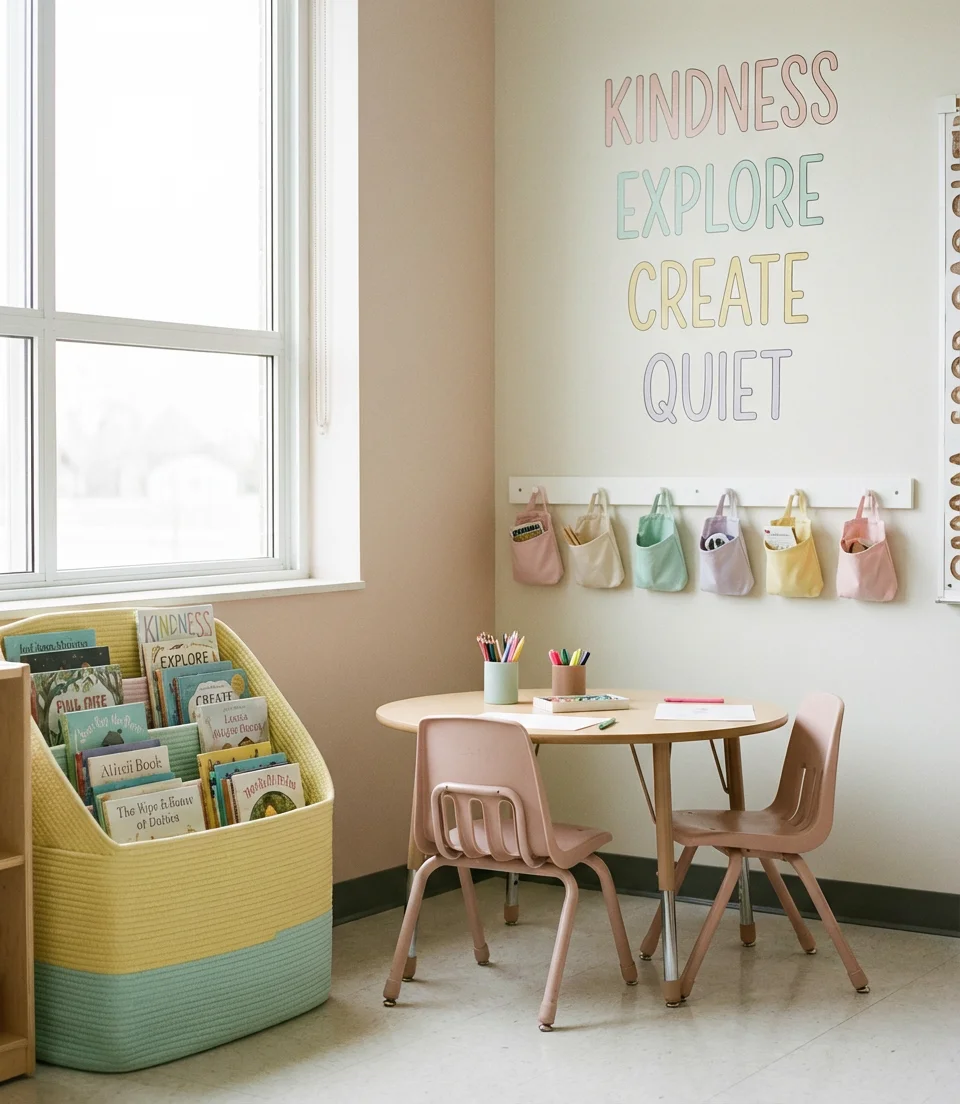
The budget-friendly angle here is genuinely good news: pastel classroom kits from Teacher Created Resources and Carson Dellosa typically run between $25 and $60 for a full set that includes borders, labels, and display accents. Dollar Tree’s seasonal sections are also a reliable source for pastel accessories you can rotate through the year. The key is picking two or three anchor colors and sticking to them—resist the temptation to add every pastel hue, or the effect becomes muddled. Choose your palette in September and build all your seasonal updates around that same base for a room that looks intentional year-round.
5. Vintage Classroom Decor With a Nostalgic Touch
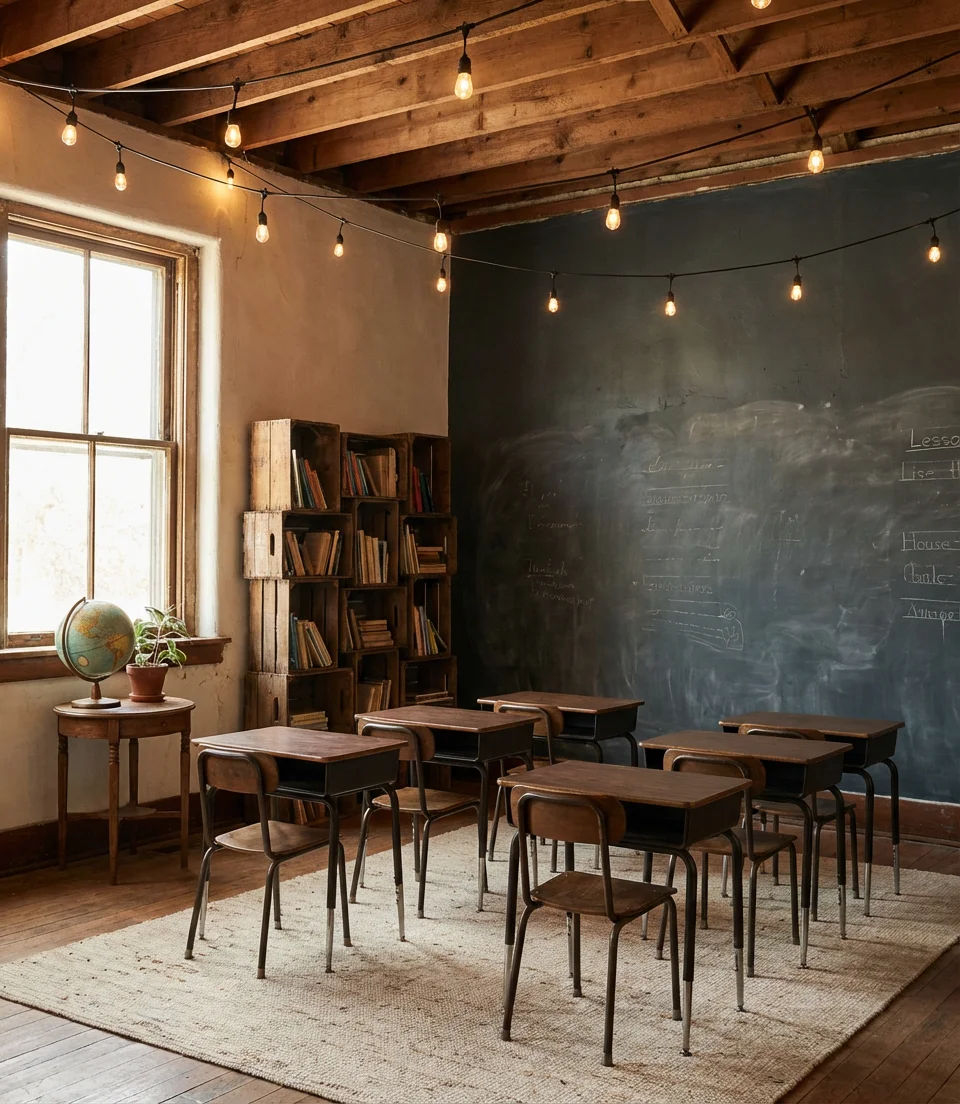
There’s something quietly powerful about a classroom that leans into vintage charm. Chalkboard walls, warm Edison bulb string lights, wooden crates repurposed as bookshelves, and old-school library card pockets used as name tags—these details create a sense of timelessness that many teachers find deeply appealing. The nostalgia element isn’t just aesthetic, either. Parents who grew up in the 80s and 90s feel an immediate warmth walking into a vintage-styled room, and that emotional response often translates into a stronger family-school connection from the very first open house night.
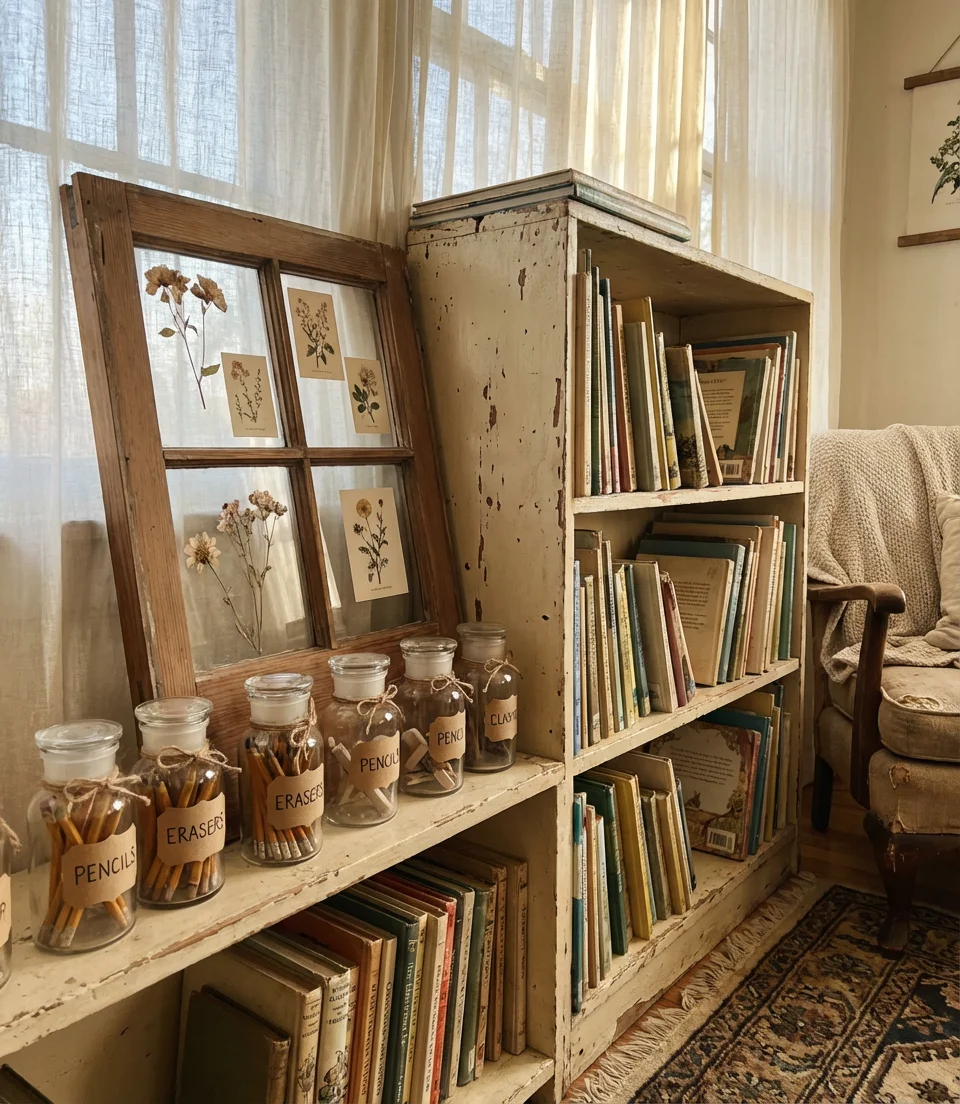
One teacher in rural Ohio shared that she sources almost her entire vintage classroom setup from estate sales and antique markets on weekends—and her total spend over three years has been under $400. Editing ruthlessly is the key to incorporating vintage elements into a modern classroom: not all pieces need to be traditional, only the anchors. A genuine vintage globe on the windowsill, a few salvaged wooden frames for student work, and a classic apothecary-style label set for supply organization can carry the entire aesthetic without tipping into clutter. Allow the negative space to carry the majority of the weight.
6. Early 2000s Nostalgia Classroom Theme
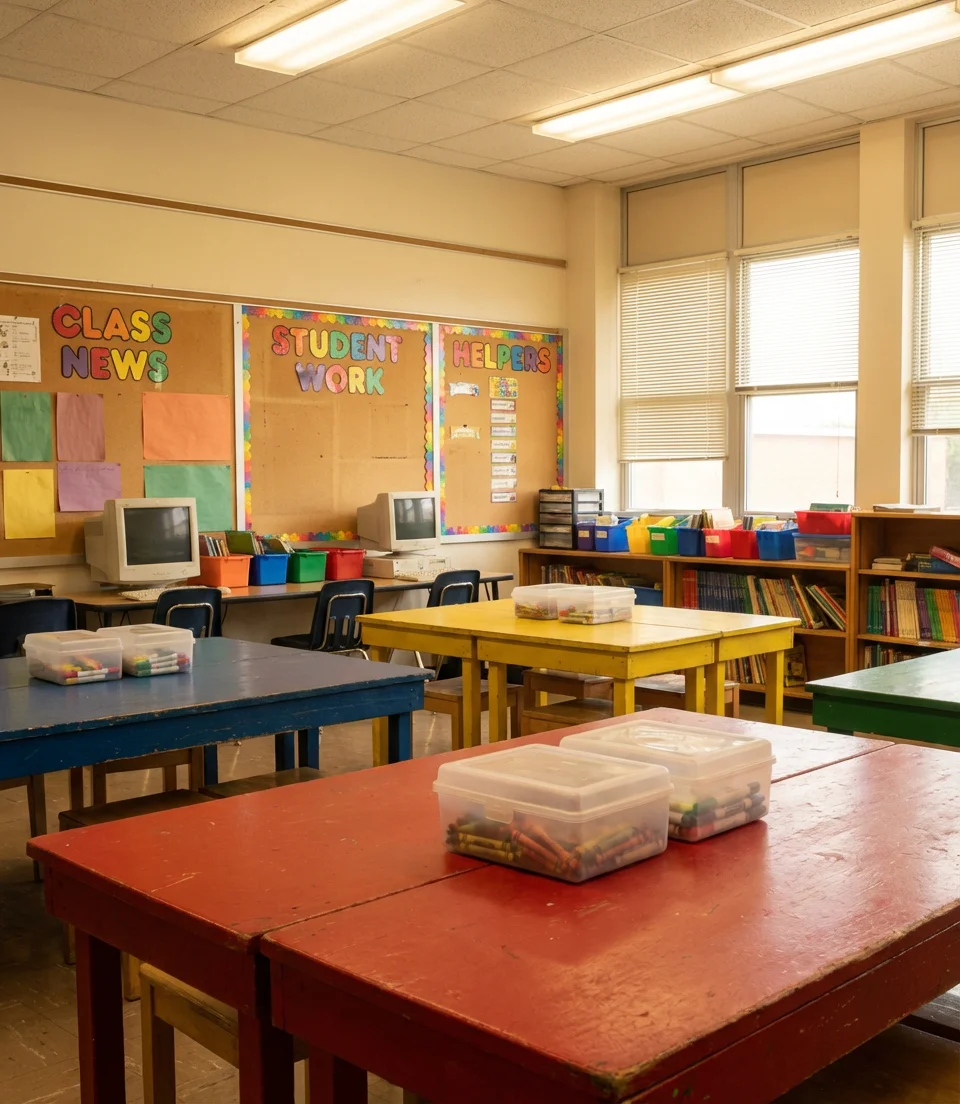
The early 2000s nostalgia wave has officially reached classroom design, and it’s more charming than you might expect. Think groovy fonts, retro rainbow color schemes, chunky sans-serif lettering on bulletin boards, and a general vibe that recalls the era of overhead projectors and book fair day. Teachers who were students themselves in the 2000s are leaning into this theme with genuine affection, and the result has an authenticity that purely trend-driven decor often lacks. From gel pen-inspired color palettes to frosted acrylic accessories, the throwback look translates surprisingly well into a functional modern classroom.
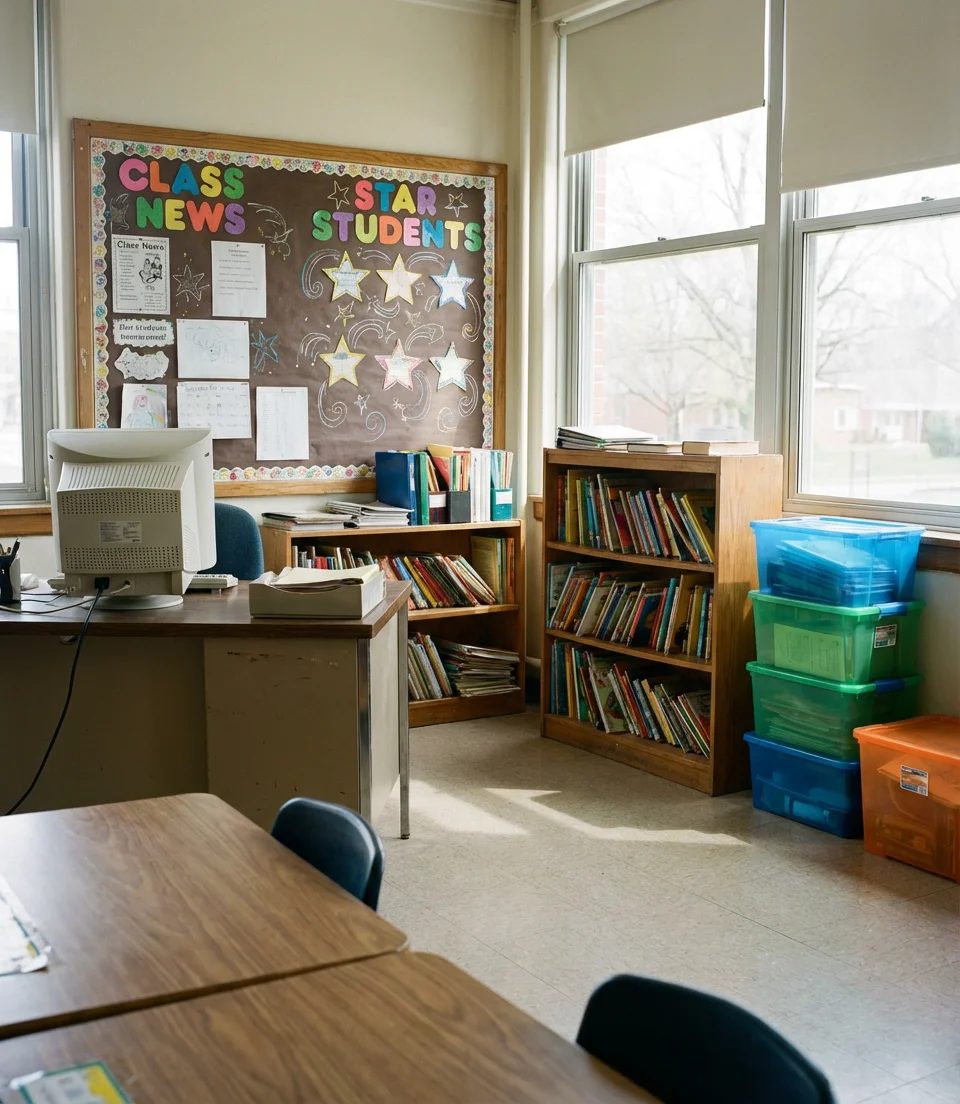
Where this theme works best is in upper elementary grades—4th and 5th graders are old enough to feel the cultural references but young enough to experience them as something delightfully retro rather than embarrassingly dated. Pair this aesthetic with actual content from the era: read-alouds from authors popular then, classroom playlists featuring early 2000s pop instrumentals, and book displays highlighting series like Magic Tree House and Diary of a Wimpy Kid. The decor becomes a conversation starter, and that’s always a win in a language-rich classroom environment.
7. Simple and Minimal Classroom Setup for Focused Learning
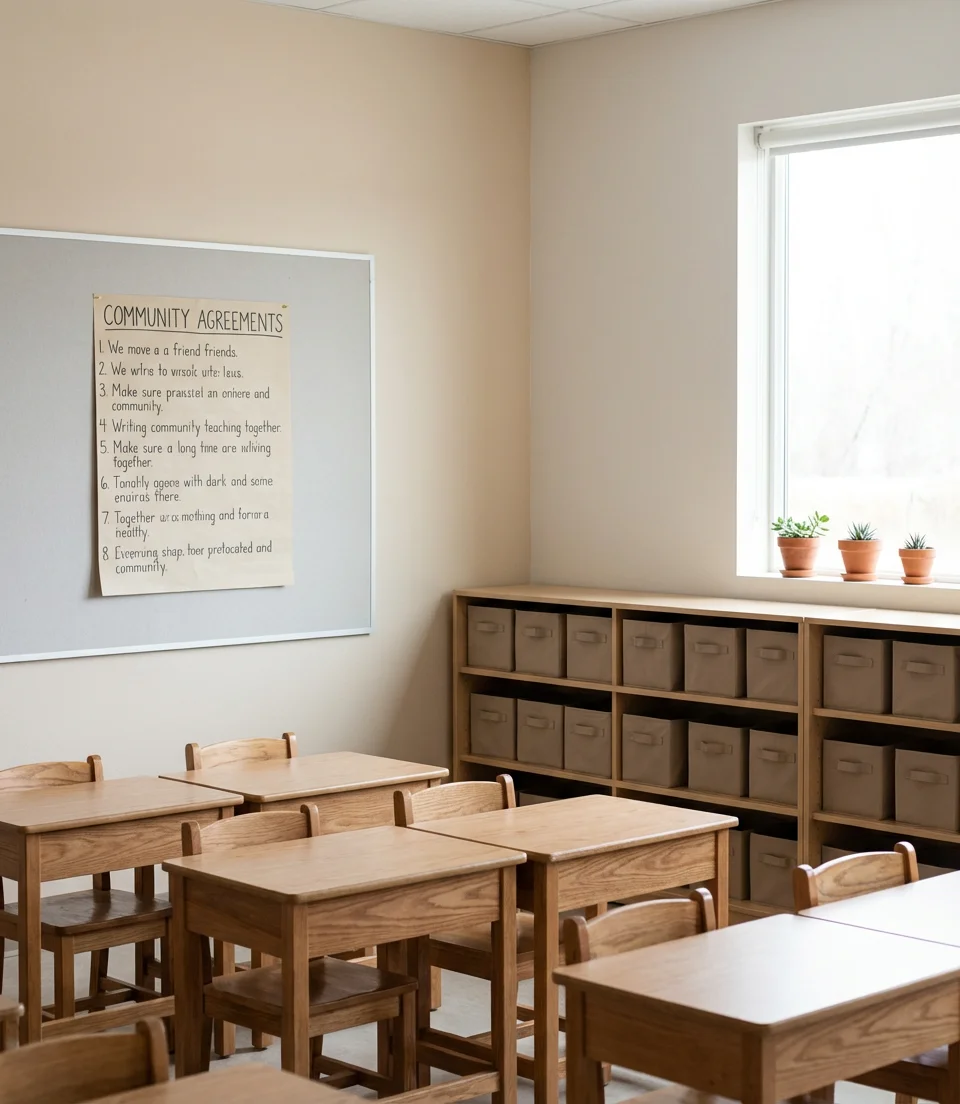
Not every excellent classroom is a visual feast—and for many students, simple is actually the smartest choice. Minimalist classroom design in 2026 focuses on intentional display, limited visual clutter, and functional organization that keeps the learning environment from feeling overwhelming. A white or cream base palette, paired with just a few carefully chosen DIY touches like hand-lettered anchor charts or student-made artwork, creates a space that feels curated without feeling cold. This approach is gaining serious traction among special education teachers and those who work with students managing anxiety or attention difficulties.
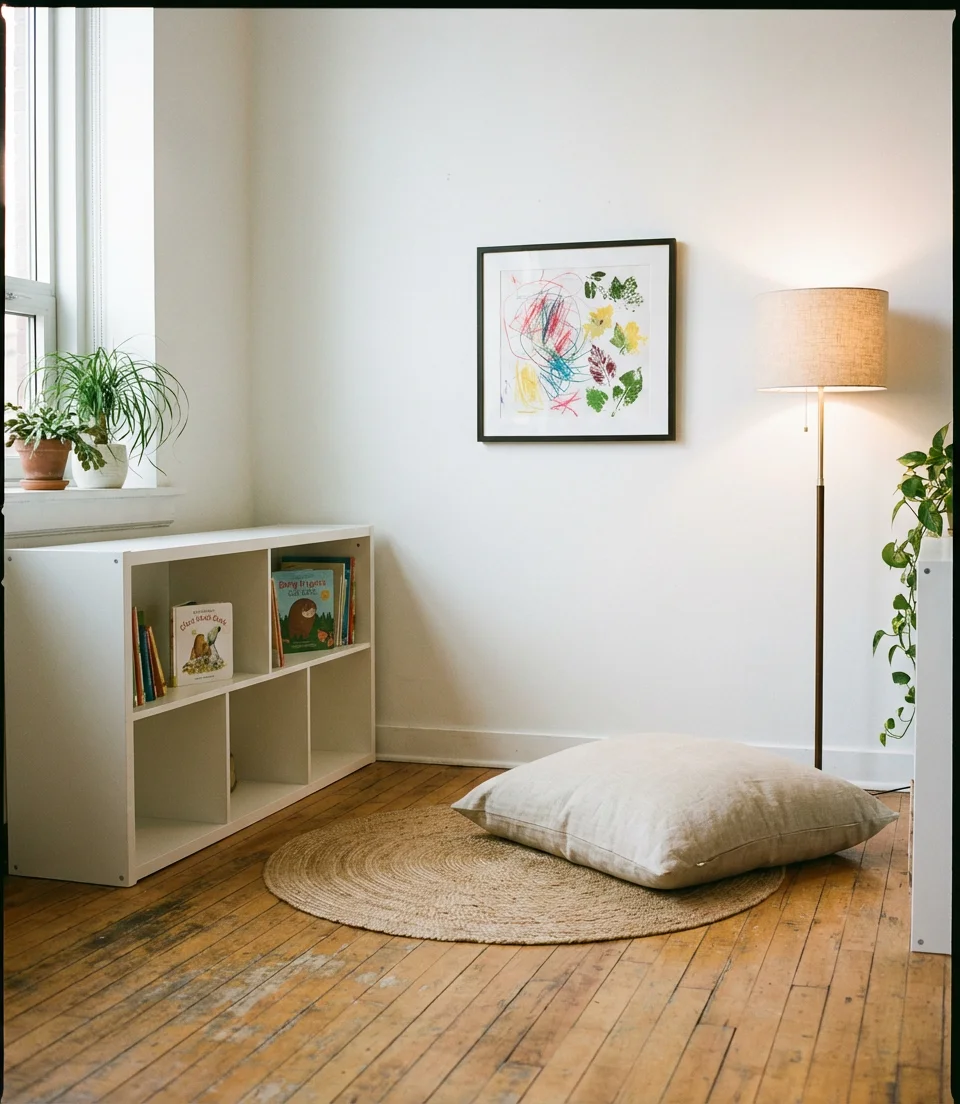
Research from the University of Salford found that heavily decorated classrooms were associated with lower academic performance compared to those with moderate or minimal visual decoration. This doesn’t imply completely emptying your room—rather, it involves choosing carefully what merits wall space. The “active vs. passive” display test serves as a useful guideline: if students are actively using the content on a display for their work, it should remain in place. If it’s purely decorative and hasn’t been referenced in two weeks, it comes down. Your walls should work as hard as you do.
8. Science Classroom Decor That Makes Learning Feel Like Discovery
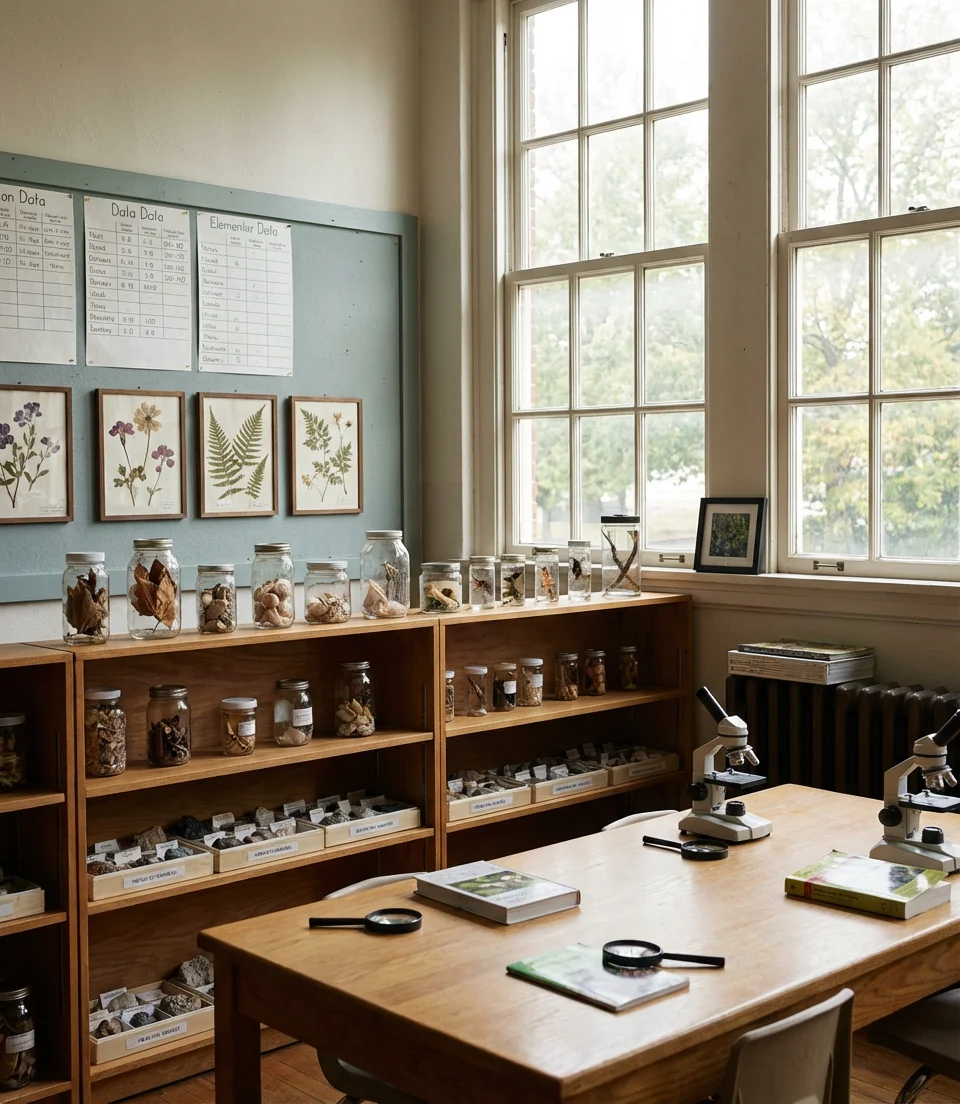
A wonderful science-themed classroom doesn’t just teach—it makes kids feel like they’ve walked into a lab, a nature center, or a museum of natural history. In 2026, the most compelling science classroom setups combine real specimens (pressed botanicals under glass, feathers in acrylic frames, rock collections in labeled trays) with clean, data-driven displays and that unmistakable sense of organized wonder. This theme works across all elementary grades but hits especially hard in 2nd through 5th, where curiosity about the natural world is at a developmental peak. The inspiration from these rooms often travels home with kids and reignites family conversations about nature and discovery.
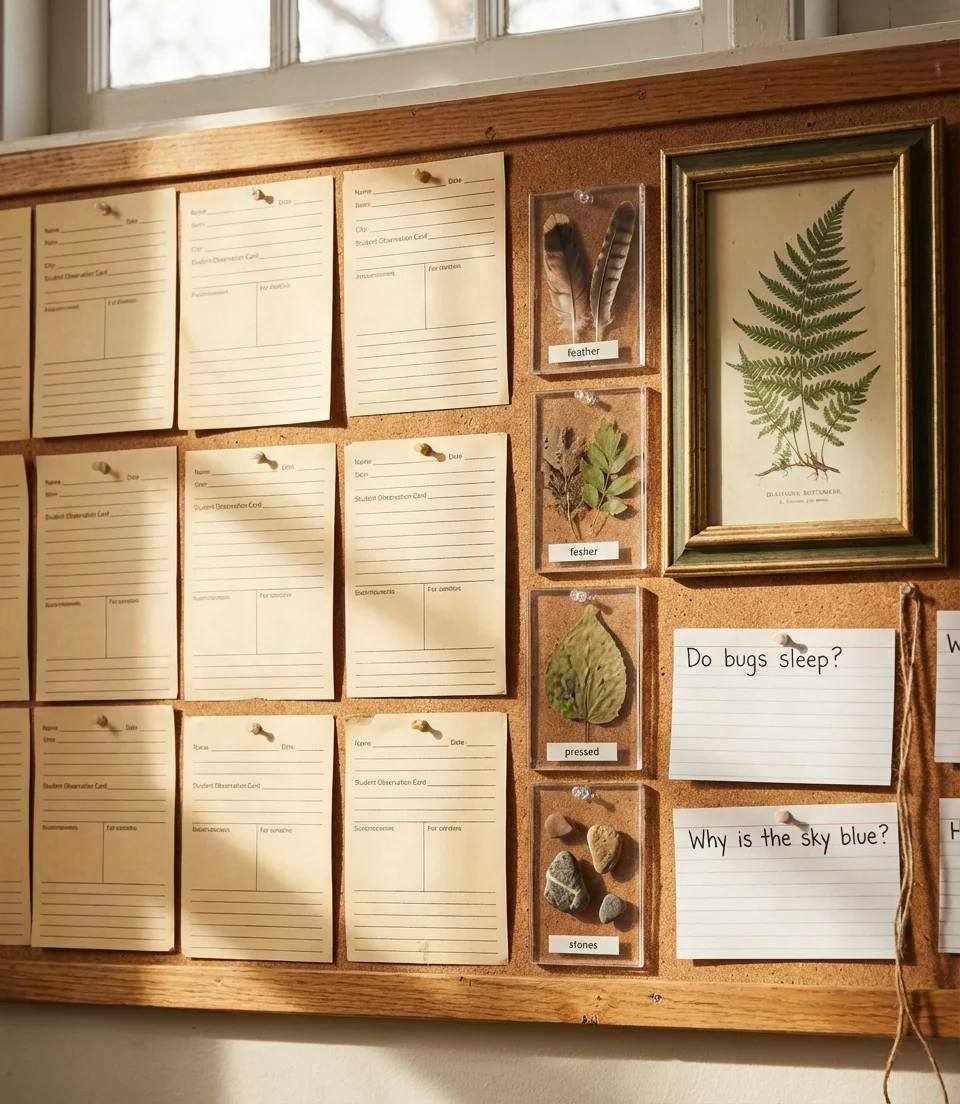
One thing to avoid in science-themed classrooms is relying entirely on commercial posters—they tend to date quickly and often feel generic. Build displays around student observations and real-world artifacts whenever possible. Start a “wonder wall” where kids post questions they want to investigate, or create a rotating “scientist of the month” display featuring both historical figures and local scientists your class has met. These living displays cost almost nothing and create far more engagement than any store-bought set. The room becomes evidence of learning in progress, which is precisely what excellent classroom decor should do.
9. Ocean-Theme Classroom Decor for an Adventurous Vibe
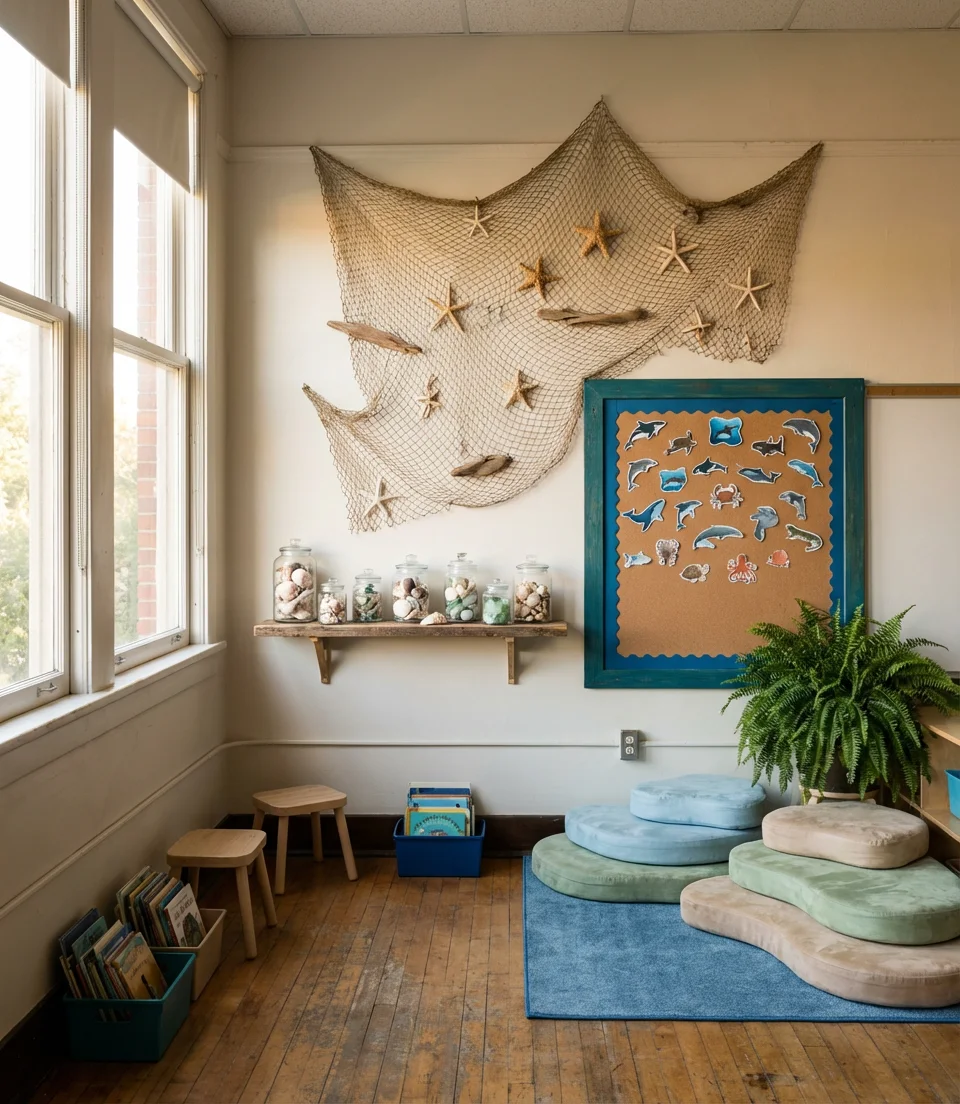
The ocean theme remains one of the most enduringly popular elementary classroom setups for good reason—it’s visually rich, scientifically grounded, and universally beloved by kids. In 2026, the freshest takes on this classic move beyond basic sea turtle decorations into something more layered and textural. Think woven net wall art, genuine shell collections displayed in apothecary jars, deep teal and coral accent walls, and reading nooks styled to feel like tide pools. The themes and ideas within an ocean framework are genuinely limitless—you could spend a whole year exploring different ecosystems without repeating yourself.
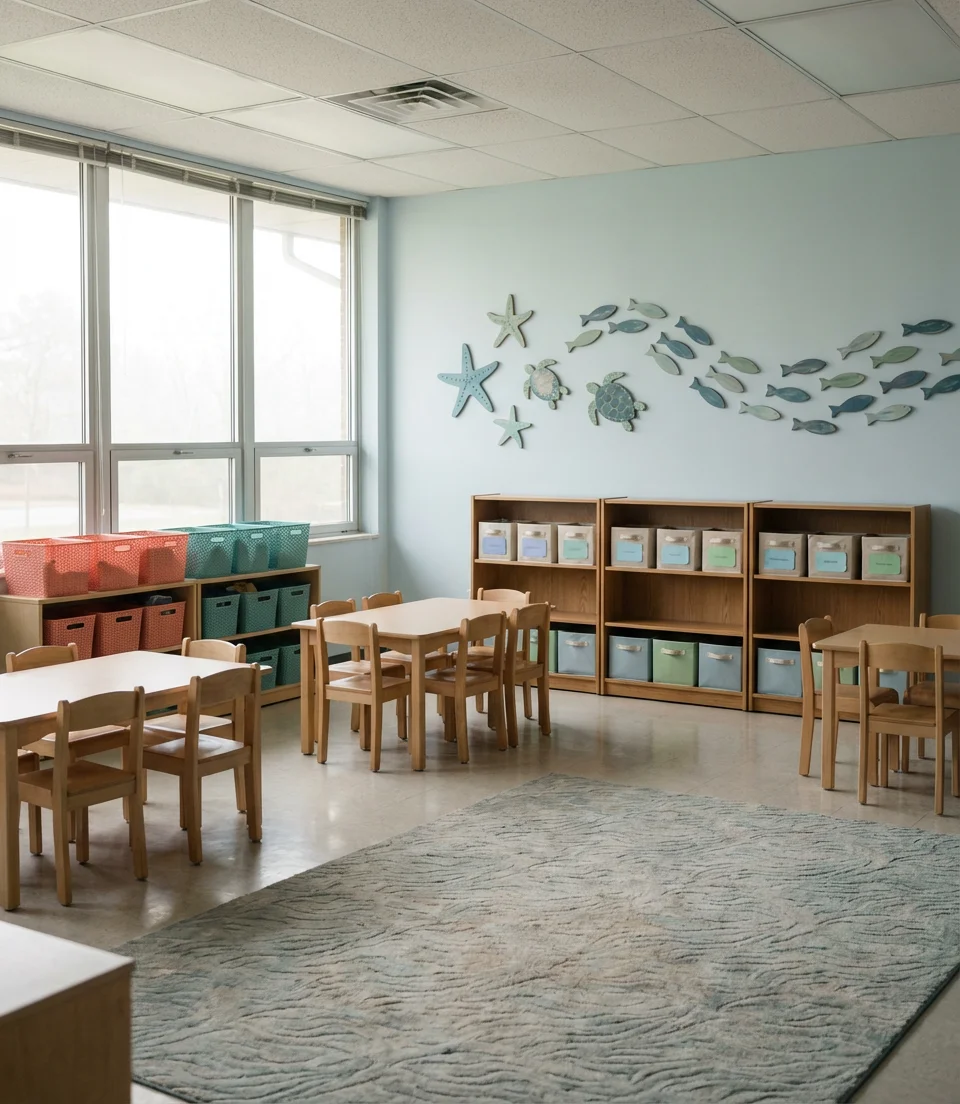
This theme works especially well in coastal communities—schools in Florida, the Carolinas, California, and the Pacific Northwest can connect classroom design to field trip experiences and family backgrounds in ways that feel genuinely personal. But even landlocked classrooms in Kansas or Montana can make it work by connecting the ocean theme to science units on water cycles, ecosystems, and conservation. When the decor connects directly to the curriculum, kids stop seeing it as decoration and start seeing it as context—and that shift is what transforms a lovely room into a truly effective learning environment.
10. Christian Classroom Decor With Purpose and Warmth
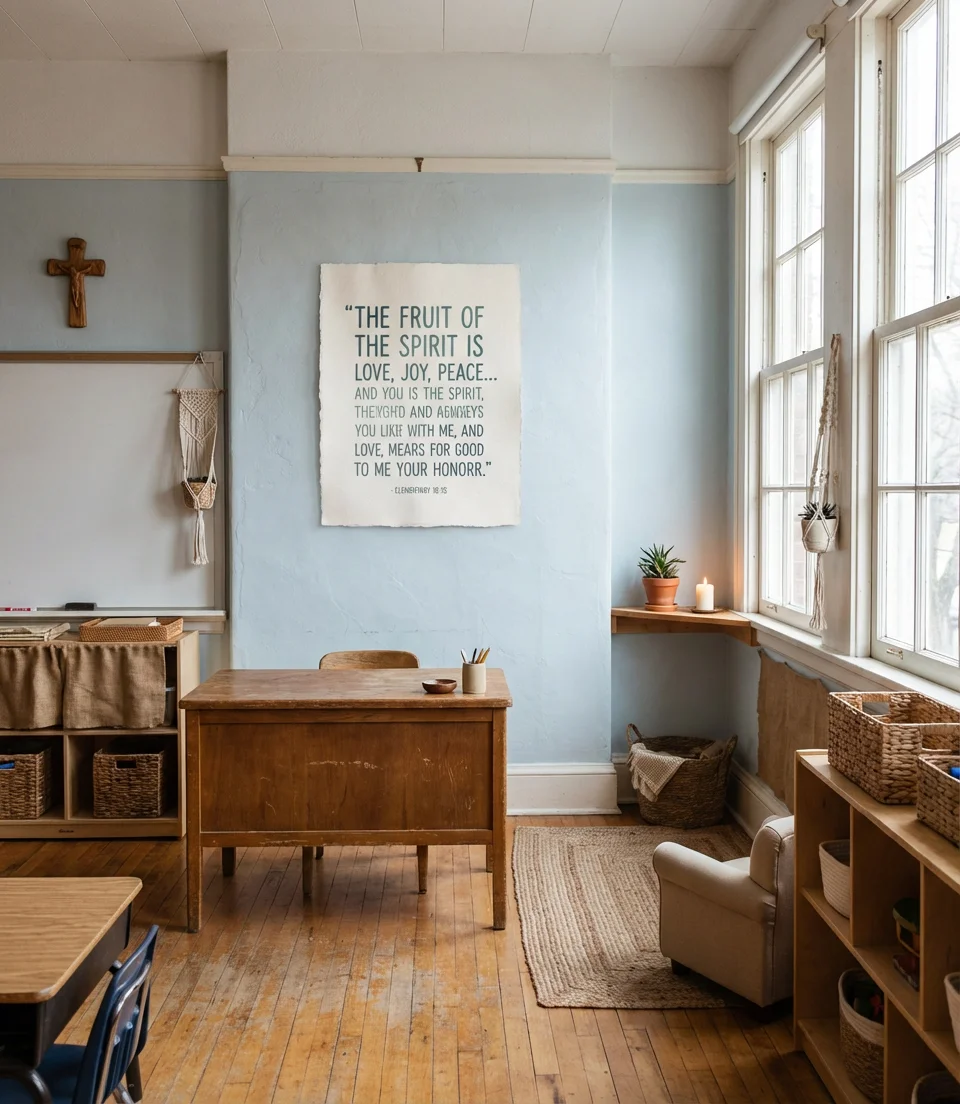
In faith-based schools and Catholic elementary settings, classroom decor carries an additional layer of meaning—it’s not just about learning, it’s about forming the whole child. The most thoughtful Christian classroom setups in 2026 integrate faith elements with beauty and warmth rather than treating them as an afterthought. Scripture verses hand-lettered in watercolor fonts, saint portraits in simple frames, a prayer corner with a small candle and a plant, and crosses made from reclaimed wood—these details create a space that feels spiritually grounded without being visually overwhelming. The aesthetic often overlaps beautifully with the farmhouse and boho styles popular in secular classrooms.
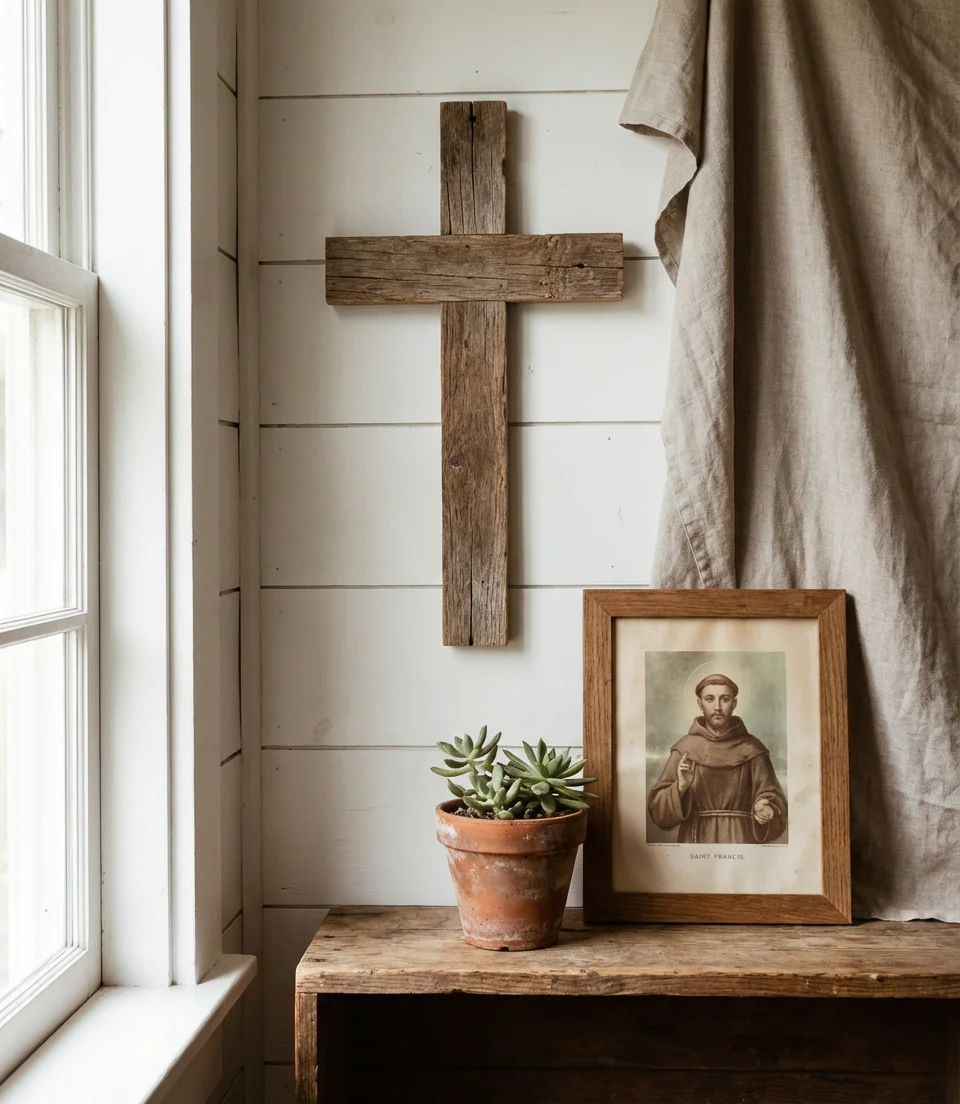
Teachers in Catholic and Christian schools across the American South and Midwest are particularly active on Pinterest with this niche, and the quality of ideas circulating there in 2026 is genuinely impressive. One consistent piece of advice from experienced faith-based educators: anchor your room in a single verse or theme for the year and let your decor reinforce that message consistently, rather than mixing messages from week to week. A room centered on “Love One Another” from September through June feels unified and spiritually coherent in a way that rotating random scripture quotes simply cannot match. Intentionality is the whole point.
11. DIY Classroom Decor on a Teacher Budget
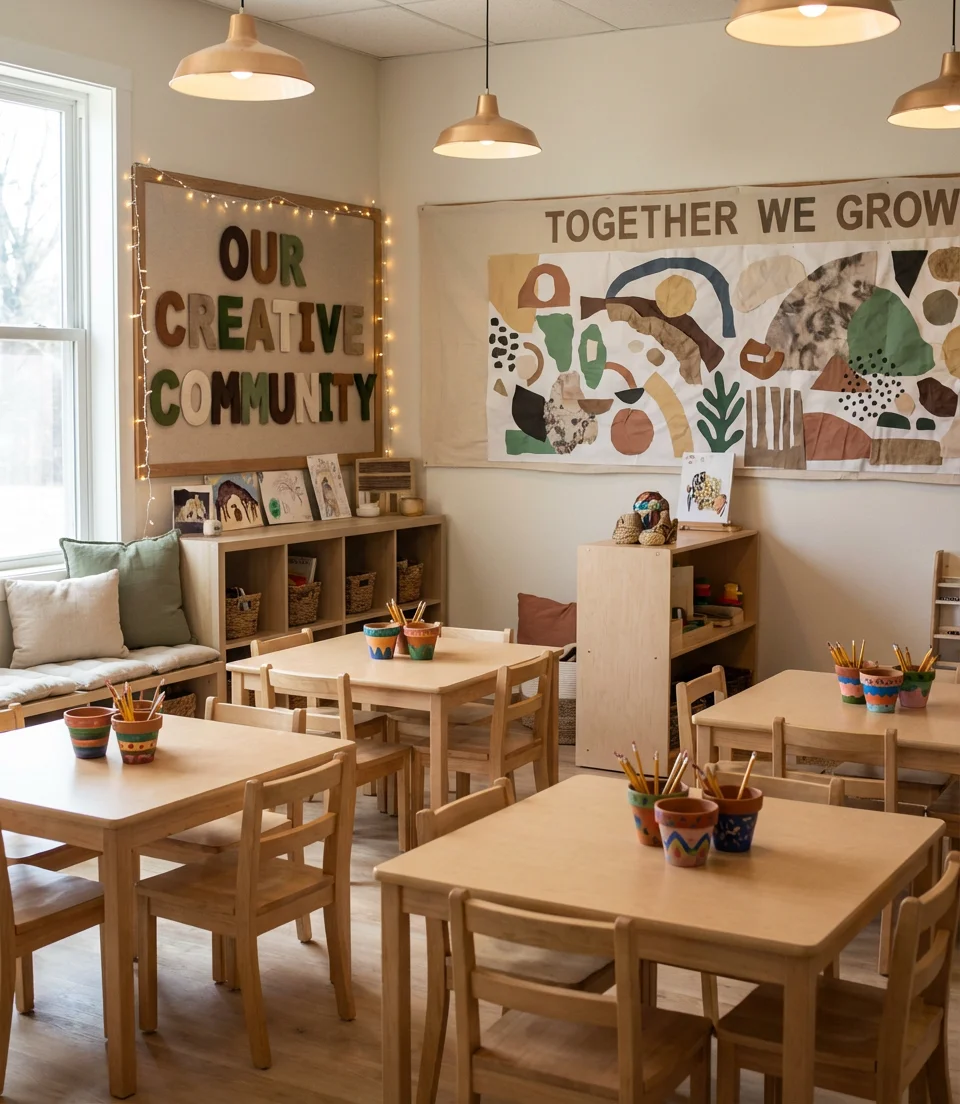
With school supply budgets tightening across the country, DIY classroom decor has gone from a fun hobby to a genuine survival skill for many teachers. The positive news is that the bar for handmade classroom pieces has never been higher—Cricut machines, affordable craft supplies from Hobby Lobby and Michael’s, and an endless supply of free printable templates on Teachers Pay Teachers mean that handmade can look completely professional. Whether you’re cutting custom letters for bulletin boards, painting terracotta pots for pencil holders, or sewing simple cushion covers for your reading corner, the simple satisfaction of a room you built yourself is difficult to match.
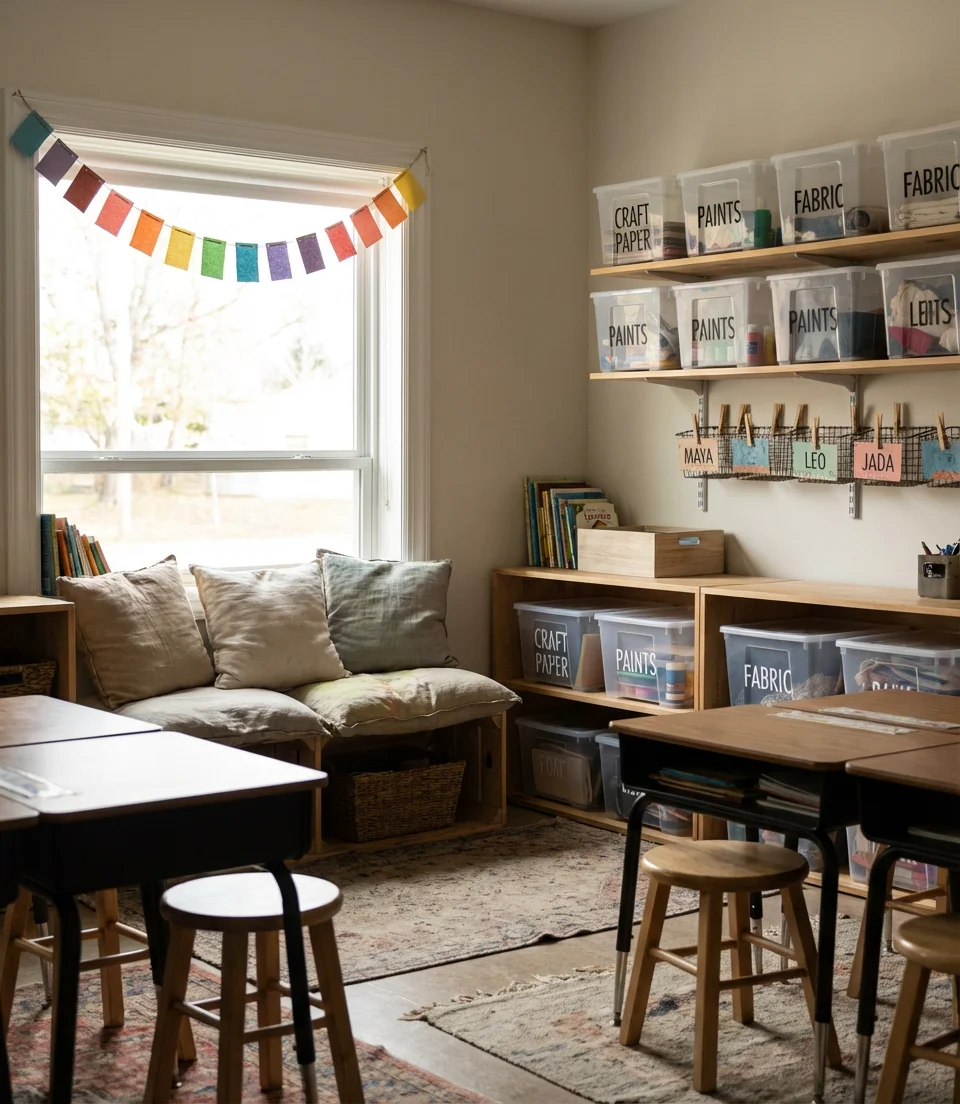
The average American elementary teacher spends between $400 and $700 of their own money on classroom supplies each year, according to the National Education Association—and decor is typically the first thing cut when that budget runs dry. Leaning into DIY can realistically cut your decor spend by 60 to 70 percent without any visible reduction in quality. Prioritize your investment pieces (a lovely rug, a few storage bins, one statement lamp) and DIY everything else. Involve your students in making simple decorative pieces early in the year, and you’ll have a room full of meaning and ownership that no store-bought kit could ever replicate.
12. Christmas Classroom Decor That Feels Festive Without the Chaos
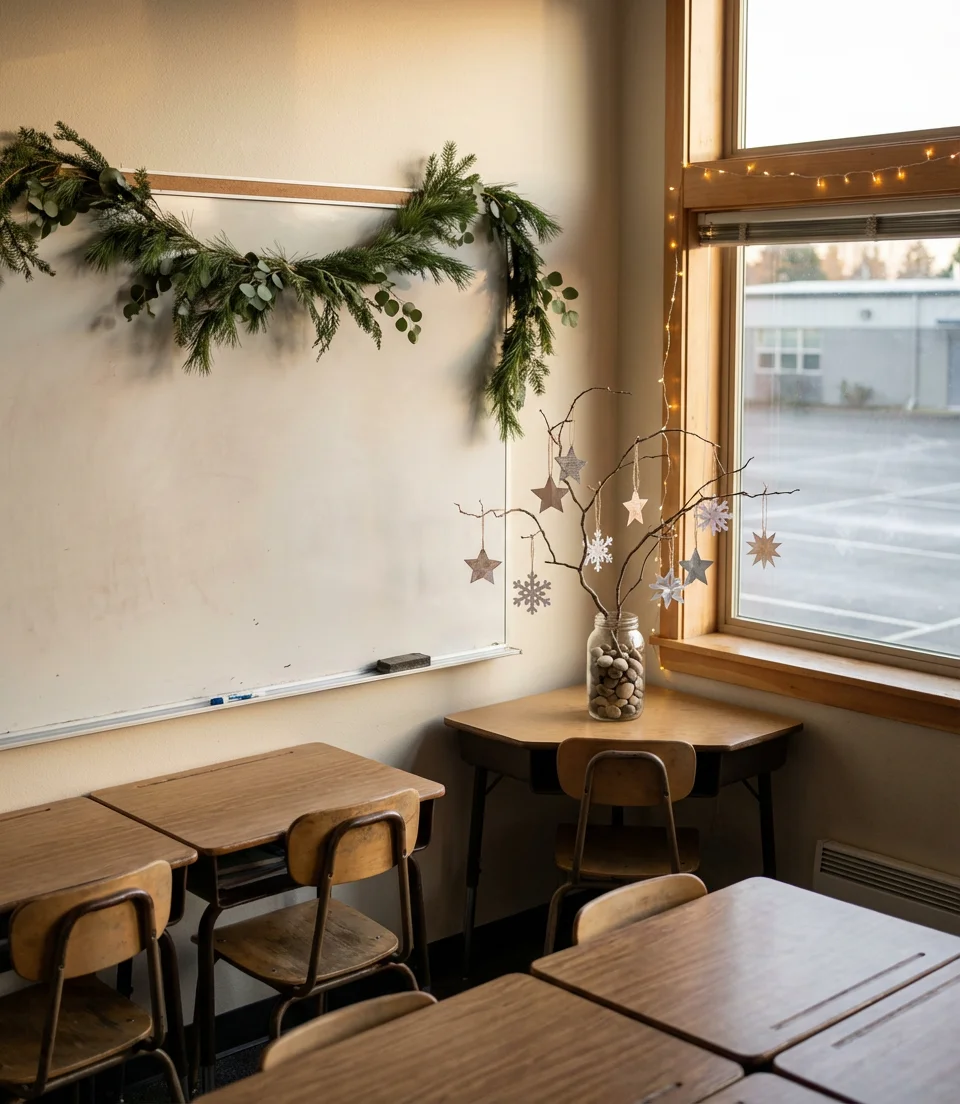
Christmas classroom decor walks a fine line—you want the magic of the season to fill the room without turning December into a month-long sensory overload for your students. The best holiday classroom setups in 2026 take cues from the same restrained elegance that defines high-end home holiday design: a single garland across the whiteboard, battery-powered warm white lights along the window, and student-made ornaments on a simple branch in a jar of pebbles. This upper elementary approach to holiday decor keeps the festive energy alive while maintaining the calm, focused atmosphere the room had in November.
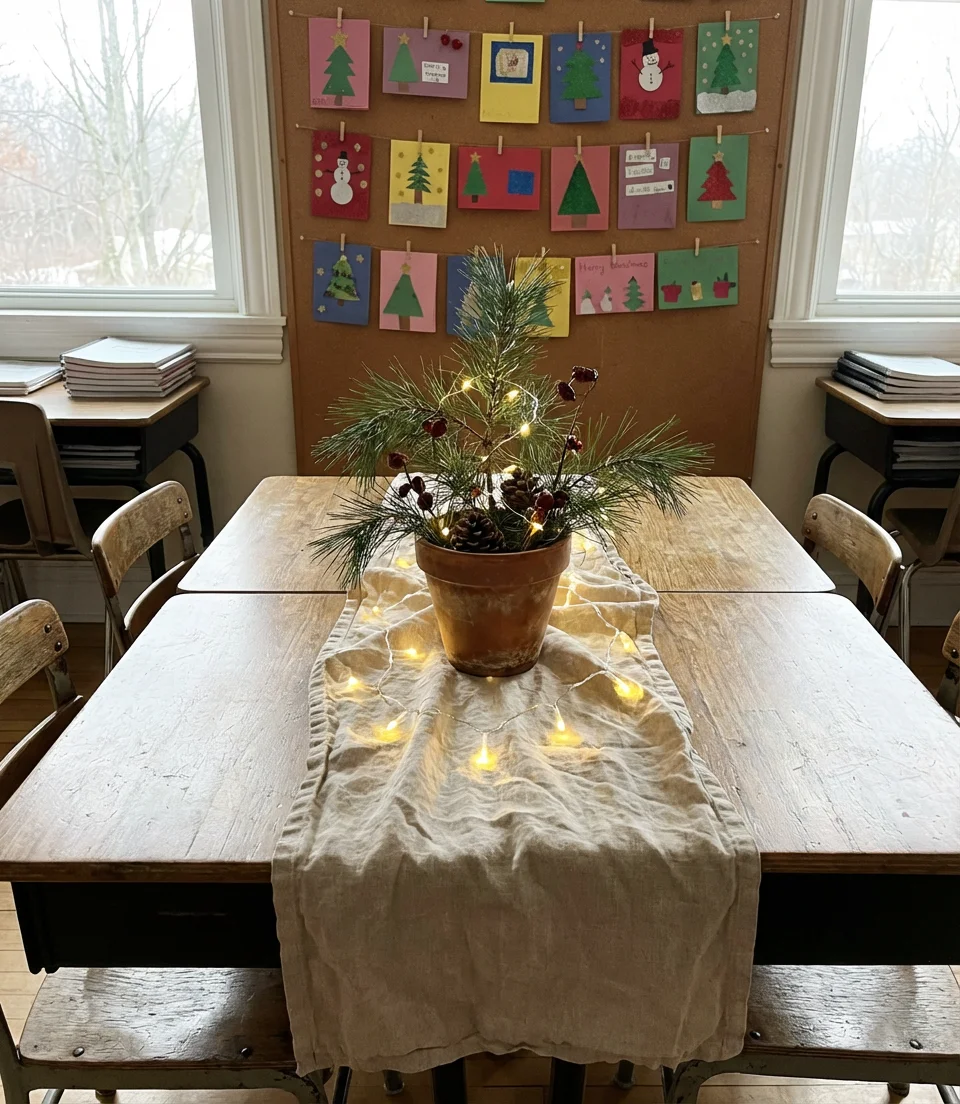
Teachers in diverse classrooms with multiple religious and cultural backgrounds have also found creative ways to celebrate December without centering any single tradition. A “winter wonders” theme that incorporates student work about seasonal traditions from around the world can be just as visually rich and emotionally warm as an explicitly Christmas-themed room—and it tells every child in the class that their family’s December belongs in this space too. That sense of inclusive belonging is worth far more than any garland you could buy at Target, no matter how beautiful it is.
13. Themes and Color Schemes That Work Year-Round
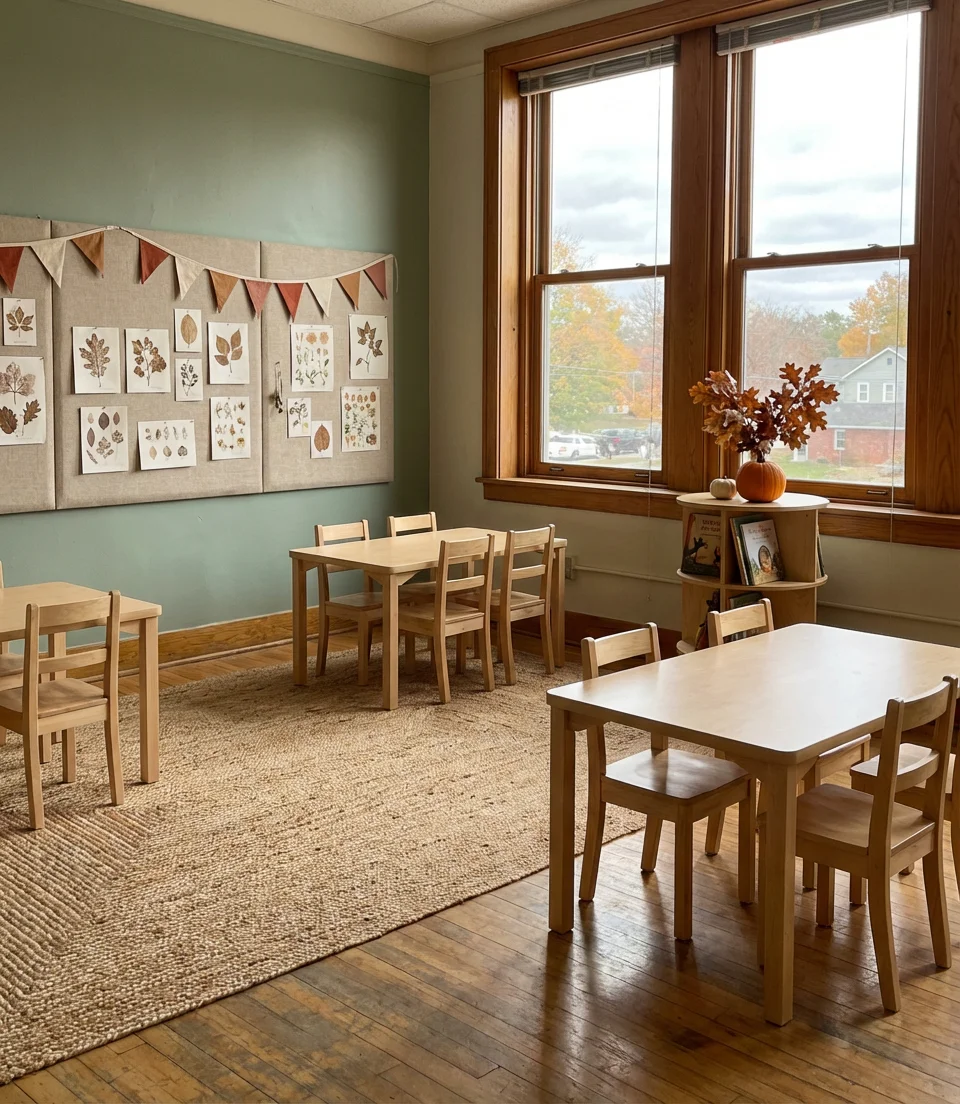
The smartest classroom design investment you can make is choosing themes and color schemes that flex across all four seasons without requiring a complete overhaul every few months. In 2026, the winning approach is a neutral base—warm white walls, wood-toned furniture, natural fiber textiles—layered with swappable seasonal accents in a consistent palette family. A room anchored in terracotta and sage can shift from a harvest feel in fall to cozy winter warmth in December and fresh botanical energy in spring, all without changing a single piece of furniture. Themes built around nature, reading, or exploration have the same seasonal flexibility, allowing for easy adaptation of decor elements to reflect the changing seasons and maintain a cohesive aesthetic throughout the year.
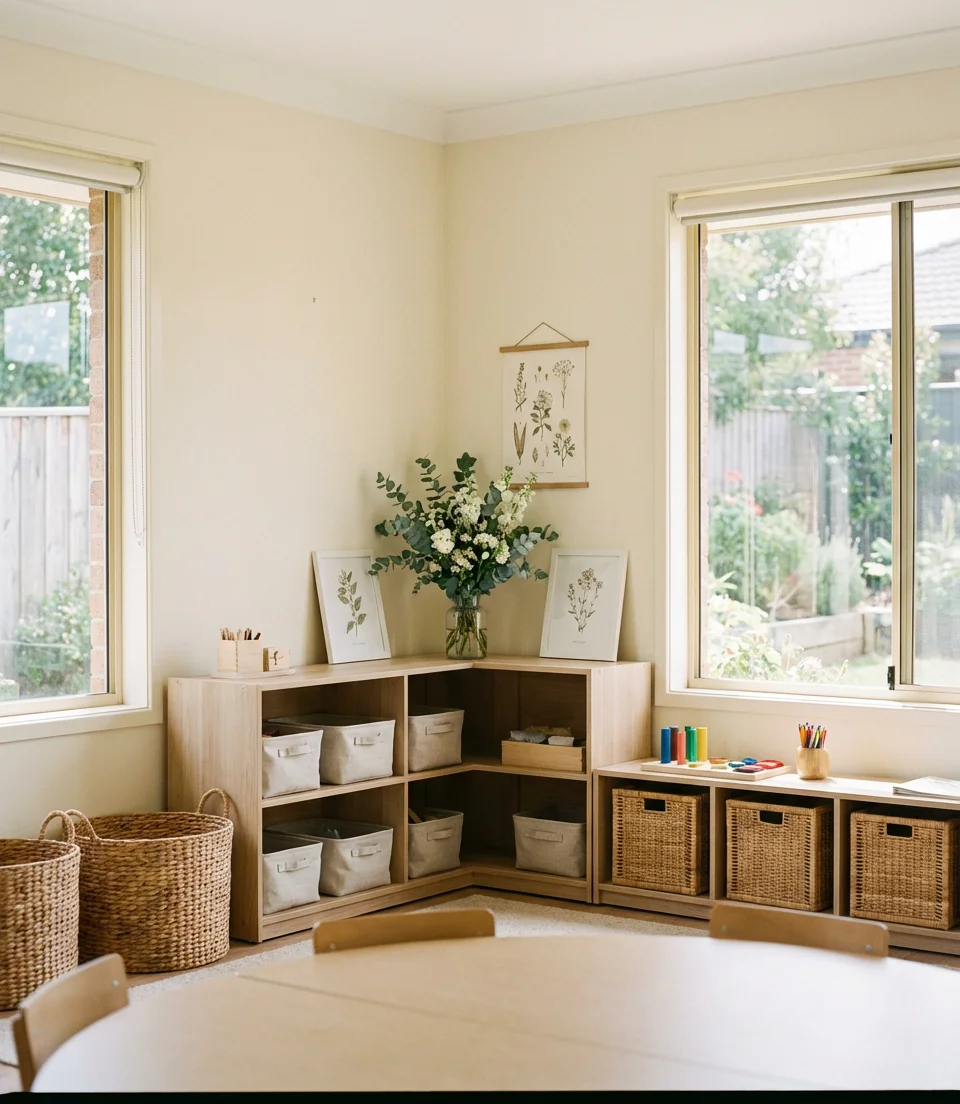
A practical approach that experienced classroom designers recommend: build what they call a “core and capsule” system. Your core is the permanent backbone of the room—furniture, rugs, large storage pieces, and your primary wall displays. Your capsule is a collection of 10 to 15 swappable accent pieces that rotate four times a year. Keep your capsule pieces in labeled bins in your classroom closet, and the changeover takes under an hour. The result is a room that always feels fresh and intentional, rather than gradually accumulating the visual clutter that so many classrooms drift into in February.
14. Upper Elementary Classroom Decor That Doesn’t Feel Babyish
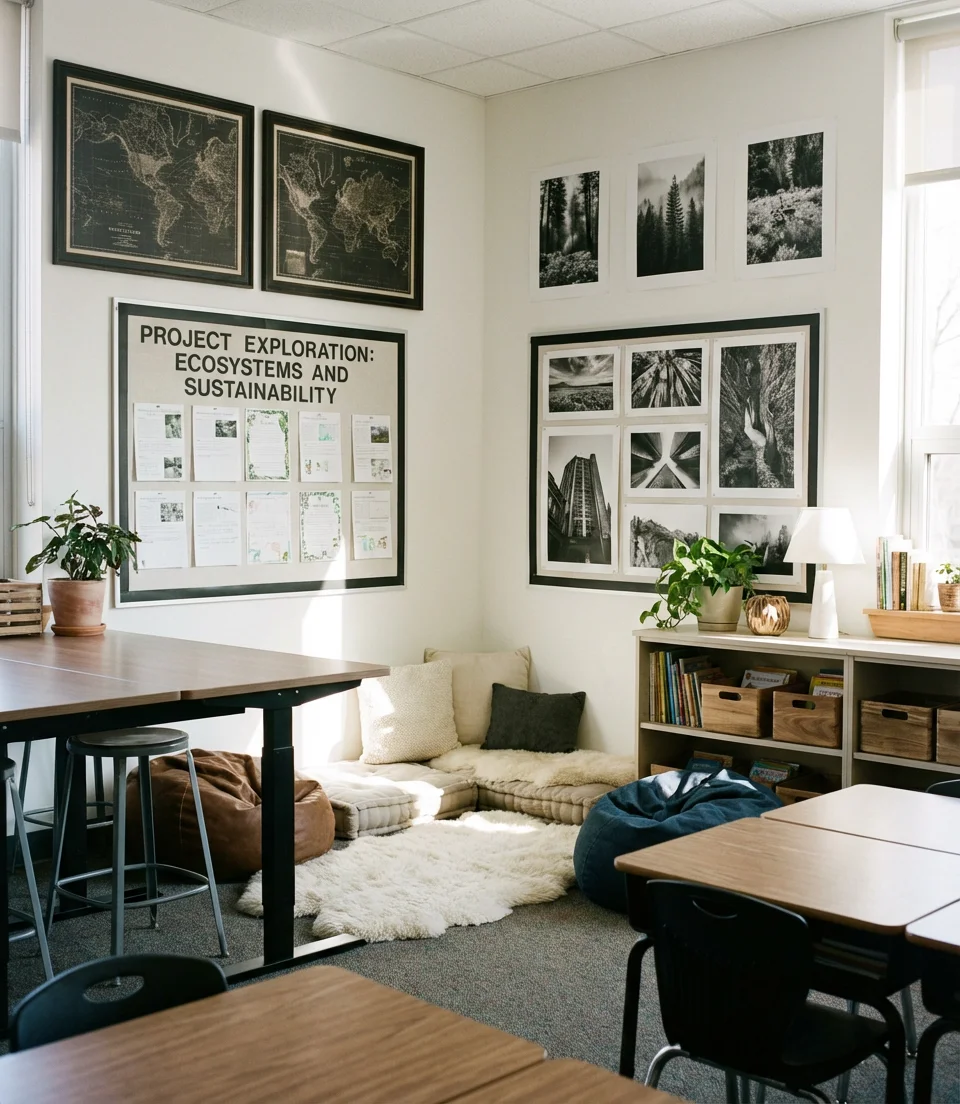
One of the most common frustrations among 4th and 5th grade teachers is that most classroom decor is designed with kindergartners in mind—the fonts are too bubbly, the characters too infantile, and the color schemes too primary. Upper elementary students notice when their environment doesn’t match their growing sophistication, and it affects their sense of ownership in the space. In 2026, there’s finally a critical mass of decor options designed specifically for older elementary kids: cleaner typography, more complex color combinations, and themes that connect to current events, geography, and history in ways that feel genuinely relevant.
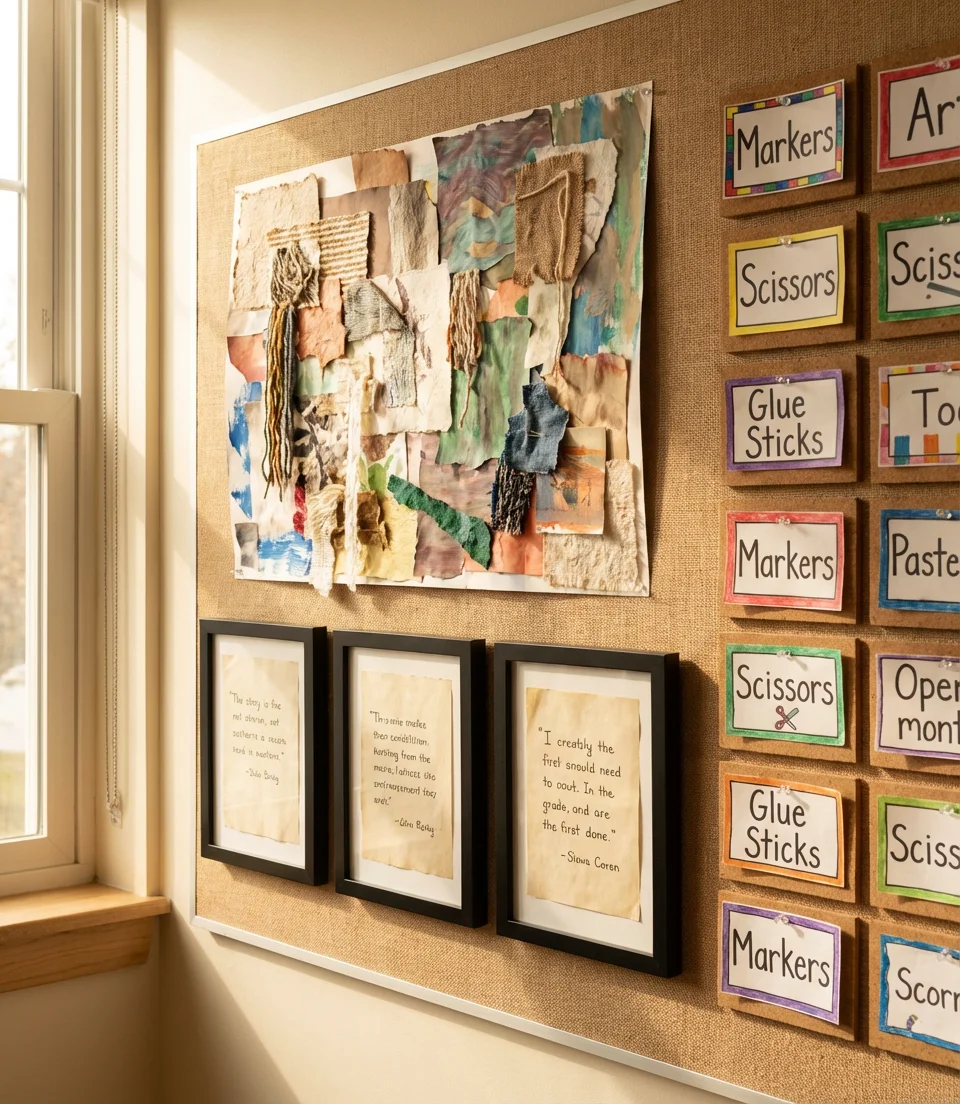
The micro-shift that makes the biggest difference in upper elementary decor is student authorship. When 4th and 5th graders contribute meaningfully to how the room looks—designing their own supply labels, creating large-scale collaborative art pieces for wall displays, building their classroom “gallery wall” of photos and quotes from authors they love—the space becomes genuinely theirs. No commercial kit can compete with a wall covered in work that students made with genuine investment. Give them real creative agency in how the room develops across the year, and you’ll have a more engaged class than any perfectly curated classroom could produce on its own.
15. Older Students Inspire Mature Classroom Design Choices
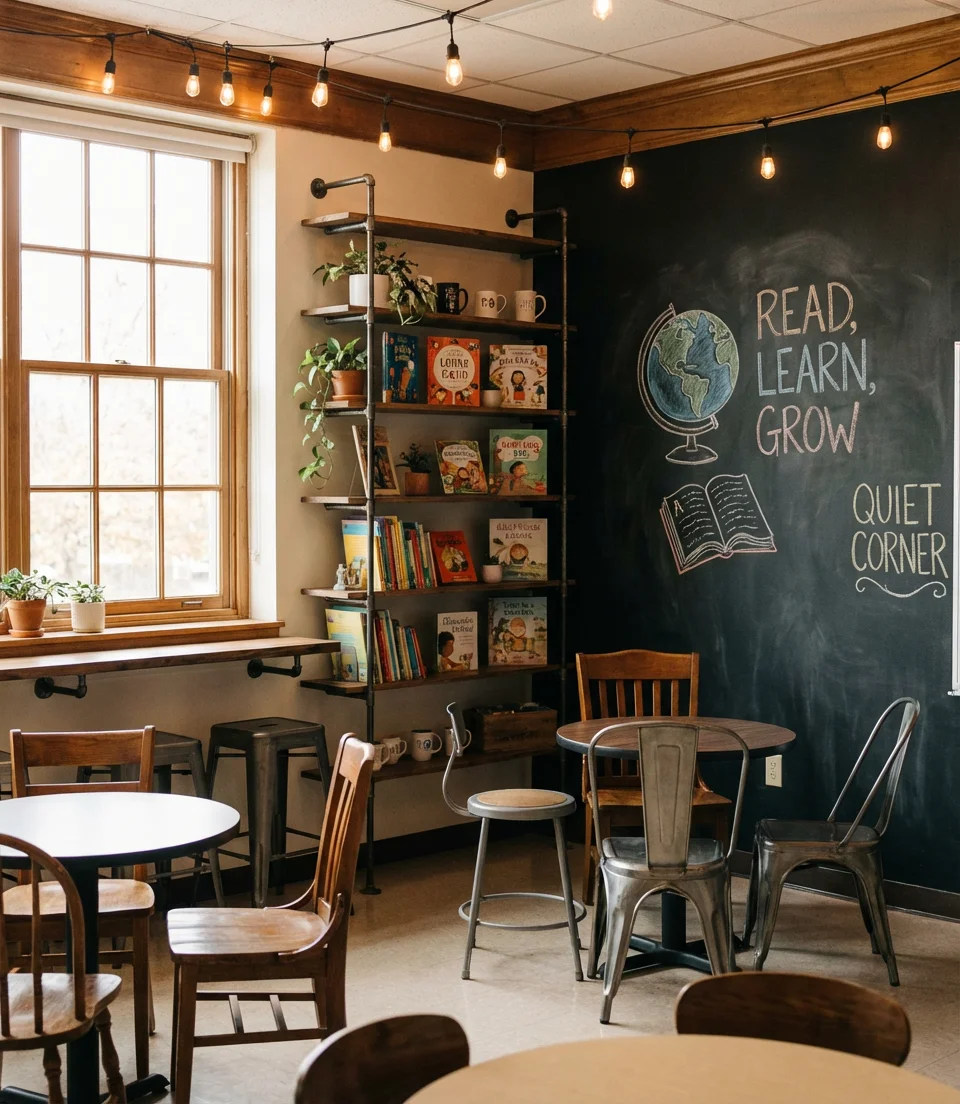
When teaching older elementary students, there’s a real opportunity to design a classroom that bridges the gap between elementary warmth and middle school cool. In 2026, the most inspired rooms for late elementary grades borrow from coffee shop aesthetics—industrial shelving, chalkboard paint accents, mismatched-but-coordinated seating, and displays that feel more like curated exhibitions than traditional classroom setups. These ideas work especially well in reading- and writing-focused classrooms where the goal is to create an environment that feels creative, mature, and genuinely inviting to a ten-year-old who already considers themselves too old for cartoon frogs on bulletin boards.
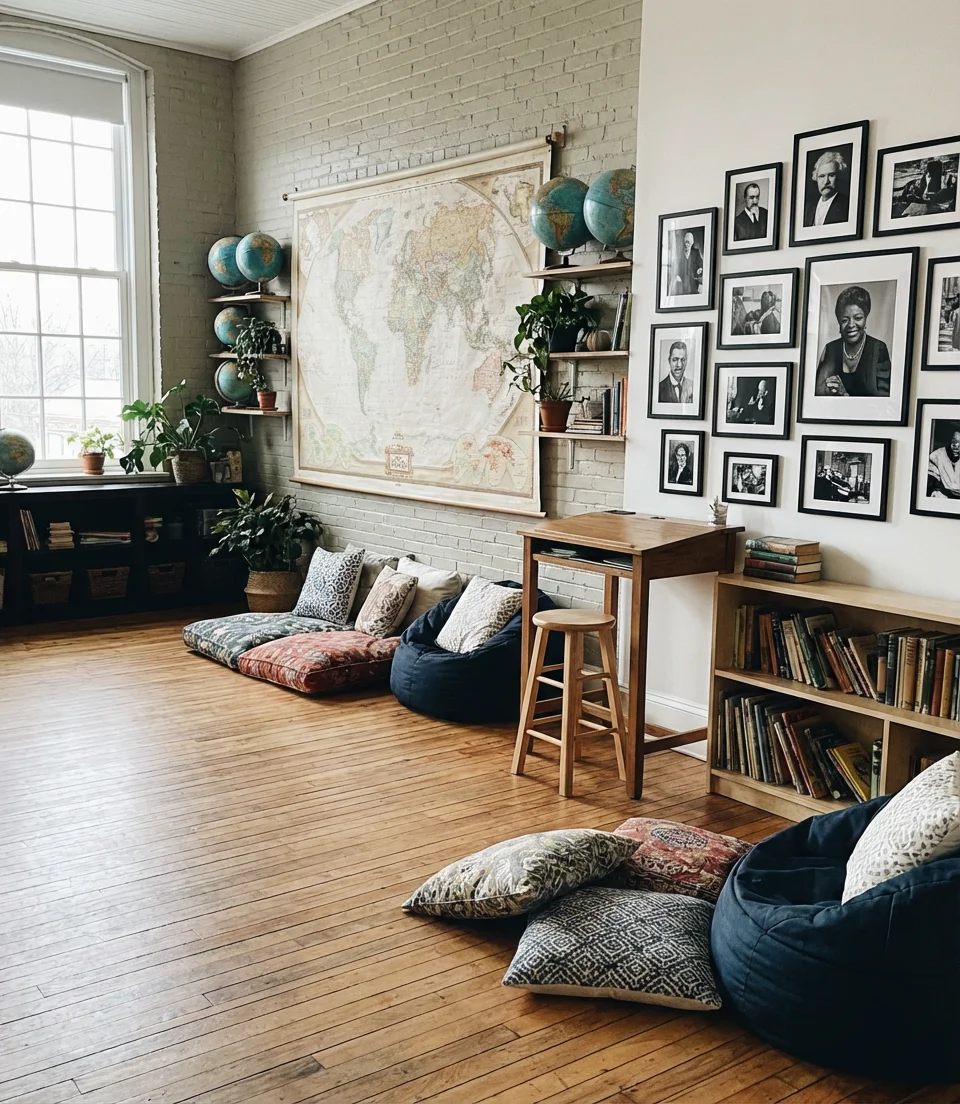
Where this approach works best is in schools with flexible furniture policies—the shift from uniform desks to a mix of standing desks, floor cushions, and small group tables is often what enables the coffee-shop aesthetic to function. If your school doesn’t allow furniture changes, you can still achieve a more mature look through display choices alone: swap cartoon-character posters for vintage maps, photography prints, and author quotes in simple black frames. Students who walk into a room that takes them seriously tend to take themselves—and their work—more seriously in return.
16. 1st Grade Classroom Decor Full of Wonder and Whimsy
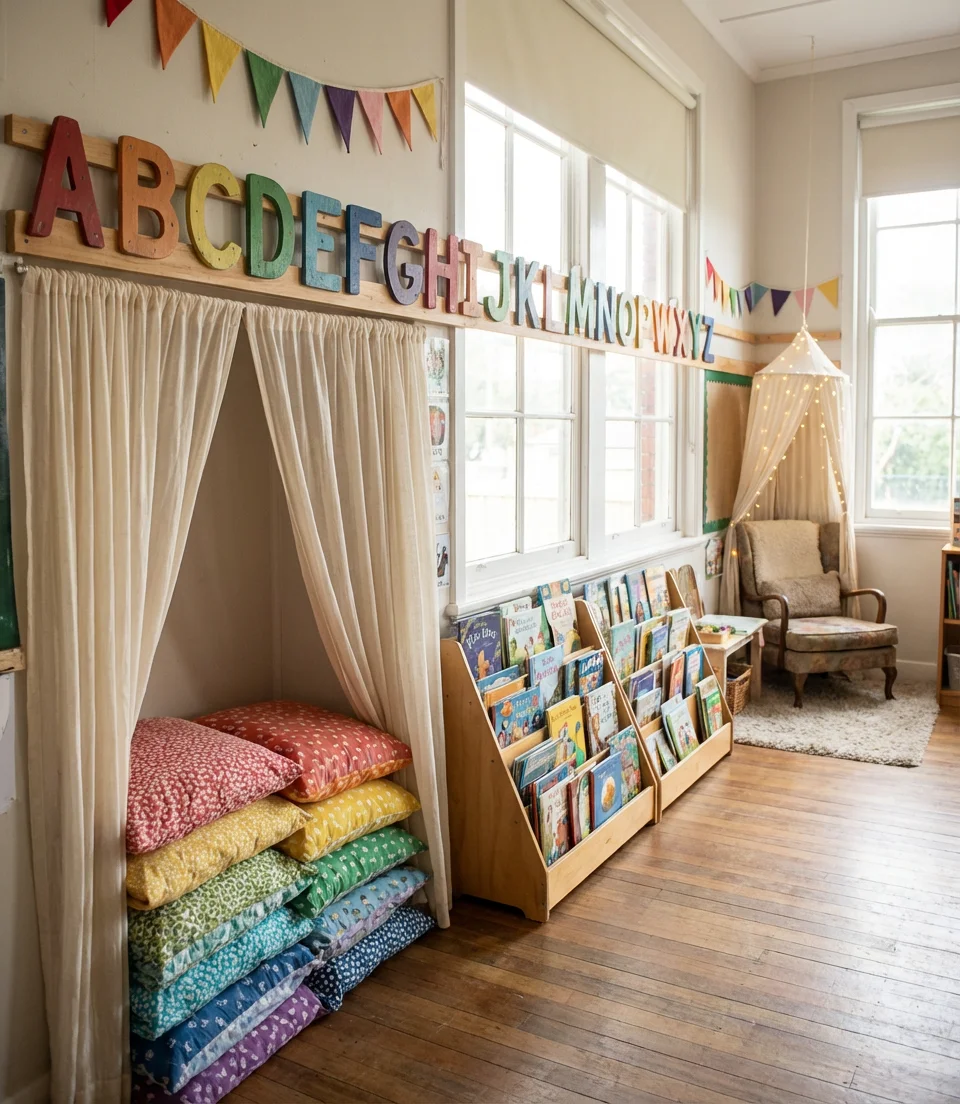
First grade is one of the most magical classroom design opportunities in all of elementary education—these students are old enough to navigate an intentionally designed space but still fully enchanted by visual storytelling and wonder. The best 1st grade classrooms in 2026 feel like stepping inside a picture book: discovery corners, cozy reading nooks behind curtains, alphabet displays that feel hand-crafted rather than printed, and a general sense that every element was placed there to delight. The colorful energy should feel curated and warm—like a beloved children’s bookstore rather than a toy store—layered, surprising, and full of invitation.
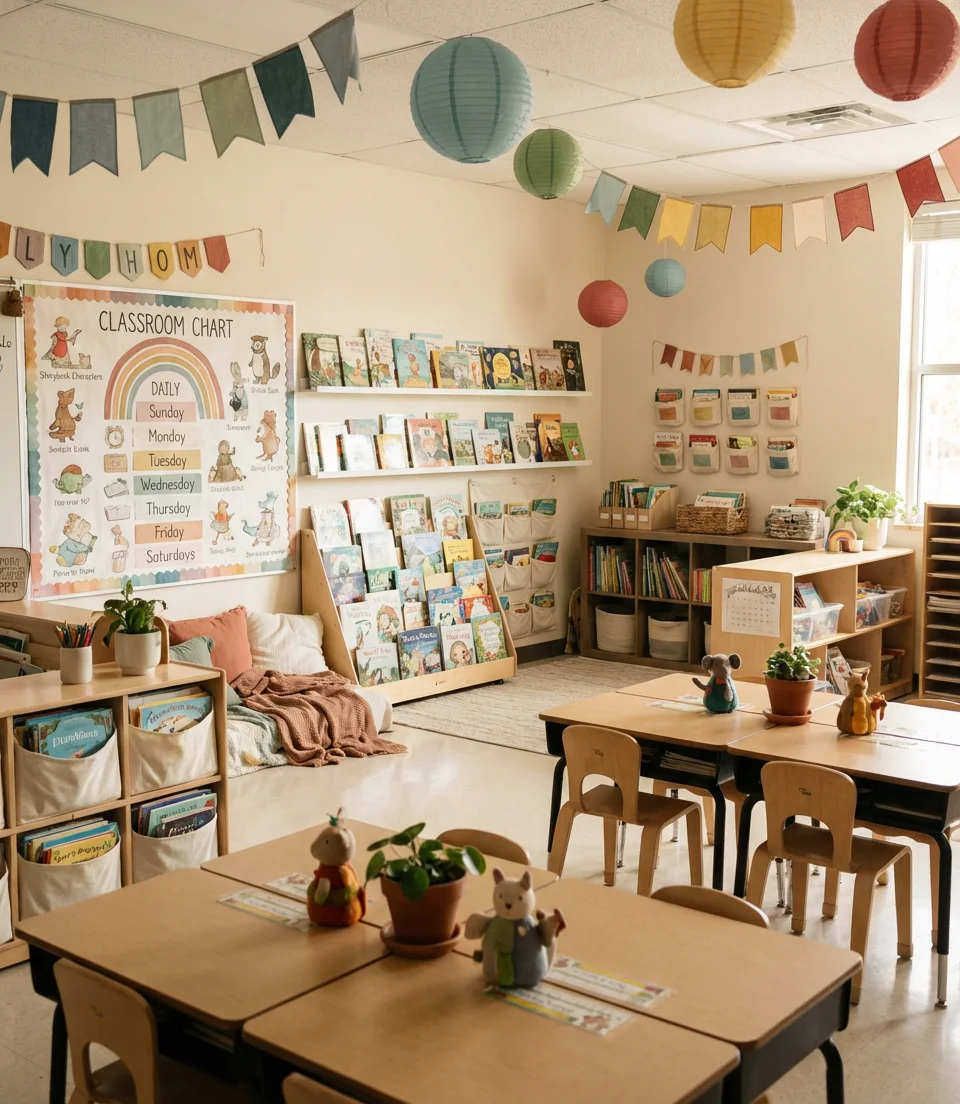
A first-grade teacher in suburban Chicago shared that she builds her room around a single picture book theme each year and changes it every September—one year it was the world of Mo Willems’ pigeons, another year the deep woods of “Where the Wild Things Are.” Parents instantly recognize the reference on back-to-school night and feel a nostalgic warmth that immediately connects them to the room. And for the kids, it creates a sense of living inside a story from day one. That’s the kind of classroom energy that parents talk about for years after their child moves on to second grade.
17. Boho Rainbow Color Scheme for a Joyful Classroom
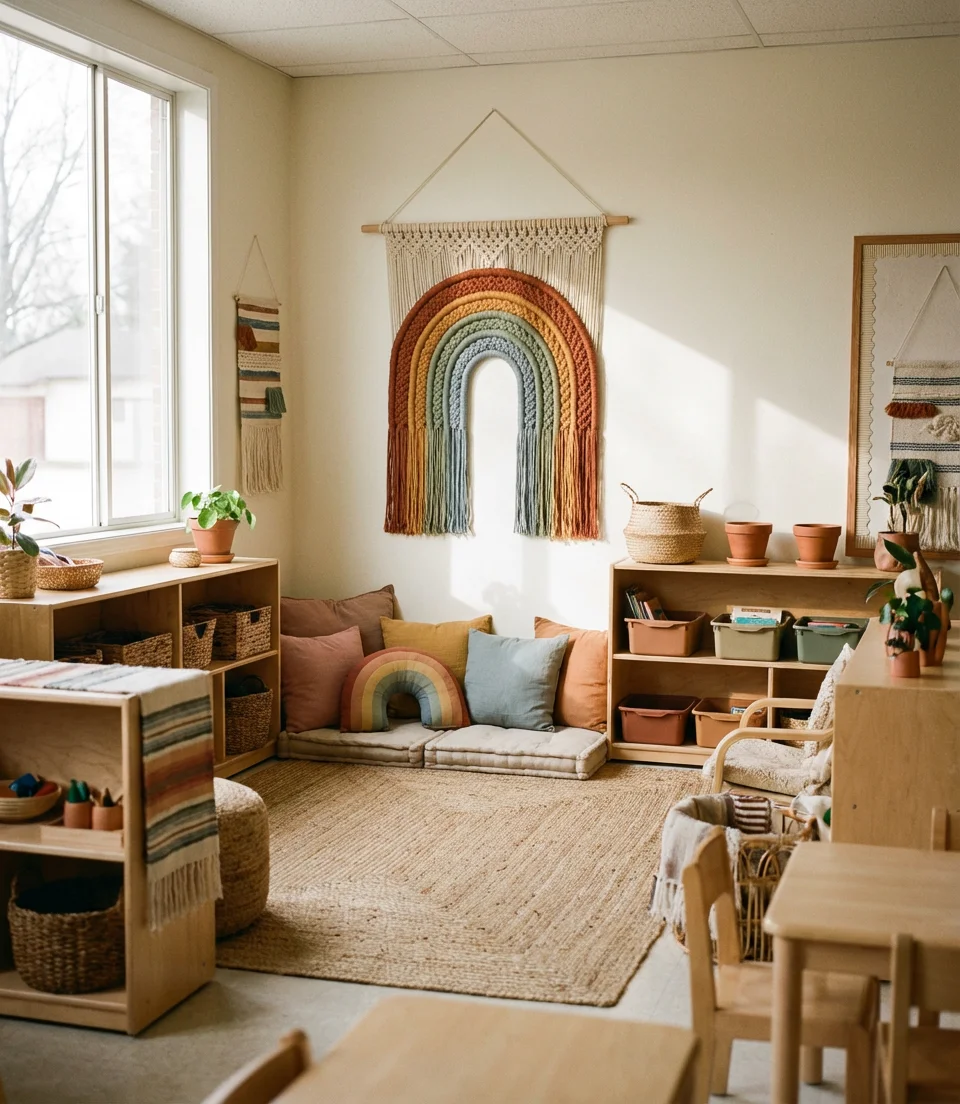
If you find pure boho neutrals too subdued for your classroom energy but full-blast primary colors too overwhelming, consider the boho rainbow color scheme for 2026. This theme’s ideas approach combines the earthy, textured quality of bohemian design with a full spectrum of softened, dusty rainbow hues—rust instead of red, ochre instead of yellow, and sage instead of green. The result is cheerful and warm without being visually aggressive. Pastel rainbow variations work especially beautifully in lower elementary grades, while the richer, more saturated earthy rainbow tones tend to suit upper elementary spaces better.
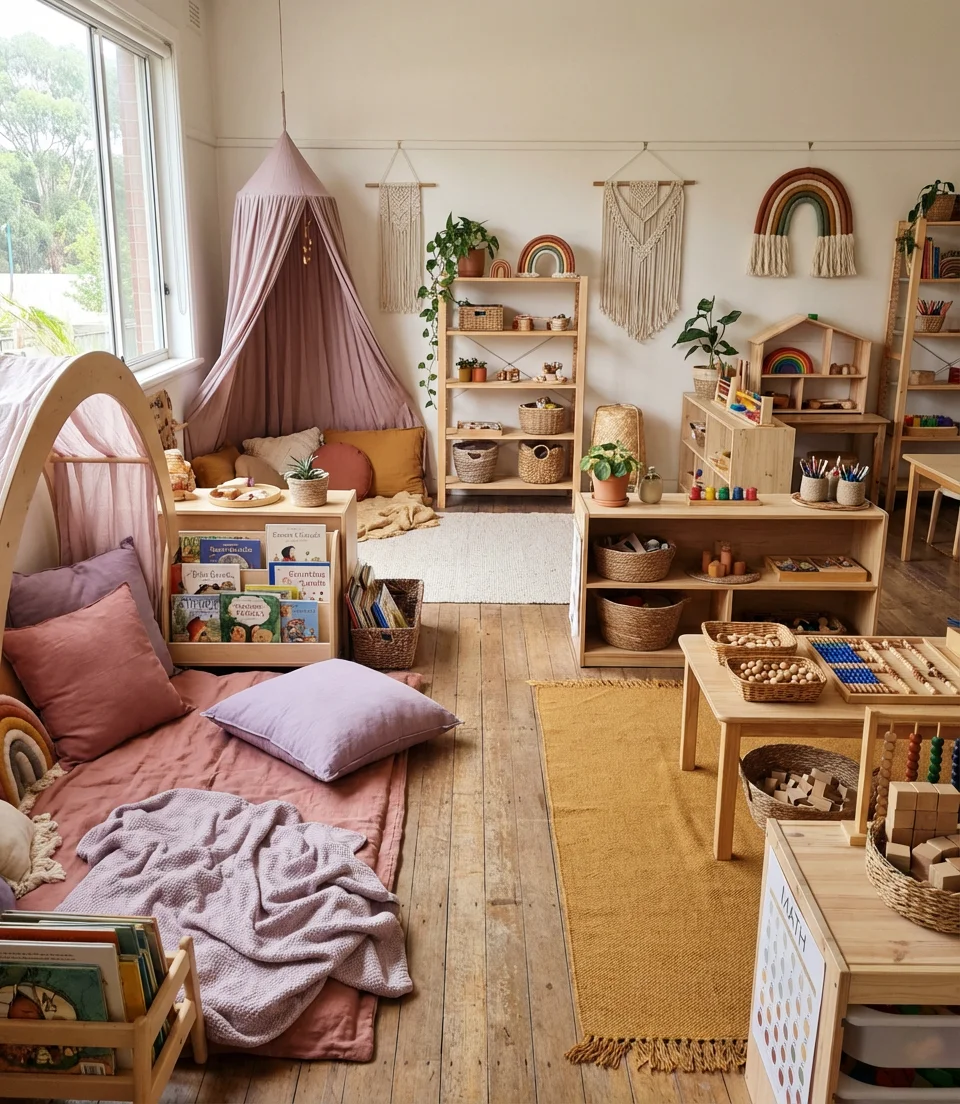
One thing experienced classroom designers note is that rainbow themes require extra restraint in execution—it’s tempting to represent every color equally everywhere, which ends up feeling chaotic. The better approach is to designate different areas of the classroom to different hues within your rainbow palette so that the reading corner might lean dusty rose and lavender while the math station leans golden yellow and warm orange. The room as a whole reads as a rainbow, while each zone has its own coherent identity. This zoning strategy also has genuine classroom management benefits beyond pure aesthetics, such as helping students associate specific colors with different subjects, which can enhance focus and reduce distractions during lessons.
18. Vintage Science Lab Classroom for Curious Minds
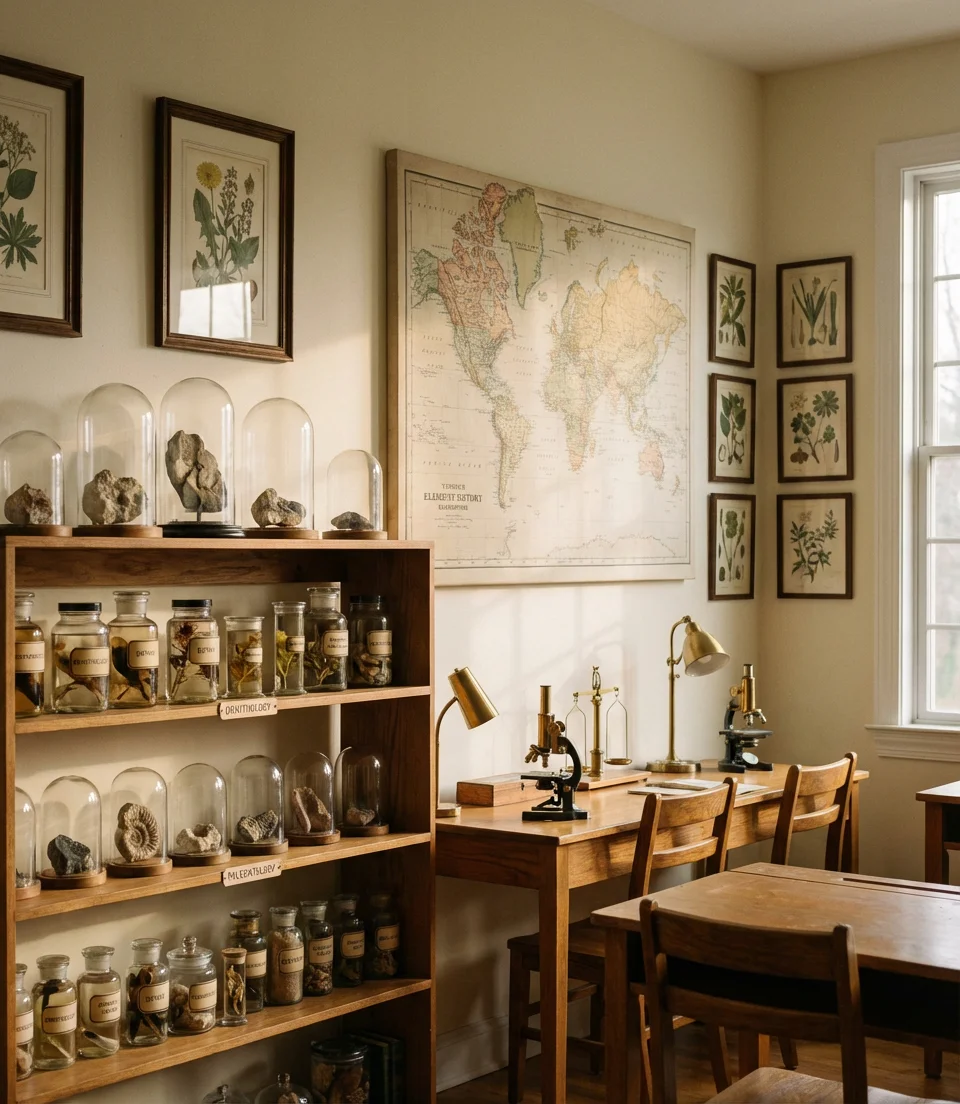
Combining the appeal of vintage style with a science focus creates one of the most distinctively compelling classroom aesthetics available in 2026. Think early-20th-century natural history museum crossed with a Victorian apothecary: specimen jars on open wooden shelving, antique-style botanical prints in dark wood frames, a large vintage world map as a focal wall, brass-tone accents on supply organizers, and glass cloches displaying intriguing rocks or fossils. This look is sophisticated enough to impress any adult who walks in while remaining completely captivating for the children who spend their days there. This aesthetic draws its inspiration directly from the era of exploration and discovery.
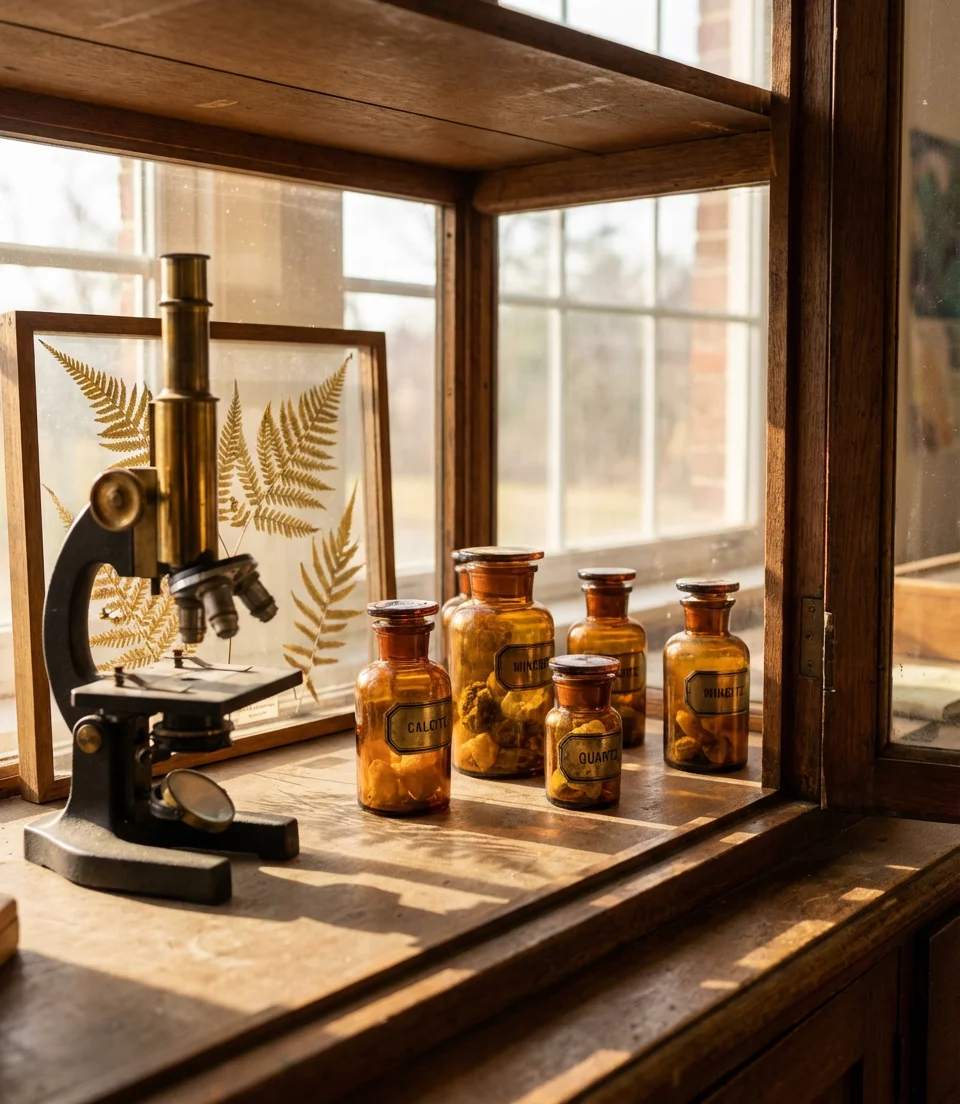
The practical beauty of this theme is that actual vintage finds do the heavy lifting—and they’re often free. Retired science teachers, natural history museum gift shops, and estate sales offer a wealth of authentic props that perfectly complement this look. Ask your school’s science department if they have any old equipment or display materials gathering dust in storage. A genuine vintage microscope on a shelf, even if it no longer functions, becomes a classroom landmark that students point out to every visitor. These real objects carry a weight and authenticity that no reproduction can, and they spark exactly the kind of questions that great teaching is built around.
19. Calm Neutral Classroom With Organic Textures
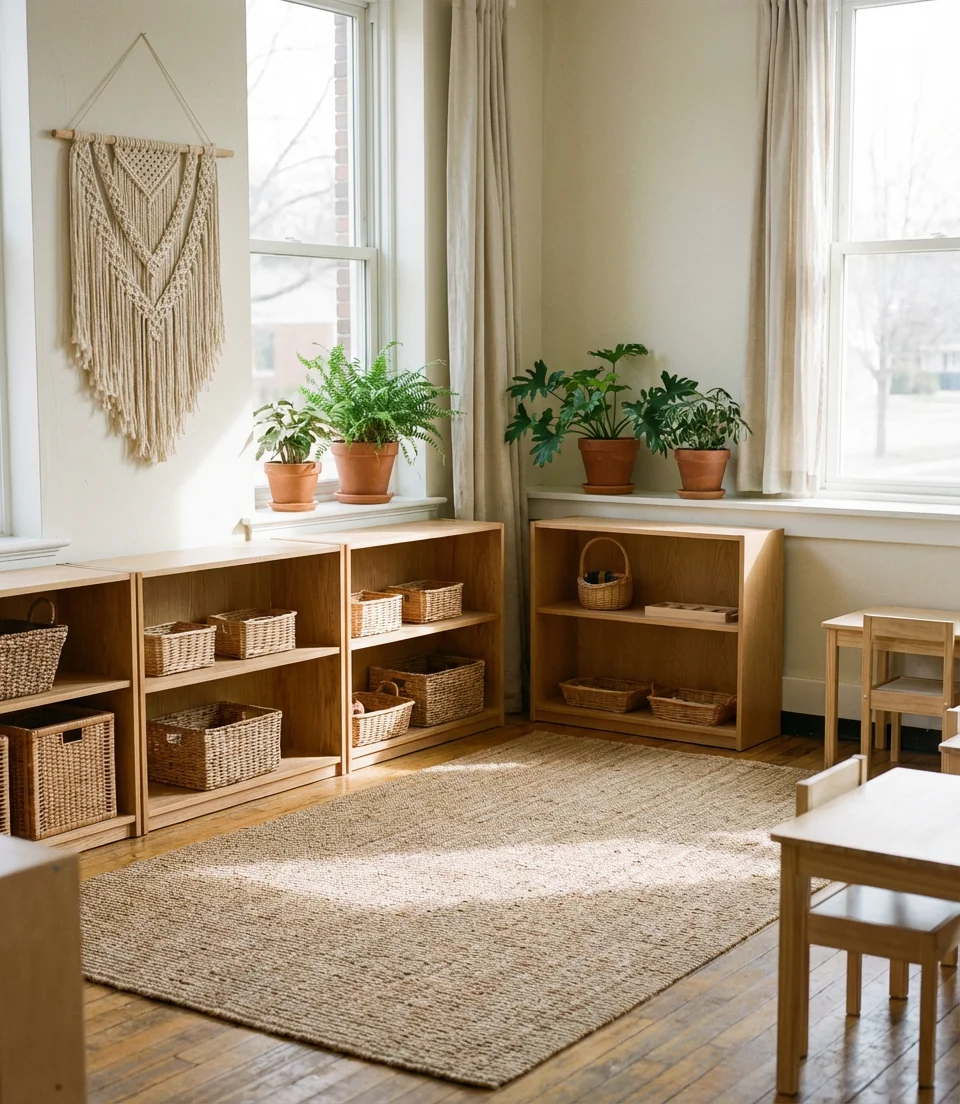
The organic neutral classroom is having its biggest year yet in 2026, and it’s easy to see why—it offers the visual peace of minimalism with the warmth of natural materials. The palette centers on linen, oat, warm white, and the natural tones of wood, clay, and stone. The centerpiece of the design is texture: a chunky jute rug, wicker storage baskets, a macramé display piece, wooden bead garlands, and terracotta plant pots all contribute to a grounded and serene environment. This style works beautifully across all elementary grades and has the added advantage of looking genuinely timeless. The calm it creates is both visual and emotional.
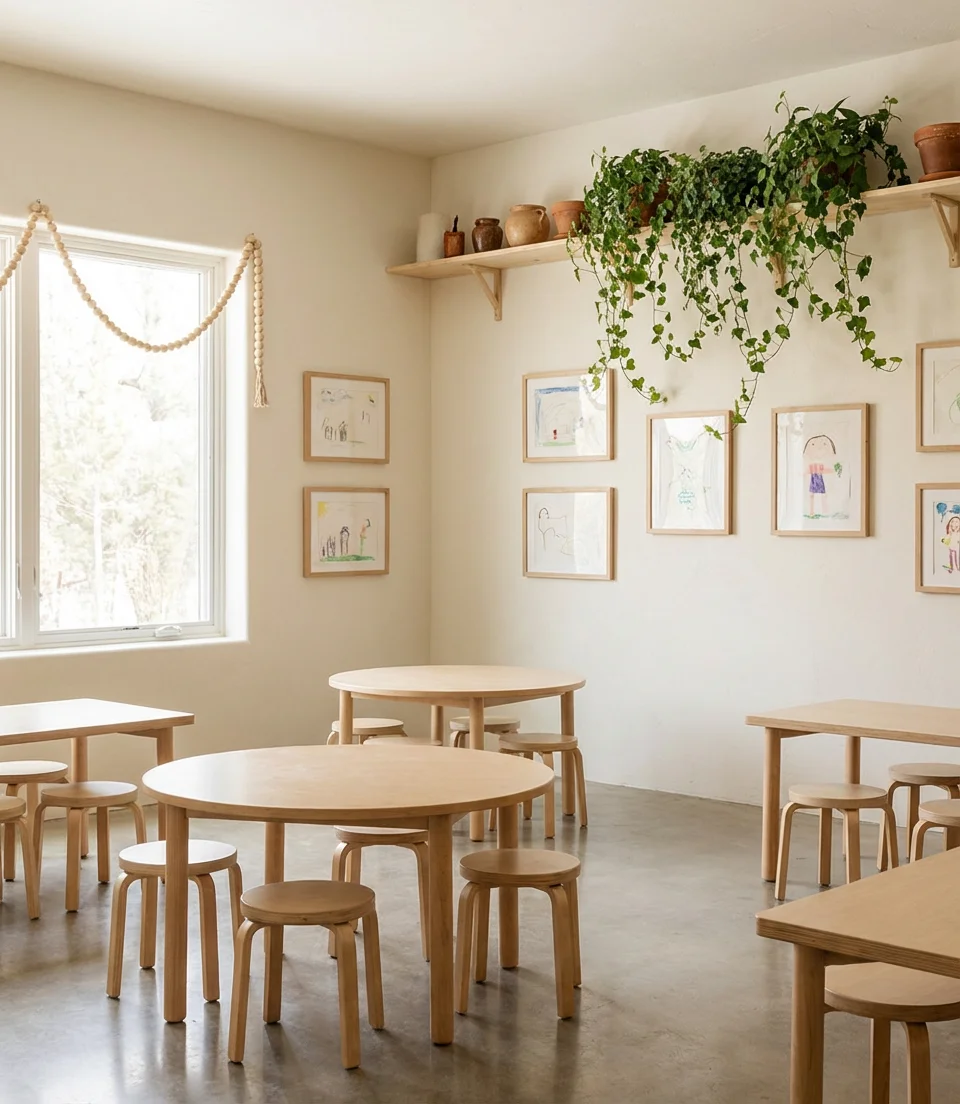
A real-world note that teachers in this aesthetic often share: the hardest part isn’t finding the right pieces—it’s resisting the urge to add things. Neutral rooms require a stricter editing eye than colorful ones because every addition is immediately visible. Develop a one-in-one-out policy for your classroom: when a new piece comes in, something existing has to leave or be stored. This discipline preserves the breathing room that makes the organic neutral look work. Keep live plants as your primary color and texture source—they bring warmth, life, and constant gentle movement to the space in a way that no manufactured piece ever quite replicates.
20. Catholic School Classroom Decor With Grace and Beauty
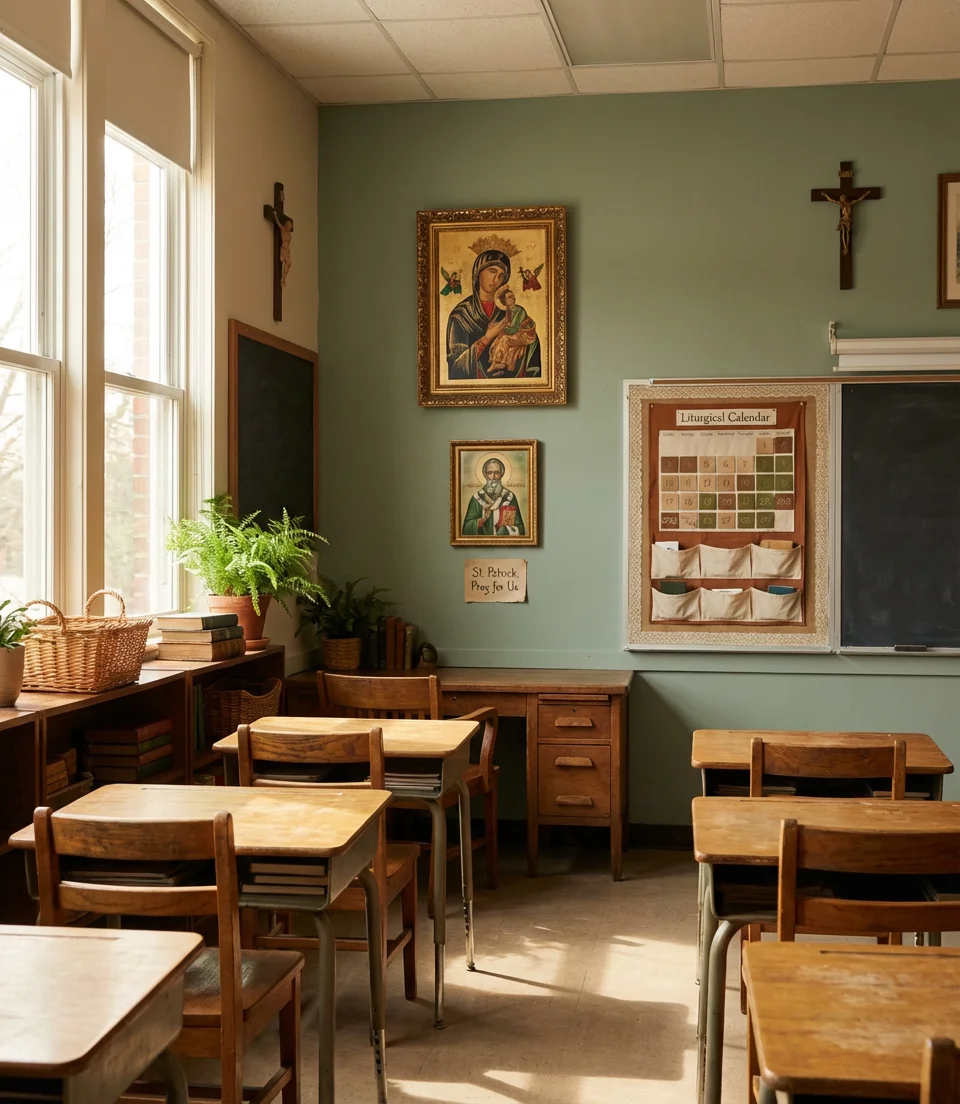
The growing interest in classical education among Catholic school families has brought a beautiful renaissance in Christian classroom aesthetics—one that prioritizes genuine beauty over purely functional display. Classrooms in 2026’s most thoughtfully designed Catholic elementary schools feel like small chapels crossed with great libraries: icon reproductions in gilded frames, a classroom patron saint whose image and story anchors the room’s identity, liturgical calendar displays that build anticipation across the school year, and a general sense of visual reverence that communicates the school’s mission without a single word. This is the opposite of disposable, trend-driven decor—it’s designed to endure and deepen over time.
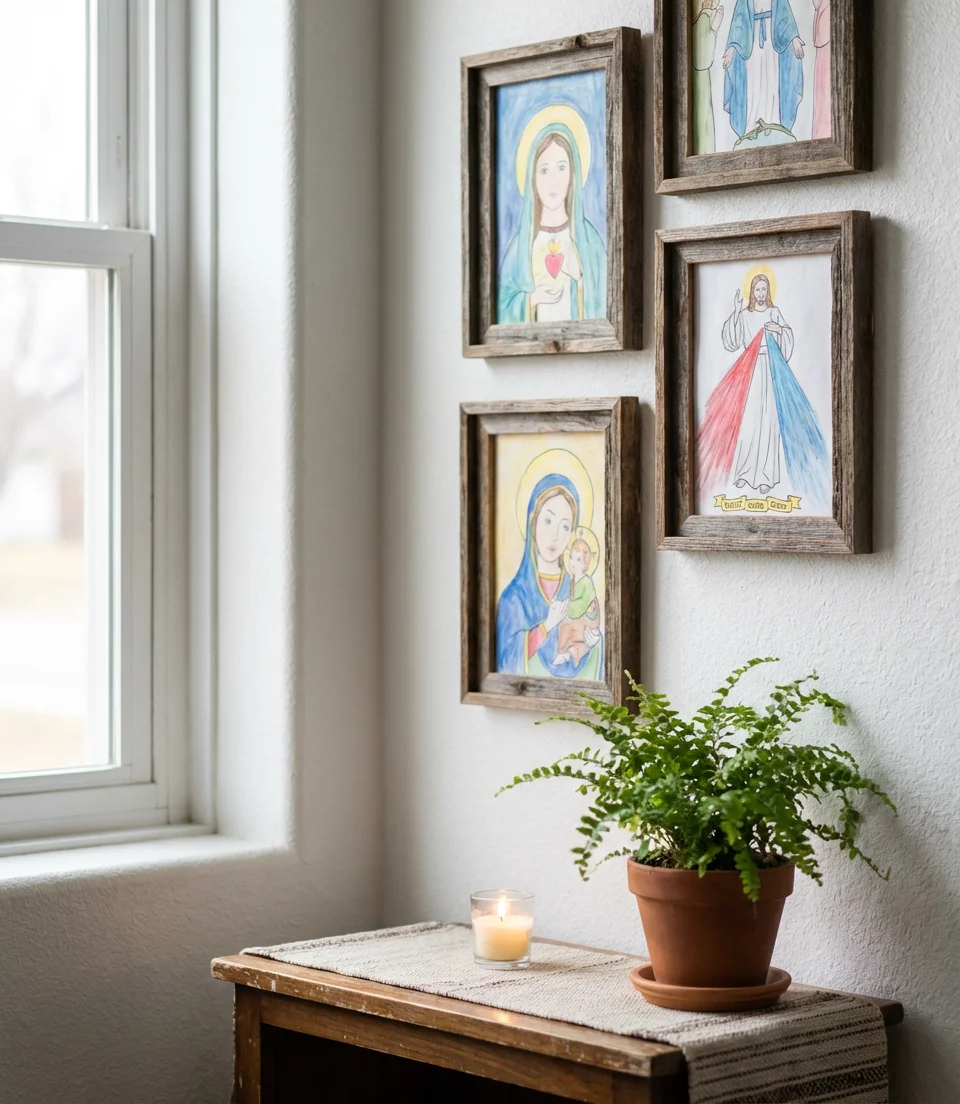
Teachers in Catholic schools with access to art programs have found wonderful success commissioning student artwork for permanent classroom display rather than buying commercial religious art. A child’s painting of the Holy Family, however imperfect, carries a spiritual weight and personal meaning that mass-produced art simply cannot. Over several years of collecting and rotating student-made religious art, a classroom builds what amounts to its own small devotional collection—one that tells the story of every class that has passed through the room. That kind of accumulating meaning is one of the most distinctive gifts a Catholic school classroom can offer, and it costs almost nothing to build.
21. Nostalgic 2000s Classroom Decor Theme With a Modern Twist
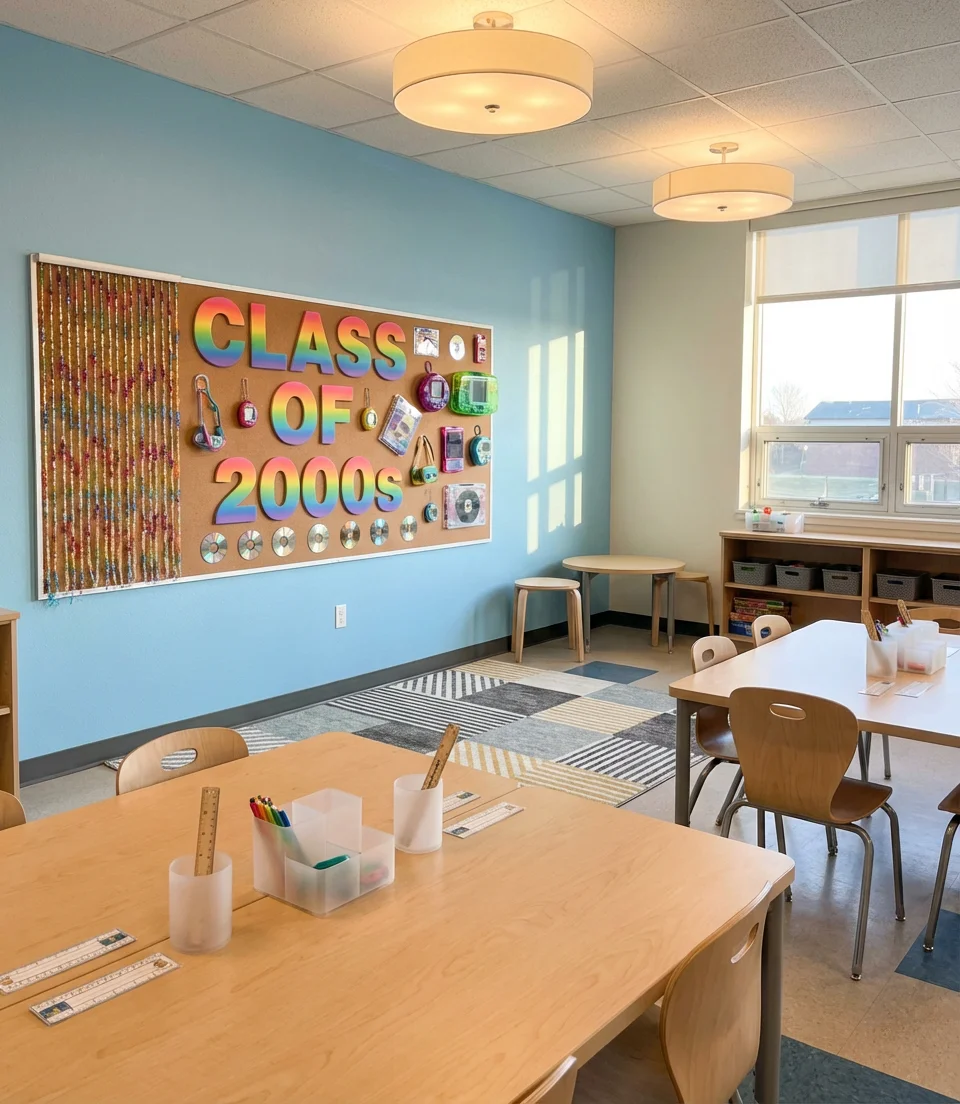
Building on the early 2000s wave, this more refined version blends retro references with contemporary classroom function. Where the straightforward throwback theme leans heavily into period-accurate aesthetics, this modernized take cherry-picks only the most timeless elements—chunky rainbow gradients, Y2K-adjacent typography, and that unmistakable early-millennium optimism—and layers them into an otherwise current classroom design. The nostalgia hits harder precisely because it isn’t overwhelming. A single display wall styled in late-90s/early-2000s graphic language alongside otherwise clean, contemporary decor creates a visual tension that’s surprisingly sophisticated.
This theme connects naturally to media literacy conversations—discussing why certain visual styles feel linked to specific eras is a rich critical thinking exercise for older elementary students. You might create a “then and now” display comparing 2000s classroom technology and design to the present day, or use retro-styled student profiles that echo school photos from that era. The decor becomes curriculum. That integration of aesthetic choice with learning content is the hallmark of truly excellent classroom design—it never just hangs on the wall; it actively participates in the work of the room.
22. Colorful Boho Classroom for Creative Expression
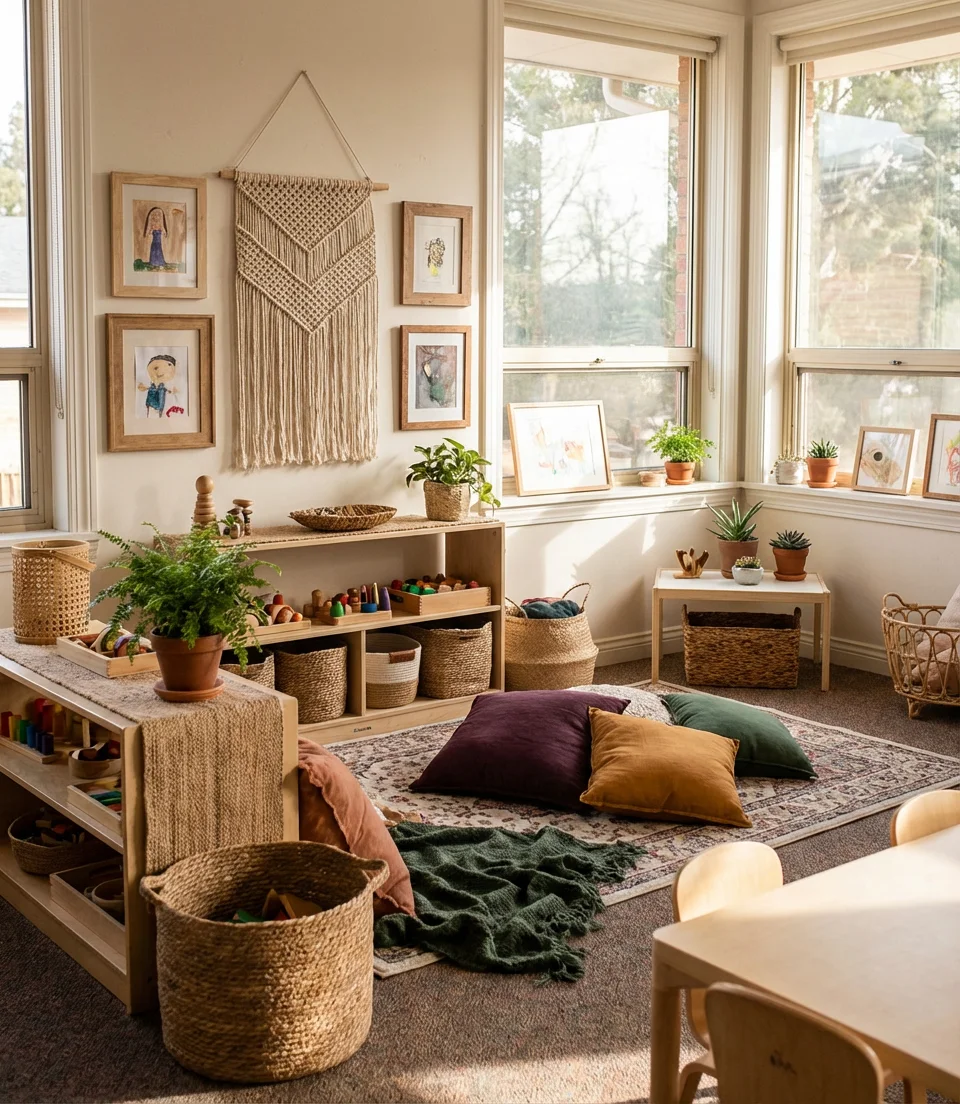
The marriage of boho warmth and genuine colorful energy produces one of the most magnetic classroom environments available right now. Unlike the muted tones of classic boho, this iteration brings in saturated jewel tones—deep plum, warm amber, forest green, and cobalt—alongside the expected woven textures, macramé, and natural wood elements. The combination feels rich, worldly, and visually complex in the best possible way. It works exceptionally well in art rooms, library classrooms, and any space where creative thinking and self-expression are explicit learning goals. The room itself communicates that bold, colorful thinking is welcome here—and students respond to that message viscerally.
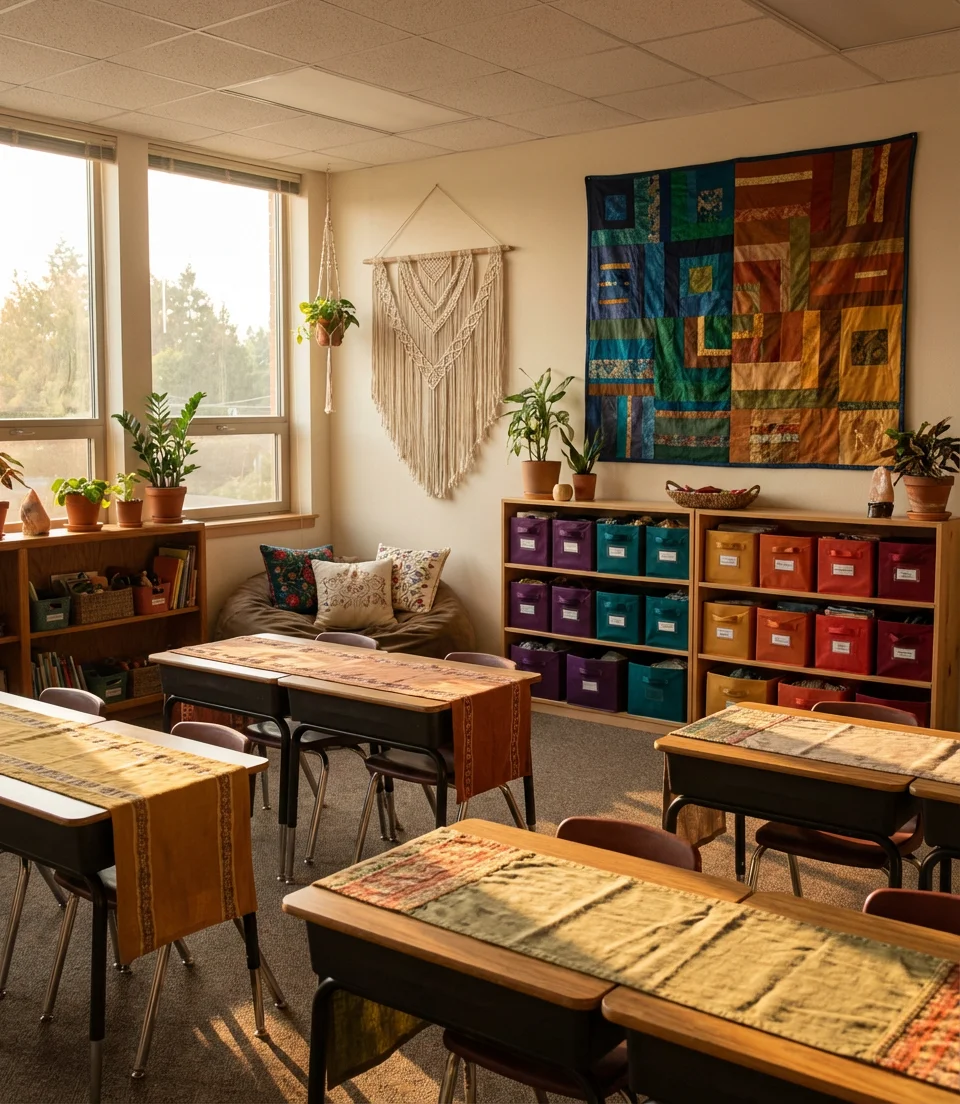
If you’re worried about the colorful boho look becoming visually overwhelming, the key is maintaining a consistent underlying texture story. When everything shares the same organic, handmade quality—even if the colors vary widely—the eye reads it as coherent rather than chaotic. Think of it like a Persian rug: dozens of colors, but a unified visual field because the texture and craft quality hold it together. Apply that logic to your classroom: let the color range freely, but keep the materials and finishes consistent—all natural fiber, all matte, all handmade-looking—and the room will feel intentional and grounded no matter how many hues are present.
23. Aesthetic Classroom Decor Inspired by Social Media Trends
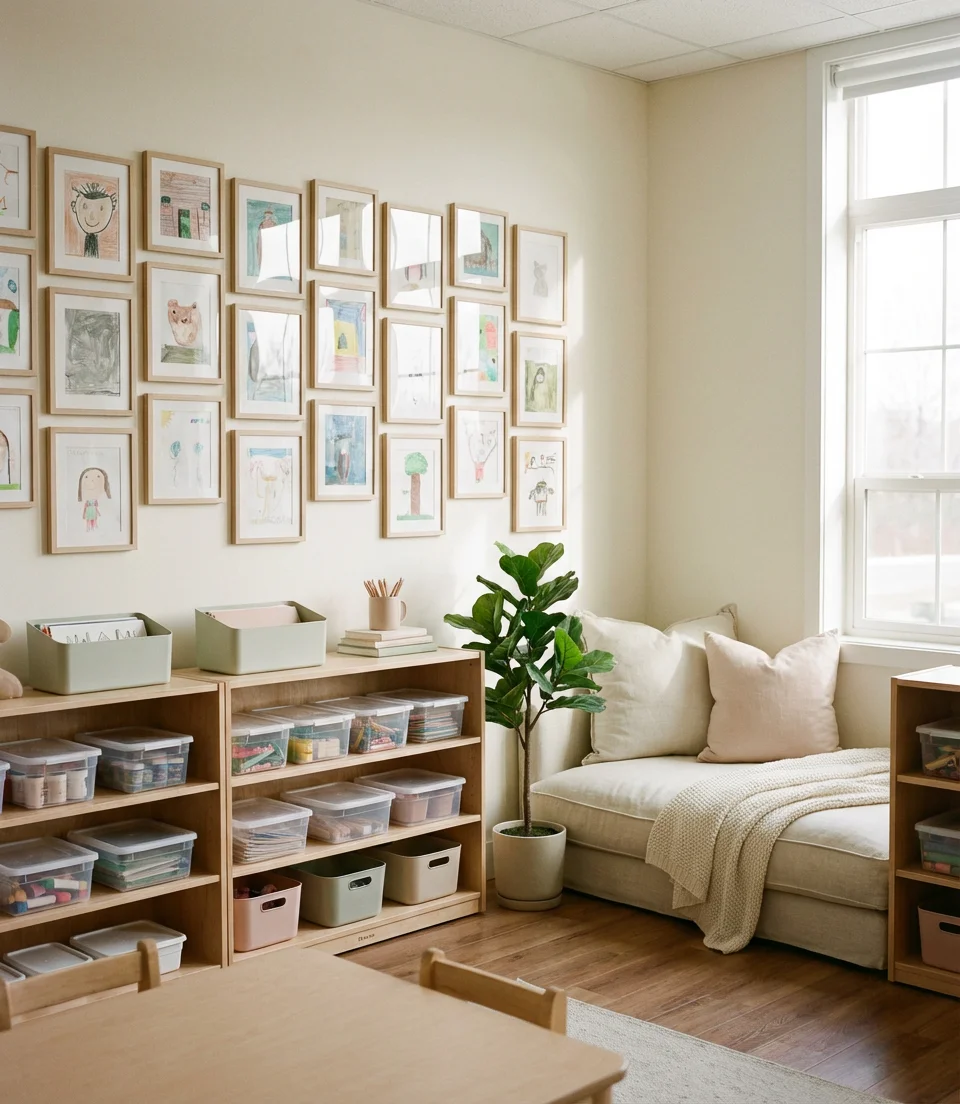
The word “aesthetic” has taken on a specific meaning in the social media age—it refers to a curated visual identity that feels intentional, cohesive, and genuinely beautiful when photographed. In 2026, this sensibility has fully arrived in elementary classroom design, and the results are stunning. Teachers who approach their classrooms in the same way a lifestyle blogger approaches a flat lay are creating rooms that captivate viewers: they meticulously consider every detail, deliberate color relationships, and carefully select each texture to contribute to a cohesive visual story. The Pinterest and TikTok classroom communities have elevated the collective standard of what a beautifully designed educational space can look like.
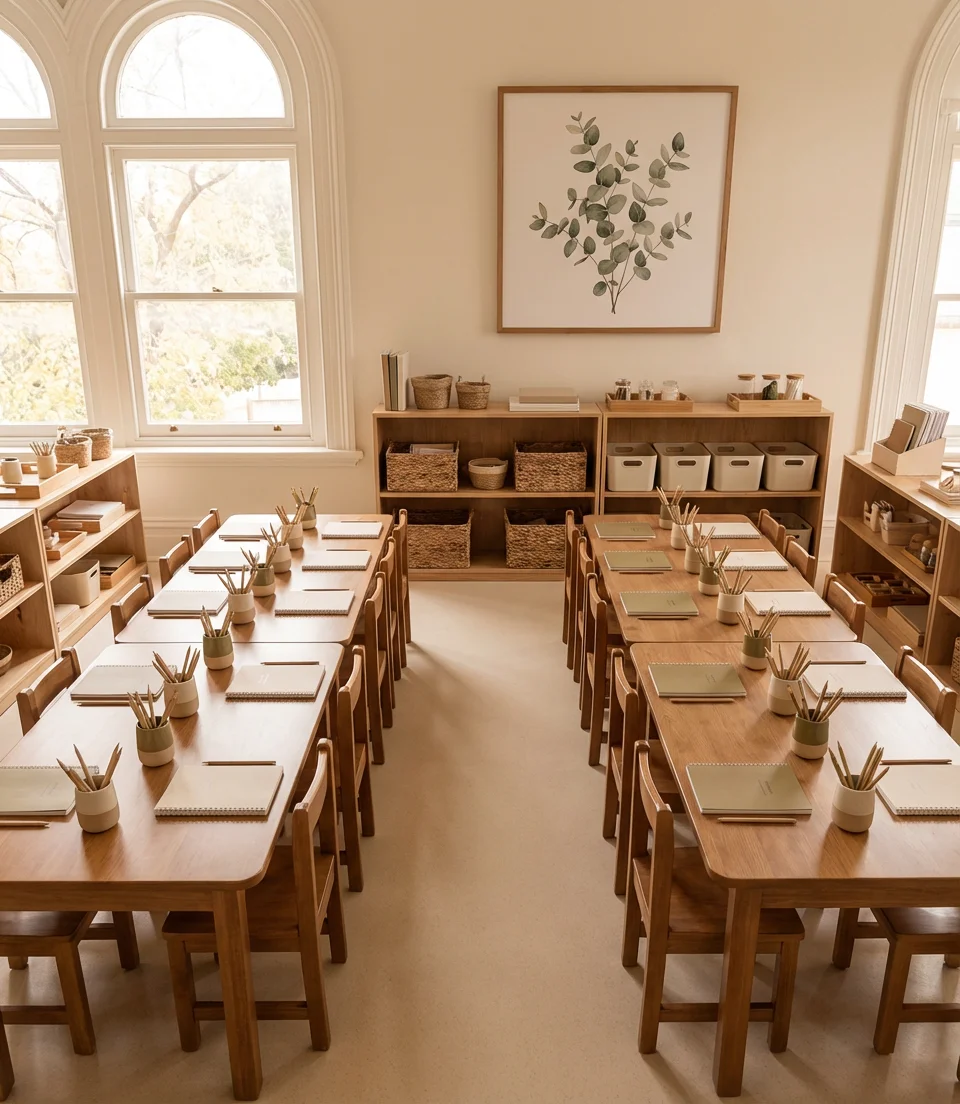
However, it’s important to note that designing for the photo and designing for the students are not always the same projects. The most Instagrammable classroom isn’t always the most functional one, and the needs of actual children—who touch, drag, climb on, and sometimes destroy beautiful things—must always come first. The best classroom designers hold both goals simultaneously: they create spaces that are genuinely beautiful AND completely child-proof, using durable materials, washable textiles, and display systems that survive contact with 25 energetic kids. Beauty in the service of learning is the ultimate design brief.
24. Simple DIY Inspiration Wall for Student Achievement
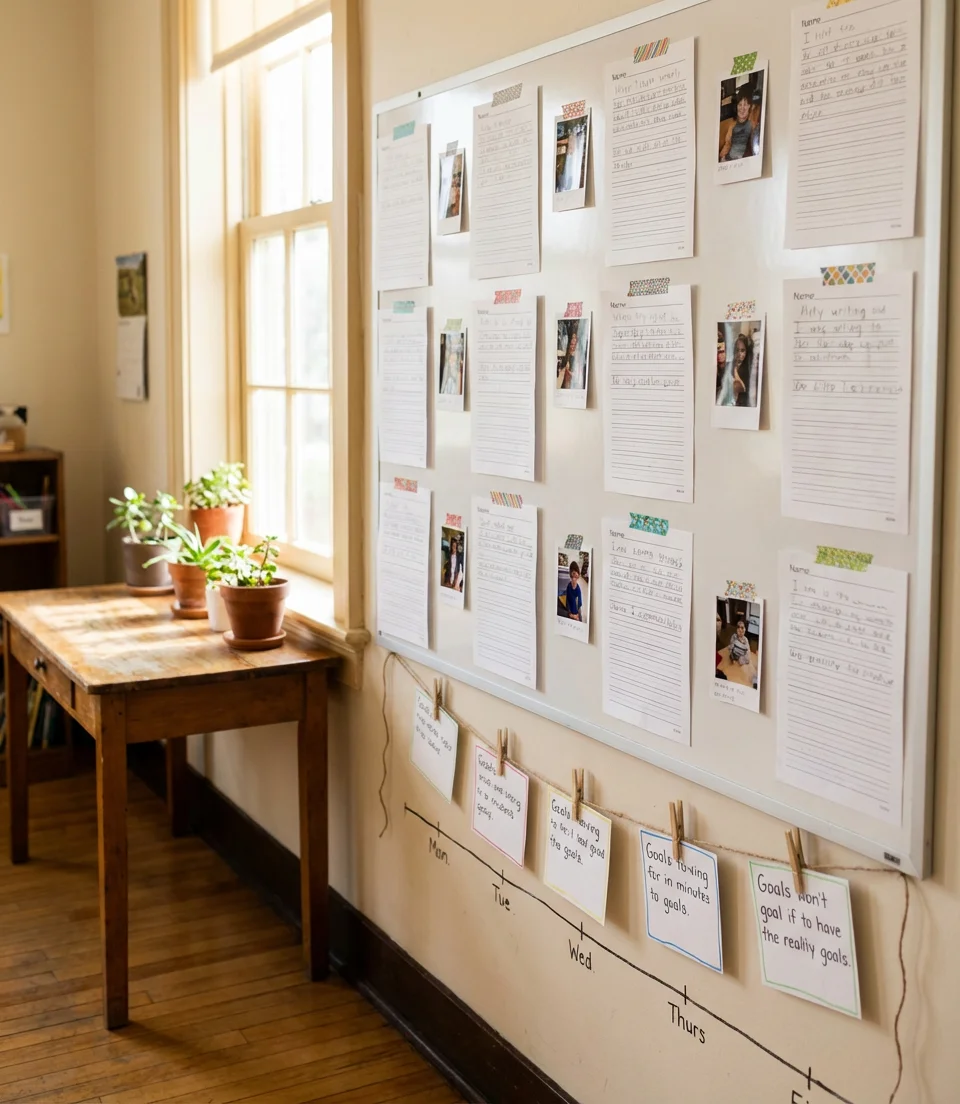
One of the most powerful and underutilized tools in elementary classroom design is a dedicated inspiration wall—a space that celebrates student work, growth, and aspirational thinking in a way that’s visually compelling rather than perfunctory. In 2026, the best versions of this idea move well beyond the traditional “star student” bulletin board into something richer: a gallery-wall-style display featuring student writing alongside their author photos, a “goals and growth” timeline stretching across an entire wall, or a collaborative mural that builds across the year. This kind of display is inherently DIY because it’s built by and for the specific children in that room—no kit could ever replicate it.
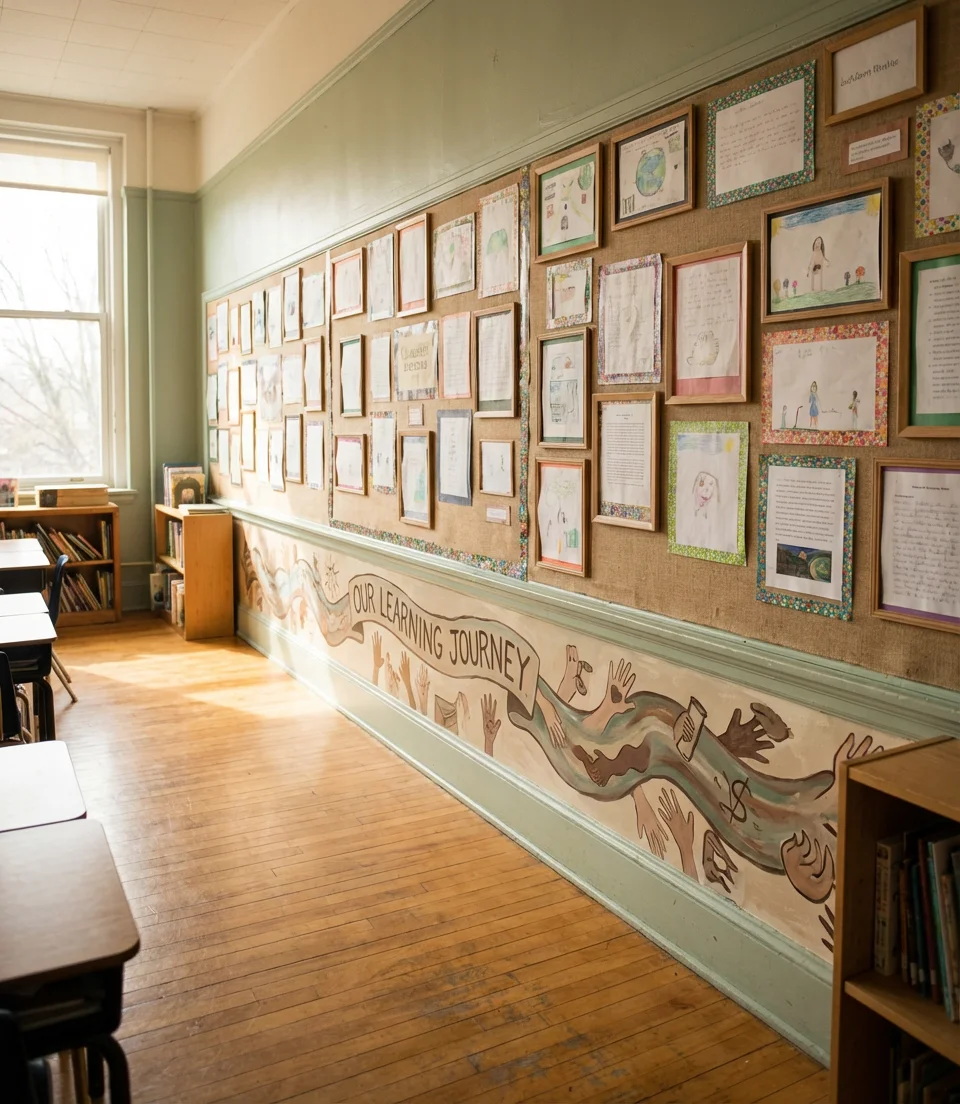
The achievement wall is also one of the most equitable pieces of classroom design you can invest in. When every student’s work appears on a visible, dignified display—not just the “best” pieces, but carefully chosen work from every child—the message is clear: everyone in this room is seen, everyone’s thinking matters, and everyone has something worth celebrating. That message, delivered daily through the physical environment, may be the most important thing your classroom decor ever communicates. The cost? All it takes is a few hours of your time, some simple frames or washi tape borders, and your honest attention to what each of your students has done well.
There’s never been a better moment to rethink what your classroom looks and feels like—and hopefully these ideas have given you a genuinely useful starting point, whether you’re drawn to calm neutrals, bold color, vintage charm, or faith-centered beauty. We’d love to hear which ideas resonated most with you: drop your thoughts, questions, and your own classroom photos in the comments below. Tell us what theme you’re planning for your room this year—your ideas might just inspire the teacher down the hall.