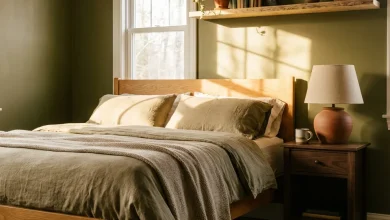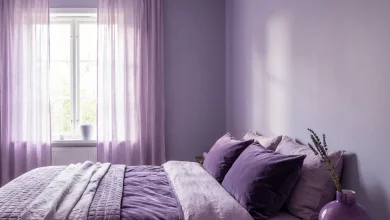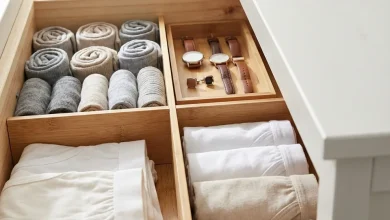

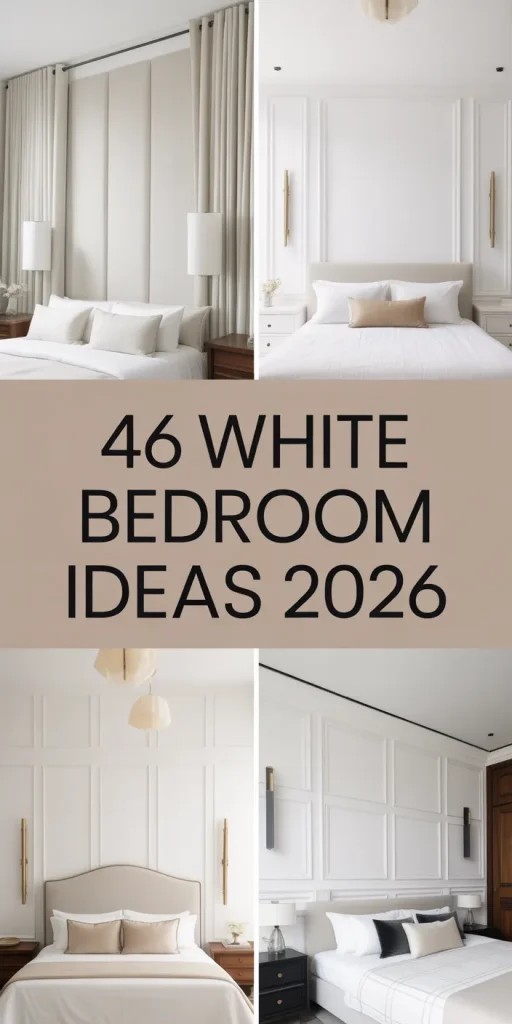
White bedrooms continue to dominate Pinterest searches in 2026, and it’s easy to see why. Americans are drawn to the clean, calming simplicity that white walls and white bedroom furniture provide—a perfect canvas for personal expression. Whether you’re working with a small room or designing a couples retreat, white offers endless flexibility. From minimalist sanctuaries to cozy layered spaces, these ideas will help you create a bedroom that feels both timeless and entirely yours.
1. All-White Minimalist Sanctuary
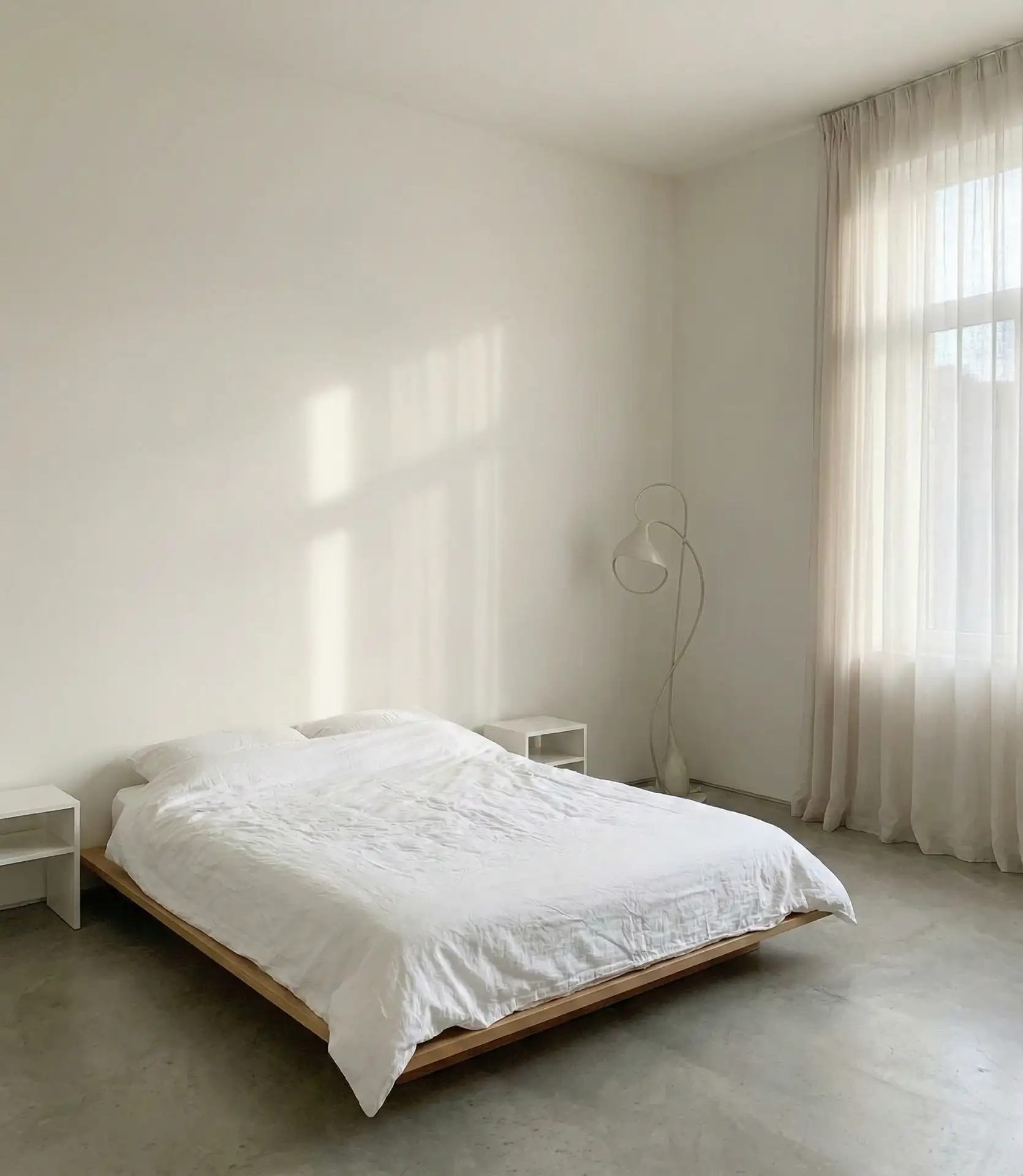
This minimalist approach strips away clutter and embraces pure white walls, crisp white bedroom furniture, and unadorned windows. Perfect for small rooms, this style maximizes light and creates an airy, open feel. The key is choosing pieces with clean lines—a low platform bed, simple nightstands, and perhaps one sculptural element like a floor lamp. Modern doesn’t mean cold; texture in linens and a single cream throw can add warmth without breaking the palette.
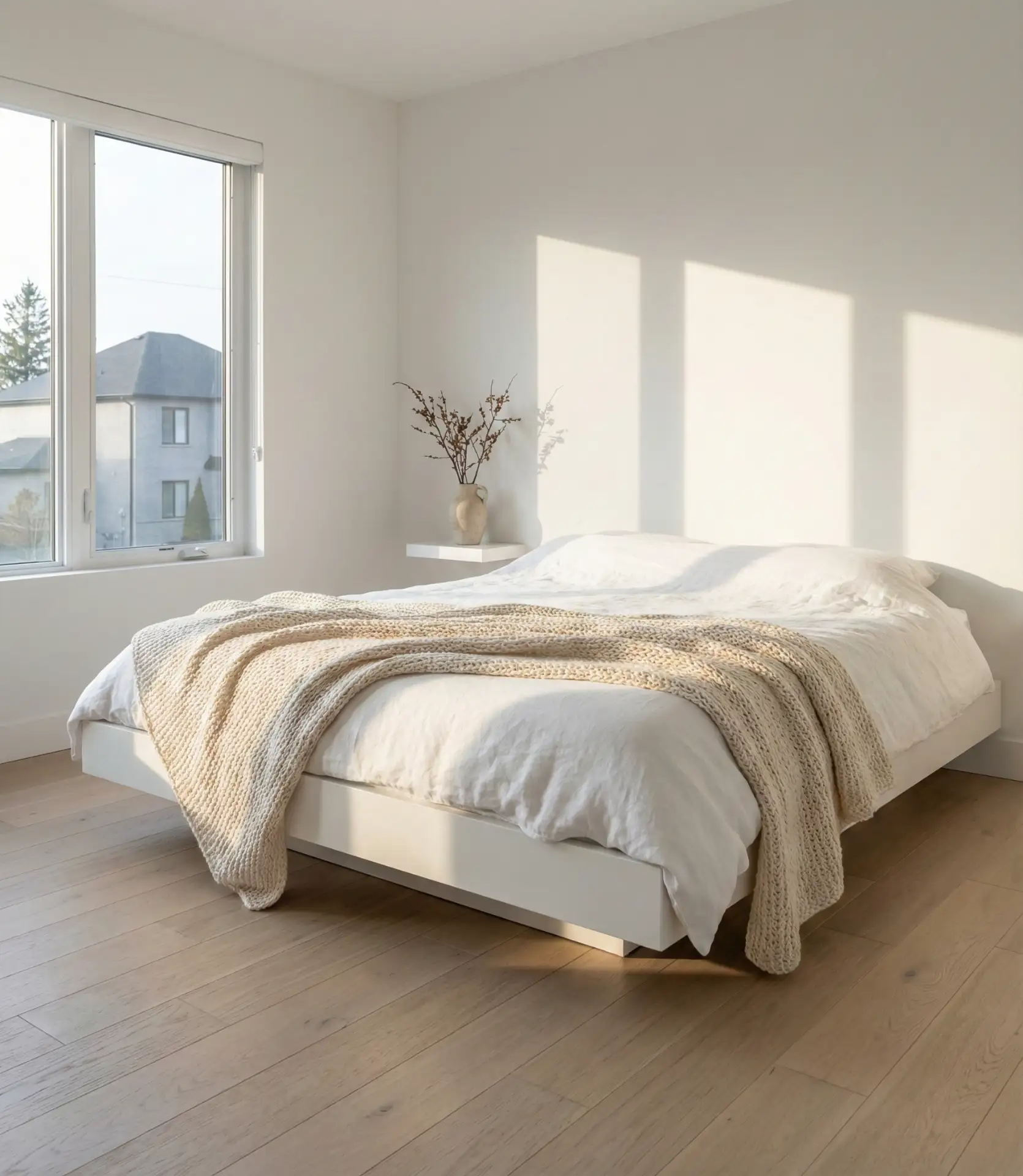
One common mistake is going too stark—adding zero texture or warmth. Even minimalist spaces benefit from layered white tones: ivory bedding against bright white walls or a linen duvet over cotton sheets. This subtle variation prevents the room from feeling sterile. Consider matte and gloss finishes on different surfaces to create depth without introducing color.
2. White and Grey Layered Elegance
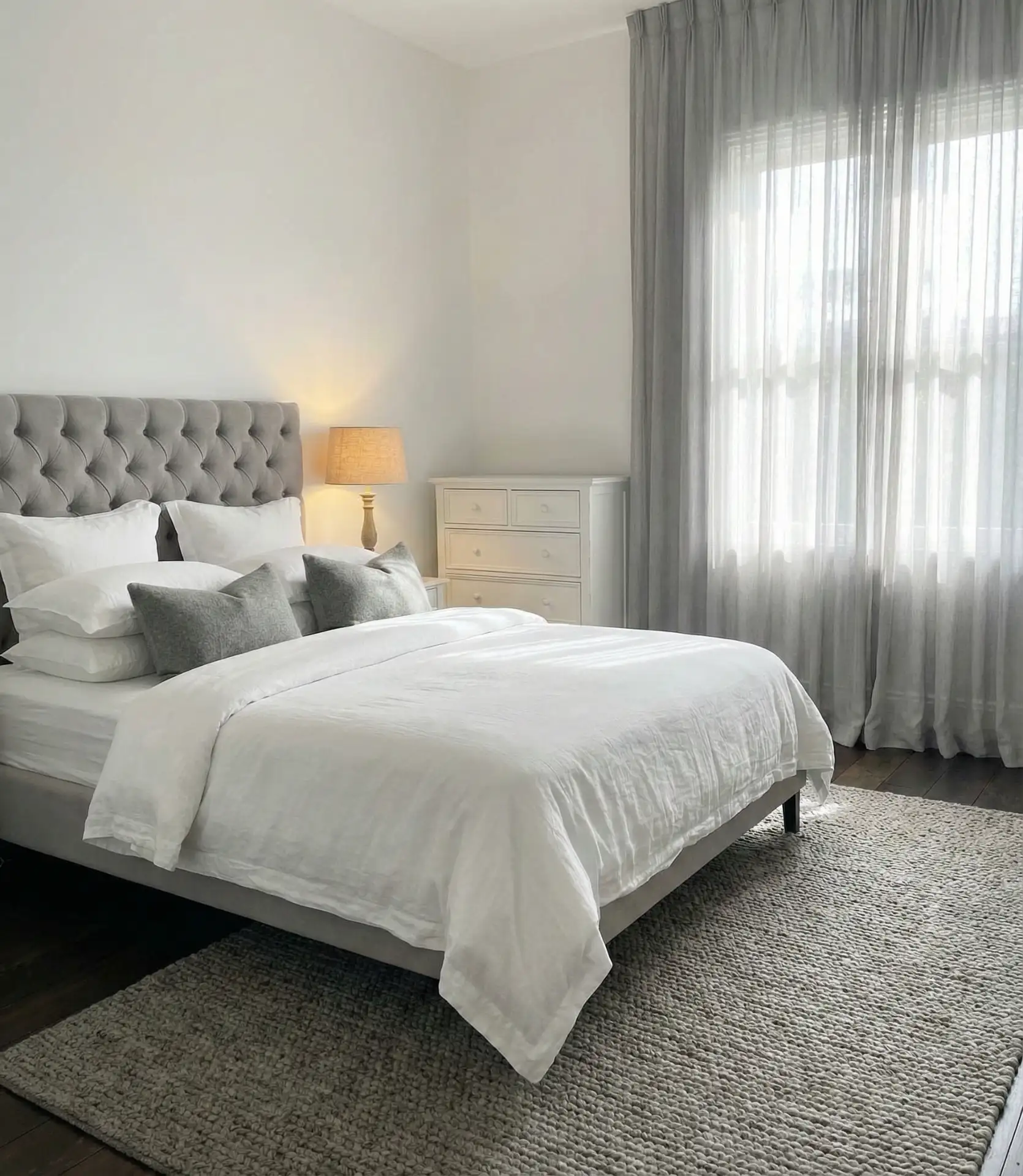
Pairing white with grey brings sophistication without sacrificing serenity. A white upholstered bed against light grey walls creates gentle contrast, while grey throws and pillows add dimension. This combination works beautifully in both master suites and guest rooms, offering a neutral backdrop that complements virtually any decor style. The balance between warm whites and cool grays can shift the room’s mood from cozy to crisp depending on your material choices.
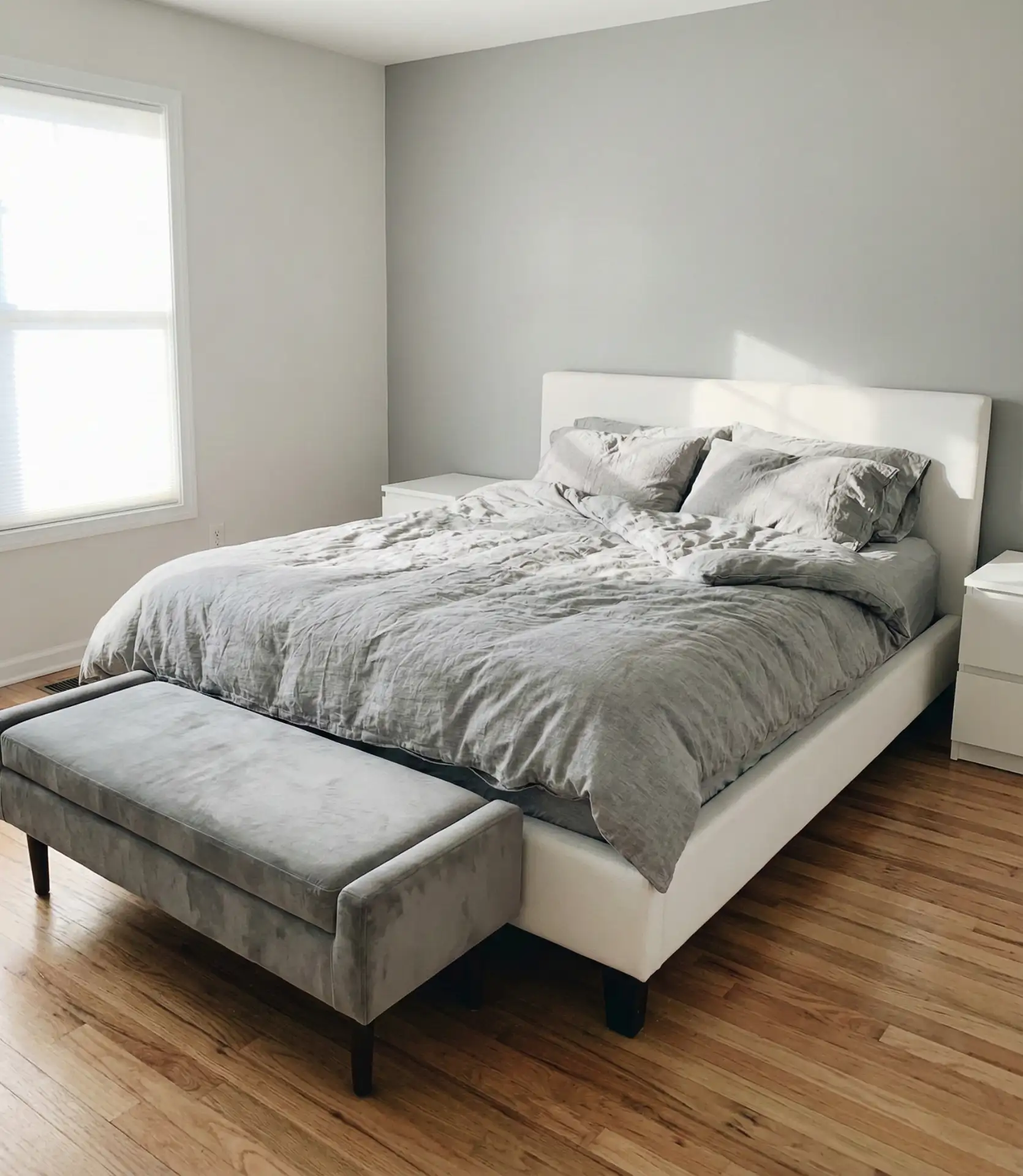
This pairing works best in homes with excellent natural light, particularly in the Northeast and Pacific Northwest regions, where softer, diffused daylight benefits from the reflective quality of white surfaces. The grey anchors the space and prevents it from feeling washed out on overcast days, making it a practical choice for year-round comfort.
3. White and Navy Blue Nautical Calm
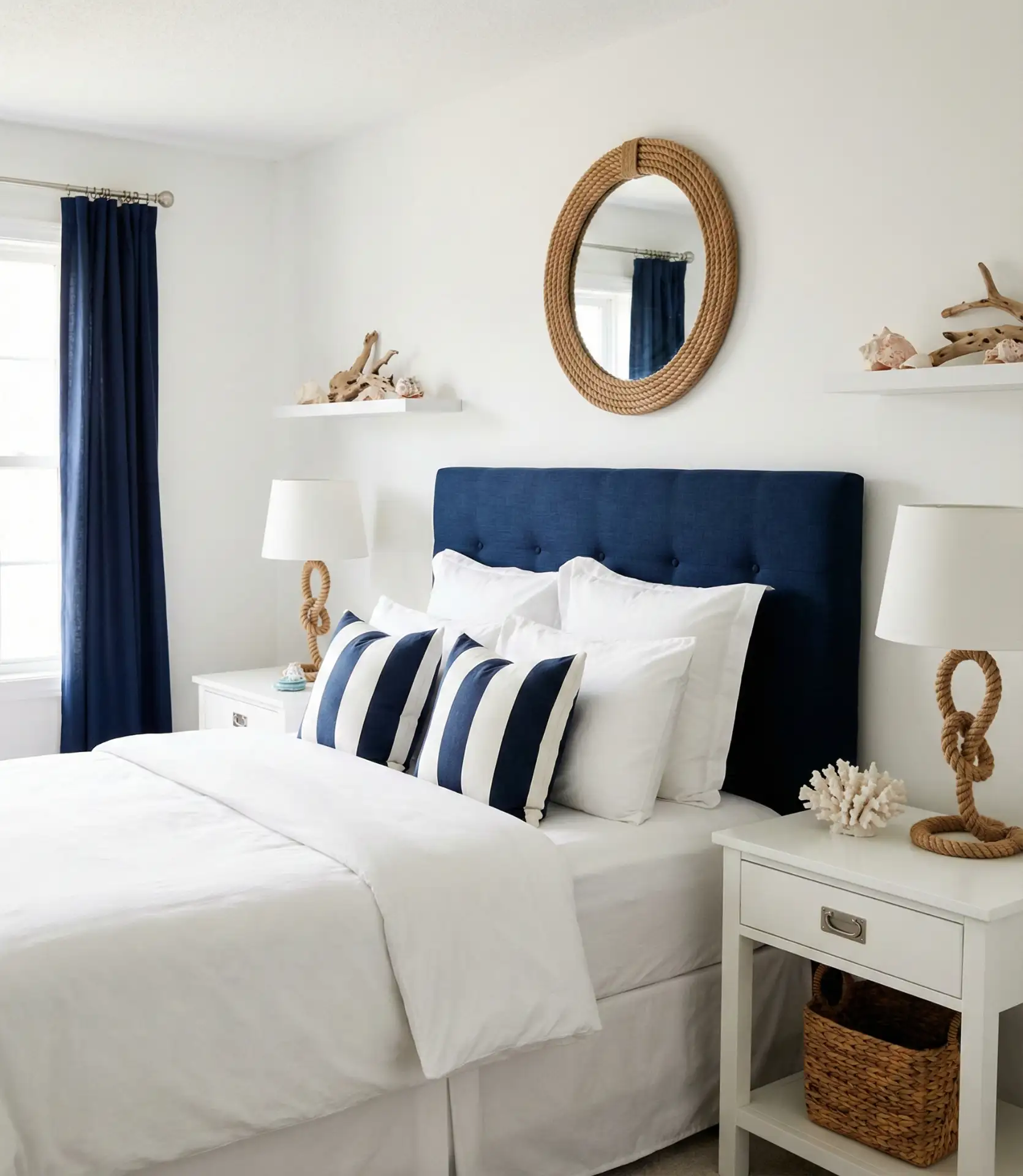
White walls paired with navy blue accents create a crisp, maritime-inspired bedroom that feels both classic and current. Think white bedding with navy throw pillows, a navy blue upholstered headboard, or even navy curtains framing white sheer panels. This palette works especially well in coastal homes but translates beautifully to urban apartments seeking a grounded, sophisticated vibe. The high contrast makes even small rooms feel intentionally designed rather than cramped.
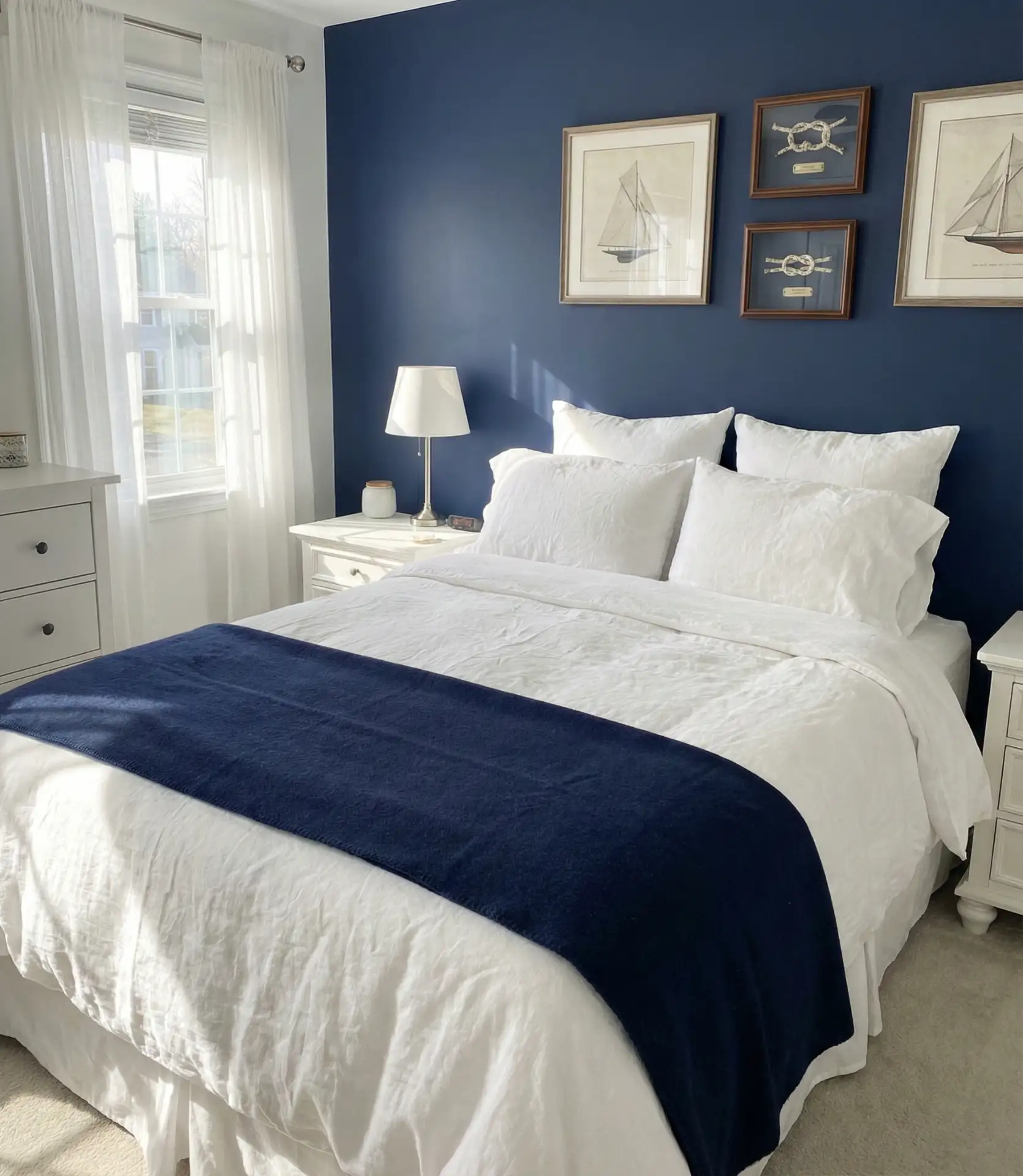
A friend recently updated her rental bedroom with just navy bedding and white walls—she described it as feeling like a boutique hotel for under $200. Mix-and-match pieces create a forgiving contrast, eliminating the need for a complete set. Start with one navy element and build from there as your budget allows.
4. White and Blush Pink Romance
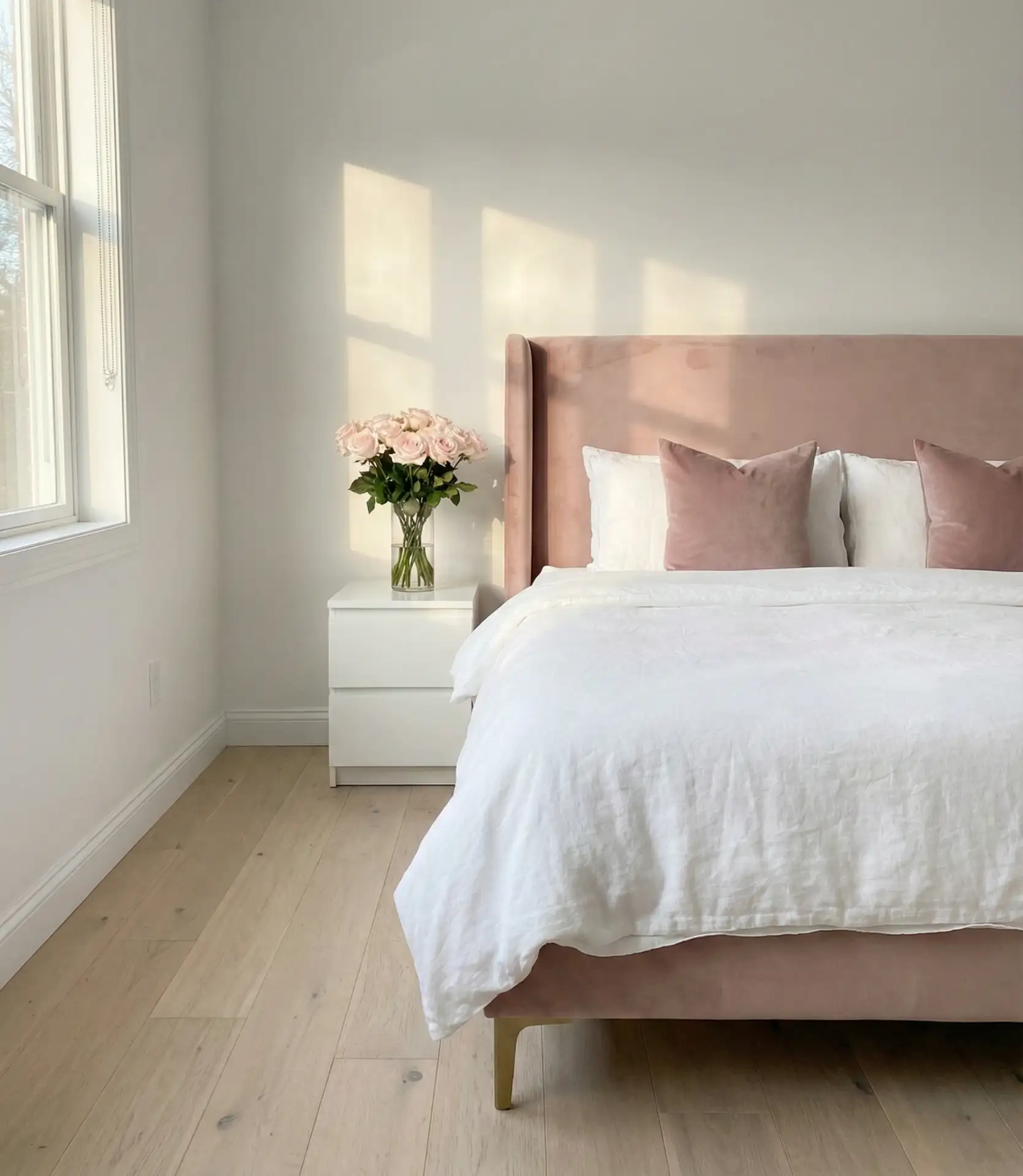
Soft pink accents against white walls deliver warmth without overwhelming the space. A grey-pink duvet or blush velvet bench adds just enough color to feel personal and inviting. This combination appeals to those seeking a cozy, nurturing environment—ideal for teenage girl bedrooms or adult spaces that embrace a softer, more romantic aesthetic. The key is choosing muted, dusty pinks rather than bright or juvenile shades.
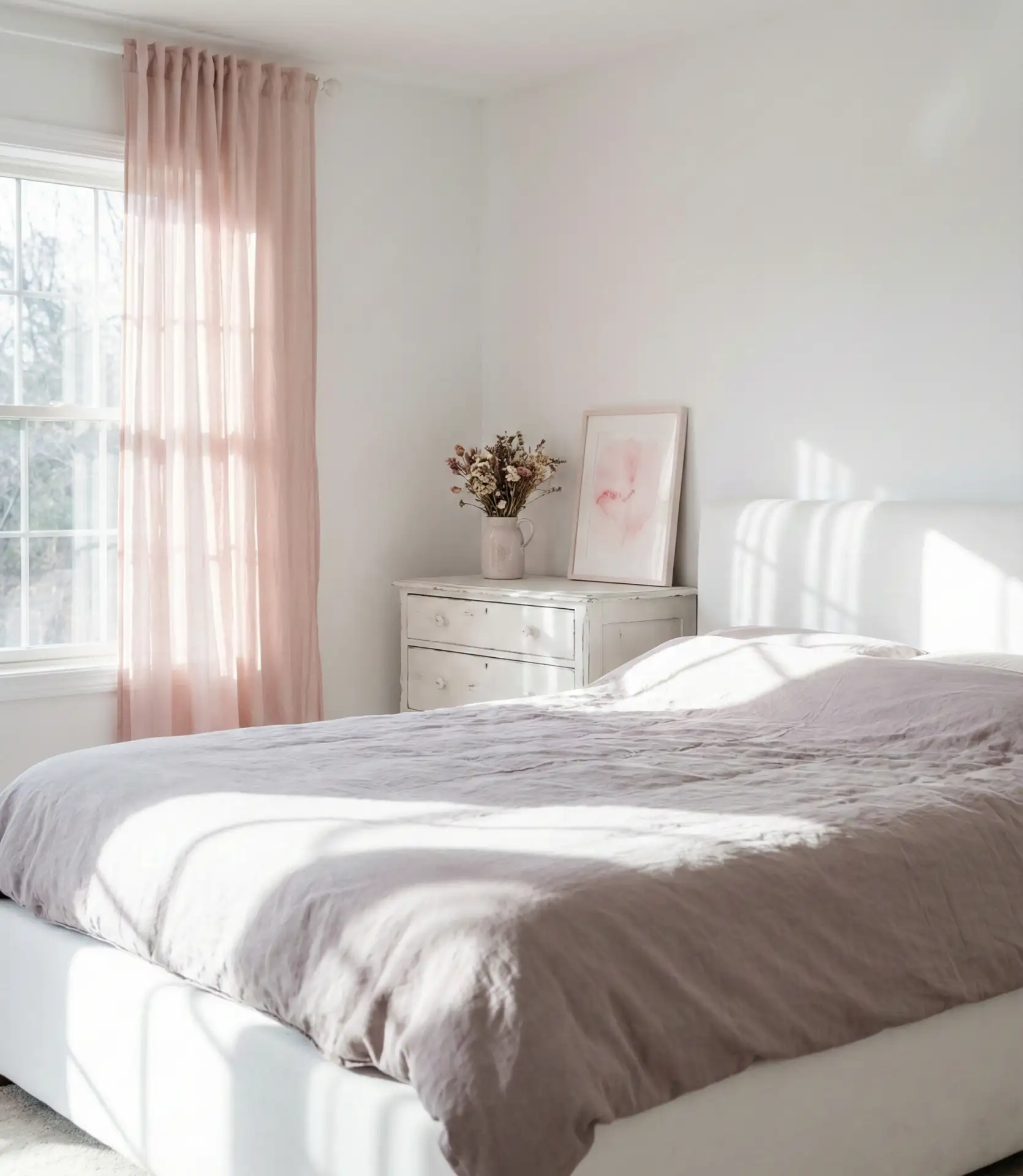
Where this design works best: bedrooms with eastern or southern exposure, where natural light throughout the day brings out the subtle warmth in pink tones. In north-facing rooms, pink can read flat or slightly grey, so consider layering in warmer whites or adding a touch of gold hardware to compensate.
5. White and Sage Green Serenity
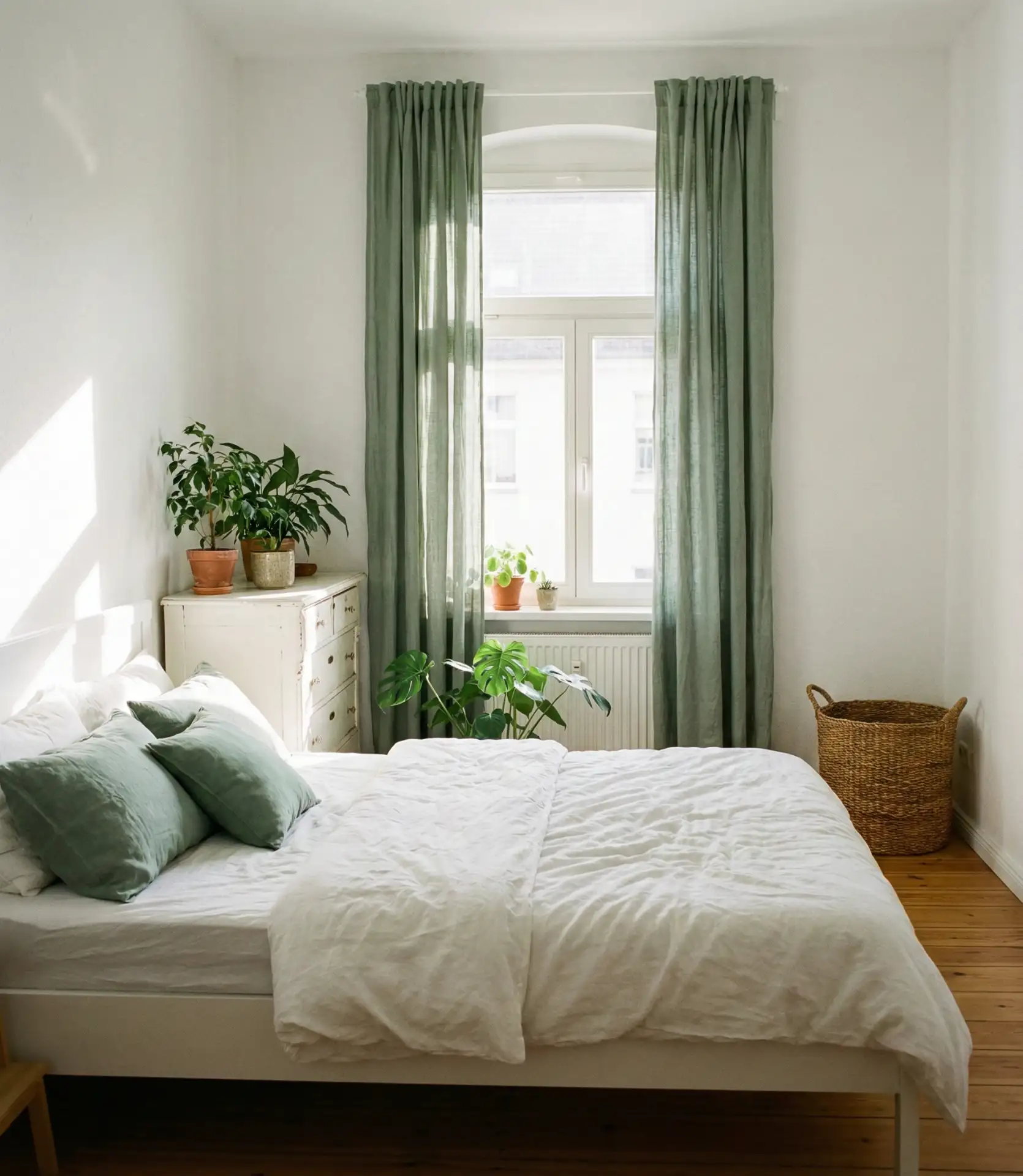
The pairing of white and sage green has surged in popularity for its calming, nature-inspired quality. White walls let sage green bedding, curtains, or an accent chair take center stage without competing for attention. This palette feels especially fresh in modern farmhouse or Scandinavian-inspired spaces, offering a grounded alternative to all-white schemes. Even a single green plant in a white ceramic pot reinforces the organic connection.
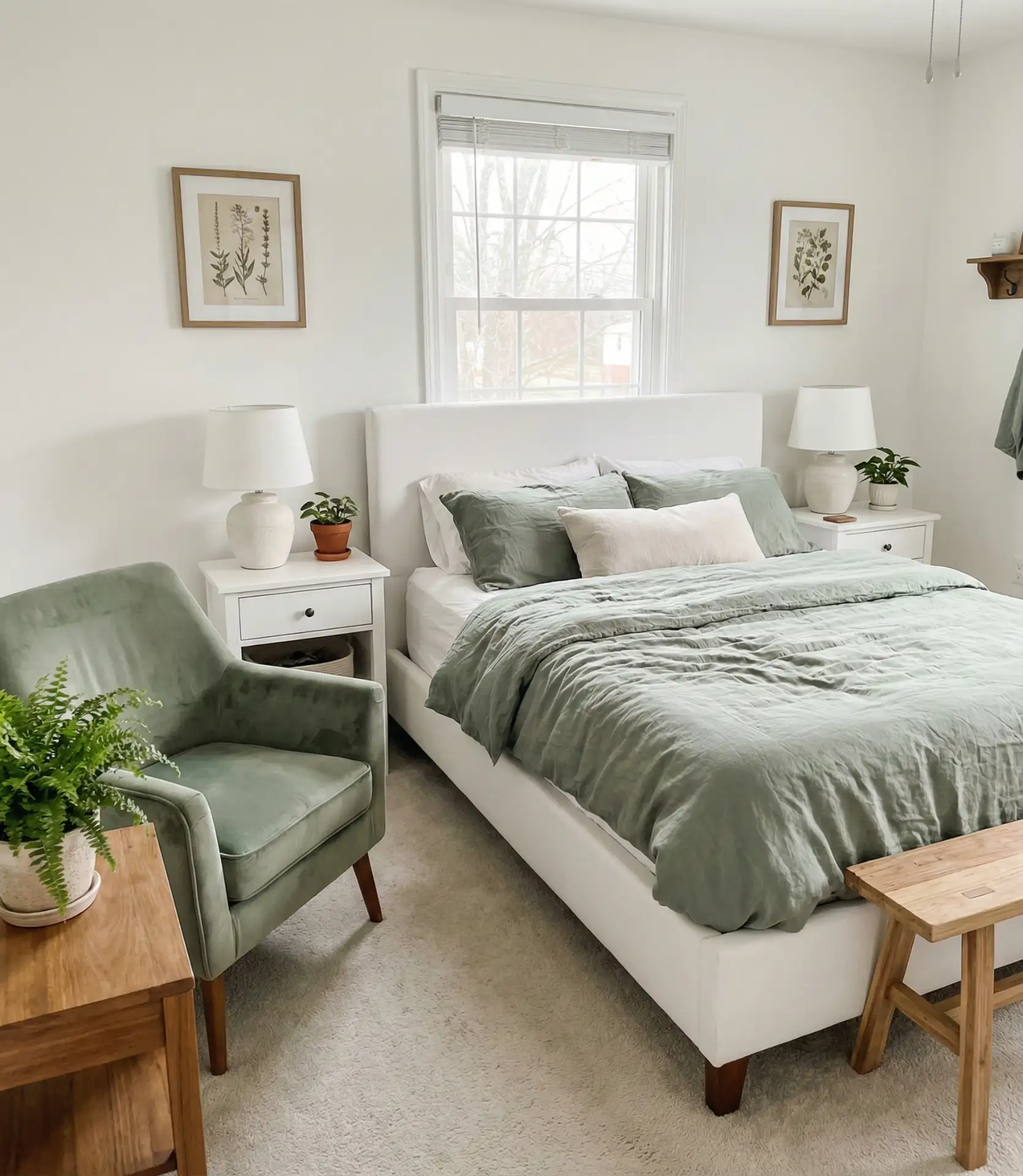
Budget-conscious decorators can achieve this look with paint samples and thrifted textiles. A gallon of sage green paint for an accent wall costs around $35, and vintage linen pillowcases in muted greens regularly appear at estate sales for under $10. The investment is minimal, but the impact is significant—especially when paired with white basics you likely already own.
6. White and Charcoal Grey Drama
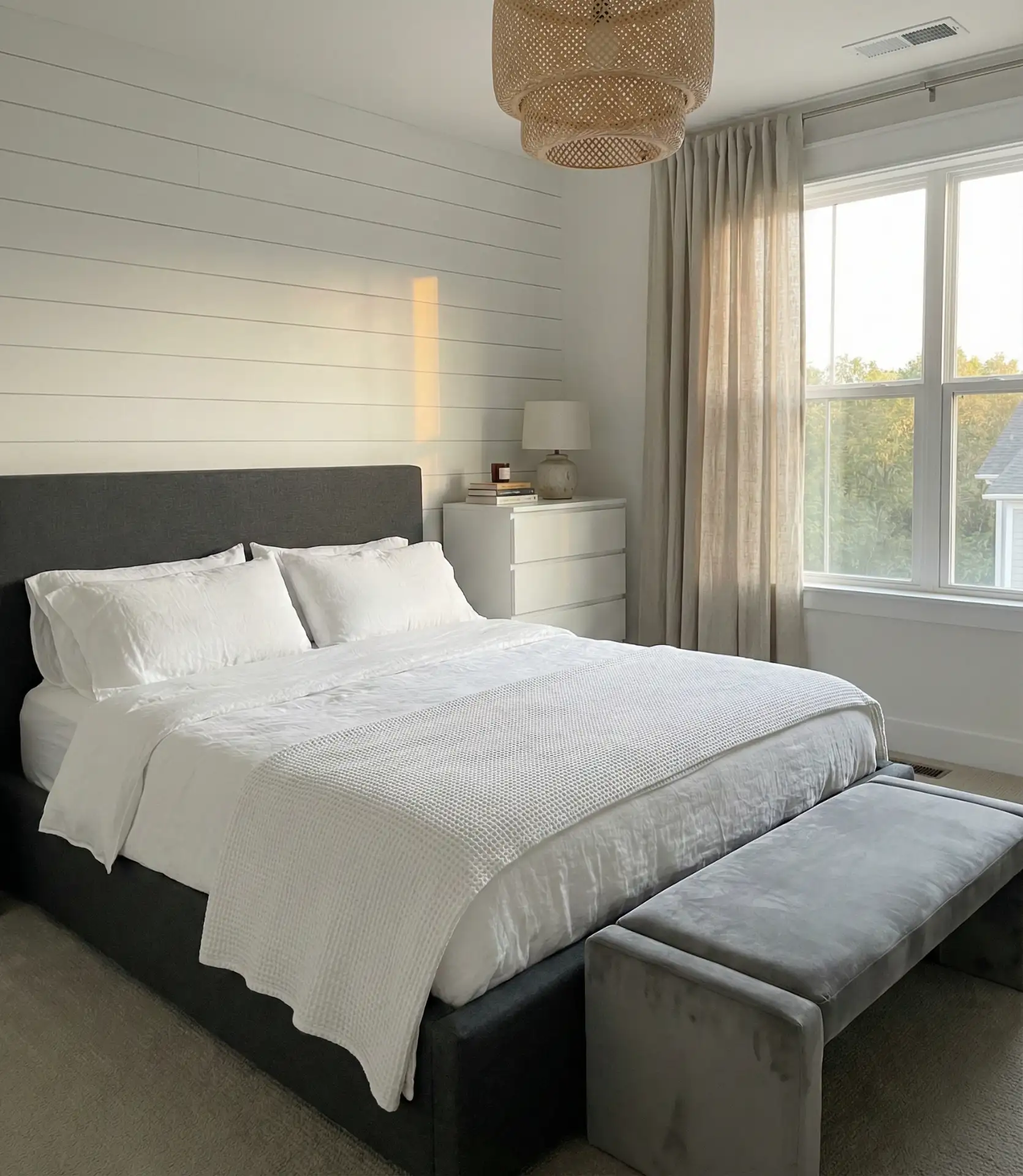
For those craving contrast, white walls with grey or charcoal accents deliver visual punch without color overload. A charcoal grey upholstered bed against white shiplap, or white bedding layered with a chunky charcoal knit throw, creates depth and interest. This scheme suits couples seeking a shared space that feels neither overly feminine nor starkly masculine. The interplay of light and dark adds dimension that pure white rooms sometimes lack.
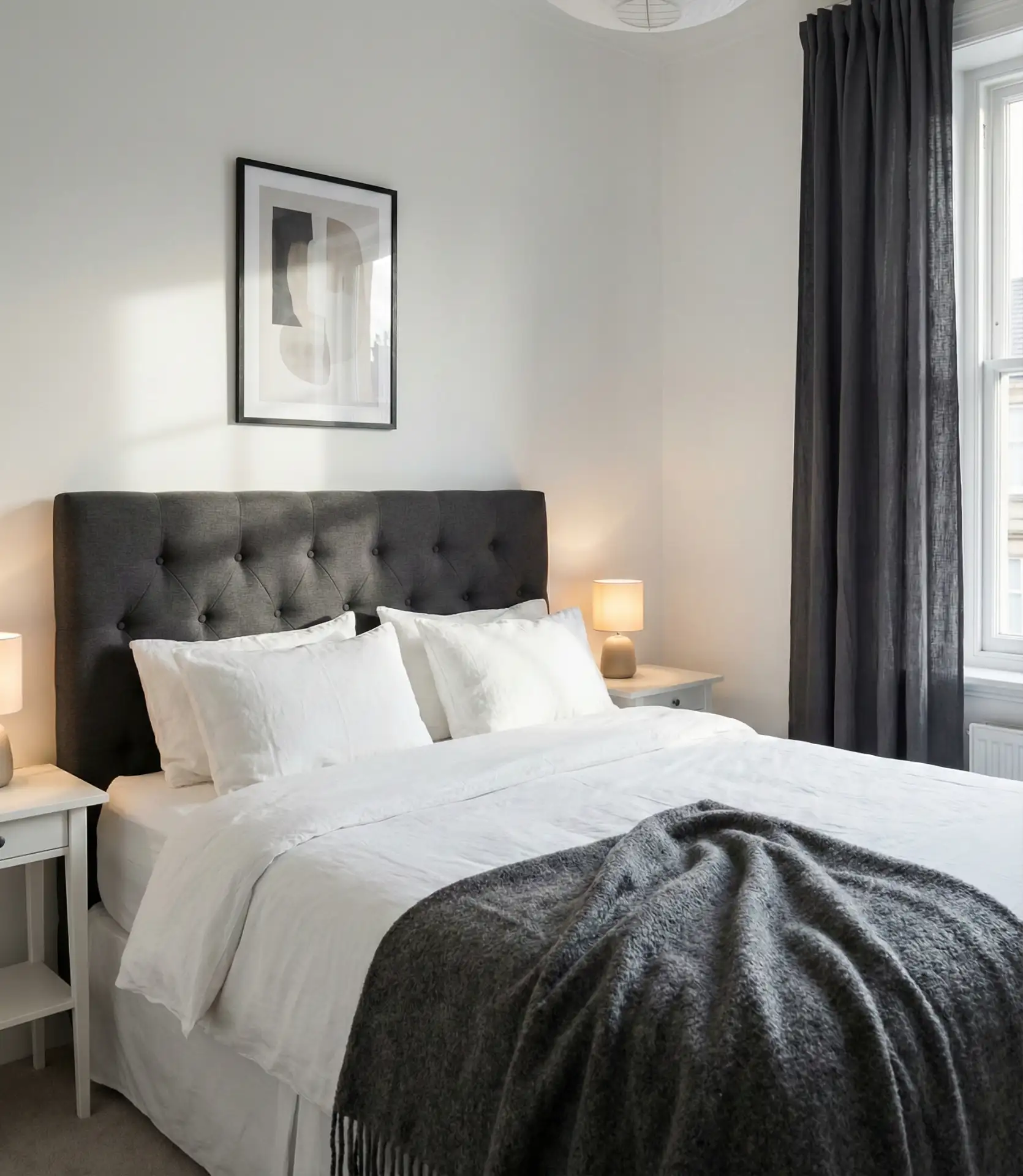
Avoid the misconception that darker tones make a small room feel smaller; when used intentionally as accents instead of covering all the walls, charcoal grey can actually ground the space and make white elements stand out. The contrast creates visual interest that tricks the eye into perceiving more depth, which can make compact bedrooms feel more thoughtfully designed.
7. White and Warm Beige Comfort
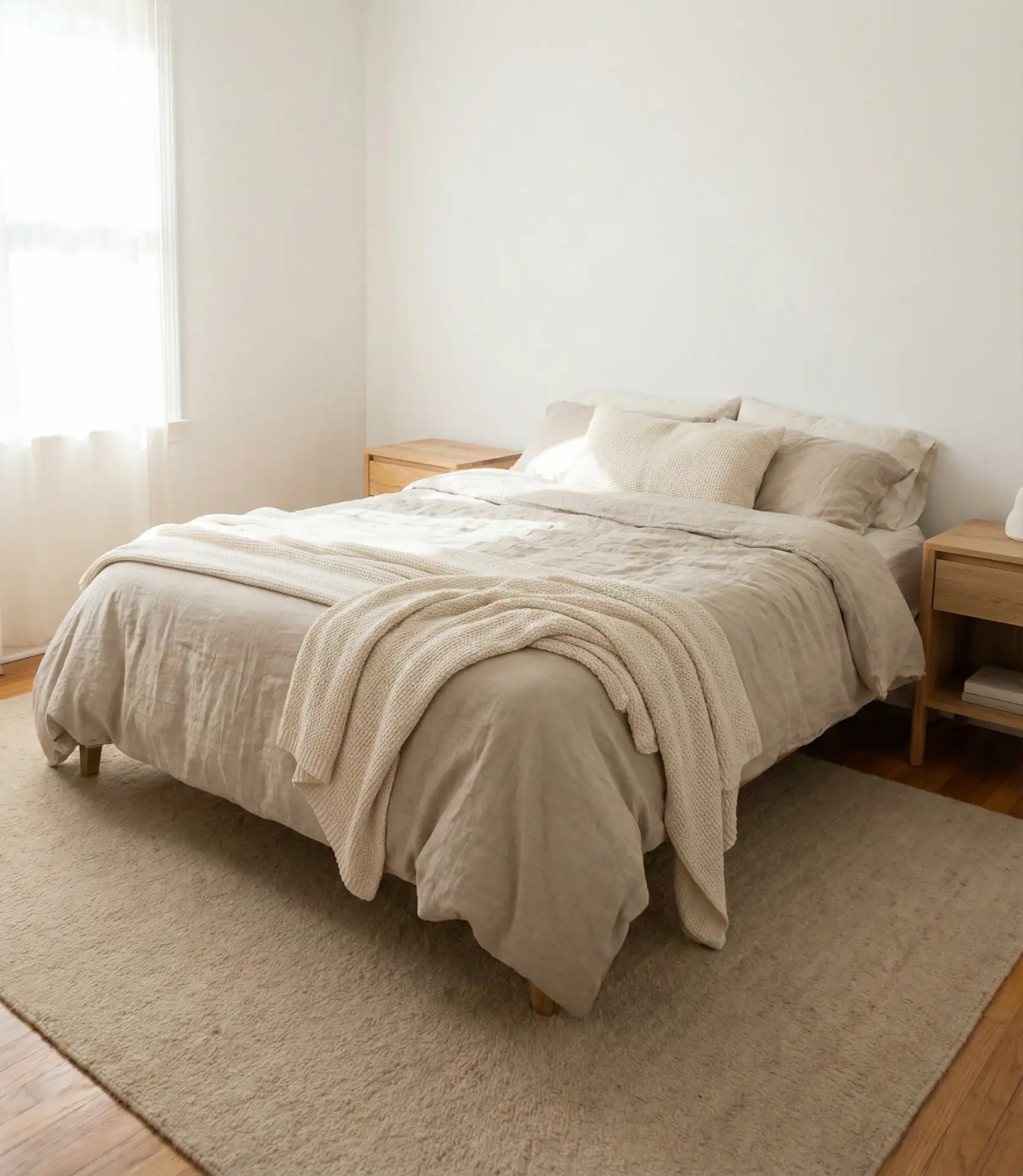
White paired with beige delivers a cozy, enveloping warmth that’s perfect for bedrooms prioritizing comfort over stark minimalism. Think cream linen bedding, beige wool rugs, and warm white walls with undertones that lean slightly yellow. This combination works beautifully in ranch-style homes and suburban bedrooms where a lived-in, welcoming feel takes priority. The softness encourages relaxation and layers beautifully with natural wood furniture.
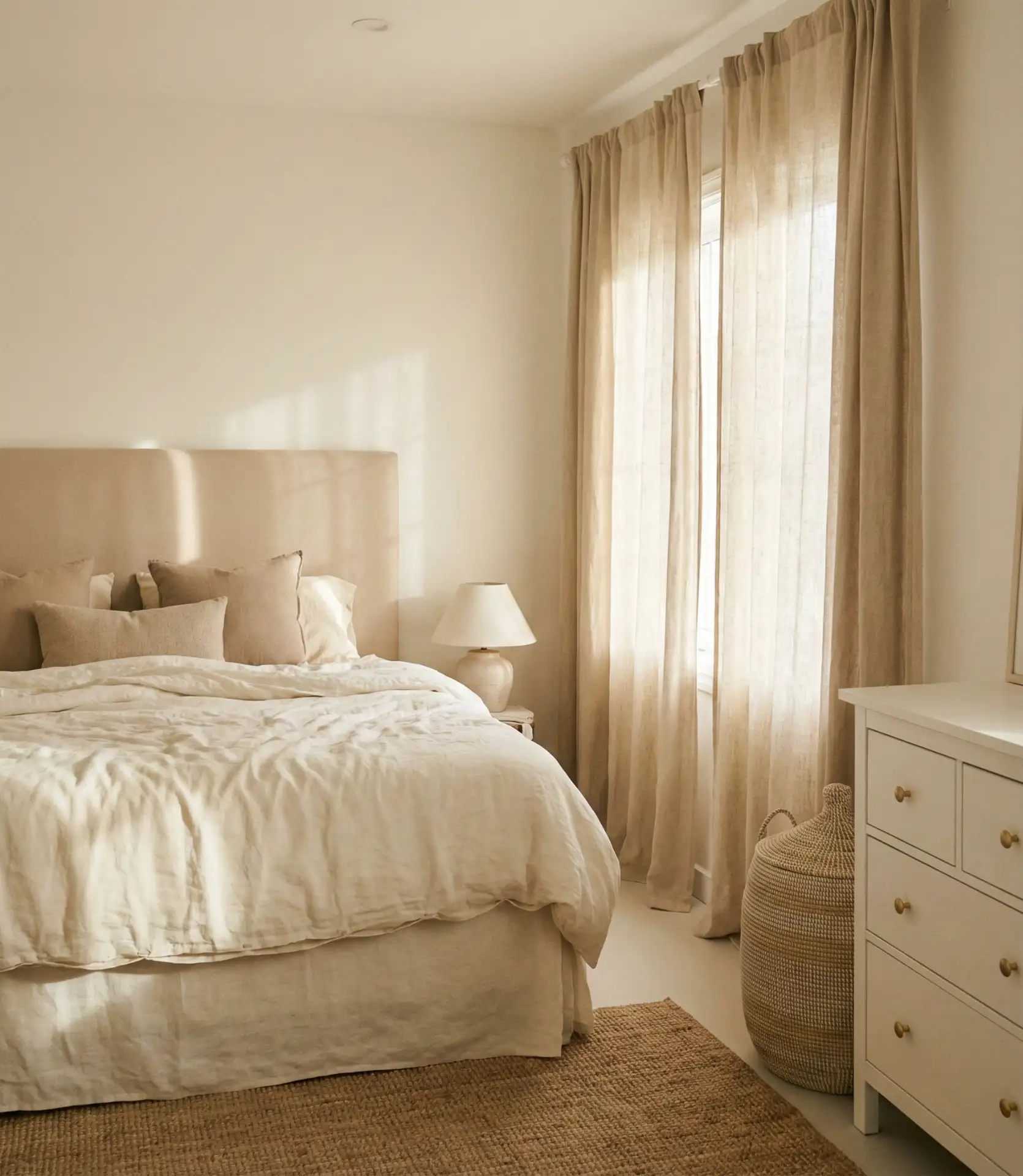
Expert designers often recommend this palette for bedrooms with limited natural light. The warm undertones in beige and cream prevent the space from feeling cold or clinical, even on cloudy days or in basements converted to sleeping quarters. Layer textures—linen, wool, and cotton—to keep the monochromatic scheme from reading flat.
8. White and Teal Coastal Energy
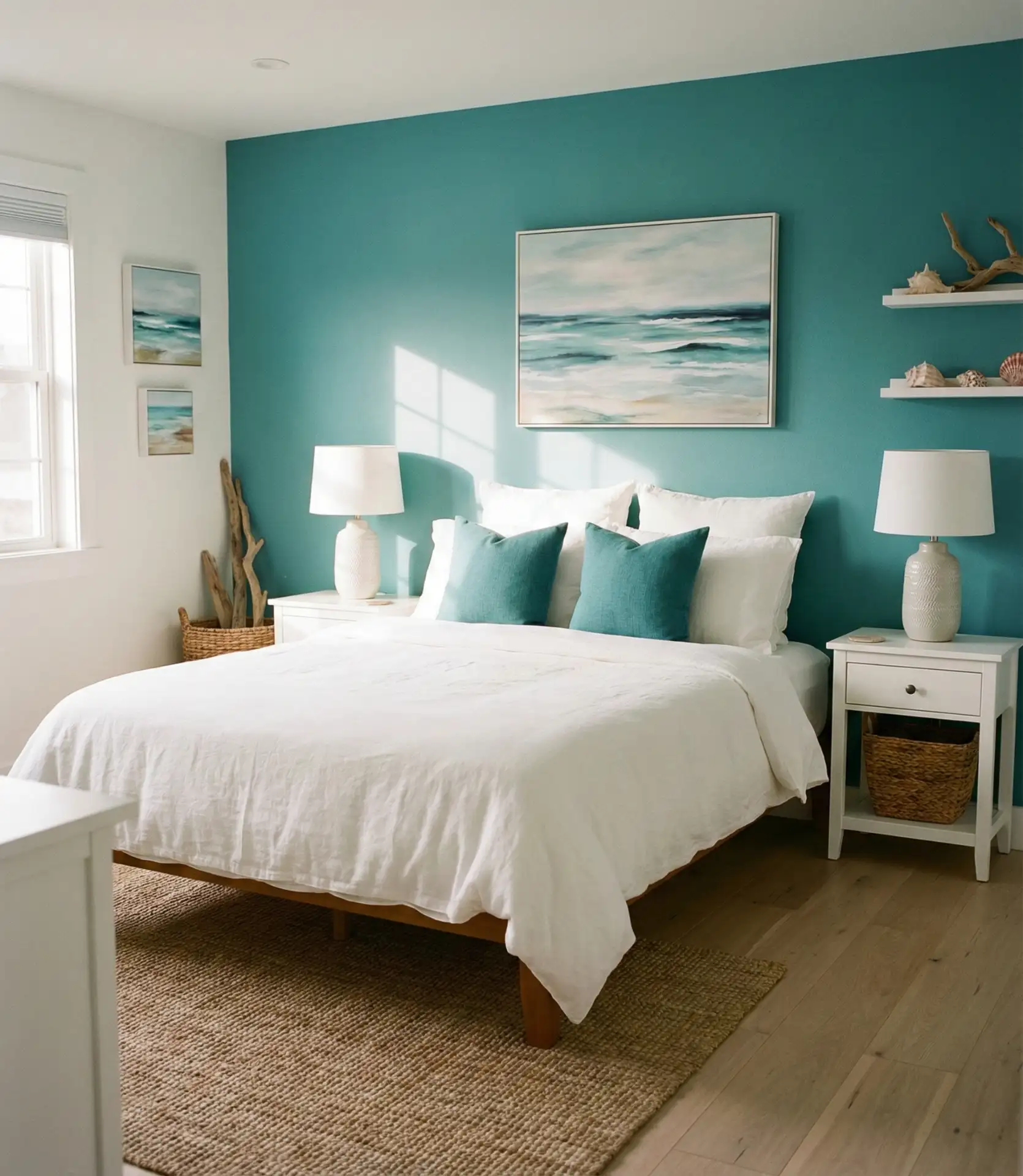
A teal accent in an all-white bedroom injects personality without overwhelming the senses. Whether it’s a teal throw pillow, an upholstered bench, or a painted accent wall, this blue-green hybrid adds energy and freshness. The combination feels especially at home in beach communities and Southwestern regions where indoor-outdoor living is prized. White walls amplify the vibrancy of teal, making even small doses of the color feel intentional and impactful.
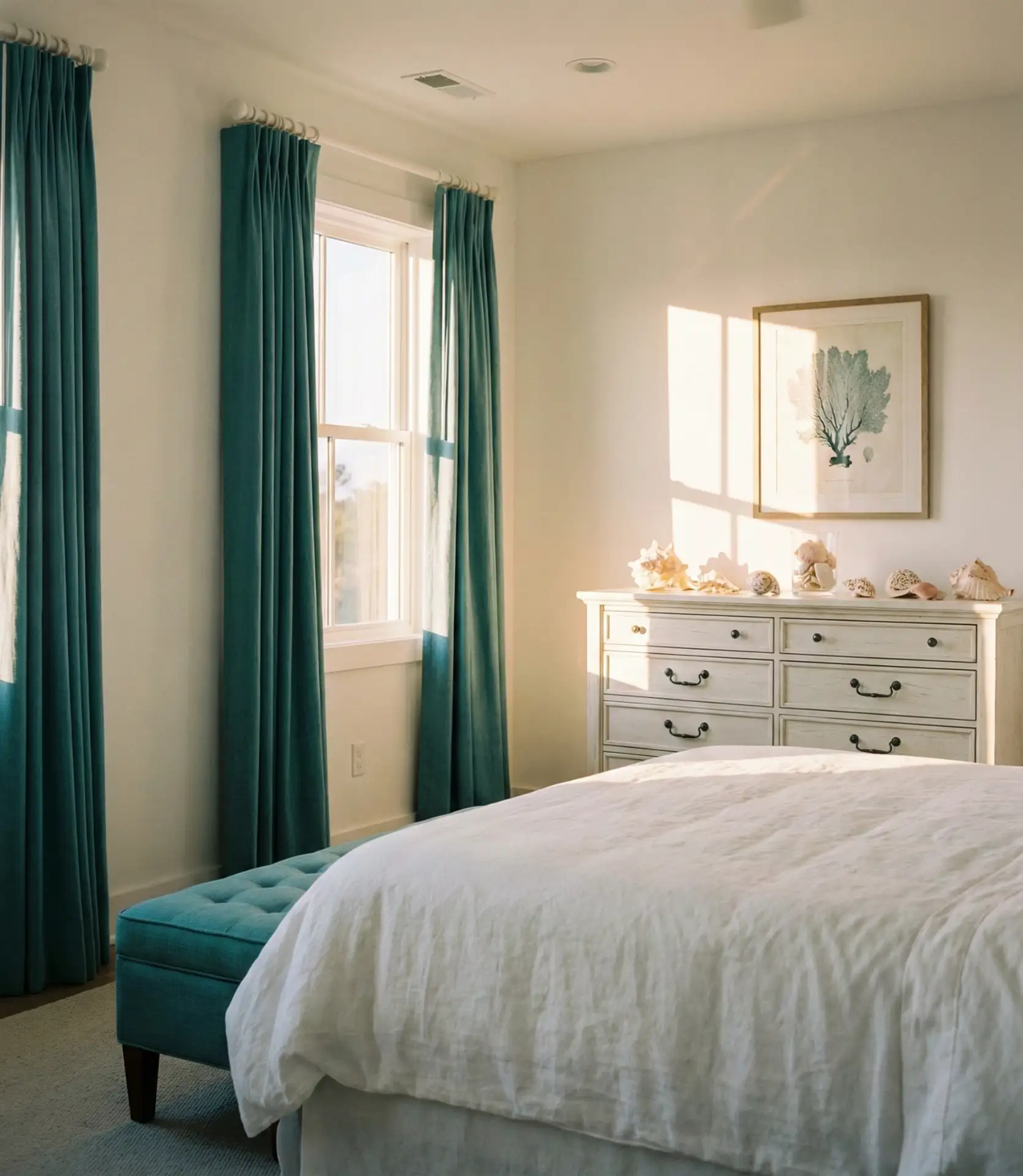
Real homeowners often start with teal accessories—pillows, throws, or artwork—before committing to larger investments like furniture or paint. This approach lets you test the color in your specific lighting conditions and adjust the shade if needed. Teal can range from muted seafoam to vibrant turquoise, so sampling is key to finding the right tone for your space.
9. White and Gold Glam
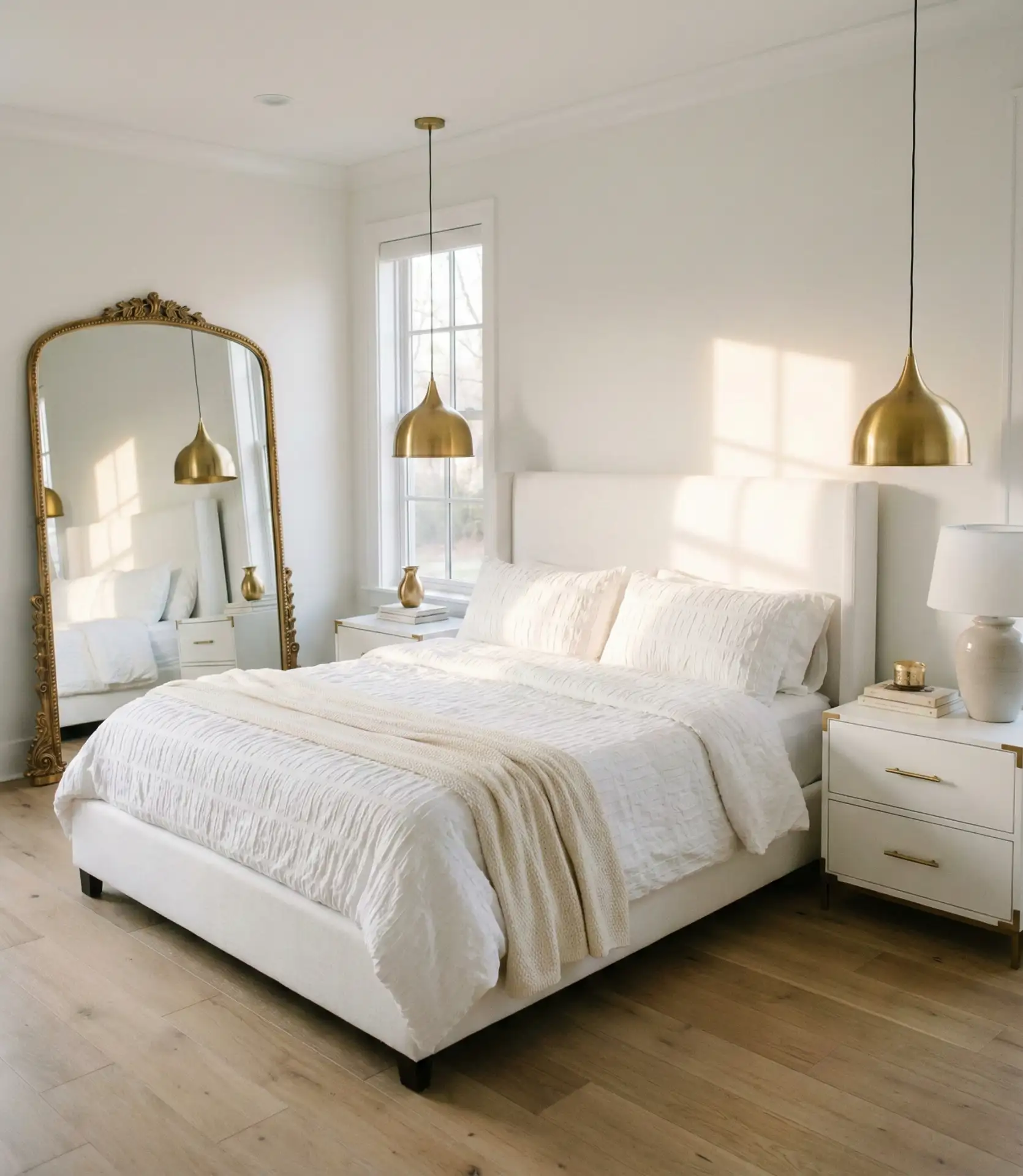
Introducing gold accents into a white bedroom instantly elevates the space from simple to sophisticated. Brushed gold light fixtures, mirror frames, or drawer pulls add warmth and a touch of luxury without requiring a major budget overhaul. This pairing works across styles—from modern glam to transitional—and feels especially appropriate in urban apartments and updated historic homes. The key is restraint: too much gold tips into gaudy, but just enough creates a polished, curated look.
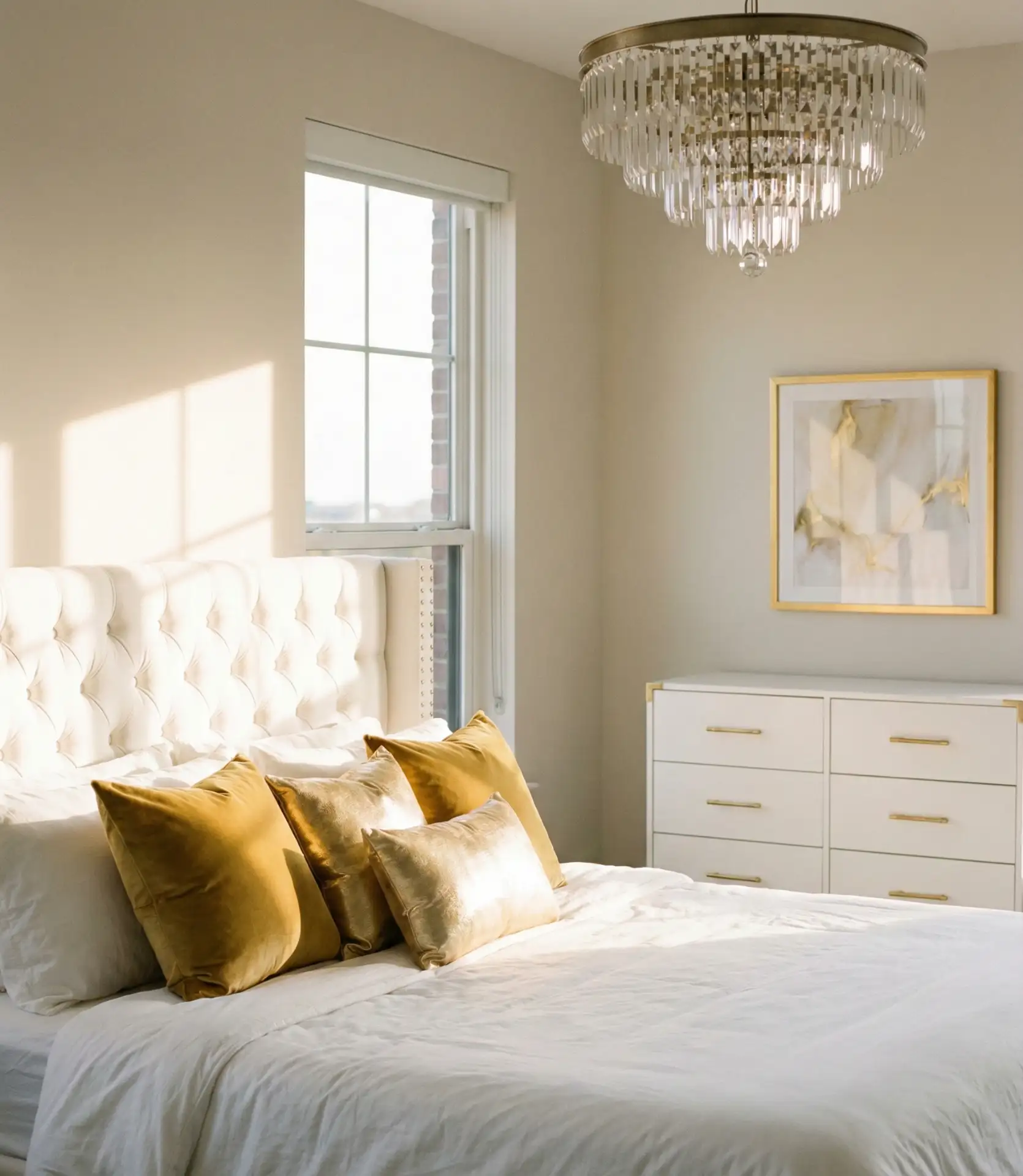
Budget tip: Swapping out basic hardware for gold alternatives is one of the most cost-effective upgrades you can make. A set of brushed gold drawer pulls typically runs $3-8 per piece, and the transformation is immediate. Pair with a white duvet, and you’ve created a high-end aesthetic for under $100 in many cases.
10. White and Black Contrast
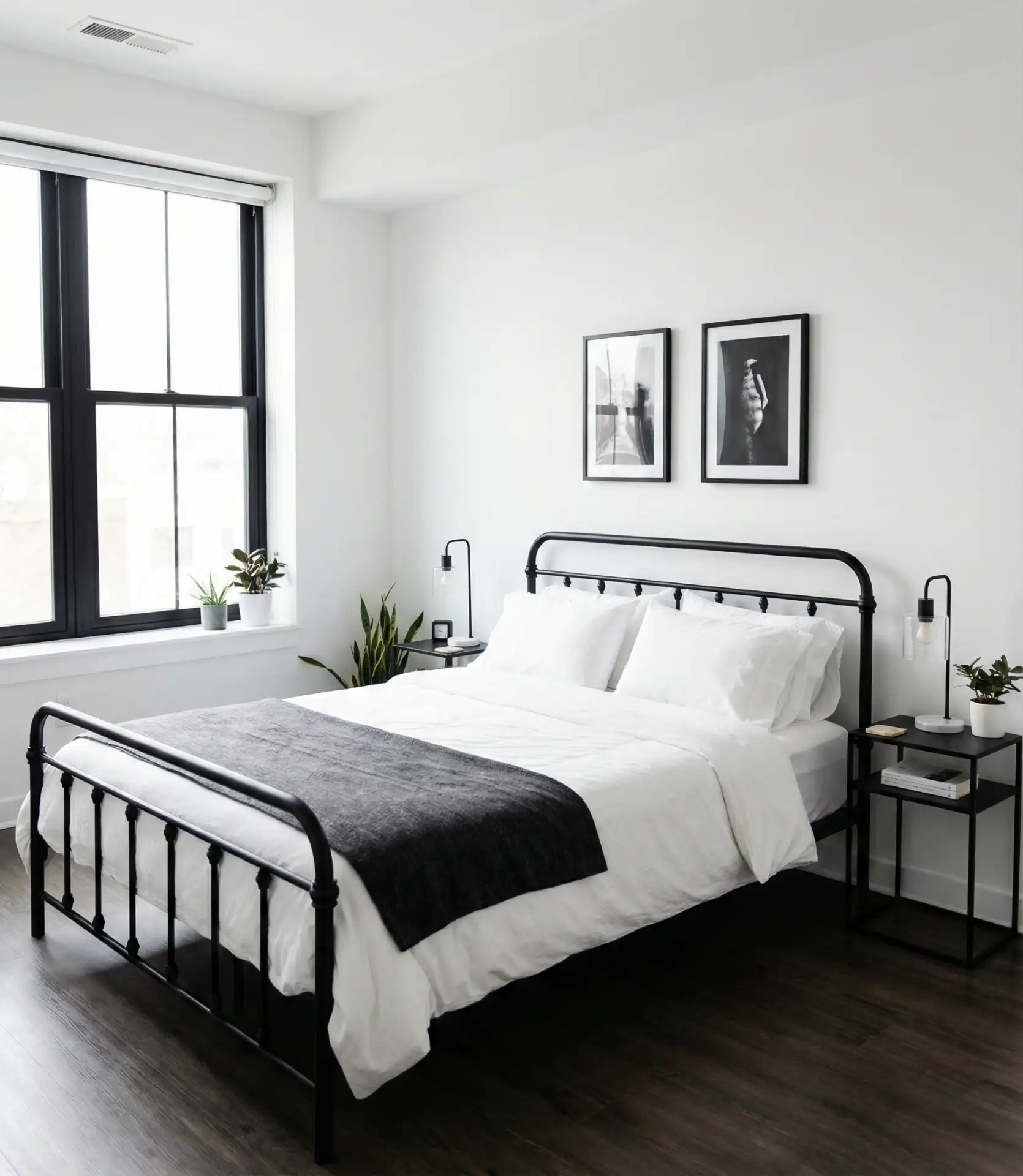
A white bedroom punctuated with black accents delivers timeless, graphic impact. White walls with black window frames, a black metal bed frame against white bedding, or black-and-white photography creates a gallery-like quality. This high-contrast scheme works particularly well in modern and industrial spaces, offering clarity and definition. The starkness can feel bold, but it’s also remarkably versatile—easy to soften with textiles or sharpen with minimalist restraint.
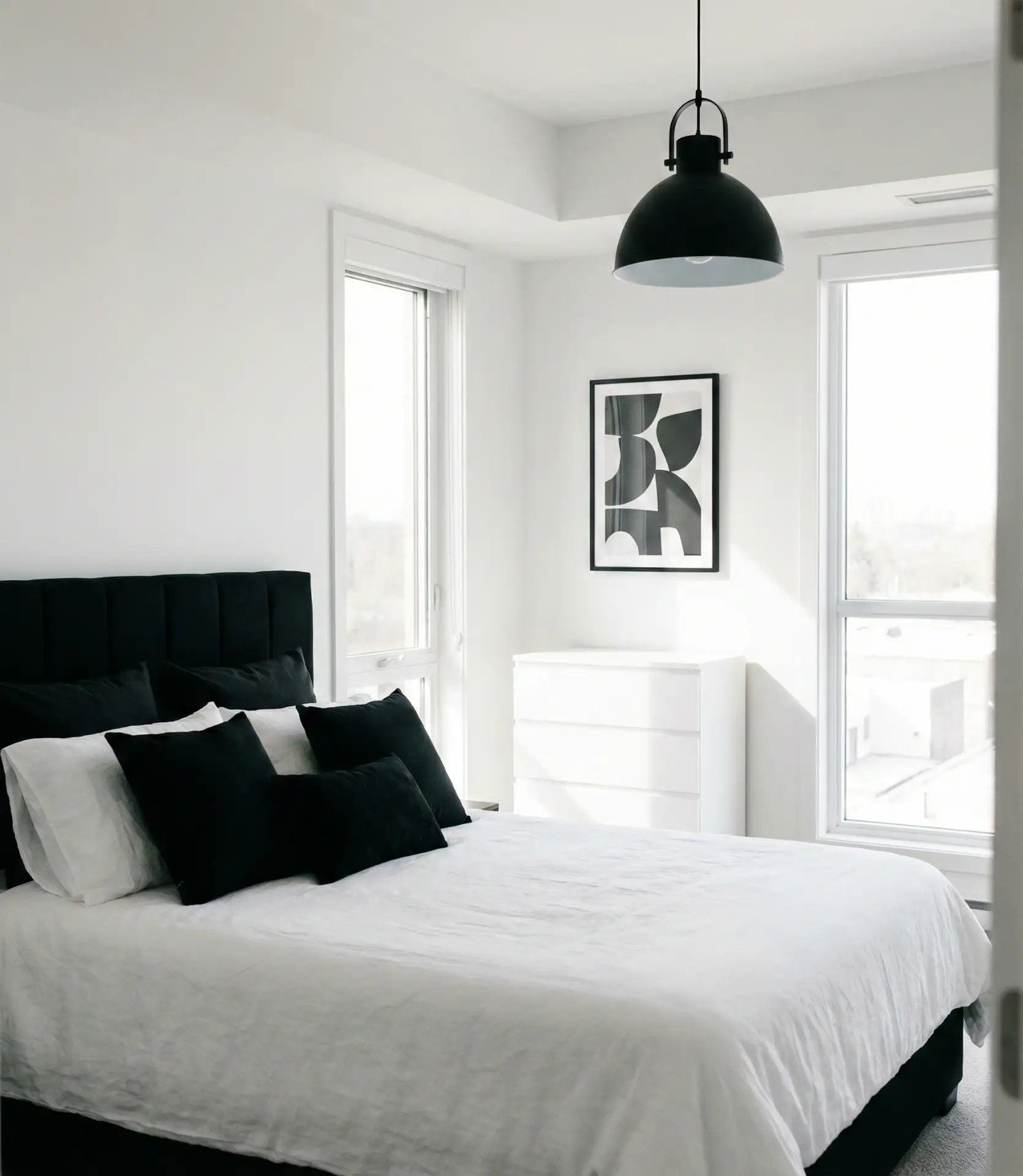
A common mistake is distributing black accents too evenly, which can feel formulaic. Instead, cluster black elements on one side of the room or focus them around the bed to create intentional visual weight. This asymmetry adds interest and prevents the space from feeling too matchy or staged.
11. White and Soft Yellow Sunshine
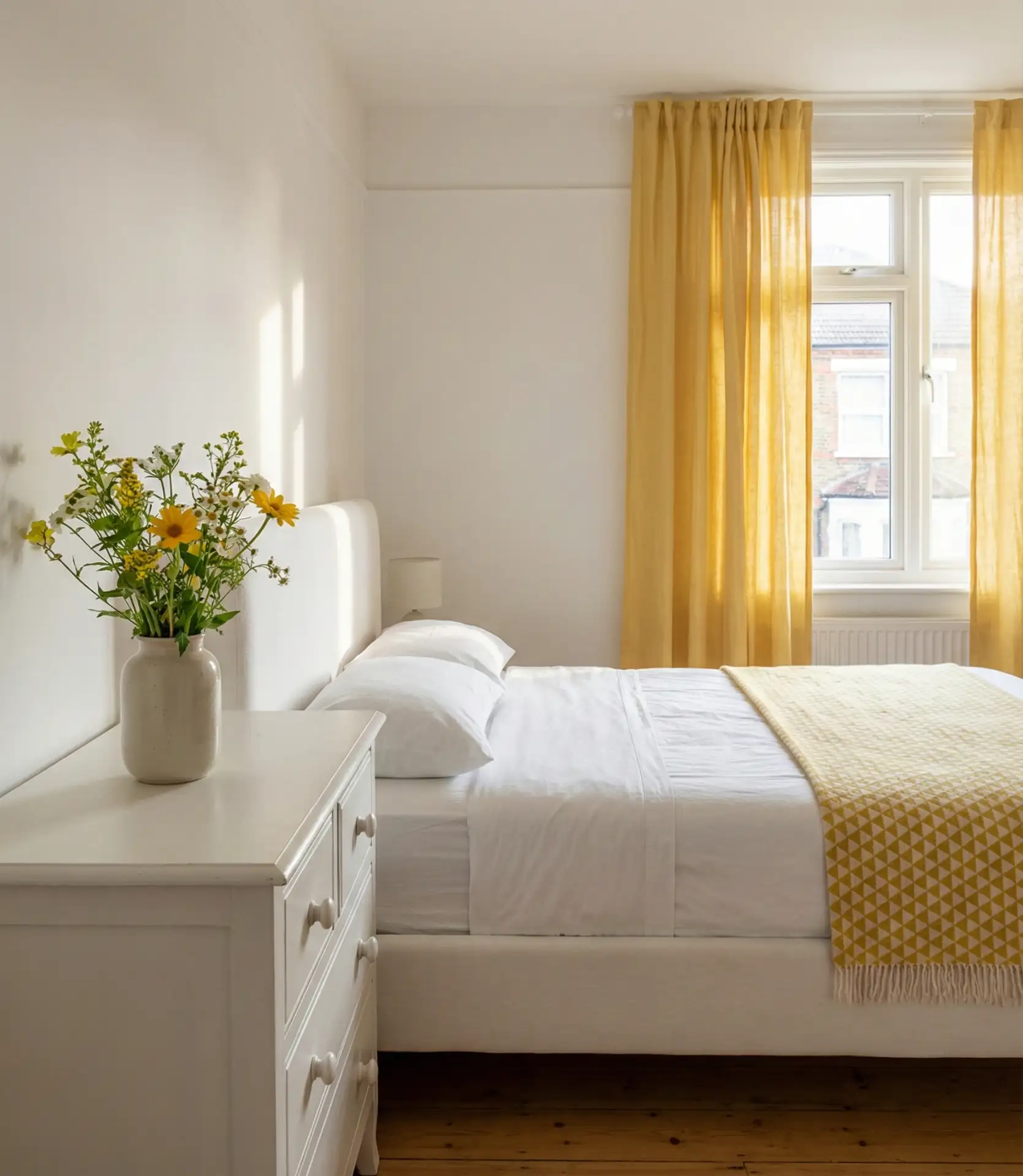
Pairing white with soft yellow brings an unexpected cheerfulness to bedroom spaces without veering into childish territory. Think buttery yellow throw pillows, a pale yellow quilt, or even a single painted nightstand. Farmhouse and cottage-style bedrooms, which value warmth and approachability, particularly suit this combination. The color adds optimism and pairs beautifully with natural wood tones and vintage decor.
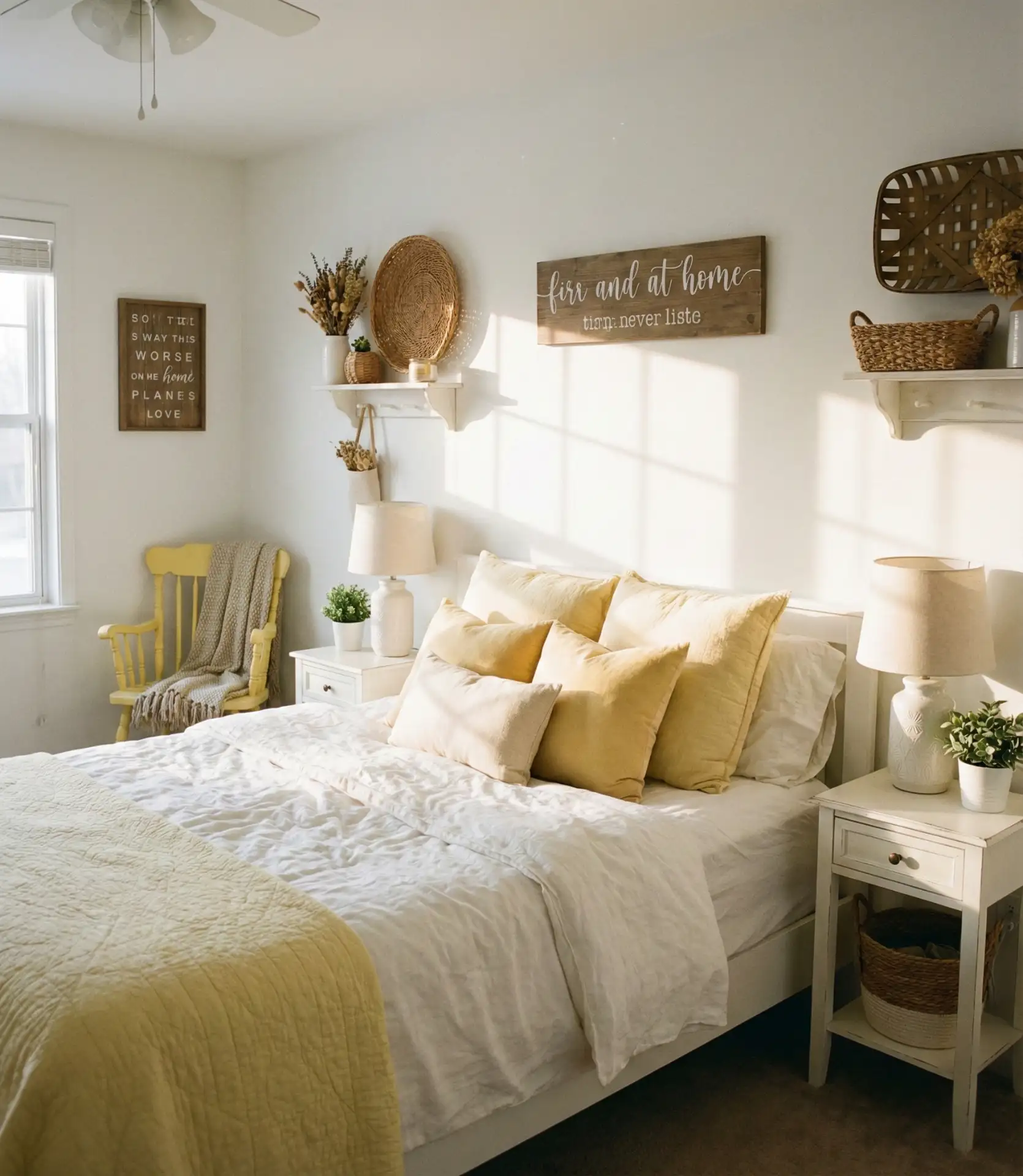
This palette thrives in rooms with north-facing windows that receive cooler, indirect light. The yellow warms the space and compensates for the lack of direct sun, creating a balanced, inviting environment. In south-facing rooms, opt for paler, almost-white yellows to avoid overwhelming brightness during peak daylight hours.
12. White and Deep Purple Elegance
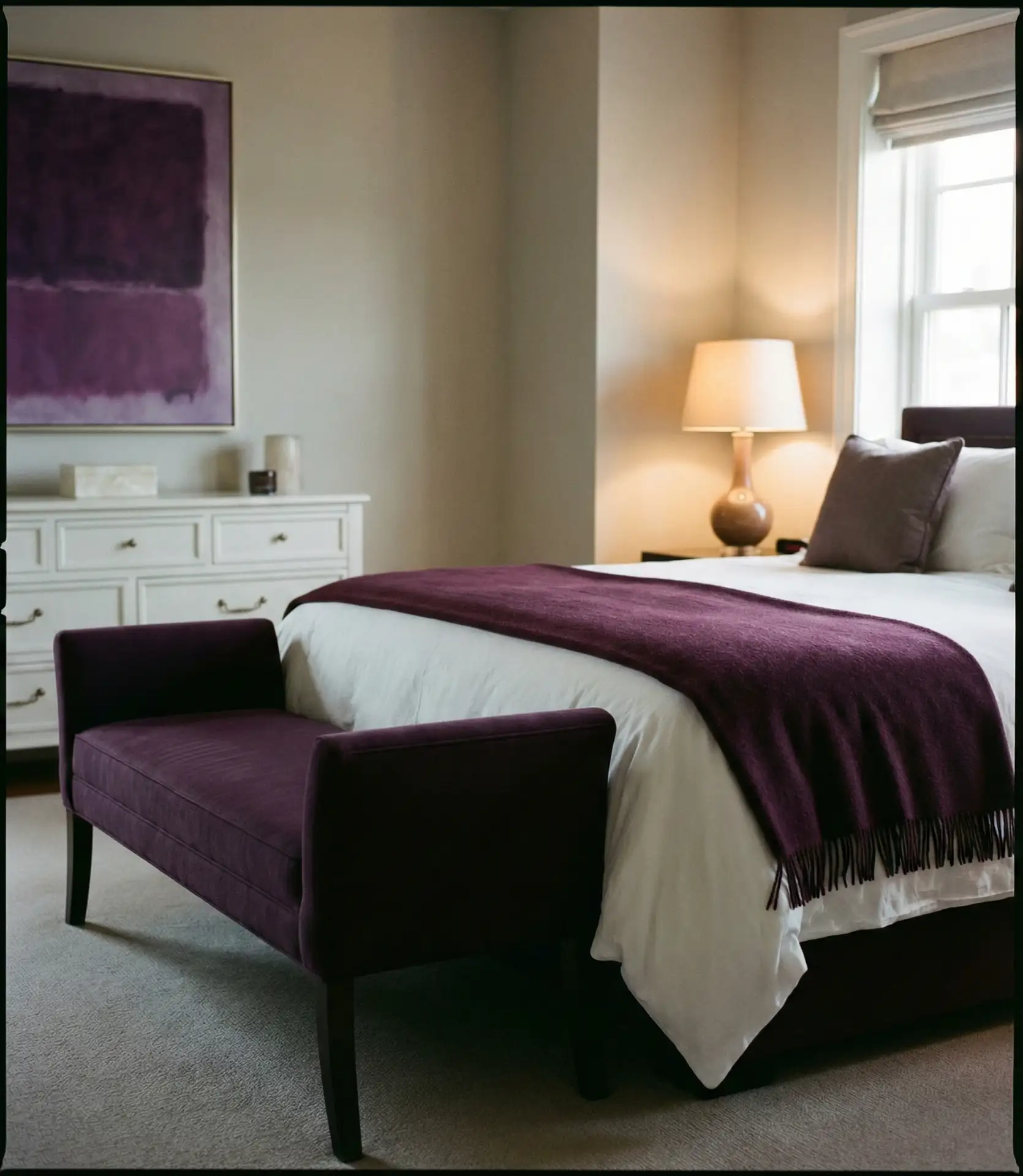
White walls provide the perfect backdrop for rich purple accents, creating a bedroom that feels both regal and restful. A purple velvet headboard, eggplant-hued throw pillows, or plum curtains add depth without darkening the overall space. This pairing appeals to those seeking a more dramatic, jewel-toned aesthetic while maintaining the airy foundation white provides. The contrast is sophisticated and works across traditional and contemporary styles.
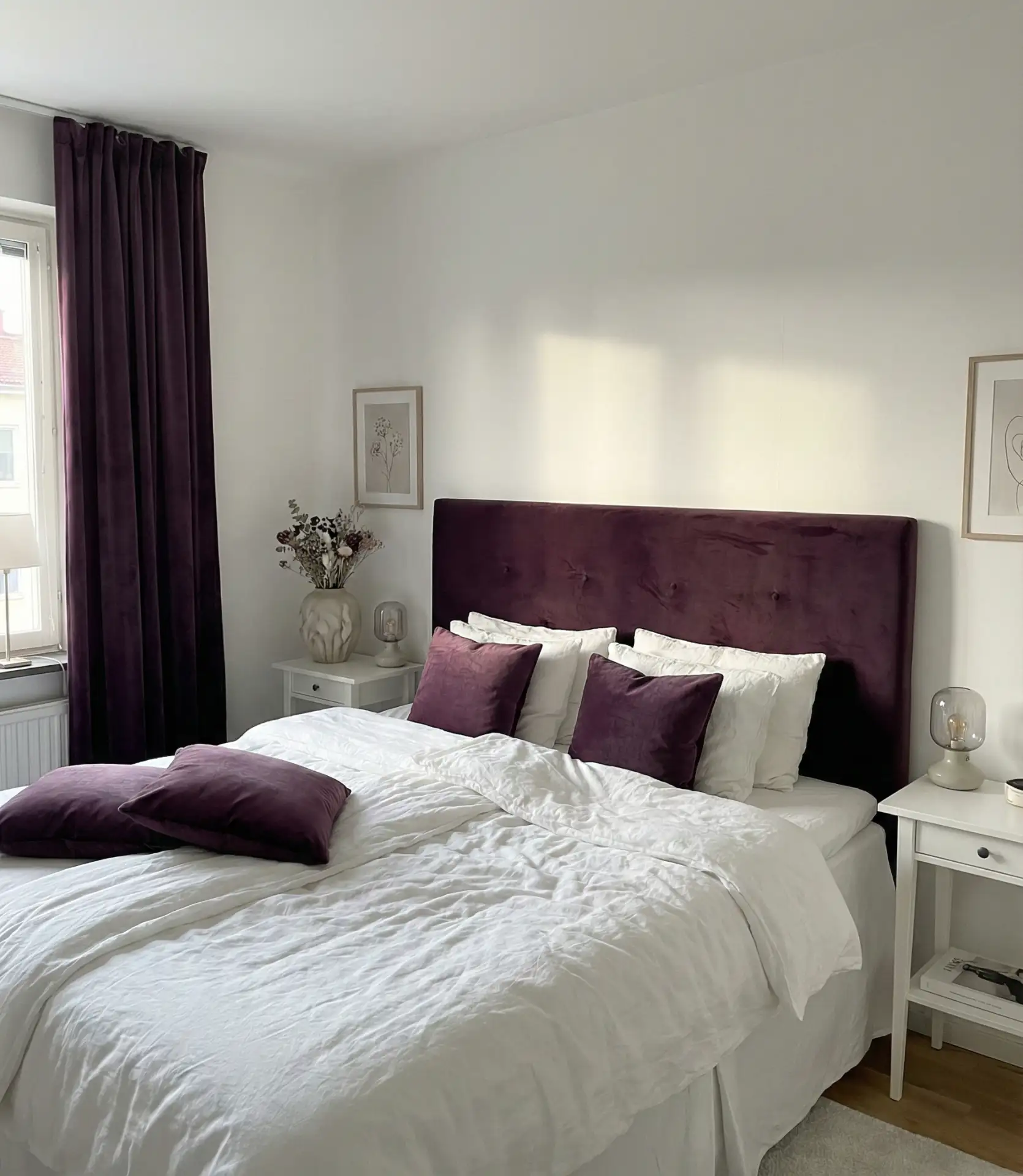
One designer I spoke with observed that American bedrooms often underutilize purple, likely due to outdated associations with children’s rooms. But when done in deeper, more saturated tones and paired with crisp white, it reads as luxurious and intentional—especially in master suites seeking a unique, personalized palette.
13. White and Terracotta Warmth
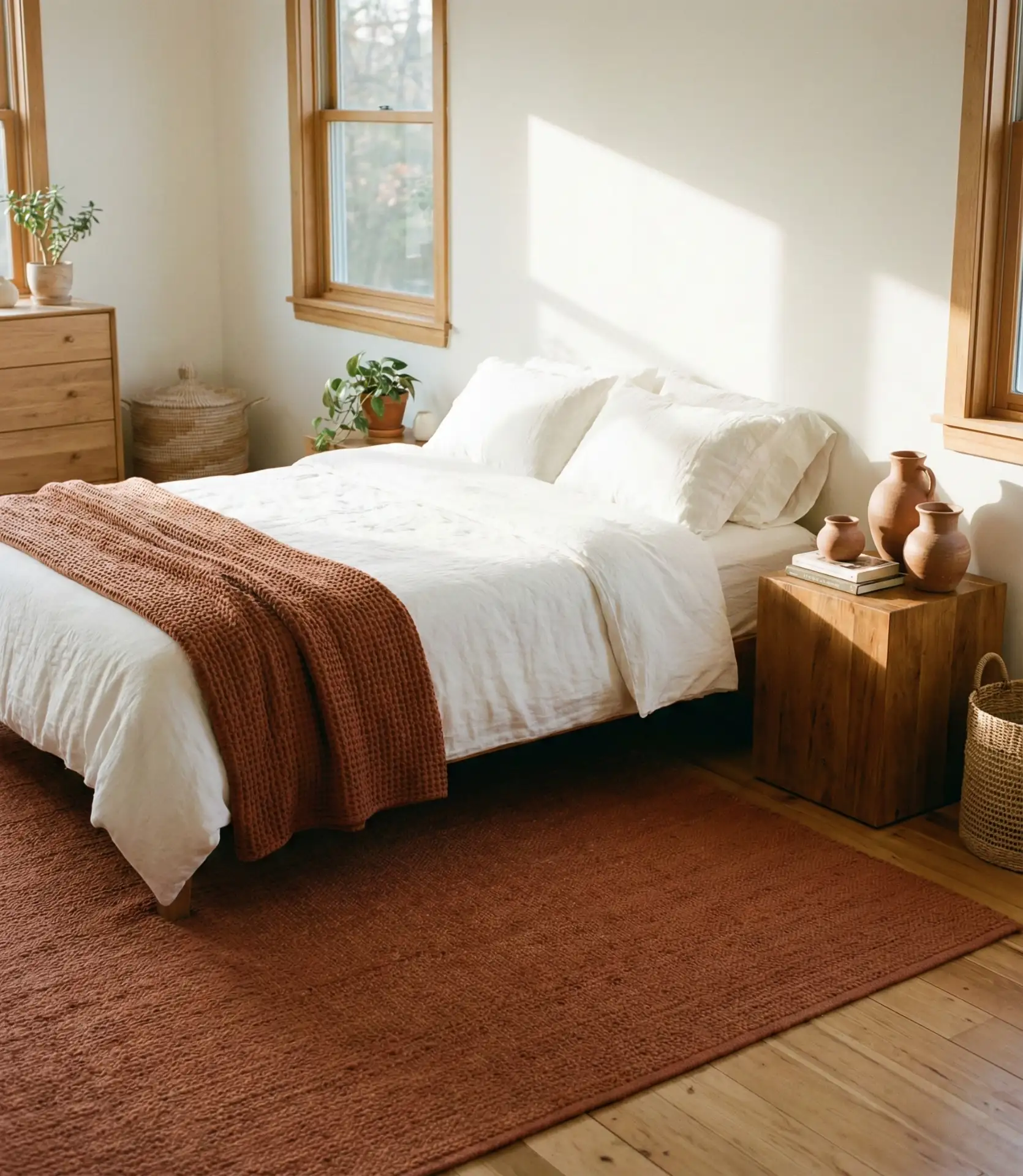
Terracotta and warm brown tones against white walls evoke a sun-baked, Mediterranean quality that feels grounded and organic. A terracotta-colored throw blanket, clay pottery, or even a rust-hued area rug introduces earthy warmth without competing with white’s brightness. This palette works beautifully in Southwestern and California homes, as well as urban spaces seeking a connection to natural materials. The combination feels both ancient and contemporary—timeless in its simplicity.
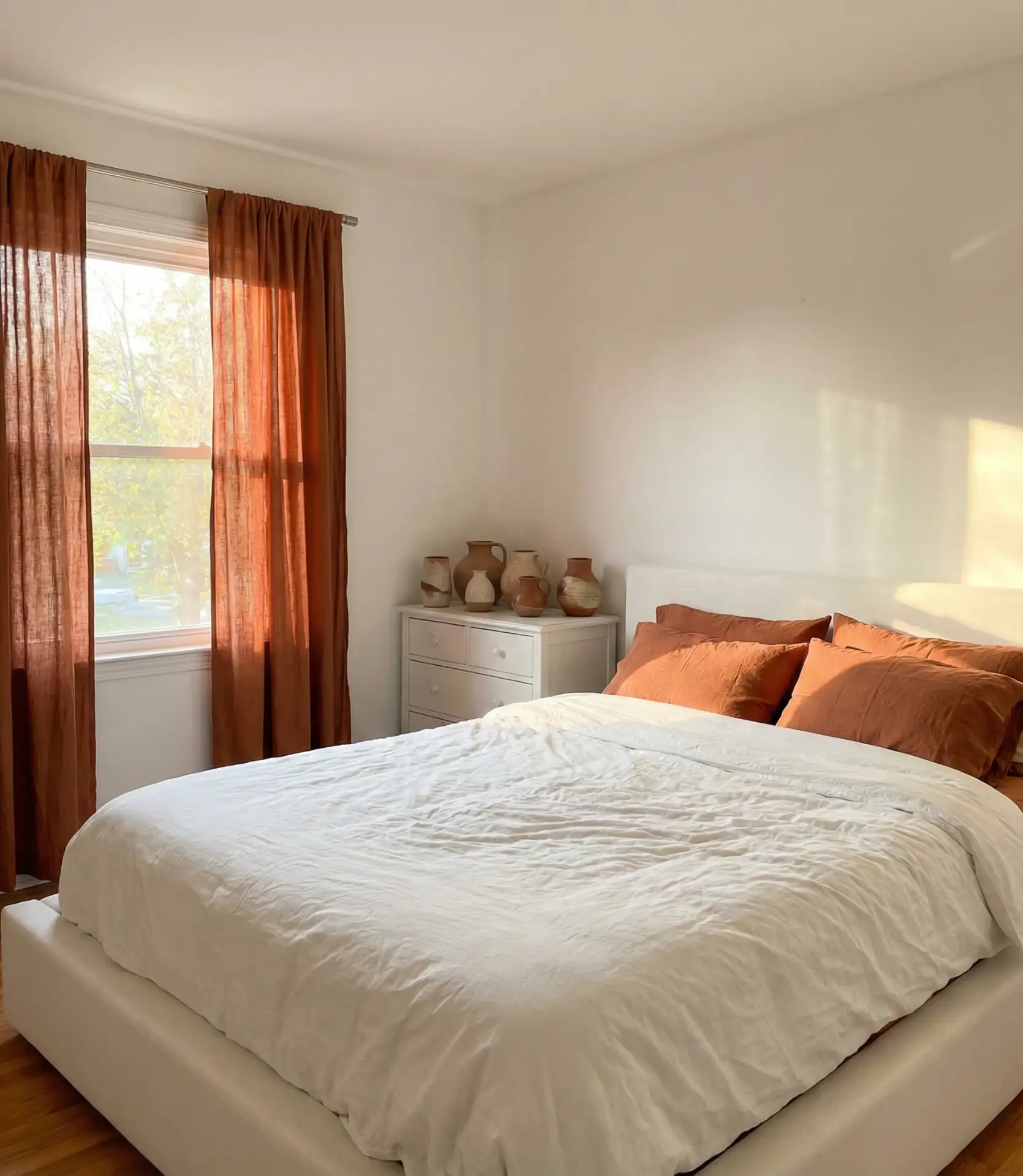
Budget-wise, terracotta textiles and ceramics are widely available at accessible price points. Thrift stores and estate sales often stock vintage pottery in these tones for under $15, and mass-market retailers carry terracotta bedding starting around $40. The investment is modest, but the warmth and character it adds to an all-white room is substantial.
14. White and Light Blue Tranquility
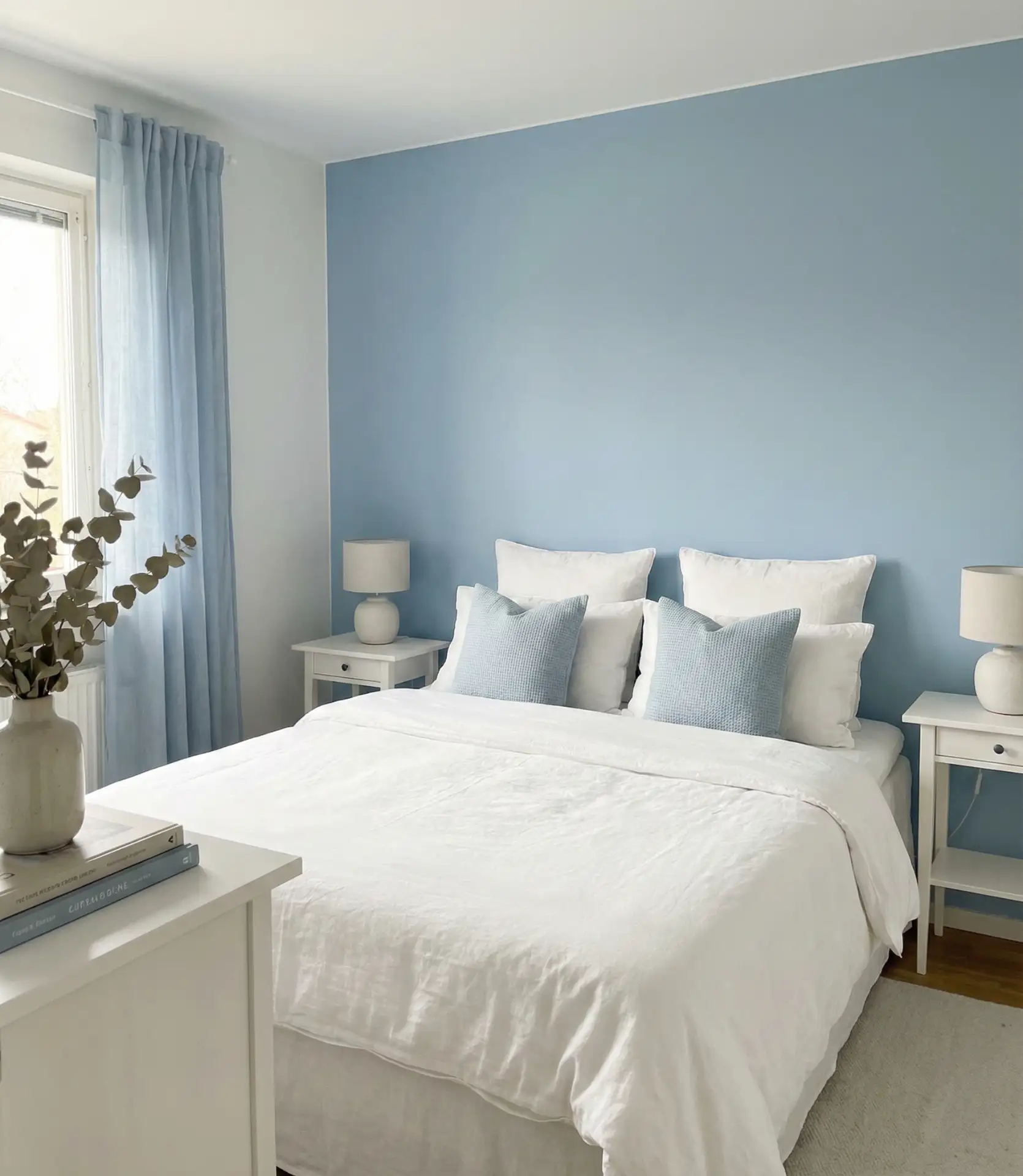
Soft light blue paired with white creates a serene, sky-like atmosphere ideal for restful sleep. Whether it’s a light blue duvet, pale blue accent wall, or robin’s egg pillows, this combination feels calming and open. The palette works across climates and home styles, from coastal cottages to Midwestern suburbs. White amplifies the airiness of light blue, making even small rooms feel more expansive and breathable.
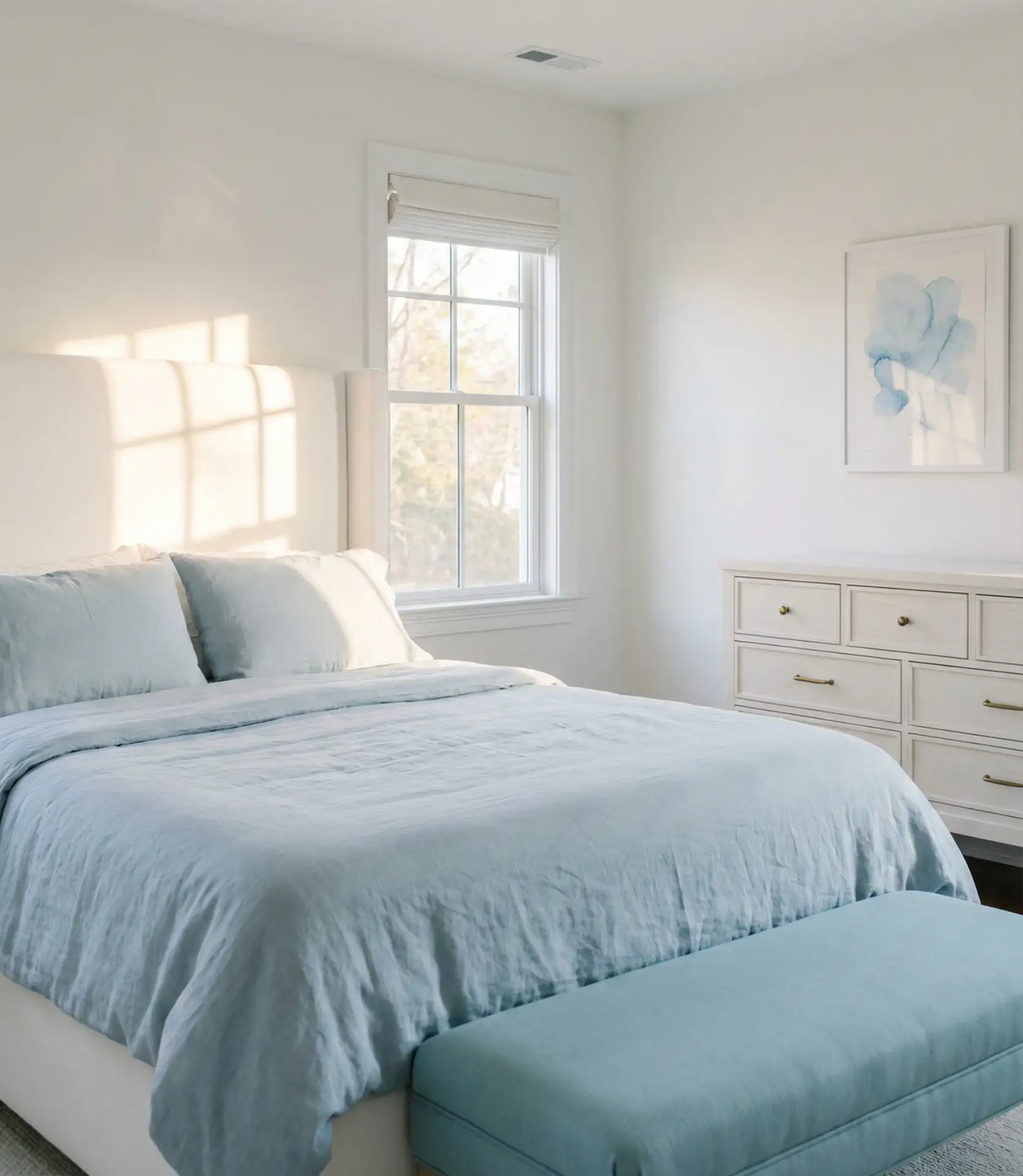
This scheme excels in bedrooms used primarily for rest rather than multitasking. The psychological association between light blue and calm makes it a favorite among sleep specialists and interior designers focused on wellness. If your bedroom doubles as a home office, consider reserving blue for the sleeping zone to maintain that mental boundary.
15. White with Natural Wood Accents
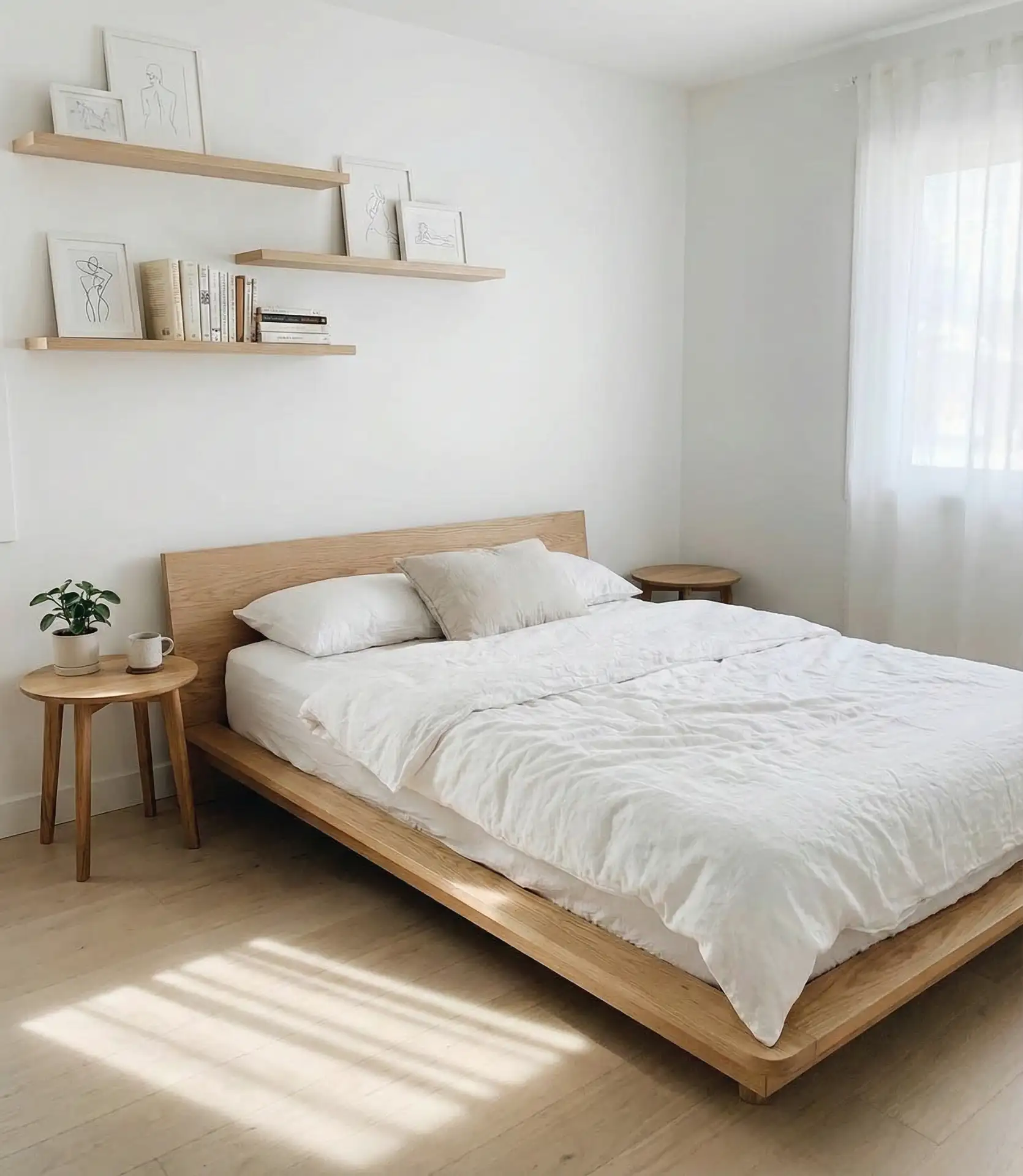
White walls paired with natural wood furniture and accents strike a balance between warmth and simplicity. A blonde wood bed frame, oak nightstands, or walnut floating shelves introduce organic texture without introducing color. This approach is central to Scandinavian and Japanese-inspired design, prioritizing natural materials and honest construction. The wood grain adds visual interest to a room that is otherwise neutral by using texture instead of color.
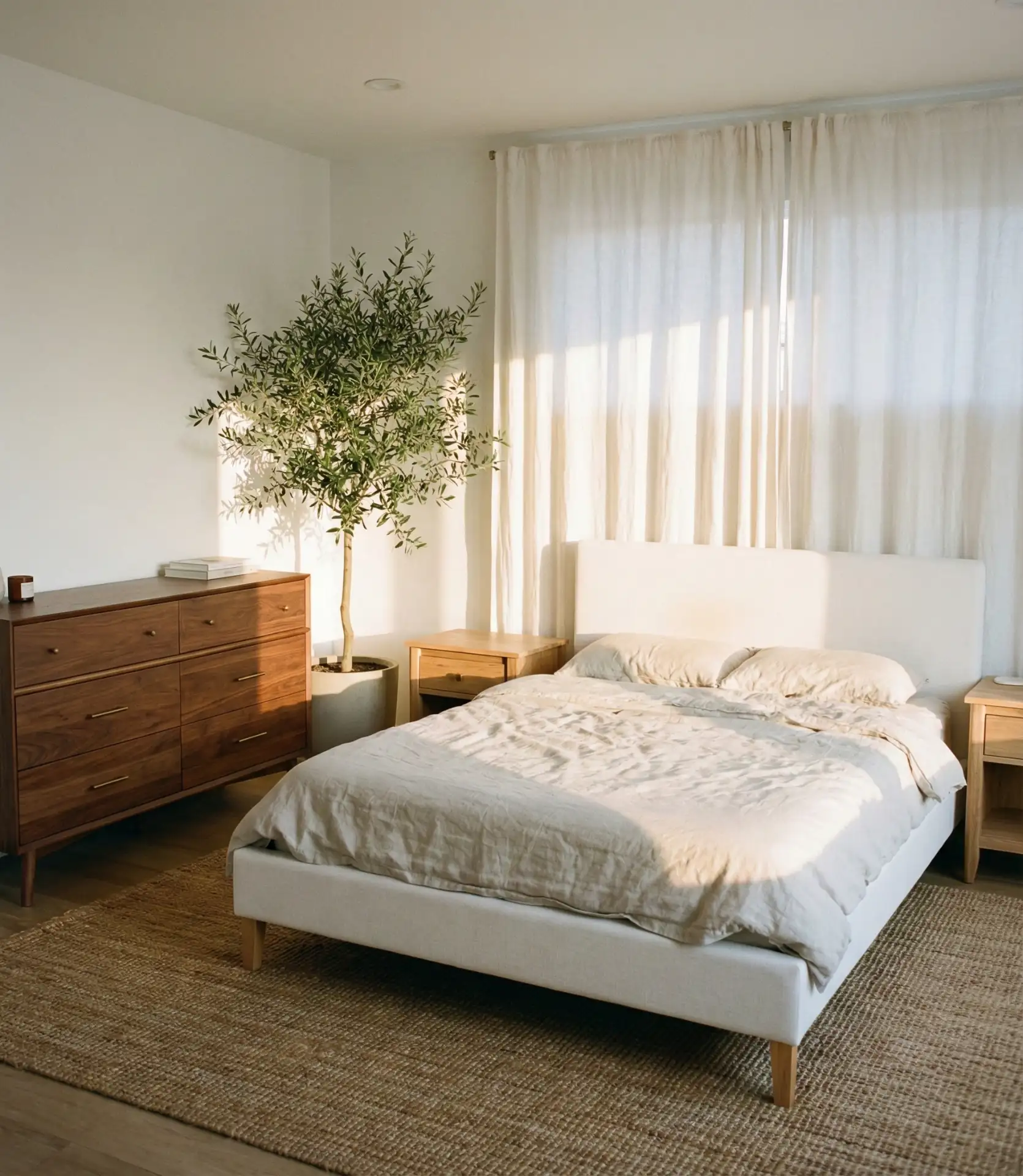
Where this style works best: homes built or renovated in the last decade, where exposed wood beams, hardwood floors, or original millwork can be celebrated rather than covered. In rentals with builder-grade finishes, bringing in wood through furniture and décor achieves a similar effect without permanent changes. Even a single wood bench at the foot of the bed can anchor the entire space.
16. White and Emerald Green Drama
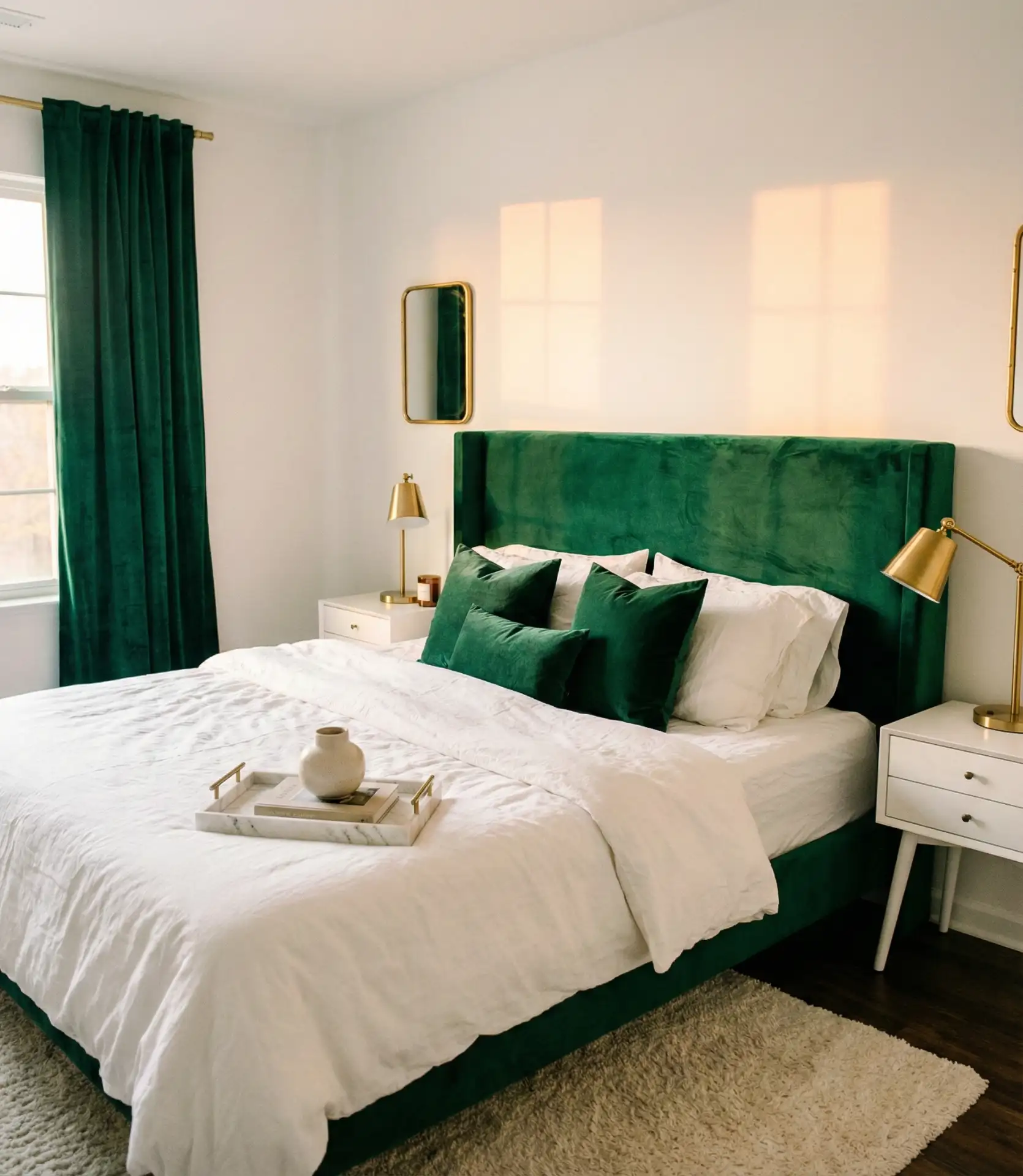
For those drawn to jewel tones, emerald green against white walls creates a bold, sophisticated statement. An emerald velvet headboard, deep green throw pillows, or even a single dramatic houseplant introduces richness and depth. This pairing feels especially current in 2026, as maximalist touches gain traction within otherwise pared-back spaces. The white keeps the emerald from being overwhelming, allowing the green to shine as the room’s focal point.
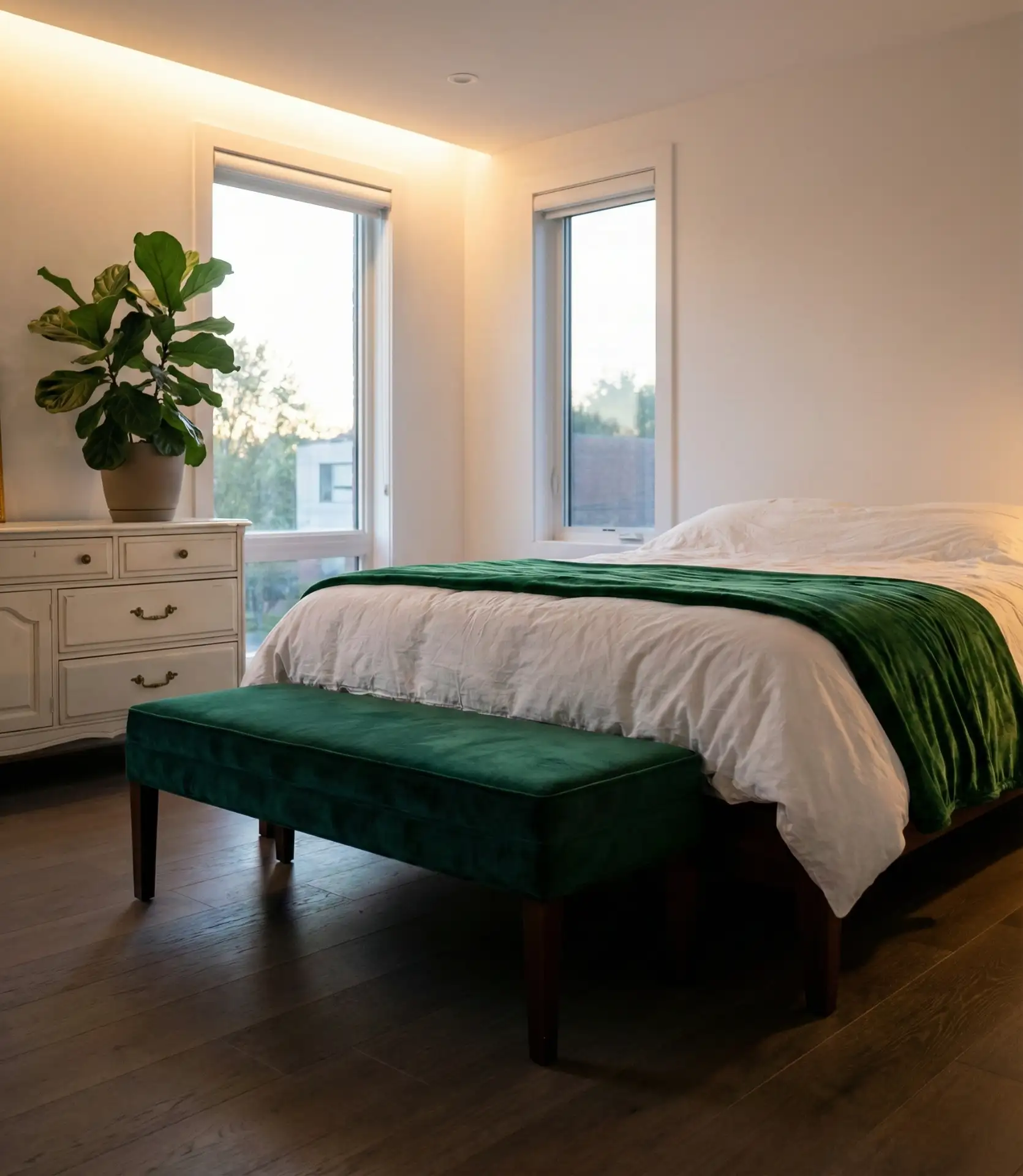
Real homeowners often test this palette with removable elements first—an emerald throw or pair of pillows—before committing to larger pieces like upholstered furniture. This phased approach allows you to live with the color and confirm it works with your lighting and existing pieces before making a bigger investment.
17. White and Dusty Rose Softness
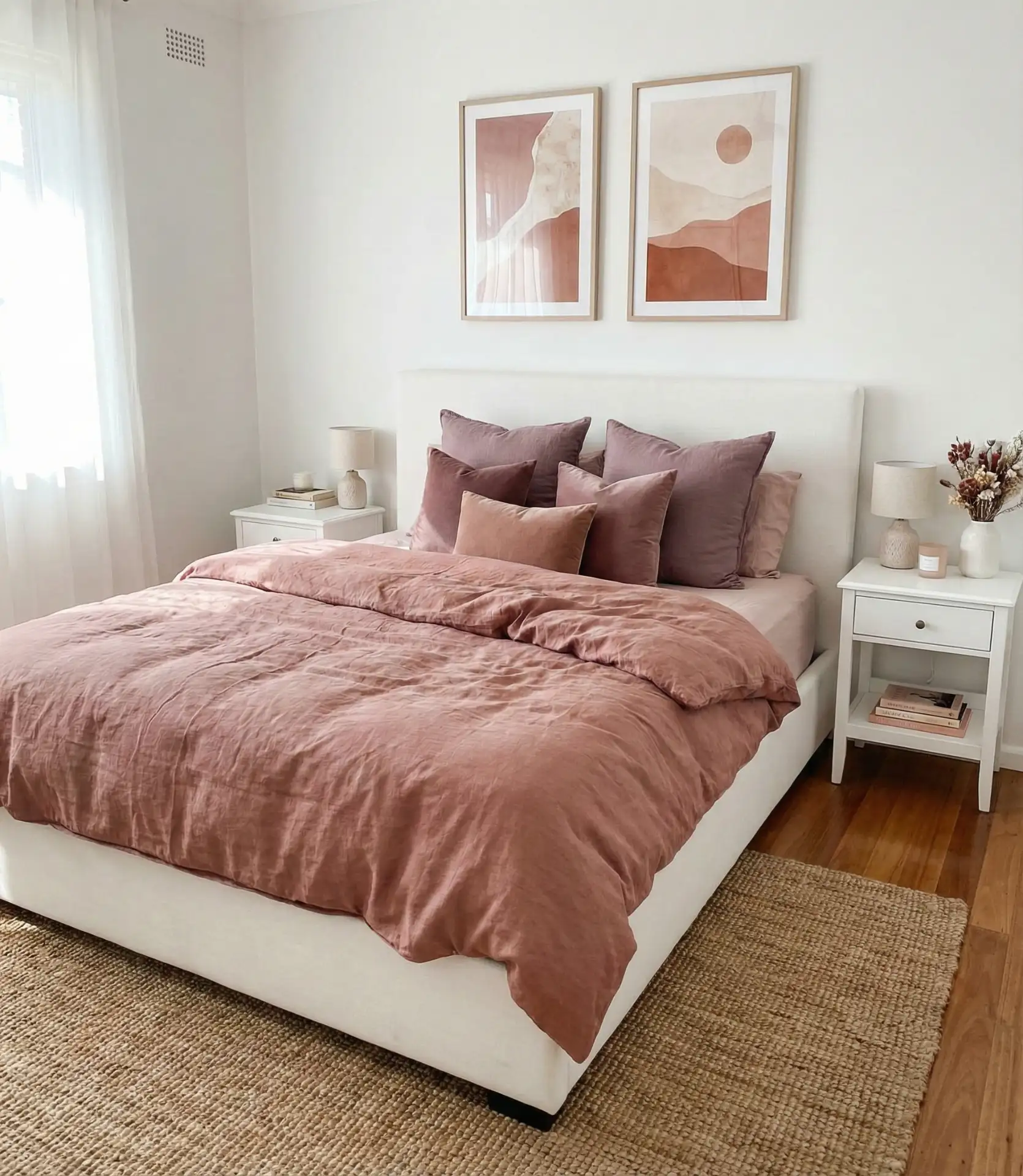
Dusty rose brings a muted, grown-up version of pink to white bedrooms, offering warmth without saccharine sweetness. A grey-pink duvet, mauve throw pillows, or rose-toned artwork adds subtle color that feels both romantic and restrained. This palette works across age groups and design styles, from modern to vintage-inspired. The muted tone ensures it reads sophisticated rather than juvenile, making it suitable for adult bedrooms seeking a gentle, nurturing vibe.
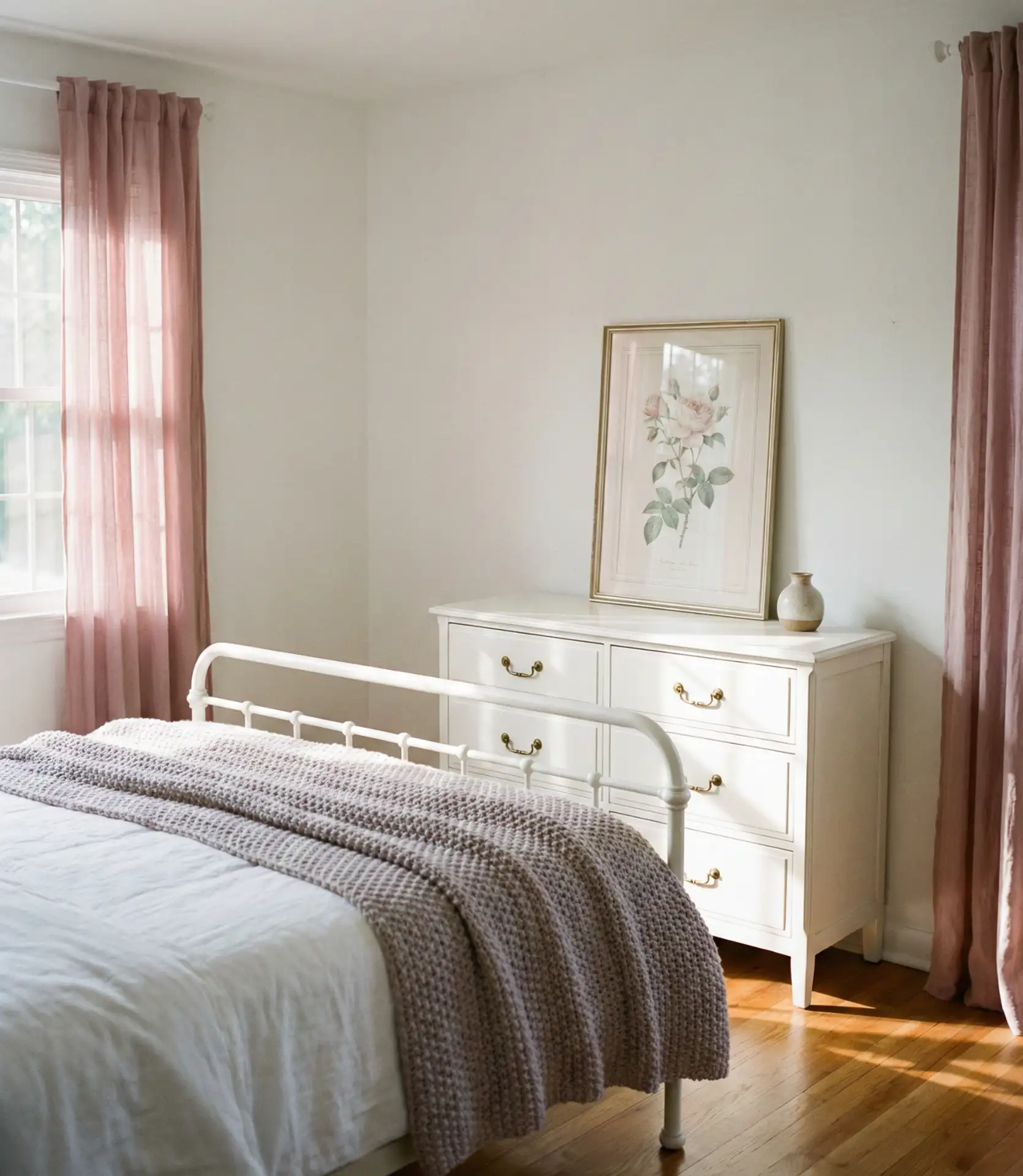
A neighbor recently painted her master bedroom’s accent wall in dusty rose and kept the other three walls white—she said it transformed the room from cold to cozy overnight. The key was choosing a shade with grey undertones, which grounded the pink and prevented it from reading too candy-colored. The white surrounding it kept the room bright and airy, despite the addition of color.
18. White and Coral Vibrancy
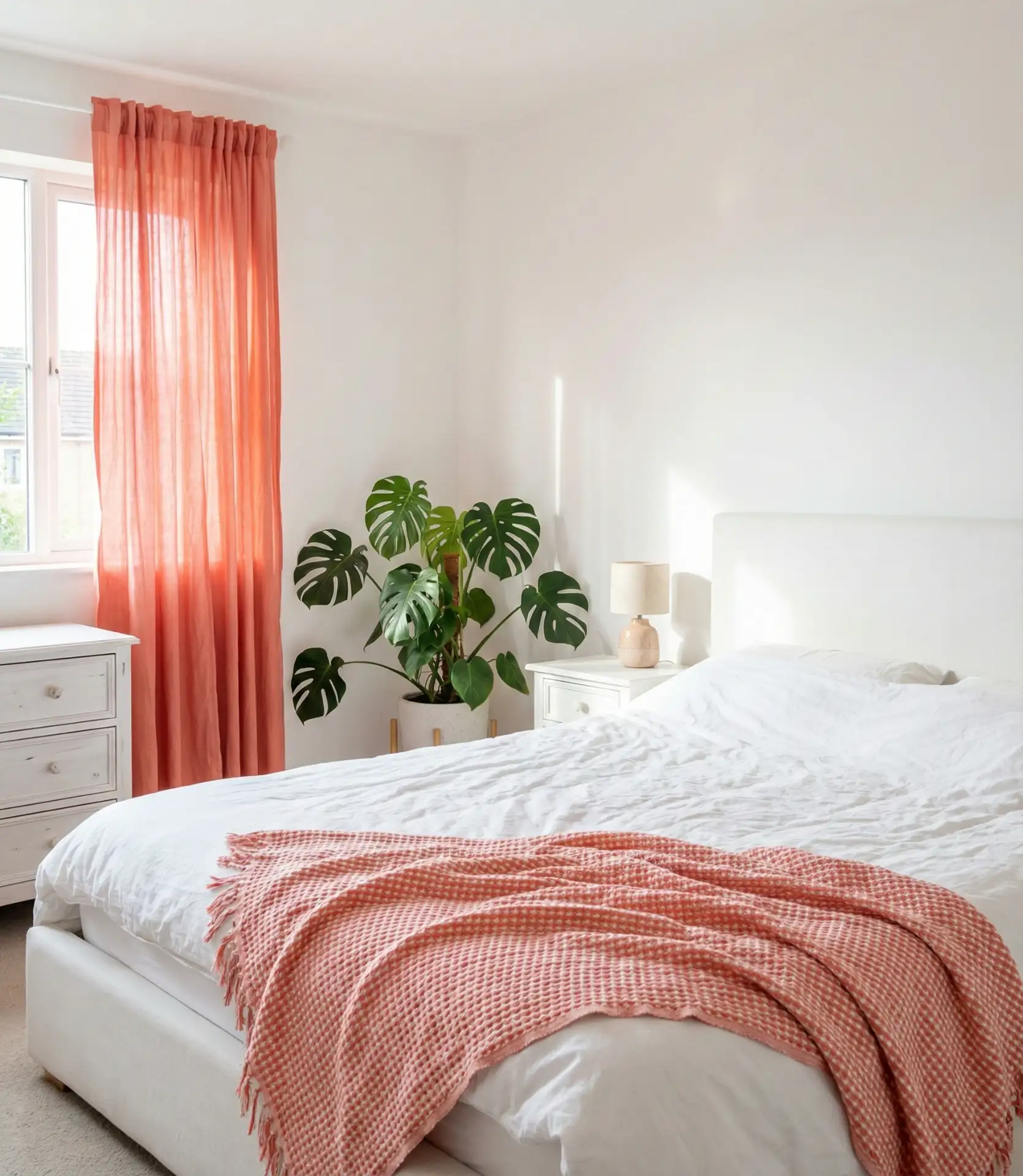
Coral offers a lively alternative to pink or orange, bringing energy and warmth to white bedrooms. A coral throw blanket, accent pillows, or even a painted dresser introduces just enough color to feel playful without overwhelming. This combination works especially well in beach towns and sunny climates where vibrant hues complement the outdoor landscape. White walls let coral breathe and prevent the space from feeling too saturated or busy.
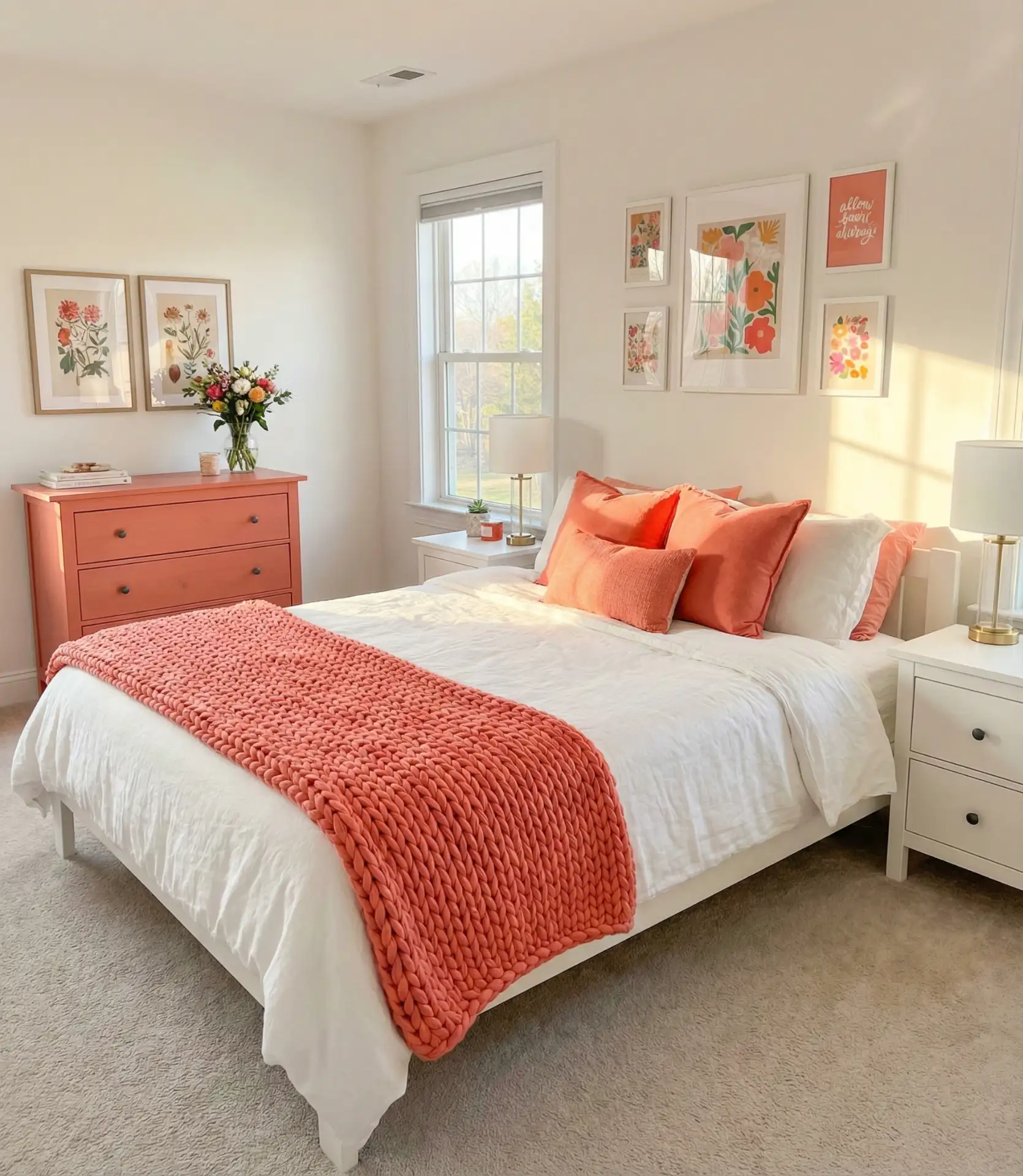
Avoid the mistake of treating coral as a neutral—it’s a statement color that needs white (or another neutral) to keep it in check. Too much coral can feel visually exhausting in a space meant for rest. Limit it to 20-30% of the room’s color distribution, using white as the dominant tone to maintain balance and calm.
19. White and Rust Earthiness
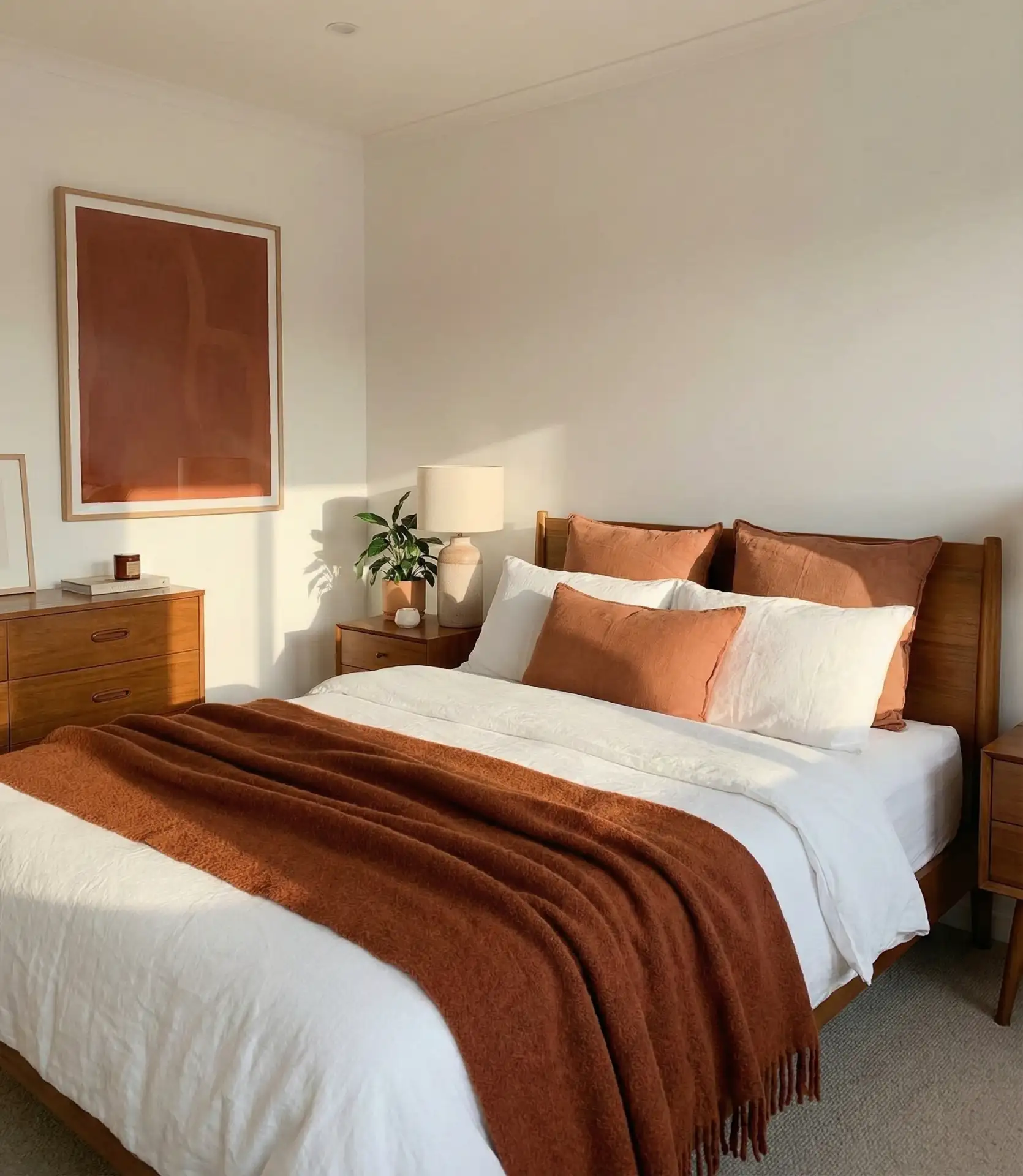
Rust tones—sitting between red, orange, and brown—bring an earthy, grounded quality to white bedrooms. A rust-colored throw, terracotta bedding, or burnt sienna artwork introduces warmth and depth without sacrificing the airiness white provides. Mid-century and desert modern spaces, where natural materials and warm tones dominate, particularly suit this palette. The combination of white and rust creates a sunbaked, lived-in aesthetic that feels both timeless and on-trend.
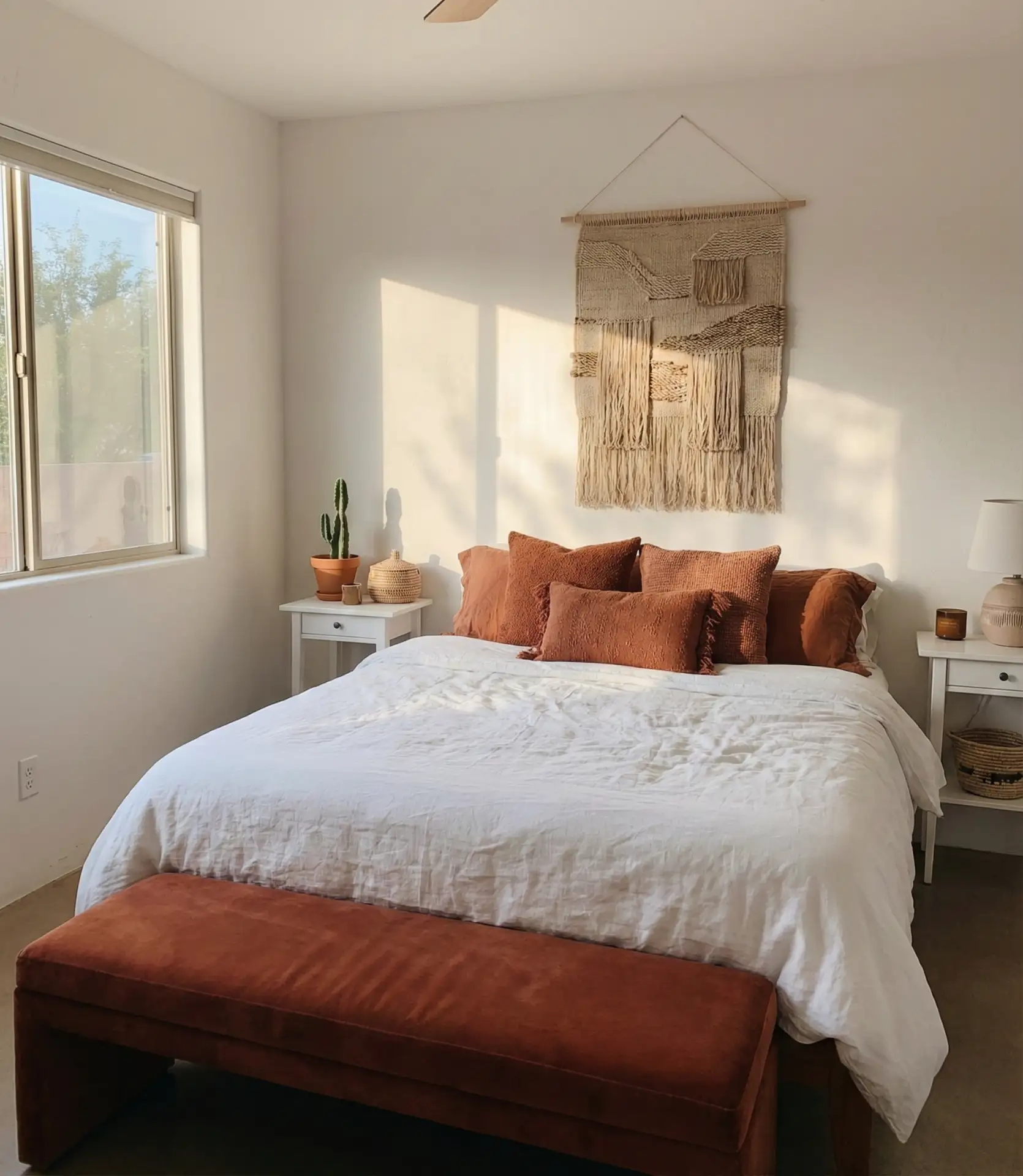
This color pairing works best in homes with ample natural light and warm-toned wood floors. In spaces with cooler greys or blue undertones, rust can clash or feel muddy. Test paint samples and fabric swatches in your actual lighting before committing to larger purchases—rust is highly sensitive to both natural and artificial light quality.
20. White and Charcoal Accents for Small Rooms
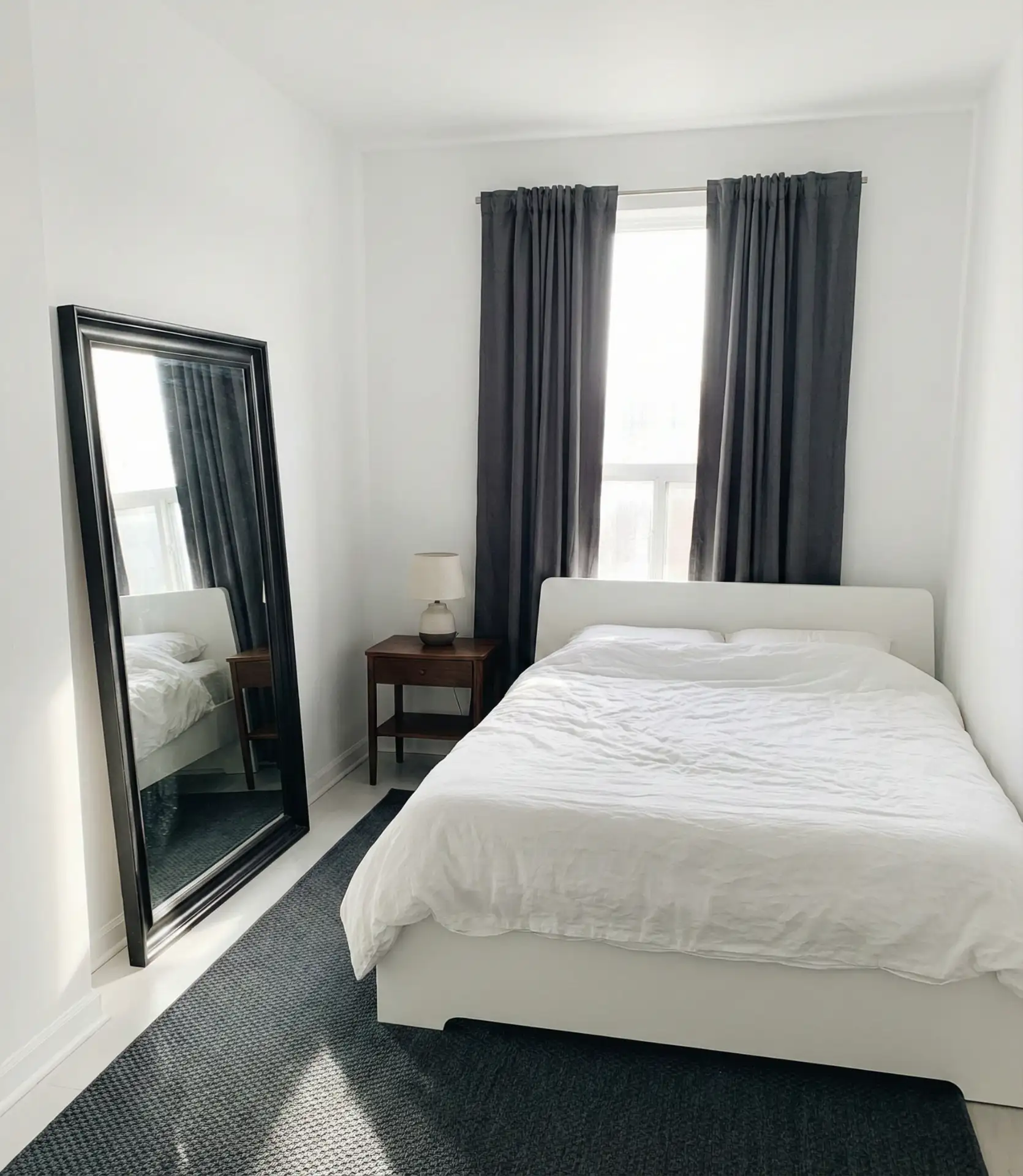
In small rooms, white walls maximize light and openness, while strategic charcoal accents add definition without closing in the space. A charcoal area rug, dark grey curtains, or a single black-framed mirror create visual anchors that prevent the room from feeling washed out. This approach is especially effective in urban apartments and converted spaces where square footage is limited. The contrast between white and charcoal tricks the eye into perceiving depth and dimension.
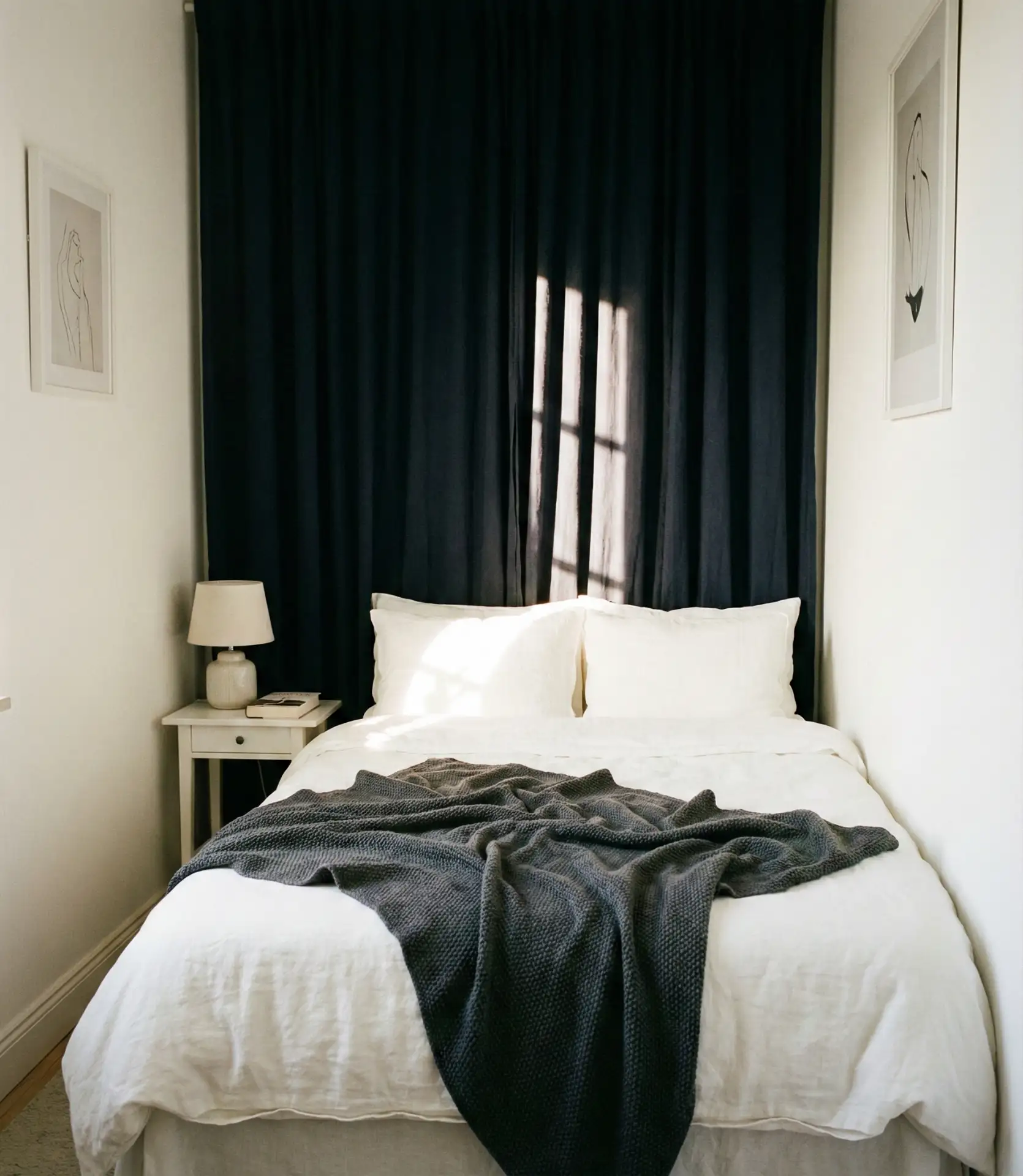
Practical insight: In tight quarters, avoid placing charcoal elements on all sides of the room. Instead, concentrate darker tones on one or two walls or zones to create intentional contrast without boxing in the space. This asymmetrical approach maintains the airy quality small rooms desperately need while still providing visual interest and sophistication.
21. White and Burgundy Richness
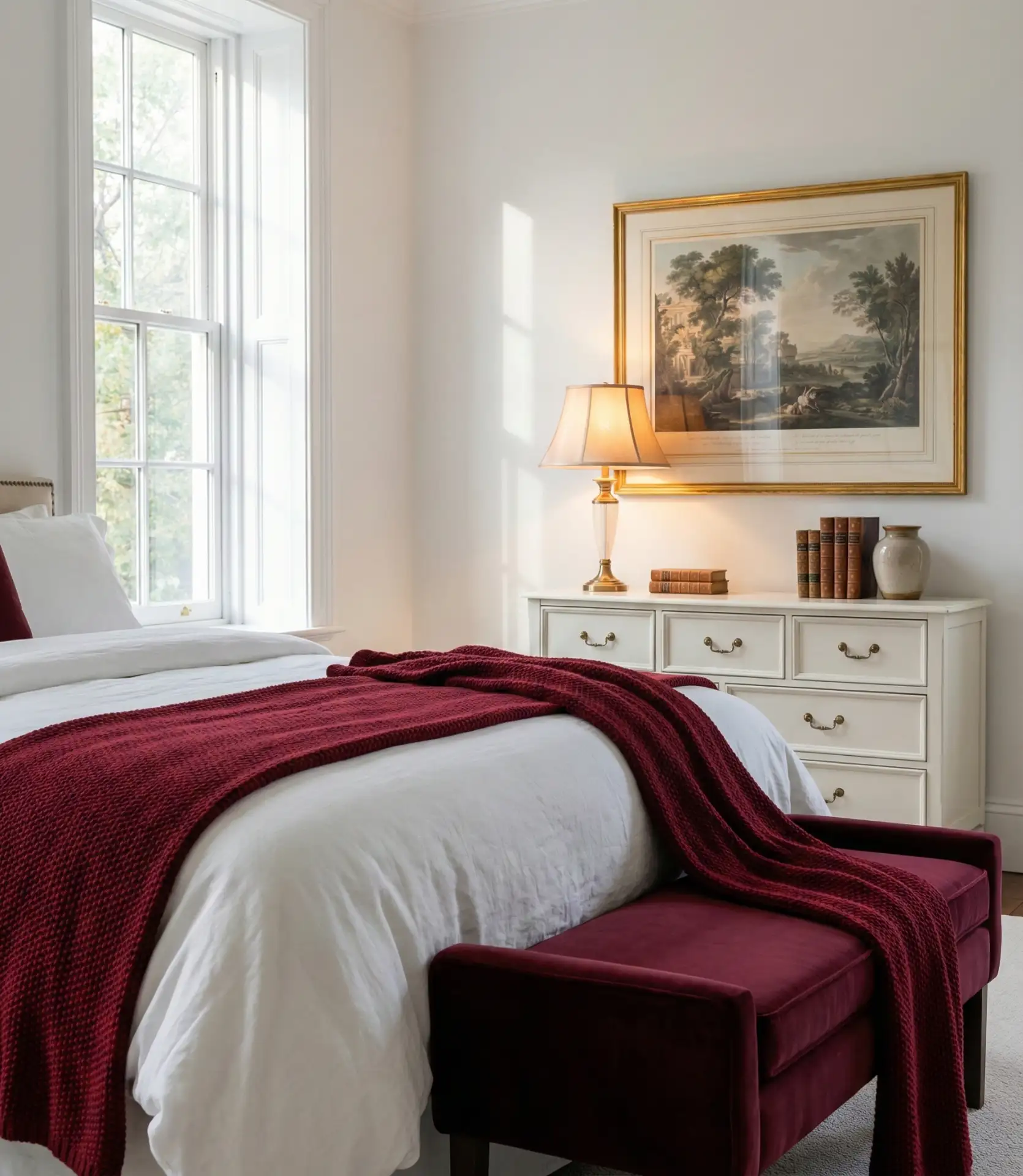
Deep burgundy or wine-colored accents against white walls create a luxurious, enveloping atmosphere. A burgundy velvet headboard, red throw pillows, or plum-toned curtains introduce drama and warmth without darkening the entire room. This palette appeals to those seeking a cozy, intimate bedroom environment with a hint of old-world elegance. White prevents the richness of burgundy from becoming oppressive, maintaining balance and breathability.
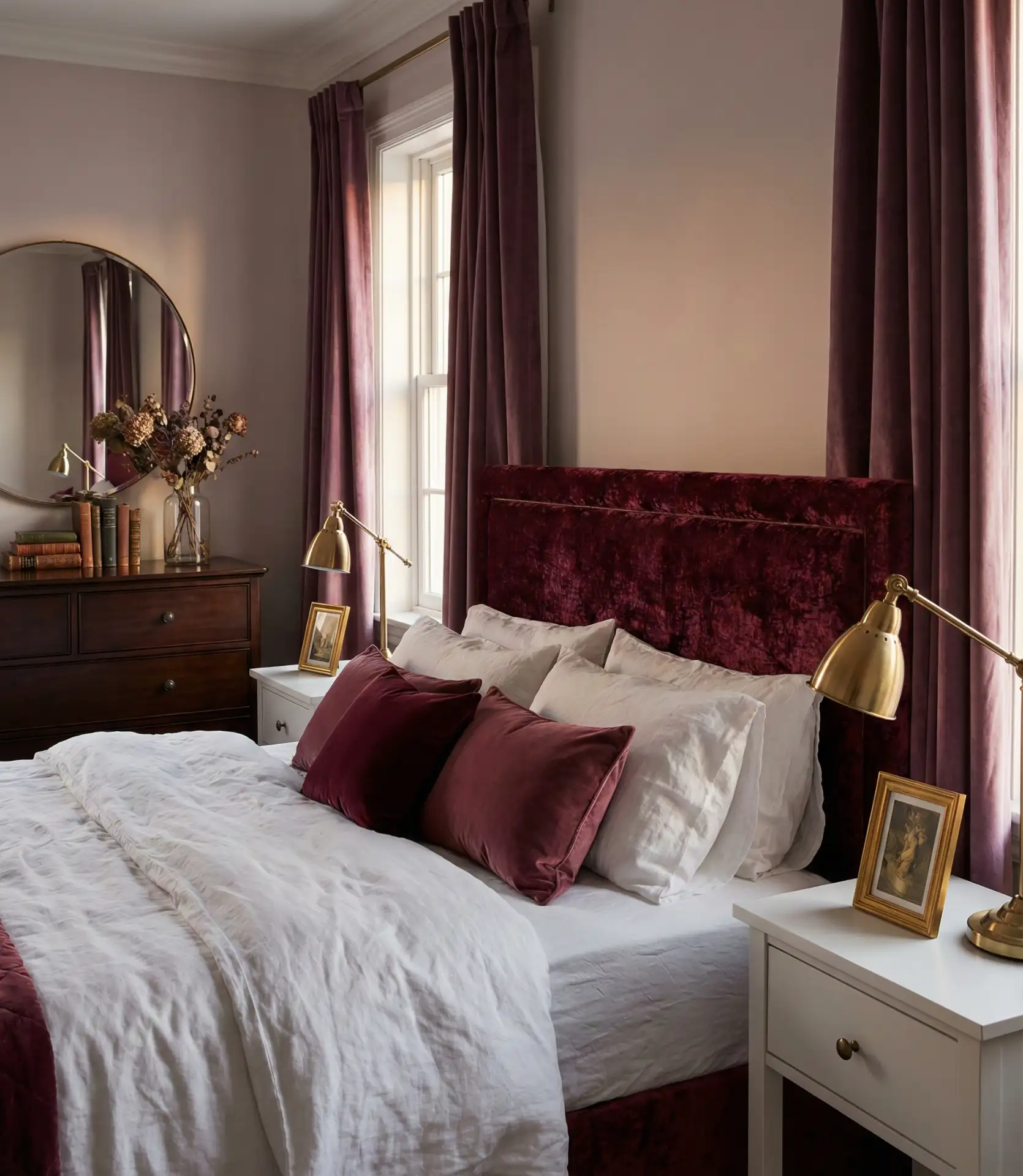
Budget-conscious decorators can achieve this look by starting with burgundy textiles—a duvet cover or throw blanket—which typically range from $50 to $100 at mid-range retailers. The color reads as expensive and considered, making even modest investments feel elevated. Pair with crisp white sheets you likely already own, and you’ve created a high-impact look without a complete bedroom overhaul.
22. White and Mint Green Freshness
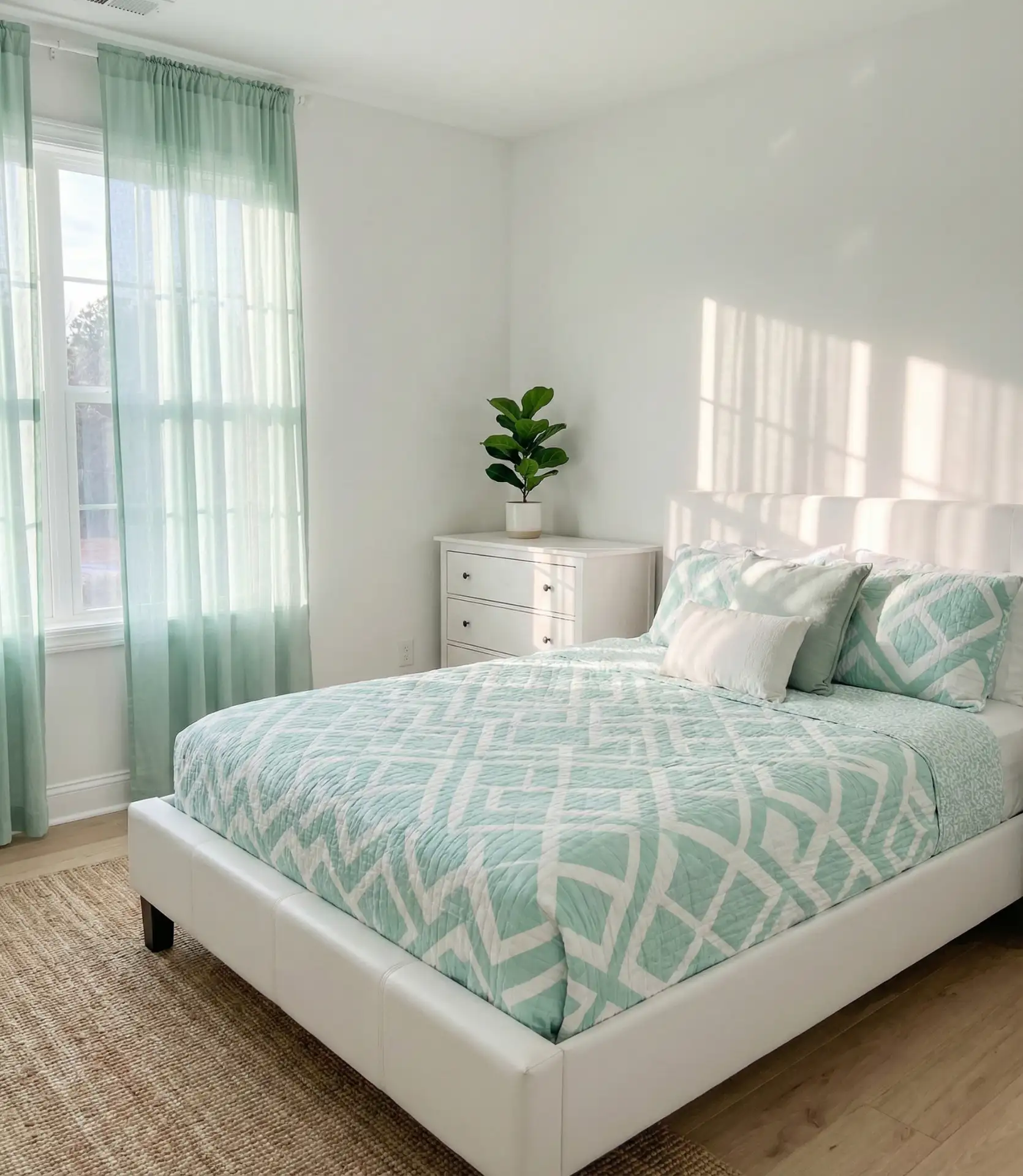
Mint green paired with white creates a fresh, retro-inspired bedroom that feels both nostalgic and current. A mint-colored accent wall, pale green bedding, or vintage mint furniture introduces cheerfulness without overwhelming. This combination works beautifully in cottages, bungalows, and homes embracing vintage or eclectic styles. The pastel quality of mint keeps the space feeling light and airy, while white amplifies its crisp, clean character.
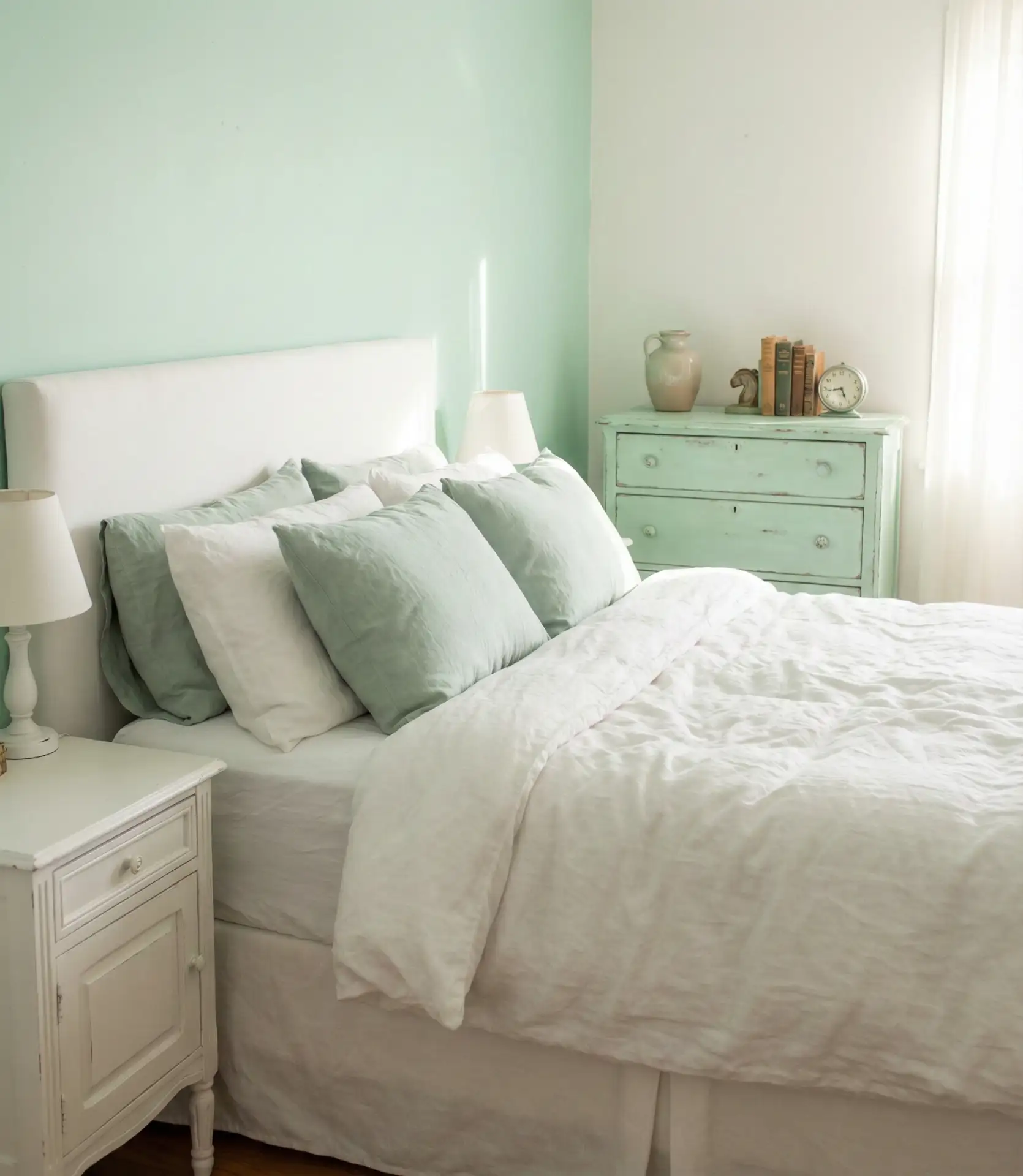
This palette excels in smaller bedrooms or guest rooms where you want to create an uplifting, welcoming environment without heavy color saturation. The lightness of both mint and white keeps compact spaces feeling open and breathable, while the hint of color prevents them from reading as generic or sterile. It’s particularly effective in homes with vintage fixtures or architectural details that benefit from a retro color story.
23. White and Indigo Depth
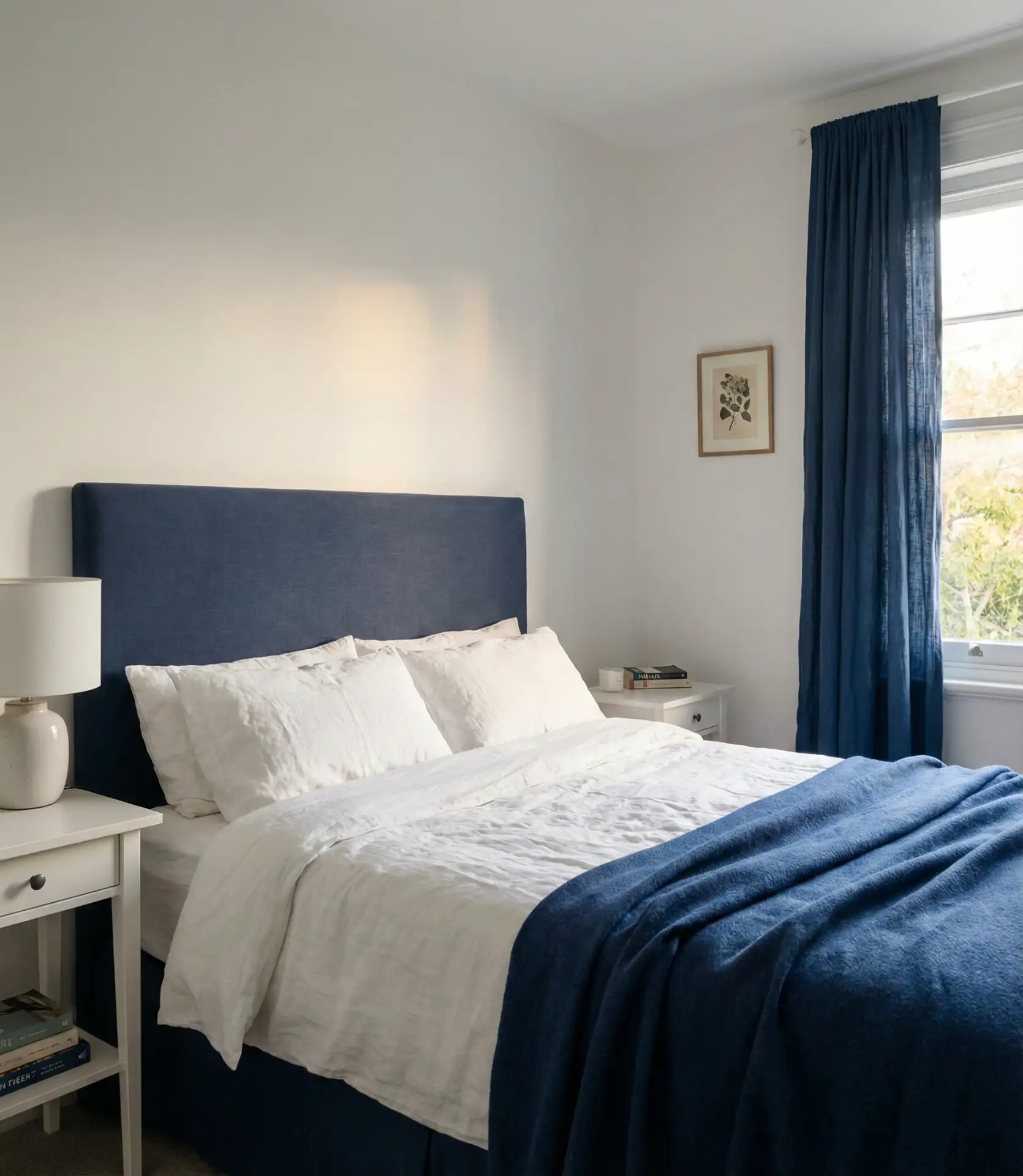
Indigo—deeper than navy but more vibrant than black—offers a sophisticated alternative to traditional blue accents. An indigo throw blanket, dyed bedding, or upholstered headboard against white walls creates a moody, enveloping quality perfect for rest. This pairing works across styles, from modern to bohemian, and feels especially grounded in spaces seeking a meditative, tranquil atmosphere. White prevents the room from being overly dark, allowing indigo to make a striking statement.
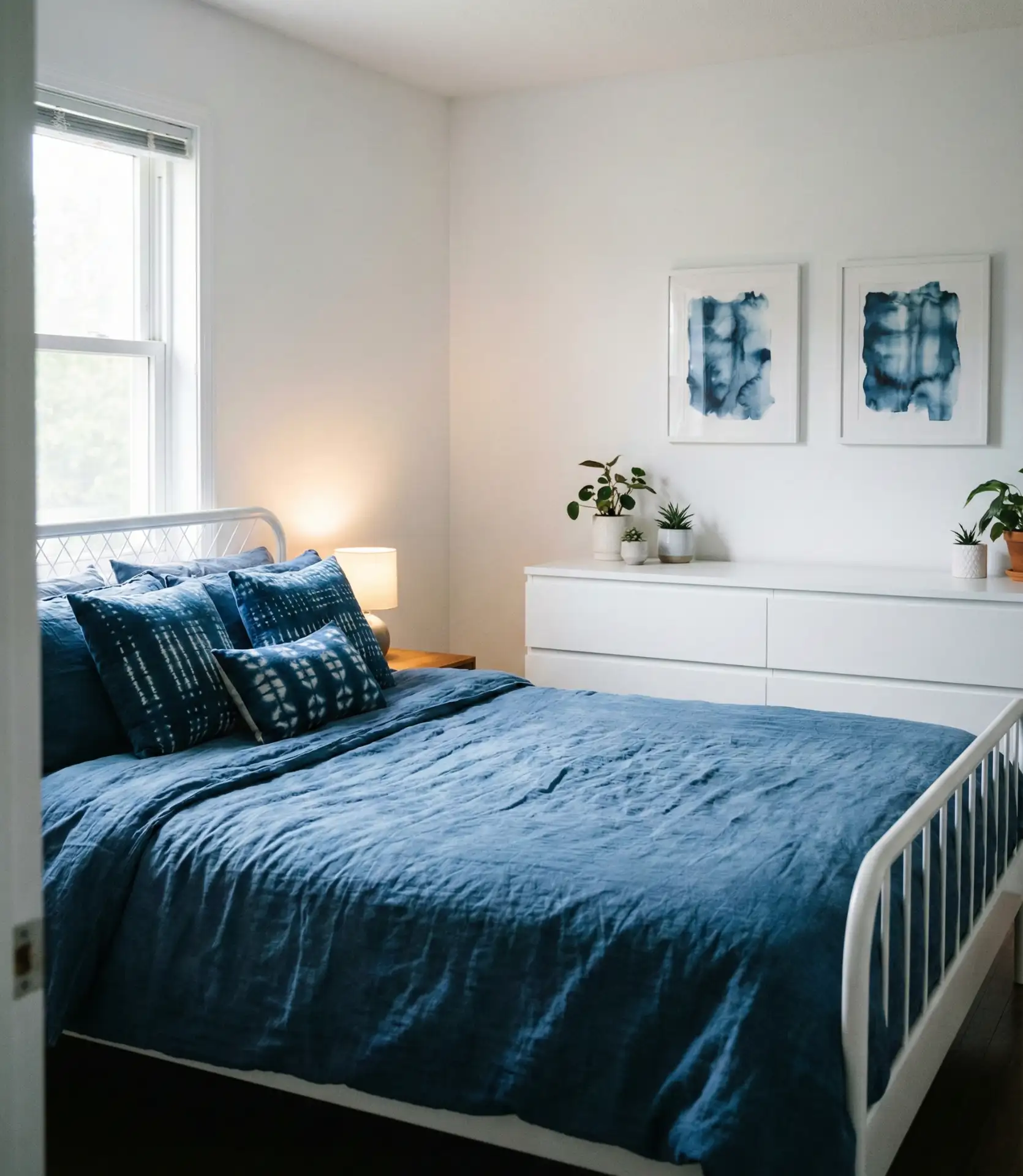
A common mistake is assuming that indigo will feel too dark for everyday living. In practice, when balanced with generous white and adequate lighting, indigo reads as calming rather than oppressive. The key to achieving these results is effective lighting; by layering ambient, task, and accent lighting, you can ensure that the room feels intentional and well-lit, even with deeper color accents. This approach lets you enjoy the richness of indigo without sacrificing functionality or comfort.

These white bedroom ideas for 2026 prove that simplicity doesn’t mean sameness. Whether you’re drawn to bold contrast, soft pastels, or natural textures, white serves as the ultimate foundation—adaptable, timeless, and endlessly inspiring. We’d love to hear which combinations resonate with you or how you’ve personalized your own white bedroom. Share your thoughts in the comments below.