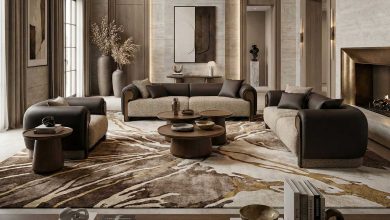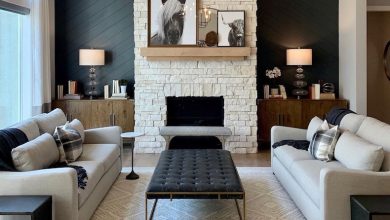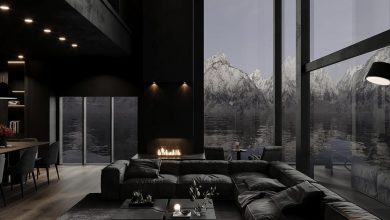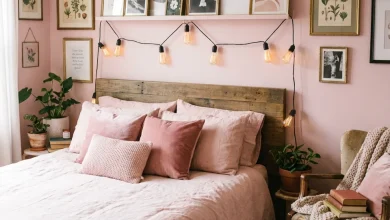

Small apartment living rooms have become a design obsession in 2026, especially for Americans navigating rising rents and downsizing trends in cities like New York, San Francisco, and Chicago. Pinterest searches for compact living room solutions have surged as people seek spaces that feel open, functional, and beautiful without sacrificing comfort. Whether you’re working with 150 square feet or just trying to maximize every inch, the right layout and decor can transform even the tiniest room into a cozy, stylish retreat. This guide brings you fresh ideas that blend smart furniture arrangement, modern aesthetics, and practical storage solutions to help you design a living room that works as hard as you do.
1. Floating Shelves Above a Low-Profile Sofa
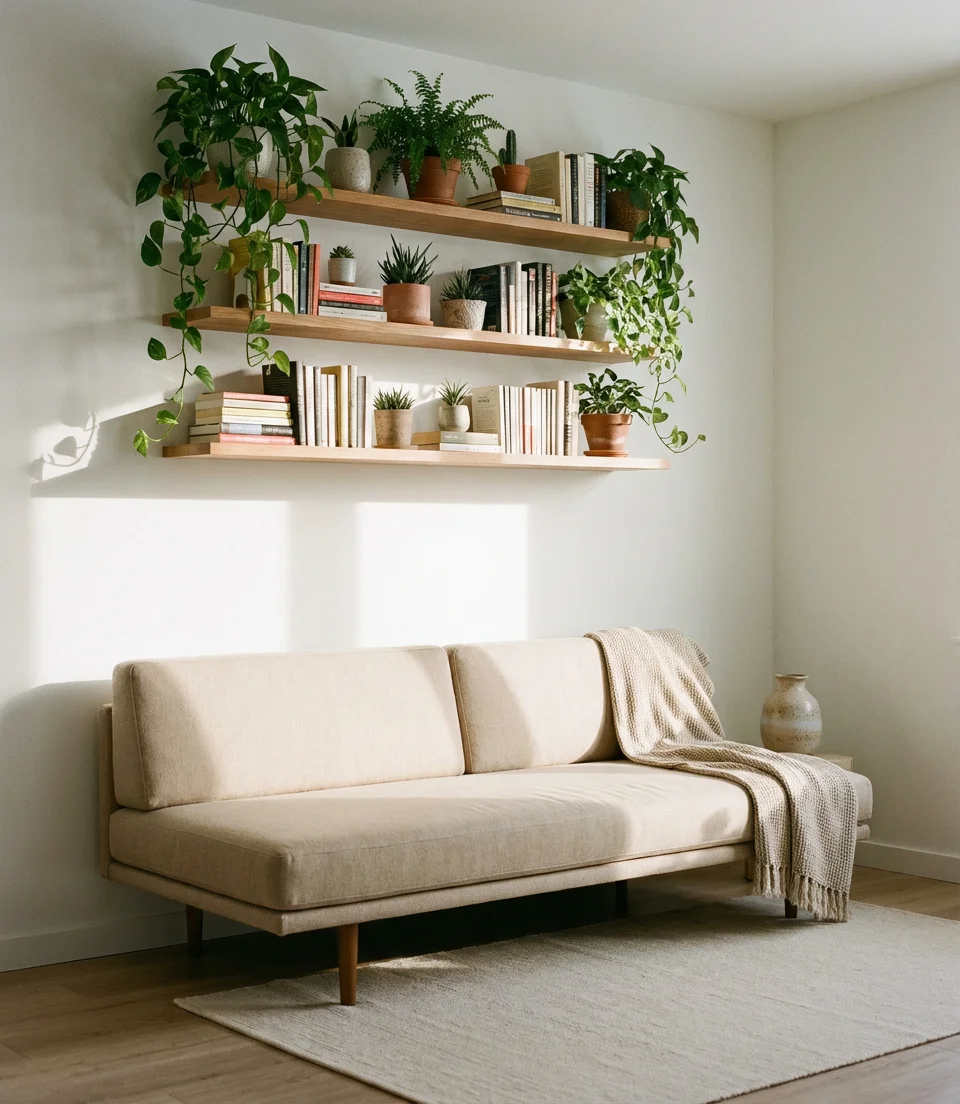
Vertical storage proves to be an invaluable asset in cramped spaces. A low-profile sofa paired with floating shelves above creates visual height without eating up floor space, making the room feel larger and more organized. This layout works particularly well in studio apartments where every wall needs to multitask. The shelves can hold books, plants, and personal items while keeping the floor clear for movement.
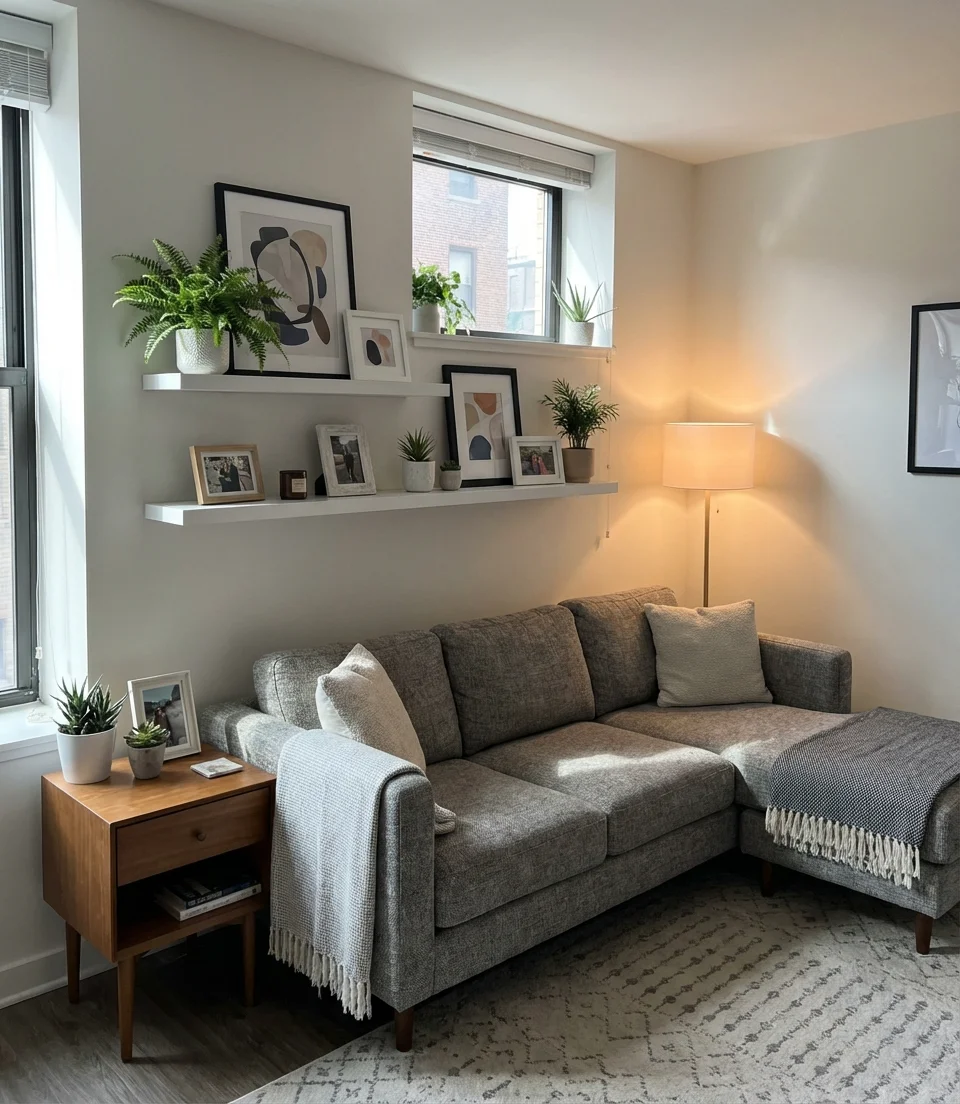
This setup works best in living rooms that double as workspaces or reading nooks. Instead of bulky bookcases that overwhelm the room, floating shelves offer storage without visual clutter. Avoid the common mistake of placing shelves too high, ensuring they remain functional and not just decorative. Pair this look with neutral tones and light wood finishes to maintain an airy, uncluttered vibe.
2. Japandi-Inspired Minimalist Corner
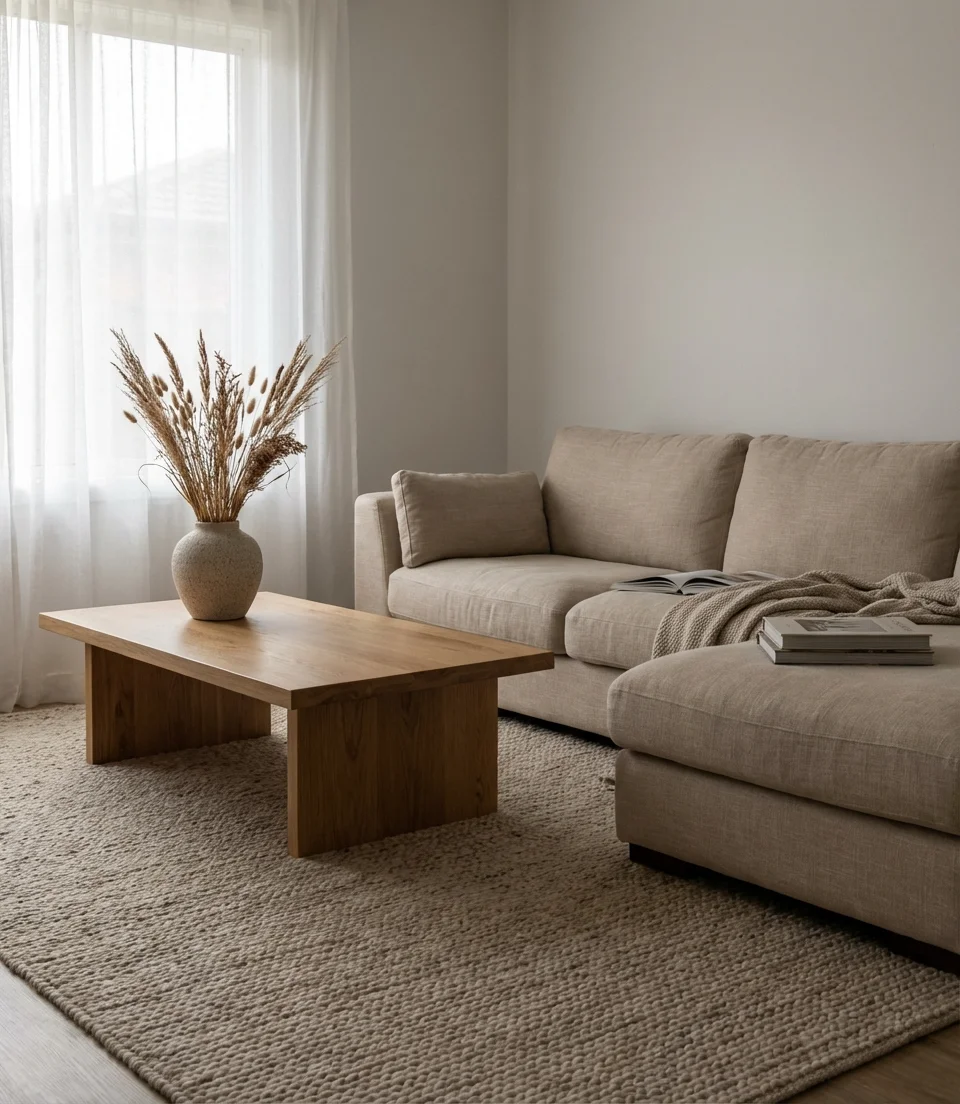
The Japandi aesthetic blends Japanese simplicity with Scandinavian warmth, creating a calming, clutter-free environment perfect for small living rooms. Think natural wood furniture, muted earth tones, and thoughtful decor ideas that emphasize quality over quantity. This style feels especially grounding in urban apartments where overstimulation is constant, offering a visual reset the moment you walk in.
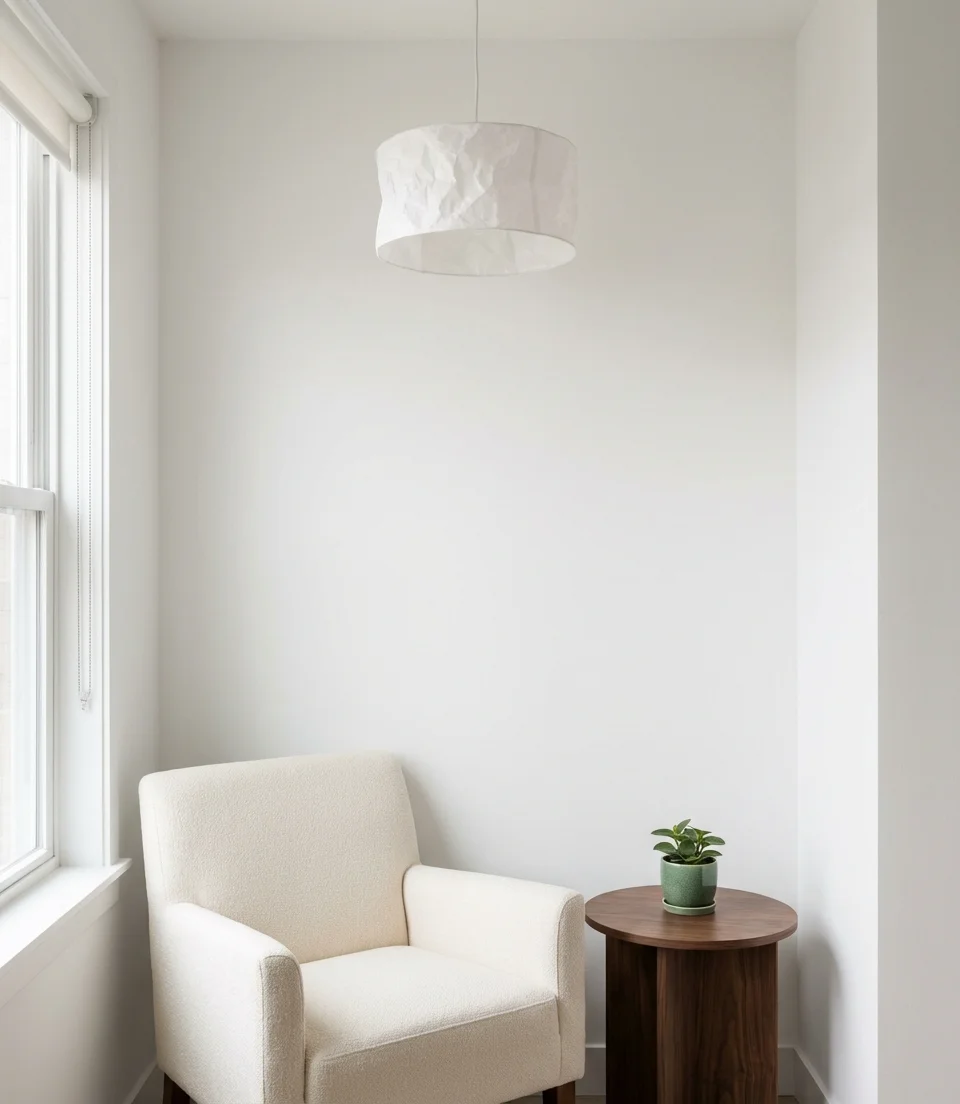
Japandi works beautifully in apartments across the Pacific Northwest and California, where residents already lean toward natural, sustainable design. The key is restraint: every piece should serve a purpose or bring joy. Avoid overloading the space with decor—three well-chosen items often look better than ten. Stick to a palette of whites, beiges, and soft grays with warm wood accents to keep the room feeling spacious and serene.
3. Built-In TV Entertainment Center with Hidden Storage
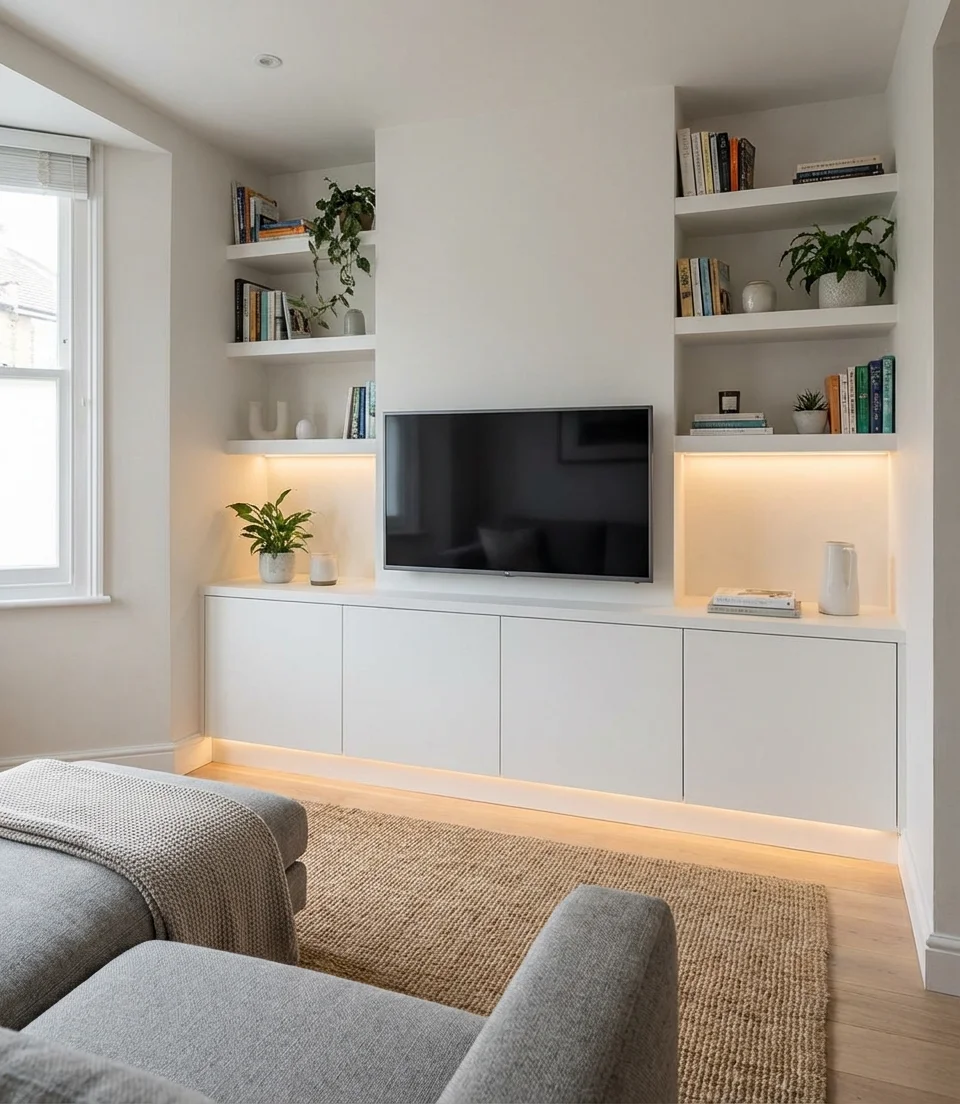
A custom or modular TV entertainment center with hidden compartments solves one of the biggest challenges in small living rooms: cable clutter and media storage. By integrating shelving, closed cabinets, and cable management into one sleek unit, you eliminate the need for multiple pieces of furniture. This approach keeps the room looking intentional and organized, especially when you’re dealing with limited square footage.
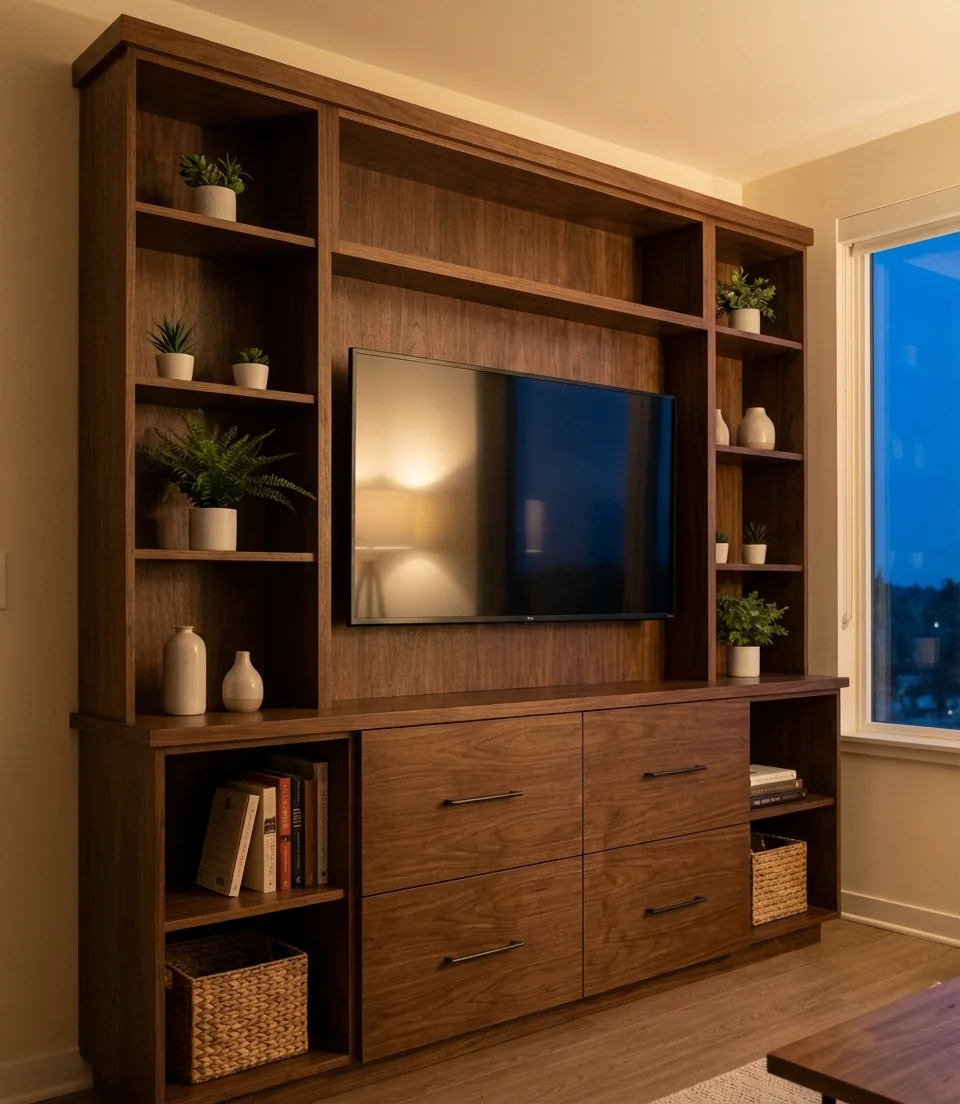
In American homes, the average household has a TV in nearly every room, so making it look intentional is key. A built-in unit also increases perceived square footage by eliminating visual gaps and awkward spacing. If custom carpentry feels out of reach, companies like IKEA and Wayfair offer modular systems that mimic the built-in look for under $800. Choose units with sliding or push-latch doors to avoid the swing radius issues that come with traditional cabinet doors.
4. Corner Desk Nook Beside the Sofa
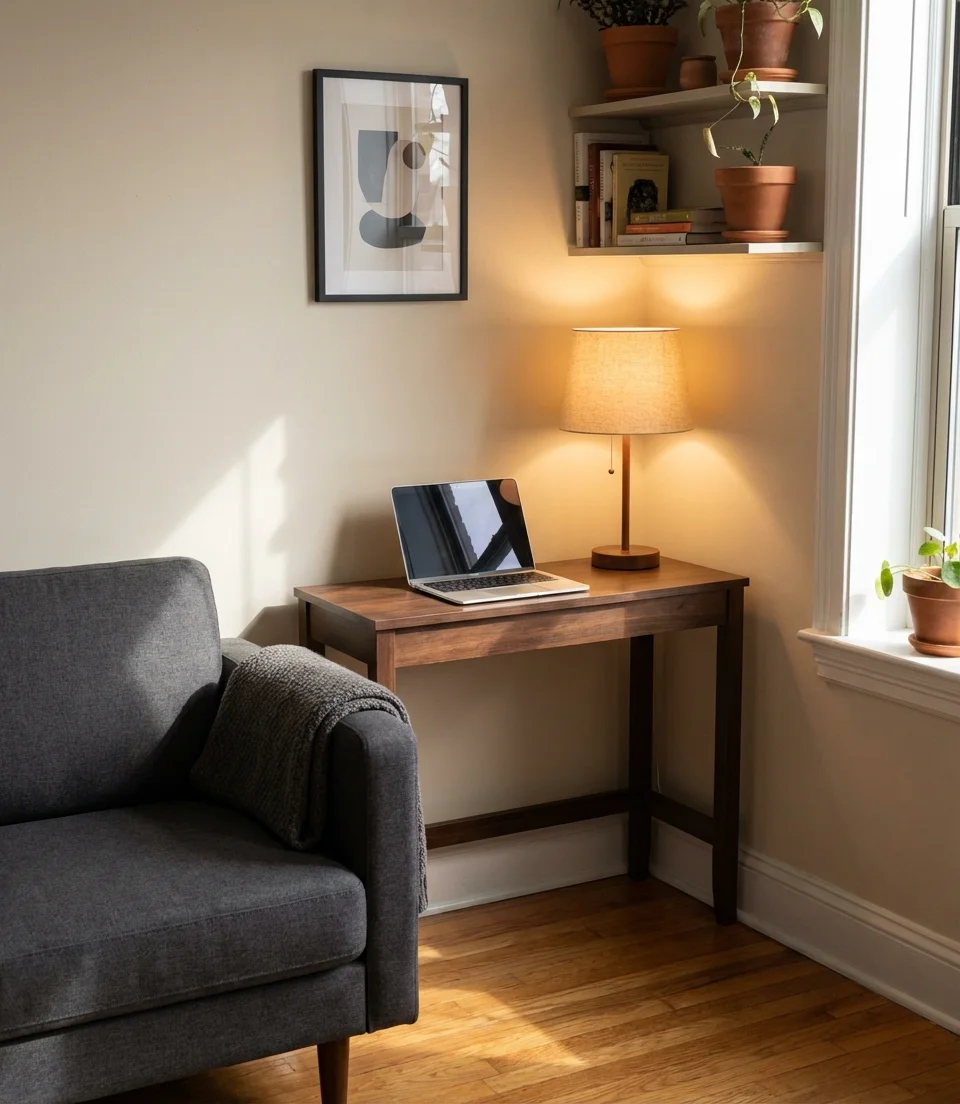
With remote work still dominant in 2026, carving out a desk area in your living room is both practical and necessary. A compact corner layout with a desk positioned beside the sofa creates a dual-purpose zone without requiring a separate room. This setup is ideal for one-bedroom apartments where the living room must function as both a relaxation and productivity space.
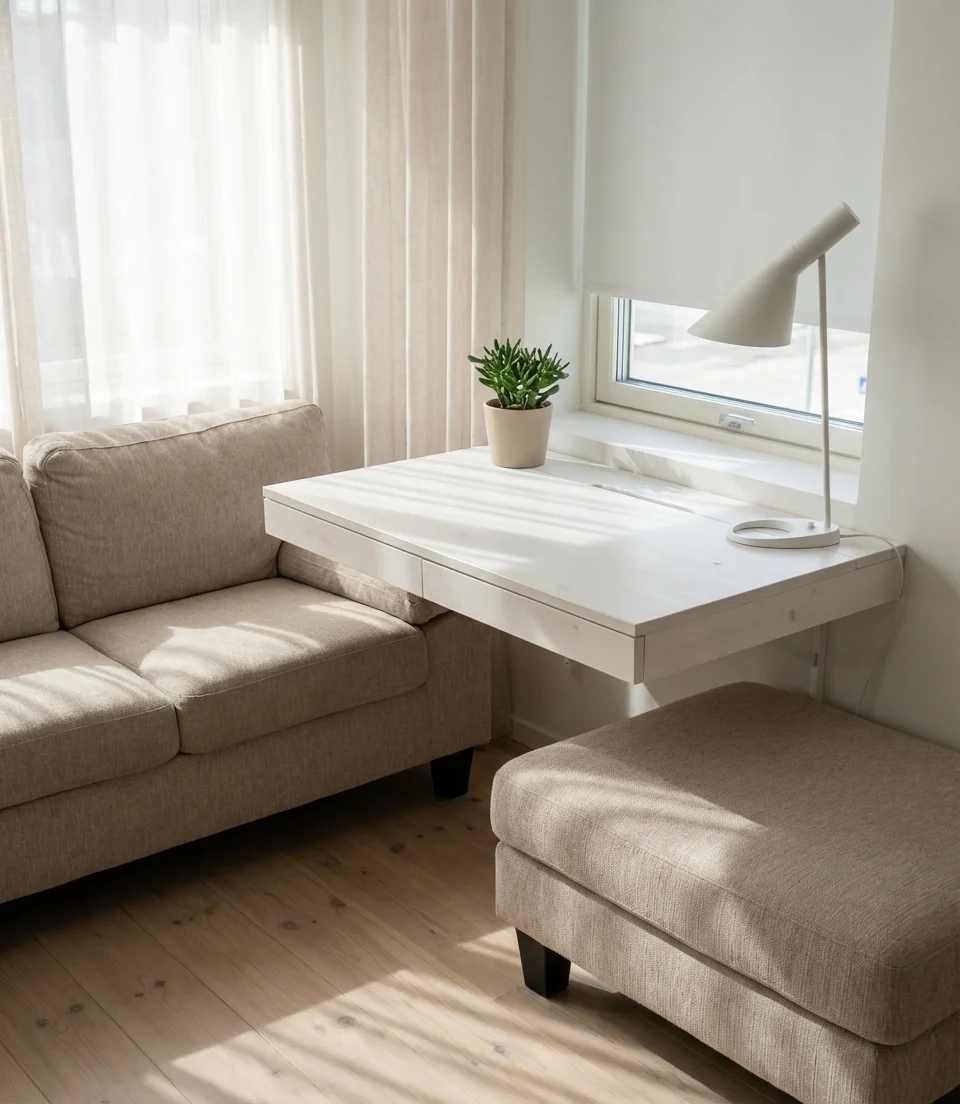
A friend living in Brooklyn swears by this layout—she works at the desk during the day, then simply closes her laptop and rotates her chair toward the TV at night. The key is choosing a desk that’s visually lightweight, like a narrow console or wall-mounted floating shelf. Avoid heavy, dark furniture that can make the room feel crowded. Position the desk near a window if possible for natural light and a mental break from screen glare.
5. Light-Filtering Curtains for Soft Privacy
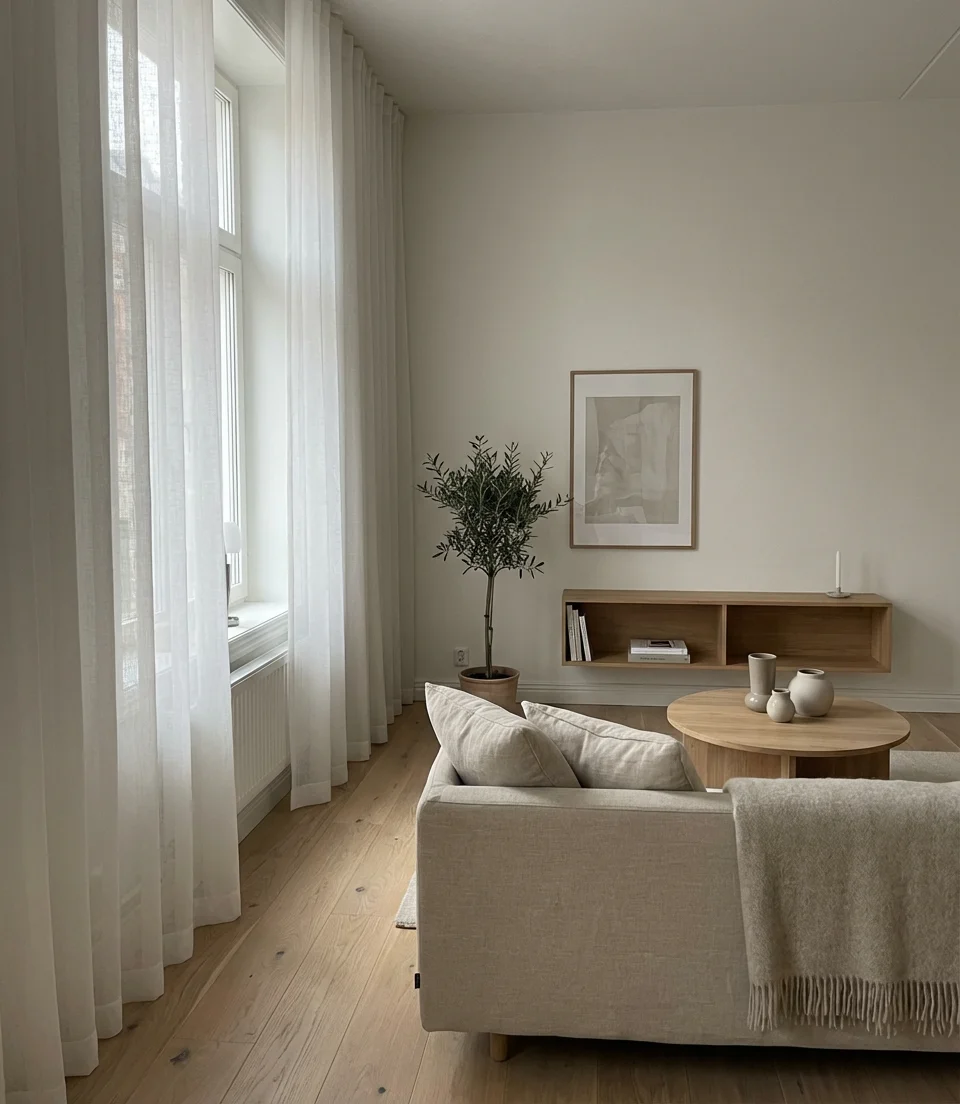
The right curtains can completely change how a small living room feels. Light-filtering fabrics offer privacy without blocking natural light, which is crucial for making compact spaces feel open and breathable. In apartments with street-facing windows or close neighbors, these curtains provide just enough separation while keeping the room bright and welcoming throughout the day.
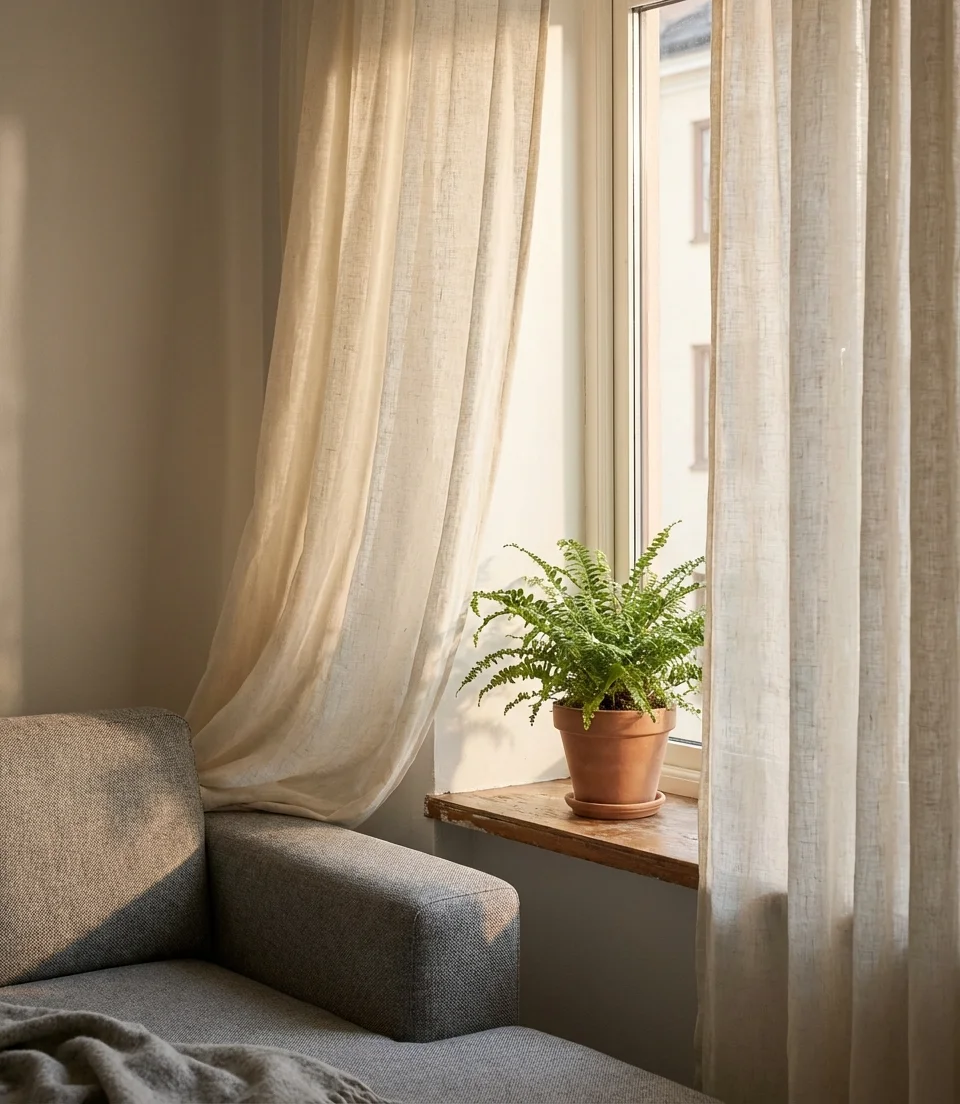
Panels of curtains, priced between $30 and $100, can significantly enhance your space without exceeding your budget. Brands like West Elm and Target offer affordable linen-blend options that look high-end. Hang them as close to the ceiling as possible to create the illusion of taller walls. A common mistake is choosing panels that are too short—aim for curtains that just graze the floor or puddle slightly for a polished, intentional look.
6. Dual-Purpose Coffee Table with Storage
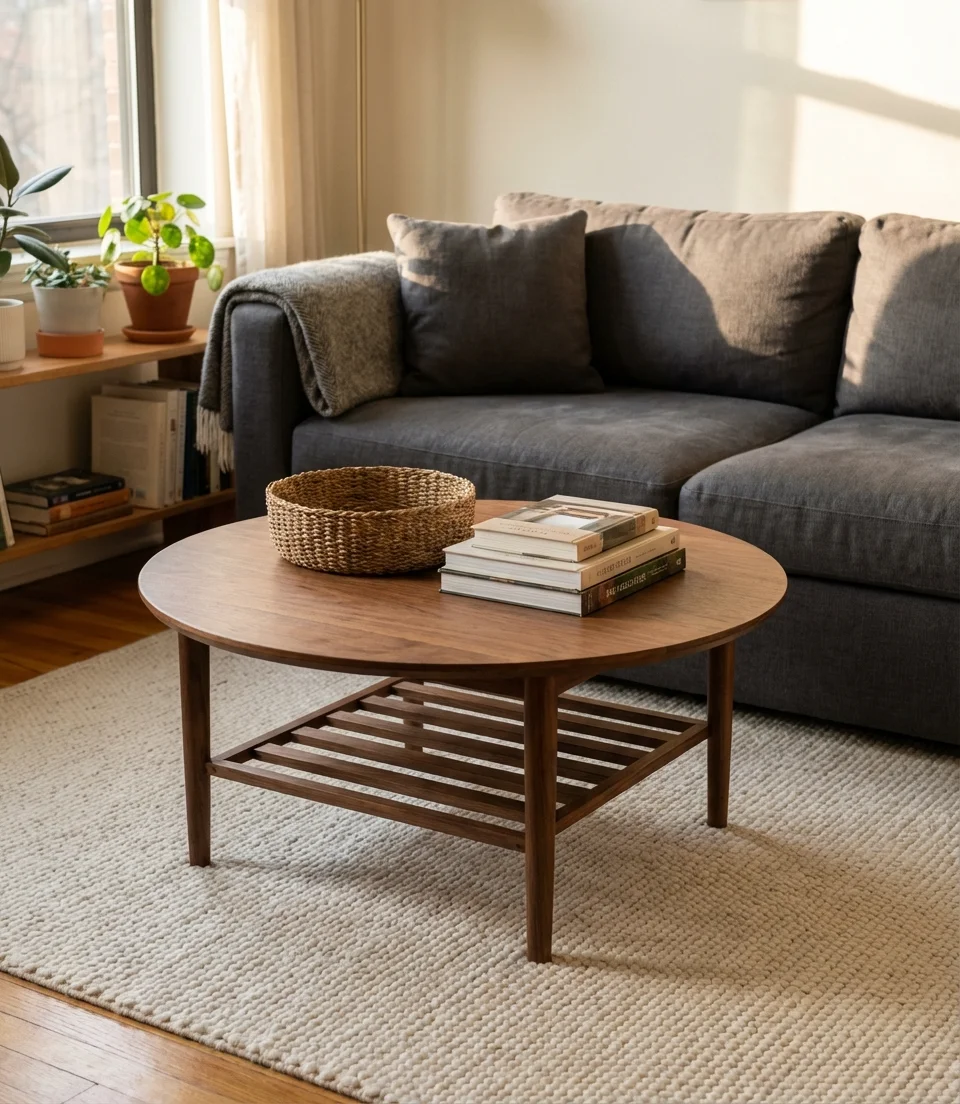
In small living rooms, where every piece of furniture must have a designated place, a coffee table that doubles as storage can significantly enhance the overall design. Look for ideas that incorporate lift-top mechanisms, hidden compartments, or open shelving underneath. This furniture arrangement keeps remotes, magazines, and throws out of sight while maintaining a clean, uncluttered surface for everyday use.
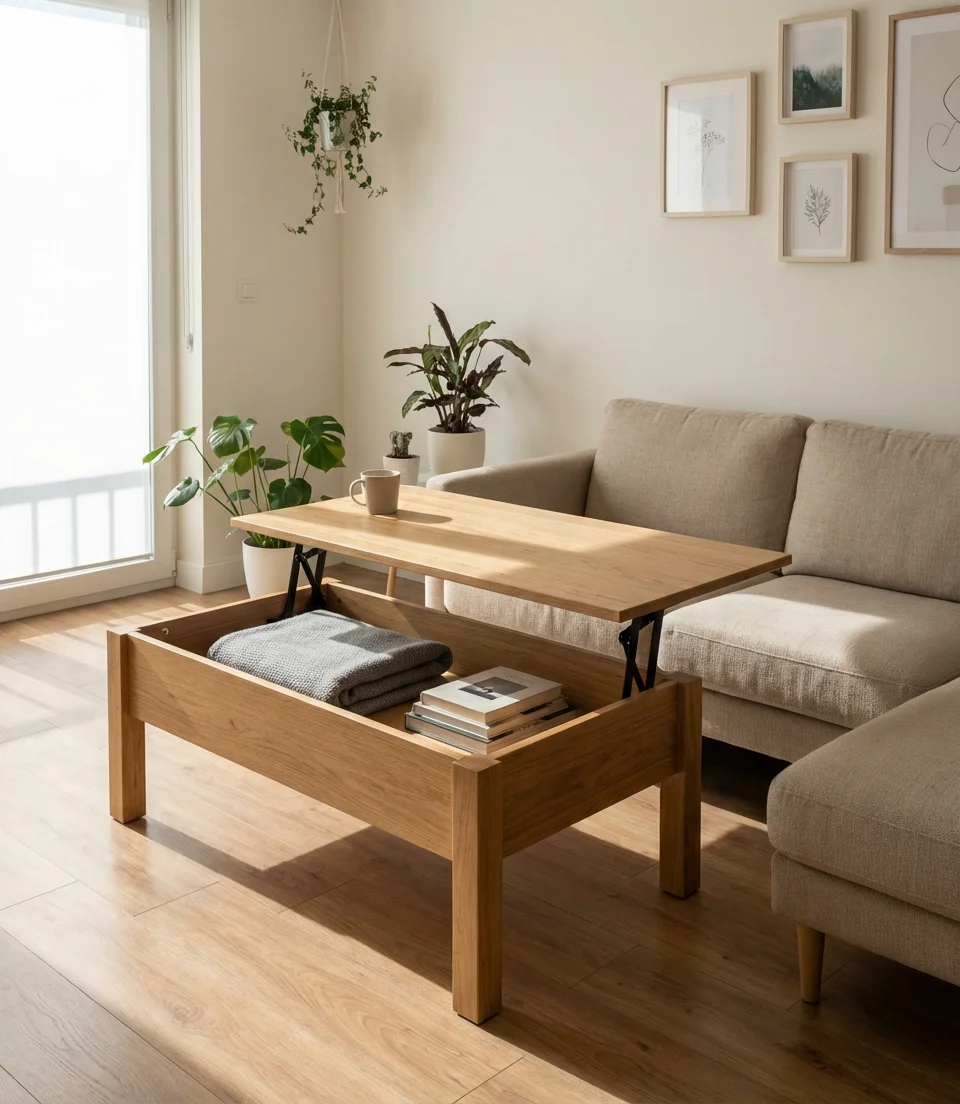
Where it works best: apartments without extra closet space or storage rooms. In cities like Seattle and Portland, where smaller footprints are the norm, multifunctional furniture is practically a lifestyle requirement. Choose tables with smooth-gliding mechanisms to avoid frustration during daily use. Pair the table with a low-profile rug to define the seating area without overwhelming the floor space.
7. Open-Concept Living Room and Kitchen Flow
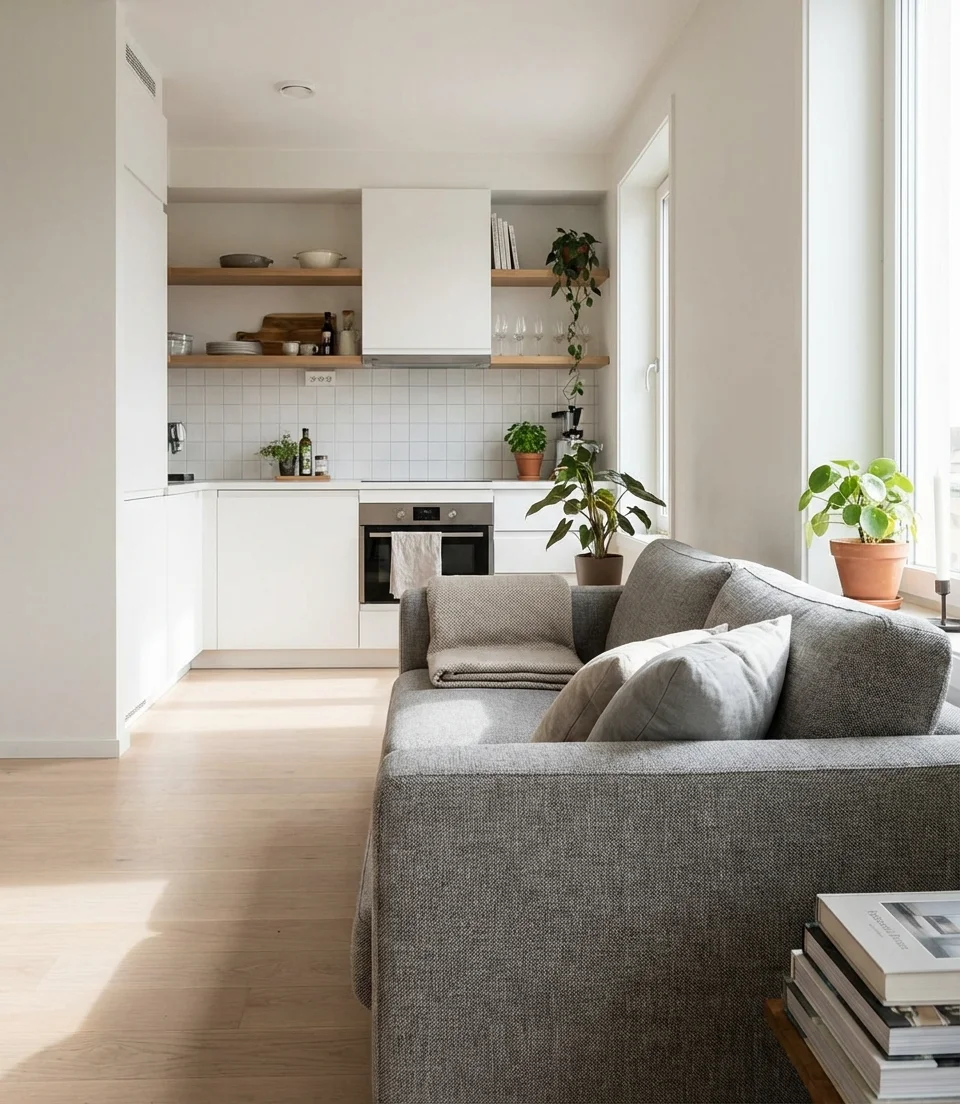
Many modern apartments feature an open floor plan where the living room flows directly into the kitchen, eliminating walls and creating a sense of spaciousness. This layout requires careful furniture placement to define zones without blocking sightlines. A well-placed sofa or console table can act as a visual divider while maintaining the open, airy feel that makes small spaces livable.
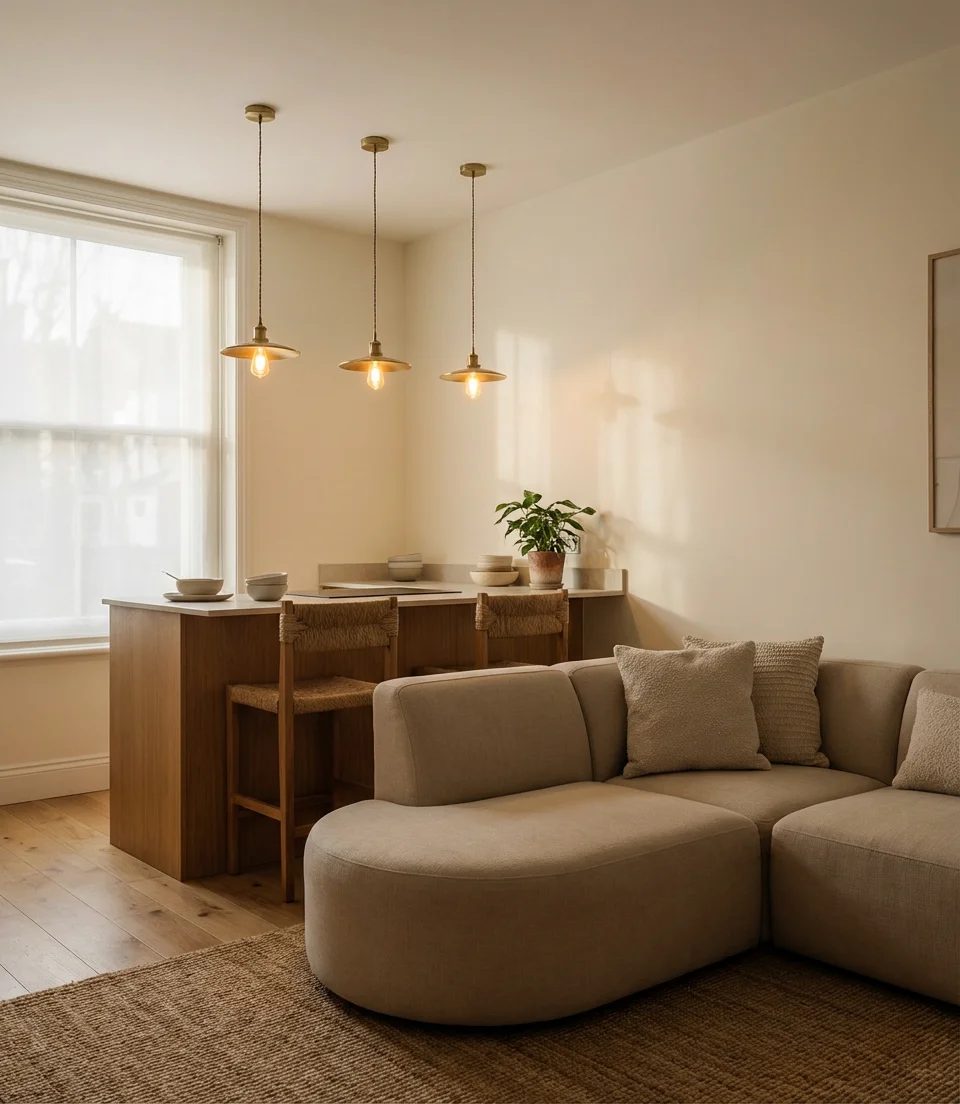
This layout is especially popular in newer apartment buildings across Texas and Florida, where developers favor open-concept designs. Real homeowners often use area rugs to visually separate the living and kitchen zones without adding physical barriers. Keep color palettes consistent across both spaces to enhance the sense of flow. Avoid placing the sofa directly against the kitchen counter—leave at least 18 inches for movement and visual breathing room.
8. Wall-Mounted TV with Floating Media Console
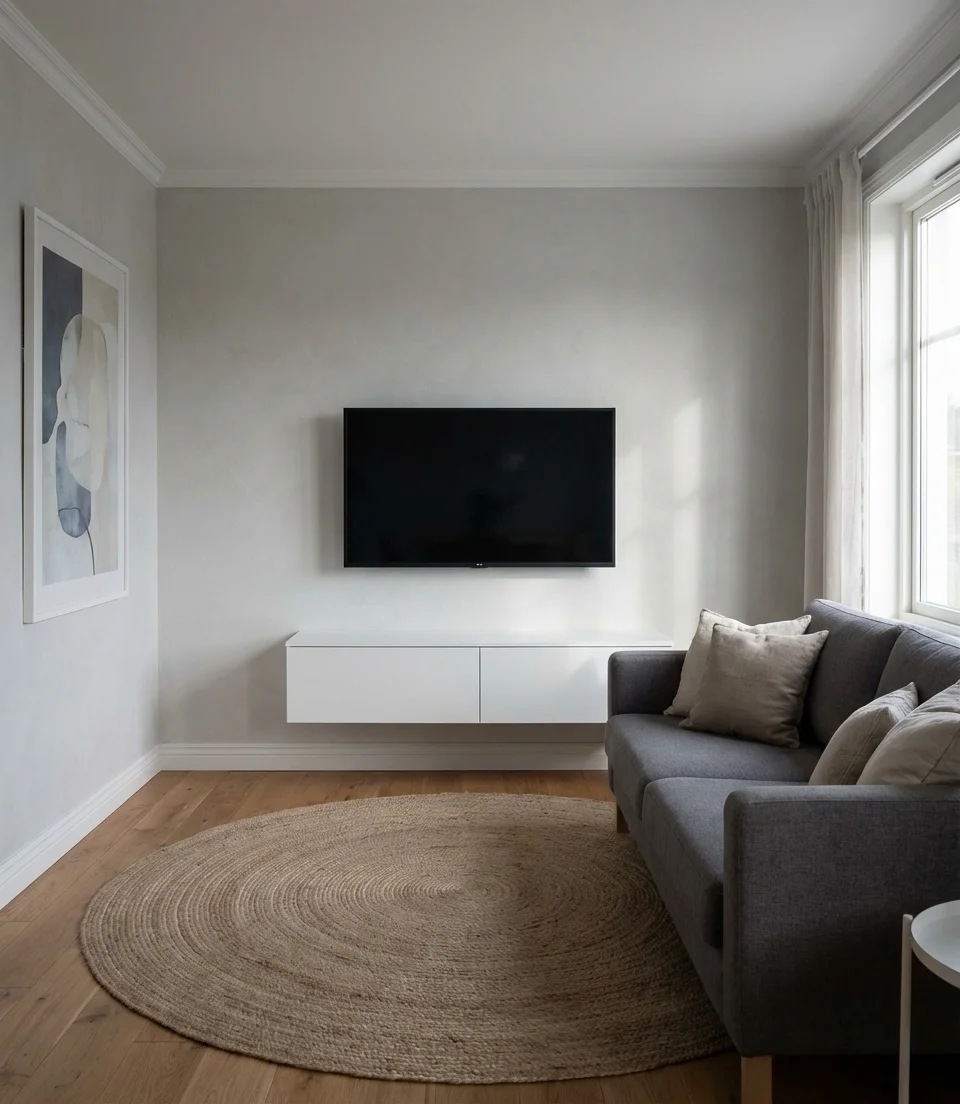
Mounting your TV on the wall and pairing it with a floating media console frees up valuable floor space while creating a sleek, modern look. This TV entertainment center ideas approach works beautifully in small living rooms where bulky stands can make the room feel cramped. The floating design also makes cleaning easier and gives the illusion of more square footage by exposing more of the floor.
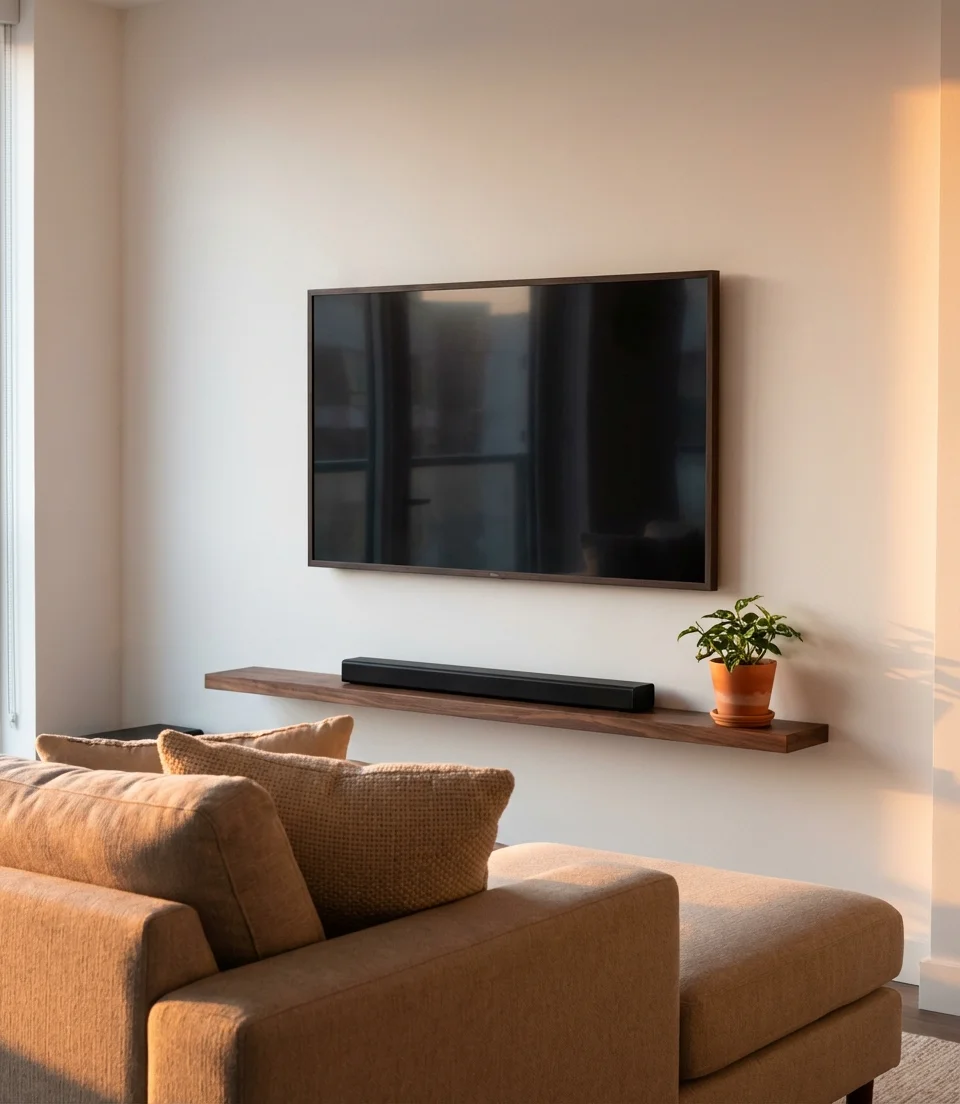
Expert tip: mount the TV so the center is at eye level when seated—usually around 42 inches from the floor. This prevents neck strain and makes viewing more comfortable. Many Americans assume higher is better, but that’s one of the most common mistakes. Use cable management sleeves or in-wall routing to keep cords invisible. The floating console should be at least 12 inches below the TV to maintain visual balance.
9. Cozy Reading Nook with Layered Textiles
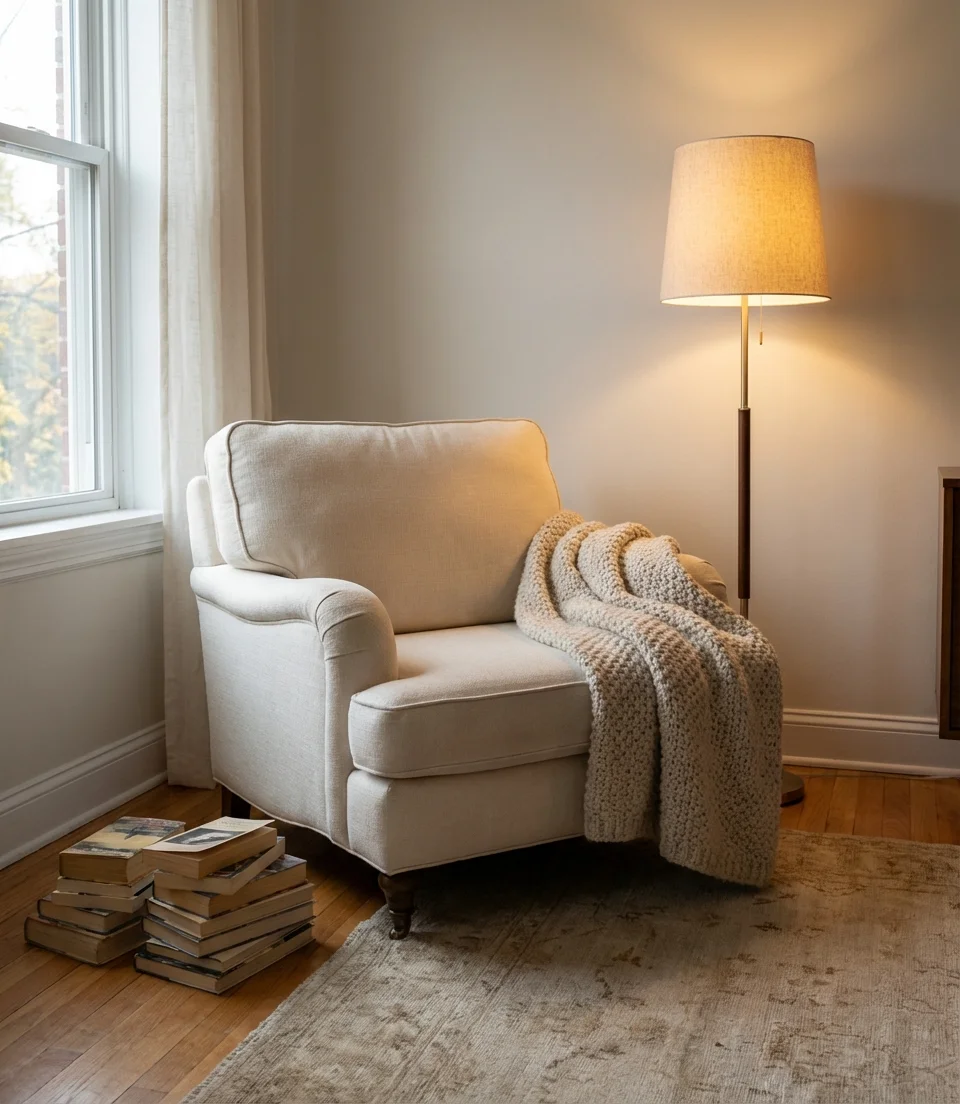
A small corner transformed into a cozy reading nook adds personality and function without requiring much space. Layer soft textiles like knit throws, velvet cushions, and a plush rug to create a spot that begs you to curl up with a book. This inspiring cozy setup is perfect for apartments where the living room needs to serve multiple moods—energetic during the day and restful at night.
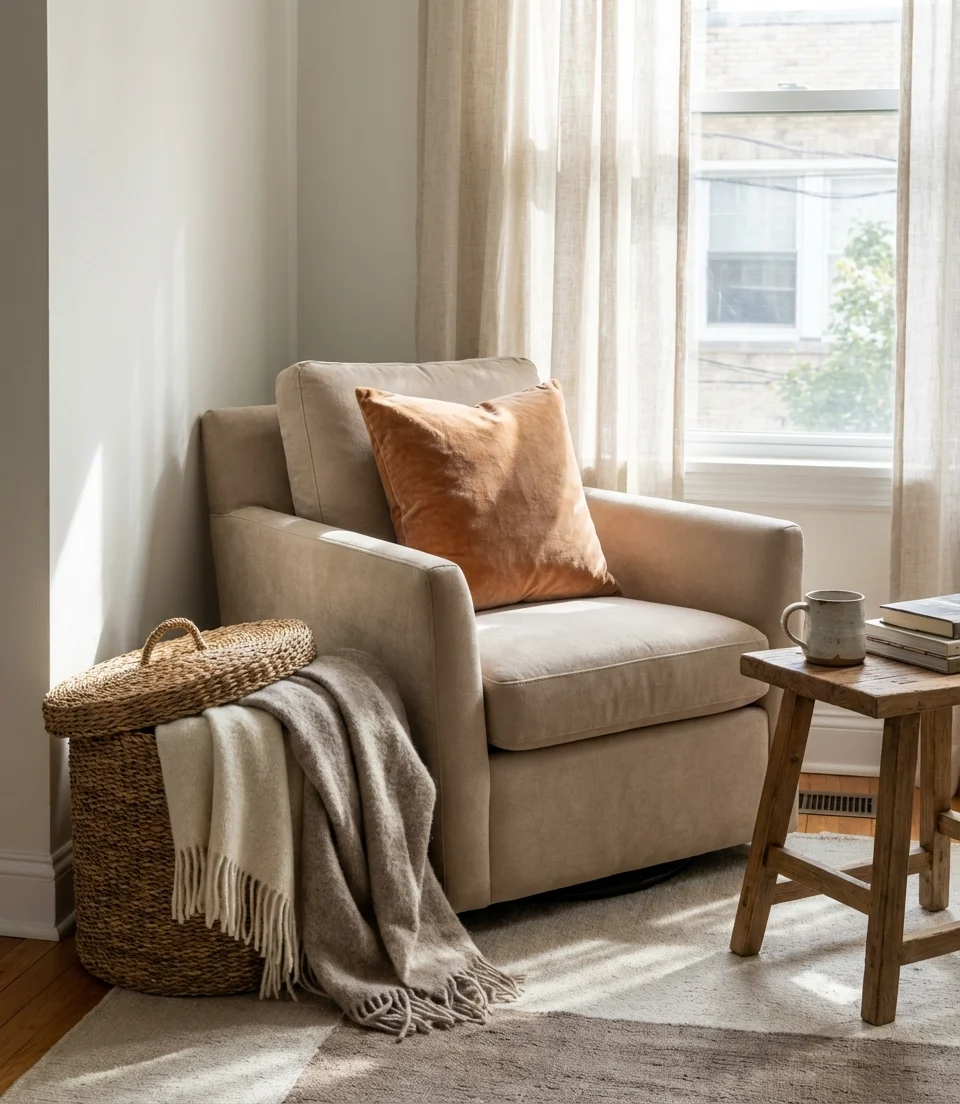
In colder climates like the Midwest and Northeast, reading nooks become essential during long winters. In small apartments with limited privacy, they provide a sense of retreat within your home. Budget around $150–$300 for a quality armchair from brands like Article or Amazon, and another $50–$100 for textiles. The key is mixing textures—pair smooth linen with chunky knits for visual and tactile interest.
10. Modular Sectional for Flexible Seating
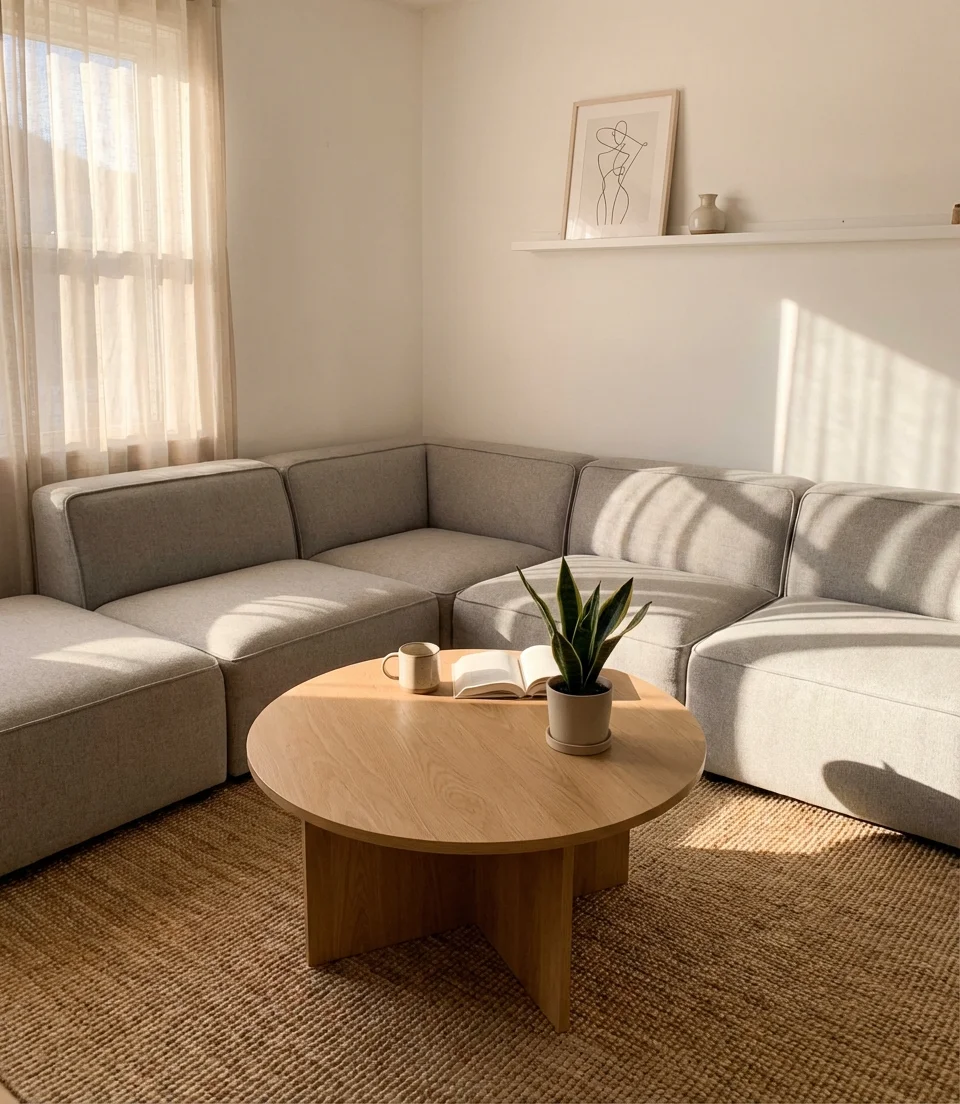
A modular sectional gives you the flexibility to rearrange your seating based on your needs, making it ideal for small living rooms that host guests or need to adapt quickly. These sofas come in individual pieces that can be reconfigured into an L-shape, a straight line, or even separated into chairs. This layout ideas approach is especially useful for renters who move frequently and need furniture that works in multiple floor plans.
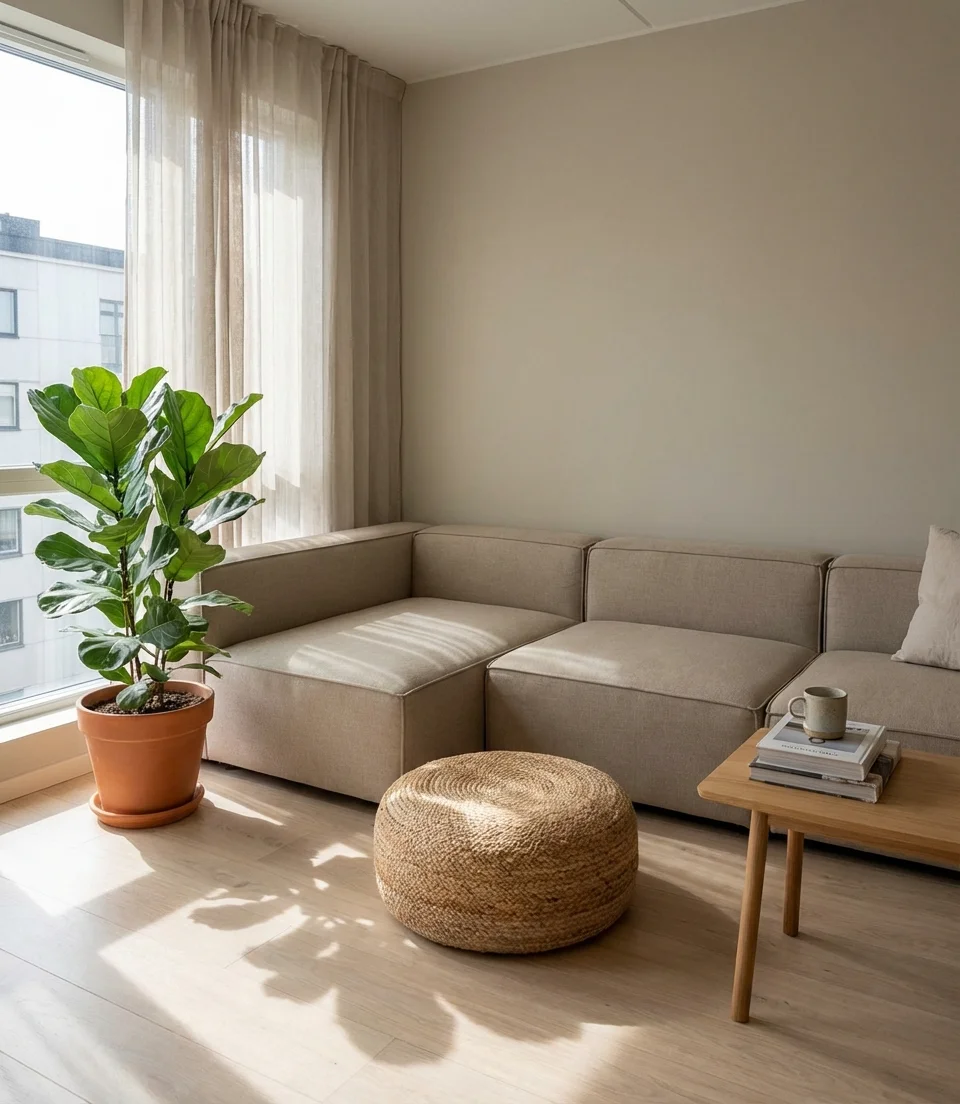
Modular sectionals typically range from $1,200 to $3,000 depending on size and quality, with brands like Burrow and Lovesac leading the market. The investment pays off in versatility—you can adjust the configuration as your space or lifestyle changes. Many models also include built-in storage under the seats, adding even more value. Choose neutral tones like gray, beige, or charcoal to ensure the piece works with evolving decor styles.
11. Gallery Wall Above a Slim Console Table
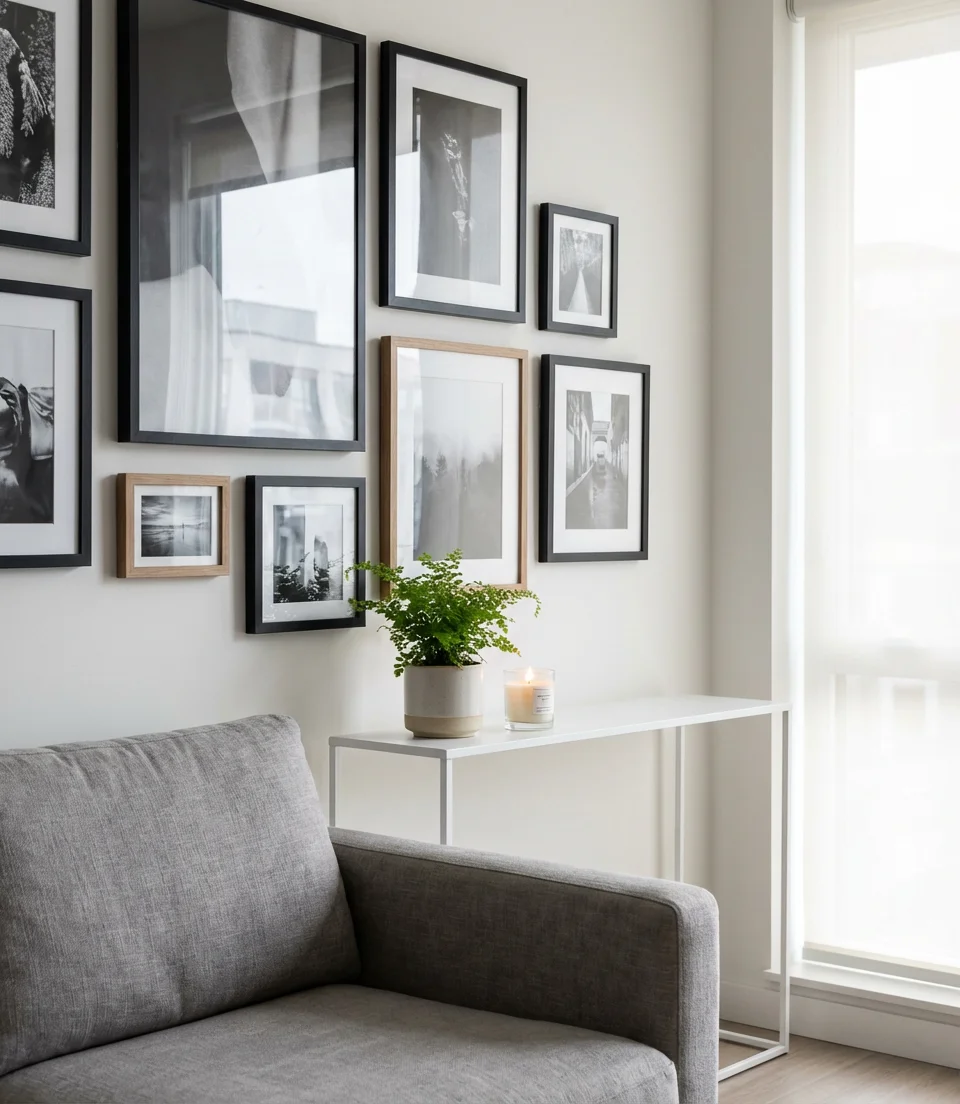
A gallery wall paired with a slim console table adds vertical visual interest without consuming precious floor space. This aesthetic works particularly well in narrow living rooms or along hallway-like areas that connect to other rooms. Mixing frame sizes, artwork styles, and even small mirrors creates a curated, collected-over-time look that feels personal and very intentional rather than staged.
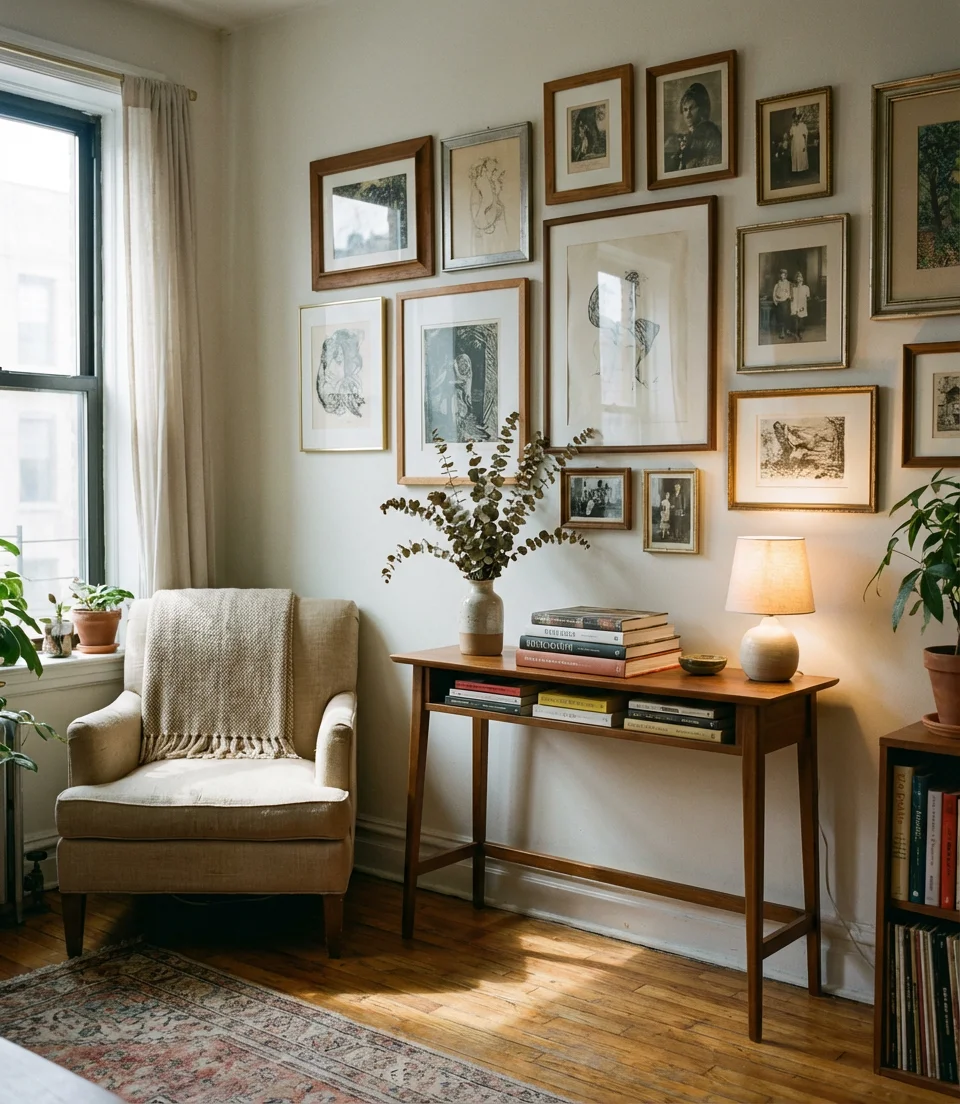
Where it works best: living rooms that lack architectural detail or character. A gallery wall adds personality to builder-grade apartments common across the Sun Belt. Before hammering nails, lay out your frames on the floor to plan spacing and arrangement. A common mistake is hanging frames too far apart—aim for 2–3 inches between pieces for a cohesive, professional look. Use a level and painter’s tape to mark positions before committing.
12. Neutral Color Palette with Warm Accents
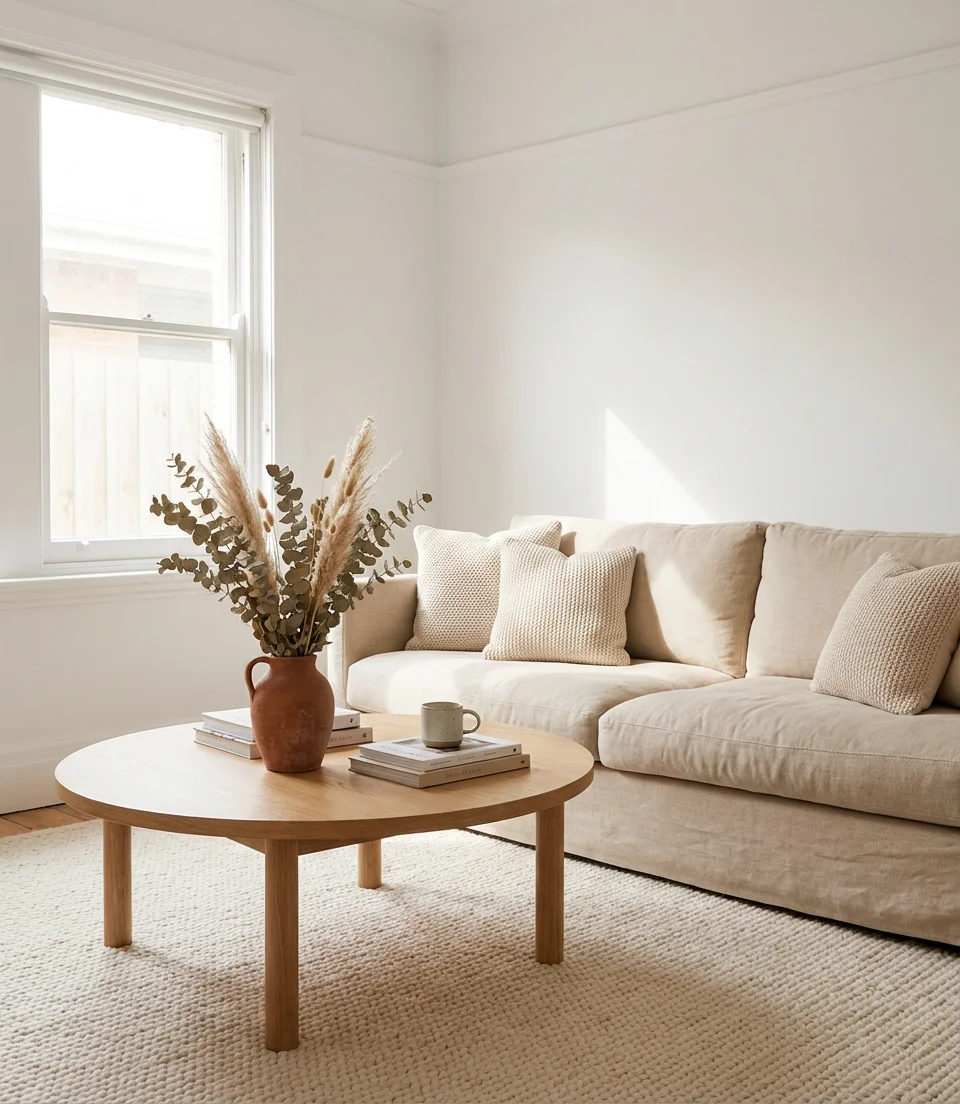
A neutral base of whites, beiges, and soft grays creates a calming backdrop that makes small living rooms feel larger and more cohesive. Layer in warm accents through wood tones, brass fixtures, and terracotta ceramics to prevent the space from feeling cold or sterile. This decor idea’s color scheme and modern approach are timeless and adaptable, allowing you to swap out accessories seasonally without overhauling the entire room.
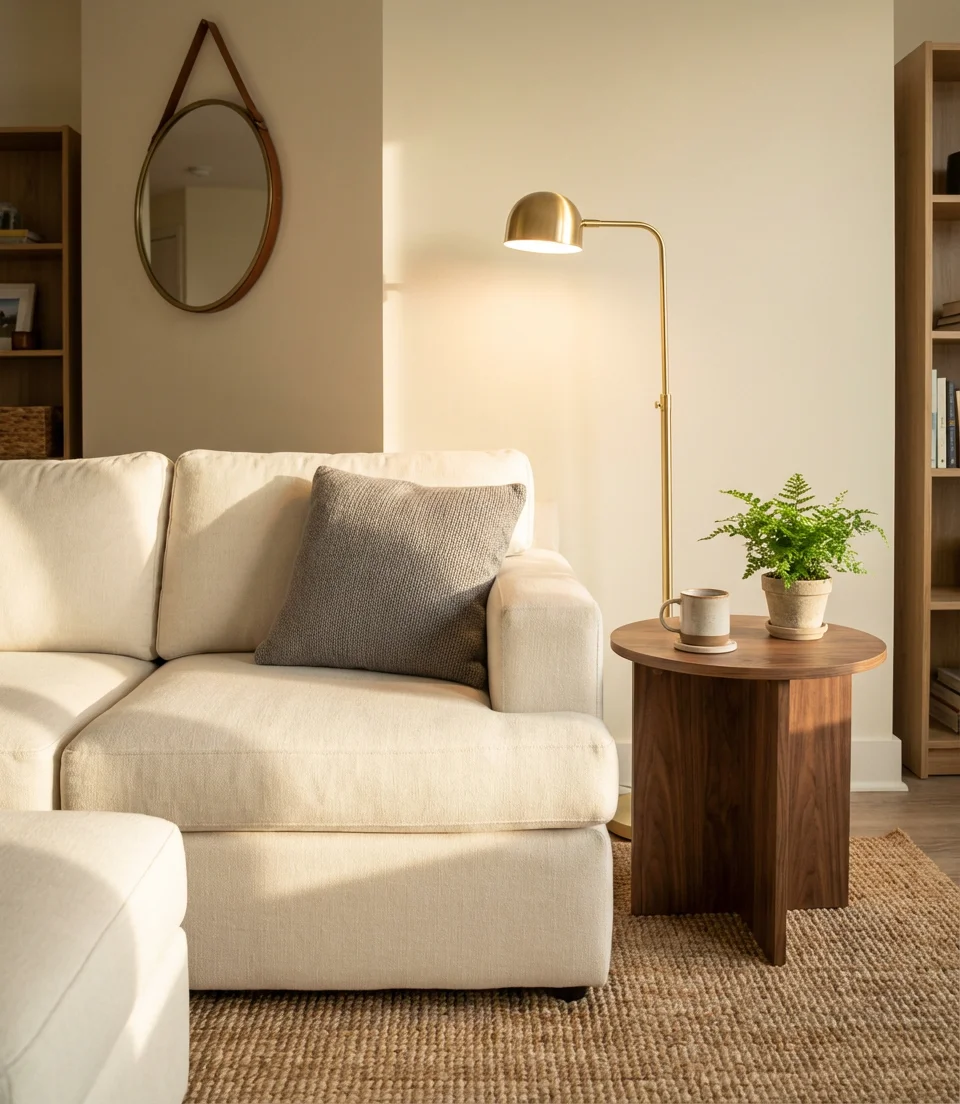
Real homeowners report that neutral palettes make furniture shopping easier because nearly everything coordinates. This is especially helpful for renters who move frequently and need pieces that work in multiple spaces. To avoid blandness, vary textures—pair smooth cotton with chunky weaves and glossy ceramics with matte wood. Introduce one or two warm metallics like brass or copper to add just enough shine without overwhelming the calm, airy vibe.
13. Compact Dining Area with Foldable Table
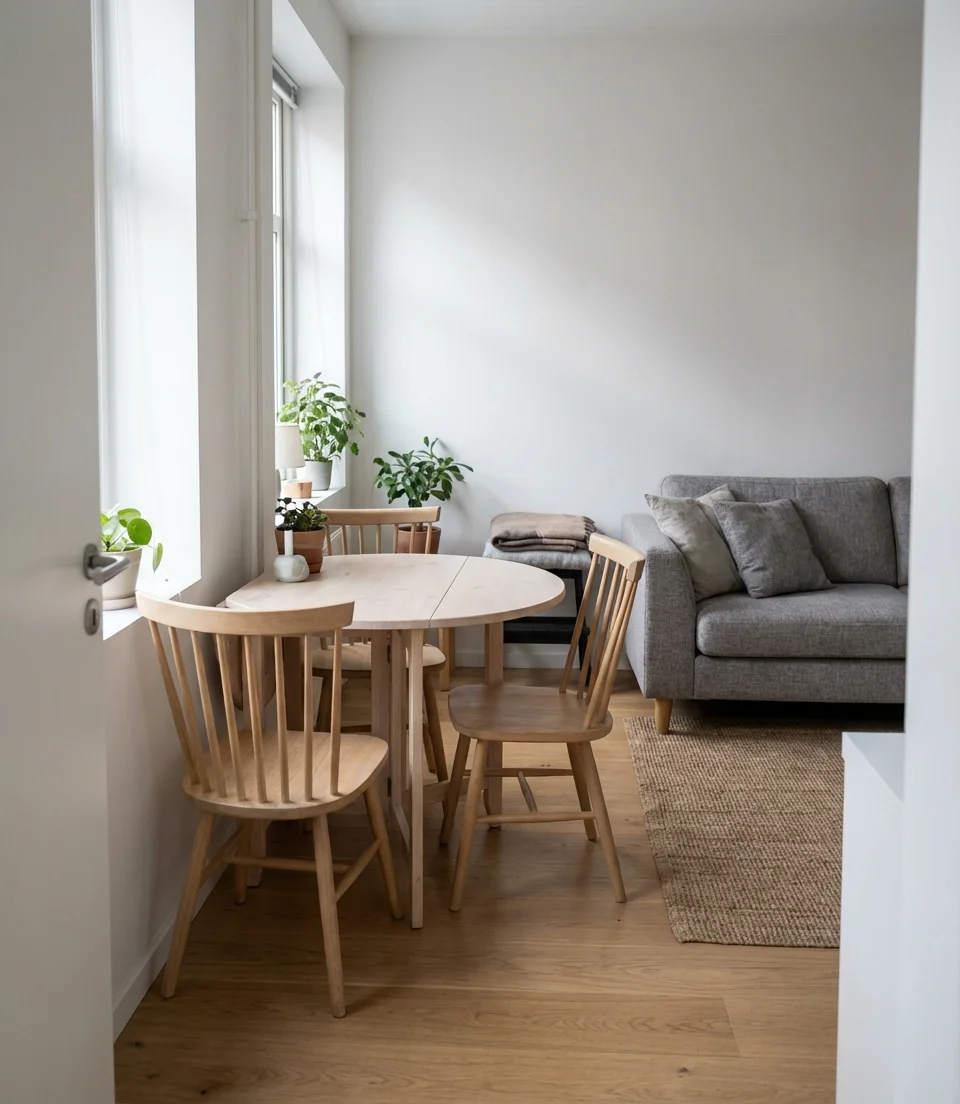
Integrating a dining area into your living room is often unavoidable in small apartments, and a foldable or drop-leaf table makes this dual-use space actually functional. When not in use, the table can collapse or be pushed against the wall, freeing up floor space for movement. This layout is especially practical in studios or one-bedrooms where the living room must accommodate eating, working, and relaxing.
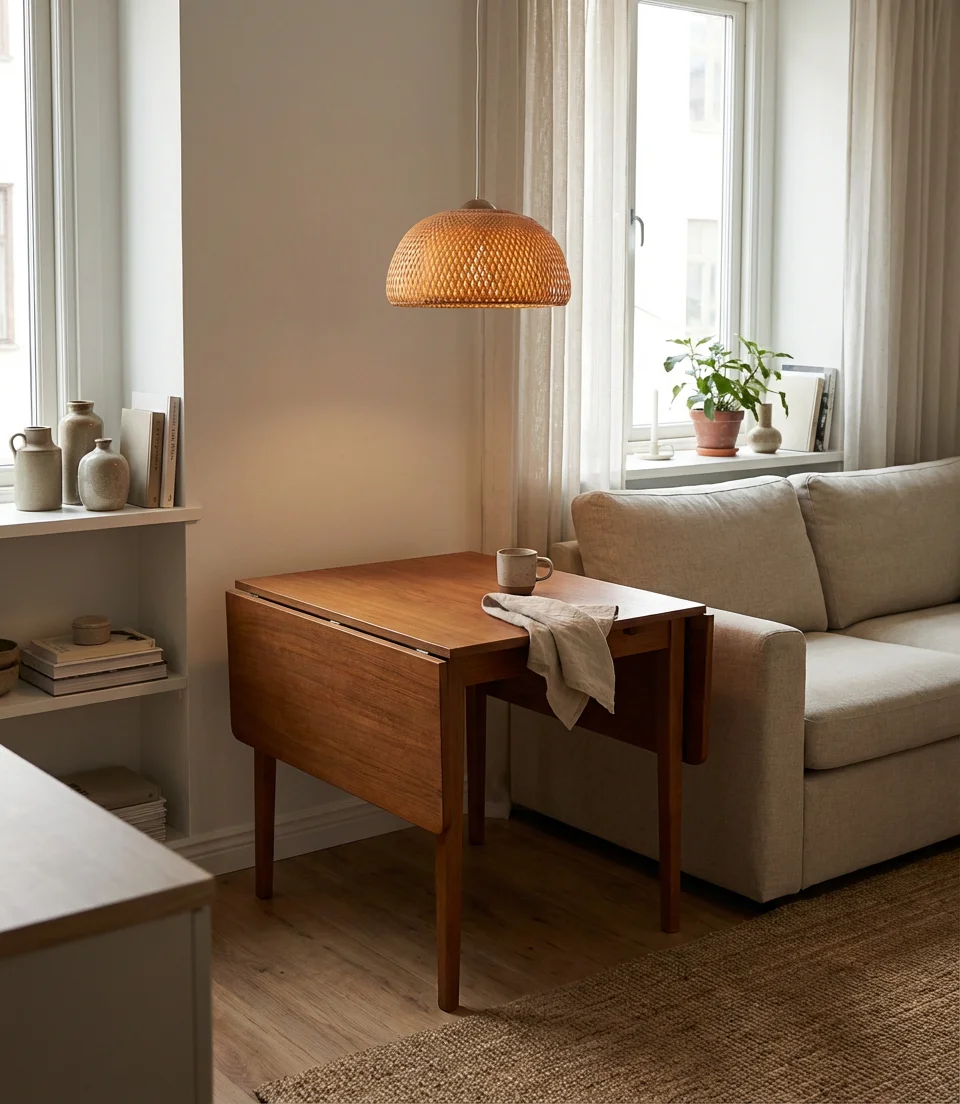
Foldable dining tables start around $150 and can be found at IKEA, Target, and West Elm. The key is choosing a table that’s lightweight enough to move easily but sturdy enough for daily use. Look for models with locking mechanisms to prevent accidental collapse. Pair with stackable or foldable chairs that can be stored in a closet when not needed. This setup is a lifesaver for apartment dwellers who entertain occasionally but can’t sacrifice floor space year-round.
14. Oversized Mirror to Amplify Light
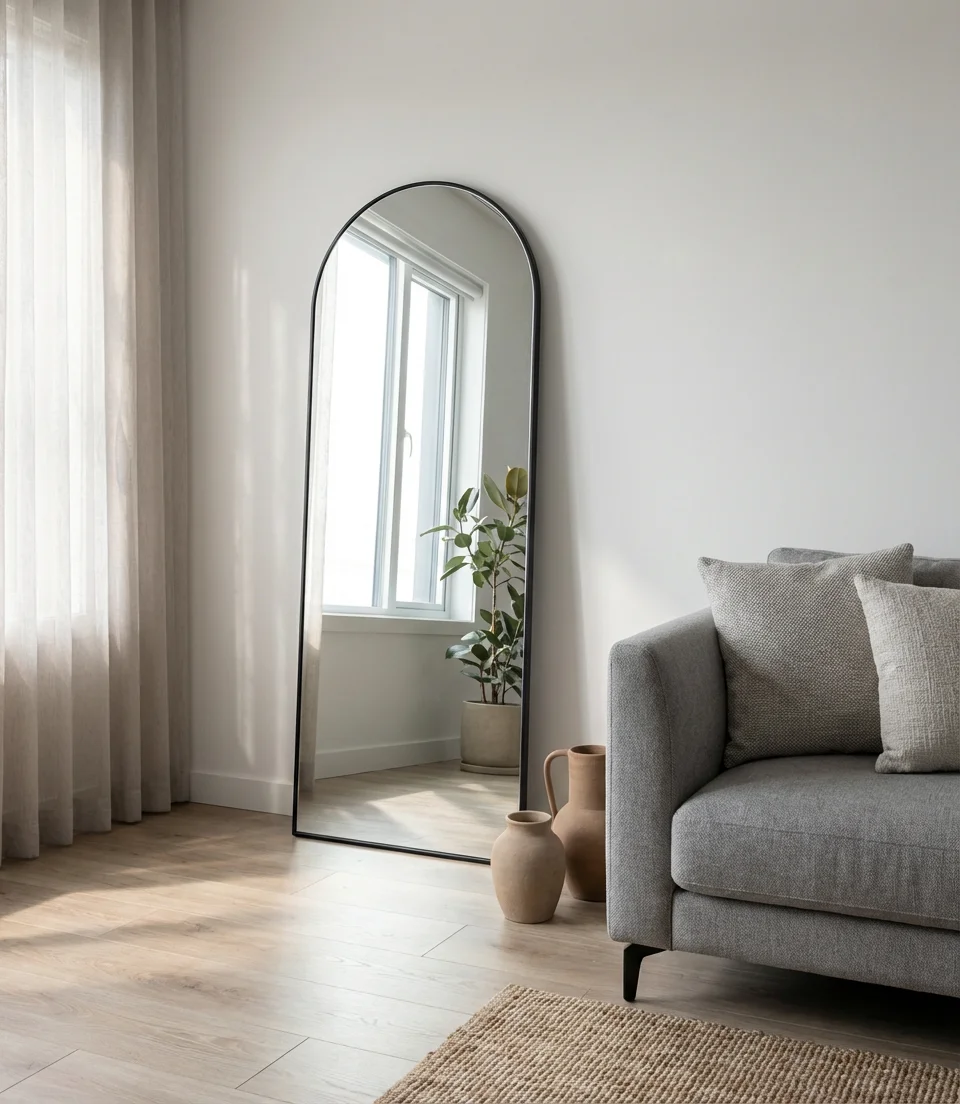
An oversized floor or wall mirror is one of the simplest ways to make a small living room feel twice its size. Positioned opposite a window, it reflects natural light and creates the illusion of depth, instantly opening up the space. This inspiration is a favorite among interior designers working with tight urban apartments where every design choice must serve a dual purpose.
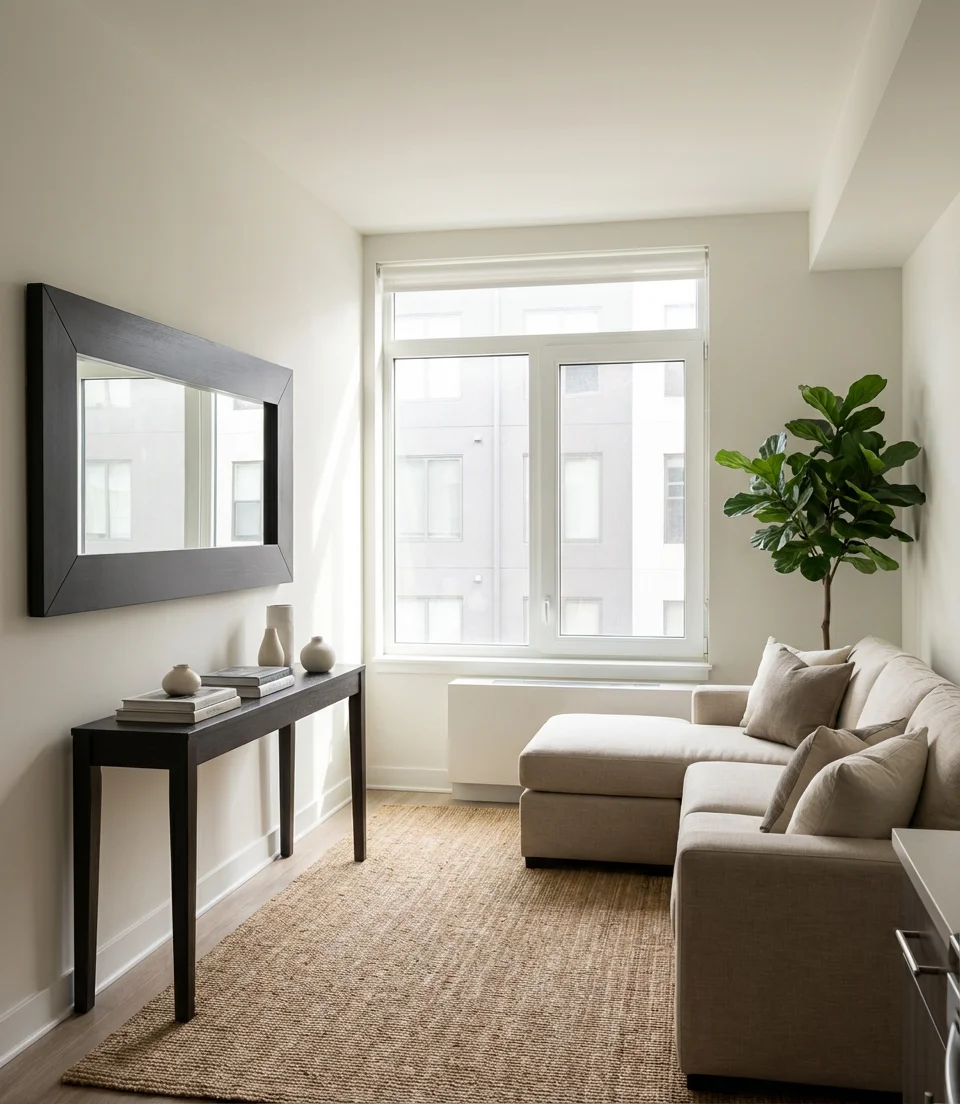
Mirrors are particularly effective in basements or north-facing apartments that receive limited natural light. A quality oversized mirror costs between $100 and $500, depending on frame style and size. Avoid placing mirrors directly across from cluttered areas, as they’ll simply double the visual chaos. Instead, position them to reflect windows, artwork, or a particularly well-styled corner. Leaning a large mirror against the wall rather than hanging it adds a relaxed, editorial vibe.
15. Low-Profile Platform Bed in Studio Apartments
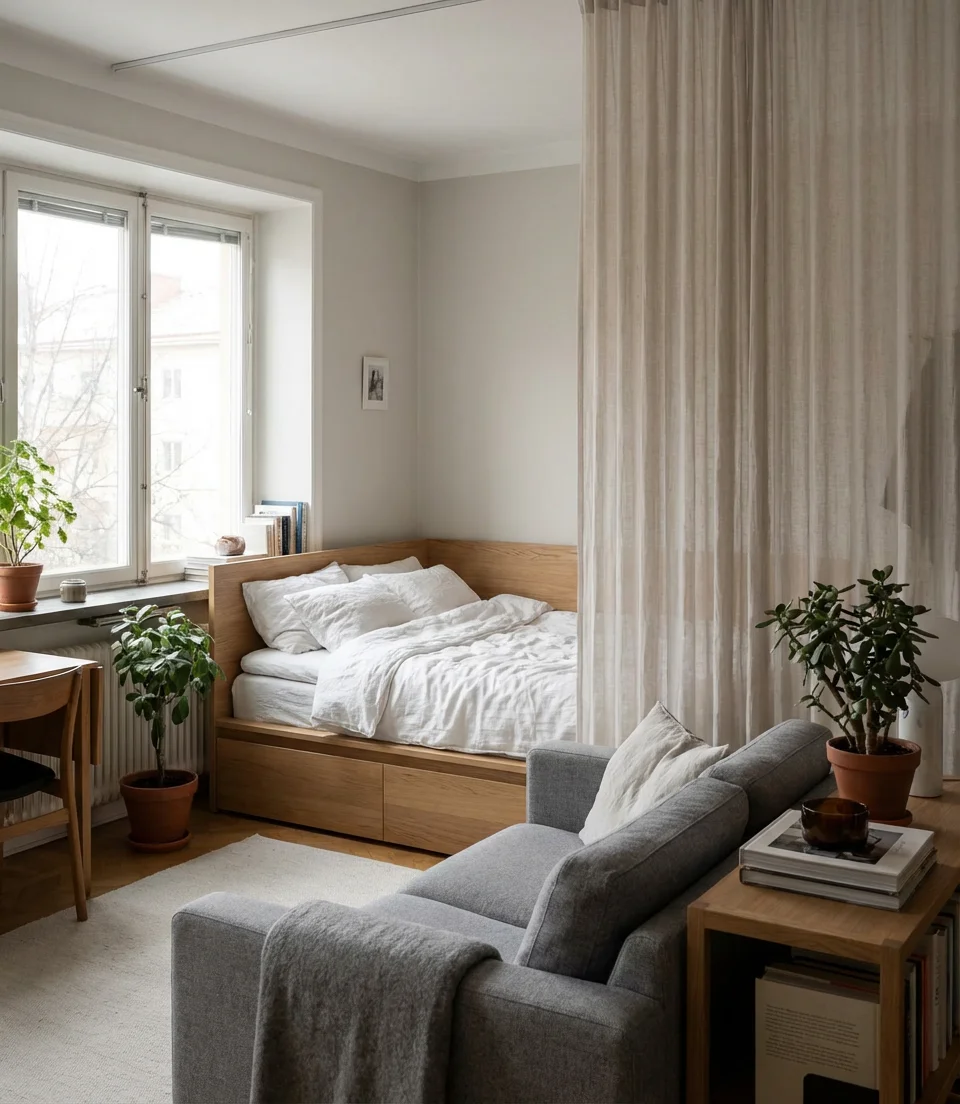
In studio apartments where the living room and bedroom share the same space, a low-profile platform bed helps visually separate zones without overwhelming the room. Keeping the bed low to the ground maintains sightlines and prevents the sleeping area from dominating the space. Pair the low-profile platform bed with a room divider, curtain, or strategically placed bookshelf to create the illusion of separate rooms.
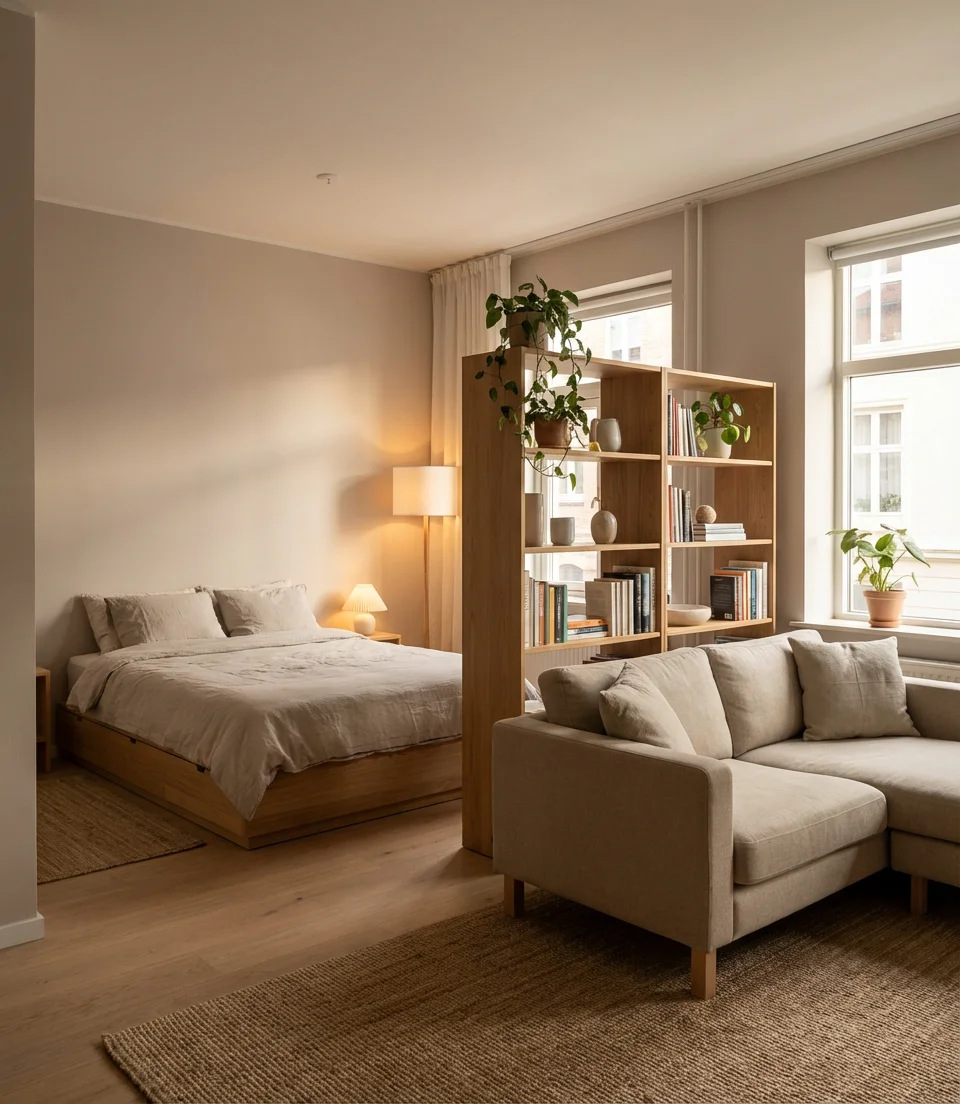
This setup is common in cities like Boston and Washington, D.C., where studio apartments are the norm for young professionals. A low bed frame keeps the ceiling high and the space feeling open. Many platform beds also include built-in storage drawers, which is a huge bonus in studios without closets. Stick to a consistent color palette across both zones to maintain visual flow and avoid making the space feel chopped up.
16. Vertical Garden Wall for Natural Elements
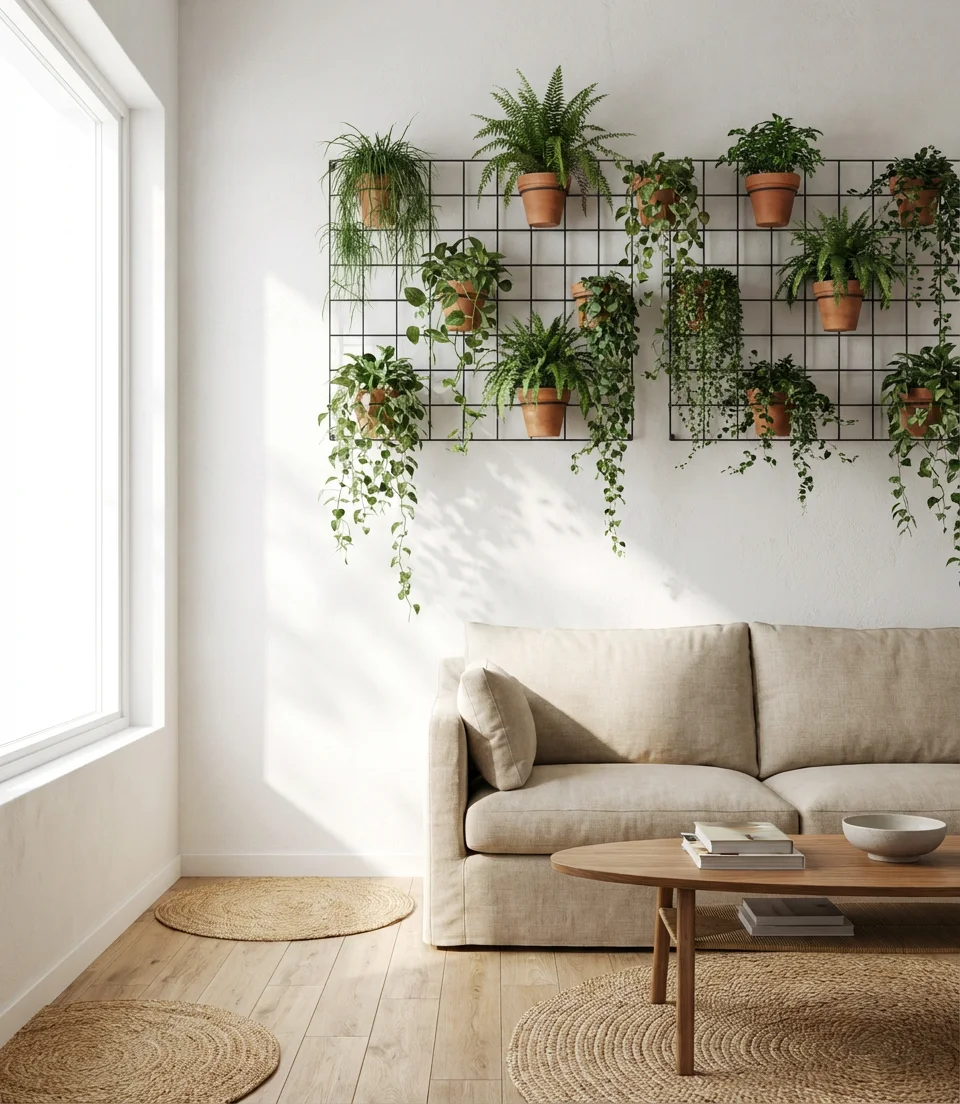
A vertical garden or plant wall brings life and color into small living rooms without sacrificing floor space. Use wall-mounted planters, hanging pots, or a modular grid system to create a lush, green focal point that doubles as a simple luxury decor idea. This approach works especially well in apartments with limited access to outdoor space, offering a slice of nature indoors.
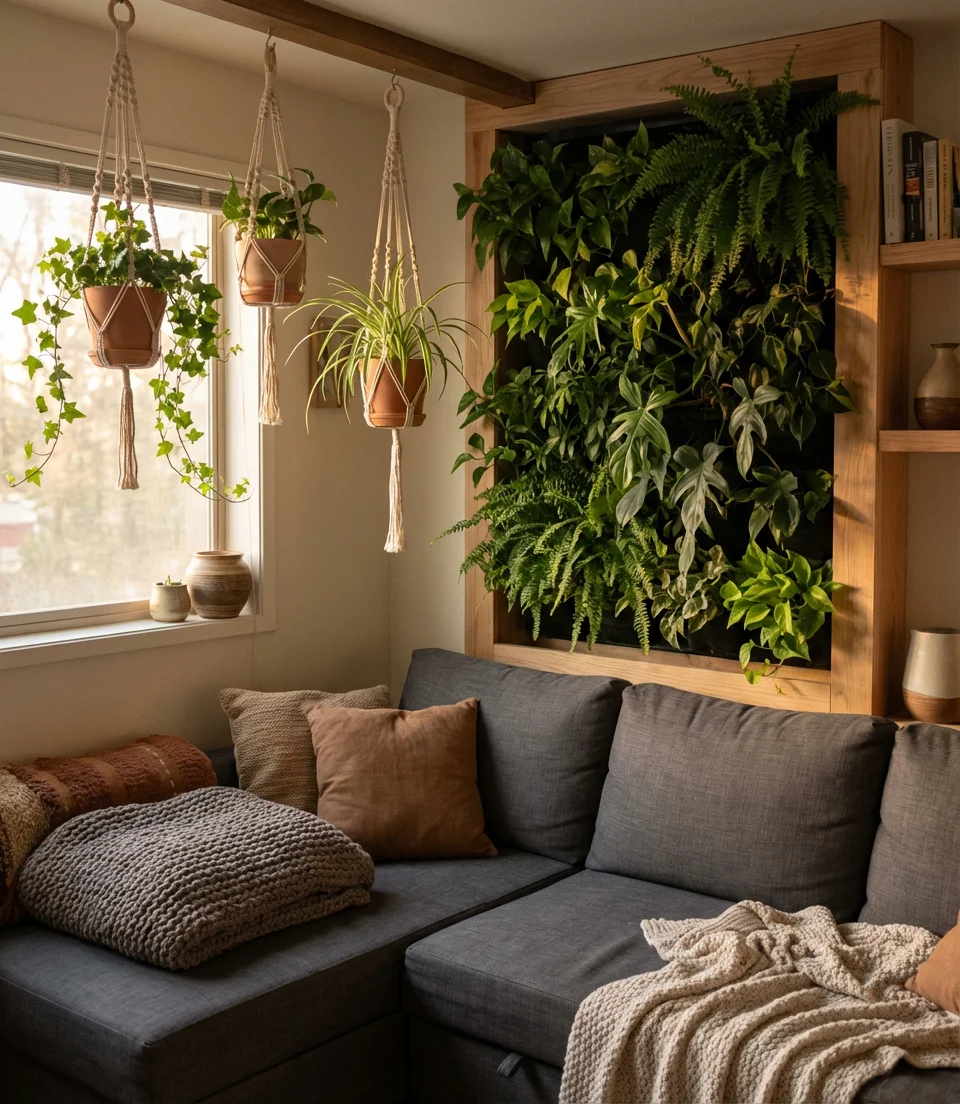
Common mistakes include overwatering or choosing plants that don’t thrive in low light. Opt for hardy varieties like pothos, snake plants, and philodendrons that tolerate neglect and indoor conditions. Modular systems from brands like Wally or Urbio make installation straightforward and damage-free for renters. Budget around $100–$200 to start, including planters and soil. The result is a living room that feels fresh, vibrant, and connected to the outdoors.
17. Compact Loveseat Instead of Full Sofa
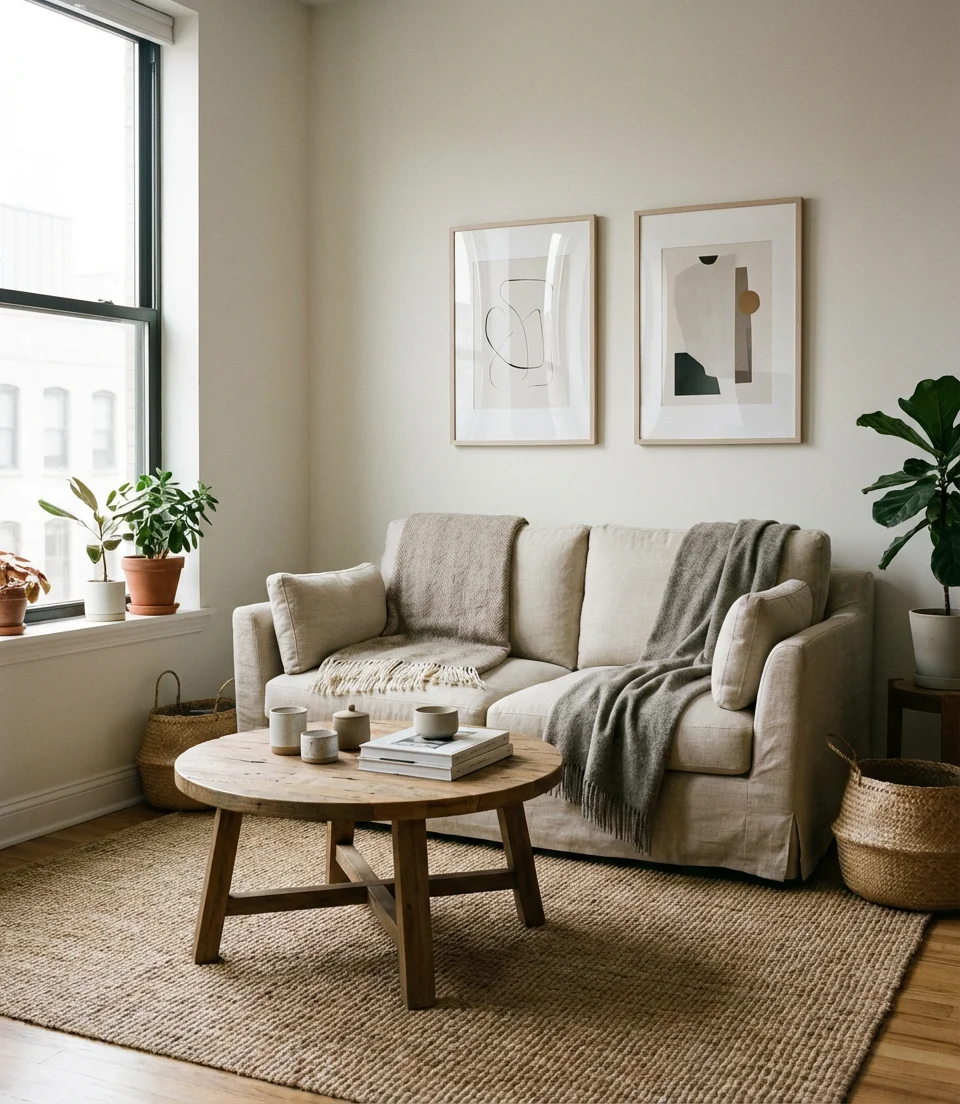
A compact loveseat can significantly improve ultra-small living rooms by replacing a full-size sofa. A loveseat provides comfortable seating for two without overwhelming the room, leaving space for other essential furniture like a coffee table or side chairs. This idea’s cozy approach is perfect for singles or couples who prioritize space over extra seating capacity.
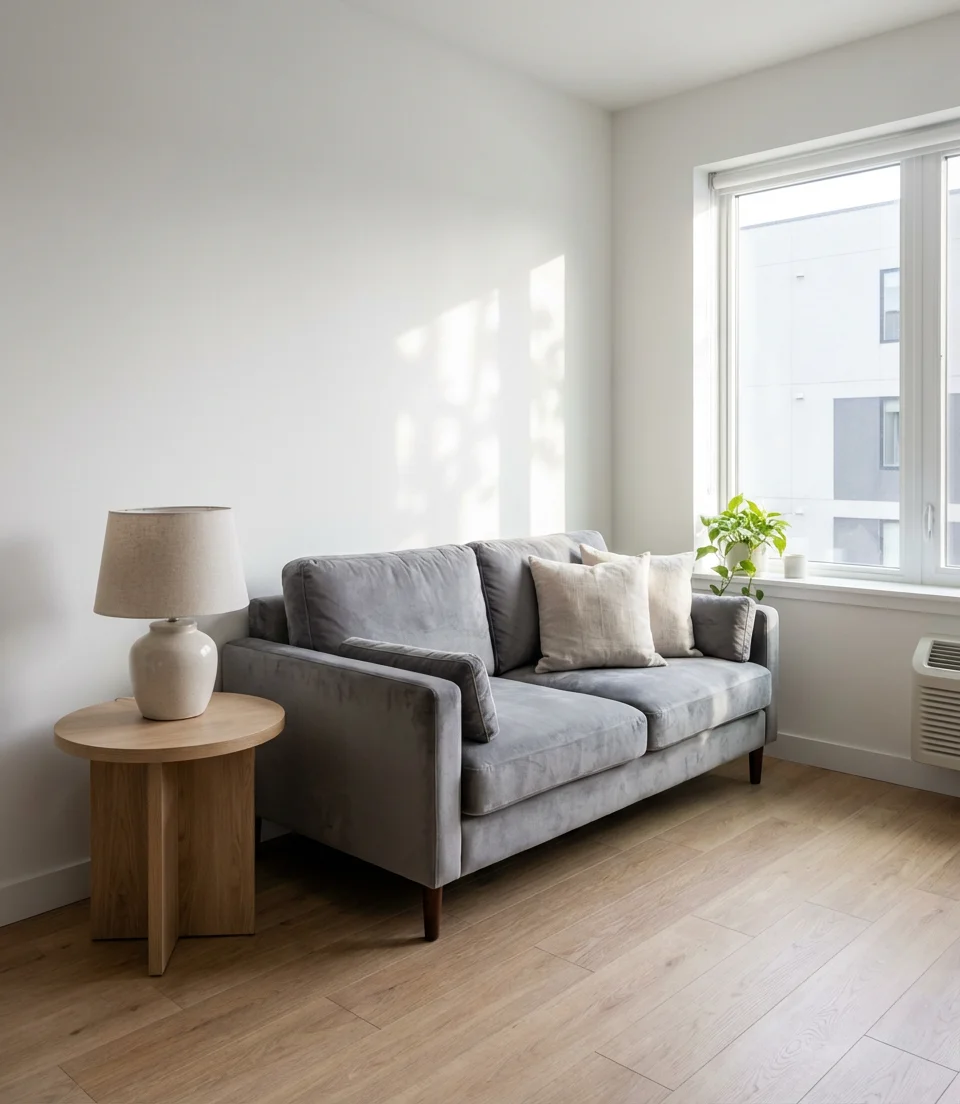
Loveseats typically measure 52–64 inches wide, compared to 72–96 inches for standard sofas. This size difference can open up walking paths and make the room feel less cramped. Prices range from $400 to $1,500 depending on quality and upholstery. When you need to reconfigure the space for guests or activities, pair it with lightweight accent chairs that are easy to move. Choose neutral tones to ensure the loveseat works with evolving decor over time.
18. Accent Wall in Deep, Cozy Tones
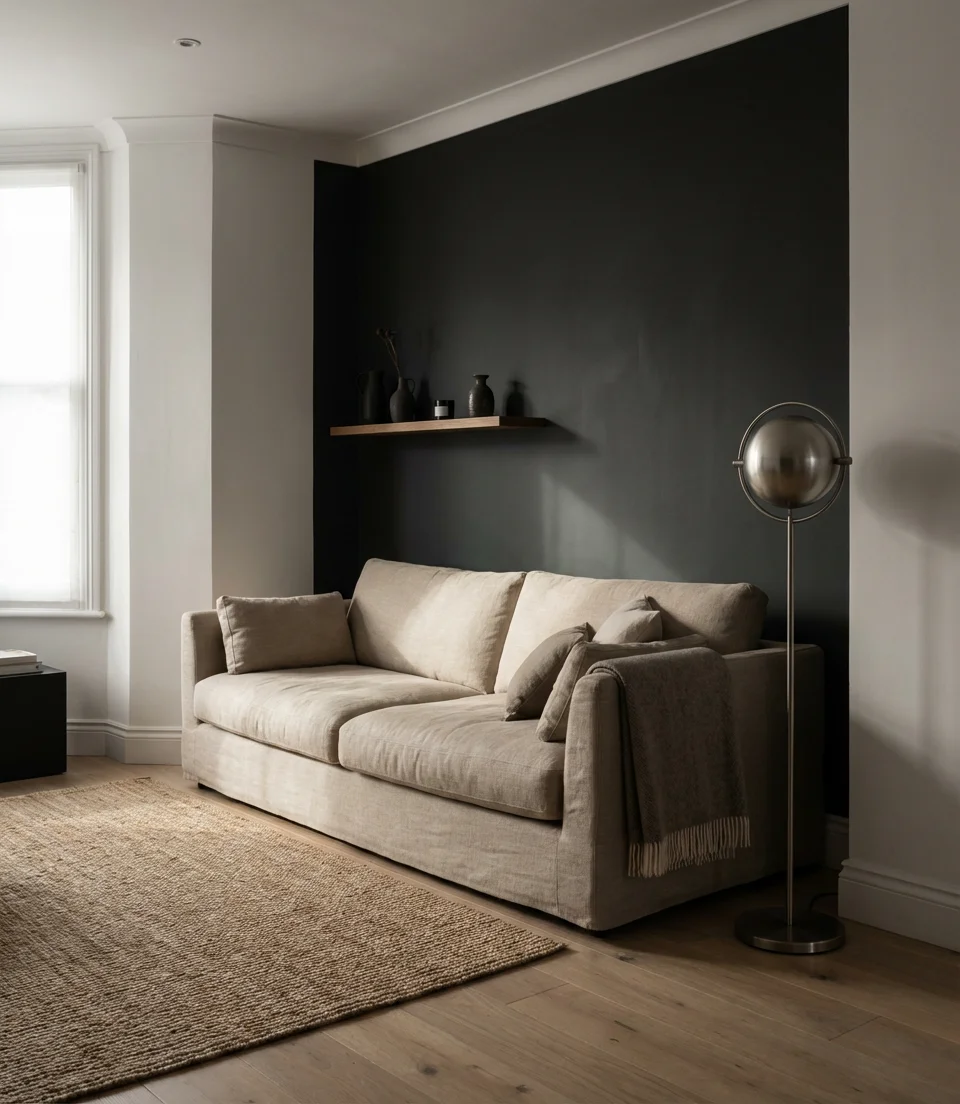
Painting one wall in a deep, rich color like charcoal, navy, or forest green creates visual depth and draws the eye, making the room feel more intentional and cozy. This cozy grey decor technique works surprisingly well in small spaces, as it adds dimension rather than shrinking the room. For the best effect, put it on the wall behind the couch or across from the door.
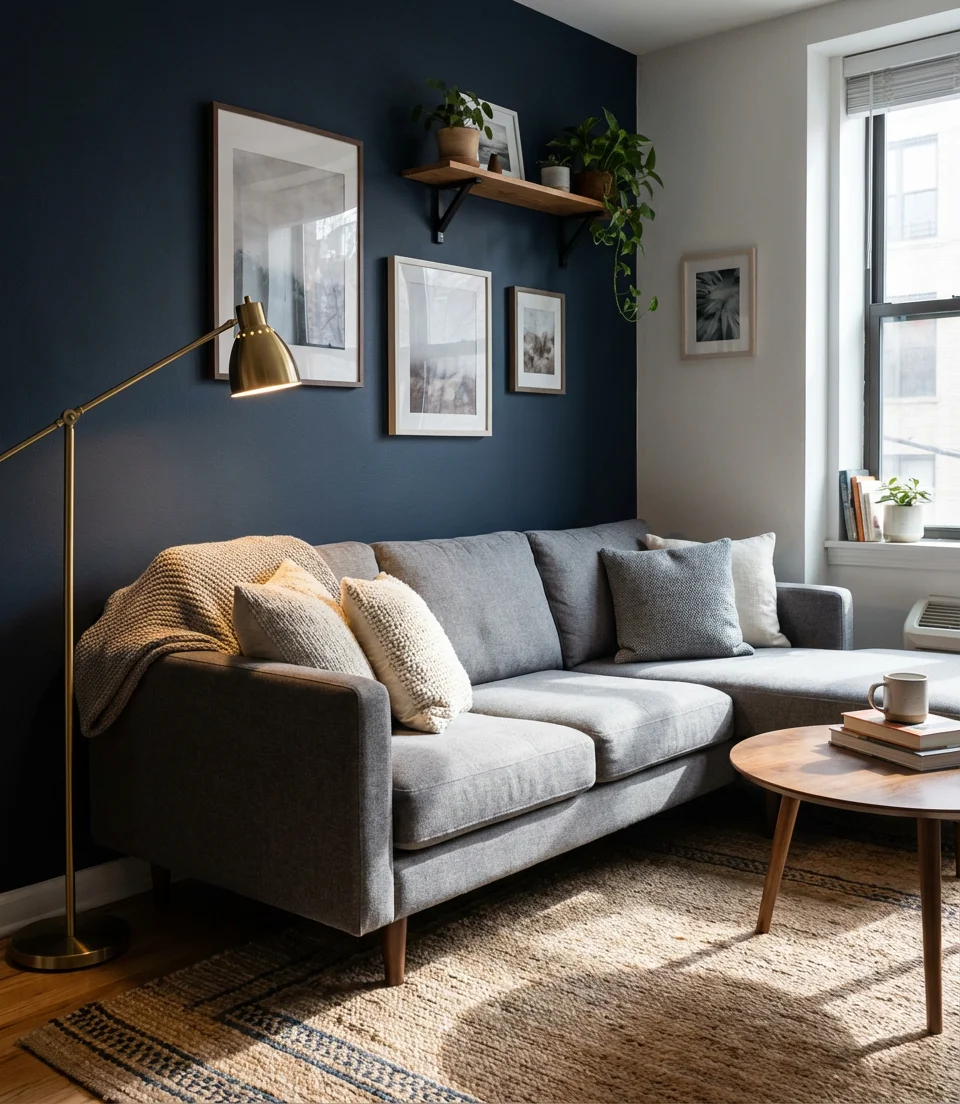
An expert designer once told me that dark walls in small spaces work because they blur the boundaries, making it harder to gauge exact dimensions. The key is balancing the dark wall with plenty of light from other sources—lamps, mirrors, and light-colored furniture. A gallon of quality paint costs $40–$70 and can be applied in a weekend. Avoid painting all four walls dark, as that can make the room feel cave-like rather than cozy.
19. A Sleek Storage Ottoman Provides Hidden Organization
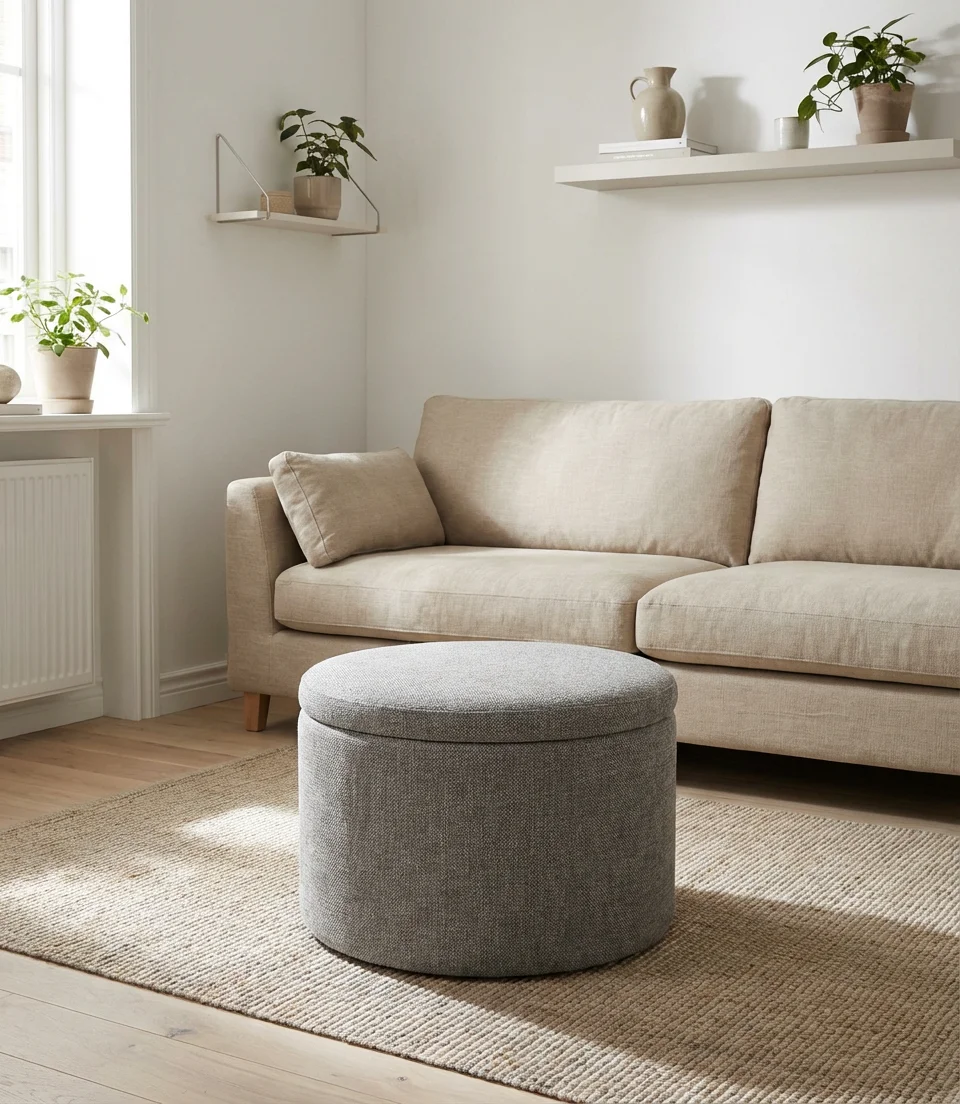
A storage ottoman serves triple duty: extra seating, a footrest, and hidden organization for blankets, remotes, or magazines. This is an obvious choice for small living rooms where every piece of furniture needs to multitask. Look for ottomans with removable lids or flip-top designs that make accessing stored items quick and easy.
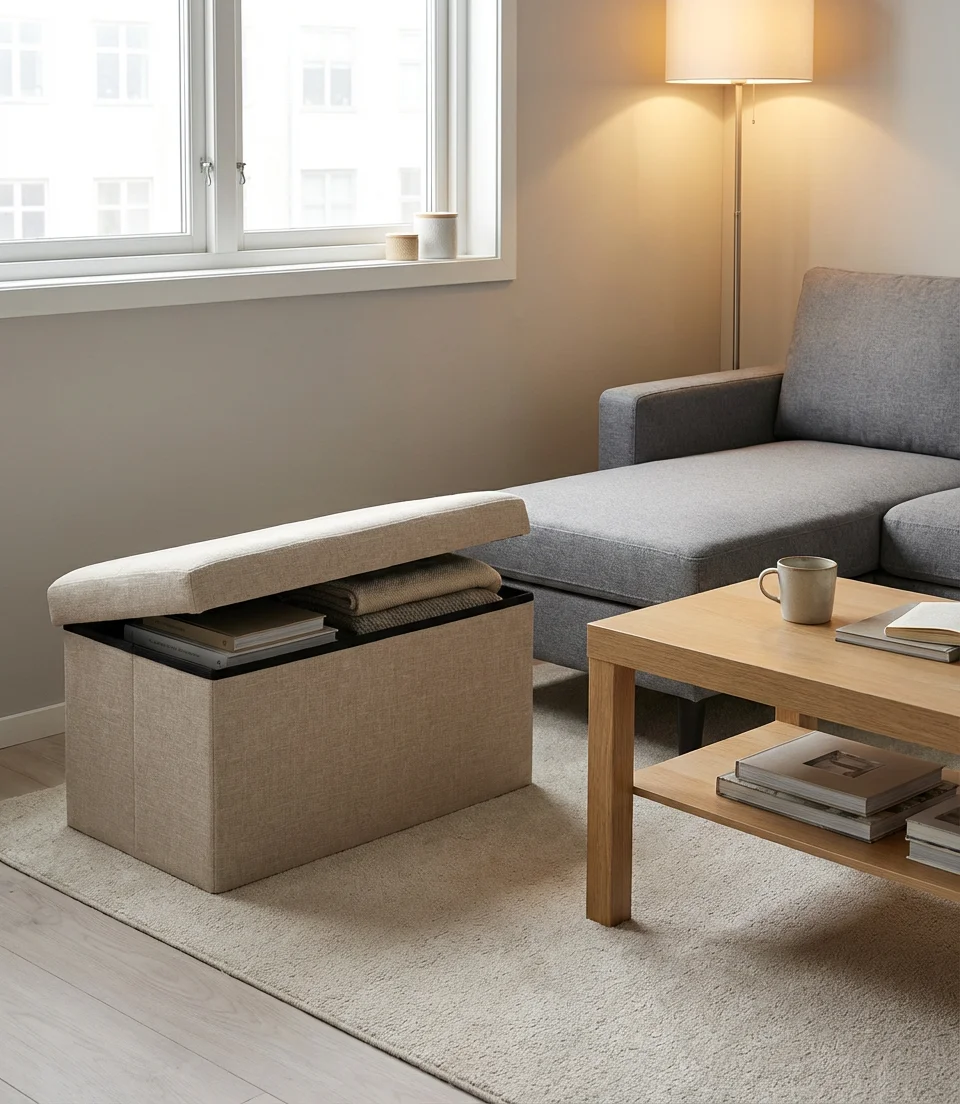
Storage ottomans range from $80 to $400 and are widely available at stores like Target, Wayfair, and CB2. Choose one with a sturdy frame if you plan to use it as seating—some cheaper models can’t support weight well. Position it in front of the sofa or beside an accent chair where it can be easily accessed. A tray on top transforms it into a stable surface for drinks or snacks when you’re entertaining.
20. Built-In Window Seat with Drawers Below
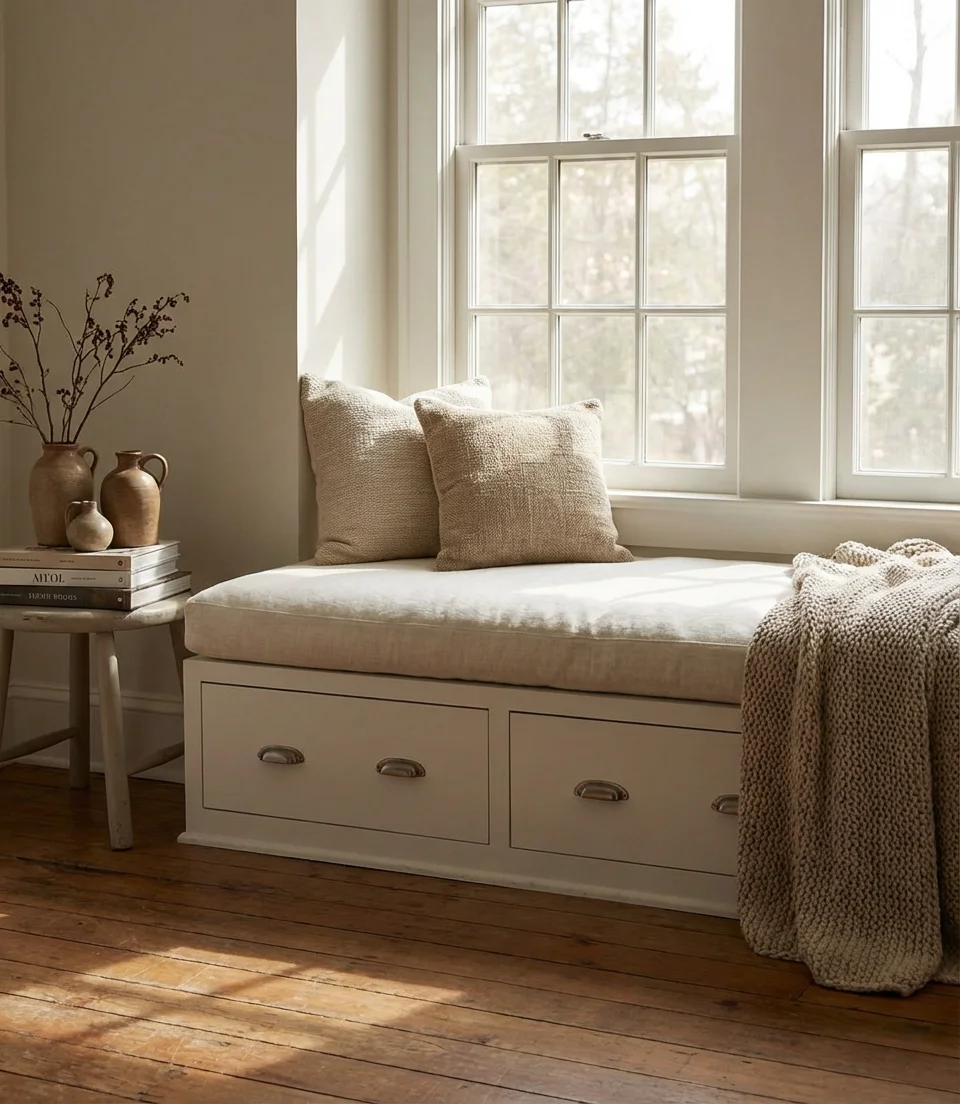
If your living room has a window with decent depth, a built-in window seat with storage drawers below creates a charming, functional focal point. This design inspiration is particularly popular in older apartments that feature deep windowsills or bay windows. The seat offers additional seating or a cozy nook for reading, while the drawers provide hidden storage for seasonal items or extra linens.
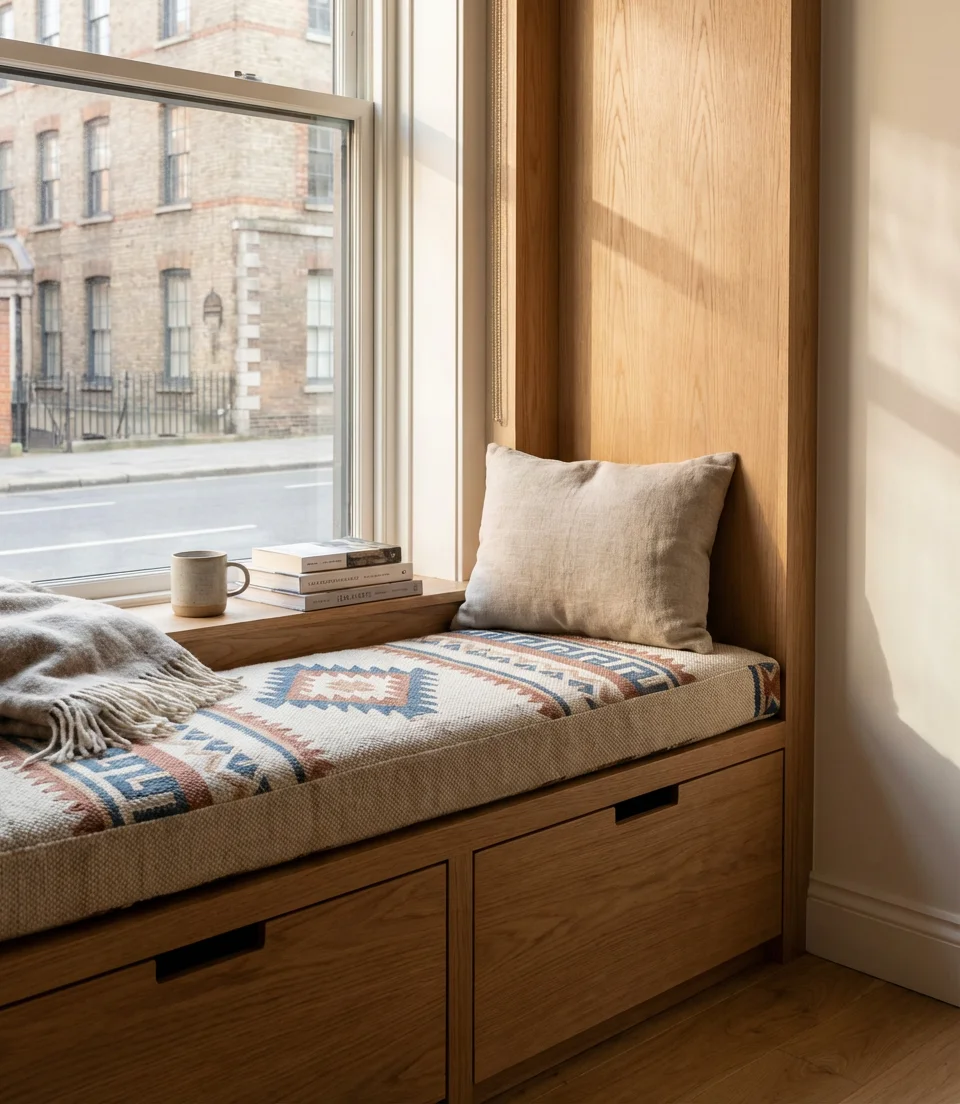
Where it works best: apartments with architectural charm, common in cities like San Francisco, Savannah, and Philadelphia. Custom carpentry can cost $1,000–$3,000, but IKEA hacks using kitchen cabinets and a cushion can achieve a similar look for under $500. Add throw pillows and a soft blanket to make the seat irresistible. Avoid blocking too much window light with heavy curtains—the whole point is to enjoy the view and natural brightness.
21. Minimalist Scandinavian Shelving System
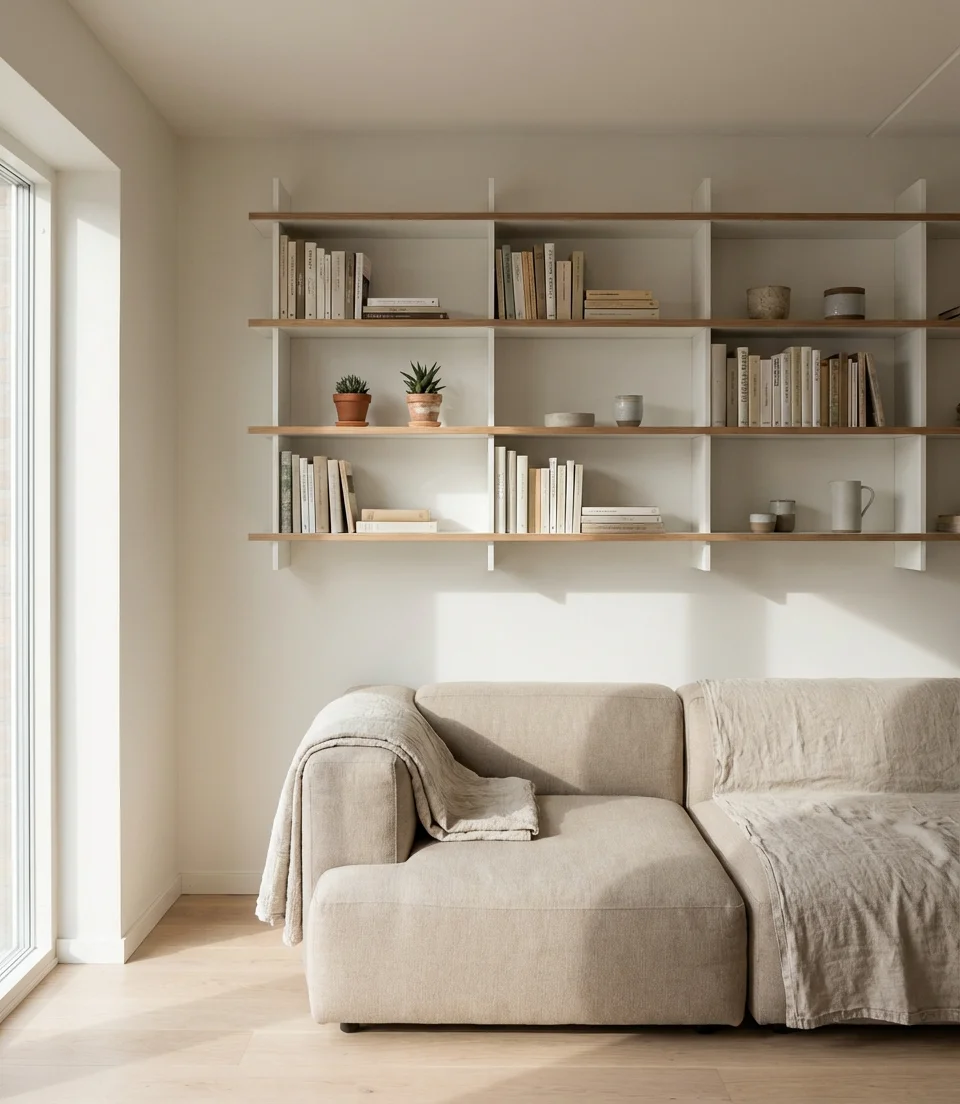
A minimalist Scandinavian shelving system offers open storage that feels light and airy rather than heavy and enclosed. These systems typically feature clean lines, natural wood, and white or light finishes that blend seamlessly into small living rooms. Use them for books, plants, and curated decor items while keeping the overall look uncluttered and inspiration minimalist.
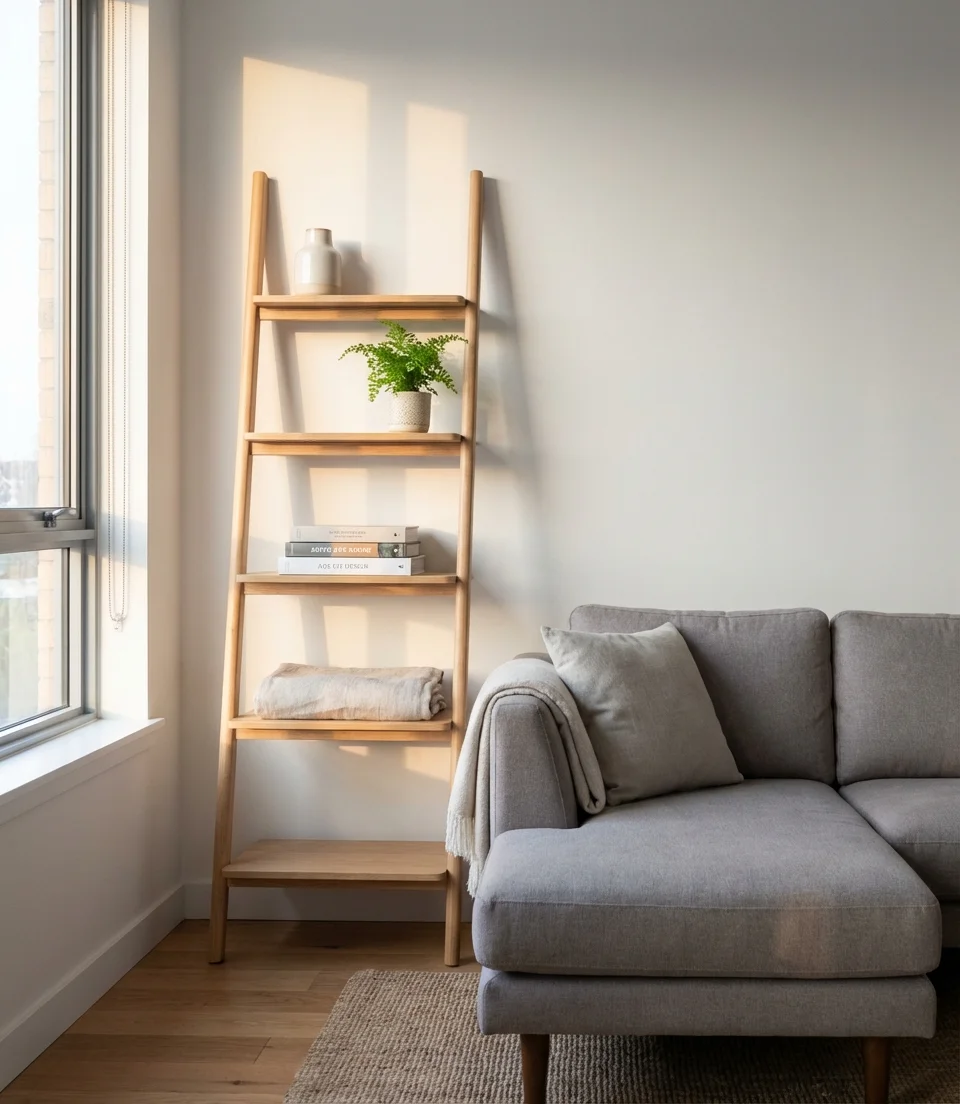
Scandinavian design is all about functionality and simplicity, which makes it ideal for small spaces. Modular shelving from brands such as String, Muuto, and even IKEA is customizable to meet your specific needs. Real homeowners appreciate how easy it is to adjust shelf heights as belongings change over time. Keep styling minimal—aim to fill only 60–70% of the shelf space to avoid a cluttered look. Choose a mix of horizontal and vertical items for visual balance.
22. Round Coffee Table for Better Flow
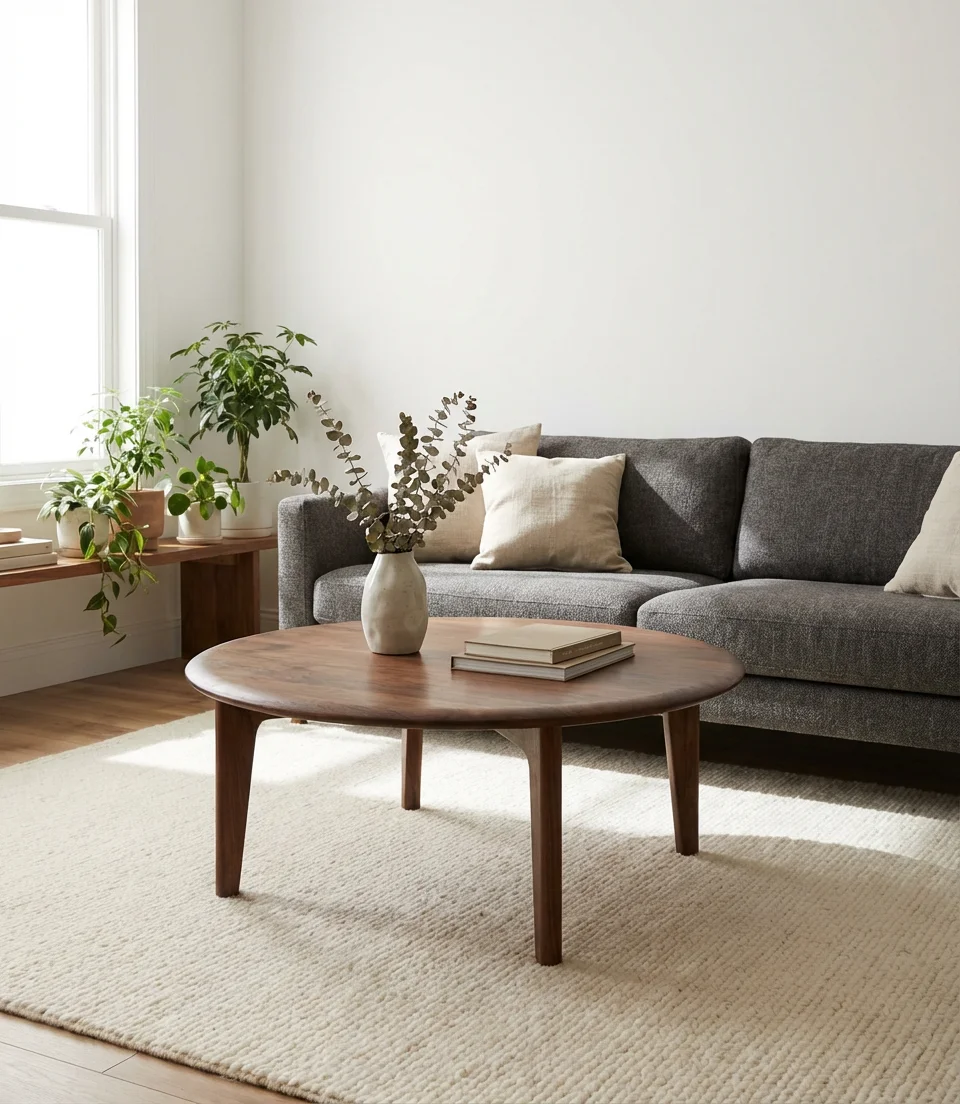
A round coffee table improves traffic flow in small living rooms by eliminating sharp corners that can be tricky to navigate. This shape also softens the overall look of the room, creating a more inviting, conversational atmosphere. Round tables work especially well in layouts where the furniture arrangement places seating on multiple sides.
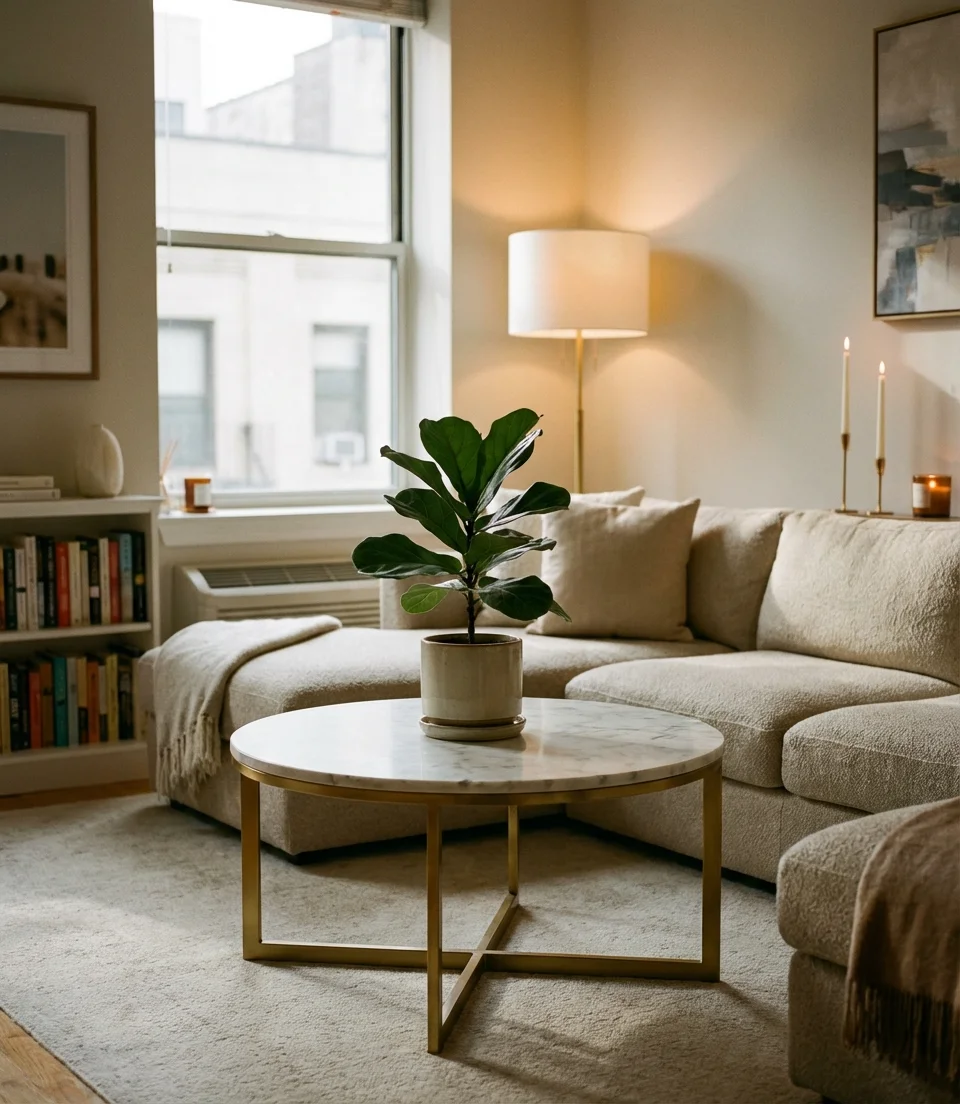
Round tables are particularly helpful in family-friendly spaces where kids are running around—no sharp corners means fewer bumps and bruises. They also encourage better conversation flow since everyone is equidistant from the center. Prices range from $150 to $800 depending on materials and brand. Pair with a round or oval rug to echo the shape and create a cohesive, intentional look. Avoid oversized round tables that dominate the room; aim for a diameter of 30–36 inches.
23. Romantic Lighting with Dimmers and Layered Sources
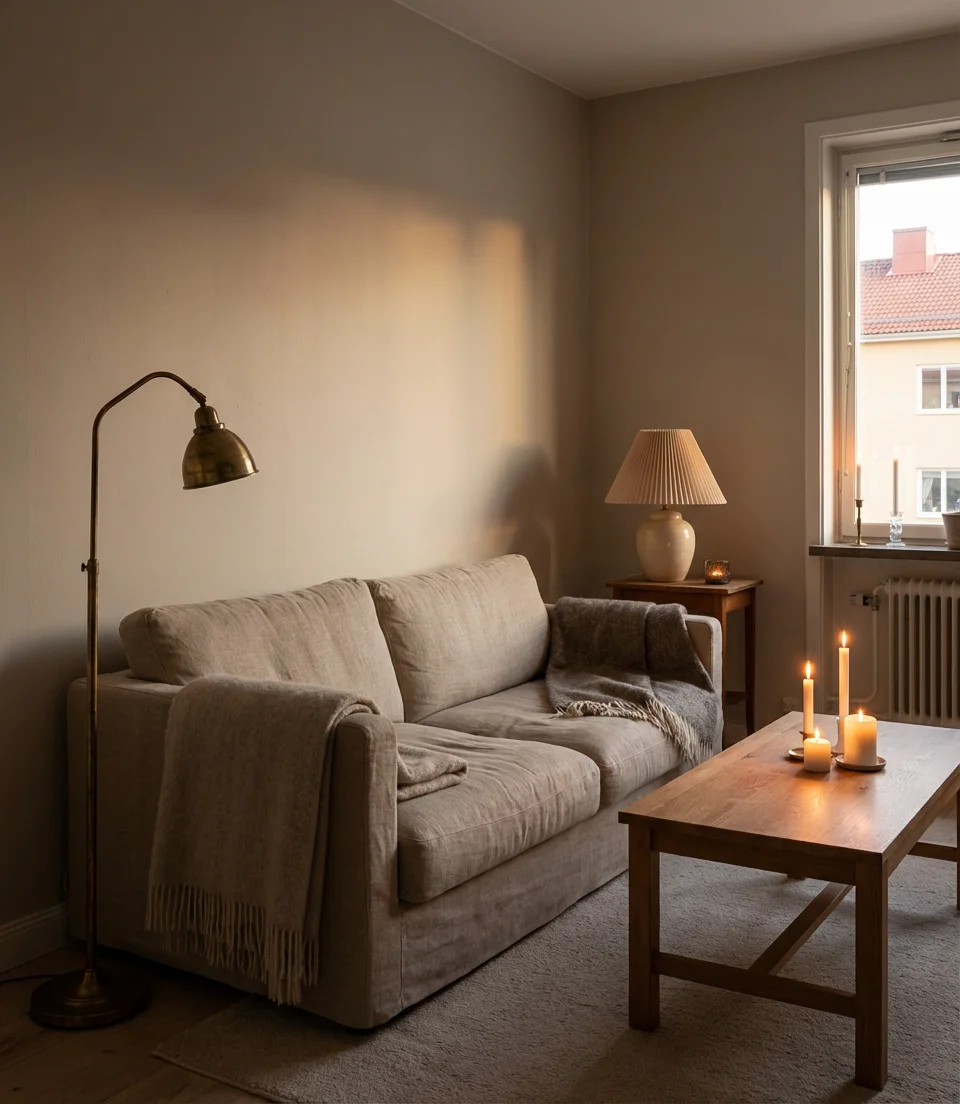
Creating a cozy, romantic atmosphere in your living room is all about lighting. Install dimmer switches on overhead fixtures and layer in multiple light sources—floor lamps, table lamps, and candles—to create warmth and flexibility. This approach lets you adjust the mood from bright and energetic during the day to soft and intimate in the evening.
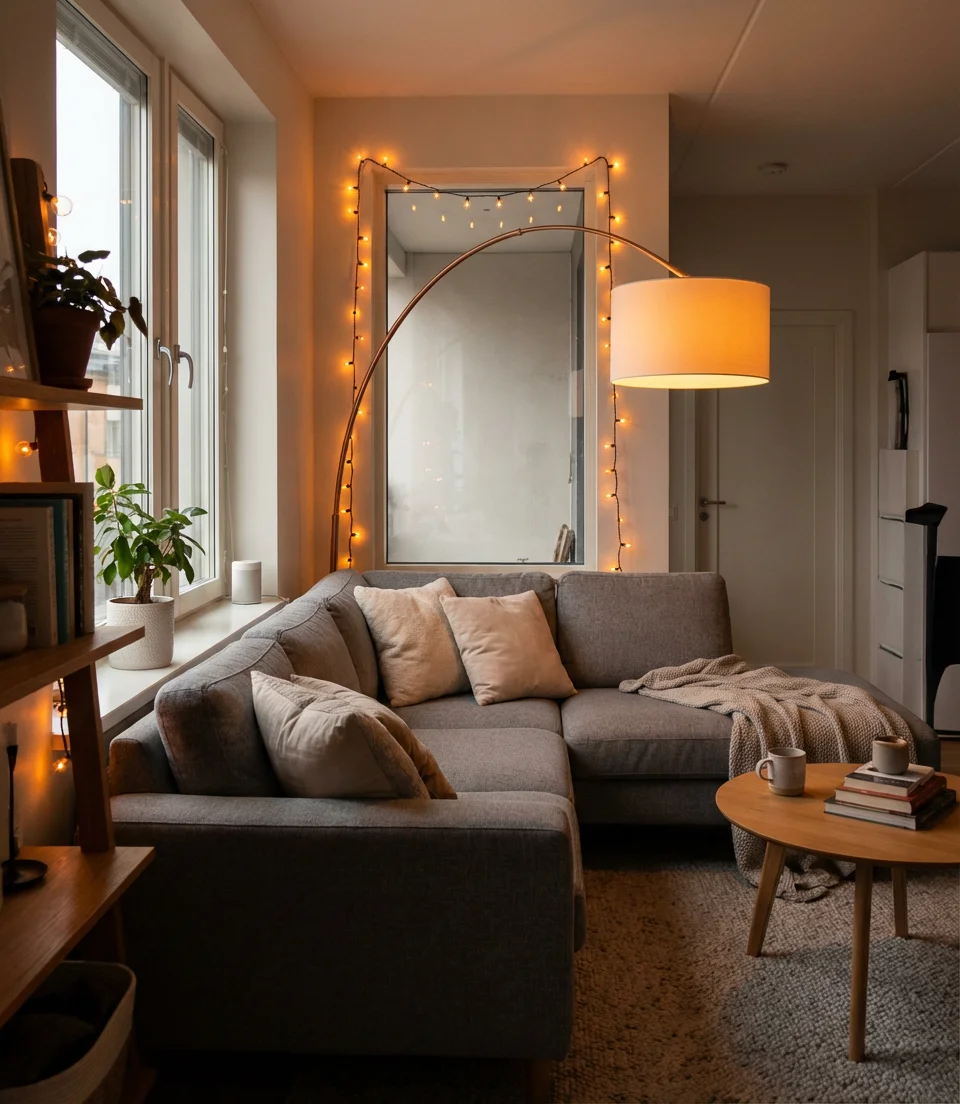
Lighting has the power to significantly impact a small space. Overhead fixtures alone create harsh, unflattering light, while layered sources add depth and dimension. Dimmer switches cost around $15–$30 and can be installed in under an hour if you’re comfortable with basic electrical work. Smart bulbs from brands like Philips Hue offer color and brightness control from your phone, perfect for setting different moods throughout the day. Avoid relying on a single overhead light—aim for at least three light sources per room.
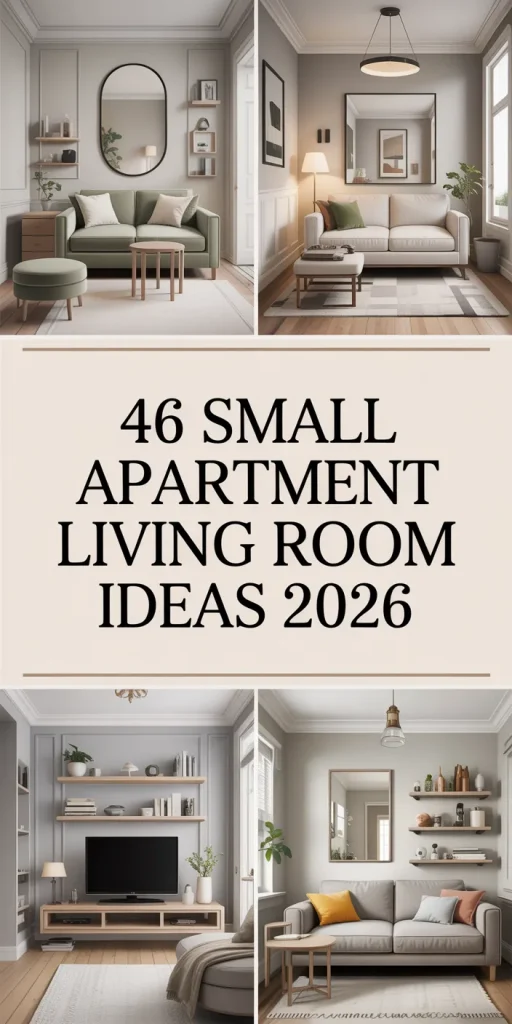
Small apartment living rooms in 2026 prove that square footage doesn’t define style or comfort. With thoughtful furniture choices, smart layouts, and intentional decor, even the tiniest spaces can feel open, functional, and uniquely yours. Choosing ideas that mirror your actual lifestyle is crucial, regardless of your preference for Japandi minimalism, cozy reading nooks, or romantic lighting. Which of these setups resonates most with you? Share your thoughts and favorite picks in the comments below.