
Kitchen layouts in 2026 are about more than just efficiency—they’re designed to reflect how we actually live, cook, and gather. American homeowners are moving away from one-size-fits-all floor plans and gravitating toward personalized spaces that balance aesthetics with real-world function. From compact galley setups to sprawling double islands, today’s kitchens need to handle everything from weeknight dinners to weekend baking marathons. Pinterest boards are overflowing with inspiration, but choosing the right layout depends on your home’s footprint, your cooking habits, and the mood you want to create. In this guide, we’ll walk through thoughtful kitchen layout ideas that speak to the way we live now.
1. Galley Kitchen with Corner Sink Efficiency
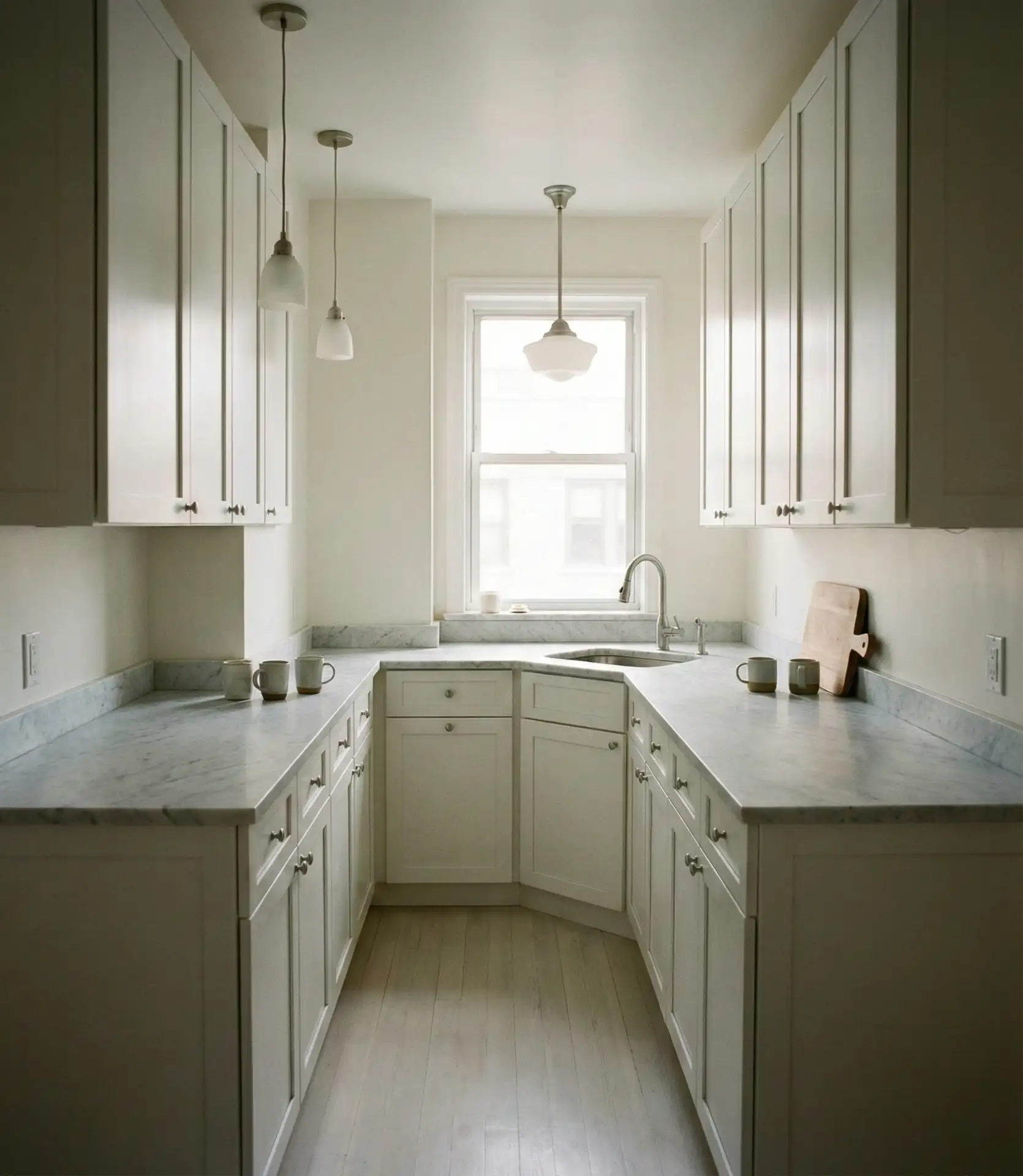
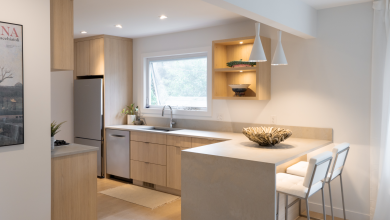
The galley layout remains one of the most space-efficient designs for smaller homes, and placing a corner sink at one end opens up the workflow in surprising ways. This setup works especially well in urban apartments or narrow townhomes where every inch counts. The sink anchors the prep zone, while appliances and counters run parallel, creating a natural cooking corridor. It’s a smart solution when you want a small galley kitchen that doesn’t sacrifice counter space or storage.
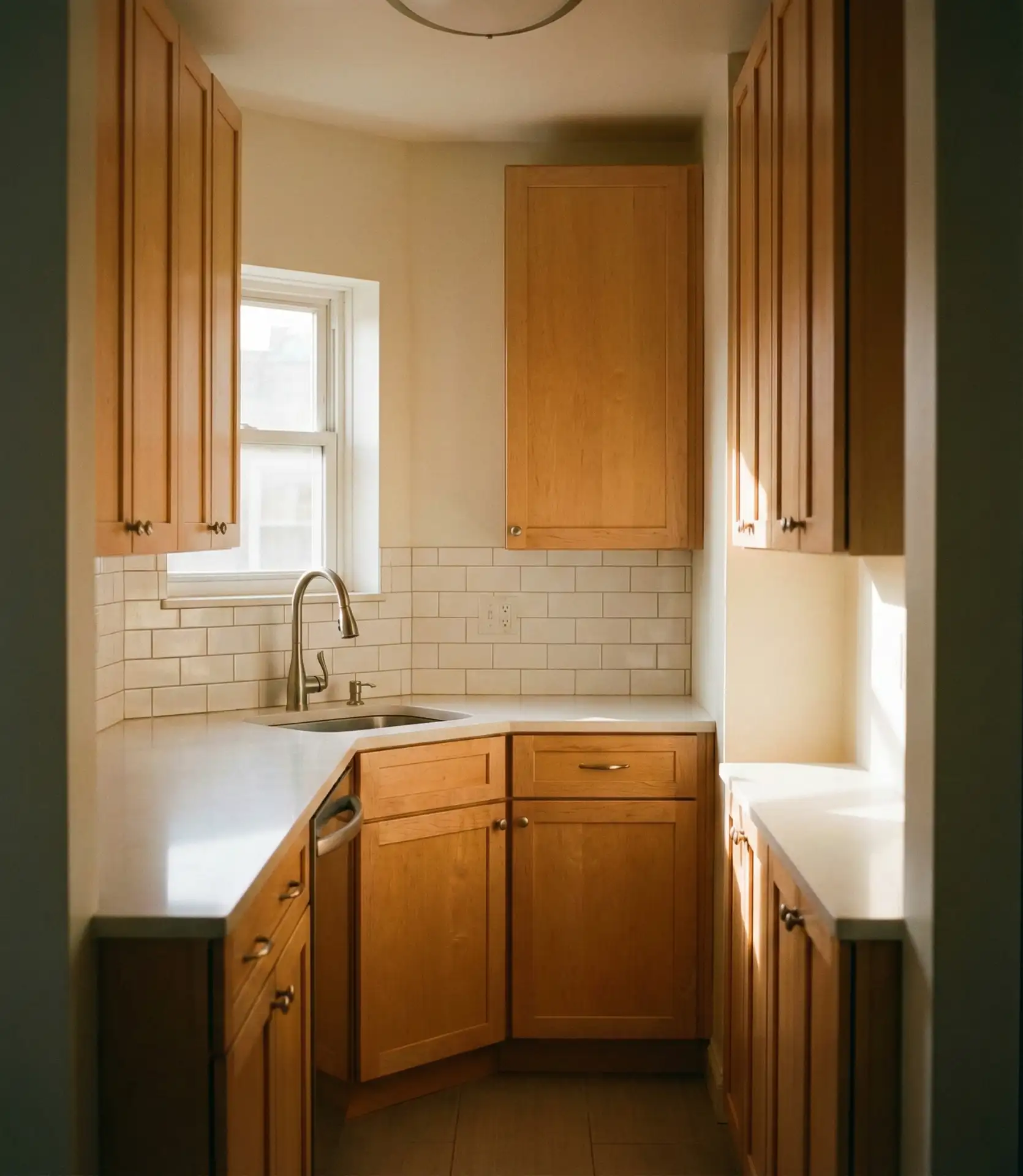
The corner sink placement eliminates the dead zone that often plagues galley kitchens, making it easier to move between cooking and cleaning. In the Midwest and Northeast, where older homes often feature narrow kitchens, this layout has become a go-to renovation strategy. It also pairs beautifully with open shelving on one wall to maintain an airy feel without compromising storage.
2. Double Island Layout for Entertaining
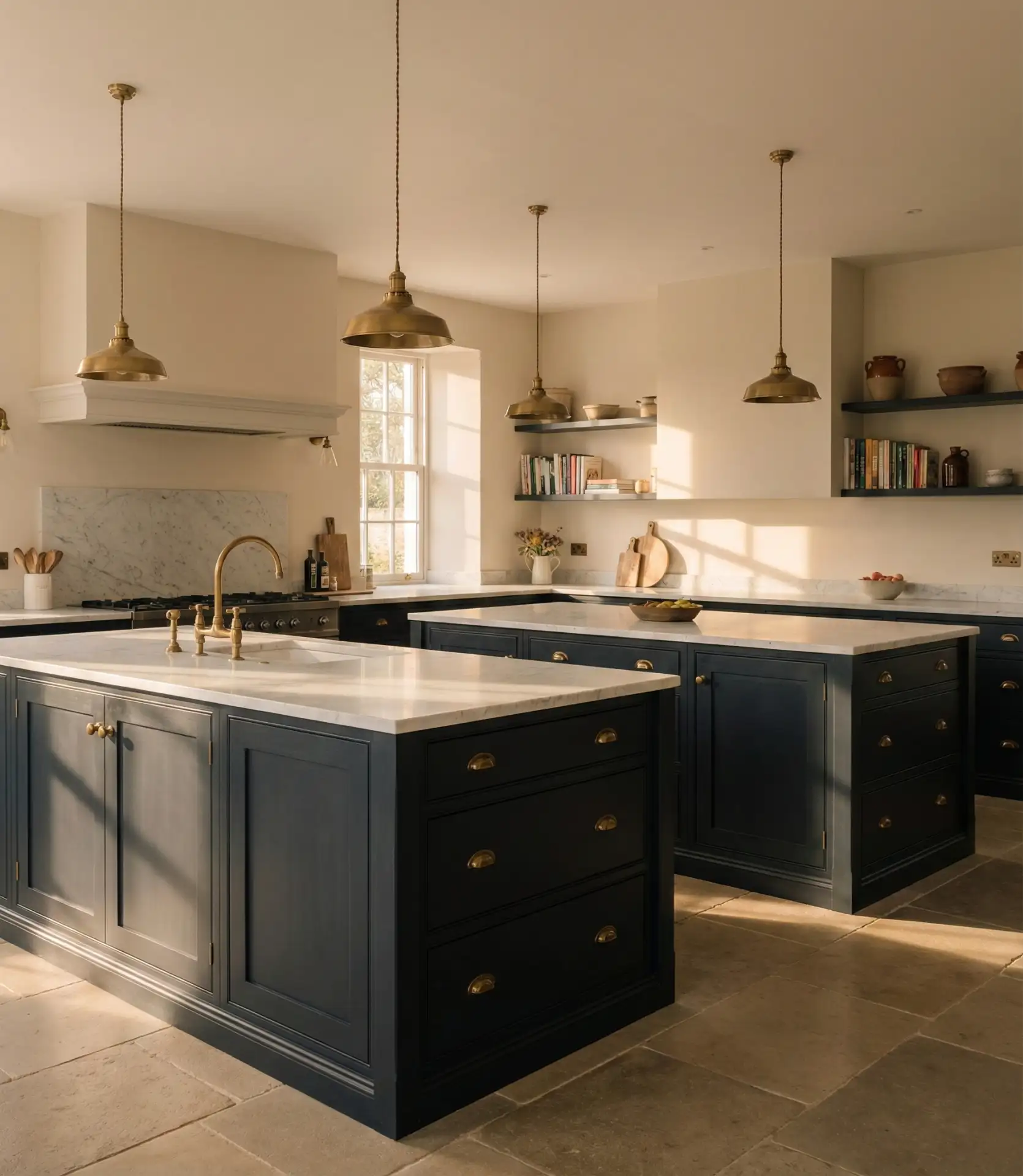
A double-island layout is the ultimate statement for open-plan living, offering separate zones for prep, cooking, and socializing. This design works best in larger kitchens where you have at least 12 feet of clearance between the islands. One island can house the cooktop or sink, while the other serves as a breakfast bar or beverage station. It’s a layout that thrives in suburban homes and new construction, especially in the South and Southwest, where entertaining is woven into everyday life.
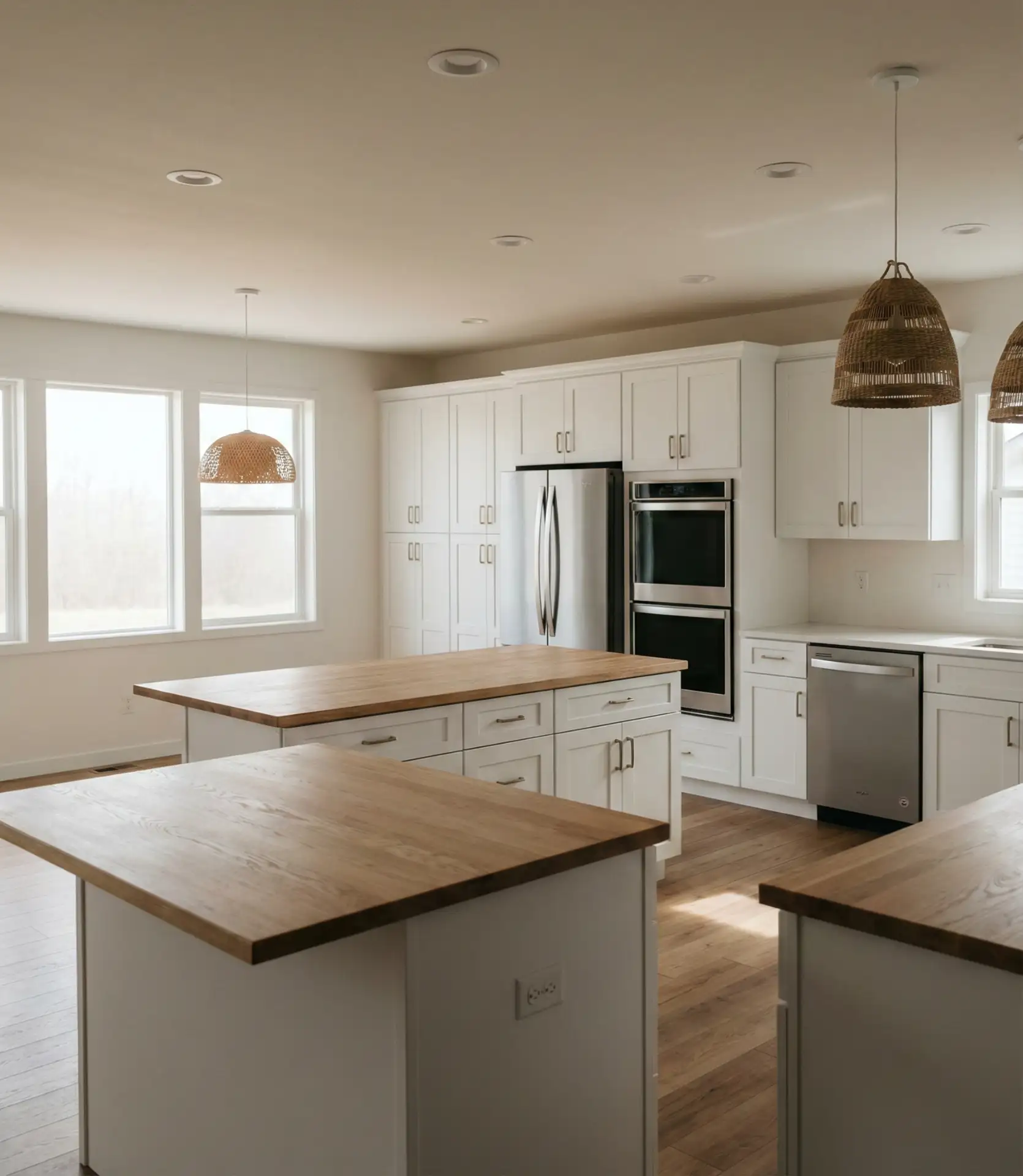
One common mistake is underestimating the walking space needed around each island—aim for at least 42 inches on all sides to avoid bottlenecks. Homeowners often dedicate one island to messy tasks like chopping and washing, keeping the other pristine for guests. This separation makes hosting easier and keeps the visual chaos contained, even when the kitchen is in full use.
3. L-Shaped Layout with Island Integration
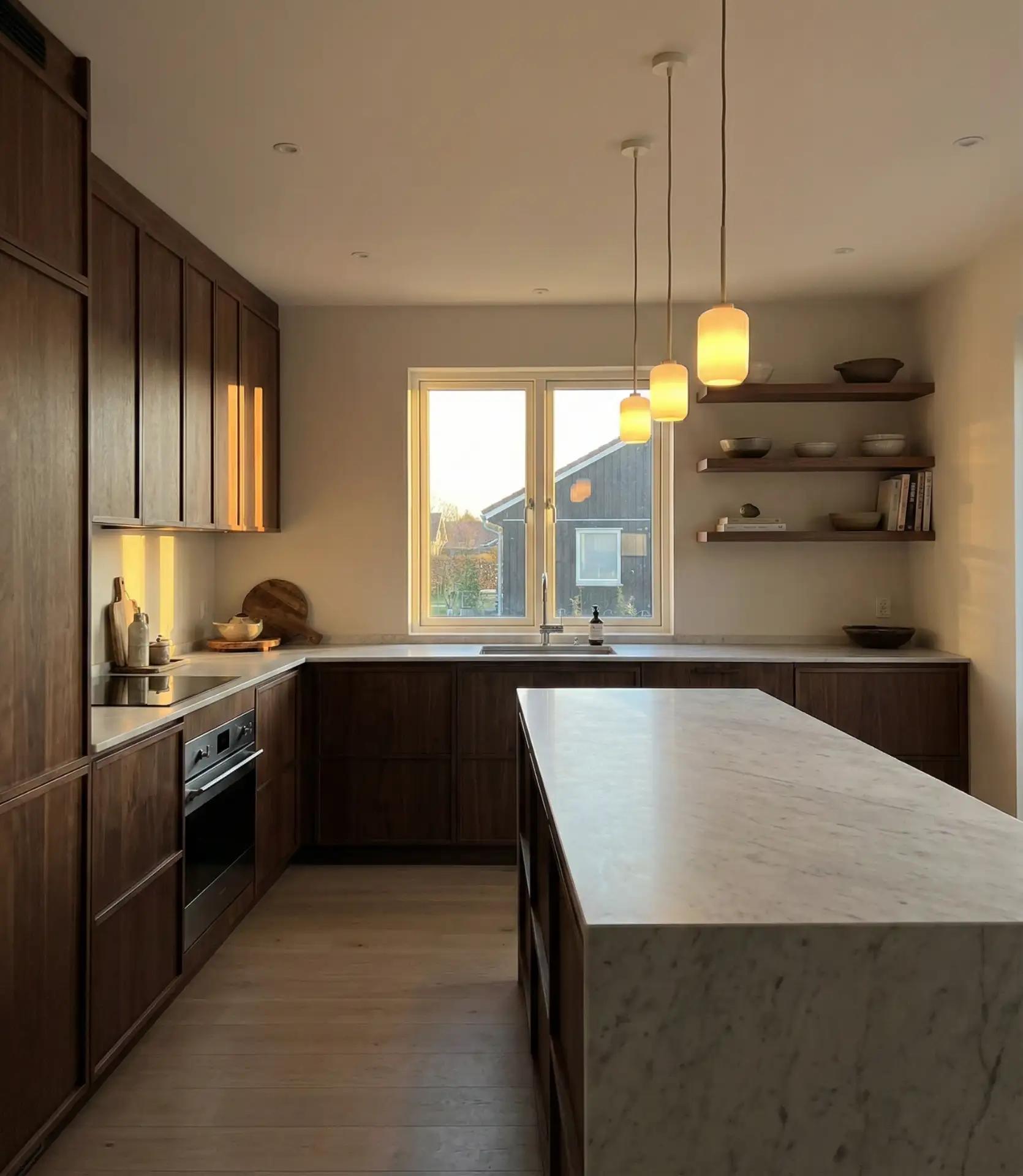
The L-shaped kitchen is a classic for good reason—it maximizes corner space while leaving room for an island in the center. This layout fits beautifully in both medium and larger kitchens, providing a natural work triangle between the sink, stove, and refrigerator. Adding an island turns the L-shape into a multifunctional zone where you can prep, eat, and gather. It’s especially popular in open-concept homes where the kitchen flows into the dining or living area
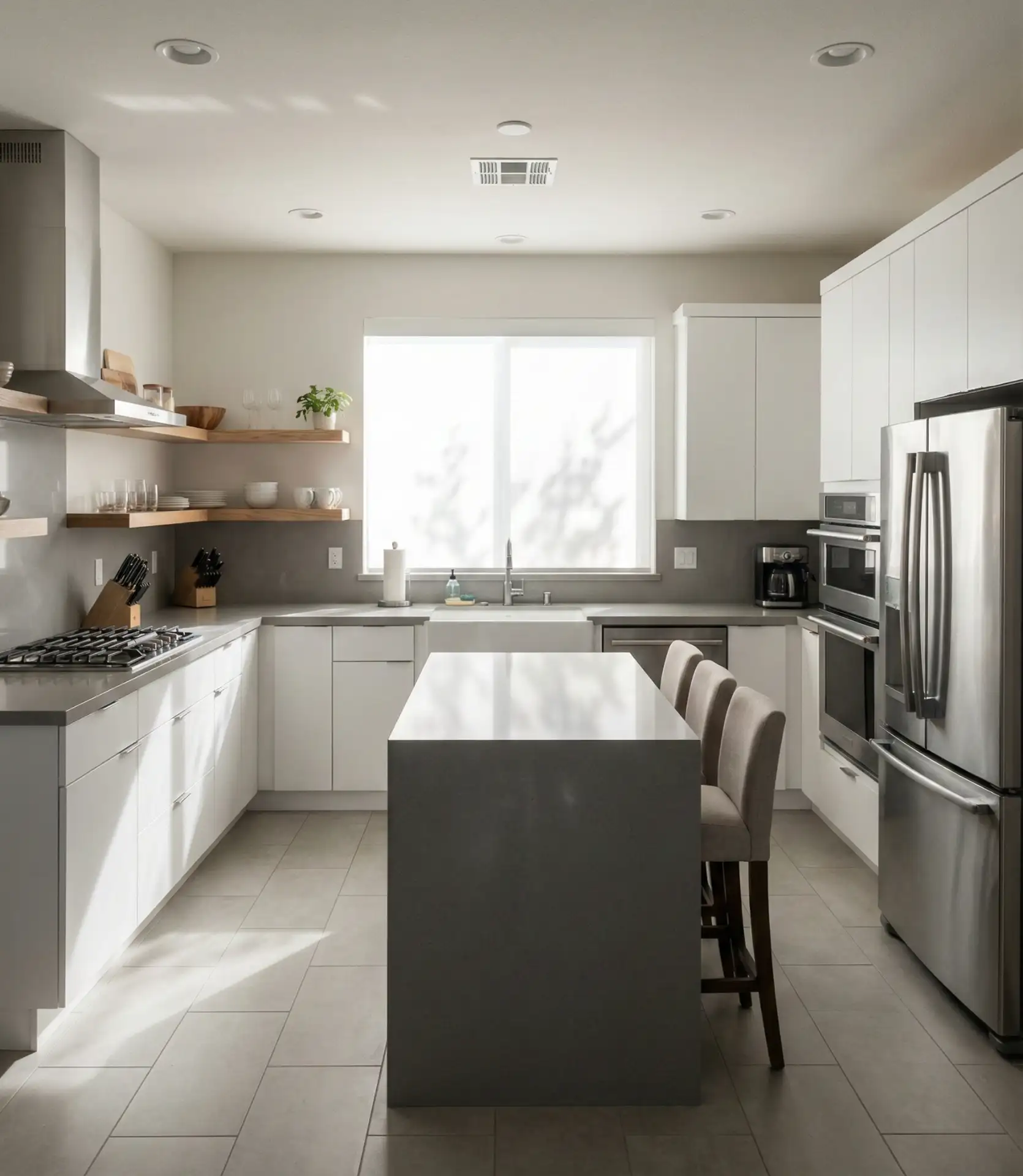
This layout works best in homes with at least 10×10 feet of kitchen space, giving you room to move comfortably around the island. In California and the Pacific Northwest, designers often use the island as a secondary sink or wine fridge station, turning it into a true multipurpose hub. The L-shape also leaves one side open, making it easy to install sliding doors or expand into an outdoor dining area.
4. Single Wall Layout for Studio Living
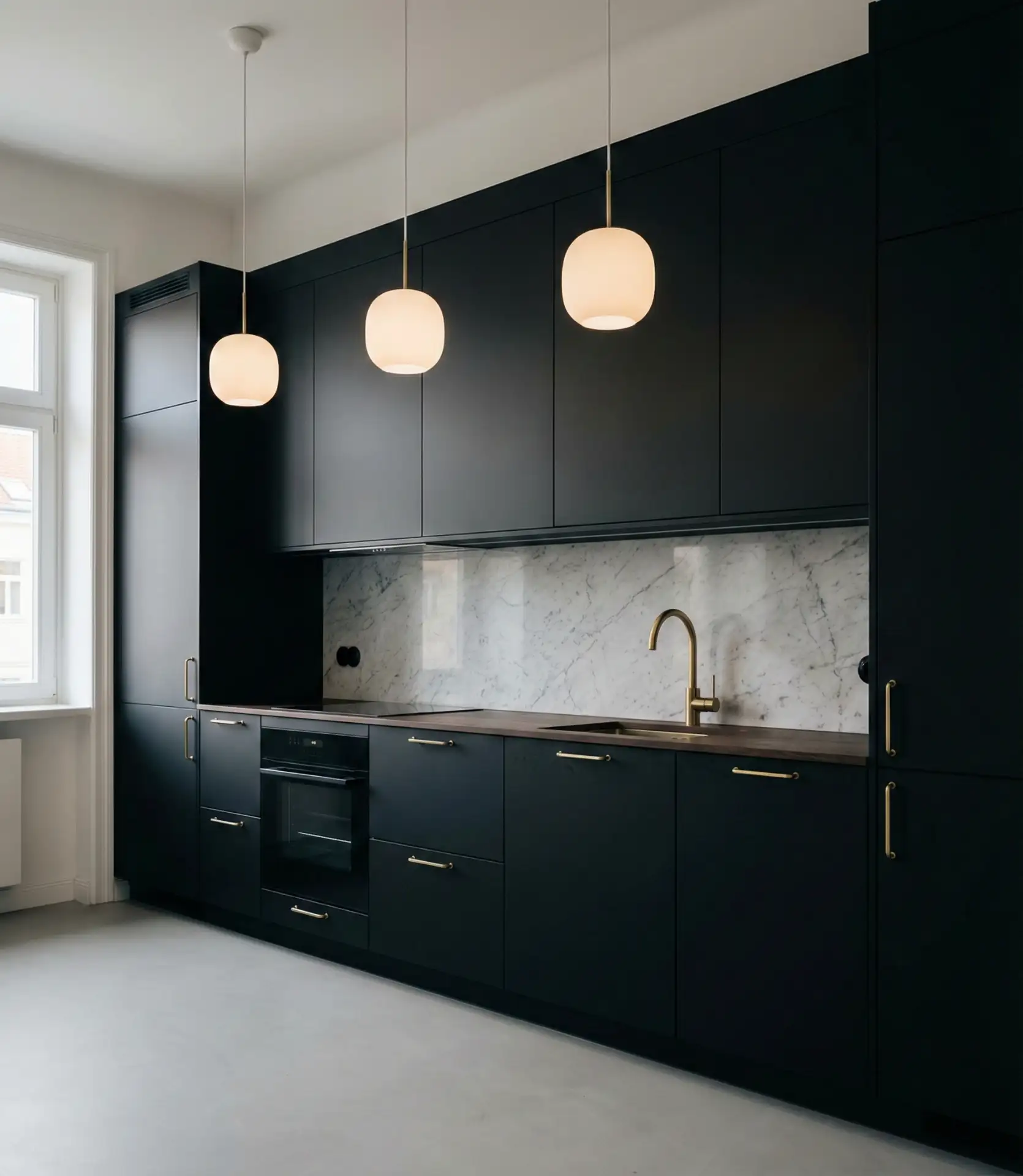
A single-wall kitchen places all appliances, cabinets, and counters along one continuous stretch, making it ideal for studios, tiny homes, and basement apartments. This narrow setup eliminates the need for a work triangle, relying instead on a linear flow from fridge to sink to stove. It’s a practical choice in cities like New York, San Francisco, and Seattle, where space is at a premium and every square foot needs to earn its keep.
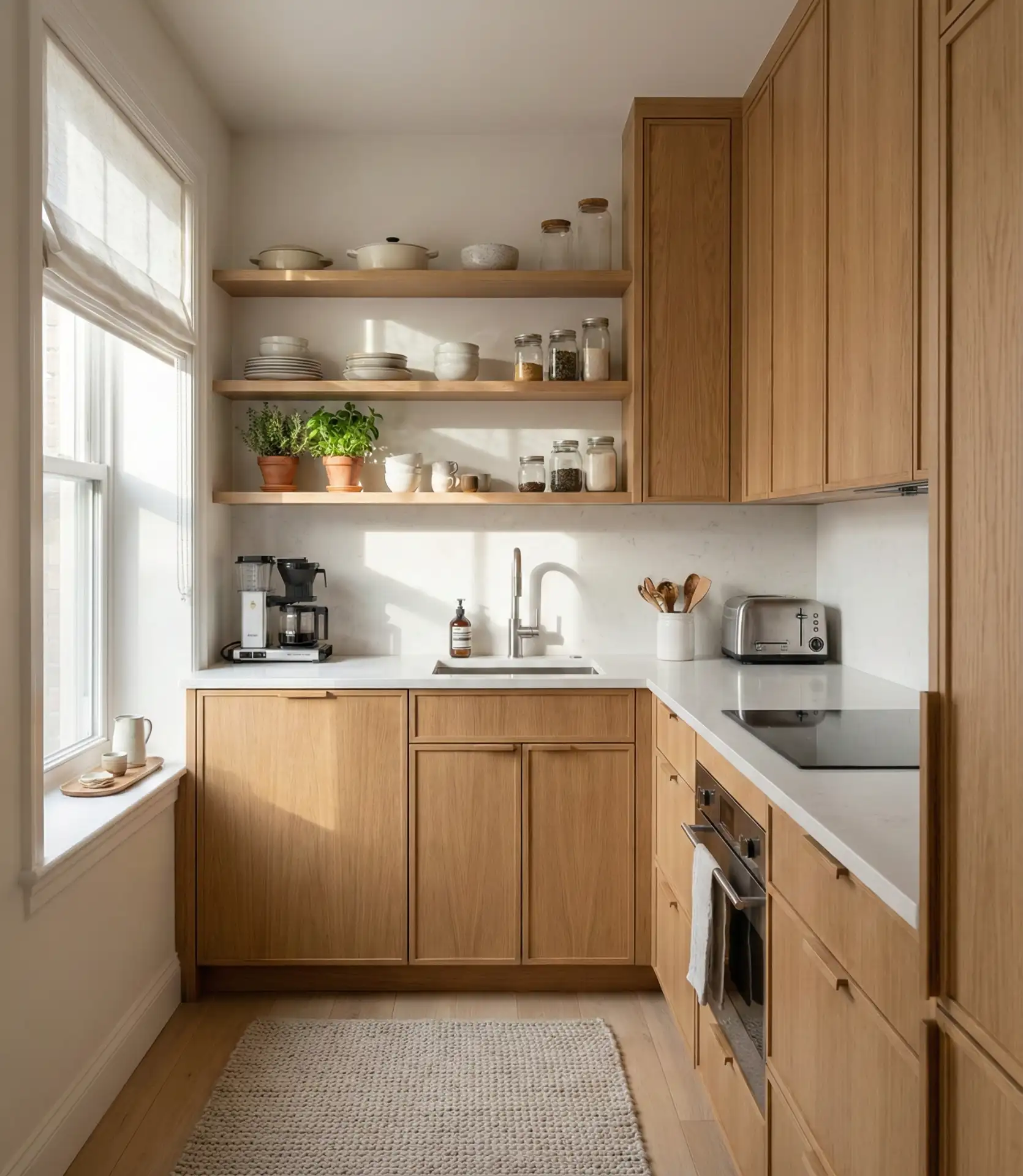
Expect to spend between $8,000 and $18,000 on a full single-wall kitchen renovation, depending on finishes and appliance quality. The key is vertical storage—floor-to-ceiling cabinets, magnetic knife strips, and wall-mounted racks keep essentials accessible without cluttering the counter. Many renters love this layout because it’s easier to upgrade with peel-and-stick backsplash and freestanding furniture.
5. U-Shaped Kitchen with Double Oven Placement
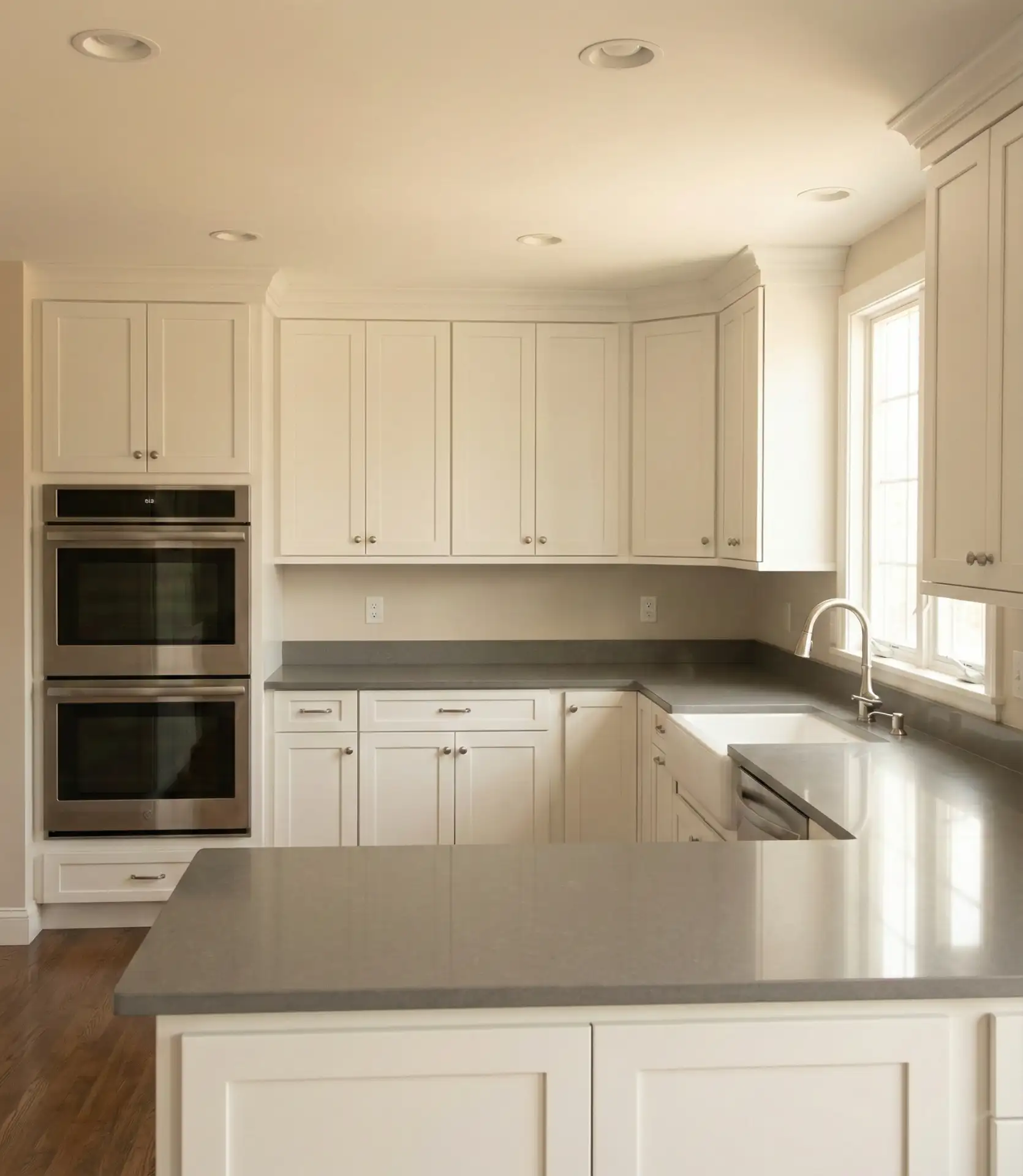
The U-shaped kitchen wraps around three walls, creating an enclosed, efficient workspace that’s perfect for serious home cooks. Adding a double oven into one leg of the U elevates the functionality, especially during holidays or when baking becomes a regular weekend ritual. This layout offers maximum counter space and storage, with everything within arm’s reach. It’s a favorite in suburban homes and custom builds where the kitchen is a dedicated, closed-off room.
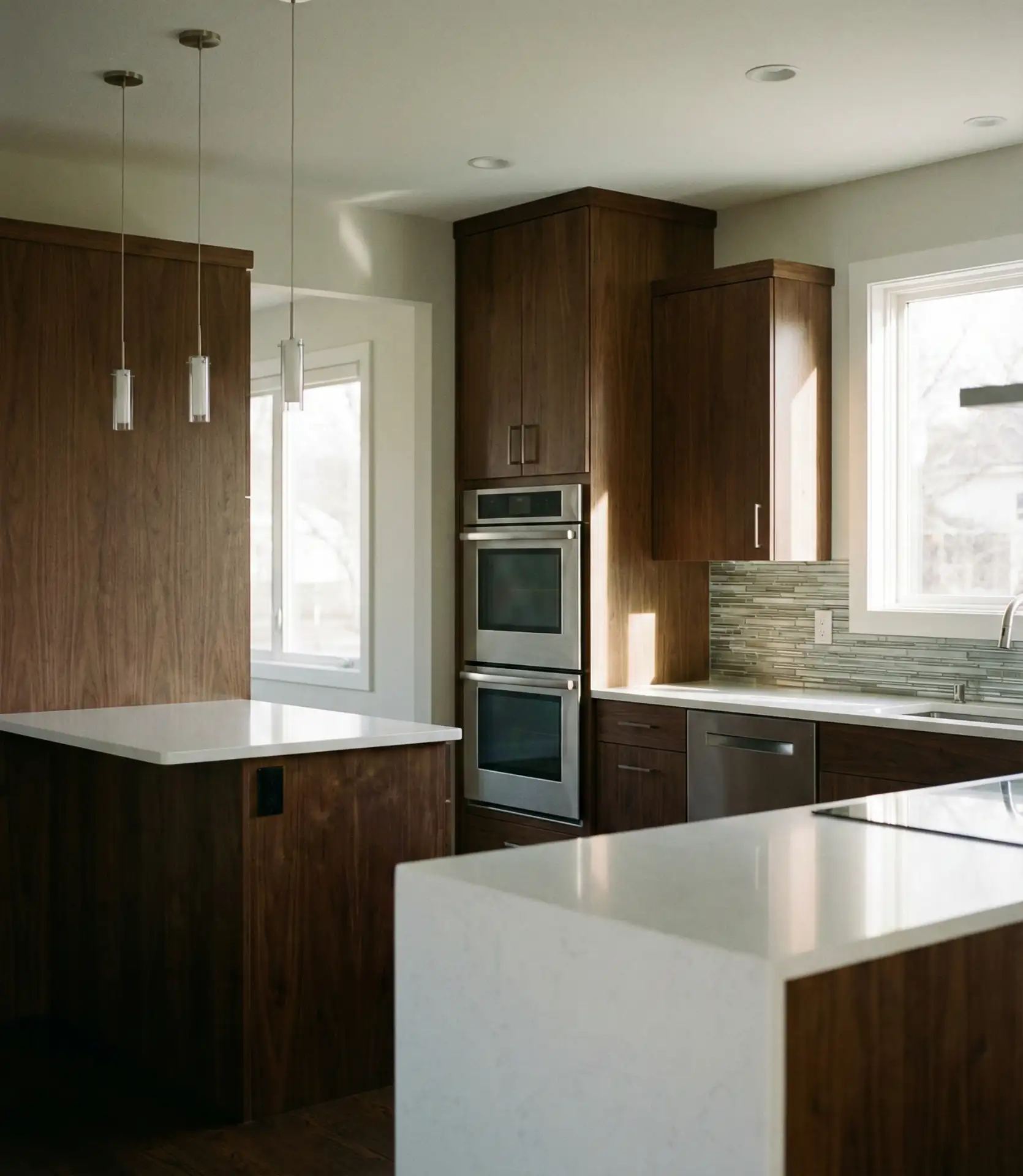
A neighbor of mine installed a double oven in her U-shaped kitchen last year, and she hasn’t stopped raving about how it changed Thanksgiving—no more juggling timers or shifting racks. The layout also allows for a clear separation between cooking and cleanup zones, which matters when multiple people are working in the space. Just make sure the base of the U is at least 8 feet wide to avoid a cramped feel.
6. Square Kitchen with Central Island
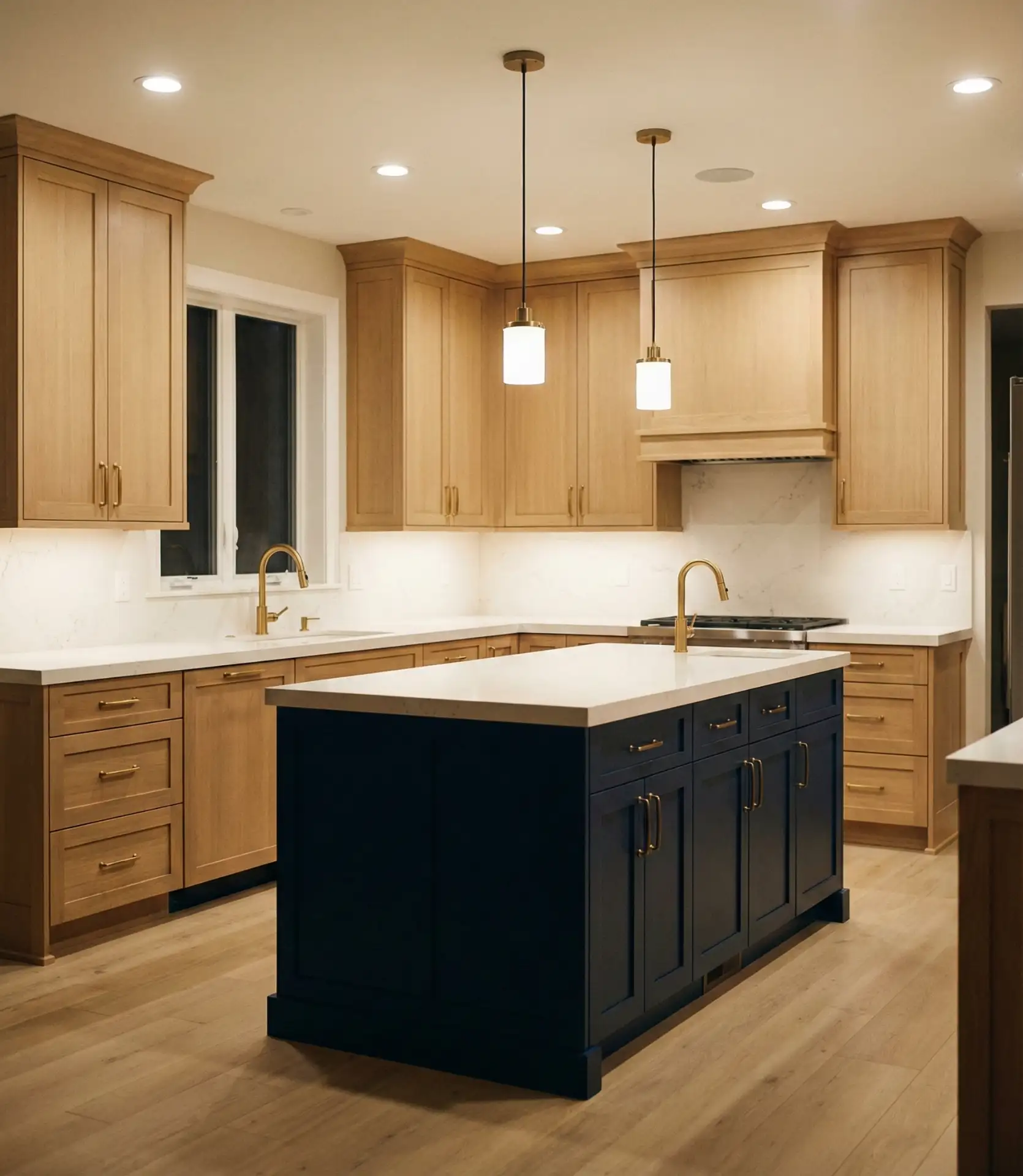
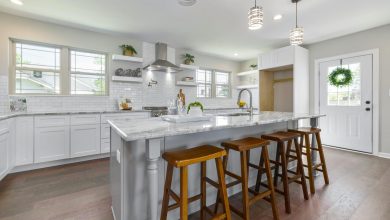
A square kitchen layout offers equal proportions on all sides, creating a balanced, symmetrical workspace. Placing an island in the center anchors the room and provides a natural gathering spot. This shape works beautifully in homes with open floor plans, where the kitchen serves as the heart of the home. It’s especially common in the Midwest, where generous room sizes allow for spacious, functional islands.
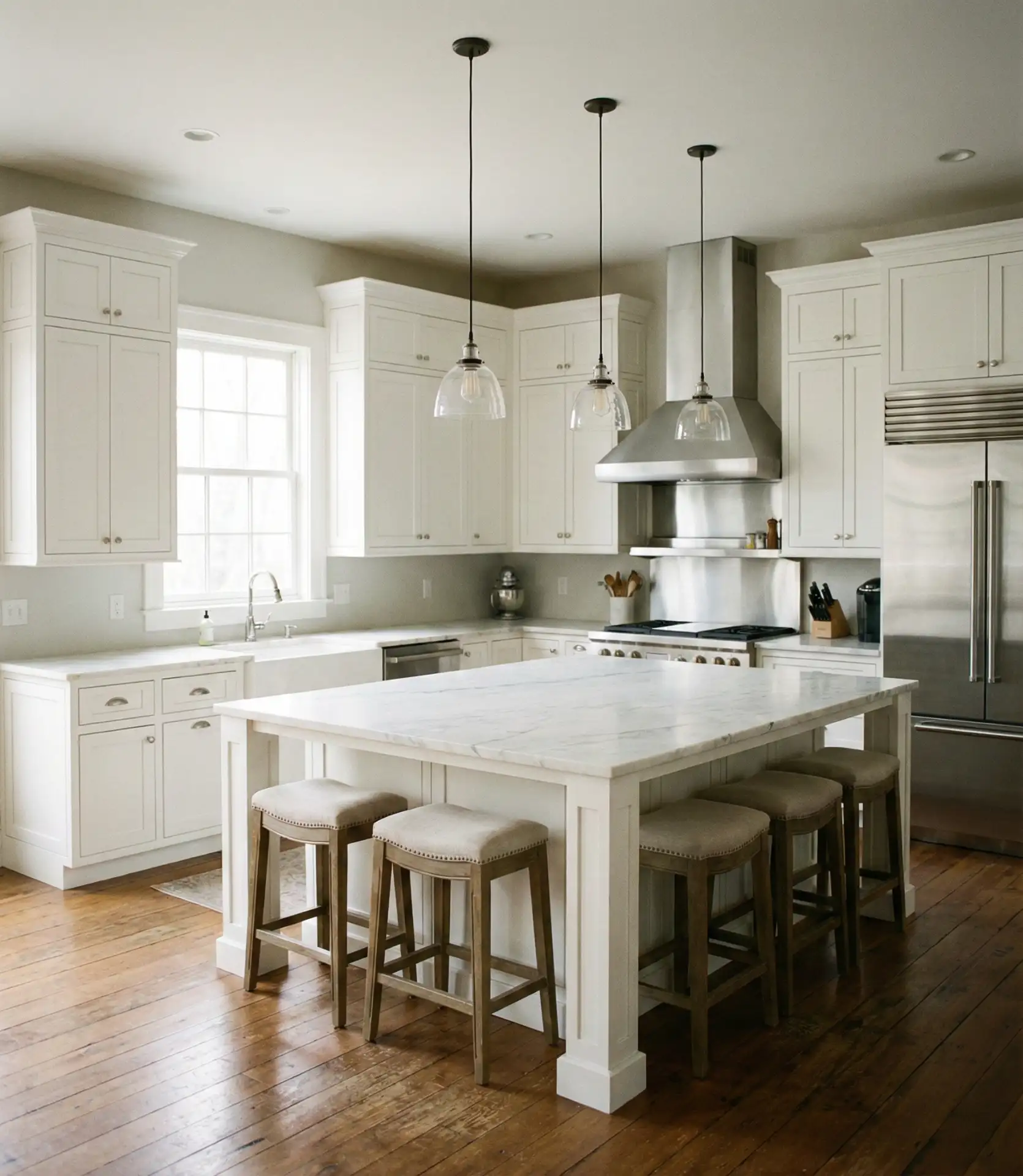
This layout shines when you have at least 12×12 feet to work with, giving you room to move around the island comfortably. Homeowners often use the island for everything from homework sessions to cocktail prep, making it the most versatile piece in the room. One real advantage is that you can arrange your work triangle around the island, shortening the distance between key appliances.
7. Narrow Galley for Urban Apartments
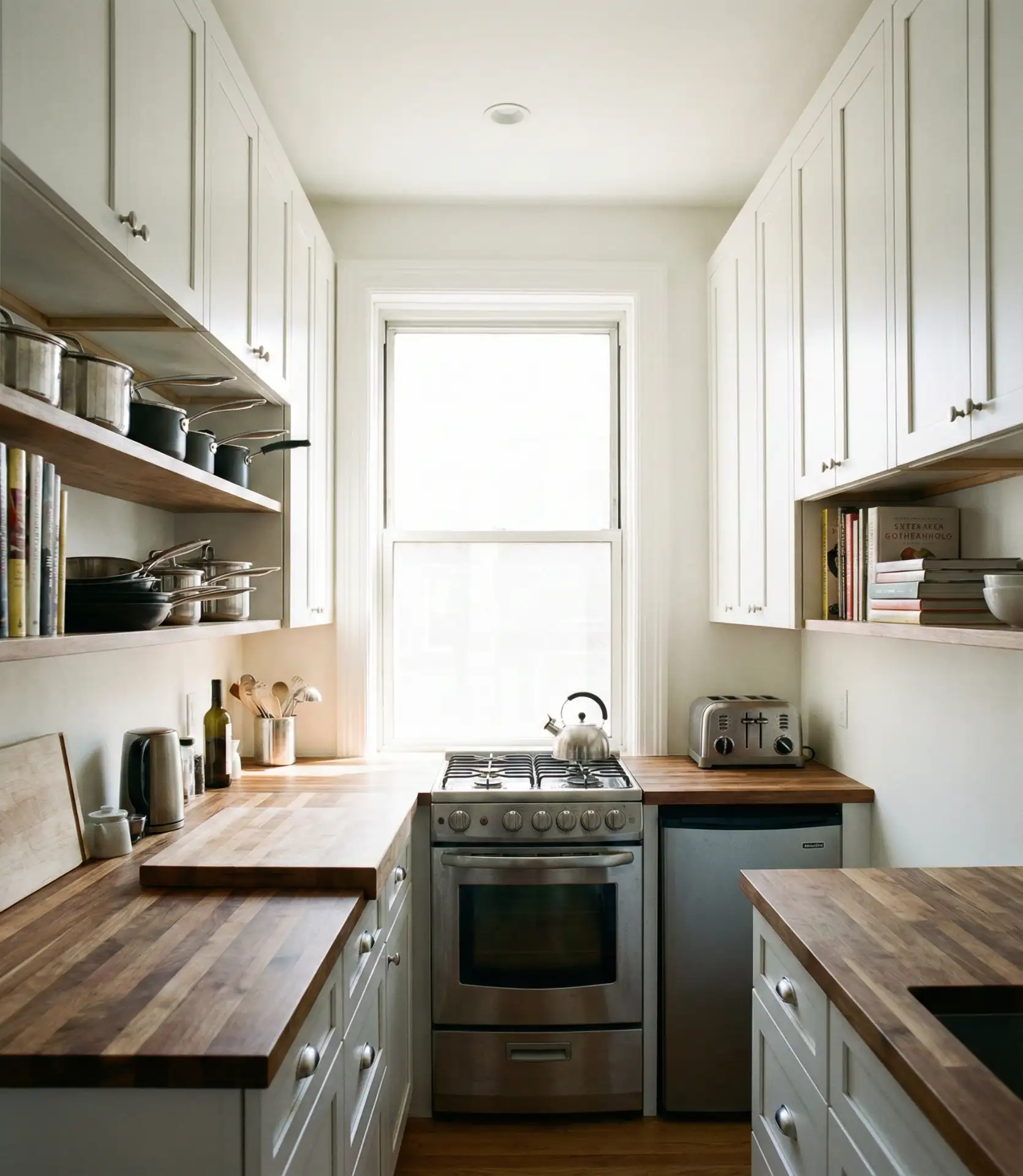
A narrow kitchen doesn’t have to feel cramped if the galley layout is executed with intention. This design runs along two parallel walls, typically spanning 7 to 8 feet in width, and it is a staple in older apartment buildings across Boston, Chicago, and Washington, D.C. The key is to keep one side lighter in color or open with shelving, while the other handles heavy-duty storage and appliances. This creates visual breathing room even in tight quarters.
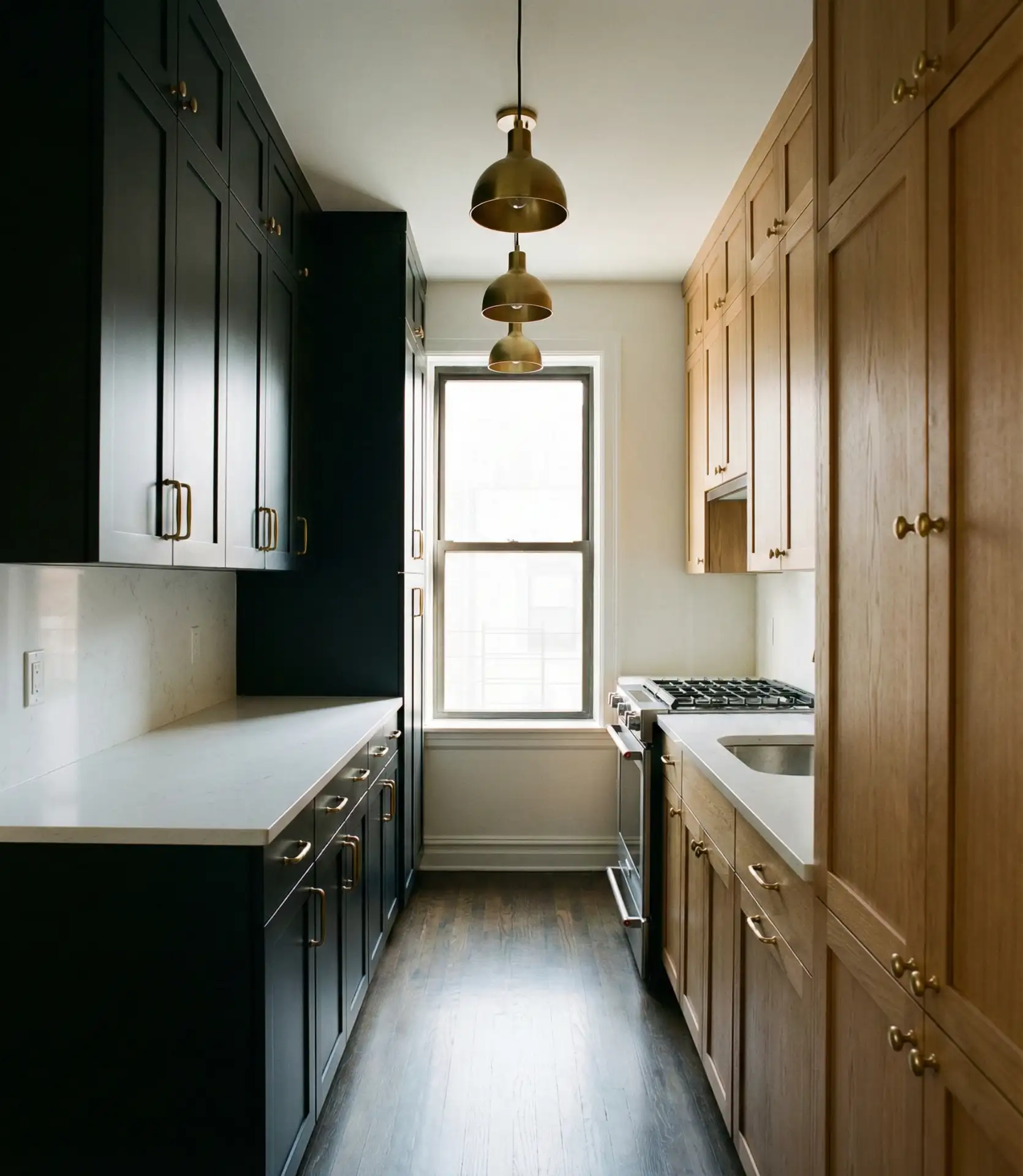
Many renters make the mistake of adding too much to both walls, which blocks the flow and makes the space feel even smaller. Instead, keep frequently used items on one side and treat the other as overflow storage or a coffee station. This approach maintains the corridor feel without sacrificing function, and it’s surprisingly easy to personalize with removable hooks and magnetic organizers.
8. Open-concept kitchen with a wall oven
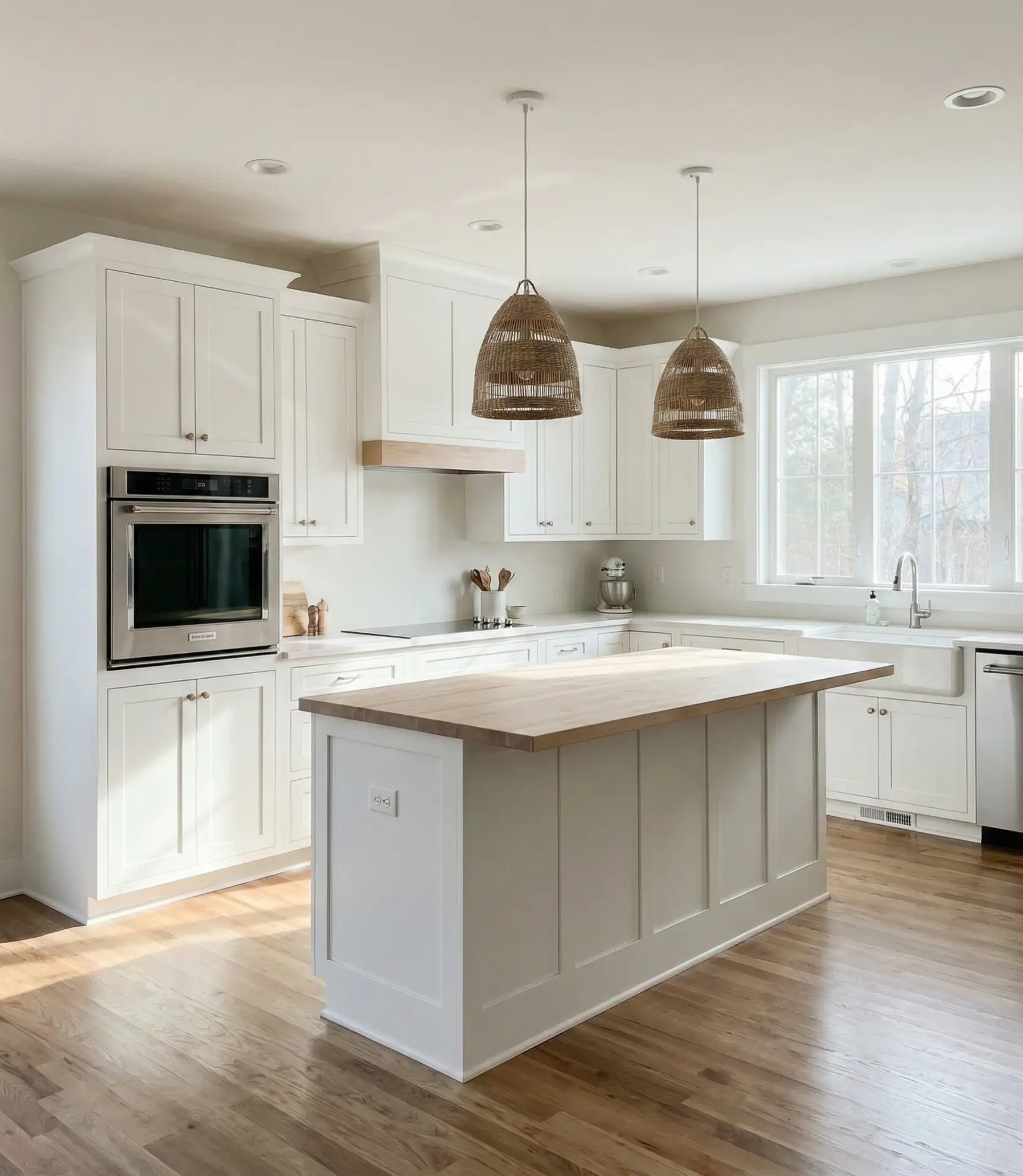
An open-concept kitchen flows seamlessly into the living or dining area, and a wall oven installation keeps the layout clean and uninterrupted. Placing the oven at eye level on a wall eliminates the need for bending and frees up base cabinets for drawers or a dishwasher. This setup is ideal for families who want to cook while staying connected to the rest of the home. It’s especially popular in Texas and Arizona, where indoor-outdoor living drives design choices.
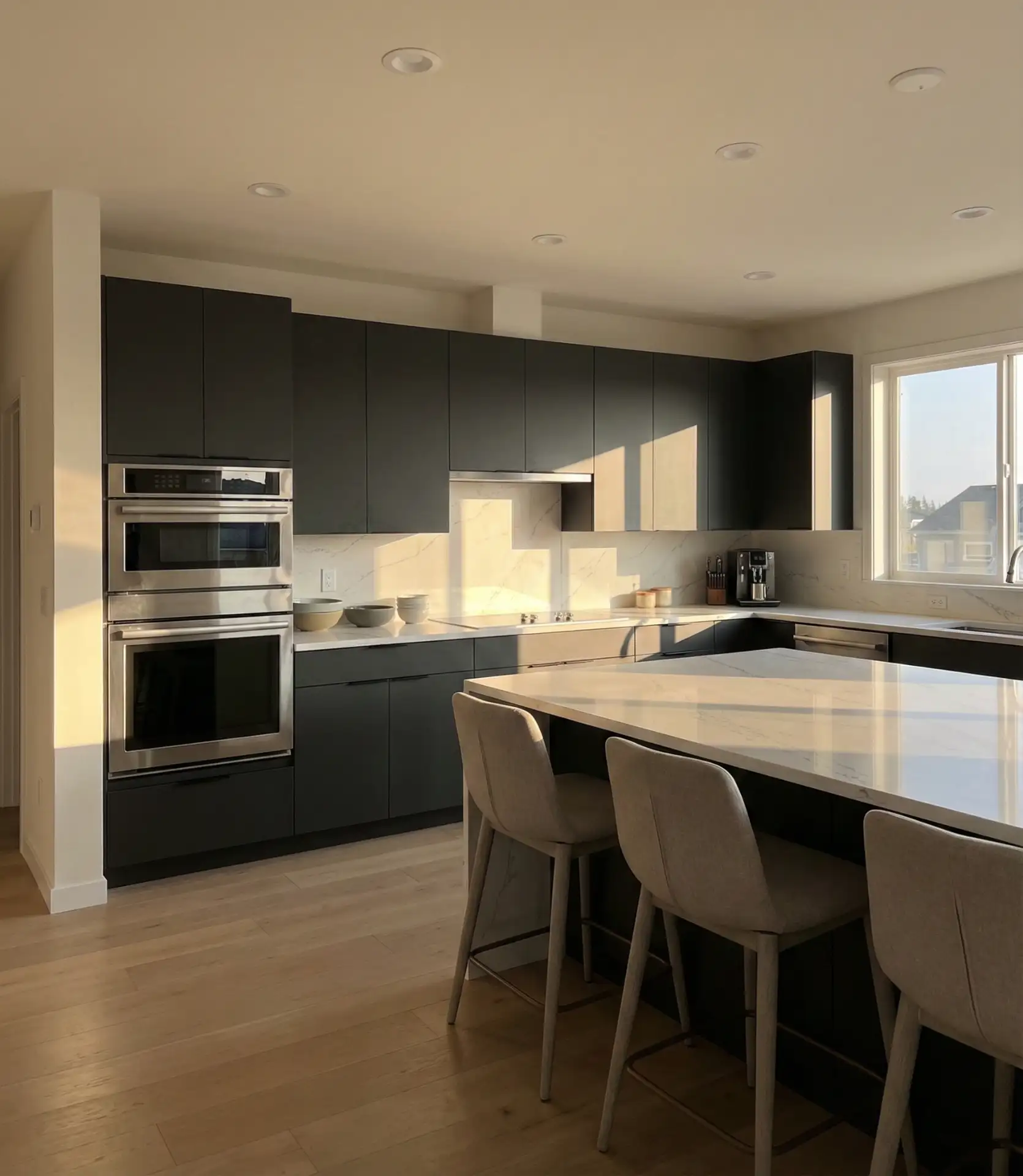
Wall ovens typically cost between $1,200 and $4,000 depending on brand and features, but they add significant resale value in markets where open-concept living is the norm. The oven becomes part of a tall cabinet column, often paired with a microwave or warming drawer, creating a sleek, integrated look. This layout works best when the oven is placed near the main prep area but out of the primary traffic flow.
9. Corner Stove Efficiency in Compact Spaces
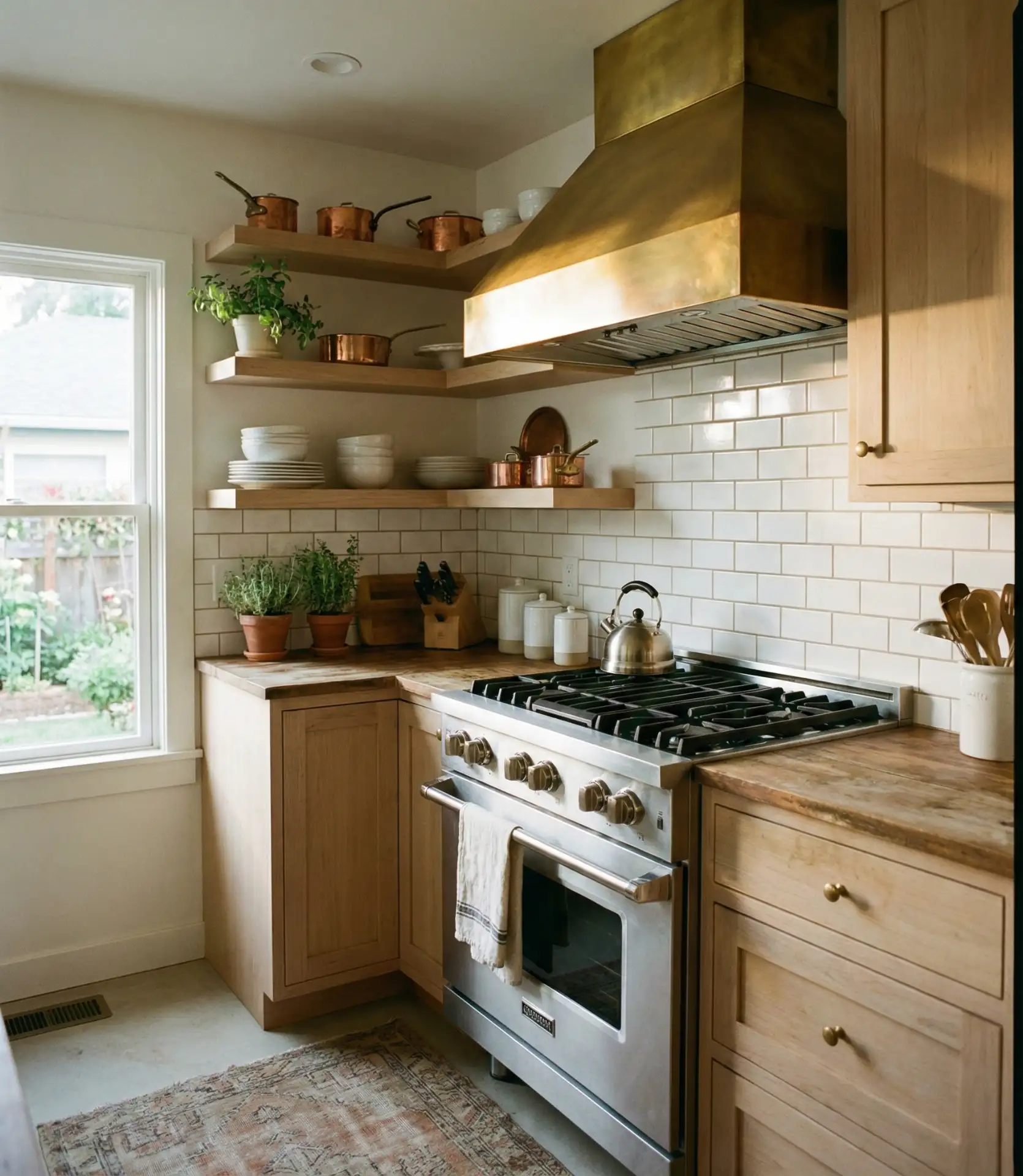
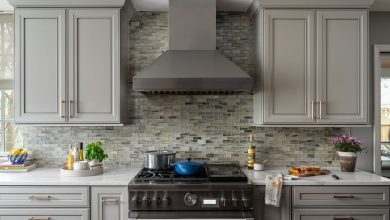
A corner stove placement might sound unconventional, but it’s a brilliant solution for maximizing counter space in smaller kitchens. This layout turns an awkward corner into a functional cooking zone, freeing up the rest of the perimeter for prep and storage. It’s particularly effective in L-shaped or galley kitchens where every inch counts. The stove becomes a focal point, often paired with a custom hood or tile surround.

This setup works best in kitchens where the corner is at least 36 inches wide on each side, giving you room for pots and prep. In New England, where historic homes often have quirky layouts, the corner stove has become a creative workaround for tight footprints. Just make sure ventilation is properly planned—corner placement can complicate ductwork, so a professional install is worth the investment.
10. Commercial-Style Layout for Home Chefs
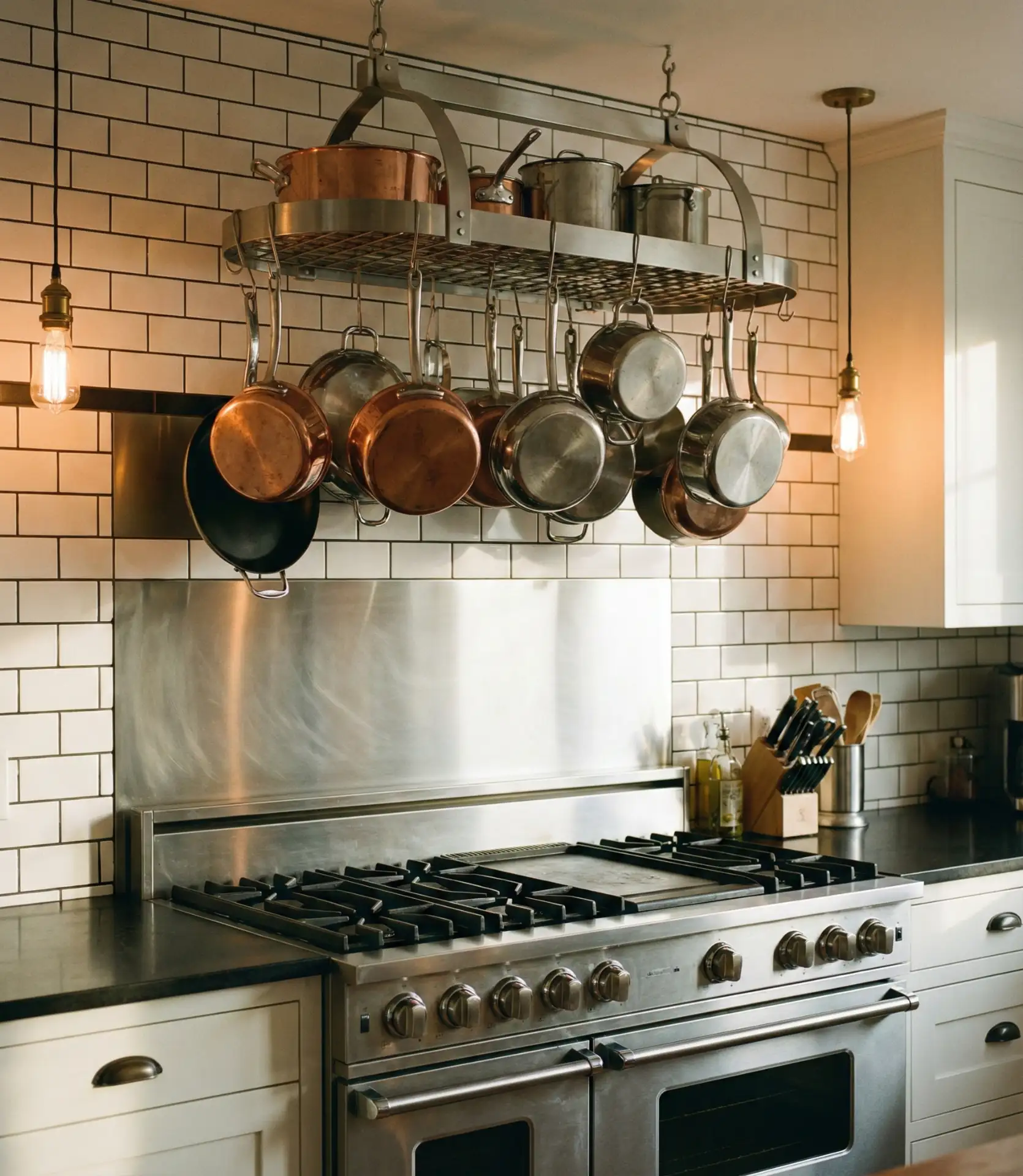
A commercial kitchen layout brings restaurant-grade efficiency into the home, featuring stainless steel appliances, open shelving, and a focus on workflow over aesthetics. This design appeals to serious cooks who prioritize function and durability. Types of finishes lean industrial—metal surfaces, concrete floors, and minimalist cabinetry. It’s a bold choice that works best in lofts, converted warehouses, or modern builds with high ceilings and exposed ductwork.
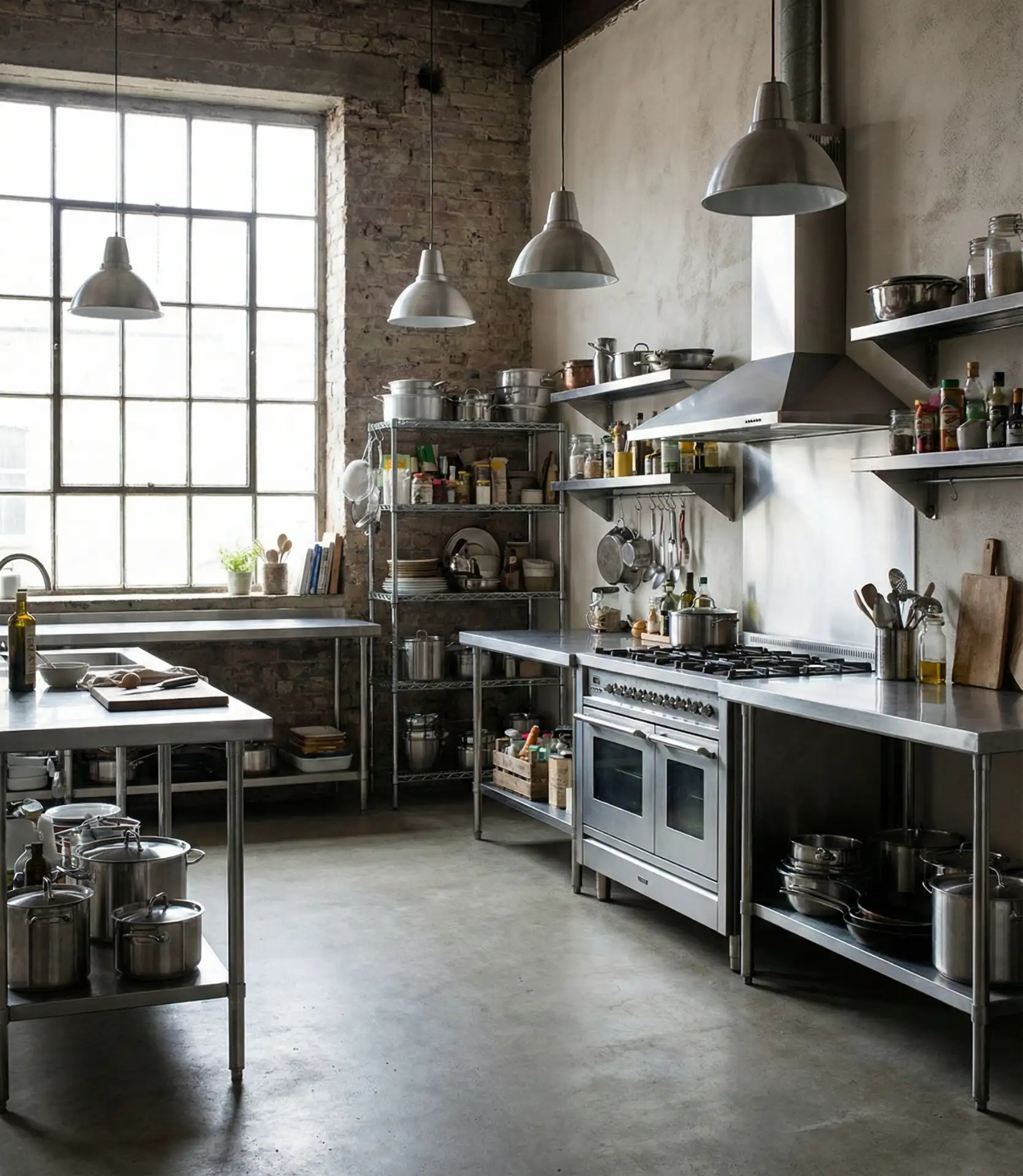
One thing to know: commercial-grade appliances often require upgraded electrical or gas lines, which can add $2,000 to $5,000 to your renovation budget. But for those who cook daily and need equipment that can handle high heat and heavy use, it’s a worthwhile investment. This layout also ages beautifully—stainless steel and metal don’t show trends the way painted cabinets or trendy tile can.
11. Small Bakery-Inspired Layout
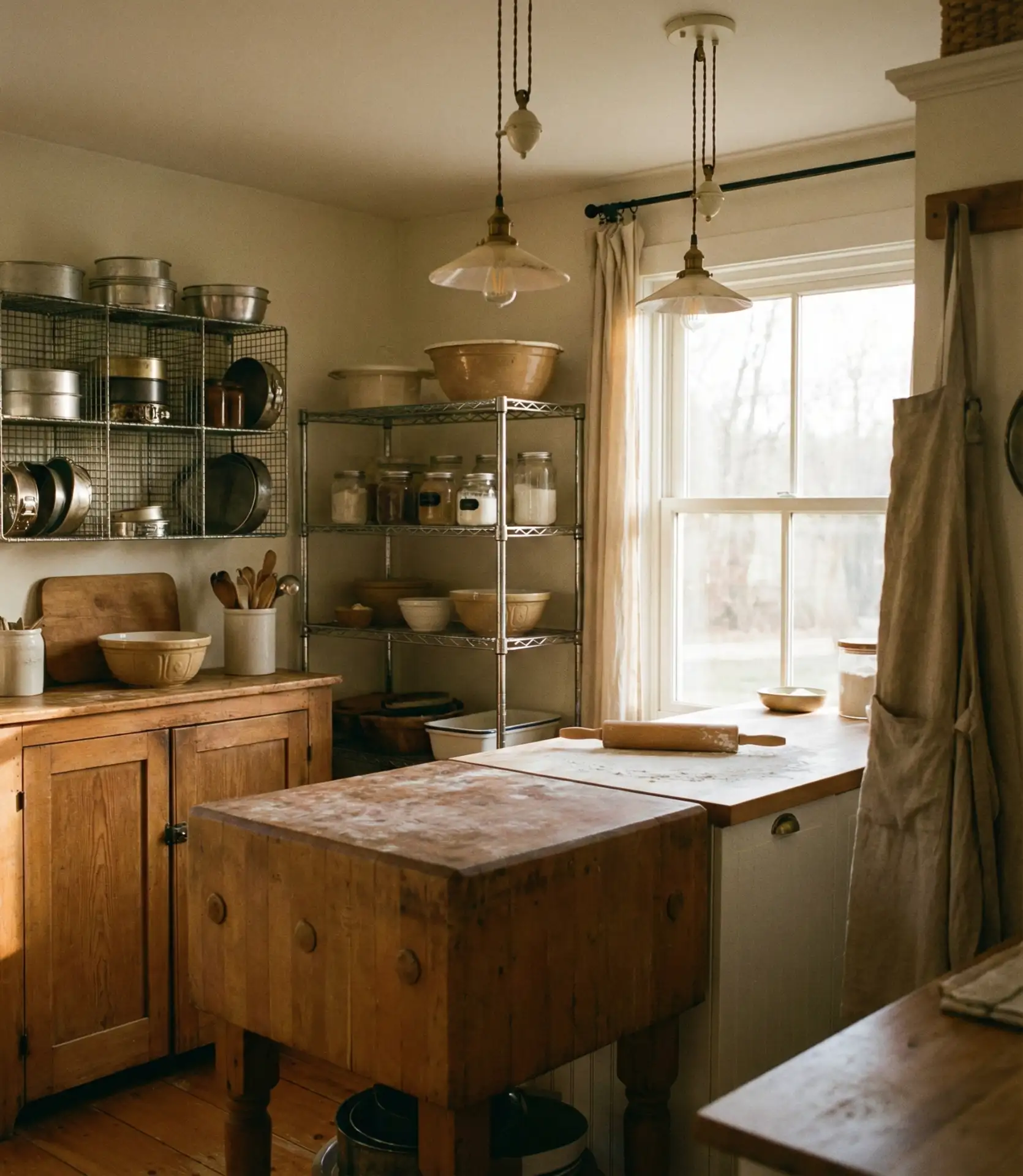
A small bakery layout brings warmth and charm into the home kitchen, often featuring open shelving, butcher block counters, and dedicated zones for mixing, proofing, and baking. This design is ideal for anyone who loves making bread, pastries, or desserts on a regular basis. The layout typically includes a marble or granite slab for rolling dough, a stand mixer nook, and plenty of vertical storage for flours, sugars, and baking tools. It’s a niche but deeply satisfying approach to kitchen design.
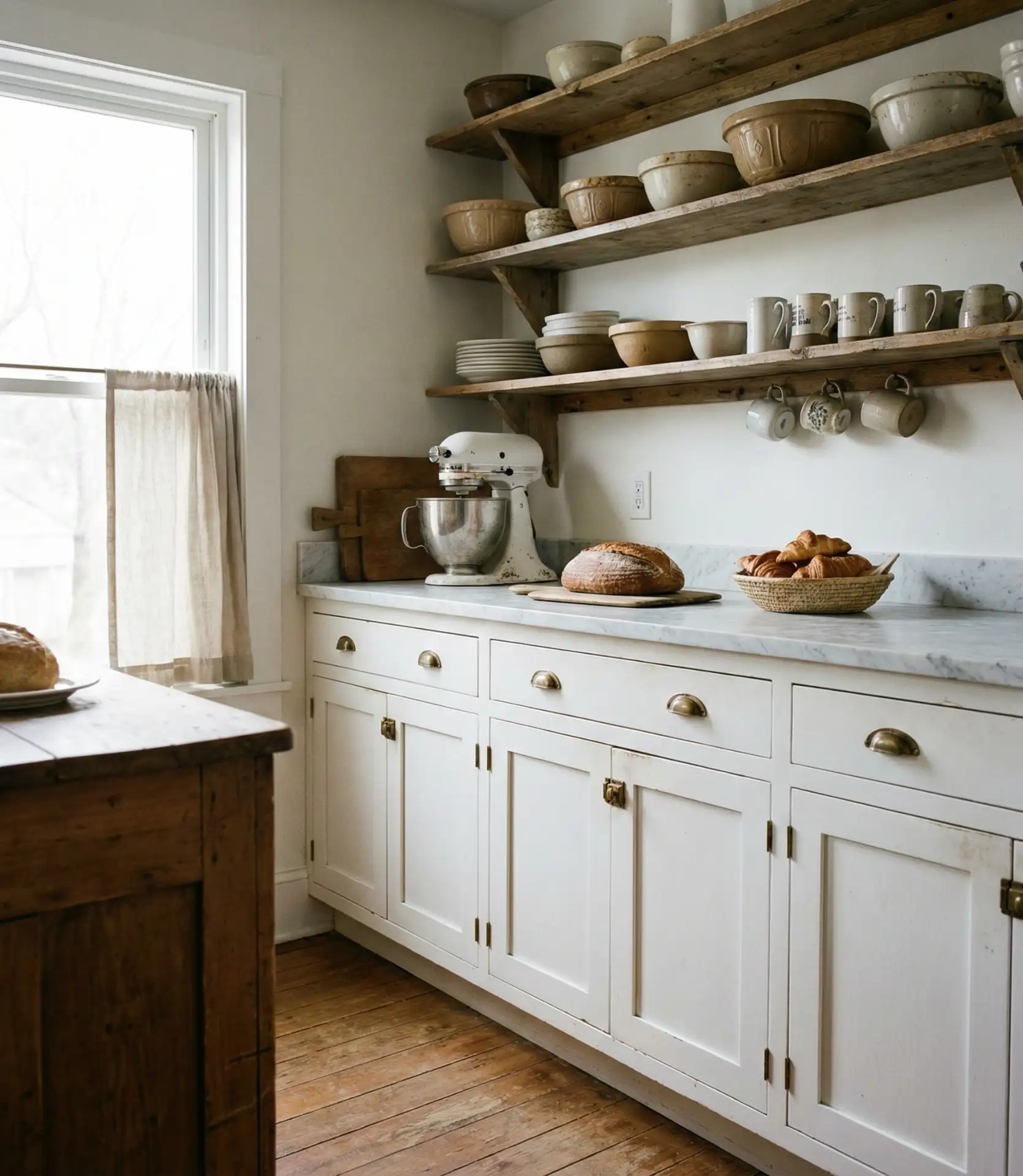
I once visited a friend’s home in Vermont where her kitchen was designed entirely around sourdough baking—she had a proofing drawer, a dedicated flour station, and even a small chalkboard for starter feeding schedules. It was functional but also deeply personal, reflecting her daily rhythms. This layout works best in homes where baking is a genuine hobby, not just an occasional activity.
12. Canning and Preserving Kitchen setups
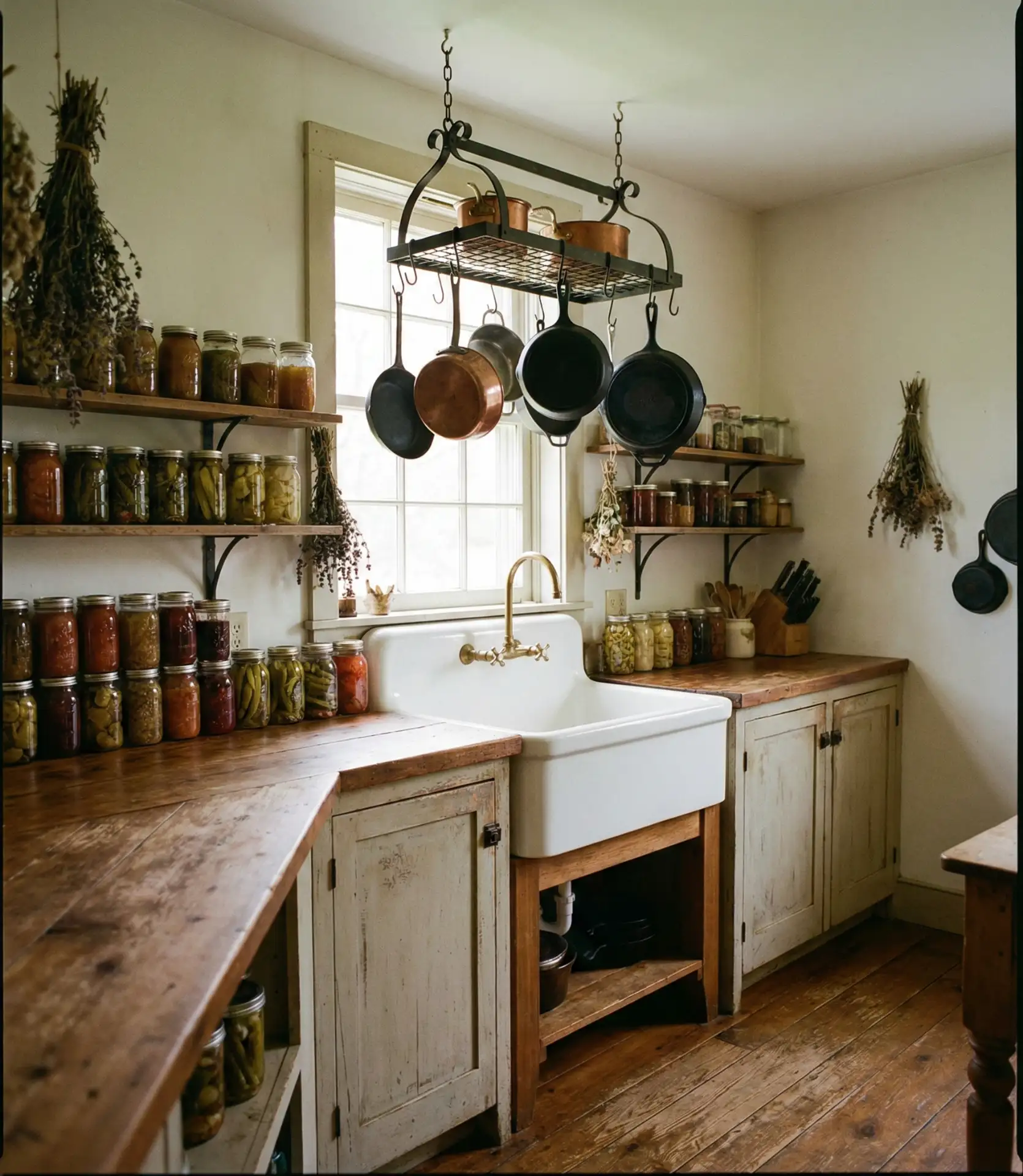
A canning kitchen is designed around the seasonal rhythms of preserving, with extra counter space, large sinks, and heavy-duty ventilation. This layout often includes a secondary prep area or utility sink for washing jars and handling hot liquids. It’s especially popular in rural communities and among homesteaders in states like Montana, Oregon, and the Carolinas, where putting up summer produce is both a tradition and a practical skill.
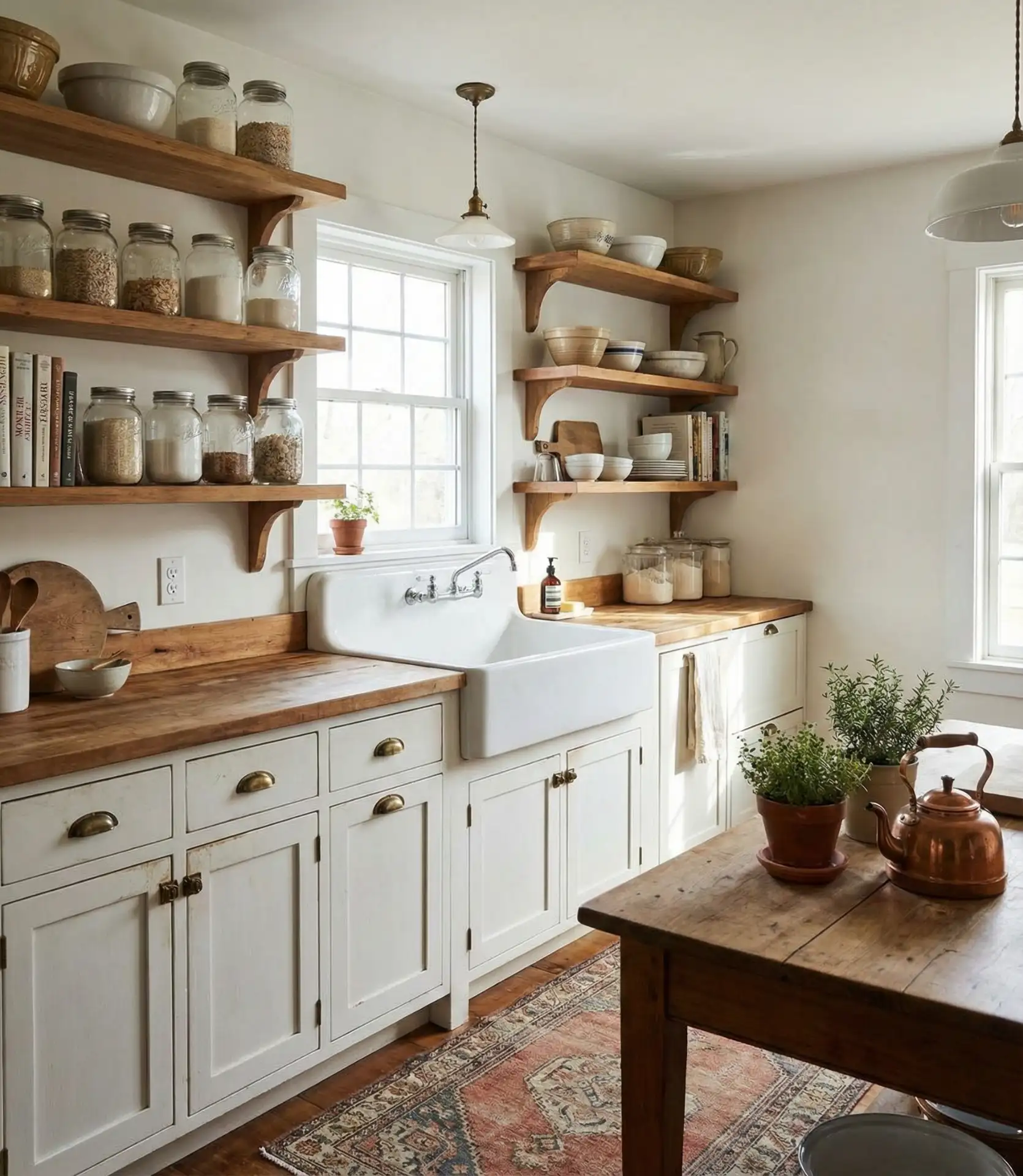
This setup demands durable, heat-resistant surfaces—think sealed butcher block or quartz that won’t stain from beet juice or tomato pulp. Homeowners who can regularly dedicate an entire countertop to the task often keep it clear during the off-season but ready to handle dozens of jars come August. A large, deep sink is non-negotiable, as is adequate ventilation to handle steam from boiling water baths.
13. A long galley with dual prep zones
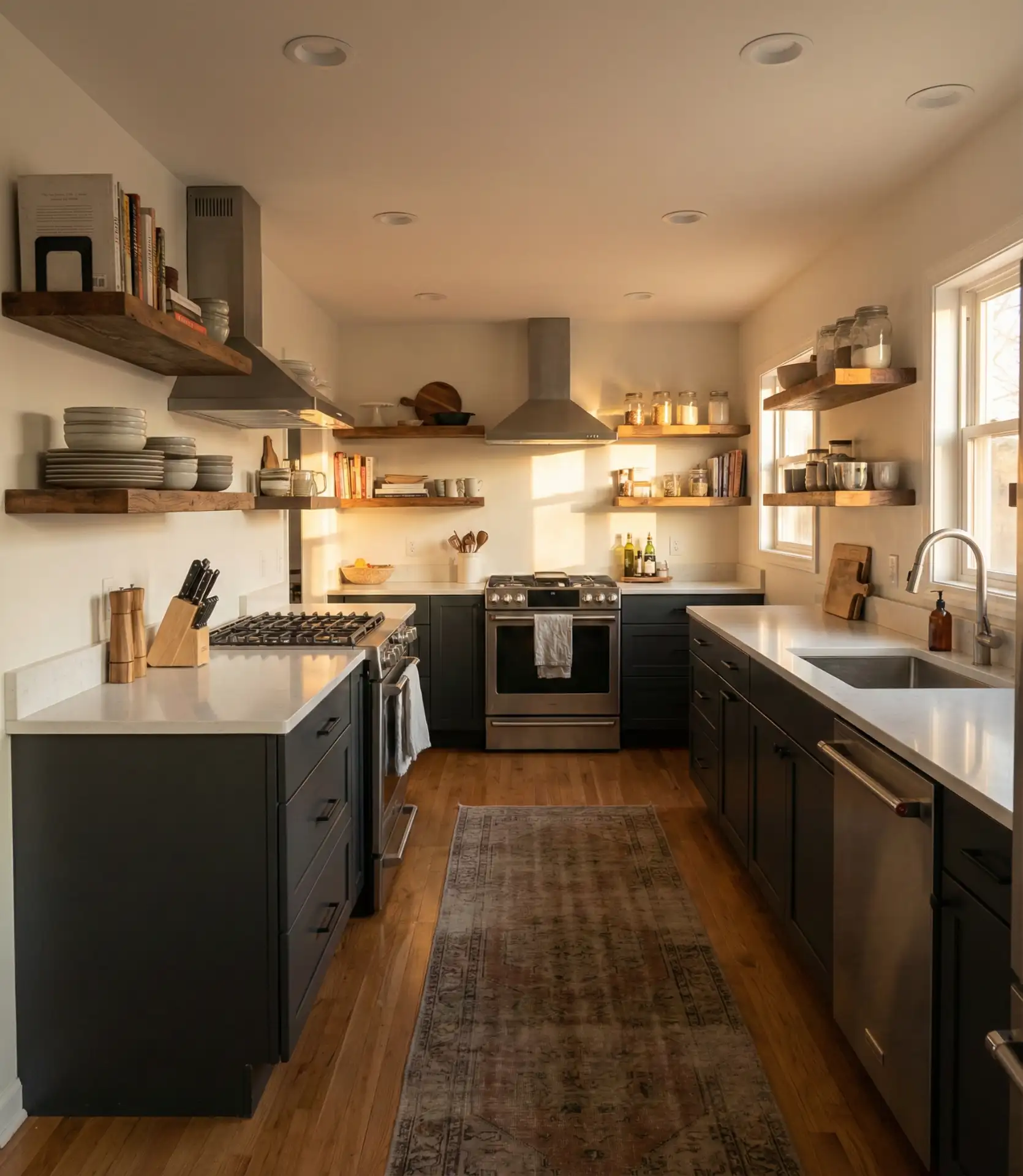
A long kitchen layout stretches the galley concept into a spacious, linear workspace, often exceeding 12 feet in length. This design allows for dual prep zones—one for hot cooking, the other for cold prep or assembly. It’s ideal for homes where two people cook together regularly, as each zone can operate independently without crowding. This layout thrives in renovated brownstones, modern condos, and open-plan homes where the kitchen runs along one wall.
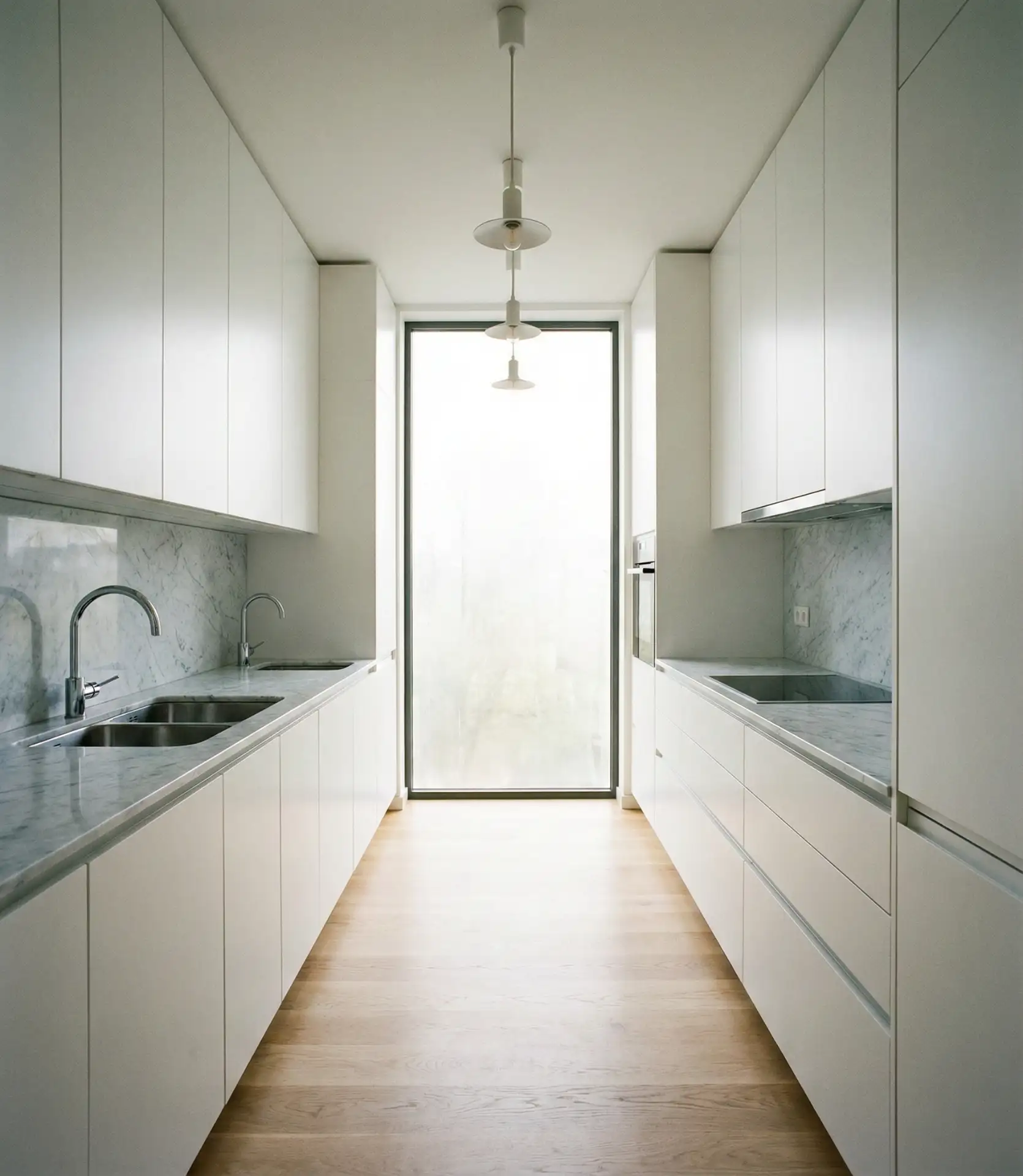
One common mistake is failing to break up the visual length—without some variation in cabinetry or counter height, the space can feel monotonous. Many designers introduce a floating shelf, a different backsplash material, or a contrasting island midway through to create visual interest. This layout also benefits from task lighting at each prep zone, ensuring every corner is well-lit and functional.
14. Peninsula Kitchen for Semi-Open Plans
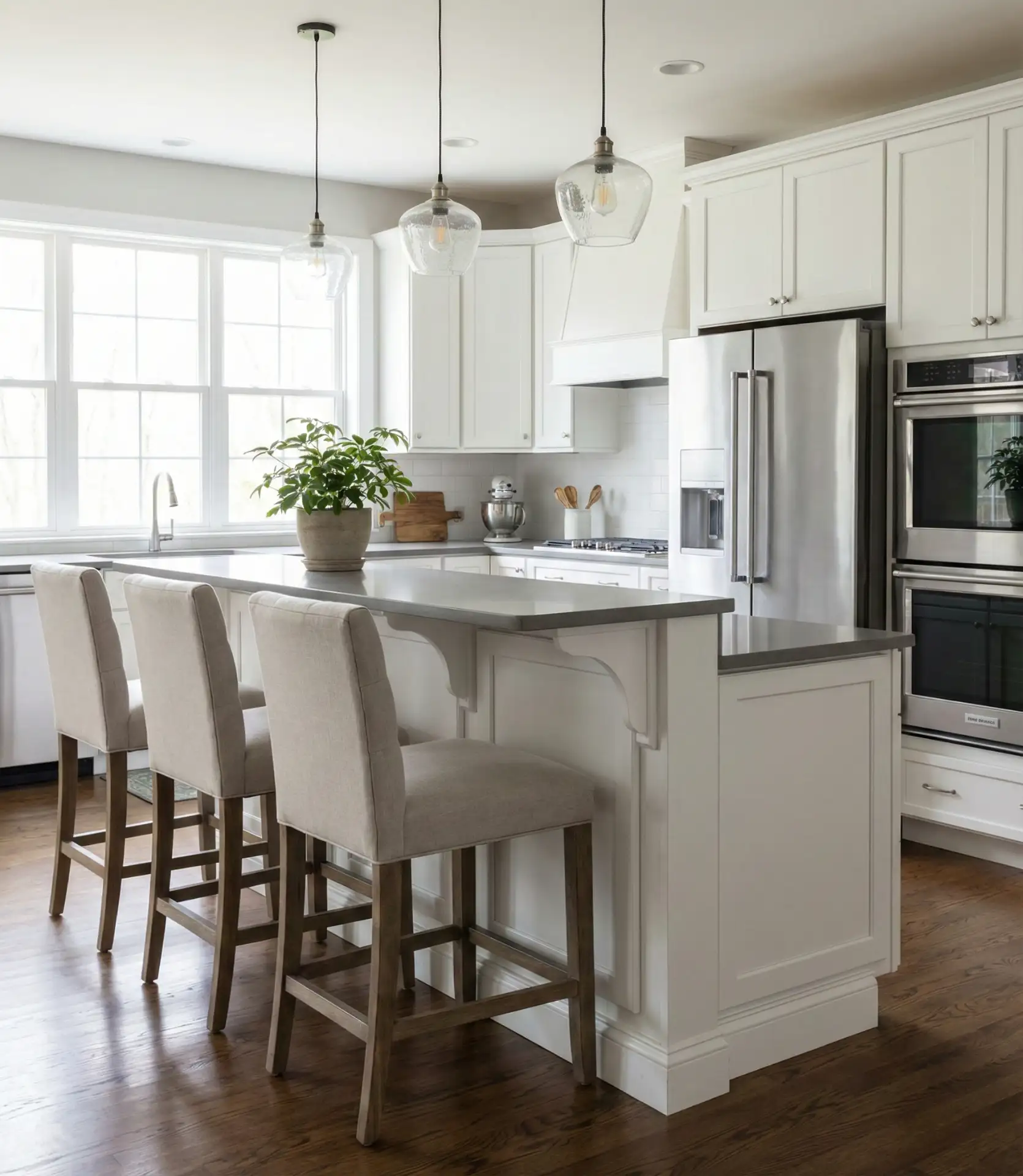
A peninsula layout extends cabinetry from the wall into the room, creating a partial barrier between the kitchen and adjacent living space. It offers many of the benefits of an island without requiring as much floor space, making it a smart choice for medium-sized kitchens. The peninsula often houses seating on one side and storage or appliances on the other. It’s especially common in ranch-style homes and split-level houses across the Sun Belt and Midwest.
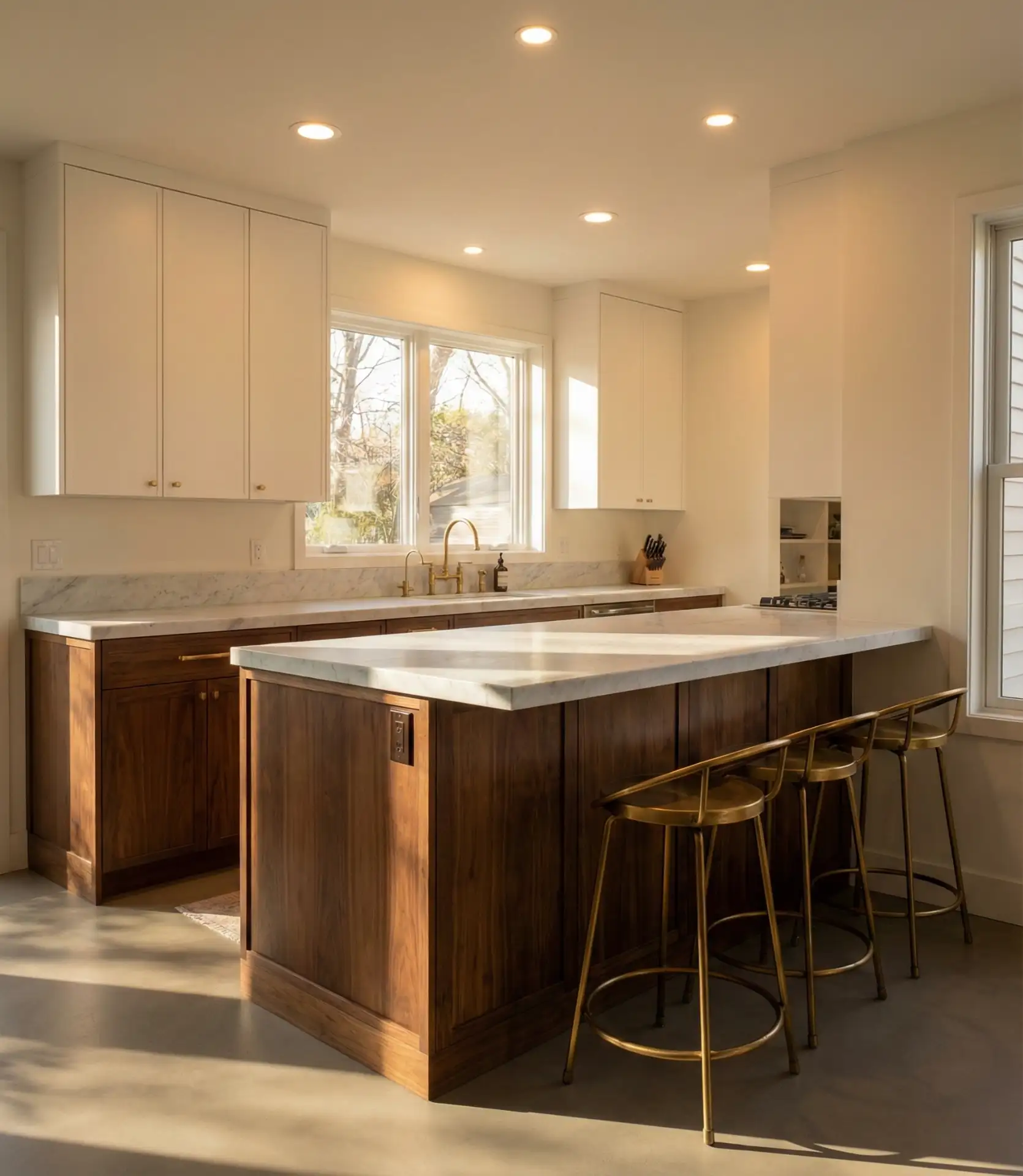
The peninsula works best when the base is at least 3 feet deep, giving you enough overhang for comfortable seating. Homeowners often use the kitchen-facing side for extra drawers or a wine fridge, while the living room side stays clean and minimal. This layout is also easier to retrofit into existing homes than a full island, as it doesn’t require major structural changes or rerouting plumbing.
15. Ideas with Island and Hidden Pantry
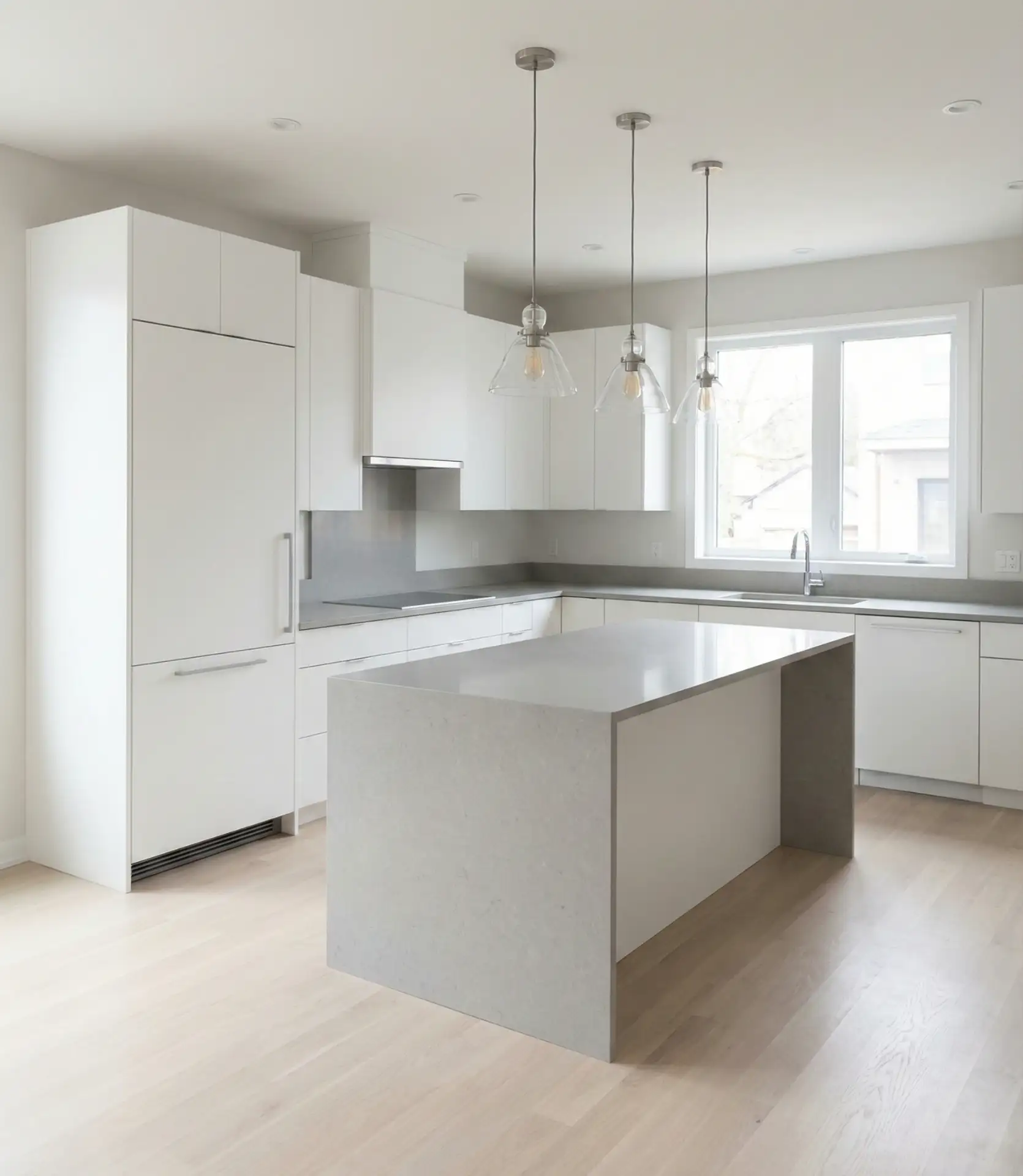
Combining ideas with island functionality and a hidden pantry creates a sleek, uncluttered kitchen where storage is abundant but invisible. The island serves as the main prep and gathering space, while a floor-to-ceiling pantry cabinet disguised as regular cabinetry keeps dry goods, small appliances, and overflow items out of sight. This approach is ideal for open-concept homes where you want the kitchen to feel clean and minimal, even when it’s fully stocked.
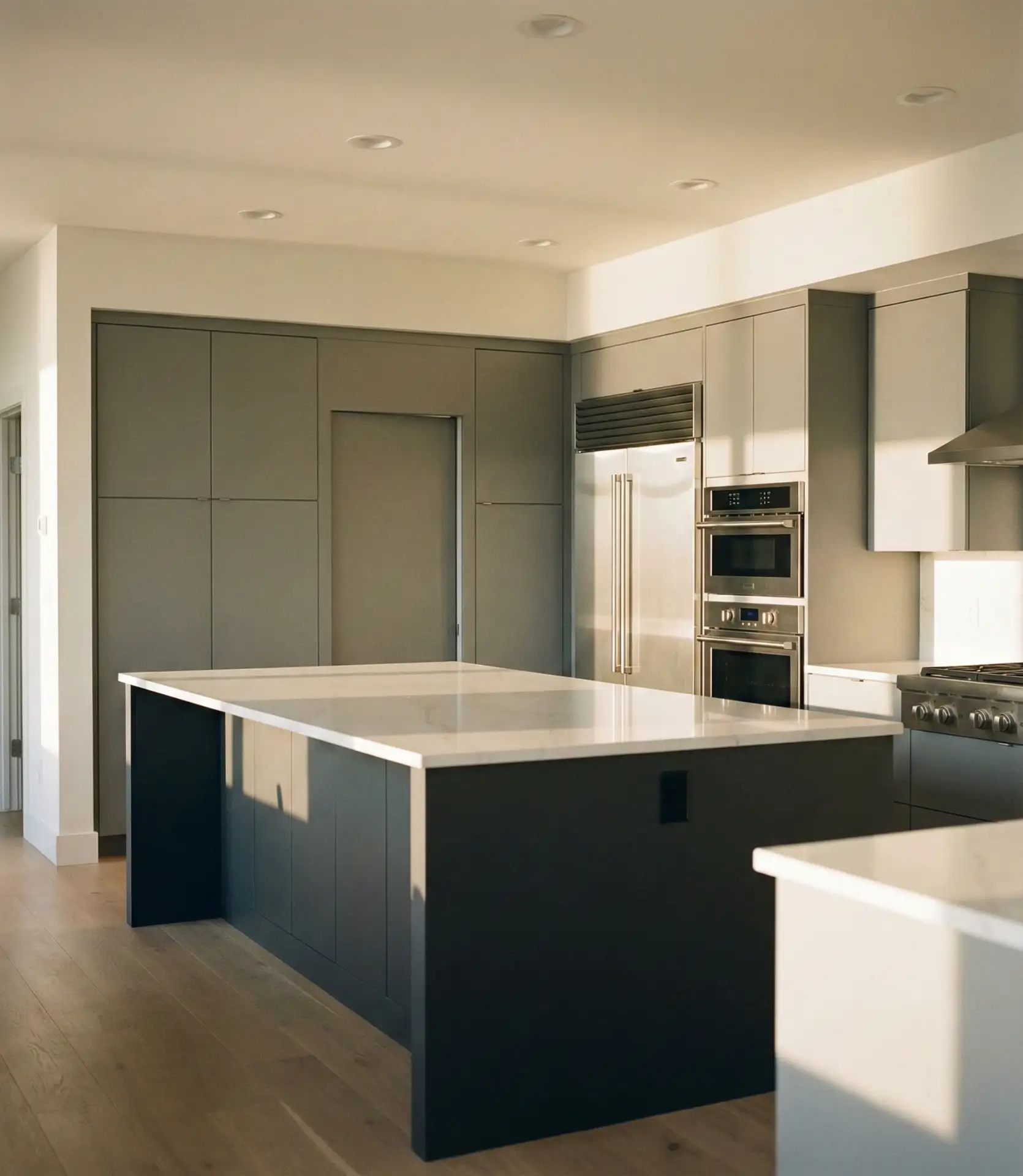
Hidden pantries typically range from $1,500 to $4,000 depending on size and finish, but they solve the visual clutter problem that plagues many open kitchens. Real homeowners who install these often say the biggest benefit is psychological—knowing everything has a place makes daily cooking feel less chaotic. The island remains the star of the room, while the pantry quietly handles the heavy lifting.
16. Drawing-Inspired Layout Planning
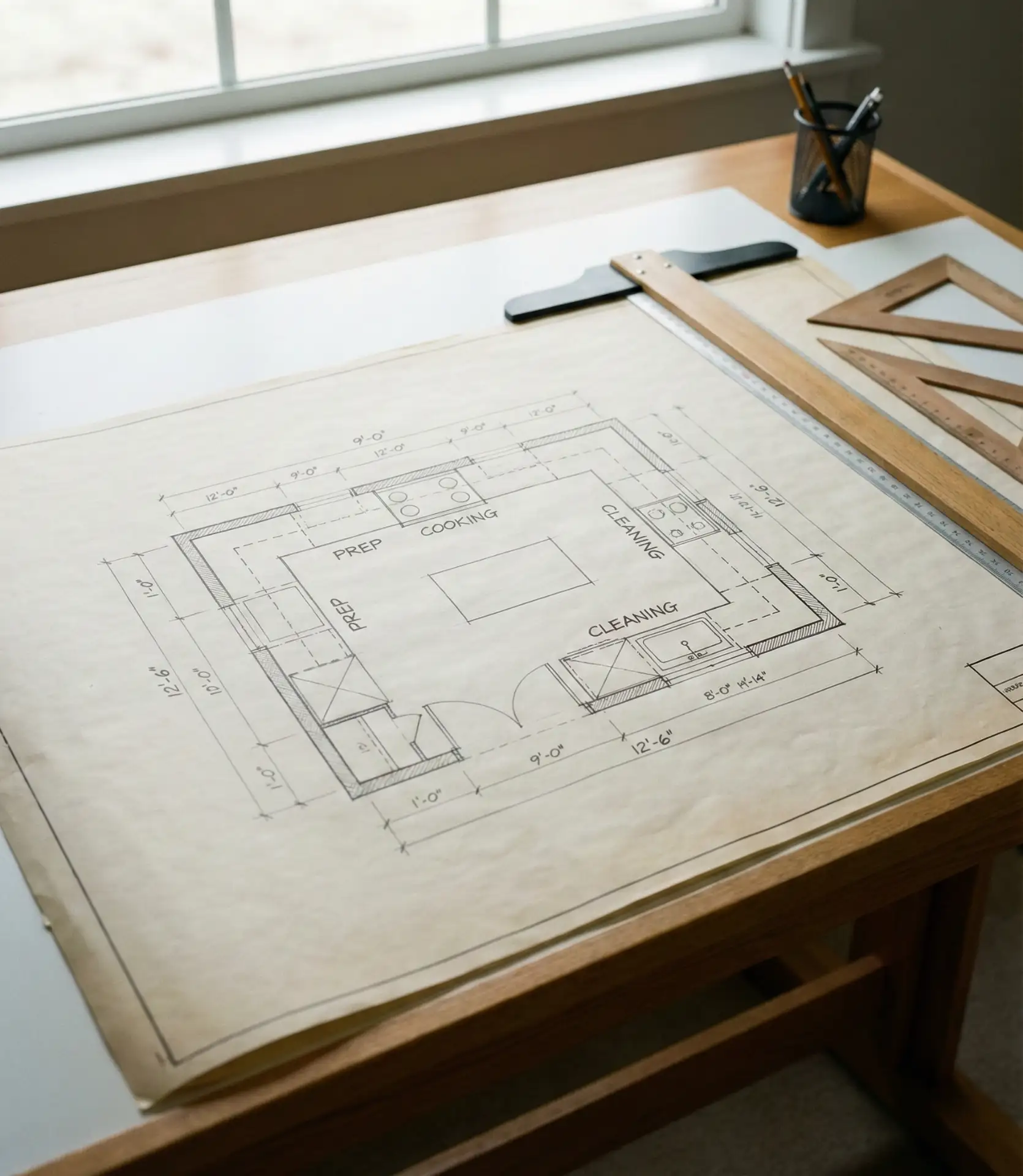
Before breaking ground on any kitchen renovation, creating a detailed drawing of the layout helps visualize traffic flow, appliance placement, and storage needs. This planning phase is critical for avoiding costly mistakes and ensuring the final design works for your household. Many homeowners start with graph paper or free online tools, sketching out ideas and iterating until the proportions feel right. It’s a step that saves time, money, and regret.
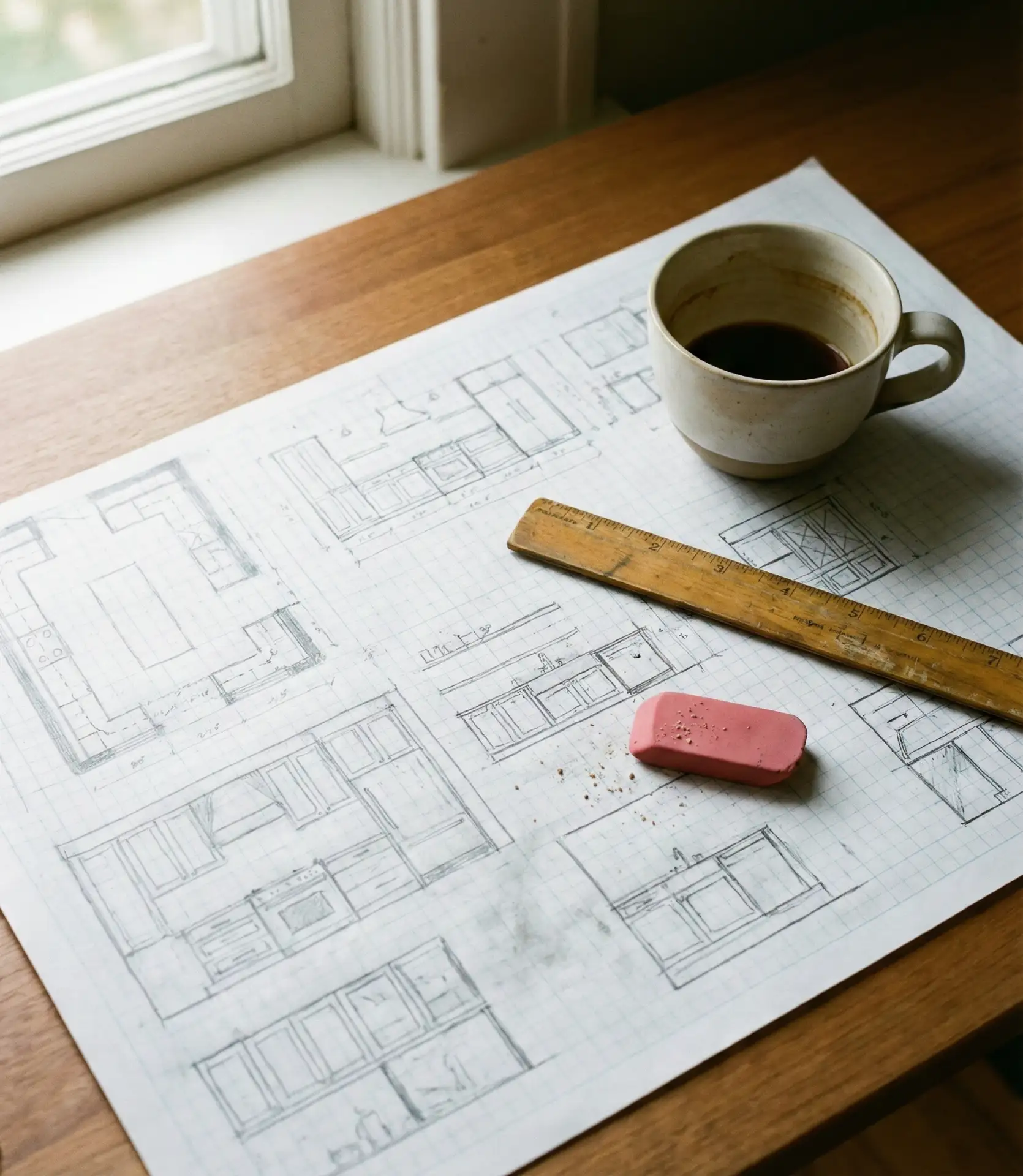
Expert designers recommend drawing multiple versions of your layout, testing different appliance placements and traffic patterns on paper before committing. This process often reveals small adjustments—like swapping the fridge and pantry locations—that make a huge difference in daily use. It’s also a chance to identify which features are non-negotiable versus nice-to-have, helping you stay within budget without sacrificing function.
17. Compact Square Layout with Corner Efficiency
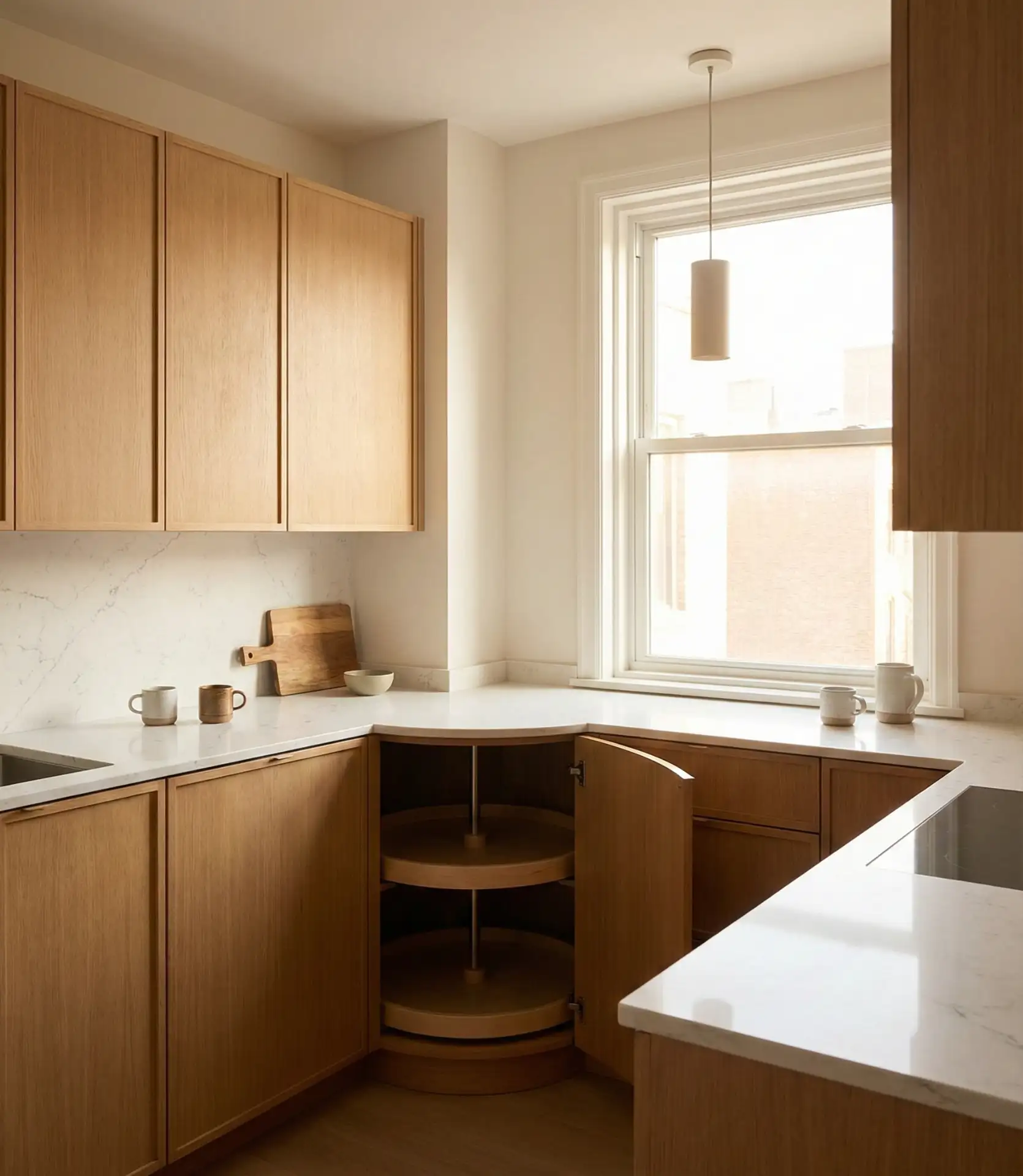
A compact square kitchen maximizes every inch by using smart corner solutions like lazy Susans, pull-out shelves, and diagonal cabinetry. This layout keeps the work triangle tight, reducing steps between the sink, stove, and fridge. It’s a practical choice for smaller homes, condos, or in-law suites where you need full kitchen functionality in a limited footprint. The square shape also creates natural zones for prep, cooking, and cleanup.
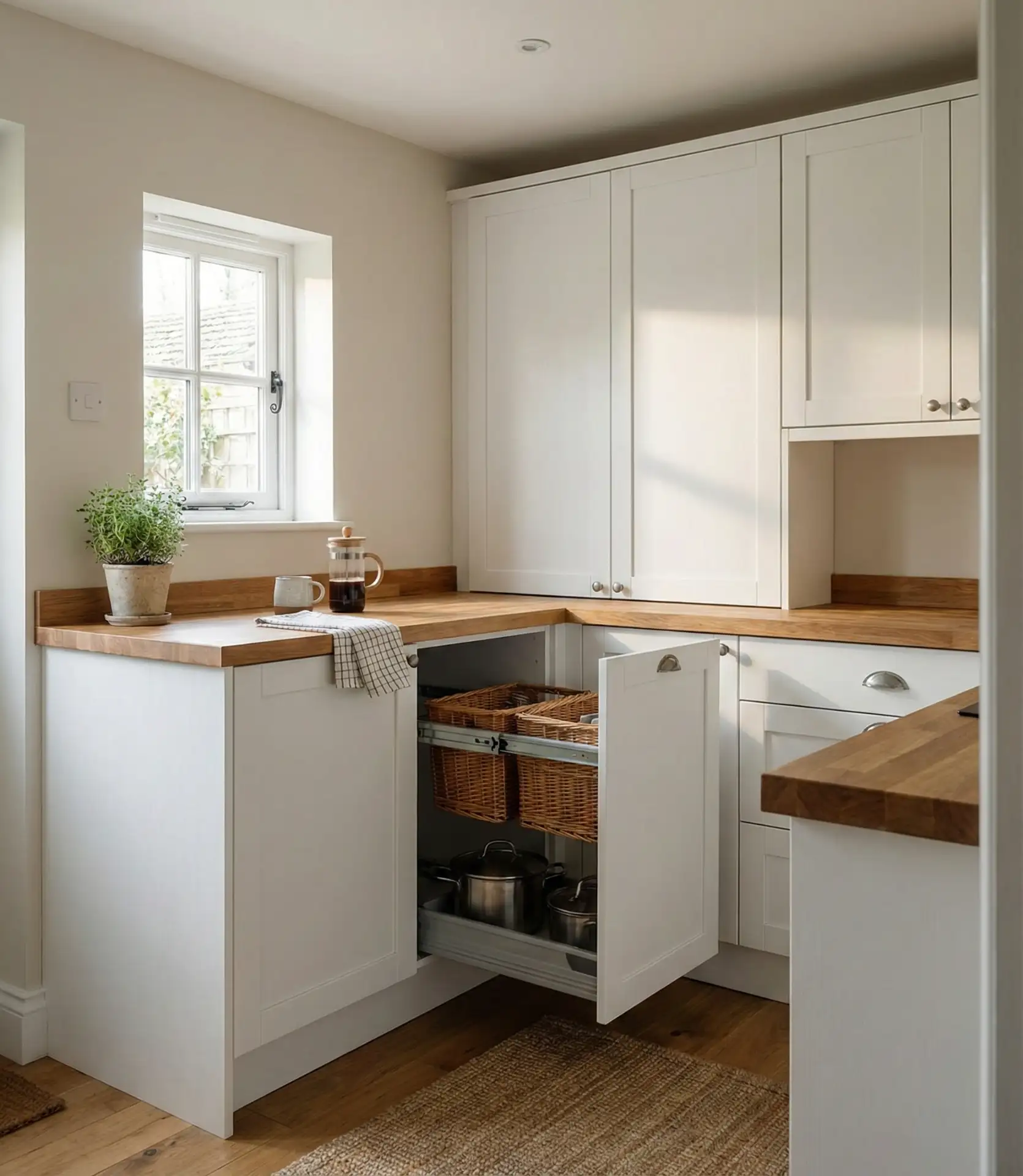
This layout works best when you invest in high-quality corner hardware—cheap mechanisms jam or break within a year, turning prime storage into a frustration. Homeowners who nail this layout often treat corners as specialty zones: one for pots and pans, another for baking sheets and cutting boards. The square footprint also lends itself to symmetry, which can make even a small kitchen feel calm and orderly.
18. Open a shelving wall for visual lightness.

Dedicating one entire wall to open shelving creates an airy, gallery-like feel while keeping everyday dishes and glassware within easy reach. This design works particularly well in small galley or single-wall kitchens, where upper cabinets can make the space feel closed-in. The shelves display your most-used items, turning function into décor. It’s a popular choice in Scandinavian-inspired and minimalist kitchens across the Pacific Northwest and New England.
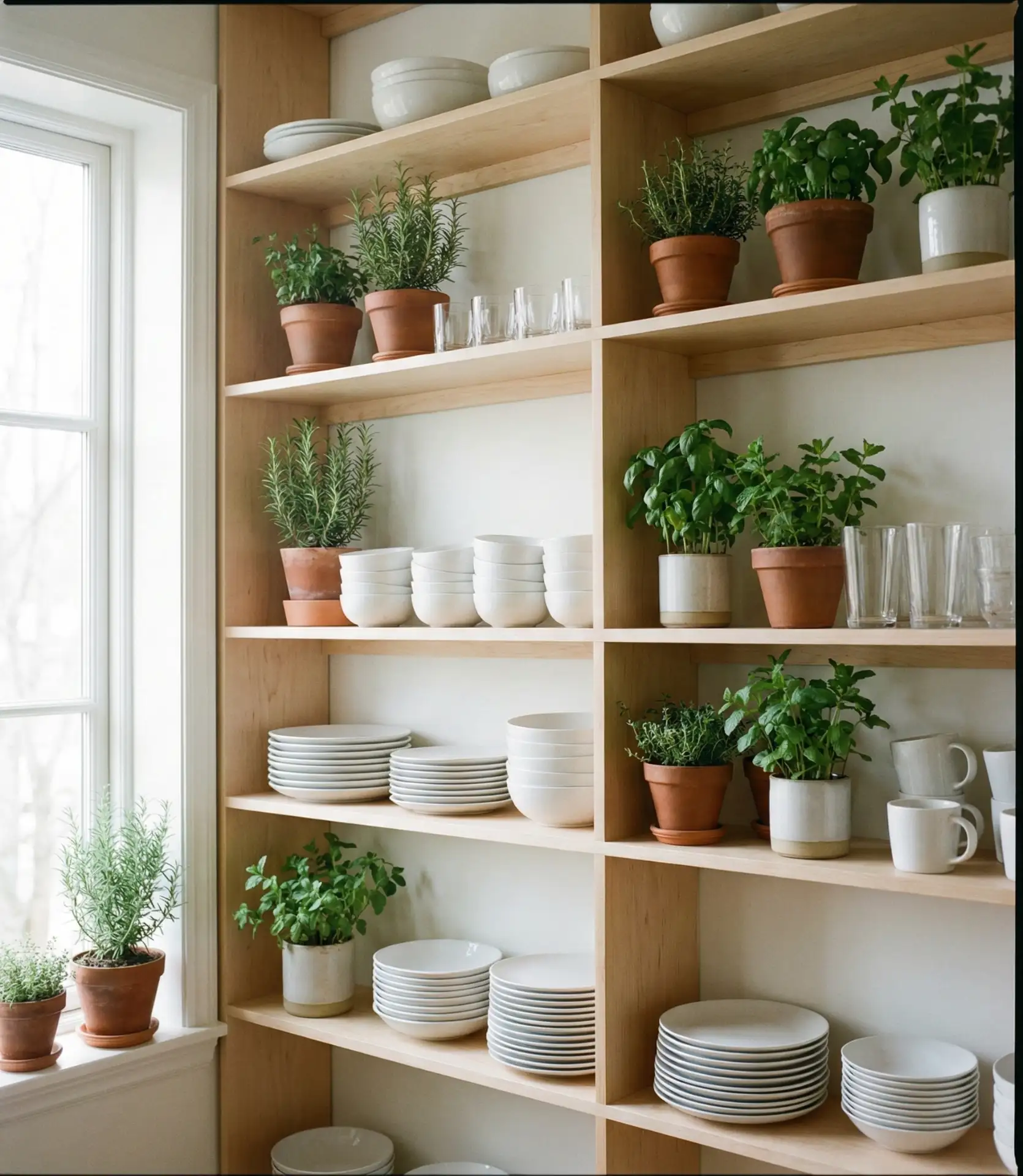
One thing to know: open shelving requires discipline—clutter shows immediately, and dust accumulates faster than in closed cabinets. But for those who cook daily and prefer to see their tools at a glance, it’s incredibly functional. Many homeowners mix open shelves with a few closed cabinets for items they’d rather hide, striking a balance between display and practicality.
19. A multifunctional island with built-in seating
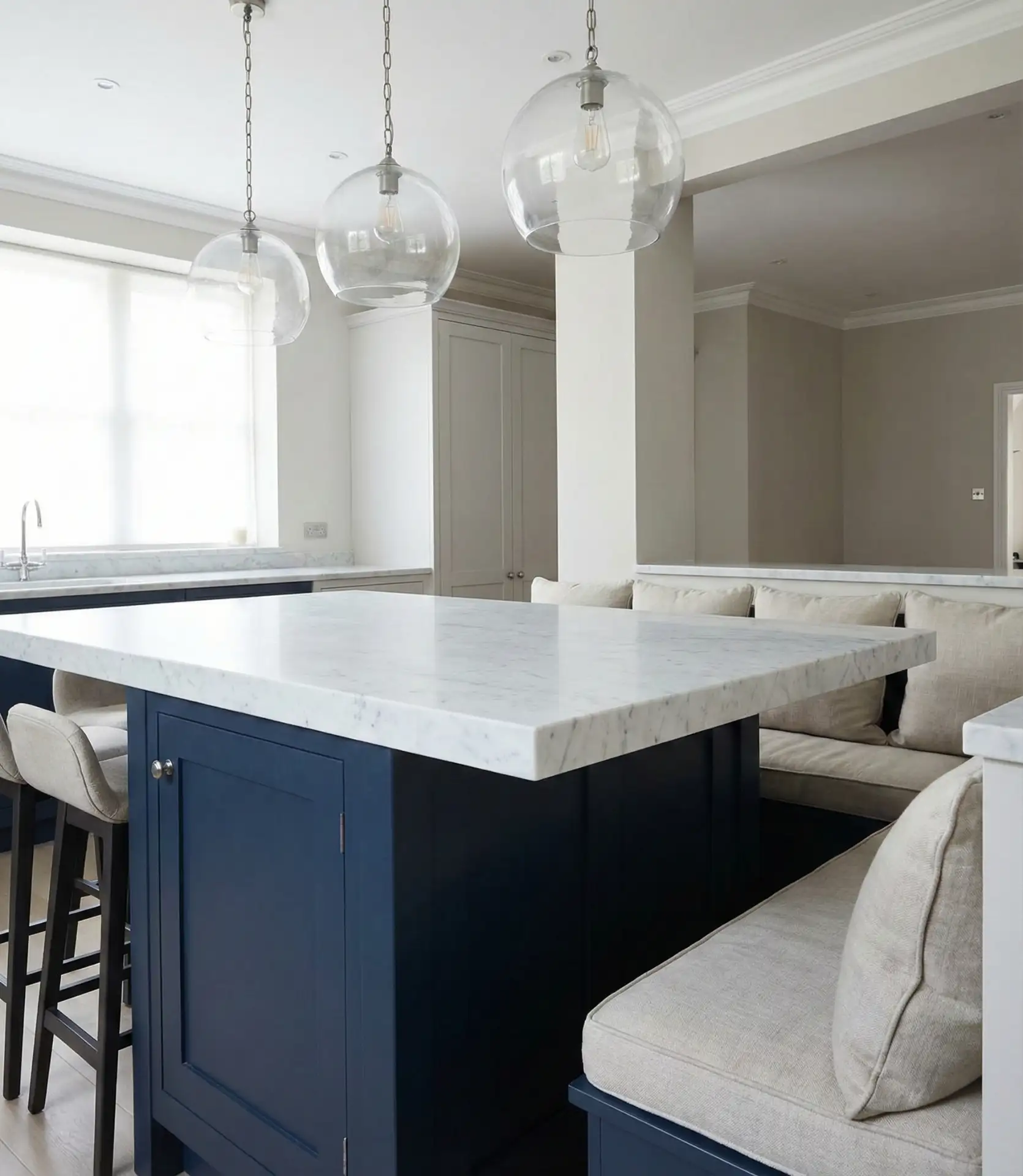
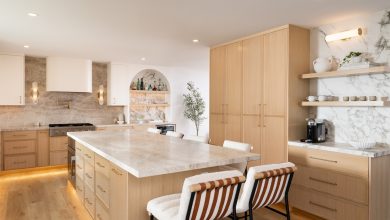
A multifunctional island does more than provide counter space—it integrates seating, storage, and sometimes even a cooktop or sink. This layout transforms the island into the true heart of the kitchen, where family gathers for breakfast, kids do homework, and guests linger during dinner parties. Built-in seating—whether a waterfall edge or overhang with stools—makes the island feel intentional and inviting. It’s a cornerstone of modern American kitchen design.
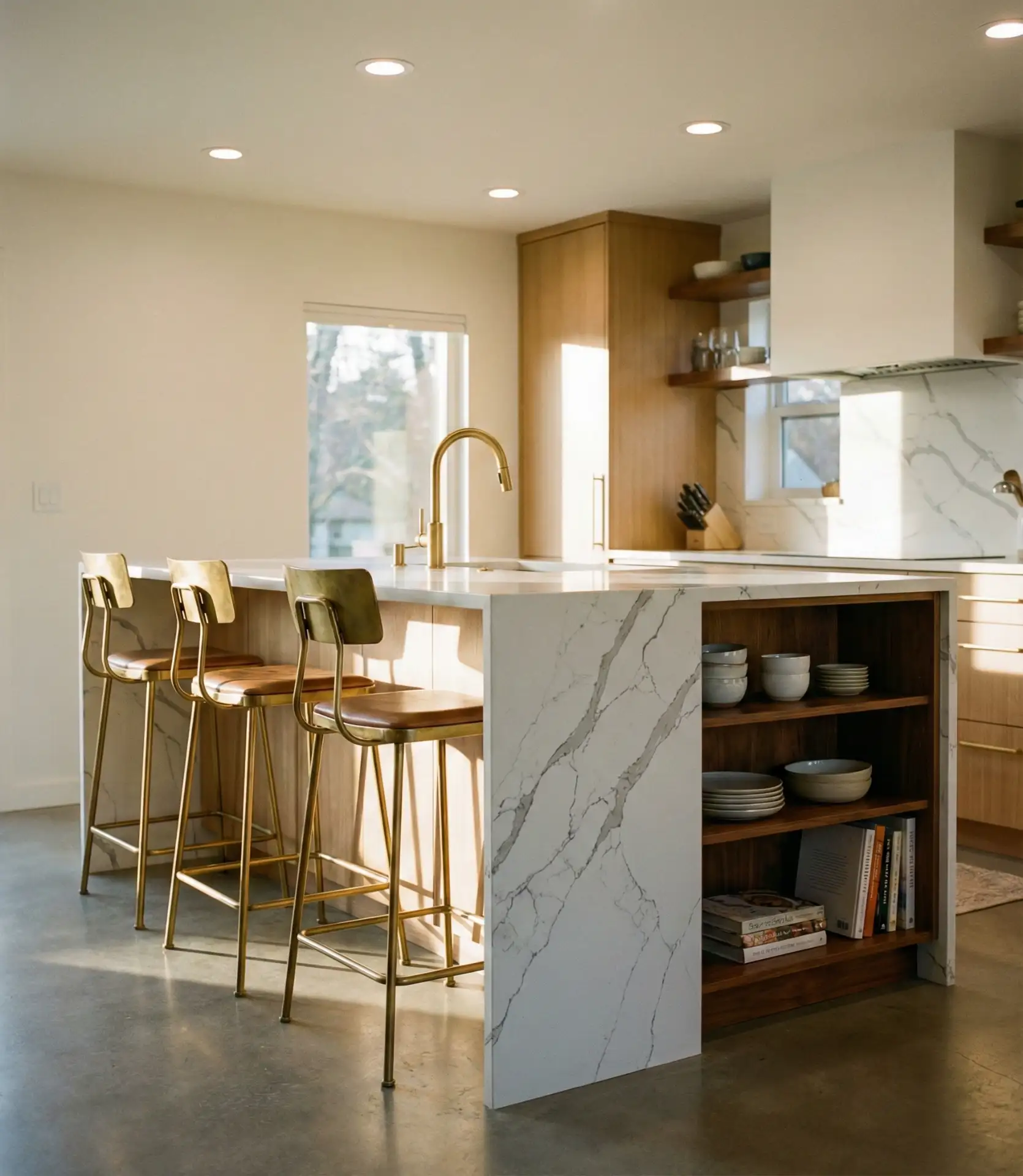
Where this style works best: homes with open floor plans and at least 10×14 feet of kitchen space, giving you room to walk around the island comfortably. In the South and Southwest, islands often include a second sink or beverage fridge, turning them into self-sufficient zones. The seating overhang should be at least 12 inches deep for comfort and ideally 15 inches if you’re using full-size dining chairs.
20. Plans with Dedicated Beverage Station
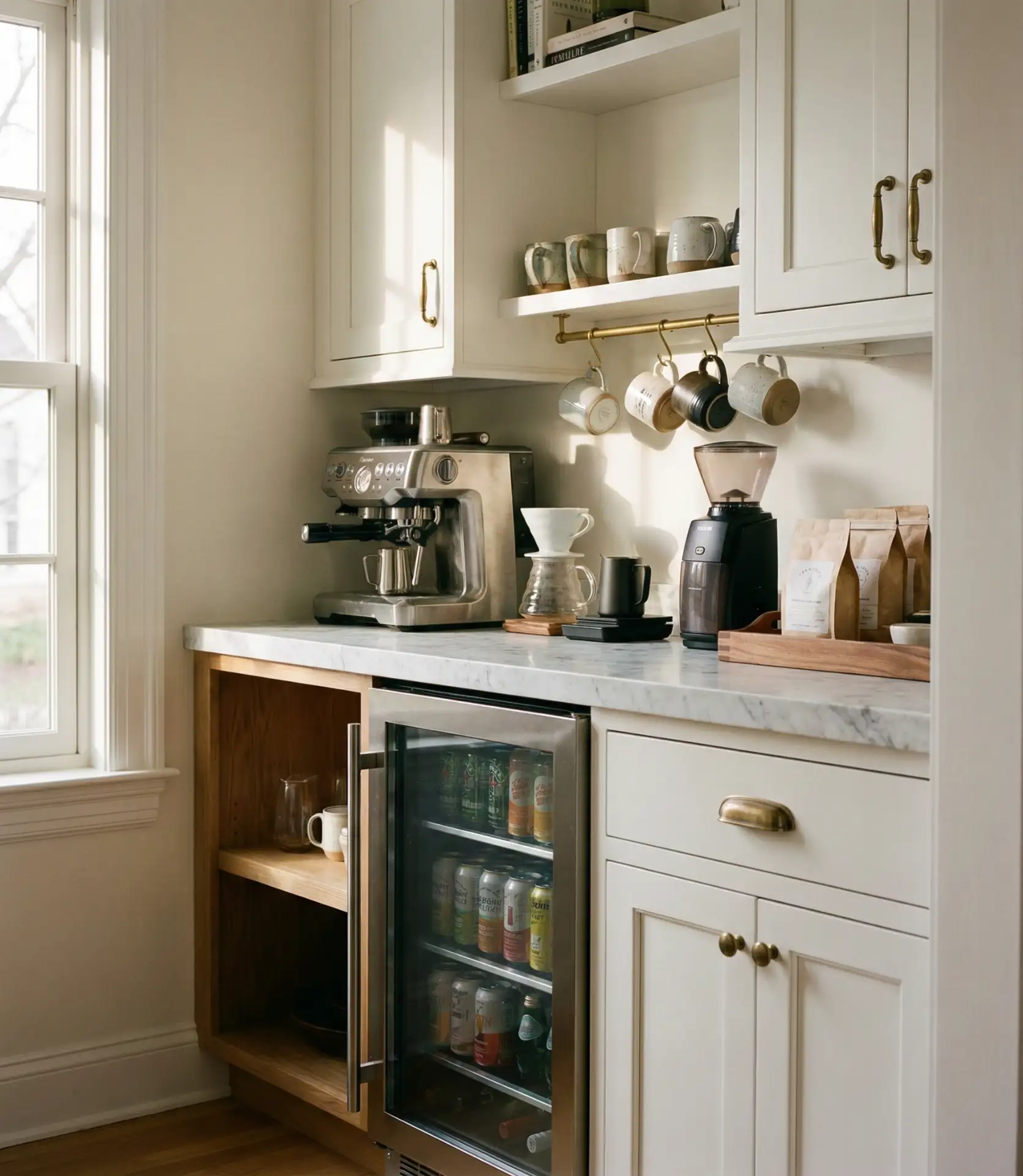
Modern kitchen plans increasingly include a dedicated beverage station—a compact zone with a coffee maker, kettle, mugs, and occasionally a small fridge for cream and cold brew. This setup keeps morning routines out of the main cooking area, which is especially valuable in homes where multiple people need caffeine at once. It can be as simple as a countertop nook or as elaborate as a built-in cabinet with a water line. Ideas like this reflect how kitchens adapt to real daily habits.
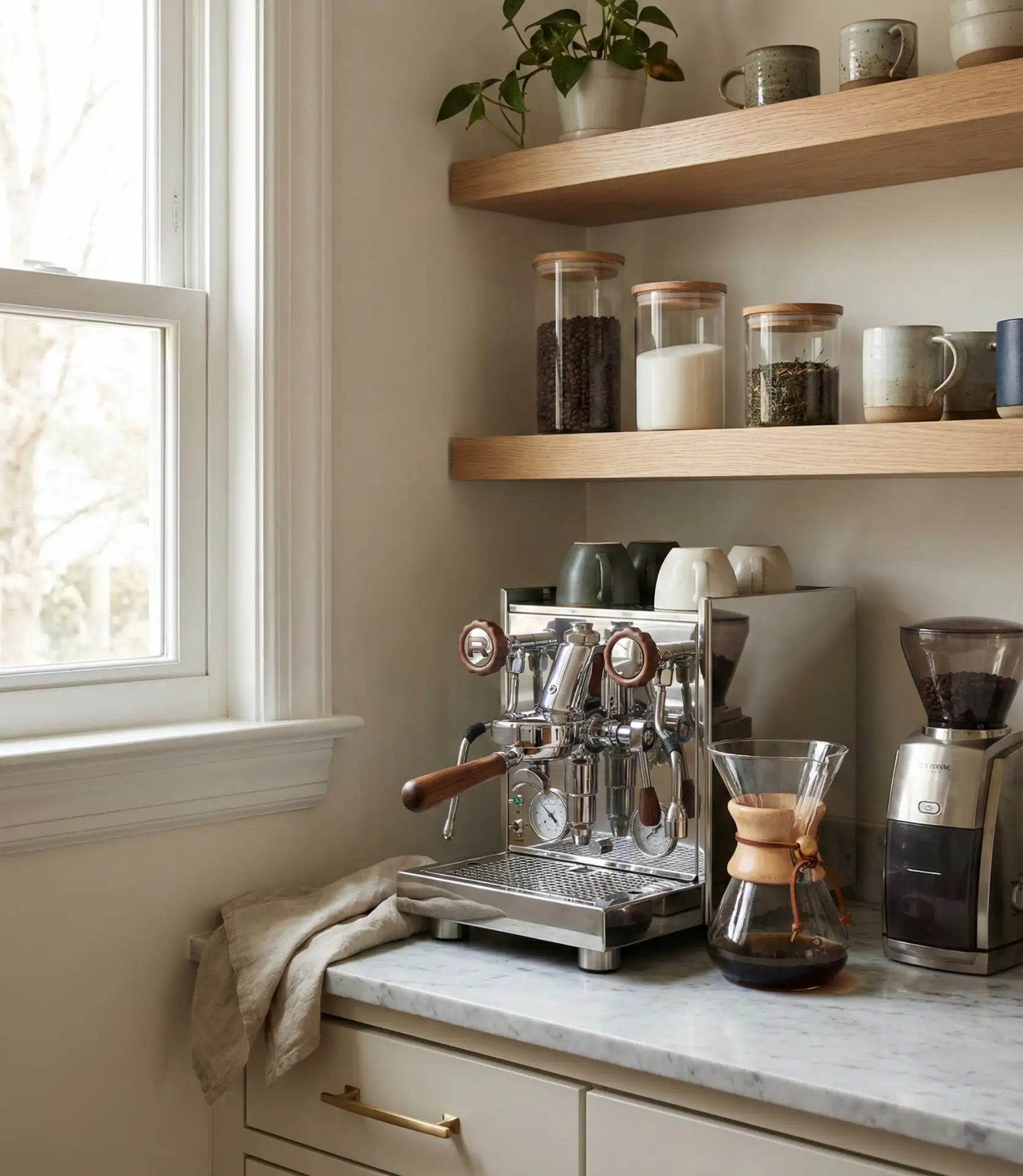
Real homeowners frequently cite beverage stations as one of the most frequently utilized kitchen upgrades, ranking alongside the dishwasher and garbage disposal. The key is locating it near a water source but away from the main sink, so someone can make coffee without blocking the person washing dishes. A simple shelf and a dedicated outlet are all you really need, though some go all-in with a wine fridge or built-in espresso machine.
21. Flex-Space Kitchen for Remote Work Integration
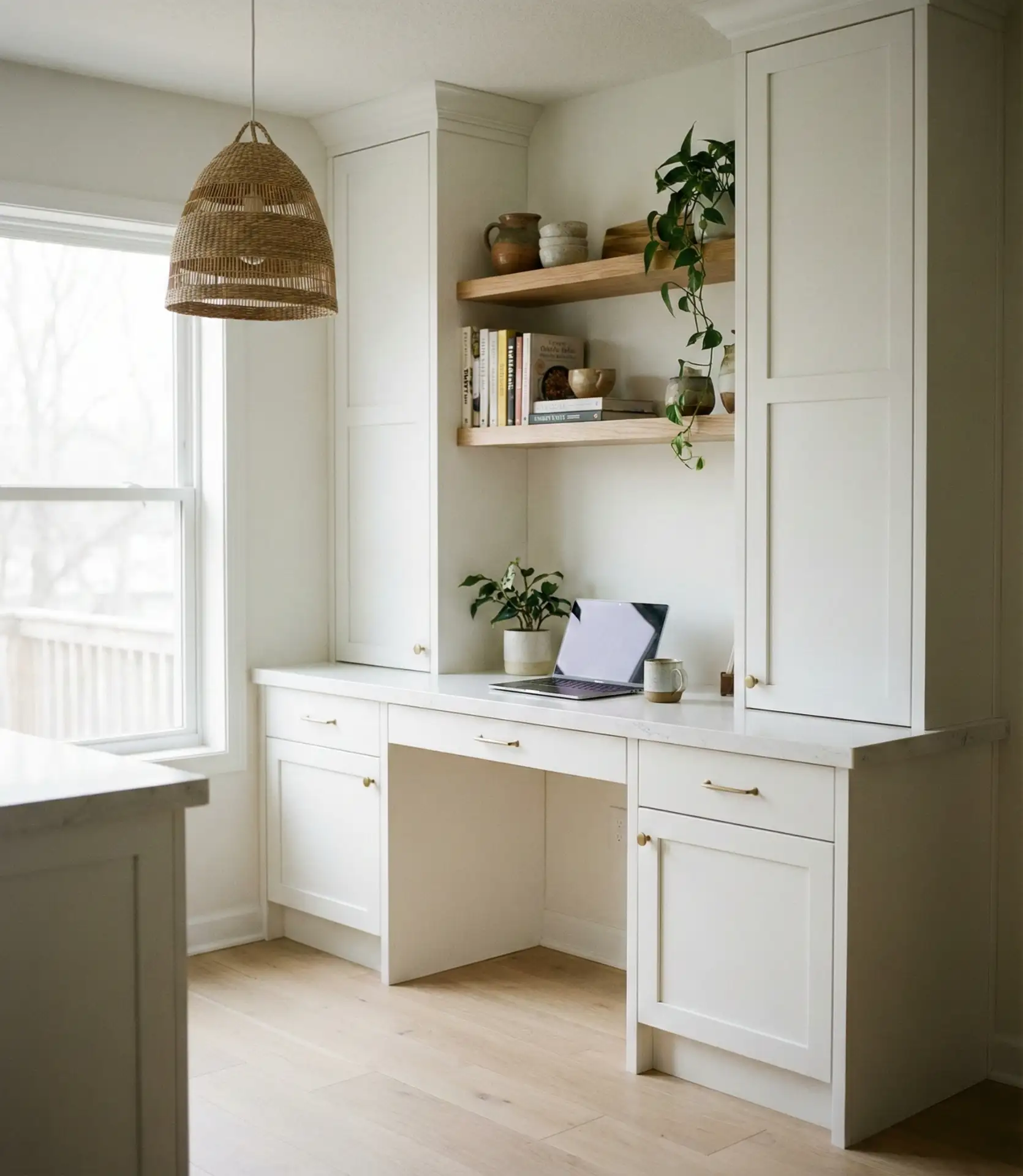
As remote work becomes a permanent fixture, kitchen layouts are evolving to include flex zones—a built-in desk, a charging station, or a small nook where someone can take a Zoom call without leaving the heart of the home. This layout acknowledges that the kitchen is no longer just for cooking; it’s a command center. The desk area is often tucked into a corner or along one wall, with good lighting and minimal visual clutter.
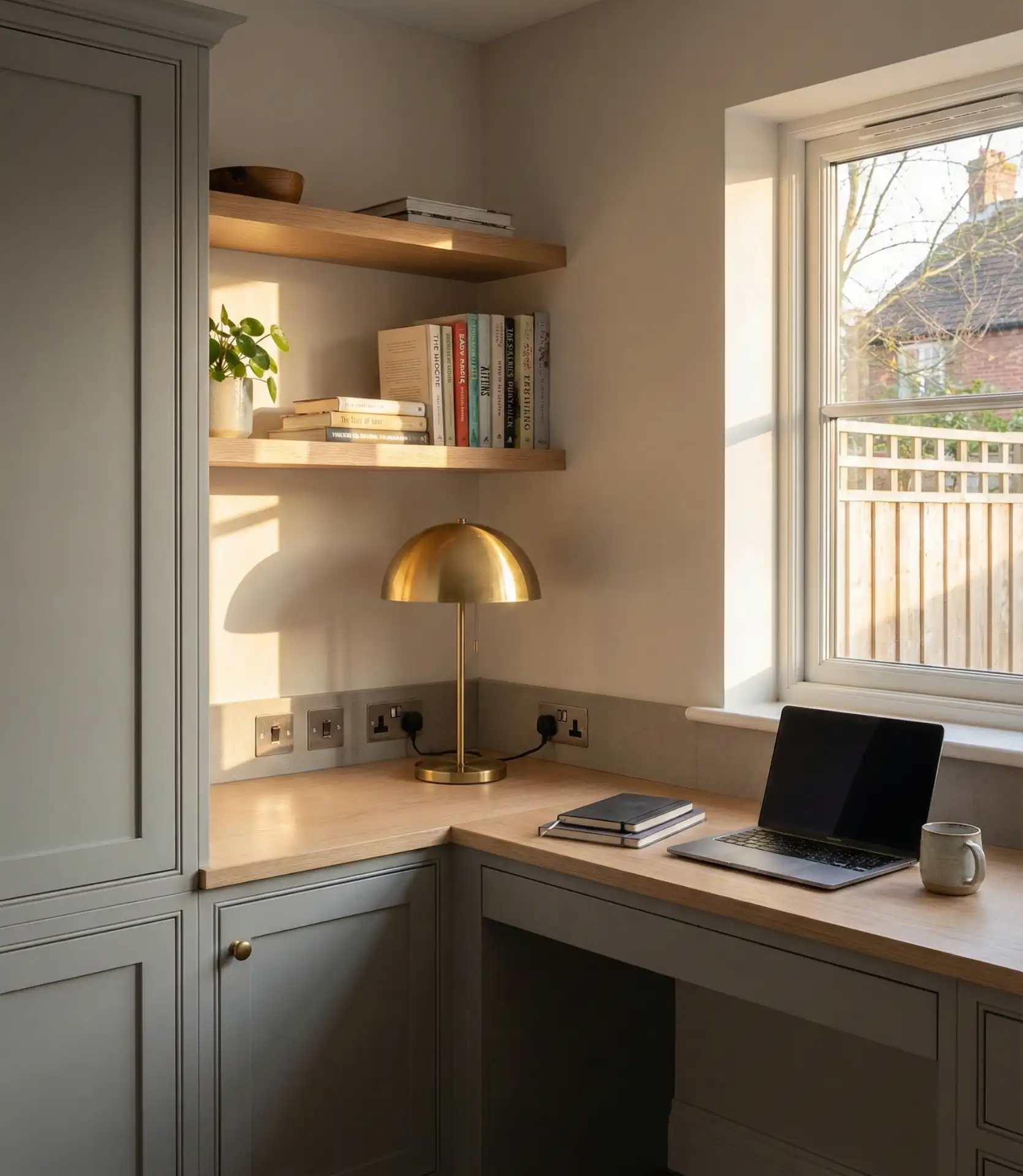
Suburban homes, where families require every room to serve multiple purposes, have increasingly adopted this setup. People often make the mistake of putting their desk too close to the stove or sink, where heat and splashes can be distracting. Instead, position it near a window with natural light and away from high-traffic zones, creating a semi-private workspace that still feels connected to the home’s pulse.
22. Timeless White Kitchen with Shape Flexibility
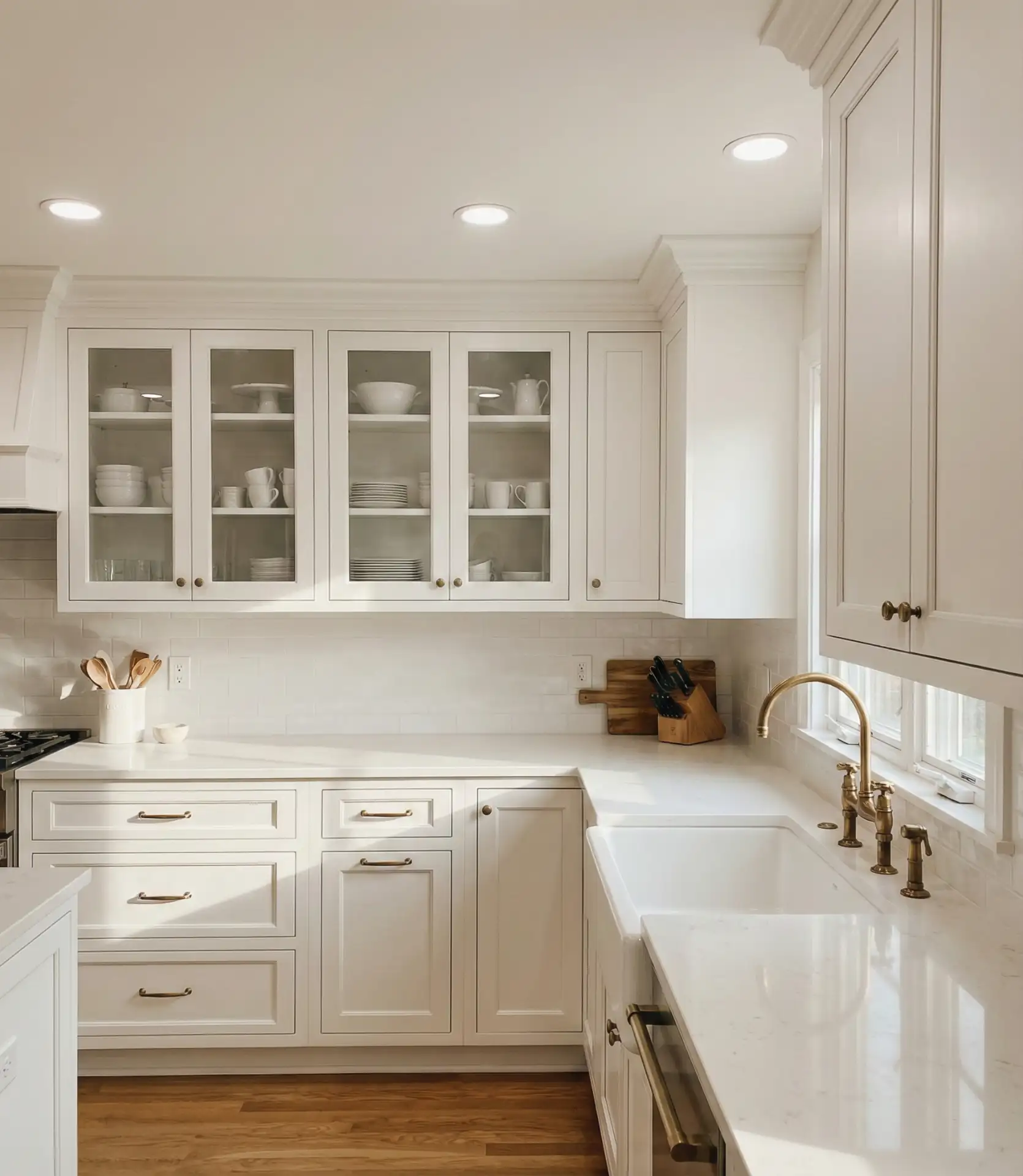
A timeless white kitchen adapts to almost any shape—L-shaped, U-shaped, galley, or island-centered—because the neutral palette keeps the focus on function and light. White cabinetry reflects natural light, making even narrow or oddly proportioned spaces feel open and airy. This approach has staying power, avoiding trendy colors that date quickly. It’s a safe, elegant choice that appeals to a wide range of tastes and resale markets across the country.
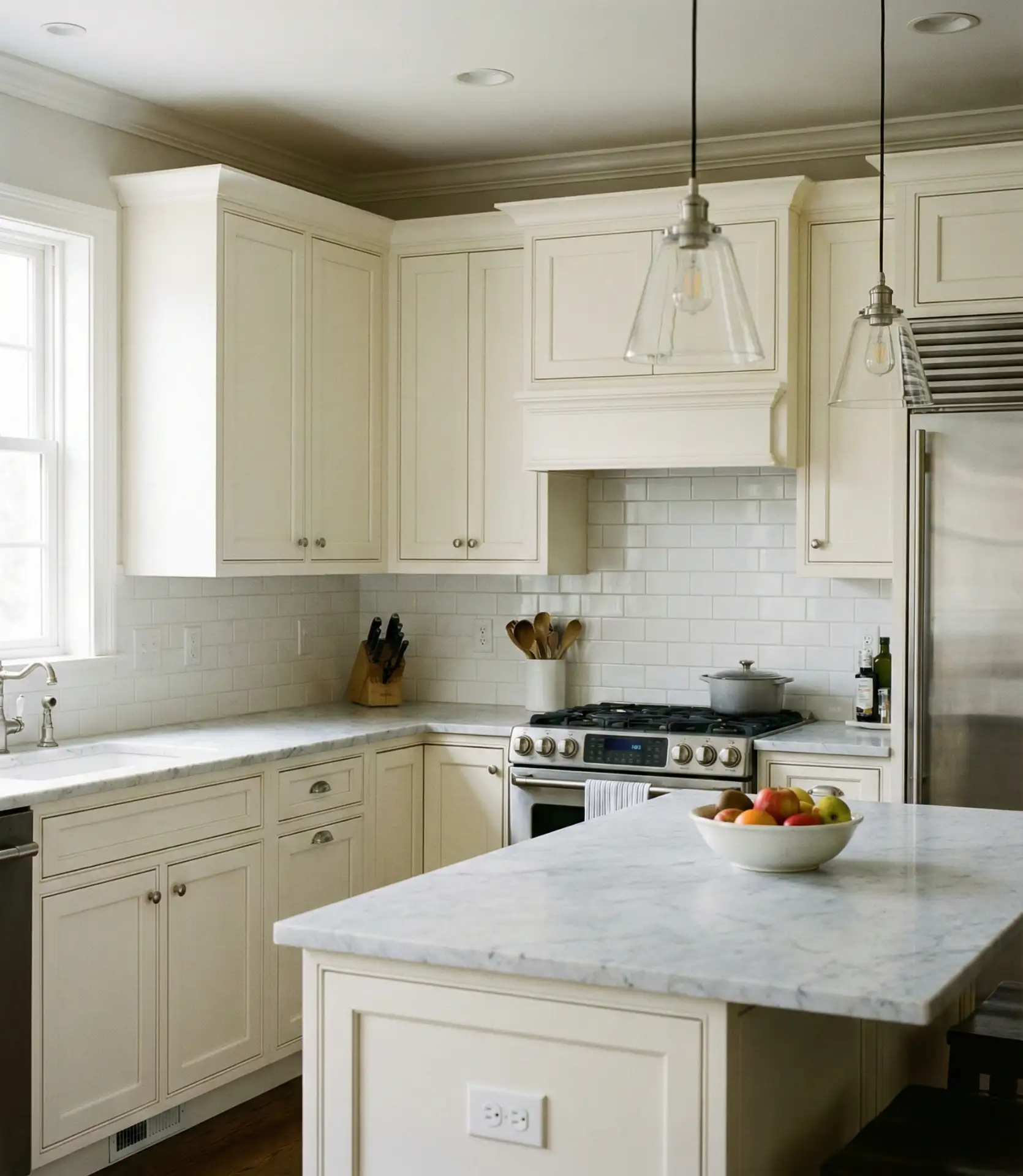
White kitchens remain popular because they’re easy to personalize—swap out hardware, change the backsplash, or add colorful accessories without a full renovation. Homeowners often layer in texture through wood cutting boards, woven baskets, or greenery to keep the space from feeling sterile. The flexibility to adapt over time is one of the biggest selling points of this classic approach.
23. Types of Island Configurations
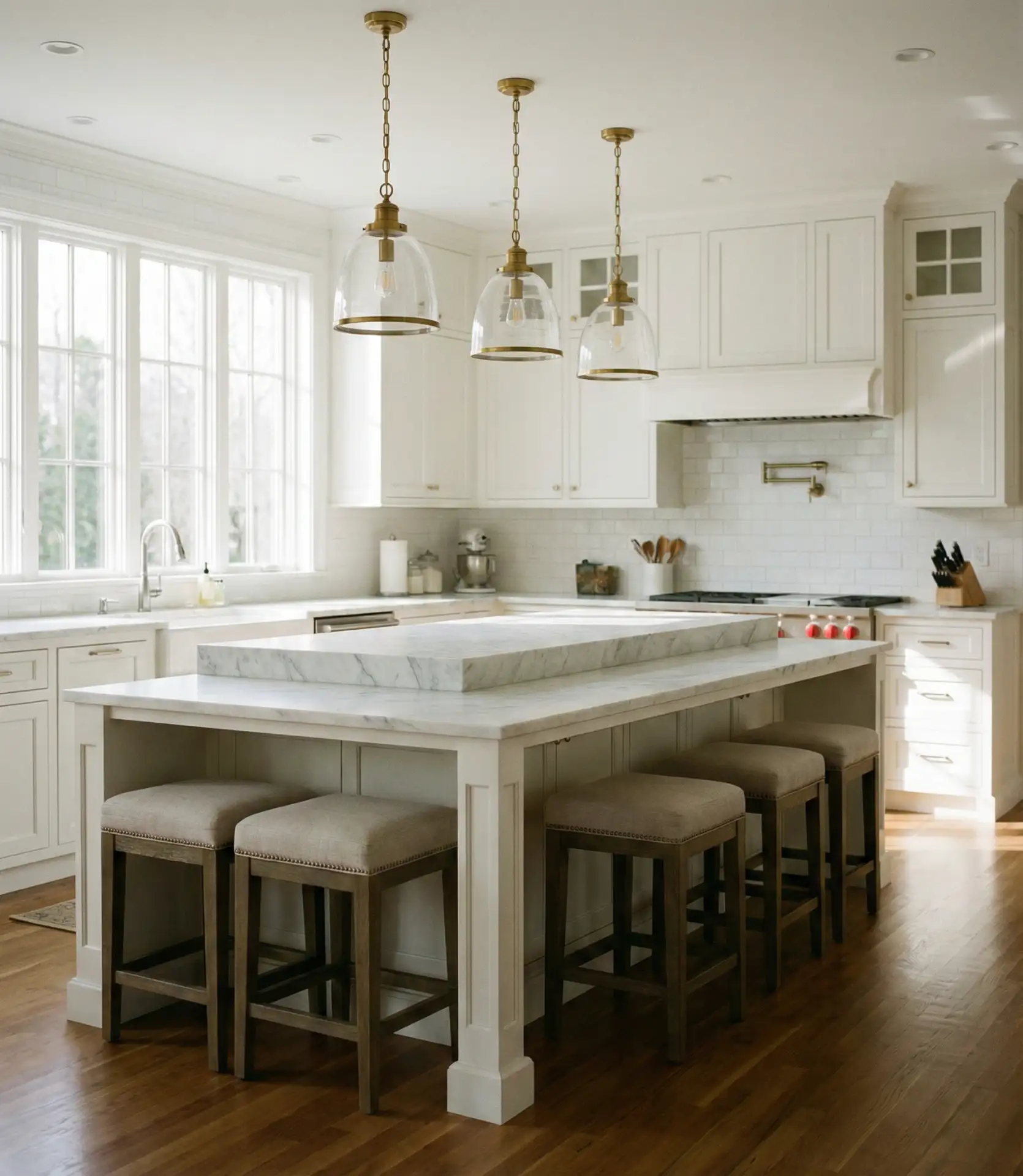
Understanding the different types of island configurations helps you choose the right one for your kitchen. Options include single-level islands for uniform prep space, two-tier islands that separate cooking from dining, and mobile islands that can be repositioned as needed. Some islands house sinks or cooktops, while others remain purely for prep and storage. The choice depends on your layout, budget, and how you use the kitchen daily.
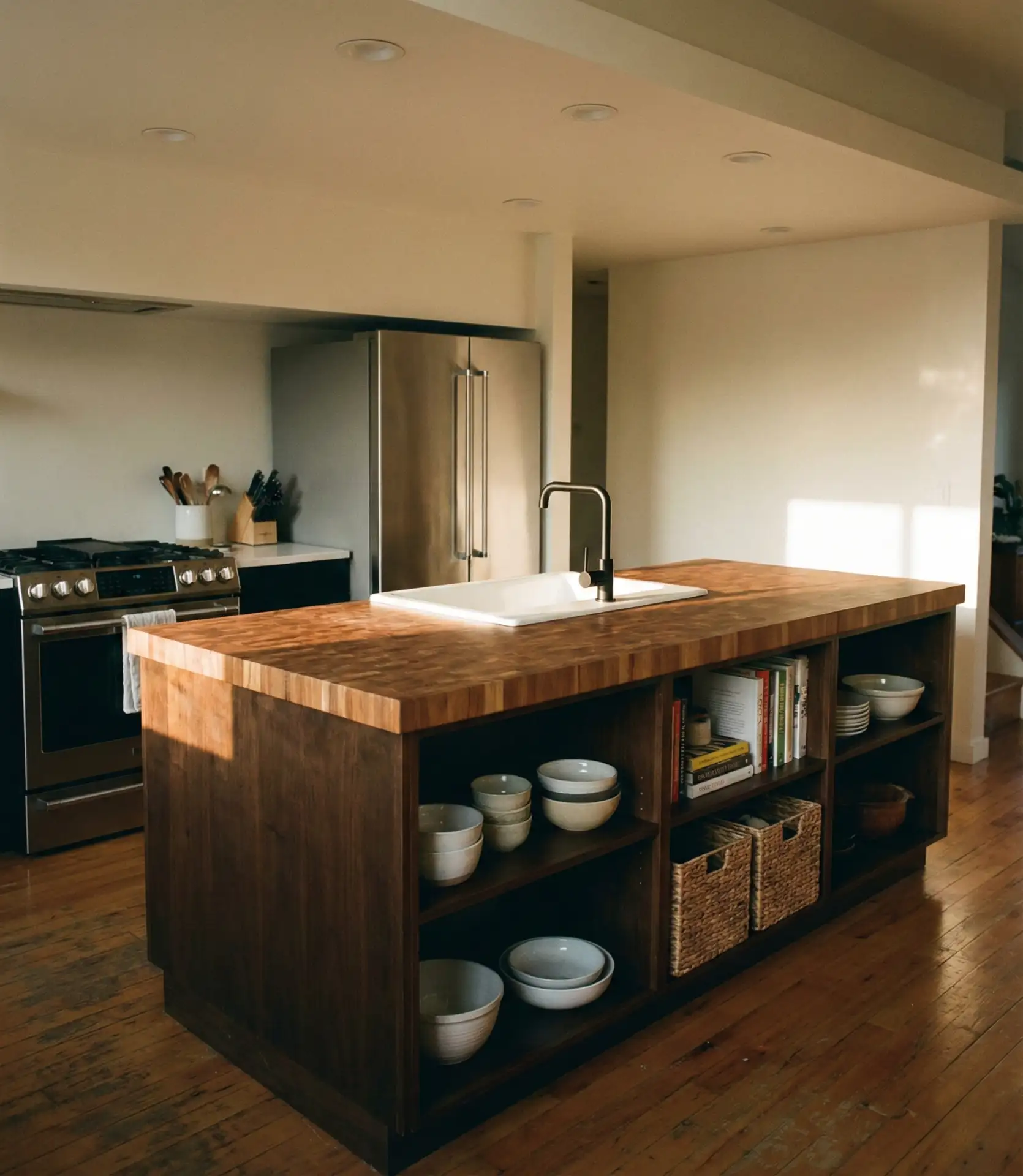
Budget-conscious homeowners sometimes start with a freestanding island—like a butcher block cart—and upgrade to a built-in version later. This staged approach lets you test the island’s placement and functionality before committing to plumbing or electrical work. It’s also easier to sell or repurpose if your needs change, making it a practical entry point into island ownership.
Whether you’re drawn to the efficiency of a galley kitchen or the social energy of a double island, the right layout reflects how you cook, gather, and move through your day. These ideas offer a starting point, but the best kitchen is always the one tailored to your home and habits. We’d love to hear which layouts resonated with you—drop a comment below and share what you’re planning for your own kitchen in 2026.