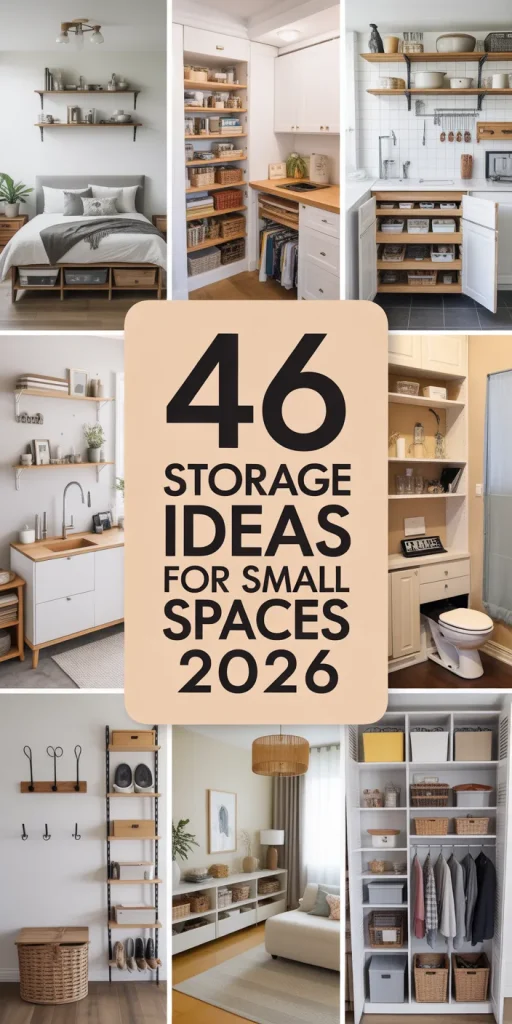
46 Genius Storage Ideas for Small Spaces That Will Transform Your Home in 2026

As we move into 2026, American homes continue to shrink while our belongings seem to multiply. Whether you’re living in a studio apartment in Brooklyn or a compact bungalow in Portland, the challenge of finding space for everything remains universal. Pinterest users are flocking to search for storage solutions that blend function with style—proof that small-space living doesn’t mean sacrificing design. This guide offers creative, proven ideas to help you reclaim every inch of your home without cluttering your aesthetic. From hidden compartments to vertical wall systems, you’ll discover storage approaches that work with your lifestyle, not against it.
1. Vertical Bathroom Shelving Above the Toilet
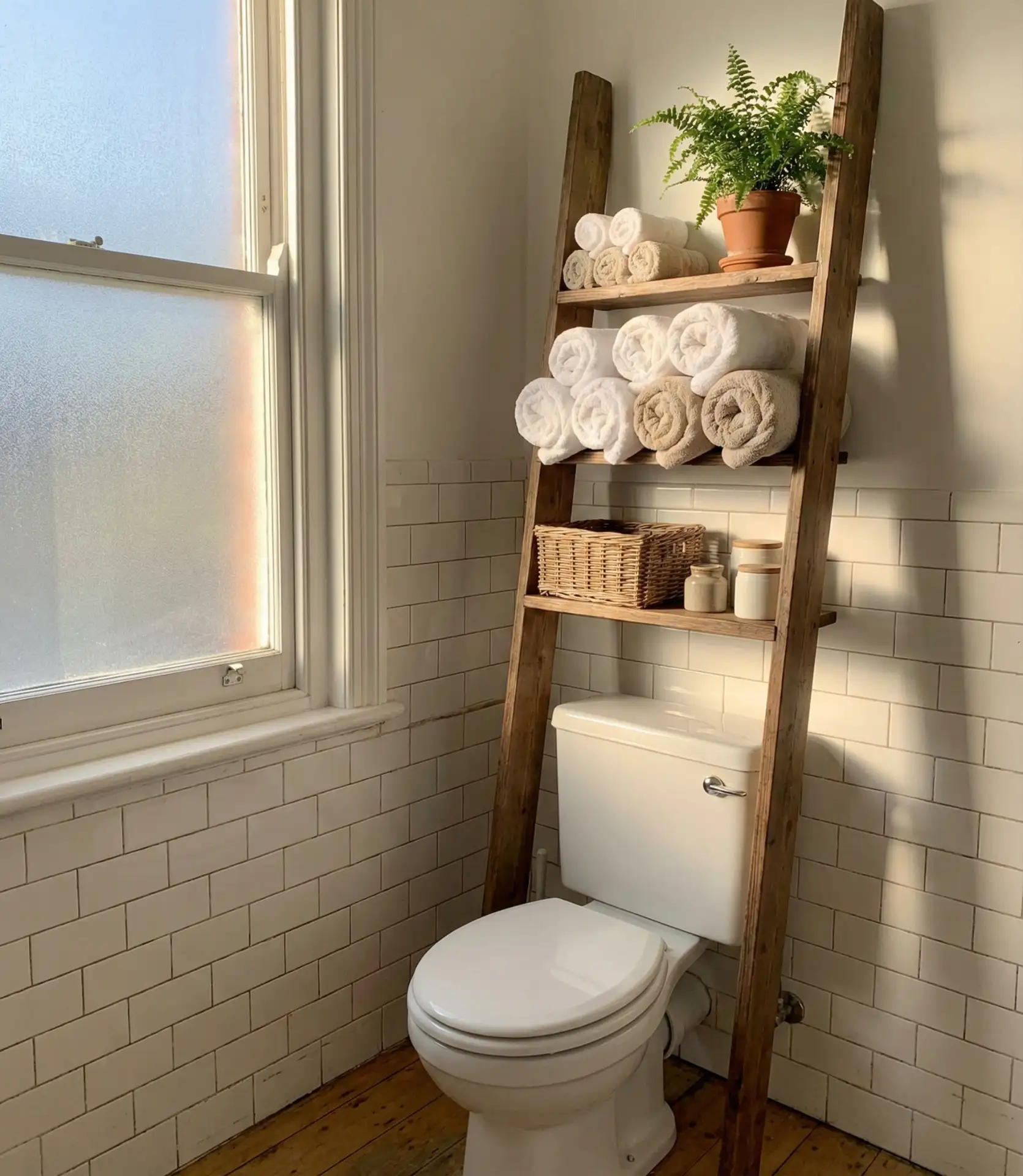
The space above your toilet is often wasted, yet it’s one of the most accessible spots in any bathroom. Installing a ladder-style shelf or floating tiers creates instant storage for towels, toiletries, and decorative baskets. This approach works especially well in rentals where you can’t alter cabinetry. Choose materials that resist moisture—bamboo, sealed wood, or powder-coated metal—and keep everyday items within arm’s reach while preserving floor space.
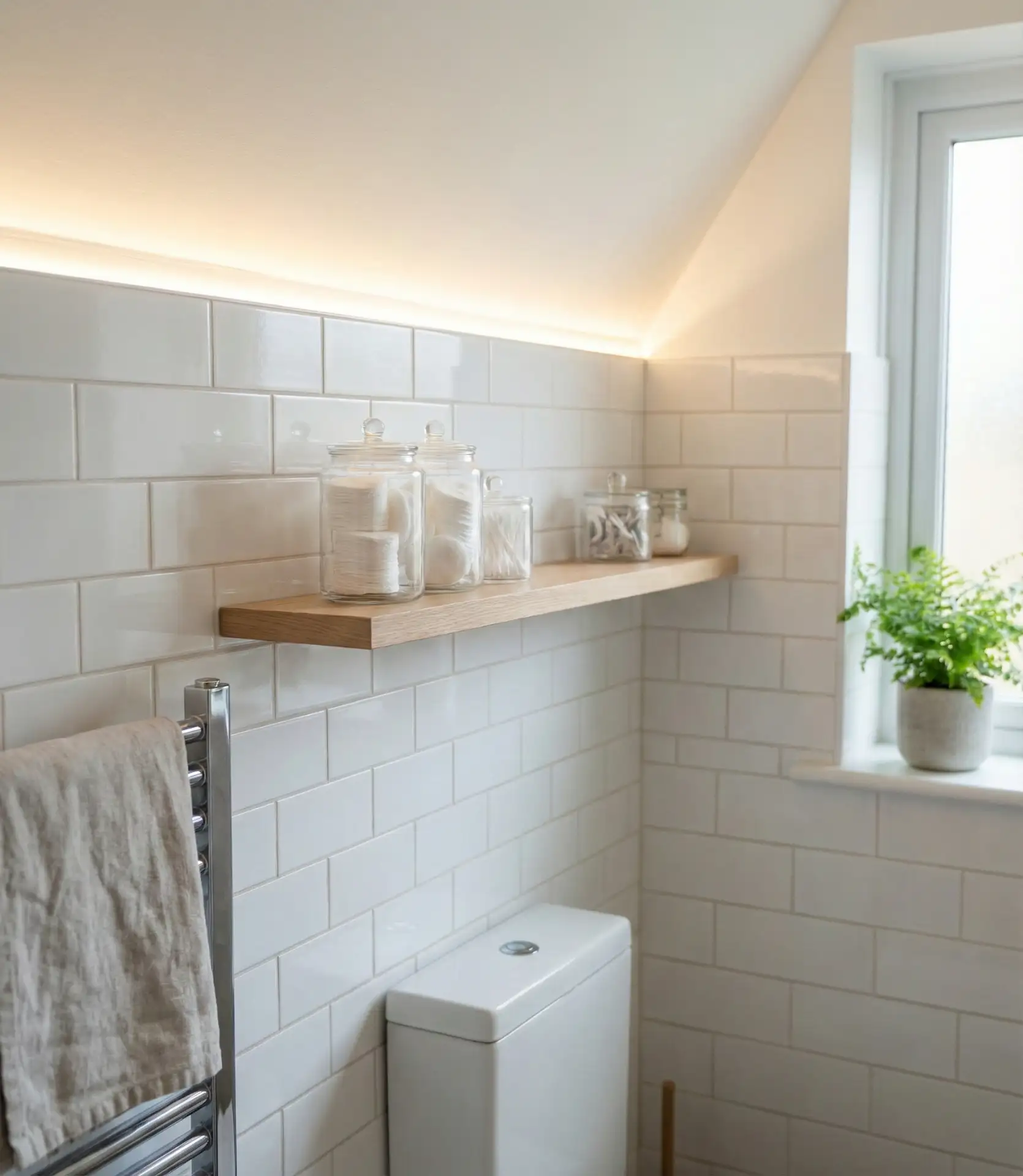
A common mistake is overloading these shelves with heavy items, which can make the space feel cramped and top-heavy. Instead, stick to lightweight essentials and use the top shelf for rarely accessed backup supplies. Keep the middle tiers for daily-use items like hand towels or skincare, and leave the lowest shelf partially empty to maintain visual breathing room. This balance keeps the area functional without overwhelming your bathroom’s clean lines.
2. Under-Bed Rolling Drawers for Seasonal Clothes
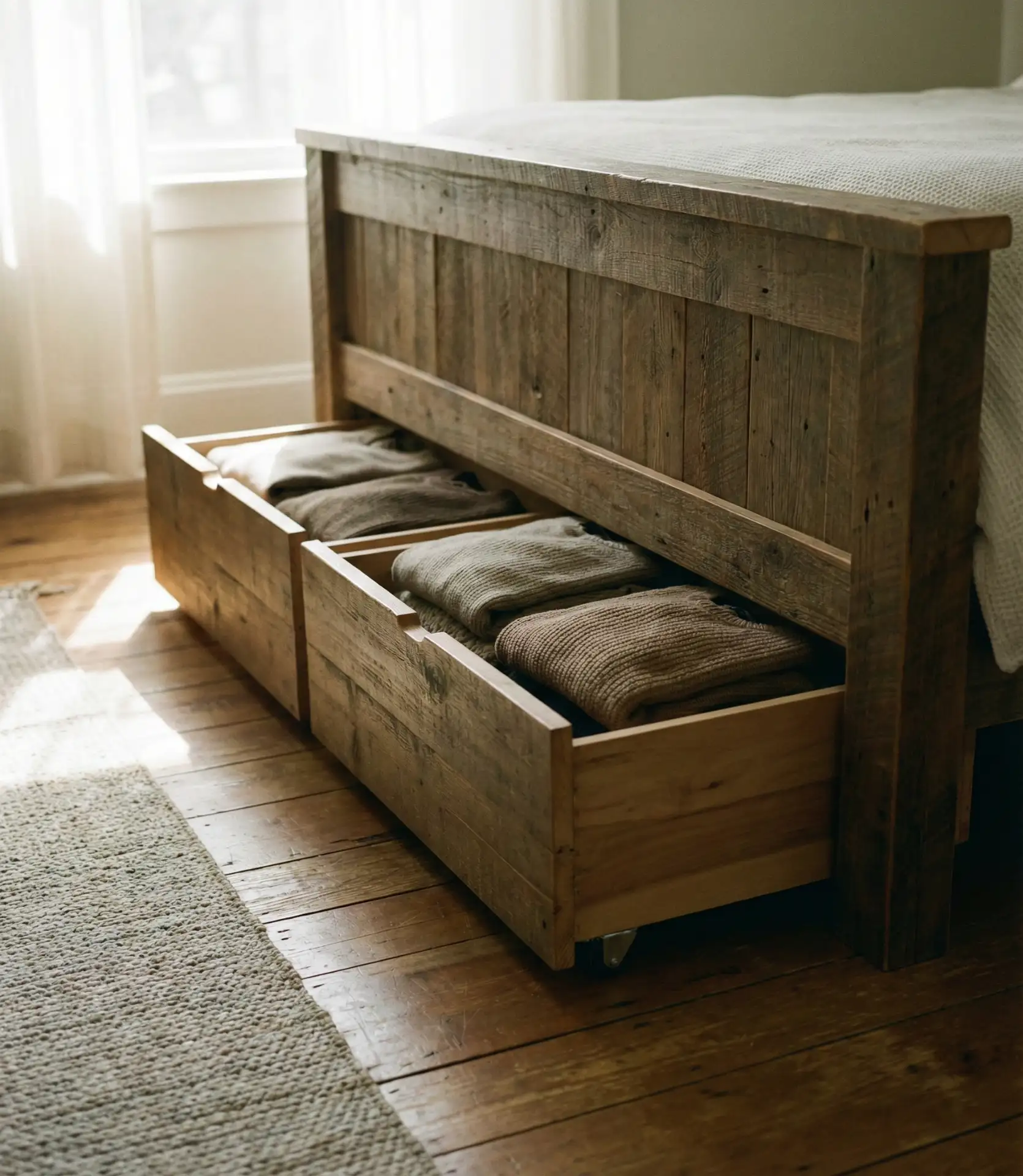
The void beneath your bed is prime real estate for storing off-season clothes and bulky bedding. Rolling drawers on casters let you access items without straining your back, and they keep fabrics protected from dust. Look for low-profile bins that won’t require bed risers—most standard bed frames offer 6 to 8 inches of clearance. This solution is especially popular in bedroom spaces where closet square footage is limited or nonexistent.
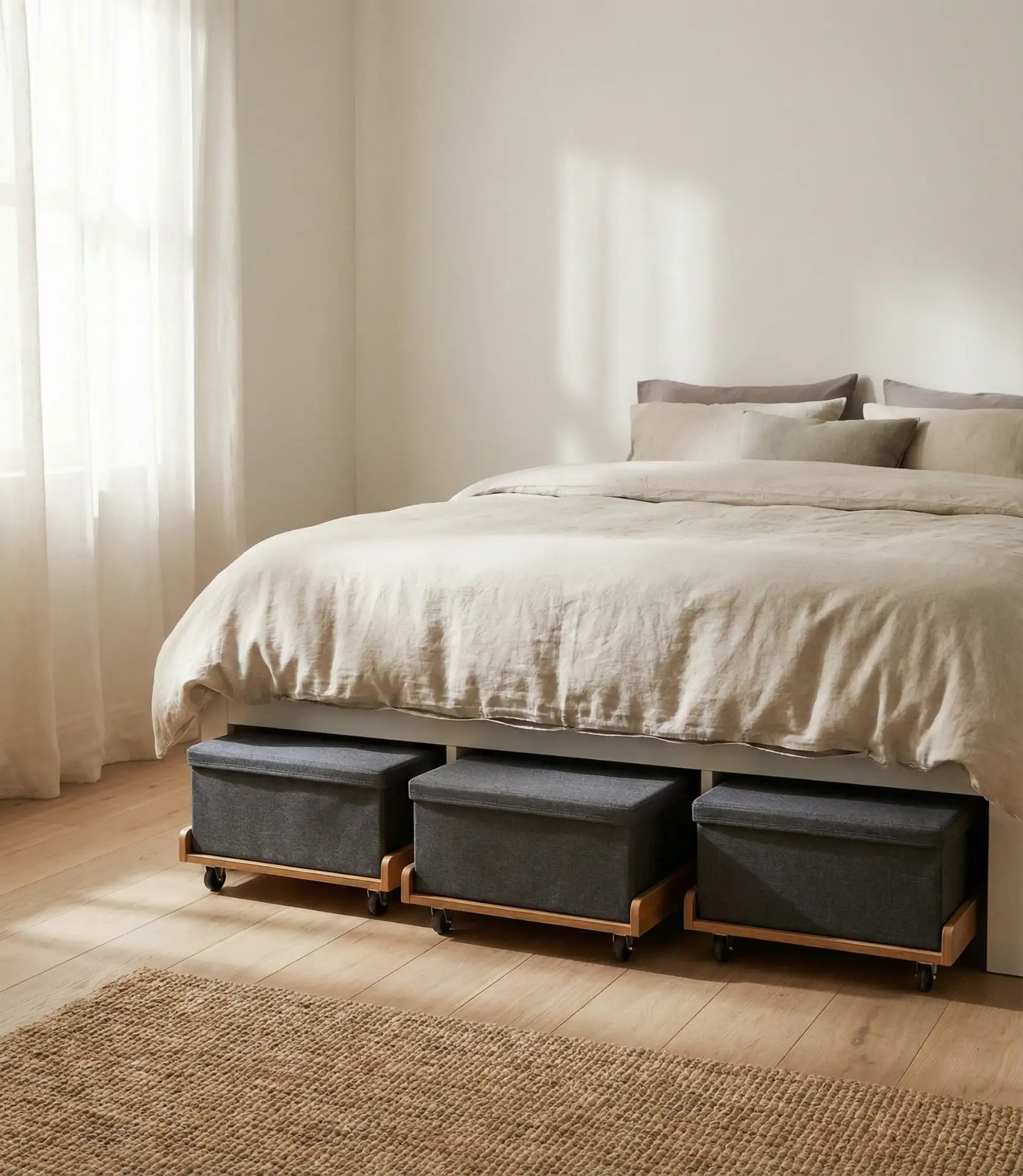
In humid climates like the Southeast, add silica gel packs or cedar blocks to prevent mustiness. West Coast dwellers often prefer breathable canvas bins to keep airflow consistent. Many homeowners rotate their drawers seasonally—winter coats go under in May, summer linens in October—which also prompts a natural decluttering cycle twice a year. It’s a rhythm that keeps belongings manageable and prevents accumulation.
3. Slim Shoe Cabinet in the Entryway
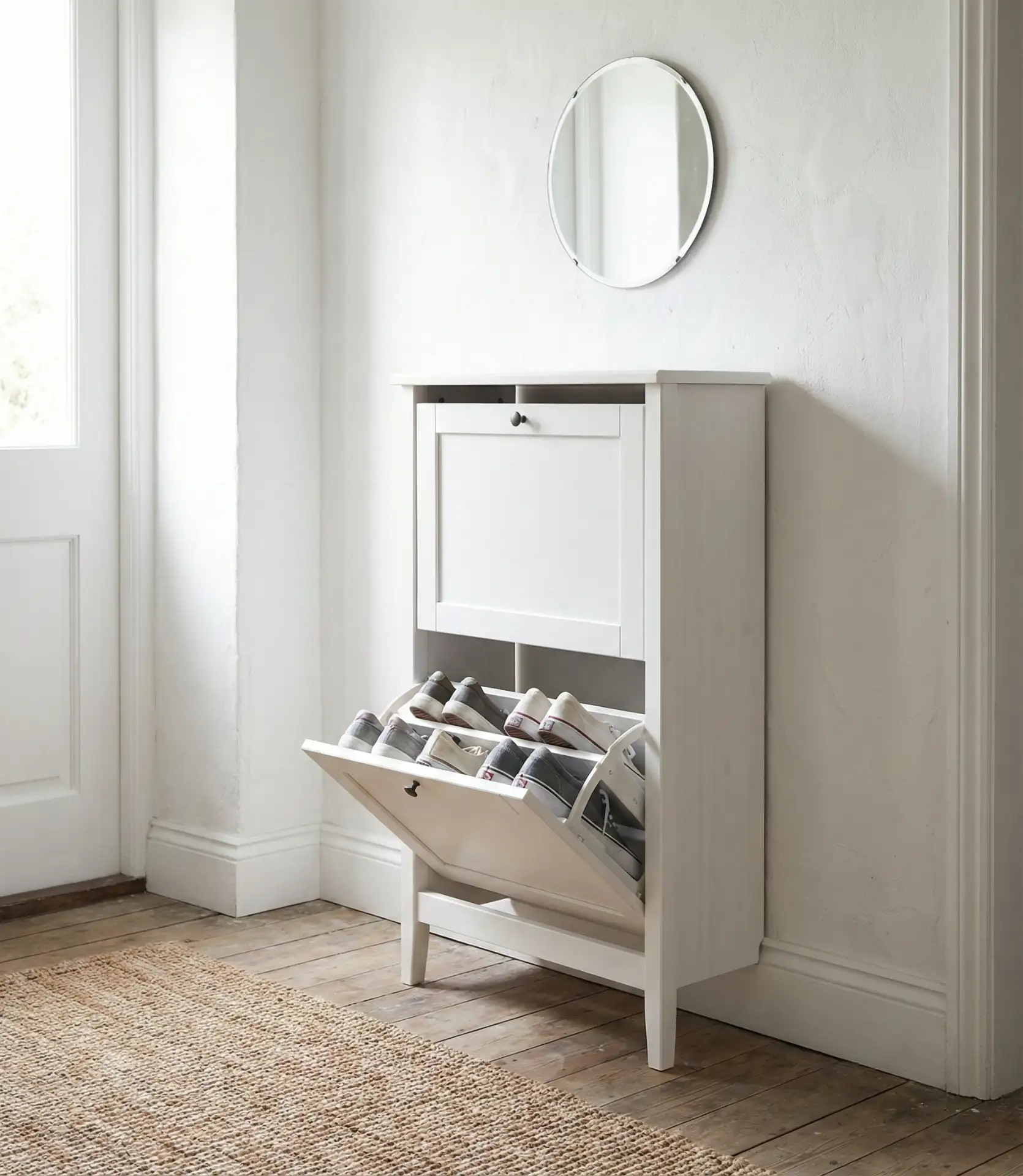
A narrow shoe cabinet that’s only 6 to 8 inches deep can hold a surprising number of pairs while hugging the wall. These cabinets typically feature tilting doors or slide-out trays, making them perfect for tight entryway zones where a traditional shoe rack would block foot traffic. They also double as a surface for keys, mail, or a small table lamp. The streamlined profile means you won’t sacrifice walkability for storage.
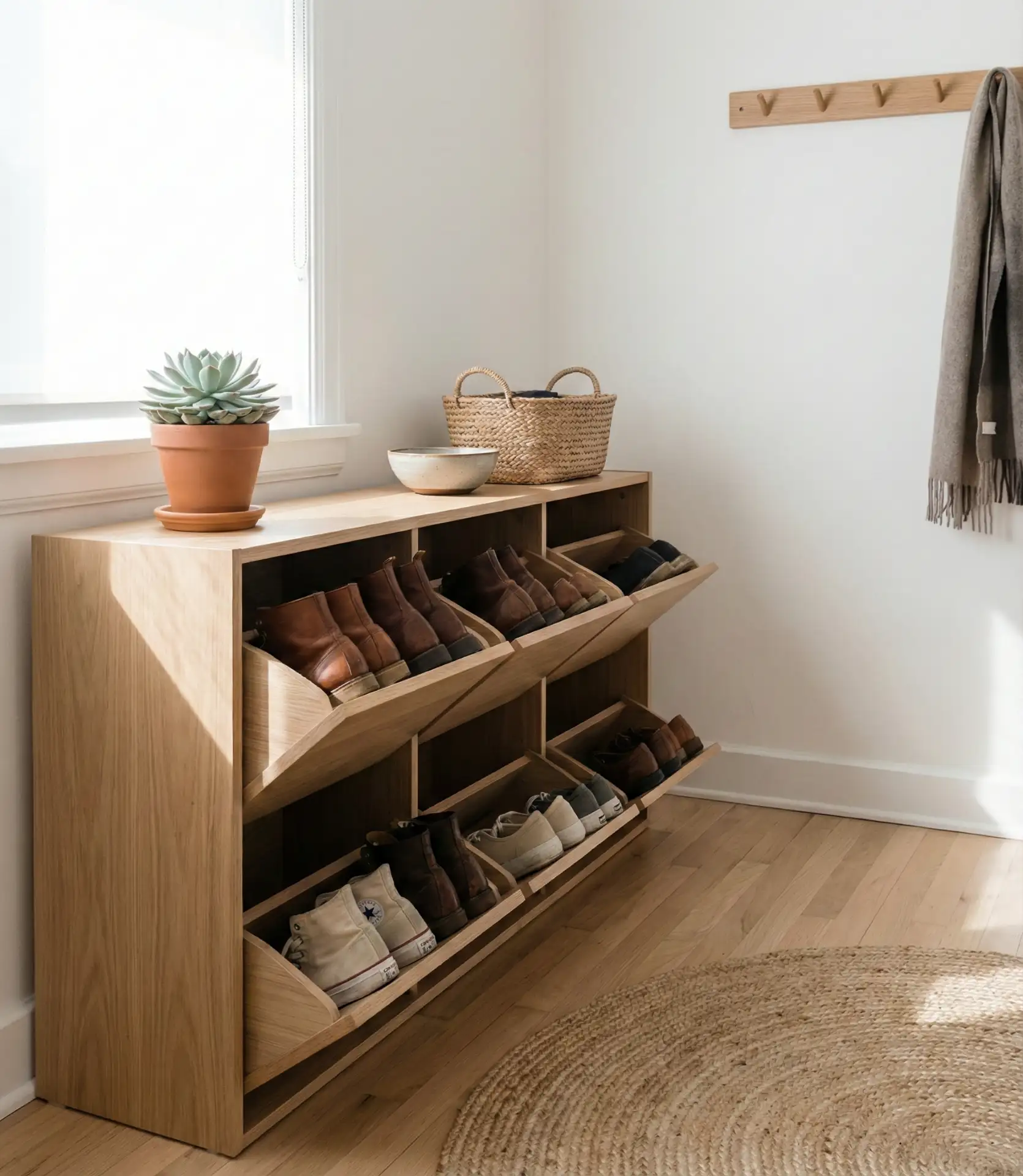
Most models range from $80 to $200, with IKEA’s offerings being the most budget-friendly and West Elm providing higher-end finishes. If you’re handy, a DIY version using plywood and piano hinges can cost under $50. Either way, measure your entryway width carefully—some apartments have narrow hallways that can’t accommodate even a slim cabinet, so always confirm dimensions before purchasing.
4. Magnetic Knife Strip with Utensil Hooks
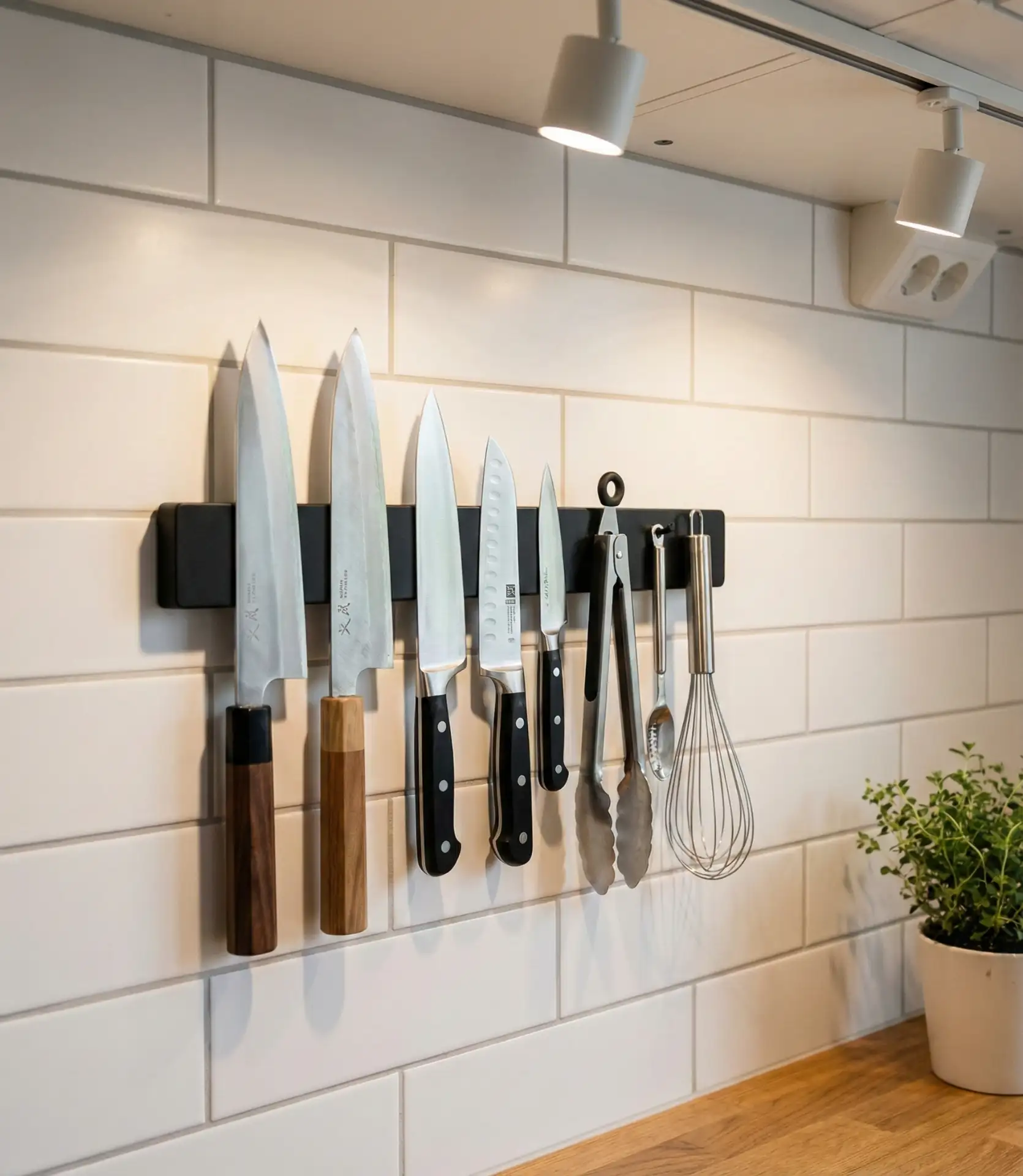
Freeing up drawer space in a tiny kitchen starts with moving knives and clever utensils to the wall. A magnetic knife strip not only keeps blades sharp and visible but can also hold metal whisks, measuring spoons, and even scissors. Mount it near your prep zone for easy access. This setup is especially useful in galley kitchens where counter and drawer space compete for every inch.
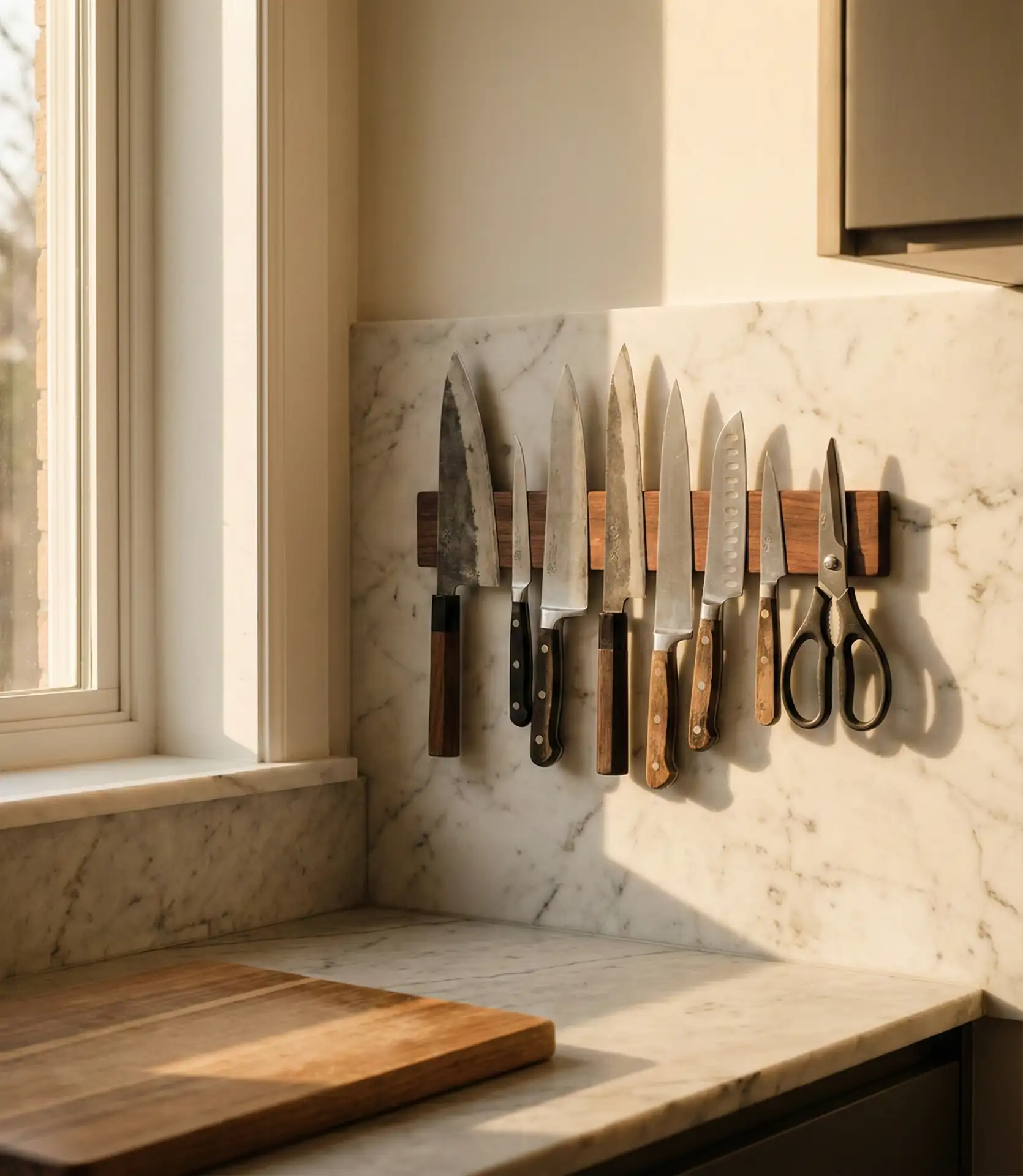
Where it works best: in open-plan apartments where the kitchen is part of the living area. Keeping tools visible and organized adds a professional, chef-like aesthetic. Avoid placing the strip too high—eye level or just below is ideal for safe handling. Some renters use adhesive-backed versions to avoid drilling, though screwed-in strips hold heavier items more securely.
5. Over-Door Hanging Organizer for Craft Supplies
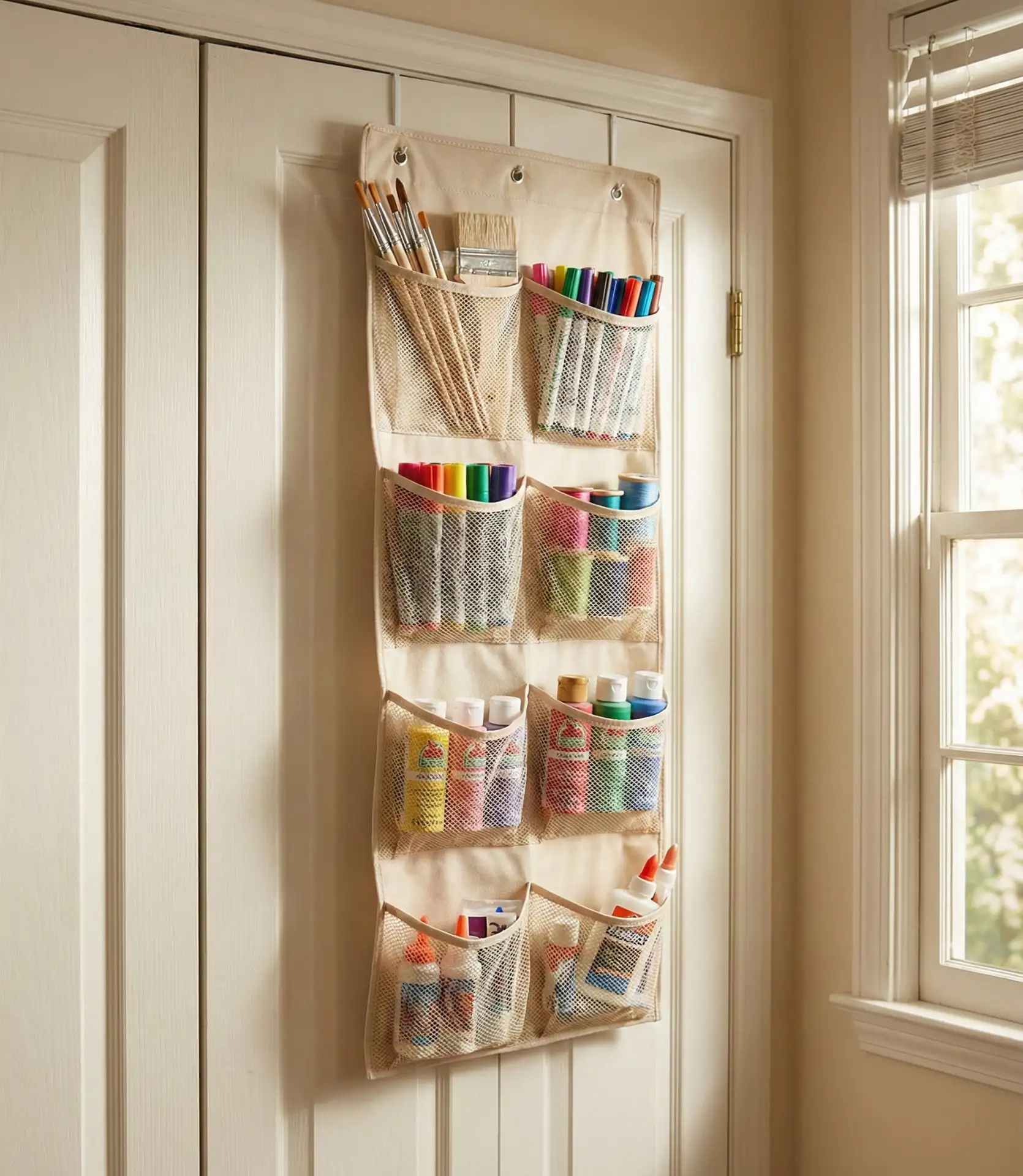
If you’re into craft projects, an over-door organizer with clear pockets transforms a bedroom or closet door into a supply hub. These organizers are renter-friendly, require no installation, and keep ribbons, scissors, glue sticks, and small paints visible and sorted. The pockets prevent items from getting lost in bins or drawers, and the vertical layout means you’re using a door that would otherwise go to waste.
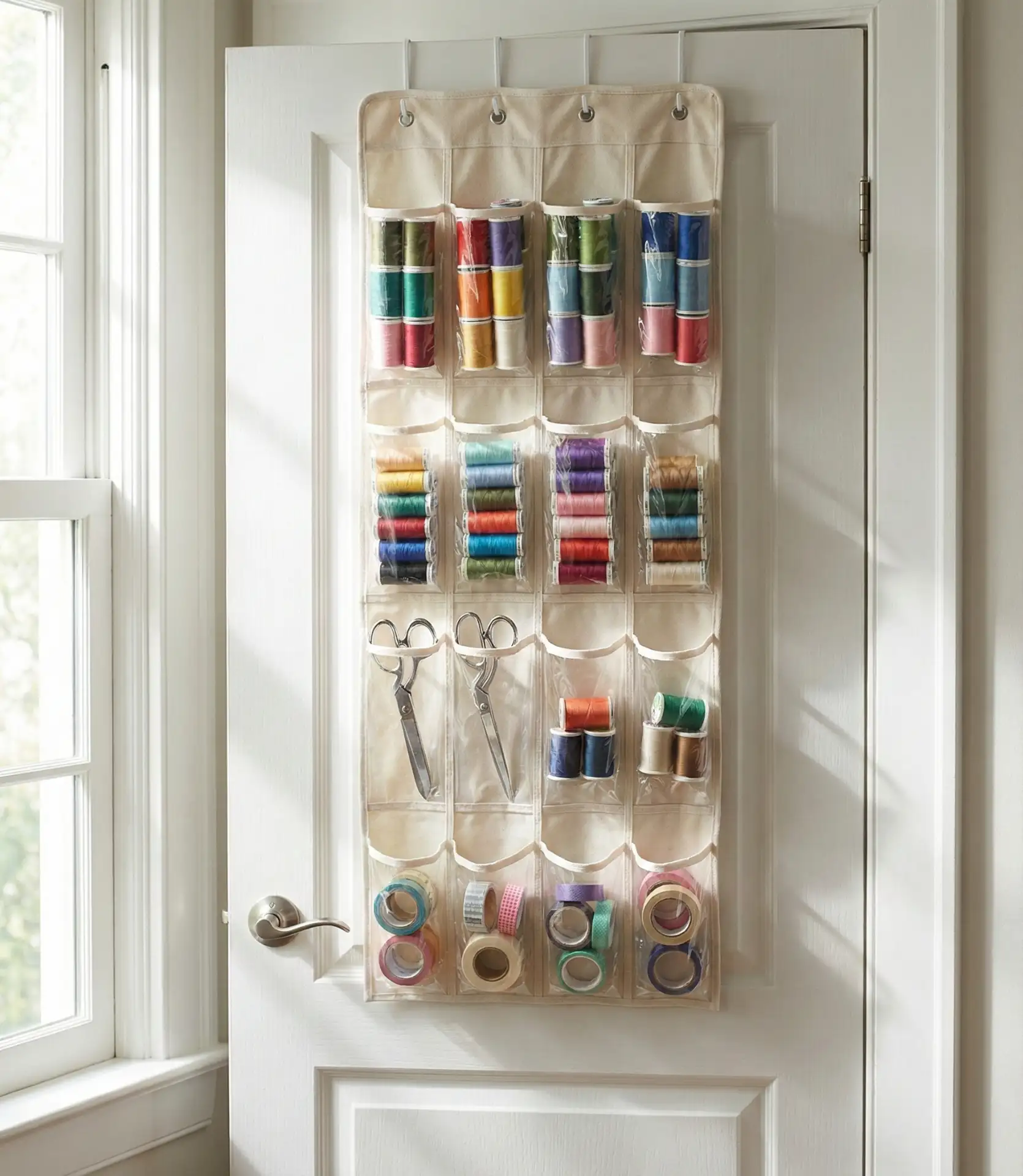
A practical insight: pair this organizer with a rolling cart for larger supplies like paper reams or fabric bolts. The cart can tuck under a desk or into a closet corner, while the door holds the small, frequently grabbed items. This two-tier approach prevents the organizer from becoming overstuffed and maintains quick access to the tools you actually use during a project session.
6. Built-In Corner Shelves for Books
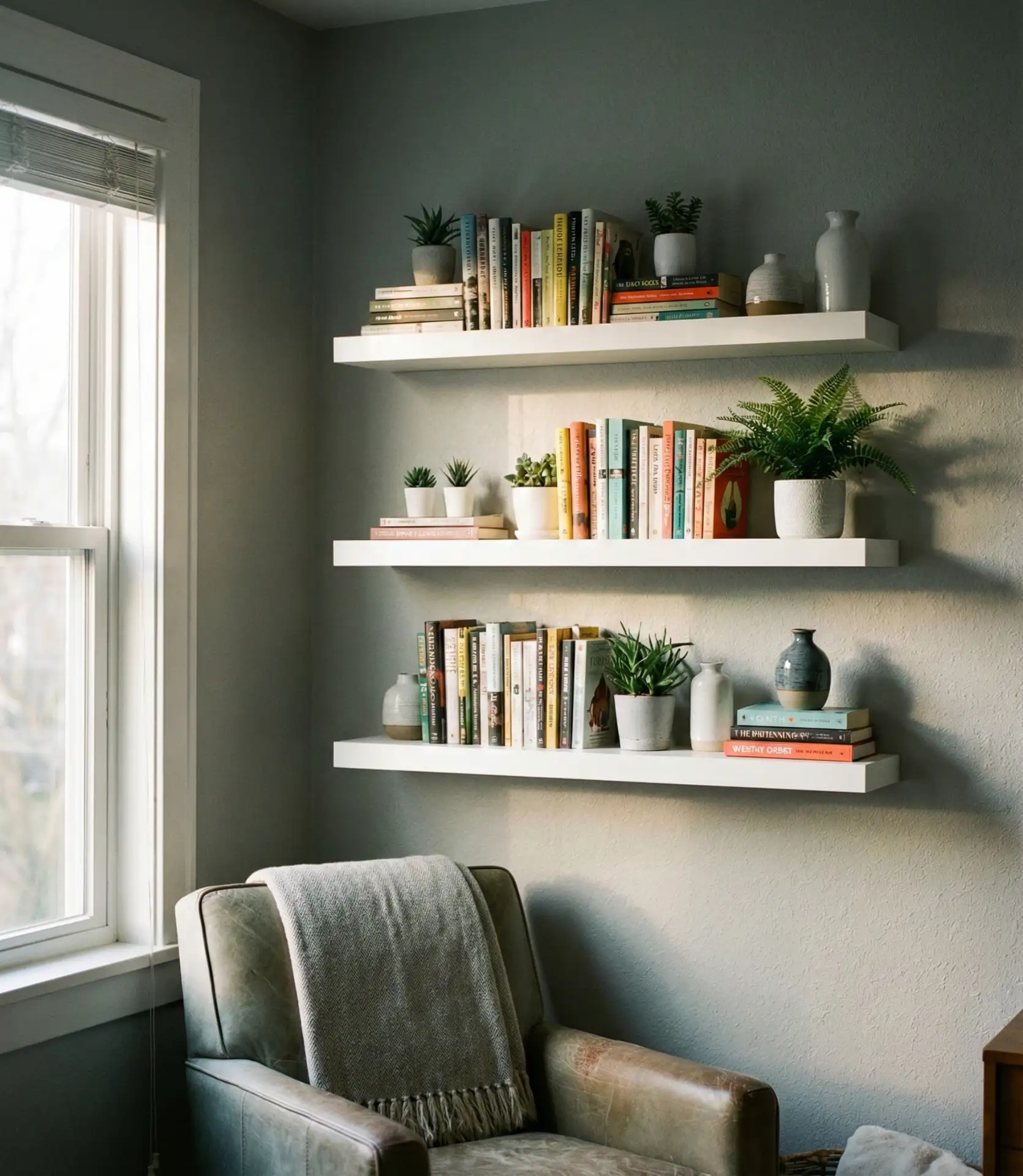
Corners are notoriously tricky to furnish, but custom or prefab corner shelving can turn dead space into a mini library. Floating shelves installed in an L-shape or a corner-mounted unit let you stack book collections vertically without encroaching on the room’s center. This works especially well in living rooms or home offices where every square foot counts and you want to showcase personal reading habits.
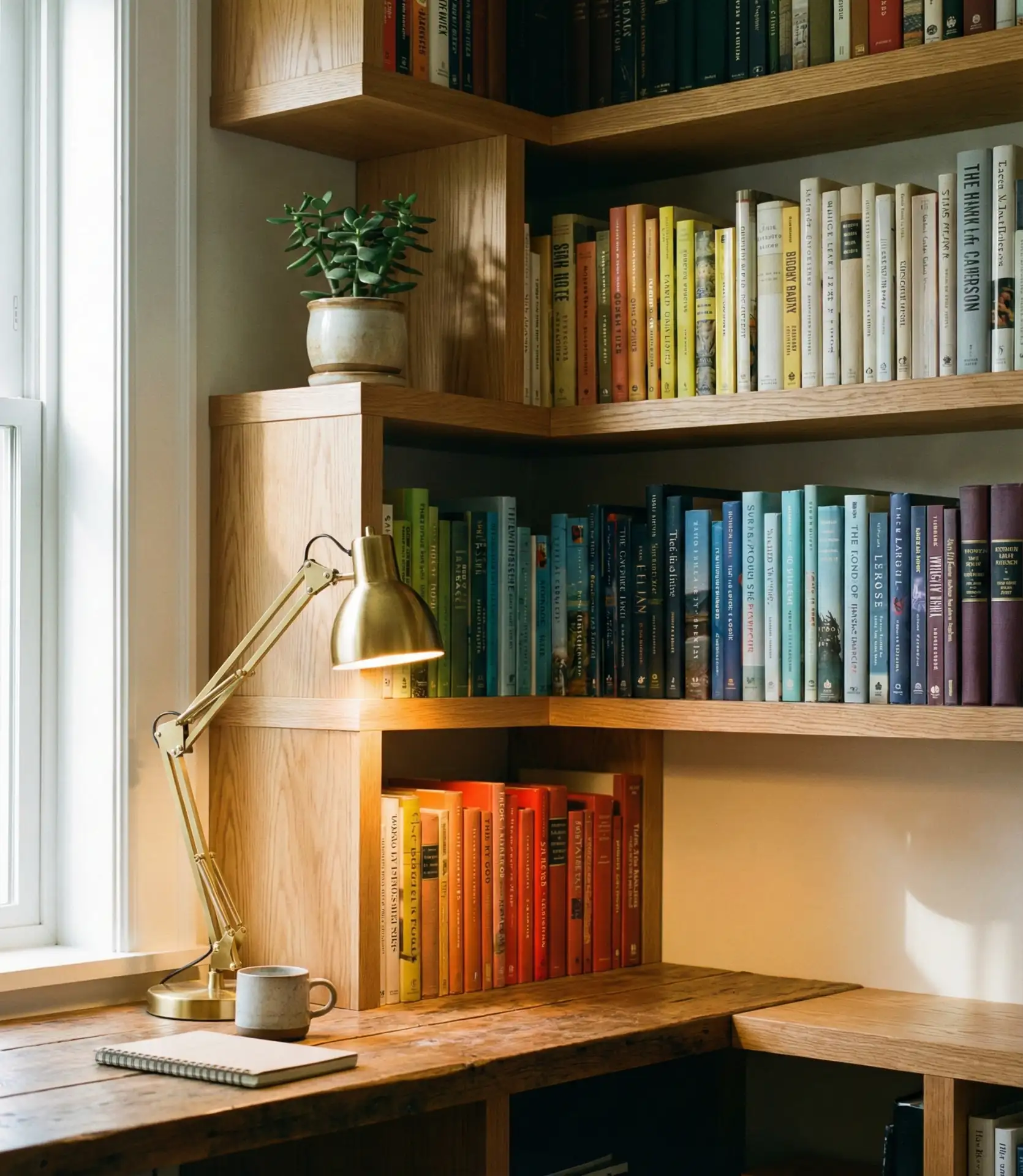
One homeowner in Denver installed floor-to-ceiling corner shelves in a narrow hallway, turning wasted passage space into a full-blown reading nook. She added a small cushion on the floor and now uses the area for morning coffee and browsing. It’s a reminder that storage doesn’t have to be purely utilitarian—it can create moments of comfort and ritual in unexpected places.
7. Pull-Out Pantry Between Appliances
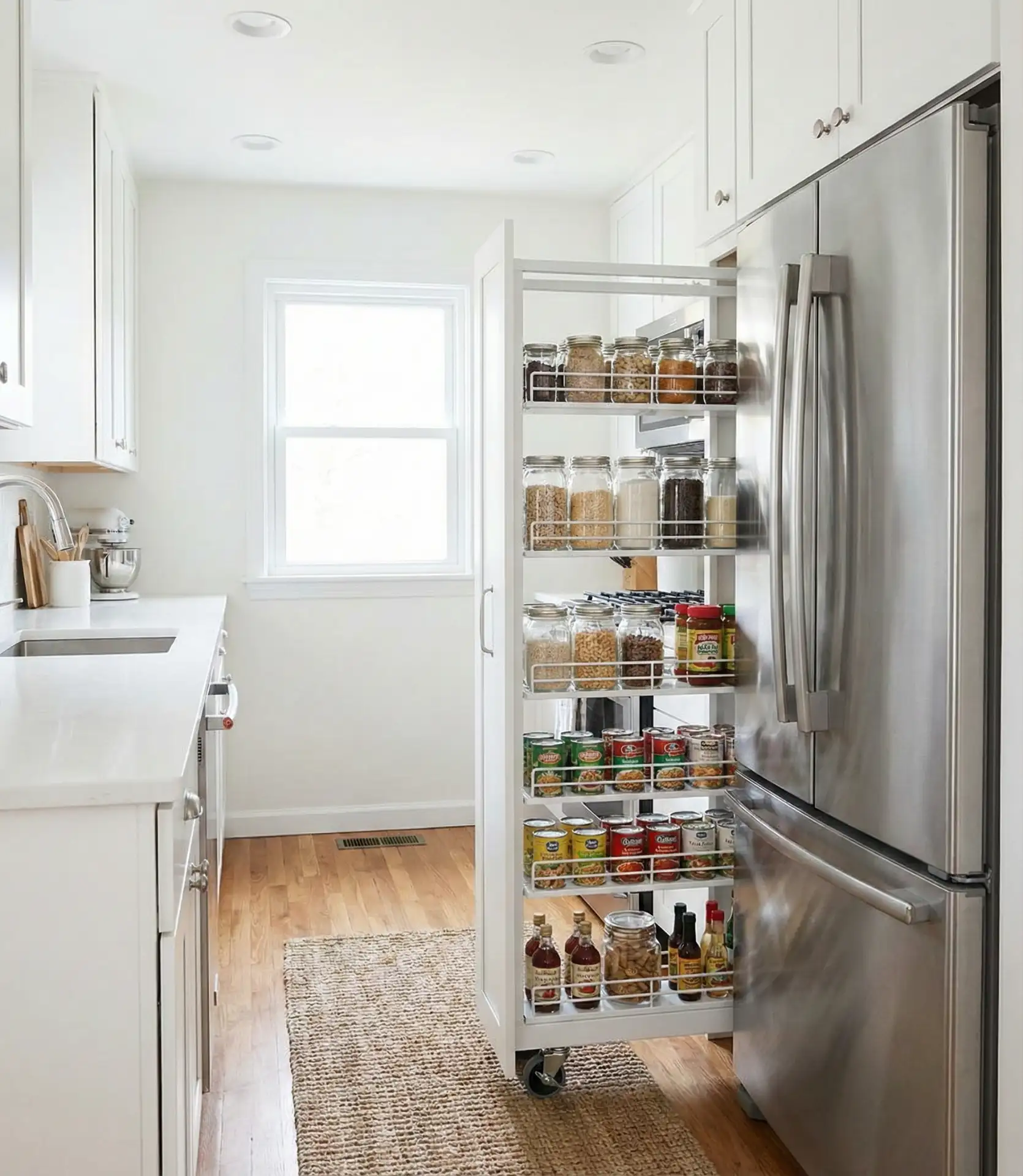
That narrow gap between your fridge and stove might be just wide enough for a rolling food pantry. These slim carts, often 4 to 6 inches wide, slide out on wheels and hold spices, canned goods, or oils. They’re a lifesaver in galley kitchens where cabinet space is limited. The vertical design maximizes height, and the mobility means you can pull the entire pantry into the center of the kitchen when cooking.
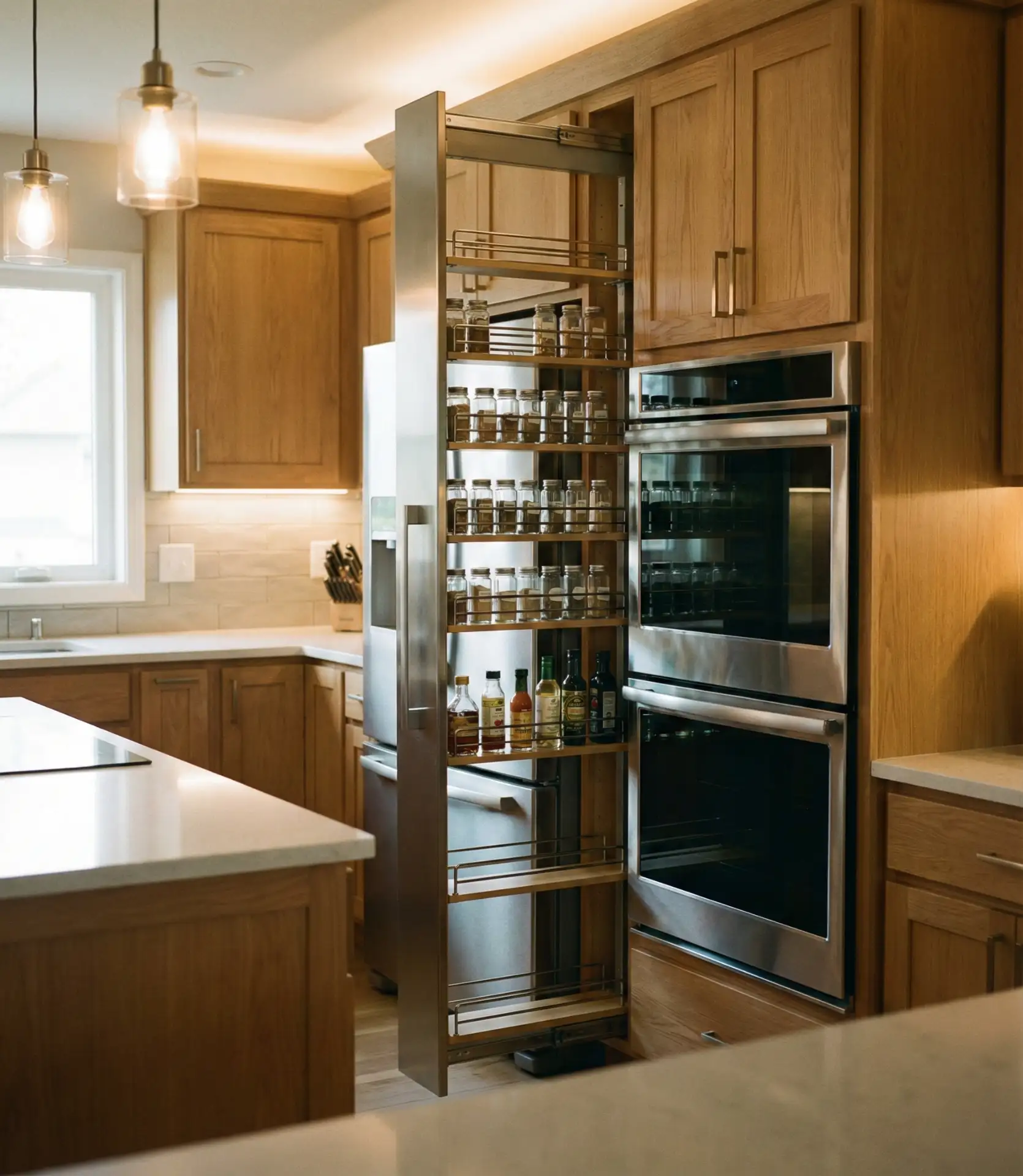
Budget options start around $40 at Target or Walmart, while custom-built versions with solid wood can run $150 or more. If you’re renting, ensure the cart’s wheels lock so it doesn’t roll unexpectedly. Some models come with handles on both sides, which makes repositioning easy if you rearrange your appliances or move to a new place.
8. Floating Nightstand with Hidden Drawer
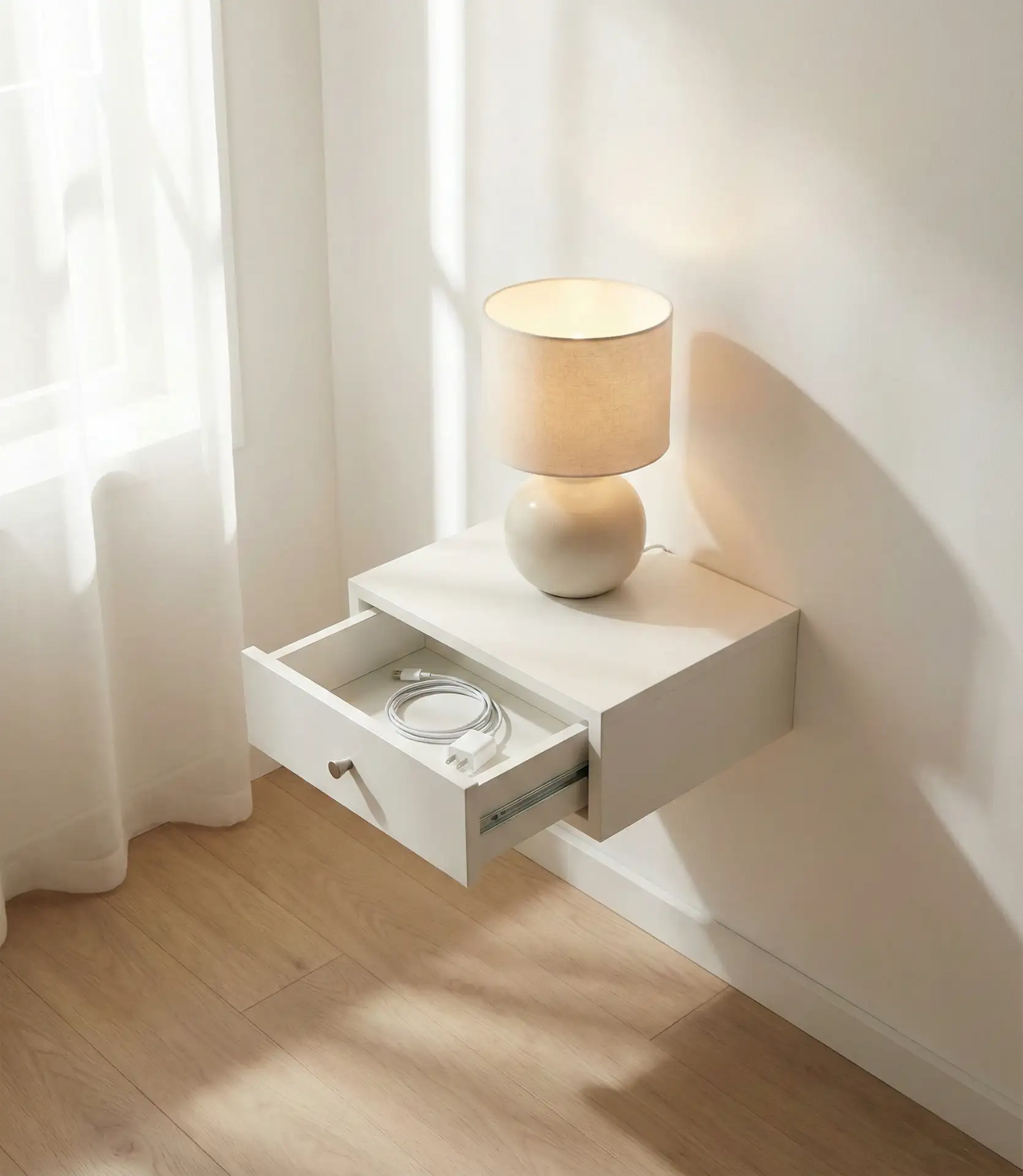
A wall-mounted bedside table with a concealed drawer keeps the floor clear and offers hidden storage for charging cables, reading glasses, or personal items. This design is ideal for tight bedrooms where a traditional nightstand would block the path to the closet or bathroom. The floating effect also makes the room feel larger, and you can mount it at the exact height that suits your mattress.
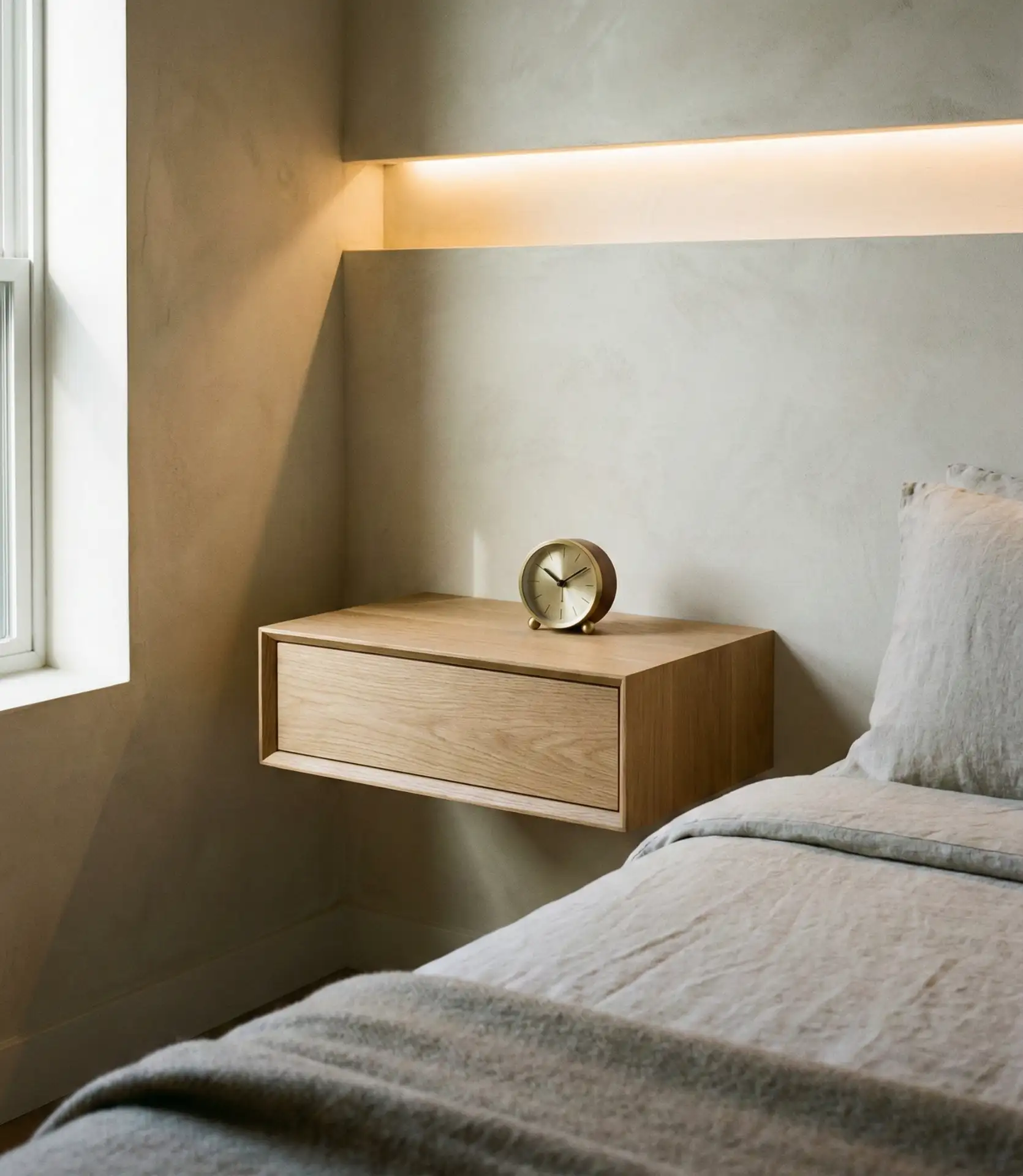
Real homeowner behavior shows that people tend to pile items on open nightstands, leading to visual clutter. The hidden drawer forces a bit of discipline—out of sight means out of mind, in a good way. It also protects valuables from being knocked off during sleep. Just be sure to mount it into a stud or use heavy-duty anchors; drywall alone won’t support much weight.
9. Pegboard Wall System in the Garage
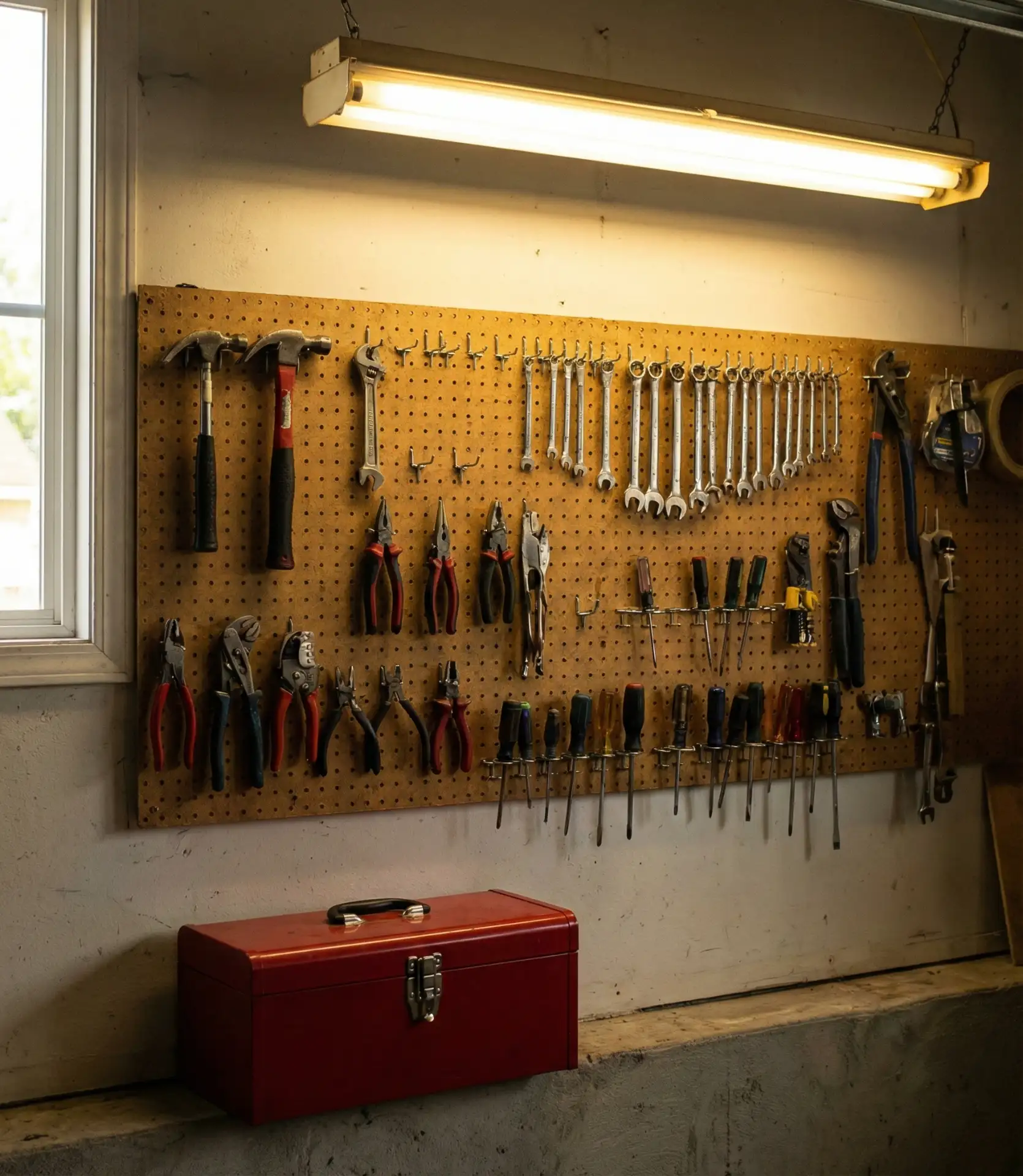
Pegboards offer endless flexibility for organizing tool collections in your garage. You can rearrange hooks, baskets, and shelves as your needs change, and everything stays visible. This system works for everything from hammers and screwdrivers to extension cords and spray paint. It’s also a weekend DIY project—most home improvement stores sell pegboard panels and starter kits for under $50.
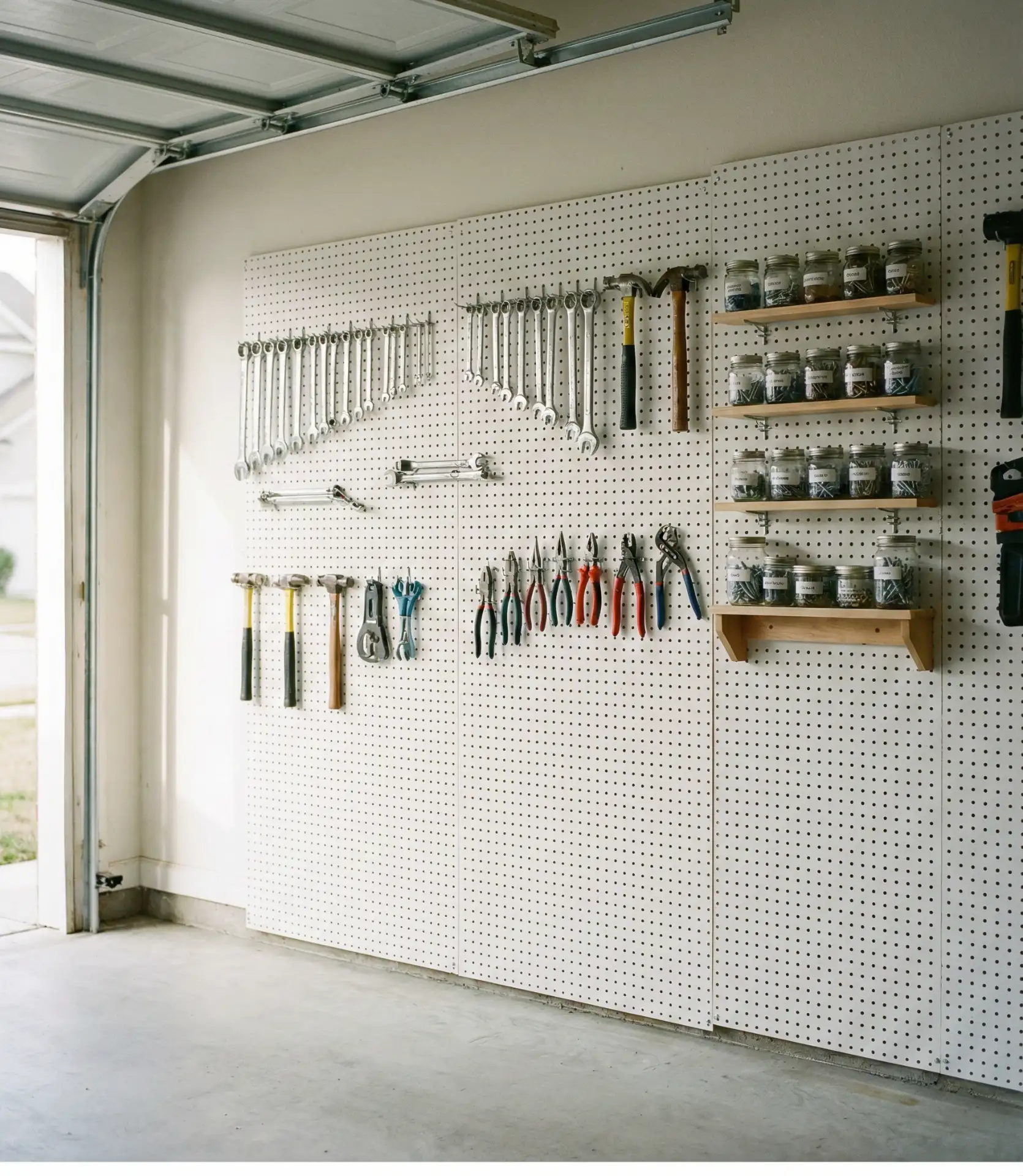
Where it works best: suburban homes with dedicated garage space. In urban apartments with parking structures, a smaller pegboard inside a storage closet can hold household tools. Paint the pegboard a bold color to make the space feel intentional rather than utilitarian. Some homeowners outline their tools with marker so they always know where each item belongs—a trick borrowed from professional workshops.
10. Modular Cube Storage for Toys
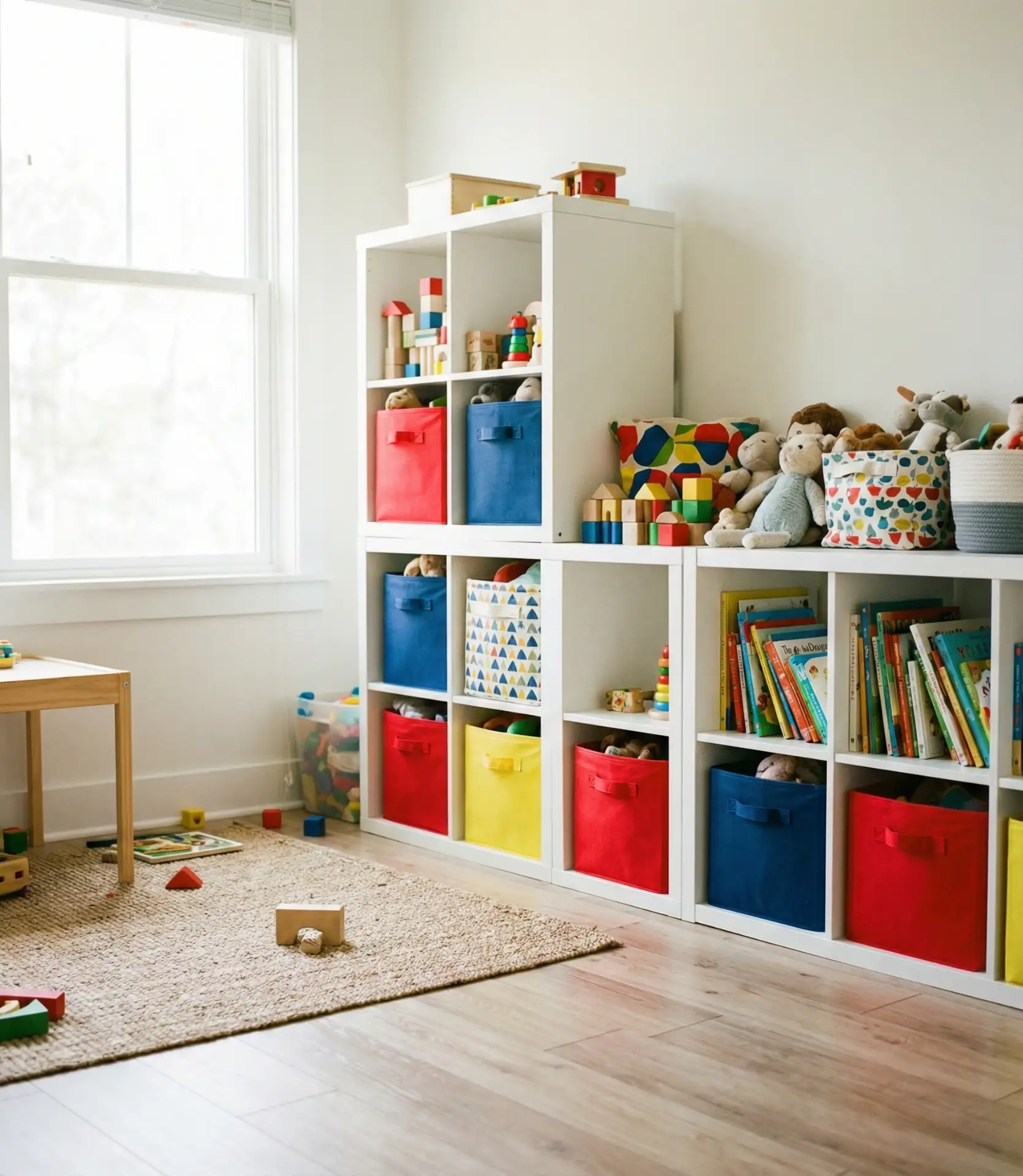
Cube shelving units with fabric bins make toy storage accessible for kids and easy to reconfigure as they grow. Each bin can be labeled or color-coded, teaching children to sort blocks, dolls, and art supplies independently. The cubes themselves are sturdy enough to hold heavier items like board games or books, and you can add or remove bins as needed. It’s a system that grows with your family.
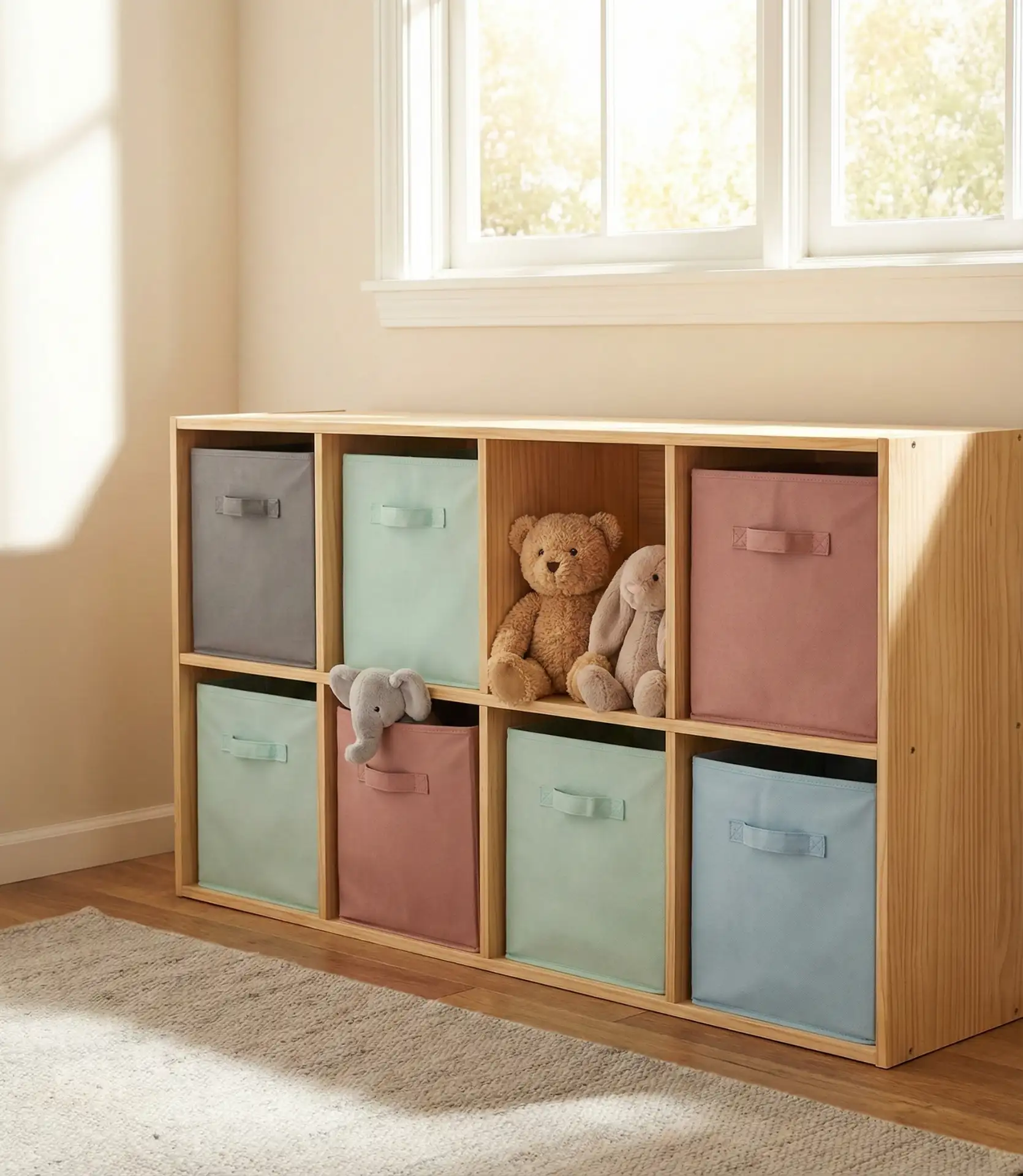
A practical insight: anchor the unit to the wall to prevent tipping if kids try to climb it. Use Velcro dots on the bottom of bins so they don’t slide out too easily. This setup also works in multipurpose rooms—add a cushion on top, and the cube unit becomes a window seat or reading bench when playtime is over.
11. Wall-Mounted Fold-Down Desk
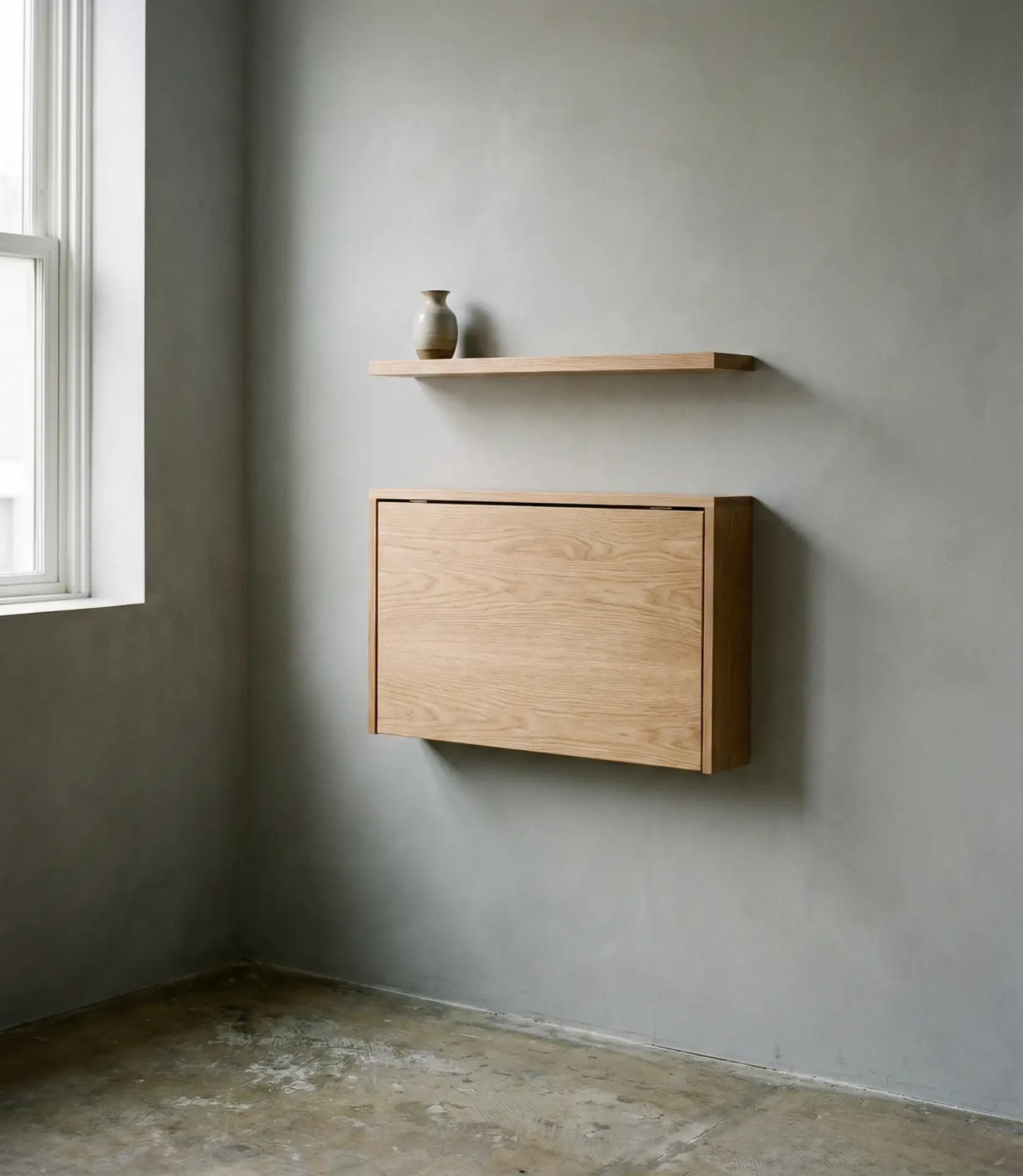
A Murphy-style desk that folds flat against the wall when not in use is perfect for apartment dwellers who work from home but lack a dedicated office. When lowered, it provides a full workspace; when closed, it looks like a cabinet or chalkboard. This design is particularly popular in studio apartments where every piece of furniture needs to serve dual purposes.

Common mistakes include mounting the desk too high or too low, which leads to neck strain during long work sessions. Measure so that when you’re seated, your elbows are at a 90-degree angle. Also, reinforce the wall with blocking if possible—desks can hold up to 50 pounds, and you don’t want the bracket pulling away from drywall during a video call.
12. Clear Acrylic Shelves for Collectibles
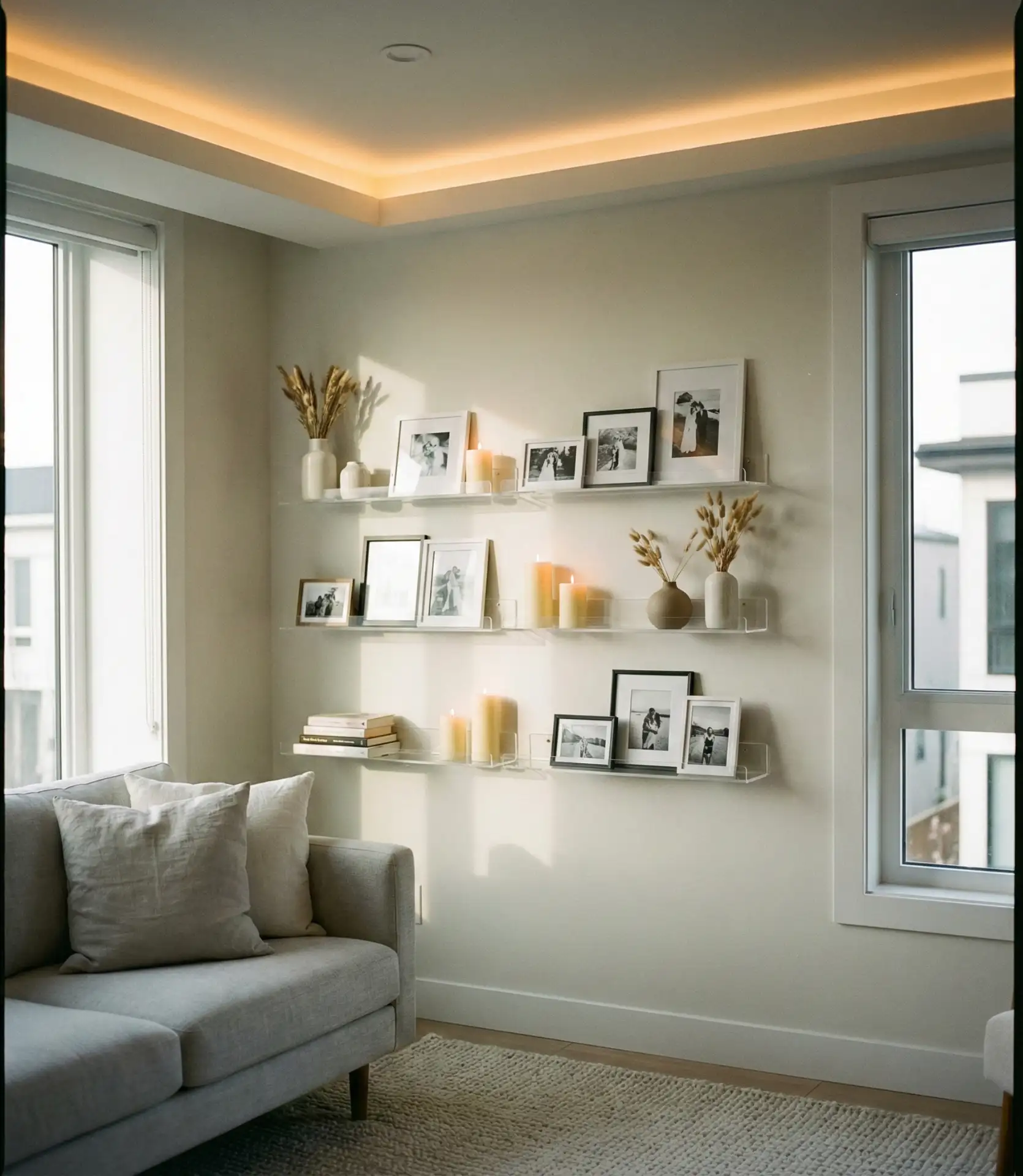
Transparent acrylic shelving creates a floating effect that doesn’t visually clutter your space, making it ideal for displaying unique collectibles, small plants, or framed photos. The shelves seem to disappear, letting your items take center stage. They’re especially useful in narrow hallways or above desks where you want storage without the heaviness of wood or metal.

In the Pacific Northwest, where natural light is precious, homeowners favor these shelves to avoid blocking windows. They’re also popular in modern apartments in cities like Seattle and San Francisco, where minimalist aesthetics reign. Keep the shelves clean with glass cleaner—fingerprints show easily on acrylic, so regular maintenance keeps them looking invisible.
13. Ottoman with Internal Storage Compartment
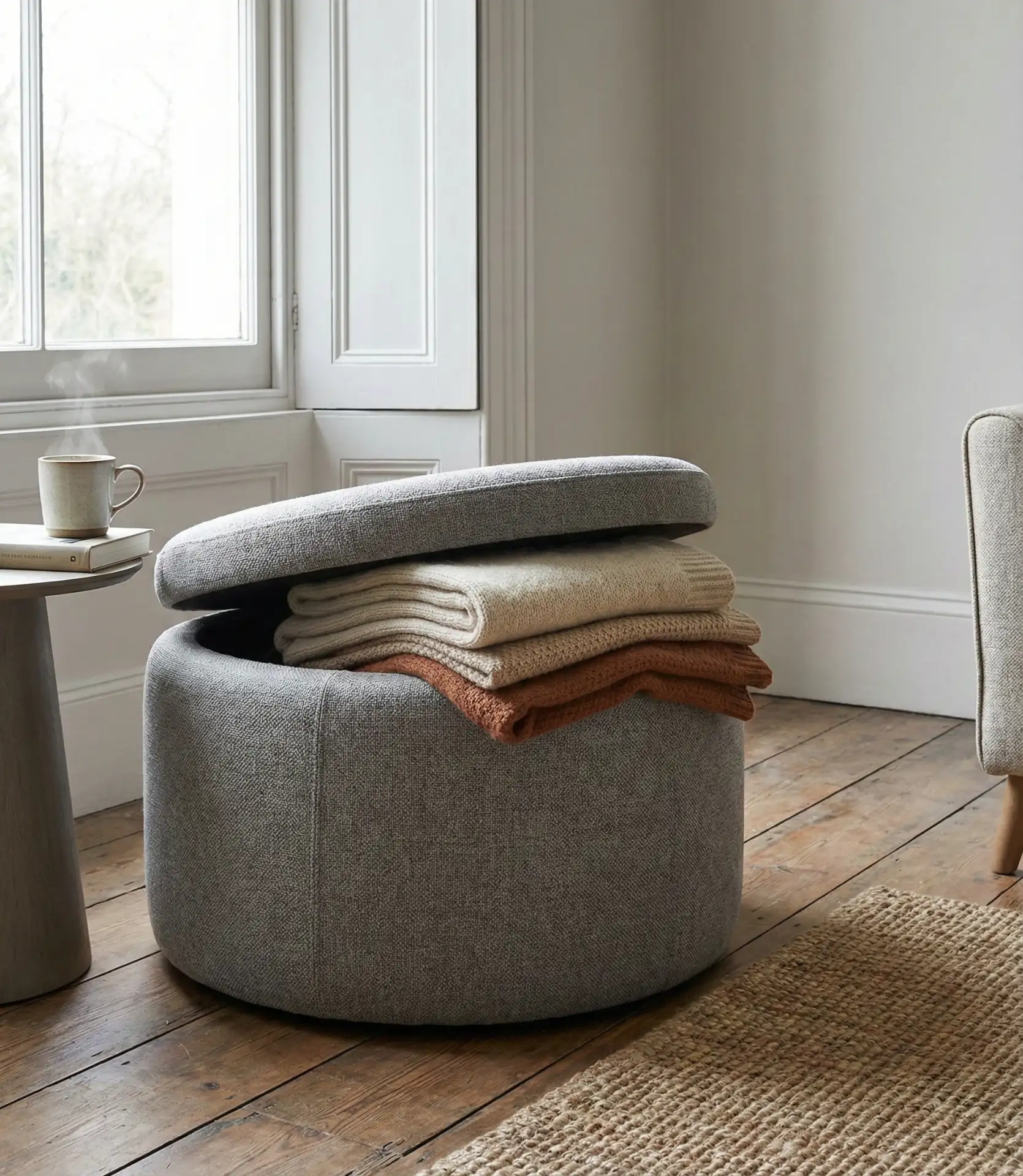
An upholstered ottoman that opens to reveal storage inside serves as extra seating, a footrest, and a hidden stash for blankets or magazines. This multifunctional piece is a staple in smart small-space living, especially in living rooms where coffee tables can feel bulky. Look for models with sturdy hinges and a flat top so you can place a tray on it for drinks or snacks.
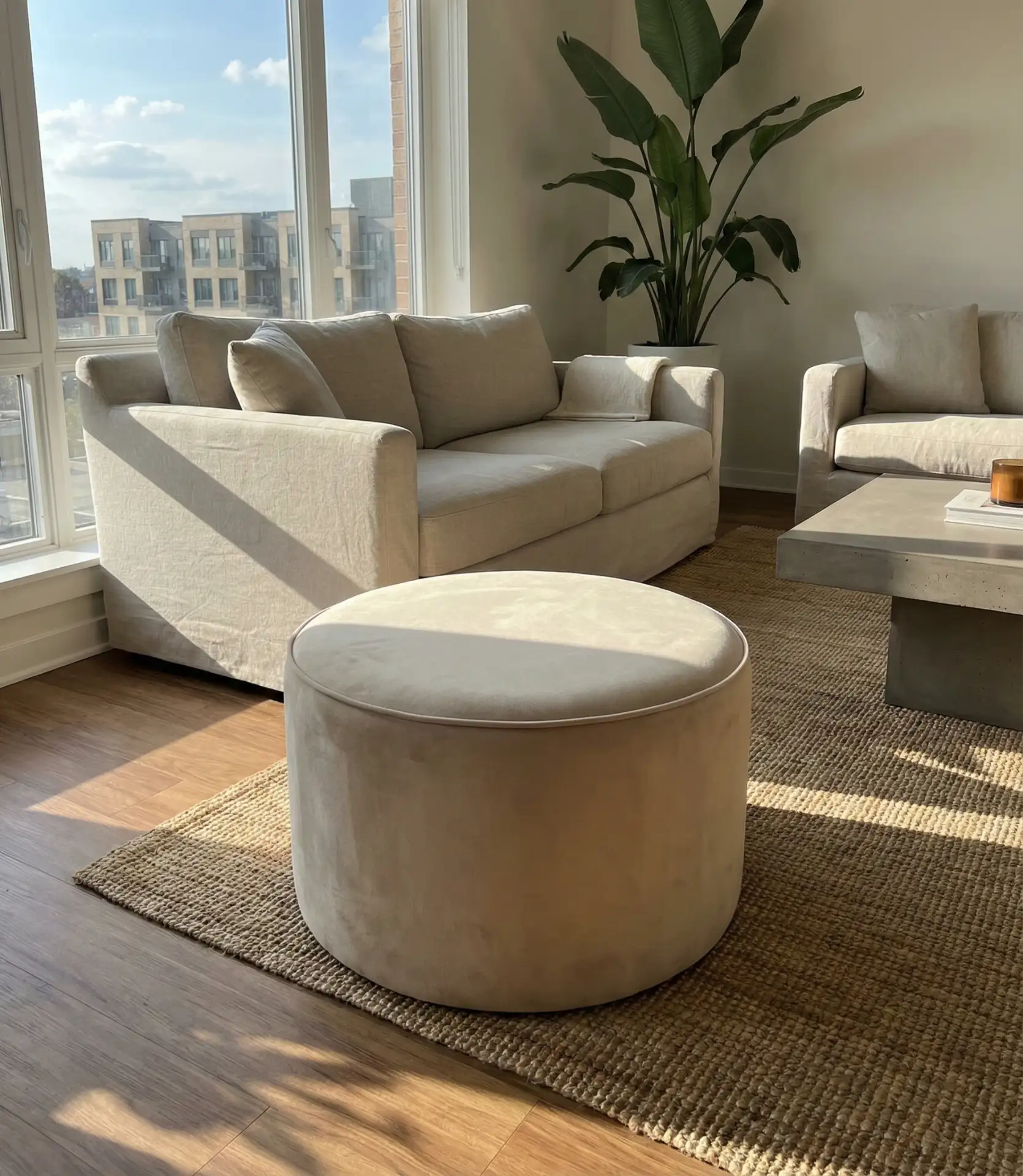
Real homeowner behavior shows that ottomans often become catch-alls for items like TV remotes, chargers, and kids’ toys. To avoid this, designate the inside for one category only—say, extra linens—and keep a small basket on top for daily clutter. This boundary keeps the ottoman functional rather than chaotic, and you’ll actually use the storage instead of letting it become a mystery box.
14. Tension Rod Dividers in Deep Drawers
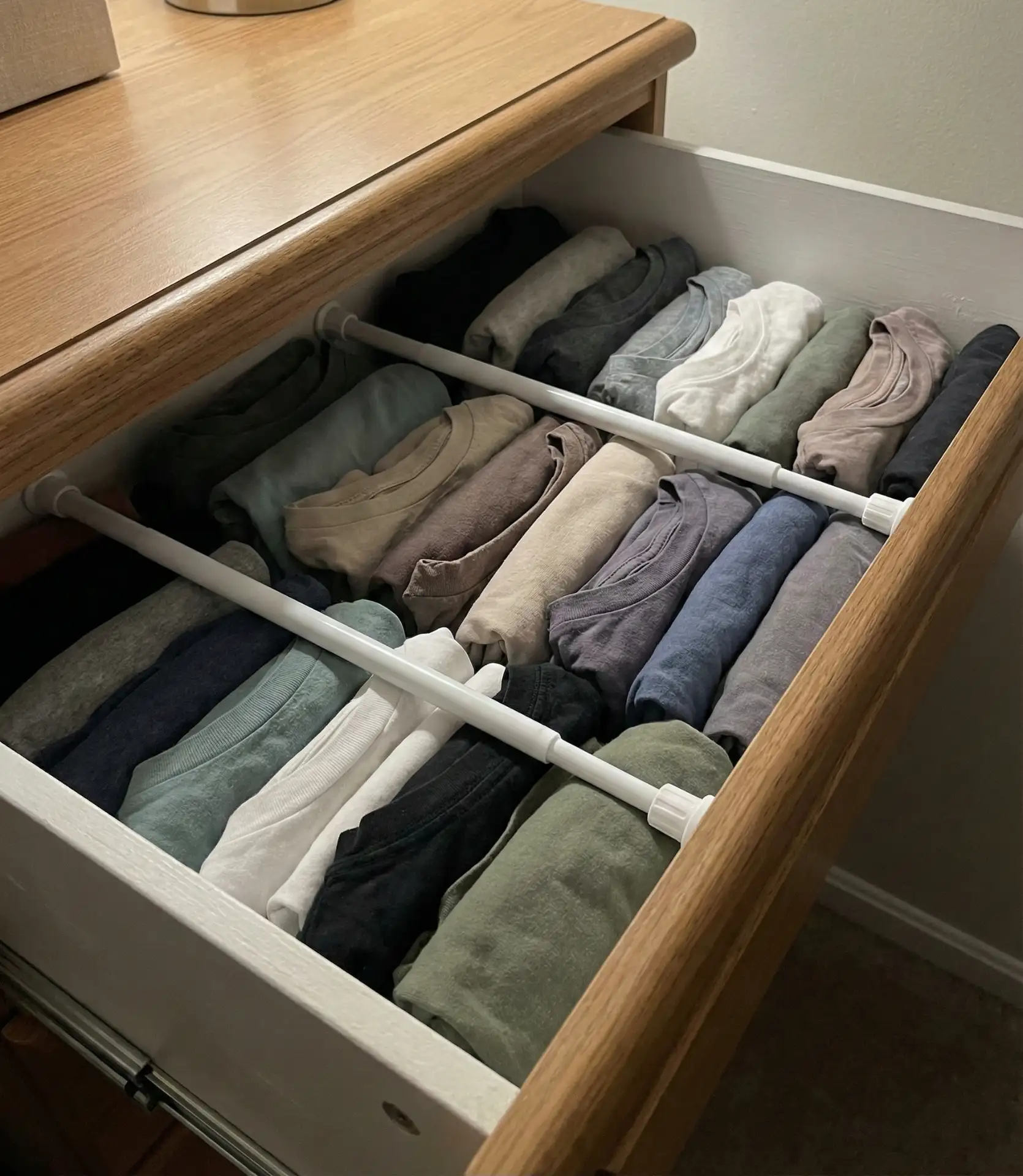
Tension rods installed vertically inside deep bedroom drawers create adjustable dividers for folded shirts, leggings, or tank tops. This low-cost hack prevents clothing from toppling over and makes it easy to see everything at a glance. It’s a favorite among those who follow Marie Kondo’s folding method, and it works in dressers, closets, or even kitchen drawers for organizing dish towels and oven mitts.
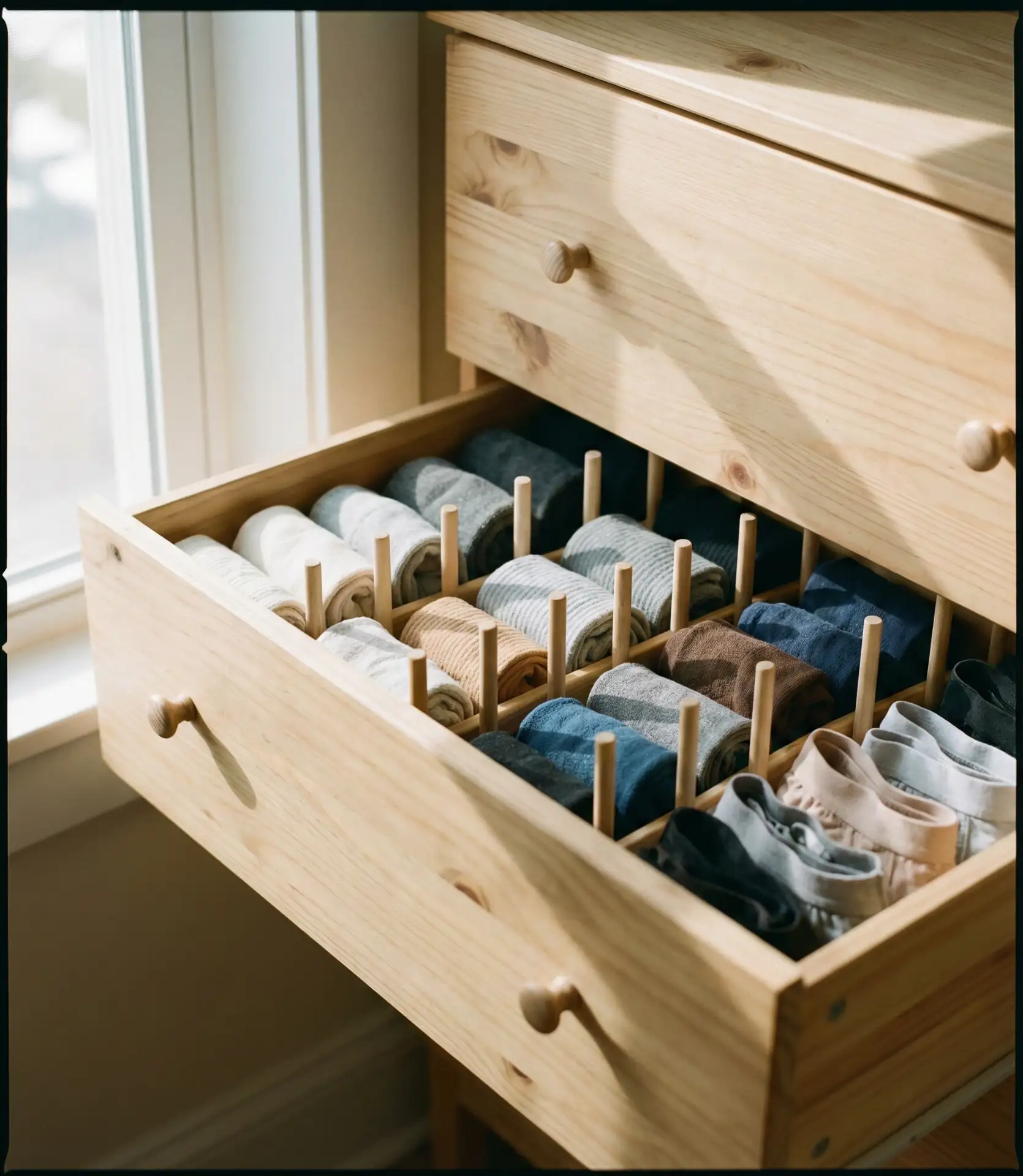
Expert-style commentary: professional organizers recommend pairing this with drawer liners to prevent rods from slipping. Measure your drawer’s width and buy rods that fit snugly—too loose and they’ll fall, too tight and you risk cracking the wood. Adjustability is key, so you can reconfigure sections as your wardrobe changes or if you share the drawer with a partner.
15. Stackable Clear Bins for Pantry Staples
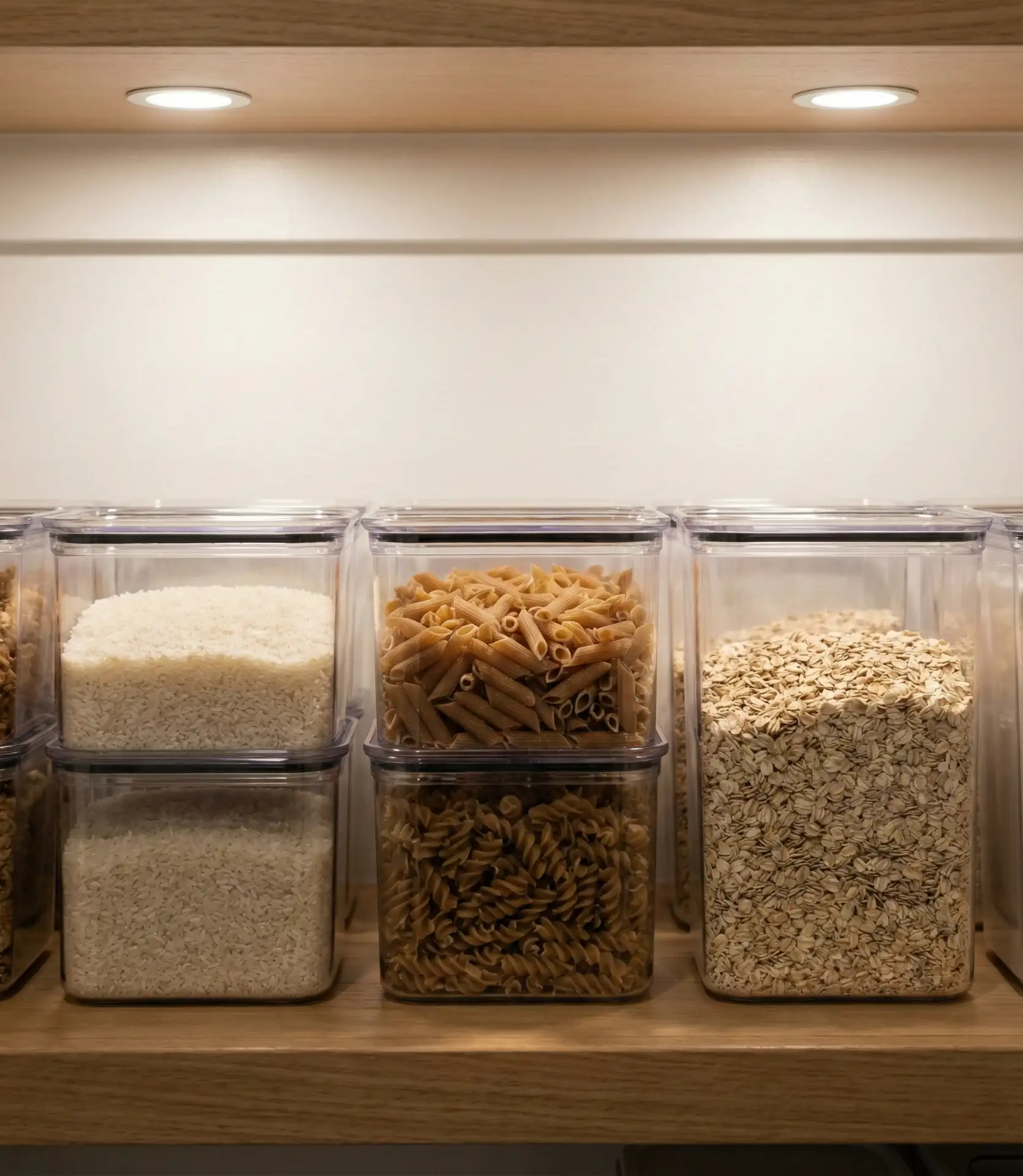
Transparent, stackable bins with lids let you see your food inventory at a glance and protect items like flour, rice, or pasta from pests. They maximize vertical space in cabinets and pantries, and the uniform shape creates a tidy, Instagram-worthy aesthetic. Label each bin with contents and expiration dates to avoid mystery containers lurking in the back.
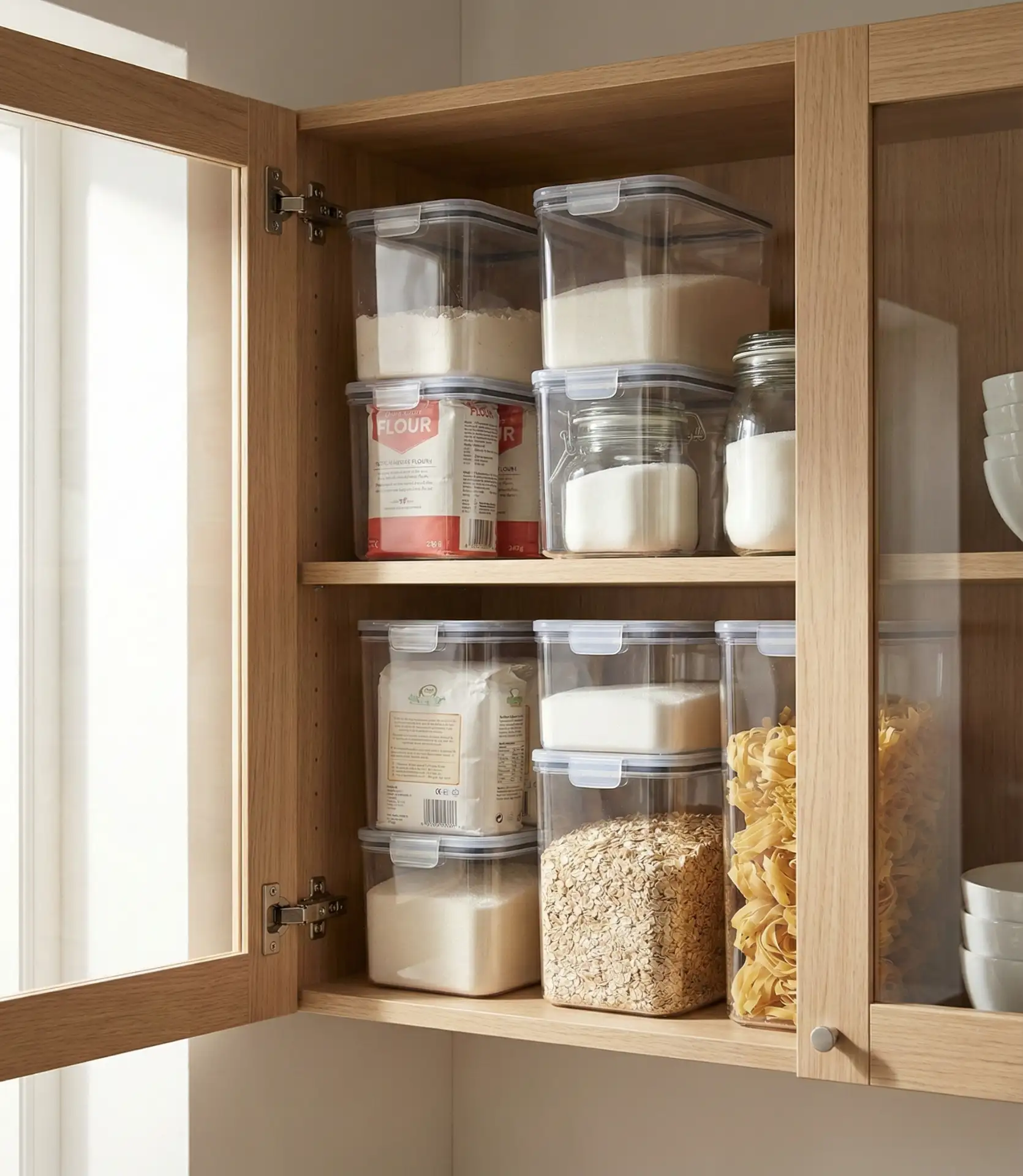
Budget sets run about $30 for six bins at retailers like Container Store or Amazon. If you’re on a tighter budget, repurpose old jars or plastic containers, though they won’t stack as neatly. The key is to decant bulk items immediately after shopping—this prevents half-empty bags from cluttering shelves and makes portion control easier when cooking.
16. Hanging Pot Rack Above the Island
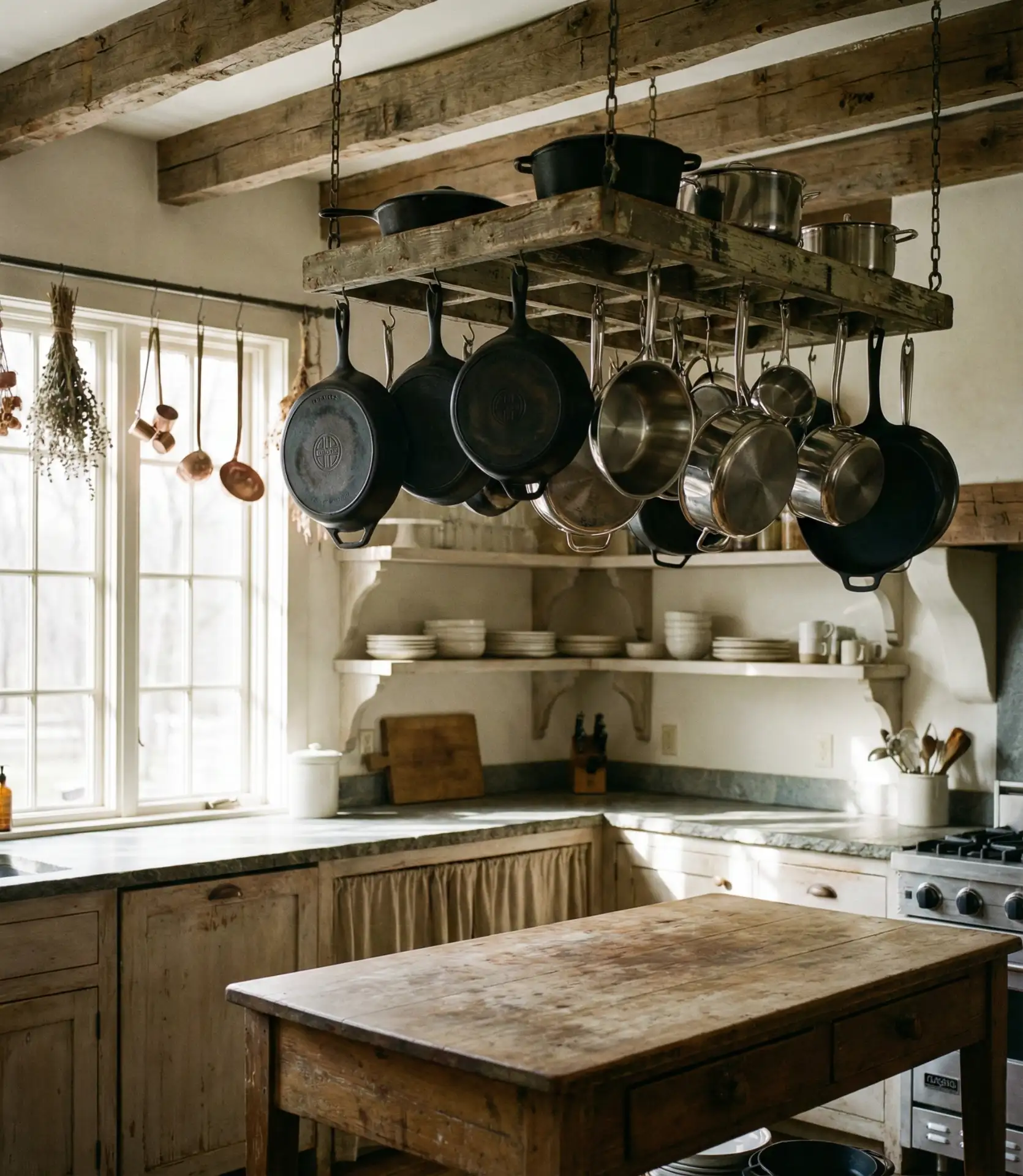
A ceiling-mounted pot rack frees up cabinet space and puts your cookware within arm’s reach while adding a rustic or industrial vibe to the kitchen. This creative solution works best if you have an island or peninsula where the rack won’t obstruct sightlines. Choose a rack with adjustable hooks so you can hang pots, pans, and even utensils. It’s a restaurant-style move that makes everyday cooking feel more intentional.

Where it works best: homes with standard 9-foot or higher ceilings. In apartments with 8-foot ceilings, the rack can feel oppressive or be a head-bumping hazard. Also consider noise—metal pots clanging together can echo in open-plan spaces. Some homeowners wrap felt around hooks to dampen sound, a small adjustment that makes the system more livable.
17. Built-In Bench with Lift-Up Seat in Entryway
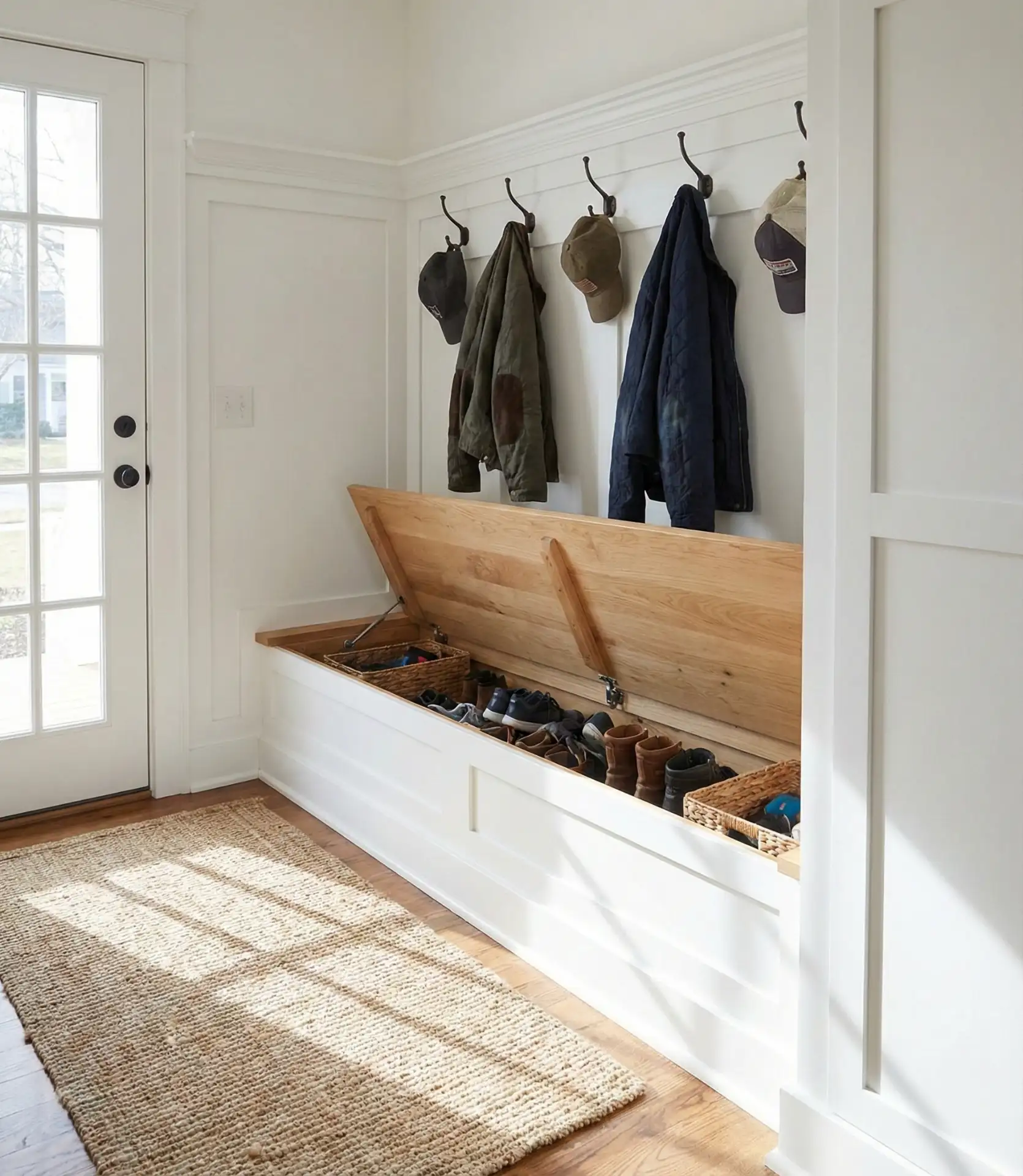
A custom or prefab bench with a hinged seat provides entryway seating and concealed storage for shoes, bags, or pet supplies. This dual-purpose piece is especially useful in homes without a mudroom, and it encourages everyone to sit while removing shoes—a habit that keeps floors cleaner. Add cushions or throw pillows on top to make the bench inviting and tie it into your decor scheme.
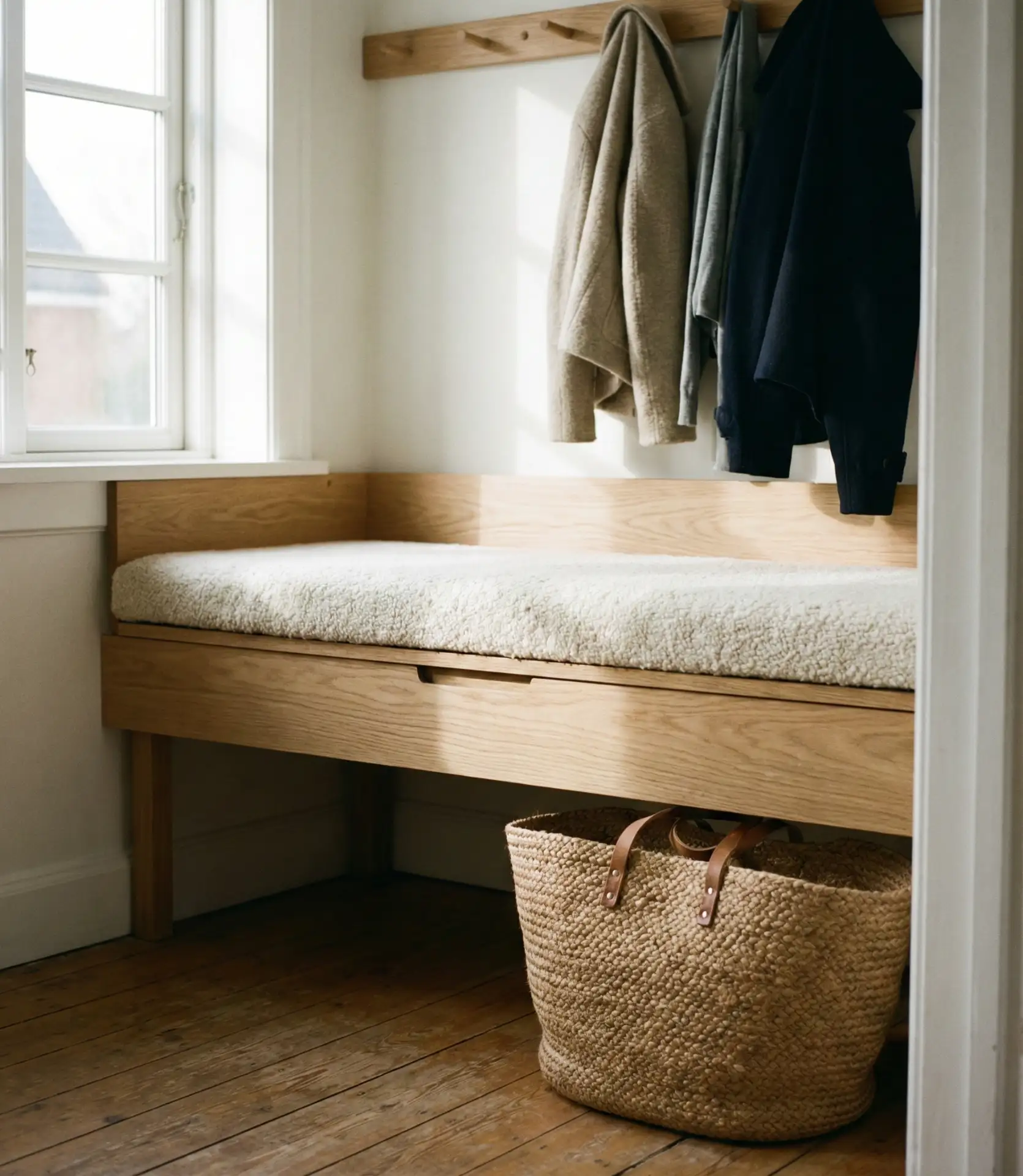
One couple in Chicago built their bench from scratch using plywood and piano hinges, adding a foam cushion covered in outdoor fabric for durability. The project cost about $100 and took a weekend. They report that guests always compliment the bench, and it’s become the household’s command center for keys, dog leashes, and mail—proof that smart storage can also be a design focal point.
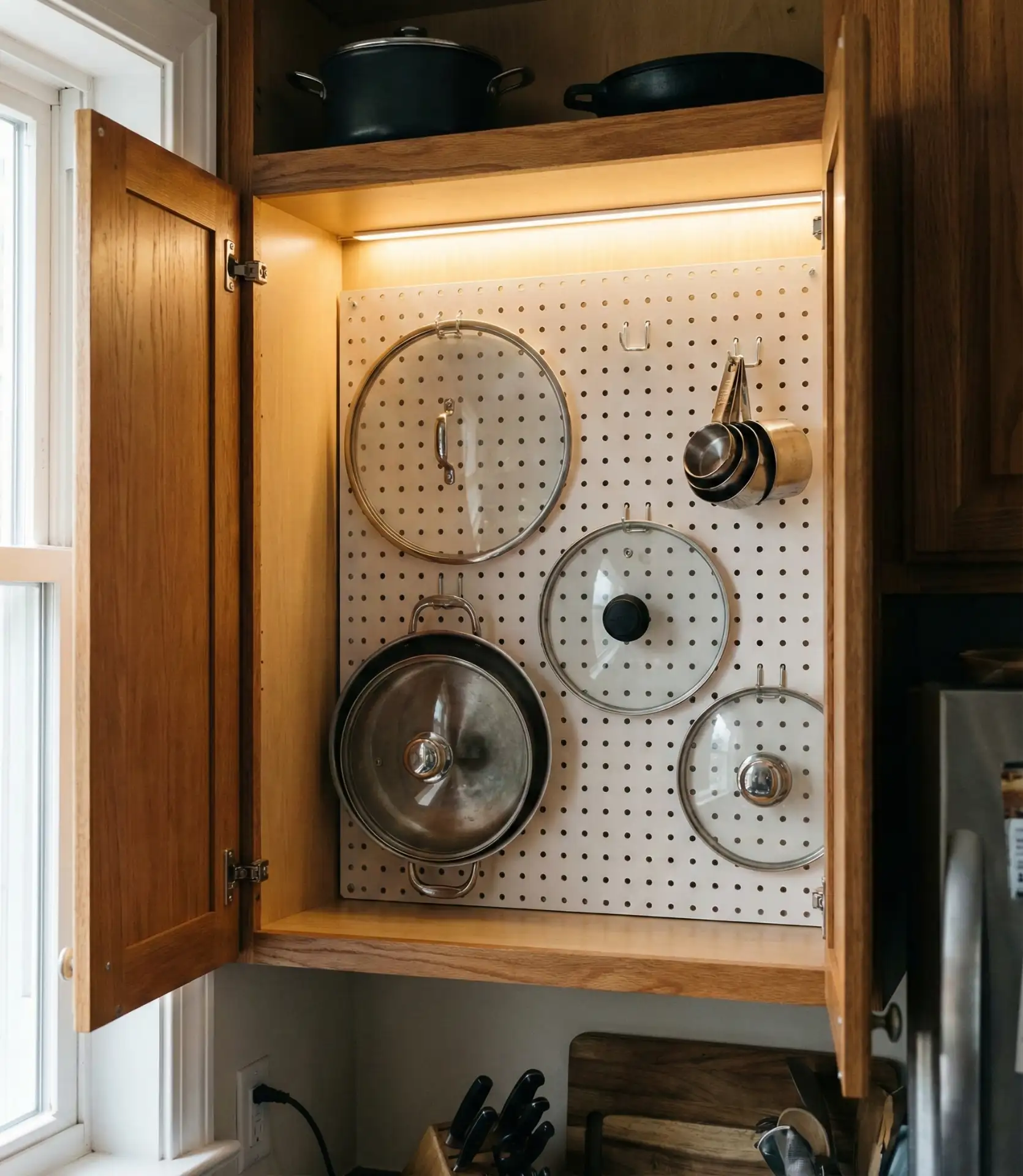
18. Pegboard Inside Cabinet Doors
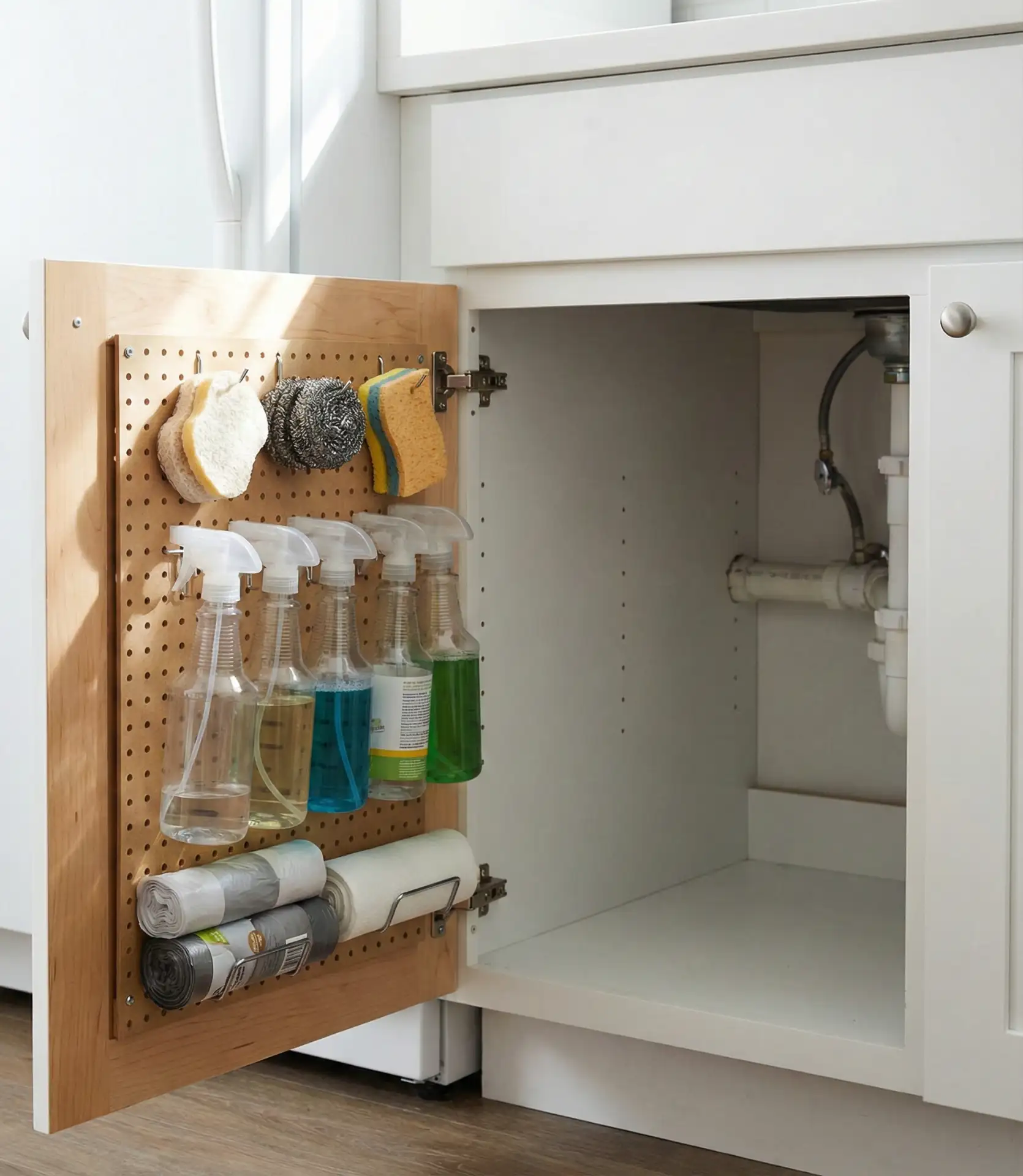
Attaching small pegboard panels to the inside of cabinet doors creates instant storage for measuring spoons, pot lids, or cleaning supplies. This DIY trick uses vertical space you probably aren’t thinking about and keeps frequently used items handy without cluttering countertops. Cut the pegboard to fit your door dimensions, secure it with screws, and add hooks or baskets as needed.
A practical insight: paint the pegboard the same color as your cabinet interiors so it blends in when doors are open. Use short hooks to avoid interfering with the cabinet’s closing mechanism. This setup is especially useful under sinks where plumbing eats up internal space—the door becomes your primary storage surface, and you’re no longer digging through a jumble of bottles.
19. Ladder Shelf for Towels and Decor
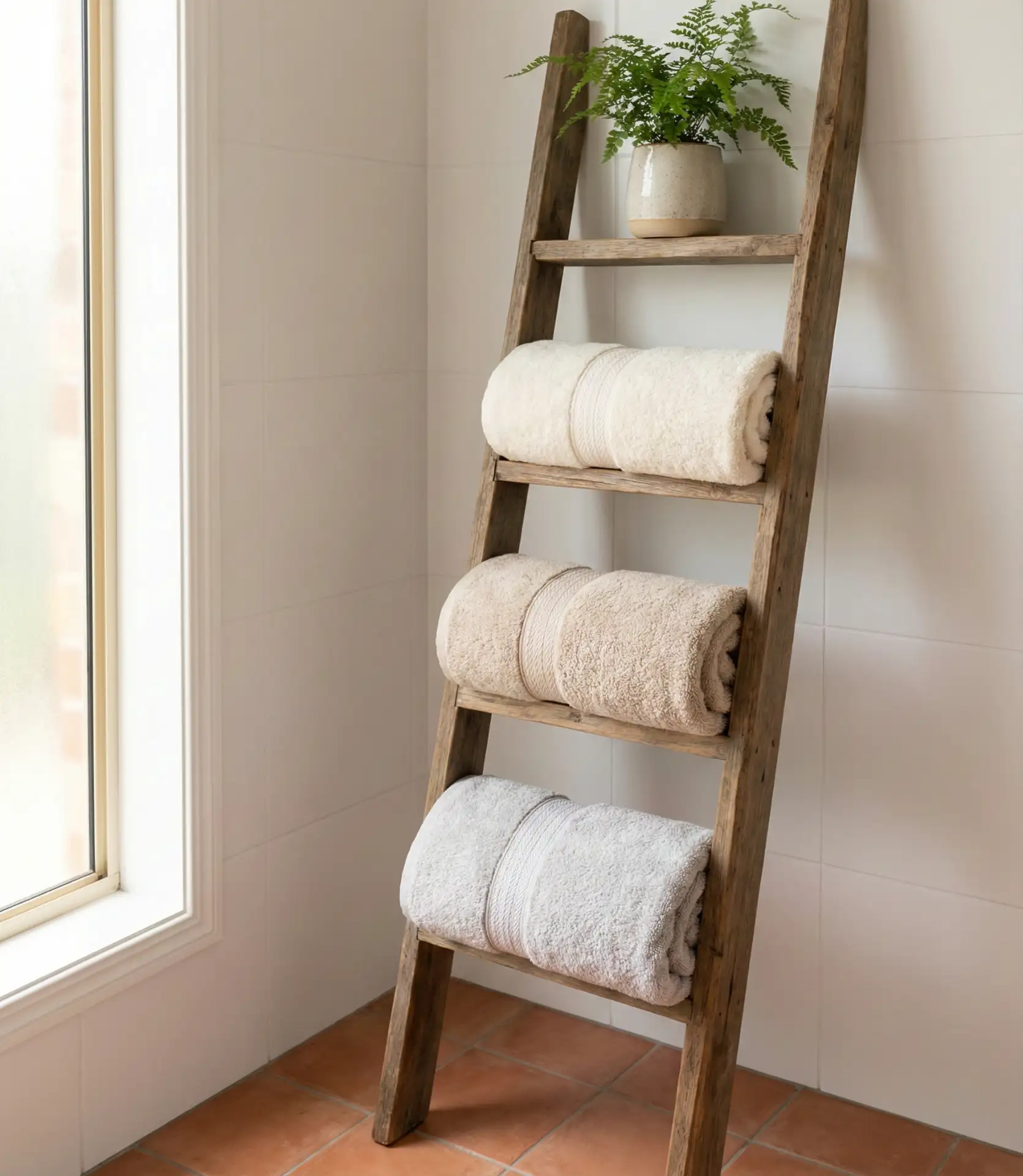
A leaning ladder shelf in the bathroom or bedroom offers open storage without requiring wall mounting, making it ideal for renters. The angled design takes up minimal floor space while providing multiple rungs for towels, plants, or baskets. It’s a stylish alternative to traditional shelving and adds vertical interest to otherwise blank walls.

Where it works best: in bathrooms with high ceilings or in corners where a traditional bookcase would feel too heavy. Secure the top of the ladder to the wall with a discreet bracket to prevent tipping, especially if you have kids or pets. Some models come with anti-slip rubber feet, which protect floors and add stability on tile or hardwood surfaces.
20. Drawer Organizers for Small Items
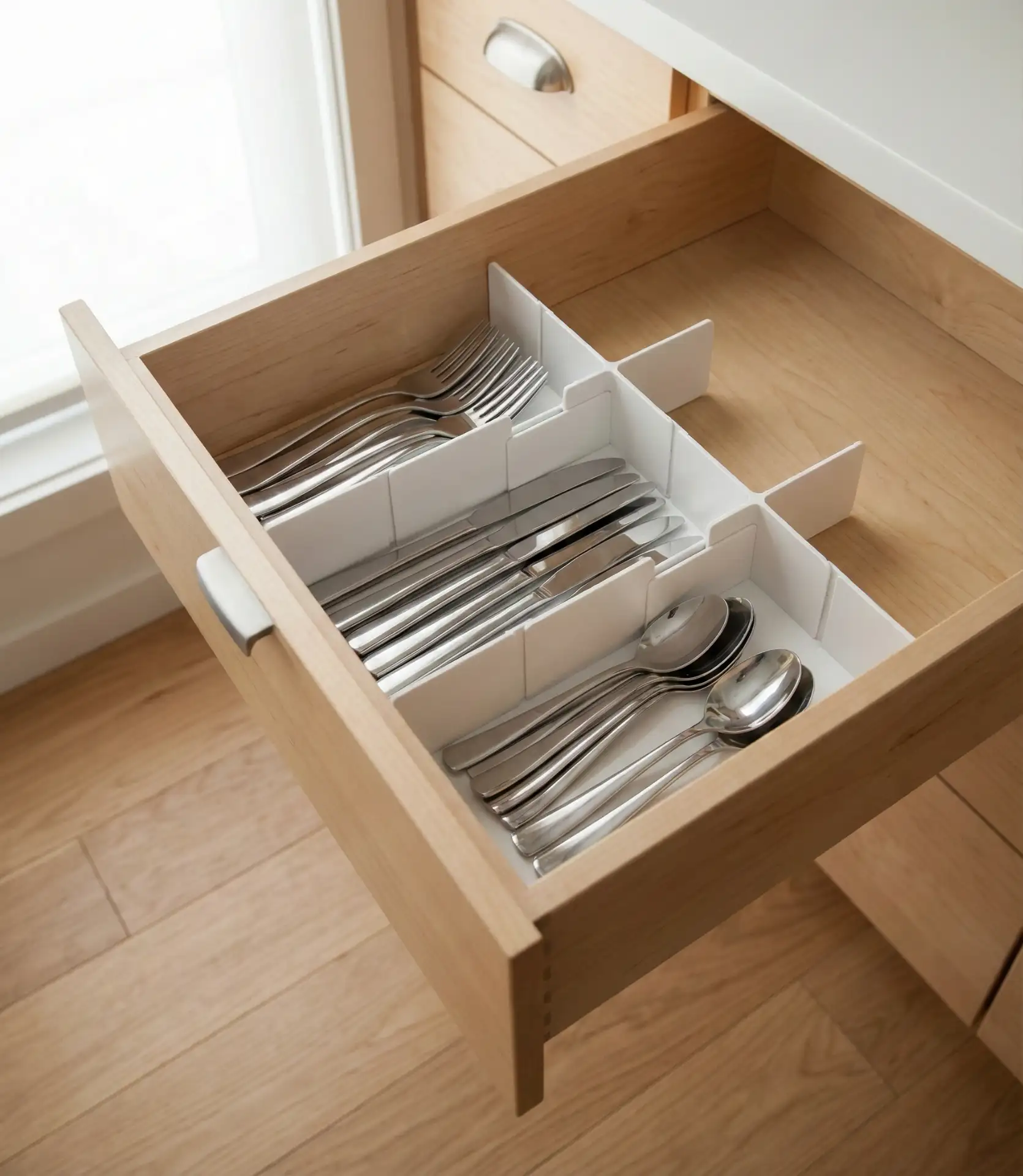
Modular drawer organizers with adjustable compartments prevent junk drawers from becoming chaotic black holes. Use them in kitchens for clever utensil sorting, in bathrooms for cosmetics, or in home offices for paper clips and batteries. The grid system makes it easy to assign every item a specific spot, which means you’ll spend less time searching and more time using what you own.
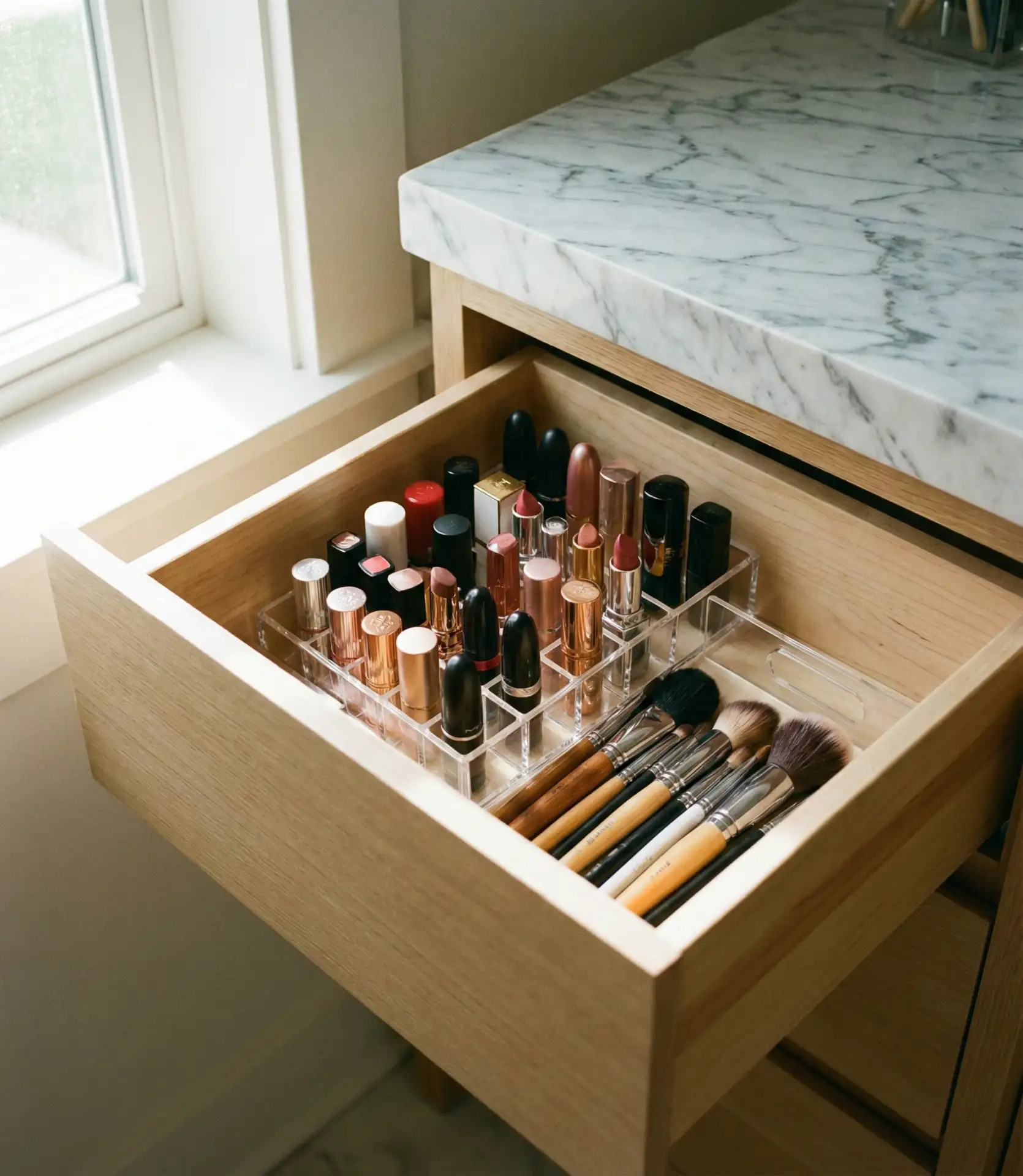
Common mistakes include buying organizers before measuring your drawer dimensions, leading to gaps or overhang. Measure width, depth, and height carefully, accounting for any drawer slides or internal brackets. Expandable organizers are more forgiving if you’re between standard sizes. Also, resist the urge to over-organize—if you create too many tiny compartments, you’ll never remember where things go.
21. Wall-Mounted Drying Rack in Laundry Room
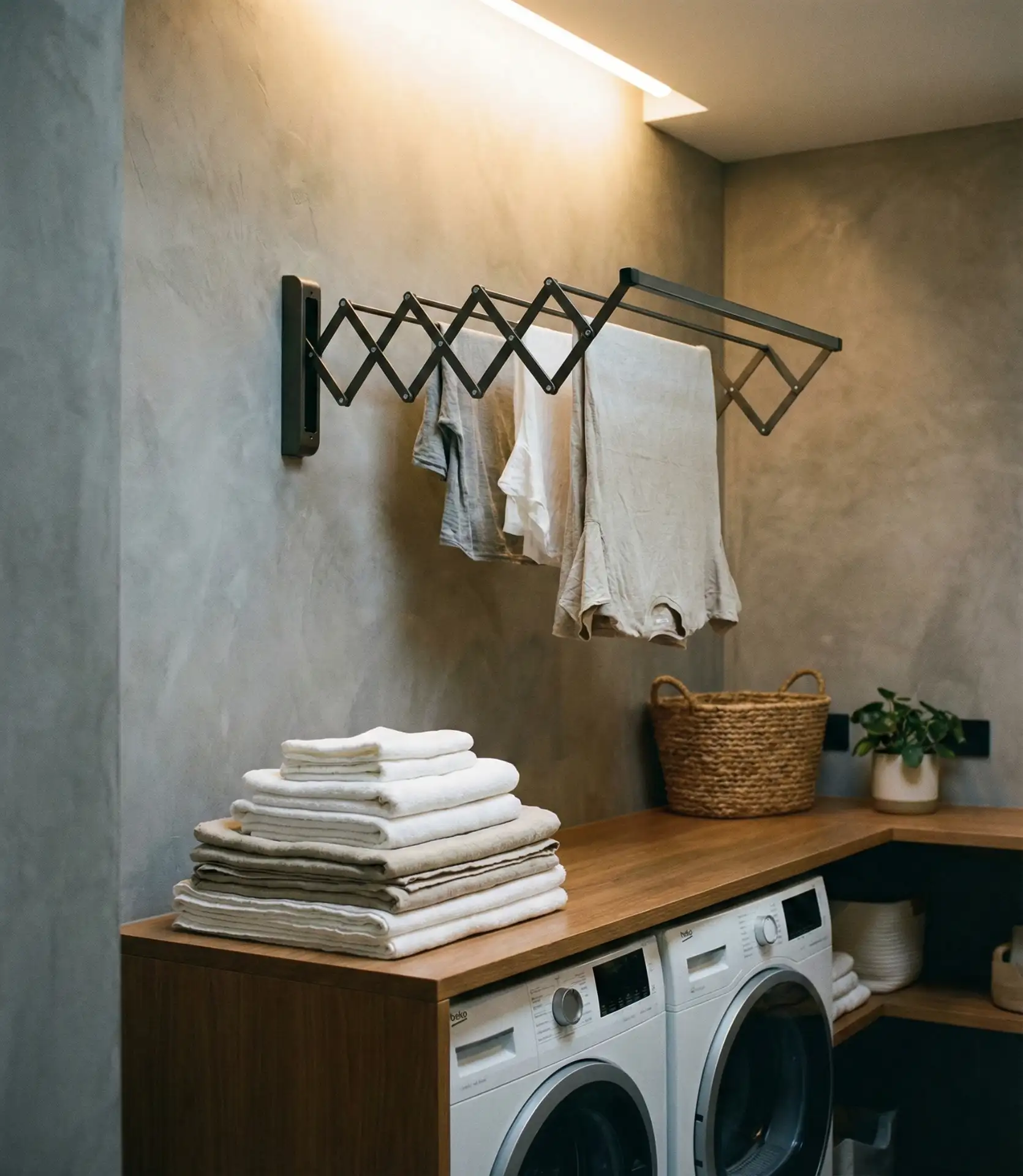
A fold-out drying rack mounted on the wall saves floor space and provides a permanent spot for air-drying delicates. When not in use, it folds flat or retracts into a housing, keeping the room clutter-free. This solution is perfect for apartment dwellers who don’t have room for a standing drying rack and want to protect garments from shrinking in the dryer.

Budget options range from $20 for basic models at IKEA to $80 for heavy-duty stainless steel versions. Install it near a window or vent for faster drying, and consider adding a small fan if your laundry room lacks airflow. In humid climates like the Southeast, pairing the rack with a dehumidifier prevents musty odors on wet fabrics.
22. Fabric Storage Cubes in Closets

Collapsible fabric cubes fit perfectly on closet shelves and hold everything from scarves and belts to linens and seasonal gear. They’re lightweight, simple to pull down, and come in various colors to match your aesthetic. When you no longer need one, it collapses flat for storage—a flexibility that rigid bins can’t match. This system is especially popular in reach-in closets where every inch of shelf space needs to work hard.
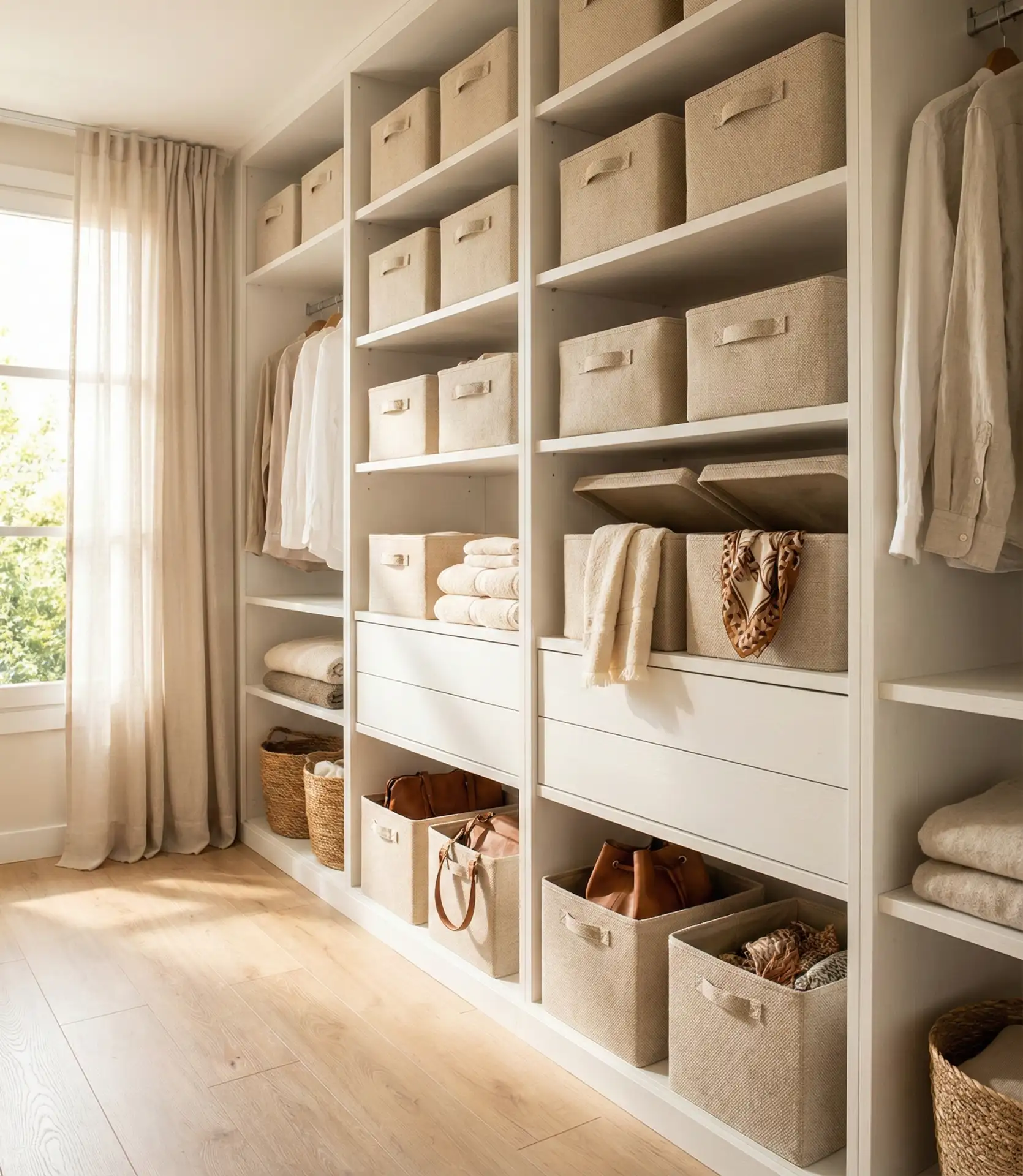
Real homeowner behavior: people often buy too many cubes and then struggle to keep them filled meaningfully. Start with two or three and add more only as you identify specific storage needs. Label the front or side of each cube with a tag or marker so you’re not constantly opening them to see what’s inside. This small step saves time and maintains order.
23. Under-Stair Pull-Out Storage
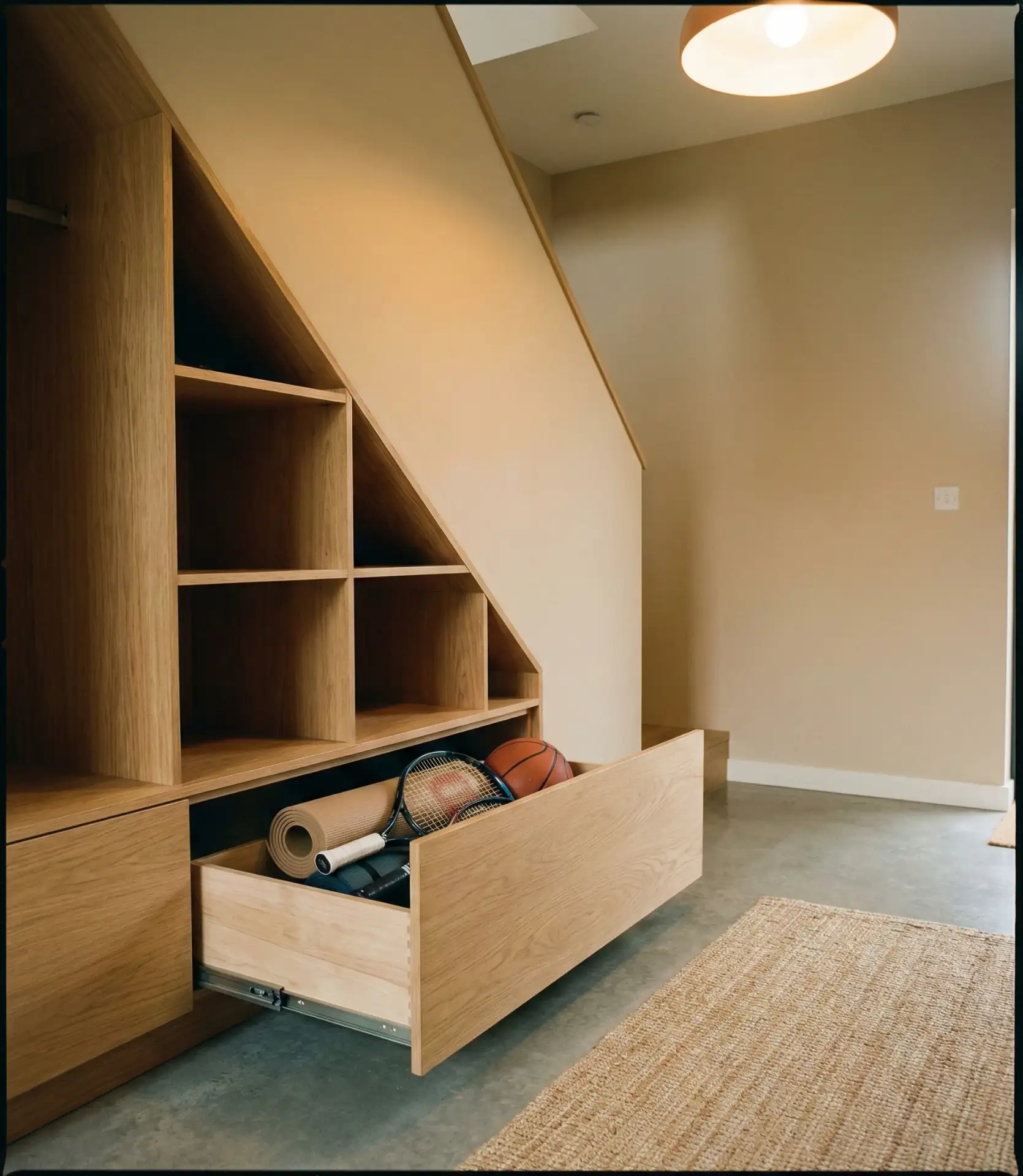
The triangular void beneath a staircase often goes unused, but installing pull-out drawers or shelves transforms it into high-capacity storage for shoes, coats, or pantry overflow. This smart design requires some carpentry or a handyman, but the payoff is substantial—you’re reclaiming space that’s otherwise dead. It’s especially useful in townhomes or split-level houses where the staircase occupies prime real estate.
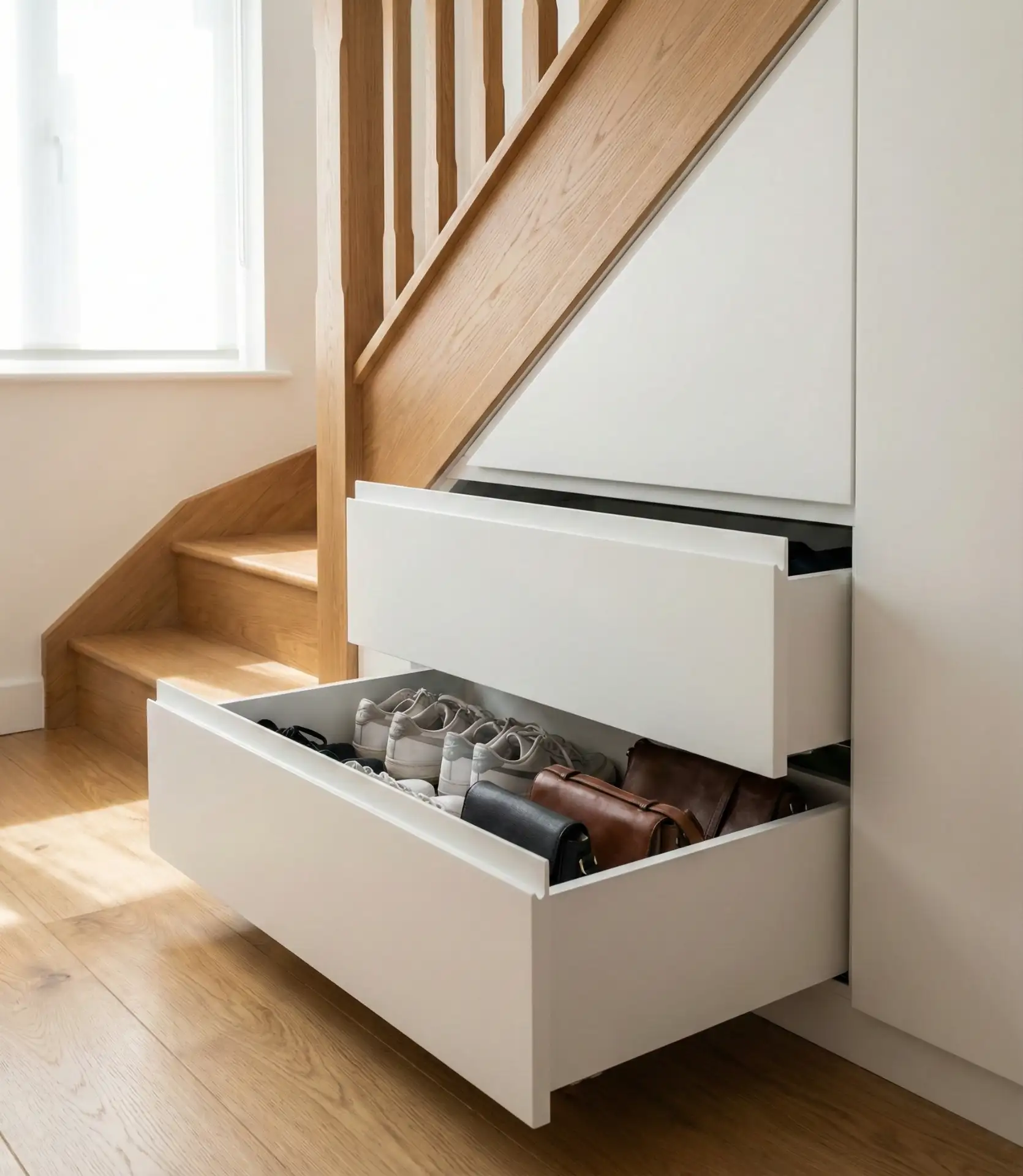
Expert-style commentary: hire a professional to ensure the drawers glide smoothly and don’t interfere with the staircase’s structural integrity. Custom builds can run $500 to $2,000 depending on materials and complexity, but the result is a bespoke storage solution that feels like a luxury upgrade. Some homeowners add lighting inside the drawers for easier access, a detail that makes the system feel high-end.
Small-space living in 2026 is all about making intentional choices with every square foot. These storage ideas prove that you don’t need a sprawling house to stay organized—you just need creativity, a bit of planning, and the willingness to rethink how you use your space. Try one or two of these solutions this month and see how they change your daily routine. Have a favorite storage hack that didn’t make the list? Share it in the comments below—we’d love to hear what’s working in your home.