
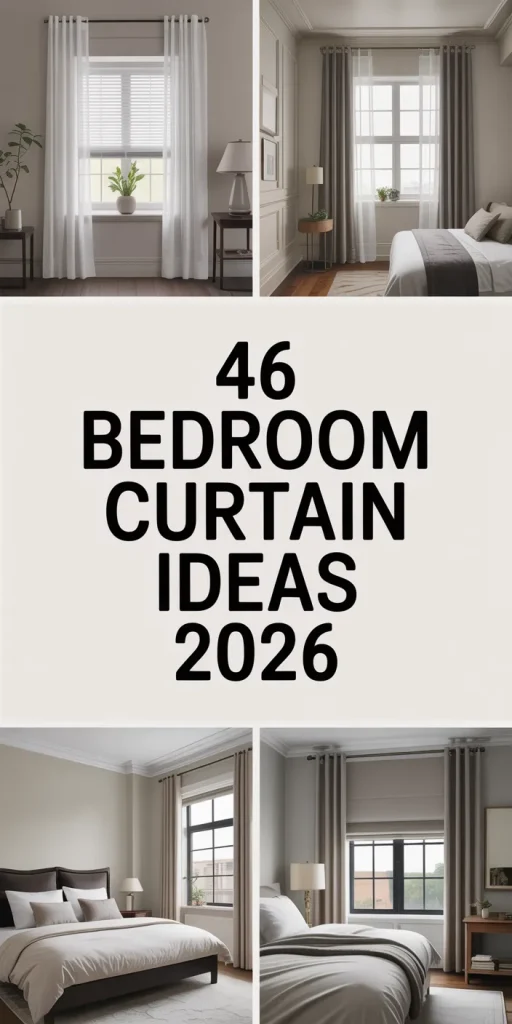
Bedroom curtains in 2026 are no longer just about privacy—they’re statement pieces that define the mood, light, and personality of your most personal space. As Americans refresh their homes with Pinterest-inspired designs, the right window treatment can transform a master modern bedroom into a serene retreat or turn a small window challenge into a design win. This year’s trends cater to every style and budget, whether you prefer blackout functionality, aesthetic elegance, or boho texture. In this guide, you’ll discover fresh curtain ideas tailored to real bedrooms—from coastal calm to moody drama—with practical tips that actually work in American homes.
1. Master Modern Bedroom with Floor-Length White Linen
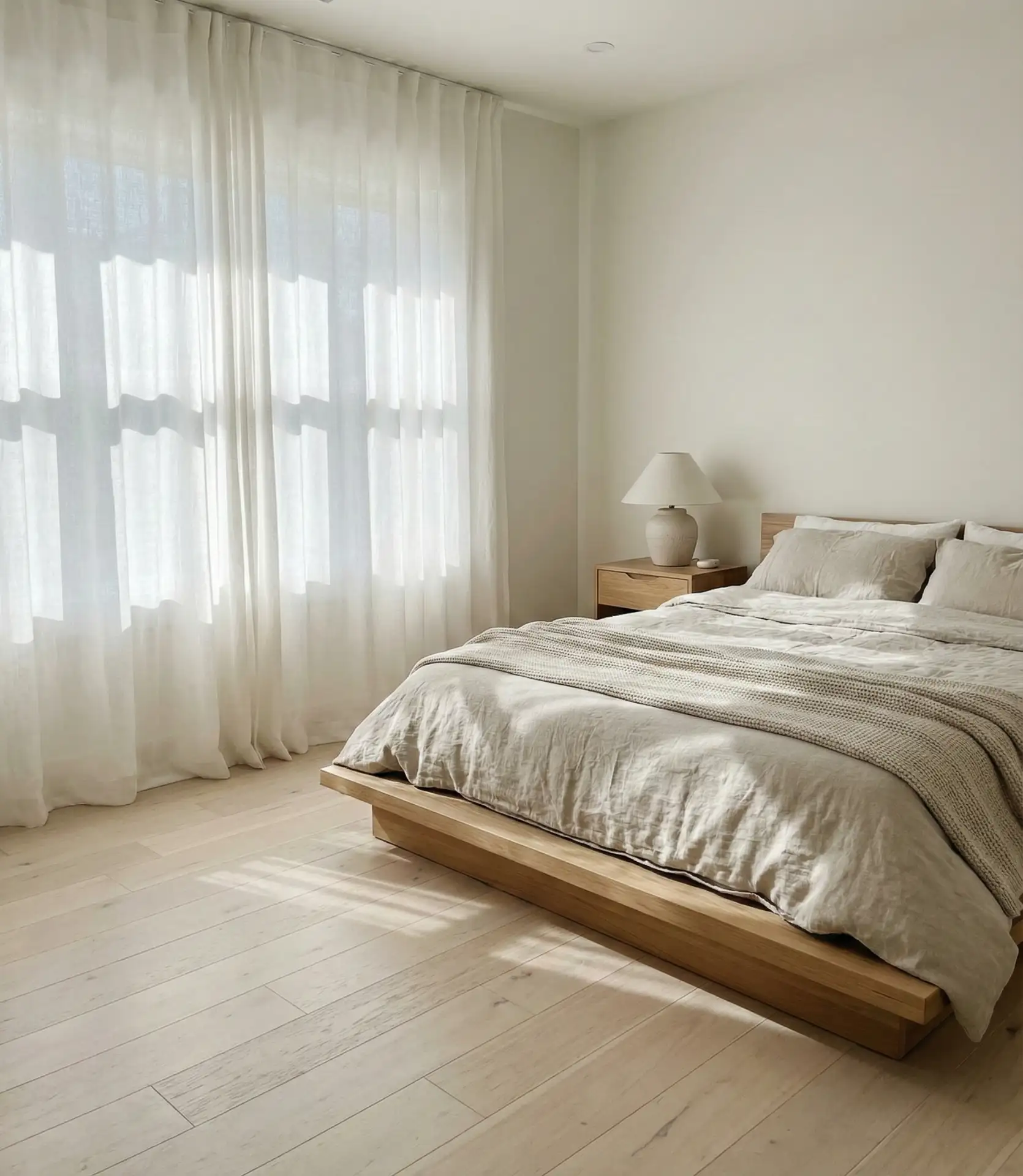
A master modern bedroom thrives on simplicity, and floor-length white linen curtains deliver just that. The natural texture softens architectural lines while filtering daylight into a warm, diffused glow. This look pairs beautifully with minimalist furniture and neutral palettes, creating a serene backdrop that never feels sterile. Linen’s subtle wrinkles add organic character without fussiness, making it ideal for homeowners who want effortless sophistication.
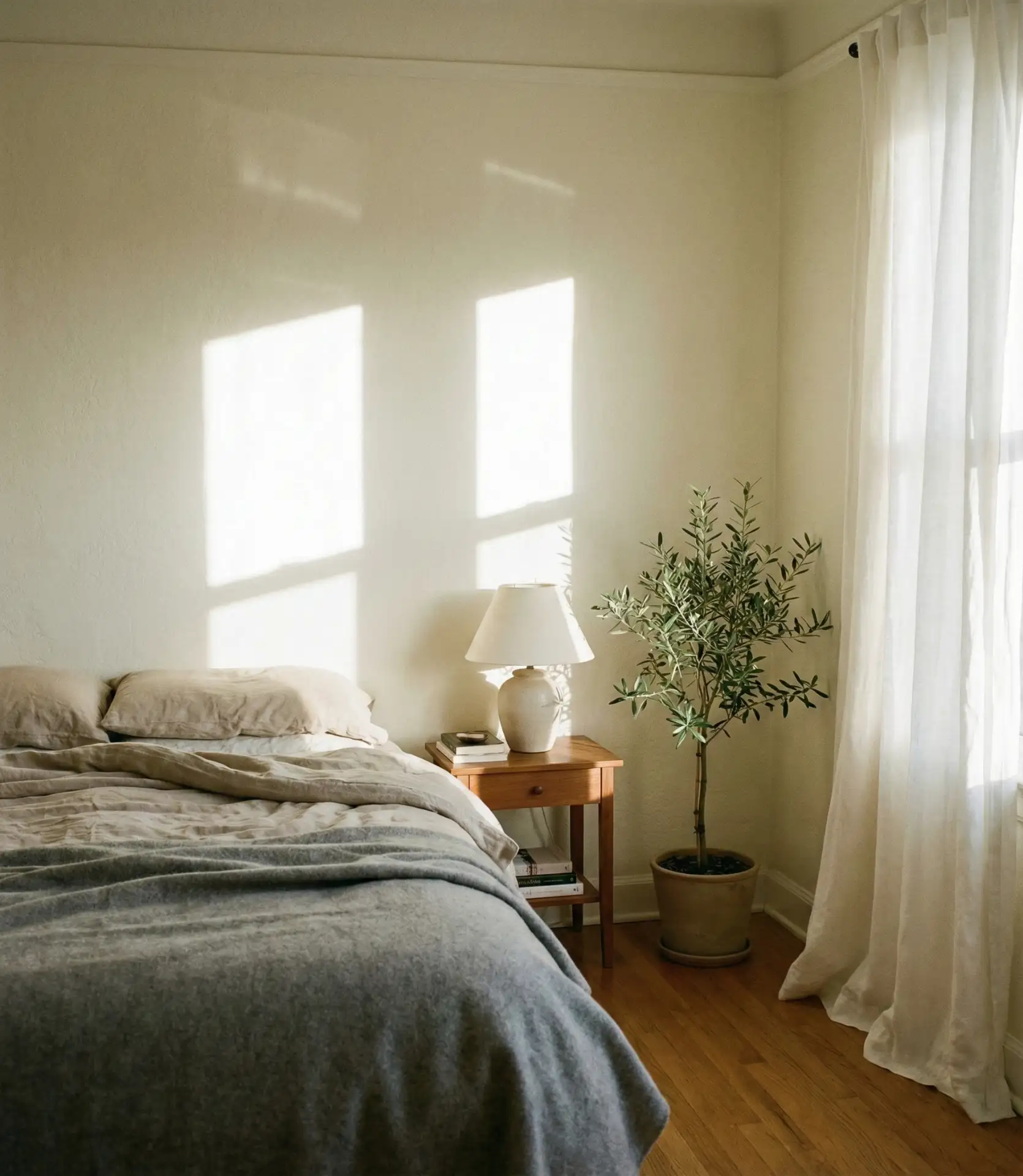
This choice works best in larger bedrooms where curtain length can create vertical drama. Budget-wise, quality linen panels start around $60–$90 per panel, and because they’re timeless, they won’t need replacing when trends shift. Avoid skimping on length—curtains should just skim or puddle slightly on the floor for that custom, high-end look that’s everywhere on Pinterest right now.
2. Blackout Curtains in Grey for Better Sleep
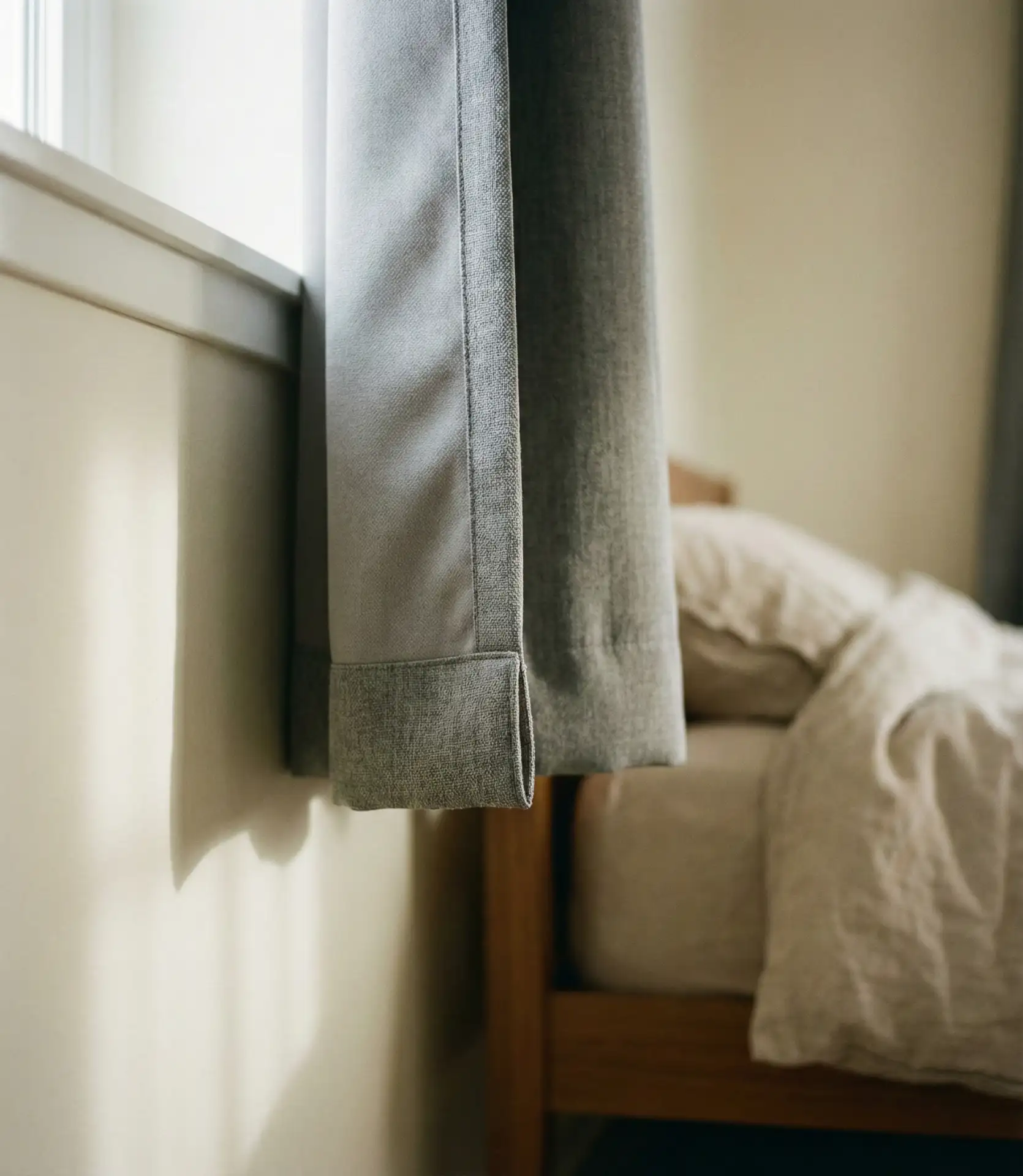
For Americans working night shifts or living on busy streets, blackout curtains aren’t optional—they’re essential. Grey blackout panels offer total light control without the heaviness of black, making them perfect for bedrooms that need to function as sleep sanctuaries. The neutral tone complements almost any color scheme, from crisp whites to deeper charcoals, and the thermal backing helps regulate temperature year-round.
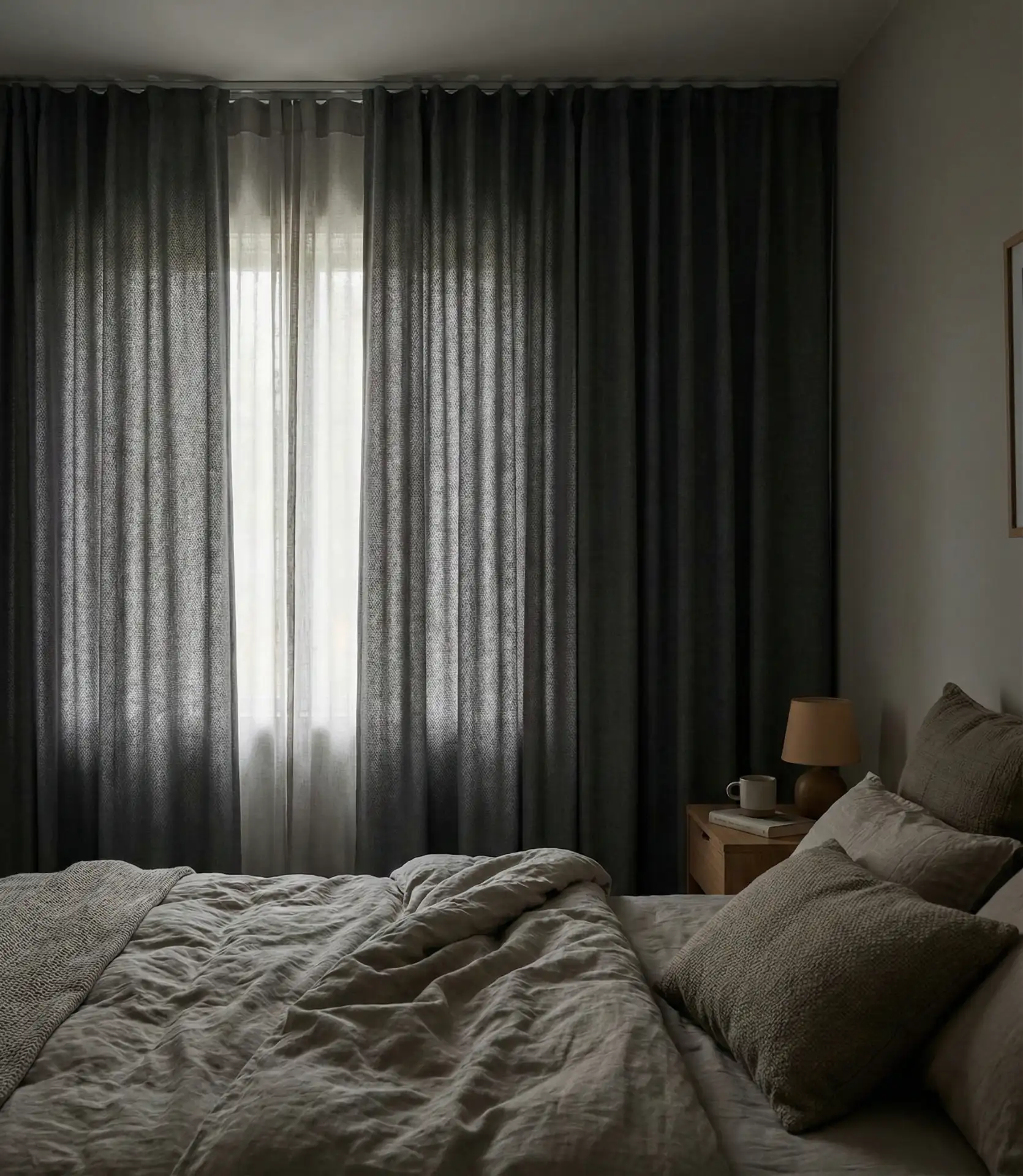
Many homeowners make the mistake of choosing curtains that are too narrow, allowing light to leak at the sides. For true blackout performance, mount your rod 6–8 inches beyond the window frame on each side, and consider a wraparound rod to eliminate gaps. This setup is especially valuable in nurseries and primary bedrooms where quality sleep isn’t negotiable.
3. Sage Green Curtains for Earthy Calm
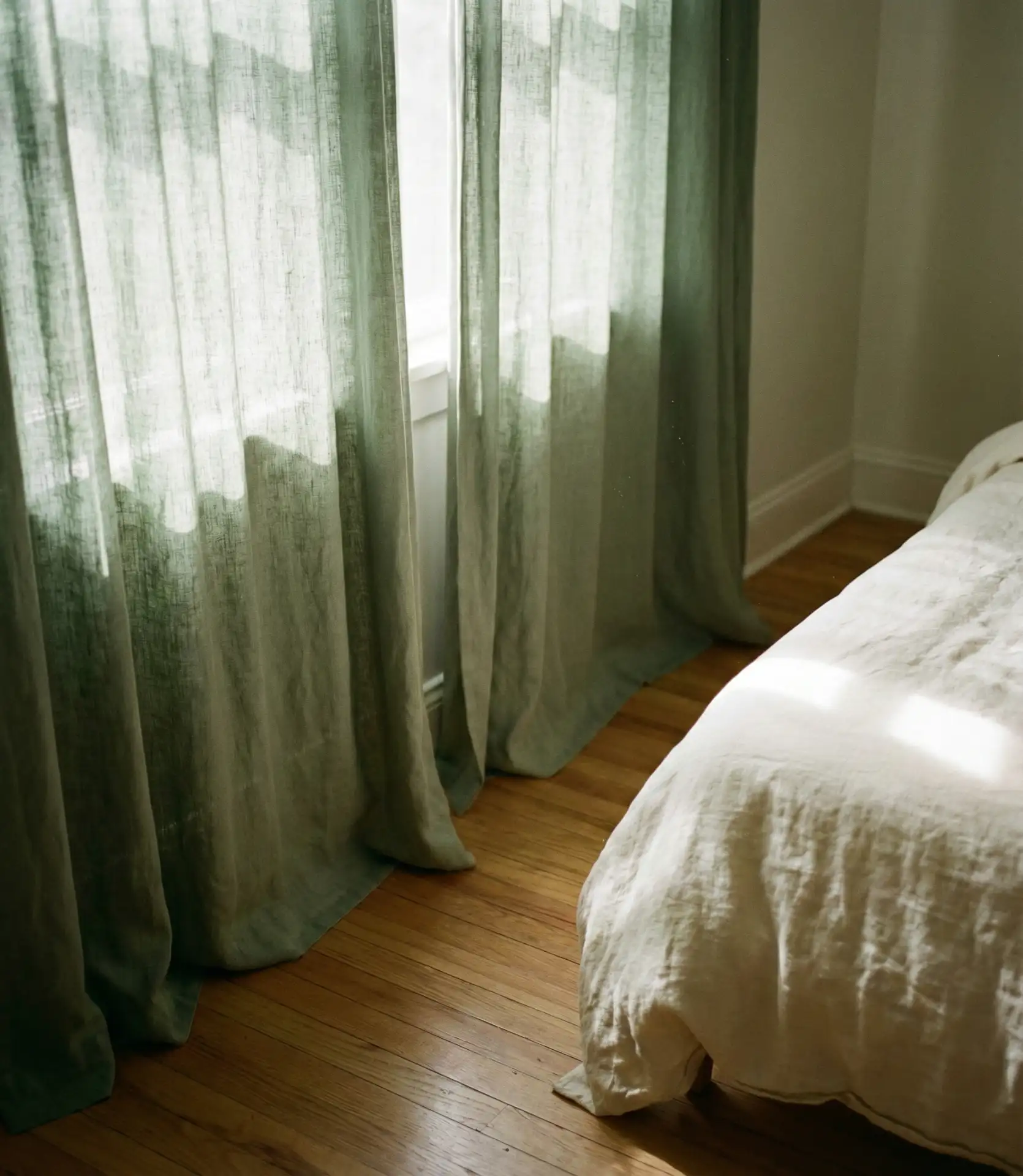
Sage green has become the go-to green hue for bedrooms seeking a nature-inspired vibe without going full botanical. These curtains bring the outdoors in, pairing beautifully with wood tones, rattan accents, and beige or ivory bedding. The muted, dusty green feels grounded and mature—ideal for primary bedrooms where you want calm sophistication rather than youthful energy.
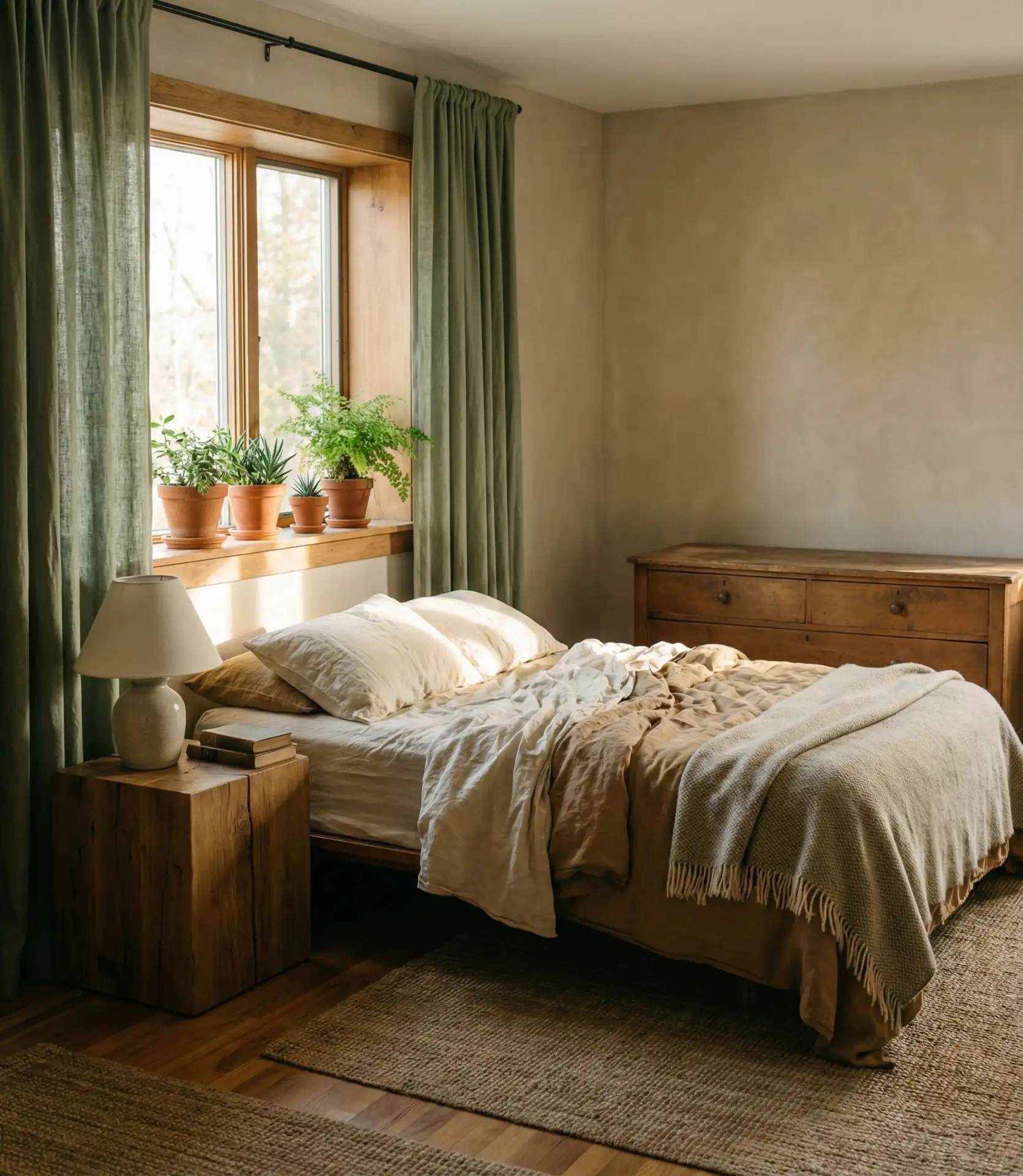
Sage green curtains work especially well in bedrooms with east- or west-facing windows, where morning and evening light amplifies the color’s soft glow. In the Pacific Northwest and New England, this shade resonates with the natural landscape, making it a regional favorite. Layer them with sheer whites for added dimension and light control throughout the day.
4. Blue Velvet Curtains for Moody Elegance
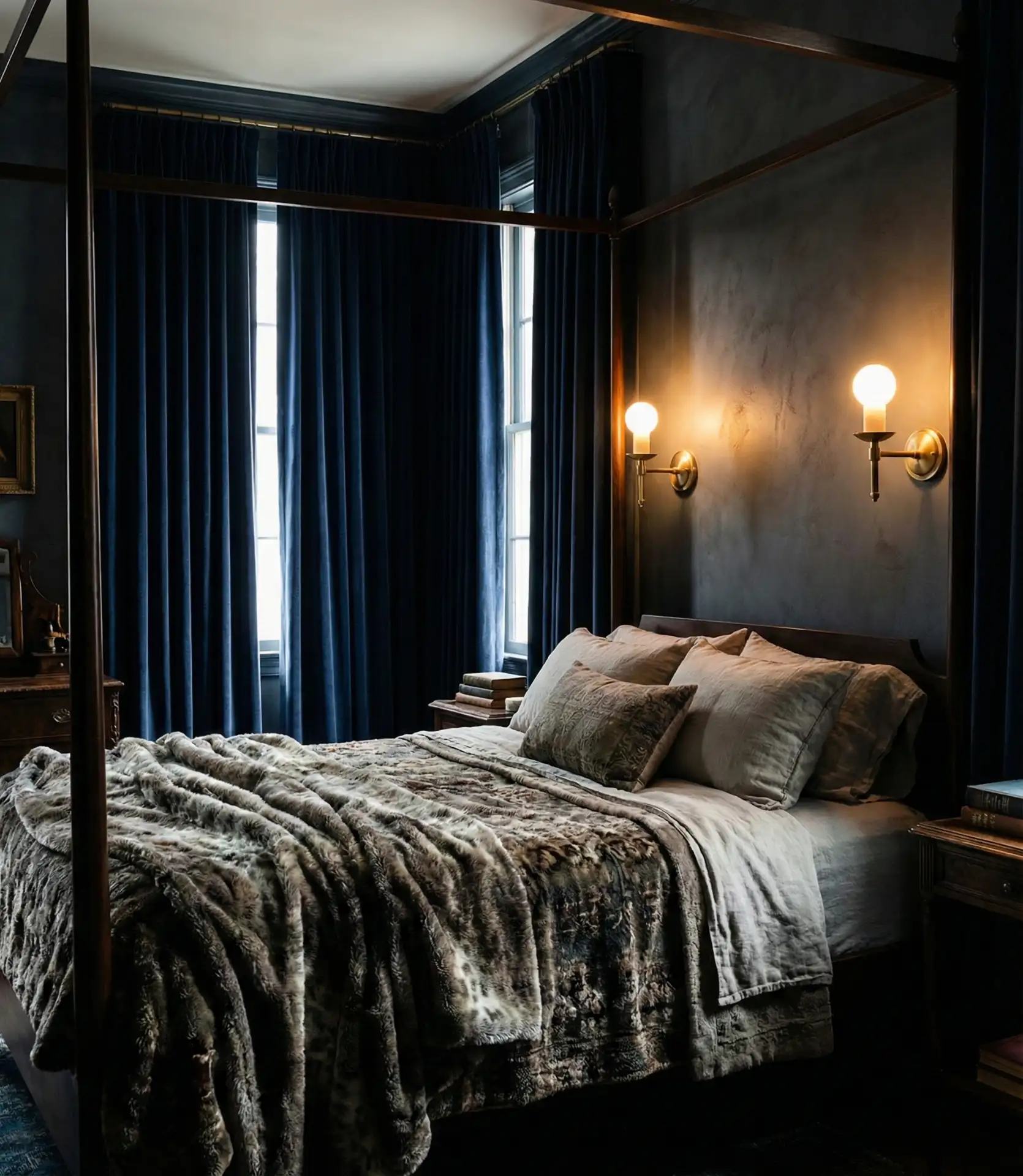
Deep blue velvet curtains are having a major moment in 2026, especially in moody bedrooms that embrace drama and intimacy. The plush texture absorbs light beautifully, creating a cocoon-like feeling that’s perfect for unwinding after long days. This look pairs effortlessly with brass fixtures, dark wood furniture, and jewel-toned accents, making it a favorite for urban lofts and historic homes alike.
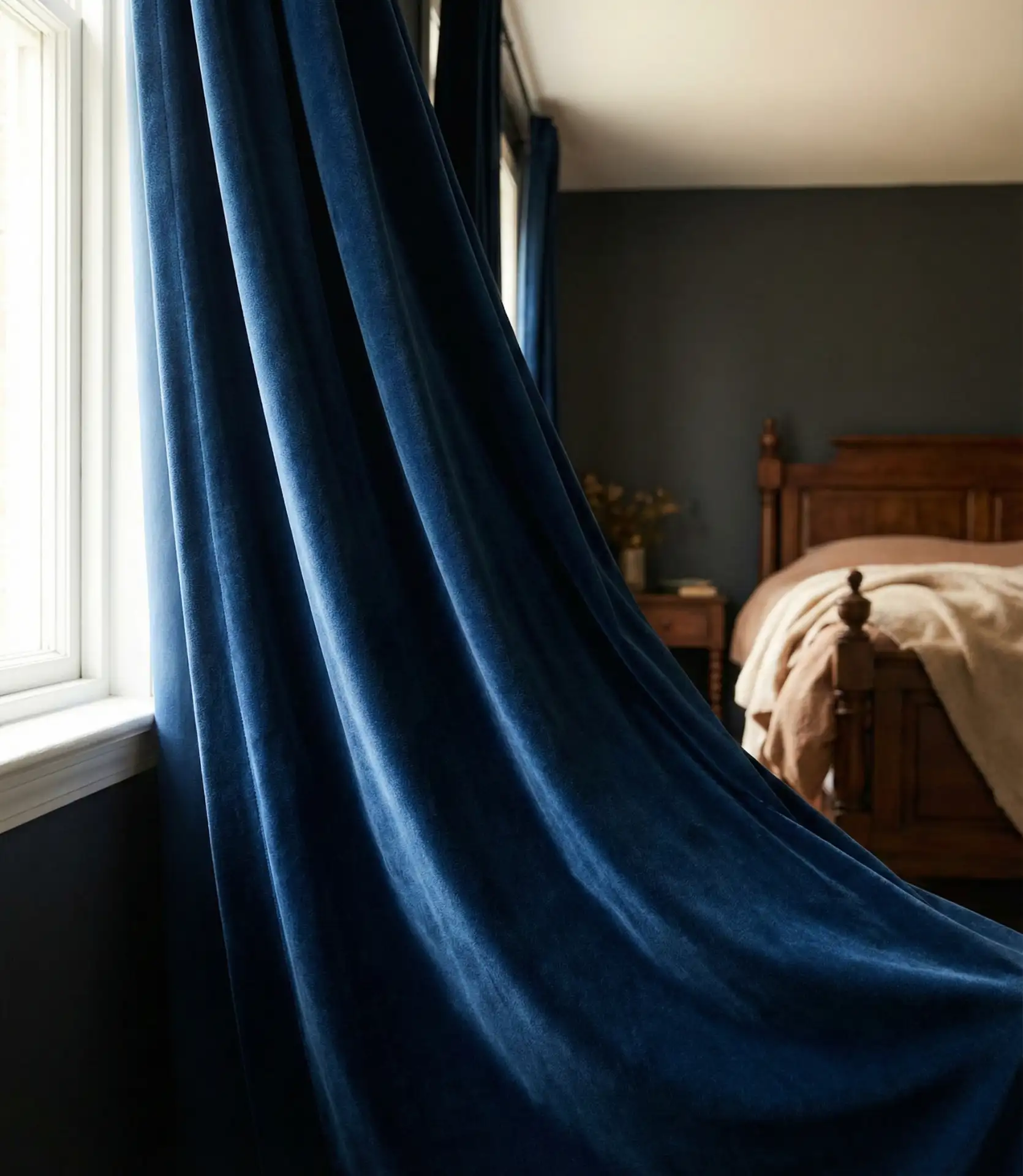
A designer friend once told me that velvet curtains are the fastest way to make a rental feel custom. The weight and sheen instantly upgrade a space, and because velvet naturally insulates, they help reduce heating costs in colder months—a practical bonus for Midwest and Northeast homeowners. Just steam them gently to release any creases from packaging.
5. Sheer White Curtains with Blinds for Layered Control
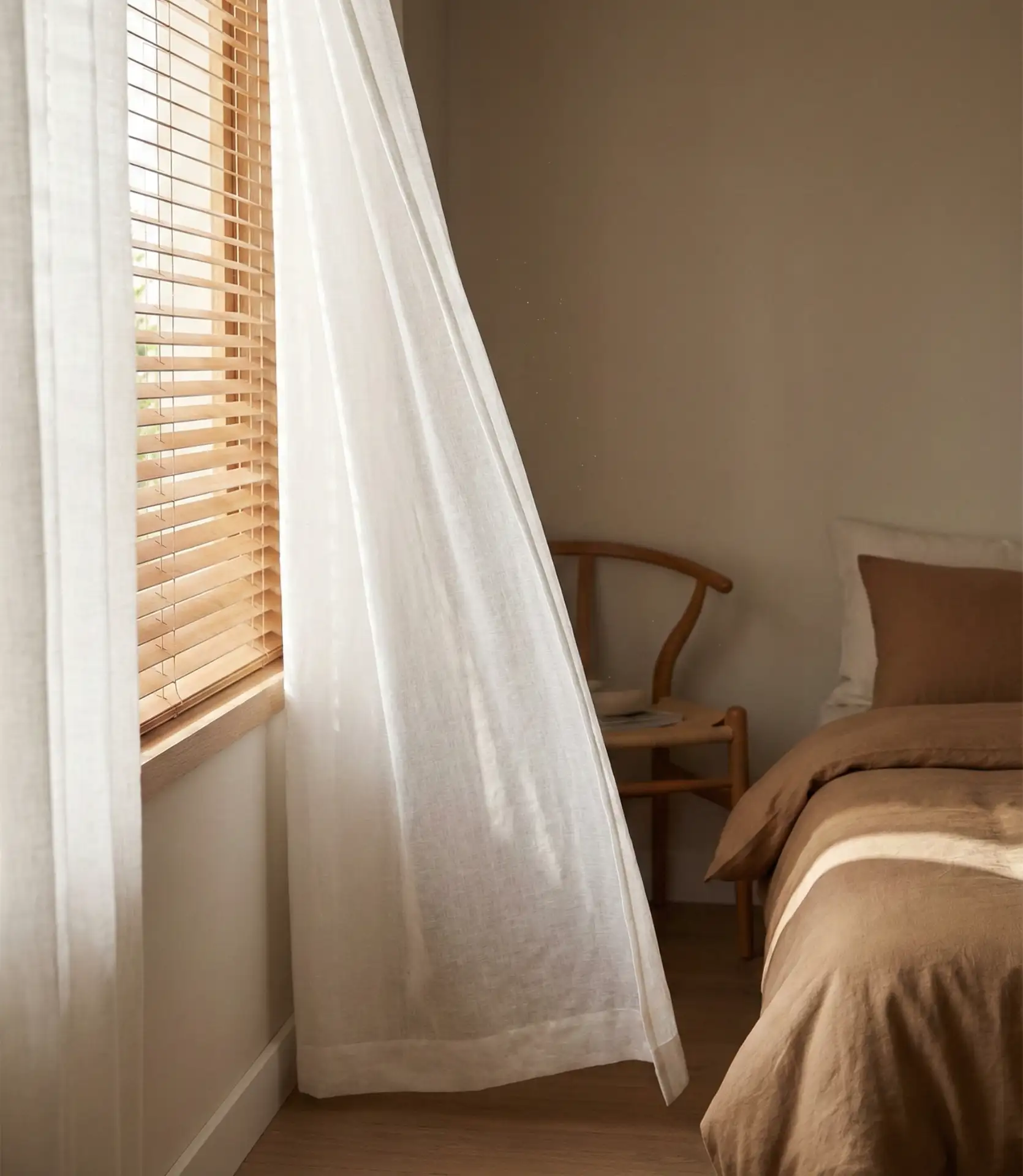
Combining sheer white curtains with blinds offers the optimal combination of privacy and light flexibility. The sheers soften the window’s appearance during the day, while the blinds provide full coverage at night. This setup is especially popular in master modern luxury bedrooms where function meets refined aesthetics, and it’s a smart solution for ground-floor bedrooms facing the street.
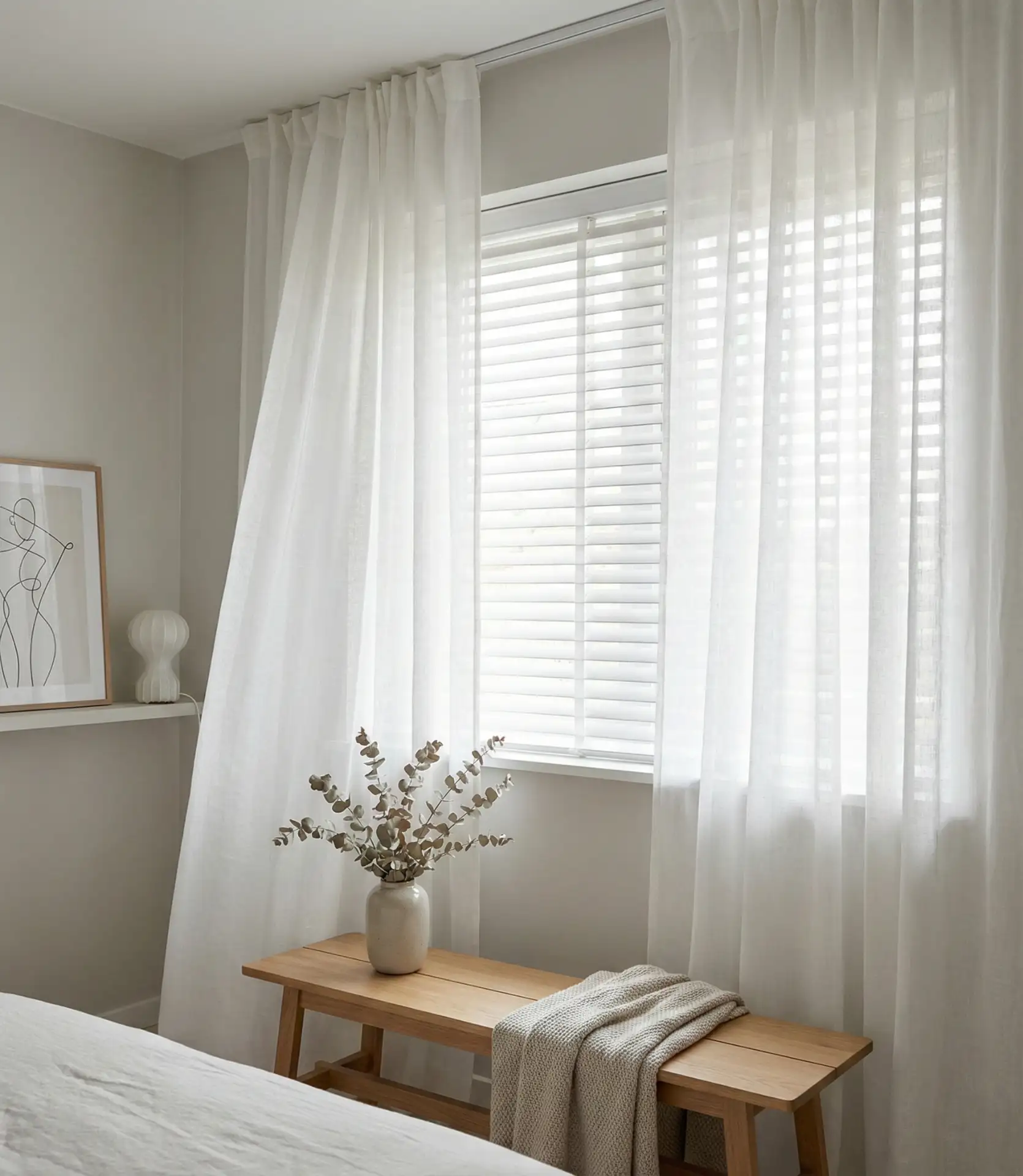
Where it works best: in bedrooms with beautiful views you don’t want to block entirely, or in homes where shifting sunlight throughout the day requires flexible solutions. Cellular shades or roller blinds are the most common pairings, and they’re available at every price point. This combo also solves the common problem of curtains looking too heavy or formal on their own.
6. Pink Blush Curtains for Soft Romance
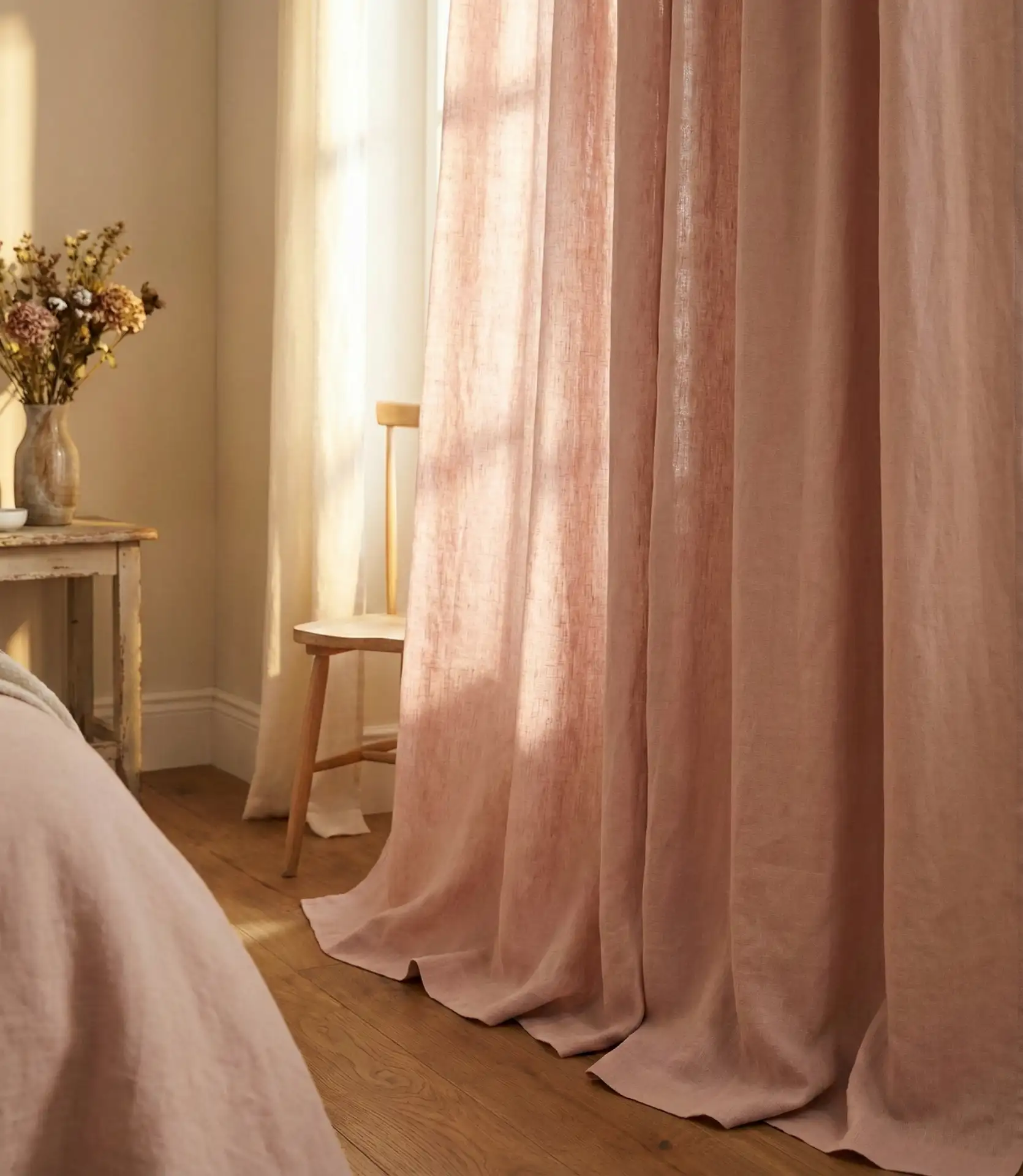
Dusty pink curtains offer a grown-up take on feminine color, far removed from the bubblegum tones of the past. This soft blush works beautifully in neutral bedrooms, adding warmth without overwhelming the palette. Paired with linen bedding, natural wood, and beige accents, pink curtains create a soothing, romantic atmosphere that feels both fresh and timeless—a favorite for Pinterest boards focused on serene, feminine spaces.
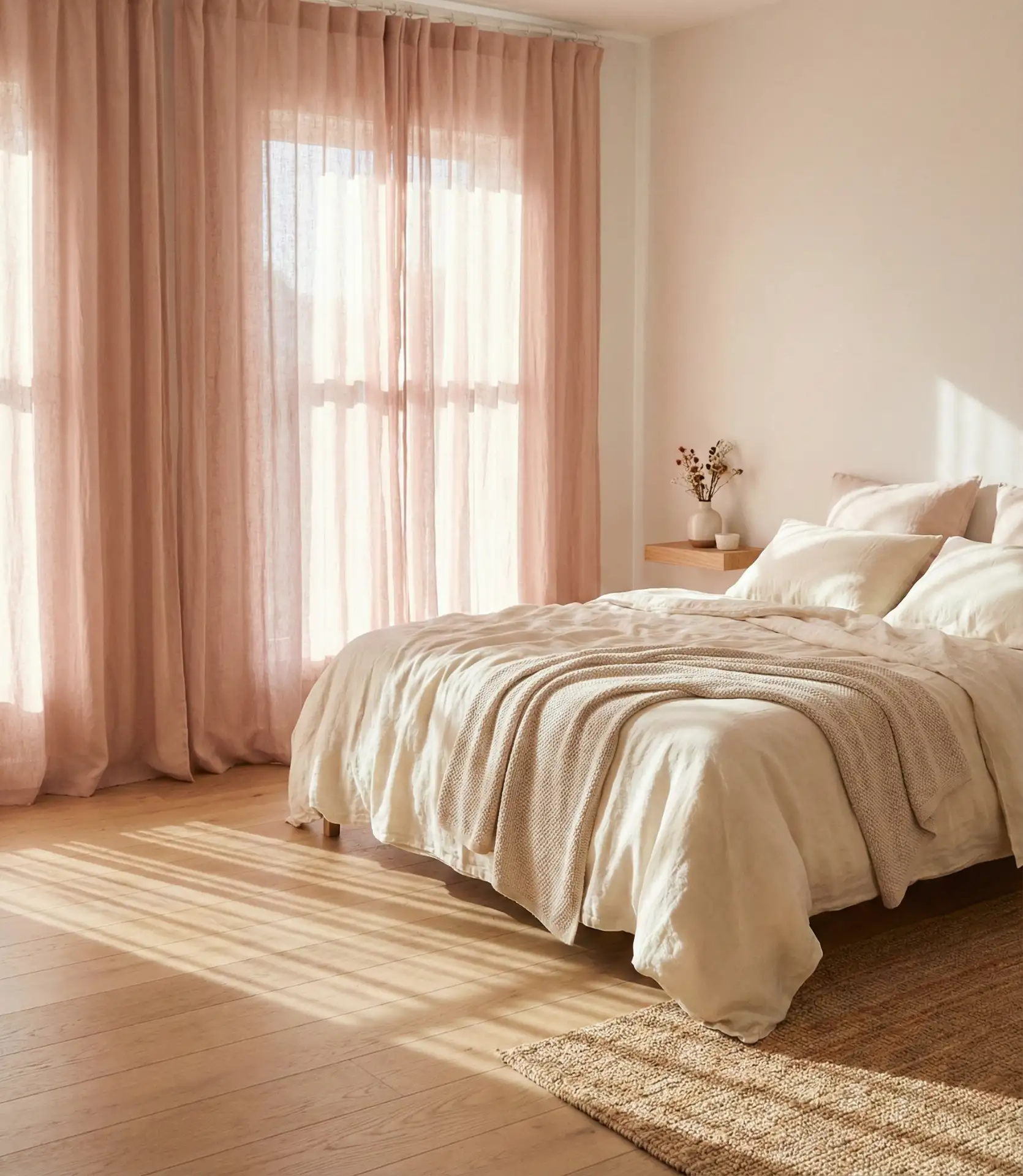
Pink curtains have surged in popularity across Southern and Southwestern states, where warm light enhances their rosy glow throughout the day. They’re also a smart choice for bedrooms with cooler, north-facing light that can feel stark—the pink undertone warms things up naturally. Keep hardware simple—matte brass or brushed nickel complements the softness without competing for attention.
7. Black Curtains for Bold Drama
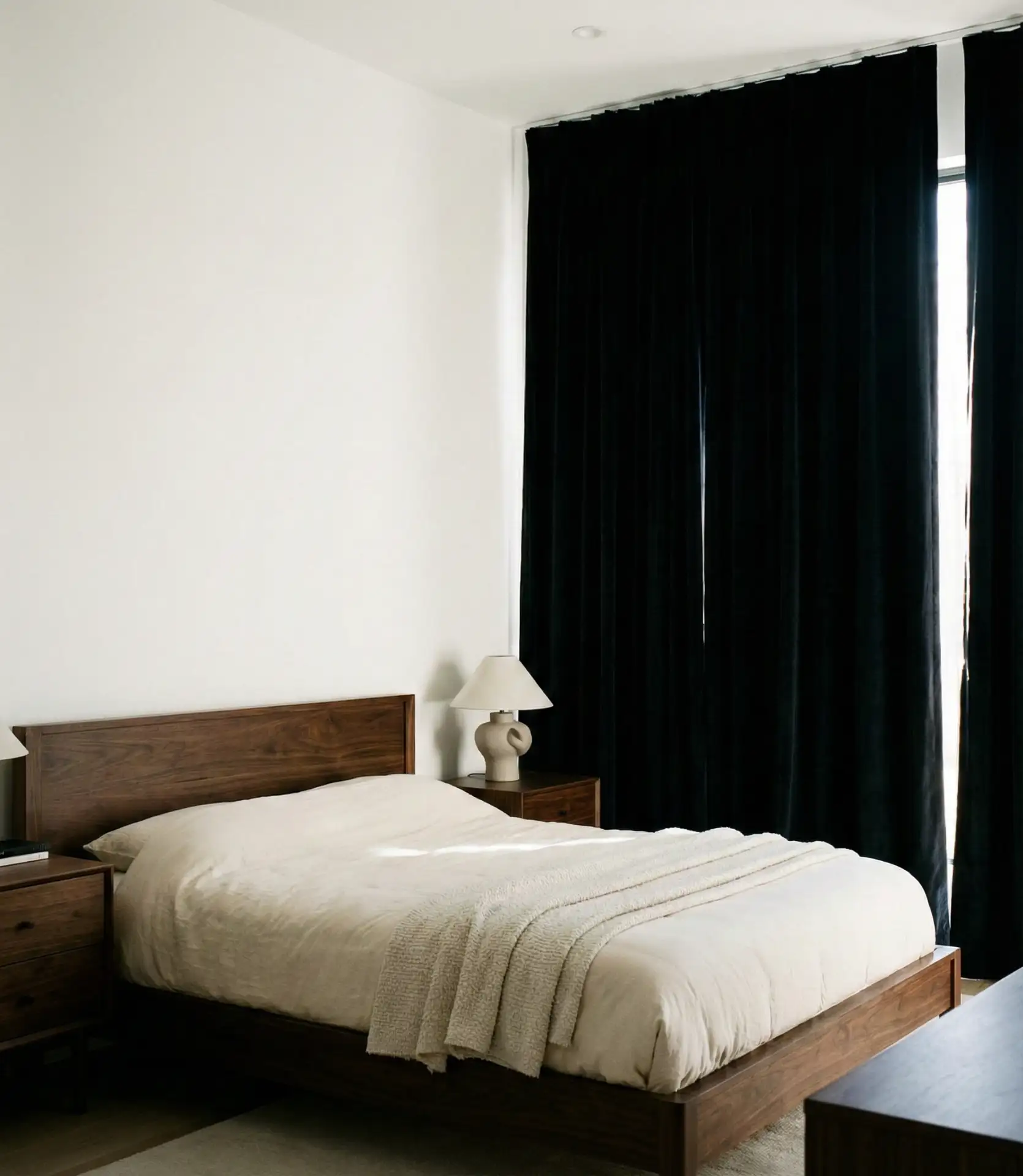
Black curtains boldly transform windows into architectural elements rather than mere ornaments. In dark or moody bedrooms with high-contrast palettes, black panels create depth and sophistication. They’re particularly stunning in bedrooms with high ceilings, where the vertical lines amplify the room’s proportions, and they pair surprisingly well with lighter furniture to create balance.
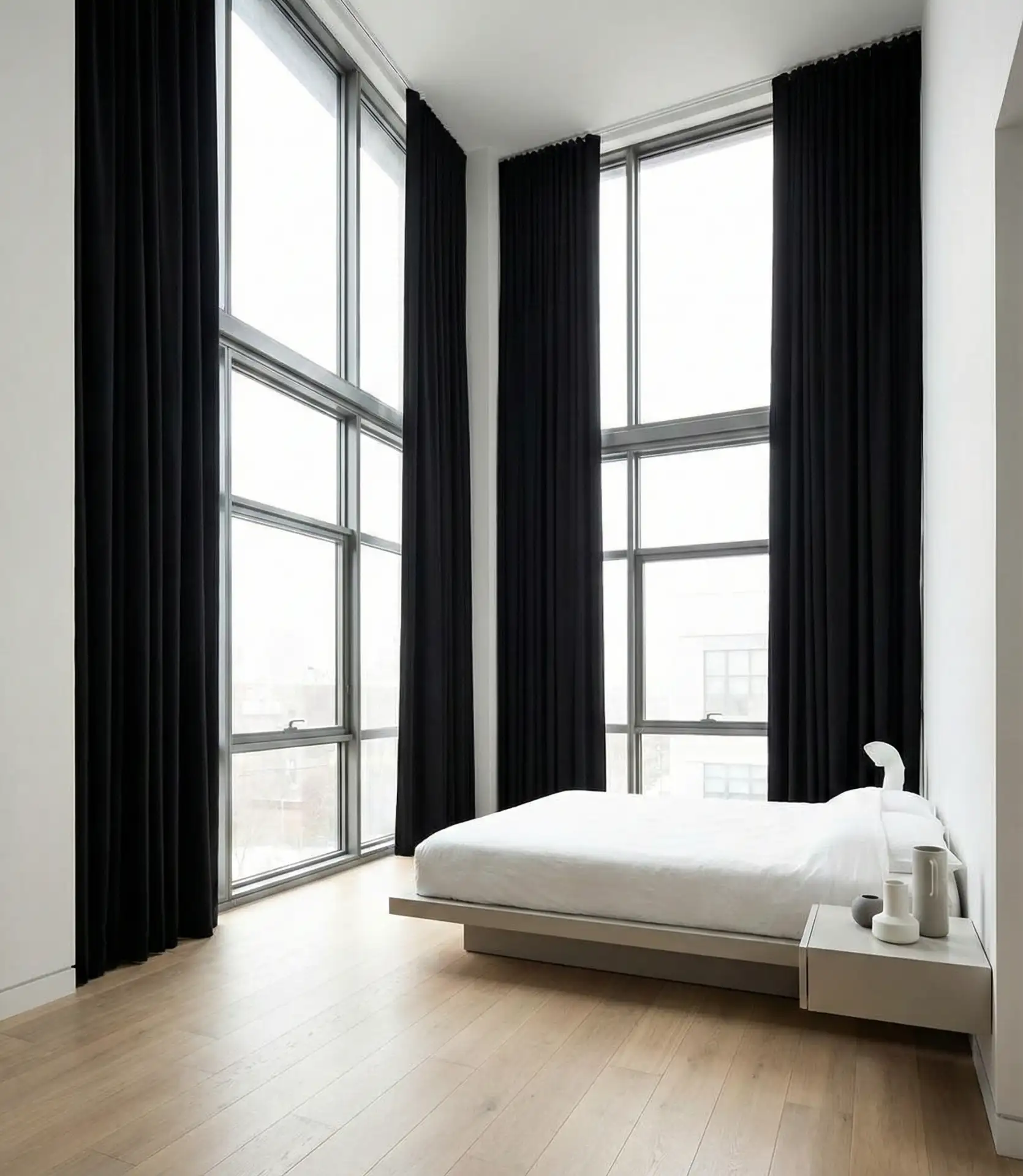
Common mistake: using black curtains in small, poorly lit bedrooms where they can make the space feel cave-like. Instead, reserve them for rooms with ample natural light or a strategic lighting design. In lofts and modern homes with concrete or industrial details, black curtains amplify the edgy aesthetic without feeling heavy. Choose a lightweight fabric to maintain elegance and avoid a dungeon vibe.
8. Coastal Linen in Soft Blue-Grey
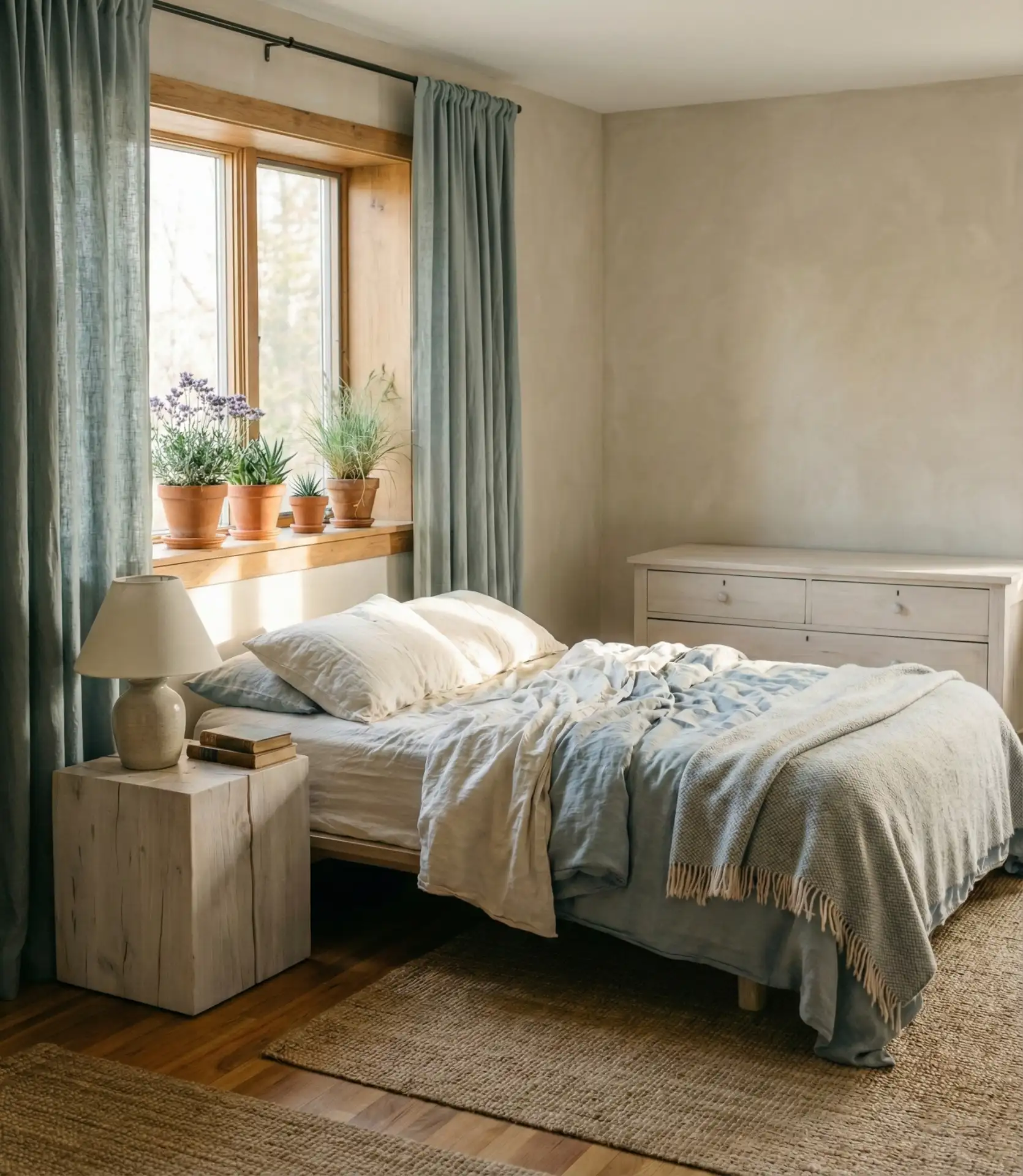
Coastal bedrooms thrive on breezy, weathered textures, and soft blue-grey linen curtains capture that effortless seaside vibe. The color sits beautifully between grey and blue, evoking foggy mornings and ocean horizons. This look pairs naturally with whitewashed wood, sea glass accents, and neutral bedding, making it a perennial favorite in beach towns from Cape Cod to Southern California.
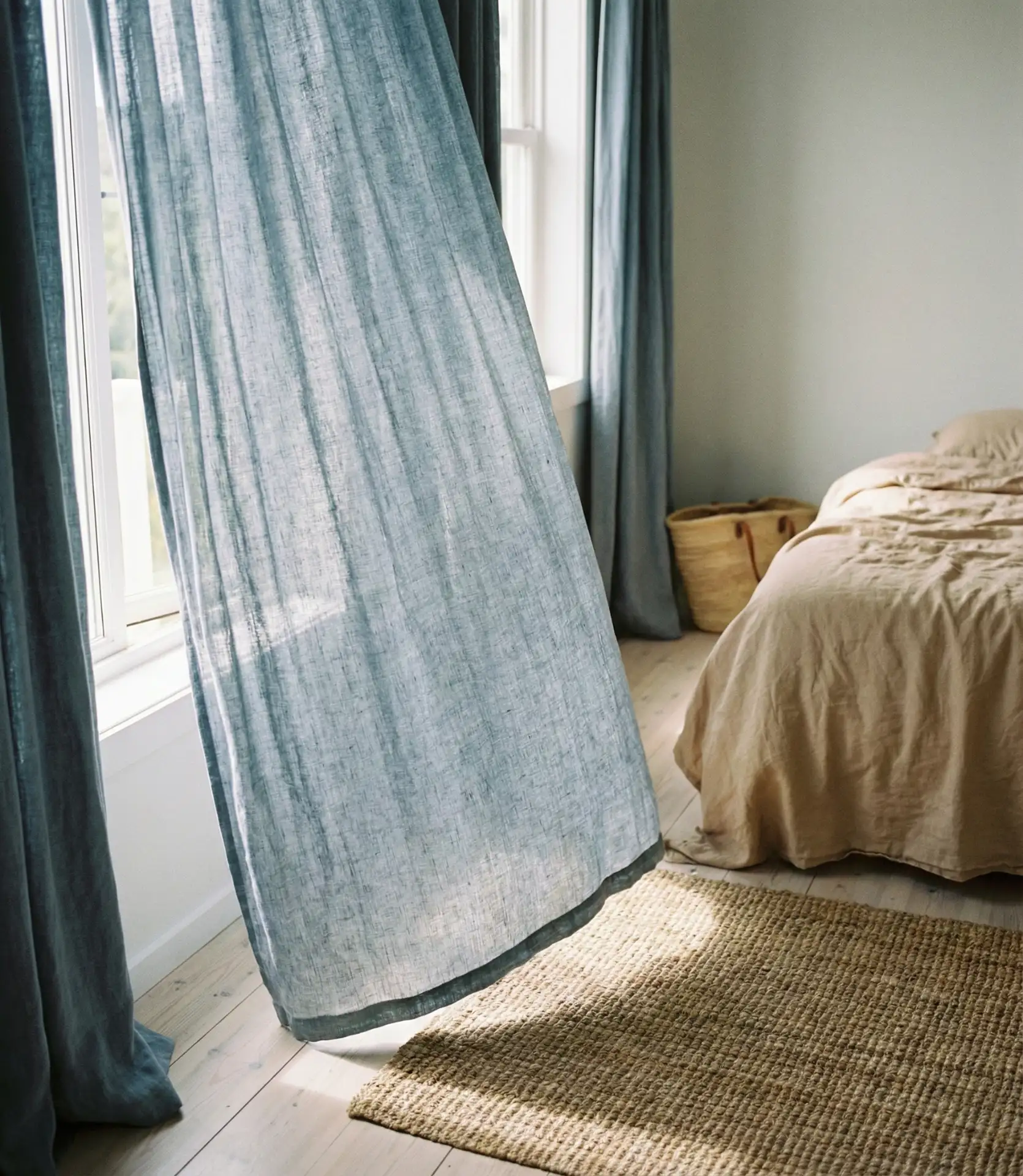
In real coastal homes, I’ve noticed homeowners rarely fuss with elaborate hardware—simple wood or rope rods keep the look authentic and unpretentious. The linen’s natural wrinkles are part of the charm, so skip the iron and embrace the lived-in texture. This style also translates well inland, bringing a breath of fresh air to landlocked bedrooms craving vacation vibes year-round.
9. Short Café Curtains for Small Windows
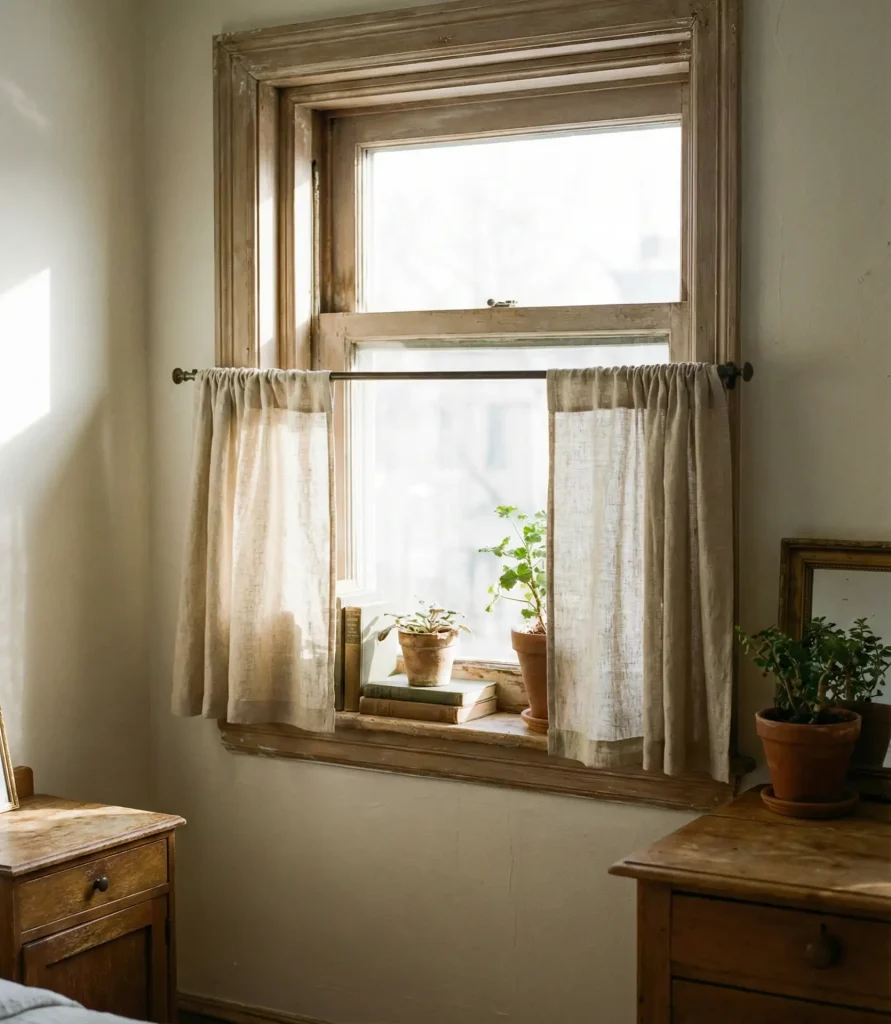
Small windows don’t need floor-length treatments—in fact, short café-style curtains often work better, maintaining proportions without overwhelming the space. These cover just the lower half or two-thirds of the window, offering privacy while maximizing natural light. They’re ideal for bedrooms with half-window configurations, vintage homes with quirky window placement, or any space where full-length curtains would feel visually crowded.
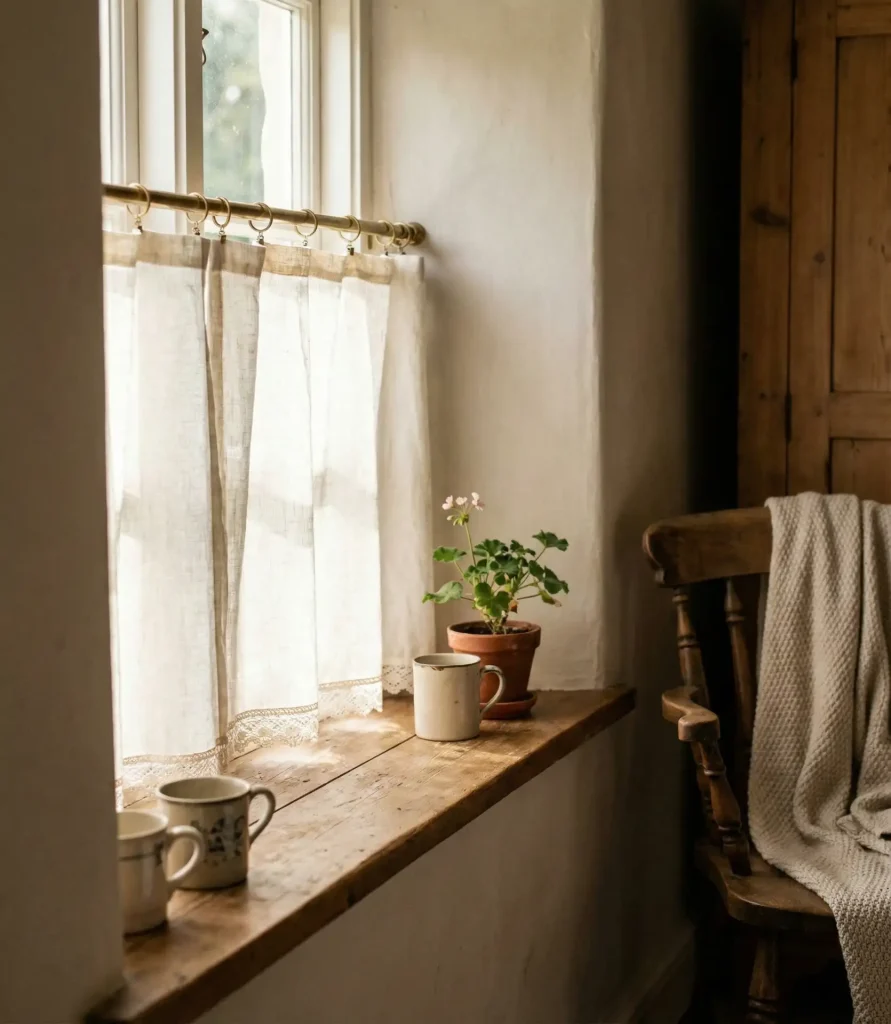
Where it works best: in older homes with multiple small windows, cottage bedrooms, or apartments where ceiling height is limited and you want to avoid visual clutter. Café curtains cost significantly less than full panels—expect to spend $20–$40 per window—and they’re easy to DIY if you’re handy with a sewing machine. Tension rods make installation renter-friendly and damage-free.
10. Beige Linen for Timeless Neutrality
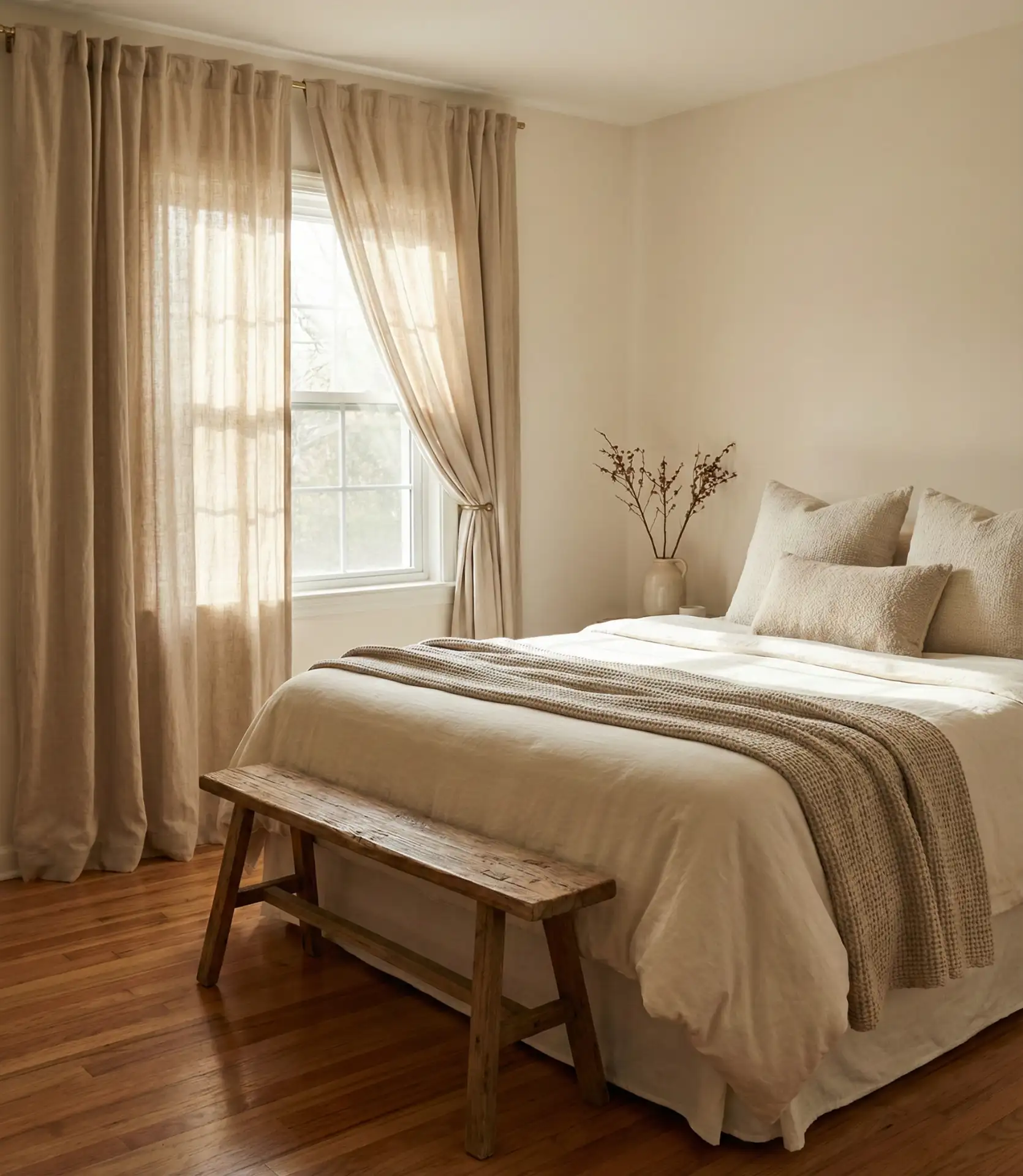
Beige linen curtains effortlessly blend into any style, from modern to traditional. The warm neutral tone feels organic and grounding, complementing wood tones, whites, and even bolder accent colors. In 2026, as maximalism and minimalism coexist, beige curtains offer a versatile foundation that won’t compete with other design choices—making them a safe, smart investment.
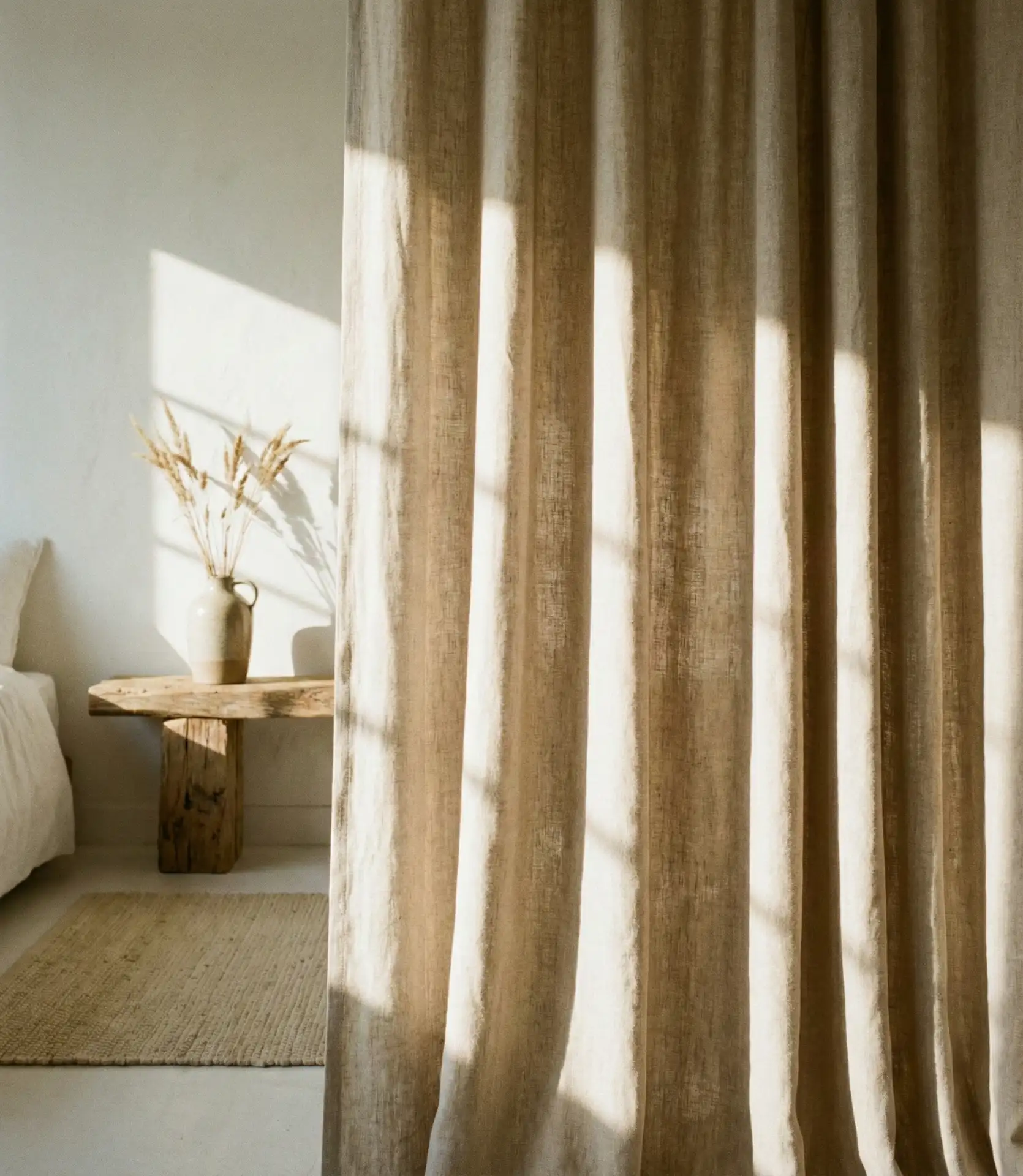
From a budget perspective, beige linen panels are widely available at every price point, from budget retailers to high-end showrooms. The color hides wear and fading better than stark white, making it practical for sunny bedrooms where UV exposure is a concern. Because they’re so versatile, you won’t need to replace them when you repaint or change your bedding—a sustainability win and cost saver.
11. Boho Macramé Curtains Behind Bed
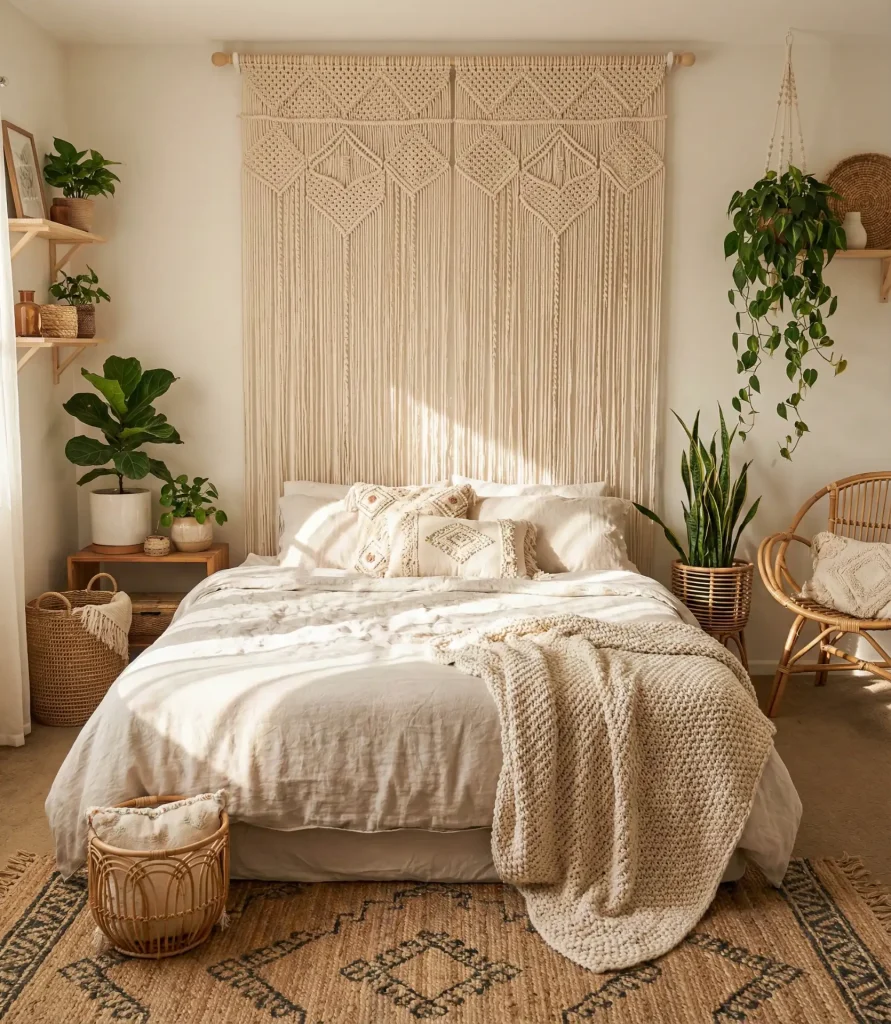
Placing curtains behind the bed rather than at windows has become a signature boho move, adding texture and dimension to blank walls. Macramé or lightweight woven panels create a soft, artful backdrop that frames the bed like a headboard. This approach works beautifully in bedrooms with minimal architectural interest or when you want to introduce patterns without committing to wallpaper. The handcrafted feel aligns perfectly with the current embrace of artisan details.
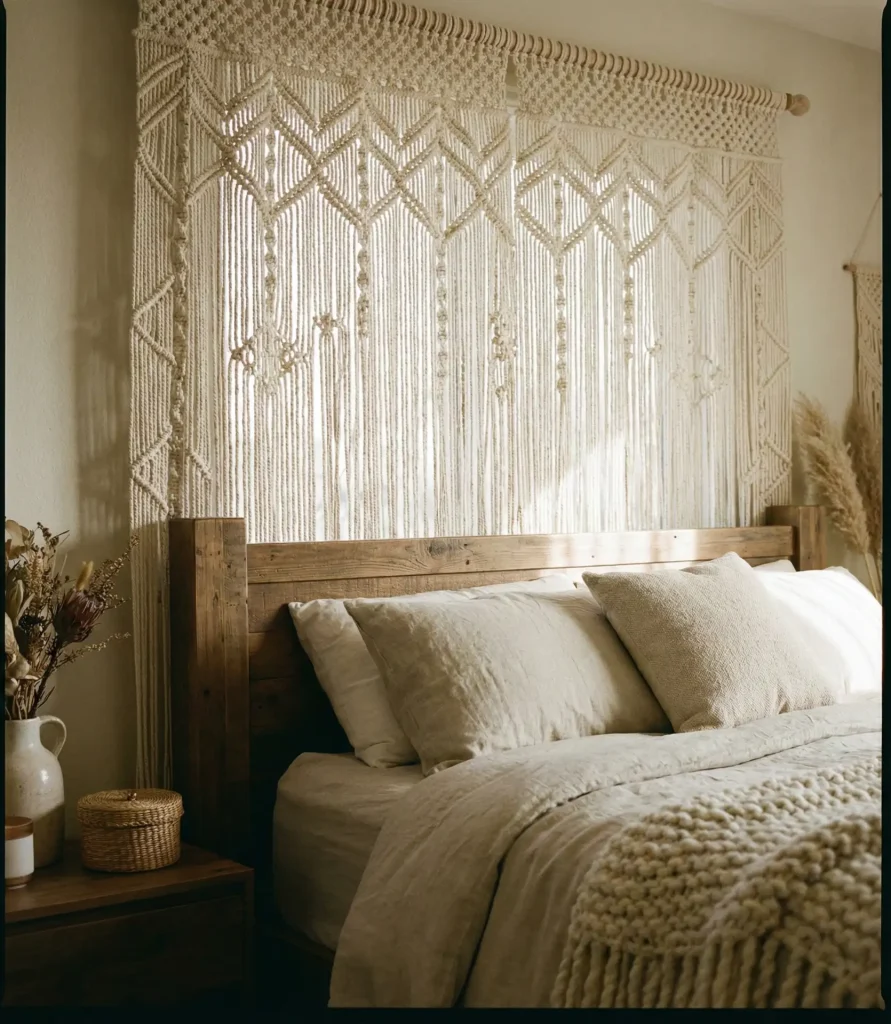
This trend is especially popular in the Southwest and California, where indoor-outdoor living and artisan crafts are part of the regional design DNA. Expert tip: mount a ceiling track or rod that spans the wall width rather than just the bed, so the curtains don’t look cramped or awkward. You can also layer sheer panels underneath for added softness and light play.
12. Brown Velvet for Warm Luxury
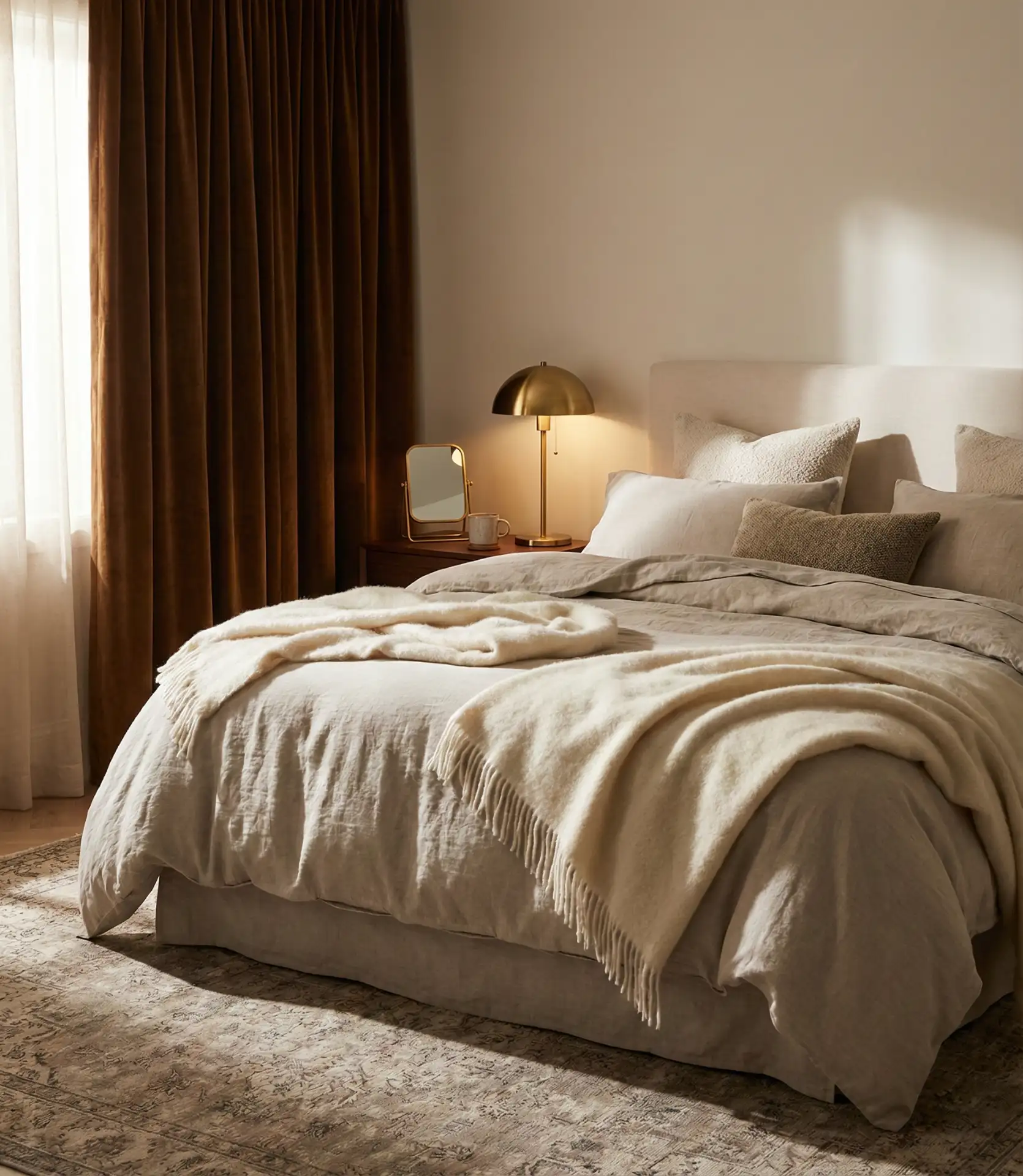
Brown velvet curtains feel like a warm hug, bringing richness and comfort to bedrooms that embrace luxury without formality. The chocolate or caramel tones work beautifully with neutral palettes, brass accents, and grey bed frame combinations. In master modern luxury settings, brown velvet adds tactile elegance, and the heavy drape naturally blocks light and sound—a bonus for urban bedrooms where street noise is constant.
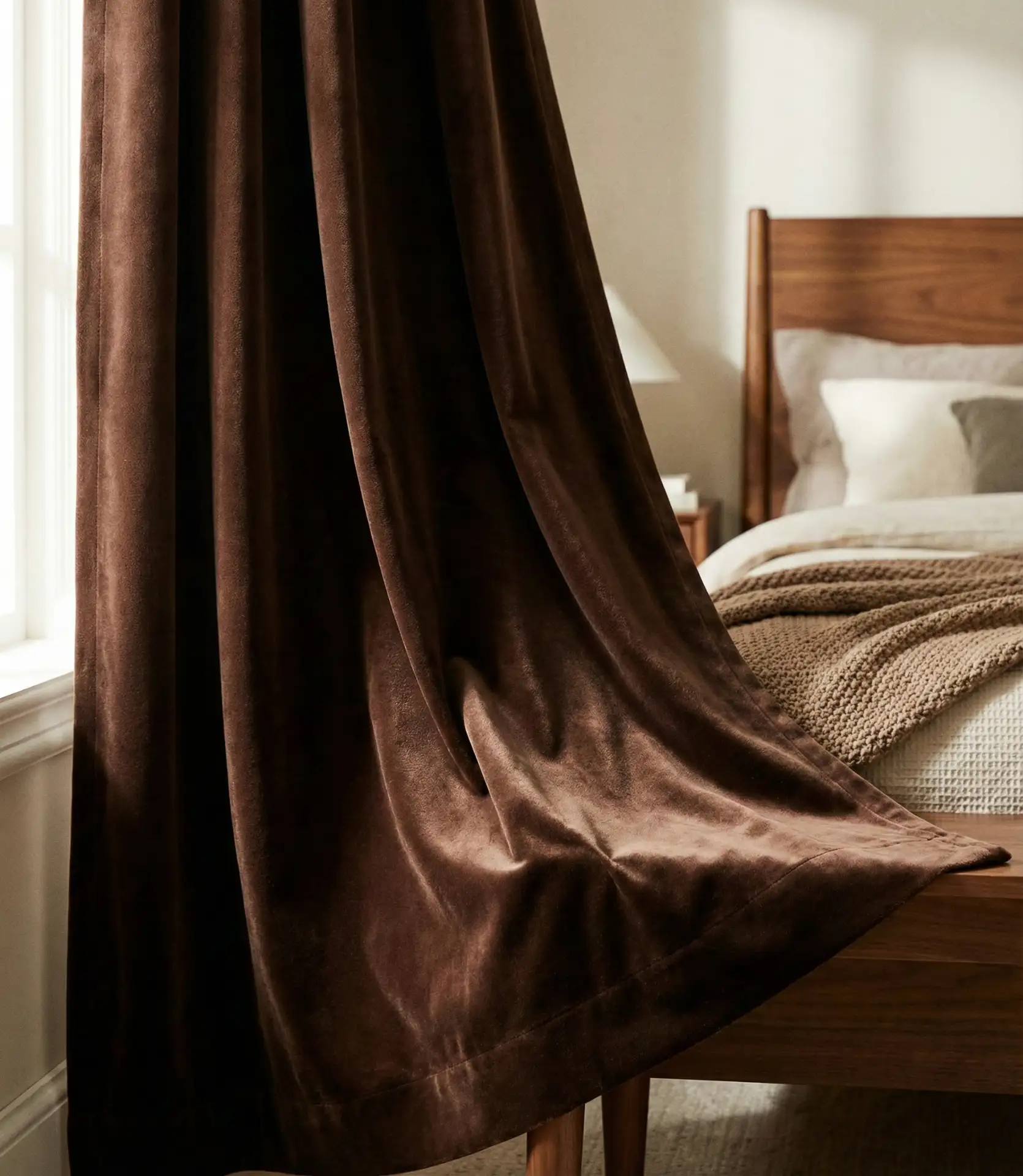
Many real homeowners find that brown velvet curtains photograph even better than they look in person, making them a Pinterest-worthy choice that delivers offline too. They’re particularly flattering in bedrooms with warm undertones in the flooring or furniture. To avoid a dated look, skip the tie-backs and let them hang straight for a clean, modern silhouette.
13. Dark Green Curtains for Moody Depth
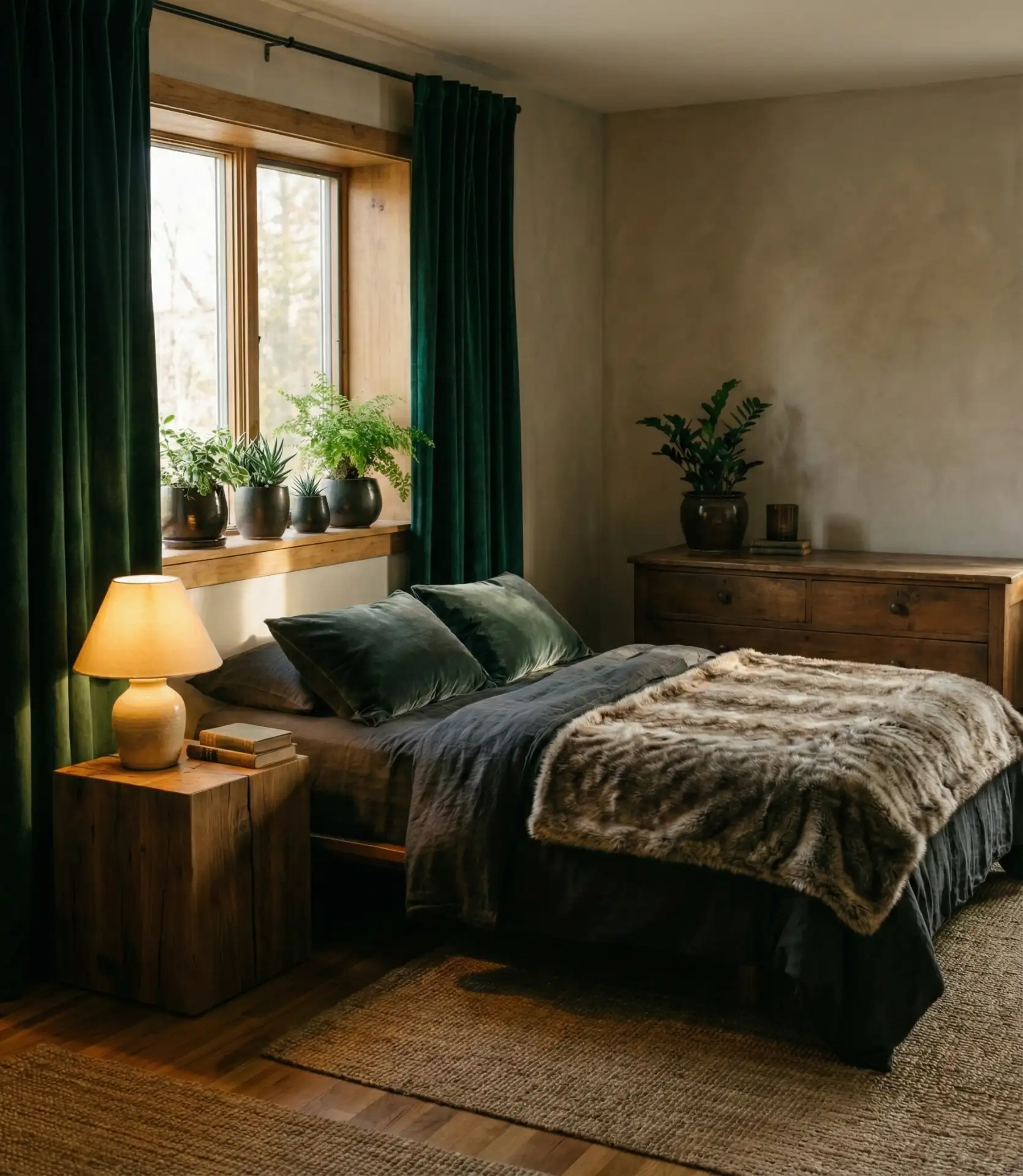
Dark green curtains bring the richness of forest canopies indoors, creating a moody and enveloping atmosphere that’s both dramatic and calming. Shades like emerald, hunter, or deep olive work beautifully in dark bedrooms where you’re leaning into cocooning comfort. Pair them with gold or brass hardware, neutral bedding, and wood accents for a look that feels both grounded and elevated—a favorite among design-forward homeowners embracing maximalist tendencies.
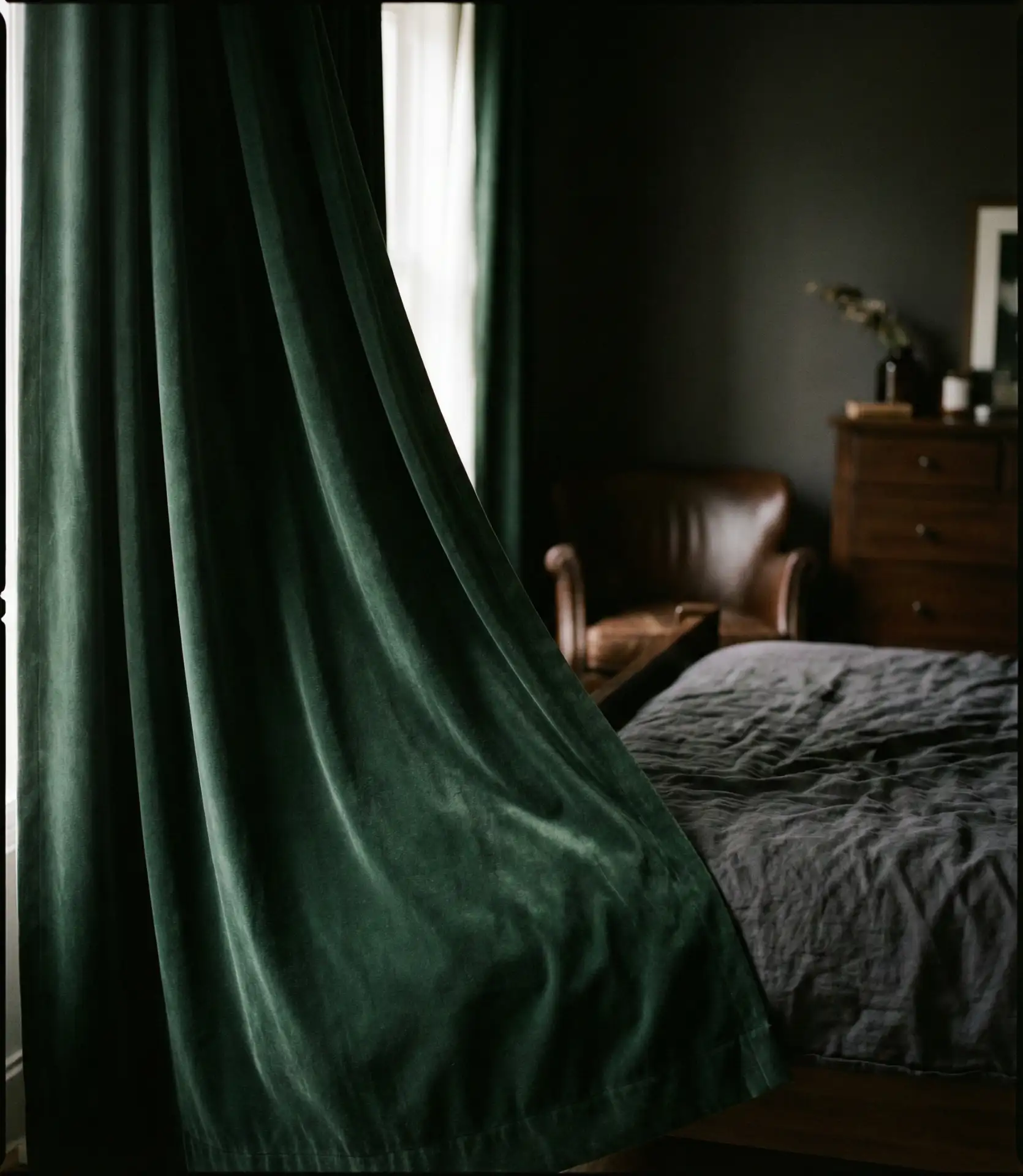
In regions like the Pacific Northwest and New England, where dense forests and overcast skies are part of the landscape, dark green curtains resonate emotionally and aesthetically. They’re also surprisingly practical: darker fabrics show less dirt and fading over time, and they provide excellent light control for shift workers or anyone who needs flexible sleep schedules. Just ensure your bedroom has adequate ambient lighting to prevent the space from feeling too closed-in.
14. Sheer Neutral Panels for Airy Lightness
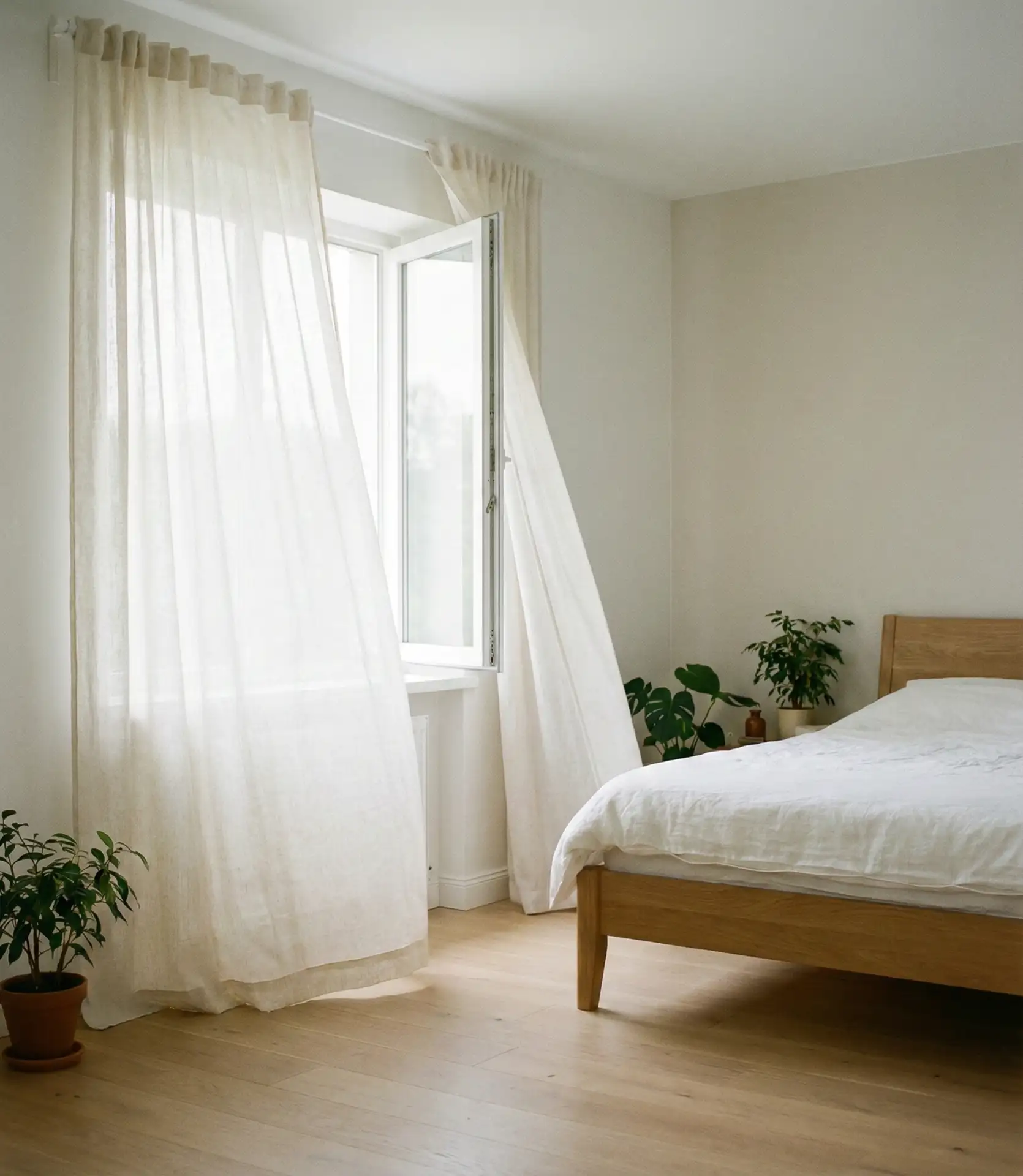
Sheer neutral curtains in ivory, cream, or soft grey are perfect for bedrooms that prioritize natural light and an open, airy feel. They offer gentle privacy without blocking the view, making them ideal for coastal bedrooms or homes with beautiful outdoor surroundings. The translucent fabric diffuses harsh sunlight into a soft glow, creating a dreamy, ethereal quality that’s endlessly appealing in minimalist and modern spaces alike.
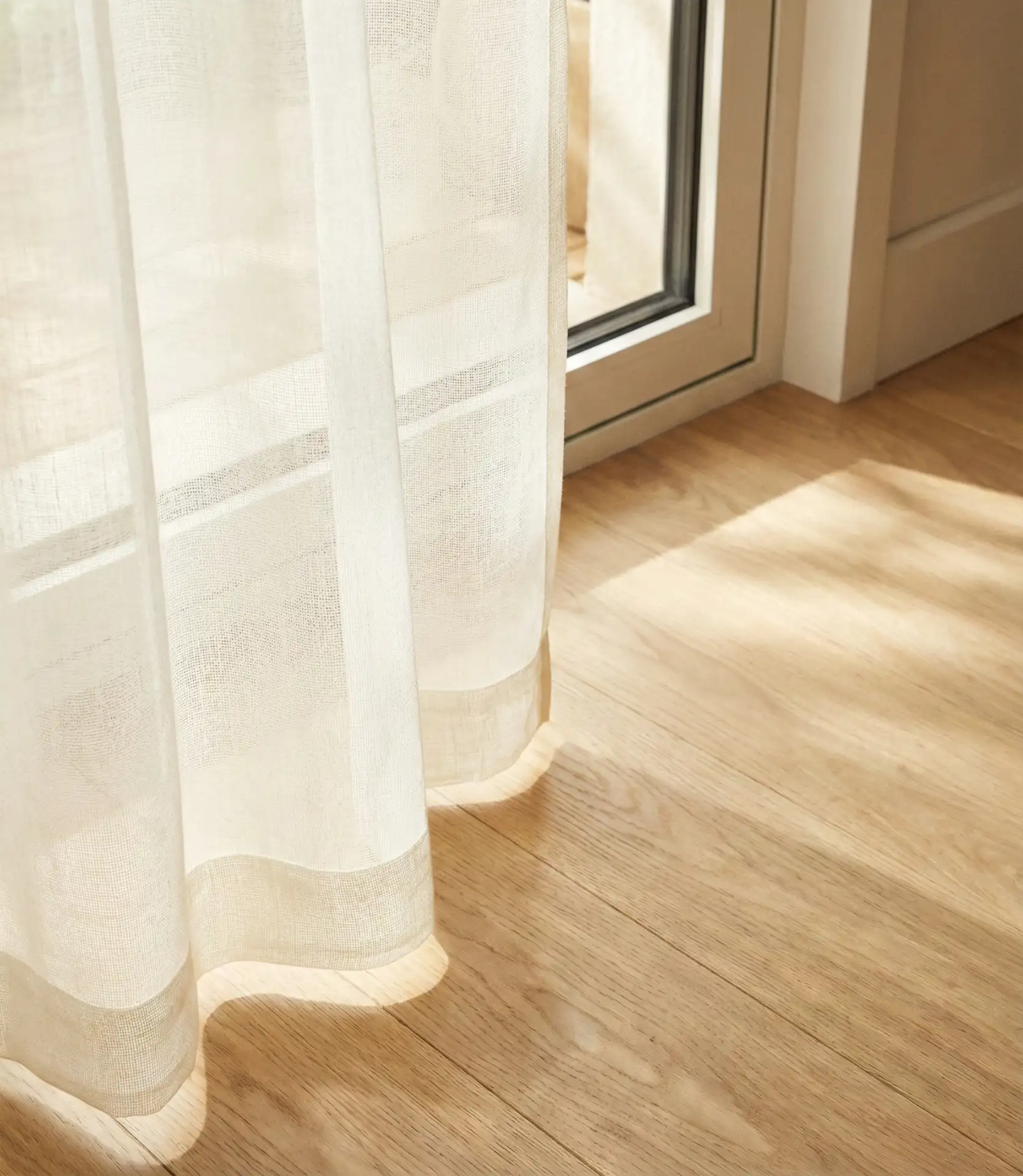
Common mistake: using sheers alone in ground-floor bedrooms or spaces facing neighbors. While beautiful, they don’t provide privacy at night when interior lights are on. Layer them with roller shades or install them in bedrooms where privacy isn’t a primary concern. Sheer curtains are budget-friendly—often under $30 per panel—making them an easy way to soften windows without major investment.
15. High Ceiling Drama with Extra-Long Panels
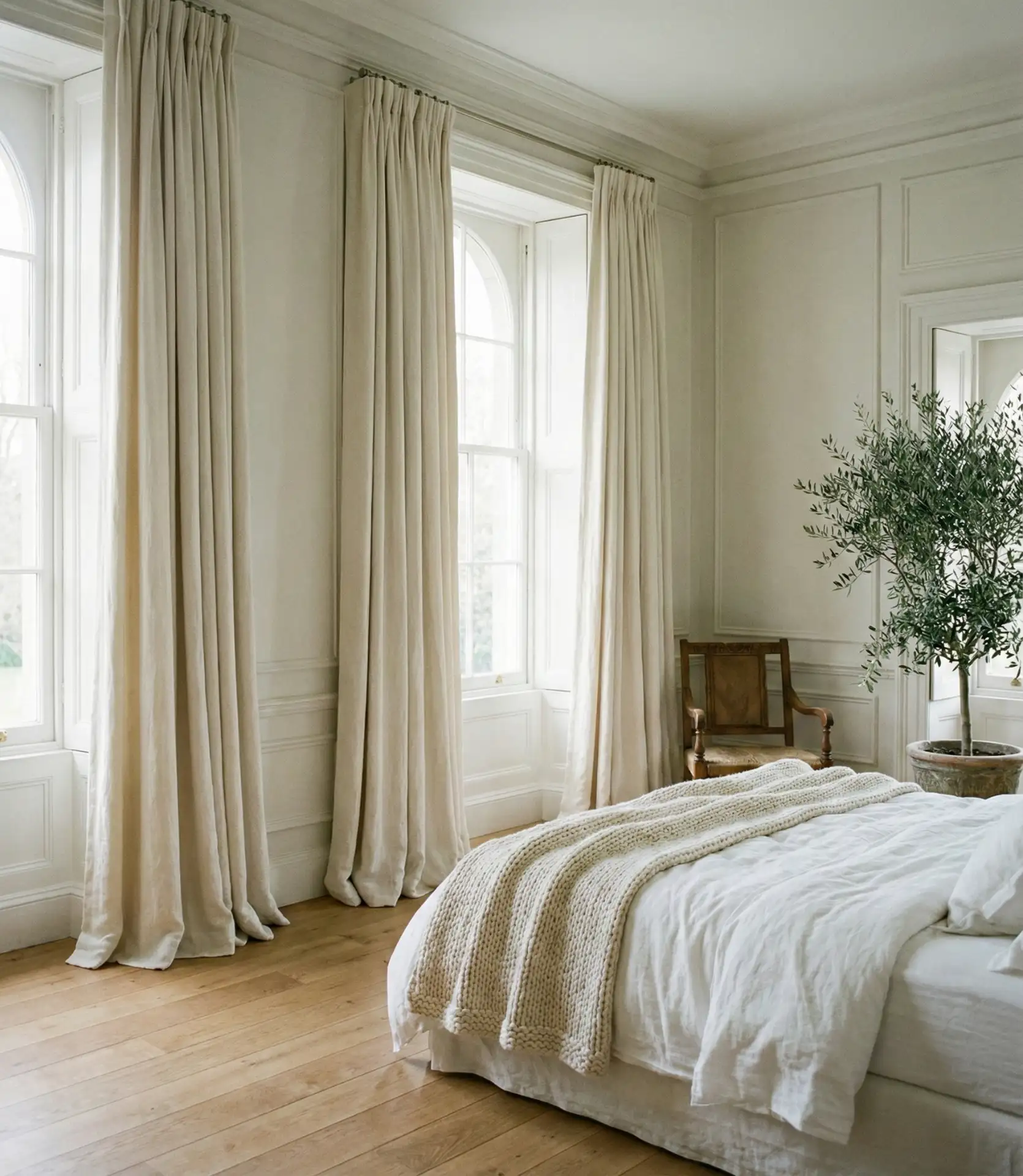
Bedrooms with high ceilings deserve curtains that emphasize that vertical grandeur, and extra-long panels do exactly that. Mount your rod just below the ceiling line and let the fabric cascade to the floor—or even puddle slightly—for a custom, luxury look. This technique works beautifully in lofts, historic homes, and new builds with soaring ceilings, making the space feel proportionate and thoughtfully designed rather than empty.
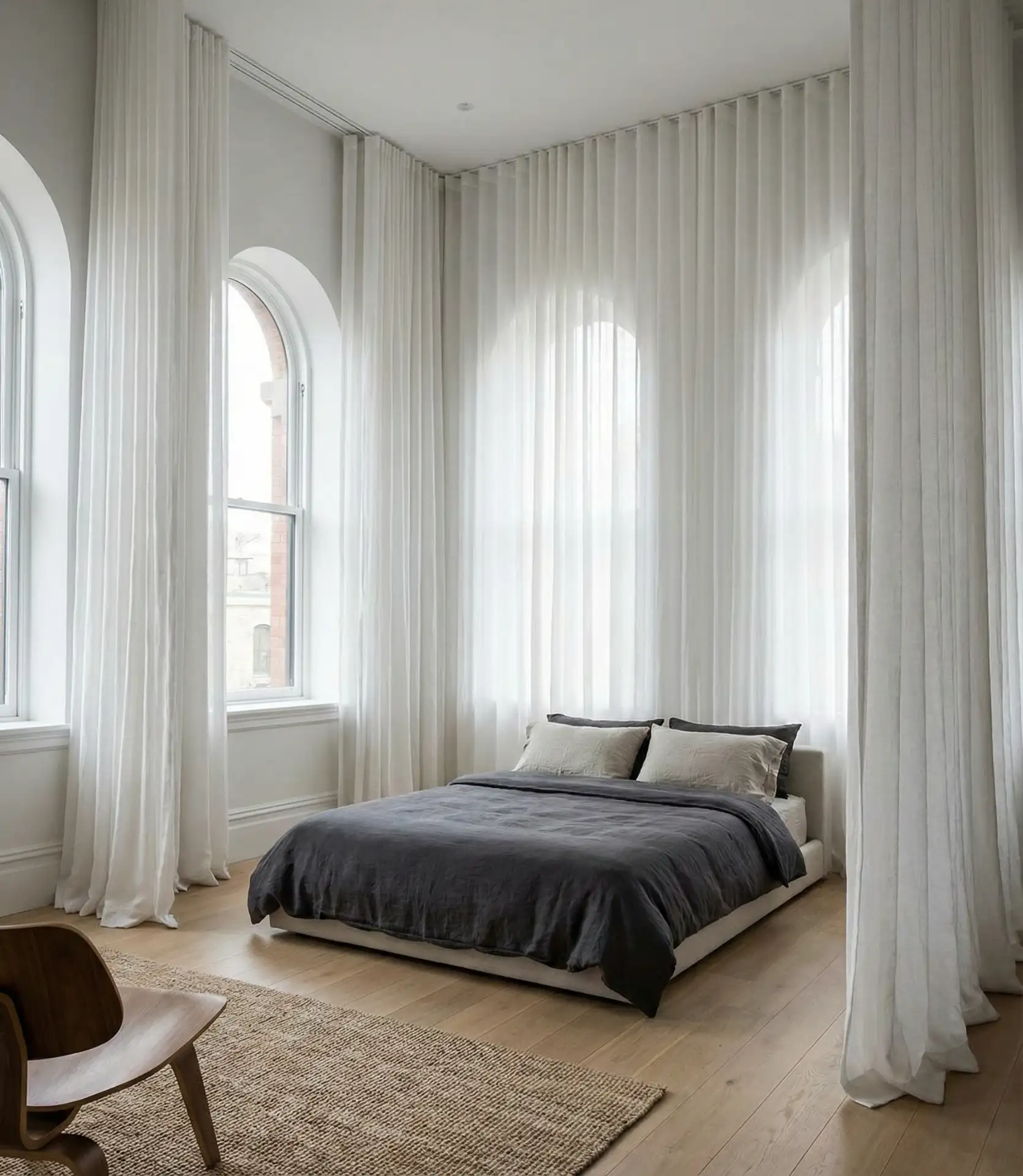
In the South and Southwest, where vaulted ceilings are common in newer construction, this approach has become standard practice. Budget-wise, expect to pay more for custom or extra-long panels—120-inch lengths are often necessary, and they typically run $80–$150 per panel. The investment proves to be worthwhile, as it immediately creates a visual impact and instills a sense of intentional design in the room, as opposed to a mere decoration.
16. Grey Bed Frame Pairing with Soft Grey Curtains
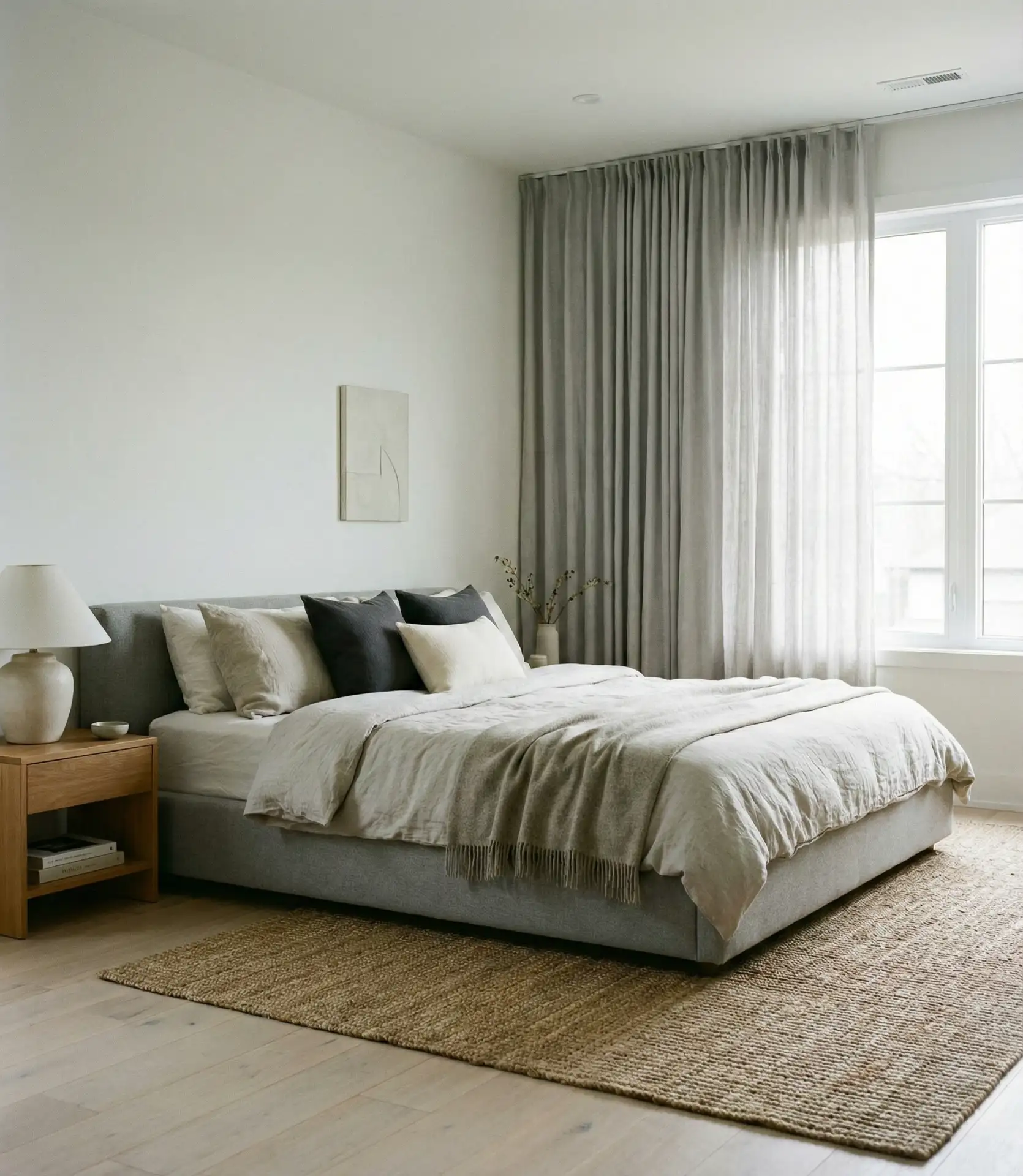
When you have a grey bed frame, matching it with grey curtains creates a cohesive, sophisticated look that feels pulled together rather than matchy-matchy. The key is playing with different tones—pair a cool charcoal frame with warmer grey curtains, or a light grey upholstered bed with deeper dove-grey panels. This monochromatic approach works beautifully in modern bedrooms where restraint and harmony take priority over contrast.
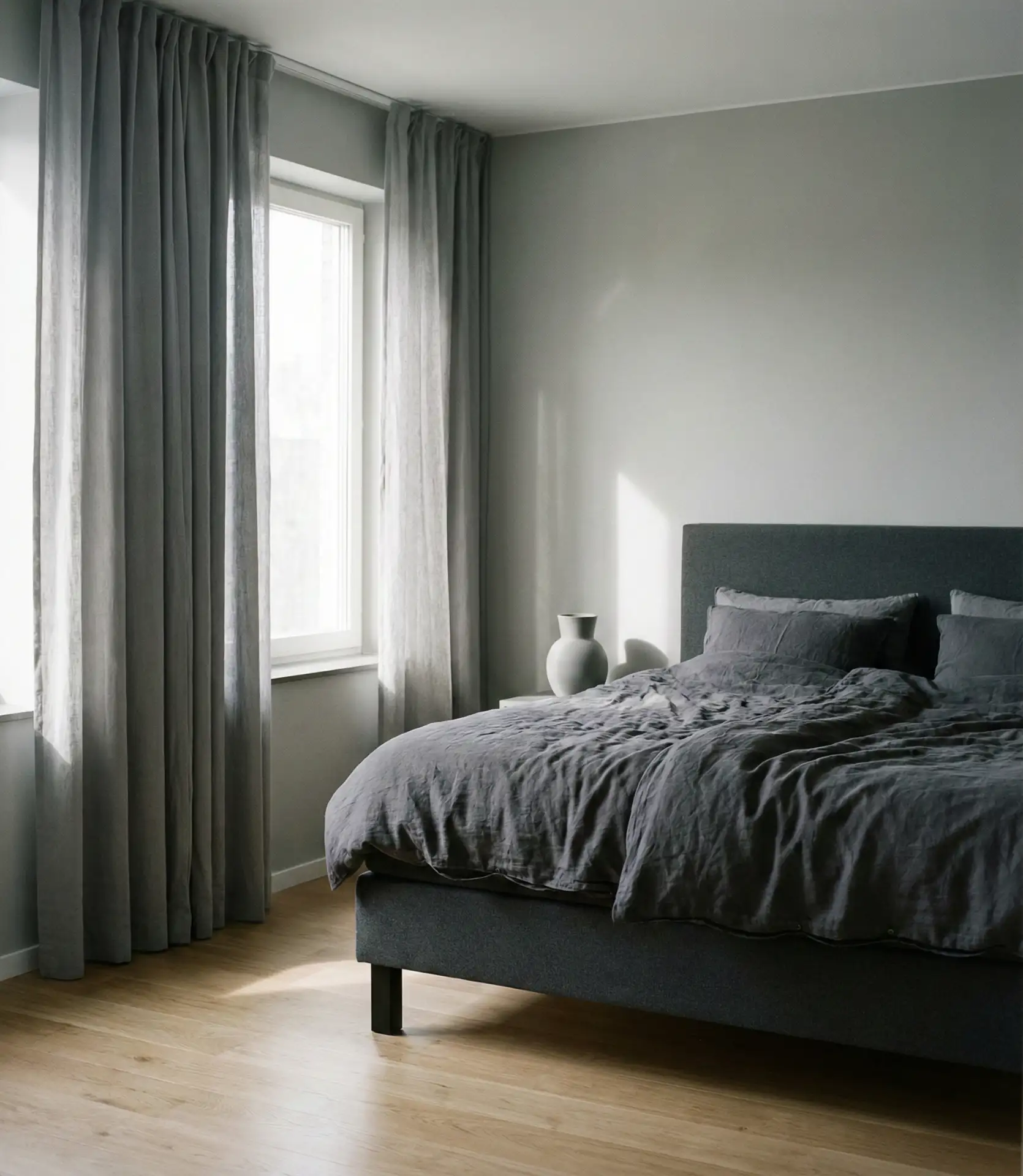
A neighbor recently did this in her primary bedroom, and the result was magazine-worthy without feeling sterile. The trick was adding textural variety—nubby linen curtains against a smooth velvet bed frame—so the space felt layered rather than flat. This combination also makes it easy to swap in colorful bedding or artwork for seasonal updates without disrupting the foundational calm.
17. Color Schemes: Terracotta and Cream Layers
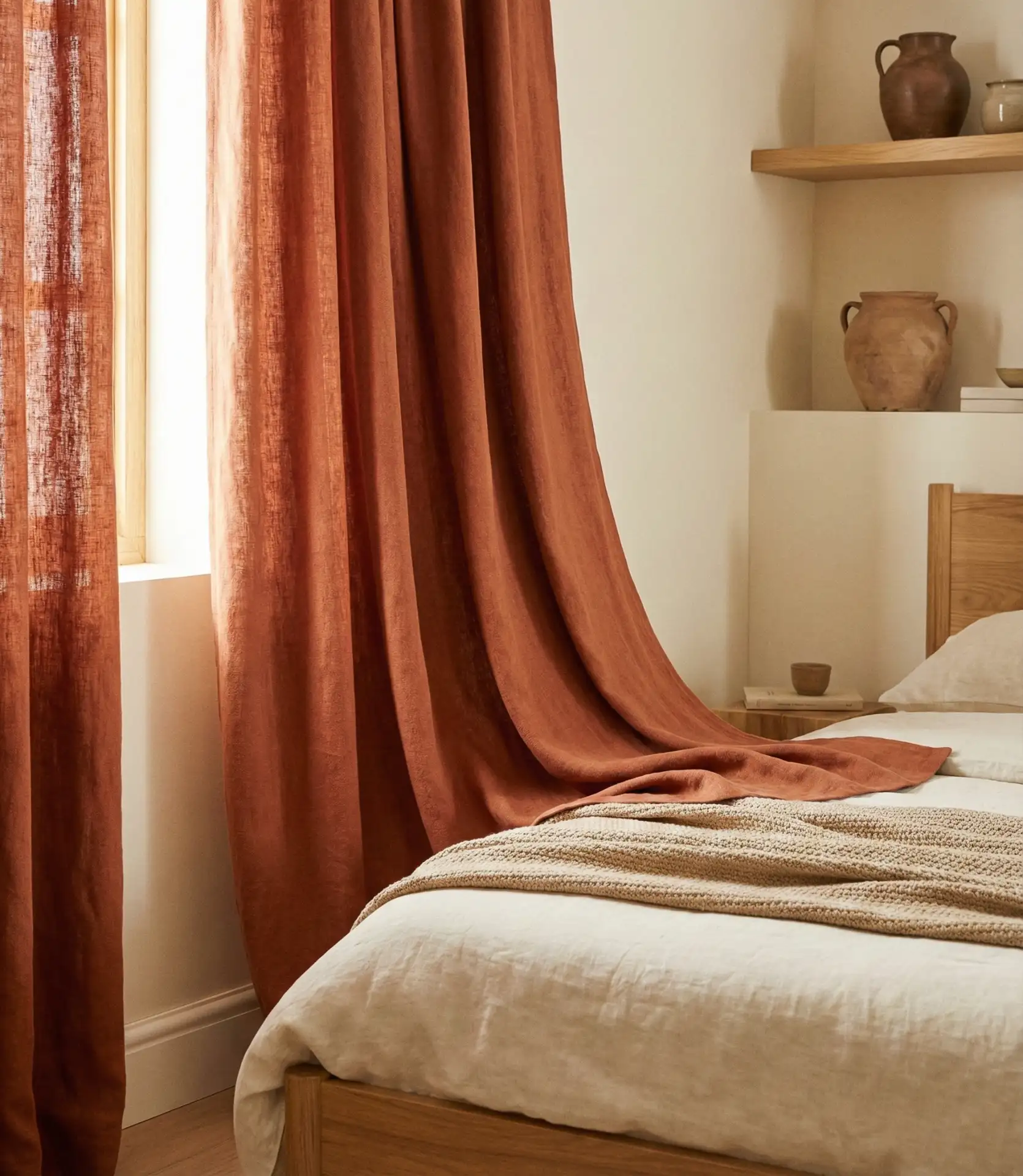
One of 2026’s rising color schemes pairs warm terracotta curtains with cream bedding and wood accents for a sun-baked, earthy palette. The burnt orange tones bring warmth and personality without feeling trendy or dated, and they work beautifully in bedrooms seeking a boho or global-inspired vibe. This combination is especially stunning in Southwestern homes but translates well anywhere you crave warmth and grounding energy.
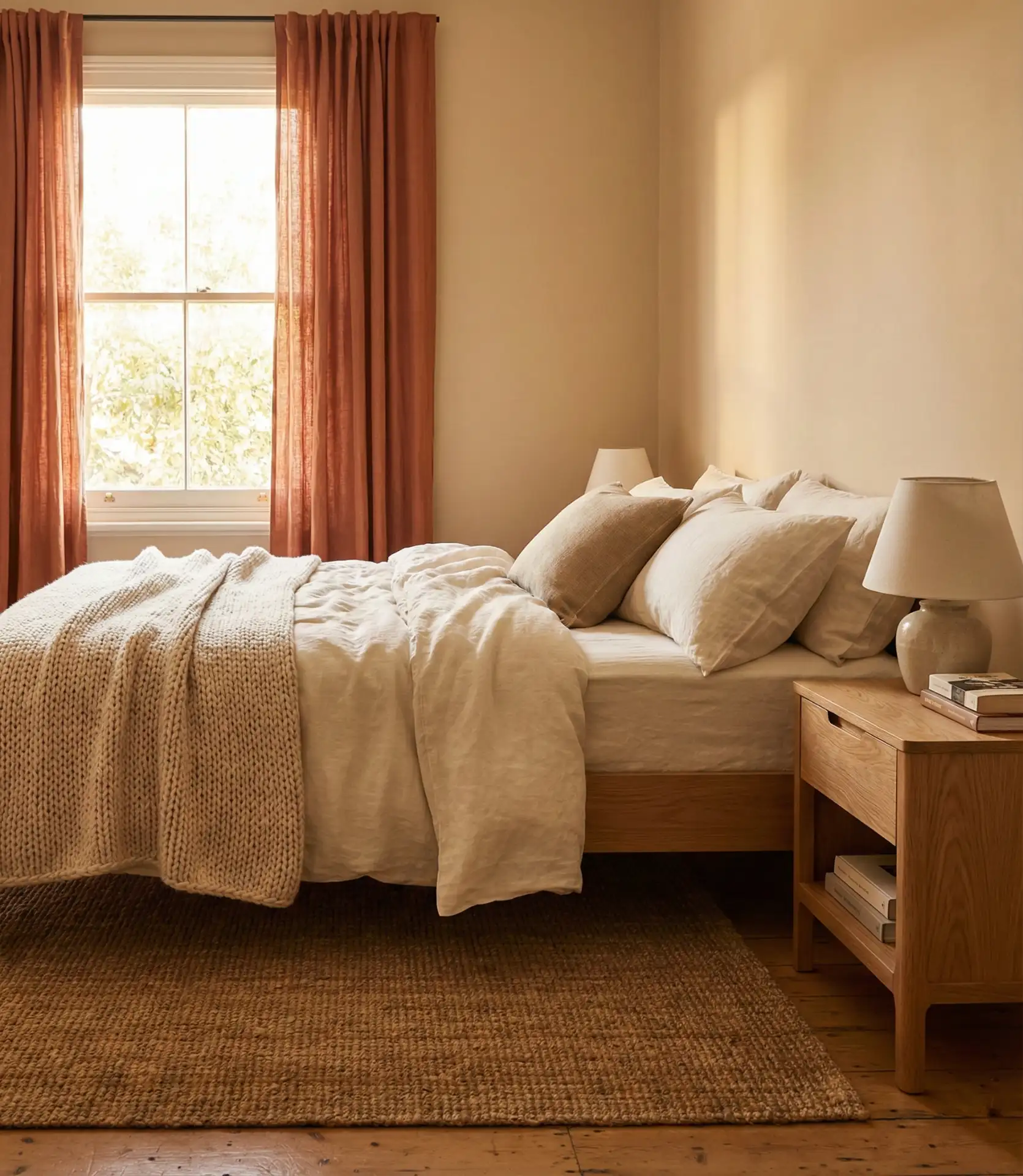
Expert commentary: interior designers are increasingly recommending earthy color schemes like this pair because they photograph beautifully in natural light—crucial for Pinterest-driven homeowners. The terracotta also complements a range of skin tones, making it flattering in selfies and lifestyle content. Layer in woven baskets, rattan, and potted plants to complete the look without overdoing it.
18. Blinds Only for Minimalist Simplicity
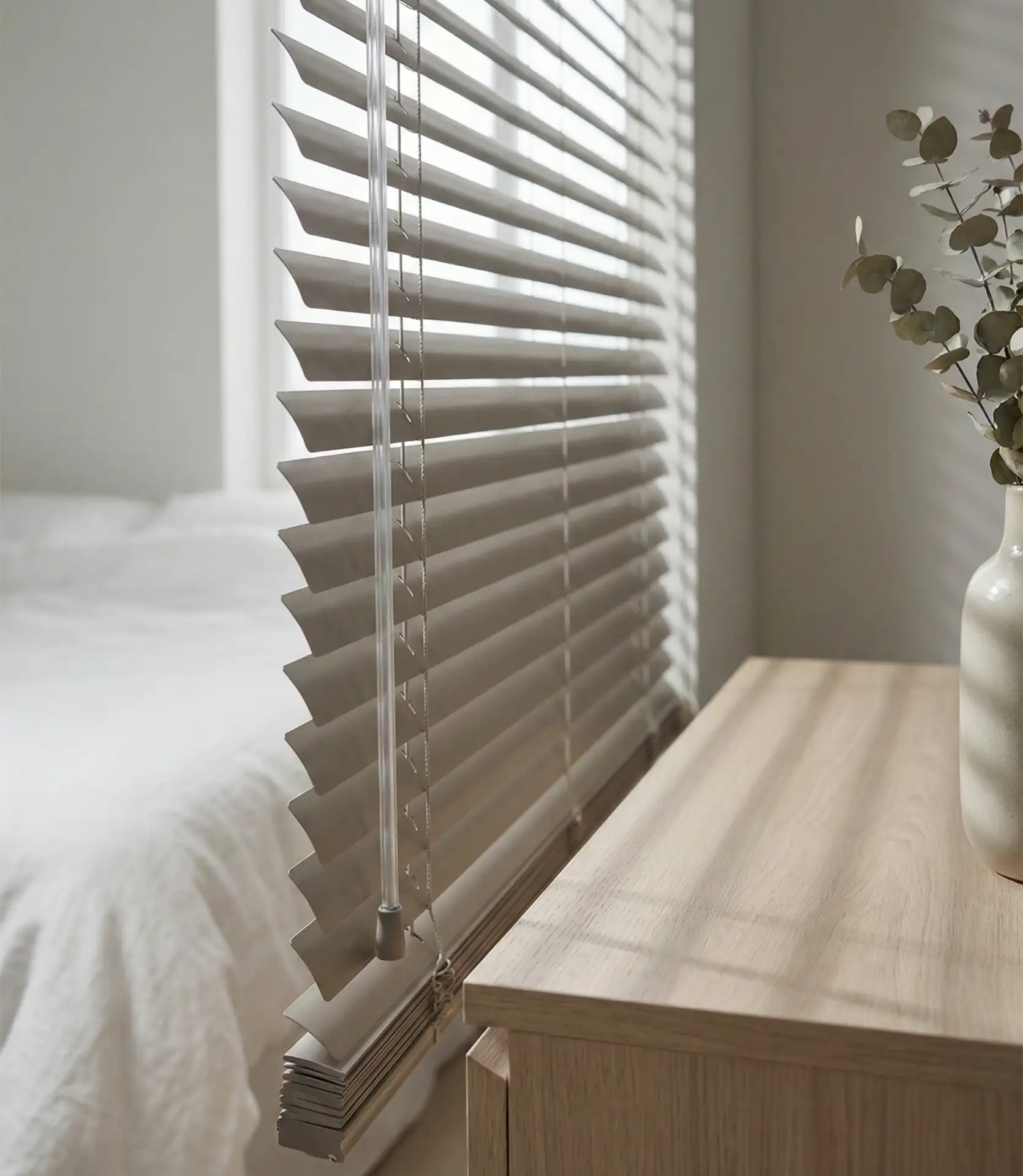
Sometimes the best curtain idea is no curtain at all—just sleek, functional blinds. In minimalist bedrooms where clean lines and zero clutter are the goal, cellular shades, roller blinds, or horizontal slats provide all the privacy and light control you need. This approach is especially practical in small windows or modern new builds with large window walls where curtains would compete with the architecture.
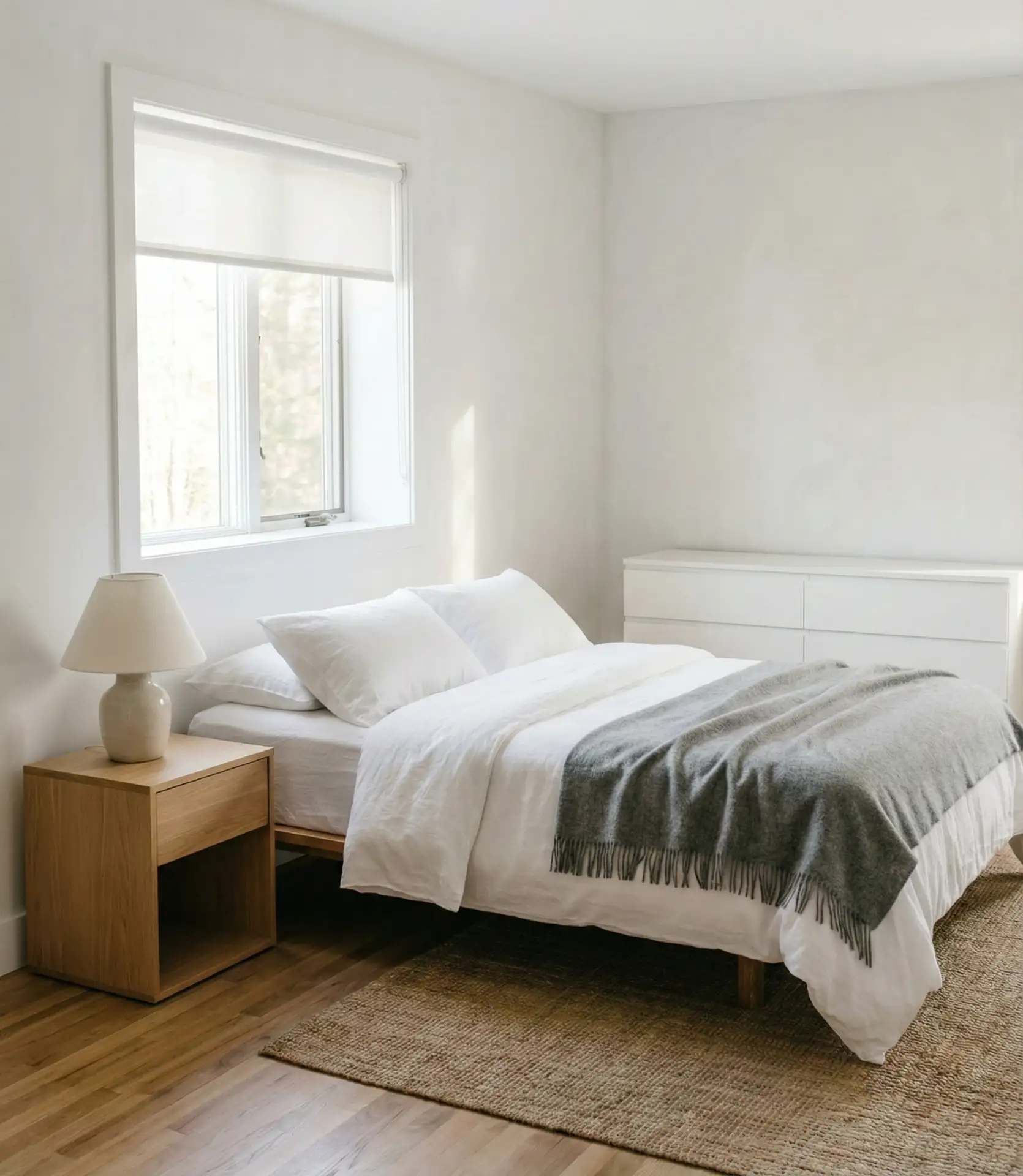
Where it works best: in urban apartments, contemporary homes, and bedrooms with stunning views you don’t want to obstruct. Blinds are also easier to clean and maintain than fabric curtains—a practical consideration for anyone with allergies or pets. Cordless and motorized options are increasingly affordable, adding convenience without sacrificing the minimalist aesthetic you’re after.
19. Neutral Two-Tone Curtains for Subtle Interest
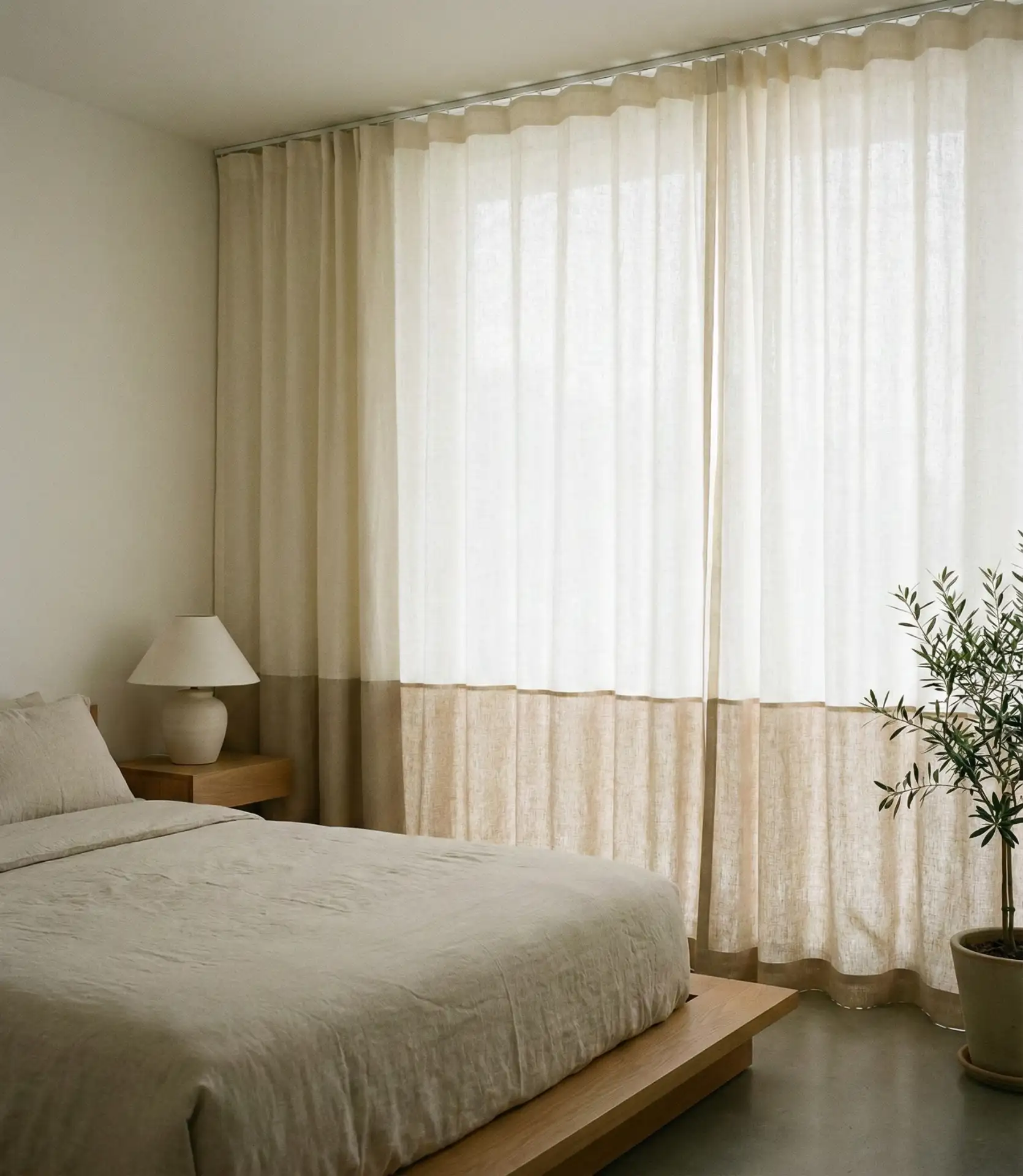
Two-tone curtains in neutral shades—think cream and beige, or soft grey and white—add visual interest without introducing bold color. The horizontal or vertical color block creates a custom, designer look that’s surprisingly easy to achieve with ready-made panels. This style works beautifully in modern bedrooms that want personality within a restrained palette, and it’s a smart way to tie together multiple neutral tones already present in the room.
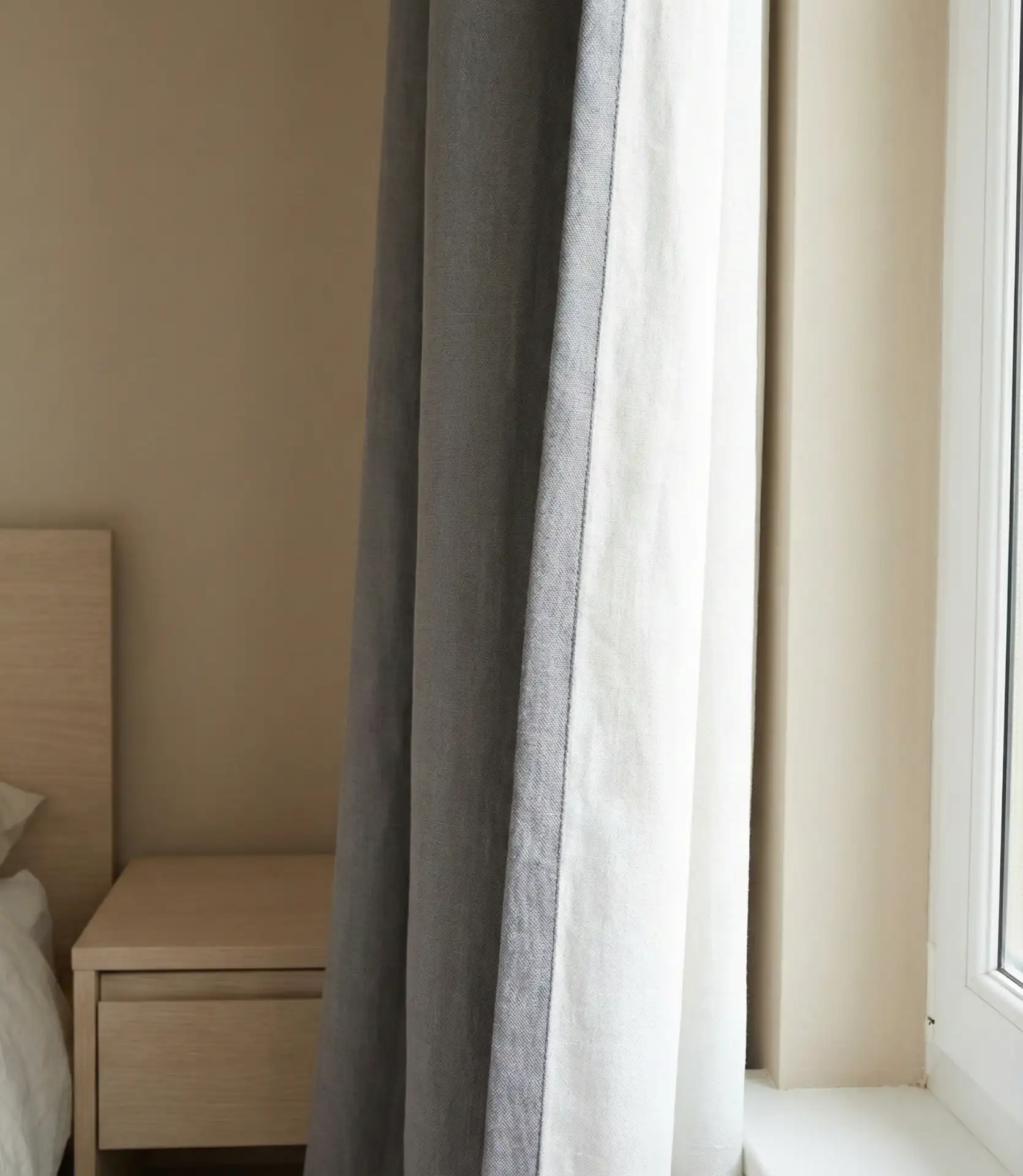
Real homeowner insight: I’ve seen several people DIY this look by sewing together two different fabric panels, which cuts costs dramatically and allows for perfect customization. The result looks far more expensive than the effort required. Position the color break at eye level or two-thirds up the window for the most flattering proportion, and keep the rest of your window hardware simple to let the curtains shine.
20. Blackout Curtains in Coastal Spaces
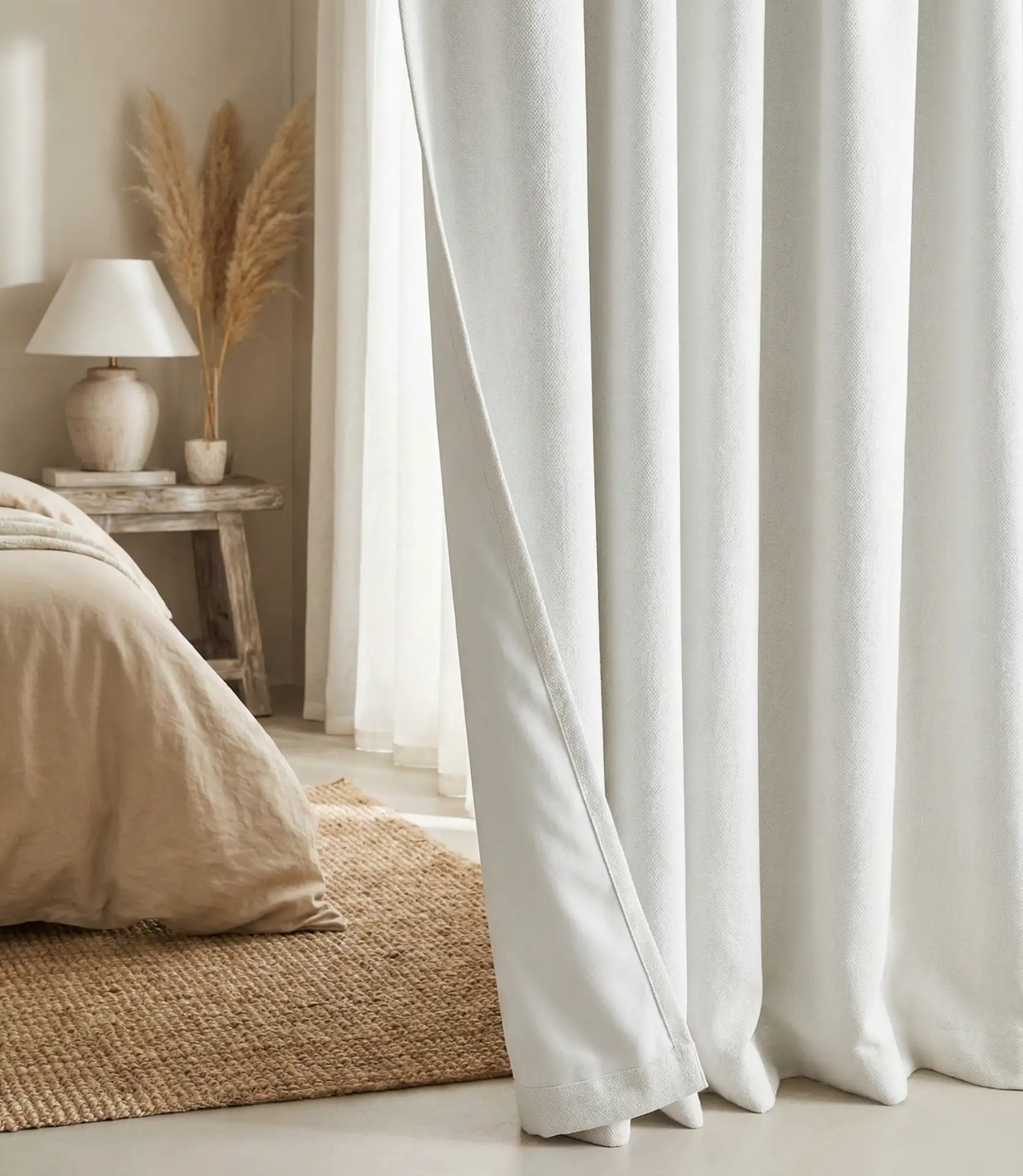
Even in bright, breezy coastal bedrooms, blackout curtains have a place—especially when you want to sleep past sunrise or need afternoon naps. The trick is choosing lighter fabrics in soft blue, white, or sandy beige with blackout lining, so you maintain the airy aesthetic while gaining light control. This hybrid approach allows you to enjoy the benefits of both coastal charm during the day and complete darkness when necessary.
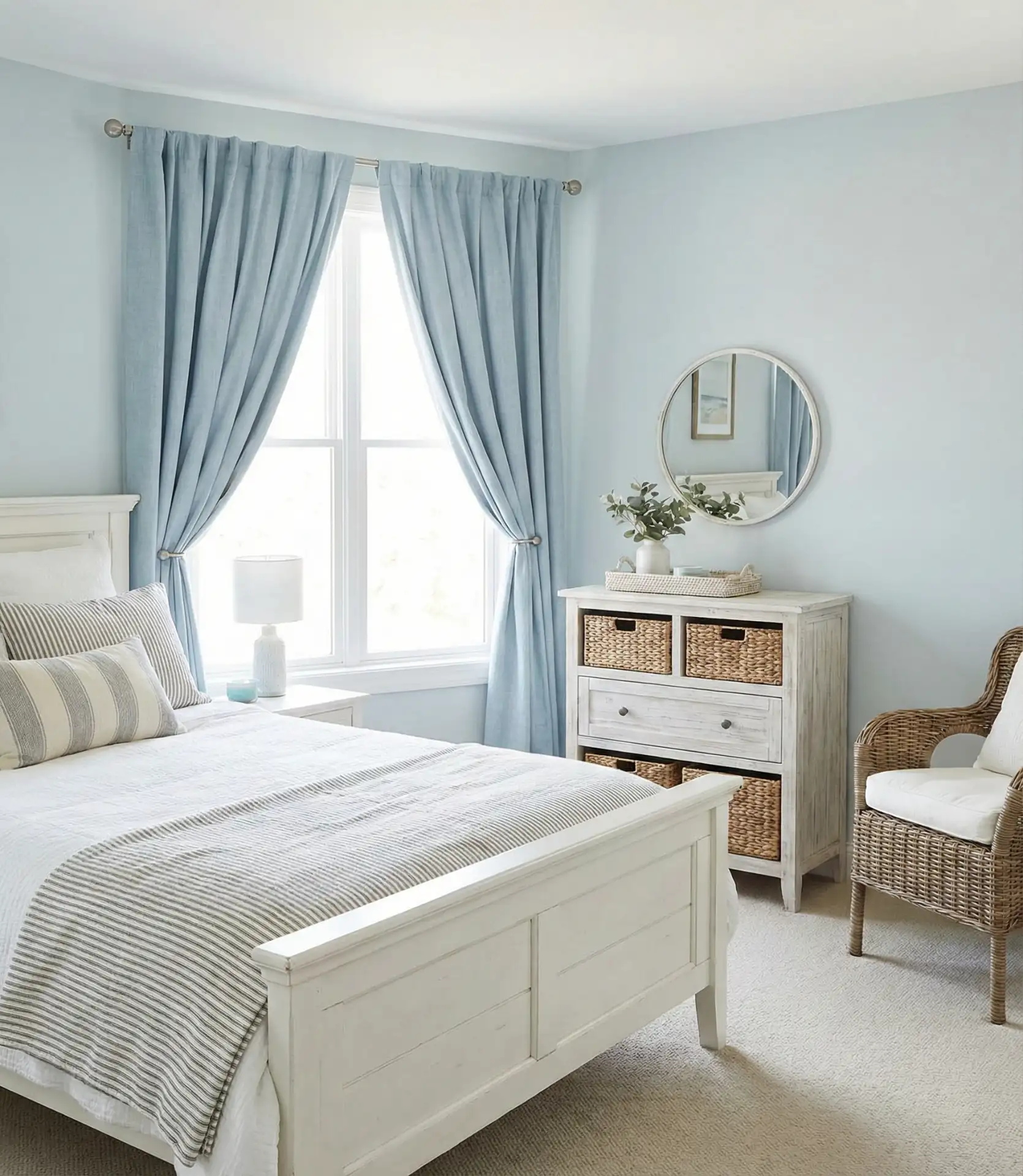
A common mistake is assuming that blackout curtains must appear heavy or formal. Modern blackout technology can be incorporated into lightweight linens and cottons, so you don’t sacrifice style for function. In beach communities from Florida to Oregon, homeowners are increasingly choosing this solution to manage intense morning sun while keeping bedrooms feeling fresh and breezy.
21. Primary Bedroom with Layered Textures
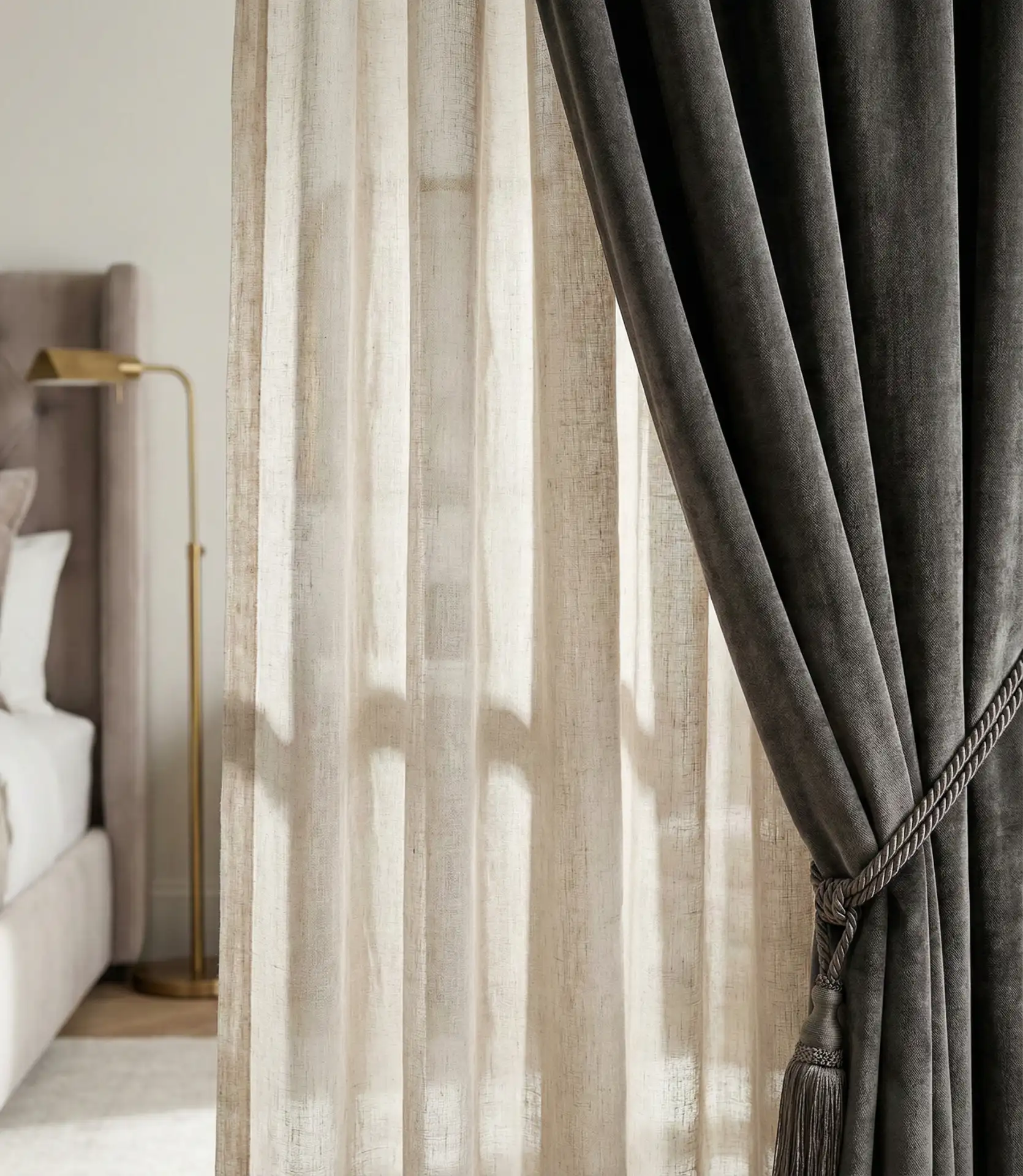
In a primary bedroom, layering different curtain textures creates a collected, sophisticated look that feels intentional rather than decorated. Combine sheer linen panels with heavier grey or beige outer curtains, allowing you to adjust light and privacy throughout the day. This approach adds depth and visual interest while giving you maximum flexibility—perfect for mastering modern spaces where function and beauty must coexist seamlessly.
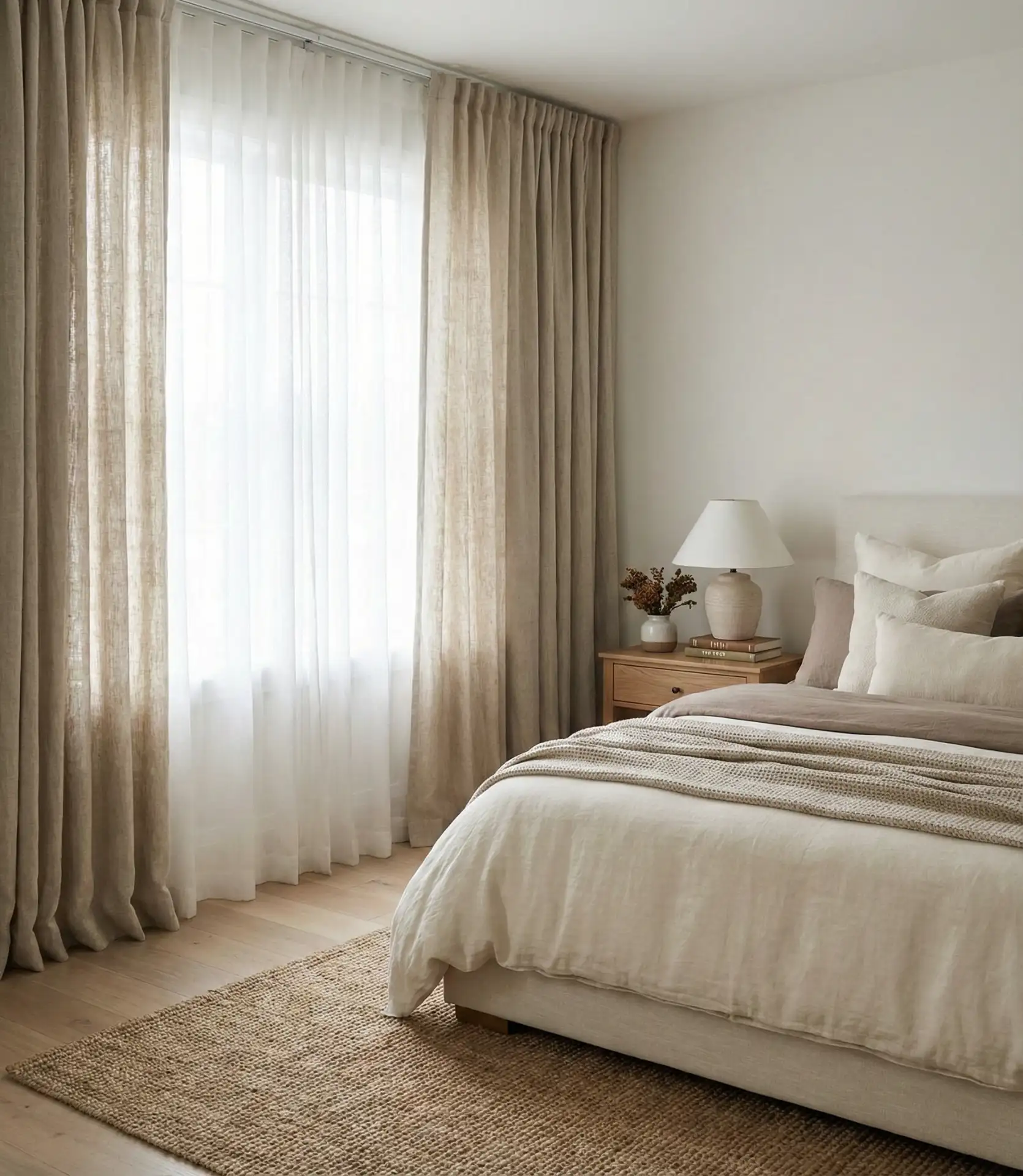
Budget angle: start with the sheers (the less expensive layer) and add heavier curtains over time as your budget allows. This phased approach lets you enjoy immediate improvement while working toward the full layered effect. Use a double rod or track system to keep both layers functional—you’ll actually use them rather than leaving them decorative only, which is a common pitfall.
22. Aesthetic Curtains with Statement Hardware
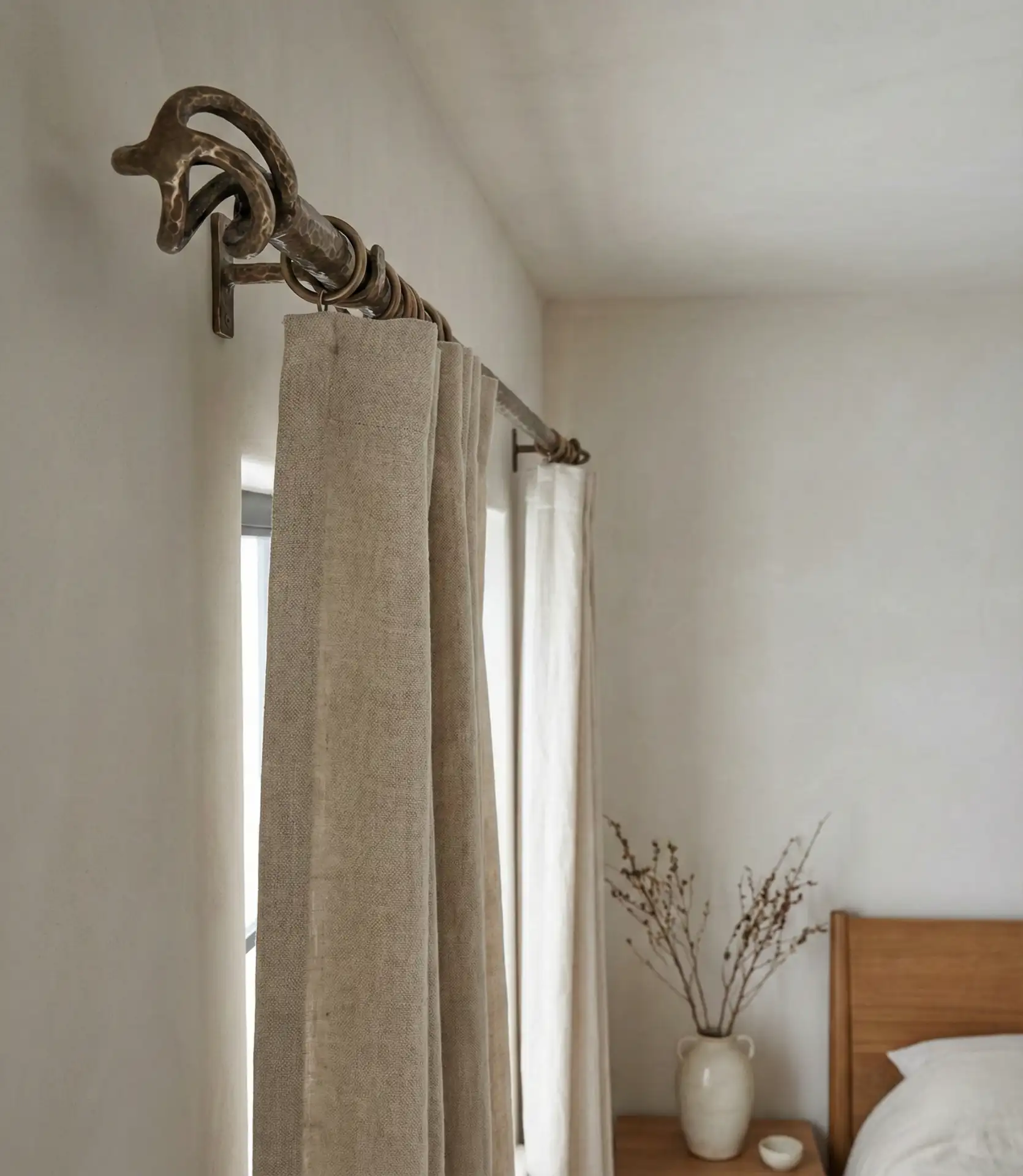
Sometimes the curtain fabric is secondary to the hardware, and in 2026, decorative rods and finials are having a major moment. Choose simple white or neutral linen panels, then let sculptural brass, matte black, or carved wood rods do the talking. This aesthetic creates a gallery-like quality in modern and minimalist bedrooms, where the hardware itself becomes an art piece framing your windows.
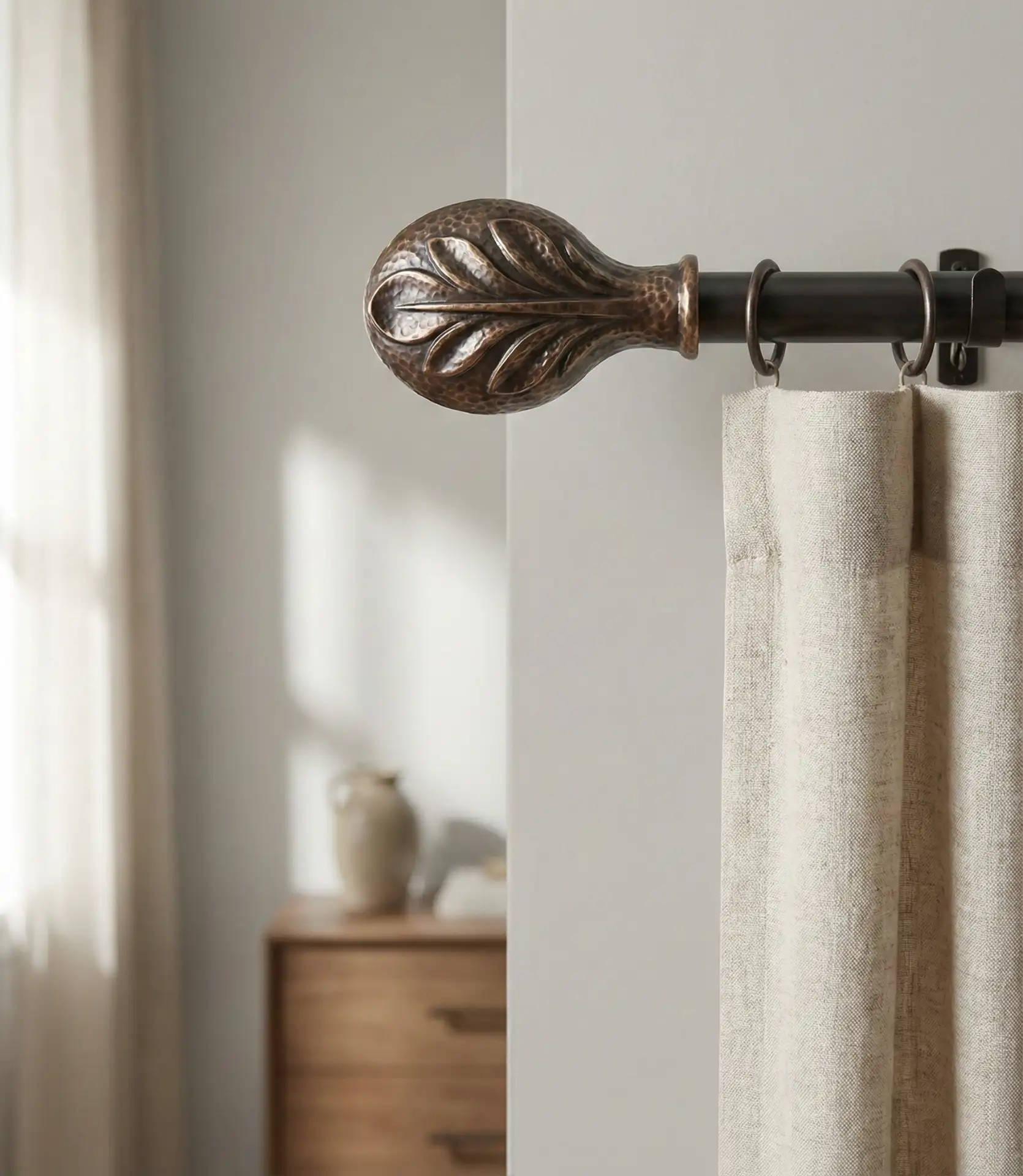
Expert commentary: interior stylists have noticed that Pinterest engagement skyrockets on posts featuring unique curtain hardware. It’s a small investment—typically $50–$150 for quality decorative rods—that delivers outsized visual impact. This approach also allows you to easily switch out curtain fabrics seasonally or as trends evolve, since the hardware provides continuity and keeps your look fresh.
23. Half Window Curtains for Architectural Quirks
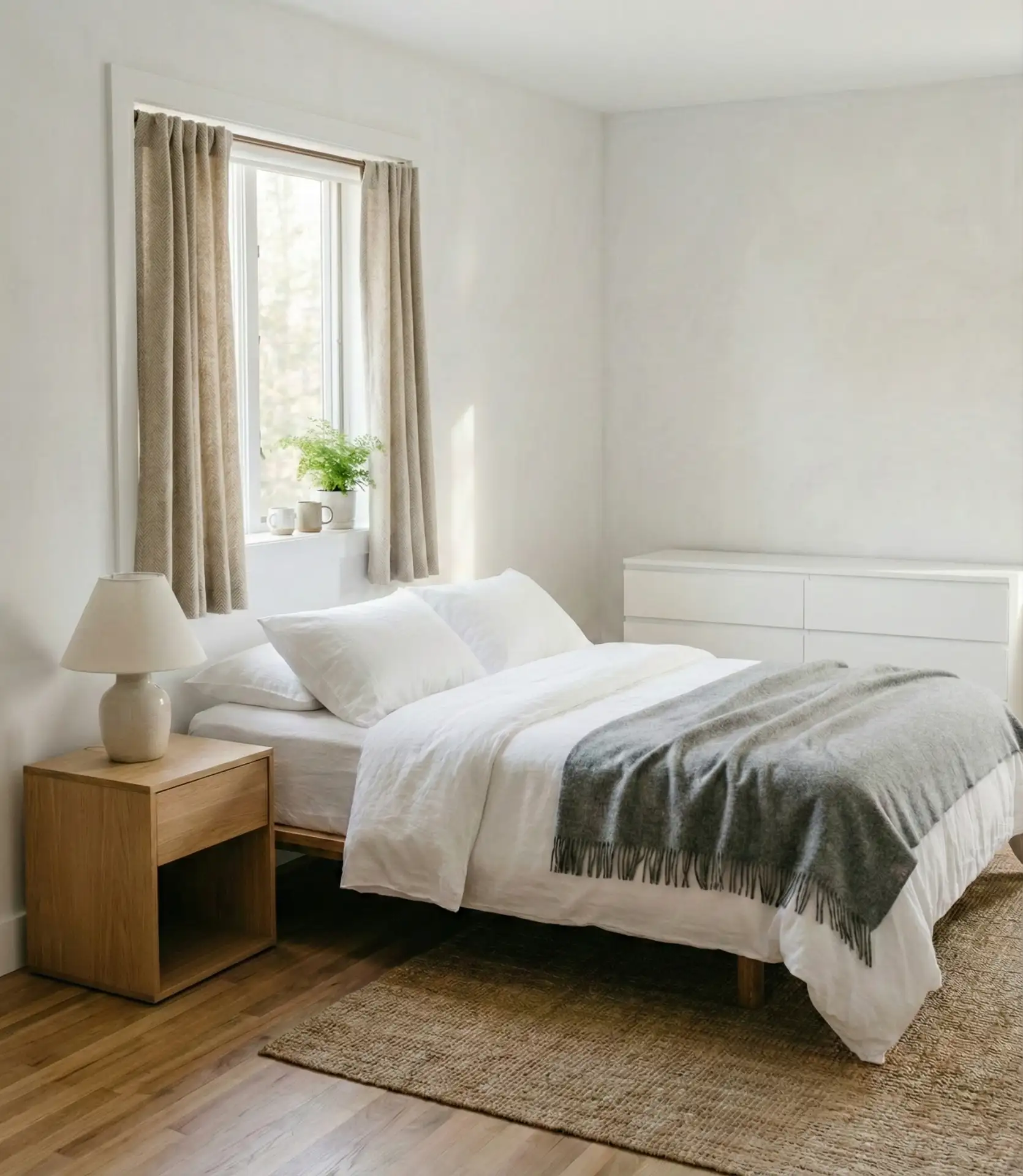
Bedrooms with half-window configurations—like those found in basements, bungalows, or split-levels—need specialized curtain solutions. Mount panels at the top of the window frame and let them hang to the sill or slightly below, treating the window as a complete unit rather than trying to extend fabric to the floor. This honest approach respects the architecture while adding softness and privacy, and it’s far more visually successful than forcing a standard solution onto an unusual space.
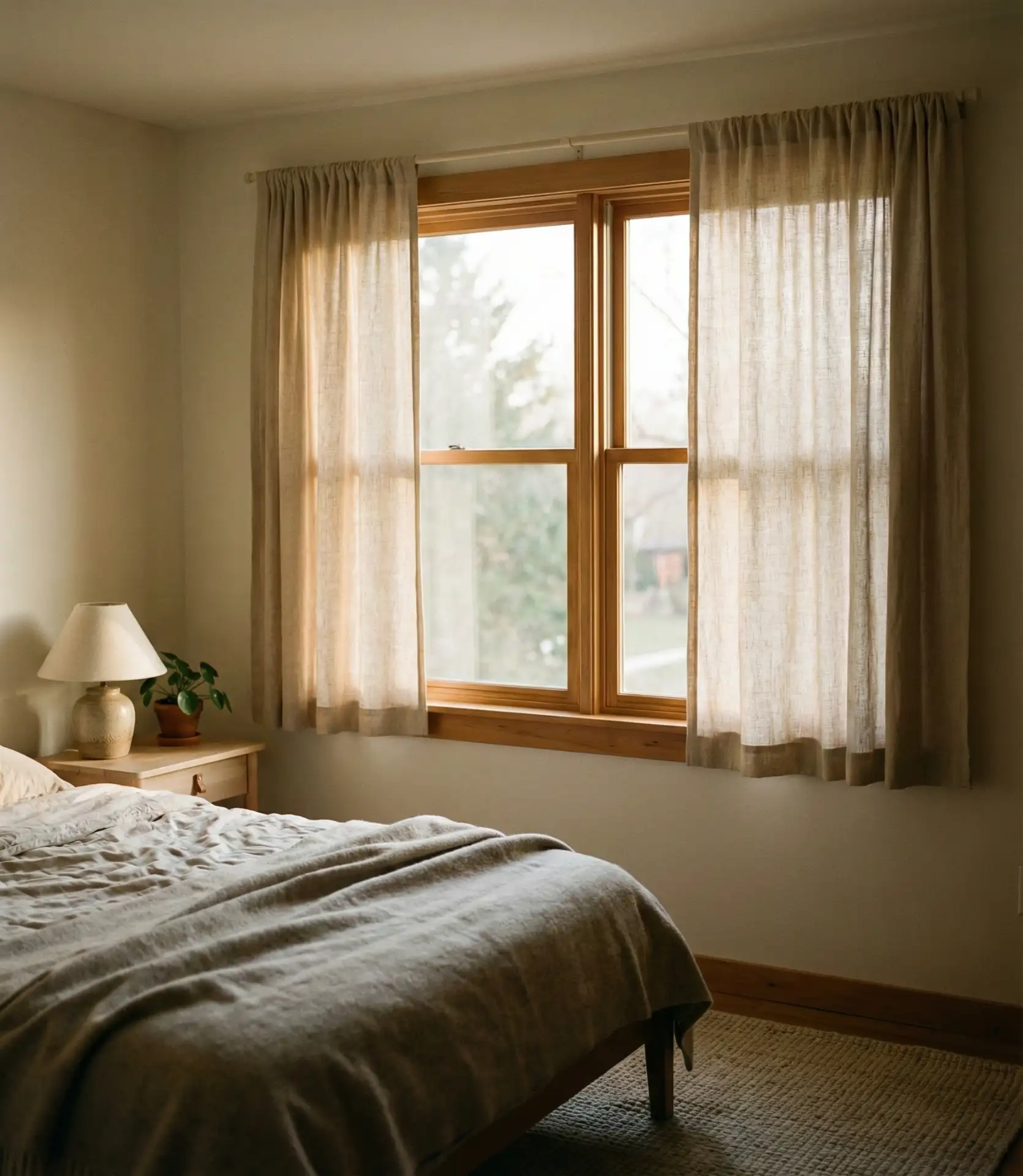
Where it works best: in older homes where original window placements create challenges, or in finished basements where egress windows sit high on walls. Don’t fight the architecture—embrace it with properly proportioned treatments. This approach also saves money since you need less fabric, and it keeps the space feeling honest and architecturally coherent rather than trying to disguise what can’t be changed.
Whether you’re drawn to the airy simplicity of white linen, the drama of blackout velvet, or the earthy warmth of sage and terracotta, 2026’s bedroom curtain trends offer endless possibilities for personalizing your sleep sanctuary. The key is choosing treatments that balance beauty with function—honoring your home’s architecture, your lifestyle needs, and your design dreams. Now it’s your turn: which idea resonates most with your bedroom vision? Please share your favorite ideas or your own successful curtain projects in the comments below—we would love to hear how you are transforming your space this year.