45 Butterfly Garden Ideas 2026: Transform Your Yard Into a Pollinator Paradise

Butterfly gardens are soaring in popularity across the United States as homeowners seek to create enchanting outdoor spaces that support pollinators while adding natural beauty to their properties. Pinterest searches for butterfly garden inspiration have surged as more Americans discover the joy of watching monarchs, swallowtails, and painted ladies flutter through carefully curated plantings. Whether you’re designing a compact urban balcony sanctuary or a sprawling backyard habitat, these butterfly garden ideas will help you craft a living masterpiece that attracts these delicate creatures throughout the growing season.
1. Native Wildflower Meadow Haven
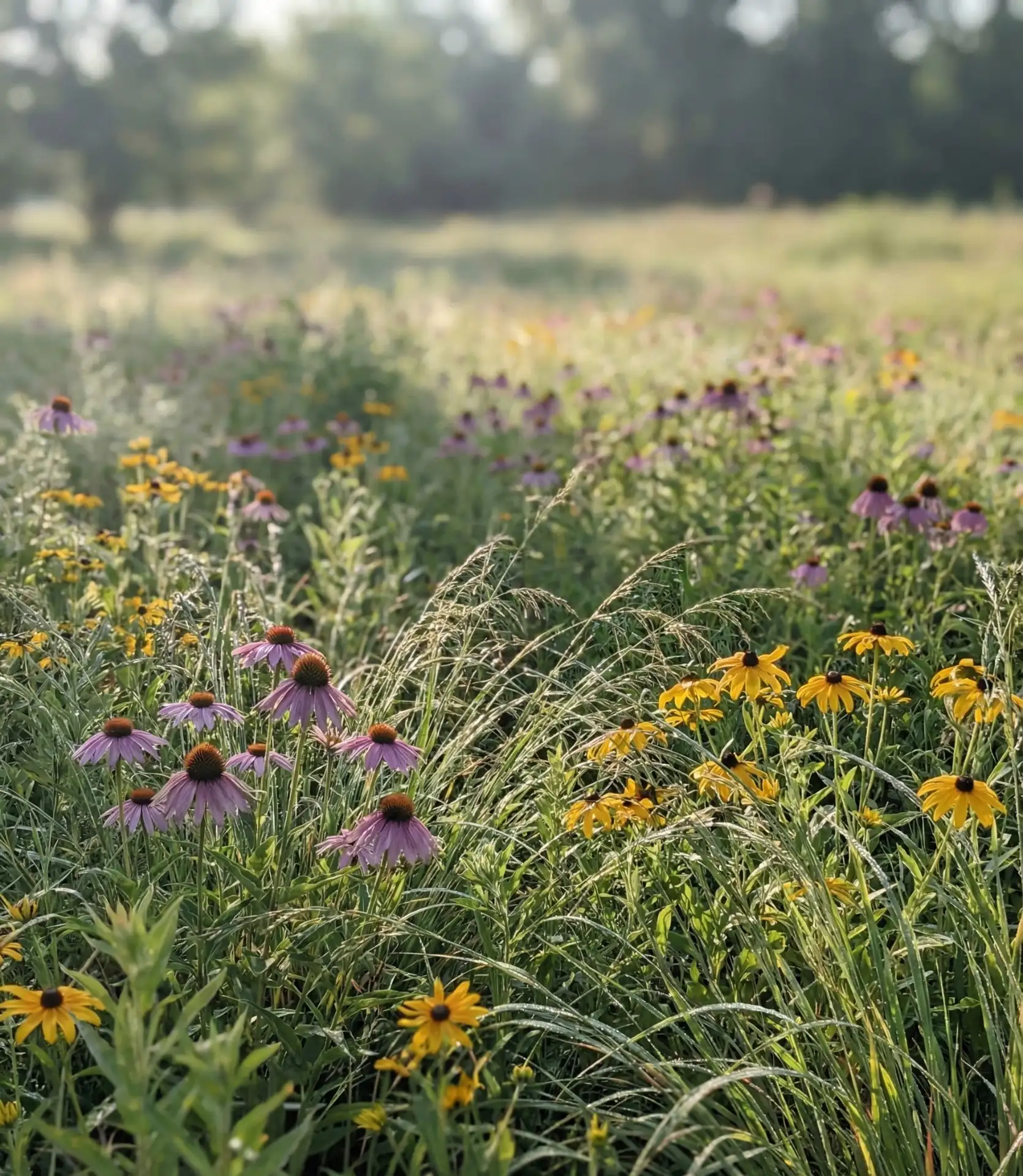
Transform your lawn into a vibrant butterfly garden design by replacing traditional grass with native wildflowers that provide essential nectar sources. This idea’s landscaping approach works beautifully in suburban yards, where you can dedicate 200–400 square feet to creating a naturalistic meadow layout filled with black-eyed Susans, purple coneflowers, and milkweed. The aesthetic shifts from manicured perfection to something wild and alive, with seasonal blooms creating ever-changing color palettes that attract dozens of butterfly species from spring through fall. 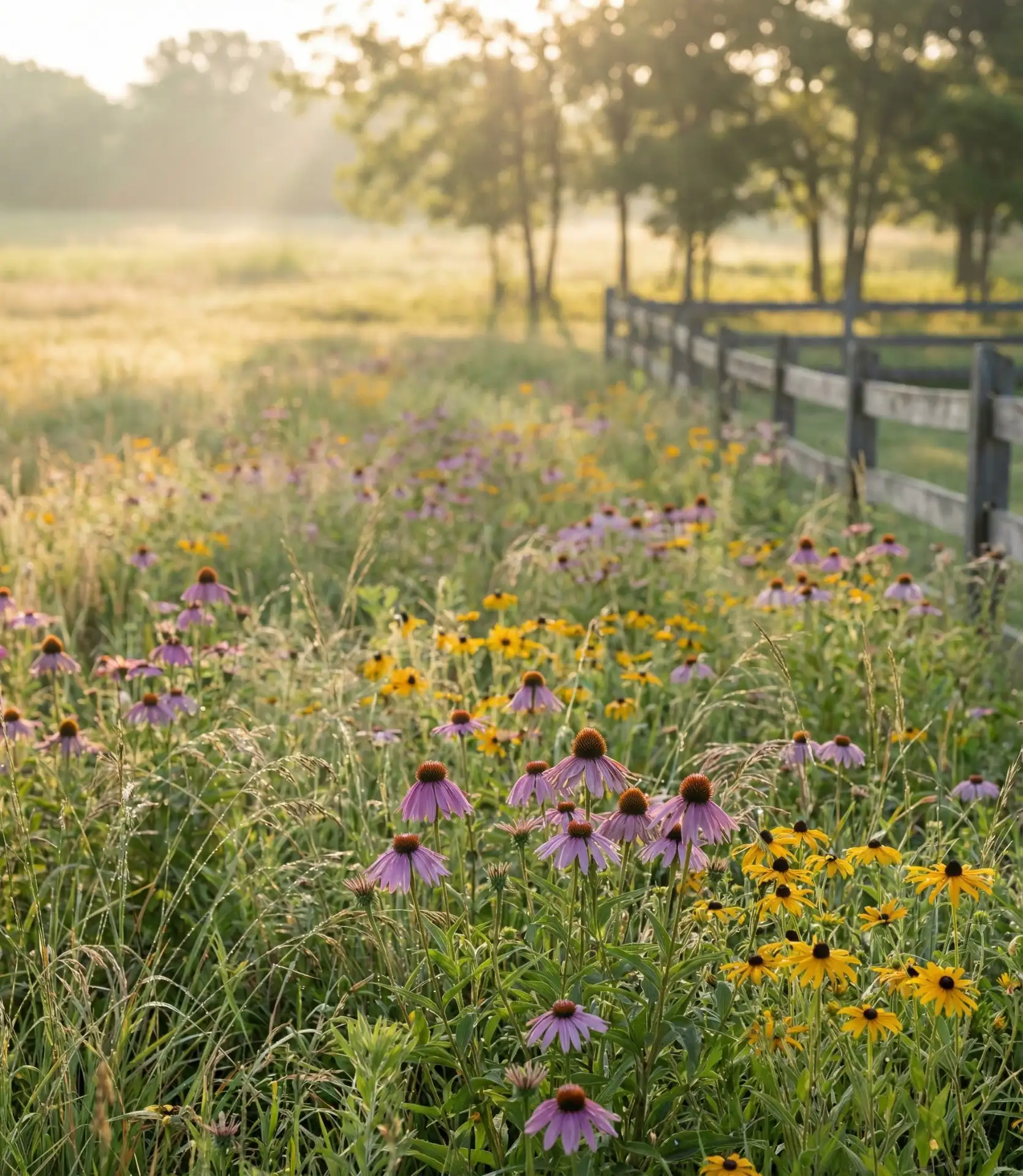
Most homeowners make the mistake of cutting their meadow too early in spring, which destroys overwintering butterfly chrysalises hidden in plant stems. Wait until late spring when temperatures consistently reach 50°F before your first trim, and always leave some areas unmowed to provide year-round habitat. This patience pays off dramatically as your garden becomes a recognized waystation for migrating monarchs and a nursery for local butterfly populations throughout the season.
2. Container Garden Butterfly Cafe
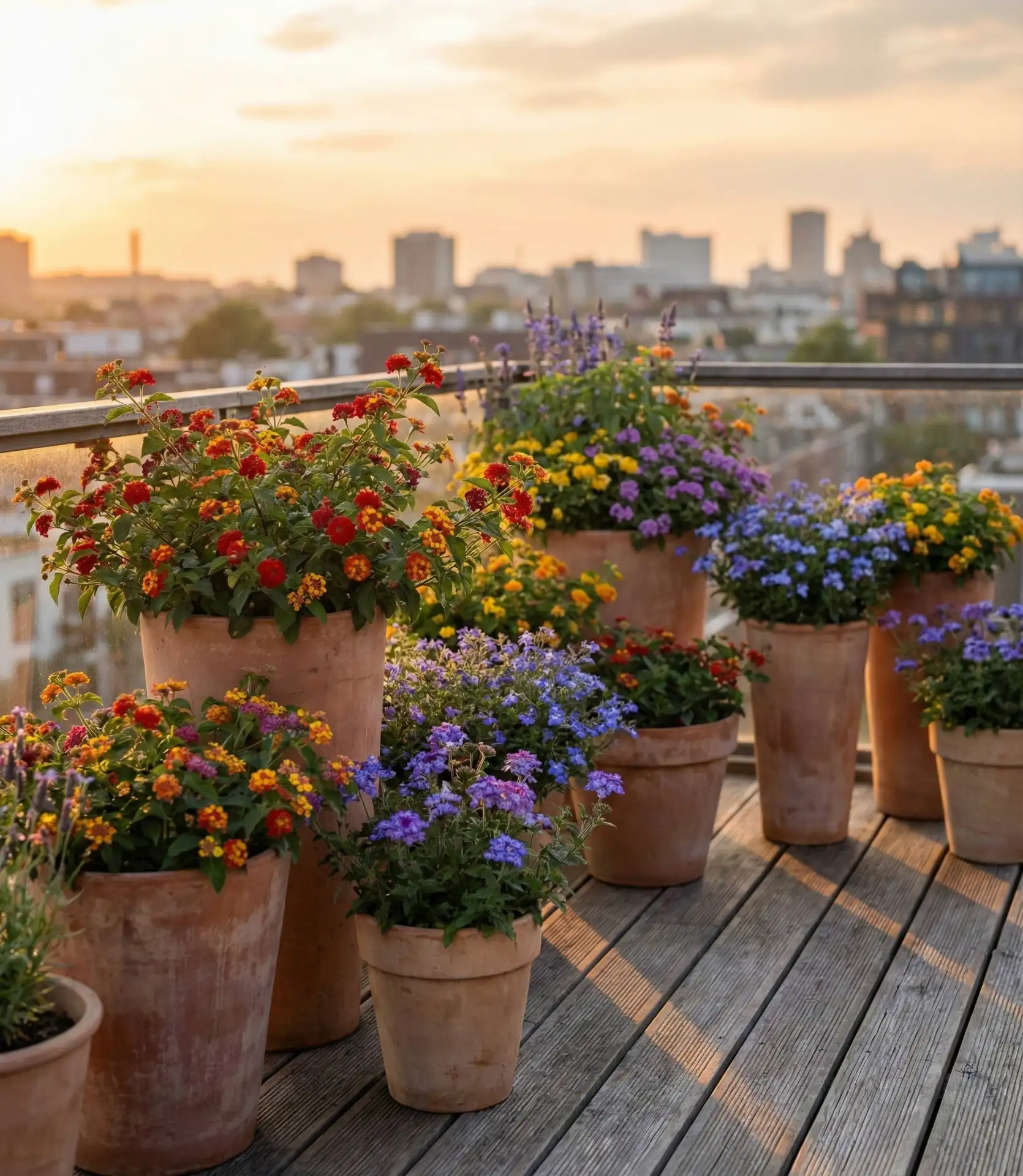
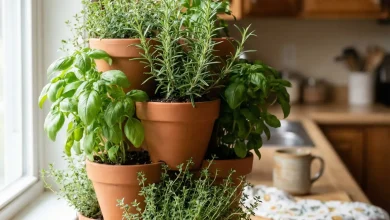
Urban dwellers can create stunning butterfly garden ideas using strategically arranged containers on balconies, patios, or rooftops. This design solution works perfectly for apartment living, combining ceramic pots of varying heights filled with lantana, verbena, and pentas that bloom continuously. The layout clusters nectar-rich flowers at different levels, creating visual depth while maximizing butterfly access, and the portable nature means you can adjust your garden design throughout the season to follow sun patterns or refresh blooms.
In the Pacific Northwest, where summer temperatures stay moderate, container butterfly gardens thrive on covered balconies that receive 4-6 hours of filtered sunlight. Southern gardeners benefit from placing containers where they receive morning sun and afternoon shade, preventing heat stress on both plants and visiting butterflies. This regional adaptation ensures your container cafe remains an active butterfly destination rather than a wilted disappointment during peak summer months.
3. Monarch Migration Station
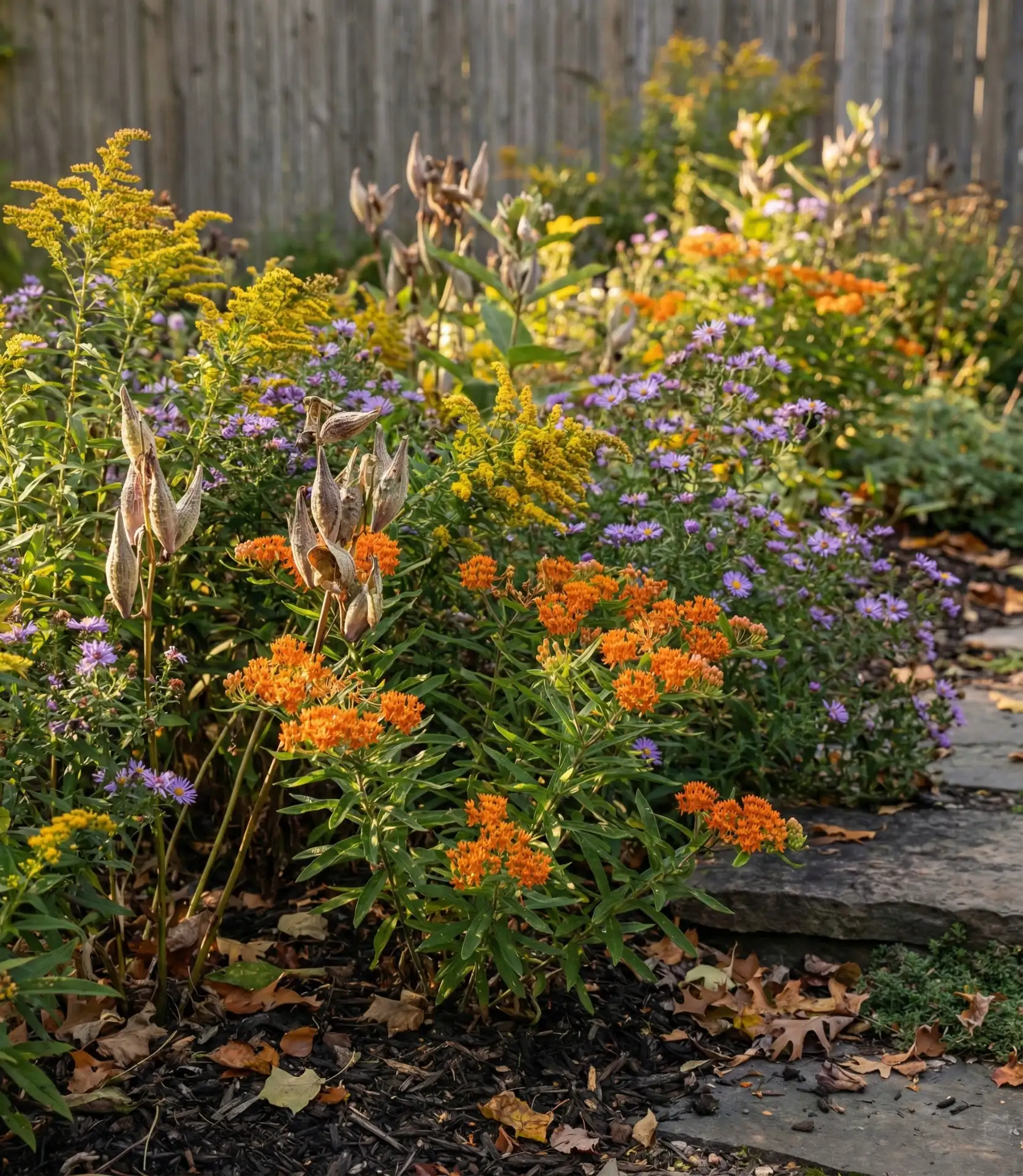
Dedicate a section of your yard specifically to supporting monarch butterflies with abundant milkweed varieties and fall-blooming nectar sources. This specialized butterfly garden theme focuses on native milkweed species, like swamp milkweed, butterfly weed, and common milkweed, planted in drifts of 5–7 plants. Include late-season bloomers such as asters, goldenrod, and sedum to fuel monarchs during their incredible 3,000-mile journey to Mexican overwintering sites, creating a vital rest stop along ancient migration corridors.
A landscape designer from Austin shared that positioning milkweed near a south-facing fence or wall creates a warm microclimate that encourages monarchs to linger longer, increasing the chances of witnessing egg-laying and caterpillar development. The thermal mass from structures extends your growing season by 2-3 weeks on each end, dramatically improving your garden’s value as a monarch nursery and giving you front-row seats to one of nature’s most remarkable transformations.
4. Cottage Garden Butterfly Paradise
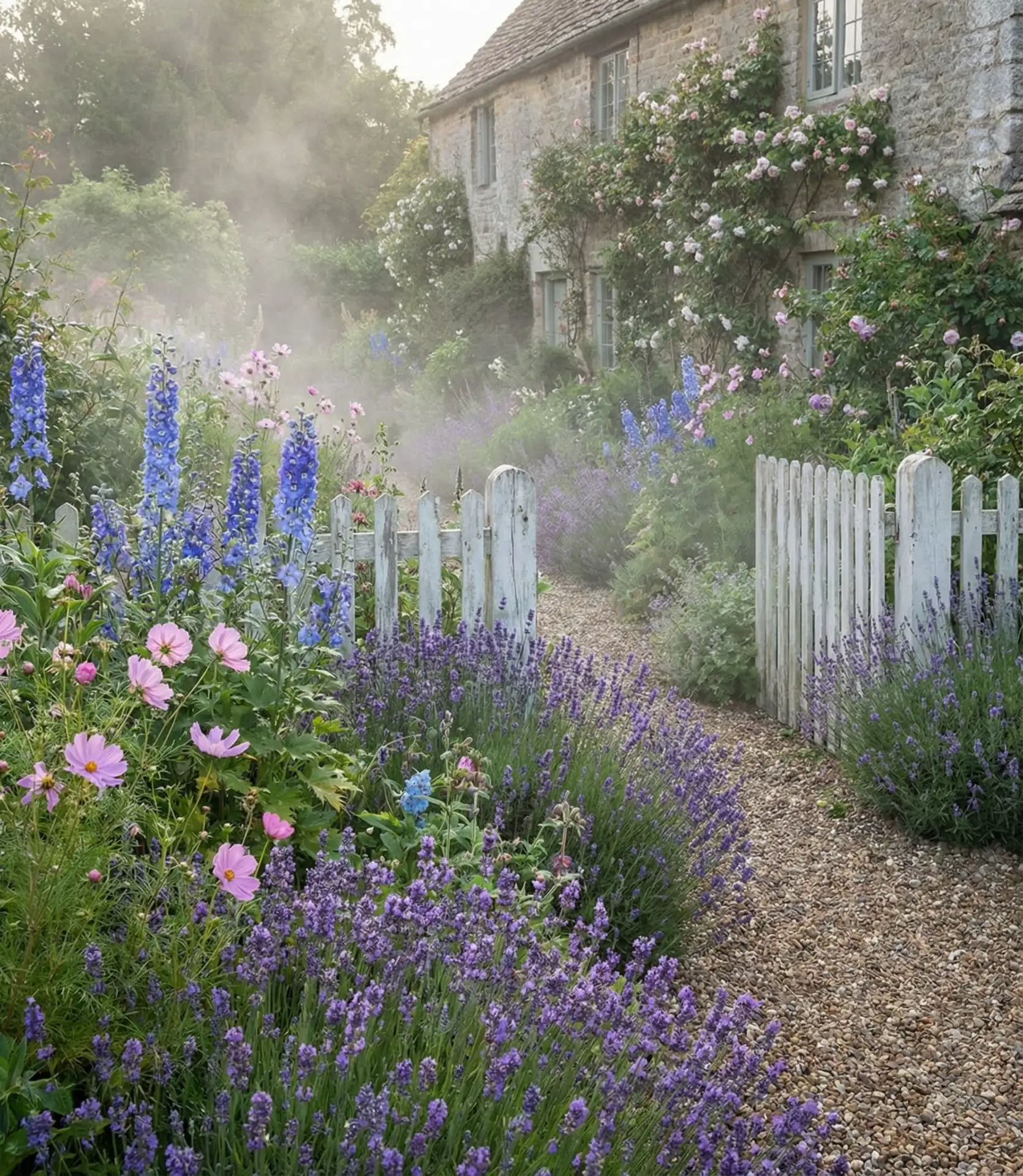
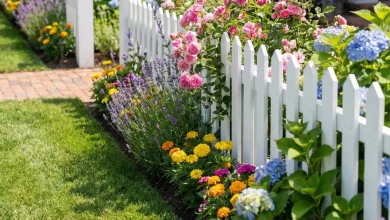
Embrace an informal, romantic aesthetic with overflowing borders packed with old-fashioned favorites like lavender, catmint, zinnias, and cosmos. This butterfly garden design layers plants in traditional cottage style, with tall delphiniums and hollyhocks at the back, mid-height salvia and phlox in the middle, and compact alyssum and dianthus spilling onto pathways. The deliberately crowded planting layout creates a sensory feast where butterflies can easily move from bloom to bloom, while the mix of textures and colors photographs beautifully for Pinterest-worthy garden documentation. 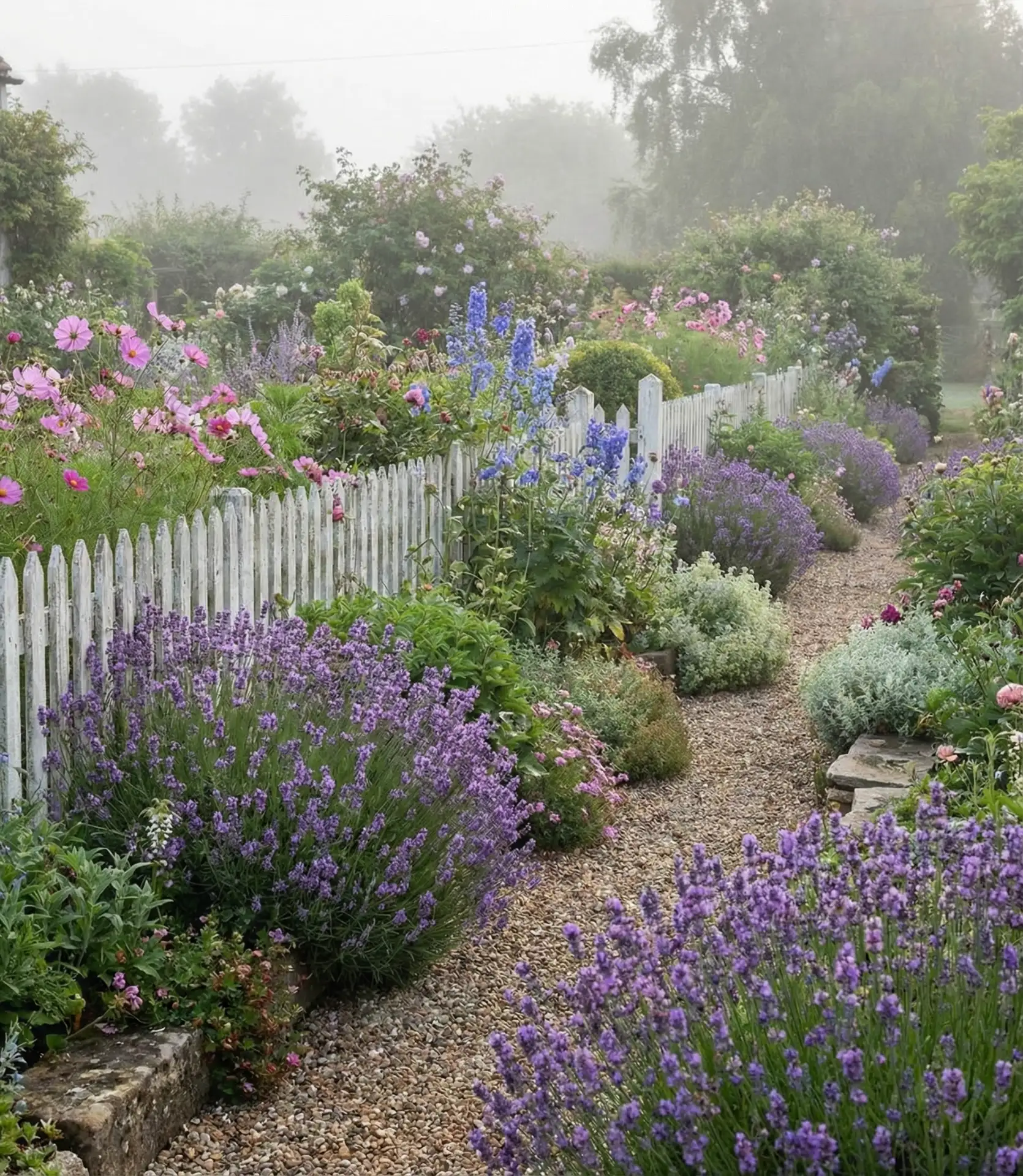
5. Shade Garden Butterfly Retreat
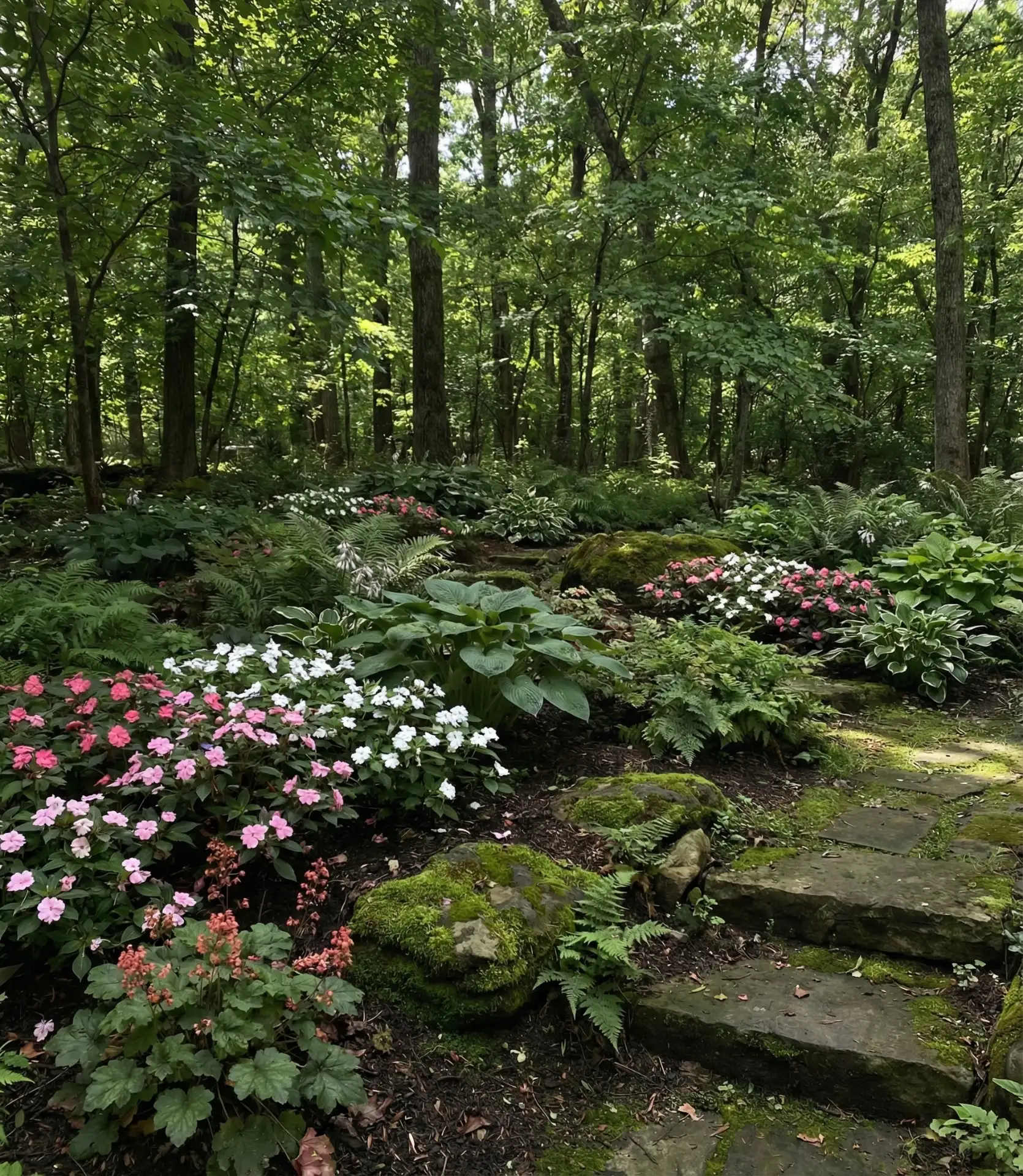
Challenge the assumption that butterfly gardens require full sun by creating a woodland-edge habitat featuring shade-tolerant bloomers and host plants that attract specialized species. Plant ferns, hostas, and coral bells alongside butterfly-friendly impatiens, begonias, and bleeding hearts in areas receiving 3-4 hours of dappled sunlight. This butterfly garden design works exceptionally well under mature trees where traditional sun-loving gardens struggle and attracts unique visitors like spicebush swallowtails and wood nymphs that prefer cooler, protected environments over blazing open spaces. 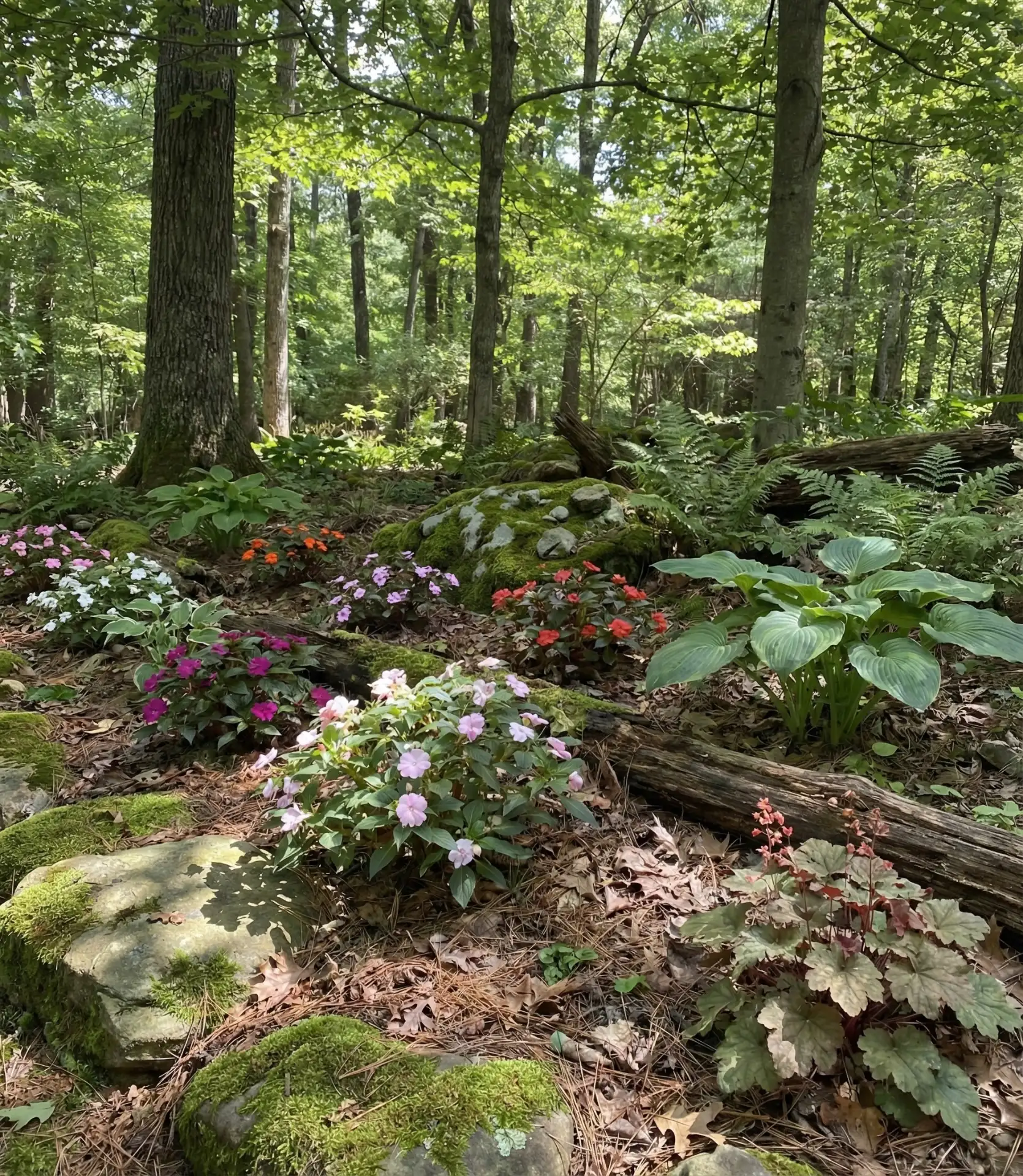
Northeastern homeowners with mature oak and maple trees discover that shade butterfly gardens work best when positioned on the woodland edge where they receive morning sun and afternoon shade. This timing allows butterflies to warm up and become active during cooler morning hours while providing refuge during intense afternoon heat. The microclimate also stays naturally moist, reducing watering needs by 40–50% compared to full-sun gardens and creating ideal conditions for moisture-loving host plants like violets, which support fritillary butterfly larvae.
6. Party Pollinator Garden Design
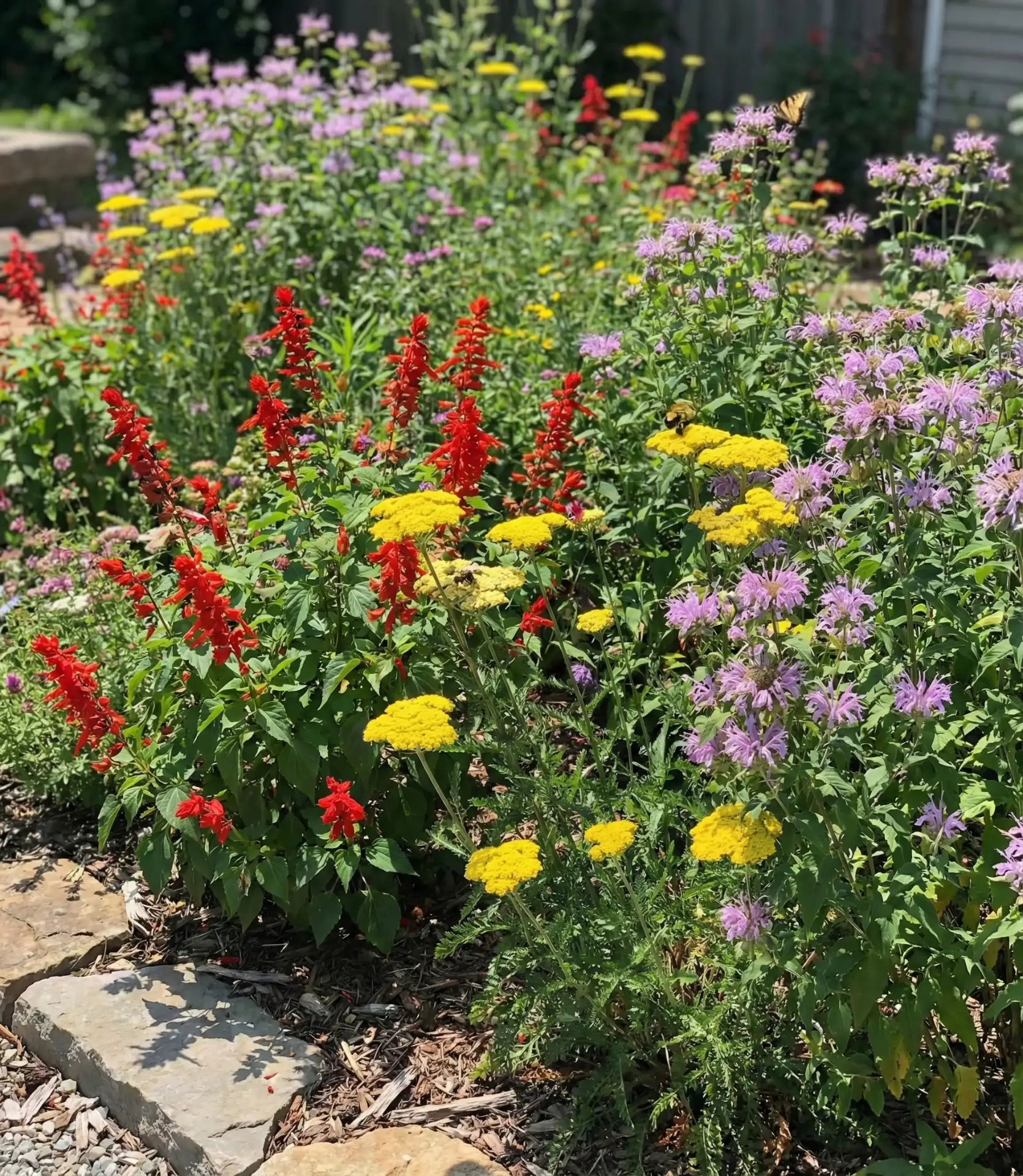
Having a design to cater to the interests of both butterflies and other butterflies will create a more welcoming and inclusive atmosphere and give a chance to include plants that other pollinators like and enjoy, such as plants that enjoy the company of bees and hummingbirds. You will get a more diverse ecosystem You will get a mix of both tubular plants and flat bloomers along with bee favorites such as mountain mint and prairie clover to create a garden that will draw multiple pollinator species and compatible plants. You will have tons of photo opportunities as you create a party for pollinators and help support the ecosystem. 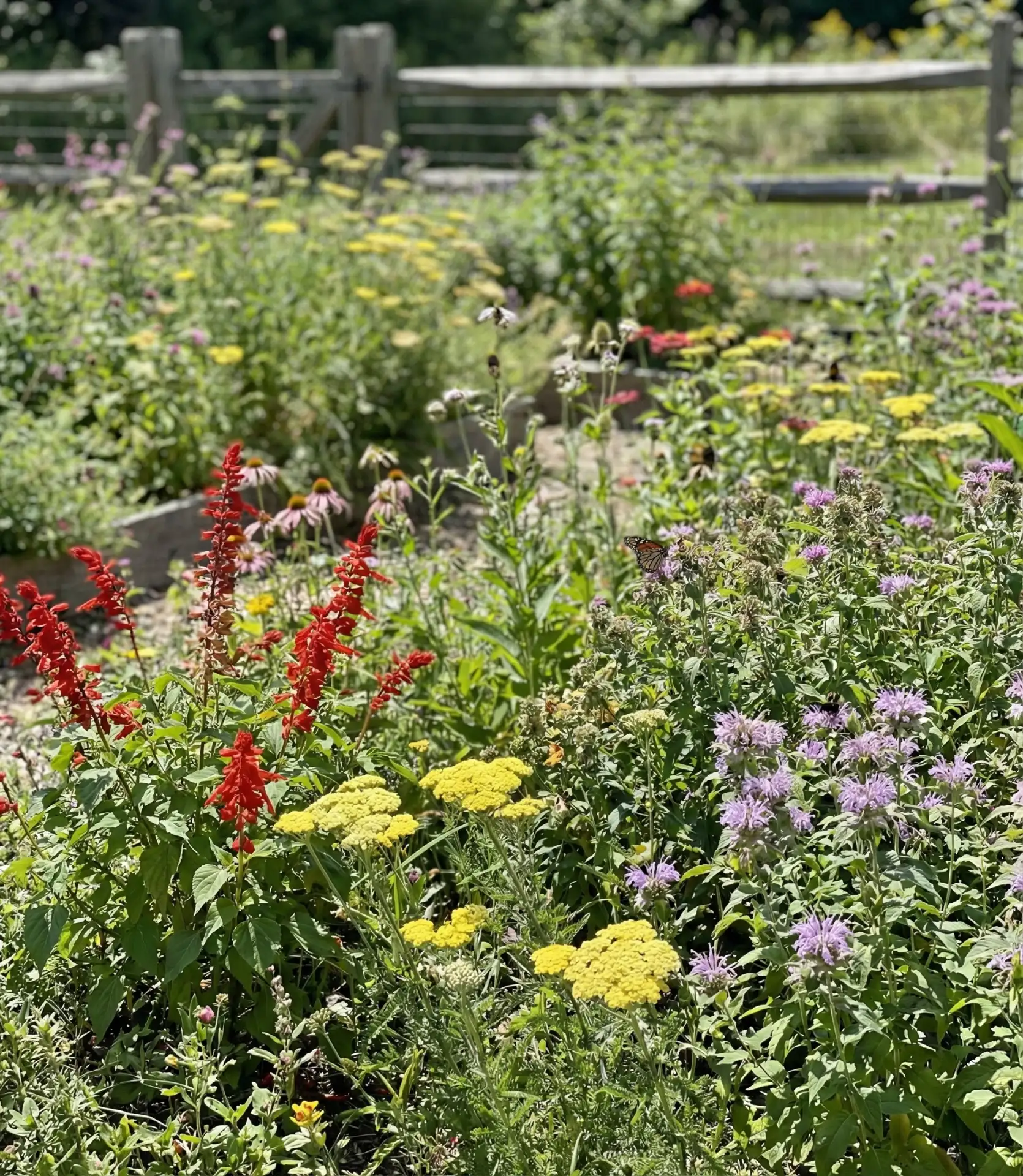
Gardeners with expertise in helping and attracting pollinators have recommended grouping clusters of 3, 5, or 7 of the same flowers and creating a visual flow throughout the garden instead of spacing out single plants of each variety. Such an arrangement is a more efficient way for pollinators such as butterflies and bees to gain nectar and pollen vs. the scattered plants. The method also creates more dramatic and visually impactful photographs of the garden. This technique is called drifting, and it will also help prepare the garden for social media sharing, especially if the owner prefers a simpler composition.
7. Cutting Garden Butterfly Sanctuary
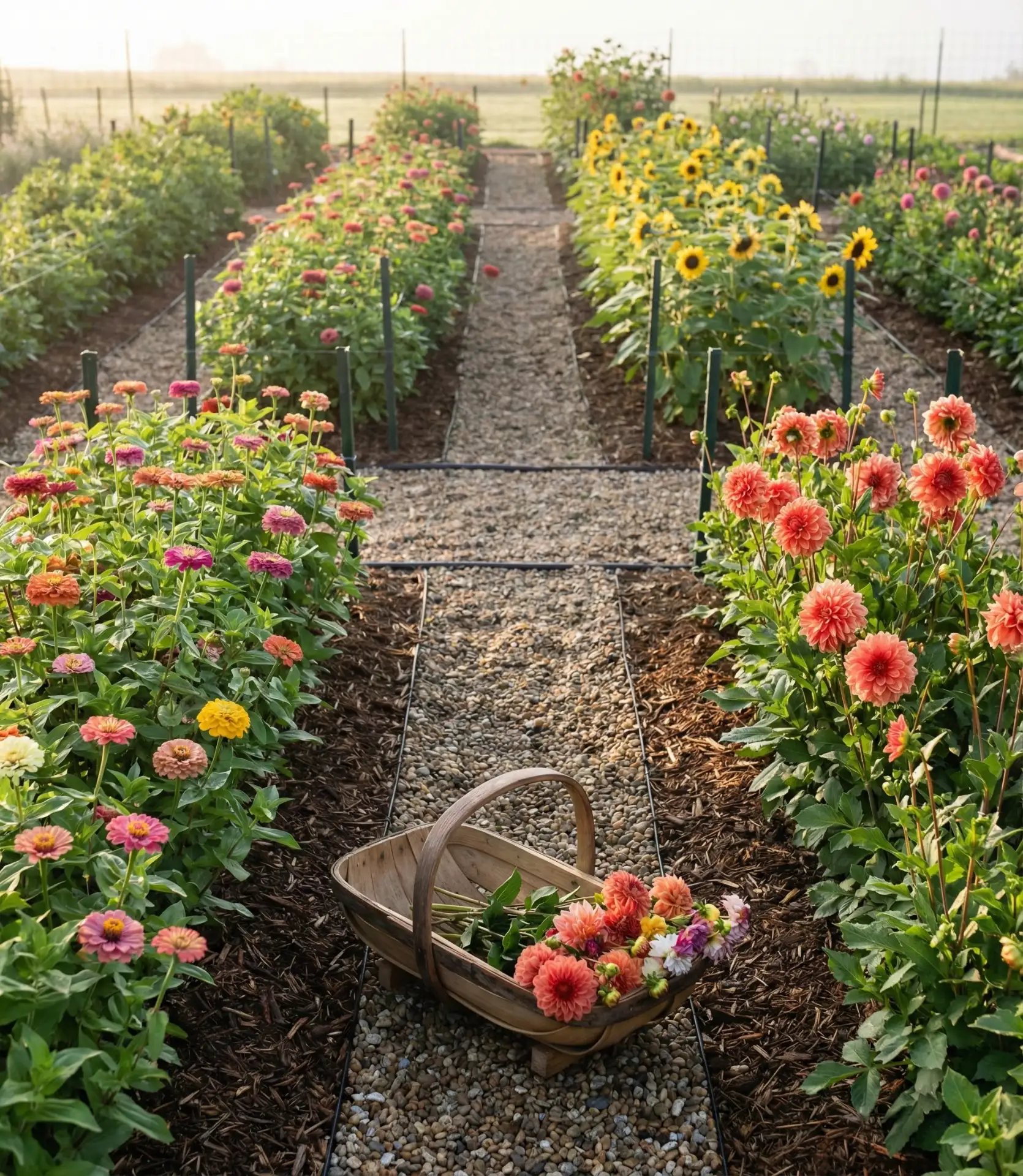
A great way to make a lovely arrangement of fresh-cut flowers while also keeping a place for butterflies is to dedicate a raised bed to growing flowers that have a lot of blooms, such as cosmos, sunflowers, zinnias, or dahlias.
These planting ideas for butterfly gardens provide a great variety of fresh, indoor cut flowers, sustain visiting pollinators, and, with succession planting, allow a constant harvest of fresh flowers. For ease of harvesting, plan your cutting gardens in rows, and cut early in the morning when the flowers are most hydrated. Even though flowers need to be cut often to encourage fresh blooms, this method is a win-win for your butterfly garden, as bouquet arrangements will be beautifully complemented by the garden’s fluttering pollinators. 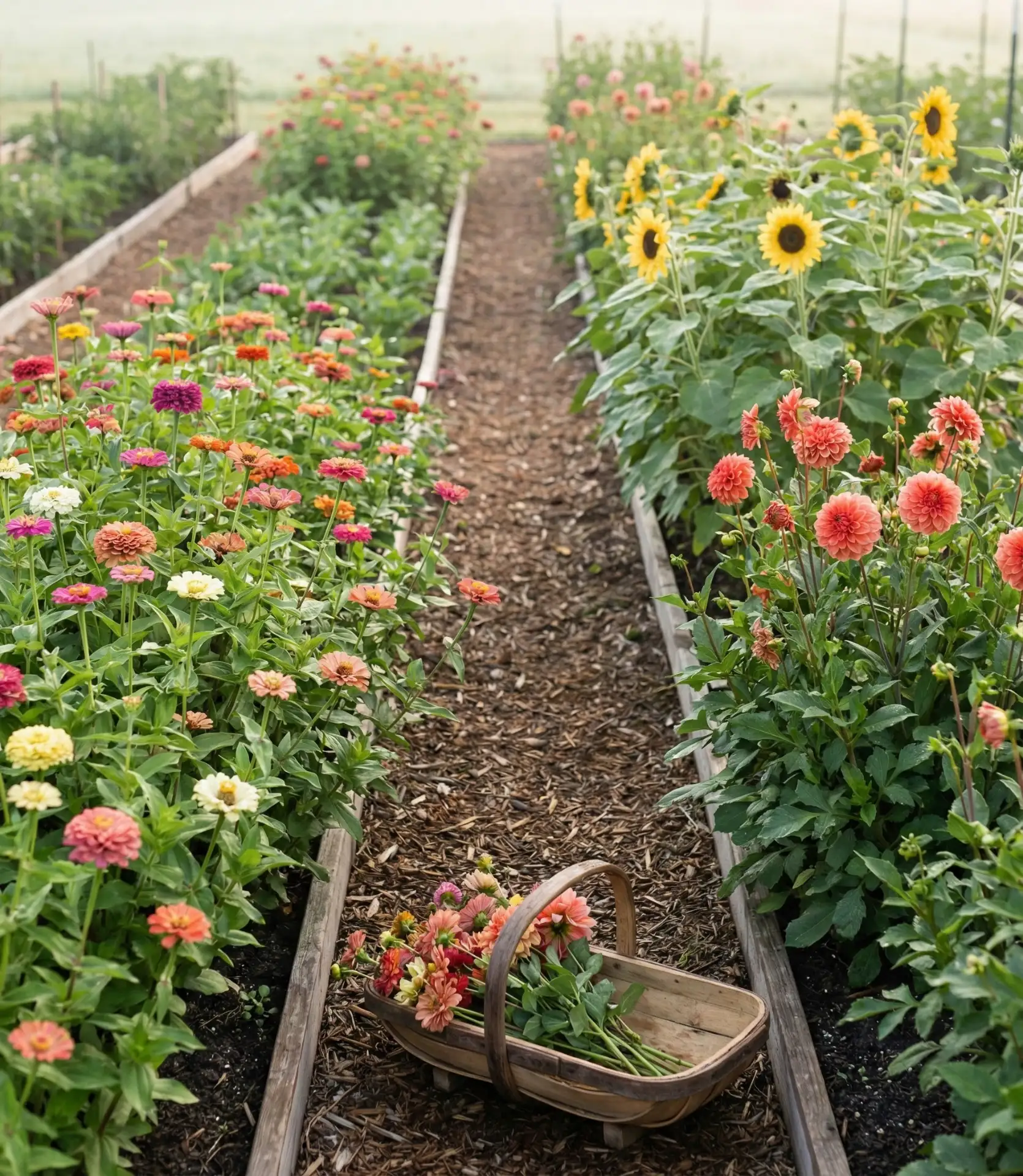
Homeowners consistently report spending $40-60 on yearly tubers and seeds to set up a cutting garden that will produce $400-500 worth of fresh flowers each season. This cutting garden approach is especially beneficial to anyone who often buys flowers, which makes the approach cost-effective. The time spent planting and maintaining the garden, taking morning walks to pick flowers, and the garden’s pollinator benefits add to its therapeutic value. Many cut and conditioned flowers and foliage from the garden as a crafted display feature.
8. Rock Garden Butterfly Basking Spot
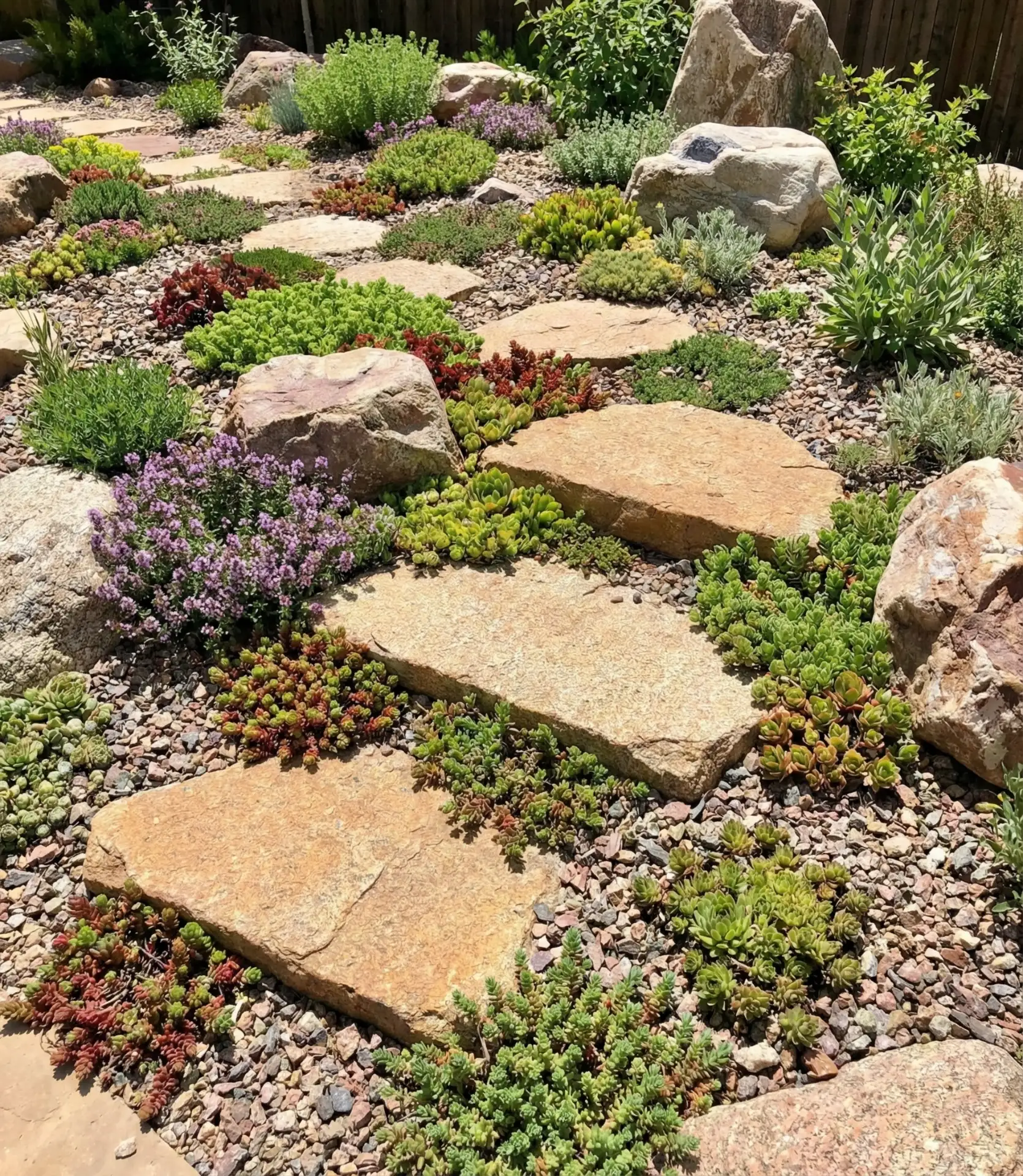
Incorporate flat stones and rocky outcrops into your butterfly garden design to provide essential basking surfaces where cold-blooded butterflies warm their flight muscles. This thoughtful design layout intersperses drought-tolerant bloomers like sedum, hens-and-chicks, and creeping thyme among decorative boulders and flagstone, creating a low-water xeriscape aesthetic that’s perfect for arid Western climates. Position rocks to receive morning sun exposure, and watch as butterflies spread their wings flat against warm stone surfaces, absorbing heat before beginning their daily nectar foraging activities. 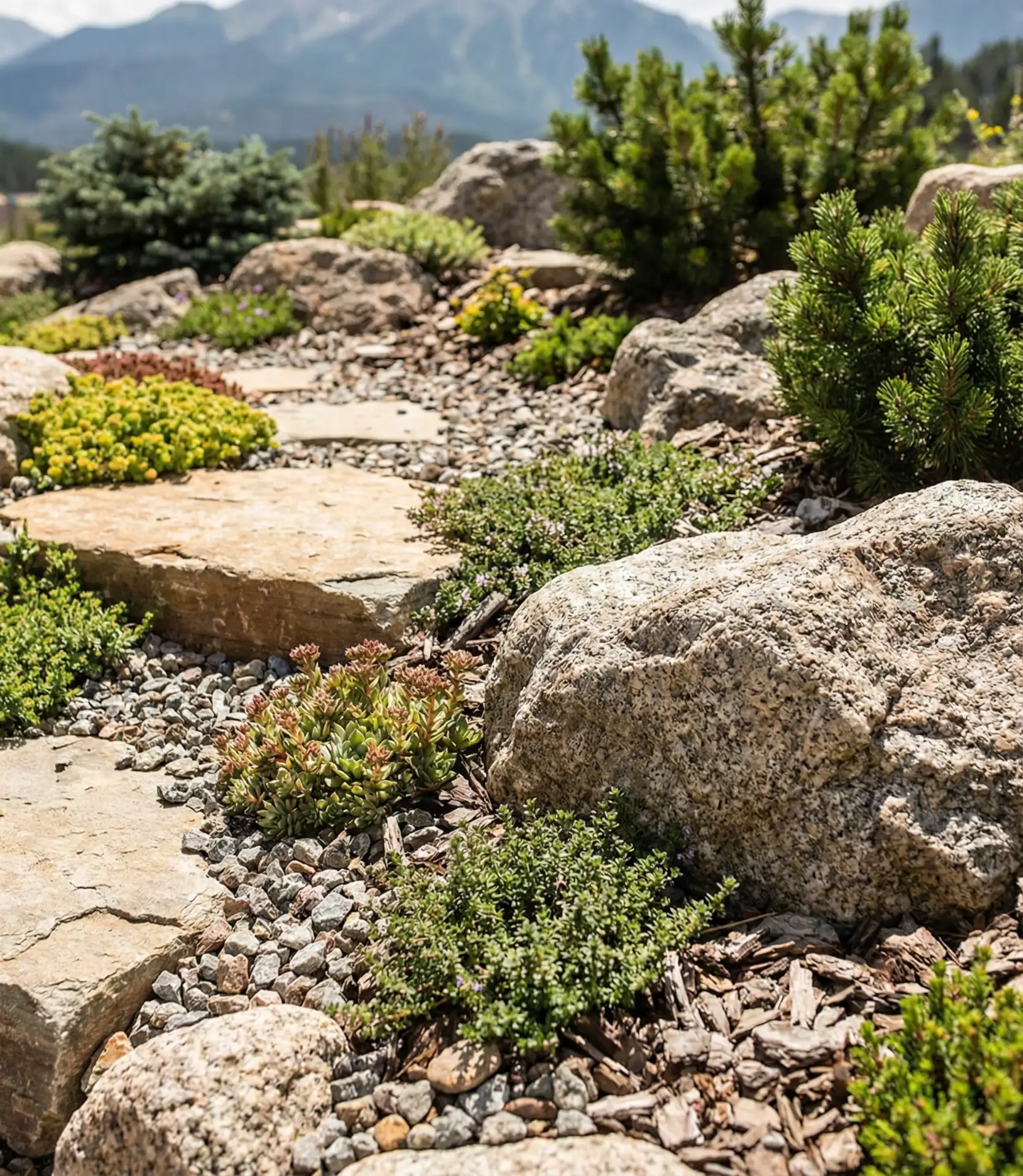
Rock gardens work exceptionally well in Colorado, Utah, and New Mexico, where water conservation meets butterfly needs, but they’re equally valuable in humid Eastern climates, where stones provide warm landing spots during cool spring and fall temperatures. The thermal mass of rocks extends your butterfly viewing season by several weeks on both ends, as early-emerging species and late-season migrants can activate their wings even when air temperatures hover in the low 50s, giving you more opportunities to observe these fascinating insects.
9. Vertical Butterfly Garden Wall
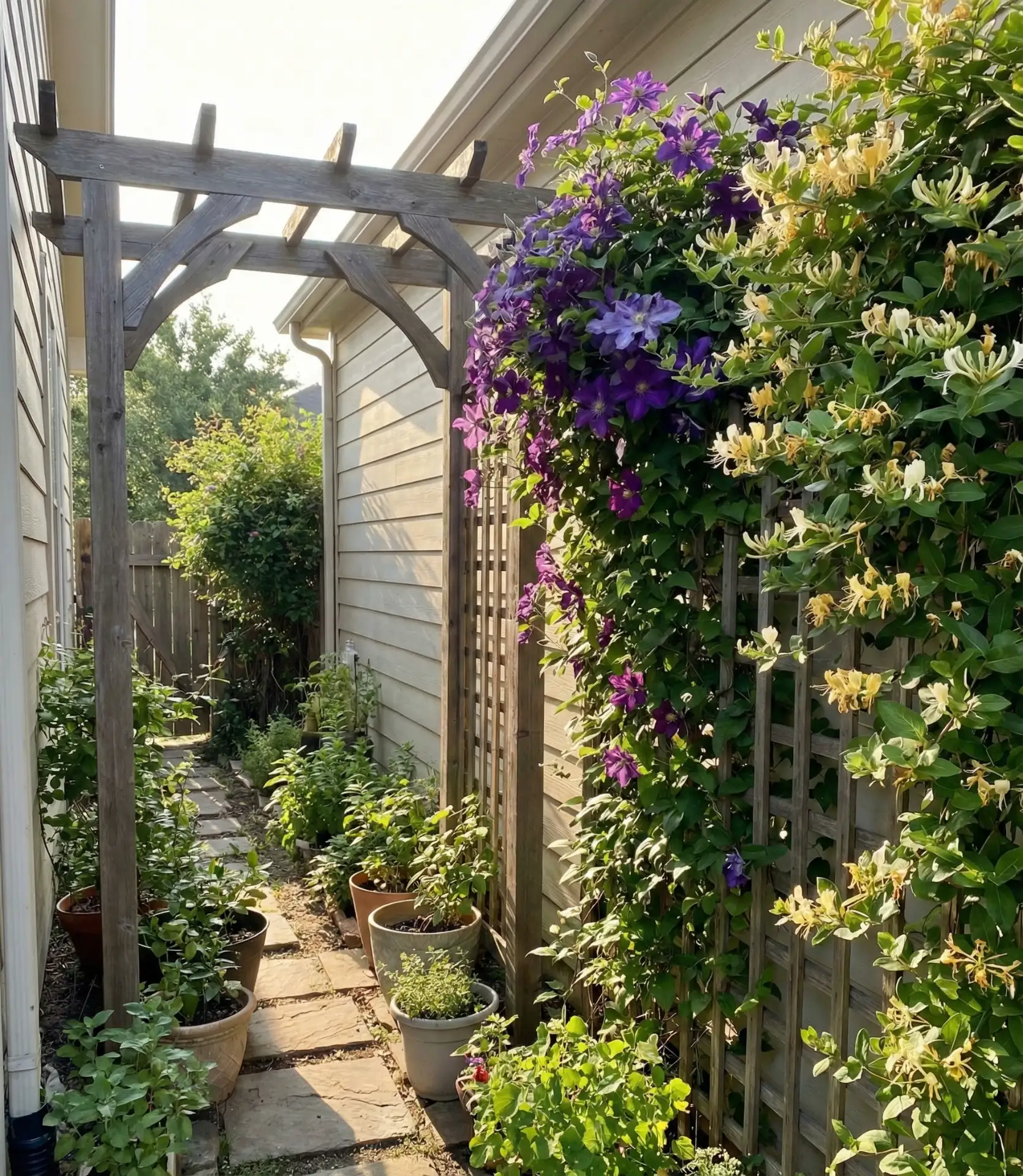
Train vining plants like passion vine, trumpet honeysuckle, and Dutchman’s pipe up a trellis, arbor, or wall framework to make the best use of available space.
A vertical butterfly garden design creates dramatic living walls, that serve as both nectar and larval host plants, while taking up little ground space, which is ideal for narrow side yards and small urban lots. This design provides ample climbing space and adds architectural charm and privacy screening as well as attracting butterflies, like gulf fritillaries and passion vine swallowtails, demonstrating that productive butterfly habitats don’t require horizontally sprawling land. 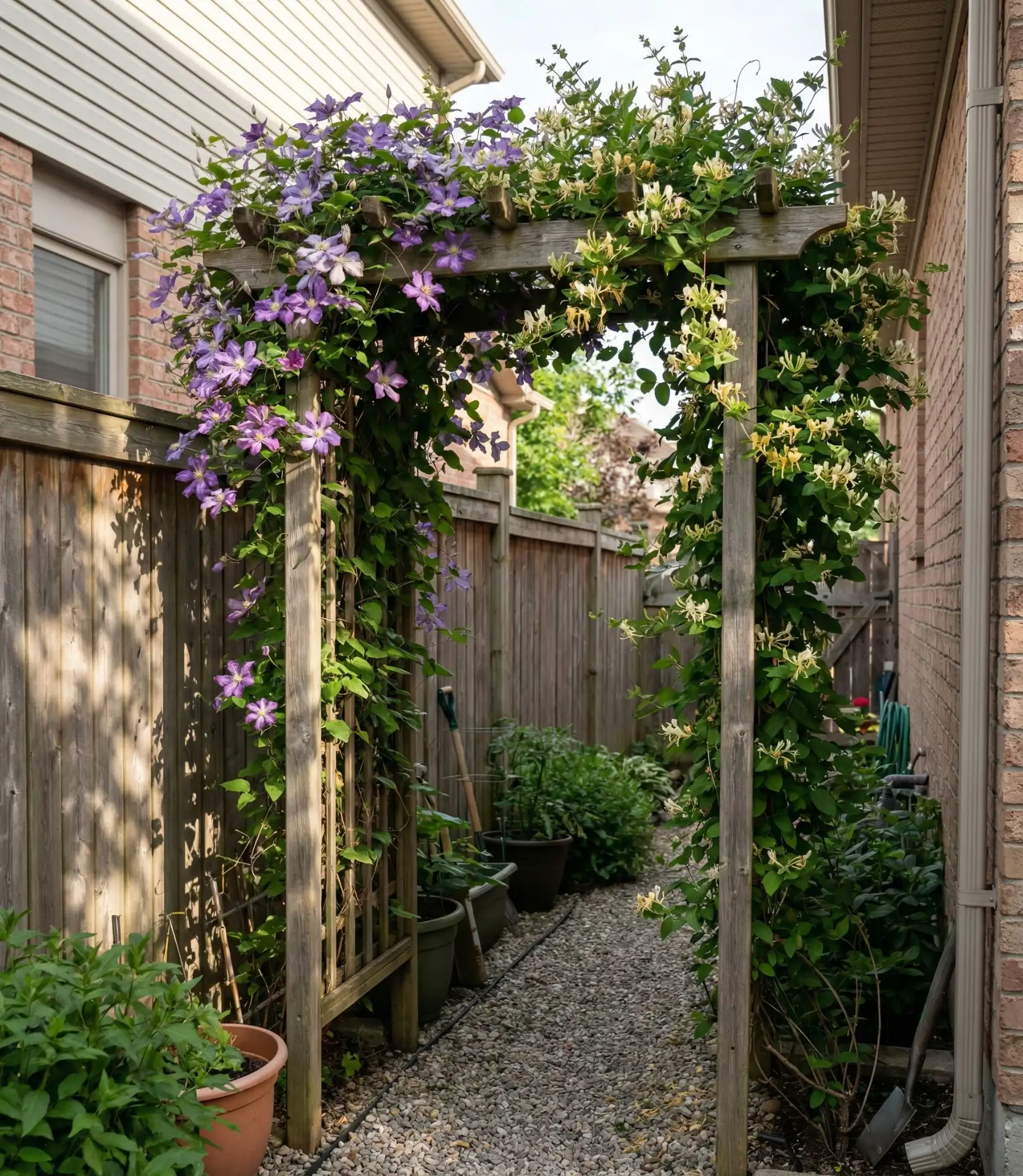
One Tampa gardener discovered that positioning passion vine near her kitchen window transformed breakfast into entertainment as Gulf fritillary caterpillars munched on the leaves up close, then showed their striking orange wings after a week-long metamorphosis. This close proximity is ideal for intimate wildlife viewing that is difficult to come by when gardens are placed farther away. This experience also allows children to witness with excitement the caterpillars and metamorphosis and check on their progress when they wake up before school each morning.
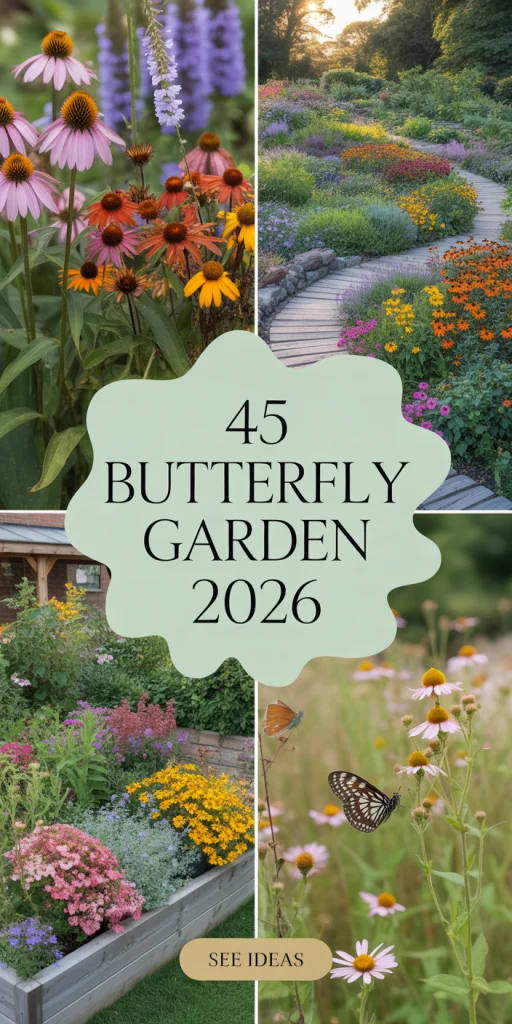
10. Four-Season Butterfly Succession Garden
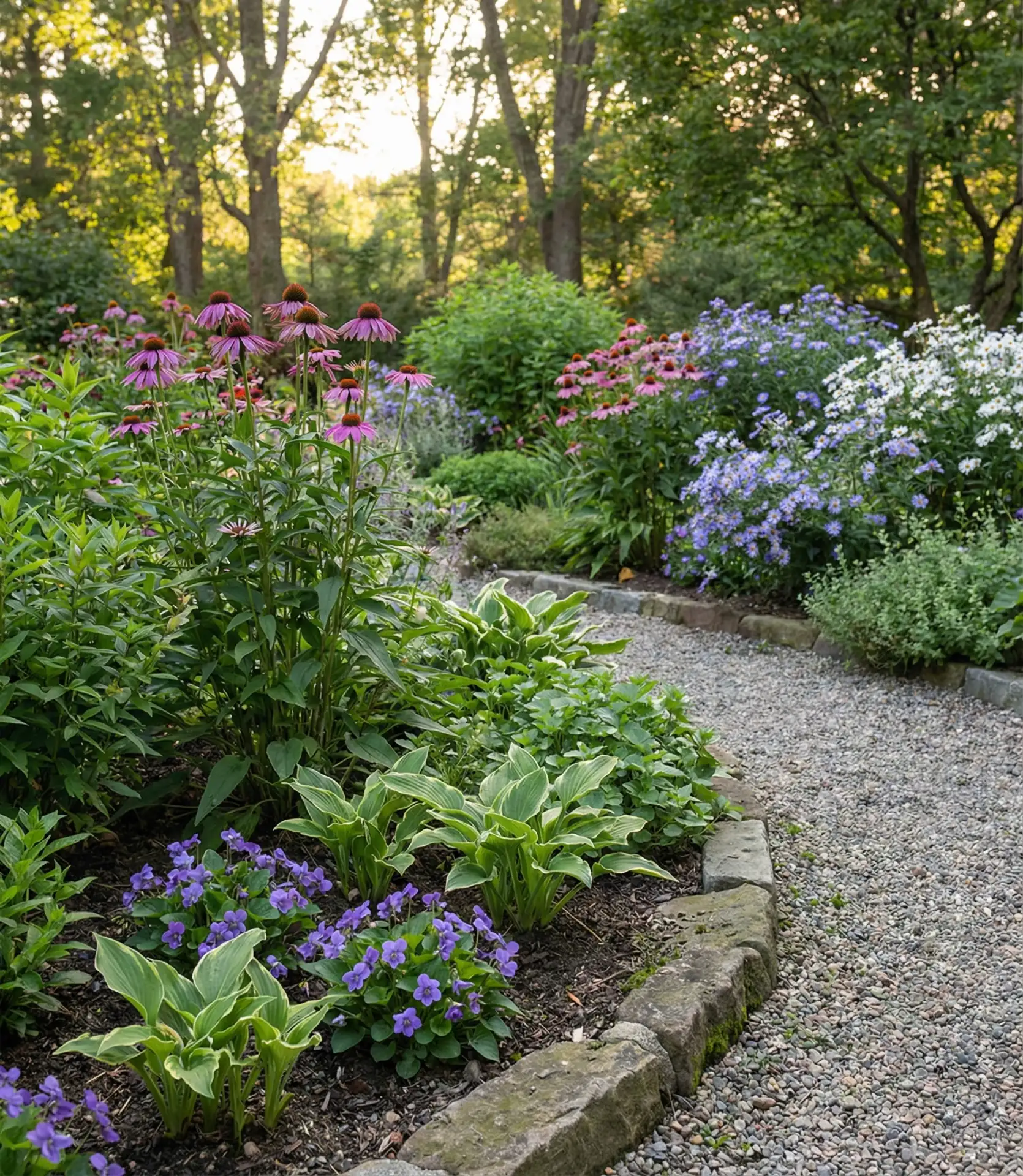
Design for year-round interest and extended butterfly activity by carefully selecting plants that bloom in sequence from earliest spring through latest fall. Start with spring ephemerals like violets and wild geranium for early swallowtails, transition to summer workhorses like coneflowers and bee balm for peak season, and finish with late bloomers like asters and sedum for migrating monarchs. This strategic butterfly garden ideas approach ensures you’ll always have active blooms, maintaining consistent nectar availability throughout the entire growing season rather than experiencing feast-or-famine cycles that leave butterflies searching elsewhere for food. 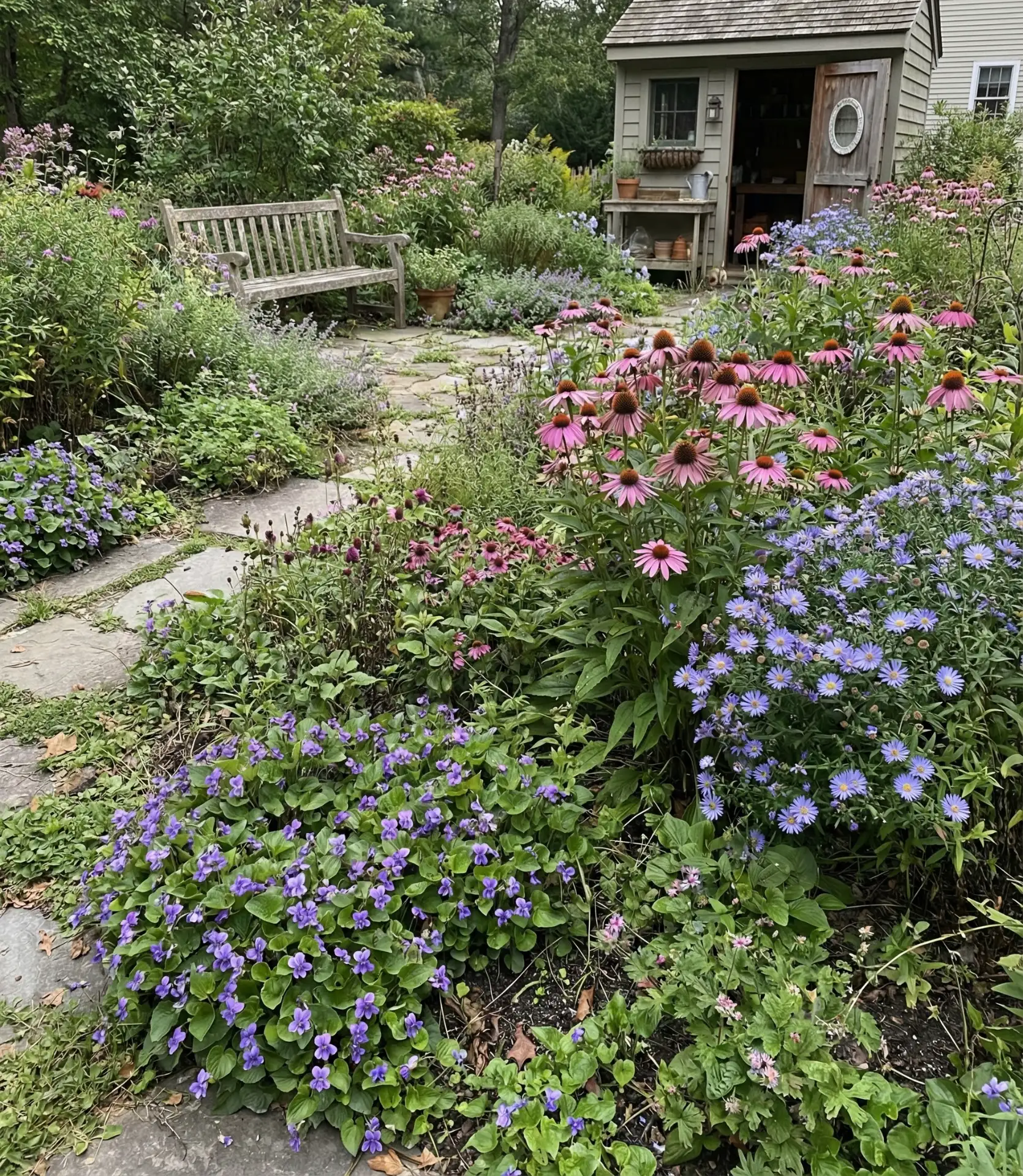
Avoid the common mistake of planting everything at once in spring—instead, keep a garden journal noting when specific plants bloom in your yard, then identify gaps in your bloom calendar and add plants specifically to fill those empty windows. This methodical approach, refined over 2-3 seasons, results in a truly optimized butterfly garden where something is always blooming. Most gardeners find their butterfly visits triple once they achieve genuine succession planting compared to gardens that peak dramatically in July but offer little in May or September.
11. Heirloom Butterfly Cottage Collection
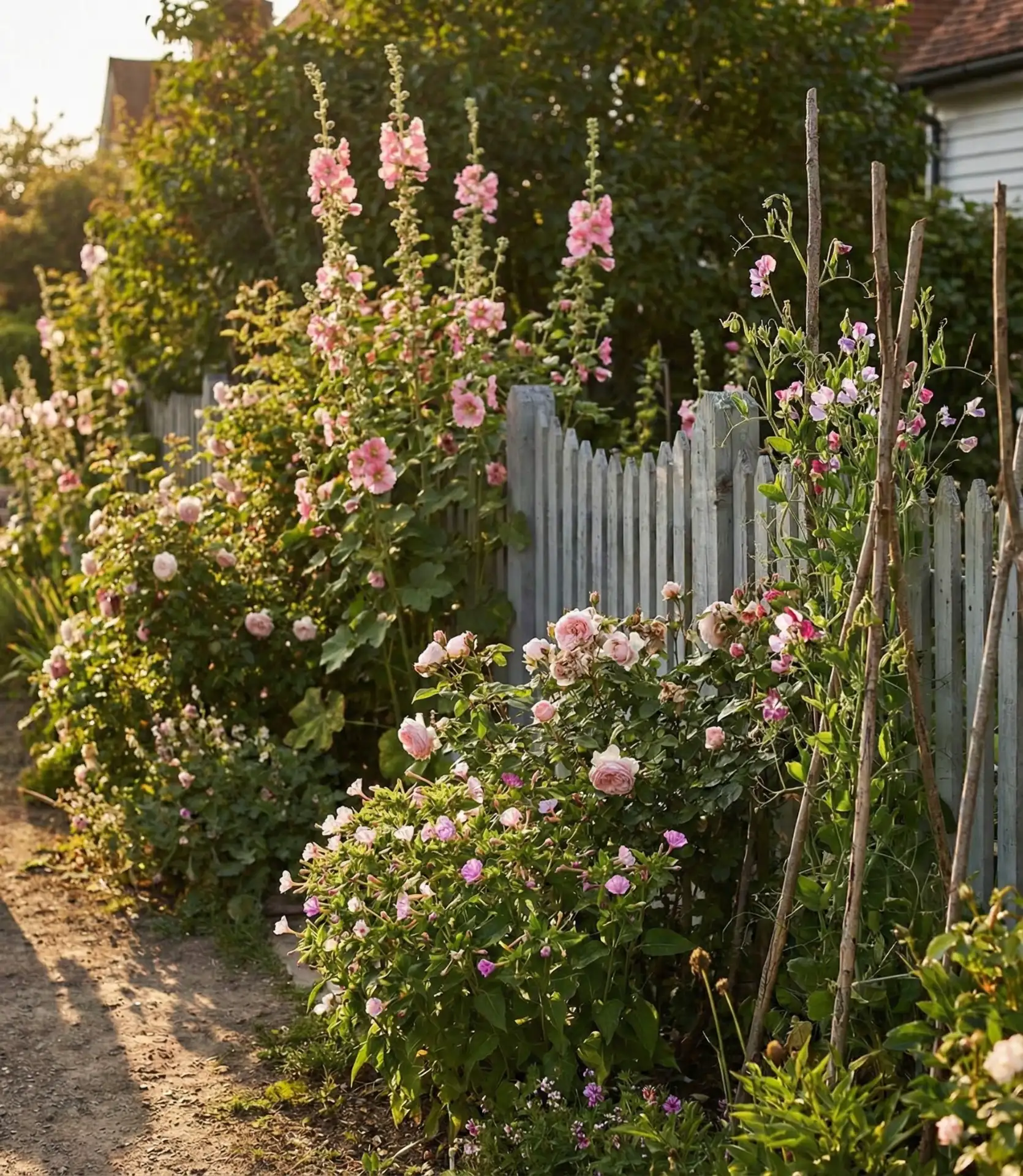
Create a nostalgic butterfly garden aesthetic using heritage flowers passed down through generations, like old-fashioned hollyhocks, sweet peas, and four o’clocks. This idea’s design celebrates traditional blooms that sustained butterfly populations long before modern hybrids, combining the romance of heirloom varieties with proven pollinator appeal. Plant vintage roses, English daisies, and Canterbury bells in informal groupings that evoke Grandmother’s garden, where every bloom carries history alongside nectar. The timeless cottage garden design feels both familiar and fresh, perfect for homeowners seeking meaningful connections to gardening traditions while supporting native butterfly species. 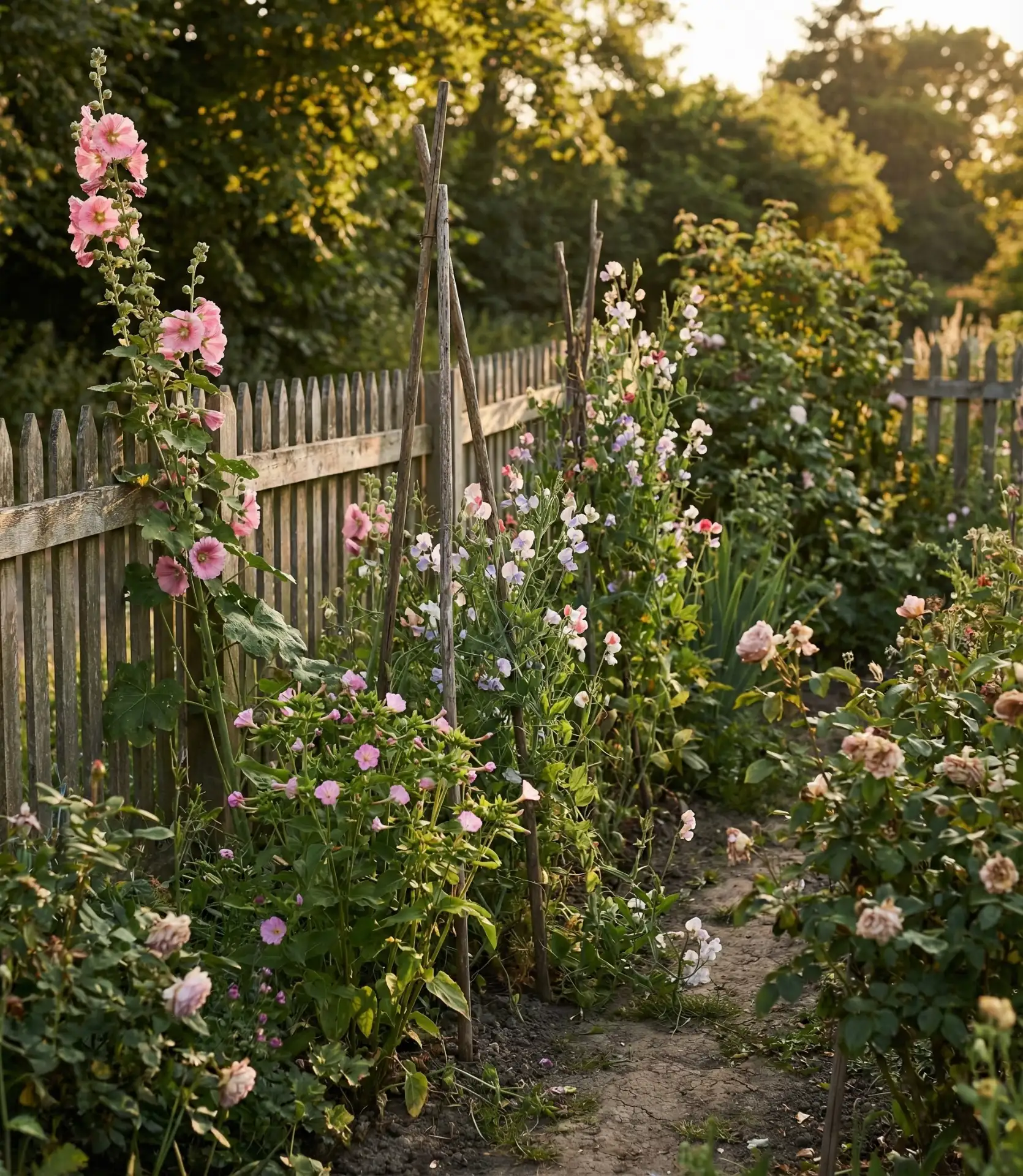
Many real homeowners receive heirloom seeds from elderly relatives or garden club exchanges, creating butterfly gardens that cost almost nothing while preserving botanical heritage. These living inheritances often outperform expensive nursery hybrids because they’ve adapted to local conditions over decades, requiring less water, fertilizer, and fussing while producing abundant blooms. The emotional connection deepens when you realize butterflies visiting your great-grandmother’s hollyhocks create a living bridge across generations, connecting past and present through nature’s timeless cycles.
12. Moonlight Butterfly Evening Garden
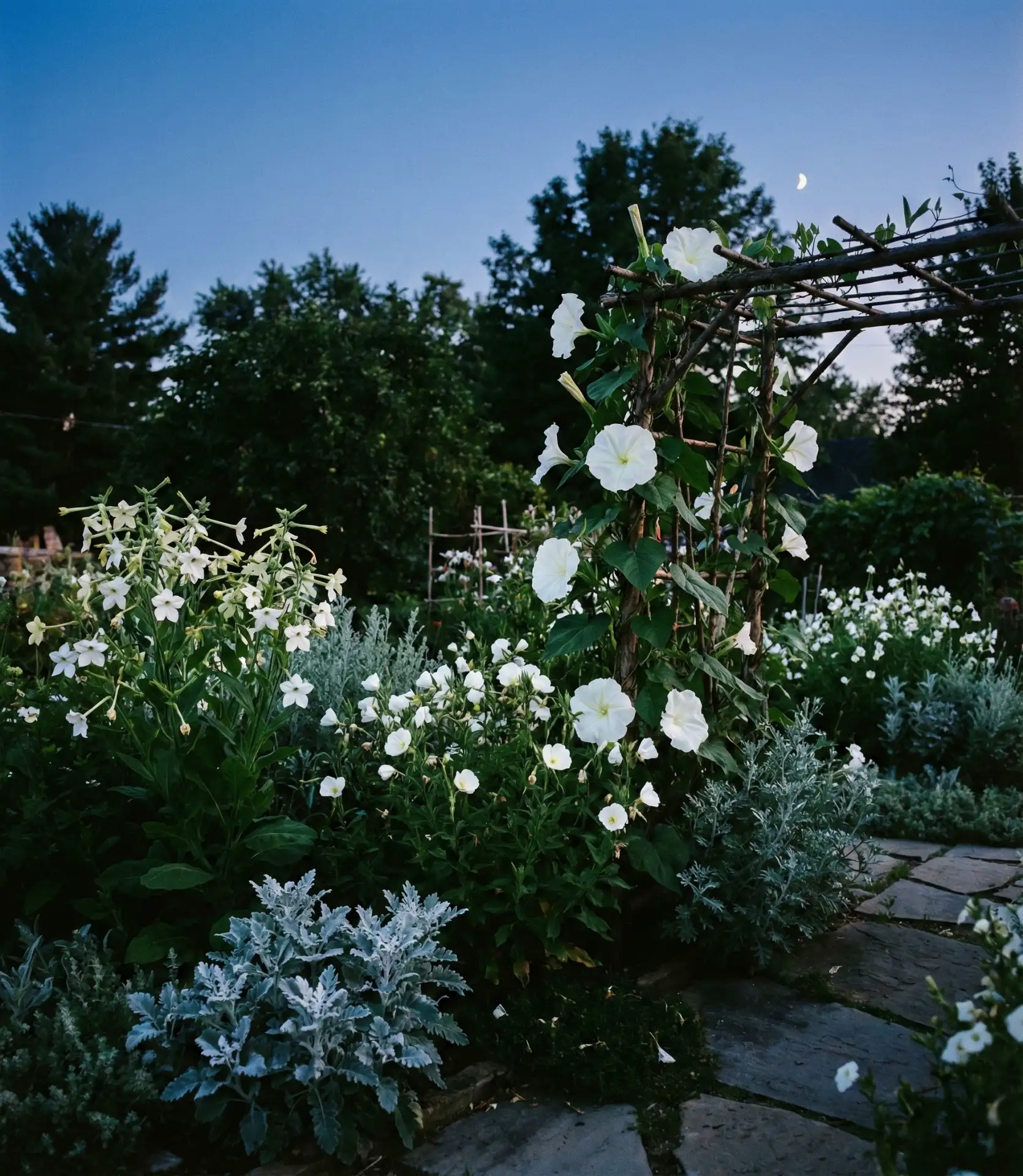
Design a specialized butterfly garden theme featuring white and pale-flowered plants that glow in twilight while attracting night-flying moth species—butterflies’ nocturnal cousins. Include moonflower vines, white nicotiana, evening primrose, and pale sweet alyssum that release intense fragrance after sunset, creating an enchanting aesthetic perfect for evening entertaining. This unexpected design approach transforms your outdoor space into a magical realm where sphinx moths hover like tiny hummingbirds and luna moths appear like floating jade leaves, offering an entirely different butterfly-family experience that most gardeners never witness. 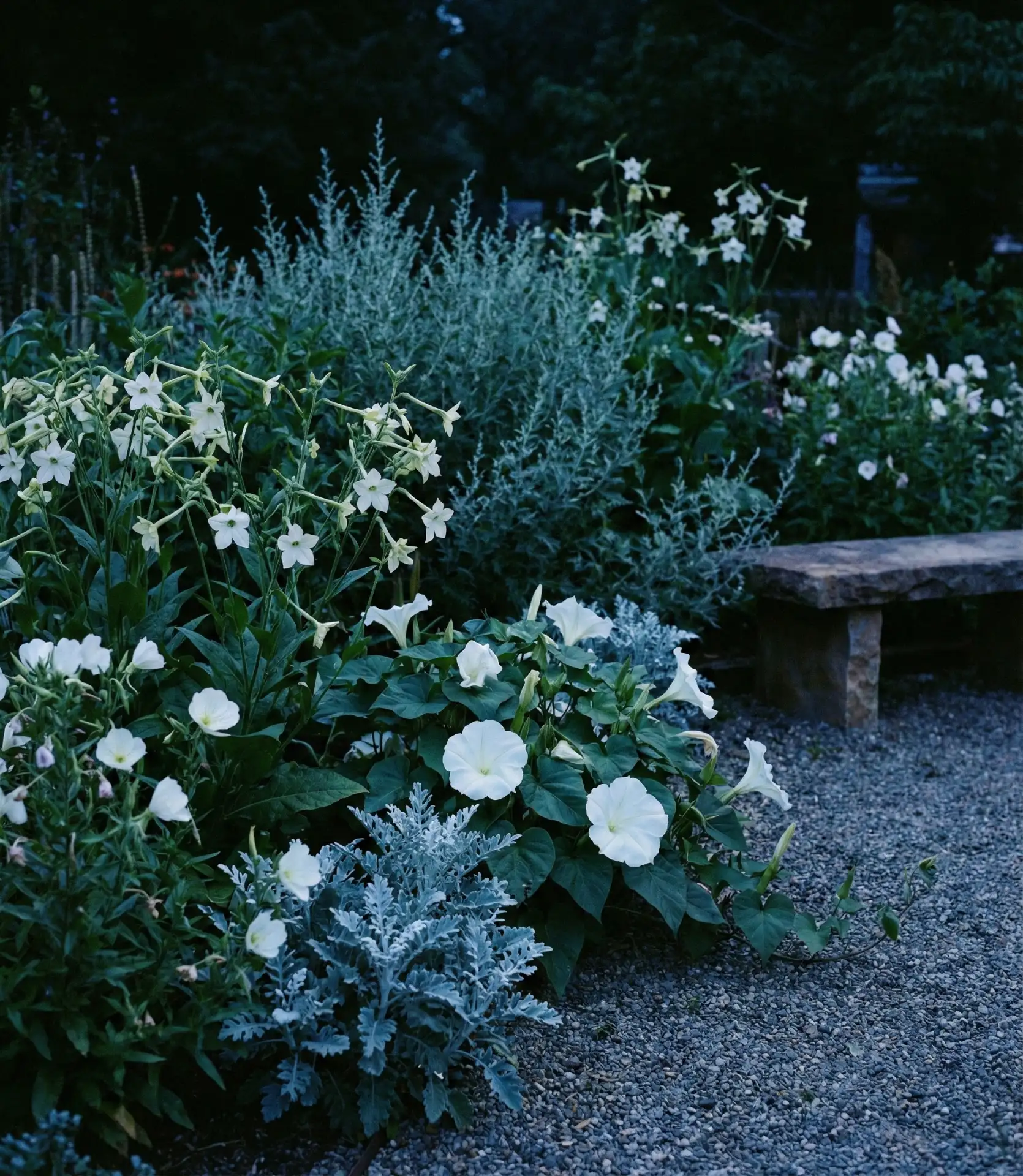
Position moonlight gardens near patios or seating areas where you naturally spend summer evenings, maximizing your opportunity to witness nocturnal pollinator activity during relaxed outdoor dining or conversation. The white color scheme reflects available light from porch fixtures or landscape lighting, effectively doubling the visual impact while guiding moths to nectar sources. Midwest and Southern gardeners particularly appreciate these evening gardens during sweltering summers when twilight hours offer the only comfortable time to enjoy outdoor spaces, making the garden both beautiful and functionally timed to your lifestyle.
13. Butterfly Photoshoot Paradise Garden
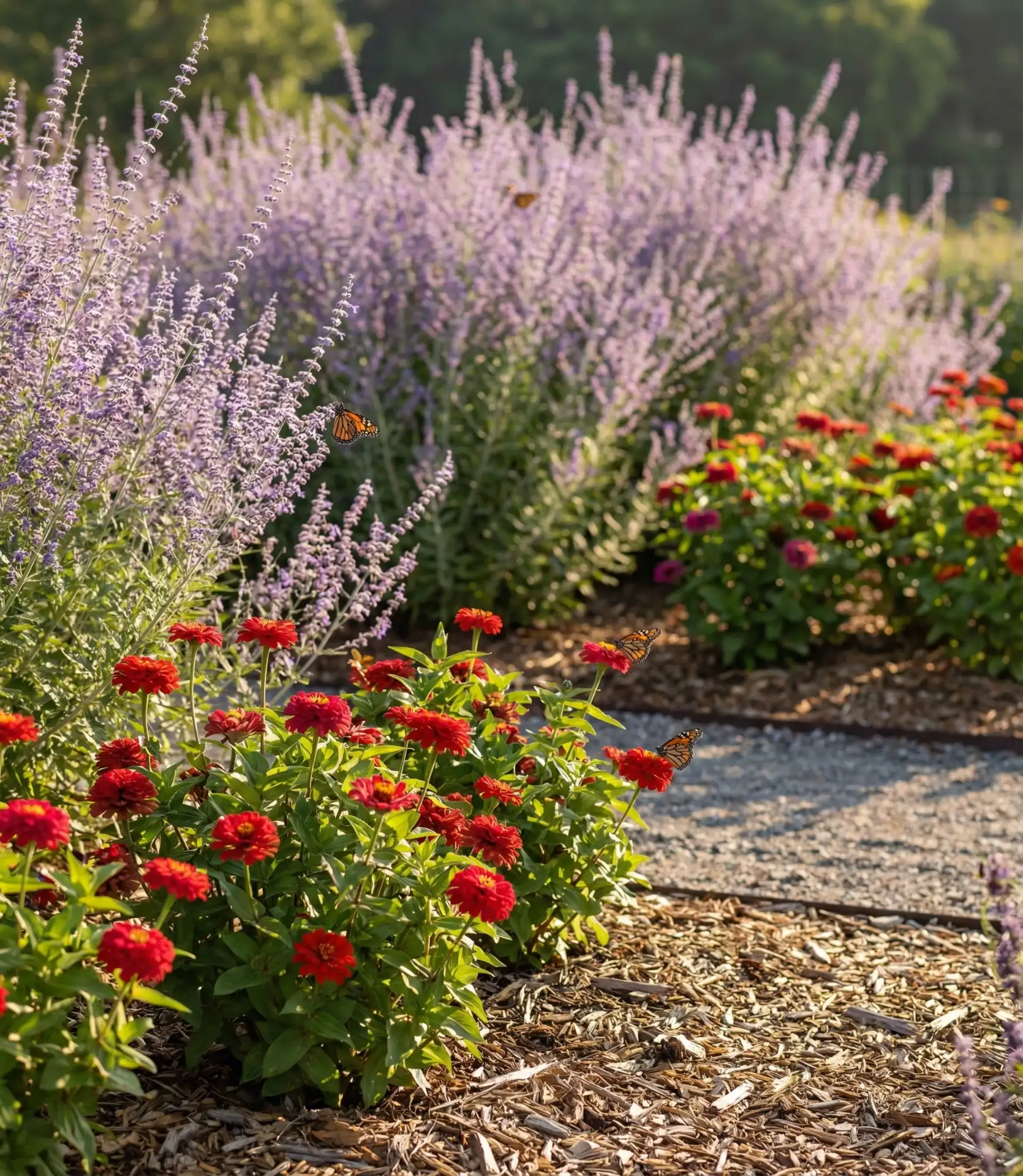
Design your space specifically for capturing stunning photoshoot moments by incorporating photographer-friendly elements like clean backgrounds, varied perching spots, and optimal lighting angles. This butterfly garden layout positions tall, solid-colored plants like Russian sage or salvia as backdrop screens that make butterfly subjects pop in photos, while leaving strategic sightlines at flower height for unobstructed camera access. Include flat-topped flowers like zinnias and coneflowers where butterflies predictably land and pause, giving photographers of all skill levels the time needed to focus and capture frame-worthy shots perfect for sharing on Pinterest or Instagram. 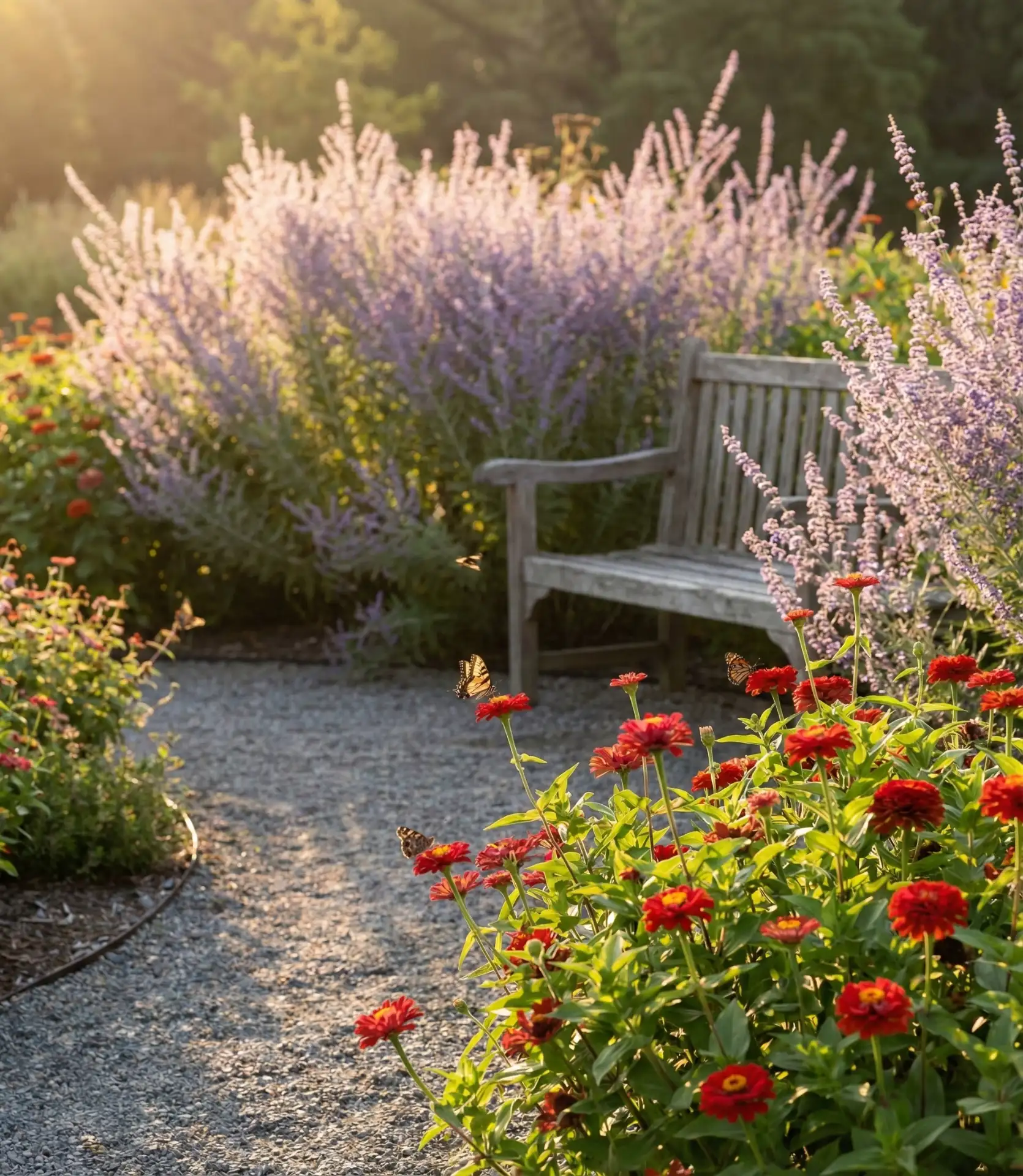
Photography enthusiasts discover that planting nectar sources in morning sun positions butterflies with ideal front-lighting during the golden hour, when soft directional light creates dimensional images with rich color saturation. Afternoon gardens, by contrast, leave photographers shooting into harsh backlight or dealing with flat, overhead illumination that washes out butterfly wing patterns. This seemingly minor orientation consideration dramatically impacts your success rate when attempting to document the gorgeous visitors your garden attracts, turning casual snapshots into portfolio-quality nature photography.
14. Edible Butterfly Garden Fusion
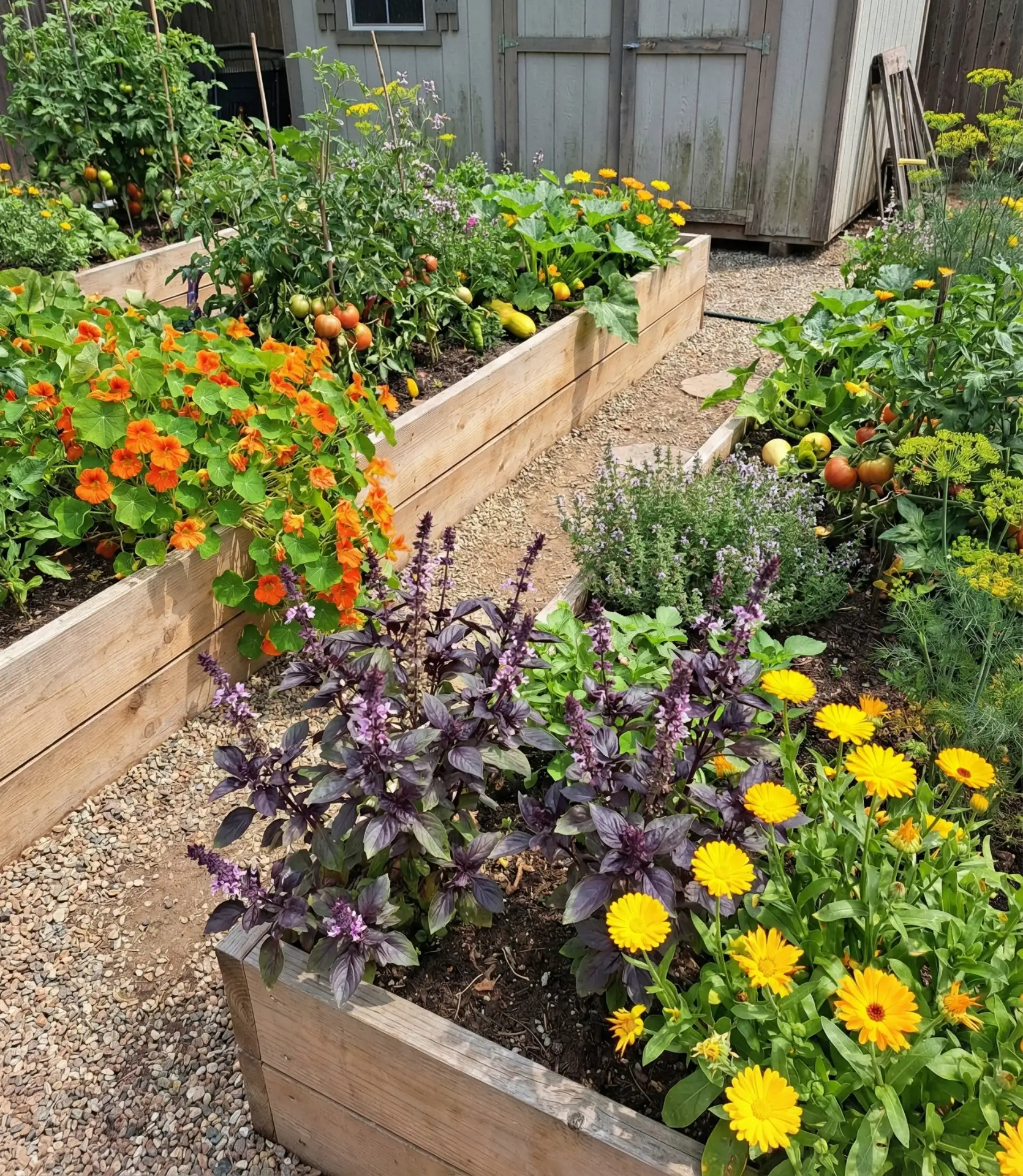
Combine vegetable gardening with butterfly habitat by integrating edible flowers and herbs that serve dual purposes in your landscape design. Plant nasturtiums, calendula, and borage among tomatoes and peppers—these edible blooms attract butterflies while adding peppery, colorful petals to salads. Include culinary herbs like basil, oregano, and dill that produce butterfly-beloved flowers when allowed to bolt, creating a productive garden layout where food production and pollinator support happen simultaneously. The practical design proves you don’t need separate spaces for beauty and bounty, which is especially valuable in smaller yards where every square foot must justify its existence. 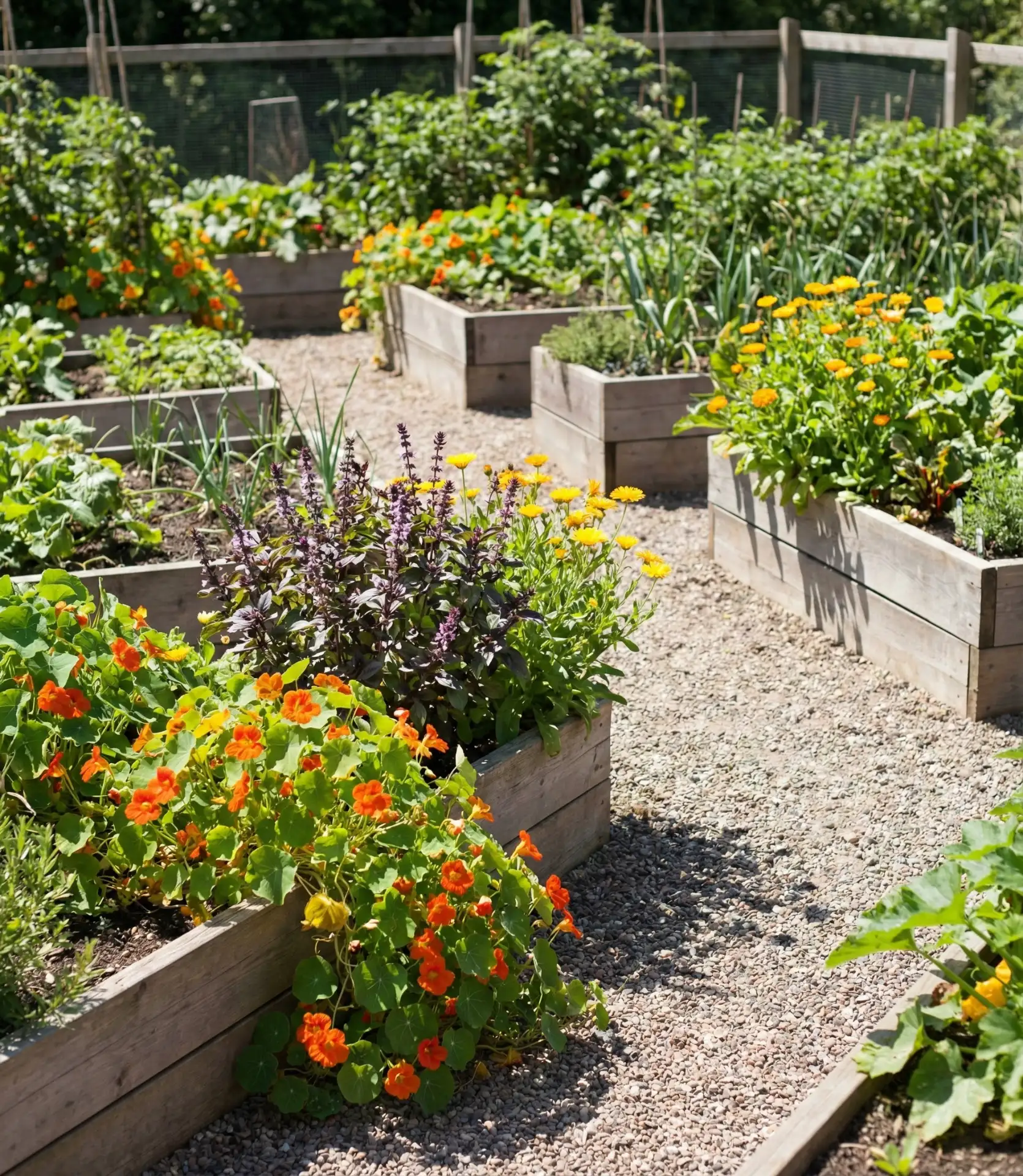
Expert vegetable gardeners recommend letting 20–30% of your herb plantings bloom specifically for butterflies rather than harvesting every stem at the immature stage. This strategy provides continuous fresh herbs for cooking while ensuring abundant late-season blooms when many ornamental flowers have faded, extending your butterfly viewing window into September and October. The flowering herbs also bring in helpful insects like parasitic wasps that naturally keep garden pests in check, leading to a healthier garden that has 40%–60% fewer pest issues than vegetable plots without flowers.
15. Children’s Discovery Butterfly Zone
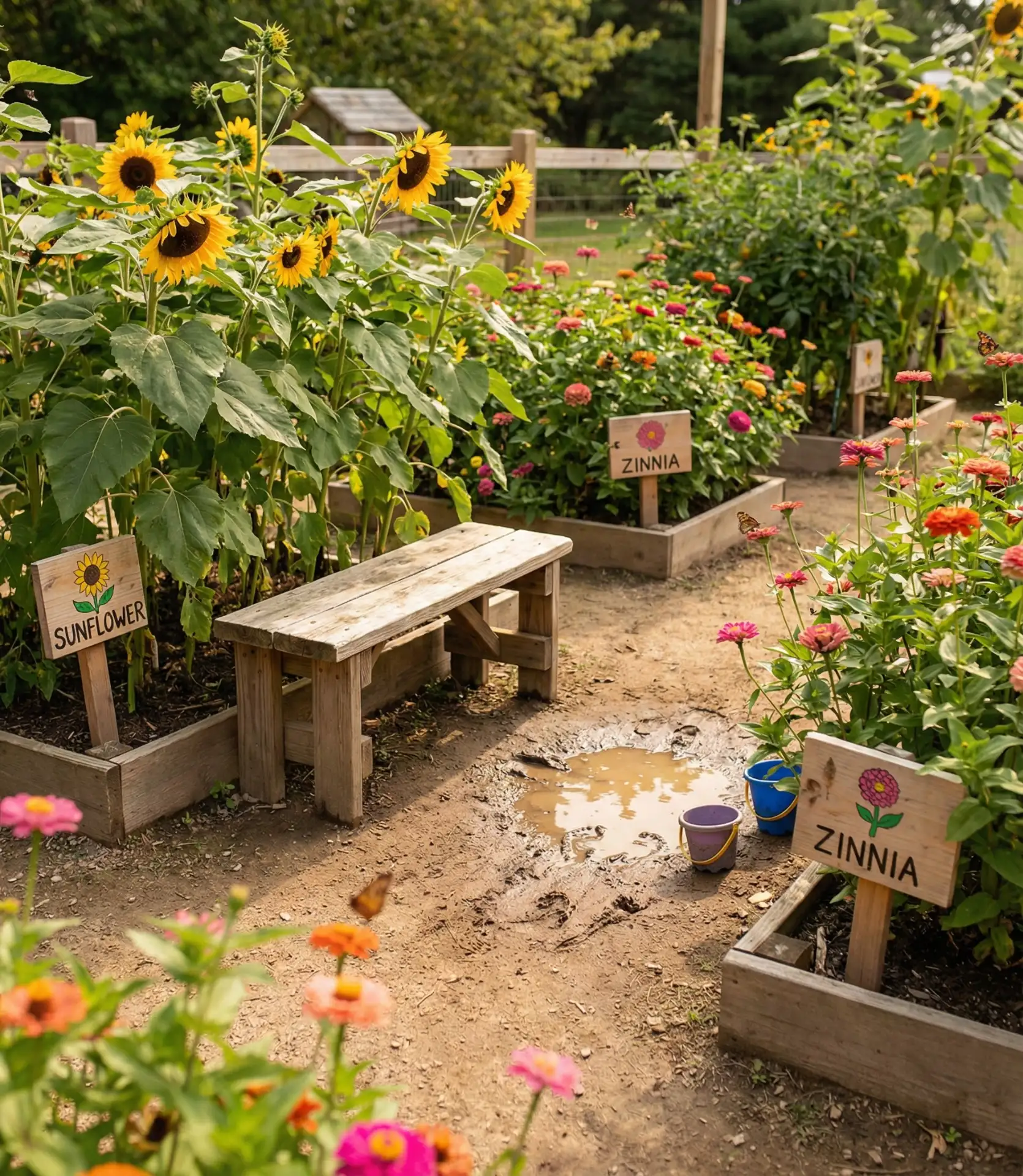
Create an educational butterfly garden designed for children, featuring interactive elements that encourage young naturalists to observe metamorphosis firsthand. This family-friendly design layout includes a low observation bench, clearly labeled host plants like parsley for swallowtail caterpillars, and a nearby mud puddle station where butterflies gather for minerals. Add oversized, easy-to-identify flowers like sunflowers and zinnias that children can monitor daily, plus a simple butterfly identification chart mounted on weatherproof material. The educational theme transforms abstract science lessons into tangible daily discoveries that foster genuine environmental stewardship from an early age. 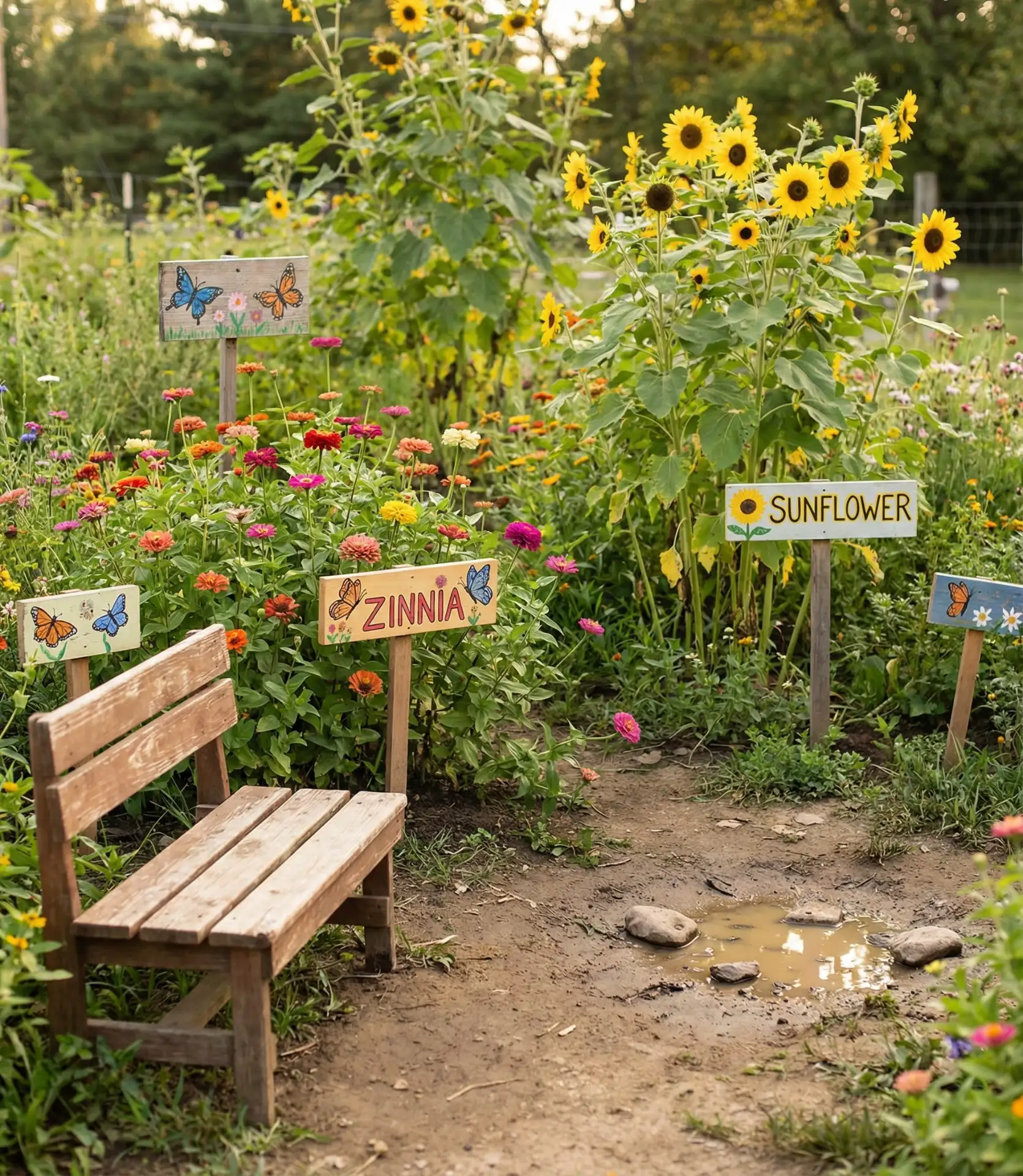
A Seattle kindergarten teacher transformed her home butterfly garden into an informal summer science camp where neighborhood children documented caterpillar development through drawings and simple journals, creating organic learning experiences that exceeded any classroom curriculum. The hands-on observation built genuine scientific thinking skills as kids hypothesized about chrysalis timing and celebrated together when adults emerged. Parents reported their children became passionate advocates for pesticide-free yards and insisted on planting milkweed, demonstrating how childhood butterfly encounters create lasting environmental awareness.
16. Xeriscaped Desert Butterfly Oasis
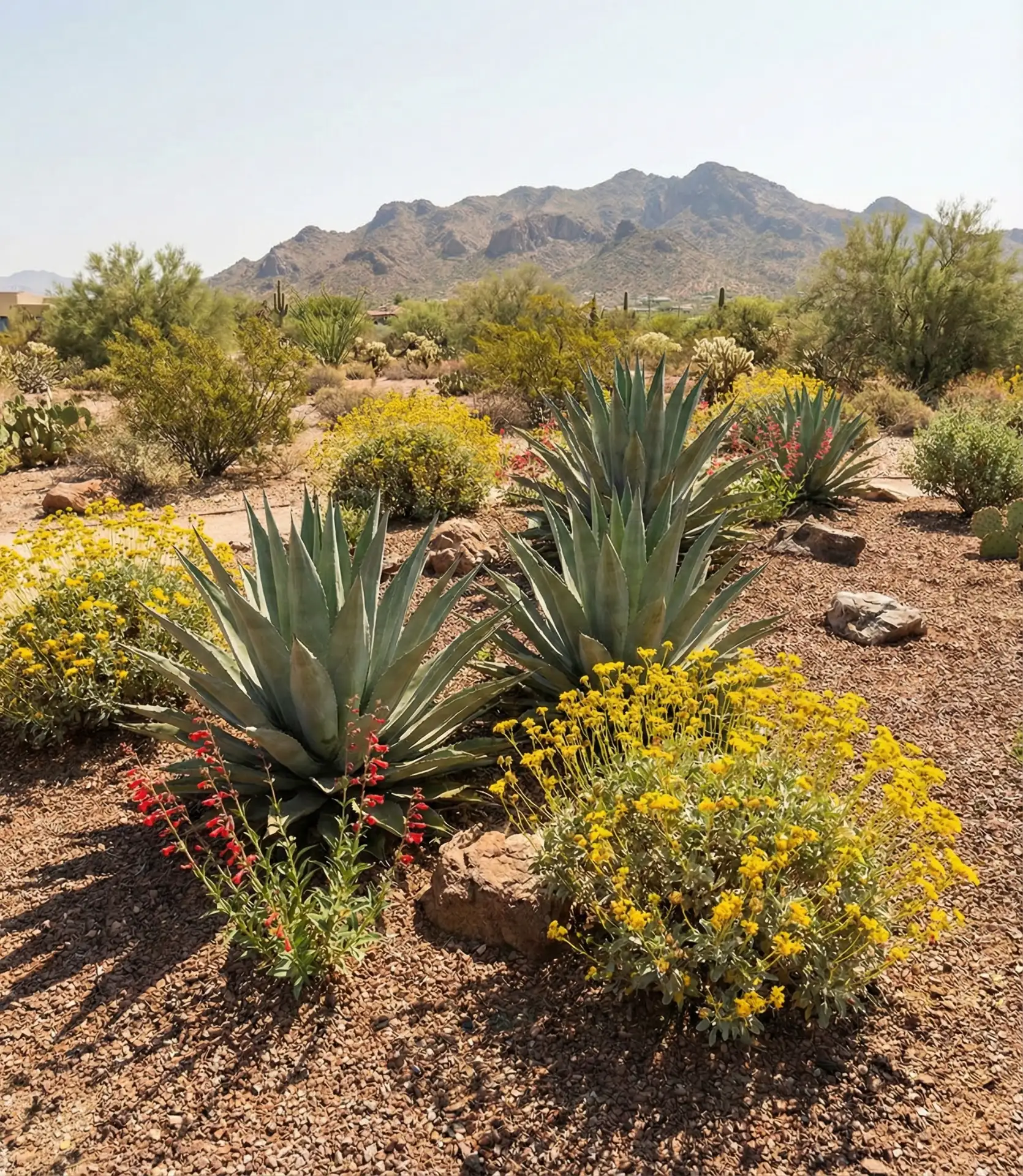
Challenge desert climate limitations by creating a water-wise butterfly garden design featuring native Southwest plants adapted to arid conditions while still providing abundant nectar. Use desert marigold, penstemon, brittlebush, and desert zinnia in natural-looking clusters that resemble wild desert areas, along with agave and ocot This Dubai-inspired xeriscape aesthetic thrives on minimal supplemental water while attracting specialized desert butterfly species like painted ladies, checkerspots, and the stunning two-tailed swallowtail. The design proves that supporting butterflies doesn’t require lush, water-intensive English garden traditions. 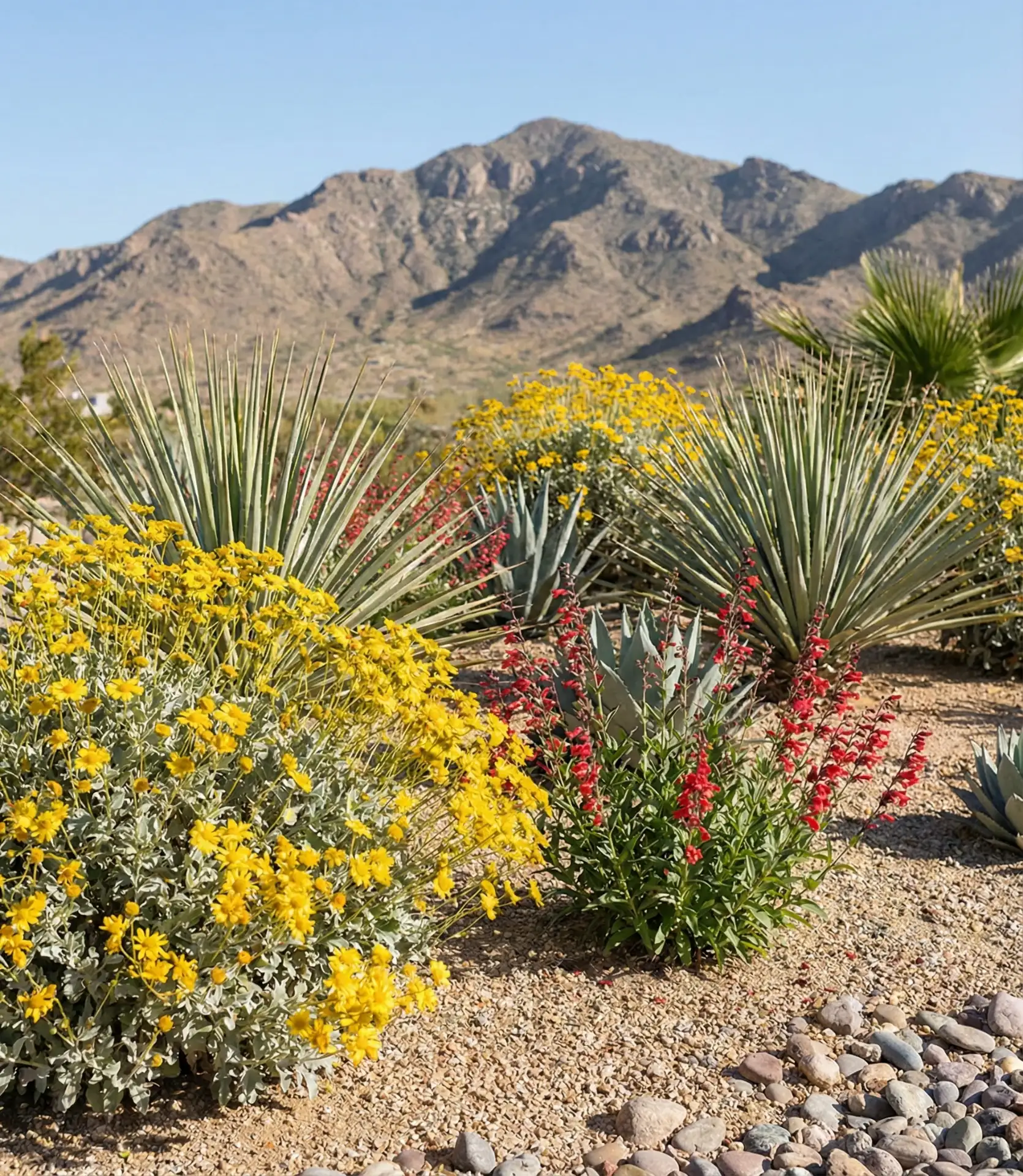
Phoenix and Albuquerque homeowners discover that desert butterfly gardens work best when positioned in morning sun with afternoon shade from walls or ramadas, protecting both plants and butterflies from brutal 110°F+ temperatures. This microclimate strategy reduces water consumption by 60%–70% compared to full-sun exposures while extending daily butterfly activity by several hours. Drip irrigation on timers delivers precise water amounts directly to root zones without wasteful evaporation, making these gardens surprisingly sustainable in regions where traditional butterfly garden advice simply doesn’t translate.
17. Formal Butterfly Parterre Design
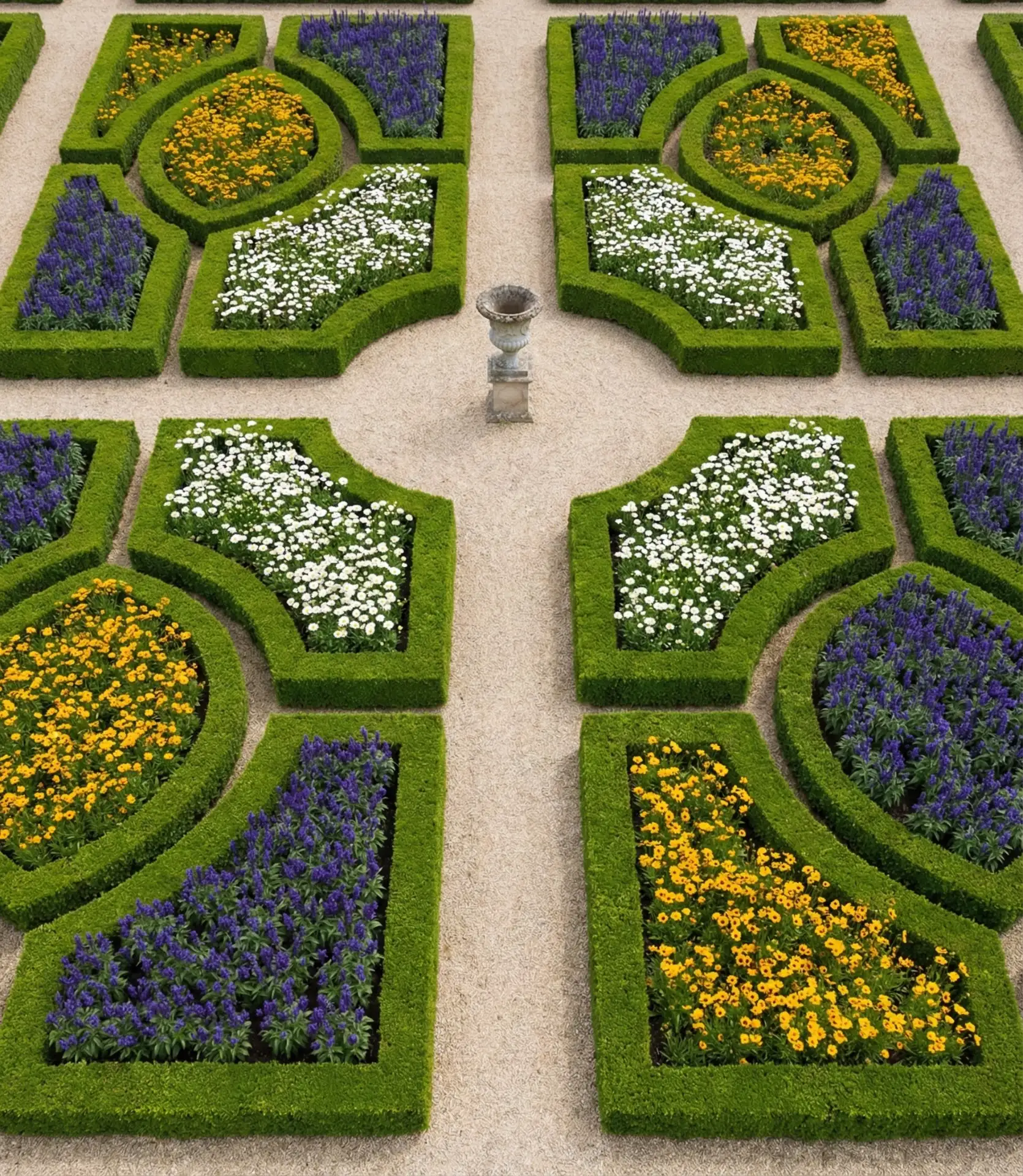
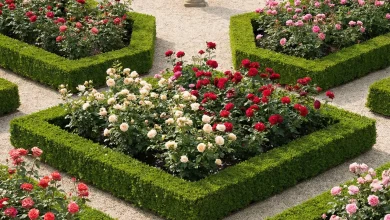
Elevate butterfly gardening to high design art by creating a formal parterre featuring geometric beds edged with boxwood or lavender and filled with butterfly favorites. This sophisticated butterfly garden layout brings European garden tradition to American yards, with symmetrical patterns planted in purple salvia, white Shasta daisies, and yellow coreopsis that provide structured beauty alongside pollinator function. The controlled aesthetic appeals to homeowners who want butterfly habitat without sacrificing formal landscape architecture, proving that supporting wildlife and maintaining refined elegance aren’t mutually exclusive gardening goals.
Formal butterfly gardens work best in established neighborhoods with traditional architecture where cottage-style naturalistic plantings might clash visually with Colonial, Georgian, or Mediterranean home styles. The structured approach satisfies both homeowner associations concerned about property values and personal desires to support pollinators, creating a diplomatic solution that maintains curb appeal while functioning as valuable butterfly habitat. Many gardeners recognize that formal designs actually require less maintenance than informal styles since the clear structure makes weeding and deadheading more straightforward.
18. Rain Garden Butterfly Basin
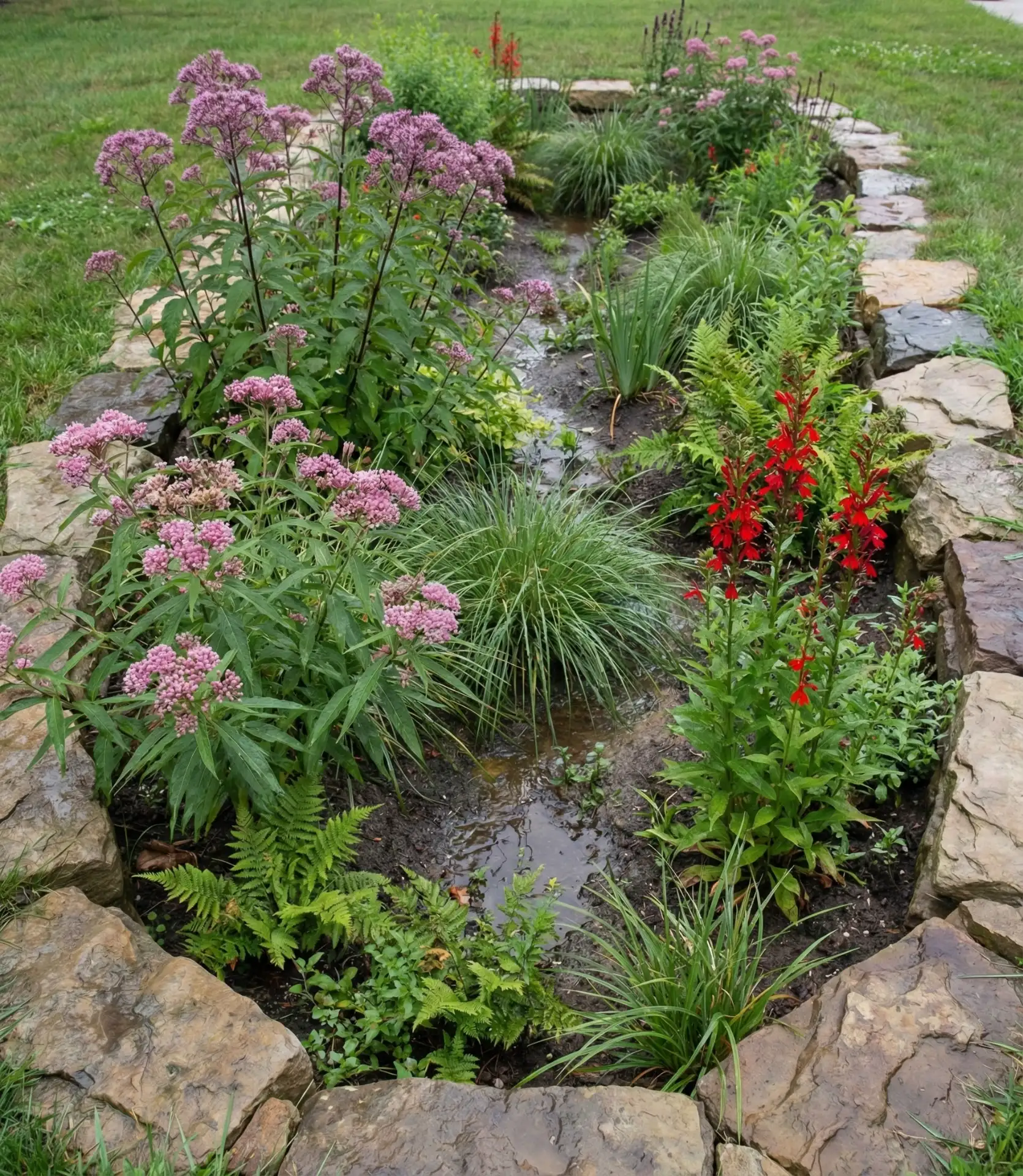
Solve drainage problems while creating butterfly habitat by installing a rain garden depression planted with moisture-tolerant plants that thrive in periodic wet conditions. This practical landscaping solution captures runoff from roofs, driveways, or slopes, filtering it through swamp milkweed, Joe Pye weed, cardinal flower, and ironweed—all butterfly magnets that tolerate “wet feet.” The practical design meets the stormwater management rules that cities are increasingly requiring, while also creating a vital habitat for monarchs, showing that solving environmental issues and helping wildlife can go hand in hand when you choose the right plants for tough conditions.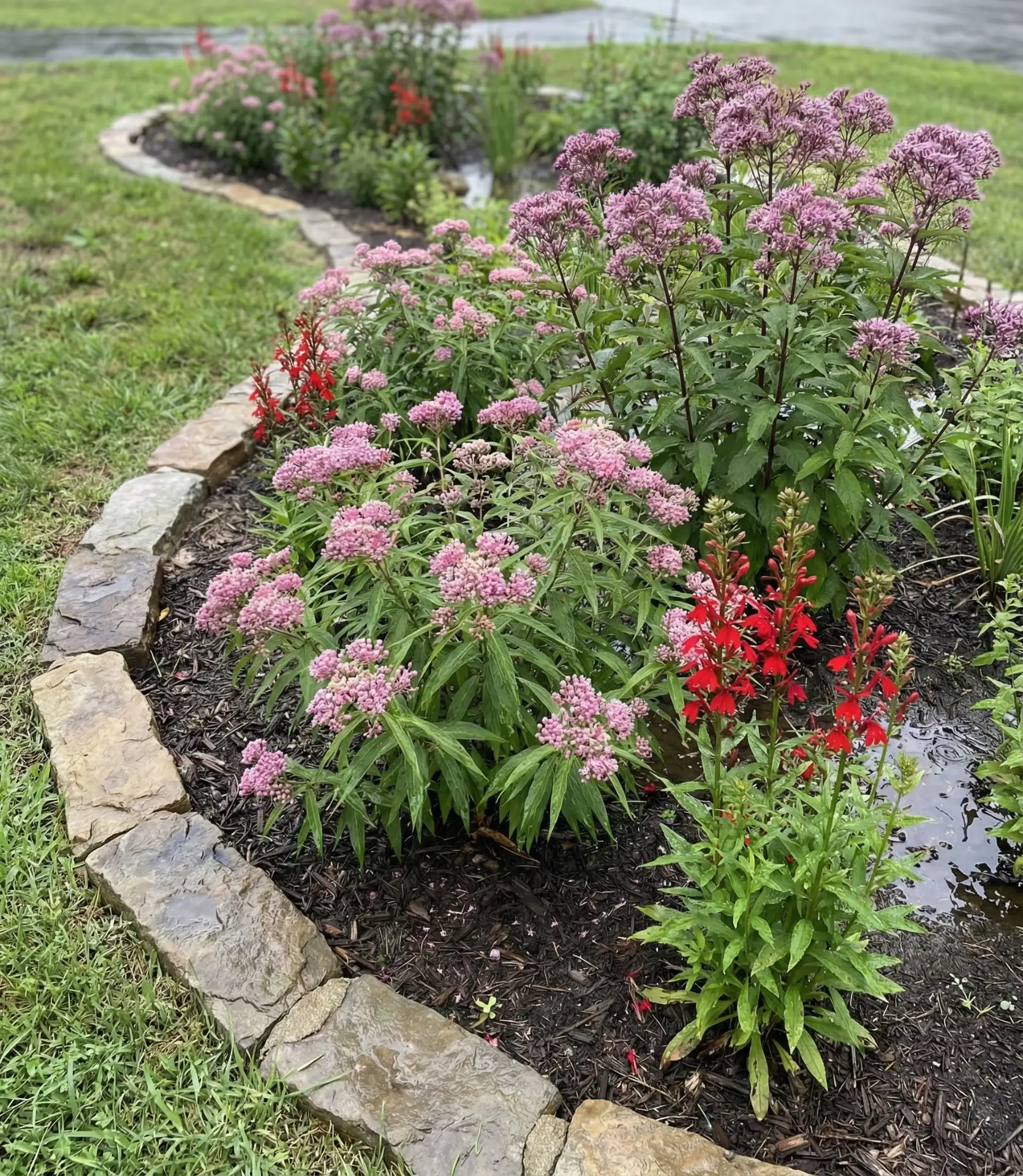
Budget-conscious homeowners can establish rain gardens for $200-350 by purchasing plants in small pots and digging the basin themselves during fall or spring when soil works easily, avoiding expensive landscape contractor fees that often exceed $2,000. The plants establish quickly in moisture-rich environments, typically filling in completely within two growing seasons and eliminating the standing water problems that previously plagued their yards. Most discover their home insurance premiums decrease slightly once rain gardens are documented, as they demonstrably reduce foundation flooding risks that drive costly claims.
19. Butterfly Birthday Party Theme Garden
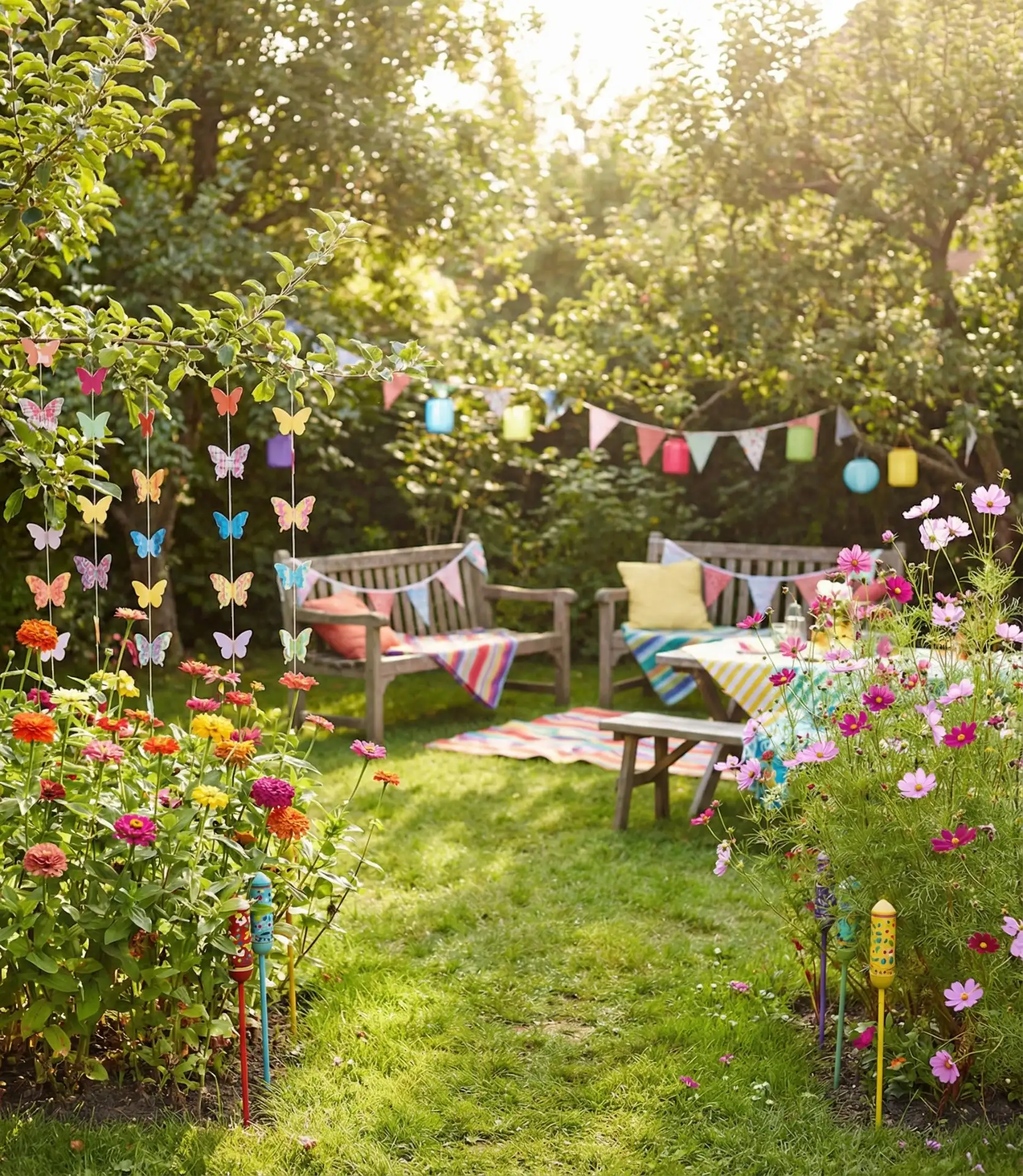
Design a whimsical space for celebrating a birthday party within your butterfly garden, incorporating colorful seating, decorative elements, and strategically timed blooms for memorable outdoor gatherings. This festive butterfly garden theme includes a small lawn area for party activities surrounded by peak-season bloomers like cheerful zinnias and cosmos in rainbow colors. Add butterfly-shaped garden stakes, colorful windsocks, and a dedicated cake table positioned under dappled shade where real butterflies flutter overhead during celebrations, creating magical photo opportunities. The living party decorations outshine anything purchased from stores, providing authentic wonder that resonates with guests of all ages. 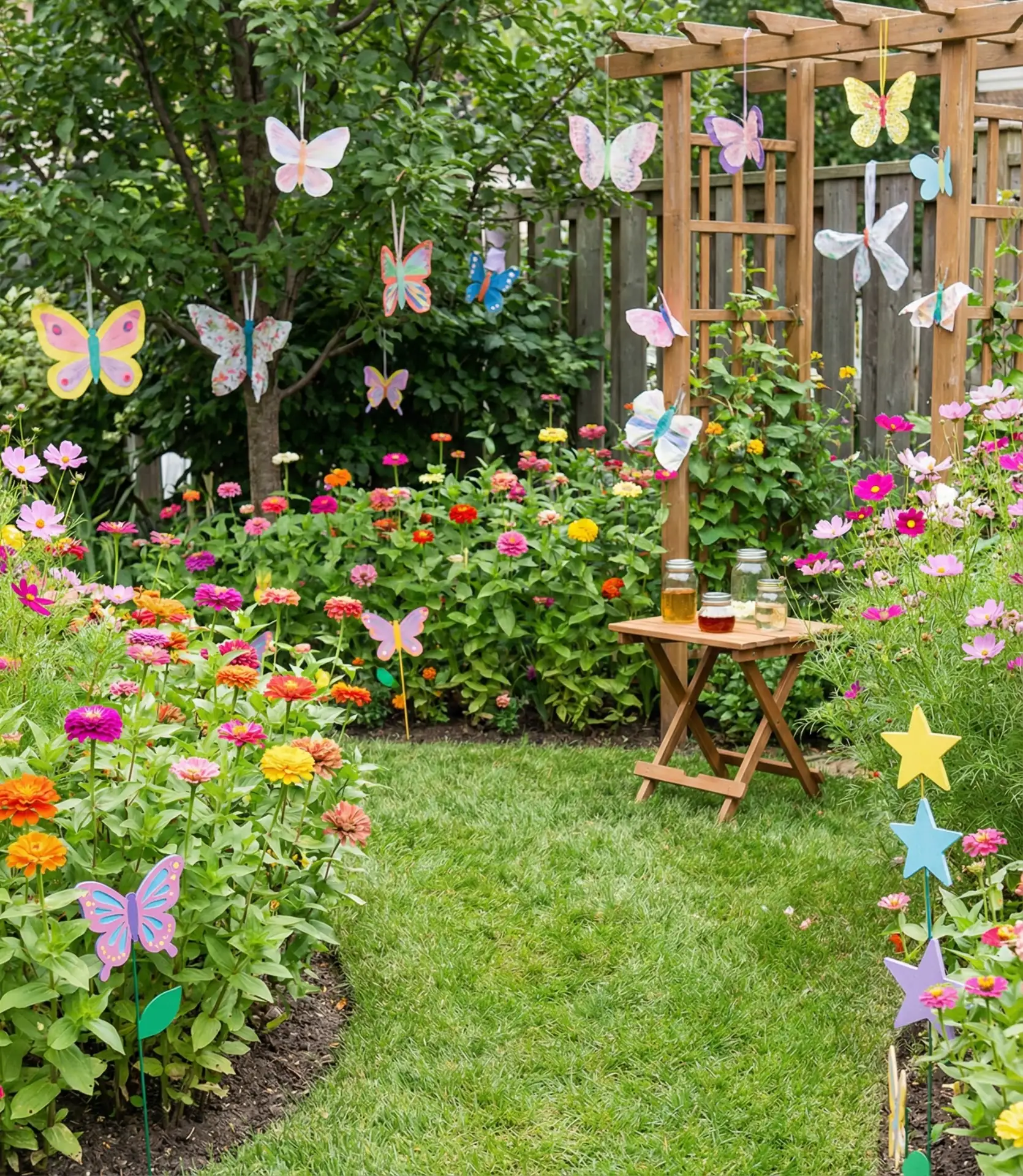
Where it works best: Suburban yards with 800-1,200 square feet of available space can dedicate a corner to this dual-purpose design, maintaining everyday butterfly habitat that transforms into party central several times per year. Schedule birthday celebrations for peak bloom periods between July and September when butterfly activity reaches maximum levels, virtually guaranteeing live entertainment from dozens of visiting butterflies. One Maryland family reported their daughter’s butterfly-themed seventh birthday became legendary among classmates when a massive tiger swallowtail landed directly on the birthday girl during cake cutting—an unrepeatable moment worth far more than hired entertainment.
20. Artistic Butterfly Garden Drawing Space
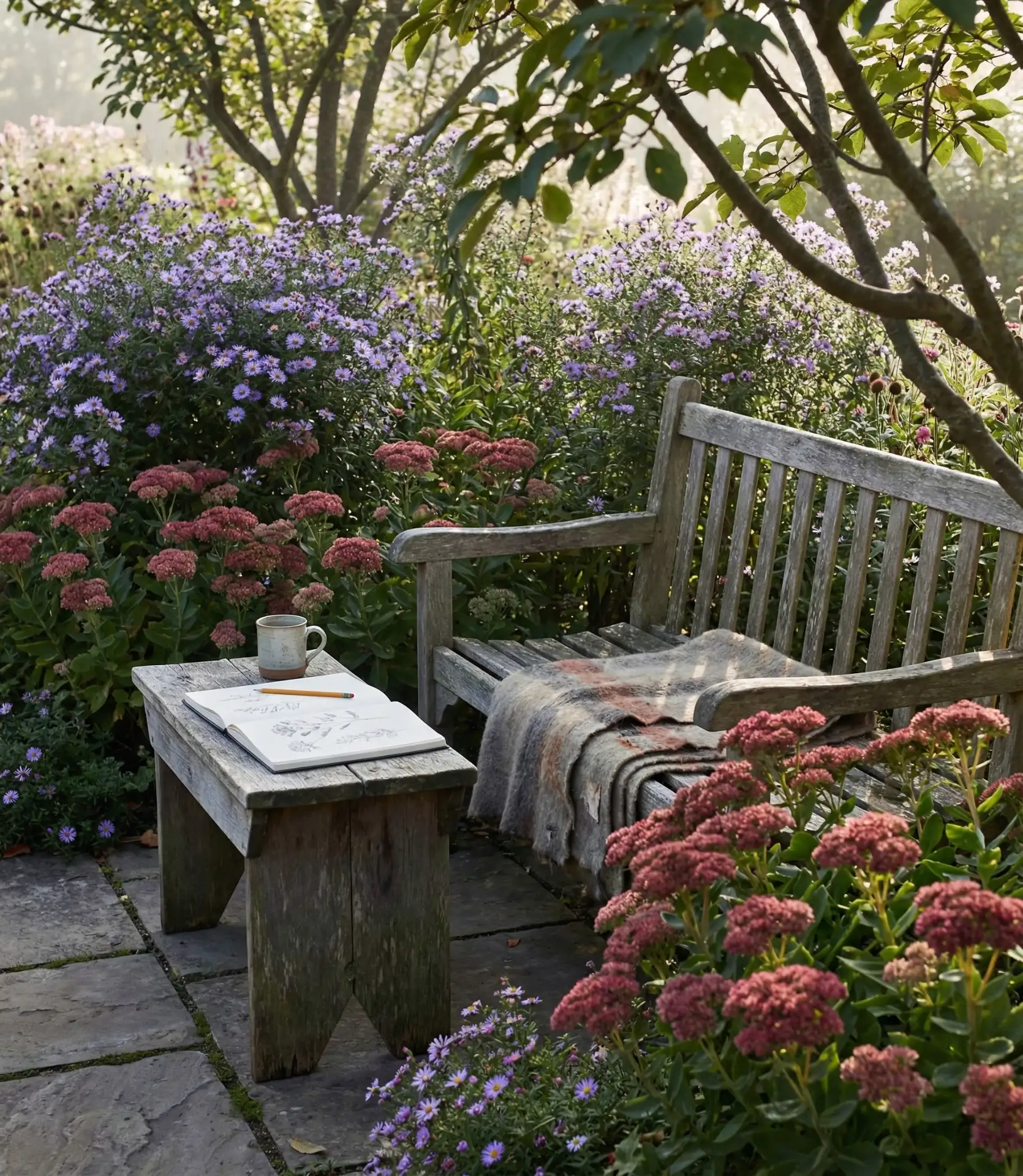
Create an inspiring drawing and sketching retreat within your butterfly garden by incorporating a comfortable seating area positioned for optimal subject observation. This creative design includes a weatherproof bench or garden chair with a side table for art supplies, positioned to capture morning light that illuminates butterfly wings with spectacular translucency. Surround the artist’s nook with still-blooming flowers like sedum and asters that keep butterflies lingering in one area, making them easier to observe and sketch. The contemplative aesthetic encourages mindful observation that deepens your connection with nature while improving artistic skills through repeated practice capturing these challenging, constantly moving subjects. 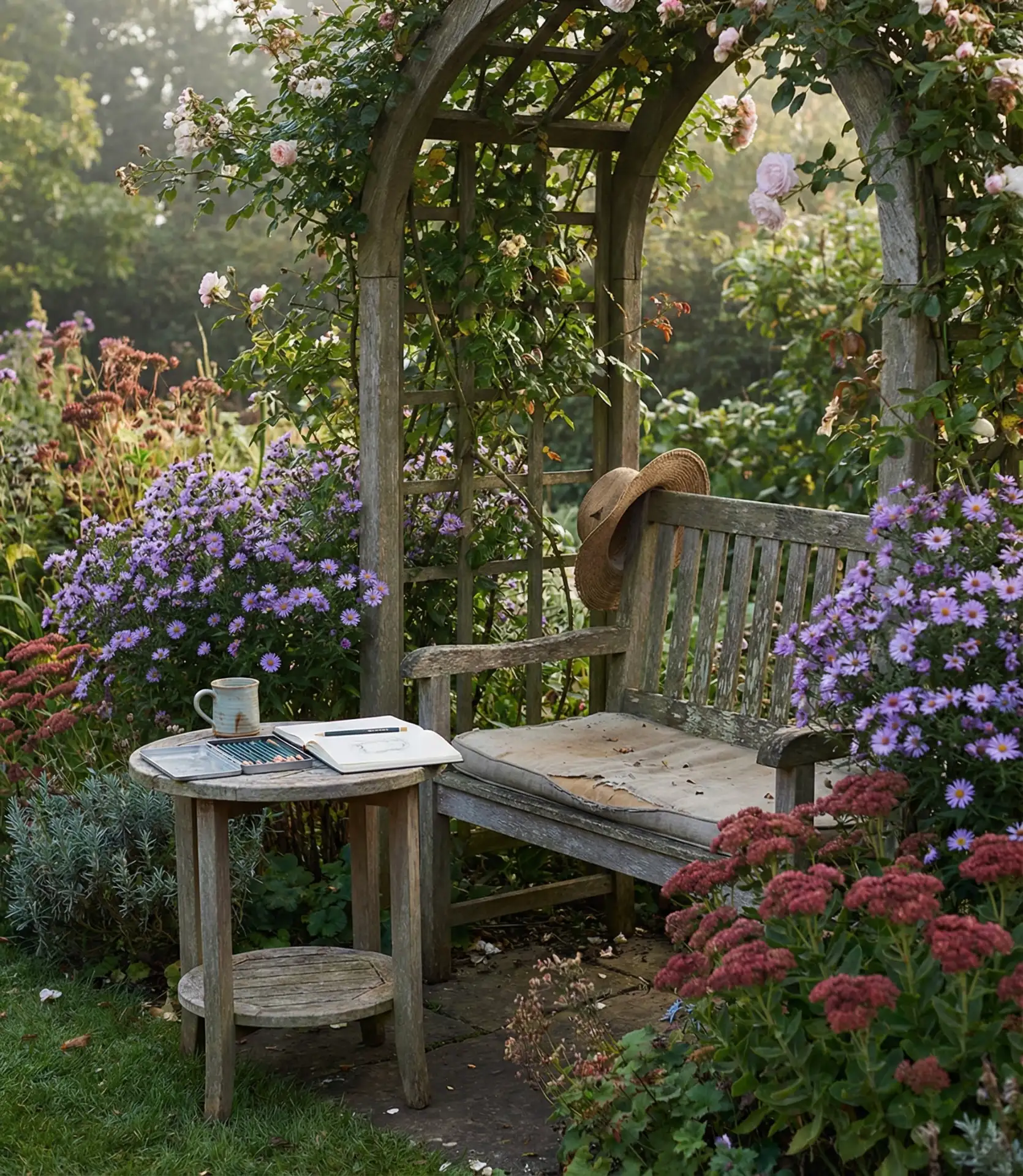
A Portland watercolor artist shared that her practice of sketching butterflies in the garden transformed her understanding of wing patterns and flight mechanics, knowledge that elevated her studio work from generic representations to scientifically accurate illustrations commanding premium prices. The regular observation revealed subtle details invisible in photographs—how different species hold their wings at characteristic angles, how compound eyes catch light, and how antennae constantly test air currents. This intimate familiarity only comes from patient, repeated observation in living gardens, making the space both a creative studio and an advanced natural history classroom simultaneously.
21. Butterfly Wedding Garden Romance
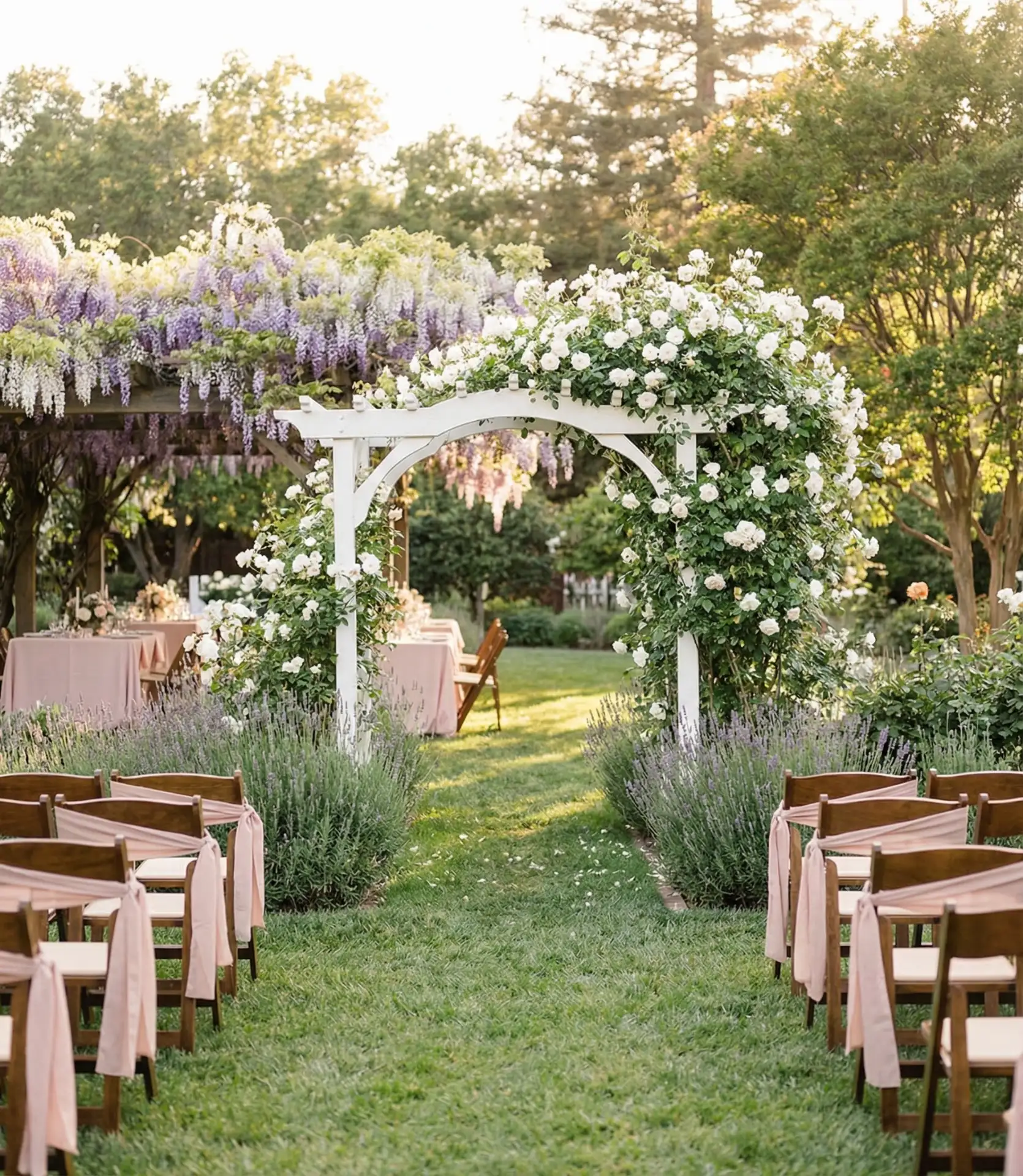
Create an incredible outdoor wedding location amidst your butterfly garden, adorned with romantic flowers, organic arbors, and thoughtfully designed seating arrangements for cozy gatherings. This enchanting design style features white and blush hues of blooms, climbing roses, and wisteria pergolas that offer butterfly-friendly florals while captivating photos. Create an aisle with a hedge of lavender or catmint that is designed for the ceremony area, where butterflies swarm like confetti and the tall plantings of delphinium and foxglove become a butterfly ceremony. Those butterfly gardens help replicate the decor magic that wedding venues can’t, while providing an authentic and wonderful design that a couple can help with. Meaningful use of wedding butterflies takes nature high on your priority list for the most celebratory moment. 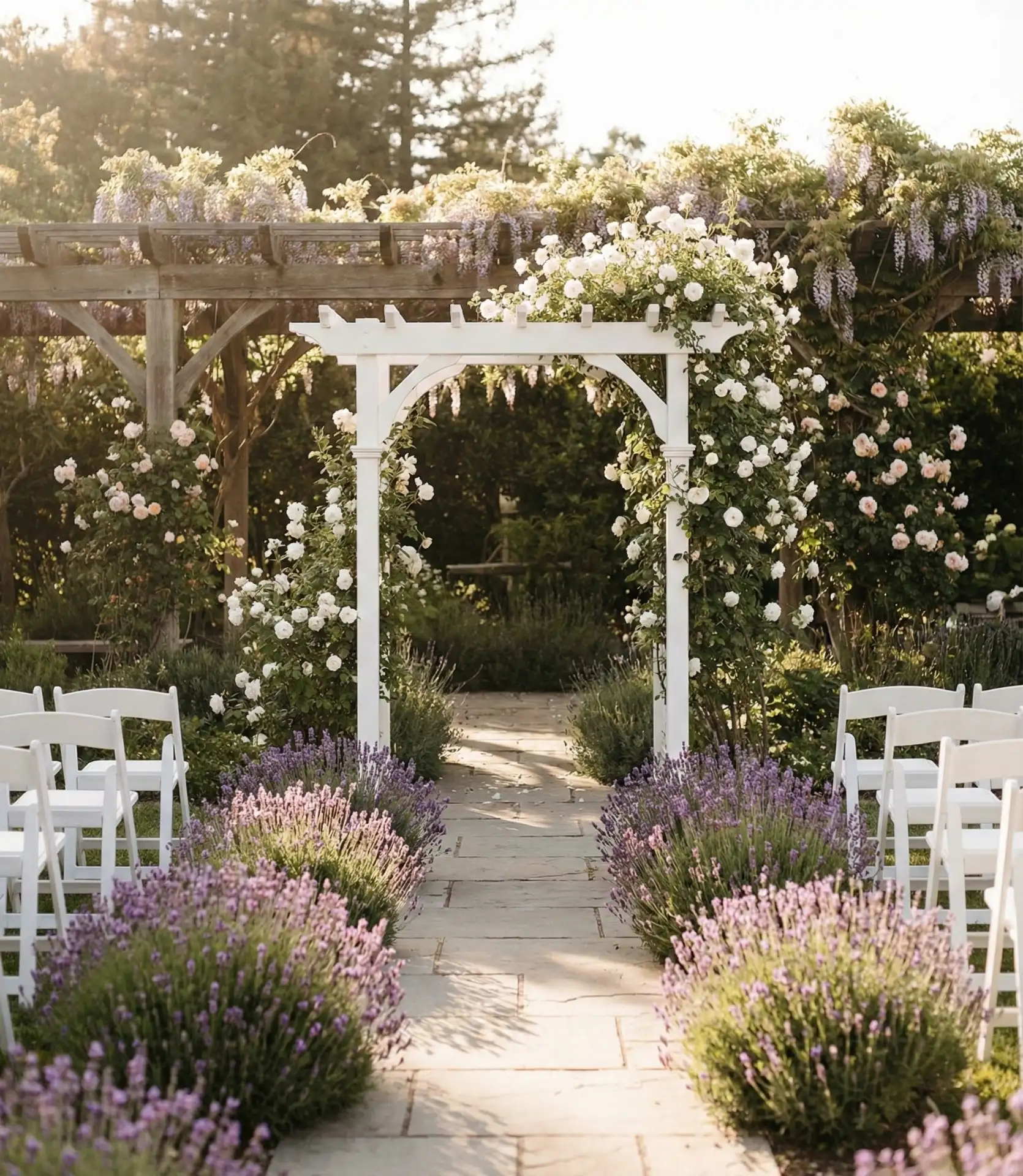
Real-life couples avoid $3,000–$8,000 in venue fees by having intimate garden weddings in butterfly gardens and using that money for honeymoons or home down payments.
Focusing on the personal significance of getting married in a butterfly garden is a beautiful emotional connection that traditional ballrooms lack. Wedding guests comment on the butterflies as magical touches that made the wedding memorable, highlighting the experience as something that is expected of a wedding for years to come.
22. Animal Crossing-Inspired Garden Reality
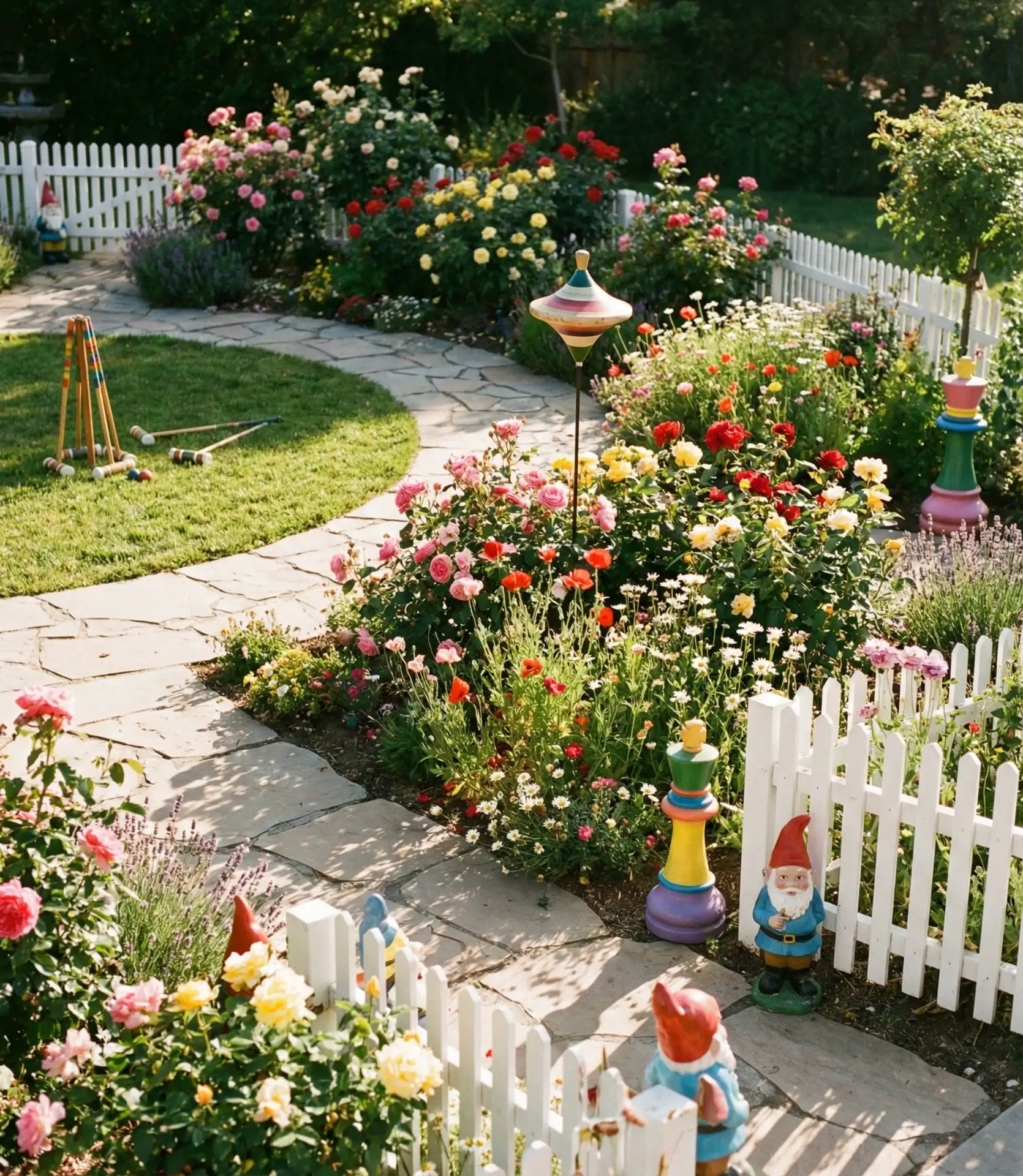
This approach aims to bring the butterfly garden ideas from the beloved game, Animal Crossing, into the real world. Millions of players nurture the charming, colorful layouts digitally, and now you can do the same in real life. Use curves, color-block flower varieties, decorative fences, and game-like accessories to match the cheerful style of the game. Plant hybrid tea roses to arrange an eclectic wildflower layout that feels carefree but still organized. The aesthetic is a nostalgic one that resonates deeply with younger homeowners. They are now able to transform their virtual garden design skills, creating outdoor designs that allow real butterflies to interact with the space. 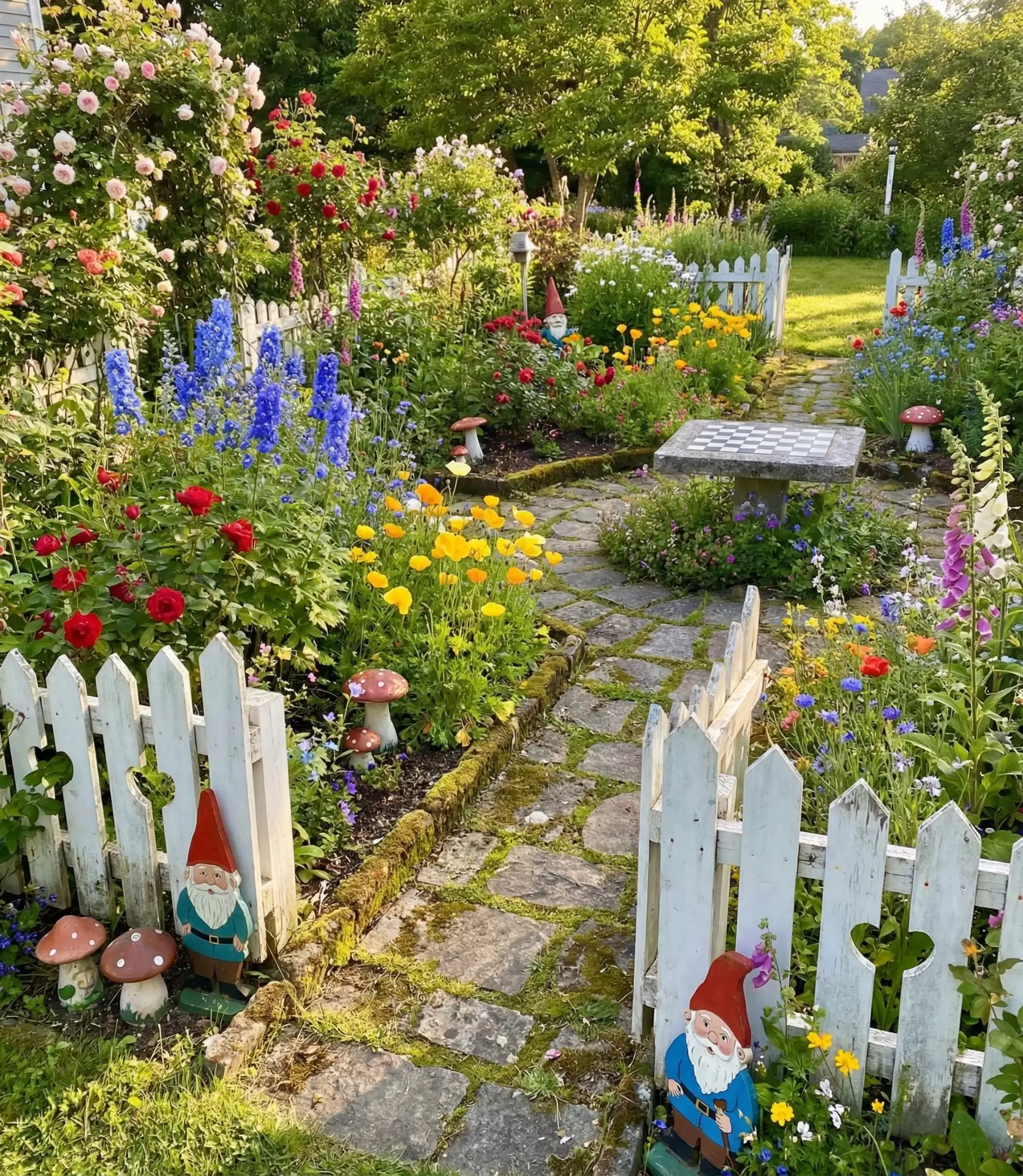
Proving this aesthetic works without permanent landscape changes, a Chicago millennial artist used only annuals and temporary structures approved by her landlord to create an Animal Crossing tribute garden in her bland rental yard.
Her gardening activities became popular in the social media and gaming communities as well as inspiring others to do the same. The enthusiasm Butterfly Conservation garnered as a result of the intersection of gardening and gaming culture shows how pop culture bridging can inspire communities to care for the environment.
23. Butterfly Tattoo Inspiration Living Gallery
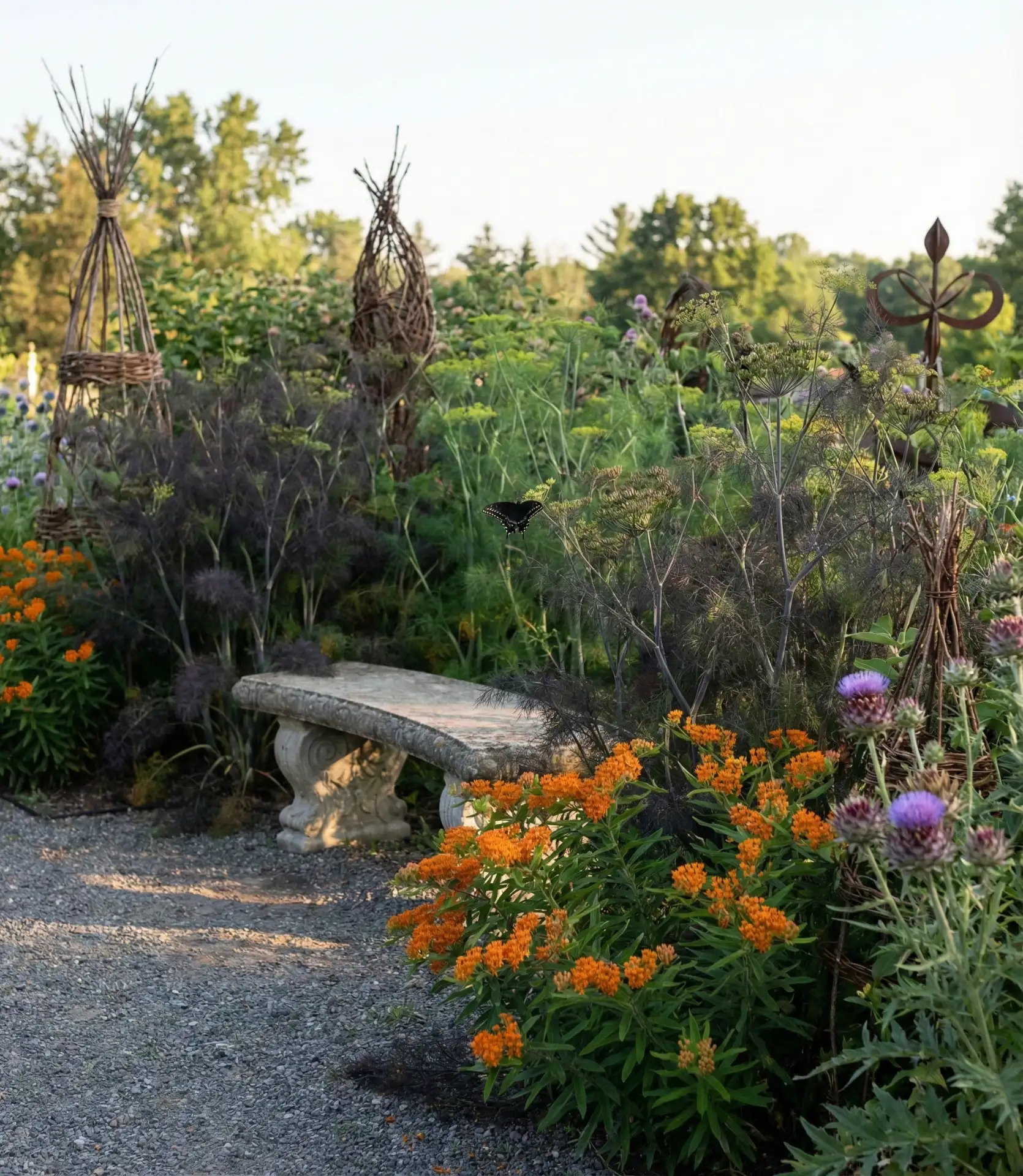
Design a plant collection to attract and cultivate the butterflies that inspire the tattoos people want to permanently ink or symbolize body art in other ways. This themed butterfly garden will feature more elaborate and easier-to-identify species like monarchs, black swallowtails, and painted ladies whose wing patterns are desirable for tattoo designs. To gain the reliable living canvas as well as the butterflies, incorporate the species-specific host plants: milkweed for the monarchs, parsley for the swallowtails, and thistles for the painted ladies. The design offers a calm and quiet space for the contemplation of body ink before the butterflies that deserve to be memorialized in that way, and maybe it will inspire the observer to carefully identify the color and pattern of the wings. 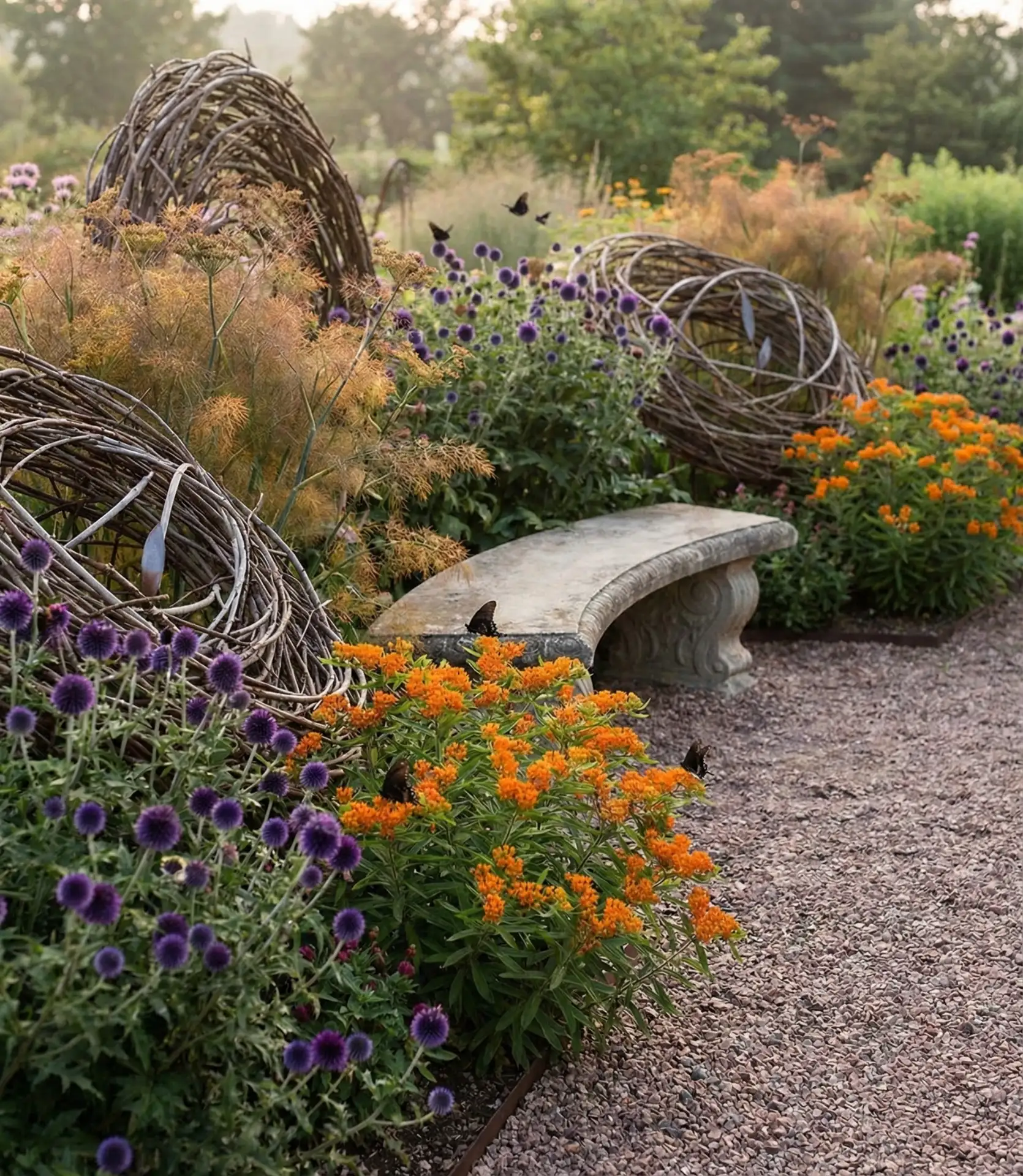
Where it works best: Urban balconies and small courtyard gardens create intimate observation spaces where butterflies appear larger than life, perfect for studying intricate wing details that tattoo artists need for accurate representations. The close proximity allows smartphone macro photography that captures vein patterns, scale arrangements, and color transitions invisible from typical garden viewing distances. Several tattoo artists have created “reference gardens” outside their studios, inviting clients to photograph living butterflies as design inspiration rather than relying solely on internet images—a practice that yields more meaningful, personalized tattoo designs with deeper symbolic connections.
24. Baby Shower Theme: Butterfly Paradise
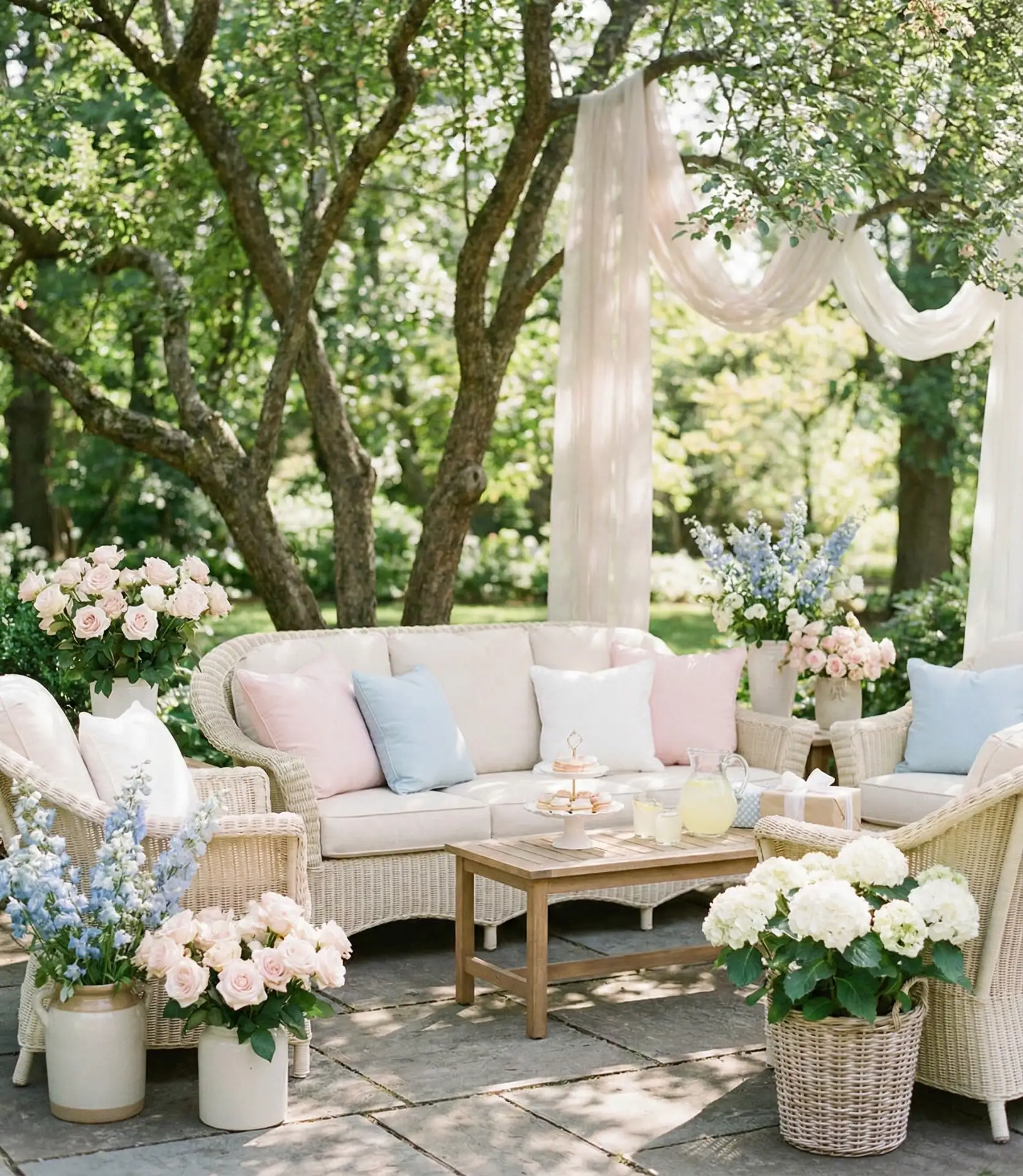
Create a gentle, nurturing space for a baby shower theme within your butterfly garden, emphasizing soft pastels, comfortable seating, and the perfect metaphor of transformation and new beginnings. This tender butterfly garden aesthetic incorporates pale pink roses, soft blue delphiniums, and creamy white hydrangeas arranged in flowing, organic groupings that photograph beautifully for baby shower memories. Position a gift table and seating area under partial shade where pregnant guests remain comfortable while butterflies flutter through sunlit flower patches nearby, creating a serene atmosphere that honors impending motherhood. The living garden design symbolizes growth, metamorphosis, and the miracle of new life—themes that resonate deeply during baby celebrations. 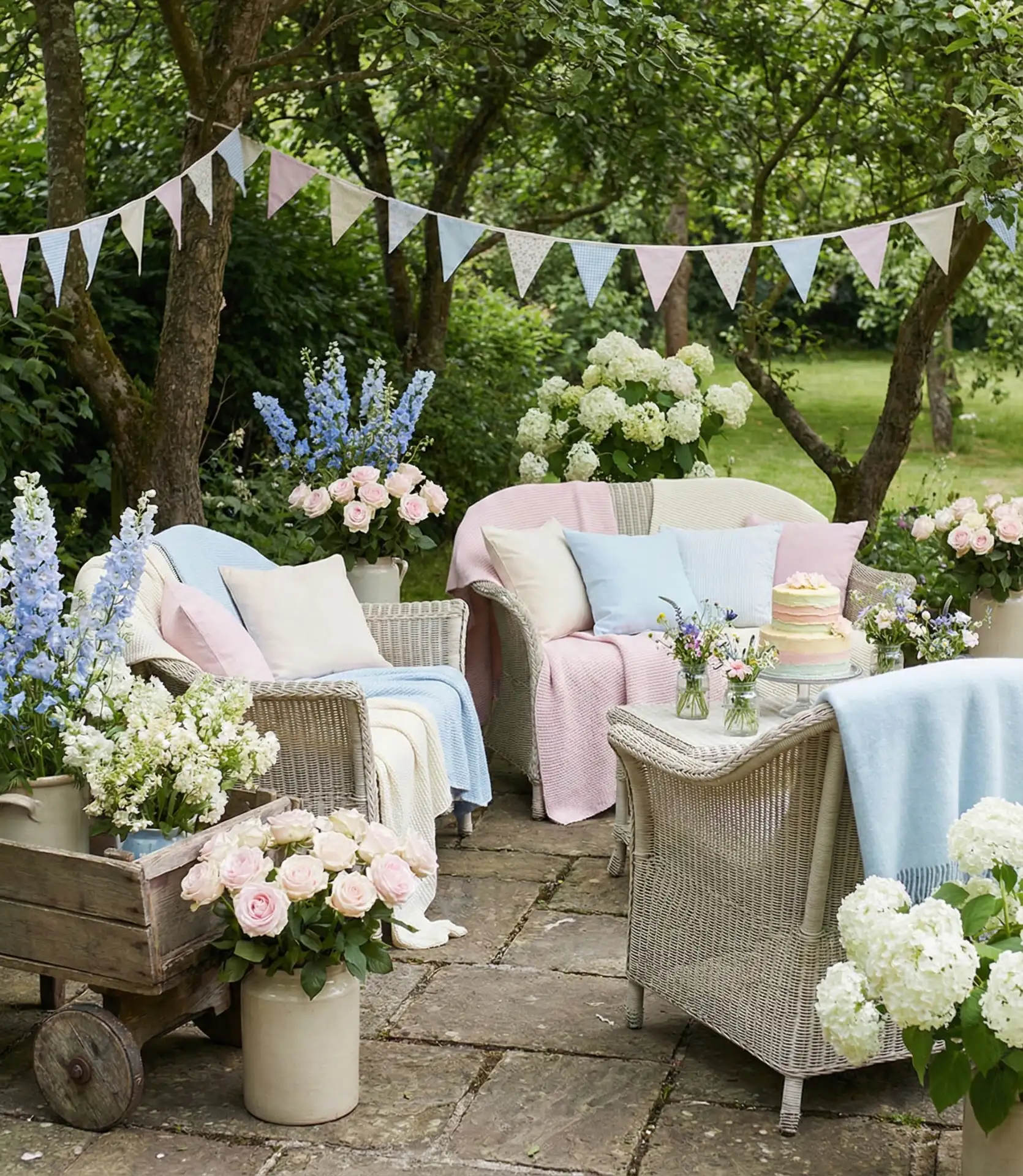
Expert event planners recommend scheduling baby showers for late morning when butterflies are actively feeding but temperatures remain mild for pregnant guests who overheat easily. The 10 AM to noon window provides optimal comfort while ensuring abundant butterfly activity that delights guests without requiring any artificial entertainment or decorations. One expectant mother in Virginia reported that her garden baby shower generated more genuine excitement than elaborate restaurant events her friends had hosted—guests lingered for hours, captivated by the peaceful setting and frequent butterfly visits that sparked meaningful conversations about nature, motherhood, and life’s beautiful transformations.
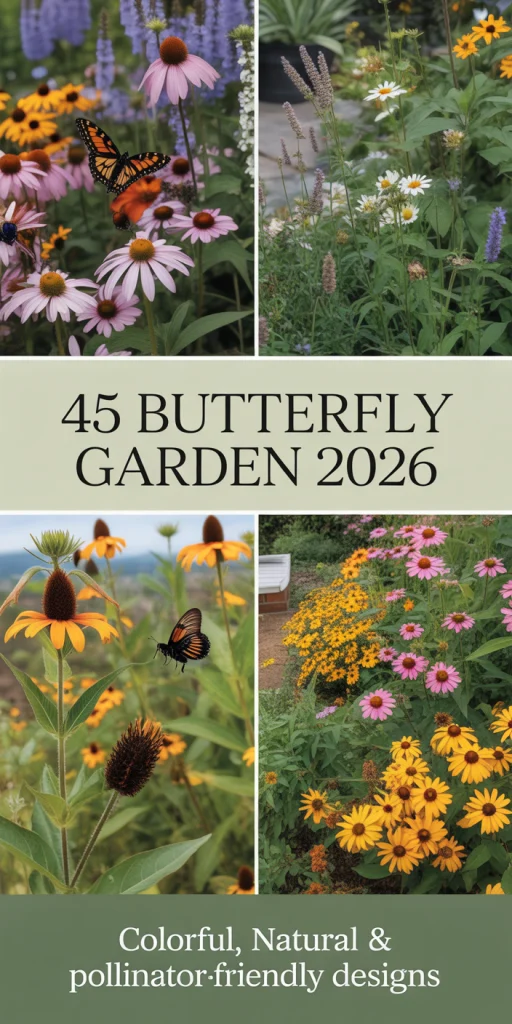
From wildflower meadows that support migrating monarchs to intimate container gardens on urban balconies, these butterfly garden ideas prove that creating pollinator habitat fits any space, budget, and aesthetic preference. Whether you’re drawn to formal parterres that blend European elegance with ecological function, whimsical Animal Crossing-inspired designs that bridge gaming and gardening, or specialized spaces for weddings and celebrations, your butterfly garden becomes whatever you envision while serving its essential purpose. The beauty of butterfly gardening lies in its flexibility—start small with a few containers of zinnias and lantana, or go bold with a complete yard transformation featuring succession plantings that bloom from early spring through late fall. Every flower you plant, every caterpillar host you nurture, and every pesticide you avoid contributes to the larger effort of supporting these fragile pollinators whose populations need our help now more than ever. Share your butterfly garden journey in the comments below—tell us which design resonates with your space, which butterflies visit your region, and what unexpected joys you’ve discovered while watching these remarkable creatures transform your outdoor spaces into living sanctuaries.