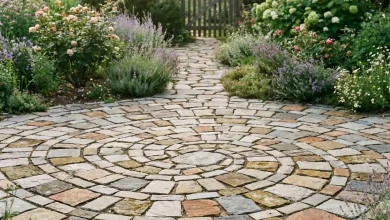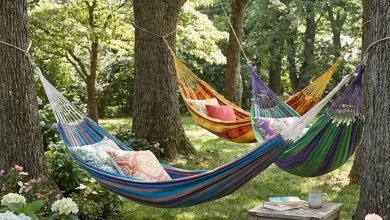

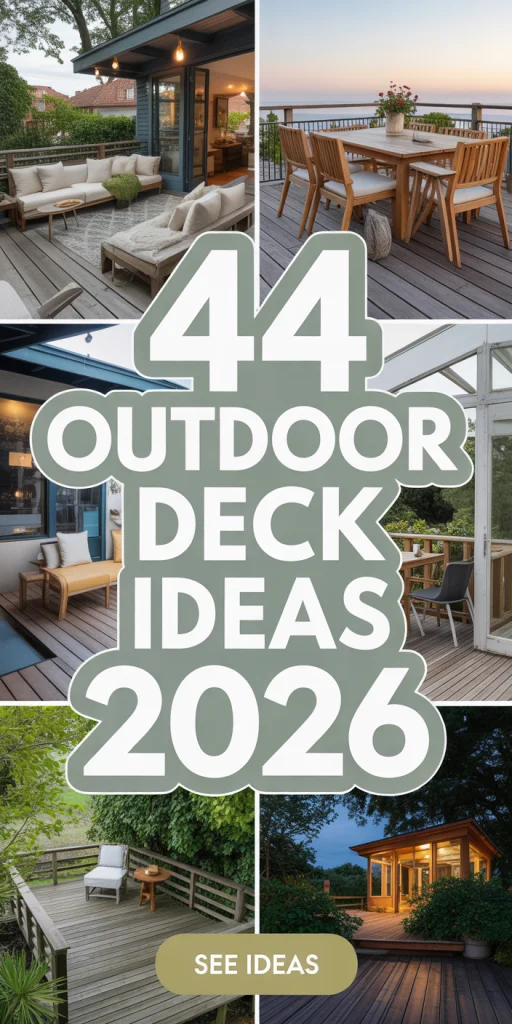
As we approach 2026, builders are most interested in outdoor living spaces, with American homeowners wanting new ideas for converting their decks into real extensions of their homes. This year, deck trends focus on comfort, function, and personal style, whether you have a sprawling backyard or a small urban balcony. From covered retreats to big-budget DIY projects, these ideas will help you create a space that is uniquely yours.
1. Layered Textile Lounge with Boho Accents
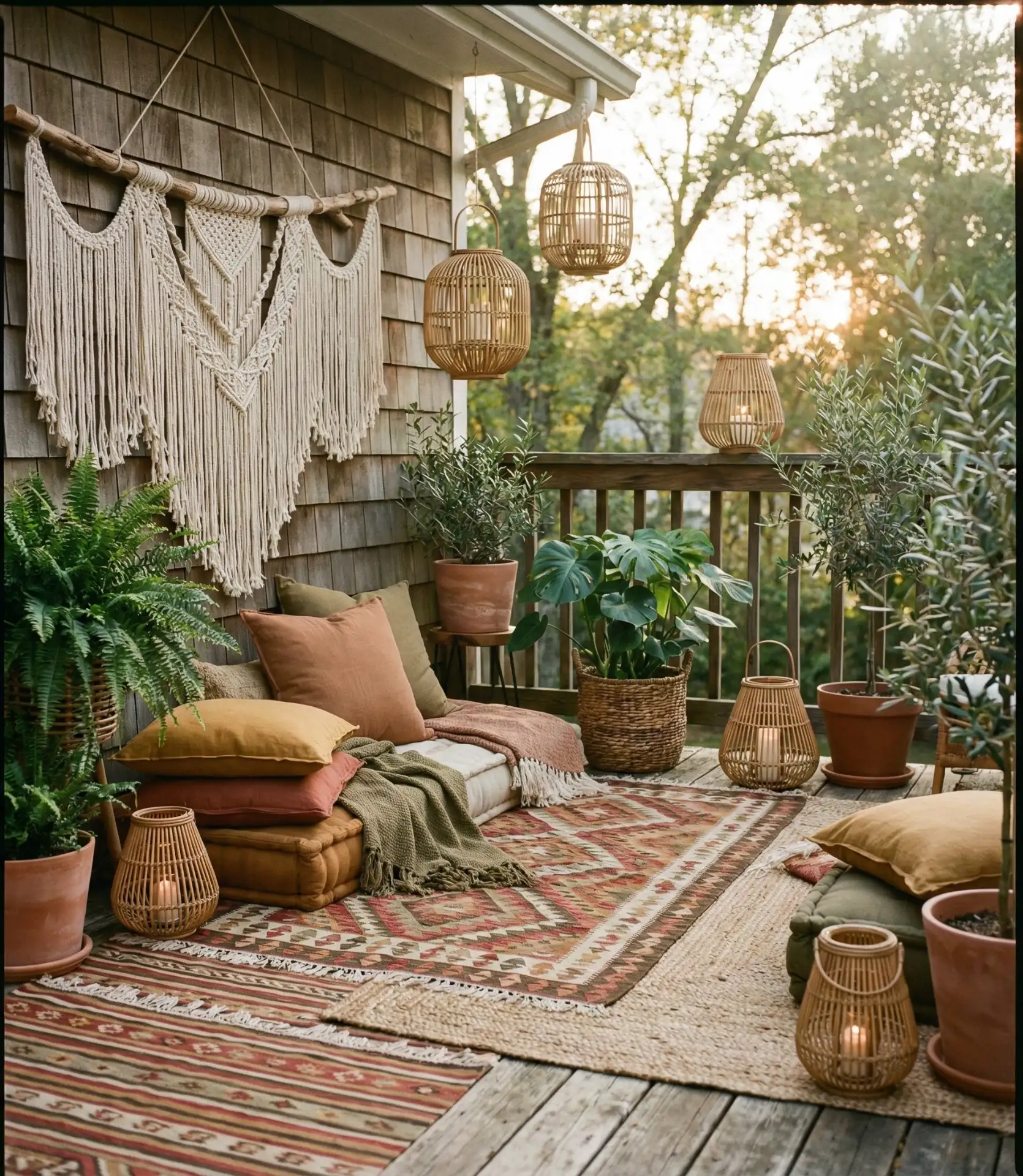
Add a cozy, boho makeover to your deck by layering outdoor quilts, weather-resistant cushions, and macrame wallcraft to create an inviting, lived-in atmosphere. This also works perfectly for apartment dwellers with a minimalist coffee table footprint. The boho approach also works wonderfully with mixed patterns and textures, like geometric fibers mixed with natural ones. This approach is also effective for curating a personal collection that feels like an overtime accumulation rather than a store-bought assortment.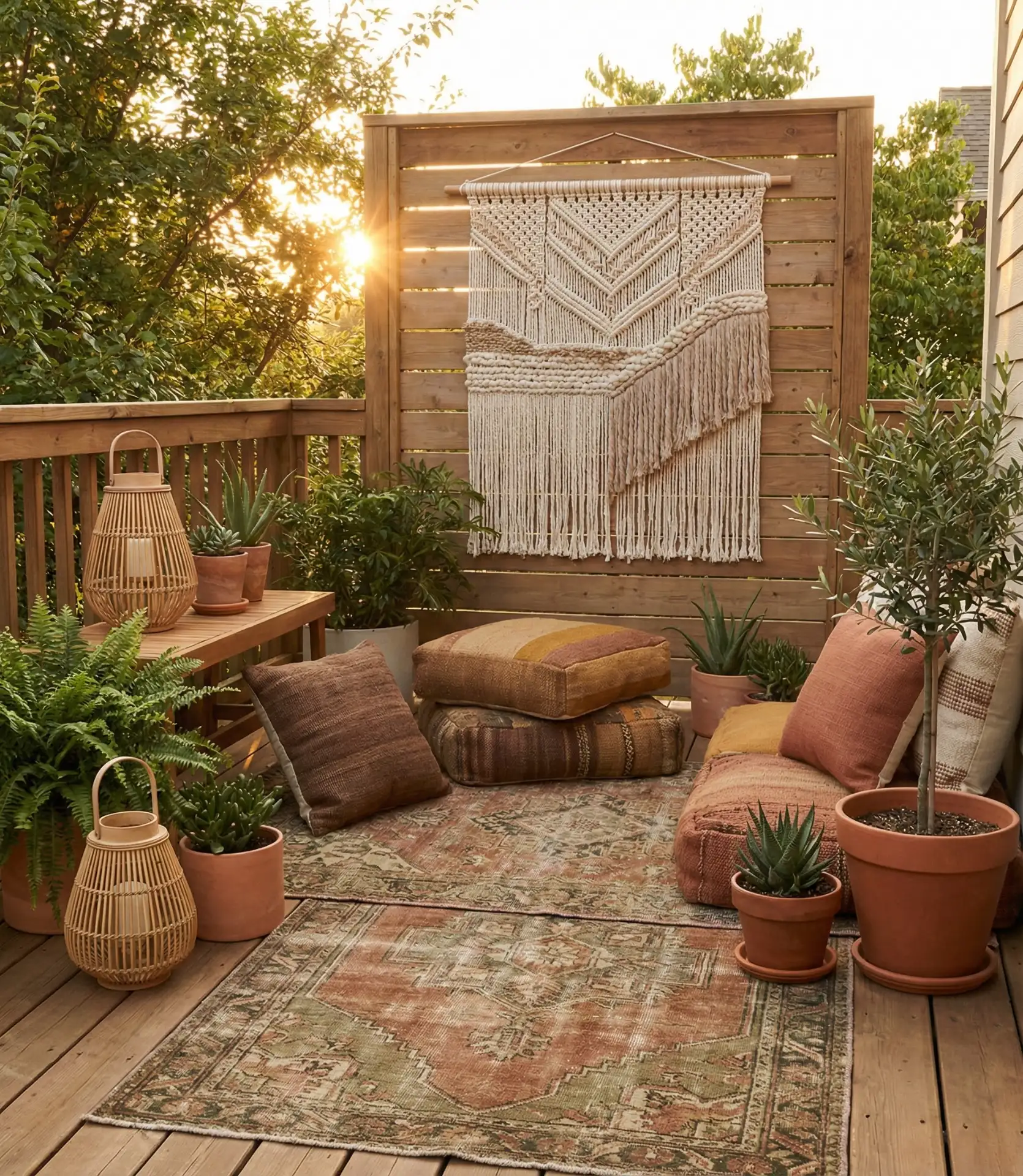
One of the biggest mistakes is coordinating patterns, which is the best part of true bohemian style. Finish off with a neutral deck with vintage-style pieces on top. Do not go for overly vintage pieces added to a simple space.
Mixing pillow sizes and patterns is charming! Be sure to use UV-resistant materials and store pillows inside during storms to keep colors bright and your pillows looking lovely for years to come.
2. Integrated Seating on Minimalist Concrete Decks
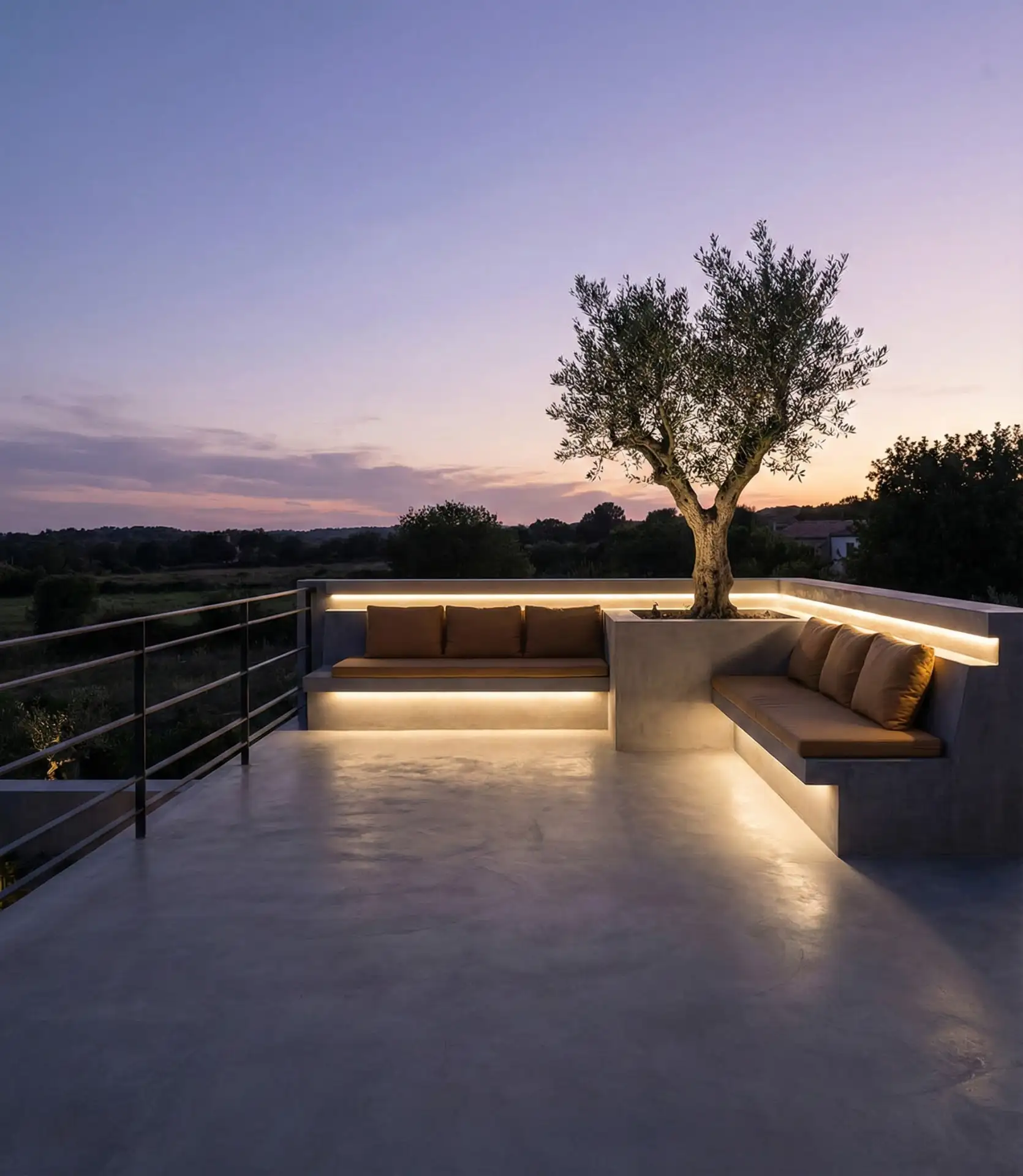
If you love minimalist design, concrete decks with integrated seating may be the perfect option for you. This design eliminates the need to purchase and arrange additional furniture, which can be cumbersome but is appreciated in contemporary designs. A solid color and smooth finish can offer a striking backdrop for decorative lighting and plants. A monochromatic look can be a sophisticated backdrop to colorful plants and decorative lighting. 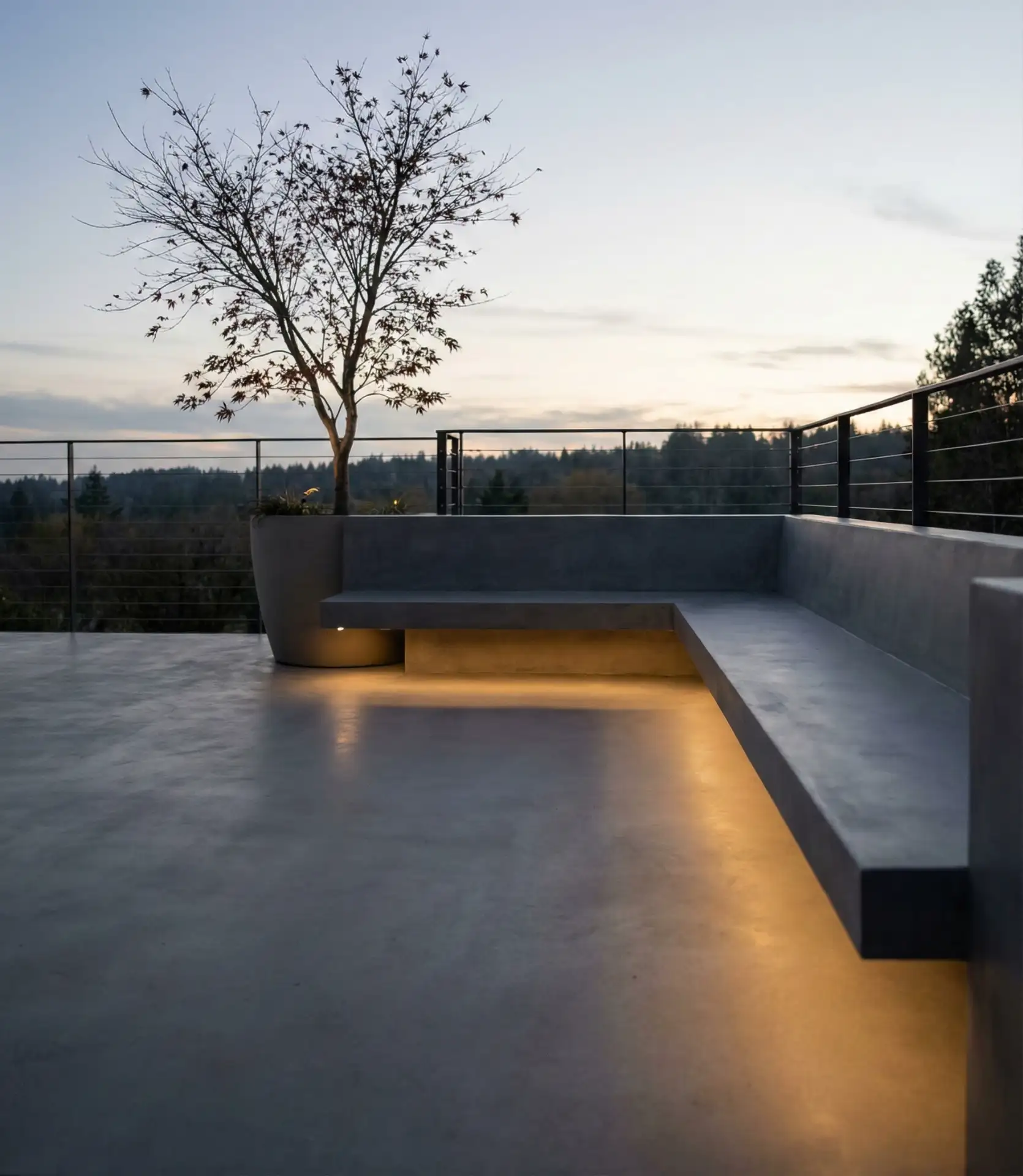
This look is best in urban environments and homes with a strong mid-century, modern, or industrial design. Concrete is a powerful thermal mass; rather than absorbing the heat in the summer, it keeps cool. If you integrate heating elements below the surface, it can extend use to winter and provide year-round use in warmer climates. To finish the look off, add cushions wrapped in weather-resistant fabric for comfort!
3. A vertical garden wall for small spaces
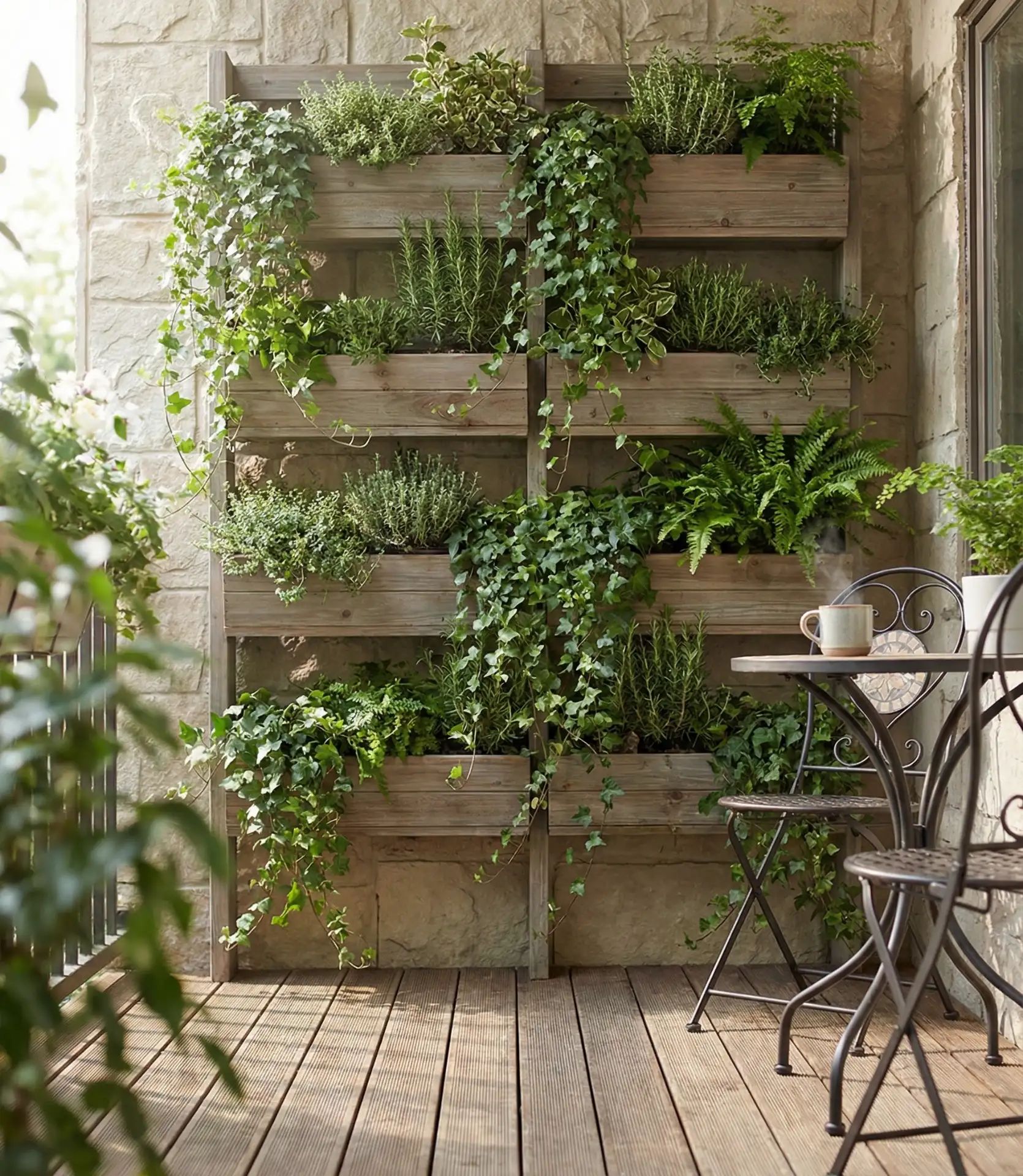
When square footage is limited, going vertical maximizes your small spaces without sacrificing greenery or privacy. A living wall installation transforms a blank fence or railing into a lush backdrop, incorporating herbs, succulents, or trailing plants depending on your climate and sun exposure. This solution is particularly clever for apartment decks where ground space is precious but vertical surfaces go unused. 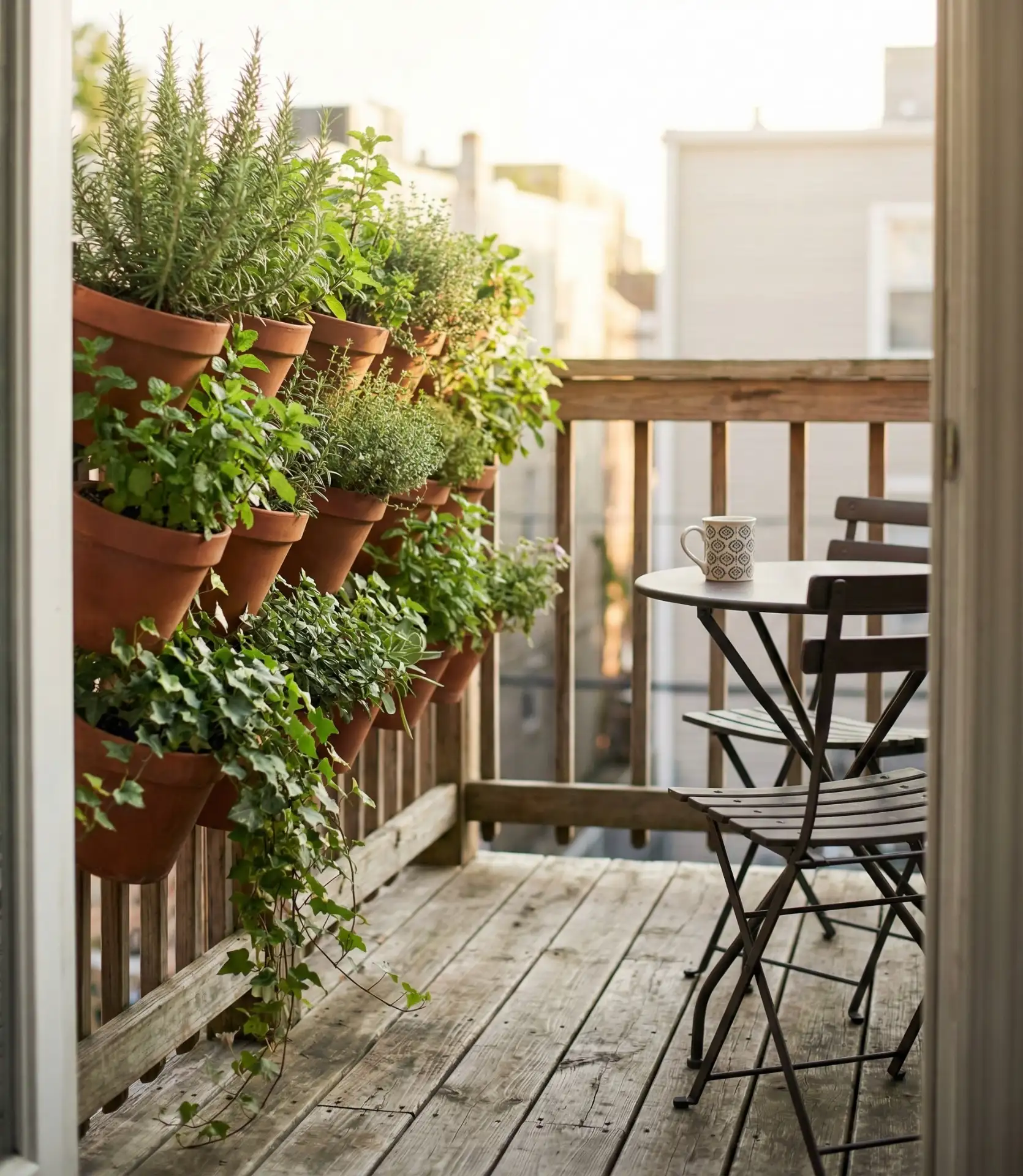
I’ve seen neighbors deal with overwatered vertical systems that drip onto seating below—waterproofing and drainage are a must. Modular pocket planters provide rearranging plants as they grow and seasonal swaps. Position your vertical garden where you get the best sun for your plants, and if you have a busy schedule or travel a lot, set up a drip irrigation system on a timer.
4. A covered dining pavilion with string lights
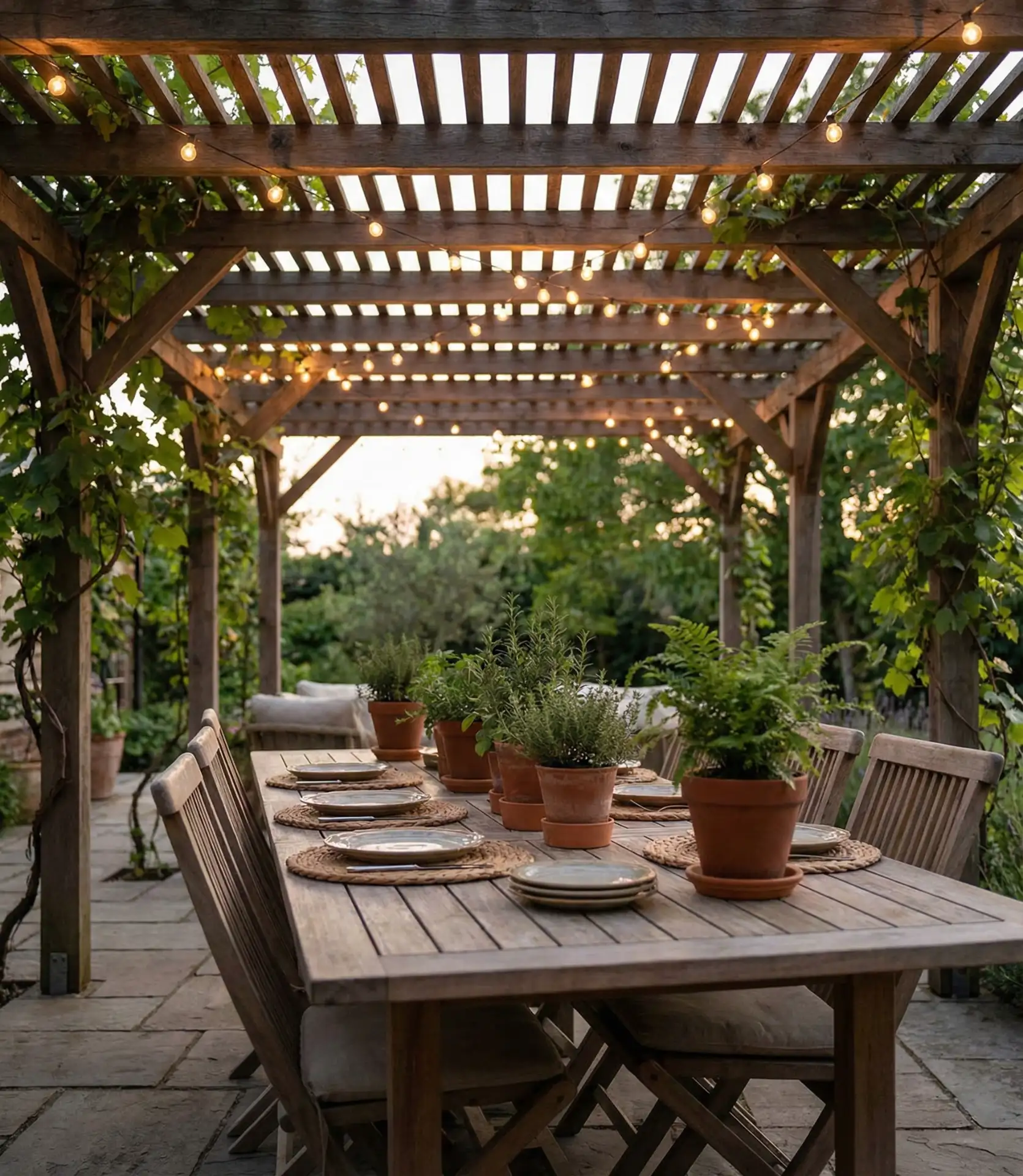
A permanent covered structure over your dining area extends deck season well into fall and makes summer entertaining feasible even during afternoon showers. The addition of café-style string lights creates ambiance that transitions beautifully from dinner to late-night conversations, while the roof provides essential shade during peak sun hours. This setup transforms your deck into a true outdoor room rather than just a seasonal addition. 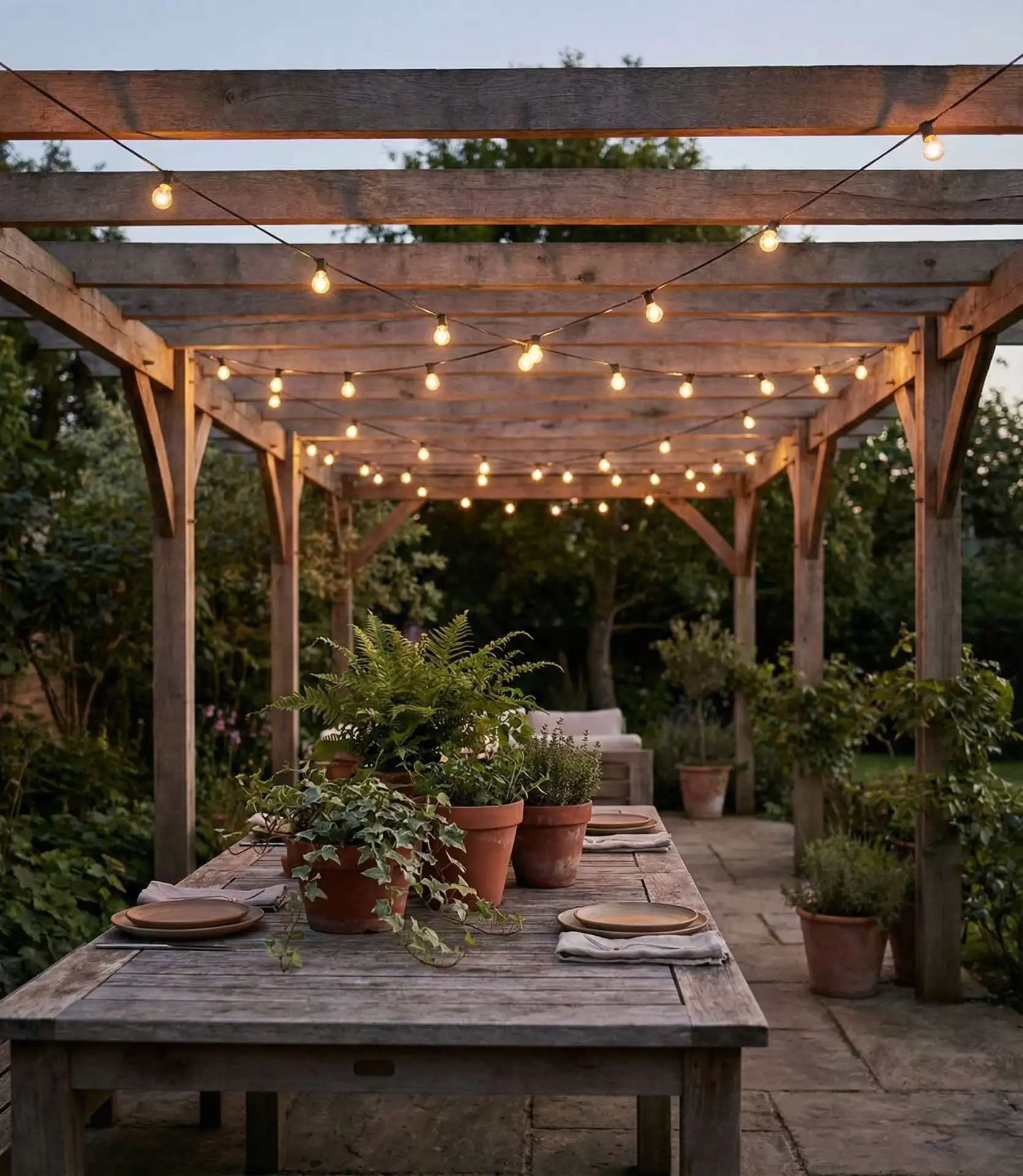
Homeowners on a budget can anticipate spending a minimum of $3,000 for a basic pergola installation, while full pavilions with solid roofing can go for as much as $15,000, depending on the size and materials used. DIY pergola kits save you money, but a professional install is needed to make sure the structure is properly anchored and weatherproofed. Choose LED Edison-style bulbs for your outdoor string lights, as they will save you 90% on energy over incandescent bulbs and last 25,000 hours, eliminating the hassle of replacing bulbs.
5. Rustic Reclaimed Wood Platform
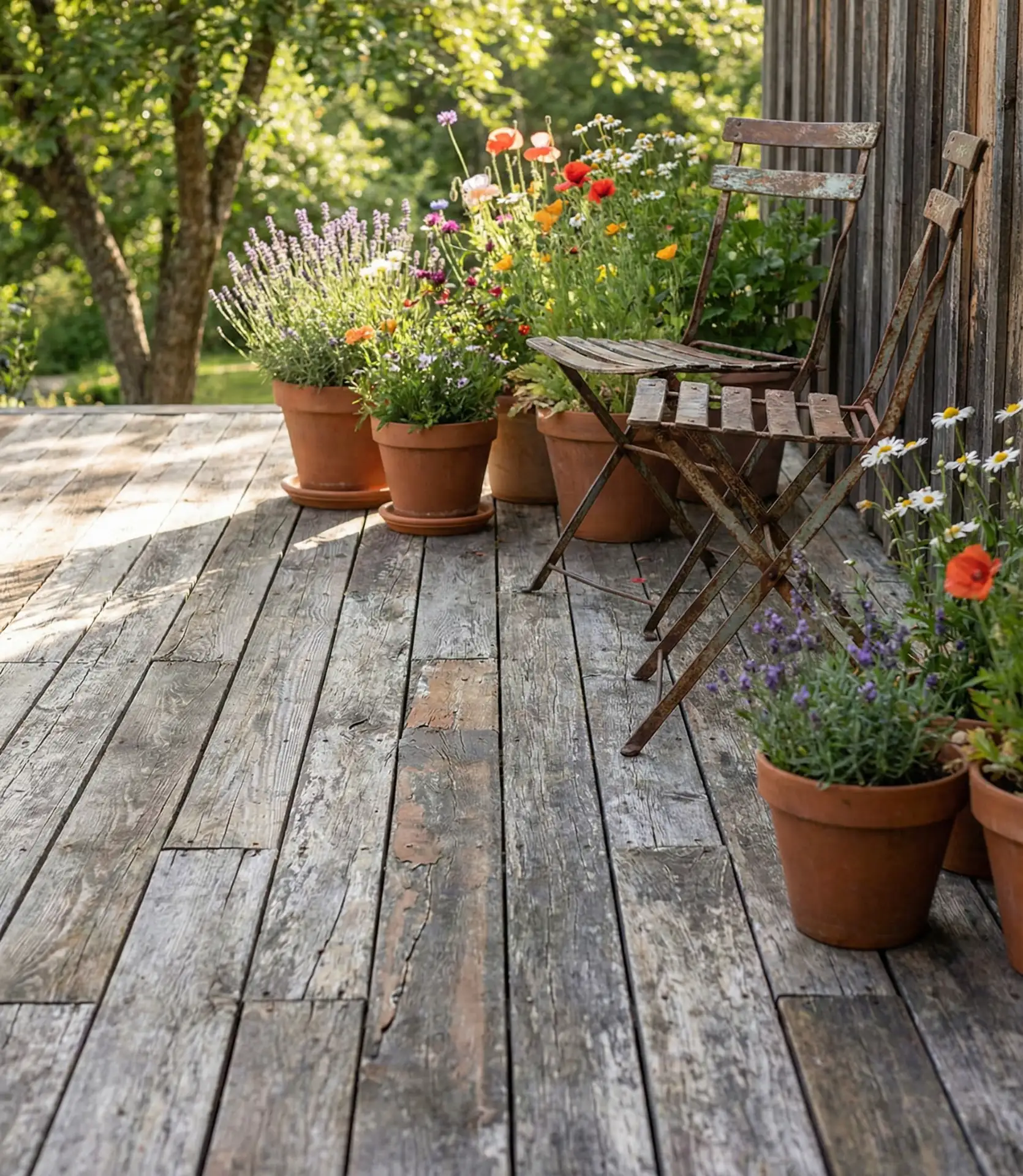
Barn wood or reclaimed wood planks are a construction option that is both character-giving and full of rustic charm that new lumber simply doesn’t have. The ashed wood, old hardware holes, and hue variations of wood can add a story to the deck surface. It can also be a construction method that meets the standards of sustainable building, as it is soft and textured, giving the outdoor space an authentic feeling and a cozy touch. 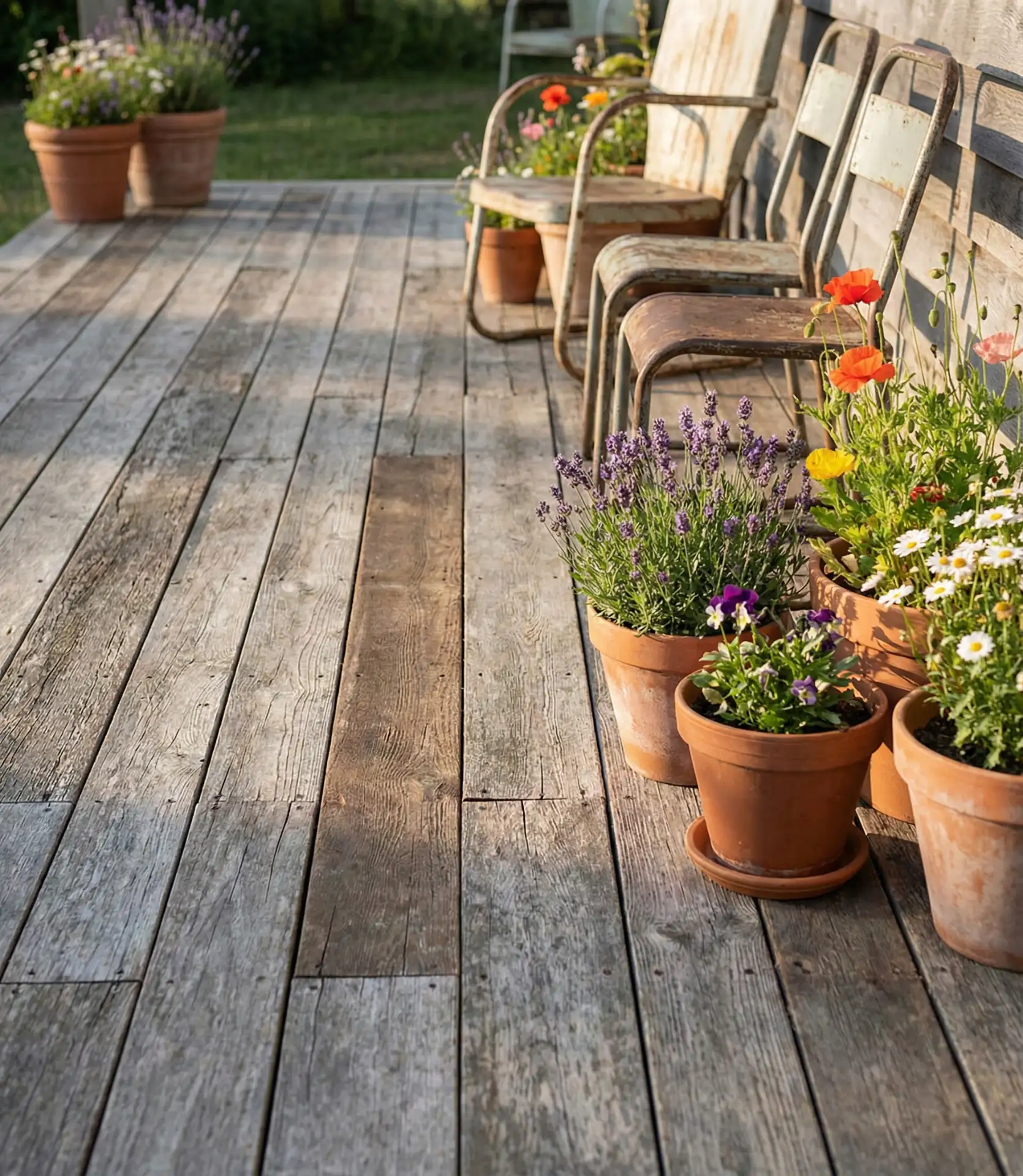
Architectural salvage yards, located in the Midwest and rural Northeast, offer reclaimed wood for about the same price. Premium new decking costs about the same, $4 to $12 per square foot. The most important part is the prep for the wood. Before installation, reclaimed lumber must be thoroughly cleaned, free of nails, and checked for rot or insect damage.
Use a penetrating oil finish instead of a film-forming stain to keep the unpainted look while protecting the wood from moisture and UV damage.
6. Multi-Level Deck with Defined Zones
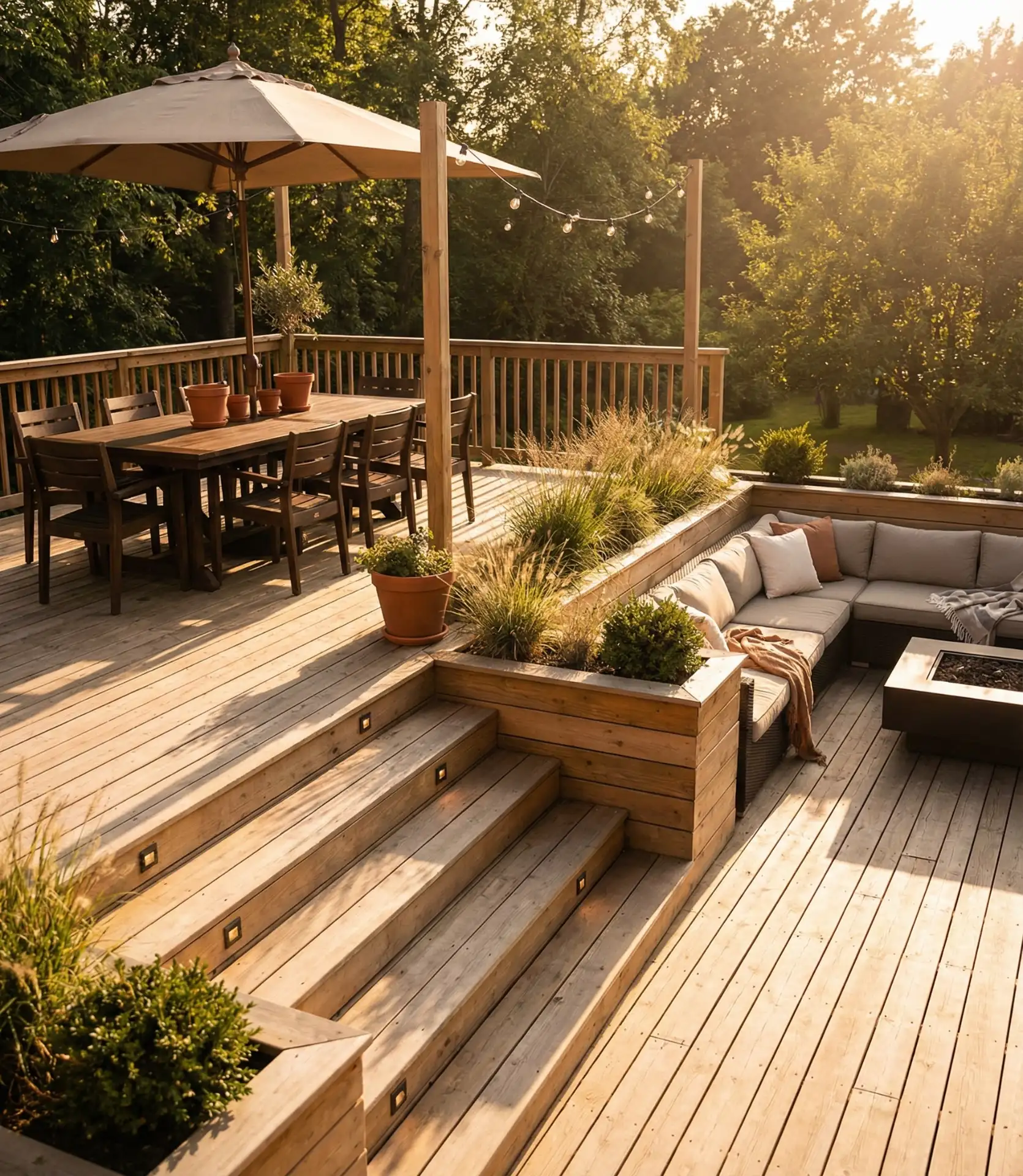
The addition of varying heights creates purposeful large decks. This design approach works to facilitate traffic flow while establishing natural boundaries for dining, lounging, and activities. Even a single step down differentiates zones without walls and dividers, enhancing the dynamic and intentional feel of the entire area. This method is especially effective for sloped properties, where the changed grade integrates seamlessly into the overall design. 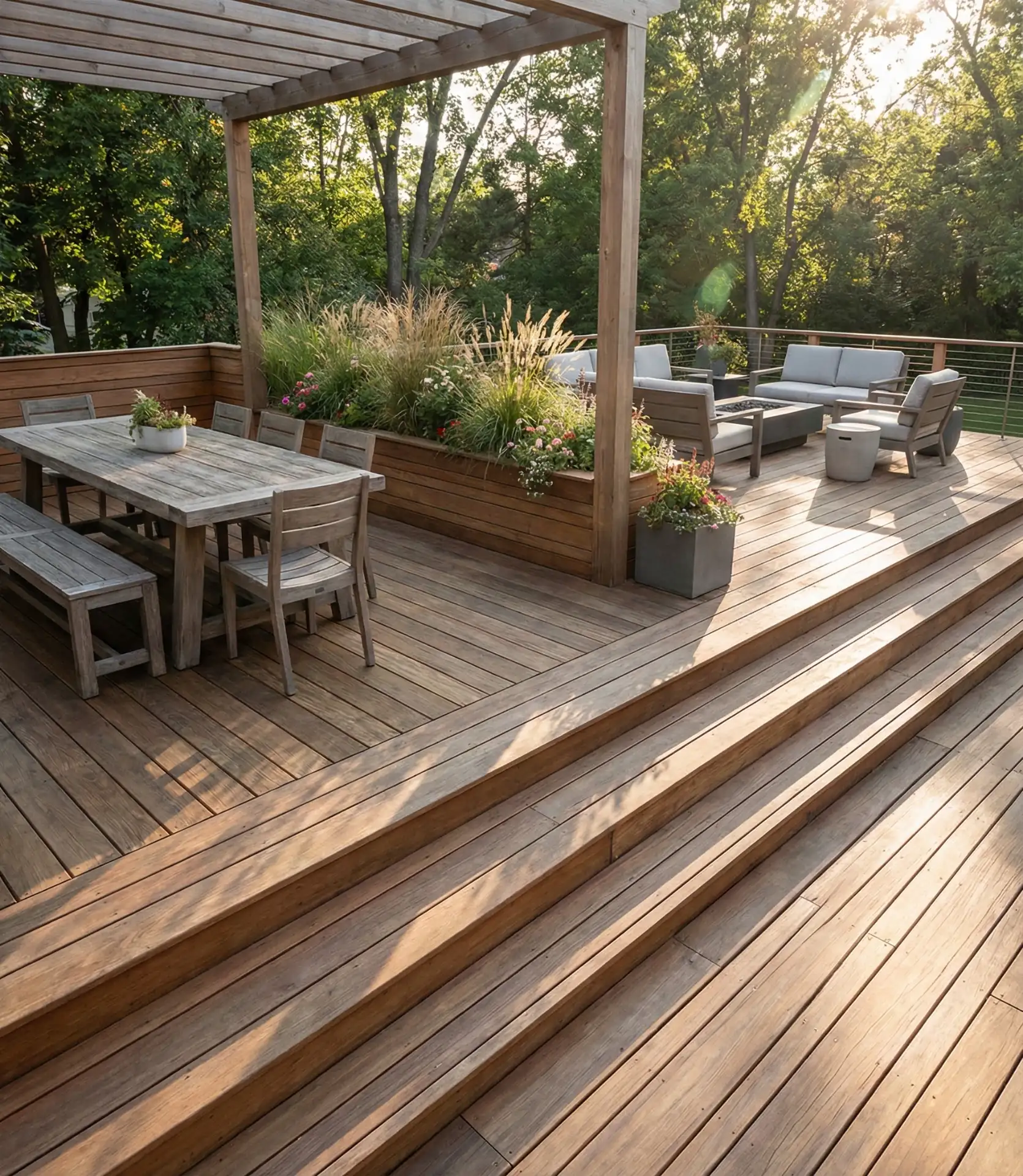
The most common mistake is not making the level changes sufficiently pronounced, so aim for 8–14 inches between tiers to signal the transition while keeping it comfortable to navigate. Built-in lighting along step risers is a great touch to keep the tripping risks down and to add some sophisticated ambiance. In snowy regions, consider how snow will affect the transitions between different heights. Remember to plan for proper drainage to keep water from pooling where two surfaces meet.
7. Fire Pit Conversation Circle
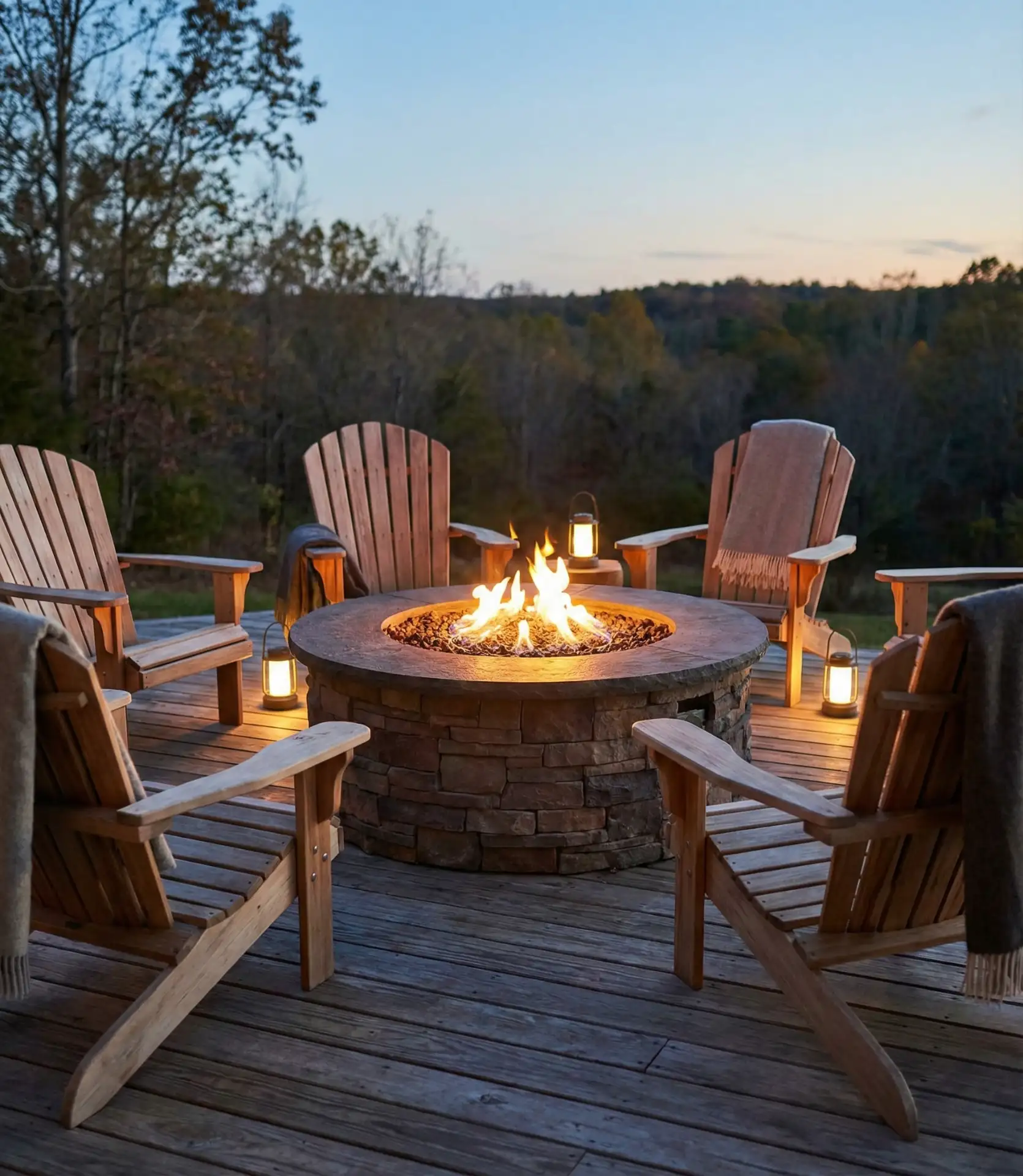
A central fire feature with radial seating areas creates an instant gathering spot that extends deck usability well into chilly evenings. Whether you choose a built-in stone surround, a modern metal bowl, or a traditional brick design, the fire becomes both a focal point and a functional heat source. This configuration naturally encourages face-to-face conversation, making it ideal for entertaining or quiet family nights outdoors. 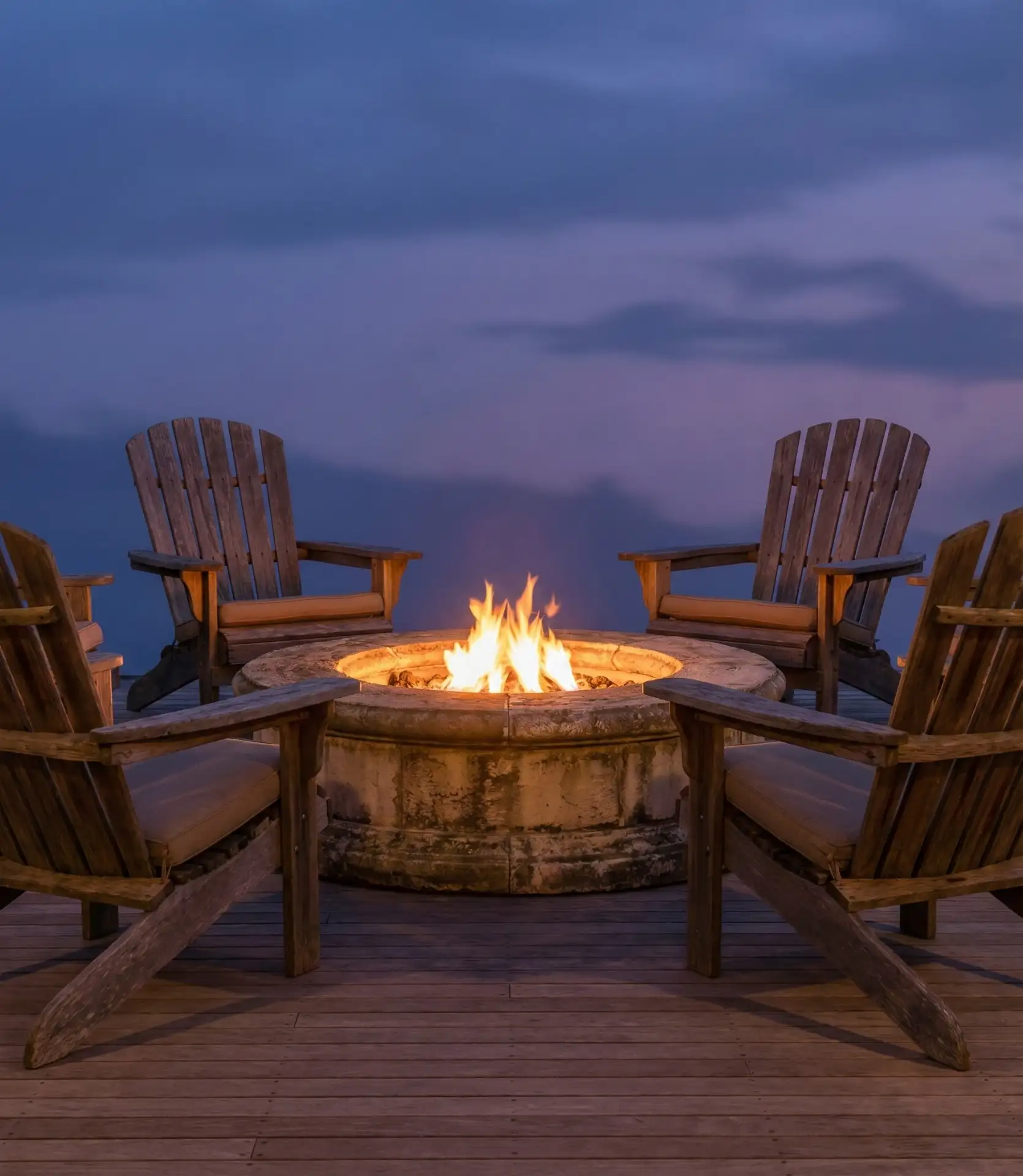
Ideal setting: suburban and rural areas with sufficient distance from buildings and people. Most municipalities stipulate fire features must be 10–25 feet back from structures and property lines, so check your local codes beforehand. Gas fire pits allow for instant lighting and adjustable flames with no smoke or ash cleanup, while wood-burning ones crackle. For wood-burning fires, incorporate a fire screen and consider the direction of the smoke to prevent it from blowing towards people.
8. Pergola with Retractable Canopy
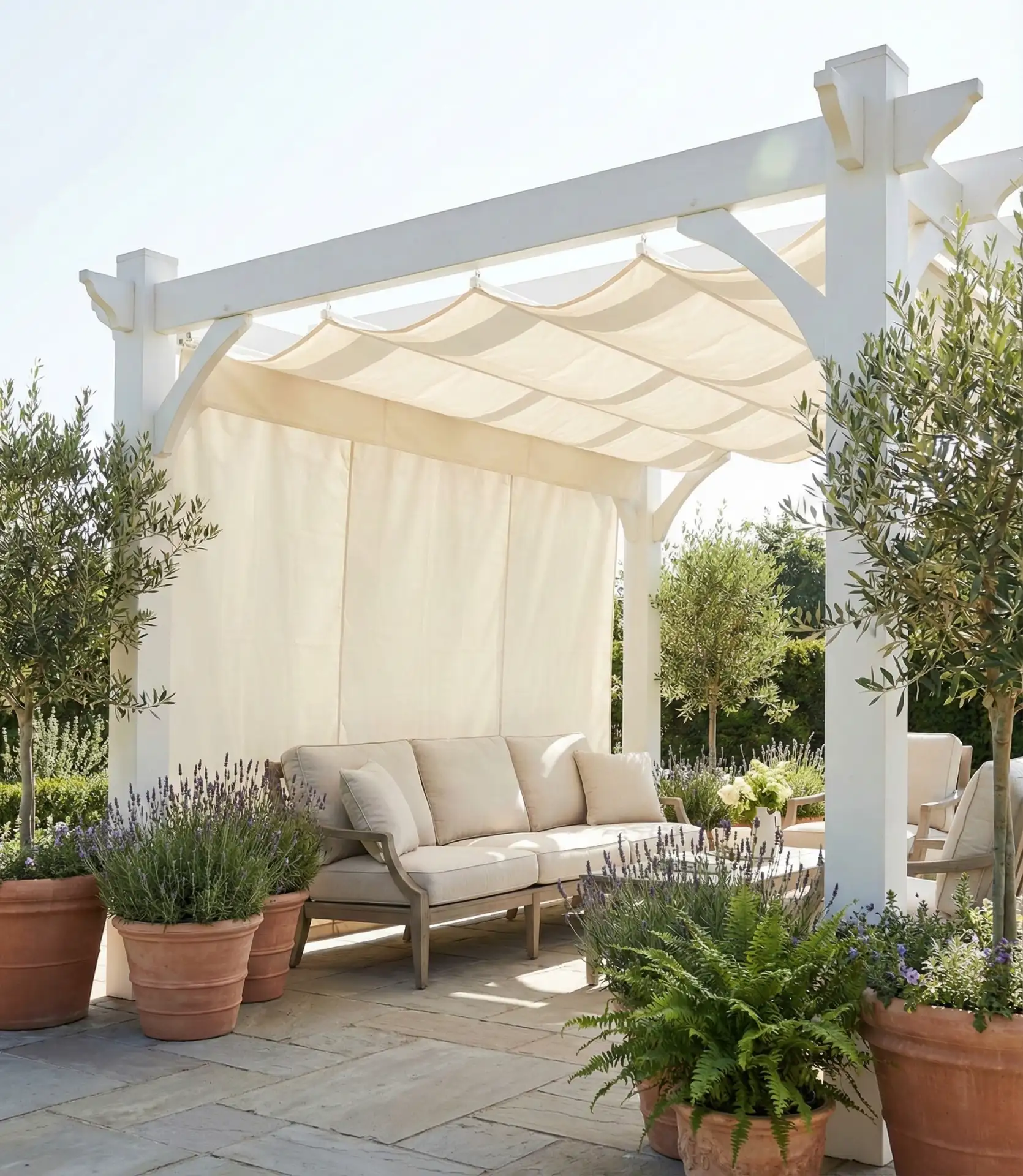
When you want the sky overhead, the pergola frame with a retractable shade system gives you the best of both worlds and protection from the sun or a light rain. This approach offers you the deck space to be unfixed and allows you to control the shade so you can enjoy winter sun while being cool in the shade for summer afternoons.
The use of fabric softeners evokes a sense of sophisticated leisure that is also a wonderful enhancement to the whole exterior space. 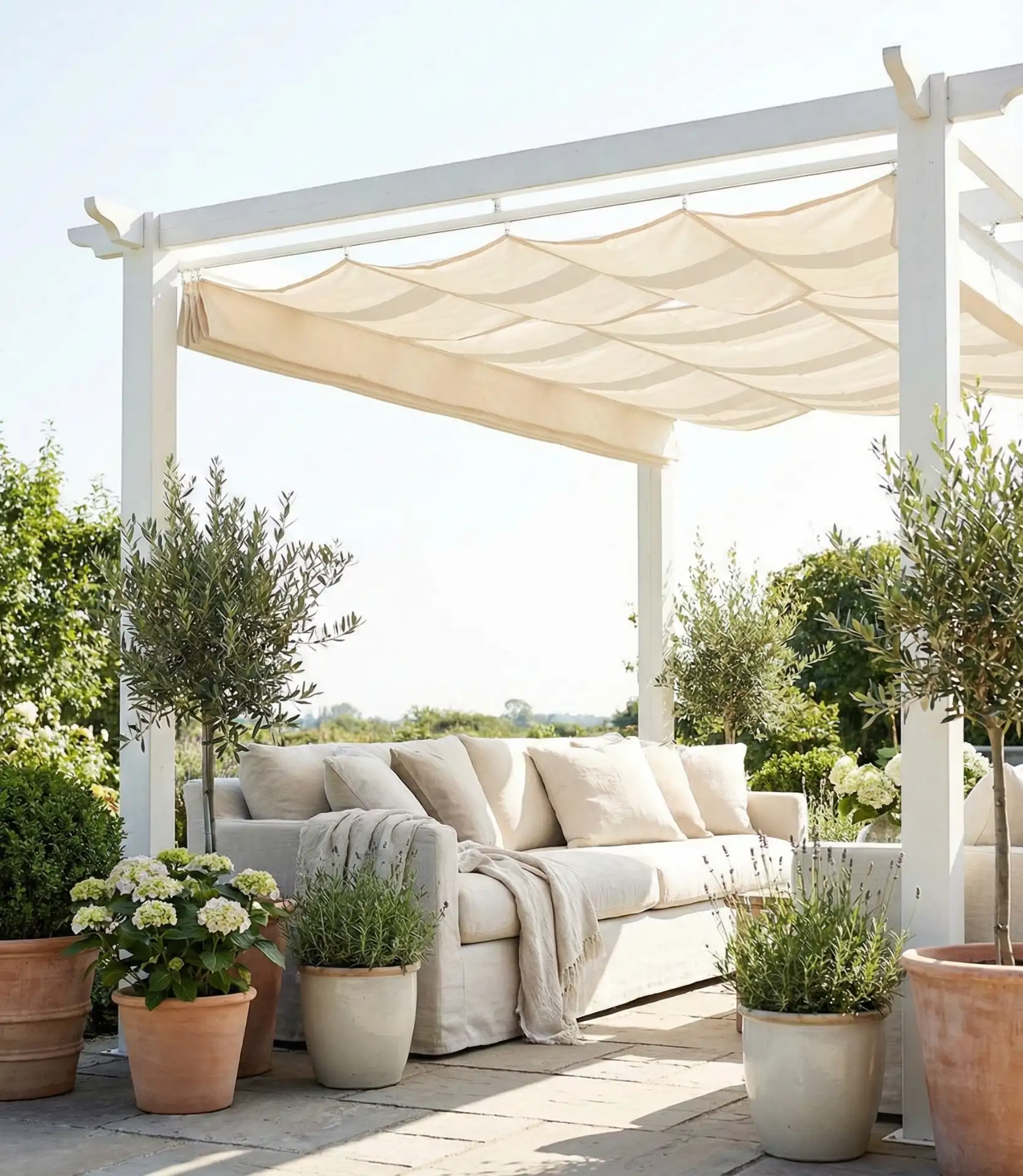
Real homeowners typically retract canopies during high winds and winter months to prevent fabric damage and extend lifespan. Motorized systems with wind sensors automatically retract when gusts exceed safe thresholds, protecting your investment without requiring constant monitoring. Quality outdoor-grade fabric resists fading and mildew but still benefits from occasional cleaning with mild soap and water. Budget $2,500–$6,000 for a motorized retractable system, including installation.
9. Enclosed Sunroom Addition
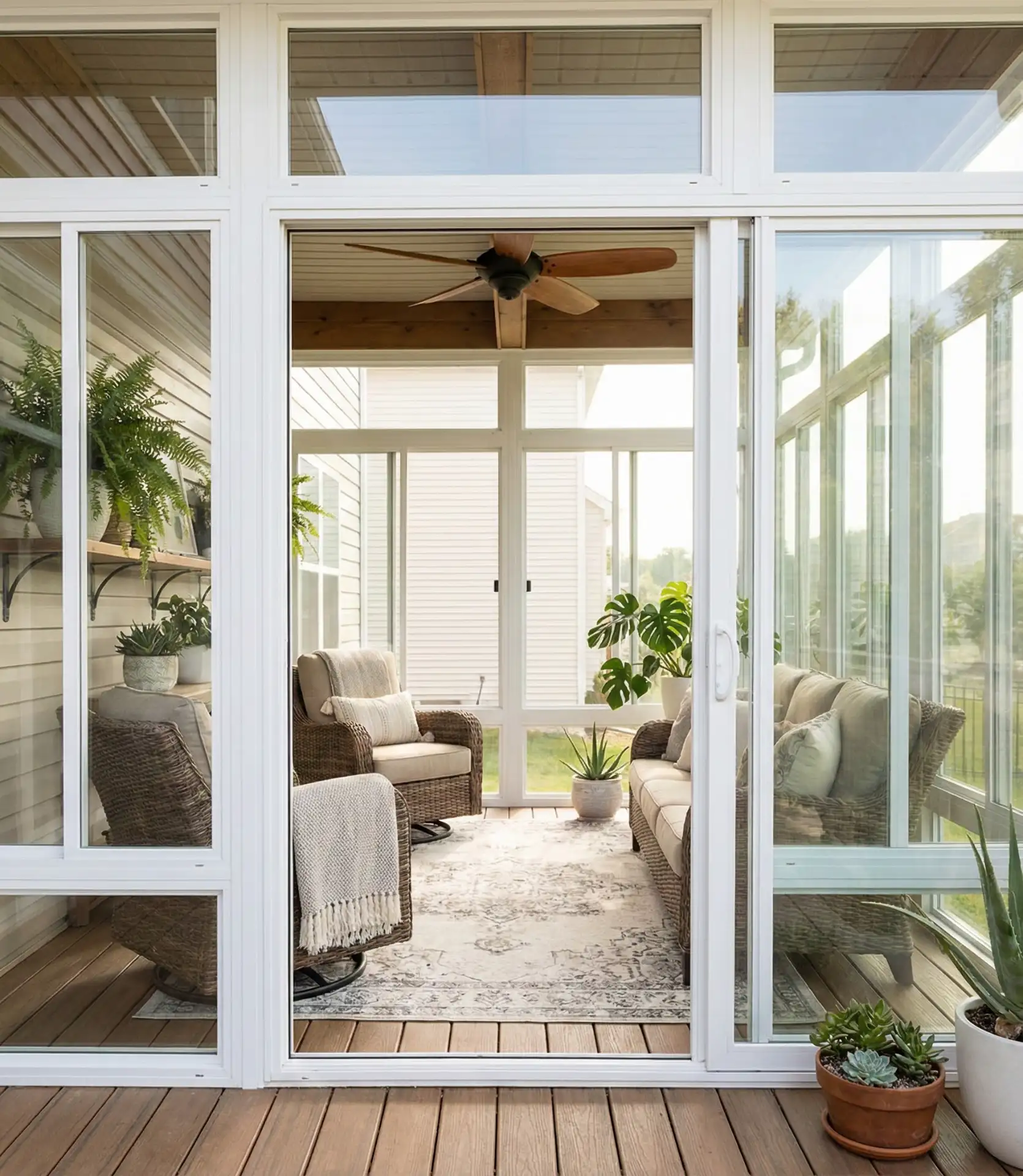
Changing all or part of your deck into an enclosed three-season room allows you to enjoy the climate-controlled luxury while keeping the outdoor feel with the floor-to-ceiling windows. This is a considerable enhancement that virtually adds useable square footage to your residence as it becomes a transitional room between indoors and outdoors. As the weather gets cooler, the screen panels can be replaced with glass inserts to extend the use of the room from early spring to late fall. 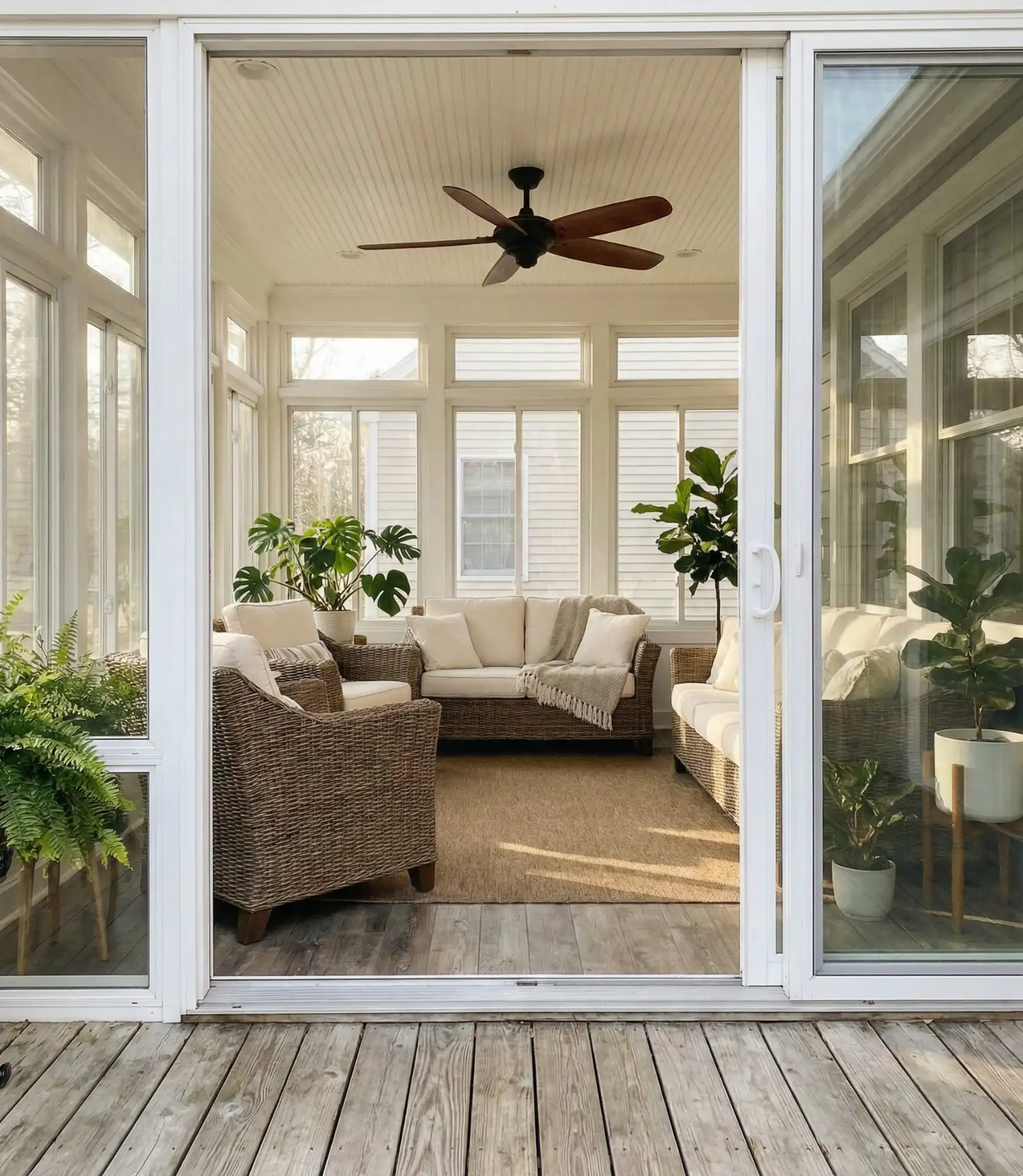
Homeowners in the upper Midwest and Northeast often use their enclosed sunrooms 6-8 months of the year versus 4-5 months with open decks. Expect to invest $15,000–$40,000, depending on size and finish level.
Ensure you implement proper ventilation, as without it, these spaces will become very uncomfortable in the summer. Moveable windows on multiple walls, ceiling fans, and light finishes will help mitigate heat buildup while keeping the greenhouse effect, which is very beneficial during the shoulder seasons.
10. A built-In Hot Tub platform.
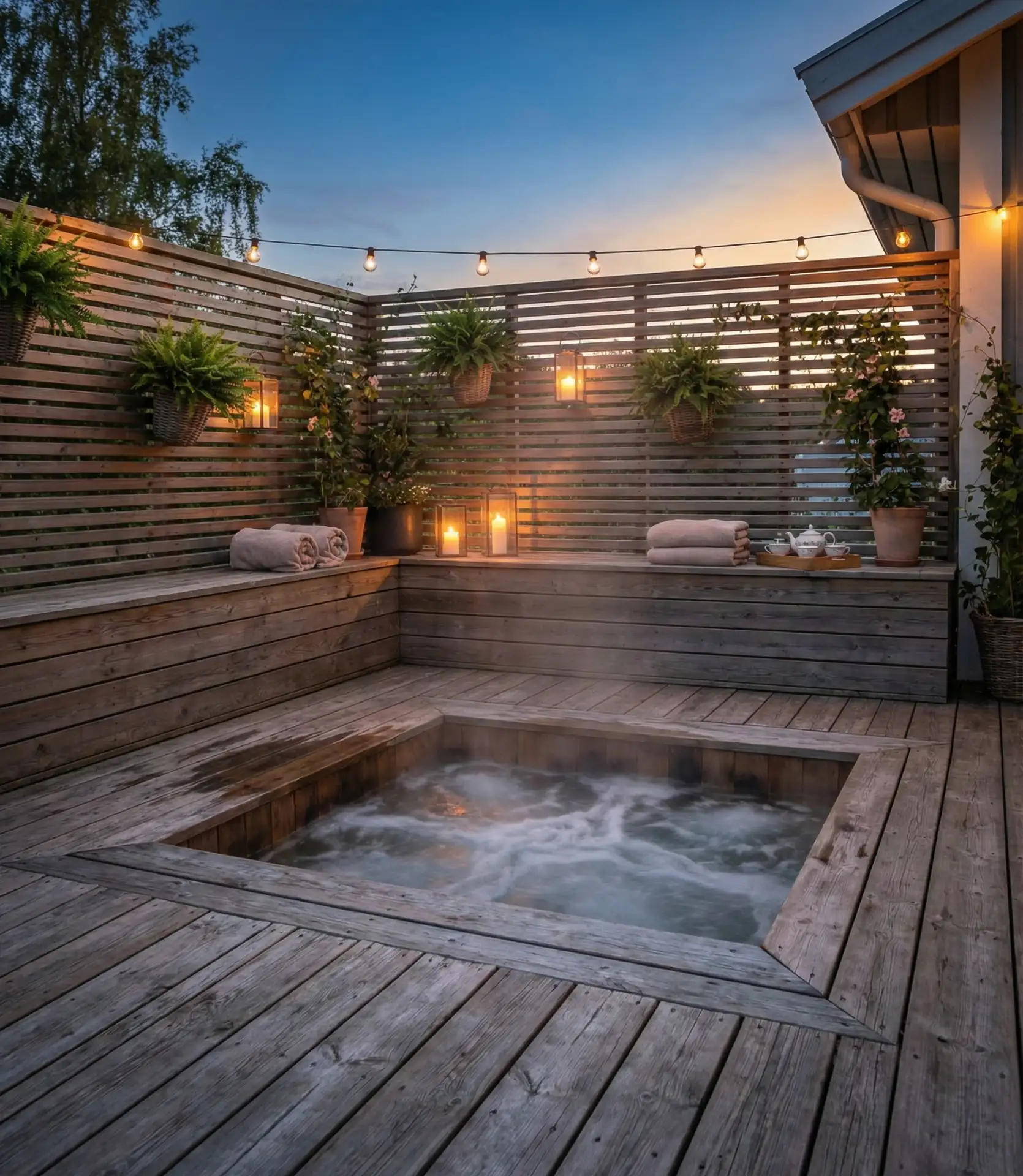
Adding a hot tub to your deck is a way to make it look unique and personalized. People prefer this over having a standalone hot tub. When the hot tub is surrounded by a deck, it gives the hot tub a more polished look and has functional areas surrounding the hot tub/spa for things like drinks, towels, and speakers. This way, the spa becomes a part of the intentional design of the outdoor area, rather than just being an add-on. 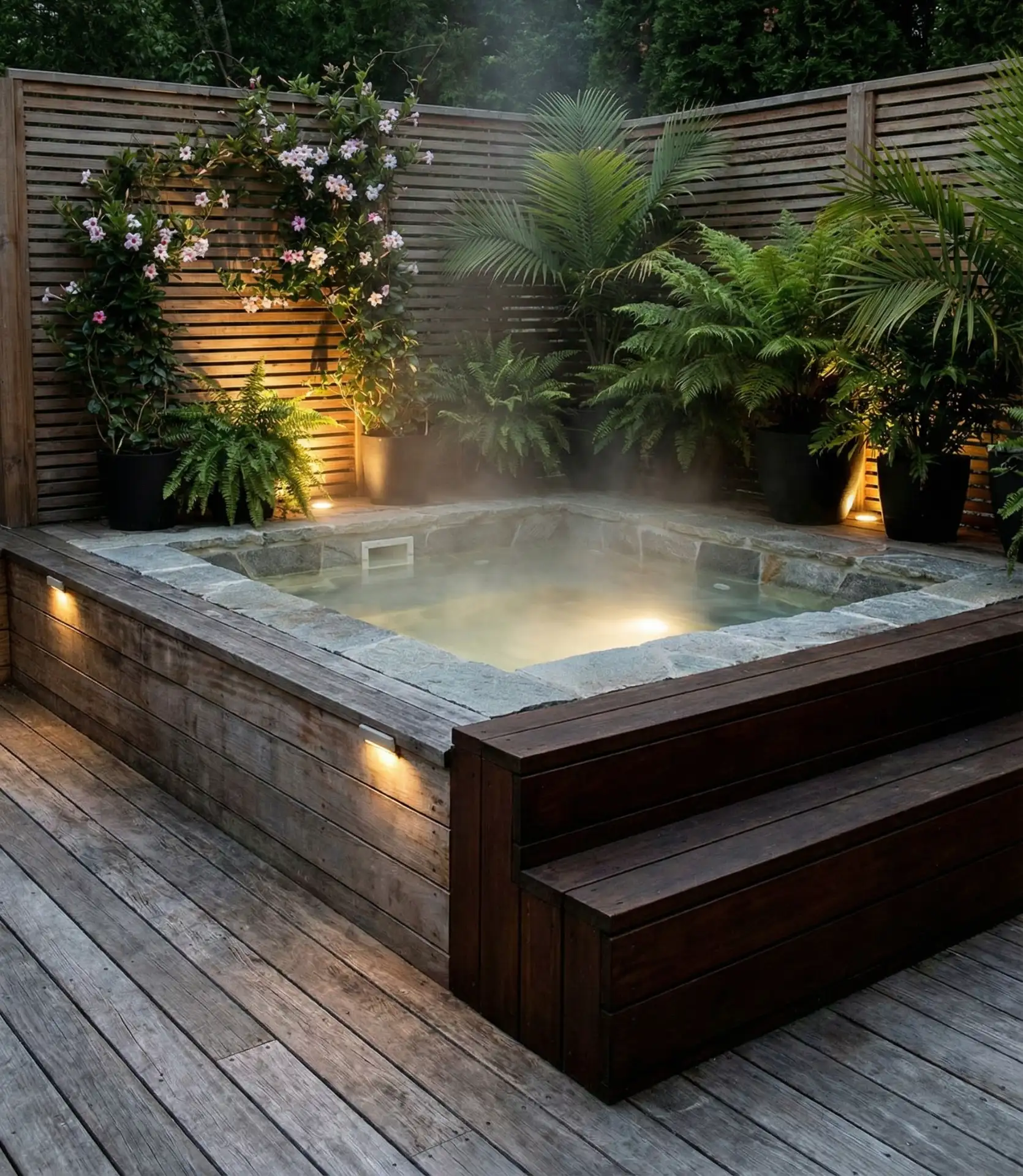
The hot tub’s deck framing must be reinforced. This is because the hot tubs will weigh a lot, anywhere from 3,000 to 6,000 pounds when filled. Many builders of DIY decks don’t account for this enough, and it can be a big issue. Make sure to have a structural engineer look at your deck framing plans and ensure that there is enough joist spacing, which should be 12 inches instead of the standard 16. Make sure your deck also has sufficient footing support. Finally, please remember to add access panels for plumbing and electrical wiring, as these are often overlooked during construction.
11. Bistro-Style Compact Dining Nook
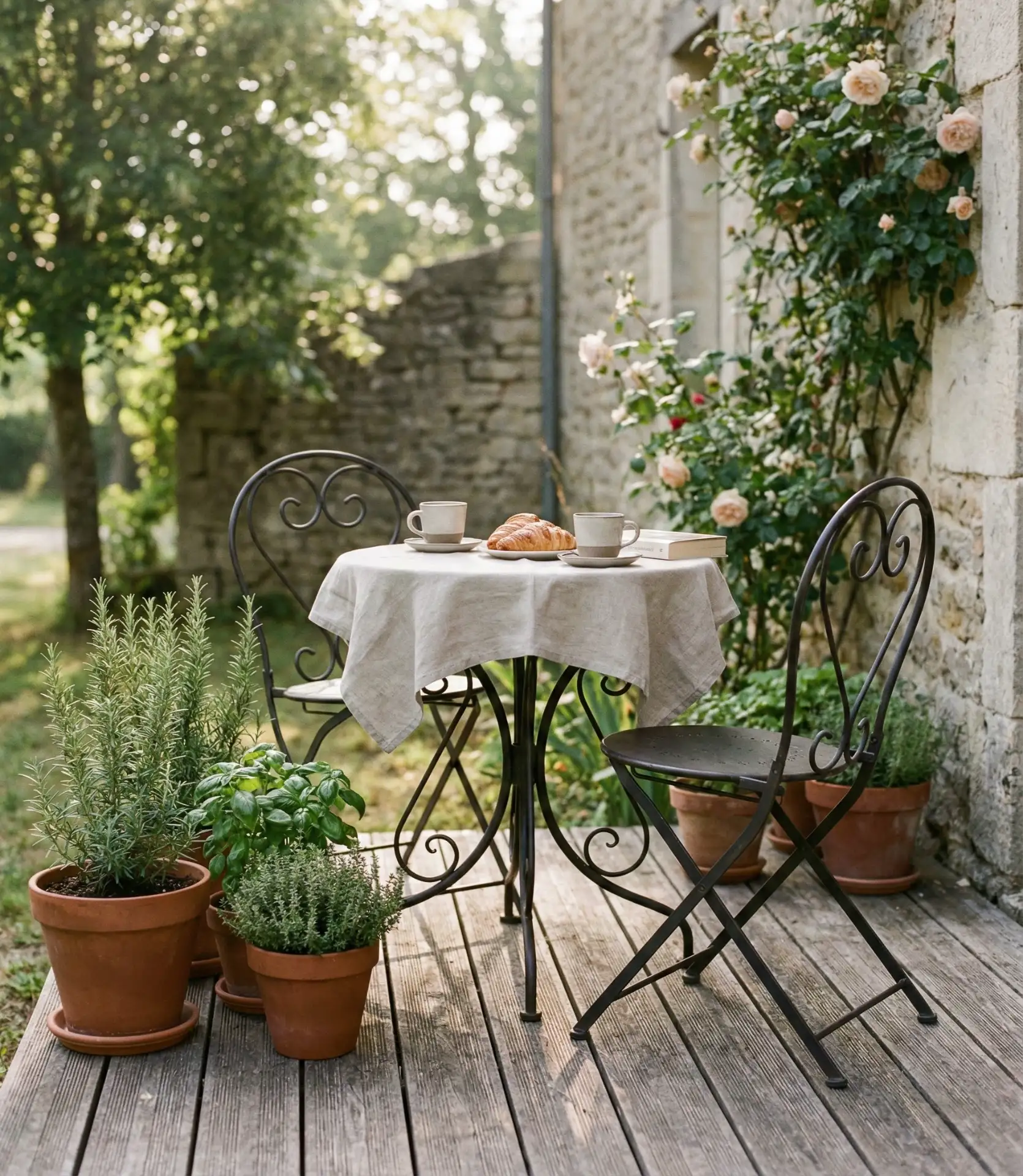
A small deck can even fit a lovely little café-style setup—a small round table and two folding chairs, ready for morning coffee or dinner. When a small space may be overwhelmed with a full dining set, this setup provides a perfect working arrangement, and the chairs can be folded and put away whenever the space is needed for other activities. Small apartment balconies and narrow decks can benefit greatly from the European bistro style.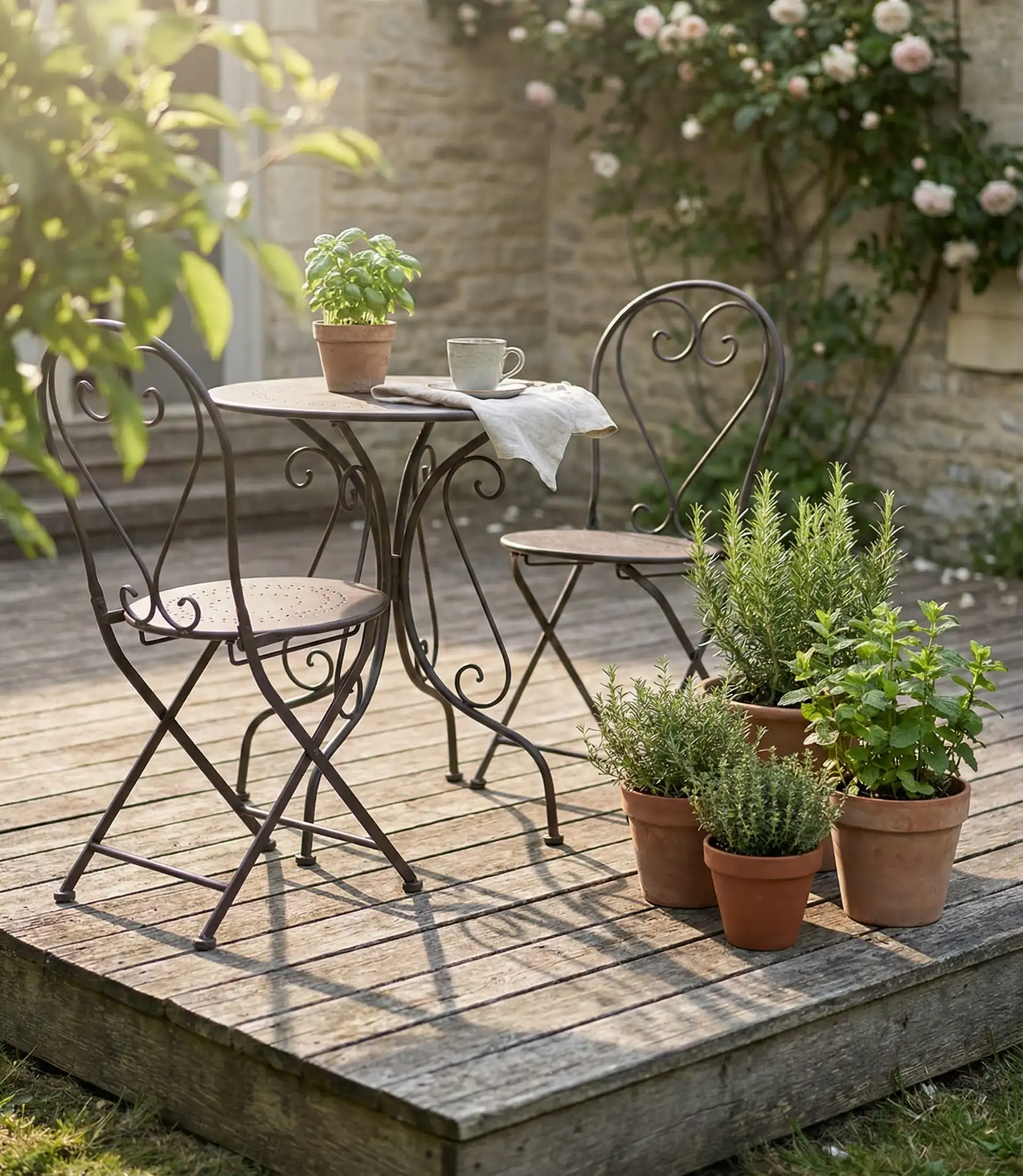
A friend transformed her 4×8-foot balcony using this exact approach—folding the chairs flat against the railing when not in use freed up space for yoga or simply standing to enjoy the view. Look for powder-coated steel or aluminum furniture that stands up to weather without rusting, and choose a table size proportional to your deck—30-inch diameter is ideal for tight spaces. Add a small outdoor rug beneath to define the dining zone and prevent chair legs from catching on deck board gaps.
12. Long, Narrow Gallery Deck

In homes where the outdoor spaces are long and narrow, such as row houses or houses with side yards, there is the option to embrace or fight the proportions. Rather than Gallery Hold. For example, you can align the furniture on one side and maintain a walkway. This approach will create an open and flowing path that connects various zones or entrances. Such a layout serves to highlight the architecture, as it will draw attention to the horizontal and emphasize that narrow spaces can be expansive rather than cramped. 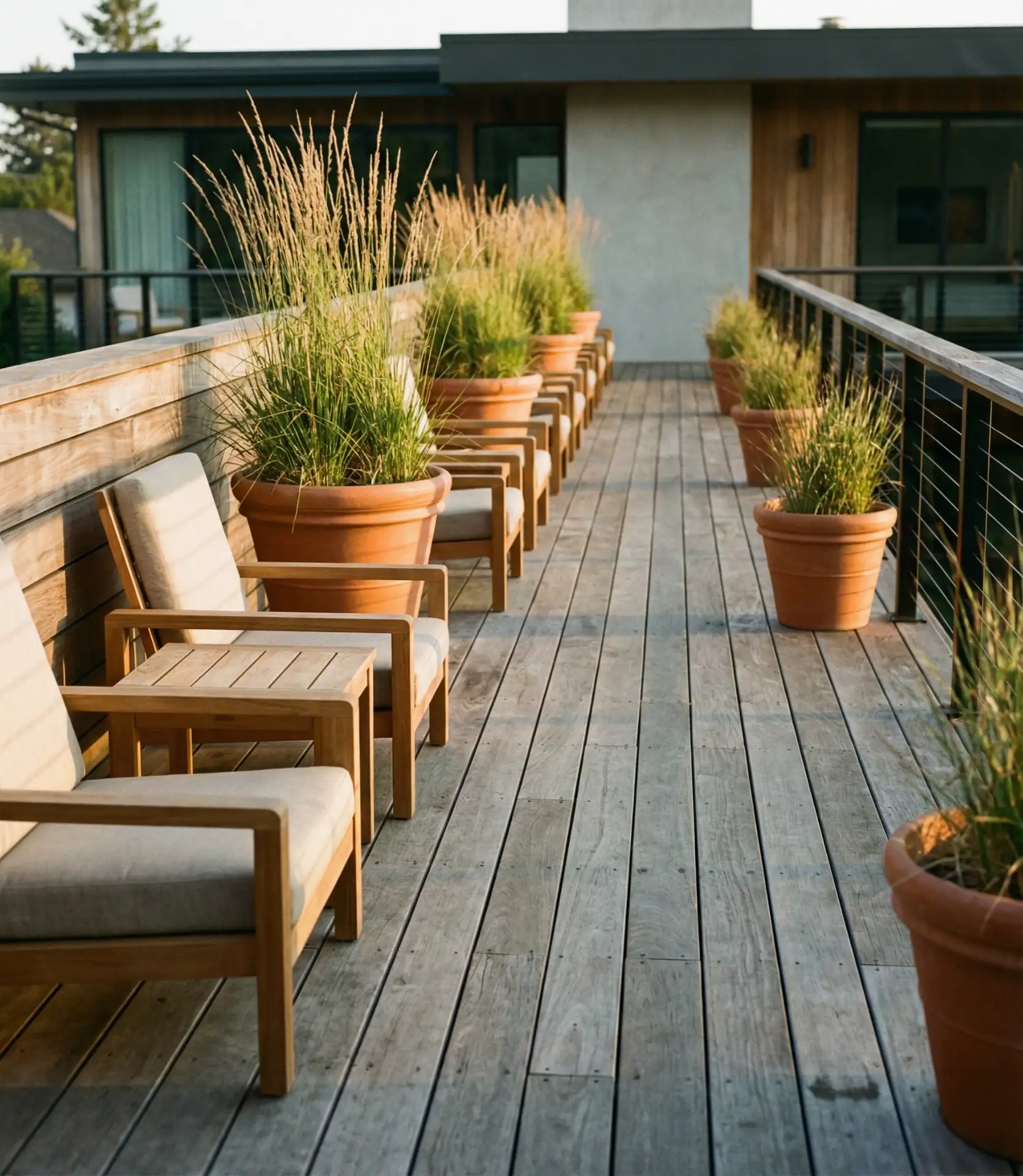
Ideal conditions of use: urban zone townhomes, ranch houses with wraparound decks, as well as houses where the deck connects to a detached garage to the main house. To prevent the space from feeling like a corridor, add planters or low railings that serve a decorative function to break up the span and enhance the flow. The longer the length as well as the decorative boxes are lit, the more they will assist with movement and flow after dark, so consider your lighting. Additionally, take into account the view from adjacent interior rooms; these decks often receive high visibility from multiple windows, underscoring the importance of a cohesive design.
13. Budget-Friendly Pallet Furniture Arrangement
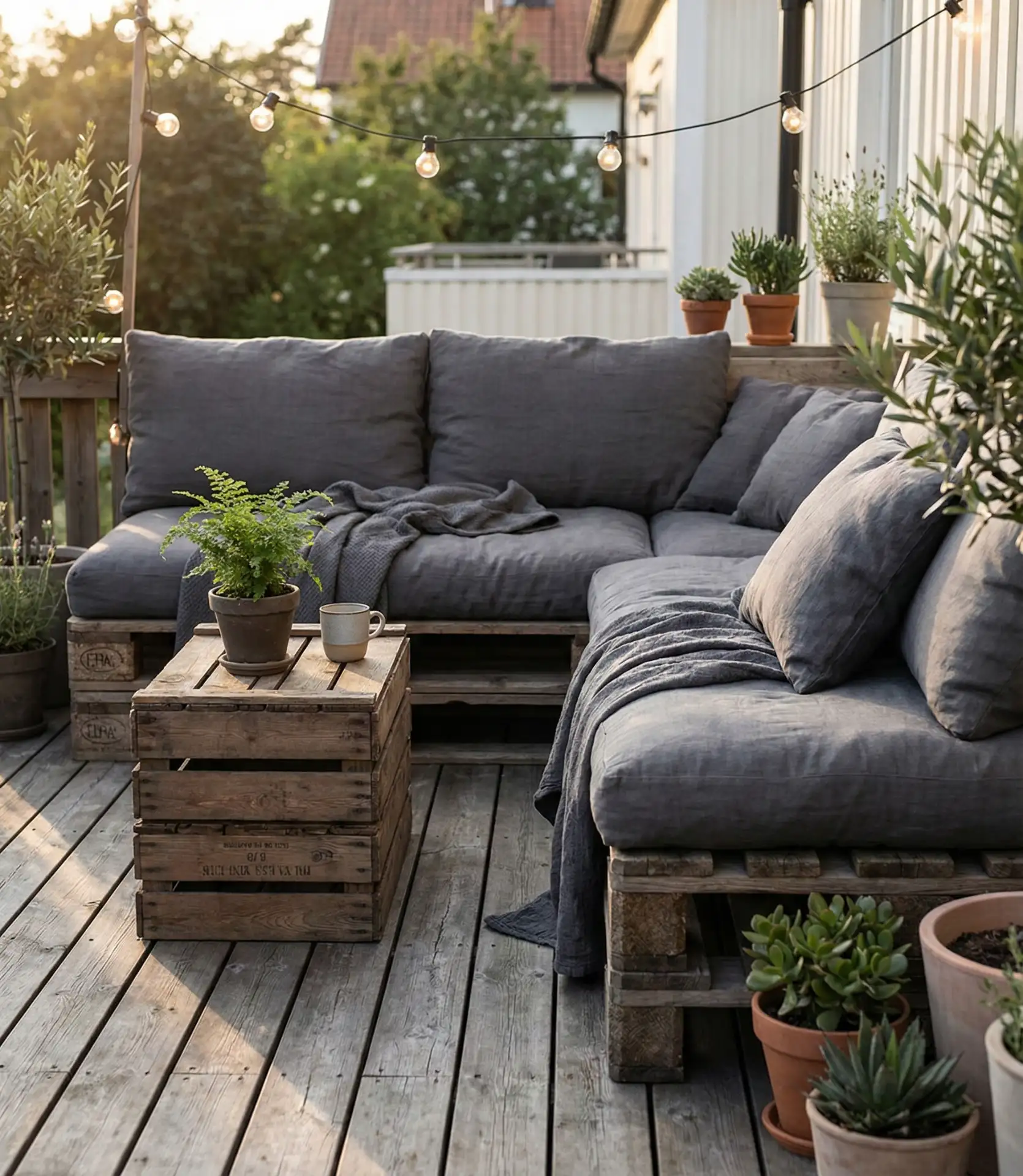
The shipping pallets are a smart and stylish solution to low deck furnishing, making use of the deck space without sacrificing comfort or design.
For a fraction of the cost of store-bought options, you can build your own sectional by sanding the pallet wood, applying some weather-resistant stain or paint, stacking the pallets, securing them to your desired heights, and adding some outdoor cushions. This DIY method offers infinite customization options and gives your deck the unique, hand-crafted look. 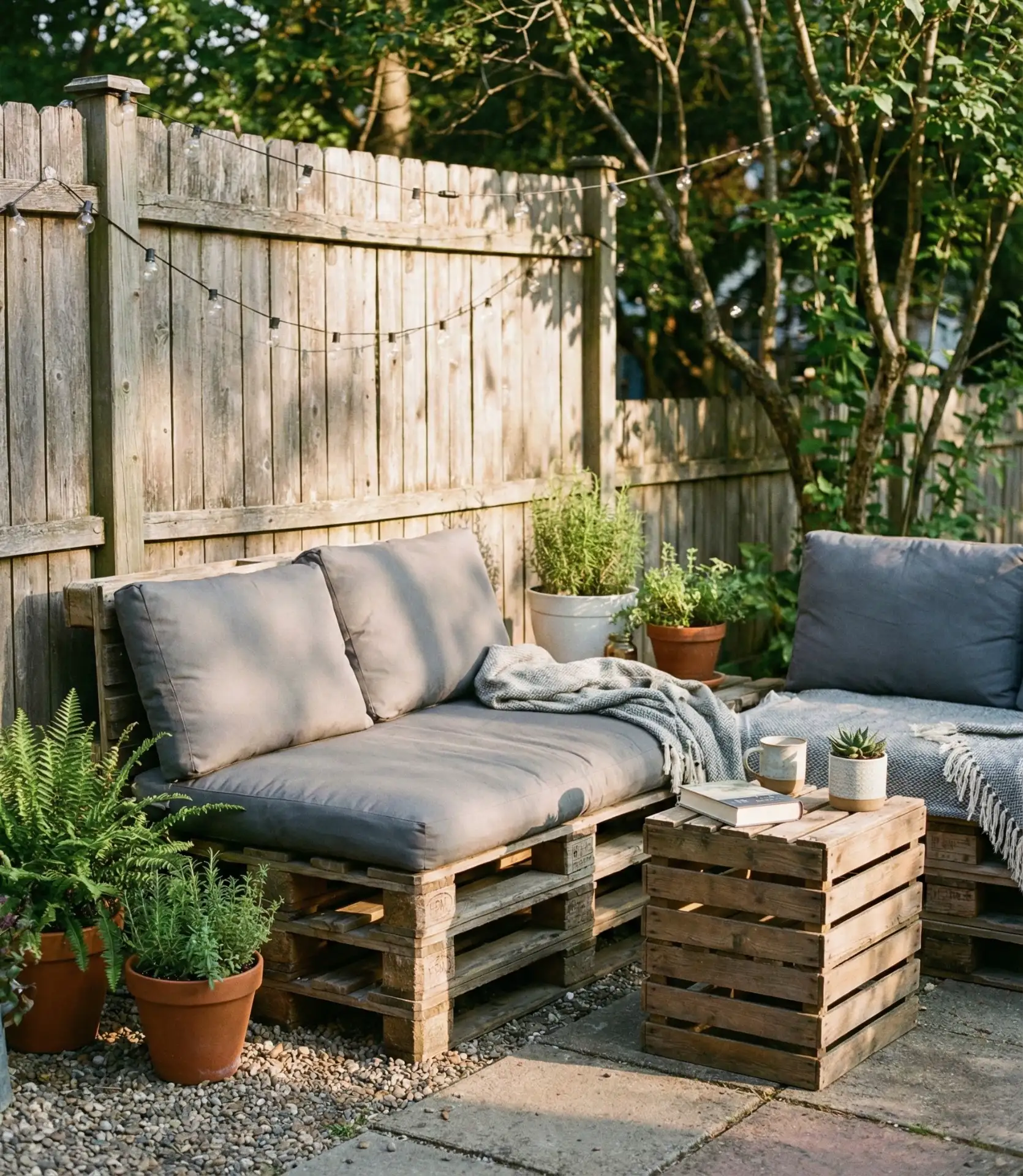
To build a sectional made from fully heat-treated pallets and outdoor cushions, the total cost of materials is only about $150 to $300. Compared to many manufactured options, which range from $800 to $2000, this price is far more reasonable. For your safety, be sure to select heat-treated (HT) pallets over chemically treated (MB) pallets. To tighten the structure, use some structural screws and L-braces. To finish the look, add some outdoor cushions from a discount store that are graded for furniture. To prevent weathering, seal all surfaces of the wood annually. To significantly extend the lifespan of your cushions, store them inside during the winter.
14. White-Washed Coastal Aesthetic
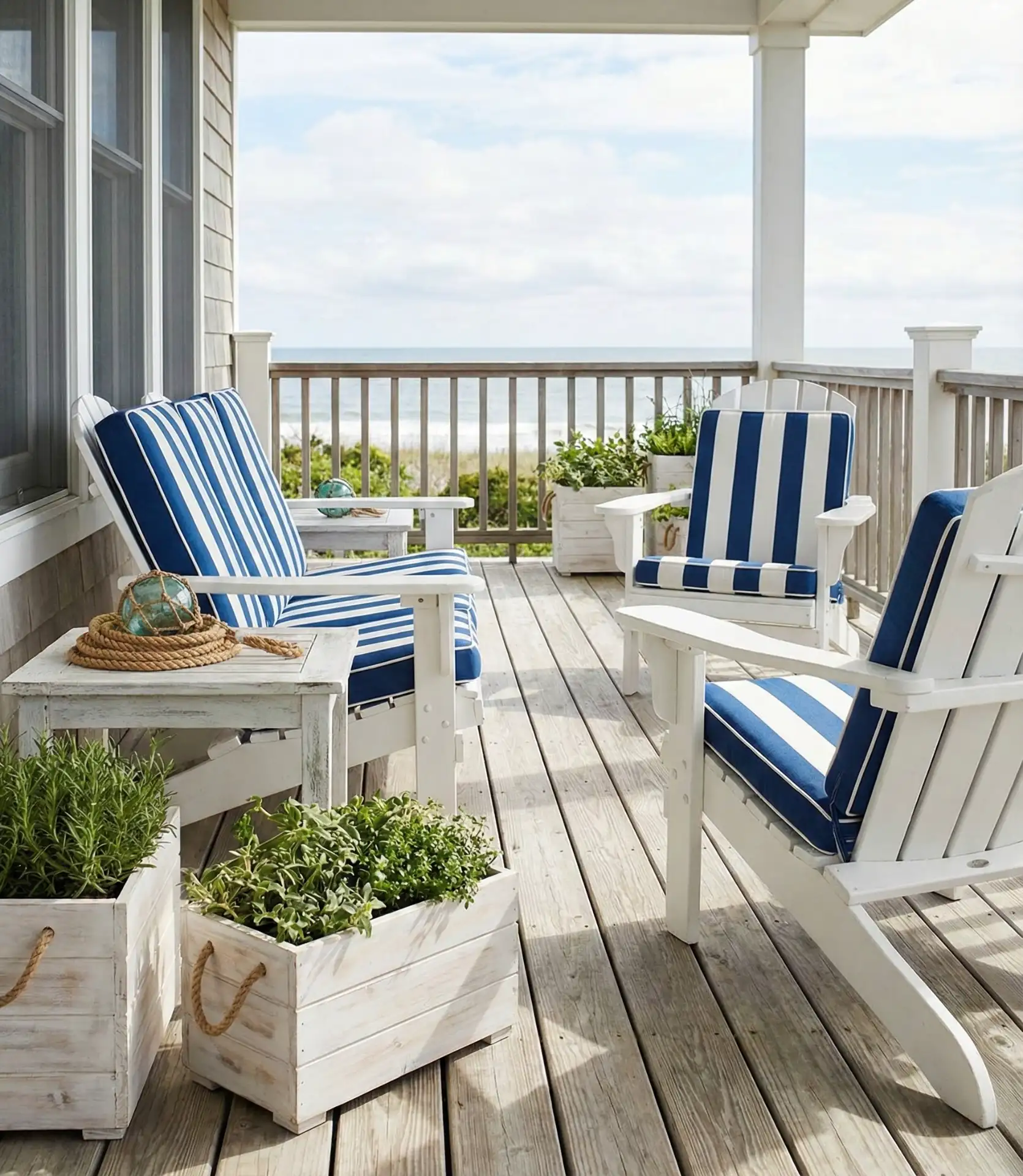
A white or cream color palette creates an airy, beach-house atmosphere that reflects heat and makes small decks feel more spacious. Paint railings, planters, and furniture in coordinating whites and soft grays, letting natural wood peek through for warmth and texture. This coastal-inspired decor works beautifully with navy blue or sea-glass green accents, channeling that relaxed seaside sensibility regardless of your actual proximity to water. 
Practical insight: white surfaces show dirt and require more frequent cleaning than darker alternatives, but the luminous quality they bring is worth the maintenance for many homeowners. Use marine-grade paint formulated to resist mildew and UV yellowing—standard interior whites will quickly deteriorate outdoors. Power wash annually and touch up any chipped areas promptly to prevent moisture intrusion. This palette particularly shines in hot climates, where light colors help keep the deck surface cooler underfoot during peak summer months.
15. Restaurant-Inspired Commercial Dining
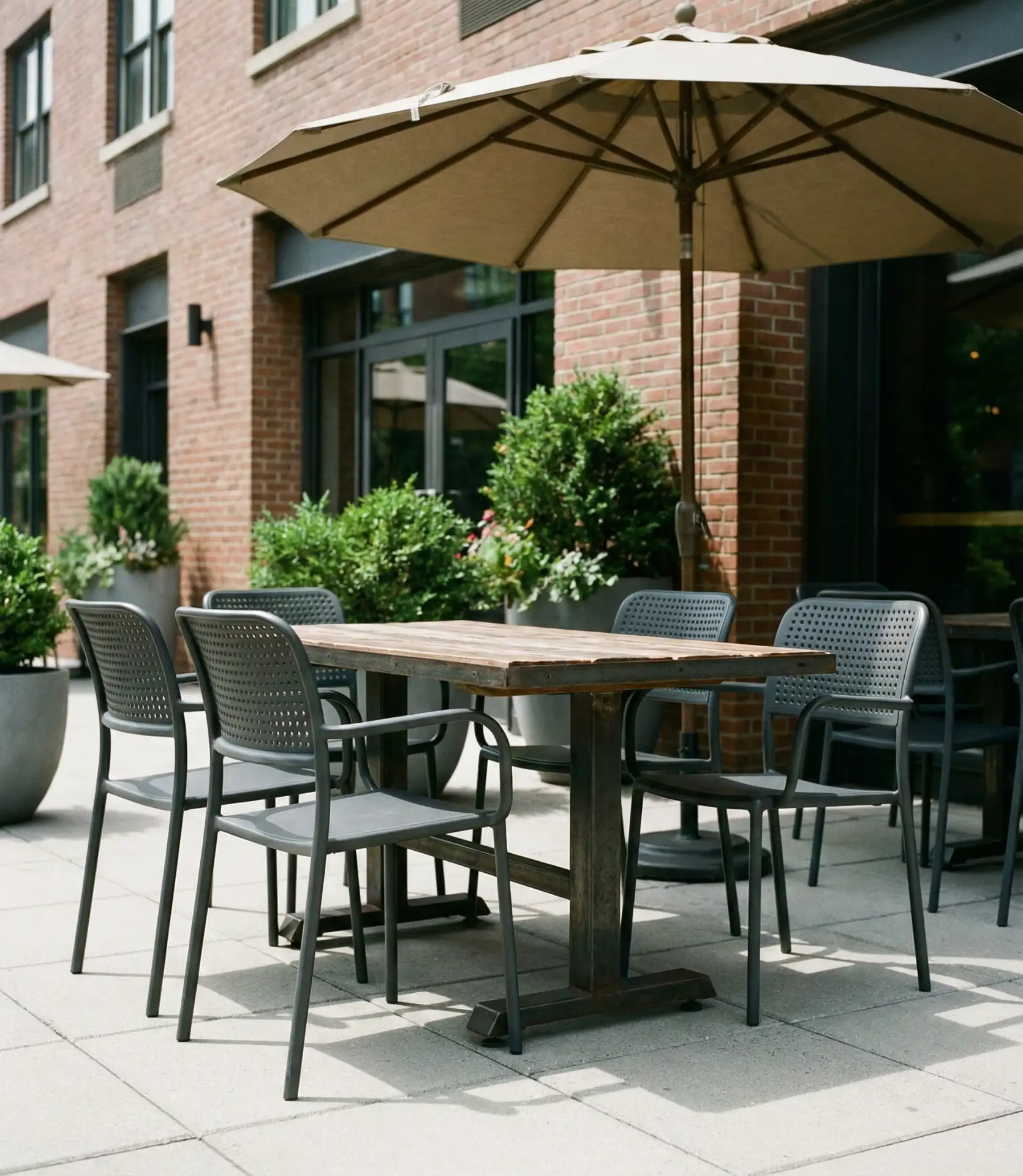
Commercial-grade restaurant furniture brings unexpected durability and professional style to residential decks, especially for homeowners who entertain frequently. Aluminum frames with powder-coated finishes, stackable chairs, and weatherproof table bases handle constant use far better than typical patio furniture. The streamlined, almost industrial aesthetic creates a modern bistro atmosphere that feels curated and intentional rather than purely decorative. 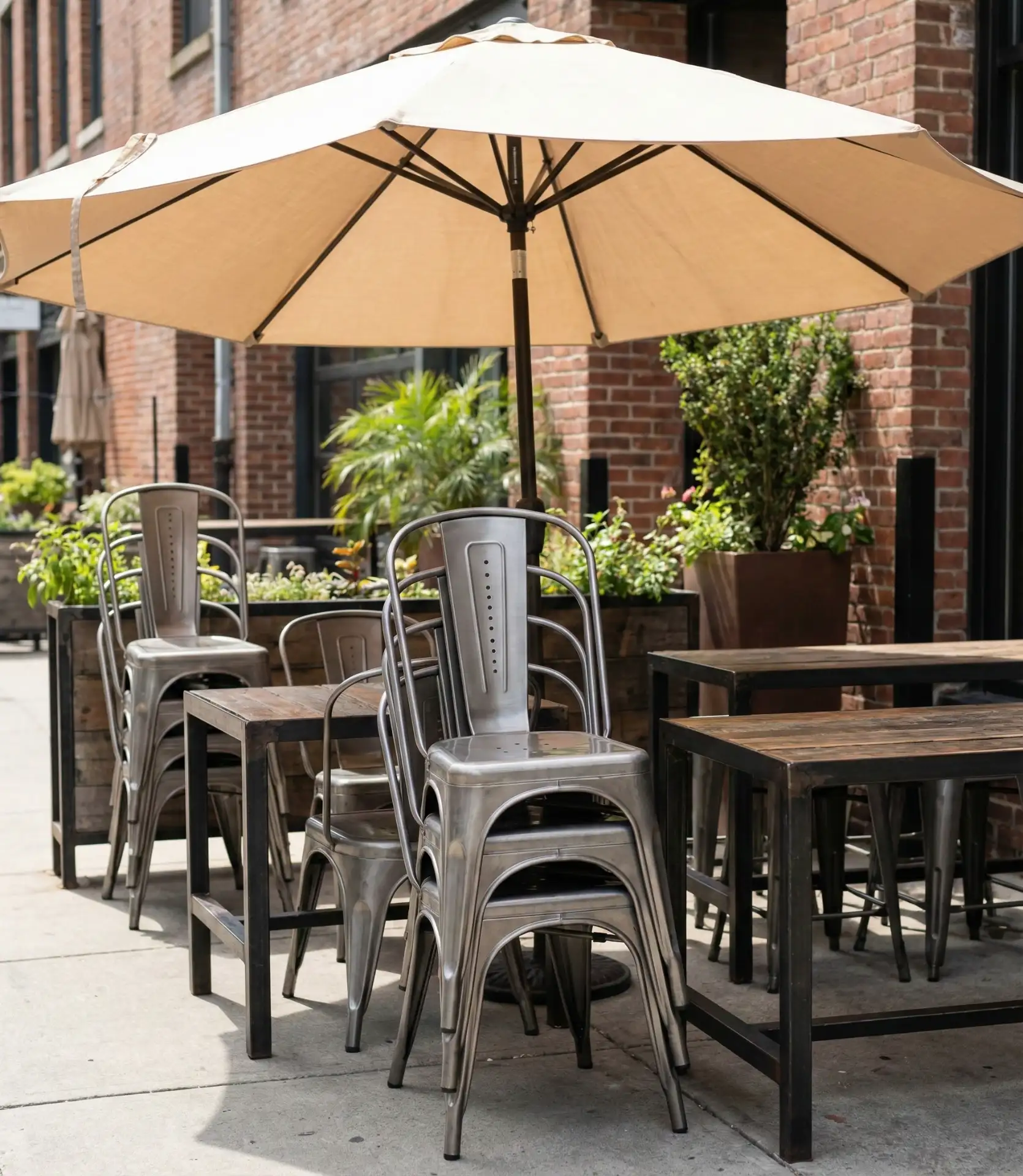
Restaurant supply stores and online commercial furniture retailers often offer better pricing than high-end outdoor furniture shops—expect to pay $100–$200 per chair versus $300–$500 for comparable residential pieces. These items are engineered for daily abuse in high-traffic settings, so residential use extends their lifespan to decades rather than years. Stack chairs when not in use to free up deck space, and choose perforated or slatted designs that shed water quickly after rain rather than puddling on solid surfaces.
16. Pool-Adjacent Lounge Deck
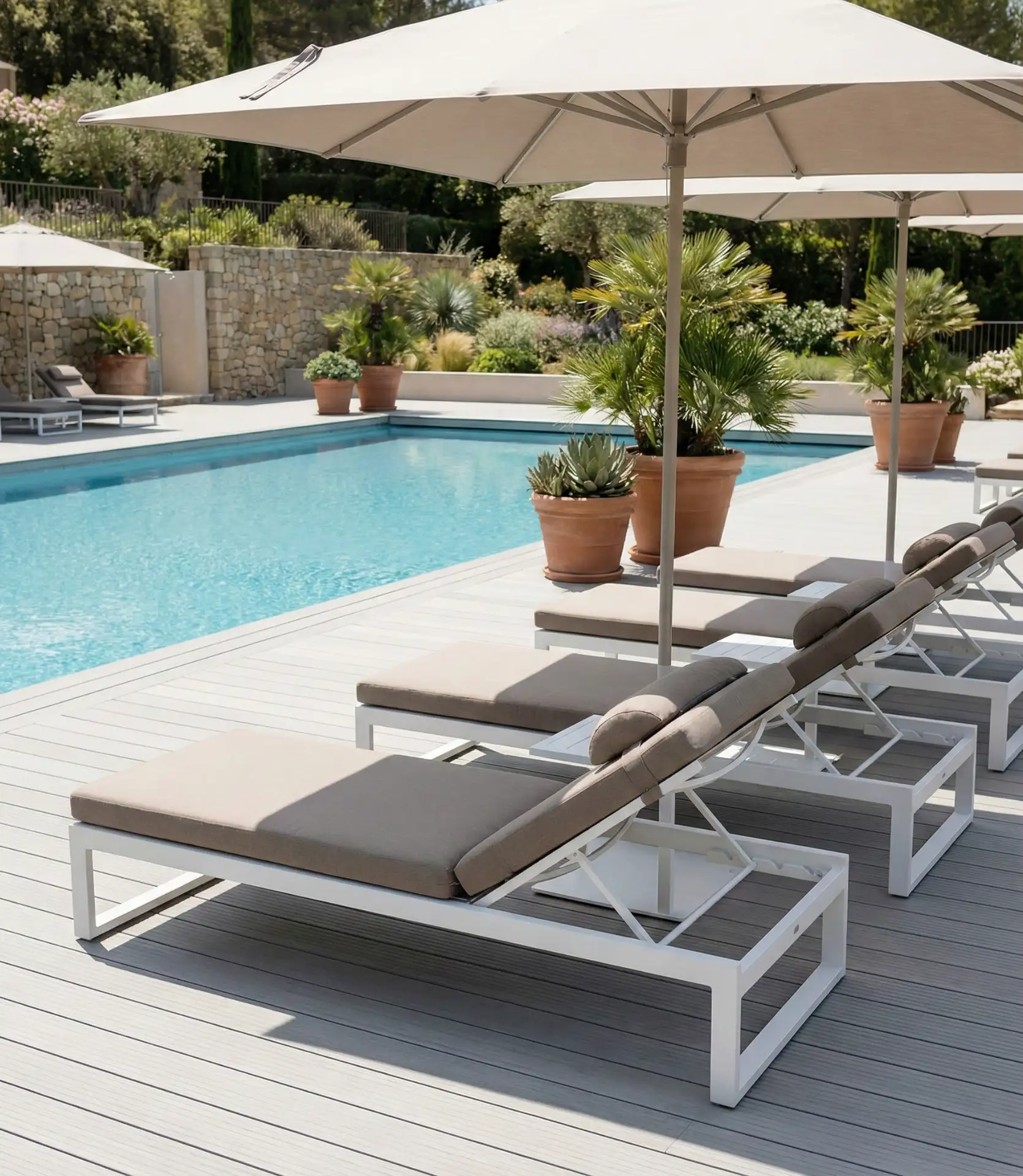
A dedicated deck alongside your pool maximizes usable space and provides room for loungers, towel storage, and item storage to accommodate wet foot traffic without clogging the pool. This maintains a separation of activities, creating designated zones—swimming in the pool, sunbathing on the deck—that improves flow during gatherings and keeps wet zones away from dining or cooking areas. Composite decking is especially good here, as it is water-resistant, does not splinter, and is cooler than other types of wood under the sun. 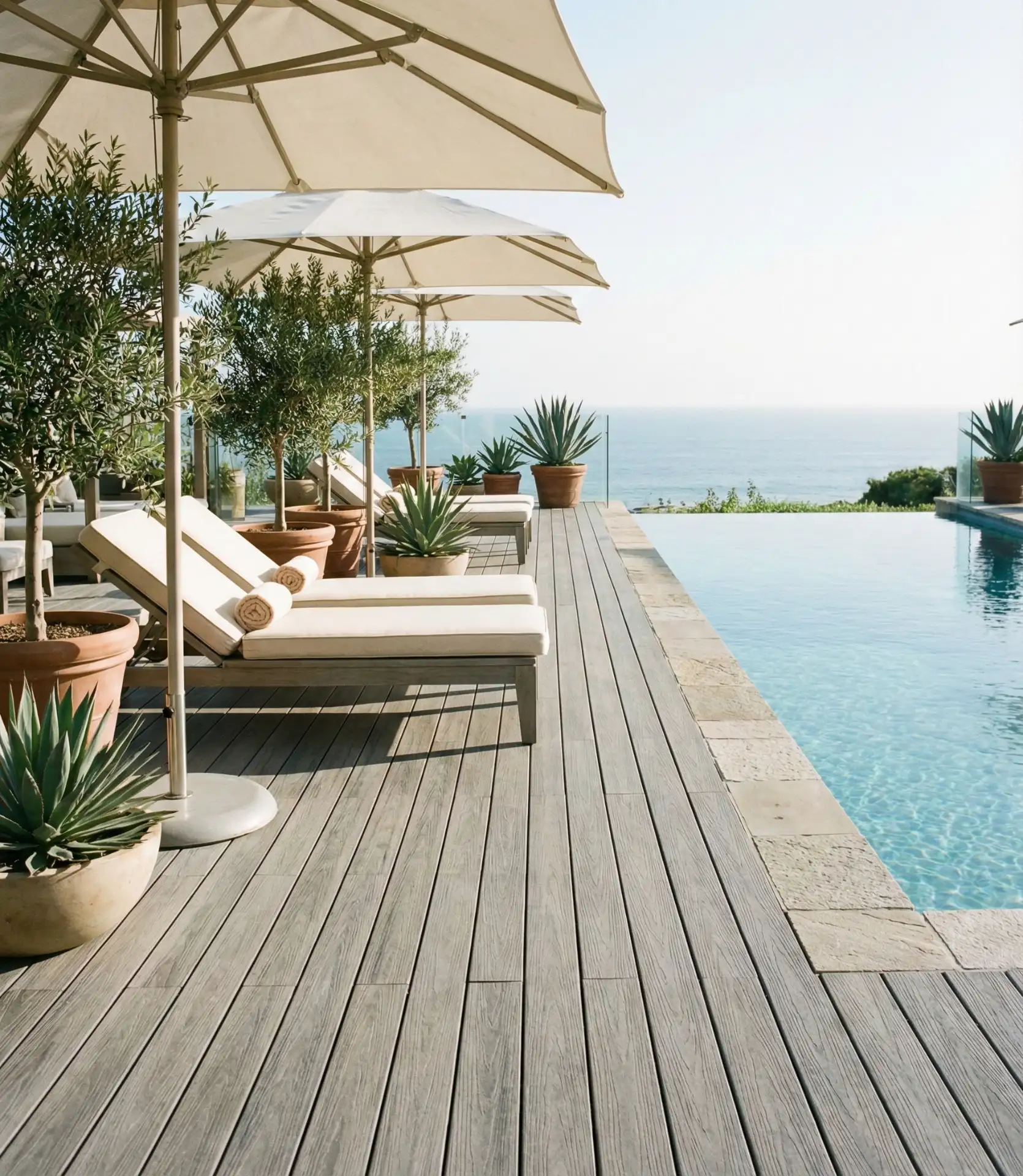
In areas near pools in warm regions, homeowners often say that the slip resistance and low upkeep of composite decking make the higher initial price worth it—usually between 8-12 dollars per square foot for composites and 4-8 dollars for pressure-treated wood For safety, install the deck at the same height as the pool coping to obtain a seamless transition.
Make sure to add draining channels or a gentle slope to shower decks to avoid water buildup and position foot washing stations before showers to avoid dirty grass in the pool.
17. Greenery-Wrapped Privacy Screen
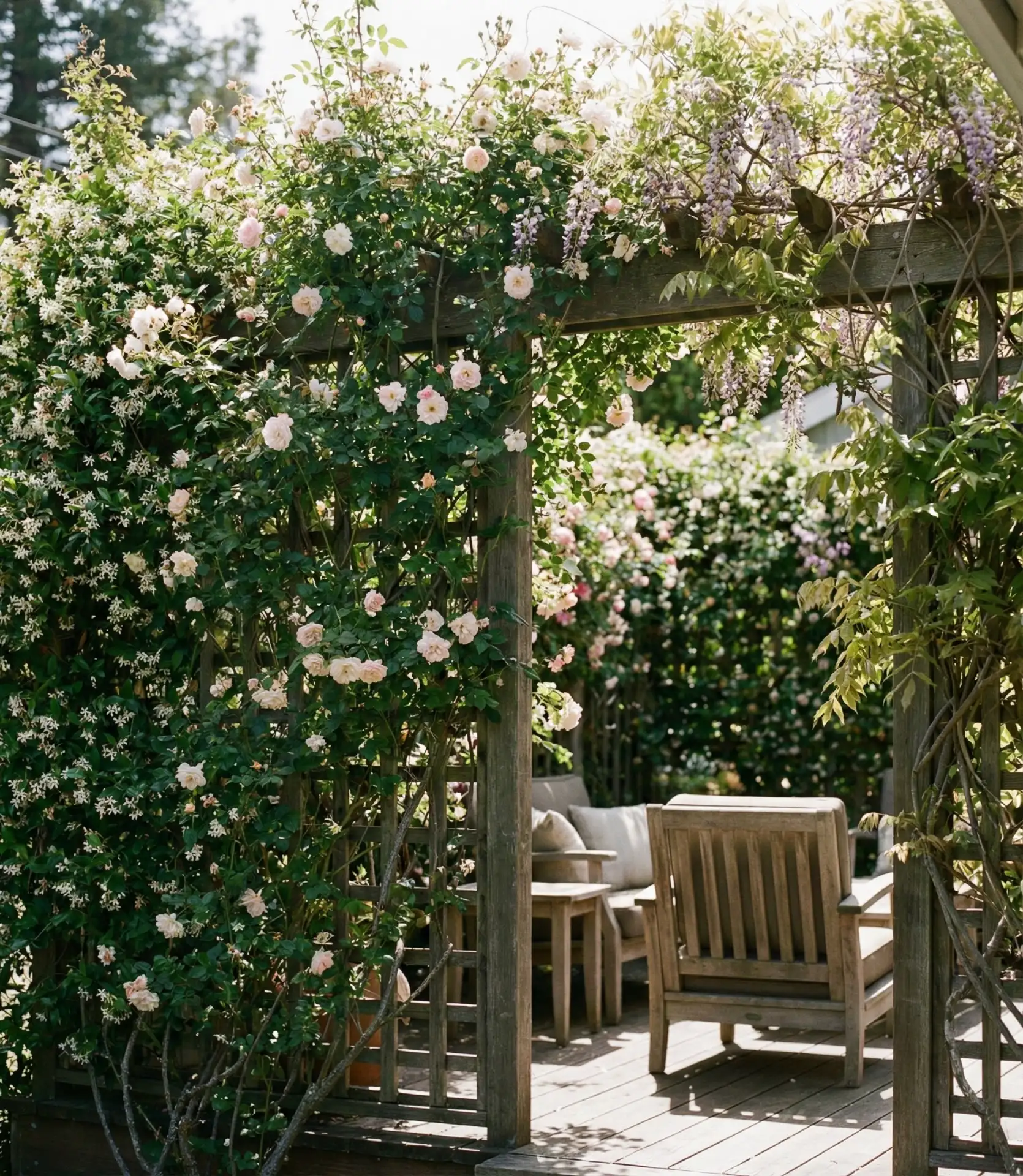
Lattice or trellis structures with climbing vine privacy screens provide shade, seclusion, and design interest without the starkness of complete walls. Fast-growing varieties such as clematis, climbing roses, and honeysuckle can fully cover a trellis in a year and create a soft background for decks, which can help in closing off spacial edges of decks. This solution is beneficial for areas that require a fence, as it creates a greener and more vibrant atmosphere. This solution is helpful in tight spaces where fully opaque structures would feel weighty as well as in communities with rigid fencing height rules. 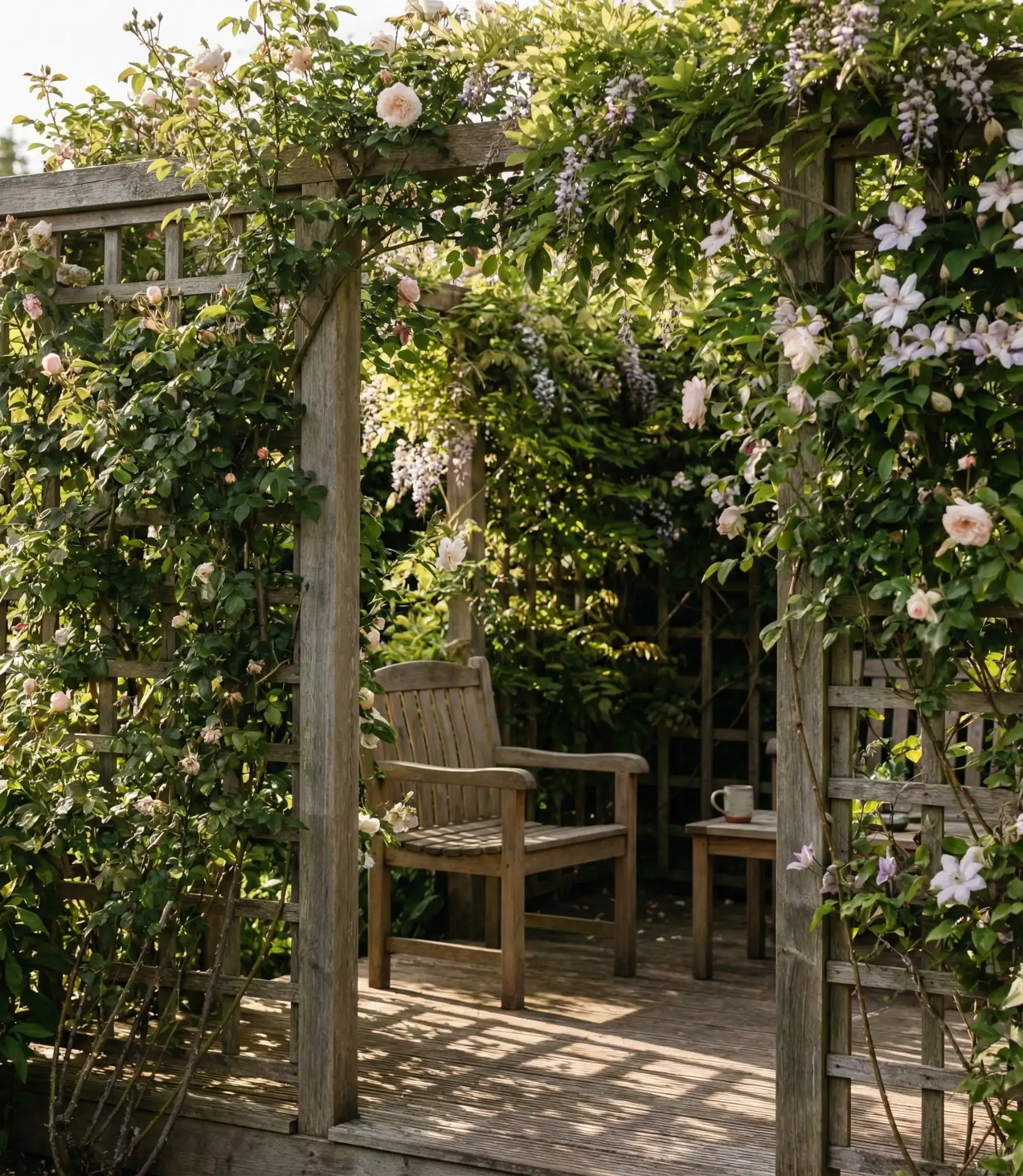
Expert commentary: choose vine varieties for your zone and light. Some will perish in full shade, while others will scorch in full sun. In temperate zones, evergreen options like Carolina jasmine provide full cover during winter months, and deciduous options let sun in during the winter when you want passive solar gain. Attach trellis panels down to your deck posts, or set them in concrete footings. Wind and weight from mature vines are loads flimsy structures can’t stand.
Prune every year to maintain form and stop woody stems from damaging the trellis.
18. Outdoor Kitchen Prep Counter
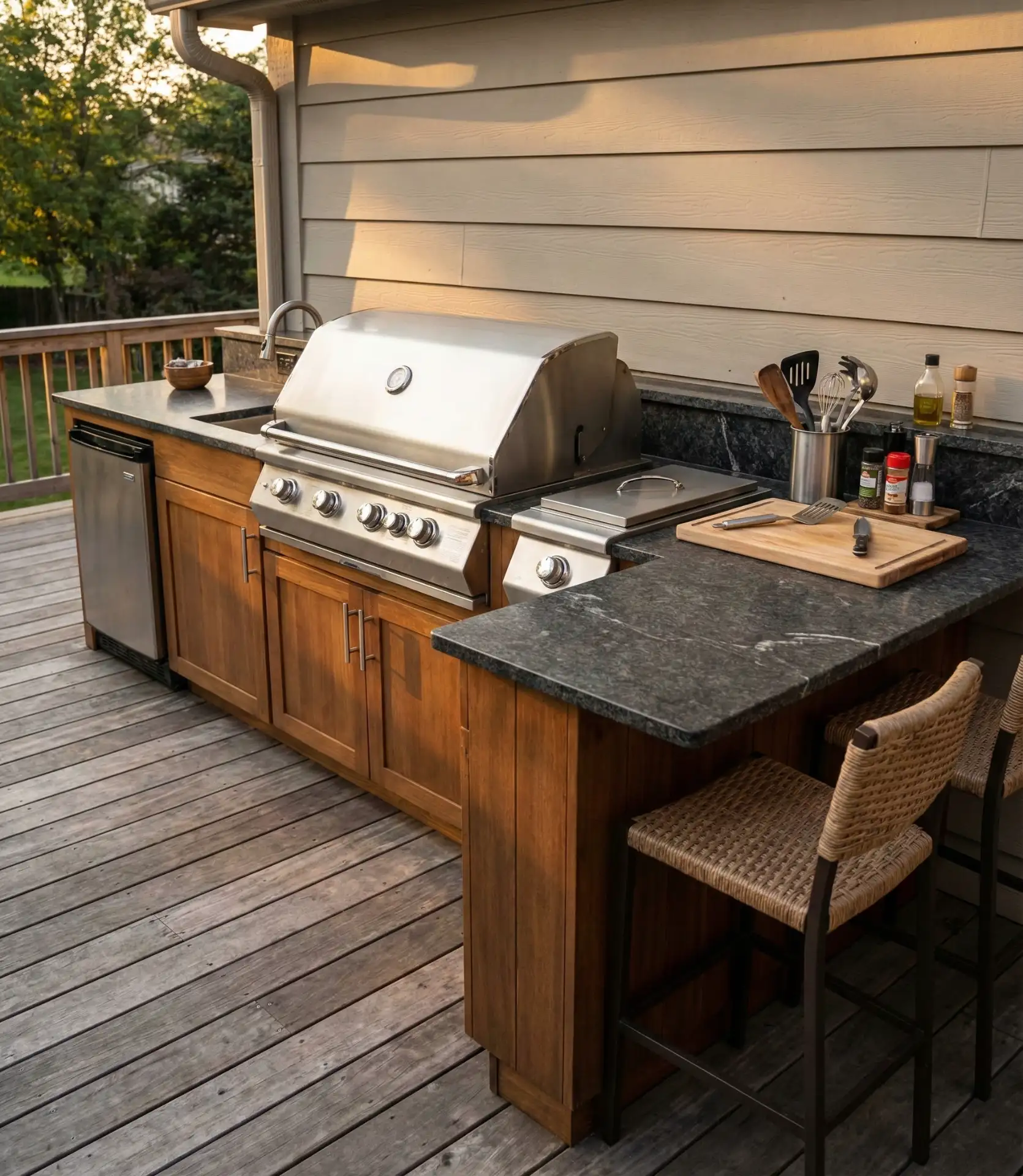
A built-in cooking station with countertop space transforms your deck into a genuine entertaining hub where the chef remains part of the conversation. Even a simple setup—grill insert, small sink, and 4–6 feet of counter—dramatically improves functionality over a standalone grill. Weather-resistant cabinetry below provides storage for utensils, propane, and serving pieces, while an overhead cover protects the area from rain and prevents direct sun from overheating work surfaces. 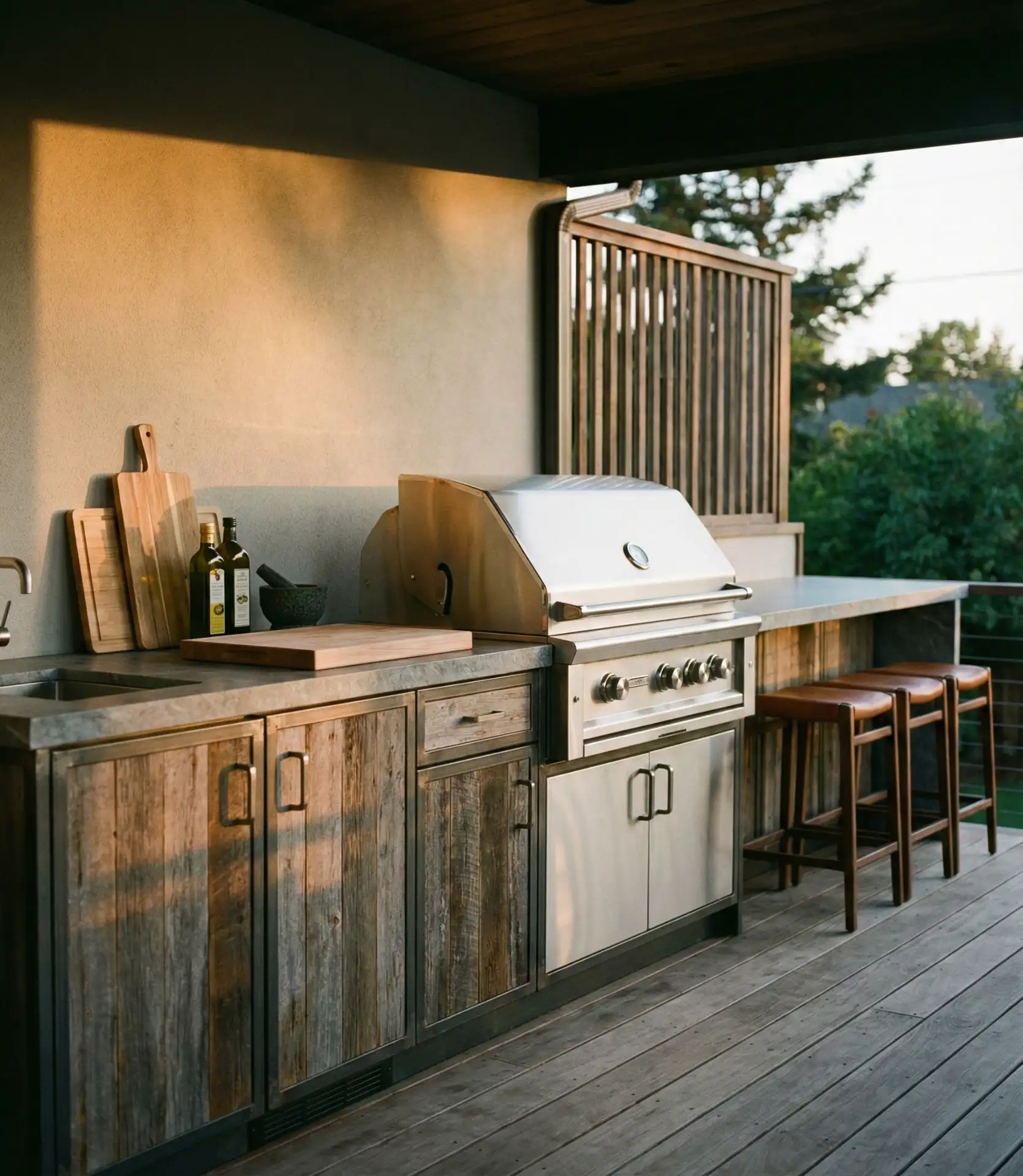
Common errors include placing the kitchen too far from the indoor kitchen—every trip back for ingredients or forgotten tools disrupts the flow. The ideal distance is 10–15 feet with a direct sightline to the interior cooking space. Plan outlets (GFCI protected) for blenders, speakers, or charging devices. Plan on $5,000–$15,000 for a simple outdoor kitchen based on appliances and counter surfaces. Stainless steel is better than paint for the weather, and granite or concrete is better than laminate for the outdoors.
19. Hammock Corner Retreat
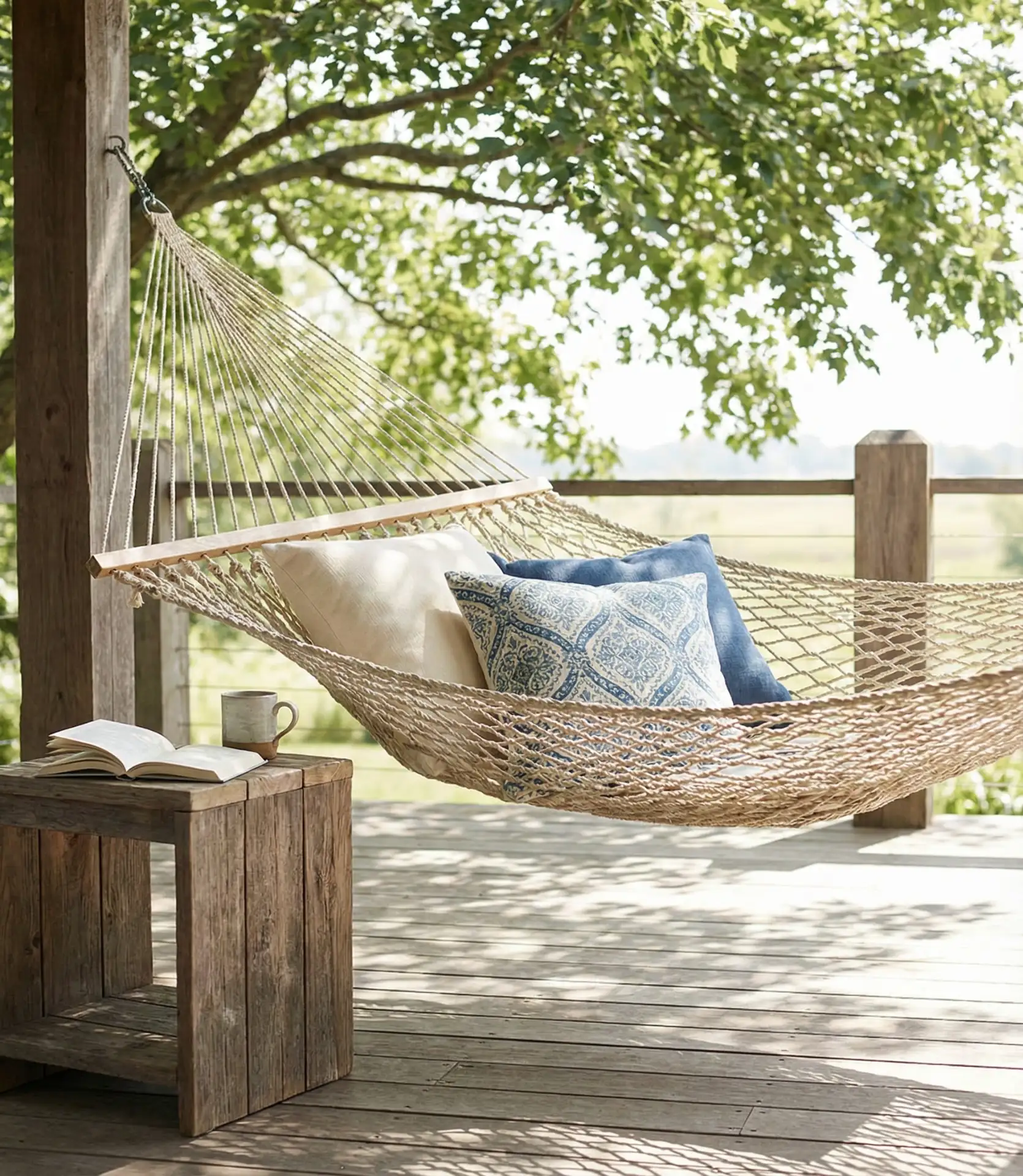
The installation of strong posts or the use of structural columns to attach a hammock offers the opportunity to use a minimum amount of decking space to create a relaxation zone. This new cozy amenity signals to all who enter the deck that this space is for relaxation, as well as entertaining and dining. Unlike other deck furniture, a hammock offers a unique experience and is always a favorite among people of all ages. This is a wonderful amenity to a deck space that will provide unlimited enjoyment for all. 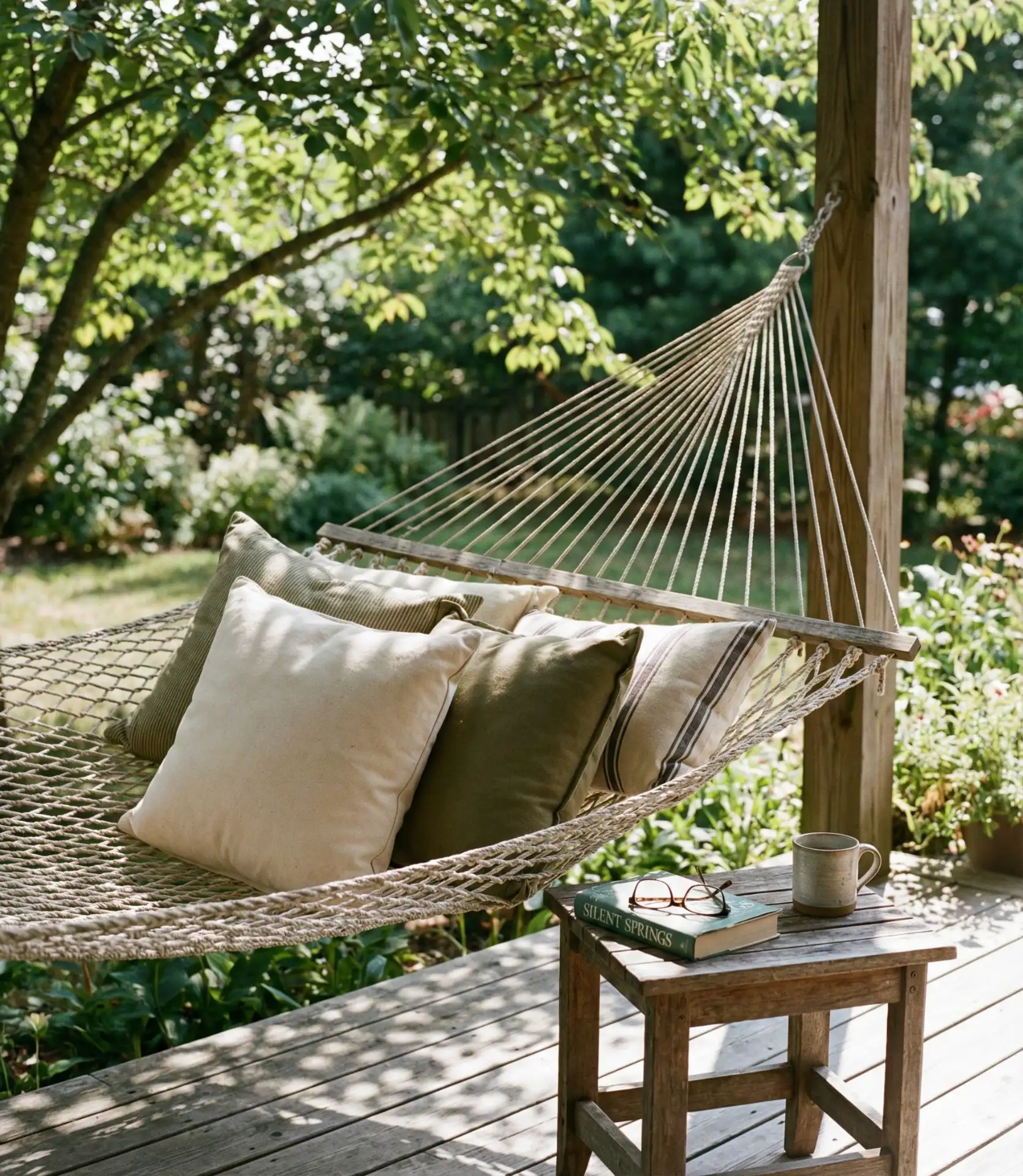
Where this works best: corners or edges of larger decks where the hammock won’t obstruct main traffic paths. Posts must be structurally sound and properly anchored—hammocks exert surprising lateral force that can pull loose fasteners over time. Eye bolts rated for 500+ pounds ensure safety for even the most enthusiastic users. Brazilian-style hammocks with spreader bars offer easier entry and exit than camping-style versions, while quilted models provide comfort without pressure points. Store fabric hammocks indoors during winter to prevent mildew and extend their usable life by years.
20. Integrated planter boxes as railings.
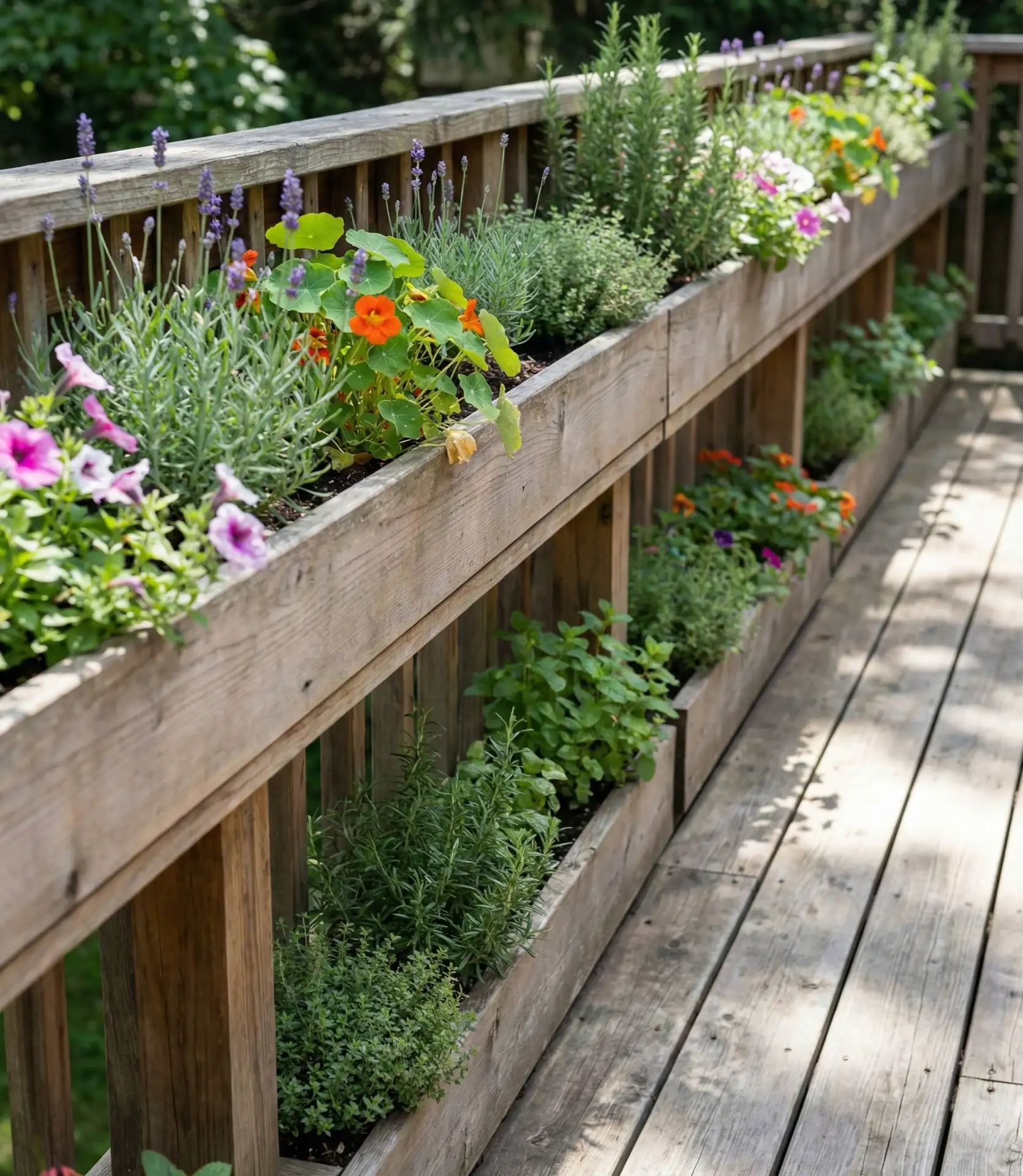
Instead of using standard spindle-style railings, adding continuous planter boxes as railings along the perimeter of the deck meets the building code requirements for height and integrates greenery into the structure. When seated, this design brings eye-level plants to the deck, provides natural privacy screening, and eliminates the need for decorative pot arrangements. It creates architectural decor instead of decorative clutter. 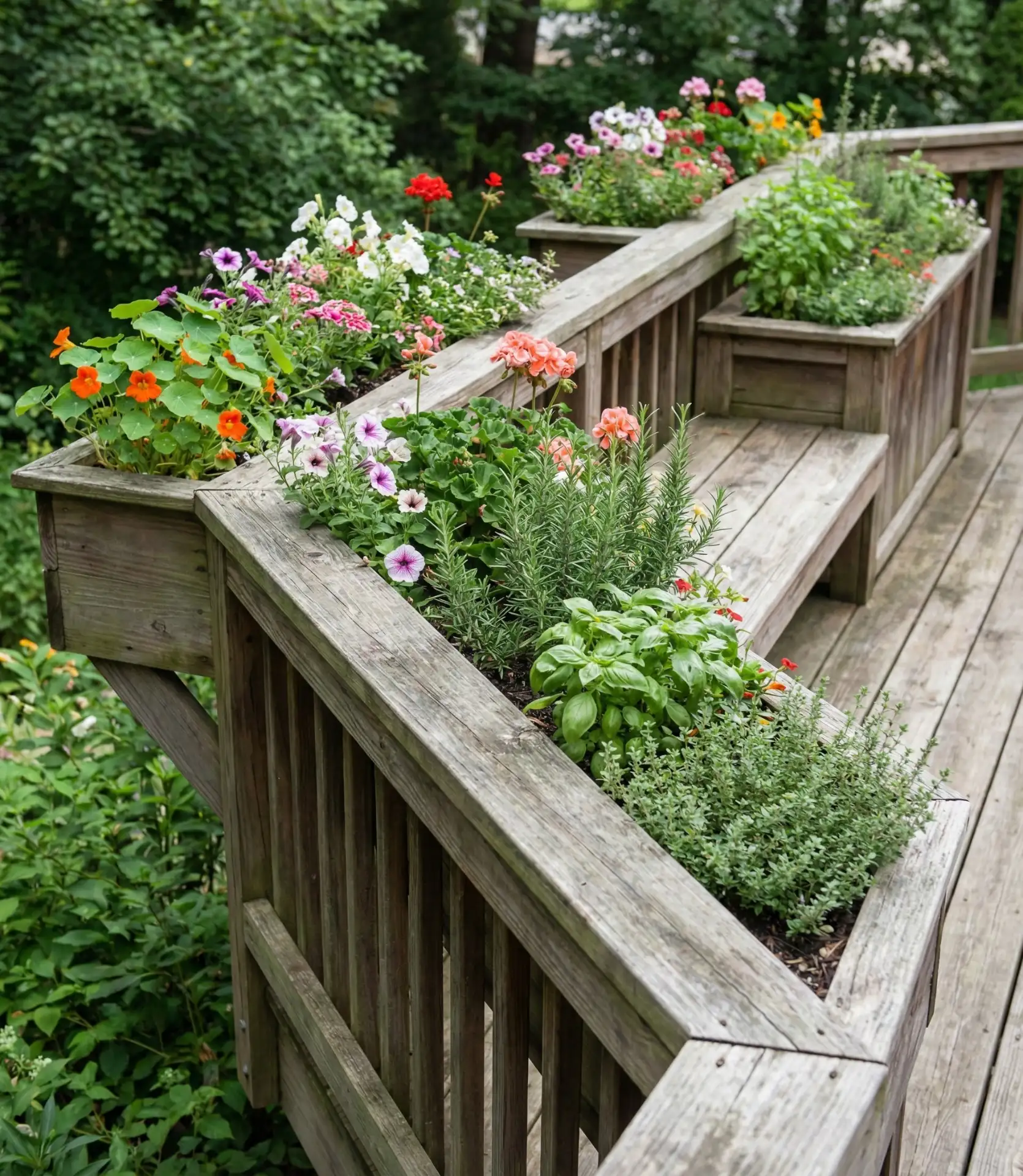
Actual homeowner behavior: These planters do require active watering. In hot months, soil in elevated planters dries faster than in ground-level planters due to increased sun exposure and air circulation. Consider lavender, ornamental grasses, and sedums for drought-tolerant species that can endure some memory neglect. Planters need to have drainage holes. Installing waterproof barrier membranes and gaps between planters prevents the deck structure from rotting. In cold climates, it is important to switch to frost-resistant containers during winter, use evergreens, or engage in seasonal replanting.
21. Scandinavian Minimalist Deck
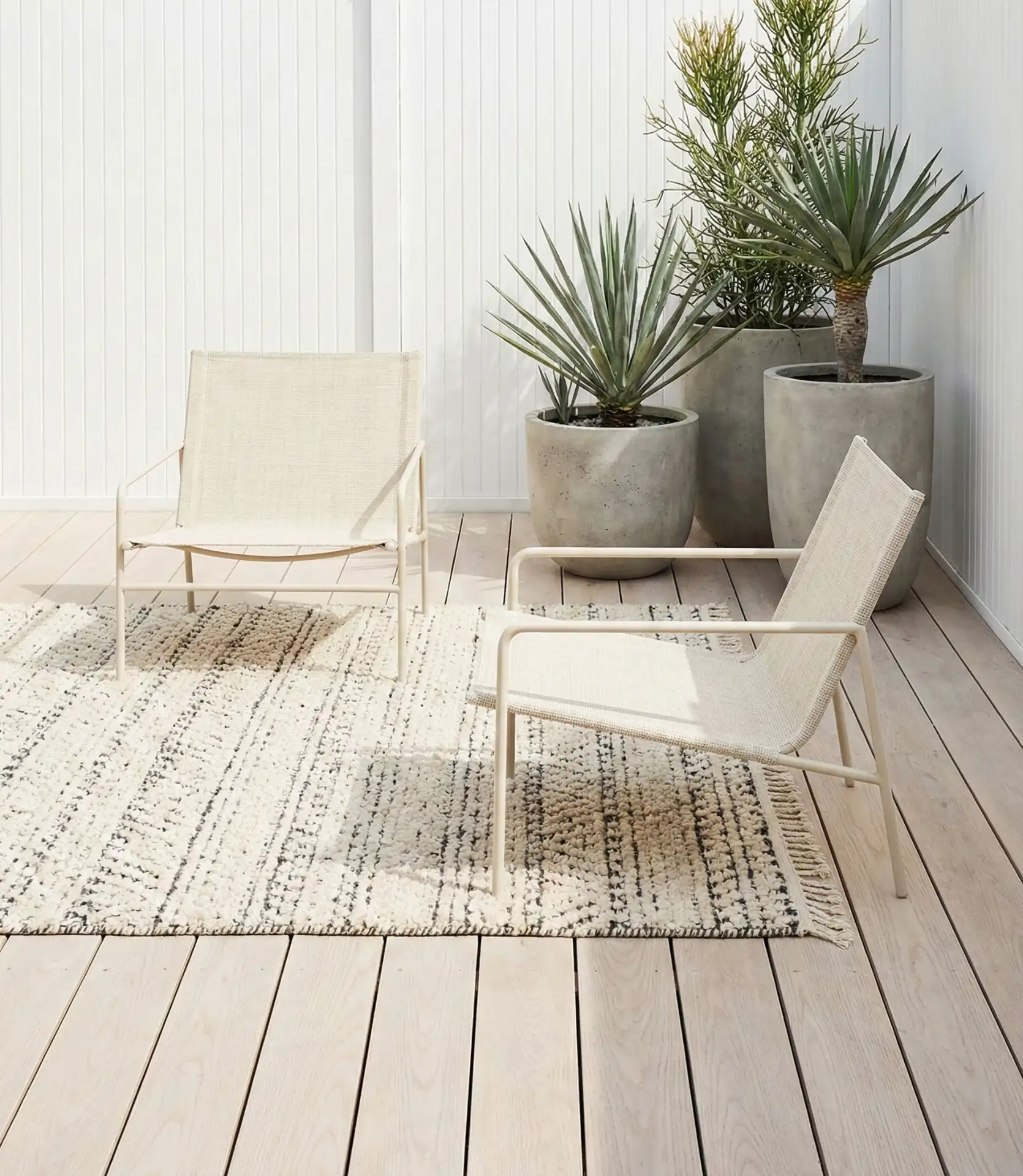
The Nordic approach underscores a preference for simplicity, natural materials, and functional beauty. It involves light wood, simple shapes in the furniture, and uses color in a functional way through textiles. It is a simple aesthetic that uses limited but high-quality items that are purposeful.
The outcome conveys a sense of calm and order, helping to develop an outdoor area that encourages rest without overwhelming the senses. 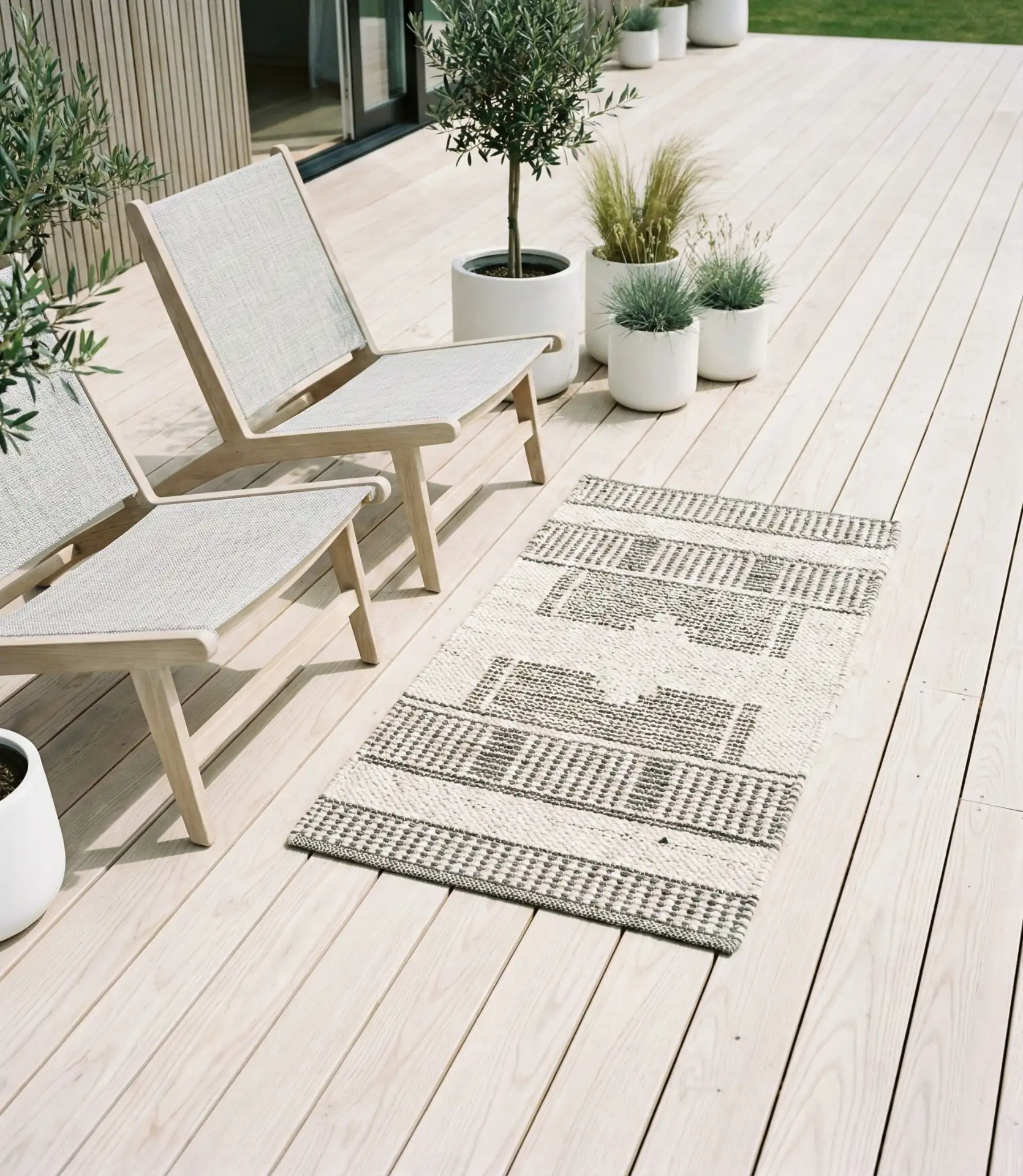
This style in the Pacific Northwest and Upper New England regions resonates with the local lore, which historically embodies pragmatism and a love of the natural. A color scheme of neutrals like white, gray, and black, along with natural wood and a sheepskin throw or woven blanket in a muted color, gives a room a classic look. Durable, weather-resistant teak wood or powder-coated aluminum outdoor furniture speaks to the philosophy of quality over quantity. A thoughtful, singular sculpture, planter, or well-placed lantern is often more powerful than decorative clutter that competes for attention.
22. DIY String Light Canopy
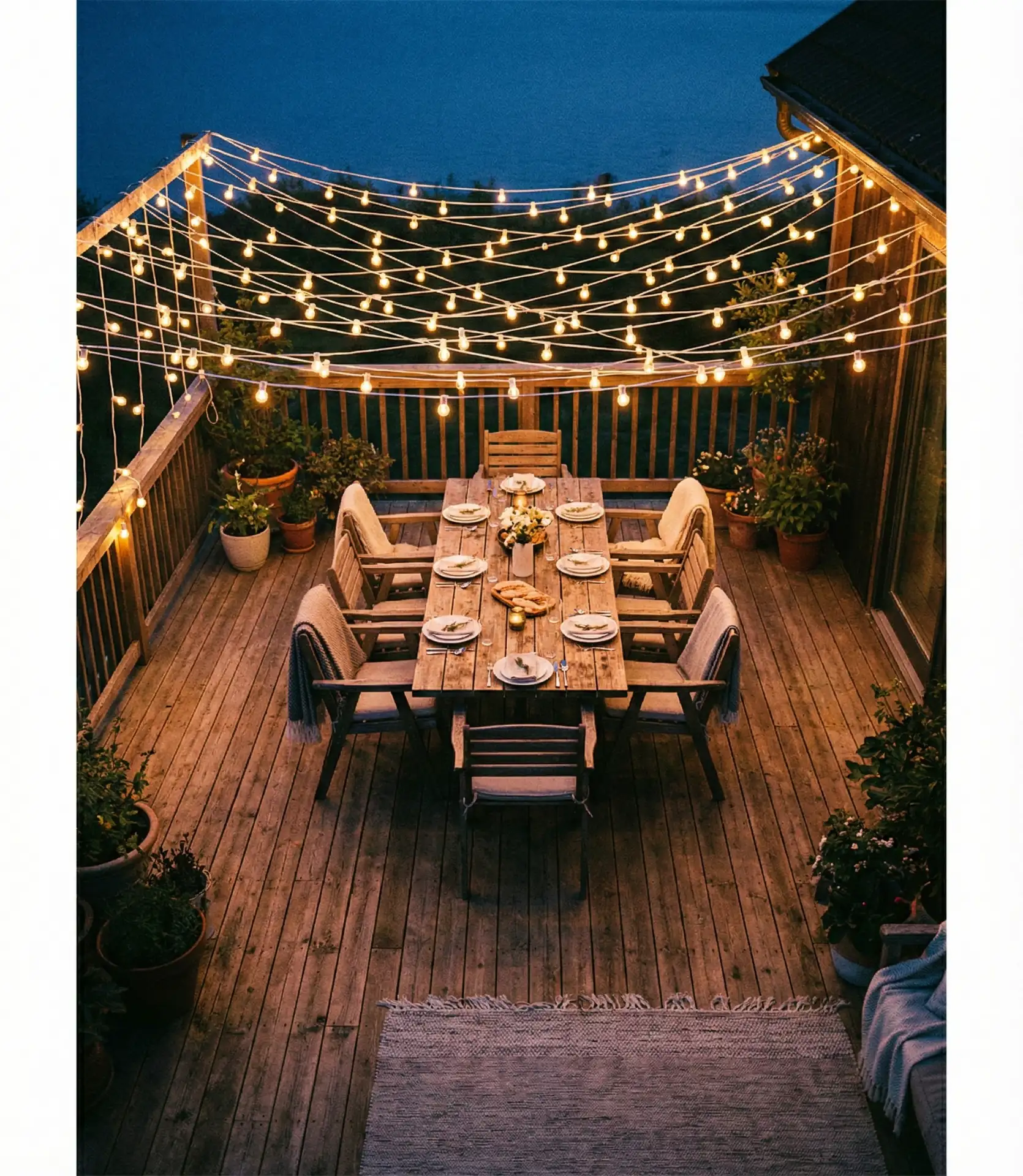
Using several strands of weather-resistant string lights and sturdy mounting hooks and an afternoon installation, this DIY project adds a lot of dramatic impact, so the space feels intentional and finished. The outdoor lighting gets better with the added thoughtful pattern, and the defined ceiling adds a sense of enclosure to the space. 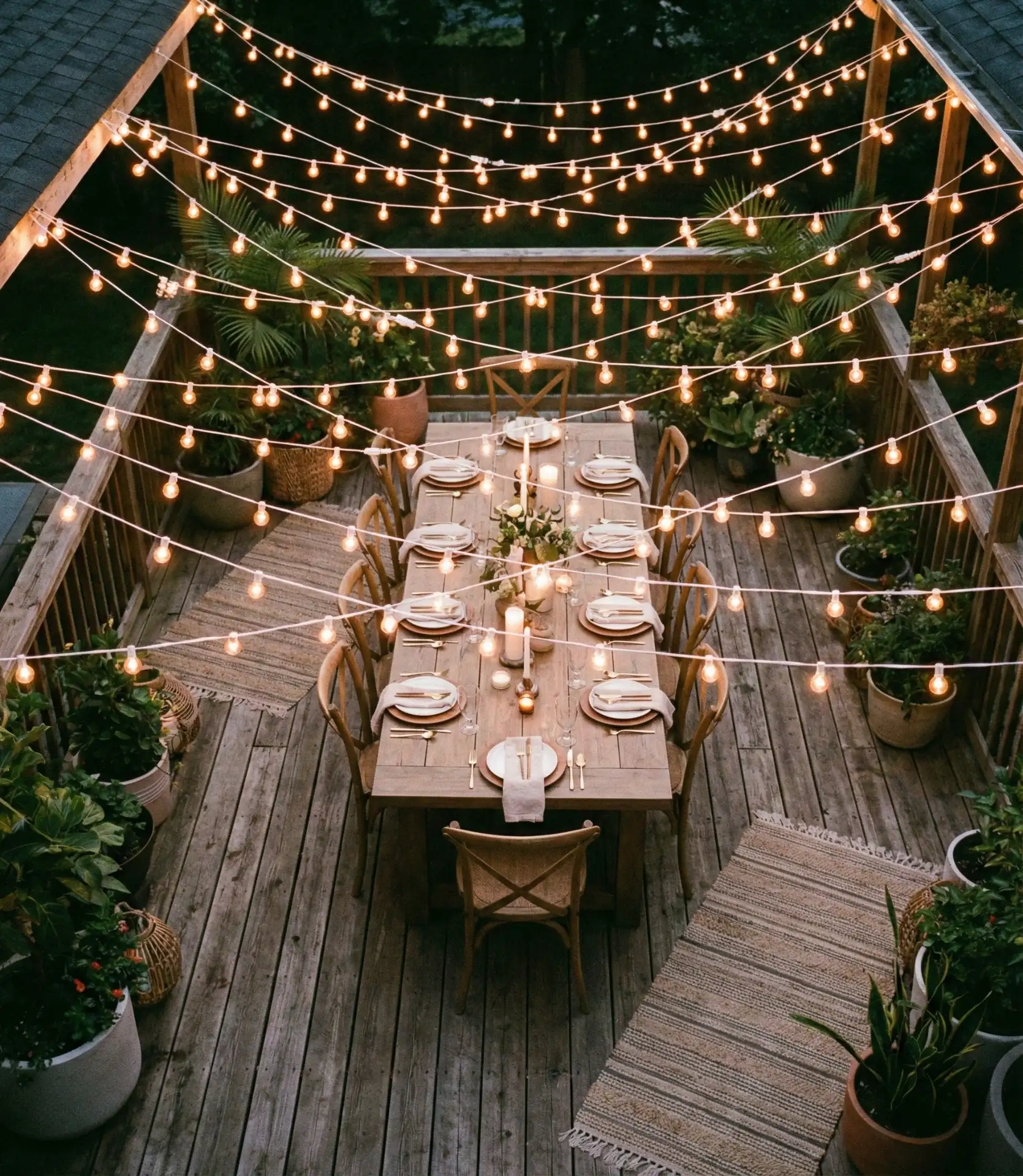
A budget-friendly option for lighting will cost between $100 and $300 to cover the standard footprint of a 12×16 deck. Mount anchor points to tight structural things like posts, studs, etc. Don’t mount things to a trim or furniture board or fascia. Things like the board of the deck or furniture board and the trim lack structural integrity to hold any tension. Things like studs, fascia, trim, and the boards of the deck will lack enough stability to hold tension. Use a drill and the right bits for the material to put in hooks, eye hooks, or outdoor-rated cup hooks. Before leaning into a design, be sure to plan things out on paper and measure each entity sufficiently to cut the cables plus 10 to 15 percent for the natural sag, or catenary curve, for each distance.
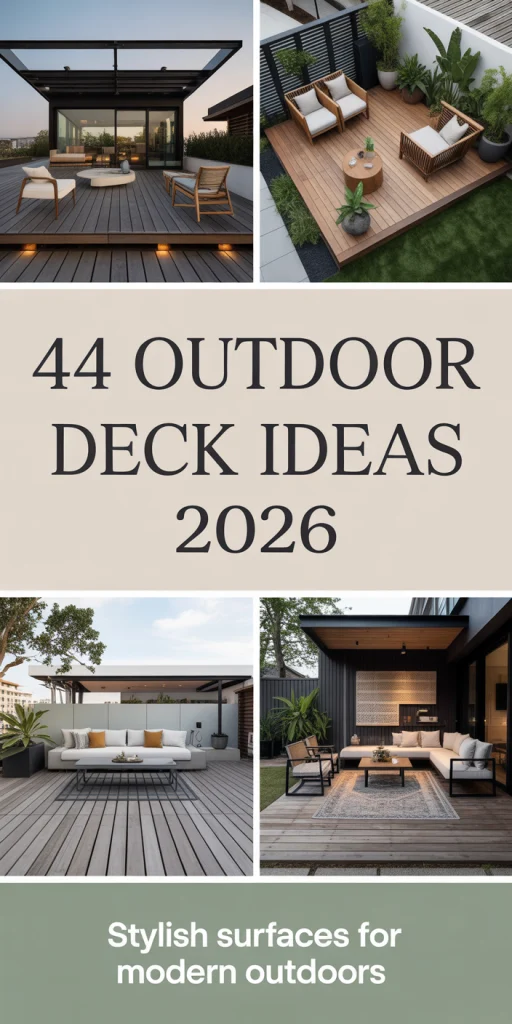
These outdoor deck ideas for 2026 show how, when combined with thoughtful design choices with the right elements, you can transform your existing deck into a space. Whether you like the bohemian, minimalist, or entertaining styles, you can design your deck space to reflect your lifestyle. What resonates with your vision? Tell us in the comments and share your deck transformations with us!