44 Garden Decor Ideas for 2026: Transform Your Outdoor Space with Creative DIY Projects

The goal for 2026 garden decor is to combine style with intention. Pinterest is American homeowners’ go-to for decor inspiration but is now also home to people’s individual values: eco-friendliness, sentimentalism, and crafting. Vintage style, folk fairy tales, and minimalist spaces are the trendy themes. The ideas in the following paragraphs show how personal decor allows any yard, patio, or balcony to be expressive and unique.
1. Vintage Terra Cotta Pot Towers
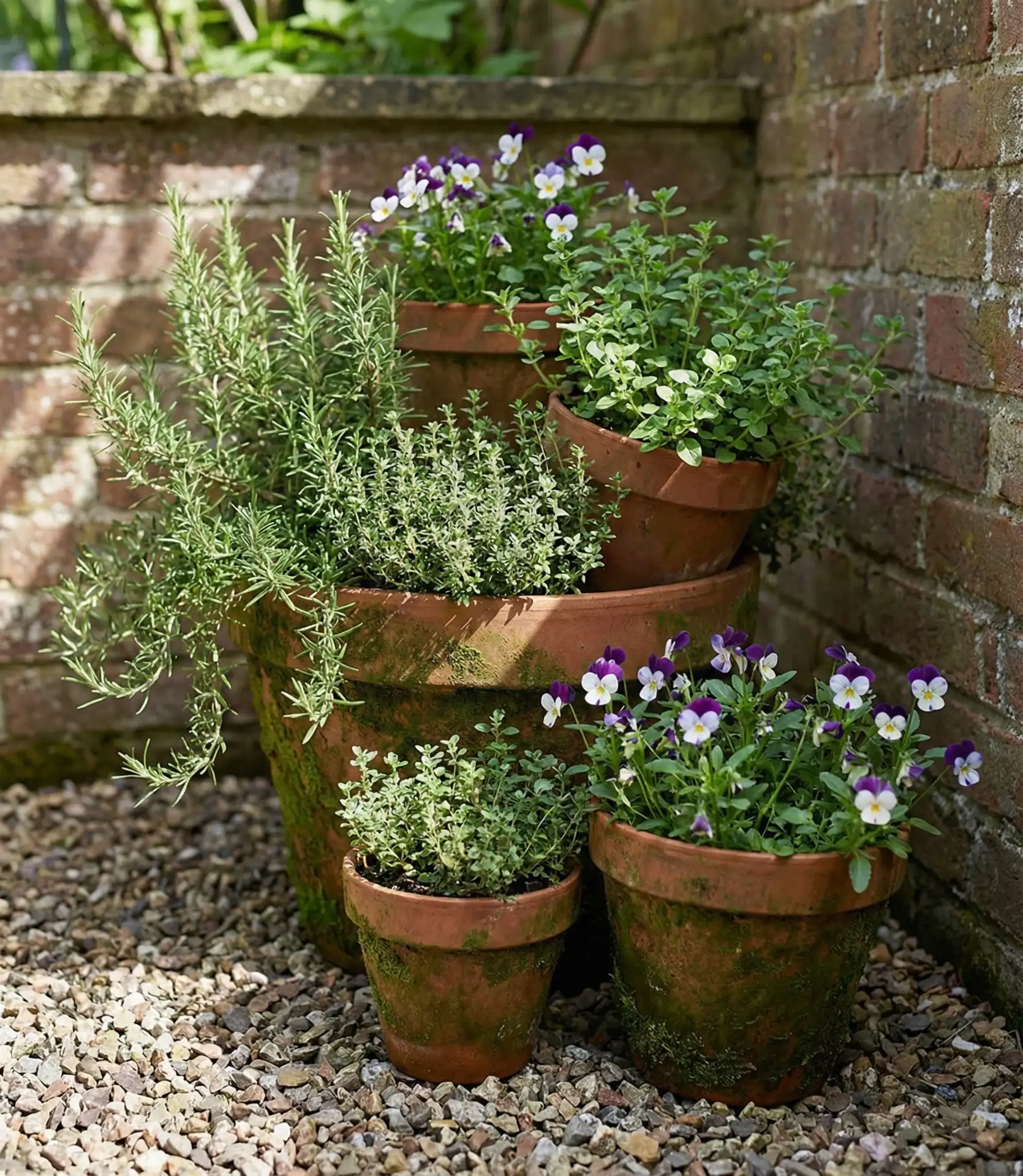
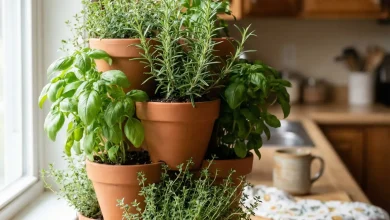
Using weathered vintage pots to DIY dried or fresh herb, succulent, or trailing flower planters is a wonderful way to add vertical interest in small spaces. Vintage terracotta pots are well aged and have a patina finish that newer planters struggle to recreate. They’re available at flea markets and estate sales, usually for a couple bucks. 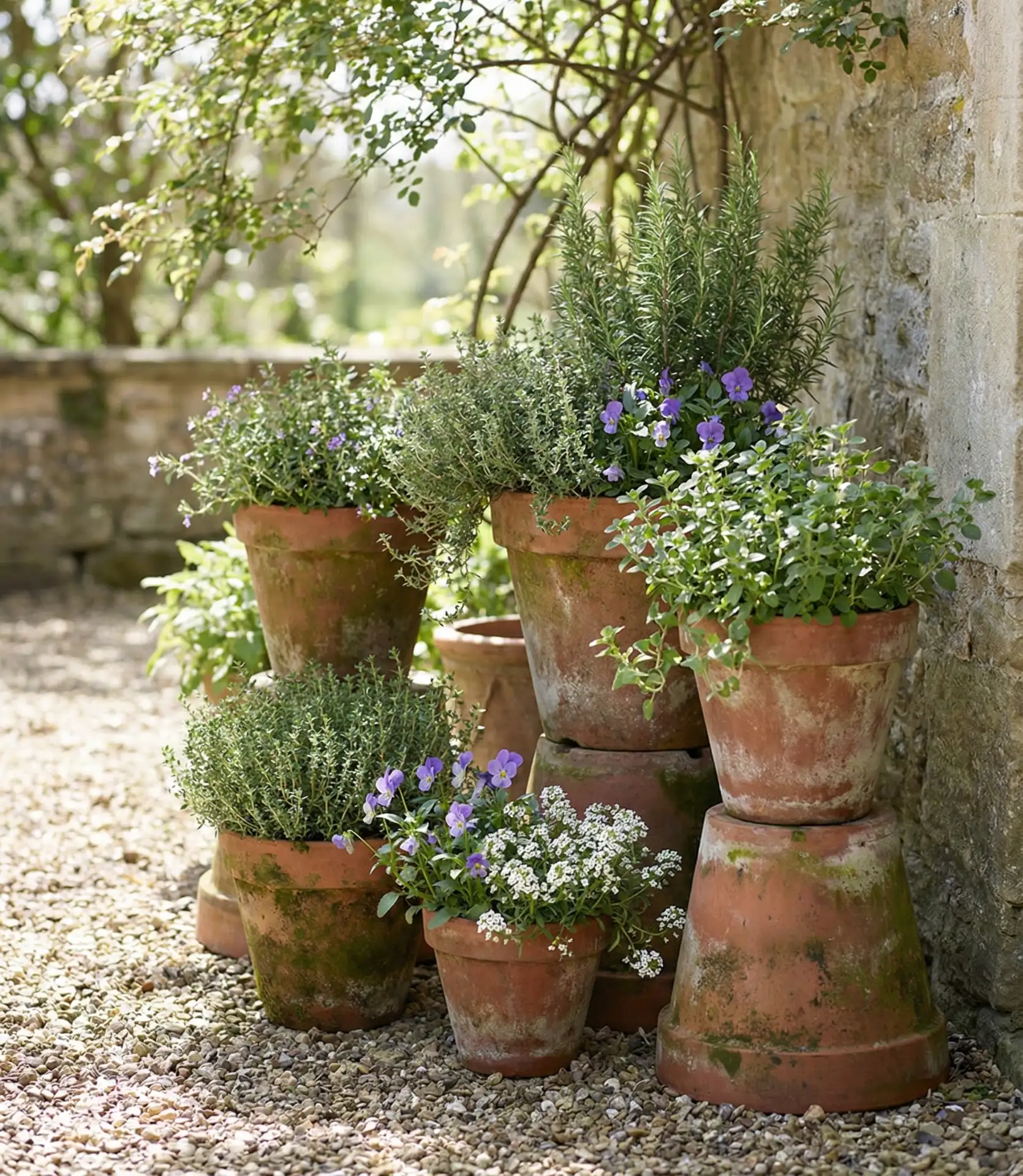
The setup is best suited for Mediterranean or southwestern-style gardens, especially ones with stucco walls and gravel paths. The vertical arrangement also efficiently uses ground space while adding height to the garden, a valuable asset for small city yards.
Always anchor large flowerpots early to avoid tipping, and when putting more than three stacked levels, use a threaded rod through the drainage holes.
2. Mushroom Garden Sculptures
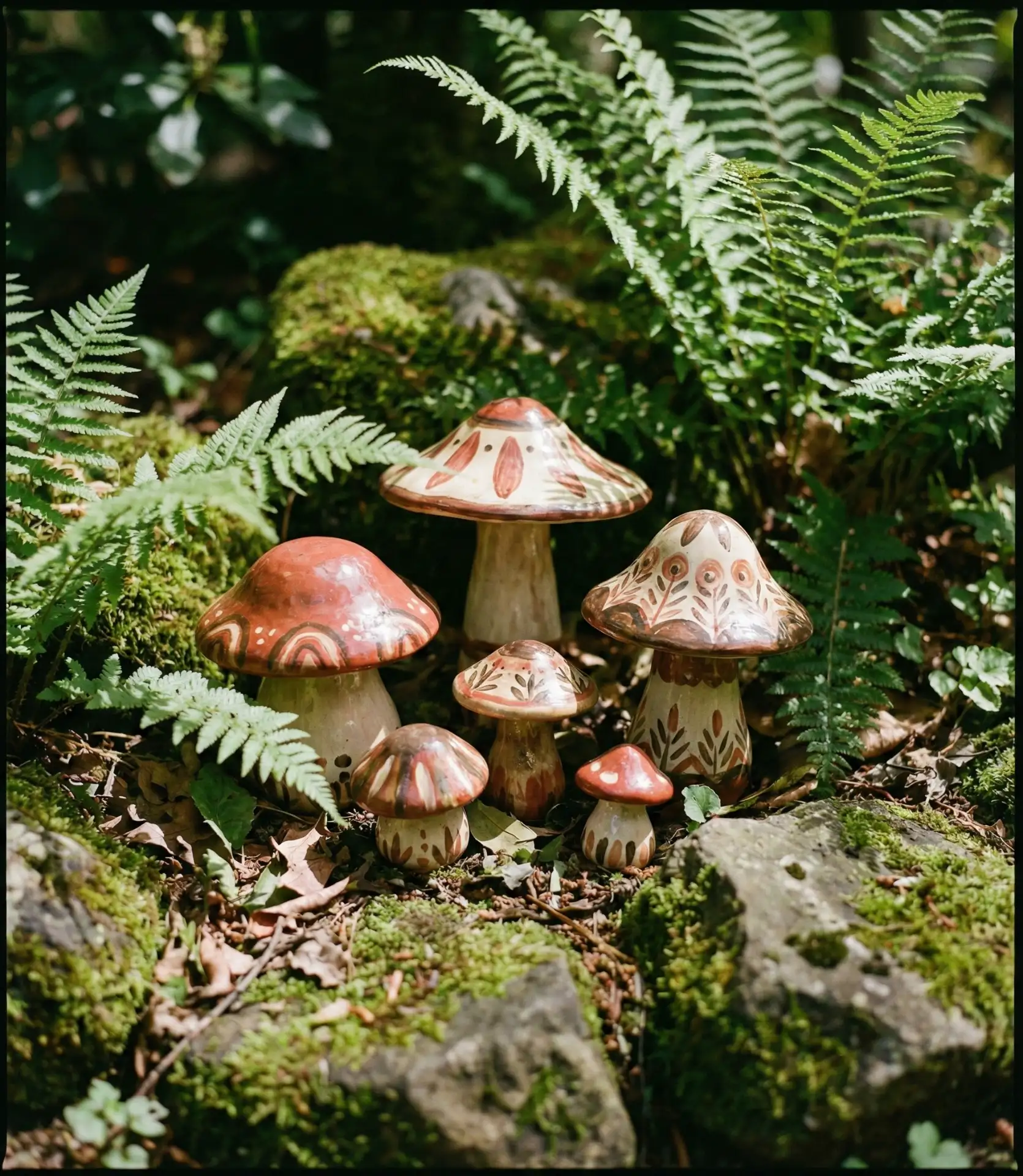
Whimsical fantasy is added to shaded garden bed areas with hand-painted mushrooms. These sculptures work well with ferns, hostas, and moss and are either ceramic, resin, or even homemade from concrete. The trend takes inspiration from cottagecore and fairy garden culture. Everyone looking to enhance the magic feel of their outdoor space will appreciate it.
These sculptures are often placed in full, unshaded sun, where the colors will quickly fade. Avoiding that mistake means tucking the sculptures under tree canopies or along north-facing walls. The shaded environment will mirror the natural habitat of real mushrooms, creating a more intentional and authentic feeling to the scene.
3. Rustic Wooden Ladder Planters
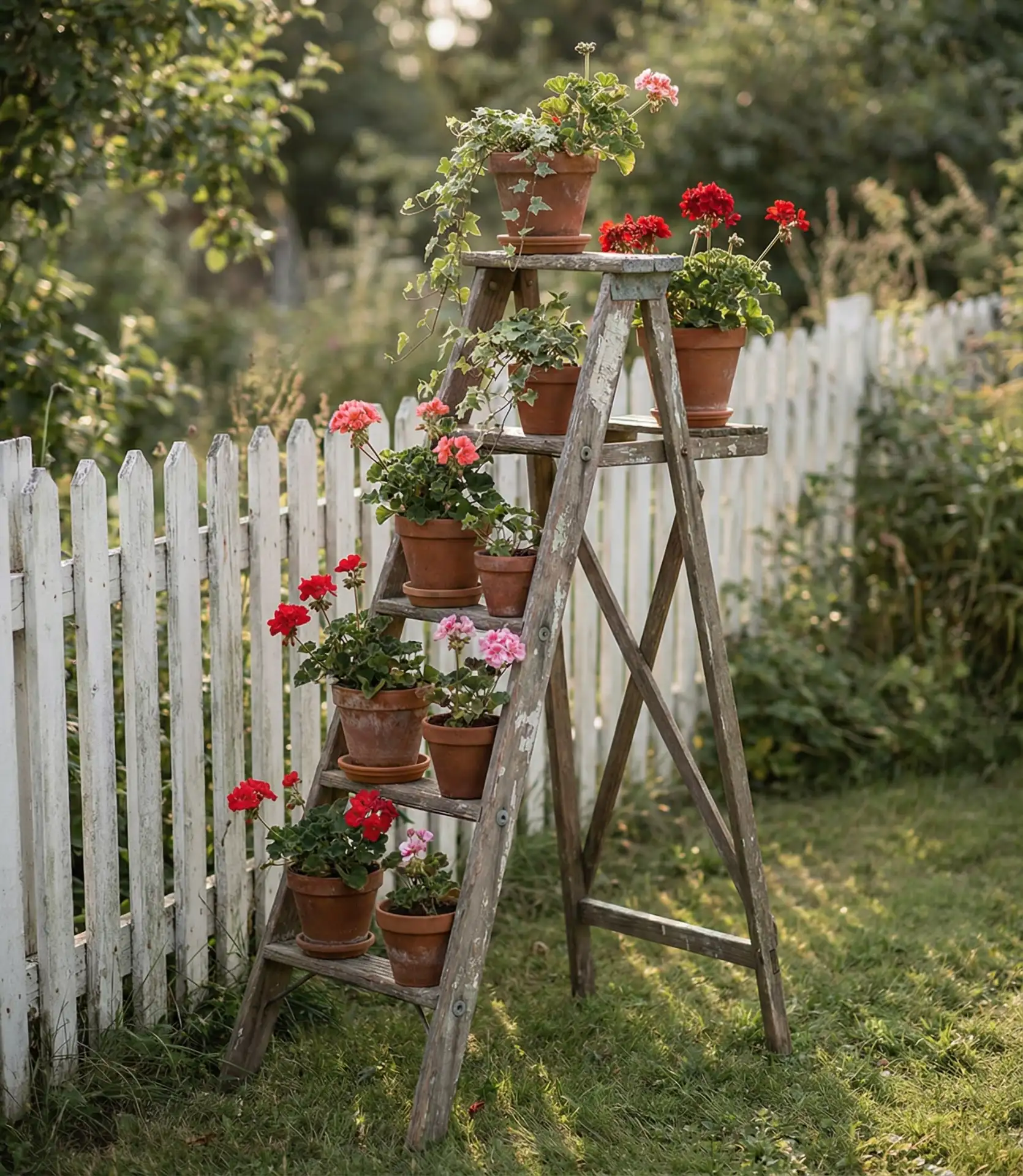
An old wooden ladder leaning against a fence or wall becomes a charming vertical planter. This rustic idea works for trailing vines, potted annuals, or even hanging lanterns. It’s a creative way to repurpose materials and add dimension to flat garden walls. The weathered wood pairs beautifully with country or farmhouse-style outdoor spaces. 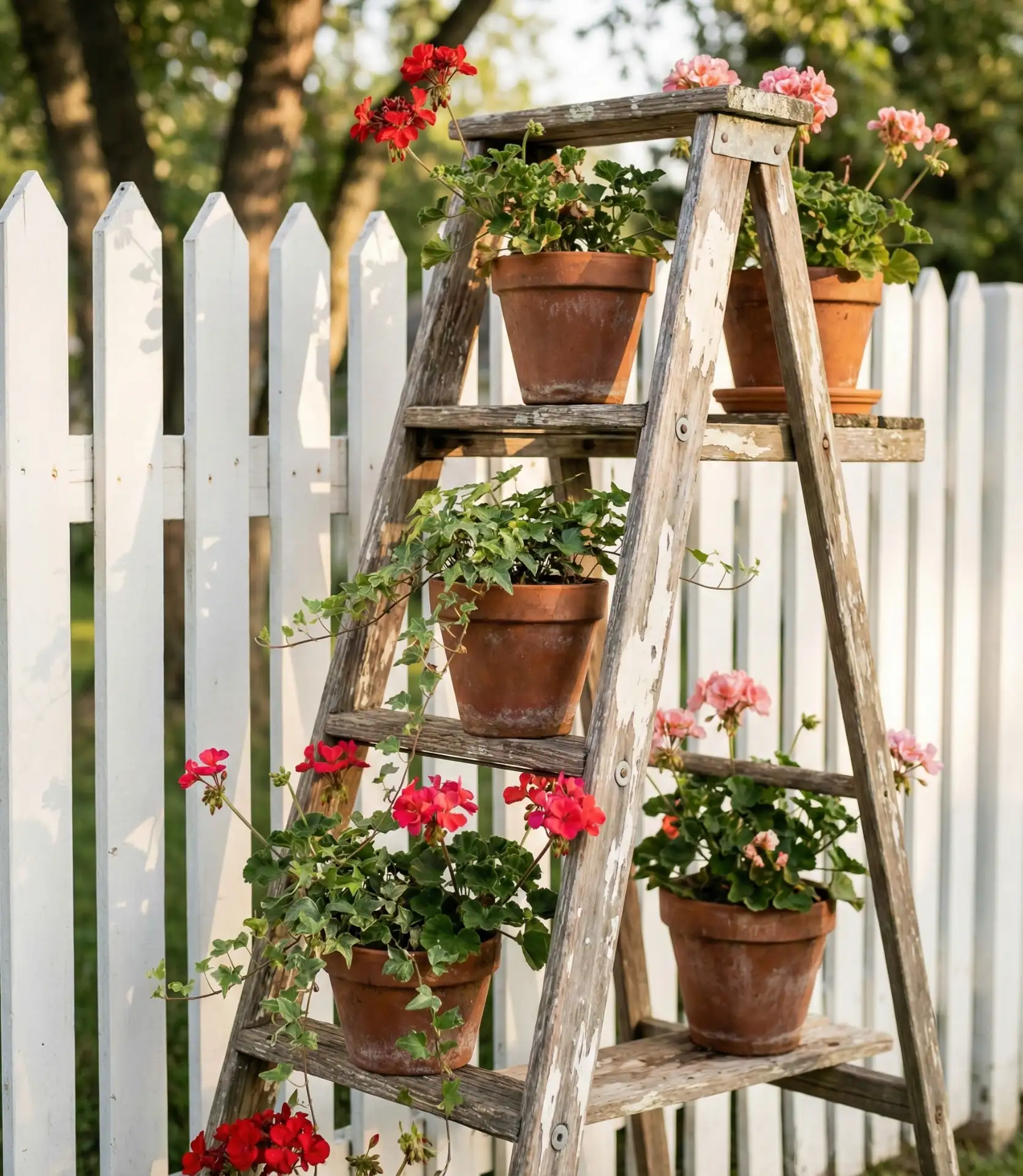
In the Midwest and Southern states, this setup is especially popular on front porches and side yards. The key is choosing a ladder with enough structural integrity to hold weight—avoid anything with rotted rungs. You can seal the wood with outdoor varnish to extend its life, but many homeowners prefer the natural aging process for a more authentic patina.
4. Japanese Zen Rock Gardens
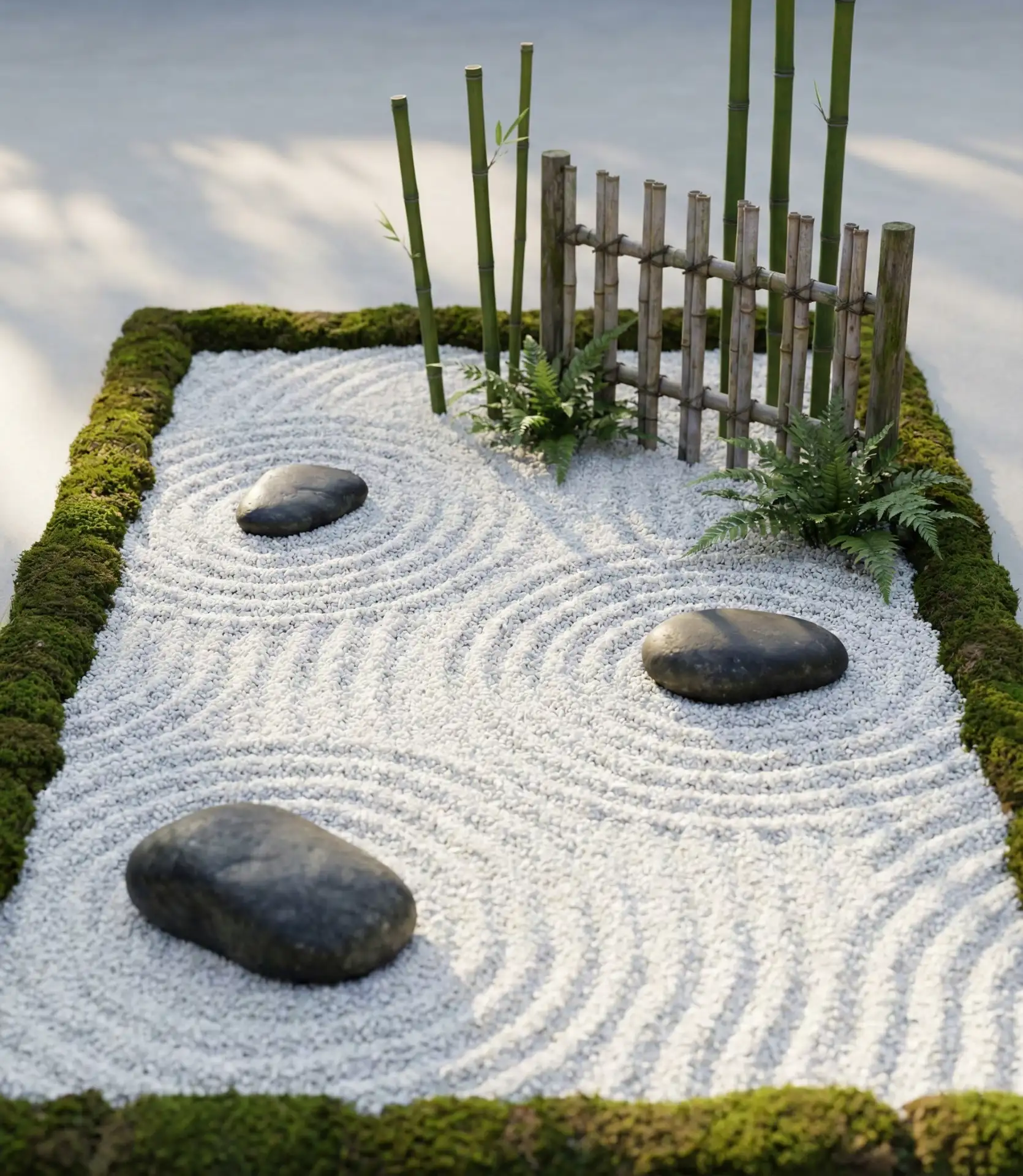
Miniature Japanese rock gardens offer a meditative focal point in small yards or balconies. Raked gravel, carefully placed stones, and minimal greenery create a sense of calm. This style has gained traction among Americans seeking low-maintenance, water-wise landscaping. It’s a unique way to introduce Zen principles into everyday outdoor living.
One designer I spoke with mentioned that her clients in Portland and Seattle gravitate toward this aesthetic because it complements the region’s rainy climate and natural materials. The mistake to avoid is overplanting. Zen gardens rely on negative space and simplicity, so resist the urge to add too many elements. A single bonsai or ornamental grass is often enough.
5. Clay Pot Wind Chimes

Stringing together small clay pots with twine and beads creates a DIY wind chime with earthy tones and gentle sound. This project is perfect for families looking for a creative weekend activity. The pots can be painted or left natural, depending on your garden’s color palette. Hang them from tree branches, pergolas, or porch eaves for soft, ambient noise. 
Expect to spend less than twenty dollars on materials if you already have pots on hand. The sound is softer than metal chimes, making it ideal for neighborhoods with close-set homes. To avoid breakage in strong winds, use smaller pots (three inches or less) and secure them with durable jute or nylon cord.
6. French Country Lavender Borders
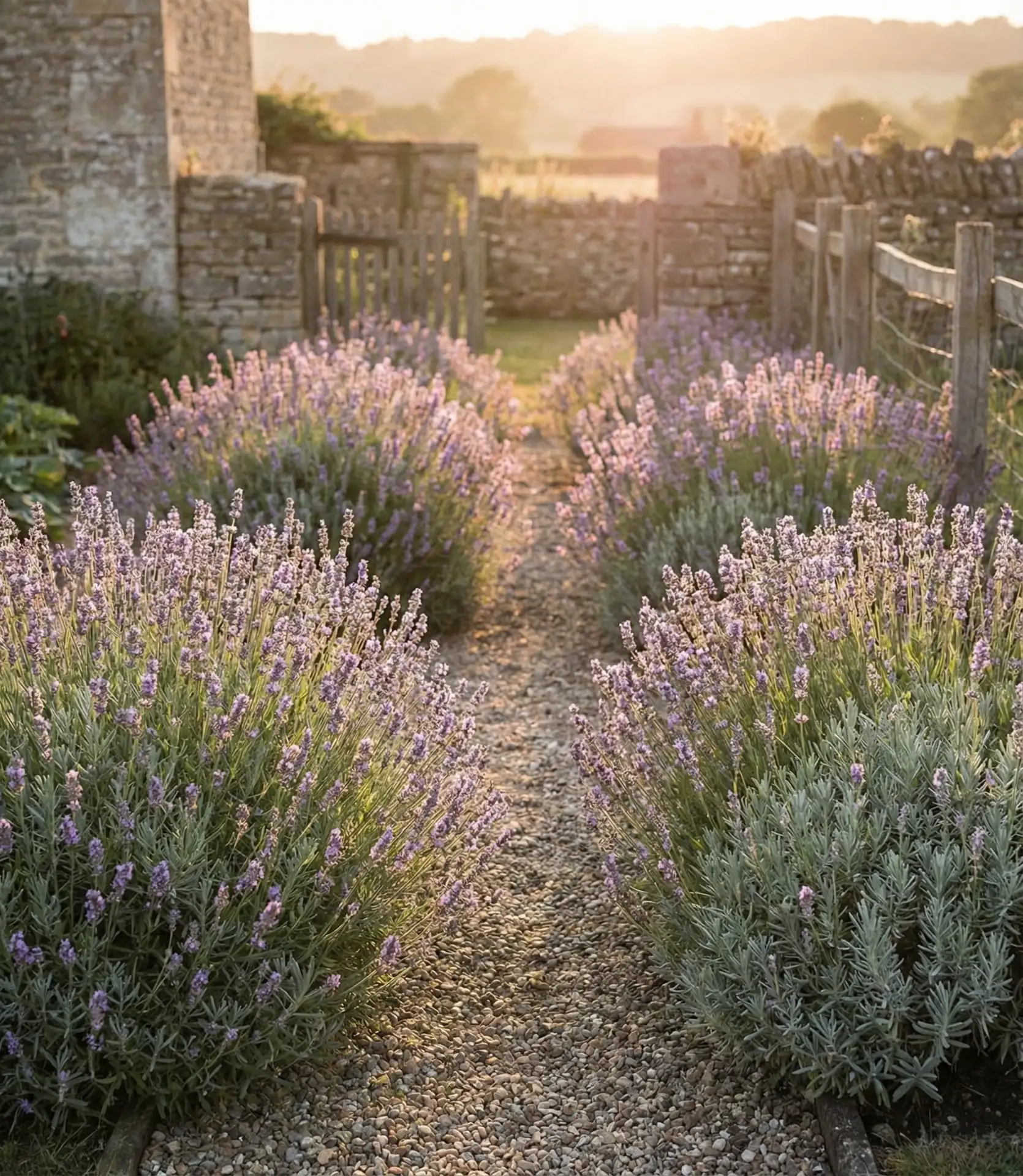
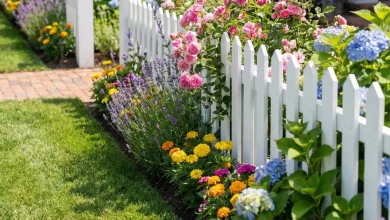
Planting lavender along pathways or garden beds evokes the rolling fields of Provence. This French country approach combines beauty with practicality—lavender is drought-tolerant, fragrant, and attracts pollinators. The silvery-green foliage and purple blooms create a soft, romantic border that feels both elegant and informal. It’s a rustic choice that works in both traditional and modern landscapes. 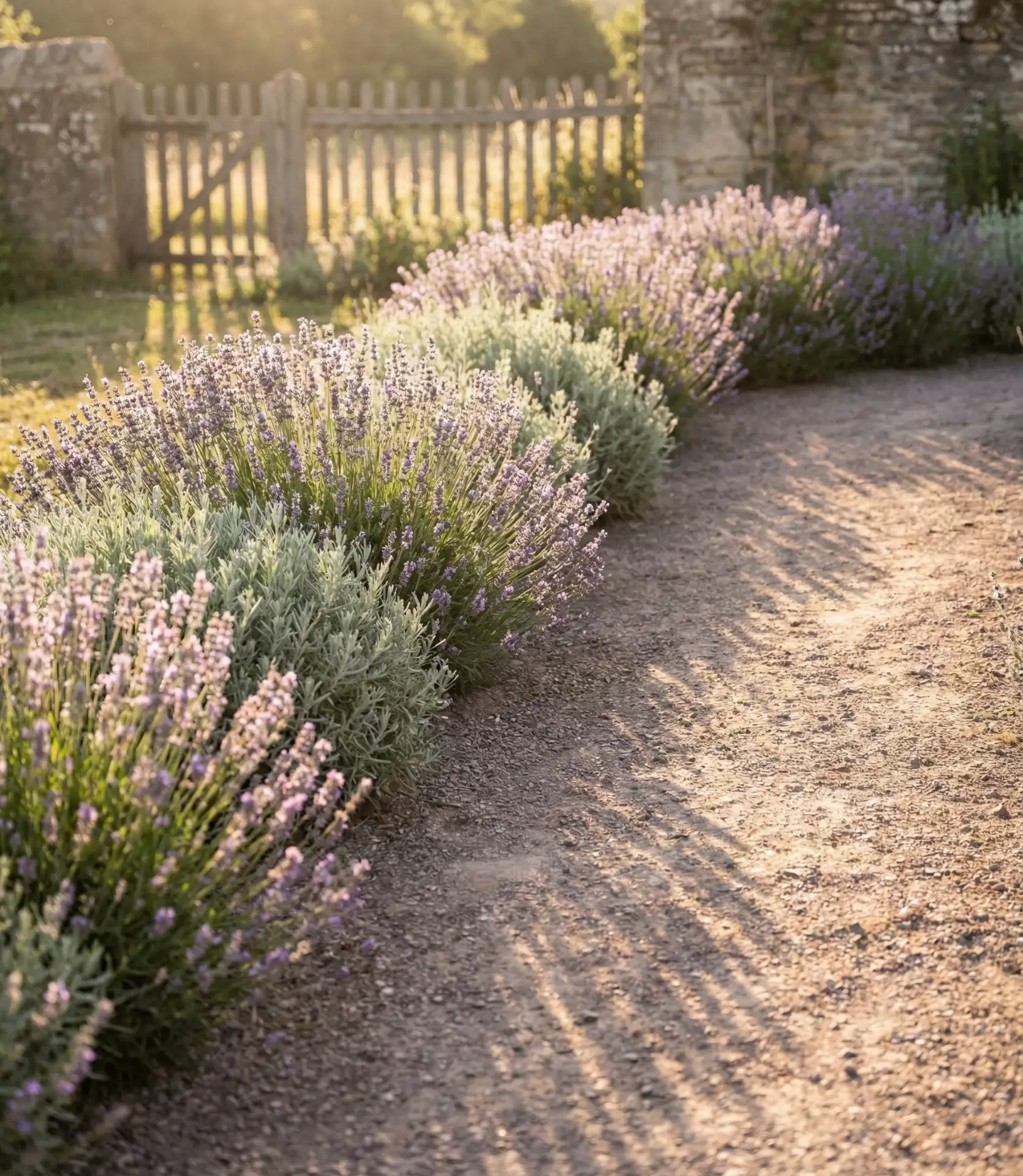
In regions such as California and Texas, where water conservation practices are crucial, lavender, once established, requires little irrigation and thrives. The most common and most serious error made is overwatering; also, lavender insists on dry “feet” and, of course, well-draining soils. If your area is humid, then more of “Phenomenal” or “Grosso” is suggested, as these tolerate moisture better than other English lavender.
7. Outdoor Fairy Light Canopies
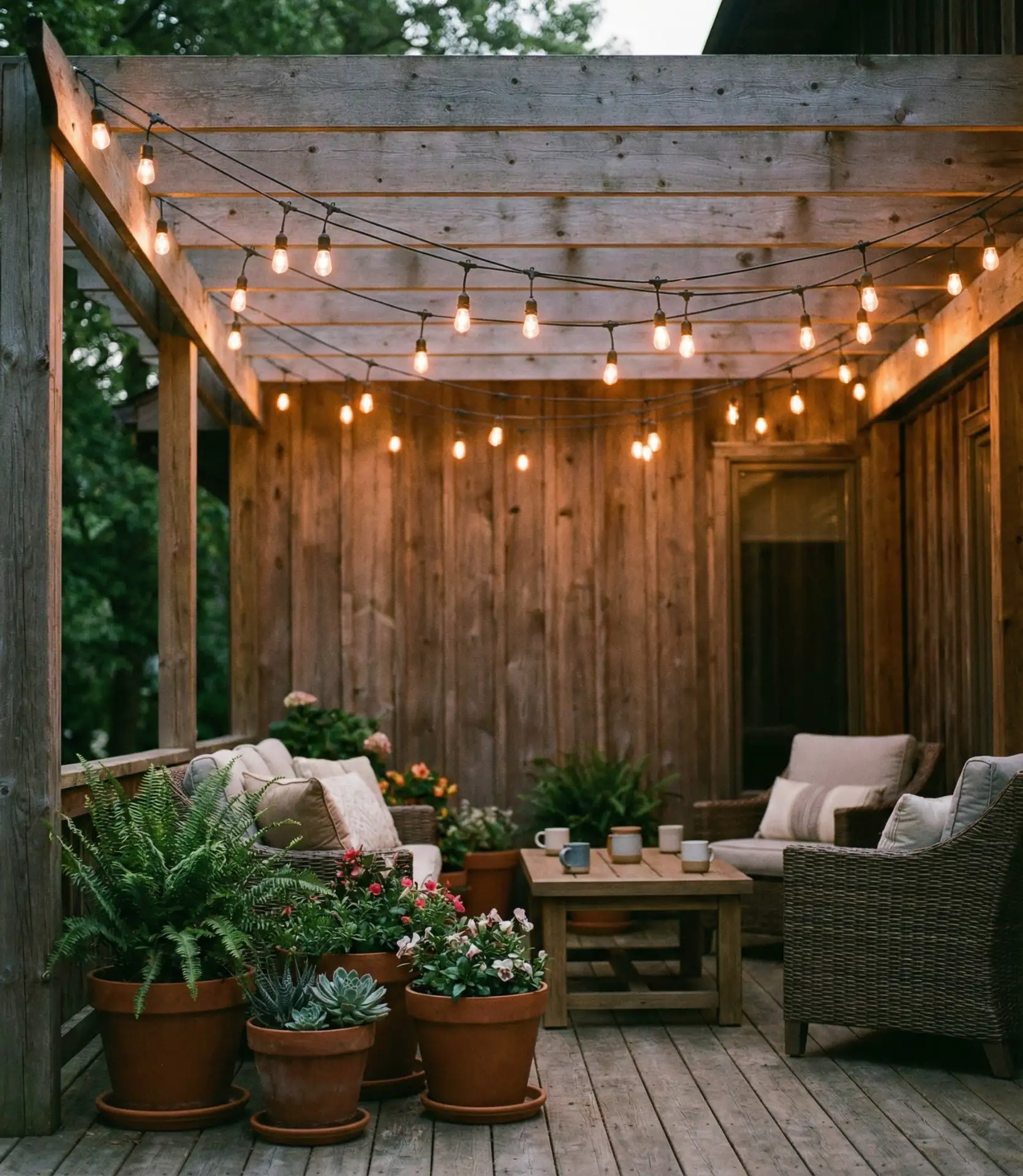
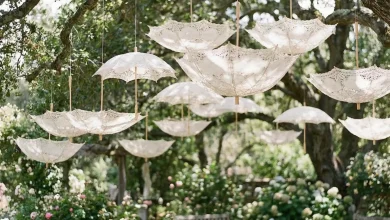
Draped string lights overhead create a mystical atmosphere, transforming patios and decks into evening retreats. This trend of outdoor lighting is now a staple of American backyard entertainment, especially for summer festivities and weddings. The warm glow enhances the intimacy of the space, enabling its use well into the night. For a layered look, add whimsical decorations and potted plants. 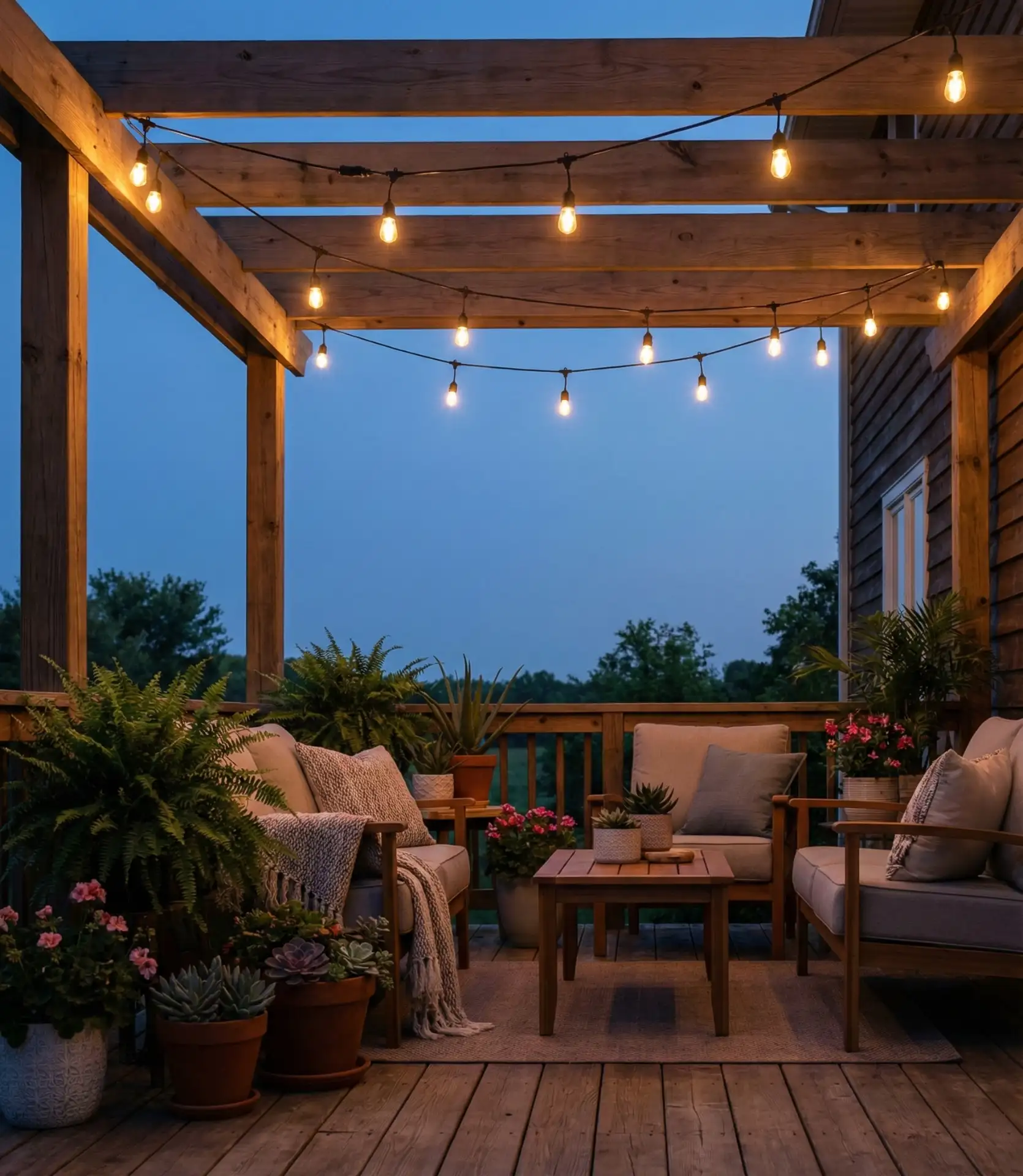
It is common for real homeowners to underestimate the amount of lighting they think they will need. One string rarely covers enough areas. As a guideline, two or three strings should be used, and a dimmer is always a beneficial idea to better adjust the mood. Many people prefer the more vintage look of incandescent Edison-style bulbs, though the warmer tone of these is the trade-off for the long life and energy savings with LED bulbs.
8. Miniature Succulent Gardens in Vintage Containers
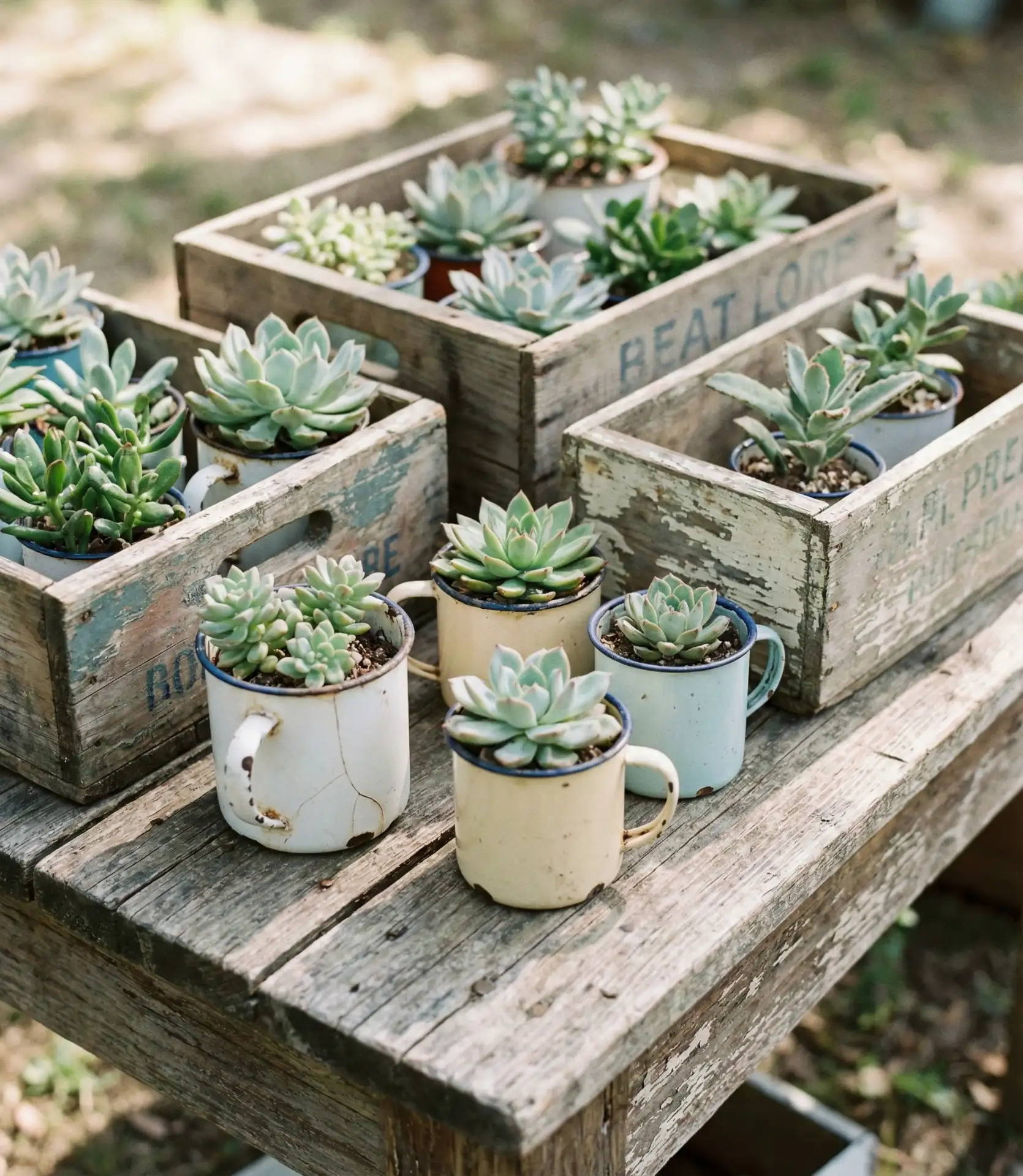
Repurposing vintage wooden crates, enamelware, or teacups as planters adds character to miniature succulent displays. This approach is ideal for small spaces, as succulents require minimal care, making it a budget-friendly choice for experimenting with plant pairings. The eclectic containers give each arrangement a character of its own. 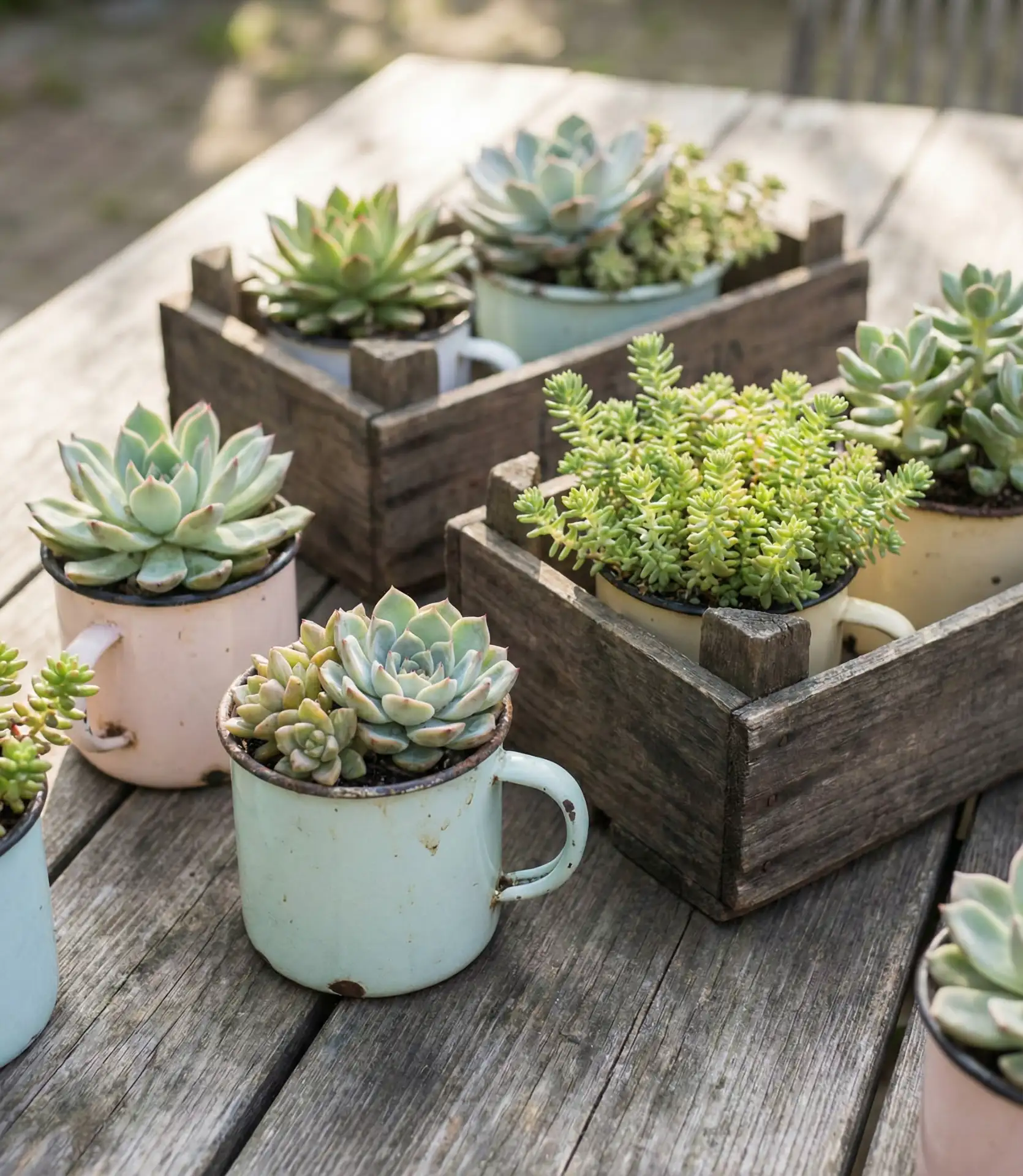
I have a neighbor who collects old teacups for 1 or 2 dollars each, weighs a heaping portion on a scale, then drills small drainage holes in the bottom. Like a tiny, charming garden. The only setback is if you forget to include drainage; otherwise, the succulents tend to rot.
9. Halloween Pumpkin Patch Displays
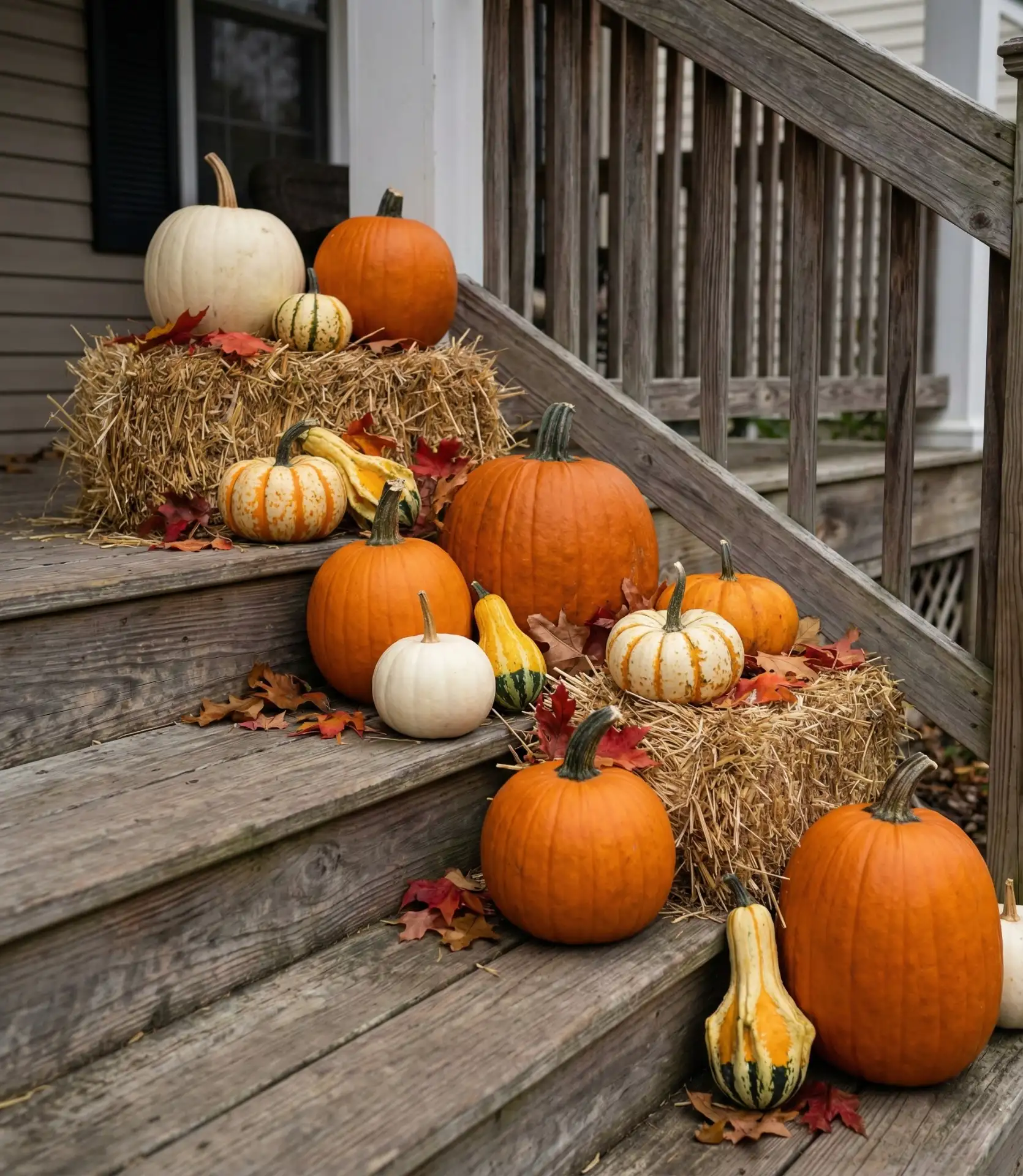
Arranging pumpkins, gourds, and hay bales on front porches or garden beds creates a festive Halloween display. This seasonal tradition is deeply rooted in American country culture, especially in the Midwest and Northeast. Mixing sizes, colors, and textures—from white ghost pumpkins to warty gourds—adds visual interest. It’s a homemade approach that feels authentic and welcoming. 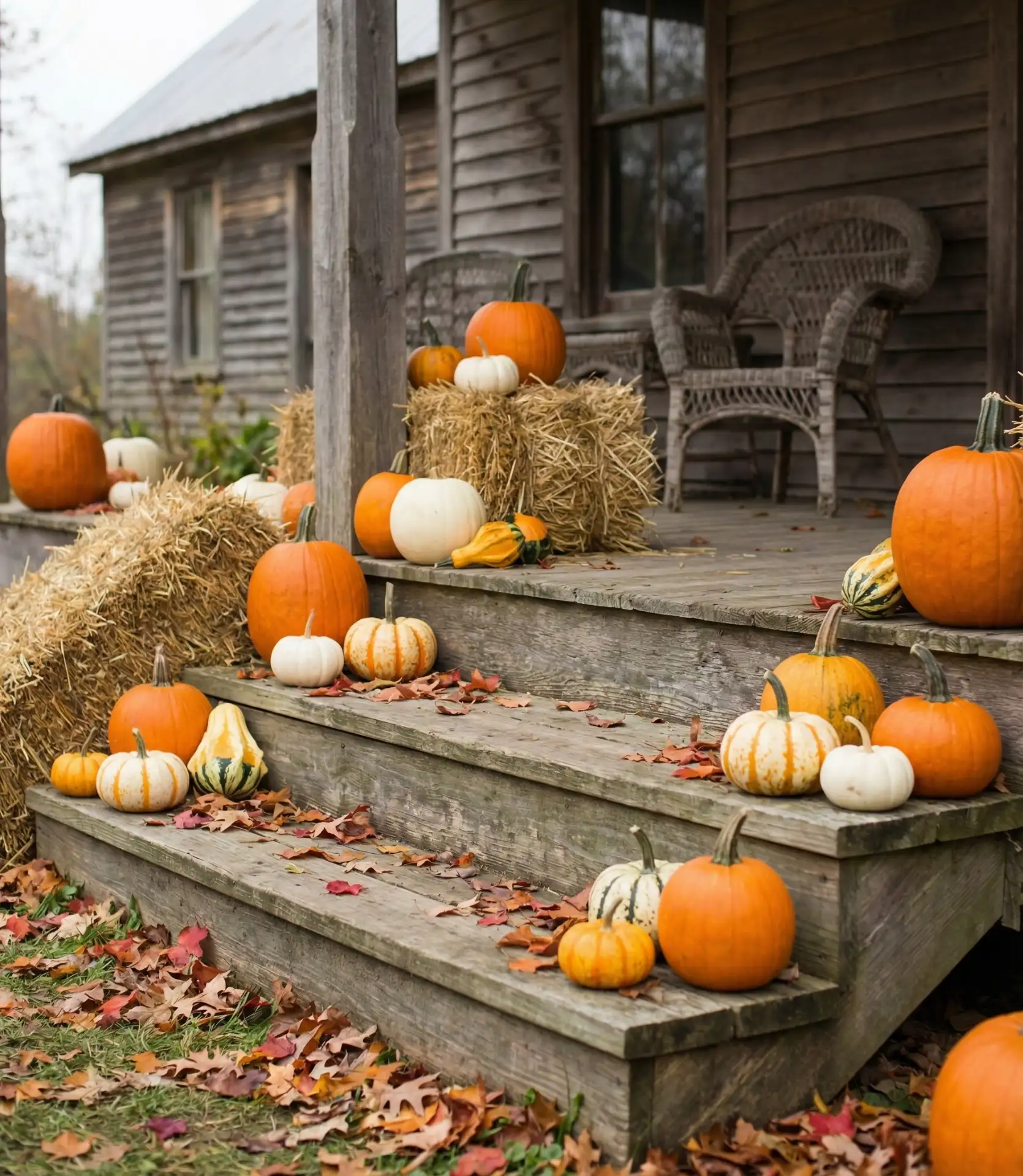
Many families turn the tradition into an annual ritual, visiting local pumpkin patches in late September or early October. If you keep the pumpkins out of direct rain and extreme heat, the display typically lasts through Thanksgiving. For longevity, choose pumpkins with intact stems and avoid placing them directly on concrete, which can cause rotting on the underside.
10. Winter Evergreen Planters
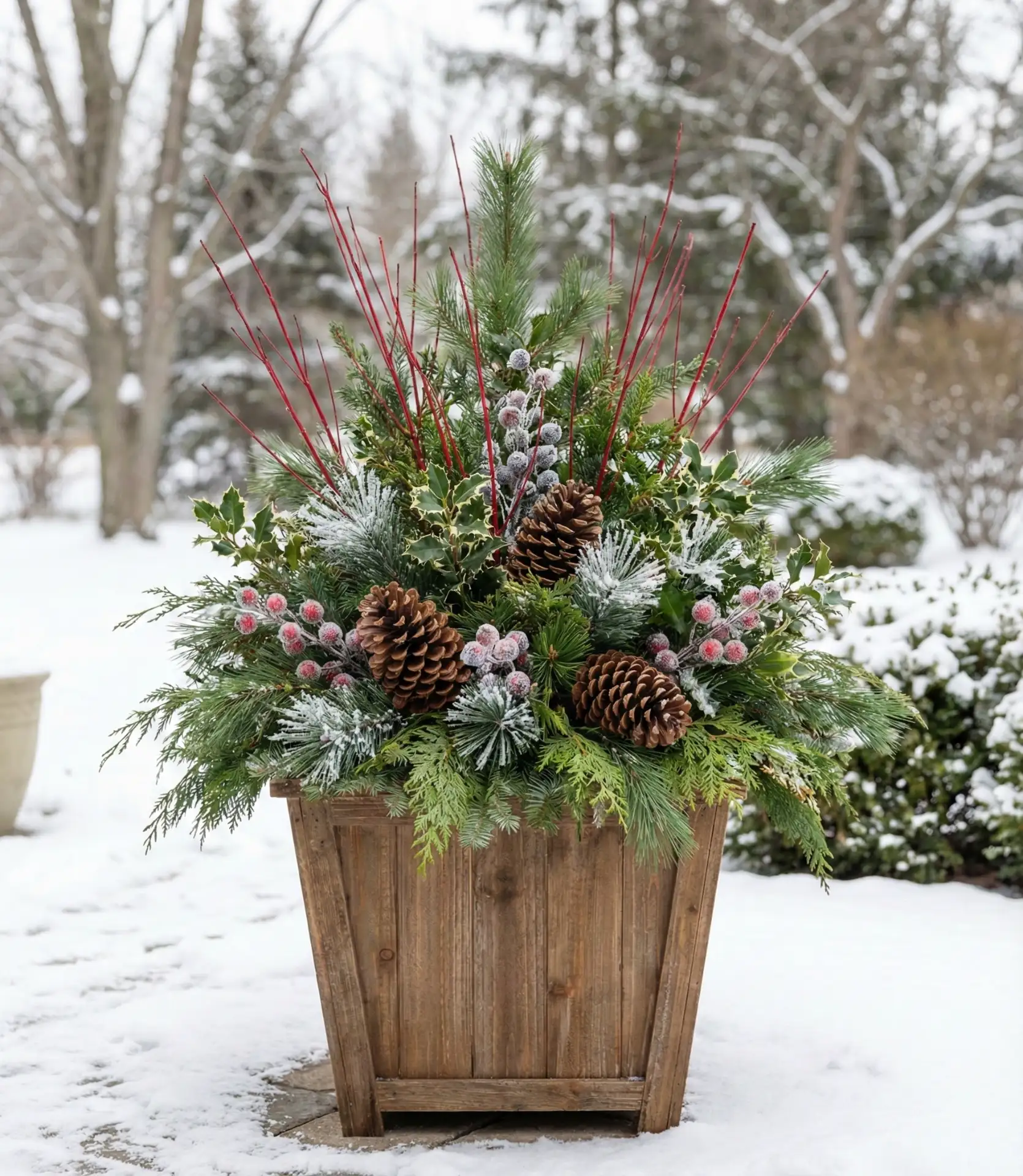
Filling outdoor containers with evergreen branches, red dogwood stems, and pinecones brings life to winter porches and entryways. This seasonal decor is a staple in cold-climate regions where gardens go dormant. The natural materials are often free—clipped from your yard or gathered on walks. Adding battery-operated lights or red berries enhances the festive feel without much effort. 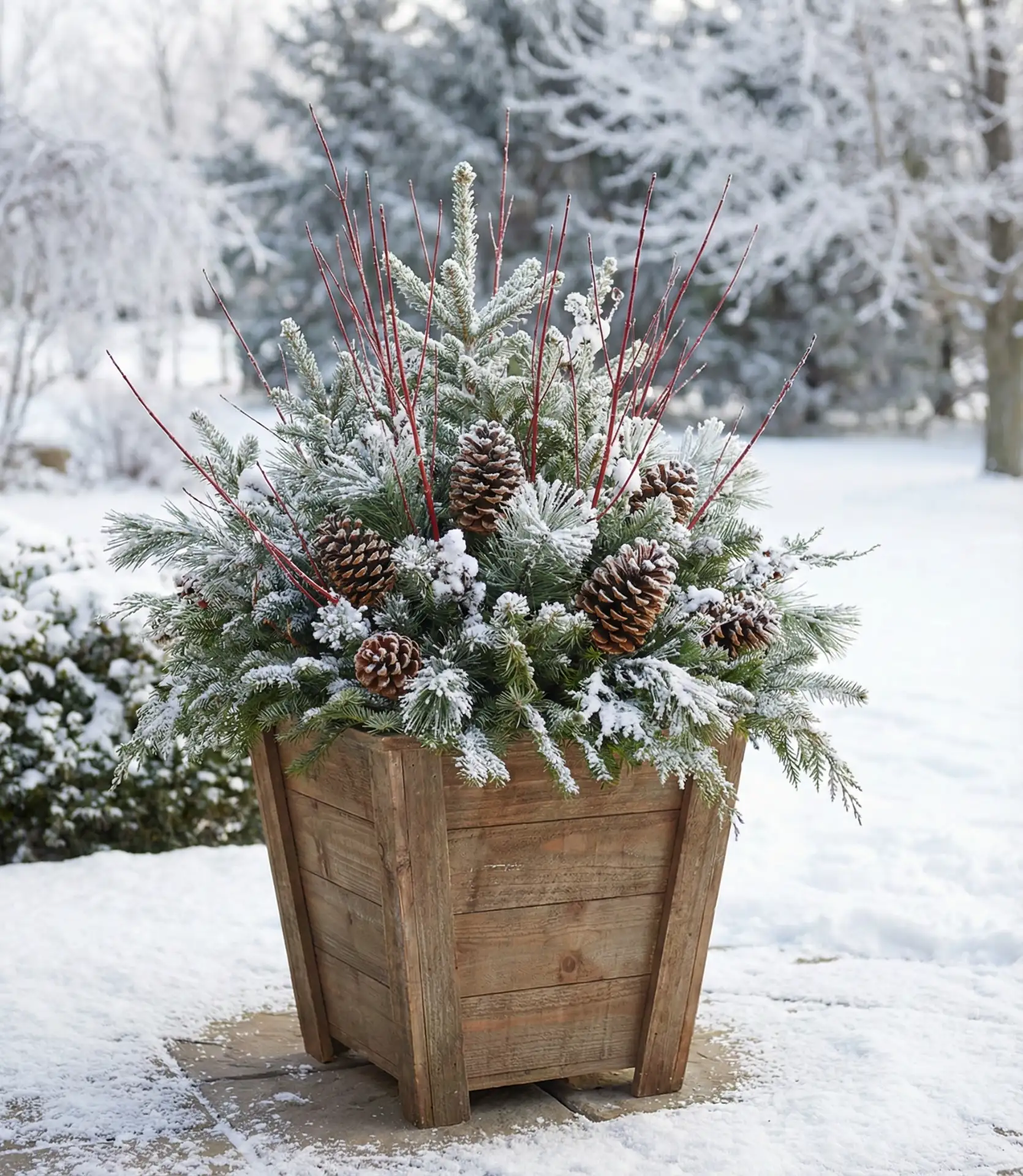
In New England and the upper Midwest, this tradition often begins right after Thanksgiving and lasts through February. The evergreens stay fresh-looking even in freezing temperatures, and the scent of pine adds to the seasonal atmosphere. Common mistakes include overpacking the container, which prevents air circulation and can cause mold, or using too many delicate elements that shatter in extreme cold.
11. Celebrating with Indoor and Outdoor Christmas Wreaths Christmas Outdoor Christmas Wreath Displays

Christmas is the most wonderful time of the year; spreading the Christmas spirit throughout the yard is easy by hanging Christmas wreaths over doors, gates, and even garden sheds. These wreaths can be DIY or store-bought and they can be made of faux or fresh materials. They also blend splendidly with rustic and polished design works. If you want to personalize the wreath to fit your home decor theme, you can add ribbons, bells, or even dried orange slices. 
In most cases, budget-conscious homeowners are able to spend less than fifteen dollars total by making wreaths with clippings from their evergreens and a grapevine base. You can keep the wreath fresh and vibrant by misting it regularly. That will keep it fresh and vibrant. For wreaths made of natural materials, the climate can be harsh, and that can burn or ruin the materials. If it is faux, it can be reused for years and withstand the weather.
12. Easter Pastel Garden Accents

Spring April Easter is centered around soft pink and yellow, along with light blue colors. It is the perfect time for sweet garden vibes with the seasonal display of painted planters, pastel birdhouses, and decorative eggs mingled in the flower beds. This is most appealing for families with young kids; it is a whimsical and fun way to celebrate spring and the changing from winter’s muted and dull tones into the bright colors of the warmer months. It’s for anyone who enjoys celebrating the renewal of spring. It’s a delightful way to celebrate the renewal of spring.
These accent colors are a great addition for the Easter season, providing a springtime feel, and they can also be used in summer for a warmer atmosphere. It is best to display these in areas like the cottage-style gardens because they can be appreciated in close proximity. These pastel colors can be balanced with wood and lighter shades. The key is getting the balance right. Overly pastel colors can feel overwhelming, which is where the balance of tinted greens and wooded tones come in. 
This style works best in cottage-style gardens or along front walkways where the playful colors can be appreciated up close. Many homeowners incorporate these accents solely for the Easter season, then transition to more neutral tones for summer. The key is restraint—too many pastels can feel overwhelming, so balance them with plenty of green foliage and natural wood tones.
13. Minecraft-Inspired Blocky Planters
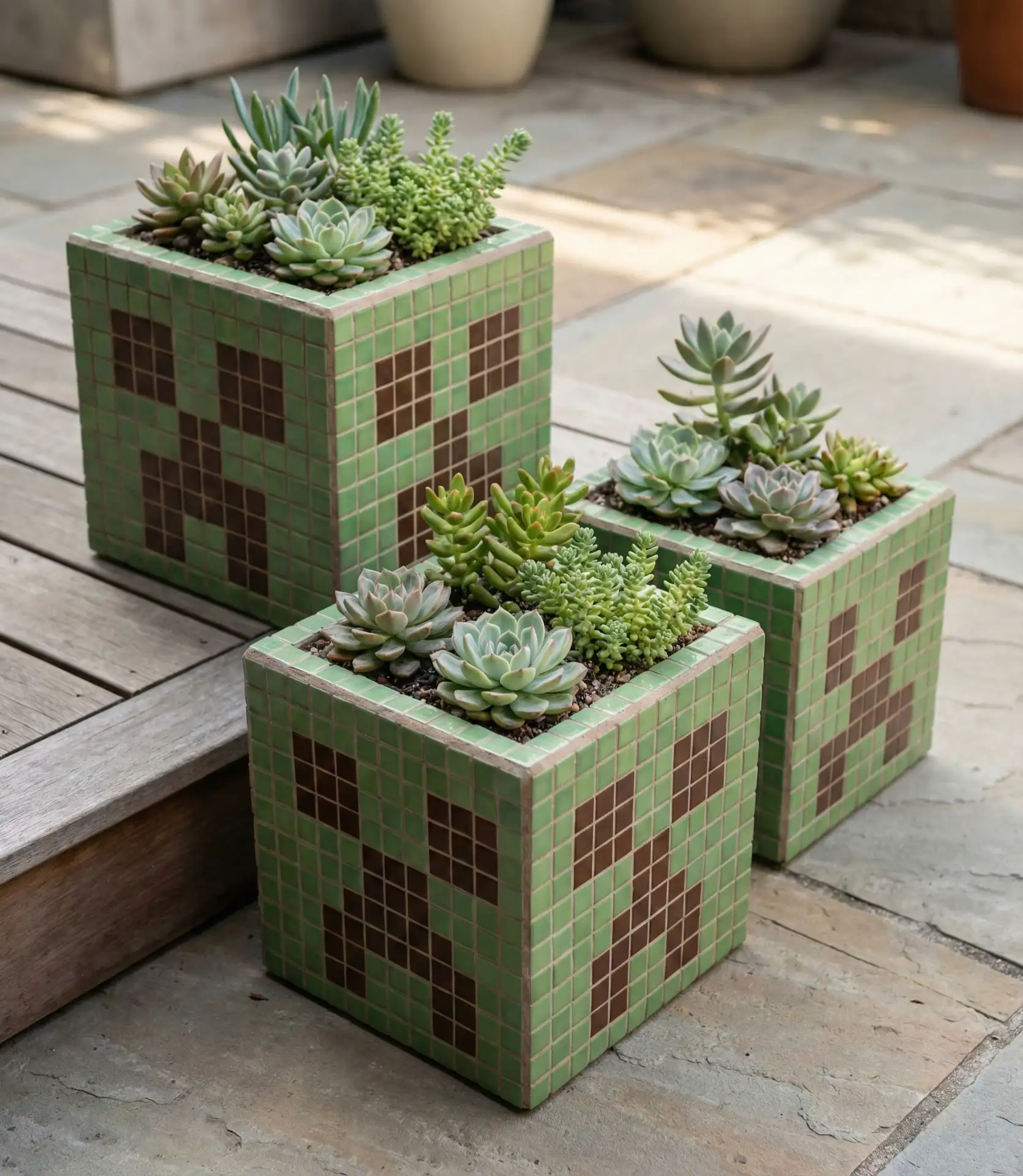
Square, geometric planters inspired by the blocky aesthetic of Minecraft appeal to younger gardeners and gaming enthusiasts. These can be built from wood or concrete, painted in pixelated patterns, and filled with low-maintenance plants like succulents or herbs. It’s a fun, unique way to merge digital culture with real-world gardening, and it often sparks conversations among visitors.
Parents report that this style gets kids more interested in outdoor projects and plant care. The planters are straightforward to build—just cut and assemble plywood or use cinder blocks. Painting them in Minecraft grass-block or dirt-block patterns makes them instantly recognizable. Just ensure proper drainage and use weather-resistant paint if they’re outdoors year-round.
14. Wood Slice Pathway Pavers
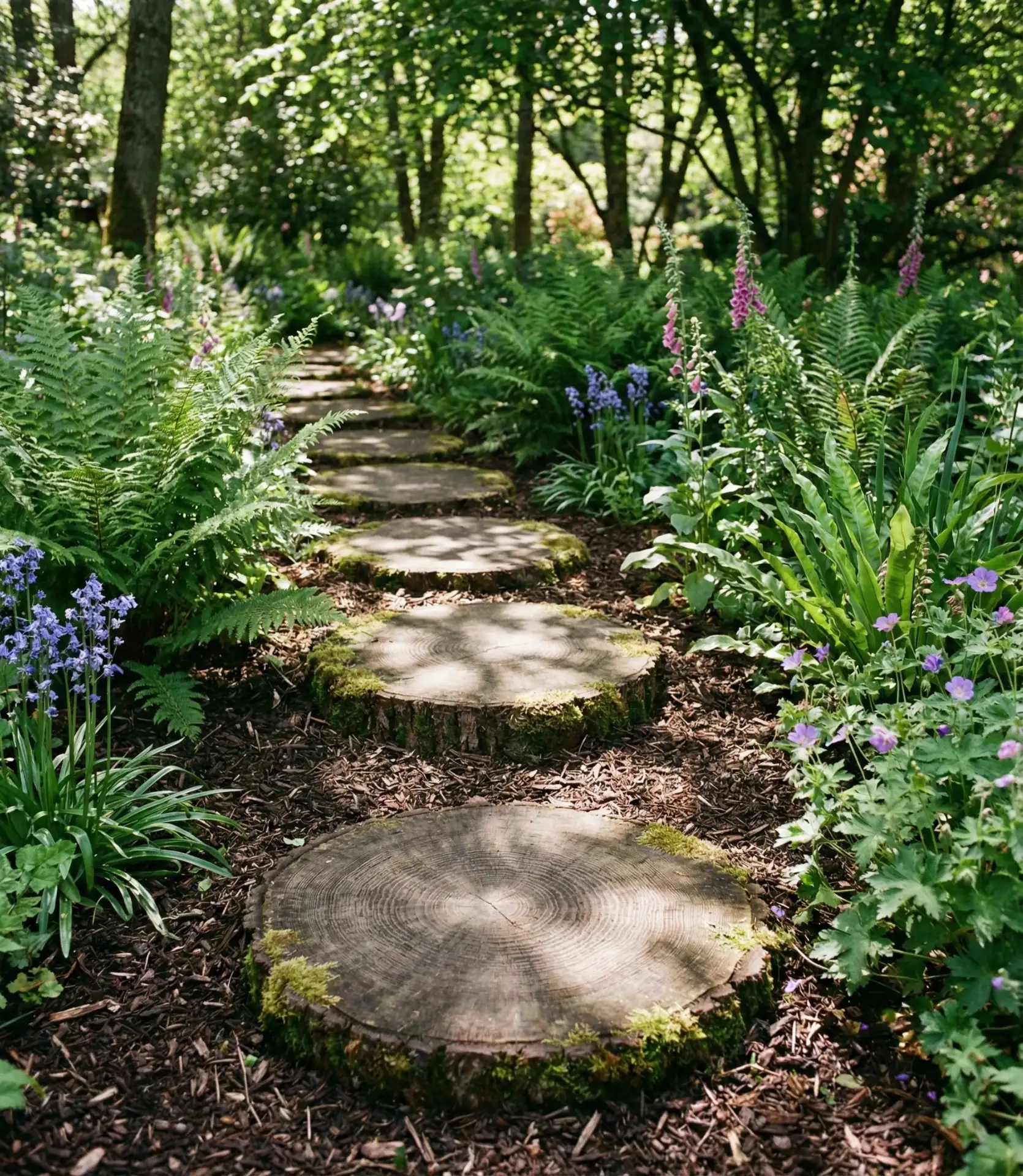
Laying thick wood slices into gravel or mulch creates a natural, rustic pathway through gardens or wooded areas. This outdoor DIY project is budget-friendly if you have access to felled trees or can source slices locally. The organic shapes and ring patterns add texture and warmth, and the pathway feels like a stroll through a forest floor. 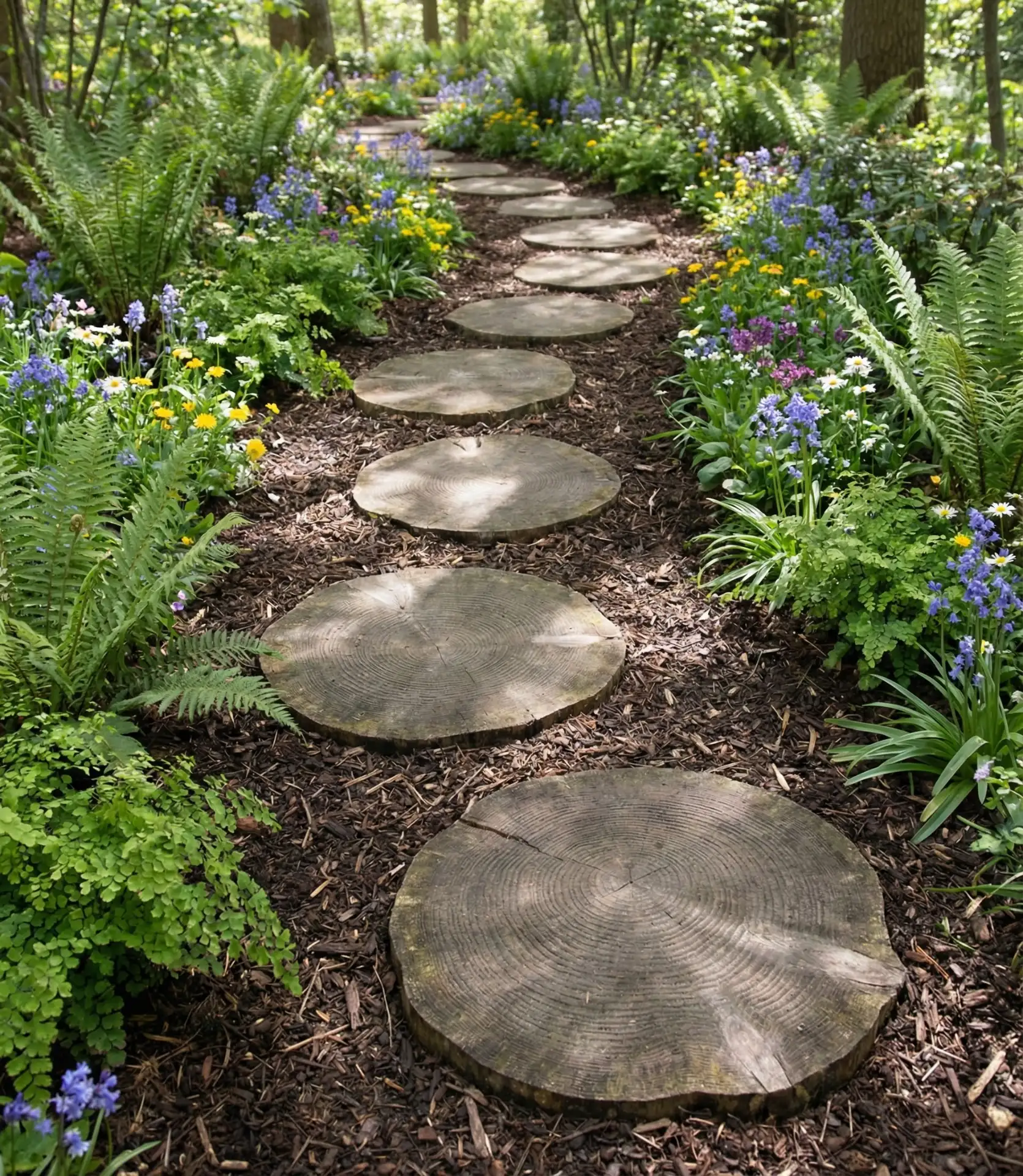
In the Pacific Northwest and Appalachian regions, this style fits seamlessly with the surrounding woodland landscapes. The slices should be at least three inches thick to prevent cracking, and treating them with a wood preservative extends their lifespan. Avoid using wood slices in high-traffic areas or where drainage is poor, as they can become slippery and rot faster.
15. Antique Watering Can Displays
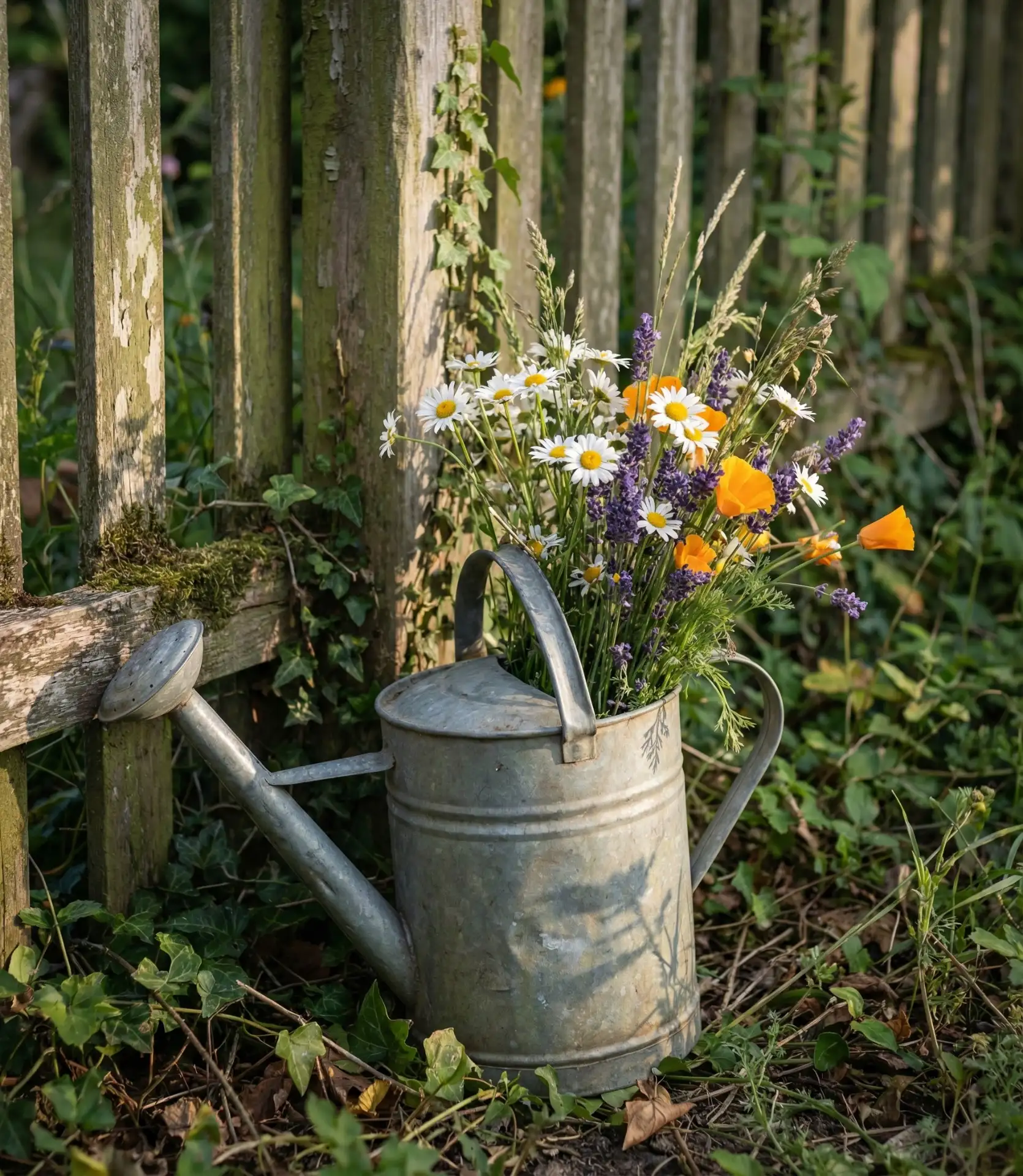
Old galvanized or enamel watering cans make charming vintage planters or decorative accents. Leaning them against fences, hanging them on hooks, or using them to hold cut flowers brings a sense of history and nostalgia to the garden. Farmhouse and country settings, where well-worn tools tell a story, particularly favor this antique approach. 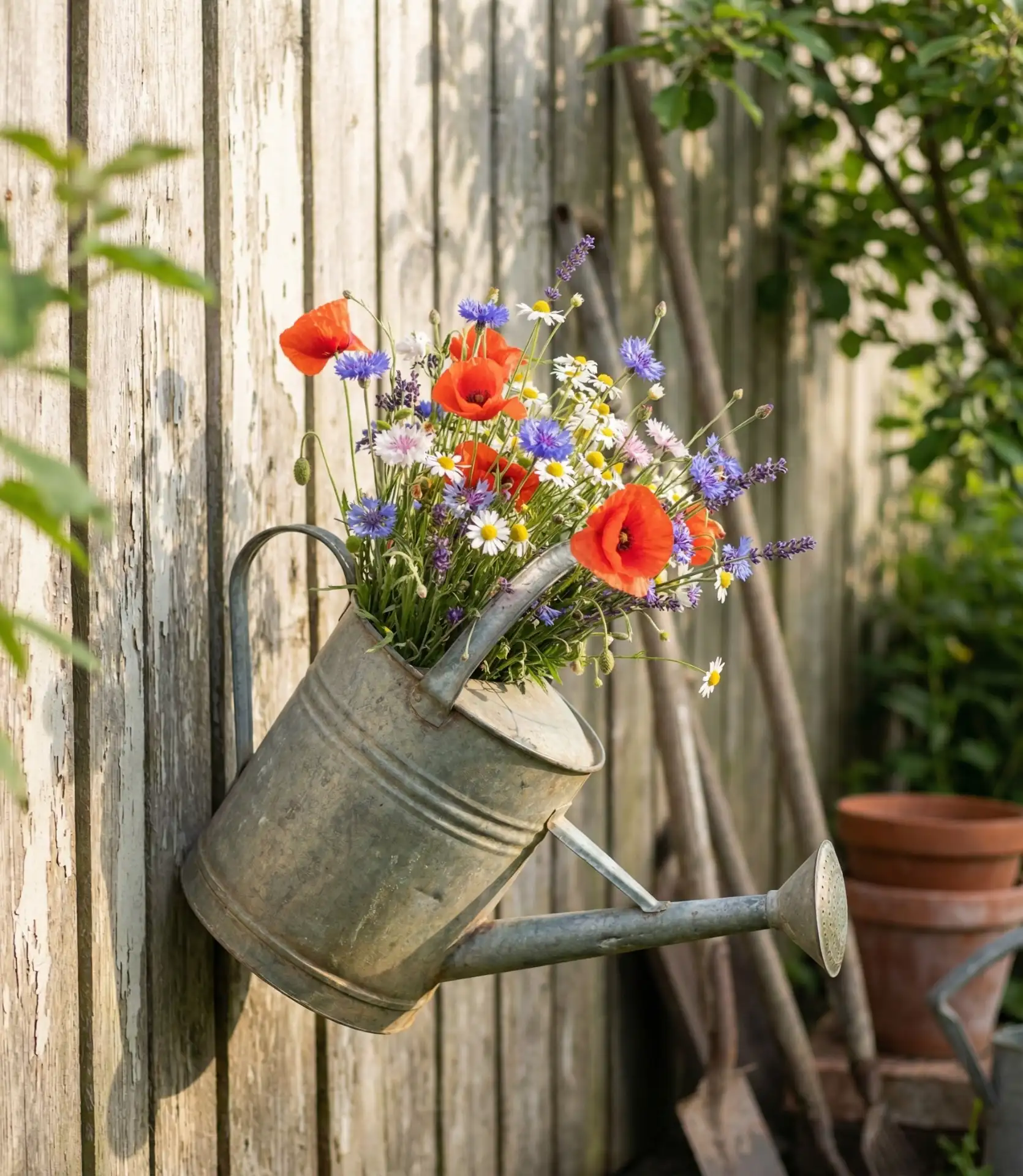
A homeowner collects these from estate sales and flea markets for no more than ten and fifteen dollars. She assigns the antique tools to different seasons, filling some with flowers, while leaving others empty to showcase the beauty of the patina. The only caution is to be sure to use the empty ones as planters since standing water leads to rust and rotten plants.
16. Fairy Garden Miniature Houses
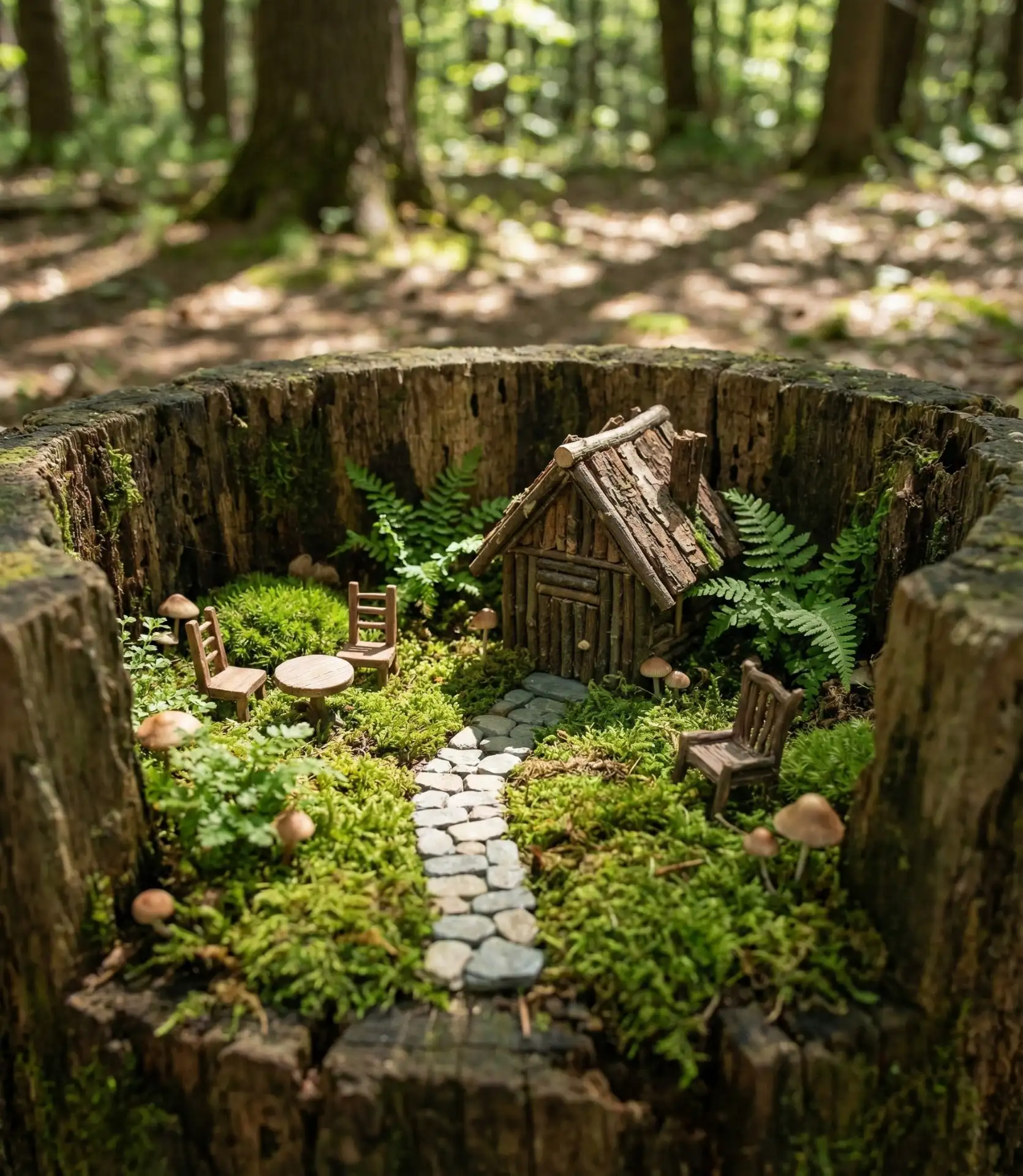
Inviting imagination into the outdoor space, a fairy garden with tiny houses, bridges, and little pieces of furniture helps to create a scene. Miniature scenes like these can be placed into planters, tree stumps, or shaded spots in the yard. Along with the cottagecore movement, this whimsical project engages both adults and children. Moss, small pebbles, and delicate plants can create a believable tiny world.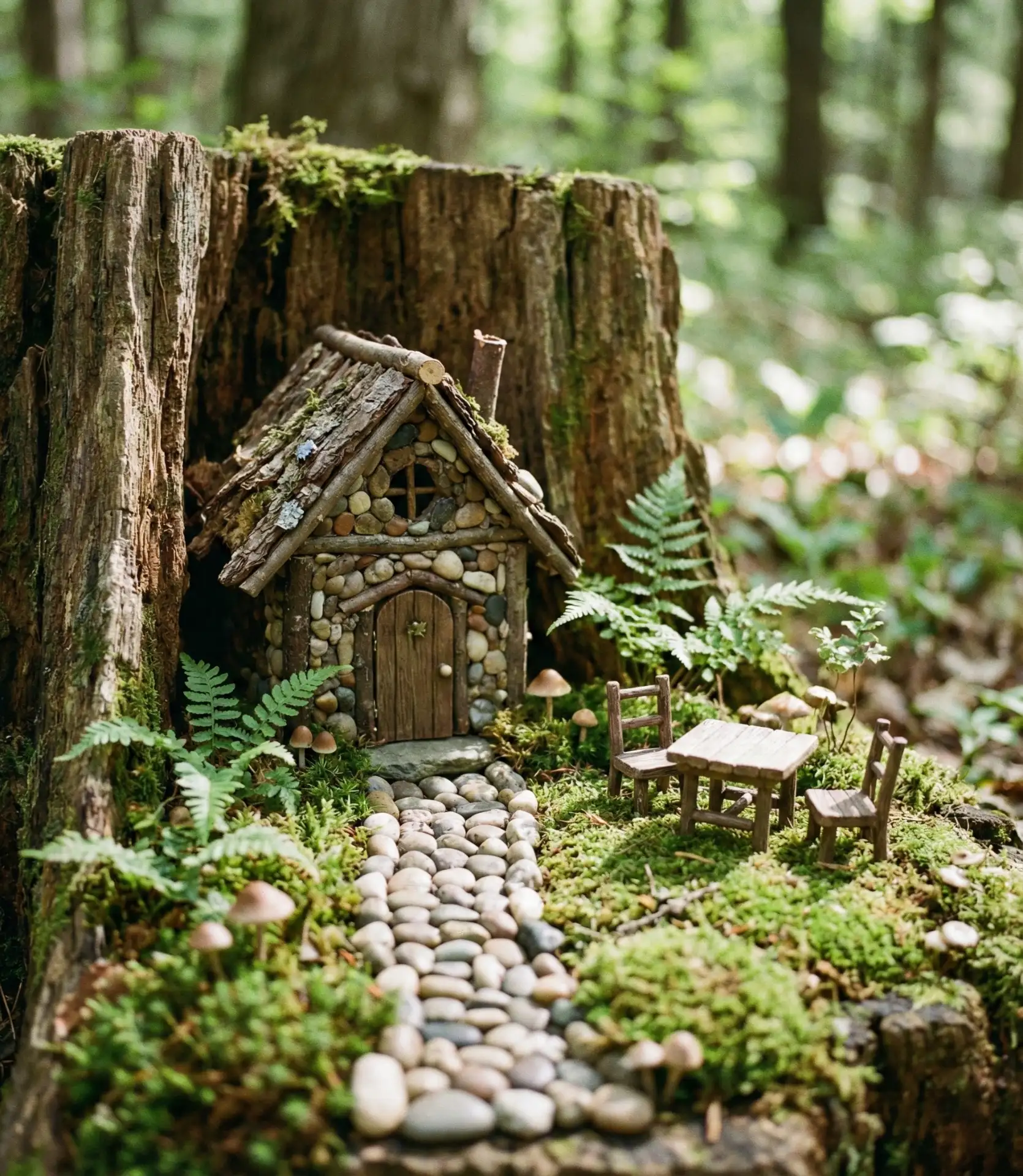
Rain can wash away delicate accessories, so these setups work best in sheltered spots. Fairy garden kits can be bought from many craft stores, but the personal touch of homemade twig fences or pebble pathways is much more charming. The key is to scale, so select small plants like baby tears or creeping thyme that stay small and won’t overwhelm the structures.
17. Repurposed Window Frame Planters
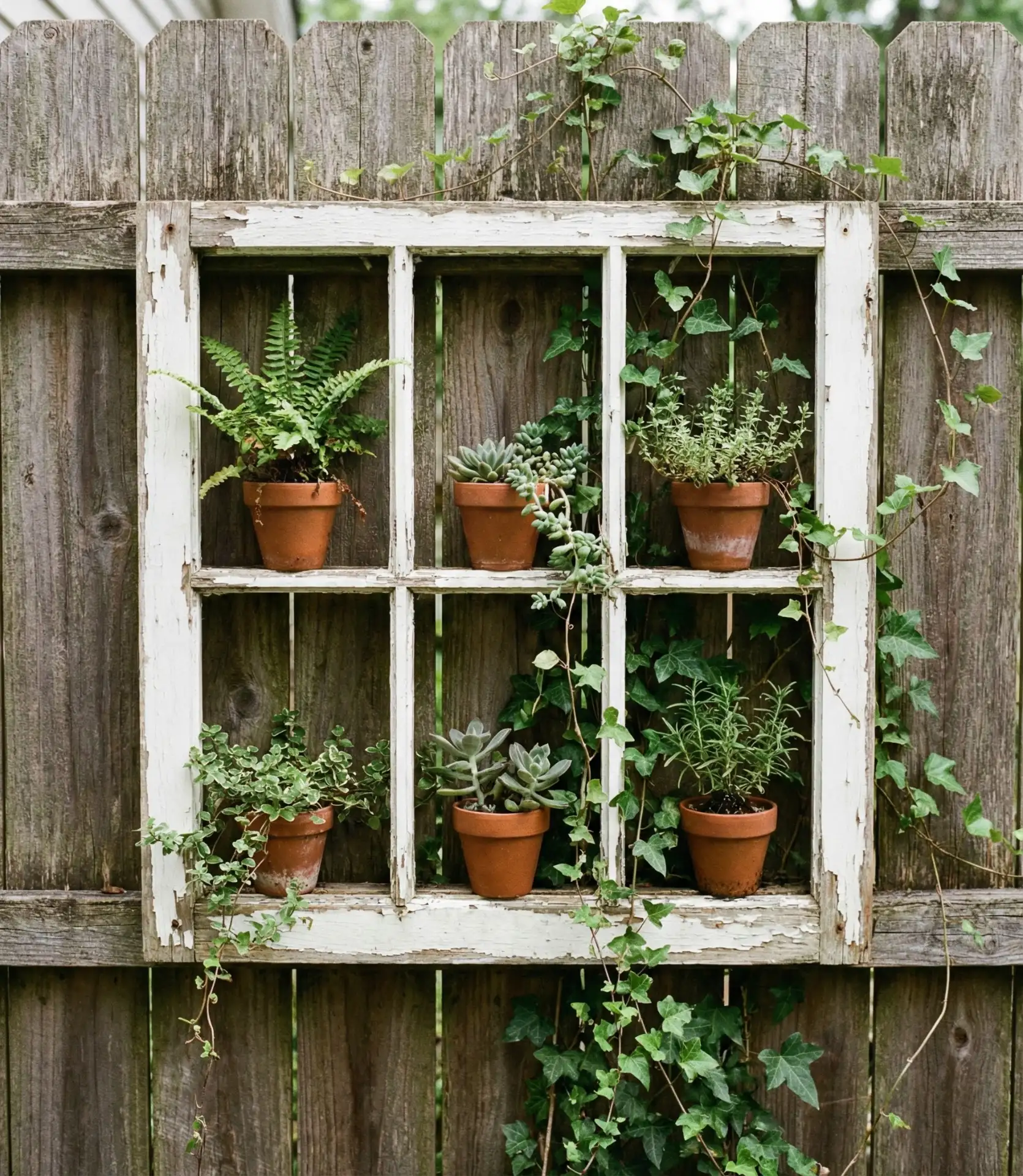
Old window frames mounted on fences or shed walls become vertical planters or decorative focal points. This vintage upcycling idea adds architectural interest and a sense of history. You can attach small pots to the frame, use it as a trellis for climbing vines, or simply hang it as a rustic backdrop. It’s a creative way to give salvaged materials new life in the garden. 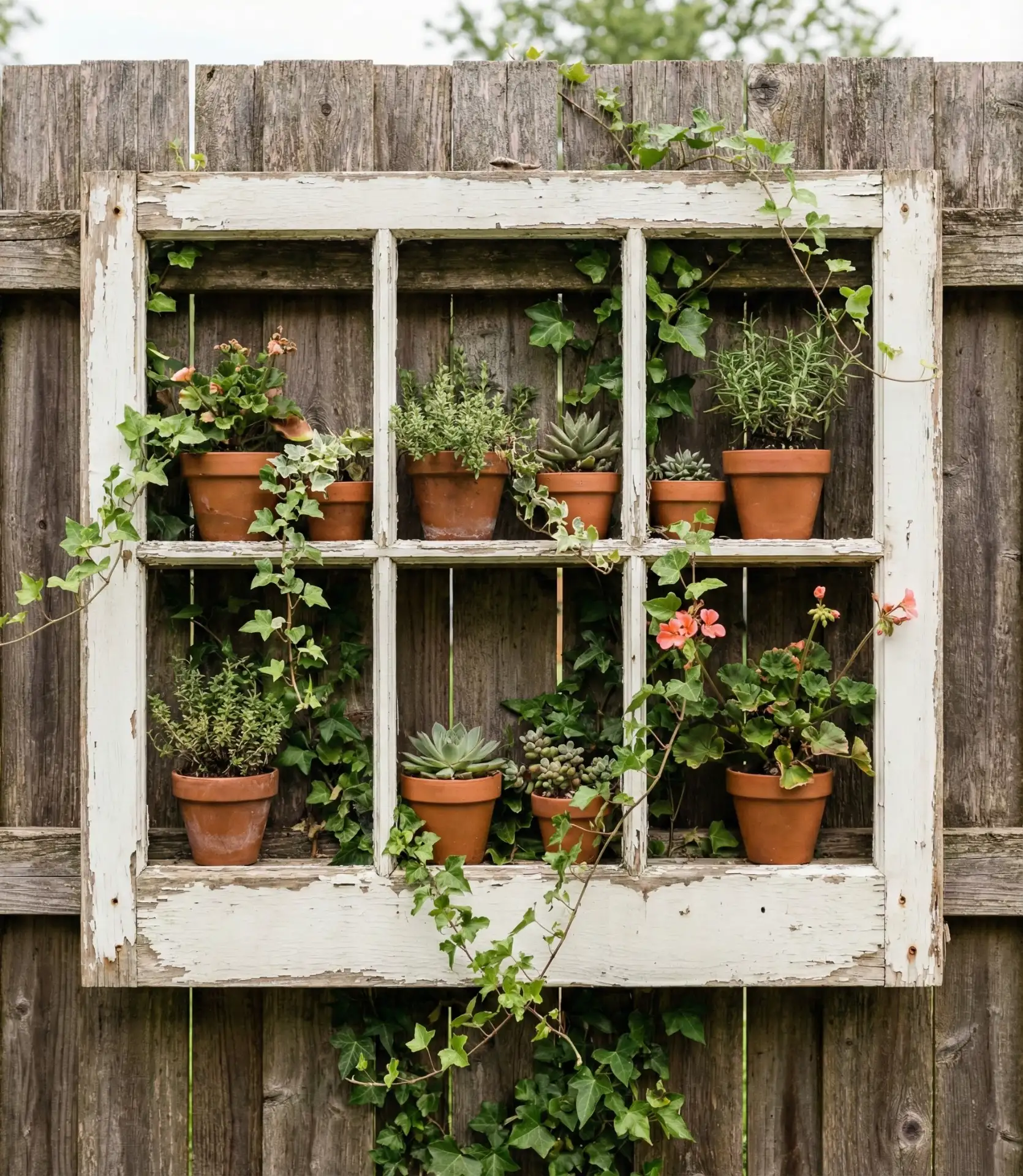
This style is especially beloved in the South and in areas with active salvage yards. The frames are often free or very cheap, and the project requires only basic tools. Expert tip: seal or paint the wood before installing to prevent rot, and ensure the frame is securely anchored to handle wind and the weight of plants.
18. Homemade Concrete Stepping Stones
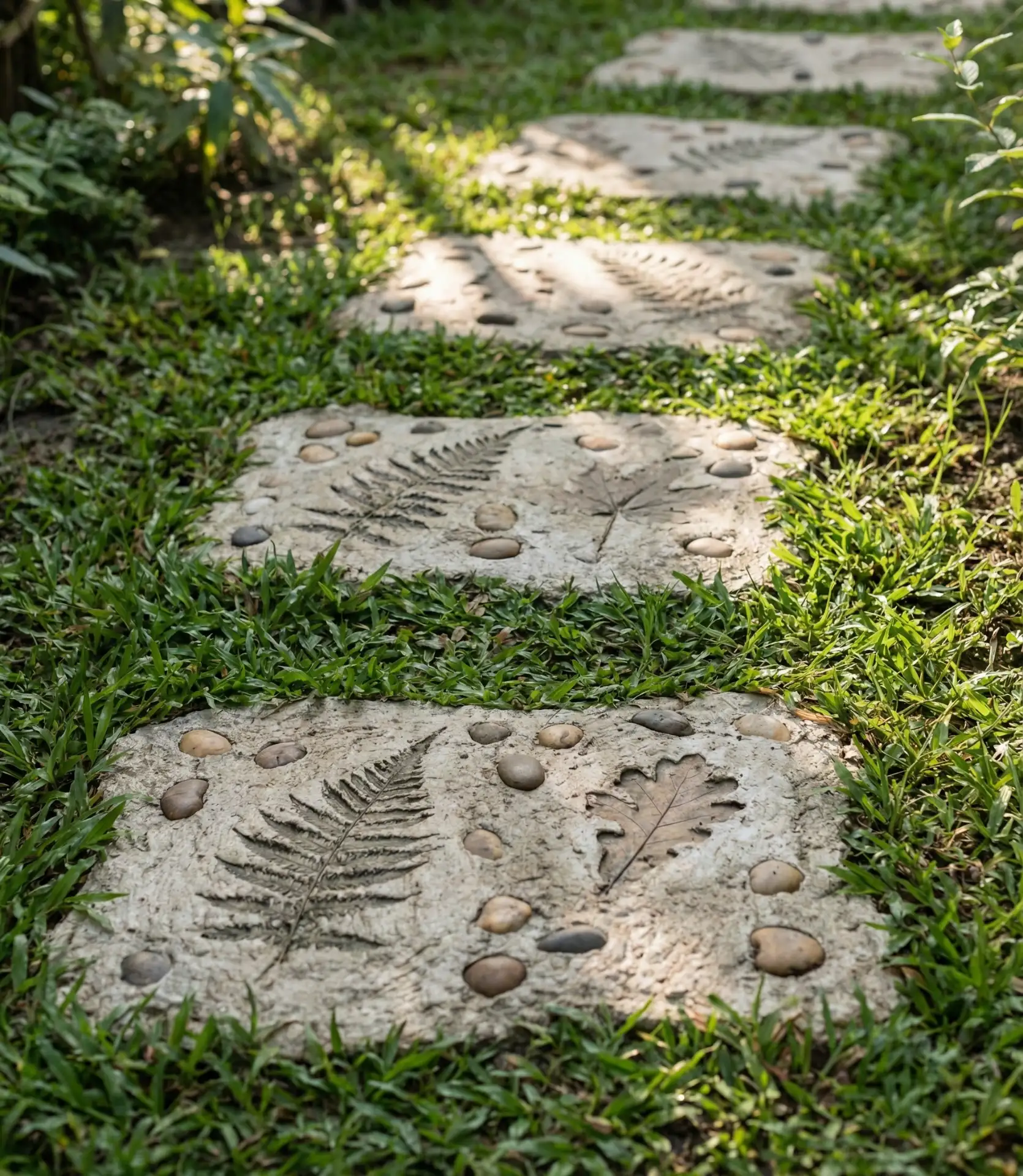
Pouring your concrete stepping stones allows for complete customization—embed leaves, handprints, or mosaic tiles for a personal touch. This homemade project is surprisingly affordable and can be completed in an afternoon. The stones can be round, square, or irregular, depending on the molds you use. It’s a DIY approach that adds both function and art to garden paths.
Families often make these together as a summer activity, pressing in handprints or writing names before the concrete sets. The stones typically cost less than five dollars each to make, compared to ten or fifteen dollars for store-bought versions. The main challenge is getting the mix consistency right—too wet and it won’t hold detail, too dry and it cracks easily.
19. Outdoor Wooden Birdhouse Villages
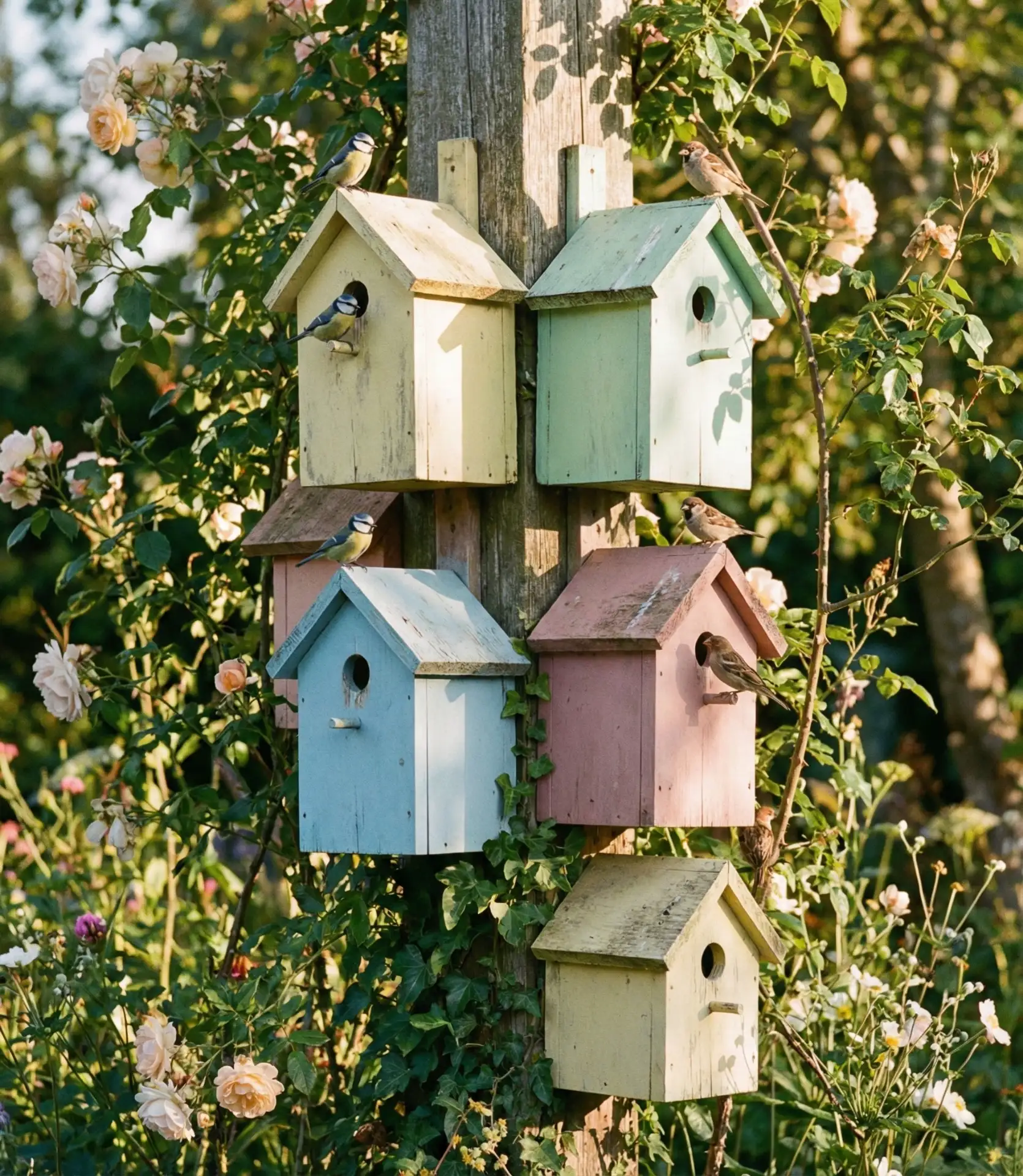
Clustering multiple wood birdhouses on posts or in trees creates a charming village effect. This outdoor decor doubles as a functional habitat for local birds, making it both decorative and beneficial. The houses can be painted in coordinating colors or left natural for a more rustic look. It’s a project that brings movement and life to the garden as birds come and go. 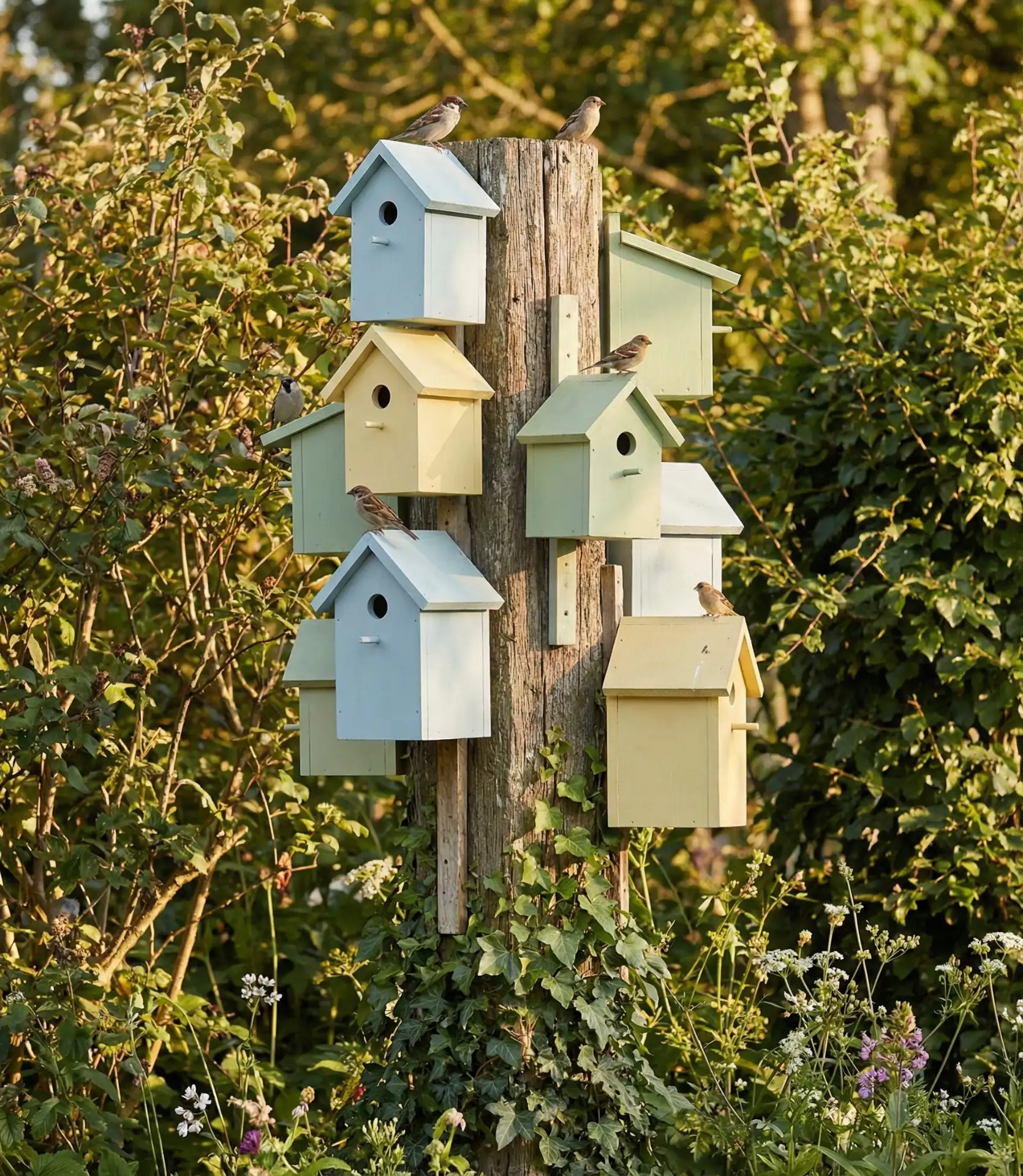
Bird enthusiasts recommend spacing houses at least ten feet apart to reduce territorial conflicts, especially for species like bluebirds and wrens. The houses should have proper ventilation holes and drainage, as well as entrance holes sized for the birds you want to attract. Avoid placing them in full sun in hot climates, as overheating can harm nestlings.
20. Projects with Repurposed Tire Planters
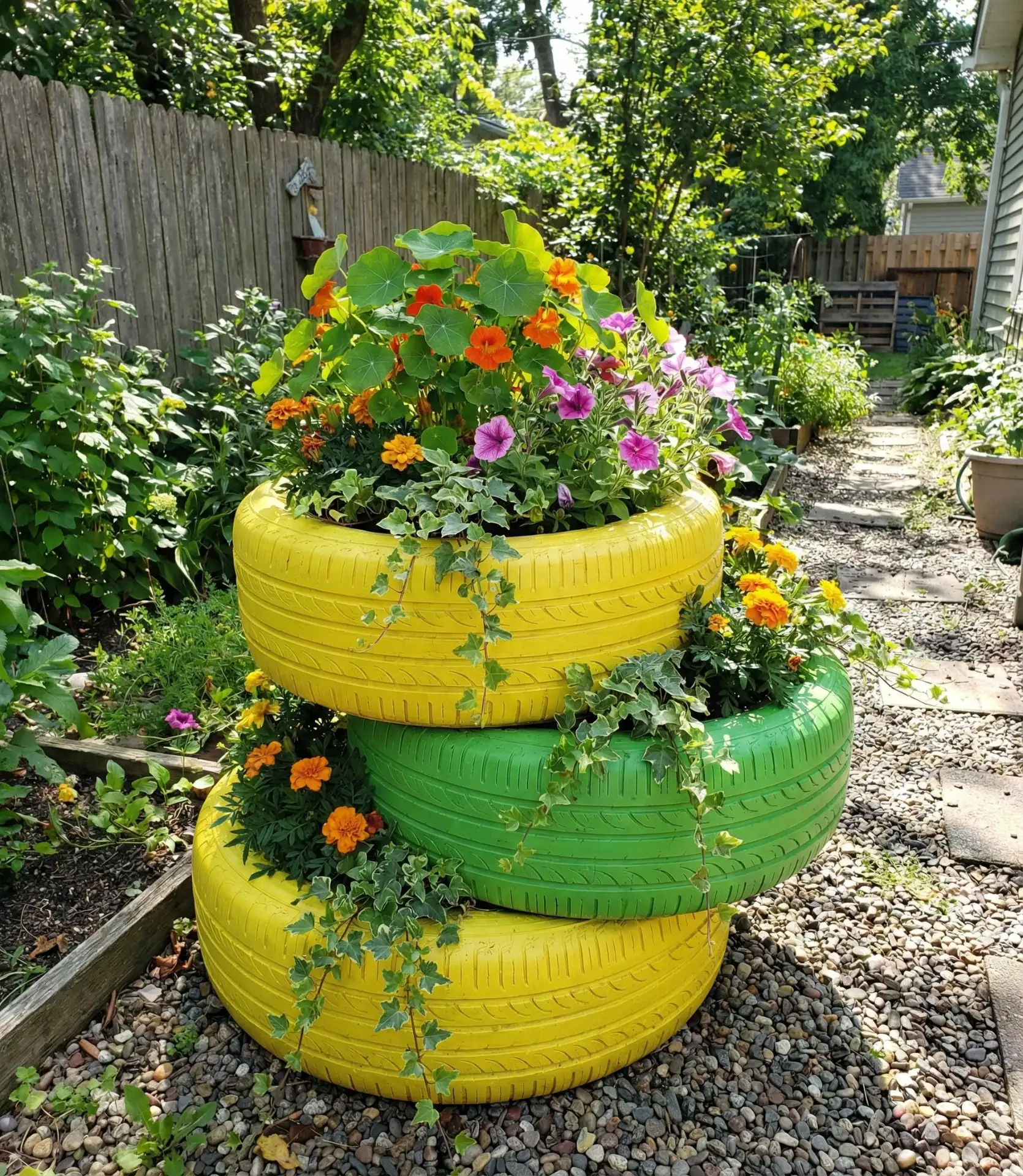
Painting old tires in bright colors and stacking them as planters is a playful, eco-friendly project that appeals to budget-conscious gardeners. This DIY idea works especially well for vegetables, flowers, or herbs. The rubber insulates roots, helping plants stay warm in cooler months. It’s a creative way to upcycle materials that might otherwise end up in a landfill. 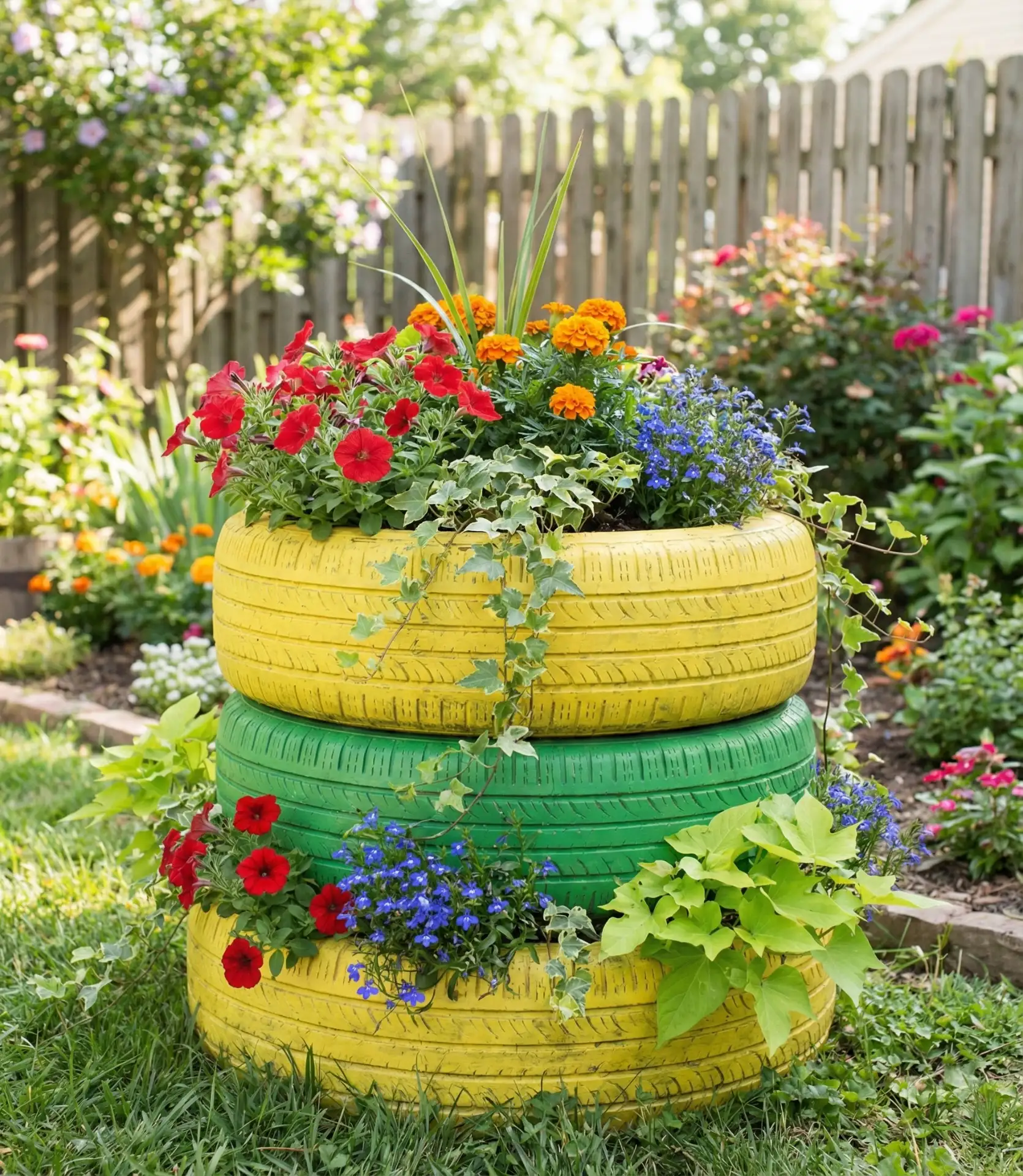
Real homeowners in suburban and rural areas have embraced this trend, especially for community gardens and school projects. The tires are typically free from auto shops, and outdoor latex paint adheres well. One common mistake is not drilling drainage holes in the bottom tier, which leads to waterlogged soil and root rot.
21. Unique Driftwood Garden Sculptures

Arranging pieces of driftwood into abstract sculptures or functional trellises brings a coastal, organic feel to inland gardens. This unique approach works beautifully in rustic or naturalistic landscapes. The weathered wood contributes texture and movement, and each piece is unique. It’s a creative way to introduce sculptural elements without relying on mass-produced decor. 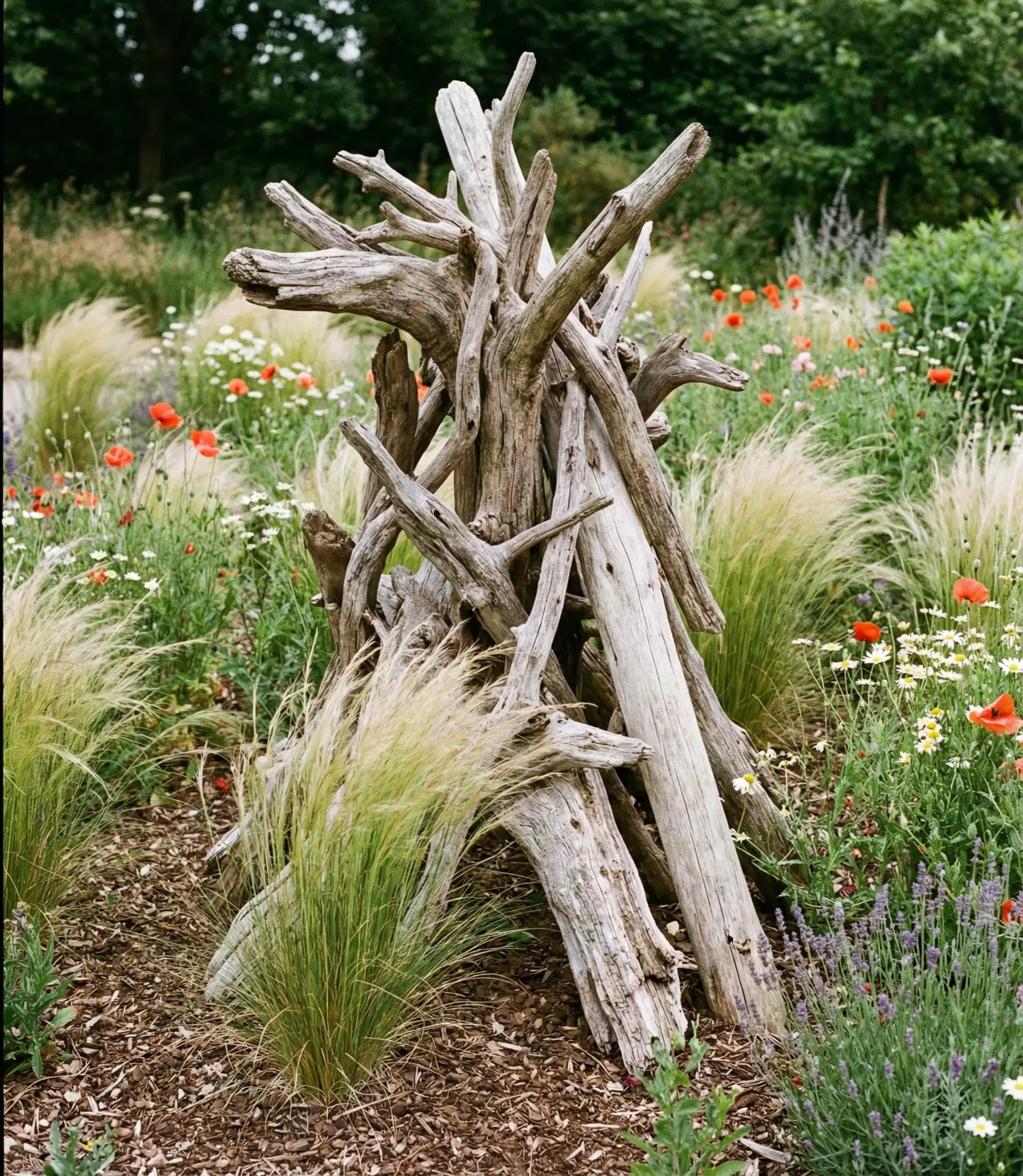
Coastal residents often collect driftwood on beach walks, but inland gardeners can acquire similar pieces at craft stores or salvage yards. The key is choosing wood with intriguing shapes and securing it firmly in the ground or against structures. Over time, the wood will continue to weather and blend even more naturally with the surrounding landscape.
22. Wedding Garden Archways
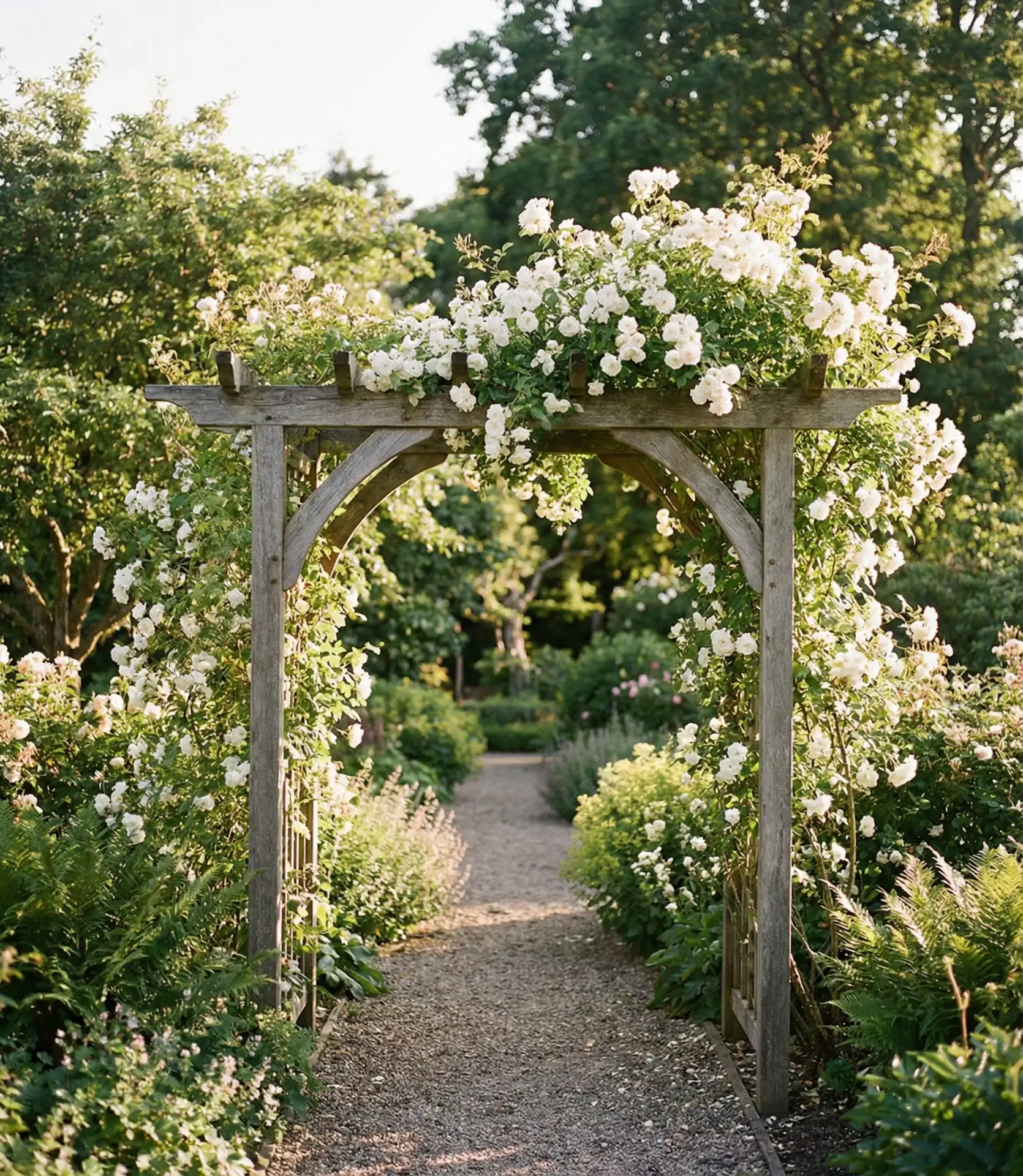
Floral archways draped with climbing roses, jasmine, or wisteria create romantic focal points perfect for wedding ceremonies or garden photography. This outdoor structure can be built from wood, metal, or repurposed doors and windows. Even outside of special events, these archways add vertical interest and a sense of passage between garden rooms. It’s a whimsical element that transforms ordinary yards into enchanting spaces. 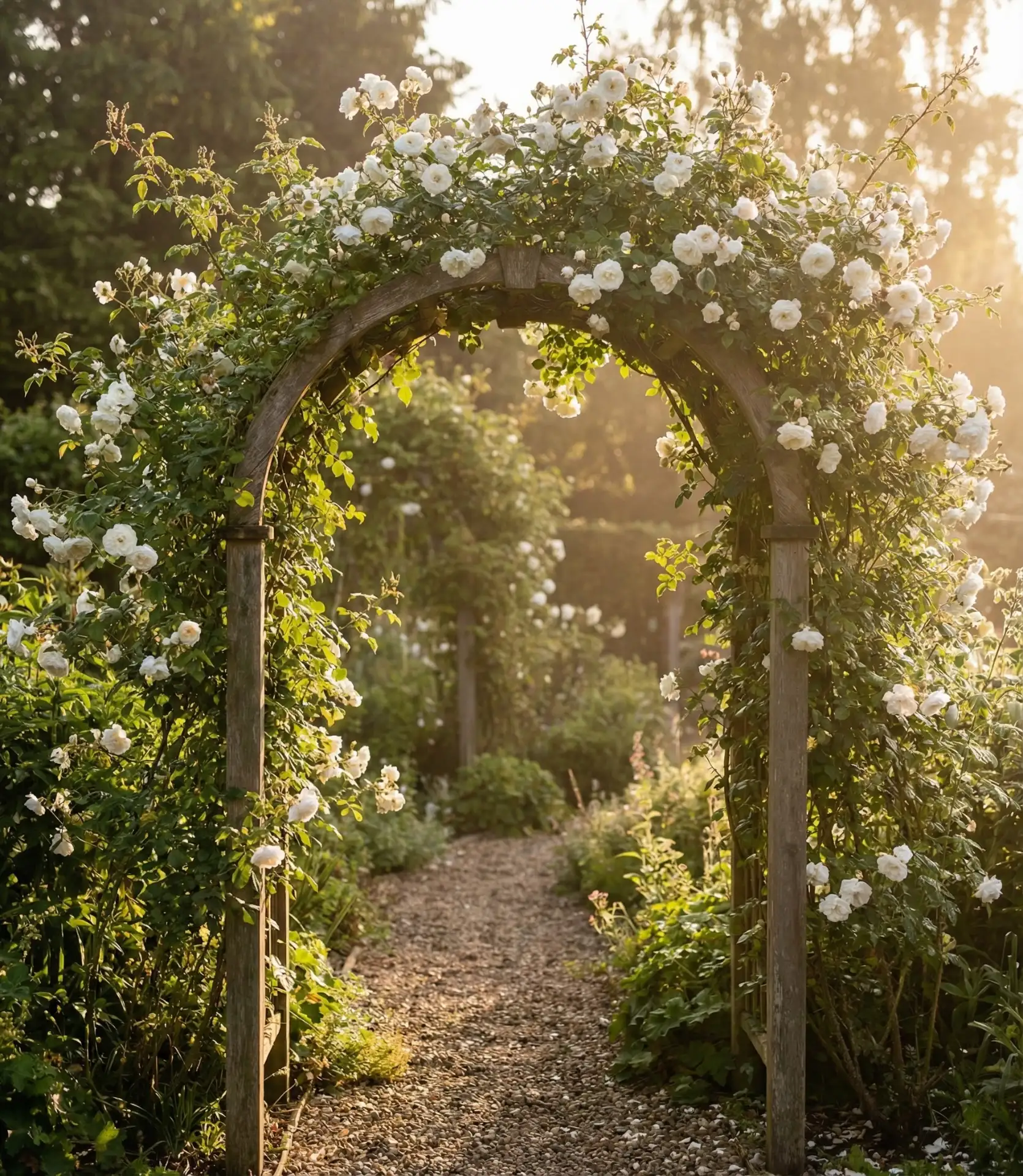
Homeowners in the South and California often install these as permanent garden features, training perennial vines to cover them over several seasons. The investment is modest—a basic wooden arch kit costs around one hundred dollars, and plants add another thirty to fifty. The mistake to avoid is choosing fast-growing but aggressive vines like kudzu or English ivy, which can overtake the structure and nearby plants.
23. Miniature Zen Sand Gardens
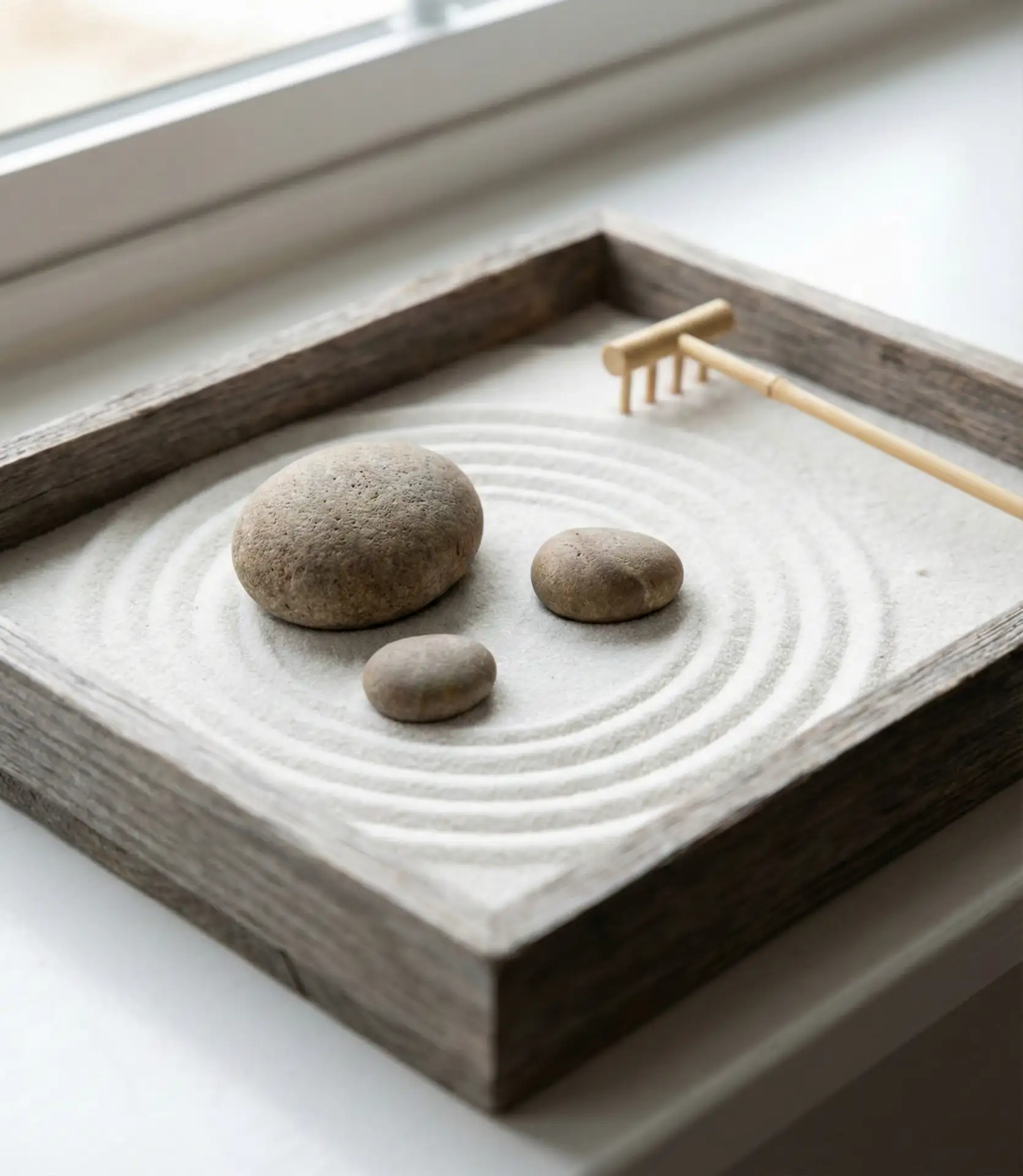
The art of pattern raking is a meditation technique that can be taken outdoors to a small covered patio or outdoor space in a tray-sized sand garden. These smaller versions of traditional Japanese gardens can be placed on decks, balconies, or even indoor windowsills. The simplicity and repetitiveness of this activity allows for a mental reset and is a unique way to incorporate mindfulness into your everyday routine.
During stressful days, a small Zen garden on a patio table or desk allows for a quick mental break. These materials are inexpensive, and a small rake, a shallow wooden tray, and a few stones with fine sand cost less than twenty dollars. The only maintenance required is refreshing the sand patterns, which makes this decor idea low effort and one of the easiest to maintain.
24. Creative Succulent Living Wall Panels
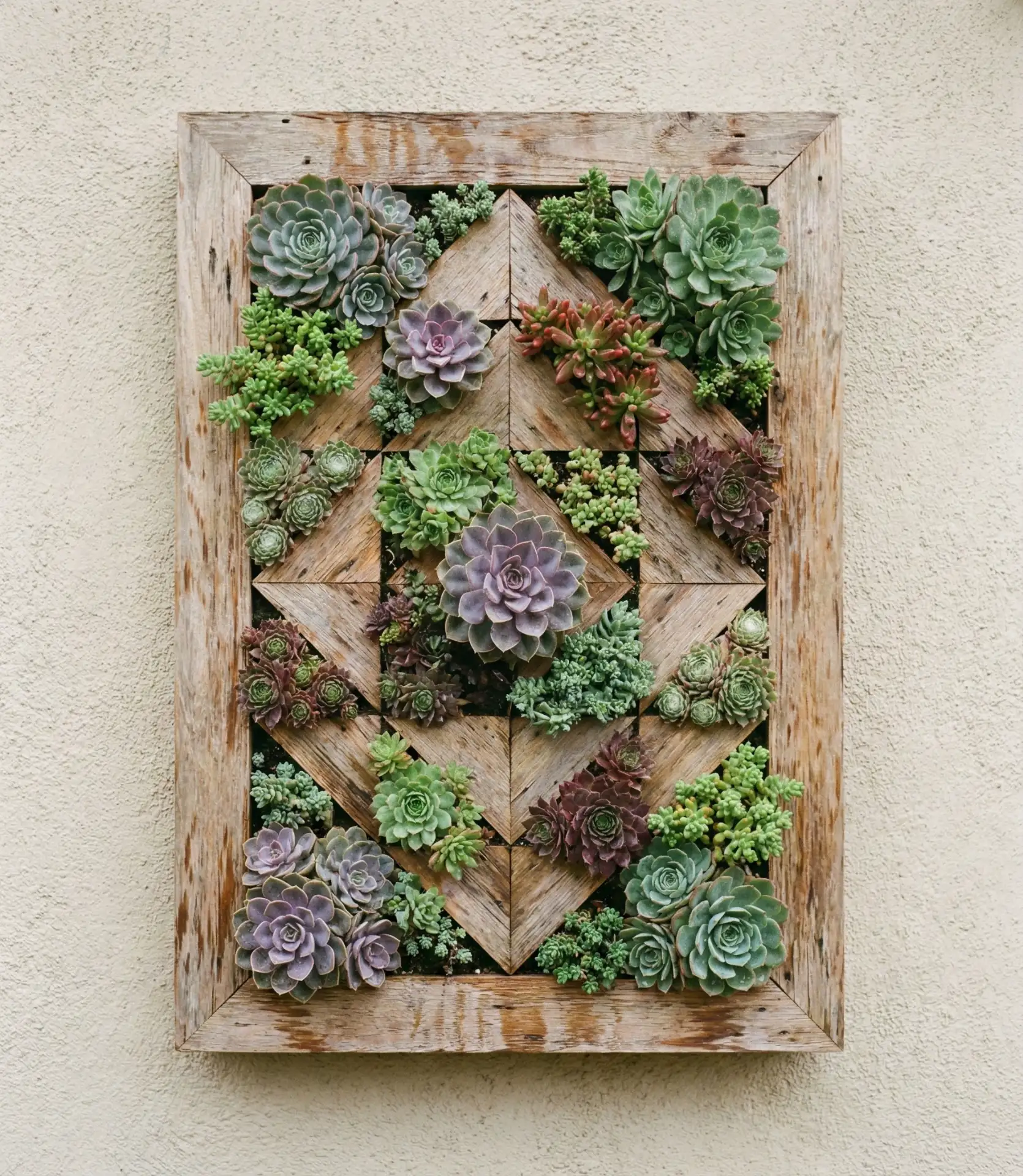
Panels filled with mini succulents make for living outdoor wall art. This space-efficient design adds sculptural greenery and is a clever way to fill in a small yard, patio, or fence.
DIY kits are available for purchase, and due to the wide variety of options, there are countless design possibilities with different types of succulents. It’s a modern drought-resistant option when compared to regular pot gardening. 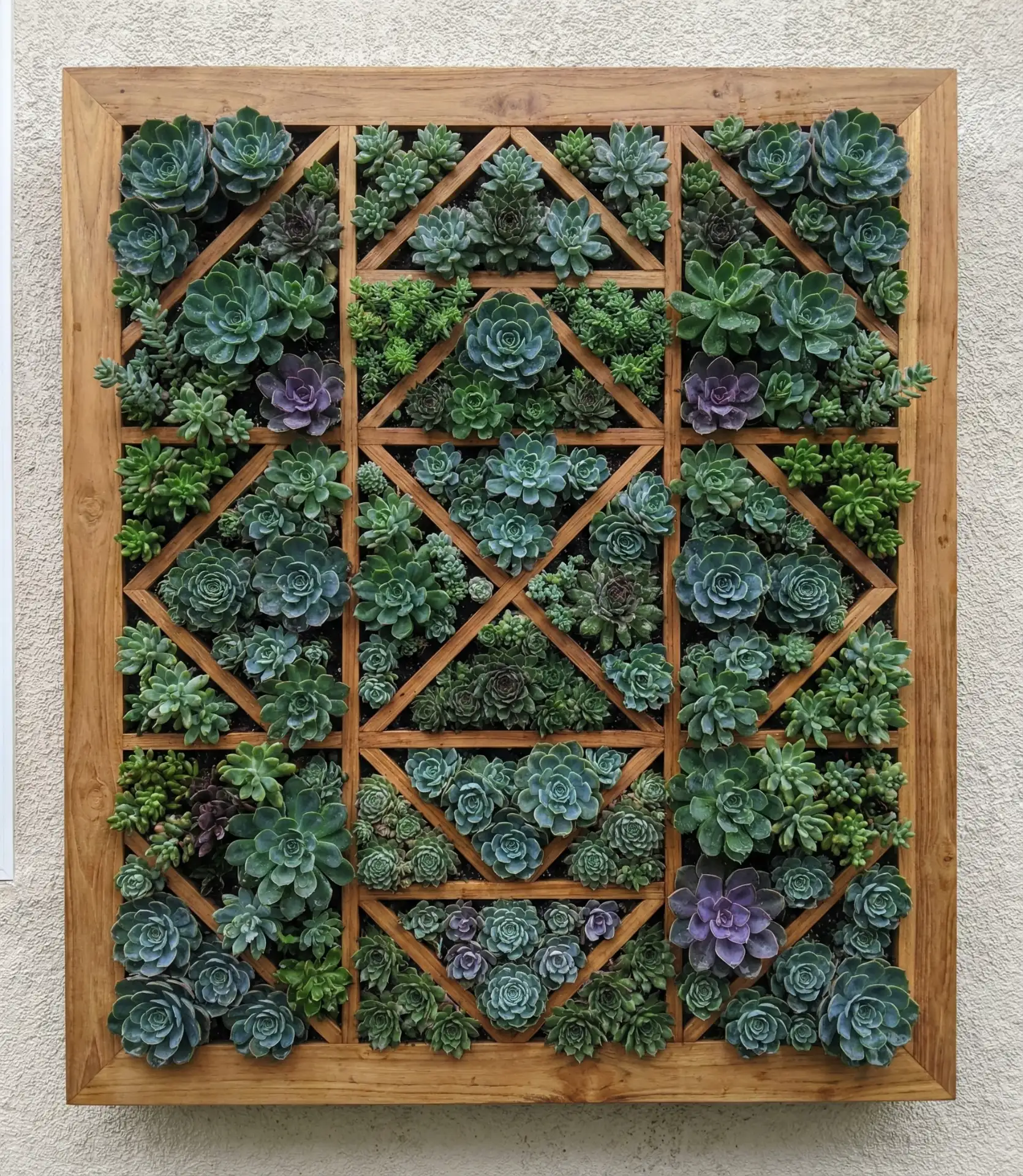
In arid regions like Arizona and Southern California, these panels thrive with minimal watering—often just once every two weeks. The greatest challenge is ensuring the frame is securely mounted and that the planting medium drains well. Many gardeners start with a small panel to test their watering schedule and plant choices before scaling up to larger installations.
These garden decor ideas for 2026 reflect a blend of nostalgia, sustainability, and personal expression. Whether you’re drawn to vintage finds, DIY projects, or minimalist modern touches, there’s inspiration here to make your outdoor space feel more intentional and inviting. Share your favorite ideas or your garden transformations in the comments below—we’d love to see what you create.