44 Front Yard Landscaping Design Ideas for 2026: Modern, Low-Maintenance and Beautiful

As homeowners look to enhance their curb appeal while creating lovely outdoor areas, front yard landscaping has become one of the most popular home improvement projects on Pinterest. As of 2026, the landscaping trend has focused on sustainable, low-maintenance designs. These designs prioritize functionality while still being visually pleasing. These projects will help turn your front yard into a modern American classic, no matter if you are working on a slope, changing a ranch home, or redoing your entryway.
1. Wildflower Meadow Entrance
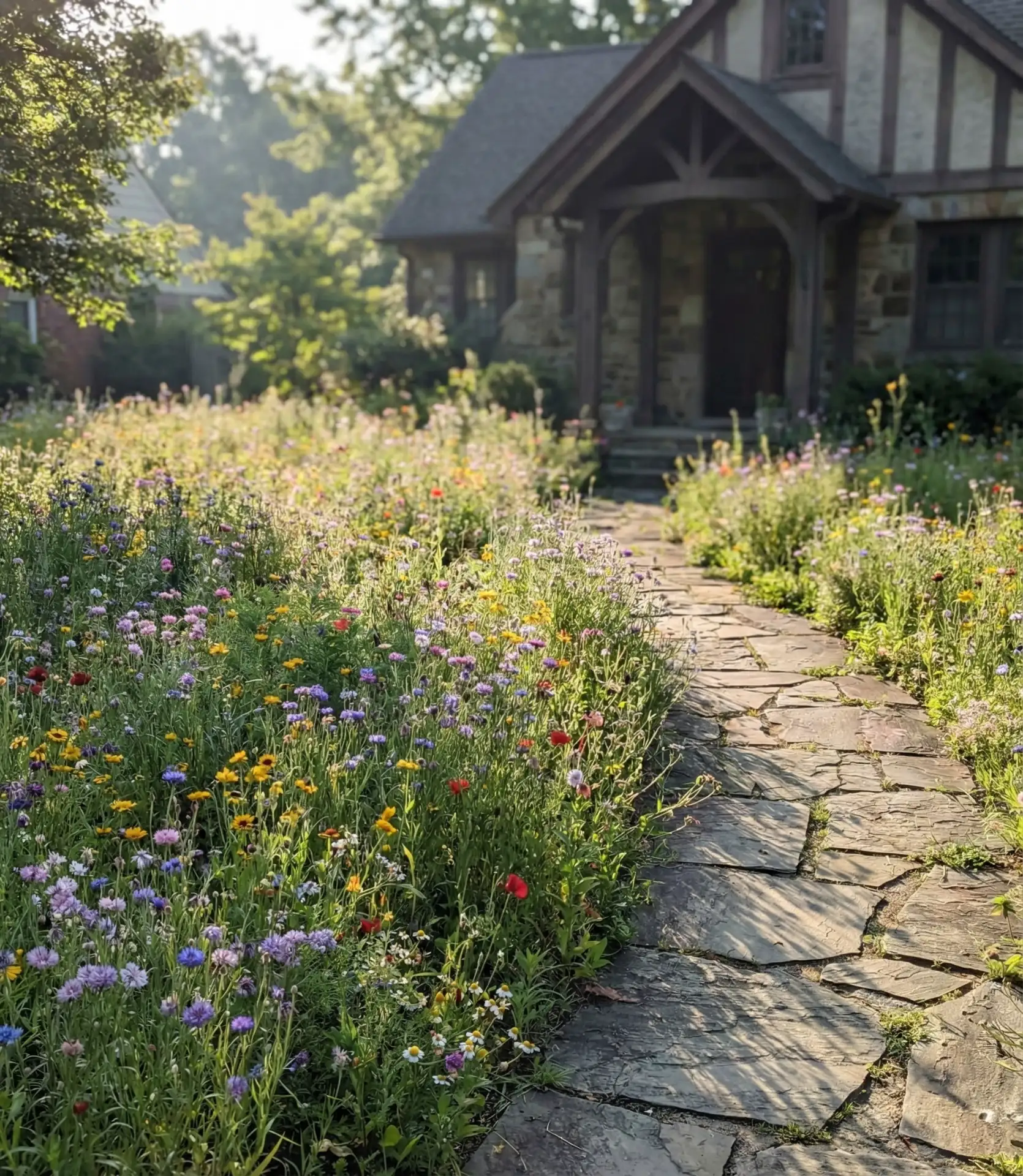
Greet guests at your home entrance with a cottage-style welcome by replacing typical lawns with a wildflower garden. This pollinator-attracting, grass-free option adds seasonal color changes while also eliminating the need for weekly mowing. Once established, wildflower mixes native to your region will require little watering, making them ideal for low-maintenance front yards with growing seasonal visual interest. 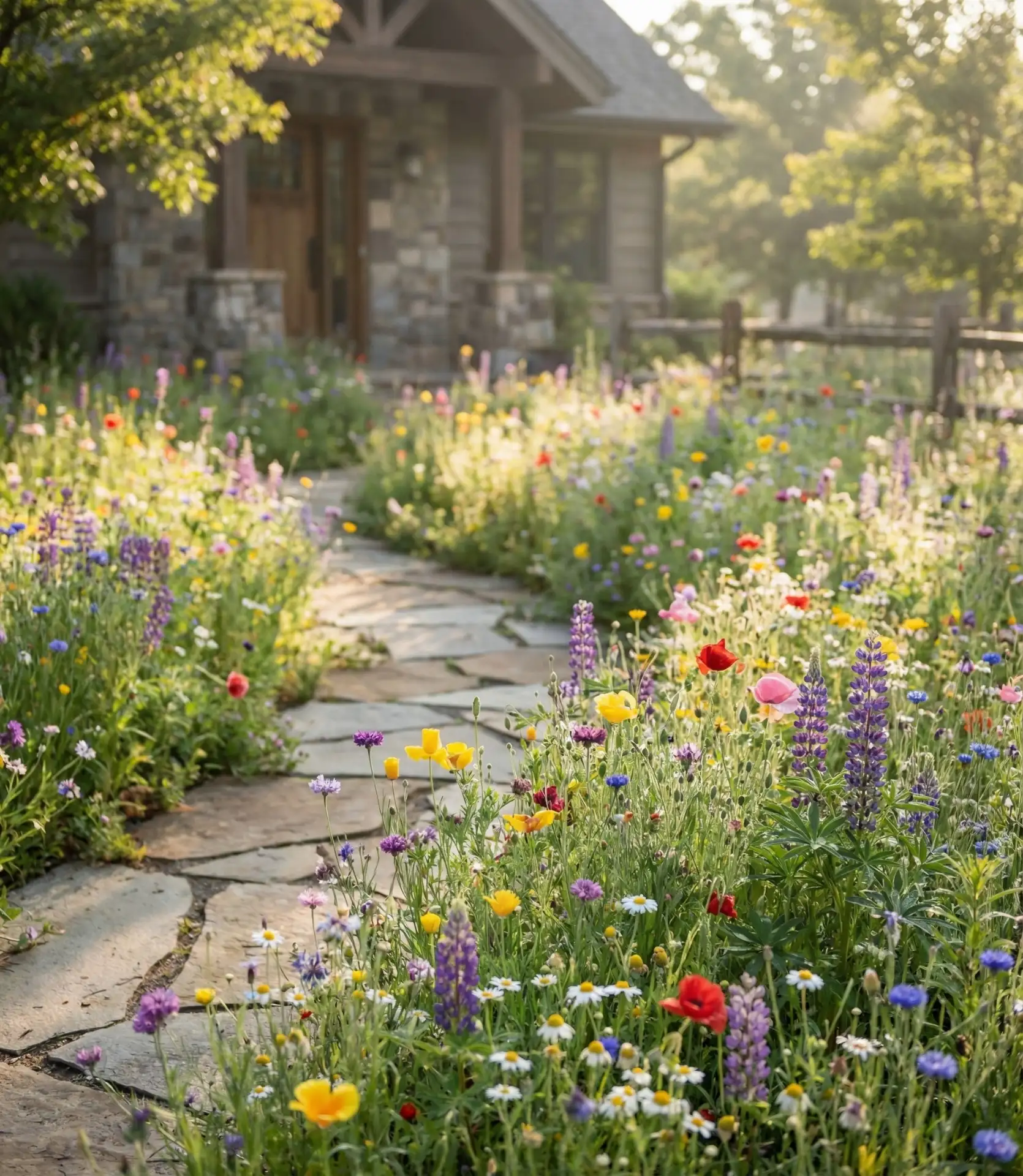
This design works exceptionally well in suburban neighborhoods where HOA restrictions have relaxed around naturalized landscaping. The initial seed investment runs between $200 and $400 for a standard front yard, and after the first season, your maintenance drops to occasional deadheading and an annual spring refresh. Homeowners often report spending less than two hours per month on upkeep compared to ten hours with traditional grass lawns.
2. Tiered Retaining Wall Garden
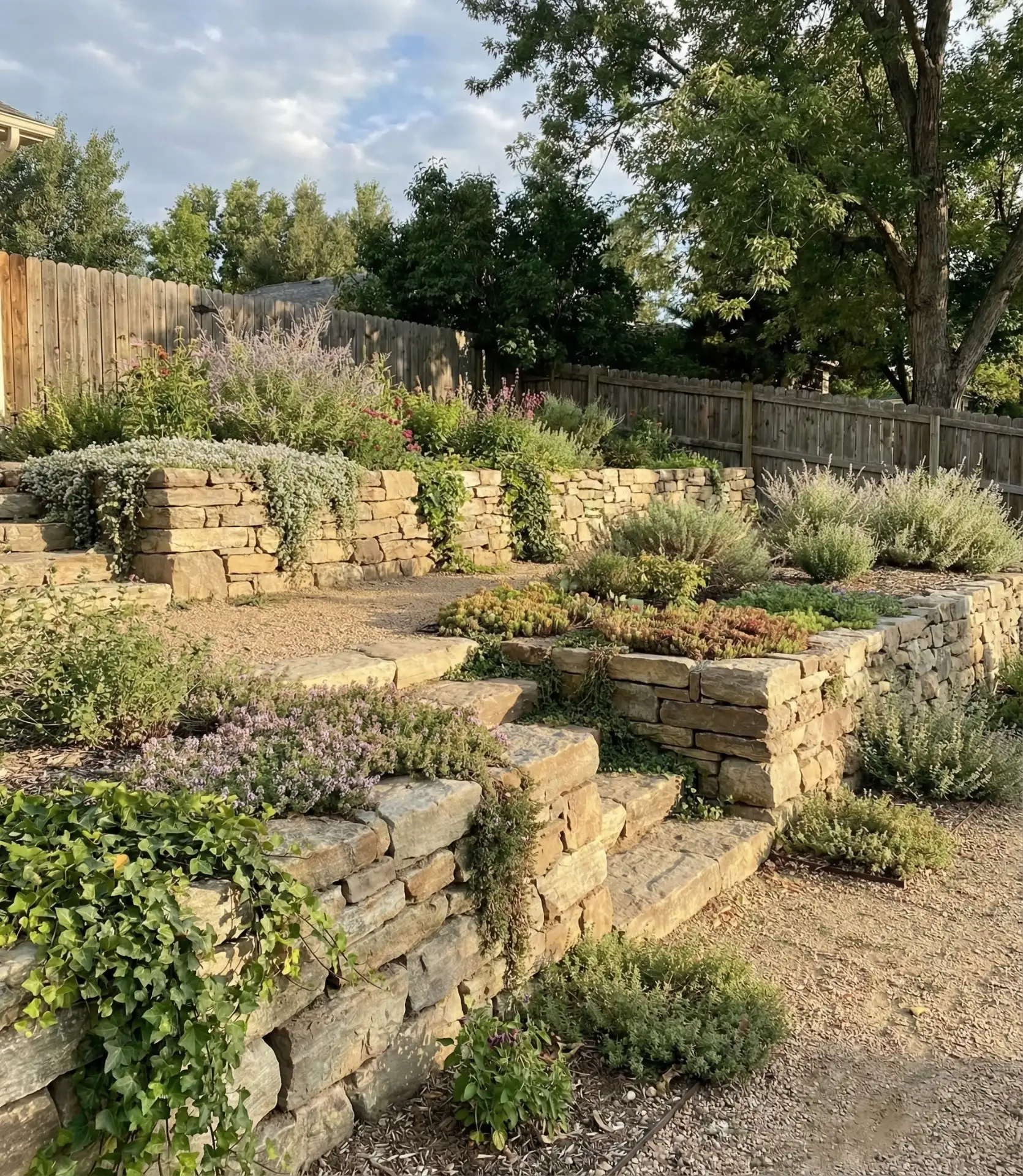
Transform a challenging slope into a design asset using stacked retaining wall systems that create multiple planting levels. This layout turns erosion problems into opportunities for displaying varied plant heights and textures. The terraced approach enhances curb appeal by adding architectural depth while preventing soil washout during heavy rains, making it both beautiful and functional for sloped properties. 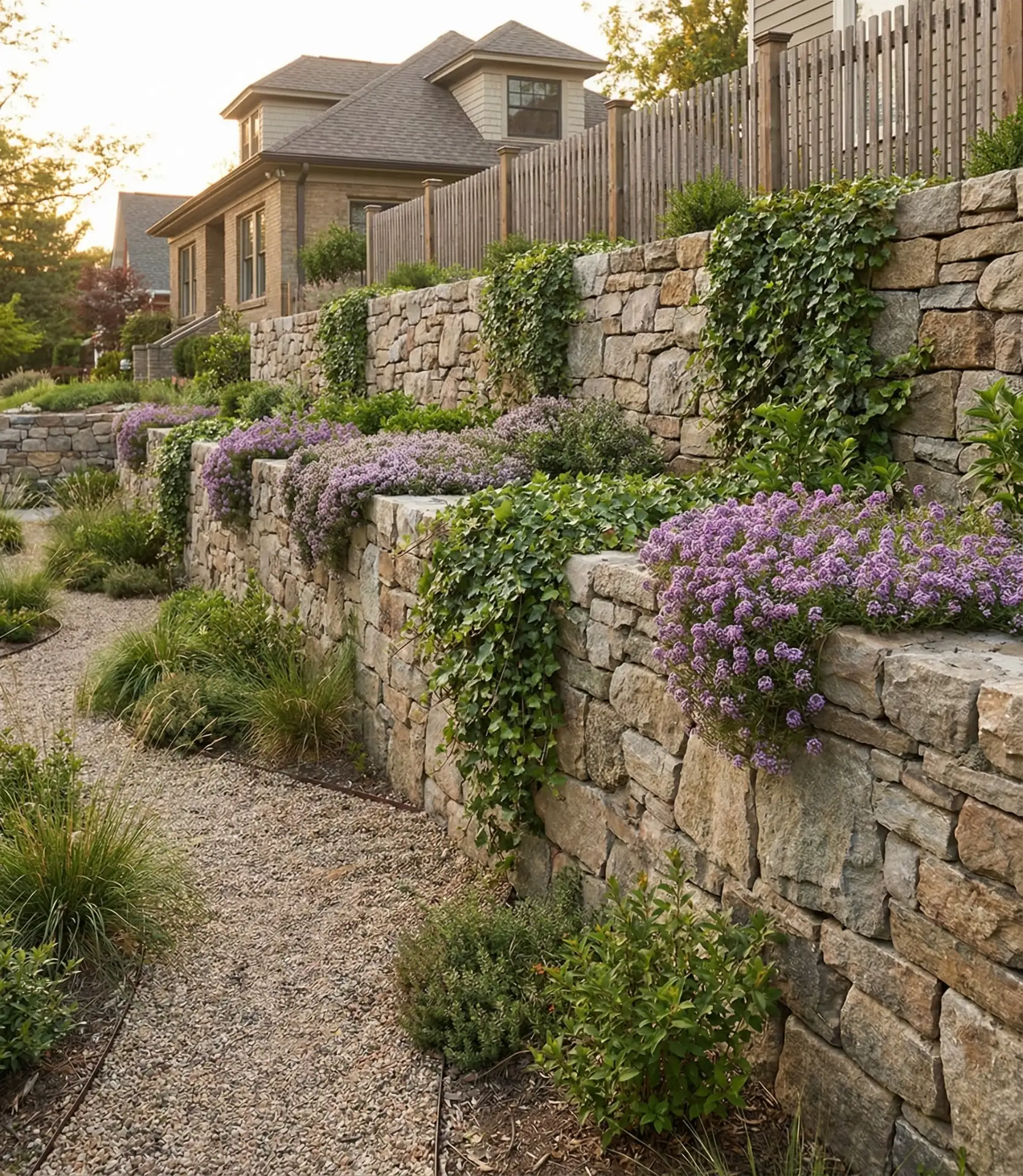
In regions like the Pacific Northwest and Northeast, where sloped lots are common, this solution has become the go-to solution. A neighbor in Portland installed three tiers last spring and planted each level with drought-tolerant perennials—her water bill dropped by 40% while her property value assessment increased noticeably. The key is ensuring proper drainage behind each wall to prevent pressure buildup.
3. Desert Modern with Rocks
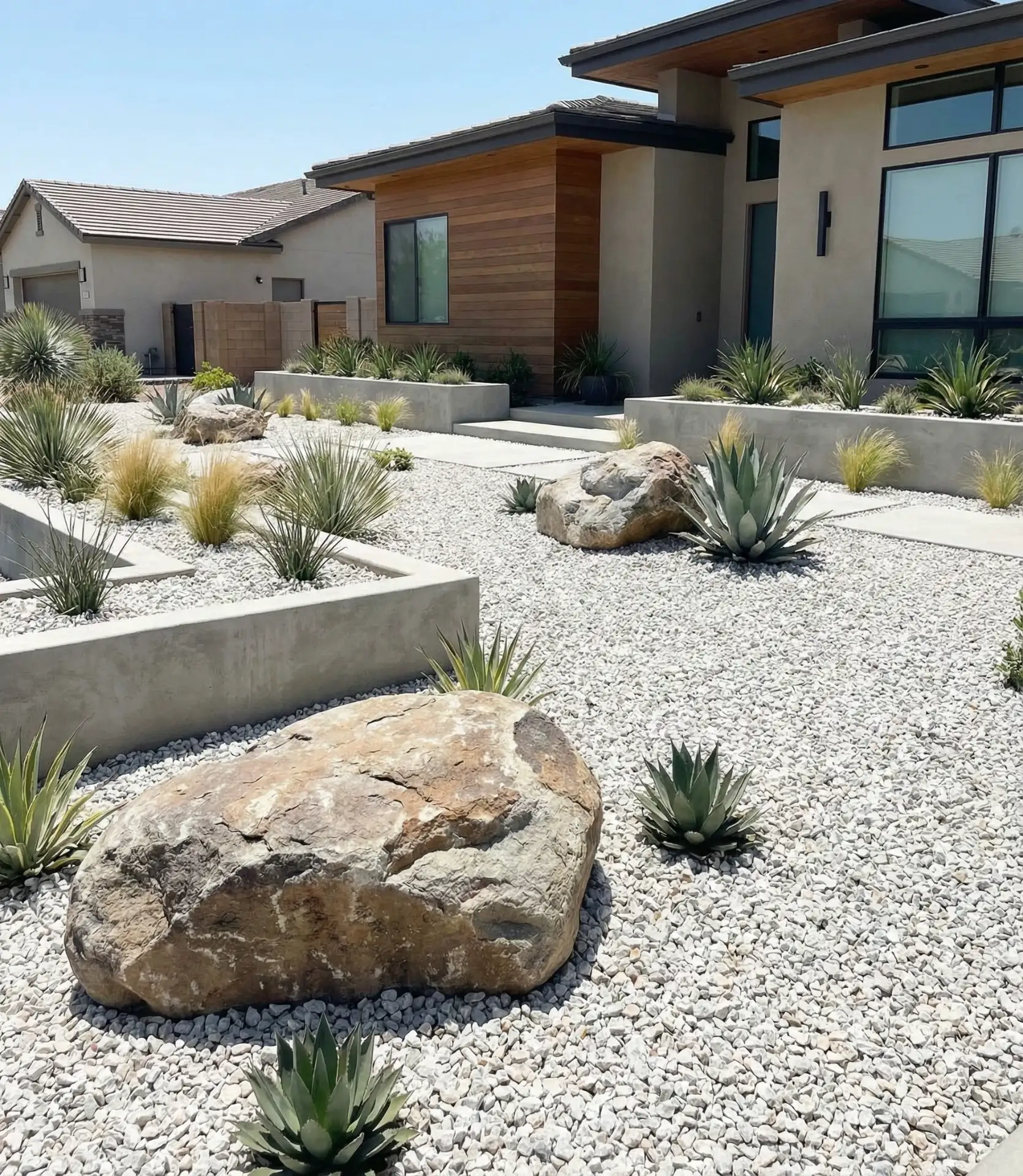
Embrace Palm Springs aesthetics by designing with rocks as the primary landscape element in a modern arrangement. Large boulders anchor the composition, while crushed gravel creates pathways and ground cover that never needs watering or mowing. This idea’s low-maintenance approach celebrates the natural beauty of stone while reducing yard work to occasional debris removal and keeping edges crisp. 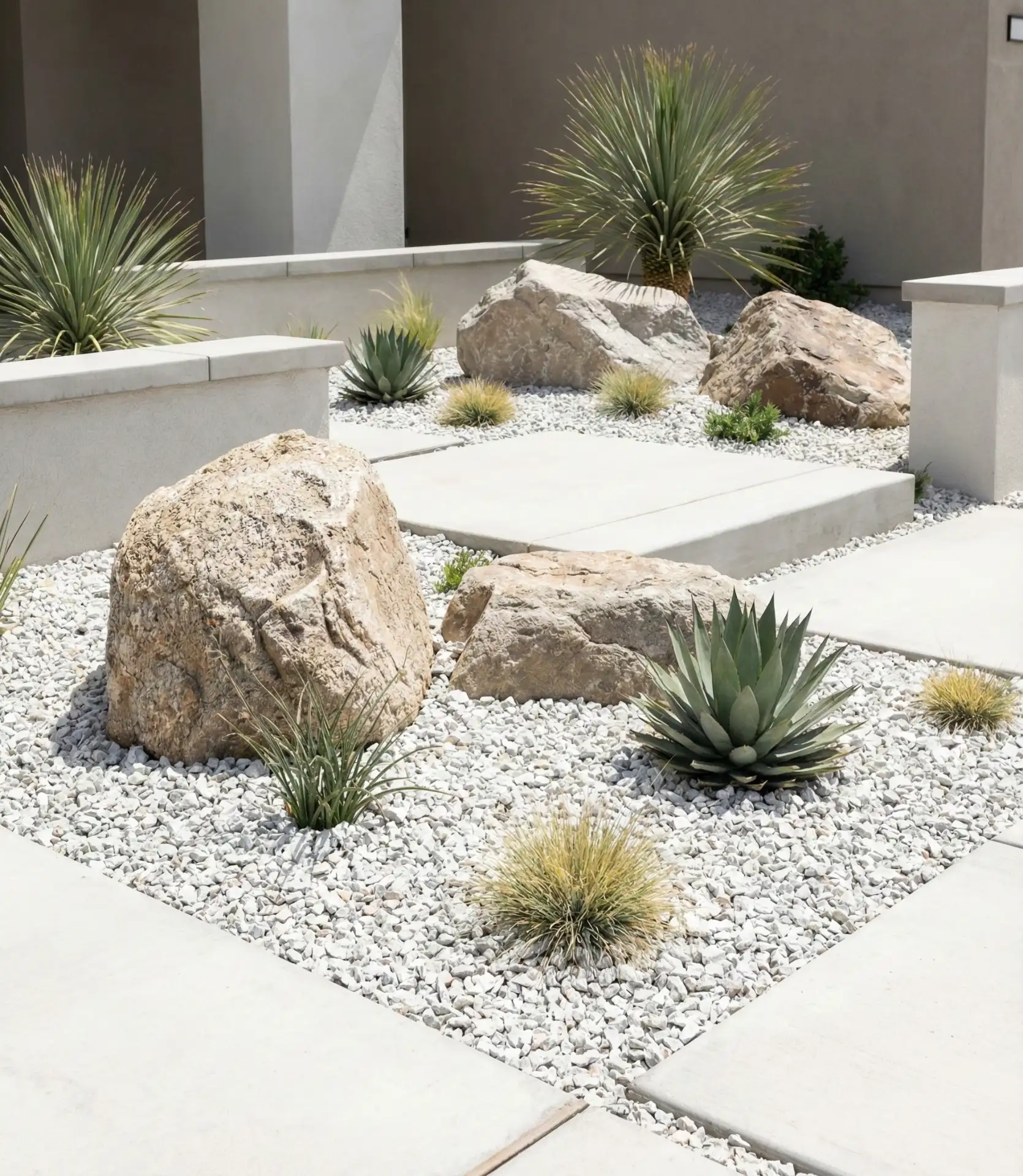
It is the style most suited to xeriscaping in dry areas such as the deserts of Arizona and Southern California, although it is also beginning to spread to dry regions across the country. The most common error made by homeowners in these style implementations is the use of rocks that are too small. Rocks under six inches in size tend to scatter, looking cluttered and disorganized within months. Instead, focus on large rocks between 12 and 24 inches, which contribute to a sense of organized visual weight to the landscape.
4. Farmhouse Pots and Planters Display
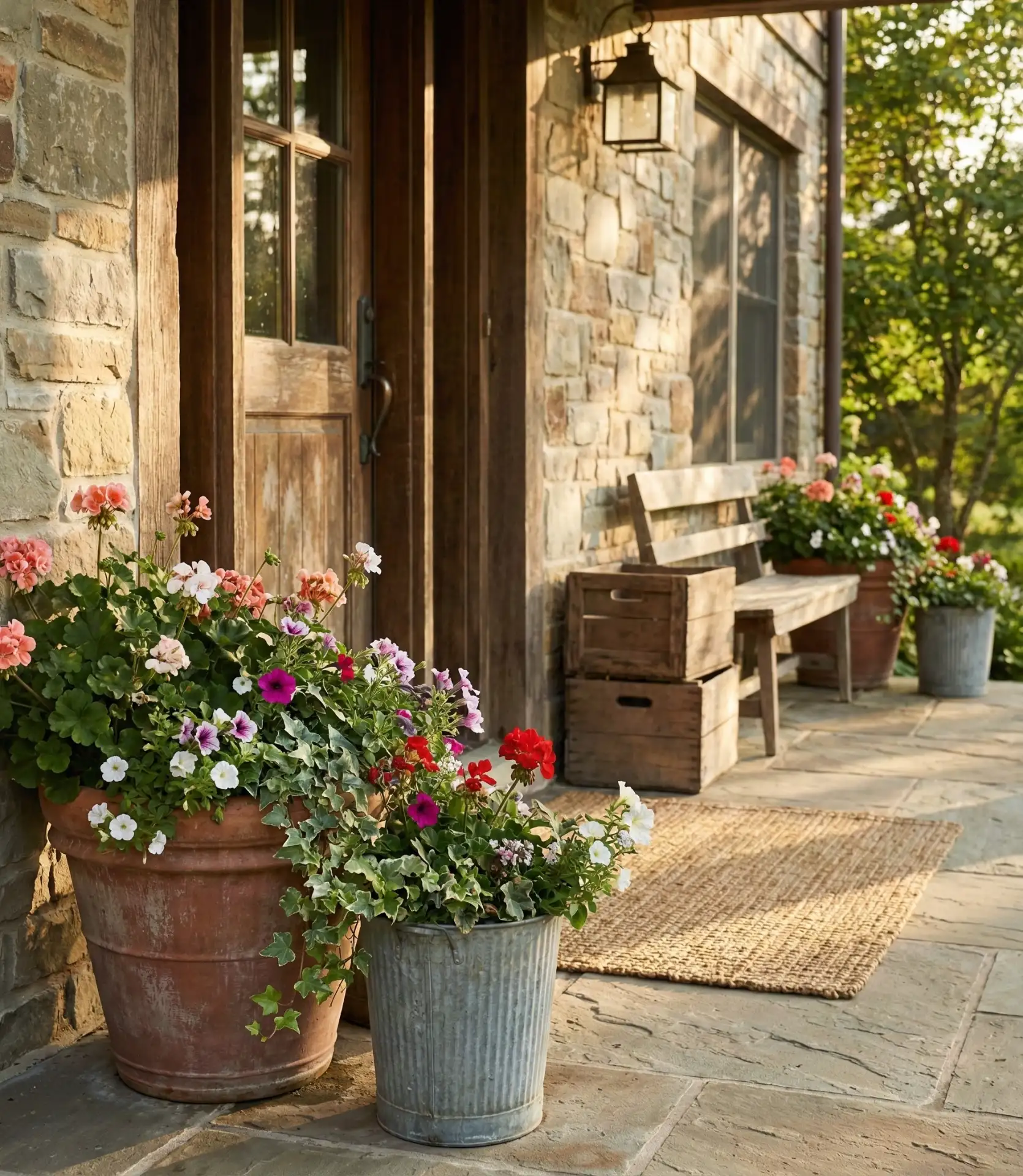
Introducing large flowerpots and planters arranged in an asymmetric layout allows cultivation of a sweet farmhouse look that adds to the curb appeal of the house by the entrance. Planting seasonal flowers in galvanized metal planters, old flower pots, and vintage watering cans enhances the appearance of cleared areas. This layout is easy to perform and allows the relatively less significant restructuring of the visual appearance of the front yard multiple times a year without major landscape work. 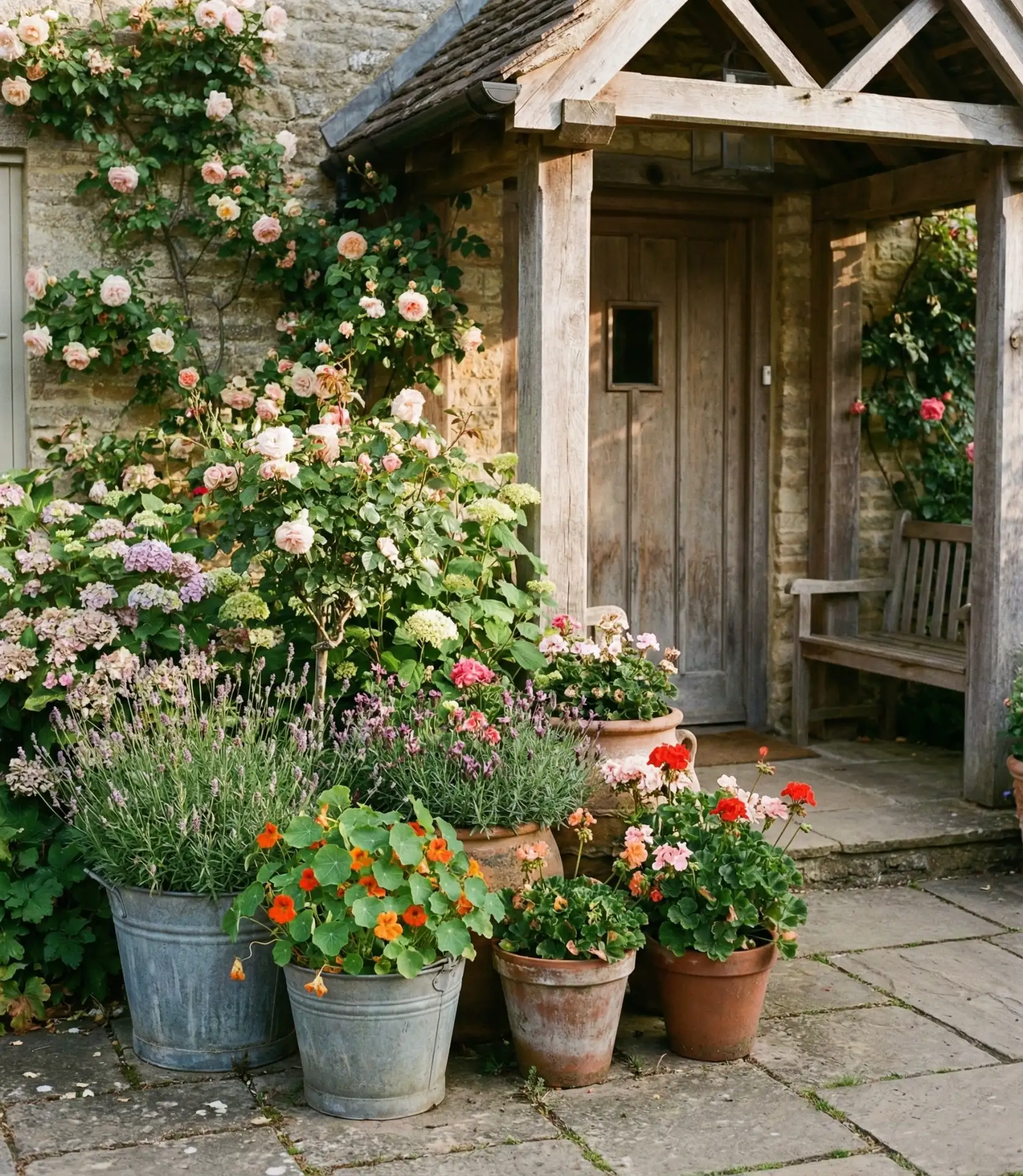
This scheme works best in areas that have clear differentiable seasons and are active in changing displays, such as using autumn mums, winter evergreens, and spring tulips.
Plant-in-container gardens can be pricier and require more frequent maintenance compared to traditional in-ground gardens, but for renters and homeowners unsure of getting more permanent features in their outdoor space, they’re often the best alternative. Expect to spend $150-300 for durable, reusable, and quality containers and $50-75 for a refill of plants and potting mix every season.
5. Dry Creek Bed Drainage Feature
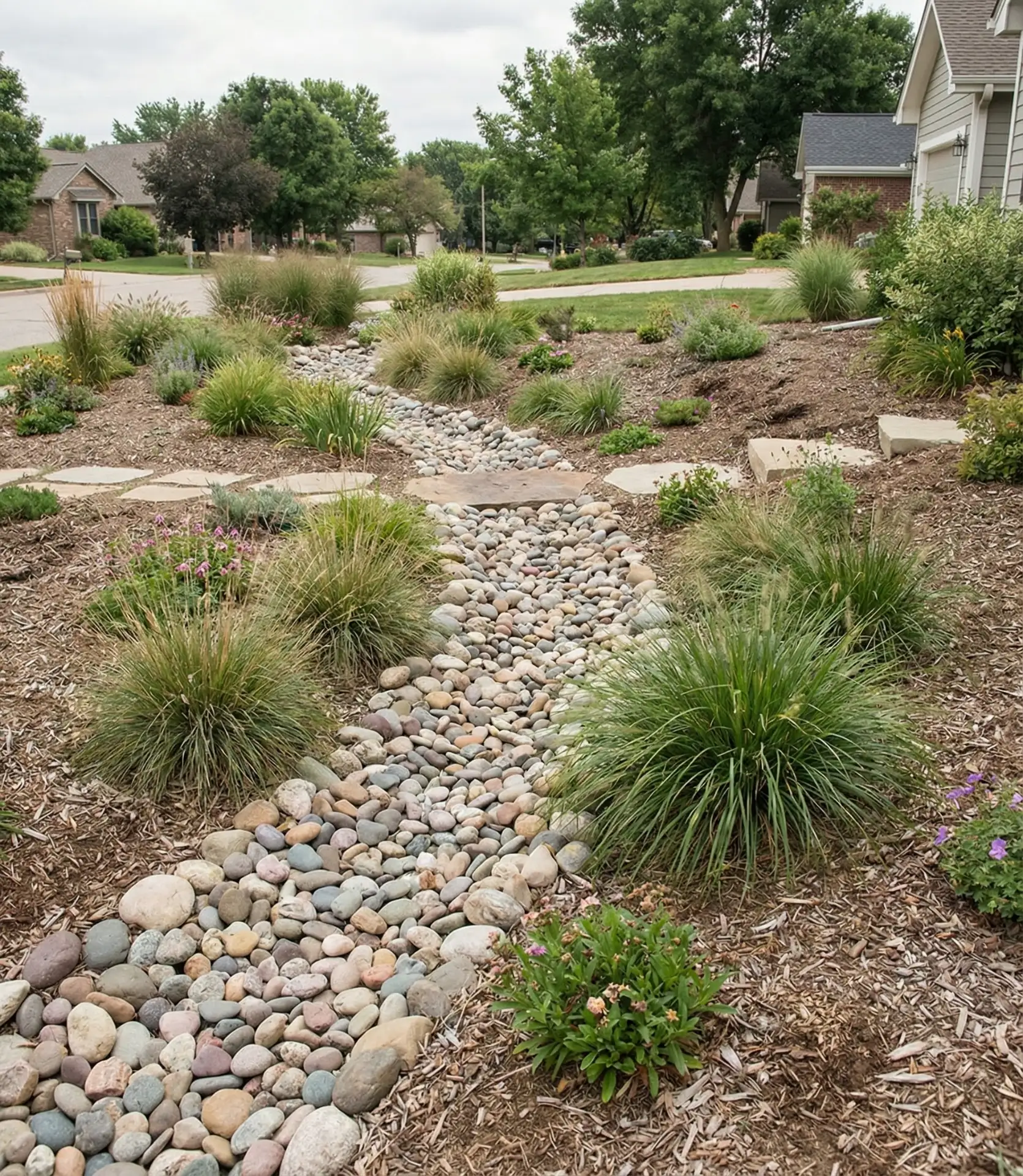
A decorative dry creek bed will both add a pleasing natural element to your house front and solve any drainage problems by using river rocks of differing sizes to give the illusion of a stream. This feature is ideal for large front yards where water can flow across the terrain, making a functional element a nice focus point, and once the river rocks are installed, there is no maintenance to be done. 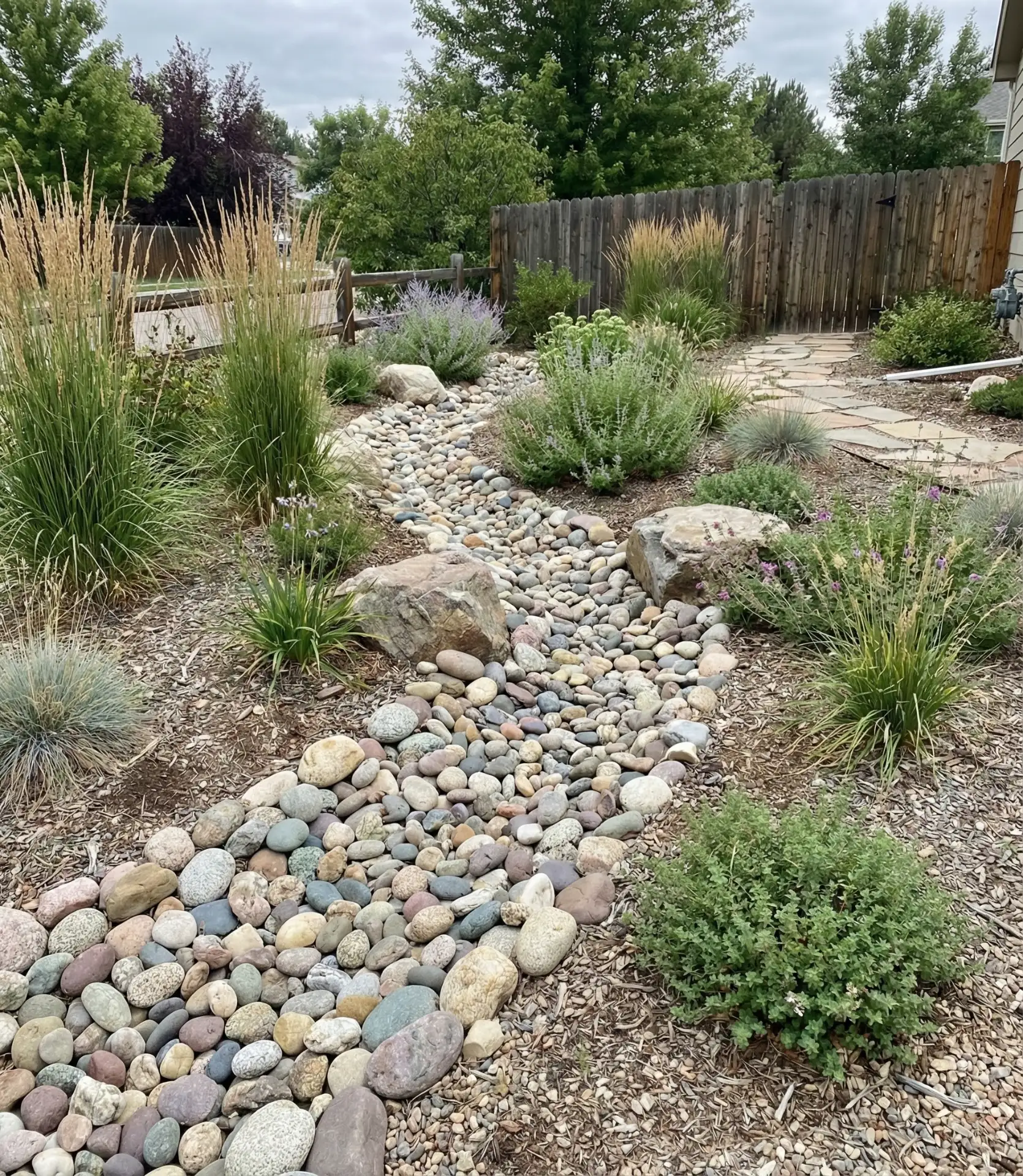
Professional landscapers note that the most convincing dry creek beds follow the natural contours of your property rather than forced curves. Study where water actually flows during heavy rain, then enhance that path with appropriately sized stones—use larger boulders at curves where water would naturally slow, and smaller pebbles in straighter sections. This attention to natural patterns makes the feature look like it’s always been part of your landscape.
6. Ranch House Foundation Planting
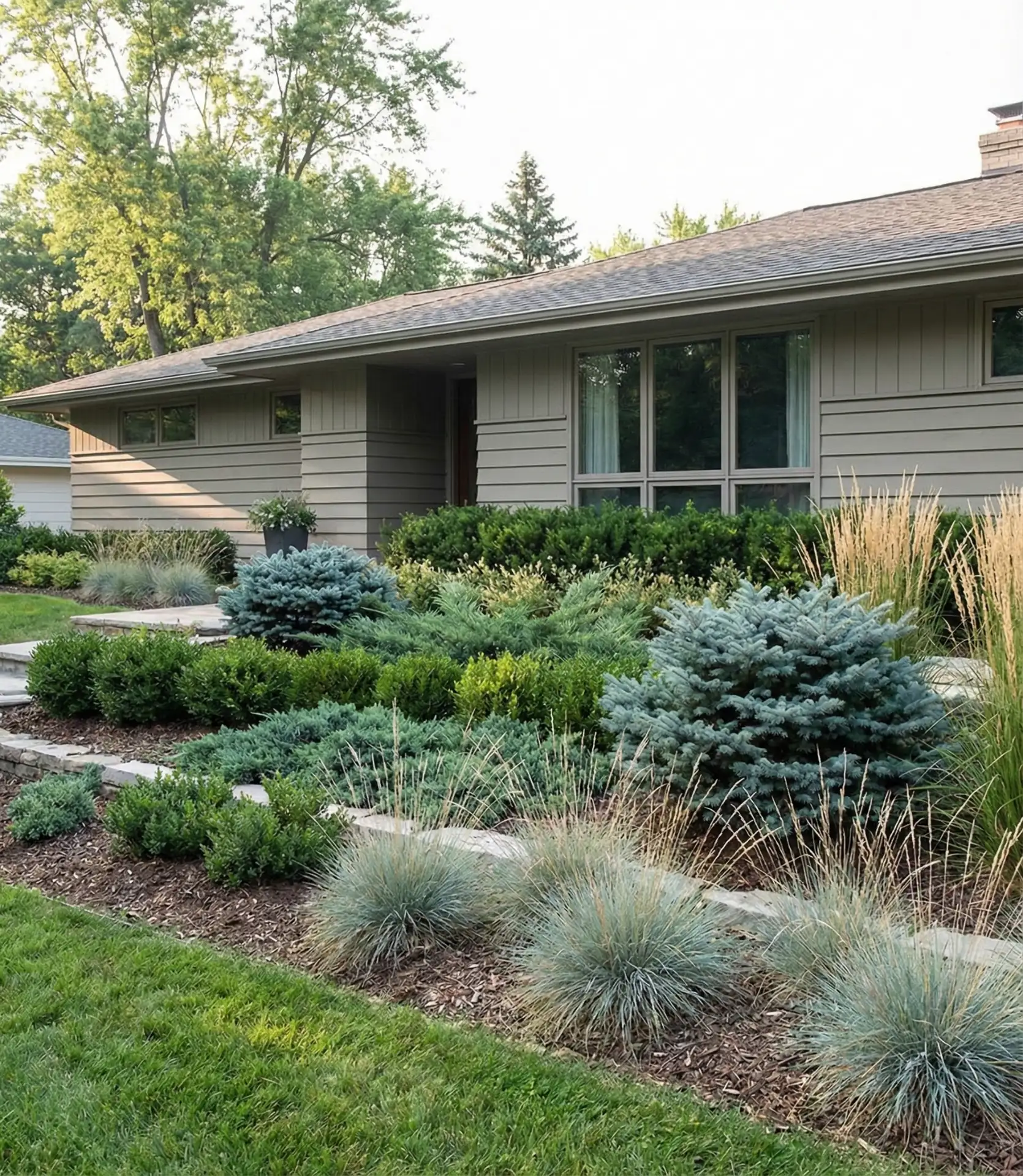
Update the classic ranch home look with layered foundation plantings that respect the home’s horizontal lines. Choose low-growing evergreens near the house base, medium-height ornamental grasses in the middle layer, and taller accent shrubs at corners. This layout ranch house strategy creates depth without blocking windows while maintaining the clean, spreading aesthetic that makes ranch house architecture timelessly appealing across American suburbs. 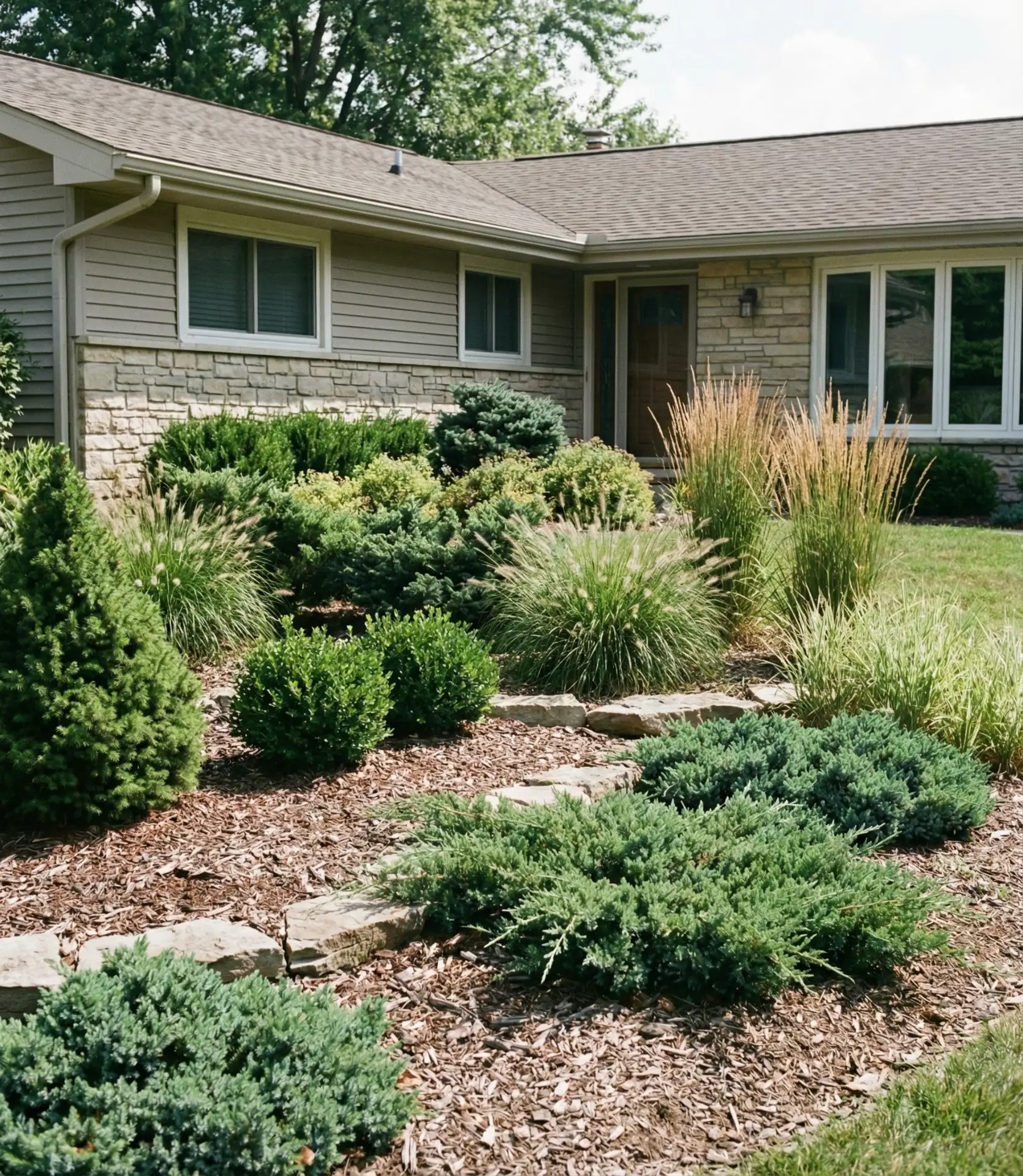
Throughout the Midwest and Southwest, where ranch homes dominate neighborhoods, this planting style has seen renewed interest. The three-layer approach keeps maintenance manageable—most homeowners spend one weekend in spring and another in fall on pruning and mulch refresh. Avoid the dated look of rigid, geometric foundation beds by allowing plants to have natural, soft edges that blend into lawn or ground cover areas.
7. Modern Fountain Courtyard Entry
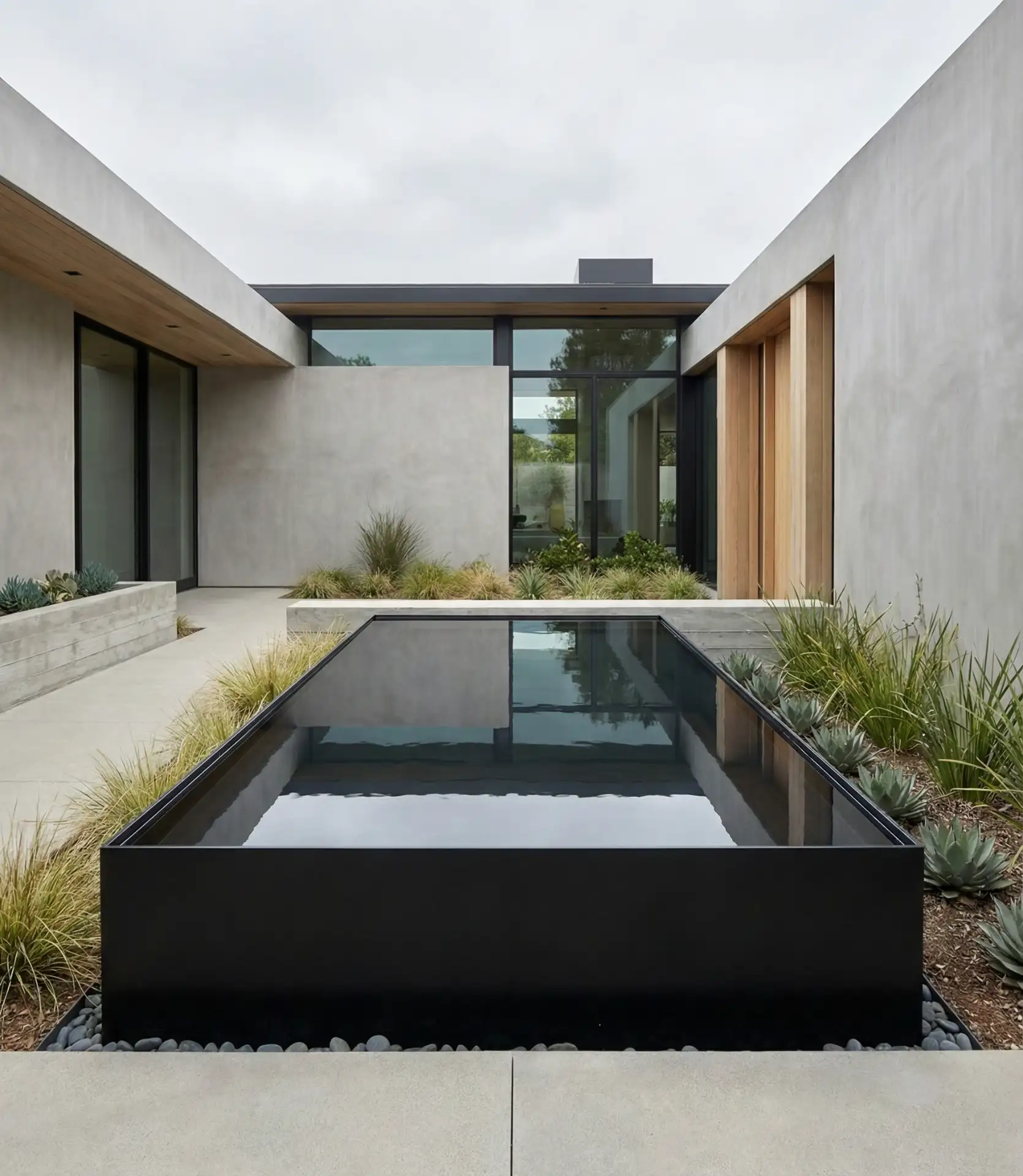
Anchor your layout’s curb appeal with a contemporary modern fountain that creates both visual interest and soothing sound as visitors approach your house entrance. Clean-lined water features in concrete, Cor-Ten steel, or black stone establish an upscale focal point that works year-round. The moving water element adds a luxury resort feeling to everyday arrivals while masking neighborhood noise and creating a defined entry zone. 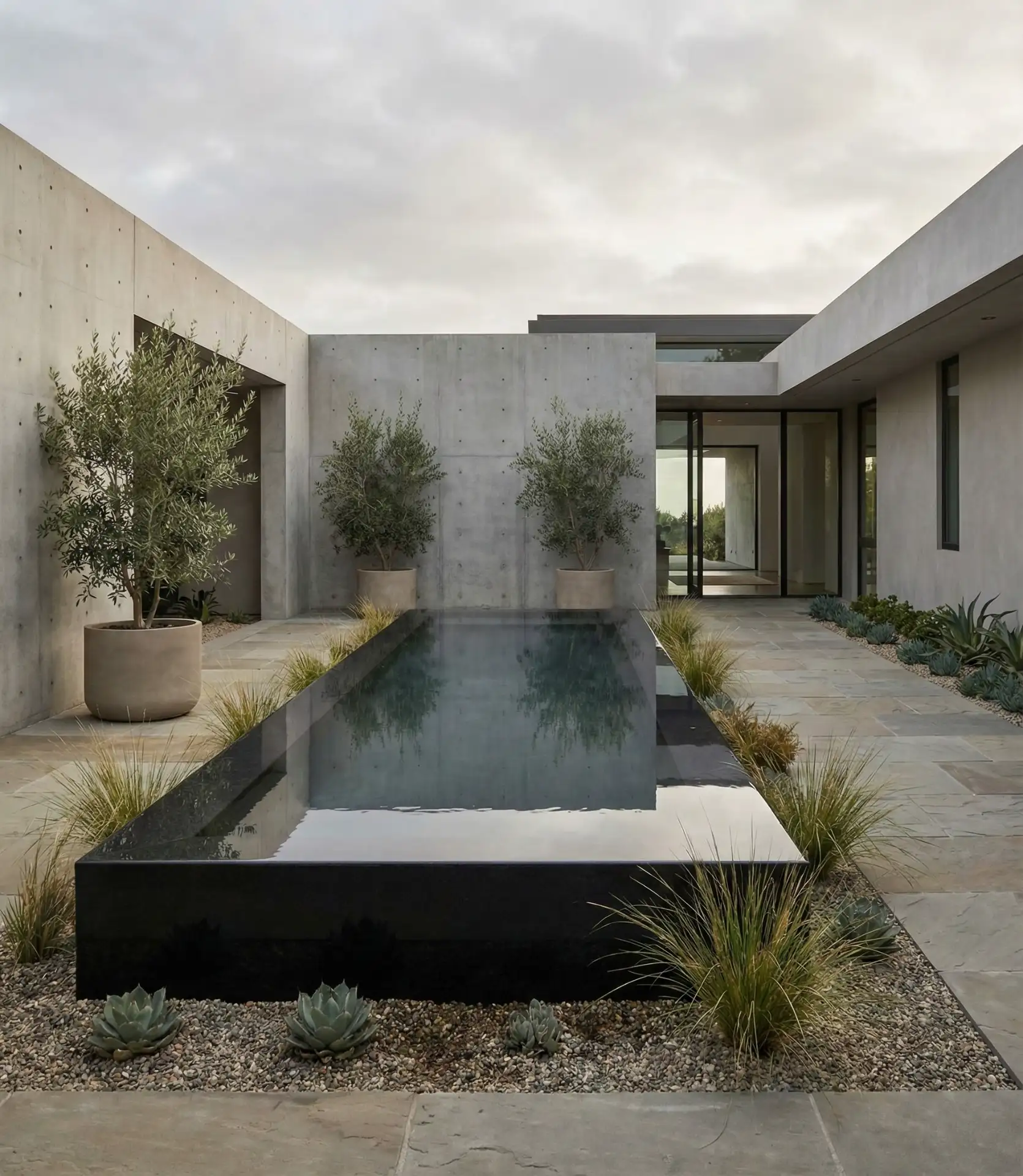
Modern recirculating pumps have made intermittent water features operate in a wider range of climates. Most homeowners wish to put in a water feature. In fact, one Austin couple is quoted saying, “Coming home no longer feels like just another house on the block; instead, it feels like a spa.”
8. Ornamental Grass Boulevard
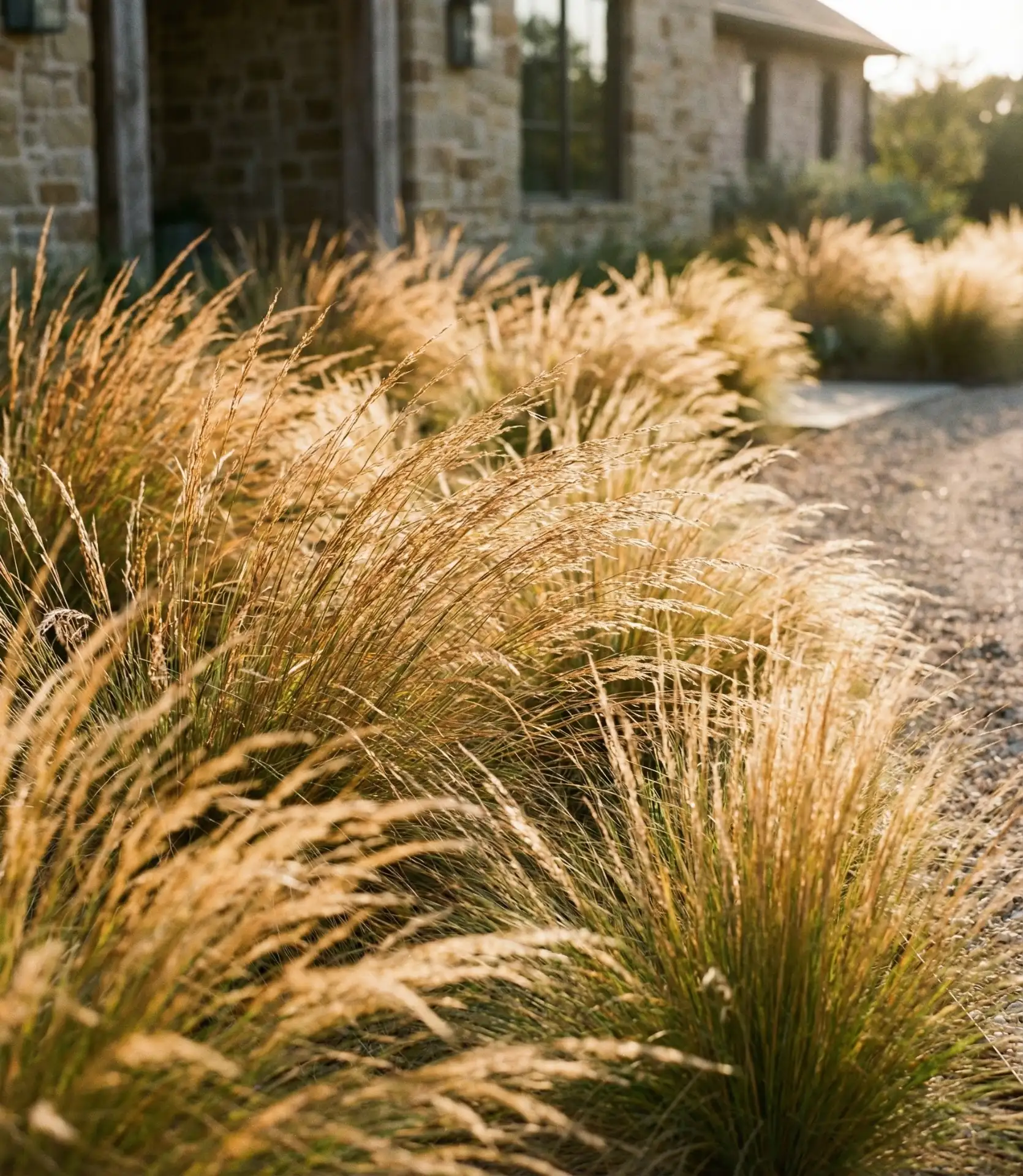
Swap out conventional grass lawns with a broad spectrum of ornamental grass species. These create movement, texture, and seasonal interest while eliminating mowing needs. Maintenance becomes minimal with a flowing landscape of feather reed grass, fountain grass, or little bluestem. This approach requires minimal upkeep, especially along property lines and in the areas between sidewalks and buildings.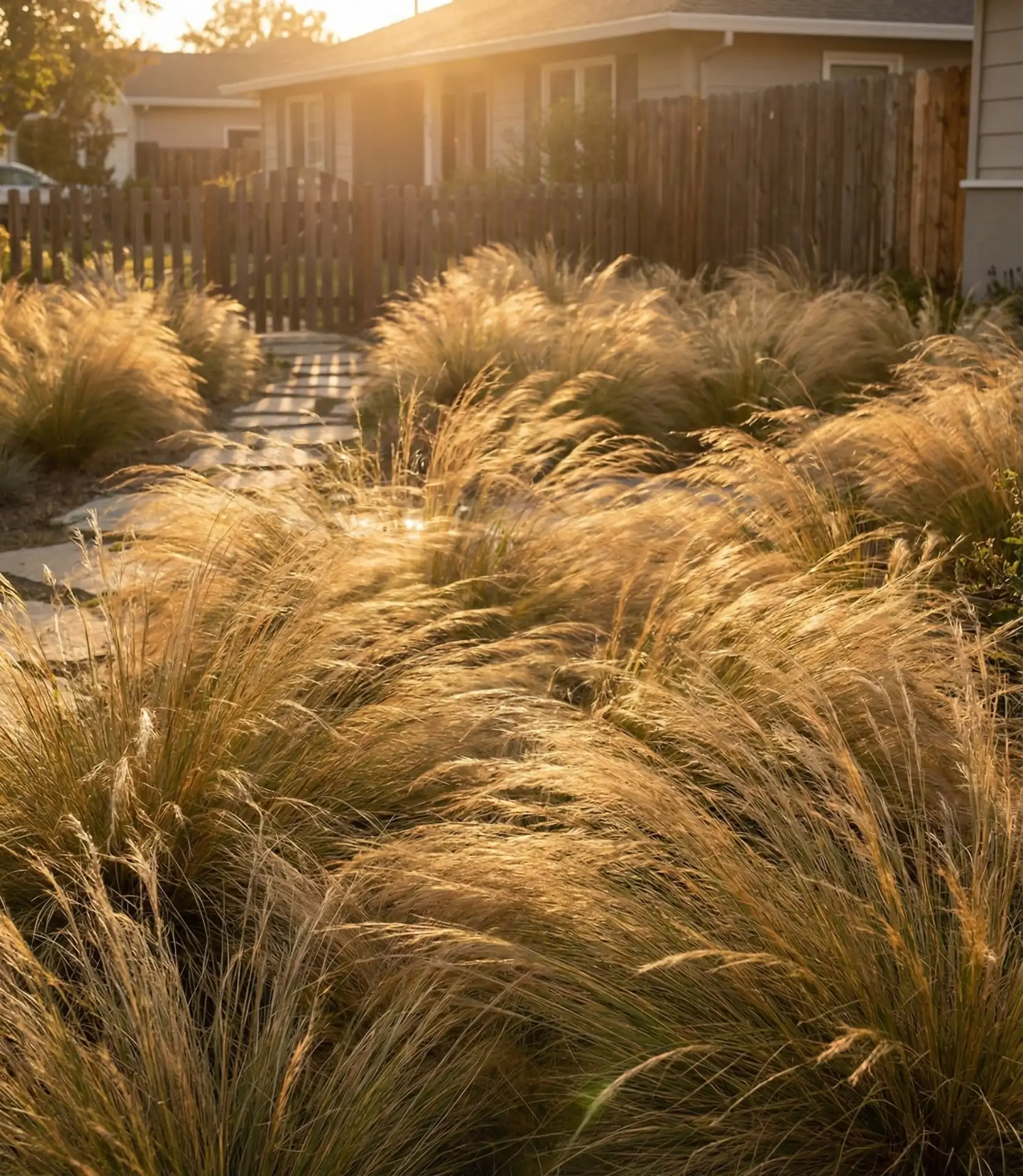
In transitional zones between the East Coast and Midwest, ornamental grasses have become the preferred lawn alternative. They handle temperature swings better than traditional turf and look intentionally beautiful even in dormant seasons when they turn golden-tan. The initial planting requires spacing plants 18–24 inches apart, but within two seasons, they fill in completely, creating a cohesive sea of texture that needs virtually no care beyond that annual spring trim.
9. Structured Layout House Plan
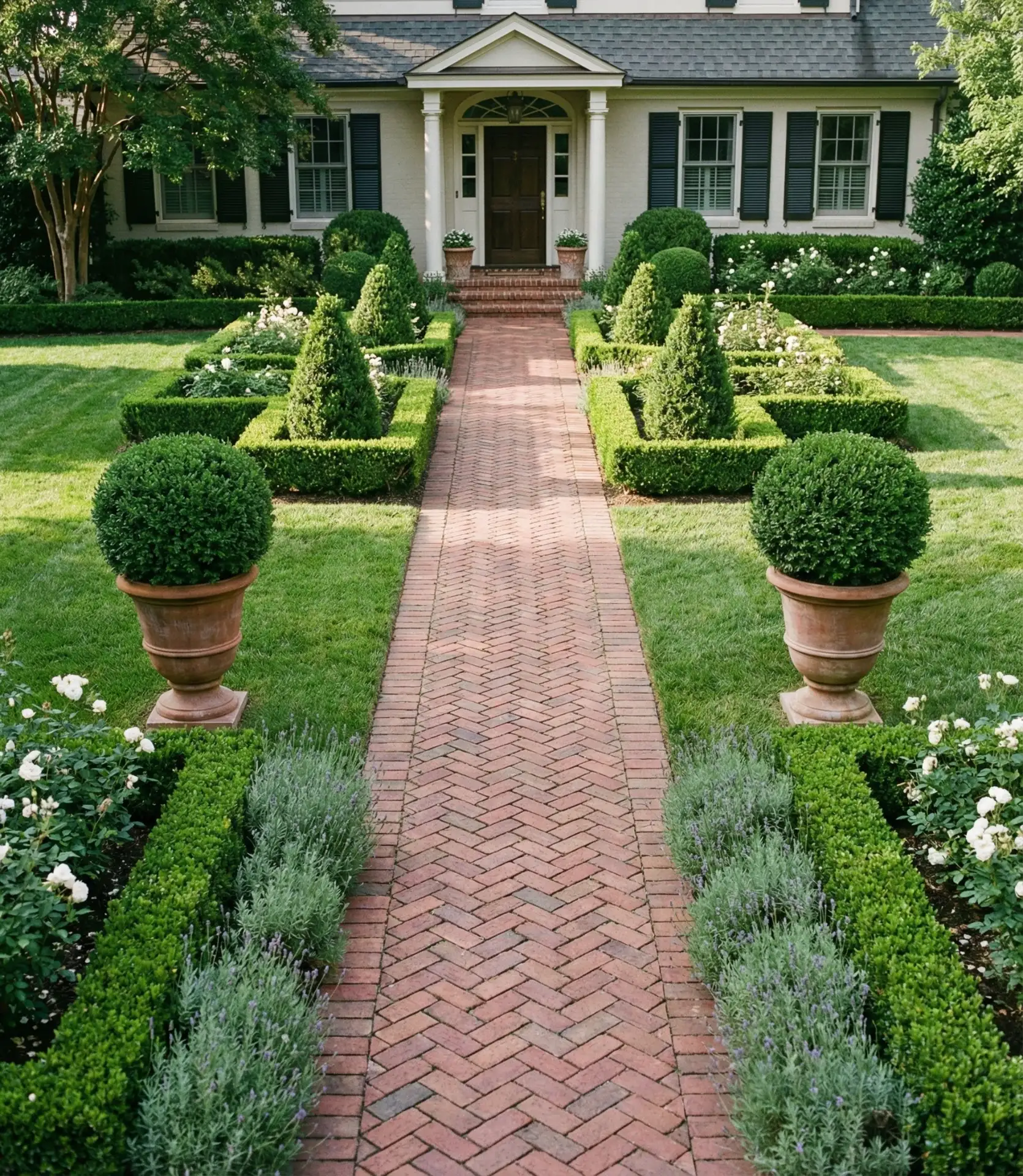
Design your layout house plan with geometric precision using defined bed edges, symmetrical plantings, and clear pathways that create formal elegance. Boxwood hedges frame the layout house facade, while matching planters flank the entry for balanced visual weight. This approach to designing flower gardens suits traditional architecture and homeowners who appreciate classic American landscaping that emphasizes order and refinement over wild naturalism. 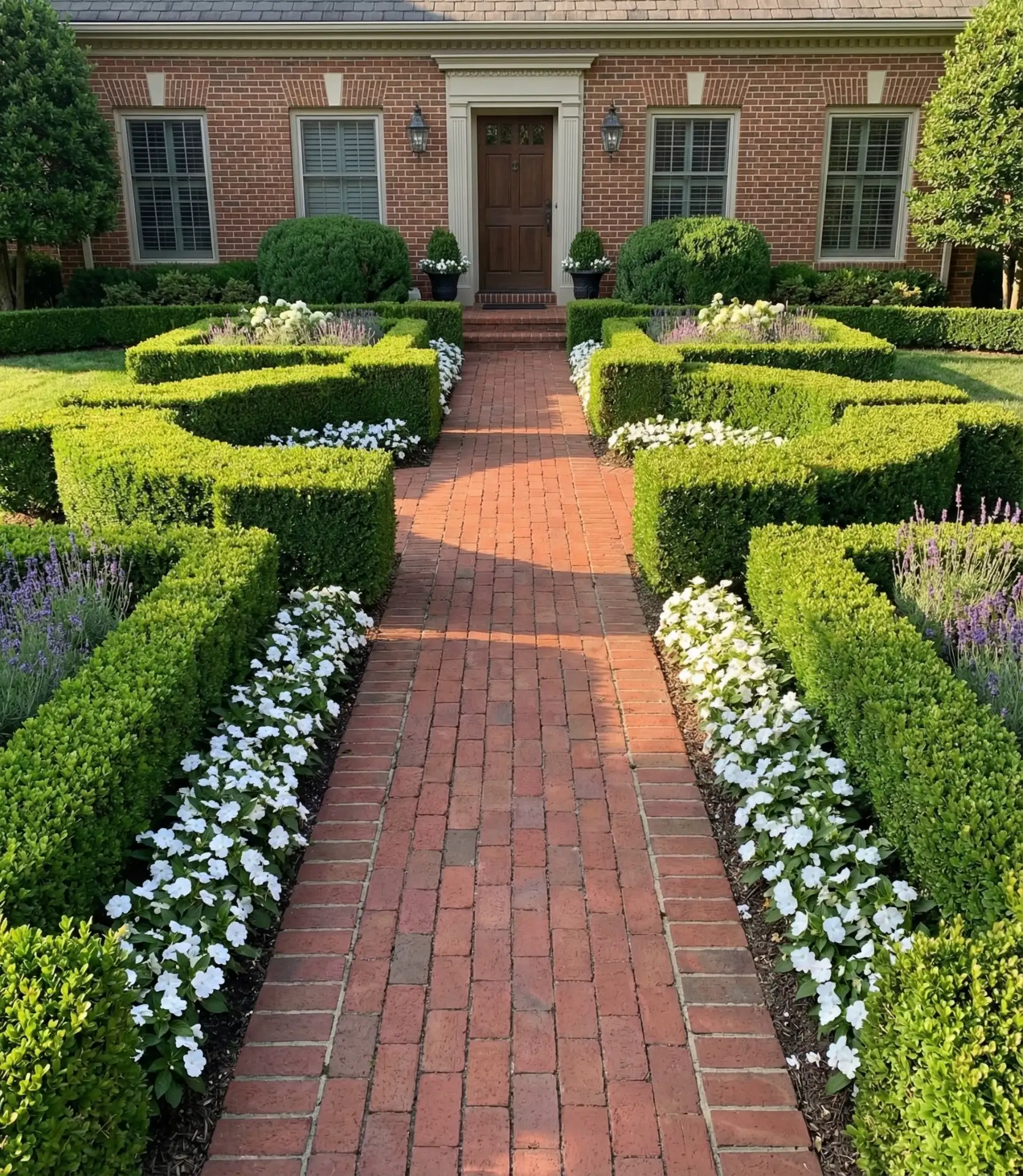
Formal landscapes require more active maintenance than naturalized designs—plan on monthly trimming during the growing season to maintain crisp edges and shapes. However, neighborhoods that value traditional landscaping reap the benefits of this extra effort. Real estate agents consistently note that formal front yards photograph exceptionally well and appeal to buyers seeking move-in-ready homes with established, polished landscaping that signals pride of ownership.
10. Mixed Curb Appeal Ideas Integration
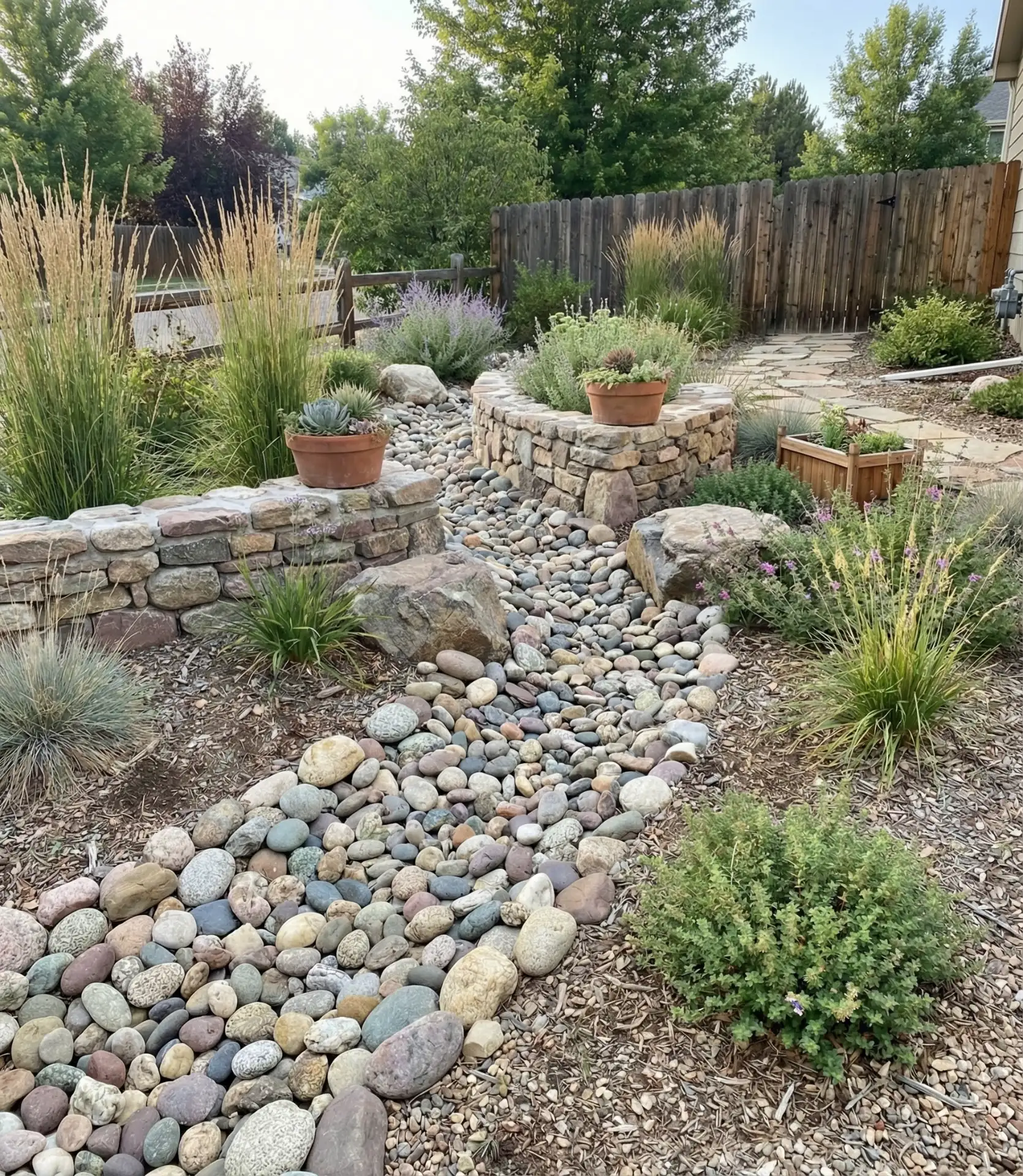
Combine multiple curb appeal ideas into one cohesive design that addresses your property’s specific challenges and opportunities. Blend a retaining wall with rocks, add pots and planters near the entry, and incorporate a dry creek feature where drainage is needed. This customized approach to layout curb appeal ensures your front yard works for your lifestyle while expressing your personal style through thoughtful material and plant selections that make your home distinctly yours. 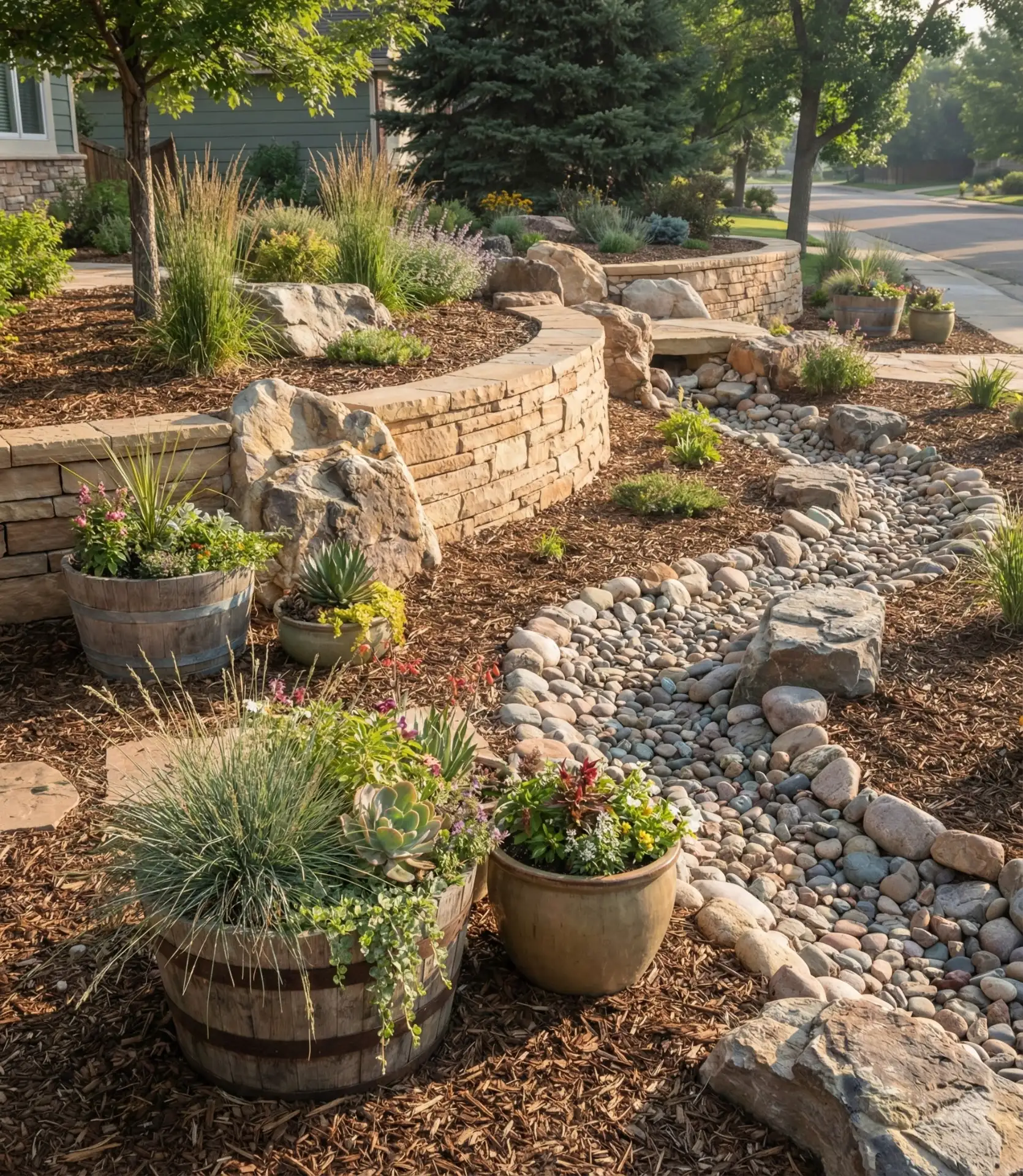
The most successful front yards aren’t slaves to a single trend but thoughtfully combine elements that solve real problems while looking beautiful. When planning your integrated design, start with functional needs—drainage, privacy, maintenance capacity—then layer in aesthetic preferences. Most homeowners find that working in phases over 2–3 years produces better results than rushing a complete renovation, allowing you to see how each element performs before committing to the next addition.
11. Layered Perennial Border
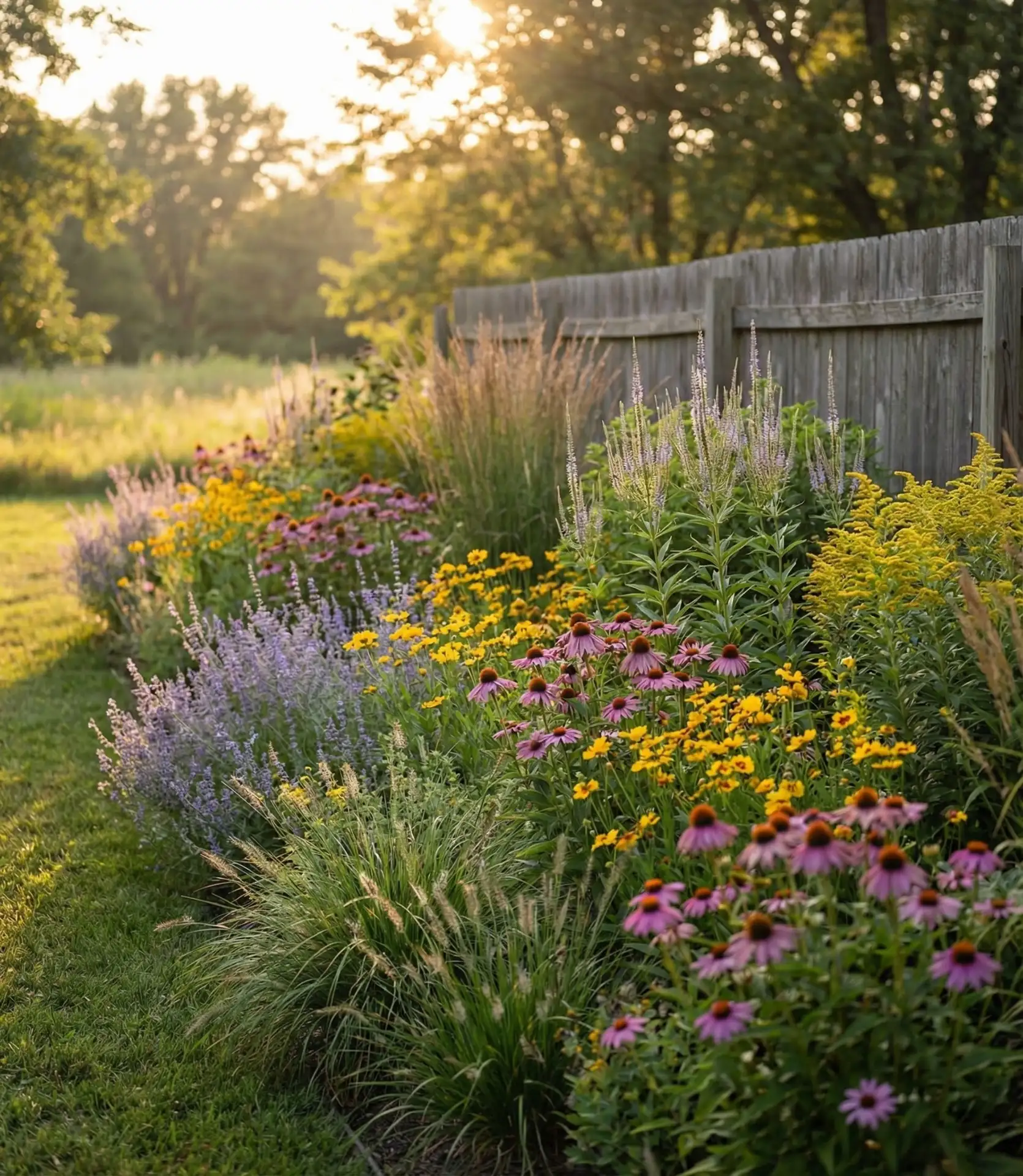
Design a deep perennial border along your property line that creates privacy and seasonal drama with minimal upkeep. This low-maintenance approach layers tall plants like Joe Pye weed at the back, mid-height coneflowers and black-eyed Susans in the middle, and low sedums at the front. The staggered heights and bloom times ensure your layout delivers color from spring through fall while requiring only occasional deadheading and one annual spring cleanup instead of constant attention. 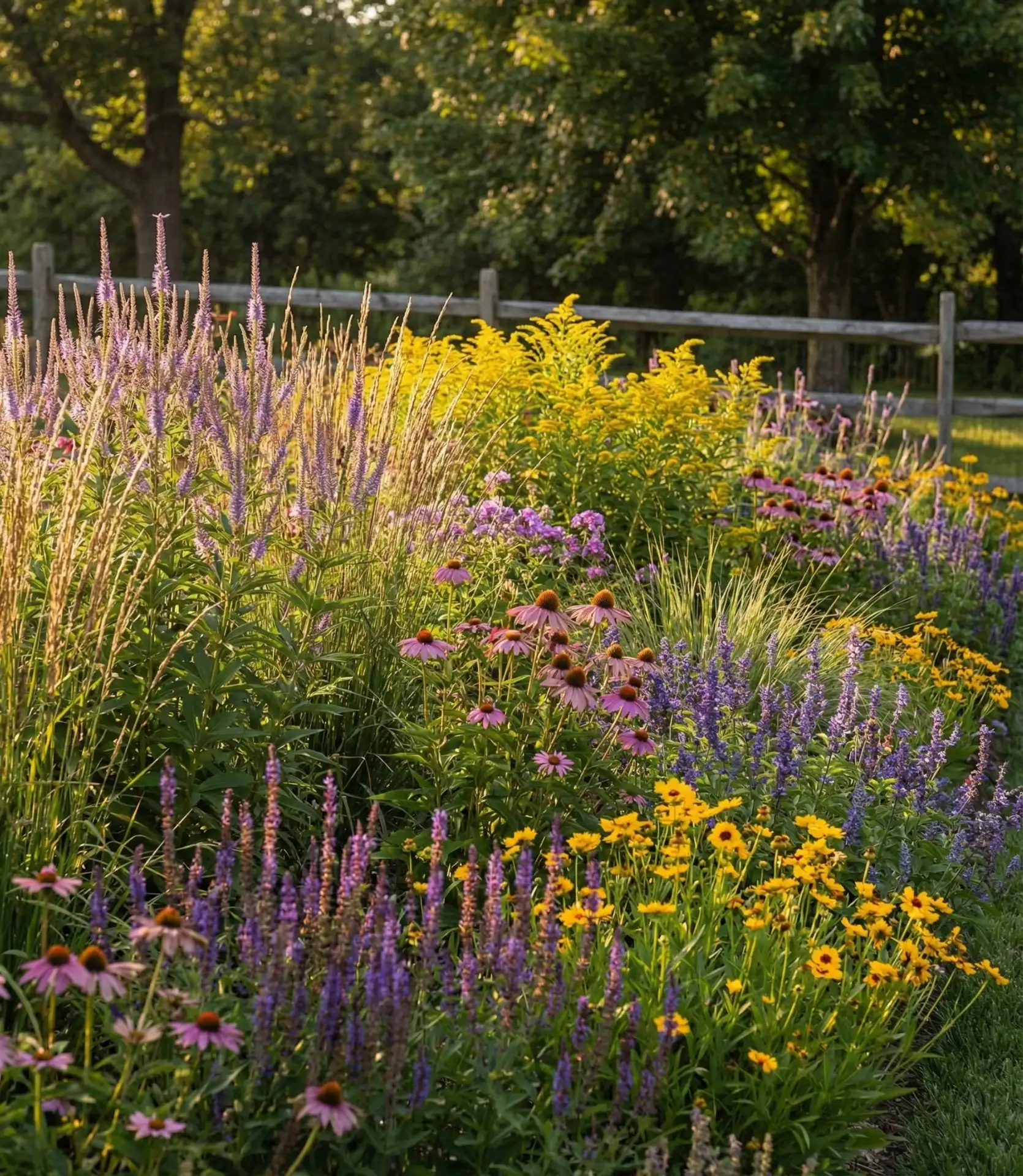
Across the Mid-Atlantic and New England regions, perennial borders have replaced high-maintenance annual beds as the preferred front yard solution. The initial investment runs $400–$700 for a 20-foot border with quality plants, but unlike annuals that need yearly replacement, perennials return stronger each season. Most gardeners find that after the third year, their borders have filled in completely and require less than an hour monthly during the growing season.
12. Gravel Courtyard with Specimen Trees
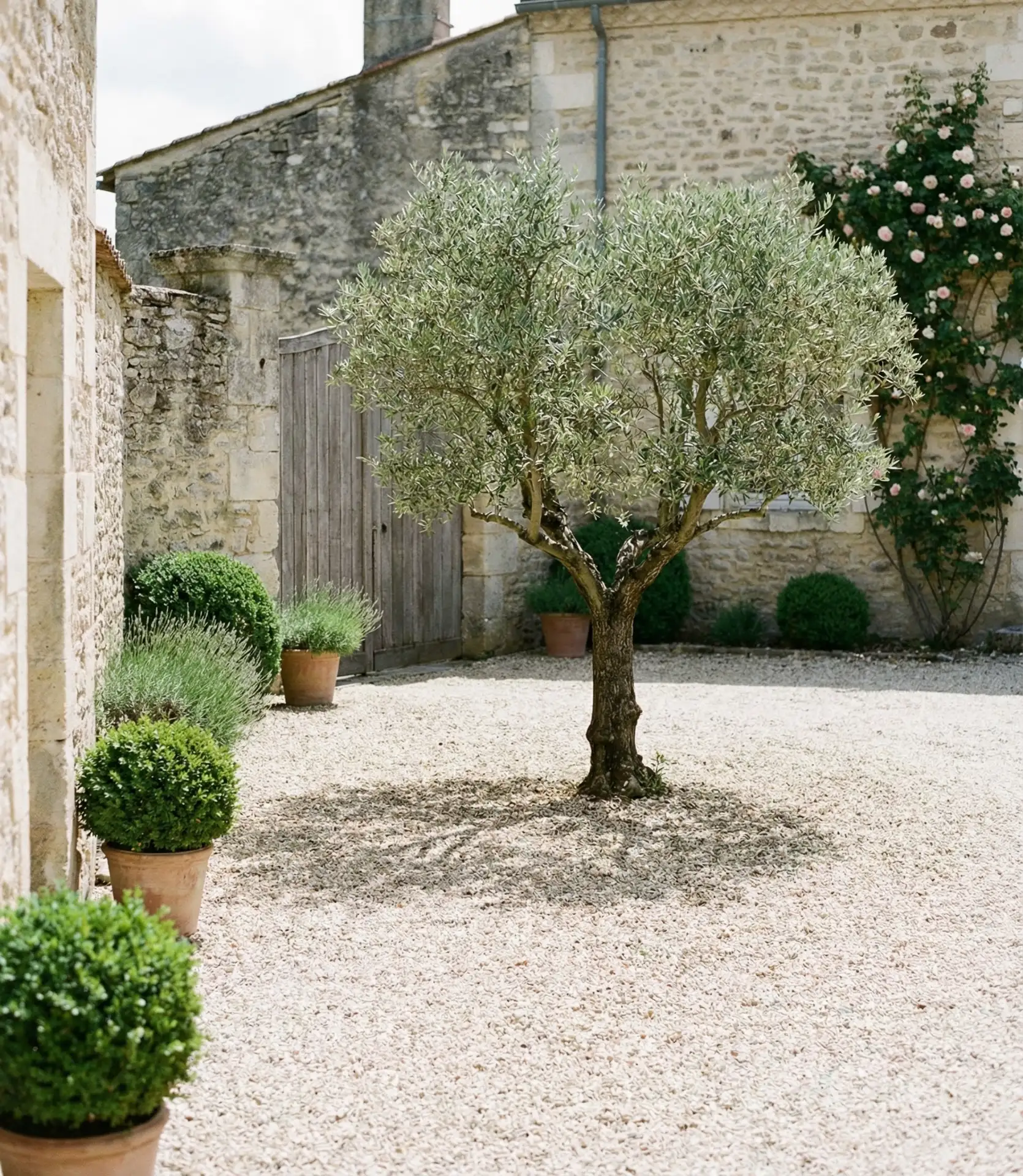
Transform your house front into a European-inspired courtyard using crushed gravel as a grass-free surface with strategically placed specimen trees as focal points. Japanese maples, crepe myrtles, or ornamental cherries provide vertical interest and seasonal color without the constant demands of lawn care. This modern interpretation of classic design eliminates the need to mow while creating an elegant outdoor room that feels both refined and relaxed. 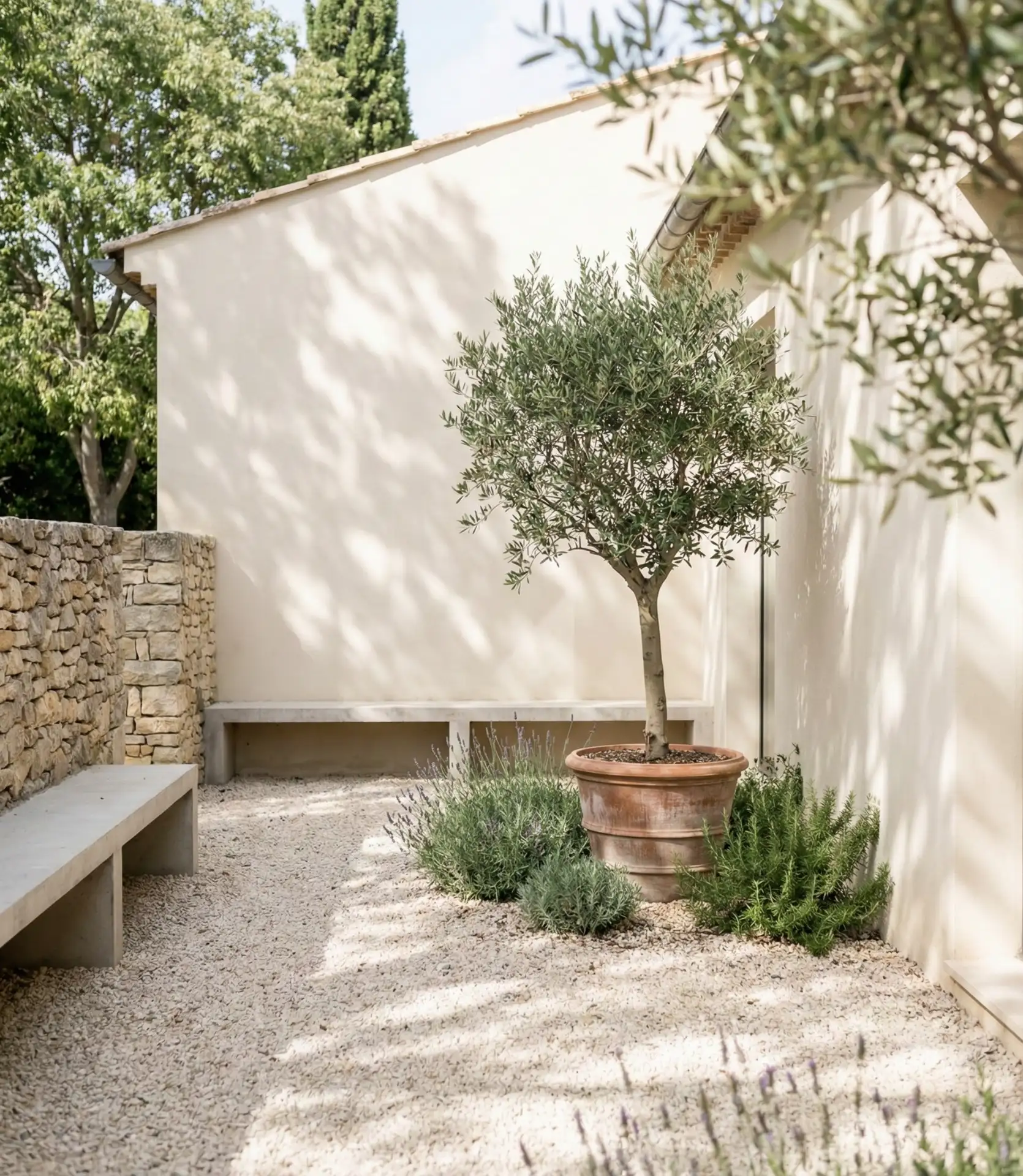
This design is perfect when we consider Mediterranean warm temperate climates and other areas with water restrictions where traditional lawns and gardens cannot thrive. A common mistake when constructing these areas is choosing gravel that is too soft. 3/8-inch crushed stone with angular edges is the best option, as it is locked together properly and does not compact too much. The stone should be maintained by adding a thin top layer every 3–4 years to preserve its overall appearance. Otherwise maintenance is minimal, and simple raking to keep the layers smooth is the only real maintenance needed.
13. Native Plant Pollinator Garden
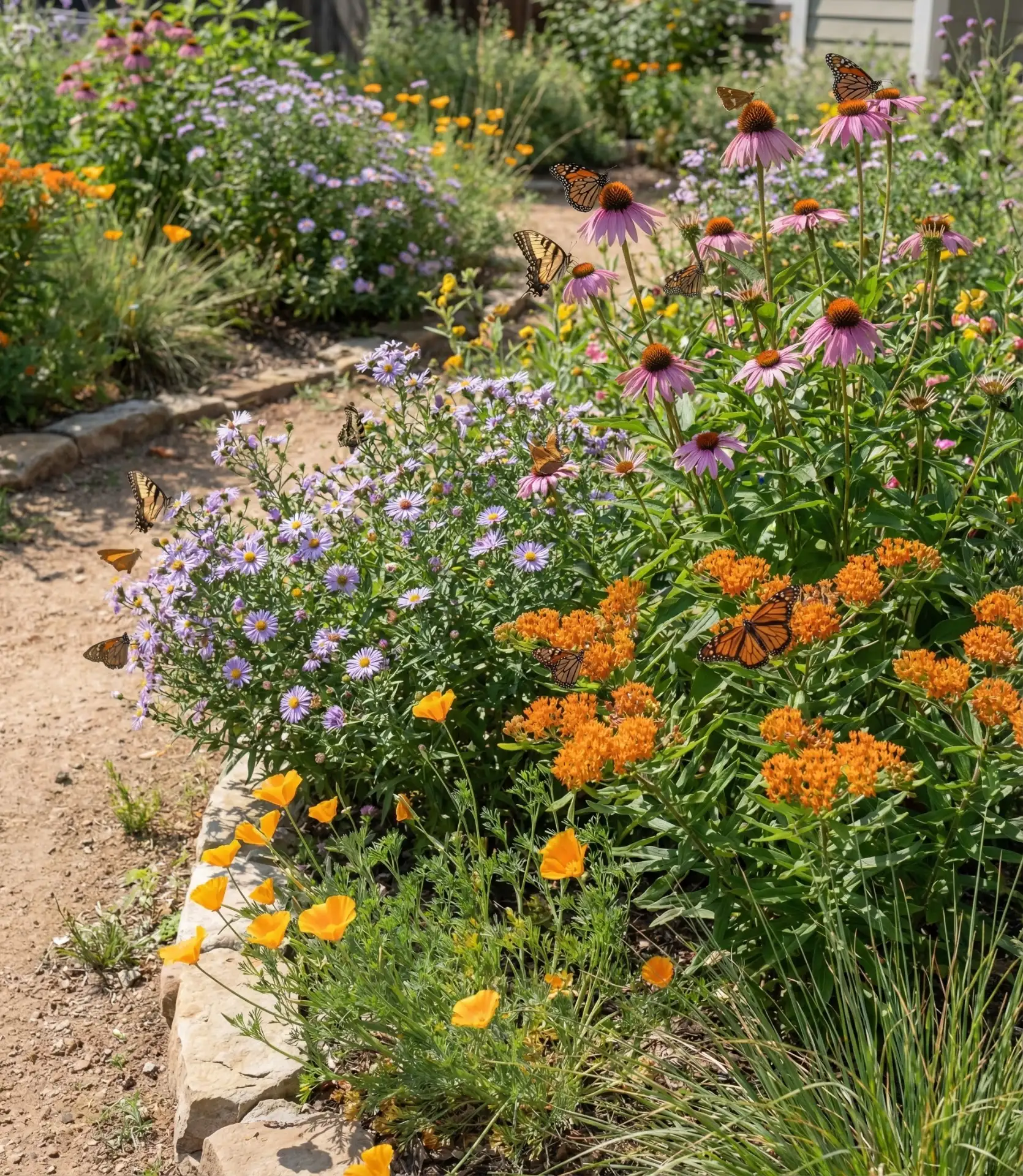
Construct a self-sustaining pollinator ecosystem by planting regional wildflowers that attract and encourage pollinators. The ecosystem is self-sustaining, as the plants, such as purple coneflower and bee balm, establish deep root systems that water themselves over the years. This process increases the beauty of the ecosystem as it allows for the plants to expand and form complex and diversified ecosystems. This type of landscaping also dramatically increases curb appeal. In the end, your yard can be a real contributor to the ecosystem as it creates a microhabitat for a diverse bee and pollinator population. 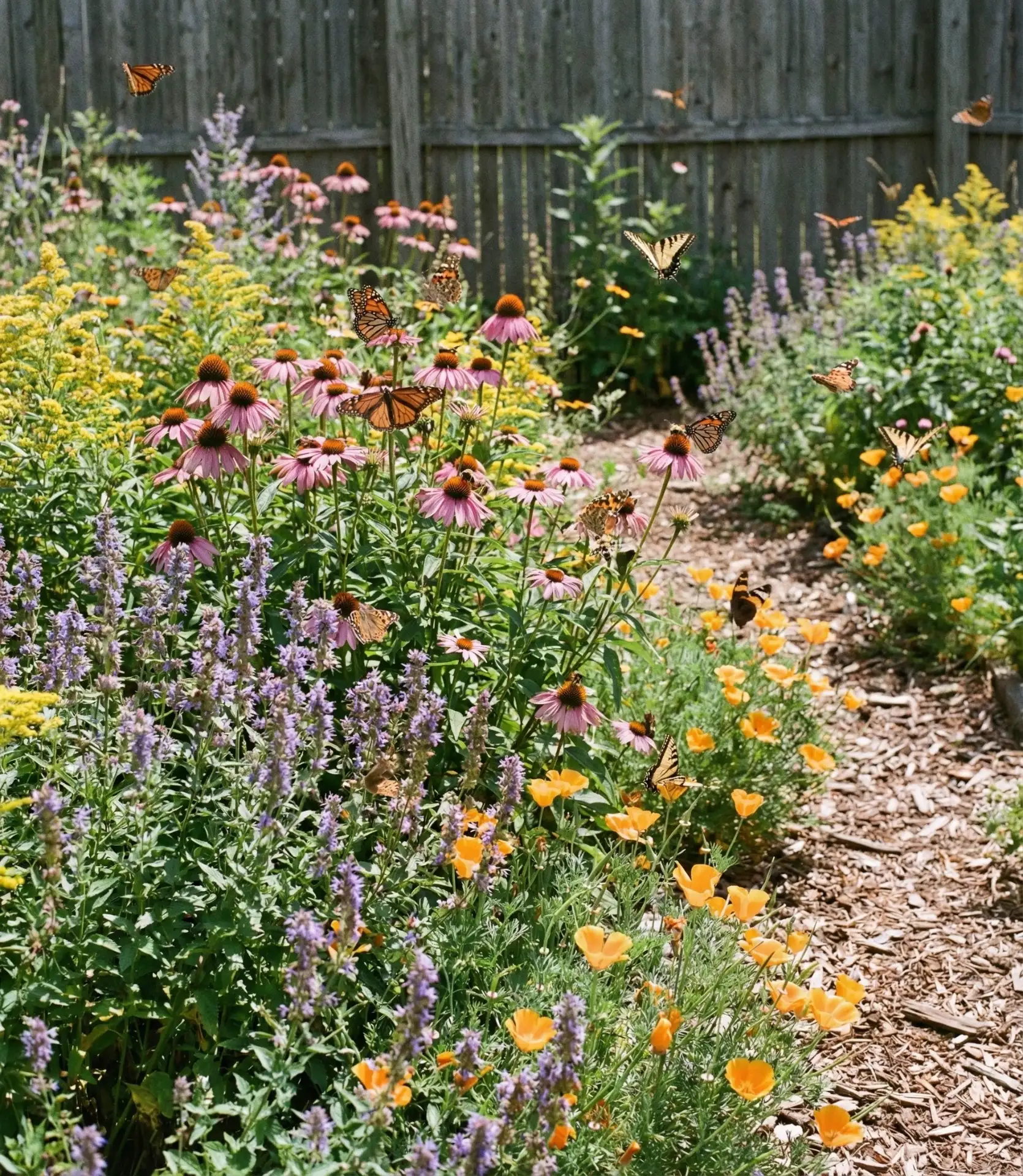
A landscape architect in Minneapolis explains that native gardens take two seasons to establish, but by year three, they require the least maintenance. This architect also shares that her front yard native planting only takes two hours for maintenance annually, compared to the over 60 hours she would spend maintaining her previous conventional landscape. The biggest key she points out is the urge to tidy too much, as leaving much of the garden untouched with seed heads over the winter can feed birds and keep reseeding the garden naturally.
14. Succulent and Cactus Display
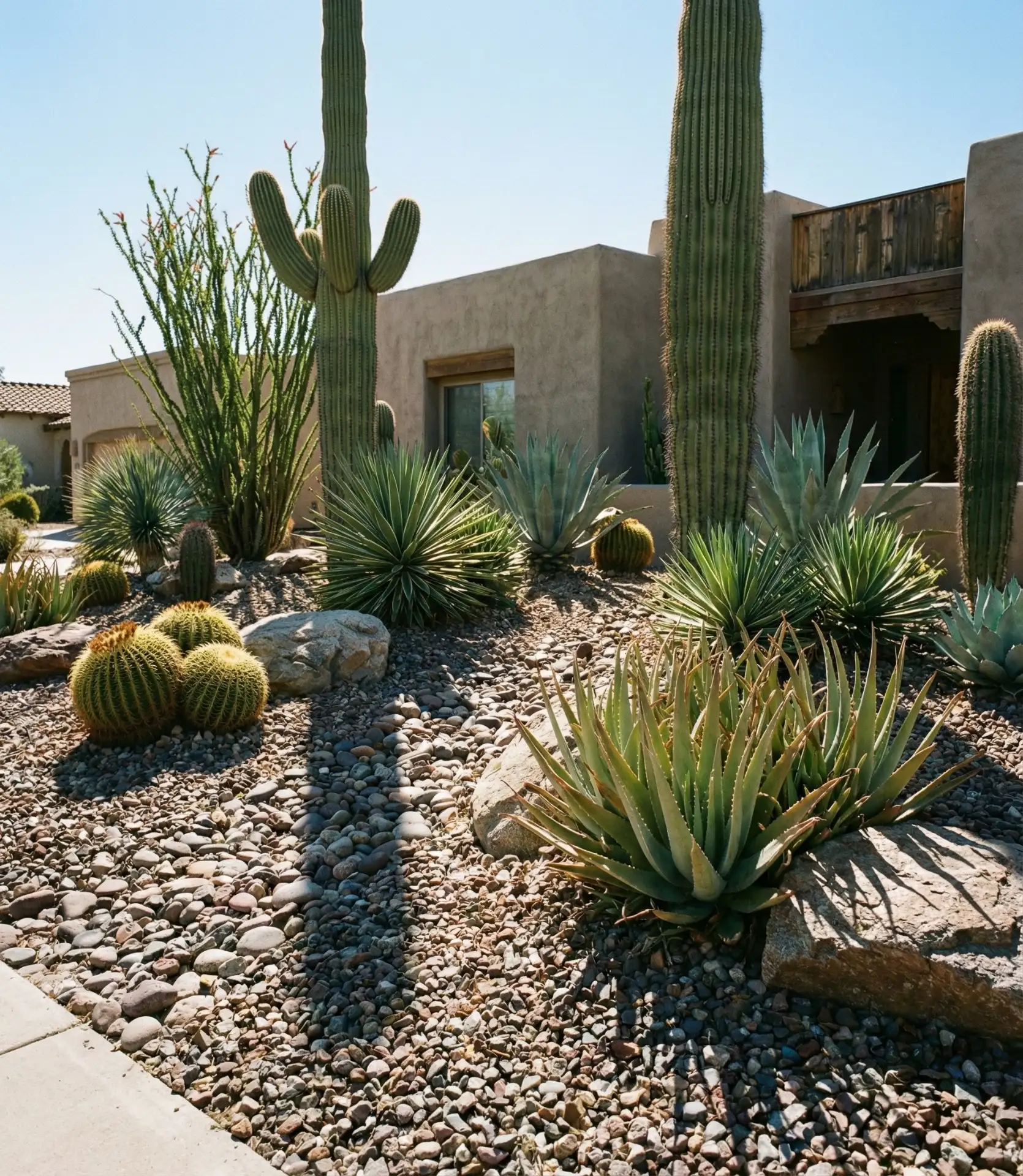
Celebrate the dramatic beauty of year-round interest with a designer planting of succulents and cacti that requires no water. This planting works with the Palm Springs aesthetic. The colorful echeveria, barrel cacti, and agaves create architectural drama that works with any modern home, providing a striking and bold maintenance-free landscape. 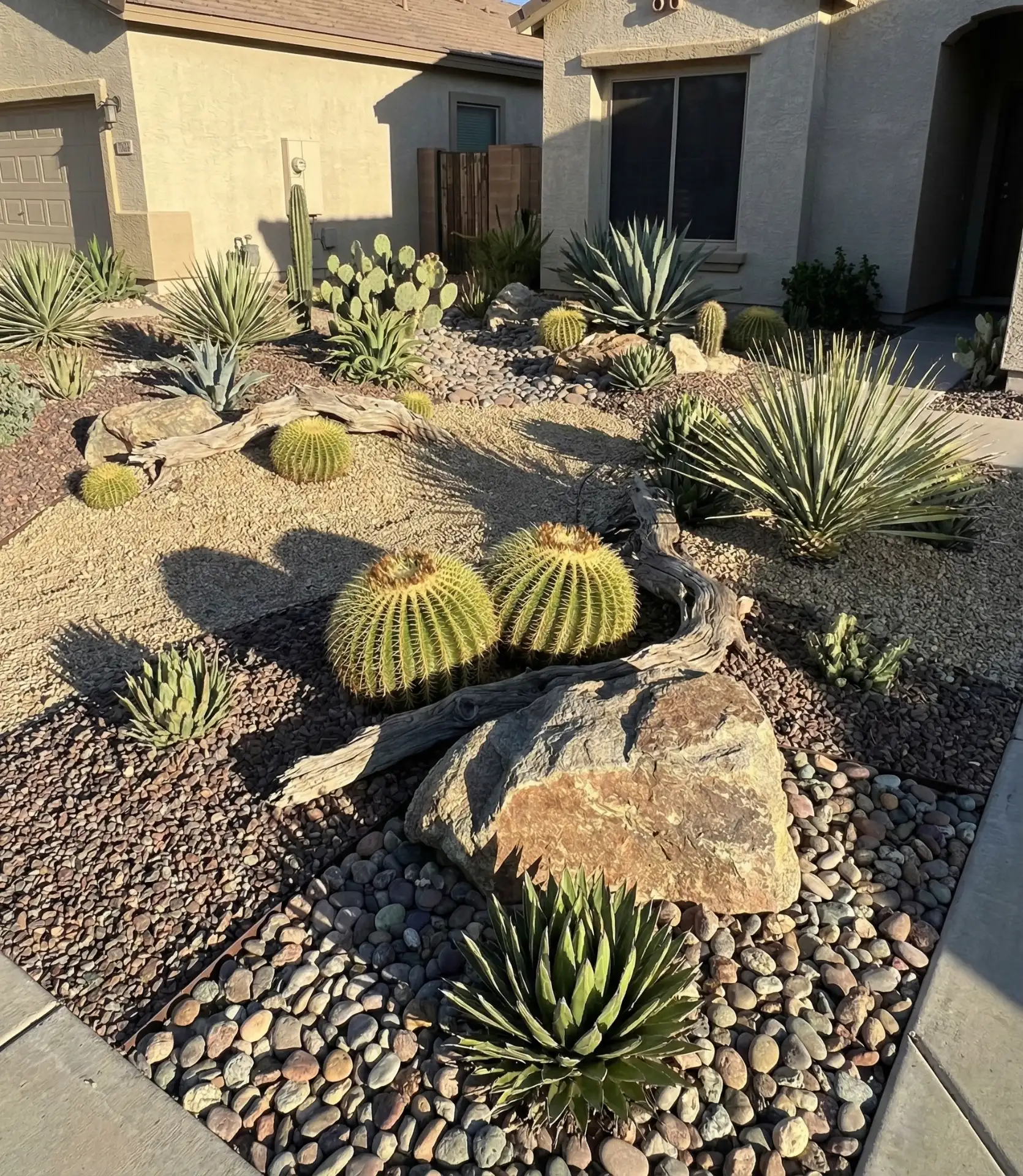
In frost-free zones from Southern California to South Texas and coastal Florida, succulent gardens have become status symbols that signal environmental awareness and design sophistication. Initial costs run higher—quality specimens range from $30 to $150 each—but these plants can outlive most homeowners with essentially zero maintenance beyond occasional grooming. The investment pays back through eliminated water bills and a landscape that looks intentionally curated rather than accidentally neglected.
15. Brick or Stone Pathway Focus
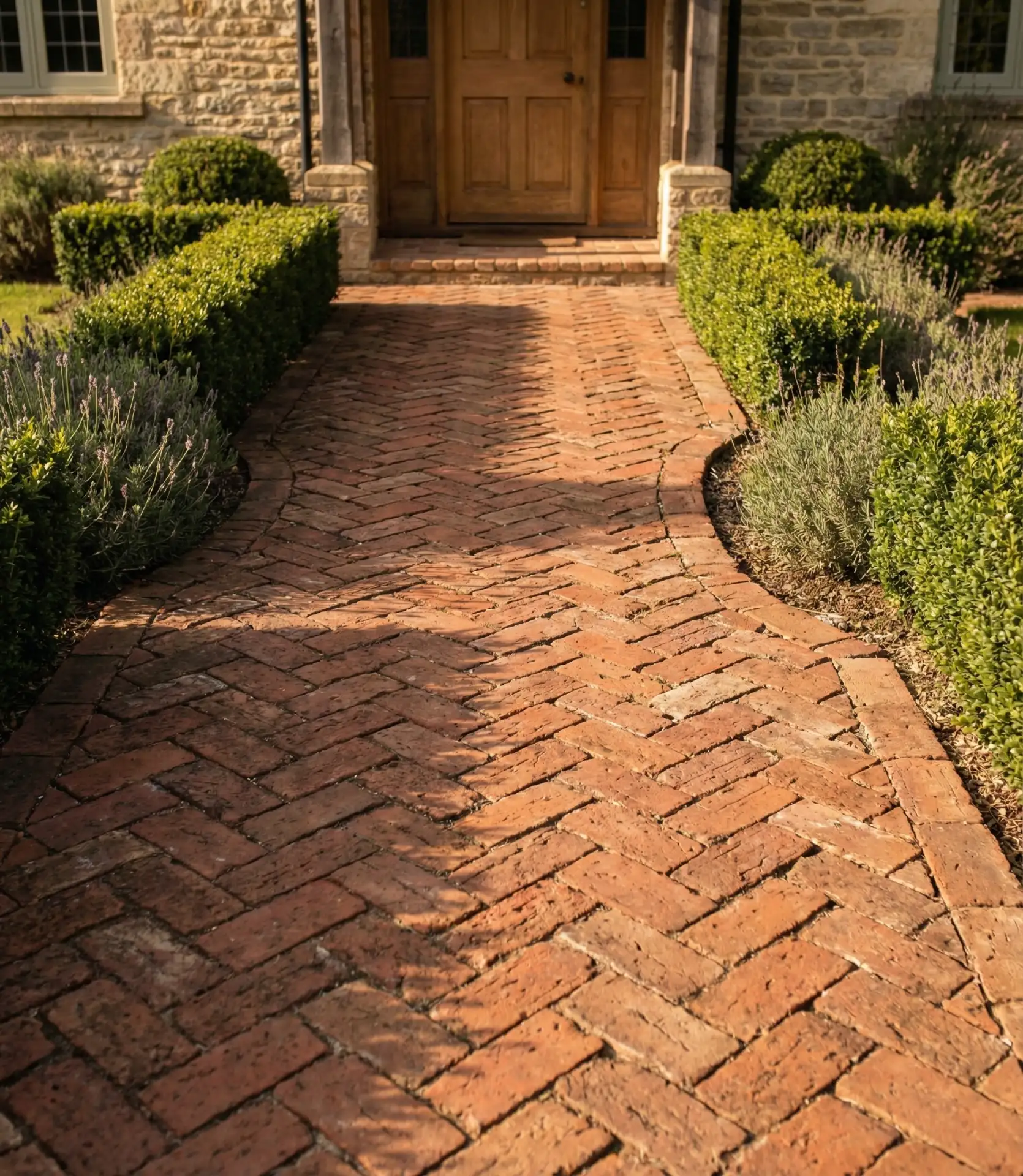
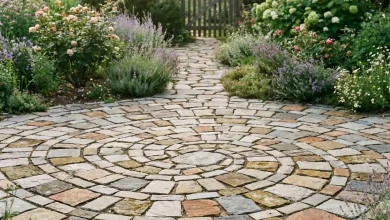
Make your walkway the star of your curb appeal entrance by investing in beautiful hardscaping that guides visitors with style. Herringbone brick patterns, irregular flagstone, or geometric pavers create strong visual interest that allows surrounding plantings to be simple and low maintenance. This strategy works especially well for ranch home properties, where the long, low profile benefits from the vertical draw of an interesting pathway that pulls the eye from street to door with an intentional design. 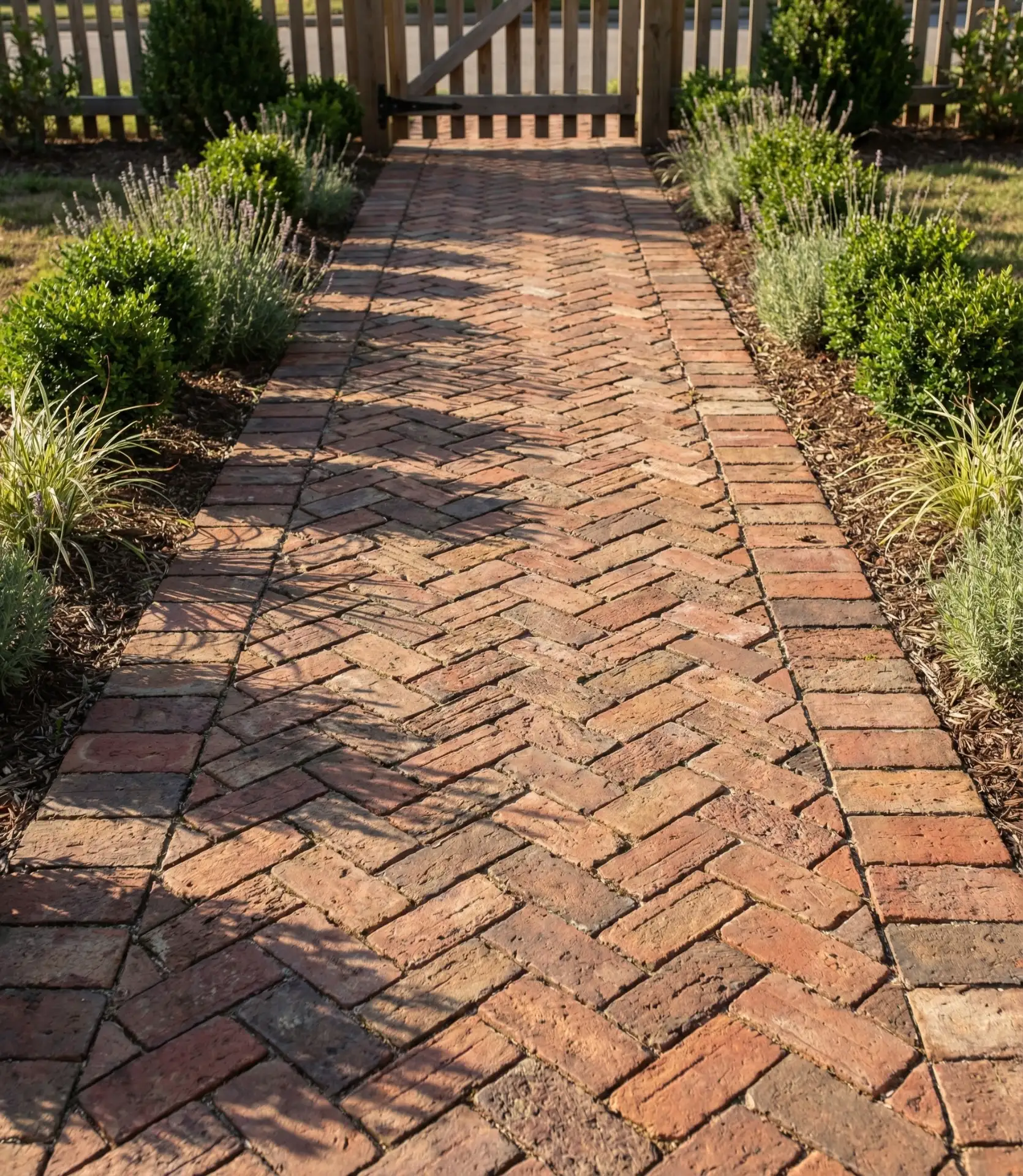
Where this approach works best is in established neighborhoods where mature trees make growing thick lawns difficult—a spectacular pathway surrounded by shade-tolerant hostas and ferns creates more impact than struggling grass ever could. Homeowners consistently report that upgrading their pathway was the single most transformative improvement they made, with guests frequently commenting on it. Quality installation costs $15-30 per square foot, but the durability and visual return make it a worthwhile investment that lasts decades.
16. Vertical Garden Living Wall
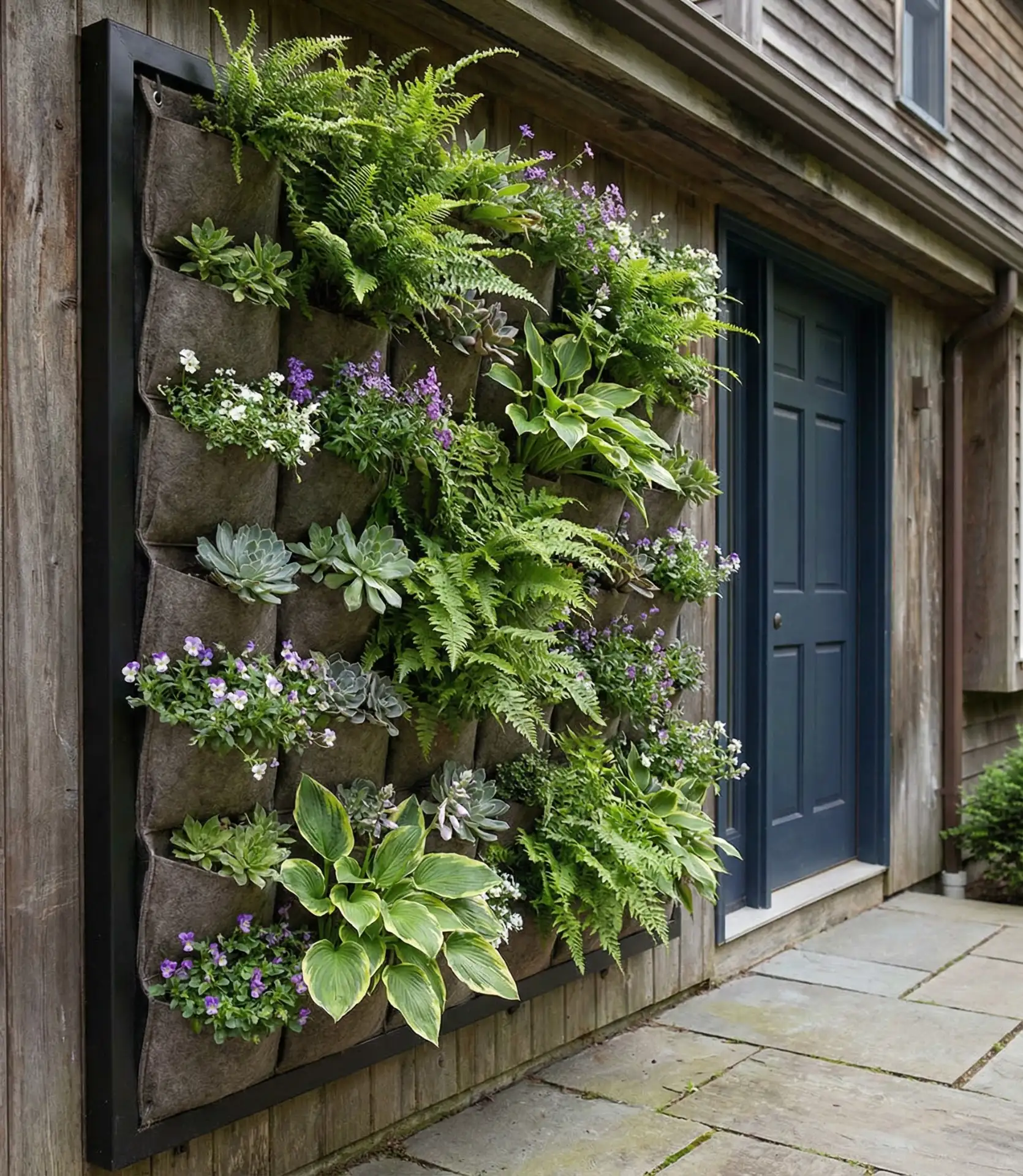
Maximize planting space on large blank walls or fence sections by installing a vertical garden system near your house entrance. Modular pocket planters or trellis-mounted containers allow you to grow herbs, succulents, or trailing flowers in previously unused vertical space. This DIY layout solution works brilliantly for narrow side yards or urban properties where ground space is limited but wall space is abundant, creating living art that transforms flat surfaces into dynamic green features. 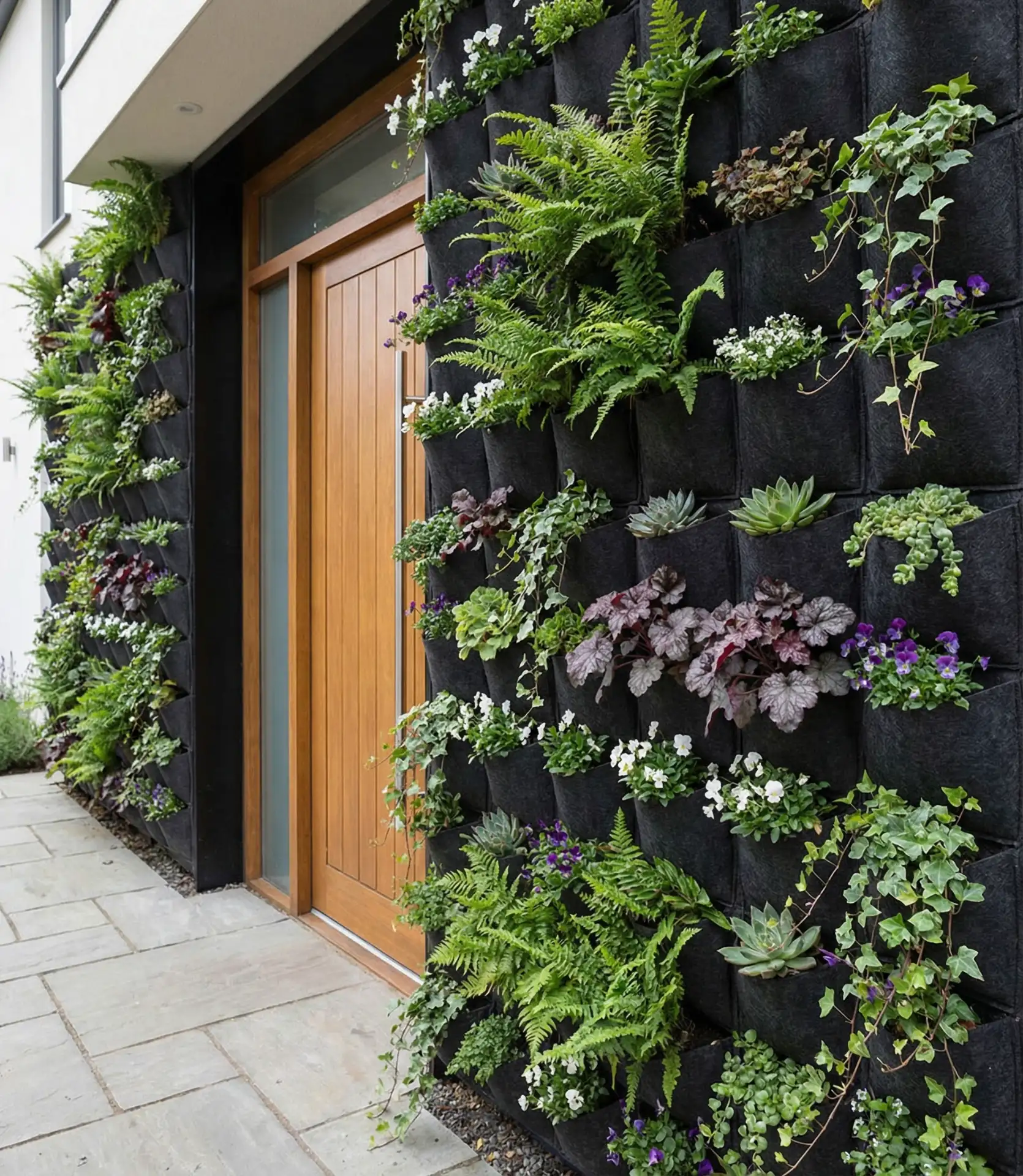
Budget-conscious homeowners often start with basic wooden pallet systems ($50-100 in materials) and graduate to professional modular systems ($300-800) once they’ve proven the concept works for their space. Vertical gardens require more frequent watering than in-ground plantings—many successful installations include drip irrigation on timers to manage this. The payoff comes in the wow factor; a well-executed vertical garden instantly marks your home as design-forward and makes efficient use of every square foot of your property.
17. Boxwood and Topiary Formality
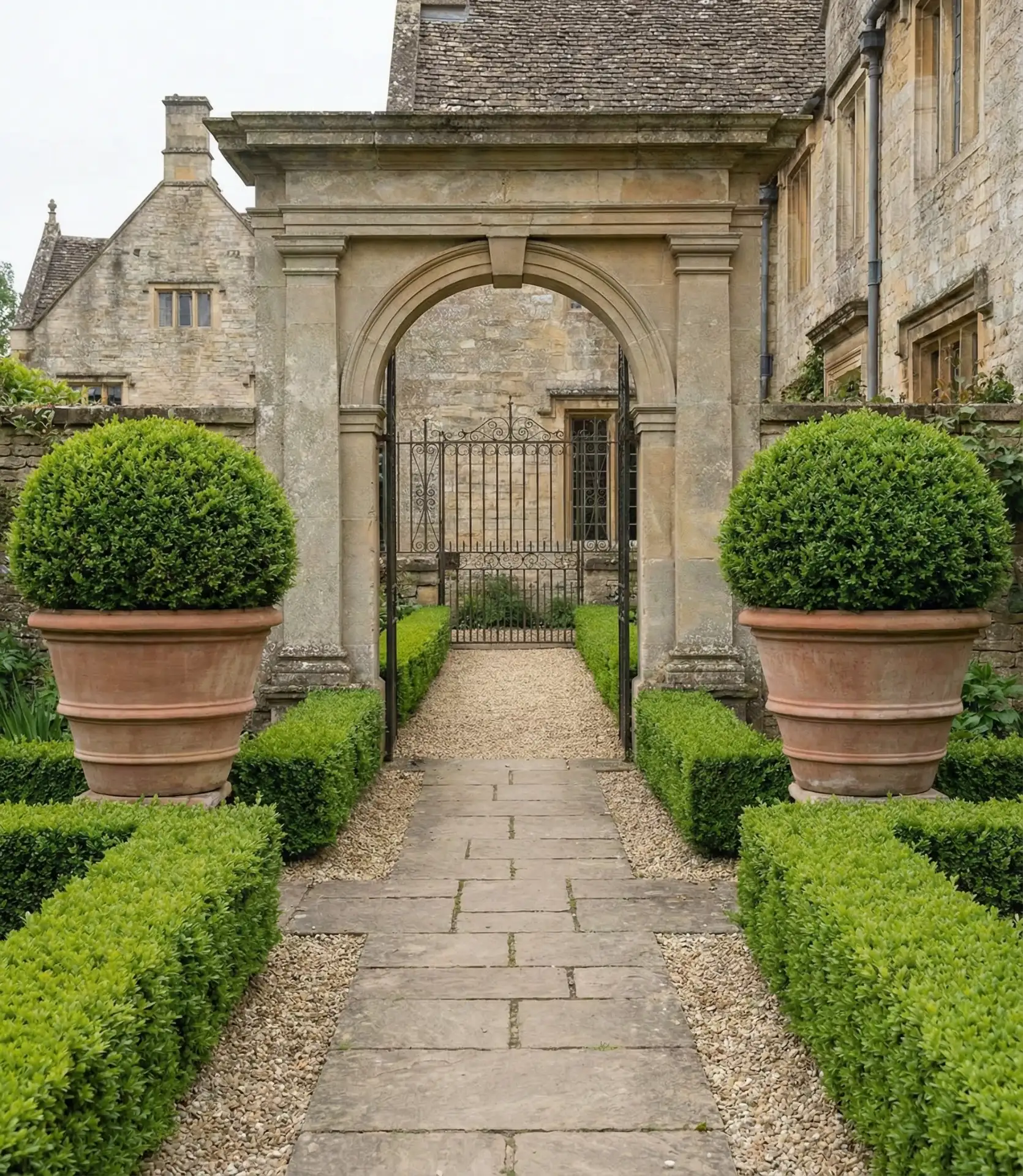
Frame your farmhouse or traditional home with classic boxwood hedging and shaped topiaries that create timeless elegance. Clipped spheres in pots and planters flank doorways, while low hedges define bed edges with architectural precision. This design and house plan give the refined look of estate landscaping for regular homes, especially for Colonial, Georgian, and French-style houses, where the neat landscaping enhances the home’s classic shape and size rather than clashing with it.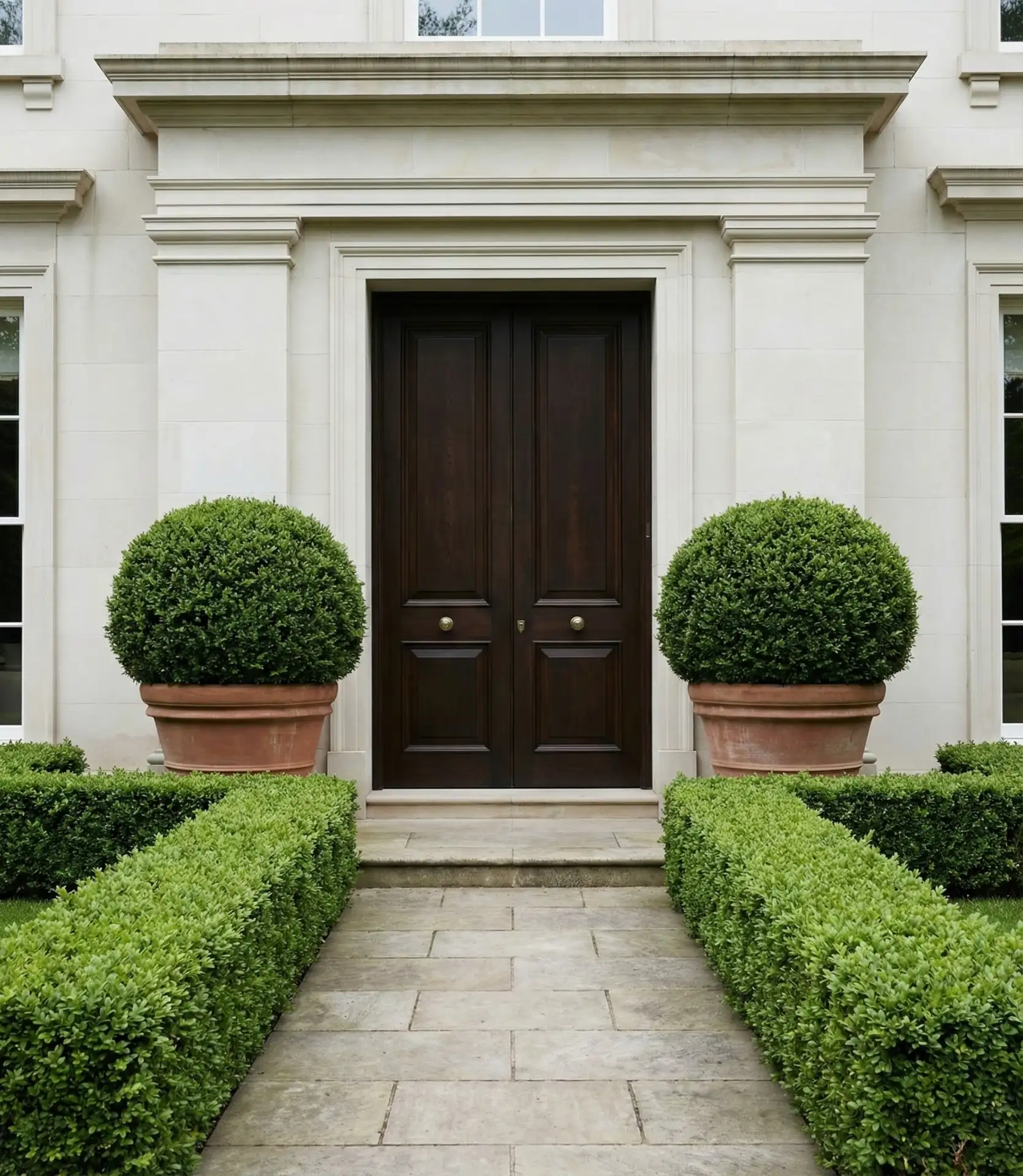
In Southern states where boxwoods thrive, this look remains perpetually fashionable and signals serious investment in landscape quality. The plants themselves are forgiving—boxwoods tolerate pruning mistakes and bounce back reliably. Plan on trimming 2-3 times during the growing season to maintain crisp shapes, or hire a landscaper for $100-200 per visit if you prefer professional results. Evergreen nature means year-round structure, making this one of the few landscaping styles that looks equally good in January and July.
18. Mixed Texture Ground Cover Tapestry
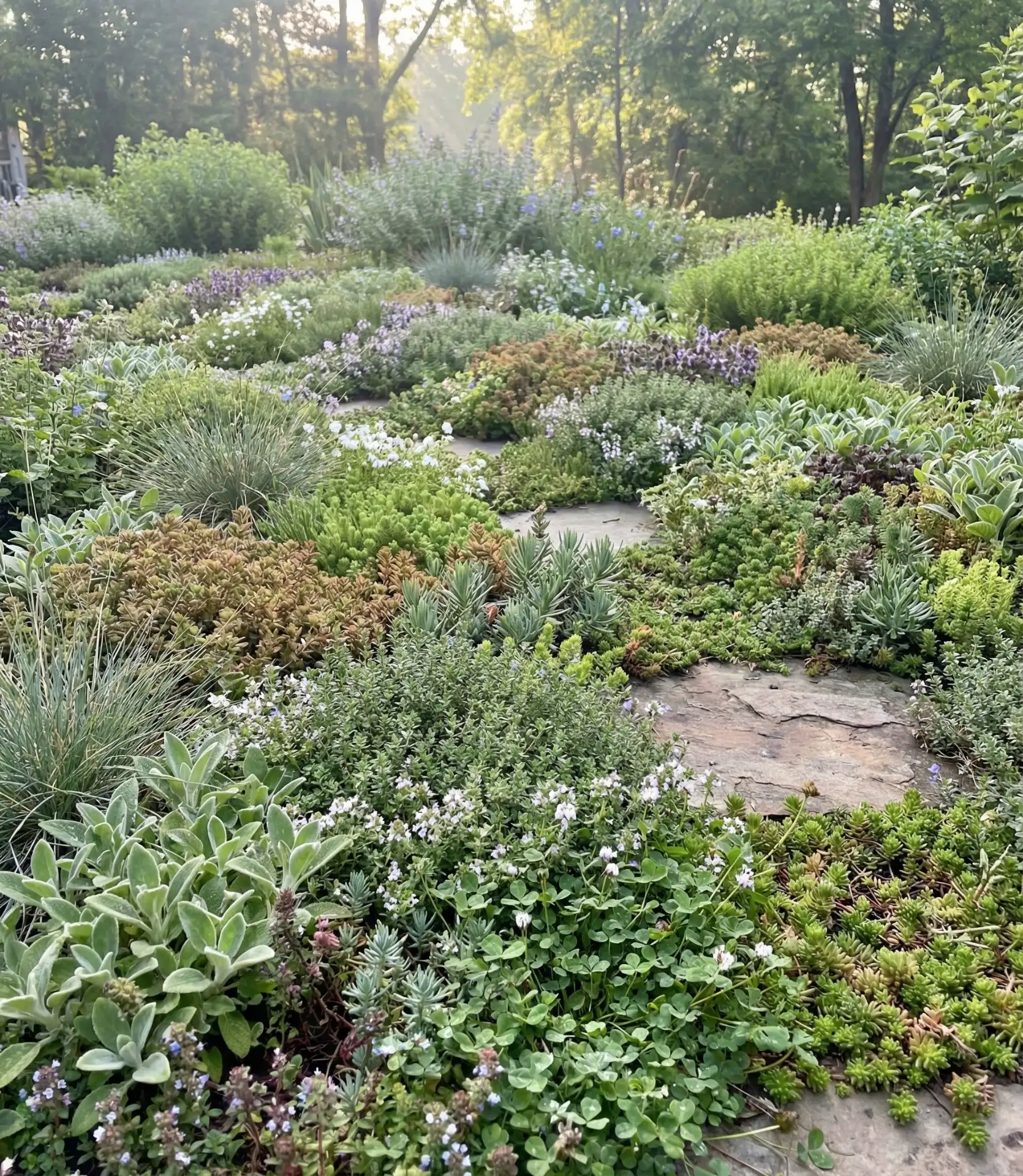
Replace the lawn with a tapestry of low-growing ground covers that create visual interest through contrasting textures rather than height. Creeping thyme, sedum, and woolly veronica weave together in a grass-free carpet that blooms at different times and requires no mowing. This layout of flower garden strategy works beautifully for slope areas where traditional grass struggles to establish, turning problematic terrain into a conversation piece that delivers far more personality than turf ever could. 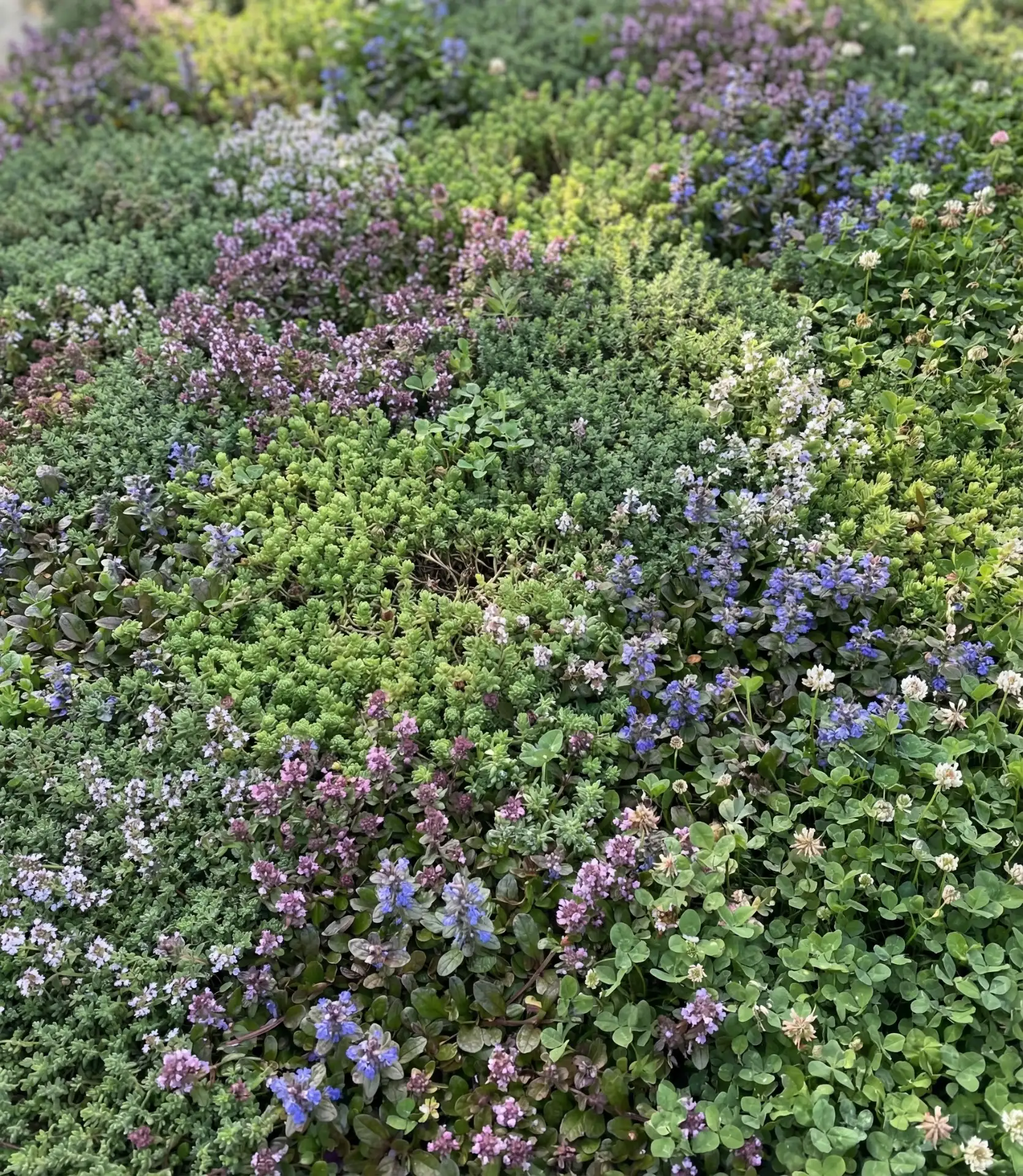
The installation process requires patience—plant ground covers 6-8 inches apart and expect to wait 18-24 months for complete coverage. During establishment, you’ll need to weed regularly, but once mature, the dense growth suppresses most weeds naturally. Real homeowner behavior shows that people who commit to this approach rarely regret it; the first spring when the entire front yard blooms with tiny flowers creates a moment of satisfaction that makes all the establishment effort worthwhile.
19. Illuminated Landscape Lighting Design
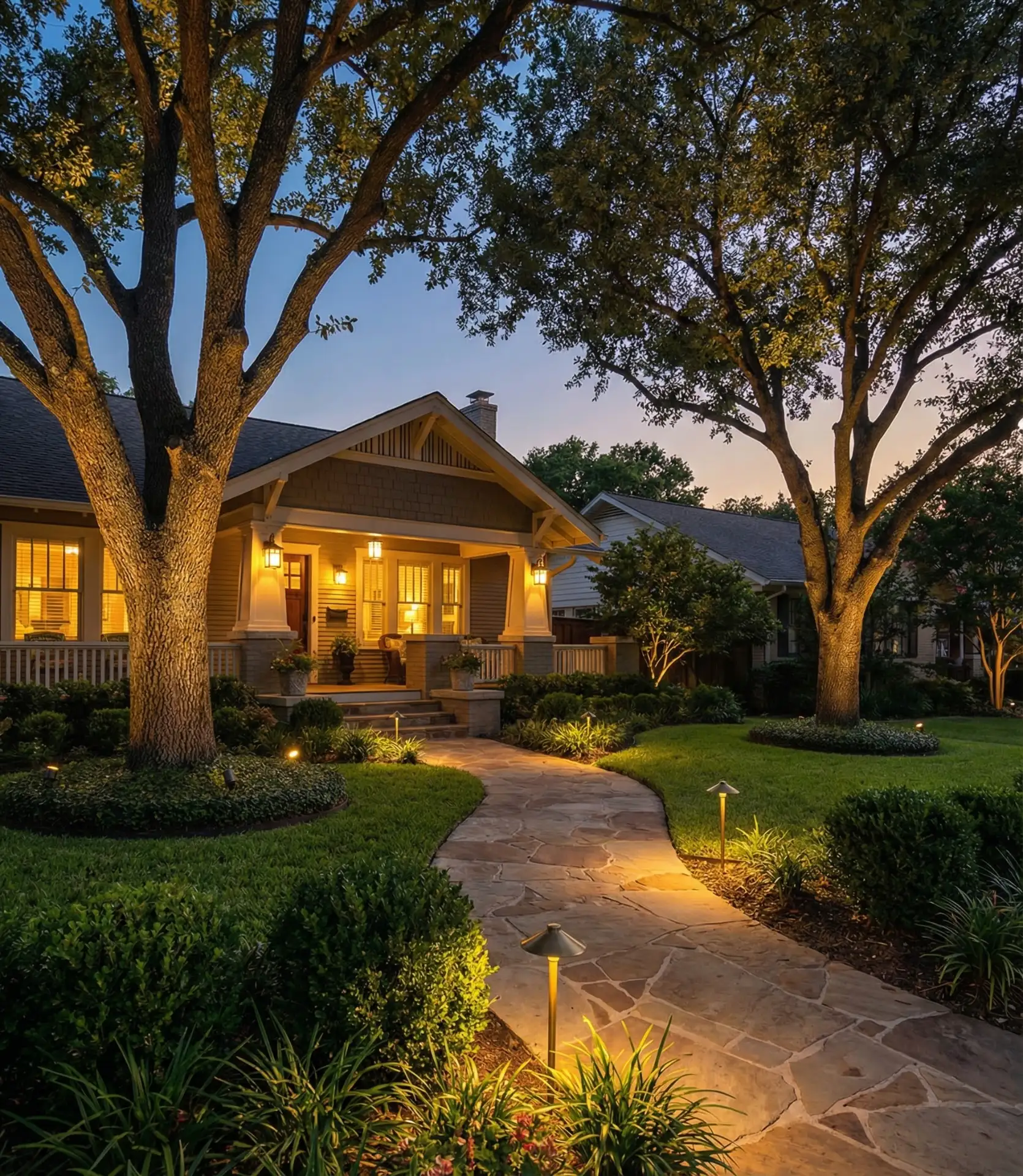
Extend your curb appeal into evening hours with strategic landscape lighting that highlights architectural features and key plantings. Uplighting trees, path lights along walkways, and subtle spotlights on your house entrance transform your front yard into a welcoming beacon after dark. This modern approach to exterior lighting goes beyond basic security to create genuine nighttime beauty, making your home stand out on the block while improving safety and extending the hours you can enjoy your outdoor spaces. 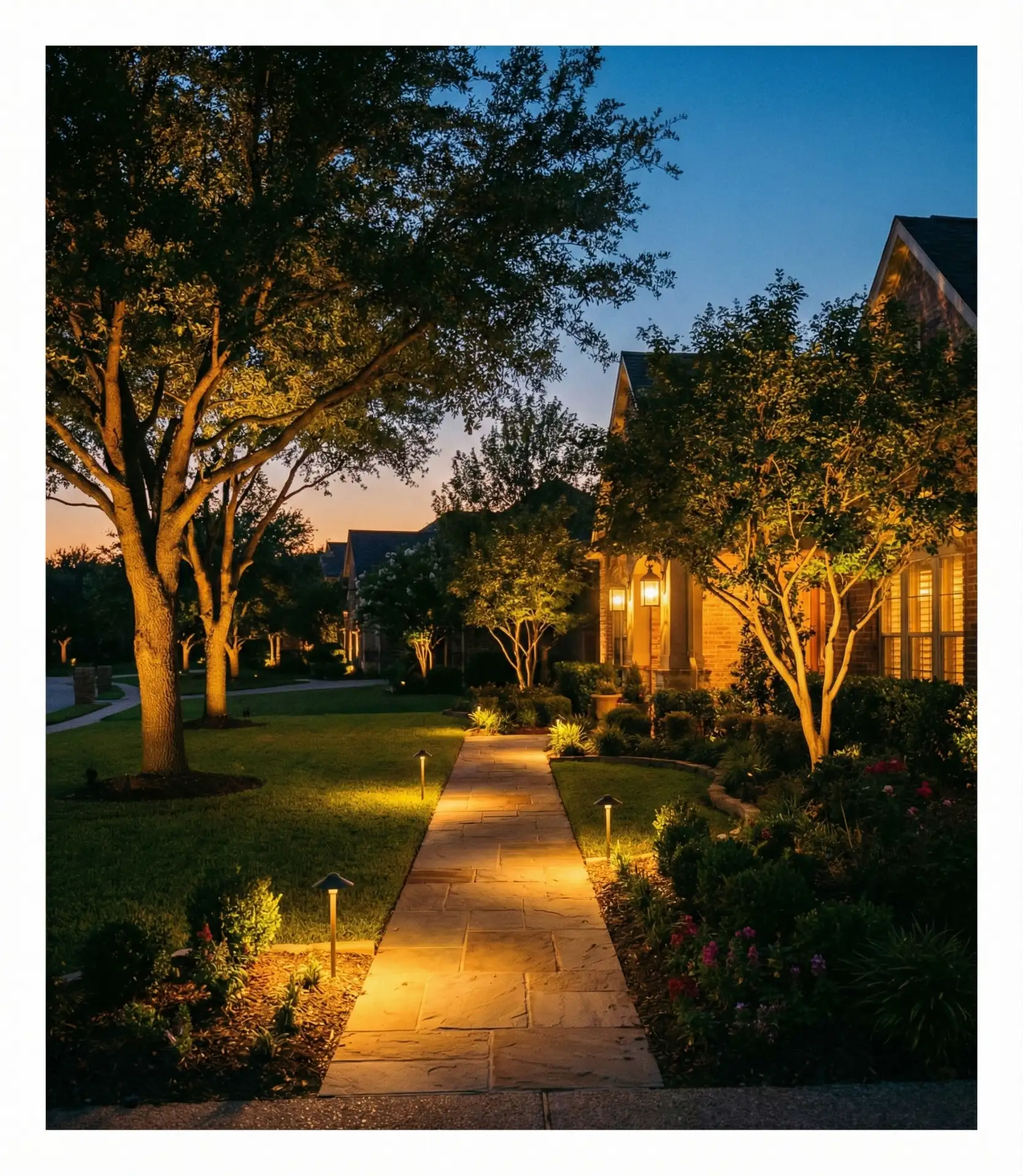
Professional lighting design costs $2,000-5,000 for a complete front yard system, but DIY LED kits from home improvement stores start around $300-500 and deliver surprisingly good results for homeowners willing to experiment with placement. The most common mistake is over-lighting—subtlety wins. Aim to highlight 3–5 key features rather than illuminating everything, creating pools of light and shadow that add drama and depth rather than flattening your landscape into a uniform brightness that loses all visual interest.
20. Productive Edible Landscape
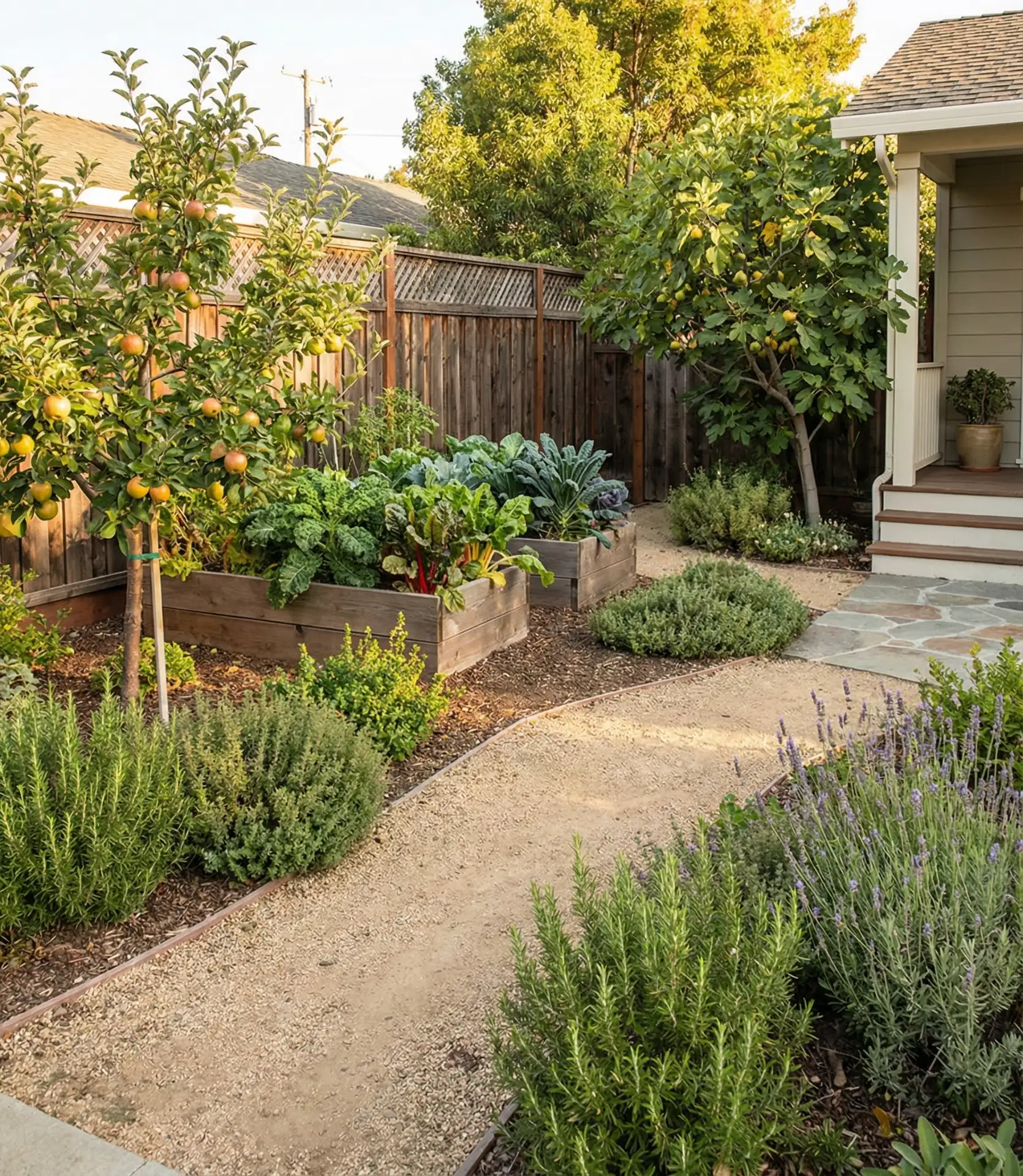
Blend beauty with function by incorporating edible plants into your front yard design without sacrificing aesthetics. Blueberry bushes provide spring blooms and fall color, while herbs like rosemary and lavender offer fragrance and curb appeal alongside culinary utility. Dwarf fruit trees trained against walls or used as small plants show that you can have a beautiful and useful yard, blending decorative and edible plants in a way that makes sense for today’s homeowners.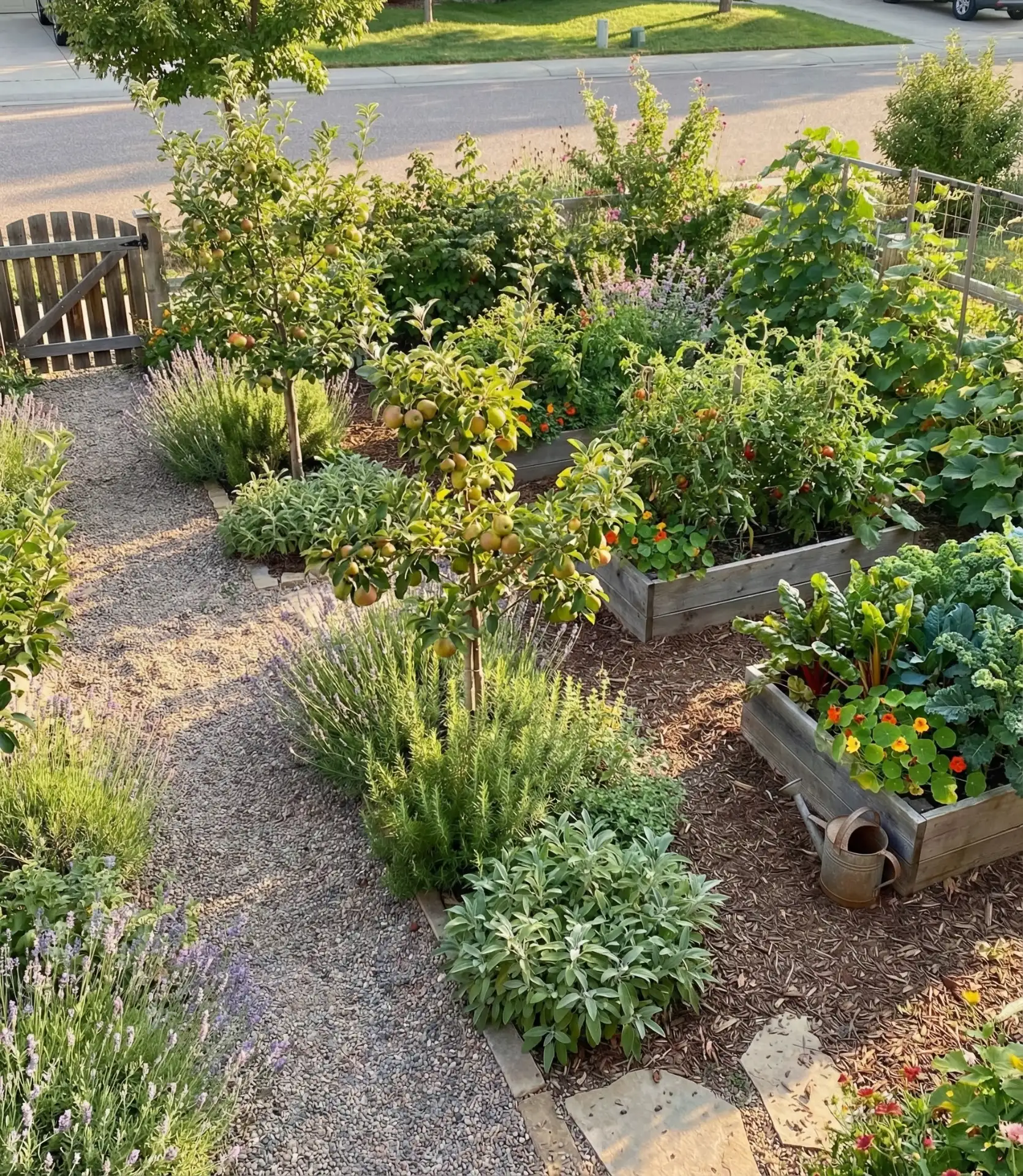
This trend has accelerated in progressive neighborhoods where HOAs have loosened restrictions on front yard food production. The key to community acceptance is maintaining the same design standards you’d apply to ornamental landscapes—neat edges, thoughtful plant selection, and regular maintenance. Many homeowners report that their edible front yards become conversation starters that build neighborhood connections, with passersby stopping to ask about harvests and share gardening tips rather than lodging complaints about unconventional landscaping choices.
21. Circular Driveway Island Feature
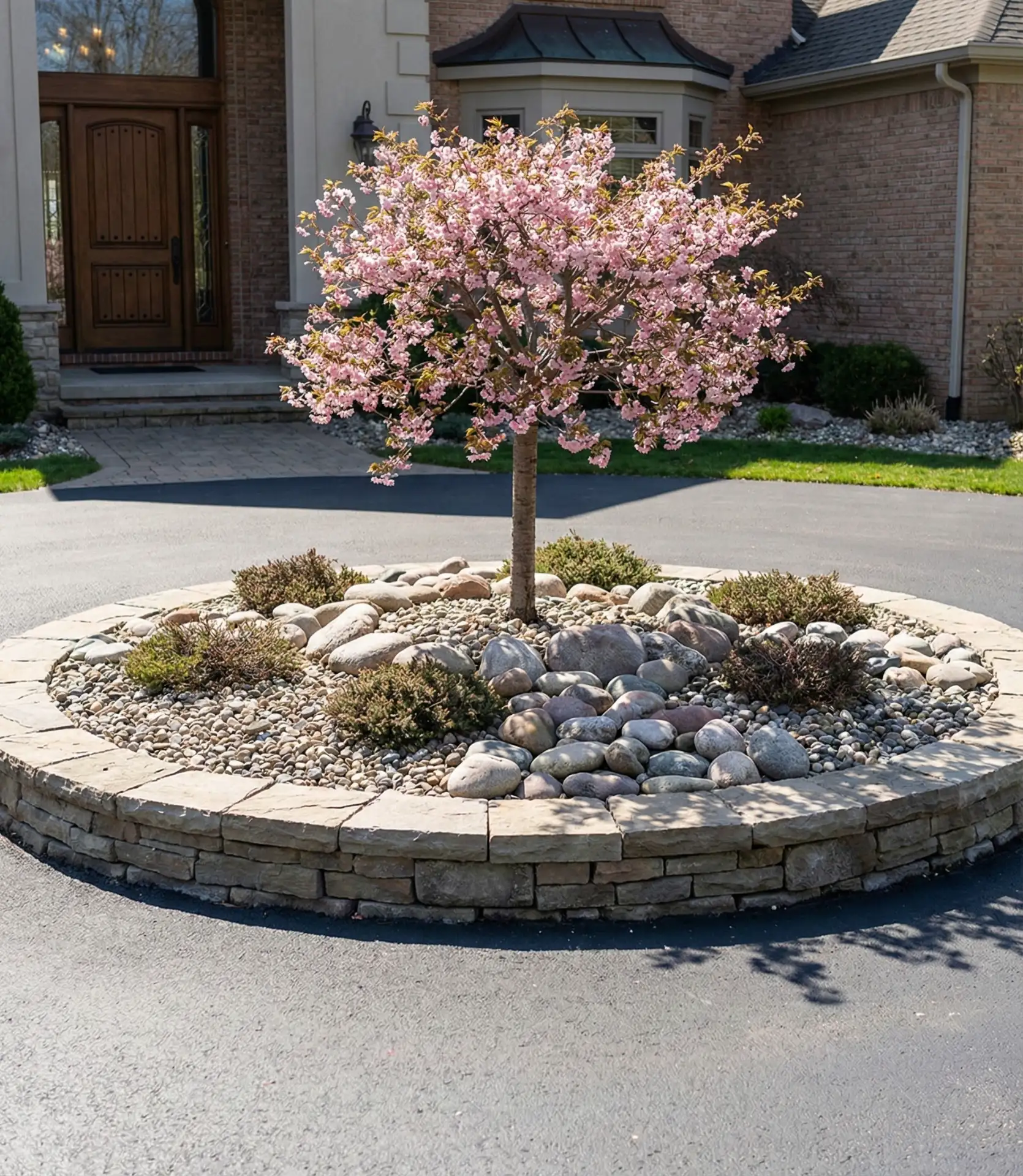
Transform the center of your circular driveway into a striking focal point using a retaining wall border filled with rocks and a statement specimen plant. This layout house enhancement works particularly well for properties with existing circular drives, turning underutilized space into a designed moment that visitors notice immediately upon arrival. The elevated island prevents erosion while creating vertical interest that breaks up the expanse of hardscape, making your driveway feel like an intentional landscape feature rather than just functional pavement. 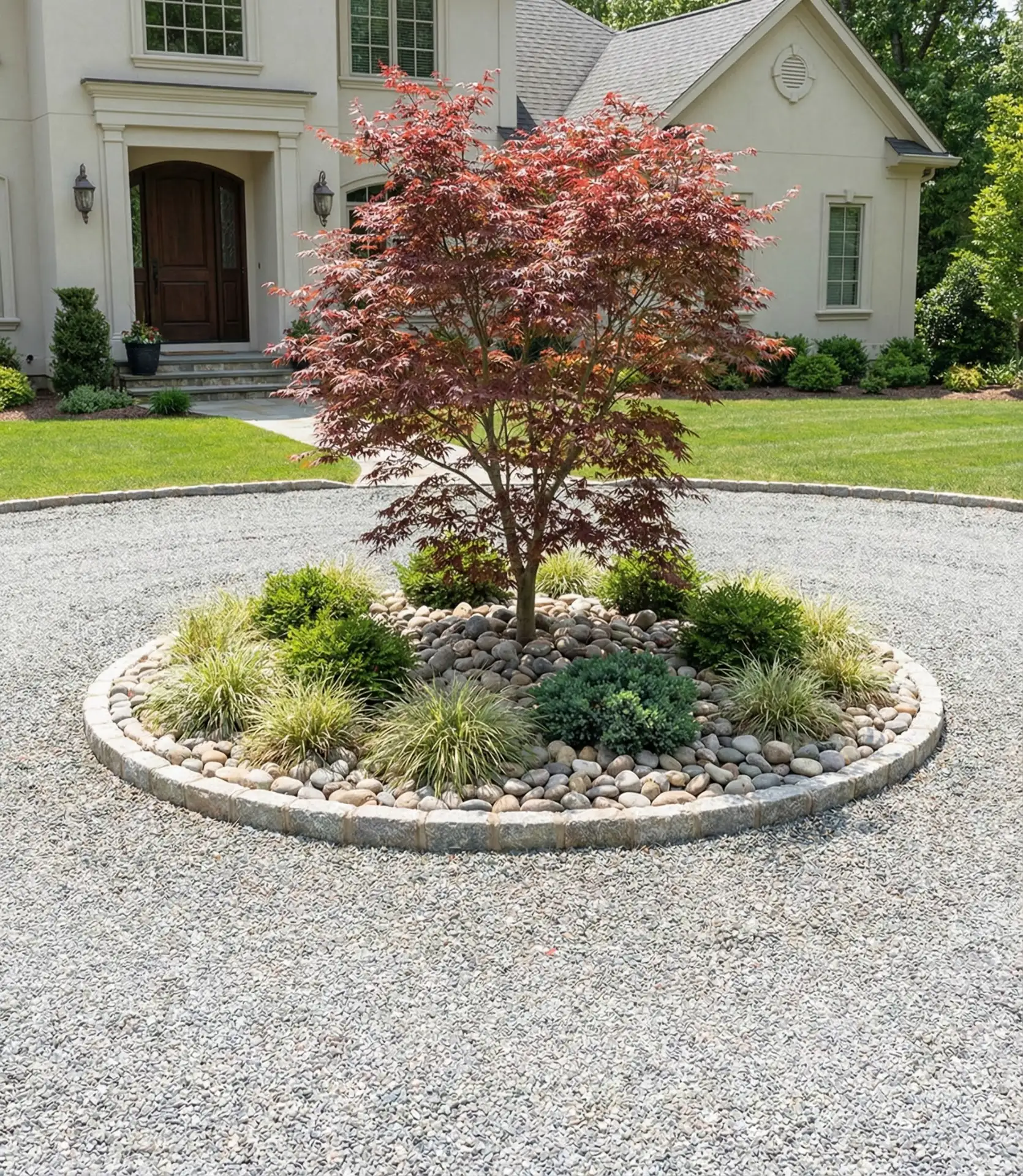
Throughout suburban developments in the South and Southwest, where circular driveways are common, these islands have become signature features that define property character. A homeowner in Dallas installed a three-foot raised island last year with a desert willow as the centerpiece surrounded by decomposed granite—the project cost under $800 in materials and took one weekend to complete. The result photographs beautifully and requires almost no maintenance beyond occasional pruning of the tree, proving that high-impact improvements don’t always demand professional installation or ongoing care.
22. Seasonal Color Rotation System
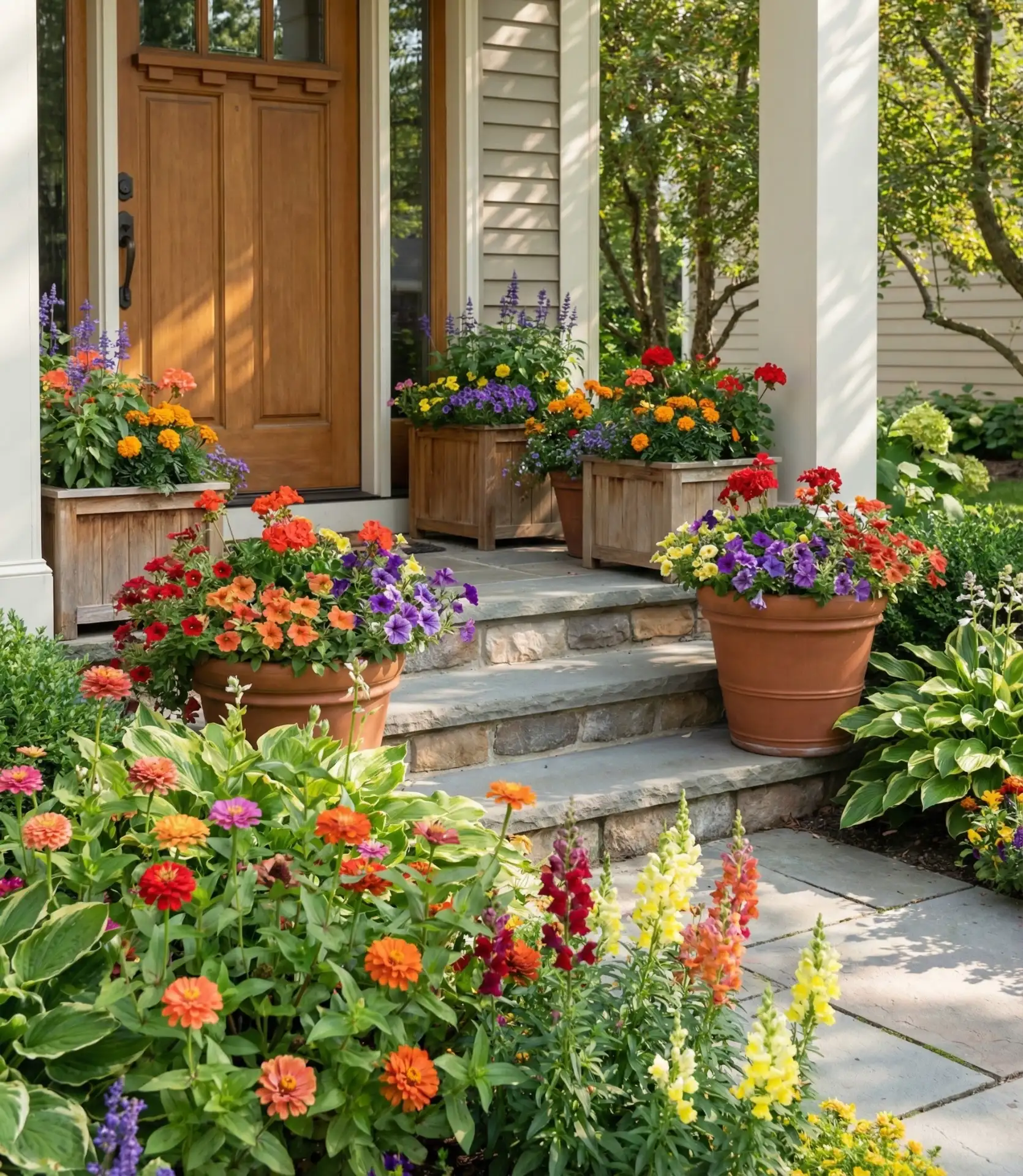
Design your layout by taking specific planting zone areas at your house entrance for seasonal color rotations so that your front yard can look its best and keep looking different every season. The thoughtful positioning of your planters, pots, and in-ground beds will maximize your ability to swap out dead plants for blooming ones four times a year. This idea enhances curb appeal and will certainly benefit homeowners who actively garden and appreciate a front yard that visually reflects the seasons with vibrant plantings, demonstrating both meticulous care and pride in homeownership throughout the year.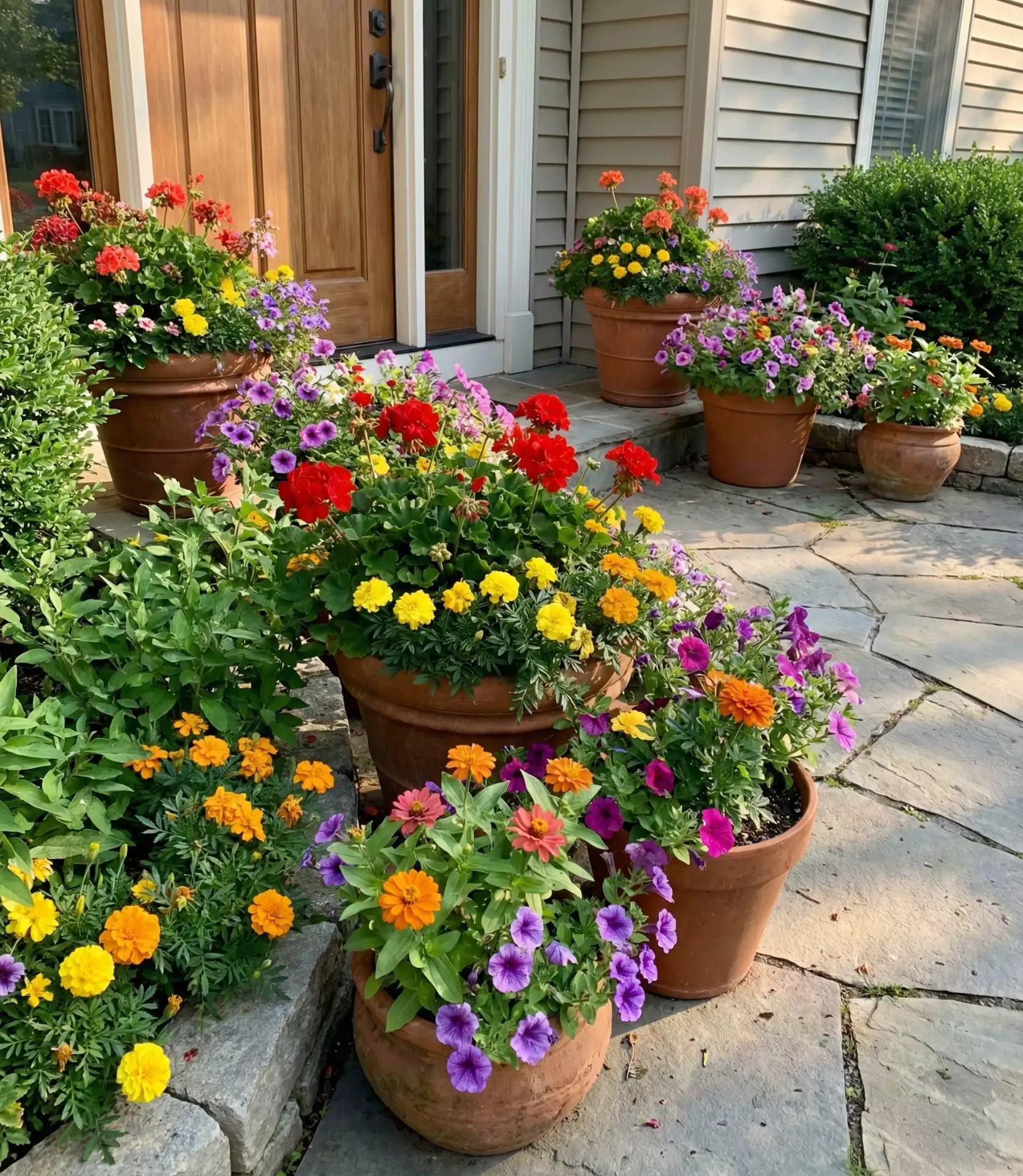
Good gardening suggests dedicating a front yard 20-30% to seasonal rotation with the rest, 70-80%, being permanent plantings. These plants will keep a structure throughout the year while also allowing color to be played with and changed. Consider allocating $150-250 per season for curb appeal, rather than considering it as a one-time expense, and prepare for potential changes. It’s important to avoid the common mistake of rotating too much area, which can become overwhelming.
Begin with your entryway containers and a single feature bed, and only expand your beds if you truly love seasonal refreshing and have the time for quarterly plantings.
Landscaping in the front yard in the year 2026 will be the result of a careful consideration of aesthetics, care requirements, and a sense of personal responsibility toward the environment. Strategies such as wildflower meadows that attract and nourish local pollinators or formal, structured gardens that pay homage to the old-style garden will show that the beautiful outdoors can be accessible to all lifestyles and budgets. With the combination of the ethos of a functional edible garden or the timeless charm of boxwood topiaries and the desert elegance of succulent displays, one can create a stunning yard; however, the most important part is to choose the direction that resonates most closely with your personal beliefs and that will match your climate and spare time. The best approach is to choose one or two strategies that best reflect your interests and let you receive feedback by seeing how they perform throughout the year so you can use that information to make other planting decisions. The garden is a living canvas that will continue to grow and evolve, and it is important to embrace the process and remember that even the smallest garden decisions can have a giant impact. Please let your fellow garden enthusiasts know what ideas you will be trying and what challenges you are dealing with in your current garden, and you are welcome to put your ideas, questions, and progress images in the comments so you can inspire and be inspired throughout the process.