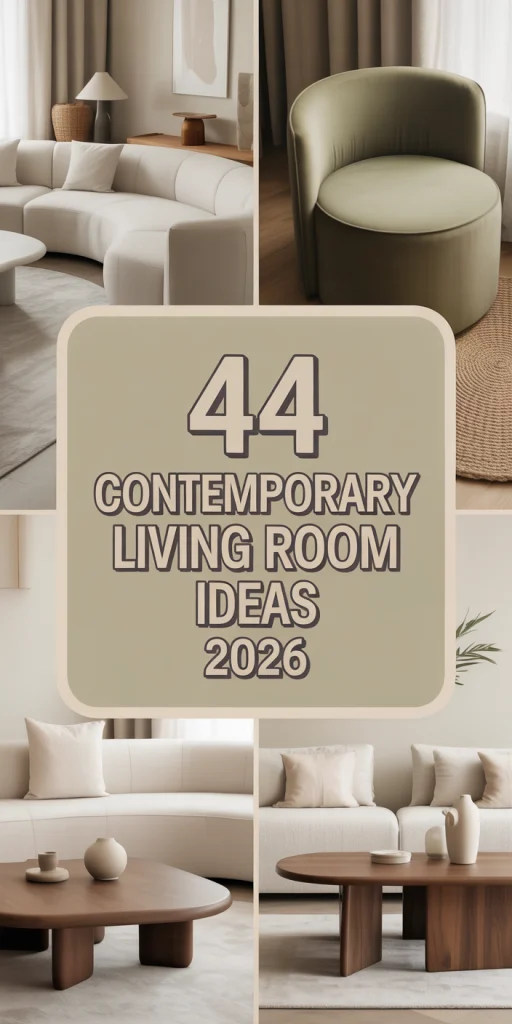
44 Contemporary Living Room Ideas for 2026: Transform Your Space with Timeless Style

Contemporary living rooms in 2026 are all about balancing comfort with clean lines, natural materials with subtle technology, and personal expression with timeless appeal. Americans are turning to Pinterest in record numbers to discover how to refresh their spaces without chasing fleeting trends—they want rooms that feel current but won’t look dated in two years. This year’s approach favors layered textures, curated color palettes, and furniture that serves both form and function. Whether you’re working with a spacious suburban layout or a compact city apartment, the ideas below will help you create a living room that feels effortlessly modern, unmistakably you, and ready for real life.
1. Soft Neutral Foundations with Organic Accents
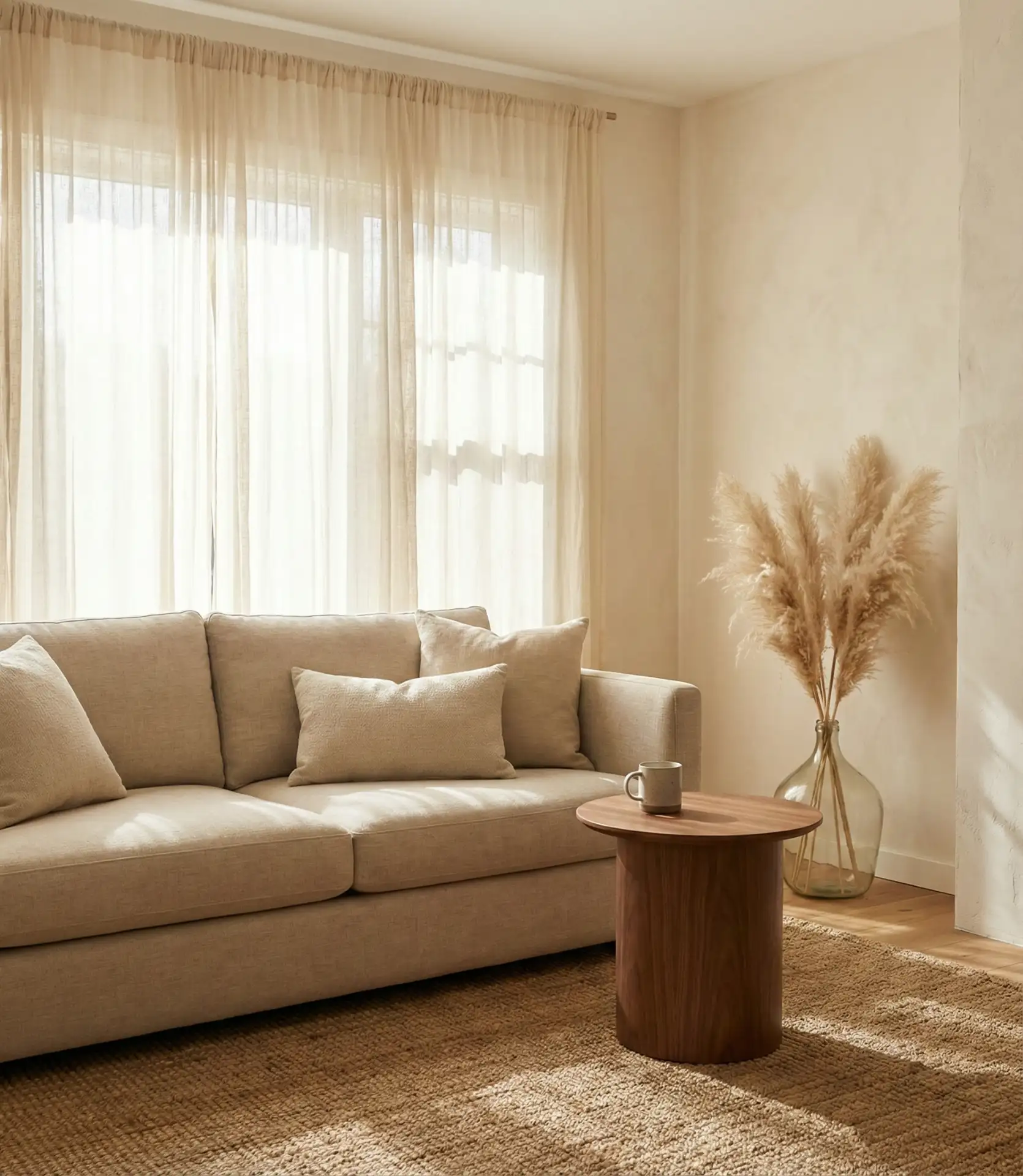
Start with a calming base of warm beige, soft gray, or creamy white walls, then layer in natural wood tones and linen textures. This approach defines much of today’s contemporary living room aesthetic—it’s clean without feeling cold, and it pairs beautifully with both modern and traditional accents. The goal is to create a backdrop that lets your furniture and art breathe while still feeling complete and intentional.
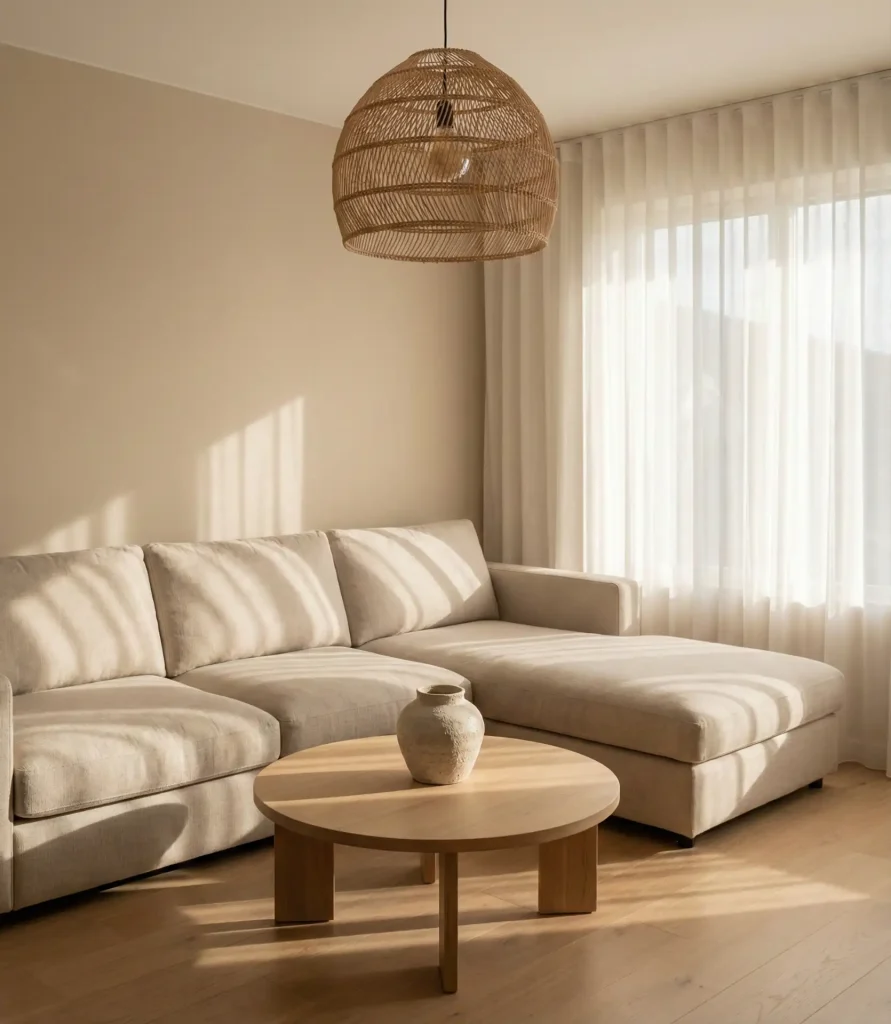
This palette works especially well in homes with abundant natural light—think California bungalows or Texas ranch-styles with big windows. It also makes smaller spaces feel larger and more open. Avoid the trap of going too monochrome; instead, introduce subtle variation through texture—a chunky knit throw, a matte ceramic lamp, or a hand-woven basket adds depth without disrupting the calm.
2. Statement Sofas in Sculptural Silhouettes
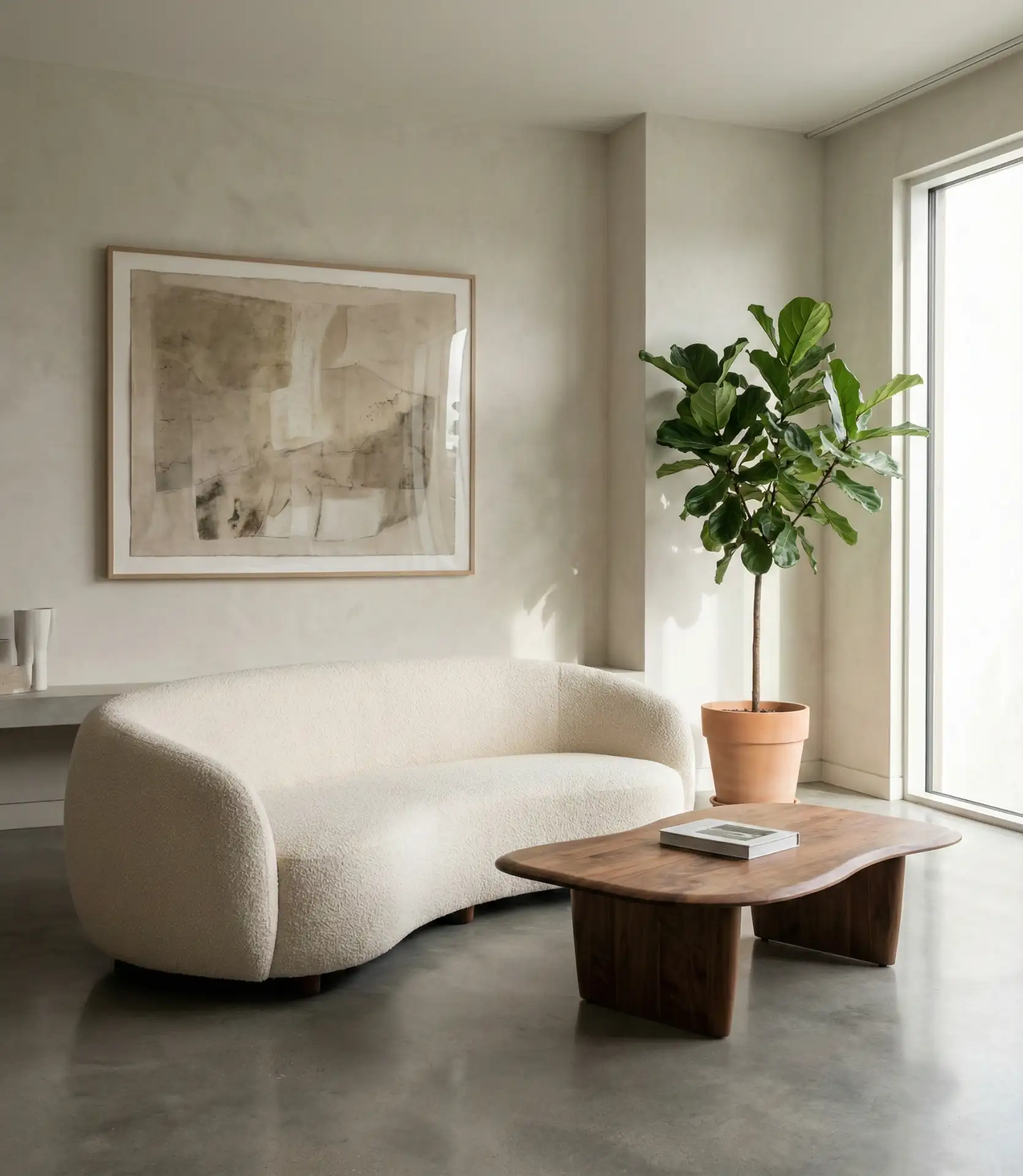
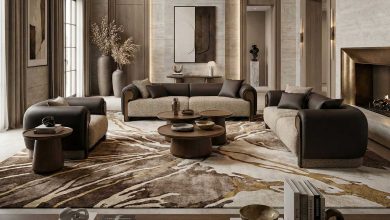
The sofa is no longer just seating—it’s the anchor of the room. In 2026, sofas are leaning into bold, architectural shapes with curved backs, low-slung profiles, and interesting arm details. Look for pieces that feel substantial but not heavy, with clean lines that still invite you to sink in. Furniture like this works in both open-plan layouts and more intimate apartment settings.
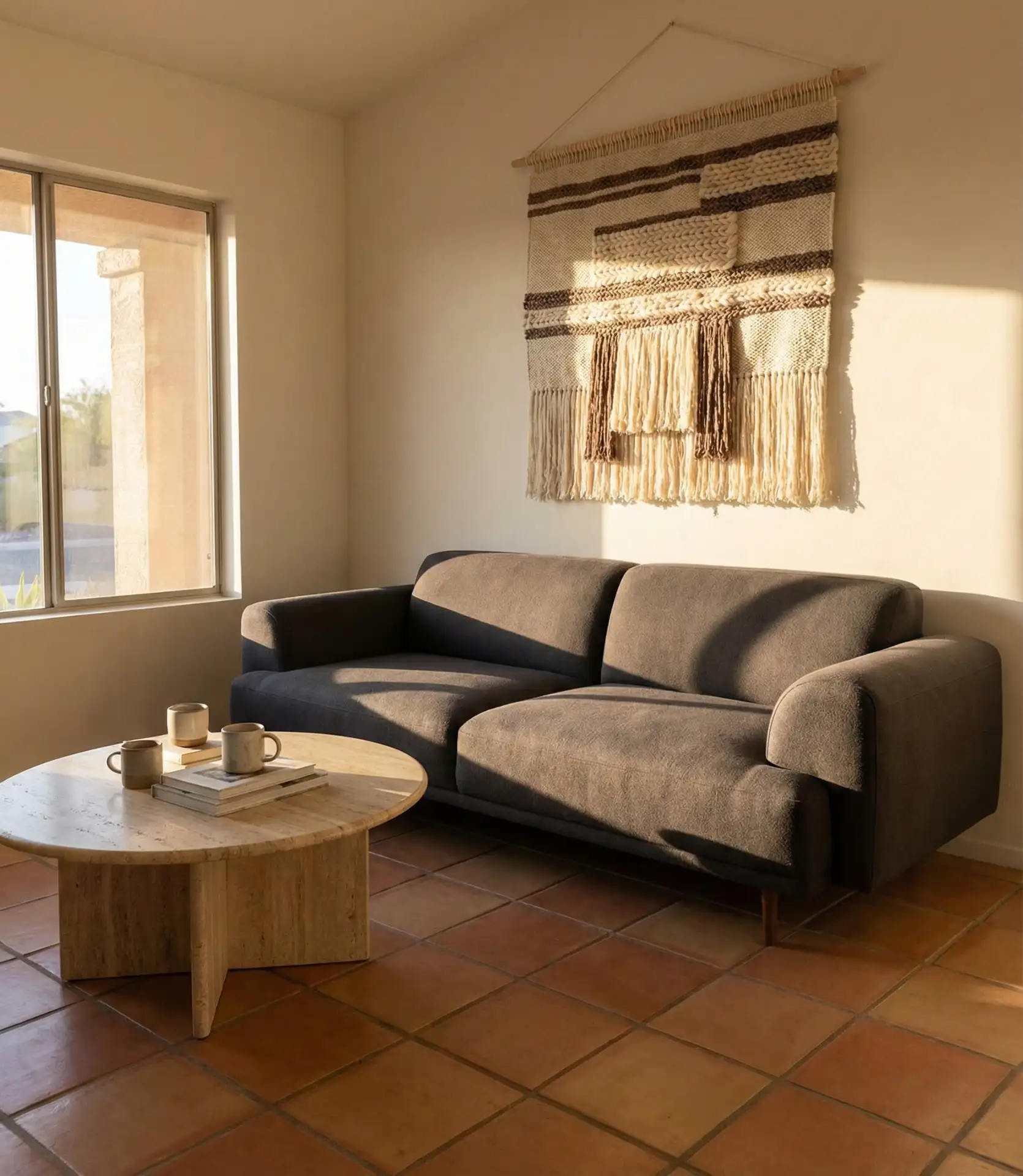
Budget tip: if a designer sofa isn’t in the cards, consider slipcovers in luxe fabrics like velvet or linen-cotton blends. They can transform a basic frame into something that looks custom. Furthermore, don’t underestimate the power of throw pillows in contrasting textures—they can elevate even the most straightforward silhouette into something that feels considered and current.
3. Layered Lighting with Dimmable Options

Overhead lighting alone won’t cut it anymore. Contemporary spaces rely on a mix of ambient, task, and accent lighting to create mood and flexibility. Think floor lamps with warm LED bulbs, wall sconces flanking a gallery wall, and dimmable ceiling fixtures that let you shift from bright and energizing to soft and intimate. This aspect is central to achieving that cozy yet polished vibe that defines today’s interior design.
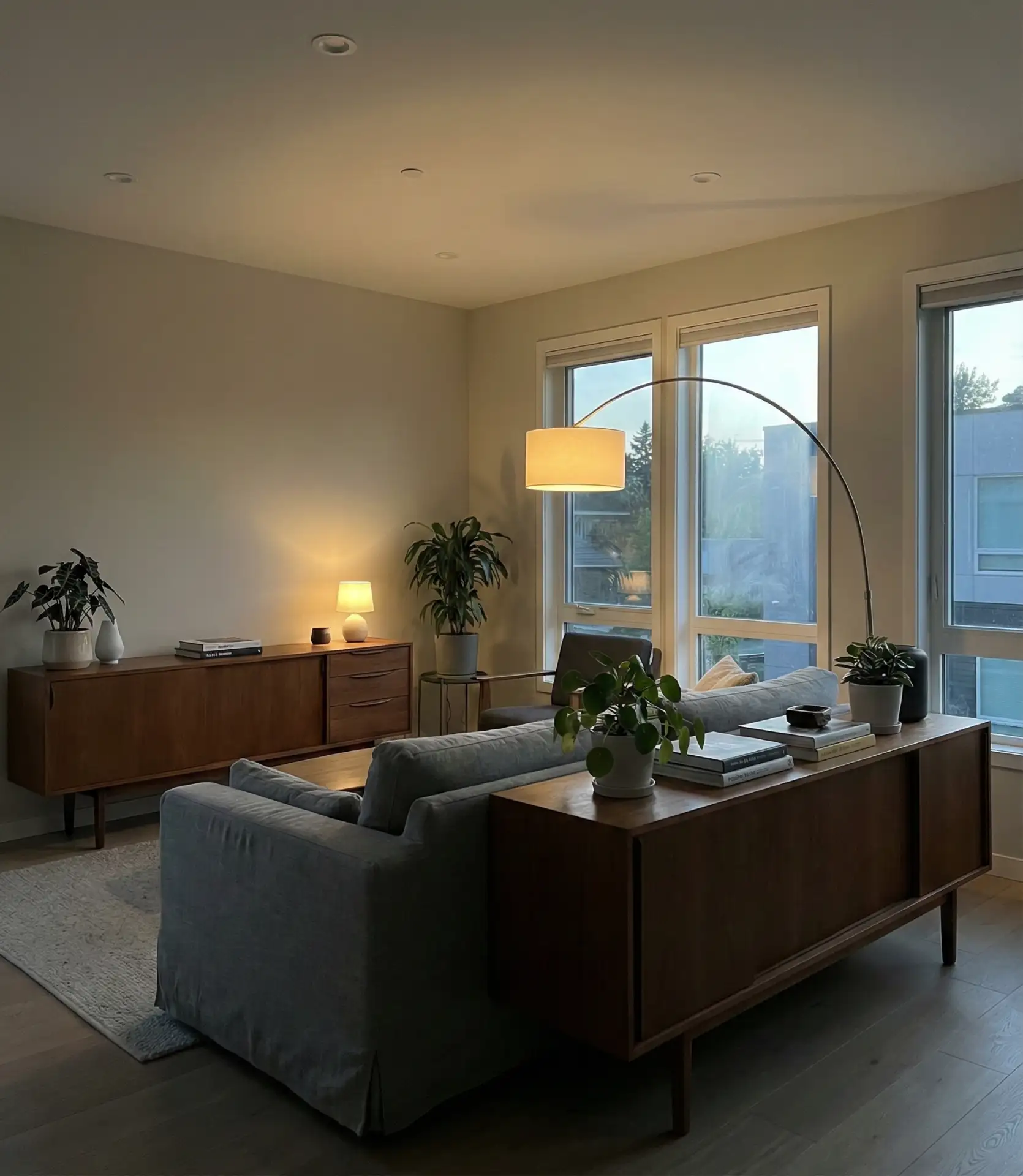
In open-concept homes, especially those common in the Midwest and South, layered lighting helps define different zones without walls. A reading nook gets its own task light, the seating area has ambient warmth, and artwork is highlighted with picture lights. It’s a small shift that makes a huge difference in how the room feels at different times of day.
4. Textured Walls Beyond Paint

Flat paint is being replaced by limewash, Venetian plaster, and subtle wall paneling that adds dimension without overwhelming the space. These finishes bring a handcrafted quality that feels both elegant and grounded. They work beautifully in neutral palettes, catching light in unexpected ways and giving the room a sense of depth that standard drywall simply can’t match.

A friend recently applied limewash in her Seattle townhouse and said it entirely changed how the room felt—more like a European flat than a new-build condo. The texture catches morning light differently than evening light, making the space feel alive. It’s a detail that quietly elevates the entire room without demanding attention.
5. Low-Profile Media Consoles
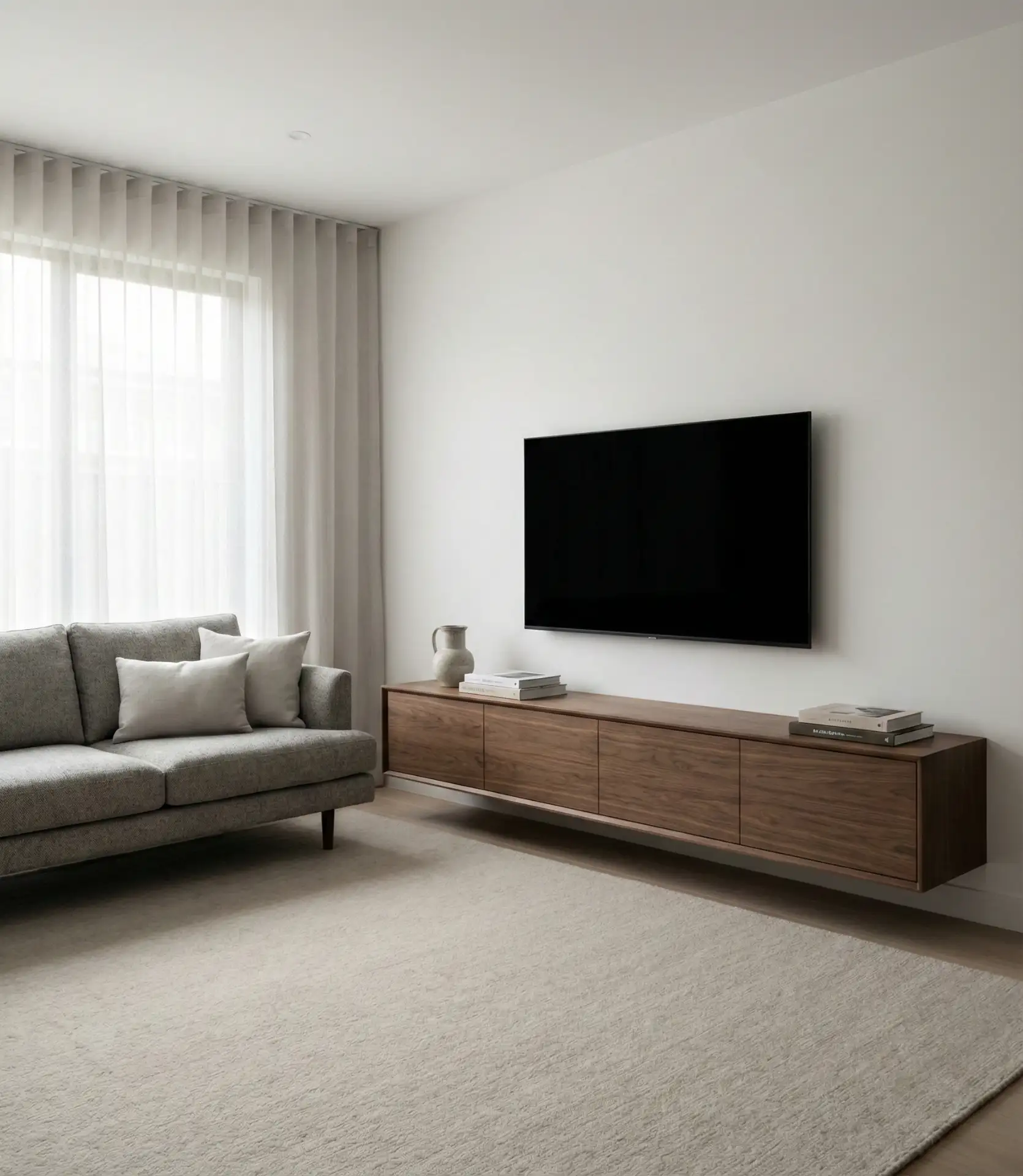
The TV unit has evolved into a sleek, low-to-the-ground piece that doesn’t compete with the architecture of the room. Look for consoles with clean lines, integrated cable management, and materials like walnut, oak, or matte lacquer. These pieces anchor the room without dominating it, and they pair well with wall-mounted screens or even projectors for a more streamlined look.
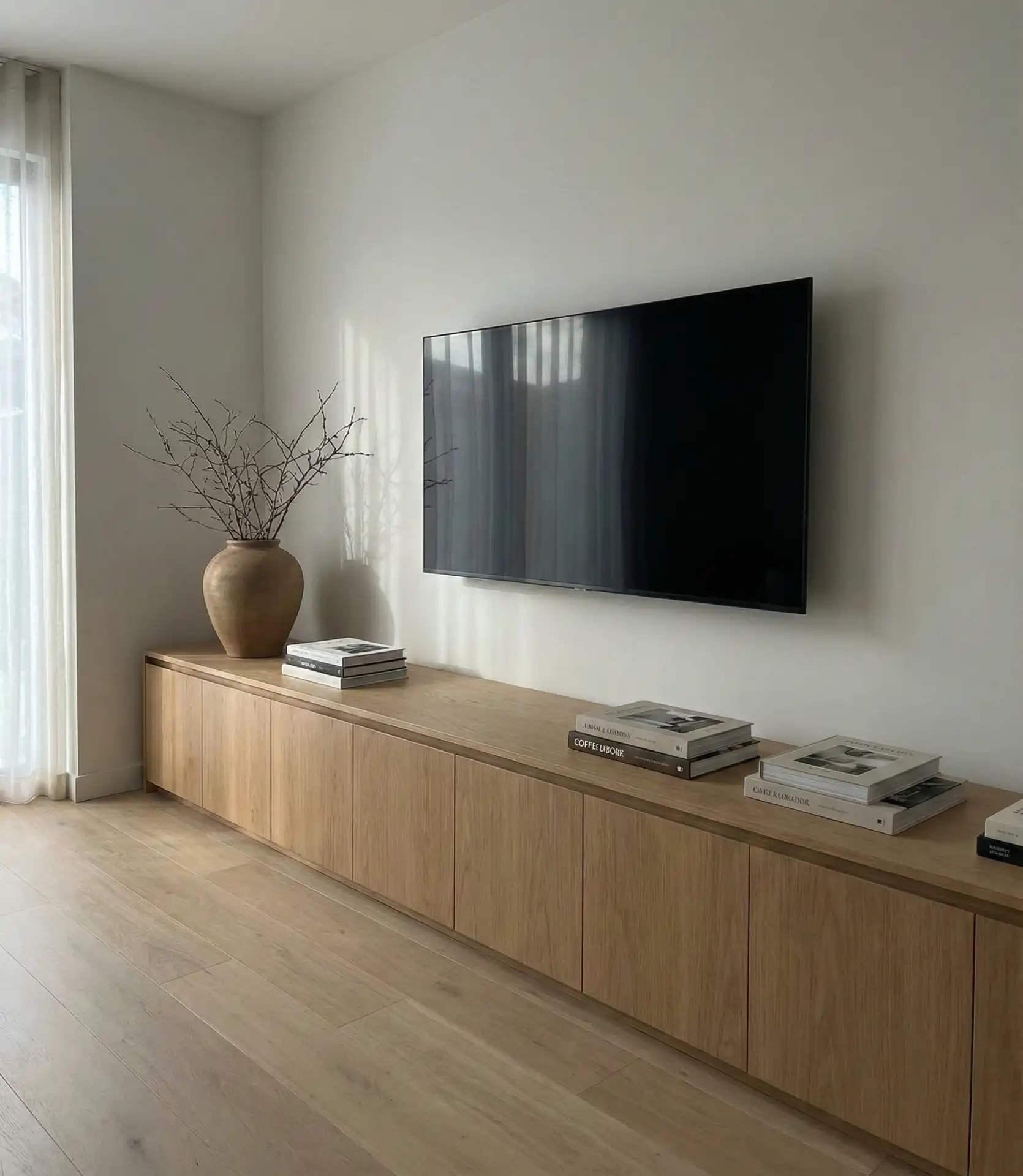
This design element works best in rooms where you want the focus to remain on the view, the art, or the conversation—not the electronics. In lofts and open-plan homes, especially in cities like Denver or Austin, a low console keeps sightlines open and maintains the airy feel that makes these spaces so appealing.
6. Organic Coffee Tables in Natural Stone
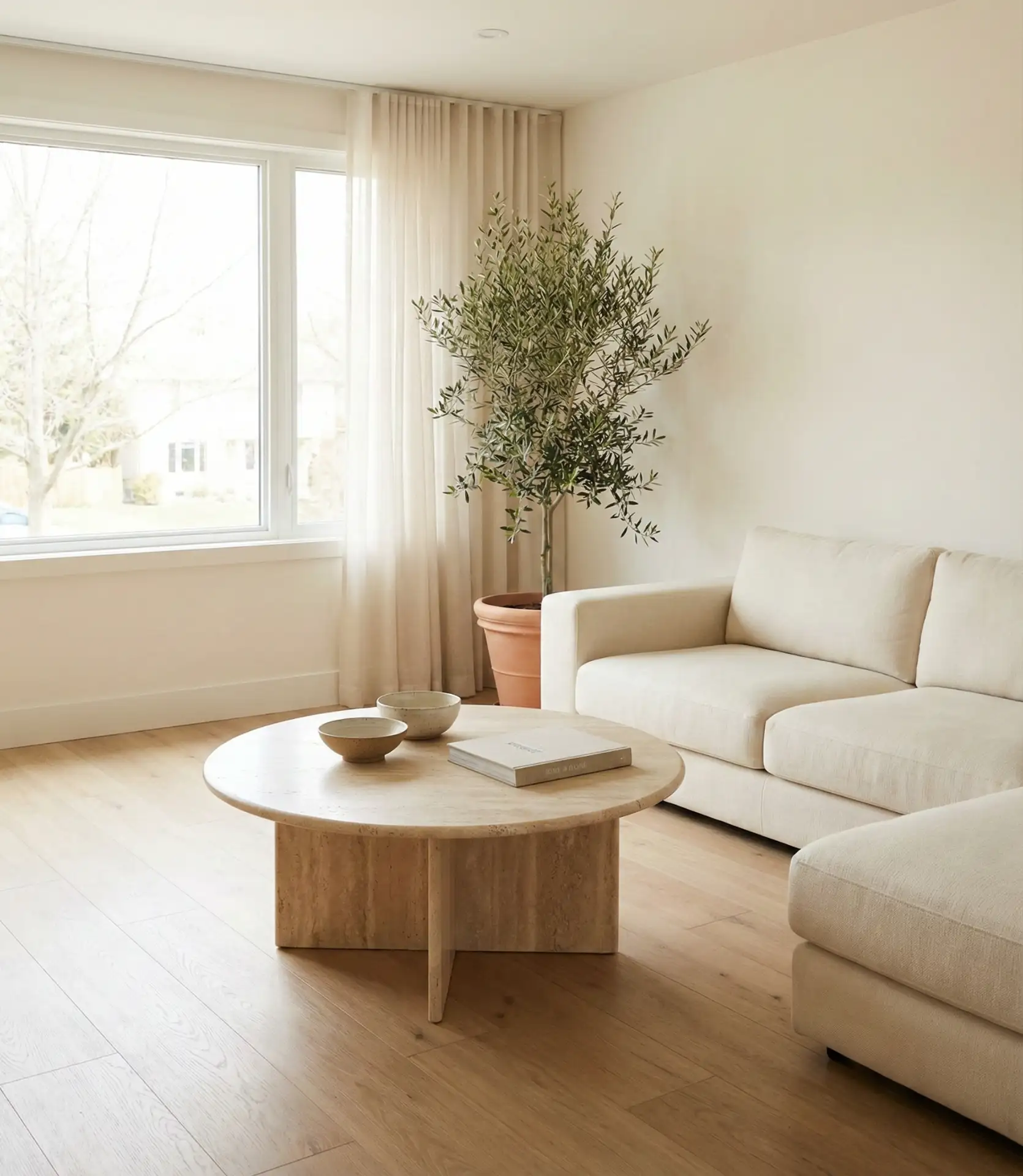
Travertine, marble, and terrazzo are making a strong comeback in coffee table design. These materials bring weight and permanence to the room, and their natural veining ensures no two pieces are alike. Paired with softer textiles and wood tones, they create a beautiful contrast that feels both modern minimalist and timeless.
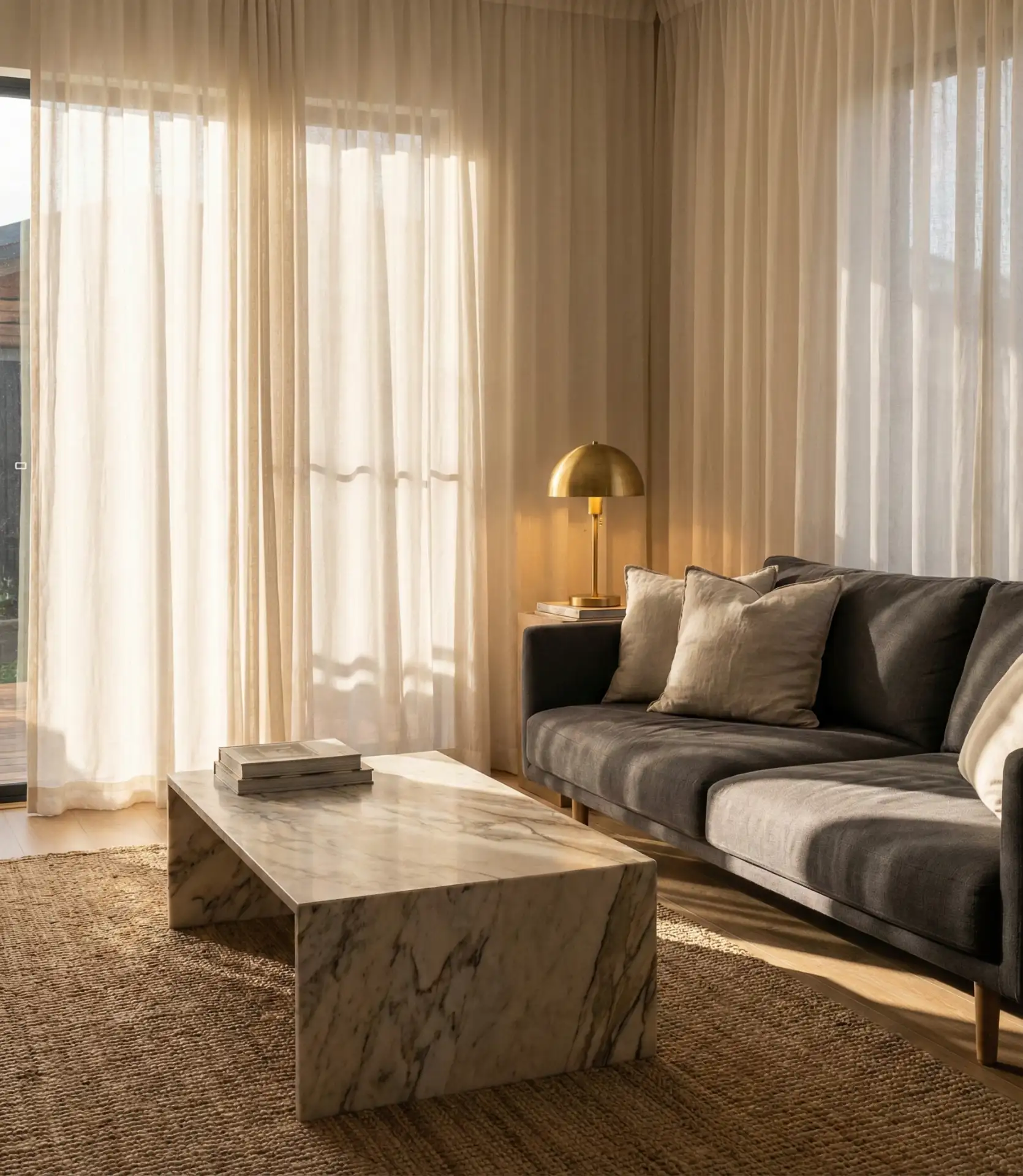
One common mistake is choosing a stone table that’s too heavy or too shiny for the space. Look for honed finishes rather than polished—they’re more forgiving with fingerprints and feel less formal. Furthermore, make sure the proportions work with your seating; a massive slab can overwhelm a smaller sofa, while a too-small table gets lost in a large sectional arrangement.
7. Monochromatic Color Blocking
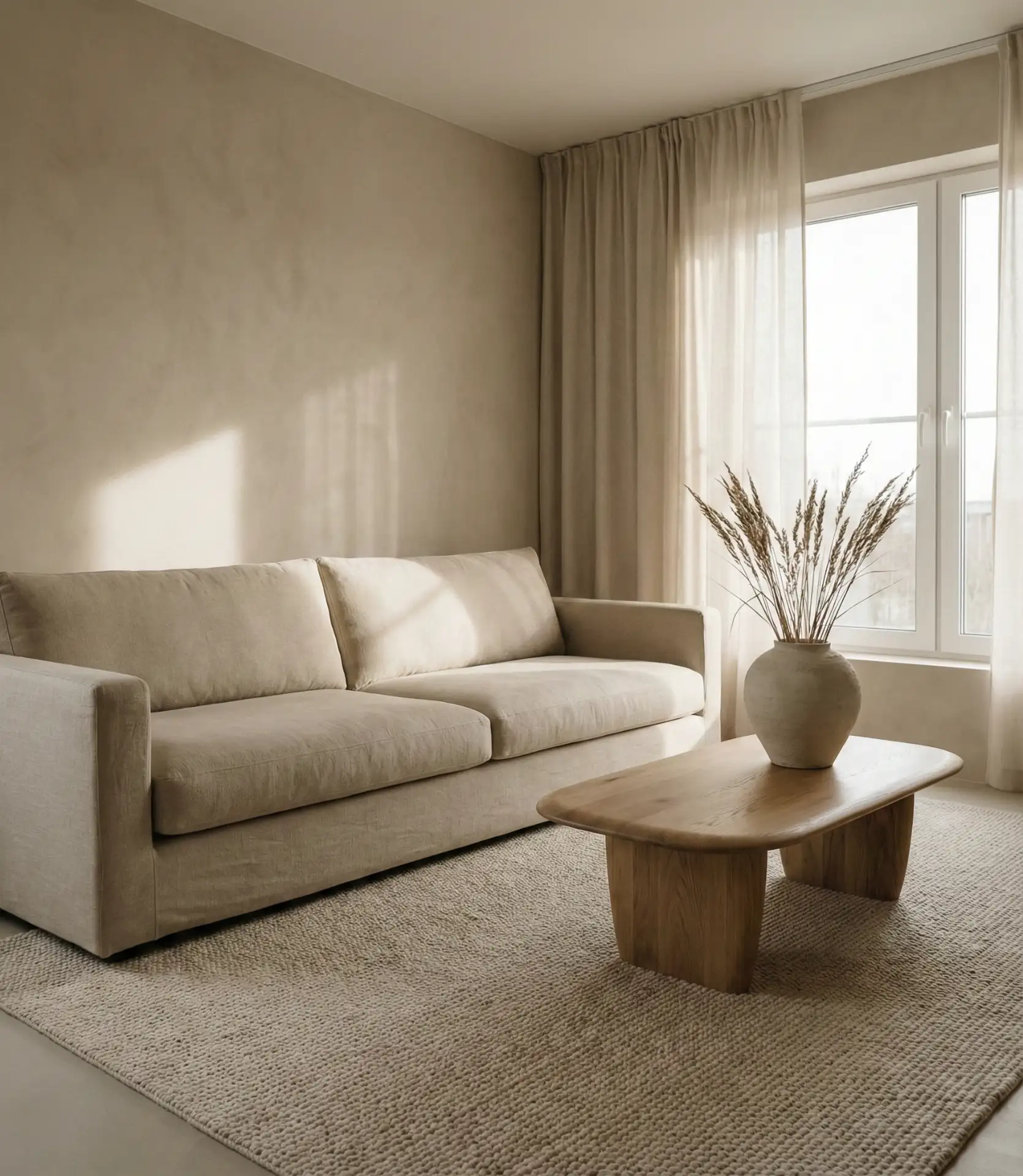
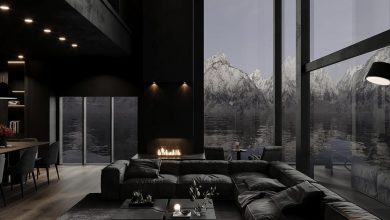
Instead of mixing multiple hues, try working within a single color family—say, shades of gray, beige, or even dark charcoal. This creates a cohesive, sophisticated look that feels intentional rather than matchy-matchy. It’s a technique borrowed from high-end interior spaces and works especially well when you incorporate varied textures to keep things fresh.
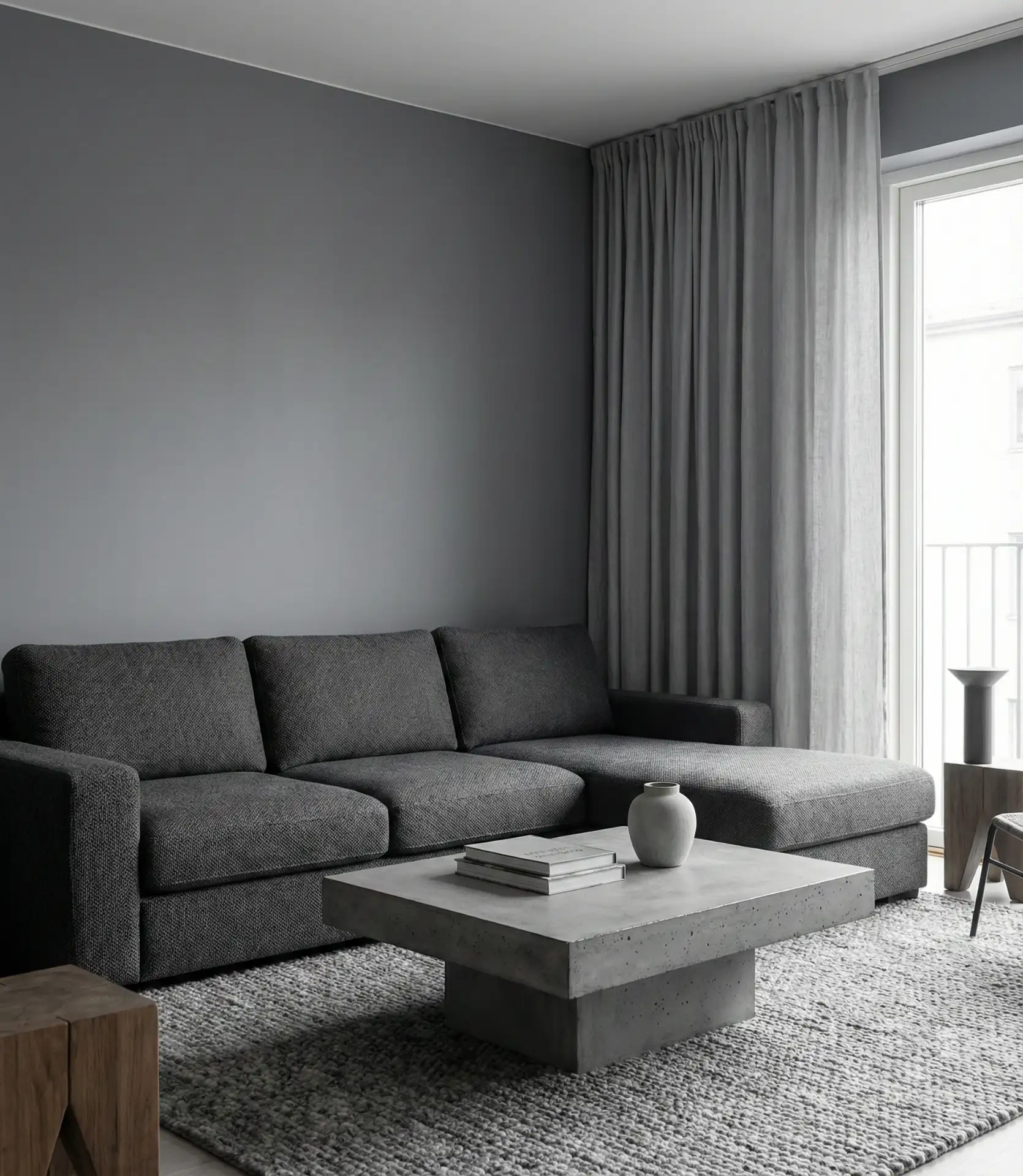
This approach is particularly effective in smaller apartments where too many colors can make the space feel chaotic. By sticking to one color family, you create visual continuity that makes the room feel larger and more serene. It’s also a smart way to showcase statement furniture or art without competing elements.
8. Oversized Art as a Focal Point
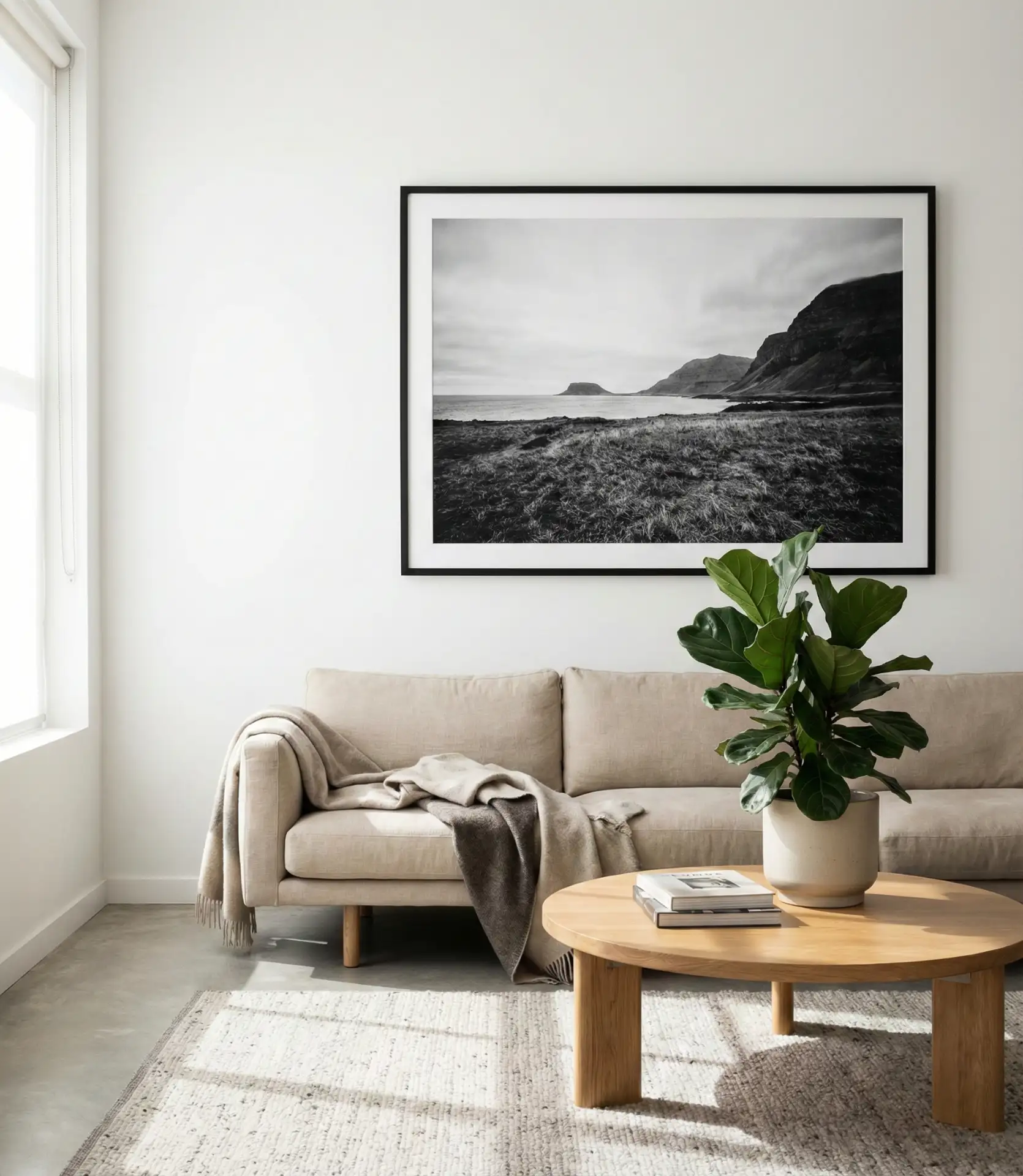
One large piece of art can anchor a room more effectively than a gallery wall. Whether it’s an abstract canvas, a large-scale photograph, or a woven textile, the key is scale—go bigger than you think. This trend aligns with the minimal aesthetic many are embracing, where fewer, more impactful pieces take center stage.
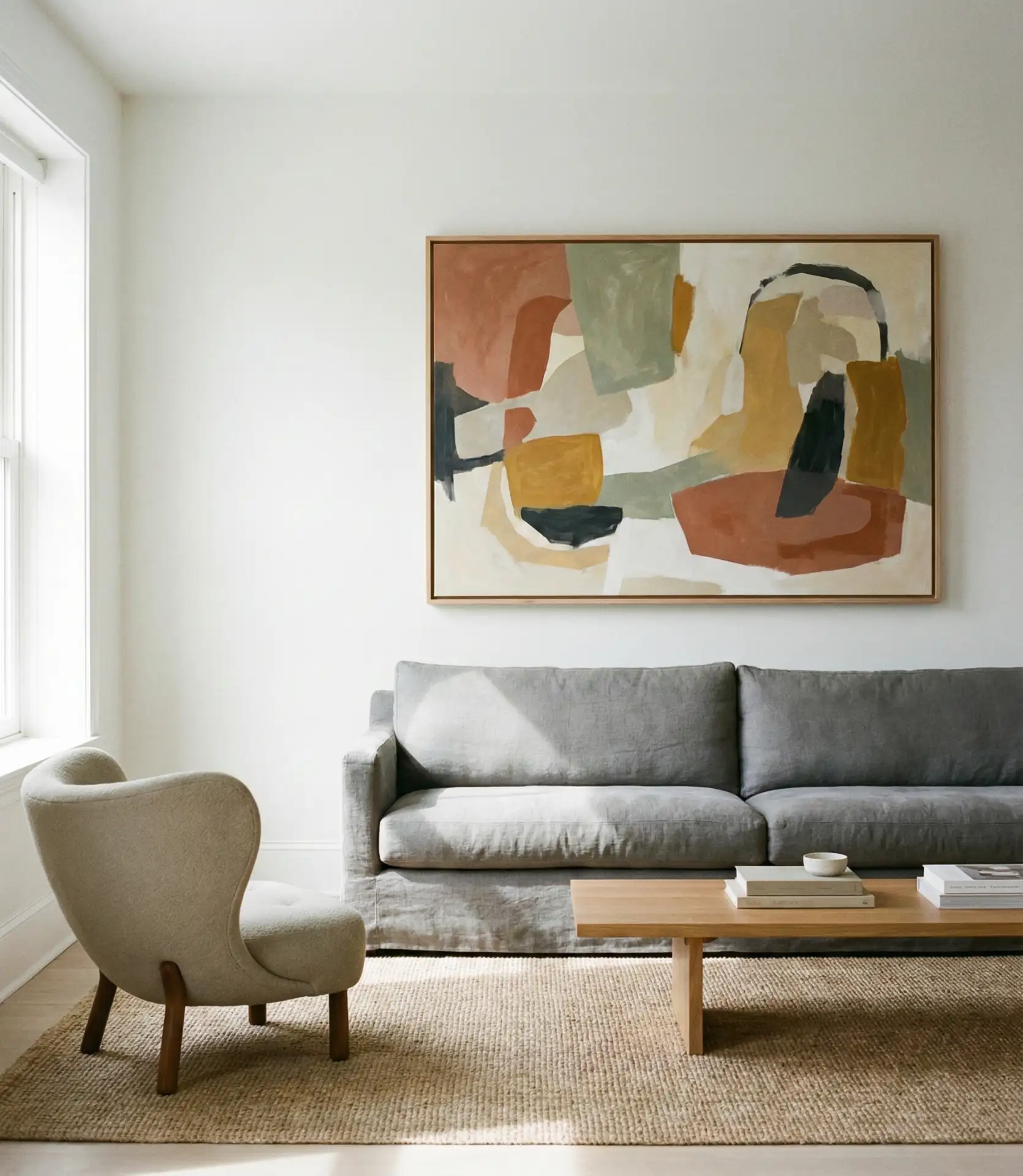
In homes with high ceilings—common in renovated lofts or newer suburban builds—oversized art helps balance the vertical space and prevents the room from feeling top-heavy. It also gives you a chance to bring in color or pattern in a controlled way, making it a great tool for those who want personality without clutter.
9. Integrated Shelving with Curated Displays
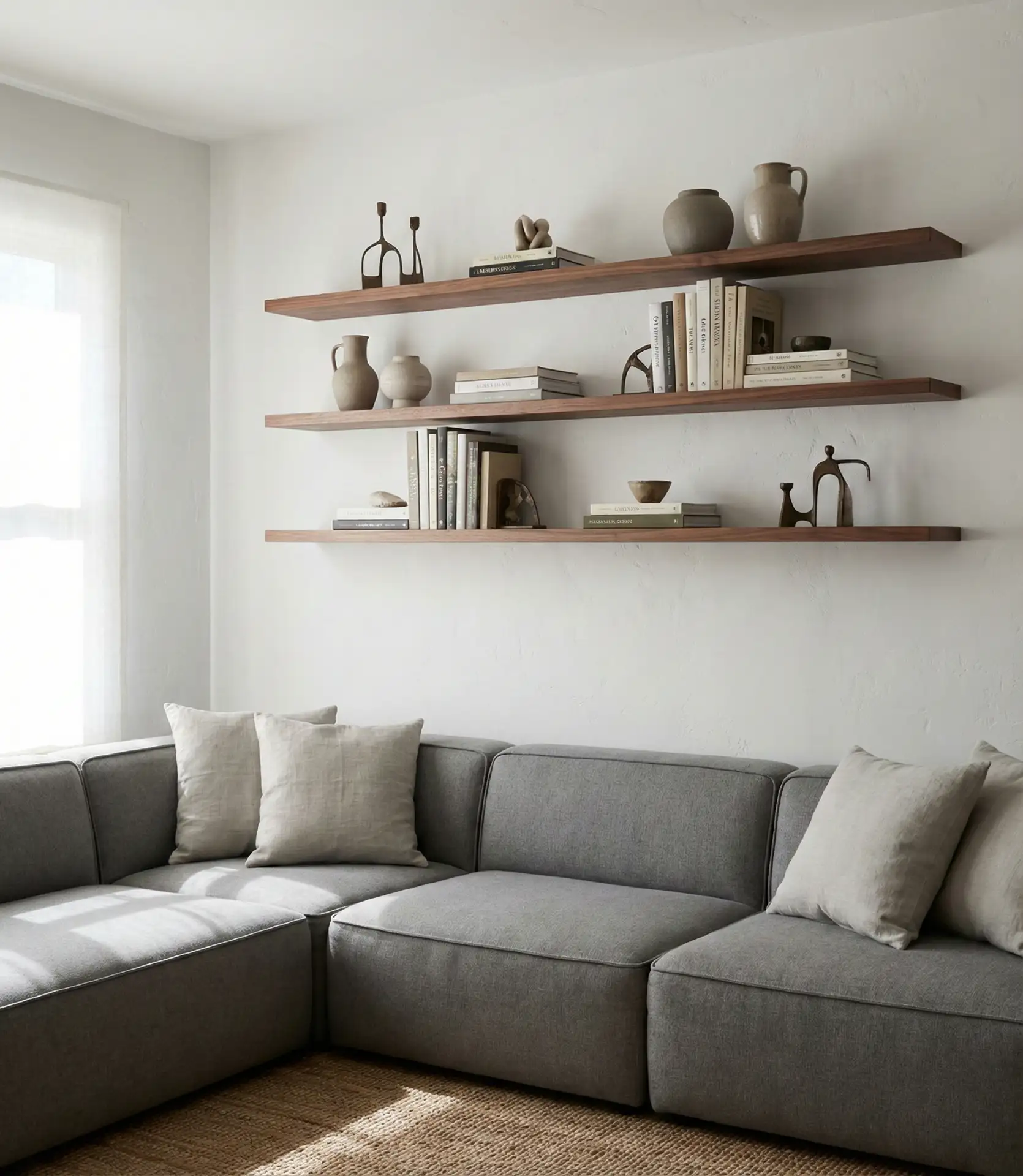
Built-in or floating shelves offer both storage and a chance to display books, ceramics, and personal objects. The trick is curation—leave breathing room, group items in odd numbers, and mix heights and textures. This approach is key to achieving a design’s aesthetic that feels collected over time rather than staged.
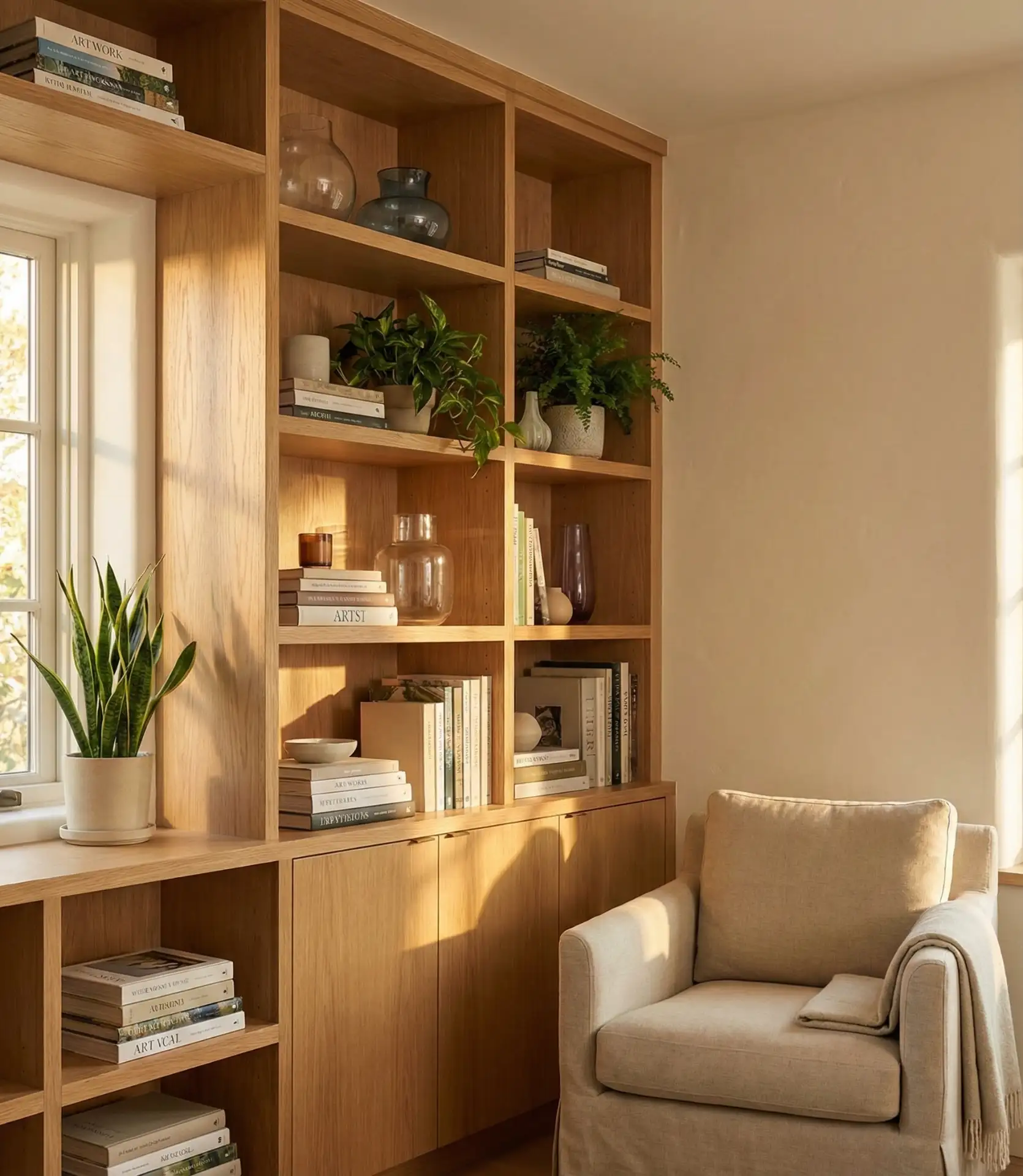
Expert tip: avoid overcrowding. If every shelf is packed, the eye doesn’t know where to land. Instead, leave some shelves nearly empty, or use them to showcase a single beautiful object. This restraint is what separates a professionally designed room from one that just looks busy.
10. Warm metallic hardware and accents
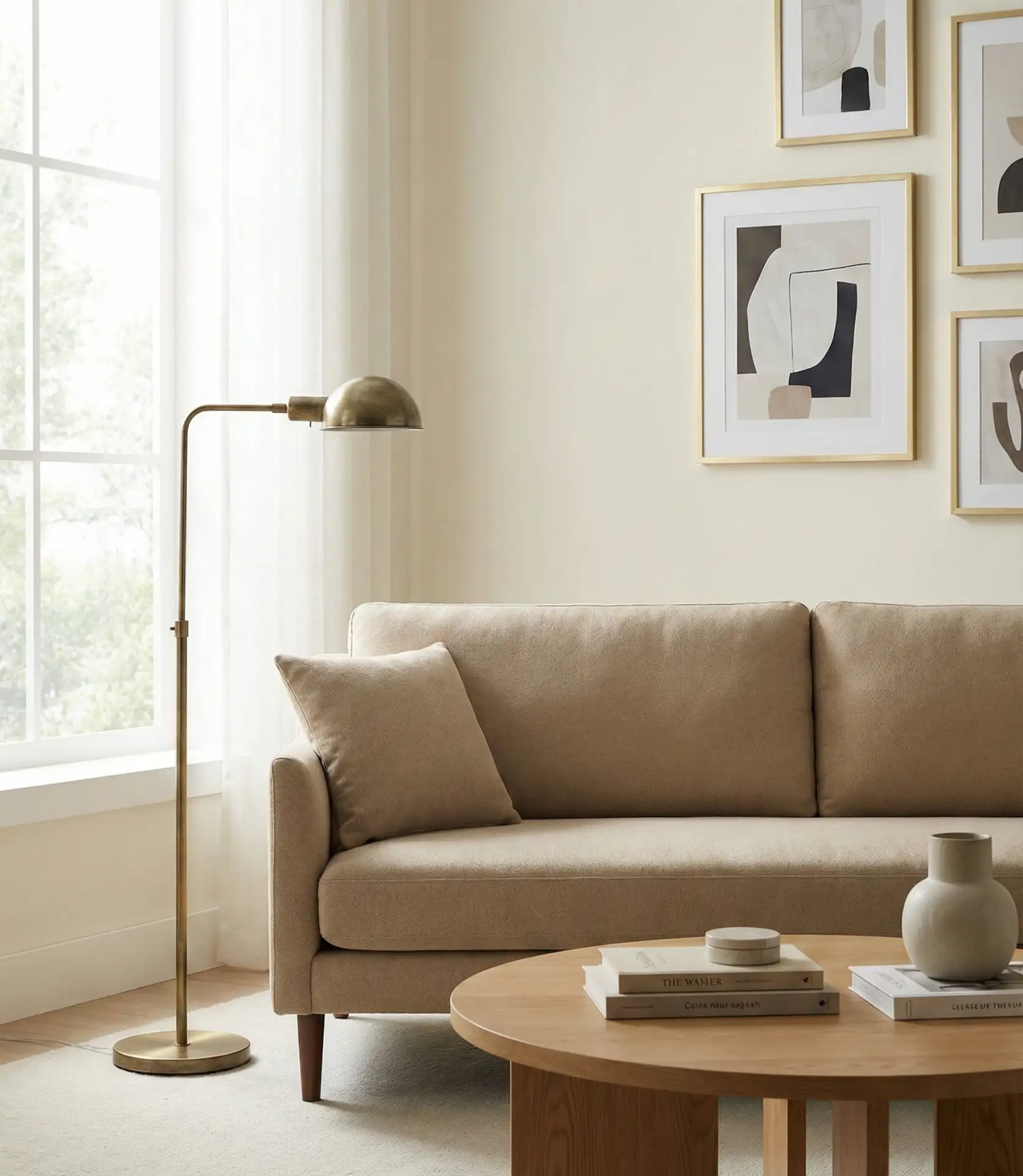
Brass, bronze, and brushed gold are replacing cooler metals like chrome and nickel. These finishes add warmth and sophistication, whether in light fixtures, cabinet pulls, or picture frames. They work beautifully in both luxury and more accessible decor schemes, offering a subtle glow that enhances natural light.
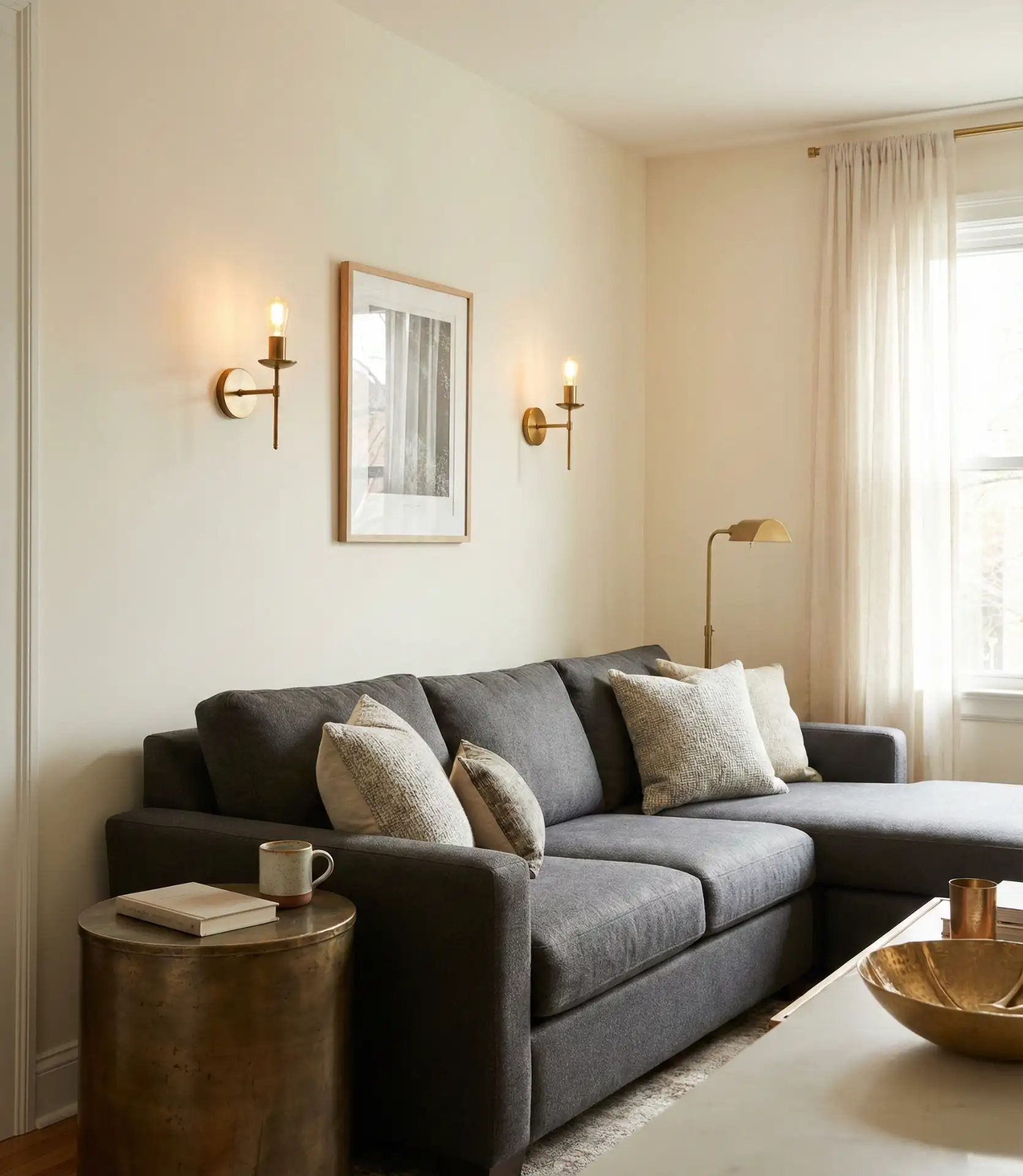
Warm metals are especially flattering in evening light, which is when most of us actually use our living rooms. They go well with warm and cool color palettes, making them a versatile update. Just be consistent—mixing too many metal finishes can look accidental rather than curated.
11. Indoor Plants as Living sculptures
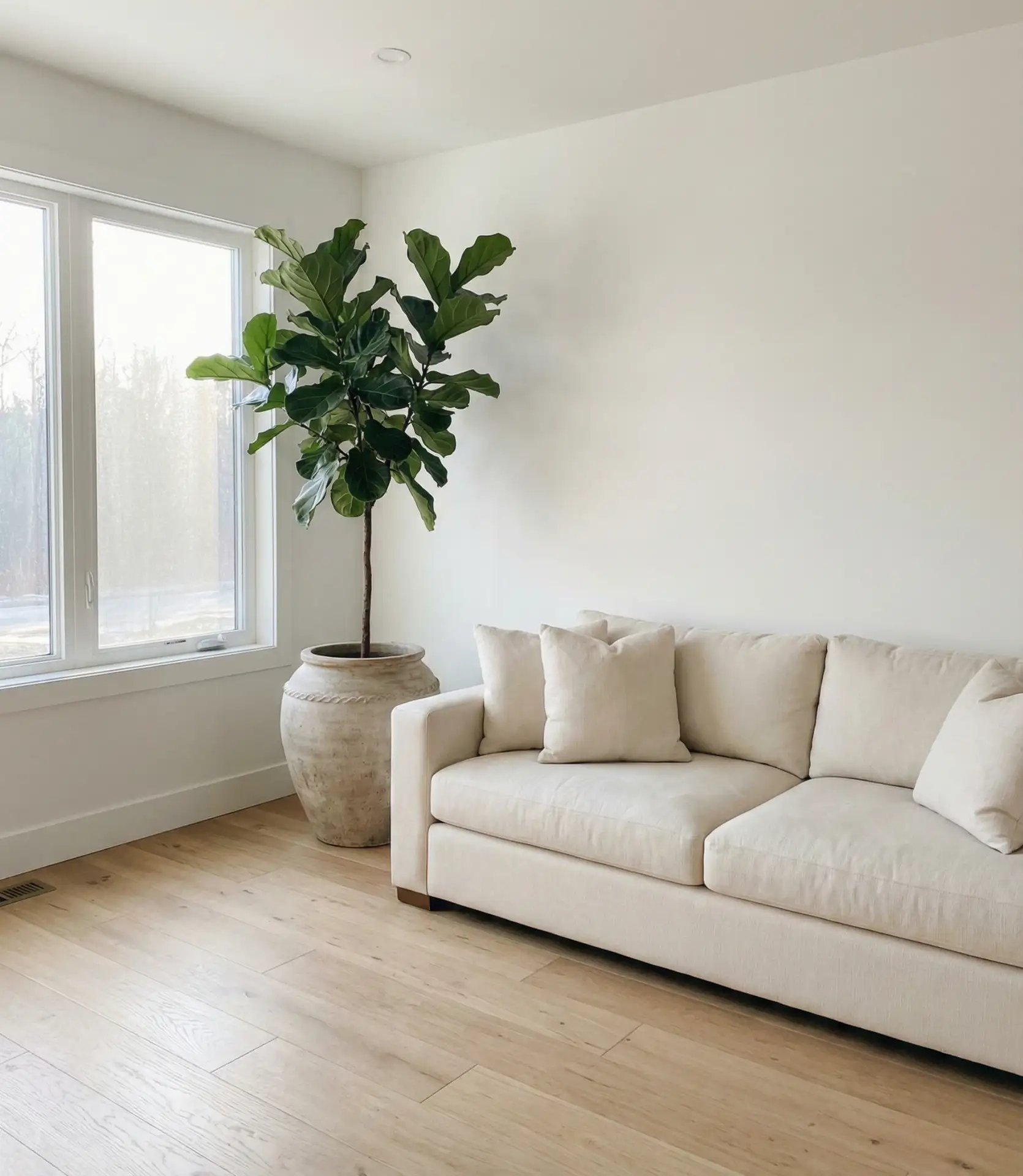
Plants aren’t just accessories—they’re architectural elements. Think fiddle-leaf figs, birds of paradise, or even a well-placed monstera. These larger specimens bring life, movement, and a touch of the outdoors inside. They’re central to the coastal and Japandi aesthetics but work in nearly any contemporary setting.
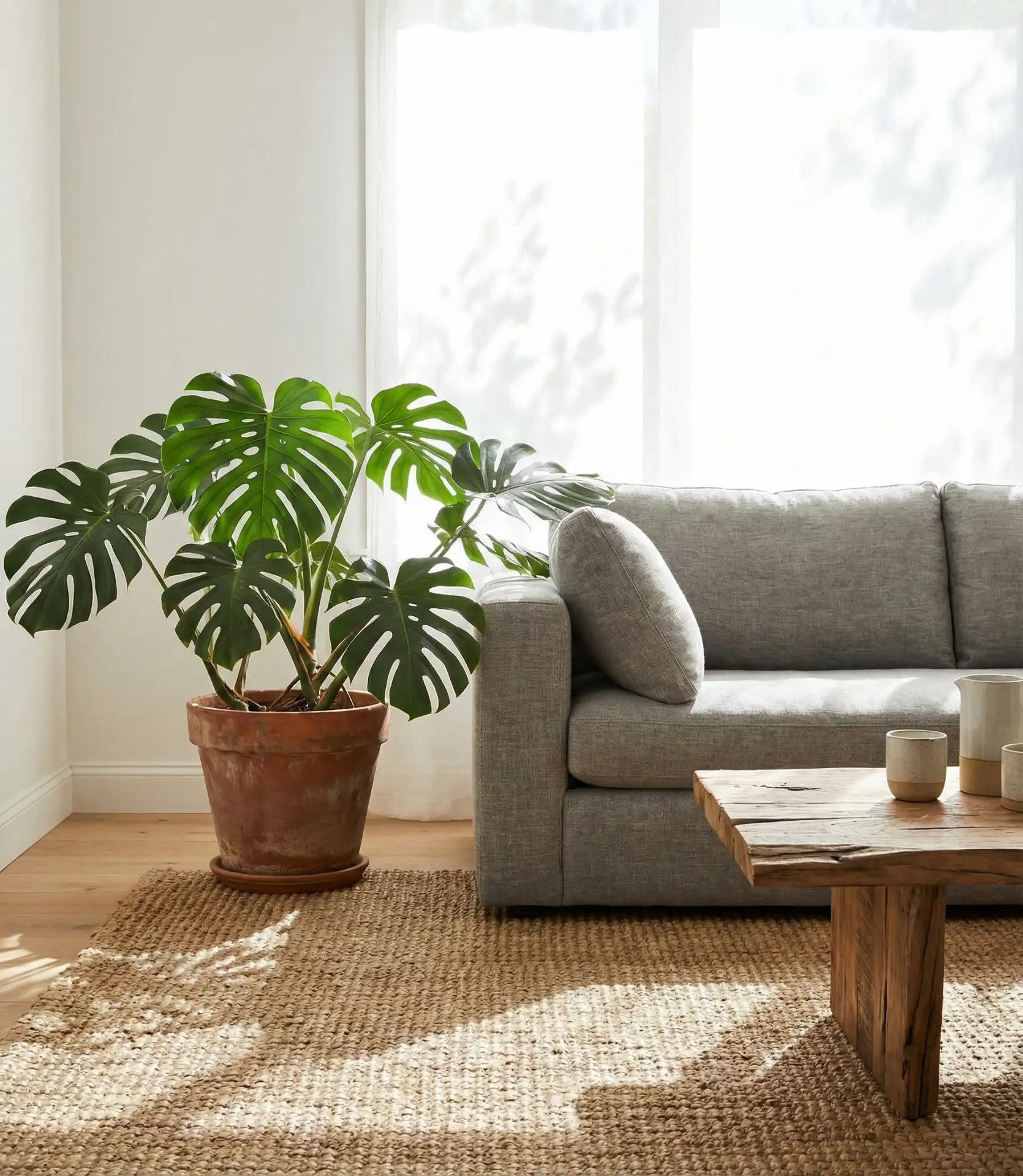
Real homeowner behavior: many people start with a small plant and upgrade as they get more confident. If you’re new to plant care, begin with something forgiving like a snake plant or pothos, then work your way up to the showstoppers. The key is choosing a pot that complements your decor—ceramic, woven, or even a simple concrete planter can elevate the entire presentation.
12. Plush Area Rugs for Comfort and Definition
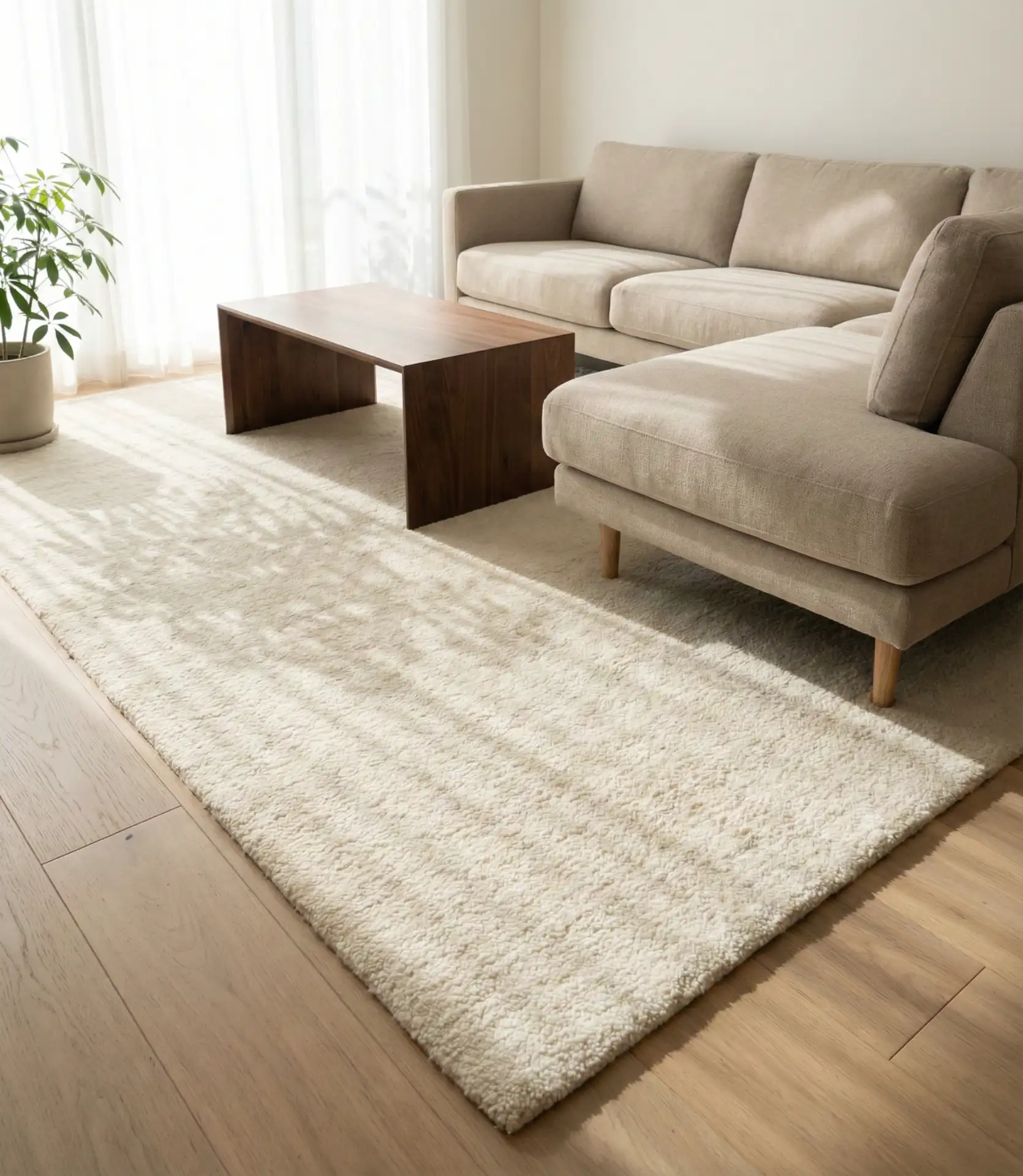
A well-chosen rug grounds the seating area and adds warmth underfoot. In 2026, we’re seeing a preference for natural fibers—wool, jute, sisal—and plush, high-pile textures in neutral tones. The rug should be large enough that at least the front legs of your sofas sit on it, creating a cohesive zone.
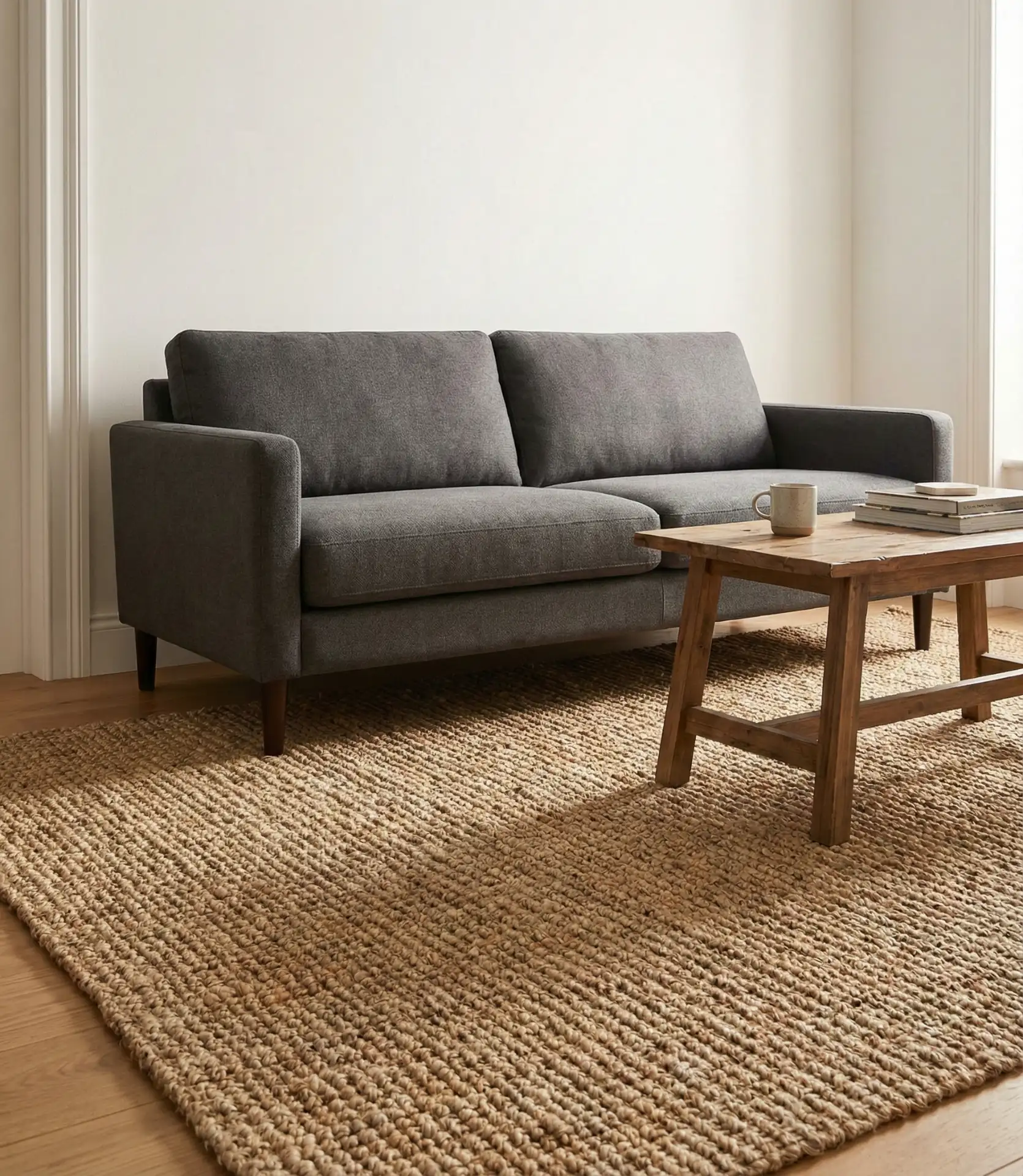
This is particularly important in open-plan homes where you need to visually separate the living area from the dining or kitchen zones. A rug acts as an anchor, telling the eye where one space ends and another begins. It also softens hard flooring and makes the room feel more inviting—especially important in colder climates.
13. Curved Furniture for Softened Edges
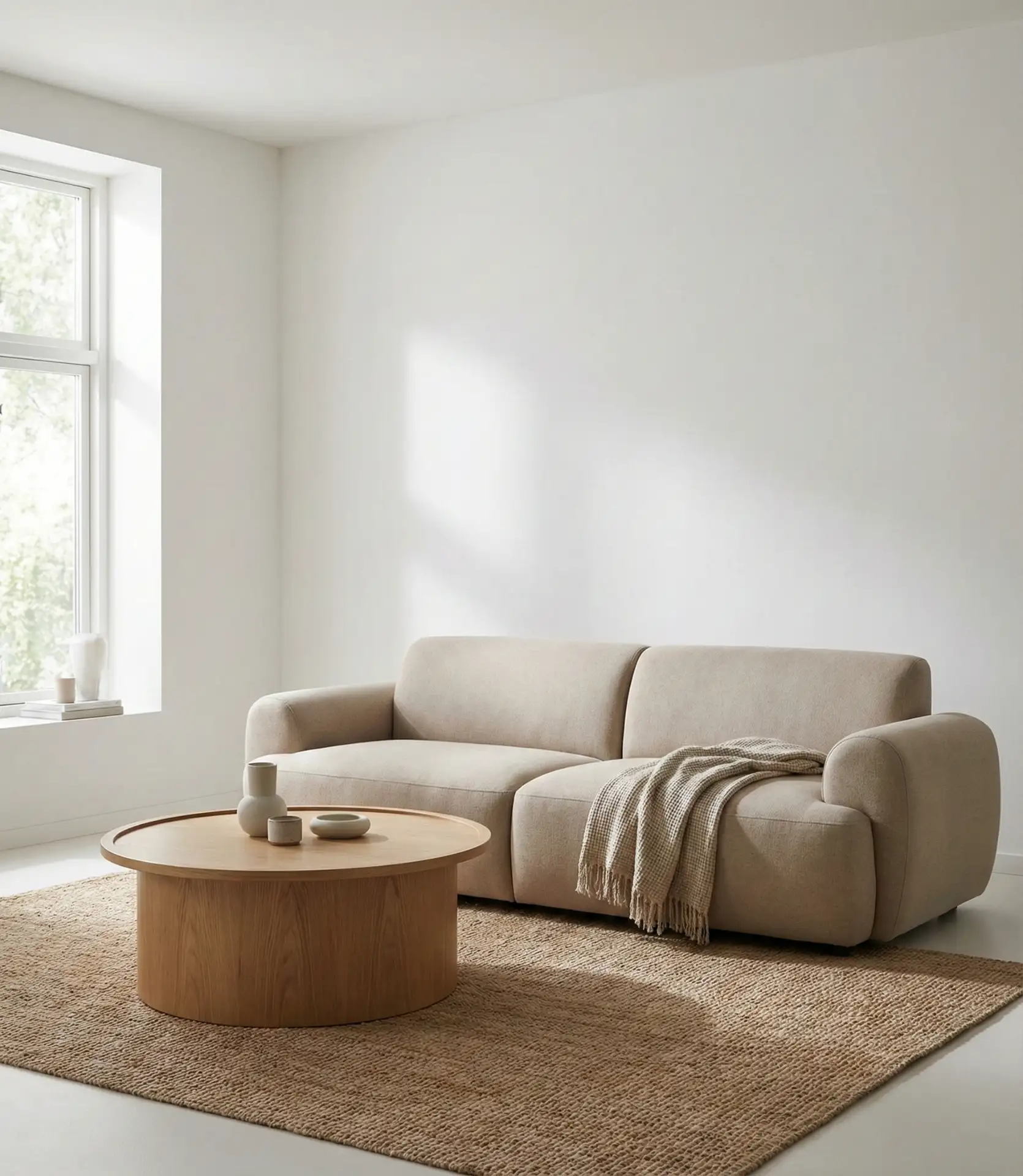
Sharp angles are giving way to rounded forms—think curved sofas, barrel chairs, and circular coffee tables. This shift adds a sense of ease and flow, making the room feel less rigid and more welcoming. It’s a defining feature of the mid-century revival but updated for today’s sensibilities.
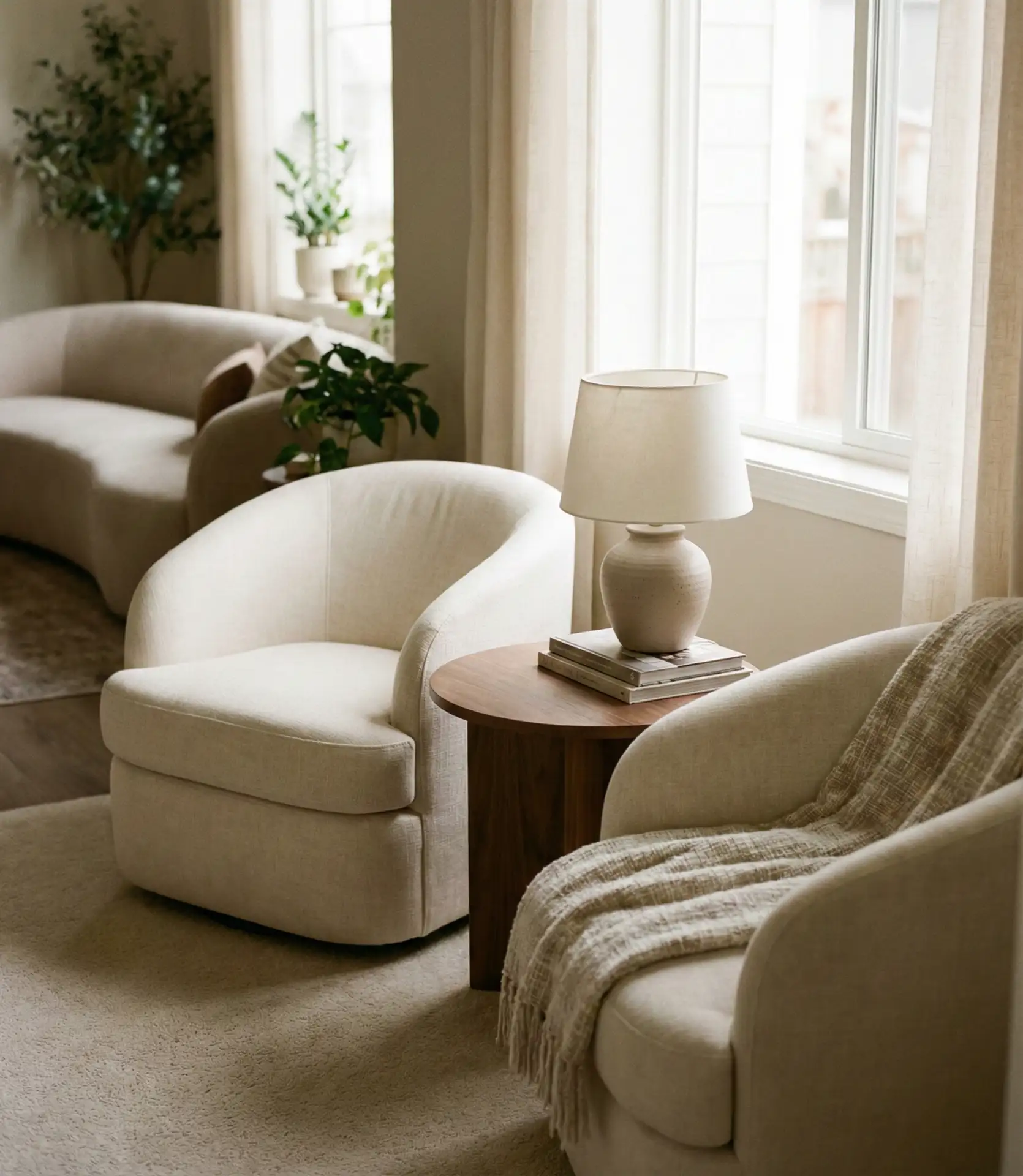
Curved furniture works especially well in smaller spaces because it improves traffic flow and feels less imposing. It’s also safer for households with young children. Beyond practicality, the softness of these forms creates a more relaxed, less formal atmosphere—perfect for spaces where you want to encourage conversation and connection.
14. Statement Ceilings with Architectural Interest
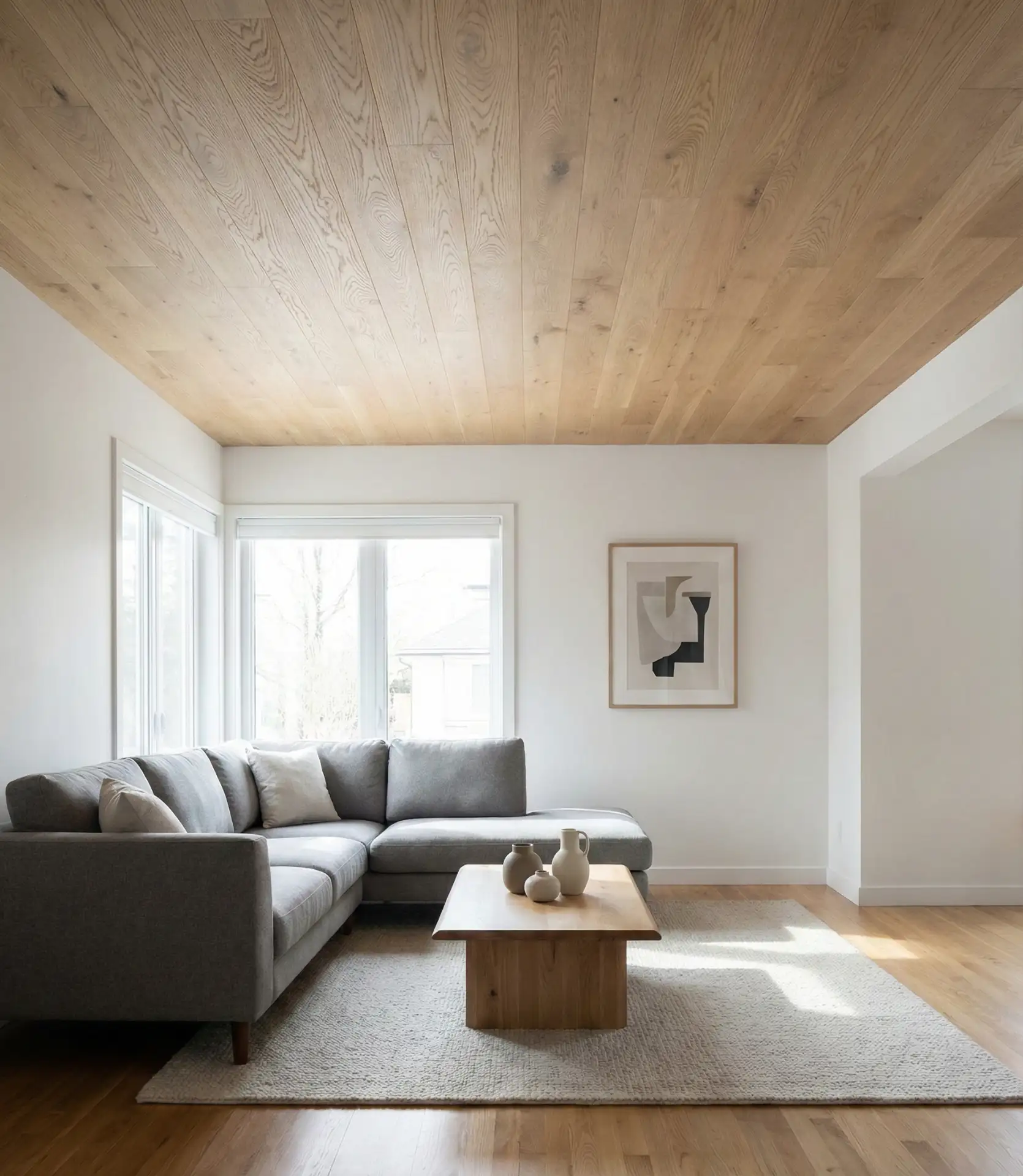
The ceiling is often called the fifth wall, and in contemporary design, it’s finally getting the attention it deserves. Consider beadboard, wood planks, or even a subtle color that contrasts with your walls. This aspect adds dimension and draws the eye upward, making the room feel more complete and considered.
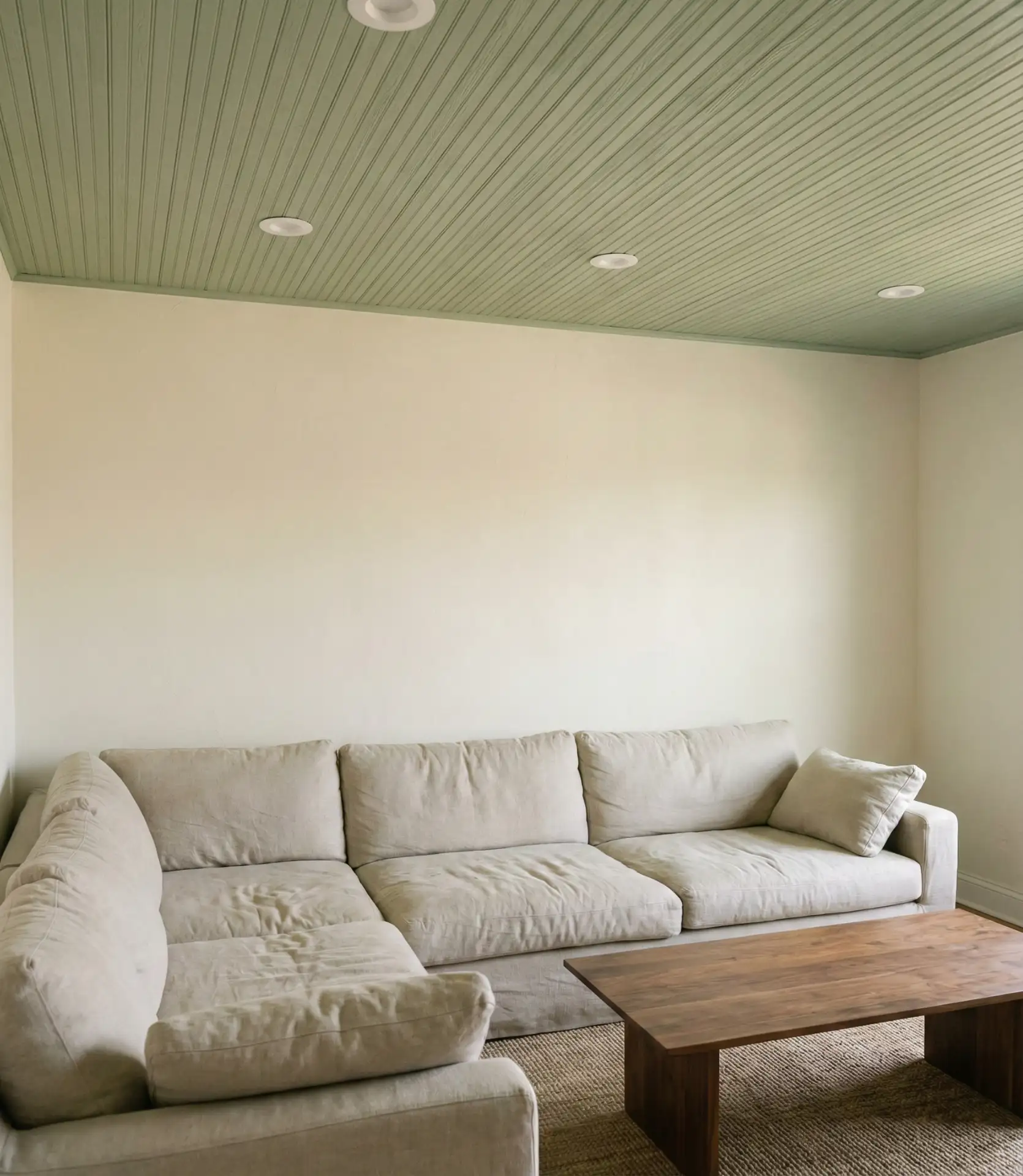
This is a wonderful way to add personality without overwhelming the space. In rooms with lower ceilings, lighter tones can actually make the ceiling feel higher, while darker tones in high-ceilinged rooms can create a cozier, more intimate feel. It’s a detail that separates a thoughtfully designed room from a standard builder-grade box.
15. Minimalist Window Treatments
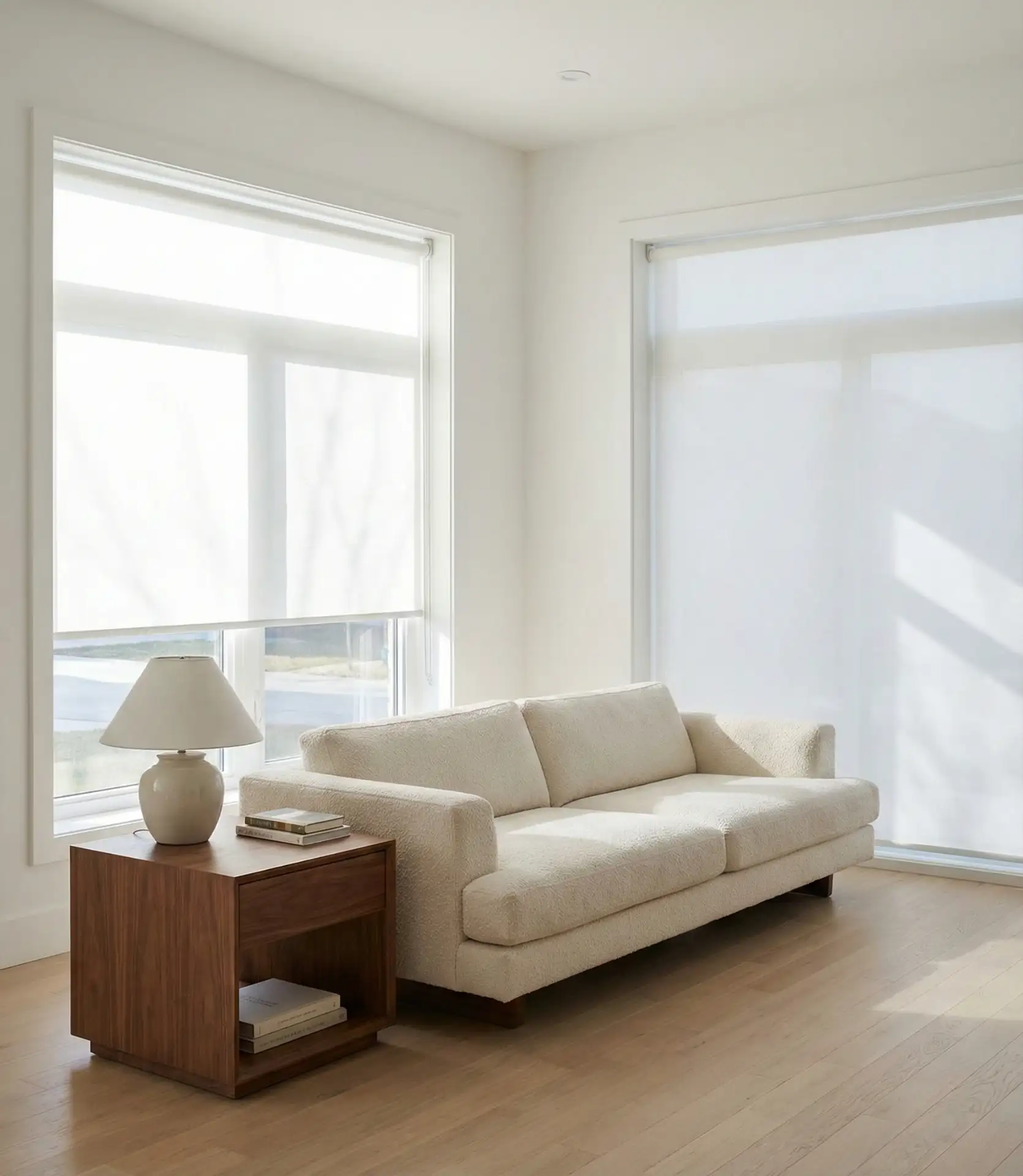
Heavy drapes are out; sheer linen curtains and sleek roller shades are in. The goal is to frame the view and control light without blocking it entirely. This aligns with the modern minimalist approach where less is more, and natural light is treated as a design element in itself.
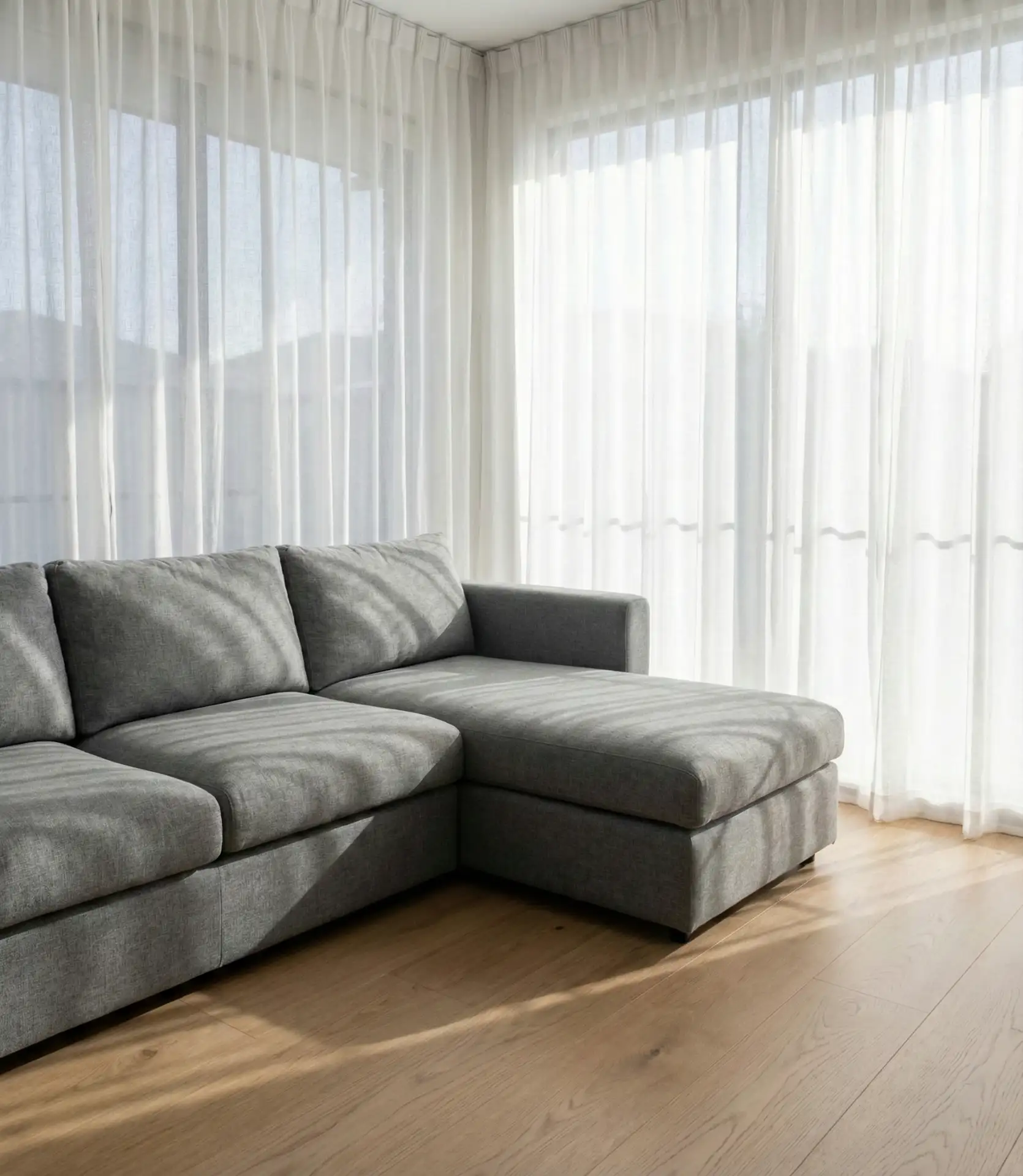
Where it works best: in urban apartments with outstanding views or in homes where privacy isn’t a major concern. If you do need more coverage, consider layering sheers with blackout shades that can be hidden when not in use. This gives you flexibility without sacrificing the clean, uncluttered look that defines contemporary interiors.
16. Mixed Material Contrast
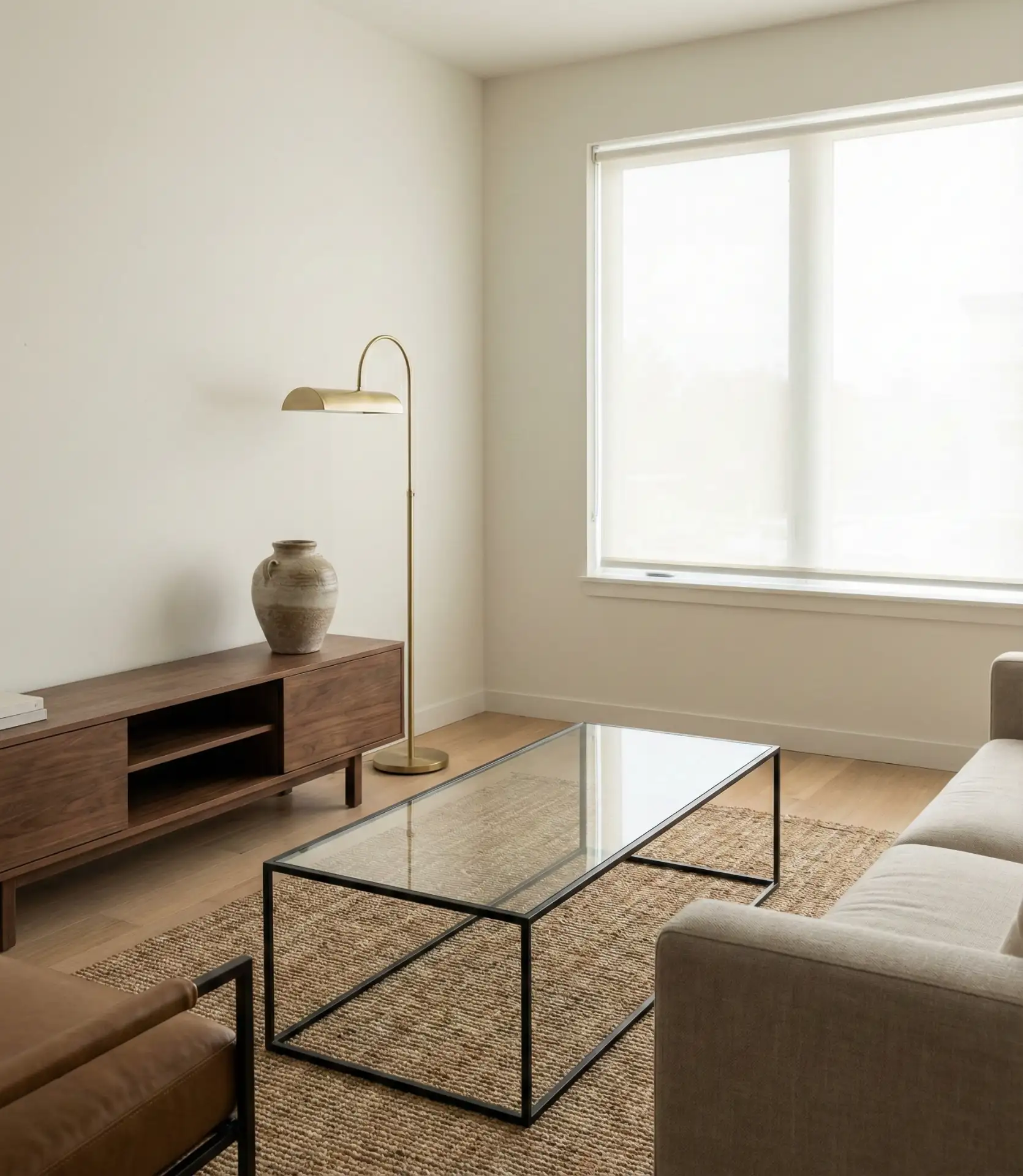
Combine wood, metal, glass, and stone in a single space to create visual interest without pattern overload. A glass coffee table with a metal base, a wood console with ceramic accents, or a stone fireplace surround paired with brass fixtures—these combinations feel fresh and dynamic. It’s about balance: too much of one material feels flat, but a thoughtful mix adds depth.
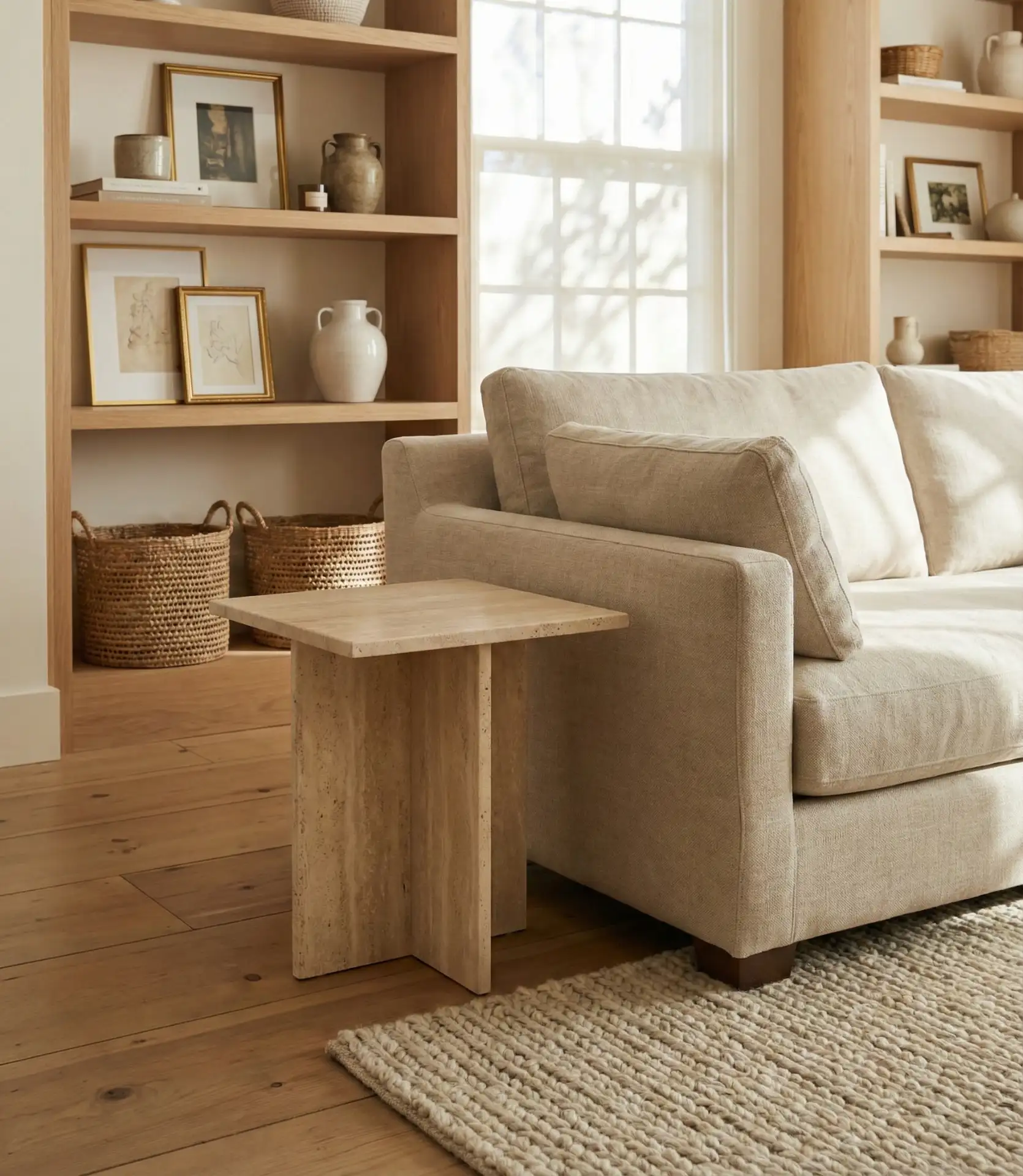
A practical insight: start with one dominant material—say, wood—and then introduce accent materials in smaller doses. This keeps the room from feeling chaotic and ensures everything feels intentional. It’s also a wonderful way to incorporate trends without committing to a full overhaul; swap out a metal lamp or a glass vase, and the whole mood can shift.
17. Built-In Seating for Cozy Nooks
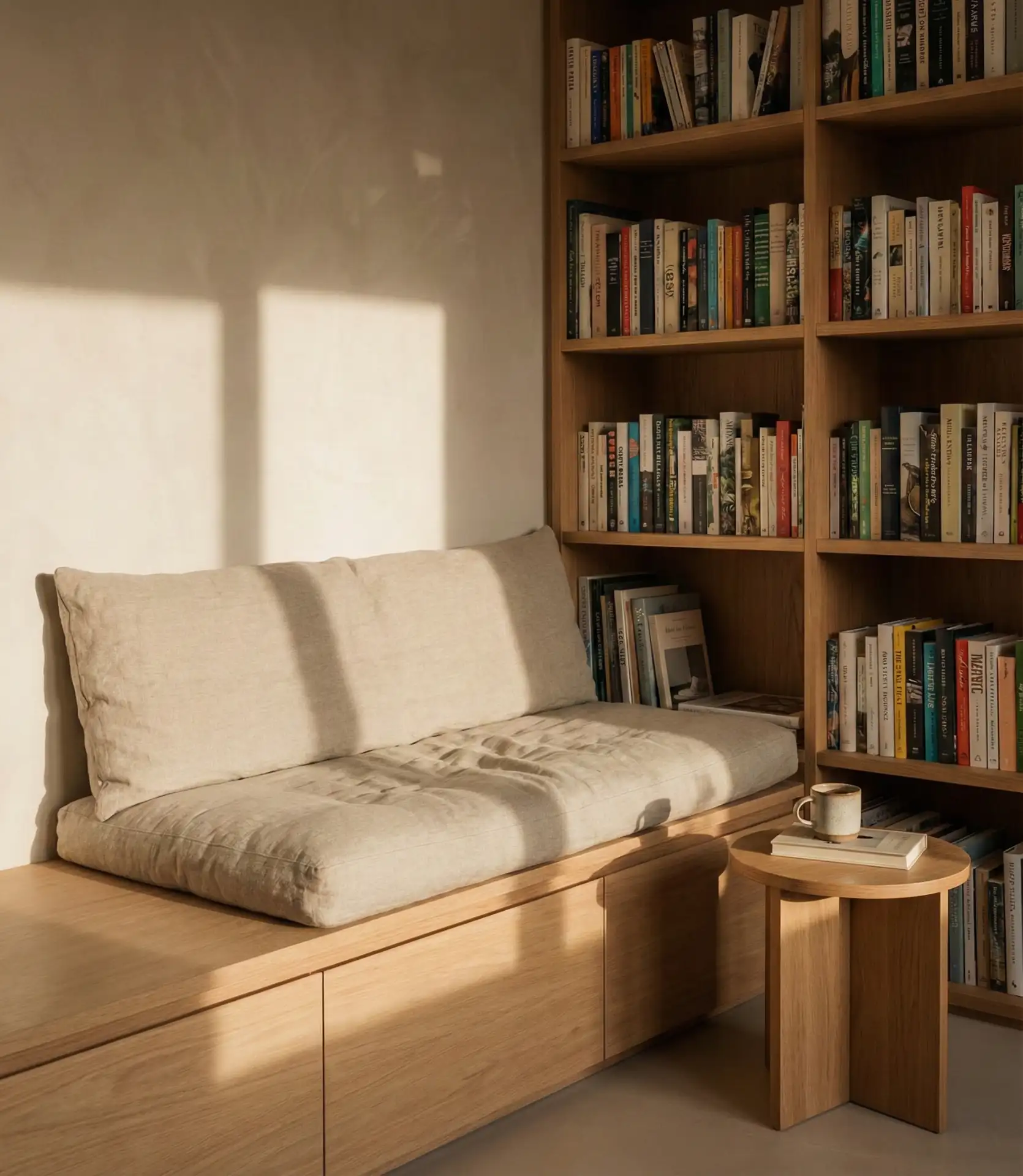
Window seats, banquettes, and built-in benches maximize space and create intimate zones within a larger room. Top them with plush cushions and throw pillows to make them inviting. This idea is a smart move in open-concept layouts where you want to carve out cozy moments without adding bulky furniture.
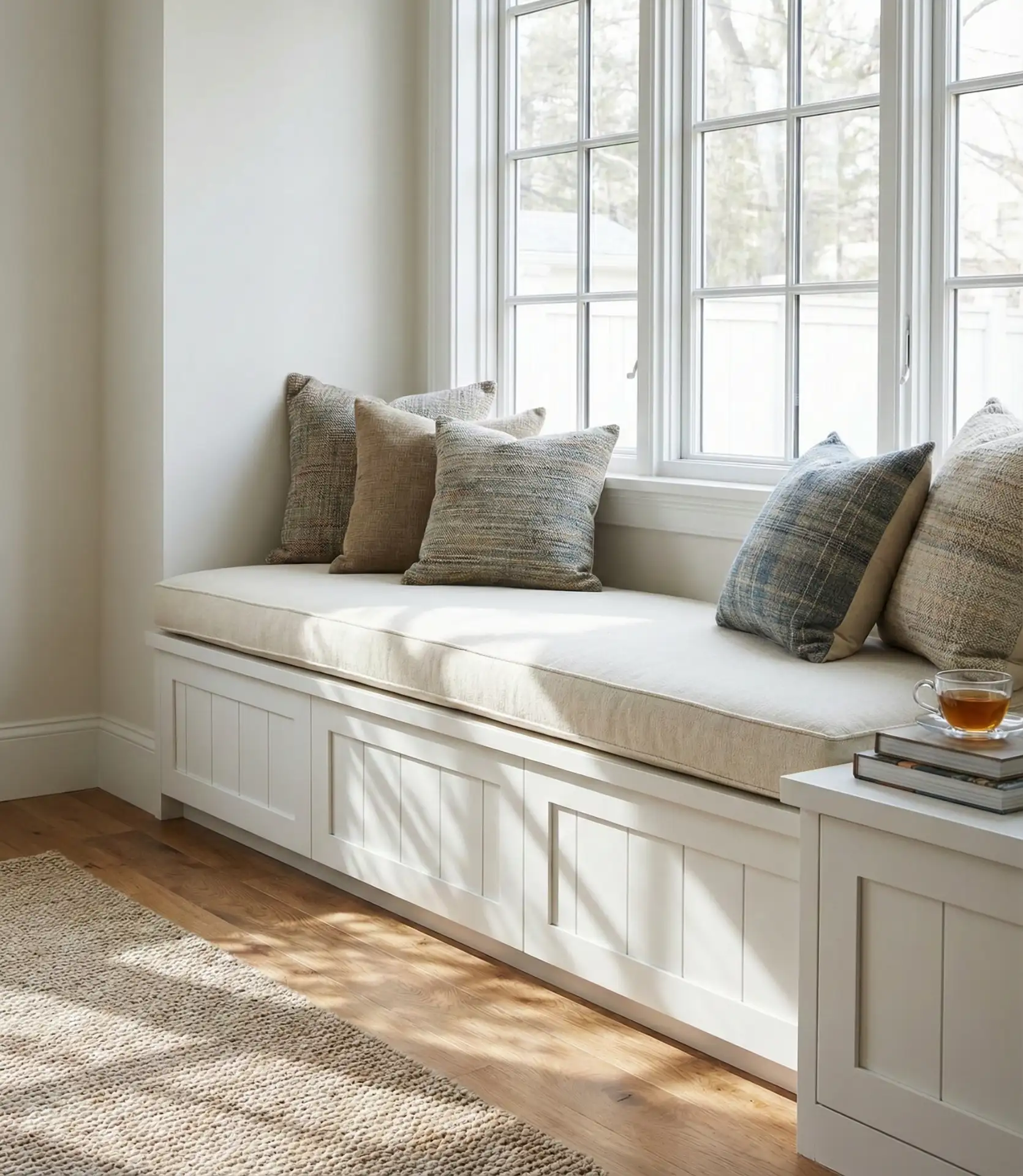
One homeowner in Portland added a window seat to her living room and says it became the most-used spot in the house—perfect for morning coffee or an afternoon book. Built-ins also add architectural character to newer homes that might otherwise feel generic, giving them a custom, finished quality that’s difficult to achieve with freestanding furniture alone.
18. Open Shelving with Invisible Support
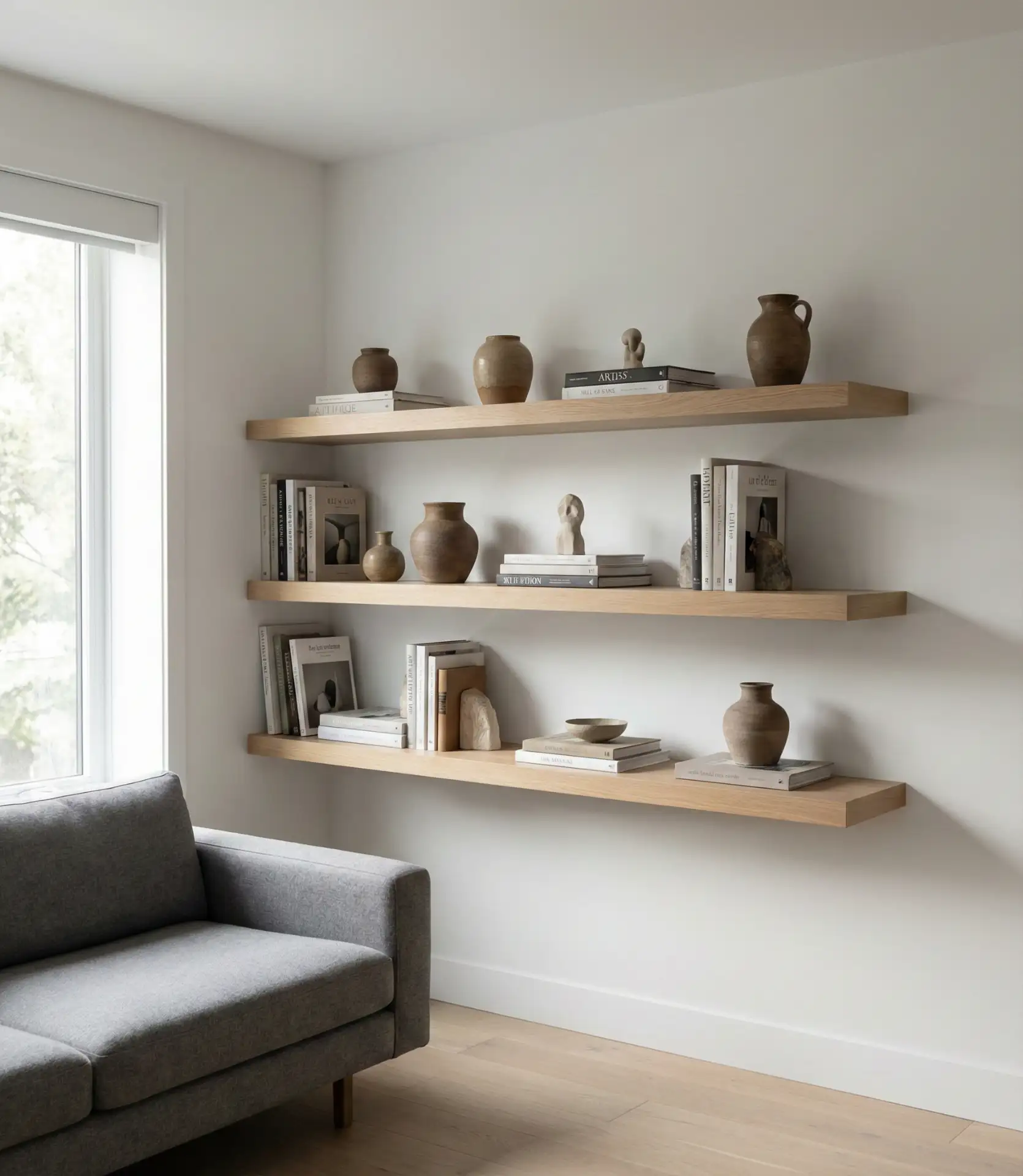
Floating shelves with hidden hardware create a sleek, uninterrupted look. They’re perfect for displaying decor ideas like books, plants, or curated objects without the visual weight of brackets or frames. This approach keeps the walls feeling light and airy, which is especially important in smaller or darker rooms.
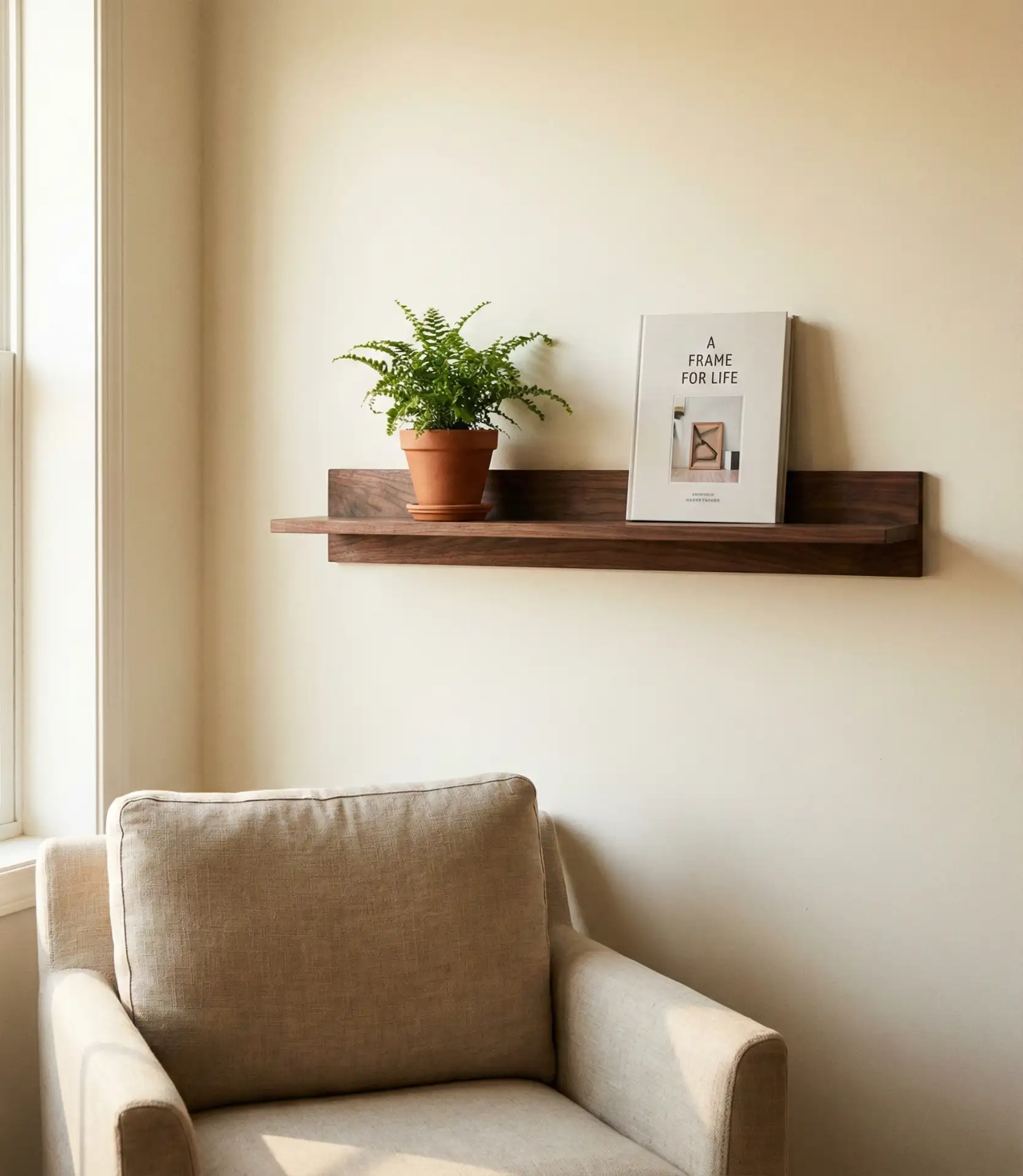
Common mistake: overloading floating shelves. Because they look so light, it’s easy to forget they still need proper support. Make sure they’re anchored into studs, and don’t exceed weight limits. Furthermore, avoid placing them too high—shelves work best when they’re at eye level or just above, where you can actually enjoy what’s on them.
19. Fireplace Reimagined as a Design Feature
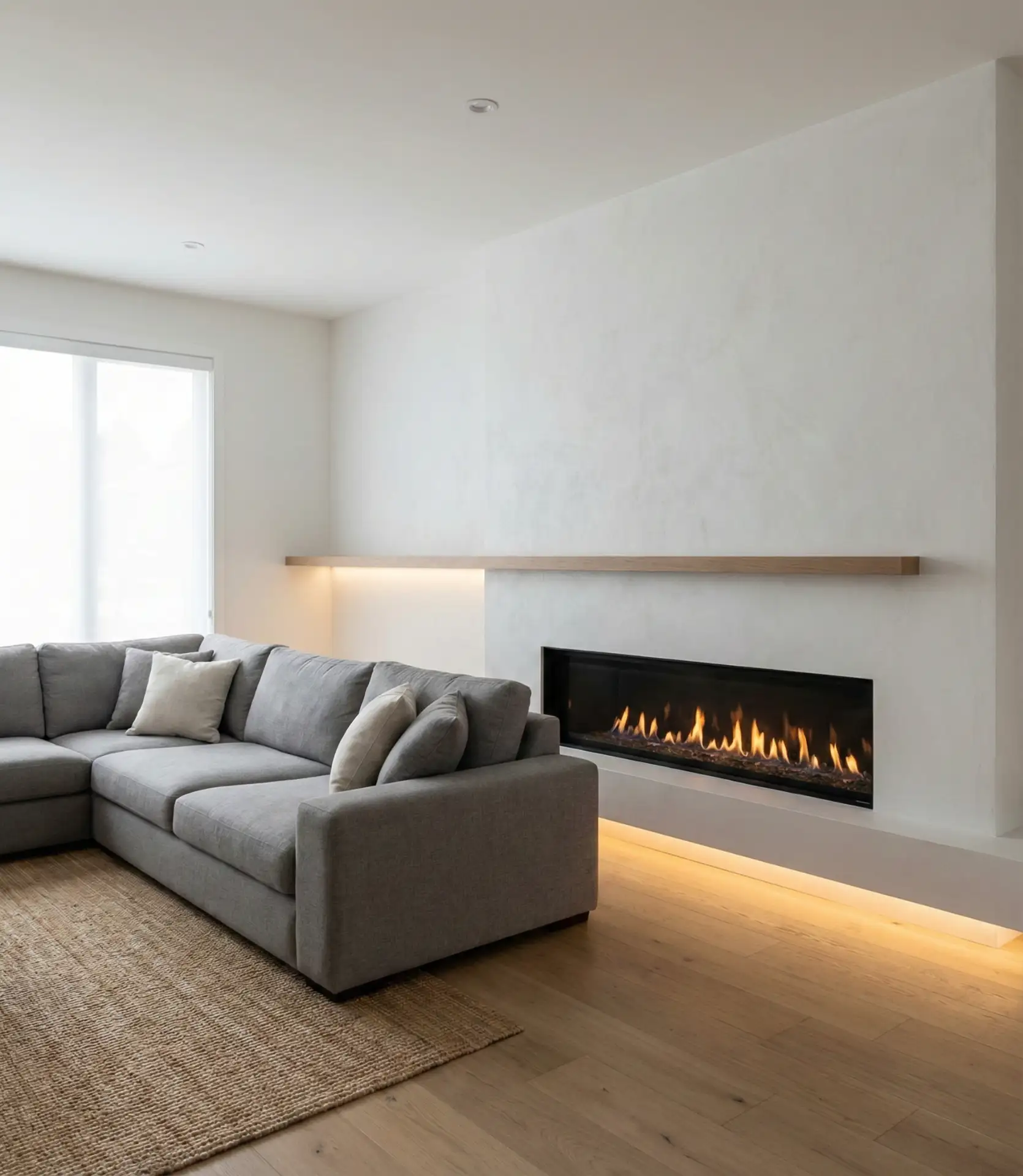
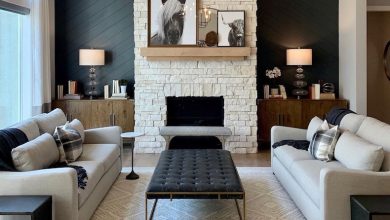
Modern fireplaces are sleek and linear, often set into a stone or plaster surround with a minimal mantel. Gas or electric options make them practical even in urban apartment settings. The fireplace becomes a focal point without the bulk of traditional brick, aligning with the clean lines of contemporary interior design.
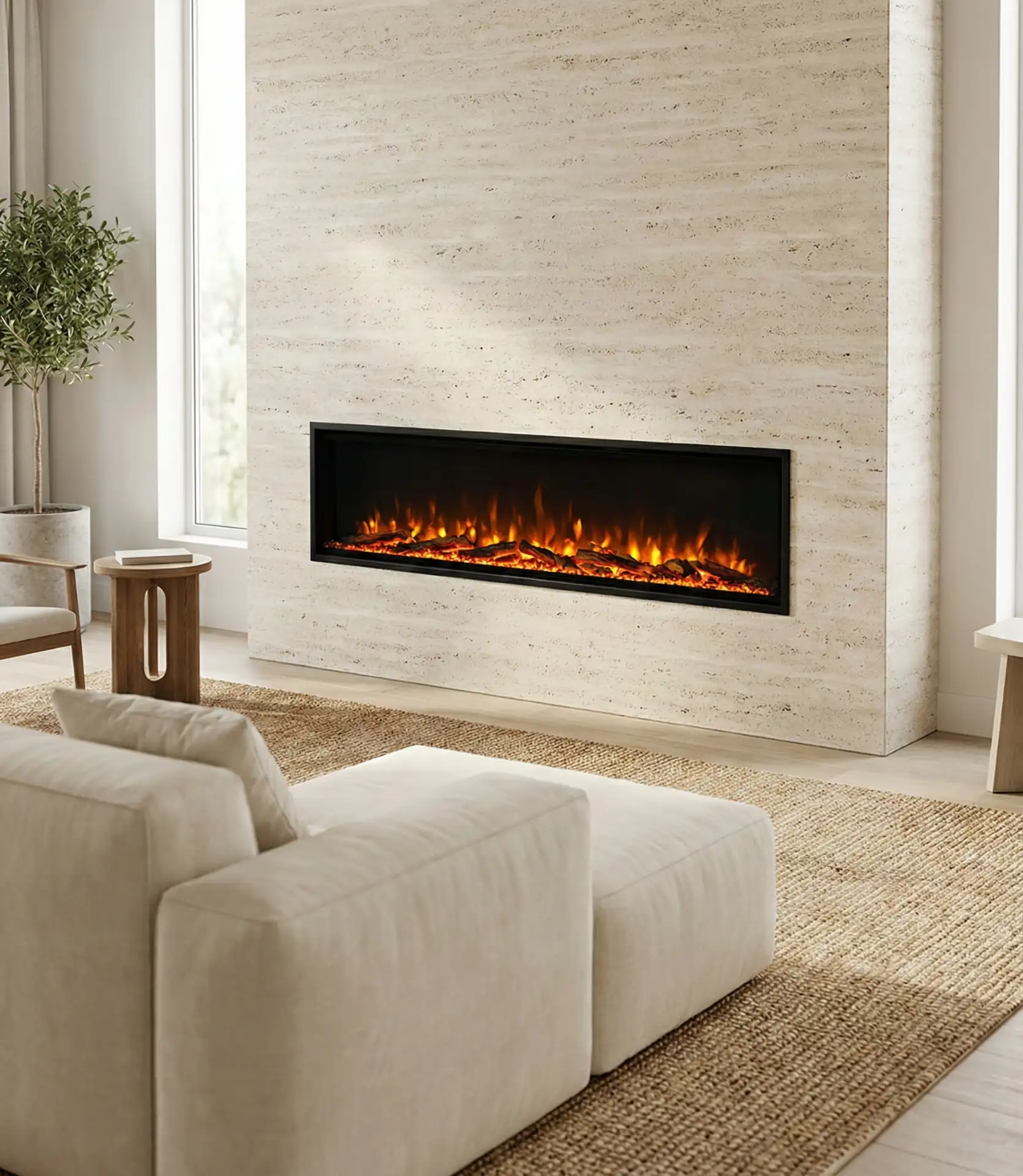
The design works especially well in homes with open floor plans, where the fireplace can be seen from multiple angles. You can mount a TV above without the visual clutter of a traditional mantel. In regions with milder winters, an electric or bioethanol fireplace offers ambiance without the need for a chimney or ventilation.
20. Personalized Art Walls with Varied Frames
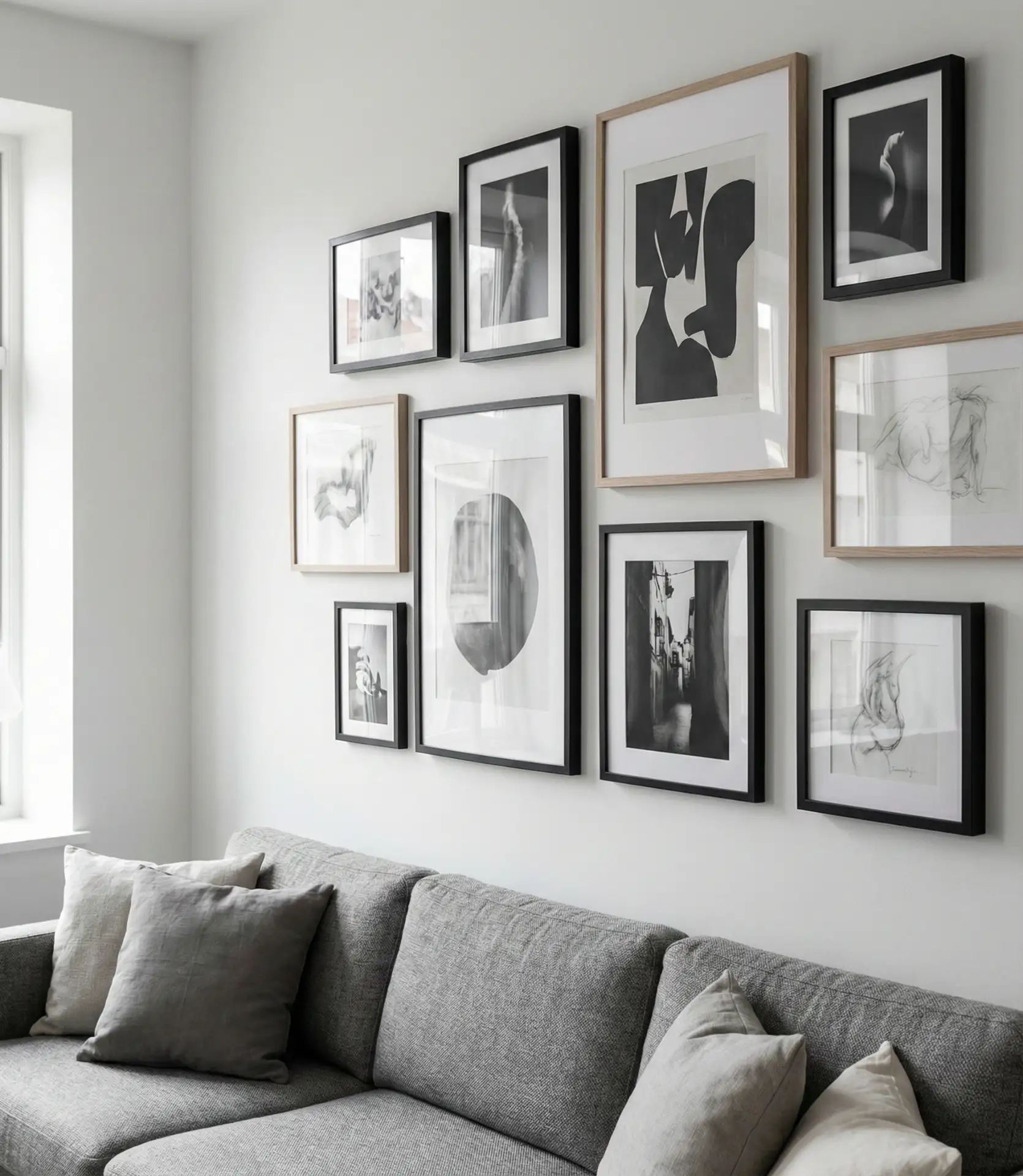
Gallery walls are evolving—less symmetrical, more personal. Mix frame sizes, styles, and even the type of art itself: photographs, prints, textiles, and mirrors all together. The key is a unifying element, whether it’s color, matting, or spacing. This approach reflects the colorful and eclectic side of contemporary design.
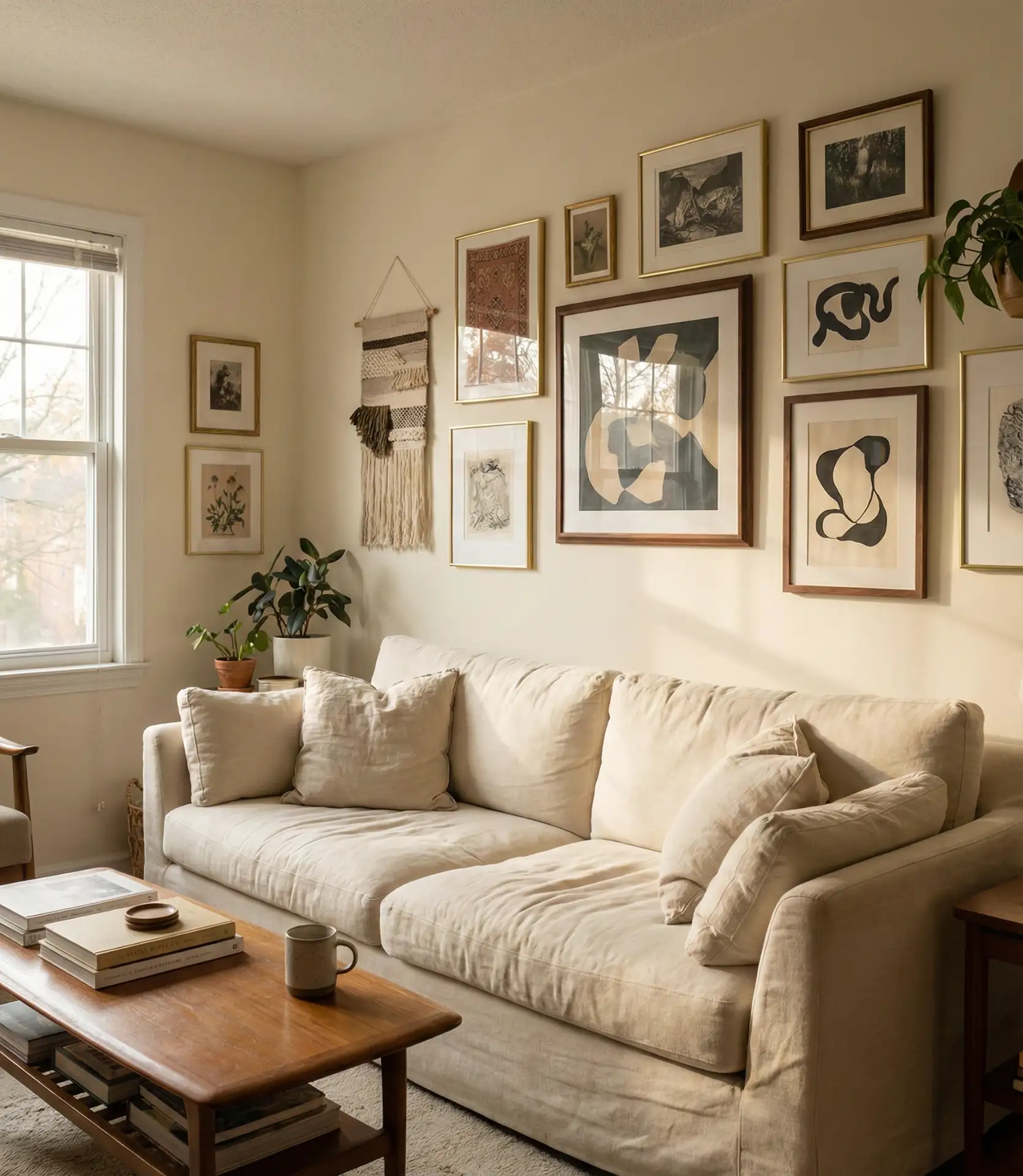
Pro tip from a designer friend: lay everything out on the floor first. Take a photo from above, then rearrange until it feels balanced. This saves you from a wall full of holes from trial and error. Also, don’t be afraid to include pieces that aren’t traditional art—a beautiful textile, a vintage mirror, or even a small shelf can add dimension and interest.
21. Subtle Pattern Through Texture, Not Print
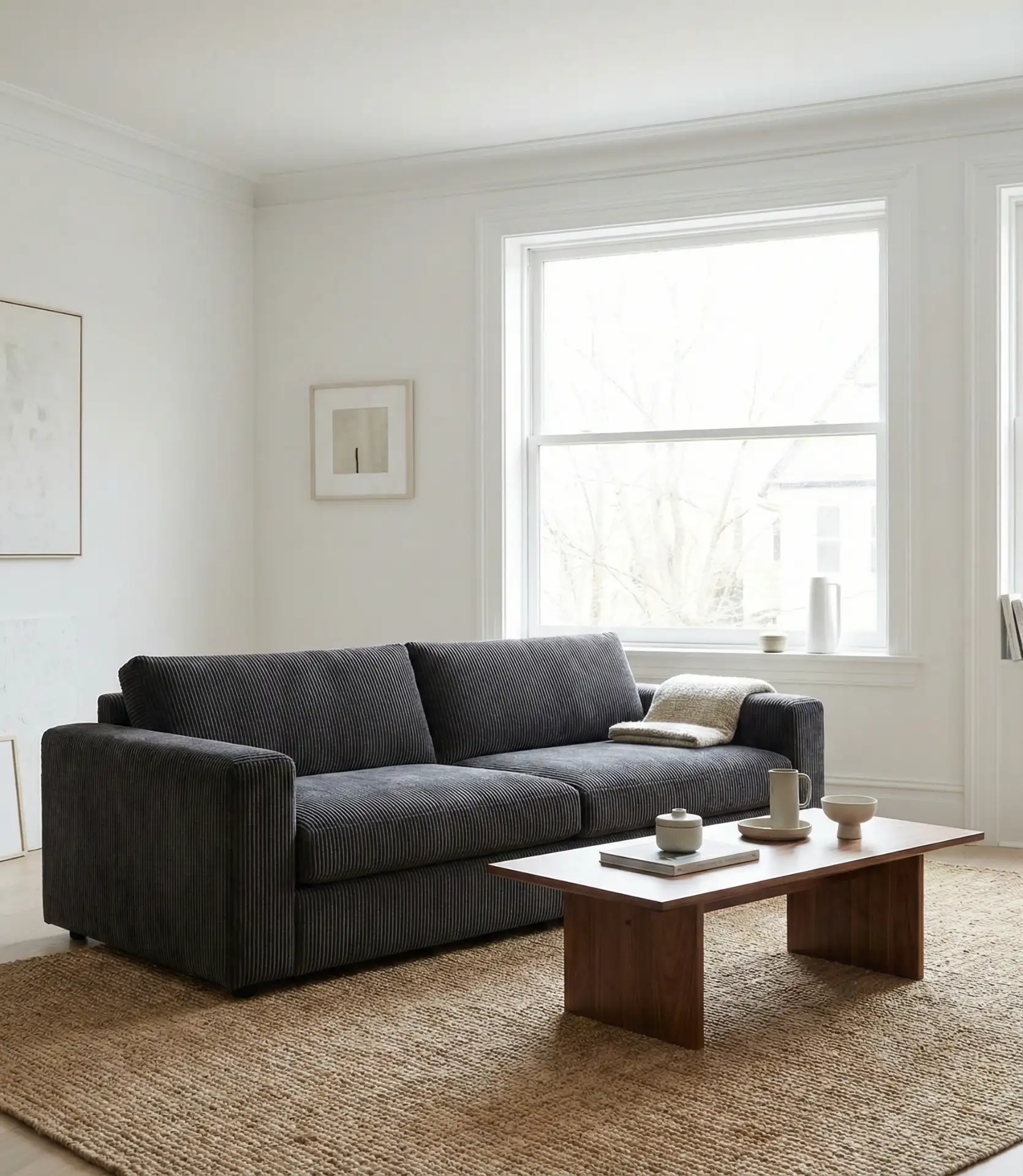
Instead of busy prints, contemporary spaces are embracing pattern through texture: ribbed velvet, bouclé, woven fabrics, and knotted rugs. This creates visual interest that’s sophisticated and timeless. It’s a hallmark of the moody and elegant aesthetics, where depth comes from layering rather than loud graphics.
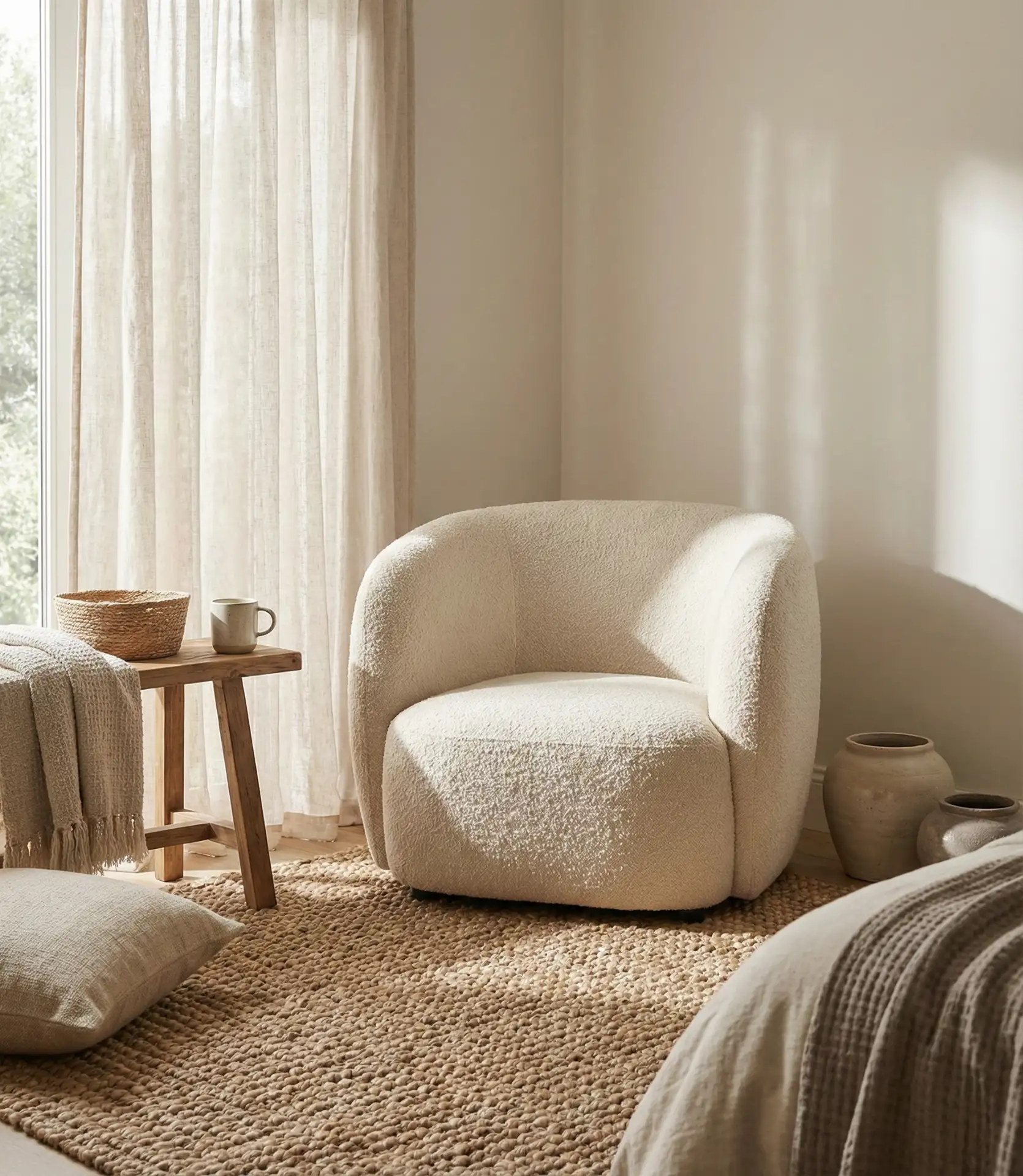
This approach is perfect for people who love patterns but worry about them dating quickly. The textural pattern is subtle and enduring—it won’t look trendy in five years. It also adds warmth and dimension to monochrome or neutral schemes, preventing them from feeling flat or sterile.
22. Dual-Purpose Furniture for Flexibility
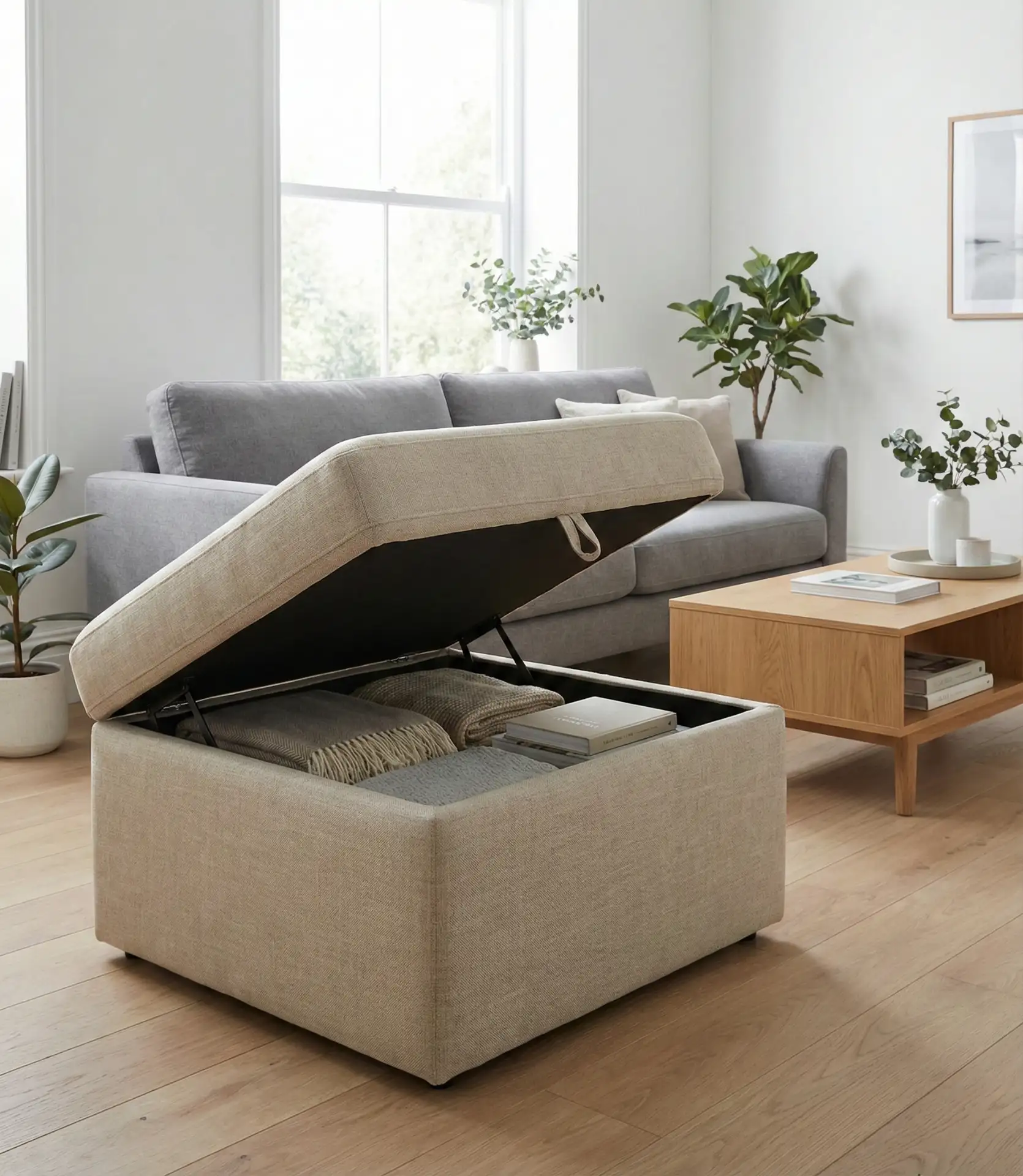
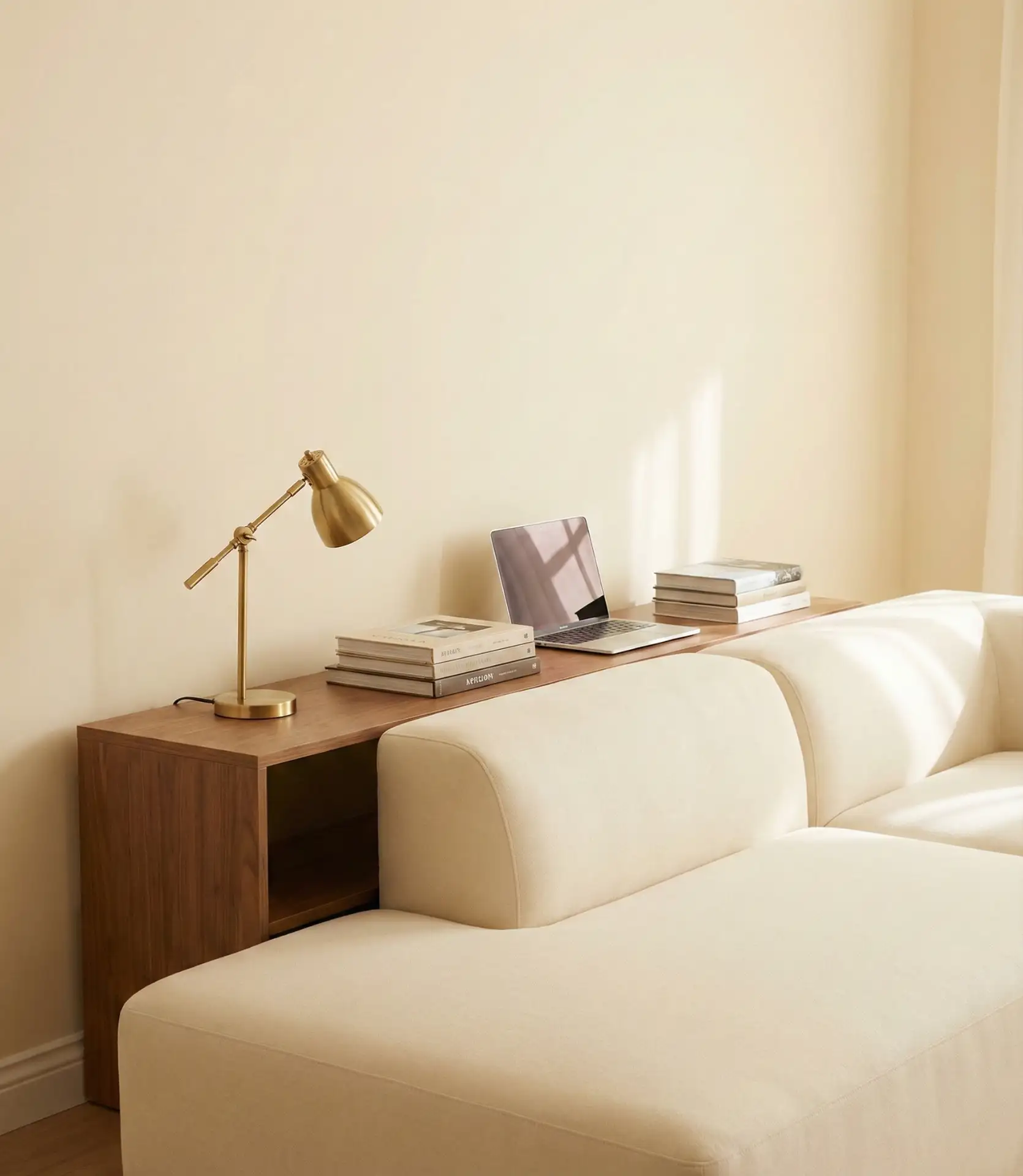
Think storage ottomans, console tables that double as desks, or modular seating that reconfigures for guests. This is especially valuable in smaller homes and apartments where every piece needs to earn its place. It’s a smart, practical take on luxury designs that doesn’t sacrifice style for function.
One reader in Brooklyn mentioned swapping her traditional coffee table for a set of nesting tables, and it completely changed how she uses the room—she can spread them out for guests or tuck them away when she needs floor space for yoga. It’s these small, practical shifts that make contemporary design feel livable rather than just aspirational.
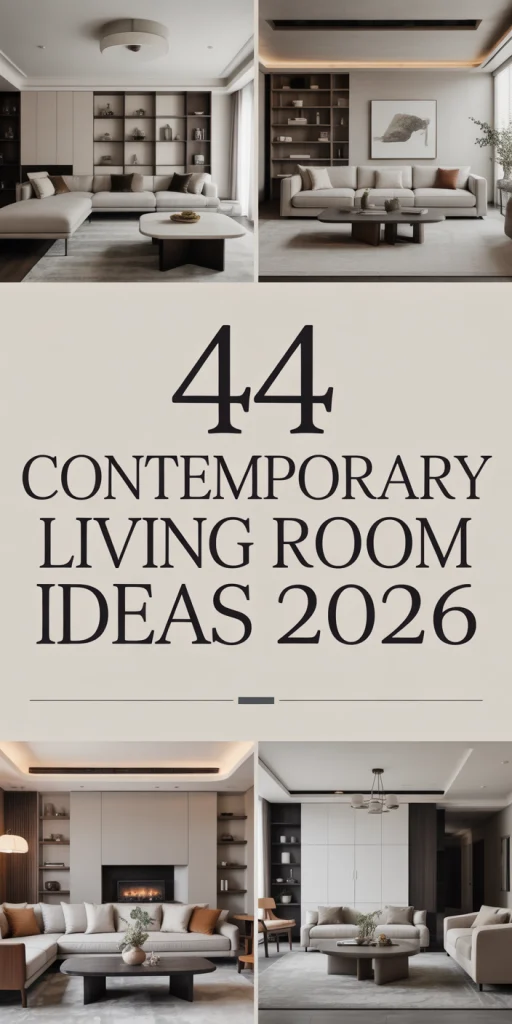
Whether you’re embarking on a new project or revamping your existing space, these ideas provide a guide to creating a living room that is both contemporary and timeless. The beauty of contemporary design is its flexibility—you can lean into the calm of neutrals, the warmth of wood and texture, or the drama of darker tones and statement pieces. What matters most is that the space reflects how you actually live. We’d love to hear which ideas resonate with you most or what you’re planning to try first. Share your thoughts in the comments below.