44 Brown Living Room Ideas 2026: Cozy, Modern & Stunning Designs for Every Style

Brown is having a major moment in 2026, and living rooms across America are proving it. From rich chocolate tones to soft tawny neutrals, brown brings warmth, depth, and an organic elegance that feels both grounded and luxurious. Pinterest searches for brown living room ideas have surged as homeowners move away from stark whites and grays, craving spaces that feel cozy, layered, and timeless. Brown works beautifully across styles, climates, and budgets, regardless of your preference for moody maximalism or airy minimalism. In this guide, you’ll discover inspiring ways to design a brown living room that feels fresh, personal, and perfectly suited to 2026.
1. Chocolate Velvet Sofa with Cream Accents
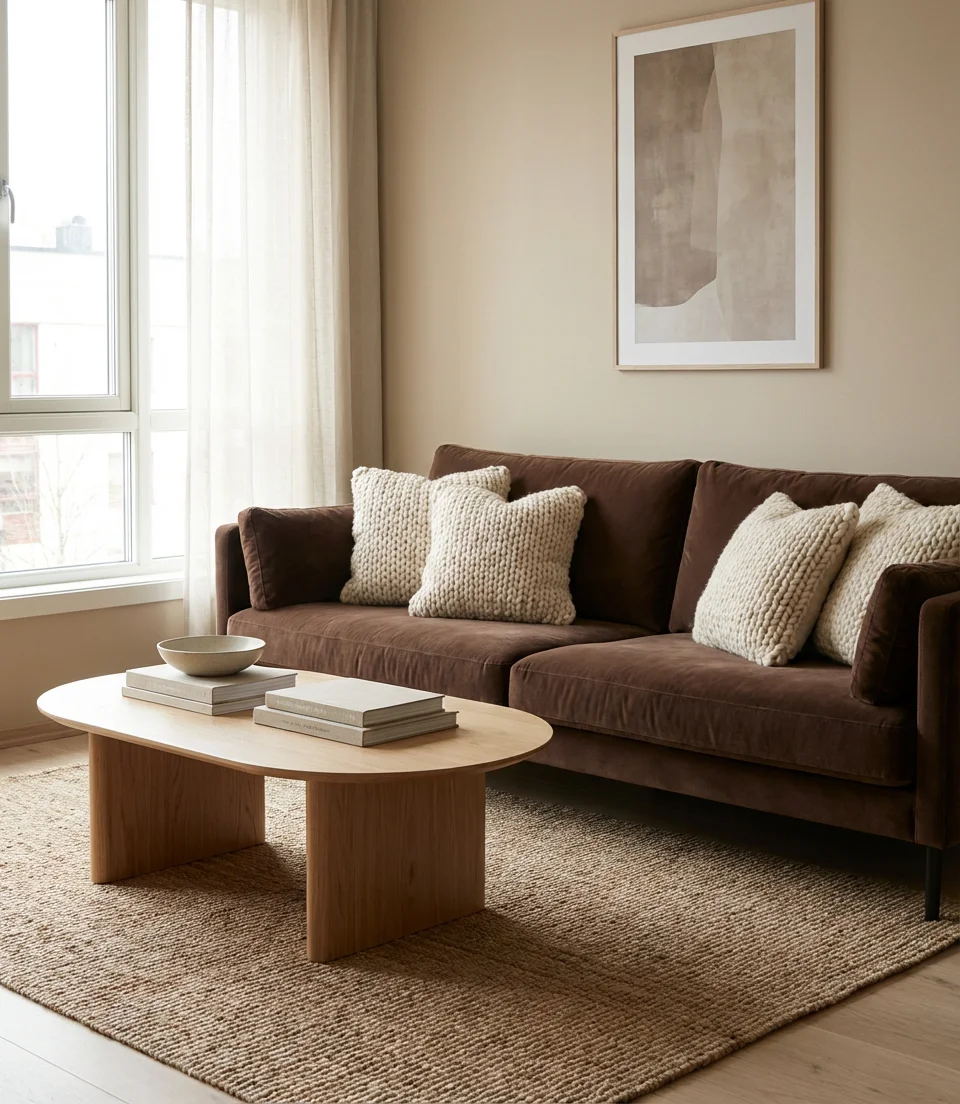
A deep chocolate velvet sofa anchors the room with richness and tactile luxury. Pair it with cream throw pillows, a soft wool rug, and pale oak side tables to balance the intensity. This combination works especially well in rooms with ample natural light, where the brown tones shift from warm to almost bronze as the day progresses. The cozy feeling is immediate, and the layering of textures keeps it from feeling too heavy or dated.
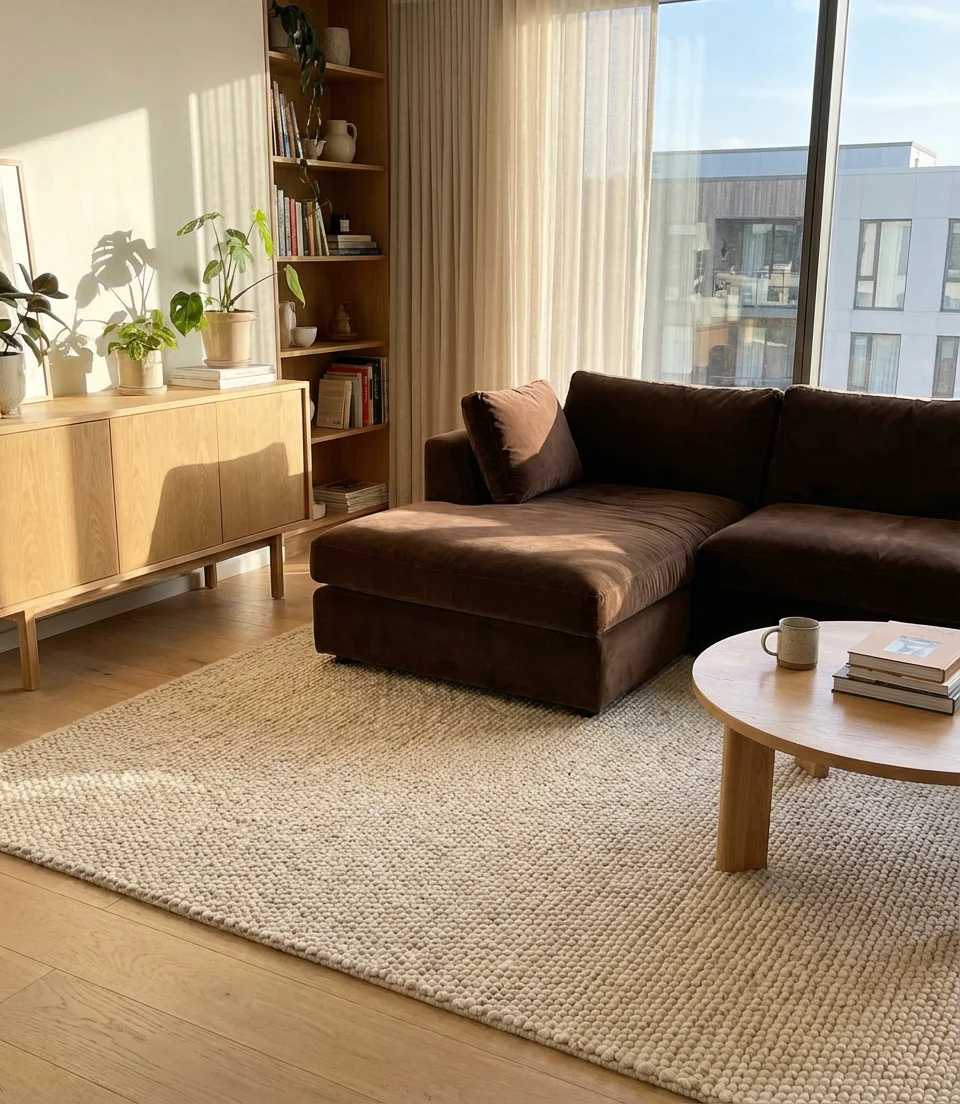
This setup works best in living rooms where you entertain often or unwind after long days. Chocolate velvet is surprisingly forgiving with spills when treated, and it ages gracefully. Avoid pairing it with too much black or dark gray—those combinations can feel dated. Instead, let cream and natural wood lighten the mood while keeping the space grounded and inviting.
2. Beige Walls with Dark Wood Furniture
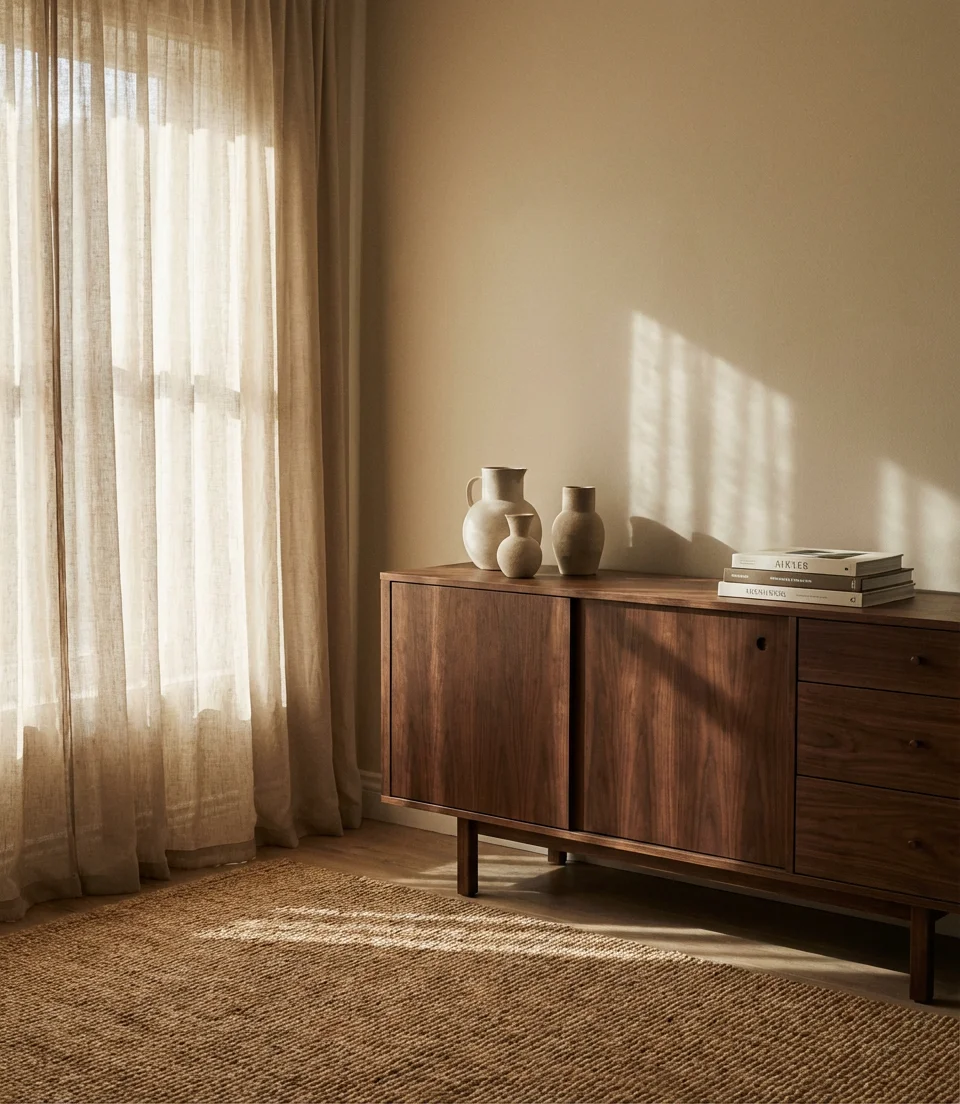
Soft beige walls create a warm, neutral backdrop that lets dark walnut or espresso furniture take center stage. This pairing has a quiet elegance—never boring, never loud. It’s particularly popular in Southwestern and Midwestern homes, where natural light can be intense and beige helps soften the glare. Add a jute rug, linen curtains, and a few terracotta pots to complete the look without overthinking it.
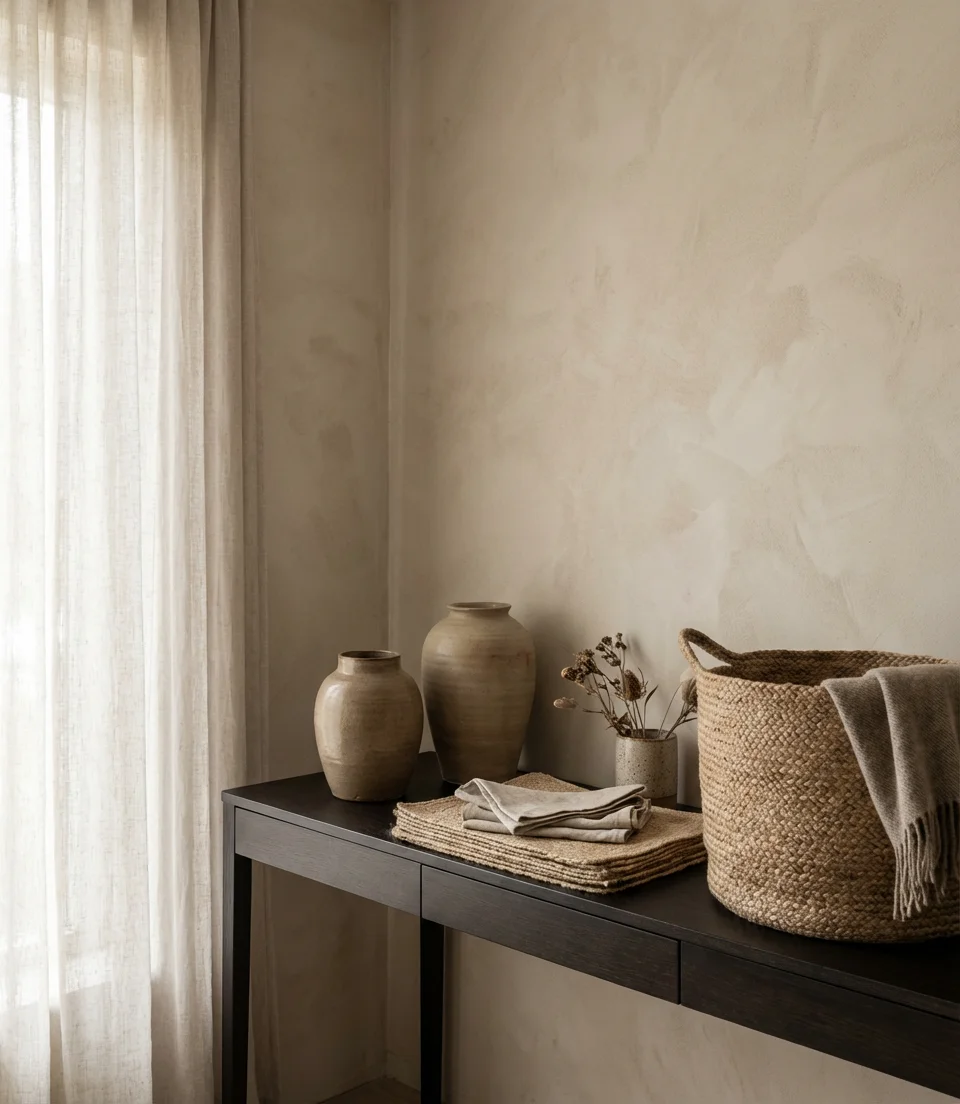
Where it works best: open-plan homes where you want continuity between the kitchen, dining, and living areas. Beige unifies the space without competing with wood tones or metal finishes. It’s also budget-friendly—beige paint is widely available, and dark wood furniture can often be found secondhand in excellent condition.
3. Moody Brown and Navy Accent Wall
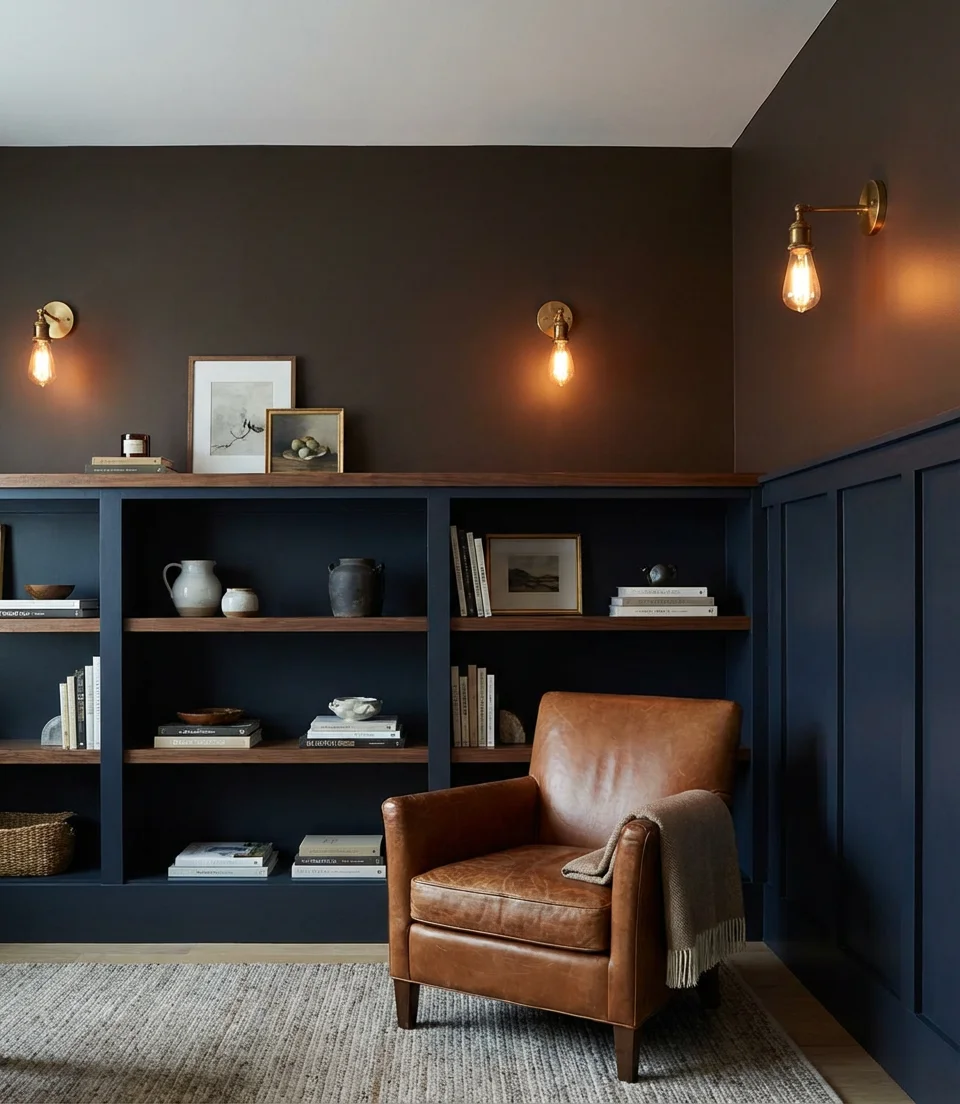
A moody brown accent wall paired with navy blue built-ins or cabinetry creates a room that feels confident and curated. Urban lofts and remodeled Victorians, with their dramatic color choices, have been increasingly adopting this look. The brown softens the navy, preventing it from feeling too nautical or cold. Add brass hardware, a leather armchair, and ambient lighting to enhance the intimacy.
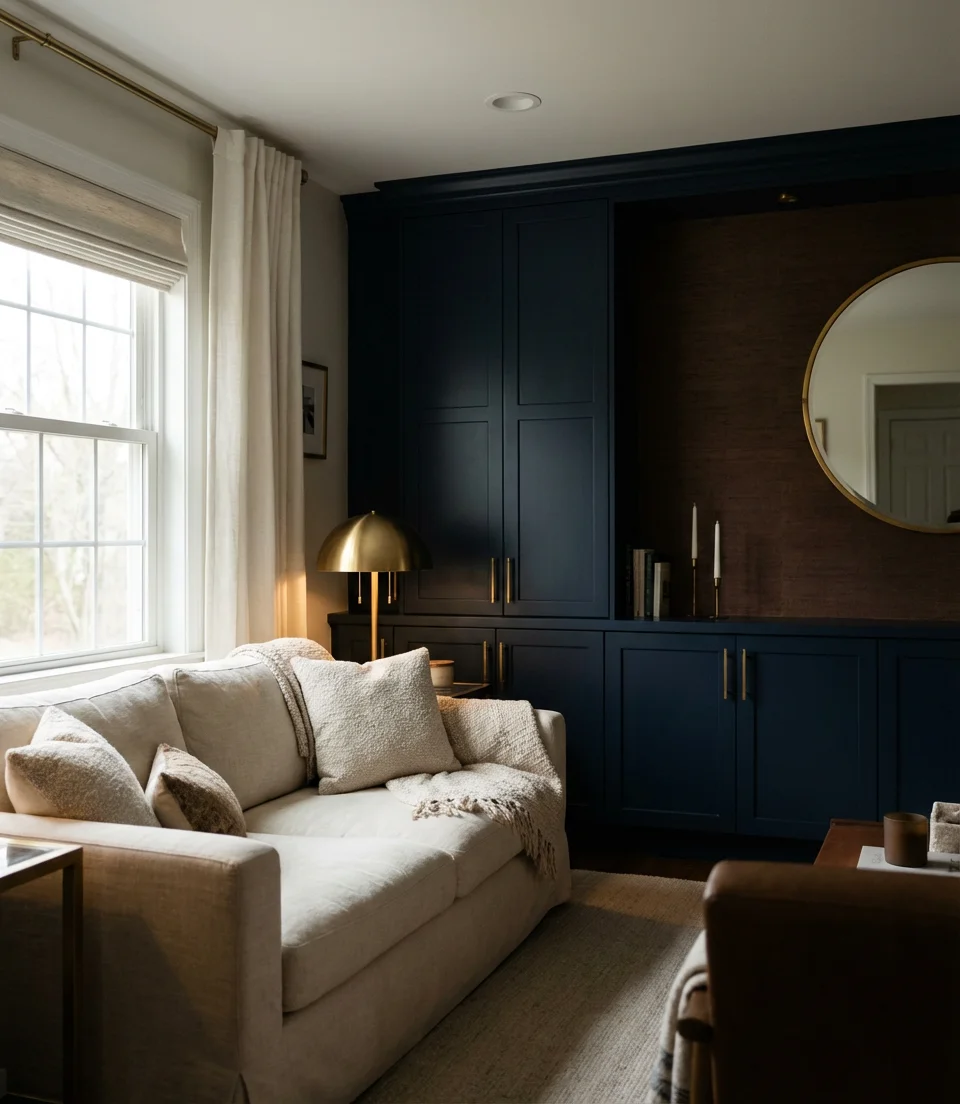
A common mistake is choosing navy that’s too bright or brown that’s too orange. Stick with deeper, muted tones that share the same undertone—cool or warm, not mixed. Test samples in your actual lighting before committing. This combination thrives in rooms with good task lighting, as it can feel cave-like without enough illumination.
4. Sage Green and Brown Bohemian Lounge
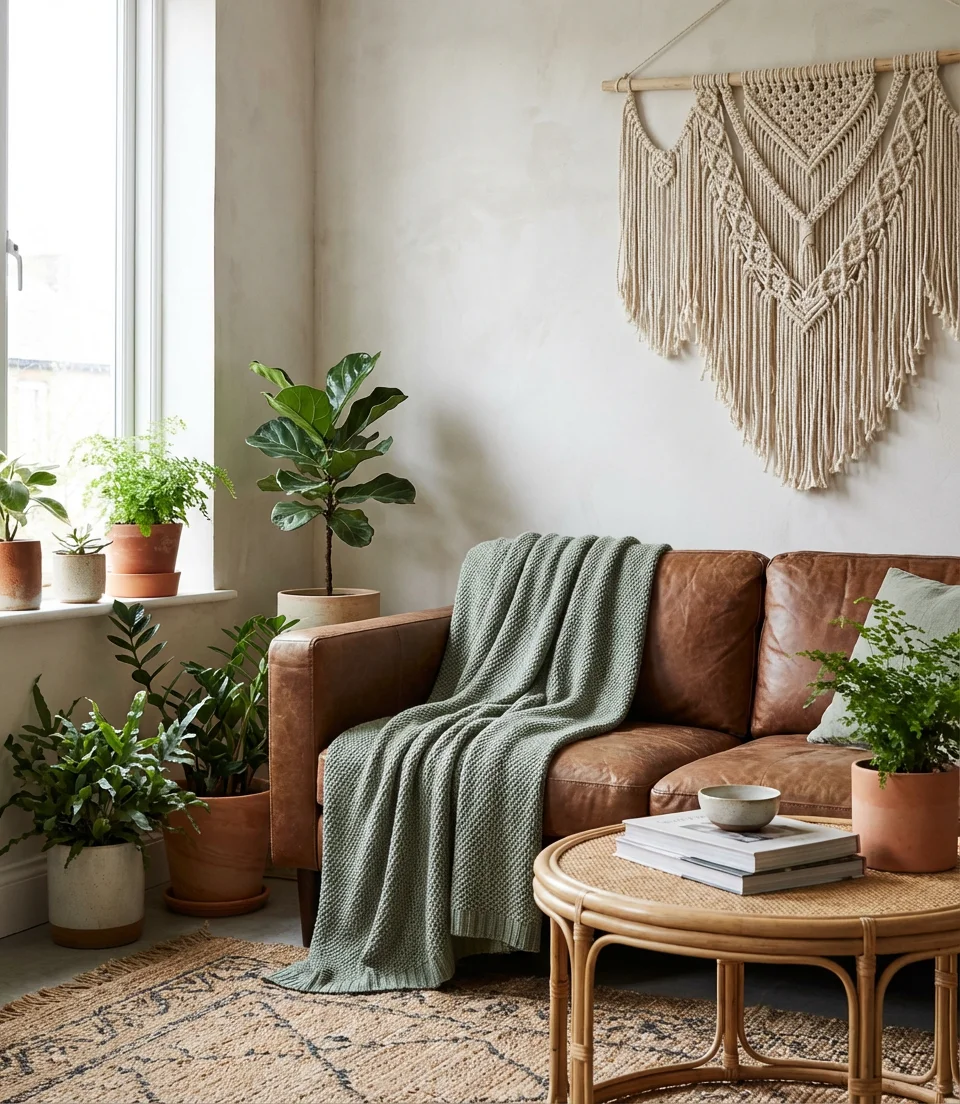
Pair sage green textiles—think throws, cushions, or a vintage rug—with a brown leather sofa or woven rattan furniture. The result is a laid-back, aesthetic vibe that feels effortlessly collected. This combo is beloved in California and the Pacific Northwest, where natural materials and earthy tones reflect the landscape. Layer in macramé, dried florals, and plenty of plants to complete the boho look.
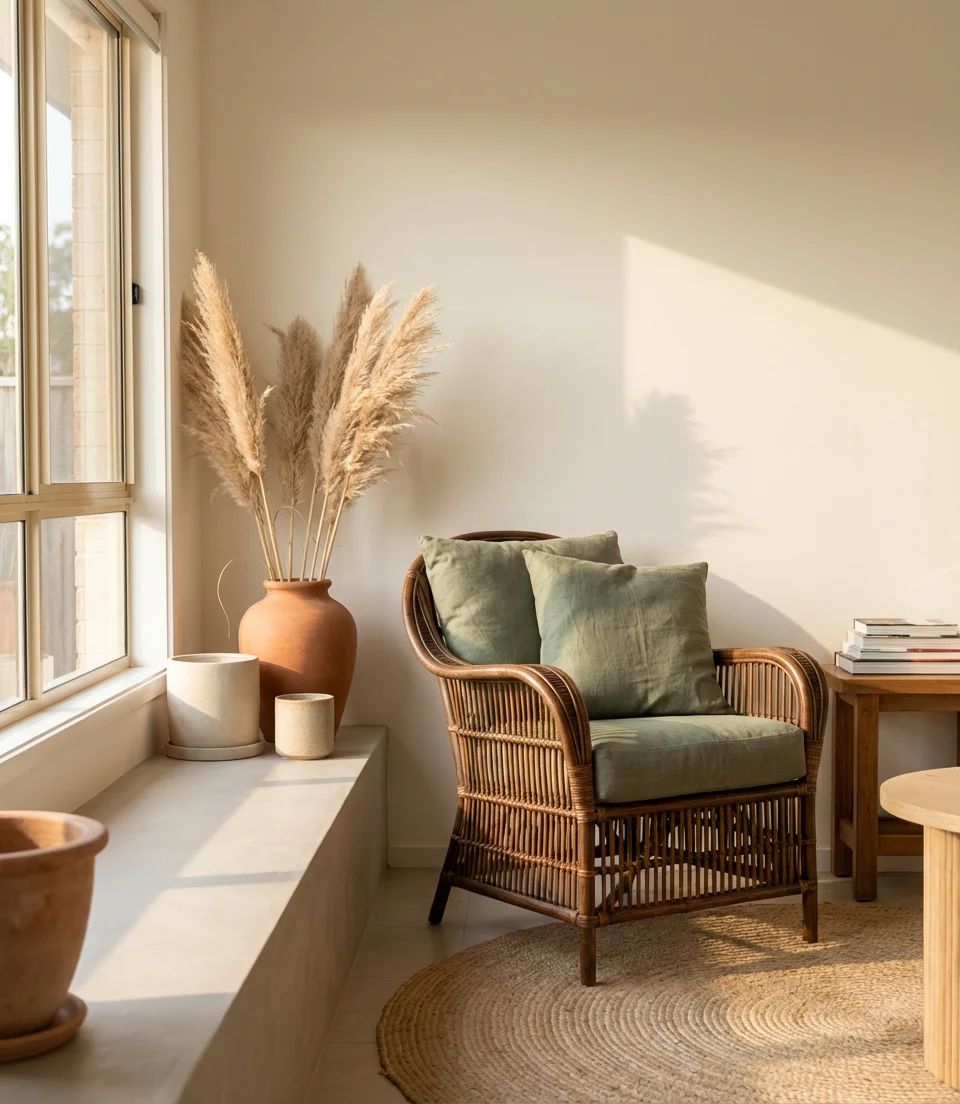
Real homeowner behavior: people often start with one sage pillow and end up repainting an entire wall. The color is addictive in how calming it feels. If you’re renting, stick to removable textiles and decor. If you own, consider a sage accent wall behind the sofa—it’s a low-commitment way to test the palette before going further.
5. Modern Black and Brown Contrast
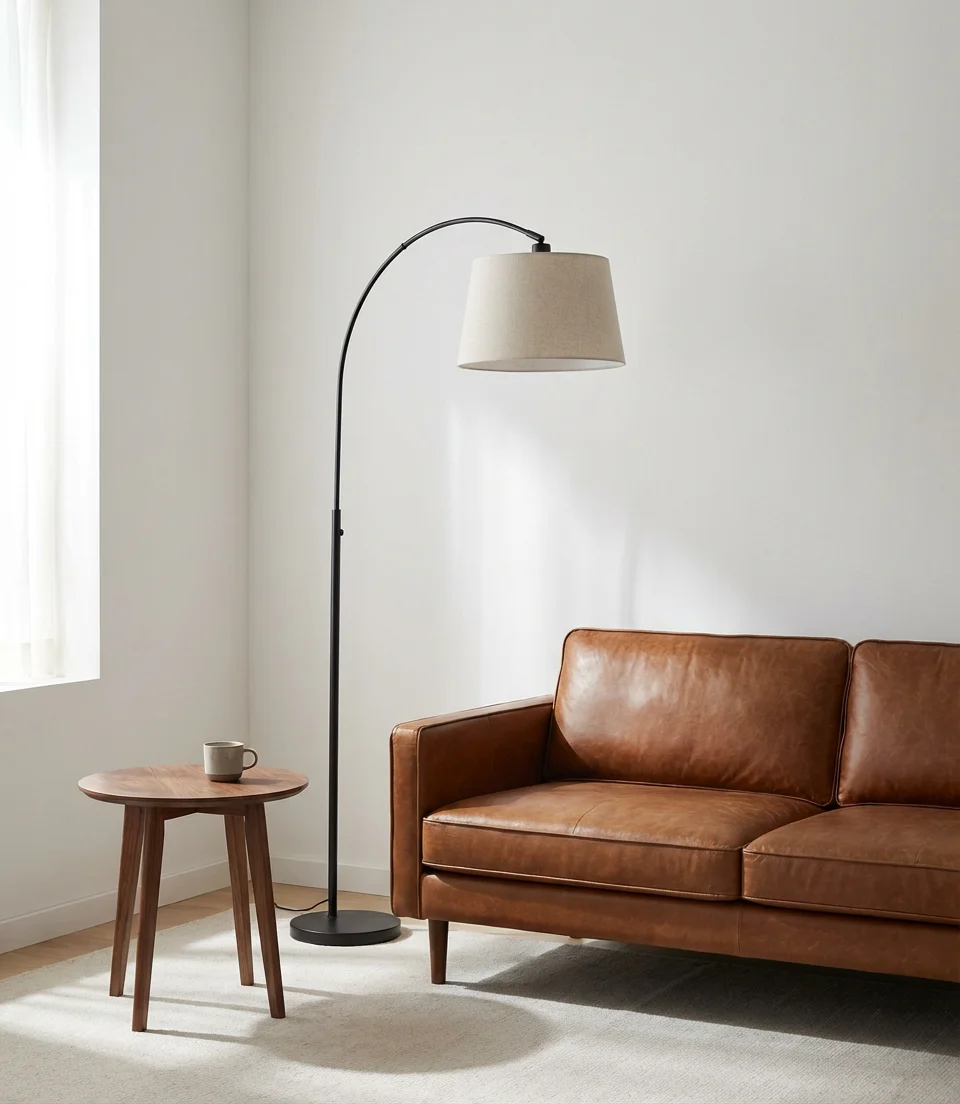
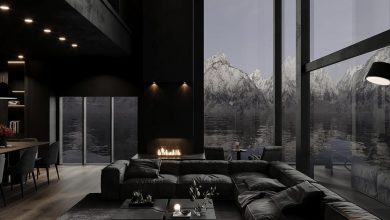
Combining black metal frames, lighting, and trim with warm brown upholstery or wood tones creates a sleek, modern look that’s popular in new builds and urban apartments. The contrast is crisp but not cold, especially when you add warm lighting and natural textures. This style works particularly well in open-concept spaces where you want definition without walls.
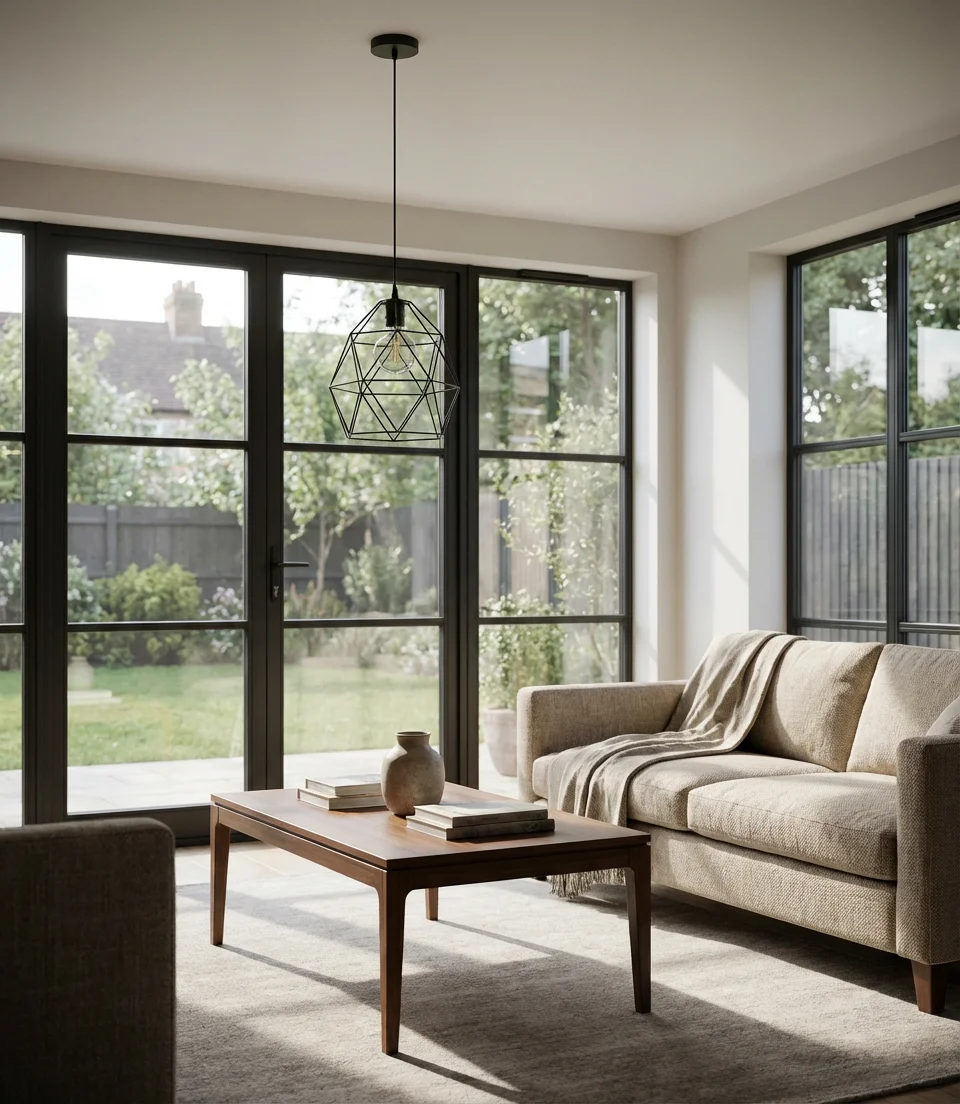
Expert-style commentary: the key is balance. Too much black can feel harsh; too much brown can feel dated. Aim for a 60-30-10 ratio—brown as the dominant tone, black as secondary, and a neutral like white or cream as the accent. This keeps the room feeling intentional and sophisticated rather than randomly assembled.
6. Grey and Brown Layered Neutrals
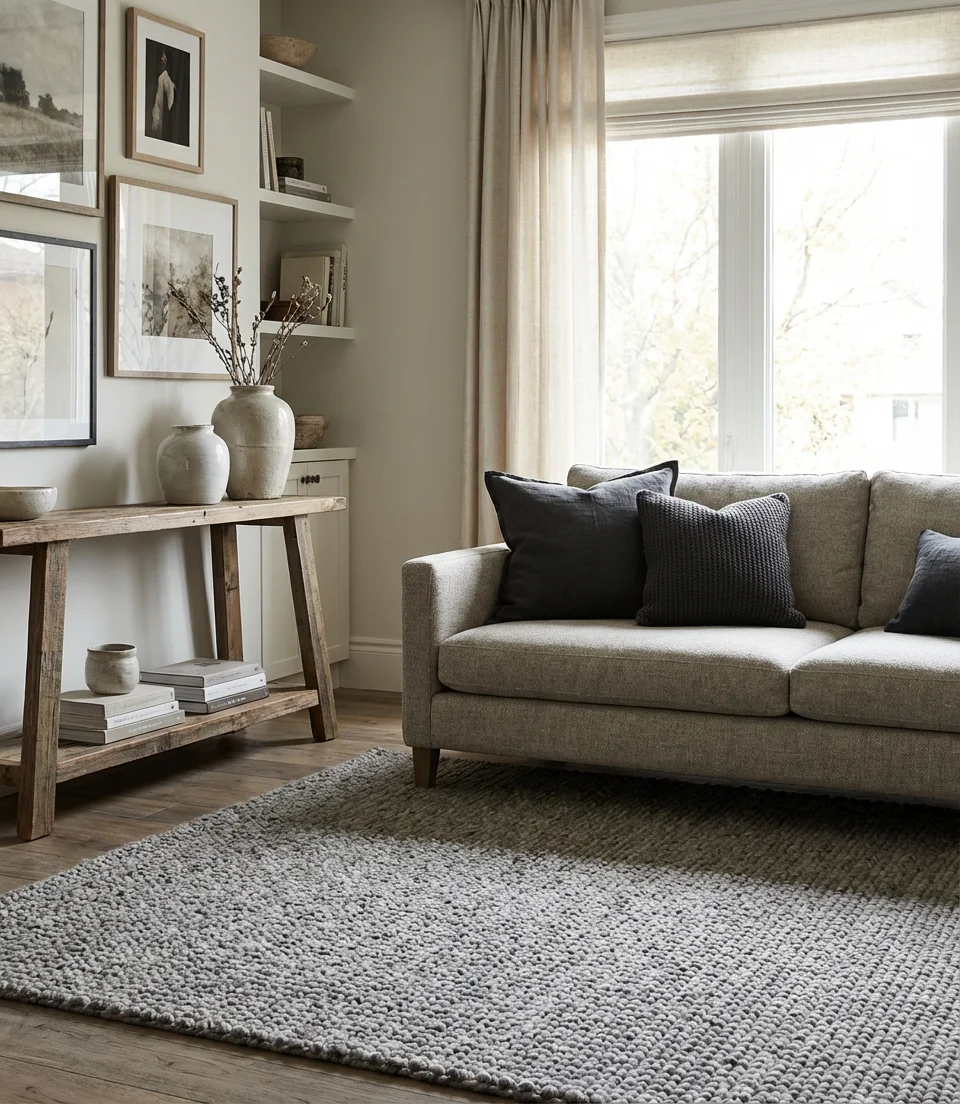
Layering grey and brown in a single room can feel tricky, but when done right, it’s incredibly versatile. Think of a warm taupe sofa with charcoal throw pillows, a grey wool rug, and a reclaimed wood console. The trick is to choose warm greys—greige, mushroom, or dove—that share brown’s undertone. This palette is especially forgiving in homes with mixed flooring or transitional styles.
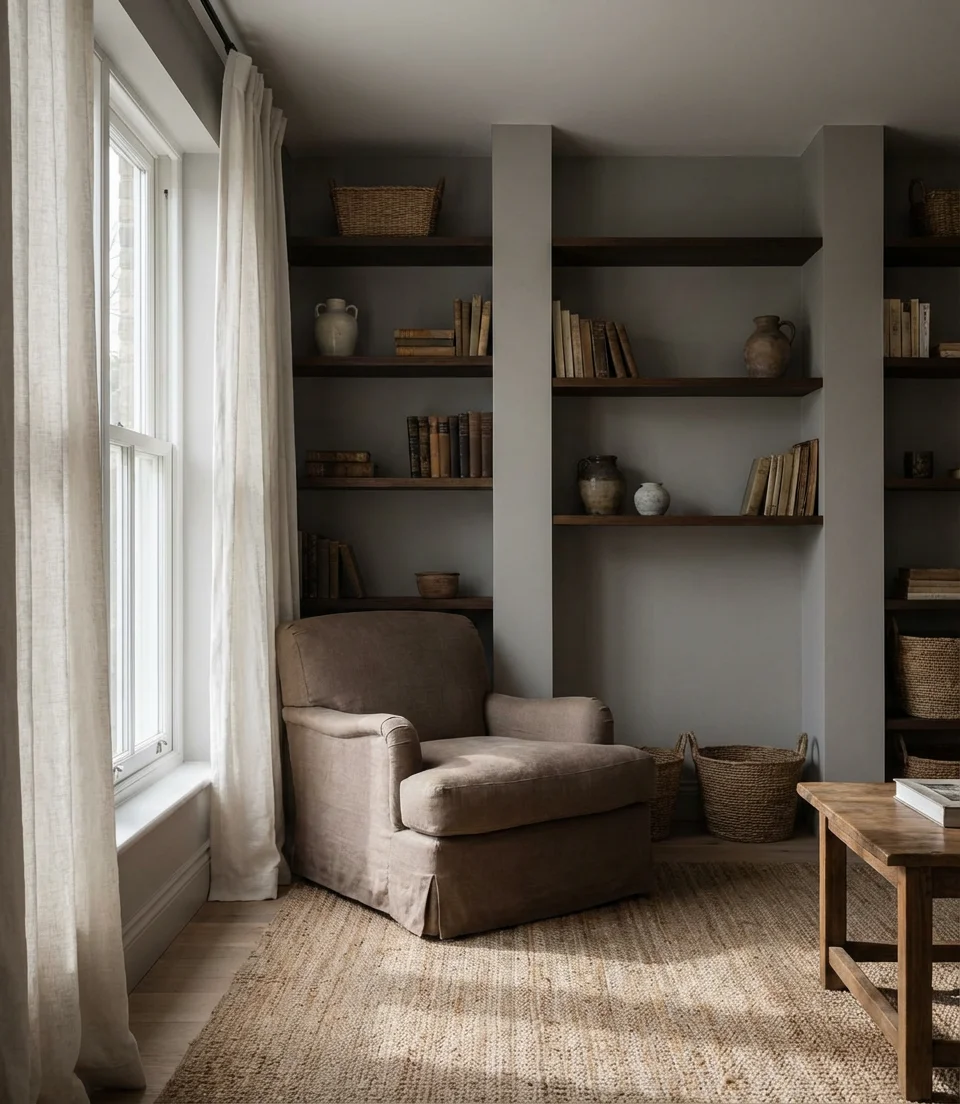
A practical insight: this palette works beautifully in homes with northern exposure, where cool light can make pure greys feel sterile. The brown warms everything up without feeling too traditional. It’s also a safe choice if you’re unsure about committing to bolder colors—you can always add pops of color through art or accessories later.
7. Burgundy and Brown Jewel Tones
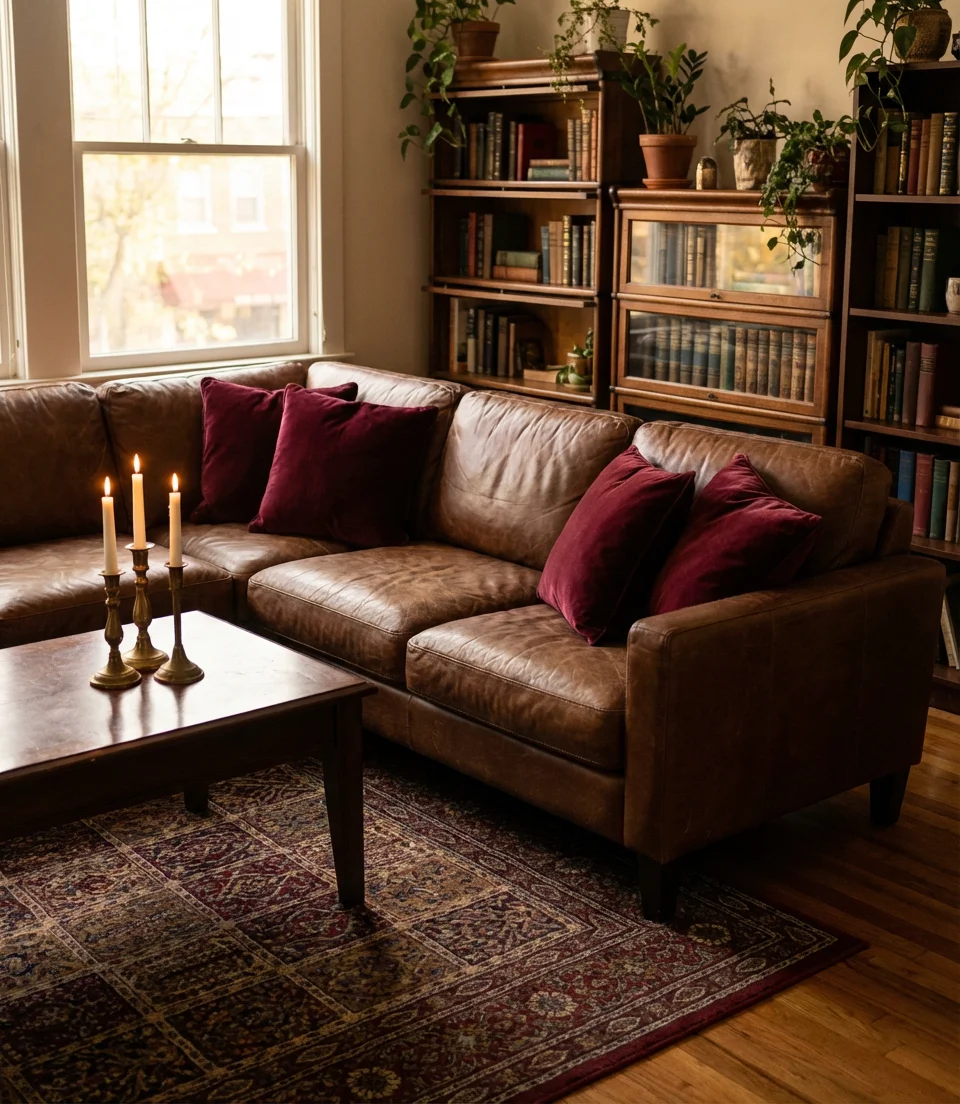
Deep burgundy velvet cushions or a statement rug against a brown leather sectional creates a jewel-toned richness that feels both vintage and current. This pairing has a romantic, Old World quality that works beautifully in historic homes or spaces with architectural details like crown molding or wainscoting. Add brass candlesticks and a Persian-style rug to complete the look.
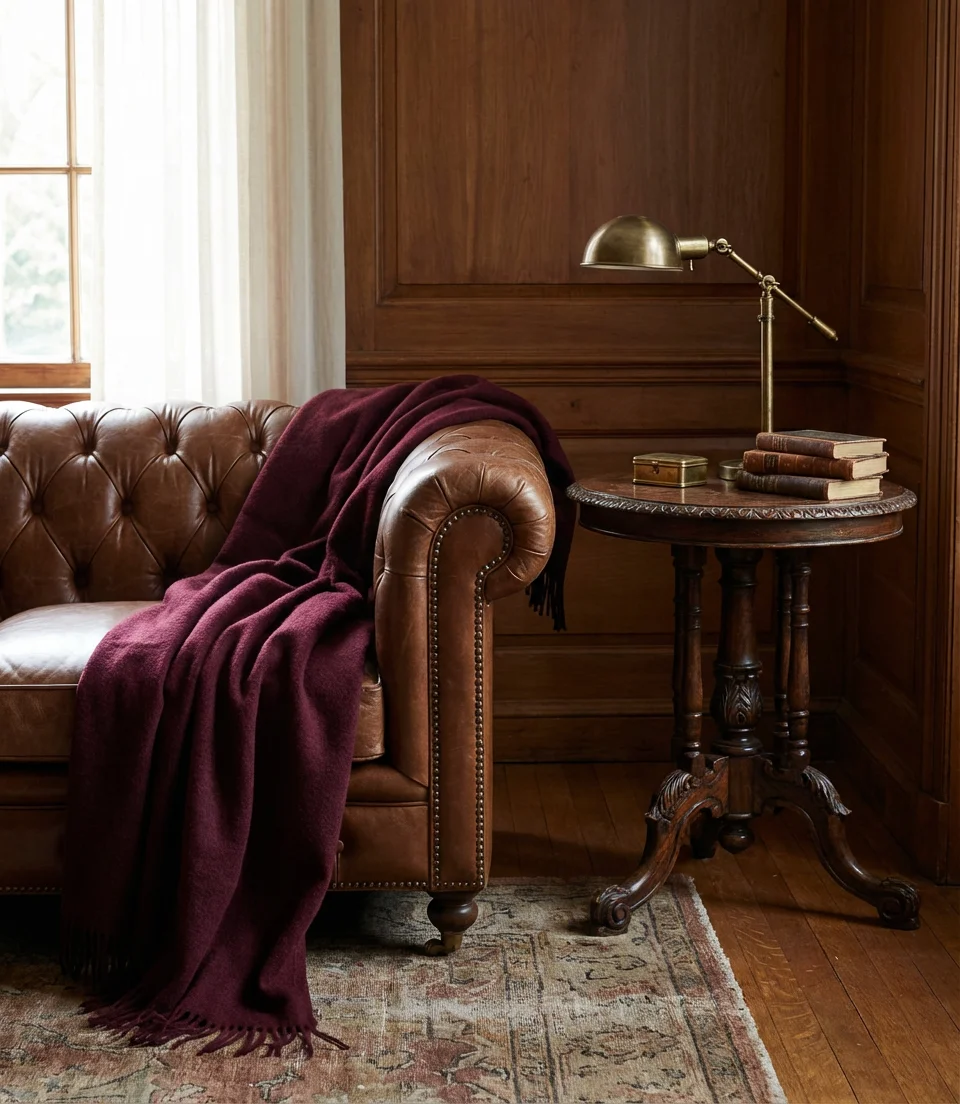
American lifestyle context: this palette is trending in the Northeast and Midwest, where cooler climates make rich, warm colors especially appealing in fall and winter. It’s less common in the Sun Belt, where lighter, airier palettes dominate. If you live somewhere warm, use this look sparingly—perhaps just in a reading nook or on one accent wall.
8. White and Brown Scandinavian Simplicity
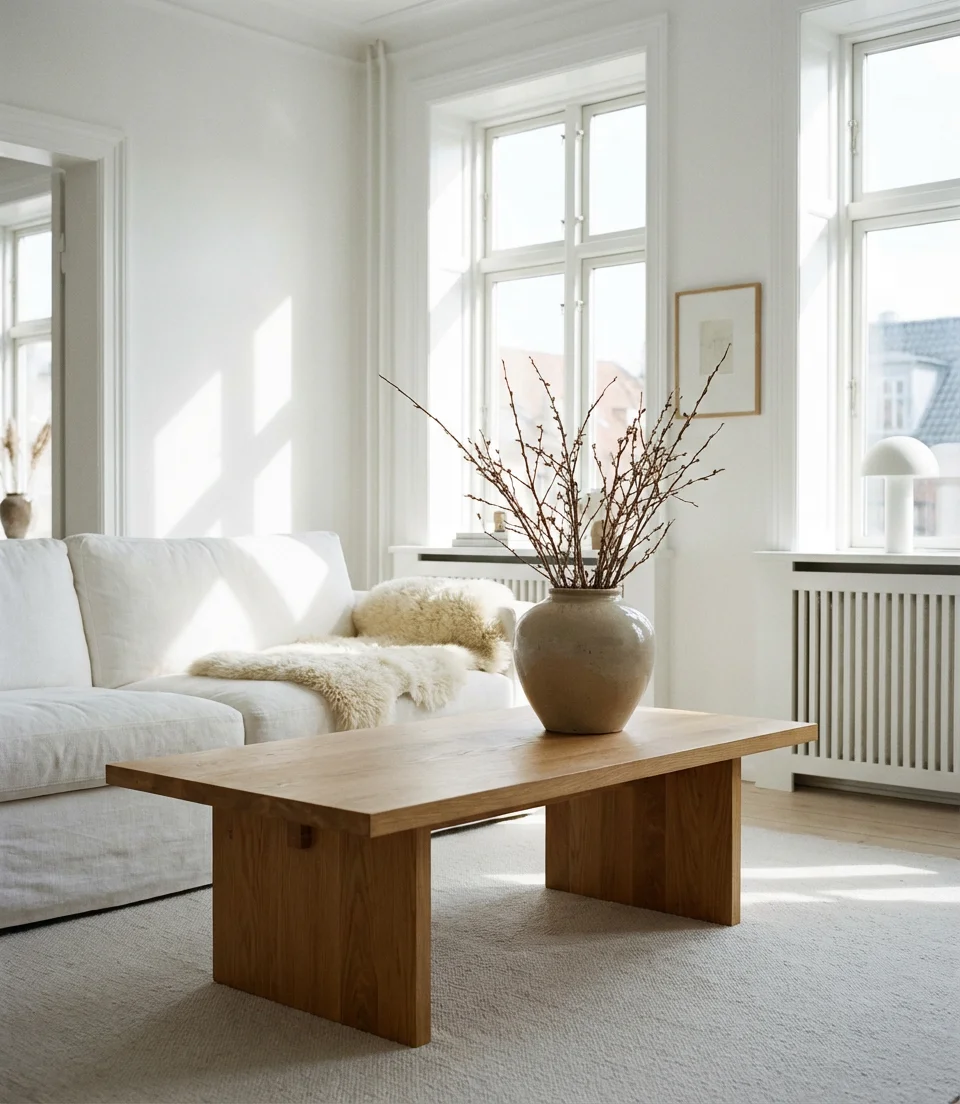
Crisp white walls and ceilings paired with honey-toned or light brown wood furniture create the airy, minimal feel that defines Scandinavian design. This look is endlessly popular in smaller homes and apartments, where maximizing light and space is essential. Add sheepskin throws, ceramic vases, and a single large plant to keep the room warm without clutter.
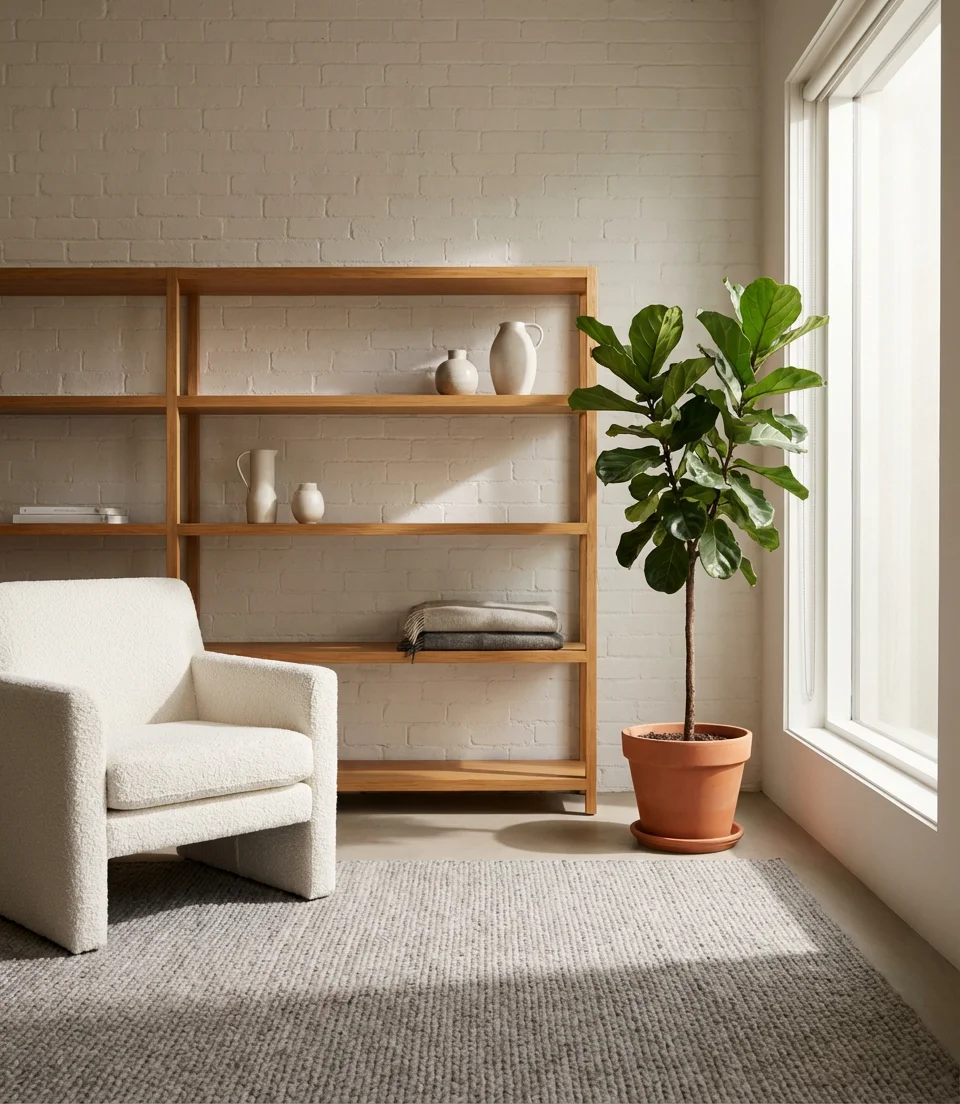
Budget angle: this style is surprisingly affordable to achieve. IKEA, West Elm, and Article all offer pieces that fit the aesthetic, and white paint is one of the cheapest ways to transform a space. The key is restraint—don’t over-furnish or over-decorate. Let each piece breathe, and the room will feel larger and more intentional.
9. Pink Blush and Brown Feminine Touch
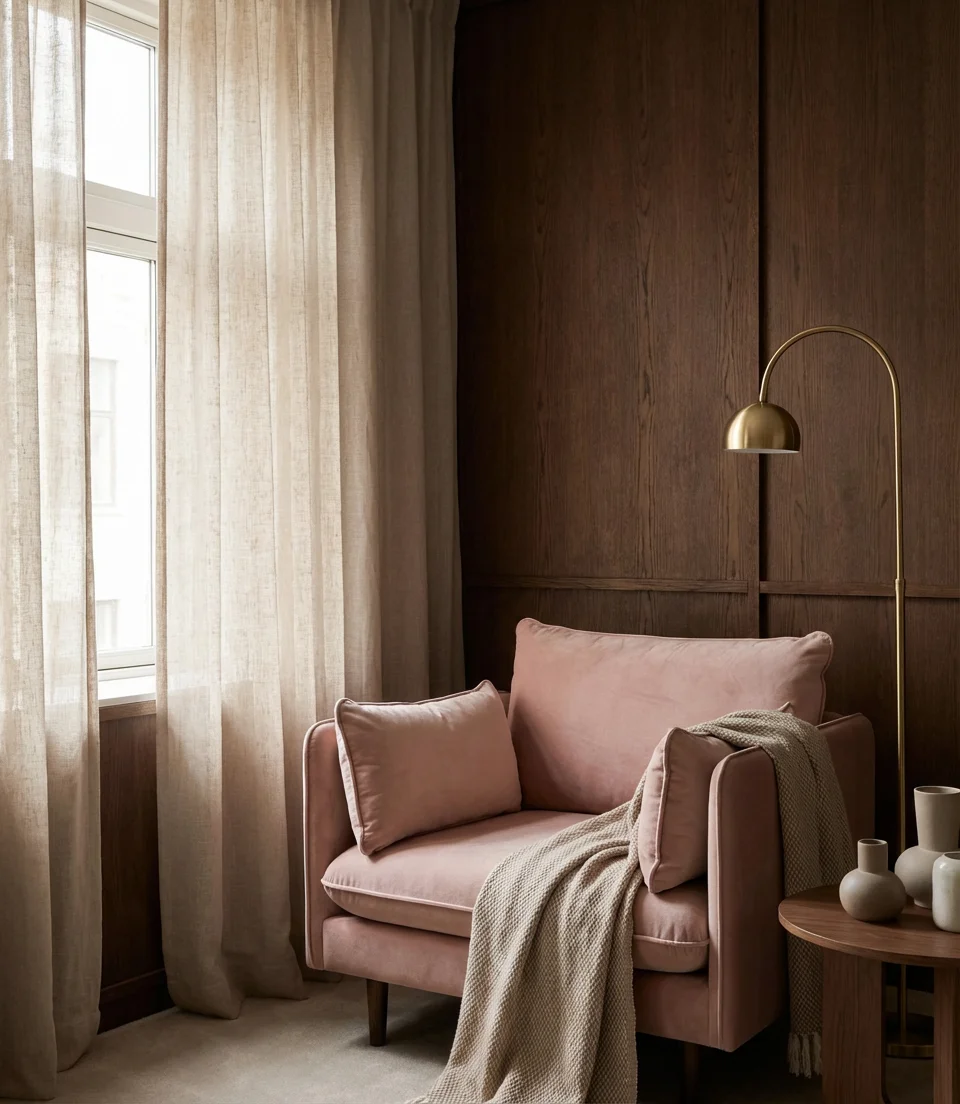
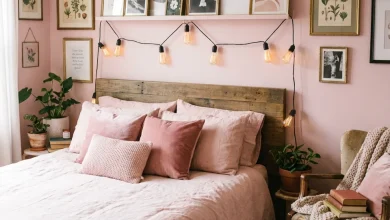
Soft blush pink accents—pillows, artwork, or a single armchair—against a brown sofa or wood paneling bring unexpected warmth and softness. This combination feels fresh and grown-up, far from the overly sweet pink rooms of the past. It’s particularly popular among millennial homeowners who want color without committing to bold primary hues. Pair with brass fixtures and natural linen for a polished finish.
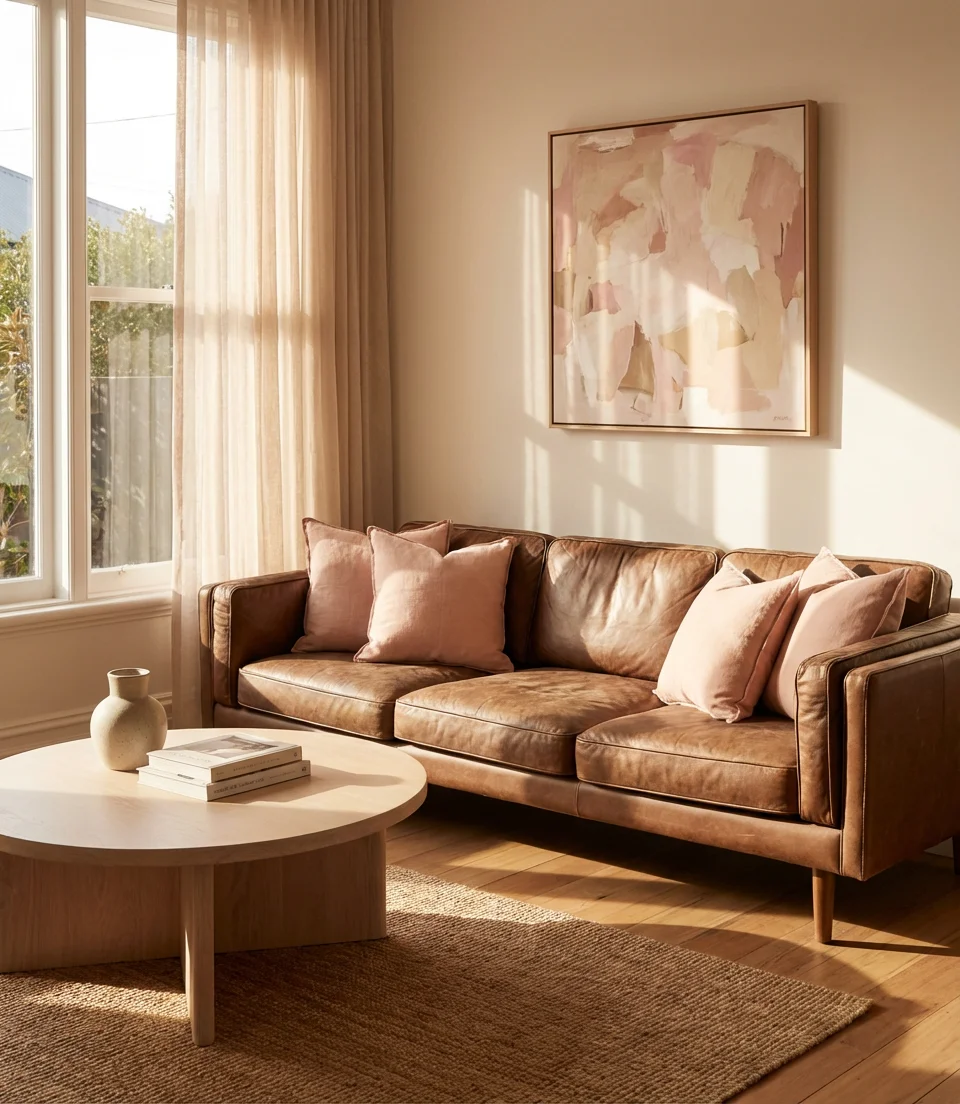
A micro anecdote: one designer friend swears by this combo in her Brooklyn apartment. She started with a single pink pillow and ended up reupholstering her grandmother’s brown leather chair in blush velvet. The mix feels both nostalgic and current—proof that pink and brown aren’t just for nurseries.
10. Light Blue and Brown Coastal Calm
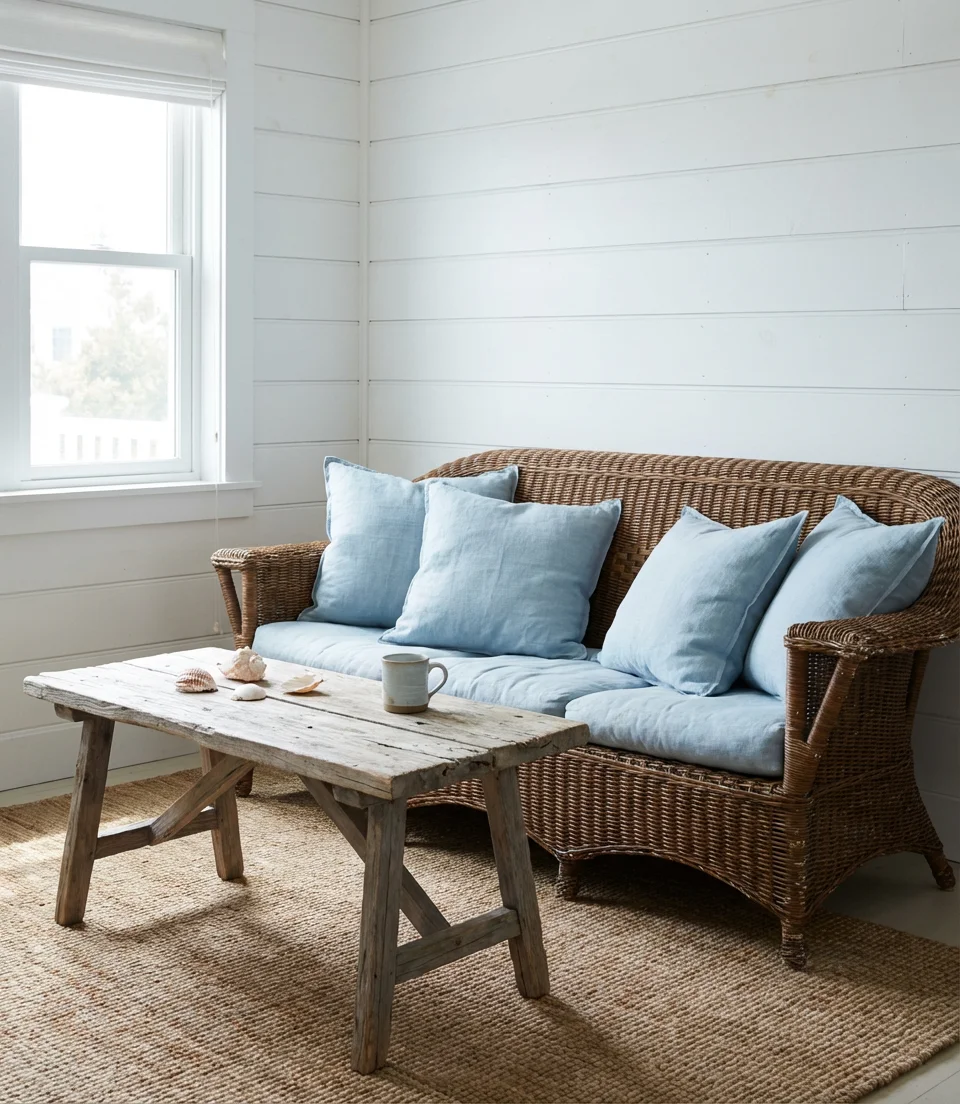
Pair light blue textiles—cushions, curtains, or a throw—with brown wicker furniture or driftwood-style coffee tables for a relaxed coastal vibe. This palette is a staple in beach towns from Cape Cod to Southern California, where the connection to ocean and sand feels natural. Keep the blue soft and muted, not turquoise, to maintain sophistication.
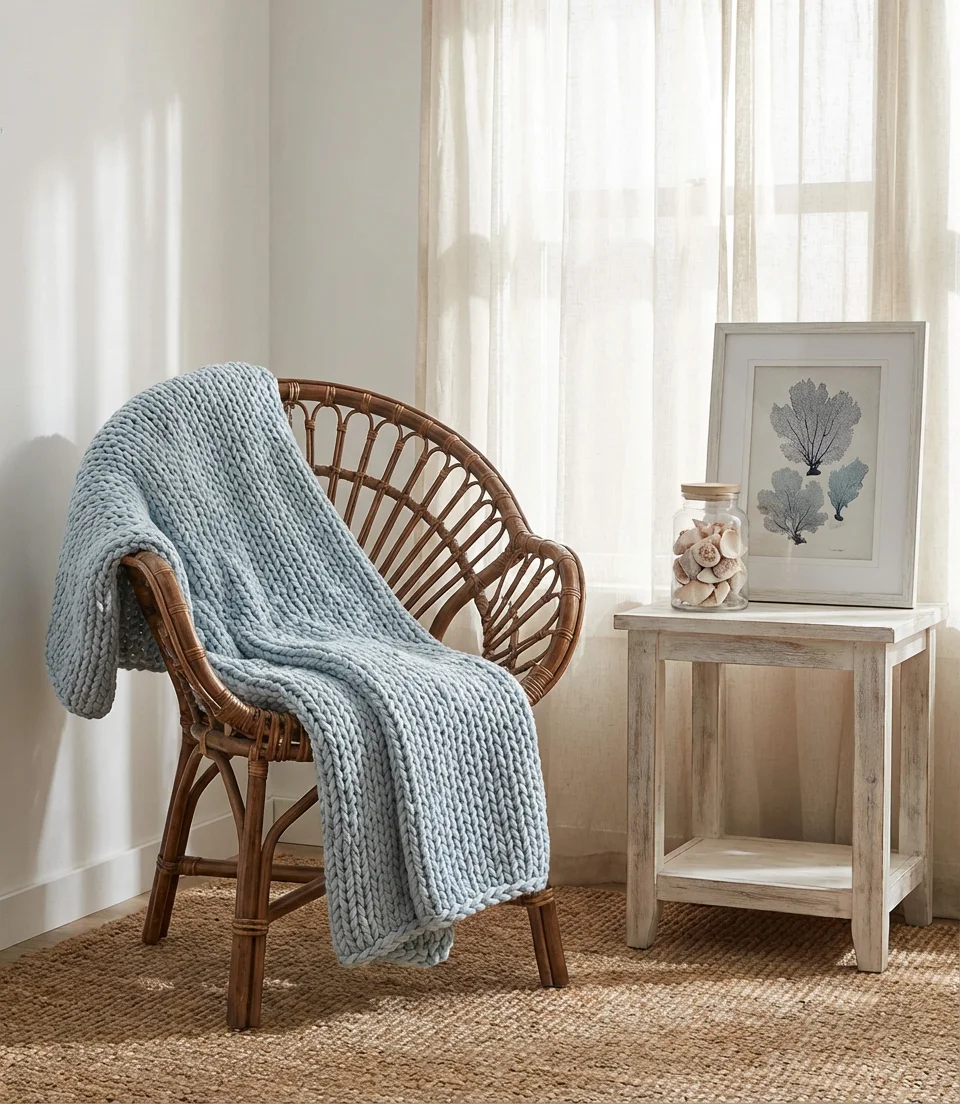
Where it works best: homes near water or in warm climates where breezy, light-filled spaces are the goal. It also works well in landlocked homes if you’re craving that vacation-at-home feeling. Avoid heavy drapes or dark rugs—this palette thrives on airiness and simplicity.
11. Green Olive and Brown Earthy Retreat
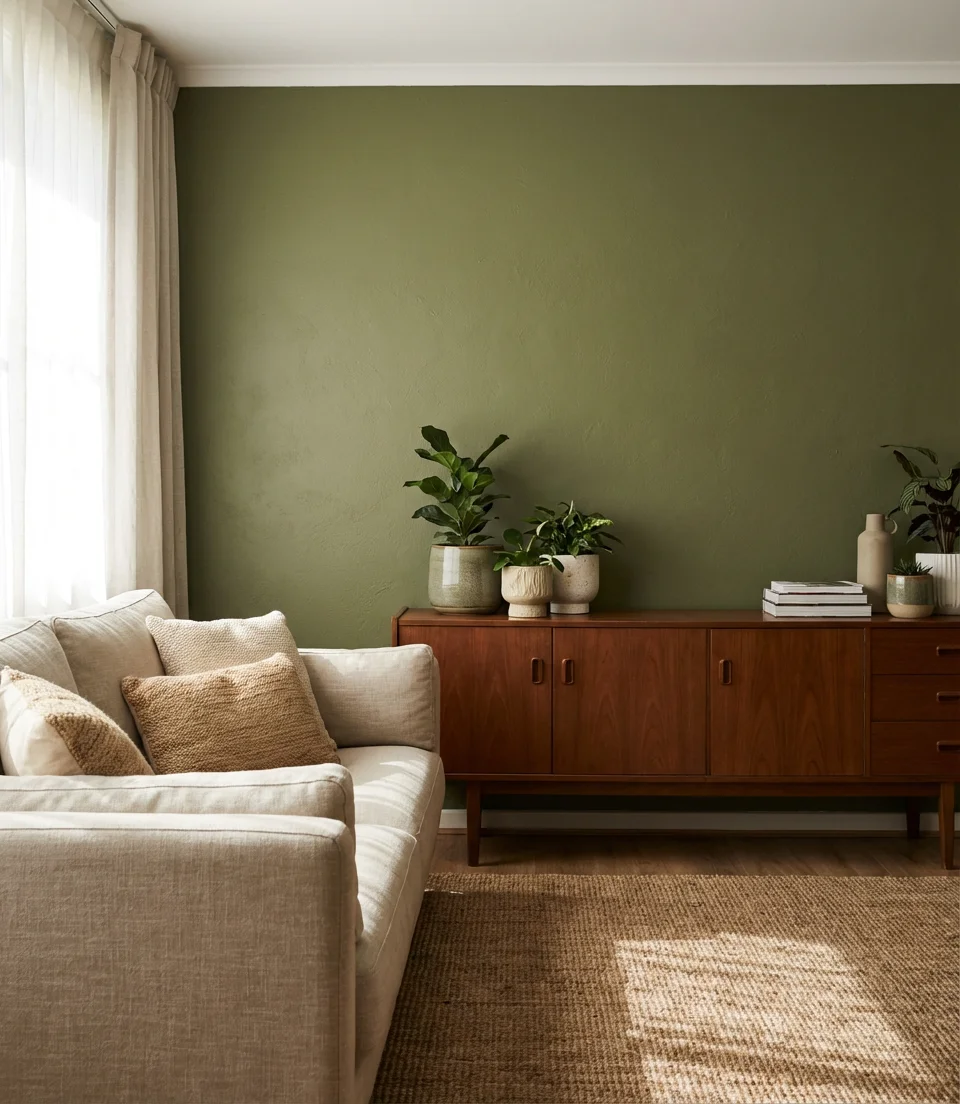
Rich olive green walls or upholstery paired with brown wood furniture creates a grounded, nature-inspired space that feels both timeless and on-trend. This combination has surged in popularity as homeowners seek refuge from overly clinical or minimalist interiors. It’s especially effective in rooms with lots of natural light, where the green shifts between warm and cool throughout the day.
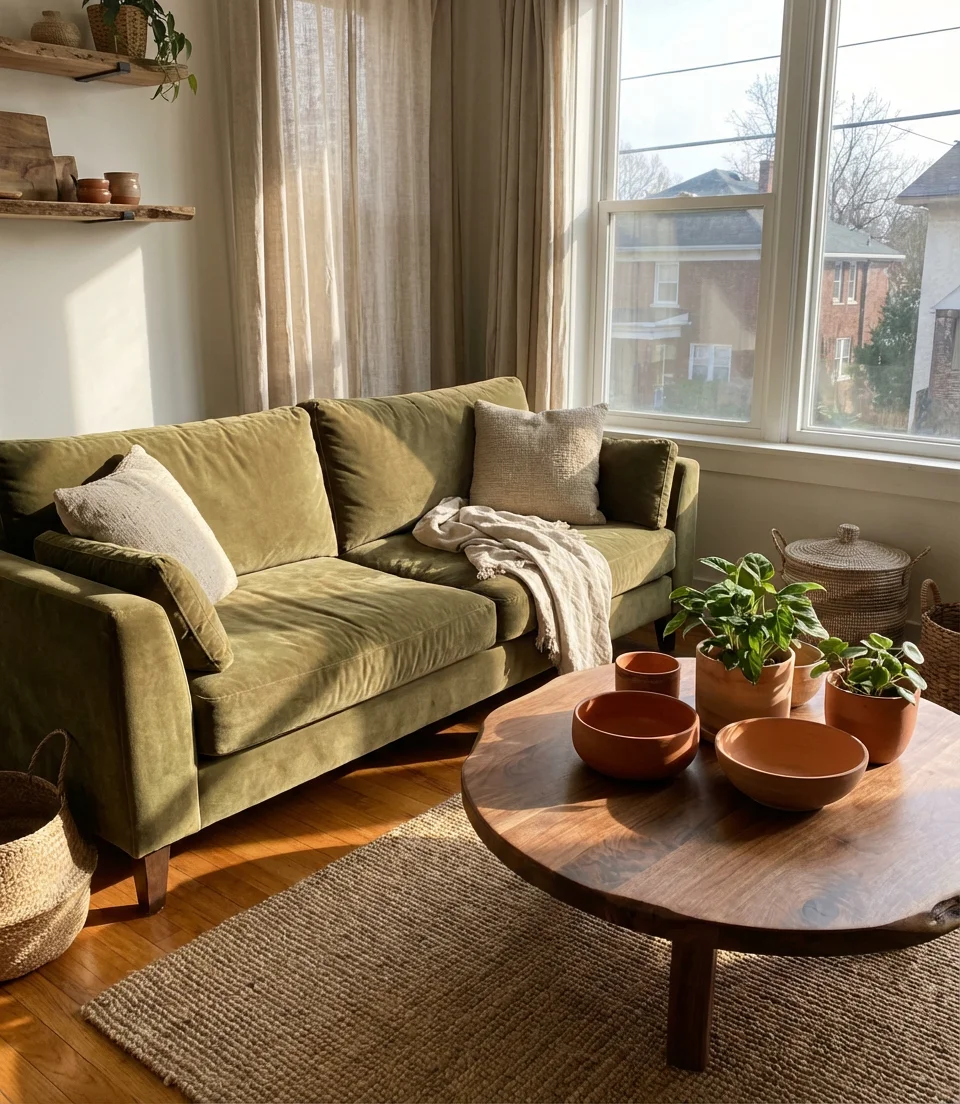
Common mistake: pairing olive green with the wrong shade of brown. If your green is warm (with yellow undertones), choose warm browns like chestnut or caramel. If it’s cool (with grey undertones), opt for cooler browns like taupe or greige. Mismatched undertones create discord instead of harmony.
12. Orange Terracotta and Brown Southwestern Warmth
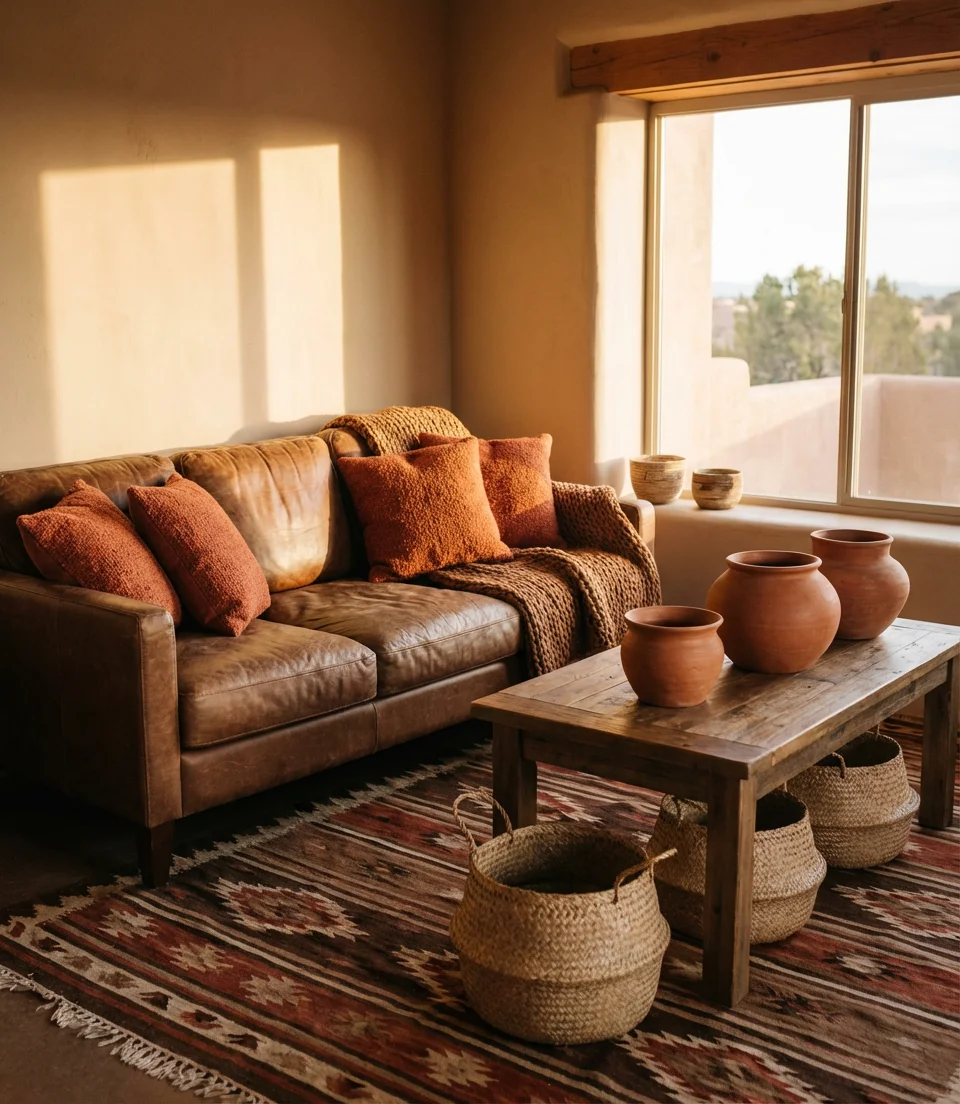
Burnt orange or terracotta accents—pottery, pillows, or art—against brown leather or wood bring the warmth and heritage of Southwestern design into the modern living room. This palette is deeply rooted in the American Southwest but has been embraced nationwide for its warmth and personality. Add woven baskets, a Navajo-inspired rug, and plenty of texture to complete the look.
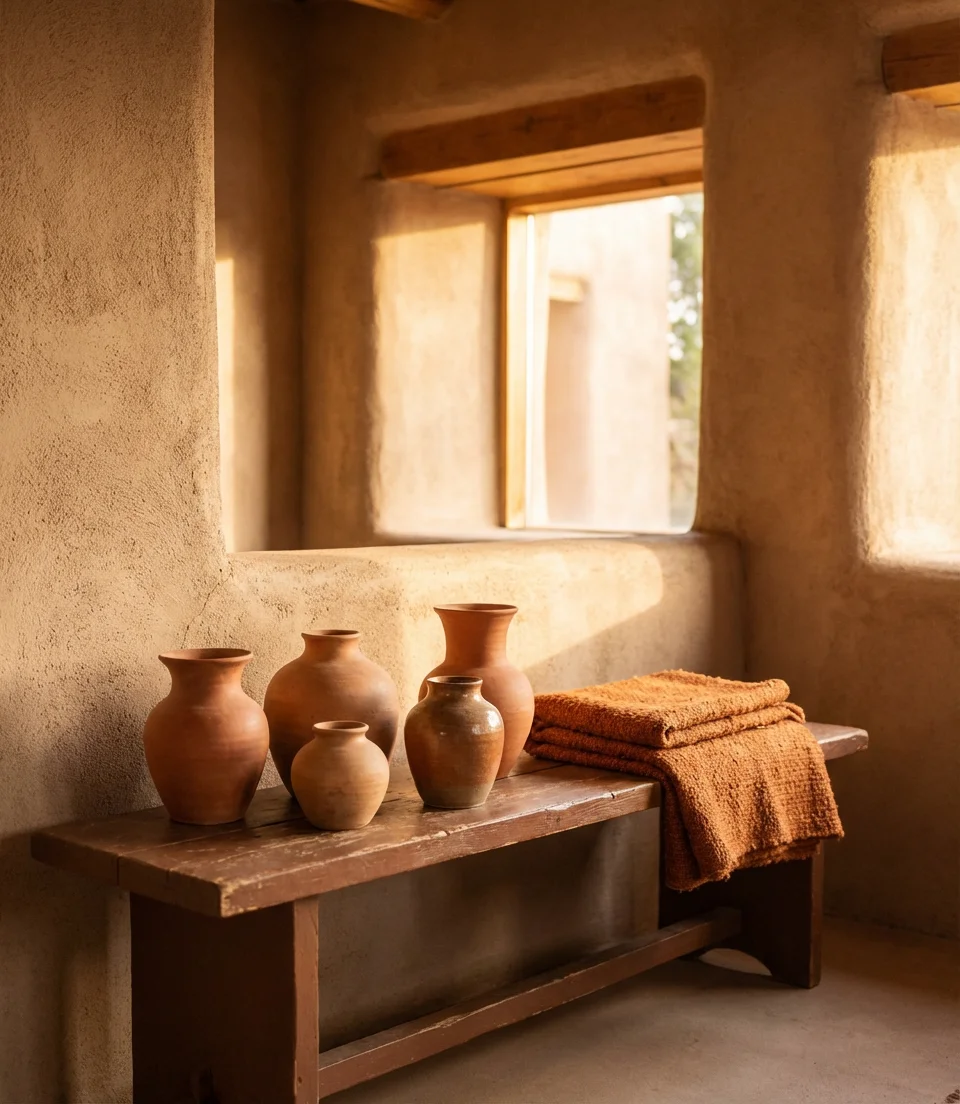
Regional context: this style is authentic in Arizona, New Mexico, and parts of Southern California, but it’s also been adapted beautifully in urban lofts and farmhouses elsewhere. The key is respecting the palette’s origins while making it work for your space and climate.
13. Yellow Mustard and Brown Retro Revival
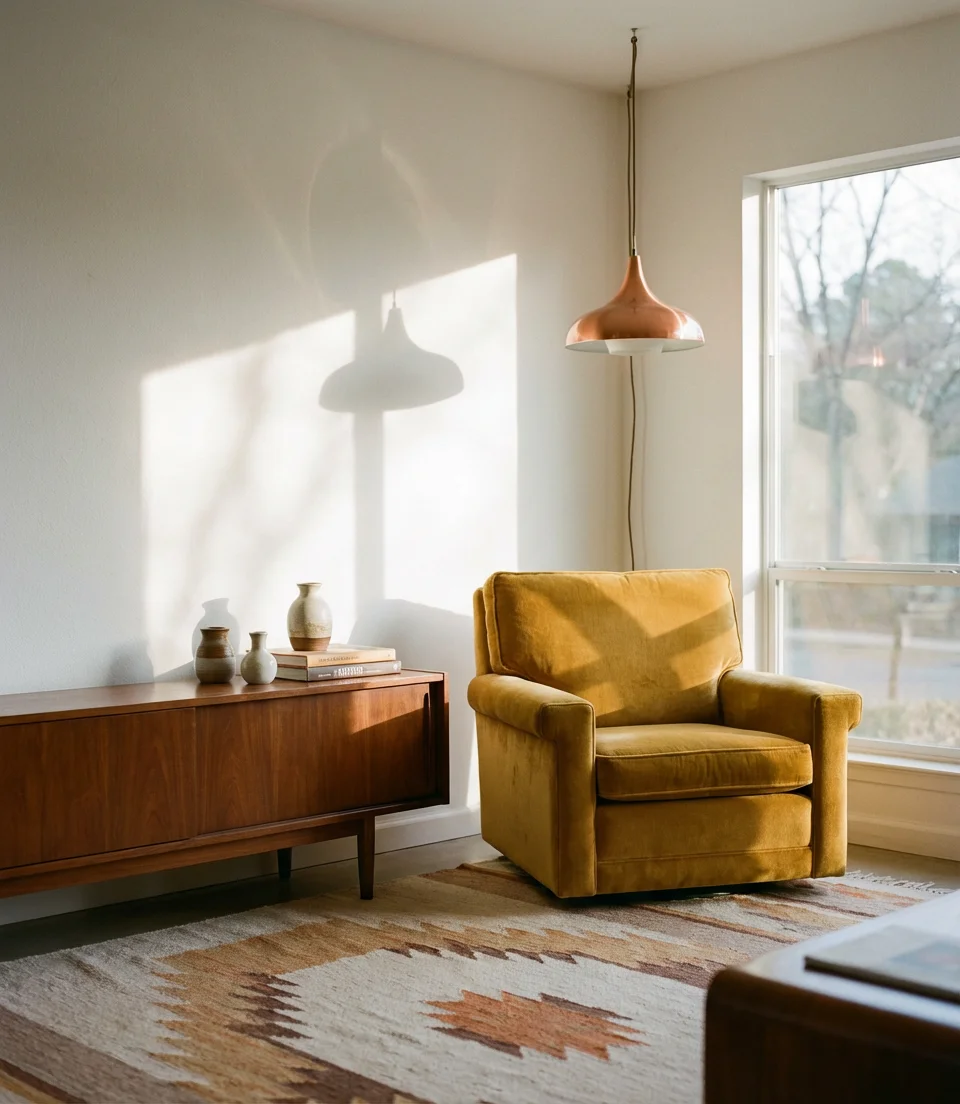
Mustard yellow accents—a vintage armchair, pillows, or a bold rug—paired with brown mid-century modern furniture create a retro-inspired look that’s playful yet sophisticated. This combination nods to the 1970s but feels fresh when balanced with white walls and minimal accessories. It’s a favorite among younger homeowners drawn to vintage aesthetics without the heaviness of true vintage interiors.
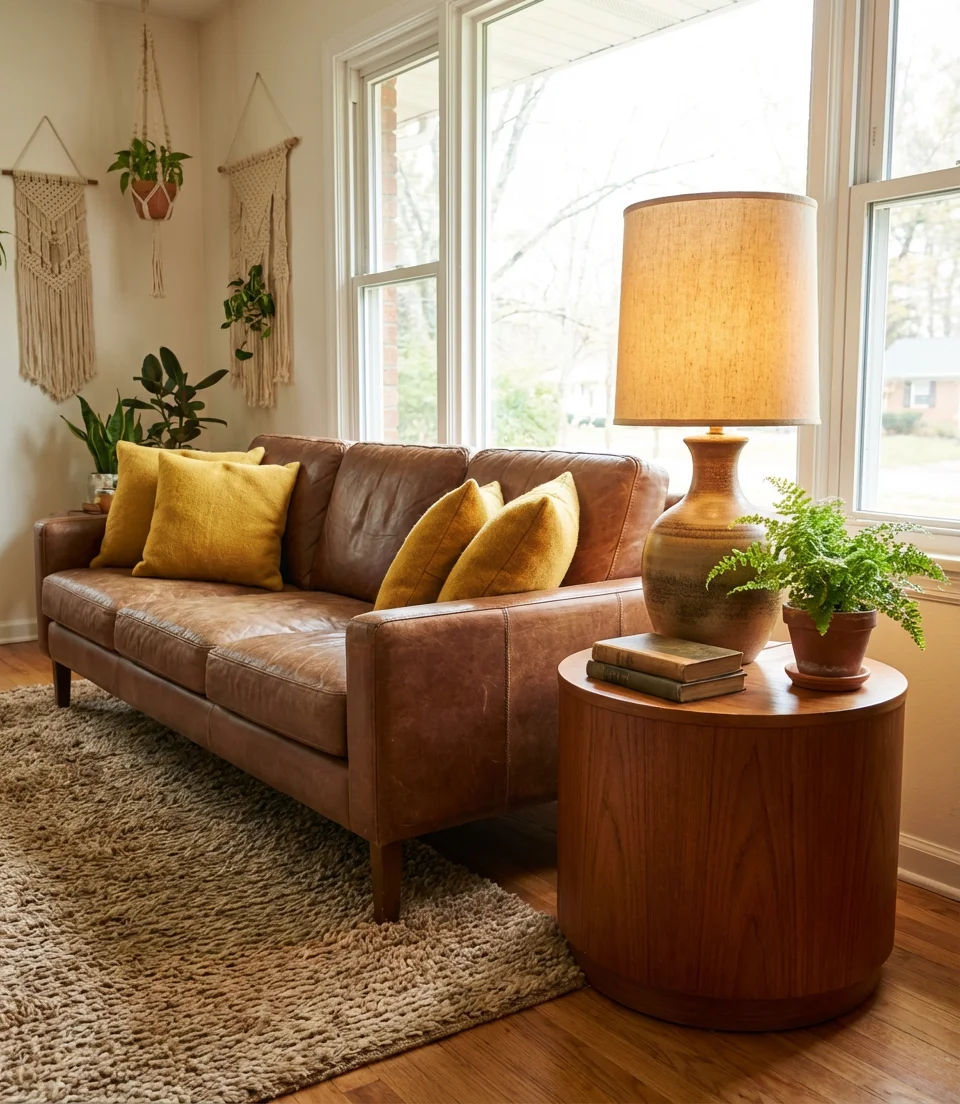
Real homeowner behavior: people tend to start cautiously with one yellow accent and then realize how much energy it adds to the room. Mustard yellow is surprisingly versatile—it works in both warm and cool-toned spaces, and it pairs beautifully with plants, which makes it ideal for plant-loving millennials and Gen Z.
14. Red Brick and Brown Industrial Edge
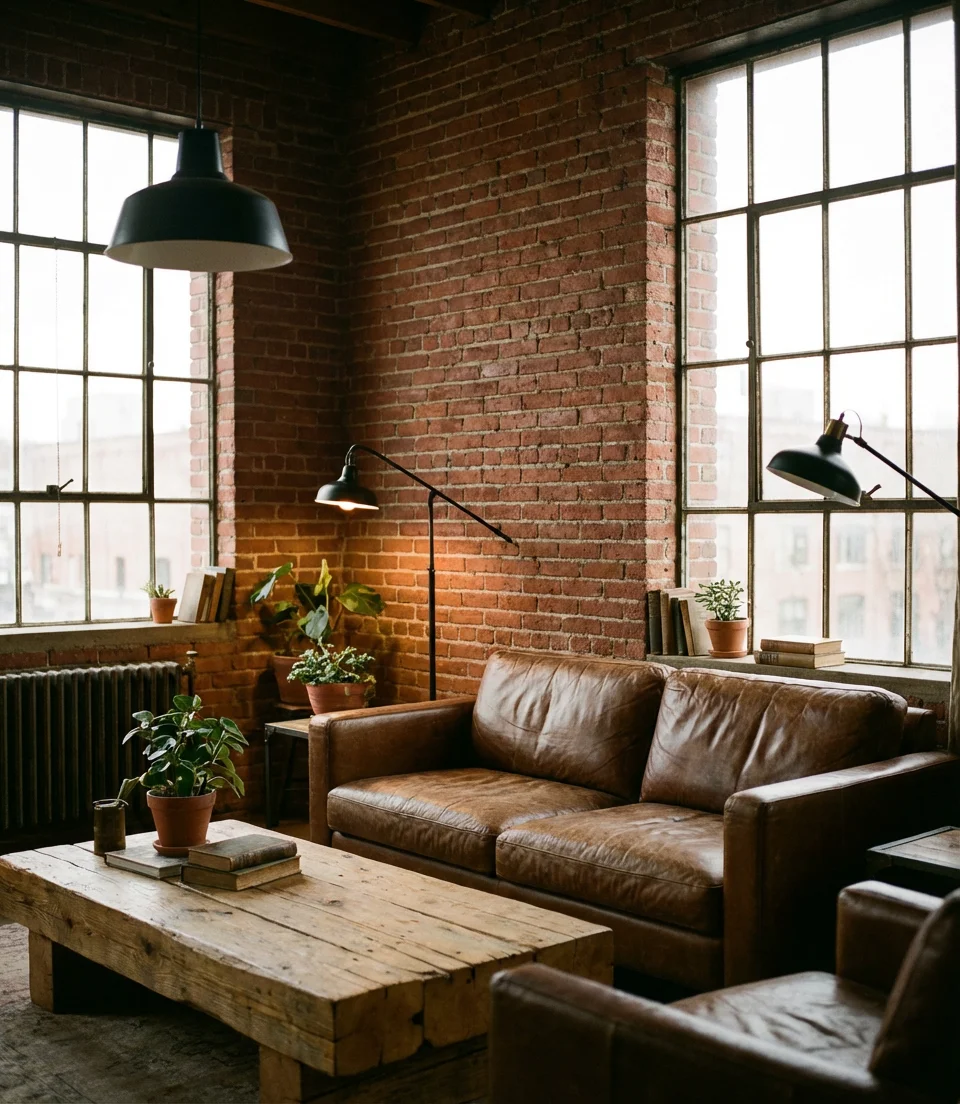
Exposed red brick walls paired with brown leather furniture and metal accents create a warm industrial vibe that’s especially popular in lofts and converted warehouse spaces. This look has staying power because it celebrates the bones of older buildings rather than covering them up. Add Edison bulb lighting, a raw wood coffee table, and minimal décor to let the materials shine.
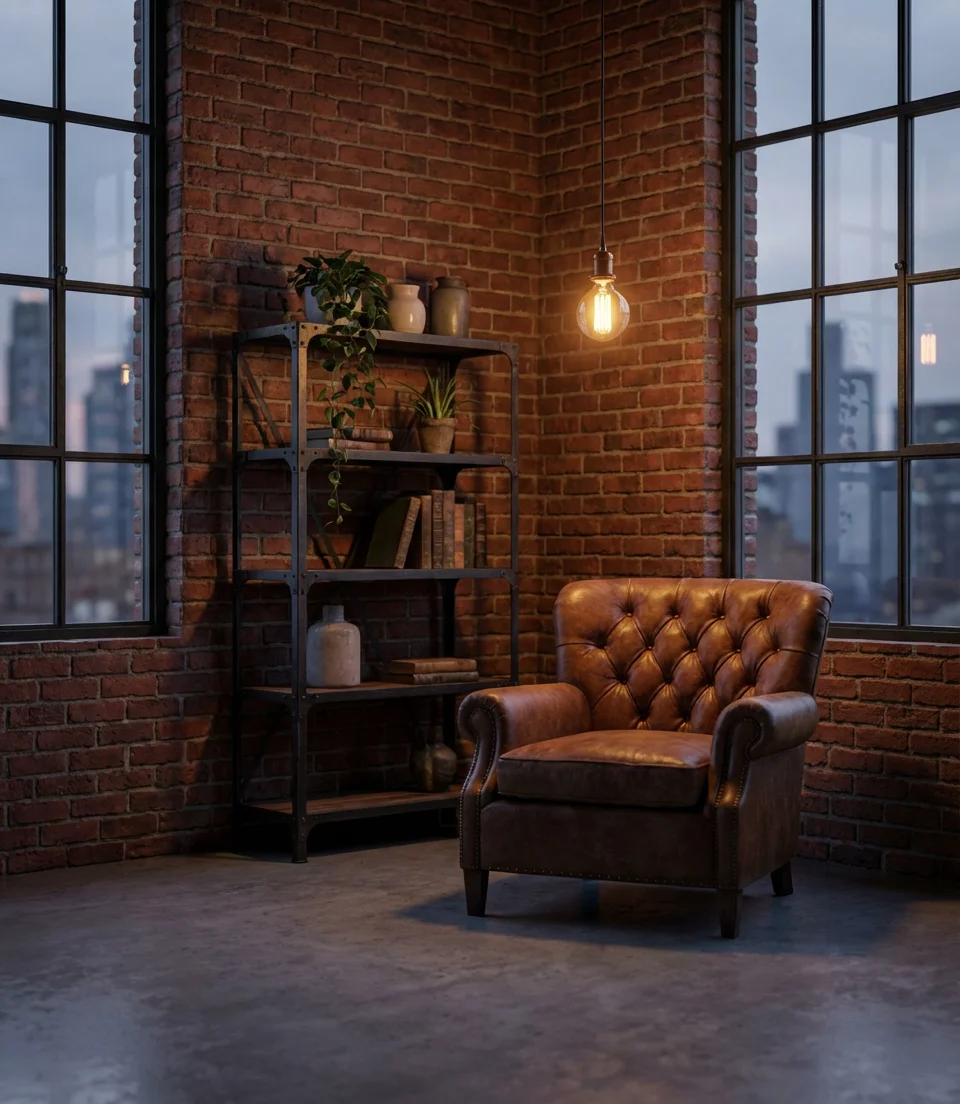
Budget insight: if you don’t have real brick, faux brick panels or peel-and-stick wallpaper can mimic the look surprisingly well. Combine it with secondhand leather furniture, as Craigslist and Facebook Marketplace offer high-quality pieces at significantly lower retail prices. The worn-in look actually enhances the industrial aesthetic.
15. Gray Charcoal and Brown Sophisticated Layers
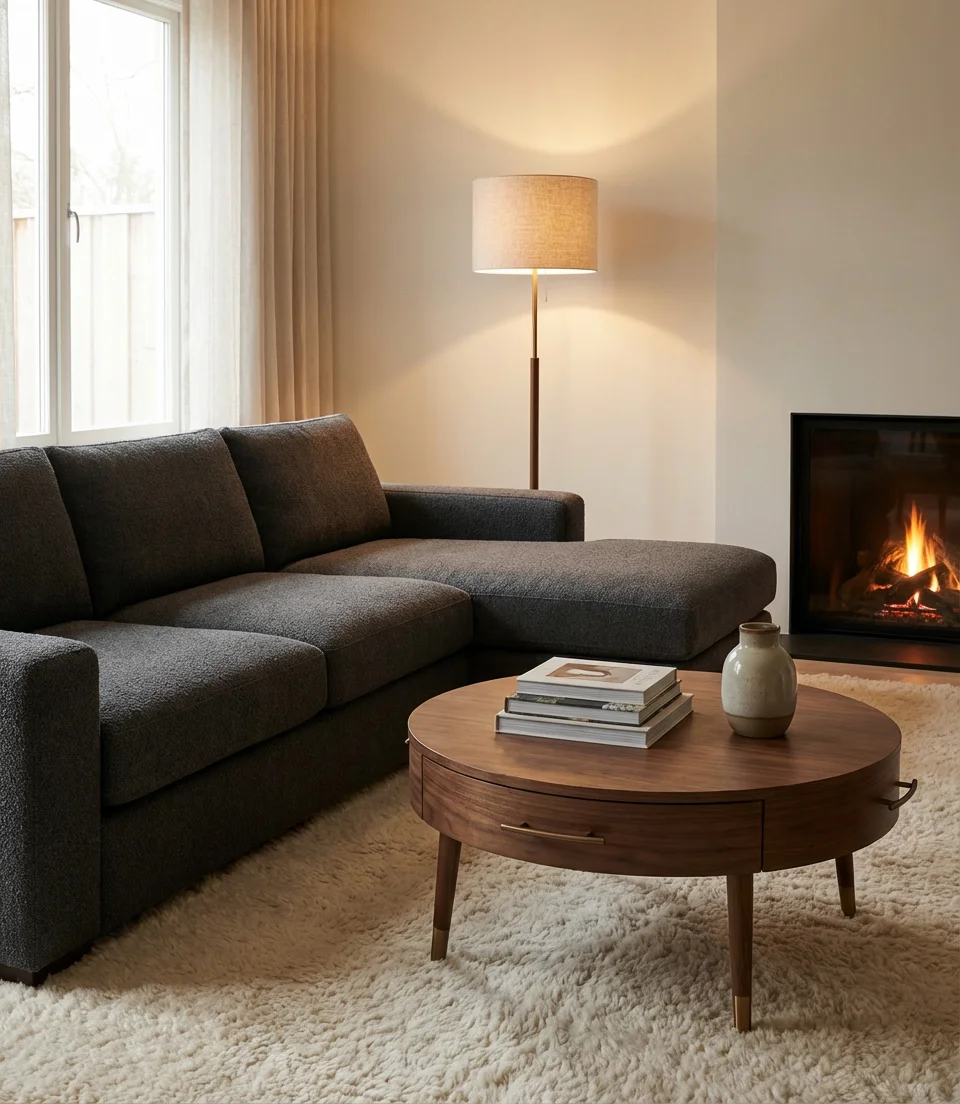
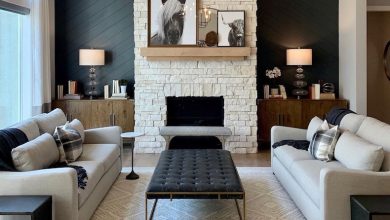
Charcoal gray walls or a dark gray sectional paired with warm brown wood accents and bronze hardware create a sophisticated, layered look that feels both modern and timeless. This palette works beautifully in homes with contemporary architecture, where clean lines and rich materials take center stage. Add a plush area rug, velvet pillows, and dimmable lighting for maximum impact.
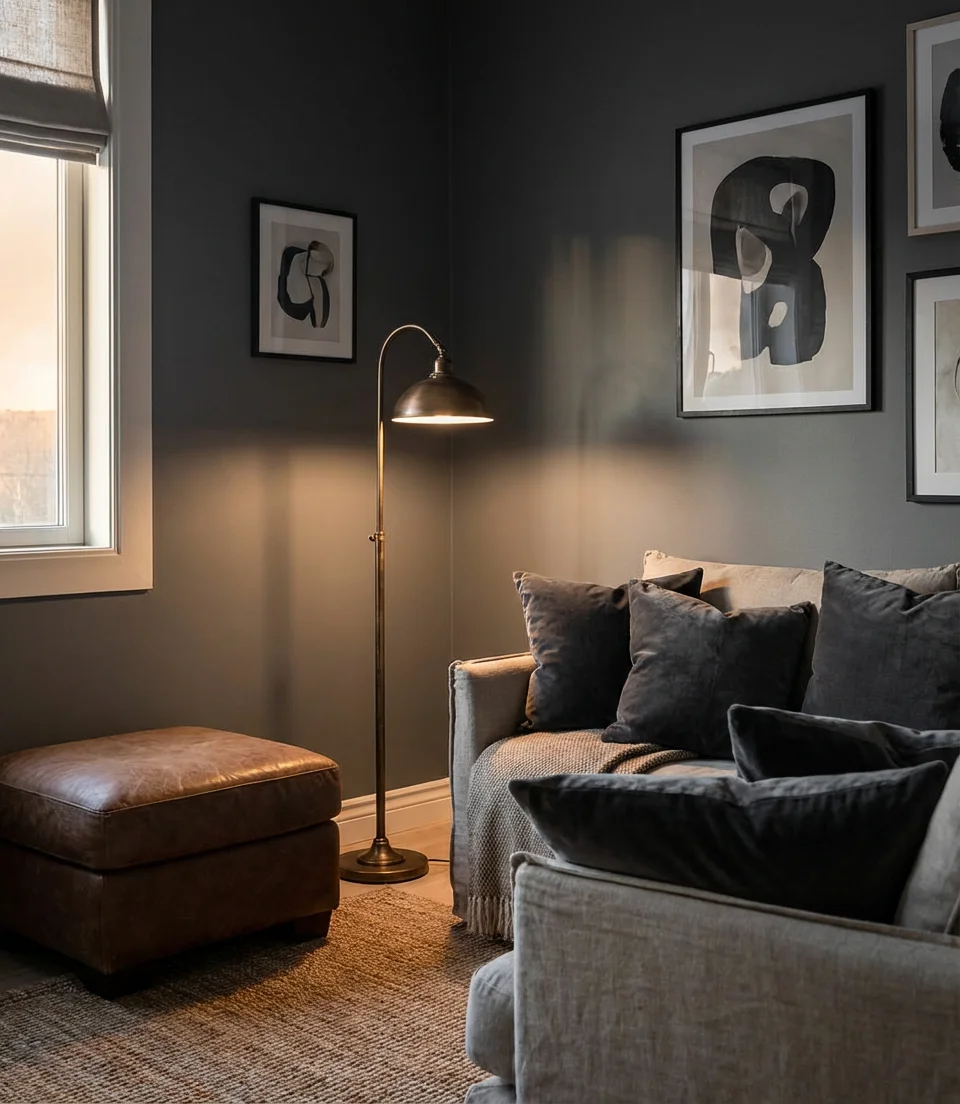
Expert insight: this color scheme is one of those palettes that can go wrong if you’re not careful. The room can feel too dark or cold if you skimp on warm lighting and texture. Invest in a good mix of overhead, task, and accent lighting, and layer in plenty of soft textiles to keep the space inviting.
16. Black, White, and Brown Graphic Contrast
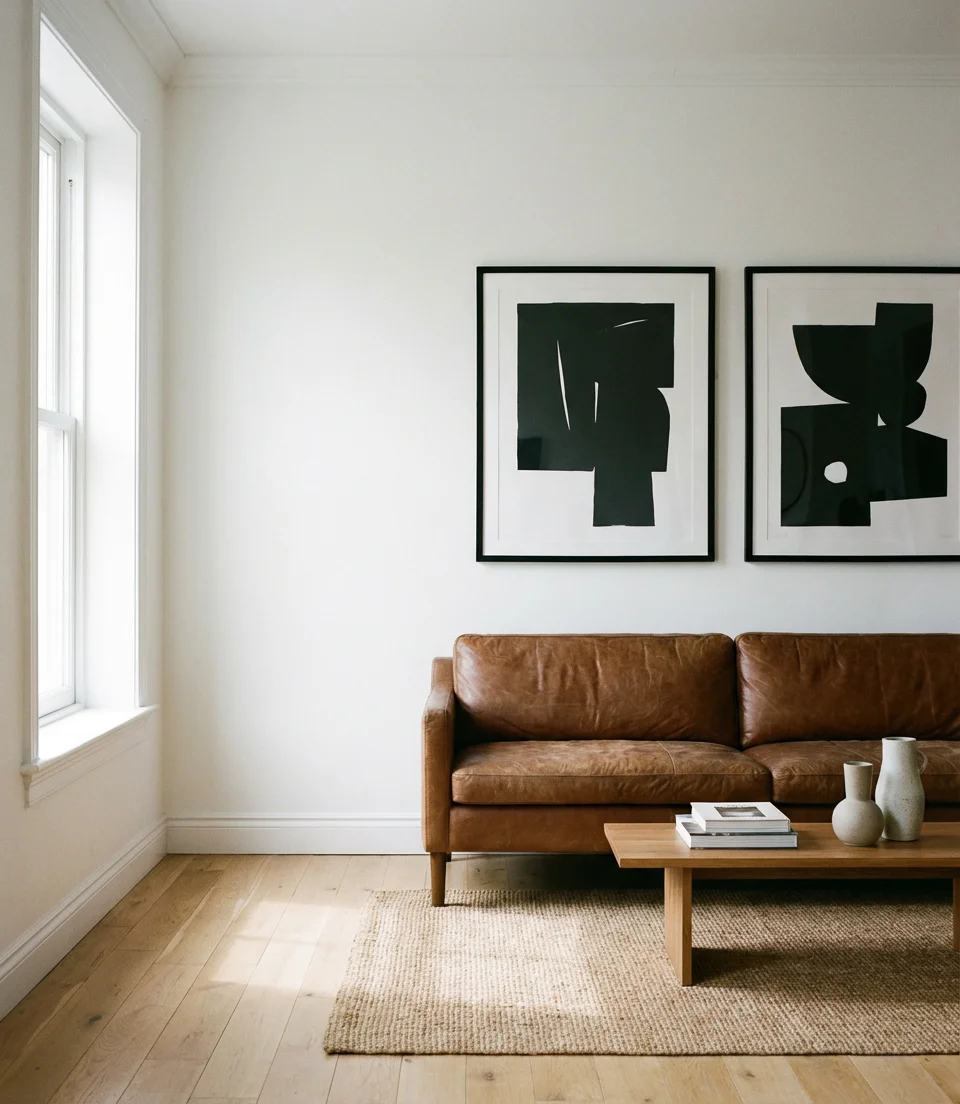
Combining black, white, and brown in a living room creates striking graphic contrast without feeling stark. Think white walls, black-framed art and mirrors, and rich brown leather or wood furniture to bridge the two extremes. Modern farmhouses and Scandinavian-inspired interiors often use this palette, emphasizing the harmony between simplicity and impact.
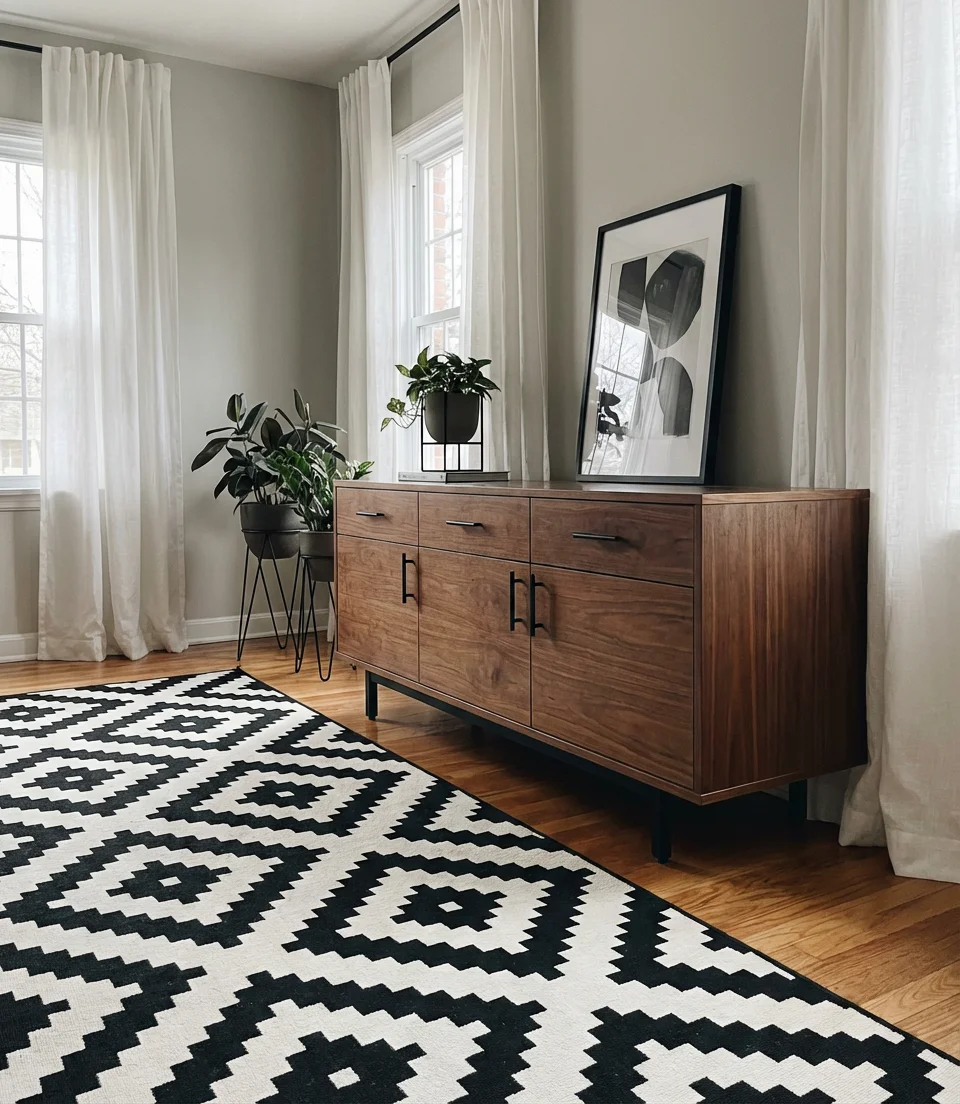
Practical insight: this palette is incredibly forgiving when you want to switch things up. You can easily swap out pillows, art, or accessories without disrupting the overall look. It’s also timeless—you won’t tire of it as quickly as you might with bolder color schemes.
17. Cozy Brown Maximalist Layers
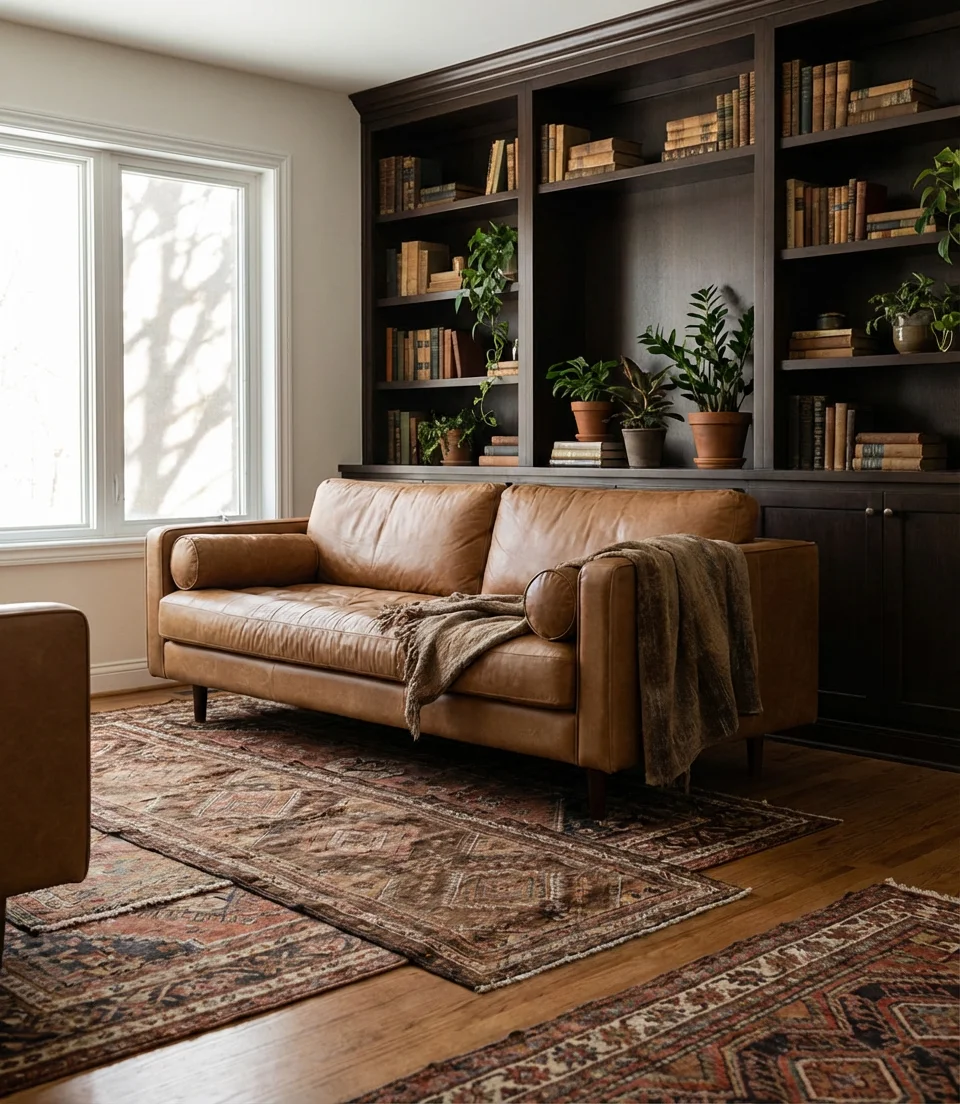
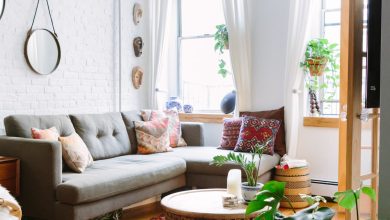
A cozy brown living room doesn’t have to be minimal. Layer multiple shades of brown—from camel to espresso—through rugs, throws, pillows, and wood tones. Add vintage finds, books, and plants to create a collected, lived-in feel. This approach is perfect for people who love warmth, texture, and personality in their spaces, and it’s forgiving of imperfection.
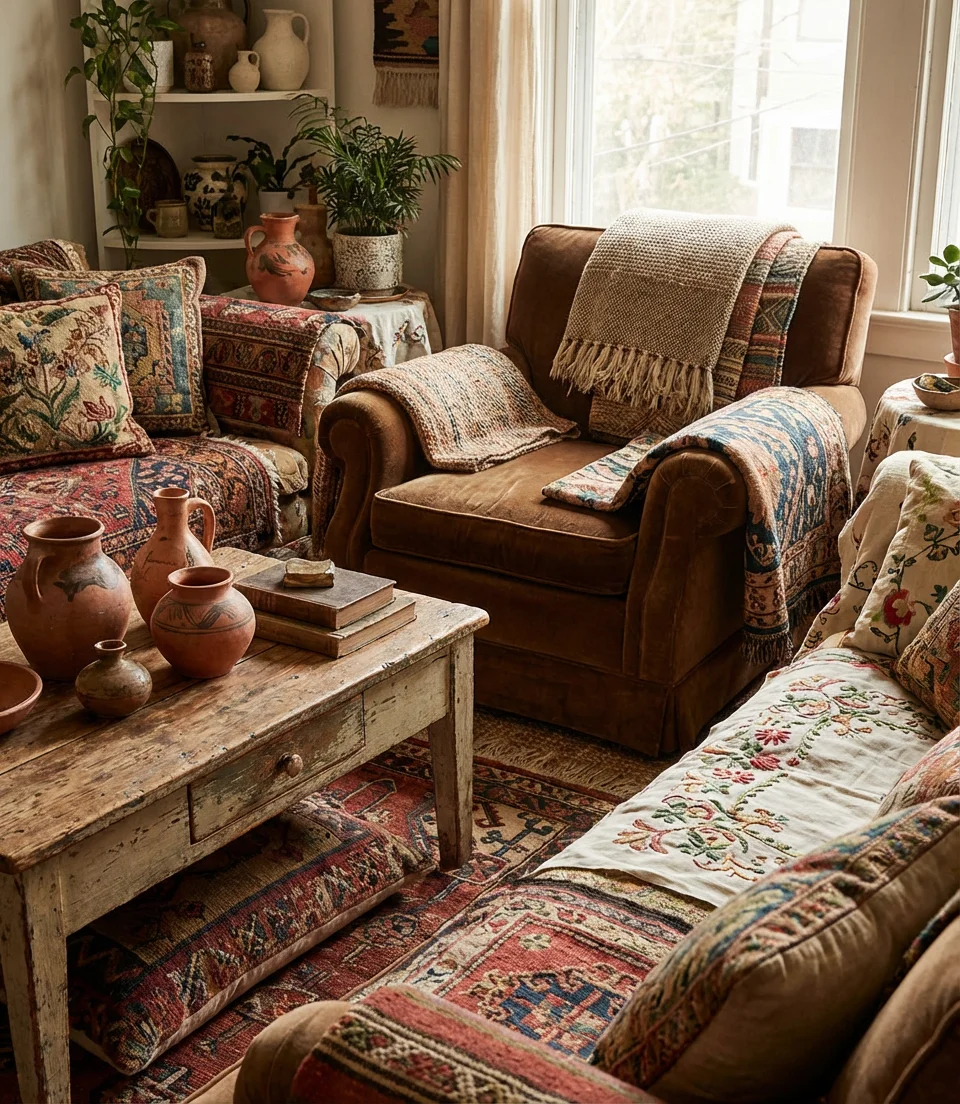
Where it works best: homes where you actually live and entertain, not showrooms. This style thrives on use—the more you add, the better it looks. It’s also ideal for renters who want to bring warmth to a bland space without painting or making permanent changes.
18. Cream and Brown Soft Minimalism
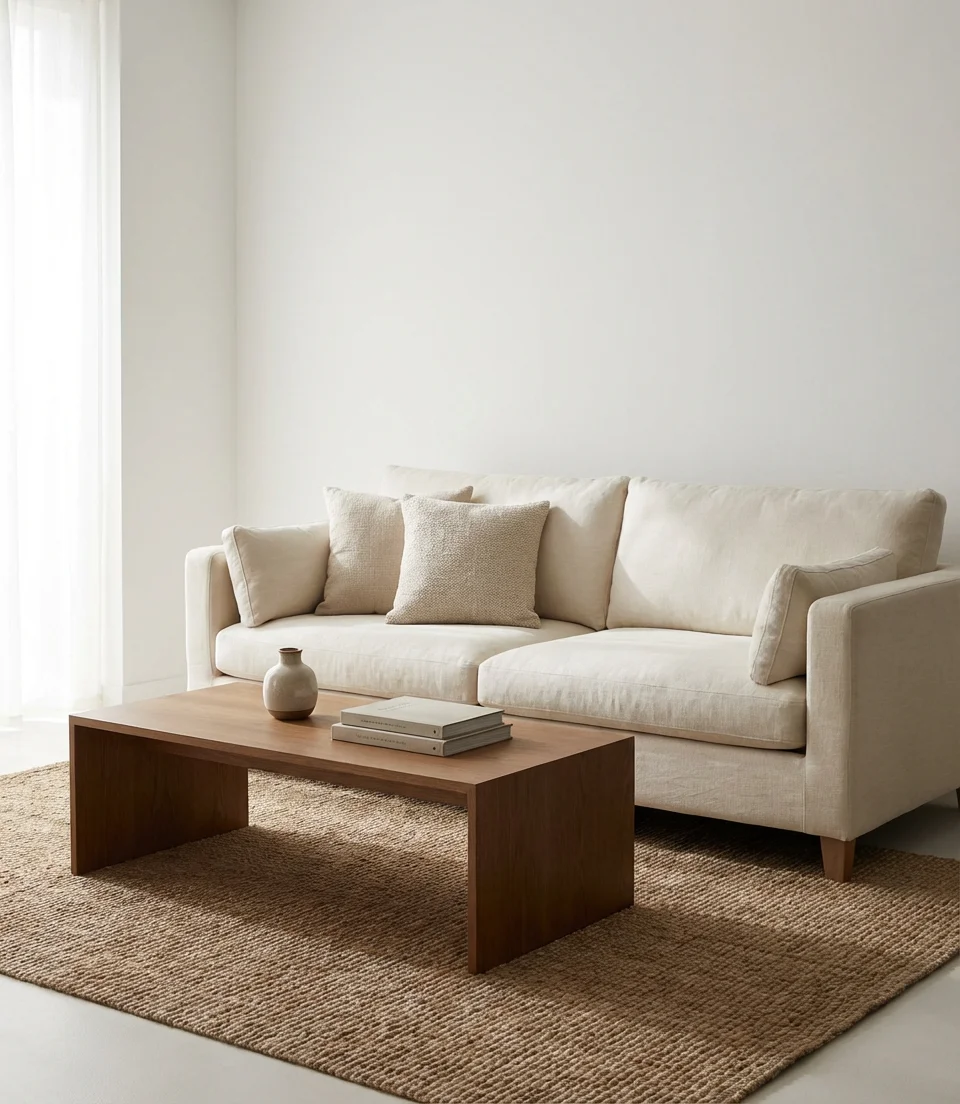
Pairing cream upholstery and walls with warm brown wood furniture creates a soft, minimal aesthetic that feels serene without being cold. This palette is especially popular in smaller homes and apartments, where light colors help maximize the sense of space. Add natural textures like linen, jute, and wool to keep the room from feeling flat.
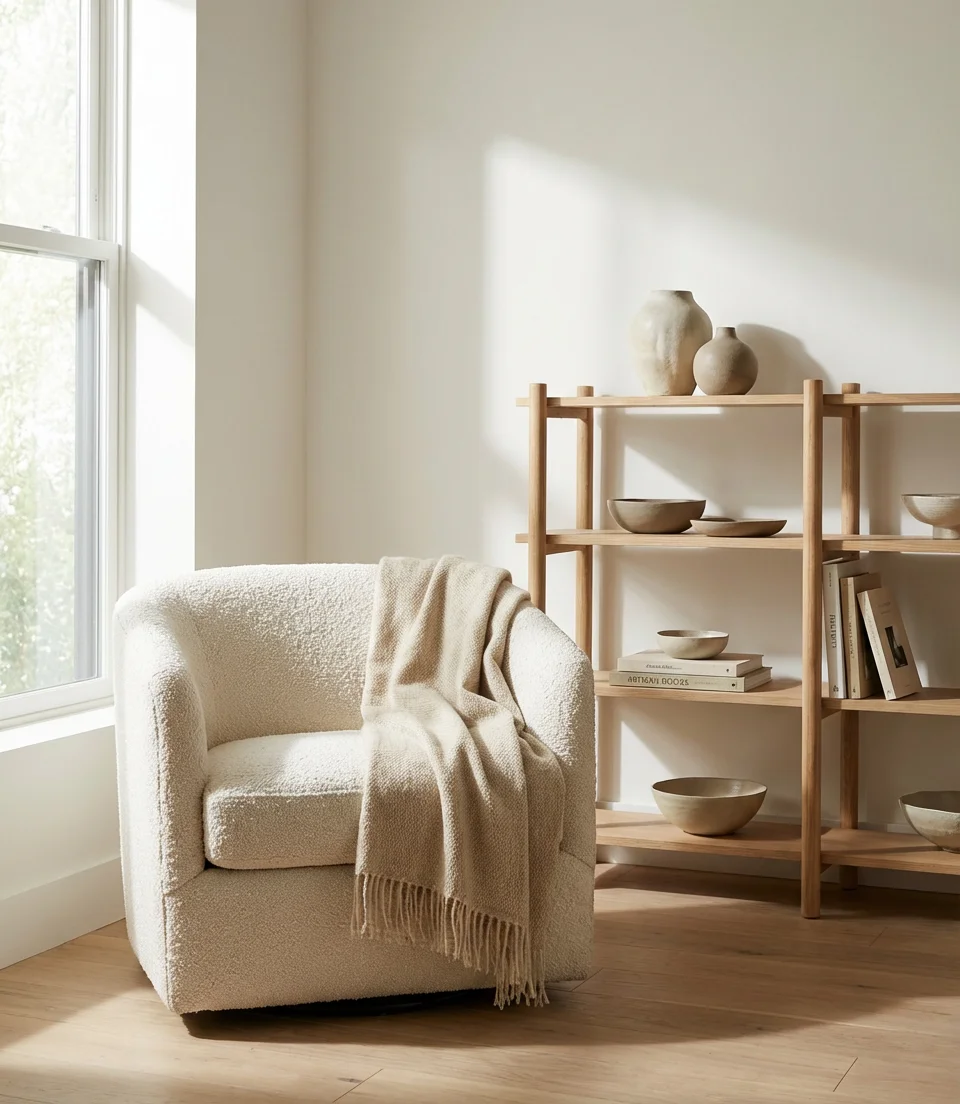
Common mistake: choosing cream that’s too stark or white, which can clash with warm brown tones. Look for creams with warm, slightly beige undertones—often labeled as “warm white” or “natural cream.” Test paint samples next to your wood furniture before committing.
19. Navy Blue and Brown Nautical Elegance
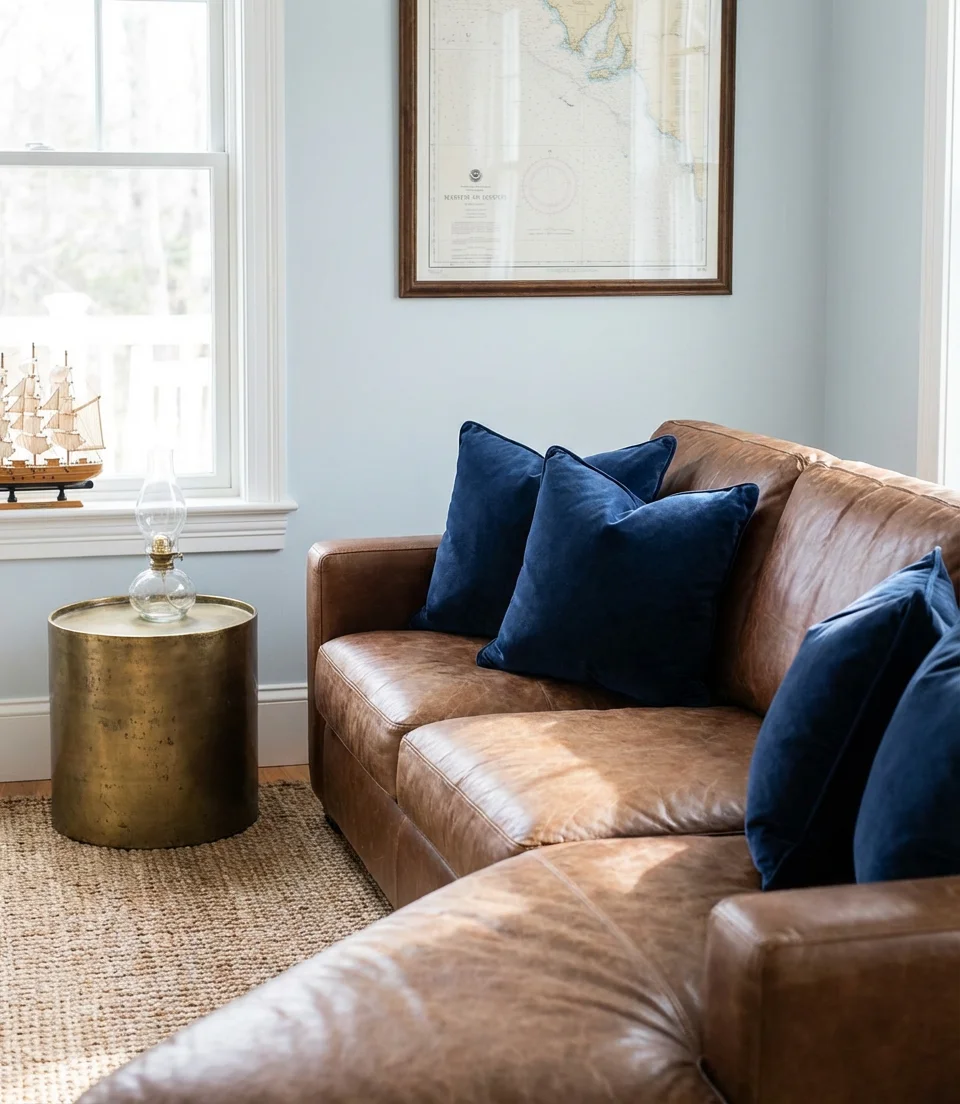
Deep navy blue pillows, curtains, or an accent wall paired with brown leather furniture or wood cabinetry creates a classic nautical palette that feels both traditional and fresh. This combination is beloved in New England and coastal regions, but it works beautifully inland as well. Add brass accents and crisp white trim to elevate the look.
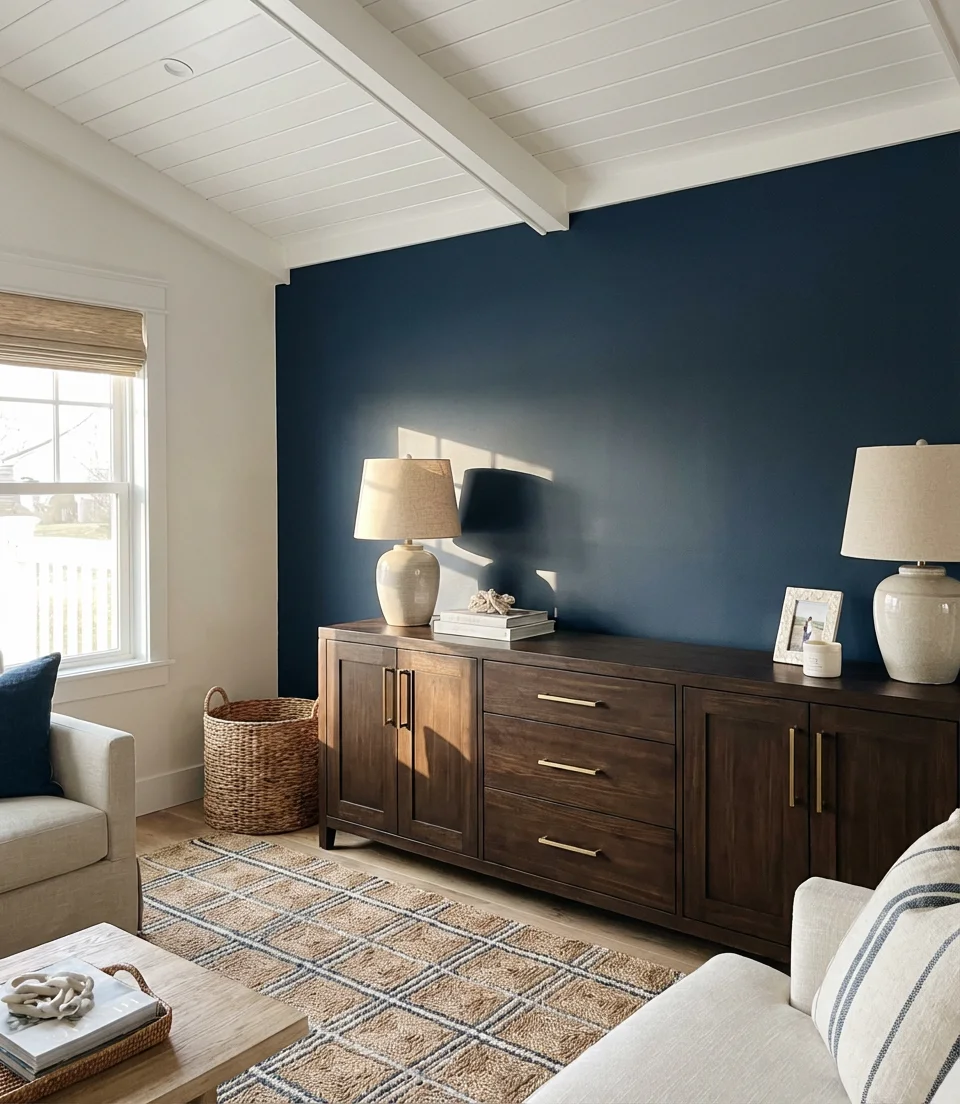
Real homeowner behavior: people often worry this palette will feel too “themed,” but the key is subtlety. Skip the anchors and sailboat art. Instead, let the colors speak for themselves, supported by quality materials and clean lines. The result feels timeless, not trendy.
20. Blue Denim and Brown Casual Comfort
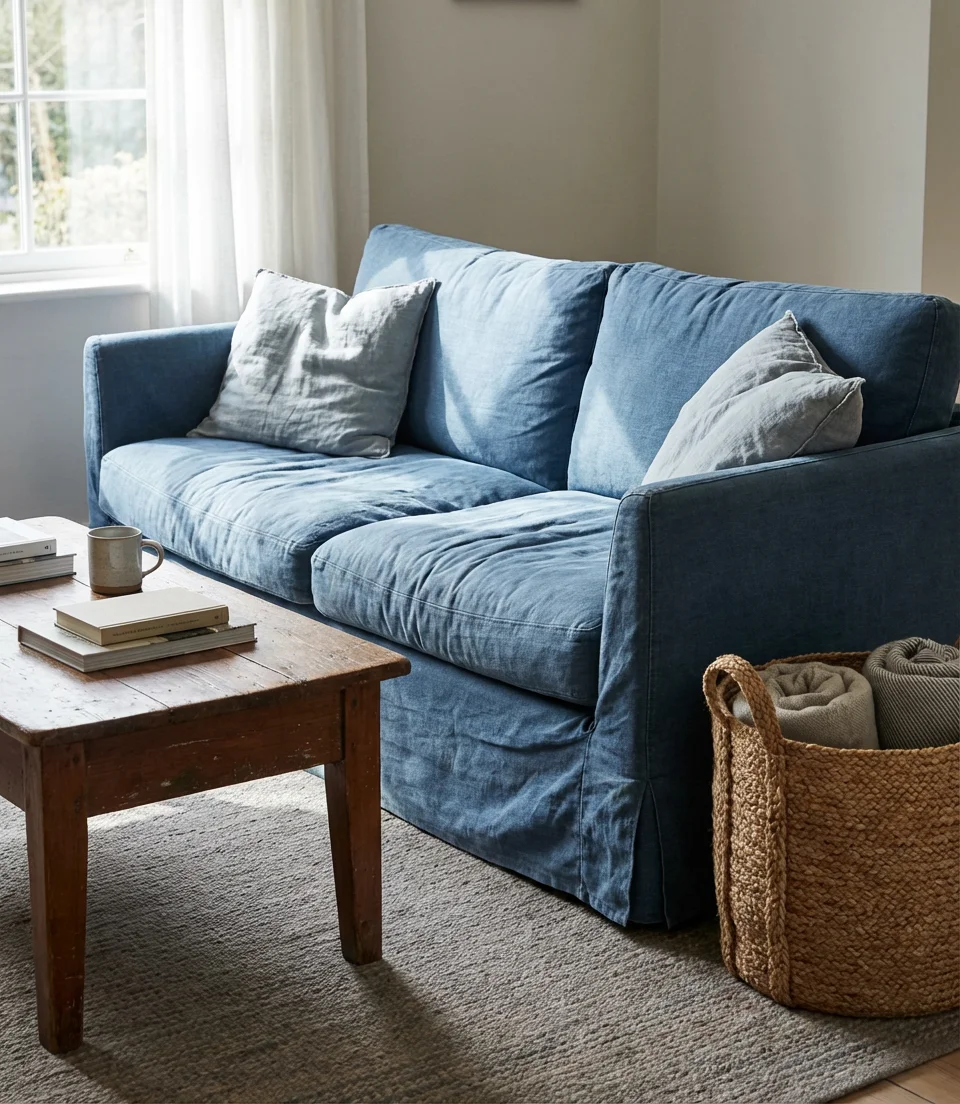
Medium blue denim-inspired textiles—slip-covered sofas, pillows, or throws—paired with brown wood furniture create a relaxed, family-friendly living room. This palette is especially popular in homes with kids and pets, where washable fabrics and durable materials are non-negotiable. It’s also inherently American, evoking a casual, lived-in comfort that feels welcoming to everyone.
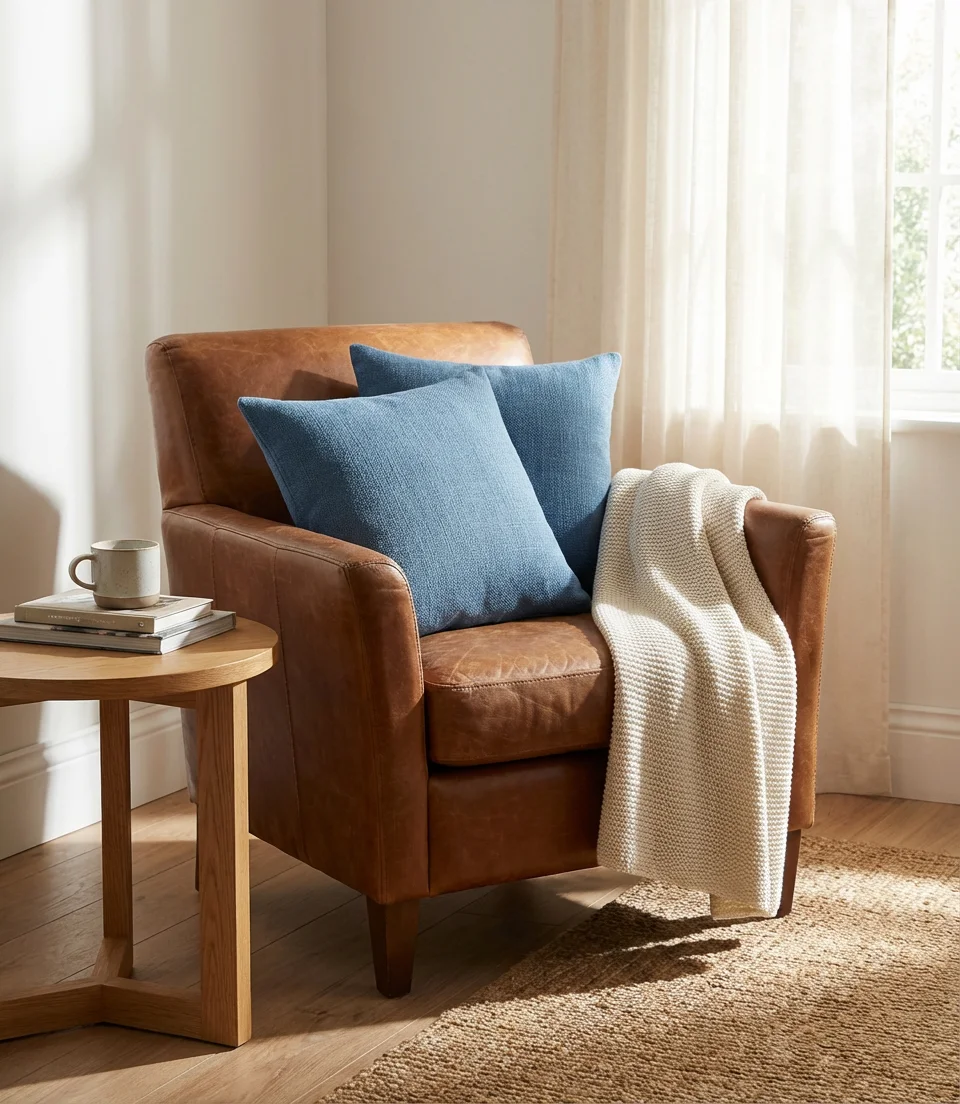
Budget angle: slipcovers are a game-changer for this look. You can buy an inexpensive sofa and dress it up with a high-quality slipcover in denim or linen. When it gets dirty, just toss it in the wash. This approach is both practical and cost-effective, especially for young families.
21. Green Forest and Brown Nature-Inspired Sanctuary
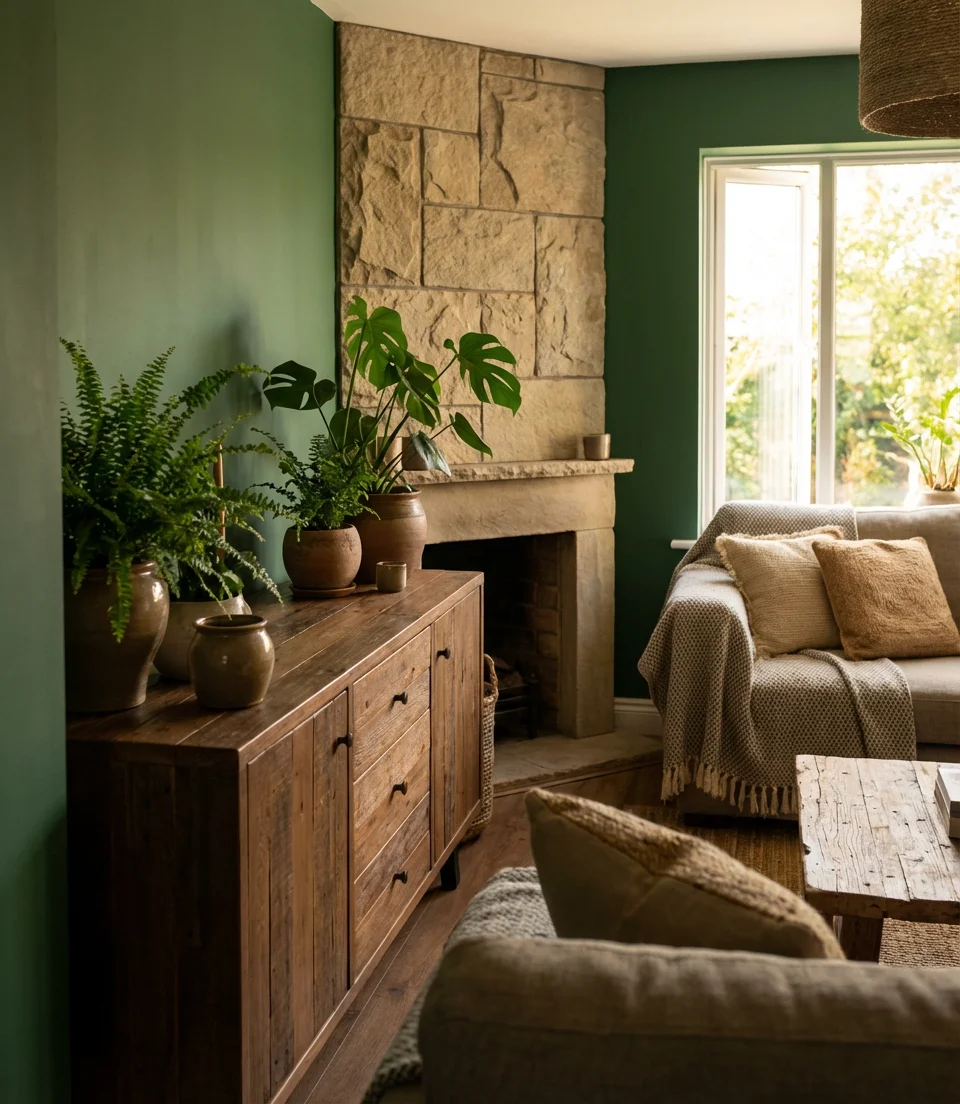
Deep forest green walls or upholstery paired with brown wood furniture and natural textures creates a sanctuary-like living room that feels like a retreat into nature. This palette is trending heavily in 2026 as people seek grounding, restorative spaces at home. Layer in plants, stone accents, and organic materials to complete the biophilic design.
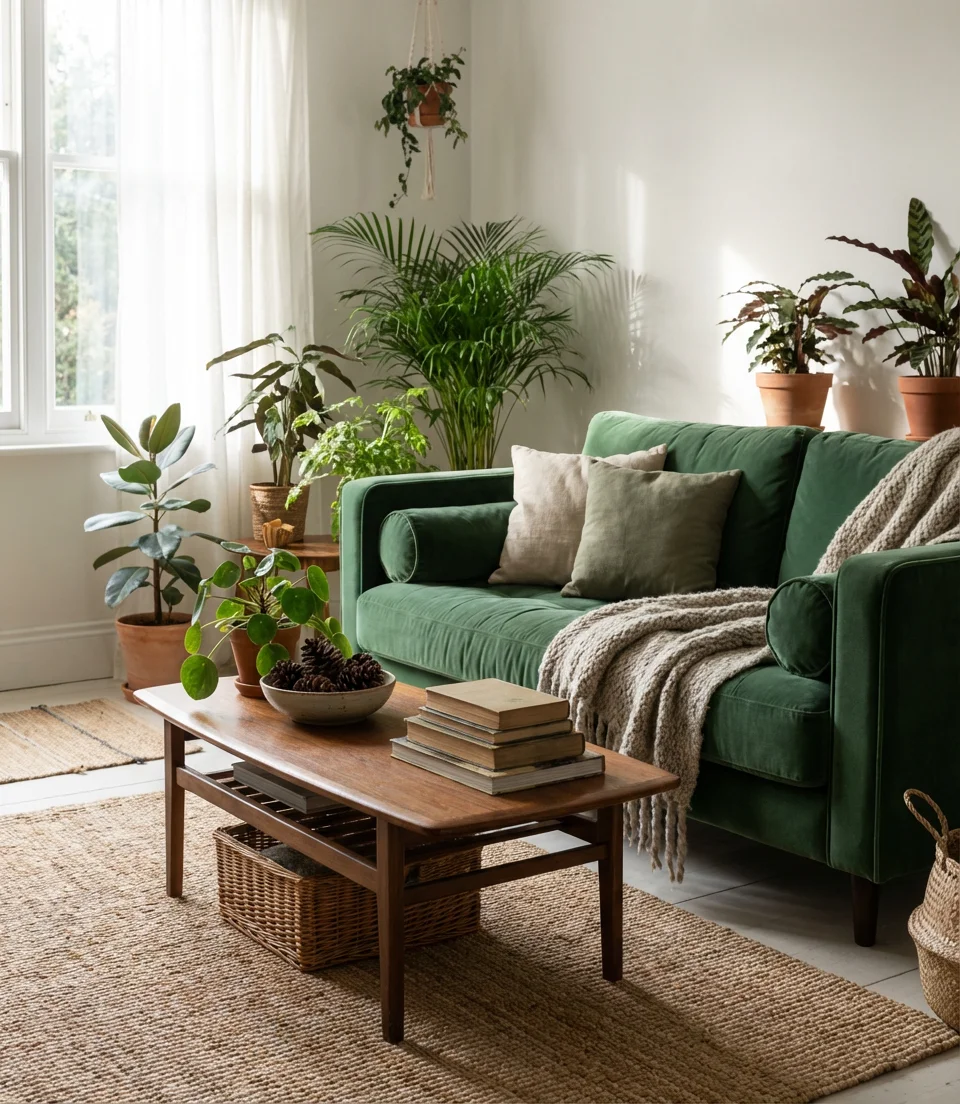
Expert commentary: this color scheme is one of the most psychologically calming palettes you can choose. Research shows that green and brown together reduce stress and promote relaxation. If you work from home or need a space to decompress, this combination is worth serious consideration.
22. Brown Monochrome Tonal Depth
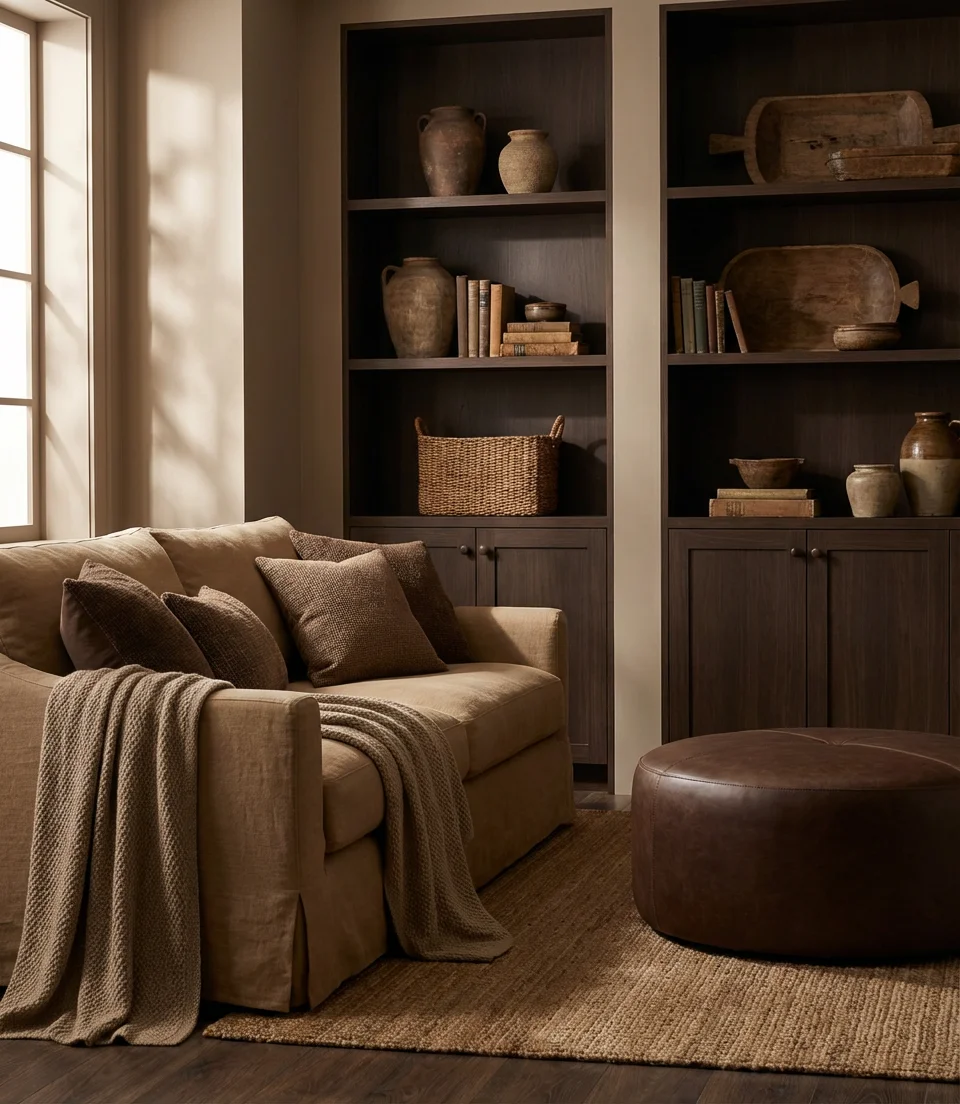
A fully brown monochrome living room—layering shades from tan to espresso—creates unexpected depth and sophistication. This approach requires confidence, but when done well, it’s stunning. Vary textures (leather, velvet, wood, linen) and finishes (matte, glossy, rustic) to keep the room from feeling flat. This trend is gaining traction as a bold alternative to all-white or all-grey interiors.
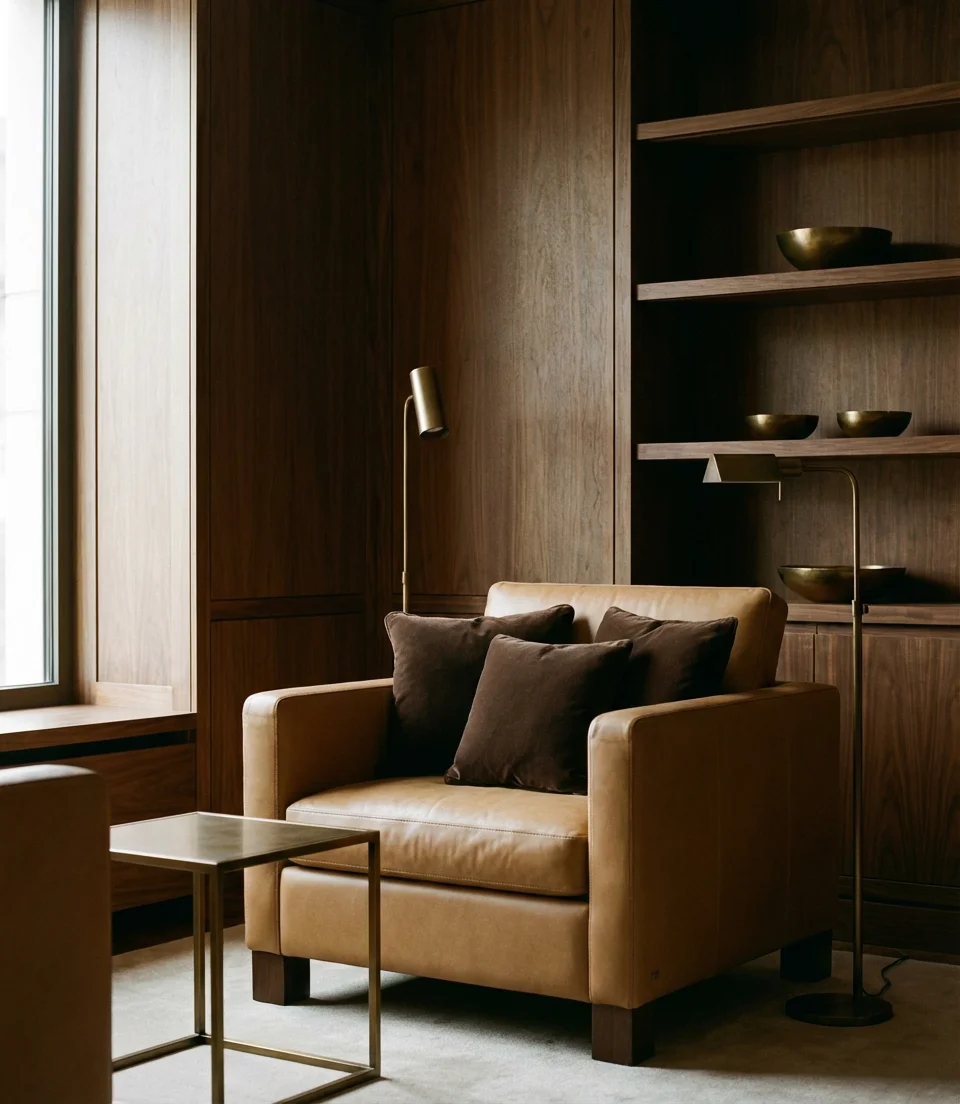
A practical insight: lighting is everything in a monochrome brown room. Use a mix of warm LED bulbs, accent lighting, and natural light sources to prevent the space from feeling cave-like. Consider adding a large mirror to bounce light around and create the illusion of more space and brightness.
Brown living rooms are having a moment, and it’s easy to see why. Brown offers a warmth and versatility that few other colors can match, regardless of your preference for cozy maximalism, sleek minimalism, or something in between. We’d love to hear which of these ideas resonates with you—drop a comment below and let us know what you’re planning for your space!