43 Yard Landscaping Ideas 2026: Front, Backyard and Side Yard Designs for Every Budget

As we enter 2026, American homeowners have an entirely new approach for redesigning their yards and outdoor spaces. If you are updating an unsightly section of your yard or attempting an entire yard makeover, this season’s trends for planting add value, incorporate design, and show an appreciation for nature. These trends offer inspiration not only for regions with drier climates like California, but also for southern landscapes in regions with hotter climates like Texas. These design trends emphasize how we live throughout the different regions of the country. They have been designed with real backyards in mind and provide solutions to numerous challenges, like steep slopes or tight budgets. all designed to make your outdoor space feel like home.
1. Terraced Garden Beds on Sloped Terrain
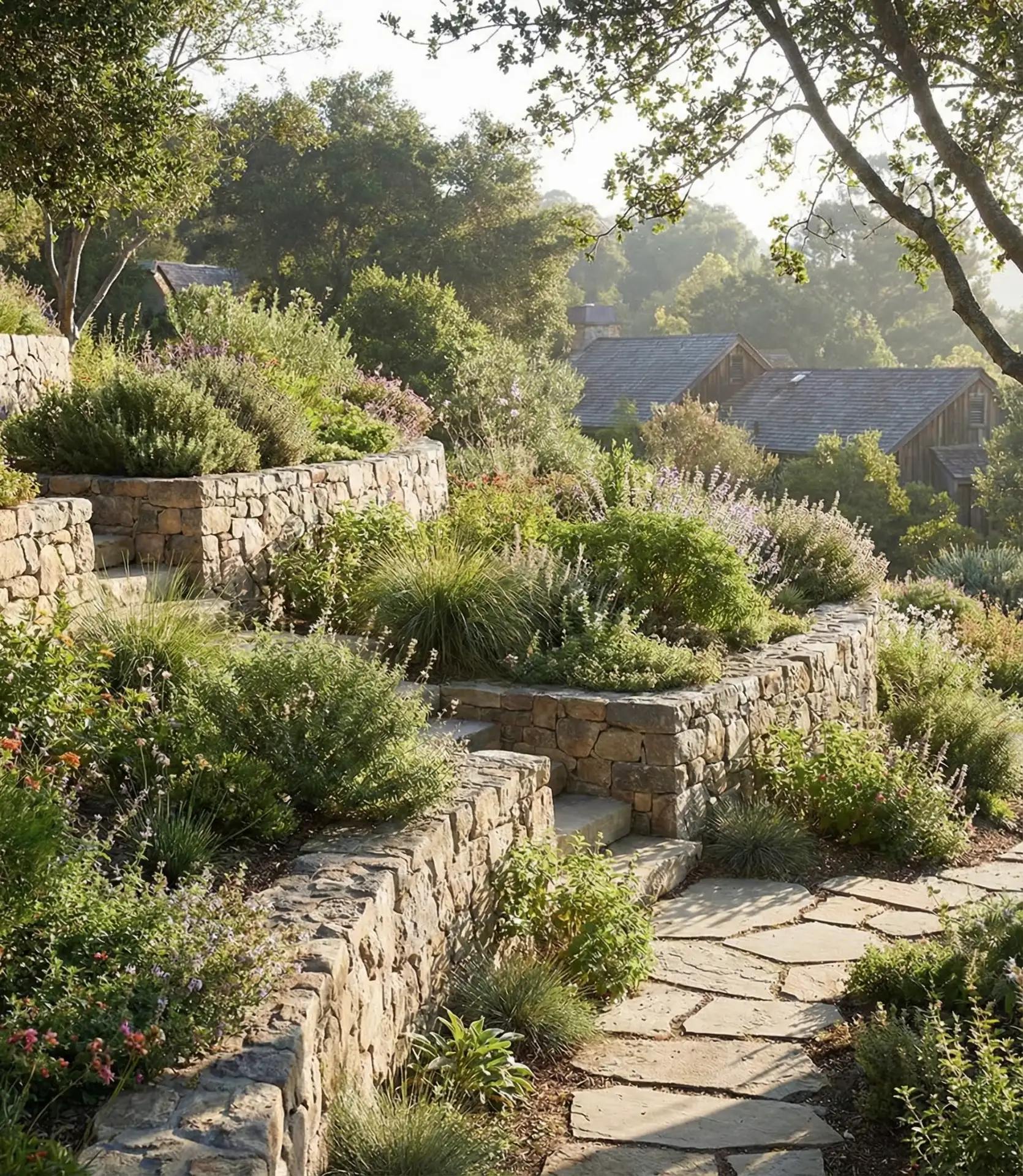
Transform a sloped front yard challenge into a stunning multi-level garden using stone or timber retaining walls. This approach creates flat planting areas that prevent erosion while adding dramatic dimension to your landscape. Each terrace becomes its own microclimate, perfect for grouping plants with similar water needs—drought-tolerant succulents up top, moisture-loving ferns below. The sloped design naturally draws the eye upward, making even small front yards feel more expansive and architecturally intriguing. 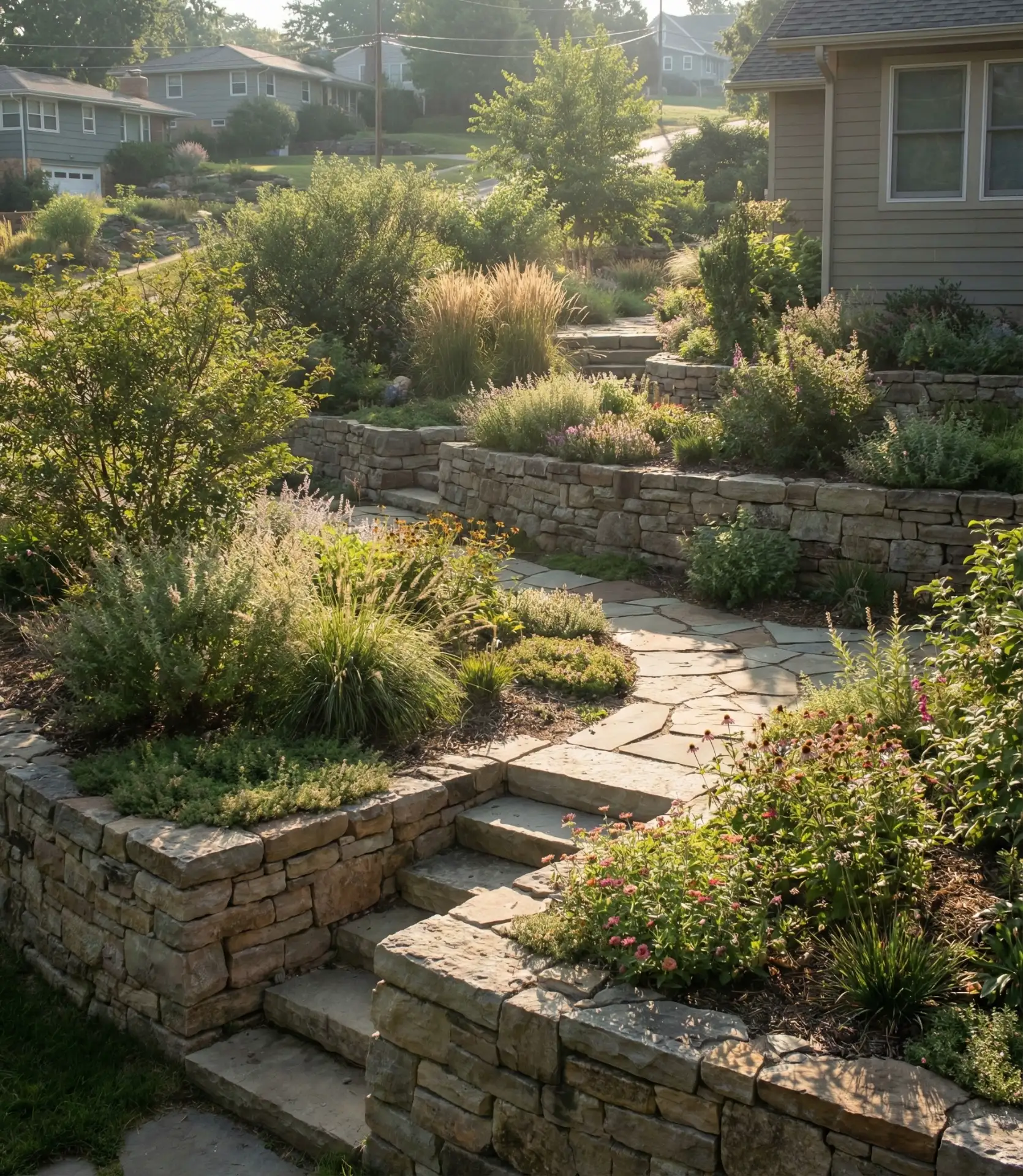
Most applicable for the Pacific Northwest, Appalachia, and parts of the Southwest, this layout is extremely effective for hilly areas. If you buy treated timber, you could build the terraces yourself for just $800 for materials, but for a typical slope, natural stone runs around $2500-$4000. Starting from the bottom and working your way up is the key to success. Many DIYers make the mistake of going from top down, which makes for a wall that has little drainage and is unstably built. These walls will just fail in a single season.
2. Native Wildflower Meadow Lawn
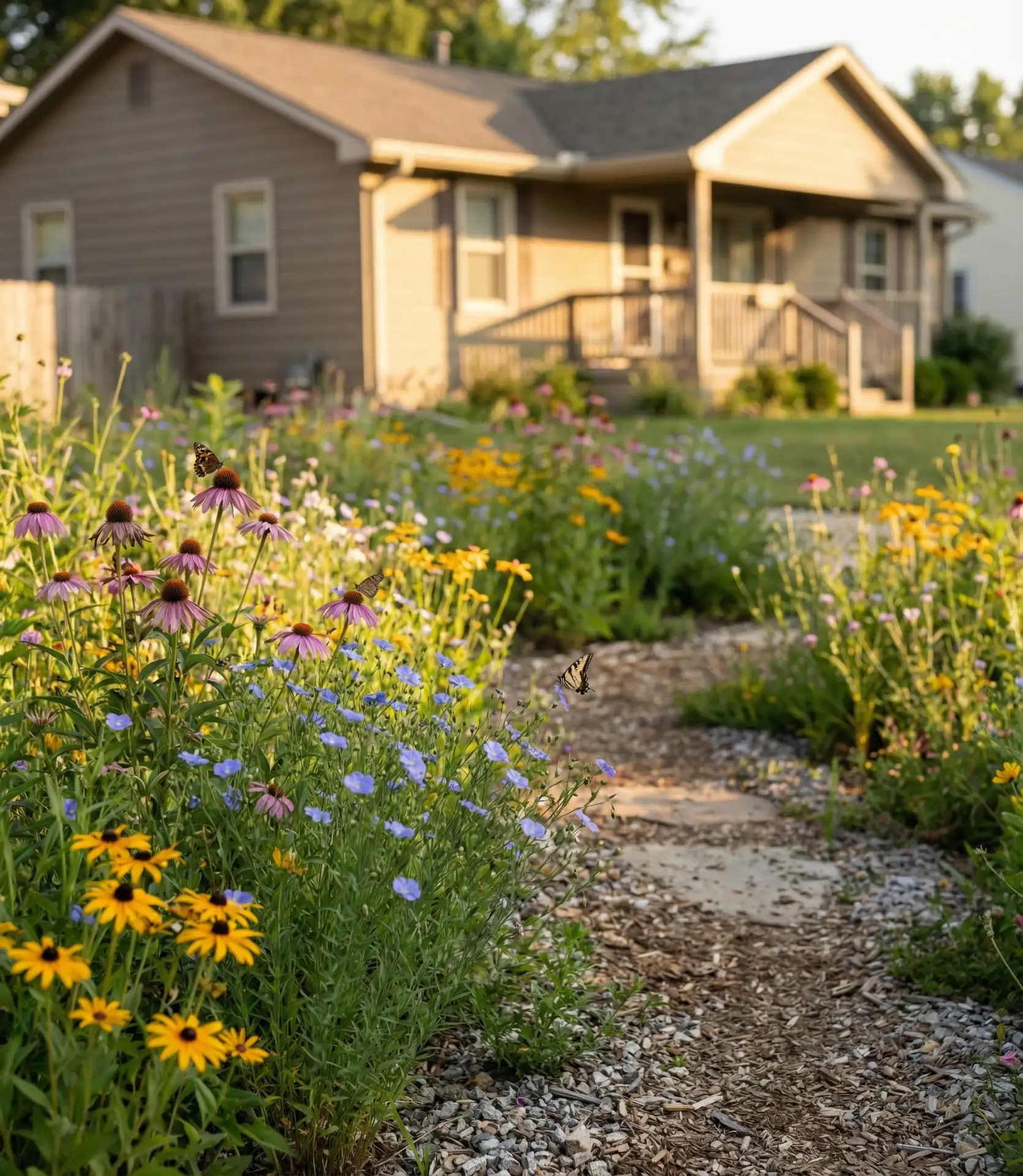
Swap out thirsty turf for a self-maintaining meadow that is low-maintenance and is an excellent substitute for a yard. Established, native, low-water use, and self-maintaining wildflowers, including black-eyed Susans, purple coneflowers, and California poppies, bloom from spring through fall and support the local pollinators. This simple approach eliminates the need to mow weekly, reduces water bills by 70%, and adds a cottage-garden charm that stands out beautifully in neighborhoods. There is little learning to do, as there are seed mixes for each region that ensure guaranteed success.
My neighbor’s experience in Zone 7 during the first summer was marked by apprehension about the decision to plant the meadow, as it was beginning to look scrappy and scant. However, by the second summer, the yard was the most photogenic and most visited meadow in the entire neighborhood. Meadows need the first season to establish deep rooting systems from which the other visual benefits of the meadow will come. During the establishment period, do not overwater the meadow, as the excess moisture will lead to disappointment and patchiness.
3. Gravel Courtyard with Potted Focal Points
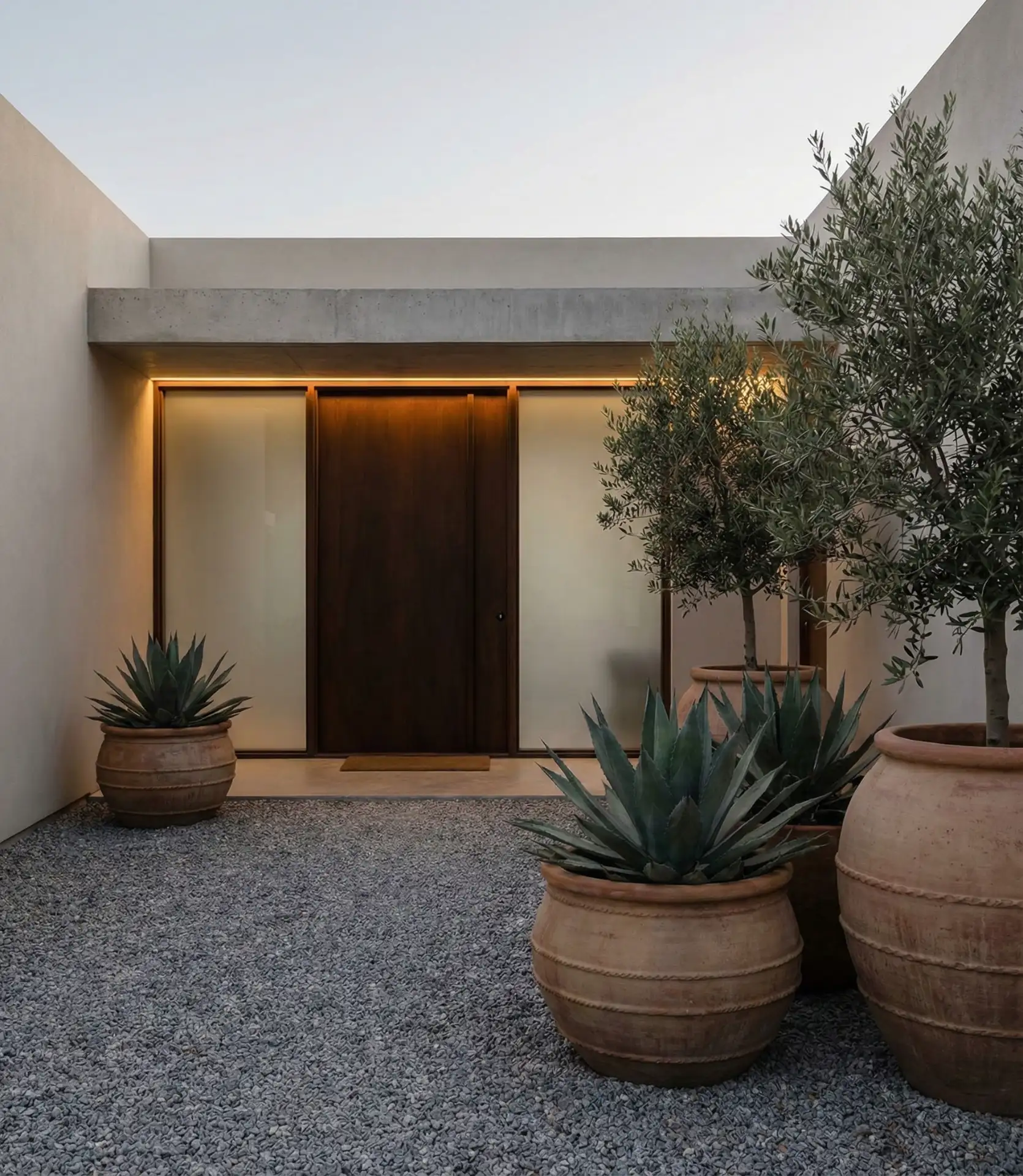
Utilizing decomposed granite or pea gravel in combination with large ornamental pots provides options for a modern, low-maintenance, and flexible design. In dry, arid climates, this design works well and accommodates quick, low-maintenance options. Utilizing large pots, seasonally arranged with modern ornamental plantings like agave, ornamental grasses, and Japanese maples, works well, as the gravel base inhibits weeds and provides excellent drainage. This look is cost-effective compared to hardscaping, and it photographs well. 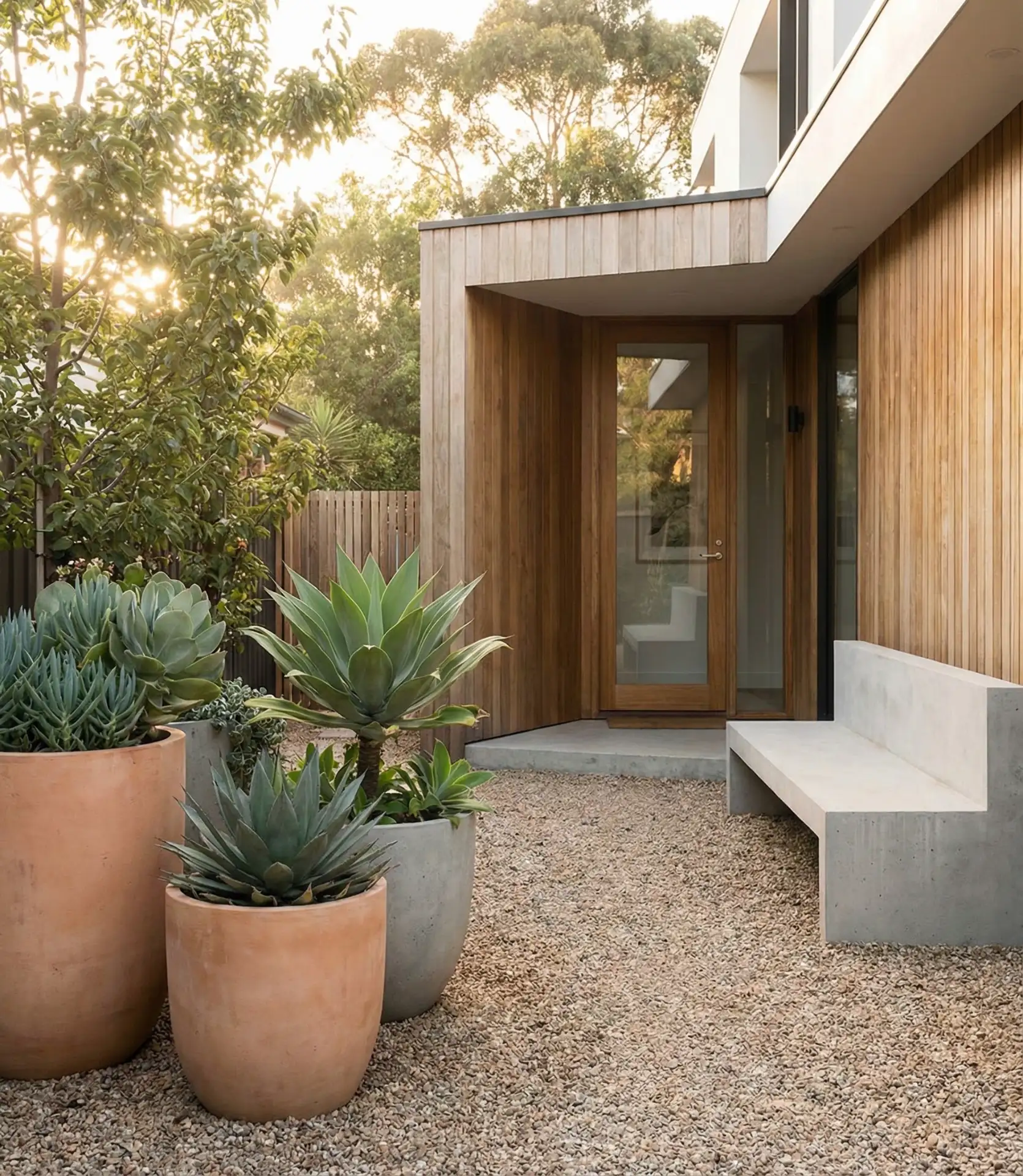
The gravel design is a wonderful look for California, where water restrictions lead to challenges for traditional landscapes. This style is also true for the other desert communities of Nevada and Arizona. Budget-conscious homeowners can build a gravel courtyard measuring around 400 square feet for approximately $600. This fee includes all the gravel needed, landscape fabric, edging, and three quality containers. This price is a fraction of the $3,000+ it would cost to cover the courtyard with pavers. The value is undeniable.
4. A vertical garden wall for narrow spaces
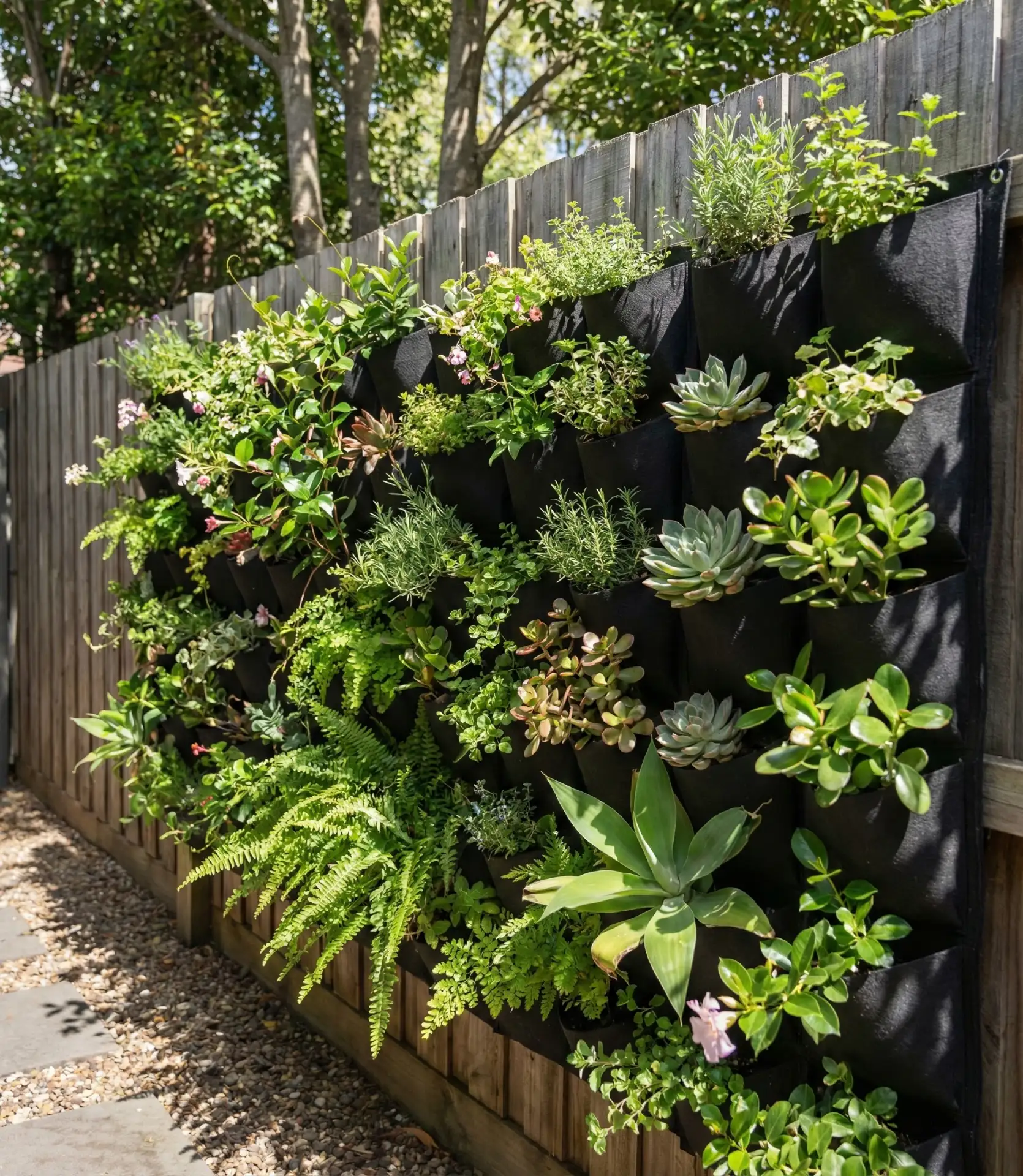
To make the most of a narrow side yard or small, urban yard, grow your garden upward rather than outward. Blank stretches of fence can be fitted with wall-mounted planters, pocket systems, and trellis panels. With this technique, the ground space is kept clear for planting ferns, small vegetables, herbs, succulents, or other compact and trailing plants. The garden wall adds privacy and greenery and creates a backdrop that transforms your small yard into a secret garden, rather than a space that feels overlooked. 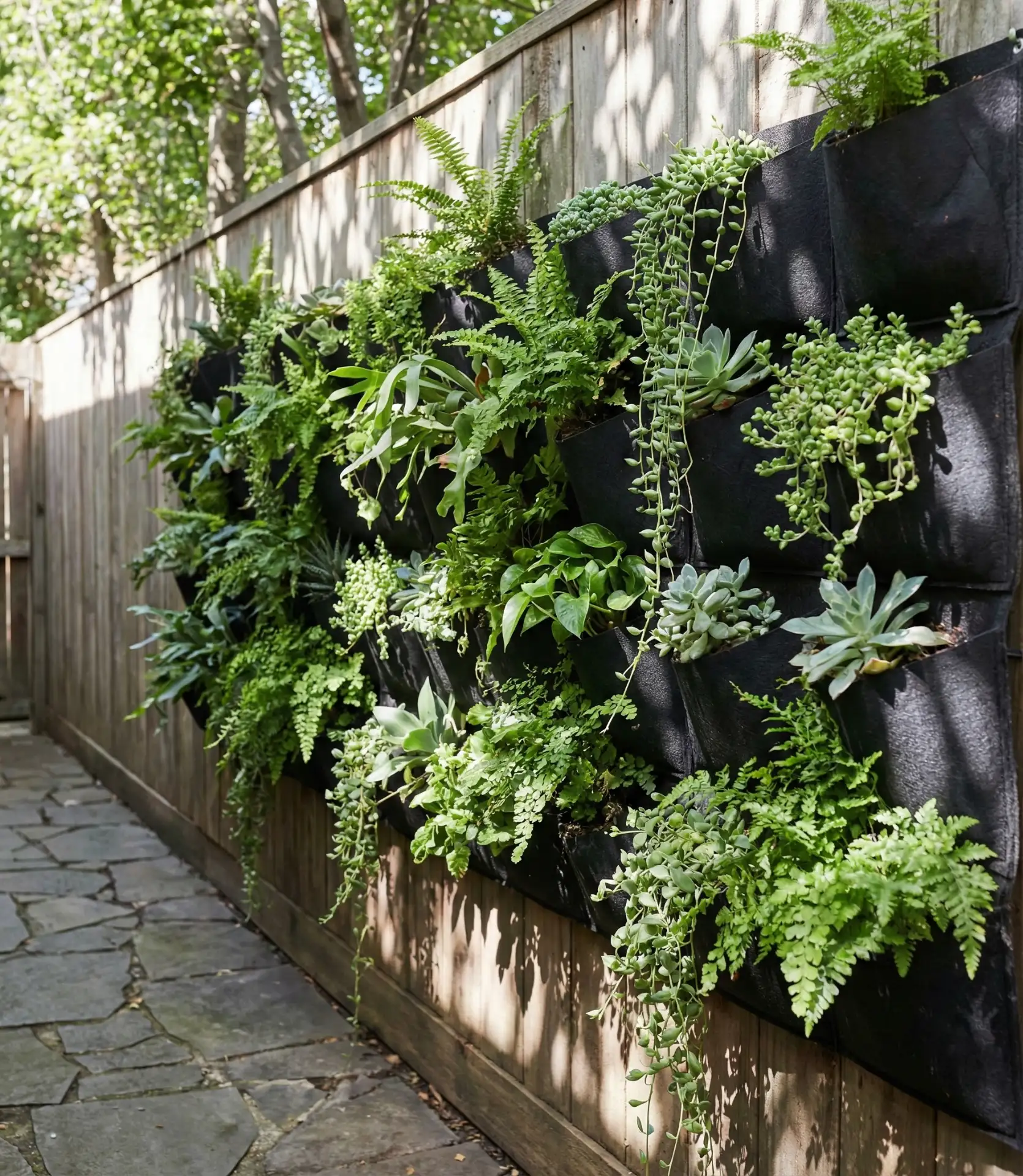
This type of gardening is a common method used by urban gardeners that live in townhomes or row houses. This method works best when a vertical system is designed to be easily and simply watered using a drip line and when the plants throughout the system are changed out based on the season. The biggest mistake in this method is using plants that require full sunlight, because a north-facing wall does not receive enough sunlight for those plants to thrive, resulting in a sad appearance by mid-summer. It is also important to use plants that match the light conditions to the plant’s needs.
5. Boulder and Ornamental Grass Border
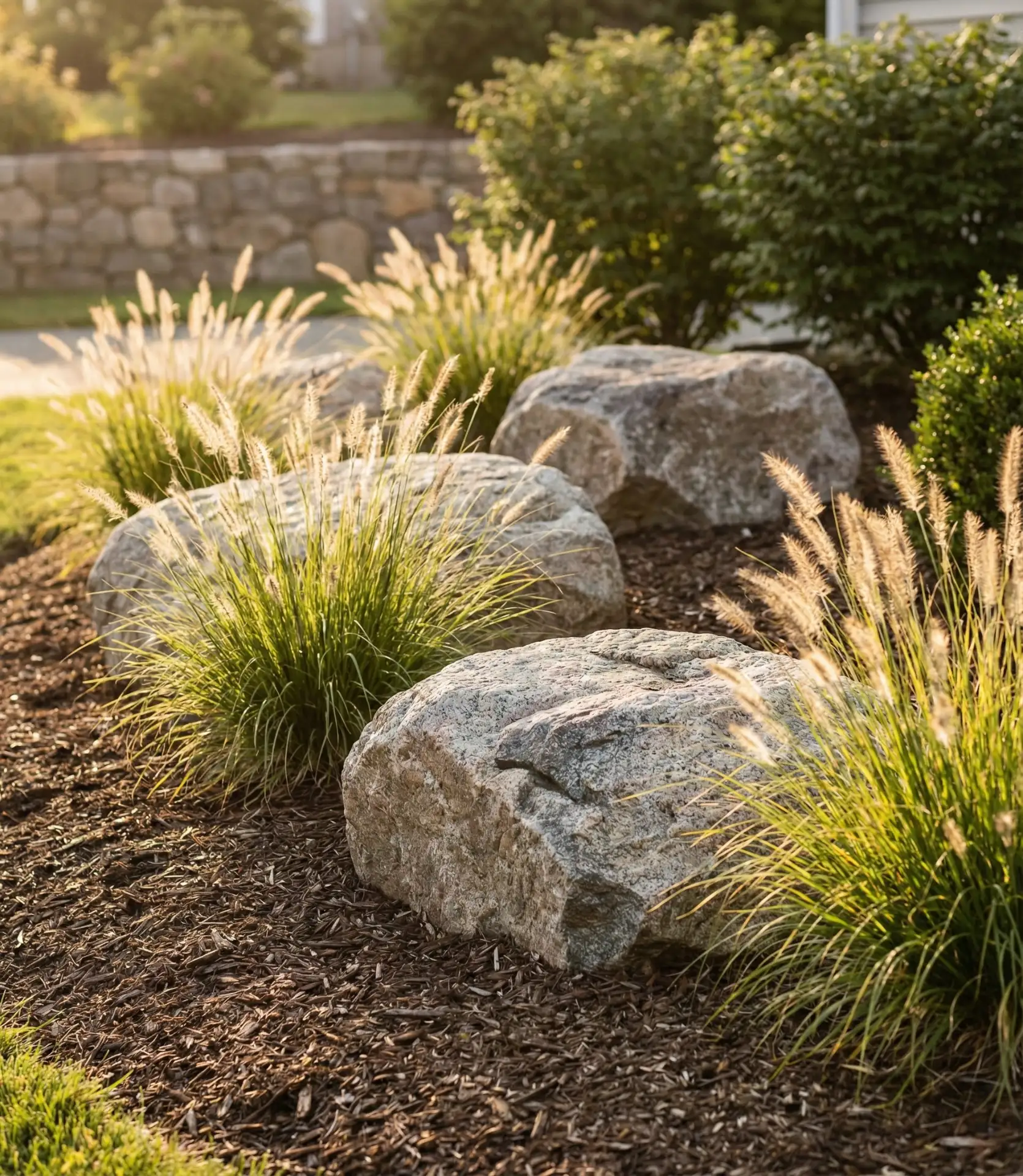
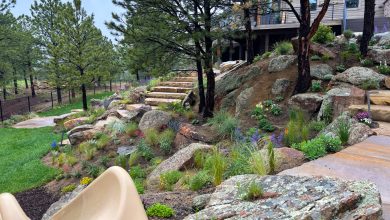
Anchor your landscape with rock formations and flowing ornamental grasses that create year-round structure and movement. Large boulders—positioned in odd-numbered groupings—provide permanent focal points, while grasses like Karl Foerster, maiden grass, and blue fescue soften the hardscape with texture and seasonal interest. This combination thrives on a budget since you’re buying perennial plants and rocks that never need replacing. The contrast between solid stone and feathery plumes feels both modern and timeless. 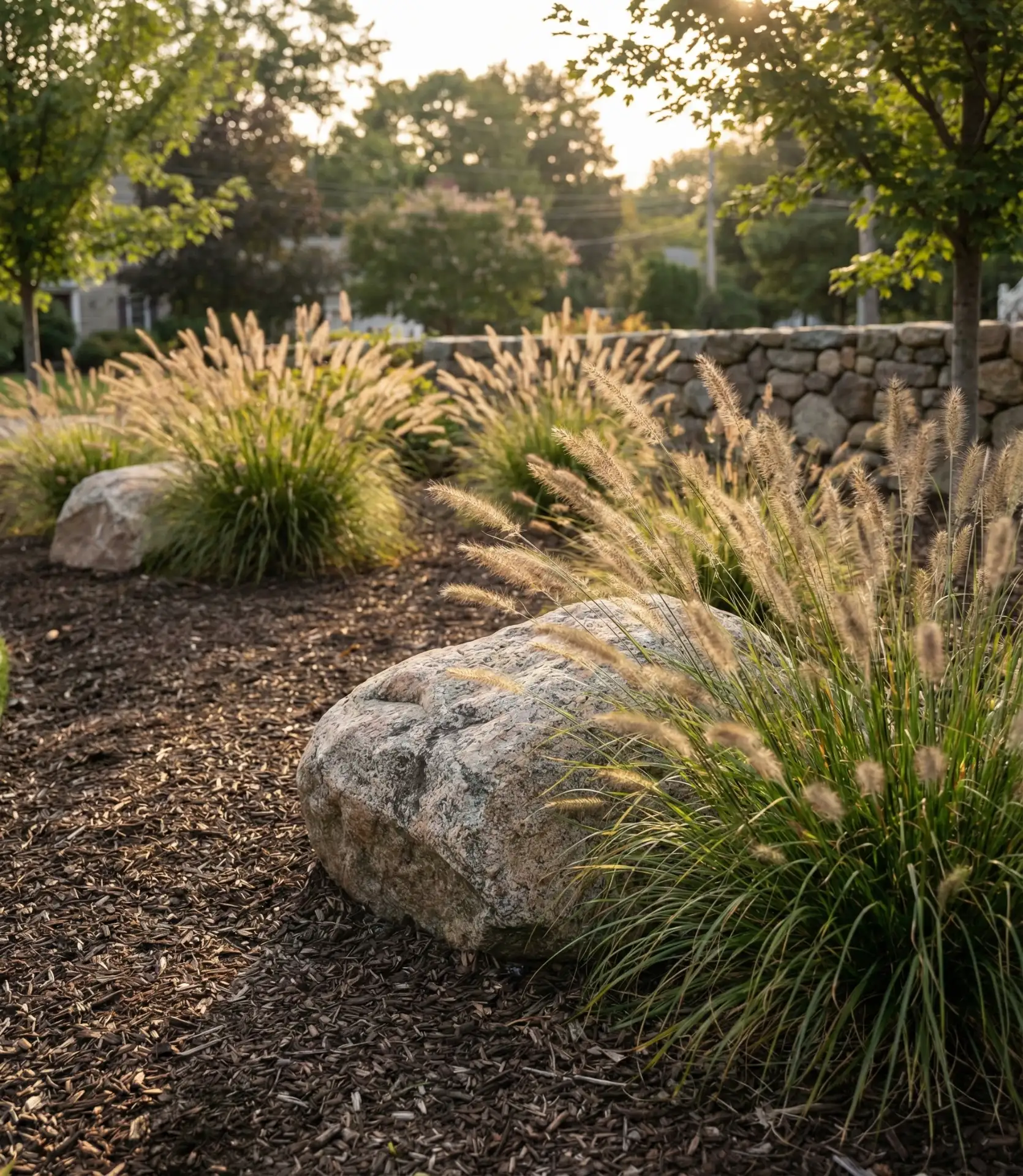
Landscapers often price boulders by the pound—$100–300 per ton depending on type and delivery distance. For a standard border, you’ll need 2–3 tons of stone plus a dozen grass plants, bringing total materials to around $800–1,200. That’s a one-time investment that looks better each year as grasses mature. Skip the temptation to cluster rocks too tightly; give them breathing room so each boulder reads as an individual sculptural element.
6. Flagstone Pathway Through Groundcover

Replace resource-intensive lawn strips with a meandering flagstone path surrounded by creeping thyme, Irish moss, or sedum. This simple layout guides visitors through your garden while the groundcover fills gaps, suppresses weeds, and releases fragrance when stepped on. Natural stone flags placed 4–6 inches apart create an effortless walking surface that feels informal and welcoming—nothing fussy or overly designed. The combination works equally well connecting a front yard to the street or linking different zones in backyards. 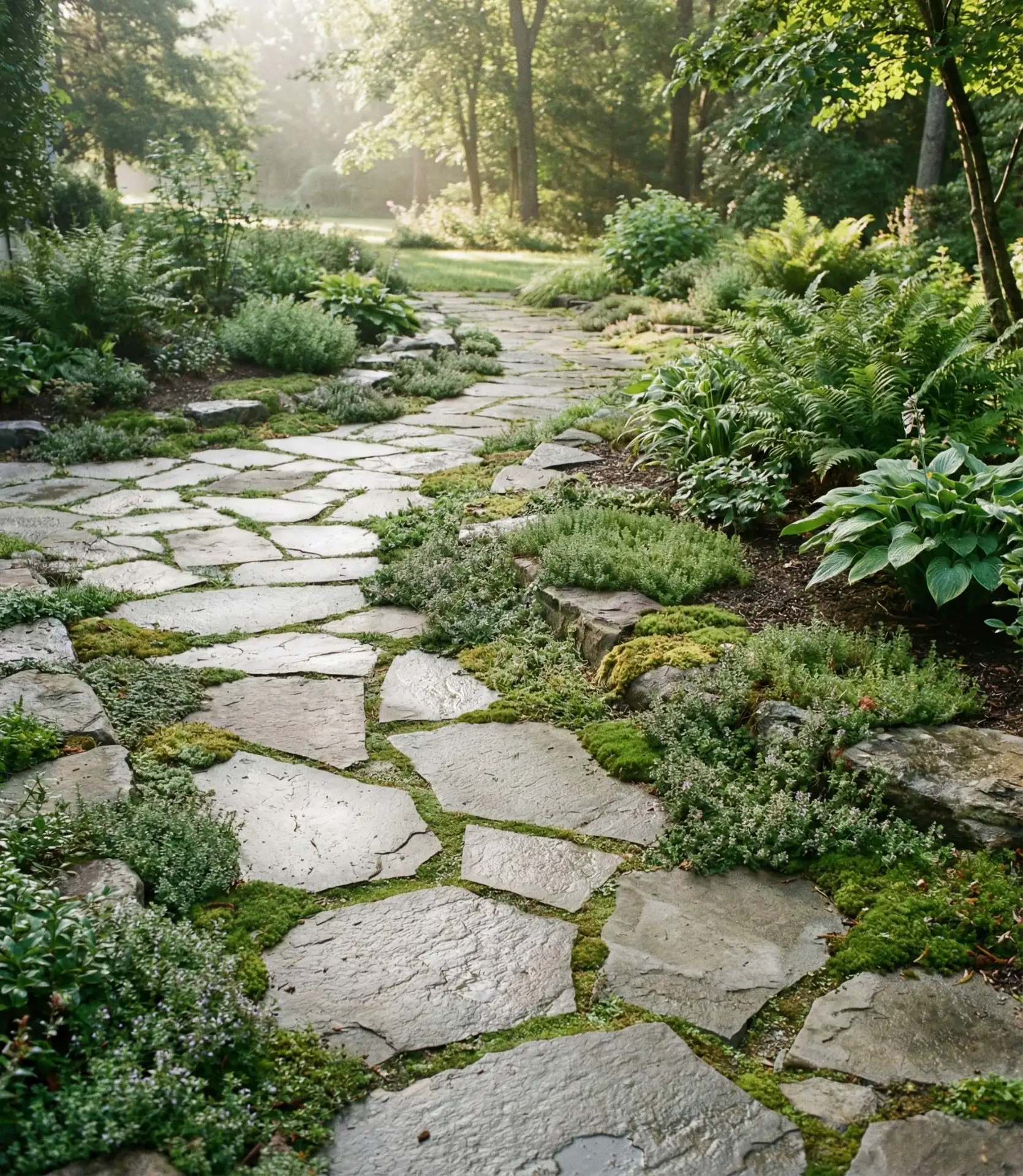
The genius of this design is how it handles foot traffic while looking utterly natural. In the Pacific Northwest and Northeast, it solves muddy pathway problems beautifully. I watched a friend install a 30-foot flagstone path over a weekend for under $400 in materials—that included the stones, sand base, and groundcover plugs. Two seasons later, the thyme had filled in completely, and the path looked like it had been there for decades.
7. Raised Bed Vegetable Garden with Grid Layout
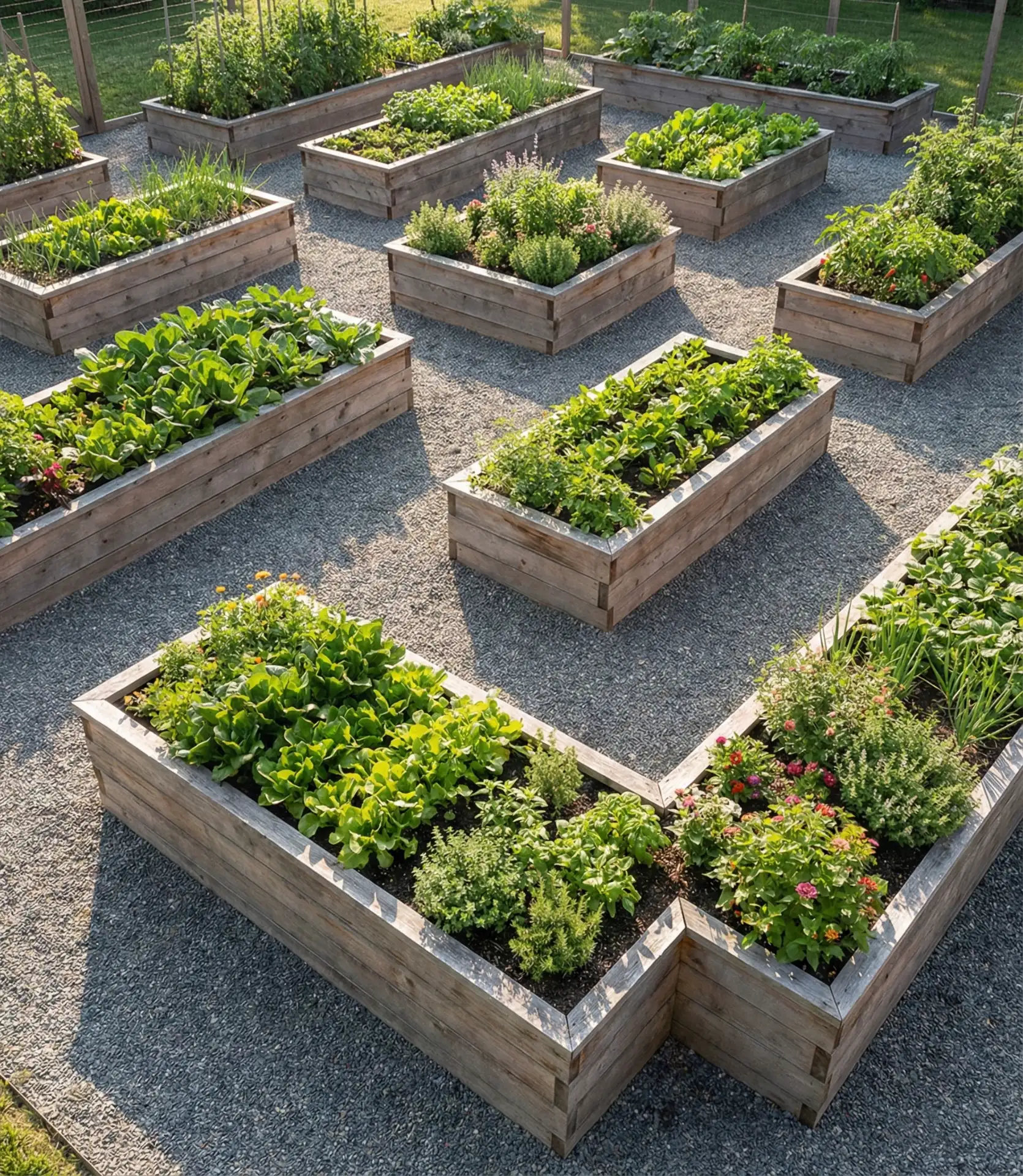
Build a productive DIY vegetable garden using cedar raised beds arranged in a geometric grid with walking paths between. This plan maximizes growing space while keeping everything accessible—no more stepping on soil or straining to reach plants. The raised height warms soil earlier in spring, improves drainage, and lets you control soil quality completely. Fill beds with a custom mix of compost, topsoil, and amendments tailored to what you’re growing. Paint or stain the wood to coordinate with your home’s exterior for a cohesive look. 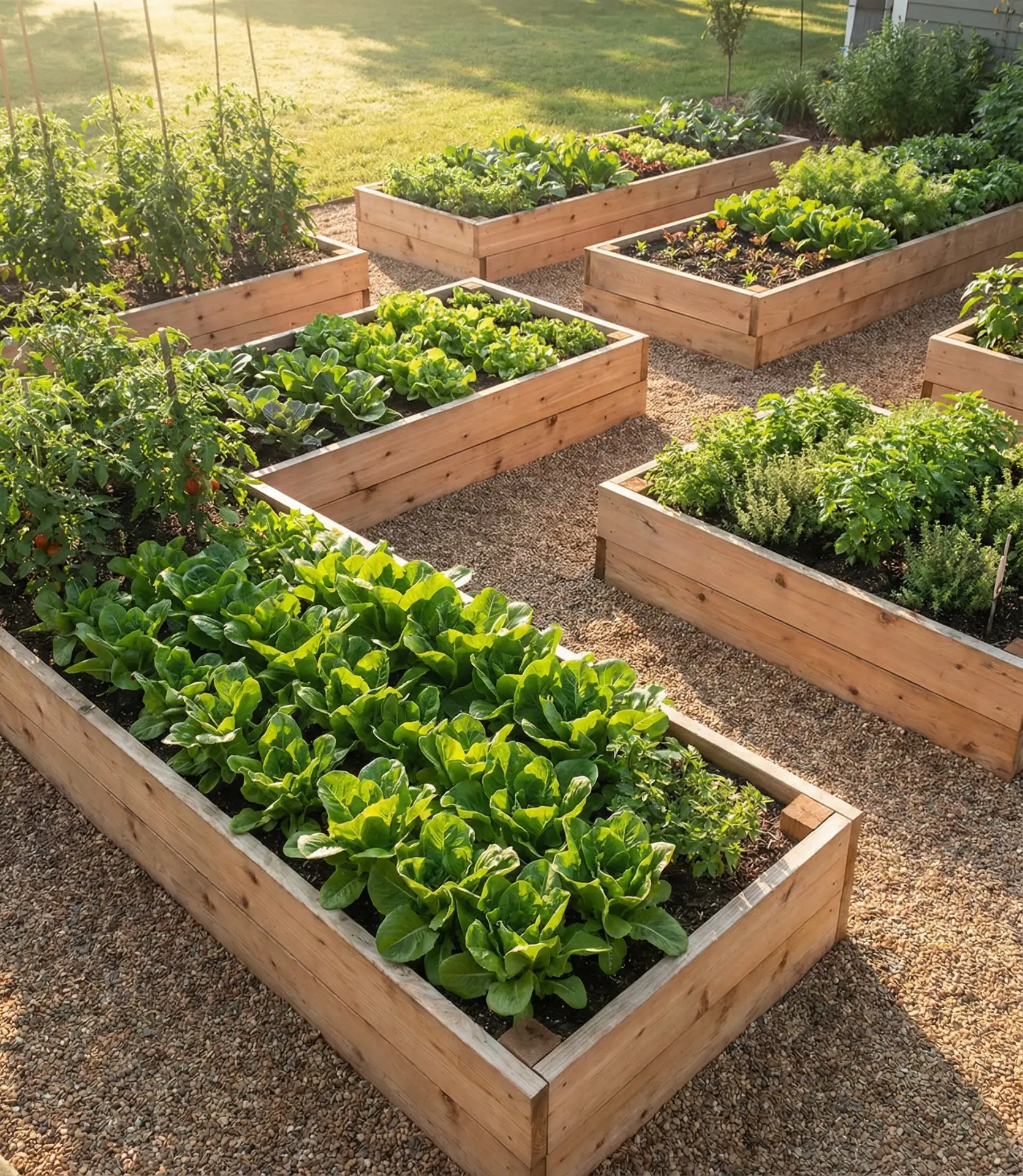
This method is ideal for Americans who want to grow food but cannot manage the upkeep of a traditional backyard garden. The arrangement of the garden is appealing to organized planners. Some suburban neighborhoods have even adopted the trend of edible frontscapes. A cedar box of 4 by 8 feet in dimension costs around 80 to 120 dollars in materials, and around four boxes would be enough to feed a household fresh salads with tomatoes and herbs for the whole summer.
8. Desert Xeriscape with Succulent Clusters
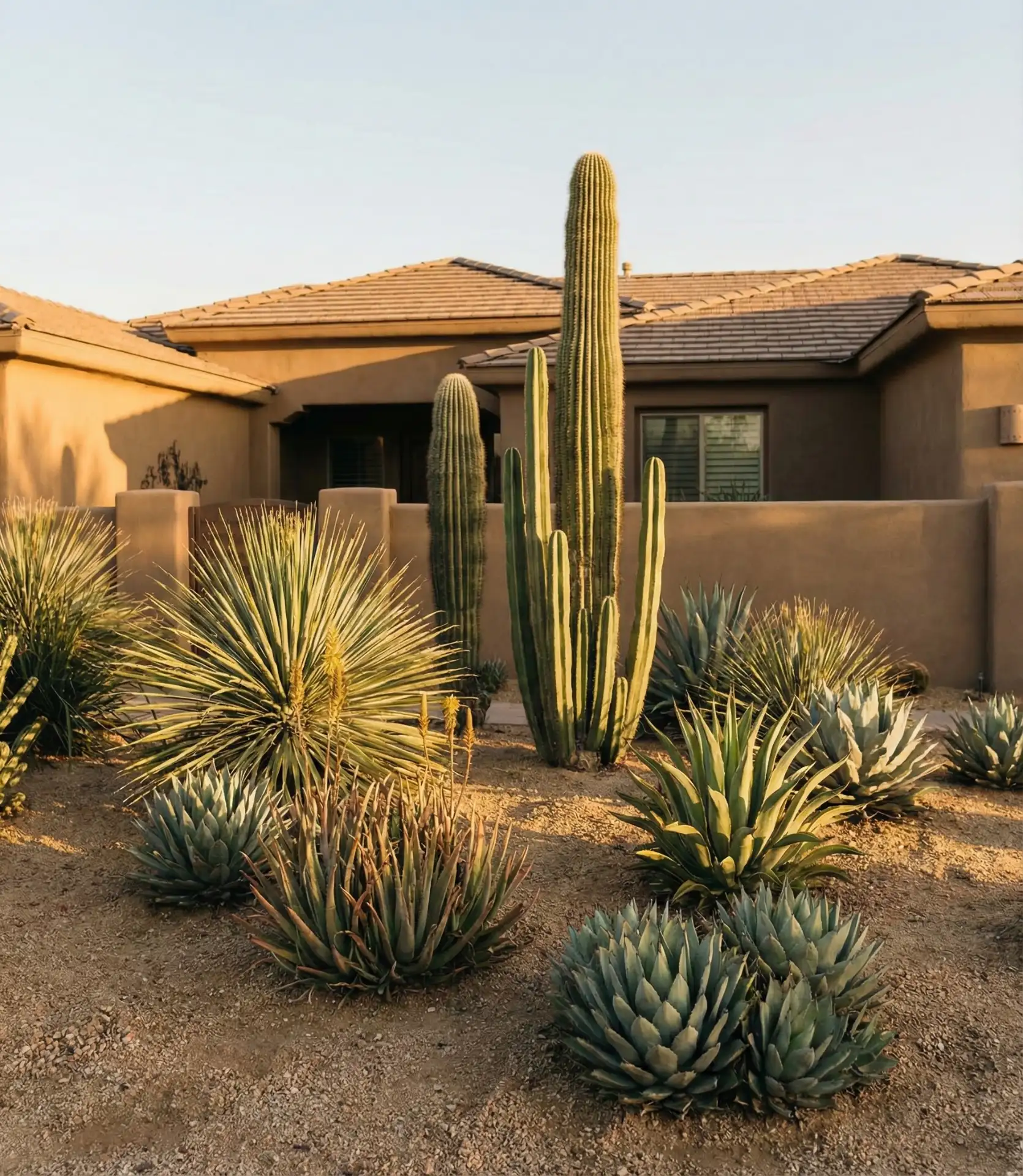
The front yard design showcases an extreme and captivating low-maintenance beauty, centered around succulents, cacti, and desert-adapted plants. With juxtaposition, aloe, yucca, and agave clusters can be separated with stone mulch or decomposed granite. A design with constant bright colors isn’t what it features; instead, it celebrates the yard’s design with a color palette of the varying textures and forms of the plants, especially during the heat waves. Sculptural and brightly colored plants can stand out with yard lights modernly illuminating the design. The yard will require little, or even no, extra watering after establishment. 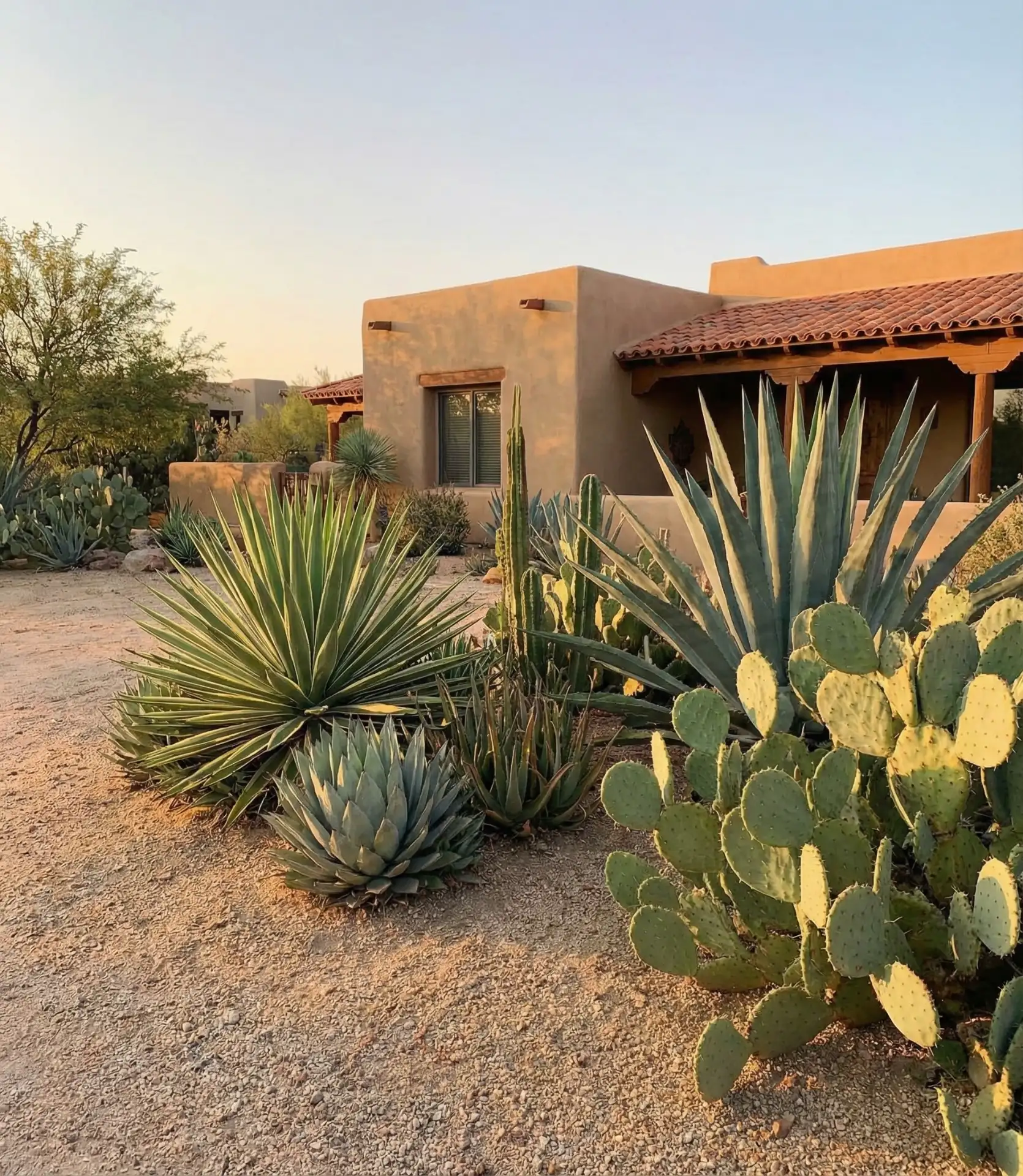
Southwestern homeowners in Arizona, New Mexico, and Southern California have perfected this aesthetic over decades. What many people don’t realize is that xeriscapes actually support more wildlife than turf lawns—birds, beneficial insects, and even small mammals thrive here. The initial plant investment runs $600–1,200 for a large front yard, but annual water savings of $400+ make it financially smart within a few years.
9. Mixed Perennial Border with Seasonal Succession
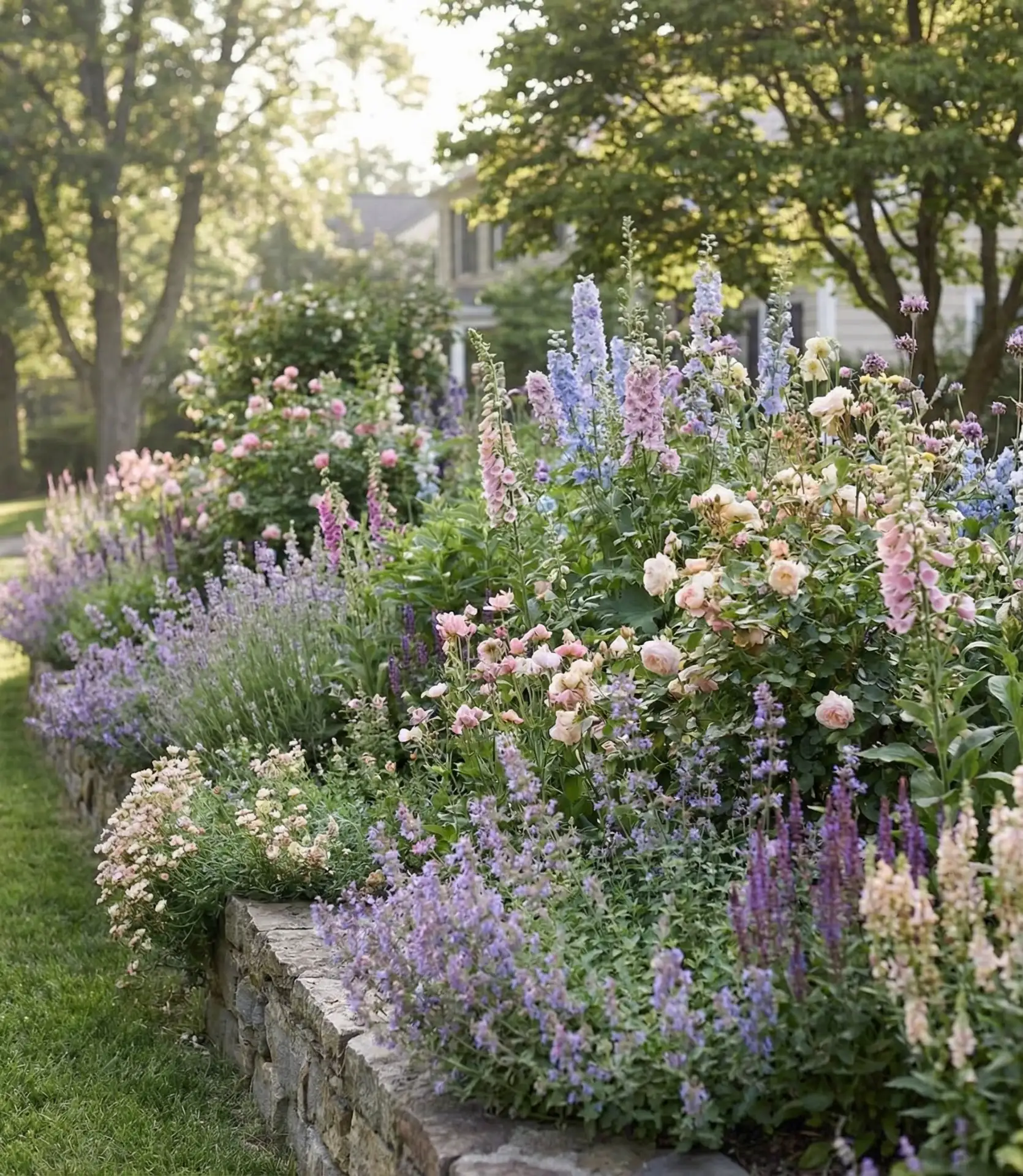
Use perennials to fill in a border that offers color from early spring to fall frost. Add in spring-blooming bulbs, summer flowers like coneflowers and salvia, and fall stars like asters and sedum, and it’ll bloom all season. This idea is a simple strategy to achieve a cottage-garden vibe in your front yard that softens your property lines and invites visitors. For visual impact, pick tall plants for the back, medium plants for the middle, and low groundcover for the front. 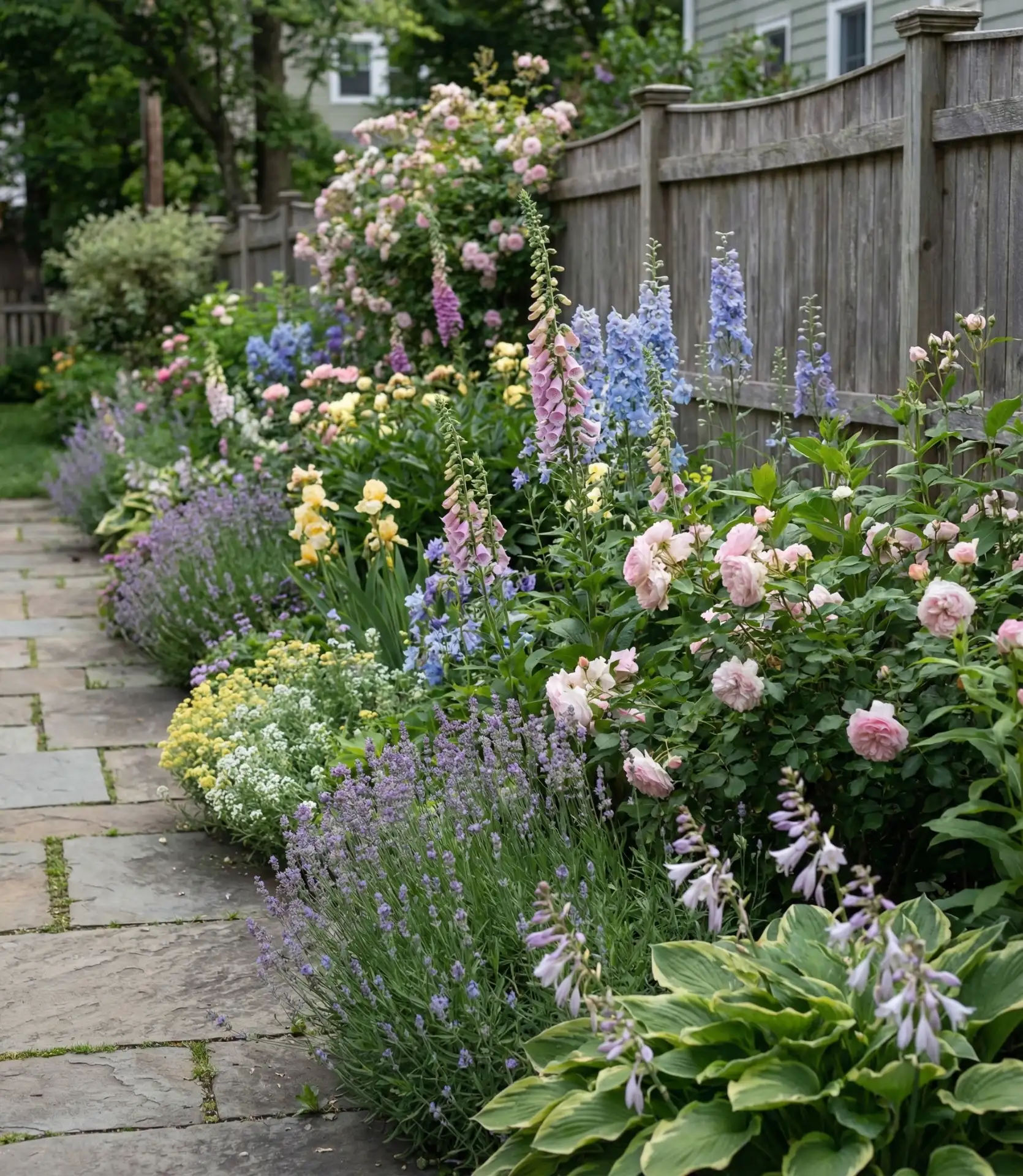
English-style borders need a little less maintenance than most people expect once established. This maintenance consists of spring mulching, occasional deadheading, and a fall cleanup. The trick is picking regionally appropriate plants that don’t need staking and constant division. This style thrives in the Midwest and Northeast with little fuss. For a 20-foot border, a well-planned style costs around $300–$500 in plants, and it essentially self-maintains for years while improving in visual appeal every season.

10. Poolside Tropical Oasis
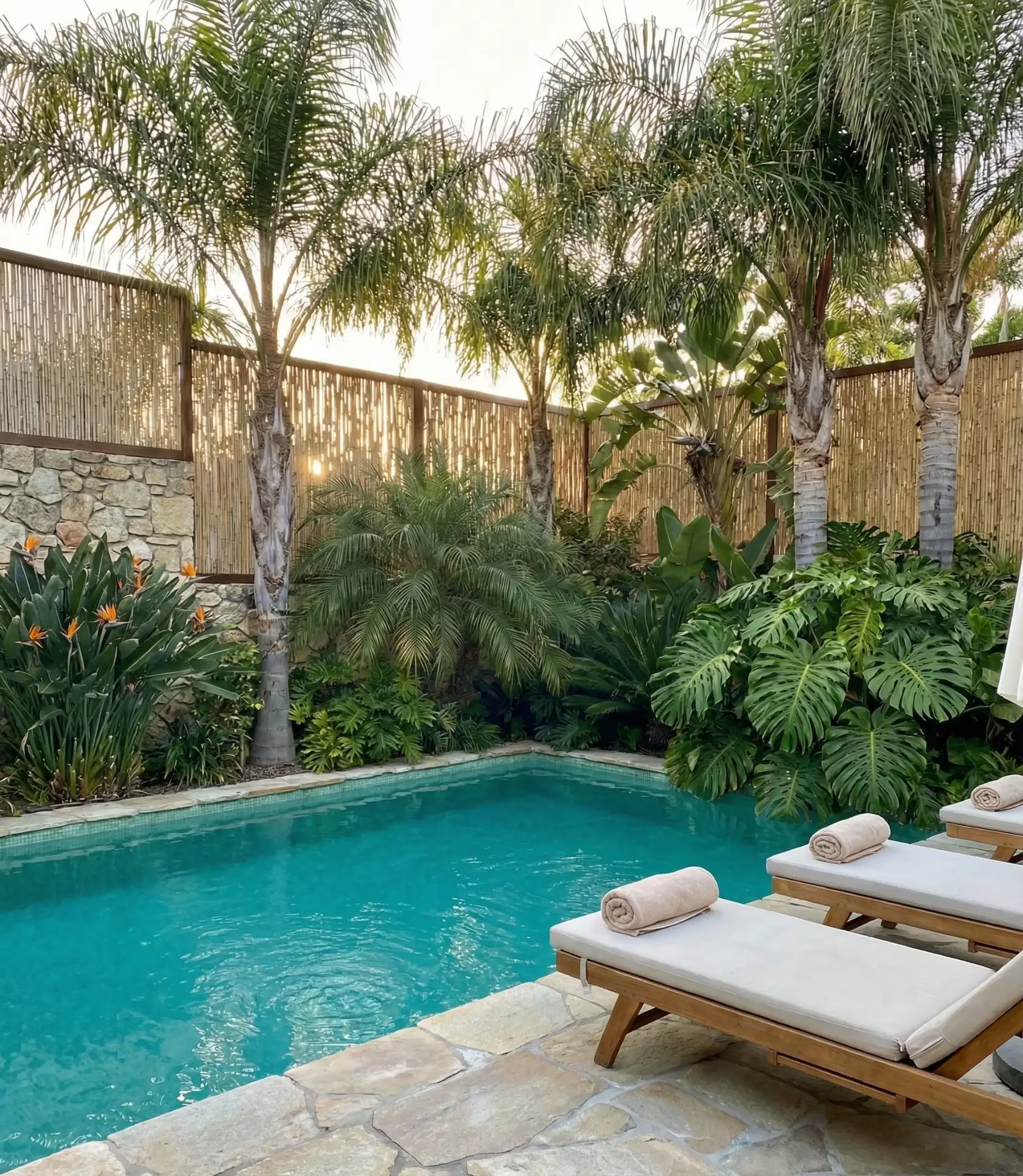
Transform your backyard with a pool into a resort-style retreat using tropical and subtropical plants that create privacy and shade. Palms, banana plants, elephant ears, and birds of paradise deliver that vacation vibe while screening pool equipment and neighboring views. Even in temperate zones, many tropicals thrive as summer annuals or can be overwintered indoors, giving you that lush aesthetic without relocating to Florida front yards year-round. Add teak or wicker furniture, outdoor curtains, and string lights to complete the transformation. 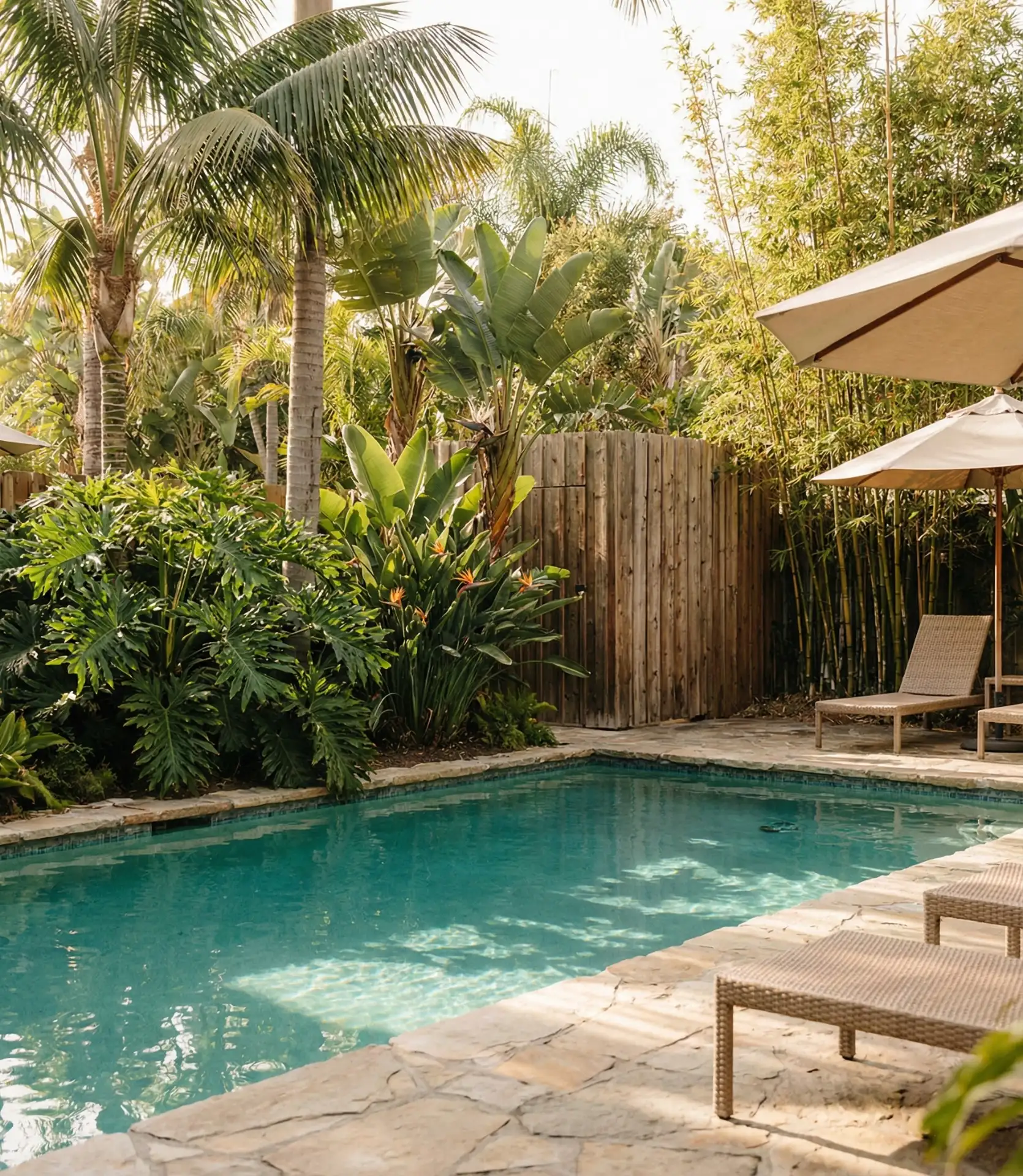
Pool owners consistently report that the right landscaping makes them actually use their pool more often—it’s not just about looks. Creating defined zones with plantings encourages lounging and entertaining. In genuinely tropical climates like South Florida and coastal Southern California, these plants are permanent and low-maintenance. Elsewhere, treating them as annuals or container plants still delivers impact for a summer at a reasonable cost.
11. Shade Garden Sanctuary Under Mature Trees
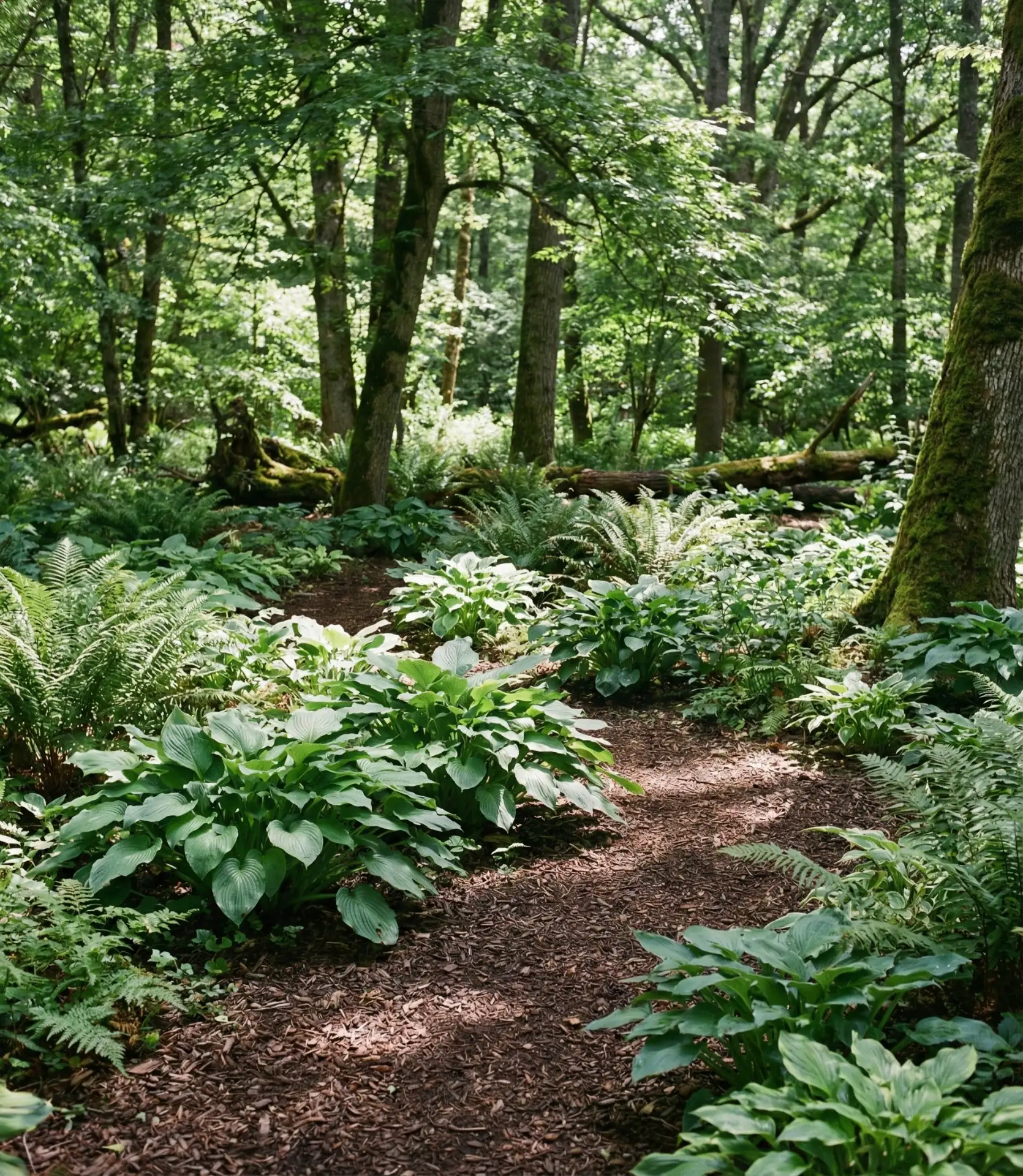
To make shady parts of your garden peaceful, simply use existing plants such as hostas, ferns, and astilbes, as well as other ground covers that thrive in the shade. Mulch generously with shredded bark or leaf mold to retain moisture and make the area appeal like a forest. Other optional features that can make your garden feel like a peaceful retreat include a simple bench, a birdbath, or a small fountain. Embrace the existing forest canopy by shaping your garden to fully utilize the dappled shade and creating a cool, calming sheltered area that can be used to escape the heat of summer. 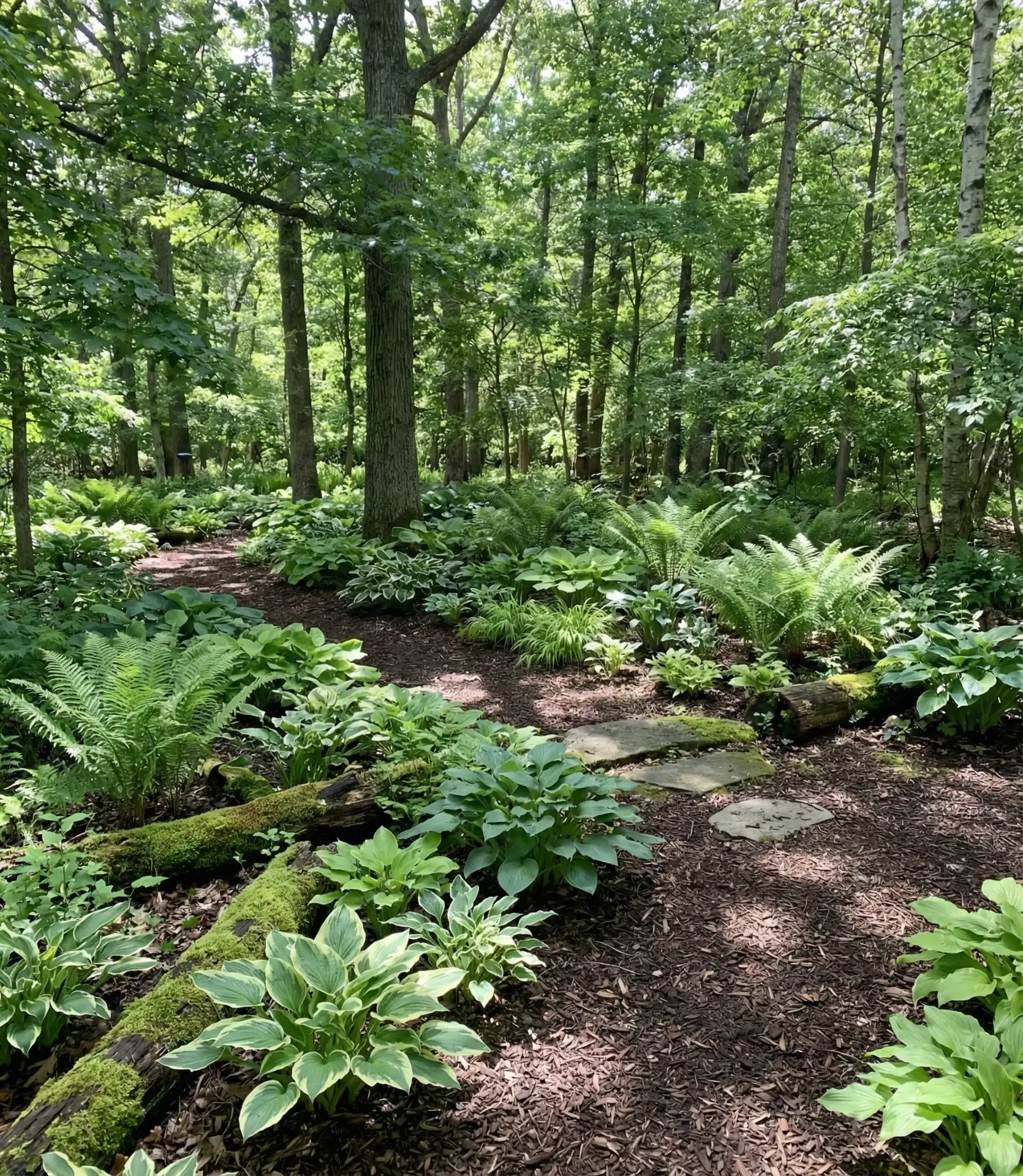
Perennial plants that need less care and thrive in the shade are ideal for your garden. Ground cover plants are a perfect pick. Trying to grow plants in the shade can be a frustrating and ultimately futile endeavor. In a 200-square-foot garden, investing in a shade garden yields a sustainable positive aesthetic and represents a worthwhile expenditure of $500. It is financially prudent to focus on efforts that will give a positive aesthetic in a garden. Autoestima estis reg.
12. Rustic Farmhouse Entry with Wagon Wheel Detail
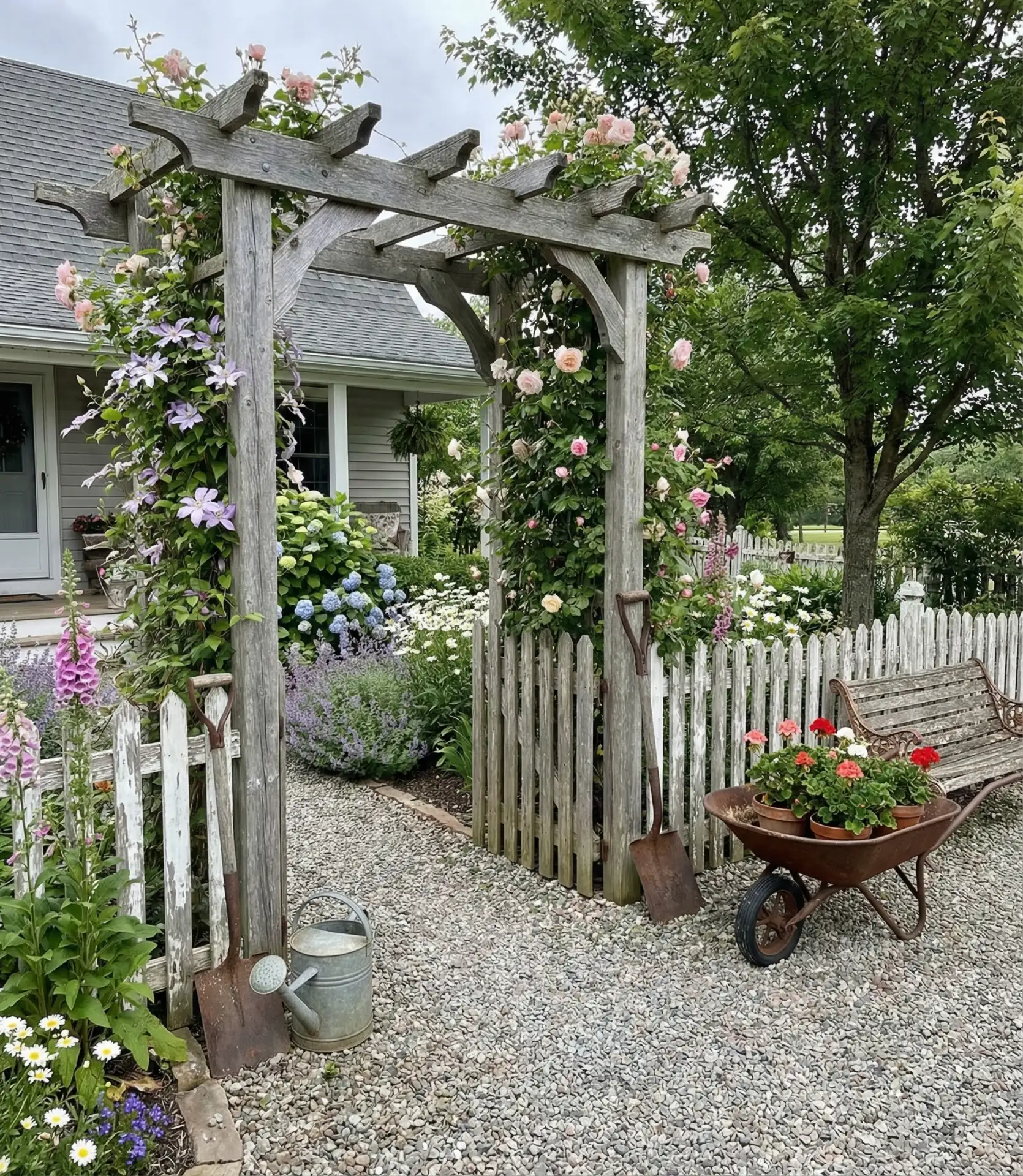
Welcome guests to your farmhouse by creating an entry using an antique wood structure, vintage farming equipment, and traditional cottage yard plants, including roses, lavender, and daisies. Use a rustic terra-cotta arbor or a section of a split rail fence to add an opportunity to grow climbing plants such as roses and clematis. The nostalgic style is often desired by those country-living amateurs and those who gravitate to farmhouse style. Ensure your plantings are informal and loose, avoiding severely clipped, symmetrical plants that could detract from the farmhouse character the design aims to portray.
This aesthetic dominates Pinterest boards for good reason—it’s approachable, nostalgic, and highly personal. The beauty is that much of the “decor” can come from flea markets, estate sales, or even your garage. An old ladder becomes a plant stand; vintage watering cans become focal points. The plants themselves—roses, hydrangeas, and coneflowers—are proven performers that have been successfully grown by grandmothers for generations, ensuring you are working with reliable classics rather than trendy experiments.
13. Rectangle lawn with defined border beds.
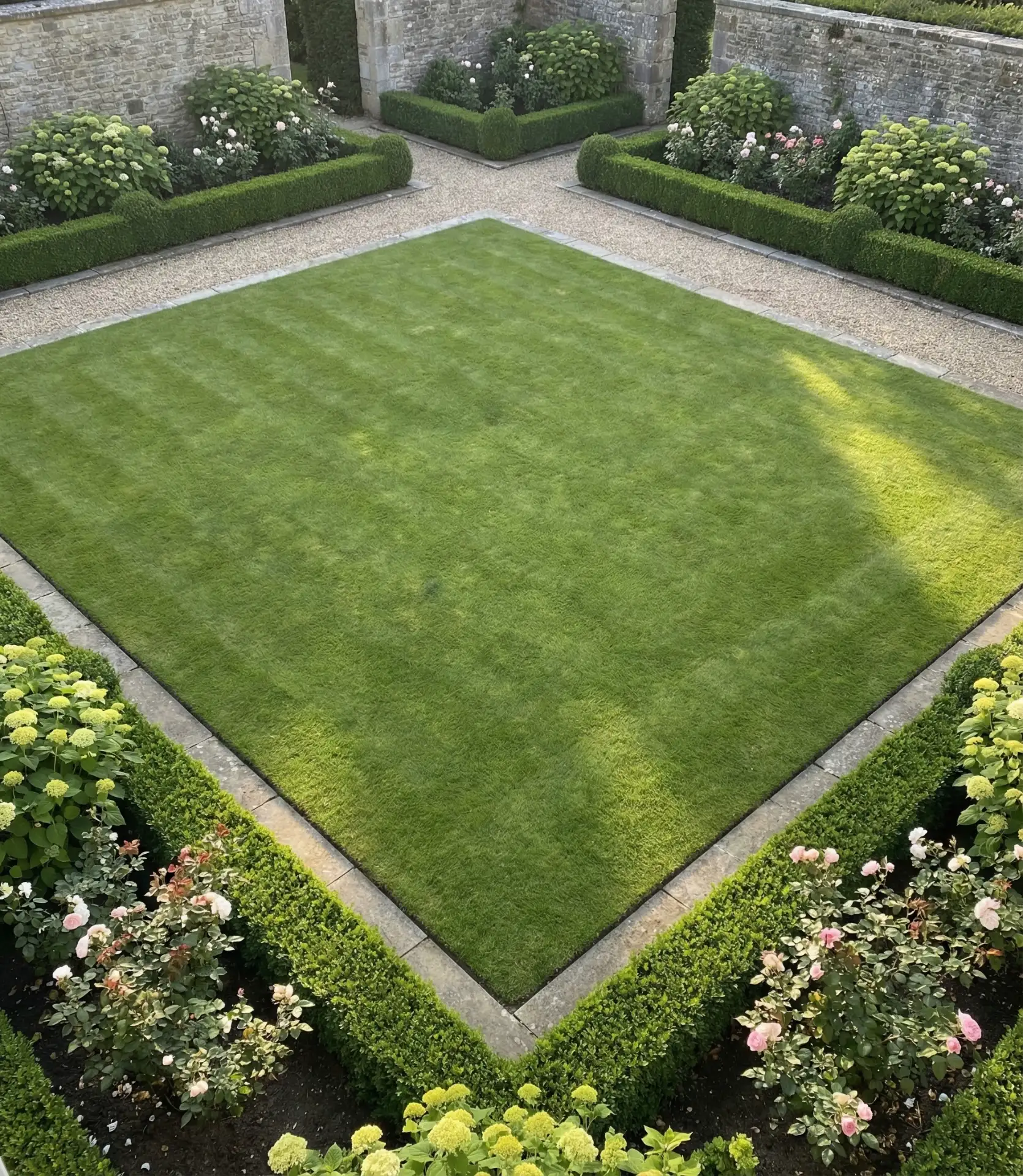
Design a clean rectangular lawn area bordered by structured planting beds that create strong geometric lines and clear zones. This traditional layout works beautifully for families who want usable grass for play or pets while still enjoying ornamental gardens. Edge the lawn crisply with metal or stone borders to prevent grass creep, and fill the surrounding beds with shrubs, perennials, and mulch for a tidy, maintained appearance. The formal structure provides a framework that makes the entire yard look intentional and well-planned, even when plantings are simple. 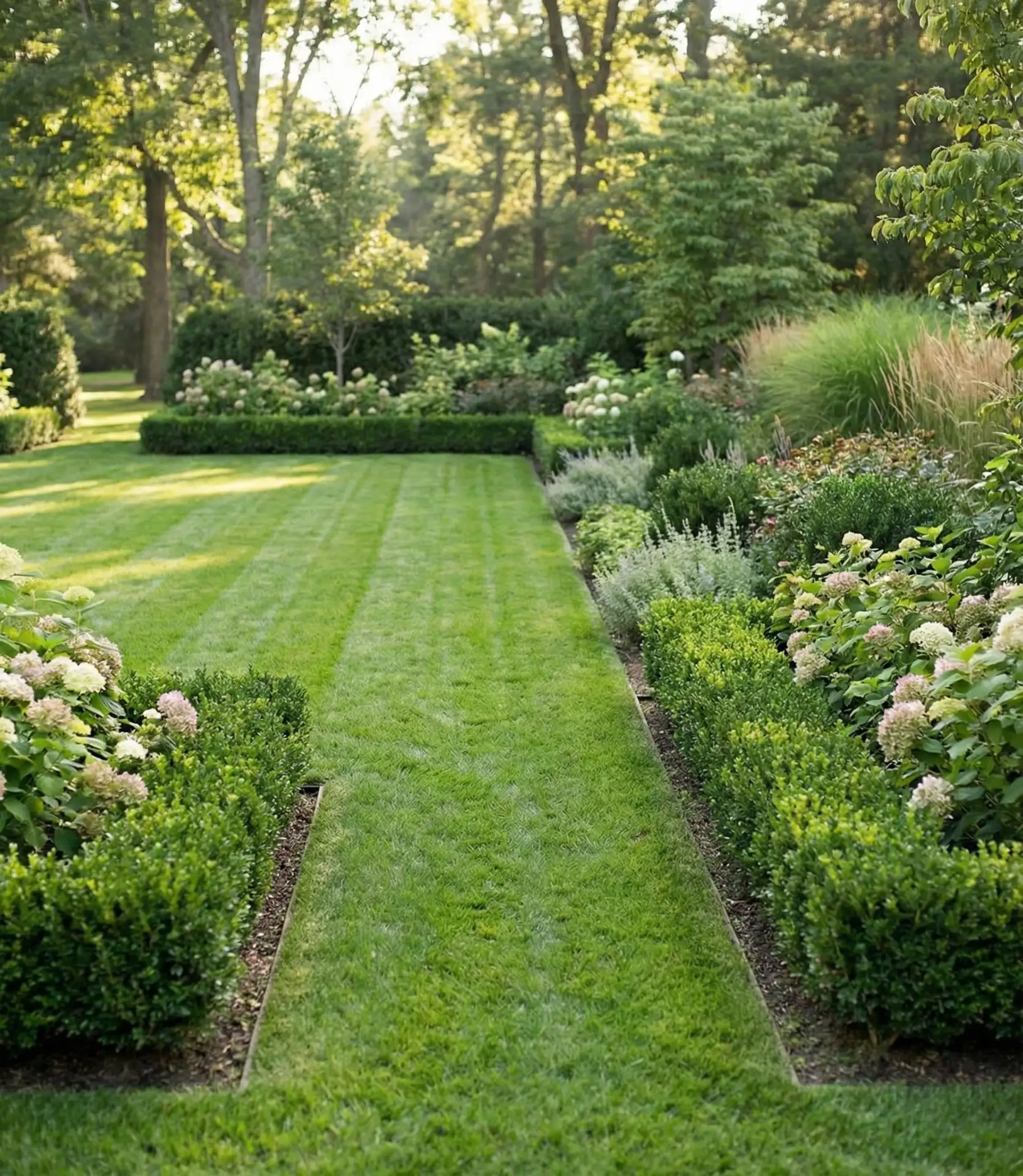
Because it perfectly balances utility and beauty, this classic American yard layout is timeless. This yard is designed for living, allowing kids to play soccer, dogs to run, and adults to garden in a messy yet organized chaos within the dedicated beds. The metal edging that keeps those clean lines will cost about $2 per linear foot and will last for years, cutting out the blurry edges that make yards look messy by the end of July.
14. Corner Lot Showcase Garden
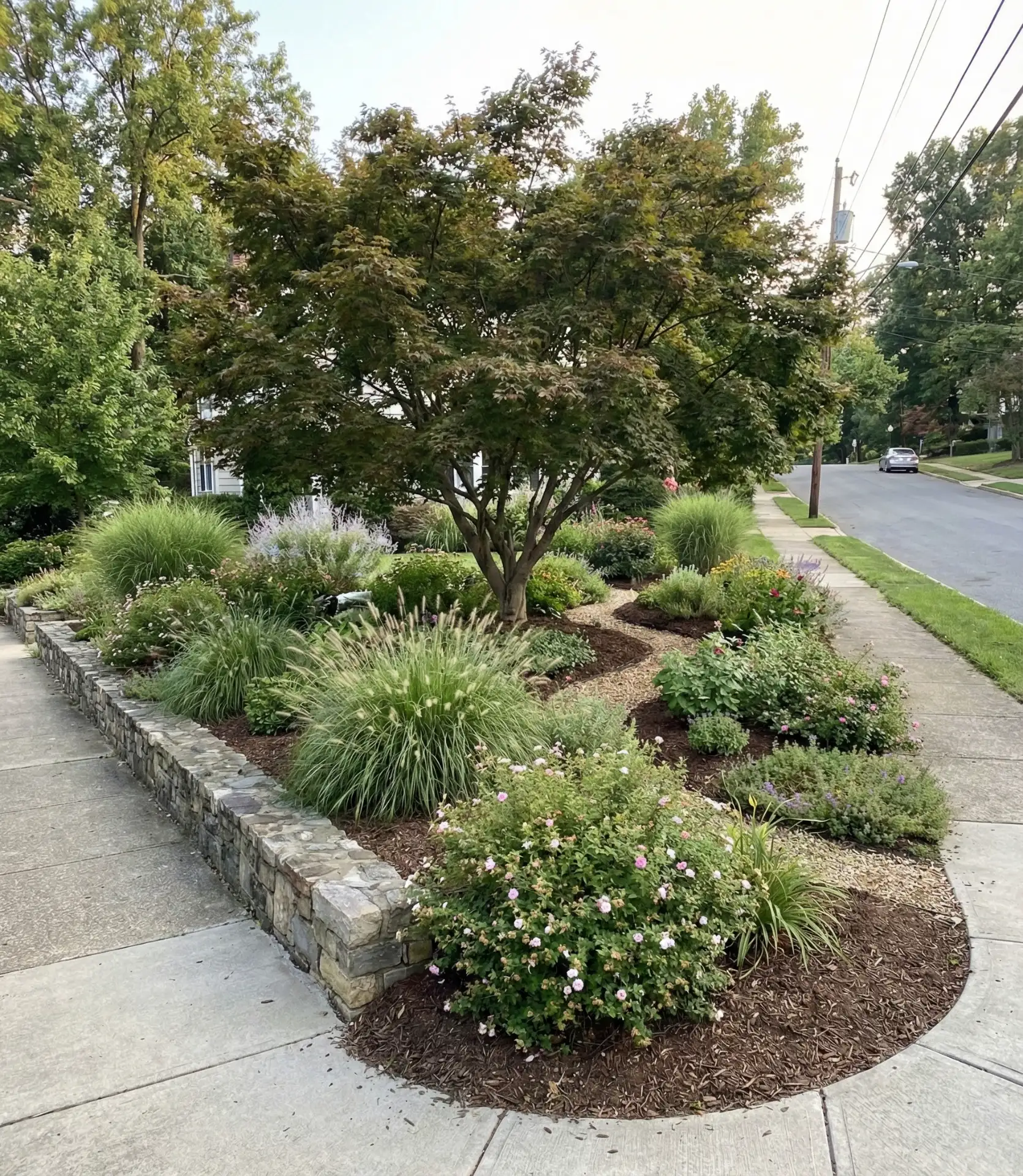
Maximize the visibility of a corner lot with eye-catching plantings that look beautiful from multiple angles. Design sweeping beds that curve toward both street frontages, creating movement and flow rather than boxy, disconnected sections. Use specimen trees, tall ornamental grasses, or large boulders as anchor points visible from passing cars, then layer in seasonal color and texture. Corner front yards offer extra space but also extra exposure—embrace it by creating a landscape that contributes beauty to the entire neighborhood while providing privacy near the house itself. 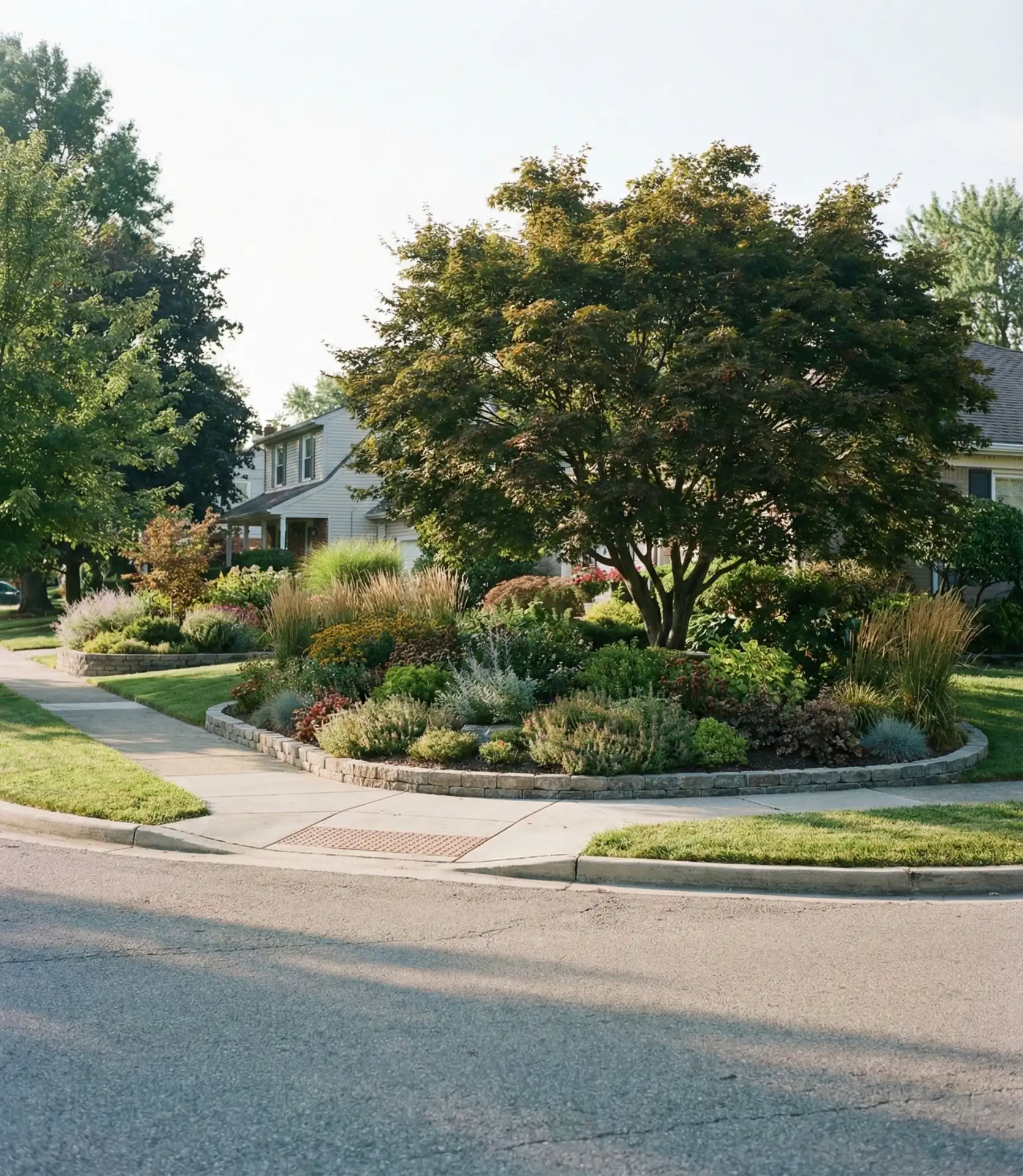
Corner lots come with unique challenges—more area to maintain, more visibility, and often more foot traffic or headlight glare. But they also offer opportunities that interior lots lack. I’ve seen corner properties that became neighborhood landmarks simply through thoughtful planting. The key is creating privacy where you need it (near windows and outdoor living spaces) while offering generous beauty to the public view. This dual-purpose design thinking separates stunning corner lots from overwhelming ones.
15. Drought-Tolerant Landscape and Native Plants of Texas

For Texas native plants that thrive and survive in such conditions, use autumn sage, Texas sage, yucca, and drought-tolerant native grass. These plants have evolved to thrive without additional watering like other non-native plants and do best in a sustainability-minded landscape. For a more Hill Country landscape, use decomposed granite pathways with flagstone. The design benefits from a drought, unlike most lawns, which brown and dry out. 
Texas is not the easiest place to create the landscape. Homeowners face some of the most extreme conditions in the country: drought, high temperatures, unyielding alkaline soil, and even deer. However, native plants can assist in achieving this effortlessly.
I remember a landscape designer in Austin telling me about one of her clients who switched to native plants, resulting in a 60% drop in their water bill and a reduction in garden maintenance time by one-third. This practical truth demonstrates that using native plants is completely viable.
16. Monochromatic White Garden
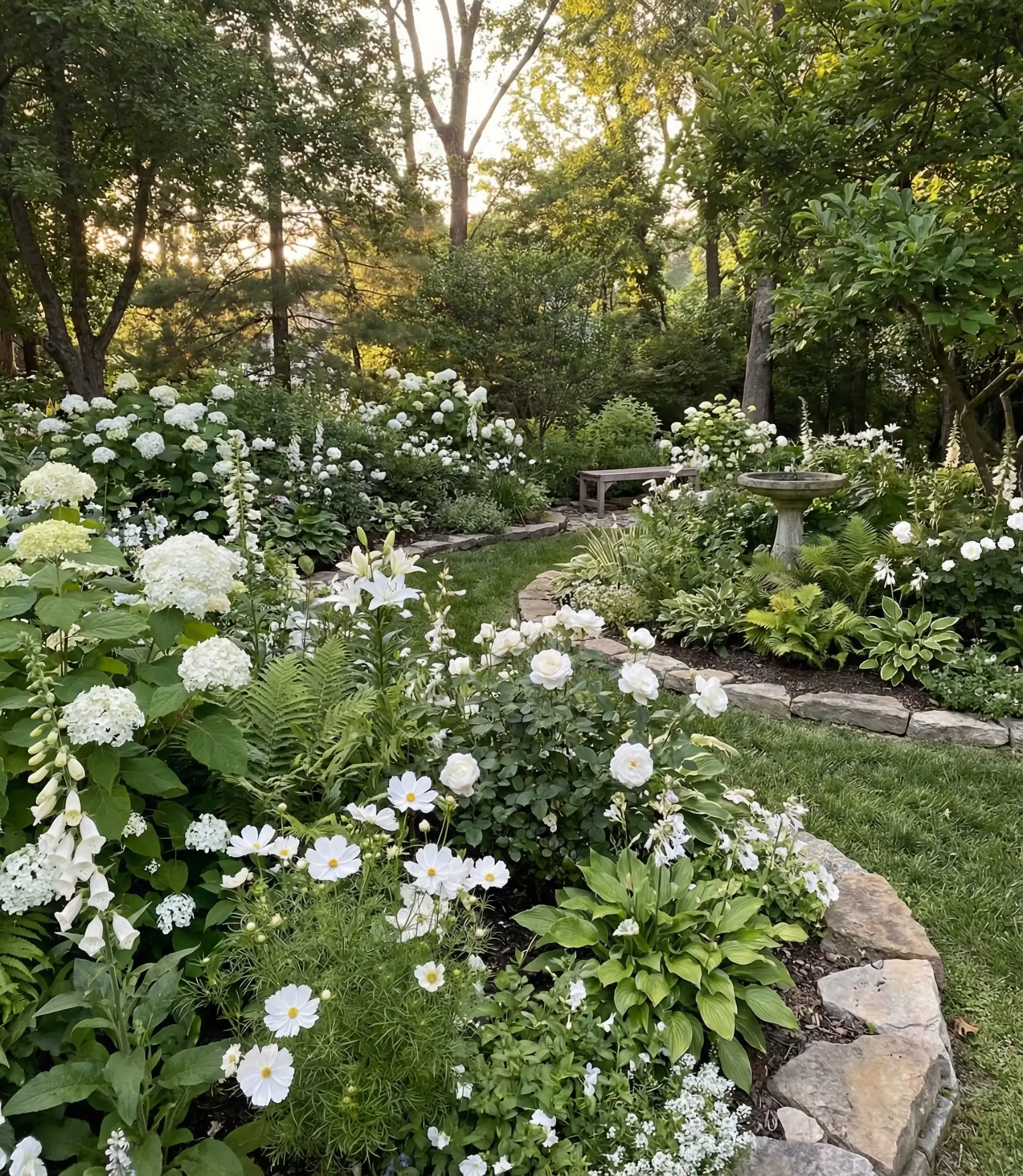
This is a design for a front garden that is modern and elegant. It incorporates only white and cream flowers, complemented by a mix of green foliage. For this design, we recommend white roses, hydrangeas, gardenias, white coneflowers, and Shasta daisies, as they provide a soft look that will glow in the evening. This design is timeless and should not go out of fashion, as it is elegant, not busy, or chaotic. It showcases the foliage, texture, and form, while also highlighting the contrasts that a mono-color palette offers, which can be lost in multi-color designs. It also underscores the distinctions in the mono-color palette that multi-color designs may overlook. To provide a beautiful sight in the other seasons, build on this design using some architectural evergreens like boxwood and holly, and this garden will also remain visually appealing during the rest of the year when nothing is blooming. 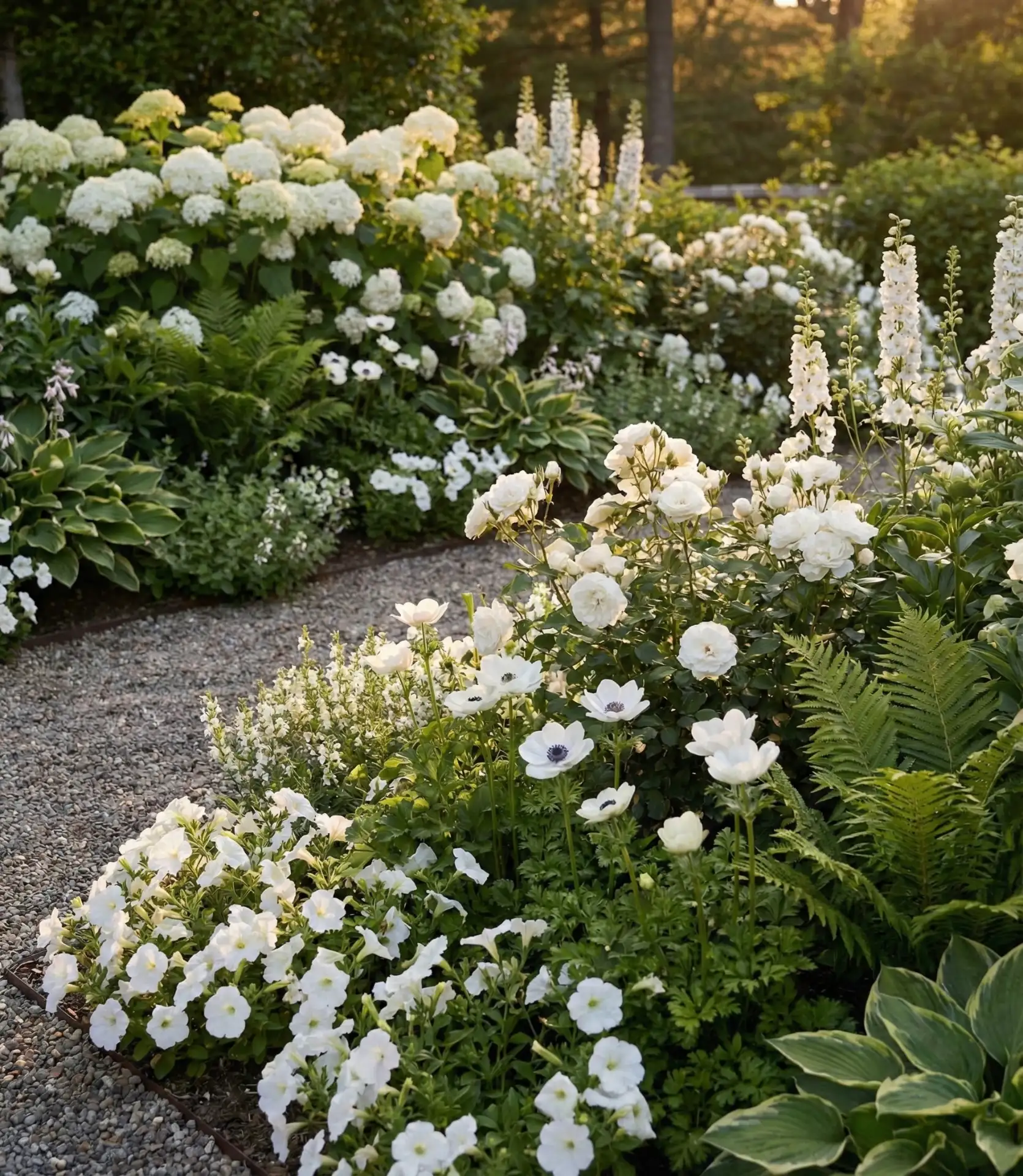
White gardens became famous through Vita Sackville-West’s creation at Sissinghurst, and they’ve remained popular because they work. The limited palette forces you to focus on plant selection, placement, and composition rather than relying on color chaos to create interest. These gardens photograph beautifully—important in our Pinterest-driven world—and they create peaceful, contemplative spaces that feel like outdoor rooms. For beginners overwhelmed by color theory, the required discipline actually simplifies design.
17. Reclaimed Material Planter Boxes
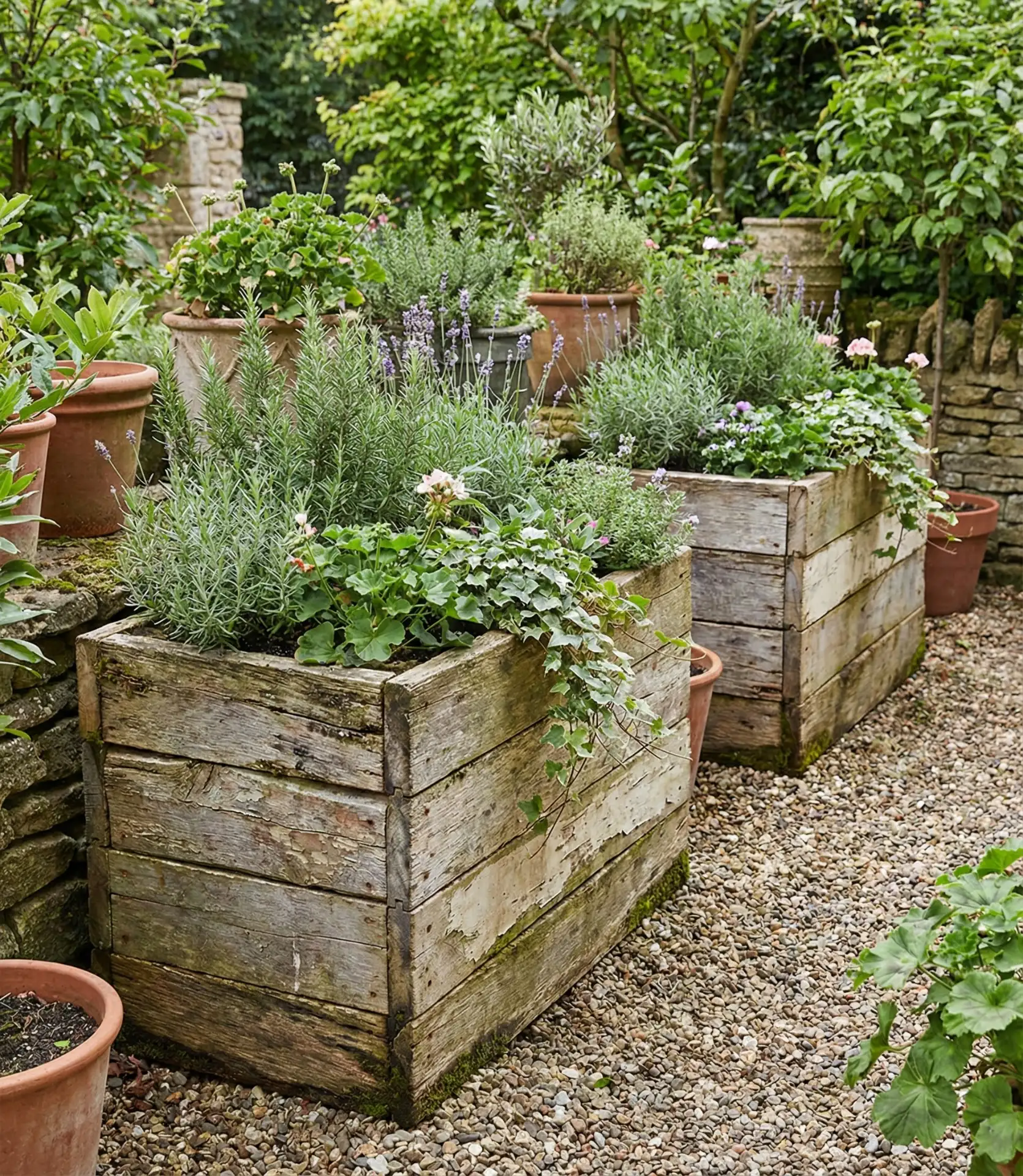
Build unique planter boxes from reclaimed wood pallets, old fence boards, or salvaged materials for a sustainable DIY project with character. These one-of-a-kind containers add texture and personality while keeping perfectly recyclable materials out of landfills. Line them with landscape fabric to prevent soil loss, fill with quality potting mix, and plant with herbs, vegetables, or annual flowers. The weathered, imperfect aesthetic fits perfectly with modern farmhouse, industrial, or eclectic design styles, and the custom sizes let you fit planters exactly where you need them. 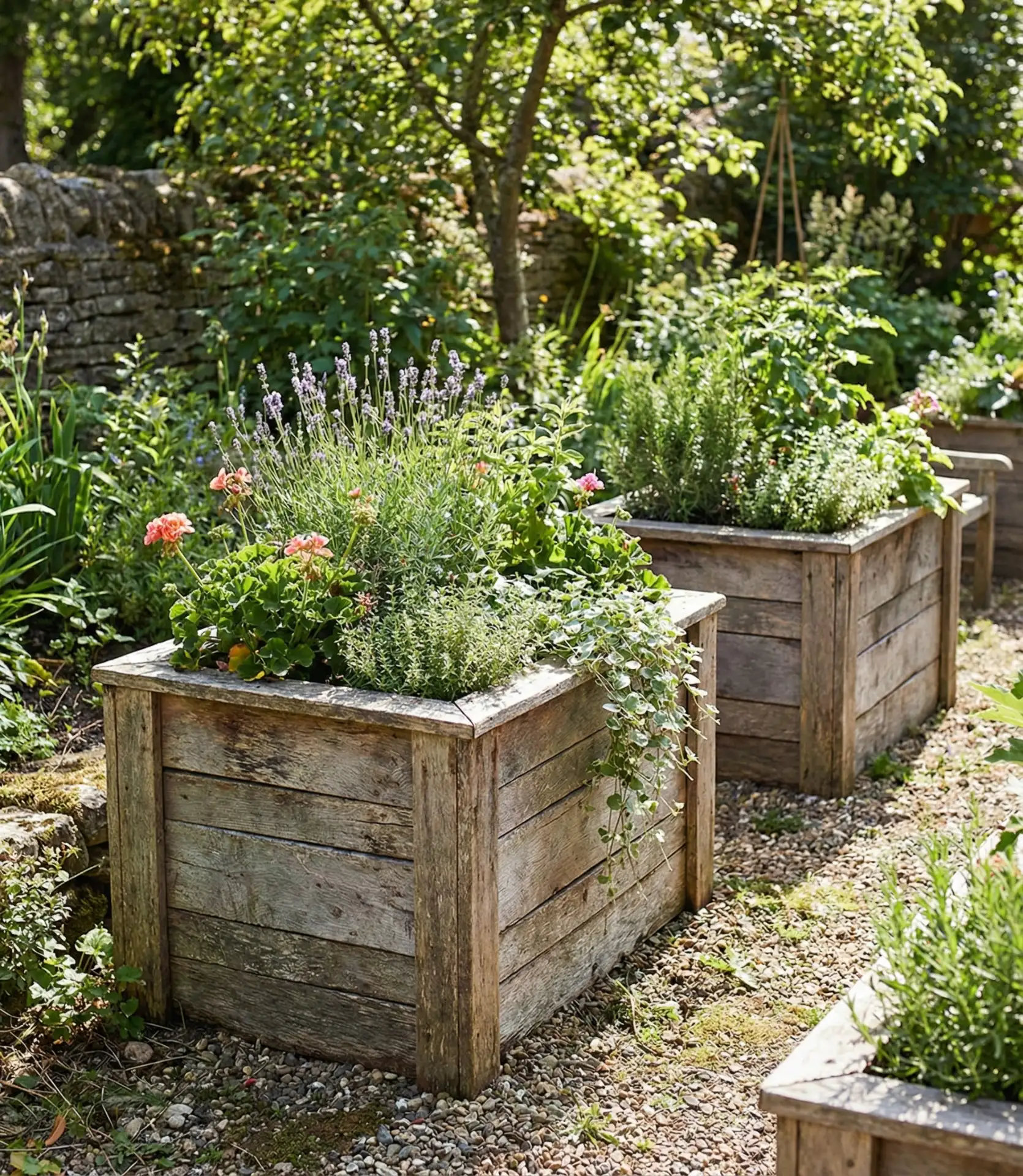
Budget-conscious gardeners love this approach because materials often cost nothing—pallets are frequently free from businesses, and old fence boards accumulate during renovation projects. A weekend of work produces planters that would cost $80–150 each at garden centers. The environmental angle resonates with younger homeowners who want their landscapes to reflect their values. Just ensure reclaimed wood hasn’t been treated with harmful chemicals before using it for edibles.
18. Formal Hedge and Topiary Entry

The combination of trimmed hedges, topiaries, and European styling is classic. For the year-round posed and refined look, boxwood, yew, or privet can be shaped to form pyramids and spheres or be contoured with cone and spiral topiary. Low hedges can shape the edge of planting beds and pathways. For screening and framing, taller hedges can be used. This method requires a commitment to the landscaping with regular edge trimming for the hedges and usually landscape shearing three times a growing season, but the commitment pays off with a stunning landscape. 
This option isn’t a low-maintenance choice, but for homeowners who love that crisp, controlled aesthetic, it’s worth the effort. The maintenance rhythm becomes meditative, with many people finding the precision trimming involved to be their form of relaxation. Battery-powered hedge trimmers are a modern convenience that make the physical labor involved much easier than it was a generation ago. In historic neighborhoods and upscale communities, formal hedging signals that a property is loved and tended, which can positively impact property values and neighborhood character.
19. Pebble Mosaic Pathway
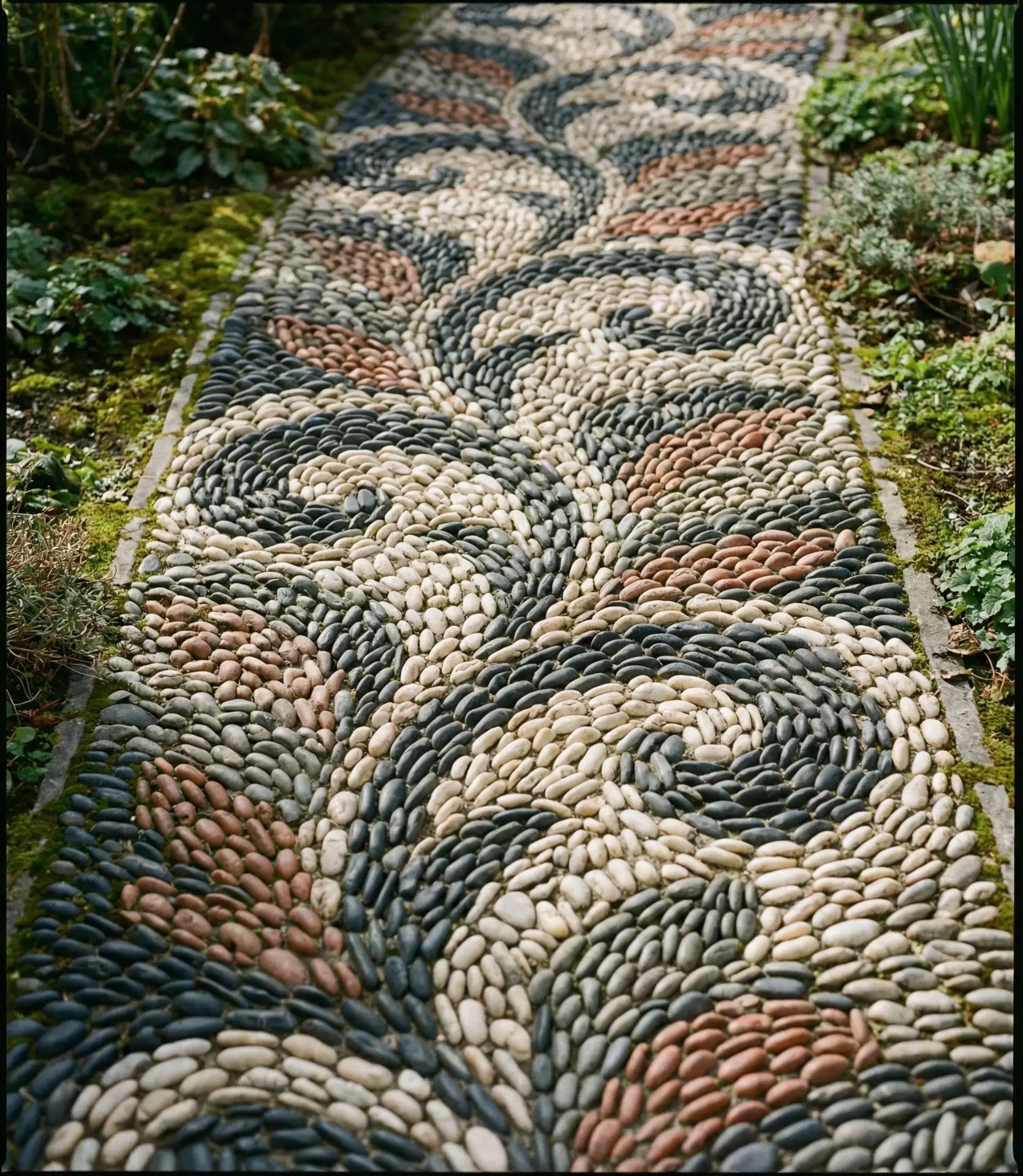
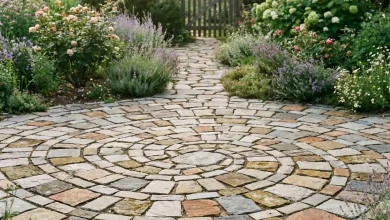
Artistic appeal can be created with durable walkways and pathways made from pebbles arranged in decorative patterns or set with mortar or sand. This ancient craft technique is perfect for a handcrafted quality that is achieved by walking with real pavers.
Mixing different colored stones, such as black and white or different earth tones, lets you create swirls, waves, and geometric designs. Take your time with the project, as the end pathway and work you do are unique and creatively designed. The work done is better than the big box uniformity of their designs, as you are able to creatively express yourself. The pathway and work added are an attention piece, as the work done is not something that can be mass-produced and shows dedication. 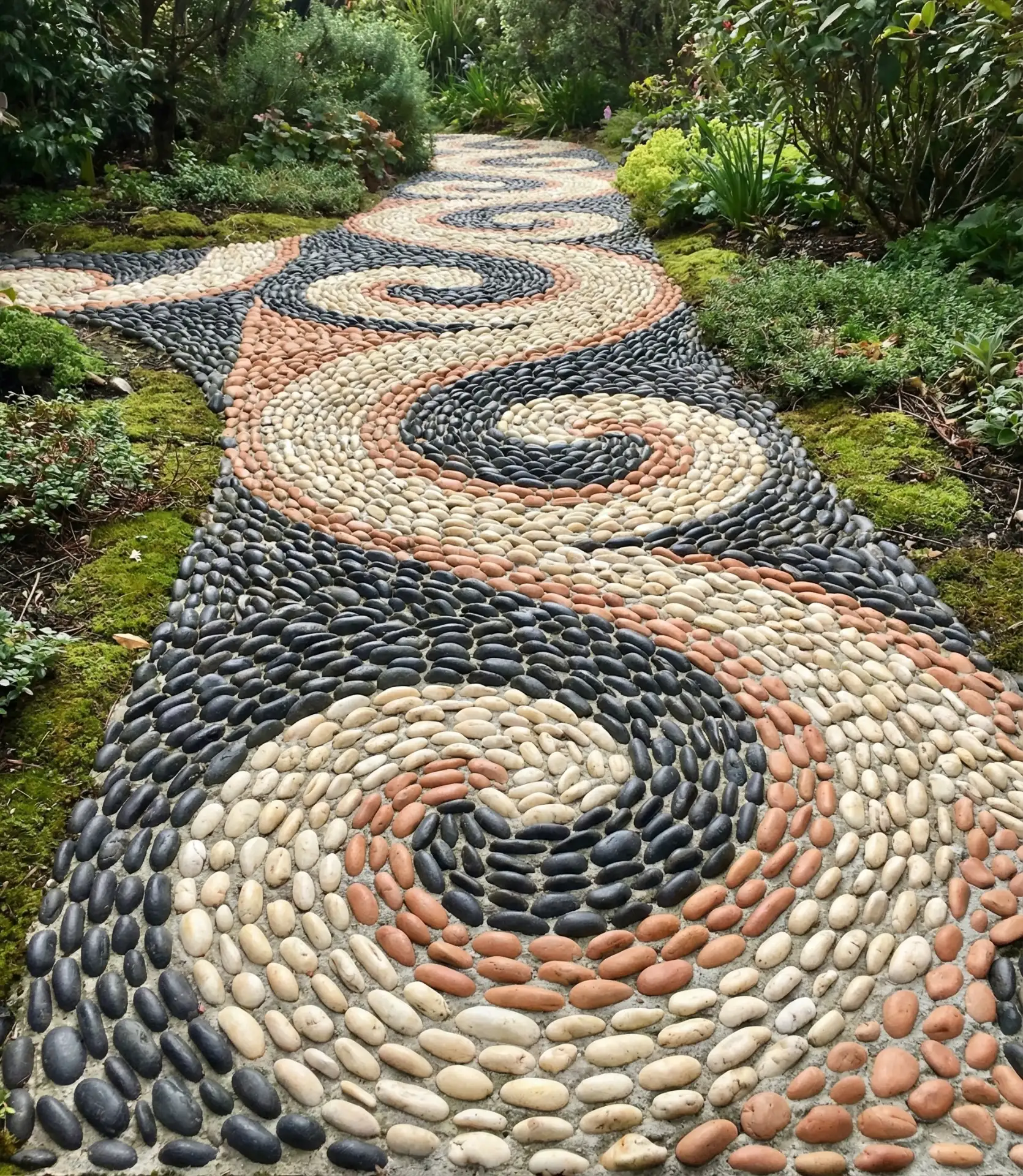
What is special is the unique work done on each individual piece to make the path. In the wine country of California or Mediterranean climate zones, the use of pebble mosaics is a modern take on an old technique. The time required for the work is considerable, but the materials you use are not expensive. $50-$80 per ton of river rocks and pebbles makes up the bulk of the work. That’s part of the appeal, the time commitment required to make something that is more than simple mass production and something you can take pride in.
20. Multi-Season Fruit Tree Grove
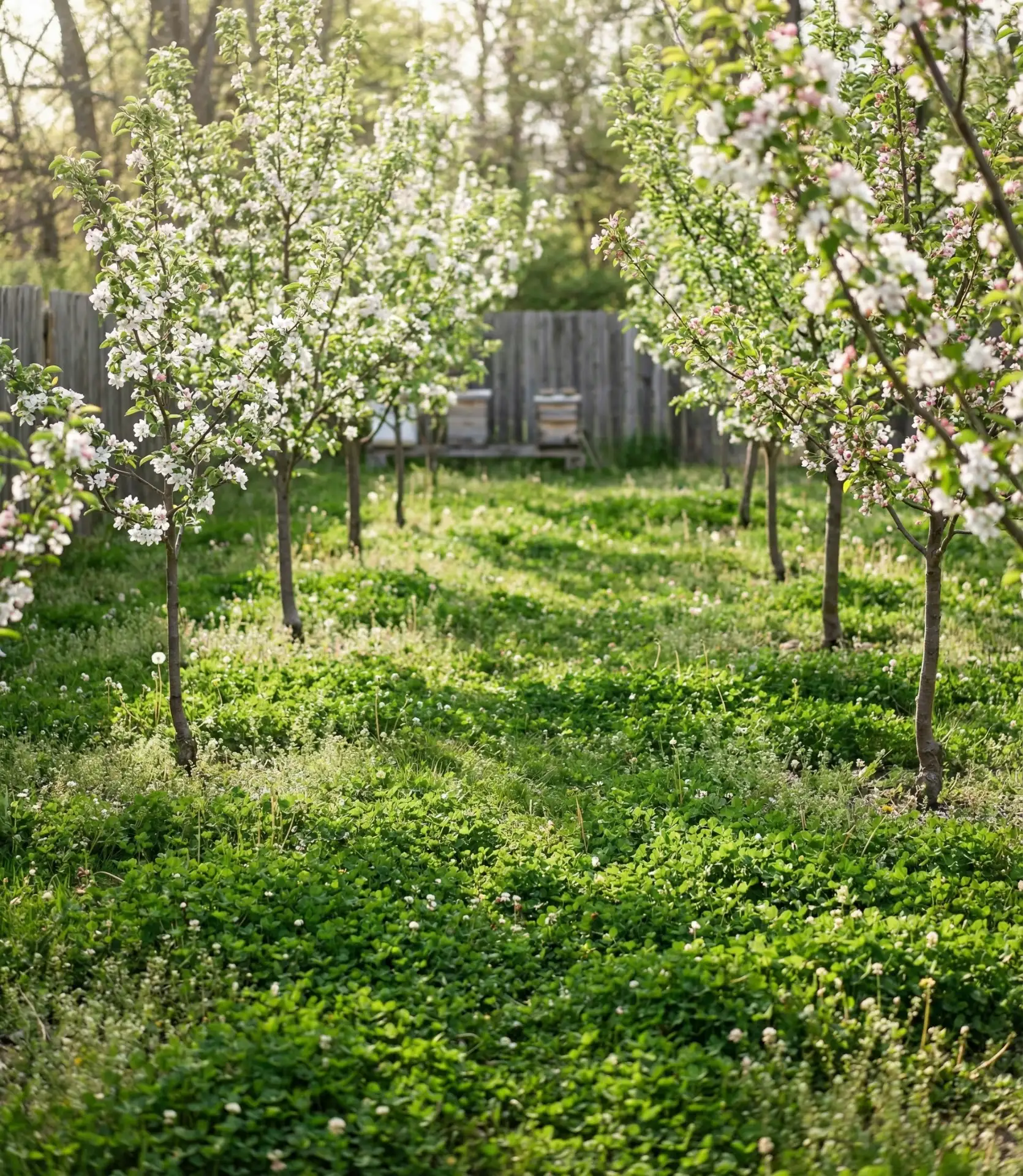
Plant a productive large yard mini-orchard with fruit trees that ripen at different times for continuous harvests. Combine early cherries, mid-season peaches, and late-ripening apples and pears to extend your harvest window from June through October. Underplant with nitrogen-fixing clover or wildflowers to support pollinators and build soil health. This approach transforms unused lawn into a beautiful, functional landscape that feeds your family while providing spring blossoms, summer shade, and gorgeous fall color—far more value than turf grass could ever deliver. 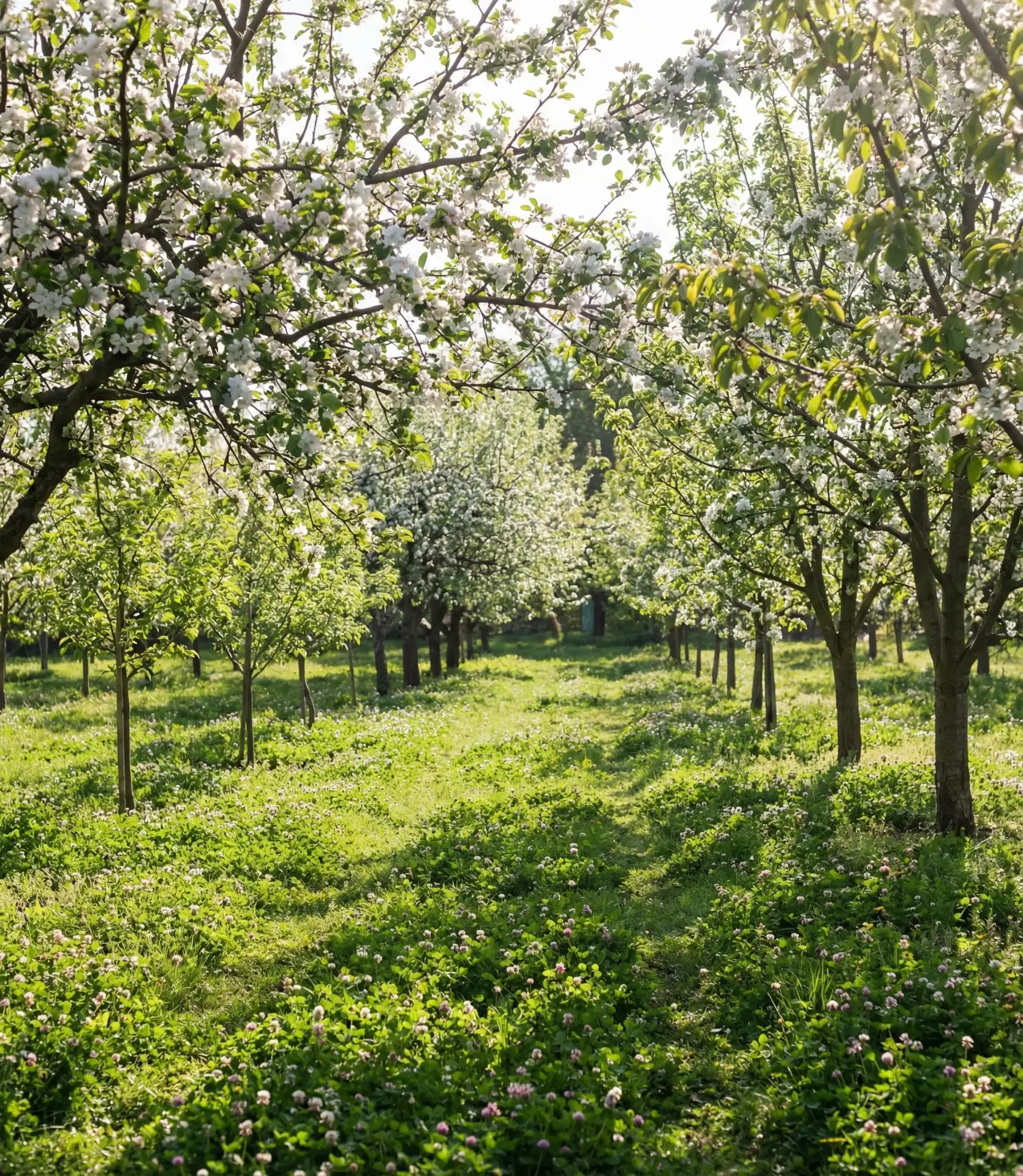
American homeowners are rediscovering fruit trees as essential landscape elements rather than backyard afterthoughts. Modern dwarf and semi-dwarf varieties stay manageable in size while producing full-size fruit, making them perfect for suburban lots. A young bare-root fruit tree costs $25–45, making a five-tree grove a $200 investment that produces hundreds of pounds of fruit annually once established. Compare that to organic fruit prices at farmers’ markets, and the economics become compelling quickly.
21. Outdoor Living Room with Built-In Seating
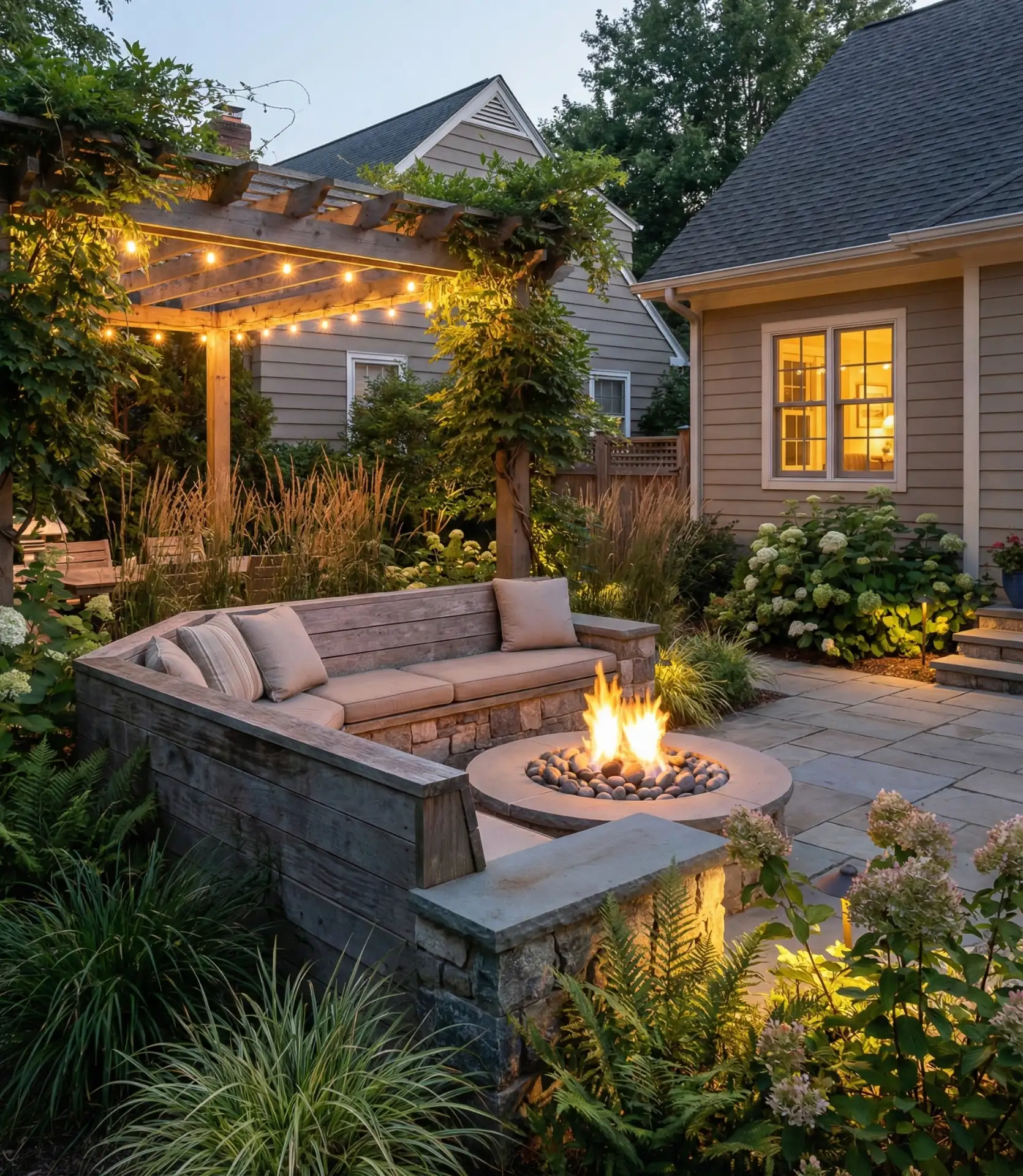
Transform your backyard into an extension of your home with permanent built-in benches surrounding a fire pit or conversation area. Use matching stone, brick, or stucco to tie the seating walls to your home’s architecture, and add cushions for comfort. Surround the space with screening plants—ornamental grasses, shrubs, or climbing vines on trellises—to create privacy and enclosure. Overhead string lights or a pergola define the “ceiling” of this outdoor room, making it feel intentional and finished rather than just furniture scattered on a patio. 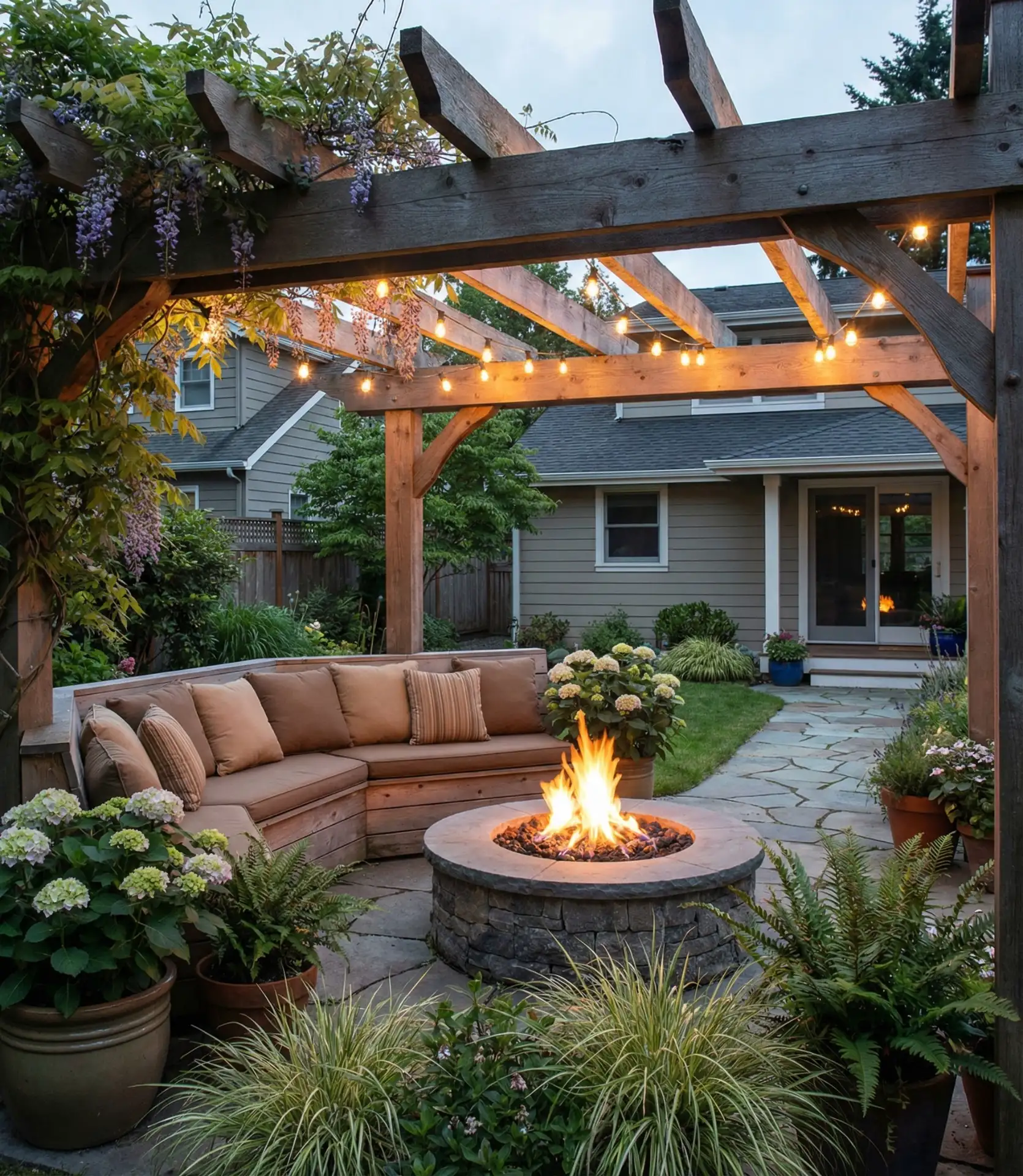
This is the largest shift in American landscape thinking in the past ten years—yards and outdoor spaces are no longer a collection of spaces to view from within the home but are livable outdoor rooms. Built-in seating in the yards is a larger initial expense than portable patio furniture but can last decades and won’t blow away in a storm. A DIY outdoor stone bench project costs $600–1,000 in materials, while professional stonework usually runs $2,500–4,000. In either event, it drastically changes a family’s ability to utilize their yards from the occasional evening gathering to regular evening gatherings.
22. Coastal Beach Grass Dune Garden
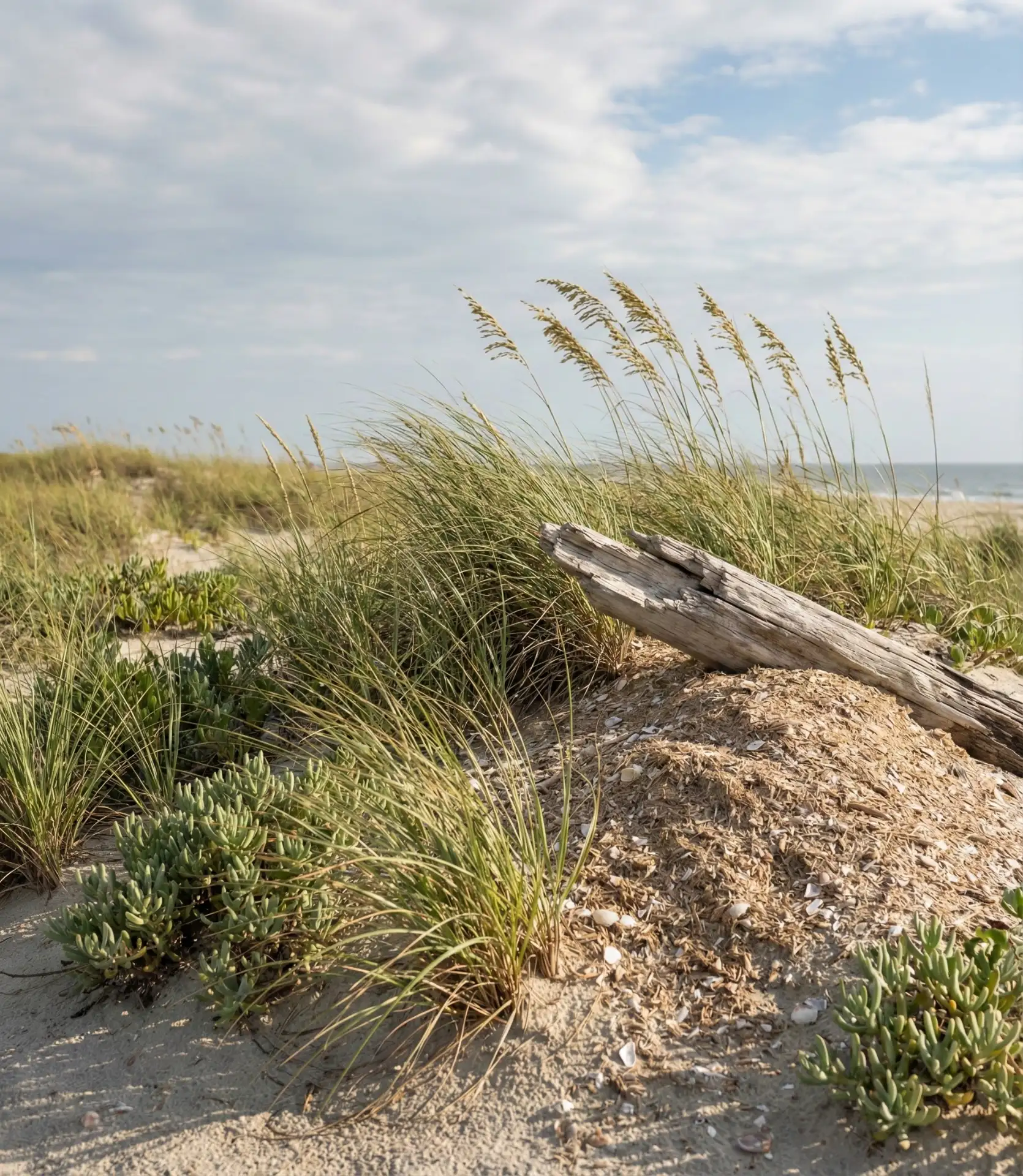
Capture coastal aesthetics using beach grasses, dune-adapted plants, and weathered driftwood even if you’re nowhere near the ocean. American beach grass, sea oats, and blue fescue create that windswept, seaside feeling, while salt-tolerant flowers like sea thrift and beach roses add seasonal color. Mound the soil slightly to mimic natural dune topography, and mulch with sand or fine gravel rather than bark. This low-maintenance style thrives in challenging conditions—sandy soil, wind, and salt spray for actual coastal properties, or simply poor soil and neglect for inland interpretations. 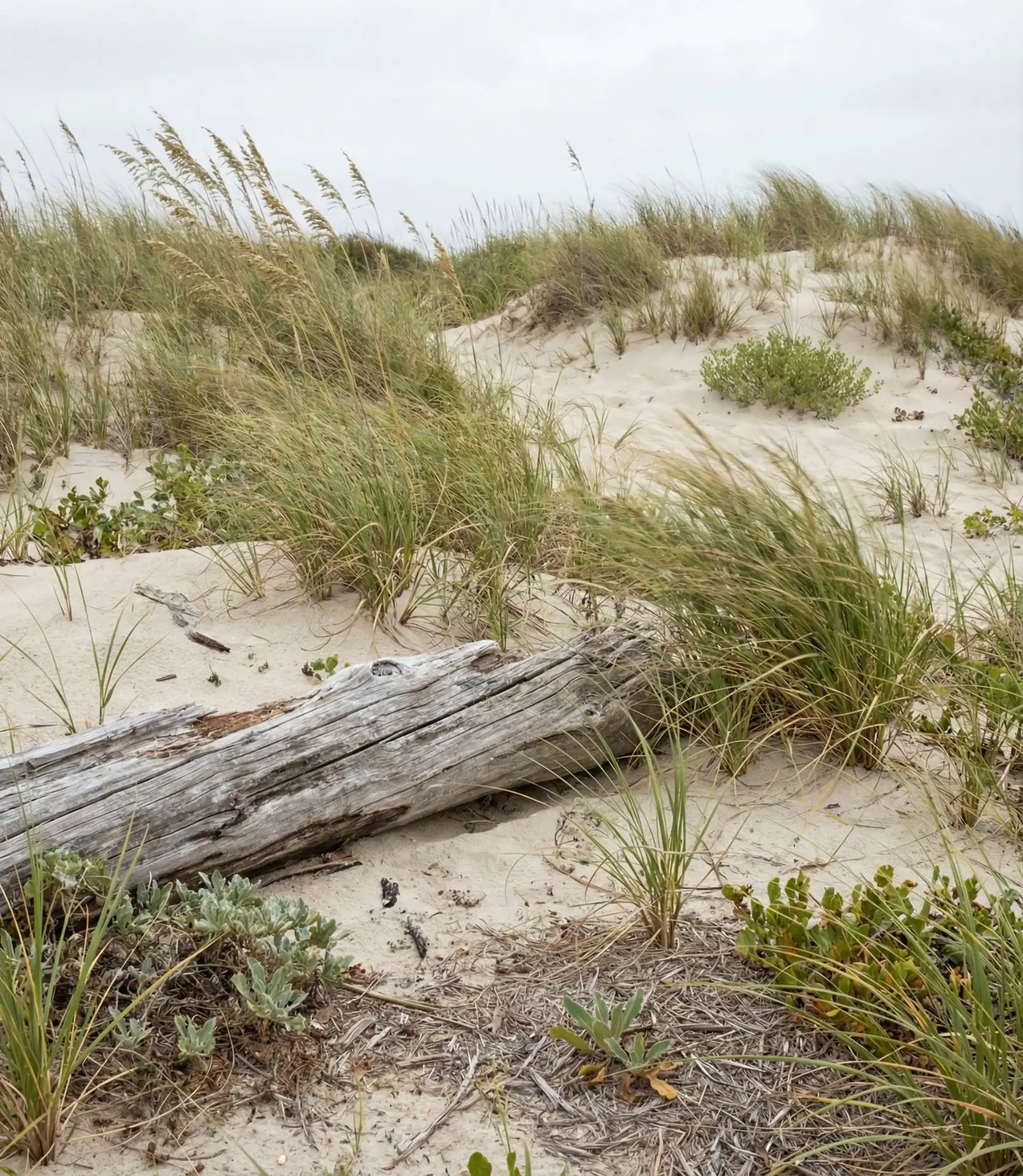
For actual coastal properties in the Carolinas, New England, and the Pacific Northwest, this technique isn’t just aesthetic—it’s practical erosion control and the only thing that survives harsh conditions. But the style has also spread inland, where homeowners want that breezy, relaxed vacation-home feeling. The plants are tough, the maintenance is minimal, and the whole look says “laid-back weekends” even if you’re in the suburbs. That emotional connection drives many landscape choices, and this one delivers it beautifully.
These yard landscaping ideas offer practical starting points for transforming your outdoor space in 2026. Whether you’re working with challenging slopes, tight budgets, or simply want to refresh your landscape with something that reflects current trends, there’s an approach here that fits. Don’t hesitate to share your own landscaping projects, challenges, or successes in the comments below—we’d love to see how you’re making these ideas work in your own yard!