
Small bedrooms have become one of the most searched interior design topics on Pinterest in 2026, especially among Americans living in urban apartments, starter homes, and downsized spaces. Whether you’re a young professional in a studio, a couple navigating a cozy one-bedroom, or a parent trying to maximize a child’s room, the challenge is the same: how to make limited square footage feel open, functional, and beautiful. This article shares smart, stylish ideas that blend clever storage, thoughtful layouts, and on-trend aesthetics to help you transform your small bedroom into a space that works as hard as it looks good.
1. Floating Nightstands to Free Up Floor space.
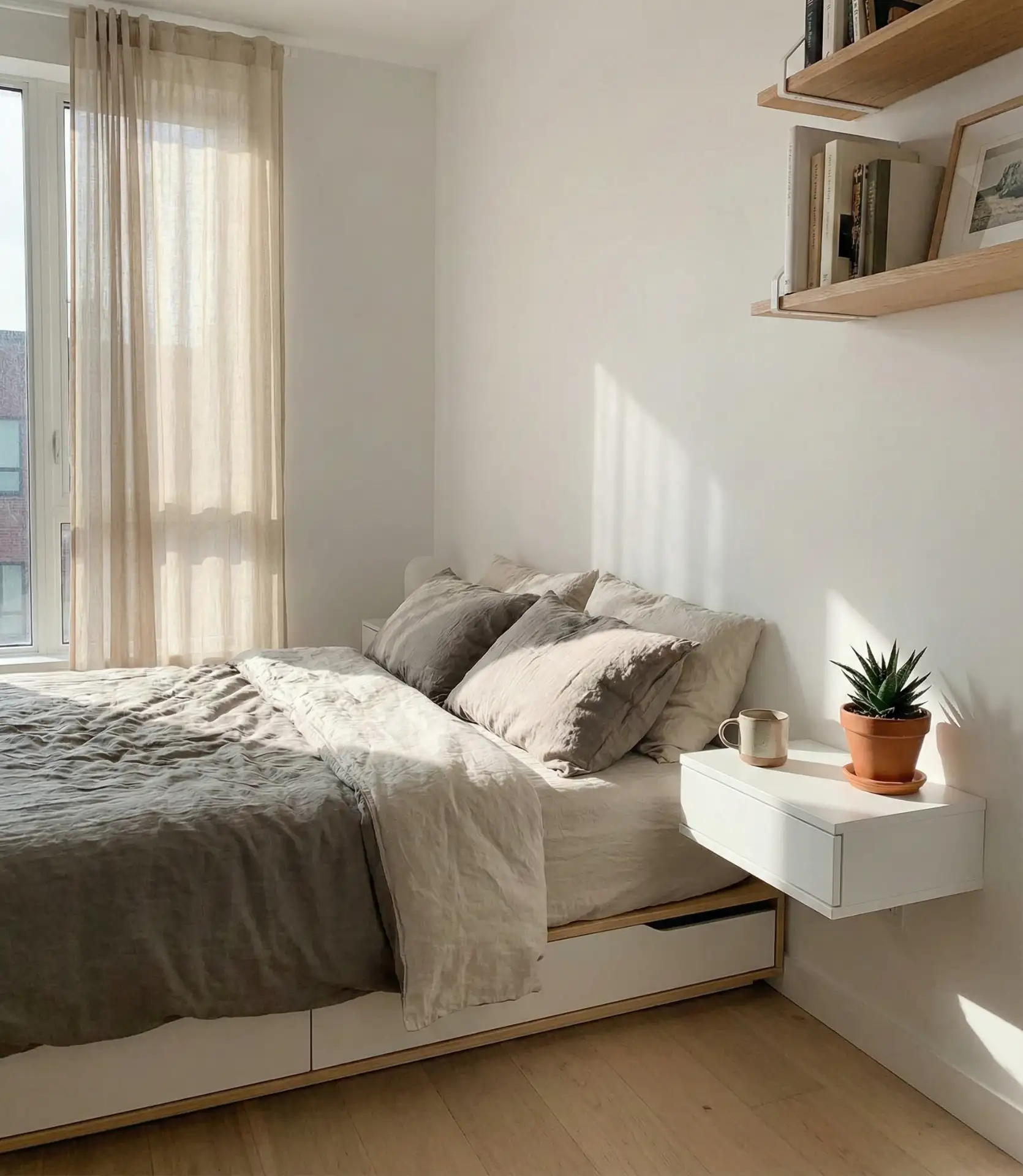
Wall-mounted nightstands are a game-changer for small bedroom layout challenges, especially in tight quarters where every inch counts. By eliminating bulky legs and bases, floating shelves or slim drawer units create visual breathing room while still offering surface area for a lamp, phone, and water glass. This approach works beautifully in small bedroom ideas for couples, where both sides of the bed need functional storage without crowding the walkway. The clean lines and open floor beneath also make daily cleaning easier and contribute to a more spacious feel.
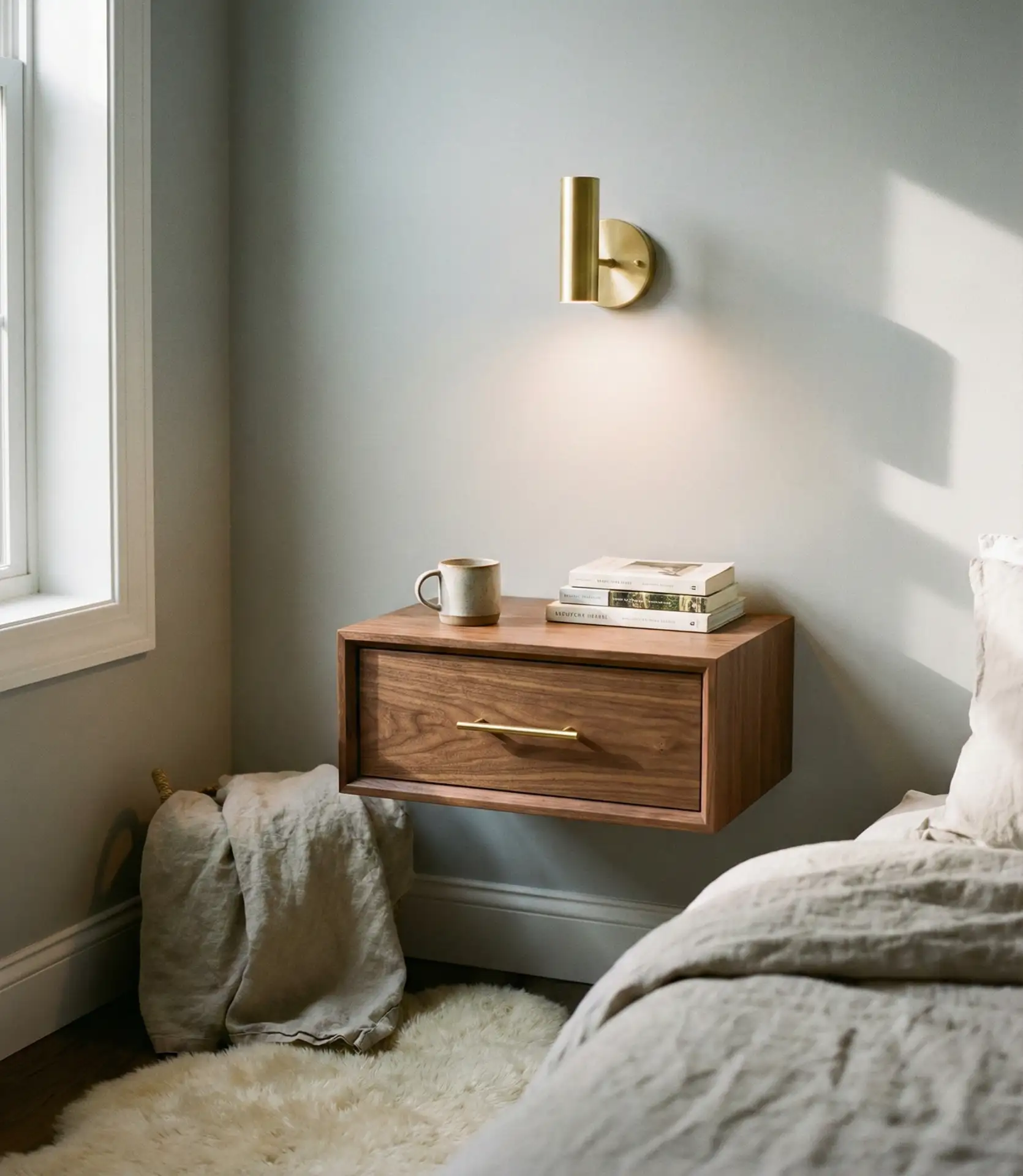
This setup is particularly popular in West Coast apartments and Brooklyn walk-ups, where square footage comes at a premium. Installing floating nightstands typically costs between $30 and $150 per unit, depending on material and finish, making it an accessible upgrade for renters and homeowners alike. Avoid mounting them too high—the ideal height for comfortable reach is 12 to 15 inches above the mattress. Many Americans overlook the importance of proper anchoring, so always use wall studs or heavy-duty anchors to support weight safely.
2. Under-Bed Drawers for Hidden Storage
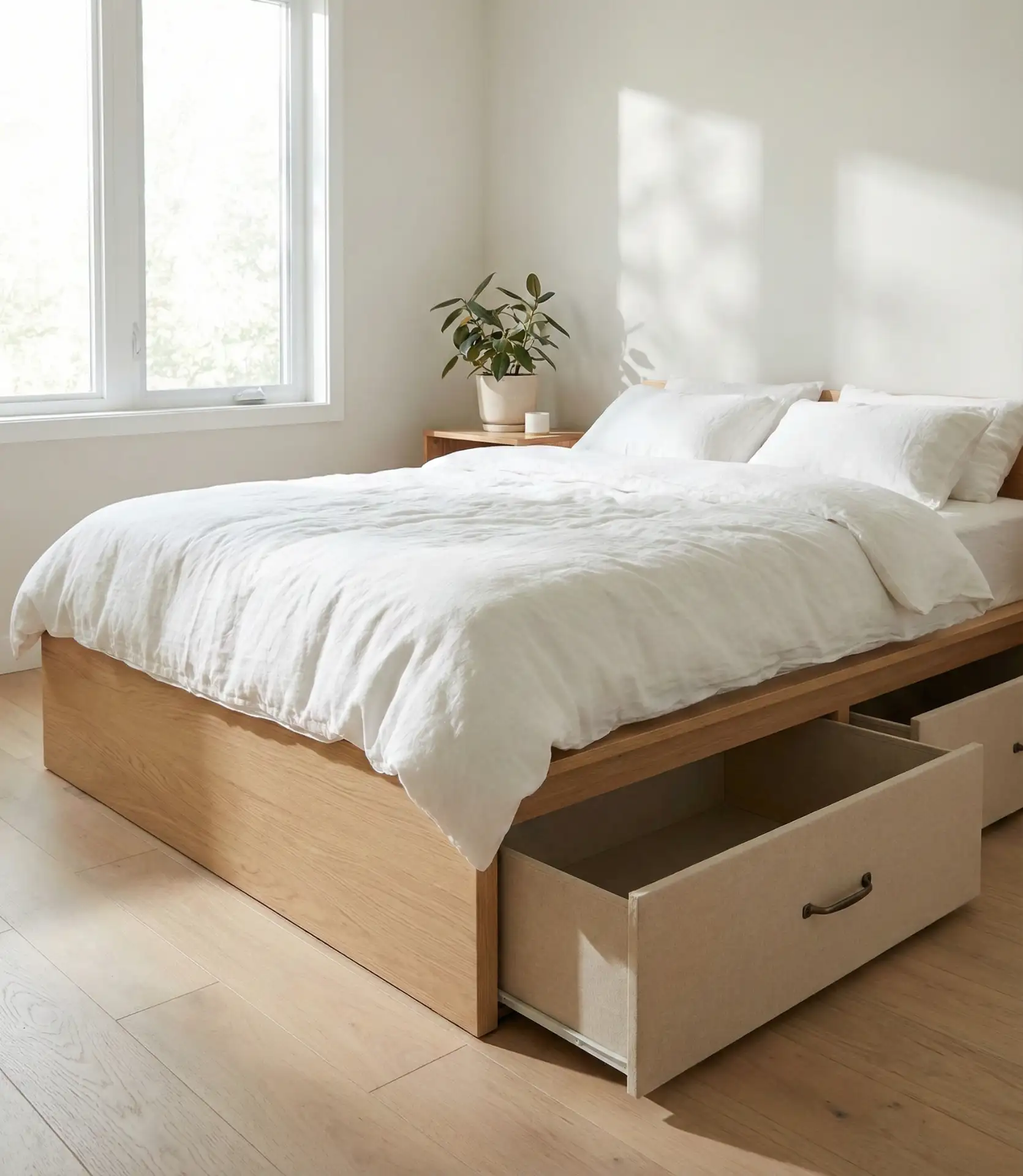
Maximizing the often-wasted space beneath your bed is one of the smartest small bedroom storage ideas you can adopt in 2026. Low-profile rolling drawers or built-in bed frames with integrated compartments provide ample room for off-season clothing, extra linens, or shoes without adding visual clutter. This solution is particularly beneficial for organizing small bedrooms, where closet space is scarce and each square foot must make a significant contribution. Choosing drawers with smooth glides and neutral finishes helps maintain a cohesive, uncluttered look.
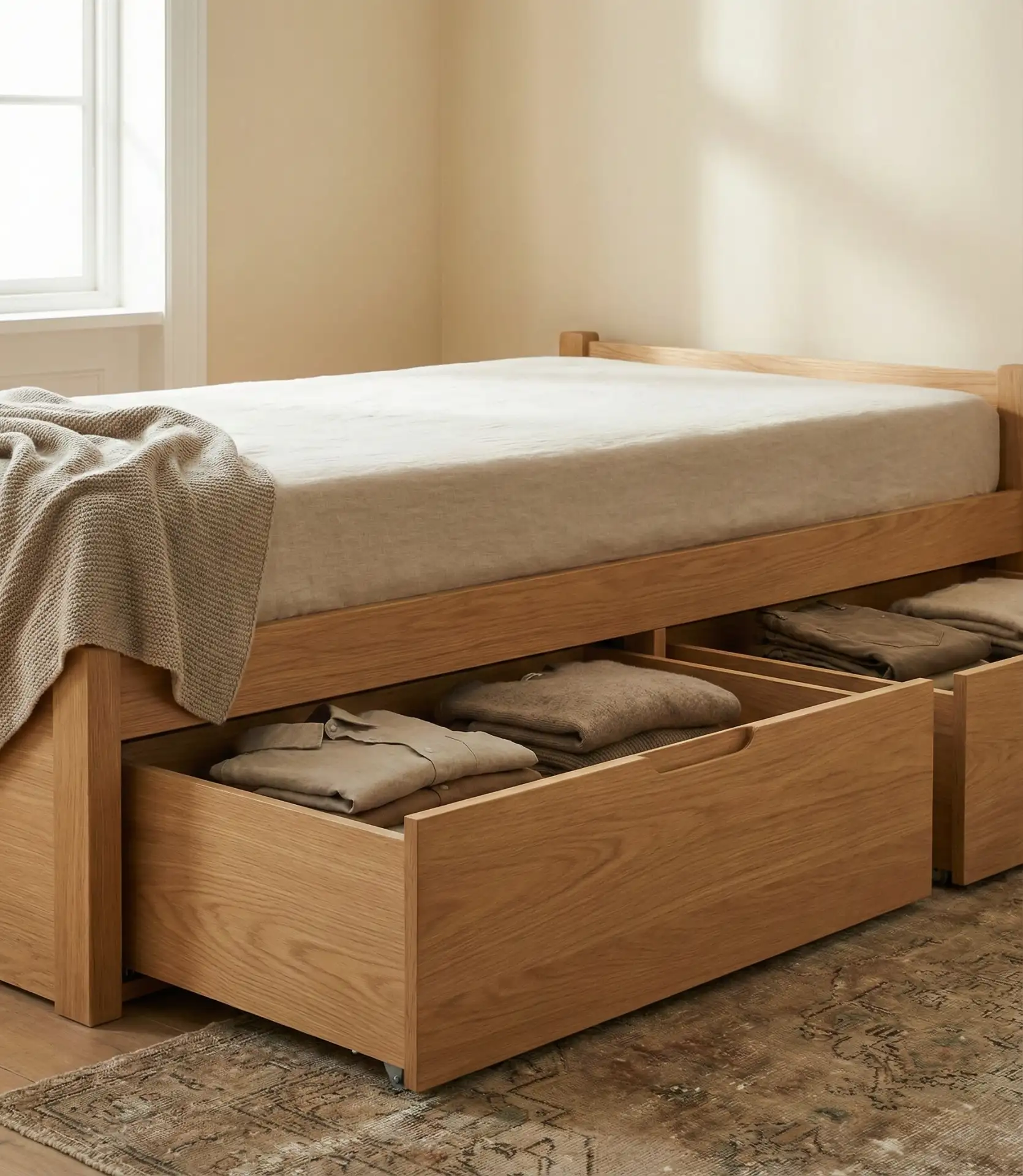
A friend in Chicago recently swapped her traditional bed frame for a captain’s bed with six built-in drawers and told me it freed up an entire dresser’s worth of space. She now uses that corner for a reading chair instead of stacking clothes. It’s a small shift that made a huge difference in how the room functions day to day.
3. Vertical Shelving Above the bed.
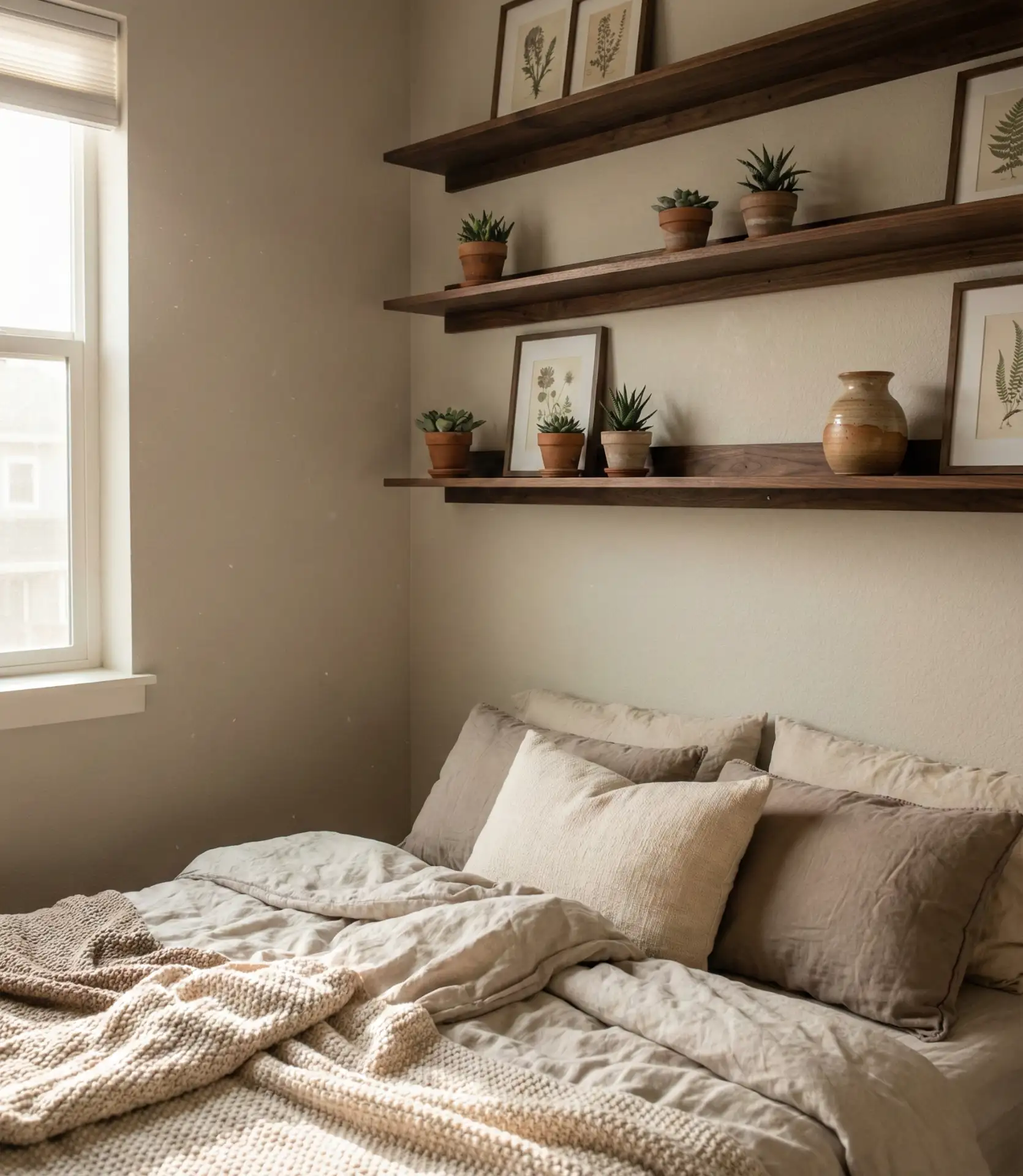
When floor space is scarce, looking upward is essential. Installing narrow shelves or a grid of floating cubes above the headboard transforms blank wall space into functional small bedroom storage ideas while adding personality and visual interest. This approach is ideal for small bedroom design ideas that prioritize both style and utility, offering display space for books, plants, frames, or decorative objects. Keep the arrangement intentional and avoid overcrowding to maintain a sense of calm rather than chaos.
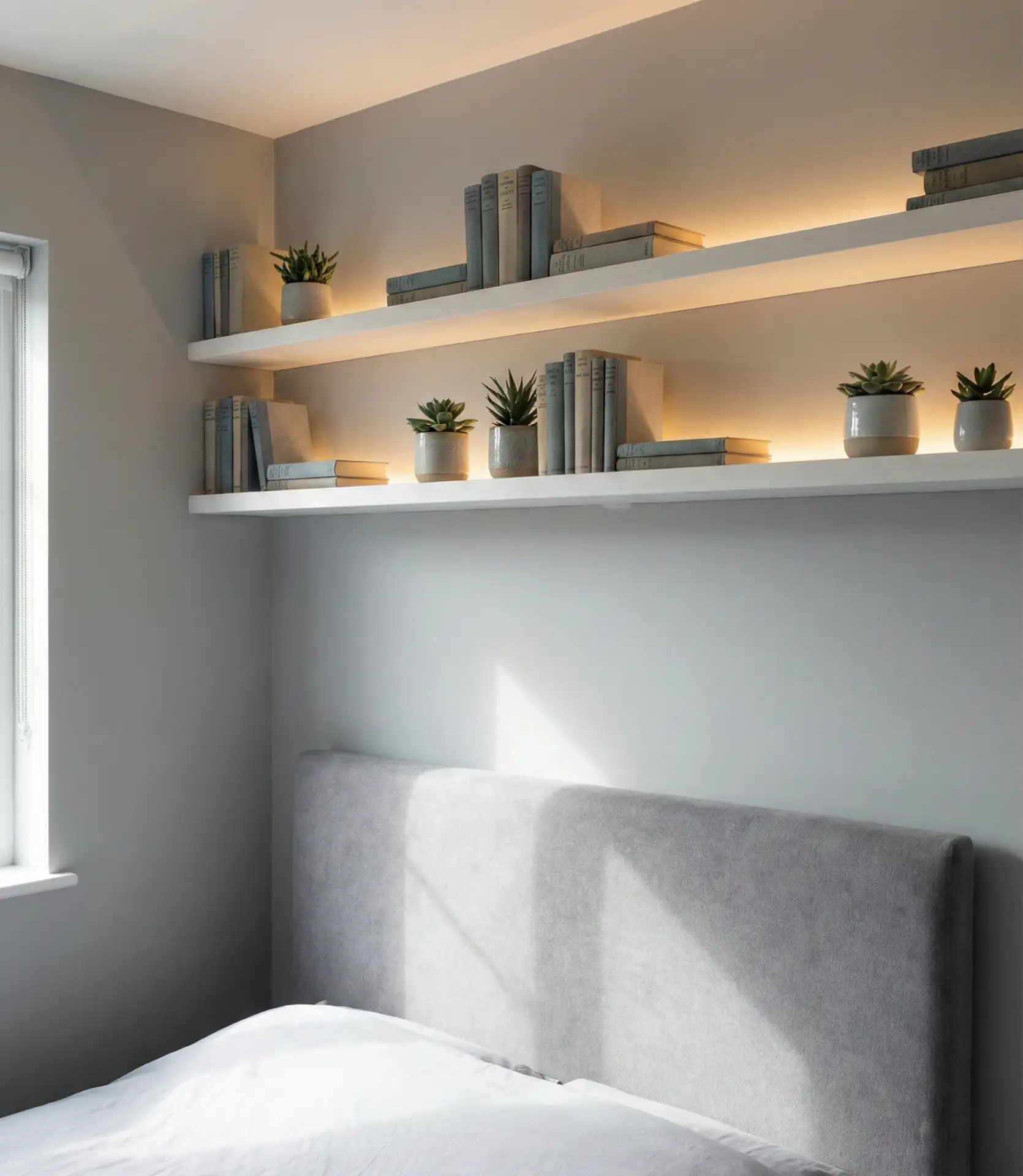
This idea works best in bedrooms with higher ceilings or when you want to draw the eye upward to make the room feel taller. Installation is straightforward, typically requiring basic brackets and anchors, with total costs ranging from $50 to $200 depending on materials. A common mistake is mounting shelves too low—leave at least 12 inches of clearance above the headboard to avoid a cramped, tunnel-like feeling and to prevent accidental head bumps when sitting up in bed.
4. Murphy Bed for Dual-Purpose Rooms
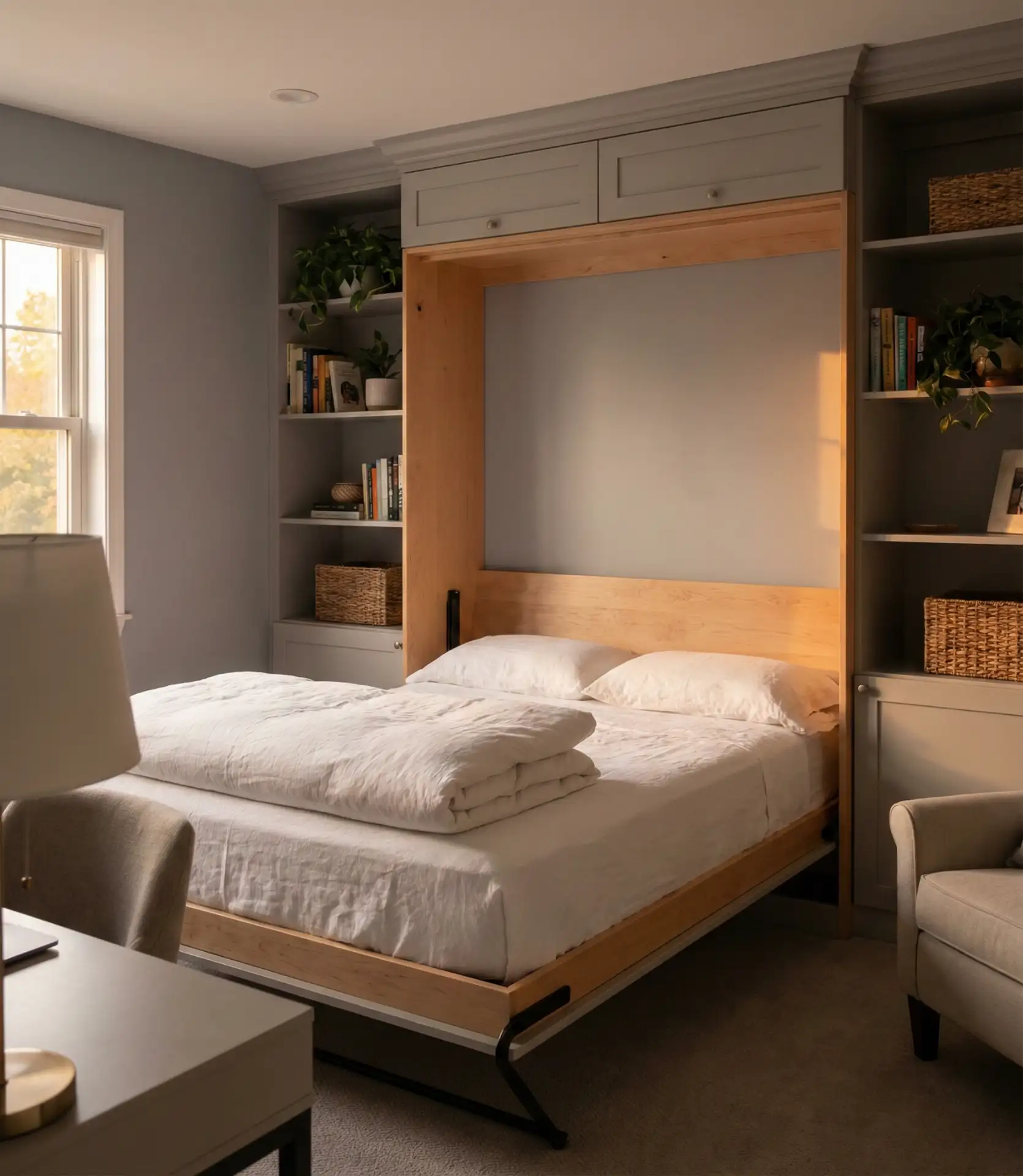
For Americans working from home or living in studios, a wall-mounted fold-down bed offers the ultimate flexibility. During the day, the room can serve as a home office, yoga studio, or play area; at night, it transforms into a proper sleeping space. Such an arrangement is one of the most versatile small bedroom layout ideas for maximizing square footage, particularly in cities like San Francisco, New York, and Seattle, where every room needs to multitask. Modern Murphy beds come in sleek designs with integrated shelving or desks, far removed from the clunky models of decades past.
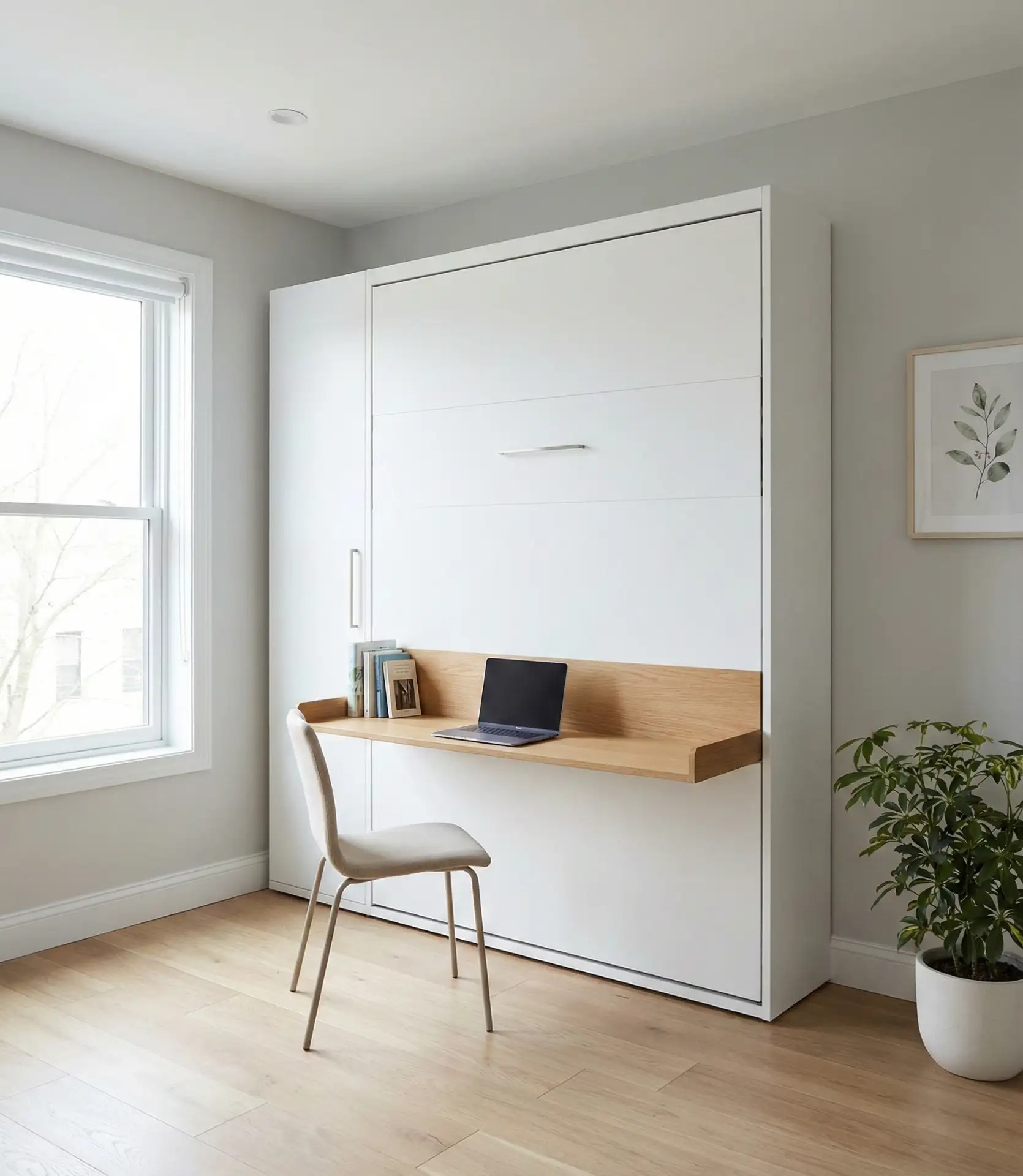
Expect to invest between $1,500 and $5,000 for a quality Murphy bed, including installation. While that’s a significant upfront cost, the value of reclaiming daytime floor space often justifies the expense, especially in high-rent markets. Many homeowners report that the bed pays for itself in improved quality of life and the ability to host guests without sacrificing a home office or hobby room.
5. Mirrored Closet Doors to Reflect Light
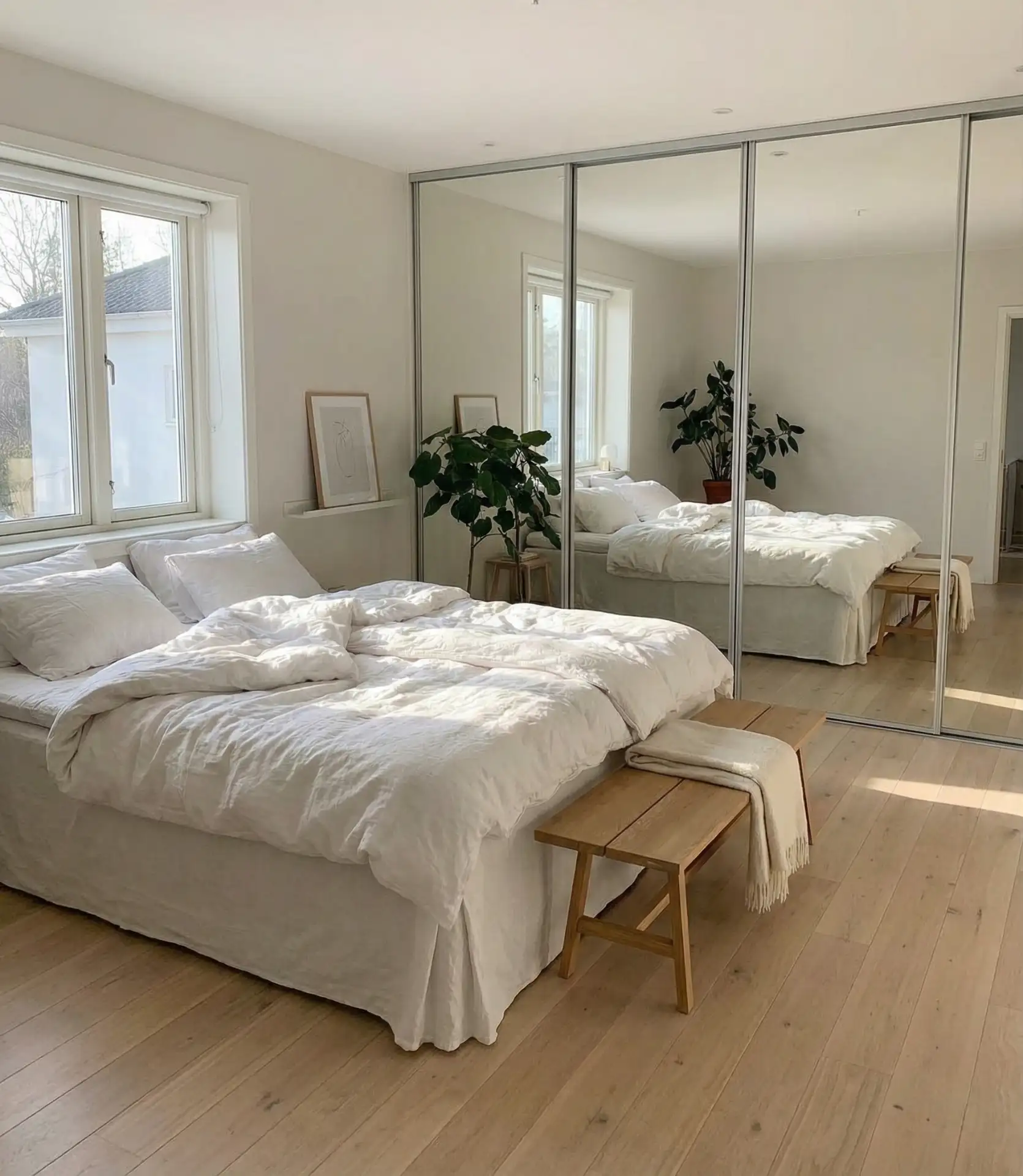
A timeless style tip is to replace standard closet doors with full-length mirrors. Mirrors bounce natural light around the room, making even the smallest bedroom feel larger and brighter. This strategy is especially effective in small bedroom closet ideas, where the closet often occupies a significant portion of one wall. Beyond the spatial illusion, mirrored doors eliminate the need for a separate standing mirror, freeing up floor space and streamlining the room’s layout.
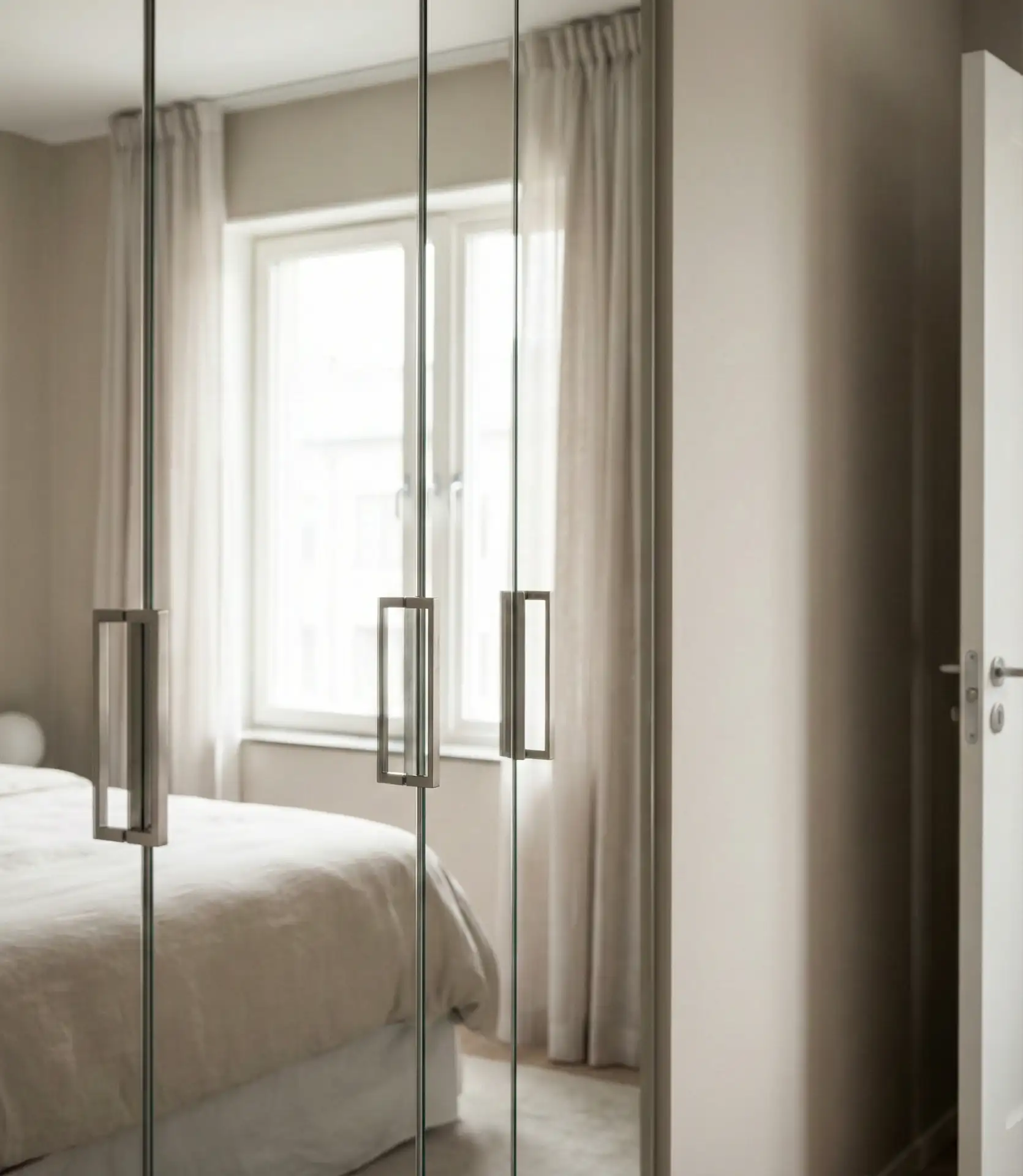
This upgrade works best in bedrooms with ample natural light, particularly those facing east or south. Installation costs vary widely—budget around $300 to $1,200 depending on door size and hardware quality. One common mistake is choosing mirrors with visible seams or frames that can look dated; opt for frameless or minimally framed options to maintain a contemporary, seamless appearance.
6. Built-In Corner Desk for Compact Workspaces
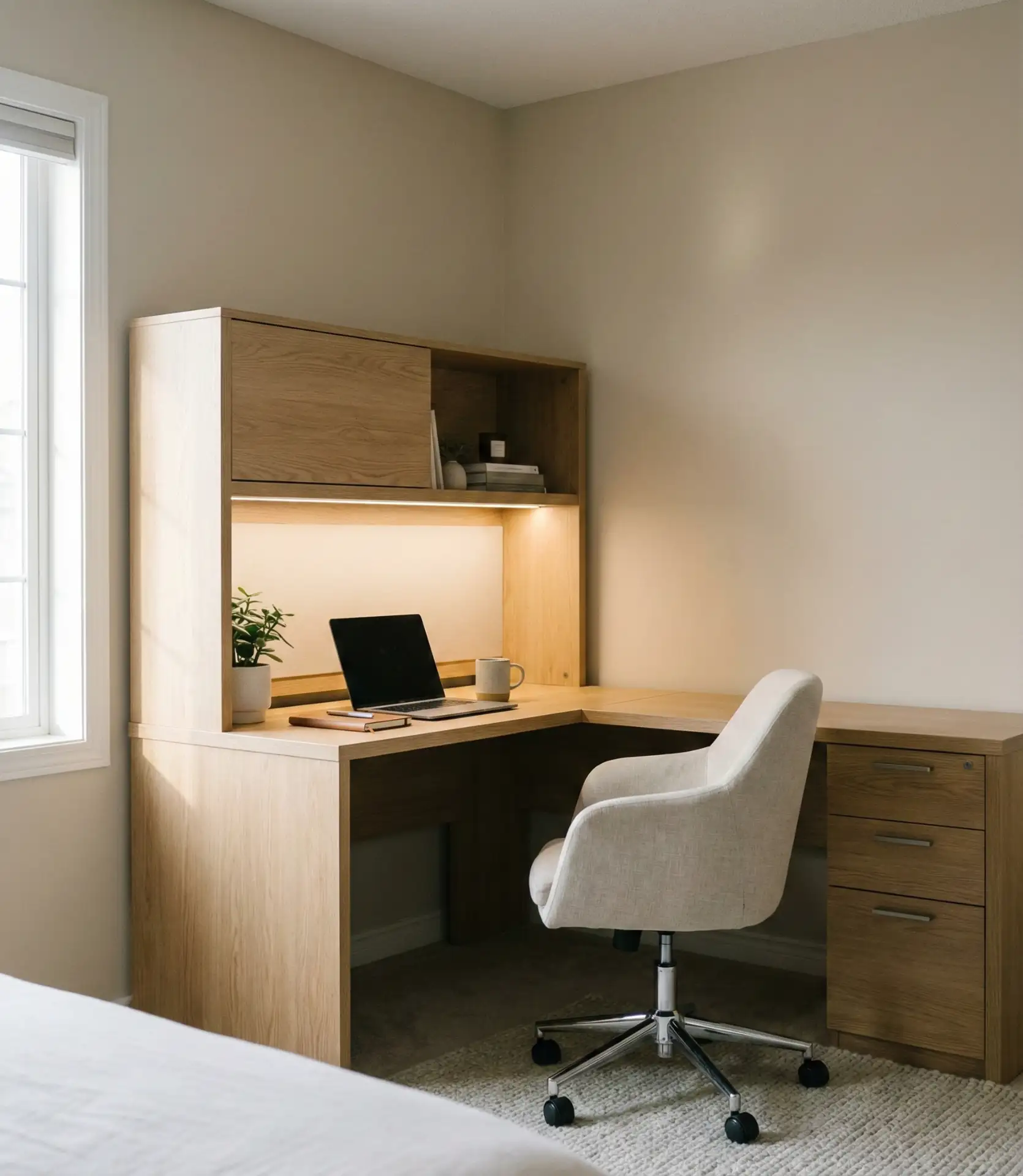
Corners are often underutilized in small bedrooms, but a custom or prefab corner desk can turn that dead space into a productive work zone. This is one of the most practical small bedroom desk solutions, especially for remote workers or students who need a dedicated area without sacrificing floor space. Pairing the desk with wall-mounted shelves or a pegboard above keeps supplies organized and within reach. Choose a slim profile and light wood or white finish to avoid visual heaviness.
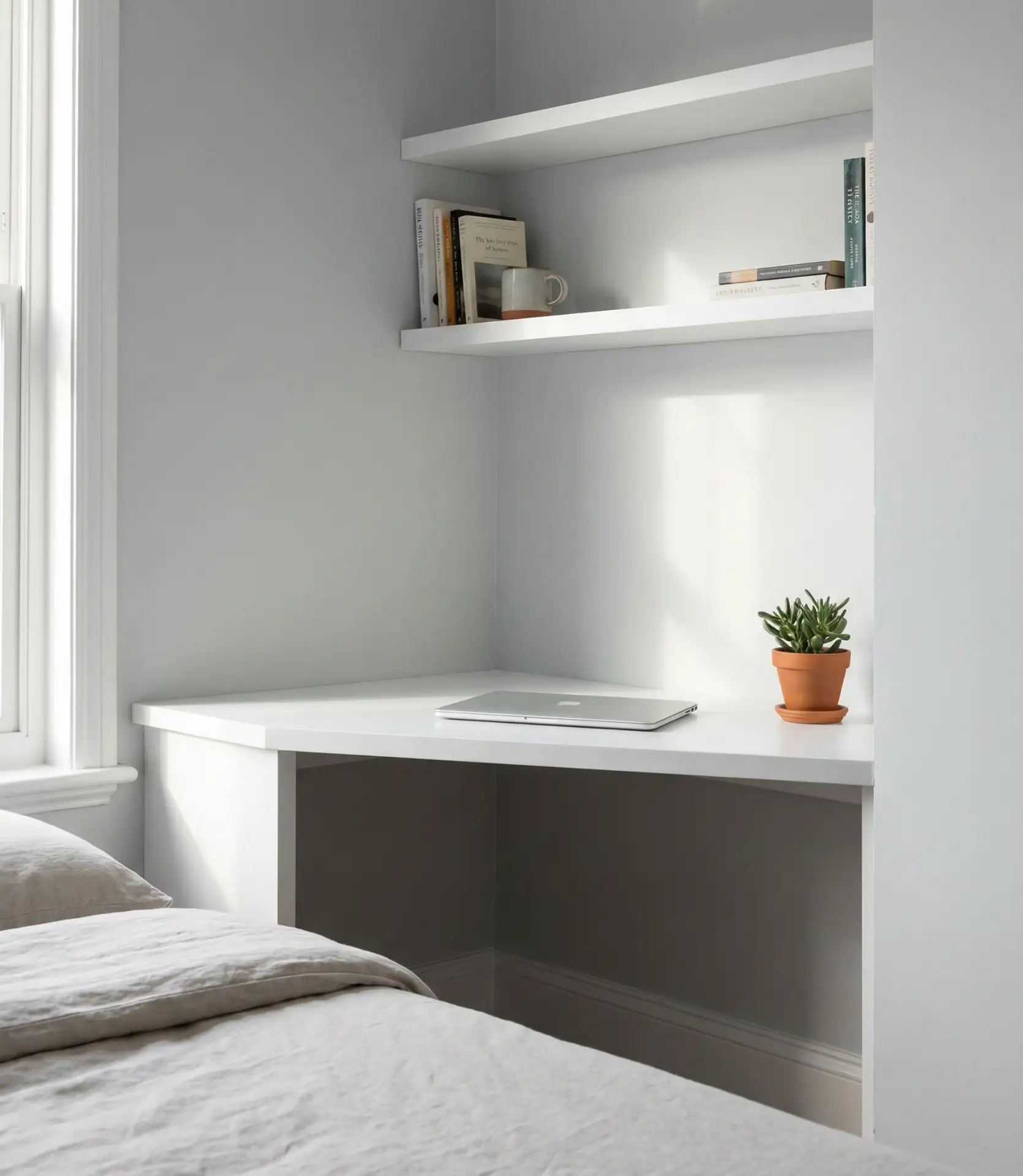
A colleague in Austin installed a corner desk in her 10×10 bedroom and says it entirely changed how she approached work-from-home days. Instead of balancing her laptop on the bed or kitchen table, she now has a proper setup that signals focus and keeps her organized. Small changes like this can have outsized effects on daily routines and mental clarity.
7. Platform Bed with Integrated Storage
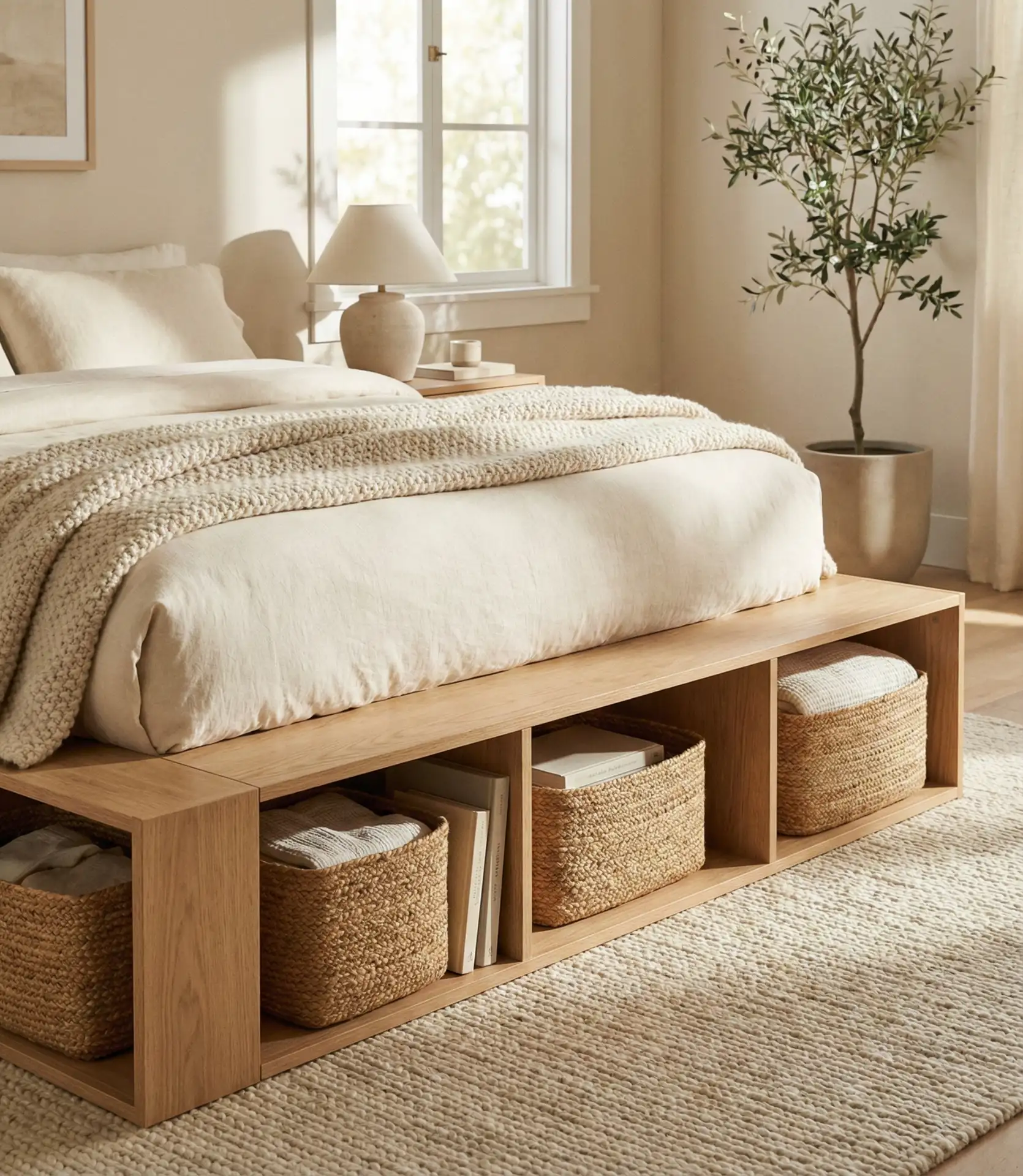
A platform bed with built-in drawers or open cubbies underneath combines sleeping and storage into one streamlined piece of furniture. This approach is central to many small bedroom storage ideas and eliminates the need for a separate dresser or chest. The low-profile design also contributes to a more open, airy feeling, which is especially valuable in rooms with lower ceilings. Opt for neutral tones and simple hardware to keep the look cohesive and timeless.
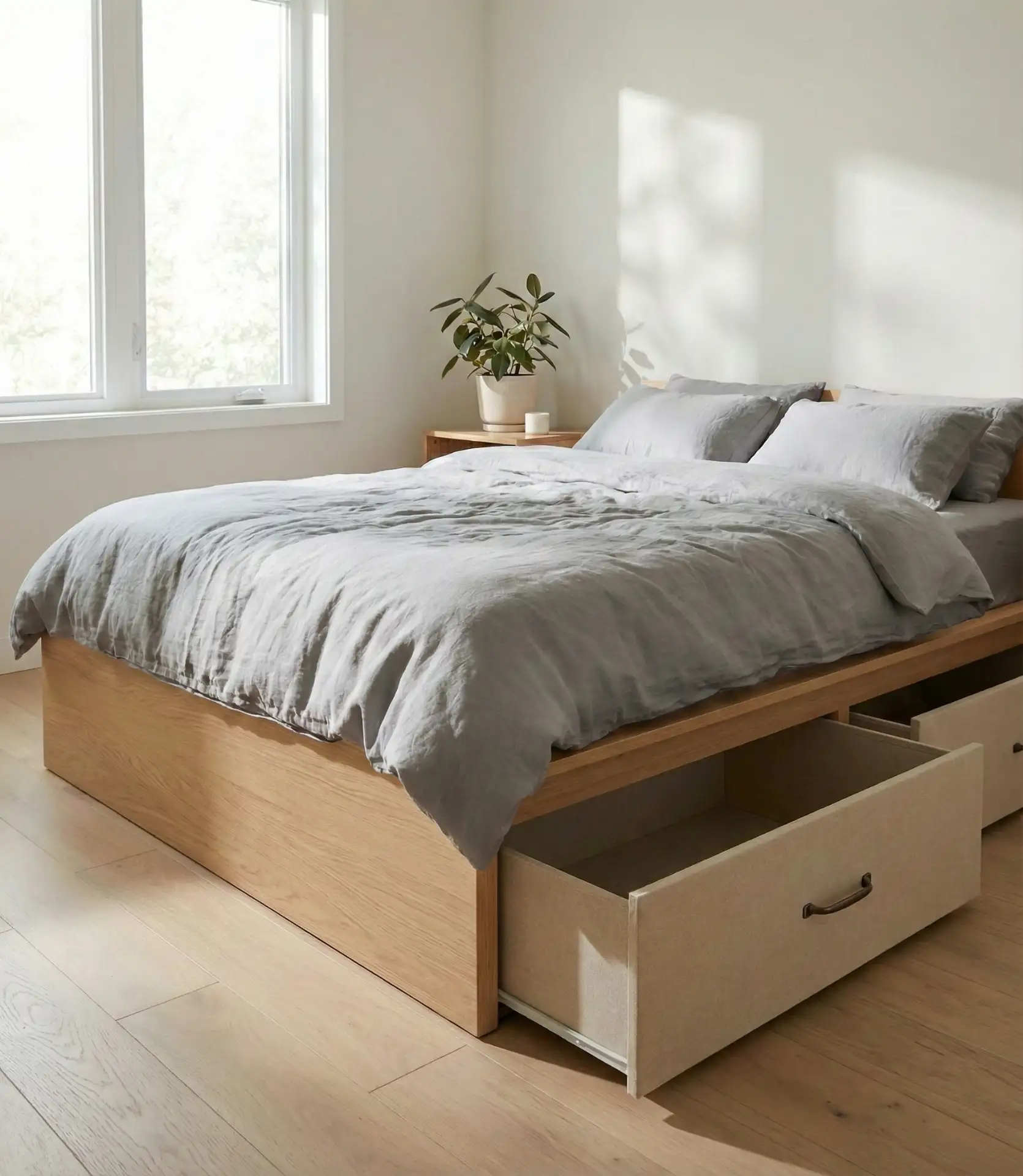
Platform beds with storage typically range from $400 to $1,500, depending on size and material quality. They’re a smart investment for anyone looking to consolidate furniture and reduce clutter. However, many buyers underestimate the bed’s overall height once a mattress is added—measure carefully to ensure you can still sit comfortably and that the bed doesn’t dominate the room visually.
8. Light Color Palettes to Expand Visual Space
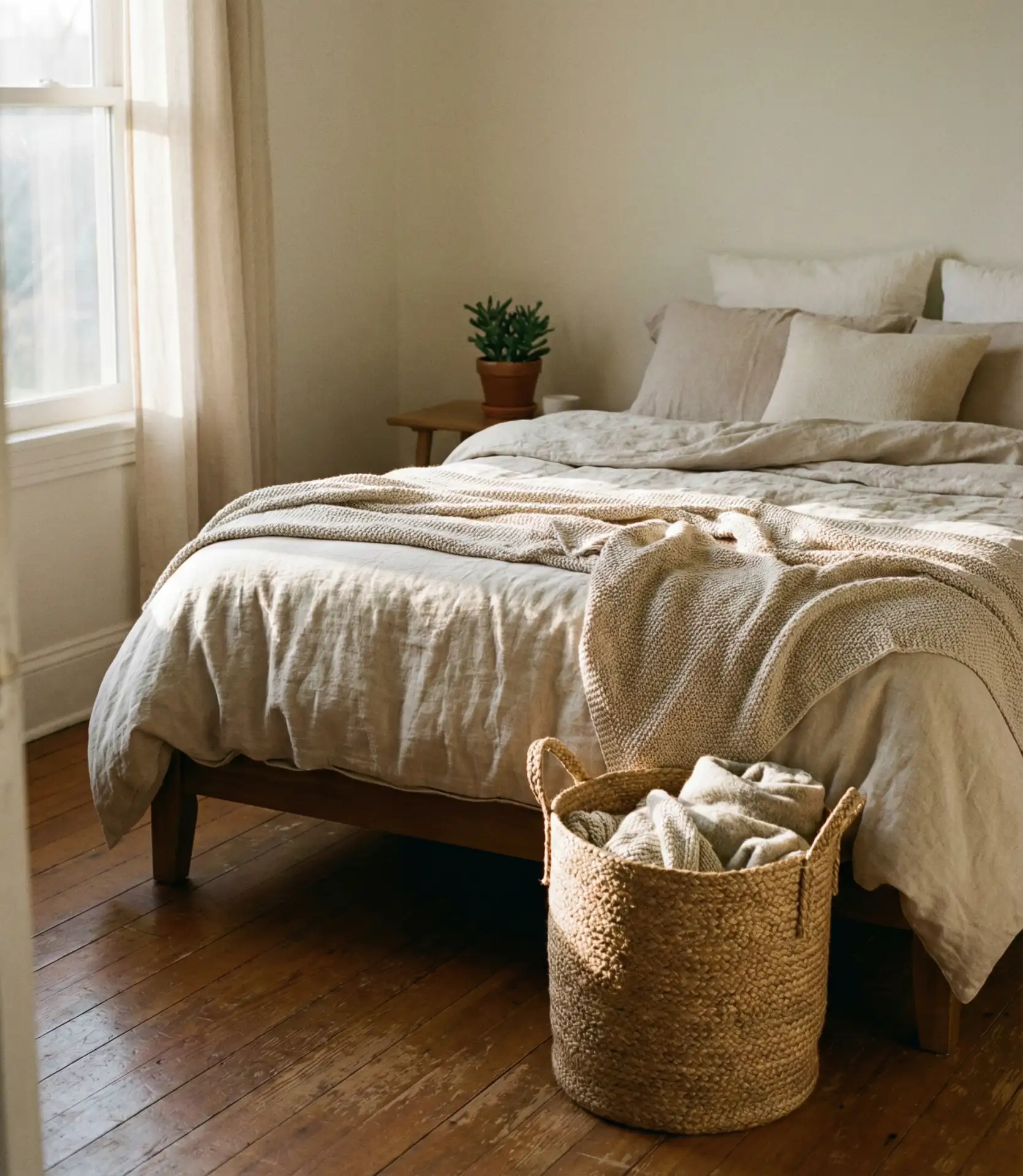
Soft whites, warm beiges, and pale grays are foundational to most small bedroom aesthetic schemes because they reflect light and create an open, calming atmosphere. These hues work especially well in cozy small bedroom designs where the goal is to feel enveloped but not cramped. Layering textures—linen, cotton, wool—in similar tones adds depth without introducing visual noise. Accents in muted blush, sage, or terracotta can bring personality without overwhelming the space.
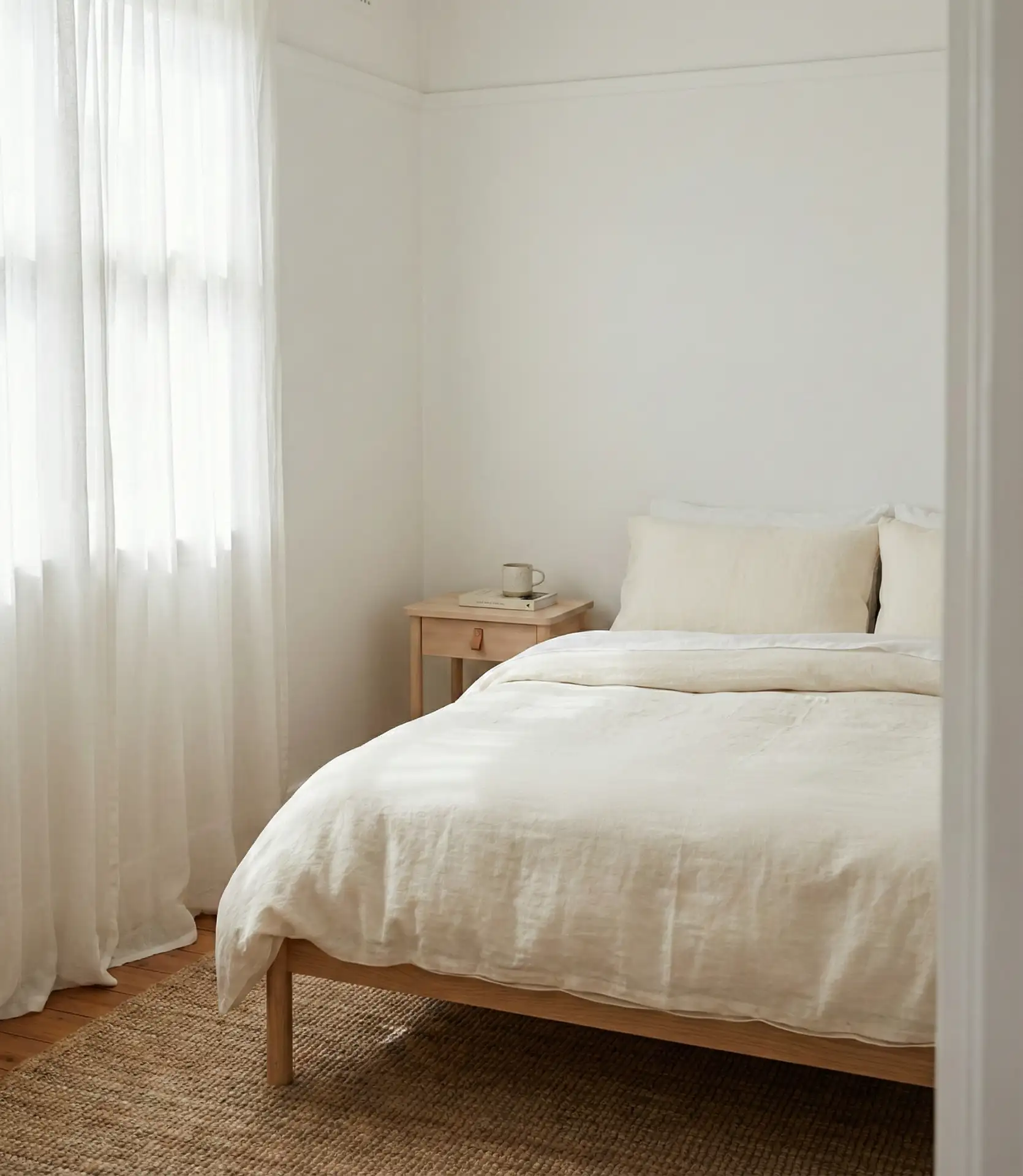
This strategy works best in naturally dim bedrooms or those facing north, where every bit of reflected light helps brighten the space. Paint and bedding are relatively low-cost updates—budget around $100 to $400 for a full refresh depending on room size and quality of materials. A common mistake is going too stark or clinical; warm whites and creams feel more inviting than cool, bright whites that can read as sterile.
9. Sliding barn doors to save swing space.
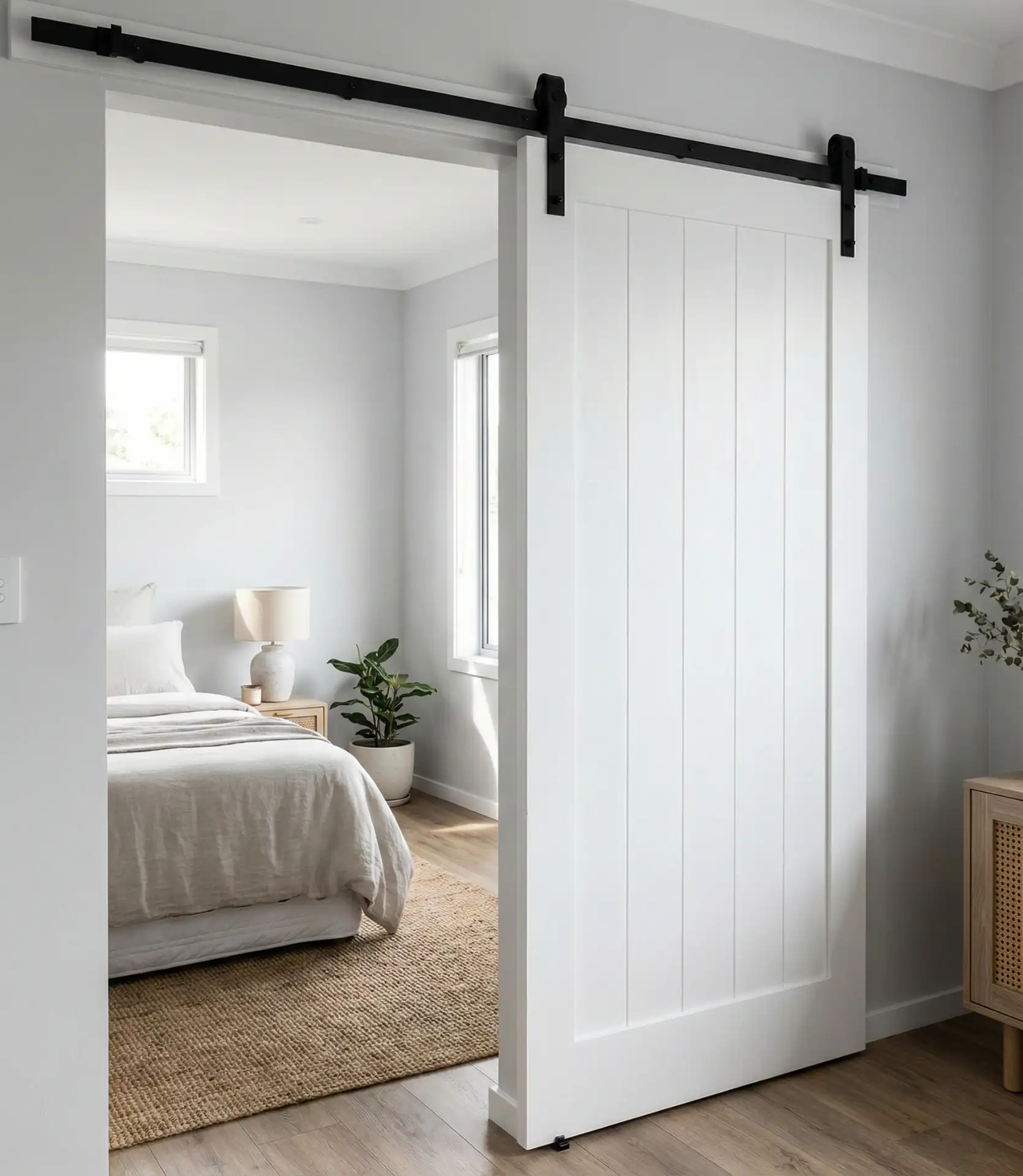 Traditional hinged doors require clearance to swing open, which can eat up valuable floor space in a small bedroom. Sliding barn doors, on the other hand, glide along the wall and free up that area for furniture placement or walkways. This feature is a popular choice in small bedroom layout ideas, particularly for closets, en-suite bathrooms, or room entrances. Modern barn door hardware comes in sleek finishes like matte black, brushed brass, and oil-rubbed bronze, making it easy to match any décor style from farmhouse to contemporary.
In cities like Portland and Nashville, sliding barn doors have become a hallmark of modern small-space living. Installation costs range from $200 to $800 depending on door material and hardware quality. One thing to watch: barn doors don’t seal as tightly as traditional doors, so they’re better suited for closets or non-private spaces rather than bathrooms, where sound and odor control matter.
10. Wall-mounted reading lights to free up surfaces.
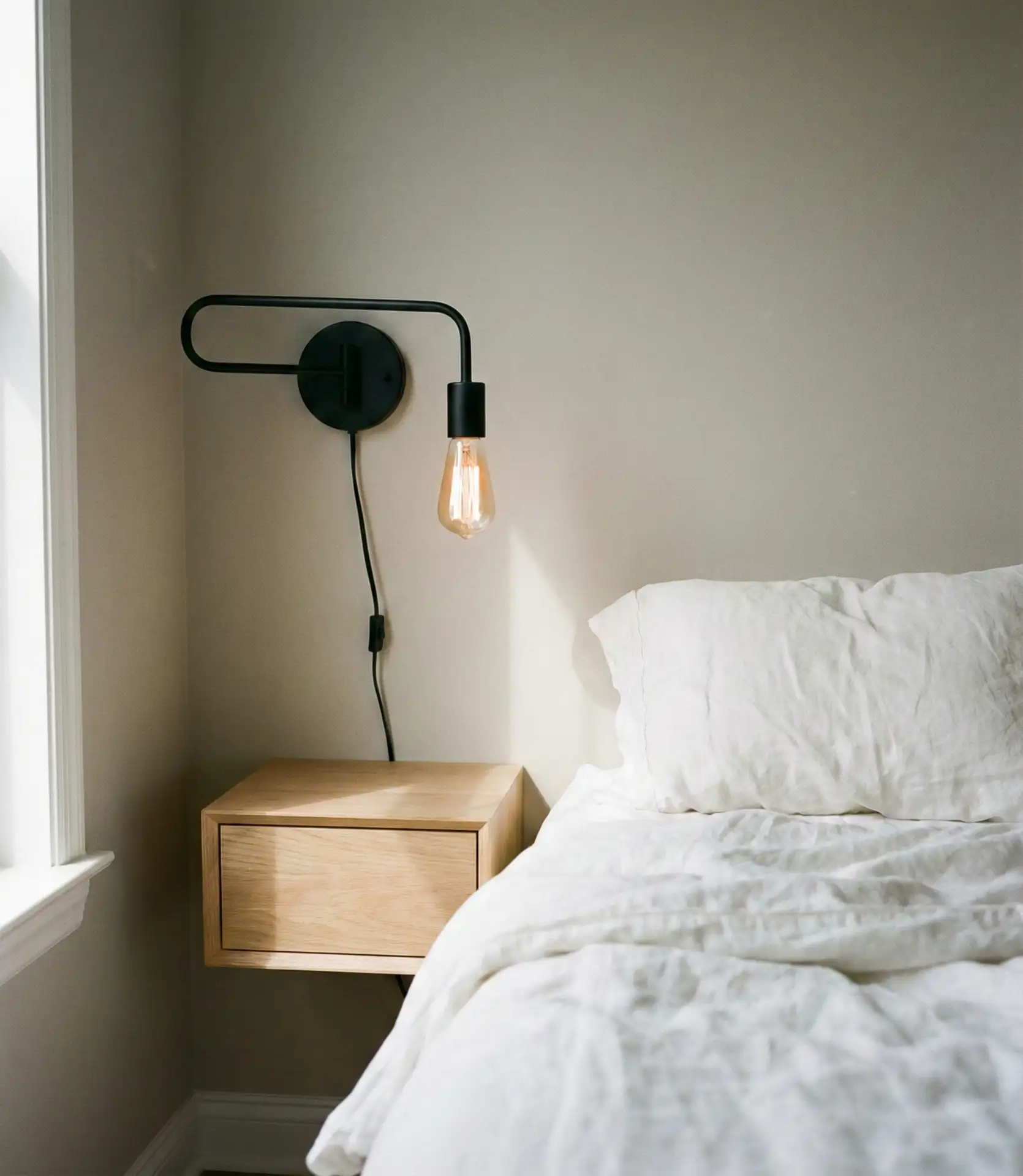
Swapping bedside table lamps for wall-mounted sconces or swing-arm reading lights is a simple but transformative move in cozy small bedroom design ideas. This change frees up nightstand surface area for essentials like books, glasses, or a water bottle, while still providing focused task lighting. Adjustable swing-arm models are particularly useful, allowing you to direct light exactly where you need it for reading or working in bed. Choose fixtures with dimmer switches or warm-toned bulbs to maintain a relaxing nighttime ambiance.
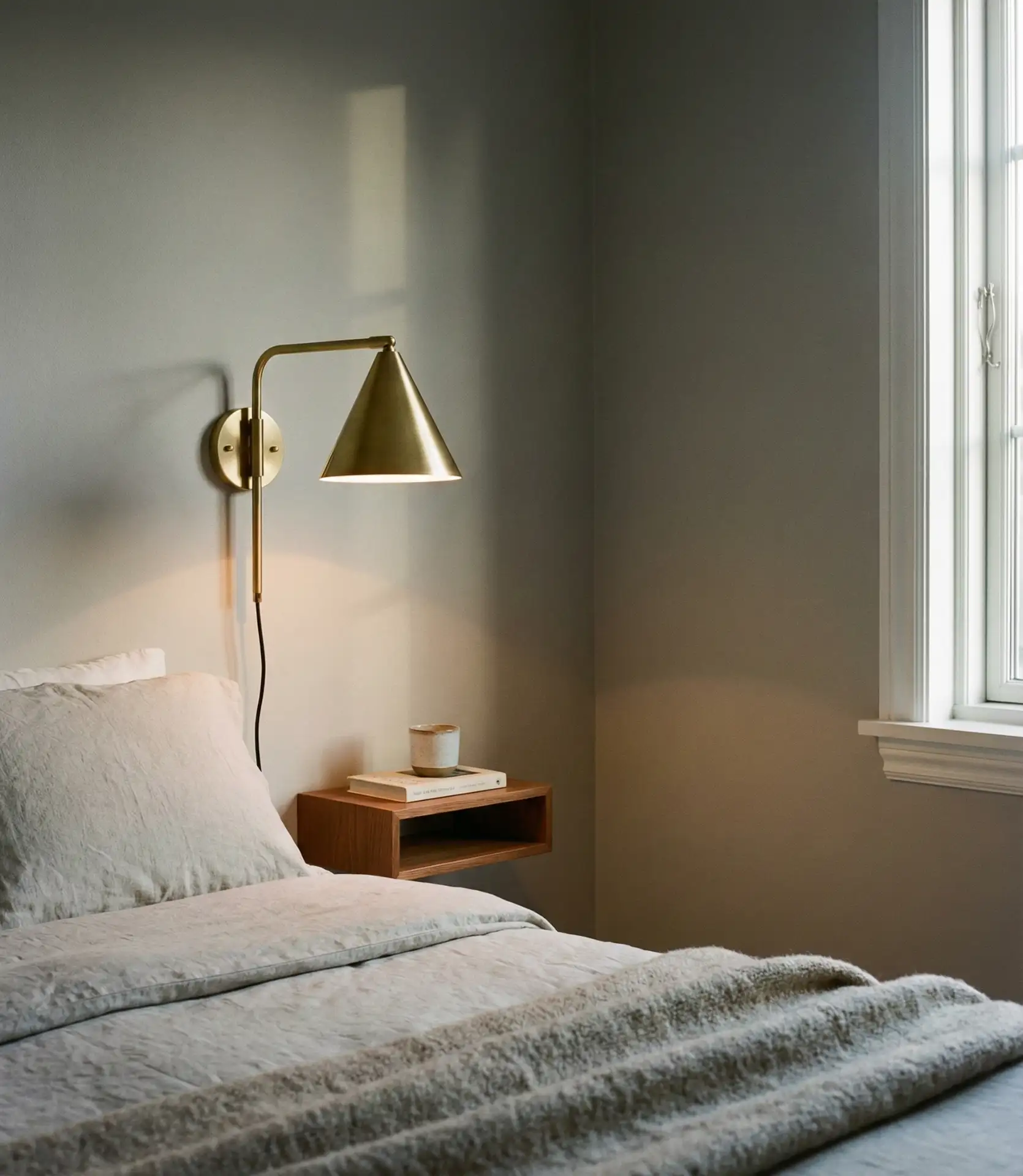
Wall sconces typically cost between $40 and $200 per fixture, with installation adding another $50 to $150 if you’re hiring an electrician. This upgrade is especially popular in bedrooms where couples have different sleep schedules, as wall lights can be angled to minimize disturbance. Many renters skip this idea, assuming it’s too permanent, but plug-in models with visible cords are now widely available and just as stylish as hardwired versions.
11. Japandi-Inspired Minimalism for Calm Simplicity
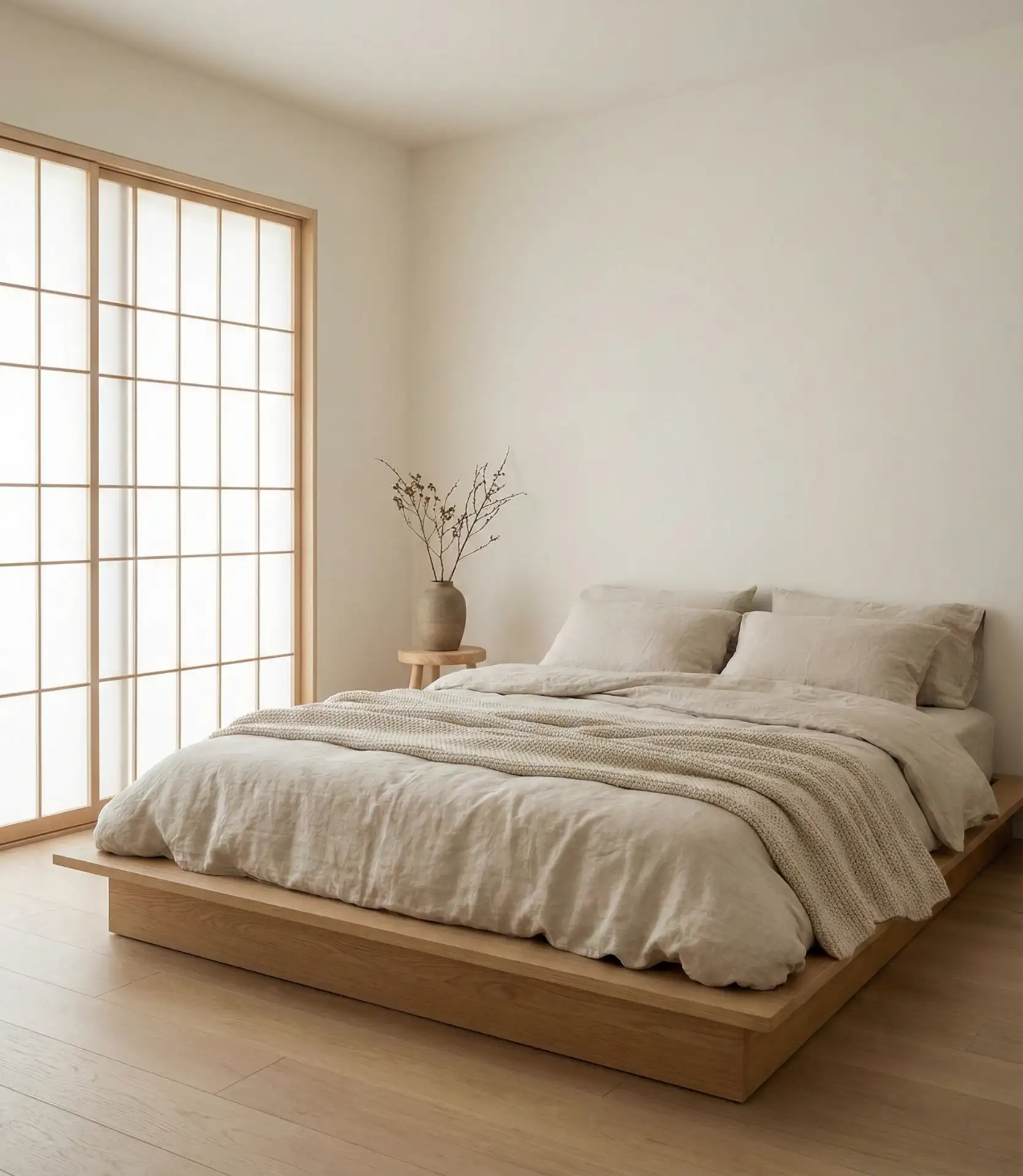
The Japandi small bedroom aesthetic blends Japanese minimalism with Scandinavian warmth, resulting in serene, clutter-free spaces that feel both intentional and inviting. This style prioritizes natural materials like light wood, linen, and stone, paired with a muted color palette of whites, beiges, and soft grays. Furniture is low-profile and functional, with clean lines and minimal ornamentation. The overall effect is a bedroom that feels like a retreat—calm, organized, and deeply restful.
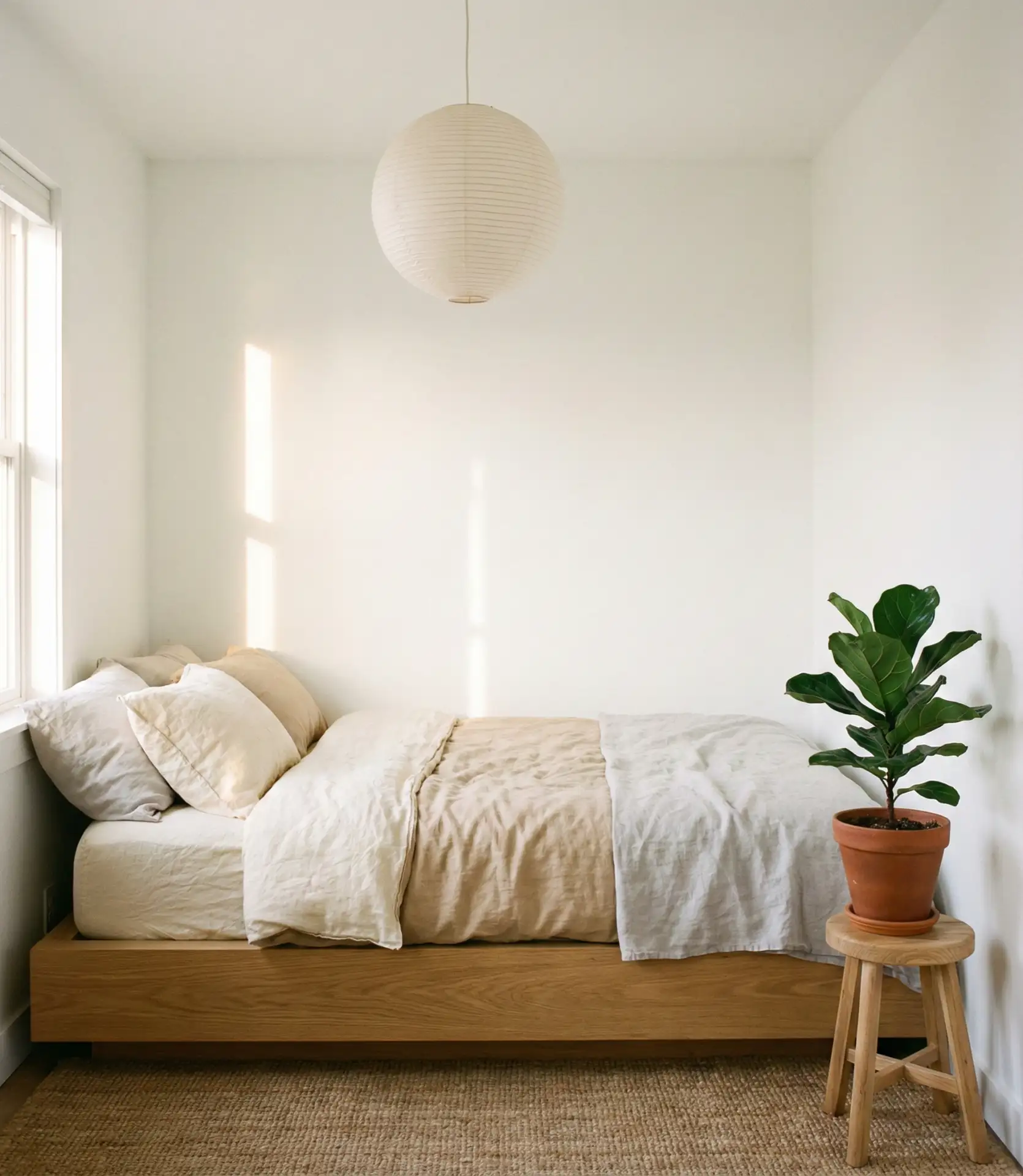
This approach works best for people who value quality over quantity and prefer a curated, thoughtful environment. The style discourages impulse purchases and encourages investing in a few well-made pieces that will last for years. Real homeowners often find that adopting Japandi principles reduces stress and improves sleep quality, as the bedroom becomes a true sanctuary rather than a catch-all storage space.
12. Loft Bed to Maximize Vertical Space
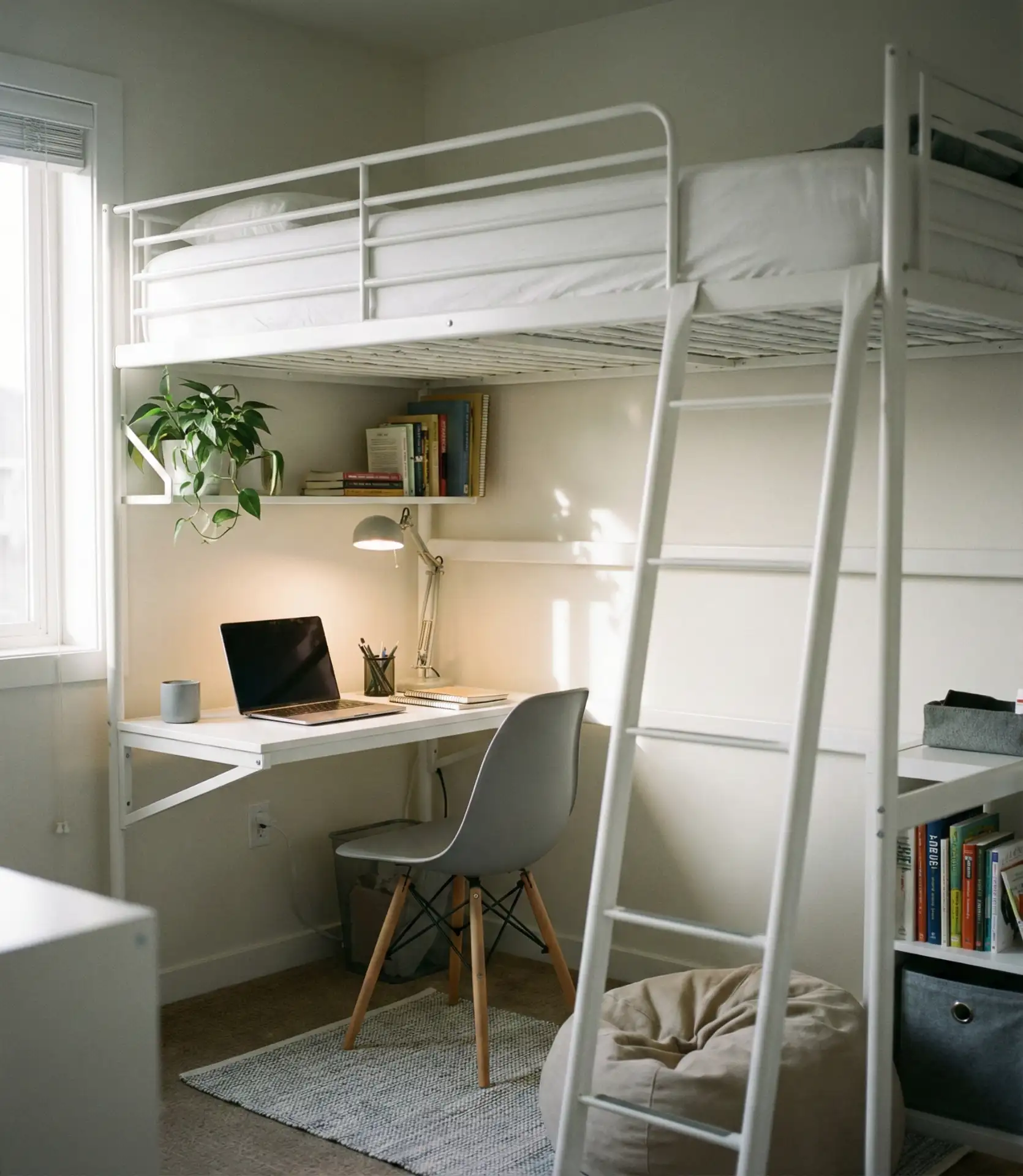
A loft bed elevates the sleeping area, freeing up the floor below for a desk, lounge seating, or storage. This is one of the most effective small bedroom ideas for teens and young adults living in tight quarters, as it essentially doubles the usable space in the room. Modern loft beds come in full and queen sizes with sturdy frames that feel more like permanent furniture than dorm-room relics. Pairing a loft bed with a cozy rug and task lighting below creates a distinct zone that doesn’t feel like an afterthought.
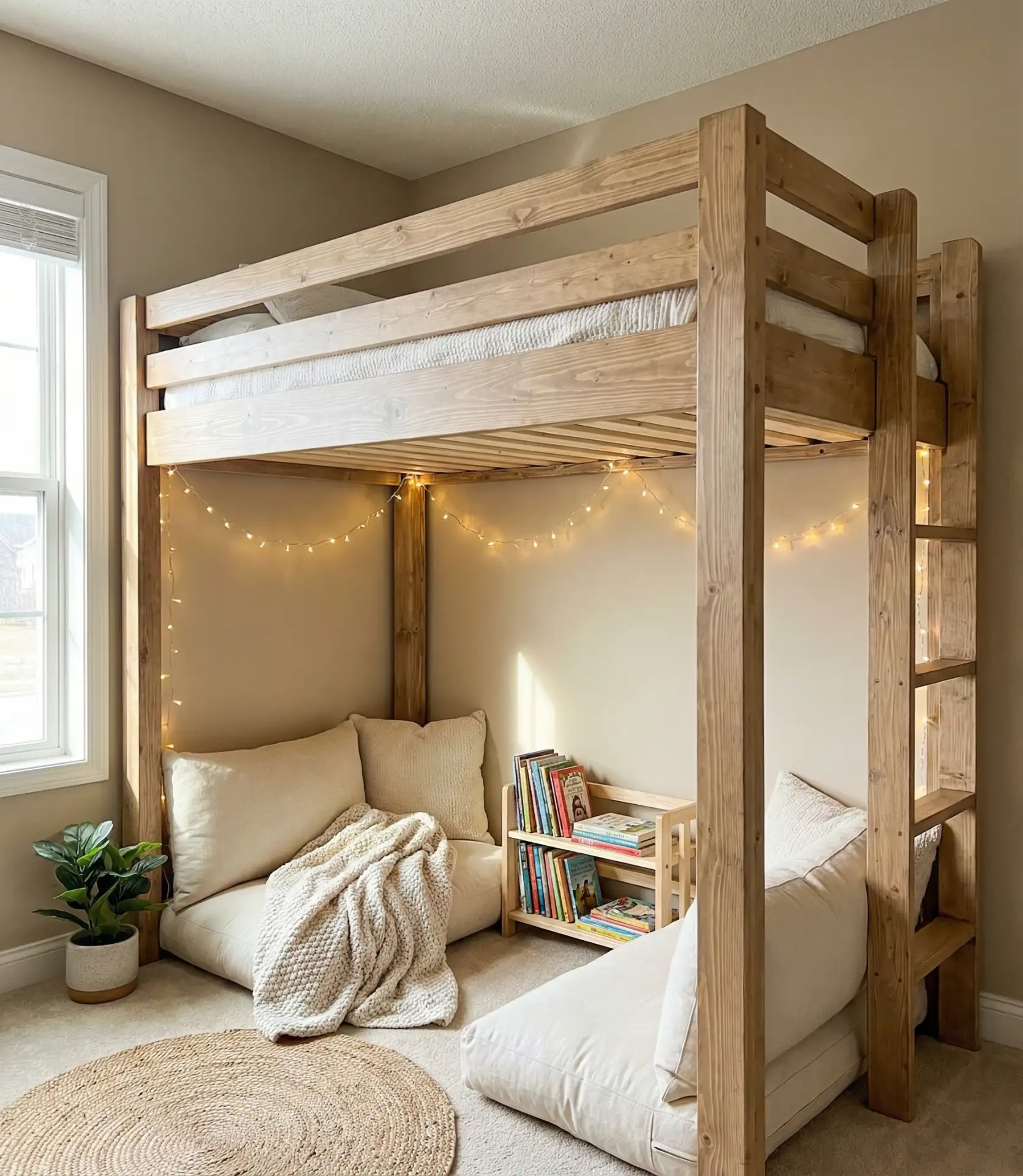
Loft beds work best in rooms with ceilings of at least 9 feet to ensure comfortable headroom both above and below. A neighbor in Denver installed one for her daughter’s small bedroom and was amazed at how much floor space it opened up for a homework station and beanbag chair. The transition from a cramped, overcrowded room to a functional, organized space took just one weekend and cost around $600 for a quality frame.
13. Built-In Wardrobes for Seamless Storage
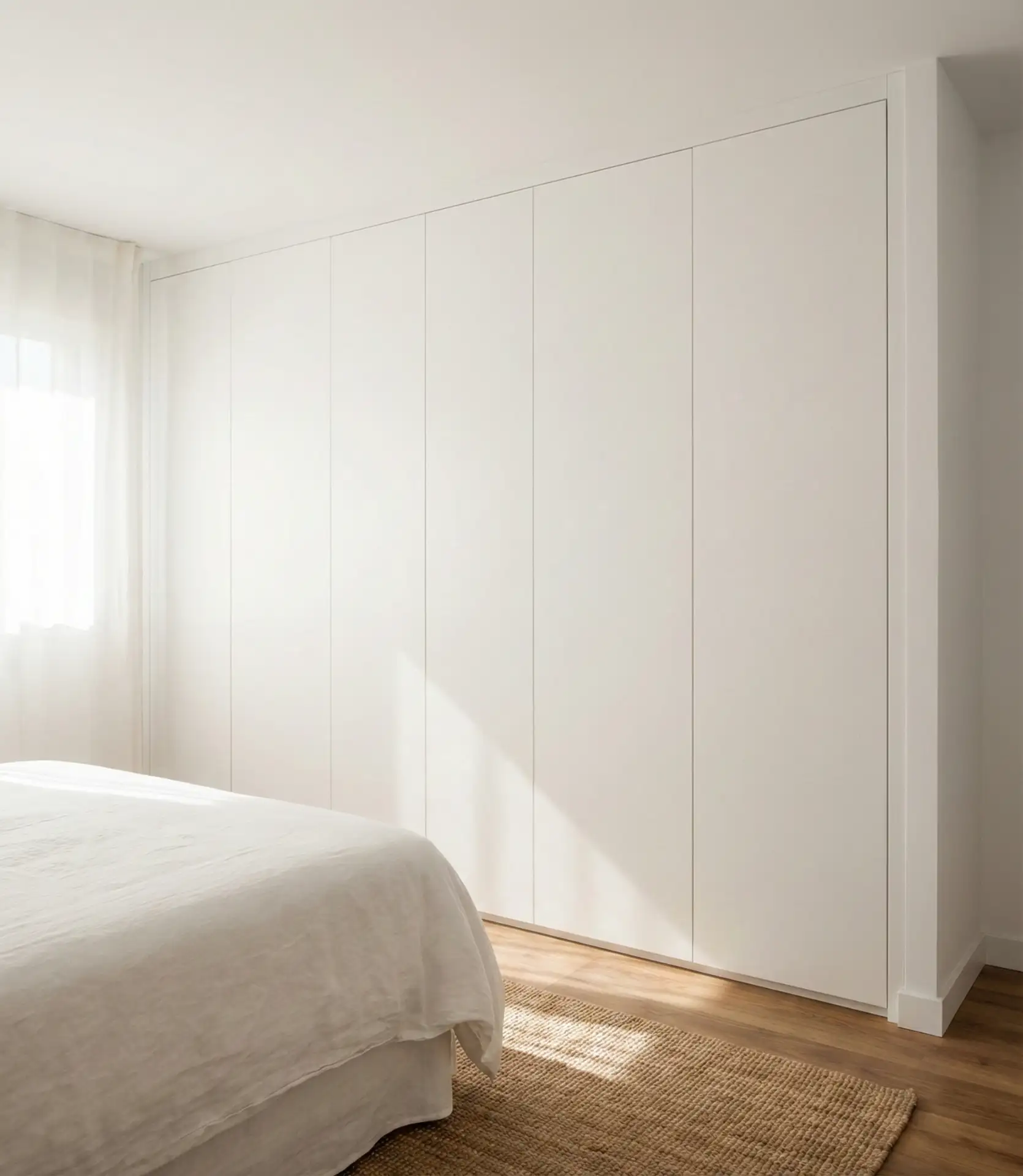
Custom or prefab built-in wardrobes make efficient use of wall space and eliminate the bulky, freestanding look of traditional dressers and armoires. This is a cornerstone of many small bedroom wardrobe solutions, offering floor-to-ceiling storage that maximizes every inch. Built-ins can be tailored to your exact needs—hanging rods, drawers, shelves, and shoe racks—and finished to match the room’s aesthetic. Flush-mounted doors in the same color as the walls create a streamlined, almost invisible effect that keeps the focus on the room rather than the storage.
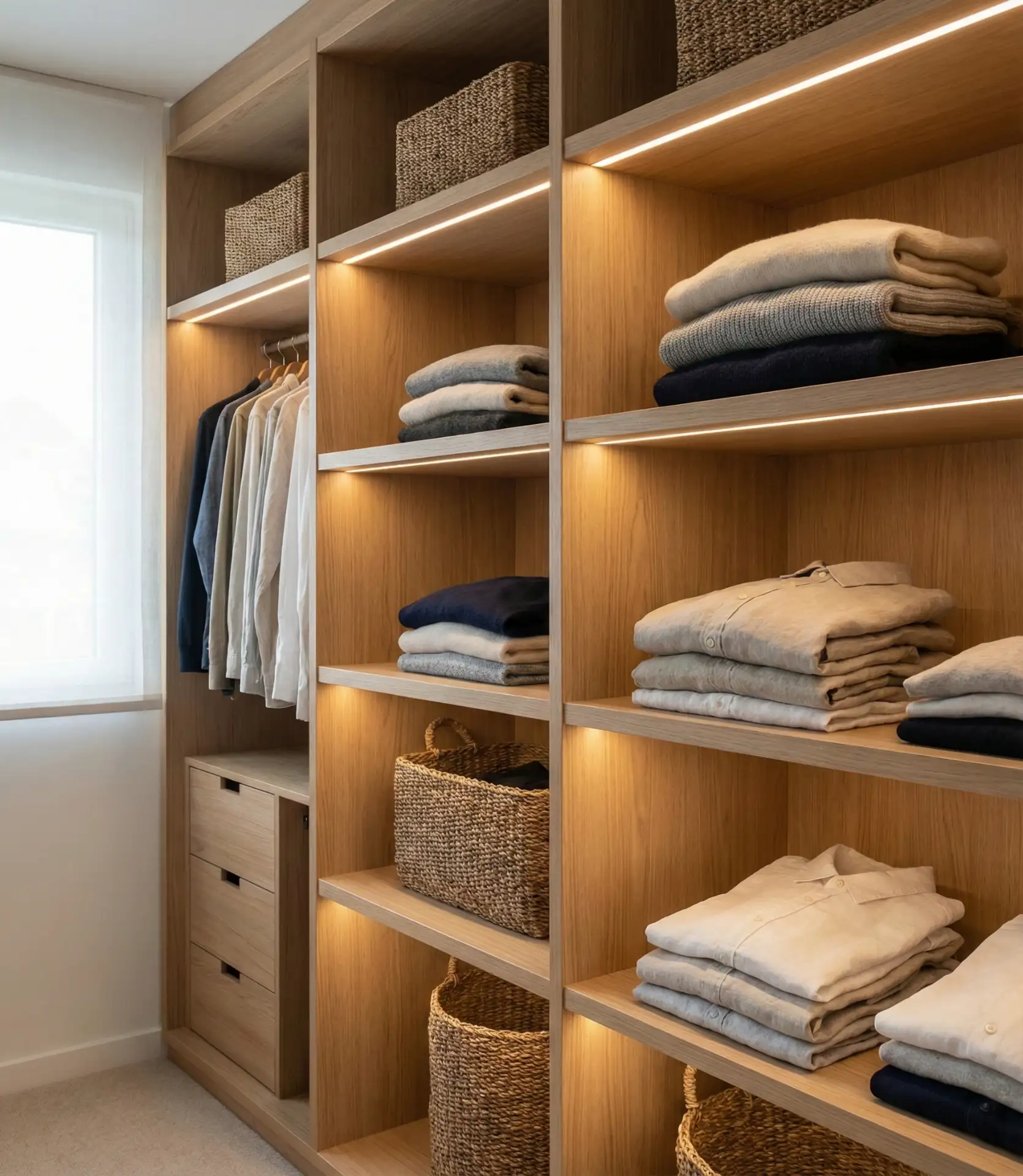
Built-in wardrobes can range from $1,000 to $5,000 or more depending on size, materials, and customization level. While the upfront cost is higher than buying off-the-shelf furniture, the longevity and tailored functionality often make it worthwhile, especially in homes where you plan to stay long-term. One common mistake is underestimating how much hanging space you need—measure your wardrobe and plan accordingly to avoid cramming or leaving sections underutilized.
14. Textured Bedding Layers for Cozy Depth

Layering different textures—linen duvet, cotton sheets, chunky knit throw, velvet pillows—is a simple way to add warmth and visual interest to a cozy small bedroom without taking up physical space. This approach is central to many small bedroom cozy aesthetic designs, where the goal is to create a soft, inviting environment that feels luxurious despite limited square footage. Stick to a cohesive color palette to avoid overwhelming the eye, and choose high-quality materials that feel good to the touch.
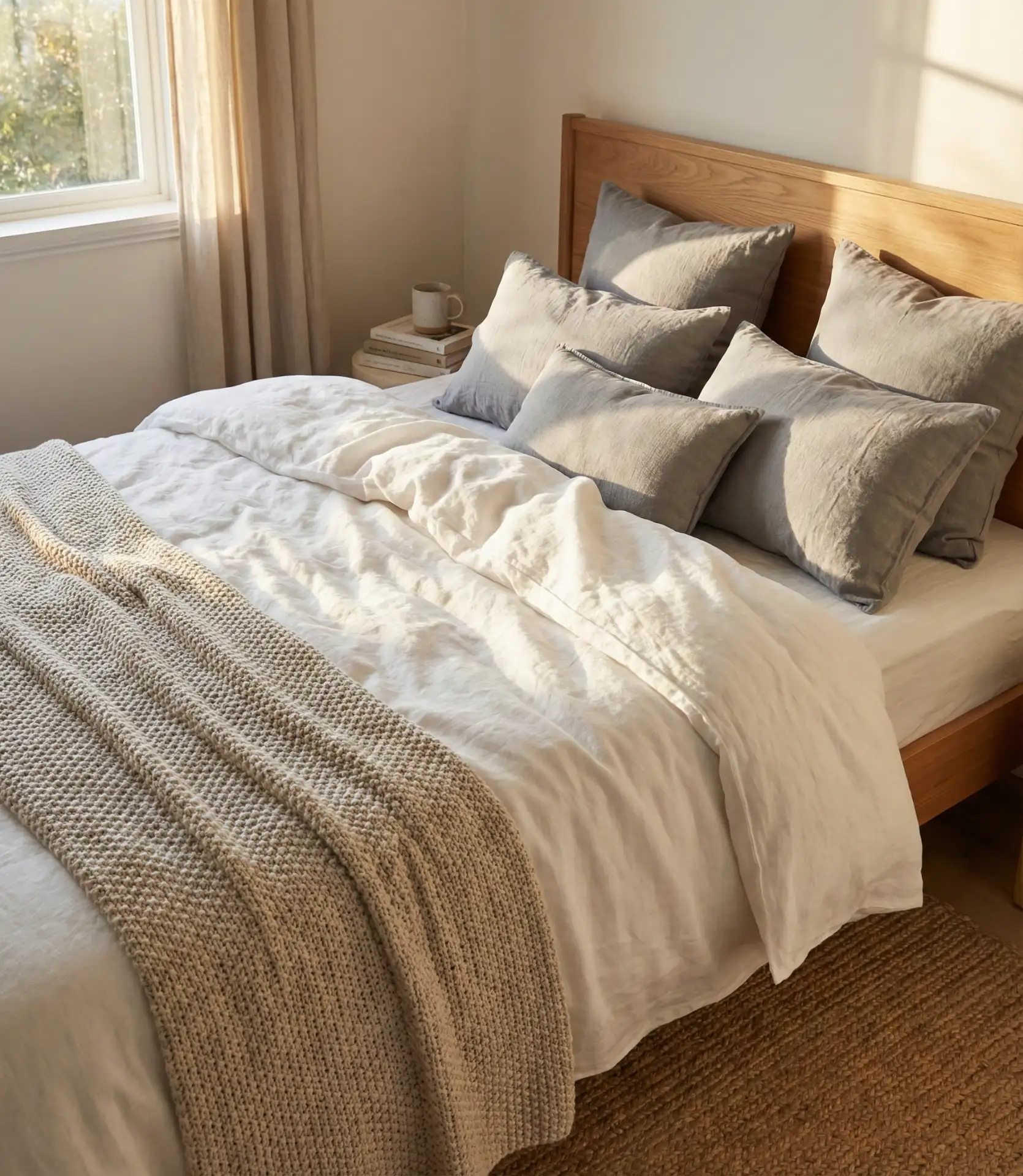
This styling trick works best in bedrooms where the bed is the visual focal point. Investing in quality bedding can range from $150 to $600 depending on brand and materials, but the comfort and aesthetic payoff is immediate. Many people make the mistake of over-layering to the point where the bed feels heavy or difficult to maintain—aim for three to five layers that are easy to wash and rearrange seasonally.
15. Pegboard Walls for Flexible Organization
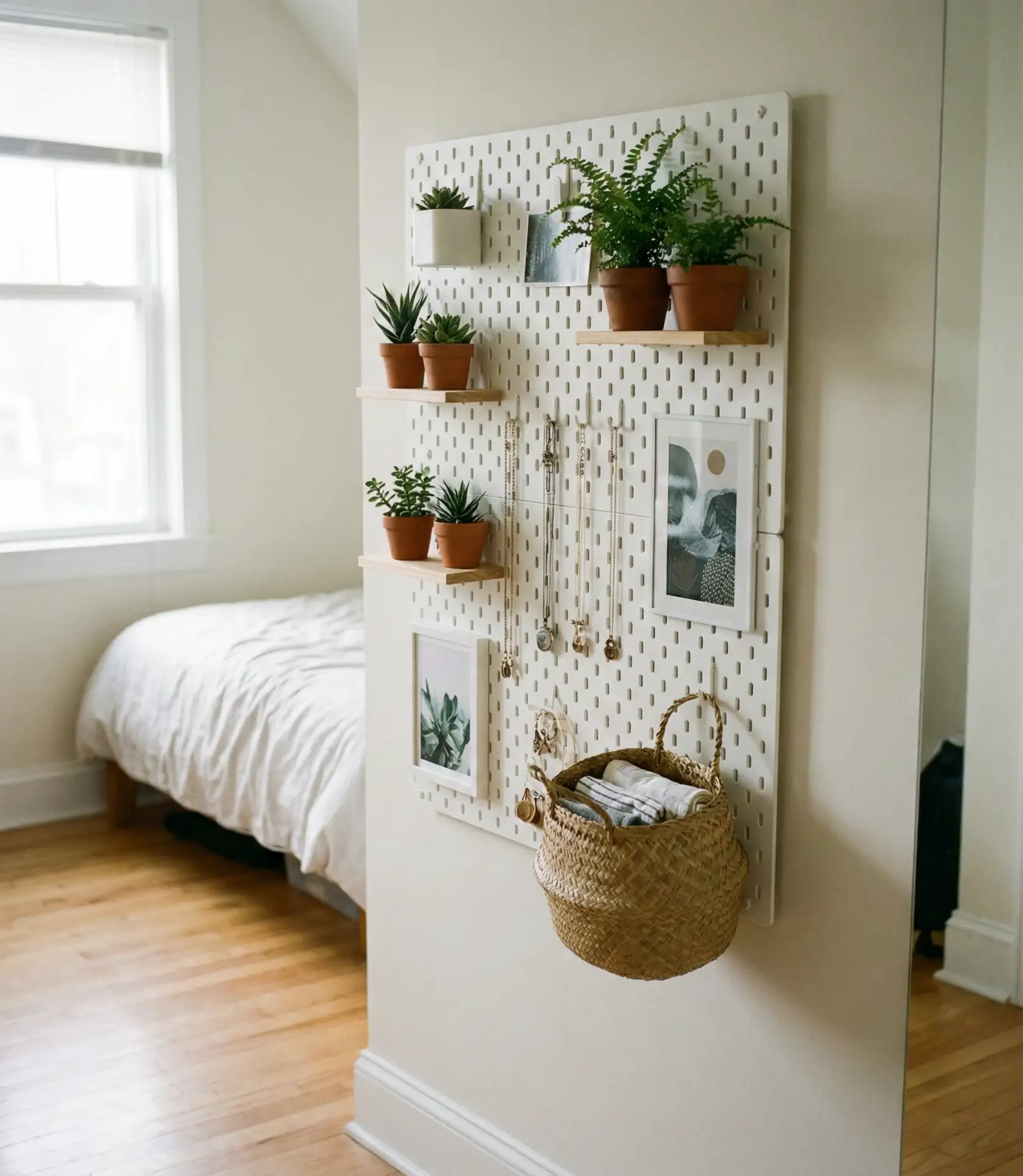
A painted pegboard mounted on the wall offers endlessly customizable storage for accessories, jewelry, hats, bags, or office supplies. This is a practical addition to small bedroom organization strategies, especially for people who like to see their belongings displayed rather than hidden away. Pegboards can be painted to match the room’s color scheme and fitted with hooks, shelves, and baskets that can be moved around as needs change. The result is both functional and visually intriguing, adding a layer of personality to the space.
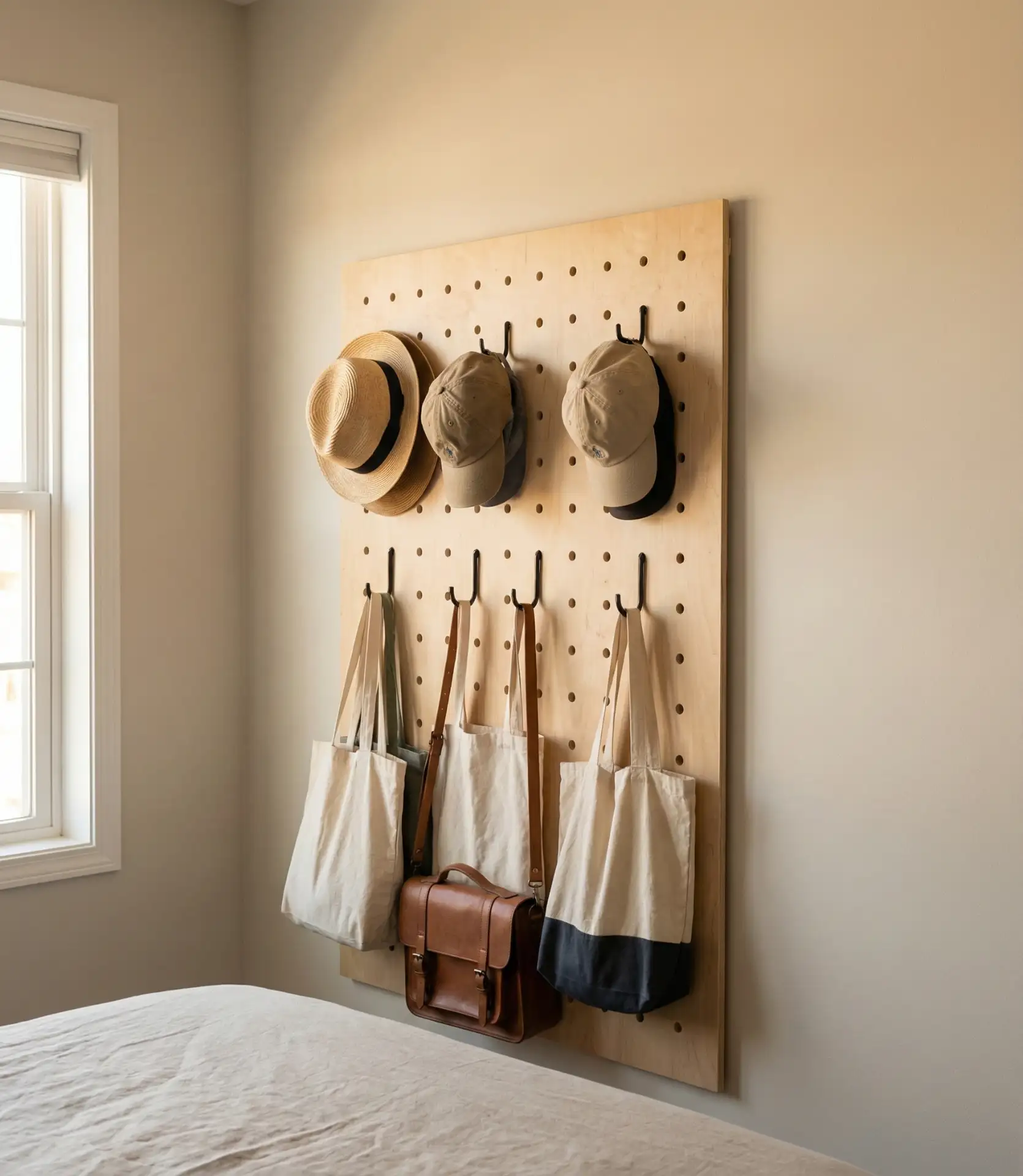
Pegboards are popular in craft-focused and fashion-forward households across the U.S., especially in cities like Los Angeles and Brooklyn, where small-space living is common. A full pegboard setup typically costs $30 to $150, making it an affordable and renter-friendly option. Avoid the temptation to overfill the board—negative space is essential for visual balance and prevents the wall from looking cluttered or chaotic.
16. Recessed Shelving in Unused Alcoves
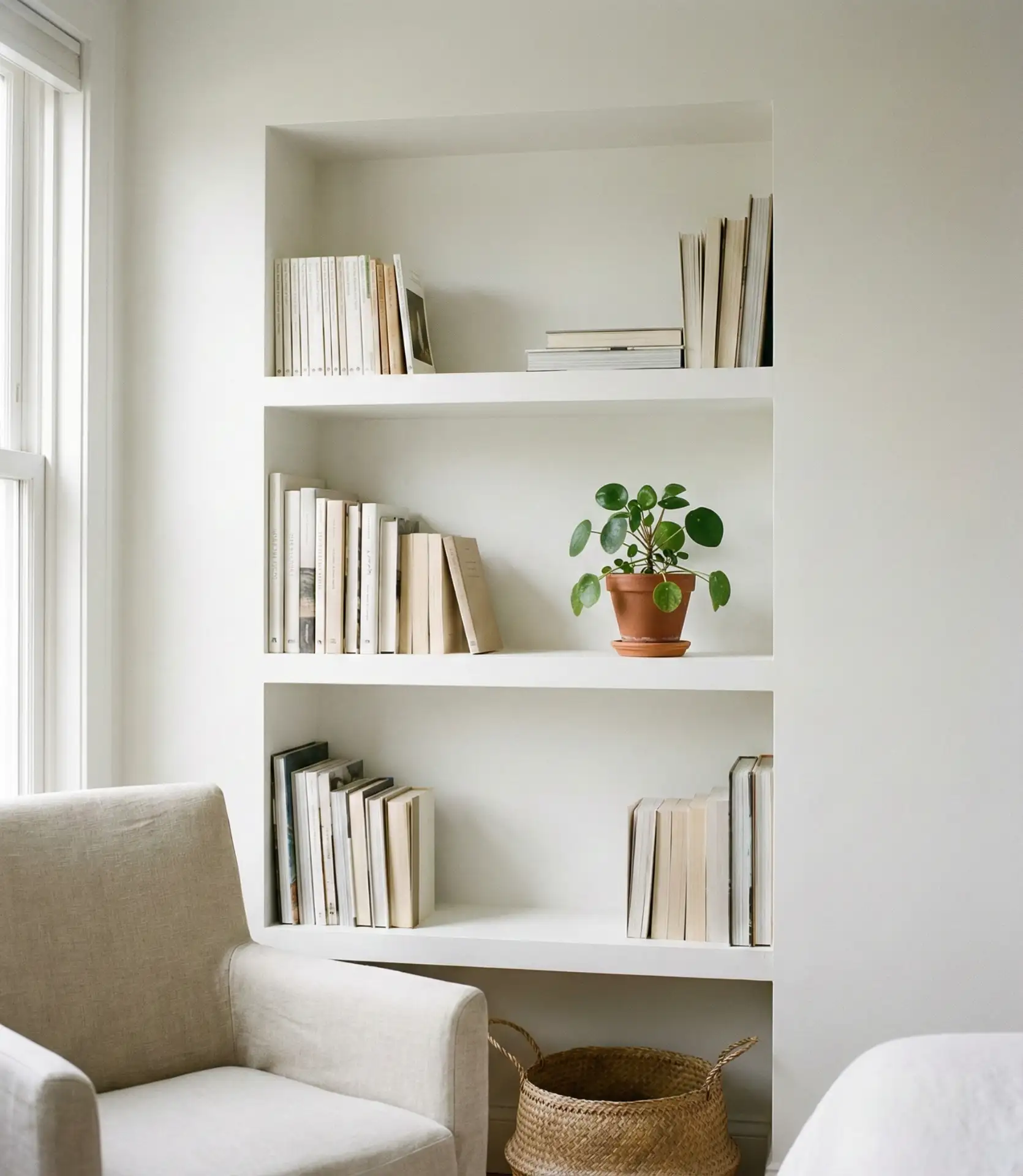
Many older homes have small alcoves, window nooks, or awkward wall depths that go unused. Installing recessed shelving in these spaces turns them into valuable storage without protruding into the room. This technique is a smart move for small bedroom cabinets or small bedroom closet designs, especially when you’re trying to avoid adding furniture that takes up floor space. Recessed shelves work beautifully for books, decorative objects, folded linens, or even a small collection of shoes.
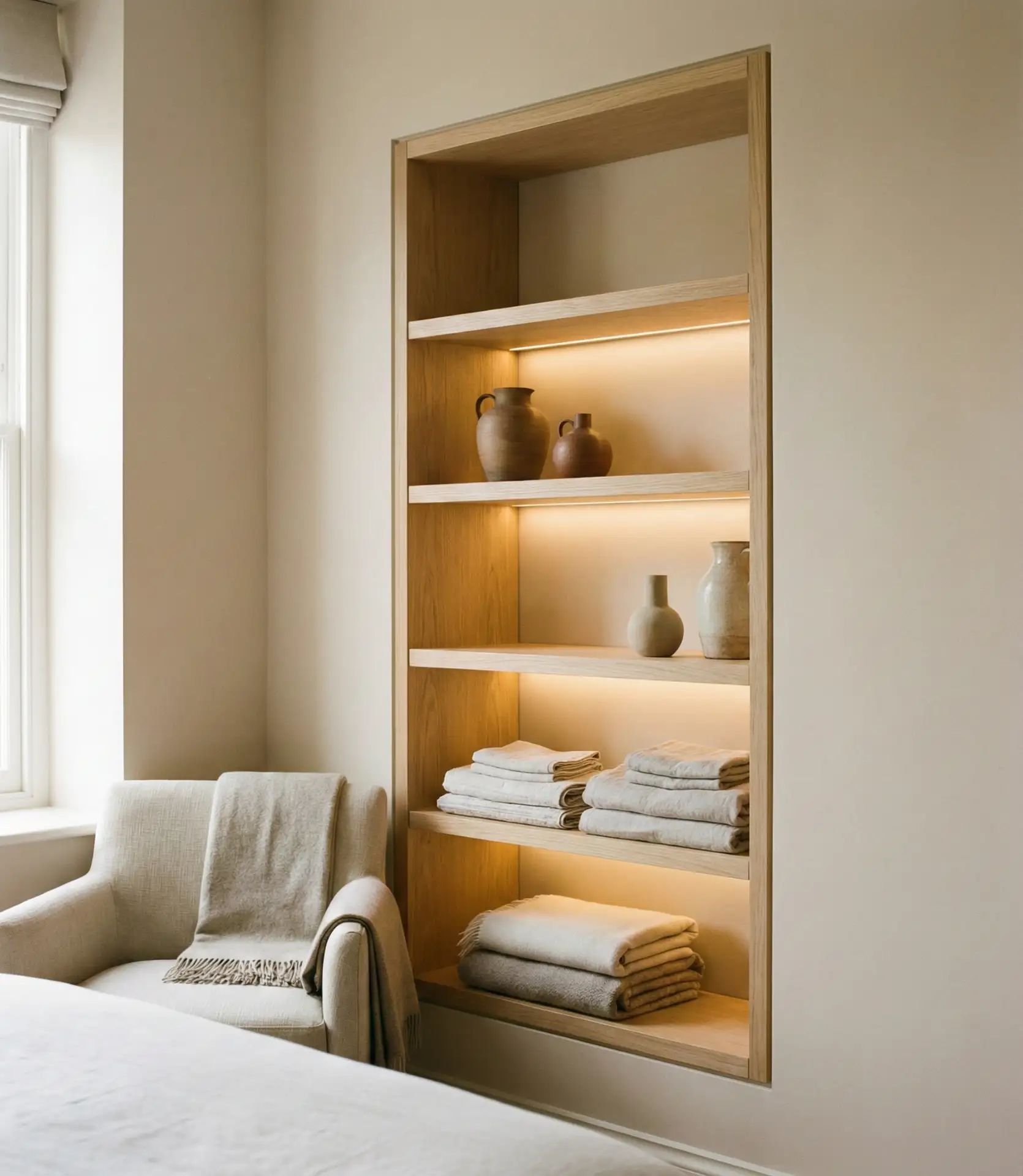
This strategy works best in bedrooms with existing architectural quirks or uneven wall layouts. Custom recessed shelving can cost between $200 and $1,000 depending on size and finish, but it adds permanent value and function to the room. One thing to watch: measure carefully and consider the wall’s structural makeup before cutting into it—avoid electrical wiring, plumbing, or load-bearing elements, and consult a contractor if you’re unsure.

17. A compact wardrobe for vertical clothing storage
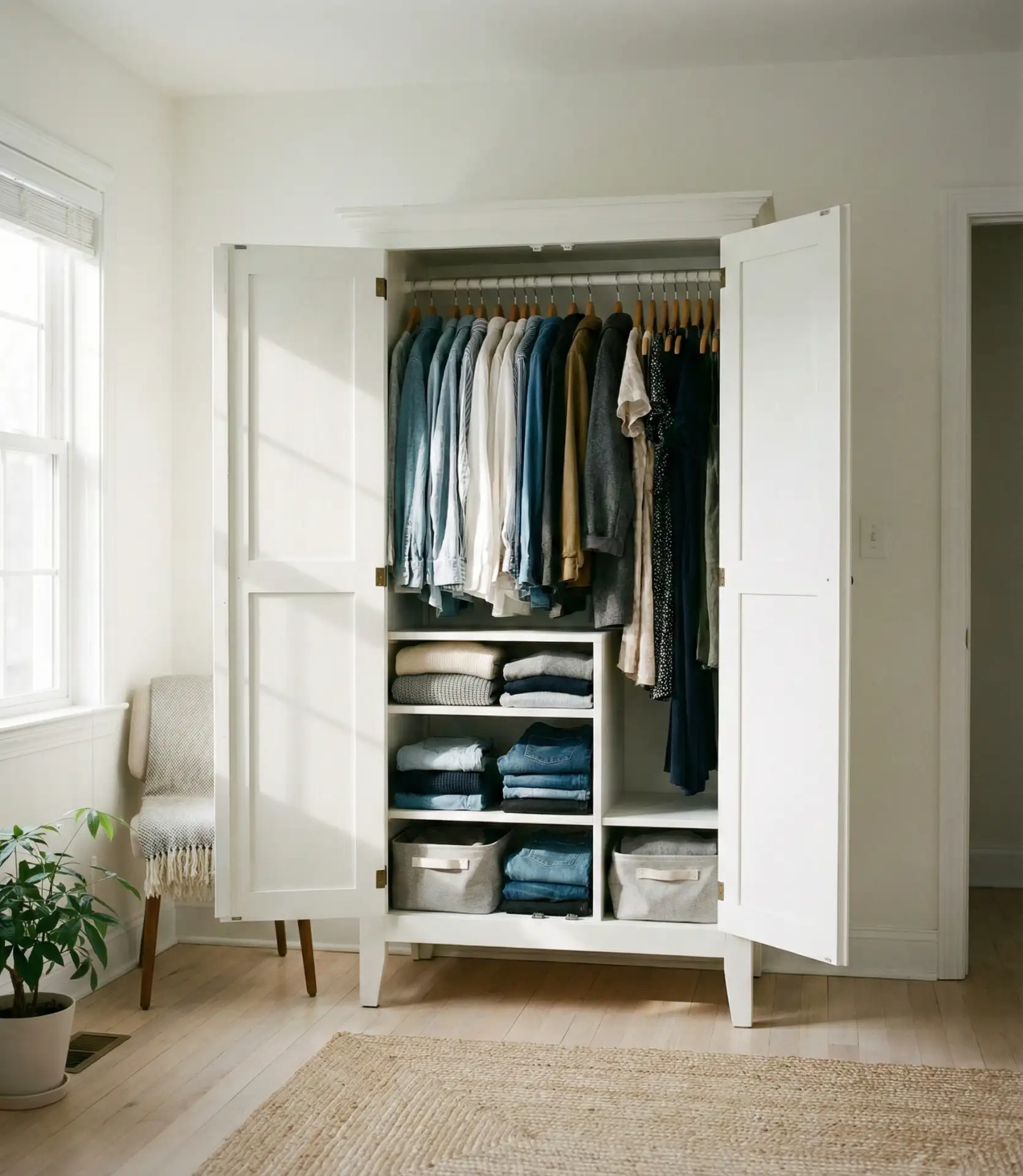
A narrow, tall armoire offers substantial storage without the wide footprint of a traditional dresser. This is a go-to solution for small bedroom wardrobe needs, particularly in bedrooms without built-in closets or where closet space is already maxed out. Modern armoires come with a mix of hanging rods, adjustable shelves, and drawers, making them versatile enough to hold everything from dresses to folded sweaters. Choosing a piece in a light finish or with mirrored doors can help it blend into the room rather than dominate it.
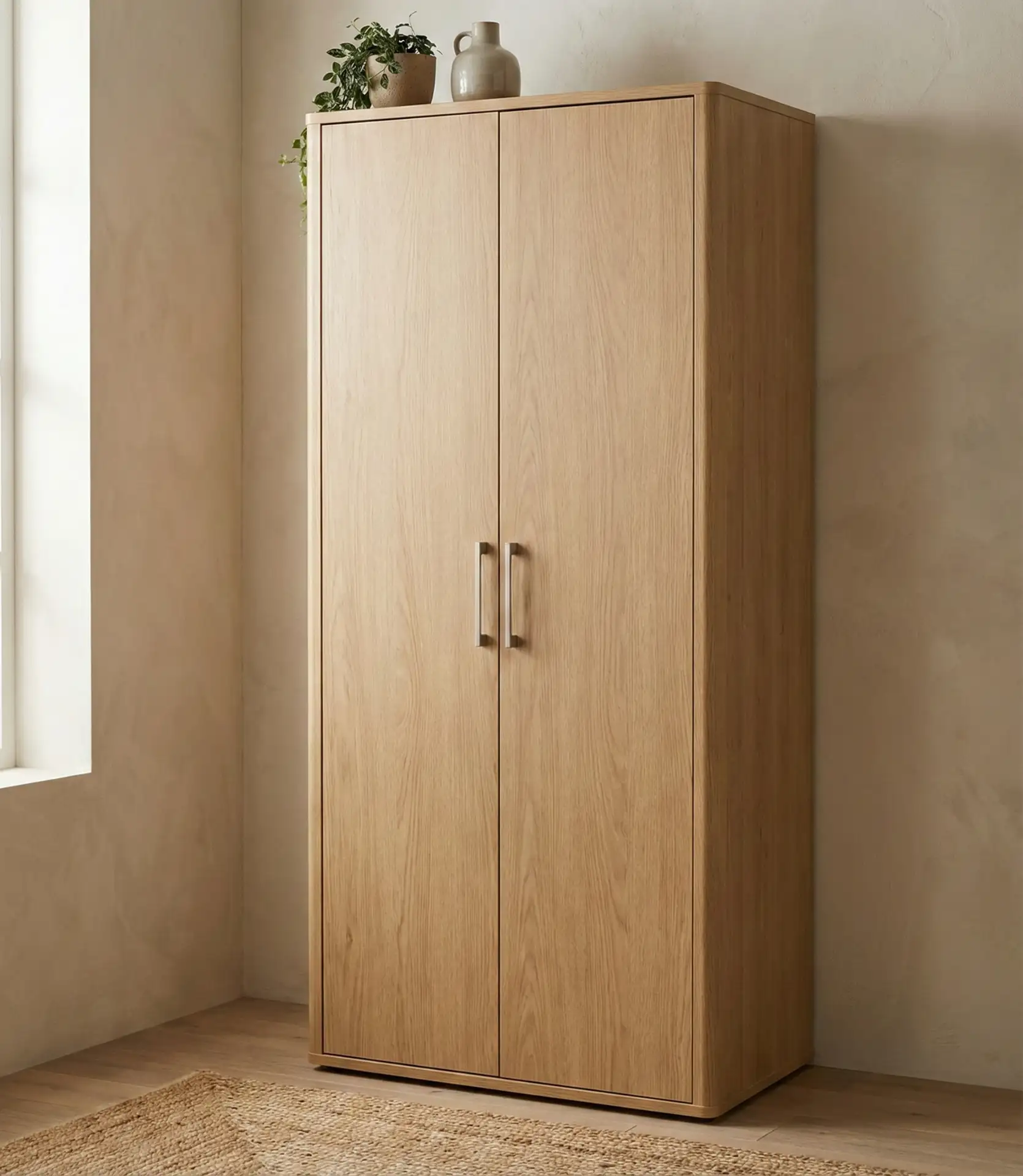
A cousin in Boston recently swapped her low, wide dresser for a tall armoire and gained enough floor space to add a yoga mat area beside her bed. She said it felt like she’d doubled her bedroom’s usable square footage overnight. That kind of spatial shift can make a small bedroom feel genuinely livable rather than just functional.
18. Window Seat with Hidden Storage Beneath
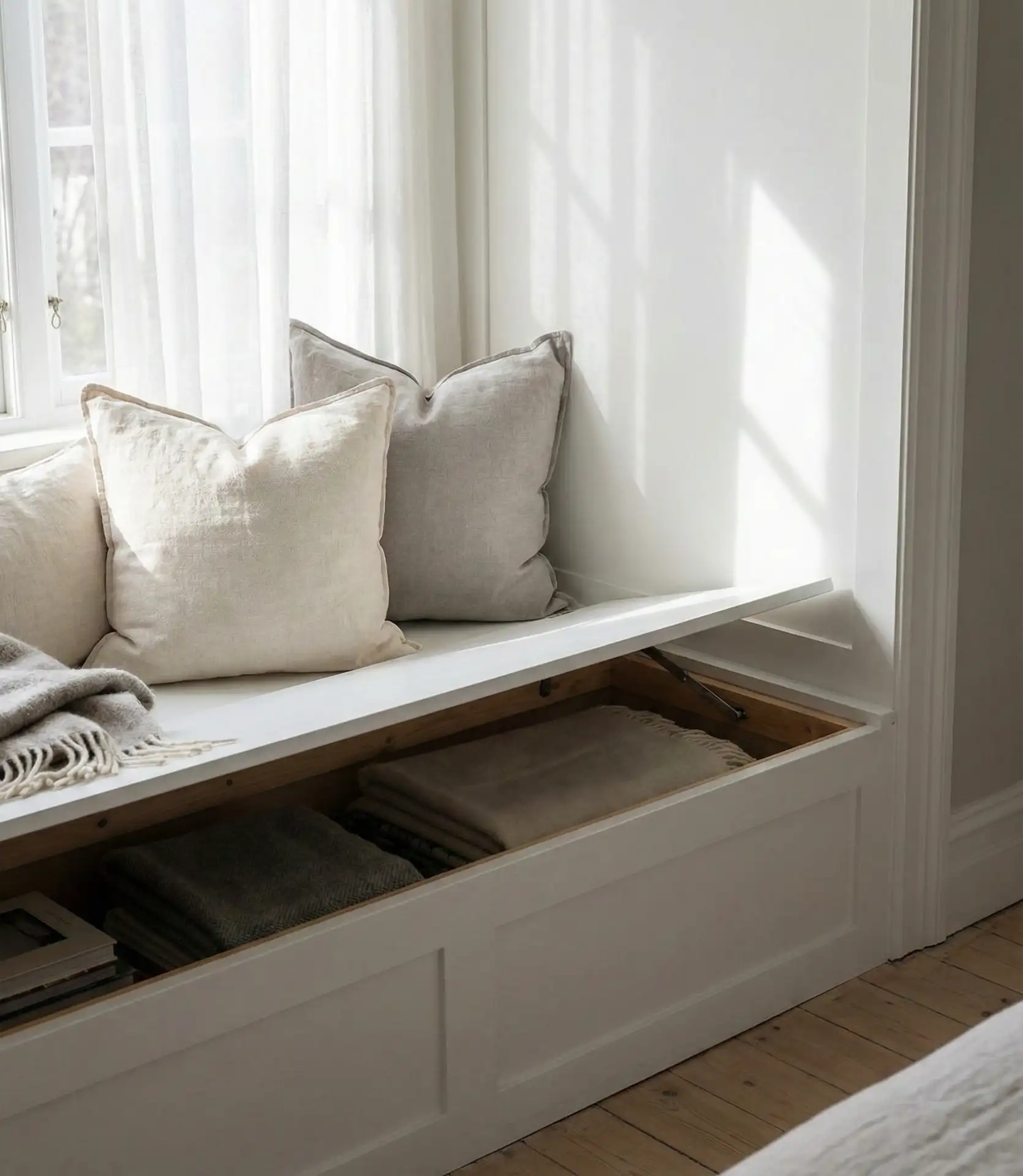
If your small bedroom has a window with a wide sill or alcove, a custom window seat with lift-up storage is a charming and practical addition. This is a favorite among small bedroom ideas for kids and adults alike, offering a cozy reading nook by day and concealed storage for linens, toys, or out-of-season clothing. Add cushions and throw pillows to make the seat inviting, and install a small reading light nearby to encourage use. The window seat becomes a functional piece of furniture that also adds architectural interest.
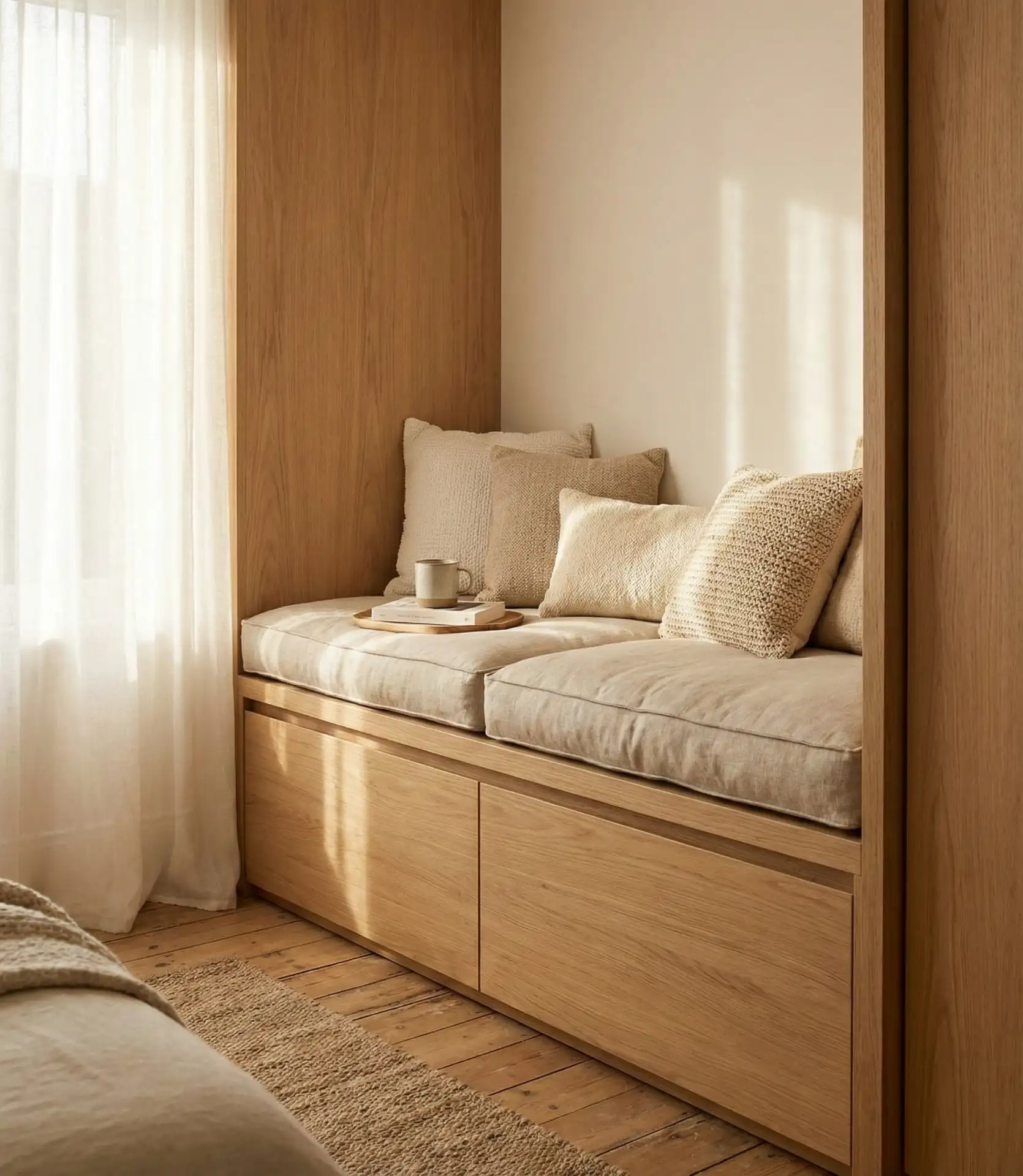
This upgrade works best in bedrooms with large or bay windows where the sill is wide enough to sit comfortably. Custom window seats typically cost between $500 and $2,500 depending on materials and complexity. A common mistake is building the seat too shallow—aim for at least 18 inches of depth to ensure it’s actually comfortable to sit on, not just decorative.
19. a neutral rug to define and soften the space.
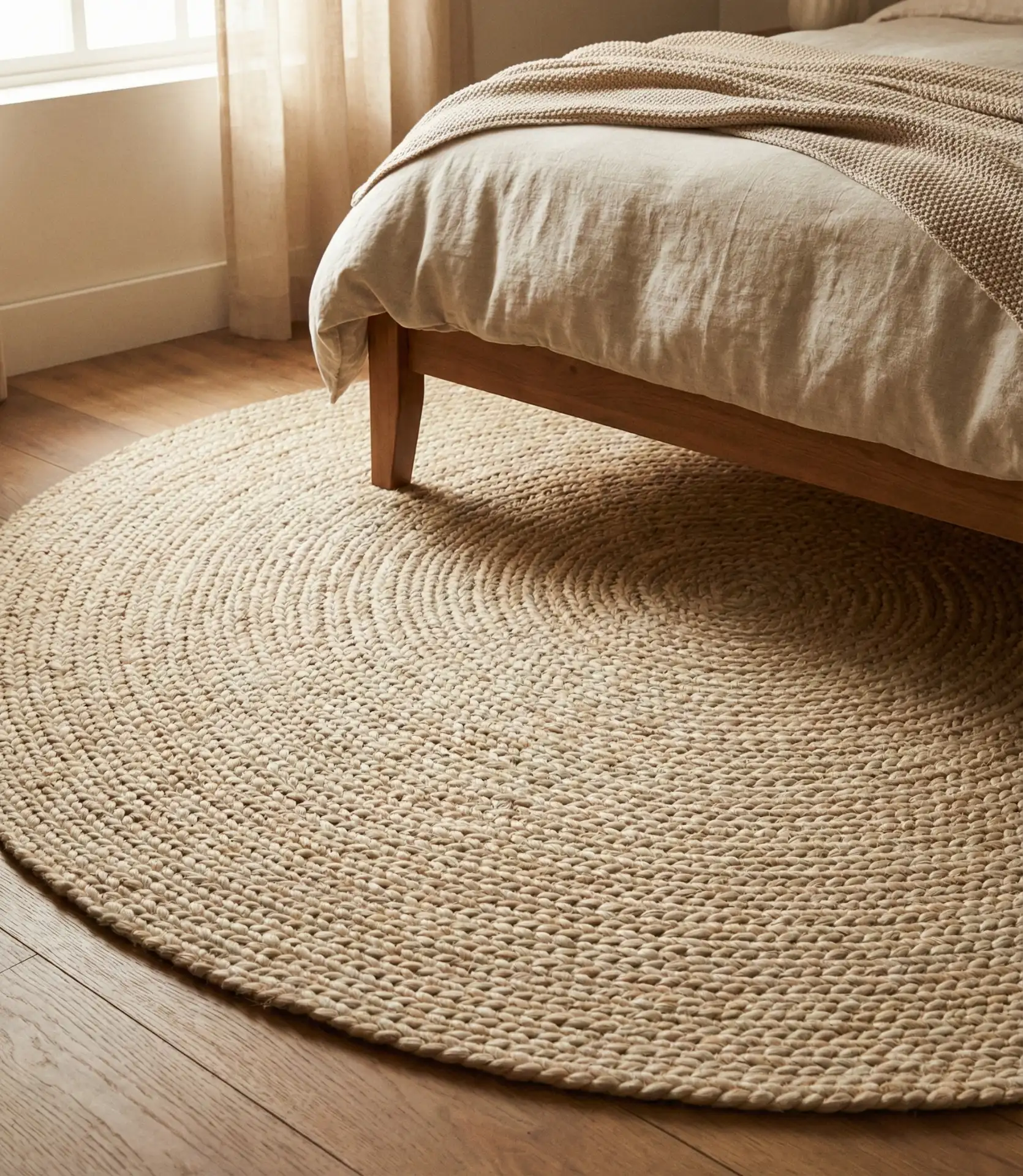
A soft, neutral-toned rug anchors the bedroom and adds warmth underfoot without overwhelming the visual palette. This is a staple in small bedroom cozy room decor strategies, where the goal is to create a layered, inviting environment that still feels open and airy. Choose a rug that extends beyond the bed on all sides to create a cohesive zone, and opt for natural fibers like wool, jute, or cotton for a tactile, organic feel. Avoid overly busy patterns that can make the room feel smaller.
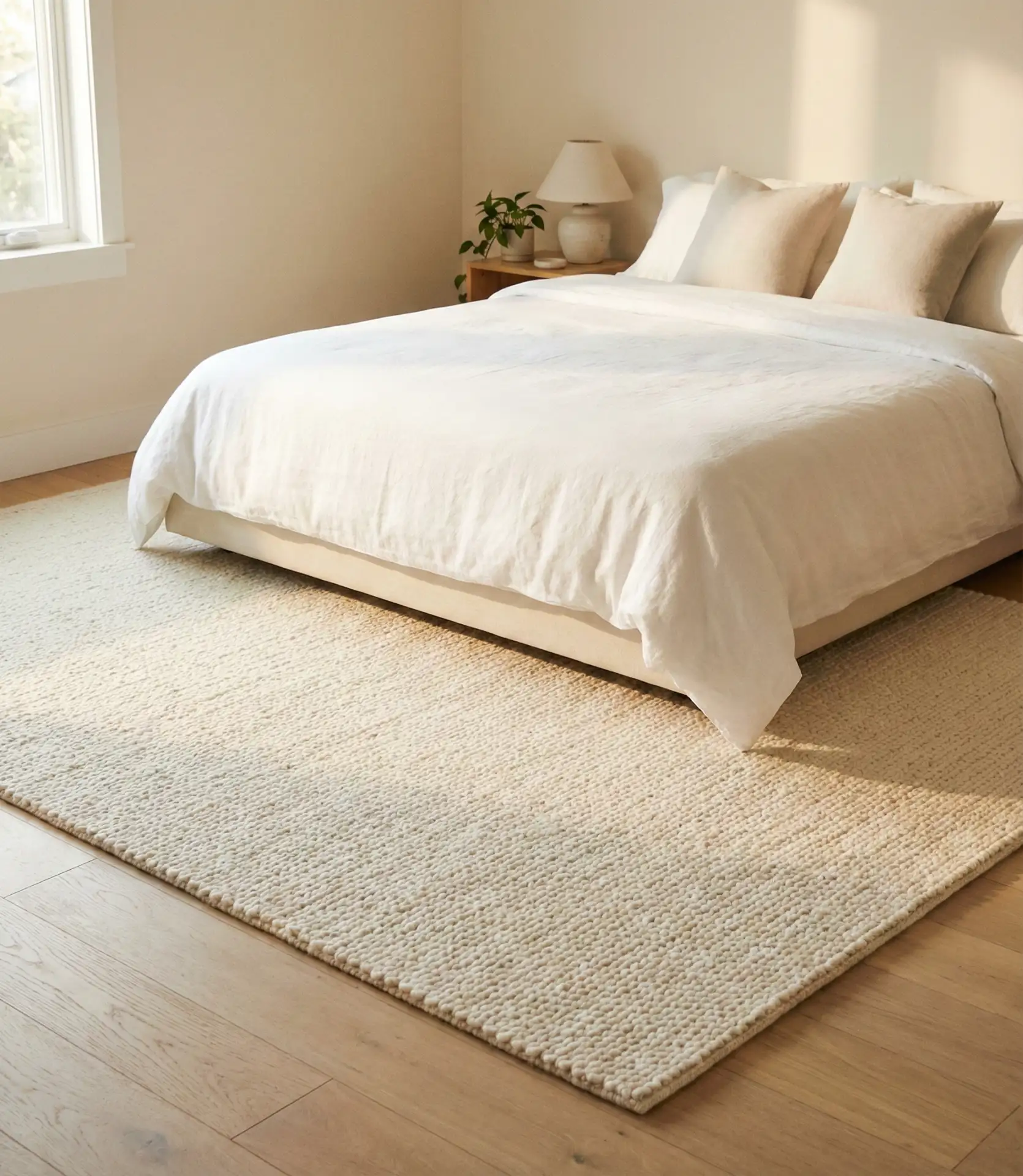
This strategy works best in bedrooms with hardwood or tile floors, where a rug adds both comfort and sound dampening. Quality rugs range from $100 to $800 depending on size and material. Many people choose rugs that are too small, which can make the furniture look disconnected—measure your bed and nightstands first, then add at least 18 to 24 inches on each side to ensure proper coverage.
20. Multi-Functional Ottoman for Seating and Storage

A storage ottoman serves triple duty as seating, a footrest, and a concealed storage bin for blankets, magazines, or accessories. This is a versatile piece for small bedroom room ideas, especially when floor space is too limited for a traditional bench or chair. Choose an ottoman with a removable lid and neutral upholstery that complements the room’s color scheme. Placed at the foot of the bed or in a corner, it adds function without visual clutter.
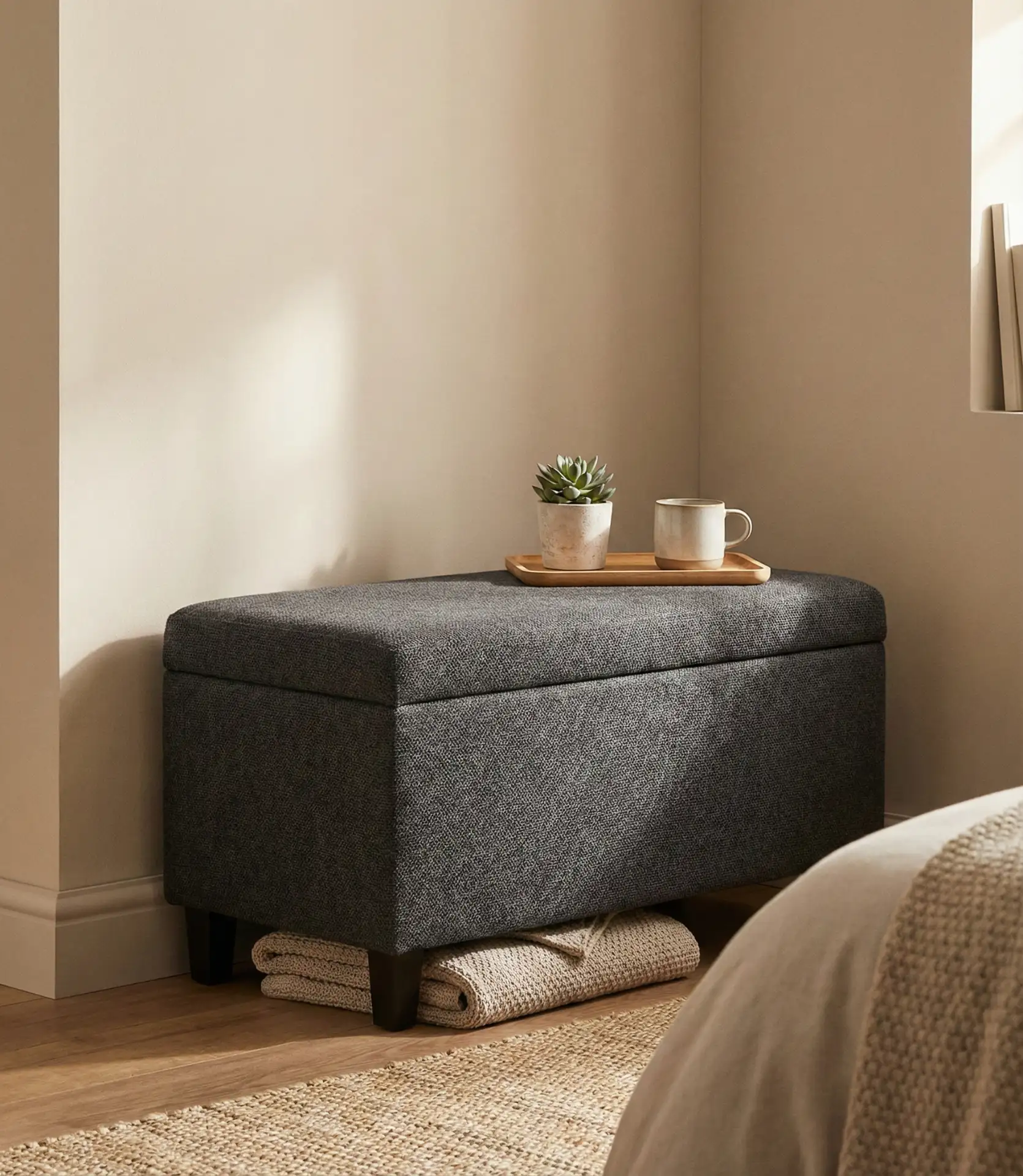
In cities like Seattle and Minneapolis, where seasonal clothing swaps are common, a storage ottoman is a practical place to tuck away off-season items. Prices range from $60 to $300 depending on size and material quality. Real homeowners appreciate the flexibility—one month it holds extra pillows, the next it’s a place to sit while putting on shoes. That kind of adaptability is essential in small spaces.
21. Accent Wall to Add Depth Without Clutter
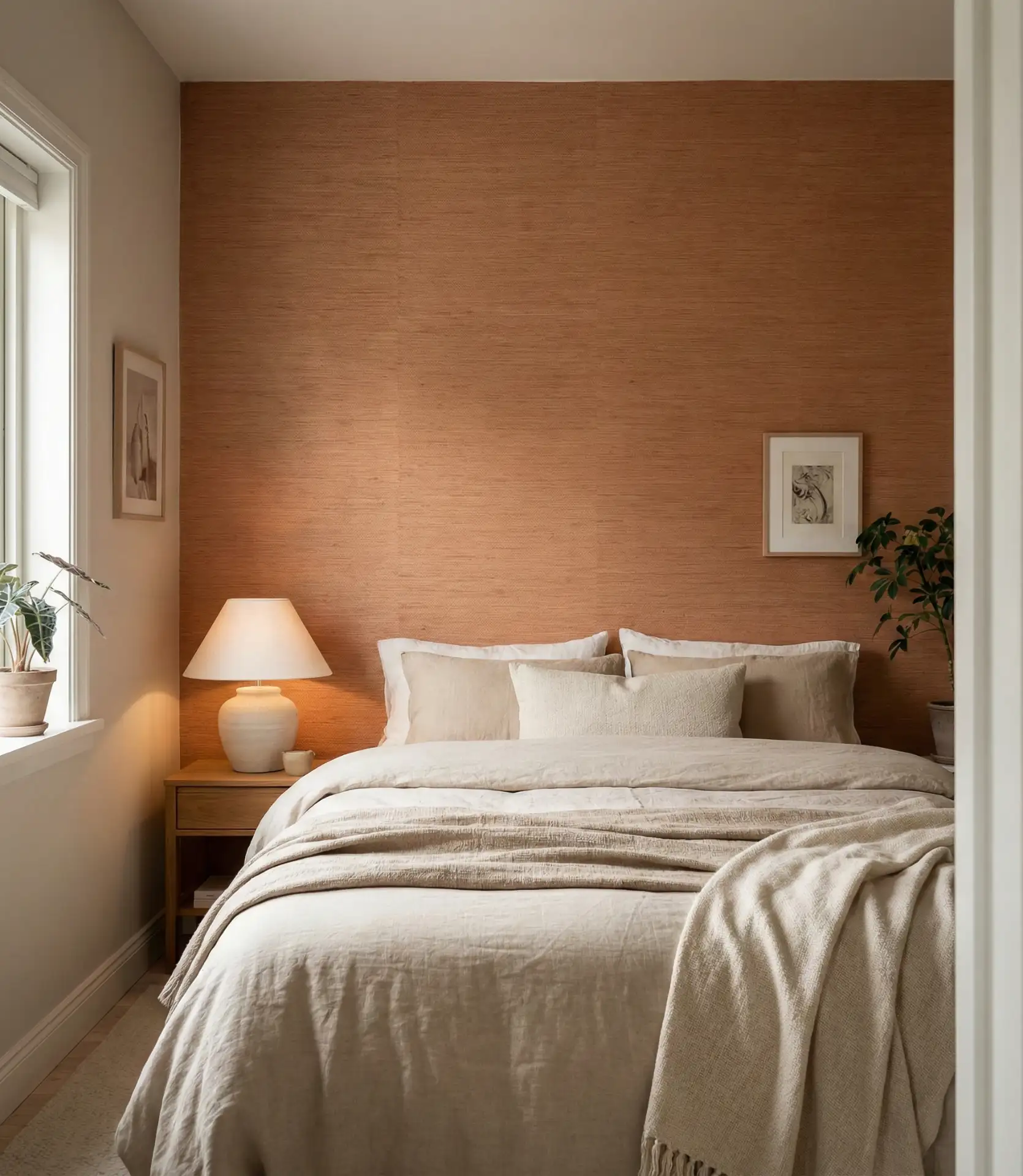
A single accent wall in a rich, warm color or textured wallpaper can add personality and depth to a tiny bedroom without overwhelming the space. This is a popular approach to decorating a small bedroom, as it introduces visual interest while keeping the other walls light and open. Choose the wall behind the bed as the focal point, and pair it with simple, coordinated bedding and minimal accessories. The contrast creates dimension, making the room feel more intentional and designed.

This approach works best in bedrooms with ample natural light, as darker accent walls can feel oppressive in dim spaces. Paint or wallpaper costs typically range from $50 to $300 depending on the product and room size. A common mistake is choosing a color that’s too bold or dark for the room’s size—test samples in different lighting conditions before committing, and consider going one or two shades lighter than your initial instinct.
22. A narrow console table as a vanity alternative
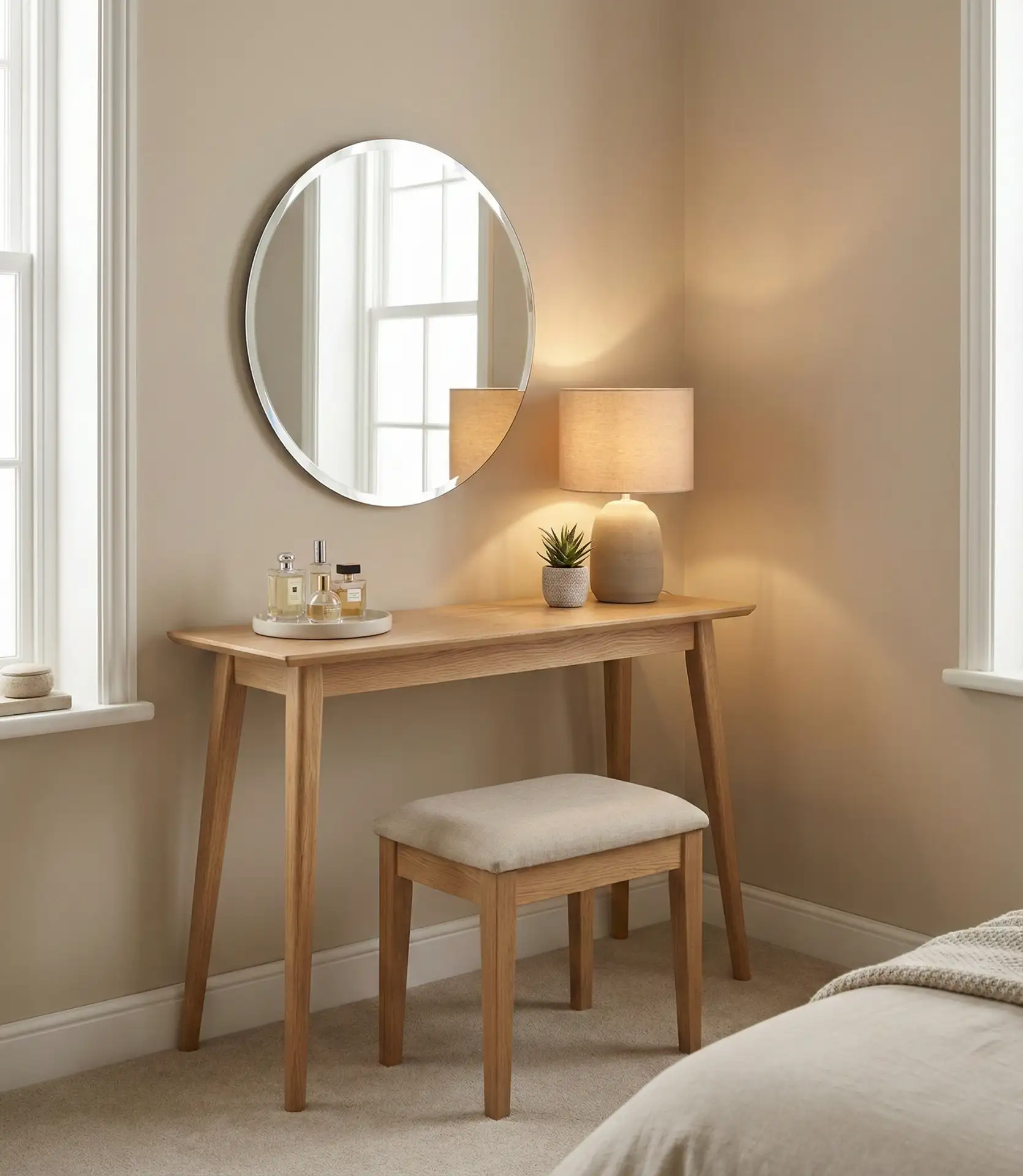
When there’s no room for a full-size vanity, a slim console table paired with a wall-mounted mirror and a small stool creates a functional beauty station. This is a clever addition to small bedroom interior design schemes, particularly for those who want a dedicated grooming area without sacrificing floor space. Choose a console with a shallow depth—around 10 to 12 inches—and add small trays or baskets to keep cosmetics and accessories organized. The narrow profile allows it to tuck into tight corners or along a blank wall.

Narrow console tables typically cost between $80 and $350, making them an affordable alternative to traditional vanities. A friend in San Francisco used this setup in her studio apartment and was surprised at how much daily routine it streamlined—having a dedicated spot for skincare and makeup meant she stopped cluttering the bathroom counter. Small changes like this can have a meaningful impact on how you use and feel about your space.
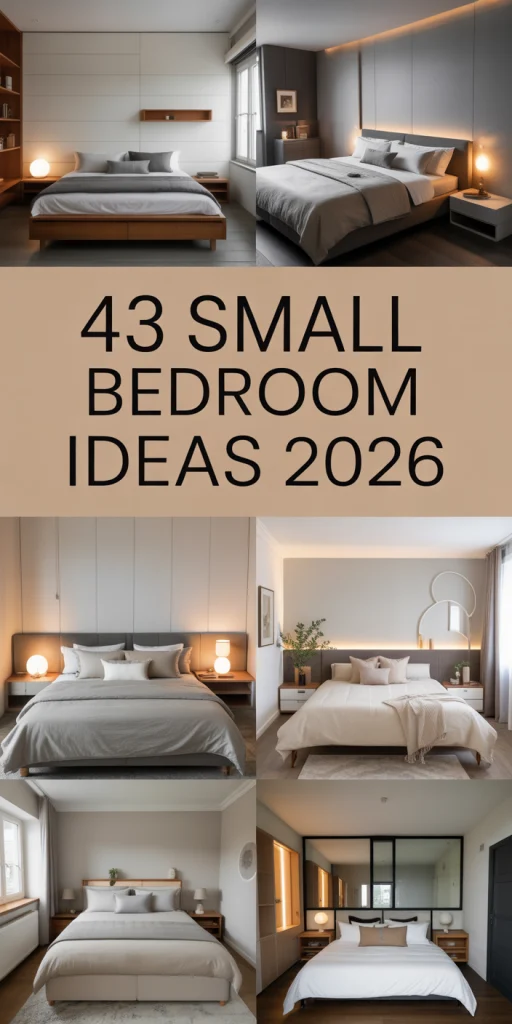
These ideas prove that small bedrooms don’t have to feel cramped or limiting. With thoughtful design choices—from clever storage solutions and space-saving furniture to calming color palettes and multi-functional pieces—you can create a bedroom that’s both beautiful and functional, no matter the square footage. Whether you’re inspired by Japandi minimalism, cozy layered textiles, or smart organizational hacks, the key is to prioritize what matters most to you and design around it. Let’s continue the conversation by sharing your favorite small bedroom ideas or challenges in the comments section below.