
If your kitchen has been feeling outdated, you’re not alone. Right now, millions of Americans are scrolling Pinterest searching for exactly this—fresh, achievable kitchen transformations that don’t require a contractor, a six-figure budget, or a total gut job. Whether you’re renting a cozy apartment, living in a mobile home, or just craving a Sunday afternoon refresh, the kitchen ideas circulating in 2026 are smarter, more personal, and more beautiful than ever. In this article, you’ll find kitchen makeover ideas—from bold color moves to clever storage hacks—that real people are actually doing this year.
1. The Blue Shaker Cabinet Refresh
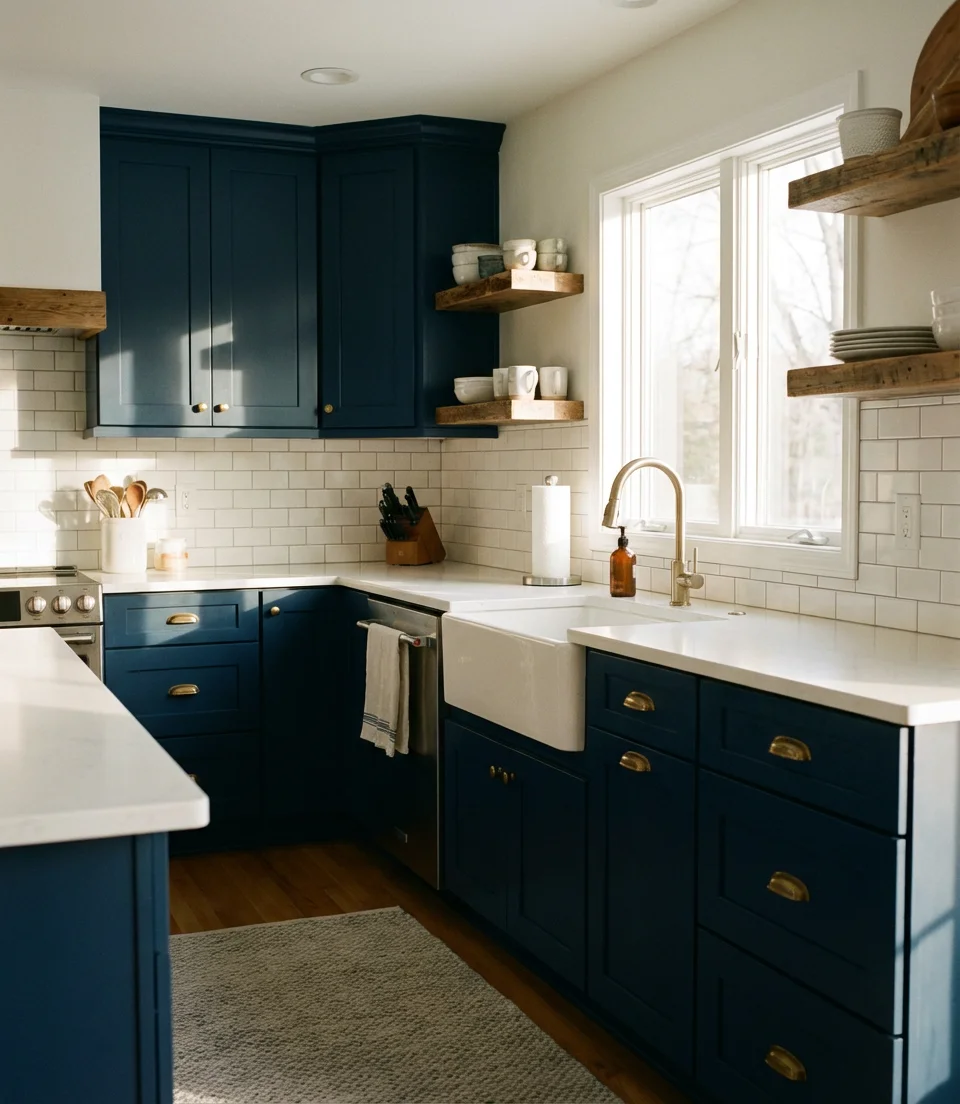
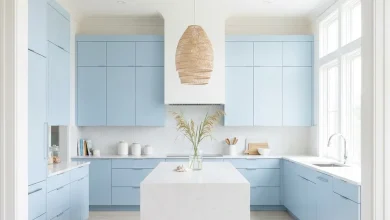
There’s something quietly confident about a kitchen dressed in deep, moody blue—and in 2026, it’s everywhere. A blue shaker-style cabinet refresh is one of the most searched-for looks on Pinterest right now, and for good reason: it transforms even the most dated kitchen without touching a single wall. The approach works beautifully in modern homes and older suburban kitchens alike, and it pairs just as well with brass hardware as it does with matte black. It’s a commitment, yes, but the kind that pays off every single morning.
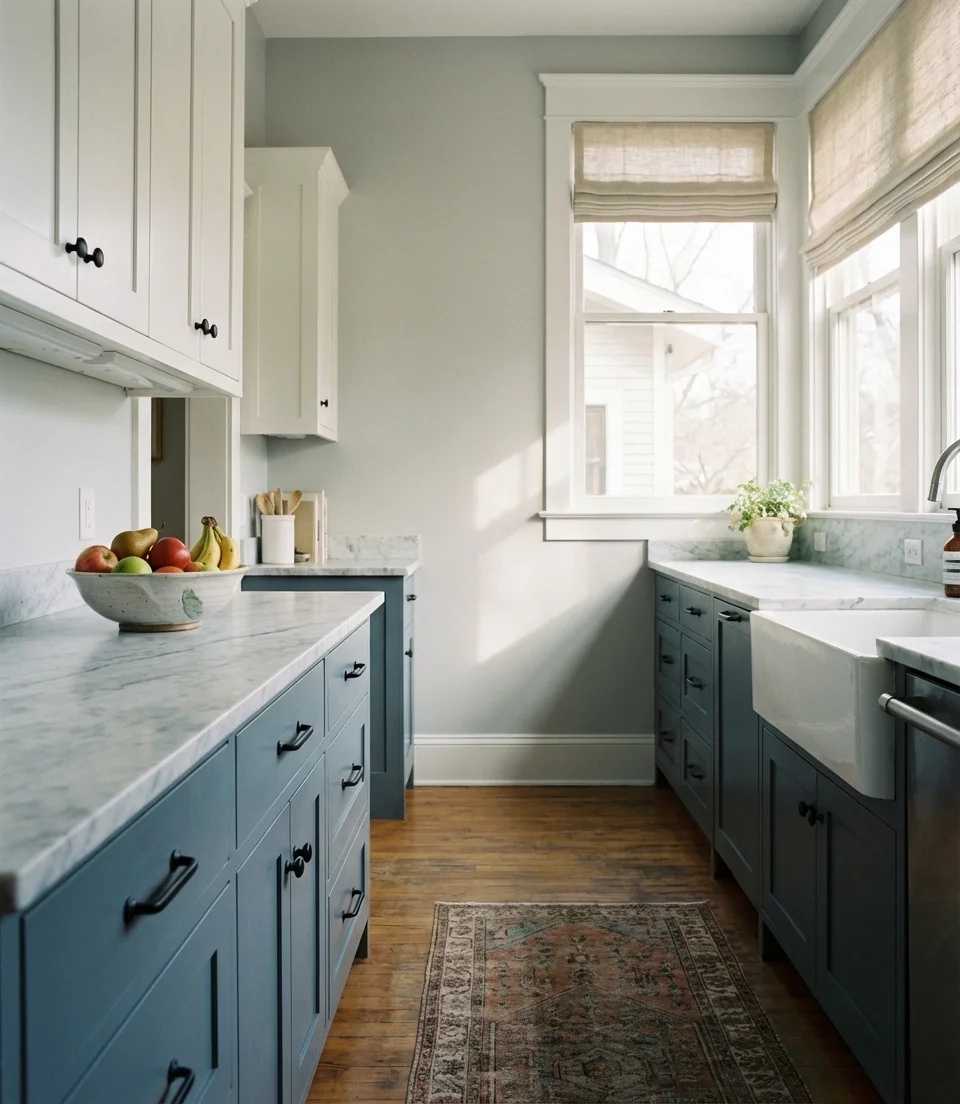
Cabinet paint is one of the most cost-effective renovations in the American home toolkit. A gallon of high-quality cabinet enamel runs about $60–$80, and a weekend of careful prep work can net you results that look completely custom. Interior designers often cite painting the cabinets as the single highest-return DIY move in a kitchen—you’re not changing square footage, but you are completely changing the room’s emotional weight. The key mistake to avoid: skipping the primer. It’s the step that separates a professional-looking finish from one that chips within six months.
2. Open Shelving in a Small Kitchen
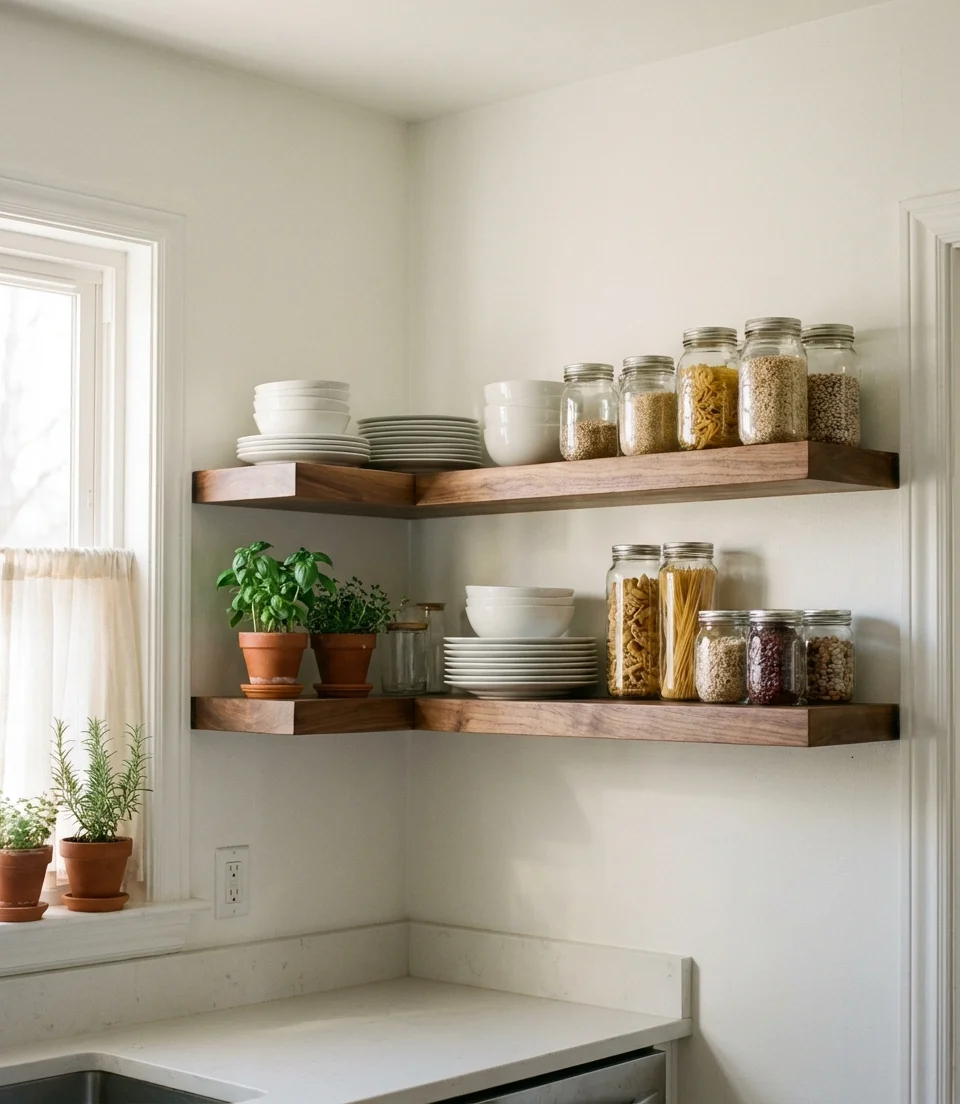
If you have a small kitchen that feels more like a hallway than a cooking space, open shelving might be the single smartest visual trick you can pull. Swapping even one row of upper cabinets for floating wood or metal shelves immediately makes the room feel taller, airier, and more intentional. This is especially popular in open floor-plan homes where the kitchen bleeds into a living or dining area—the shelves create a sense of display rather than storage, inviting the whole space to feel curated. Think of it as giving your dishes a stage instead of a hiding spot.
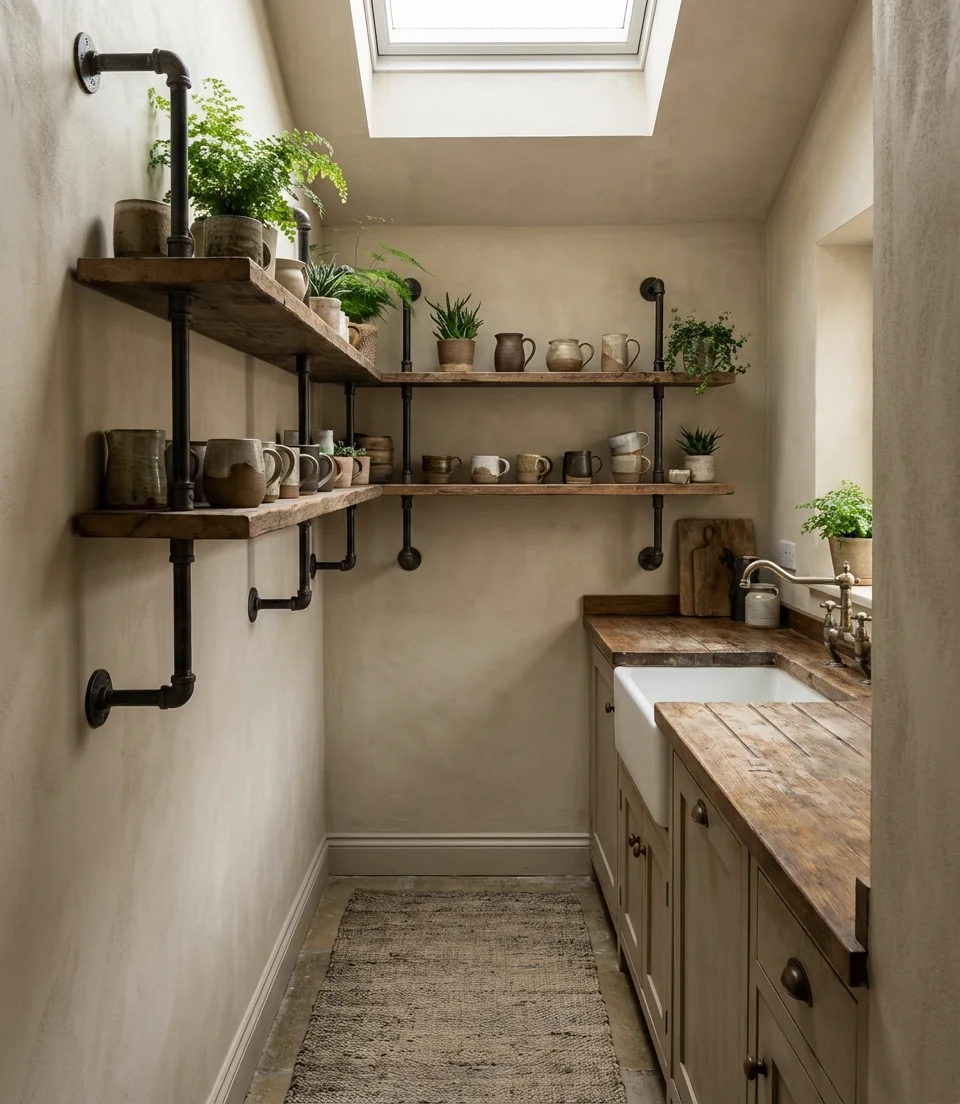
A friend in a 650-square-foot Chicago apartment pulled out her upper cabinets entirely and replaced them with two simple pine boards on black brackets. She told me the kitchen “finally feels like mine.” “That anecdote isn’t unusual—it’s actually a very American tendency to use the kitchen as a reflection of personality, not just utility. The one thing to keep in mind before you commit: open shelving requires a real tidiness habit. Maintaining the styled appearance seen in a photo requires daily intention in real life.
3. Farmhouse Kitchen on a Budget
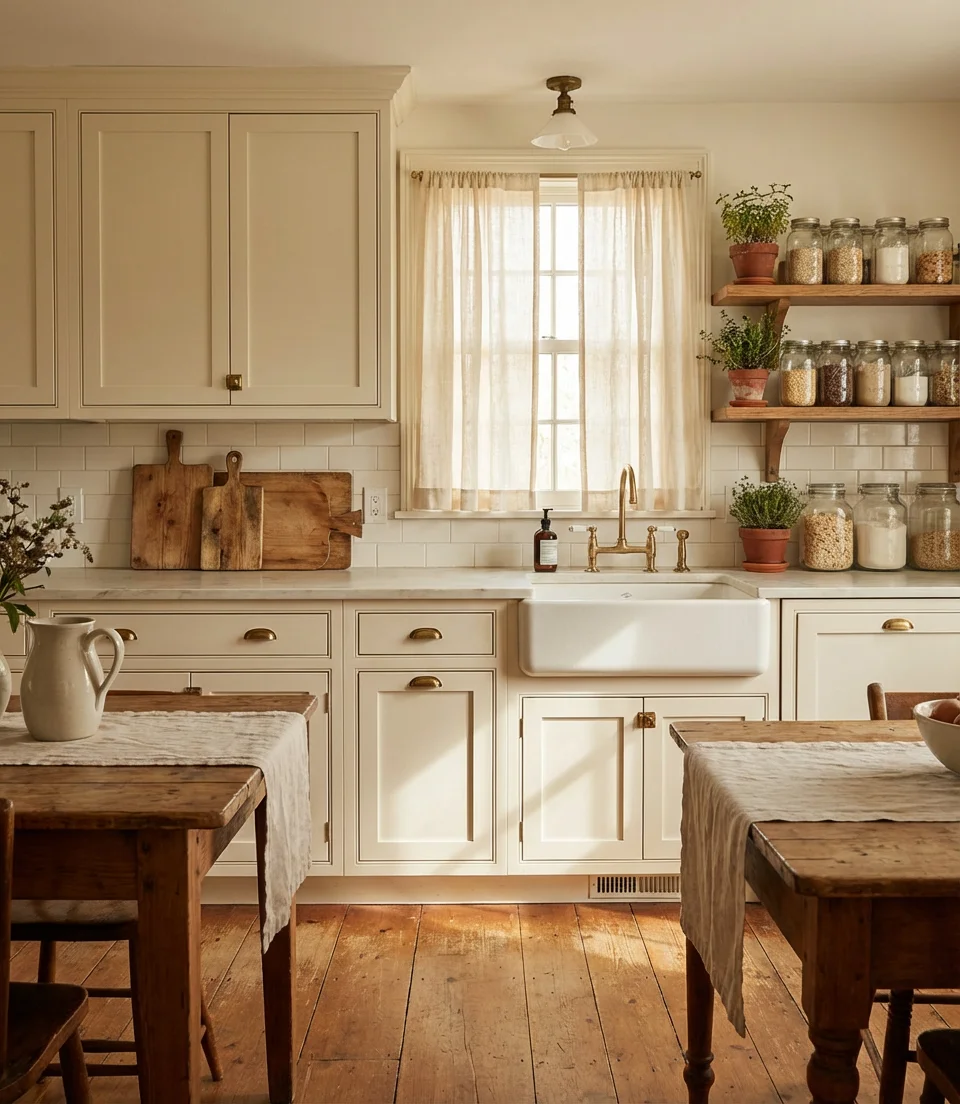
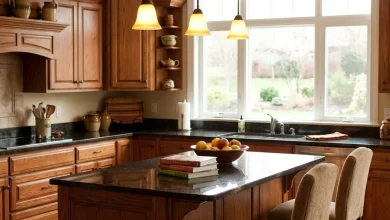
The farmhouse kitchen look has held its ground for over a decade, and in 2026 it’s evolved into something warmer and more layered than the all-white version that dominated the mid-2010s. Think exposed wood beams, apron-front sinks, open crocks of wooden spoons, and linen curtains instead of blinds—a look that feels genuinely lived in rather than staged. The good news is that this aesthetic is extremely forgiving of budget-friendly choices: thrifted ironstone, $12 dish towels from a feed store, and vintage-looking hardware from big box stores all play well together here.
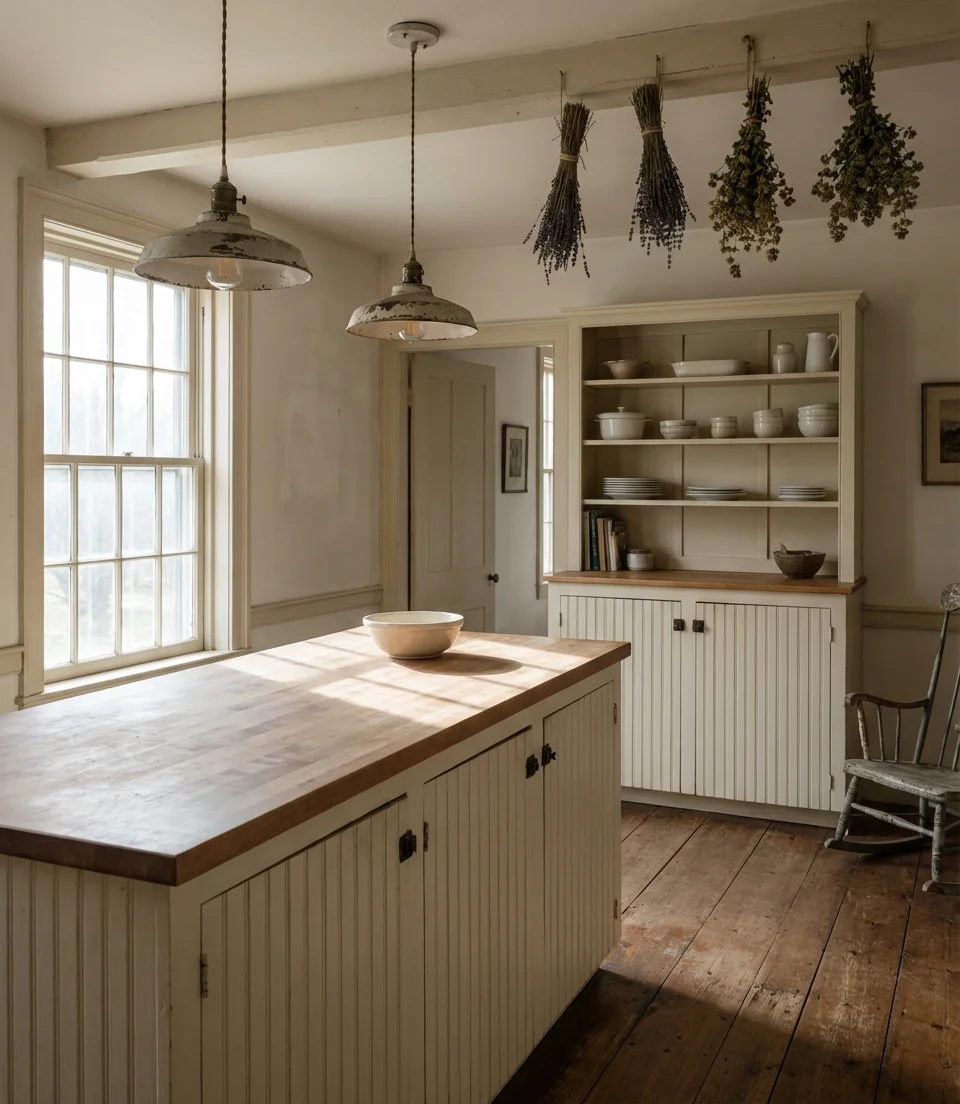
This look works best in homes with some existing character—older houses in the South and Midwest, cottages in New England, or ranches in the Pacific Northwest. But it can be coaxed into almost any floor plan with the right layering. Budget-conscious shoppers have learned to haunt Facebook Marketplace for the anchor pieces: an old farmhouse table, a freestanding hutch, and a secondhand pendant light. Once those bones are in place, the smaller accents fall into place easily and affordably.
4. Renter-Friendly Kitchen Upgrades
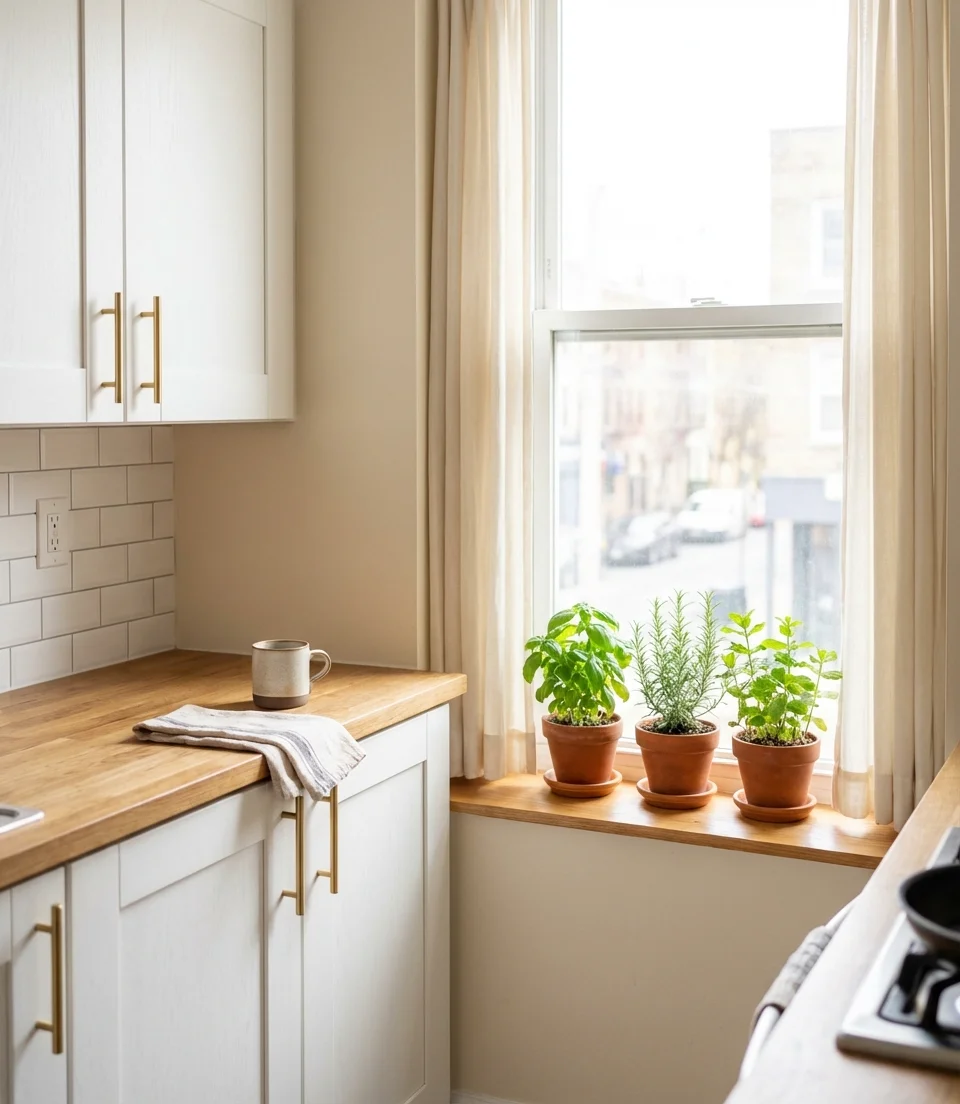
One of the most searched phrases on Pinterest this year is “renter-friendly kitchen makeover”—and it makes total sense. With homeownership rates fluctuating and more Americans choosing or needing to rent longer, there’s enormous demand for changes that beautify a kitchen without violating a lease. The good news is that there are a plethora of options available: peel-and-stick backsplash tiles, removable wallpaper for cabinet interiors, stick-on cabinet hardware overlays, and tension-rod shelf systems all create a visual impact without requiring any nail holes. A rental kitchen doesn’t have to look temporary.
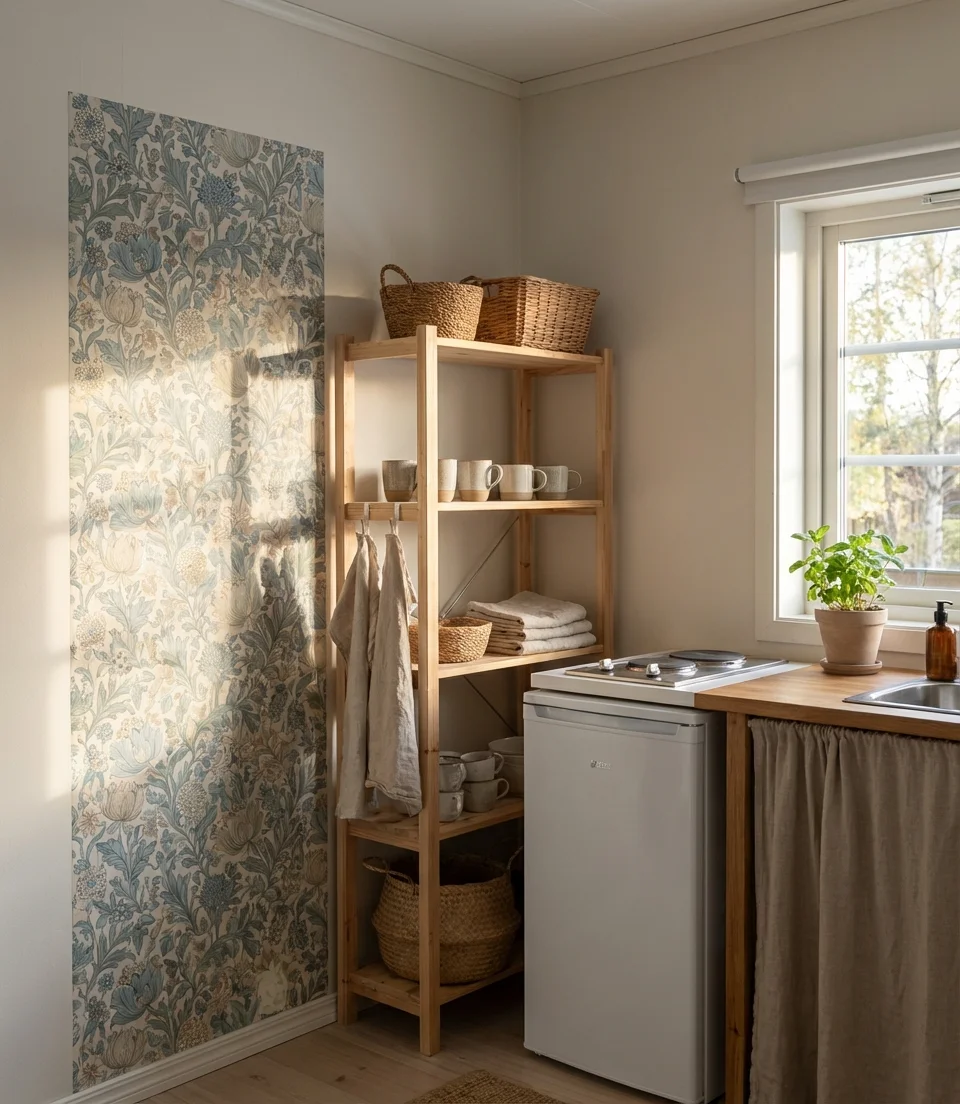
Cities with competitive rental markets, such as New York, Denver, Austin, and Seattle, where renters often spend years in the same apartment and desire a sense of home, are where this approach truly excels. The practical insight here is sequencing: start with hardware swaps (takes 20 minutes, makes a 40% visual difference), then move to backsplash tiles, then address lighting with plug-in pendants. Tackle changes from highest-impact to lowest-effort, and you’ll feel the transformation without ever touching your security deposit.
5. White Kitchen With Warmth
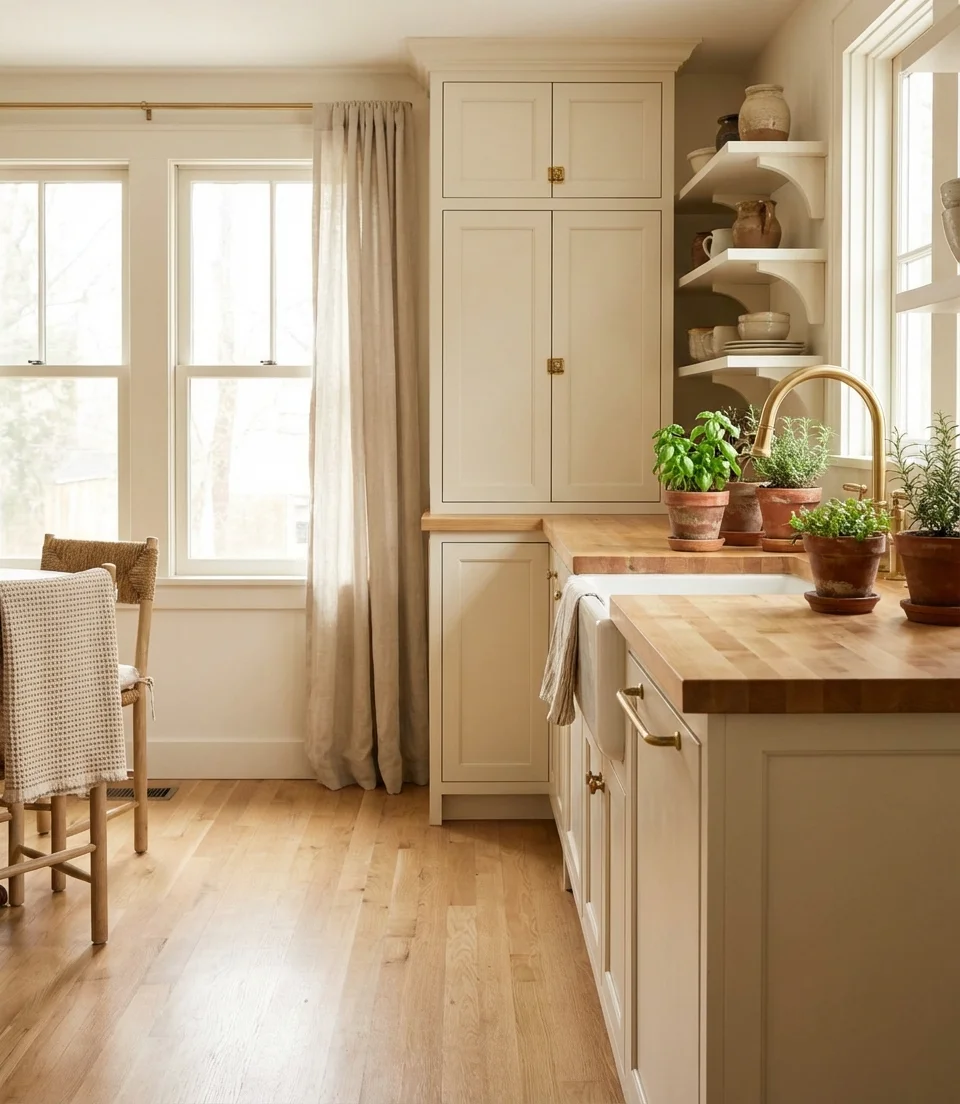
The all-white kitchen isn’t going anywhere—but in 2026 it’s gotten a much-needed dose of soul. The cold, sterile white kitchens of the early Instagram era are giving way to something softer: warm whites layered with natural wood, aged brass, woven textures, and indoor plants. Think Benjamin Moore’s White Dove rather than a stark hospital white. The shift is subtle but significant—it’s the difference between a kitchen that photographs beautifully and one that actually feels inviting to stand in while you’re making your morning coffee. This technique is a simple evolution that requires almost no renovation.
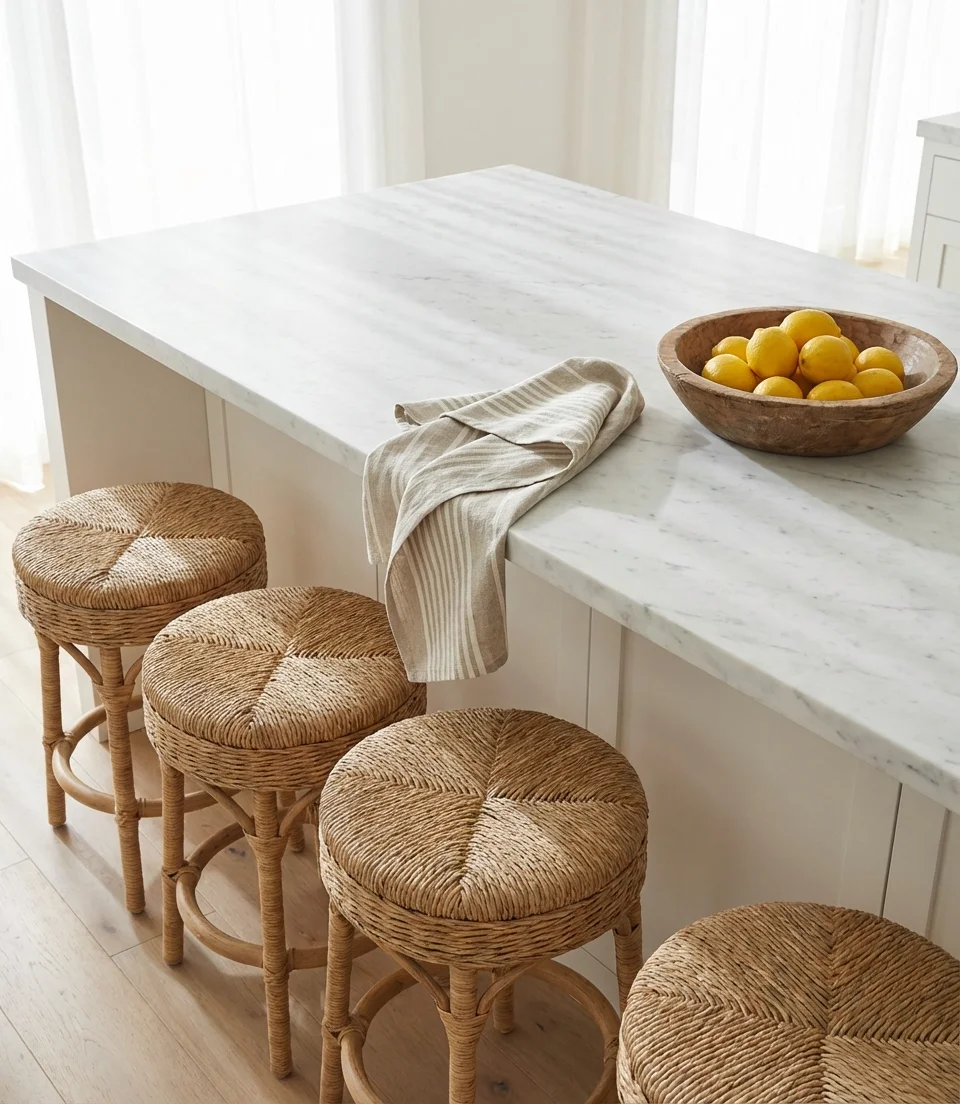
Designers who work with American families repeatedly note that clients say they want white kitchens but are often disappointed when they get them—until the layering happens. Warm white paint is really just the starting point. The personality comes in with the textures: a jute runner in front of the sink, a rattan pendant over the island, and ceramic canisters in earthy tones. Those additions are cheap, easy to swap, and do more visual work than most people expect. Homes with southern or western exposure, where warm afternoon light already contributes significantly, benefit greatly from this approach.
6. Grey Kitchen With Black Accents
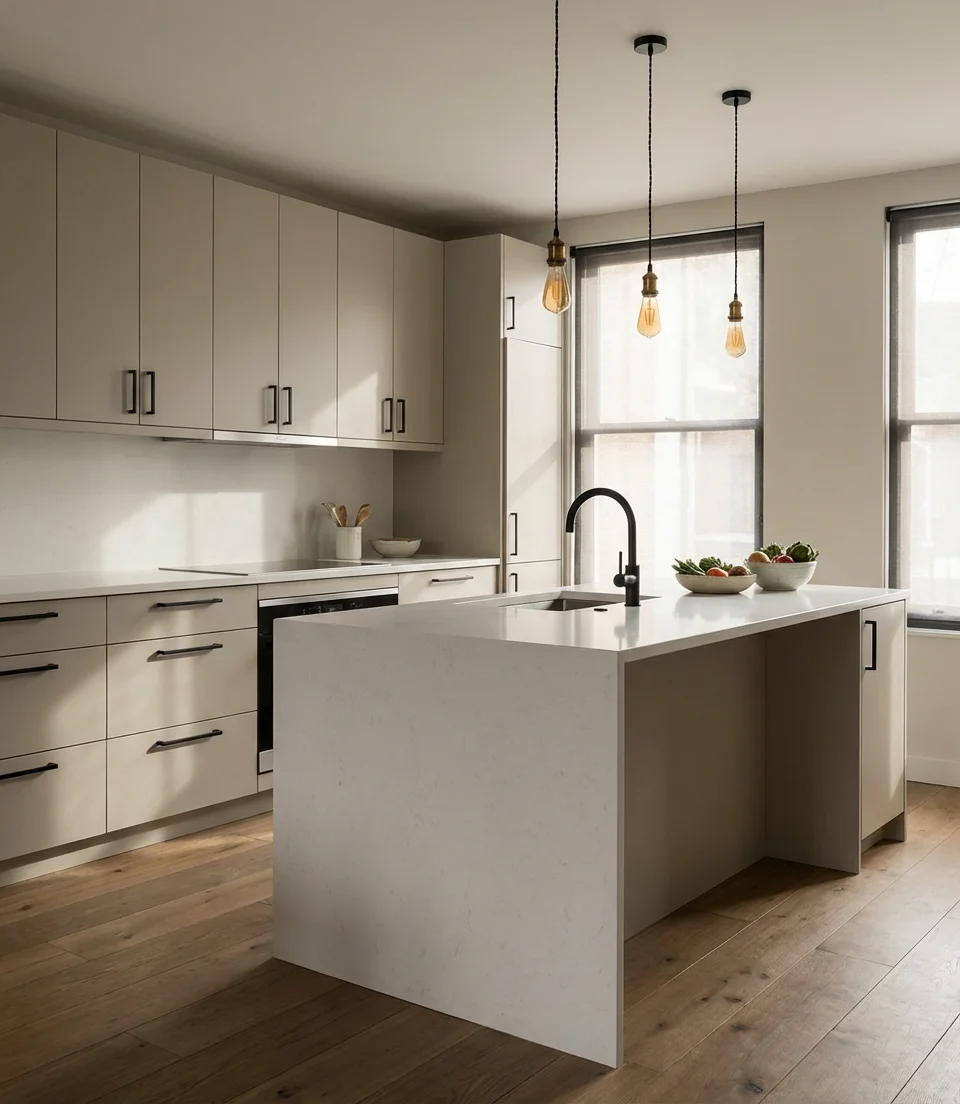
A gray kitchen palette, paired with intentional black accents, strikes an ideal balance between sophistication and drama, without being overpowering. In 2026, this pairing has been refined—the trendy version now leans into warm greys (think greige or stone tones rather than cool blue-greys) offset by matte black fixtures, open shelving brackets, and window frames. For homes with modern architecture or clean lines, this combination reads as genuinely high-end even when executed on a modest budget. It photographs brilliantly, which is why it dominates Pinterest boards right now.
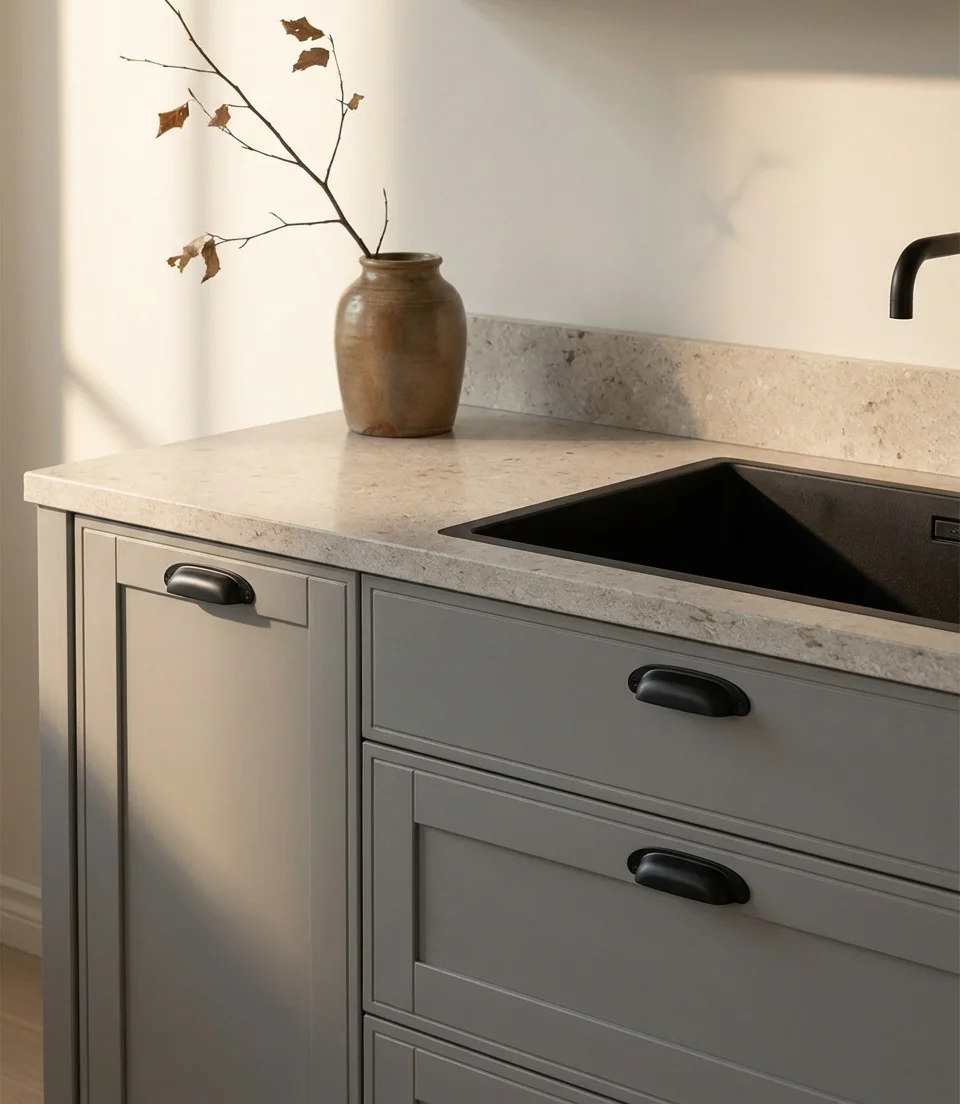
One of the most common mistakes people make with a gray kitchen is choosing the wrong undertone. A gray that reads beautifully on a paint chip can turn greenish or purplish under certain kitchen lighting conditions—especially under the warm glow of incandescent bulbs. The solution design pros swear by always testing your gray in the actual space with large poster-sized samples before committing. View it at different times of day, under task lighting, and under ambient light. That extra day of patience saves you from repainting a month later.
7. DIY Kitchen Island on a Budget
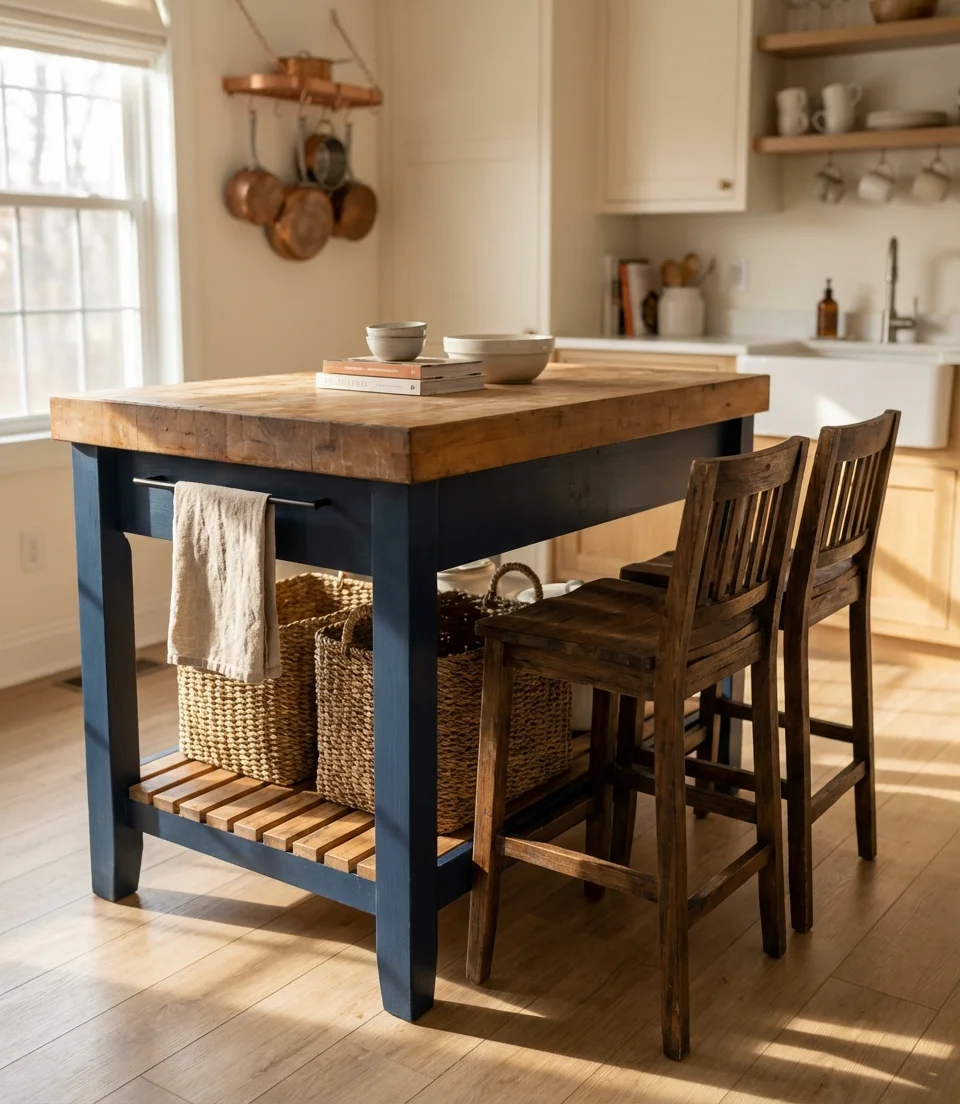
Constructing or purchasing a DIY kitchen island may seem ambitious, yet it falls into the category of “very doable weekend project”—particularly in 2026, when the internet is brimming with tutorials, plans, and hacks. The most popular approach involves repurposing an Ikea base cabinet, a butcher block countertop, and some casters or legs. The whole thing can come together for under $300 and add not just prep space but serious storage. Budget kitchens lacking sufficient counter space can benefit greatly from this smart solution.
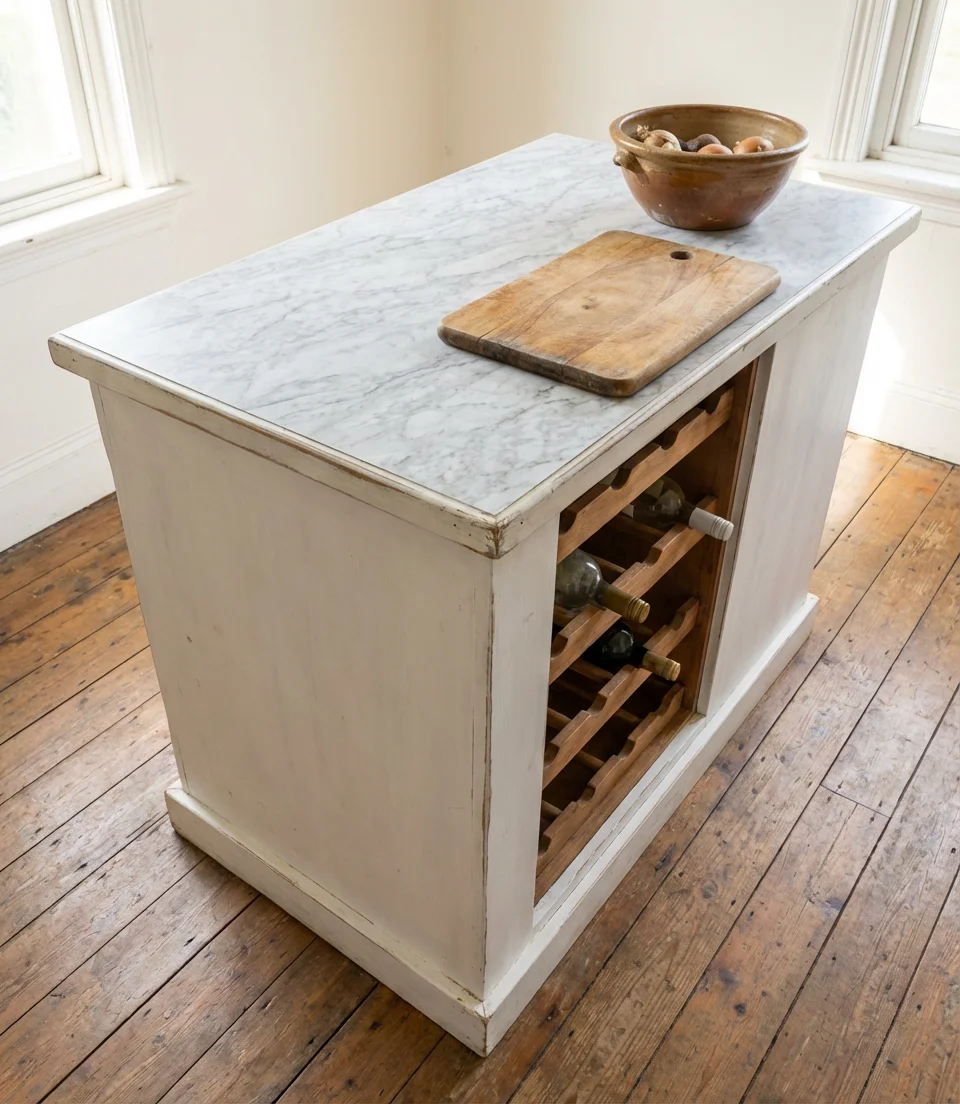
The American appetite for DIY kitchen projects surged significantly during the pandemic and has never really retreated. Home improvement stores report that lumber and hardware sales for kitchen-specific projects remain consistently high, and YouTube tutorials on kitchen islands regularly rack up millions of views. What makes this project particularly appealing to real homeowners is its reversibility—a freestanding island on casters can move with you, which matters a lot when you’re in a home you might leave in three years.
8. Rustic Kitchen Makeover With Wood Details
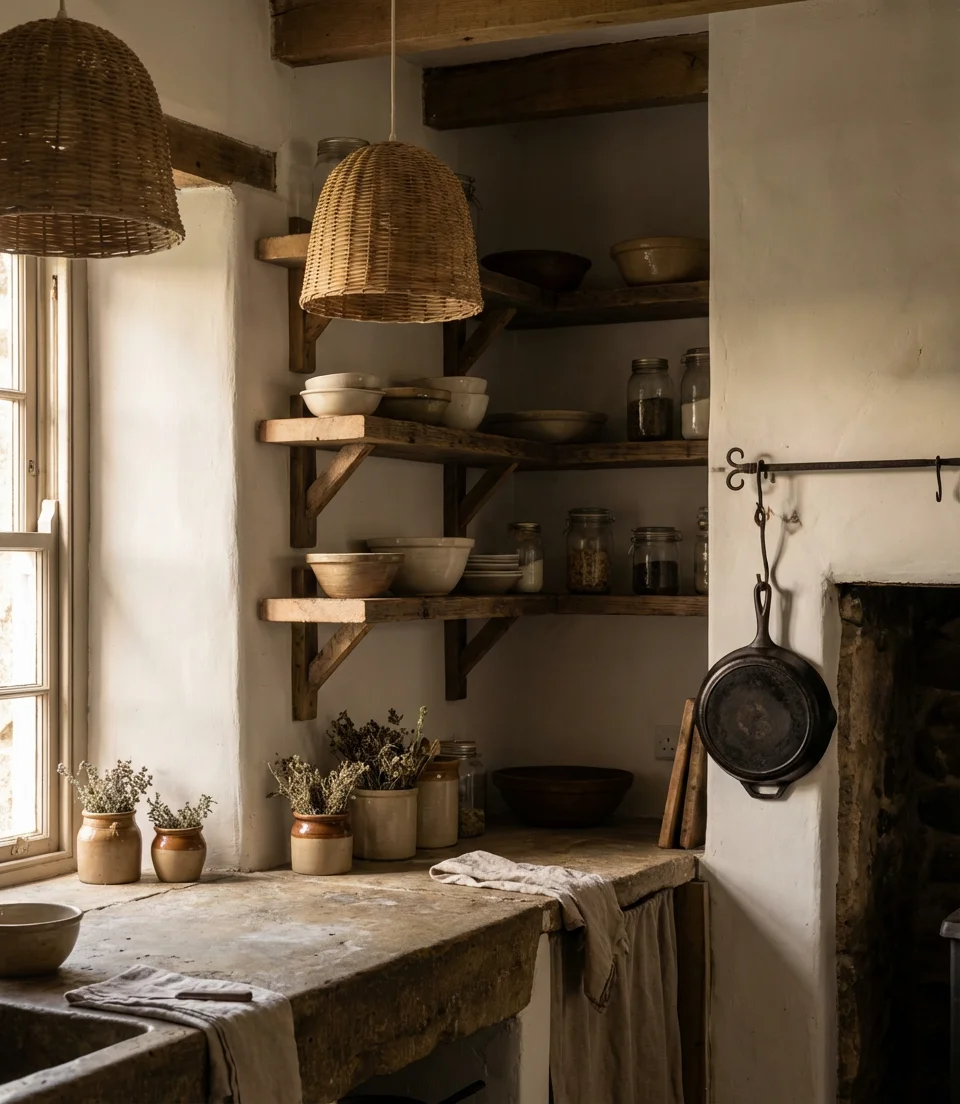
A rustic kitchen makeover in 2026 isn’t about making your kitchen look like a log cabin—it’s about introducing warmth, imperfection, and character into spaces that have been over-polished. The key materials are reclaimed or live-edge wood for open shelves and countertop accents, exposed ceiling beams (faux or real), hand-thrown pottery for storage crocks, and hand-painted or cement-look tile. This aesthetic has deep roots in American vernacular design—think Appalachian farmhouses, Texas ranch kitchens, and rustic New England cottages—and it resonates powerfully because it feels real and earned rather than curated.
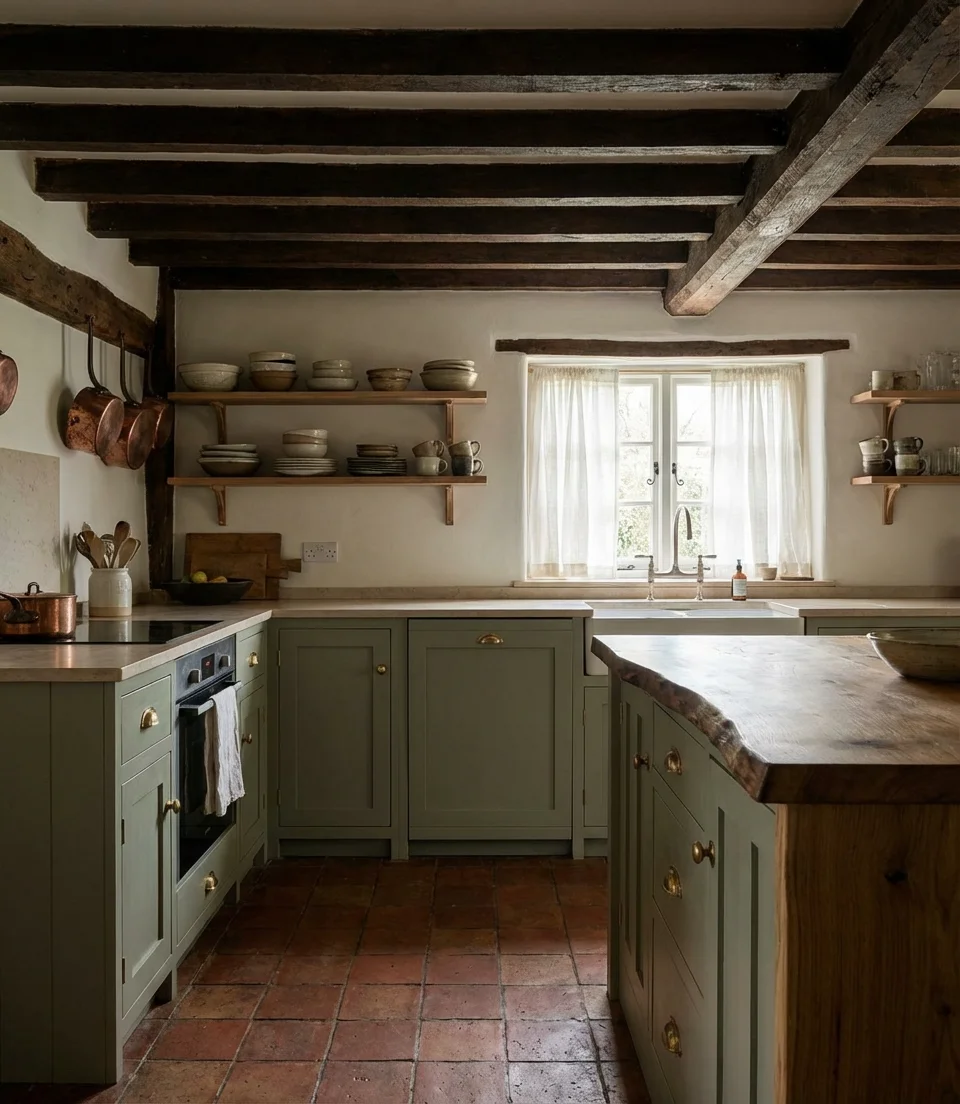
This style works best in homes that already have some architectural texture to build on—older houses, cottages, cabins, or any home with visible wood framing or natural stone. In a perfectly new construction box, achieving a convincing rustic feel takes more effort and investment. But even in a new home, strategic additions—a chunky wooden hood vent, a farmhouse sink, and open shelving in knotty pine—can introduce enough organic warmth to shift the kitchen’s entire personality without touching the cabinets or floor.
9. Small Split-Level Kitchen Redesign
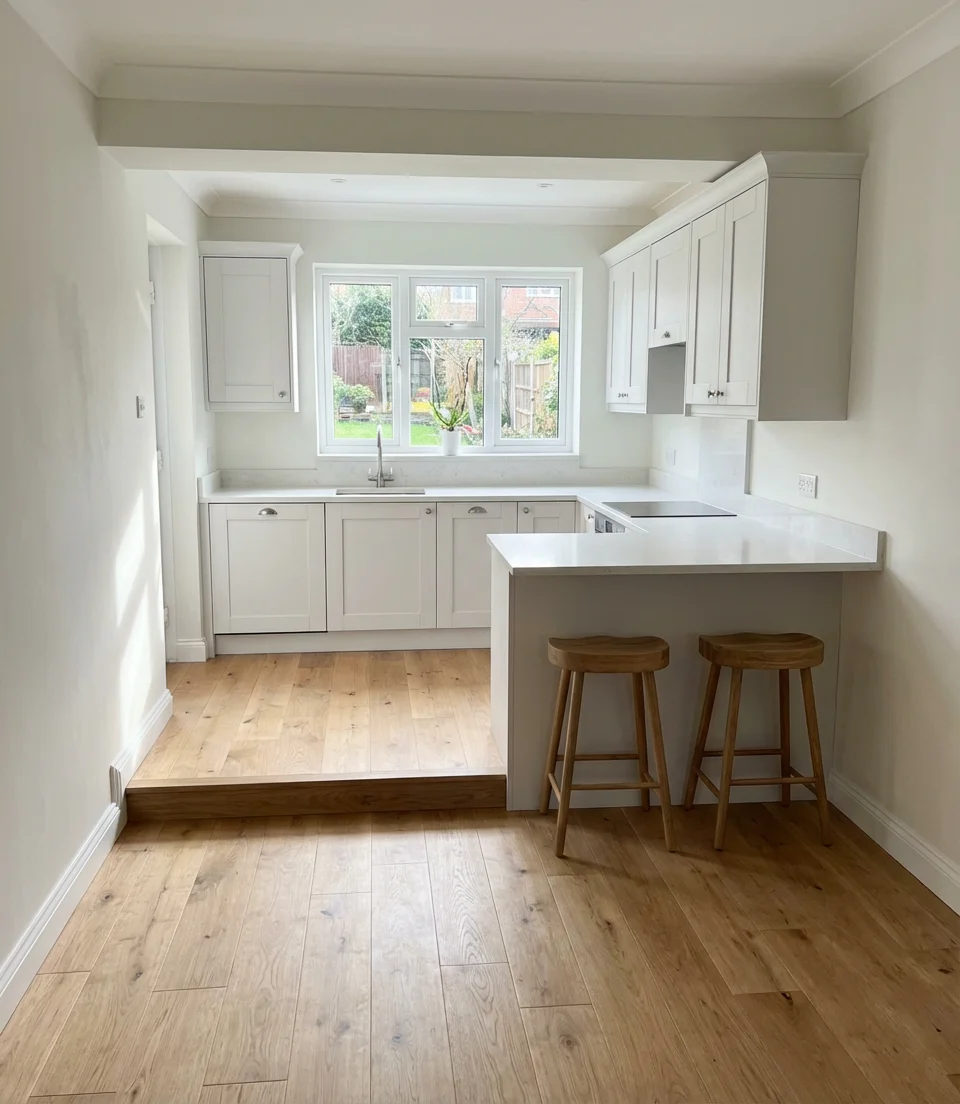
Kitchens in small split-level homes present one of the trickiest design challenges in American residential spaces—they’re often cramped, oddly proportioned, and separated from social spaces by a half-staircase that feels more like a barrier than a transition. The smartest redesigns in 2026 are focused on visual continuity: using the same flooring material throughout to visually expand the space, choosing lighter cabinet colors to prevent the kitchen from feeling cave-like, and removing upper cabinet doors to create visual depth. The ability to adjust modular storage systems to awkward wall heights and angles makes them particularly useful in this situation.
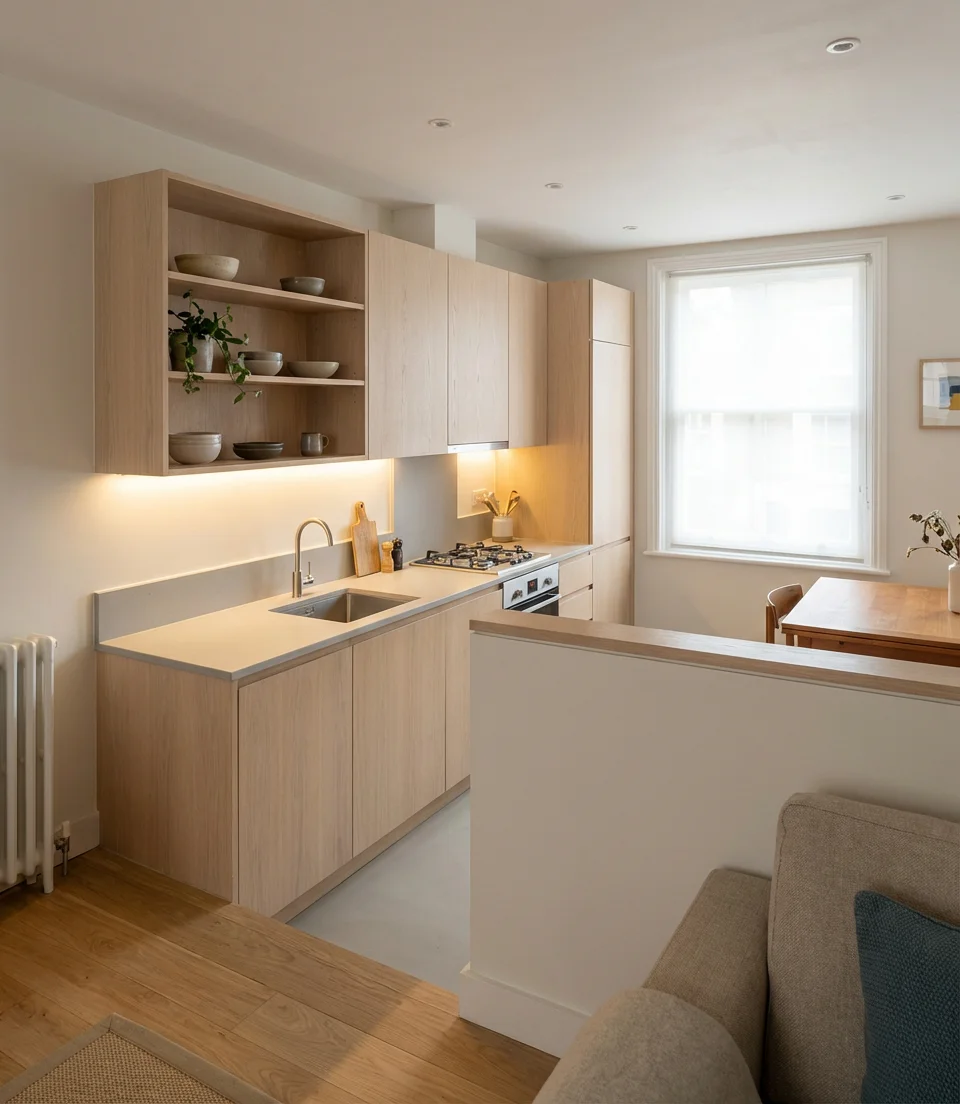
Split-level homeowners often feel that their architectural choices are limited, but an active online community, particularly on Reddit’s r/malelivingspace and r/femalelivingspace, shares brilliant transformations of these challenging kitchens. The consistent advice from those who’ve done it: address the lighting first. Split-level kitchens frequently suffer from poor natural light, and adding recessed lighting or a well-placed pendant over a peninsula can change the room’s feel more dramatically than any cabinet paint or new countertop.
10. Kids Play Kitchen From Kidkraft
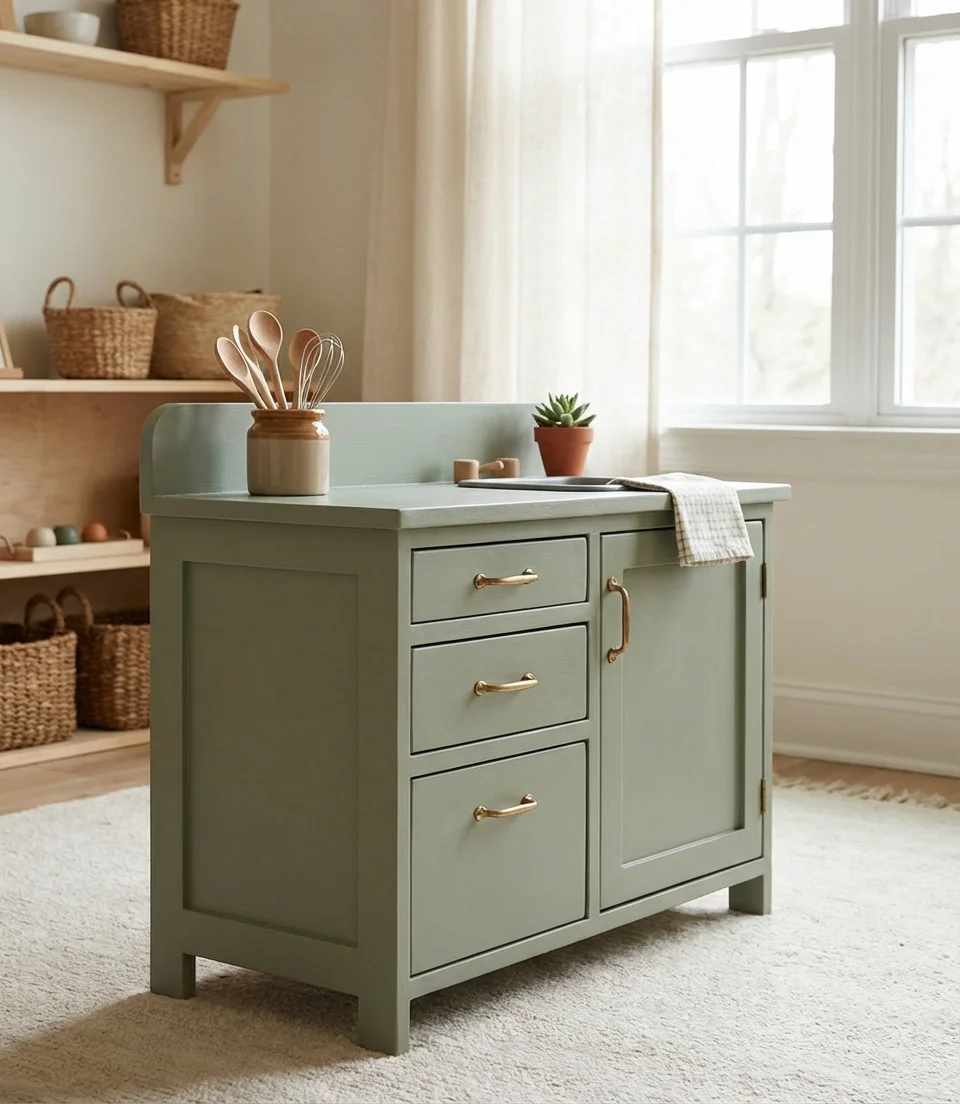
There’s a whole category of kitchen makeovers that parents are obsessed with right now: refreshing or upgrading a KidKraft or kids’ play kitchen to look more realistic and grown-up. The base units from brands like KidKraft and Little Tikes are sturdy and beloved, but the bright plastic finishes can feel out of place in a thoughtfully designed home. The 2026 trend is all about painting them—chalk paint adheres beautifully to plastic—and swapping out plastic knobs for tiny real cabinet hardware. The result is a miniature kitchen that looks like it belongs in the same design universe as the adult one.
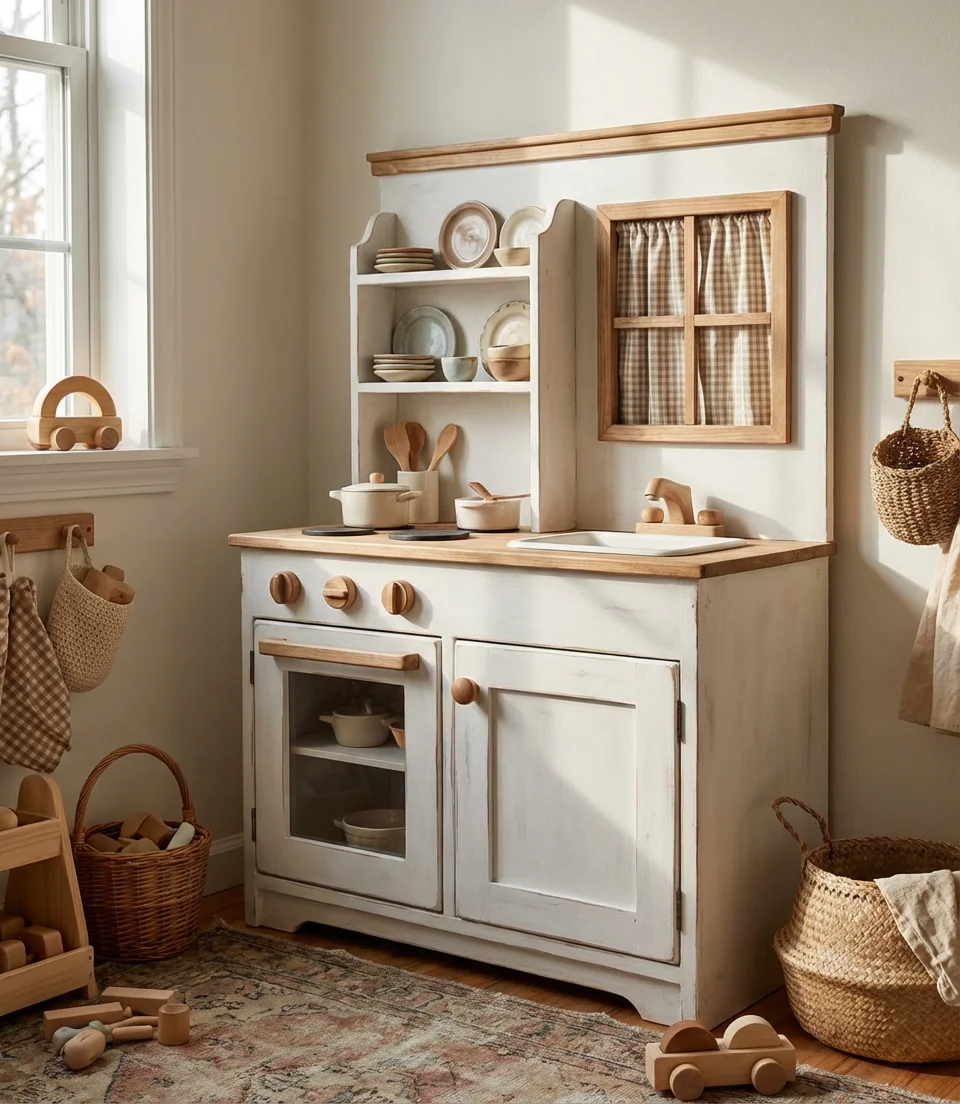
This task is one of the most joyful and shareable DIY projects a parent can undertake—and it costs almost nothing if you already own the play kitchen. A can of chalk paint ($15), a small jar of Mod Podge to seal, and a pack of tiny cup pulls from Amazon are all you need. The real value is developmental: children who have realistic-looking play spaces engage with them more imaginatively and for longer. Interior designers who work on family homes increasingly treat the children’s play kitchen as a design element in its own right, not an afterthought to be hidden in a playroom corner.
11. Indian-Inspired Kitchen Decor
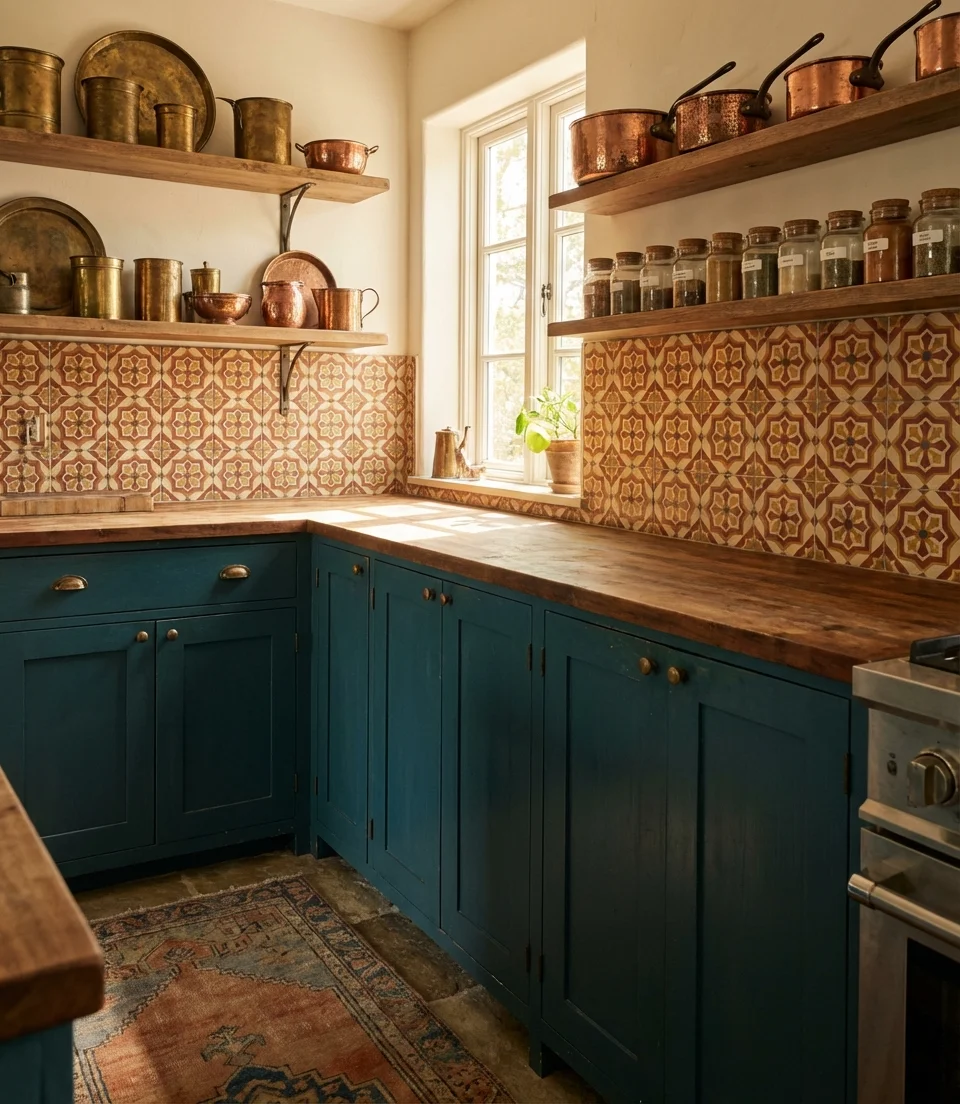
One of the most exciting design conversations happening in American kitchens right now involves drawing from Indian aesthetic traditions—rich jewel tones, hand-painted tile work, brass vessels, intricately carved wooden elements, and spice storage that’s beautiful enough to be displayed openly. This isn’t about cultural costuming; it’s about the genuine influence of South Asian design traditions on mainstream American interiors, driven in part by the growing Indian-American community sharing their own home tours on social media. The result is a modern kitchen that tells a more layered, personal story.
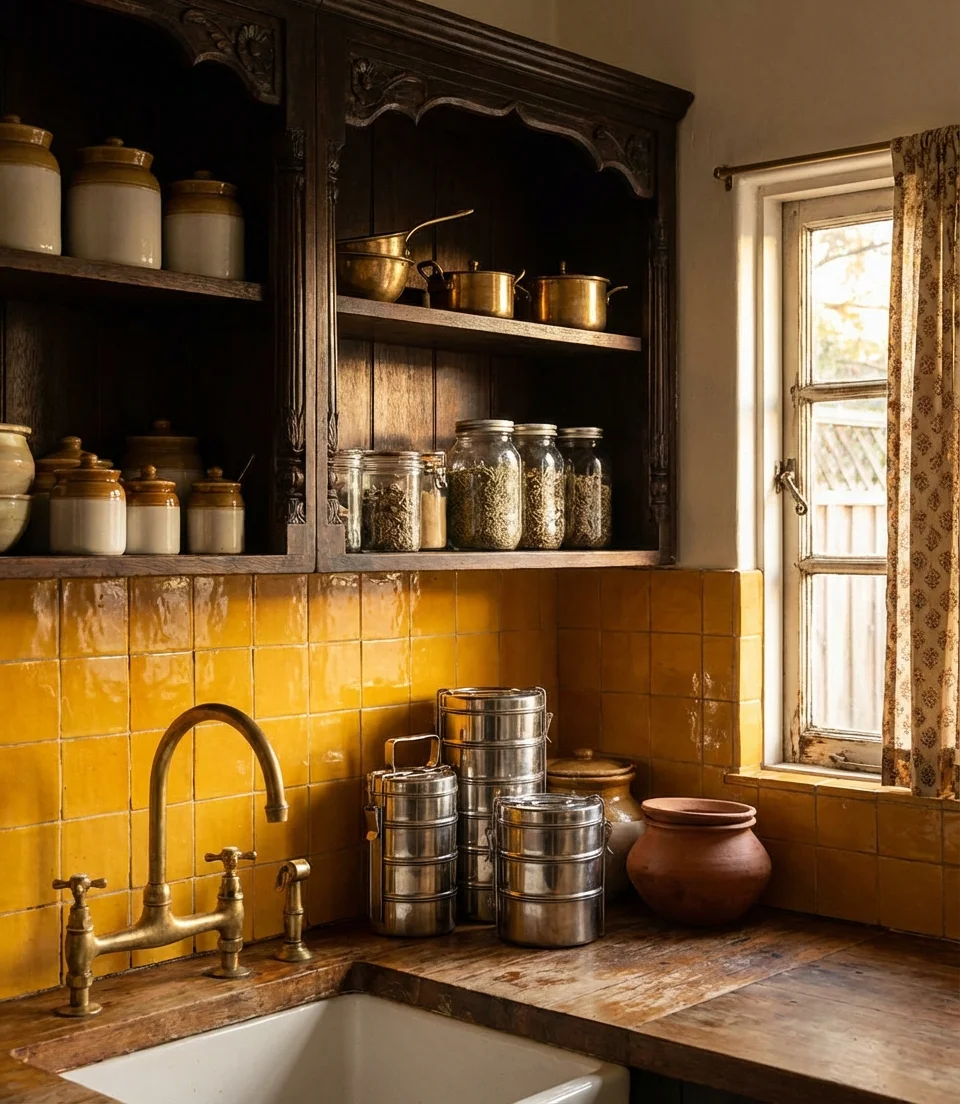
The most impactful and accessible element of this aesthetic is the spice organization displayed as decor. Rather than hiding spices in a cabinet, Indian home cooks traditionally display them in organized steel masala boxes (dabbas) or glass jars on open shelving—a practice that is both visually rich and deeply functional. For American kitchens, this style translates beautifully: a brass tray with neatly labeled spice jars on the counter is a simple, cheap, and stunning way to introduce warmth and cultural storytelling into an otherwise unremarkable kitchen corner.
12. Blue Willow Kitchen Theme
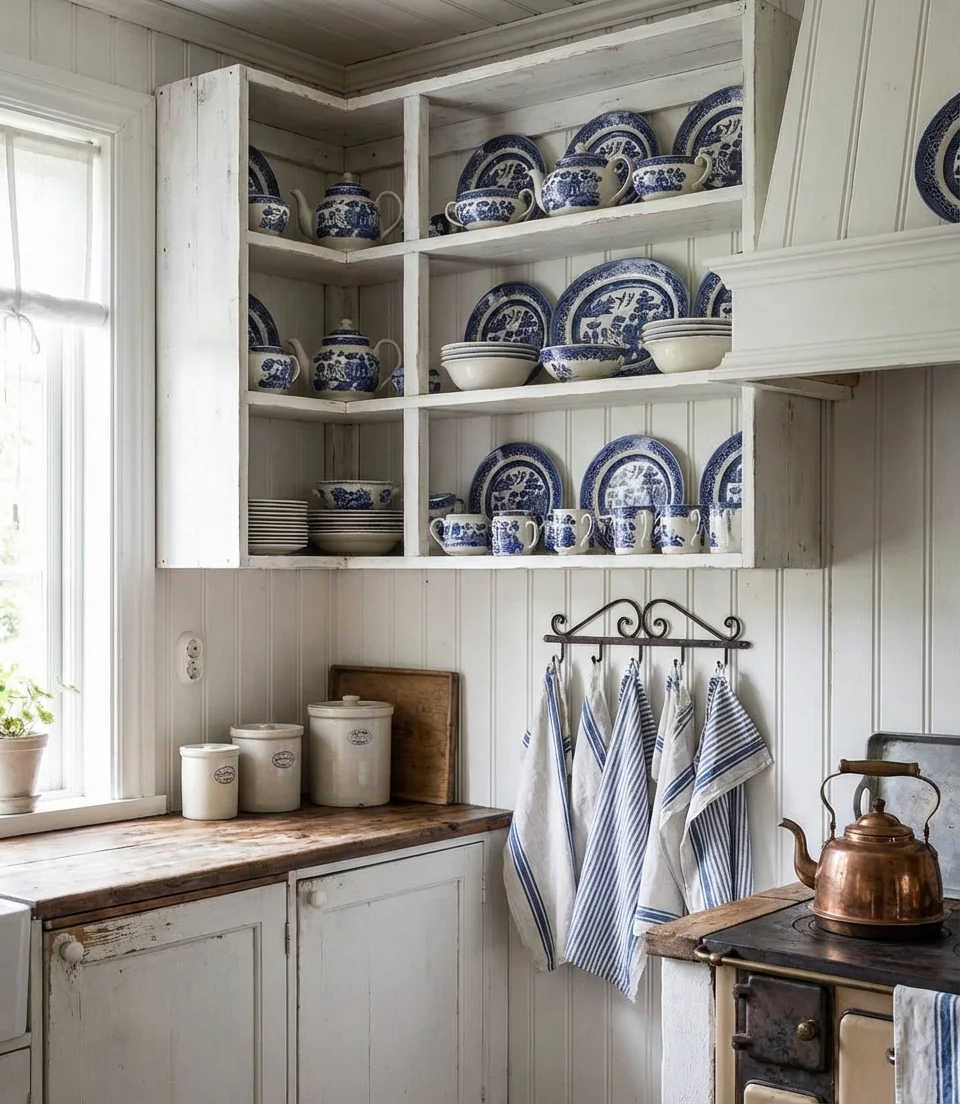
The Blue Willow pattern—that iconic cobalt and white chinoiserie design featuring weeping willows, a bridge, and pagodas—has been a beloved kitchen motif in American homes for generations, and in 2026 it’s having a full-on revival. Interior stylists and Pinterest curators are embracing collections of blue willow dishes, showcasing them on open shelves, using them as inspiration for backsplash tiles, or echoing them in blue-and-white checked linens and indigo-dyed curtains. Thrift stores, brimming with blue willow pieces, seamlessly blend vintage, global, and affordable elements.
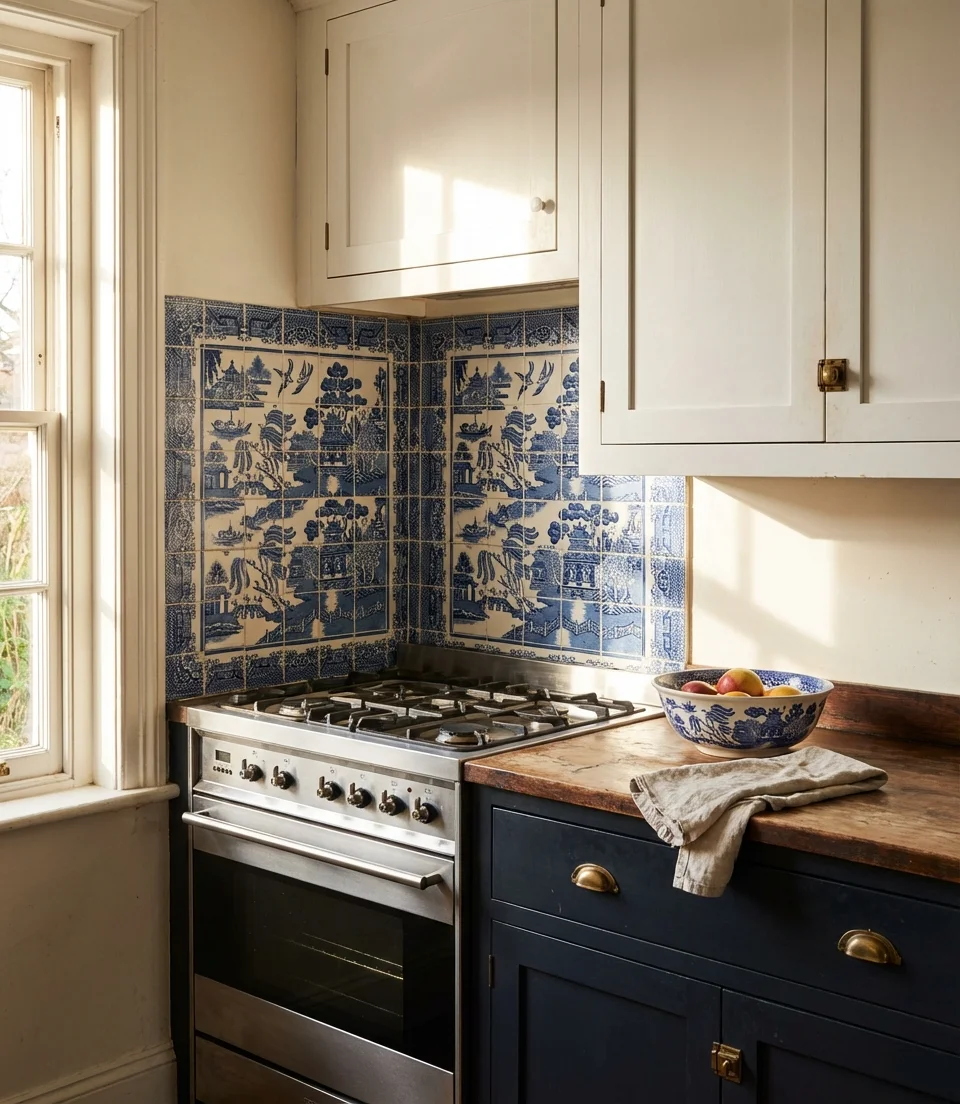
This look works best in kitchens that already have some vintage character—an older home with original trim, a cottage kitchen with beadboard ceilings, or any space that leans toward the collected-over-time aesthetic. The real magic of a blue willow theme is that it’s genuinely buildable over years: you pick up a platter at an estate sale here, a set of bowls at Goodwill there, and slowly the kitchen acquires a depth of character that no single shopping trip could create. It’s a design philosophy as much as a color palette.
13. Tiny Kitchen Makeover for Small Spaces
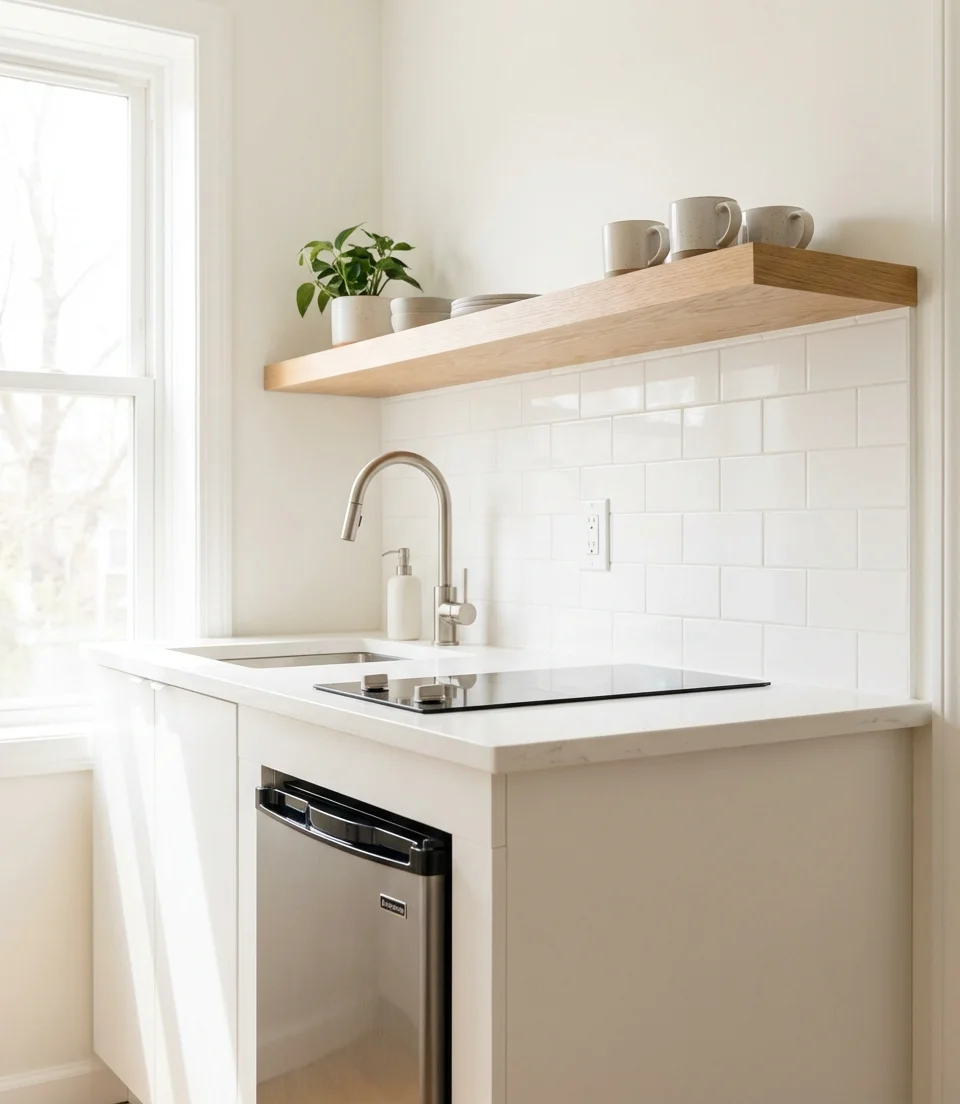
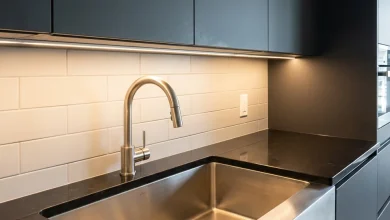
If you’re working with a tiny kitchen—we’re talking under 70 square feet, maybe a one-wall galley in a studio apartment—every single design decision matters more than it would in a larger space. The most transformative moves in 2026 are about creating the illusion of more space: painting the ceiling the same color as the walls (it removes visual interruption), using one consistent material for counters and backsplash (it reads as uninterrupted), and selecting hardware in a single finish that quietly recedes. A simple intervention like replacing a builder-grade faucet can elevate the whole room disproportionately.
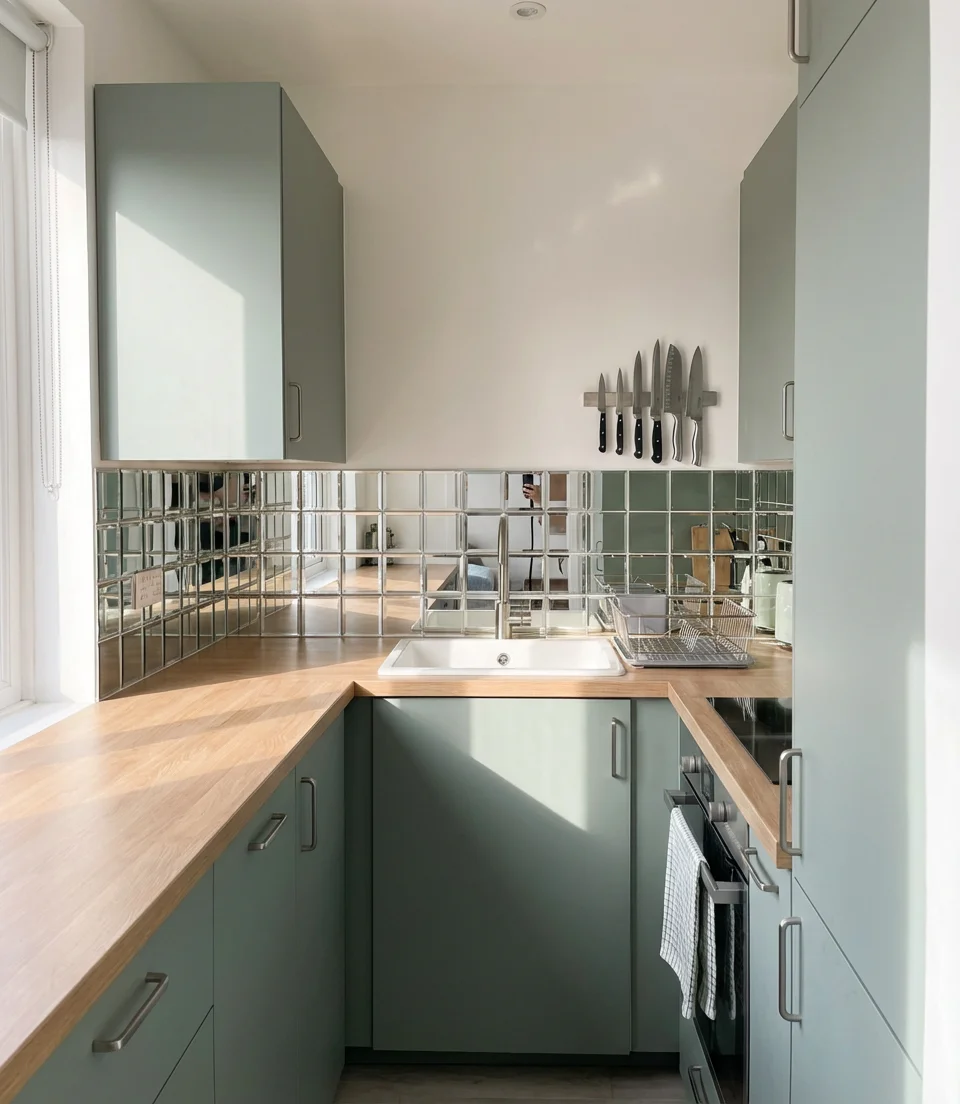
Americans living in densely populated cities have pioneered an extraordinary body of knowledge around tiny kitchen optimization, and much of it lives on YouTube and Instagram. The consistent advice from real dwellers: invest in vertical storage aggressively. A magnetic knife strip, a pegboard for pots and pans, stackable canisters, and a mounted paper towel holder all return counter space to you without costing more than $100 total. In tiny kitchens, every inch of counter space has more value than in any other room in any other home configuration.
14. Modern Mobile Home Kitchen
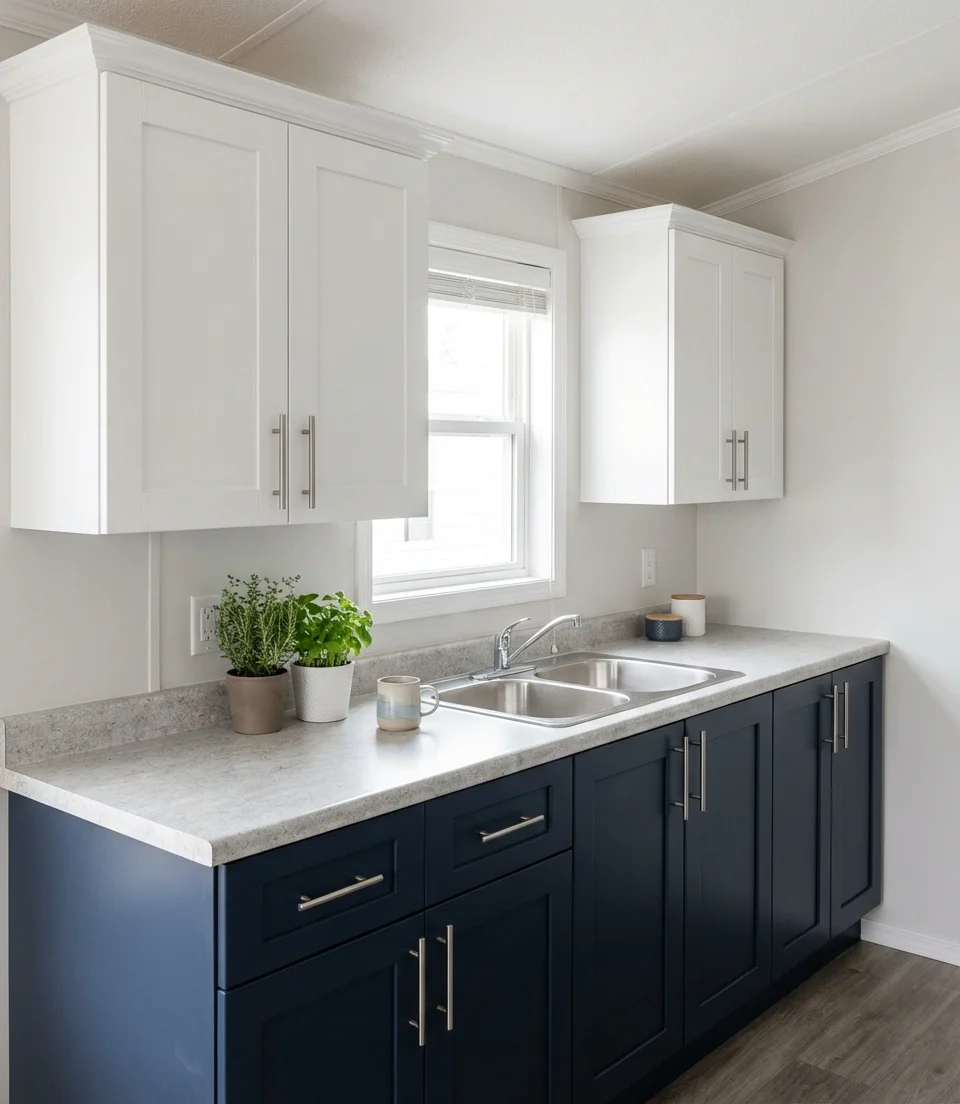
The kitchen in a mobile home has historically been one of the most underserved spaces in American interior design—and that’s changing fast. A whole community of mobile and manufactured home owners are documenting stunning transformations on social media, showing that the unique constraints of these kitchens (laminate surfaces, limited footprints, often unconventional layouts) are no obstacle to beauty. The modern mobile home kitchen makeover in 2026 leans into clean lines, two-tone cabinetry, and peel-and-stick solutions that respect the structural realities of manufactured housing while achieving a genuinely elevated look.
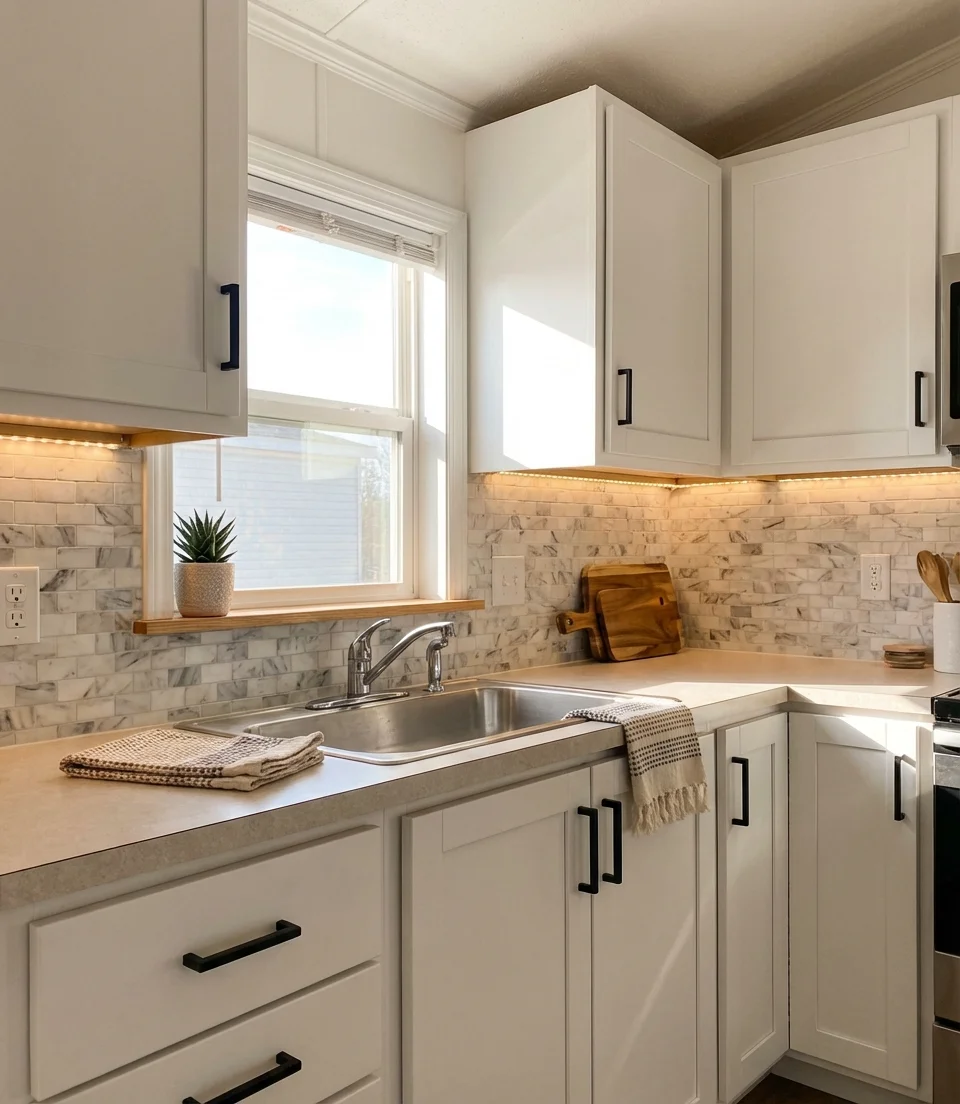
According to the U.S. Census Bureau, nearly 22 million Americans live in manufactured housing—and an increasing number of them are younger homeowners who bought manufactured homes as an accessible entry point into homeownership. These owners are bringing the same energy and creativity to their spaces as any first-time buyer, and they’re building a resource library online that’s genuinely impressive. The most important thing to know before you start: weight and structural load matter in manufactured homes, so always consult manufacturer guidelines before adding heavy countertops or removing upper cabinets.
15. Budget-Friendly Rental Kitchen Glow-Up
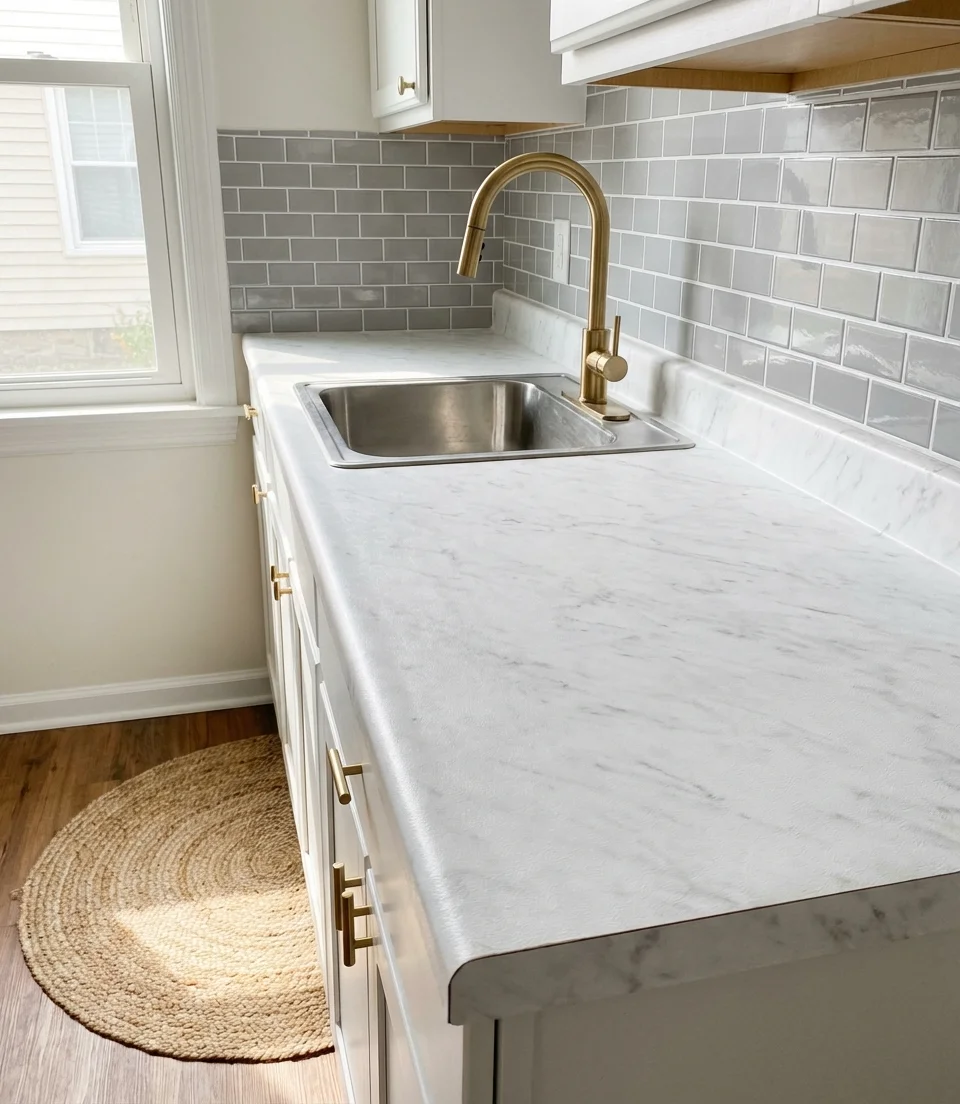
A budget-friendly rental kitchen transformation is almost its own design genre at this point—it has its own Pinterest category, its own YouTube niche, and its own set of beloved tools and techniques. The defining constraint is this: you cannot permanently alter the space, and you likely have $200–$500 to work with. Within those guardrails, the moves that consistently deliver the most impact are contact paper on counters (done well, it’s genuinely convincing), temporary peel-and-stick tile on the backsplash, and an inexpensive new faucet if your landlord permits hardware swaps. The result is a cheap design done thoughtfully.
A woman in Nashville documented her entire rental kitchen glow-up on TikTok for $187 total—contact paper counters, peel-and-stick tile behind the stove, three new cabinet pulls per cabinet, and a $30 plug-in pendant light. Her video has been viewed over two million times. What made it resonate wasn’t the before-and-after shock factor, but the granular, honest breakdown of what worked and what didn’t. She admitted the contact paper bubbled in one corner and had to be reapplied—that kind of transparency is exactly what makes DIY content trustworthy and shareable.
16. Modular Kitchen Storage Overhaul
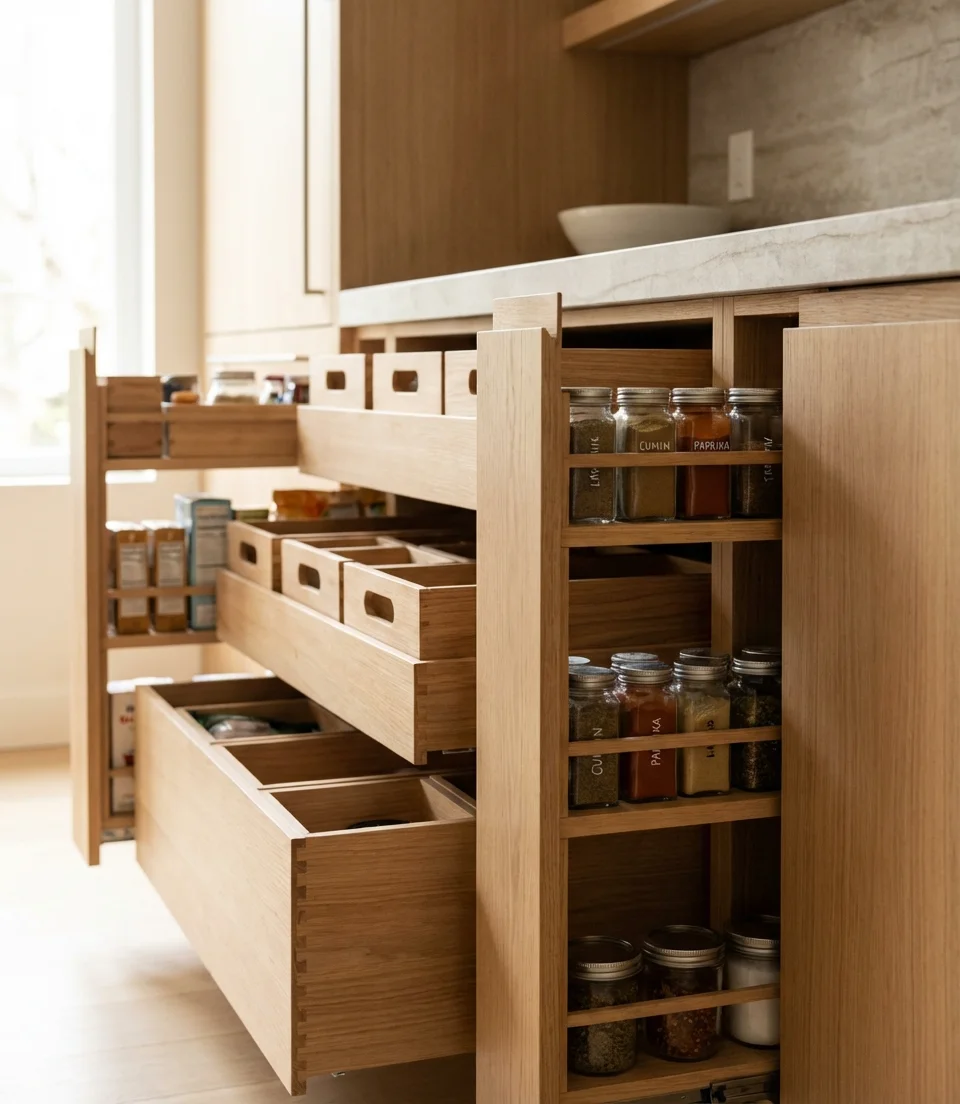
In 2026, modular kitchen storage systems are more beautiful and better designed than ever, making them a great investment for kitchens that lack storage. Brands like IKEA’s SEKTION series, The Container Store’s elfa system, and Amazon’s exploding category of drawer organizers have made it possible to create fully customized kitchen storage without a carpenter or a renovation. A motivated homeowner can easily install these systems over a weekend, catering to DIY sensibilities. The kitchen suddenly has a place for everything—and everything is in its place.
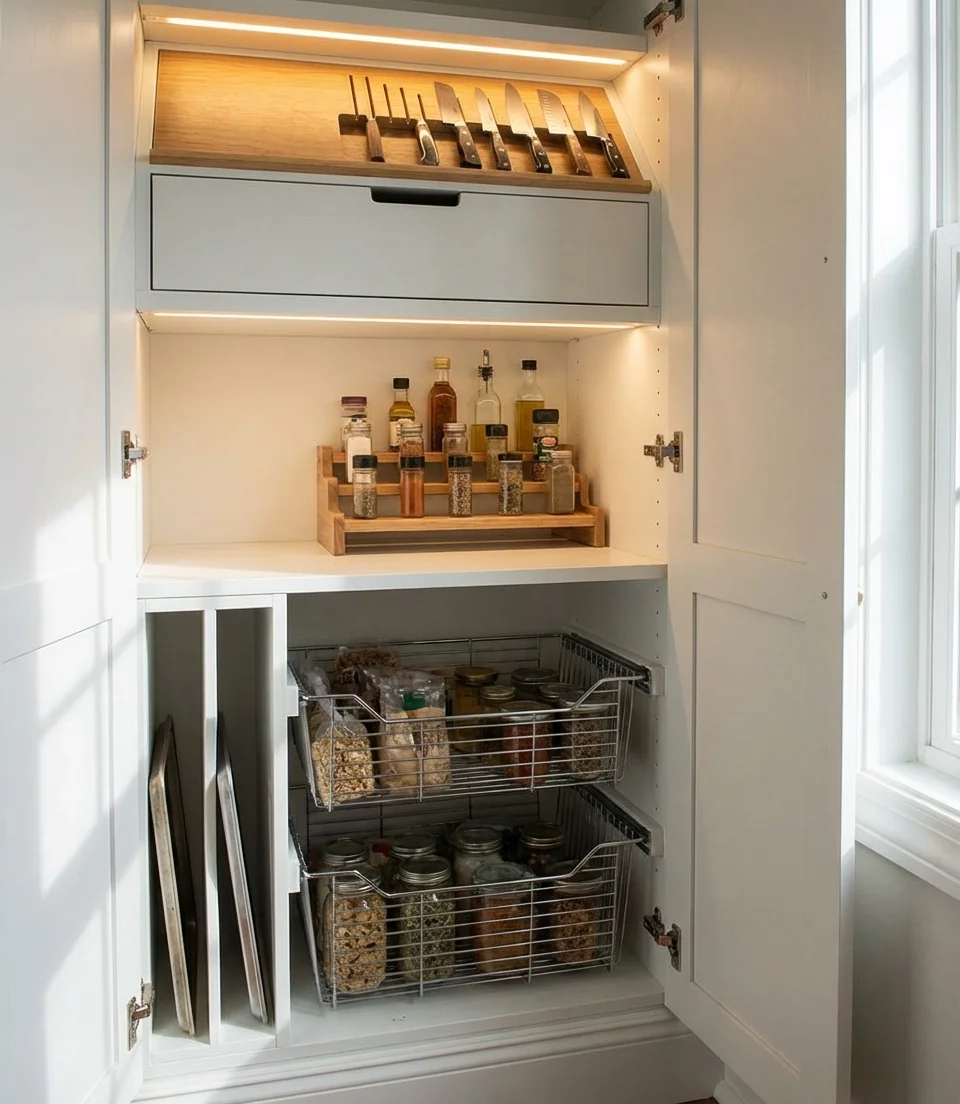
There’s a measurable lifestyle benefit to well-organized kitchen storage that goes beyond aesthetics. A 2024 study from the American Psychological Association found that people who describe their homes as cluttered also report higher cortisol levels and more difficulty decompressing in the evening. These studies often cite kitchen clutter more frequently than any other area. The result is expert-adjacent context worth taking seriously: investing $300–$600 in a modular drawer and cabinet system isn’t just an organizational move—it’s a stress management strategy with a very obvious daily payoff.
17. Open Kitchen for Entertaining
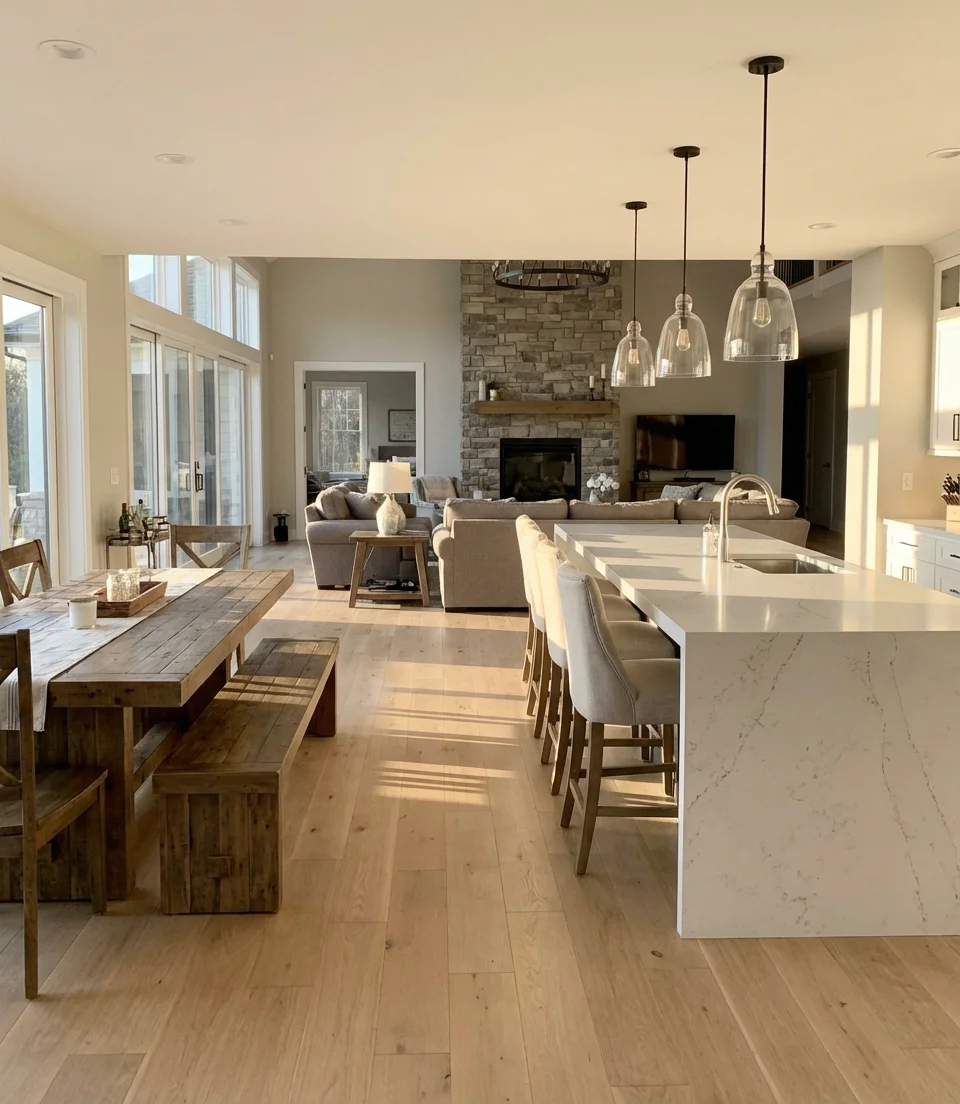
An open kitchen designed around entertaining is the aspirational gold standard for American home design—and in 2026, the approach has been refined significantly. Instead of merely demolishing a wall and hoping for the best, modern open kitchen designs thoughtfully consider where to conceal the mess. How does the noise travel? What’s the sightline from the living room? The best open kitchen renovations incorporate a well-placed island that acts as both a visual divider and a social gathering point, keeping the cooking action contained while keeping conversation flowing.
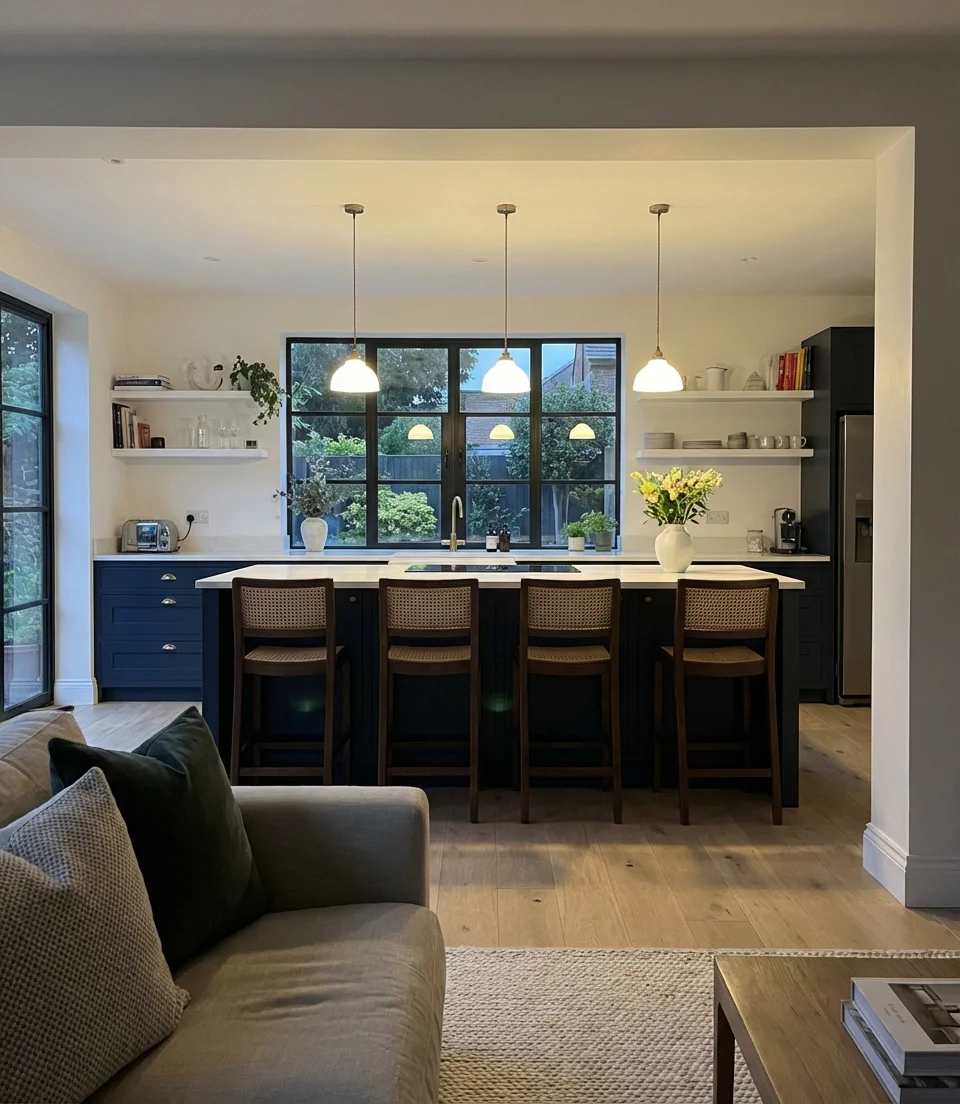
Homeowners who’ve opened up their kitchens consistently report that it was the single change that most improved their relationship with their home. The practical reality, though, is that the kitchen needs to be genuinely clean and tidy all the time—or at least appear so. The most experienced open-kitchen dwellers develop specific habits: emptying the dishwasher every morning, keeping the island clear of visual clutter, and having a designated spot for bags, mail, and everyday detritus that is not the kitchen counter. The open kitchen rewards the organized and gently punishes everyone else.
18. Cheap Kitchen Refresh With Paint Only
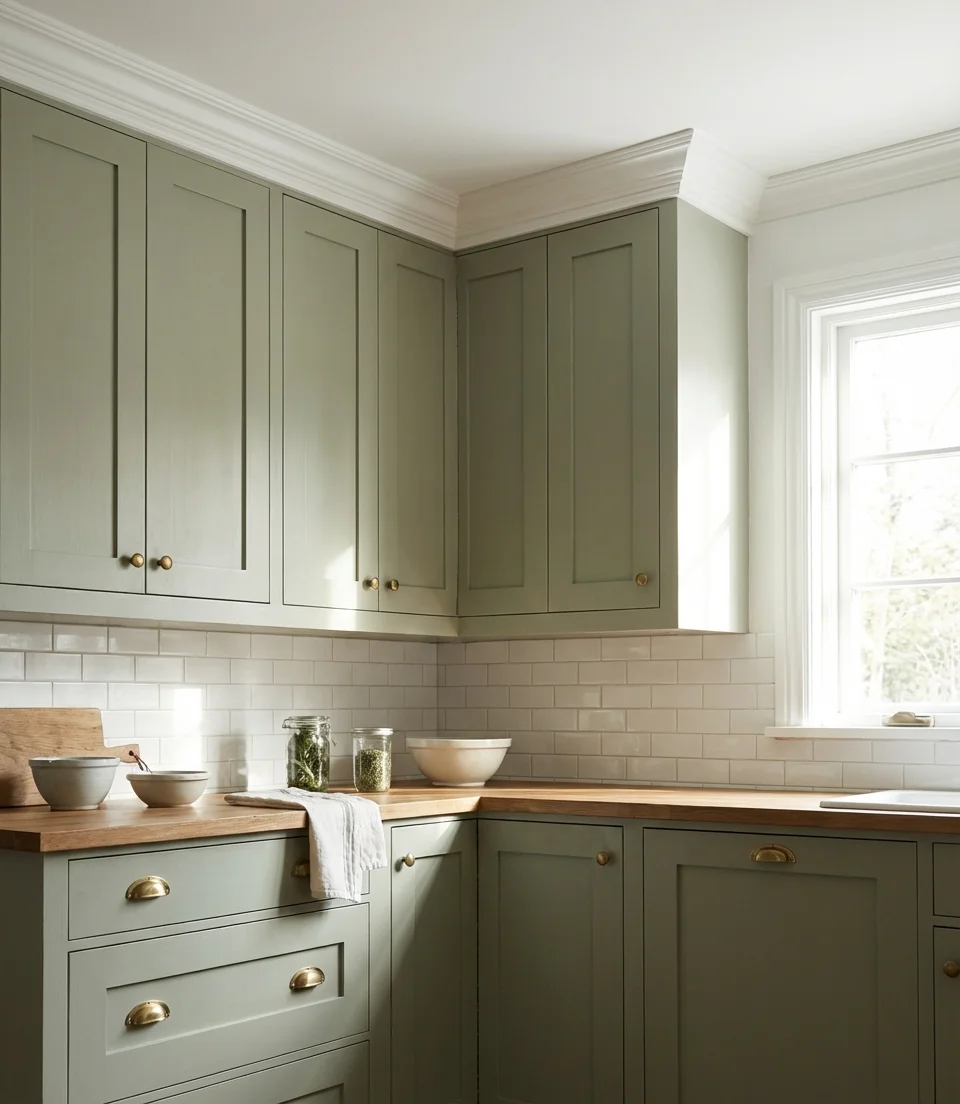
Sometimes the most radical change you can make in a kitchen is also the cheapest and the most reversible: paint. In 2026, the paint-only kitchen refresh has gained serious credibility as a design strategy rather than a stopgap measure. The most ambitious version of this approach paints everything—cabinets, walls, and ceiling—in a carefully considered palette of two to three tones. For renters with landlord permission or homeowners in a transition period, this option can completely transform a kitchen’s identity for the cost of a few gallons of paint and a long weekend. It’s a particularly simple entry point for design-curious beginners.
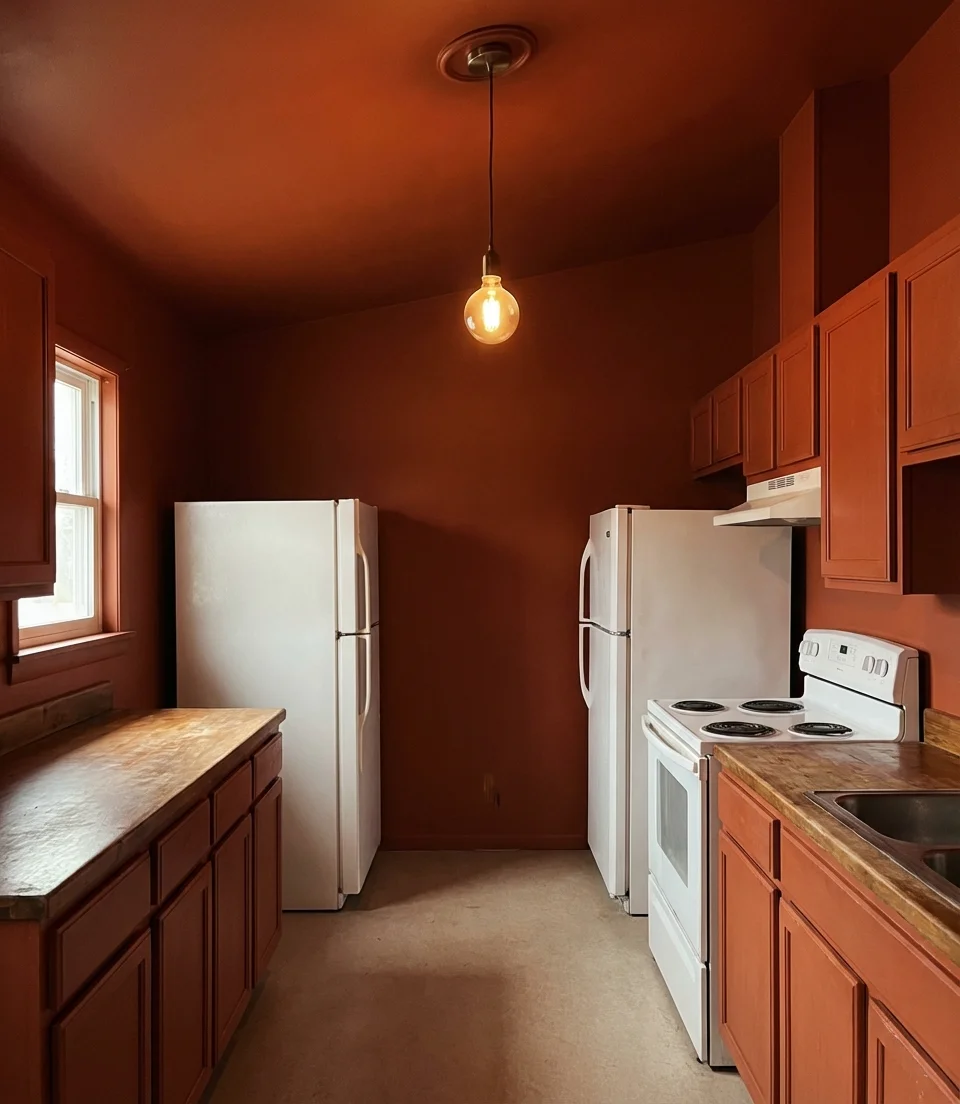
The single most common mistake in a paint-only kitchen refresh is stopping too soon. Most amateur painters coat the cabinets and call it done—but the walls above are still the old builder’s beige, the ceiling is still an afterthought, and the room reads as halfway finished. The full commitment to a paint-only approach means treating every surface as part of the composition. Paint the ceiling a shade deeper than the walls. Paint the inside of open shelves an accent color. Make the whole room feel like a deliberate decision, not a half-measure. That extra four hours of work is the difference between a refreshed kitchen and a transformed one.
19. Play Kitchen Corner for Kids in the Family Kitchen
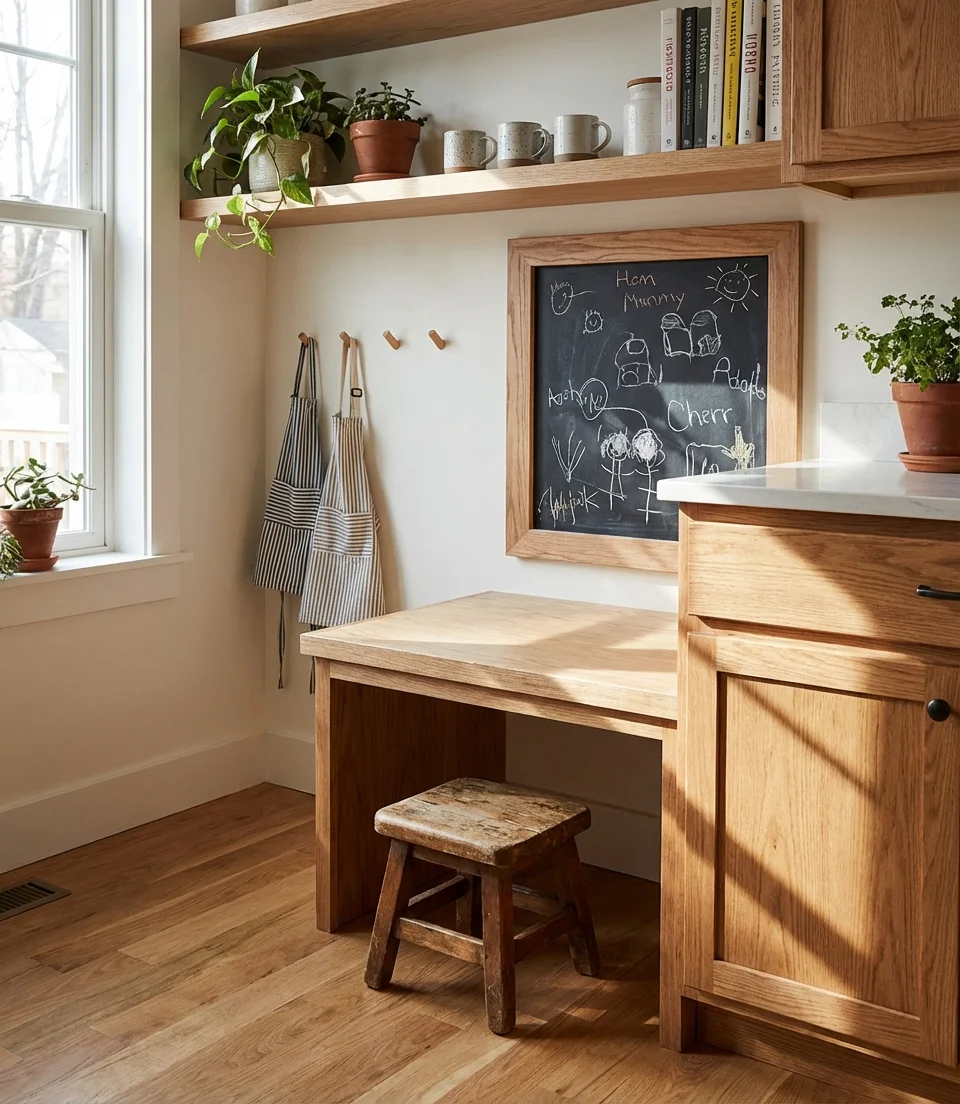
One of the most charming and functional kitchen design trends gaining traction in 2026 is dedicating a corner of the real kitchen to a kids’ play station—a small, child-scaled area where kids can “cook” alongside adults, do homework, or have art time while dinner gets made. This is distinct from a playroom setup; it’s intentionally integrated into the working kitchen, at a lower counter height, with durable materials and a space for a small stool. It works beautifully in farmhouse and open-plan kitchens where the family naturally gathers, and it reduces the chaos of kids constantly underfoot by giving them their own designated zone.
American families with young children are increasingly designing their homes around the reality of how they actually live, rather than around an idealized version of entertaining adults. This is particularly true in the kitchen, which tends to be the social heart of family life regardless of what the floor plan says. Having a dedicated kids’ zone within the kitchen is a genuinely useful design decision—it keeps small children nearby and supervised, gives them a sense of inclusion and belonging in the household, and results in far less clutter spreading into the rest of the kitchen than when kids improvise their corners.
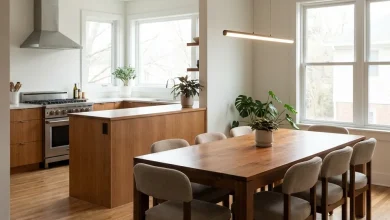
20. White and Wood Scandi-Inspired Kitchen
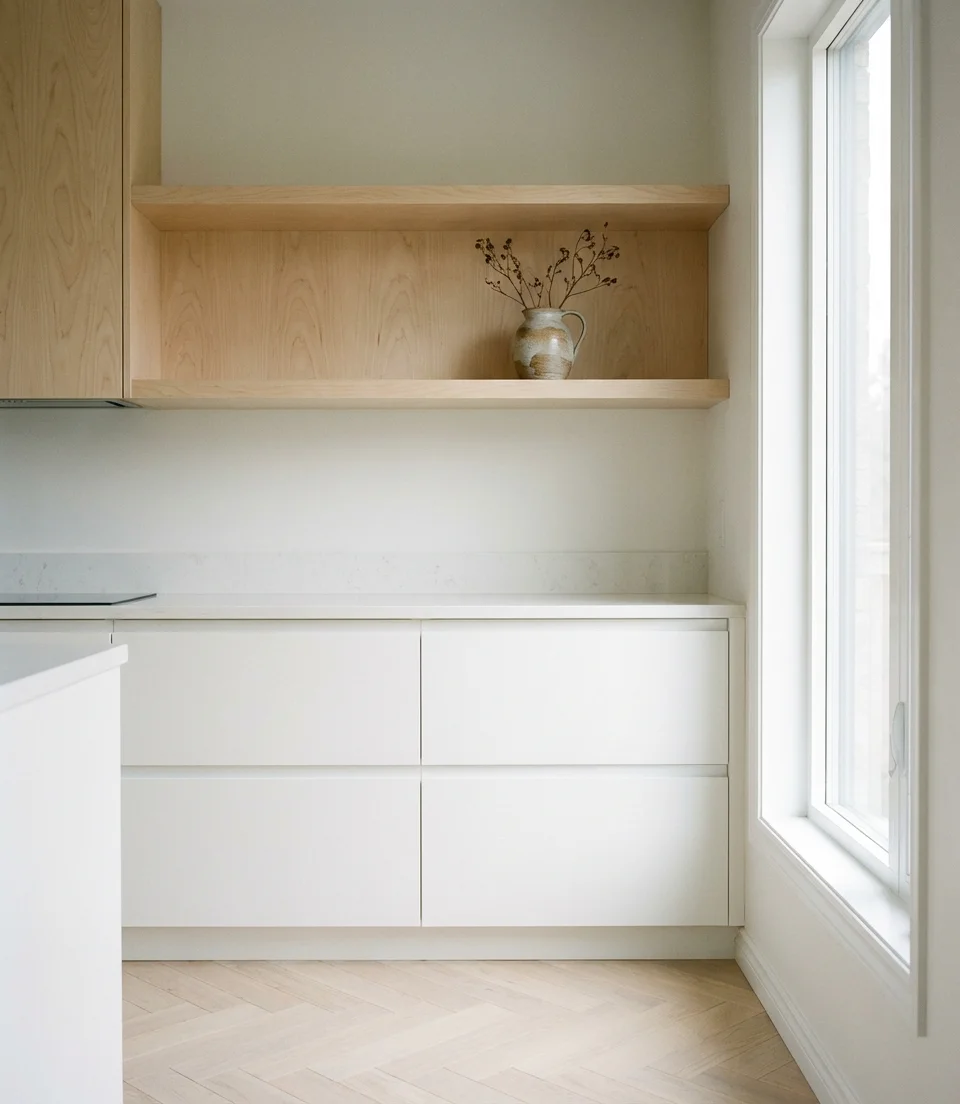
For over a decade, Scandinavian design has been influencing American kitchens, and in 2026, it has matured into a confident expression. The white and wood Scandi kitchen is defined by restraint: clean, flat-front cabinets, a single consistently warm wood tone on open shelves and countertop accents, and almost zero visual clutter. What keeps it from feeling cold is the quality of the materials—smooth matte cabinetry, warm floorboards, natural linen accents—and the deliberate absence of anything unnecessary on the counter. It’s a design philosophy that aligns beautifully with the current American interest in intentional living and simple spaces.
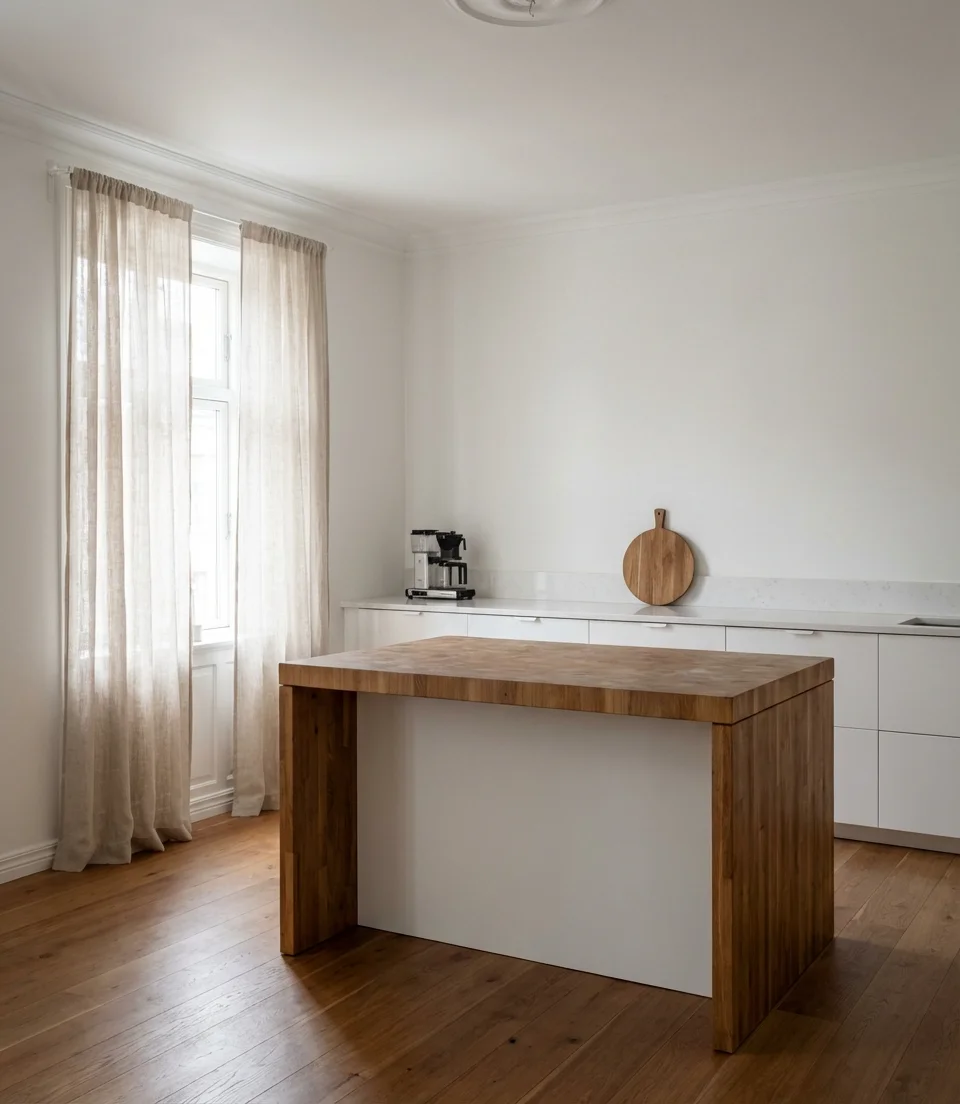
The budget angle on this look is genuinely encouraging: Scandi design’s emphasis on simplicity means you actually spend less, not more. The approach actively discourages accumulating decorative objects, extra appliances, and cluttered collections—all the things that drive up decorating costs. The investment goes into a small number of high-quality items (one beautiful cutting board, three quality ceramic pieces, and a fantastic knife) rather than a shopping cart full of trends. For American consumers trying to spend intentionally while building a home they love, this is a profoundly practical design philosophy, not just an aesthetic one.
21. Grey and Blue Modern Kitchen Combination
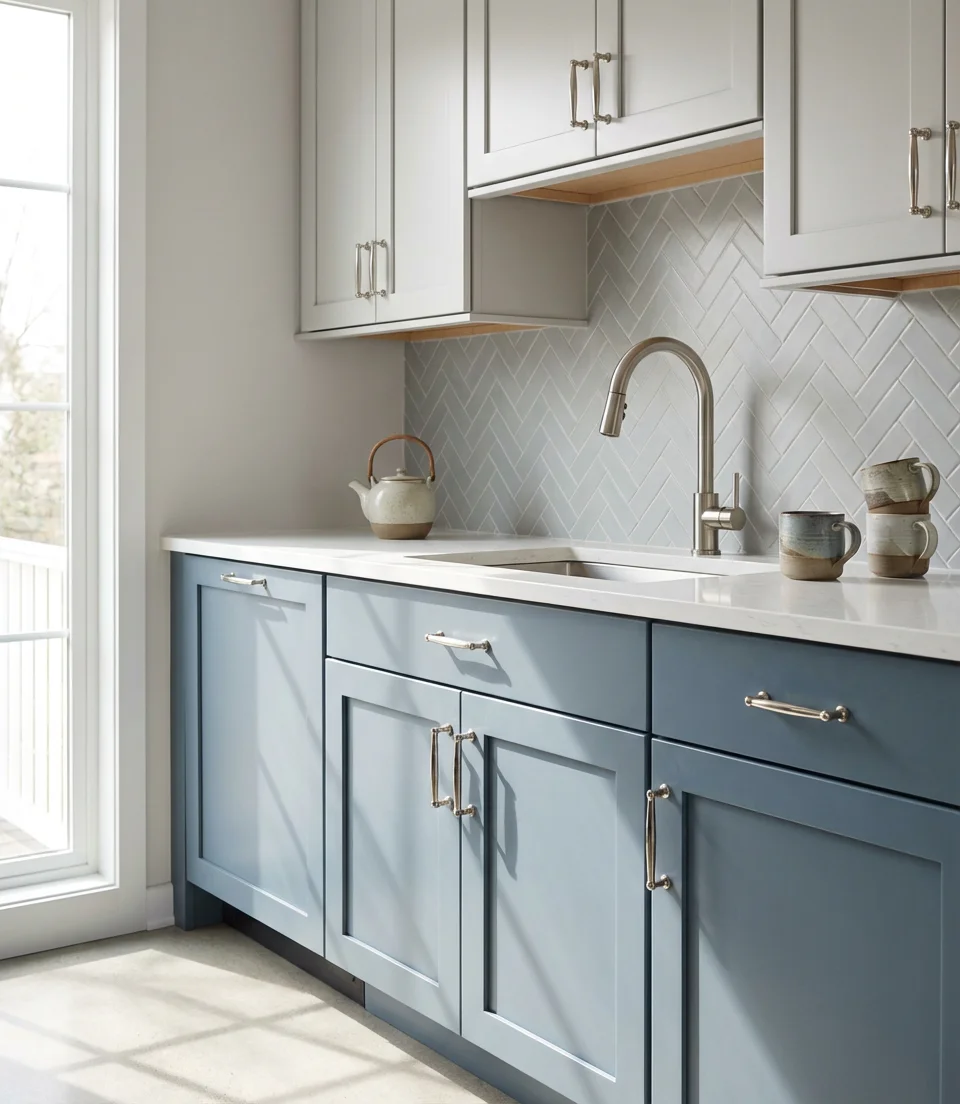
Pairing grey and blue in a modern kitchen produces one of the most sophisticated and visually dynamic color combinations currently trending. The key is understanding how to layer them: typically, one tone anchors the lower cabinets (often the deeper blue), while the other handles the upper cabinets or walls (the lighter grey), with a connecting bridge of natural stone or white quartz. If done right, the kitchen looks well put together instead of too colorful. This combination has particular visual power in kitchens with ample natural light—the blue shifts from navy in shadow to a warm slate in sun, and the grey moves from cool to warm accordingly.
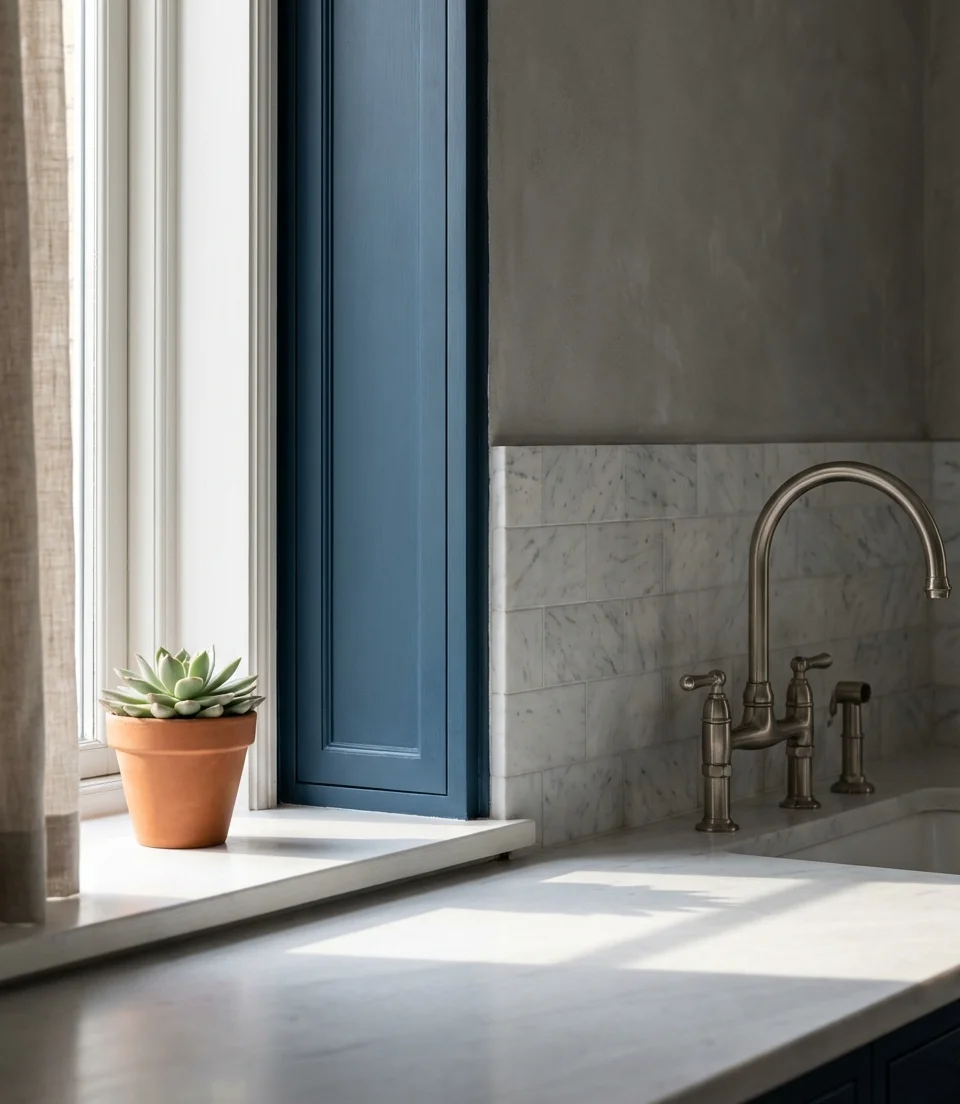
This pairing works best in kitchens with south- or west-facing windows, where warm afternoon light can counteract the cool undertones of both grey and blue and keep the room from feeling chilly. In north-facing kitchens, designers recommend warming the combination by introducing wood tones—a butcher block section of countertop, wood barstools, or a wide-plank hardwood floor in amber or honey tones. Making that one adjustment can transform a kitchen from one that photographs beautifully to one that feels genuinely warm and livable when you’re standing there at 7 a.m. preparing breakfast.
22. Playful Kitchen Backsplash Statement
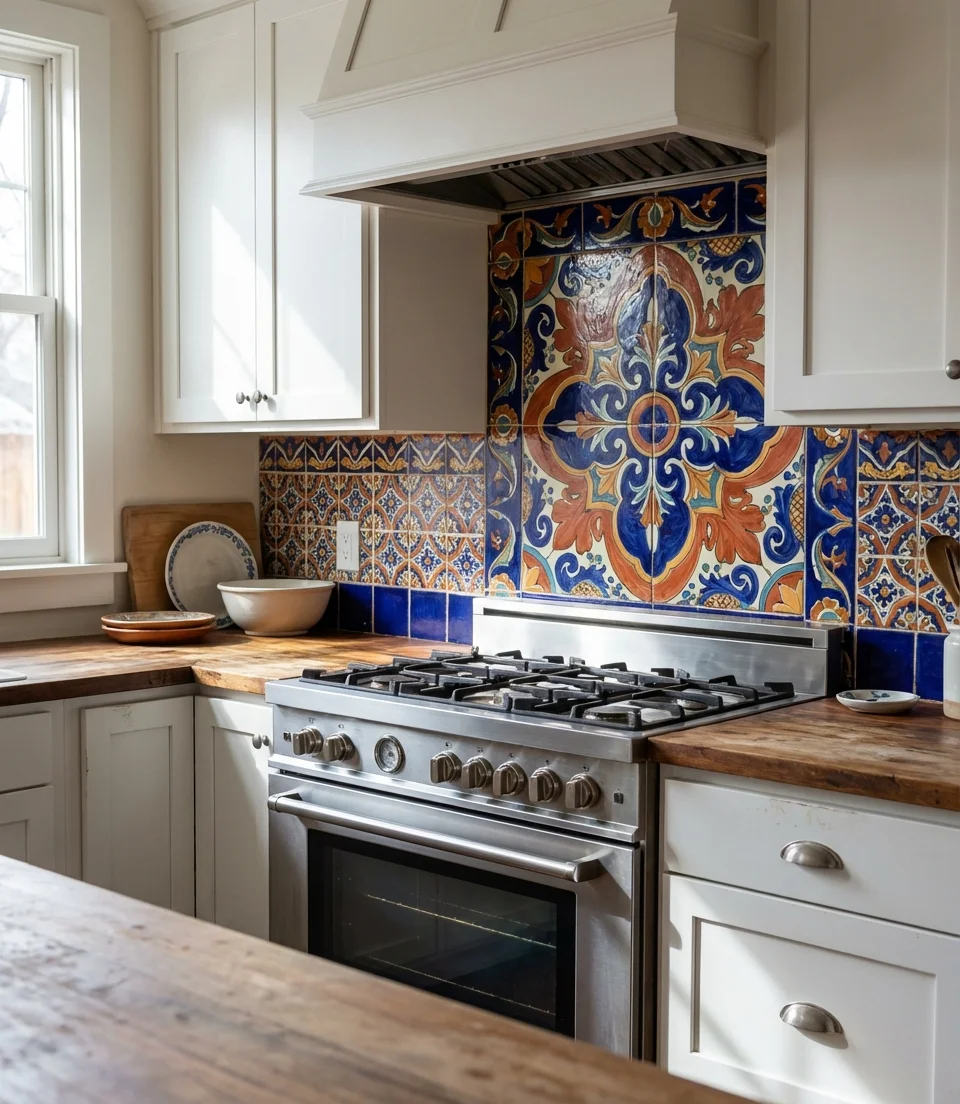
In 2026, the statement backsplash is the single design move that delivers maximum personality for minimum investment. A bold, playful tile behind the stove or covering the entire splash zone transforms a kitchen from forgettable to memorable—and unlike cabinetry or countertops, backsplash is a contained project that most handy homeowners can DIY over a weekend. The options right now are extraordinary: hand-painted Talavera tiles, graphic cement tiles in bold geometrics, zellige tiles in deep jewel tones, or even a single large-format porcelain slab in a dramatic marble pattern. This area is where personality lives in the modern kitchen.
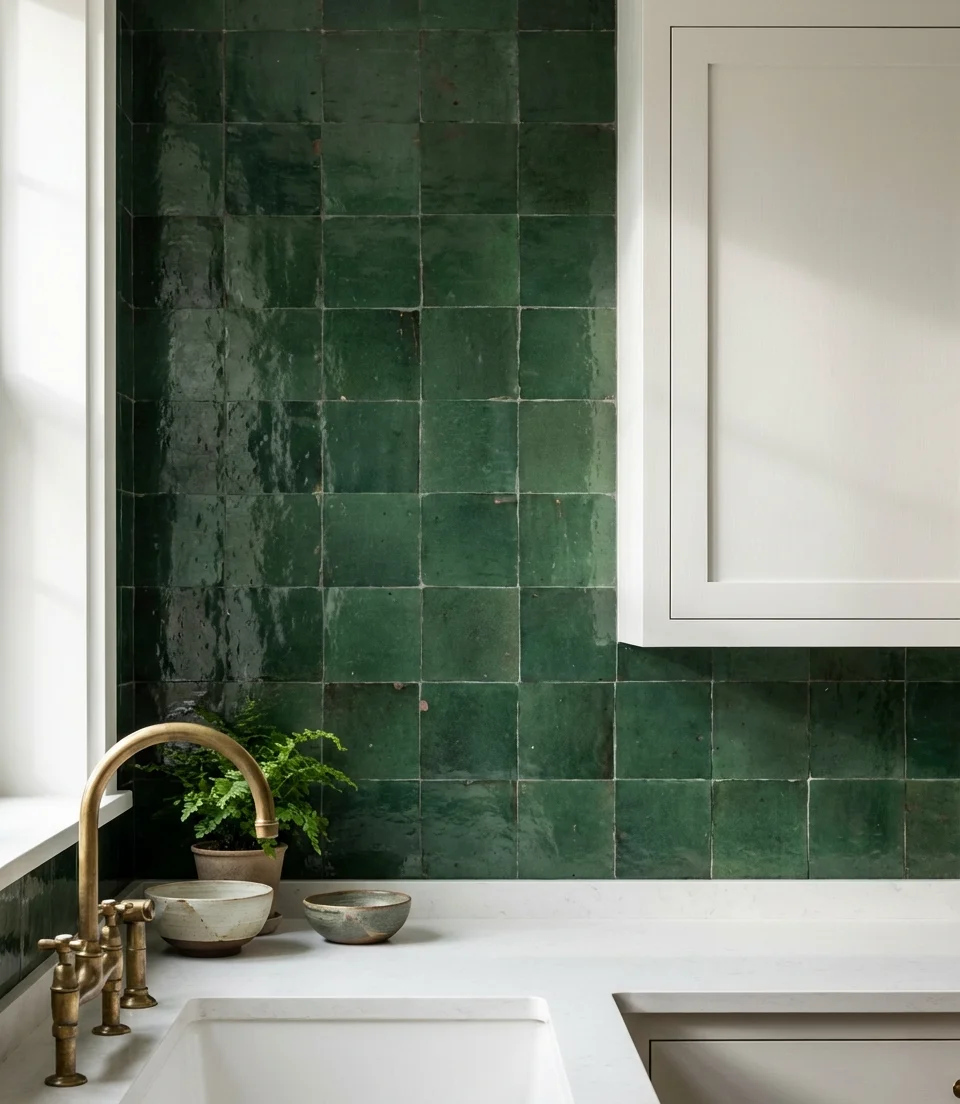
Real homeowners consistently report that the backsplash is the element they wish they’d been bolder on. There is an almost universal pattern: first-time renovators choose something safe (white subway tile, simple grey stone), then three years later wish they’d gone with the patterned cement tile they’d been pinning for months. The practical lesson is to trust your instincts when choosing the backsplash, as it’s the only element that can be easily removed and replaced, unlike floors or cabinetry. Give yourself permission to be decisive and delightful—that’s what kitchens in 2026 are demanding.
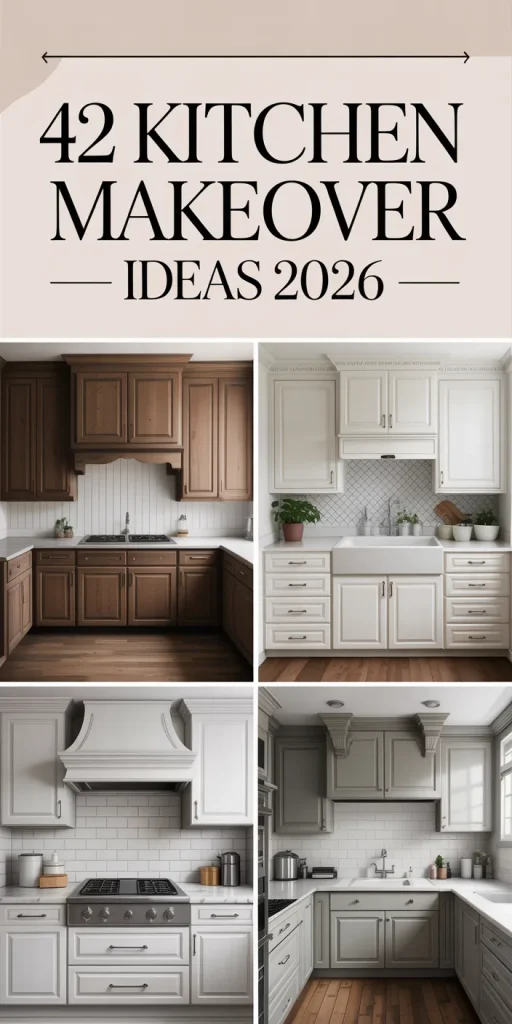
There’s no single right way to transform a kitchen, and honestly, that’s the most exciting thing about this moment in home design. Whether you’re spending $50 on contact paper or $5,000 on new cabinetry, the ideas in this list prove that there’s always a version of the kitchen you’ve been dreaming about that’s actually within reach. We’d love to hear which ideas are speaking to you—drop a comment below and tell us what your kitchen makeover plans look like for this year. Are you going bold with color or keeping it simple? We’re all ears.